
 PCB
PCB FPC
FPC Rigid-Flex
 FR-4
FR-4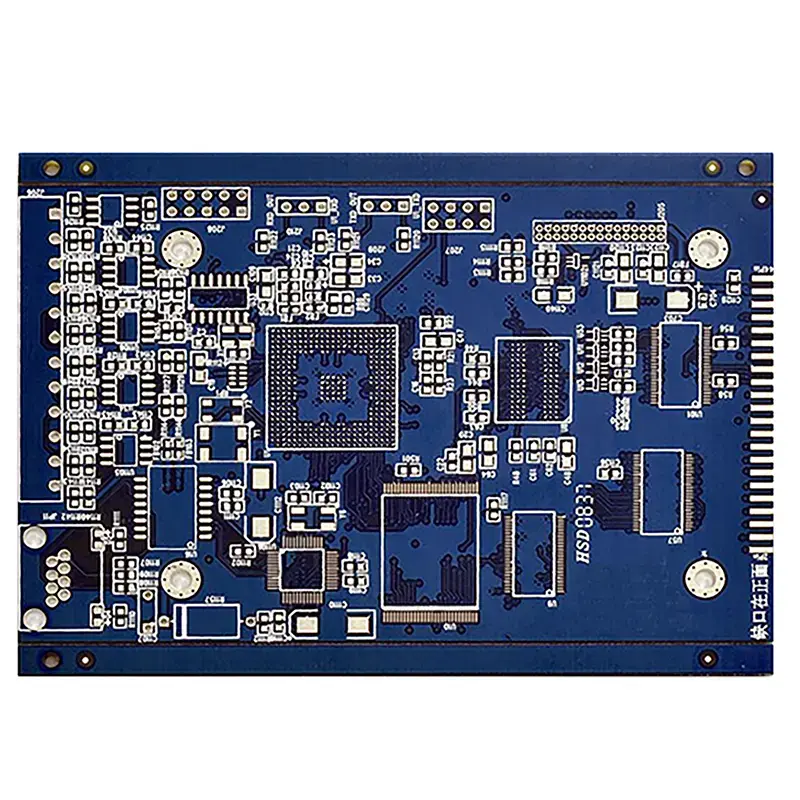 HDI PCB
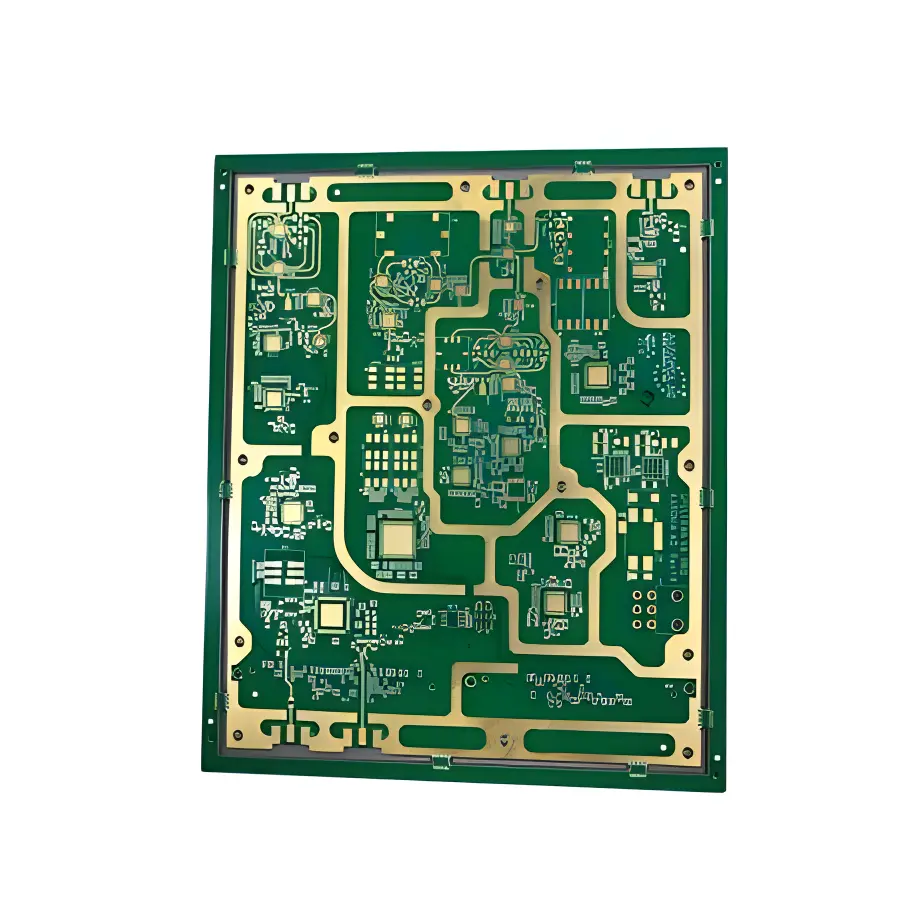 Rogers High-Frequency Board
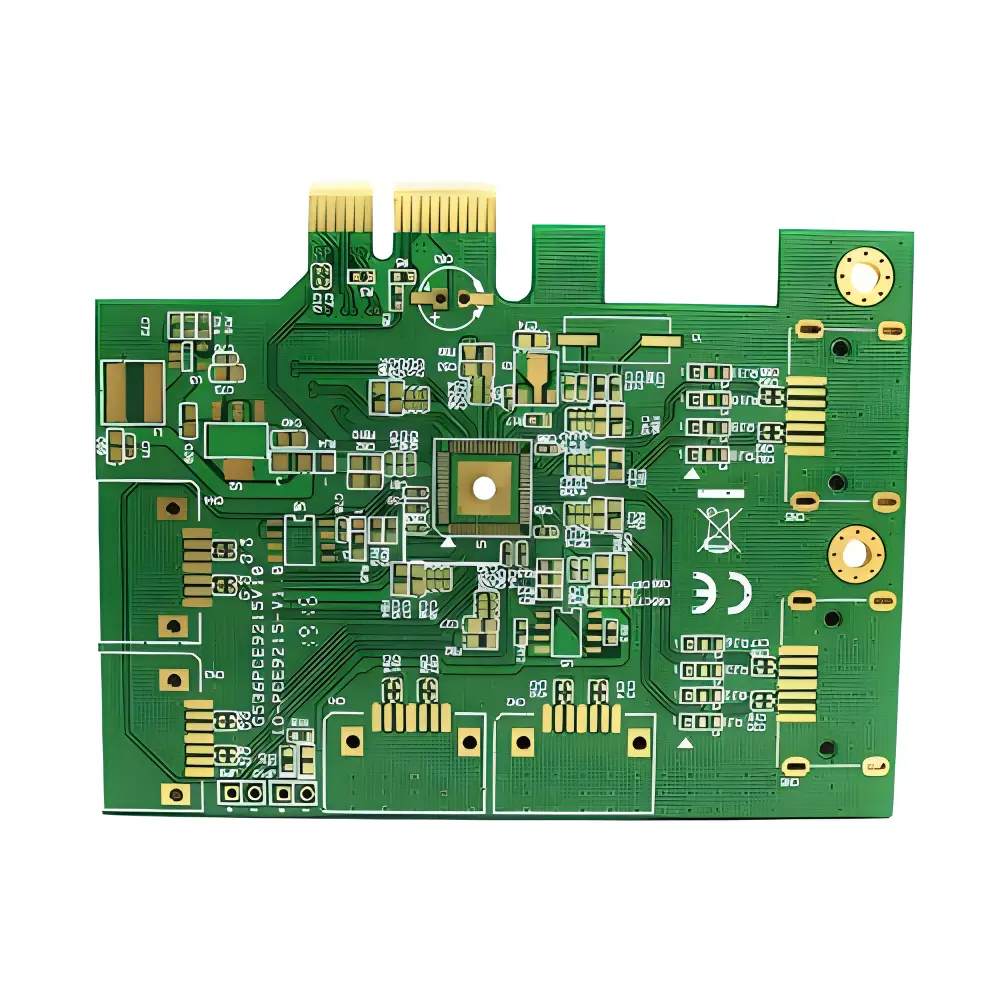 PTFE Teflon High-Frequency Board
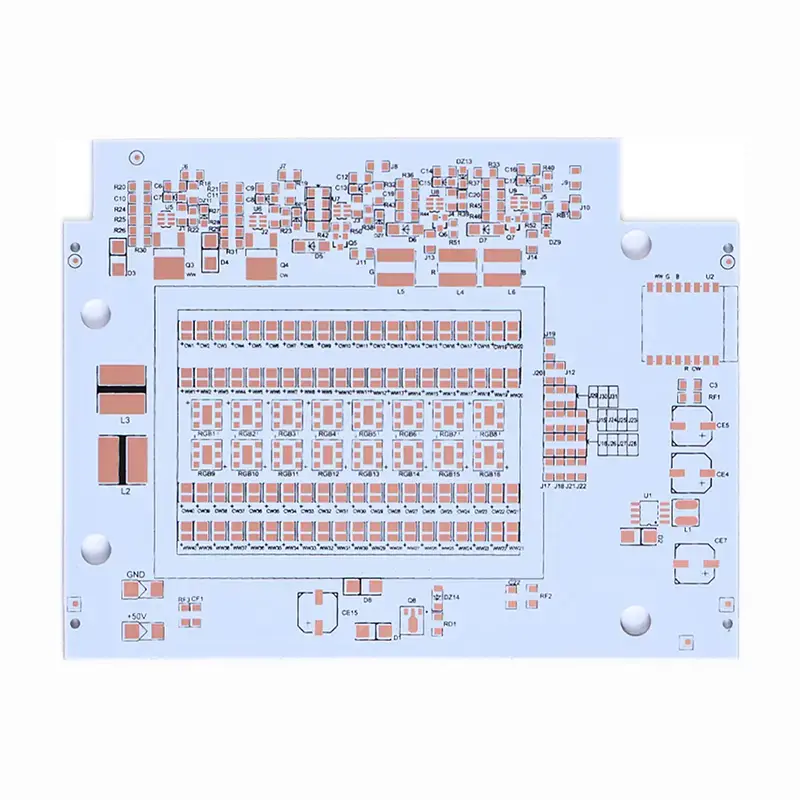 Aluminum
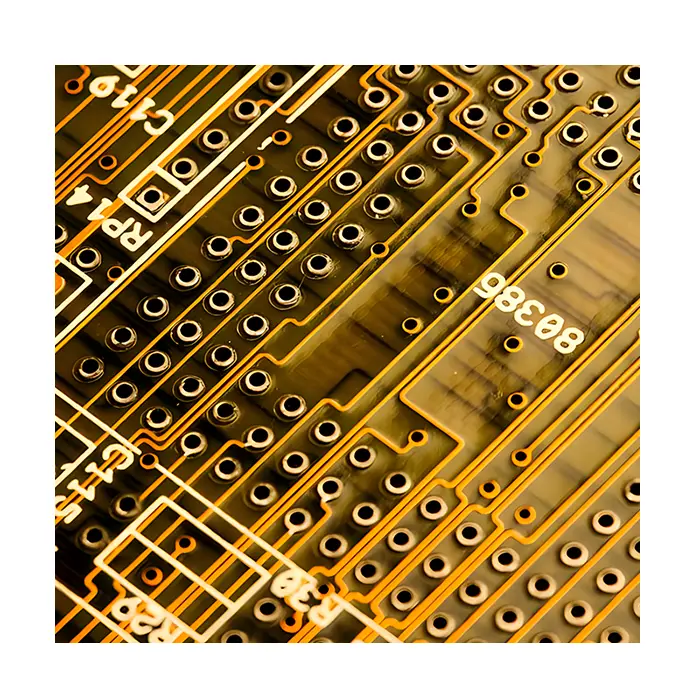 Copper Core
 PCB Assembly
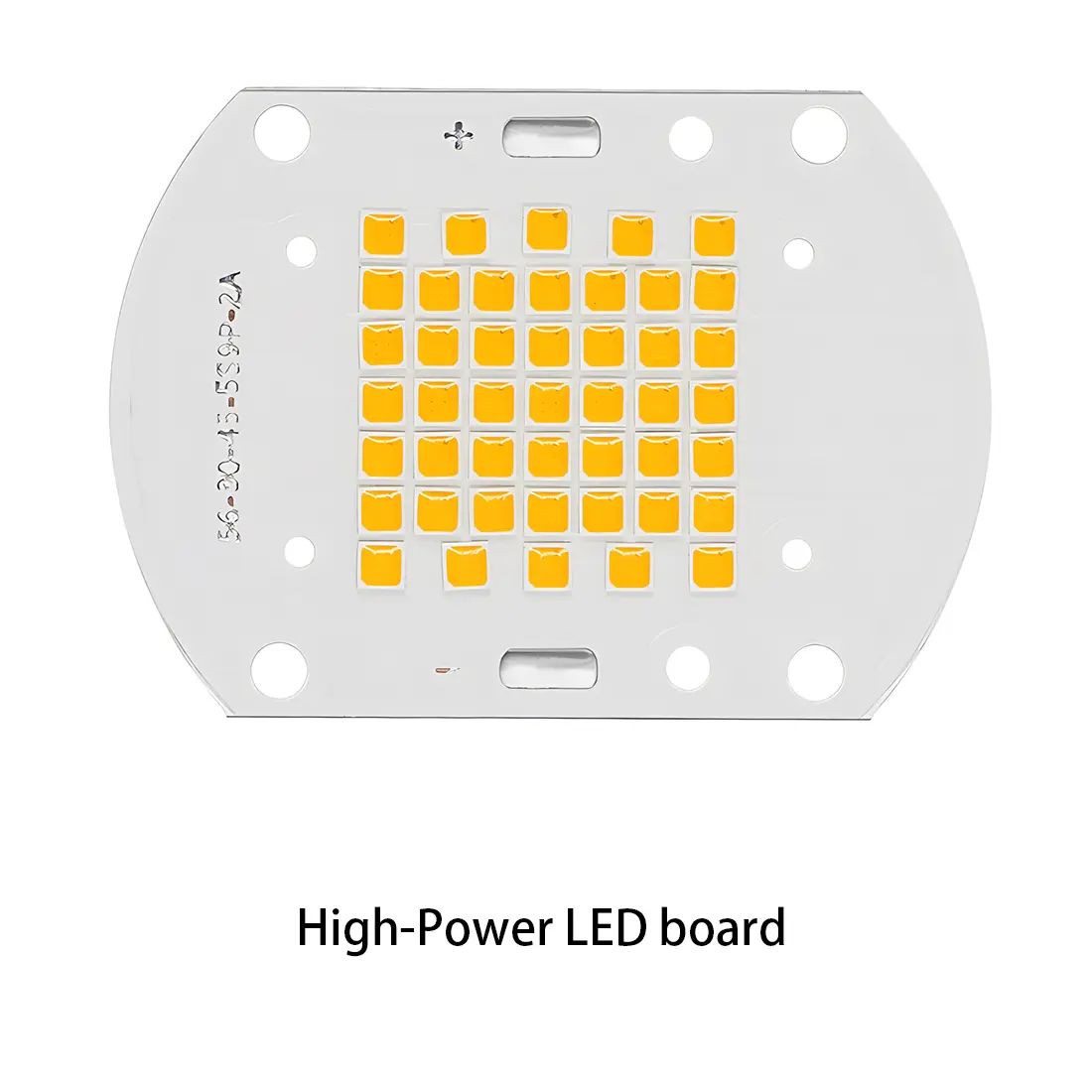 LED light PCBA
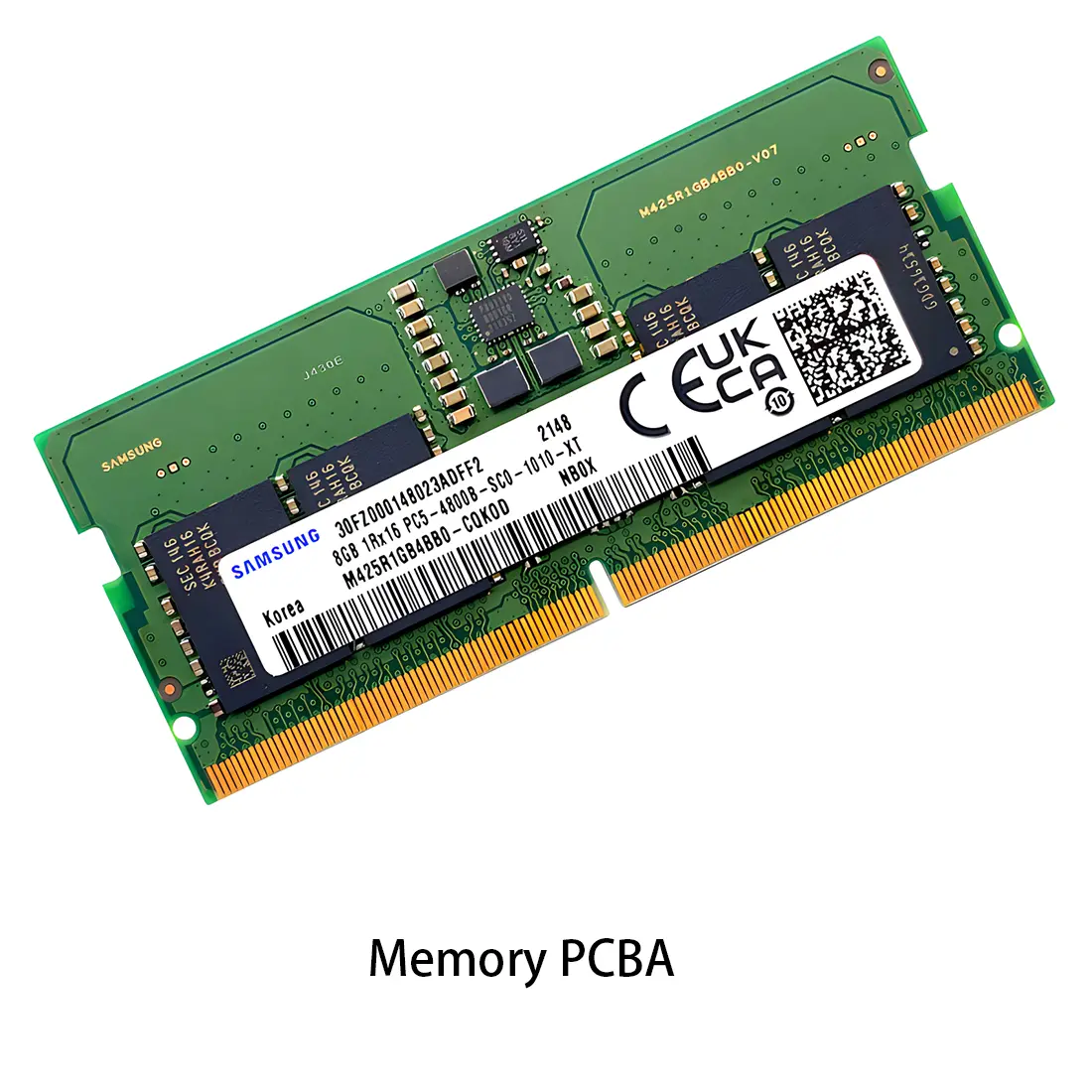 Memory PCBA
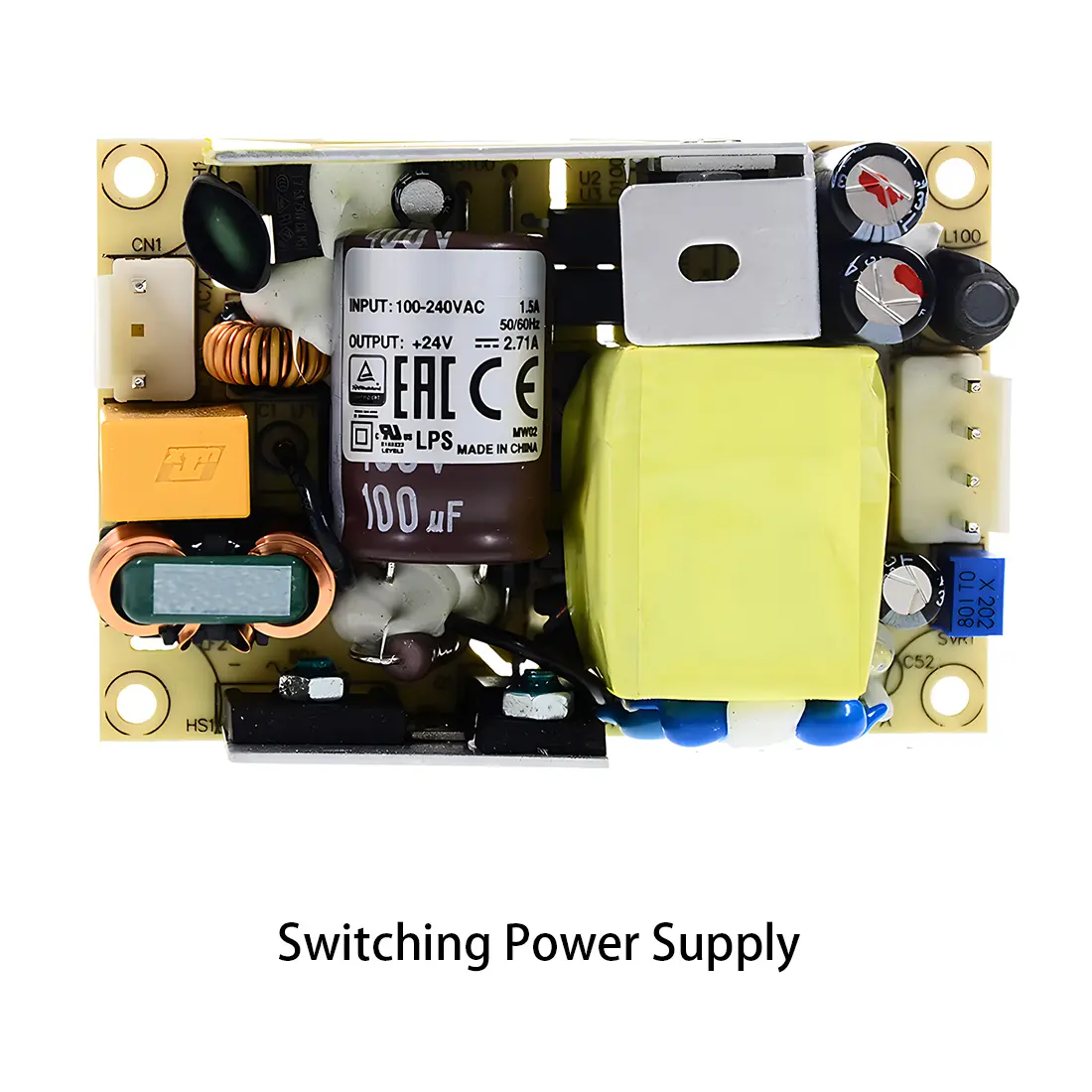 Power Supply PCBA
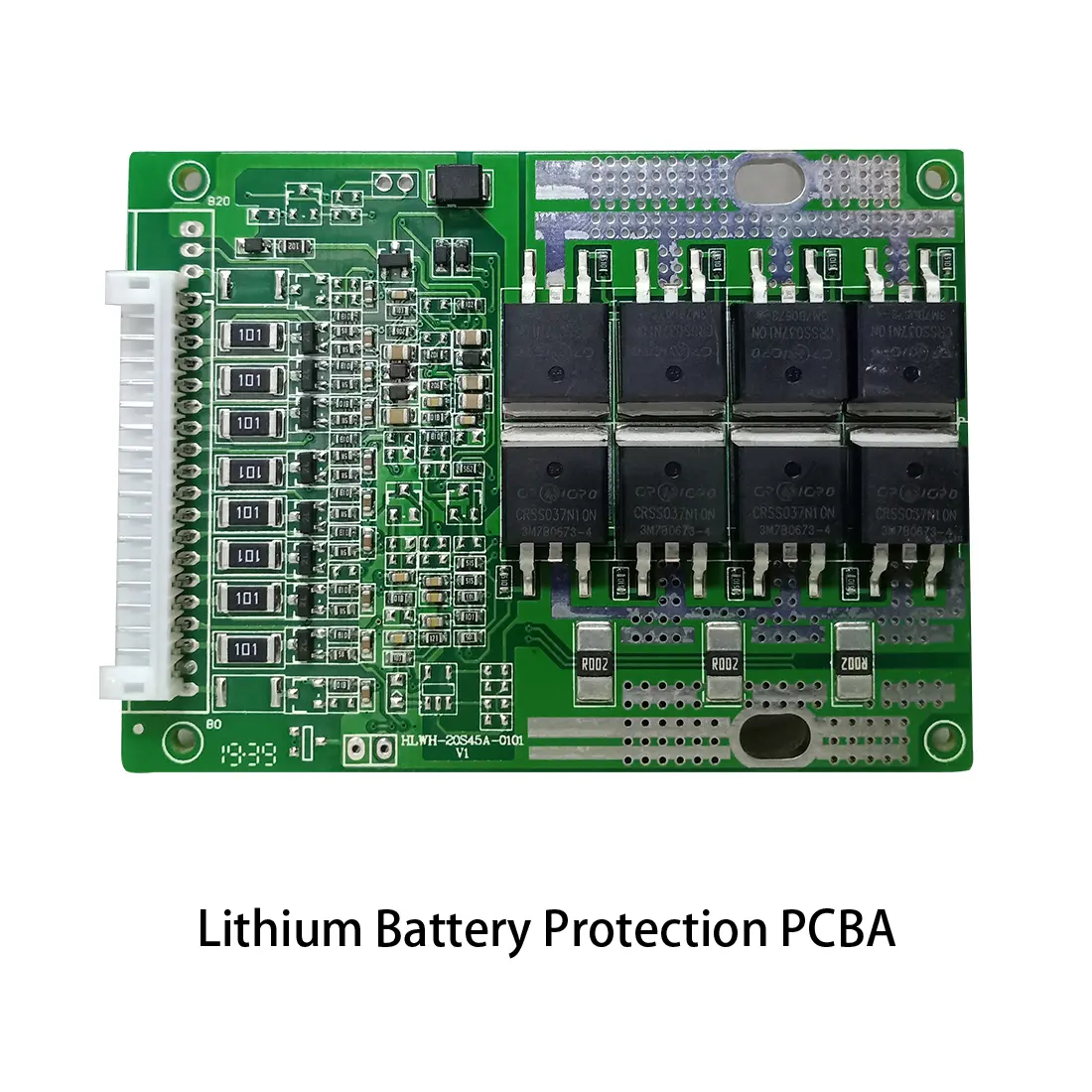 New Energey PCBA
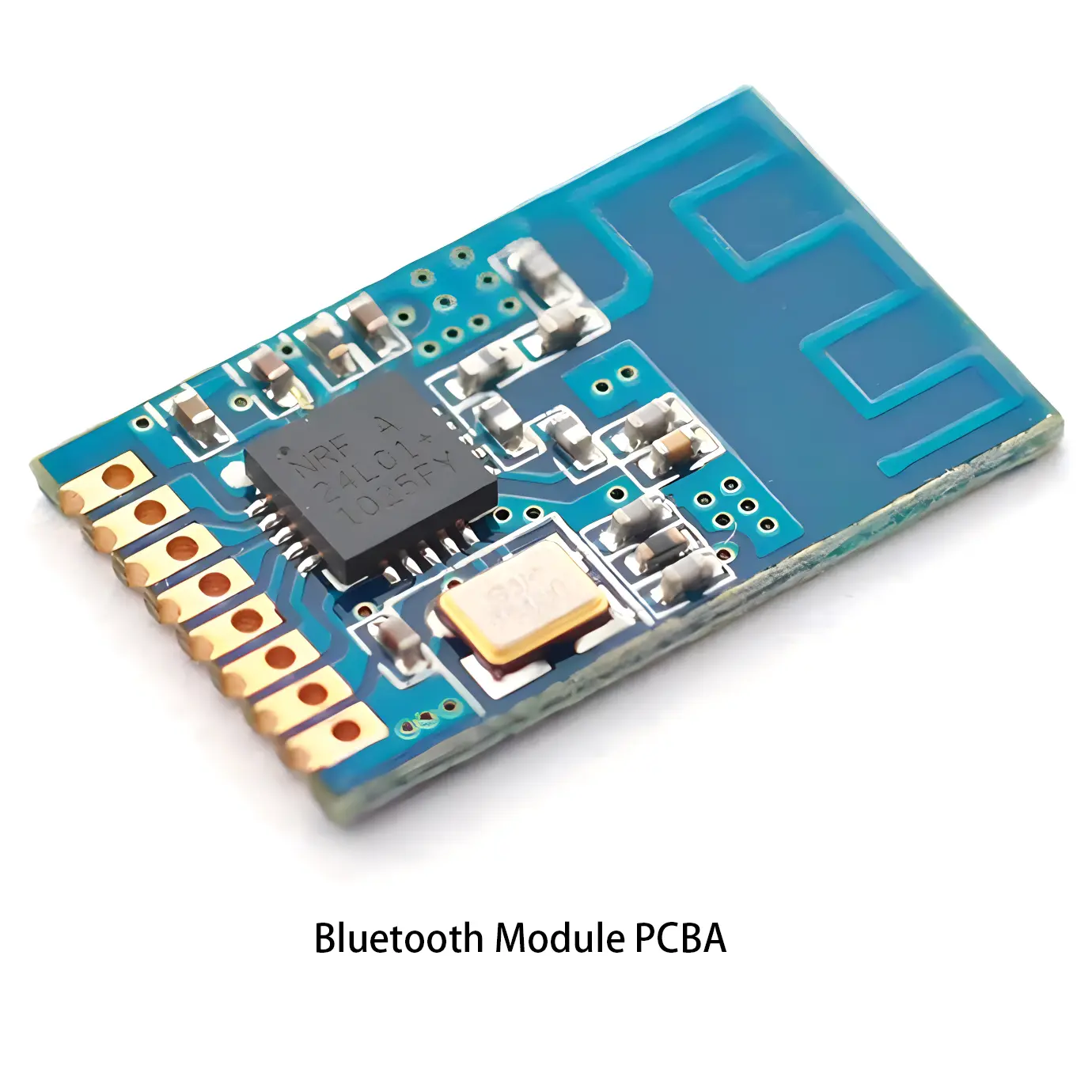 Communication PCBA
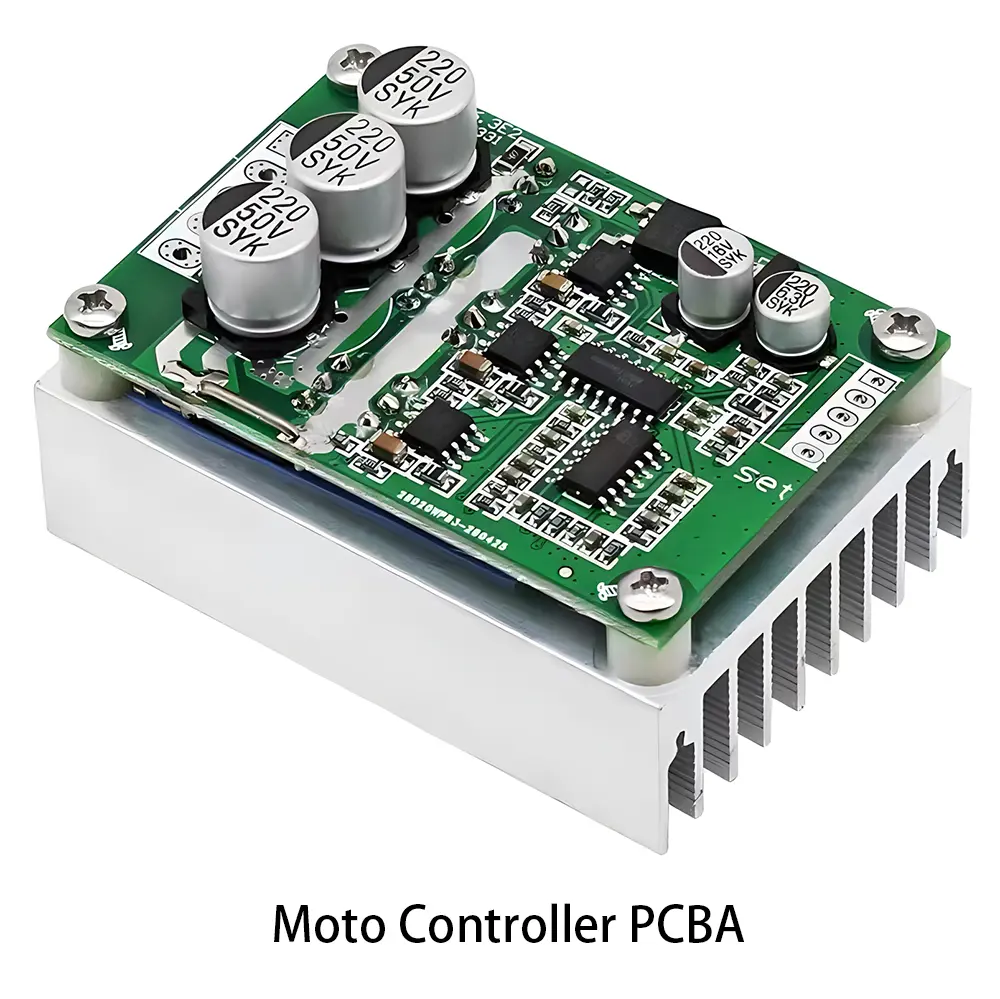 Industrial Control PCBA
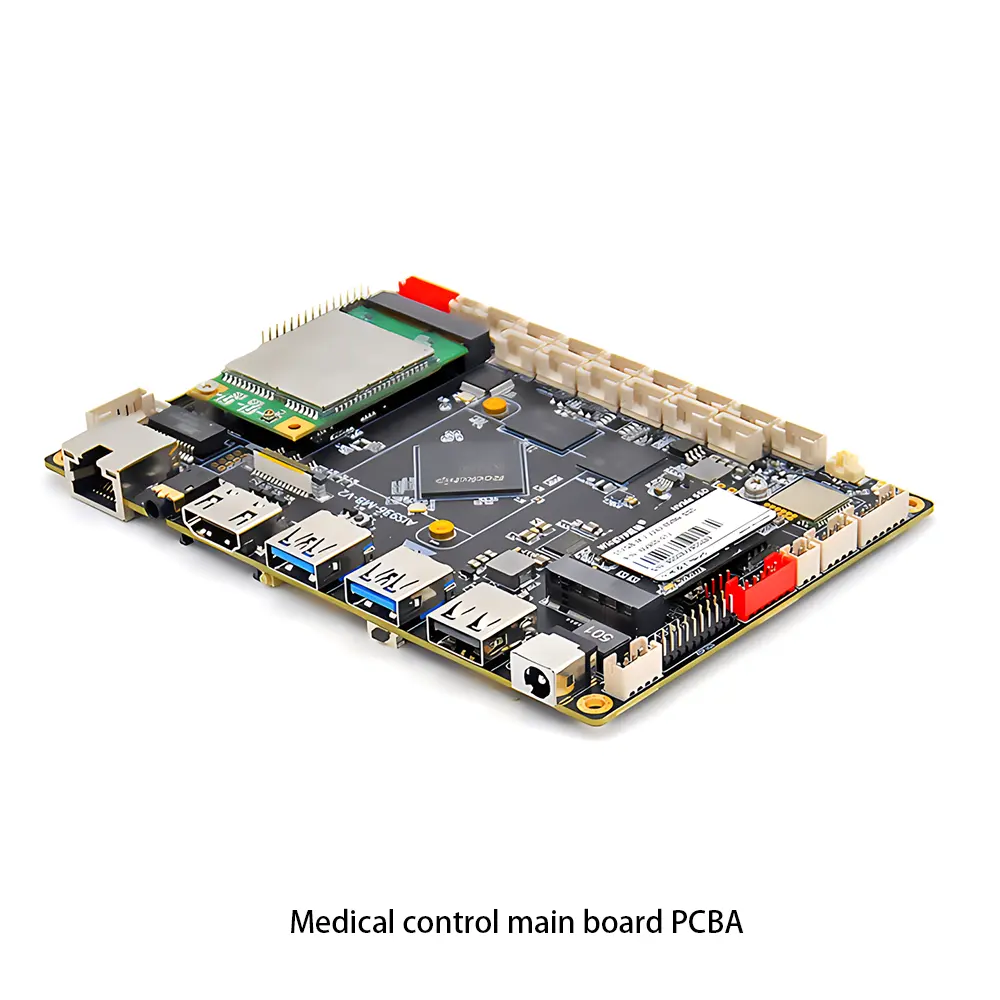 Medical Equipment PCBA
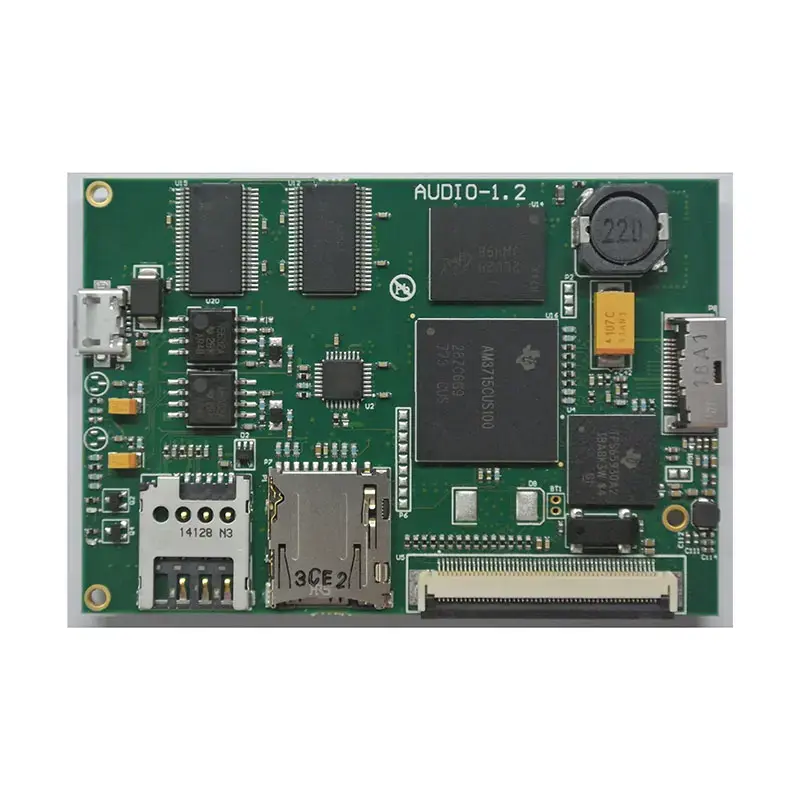 Testing Service
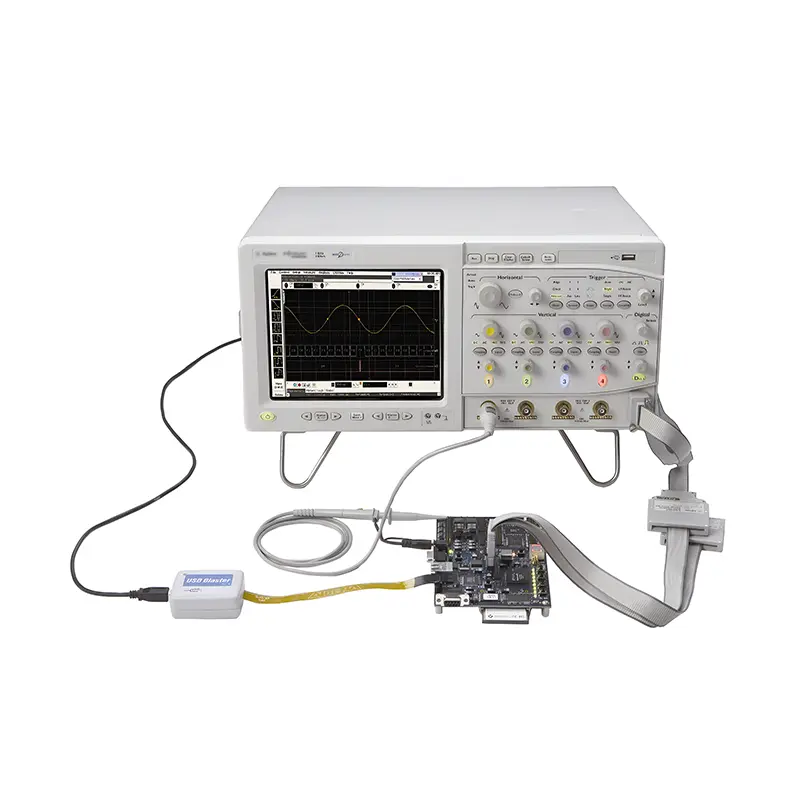 PCBA Testing Service
 Certification Application
 RoHS Certification Application
 REACH Certification Application
 CE Certification Application
 FCC Certification Application
 CQC Certification Application
 UL Certification Application
 Transformers, Inductors
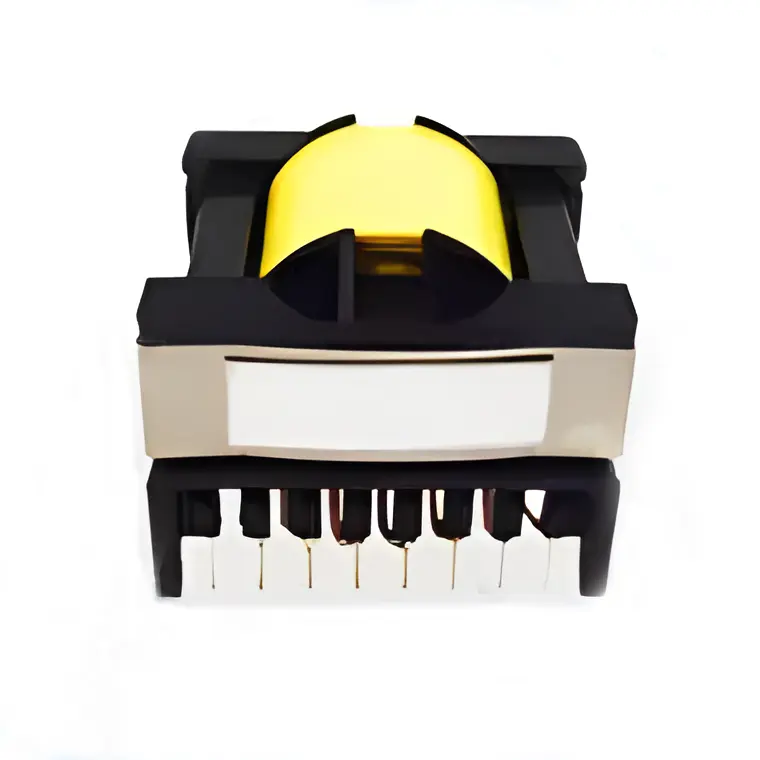 High Frequency Transformers
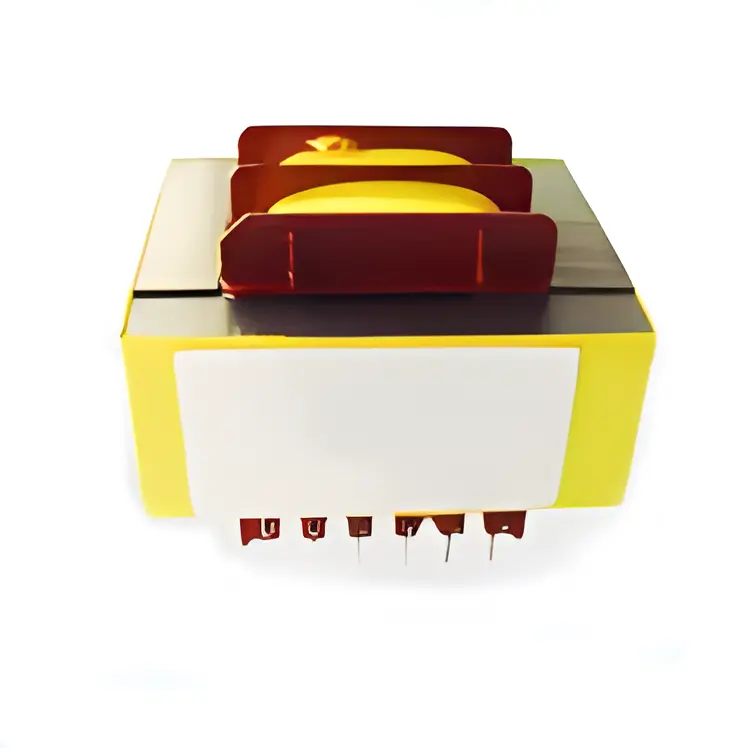 Low Frequency Transformers
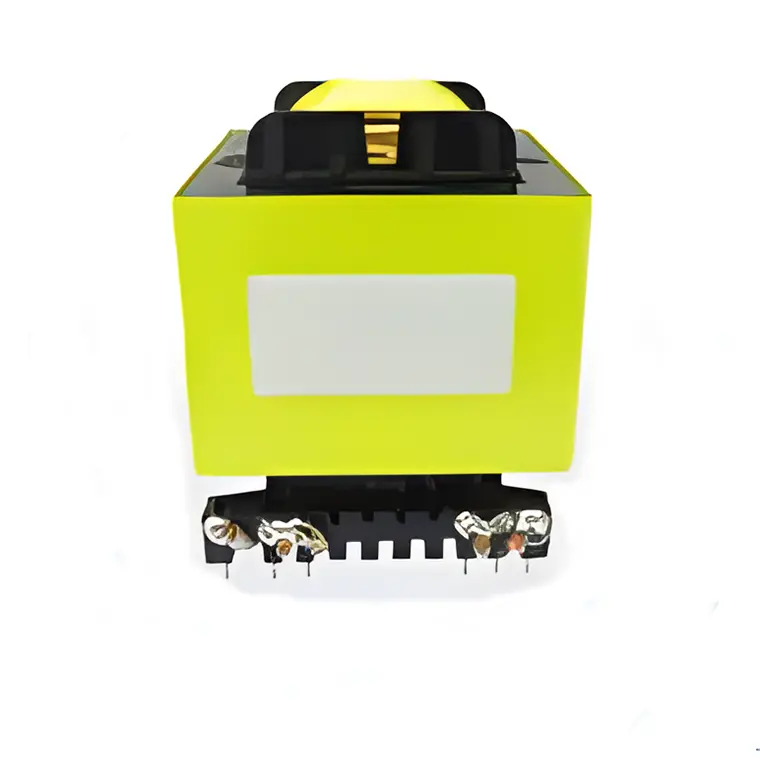 High Power Transformers
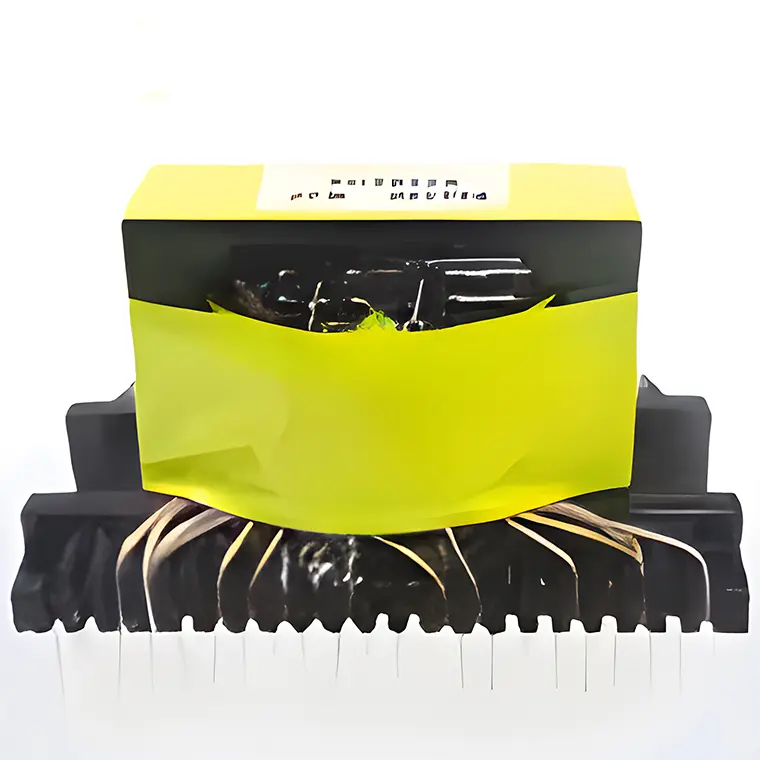 Conversion Transformers
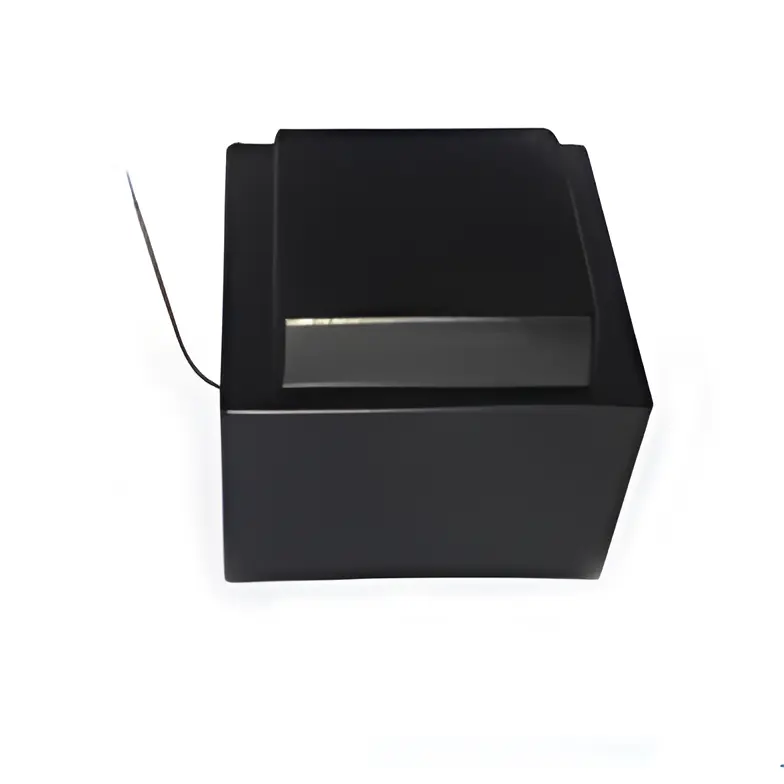 Sealed Transformers
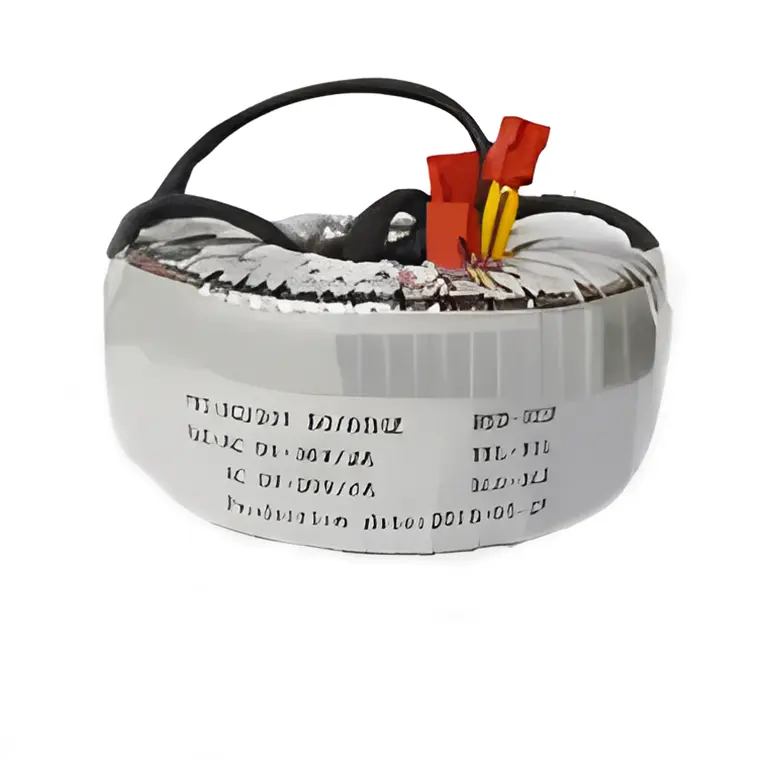 Ring Transformers
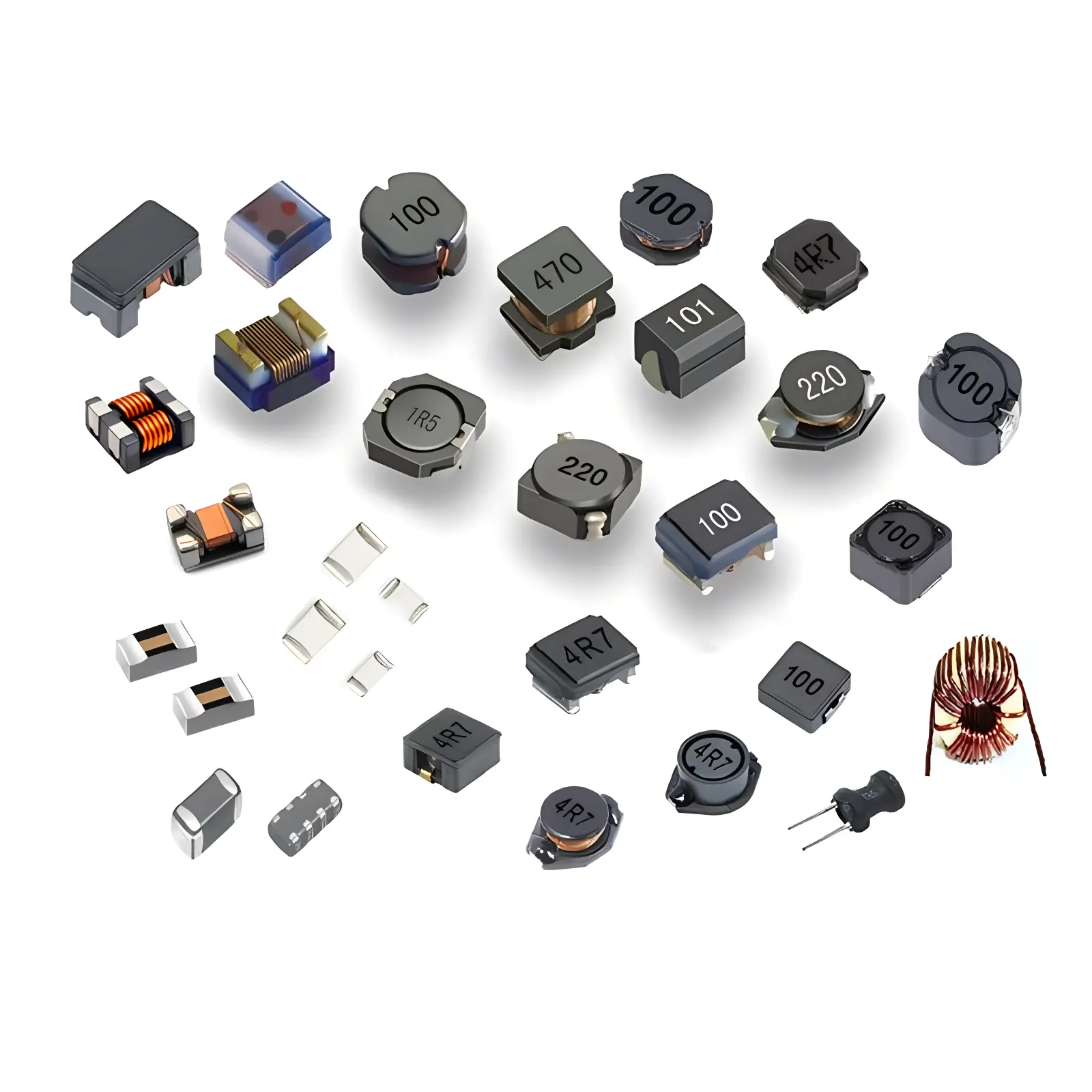 Inductors
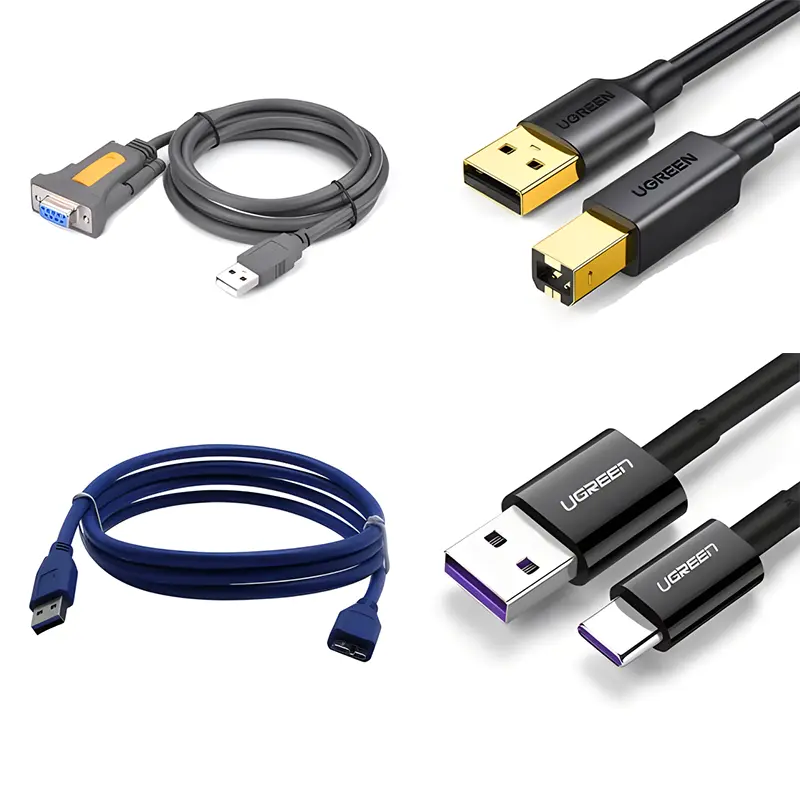 Wires,Cables Customized
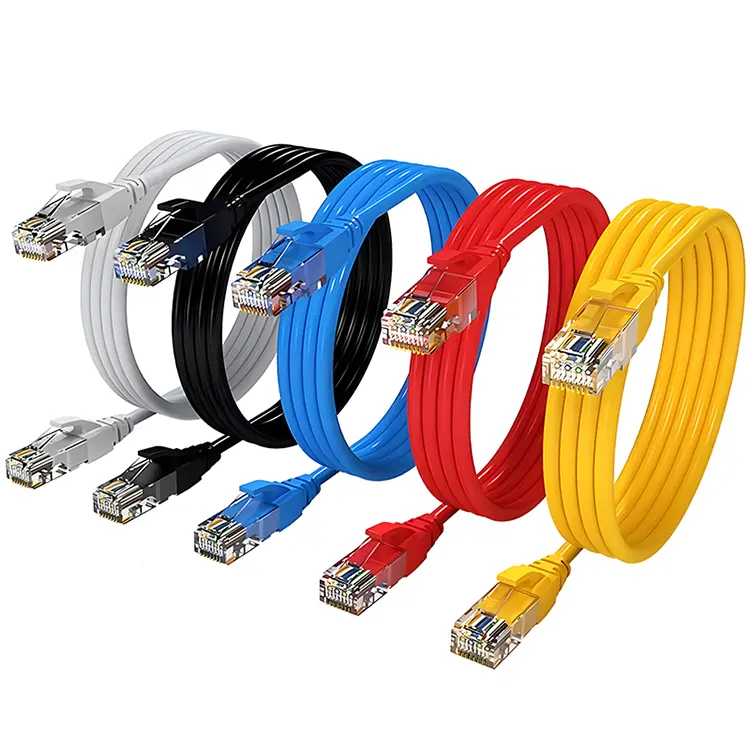 Network Cables
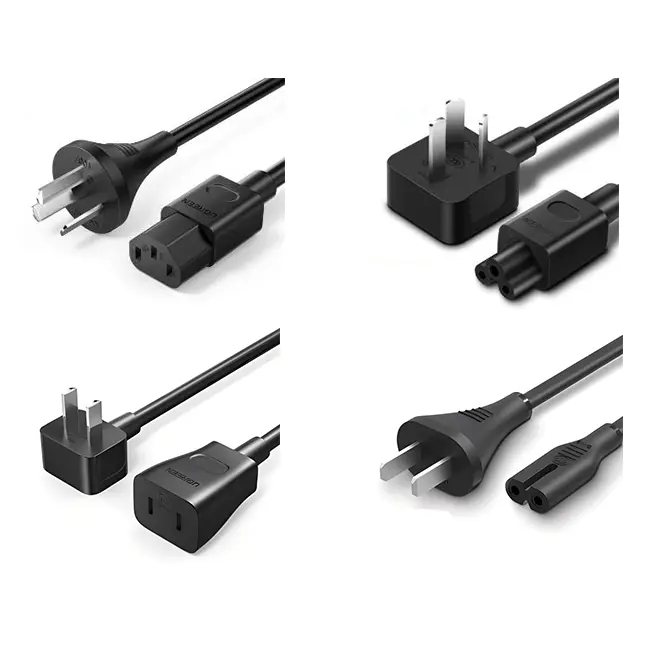 Power Cords
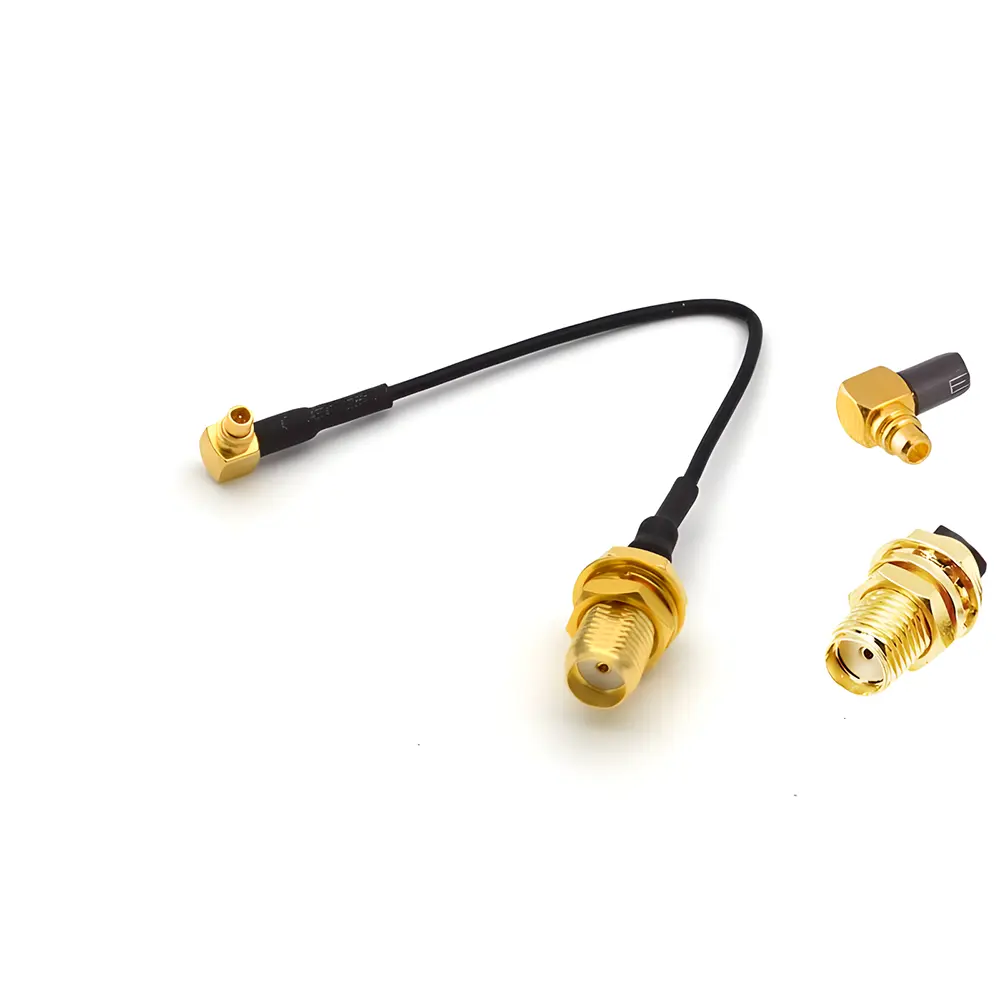 Antenna Cables
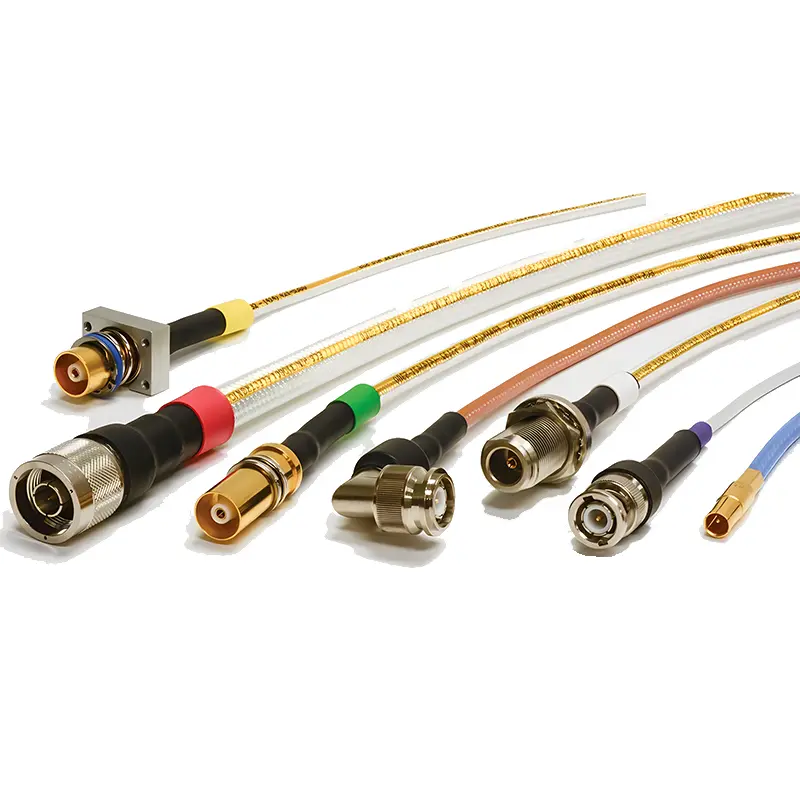 Coaxial Cables
 Net Position Indicator
 Solar AIS net position indicator
 Capacitors
 Connectors
 Diodes
 Embedded Processors & Controllers
 Digital Signal Processors (DSP/DSC)
 Microcontrollers (MCU/MPU/SOC)
 Programmable Logic Device(CPLD/FPGA)
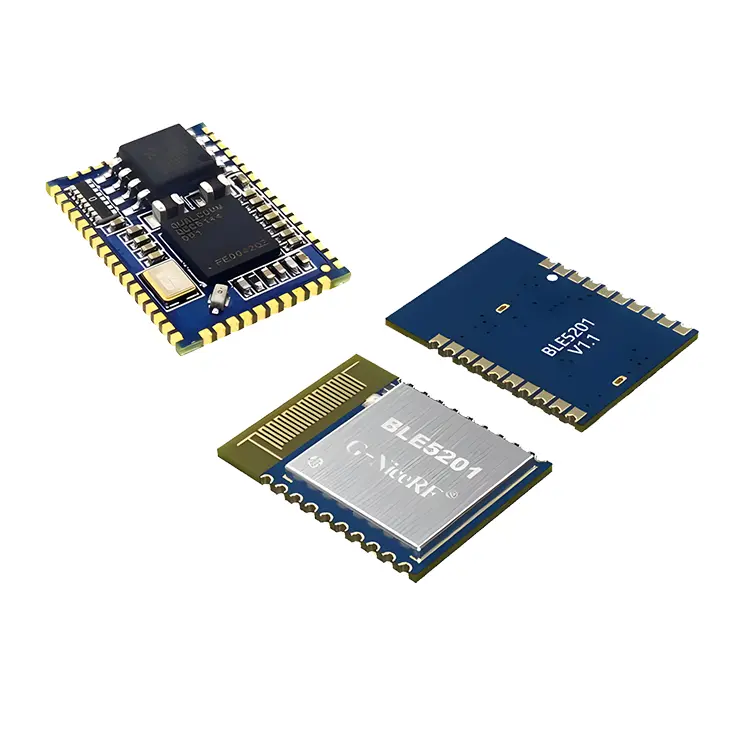 Communication Modules/IoT
 Resistors
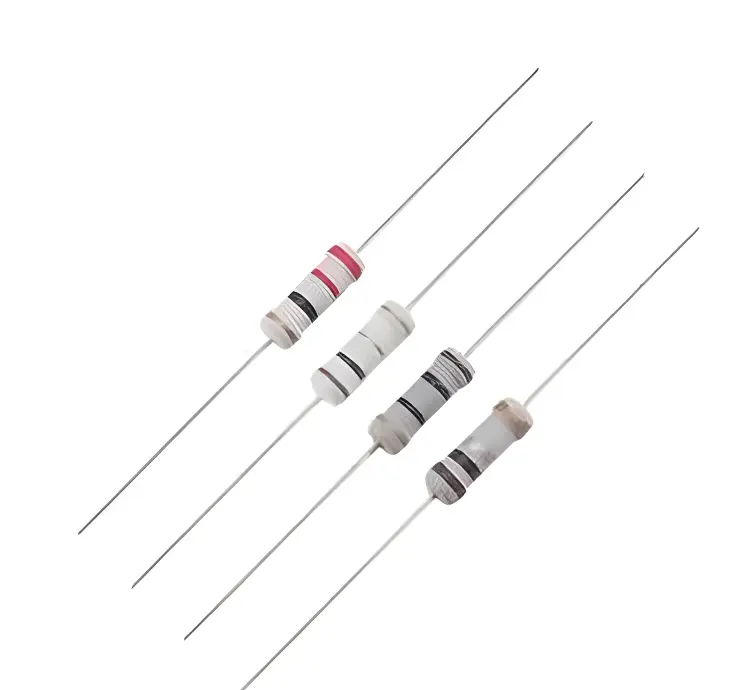 Through Hole Resistors
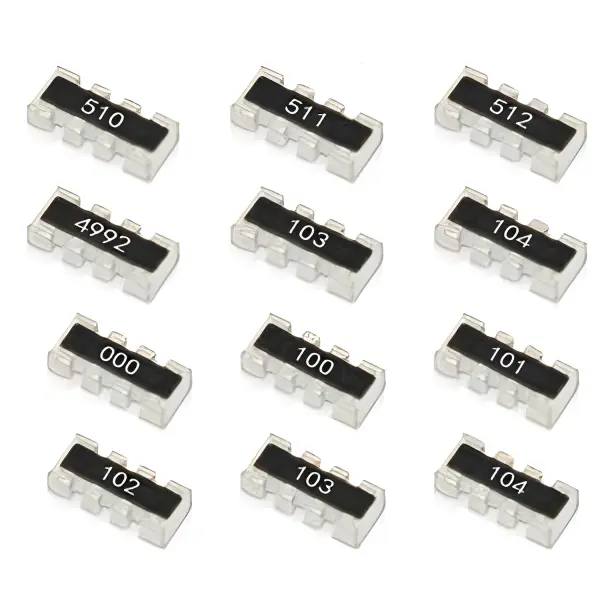 Resistor Networks, Arrays
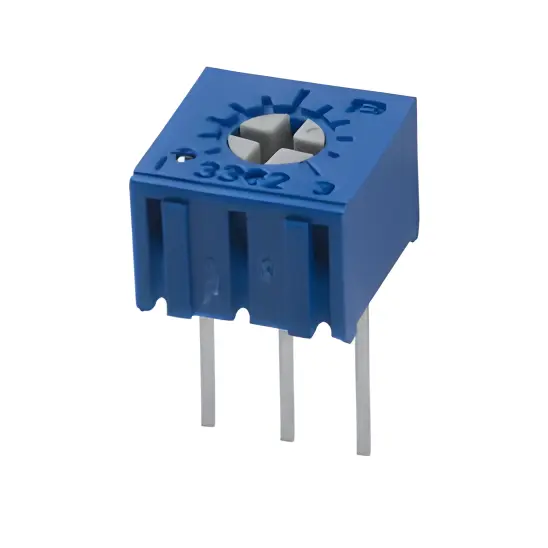 Potentiometers,Variable Resistors
 Aluminum Case,Porcelain Tube Resistance
 Current Sense Resistors,Shunt Resistors
 Switches
 Transistors
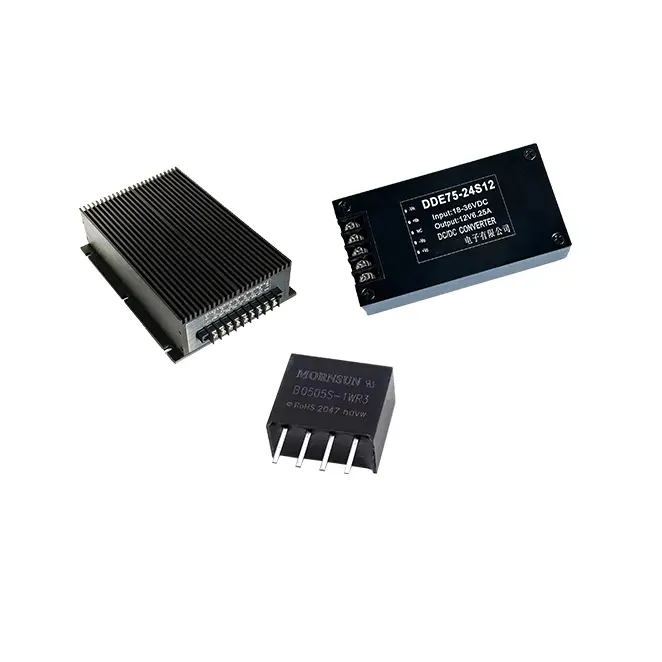 Power Modules
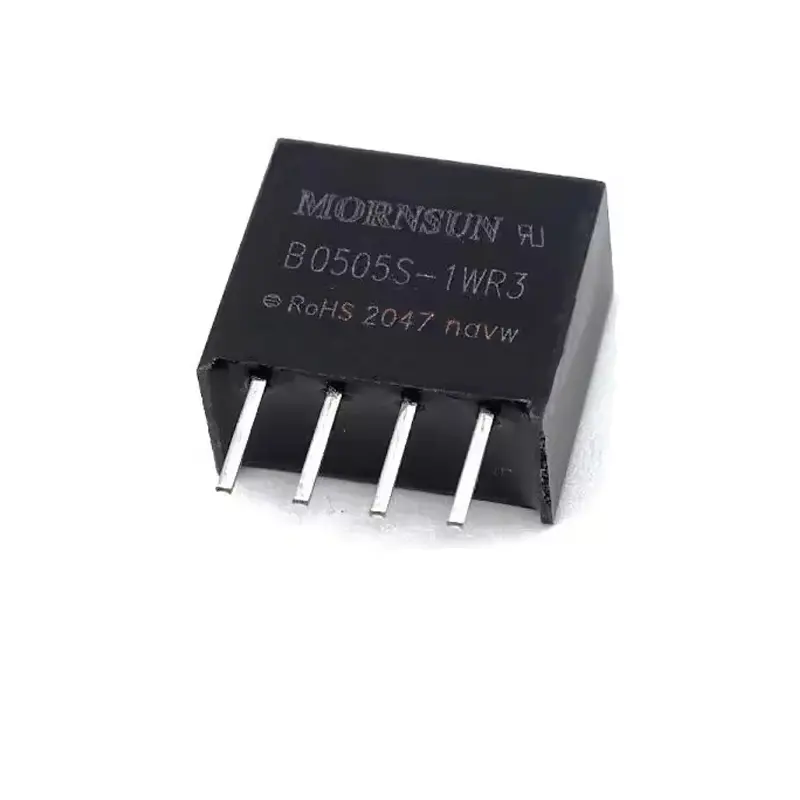 Isolated Power Modules
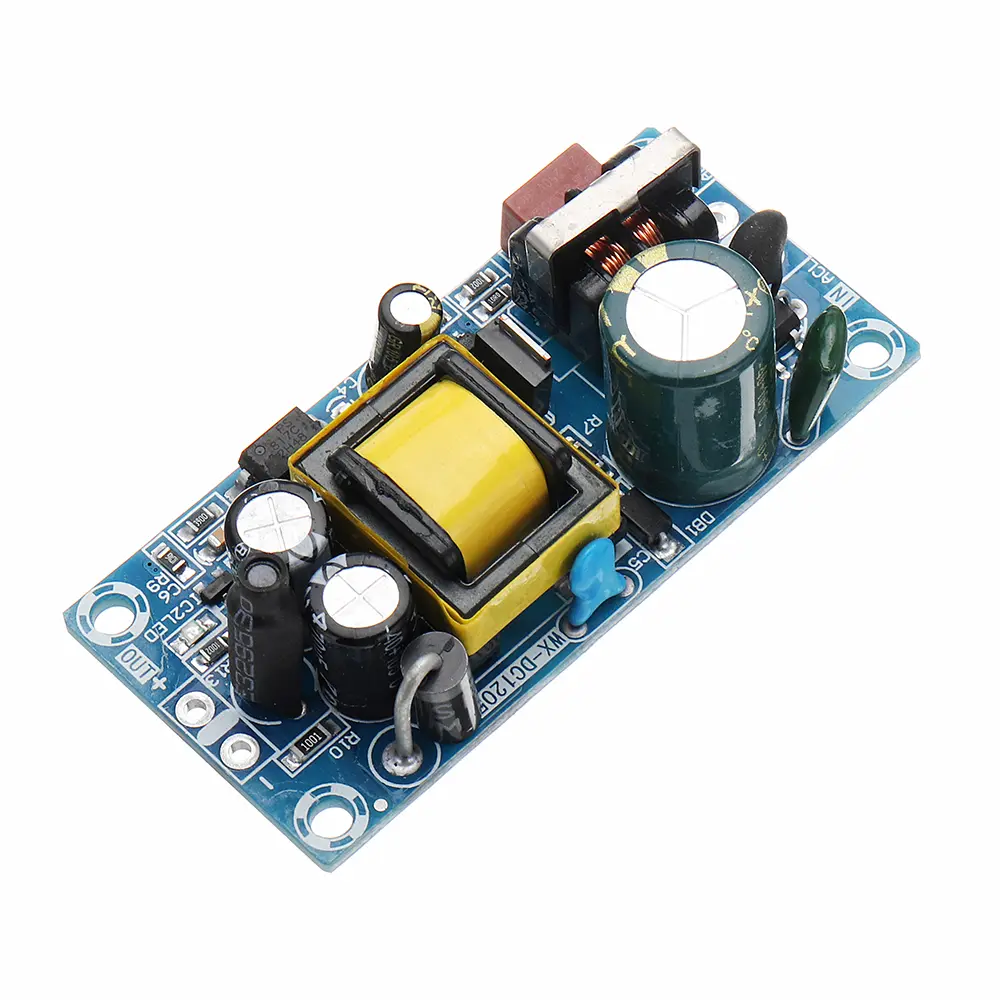 AC-DC Power Modules
 DC-AC Module(Inverter)
 RF and Wireless
Pencil Hardness Test Standard for Solder Mask

1 Overview of Solder Mask Hardness Testing
In the manufacturing and reliability assessment of Printed Circuit Boards (PCBs), the mechanical properties of the Solder Mask are crucial. This layer not only protects the copper traces from oxidation and prevents solder shorts but also withstands various mechanical stresses during subsequent assembly, testing, and use. The Pencil Hardness Test is a widely adopted, SIMple, yet effective method for evaluating the abrasion resistance and mechanical strength of the solder mask surface. By scraping the solder mask surface with pencils of known hardness, its resistance to scratching is determined. The test results directly reflect the curing quality of the solder mask, its material properties, and the overall durability of the PCB. Standardized test methods, such as IPC-TM-650 2.4.27.2, ensure consistency and comparability of results across different manufacturers and laboratories.
2 Test Standards and Equipment
2.1 Core Test Standard
The Pencil Hardness Test for solder mask follows the IPC-TM-650 2.4.27.2 method. This authoritative standard, established by IPC (Association Connecting Electronics Industries), specifies in detail the test equipment, procedures, and acceptance criteria.
2.2 Test Equipment and Materials
The following equipment is required for this test:
-
Standard Pencil Set: A set of certified drawing pencils covering a range from soft to hard. The standard hardness sequence (from soft to hard) is: 4B > 3B > 2B > B > HB > F > H > 2H > 3H > 4H > 5H > 6H.
-
Pencil Sharpener and Sandpaper: Used to expose the pencil lead and grind the tip to a flat, cylindrical end, ensuring a flat contact surface with the paper.
-
Specialized Pencil Hardness Tester (Optional): A device that can precisely fix the pencil at a 45° angle and apply a constant force (10N). Manual operation requires careful attention to maintaining the angle and force.
-
Sturdy Horizontal Platform: Used to place the PCB sample, ensuring no movement during testing.
-
Soft Cloth or Blower Bulb: Used to clear debris generated after testing, avoiding impact on subsequent judgments.
Table: Pencil Hardness Grade Sequence
| Hardness Grade | Description |
|---|---|
| 4B, 3B, 2B, B | Very Soft to Soft |
| HB, F | Medium |
| H, 2H, 3H | Hard |
| 4H, 5H, 6H | Very Hard |
3 Detailed Test Procedure
The test should be conducted under standard laboratory conditions (typically recommended: room temperature 23±2°C, relative humidity 50%±10%) to avoid environmental influence on the results.
-
Sample Preparation:
-
Cut an appropriately sized sample from the PCB or use the finished board directly.
-
Ensure the test area is clean, dry, and free from oil or other contaminants. The sample should be placed steadily on a sturdy, horizontal platform.
-
-
Pencil Preparation:
-
Select the hardest pencil to start the test (usually beginning with 6H).
-
Sharpen the pencil and use sandpaper (typically around 400 grit) to grind the tip to a flat, circular cross-section, ensuring a sharp edge without nicks.
-
-
Test Operation:
-
Insert the pencil into the tester, or manually hold it at a 45° angle to the sample surface.
-
Apply a constant pushing force of 10N (equivalent to approximately 1 kilogram-force) to the pencil.
-
Push the pencil forward approximately 6.35 mm (1/4 inch) at a speed of about 1 cm/s, making a scratch on the solder mask.
-
Note: Each stroke should use a new, unused pencil tip, or the tip should be re-ground before each test to ensure result consistency.
-
-
Result Judgment and Iteration:
-
Gently clear the graphite debris from the scratched area with a soft cloth or blower bulb.
-
Under good lighting conditions (often assisted by white light or a magnifier), carefully observe the scratch. If the scratch penetrates the solder mask exposing the underlying substrate, it is judged as "scratched"; if the solder mask surface is undamaged or only has slight graphite residue (which can be wiped off), it is judged as "unscratched".
-
If the current hardness pencil (e.g., 6H) causes a scratch, switch to the next softer pencil (e.g., 5H) and repeat the process in a nearby area on the same sample.
-
Continue this process until finding the pencil that no longer scratches the solder mask.
-
4 Acceptance Criteria and Result Interpretation
-
Acceptance Criteria: According to the IPC standard, the qualified pencil hardness for PCB solder mask should be at least 6H (meaning the 6H pencil should not cause a scratch). This means the solder mask must withstand the force applied by the 6H pencil without being scratched.
-
Result Interpretation: The test result is reported as the highest pencil hardness value that did not scratch the solder mask. For example, if a scratch appears with a 5H pencil but not with a 4H pencil, the solder mask's pencil hardness is rated as 4H (which usually does not meet the minimum acceptance standard). If the 6H pencil does not cause a scratch, the test result is 6H, which is considered qualified.
-
Typical Values: High-quality, fully cured solder masks typically achieve a hardness of 6H or higher (e.g., 7H, 8H). A failing result (below 6H) indicates potential issues with the solder mask, such as insufficient curing, formulation problems, or application process defects.
5 Influencing Factors and Precautions
The pencil hardness test result is influenced by various factors. Understanding these is crucial for accurate interpretation:
-
Solder Mask Ink Type and Formulation: Different chemical compositions (e.g., epoxy, acrylic, polyimide) have inherent hardness differences. Some high-performance or special-purpose inks are designed for higher hardness.
-
Curing Degree: This is the most critical factor. Insufficient curing (e.g., inadequate UV energy or thermal curing temperature/time) leads to incomplete cross-linking of the ink, significantly reducing hardness. Ensuring curing according to the ink manufacturer's specifications is prerequisite for compliance.
-
Coating Thickness: A solder mask that is too thin may be easily scratched through, while one that is too thick may affect the final hardness due to internal stress or uneven curing.
-
Substrate Material and Structure: The thickness of the underlying copper foil, the rigidity of the base material, etc., can indirectly affect the result during testing. For instance, resistance might differ slightly on softer areas.
-
Environmental Conditions: Temperature and humidity can affect the mechanical properties of some polymer materials, so testing under standard conditions is important.
-
Operator Skill: When manually operating, maintaining the 45° angle and 10N force is crucial. Deviations in angle or uneven force application can lead to poor result reproducibility. Training operators and using calibrated test instruments are recommended to improve accuracy.
Precautions:
-
Testing should be performed after the solder mask is fully cured (typically after 24 hours).
-
Each pencil hardness test should be conducted on a new, non-adjacent area of the sample to avoid mutual interference.
-
If test results vary significantly, check operational consistency, pencil tip condition, and sample surface flatness.
-
The pencil hardness test is a relatively simple qualitative/semi-quantitative method. For more precise mechanical property evaluation, other instrumental tests (e.g., nanoindentation) might be necessary.
6 Other Related Test Methods
The Pencil Hardness Test is one of several methods for evaluating solder mask performance. It is often combined with other tests for a comprehensive reliability assessment:
-
Curing Test (IPC-TM-650 2.3.23): Dichloromethane is dropped onto the solder mask surface. After wiping, check if the cloth has color transfer and if the solder mask softens or discolors to assess its curing degree and chemical resistance.
-
Thermal Stress Test: The sample is immersed in a 288°C solder pot for 10 seconds to check for blistering, delamination, or solder mask (peeling), assessing its resistance to high temperature15.
-
Peel Strength Test (IPC-TM-650 2.4.8): Measures the force required to peel a conductor from the substrate, evaluating the adhesion of the solder mask and circuits.
-
Acid and Alkali Resistance Test: Samples are immersed in 10% H₂SO₄ (sulfuric acid) and 10% NaOH (sodium hydroxide) solutions for 30 minutes to evaluate the solder mask's resistance to acids and alkalis.
These tests, combined with the Pencil Hardness Test, provide a more comprehensive guarantee for PCB reliability.
- Consequence: Ordinary pencils have uneven lead hardness (e.g., a local area of an HB pencil may reach H grade), leading to significant test result deviations (error ≥2 grades);
- Mitigation: Must use ASTM-certified industrial-grade test pencils. Verify the hardness consistency of each batch of pencils (calibrate with standard hardness test blocks).
- Consequence: PCB solder masks may have uneven local curing (e.g., hardness differences between edges and the center), leading to misjudgment in single-point testing;
- Mitigation: According to IPC requirements, test 3 different areas of each sample (e.g., top-left corner, center, bottom-right corner) and take the average grade.
- Consequence: Slight scratches may reduce solder mask adhesion (no copper exposure but potential peeling later), which cannot be judged by visual inspection alone;
- Mitigation: For controversial scratches (e.g., between Grade 1 and 2), mandatory tape tests are required to ensure no hidden damage to the solder mask.