
 PCB
PCB FPC
FPC Rigid-Flex
 FR-4
FR-4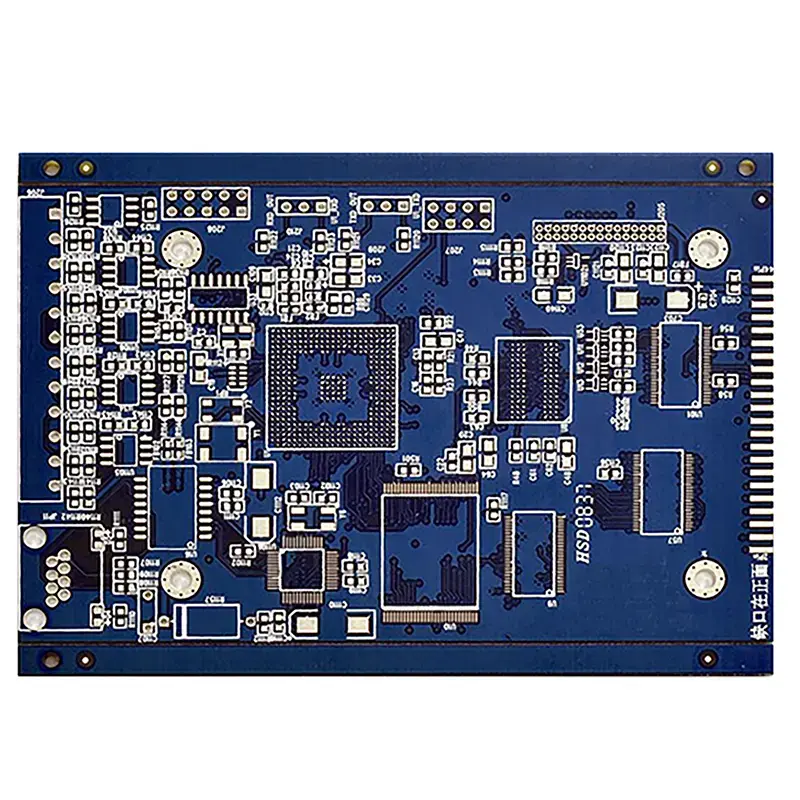 HDI PCB
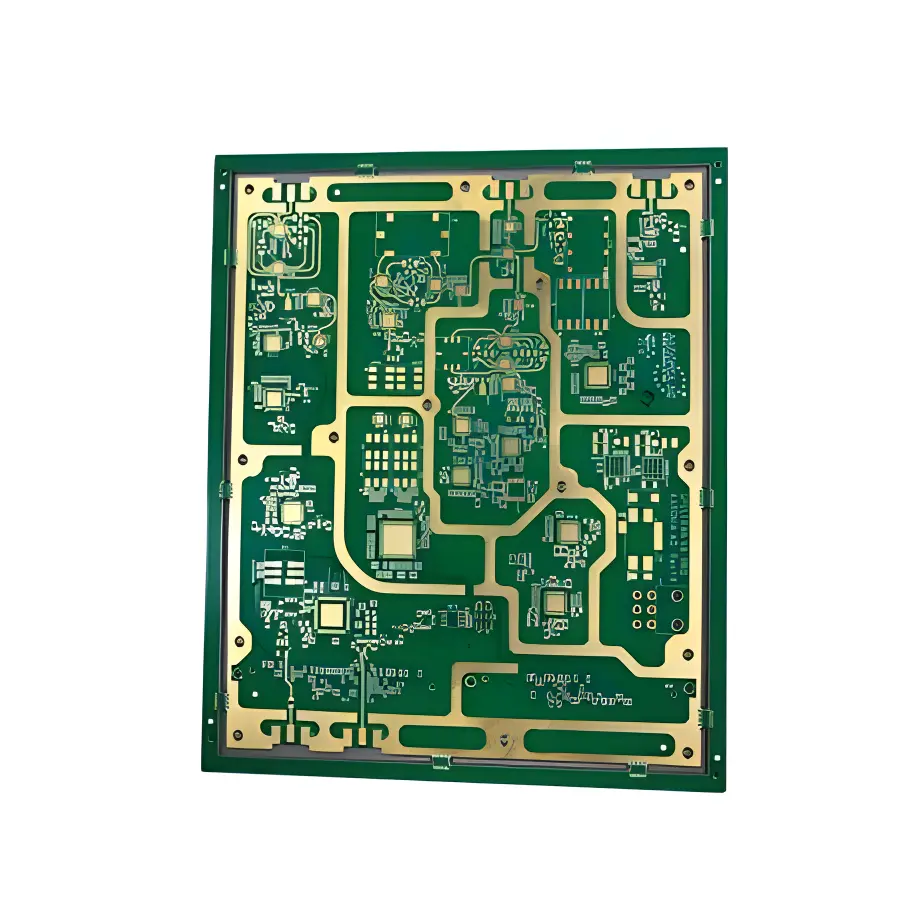 Rogers High-Frequency Board
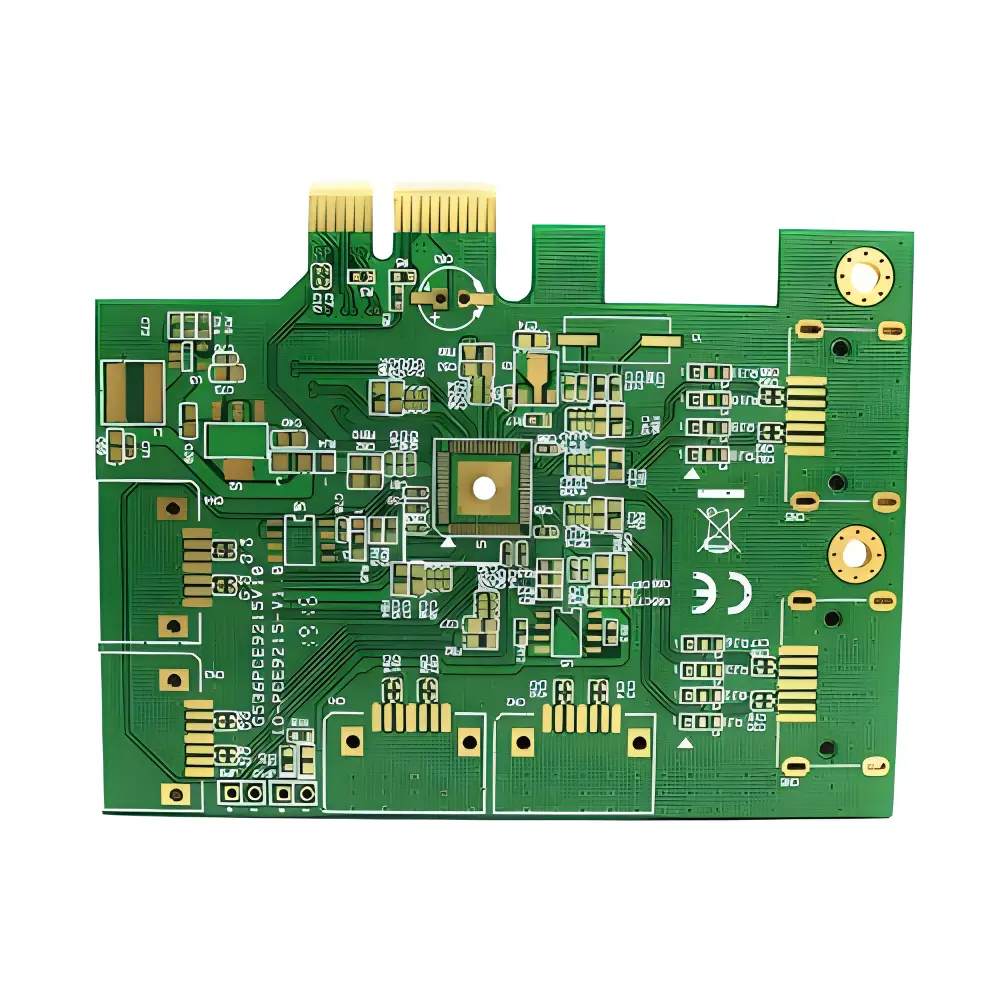 PTFE Teflon High-Frequency Board
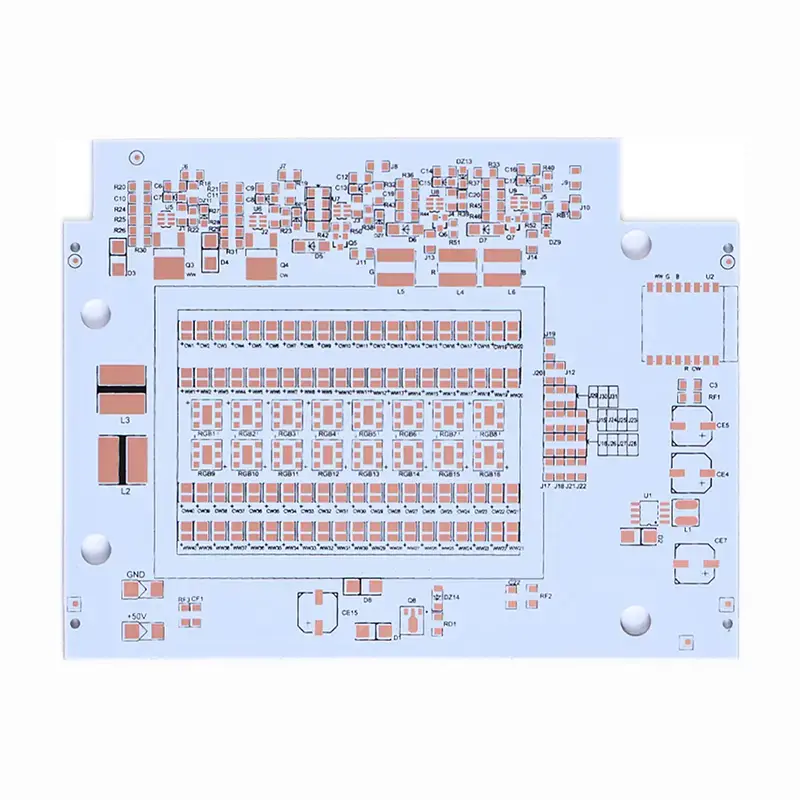 Aluminum
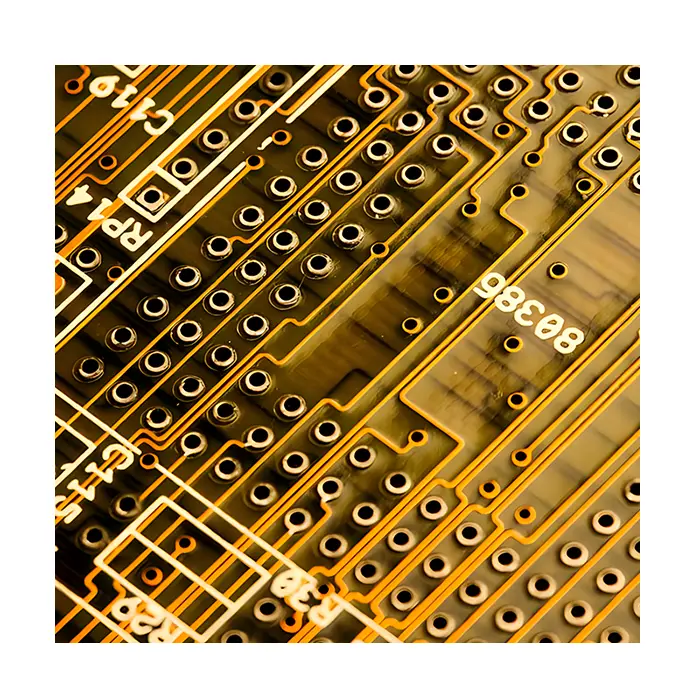 Copper Core
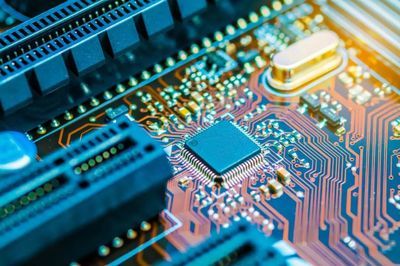 PCB Assembly
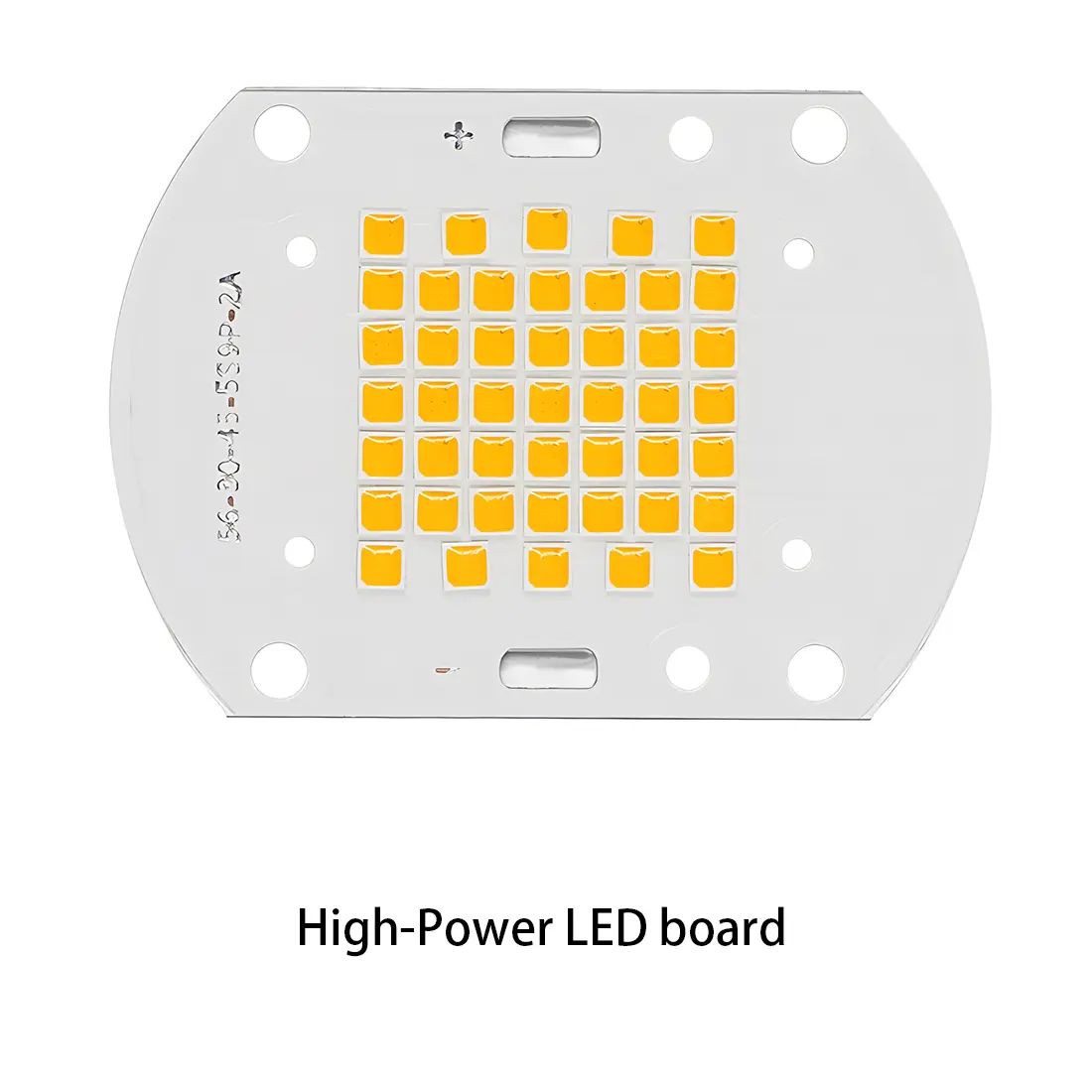 LED light PCBA
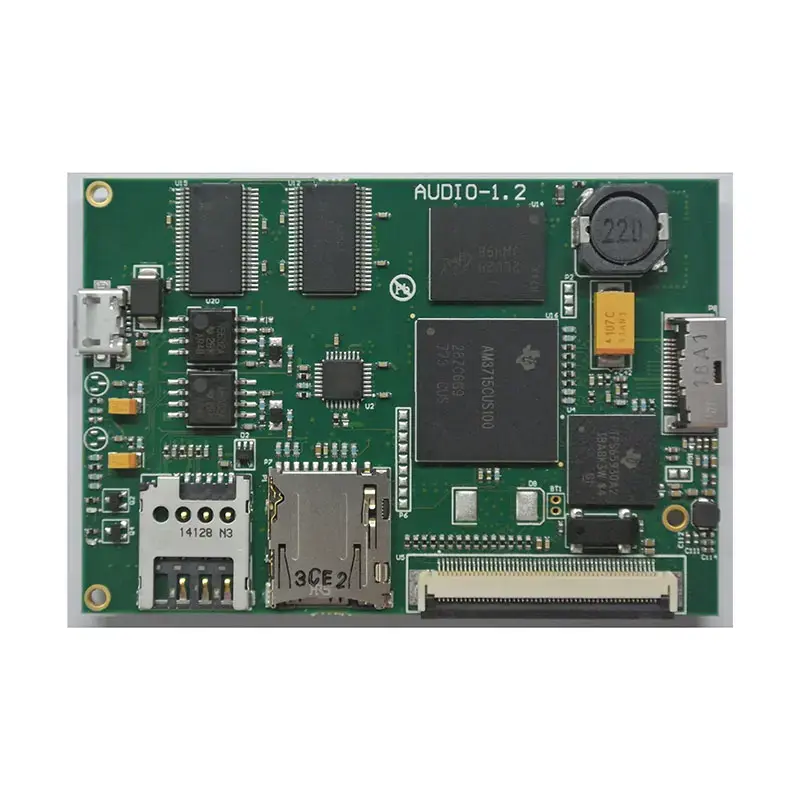
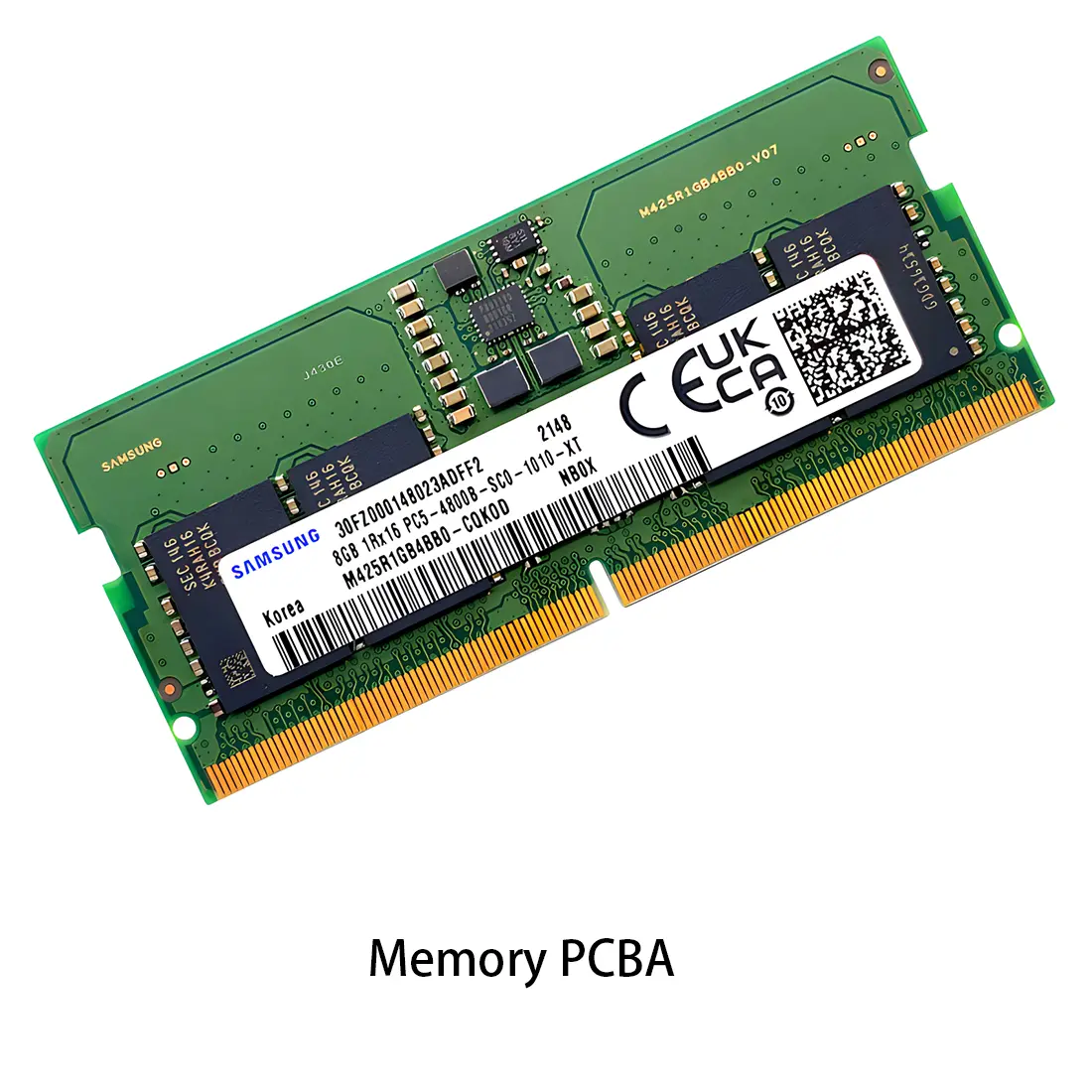 Memory PCBA
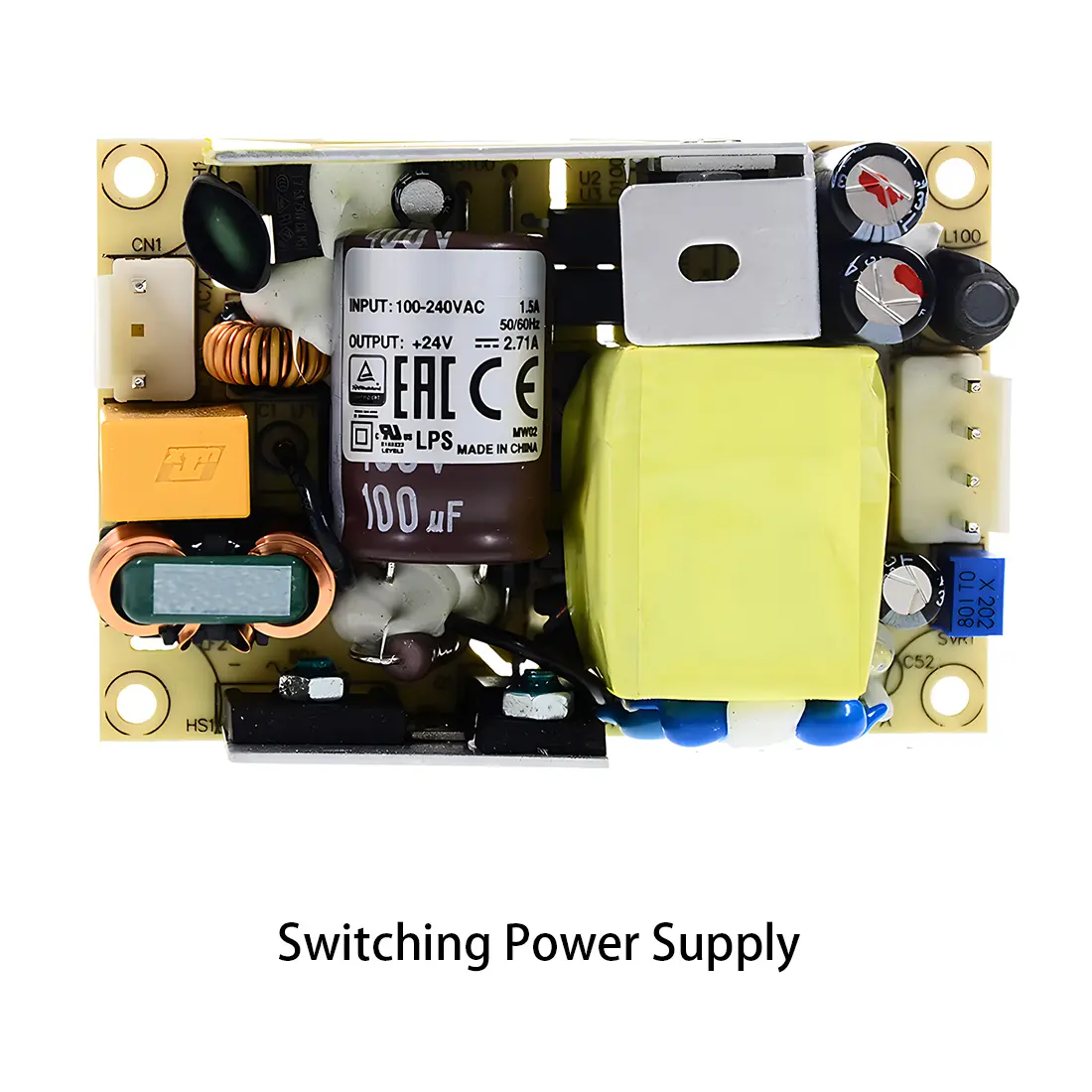 Power Supply PCBA
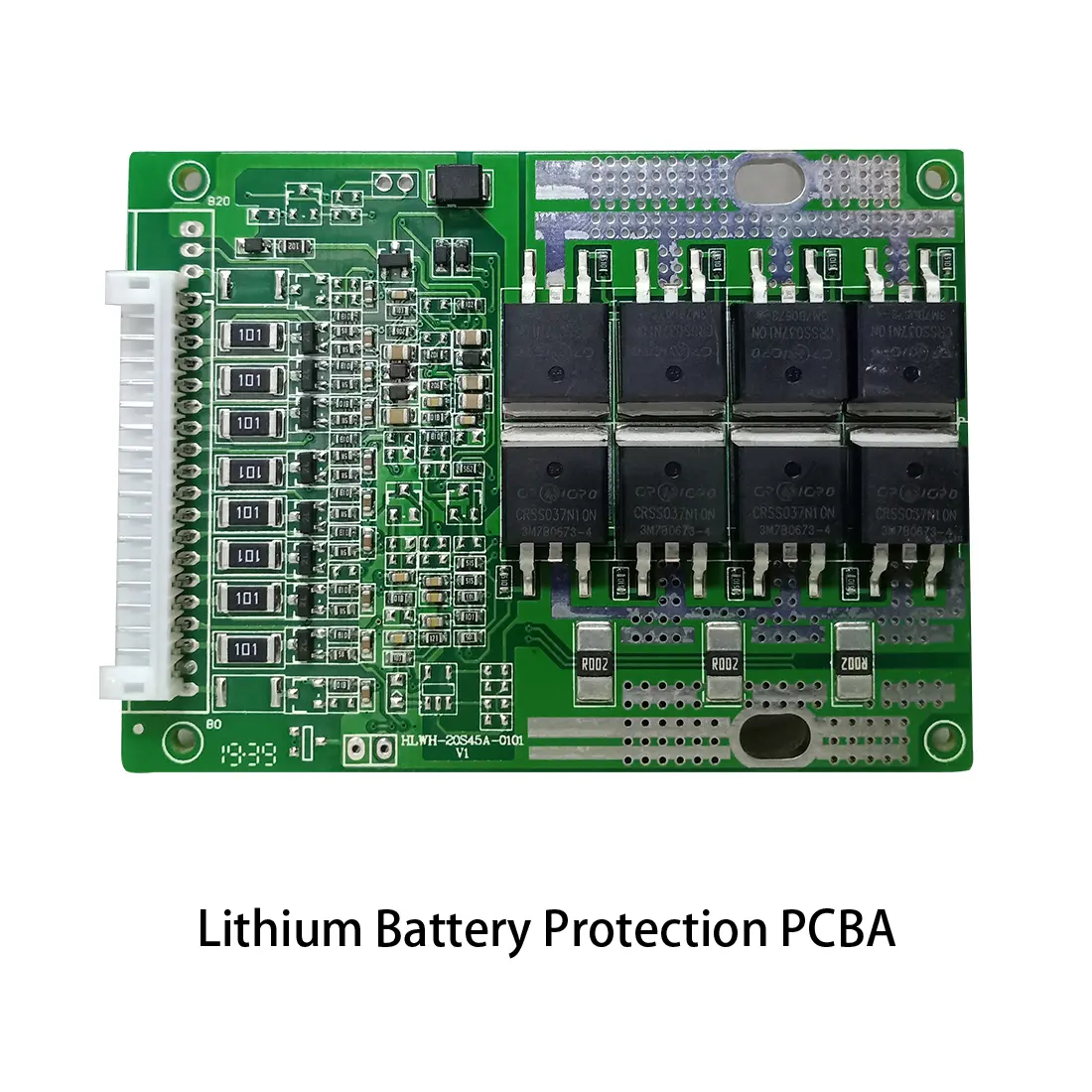 New Energey PCBA
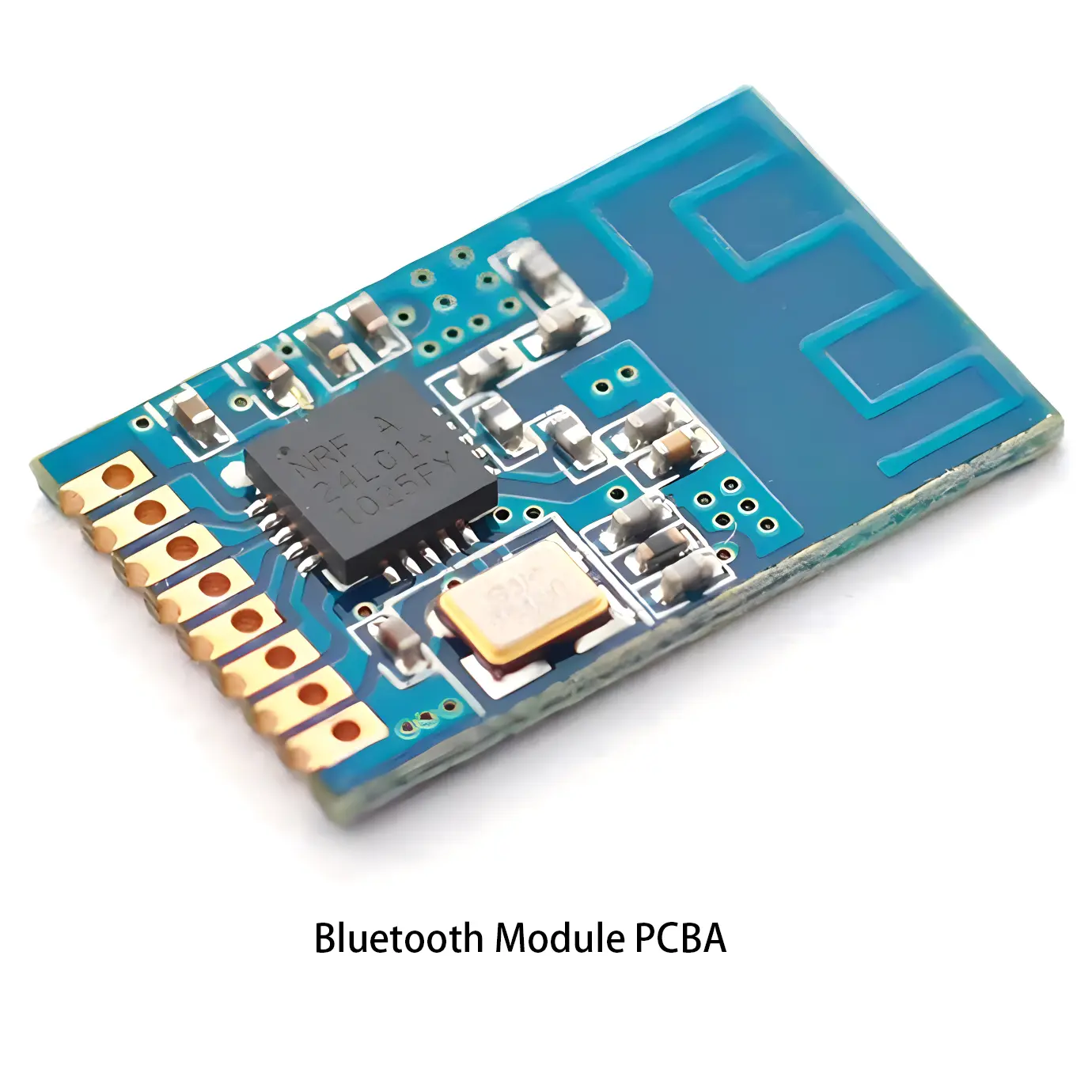 Communication PCBA
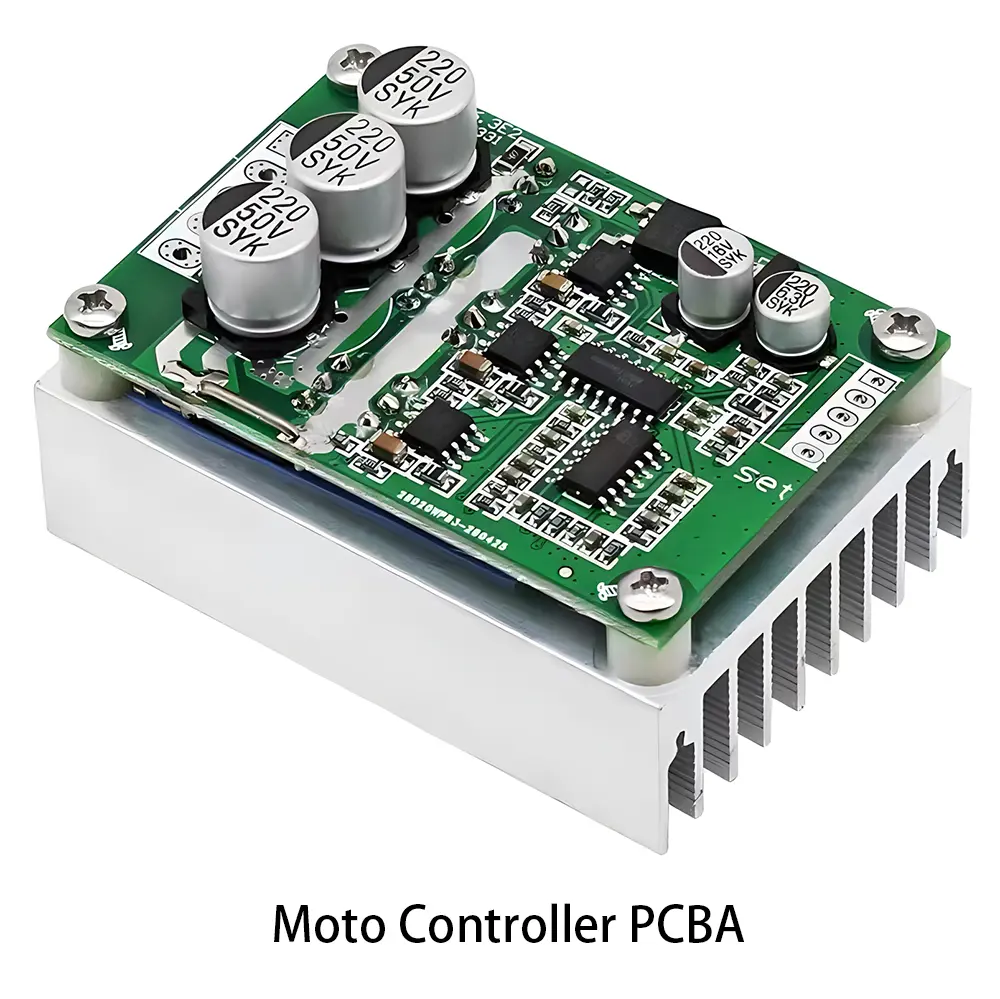 Industrial Control PCBA
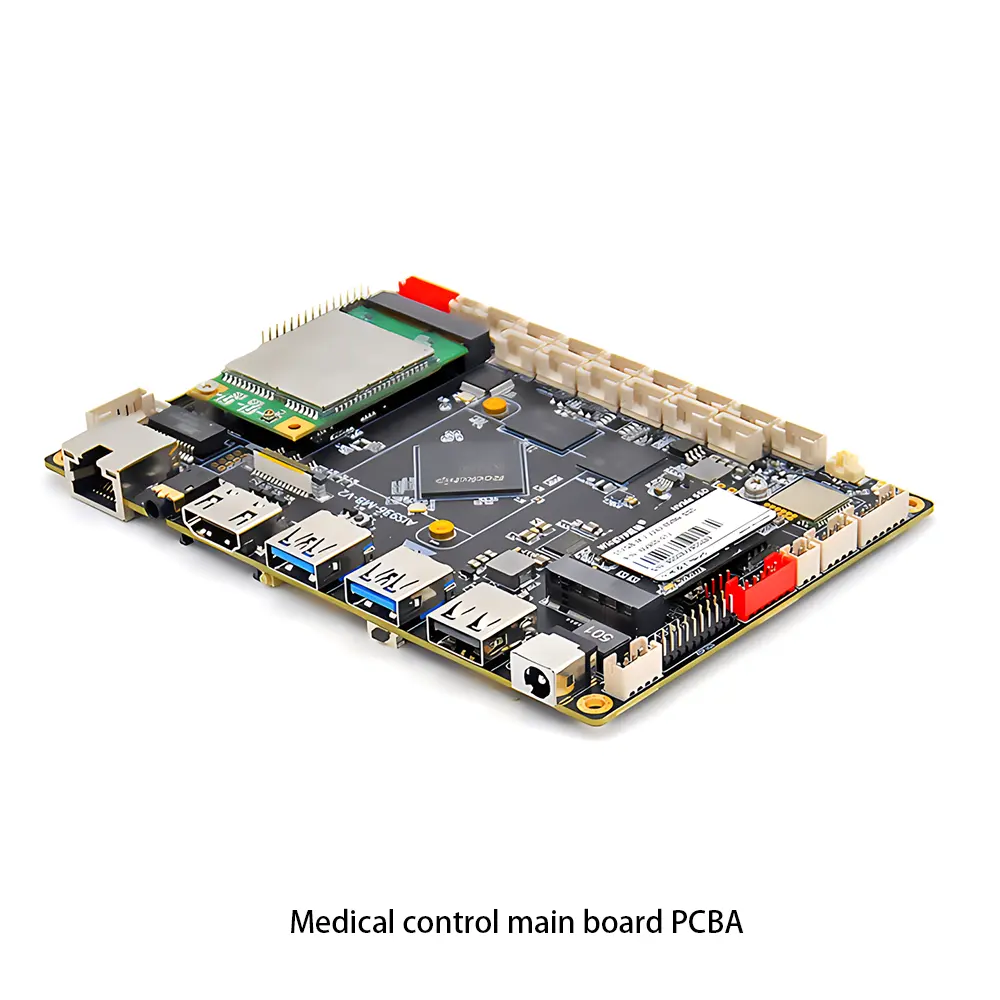 Medical Equipment PCBA
 Testing Service
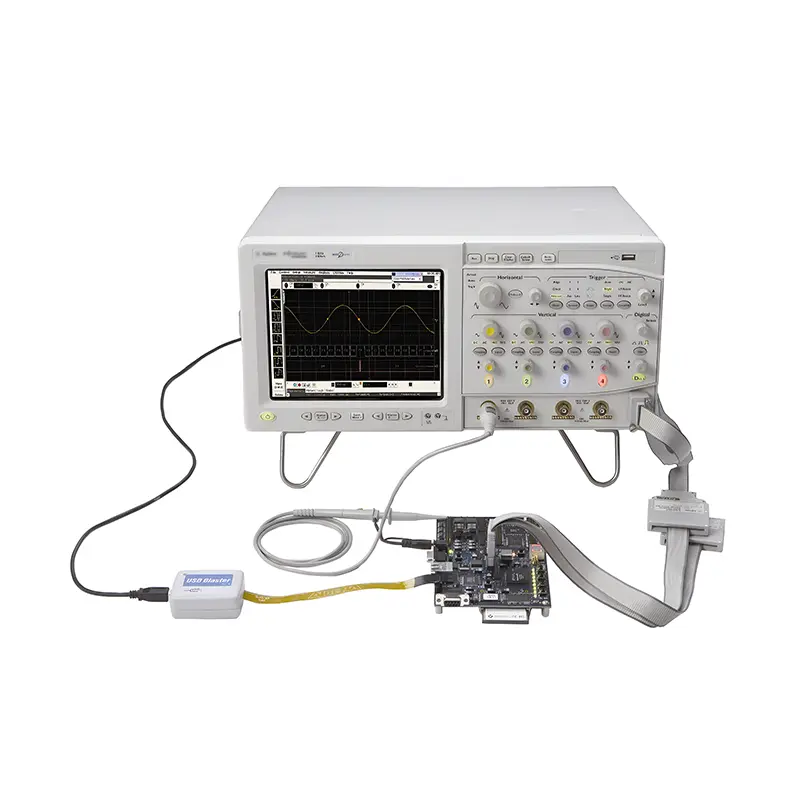 PCBA Testing Service
 Certification Application
 RoHS Certification Application
 REACH Certification Application
 CE Certification Application
 FCC Certification Application
 CQC Certification Application
 UL Certification Application
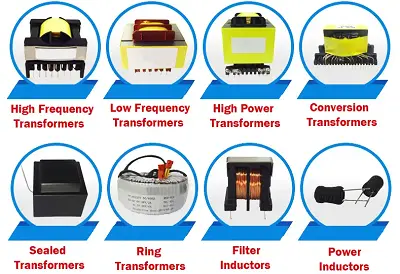 Transformers, Inductors
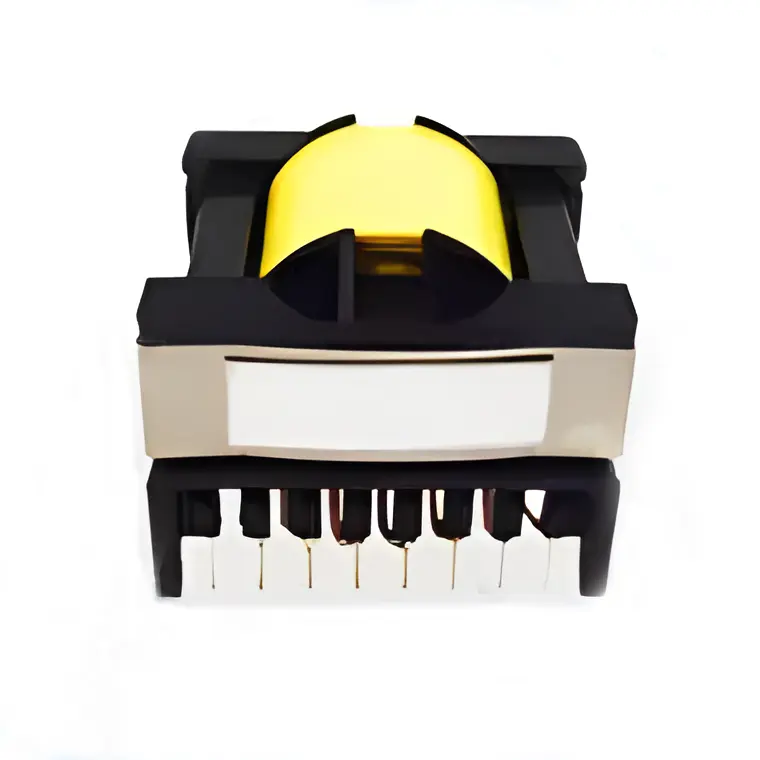 High Frequency Transformers
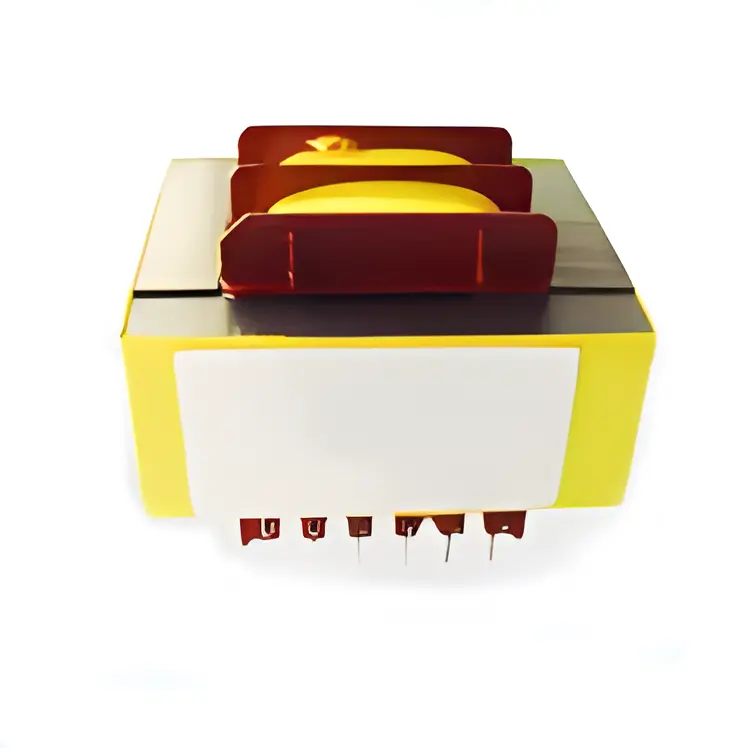 Low Frequency Transformers
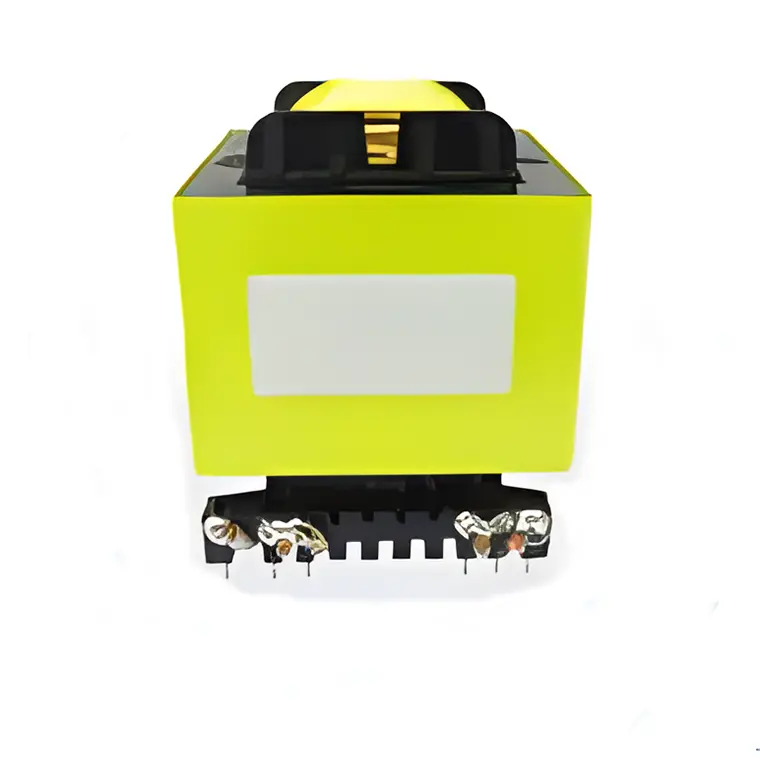 High Power Transformers
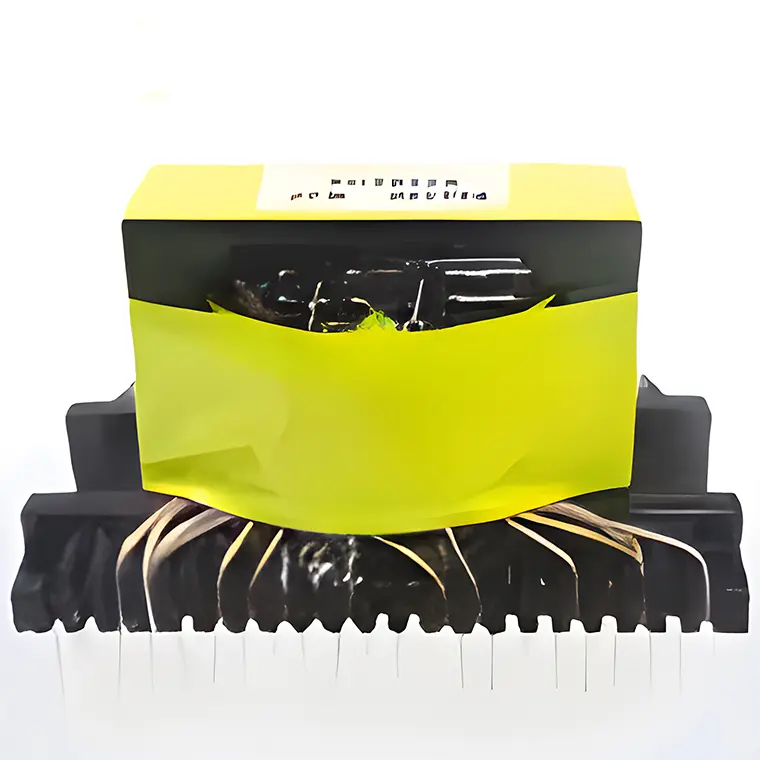 Conversion Transformers
 Sealed Transformers
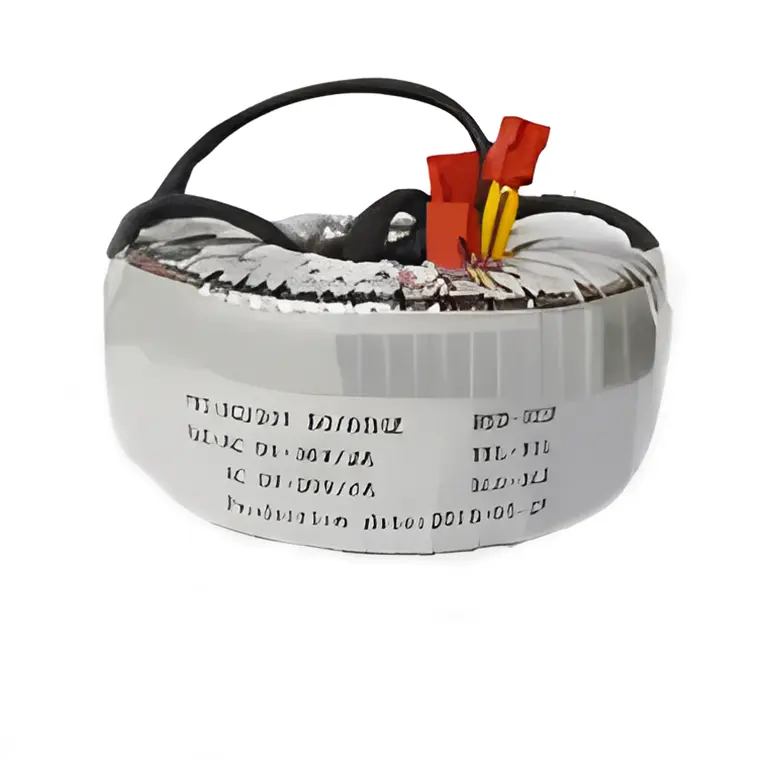 Ring Transformers
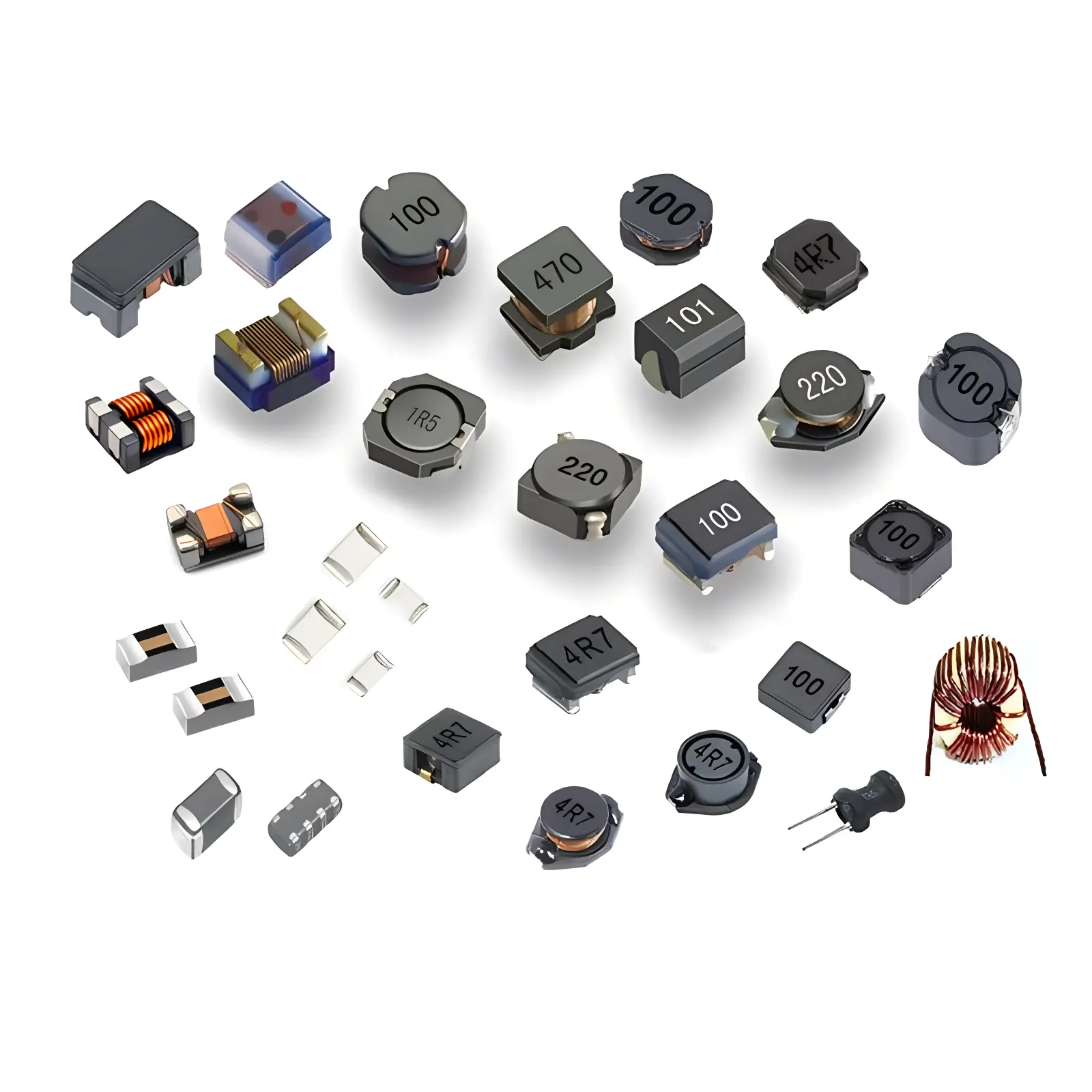 Inductors
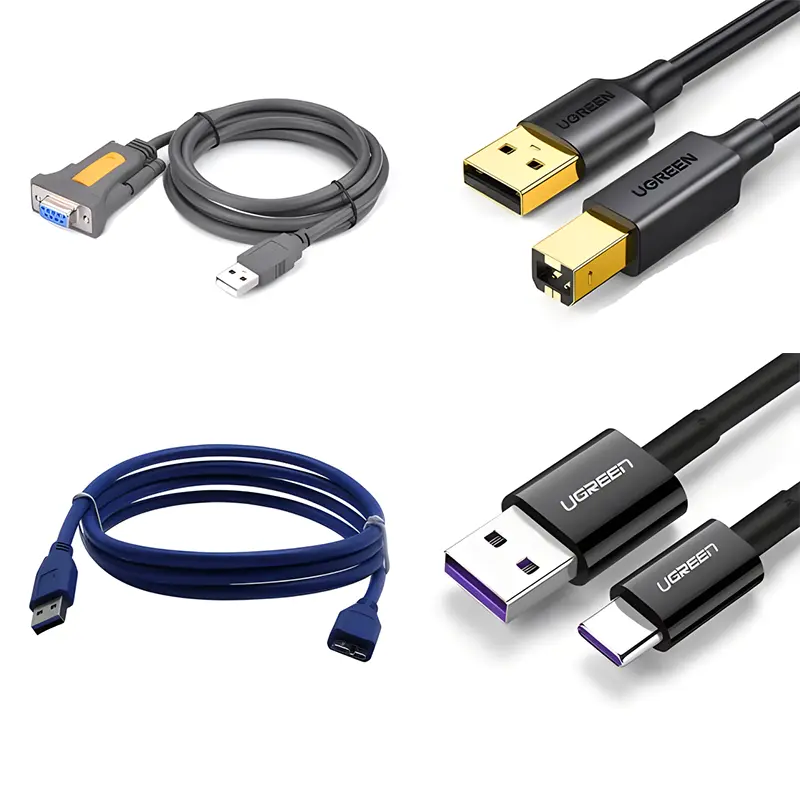 Wires,Cables Customized
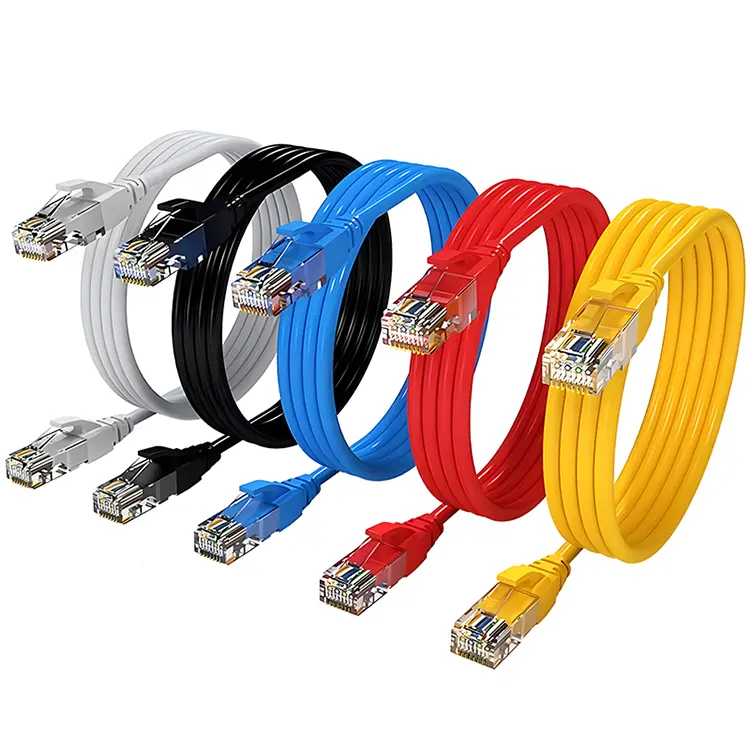 Network Cables
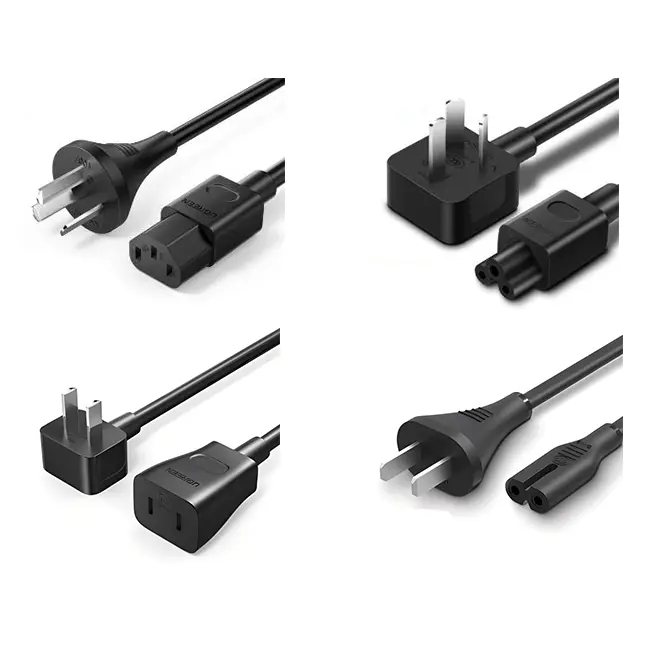 Power Cords
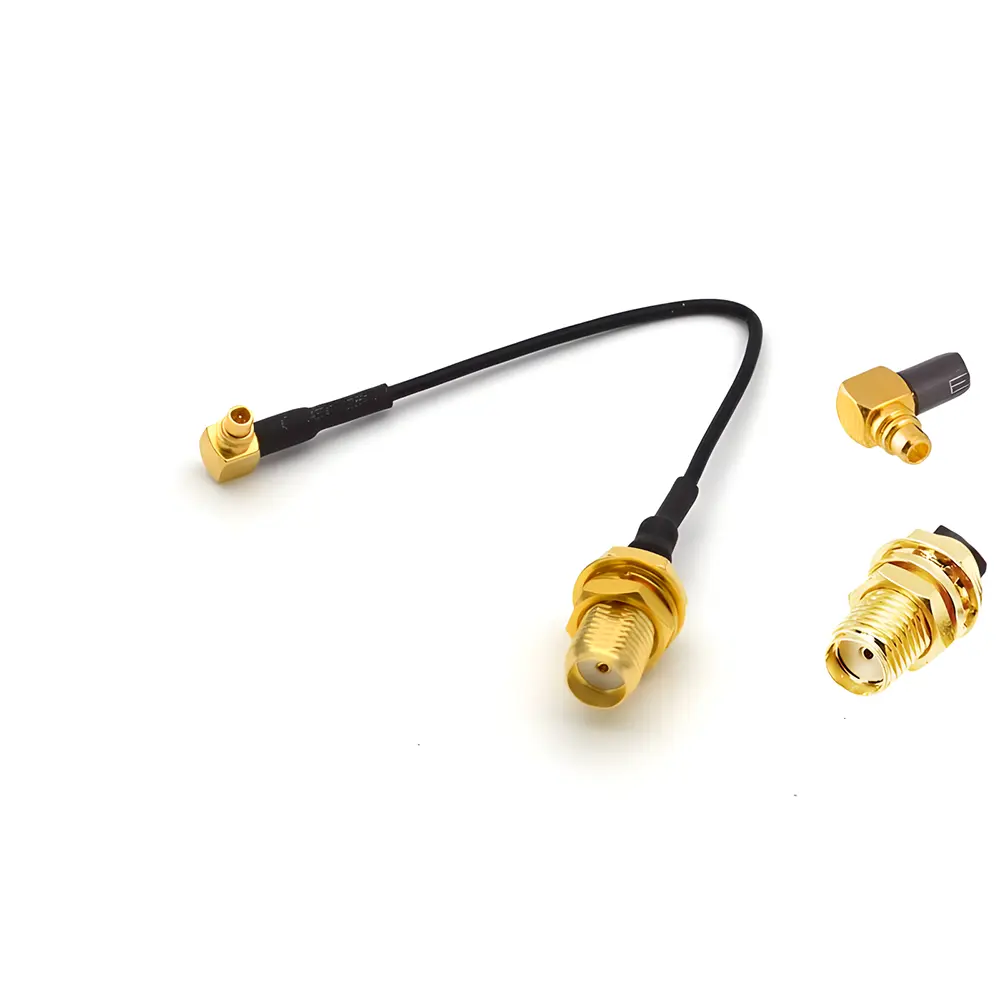 Antenna Cables
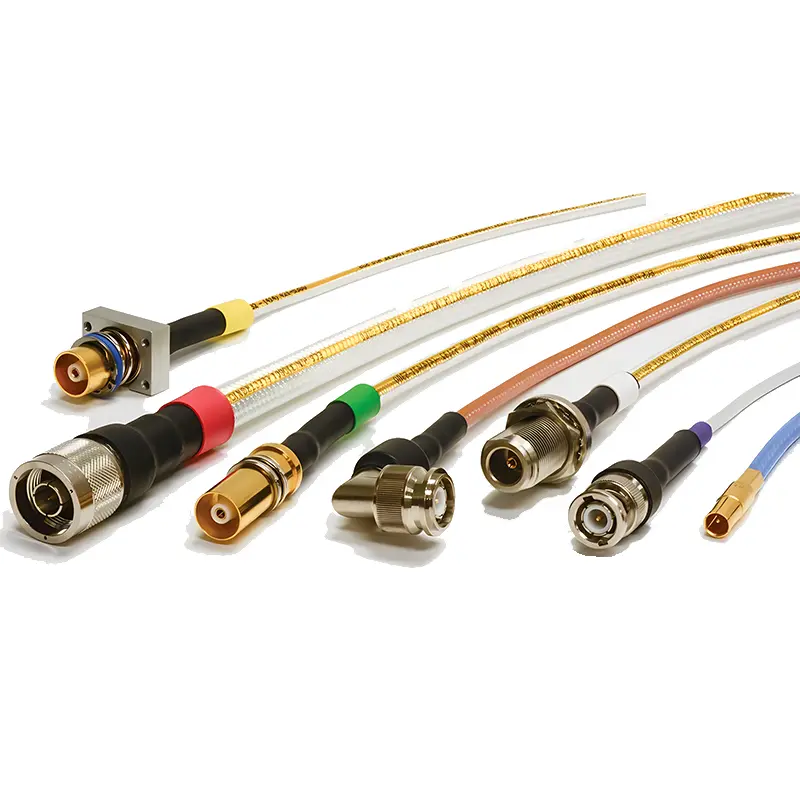 Coaxial Cables
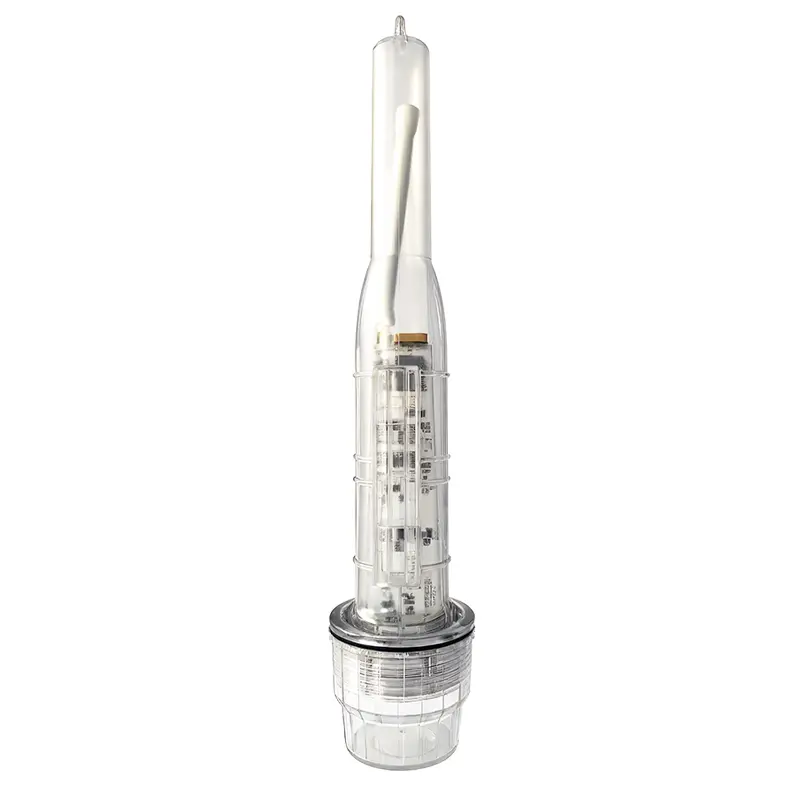 Net Position Indicator
 Solar AIS net position indicator
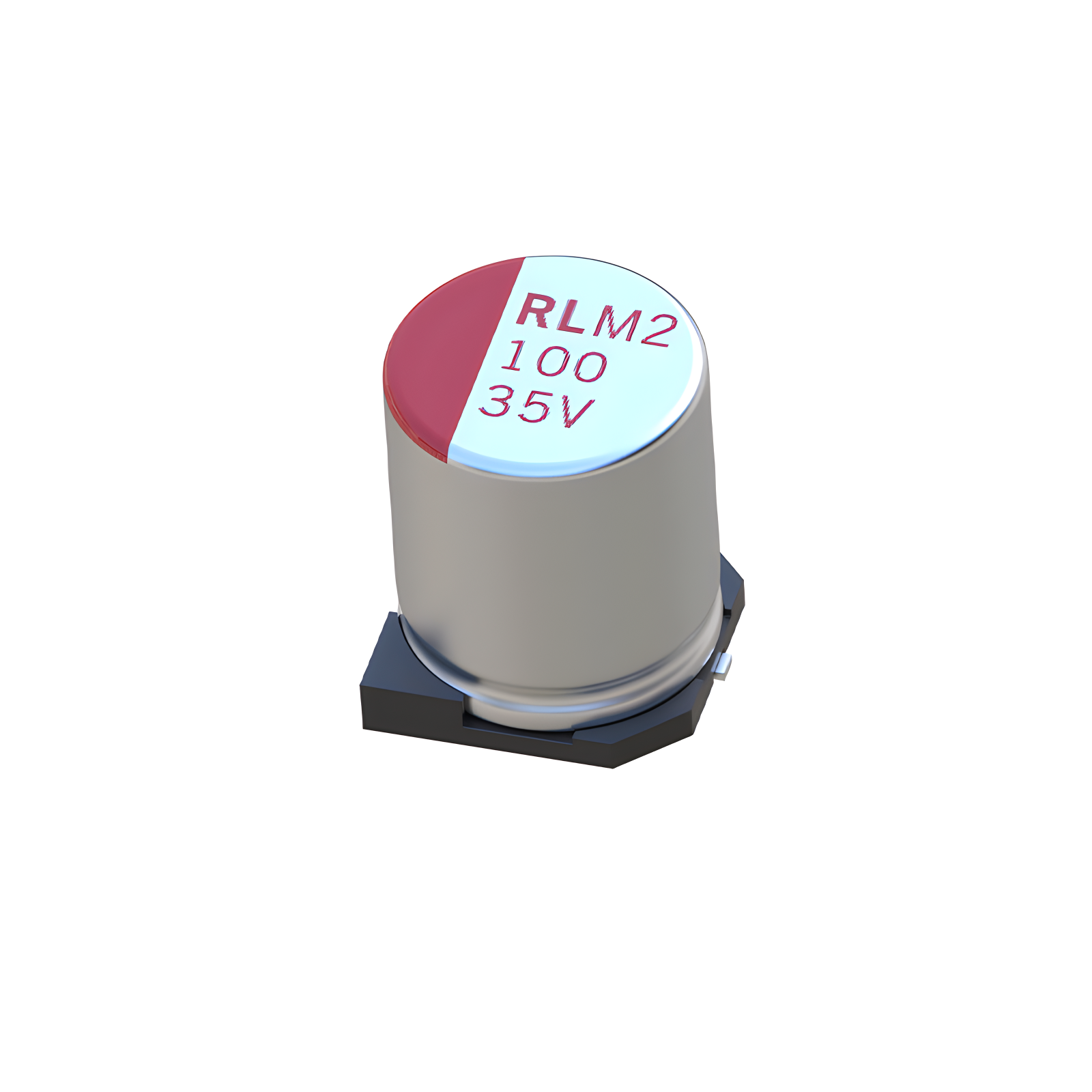 Capacitors
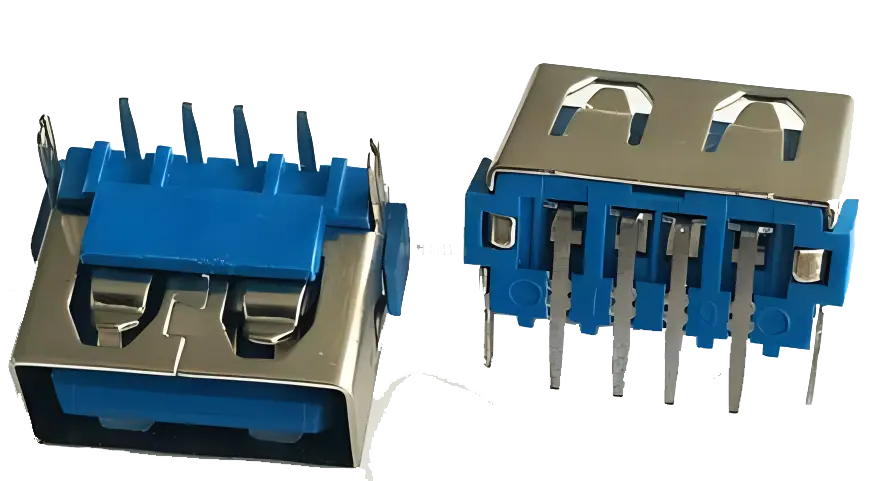 Connectors
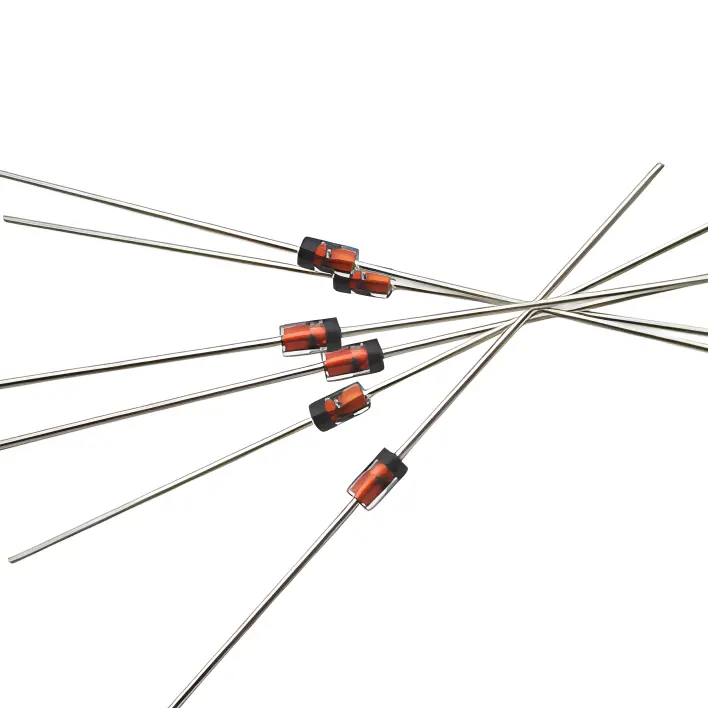 Diodes
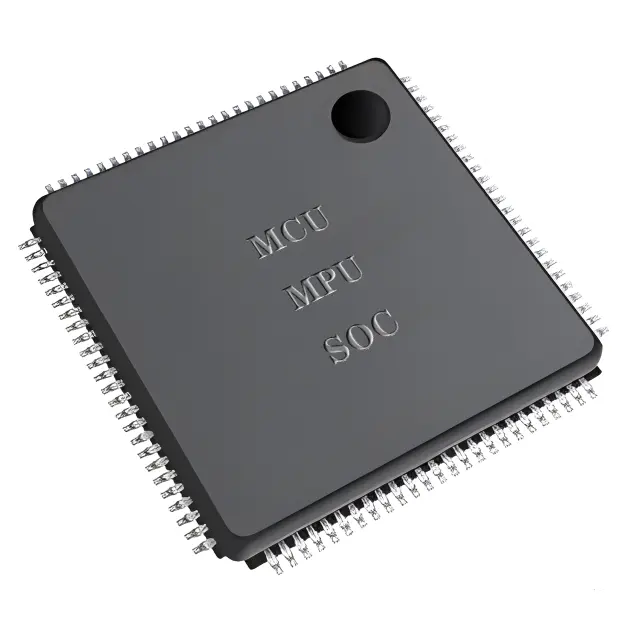 Embedded Processors & Controllers
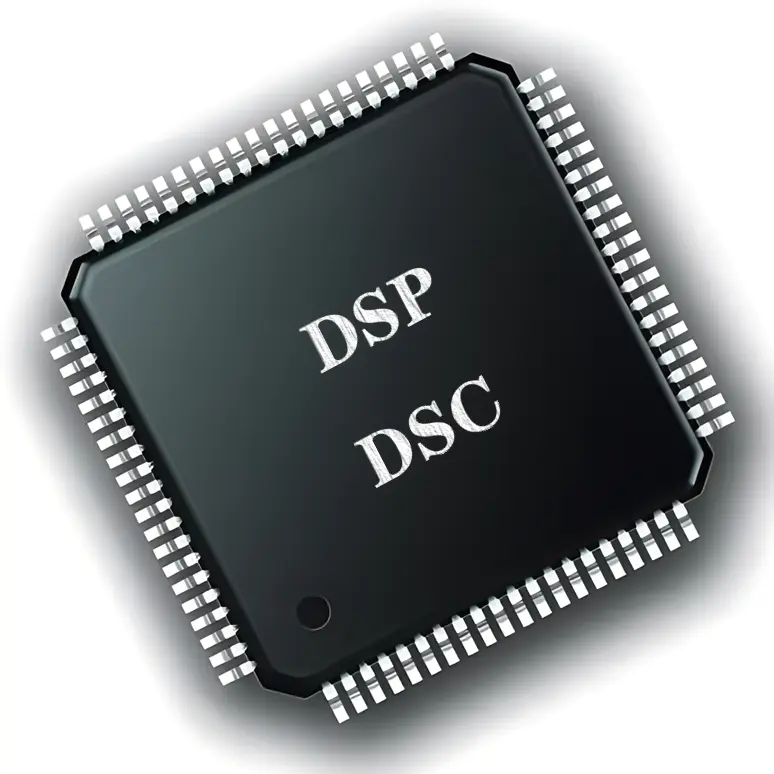 Digital Signal Processors (DSP/DSC)
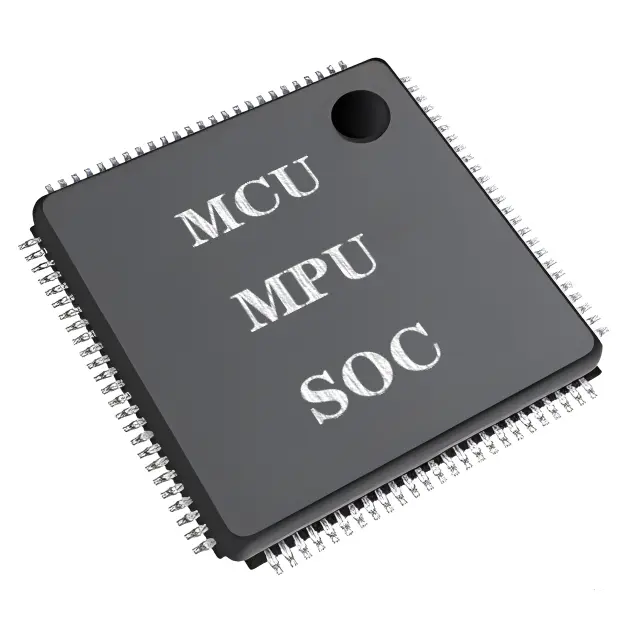 Microcontrollers (MCU/MPU/SOC)
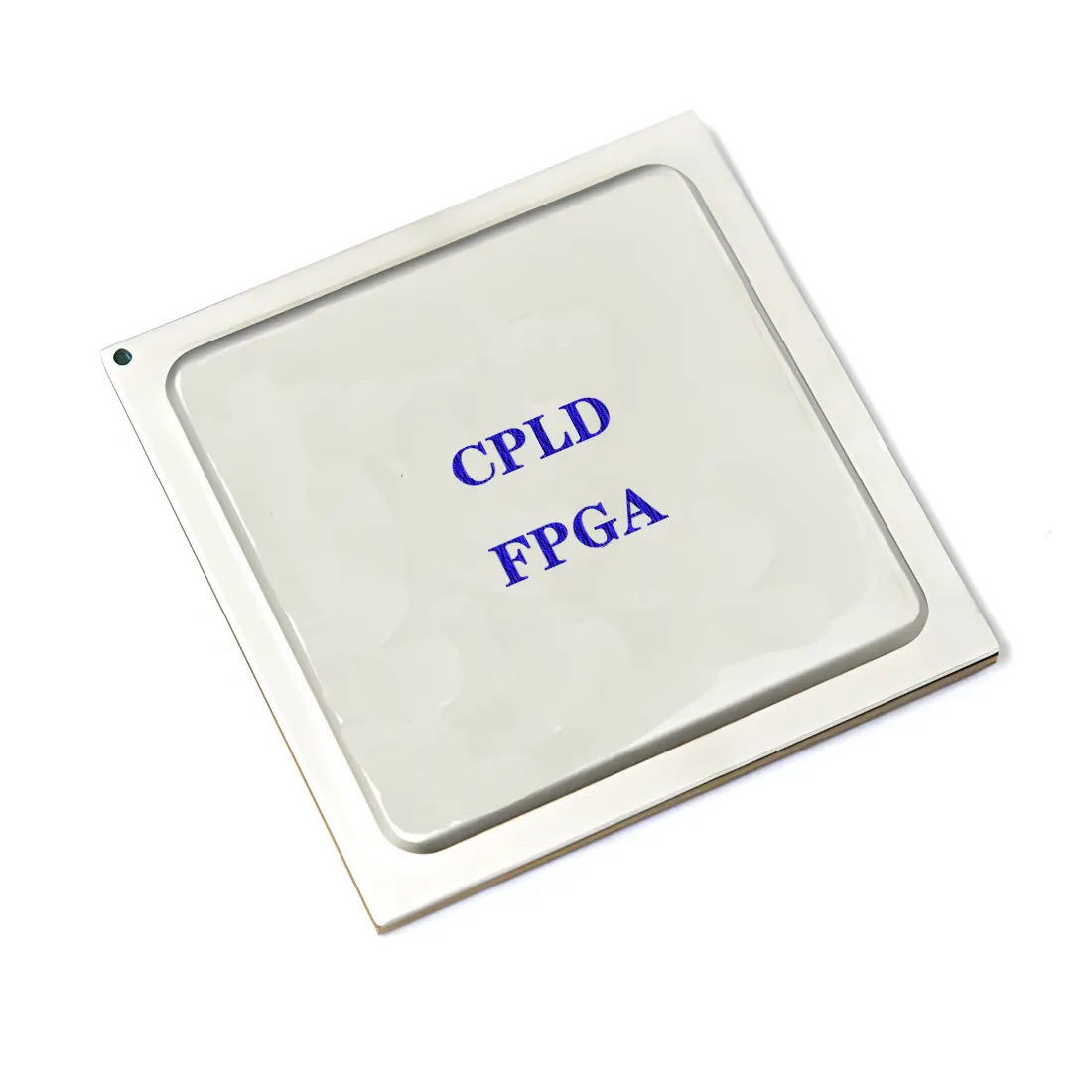 Programmable Logic Device(CPLD/FPGA)
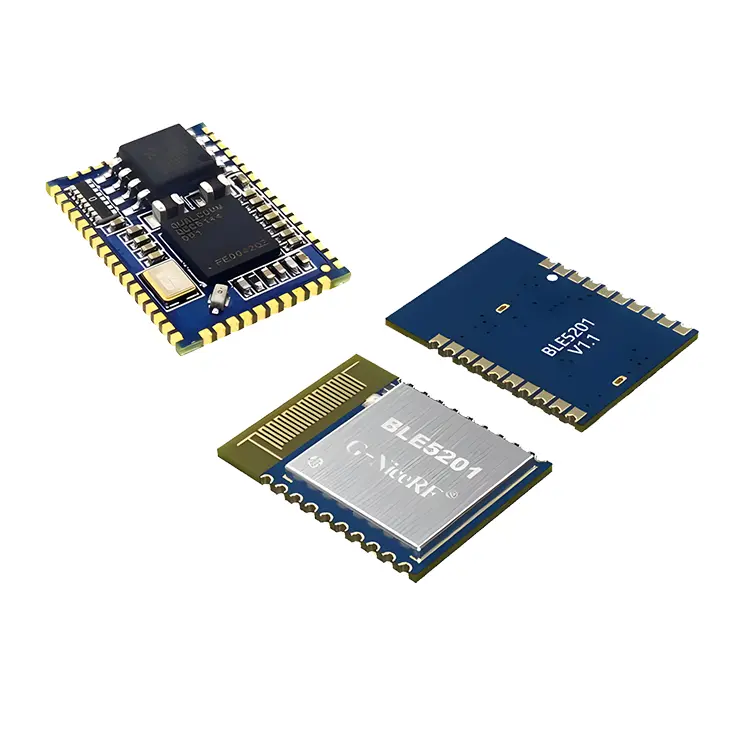 Communication Modules/IoT
 Resistors
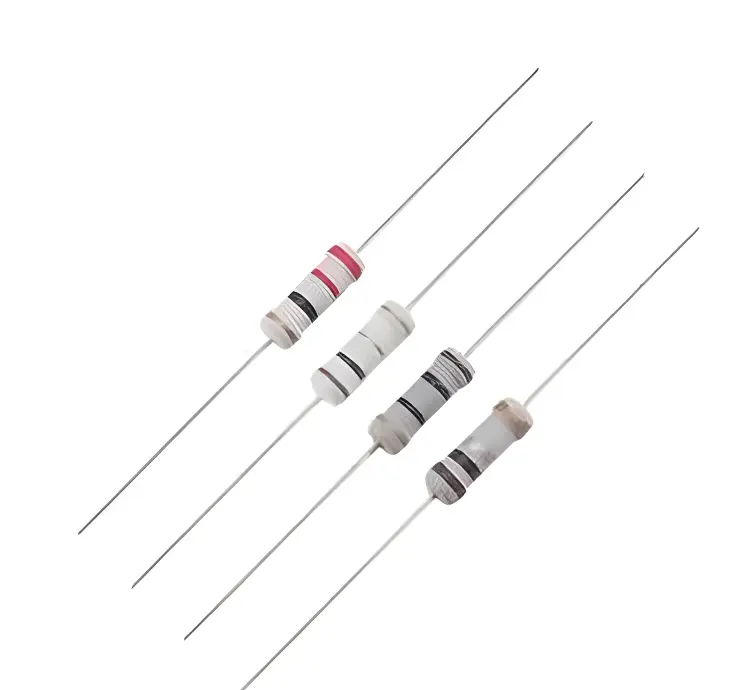 Through Hole Resistors
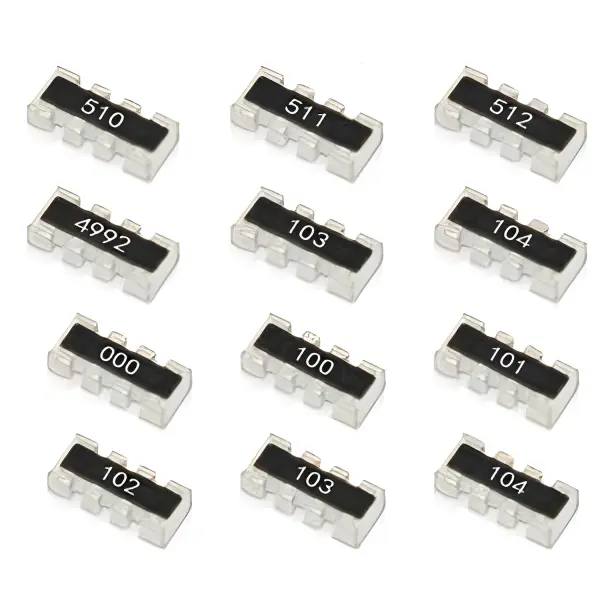 Resistor Networks, Arrays
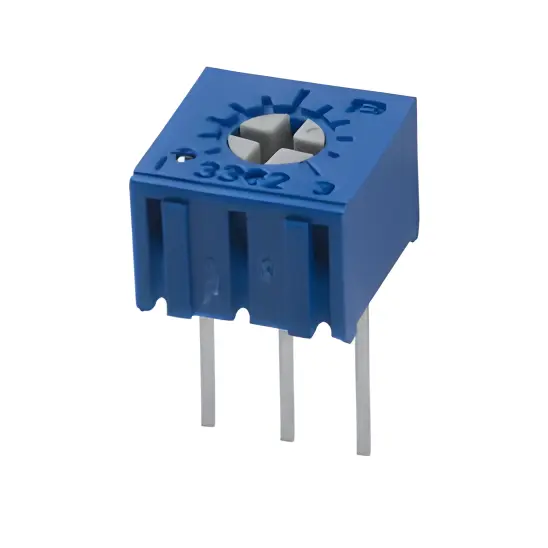 Potentiometers,Variable Resistors
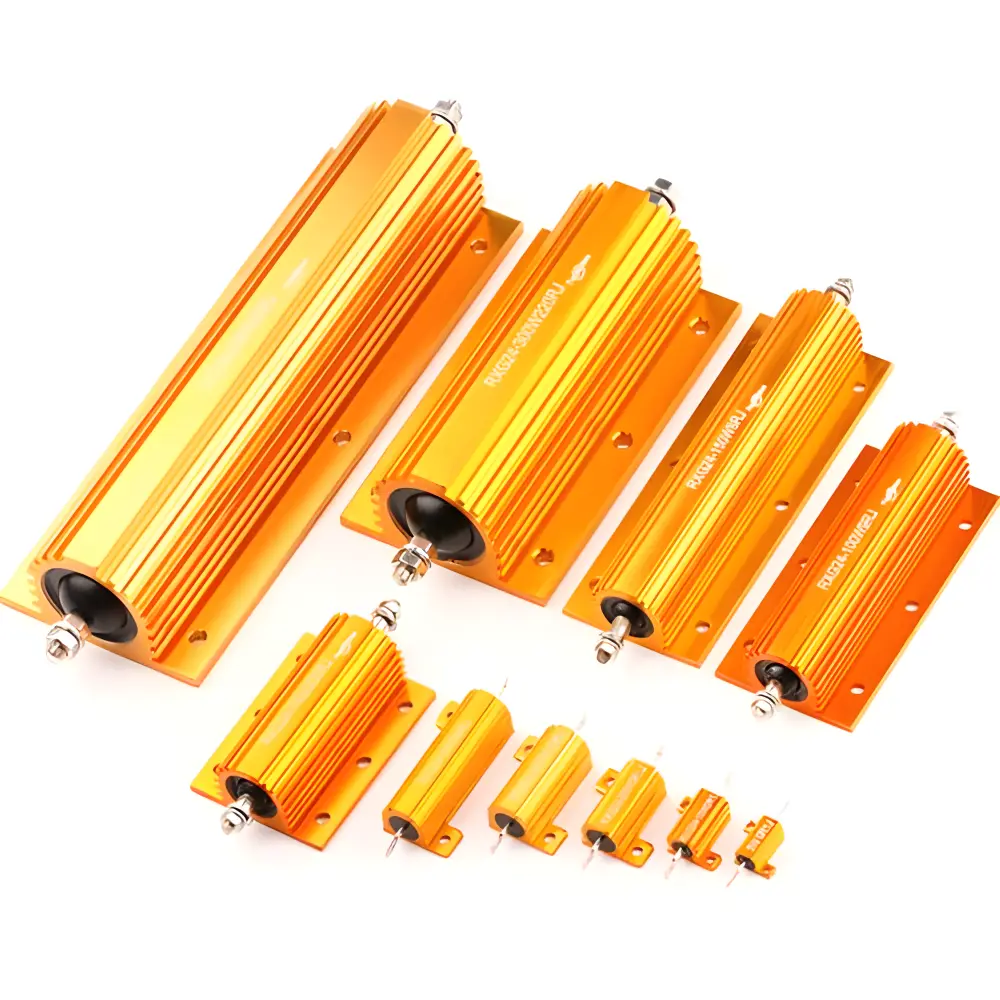 Aluminum Case,Porcelain Tube Resistance
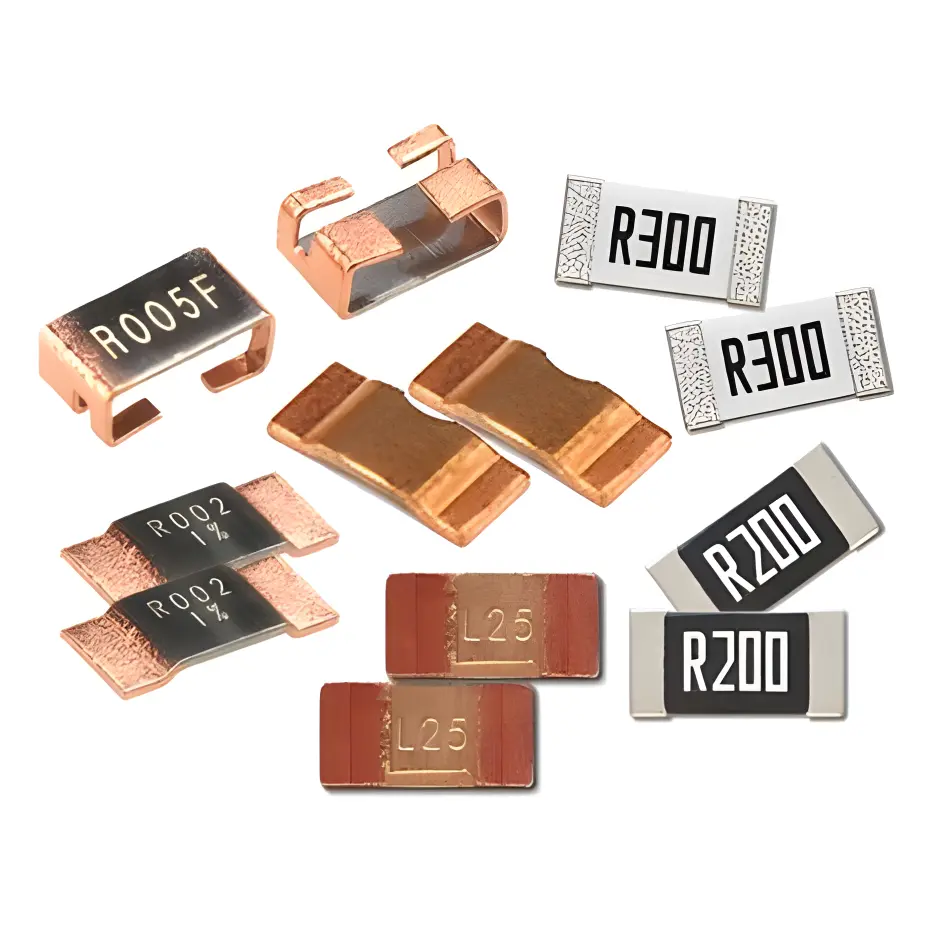 Current Sense Resistors,Shunt Resistors
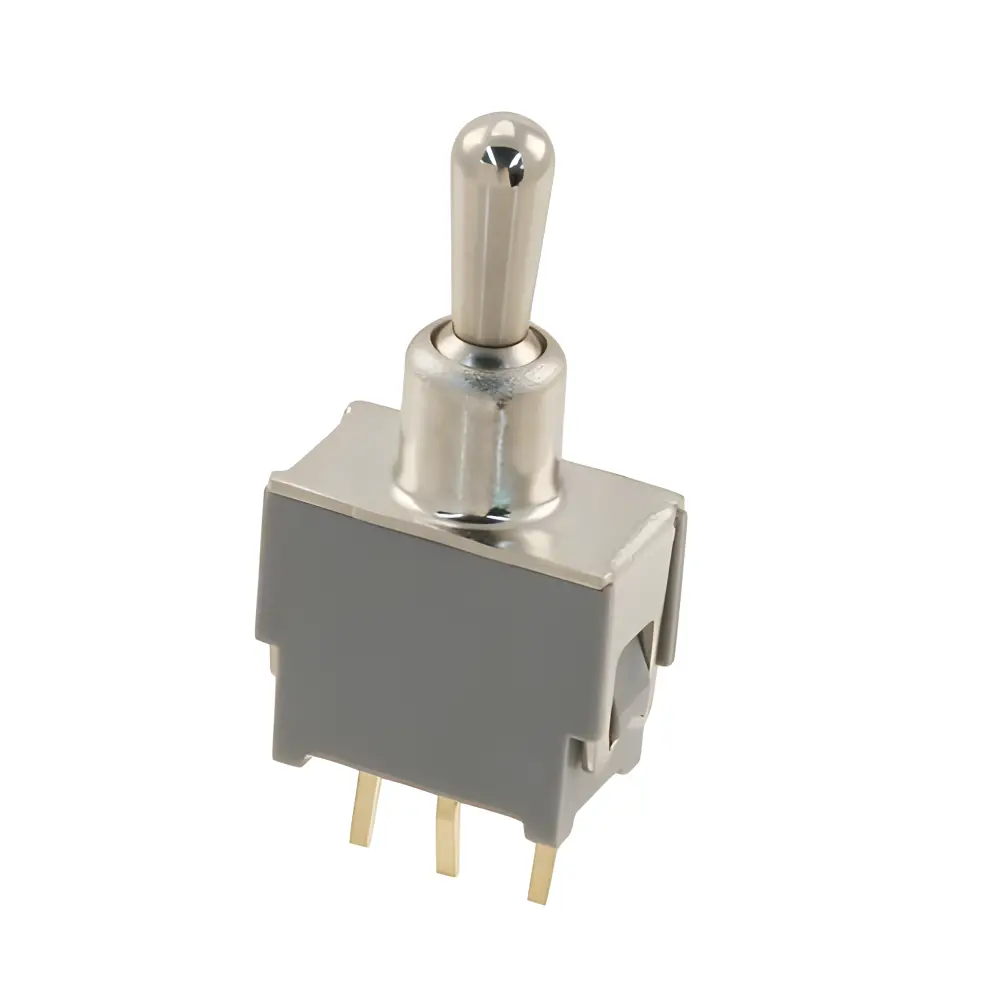 Switches
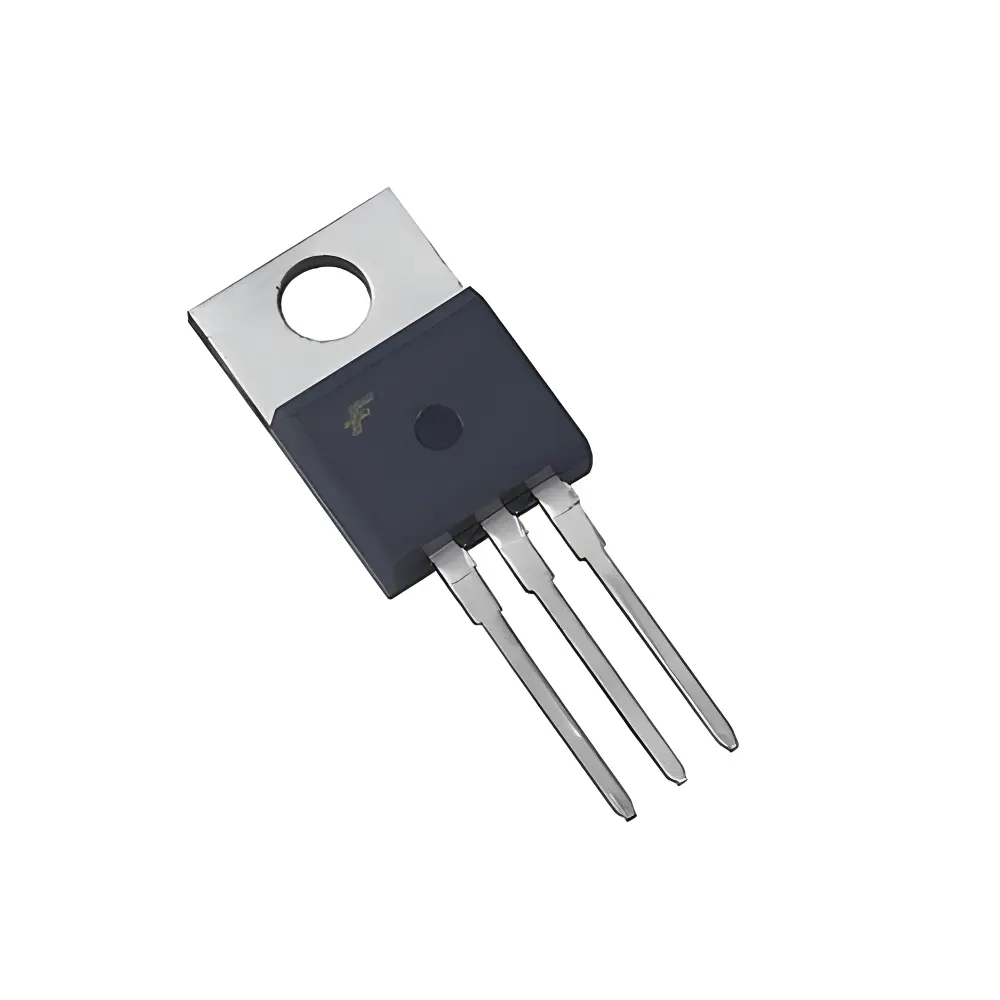 Transistors
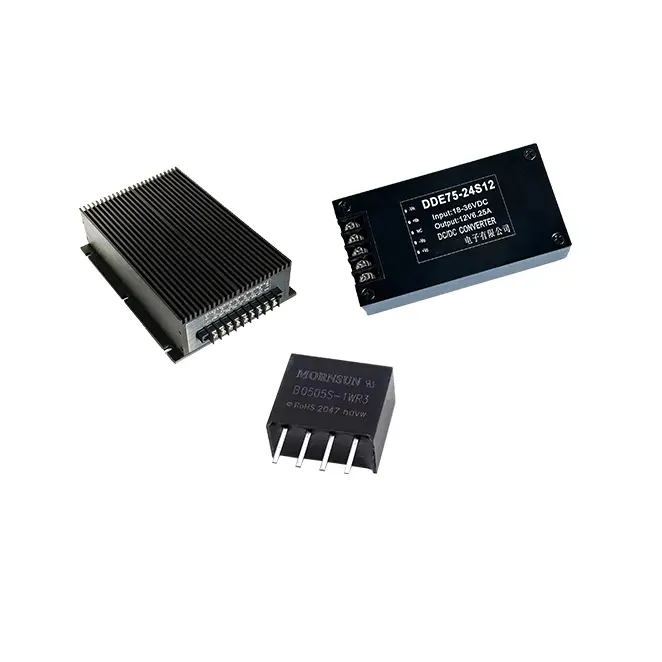 Power Modules
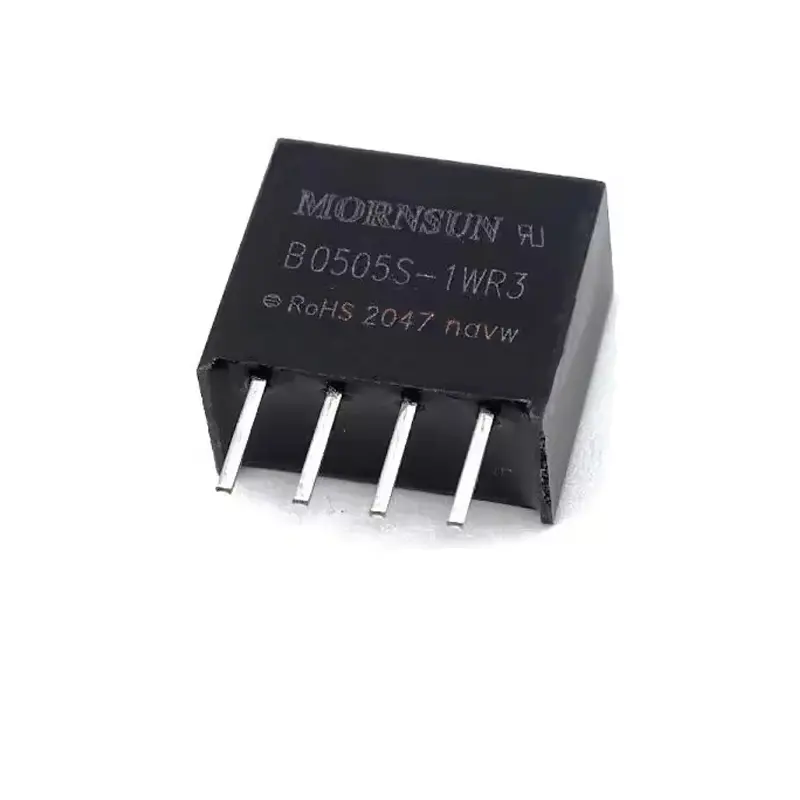 Isolated Power Modules
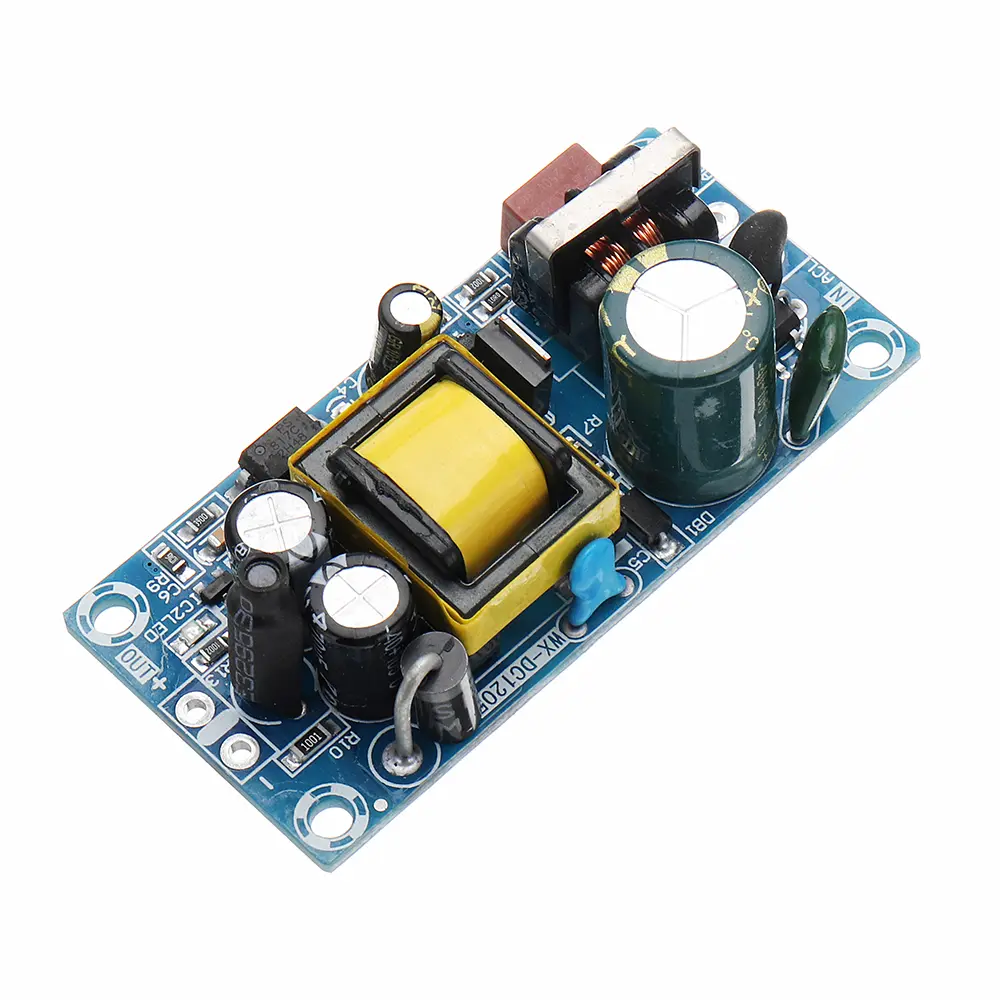 AC-DC Power Modules
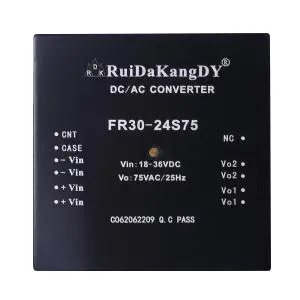 DC-AC Module(Inverter)
 RF and Wireless
PCB Industry Insights
PCB Industry Insights: Latest Trends and Innovations Shaping the Future
In the ever-evolving landscape of technology, the Printed Circuit Board (PCB) industry stands at the forefront of innovation, driving advancements across sectors from consumer electronics to aerospace. The latest developments in materials, design methodologies, and manufacturing processes are reshaping the industry, promising enhanced peRFormance, sustainability, and versatility. Here's a glimpse into the most recent industry updates that are set to redefine the PCB sector in the coming years.
1. Advancements in High-Density Interconnect (HDI) Technology
Driven by the demand for smaller, faster, and more powerful electronic devices, HDI technology continues to evolve rapidly. Newer generations of HDI PCBs feature increased layer counts, finer line/space widths, and via-in-pad technology, enabling manufacturers to pack more functionality into ever-shrinking footprints. This advancement is crucial for supporting the development of next-generation smartphones, wearables, and Internet of Things (IoT) devices.
2. Adoption of Advanced Materials
To meet the growing need for improved thermal management and environmental sustainability, the PCB industry is exploring the use of advanced materials. This includes the integration of thermally conductive substrates, such as metal-core PCBs, and the adoption of bio-based and recyclable materials to reduce environmental impact. Additionally, the use of liquid crystal polymer (LCP) and polyimide films is gaining traction for their lightweight, high heat resistance, and flexibility, particularly in flexible and rigid-Flex Pcbs.
3. Integration of Embedded Components and 3D Printing
Embedding passive components directly into the PCB substrate is another emerging trend that simplifies assembly, reduces size, and enhances reliability. This technique, coupled with the advancements in 3D printing technology for PCB fabrication, opens up new possibilities for complex geometries and rapid prototyping. 3D-printed PCBs can incorporate intricate designs and multiple layers in a single print, accelerating product development cycles and enabling customization at reduced costs.
4. Smart Factories and Industry 4.0
The PCB industry is embracing Industry 4.0 principles, leveraging automation, data exchange, and AI-driven analytics to optimize manufacturing processes. Smart factories equipped with IoT sensors, machine learning algorithms, and real-time monitoring systems can detect defects earlier, improve yields, and reduce waste. This digital transformation is leading to more efficient, flexible, and responsive supply chains, capable of adapting quickly to market demands and customer needs.
5. Focus on Security and Cyber Resilience
With the proliferation of connected devices and the increasing sophistication of cyber threats, ensuring the security of PCBs has become paramount. The industry is responding with innovations such as embedded security features, like tamper-proof designs and hardware encryption, to safeguard sensitive data and prevent unauthorized access. Additionally, there is a push towards developing secure supply chains to mitigate the risks of counterfeiting and malicious alterations during manufacturing and distribution.