
1. Introduction
Core Impact of Assembly Sequence Common PCB assembly involves two types of components: SMT components (SuRFace Mount Technology, e.g., 0603 resistors, QFP chips) and THT components (Through-Hole Technology, e.g., DIP chips, connectors, relays). The choice of assembly sequence—either "SMT first, then THT insertion" or "THT insertion first, then SMT"—is not arbitrary. It directly affects soldering quality, production efficiency, and component damage rates**. An incorrect sequence may cause micro-SMT components (e.g., 01005) to be knocked off during THT insertion, or tall THT components to block hot air during SMT reflow soldering (leading to cold joints). Industry statistics show that improper assembly sequences can increase PCB defect rates by 15%-30%.
Before analyzing selection criteria, it is essential to distinguish the core processes of the two sequences (both primarily using "reflow soldering + wave soldering"):
Note: For small quantities of THT components (e.g., only 1-2 Connectors), manual soldering can replace wave soldering after SMT, but "reflow + wave soldering" remains the standard for mass production. The physical and material properties of components are the primary factors determining the assembly sequence—priority must be given to avoiding "post-installed components damaging pre-installed ones" or "component properties conflicting with soldering processes."
SMT reflow soldering and THT wave soldering differ in temperature and heating methods. It is critical to avoid "post-process damaging pre-soldered joints" or "equipment incompatibility with component layout."
-
Temperature Conflict Between Reflow and Wave Soldering:
Reflow soldering (lead-free peak 240-260℃) is generally cooler than wave soldering (250-270℃). For SMT-first: SMT joints are already cured (melting point increases after reflow), so subsequent wave soldering does not remelt them (low risk). For THT-first: THT joints (cured by wave soldering) withstand reflow temperatures, but the high thermal conductivity of THT pins may "siphon heat" from SMT solder paste, preventing full melting and increasing cold joint rates (e.g., 0603 resistor cold joint rates rise from 1% to 4%).
-
Equipment Compatibility (Working Space for Placement vs Insertion Machines):
SMT placement machines require an "unobstructed PCB surface." Tall THT components (e.g., 15mm-tall terminal blocks) installed first occupy placement machine space, causing nozzle collisions with THT components. SMT-first avoids this—SMT components (height ≤ 2mm) do not interfere with THT insertion machines.
Assembly sequence directly affects production tempo and changeover costs, requiring alignment with "batch size" and "product variety complexity."
PCB component layout and functional requirements (e.g., heat dissipation) may force a specific sequence, limiting flexibility.
-
Dual-sided PCB layout (SMT on one side, THT on the other):
For PCBs with SMT on the front (e.g., QFP chips) and THT on the back (e.g., DIP resistors), SMT-first is mandatory. THT-first would cause THT pins to contaminate SMT solder paste (before curing) or short-circuit pins when flipping the PCB. SMT-first cures front-side joints, allowing back-side THT insertion without cross-contamination.
-
PCBs requiring pre-installed heat sinks (THT-style):
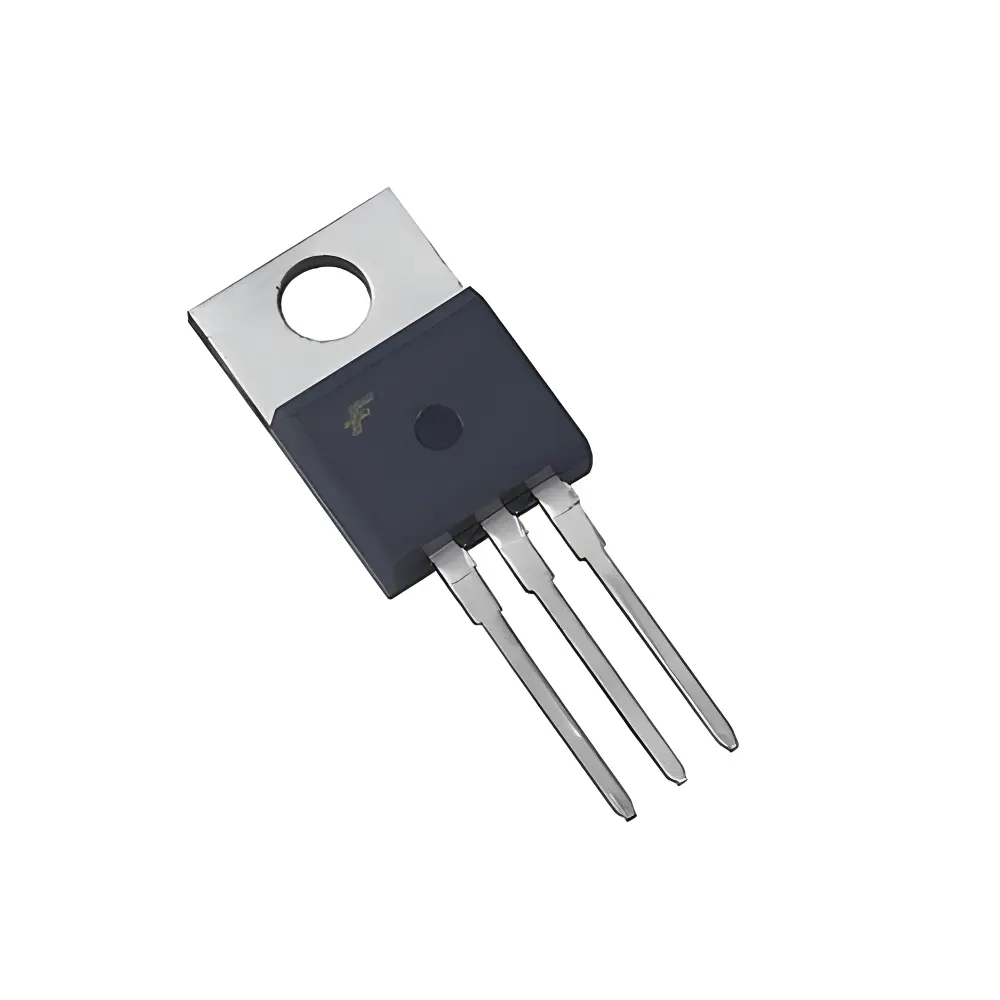
For THT heat sinks paired with power devices (e.g., TO-220 MOSFETs), THT-first is necessary. Heat sinks are secured with screws—SMT-first would risk pad lifting when tightening screws, as torque presses against SMT components (e.g., 0805 resistors). THT-first avoids mechanical damage to SMT.
-
High-density PCBs (SMT coverage > 80%):
High-density PCBs are nearly fully covered by SMT components. THT-first would cause THT pins to scrape uncured SMT solder paste, reducing paste volume. SMT-first cures joints, allowing THT pins to insert into pre-drilled holes without touching SMT joints, achieving a pass rate > 99%.
-
Consumer Electronics (Smartphone Motherboards, Bluetooth Headphone PCBs):
- Component Features: > 95% SMT components (mostly 01005/0201 packages), only 1-2 low-profile charging connectors (height < 5mm);
- Sequence Choice: SMT First, Then THT—avoids damaging miniature SMT components during THT insertion, and high automation suits mass production demands.
-
Industrial Control Boards (e.g., PLC Modules):
- Component Features: Many THT components (relays, terminal blocks, height 10-15mm), SMT components (0603/0805, 60% coverage), low-volume multi-variety (300 units/day, 5 models);
- Sequence Choice: THT First, Then SMT—prevents tall THT components from blocking SMT reflow hot air, and flexible changeovers suit multi-variety production.
-
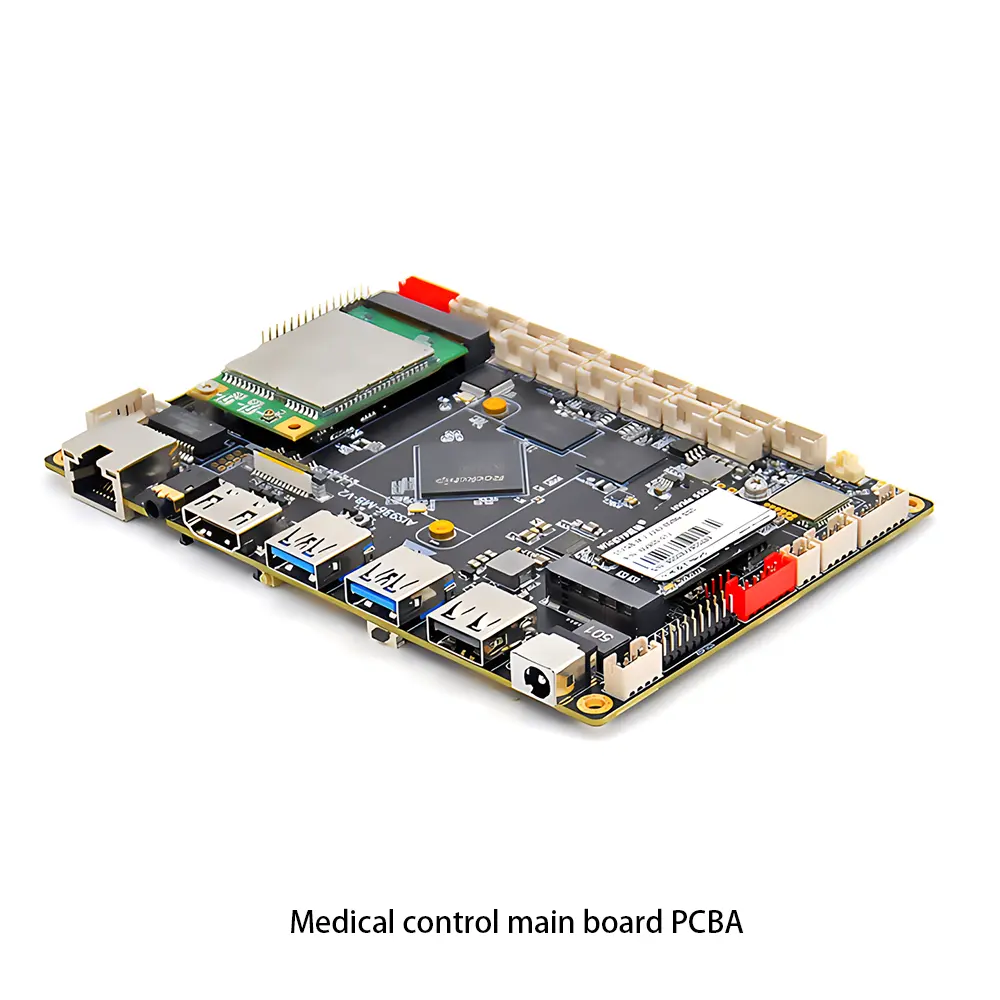
Medical Device PCBs (e.g., Monitor Power Boards):
- Component Features: Low-temperature-resistant SMT sensors (max temp ≤ 240℃), high-power THT connectors (max temp > 270℃), medium batch size (800 units/day);
- Sequence Choice: SMT First, Then THT—low-temperature SMT components endure only one reflow cycle (235℃), avoiding wave soldering damage; THT connectors withstand wave soldering (260℃) safely.
The selection of common PCB assembly sequences follows a "four-step decision method" to ensure no omissions:
- Step 1: Evaluate SMT component characteristics—prioritize SMT-first if SMT components are miniature (≤ 0201) or low-temperature-resistant (≤ 240℃);
- Step 2: Evaluate THT component characteristics—prioritize THT-first if THT components are tall (> 10mm) or heavy (> 5g);
- Step 3: Evaluate production scale—choose SMT-first for high-volume single-variety, THT-first for low-volume multi-variety;
- Step 4: Evaluate PCB design—prioritize SMT-first for dual-sided layouts or high-density wiring; prioritize THT-first if heat sinks need pre-installation.
In short, the core logic of assembly sequence selection is to "protect fragile components, match process capabilities, and align with production needs"—there is no absolute "optimal sequence," only the "most scenario-appropriate sequence."

 PCB
PCB FPC
FPC Rigid-Flex
 FR-4
FR-4 HDI PCB
 Rogers High-Frequency Board
 PTFE Teflon High-Frequency Board
 Aluminum
 Copper Core
 PCB Assembly
 LED light PCBA
 Memory PCBA
 Power Supply PCBA
 New Energey PCBA
 Communication PCBA
 Industrial Control PCBA
 Medical Equipment PCBA
 Testing Service
 PCBA Testing Service
 Certification Application
 RoHS Certification Application
 REACH Certification Application
 CE Certification Application
 FCC Certification Application
 CQC Certification Application
 UL Certification Application
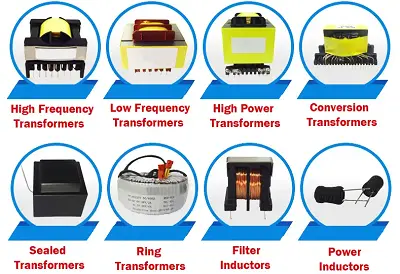 Transformers, Inductors
 High Frequency Transformers
 Low Frequency Transformers
 High Power Transformers
 Conversion Transformers
 Sealed Transformers
 Ring Transformers
 Inductors
 Wires,Cables Customized
 Network Cables
 Power Cords
 Antenna Cables
 Coaxial Cables
 Net Position Indicator
 Solar AIS net position indicator
 Capacitors
 Connectors
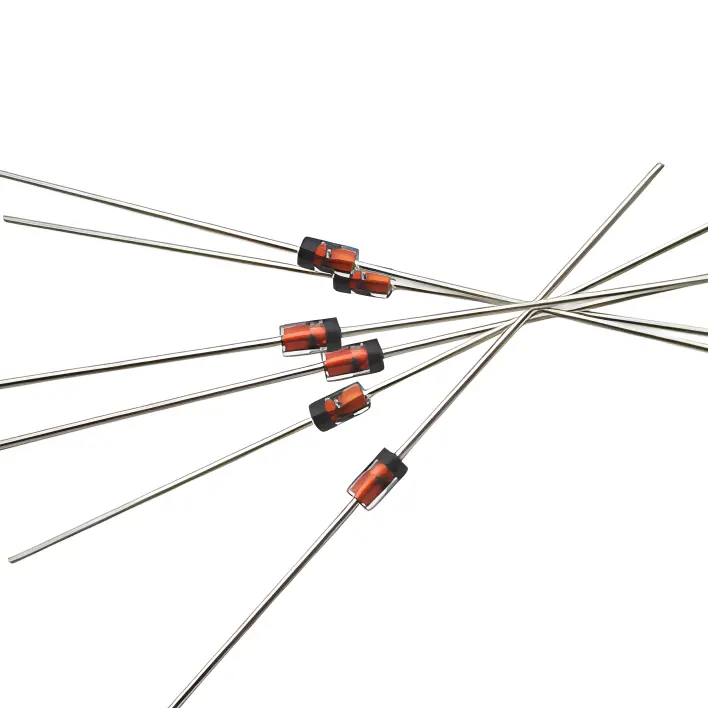 Diodes
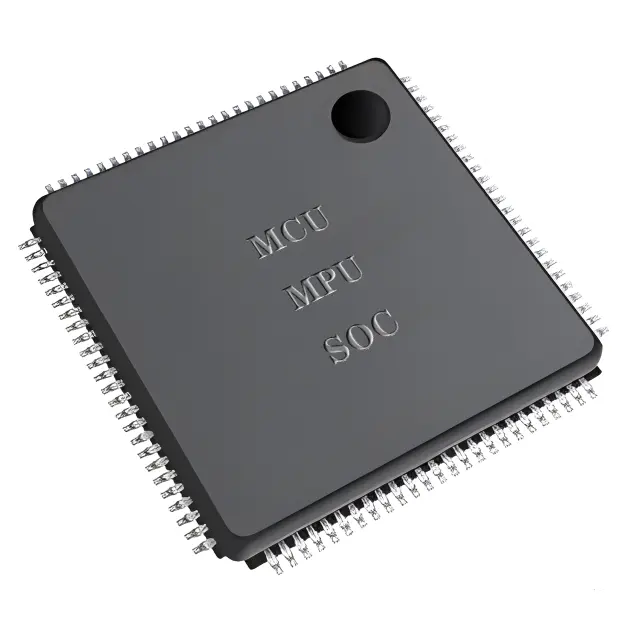 Embedded Processors & Controllers
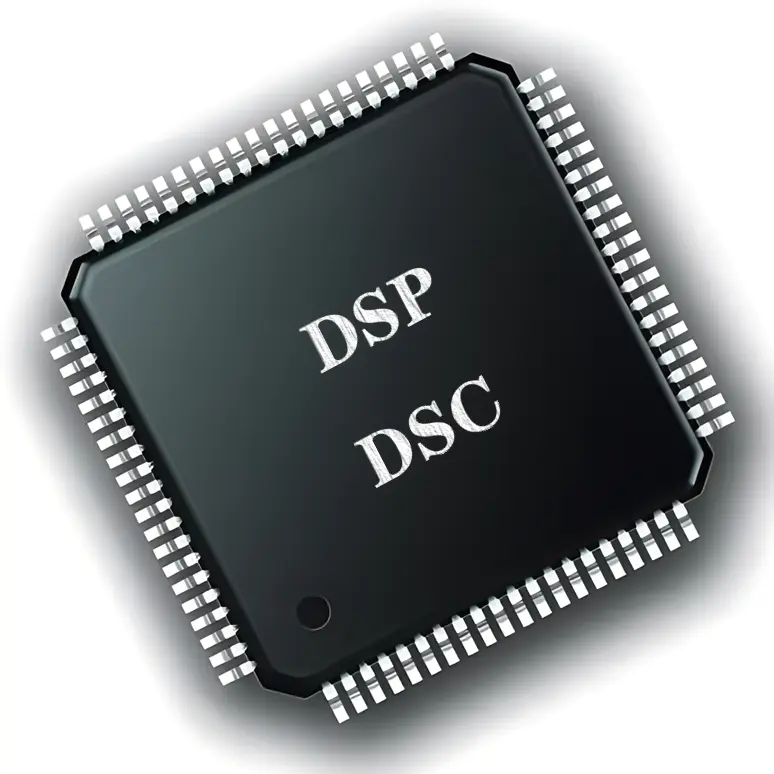 Digital Signal Processors (DSP/DSC)
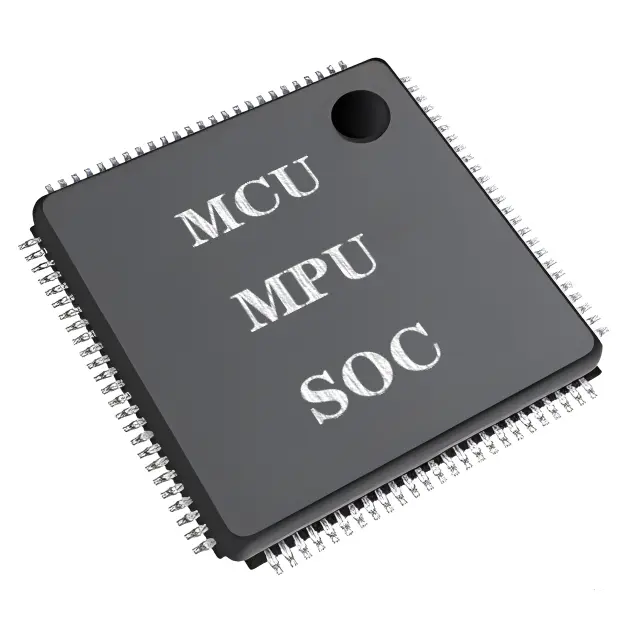 Microcontrollers (MCU/MPU/SOC)
 Programmable Logic Device(CPLD/FPGA)
 Communication Modules/IoT
 Resistors
 Through Hole Resistors
 Resistor Networks, Arrays
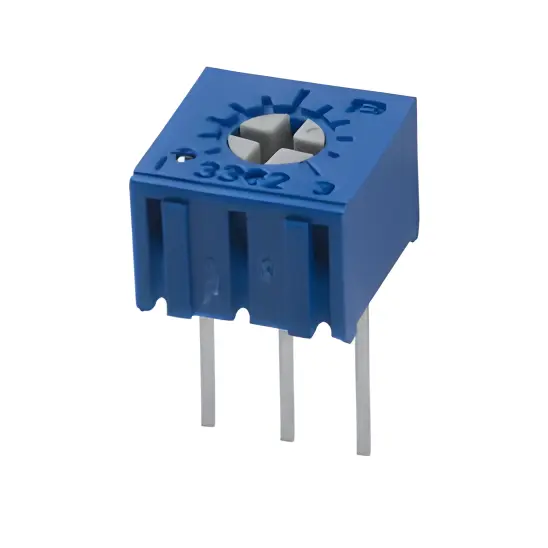 Potentiometers,Variable Resistors
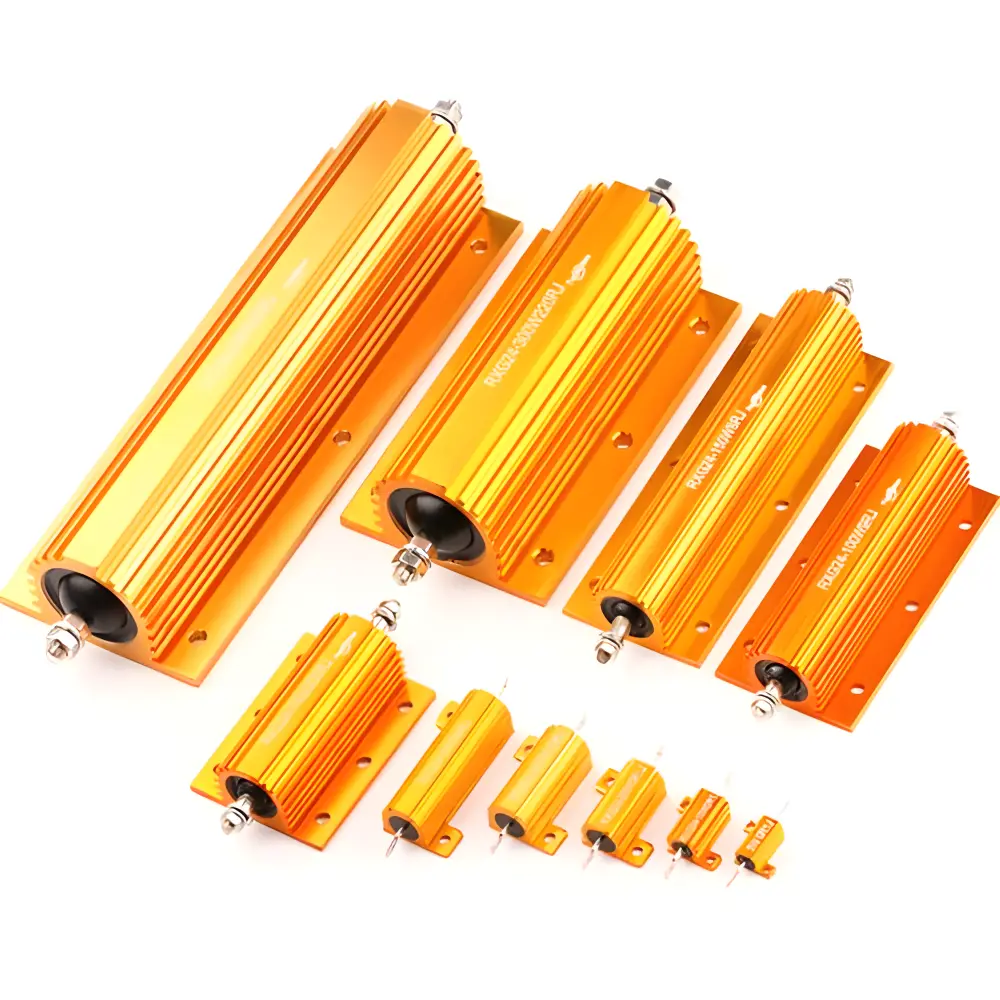 Aluminum Case,Porcelain Tube Resistance
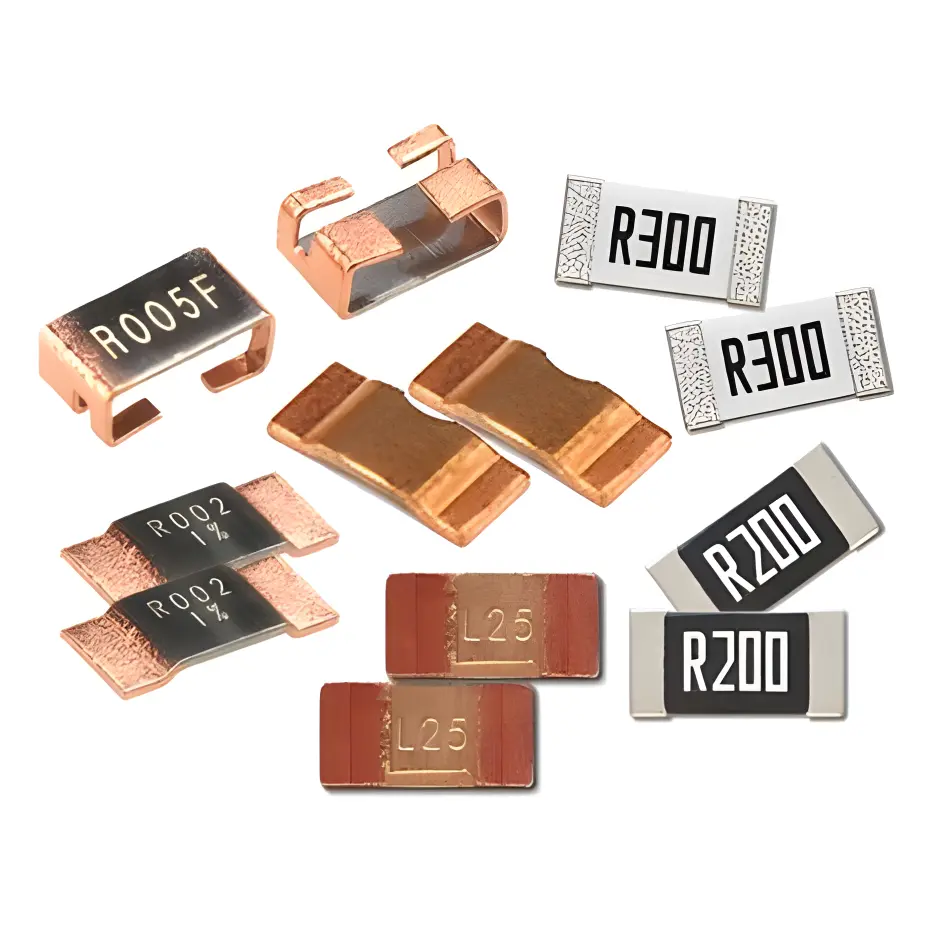 Current Sense Resistors,Shunt Resistors
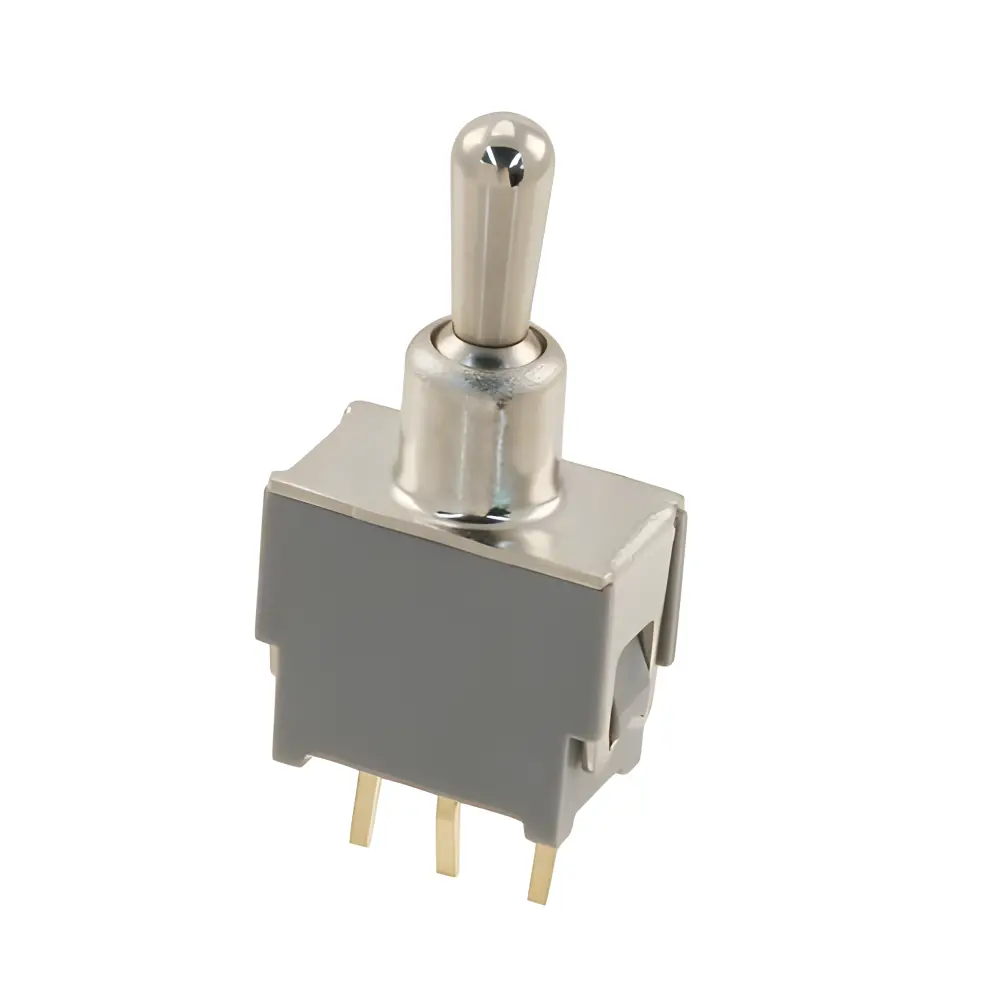 Switches
 Transistors
 Power Modules
 Isolated Power Modules
 AC-DC Power Modules
 DC-AC Module(Inverter)
 RF and Wireless