
 PCB
PCB FPC
FPC Rigid-Flex
 FR-4
FR-4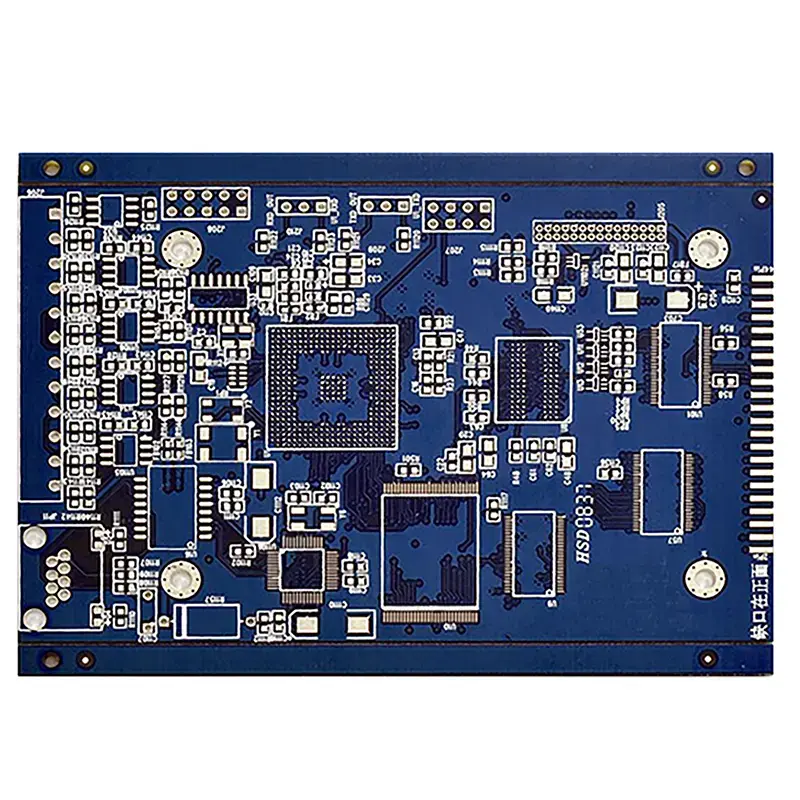 HDI PCB
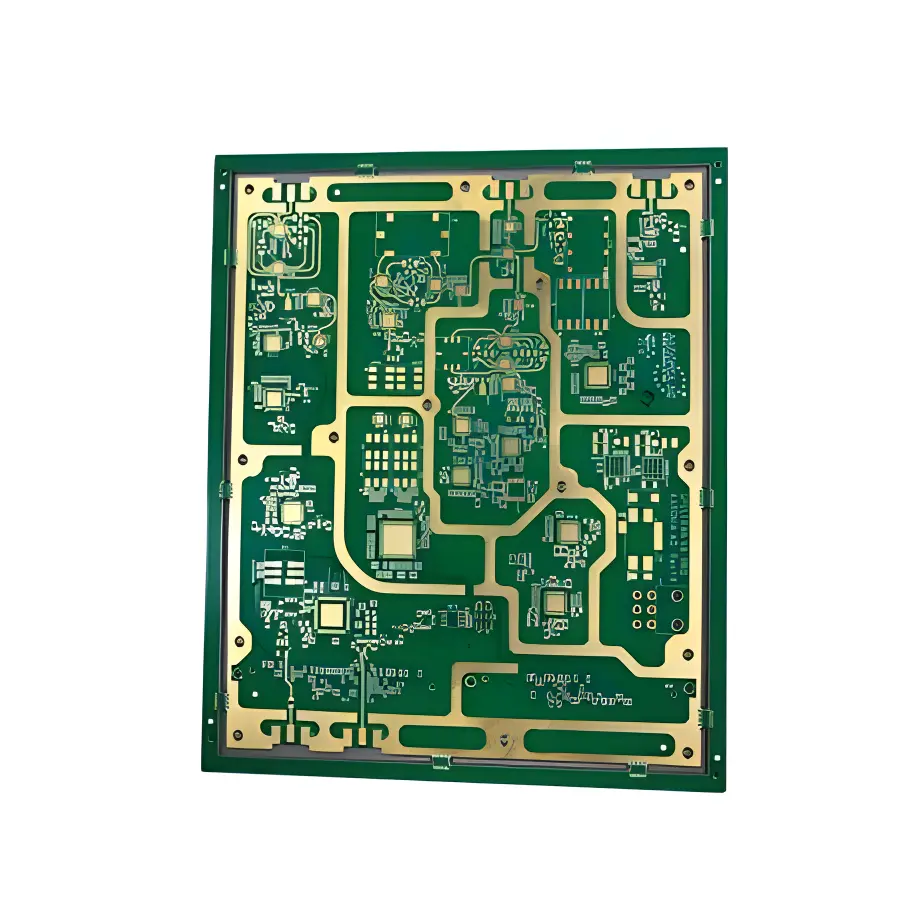 Rogers High-Frequency Board
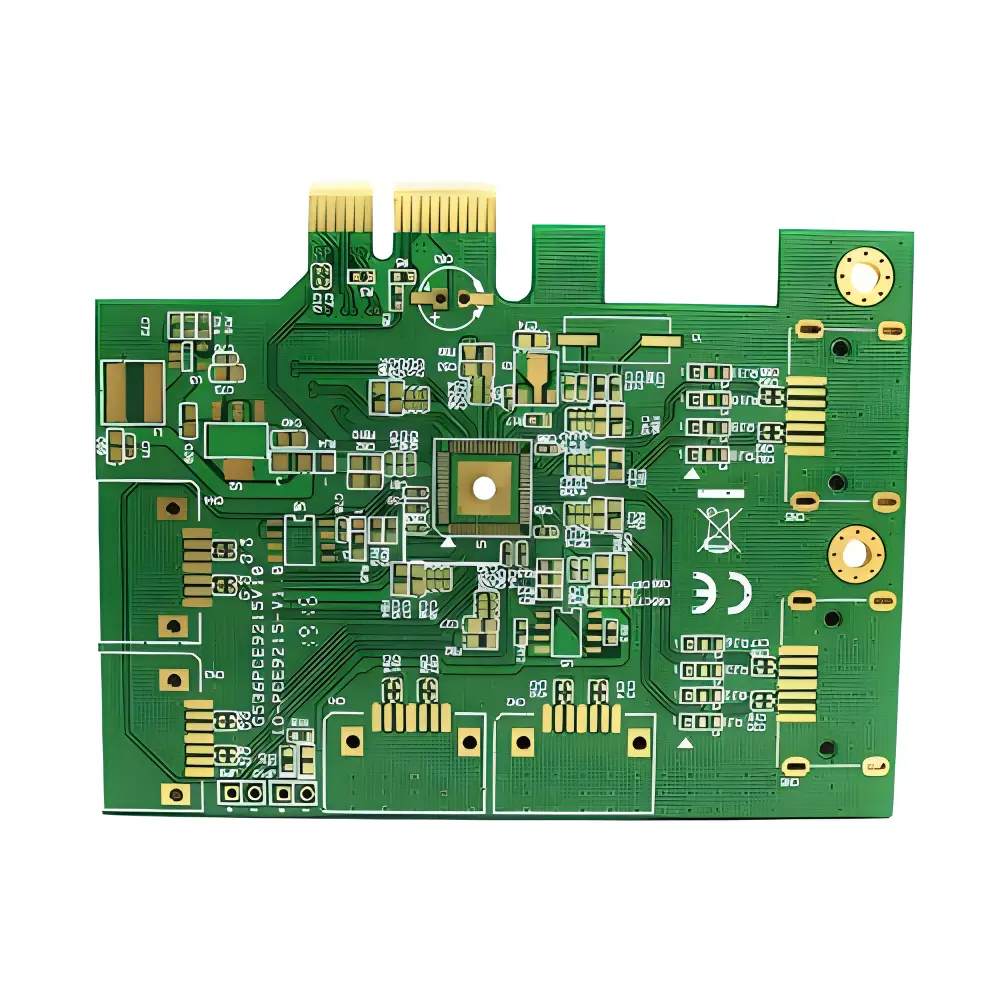 PTFE Teflon High-Frequency Board
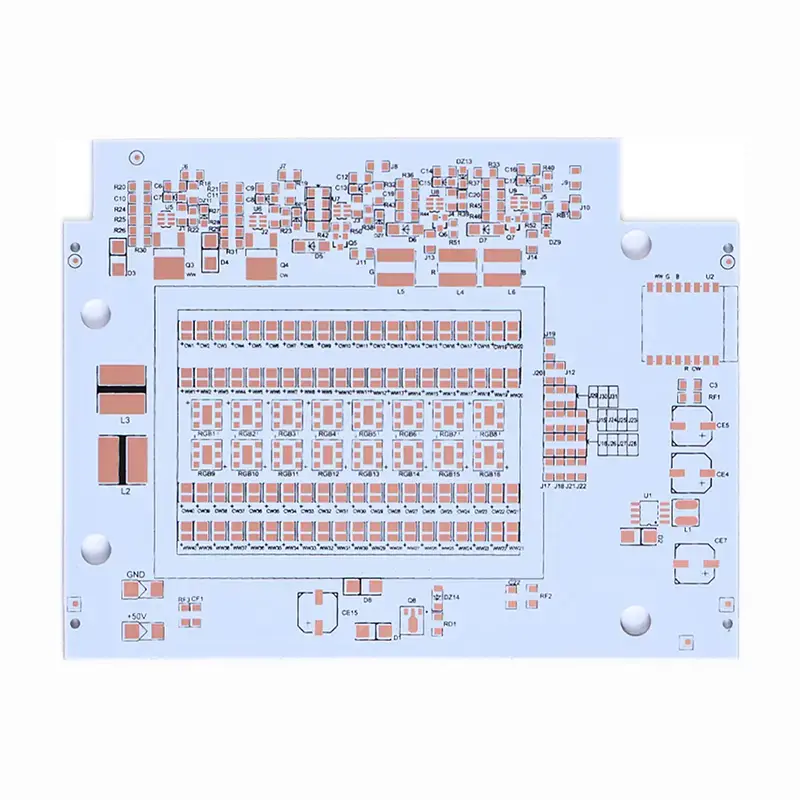 Aluminum
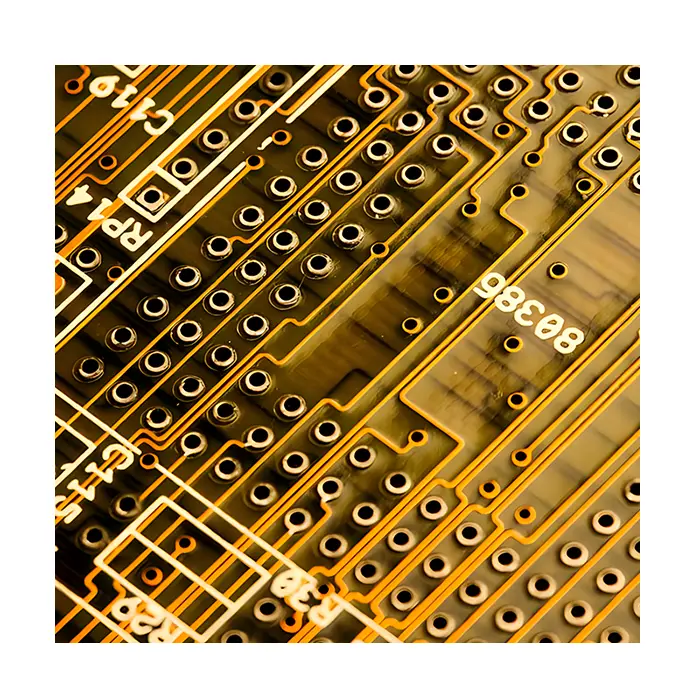 Copper Core
 PCB Assembly
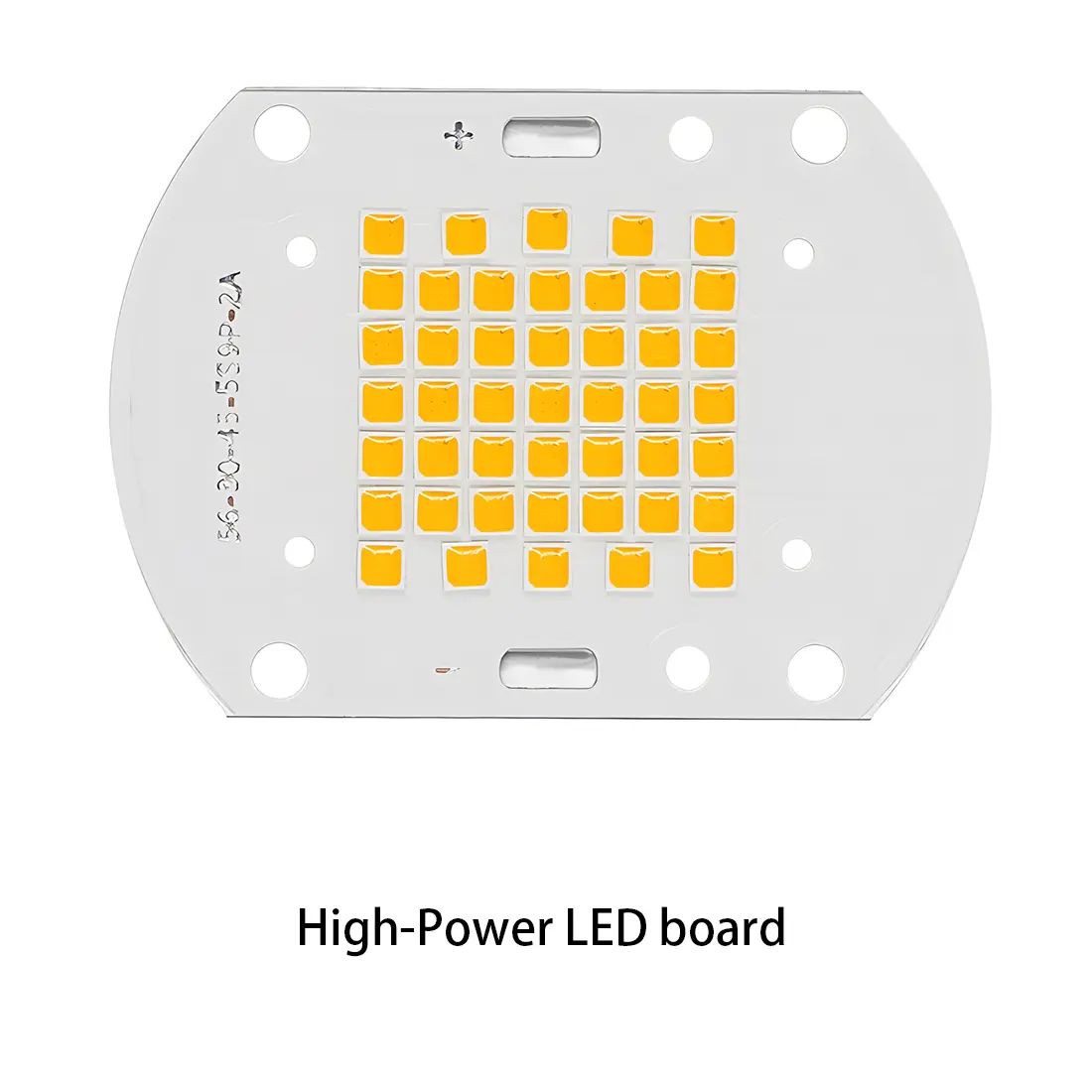 LED light PCBA
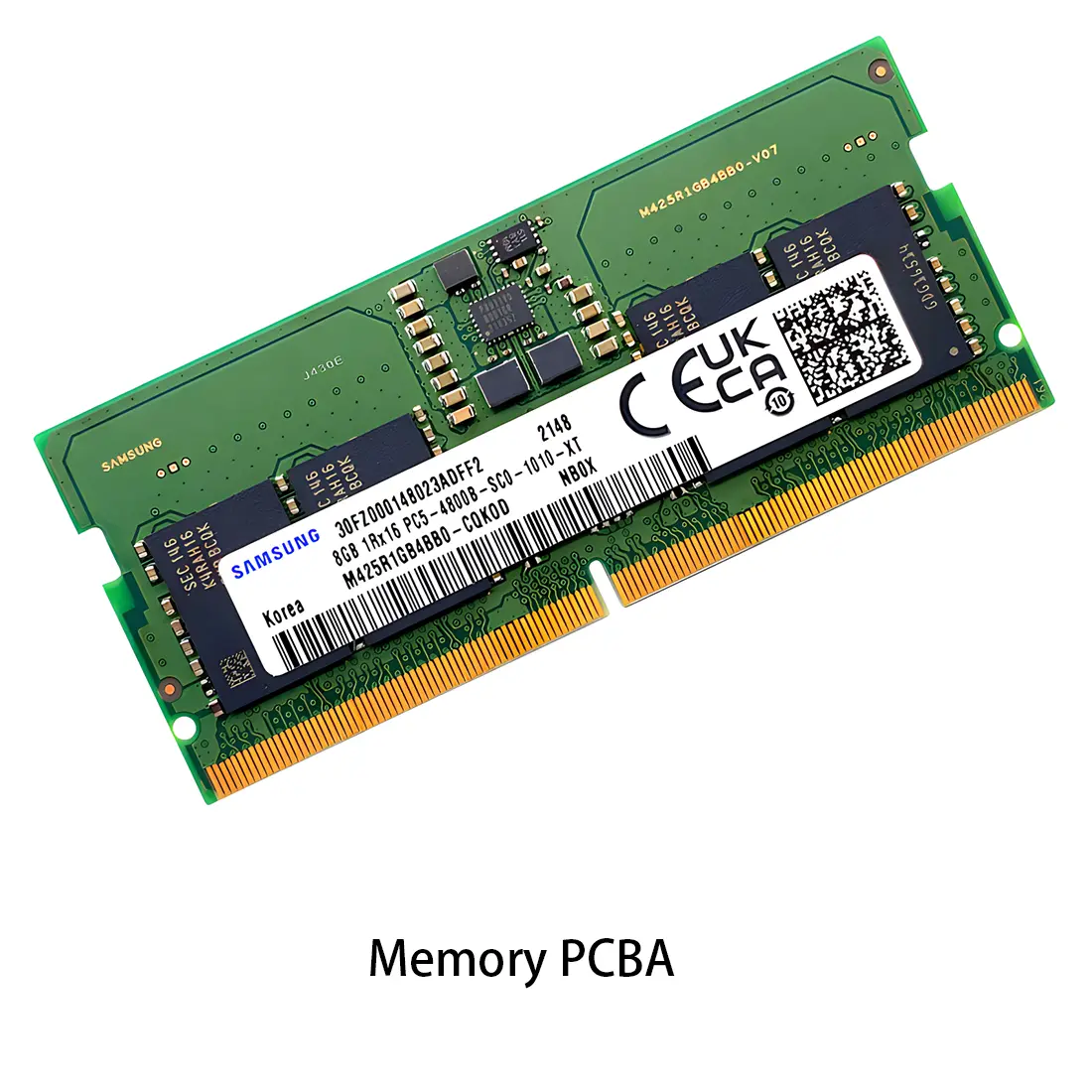 Memory PCBA
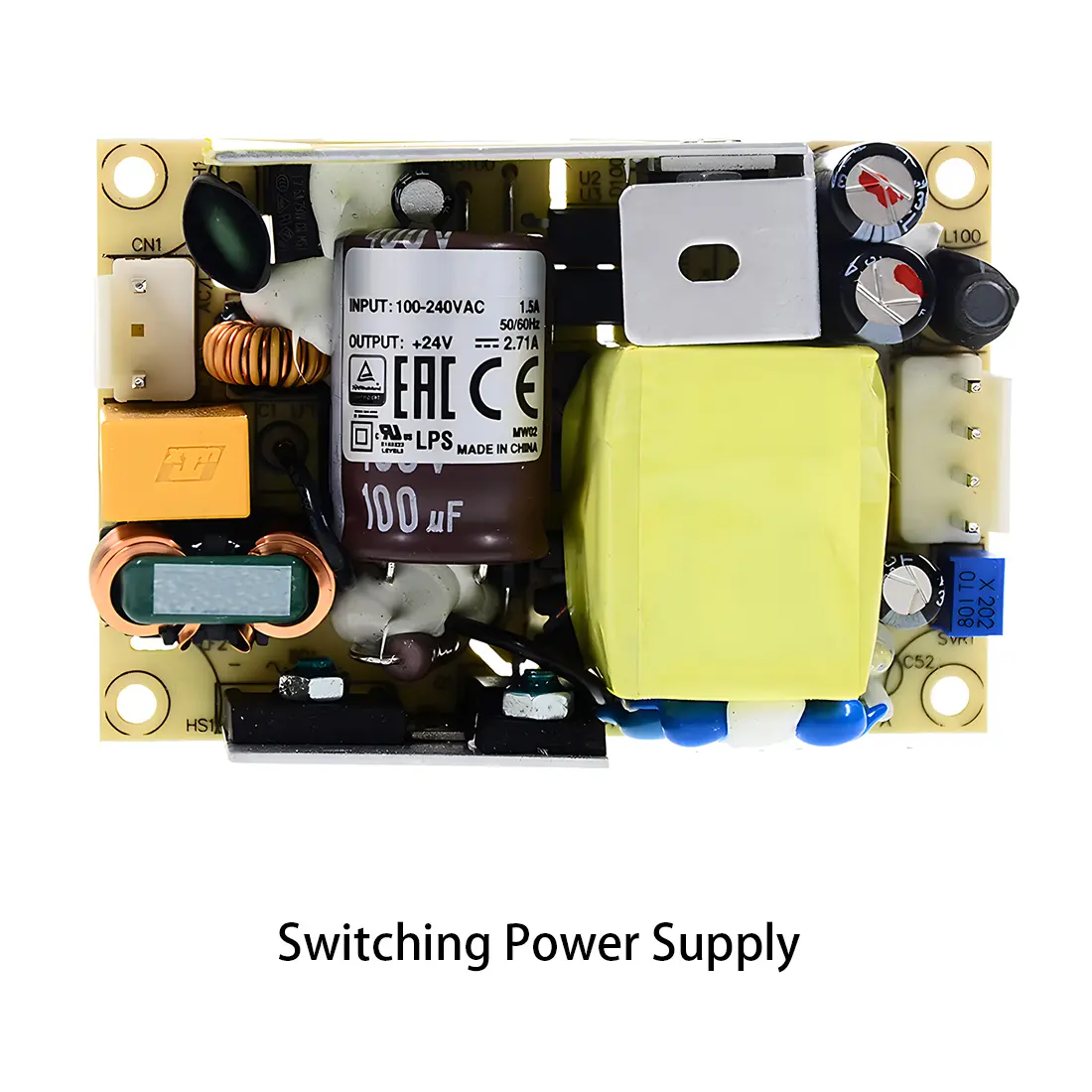 Power Supply PCBA
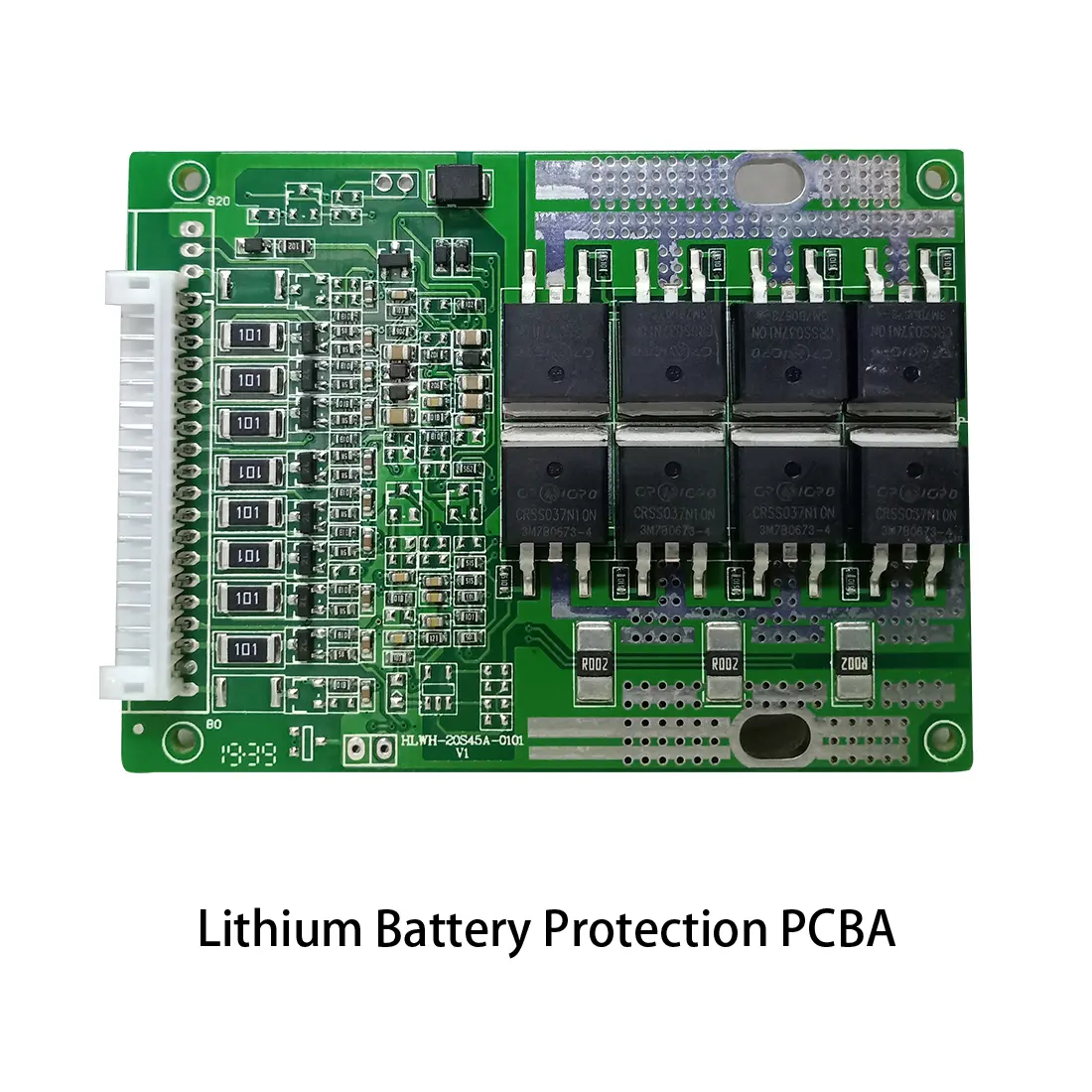 New Energey PCBA
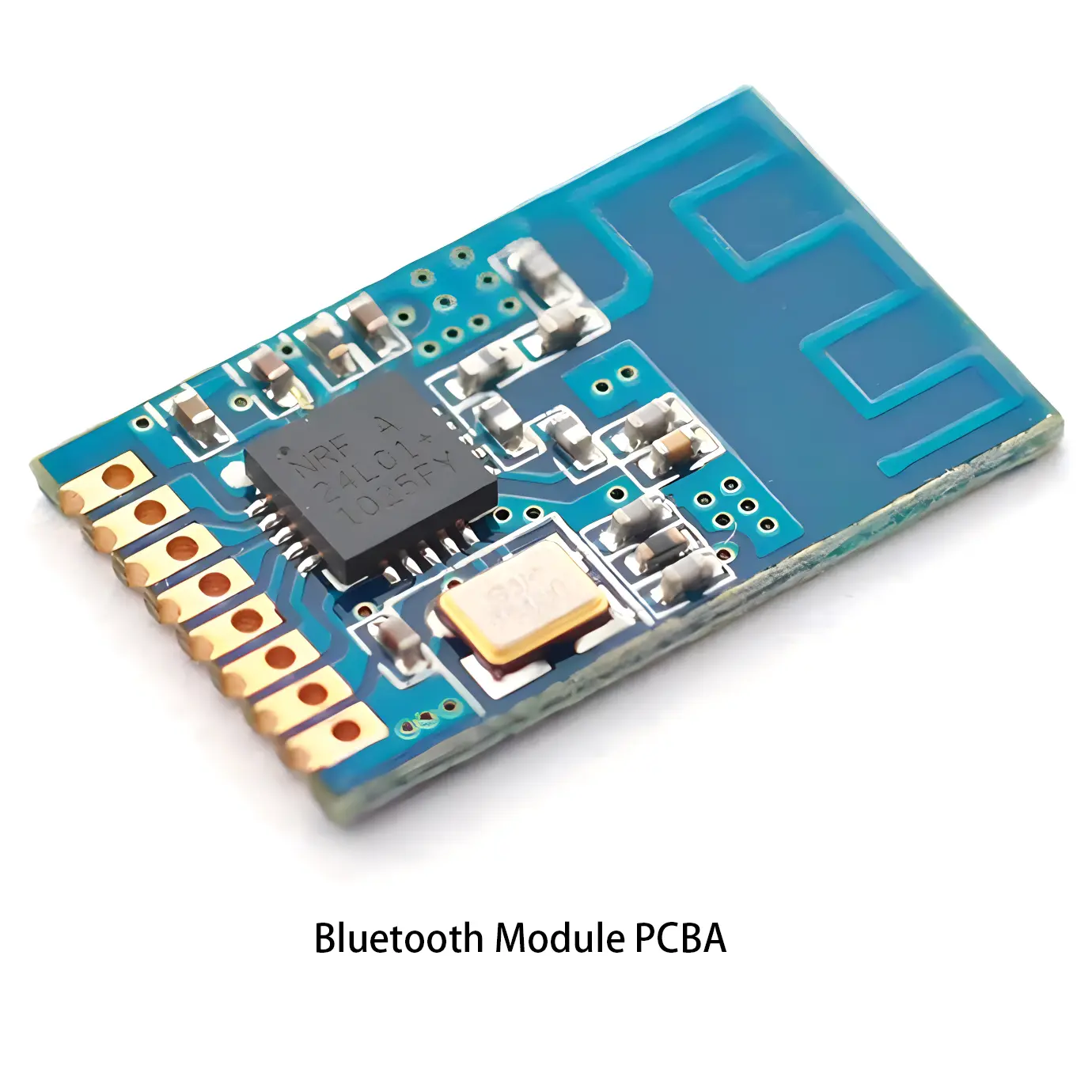 Communication PCBA
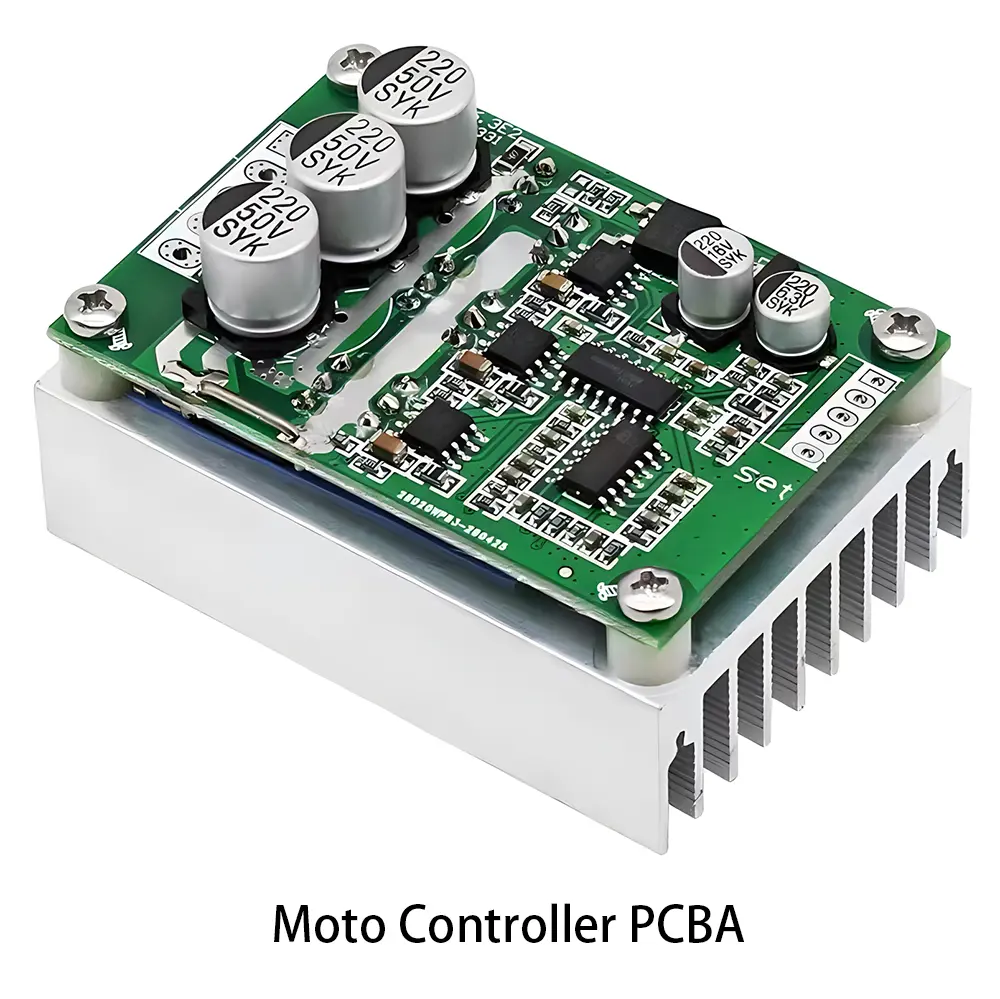 Industrial Control PCBA
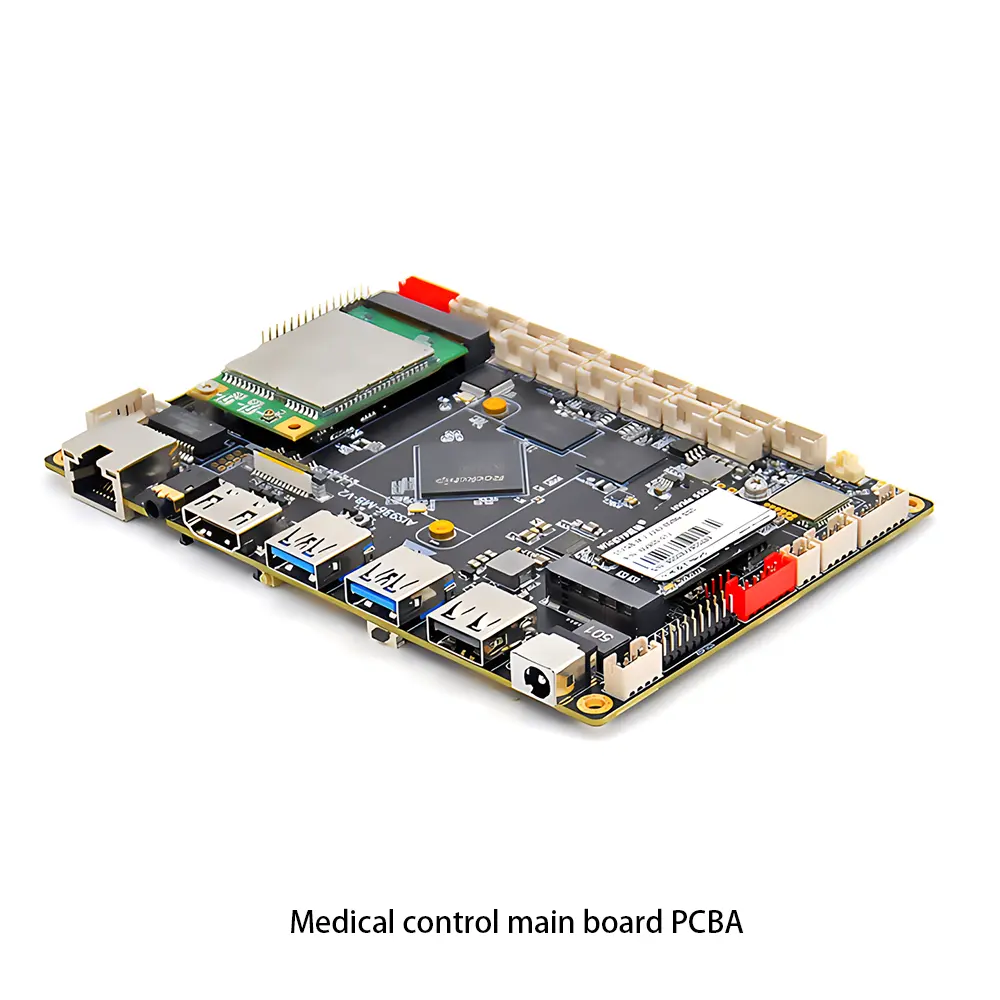 Medical Equipment PCBA
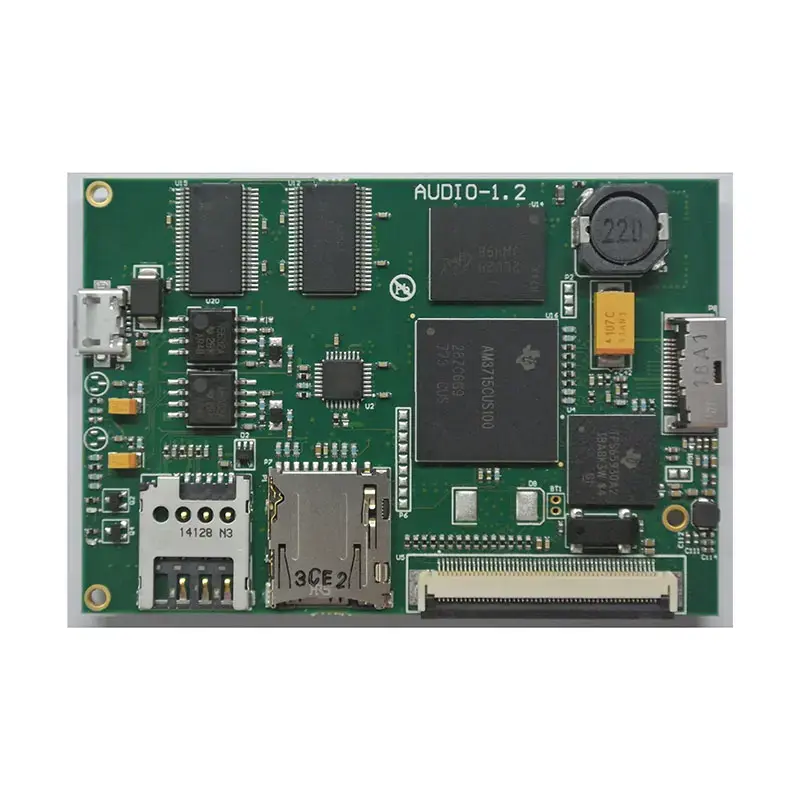 Testing Service
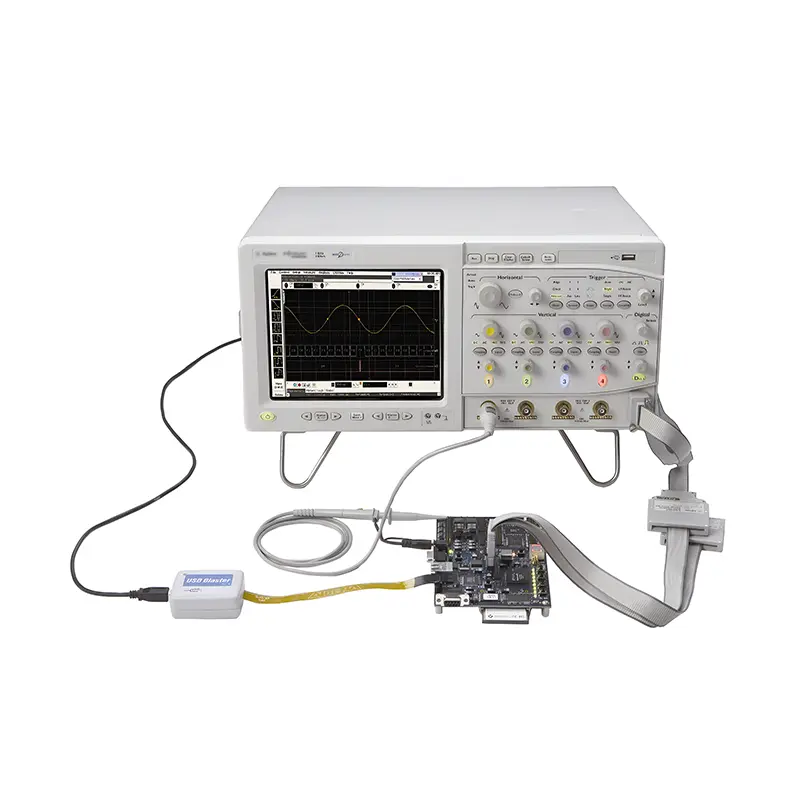 PCBA Testing Service
 Certification Application
 RoHS Certification Application
 REACH Certification Application
 CE Certification Application
 FCC Certification Application
 CQC Certification Application
 UL Certification Application
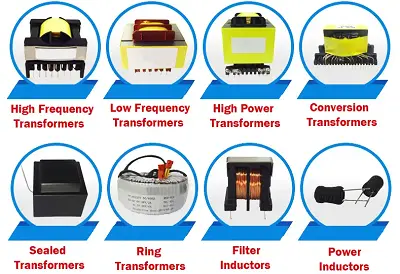 Transformers, Inductors
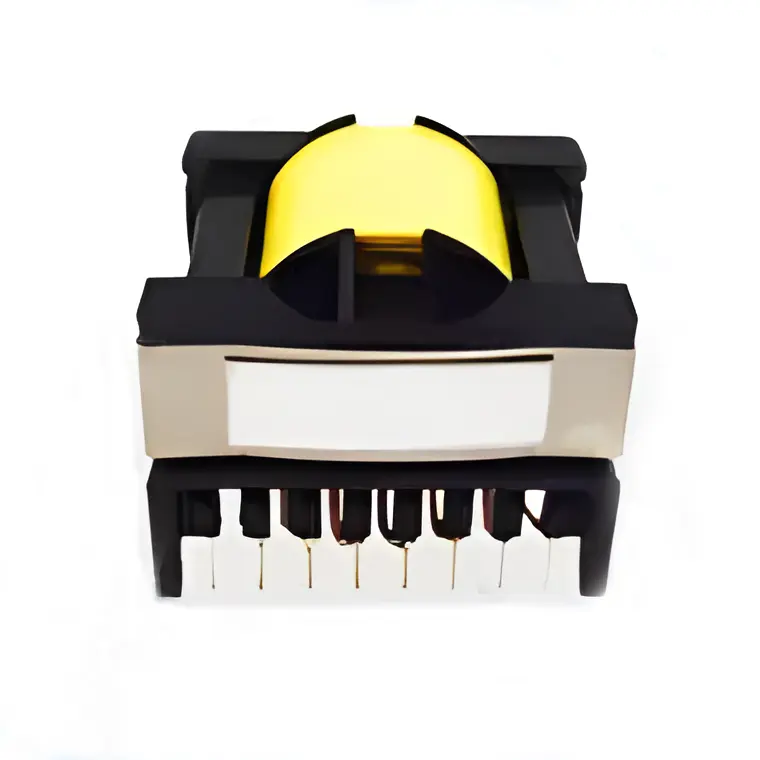 High Frequency Transformers
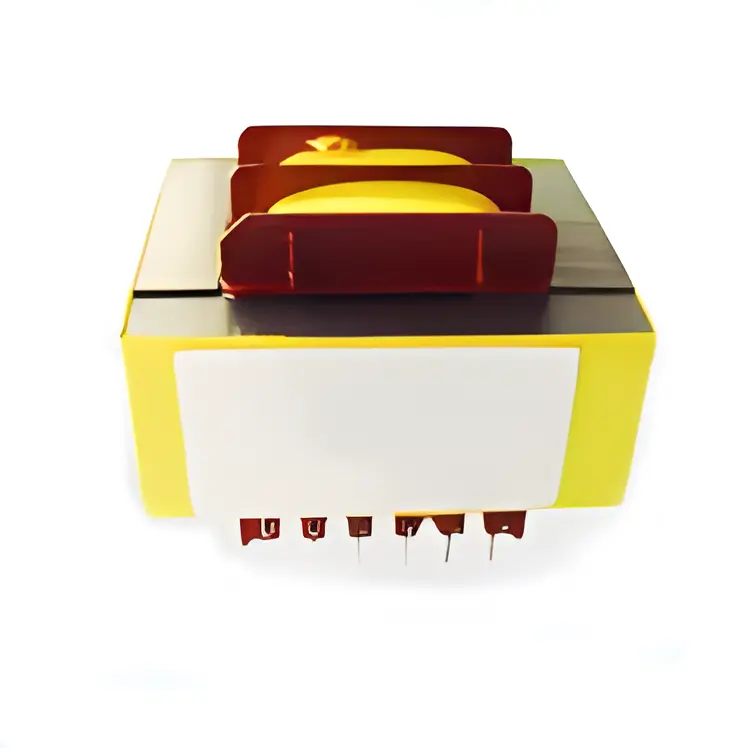 Low Frequency Transformers
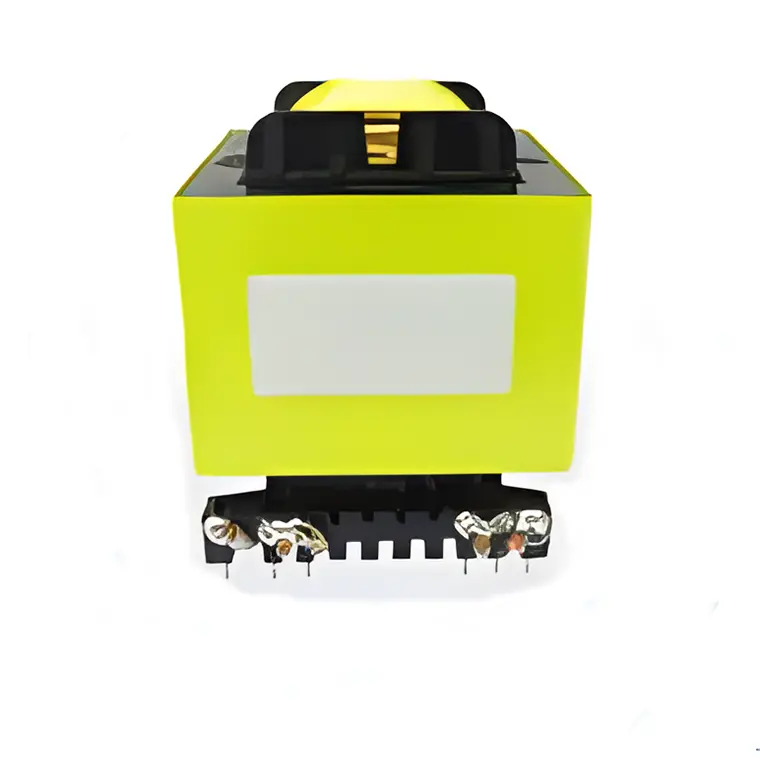 High Power Transformers
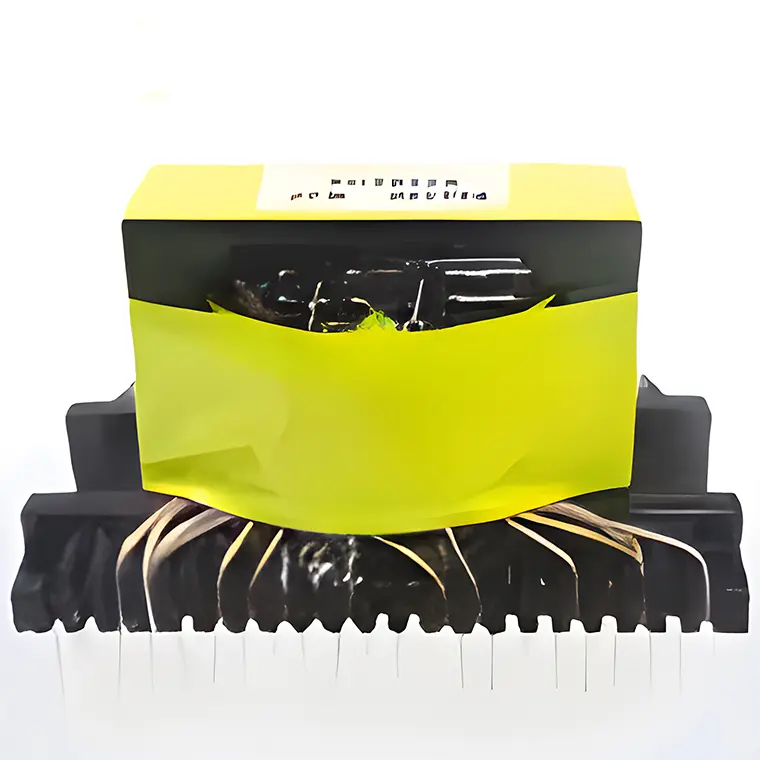 Conversion Transformers
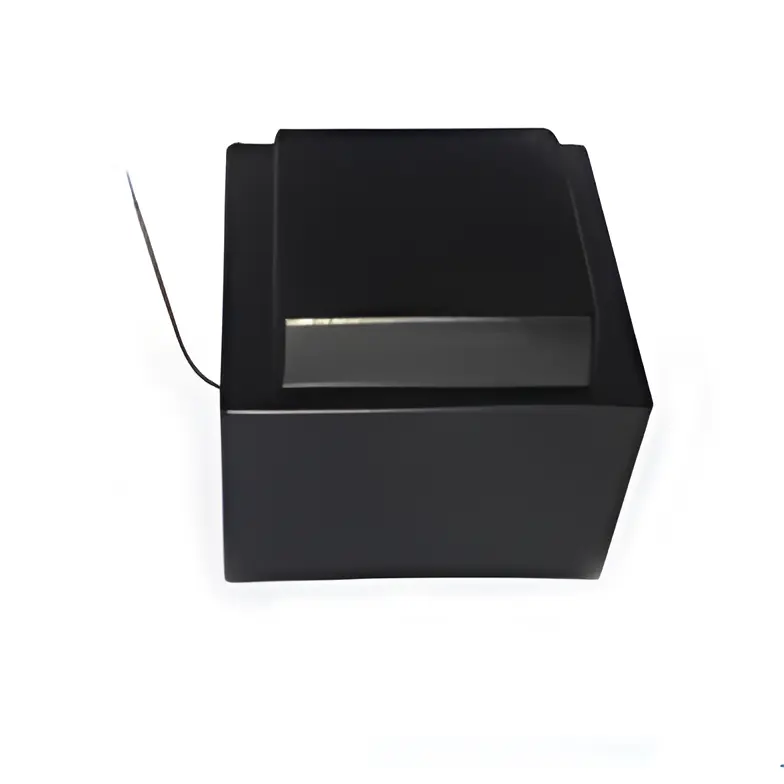 Sealed Transformers
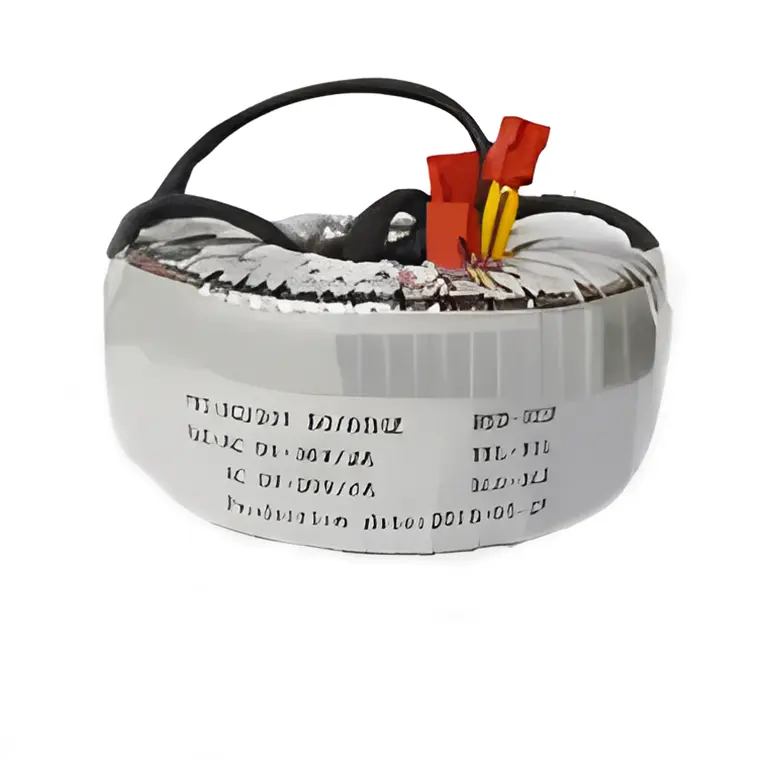 Ring Transformers
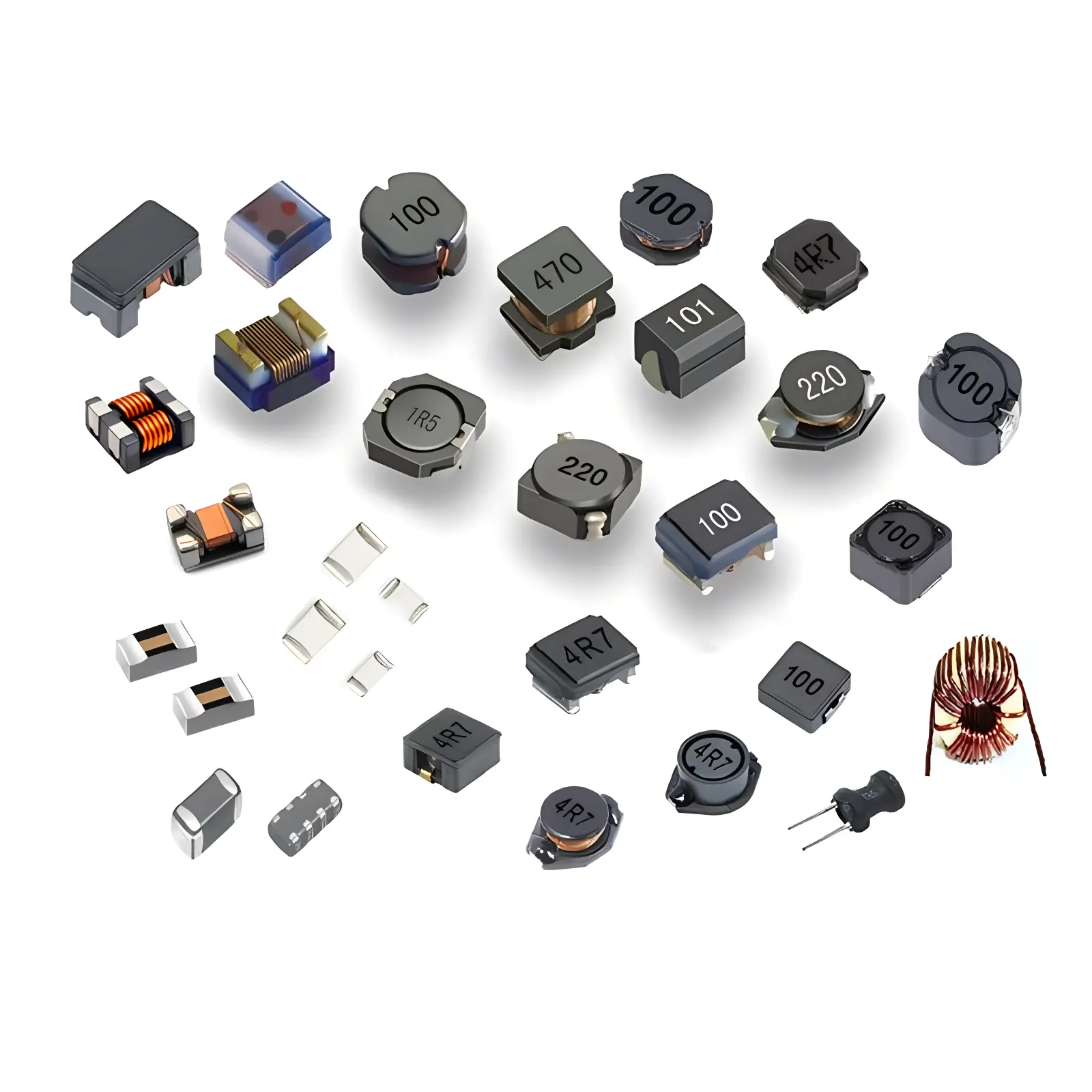 Inductors
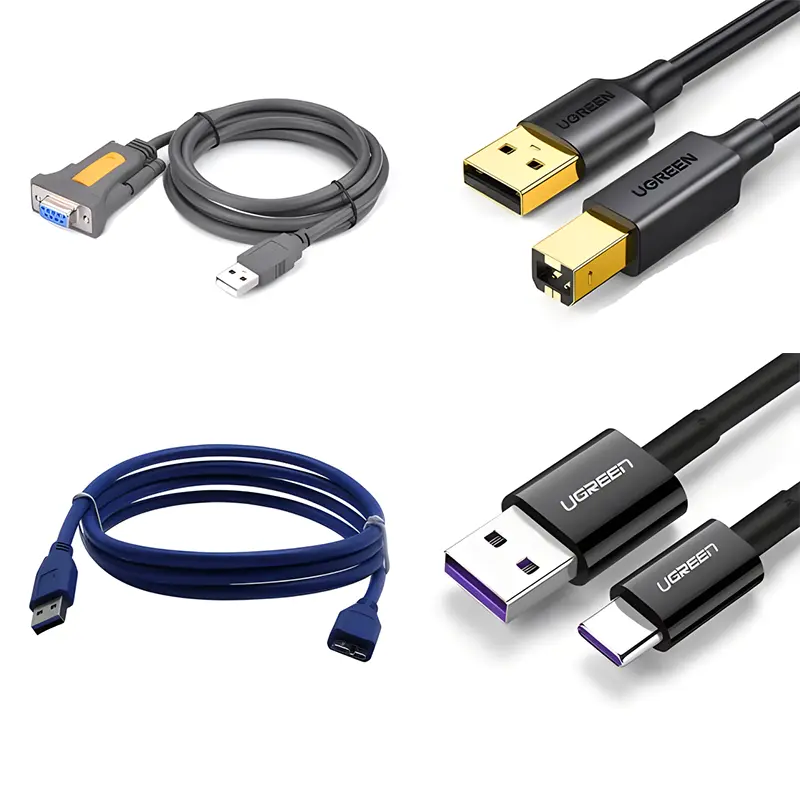 Wires,Cables Customized
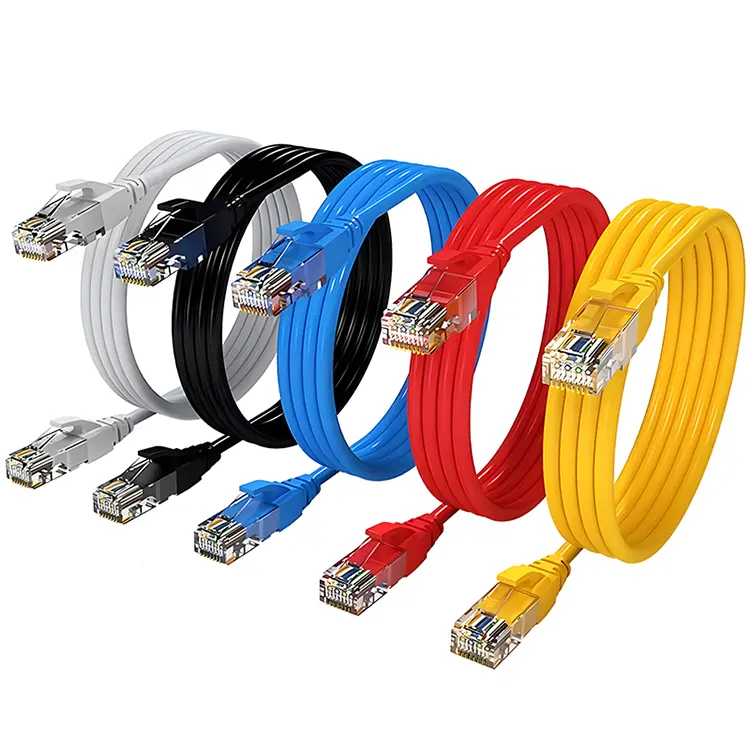 Network Cables
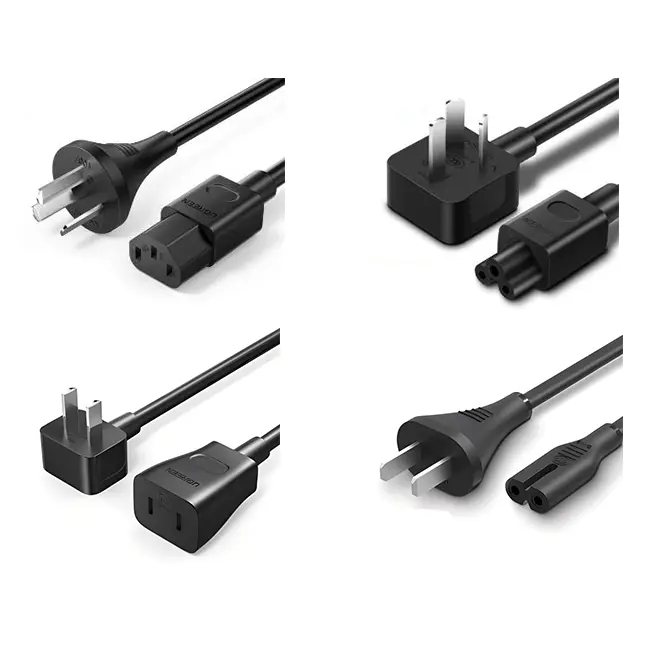 Power Cords
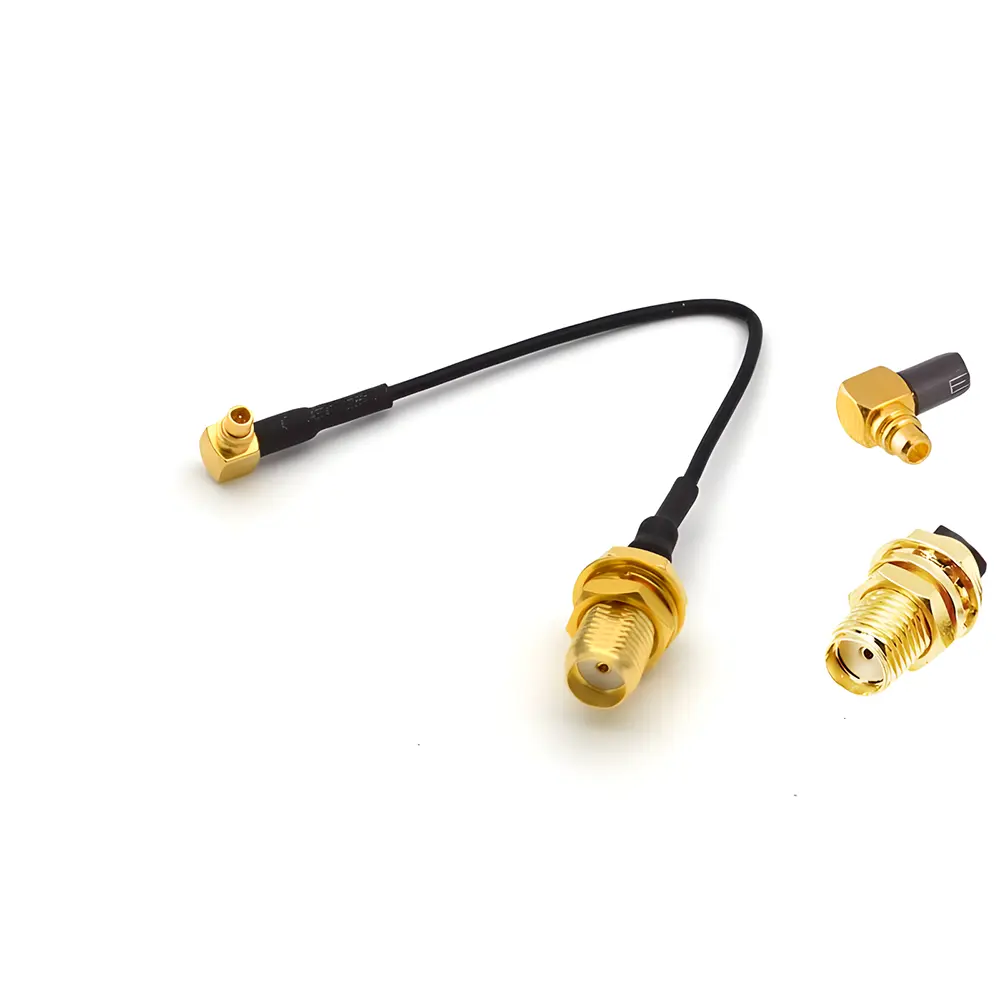 Antenna Cables
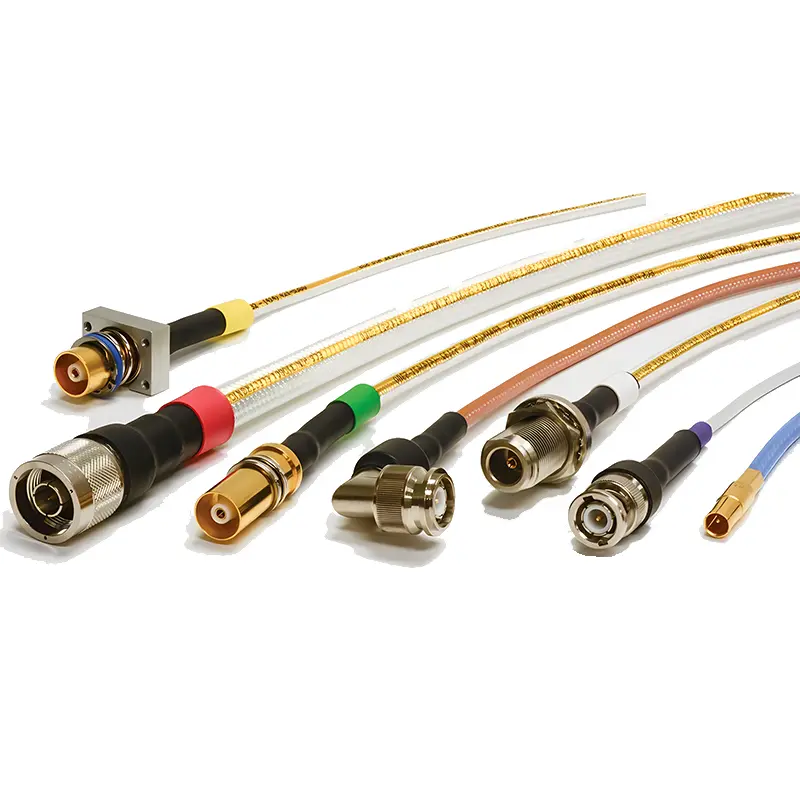 Coaxial Cables
 Net Position Indicator
 Solar AIS net position indicator
 Capacitors
 Connectors
 Diodes
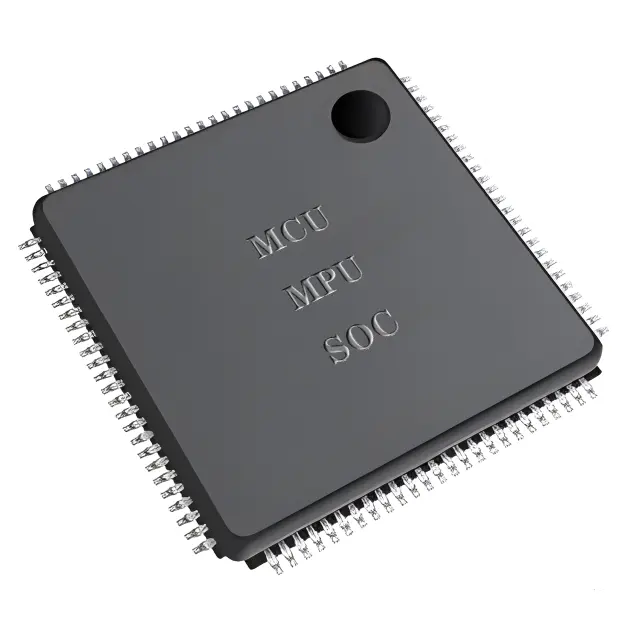 Embedded Processors & Controllers
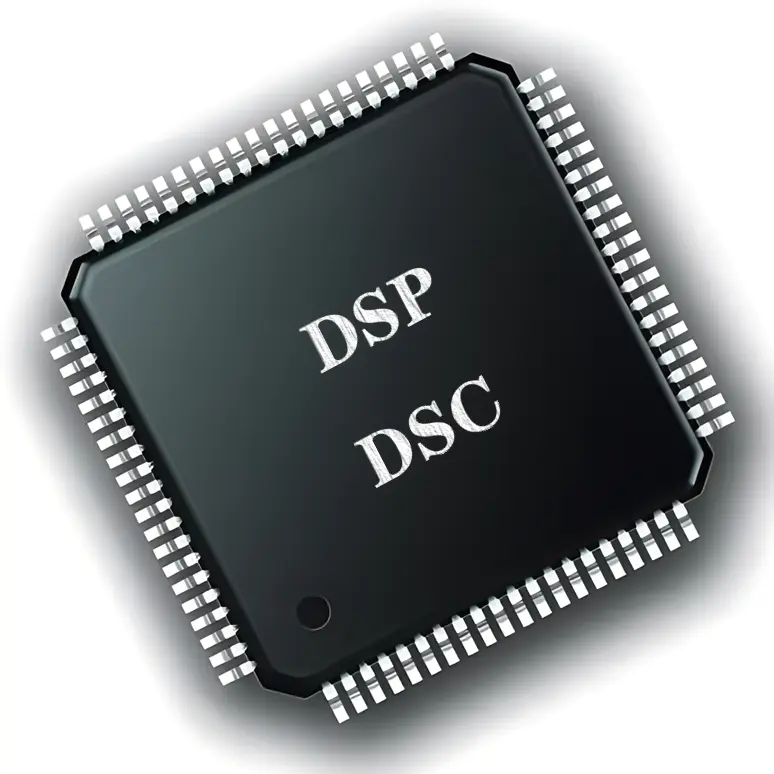 Digital Signal Processors (DSP/DSC)
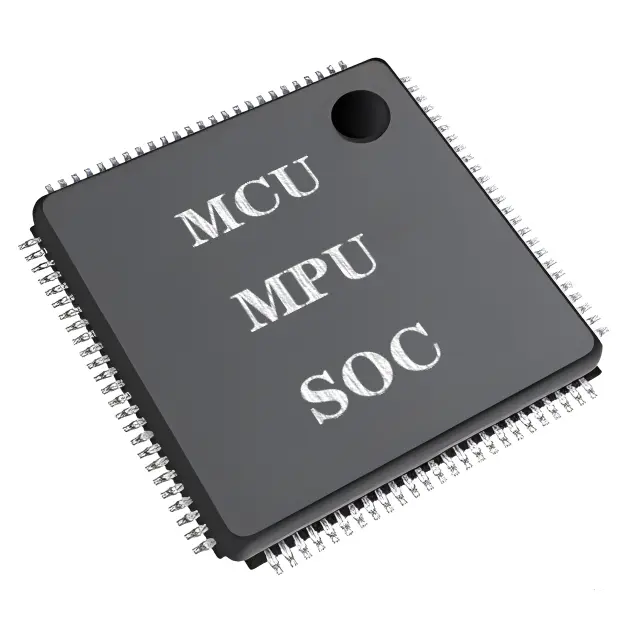 Microcontrollers (MCU/MPU/SOC)
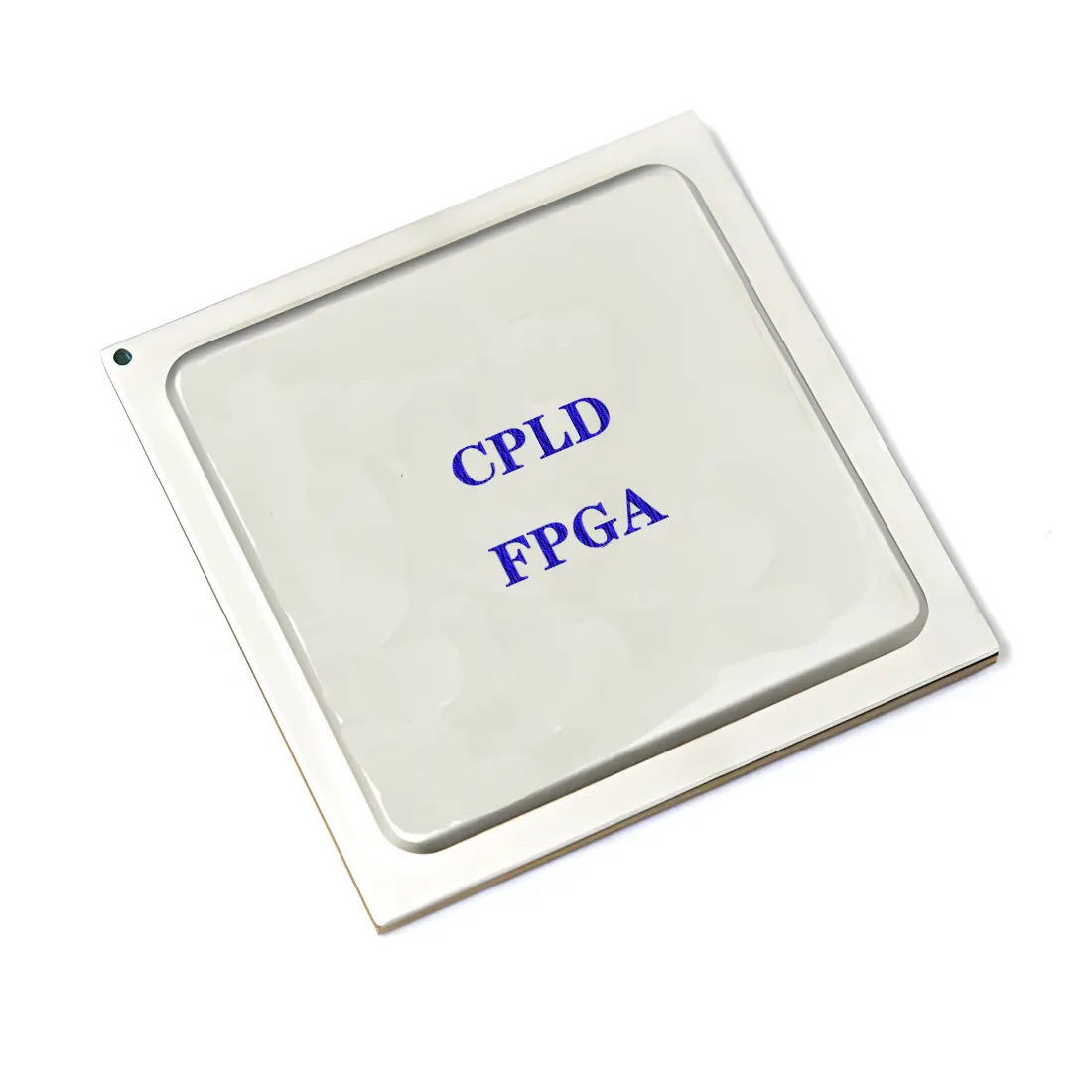 Programmable Logic Device(CPLD/FPGA)
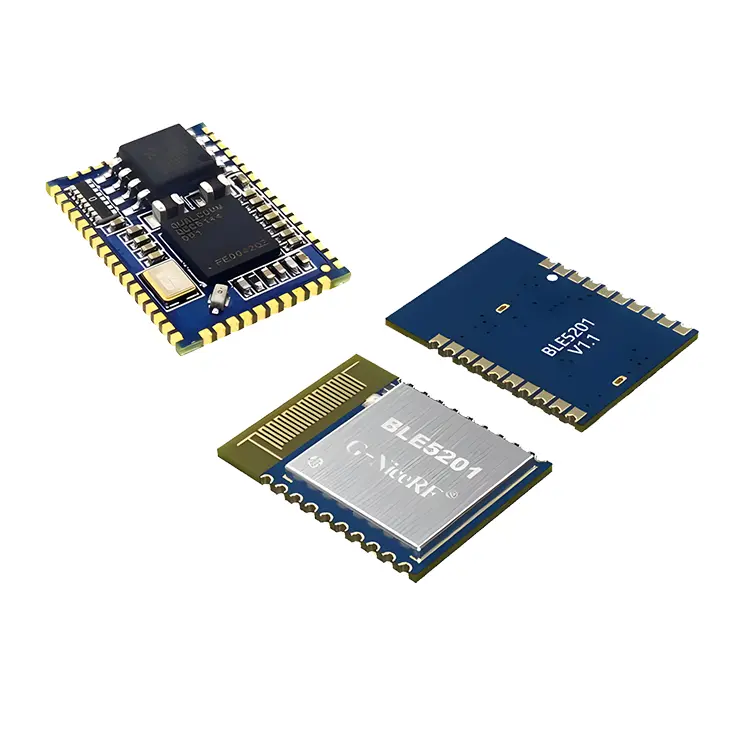 Communication Modules/IoT
 Resistors
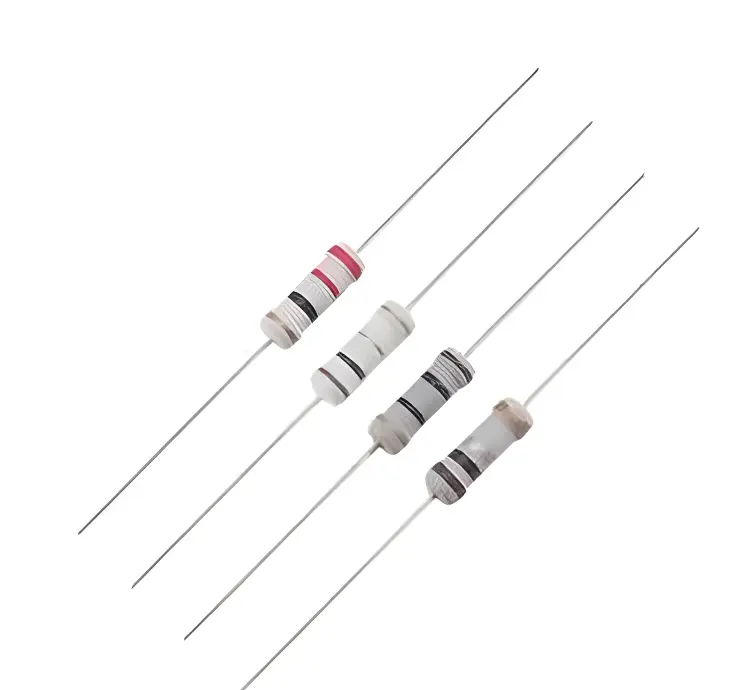 Through Hole Resistors
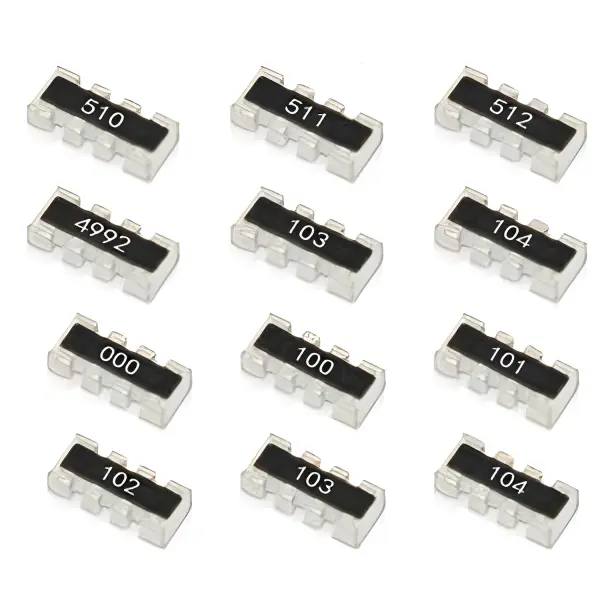 Resistor Networks, Arrays
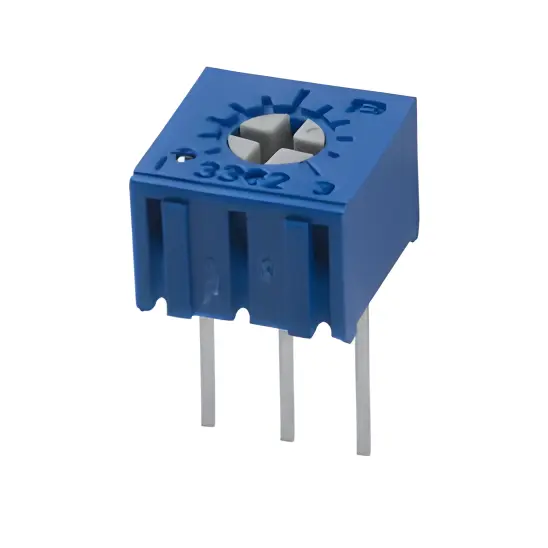 Potentiometers,Variable Resistors
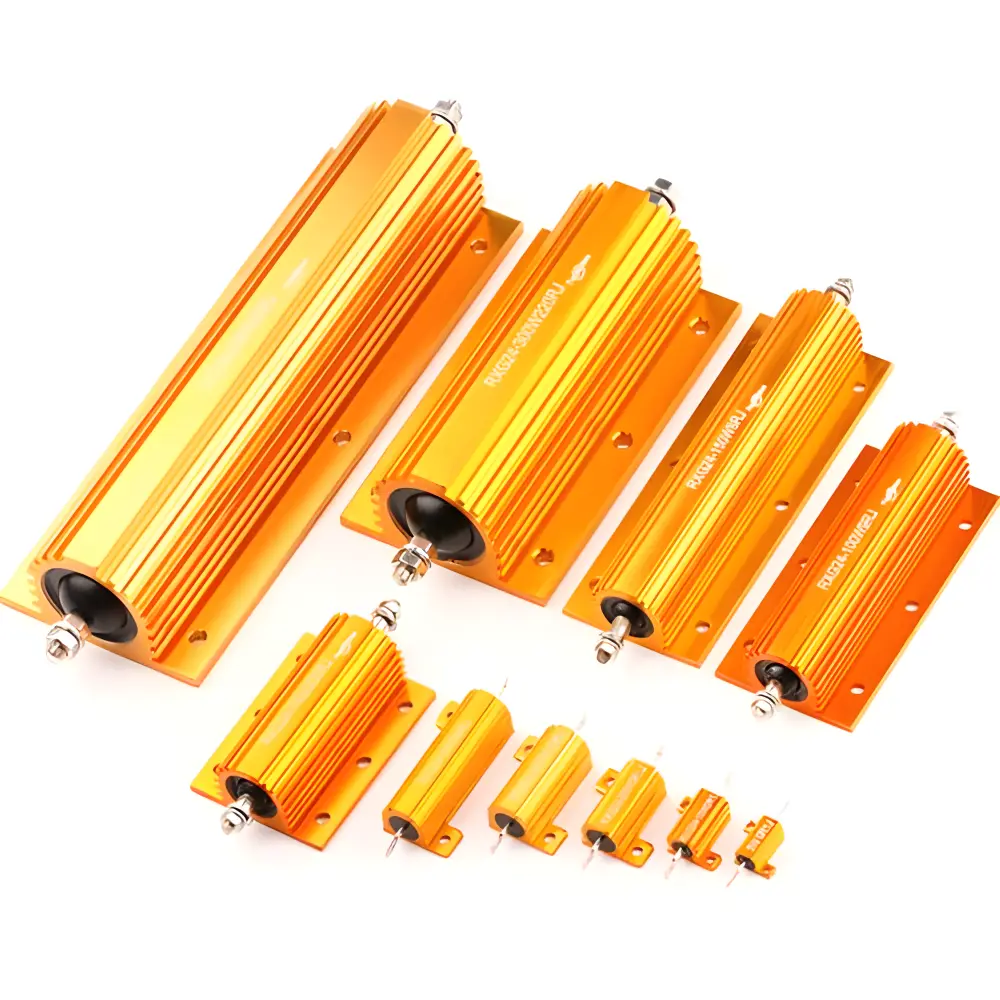 Aluminum Case,Porcelain Tube Resistance
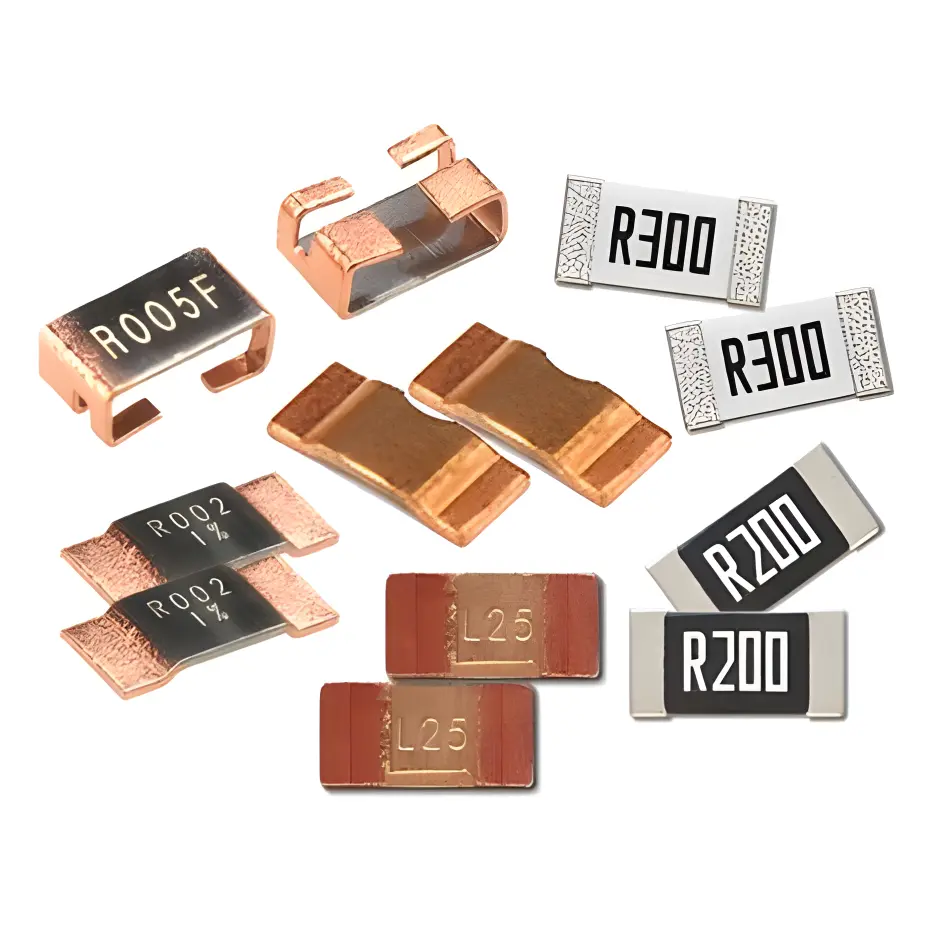 Current Sense Resistors,Shunt Resistors
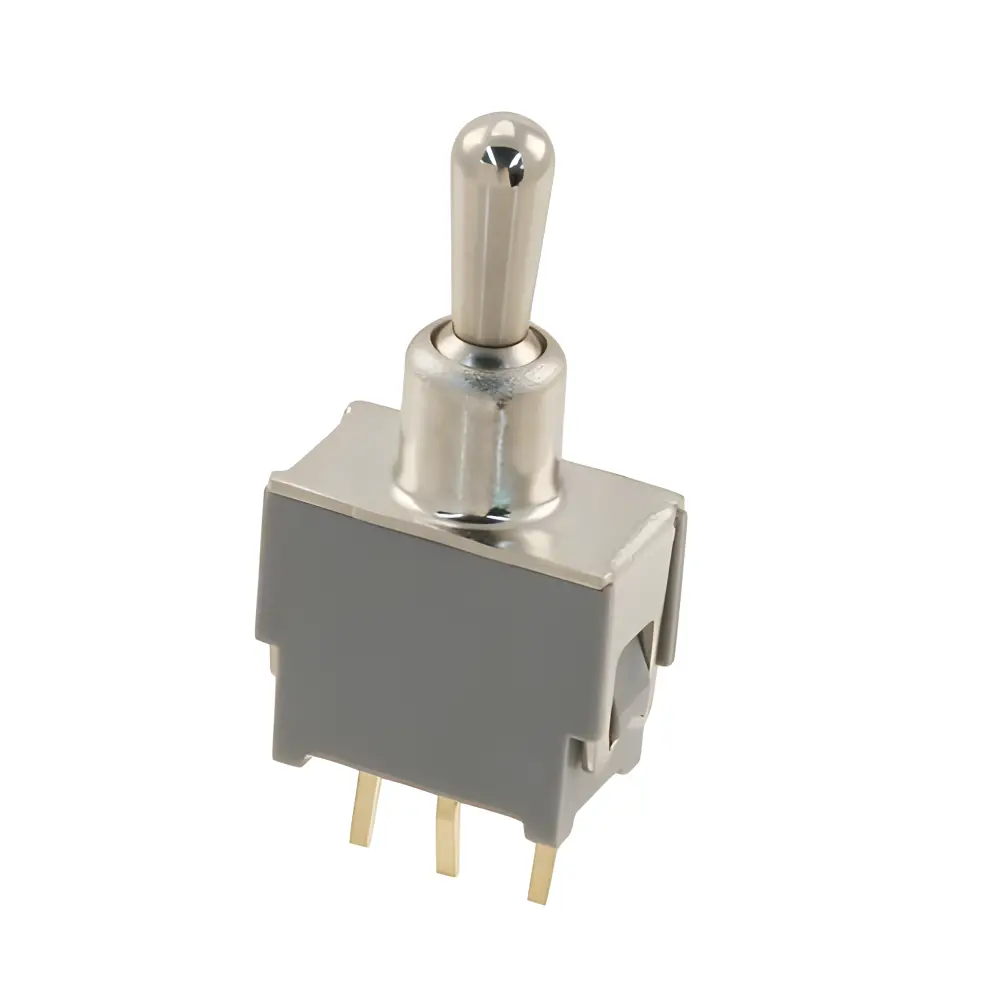 Switches
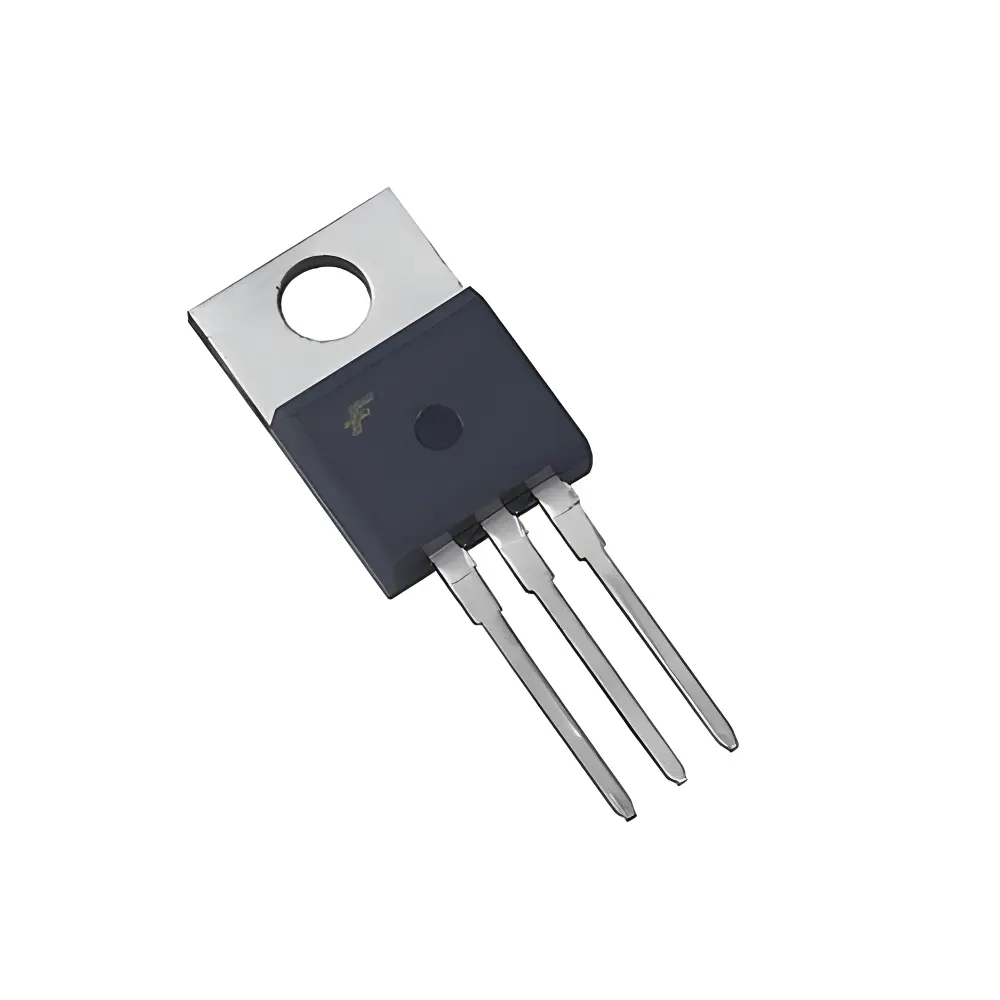 Transistors
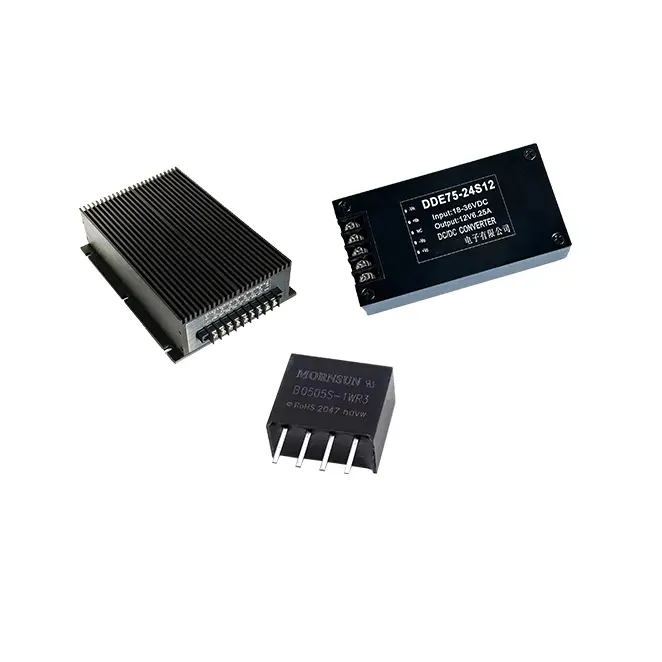 Power Modules
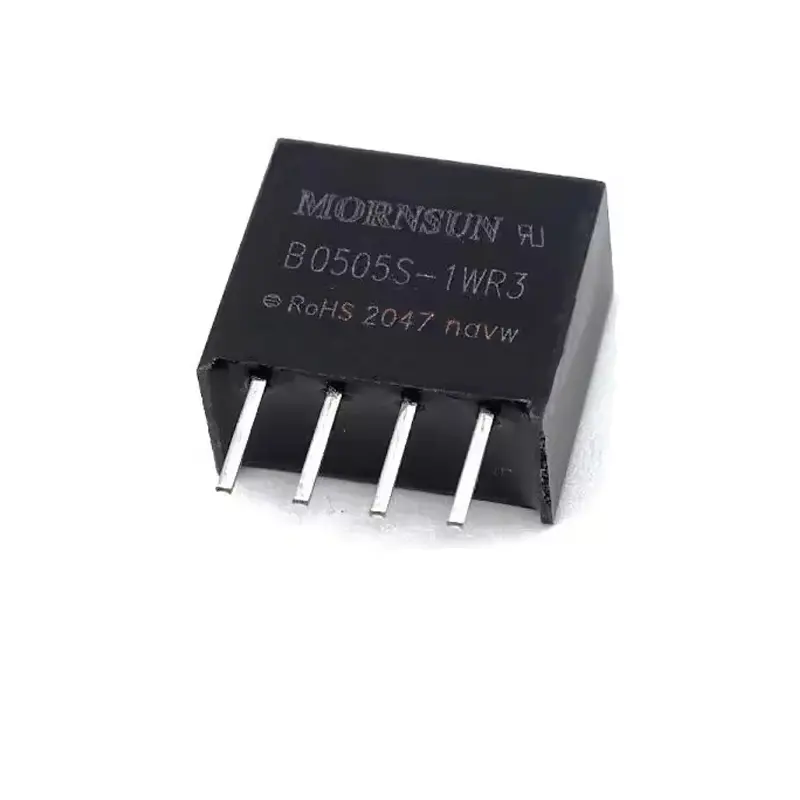 Isolated Power Modules
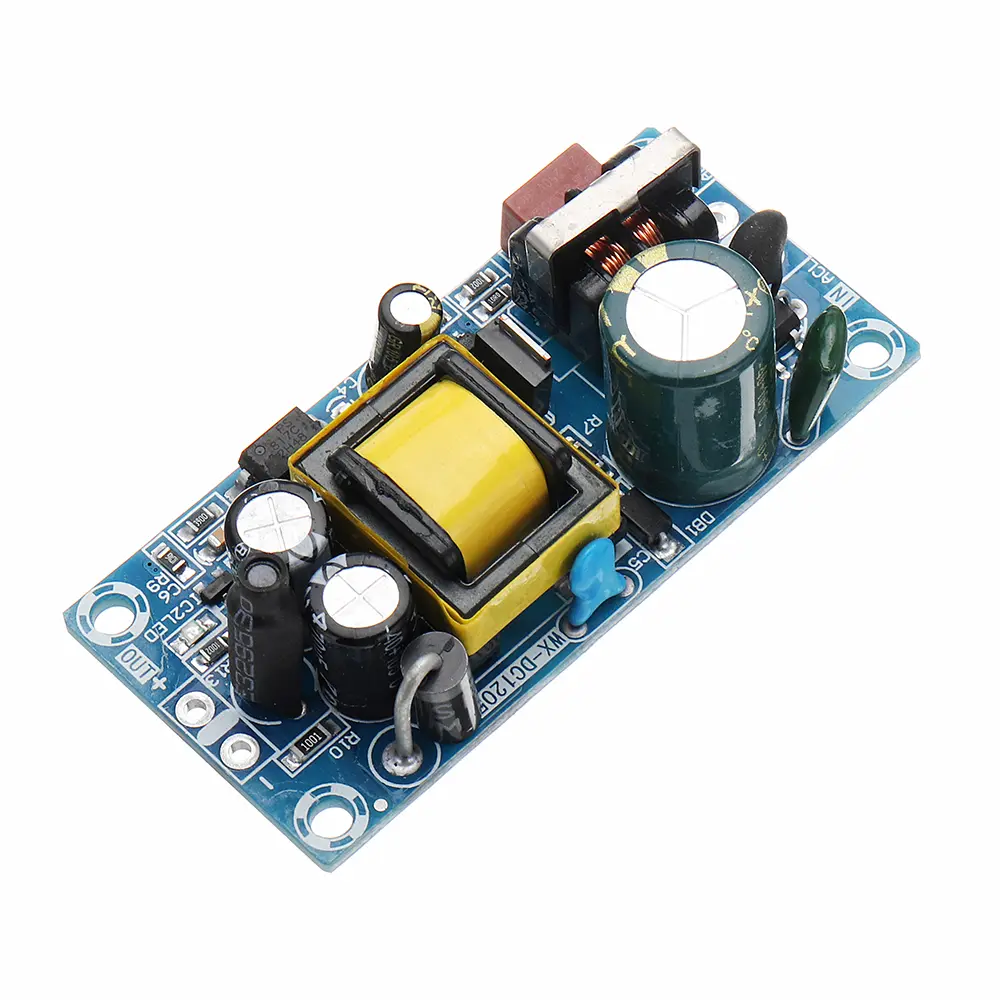 AC-DC Power Modules
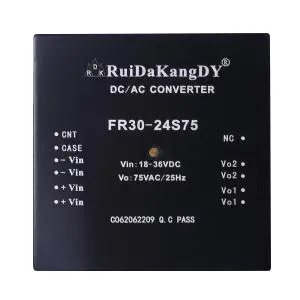 DC-AC Module(Inverter)
 RF and Wireless
Optimizing Thermal Conductivity and Voltage Resistance in Metal Substrate Insulation Layers
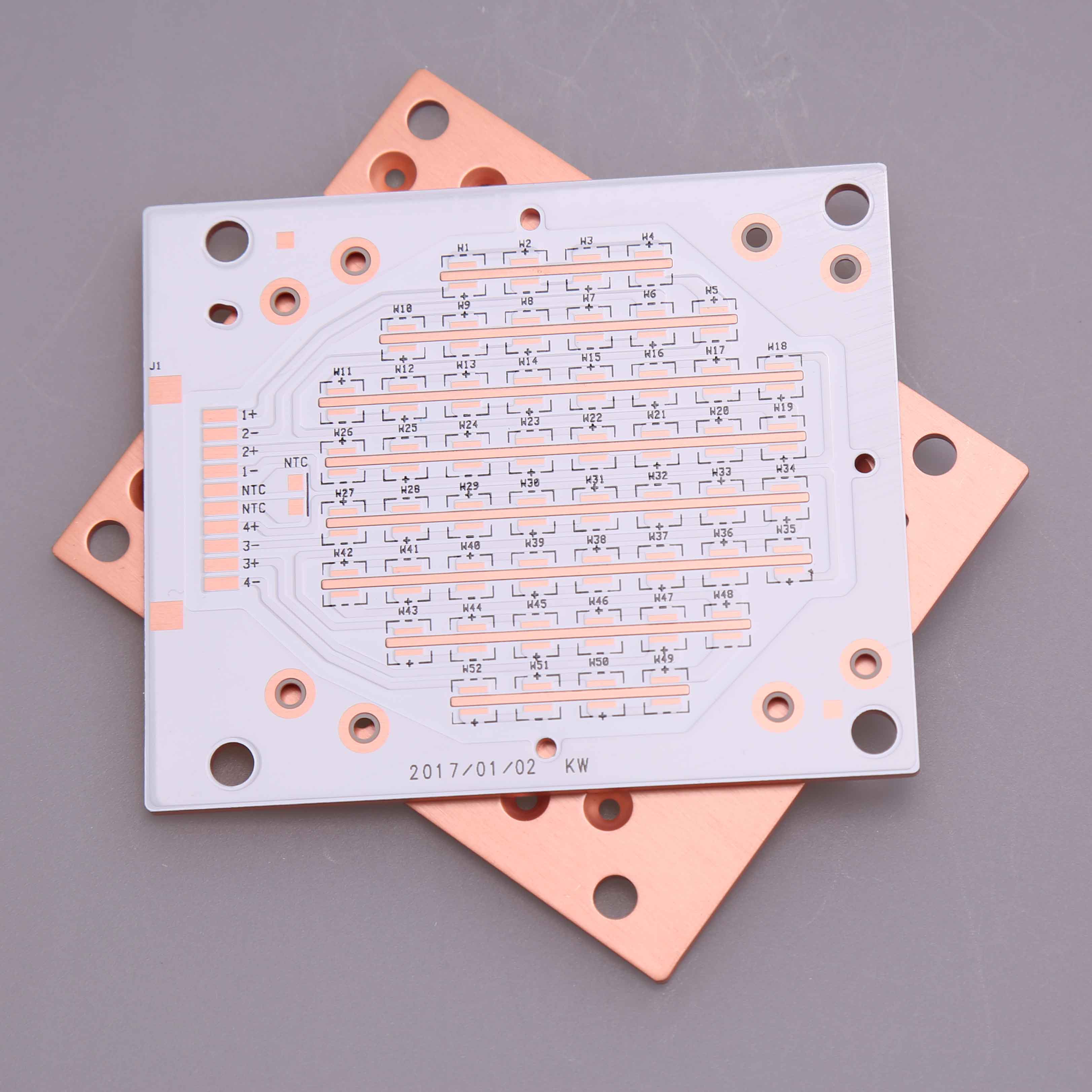
Metal-core substrates (e.g., aluminum/copper) are vital for high-power electronICs (LEDs, automotive systems) due to their thermal management. The insulation layer must balance high thermal conductivity (>2W/mK) and dielectric strength (>5kV/mm), often conflicting in traditional epoxy systems.
1. PeRFormance Conflict Mechanisms
1.1 Thermal vs. Electrical Trade-offs
-
Thermal needs: Require high filler loading (>60vol%) for phonon pathways;
-
Insulation needs: Excessive fillers form conductive networks, reducing breakdown voltage (Figure 1).
1.2 Performance Modeling
Hashin-Shtrikman model for effective thermal conductivity ():
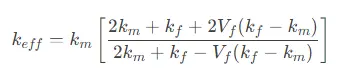
Breakdown voltage drops exponentially at .
2. Material System Optimization
2.1 Hybrid Fillers
| Filler | Conductivity (W/mK) | Dielectric Strength (kV/mm) | Ratio |
|---|---|---|---|
| AlN | 170-200 | 15-20 | 30-40% |
| Al₂O₃ | 30-35 | 10-15 | 20-30% |
| BN | 300-600 | 35-40 | 10-15% |
-
Particle grading: Mix micro (5-10μm) and nano (50-100nm) fillers for <3% voids.
2.2 Resin Modifications
-
Toughened epoxy: 10% silicone modifier improves fracture toughness by 50%;
-
Low viscosity: Thixotropic index <1.2 for high-filler flowability.
3. Interface & Process Innovations
3.1 Filler Surface Treatment
-
Silane coupling: KH-550 on AlN reduces interfacial thermal resistance by 30%;
-
Nano-coating: 20nm SiO₂ on BN suppresses leakage current.
3.2 Advanced Processing
-
Vacuum casting: ≤10Pa eliminates bubbles (<10μm);
-
Gradient curing:
-
Stage 1: 80℃×2h for stress relief;
-
Stage 2: 150℃×4h for crosslinking;
-
Stage 3: 180℃×1h for porosity reduction.
-
4. Structural Design & Validation
4.1 Multilayer Architecture (Figure 2)
-
Base layer: High thermal (AlN 50% + BN 15%), 100μm, 3.5W/mK;
-
Middle layer: High insulation (Al₂O₃ 30%), 50μm, 8kV/mm;
-
Transition layer: Gradient filler distribution.
4.2 Performance Data
| Parameter | Single-Layer | Optimized Multilayer |
|---|---|---|
| Thermal Conductivity | 1.2 | 3.8 |
| Dielectric Strength | 4.5 | 7.2 |
| Thermal Resistance | 0.8 | 0.25 |
| Adhesion Strength | 12 | 18 |
5. Case Studies
5.1 Automotive IGBT Module
-
Structure: Copper substrate + 200μm insulation;
-
Operation: 200W/cm² continuous, junction <125℃;
-
Reliability: Insulation resistance >10¹²Ω after 1000 thermal cycles (-40℃~150℃).
5.2 High-Density LED Array
-
Efficiency: 22℃ junction temperature drop, 15% efficacy gain;
-
Humidity resistance: >90% dielectric strength retention after 85℃/85%RH 1000h.
6. Challenges & Future Directions
-
Low-temperature sintering: <200℃ processes to avoid insulation degradation;
-
3D microchannels: Laser-direct structuring for directional thermal enhancement;
-
Real-time monitoring: Integrated sensors for in-situ insulation layer diagnostics.