
 PCB
PCB FPC
FPC Rigid-Flex
 FR-4
FR-4 HDI PCB
 Rogers High-Frequency Board
 PTFE Teflon High-Frequency Board
 Aluminum
 Copper Core
 PCB Assembly
 LED light PCBA
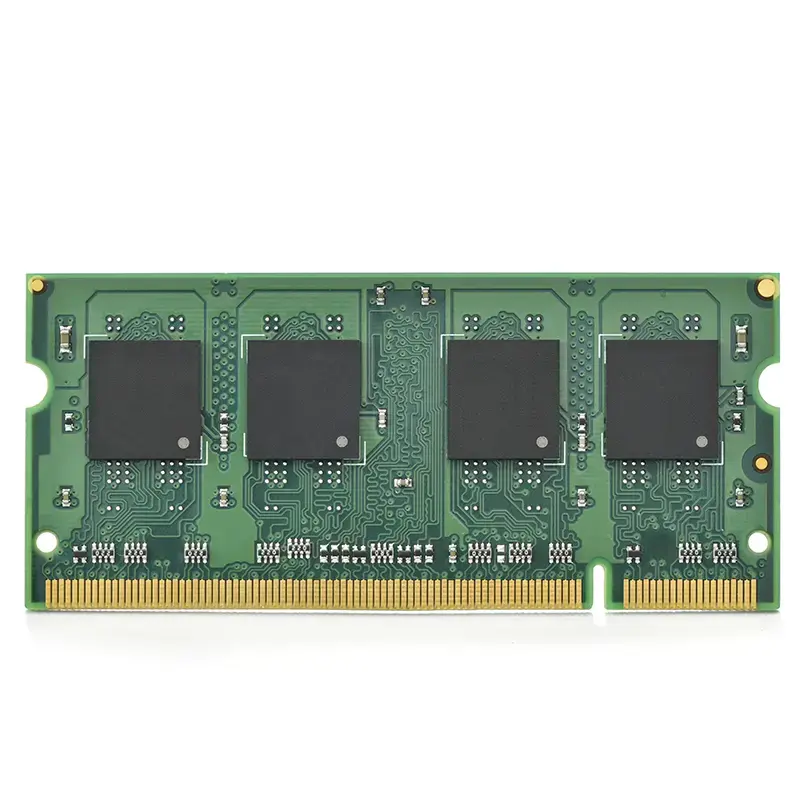
 Memory PCBA
 Power Supply PCBA
 New Energey PCBA
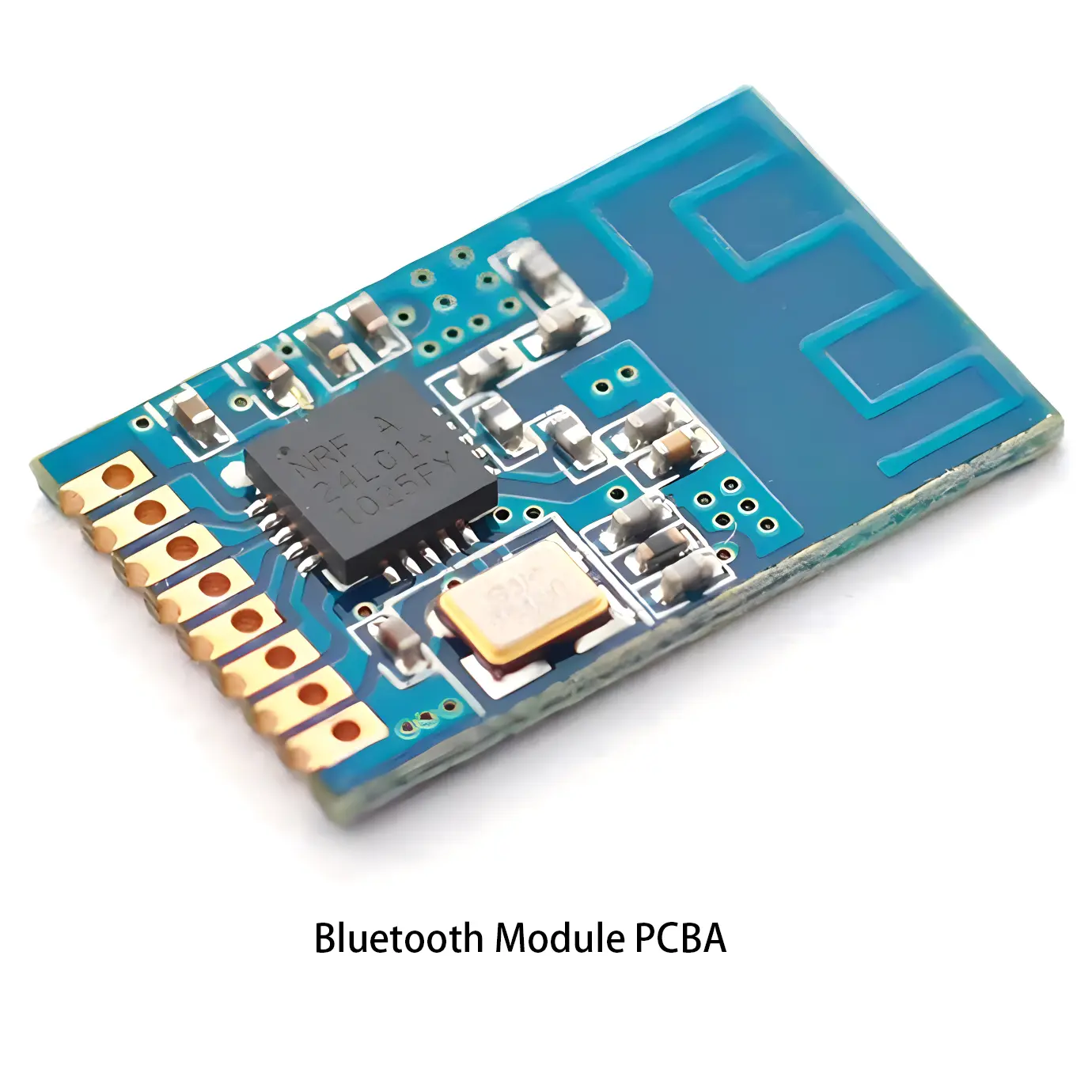 Communication PCBA
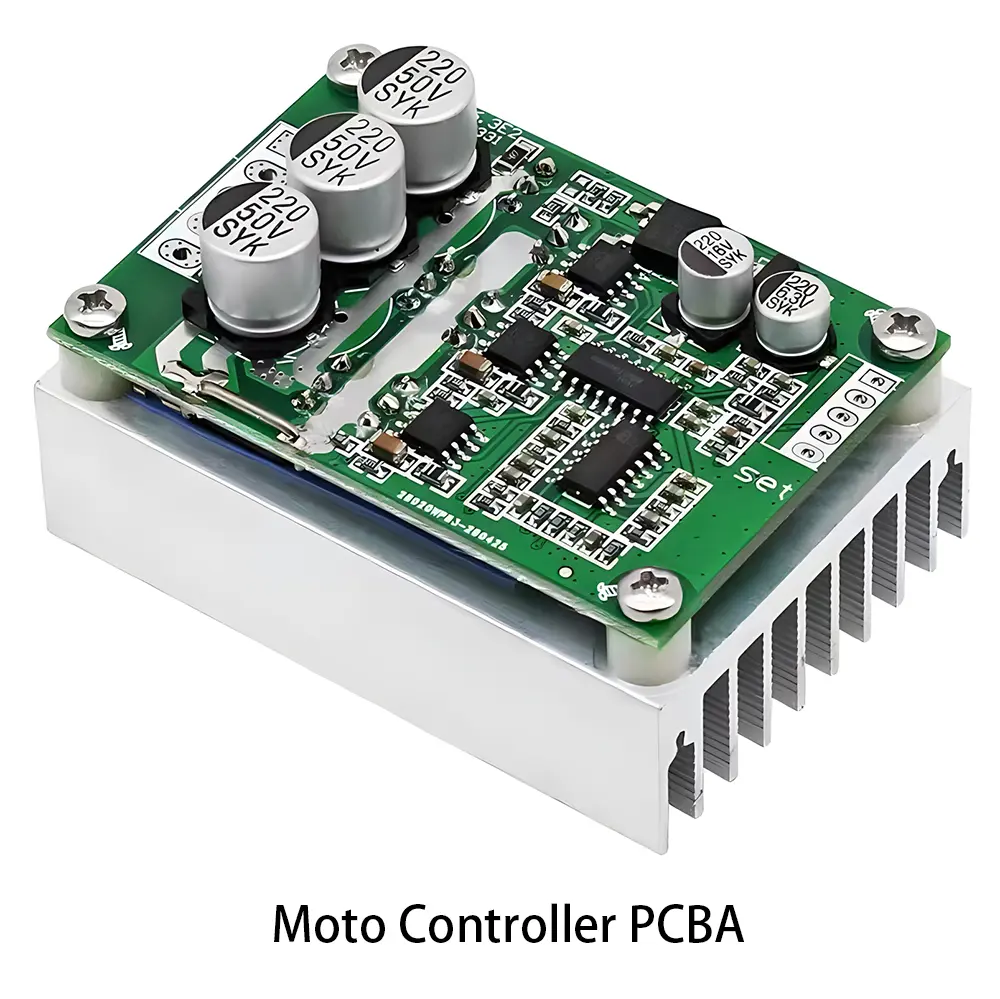 Industrial Control PCBA
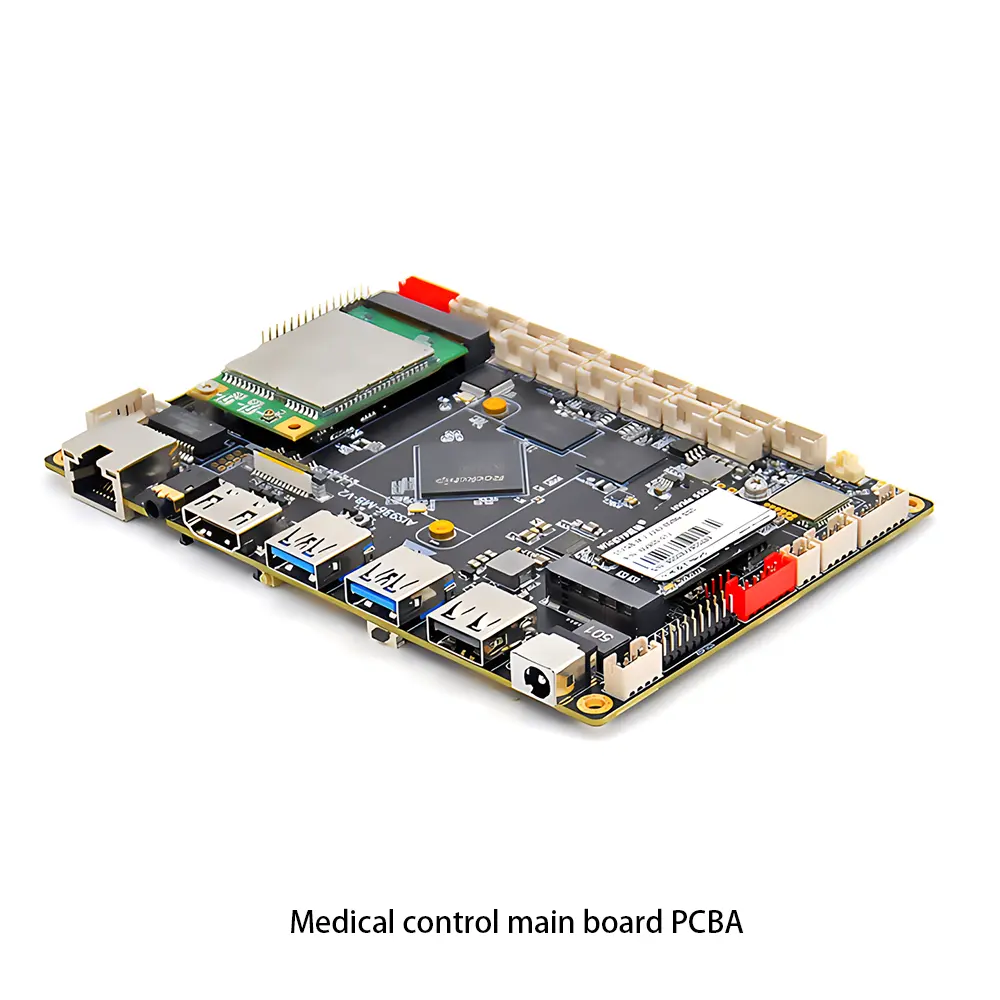 Medical Equipment PCBA
 Testing Service
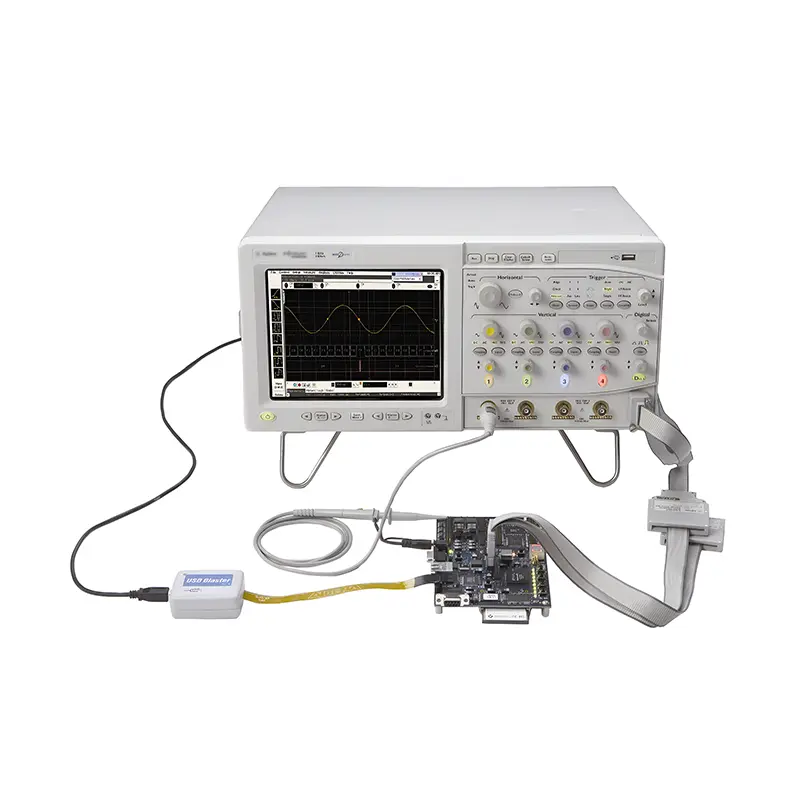 PCBA Testing Service
 Certification Application
 RoHS Certification Application
 REACH Certification Application
 CE Certification Application
 FCC Certification Application
 CQC Certification Application
 UL Certification Application
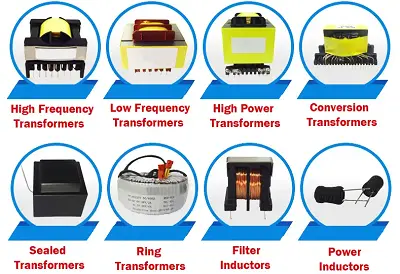 Transformers, Inductors
 High Frequency Transformers
 Low Frequency Transformers
 High Power Transformers
 Conversion Transformers
 Sealed Transformers
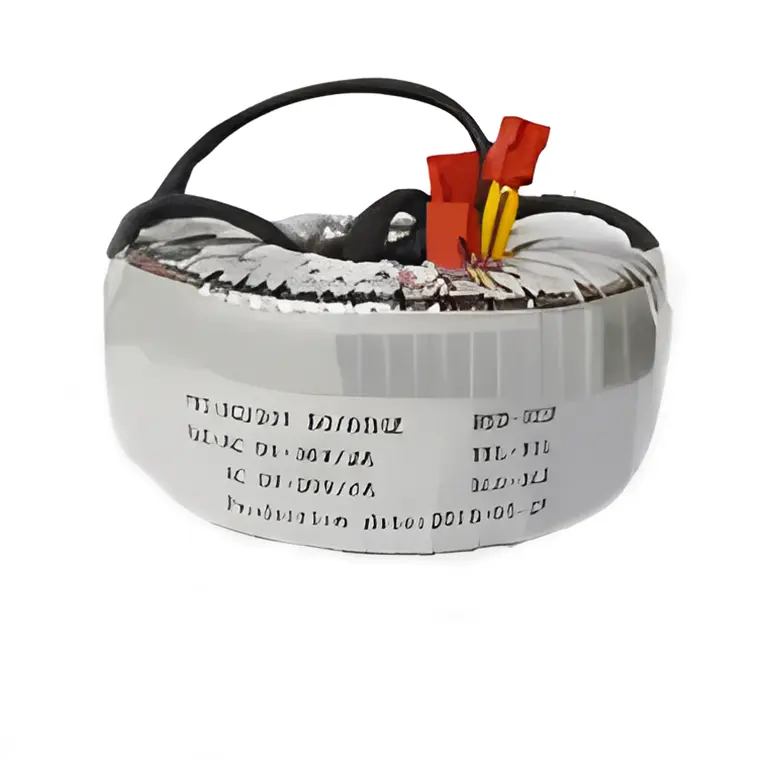 Ring Transformers
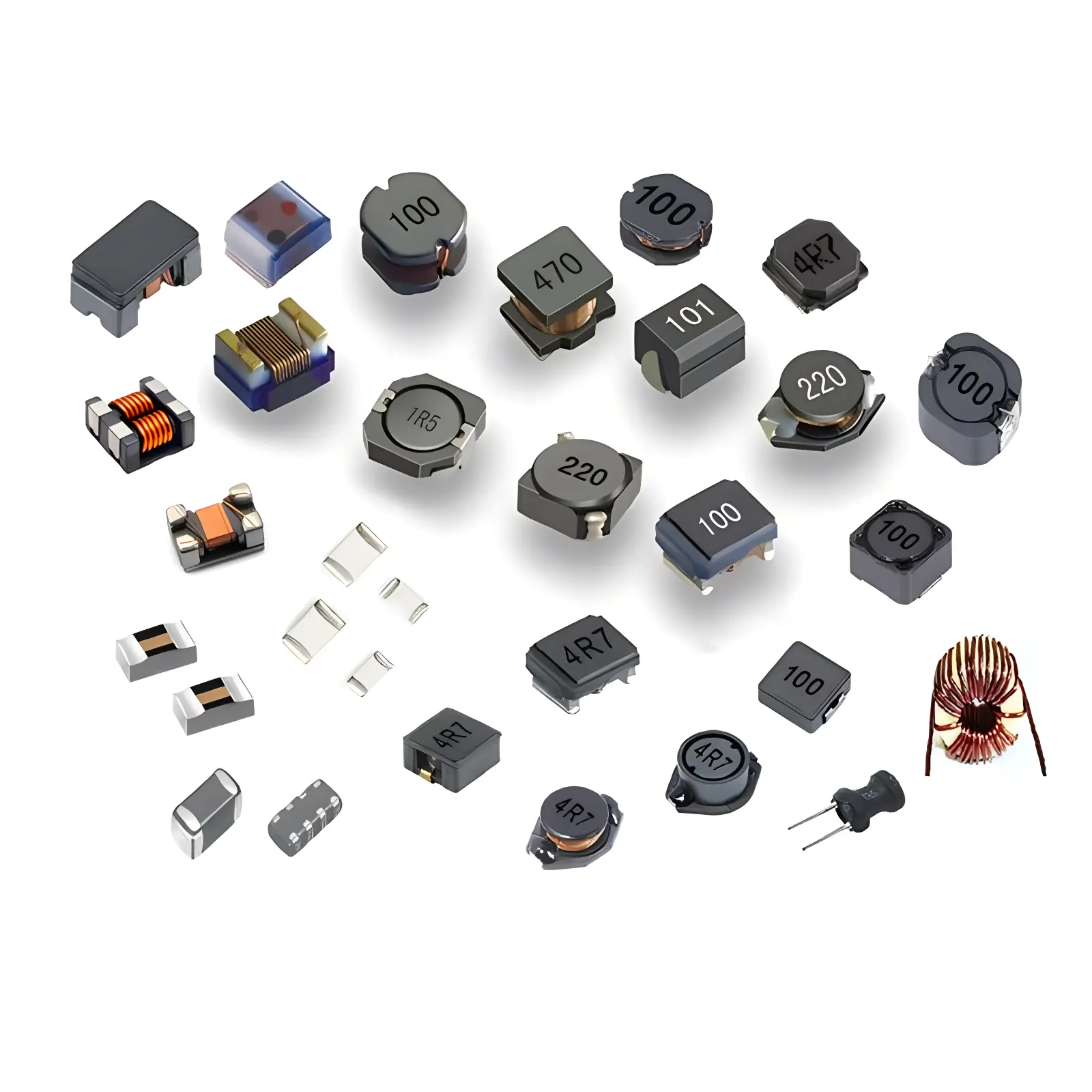 Inductors
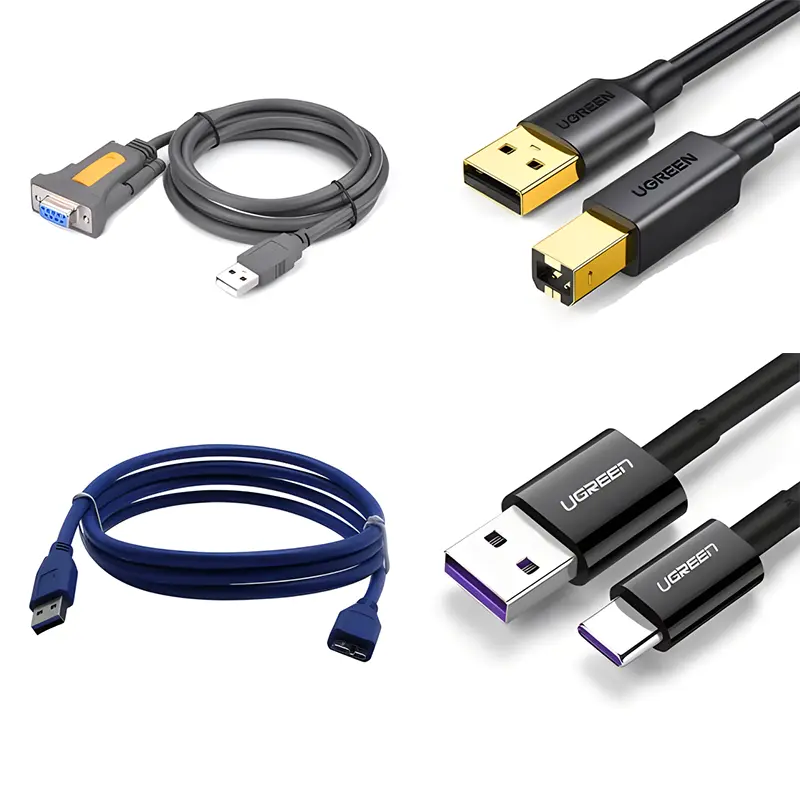 Wires,Cables Customized
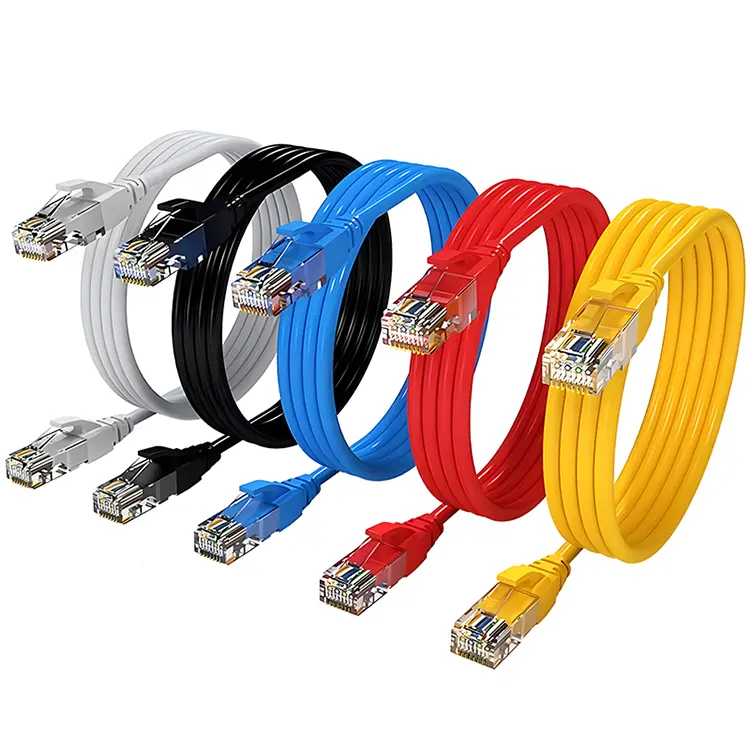 Network Cables
 Power Cords
 Antenna Cables
 Coaxial Cables
 Net Position Indicator
 Solar AIS net position indicator
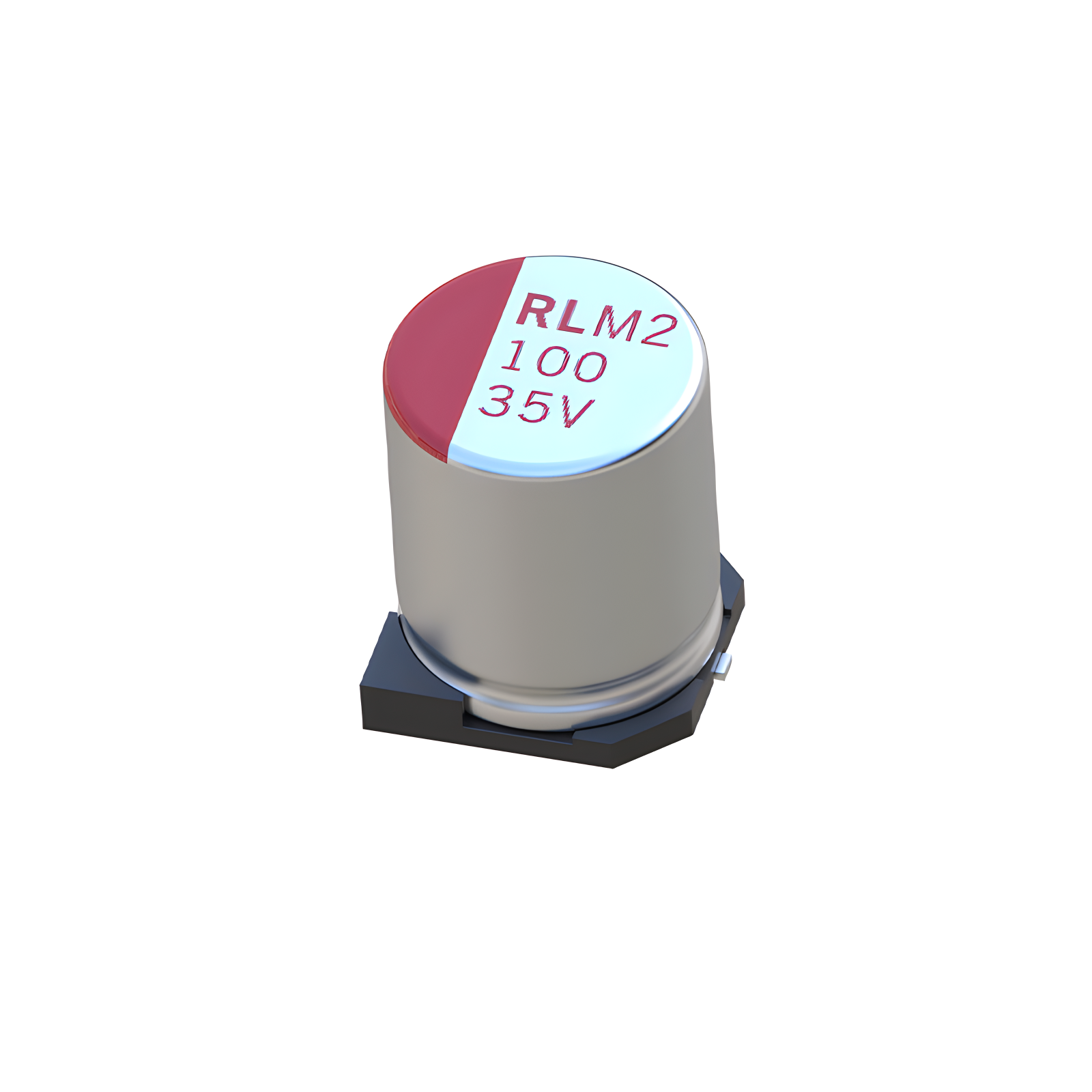 Capacitors
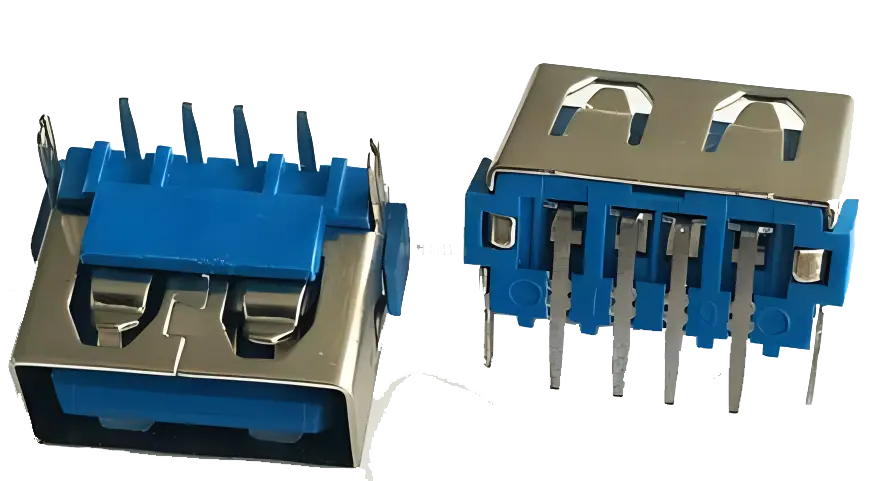 Connectors
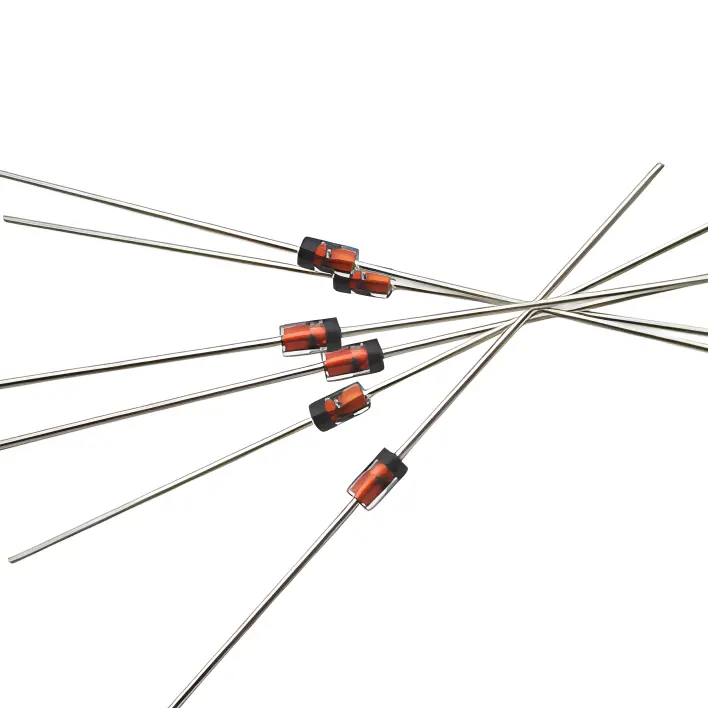 Diodes
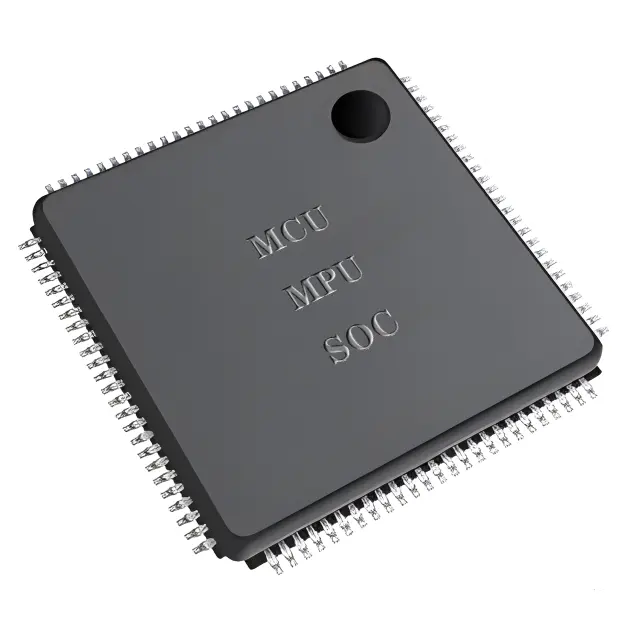 Embedded Processors & Controllers
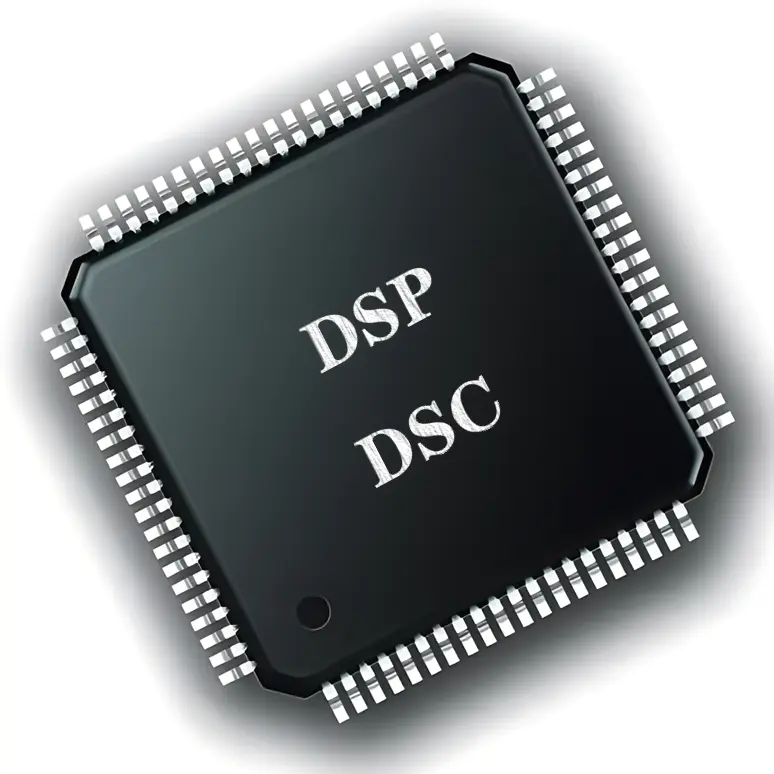 Digital Signal Processors (DSP/DSC)
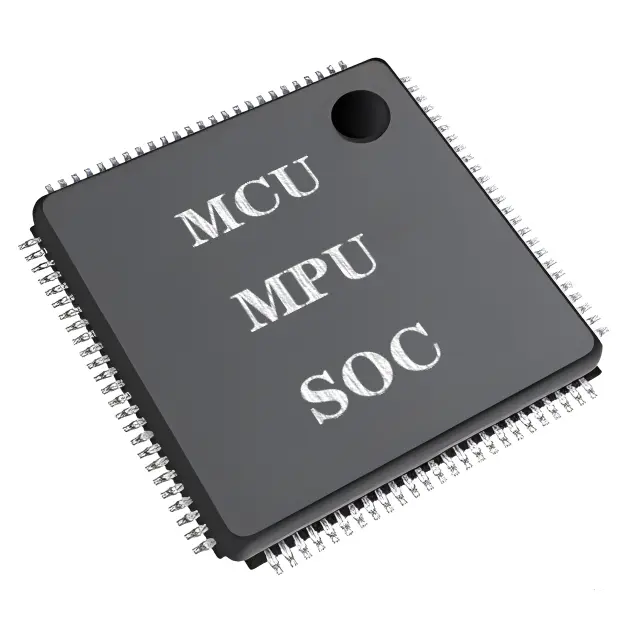 Microcontrollers (MCU/MPU/SOC)
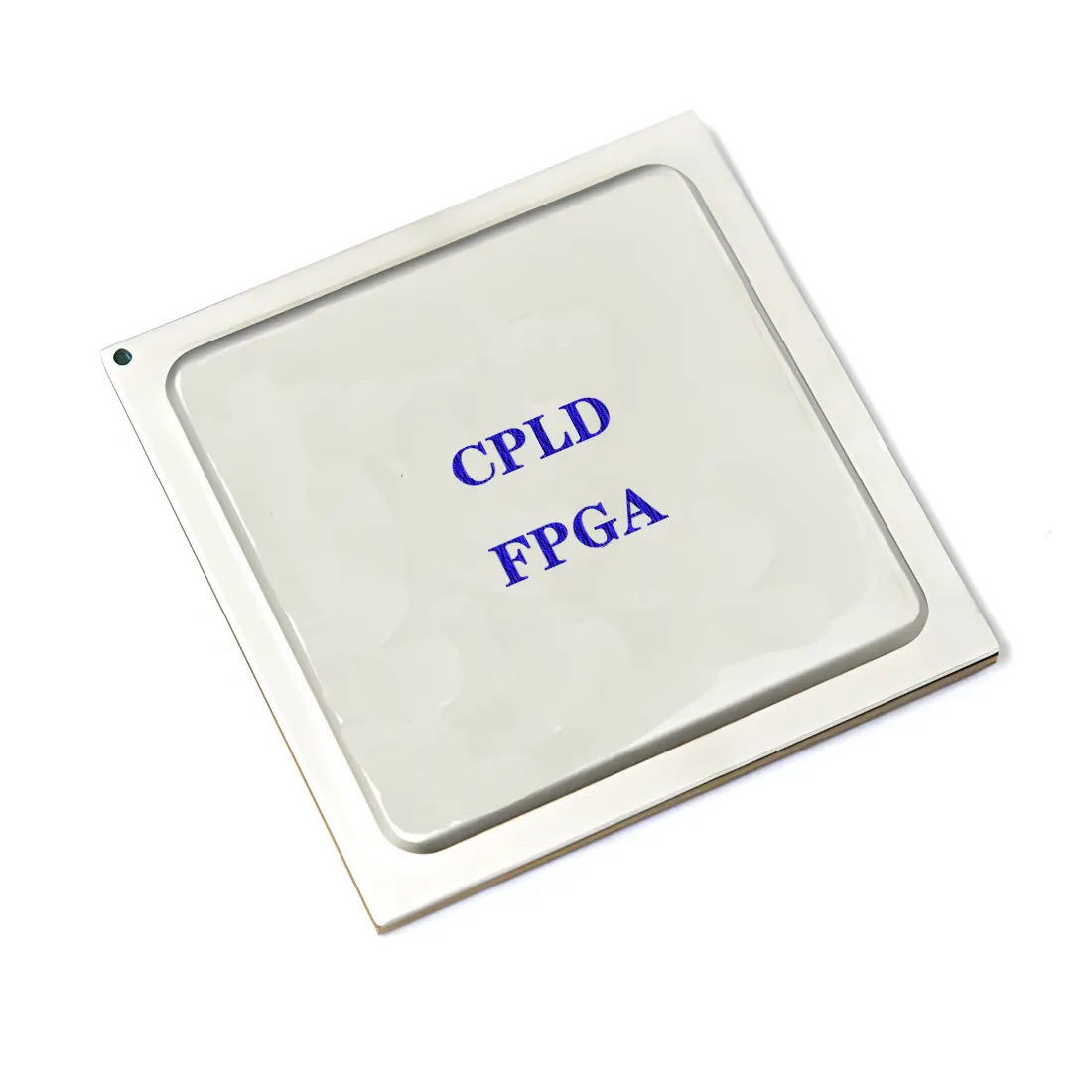 Programmable Logic Device(CPLD/FPGA)
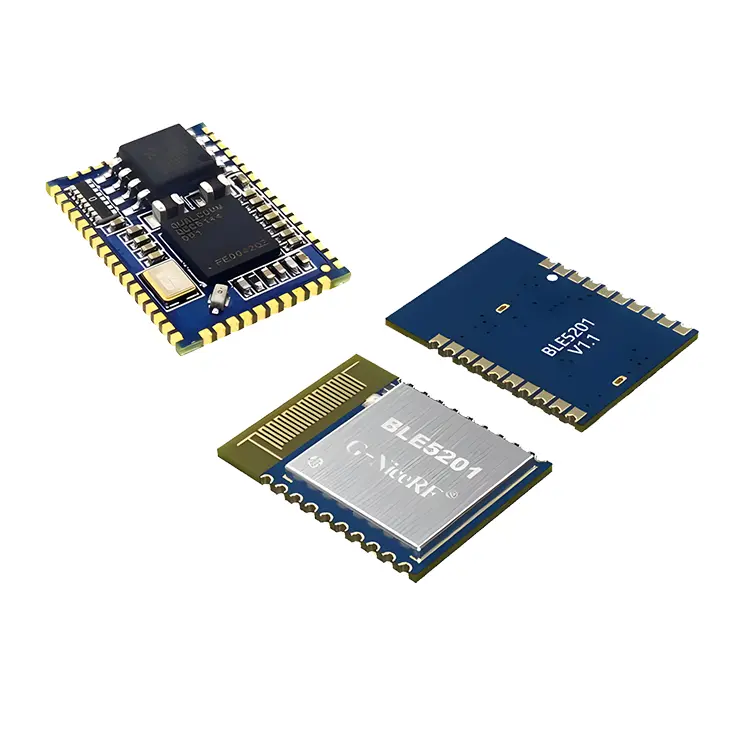 Communication Modules/IoT
 Resistors
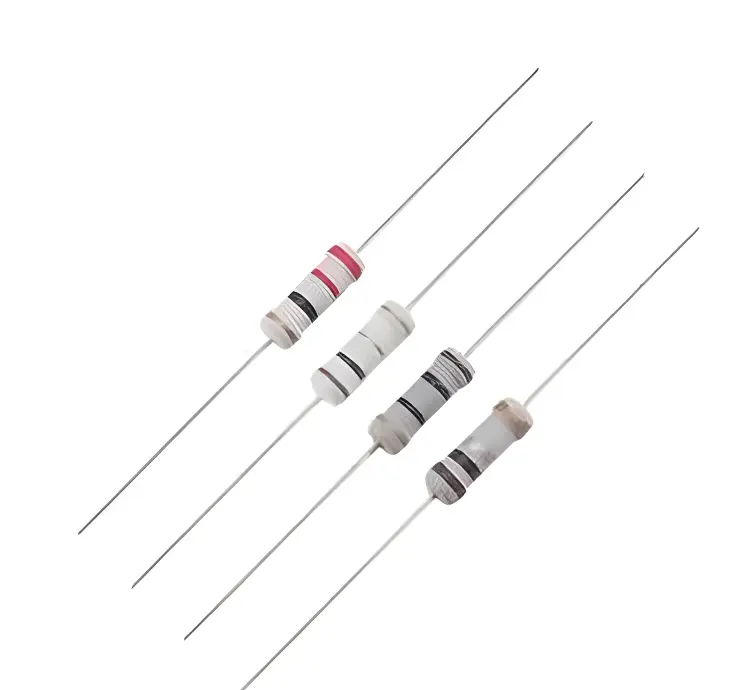 Through Hole Resistors
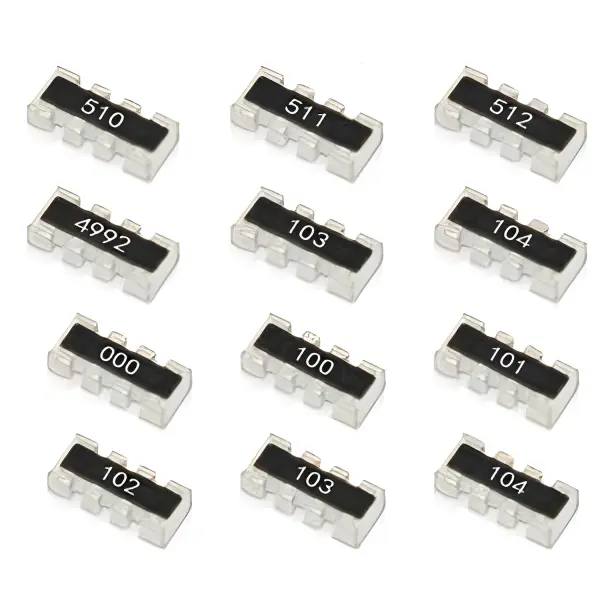 Resistor Networks, Arrays
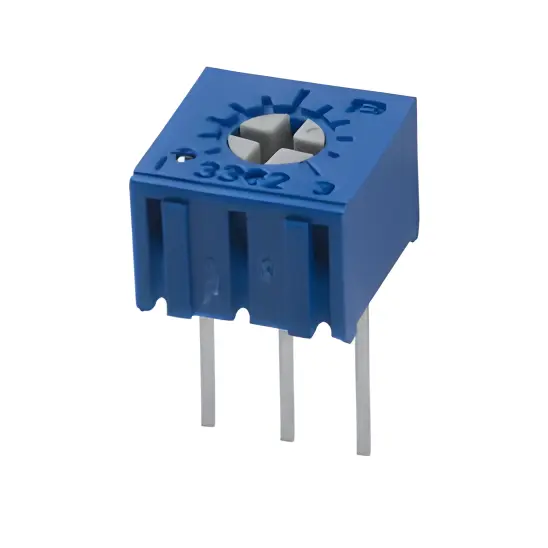 Potentiometers,Variable Resistors
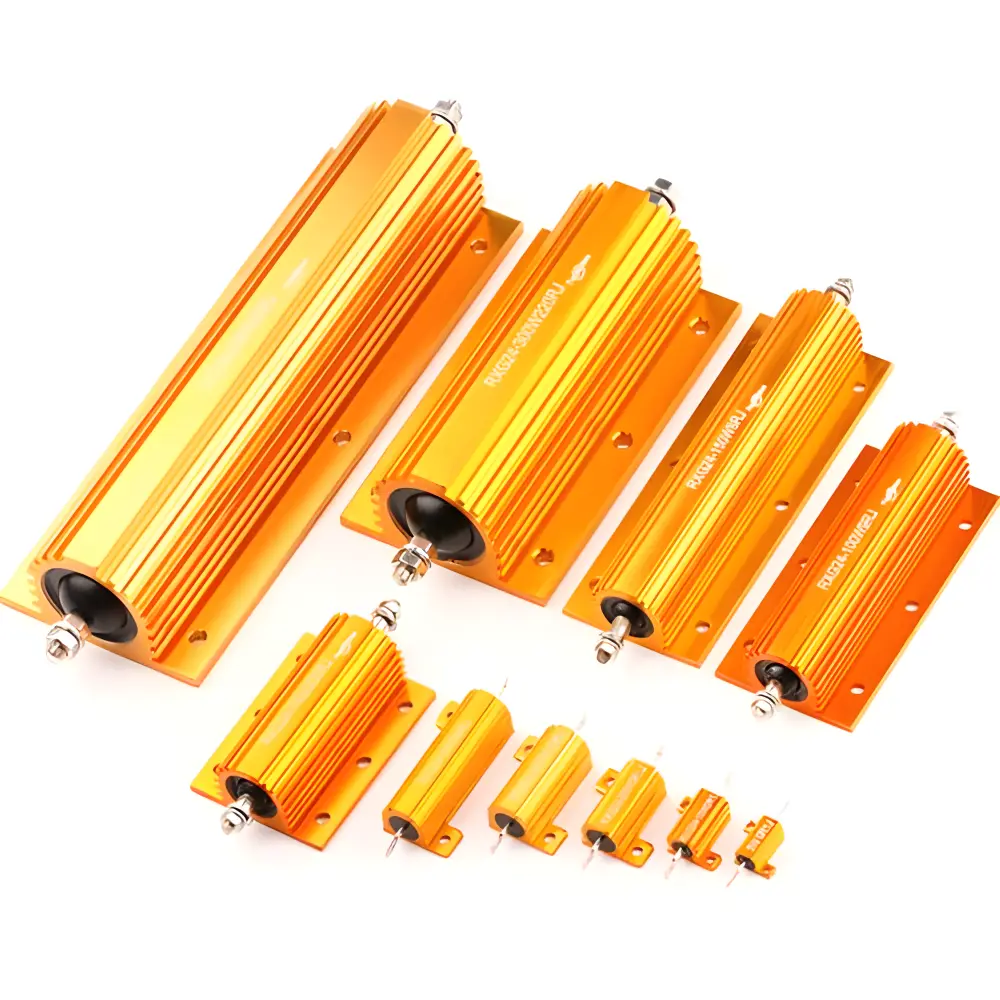 Aluminum Case,Porcelain Tube Resistance
 Current Sense Resistors,Shunt Resistors
 Switches
 Transistors
 Power Modules
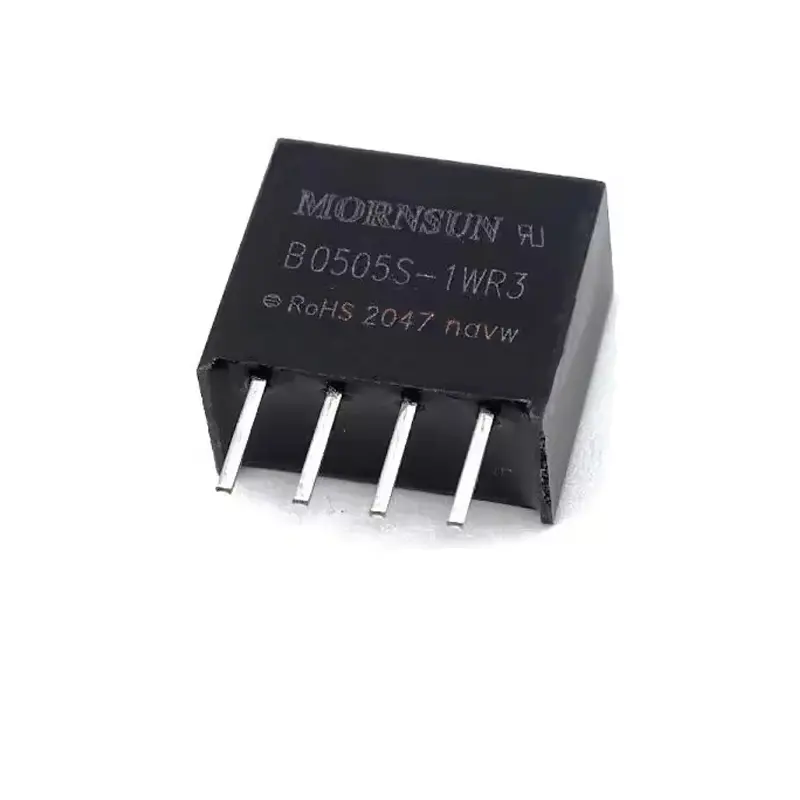 Isolated Power Modules
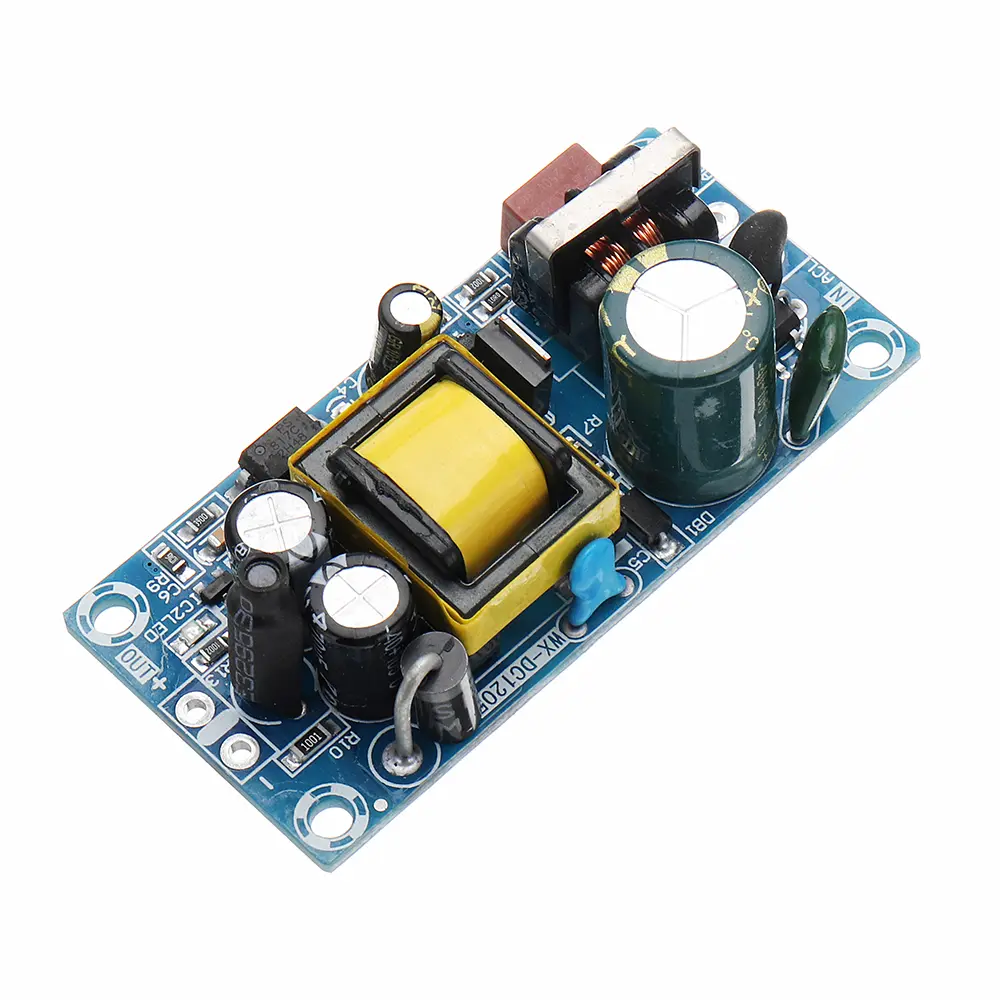 AC-DC Power Modules
 DC-AC Module(Inverter)
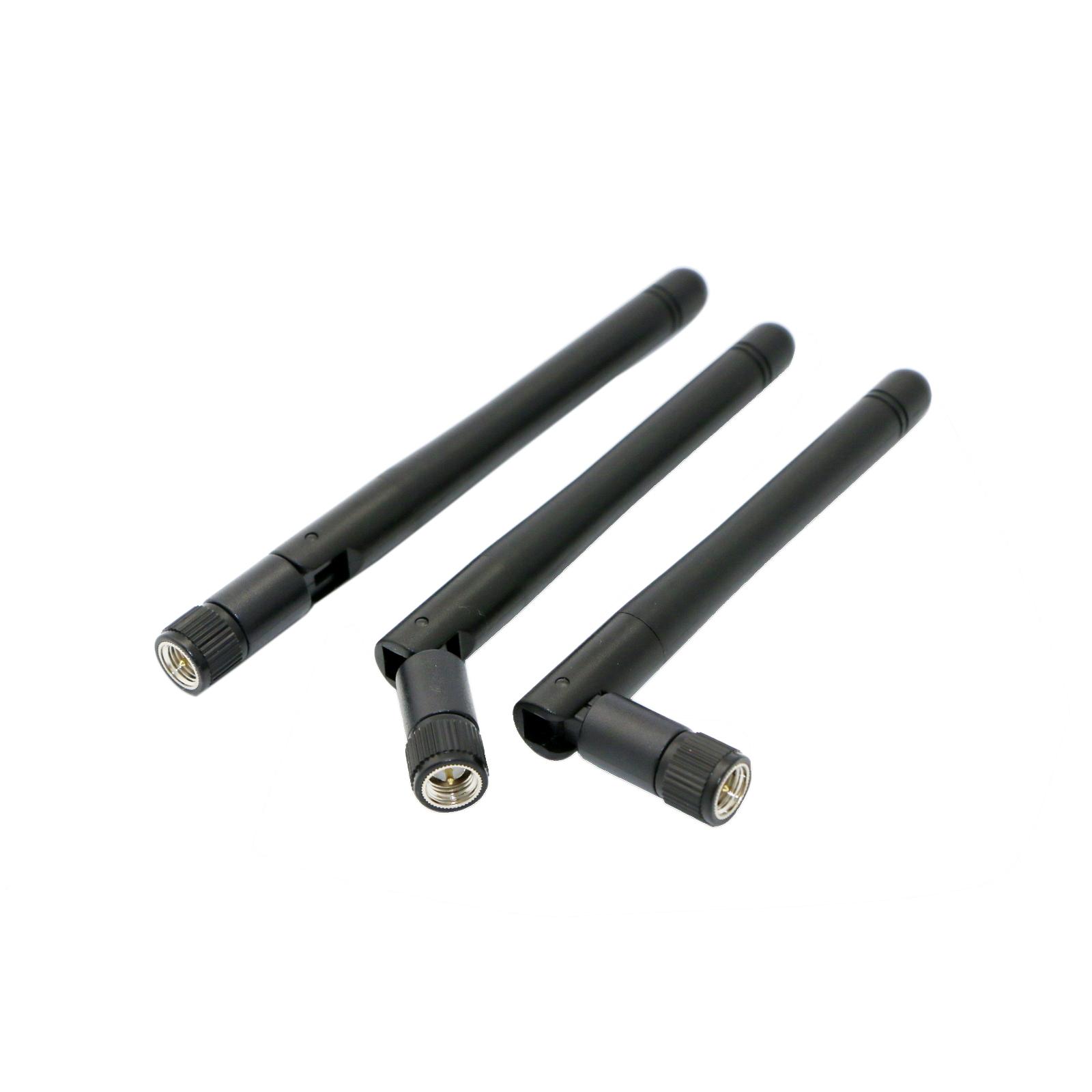 RF and Wireless
How to Identify Line Gaps Below 10μm Using an Online AOI Inspection System?
2025-04-15
An online automatIC optical inspection (AOI) system is an indispensable tool in PCB manufacturing and electronic assembly, especially for detecting line gaps below 10μm. Below is a detailed explanation of how to achieve this using an online AOI system:
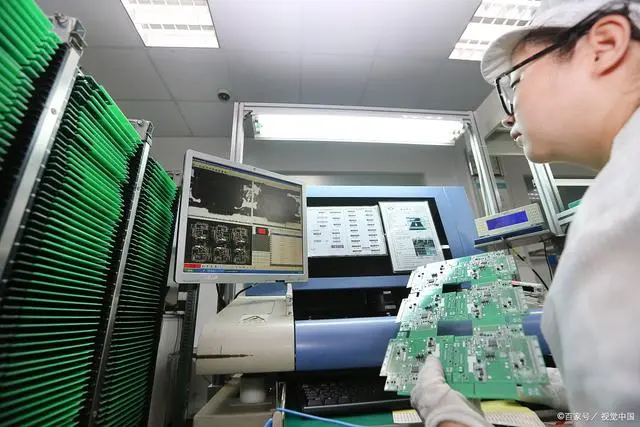
1. Hardware Configuration and Optical System
- High-Resolution Camera:
Use a high-resolution industrial camera (e.g., 16 million pixels or higher) to capture detailed images of micro-level features. High resolution is the foundation for detecting line gaps below 10μm. - Light Source Configuration:
Employ high-brightness LED lighting combined with illumination techniques such as ring light, coaxial light, or oblique incidence to ensure uniform illumination of the PCB suRFace. - Optical Lens:
Use high-magnification microscope lenses (e.g., 50x or higher) to ensure sufficient image magnification to cover details below 10μm.
2. Image Acquisition and Preprocessing
- High-Precision Image Acquisition:
The AOI system captures high-resolution images of the PCB surface using optical lenses and cameras. The image resolution typically reaches the submicron level to ensure clear visibility of small lines. - Image Preprocessing:
Perform noise reduction, contrast enhancement, and edge sharpening to improve the accuracy of subsequent detection.
3. Image Processing and Algorithms
- Edge Detection Algorithms:
Use edge detection algorithms (e.g., Canny edge detection) to identify the contours of the lines. By detecting discontinuities in the line edges, the system can quickly locate gaps. - Morphological Processing:
Apply morphological operations (e.g., erosion and dilation) to remove noise and highlight the features of the gaps. - Feature Extraction:
Extract geometric features of the gaps (e.g., length, width, and position) and compare them with preset standards.
4. System Calibration and Optimization
- Calibration Process:
The online AOI system requires regular calibration to ensure the accuracy and consistency of imaging. This includes lens distortion correction, light source uniformity calibration, and image resolution verification. - Parameter Optimization:
Optimize the parameters of image processing algorithms (e.g., edge detection thresholds and morphological kernel sizes) based on actual detection needs to improve sensitivity and accuracy.
5. Real-Time Detection and Feedback
- Real-Time Detection:
The online AOI system can capture and analyze images in real-time during Pcb Production, quickly identifying gaps below 10μm. - Defect Classification and Marking:
The system classifies defects (e.g., gaps, breaks, burrs) and marks their locations on the PCB image. - Quality Feedback:
Feed the detection results back to the production line control system to adjust production processes (e.g., adjust solder paste printing parameters or placement accuracy) in real-time, reducing defects.
6. Statistics and Analysis
- Defect Statistics:
The AOI system can statistically analyze detected gaps and generate defect distribution charts and trend reports to help process engineers optimize production flows. - Process Improvement:
By analyzing defect data, identify key production stages that may cause gaps (e.g., solder paste printing, reflow soldering) and take corrective actions.
Conclusion
Through high-precision hardware configuration, advanced image processing algorithms, and real-time detection feedback mechanisms, the online AOI system can efficiently and accurately identify line gaps below 10μm. This not only improves the yield of PCB manufacturing but also provides data support for subsequent process optimization.