
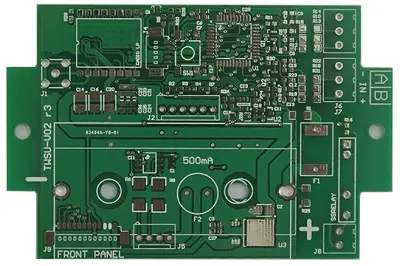
 PCB
PCB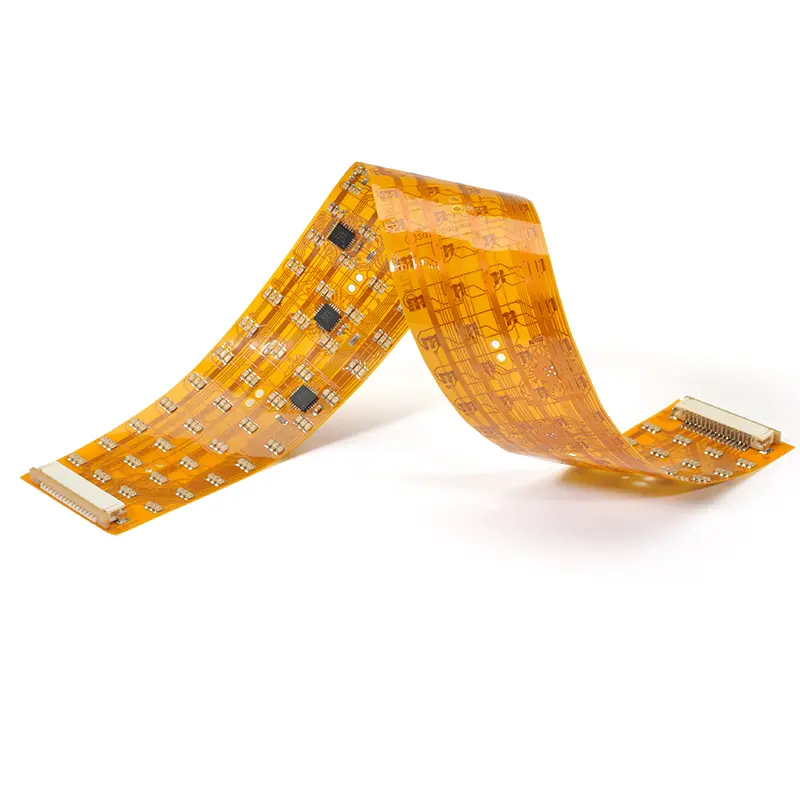 FPC
FPC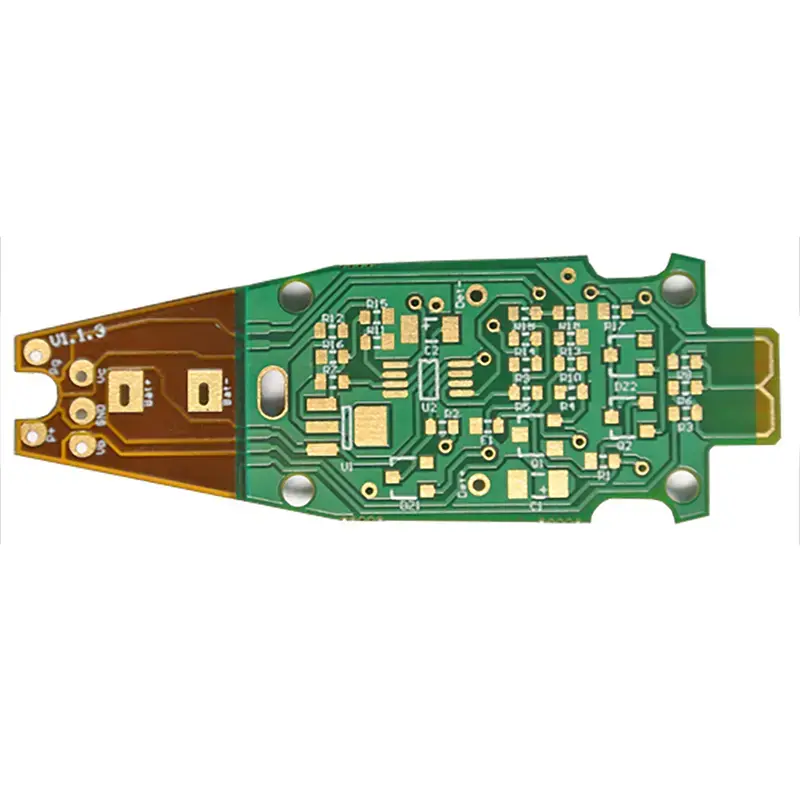 Rigid-Flex
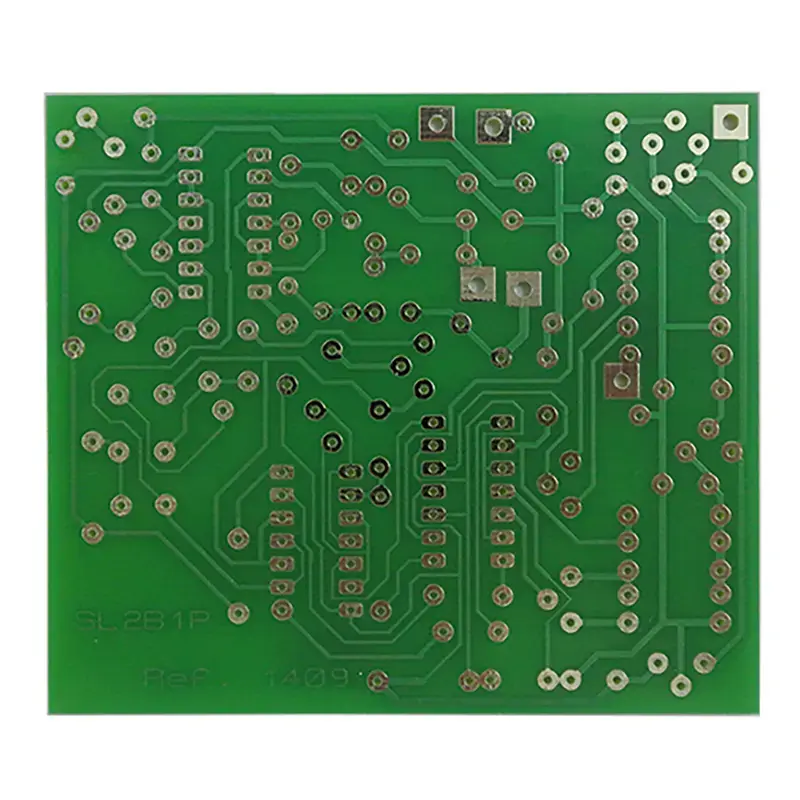 FR-4
FR-4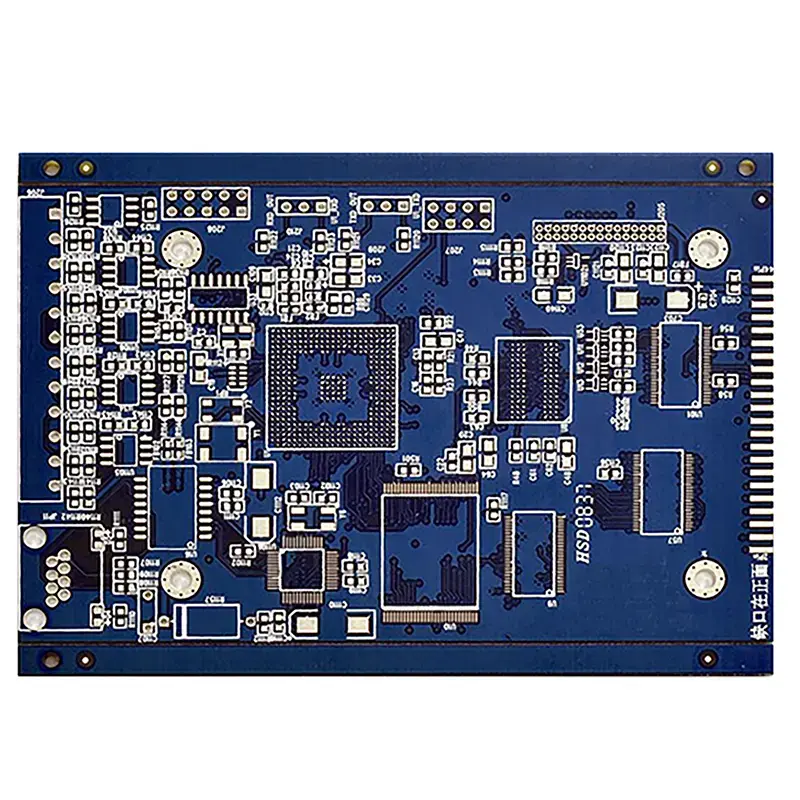 HDI PCB
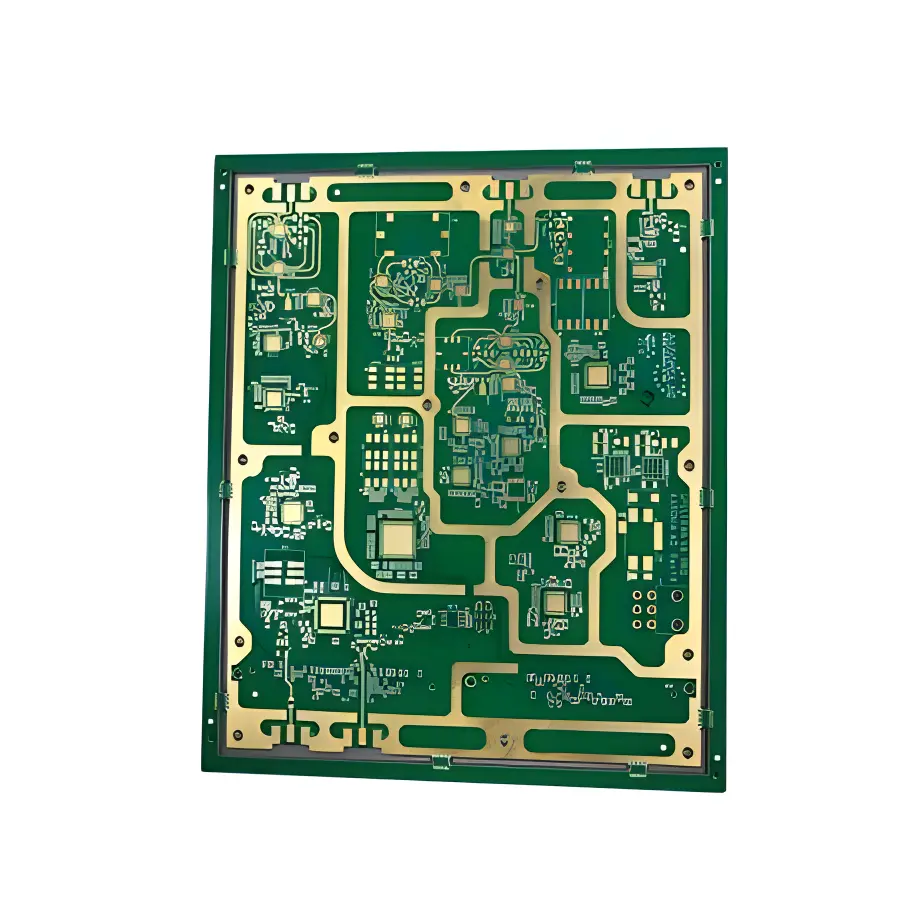 Rogers High-Frequency Board
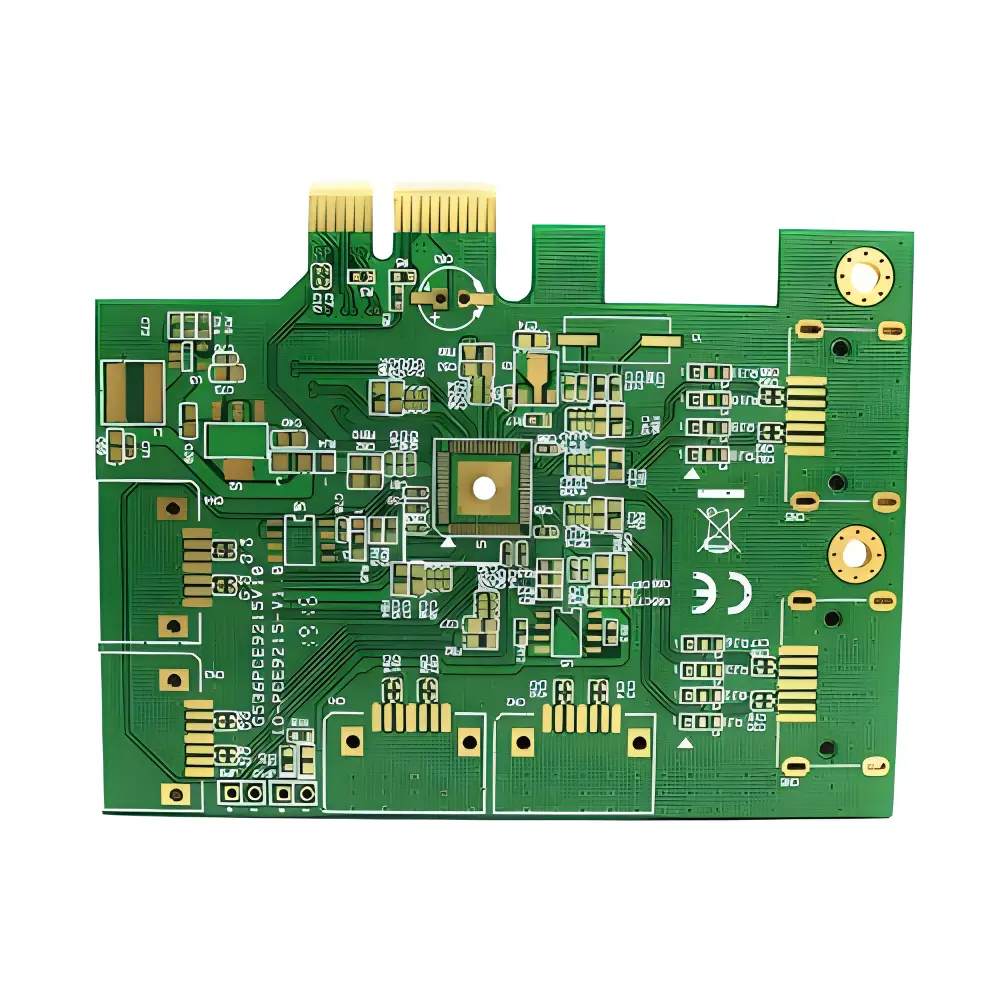 PTFE Teflon High-Frequency Board
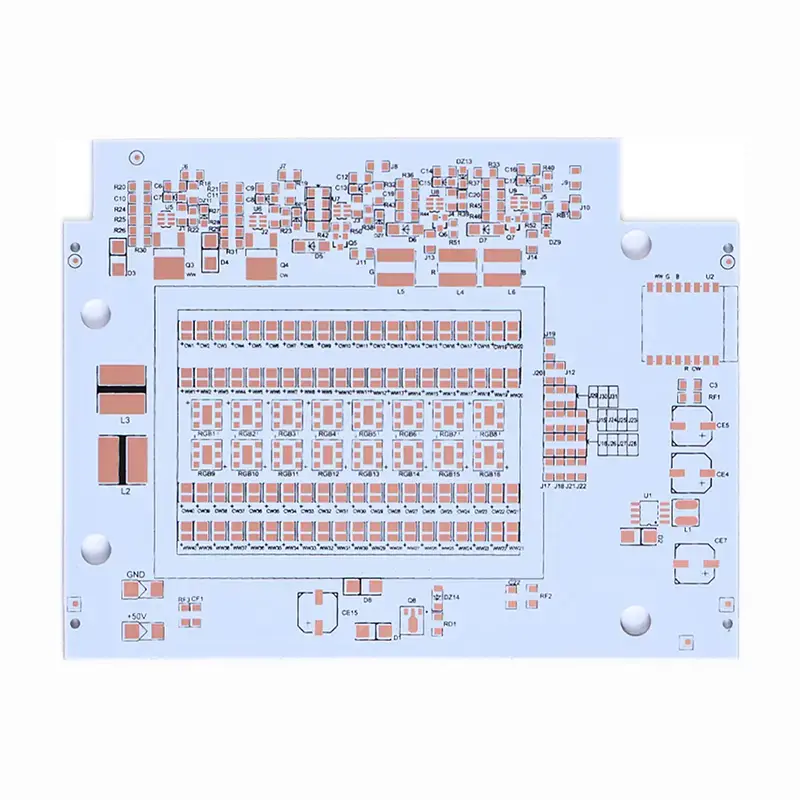 Aluminum
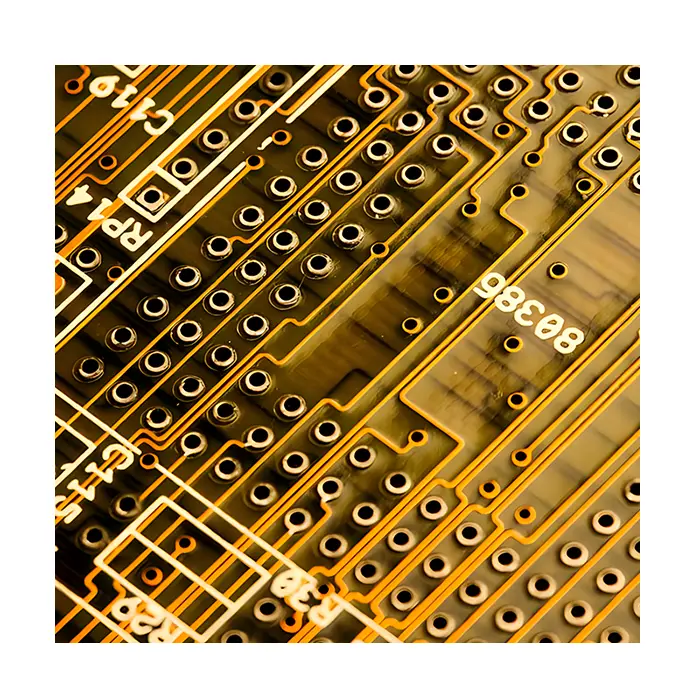 Copper Core
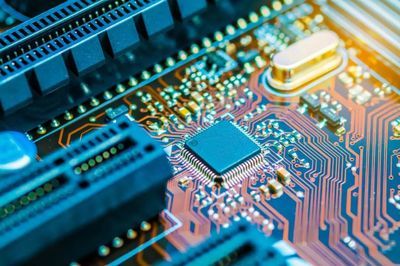 PCB Assembly
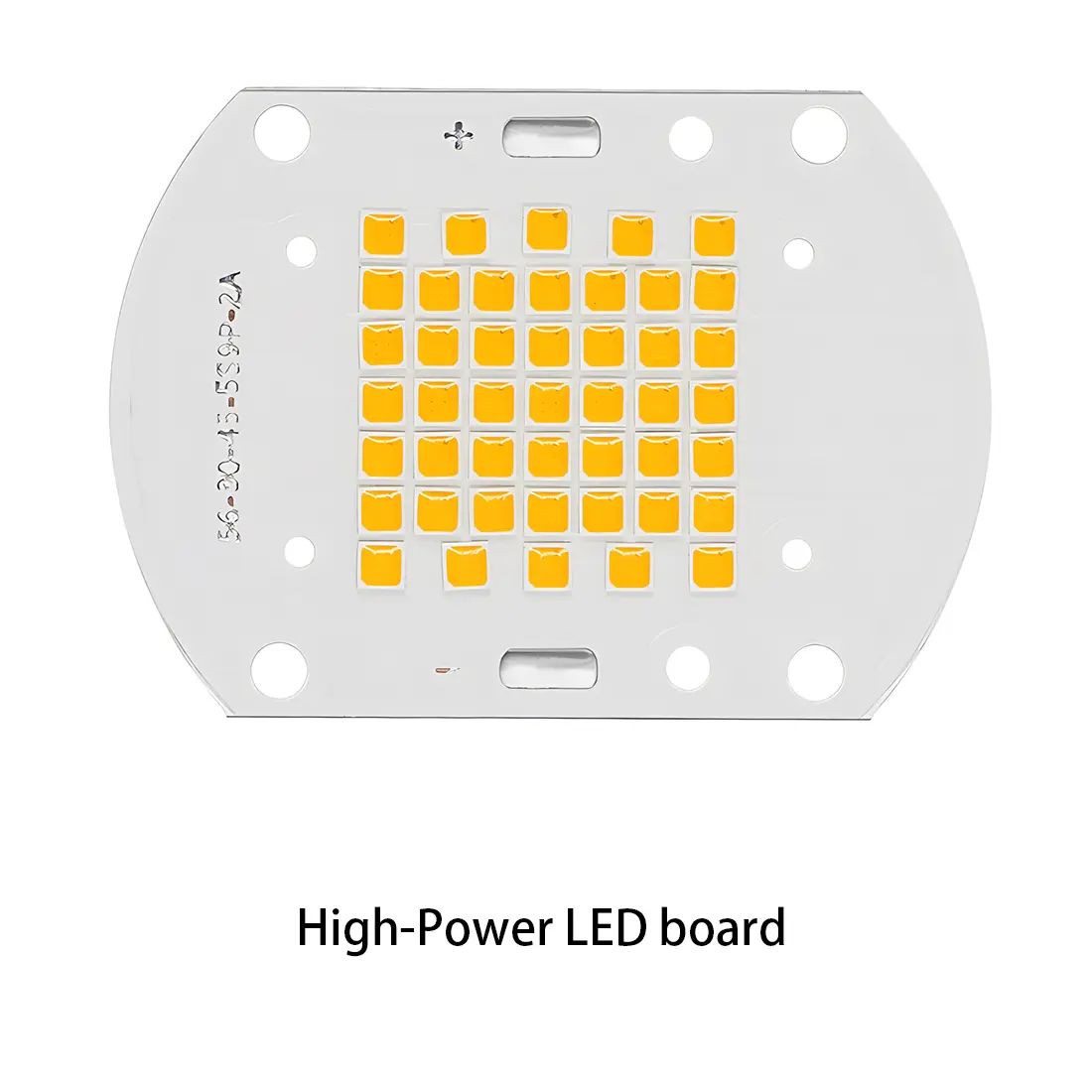 LED light PCBA
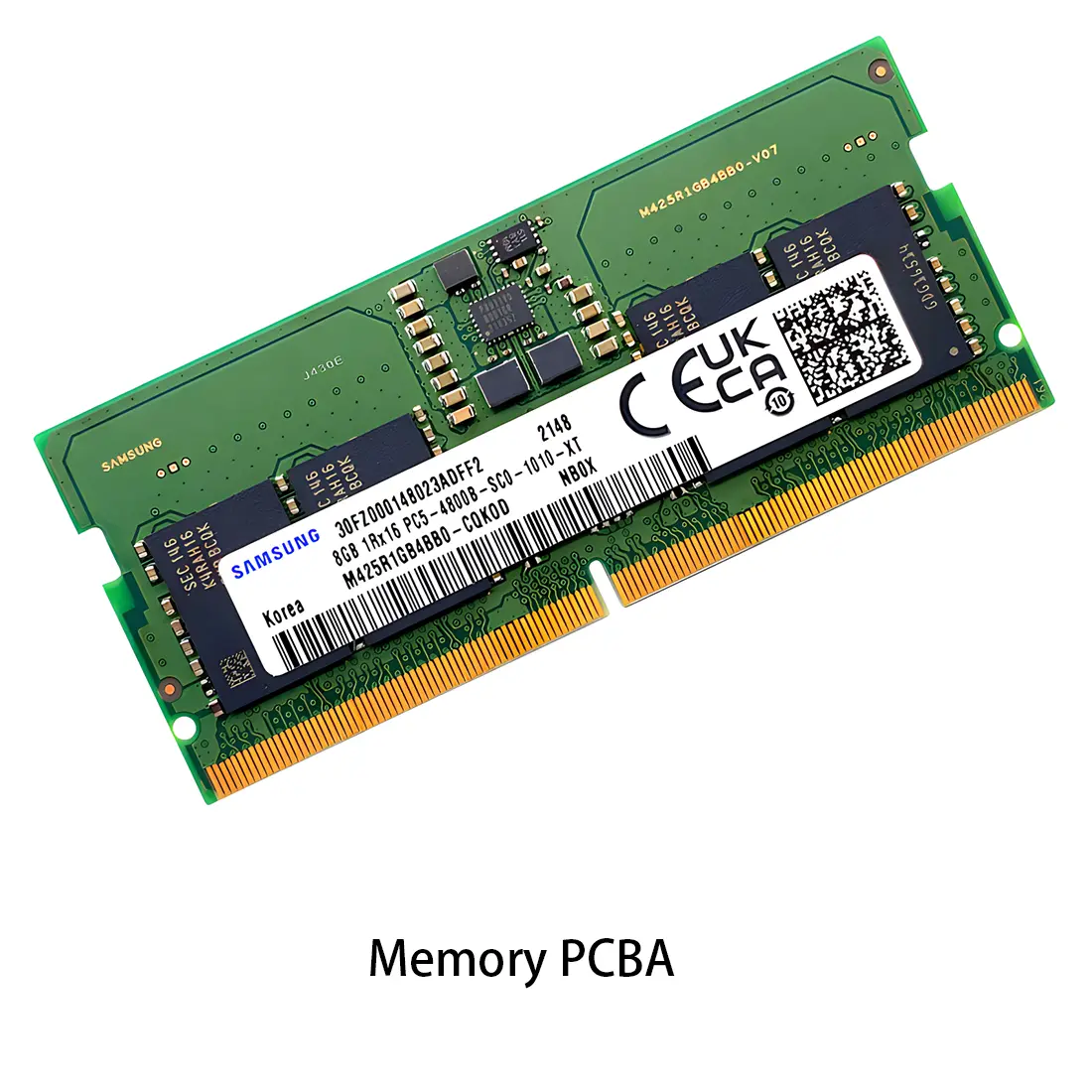 Memory PCBA
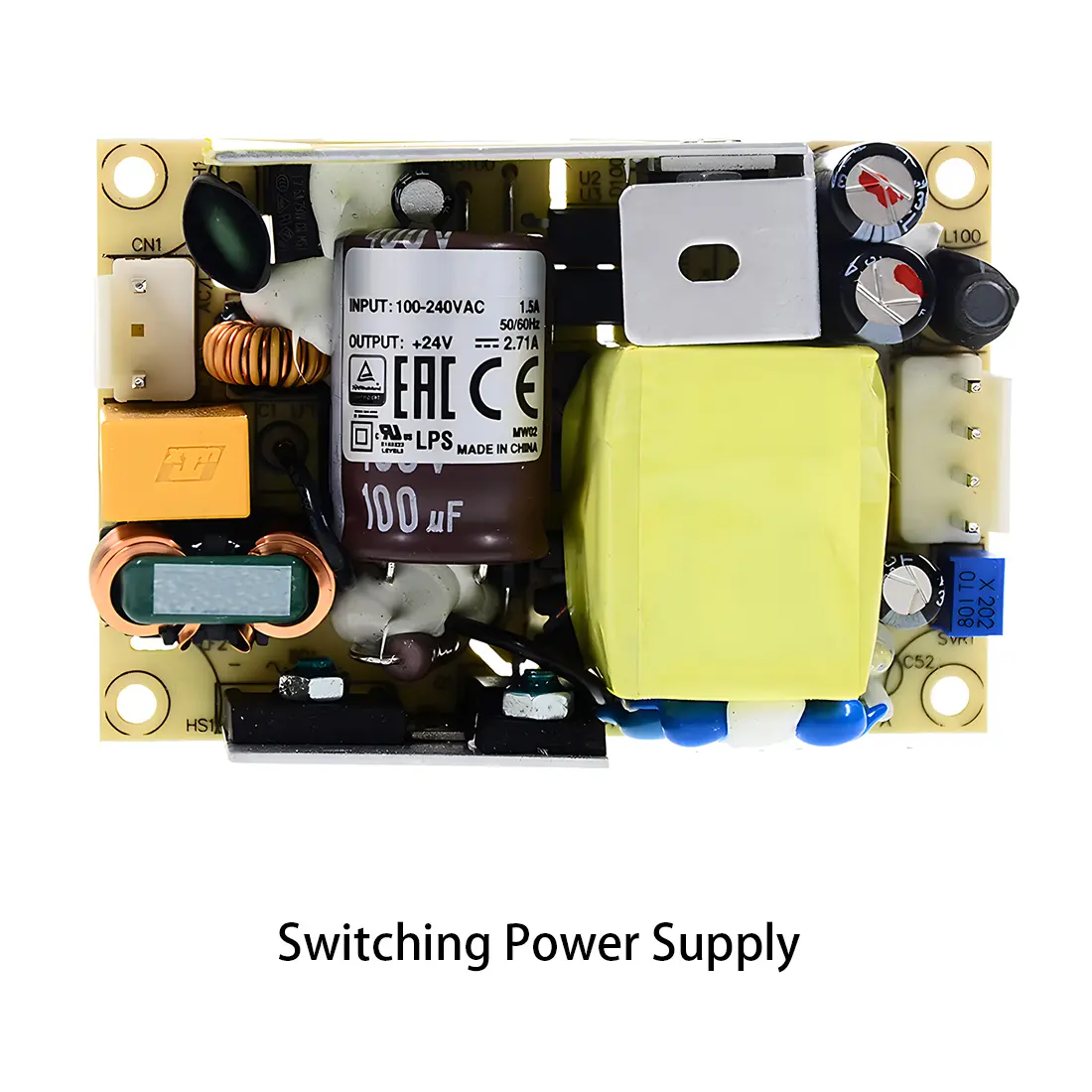 Power Supply PCBA
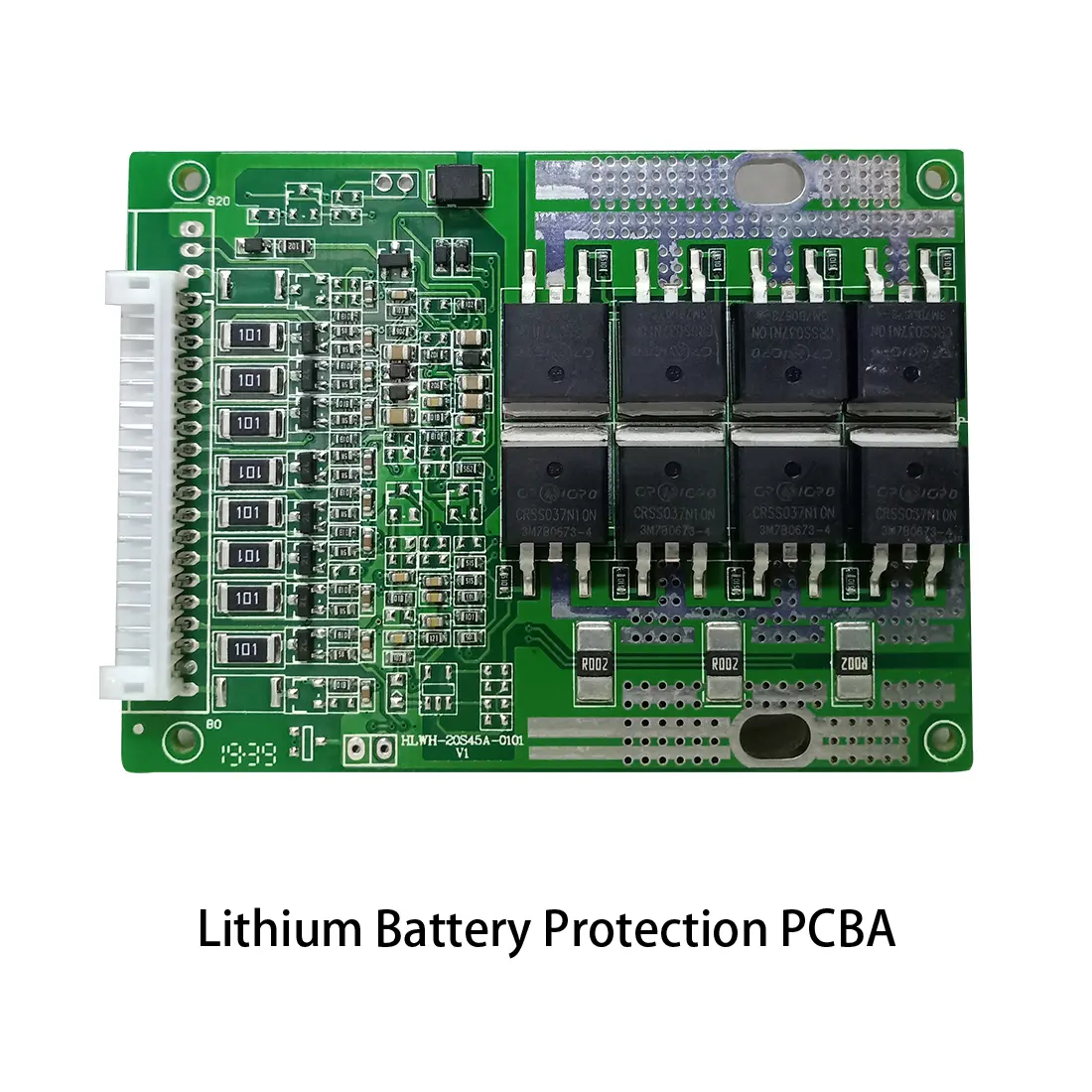 New Energey PCBA
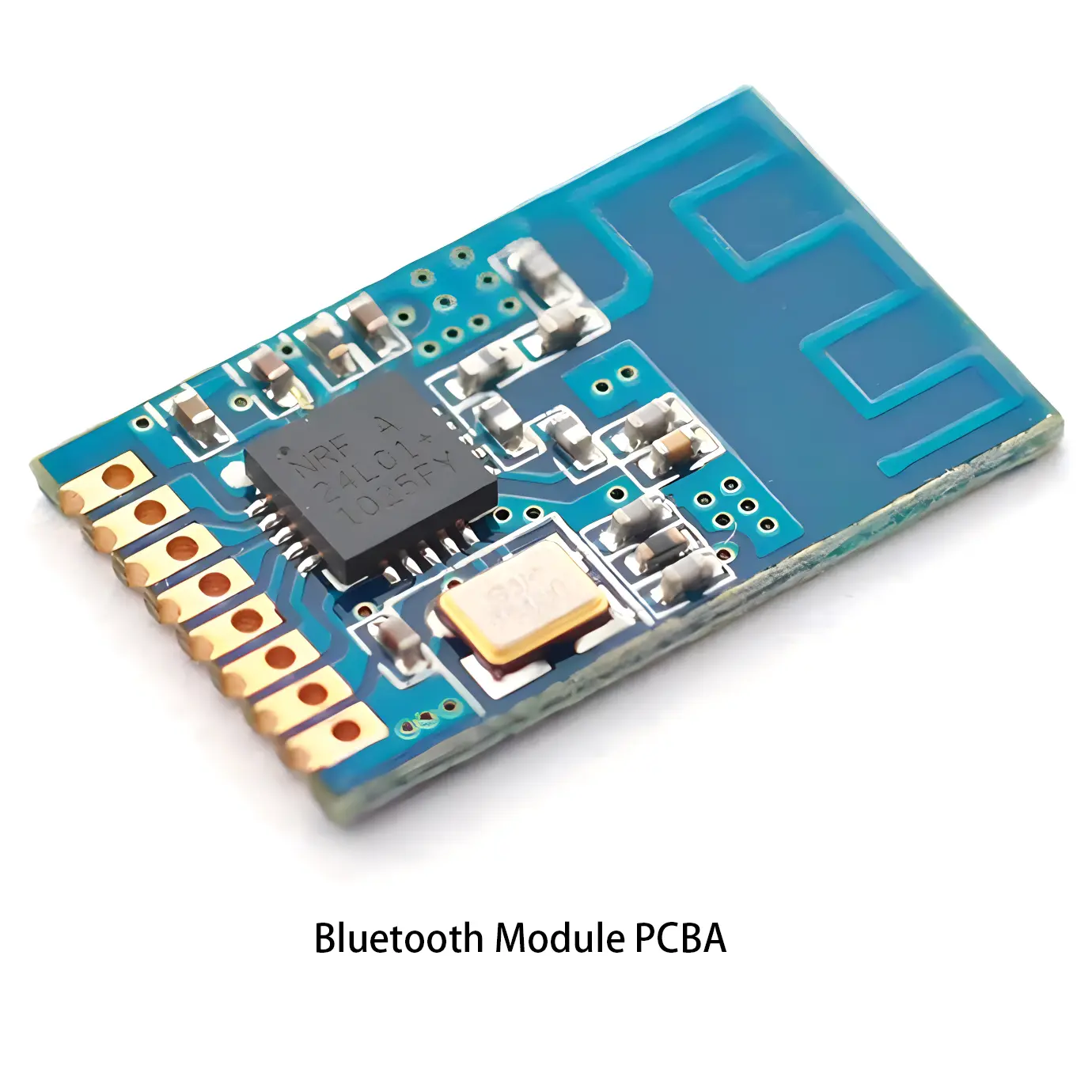 Communication PCBA
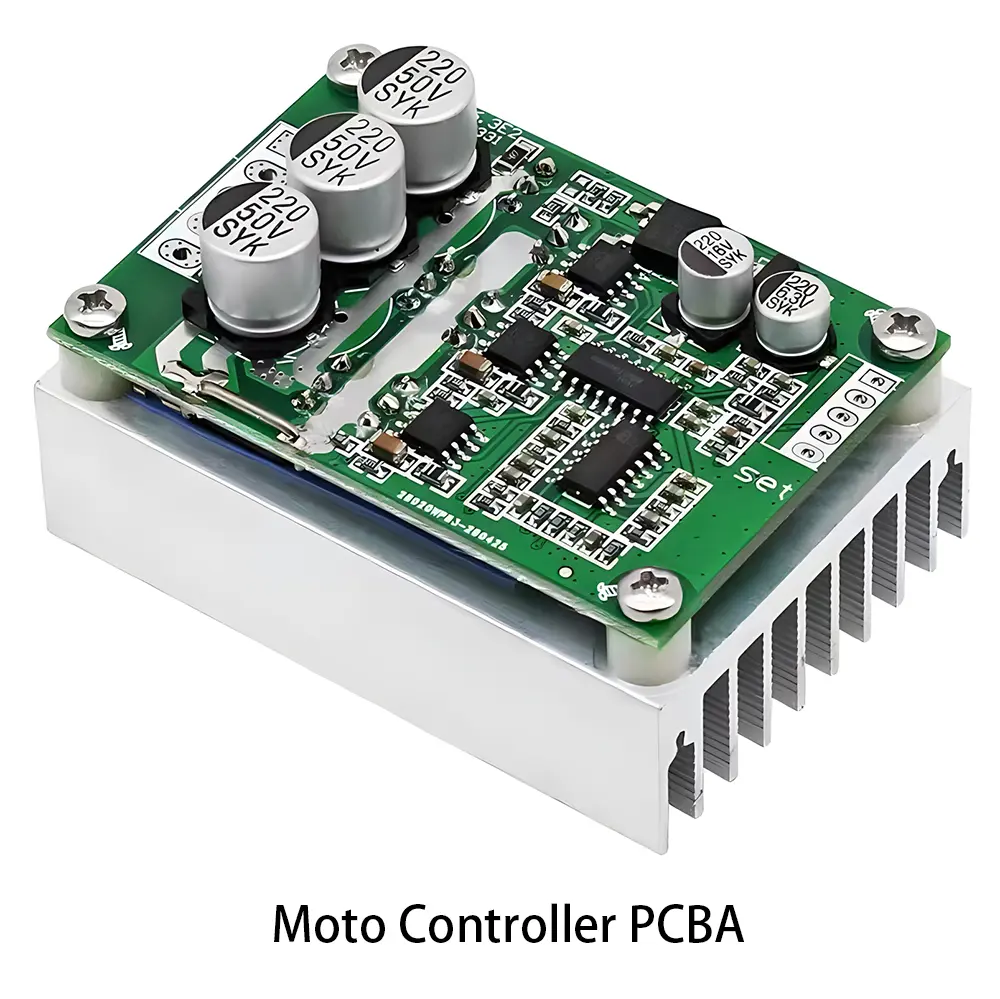 Industrial Control PCBA
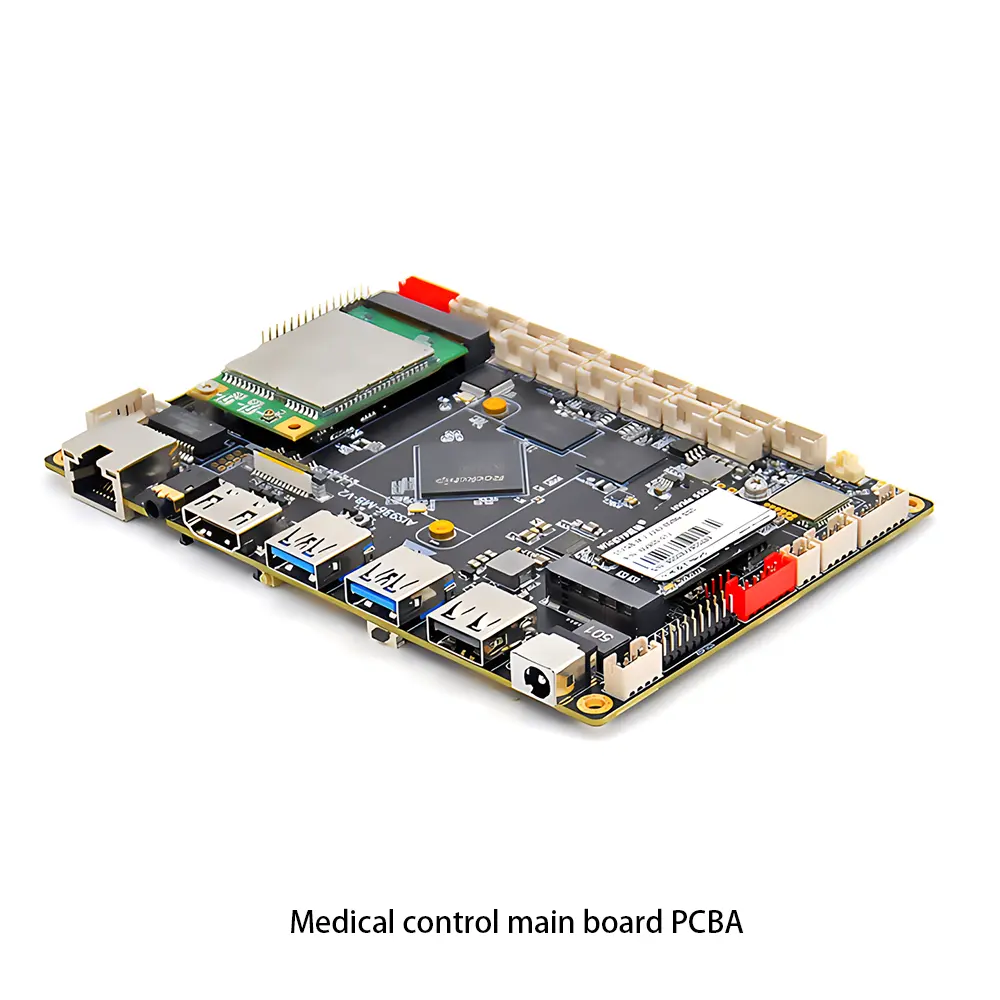 Medical Equipment PCBA
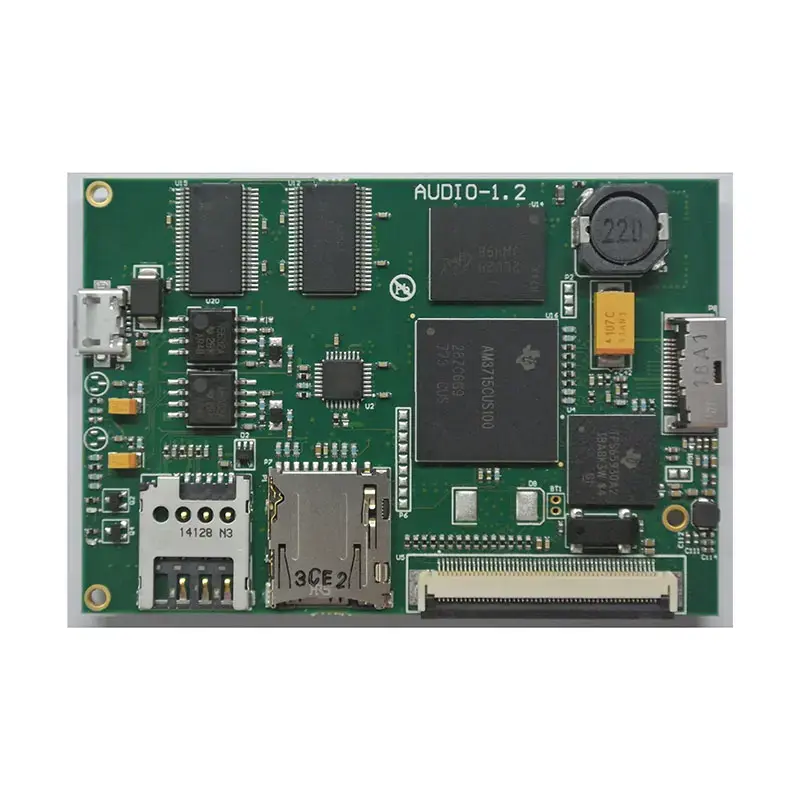 Testing Service
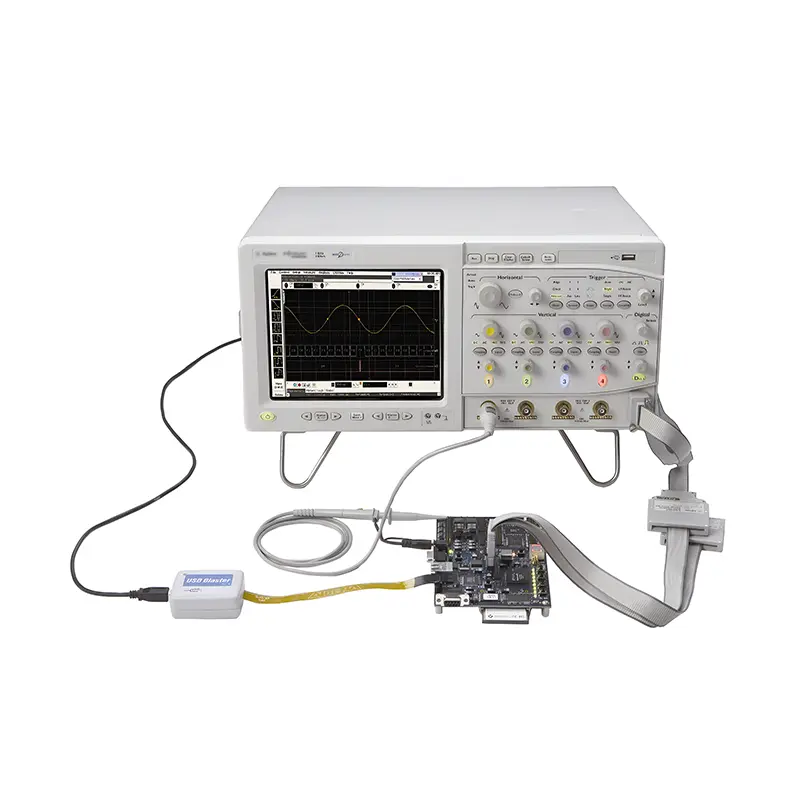 PCBA Testing Service
 Certification Application
 RoHS Certification Application
 REACH Certification Application
 CE Certification Application
 FCC Certification Application
 CQC Certification Application
 UL Certification Application
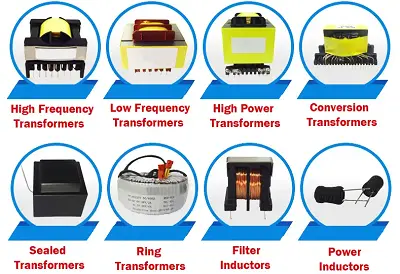 Transformers, Inductors
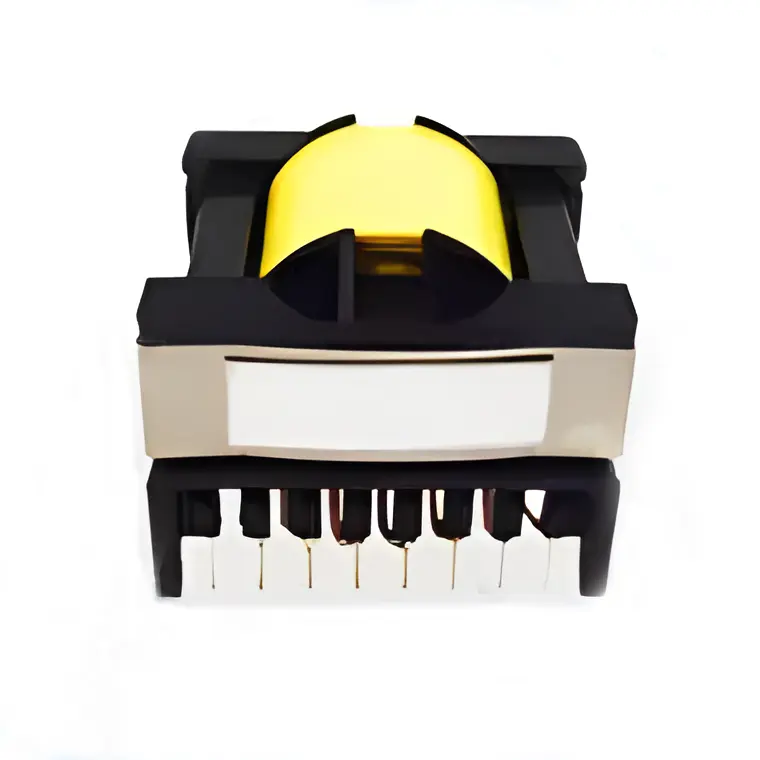 High Frequency Transformers
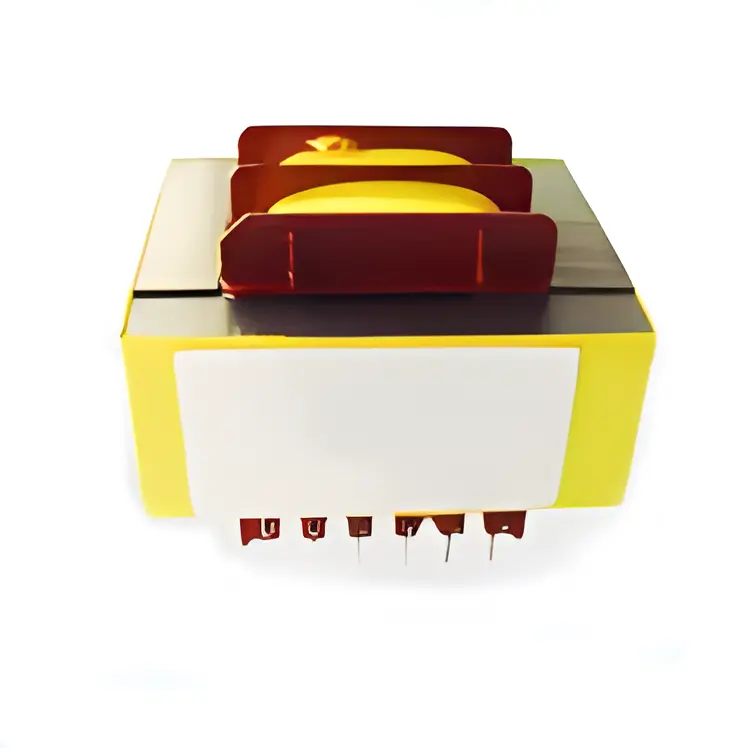 Low Frequency Transformers
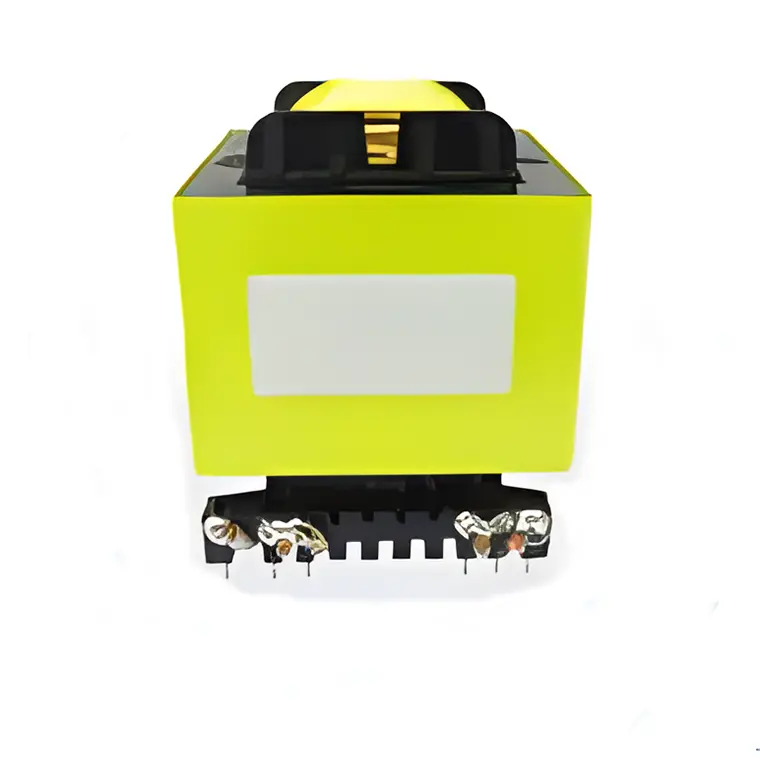 High Power Transformers
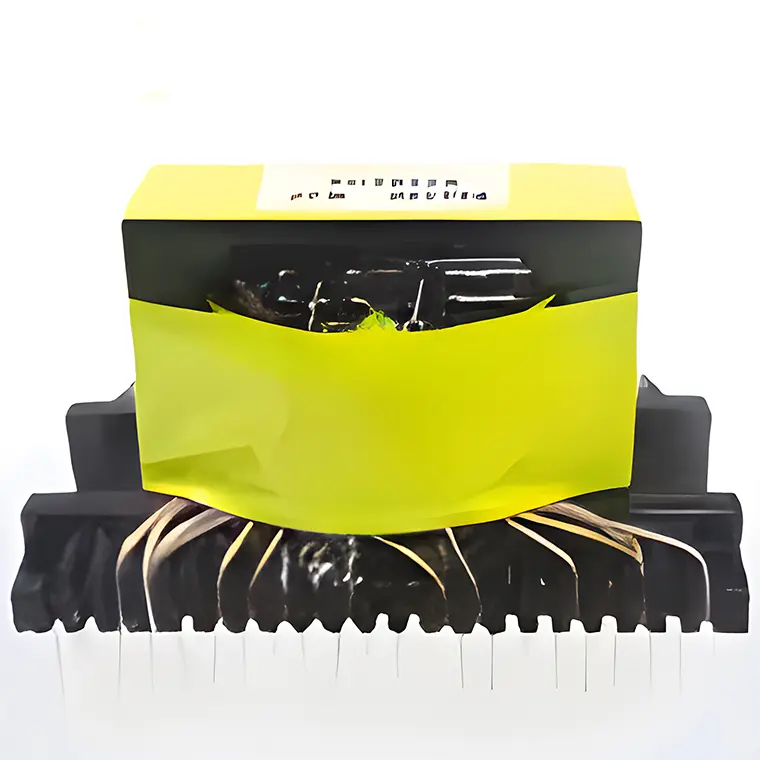 Conversion Transformers
 Sealed Transformers
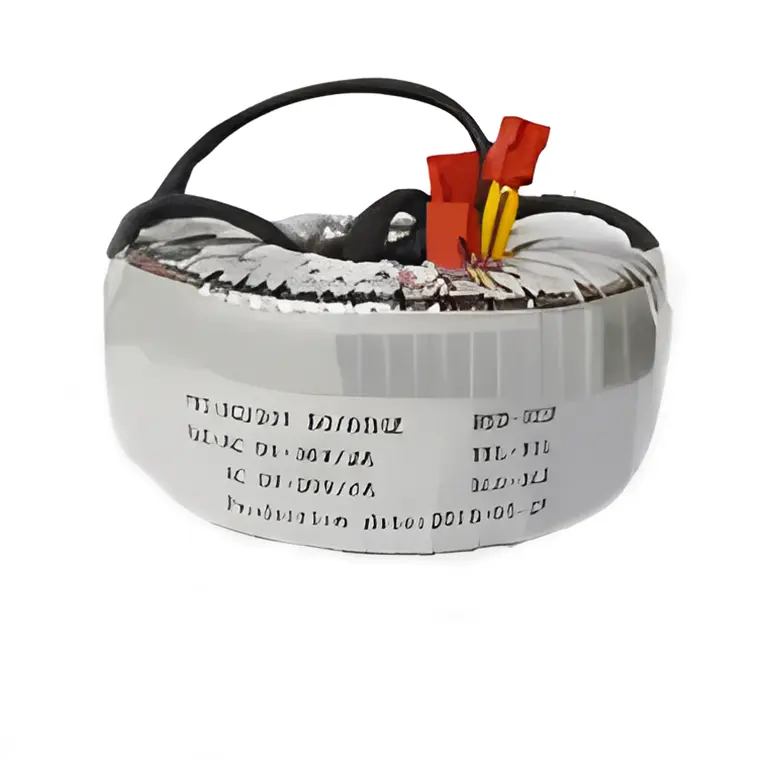 Ring Transformers
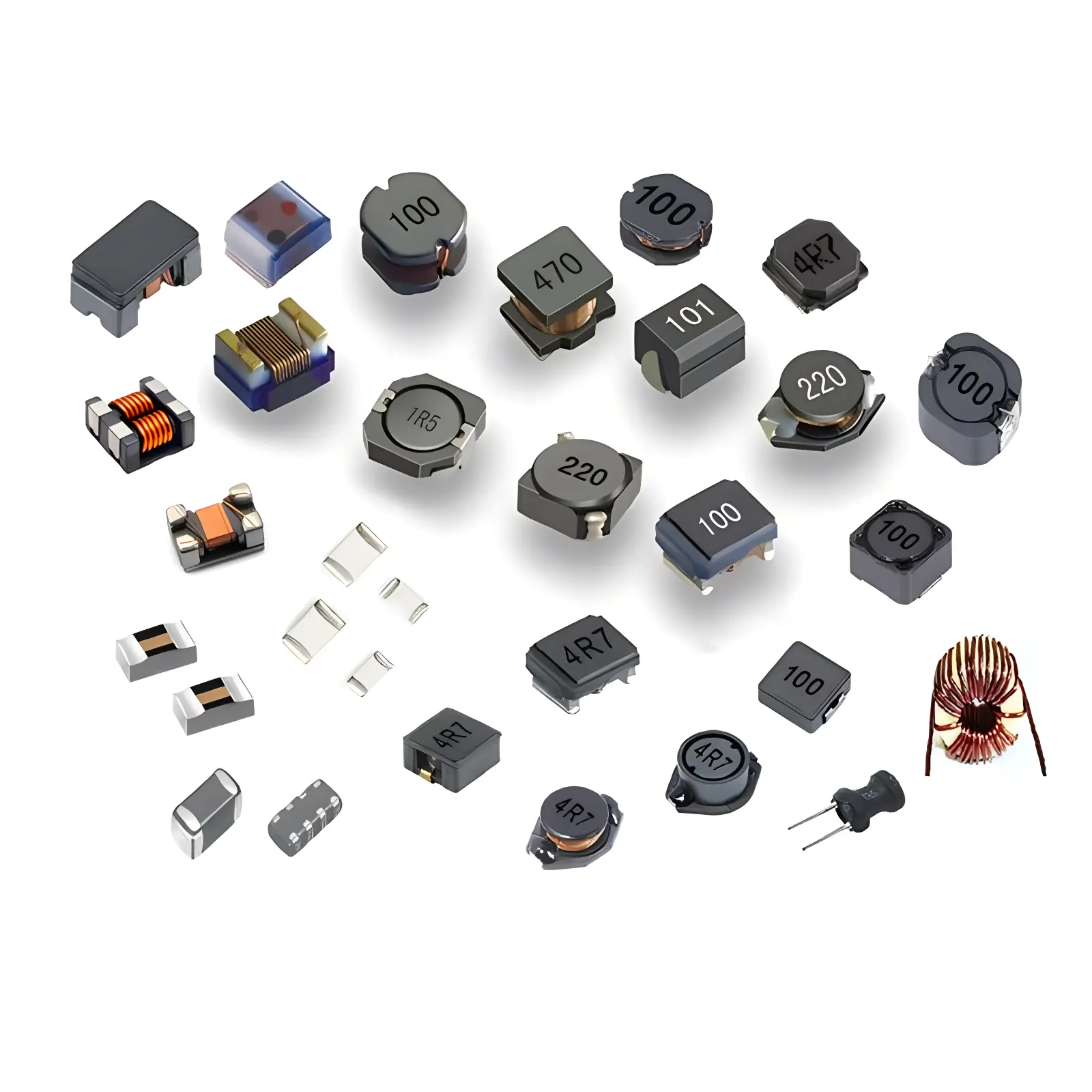 Inductors
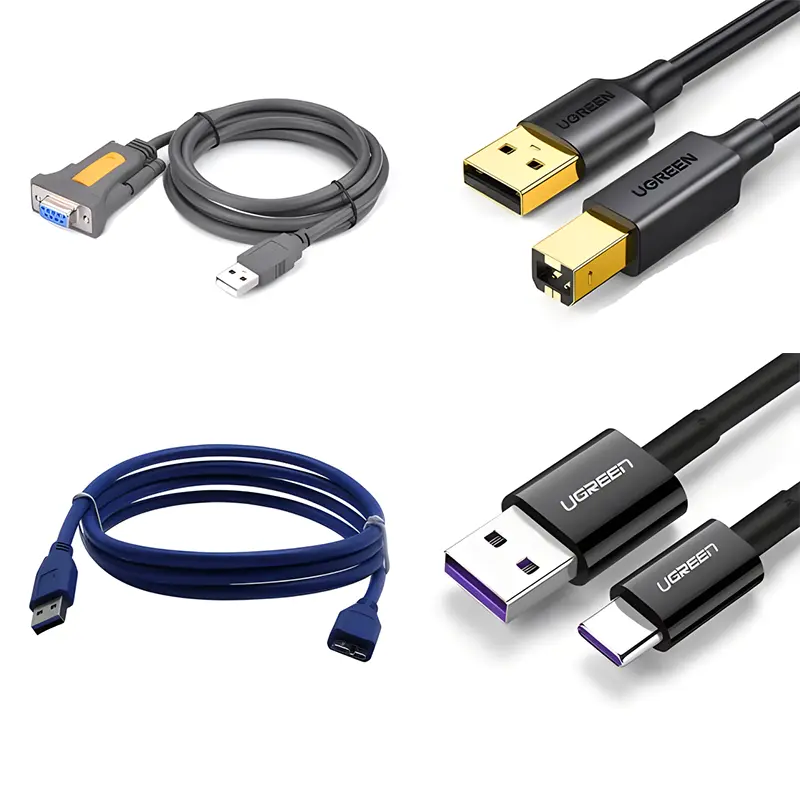 Wires,Cables Customized
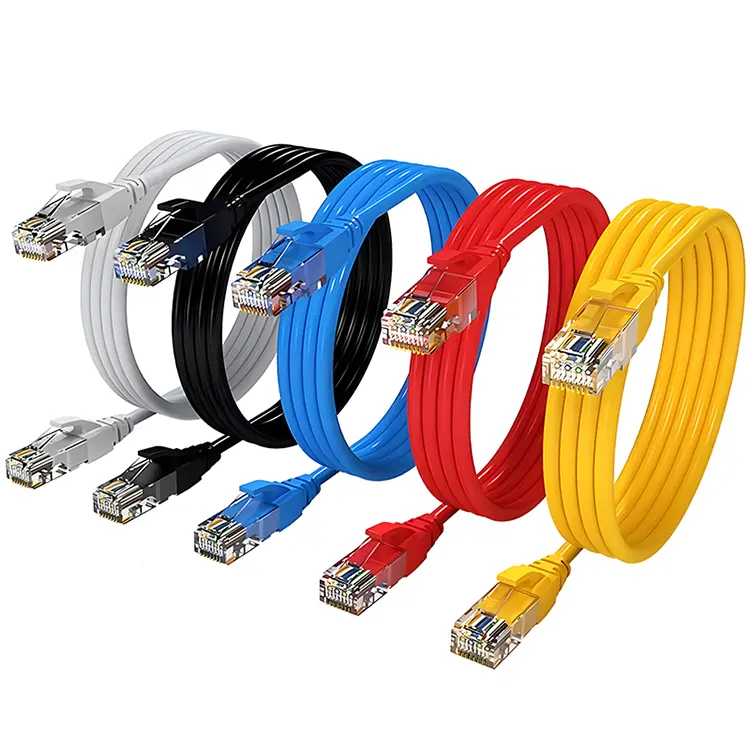 Network Cables
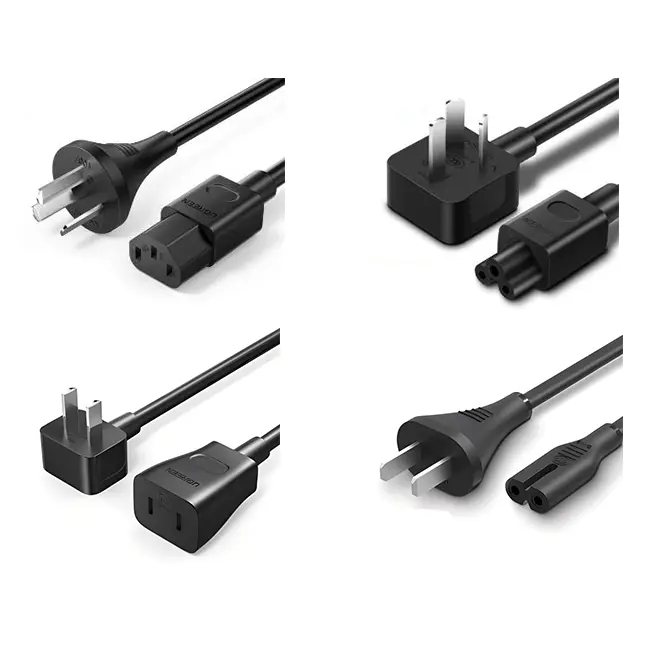 Power Cords
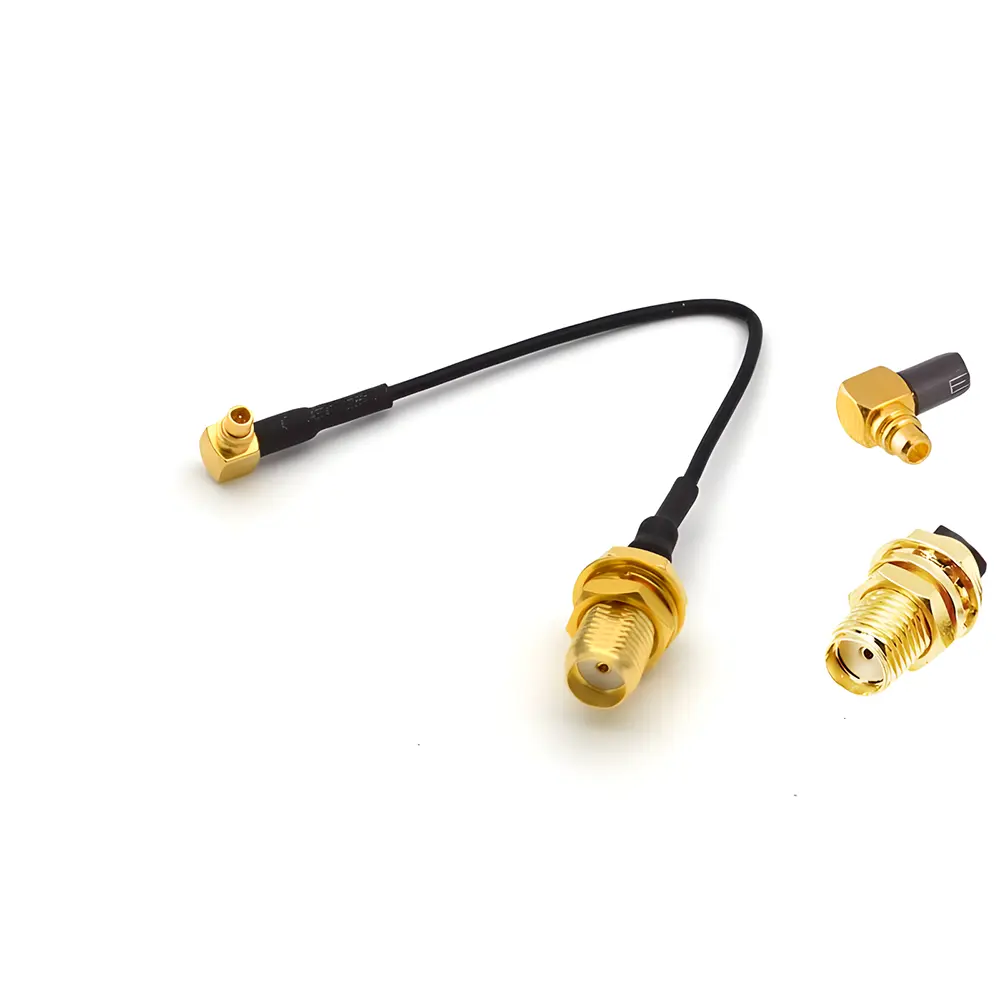 Antenna Cables
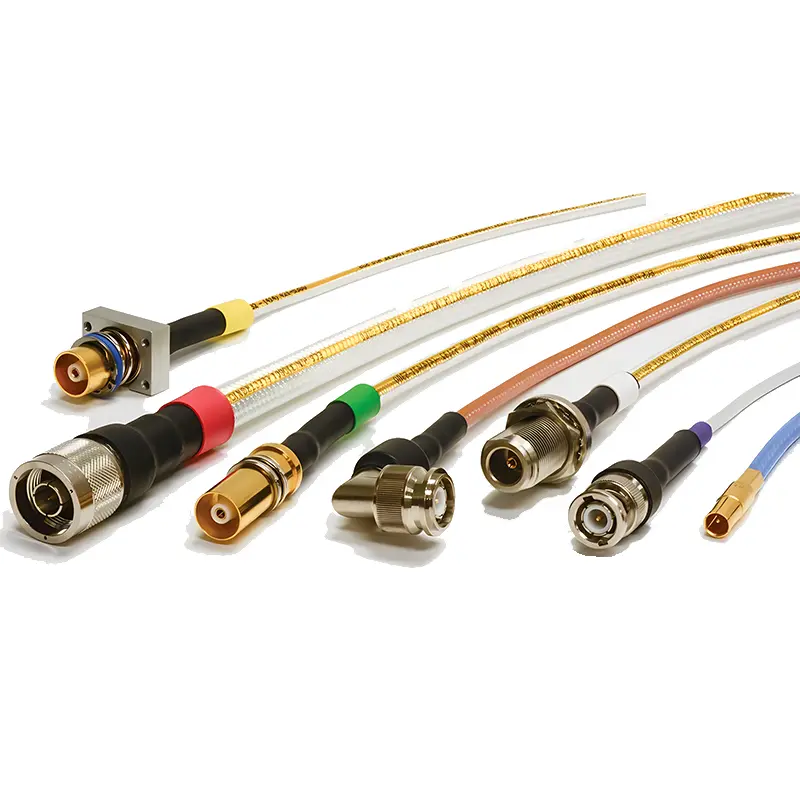 Coaxial Cables
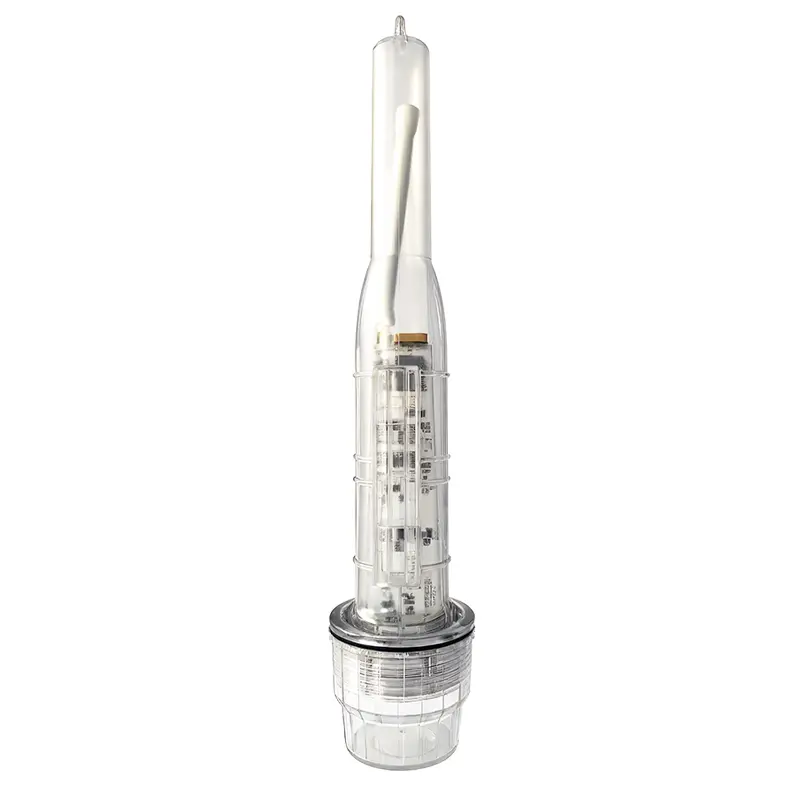 Net Position Indicator
 Solar AIS net position indicator
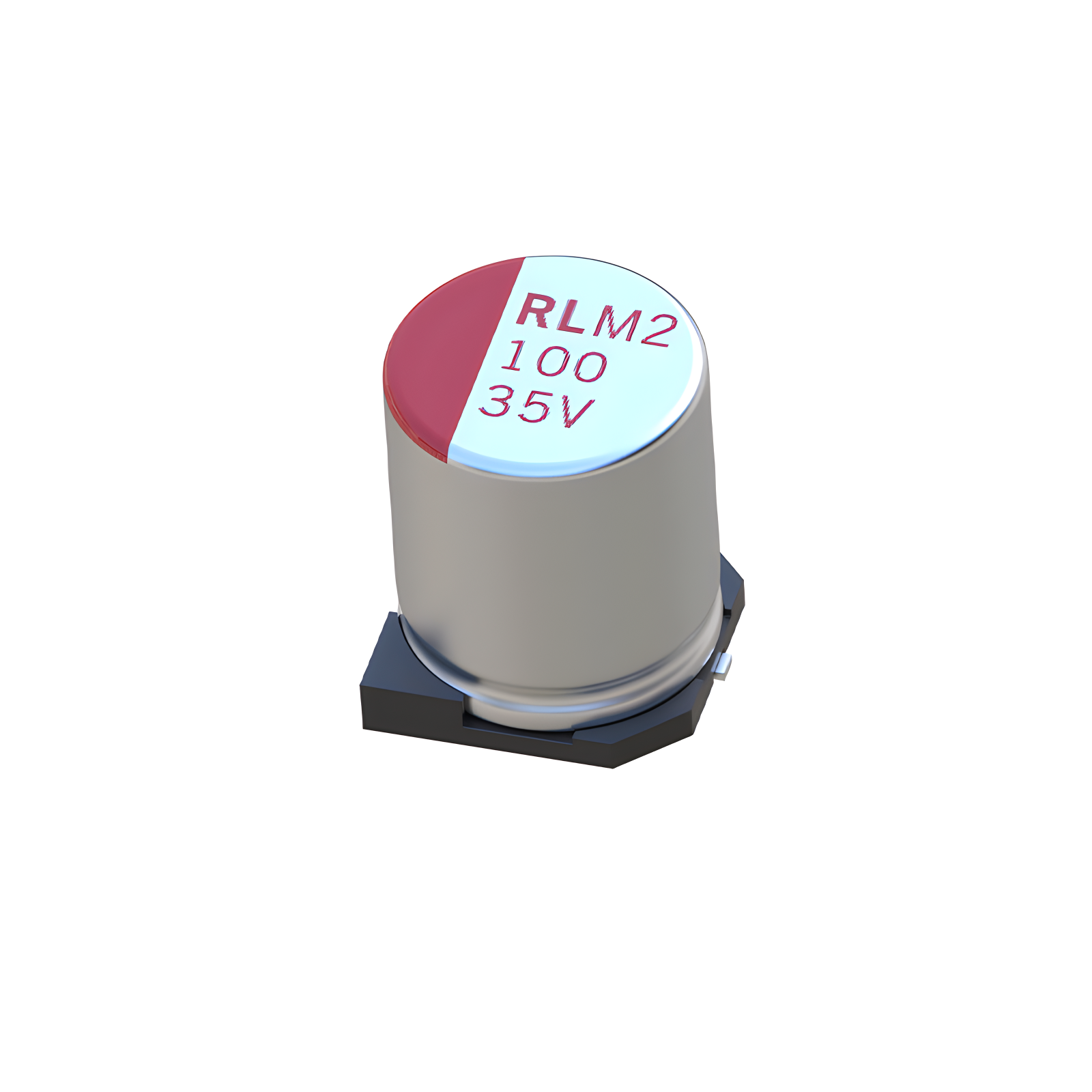 Capacitors
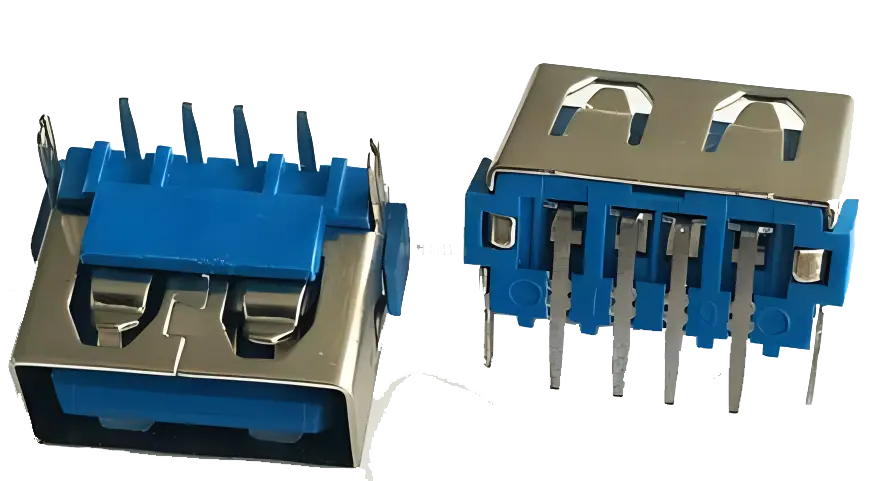 Connectors
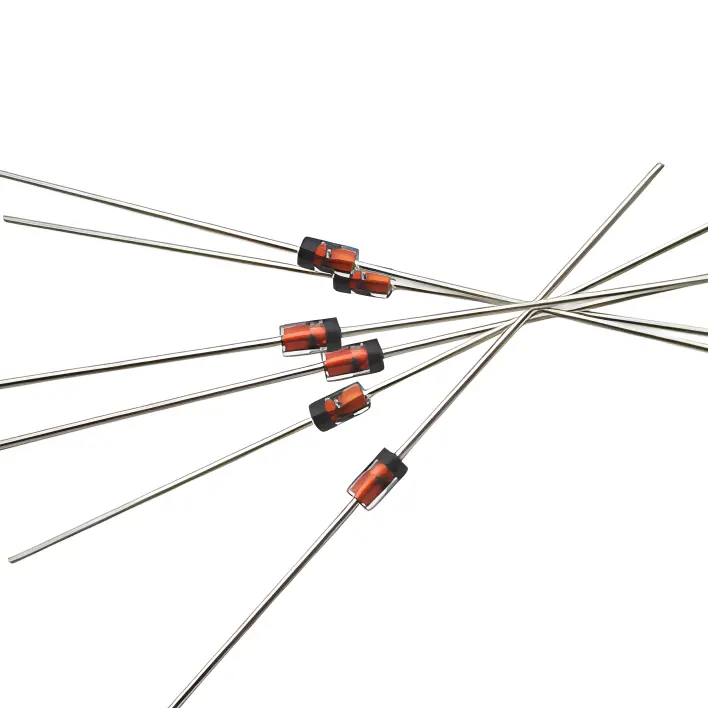 Diodes
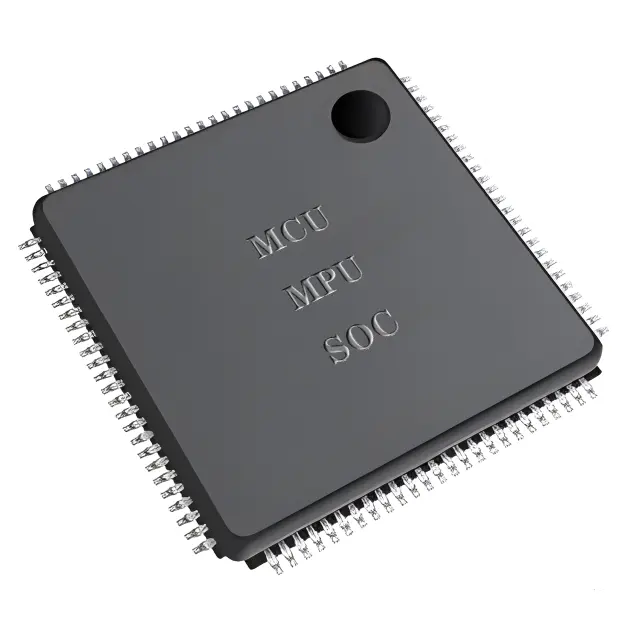 Embedded Processors & Controllers
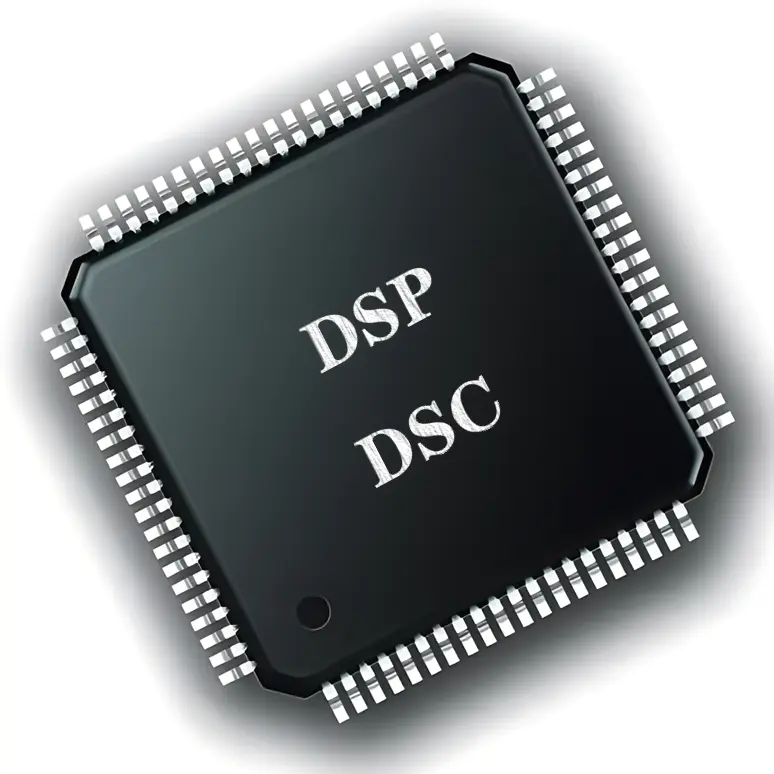 Digital Signal Processors (DSP/DSC)
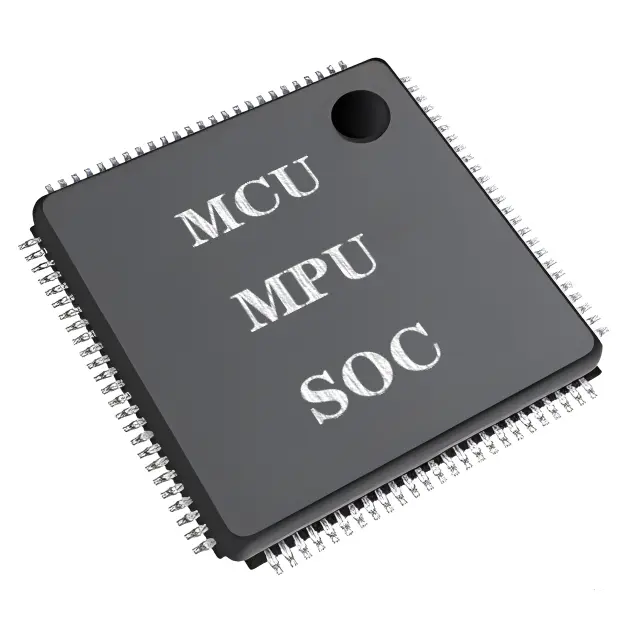 Microcontrollers (MCU/MPU/SOC)
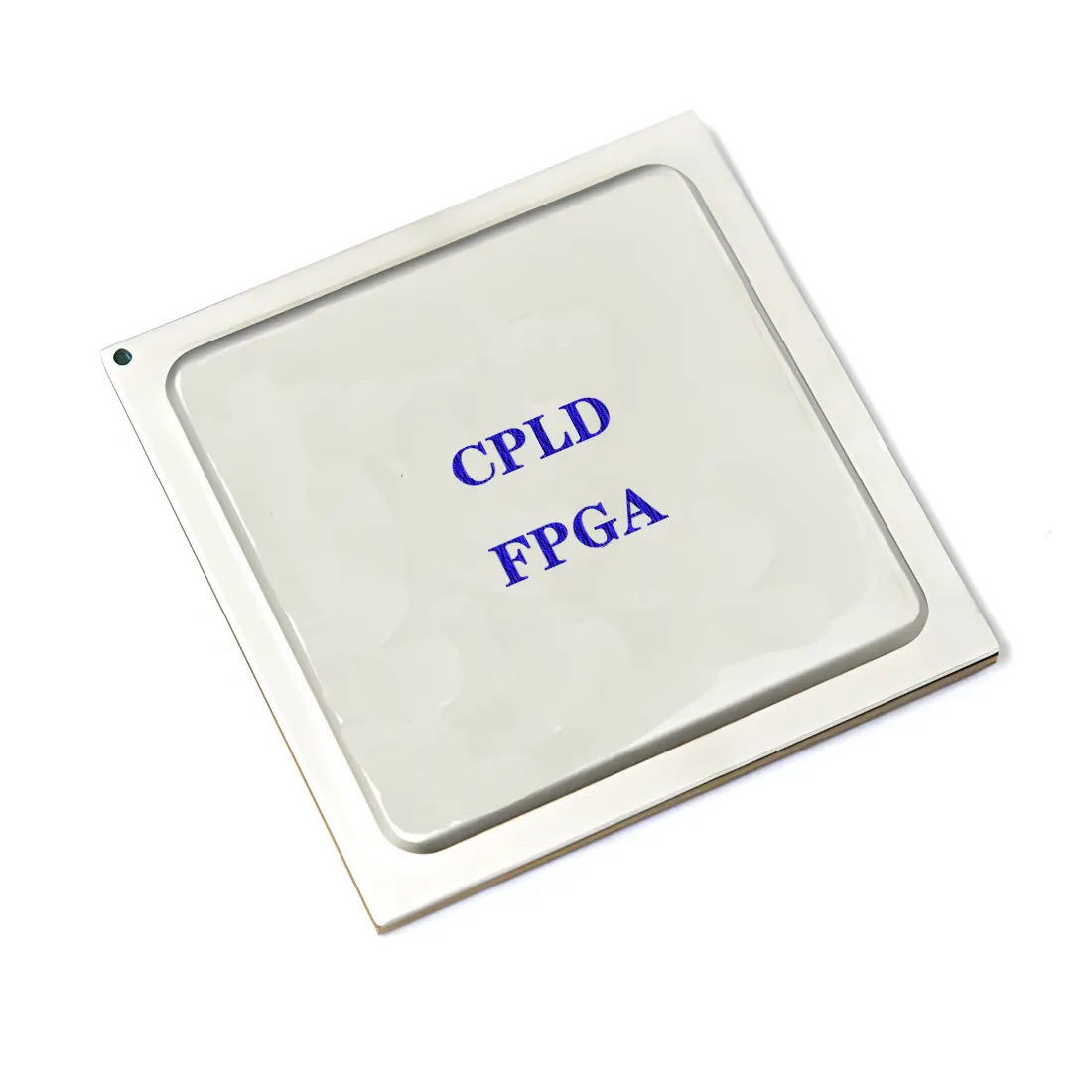 Programmable Logic Device(CPLD/FPGA)
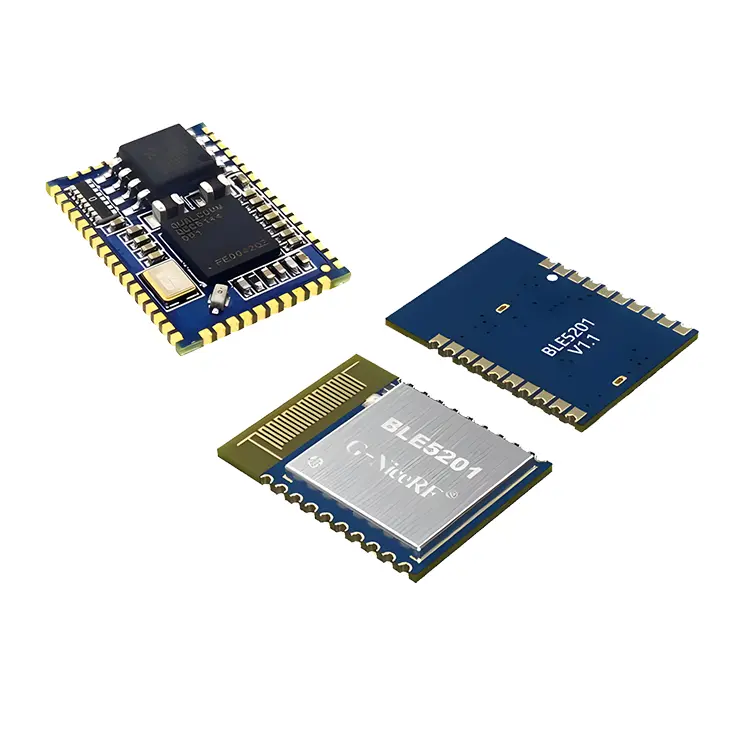 Communication Modules/IoT
 Resistors
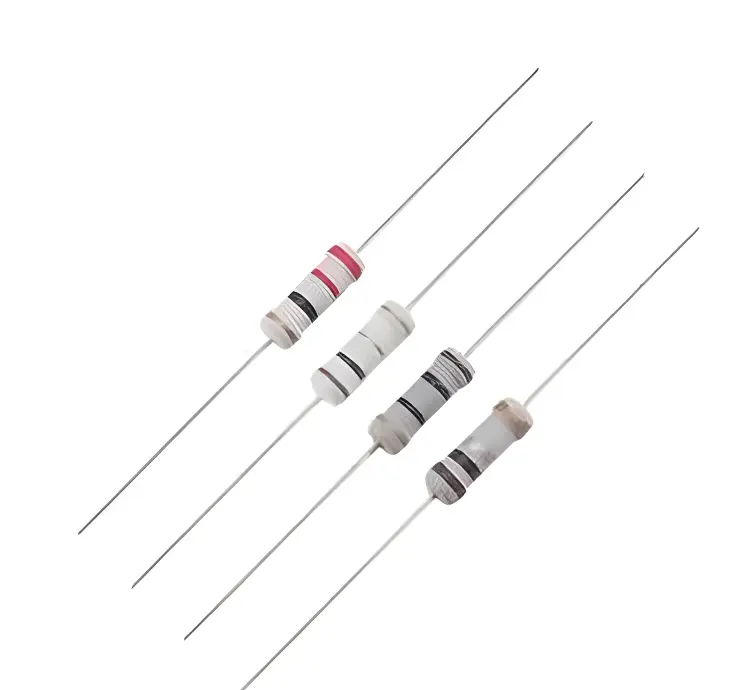 Through Hole Resistors
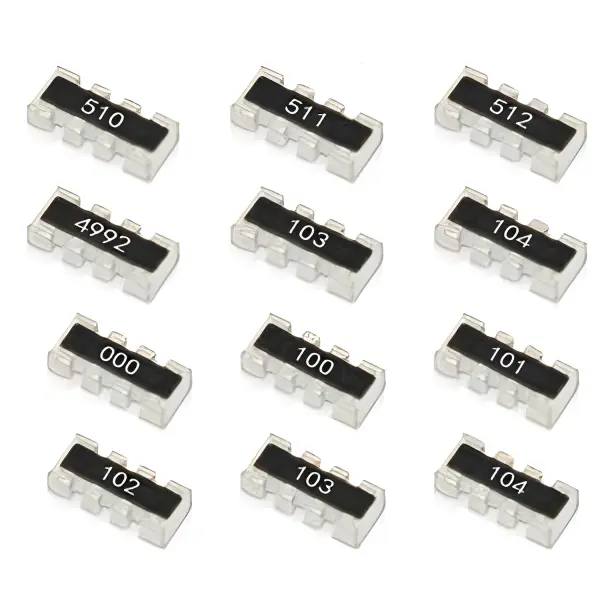 Resistor Networks, Arrays
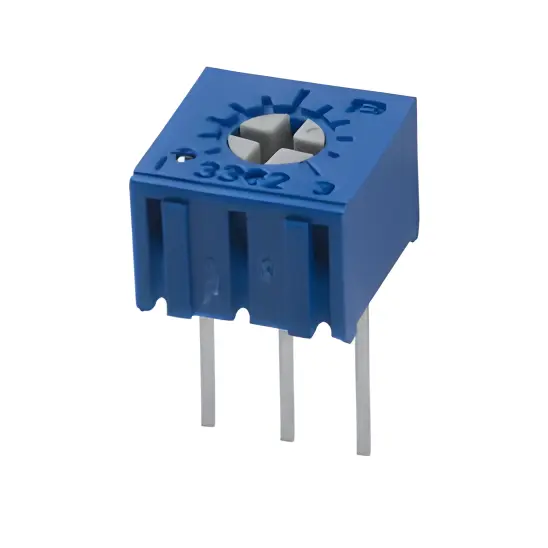 Potentiometers,Variable Resistors
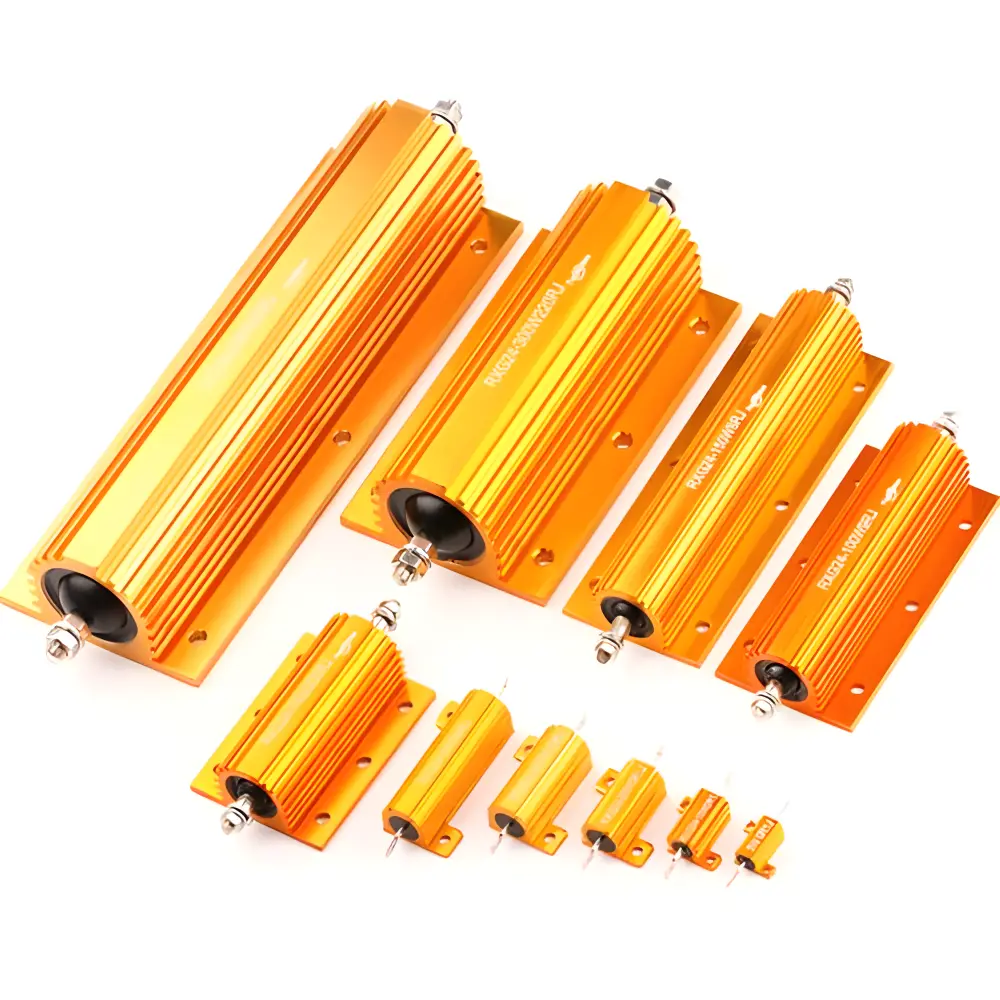 Aluminum Case,Porcelain Tube Resistance
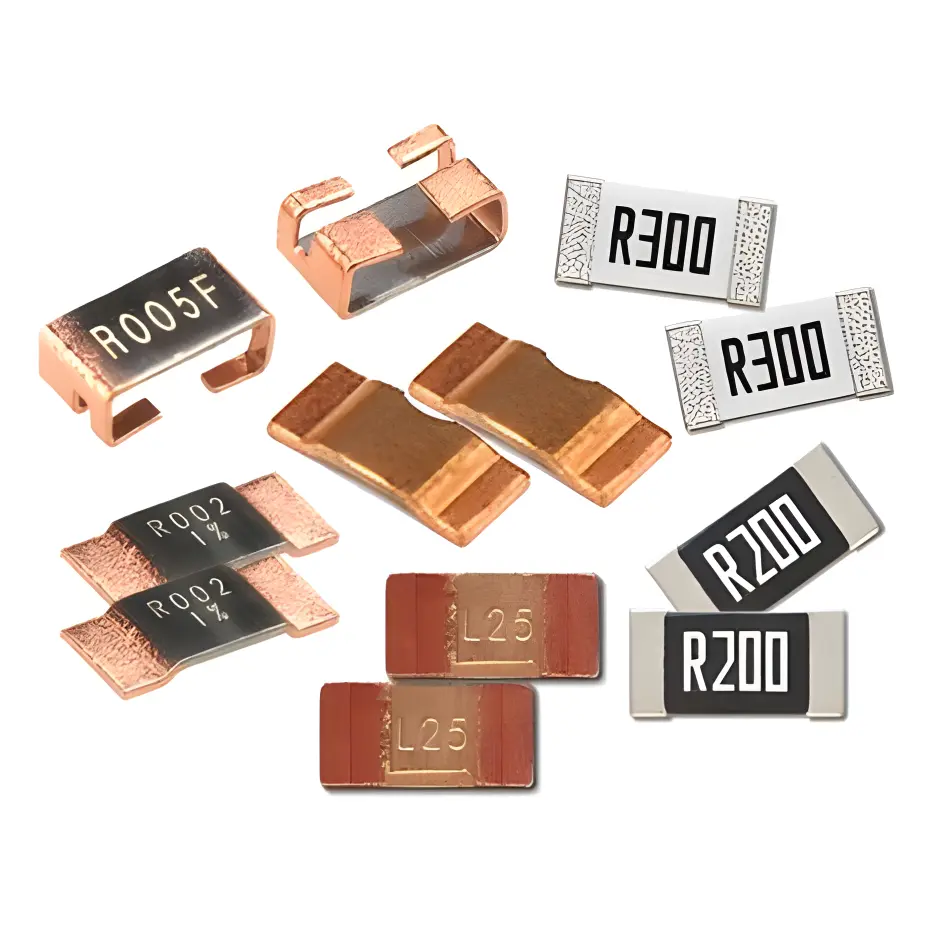 Current Sense Resistors,Shunt Resistors
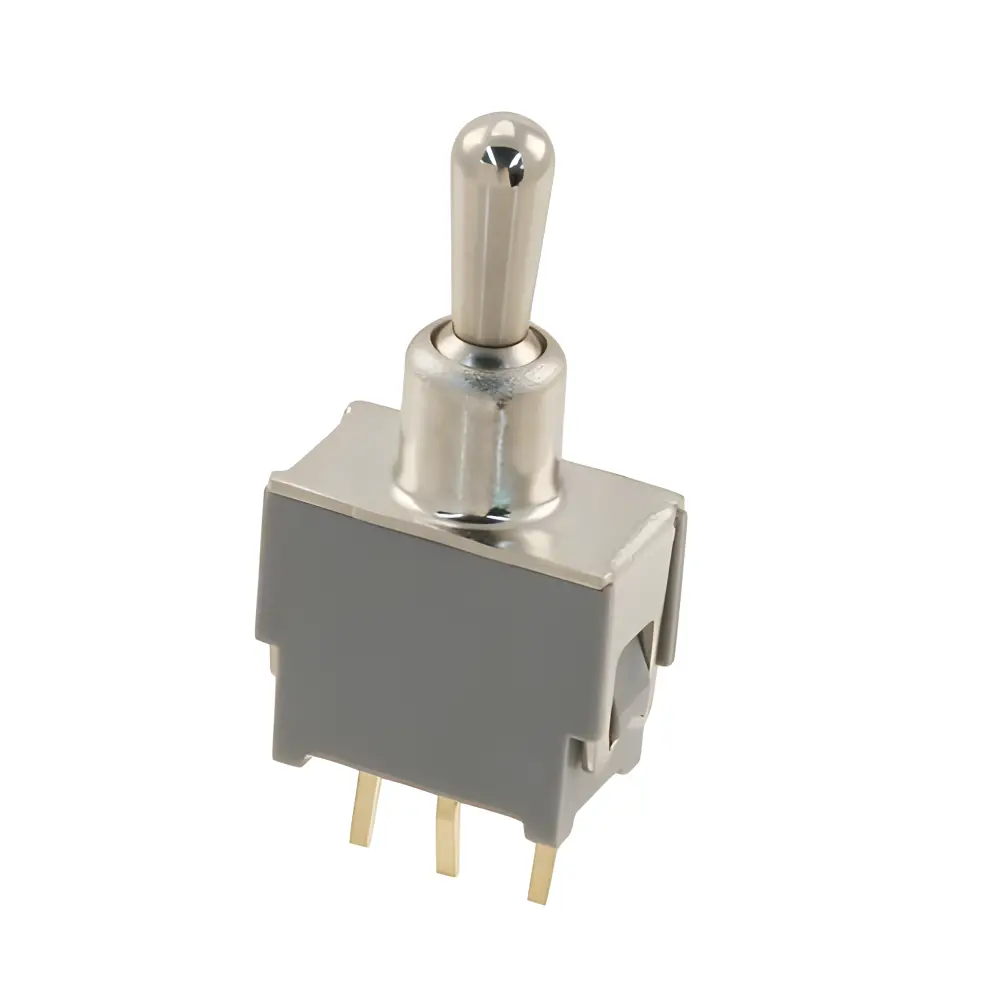 Switches
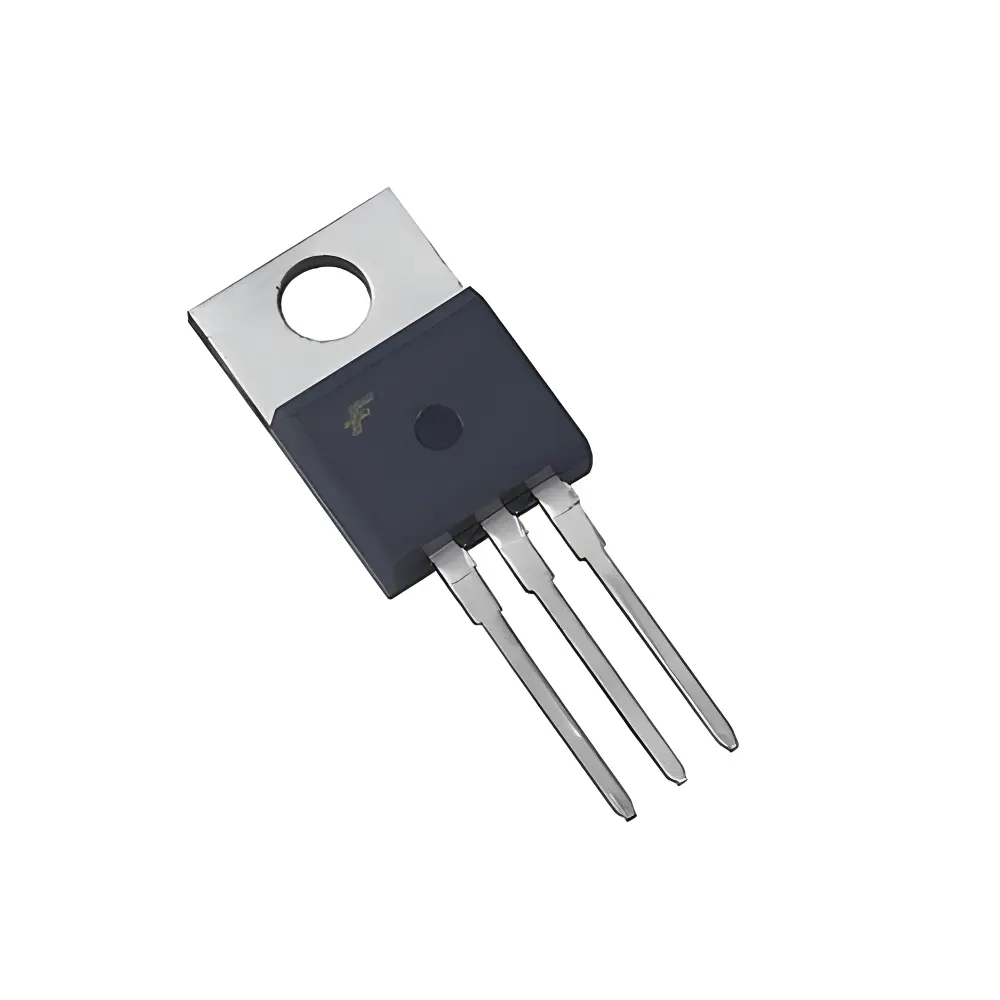 Transistors
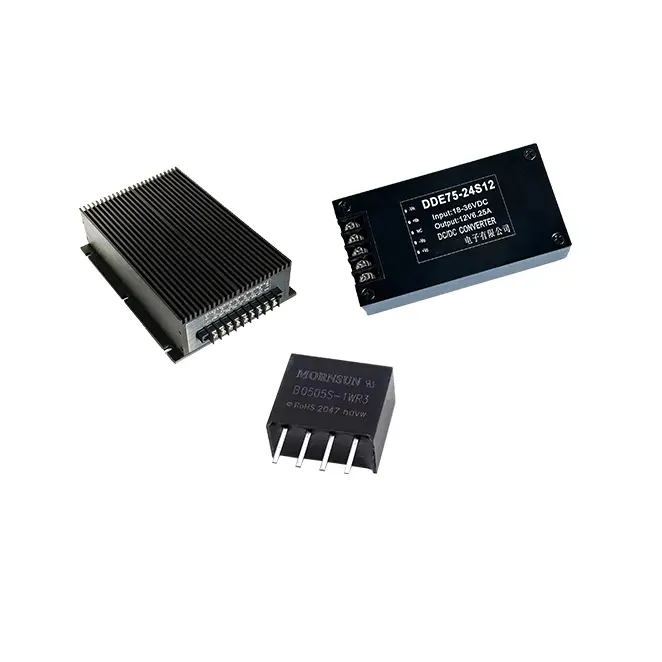 Power Modules
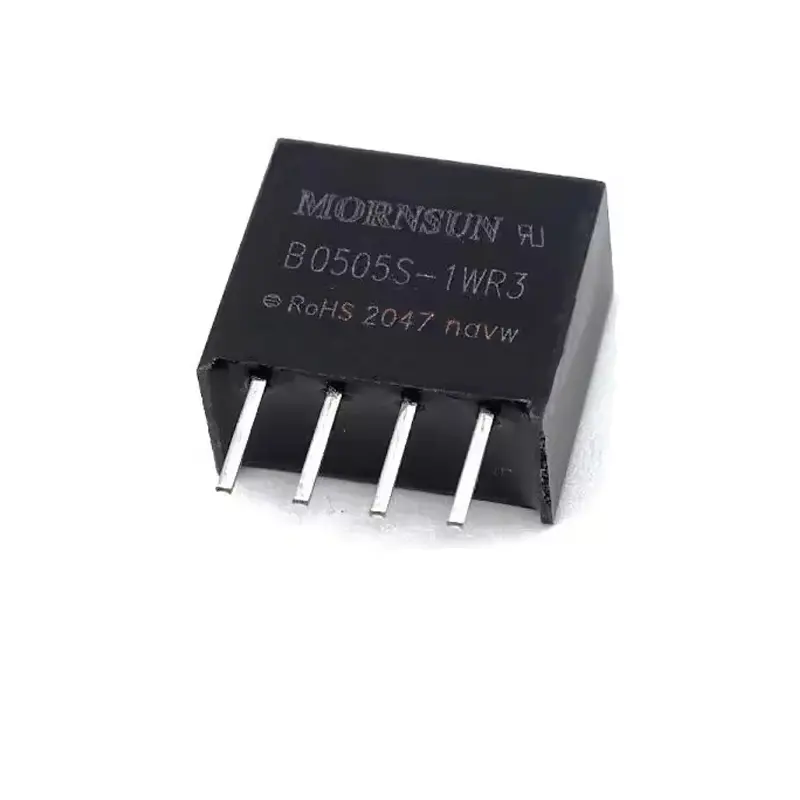 Isolated Power Modules
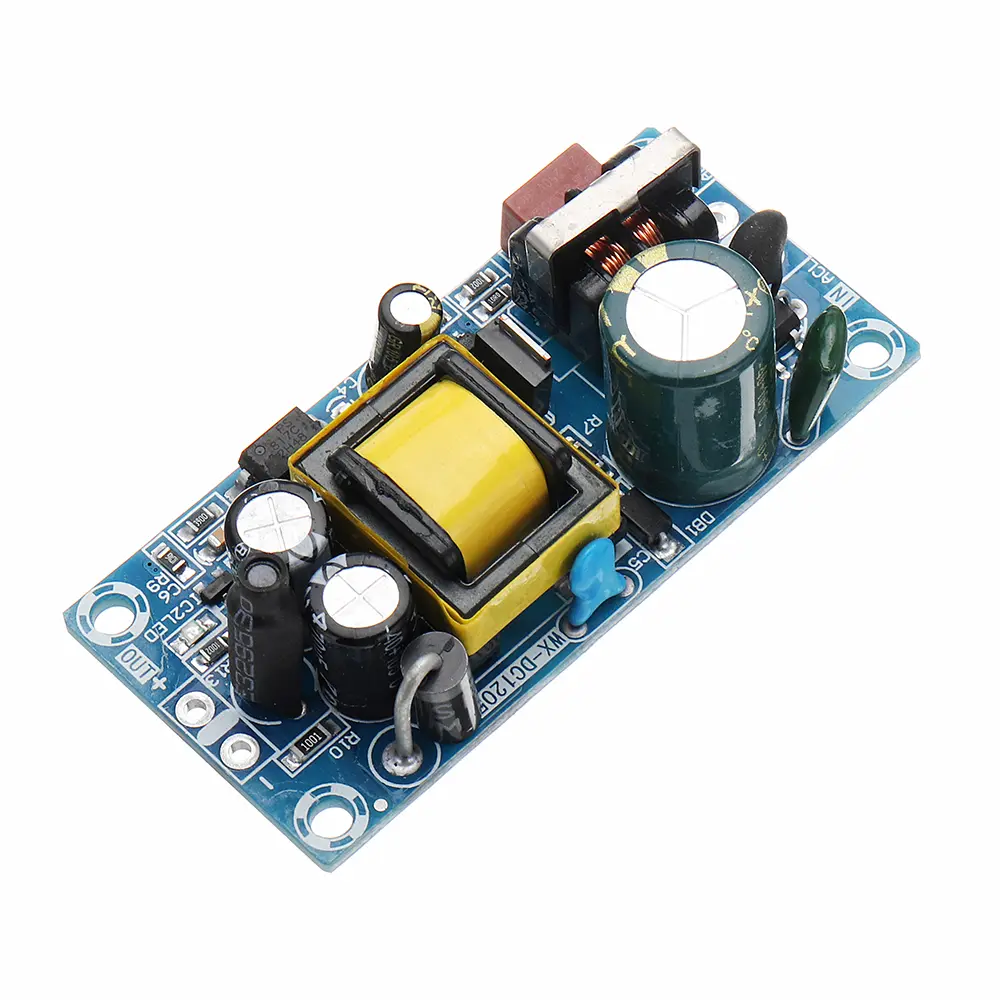 AC-DC Power Modules
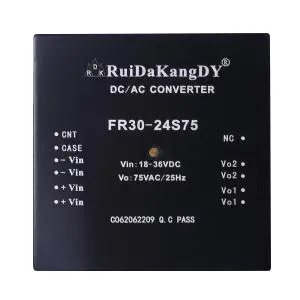 DC-AC Module(Inverter)
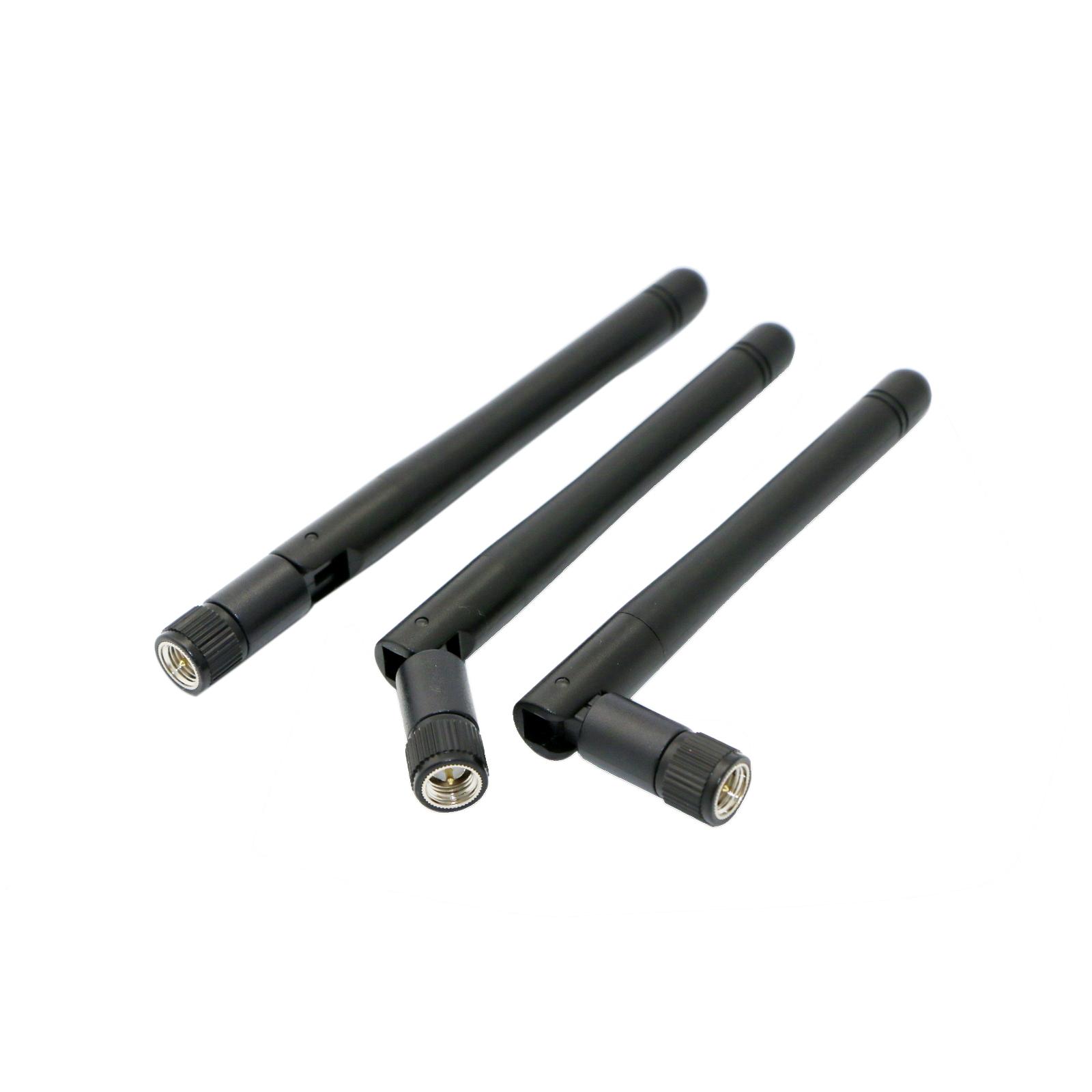 RF and Wireless
Necessity of Plasma Cleaning Before Multilayer Board Lamination
1. Background & Core Issues
In multilayer PCB manufacturing, lamination bonds inner cores, prepreg, and copper foil under heat/pressure. Contaminants (oils, oxides, dust) on suRFaces before lamination cause:
-
Weak interfacial adhesion: Leading to delamination or blistering;
-
Degraded signal integrity: Voids increase dielectrIC loss (Df) and signal reflection;
-
Reduced thermo-mechanical reliability: CTE mismatch concentrates stress, accelerating fatigue failure.
2. Mechanisms of Plasma Cleaning
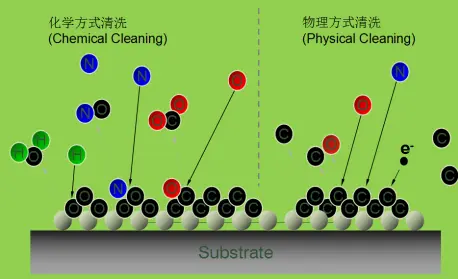
Plasma cleaning uses ionized gas (O₂, N₂, Ar) to generate reactive species (electrons, ions, radicals) for:
-
Physical cleaning:
-
Removes nanoparticles (<100 nm) and adsorbed contaminants via ion bombardment;
-
Etches surface to increase roughness (Ra=0.5–2 μm).
-
-
Chemical modification:
-
Oxidizes organics (e.g., O₂ plasma decomposes oils into CO₂/H₂O);
-
Introduces polar groups (-OH, -COOH), rAISing surface energy (20–30→50–70 mN/m).
-
-
Surface activation:
-
Enhances resin wettability for better prepreg flow.
-
3. Necessity Analysis
(1) Enhanced Interfacial Bonding
-
Data: Peel strength increases from 0.5 kN/m to 1.2–1.5 kN/m (IPC-TM-650 2.4.8);
-
Failure reduction: Delamination risk drops by 80% (SEM cross-section analysis).
(2) Improved Dielectric Performance
-
Void control: Post-cleaning void area <0.1% (X-ray) vs. 0.5–1% with traditional methods;
-
Signal loss reduction: Insertion loss decreases by 0.2–0.3 dB/cm @10 GHz.
(3) Process Stability
-
Uniformity: Covers complex structures (blind vias, fine traces);
-
Eco-compliance: Replaces harsh chemicals (H₂SO₄/H₂O₂), reducing VOC/effluent.
4. Key Process Parameters
-
Gas selection:
-
O₂: Efficient organic removal but may over-oxidize copper;
-
Ar/N₂ mix: Physical etching for sensitive materials;
-
H₂: Reduces minor oxides.
-
-
Power & time:
-
RF power: 300–1000 W (chamber-dependent);
-
Duration: 30–180 sec (balance between cleaning and damage).
-
-
Vacuum level:
-
Base pressure <10⁻² mbar; operating pressure 0.1–1 mbar.
-
5. Cost-Benefit & Industry Validation
-
Cost comparison:
Method CapEx OpEx Efficiency Plasma cleaning High Medium High Chemical cleaning Low High Medium Ultrasonic Medium Medium Low -
Standards:
-
IPC-6012 requires interfacial strength ≥0.8 kN/m;
-
Automotive (AEC-Q200) and aerospace (NASA-STD-8739) mandate surface pretreatment.
-
6. Challenges & Solutions
-
Challenge 1: Copper over-oxidation:
-
Solution: Ar/H₂ mix (4:1) suppresses oxidation;
-
-
Challenge 2: Large-panel uniformity:
-
Solution: Multi-electrode arrays or conveyorized systems;
-
-
Challenge 3: Static charge:
-
Solution: Ionizers neutralize charges to prevent dust adhesion.
-