
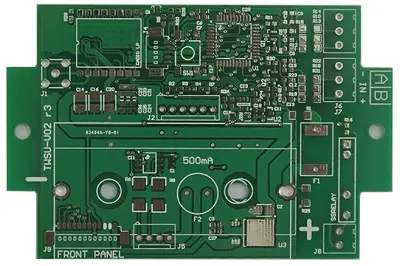
 PCB
PCB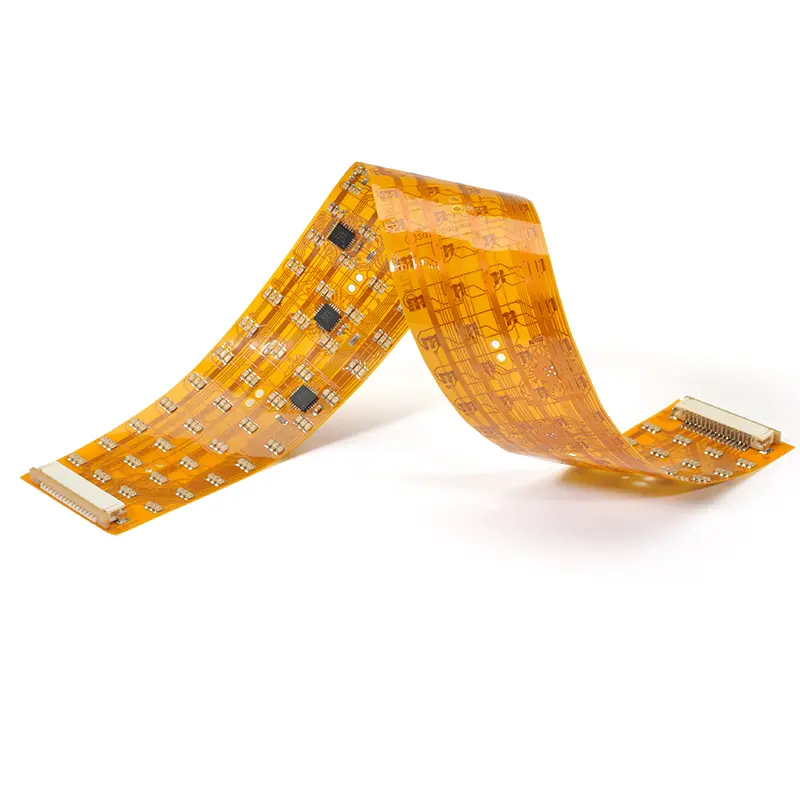 FPC
FPC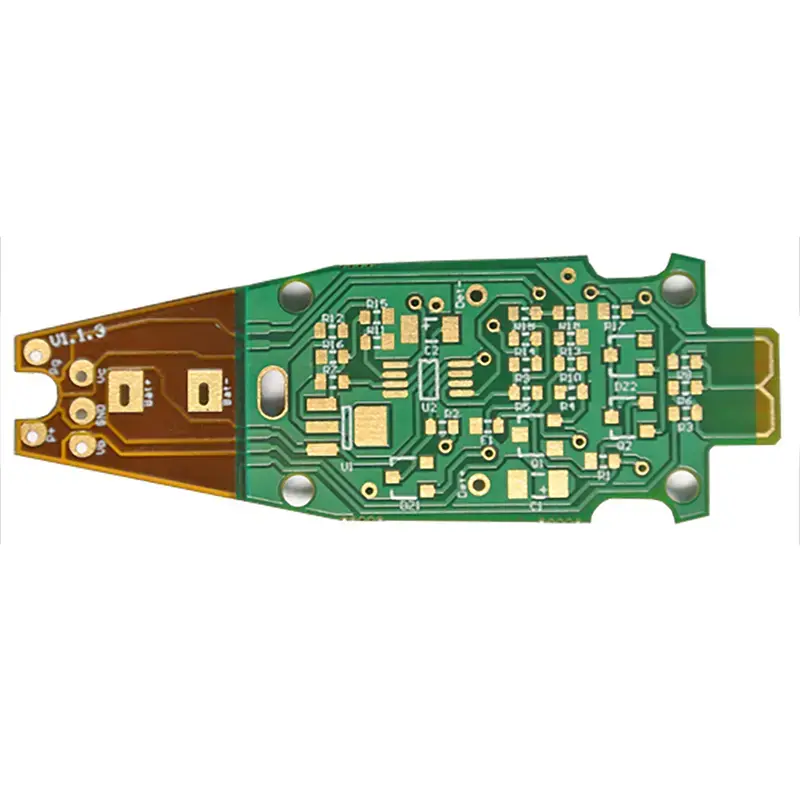 Rigid-Flex
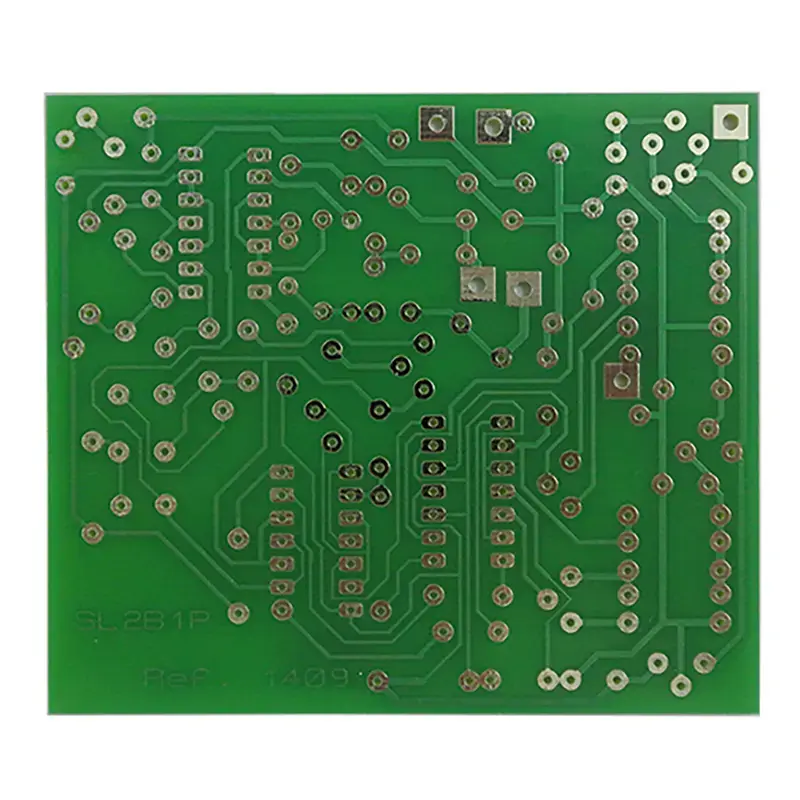 FR-4
FR-4 HDI PCB
 Rogers High-Frequency Board
 PTFE Teflon High-Frequency Board
 Aluminum
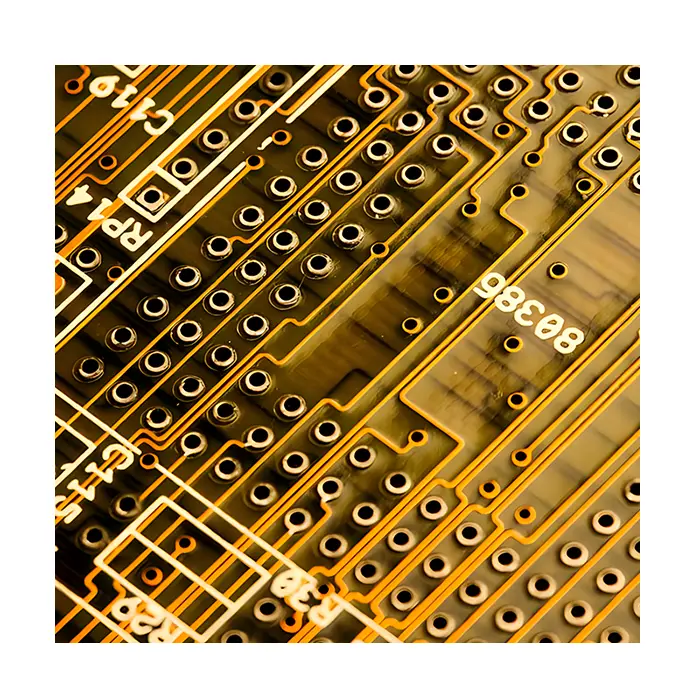 Copper Core
 PCB Assembly
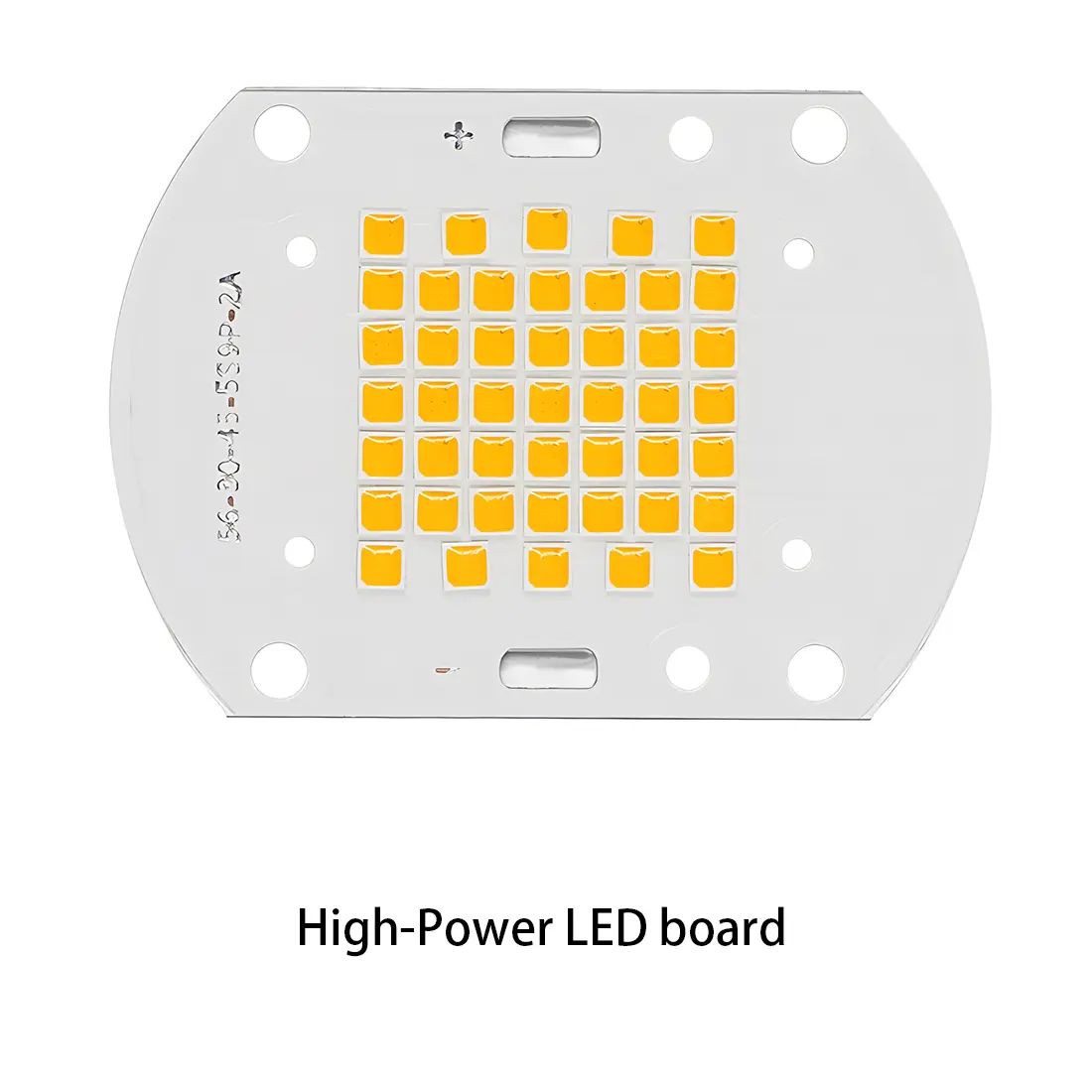 LED light PCBA
 Memory PCBA
 Power Supply PCBA
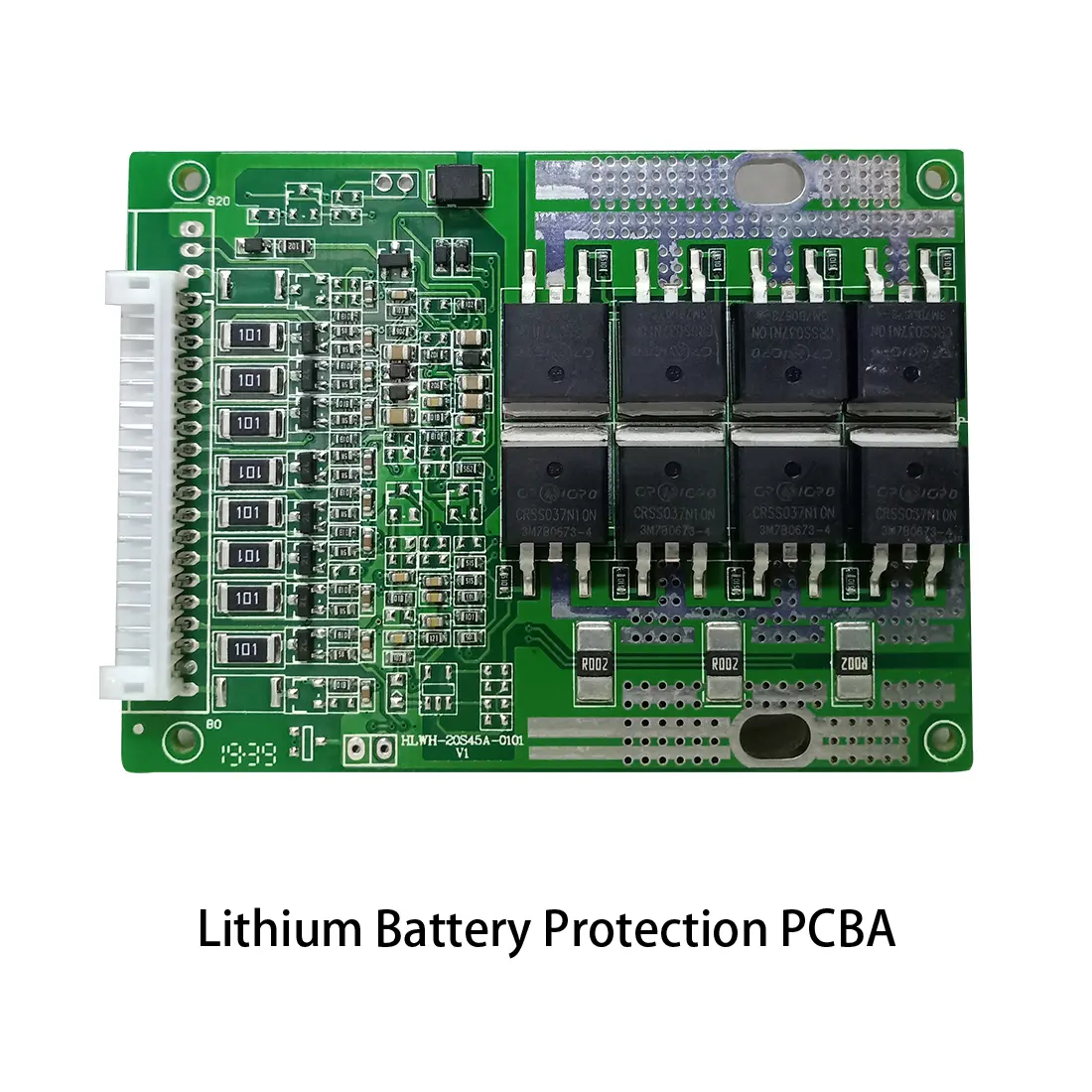 New Energey PCBA
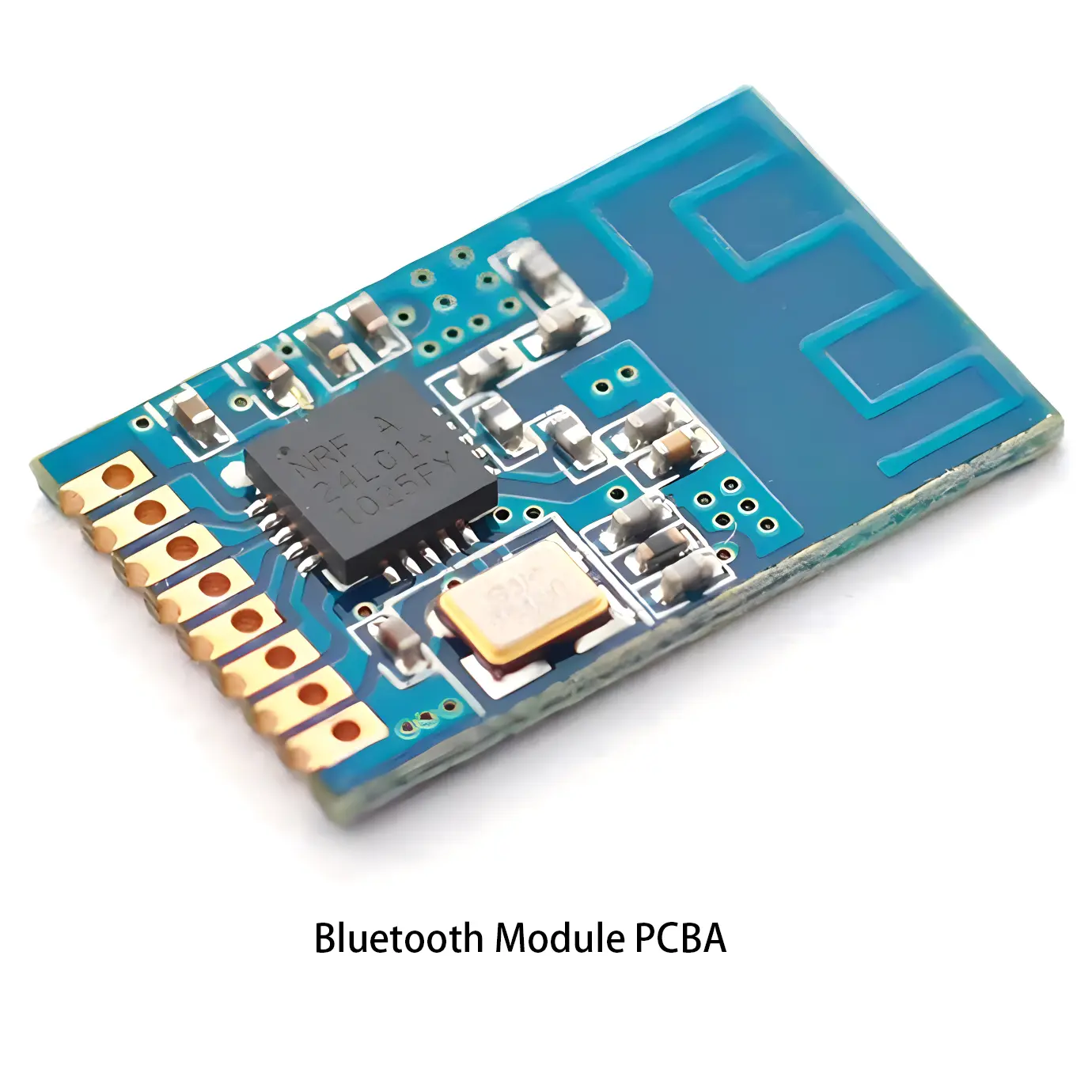 Communication PCBA
 Industrial Control PCBA
 Medical Equipment PCBA
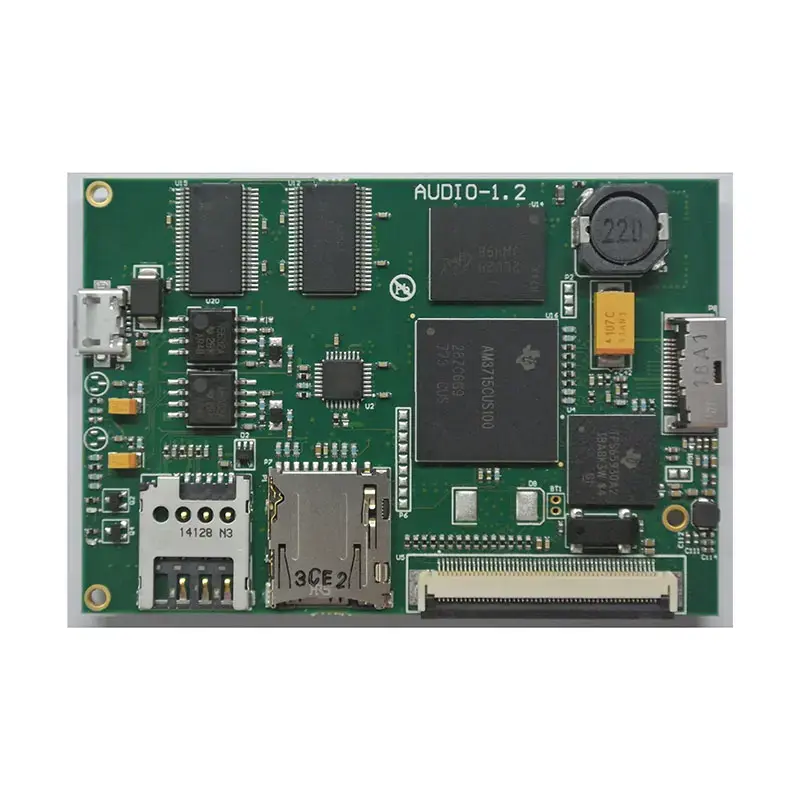 Testing Service
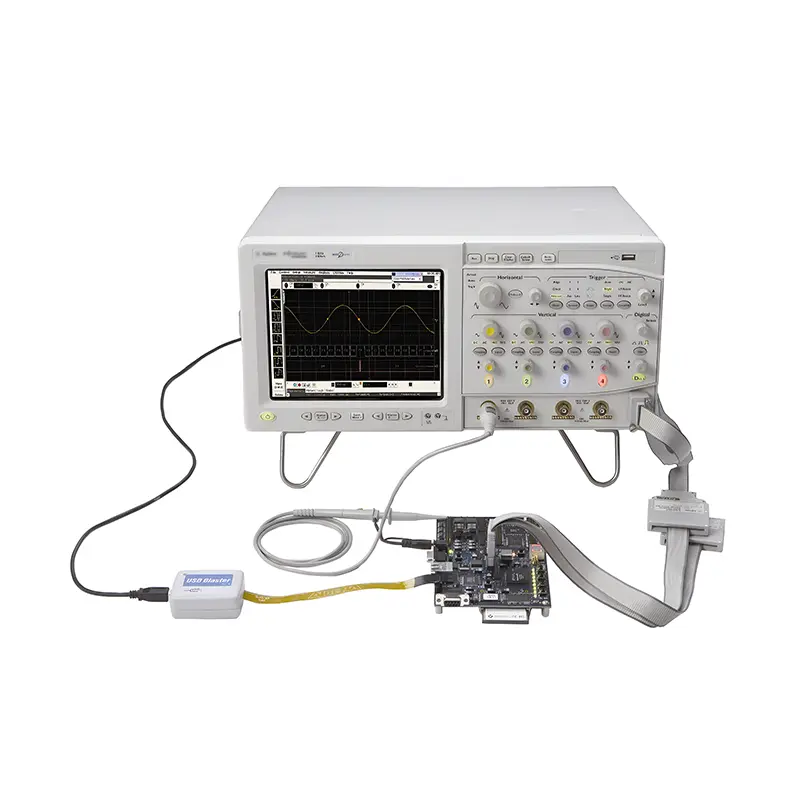 PCBA Testing Service
 Certification Application
 RoHS Certification Application
 REACH Certification Application
 CE Certification Application
 FCC Certification Application
 CQC Certification Application
 UL Certification Application
 Transformers, Inductors
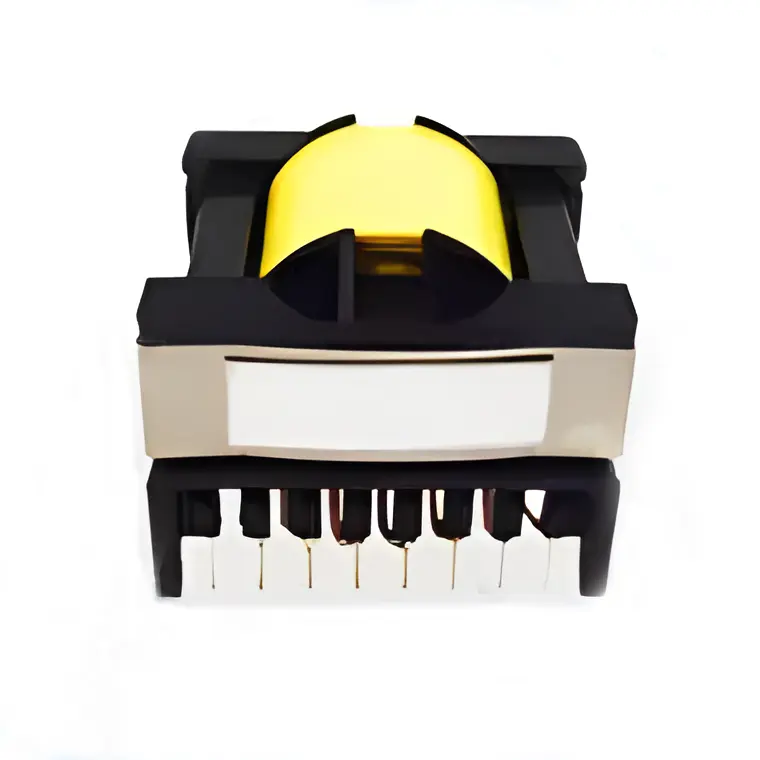 High Frequency Transformers
 Low Frequency Transformers
 High Power Transformers
 Conversion Transformers
 Sealed Transformers
 Ring Transformers
 Inductors
 Wires,Cables Customized
 Network Cables
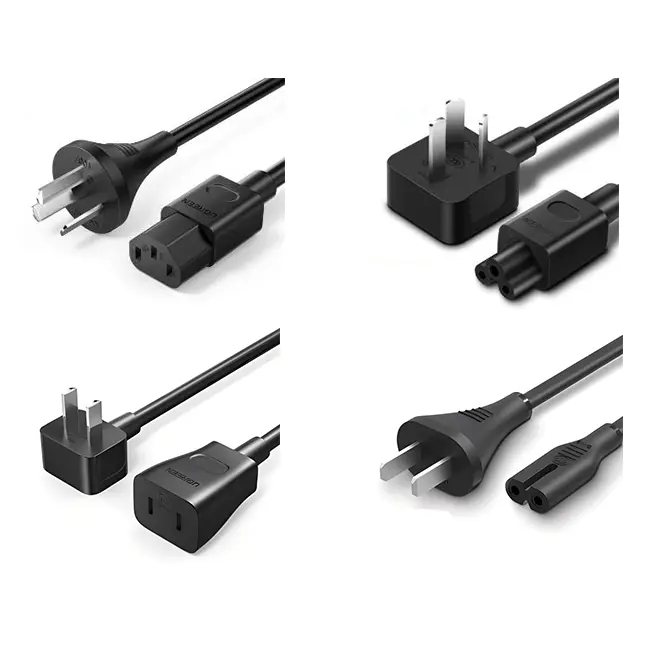 Power Cords
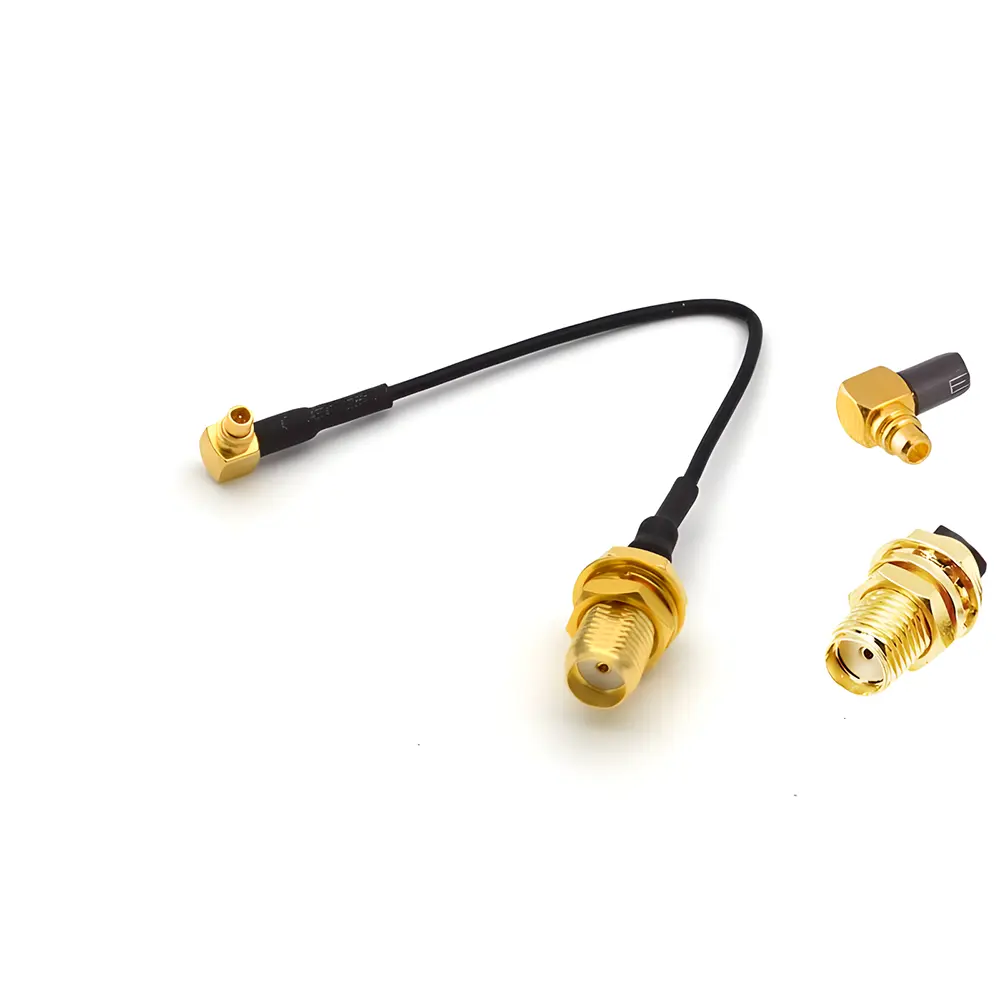 Antenna Cables
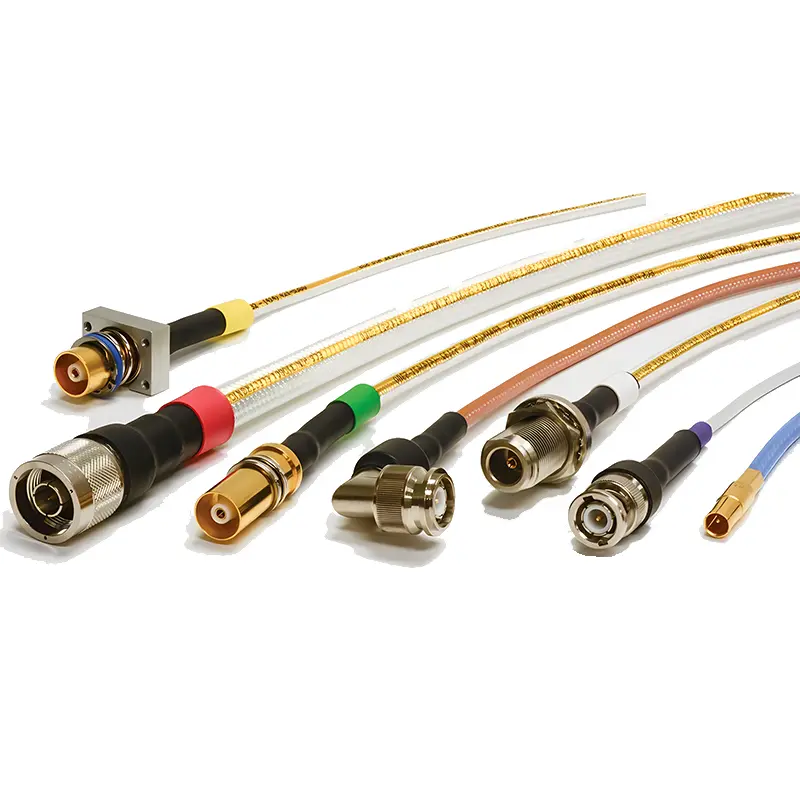 Coaxial Cables
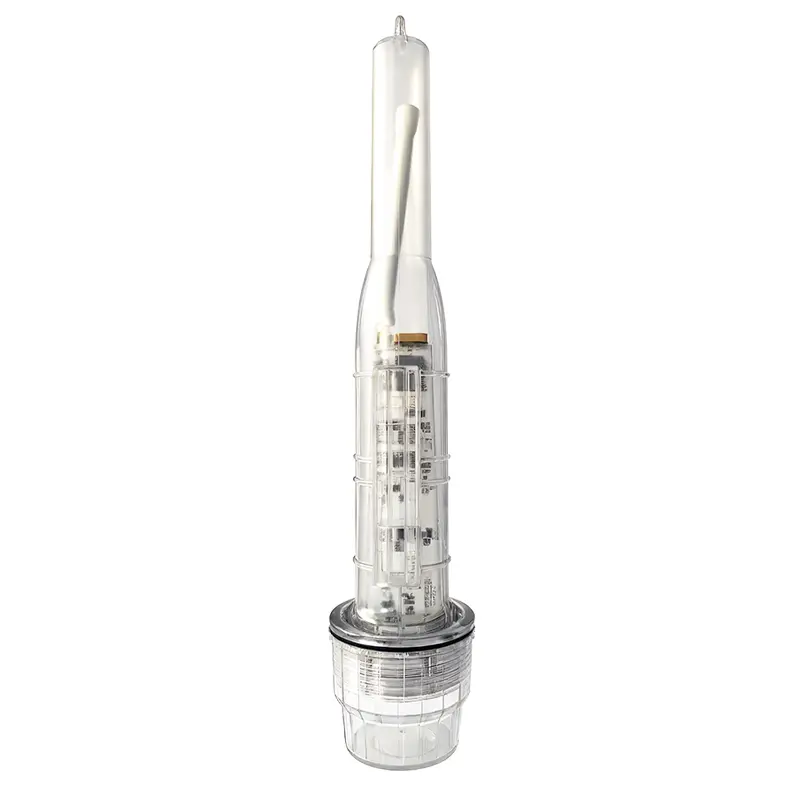 Net Position Indicator
 Solar AIS net position indicator
 Capacitors
 Connectors
 Diodes
 Embedded Processors & Controllers
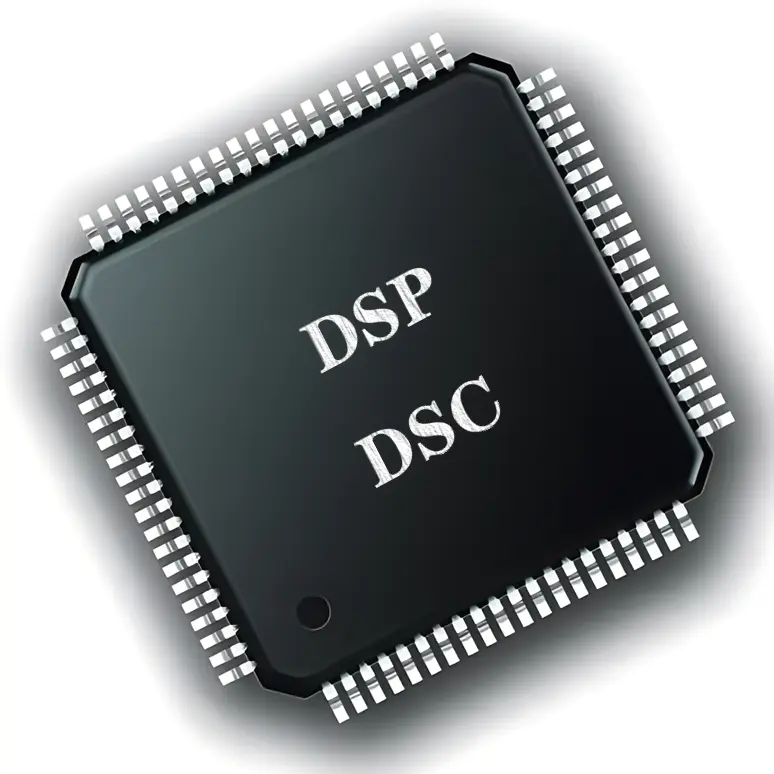 Digital Signal Processors (DSP/DSC)
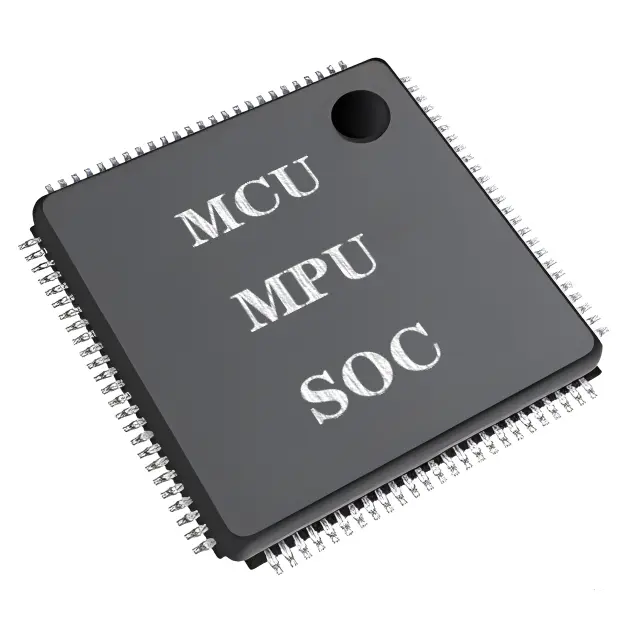 Microcontrollers (MCU/MPU/SOC)
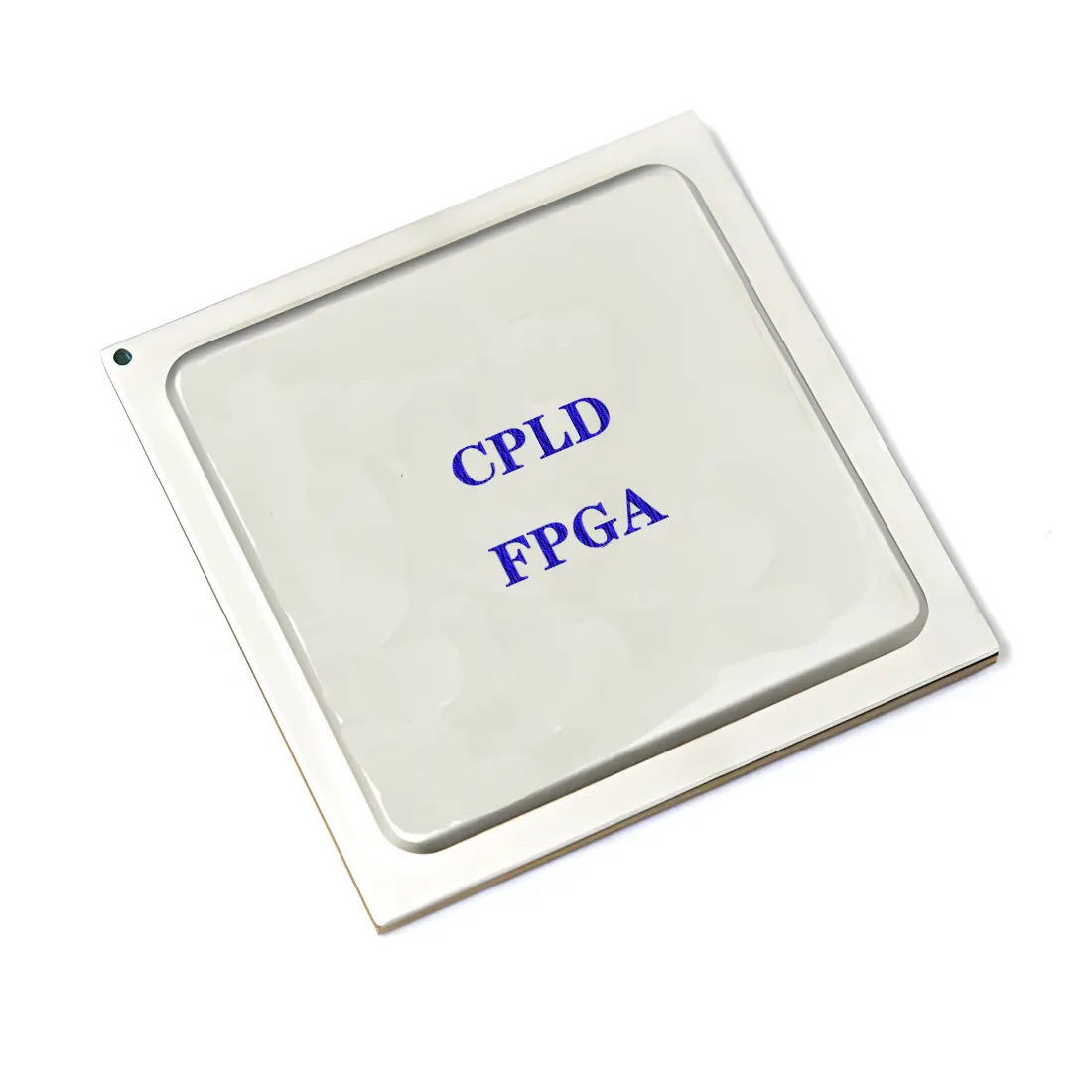 Programmable Logic Device(CPLD/FPGA)
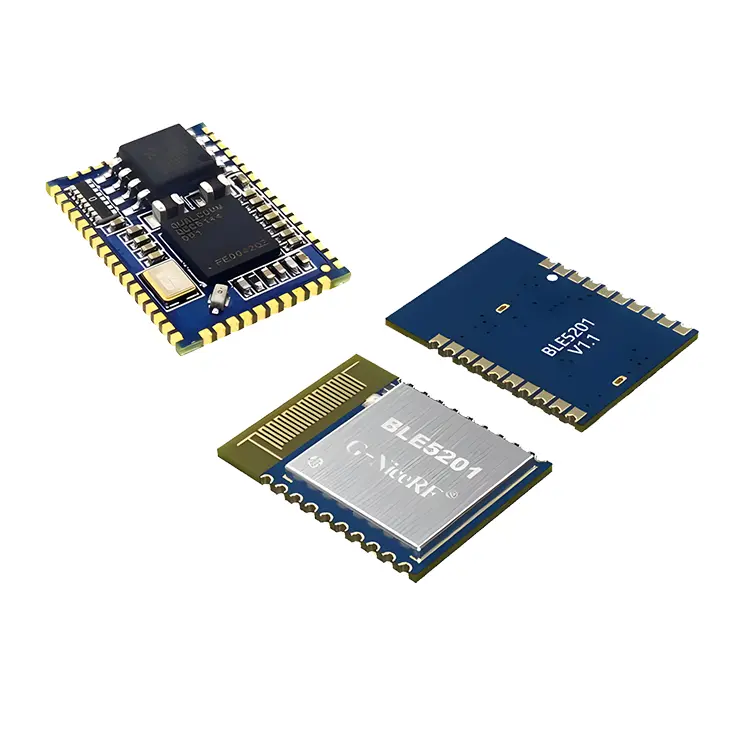 Communication Modules/IoT
 Resistors
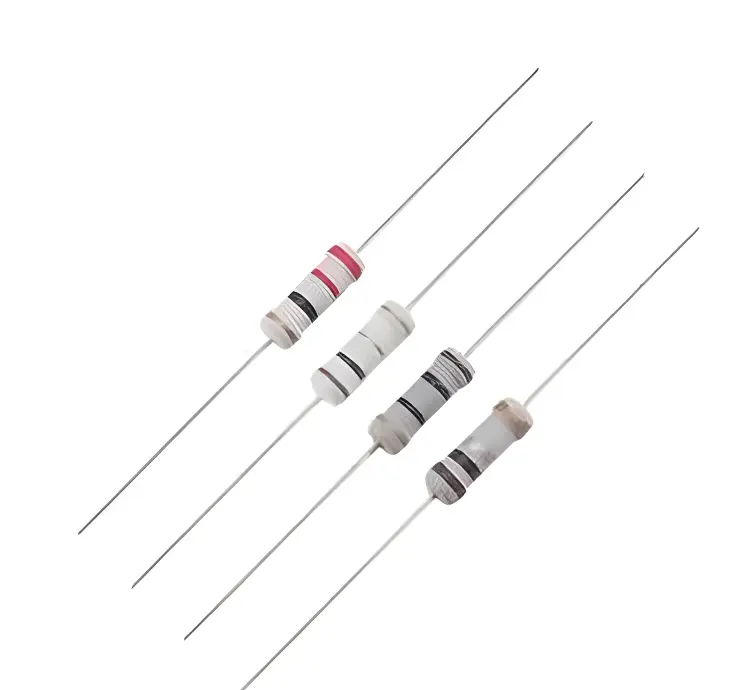 Through Hole Resistors
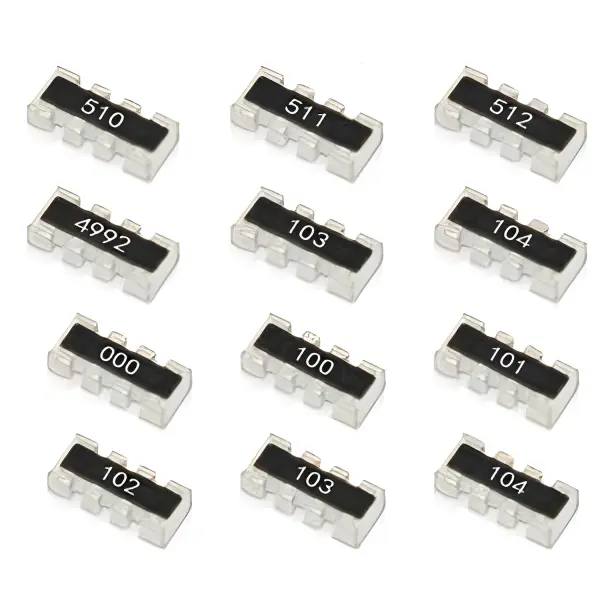 Resistor Networks, Arrays
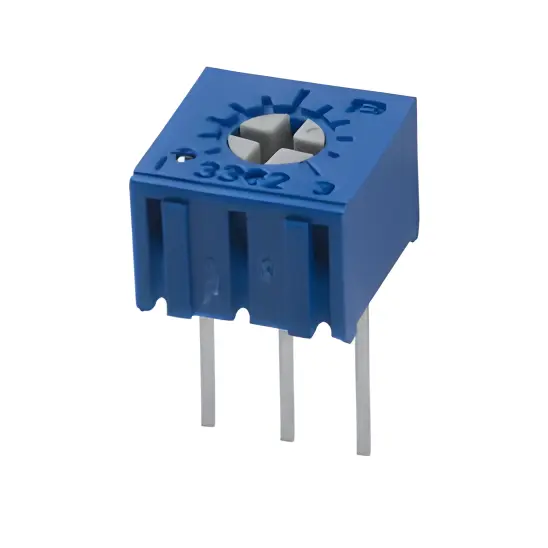 Potentiometers,Variable Resistors
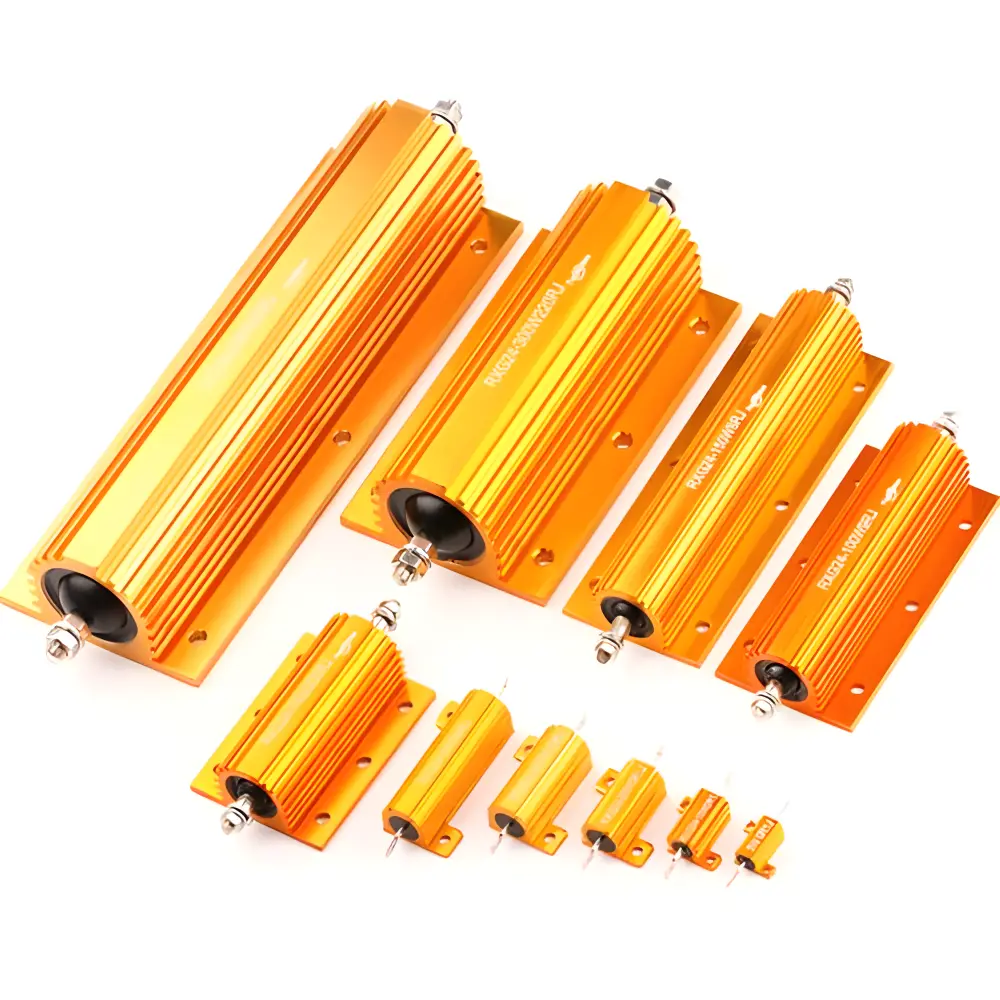 Aluminum Case,Porcelain Tube Resistance
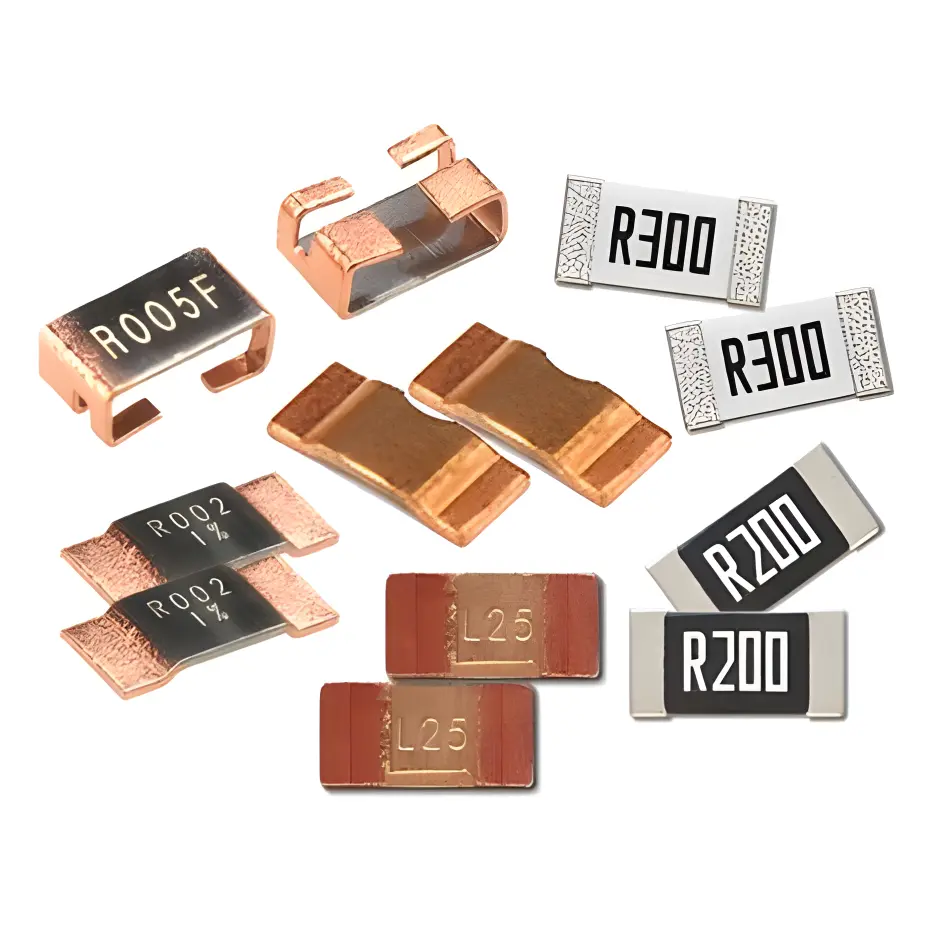 Current Sense Resistors,Shunt Resistors
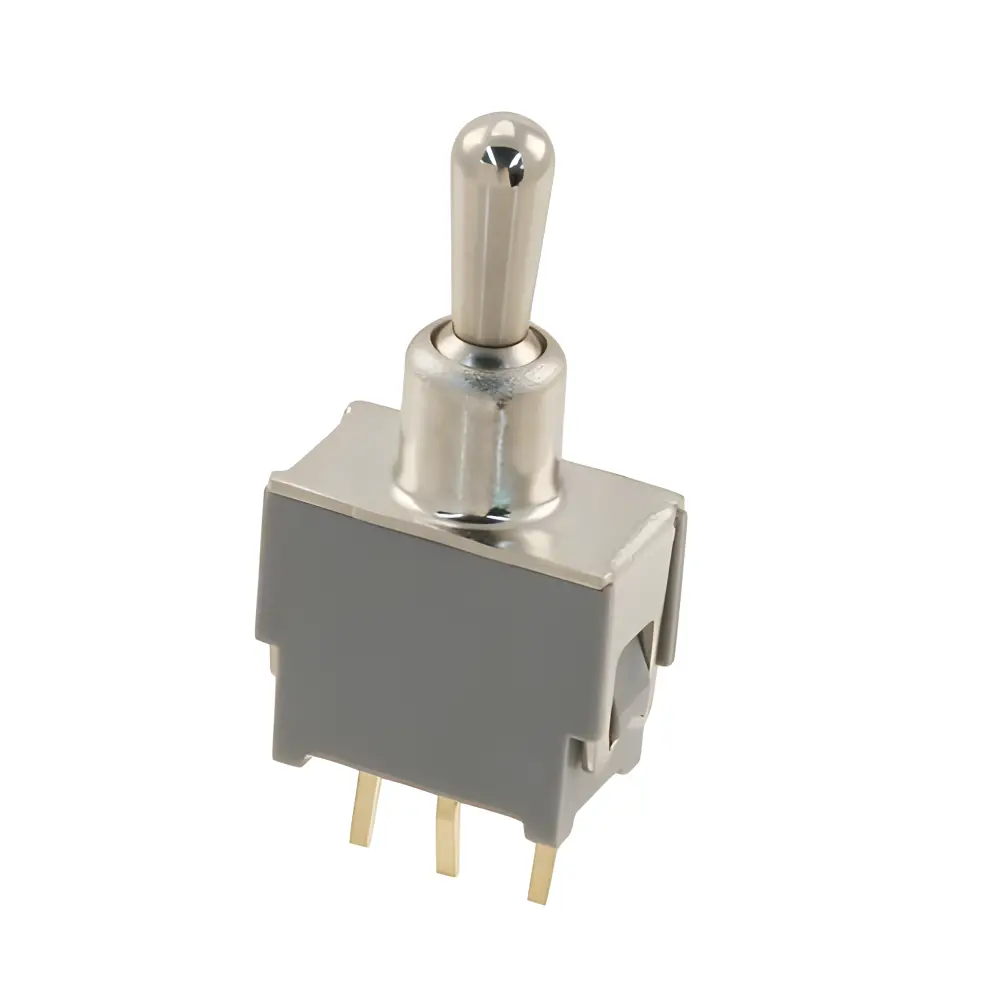 Switches
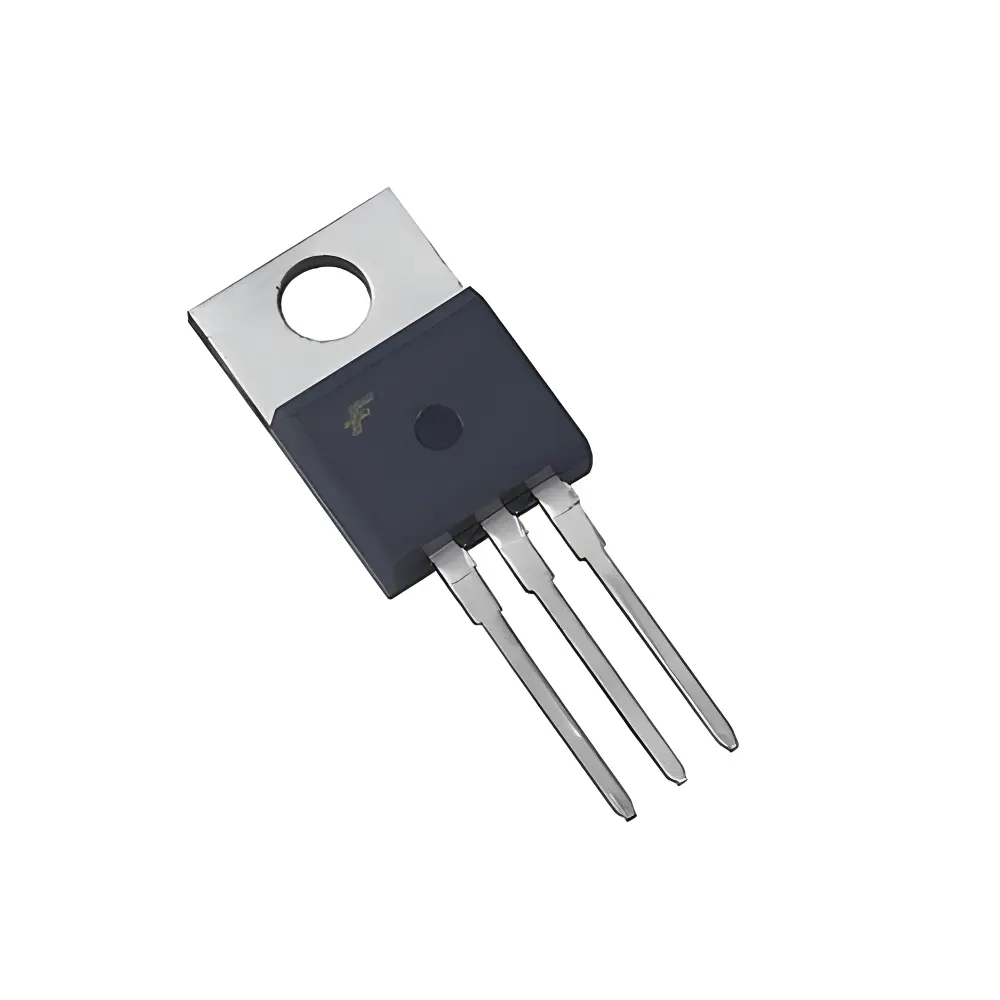 Transistors
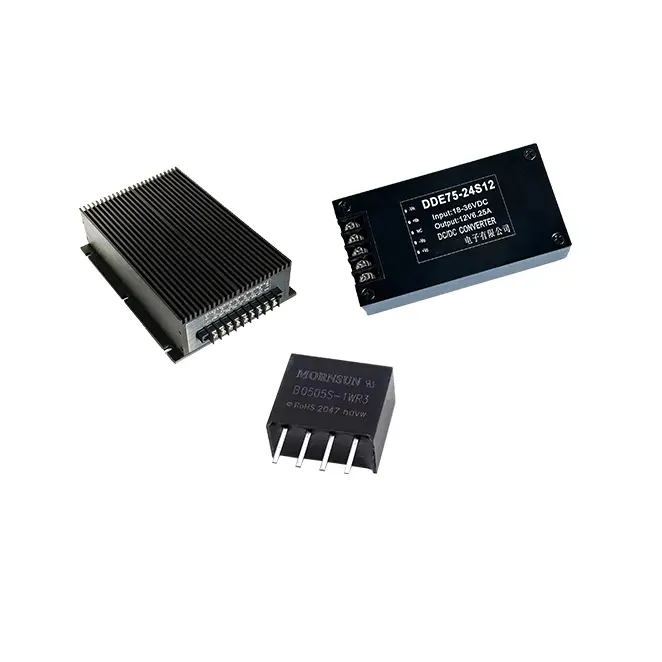 Power Modules
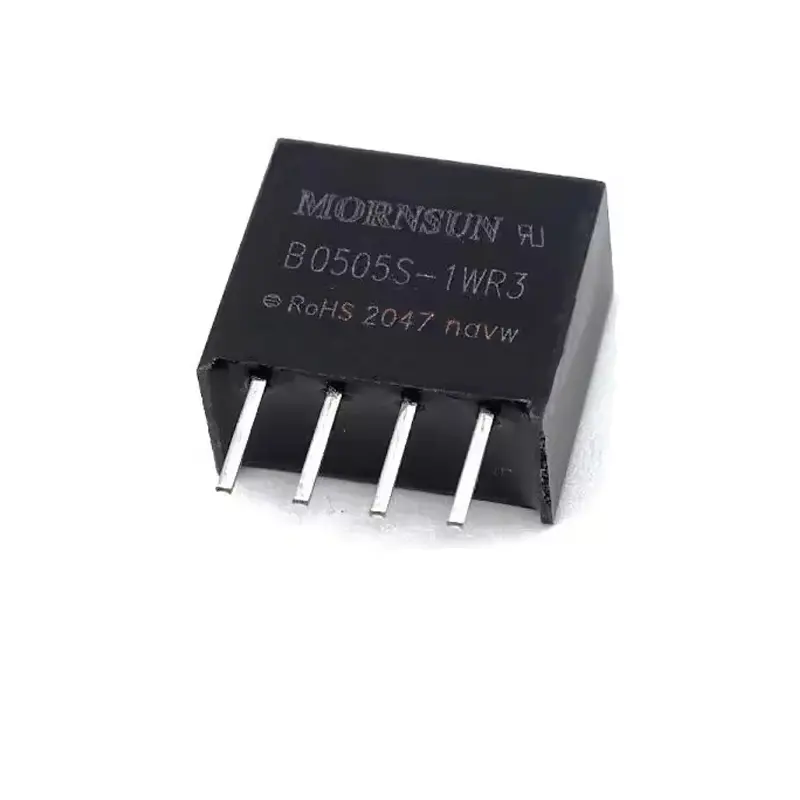 Isolated Power Modules
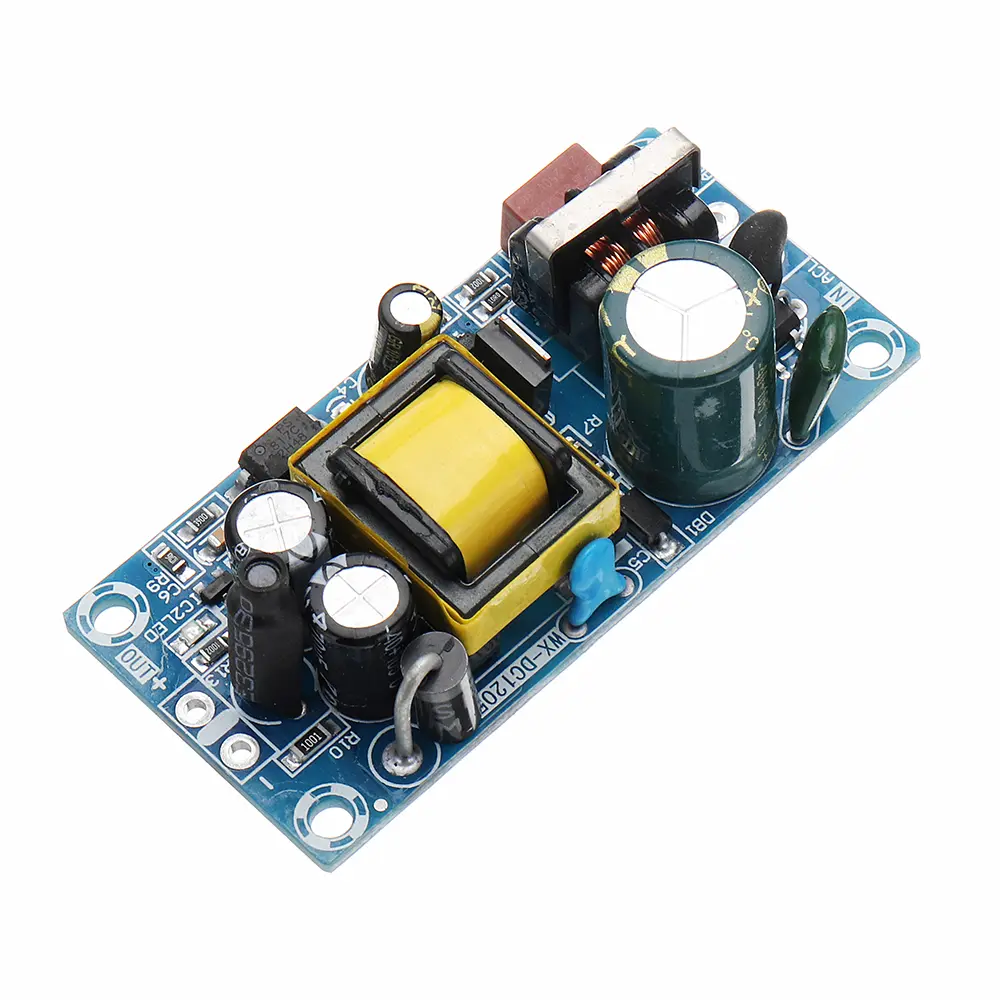 AC-DC Power Modules
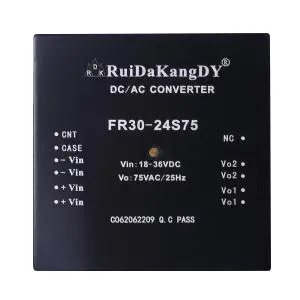 DC-AC Module(Inverter)
 RF and Wireless
Spacing Control for 15dB+ Crosstalk Reduction When Signals Cross Perpendicularly Between Adjacent Layers in Multilayer PCB Routing
2025-10-27
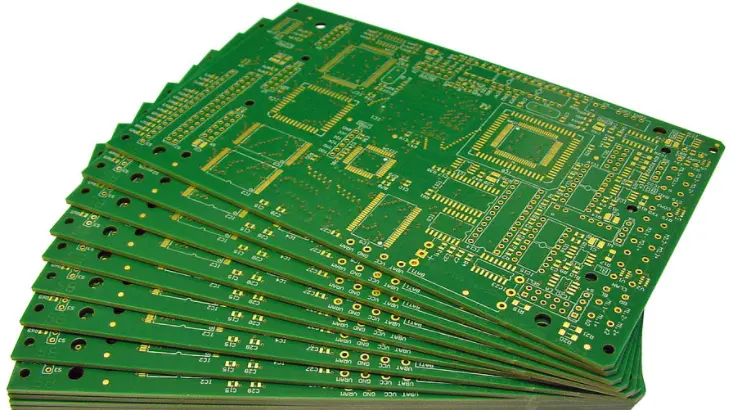
Multilayer PCBs are the backbone of high-density electronICs—from data center servers to 5G base stations—where dozens of signal layers enable complex, high-speed connectivity. A critical design challenge in these boards is crosstalk—unwanted electromagnetic coupling between adjacent signal traces that degrades signal integrity (SI). For high-speed signals (≥1Gbps), even -20dB crosstalk can increase bit error rates (BER) to 10⁻⁹, exceeding industry-acceptable limits (typically ≤10⁻¹²).
When routing signals on adjacent layers (e.g., Layer 2 and Layer 3), perpendicular crossing (one trace runs horizontally, the other vertically) is a common strategy to minimize crosstalk. Unlike parallel routing (which maximizes coupling via capacitive and inductive paths), perpendicular routing reduces the overlapping coupling area. However, crosstalk is not eliminated entirely—its magnitude depends on the spacing between the two crossing layers (dielectric thickness) and the trace geometry.
Achieving a 15dB+ crosstalk reduction (relative to minimal spacing) is critical for preserving SI in high-speed systems. This requires defining science-based spacing standards aligned with signal frequency, trace dimensions, and Pcb Material properties.
2. Core Mechanisms of Crosstalk in Perpendicular Layer Routing
To establish spacing rules, it first helps to understand how crosstalk occurs between perpendicular layers and why spacing matters:
2.1 Capacitive and Inductive Coupling in Perpendicular Traces
Crosstalk arises from two primary mechanisms, both weakened by perpendicular routing but still dependent on spacing:
- Capacitive coupling: Occurs when the electric field of one trace induces a voltage in the adjacent trace. For perpendicular traces, the overlapping area is minimal (a small "crossing point"), but closer layer spacing increases capacitance (C) between traces, boosting coupling.
- Inductive coupling: Occurs when the magnetic field of one trace induces a current in the adjacent trace. Perpendicular routing aligns magnetic fields to minimize mutual inductance (M), but tighter spacing still increases M slightly.
The total crosstalk (Xtalk) is the sum of capacitive and inductive contributions, quantified in decibels (dB) as:\(\text{Xtalk (dB)} = 20\log_{10}\left(\frac{V_{\text{coupled}}}{V_{\text{source}}}\right)\) A more negative value indicates lower crosstalk (better SI). A 15dB reduction means \(V_{\text{coupled}}\) is reduced to ~22% of its original value.
2.2 Key Variables Influencing Perpendicular Crosstalk
Three factors determine the baseline crosstalk and the spacing needed to reduce it by 15dB:
- Signal frequency: Higher frequencies (≥5Gbps) increase capacitive coupling, requiring larger spacing.
- Trace width/height: Wider or thicker traces (e.g., 0.2mm width, 35μm height) have stronger fields, increasing coupling.
- PCB material dielectric constant (εᵣ): Materials with higher εᵣ (e.g., FR-4, εᵣ=4.2) concentrate electric fields, boosting capacitive coupling compared to low-εᵣ materials (e.g., Rogers RO4350, εᵣ=3.48).
3. Spacing Standards for 15dB+ Crosstalk Reduction
The required spacing between adjacent layers (dielectric thickness, h) to achieve 15dB+ crosstalk reduction depends on signal frequency and PCB material. Below are industry-validated standards, derived from 3D electromagnetic SIMulations (ANSYS HFSS) and IPC-2221 design guidelines, for 50Ω microstrip traces (the most common in multilayer PCBs):
3.1 Low-to-Mid Frequencies (1–5Gbps)
This range includes common interfaces like PCIe 3.0 (8Gbps, but baseline for 5Gbps) and Gigabit Ethernet. For these signals, moderate spacing suffices:
| PCB Material | Signal Frequency | Trace Dimensions (Width×Height) | Baseline Crosstalk (h=0.1mm) | Spacing (h) for 15dB+ Reduction | Final Crosstalk at Target Spacing |
|---|---|---|---|---|---|
| FR-4 (εᵣ=4.2) | 1Gbps | 0.2mm×35μm | -30dB | 0.15mm | -46dB |
| FR-4 (εᵣ=4.2) | 5Gbps | 0.2mm×35μm | -25dB | 0.2mm | -41dB |
| Rogers RO4350 (εᵣ=3.48) | 5Gbps | 0.2mm×35μm | -28dB | 0.18mm | -44dB |
Key Observation: For 5Gbps signals on FR-4 (the most widely used material), a spacing of 0.2mm reduces crosstalk from -25dB to -41dB—a 16dB reduction, exceeding the 15dB target.
3.2 High Frequencies (5–25Gbps)
This range includes 5G NR (28GHz is mmWave, but 10–25Gbps for backhaul) and PCIe 5.0 (32Gbps). Higher frequencies demand larger spacing due to increased capacitive coupling:
| PCB Material | Signal Frequency | Trace Dimensions (Width×Height) | Baseline Crosstalk (h=0.1mm) | Spacing (h) for 15dB+ Reduction | Final Crosstalk at Target Spacing |
|---|---|---|---|---|---|
| FR-4 (εᵣ=4.2) | 10Gbps | 0.15mm×25μm (fine-pitch) | -22dB | 0.25mm | -38dB |
| Rogers RO4350 (εᵣ=3.48) | 10Gbps | 0.15mm×25μm | -24dB | 0.22mm | -40dB |
| Rogers RO4350 (εᵣ=3.48) | 25Gbps | 0.1mm×18μm (ultra-fine) | -20dB | 0.3mm | -36dB |
Critical Example: For 25Gbps ultra-fine traces on Rogers RO4350 (used in 5G systems), a spacing of 0.3mm is required to reduce crosstalk from -20dB to -36dB—a 16dB reduction. Using FR-4 at this frequency would require even larger spacing (~0.35mm), but FR-4’s high loss makes it unsuitable for 25Gbps.
3.3 Impact of Trace Geometry on Spacing
Wider or thicker traces increase coupling, requiring larger spacing to achieve 15dB reduction. For example:
- A 0.3mm-wide trace (vs. 0.2mm) on FR-4 at 5Gbps needs 0.25mm spacing (vs. 0.2mm) to reduce crosstalk by 15dB.
- A 50μm-thick trace (vs. 35μm) on FR-4 at 5Gbps needs 0.22mm spacing (vs. 0.2mm) due to stronger inductive coupling.
4. Edge Cases: Adjusting Spacing for Special Scenarios
Certain design constraints or signal types require deviations from the baseline spacing standards. Below are key adjustments:
4.1 Adjacent Layers with Power/Ground Planes
If one of the adjacent layers is a power or ground plane (common in multilayer PCBs), the plane acts as a shield, reducing coupling. This allows smaller spacing:
- For a signal layer adjacent to a ground plane (e.g., Layer 2 = signal, Layer 3 = ground), spacing can be reduced by 20–30%. For 5Gbps FR-4 signals, spacing drops from 0.2mm to 0.15mm while still achieving 15dB+ crosstalk reduction.
- The ground plane absorbs electric/magnetic fields, lowering baseline crosstalk (e.g., from -25dB to -32dB at h=0.1mm), so less additional spacing is needed.
4.2 Differential Signals
Differential pairs (e.g., USB4, Ethernet) have inherent noise cancellation, reducing crosstalk. For perpendicular differential traces on FR-4 at 5Gbps:
- Baseline crosstalk for differential pairs is -30dB (vs. -25dB for single-ended), so spacing can be reduced to 0.17mm (vs. 0.2mm) to achieve 15dB reduction (final crosstalk: -46dB).
4.3 Space-Constrained Multilayer PCBs (≥12 Layers)
In ultra-dense 12+ layer PCBs (e.g., server motherboards), spacing may be limited. To meet the 15dB target without increasing spacing:
- Use a low-εᵣ material (e.g., Rogers RO4350 instead of FR-4). For 5Gbps signals, Rogers allows 0.18mm spacing (vs. 0.2mm for FR-4), saving 10% space.
- Add a thin dielectric barrier (0.05mm thick, εᵣ=2.1) between the two signal layers. This reduces coupling by 5–8dB, allowing spacing to stay at 0.15mm while achieving 15dB total reduction.
5. Validation and Measurement of Crosstalk Reduction
To confirm that spacing achieves the 15dB+ crosstalk reduction target, use these methods:
5.1 Electromagnetic Simulation (Pre-Layout)
- Use 3D EM simulation tools (ANSYS HFSS, CST Studio Suite) to model the perpendicular trace crossing. Input trace dimensions, spacing, and material properties to simulate crosstalk.
- Verify that the simulated crosstalk at the target spacing is ≥15dB lower than the baseline (e.g., from -25dB to ≤-40dB).
5.2 Vector Network Analyzer (VNA) Testing (Post-Layout)
- Fabricate a test PCB with perpendicular traces at the target spacing. Connect a VNA (10MHz–40GHz) to the source and coupled traces.
- Measure the near-end crosstalk (NEXT) and far-end crosstalk (FEXT). For perpendicular traces, FEXT is the primary concern—ensure FEXT is reduced by ≥15dB compared to minimal spacing.
5.3 Bit Error Rate (BER) Testing (System-Level)
- For high-speed signals (≥10Gbps), transmit a test pattern (e.g., PRBS31) through the perpendicular traces and measure BER. A BER ≤10⁻¹² confirms that crosstalk is sufficiently reduced (≤-40dB for most systems).
6. Conclusion
The spacing required between adjacent layers to reduce crosstalk by 15dB+ for perpendicular signals depends on frequency, material, and trace geometry, with core standards as follows:
- 1–5Gbps (FR-4): 0.15–0.2mm (0.2mm for 5Gbps).
- 5–25Gbps (low-εᵣ materials like Rogers): 0.22–0.3mm (0.3mm for 25Gbps).
- With power/ground planes: Reduce spacing by 20–30% (e.g., 0.15mm for 5Gbps FR-4).
This spacing balances crosstalk reduction with PCB density, ensuring signal integrity without excessive board thickness. For space-constrained designs, low-εᵣ materials or grounded layers offer alternatives to larger spacing.
As signals push toward 50Gbps+ (e.g., PCIe 7.0), future standards will require even tighter control—likely combining 0.35mm+ spacing with advanced shielding (e.g., embedded ground vias) to maintain 15dB+ crosstalk reduction. For multilayer PCB designers, these spacing rules are a foundational tool for delivering reliable, high-speed systems.