
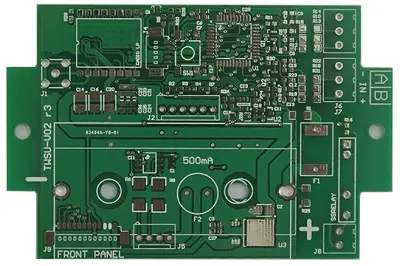
 PCB
PCB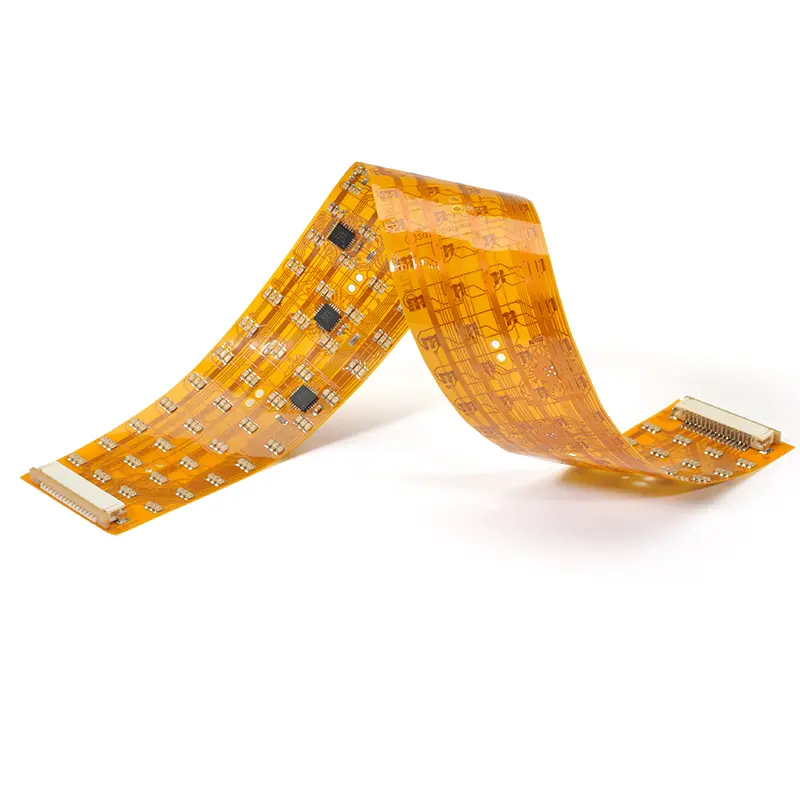 FPC
FPC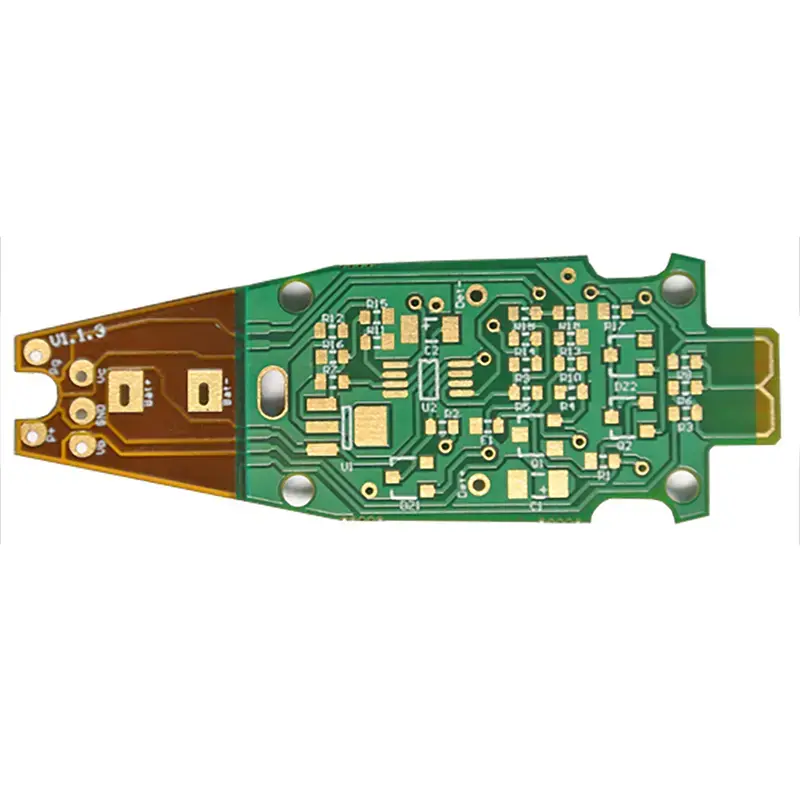 Rigid-Flex
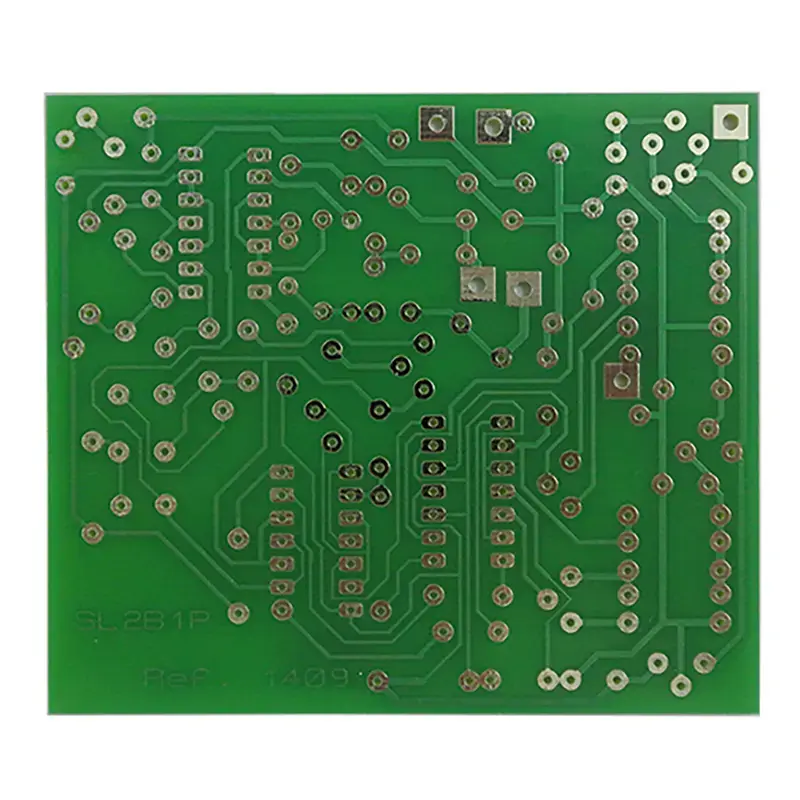 FR-4
FR-4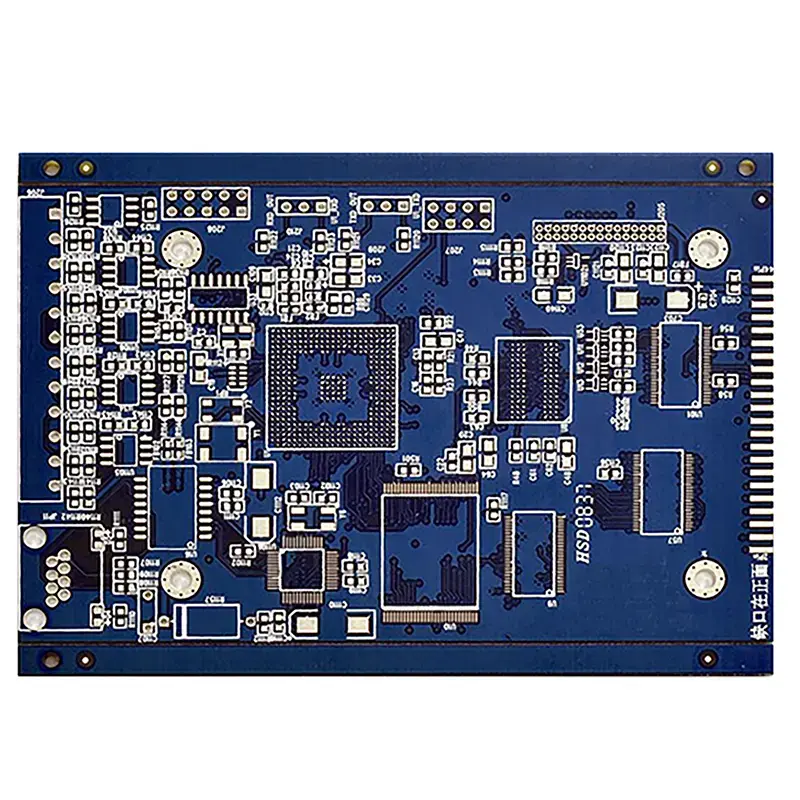 HDI PCB
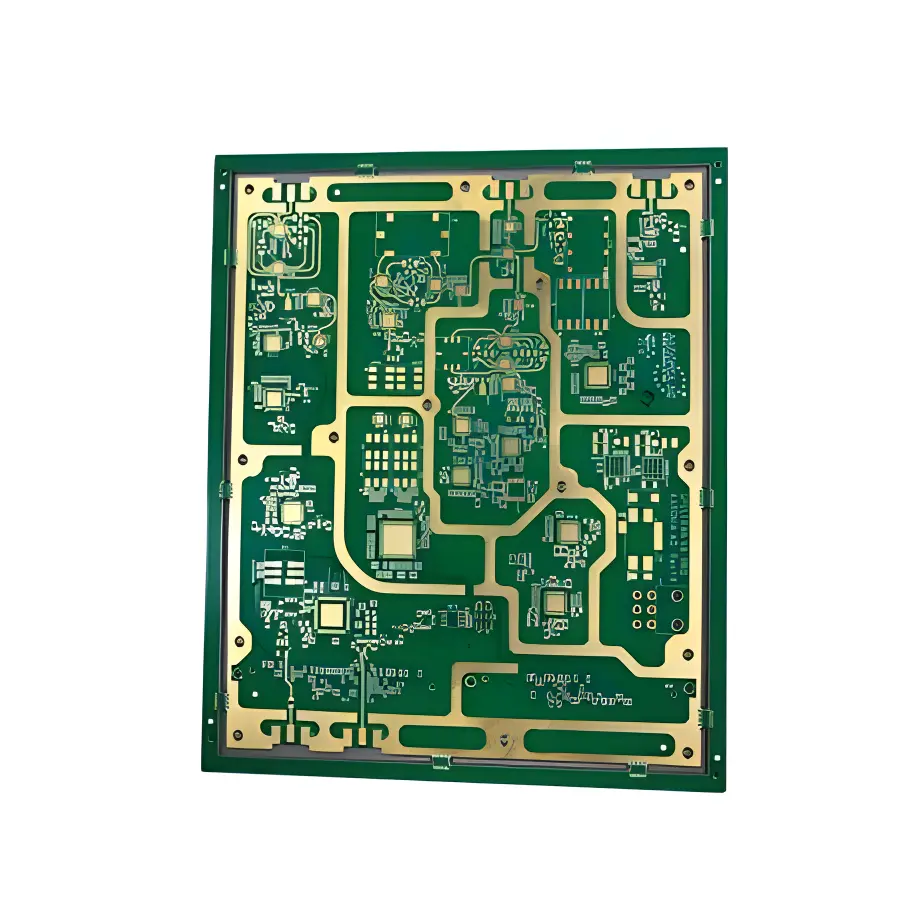 Rogers High-Frequency Board
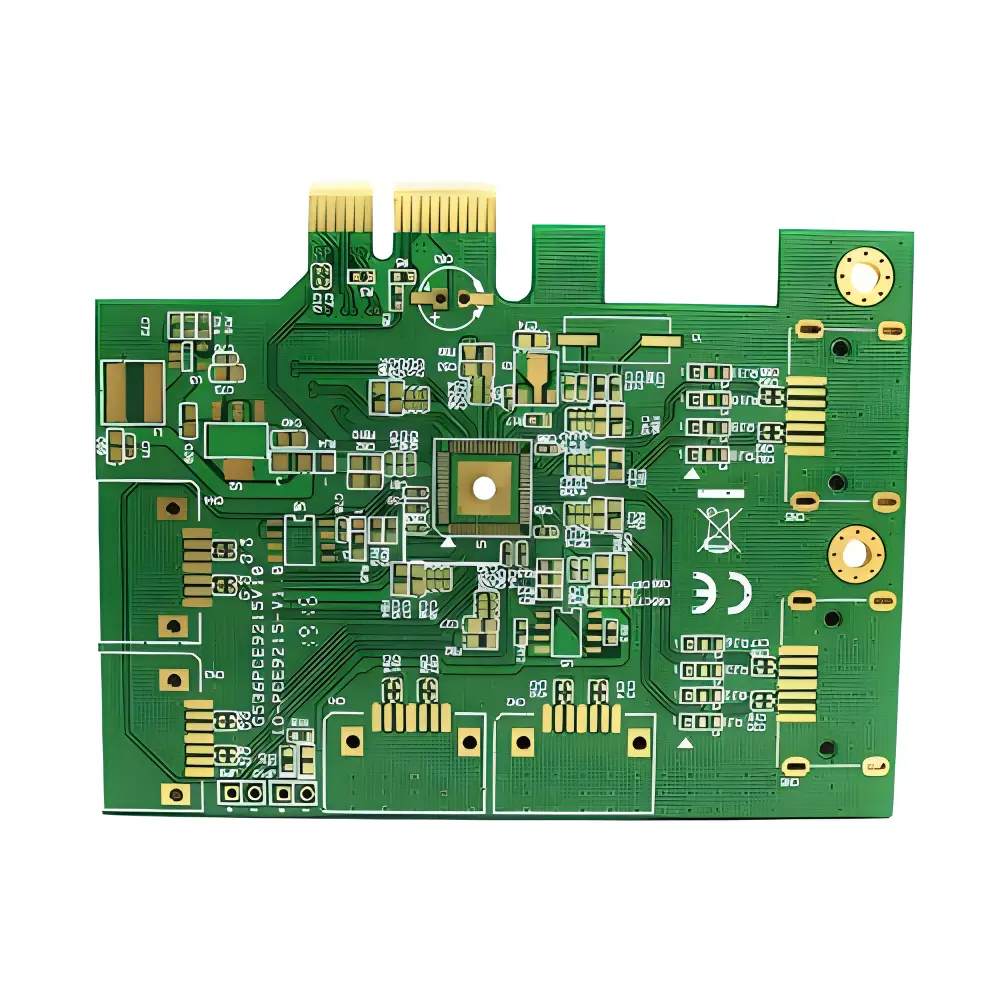 PTFE Teflon High-Frequency Board
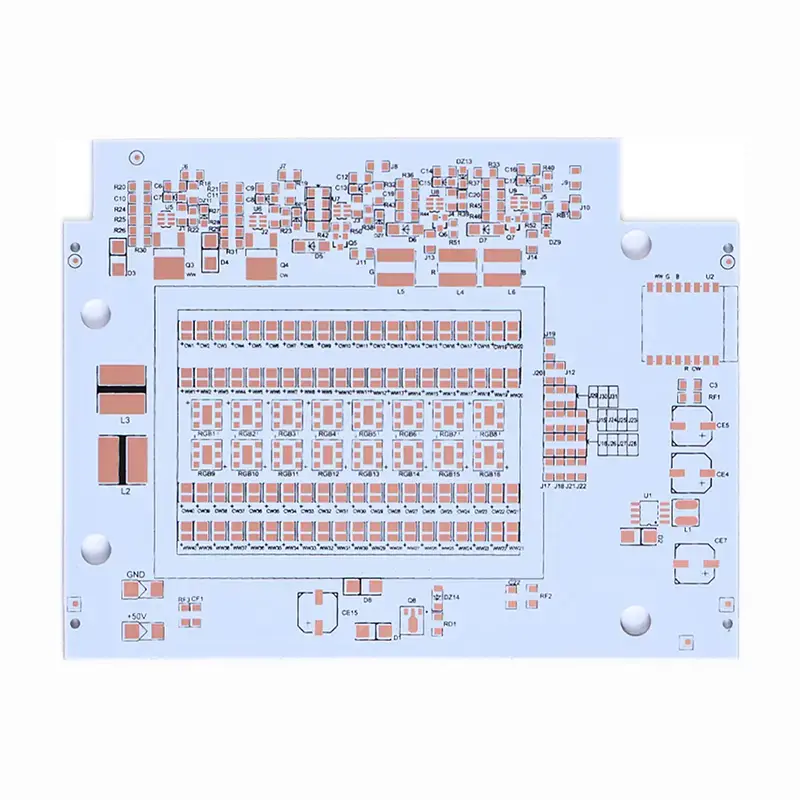 Aluminum
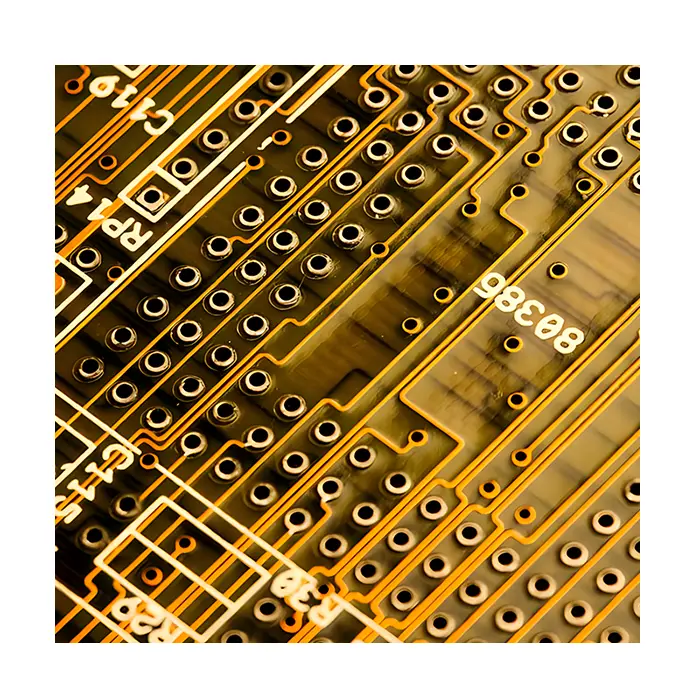 Copper Core
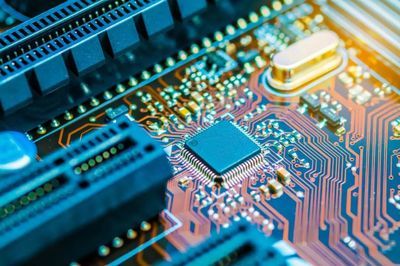 PCB Assembly
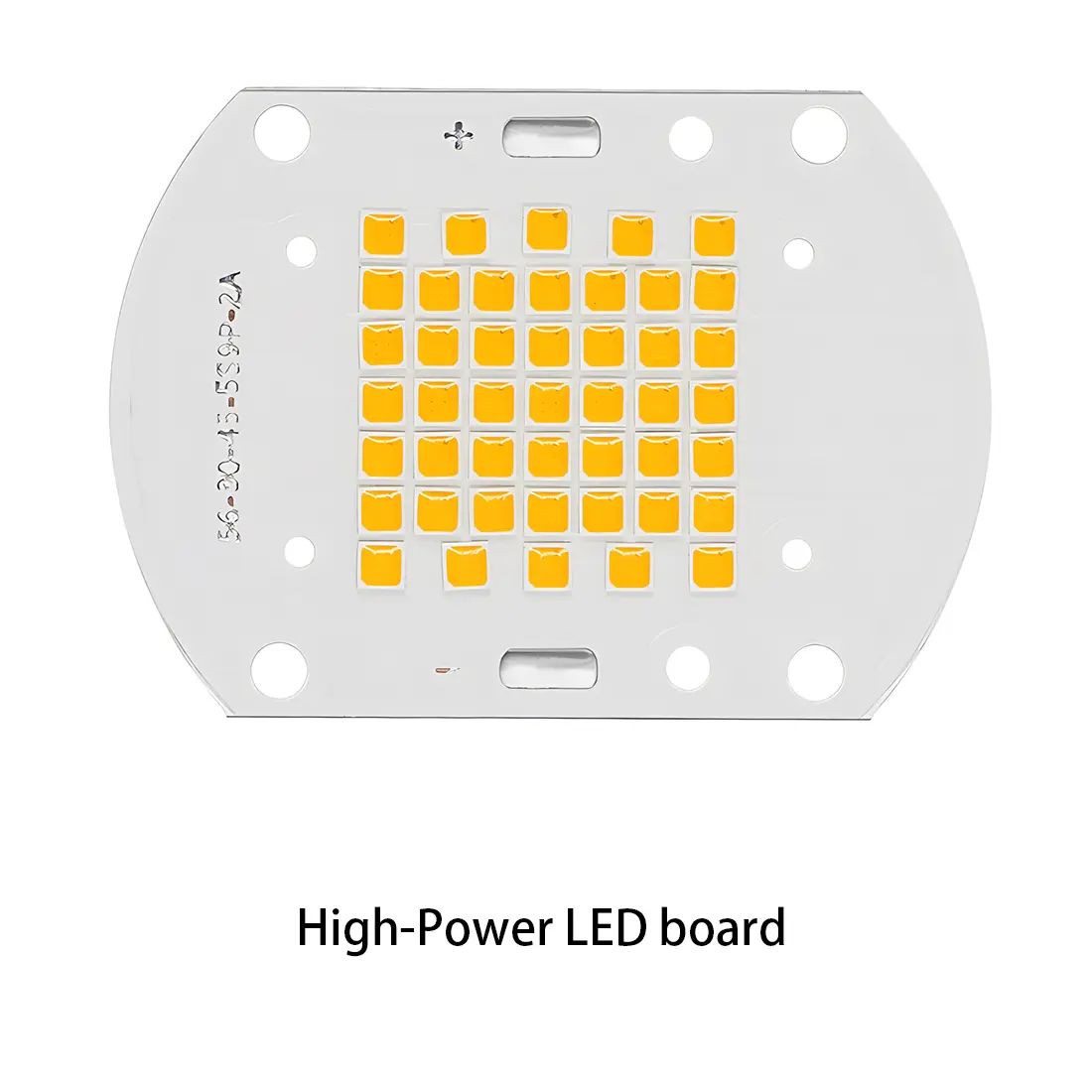 LED light PCBA
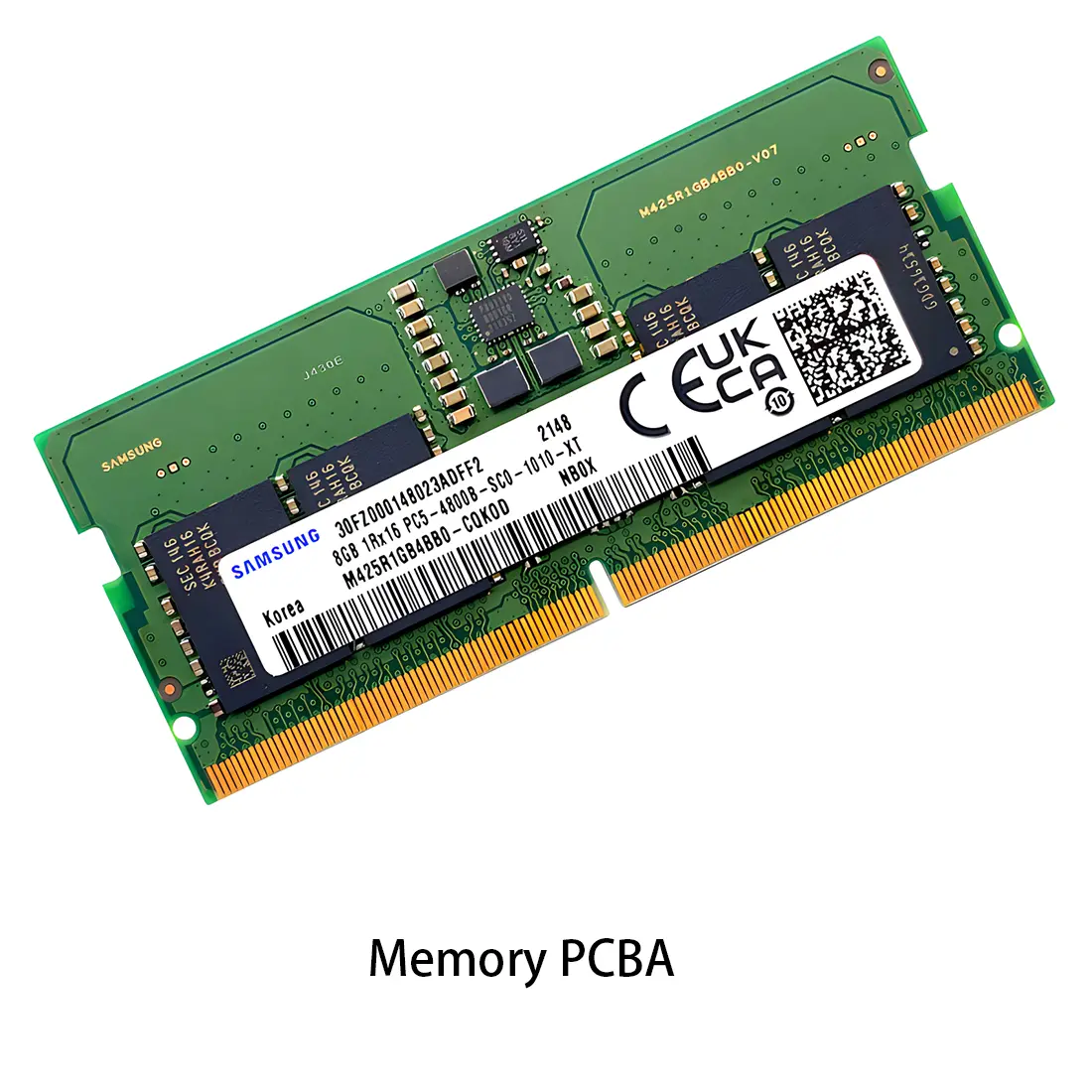 Memory PCBA
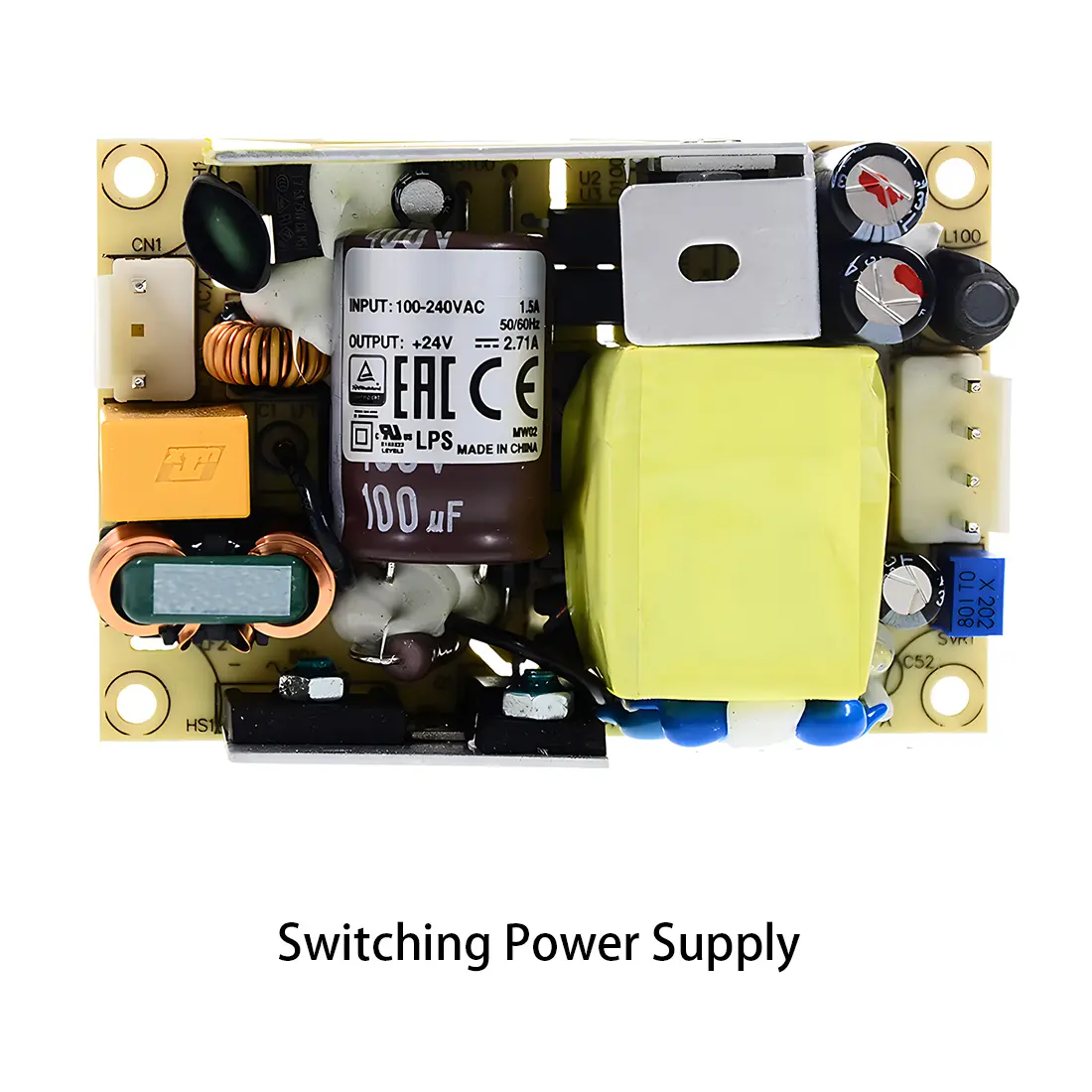 Power Supply PCBA
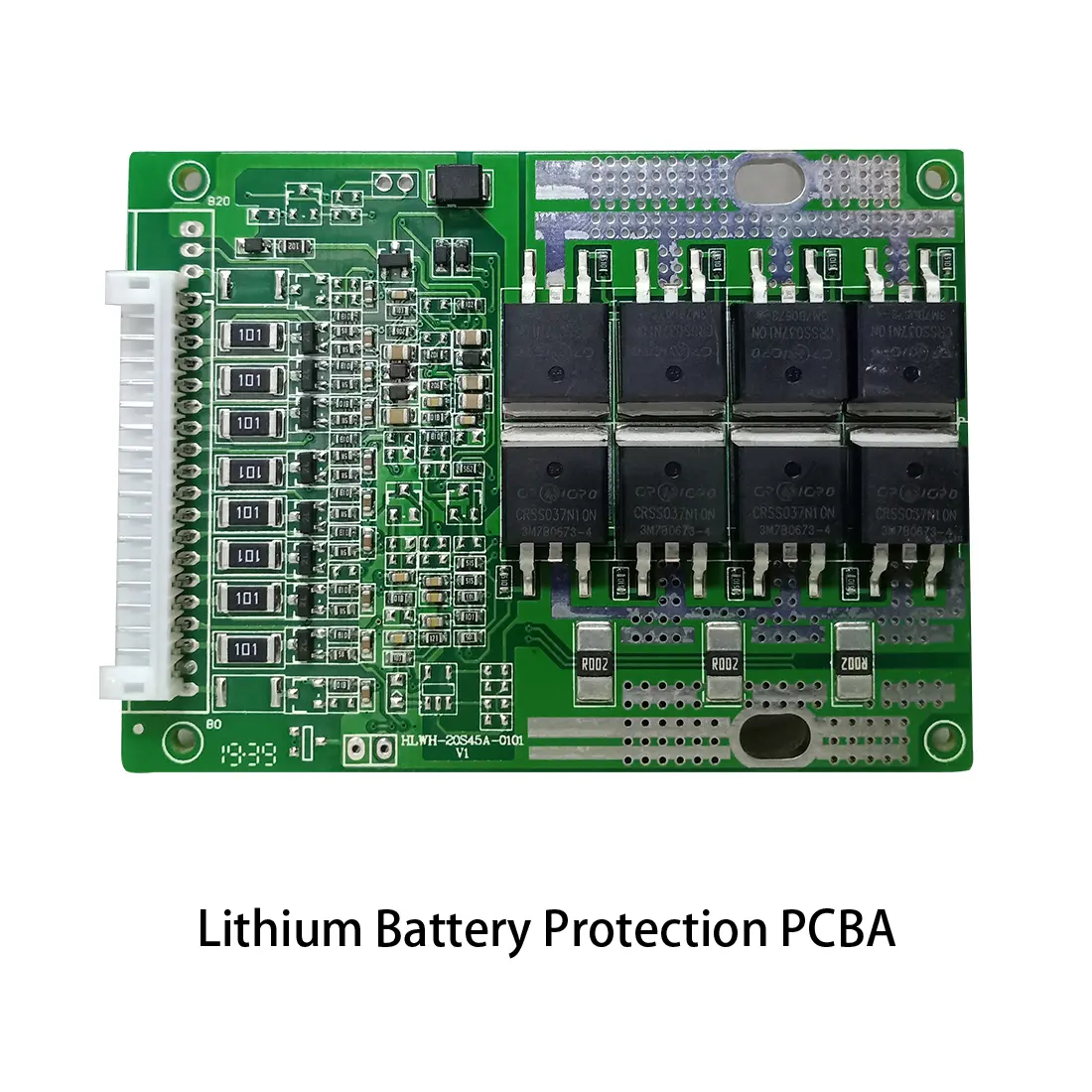 New Energey PCBA
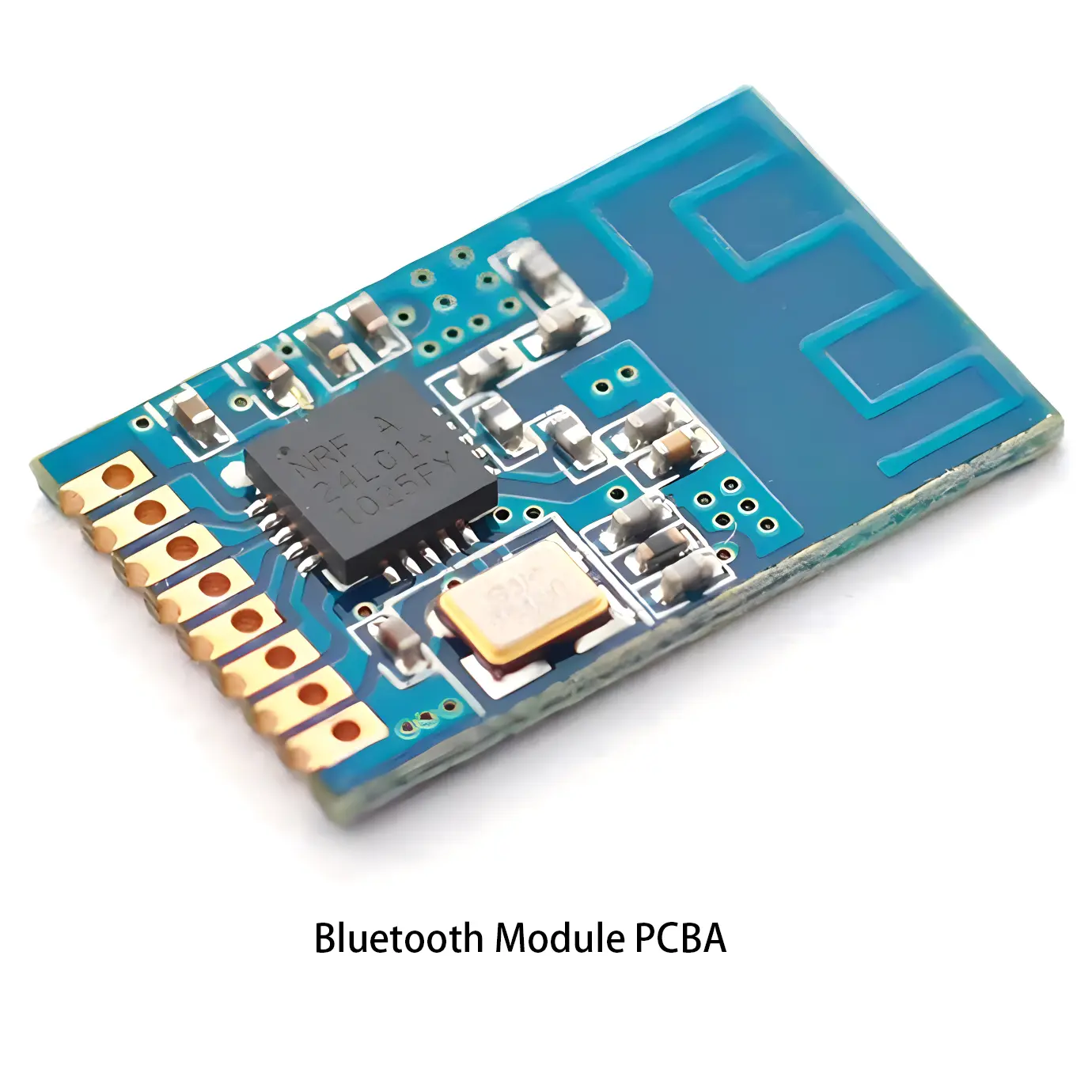 Communication PCBA
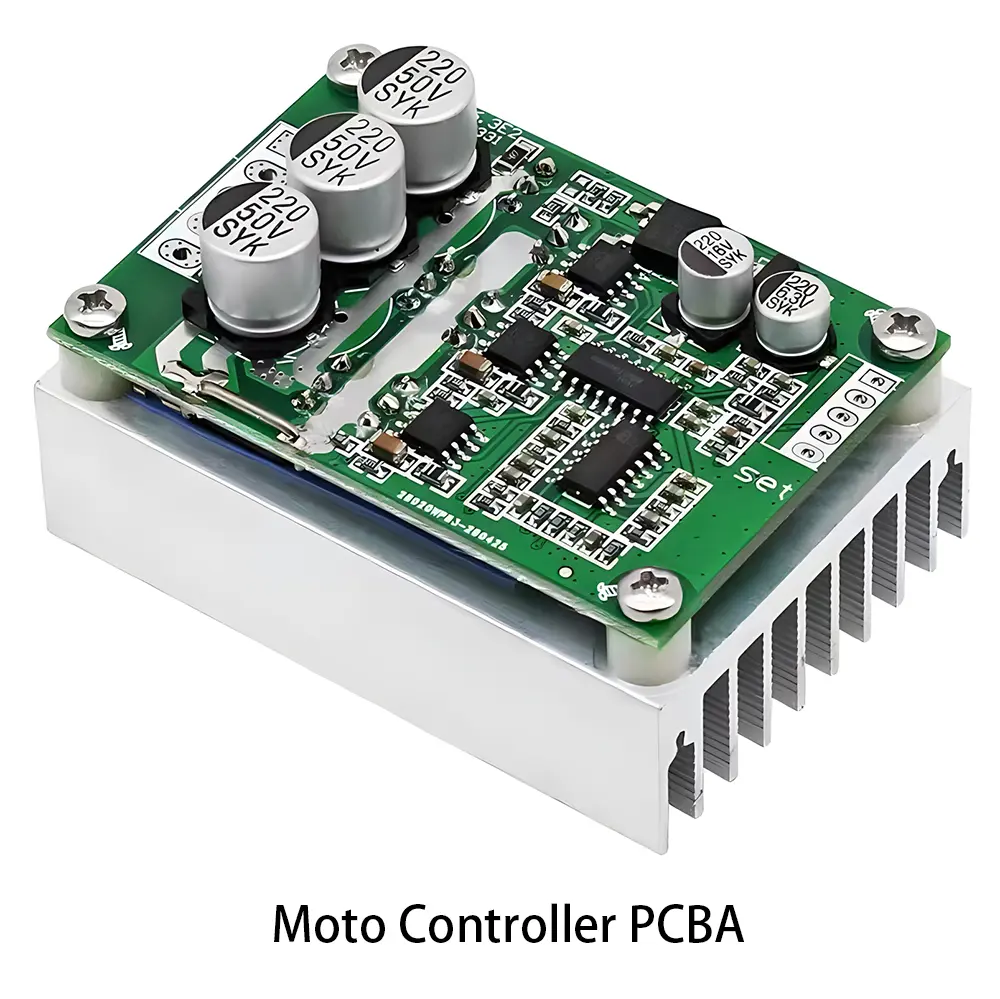 Industrial Control PCBA
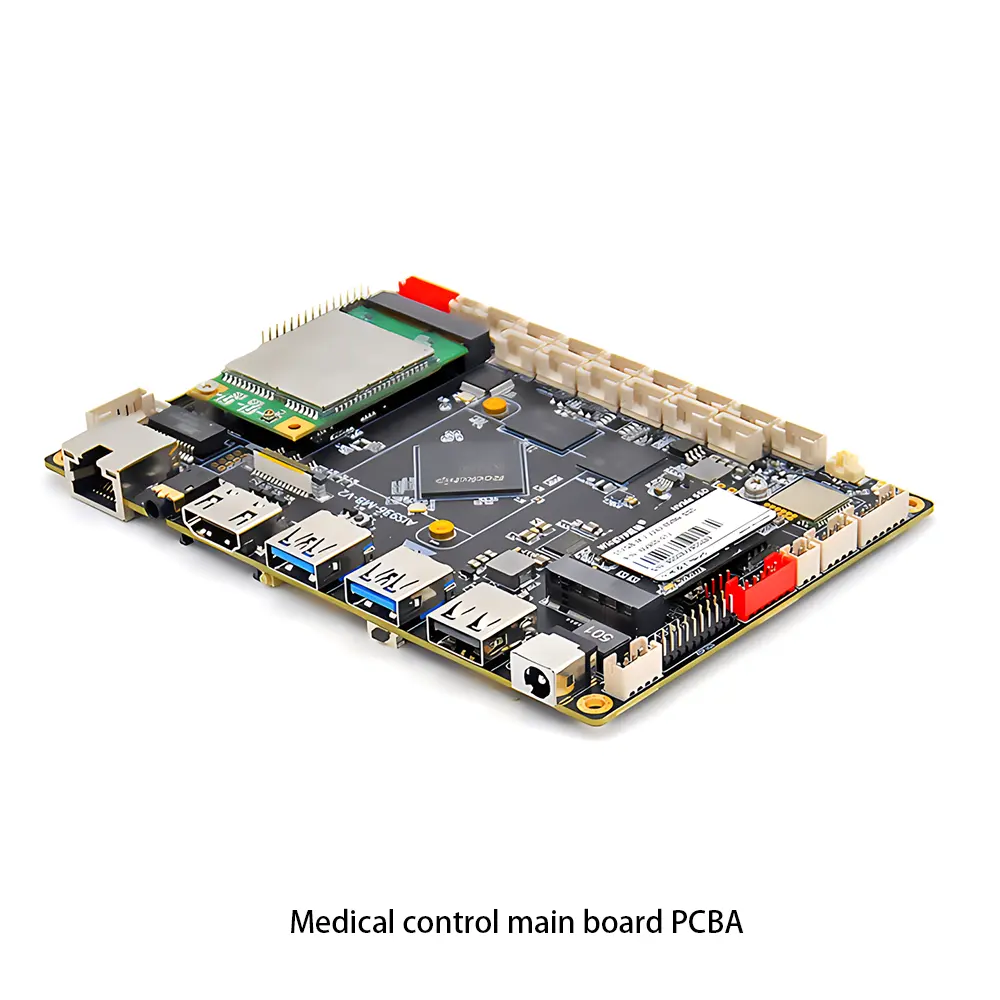 Medical Equipment PCBA
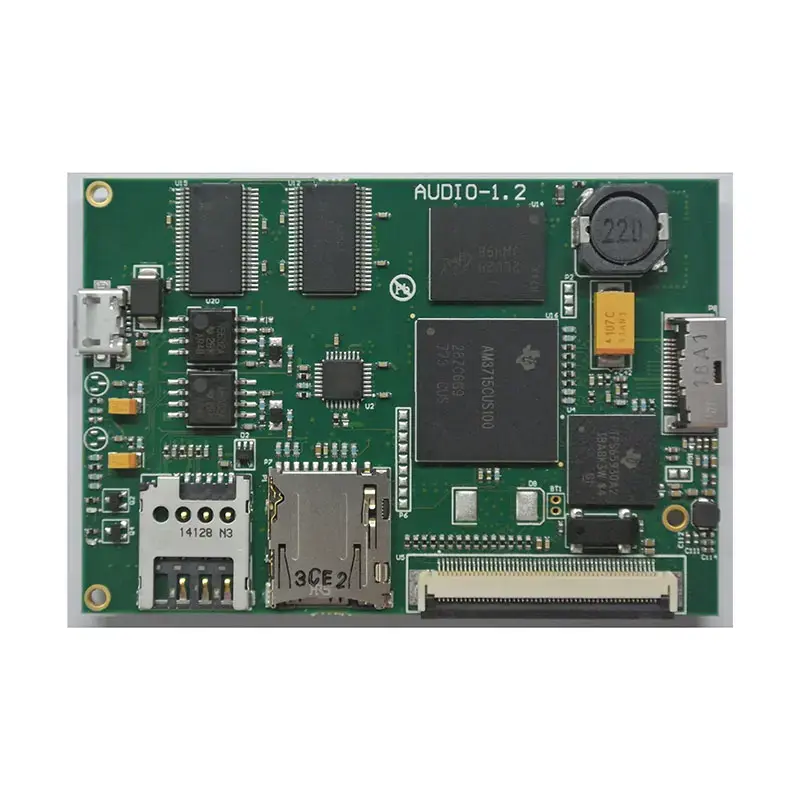 Testing Service
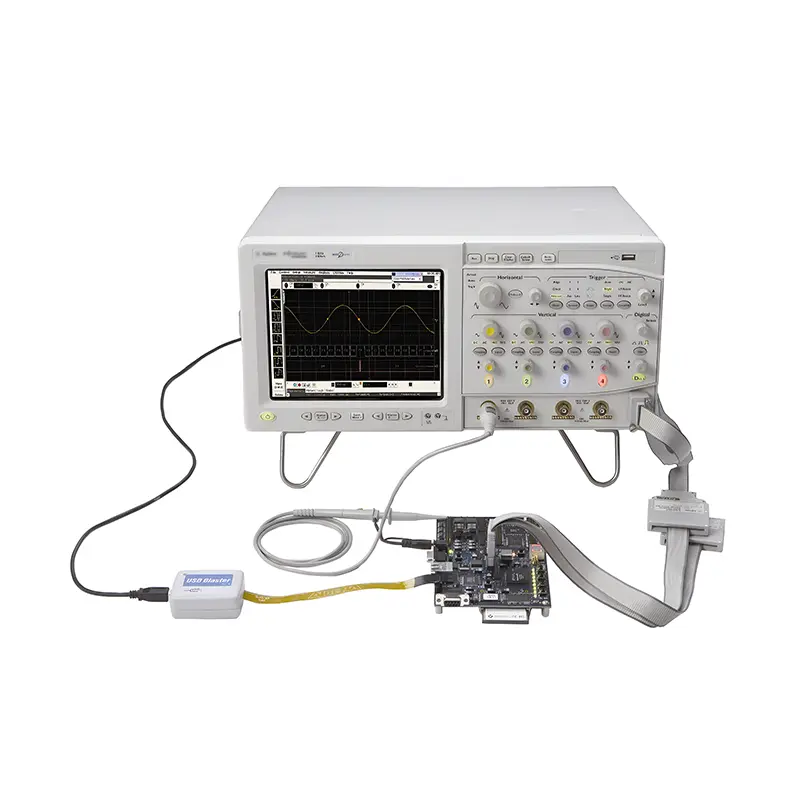 PCBA Testing Service
 Certification Application
 RoHS Certification Application
 REACH Certification Application
 CE Certification Application
 FCC Certification Application
 CQC Certification Application
 UL Certification Application
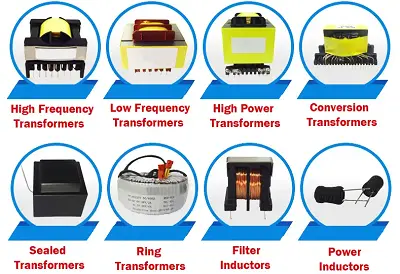 Transformers, Inductors
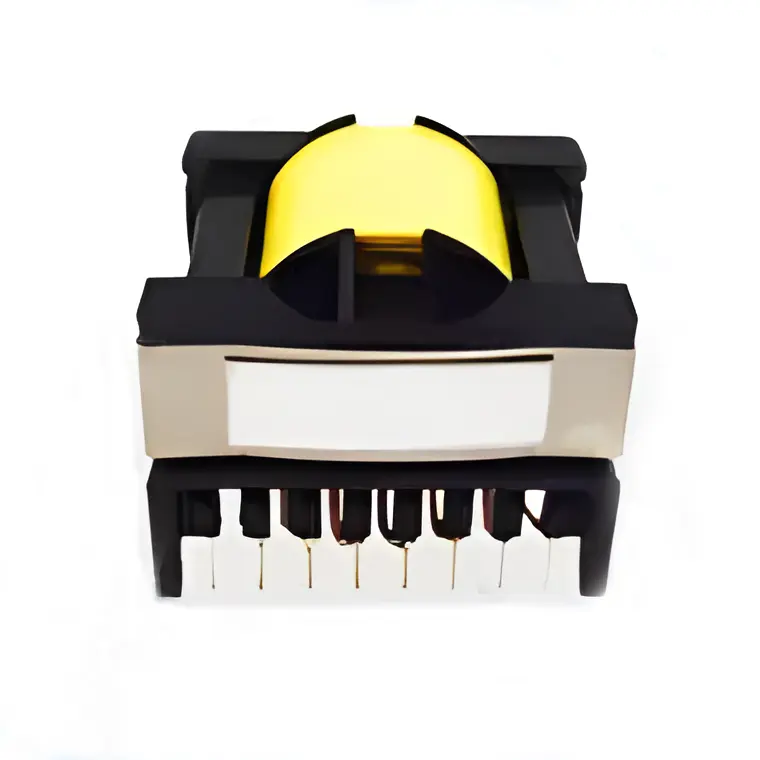 High Frequency Transformers
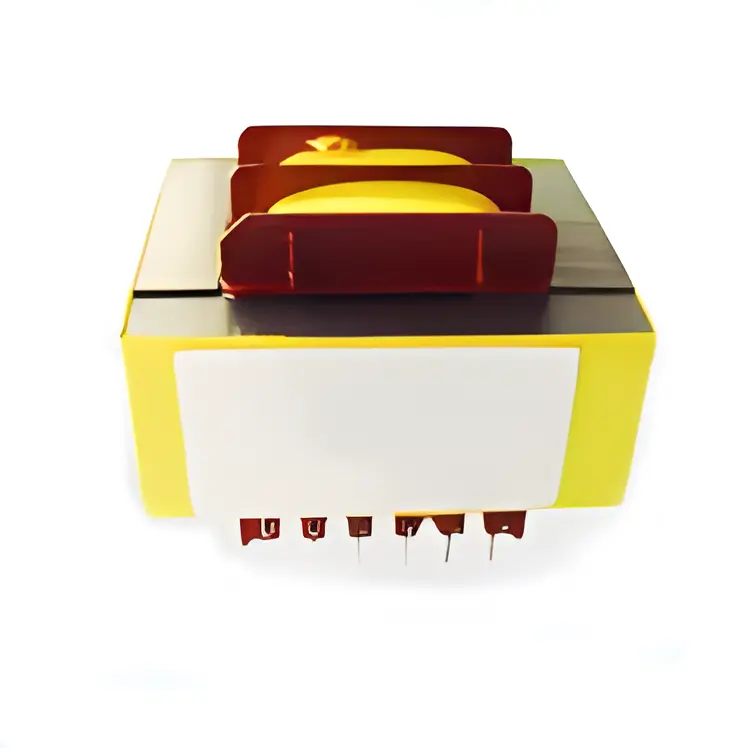 Low Frequency Transformers
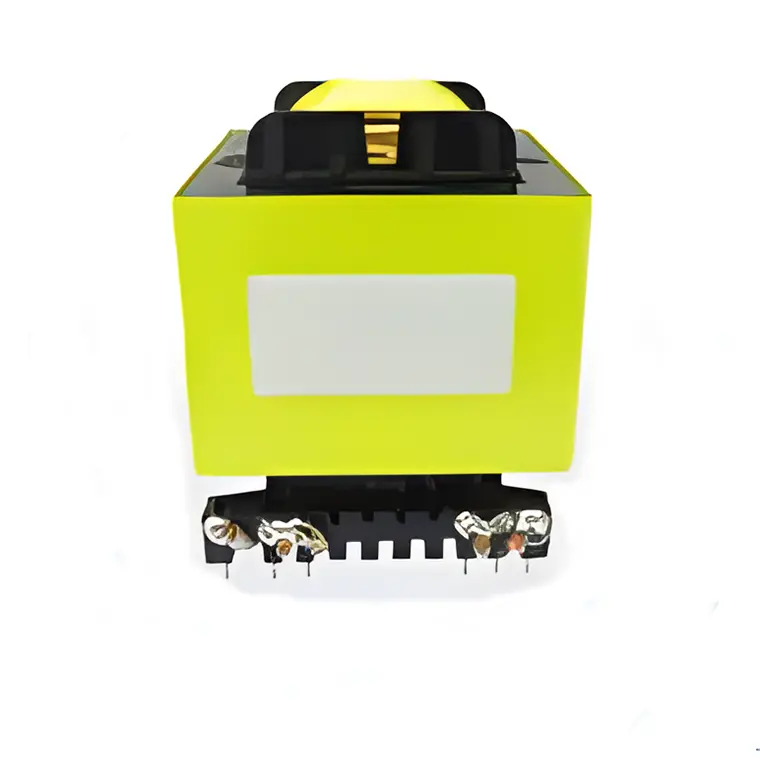 High Power Transformers
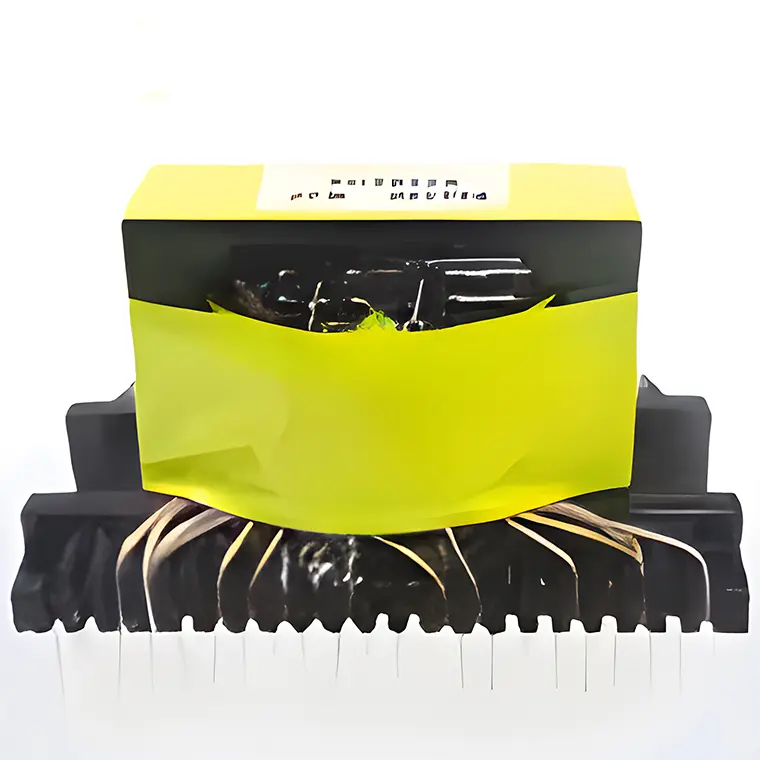 Conversion Transformers
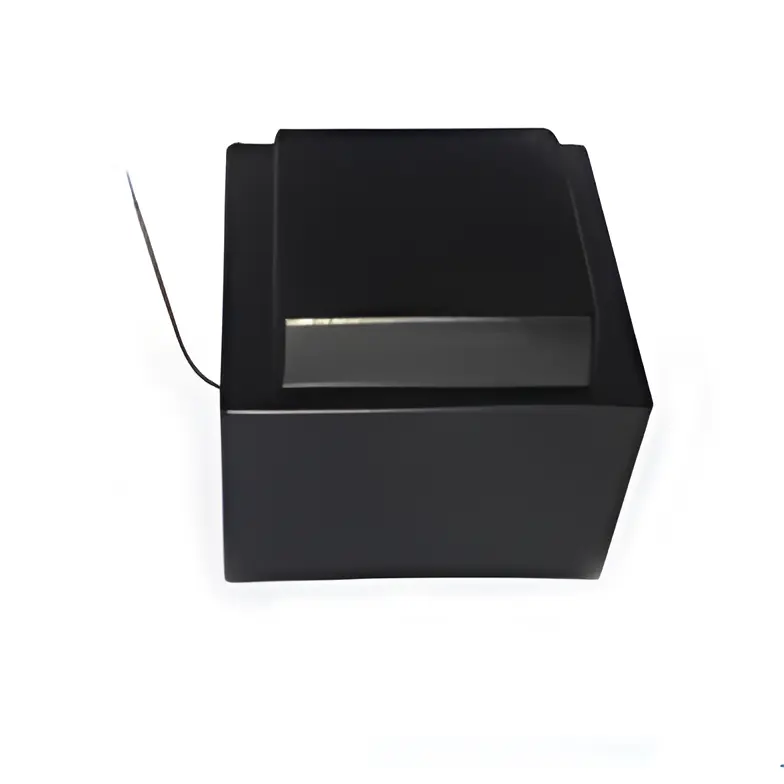 Sealed Transformers
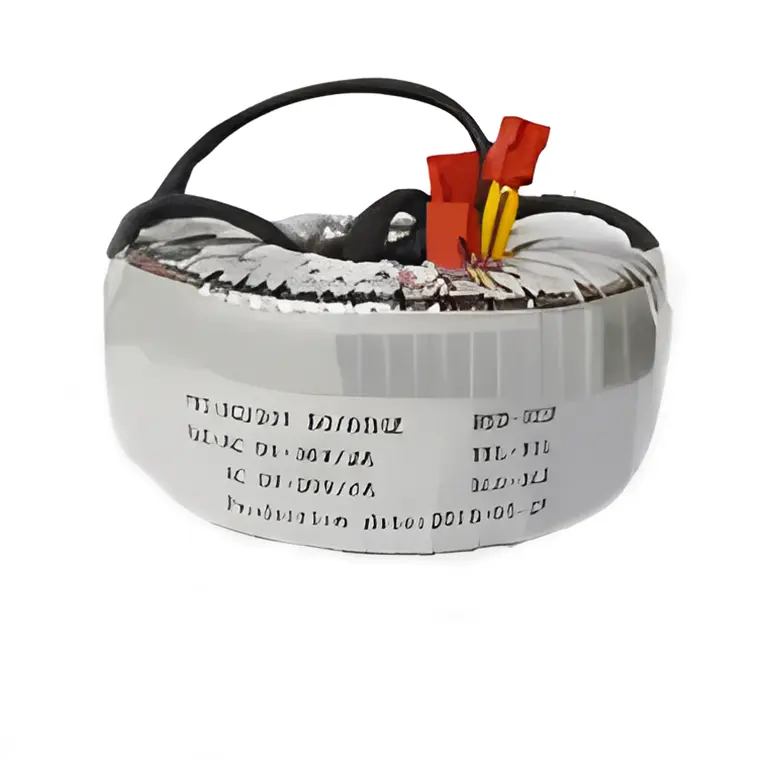 Ring Transformers
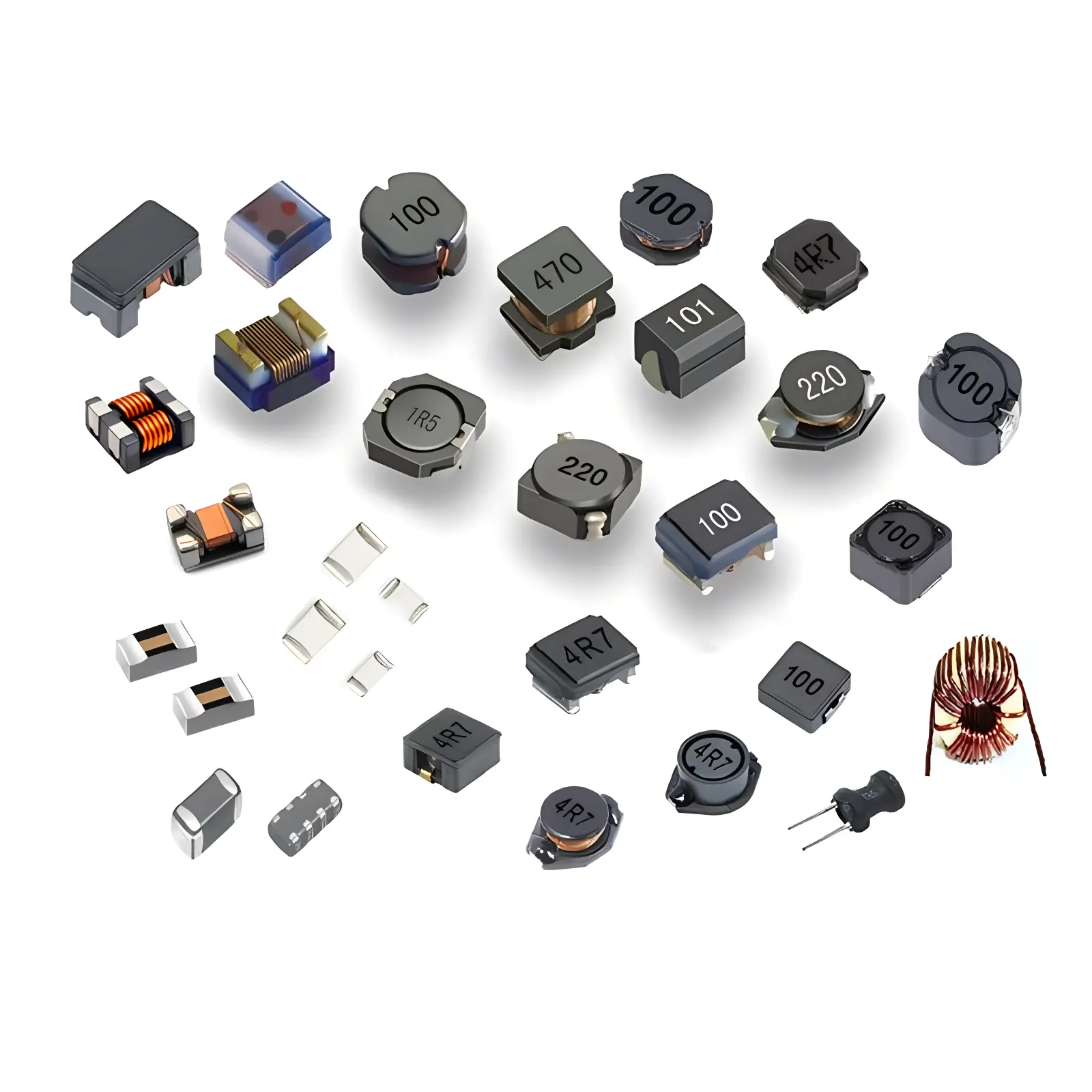 Inductors
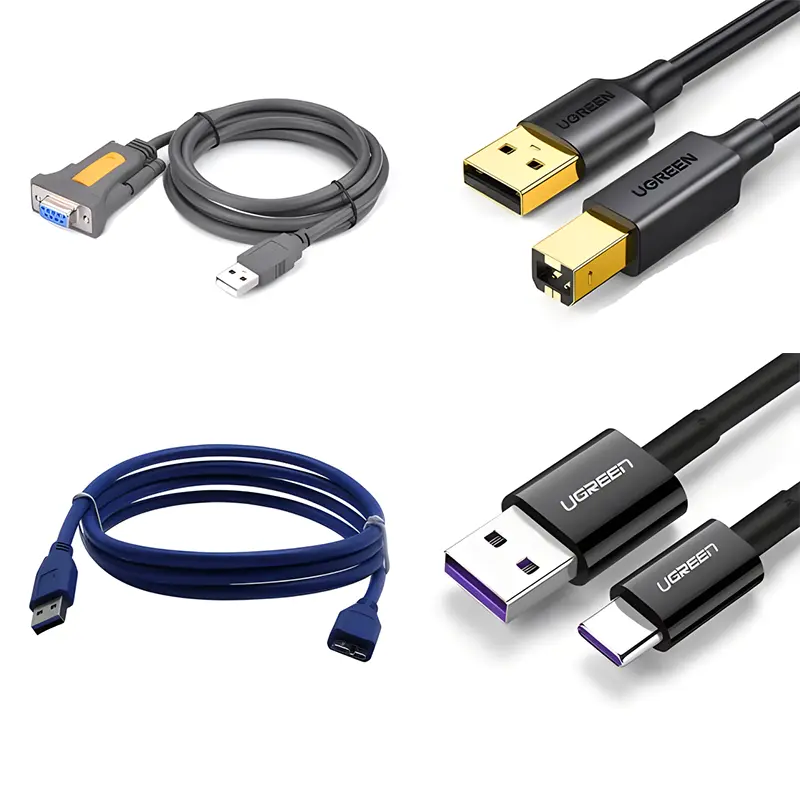 Wires,Cables Customized
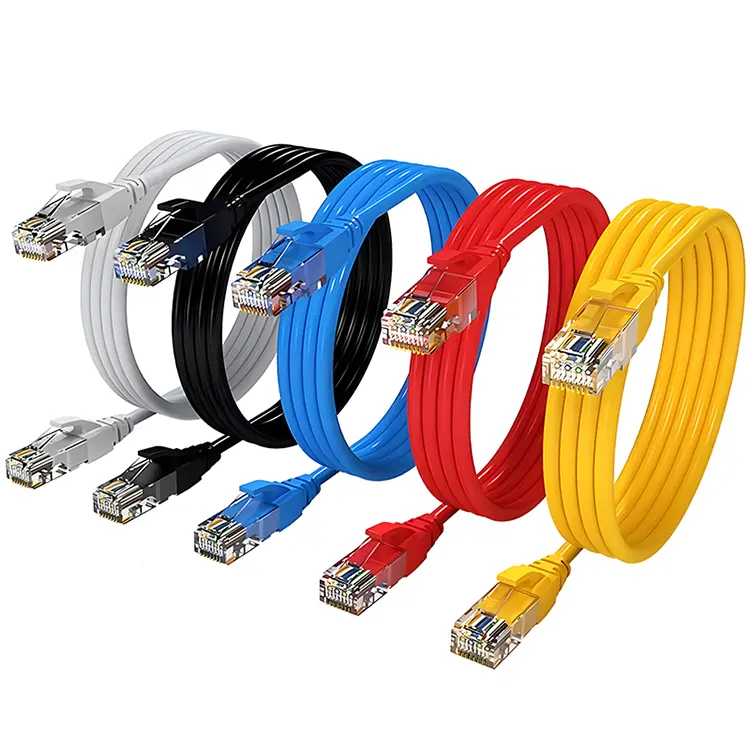 Network Cables
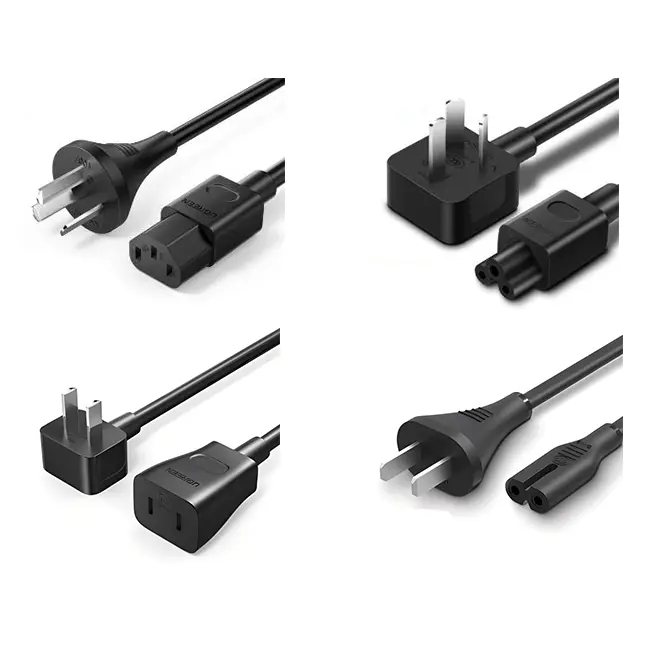 Power Cords
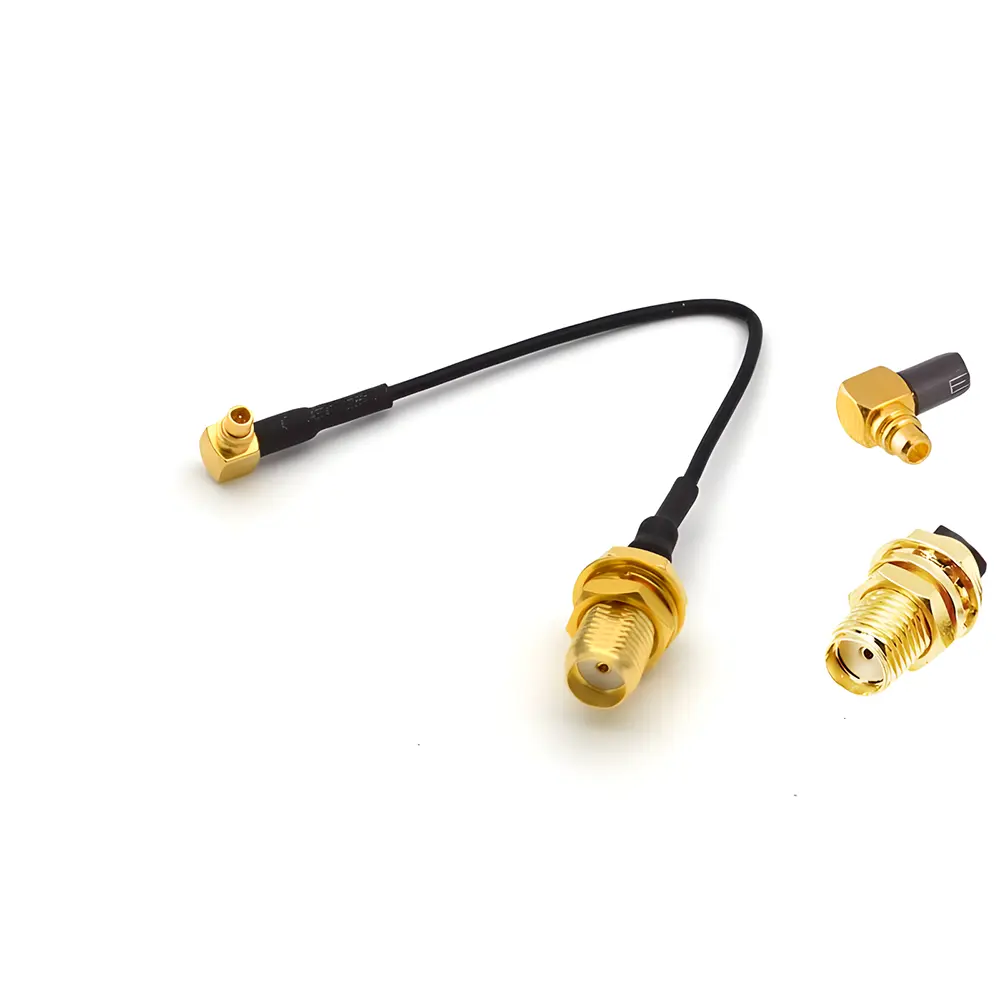 Antenna Cables
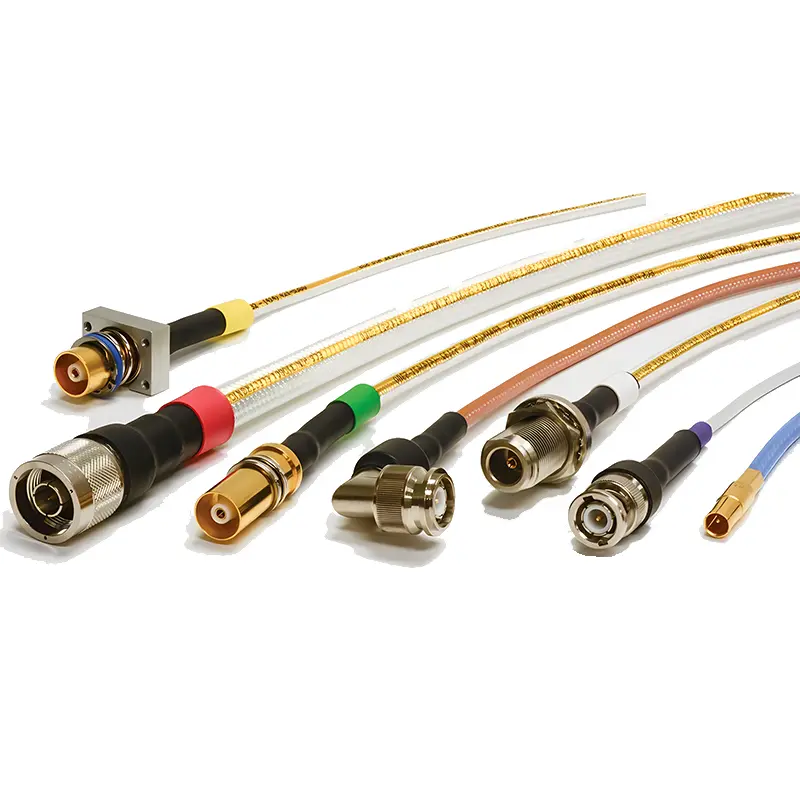 Coaxial Cables
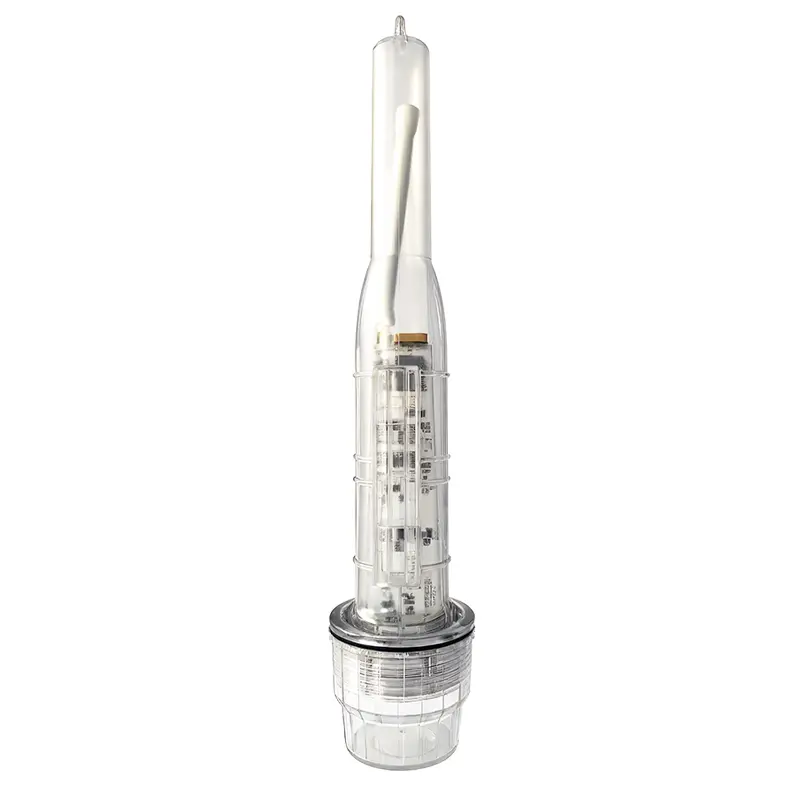 Net Position Indicator
 Solar AIS net position indicator
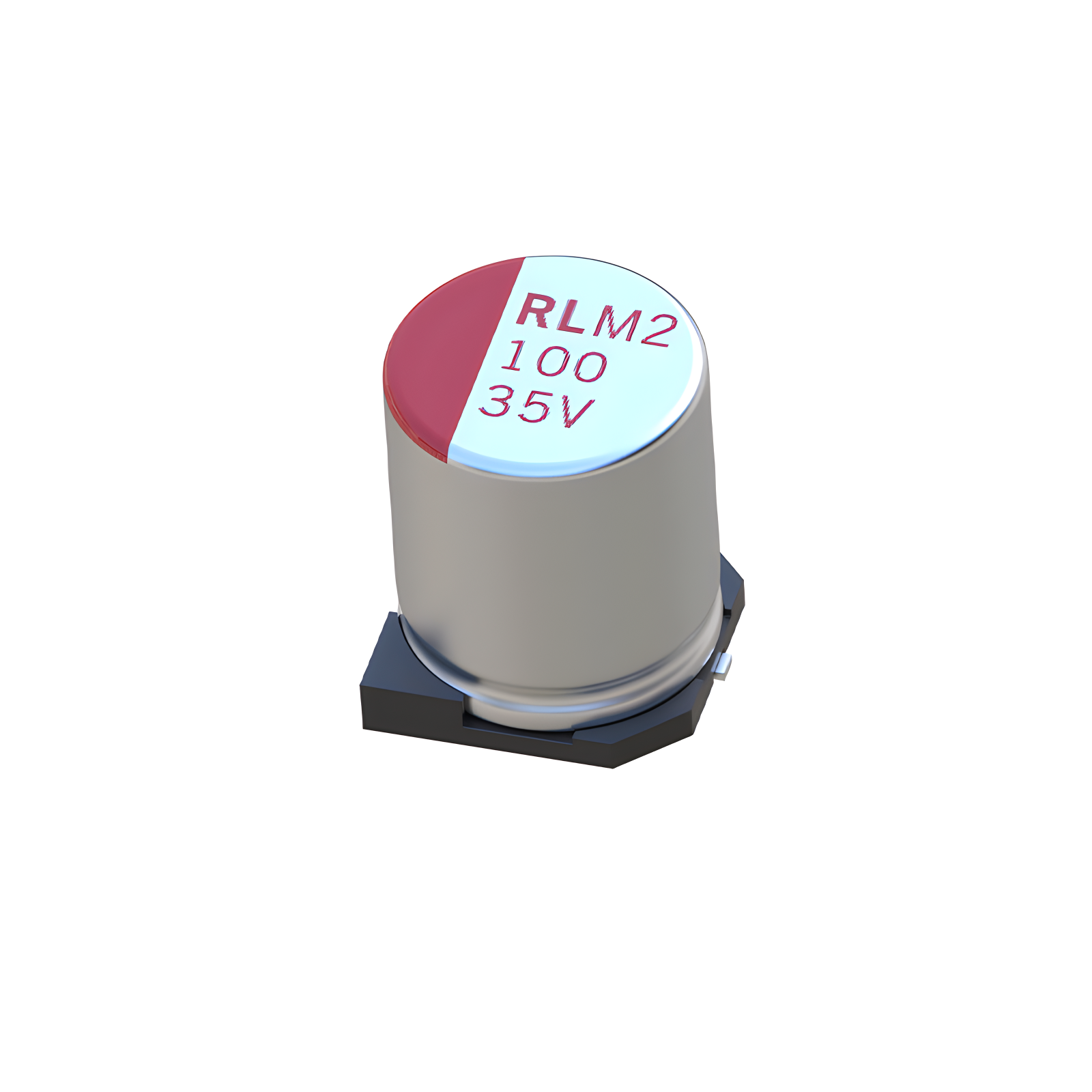 Capacitors
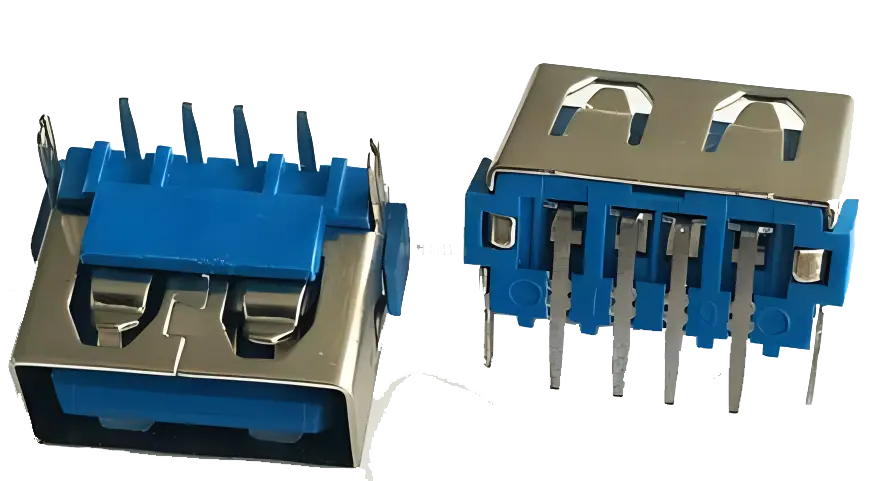 Connectors
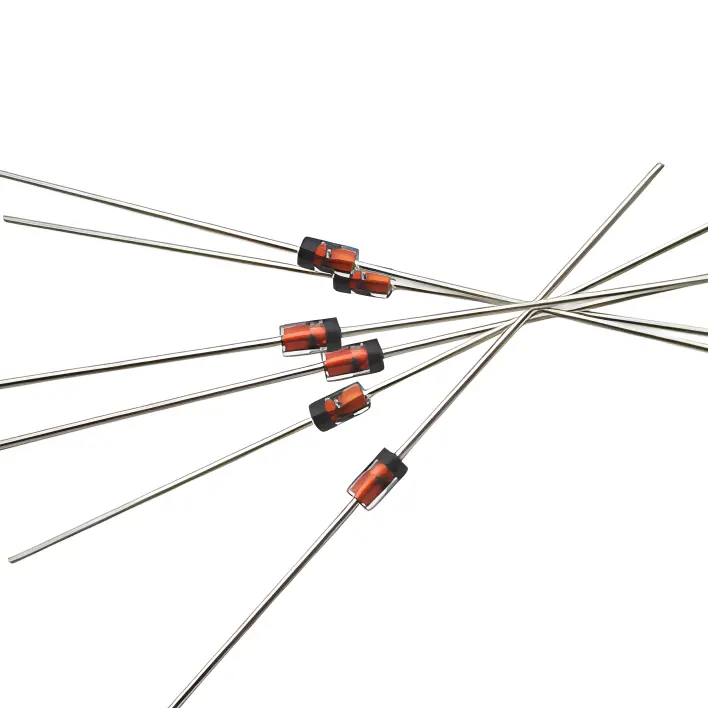 Diodes
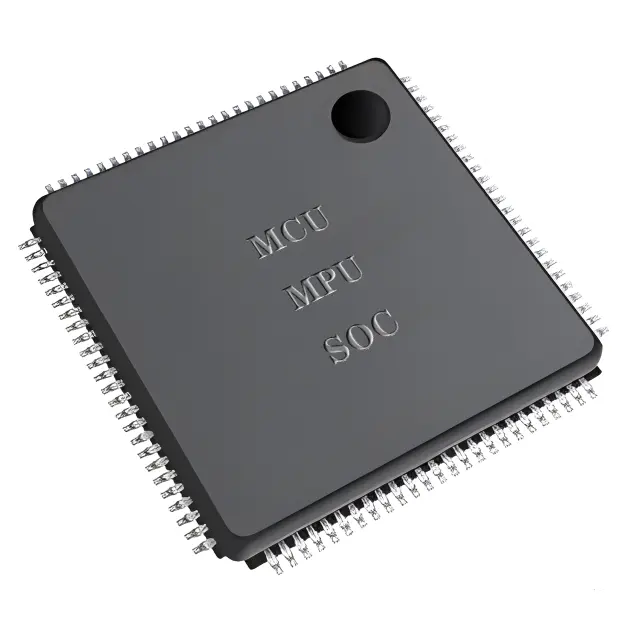 Embedded Processors & Controllers
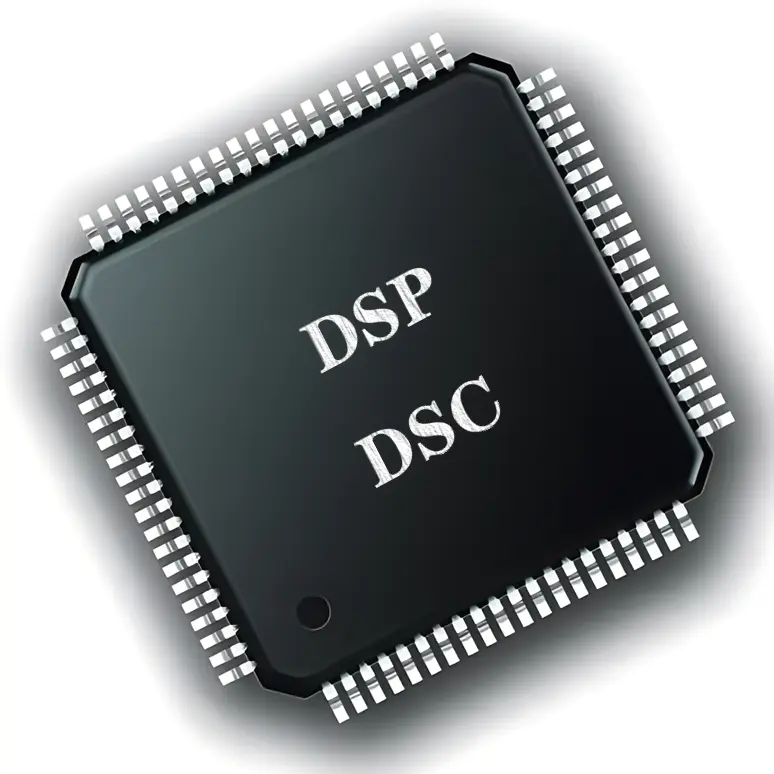 Digital Signal Processors (DSP/DSC)
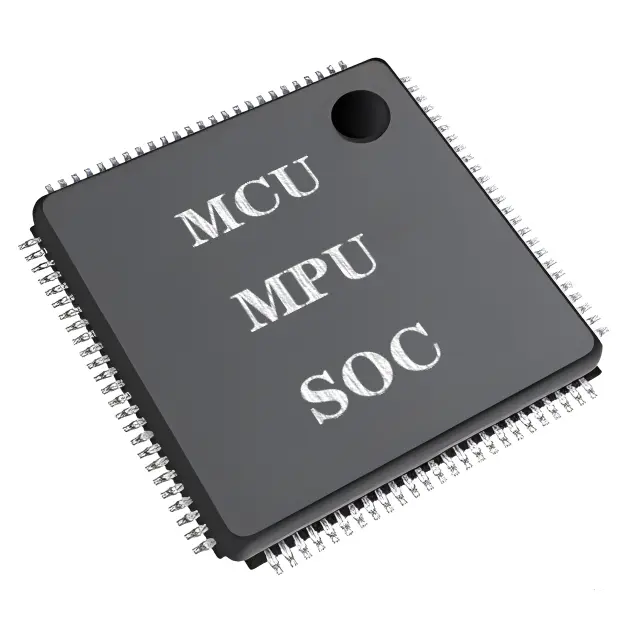 Microcontrollers (MCU/MPU/SOC)
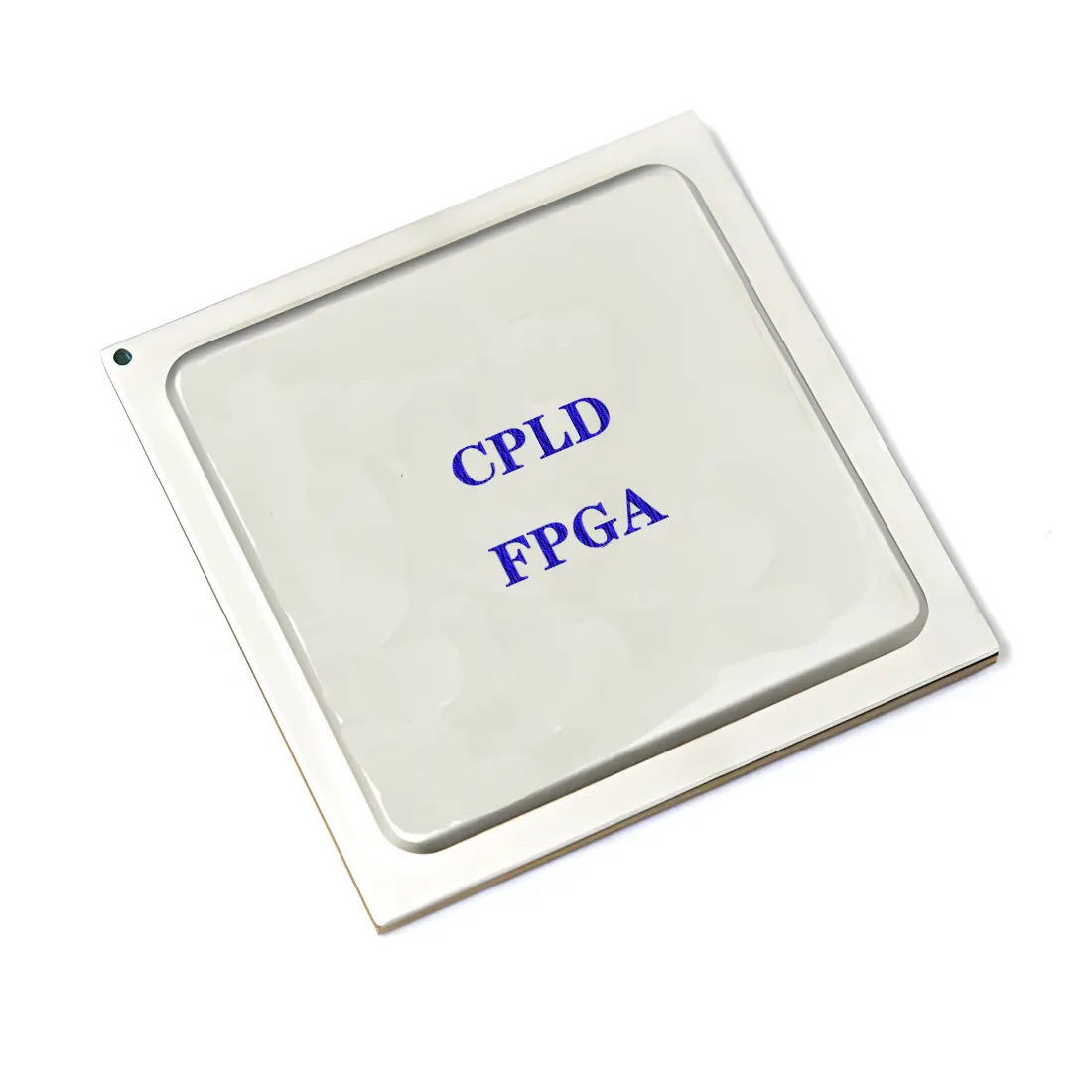 Programmable Logic Device(CPLD/FPGA)
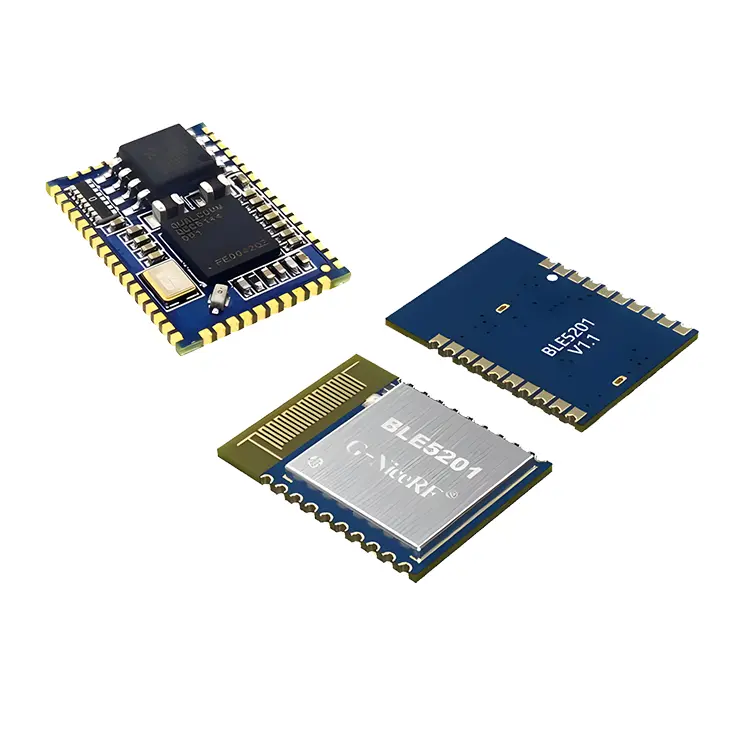 Communication Modules/IoT
 Resistors
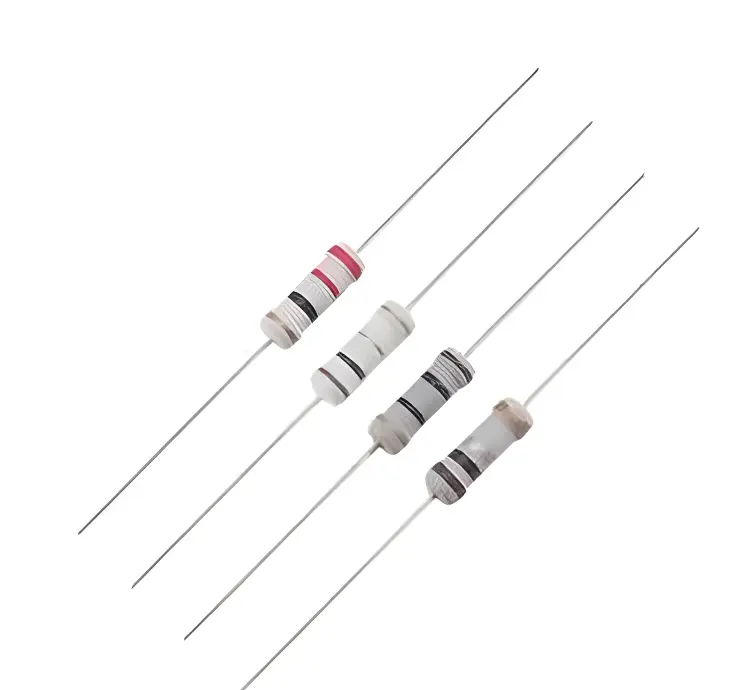 Through Hole Resistors
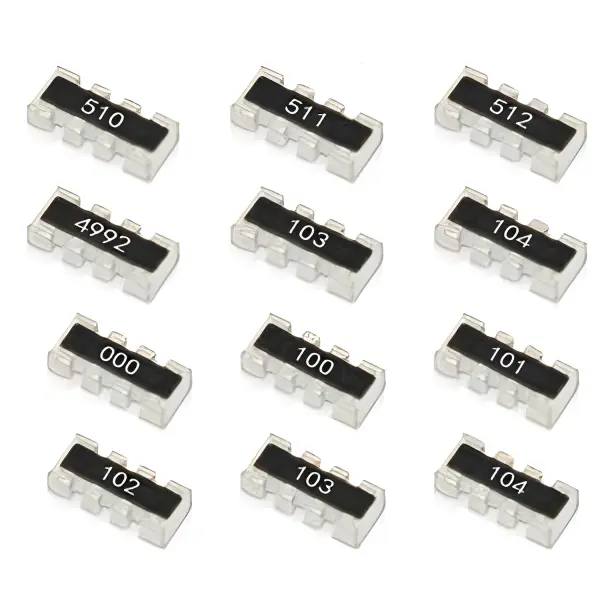 Resistor Networks, Arrays
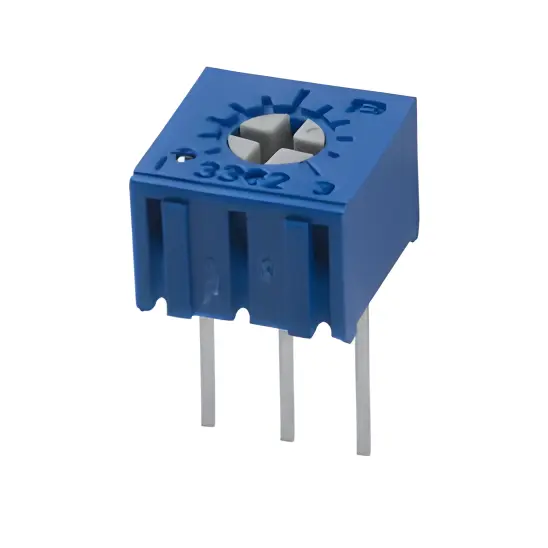 Potentiometers,Variable Resistors
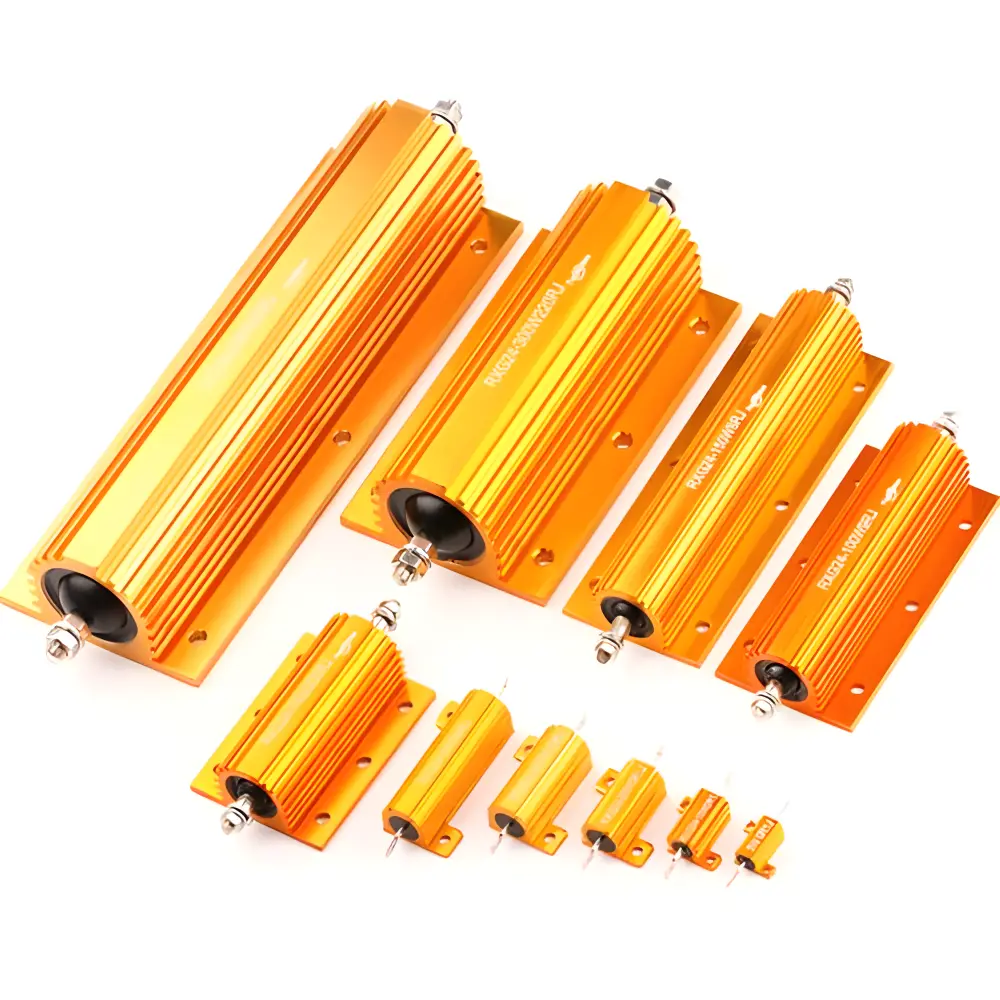 Aluminum Case,Porcelain Tube Resistance
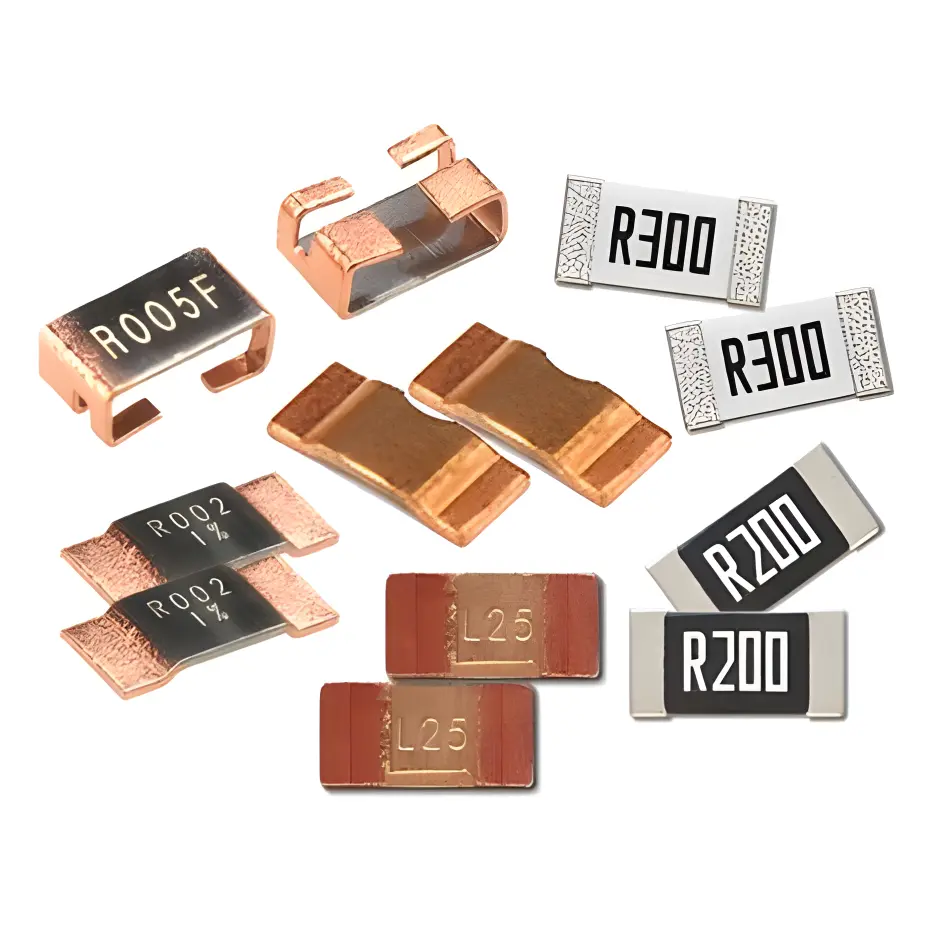 Current Sense Resistors,Shunt Resistors
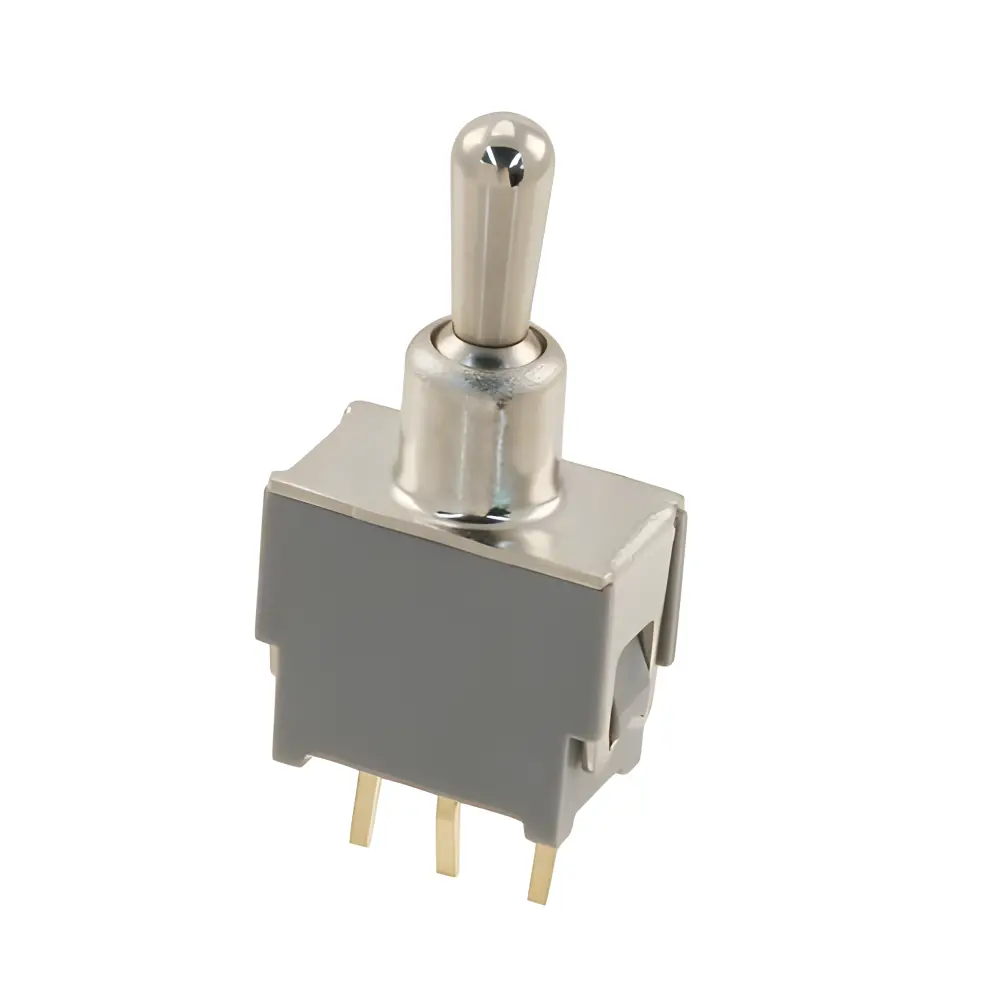 Switches
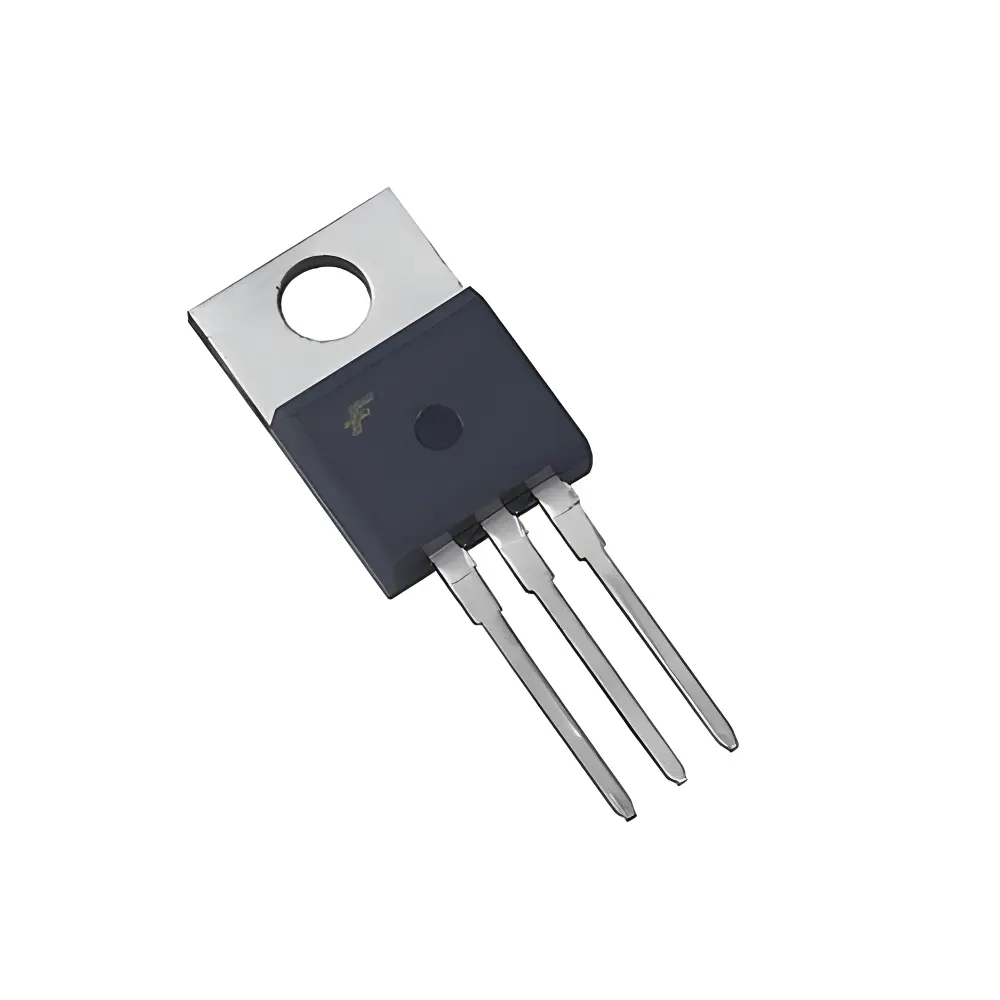 Transistors
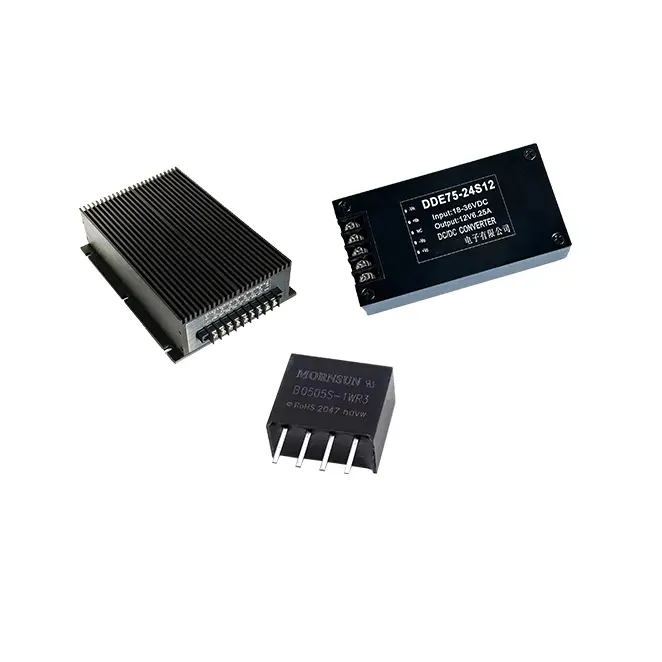 Power Modules
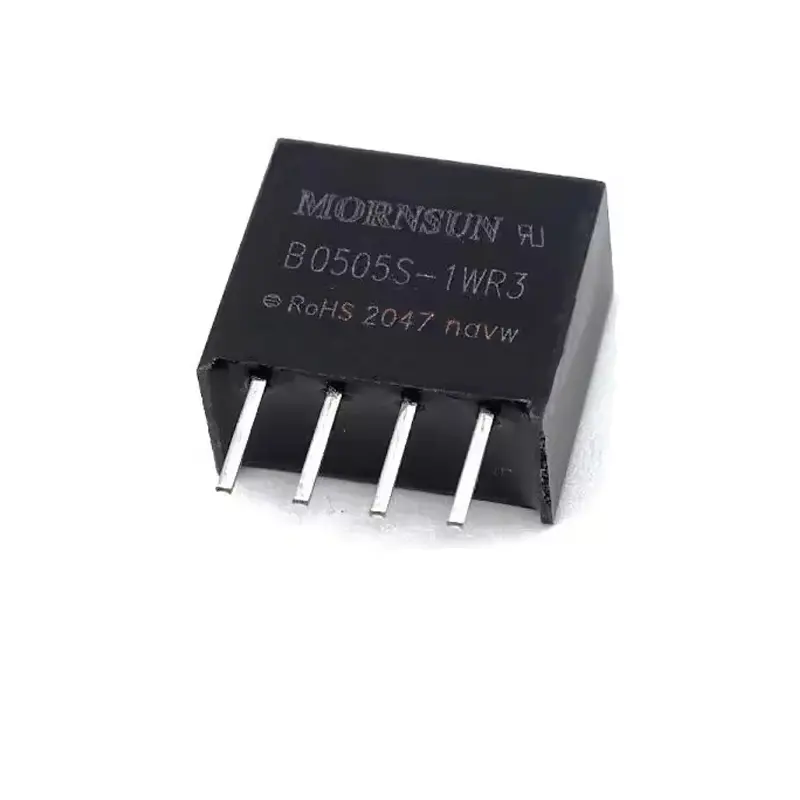 Isolated Power Modules
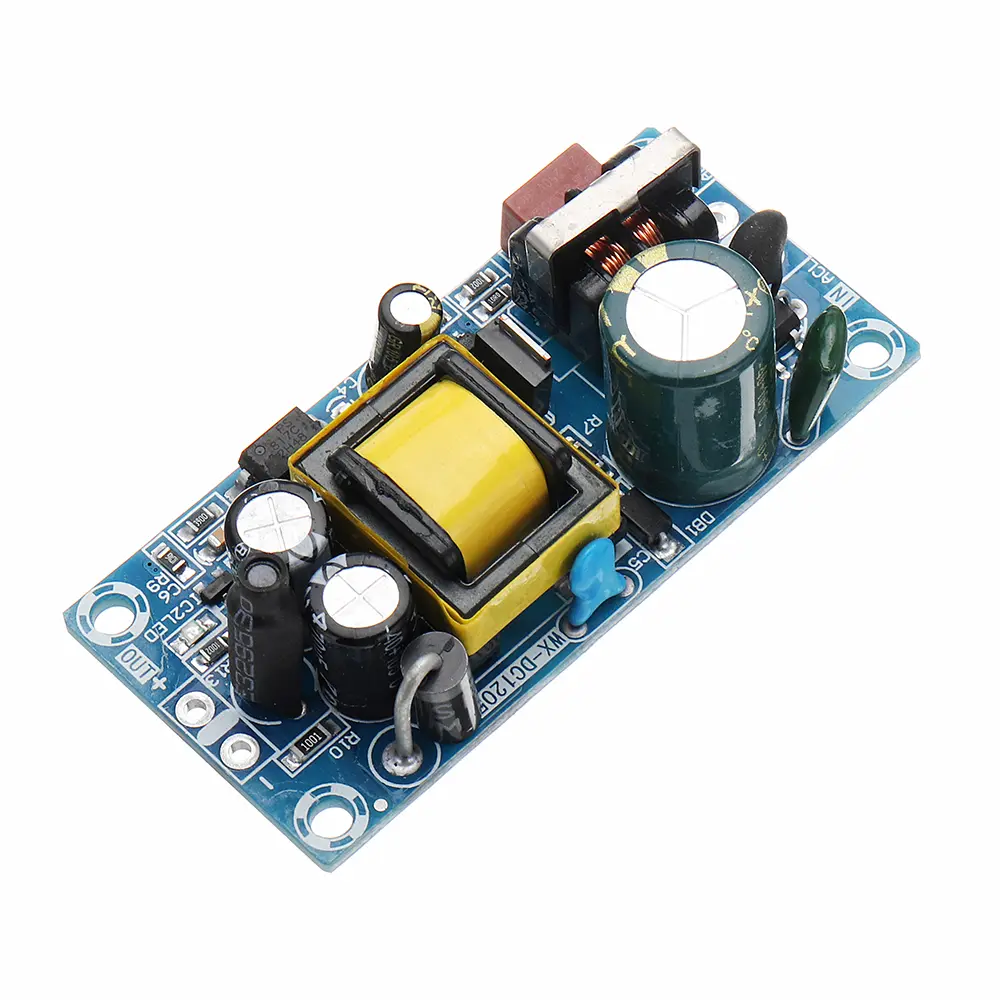 AC-DC Power Modules
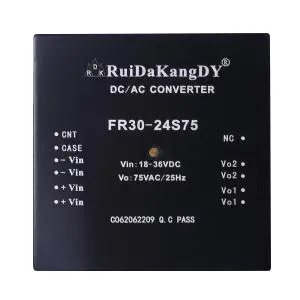 DC-AC Module(Inverter)
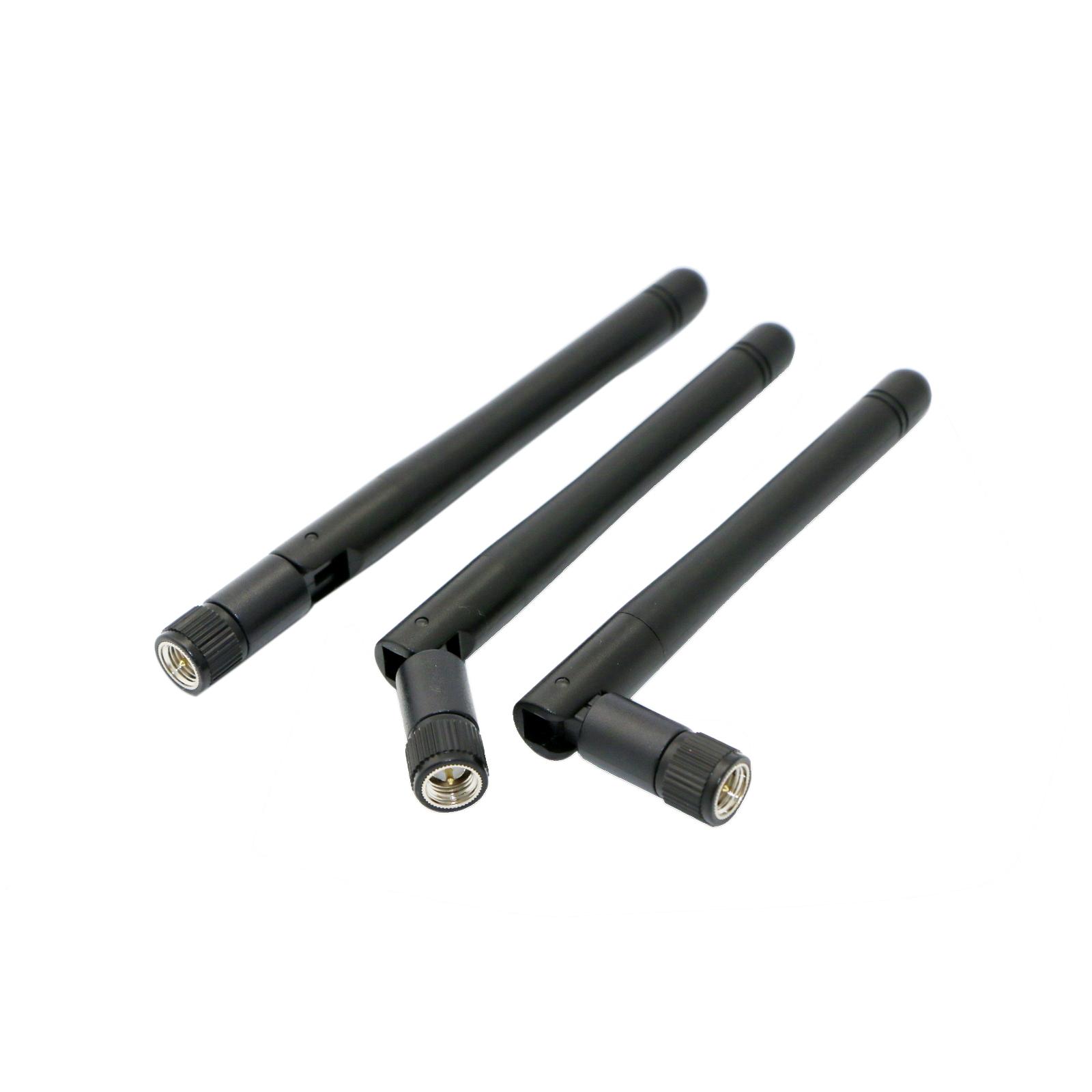 RF and Wireless
MOSFETs
MOSFETs, full name Metal-Oxide-Semiconductor Field-Effect Transistor, are crucial semiconductor devices. Below is a detailed introduction to MOSFETs:
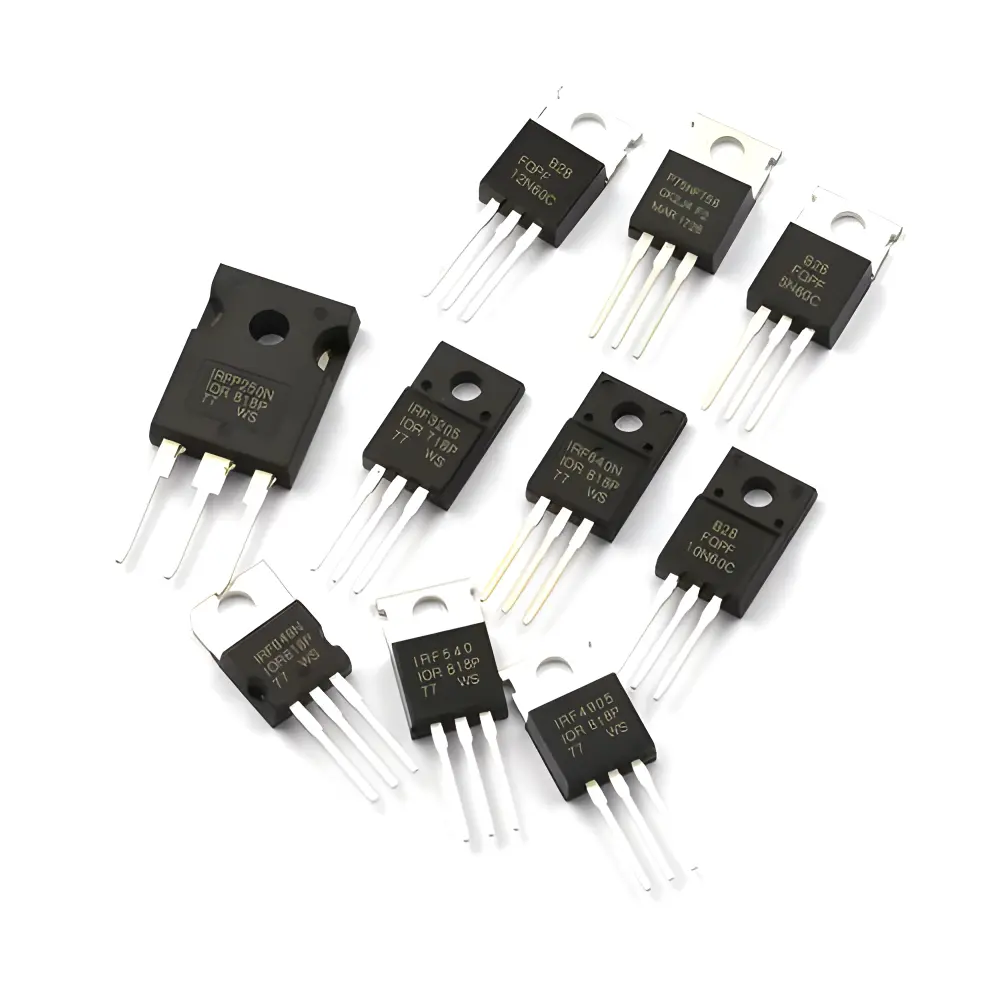
I. Composition and Structure
MOSFETs consist of three parts: metal (M), oxide (O), and semiconductor (S). The metal layer serves as the gate (G), the oxide layer as the insulating layer, and the semiconductor layer forms the source (S) and drain (D). Typically, MOSFETs also have a substrate (B), but in practical applications, the substrate is often connected to the source, SIMplifying it into a three-terminal device.
II. Working Principle
The working principle of MOSFETs is based on the transport of charge carriers in semiconductor materials and the field effect. When a voltage is applied between the gate and source, an electric field forms in the semiconductor surface below the gate. This electric field alters the charge distribution on the semiconductor surface, thereby affecting the current between the source and drain. By adjusting the gate voltage, the on-off state of the current between the source and drain can be controlled, enabling switching and amplification functions.
III. Main Advantages
Fast Switching Speed: MOSFETs exhibit rapid switching speeds, suitable for high-frequency circuits.
Excellent High-Frequency Characteristics: In high-frequency circuits, MOSFETs maintain stable performance.
Good Thermal Stability: MOSFETs perform well at high temperatures.
Low Noise: MOSFETs have low noise levels, suitable for circuits sensitive to noise.
Simple Drive Circuit: The drive circuit for MOSFETs is relatively simple, reducing the complexity of circuit design.
Low Drive Power: MOSFETs require minimal drive power when conducting, contributing to energy savings.
Wide Safe Operating Area: MOSFETs have a wide safe operating area, enabling stable operation within a large voltage and current range.
No Secondary Breakdown Issue: Compared to some other semiconductor devices, MOSFETs are less prone to secondary breakdown phenomena.
IV. Classification
Based on operation type, MOSFETs are primarily classified into enhancement-mode and depletion-mode categories. Enhancement-mode MOSFETs have a closed channel when the gate voltage is zero; depletion-mode MOSFETs have an open channel when the gate voltage is zero.
V. Application Fields
MOSFETs are widely used in multiple fields due to their excellent performance:
Power Management: In electronic products such as DC-DC converters, LED drivers, and LCD TVs, MOSFETs control power switches.
Motor Control: MOSFETs control motor startup, shutdown, and speed regulation, widely used in automobiles, industrial applications, household appliances, etc.
Communication Equipment: In mobile communication base station power amplifiers, RF switches, etc., MOSFETs play a crucial role.
Lighting Applications: MOSFETs are widely used in high-brightness LED lighting and solar photovoltaic inverters.
Automotive Electronics: In engine management, braking systems, seat adjustment, etc., MOSFETs are widely used due to their high-speed switching and low-loss characteristics.
VI. Precautions
Conduction Loss: MOSFETs have electrical energy loss during conduction, known as conduction loss. This is primarily determined by the device's RDS(ON) (on-resistance) and varies significantly with temperature.
Thermal Management: Effective thermal management is necessary to ensure the stability and reliability of MOSFETs due to the heat generated during operation.
Voltage and Current Limits: When using MOSFETs, attention should be paid to their rated voltage and current limits to prevent device damage or performance degradation.