 PCB
PCB FPC
FPC Rigid-Flex
 FR-4
FR-4 HDI PCB
 Rogers High-Frequency Board
 PTFE Teflon High-Frequency Board
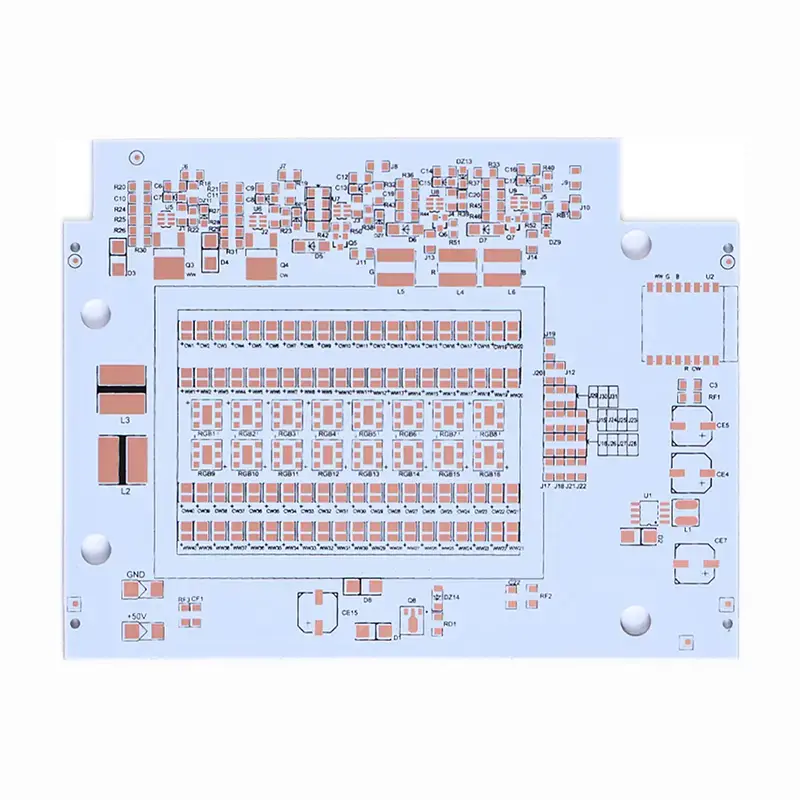 Aluminum
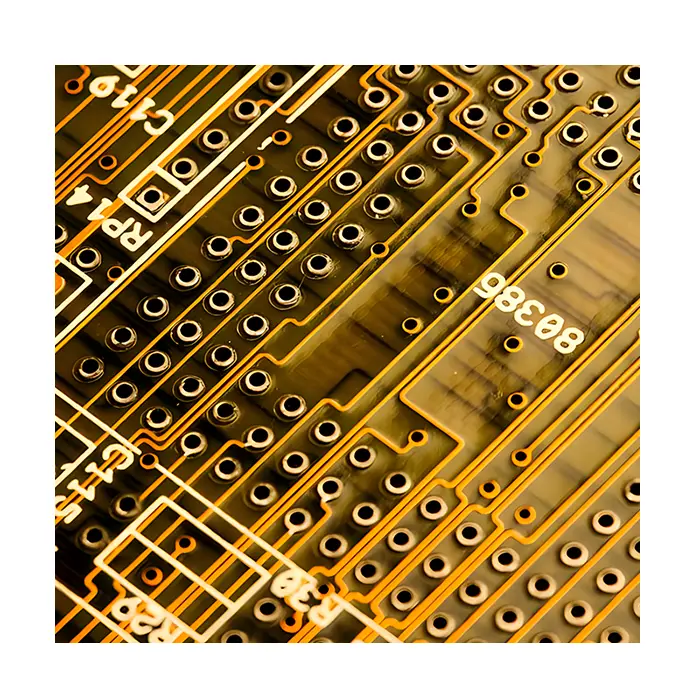 Copper Core
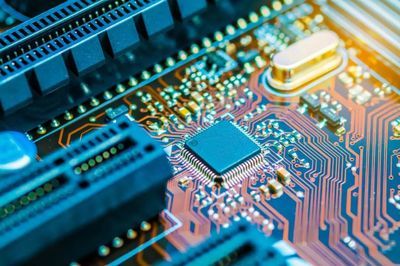 PCB Assembly
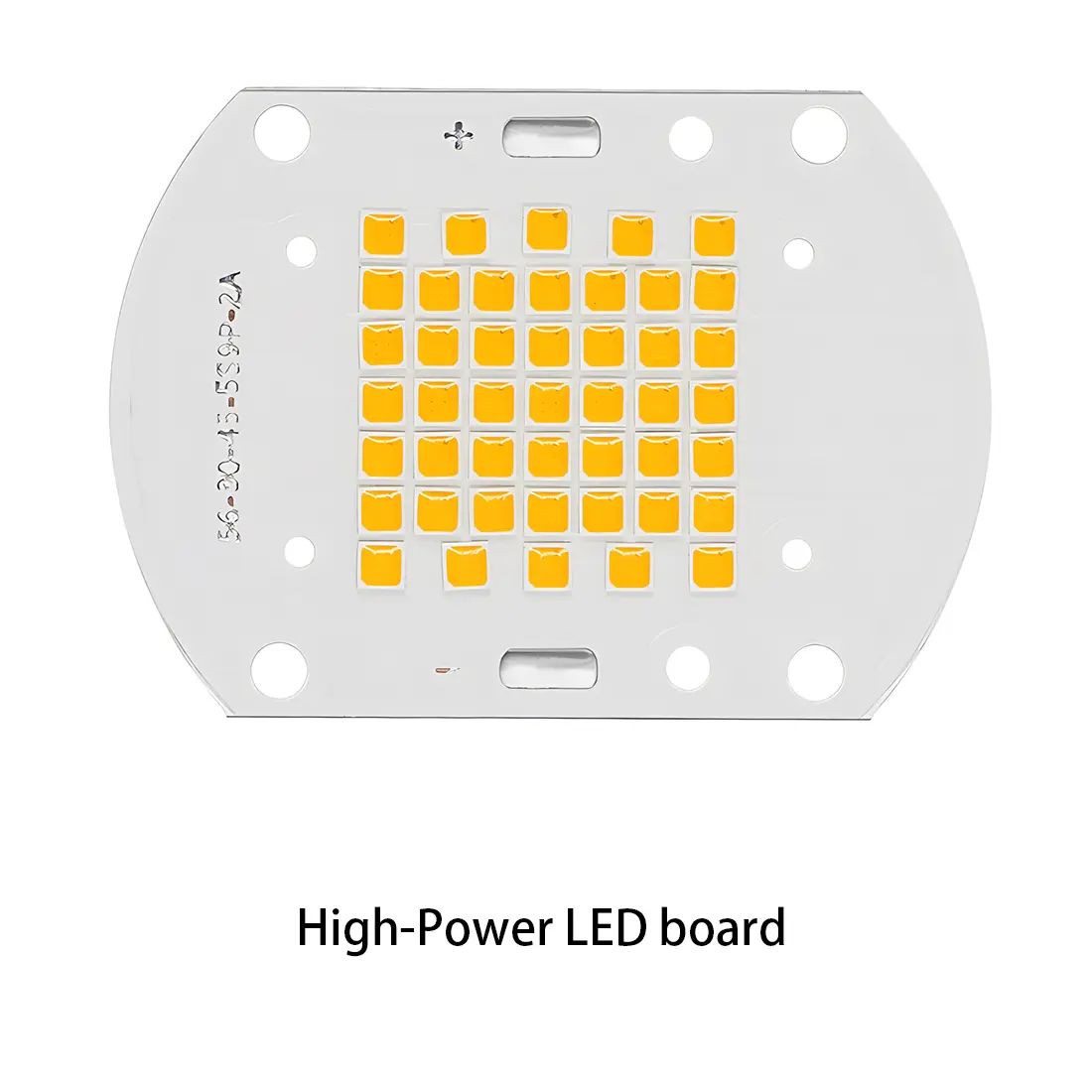 LED light PCBA
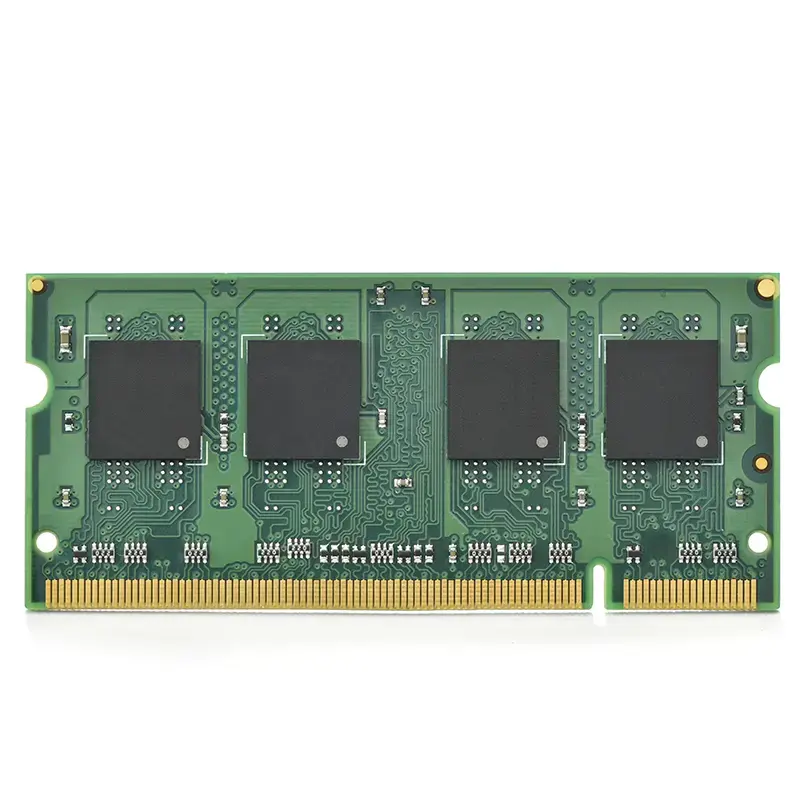
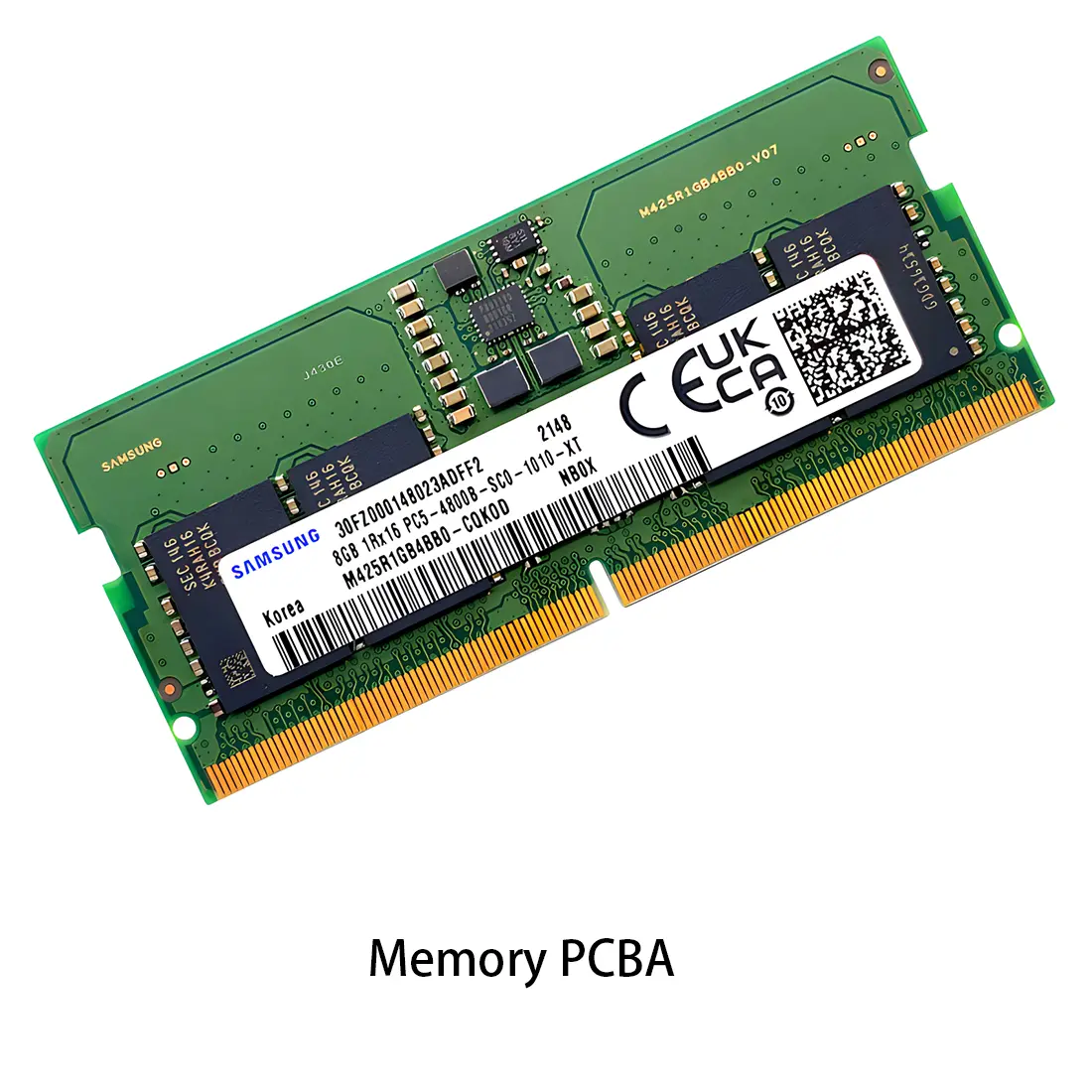 Memory PCBA
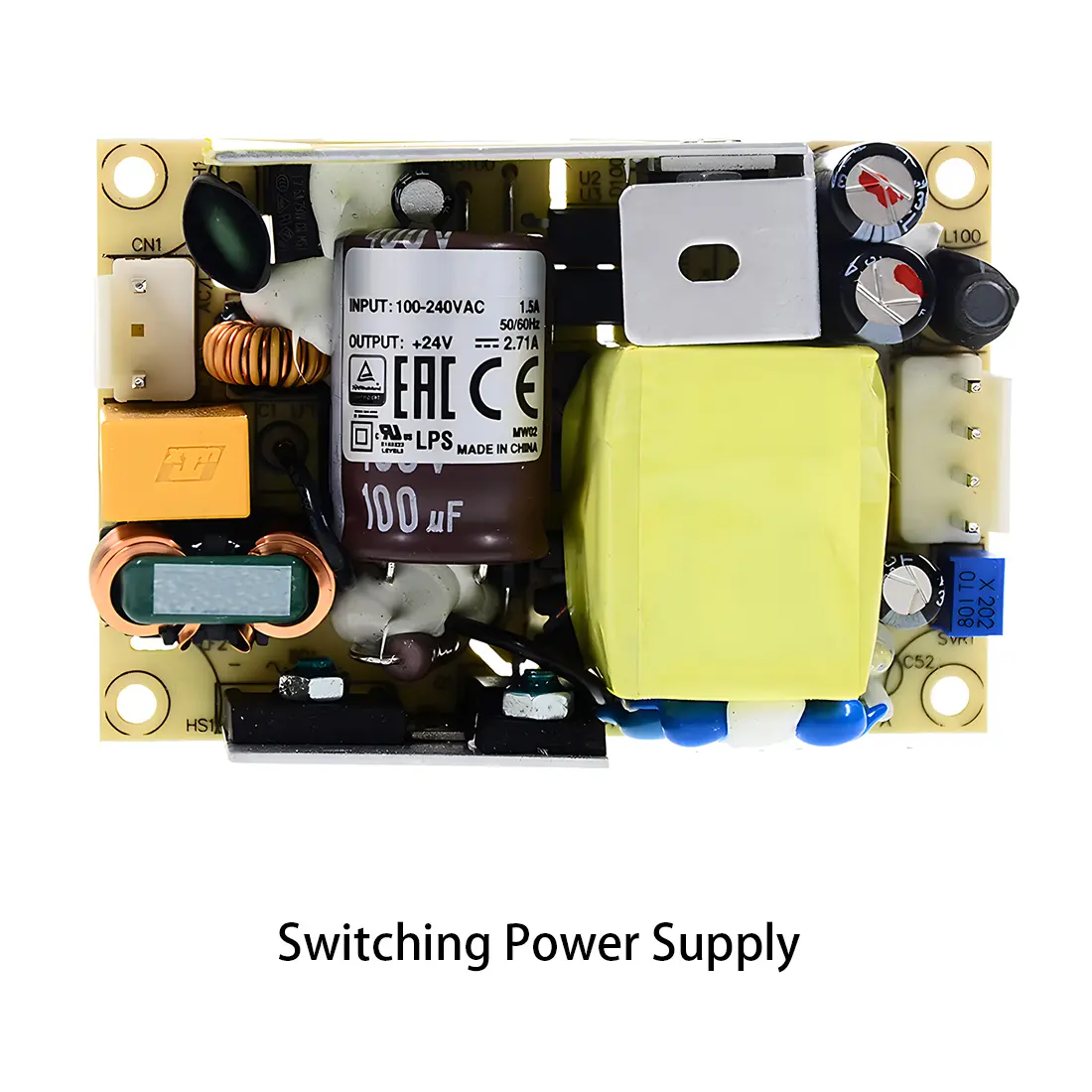 Power Supply PCBA
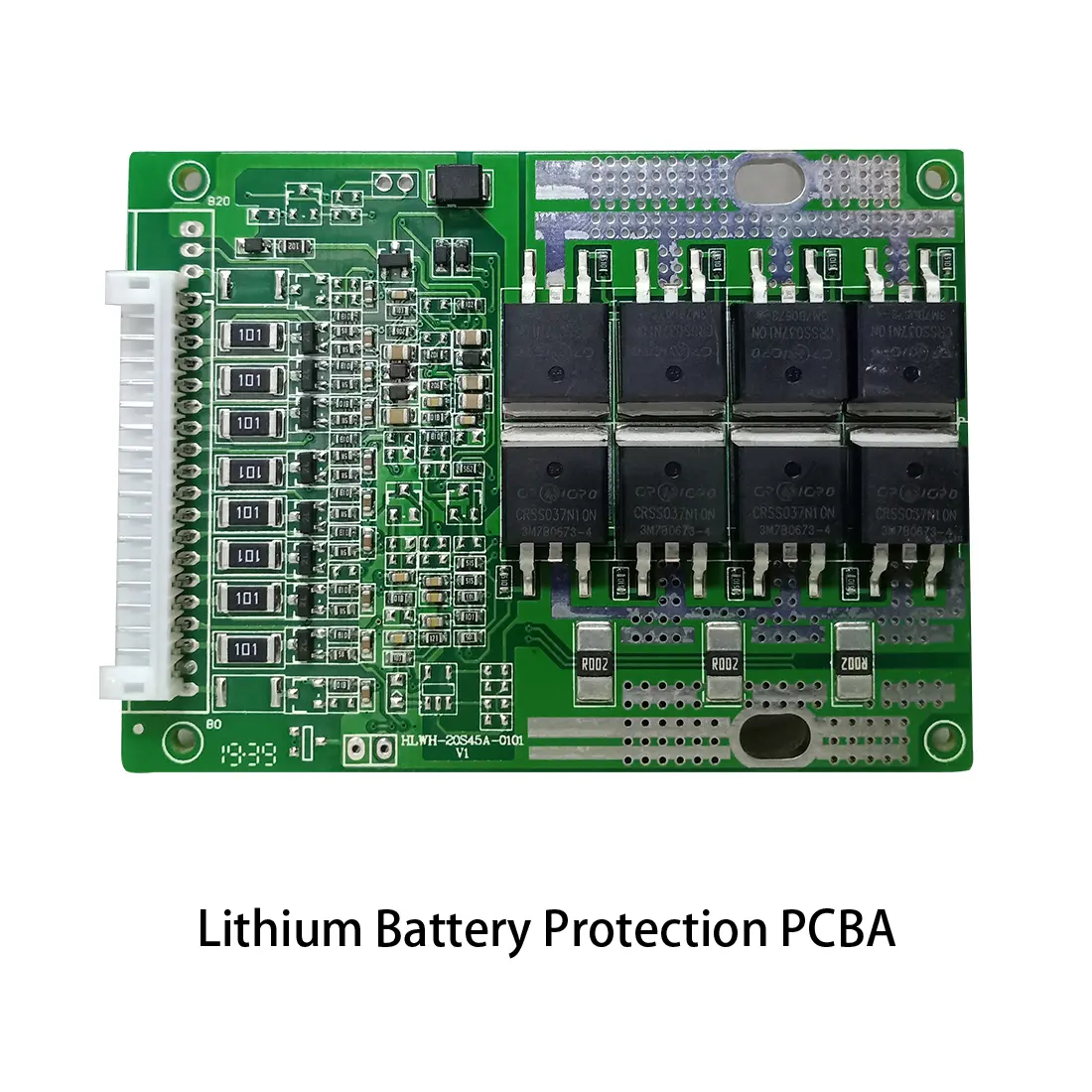 New Energey PCBA
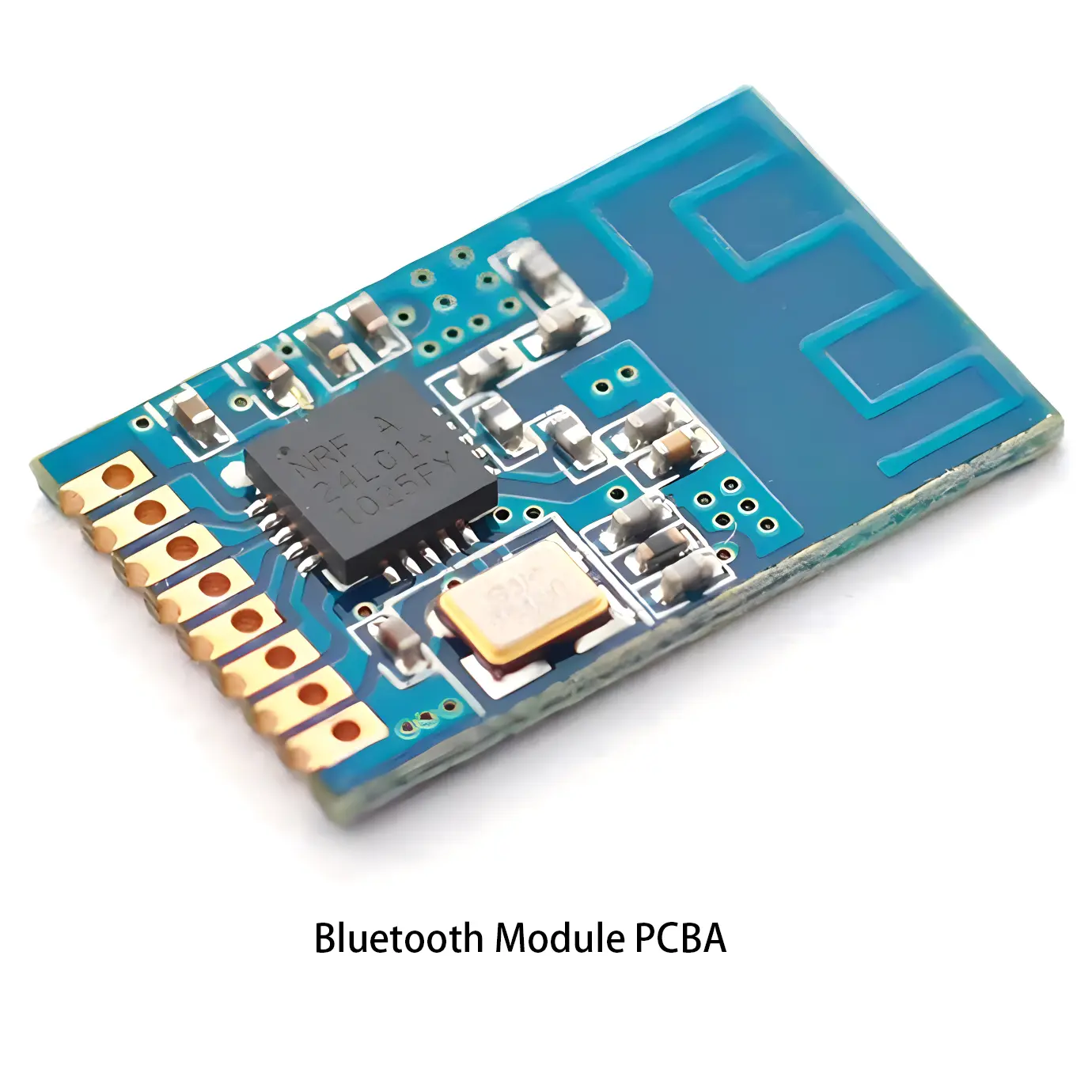 Communication PCBA
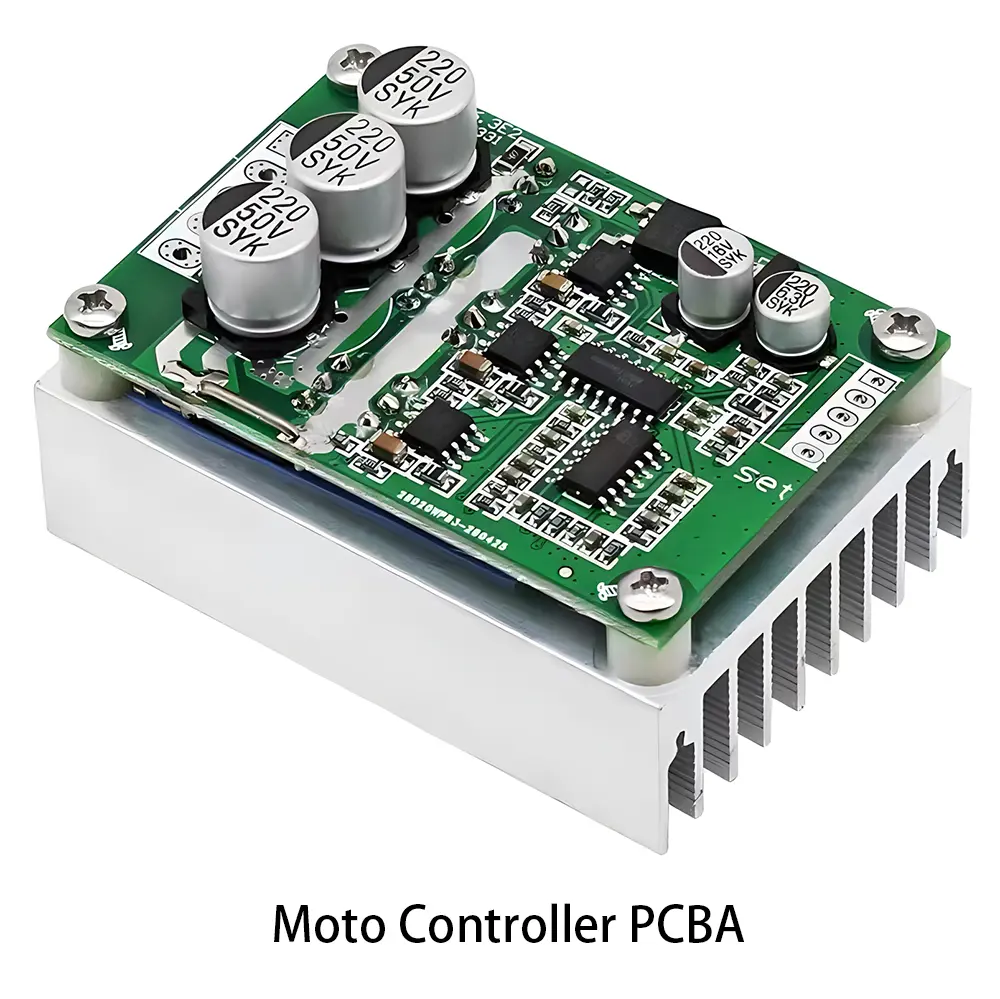 Industrial Control PCBA
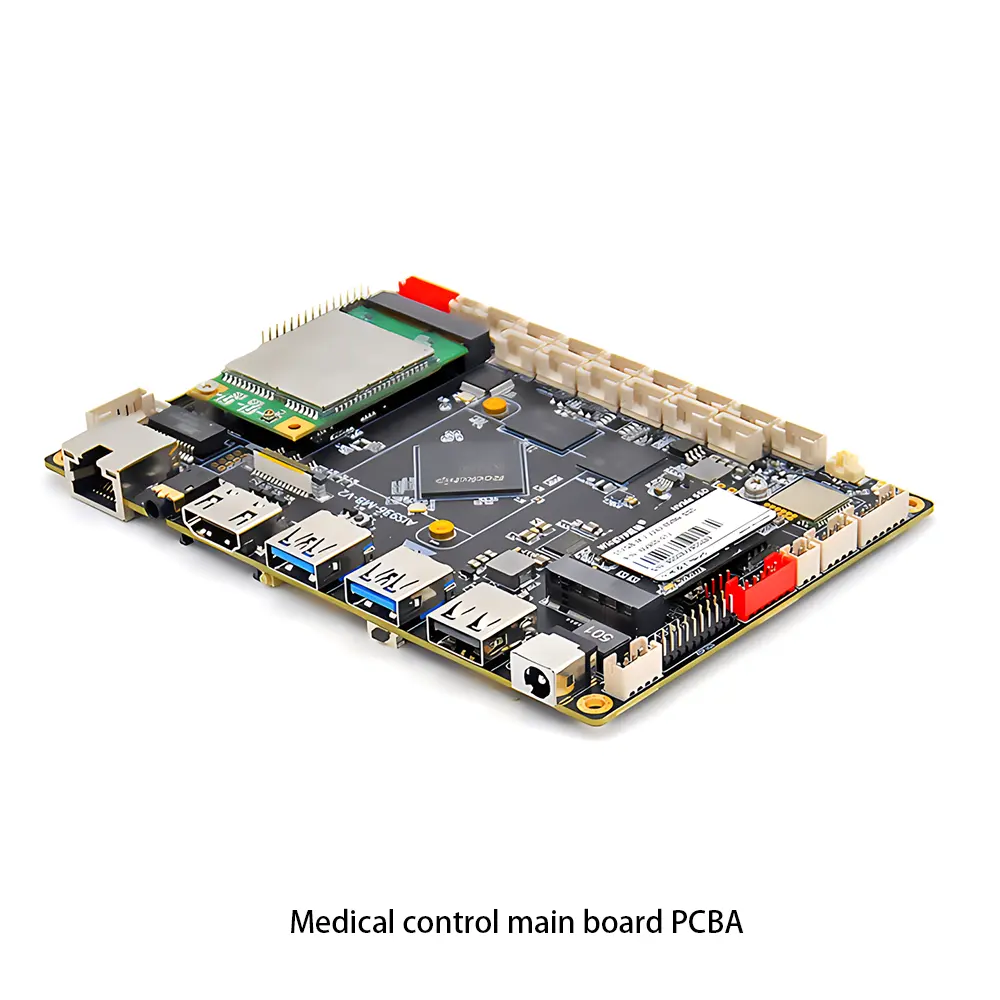 Medical Equipment PCBA
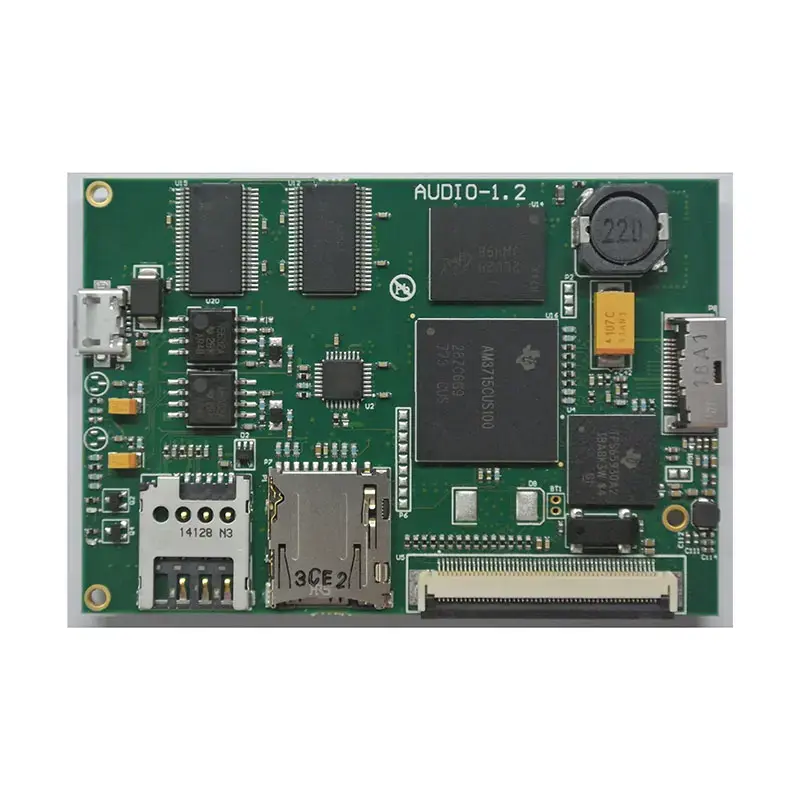 Testing Service
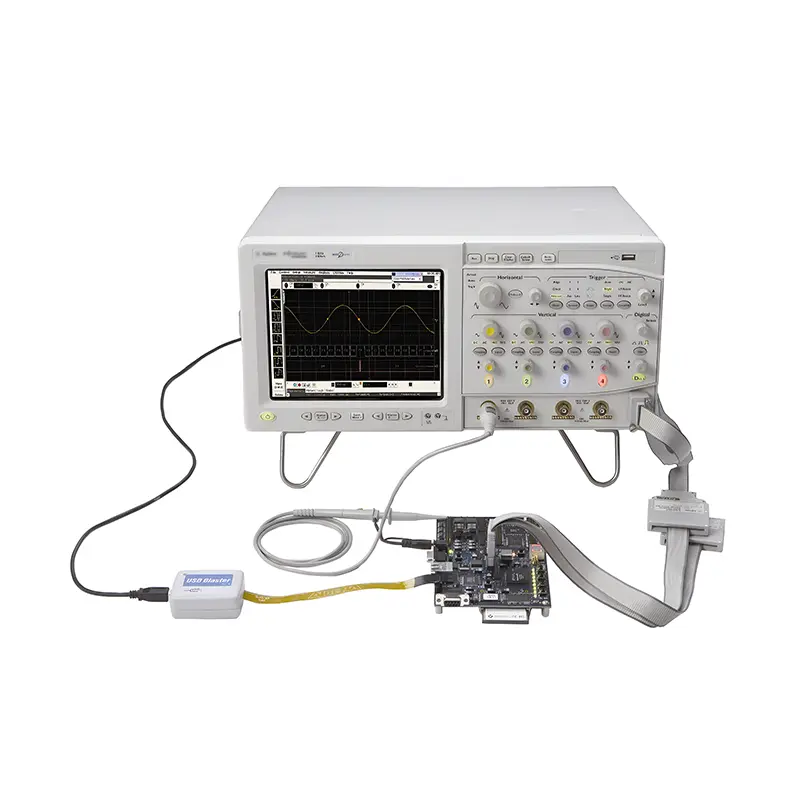 PCBA Testing Service
 Certification Application
 RoHS Certification Application
 REACH Certification Application
 CE Certification Application
 FCC Certification Application
 CQC Certification Application
 UL Certification Application
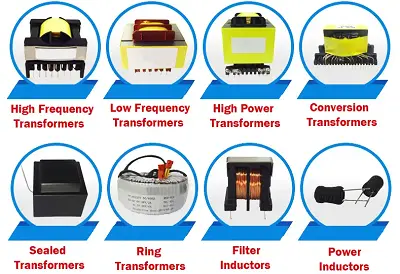 Transformers, Inductors
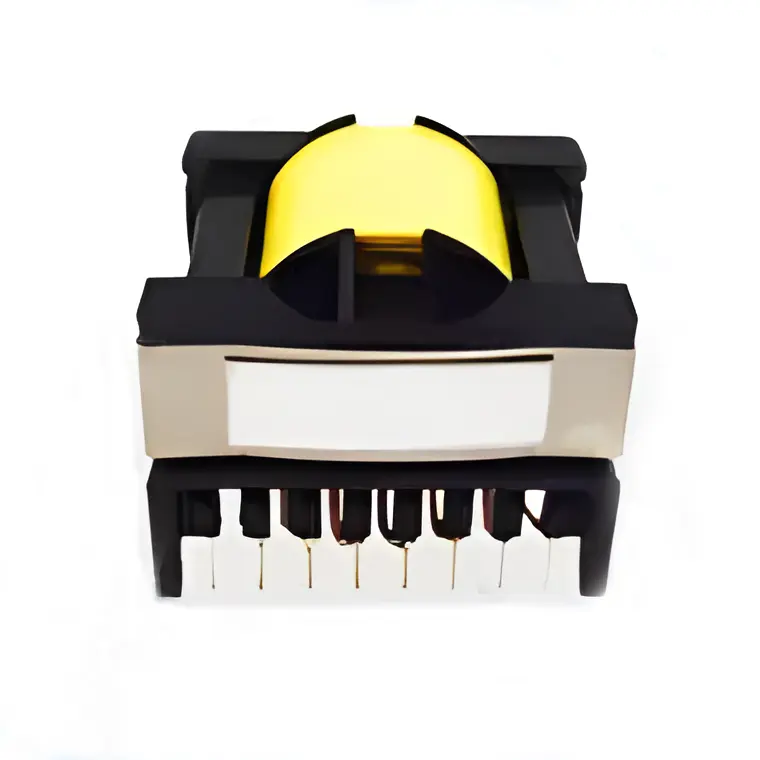 High Frequency Transformers
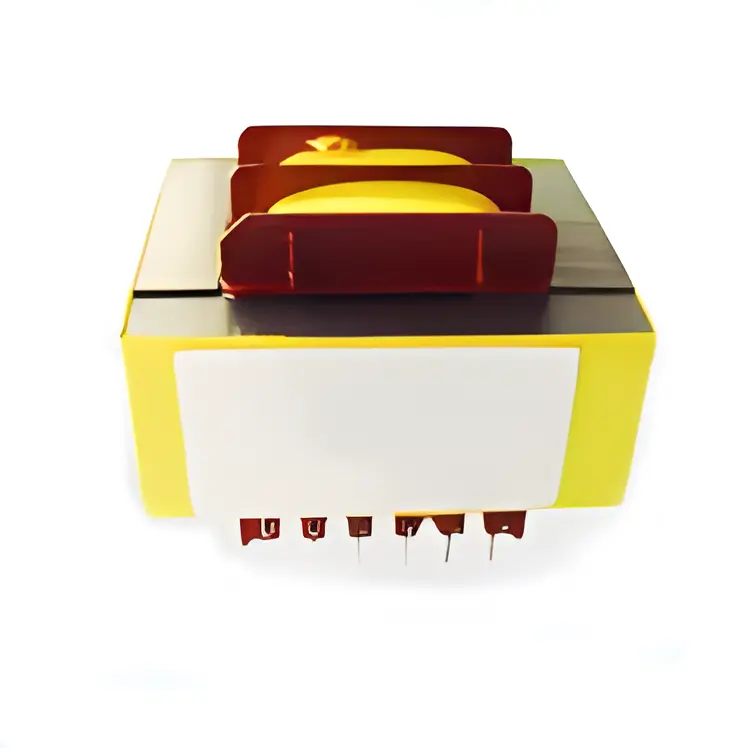 Low Frequency Transformers
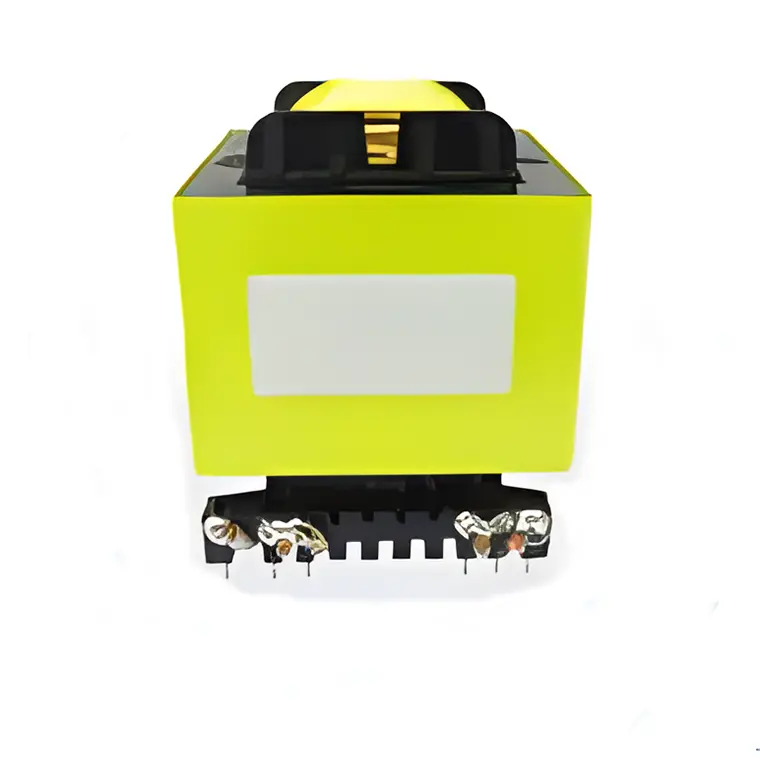 High Power Transformers
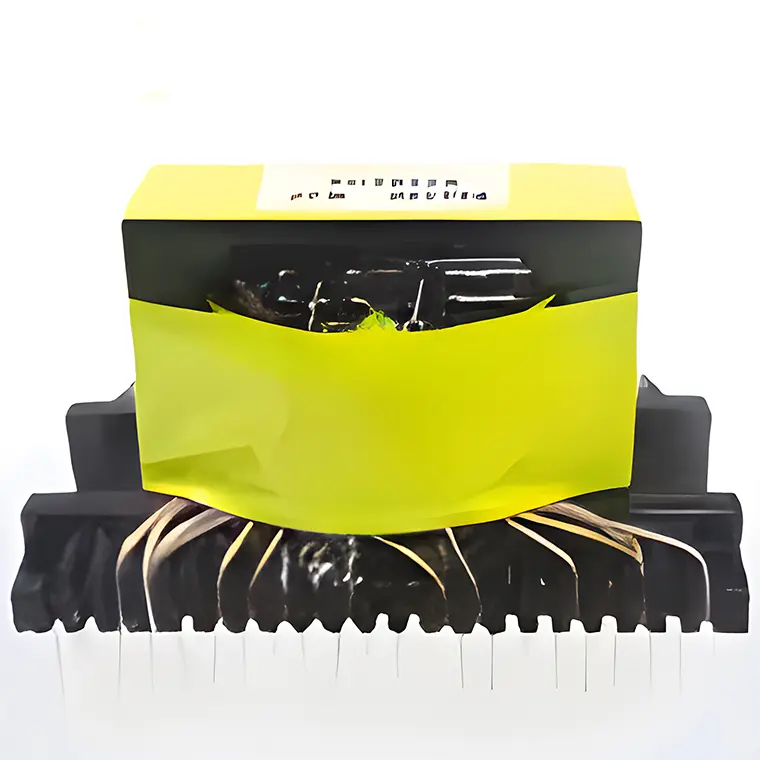 Conversion Transformers
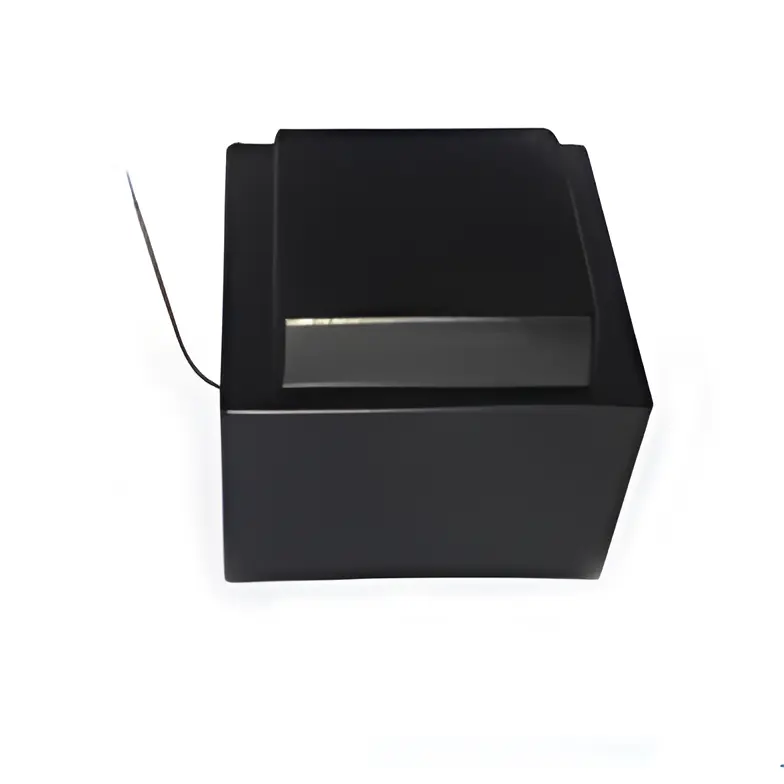 Sealed Transformers
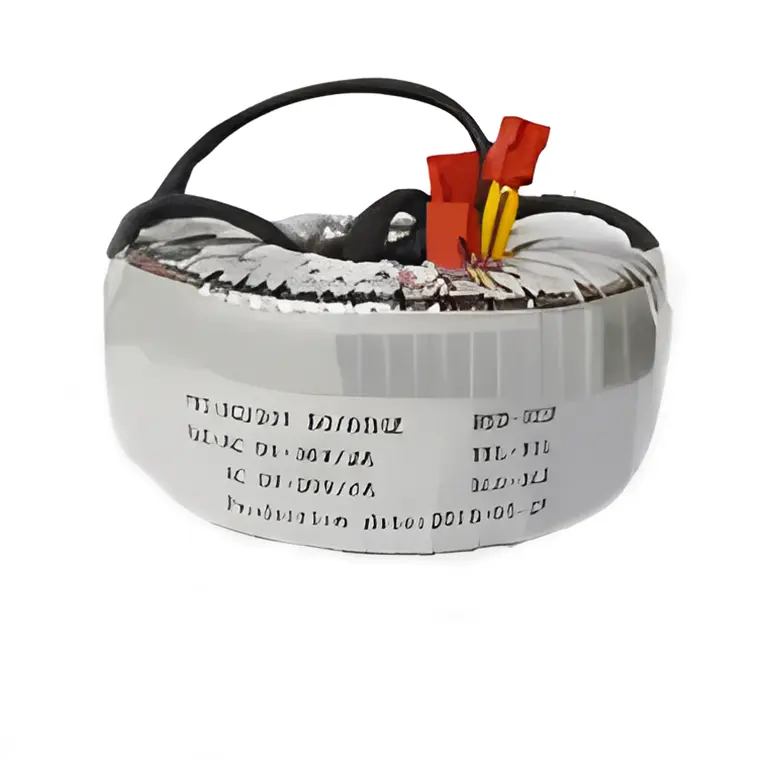 Ring Transformers
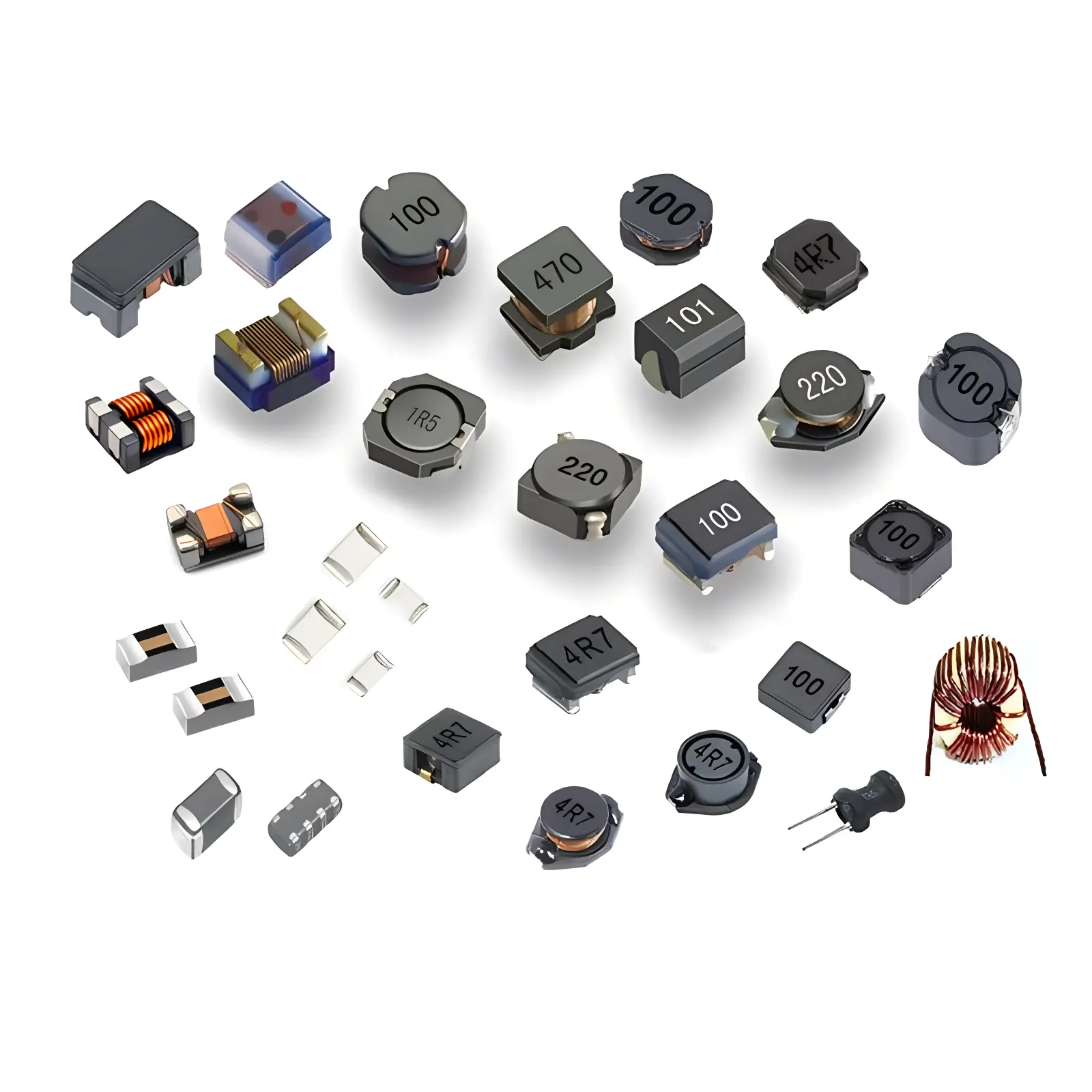 Inductors
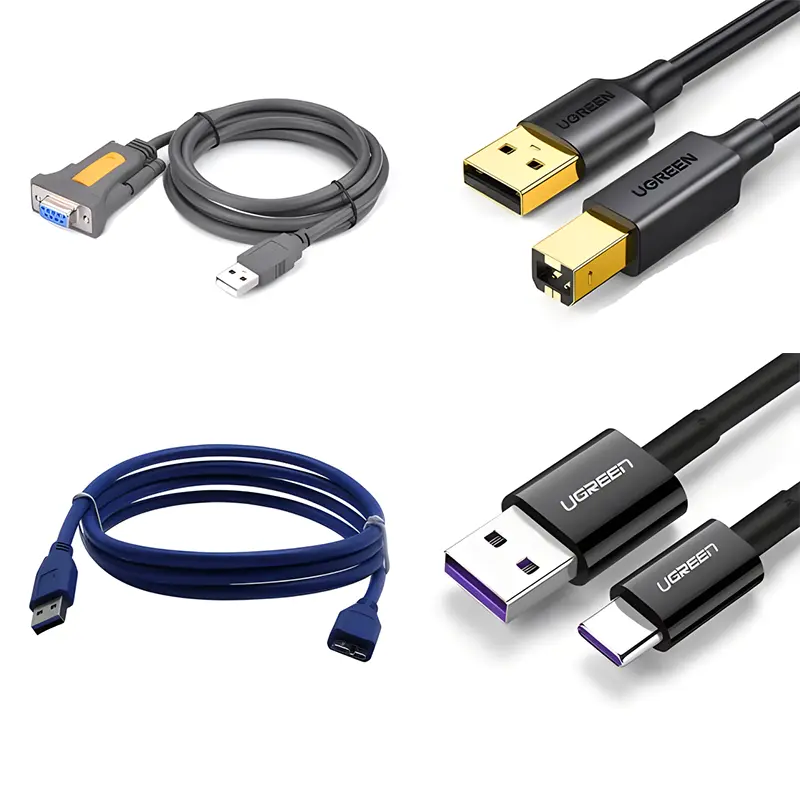 Wires,Cables Customized
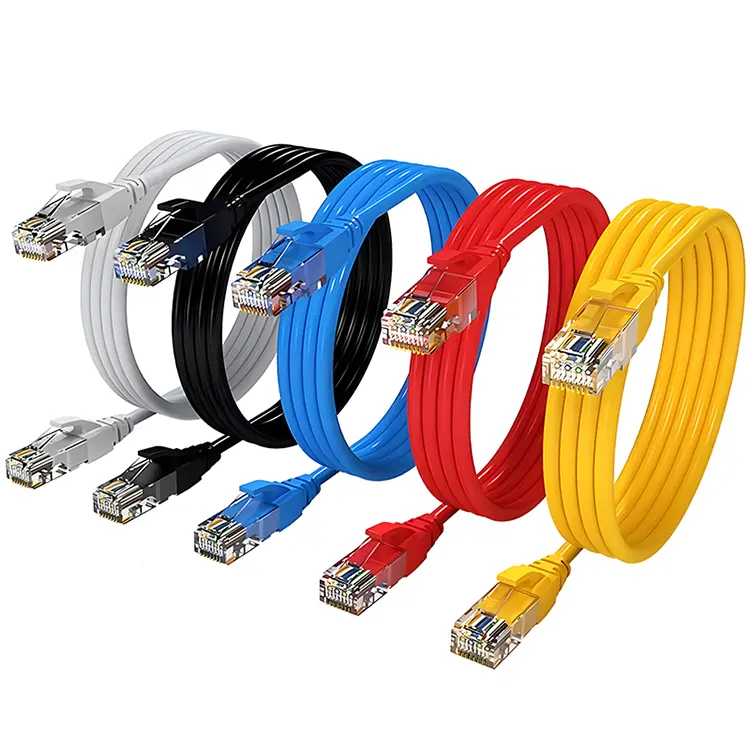 Network Cables
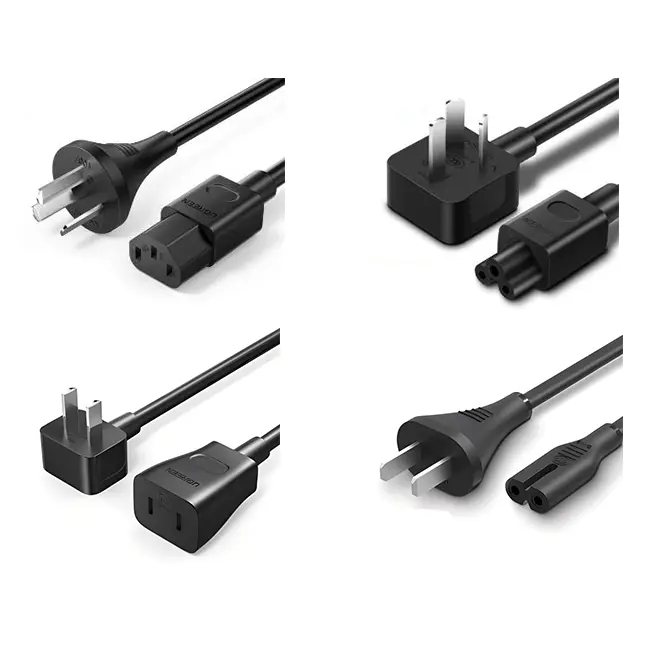 Power Cords
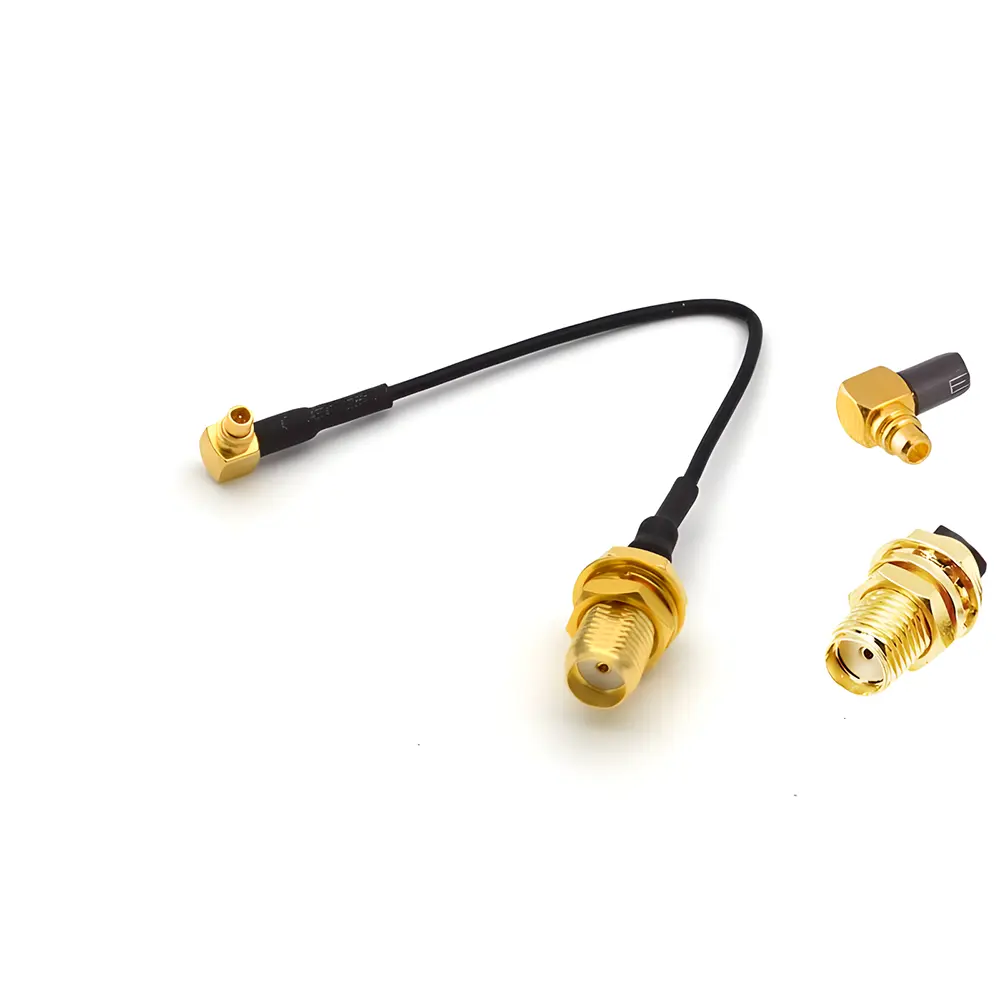 Antenna Cables
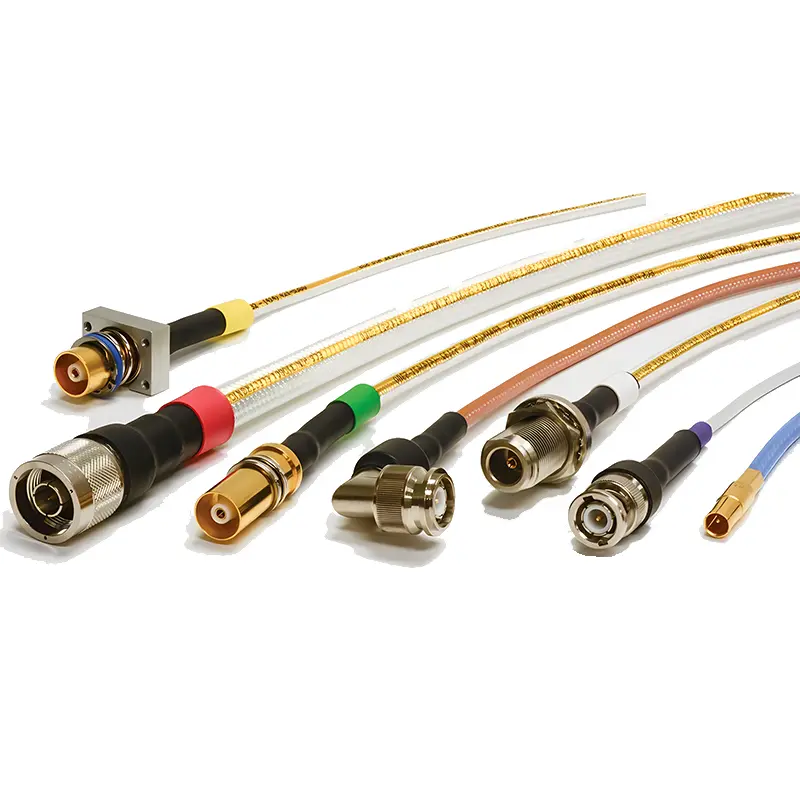 Coaxial Cables
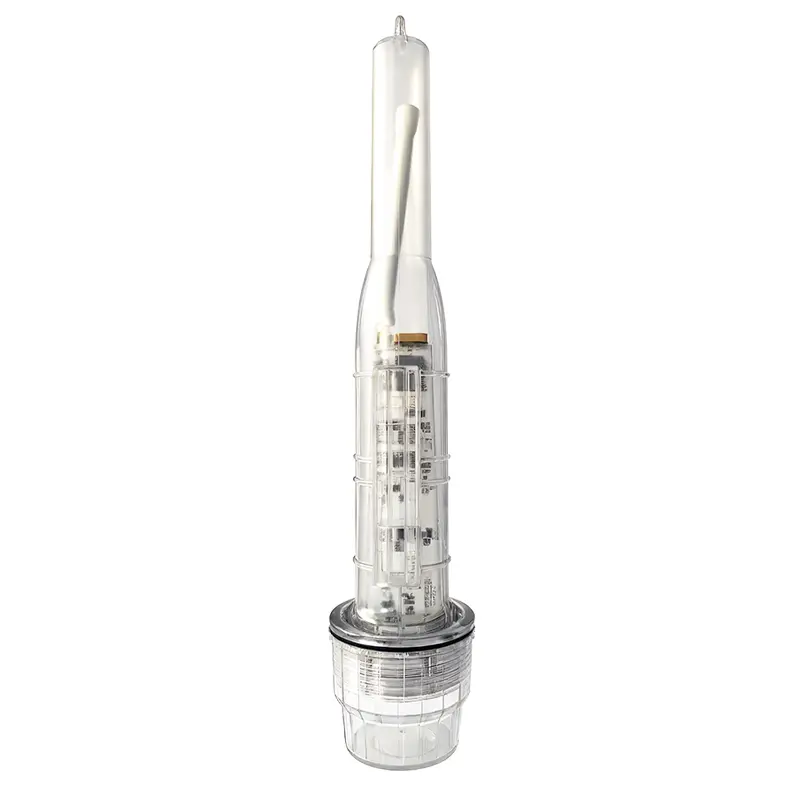 Net Position Indicator
 Solar AIS net position indicator
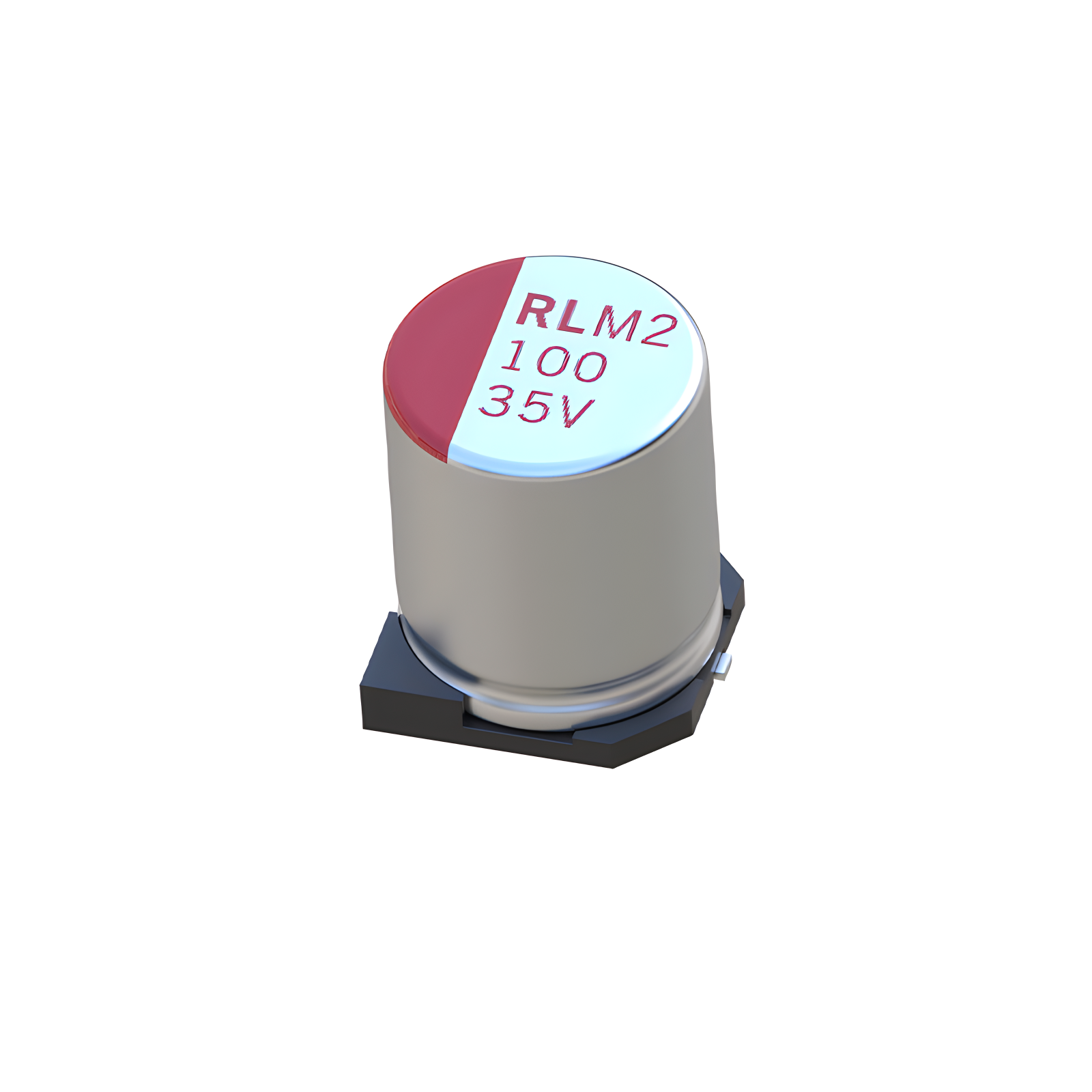 Capacitors
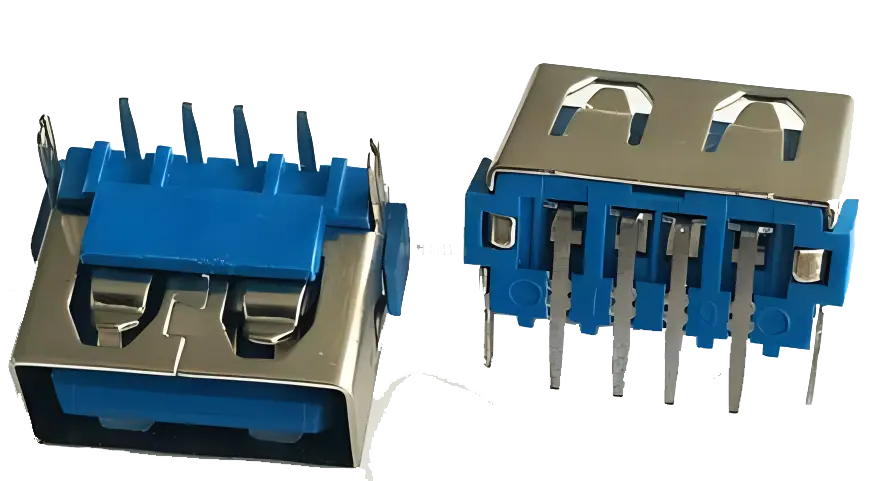 Connectors
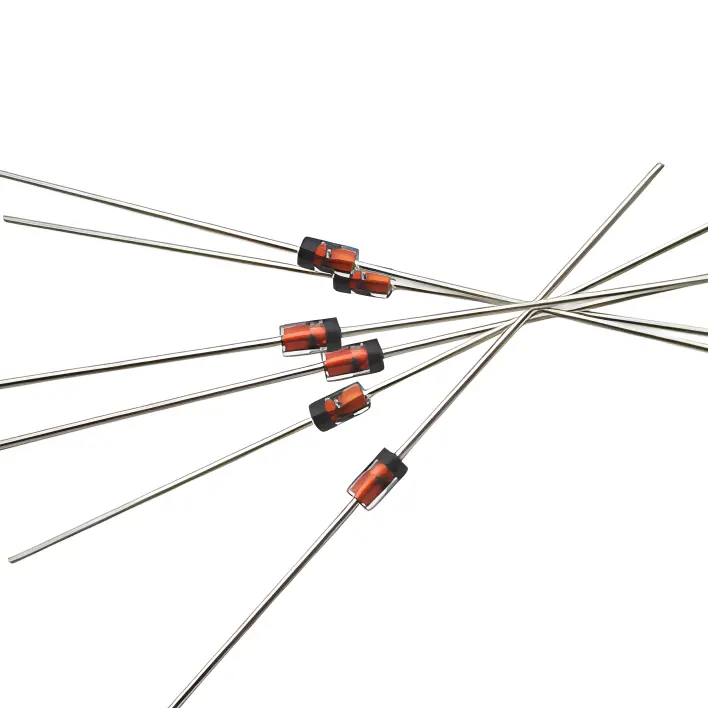 Diodes
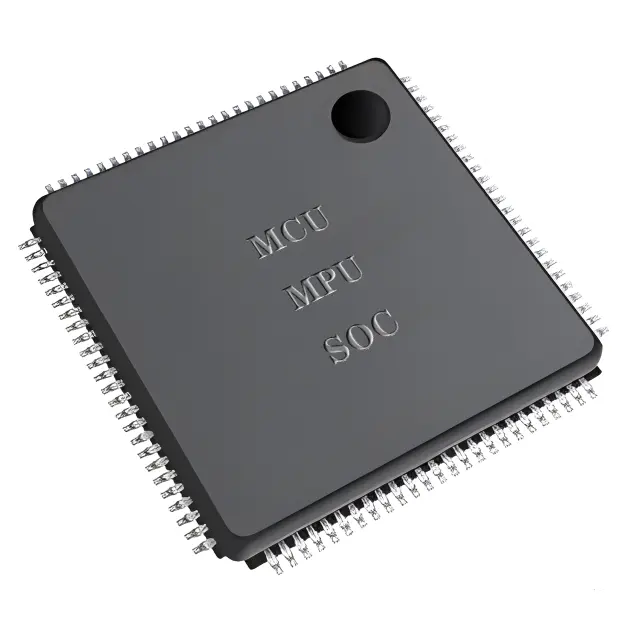 Embedded Processors & Controllers
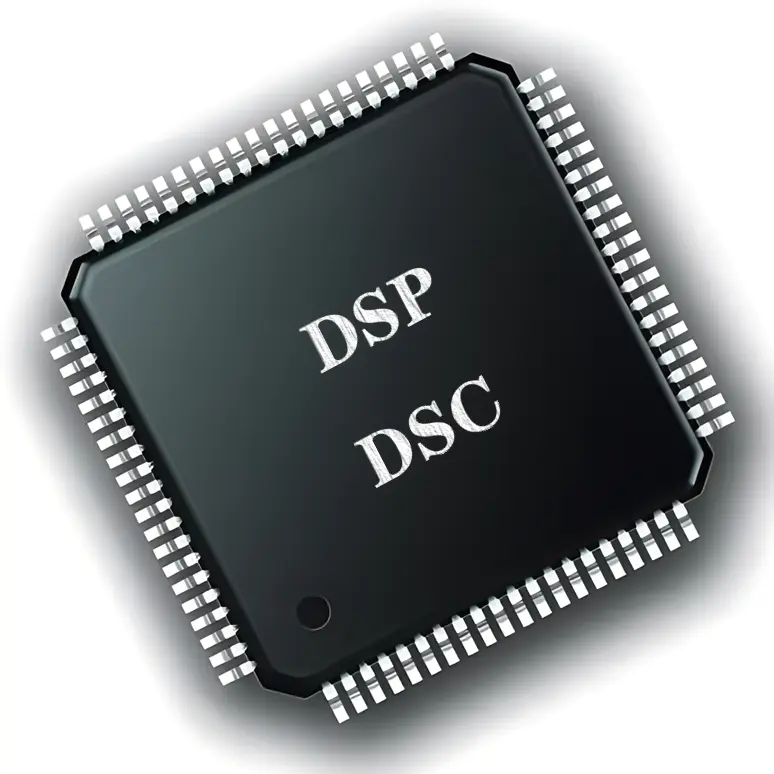 Digital Signal Processors (DSP/DSC)
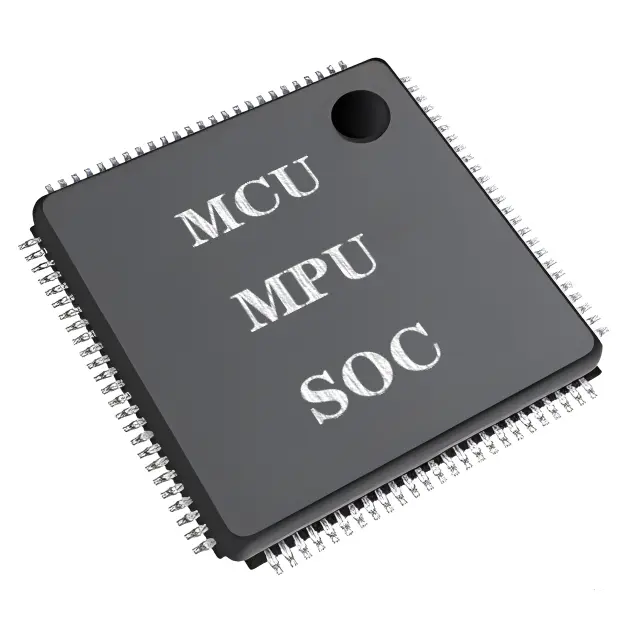 Microcontrollers (MCU/MPU/SOC)
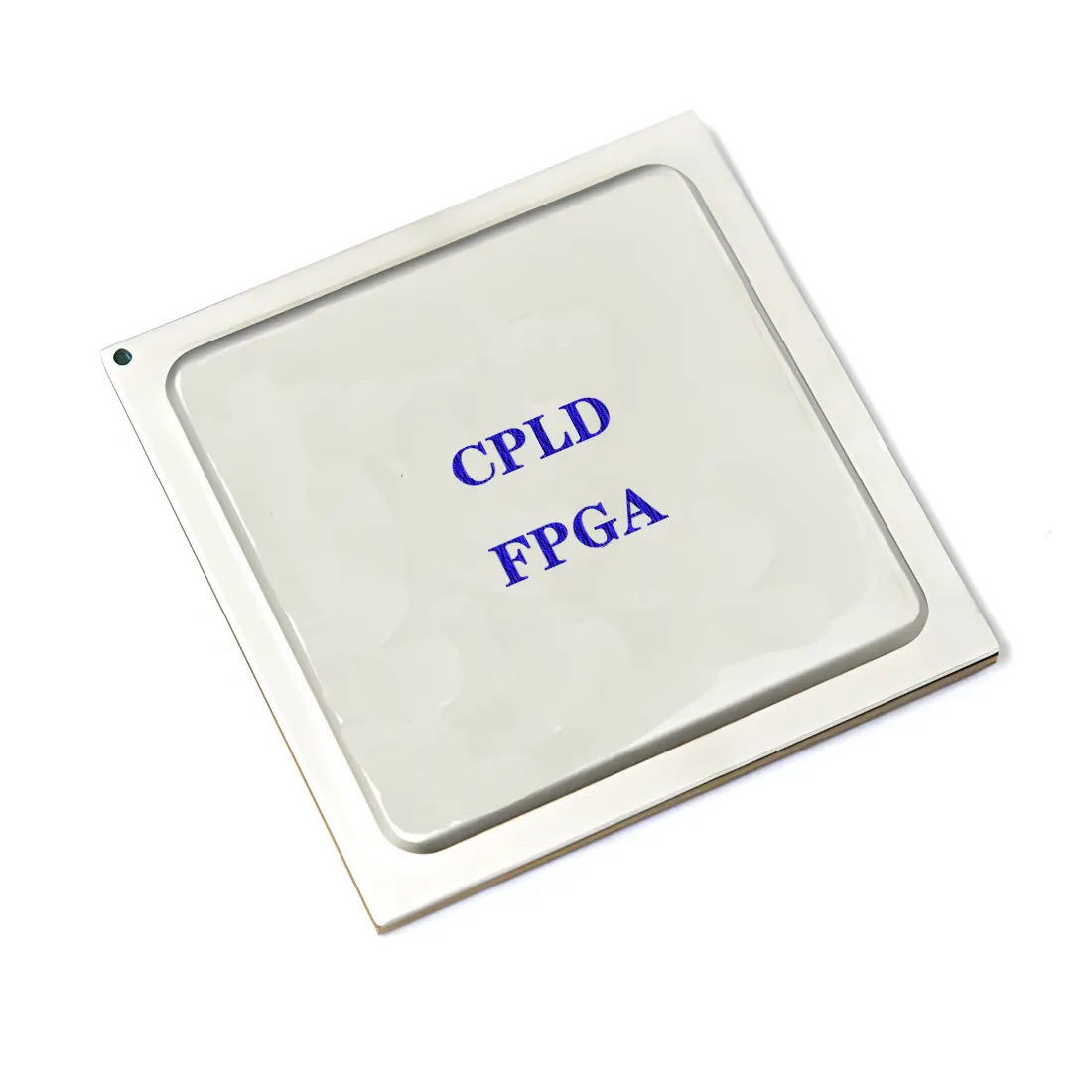 Programmable Logic Device(CPLD/FPGA)
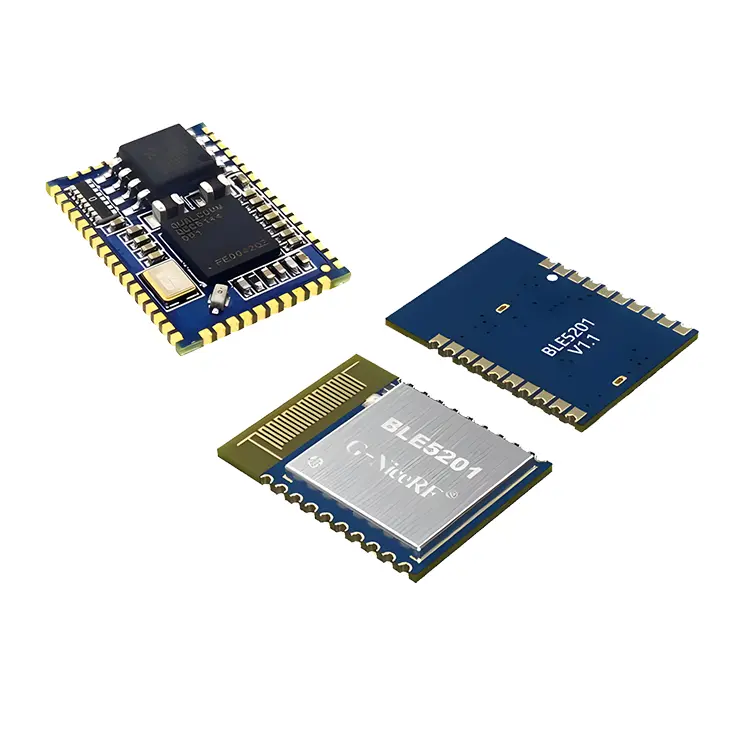 Communication Modules/IoT
 Resistors
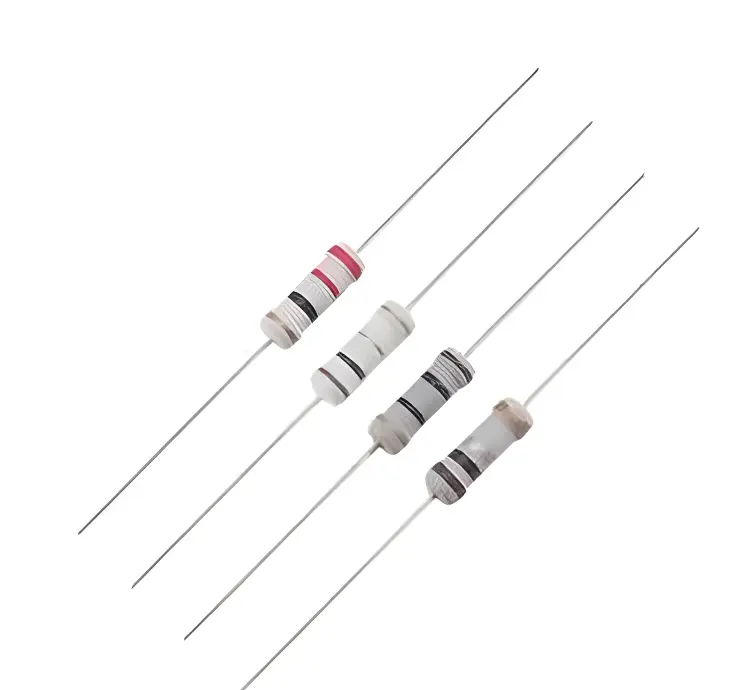 Through Hole Resistors
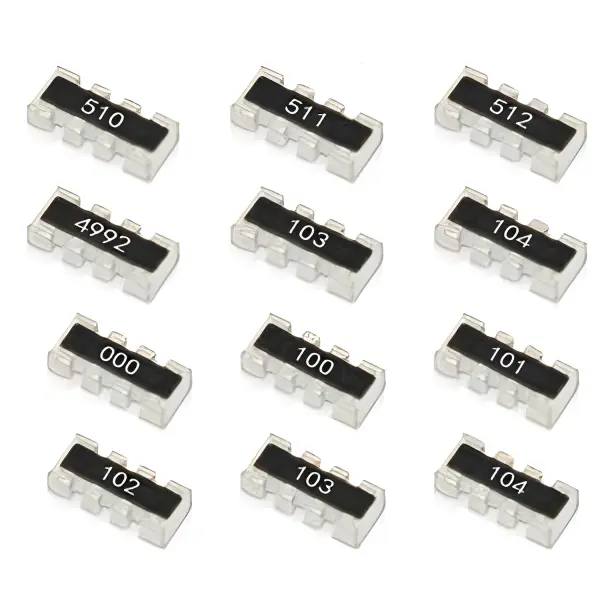 Resistor Networks, Arrays
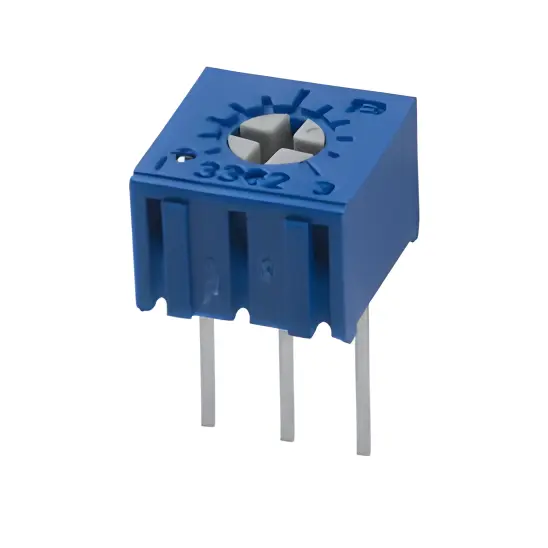 Potentiometers,Variable Resistors
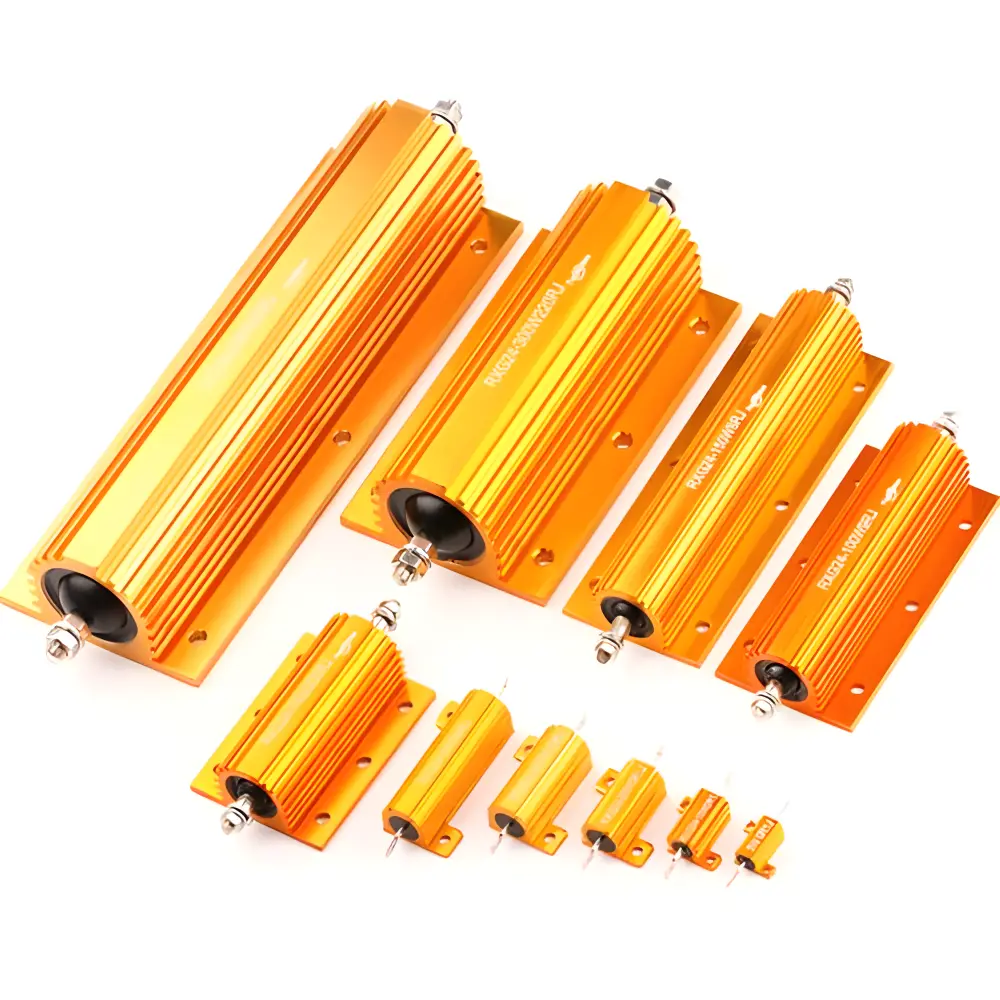 Aluminum Case,Porcelain Tube Resistance
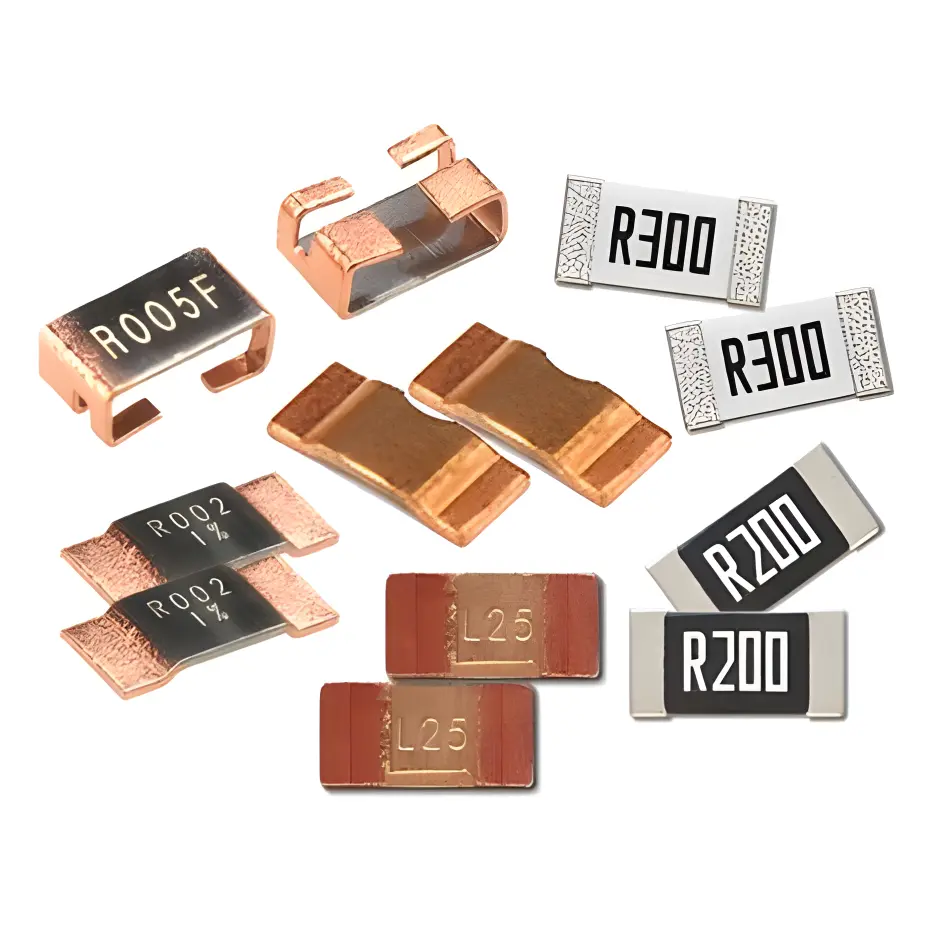 Current Sense Resistors,Shunt Resistors
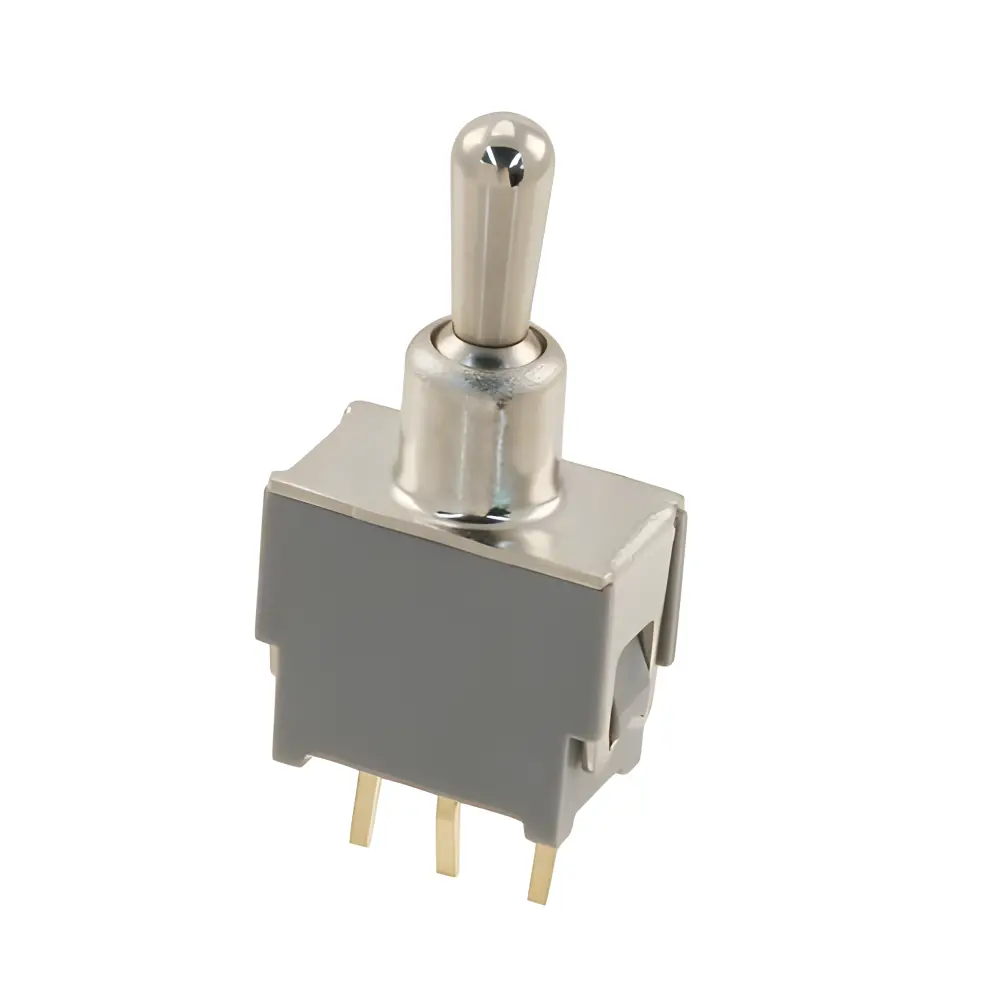 Switches
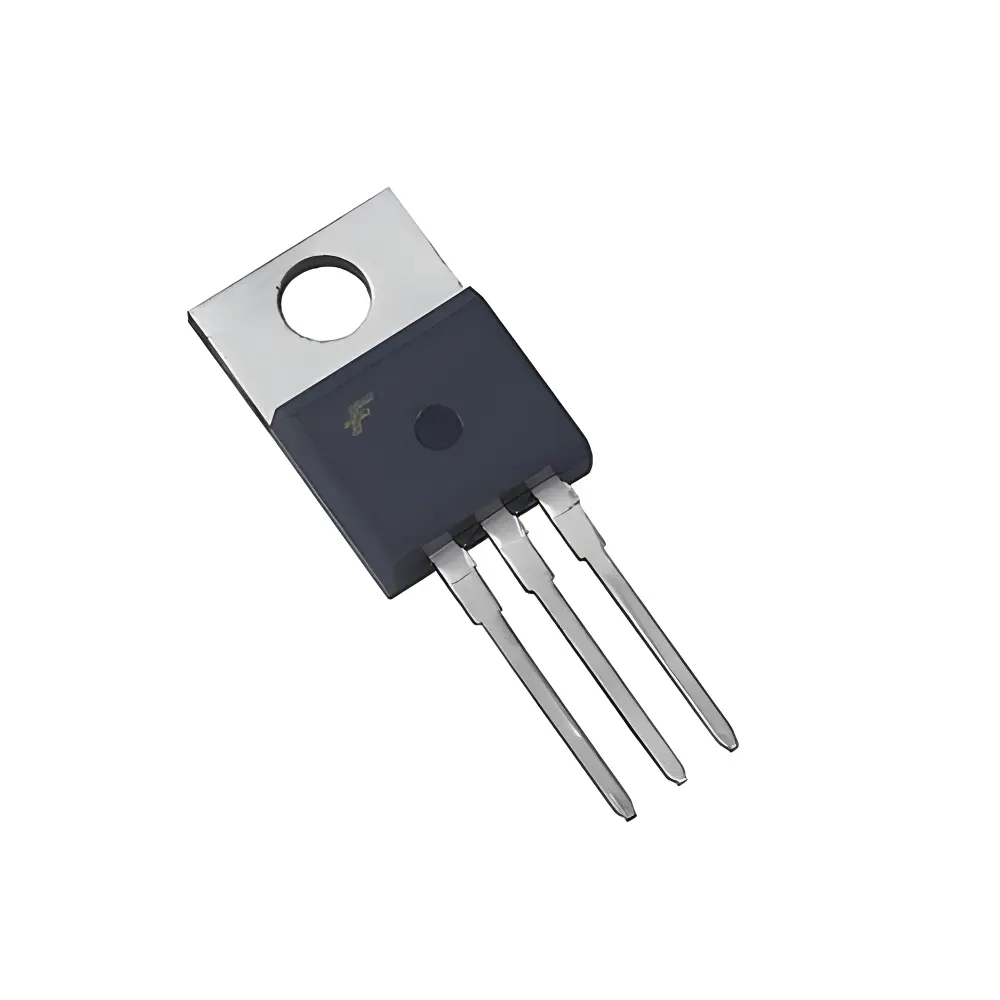 Transistors
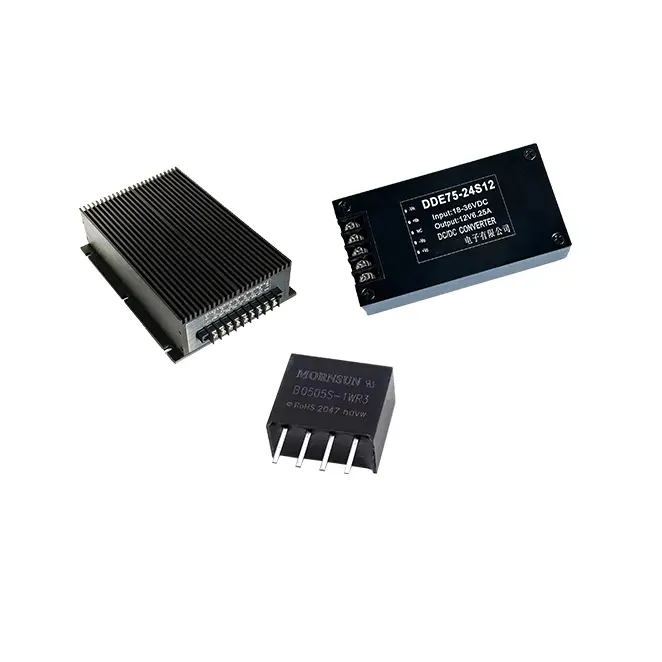 Power Modules
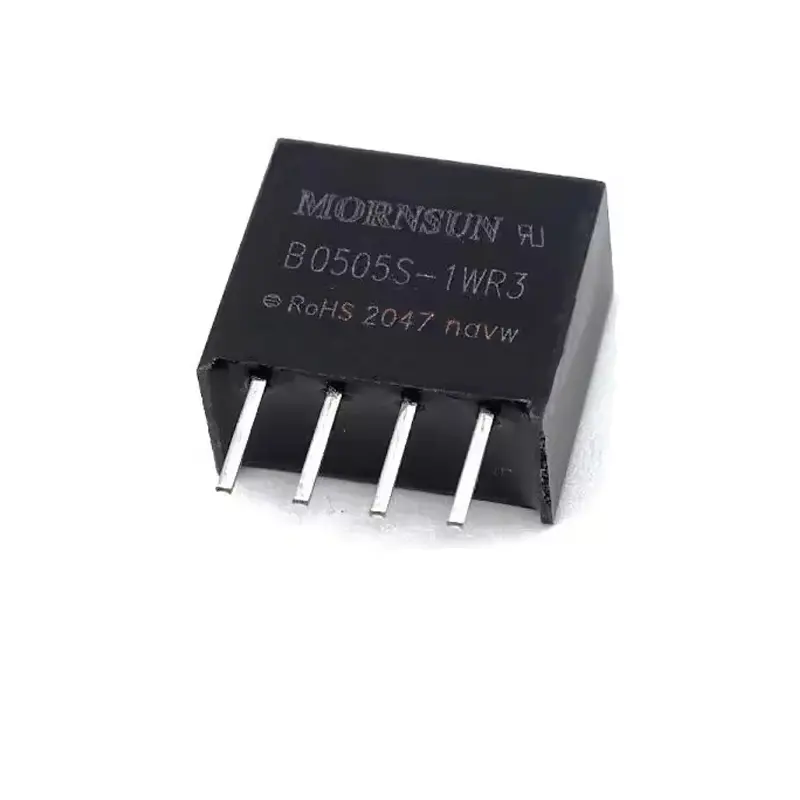 Isolated Power Modules
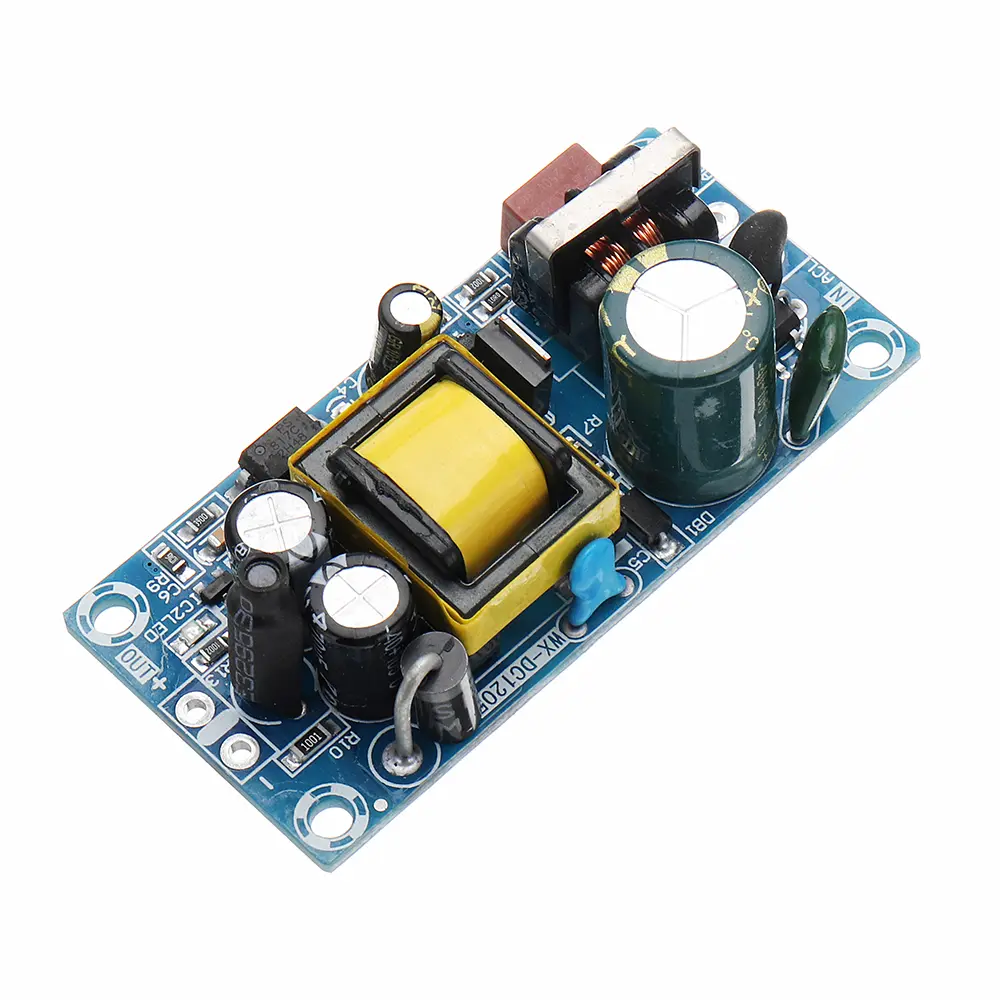 AC-DC Power Modules
 DC-AC Module(Inverter)
 RF and Wireless
Metal-core PCB: Circuit Innovation for Efficient Heat Dissipation
Metal-core PCB: Circuit Innovation for EffICient Heat Dissipation
Metal Core PCBs, or MCPCBs, have become a key choice for solving thermal problems in high-density circuits due to their excellent heat dissipation capabilities.
I. Introduction to Metal Core PCB
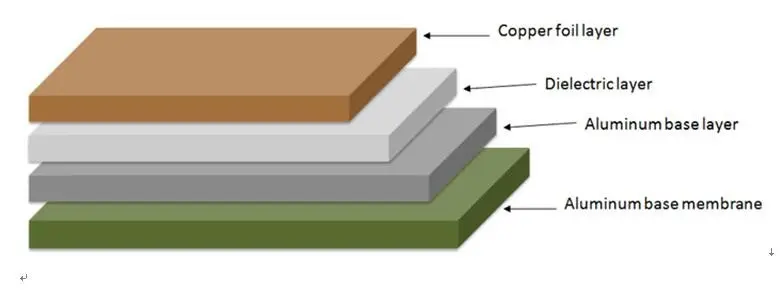
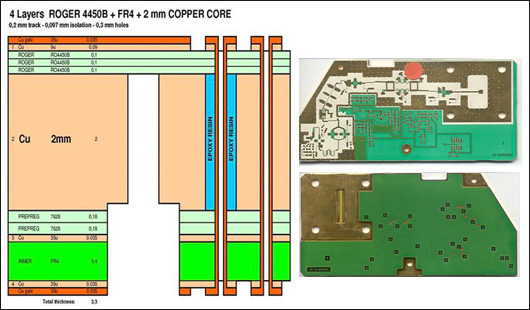
Metal core PCB, as an innovative product in the field of circuit boards, is characterized by the use of metal materials in its substrate layer. Currently, aluminum, copper, and steel alloys are the most common metal materials used to construct metal-core PCBs on the market. Each material has its own unique advantages: aluminum-based PCBs are favored for their low cost, excellent thermal conductivity, and heat dissipation capabilities; Copper-based PCBs surpass aluminum-based PCBs with their superior peRFormance, but correspondingly, the price is also higher; Steel-based PCBs are known for their high hardness and good mechanical strength, although their thermal conductivity is relatively low. Overall, metal core PCBs have occupied an important position in the electronics industry with their excellent heat dissipation performance.
II. The significant advantages of metal core PCB
Excellent heat dissipation performance: Thermal conductivity is a key indicator for measuring the thermal performance of materials. Compared to traditional FR4 and CEM3 substrates, metal core PCBs, especially aluminum PCBs, exhibit higher thermal conductivity. This means that during the operation of the circuit, the metal core PCB can more effectively dissipate the heat generated by the IC and electronic components, thereby effectively reducing the thermal damage of the components, extending the service life of the product, and improving the overall performance.
Good dimensional stability: The CTE thermal expansion coefficient is an important parameter for measuring the dimensional stability of materials during temperature changes. Aluminum PCB and Copper Pcb have higher CTE values, which means that they can maintain good dimensional stability when heated. Compared to ordinary FR4 substrates, the change in the size of the circuit board is much smaller under high temperature conditions, ensuring the stability and reliability of the circuit.
Reduced Distortion: The excellent heat dissipation performance of the metal core PCB makes it difficult to produce high temperature effects during signal transmission, thereby reducing the signal distortion caused by temperature changes. This is of great significance for improving the signal transmission quality of the circuit board and the overall performance of the system.

Wide application of metal core PCB
Thanks to its above advantages, metal core PCB has been widely used in many fields. In the power converter, the metal core PCB can effectively reduce the heat accumulation during the conversion process and improve the conversion efficiency; In the field of lighting, especially in solid-state lighting, the application of aluminum PCB enables LED lamps to achieve higher lighting effects with fewer LEDs; In the fields of photovoltaics, backlight applications, automotive LED applications, and household appliances, metal-core PCBs also play an irreplaceable role.
In order to meet the needs of different customers, Minintel provides a variety of metal core PCB solutions. From the selection of copper foil thickness ranging from 1 oz to 10 oz to the customization of metal core thickness, we are committed to providing customers with PCB products that best meet their project needs. At the same time, we also provide one-stop services such as PCB prototype design, PCB manufacturing, and component procurement to help customers reduce costs, shorten development cycles, and enhance product competitiveness.