
 PCB
PCB FPC
FPC Rigid-Flex
 FR-4
FR-4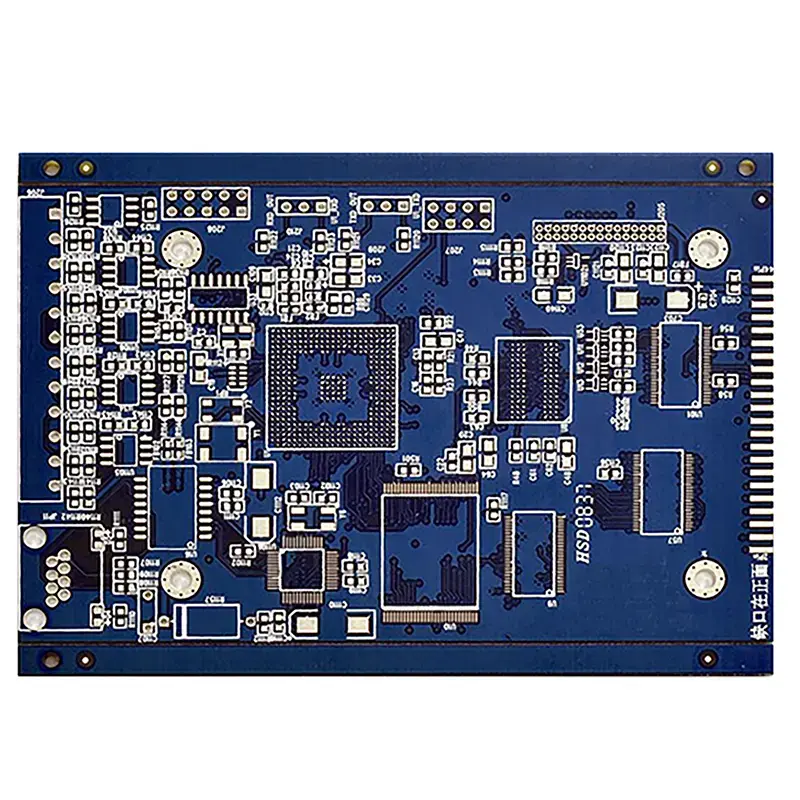 HDI PCB
 Rogers High-Frequency Board
 PTFE Teflon High-Frequency Board
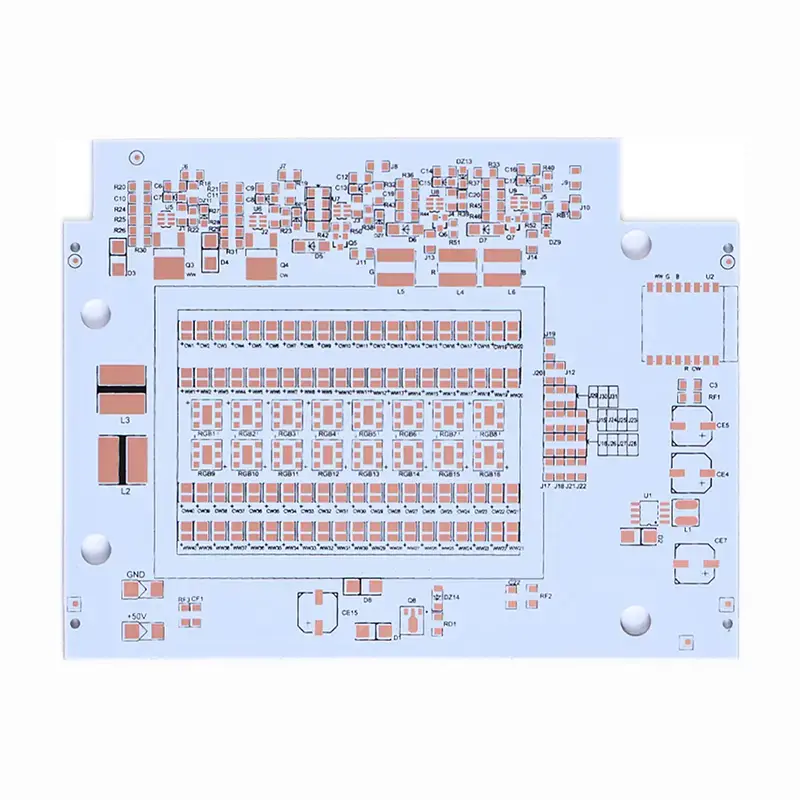 Aluminum
 Copper Core
 PCB Assembly
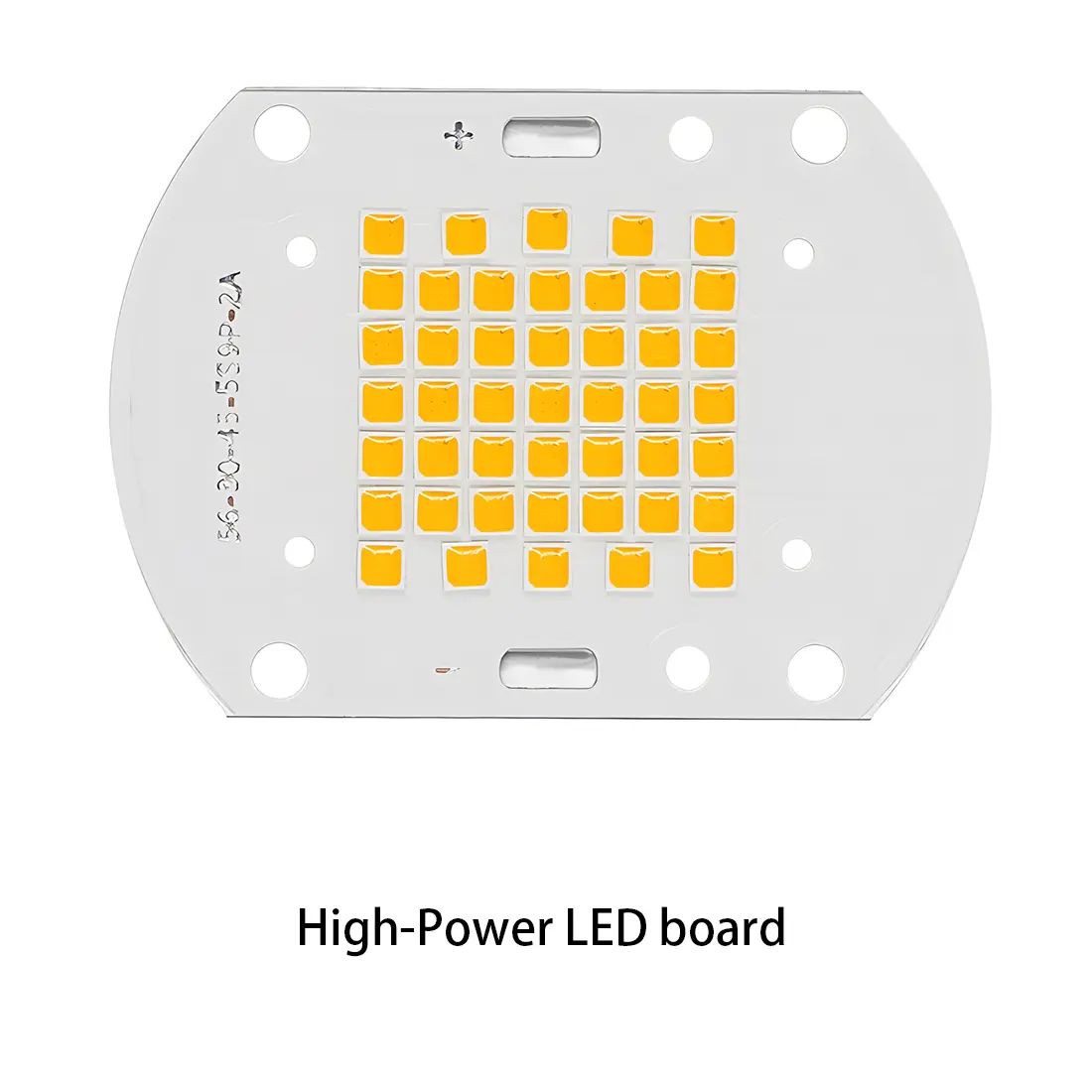 LED light PCBA
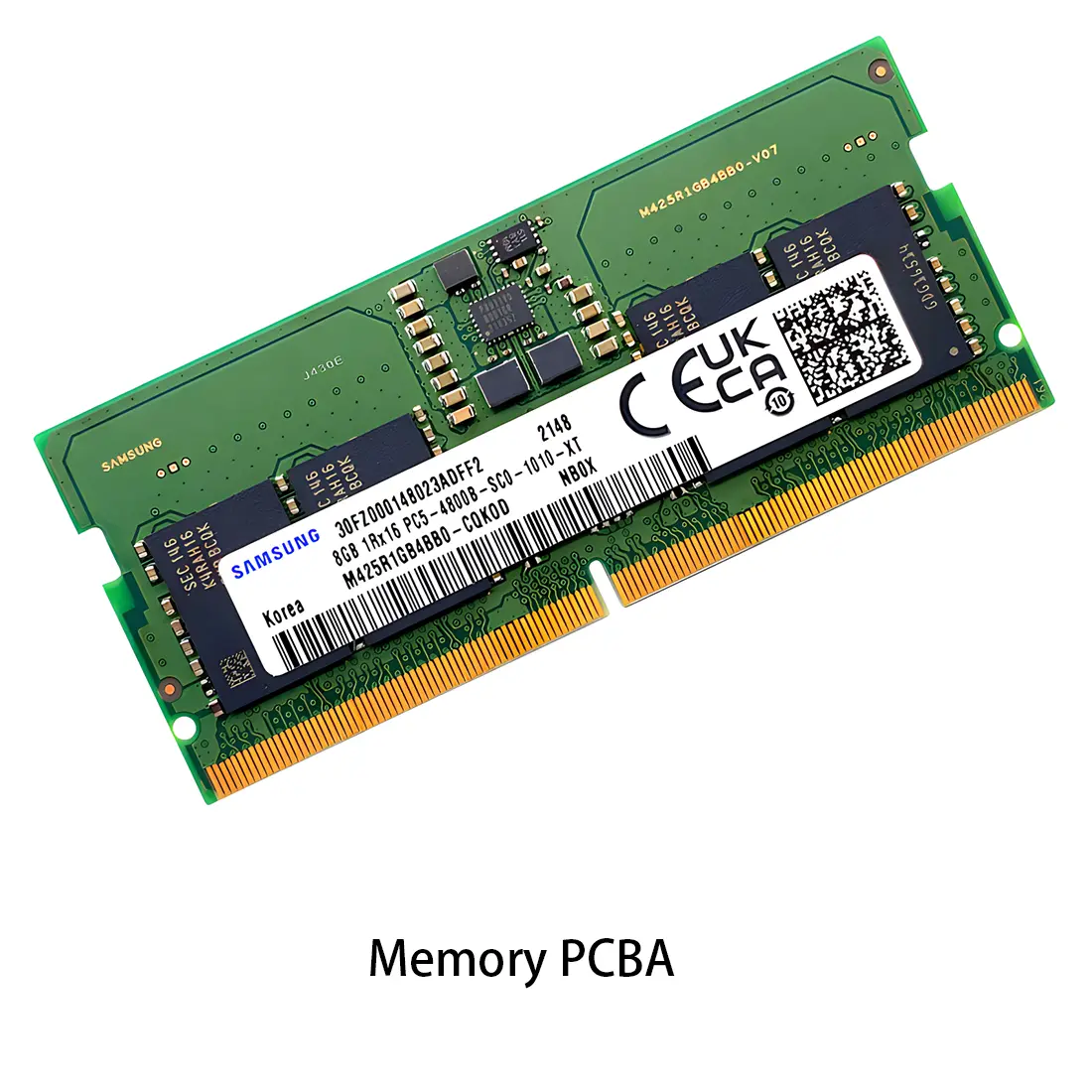 Memory PCBA
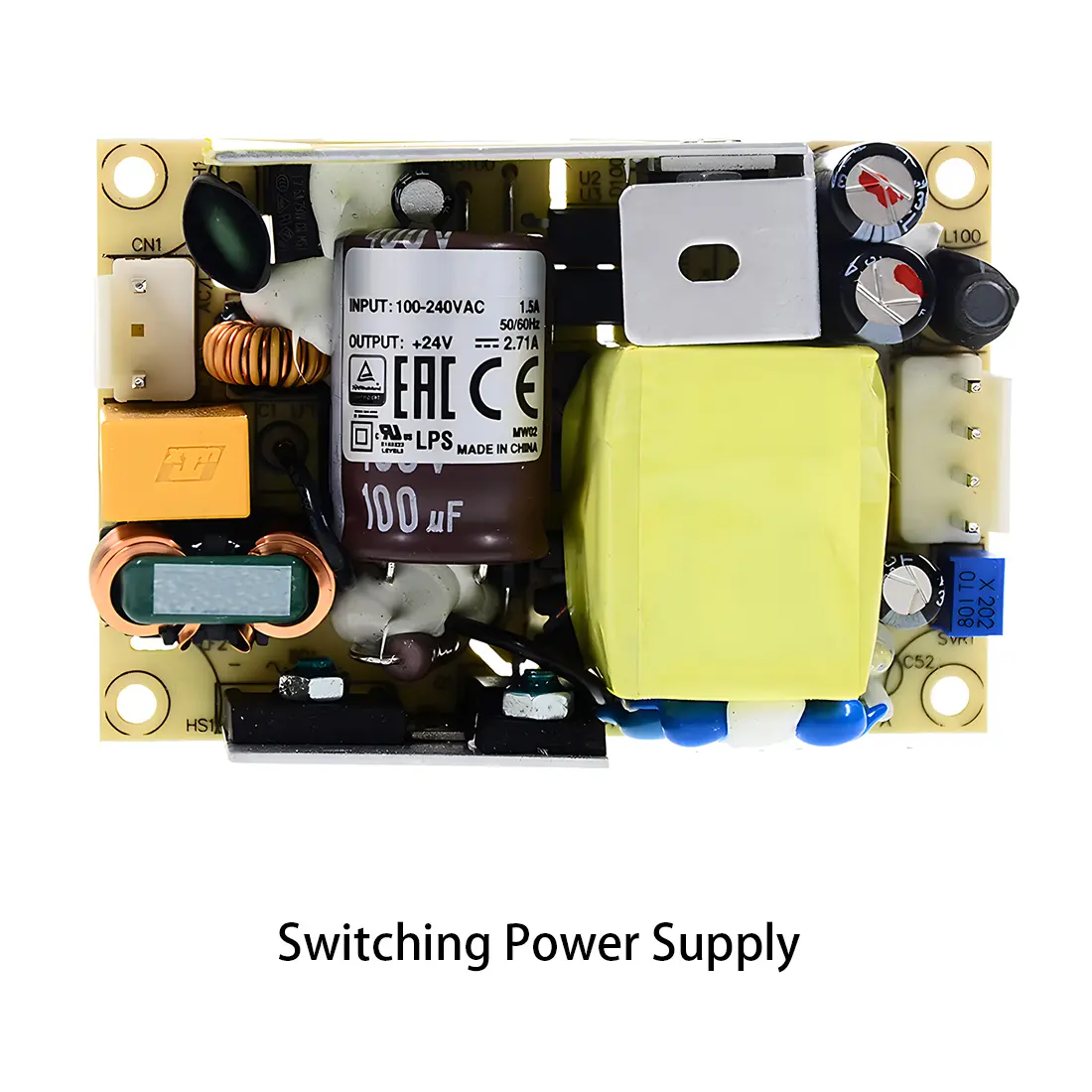 Power Supply PCBA
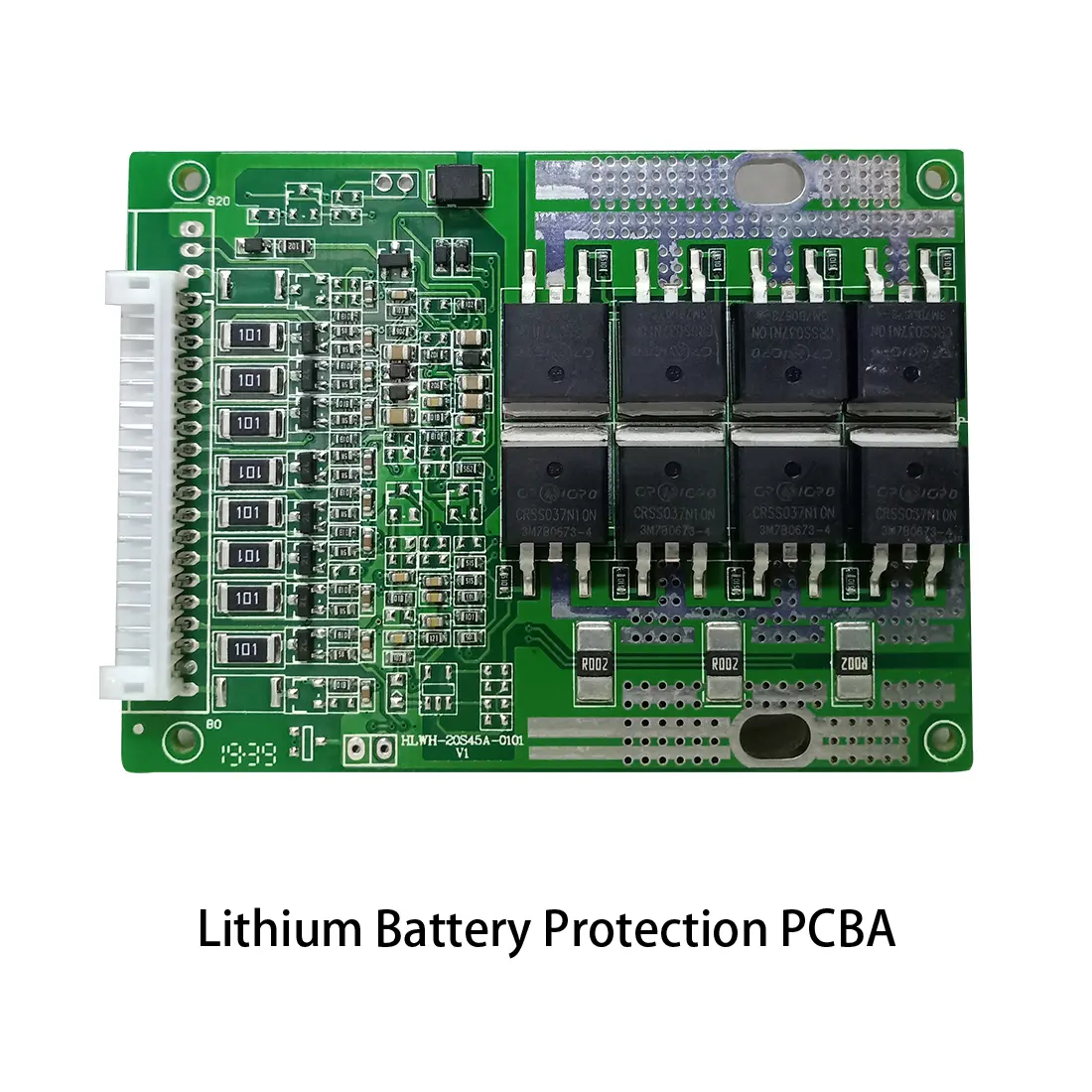 New Energey PCBA
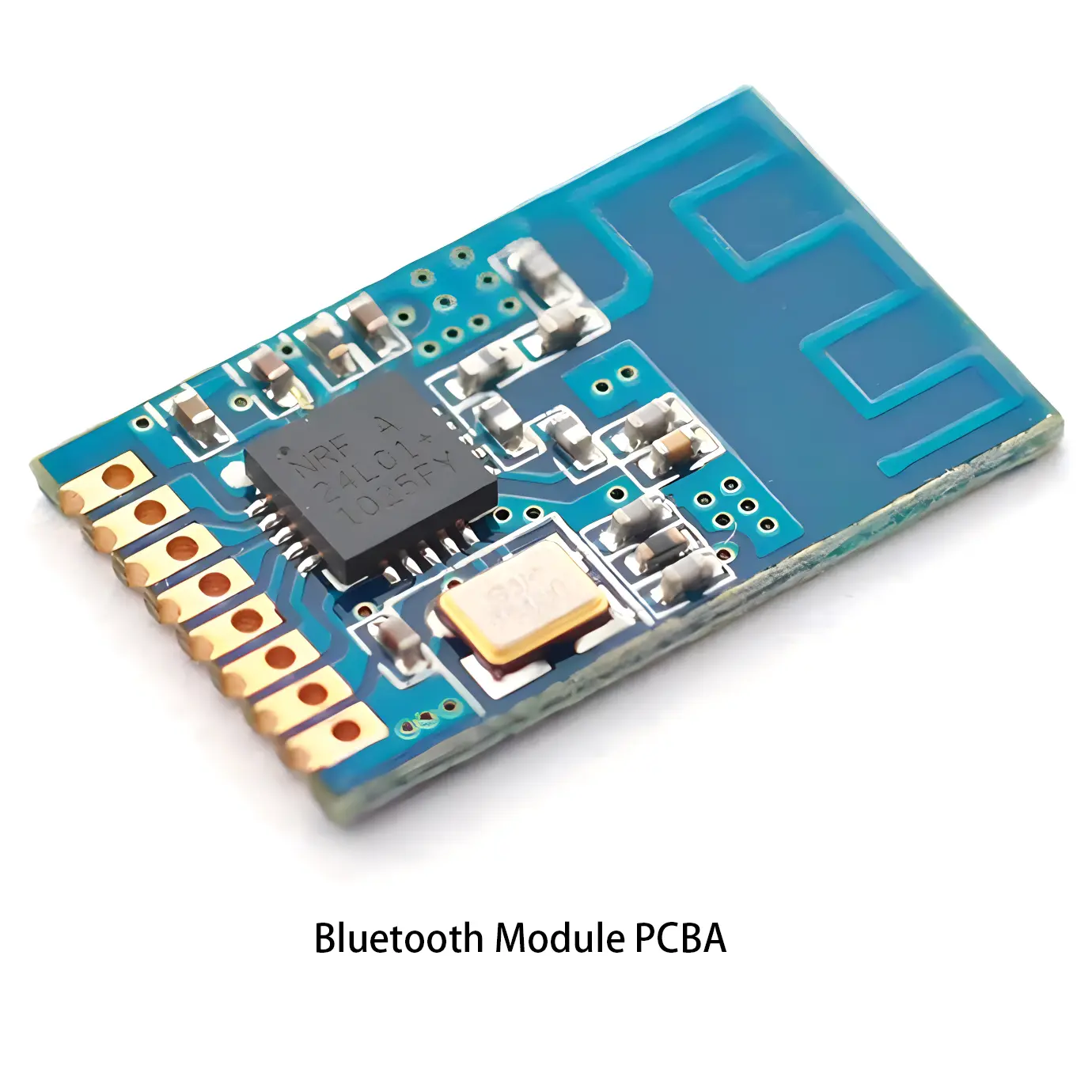 Communication PCBA
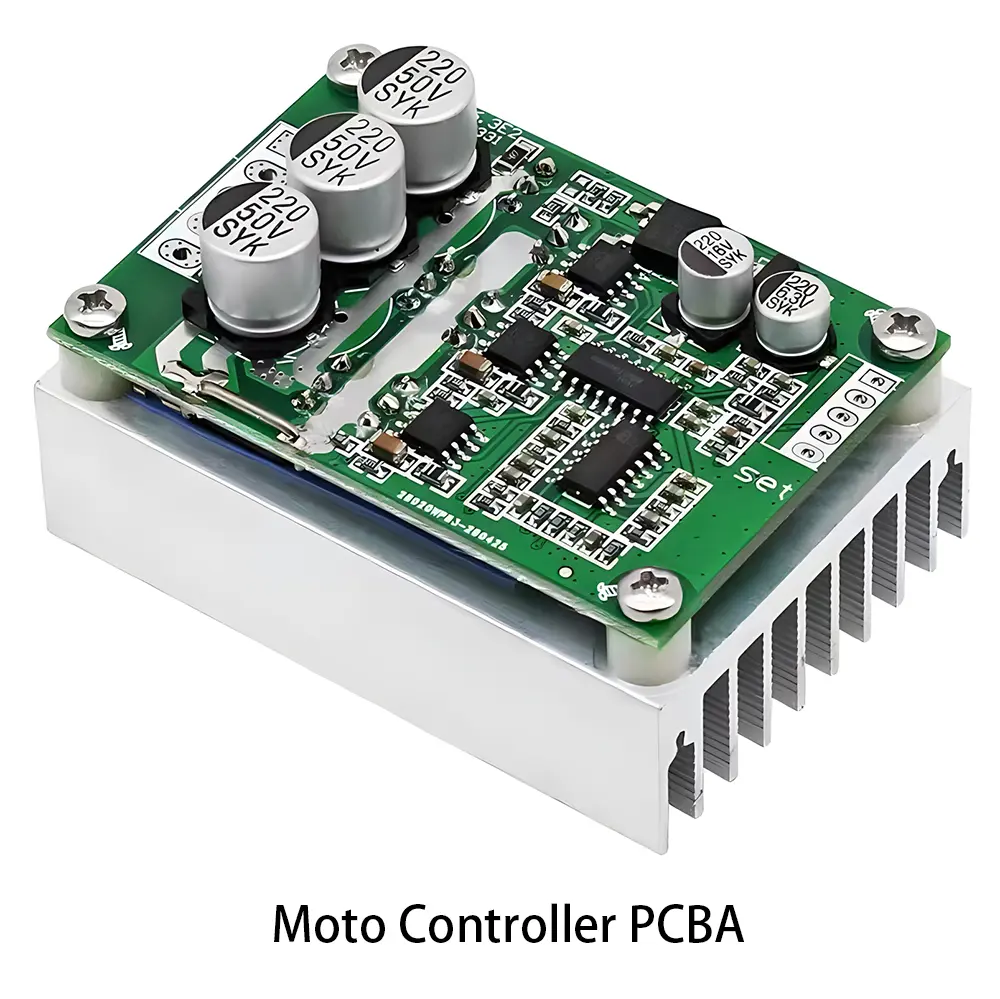 Industrial Control PCBA
 Medical Equipment PCBA
 Testing Service
 PCBA Testing Service
 Certification Application
 RoHS Certification Application
 REACH Certification Application
 CE Certification Application
 FCC Certification Application
 CQC Certification Application
 UL Certification Application
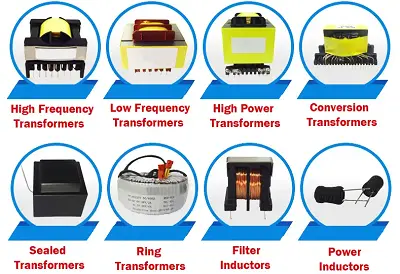 Transformers, Inductors
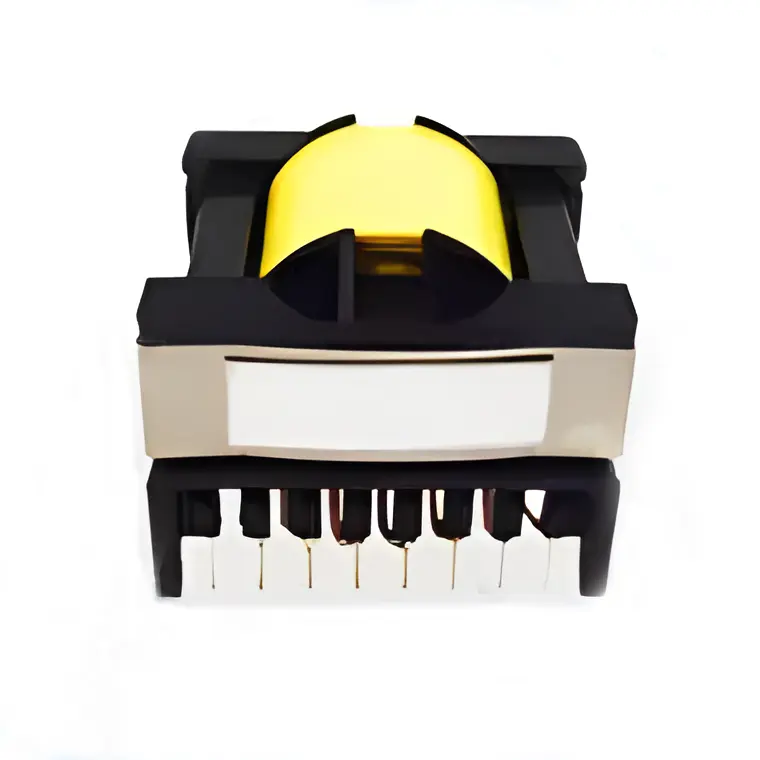 High Frequency Transformers
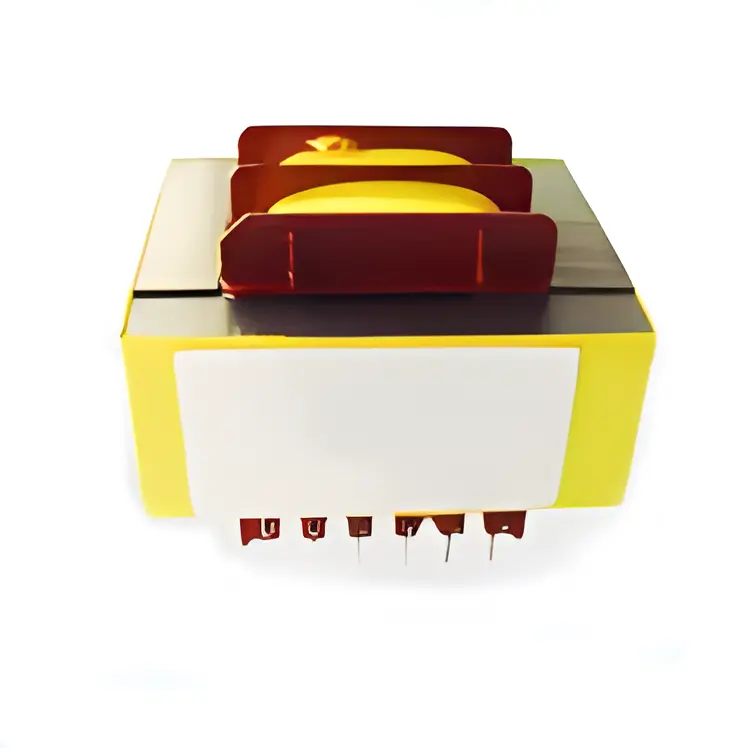 Low Frequency Transformers
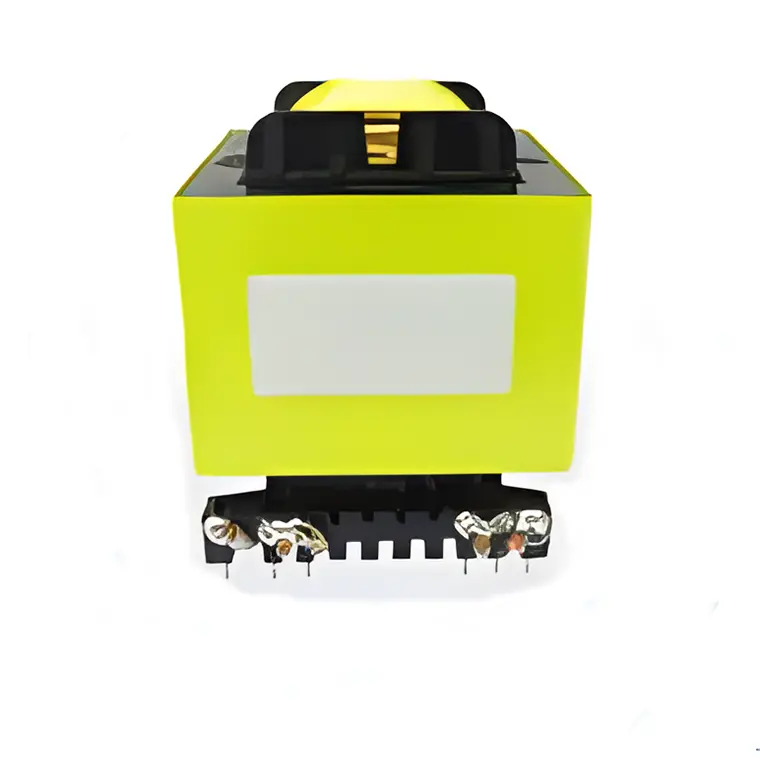 High Power Transformers
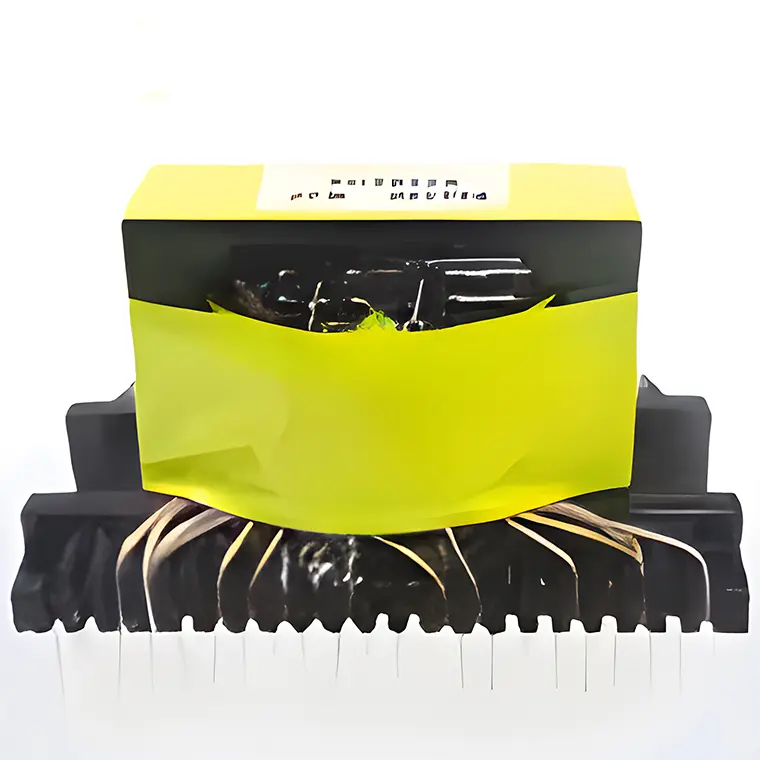 Conversion Transformers
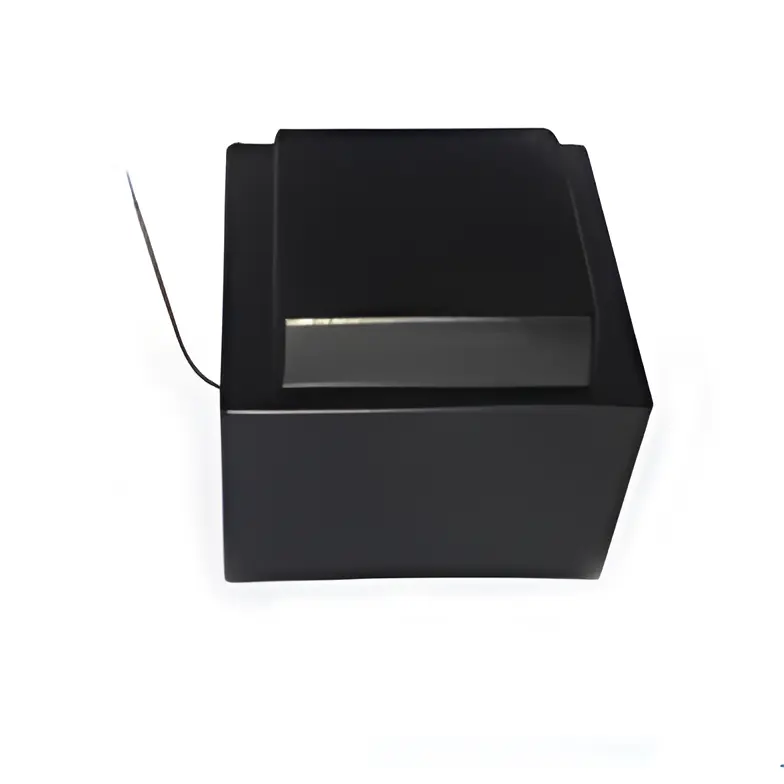 Sealed Transformers
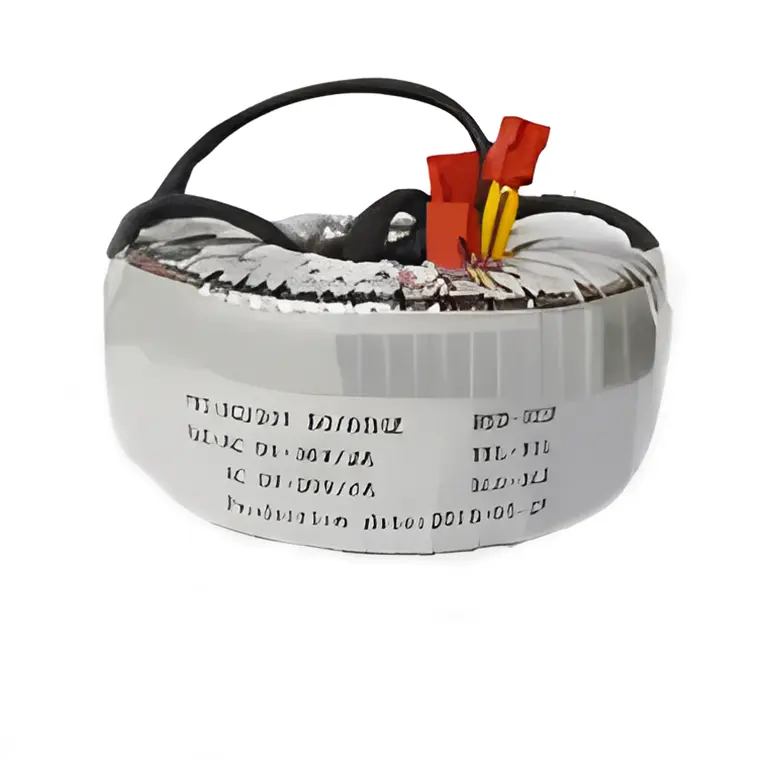 Ring Transformers
 Inductors
 Wires,Cables Customized
 Network Cables
 Power Cords
 Antenna Cables
 Coaxial Cables
 Net Position Indicator
 Solar AIS net position indicator
 Capacitors
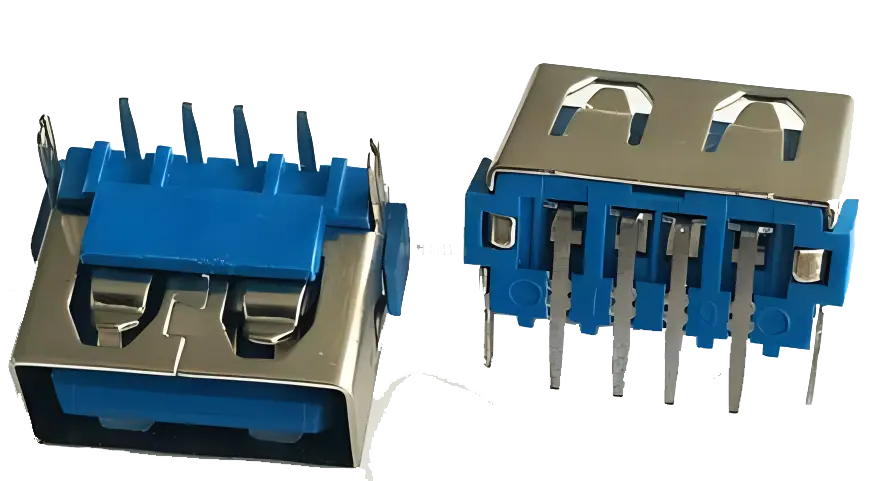 Connectors
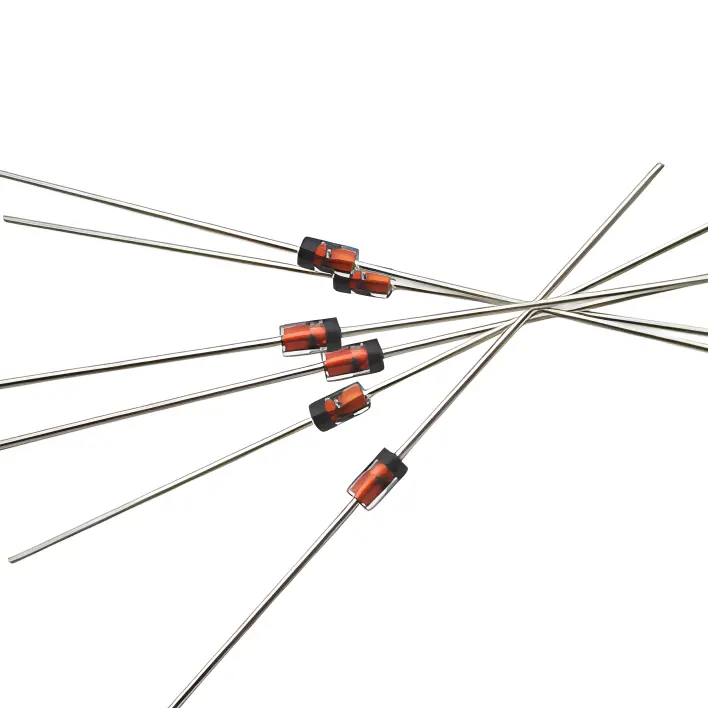 Diodes
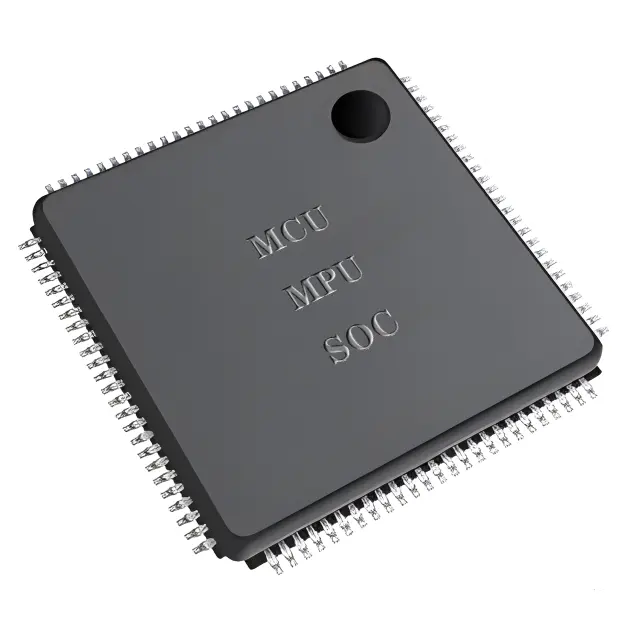 Embedded Processors & Controllers
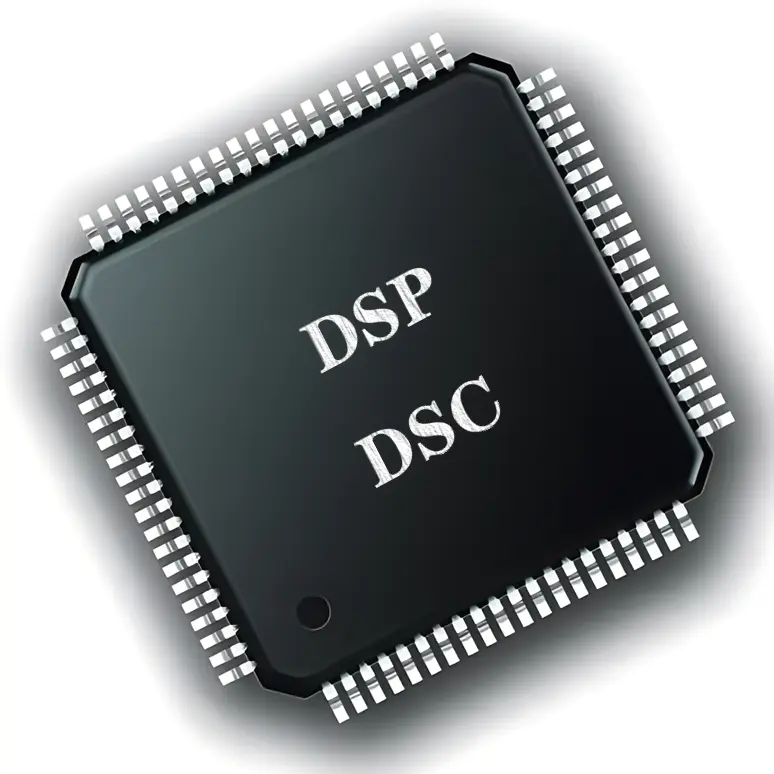 Digital Signal Processors (DSP/DSC)
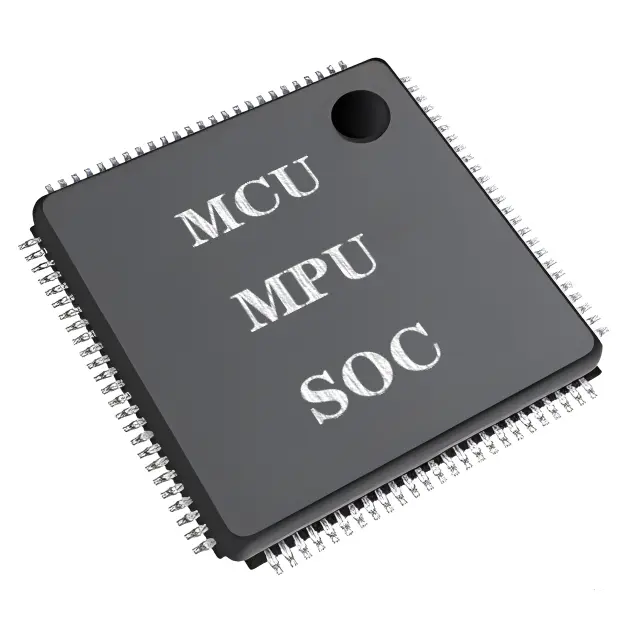 Microcontrollers (MCU/MPU/SOC)
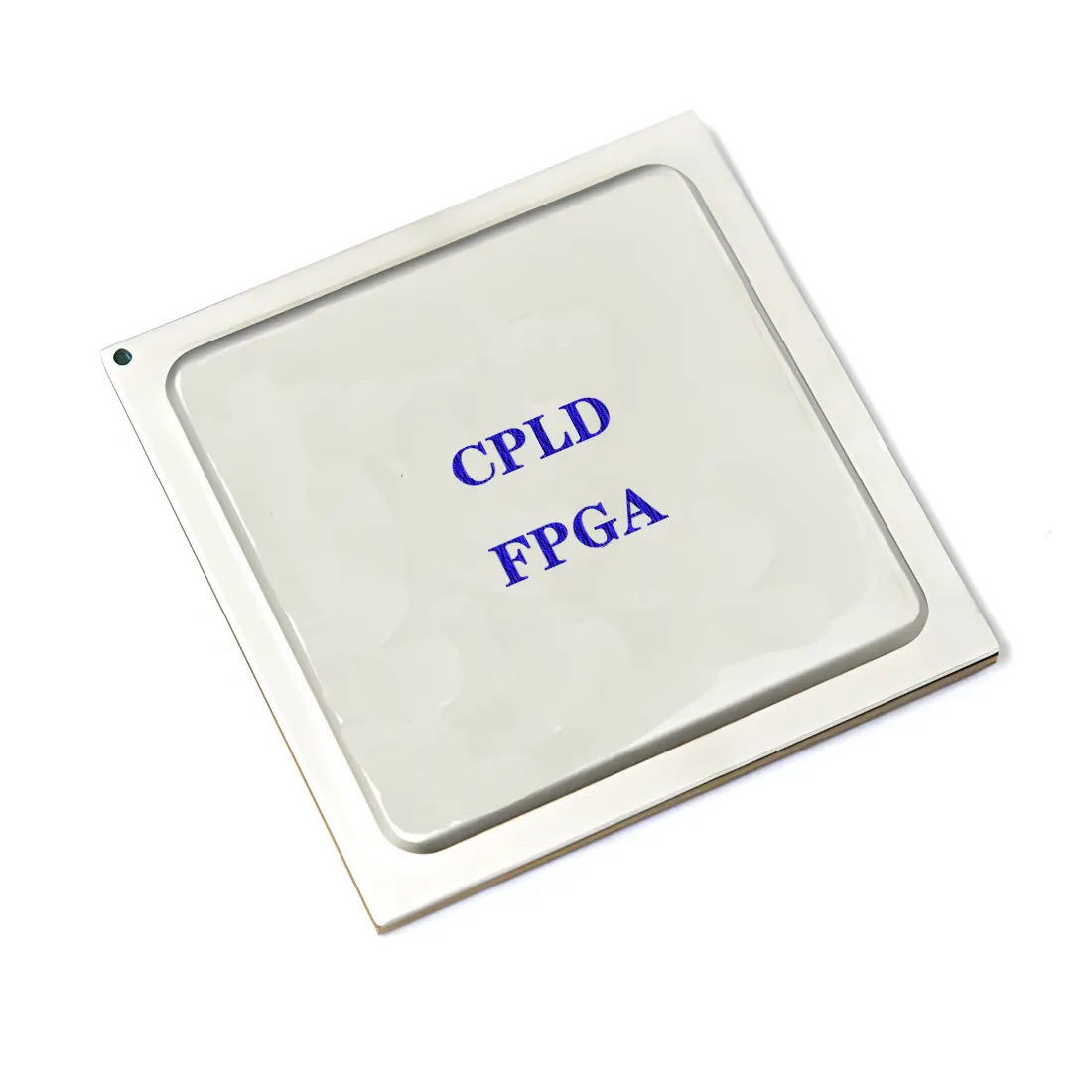 Programmable Logic Device(CPLD/FPGA)
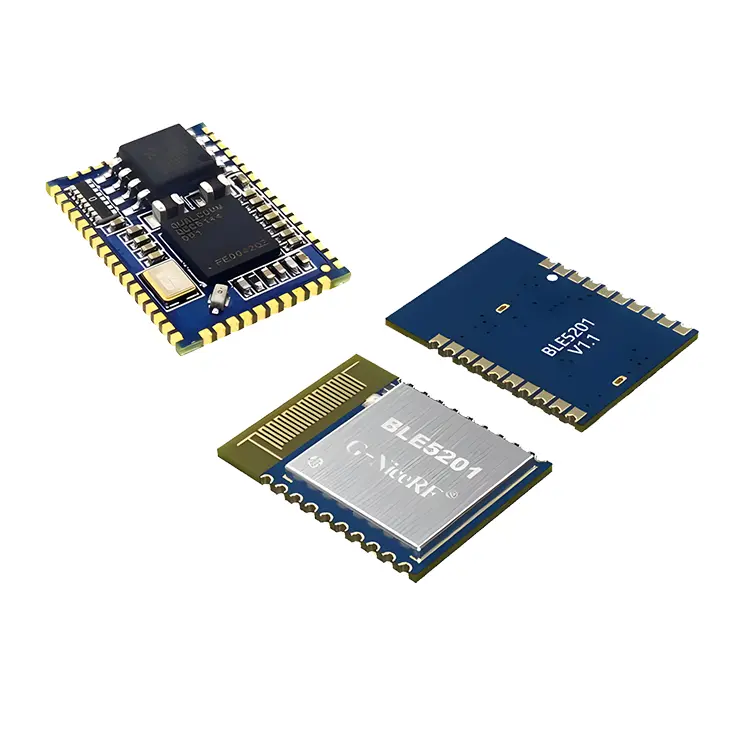 Communication Modules/IoT
 Resistors
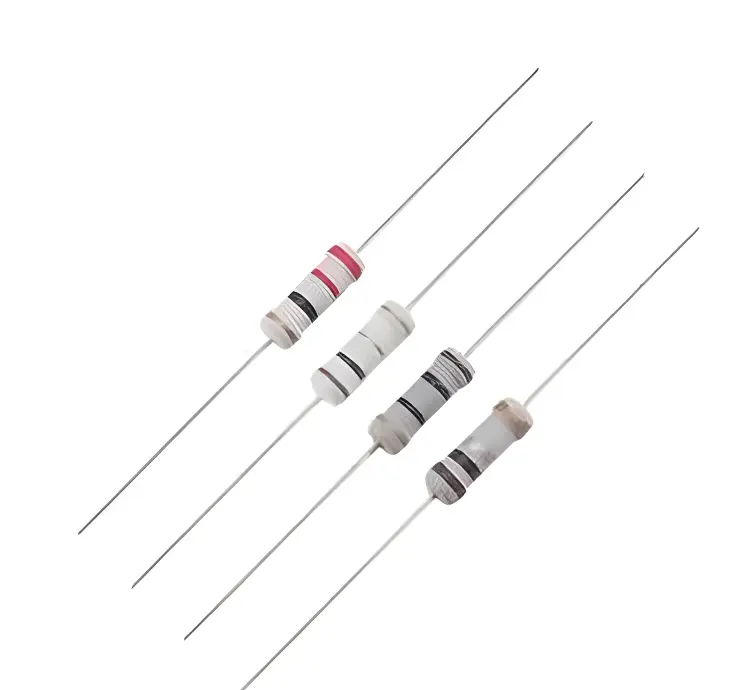 Through Hole Resistors
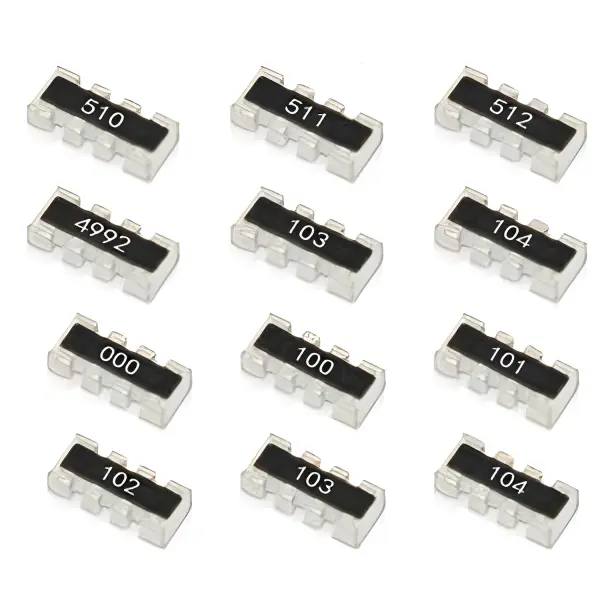 Resistor Networks, Arrays
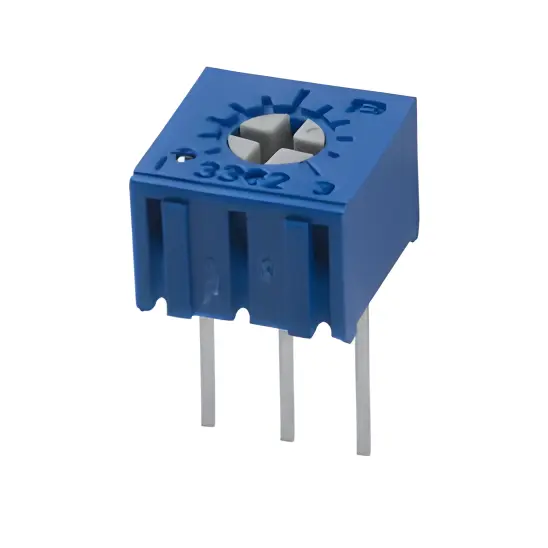 Potentiometers,Variable Resistors
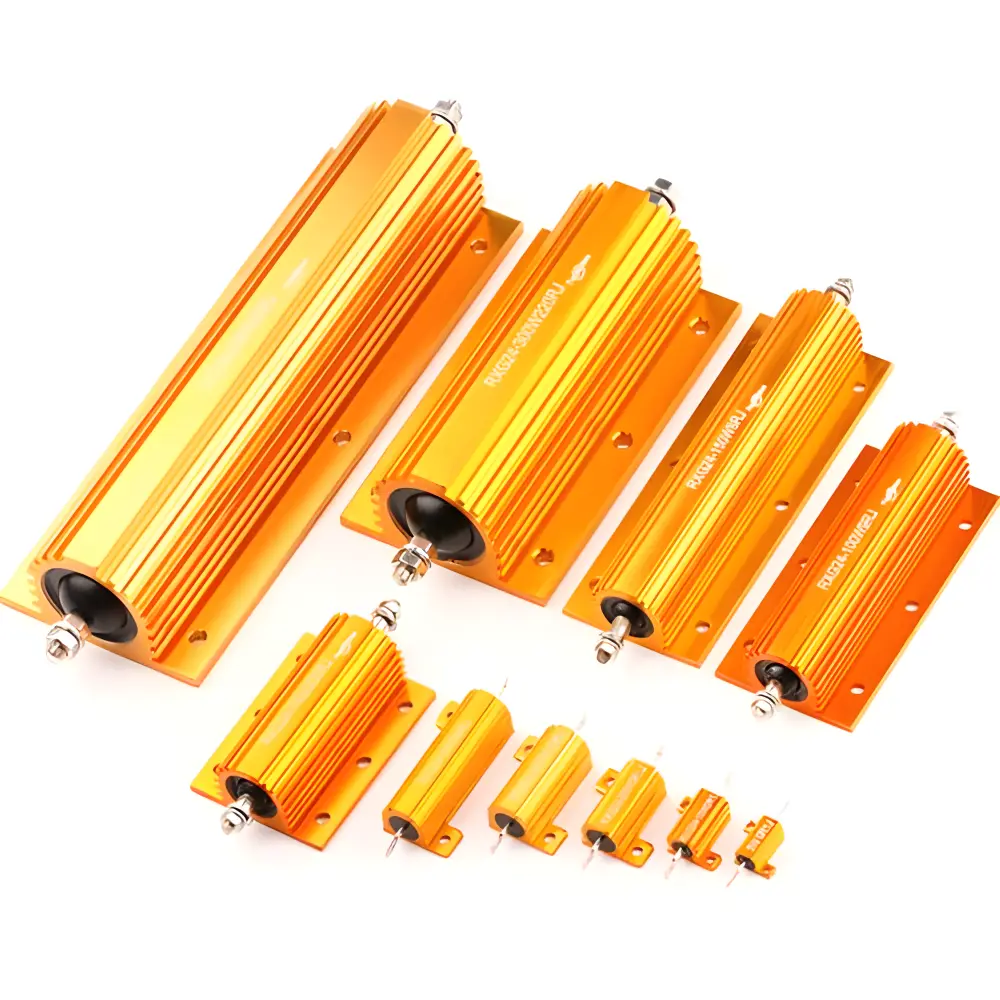 Aluminum Case,Porcelain Tube Resistance
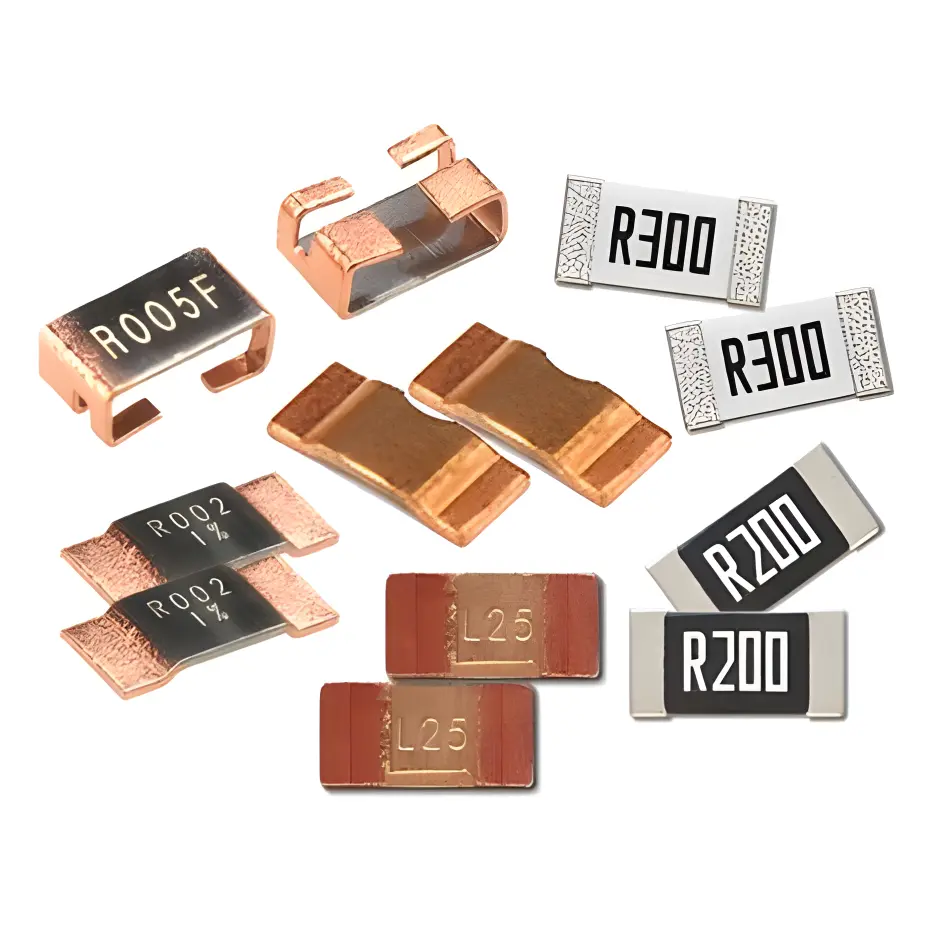 Current Sense Resistors,Shunt Resistors
 Switches
 Transistors
 Power Modules
 Isolated Power Modules
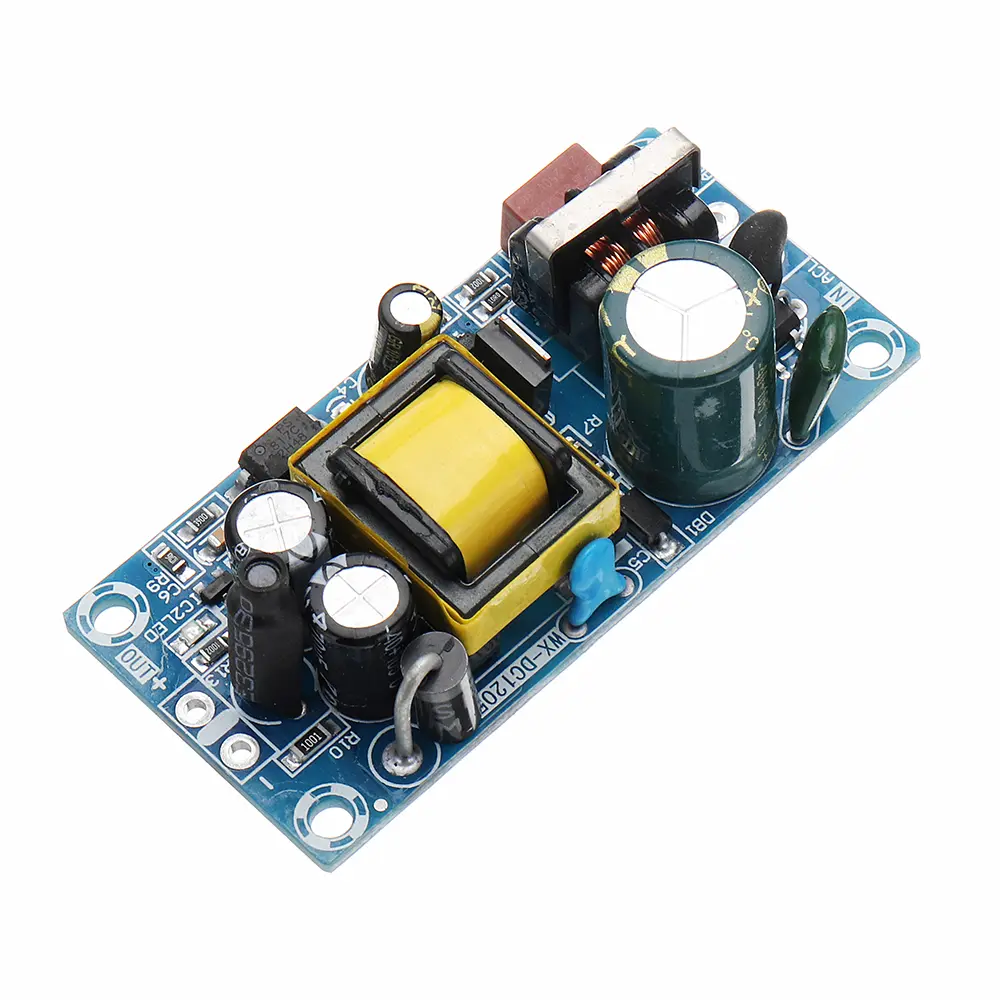 AC-DC Power Modules
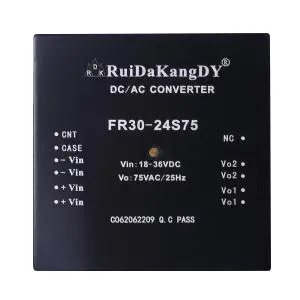 DC-AC Module(Inverter)
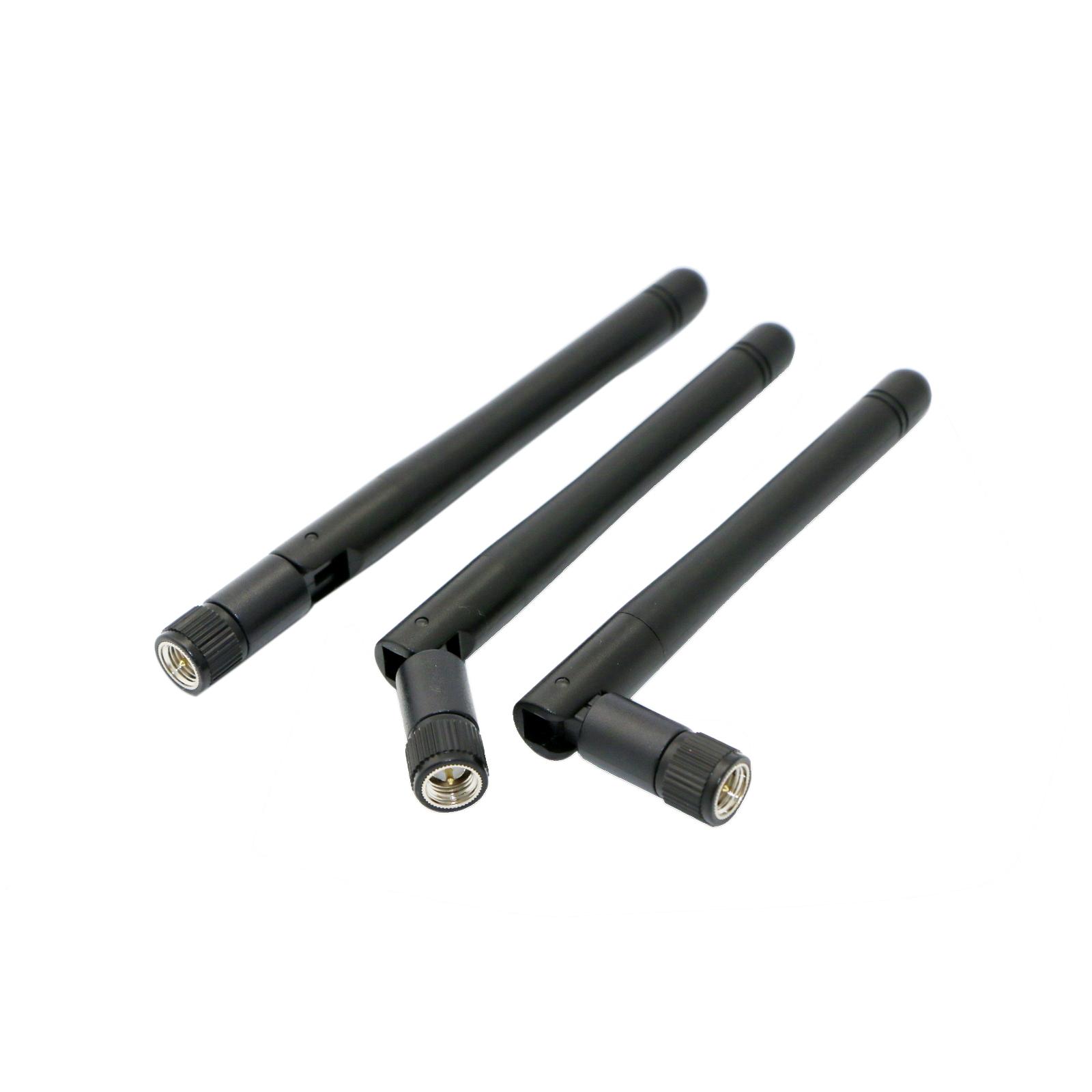 RF and Wireless
Material Selection for Power Board Heat Dissipation Optimization: A Comprehensive Guide
2025-12-08
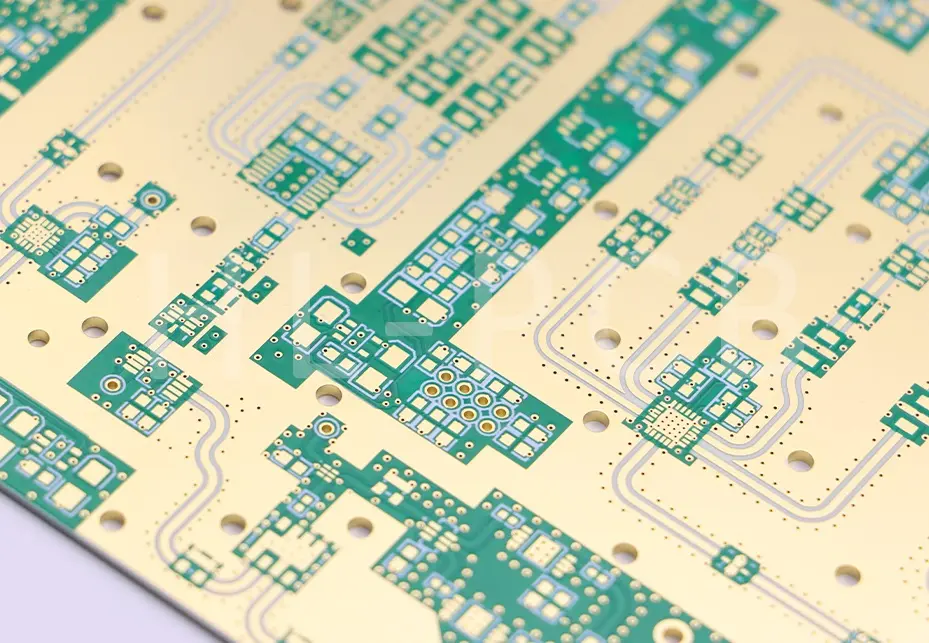
Power boards—integrating high-current components such as MOSFETs, IGBTs, voltage regulators, and rectifiers—are critical in applications ranging from electric vehicles (EVs) and renewable energy systems to industrial motor drives. A fundamental challenge in power board design isheat dissipation: these components generate significant thermal energy (often exceeding 10W/cm²), and excessive temperatures (>150°C) degrade peRFormance, shorten lifespan, and increase failure risk. While thermal management techniques like heat sinks and thermal vias play vital roles,material selection is the cornerstone of effective heat dissipation. This article systematically explores how to optimize power board heat dissipation performance through strategic material choices for substrates, copper layers, Thermal Interface Materials (TIMs), and heat dissipation components, supported by technical data, comparative analyses, and real-world design examples.
1. Fundamentals of Power Board Heat Dissipation
Before delving into material selection, it is essential to understand the heat transfer mechanisms in power boards and the key metrics defining heat dissipation performance.
1.1 Heat Transfer Mechanisms
Heat generated by power components flows through three primary paths:
- Conduction: Heat transfers through solid materials (e.g., from the component junction to the PCB substrate, then to the heat sink). This is the dominant mechanism in power boards, governed by Fourier’s Law: Q = k×A×ΔT/d, where Q = heat flux (W), k = thermal conductivity (W/m·K), A = cross-sectional area (m²), ΔT = temperature difference (K), and d = material thickness (m).
- Convection: Heat transfers from the heat sink or PCB surface to the surrounding air (natural or forced). Forced convection (e.g., fans) enhances heat removal by 3–5x compared to natural convection.
- Radiation: Heat emits as infrared radiation from hot surfaces. This contributes minimally (<5%) to power board heat dissipation but becomes significant at temperatures >200°C.
1.2 Key Thermal Metrics
Critical metrics for evaluating heat dissipation performance include:
- Thermal conductivity (k): Measures a material’s ability to conduct heat. Higher k values enable faster heat transfer.
- Thermal resistance (R): Quantifies a material’s resistance to heat flow (°C/W). Lower R is better, with R = d/(k×A).
- Glass transition temperature (T): The temperature at which a PCB substrate transitions from rigid to flexible. Power boards require T > 150°C to maintain structural integrity under heat.
- Coefficient of thermal expansion (CTE): Measures dimensional change with temperature. Mismatched CTE between components and PCBs causes mechanical stress, leading to solder joint failure. Ideal CTE for substrates is 10–18 ppm/°C (matching copper’s 16.5 ppm/°C).
2. Substrate Material Selection: The Foundation of Heat Dissipation
The PCB substrate is the primary heat conduction path from components to copper layers and heat sinks. Traditional FR-4 is insufficient for high-power applications; specialized substrates offer superior thermal performance.
2.1 Traditional vs. Advanced Substrates
A comparison of common substrate materials is shown in Table 1:
| Material | Thermal Conductivity (k, W/m·K) | T (°C) | CTE (ppm/°C) | Cost Relative to FR-4 | Typical Applications |
|---|---|---|---|---|---|
| FR-4 (Standard) | 0.3–0.5 | 120–140 | 18–22 | 1x | Low-power consumer electronics (<5W) |
| High-T FR-4 | 0.4–0.6 | 150–180 | 16–20 | 1.5x | Medium-power industrial controls (5–20W) |
| Rogers 4350B | 0.6–0.8 | 150 | 14–16 | 5x | RF power amplifiers (10–30W) |
| Aluminum Nitride (AlN) | 180–220 | >200 | 4.5–5.5 | 20x | High-power IGBT modules (50–200W) |
| Silicon Carbide (SiC) Substrate | 300–490 | >250 | 4.0–4.5 | 50x | Ultra-high-power EV inverters (>200W) |
2.2 Selection Criteria for Substrates
Choose substrates based on:
- Power density: For power densities <10W/cm², high-T FR-4 suffices. For 10–50W/cm², Rogers 4350B or metal-core PCBs (MCPCBs) are ideal. For >50W/cm², ceramic substrates like AlN or SiC are necessary.
- Cost constraints: MCPCBs (aluminum core with dielectric layer) offer a balance of performance and cost, with k=1–5 W/m·K and cost 3–4x that of FR-4. They are widely used in LED power boards and automotive DC-DC converters.
- Mechanical requirements: Flexible power boards (e.g., in wearable medical devices) require polyimide substrates with k=0.2–0.3 W/m·K, but these are limited to low-power applications (<5W).
3. Copper Layer Optimization: Enhancing Conduction Paths
Copper layers in power boards act as heat spreaders, distributing heat from components to larger areas for dissipation. Their thickness and configuration directly impact heat dissipation efficiency.
3.1 Copper Thickness and Thermal Performance
Copper thickness (measured in ounces per square foot, oz) affects thermal resistance. Table 2 shows the relationship between copper thickness, thermal conductivity, and R for a 10mm×10mm trace:
| Copper Thickness | Thickness (μm) | Thermal Conductivity (k, W/m·K) | Thermal Resistance (R, °C/W) |
|---|---|---|---|
| 1oz | 35 | 401 | 0.071 |
| 2oz | 70 | 401 | 0.036 |
| 3oz | 105 | 401 | 0.024 |
| 6oz | 210 | 401 | 0.012 |
Doubling copper thickness halves R, but diminishing returns occur above 3oz. For most power boards, 2–3oz copper balances performance and cost. Ultra-high-power designs (e.g., EV charging stations) use 6oz copper to minimize R.
3.2 Copper Configuration: Pour vs. Trace
Copper pours (large, solid copper areas) are far more effective than narrow traces for heat dissipation. A 2oz copper pour covering 50% of a 100mm×100mm PCB has R = 0.015°C/W, compared to 0.12°C/W for a 2mm wide 2oz trace. Key practices:
- Place copper pours directly beneath high-power components to spread heat radially.
- Connect pours to ground planes via thermal vias (0.4mm diameter, spaced 1–2mm apart) to transfer heat to inner layers.
- Avoid copper "islands"—unconnected pour segments that trap heat. Use thermal relief traces (0.1mm wide) to connect pours to ground without creating current loops.
4. Thermal Interface Materials (TIMs): Bridging Air Gaps
Air gaps between power components and heat sinks have extremely high thermal resistance (k=0.026 W/m·K). TIMs fill these gaps, drastically reducing R and improving heat transfer.
4.1 Types of TIMs and Their Performance
Common TIMs are compared in Table 3:
| TIM Type | Thermal Conductivity (k, W/m·K) | Thermal Resistance (R, °C·cm²/W) | Application Notes |
|---|---|---|---|
| Silicone Grease | 1–4 | 0.5–1.5 | Low cost, easy to apply; requires reapplication after thermal cycling. |
| Thermal Pad | 2–8 | 0.3–1.0 | No mess, consistent thickness; ideal for automated assembly. |
| Phase-Change Material (PCM) | 3–10 | 0.2–0.8 | Melts at 40–60°C, conforms to surfaces; excellent for high-vibration environments. |
| Thermal Epoxy | 5–20 | 0.1–0.5 | Permanent bond, high k; used for components with high heat flux (>20W/cm²). |
| Graphene TIM | 50–150 | 0.05–0.2 | Emerging technology, ultra-high k; costly but ideal for ultra-high-power designs. |
4.2 TIM Selection Guidelines
Choose TIMs based on:
- Heat flux: For <10W/cm², silicone grease or thermal pads suffice. For 10–30W/cm², use PCMs or thermal epoxy. For >30W/cm², graphene TIMs or metal-based TIMs (e.g., indium foil, k=86 W/m·K) are required.
- Assembly type: Removable components (e.g., heat sinks that may need servicing) use grease or pads; permanent components use epoxy or PCMs.
- Environmental conditions: High-vibration environments (e.g., automotive) benefit from PCMs or epoxy, which resist separation.
5. Heat Dissipation Components: Enhancing Convection
Heat sinks, heat pipes, and fans augment natural convection, enabling efficient heat removal from power boards. Their material and design directly impact heat dissipation performance.
5.1 Heat Sink Materials
Aluminum and copper are the most common heat sink materials, with comparisons in Table 4:
| Material | Thermal Conductivity (k, W/m·K) | Density (g/cm³) | Cost Relative to Aluminum | Weight for 100cm³ Heat Sink |
|---|---|---|---|---|
| Aluminum (6061-T6) | 160 | 2.7 | 1x | 270g |
| Copper (C11000) | 385 | 8.96 | 3x | 896g |
| Aluminum-Copper Composite | 250 | 4.5 | 2x | 450g |
Aluminum is preferred for most applications due to its balance of cost, weight, and performance. Copper heat sinks offer 2.4x better thermal conductivity but are heavier and more expensive—used only in weight-insensitive, high-power designs (e.g., industrial welding equipment). Aluminum-copper composites (copper base with aluminum fins) provide a middle ground, offering 56% better k than aluminum with 50% less weight than copper.
5.2 Heat Pipes and Vapor Chambers
For power boards with concentrated heat sources (e.g., a single IGBT generating 50W), heat pipes and vapor chambers spread heat over larger areas, improving heat sink efficiency:
- Heat pipes: Copper tubes with a wick structure and working fluid (e.g., water, ammonia) that evaporates at the hot end and condenses at the cold end. They have effective k=10,000–100,000 W/m·K (far higher than solid metals) and reduce R by 40–60% compared to solid heat sinks.
- Vapor chambers: Flat, thin heat pipes that spread heat two-dimensionally. Ideal for power boards with multiple heat sources, as they distribute heat uniformly across the heat sink surface.
5.3 Fan Selection for Forced Convection
Fans increase airflow over heat sinks, enhancing convection. Key parameters:
- Airflow rate (CFM or m³/h): Higher airflow improves heat removal. A 10CFM fan reduces heat sink R by 30% compared to natural convection.
- Static pressure (mmHO): Critical for heat sinks with dense fins. High static pressure fans (≥2mmHO) maintain airflow through narrow fin gaps.
- Noise level (dBA): Consumer electronics require <30dBA; industrial applications tolerate up to 50dBA.
6. System-Level Material Integration: A Holistic Approach
Optimizing power board heat dissipation requires integrating materials across the entire thermal path (component → TIM → heat sink → environment). A case study of a 100W EV DC-DC converter illustrates this approach:
6.1 Case Study: EV DC-DC Converter
Requirements: Dissipate 100W heat, maintain component junction temperature <125°C, weight <500g.
- Substrate: Aluminum-core PCB (k=3 W/m·K) to balance cost and thermal performance.
- Copper layers: 3oz copper pours beneath IGBTs, connected to ground via 0.4mm thermal vias (spaced 1.5mm apart).
- TIM: Thermal epoxy (k=10 W/m·K) to bond IGBTs to the heat sink, ensuring permanent, low-R contact.
- Heat sink: Aluminum-copper composite (k=250 W/m·K) with heat pipes (effective k=20,000 W/m·K) to spread heat from IGBTs to fin arrays.
- Fan: 15CFM fan with 2.5mmHO static pressure, operating at 35dBA.
Results: Component junction temperature = 118°C (well below 125°C), total weight = 480g, and R = 0.35°C/W. Without optimized materials (using FR-4, 1oz copper, and silicone grease), junction temperature exceeded 160°C, leading to component failure.
7. Emerging Materials and Future Trends
Advancements in materials science are pushing power board heat dissipation performance to new limits:
- Graphene-based substrates: Graphene has k=5000 W/m·K, and graphene-reinforced FR-4 substrates (k=2–5 W/m·K) are under development, offering 4–10x better thermal conductivity than standard FR-4 at 2x the cost.
- Metal-organic frameworks (MOFs): MOFs are porous materials that can store and release heat, acting as passive thermal regulators. They are being integrated into TIMs to stabilize temperatures during transient heat spikes.
- 3D-printed heat sinks: Additive manufacturing enables complex heat sink geometries (e.g., lattice structures) that increase surface area by 30–50% compared to traditional extruded heat sinks. 3D-printed copper heat sinks with lattice fins have shown R reductions of 25%.
8. Conclusion
Optimizing power board heat dissipation performance through material selection is a systematic process that requires balancing thermal conductivity, cost, weight, and mechanical requirements. The substrate forms the foundation—advanced materials like AlN or SiC are essential for high-power densities, while high-T FR-4 suffices for low-power applications. Copper layers (2–3oz pours) act as efficient heat spreaders, while TIMs (epoxy or graphene-based) bridge air gaps to minimize R. Heat dissipation components (aluminum-copper composite heat sinks, heat pipes, and high-airflow fans) enhance convection, completing the thermal path.
By adopting a holistic approach to material integration—matching each material’s properties to the specific heat transfer path—engineers can design power boards that operate reliably at high power densities, reducing failure risk and extending system lifespan. As emerging materials like graphene and 3D-printed heat sinks mature, the future of power board heat dissipation promises even greater efficiency and miniaturization.