
 PCB
PCB FPC
FPC Rigid-Flex
 FR-4
FR-4 HDI PCB
 Rogers High-Frequency Board
 PTFE Teflon High-Frequency Board
 Aluminum
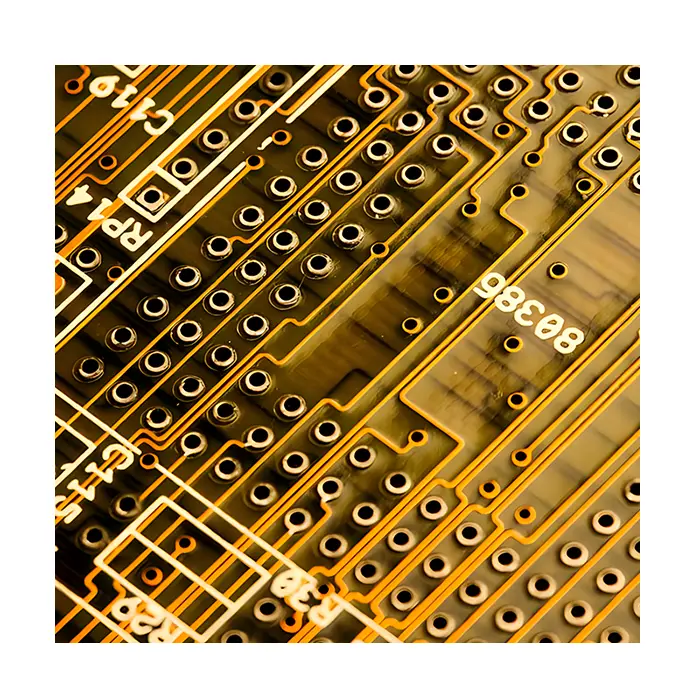 Copper Core
 PCB Assembly
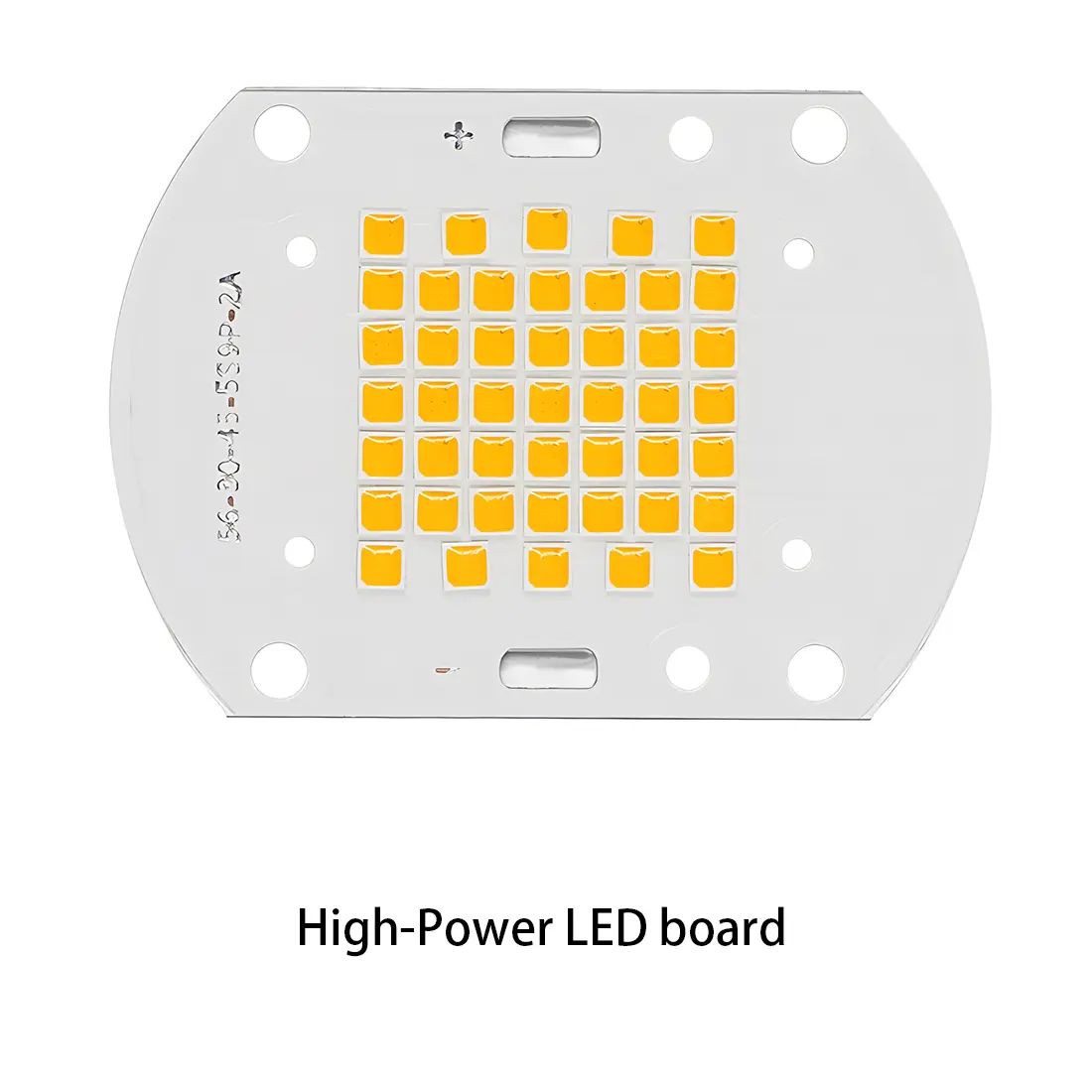 LED light PCBA
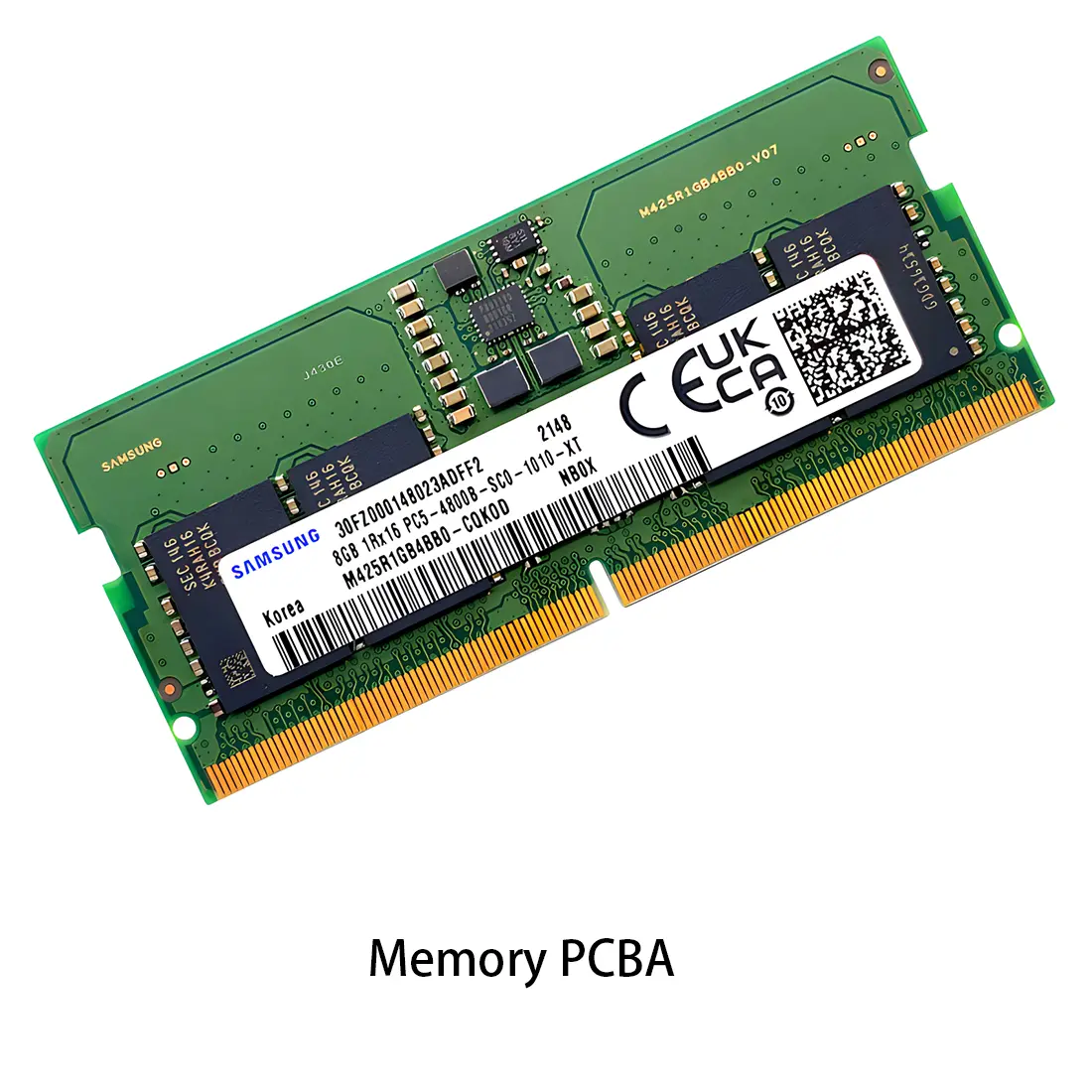 Memory PCBA
 Power Supply PCBA
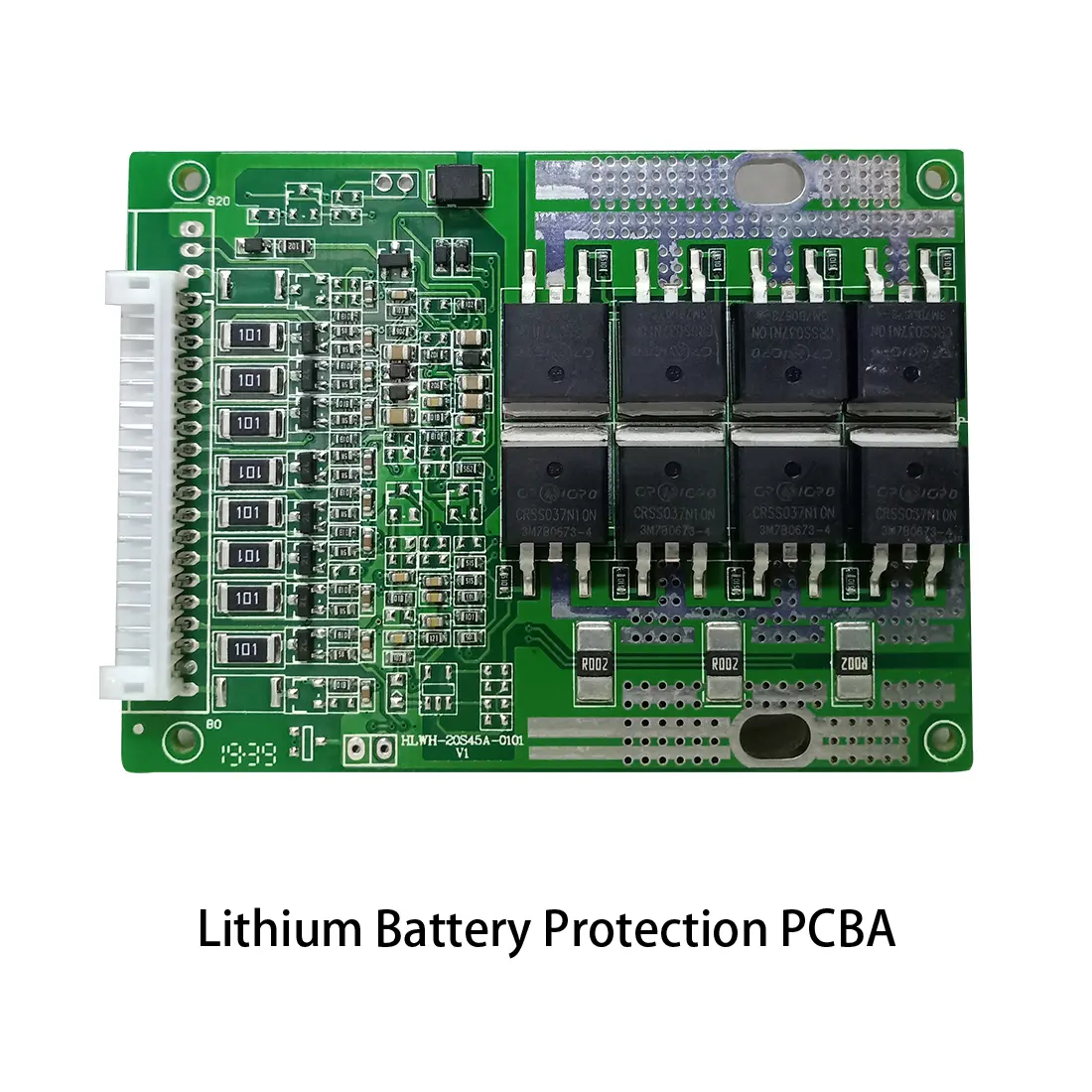 New Energey PCBA
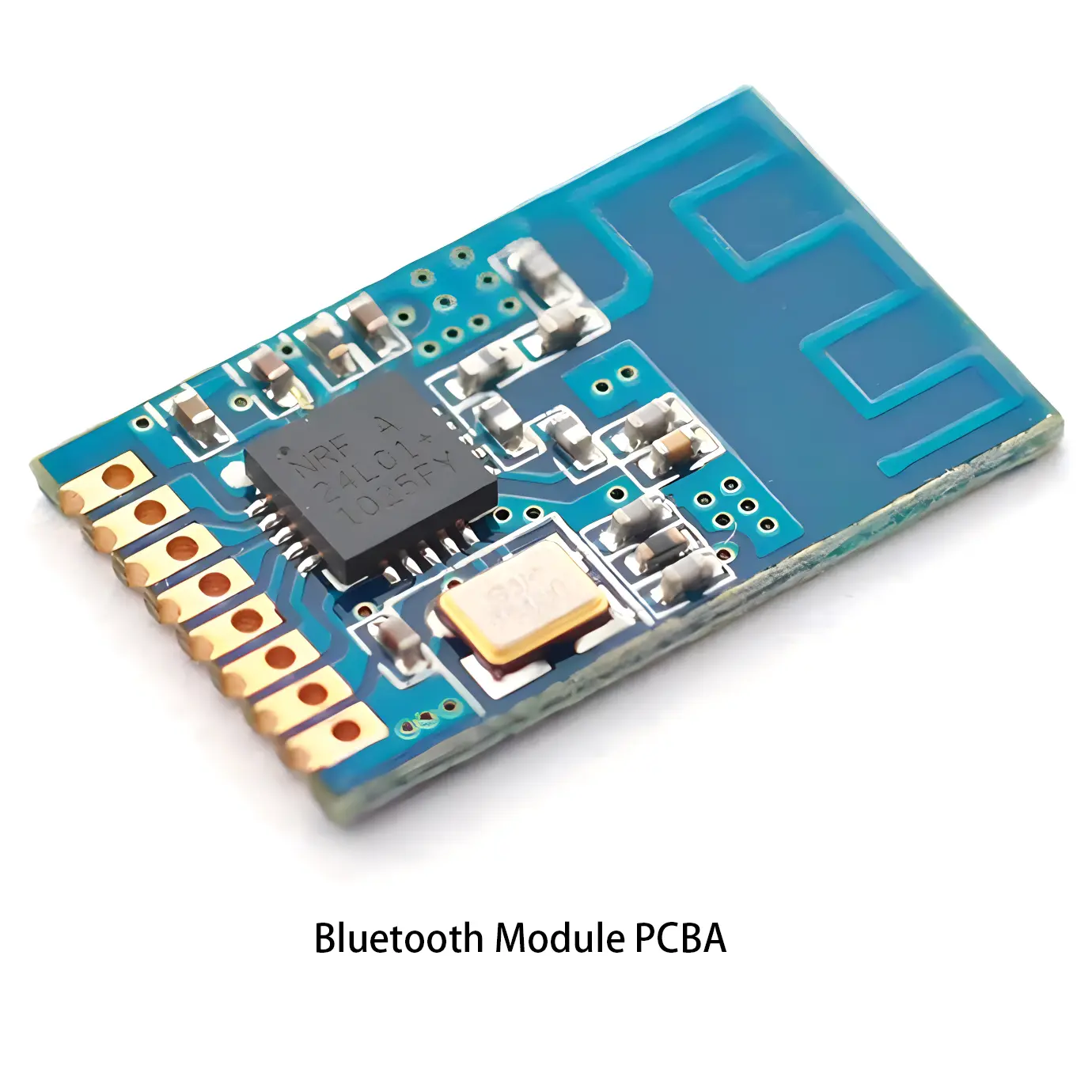 Communication PCBA
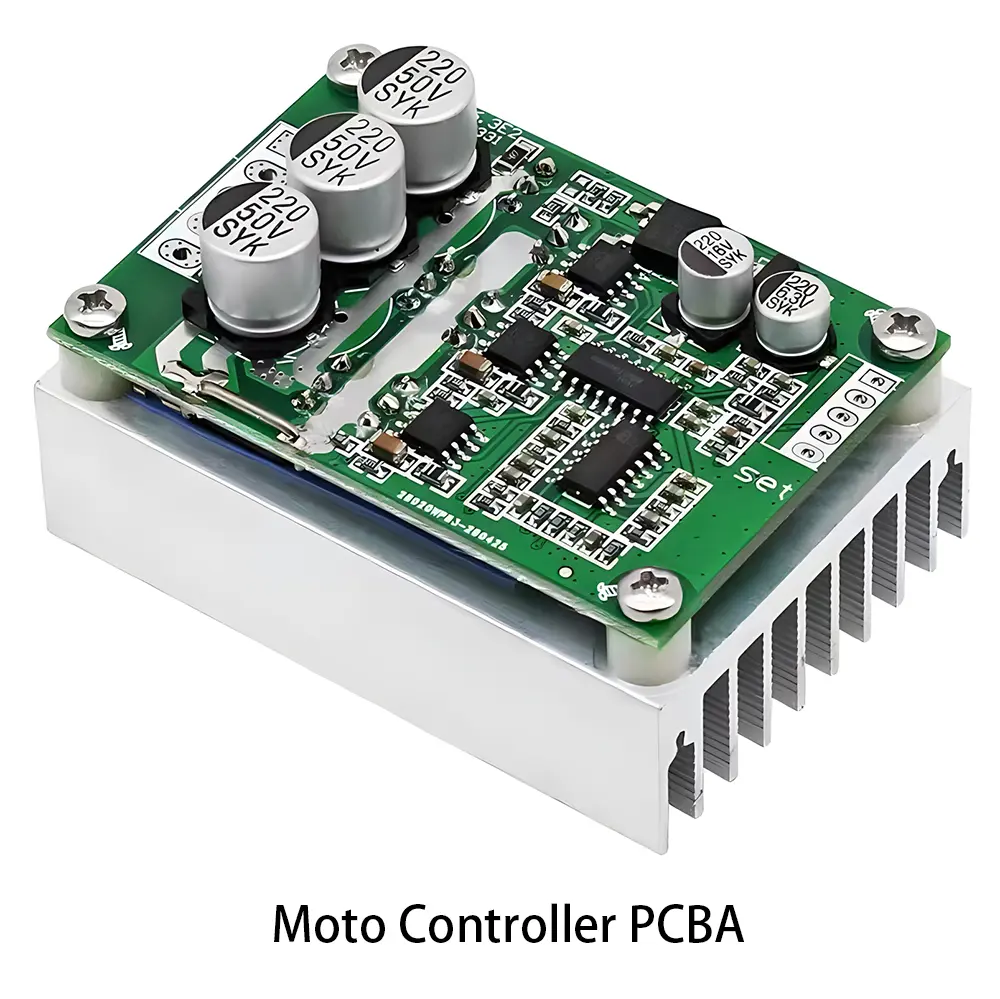 Industrial Control PCBA
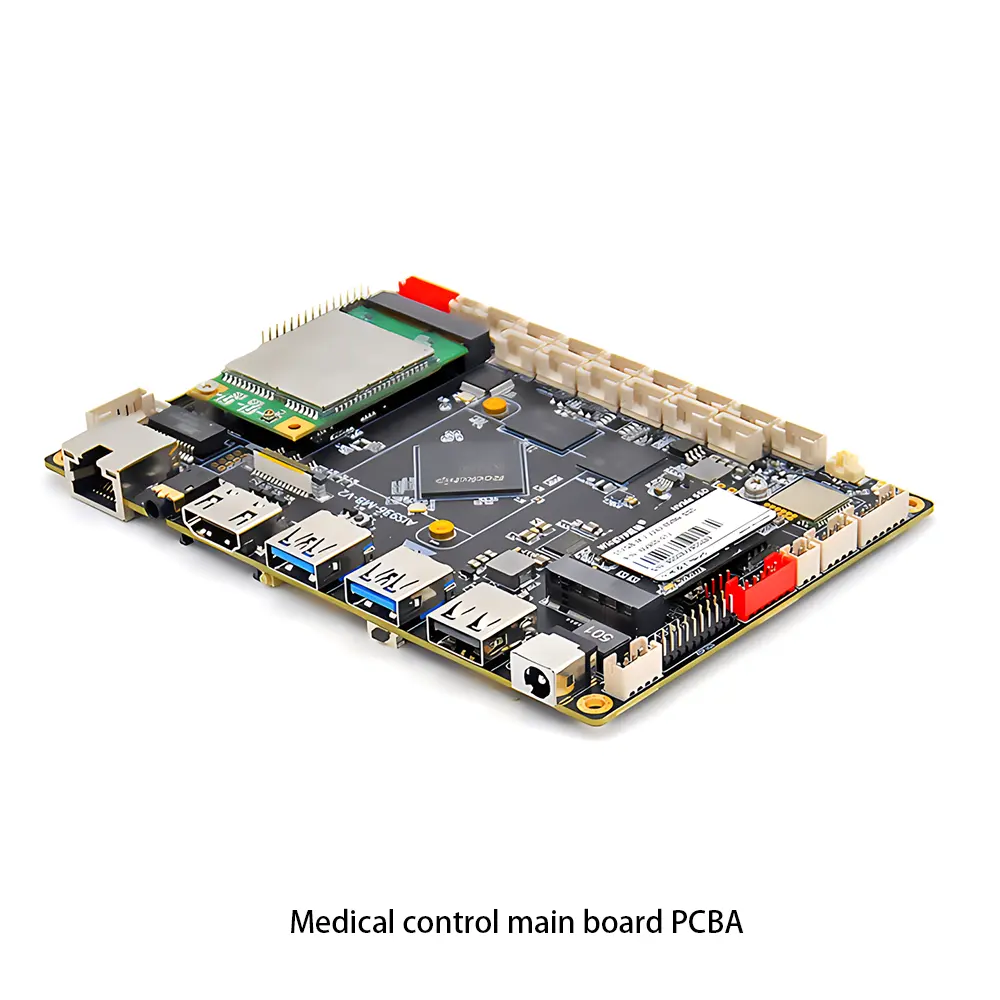 Medical Equipment PCBA
 Testing Service
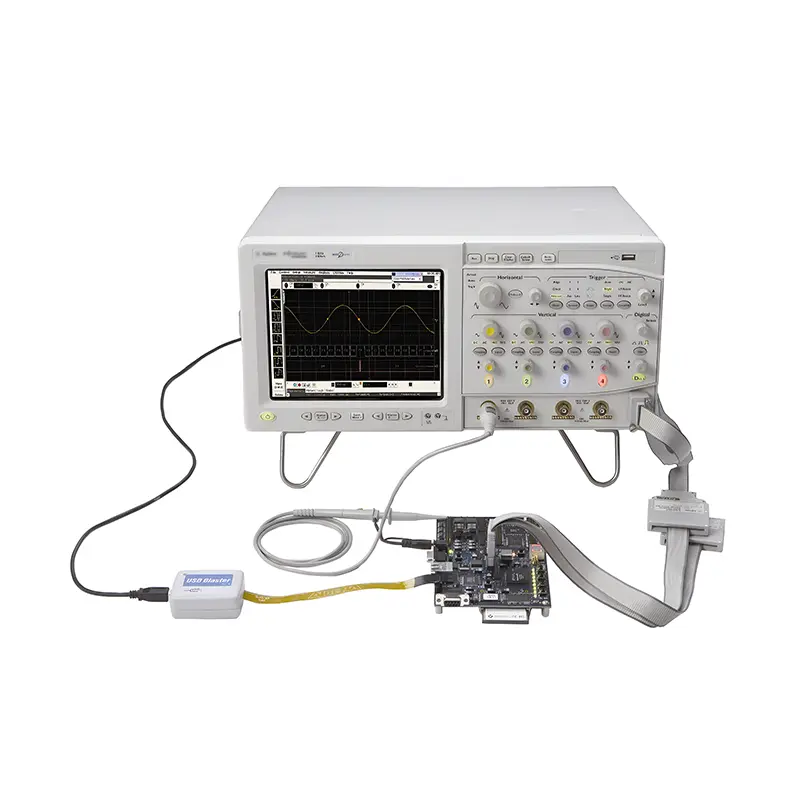 PCBA Testing Service
 Certification Application
 RoHS Certification Application
 REACH Certification Application
 CE Certification Application
 FCC Certification Application
 CQC Certification Application
 UL Certification Application
 Transformers, Inductors
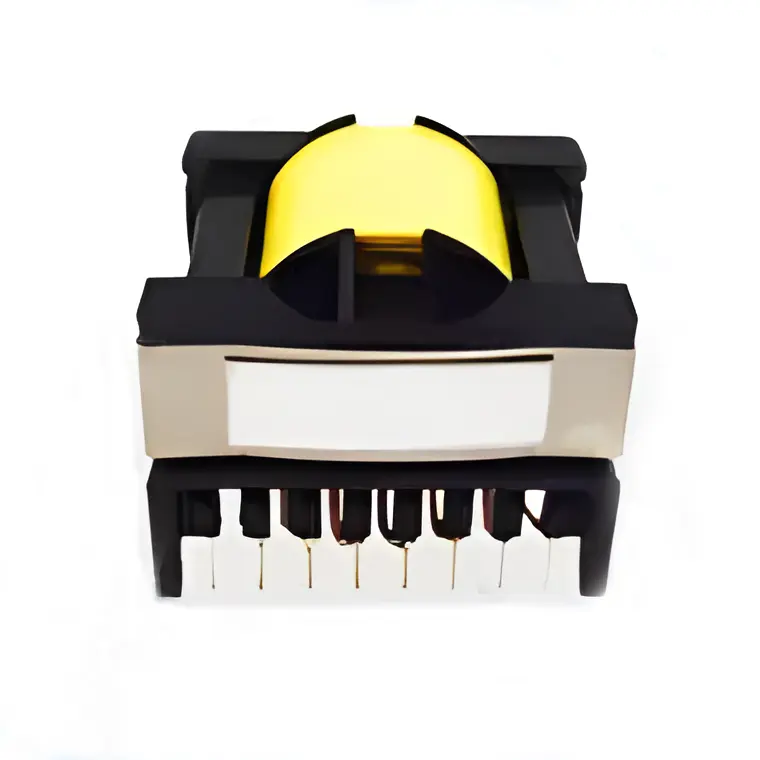 High Frequency Transformers
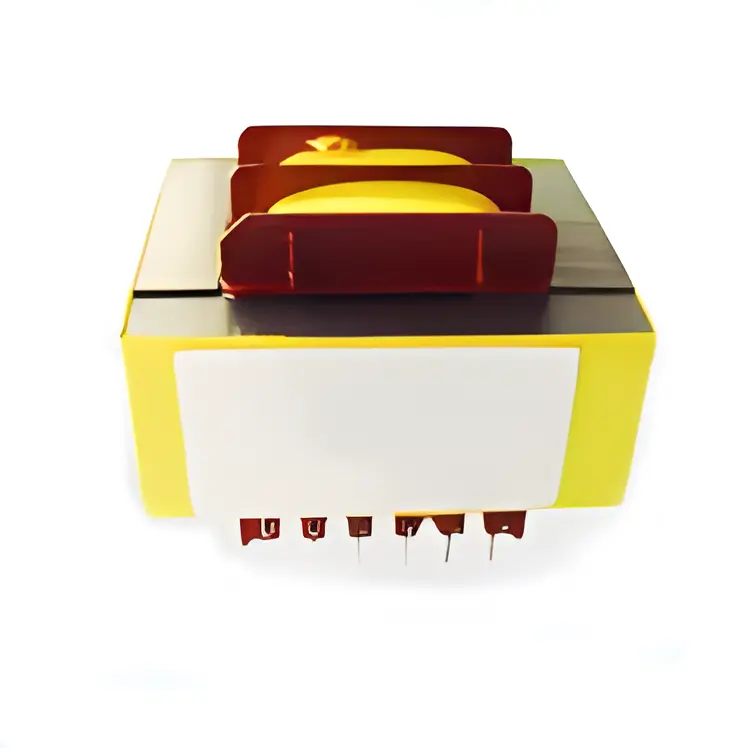 Low Frequency Transformers
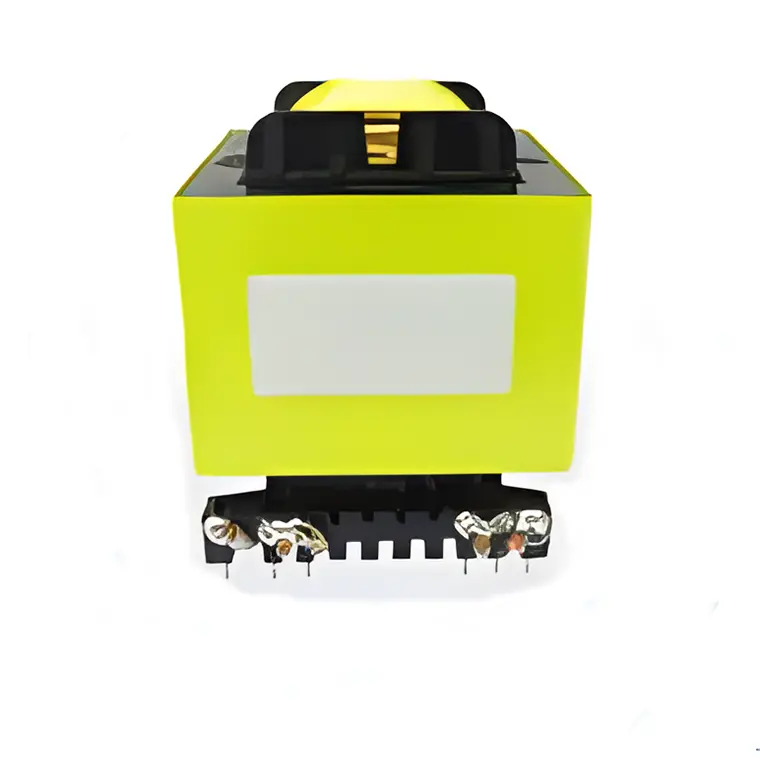 High Power Transformers
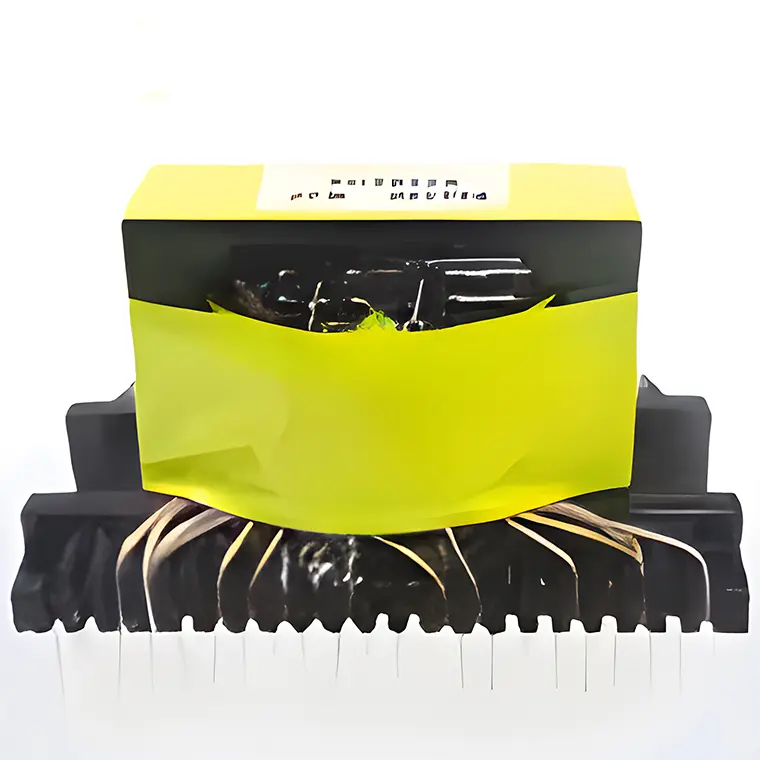 Conversion Transformers
 Sealed Transformers
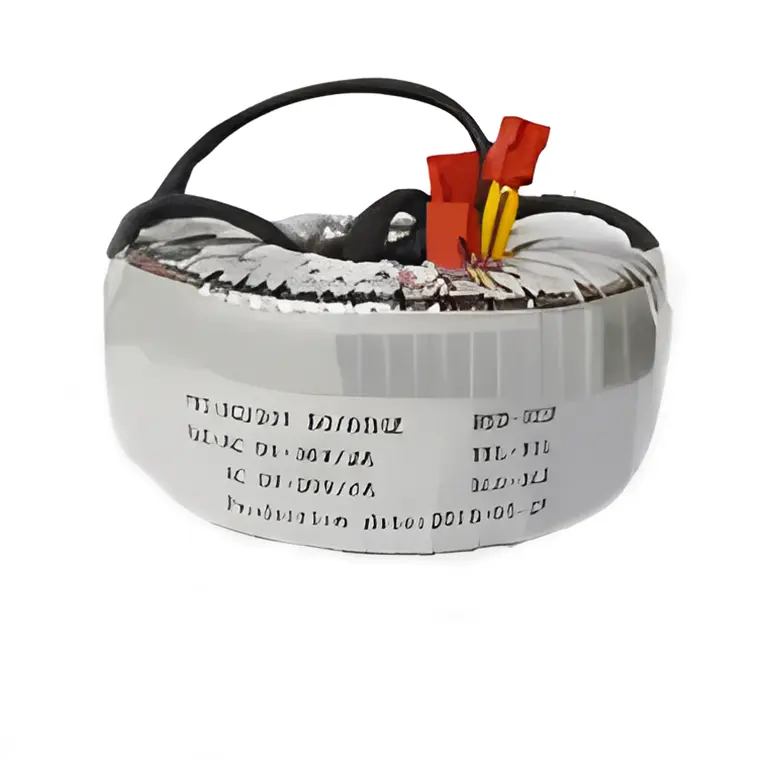 Ring Transformers
 Inductors
 Wires,Cables Customized
 Network Cables
 Power Cords
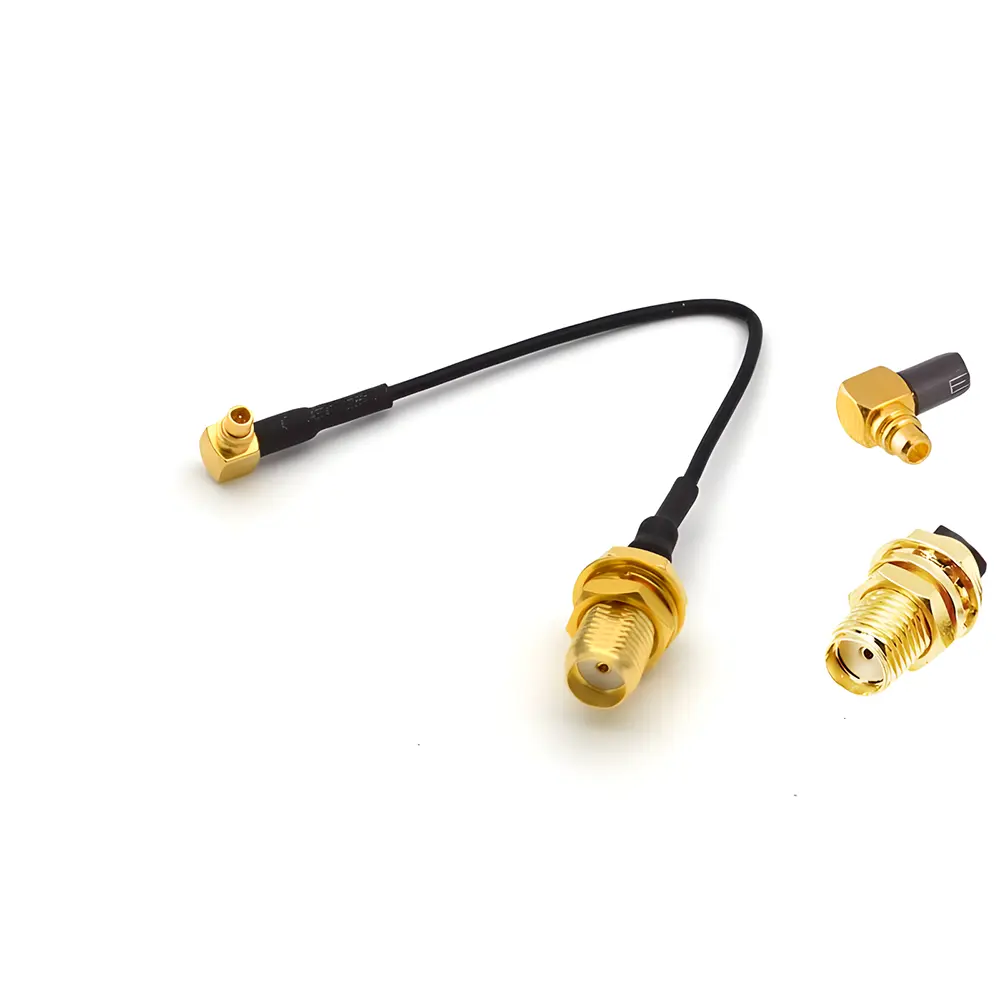 Antenna Cables
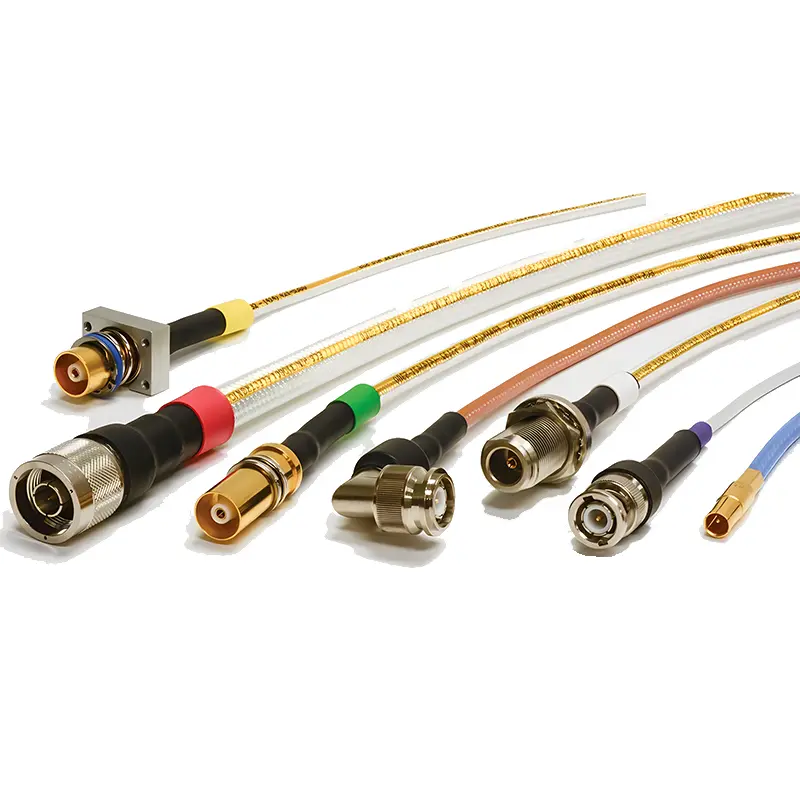 Coaxial Cables
 Net Position Indicator
 Solar AIS net position indicator
 Capacitors
 Connectors
 Diodes
 Embedded Processors & Controllers
 Digital Signal Processors (DSP/DSC)
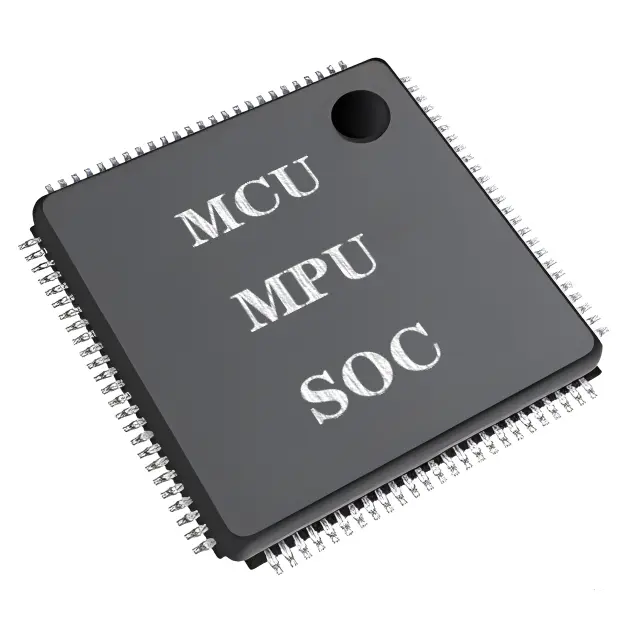 Microcontrollers (MCU/MPU/SOC)
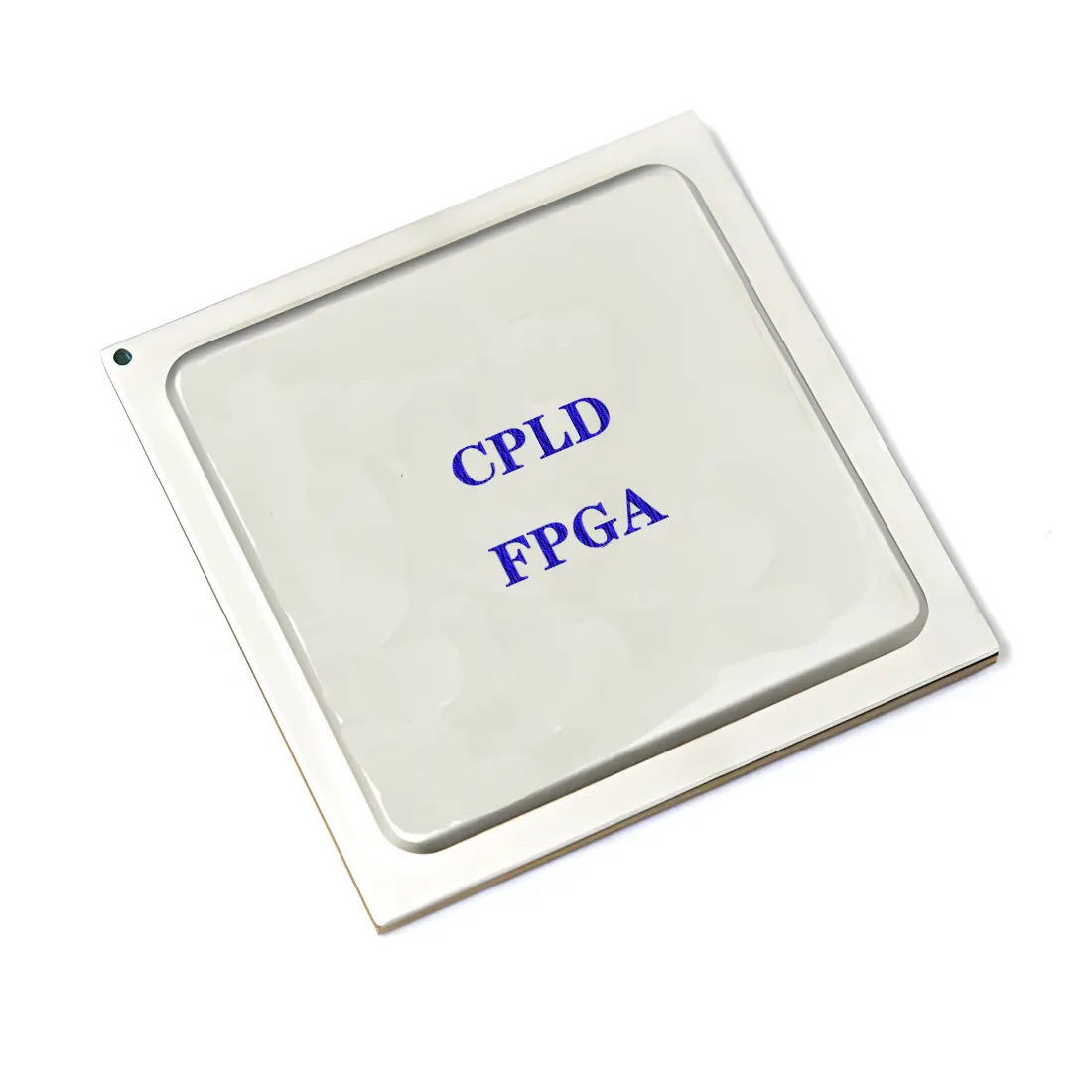 Programmable Logic Device(CPLD/FPGA)
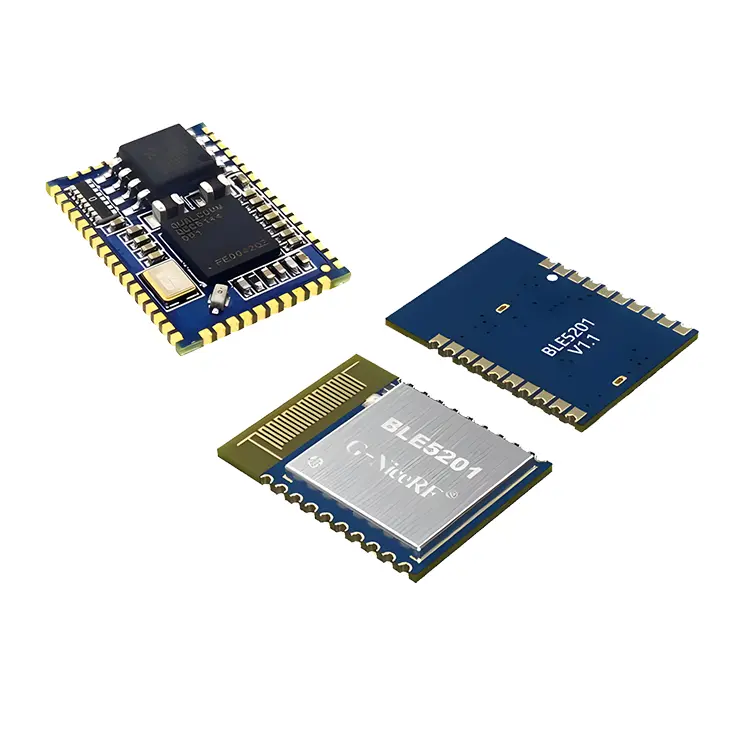 Communication Modules/IoT
 Resistors
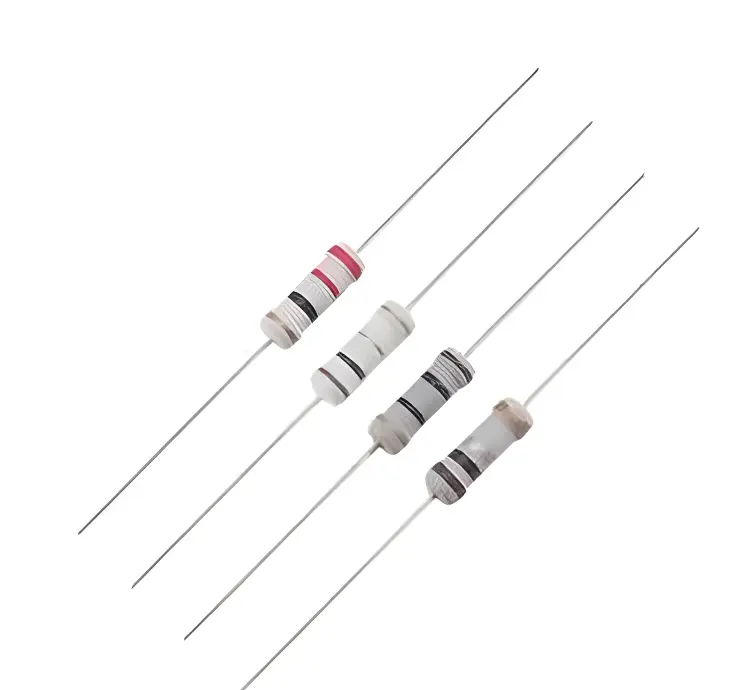 Through Hole Resistors
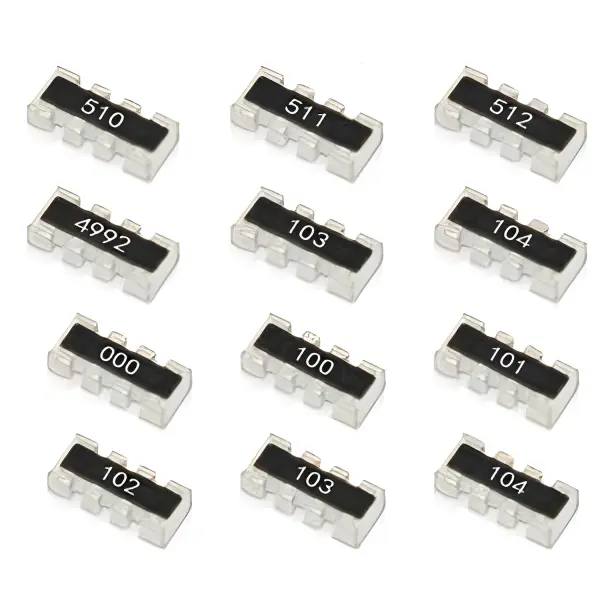 Resistor Networks, Arrays
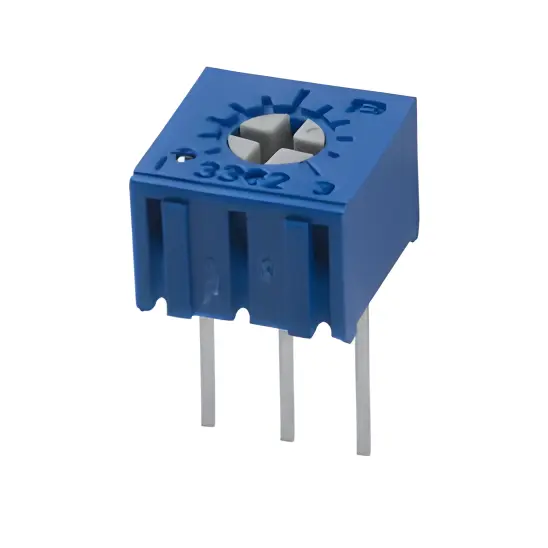 Potentiometers,Variable Resistors
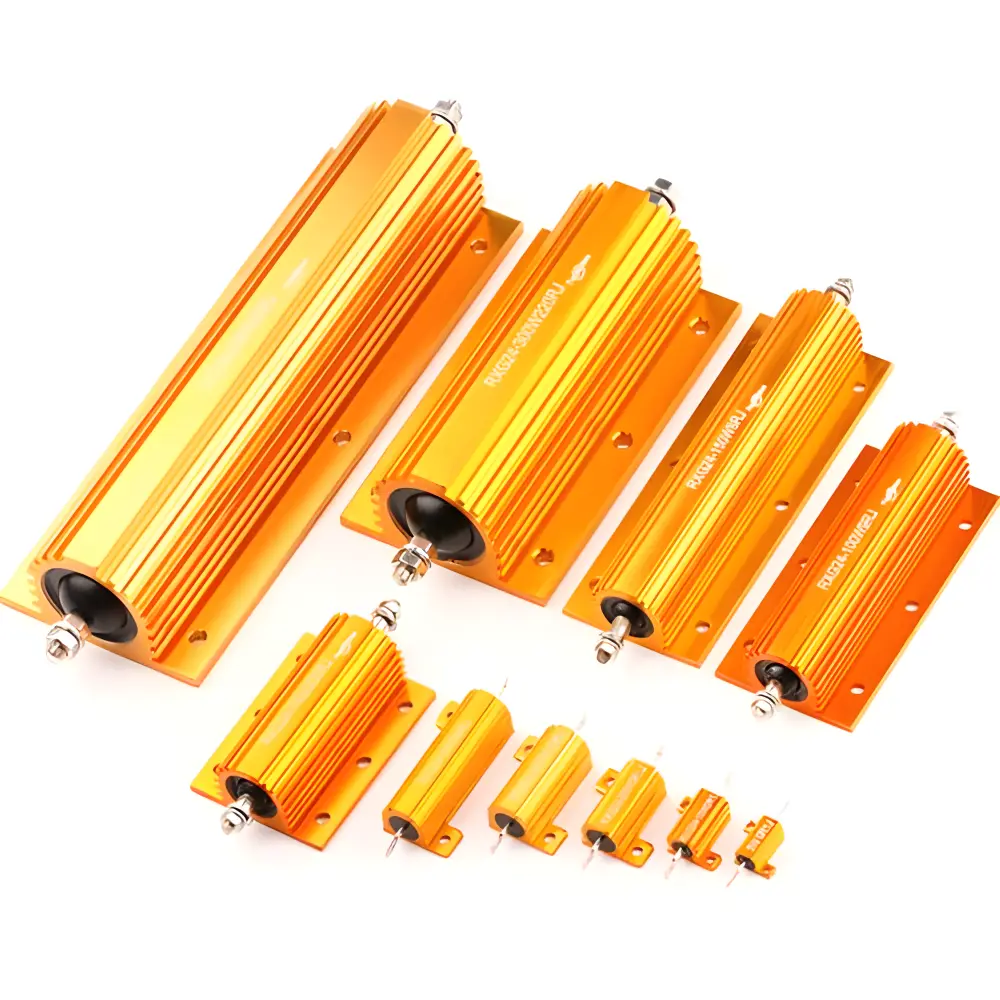 Aluminum Case,Porcelain Tube Resistance
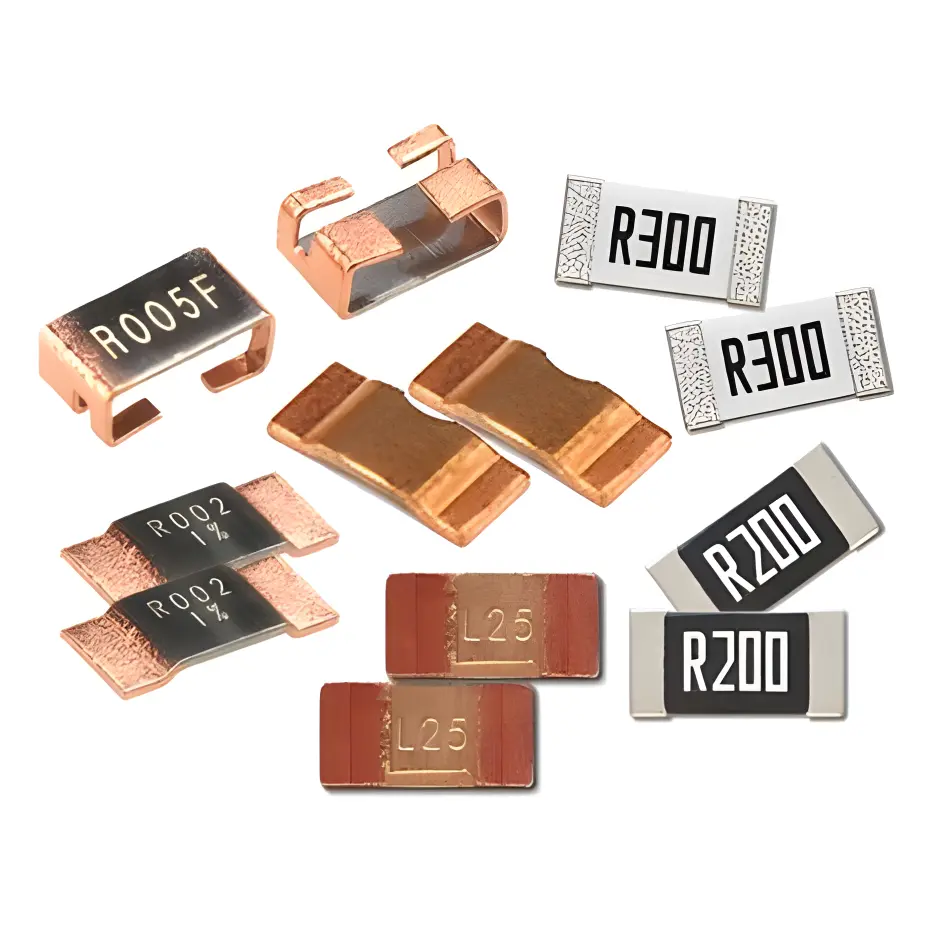 Current Sense Resistors,Shunt Resistors
 Switches
 Transistors
 Power Modules
 Isolated Power Modules
 AC-DC Power Modules
 DC-AC Module(Inverter)
 RF and Wireless
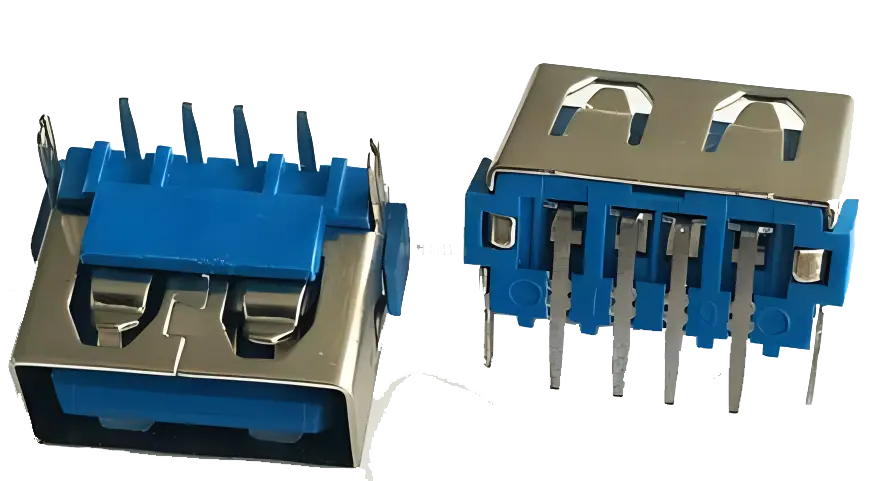
Matching Principles Between Pin Pitch and Trace Width for Conventional Connectors (USB, D-SUB)
2025-08-18
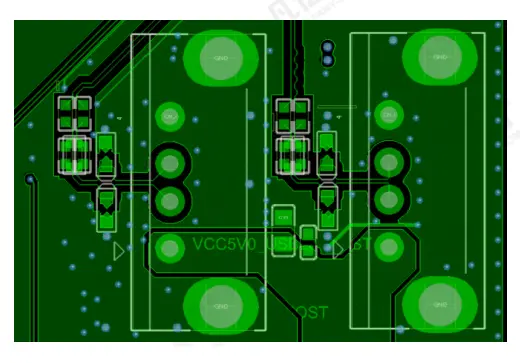
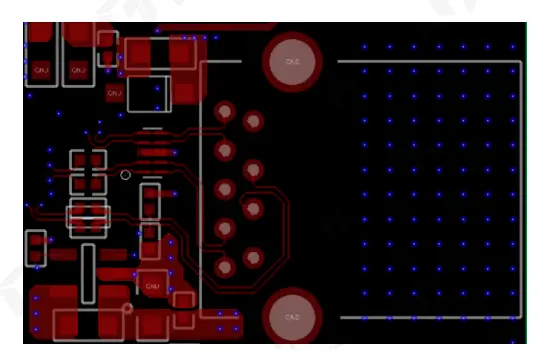
1. Core Concepts: BasIC Definitions of Pin Pitch and Trace Width
In Pcb Design, Pin Pitch refers to the distance between the centers of two adjacent pins of a Connector (unit: mm or mil, 1mm ≈ 39.37mil), which is the core prerequisite for determining trace width. Trace Width is the width of the copper foil on the PCB that connects the connector pins. It must match the pin pitch, signal characteristics (e.g., speed, impedance), and current requirements simultaneously to avoid issues such as "insufficient current due to overly narrow traces" or "inability to fit the pitch due to overly wide traces."
Core Formulas & Design Principles
-
Routing Channel Calculation:
Channel Width=Pin Pitch−Pin Diameter−2×Safety Clearance -
Maximum Trace Width:
Max Width≤2Pin Pitch−Min Spacing
Connector Specifications & Routing Rules
| Connector Type | Pin Pitch | Recommended Trace Width | Min Spacing | Critical Constraints |
|---|---|---|---|---|
| USB 2.0 Type-A | 1.5mm | 0.2–0.3mm | 0.15mm | Differential pair ±5mil length matching |
| USB 3.0 Type-C | 0.5mm | 0.1–0.15mm | 0.07mm | 90Ω±10% differential impedance |
| D-Sub (DB9) | 2.77mm | 0.25–0.4mm | 0.2mm | ≥0.5mm spacing for high-voltage pins |
| HDMI | 0.5mm | 0.1mm | 0.07mm | Intra-pair spacing ≤0.1mm |
2. USB Connectors: Matching Standards by Version
The pin pitch of USB connectors (including Type-A, Type-B, and Type-C) narrows with version upgrades. Trace width design must consider signal speed (high-speed/low-speed) and impedance control (typically 50Ω single-ended or 90Ω differential).
2.1 USB 2.0 (Including Type-A, Mini-B, Micro-B)
- Pin Pitch: Uniformly 2.54mm (100mil) (Type-A male pins are arranged in 2 rows × 4 columns; Mini-B in 2 rows × 5 columns).
- Trace Width Matching:
- Low-speed signal pins (e.g., VCC, GND, D+, D-): Due to sufficient pitch, trace width can be designed based on current requirements. VCC/GND are power pins; if carrying 1A current (FR4 substrate, 1oz copper thickness), the trace width must be ≥ 10mil. D+/D- are differential signal lines requiring 90Ω impedance control, with a typical trace width of 8-10mil. The spacing of the differential pair (center-to-center distance between two lines) should be 1.5-2 times the trace width (e.g., 12-16mil spacing for 8mil-wide traces) to avoid signal crosstalk.
- Note: Although the pin pitch of the Type-A female PCB footprint is 2.54mm, actual routing must reserve a "clearance" (gap between traces) of ≥ 0.2mm (8mil) to prevent short circuits.
2.2 USB 3.x (Including USB 3.0/3.1/3.2, Type-A/Type-C)
- Pin Pitch Differences:
- Type-A male: Retains the 2.54mm pitch of USB 2.0; newly added high-speed differential pairs (SSRX+/SSRX-, SSTX+/SSTX-) also follow this pitch.
- Type-C male: Due to high pin density (24 pins), the pitch narrows to 0.5mm (19.69mil) (arranged in 2 rows × 12 columns).
- Trace Width Matching:
- Type-A (USB 3.x): High-speed differential pairs need to support 5Gbps (USB 3.0) or 10Gbps (USB 3.1) speeds with 90Ω impedance control. The recommended trace width is 6-8mil, and the differential pair spacing is 8-12mil (avoiding USB 2.0 signal lines to prevent interference). For power pins (VBUS, GND) carrying 3A current (1oz copper thickness), the trace width must be ≥ 20mil.
- Type-C (USB 3.x): Due to the extremely small 0.5mm pitch, routing must strictly control "trace width + clearance". High-speed differential pairs require a trace width of 5-6mil and a clearance of ≥ 4mil (meeting the minimum clearance requirement for conventional PCB processes). CC pins (configuration channels) are low-speed signals, with a recommended trace width of 4-5mil. For VBUS pins supporting 3A fast charging, the trace width must be ≥ 18mil (12mil for 2oz copper thickness, as increased copper thickness improves current-carrying capacity).
3. D-SUB Connectors: Matching Standards by Pin Count
D-SUB connectors (e.g., DB9, DB15, DB25) are traditional parallel/serial connectors with uniform pin pitch. Differences in trace width mainly result from the functional distinction between "signal pins" and "power pins".
3.1 Core Commonality: Uniform Pin Pitch of 2.54mm (100mil)
All D-SUB connectors (whether 9-pin, 15-pin, or 25-pin) adopt a "2-row pin arrangement with 2.54mm pitch" (e.g., DB9 has 2 rows × 5 columns with 1 missing pin; DB25 has 2 rows × 13 columns). The pin center distance of the PCB footprint is fixed, providing ample routing space.
3.2 Trace Width Matching: Design by Function
- Signal pins (e.g., RXD, TXD, control signals): No special current requirements (typically ≤ 100mA). Trace width mainly meets signal integrity (low-speed signals with a rate ≤ 115200bps), with a recommended width of 6-8mil and a clearance of ≥ 6mil (to avoid crosstalk between adjacent signals).
- Power pins (e.g., VCC, GND): For 0.5A current (1oz copper thickness), the trace width must be ≥ 8mil; for 1A current, ≥ 10mil. For high-power scenarios (e.g., VCC pin power supply in DB25), the trace width can be increased to 15-20mil to ensure heat dissipation and current-carrying capacity.
- Shielding pins (e.g., metal shell grounding pins): Need to connect to the PCB ground plane. A recommended trace width of ≥ 12mil reduces grounding impedance and improves EMC (Electromagnetic Compatibility) performance.
4. Key Influencing Factors for Matching Design
- PCB Process Limitations: The minimum trace width for conventional PCBs is 4mil, and the minimum clearance is 4mil (up to 2mil for high-precision processes). Design must ensure "trace width + clearance ≤ pin pitch" (e.g., for Type-C with 0.5mm pitch, 5mil trace width + 4mil clearance = 9mil ≈ 0.229mm ≤ 0.5mm, meeting requirements).
- Signal Integrity Requirements: High-speed signals (e.g., 10Gbps for USB 3.x) require strict impedance control. Trace width must be calculated based on PCB stack-up (e.g., top layer/inner layer) and dielectric constant (≈4.4 for FR4). For example, top-layer differential lines (90Ω) require 10mil spacing for 6mil-wide traces, and 12mil spacing for 7mil-wide inner-layer traces (inner-layer dielectric constant affects impedance).
- Current-Carrying Capacity: Trace width is positively correlated with current-carrying capacity (for fixed copper thickness). It can be referenced by the formula: I=K×W^0.75×T^0.5 (I = current, K = constant, W = trace width, T = copper thickness). For 1oz copper thickness (0.035mm), a 10mil trace width carries 1A, and a 20mil width carries 2.5A. A 20% margin should be reserved in design (e.g., 12mil width for 1A current demand).
5. Practical Matching Recommendations
- Prioritize Connector Datasheets: Manufacturers (e.g., TE, JAE) provide "recommended trace widths" for PCB footprints. For example, Type-C connector datasheets typically recommend 5-6mil for high-speed differential pairs, which should be followed first.
- Use Auxiliary Calculation Tools: Use "impedance calculators" and "current-trace width calculators" in PCB design software (e.g., Altium Designer, Cadence) to input parameters such as copper thickness, substrate type, current, and speed, and automatically generate matching trace widths.
- Prototype Verification: During small-batch trial production, use a multimeter to measure the voltage drop of power pins (verifying current-carrying capacity) and a network analyzer to test high-speed signal impedance (verifying signal integrity) to confirm whether the matching design meets standards.
6. Summary: Core Formula for Matching Design
Reasonable Trace Width Range = [Minimum Functional Trace Width (current/impedance requirements), Pin Pitch - Minimum Clearance]
For example, for USB 2.0 Type-A (pitch 2.54mm = 100mil), the minimum functional trace width for D+ differential lines is 8mil, and the minimum clearance is 6mil. Thus, the trace width range is 8mil ≤ W ≤ 100mil - 6mil = 94mil. In practice, 8-10mil is sufficient to meet all requirements.
For example, for USB 2.0 Type-A (pitch 2.54mm = 100mil), the minimum functional trace width for D+ differential lines is 8mil, and the minimum clearance is 6mil. Thus, the trace width range is 8mil ≤ W ≤ 100mil - 6mil = 94mil. In practice, 8-10mil is sufficient to meet all requirements.