
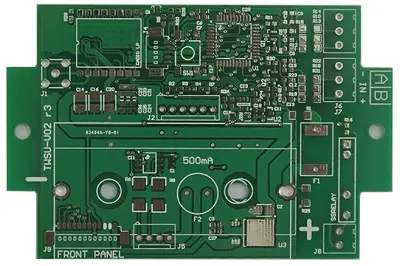
 PCB
PCB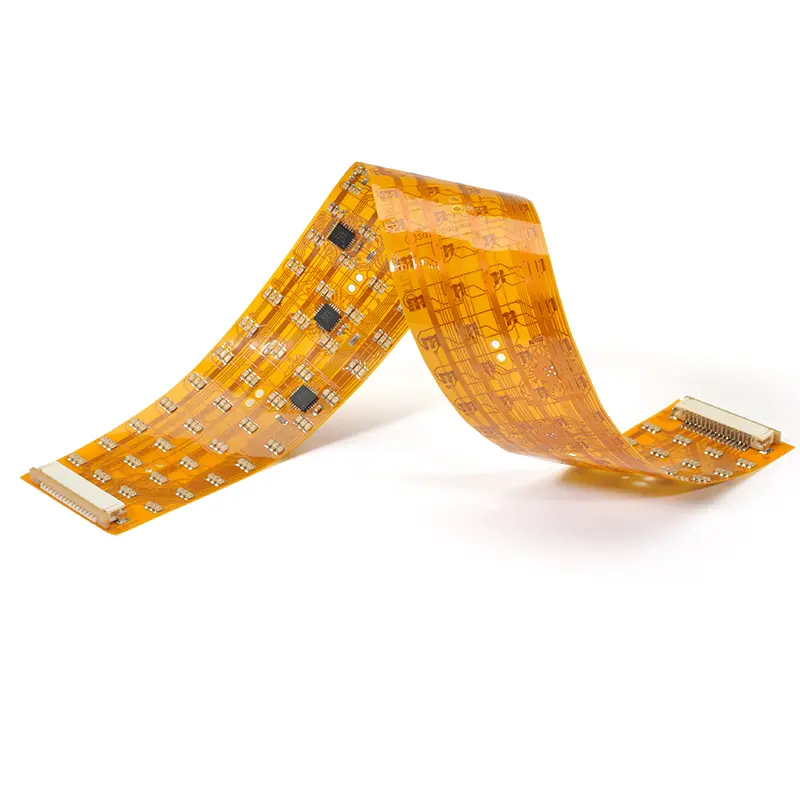 FPC
FPC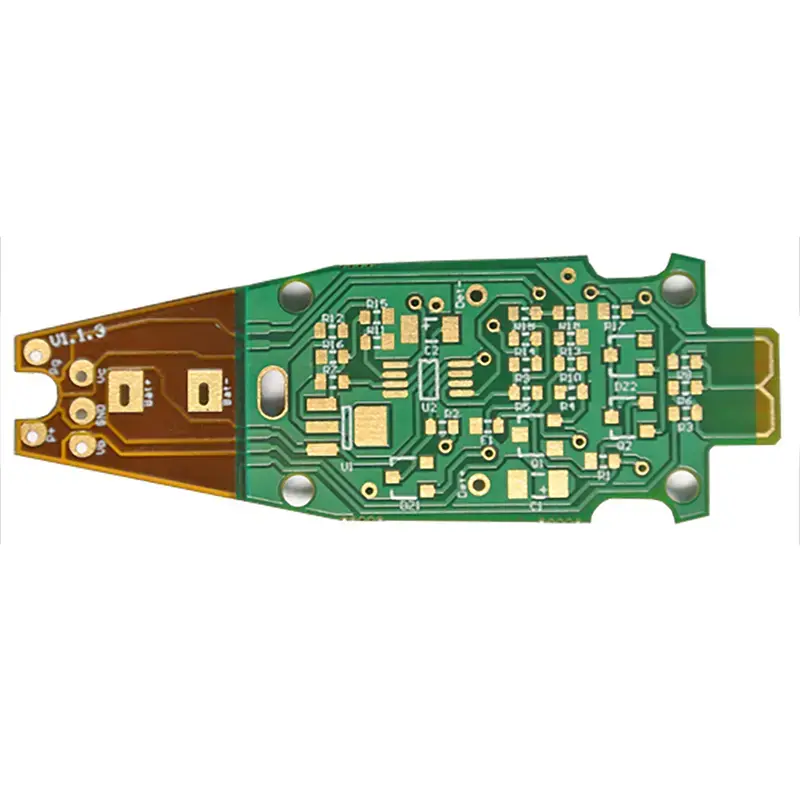 Rigid-Flex
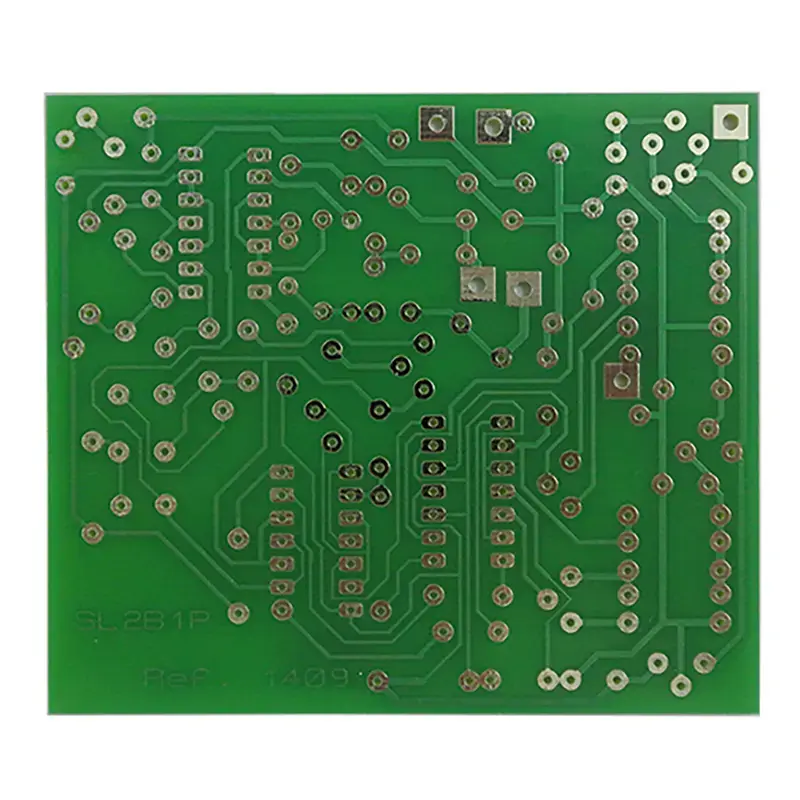 FR-4
FR-4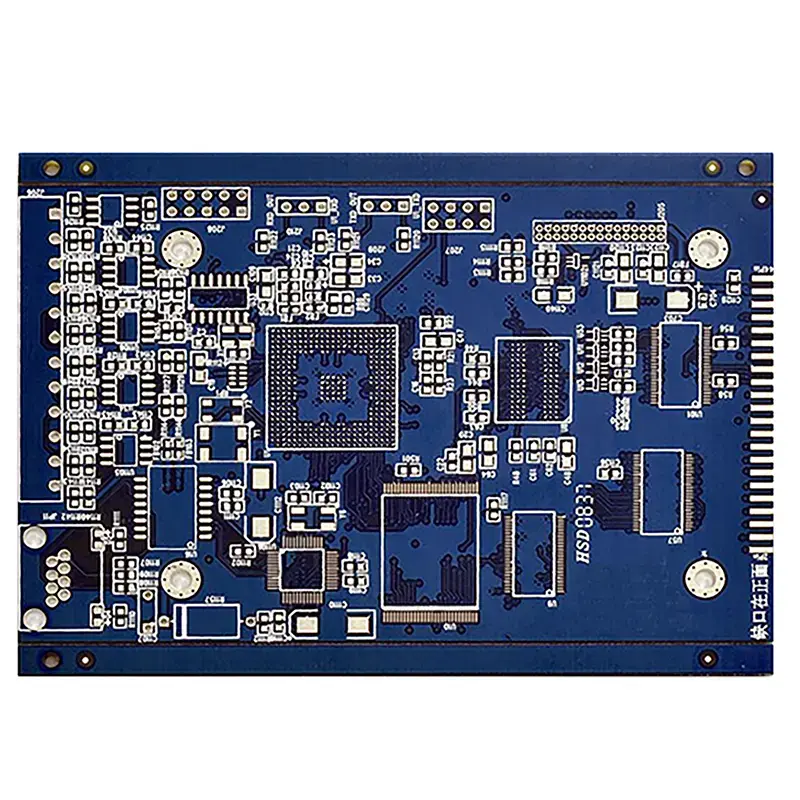 HDI PCB
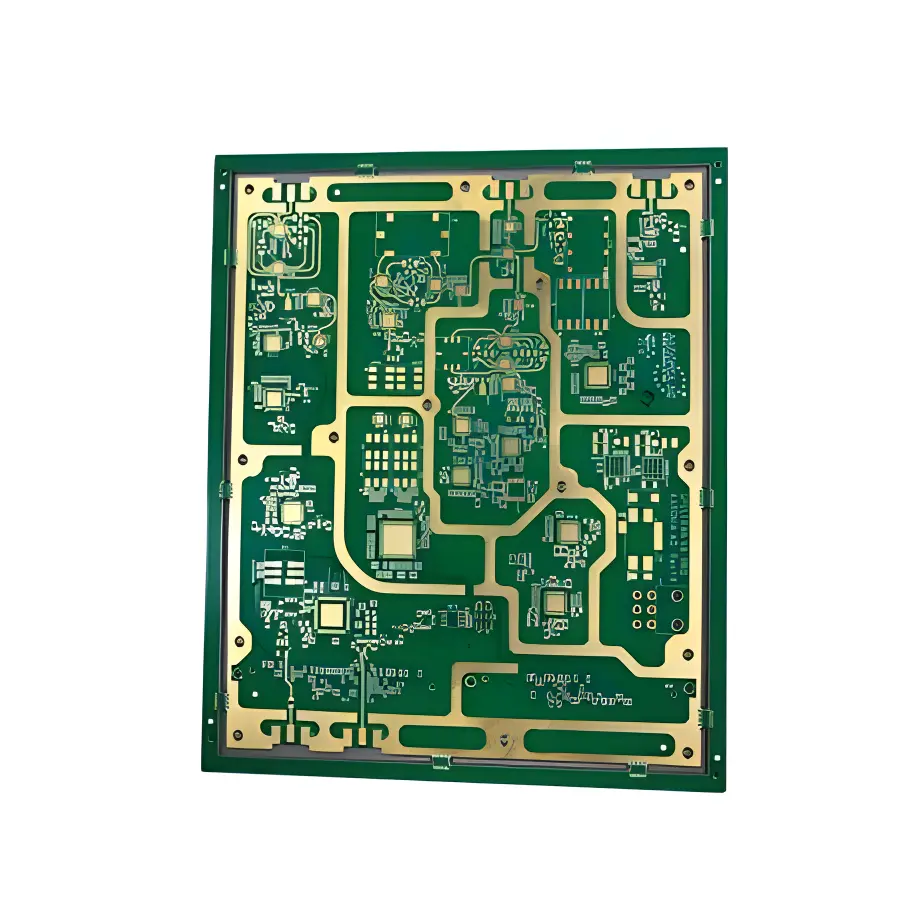 Rogers High-Frequency Board
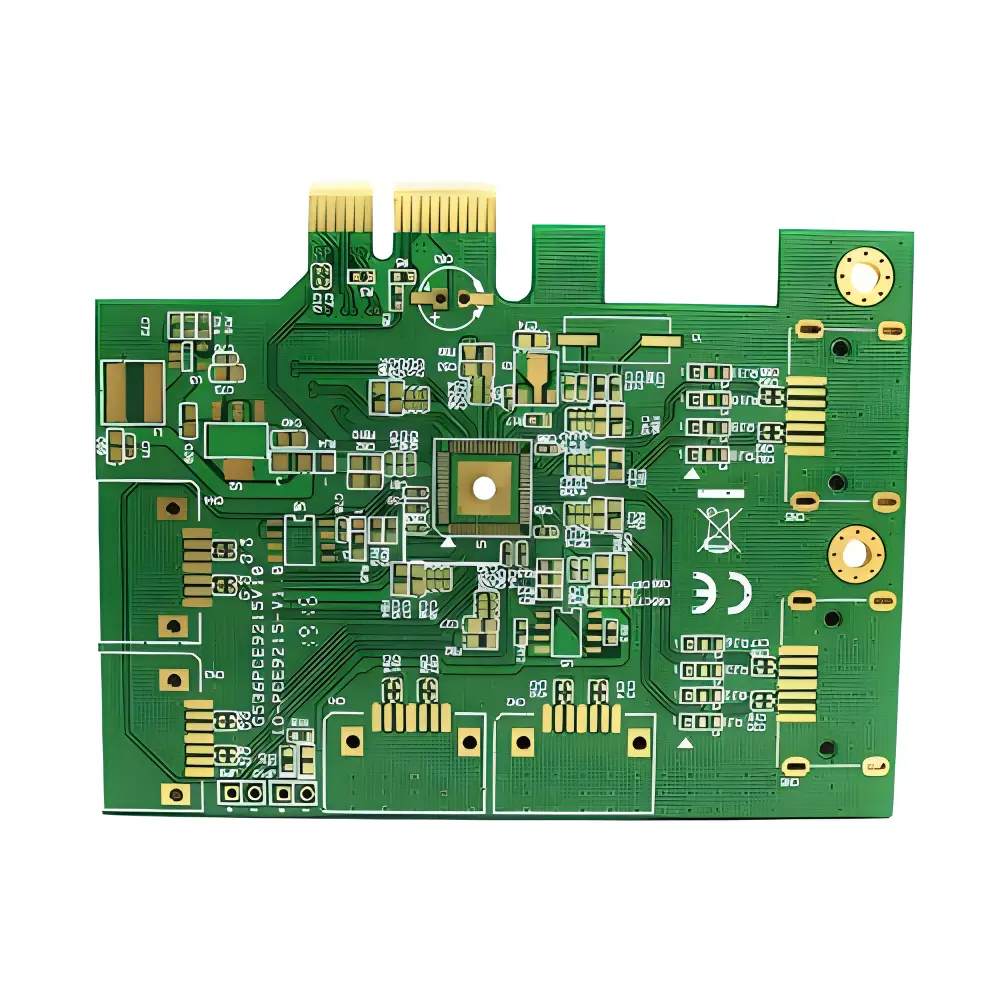 PTFE Teflon High-Frequency Board
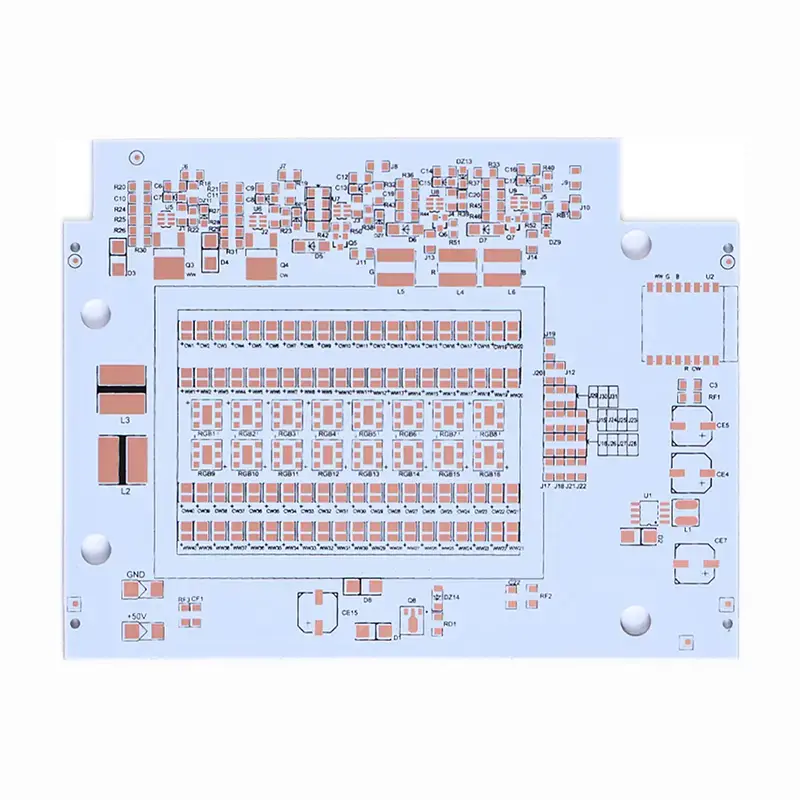 Aluminum
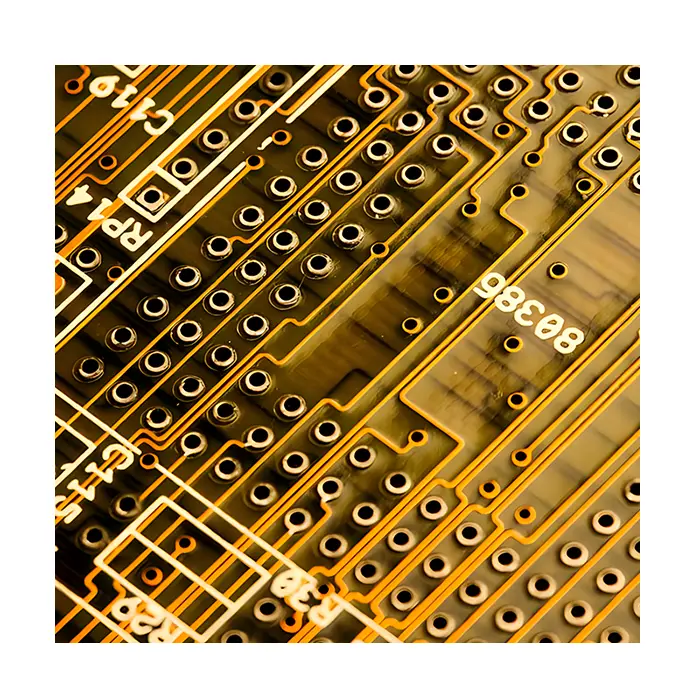 Copper Core
 PCB Assembly
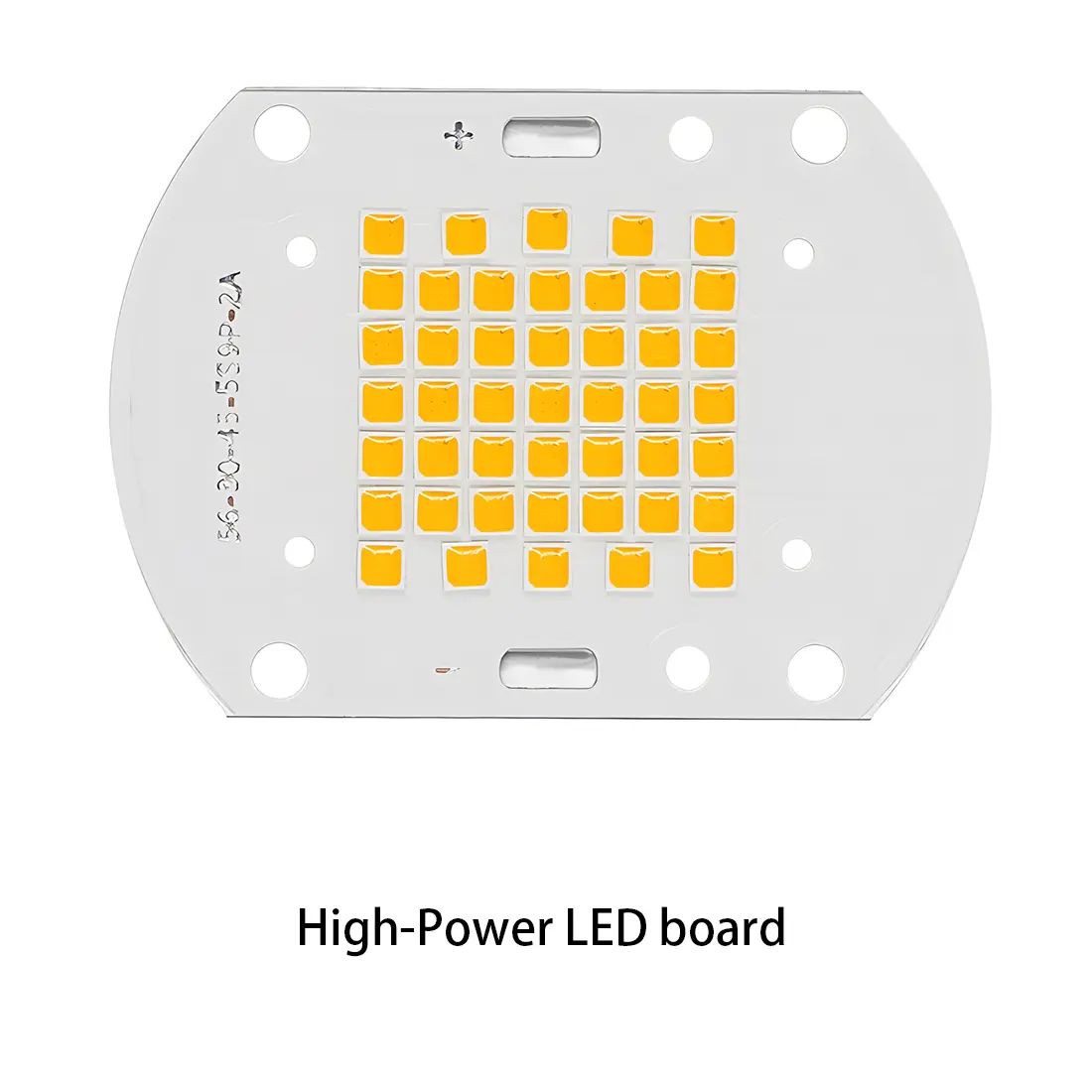 LED light PCBA
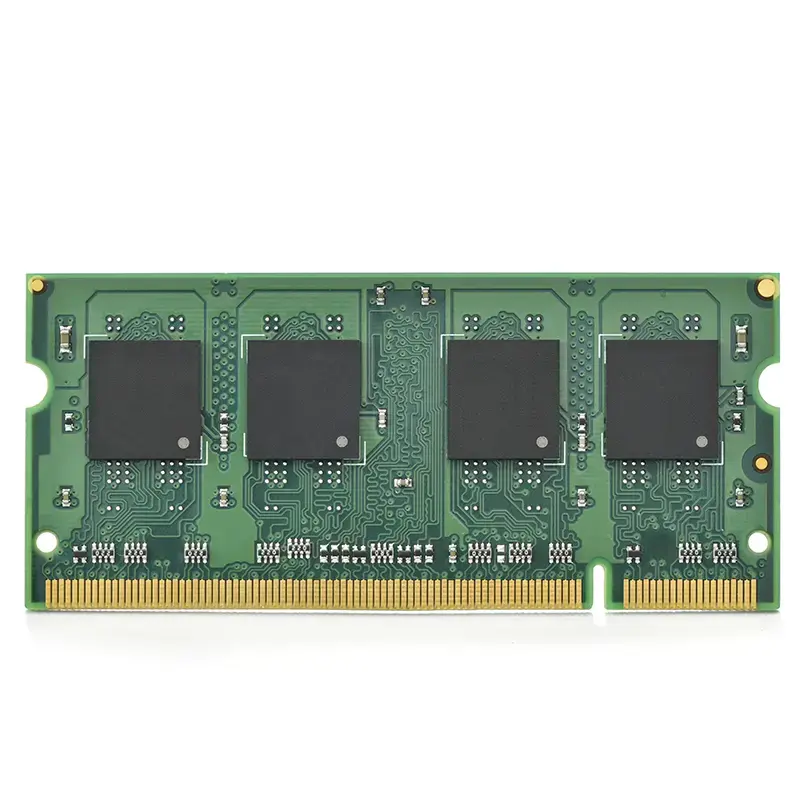
 Memory PCBA
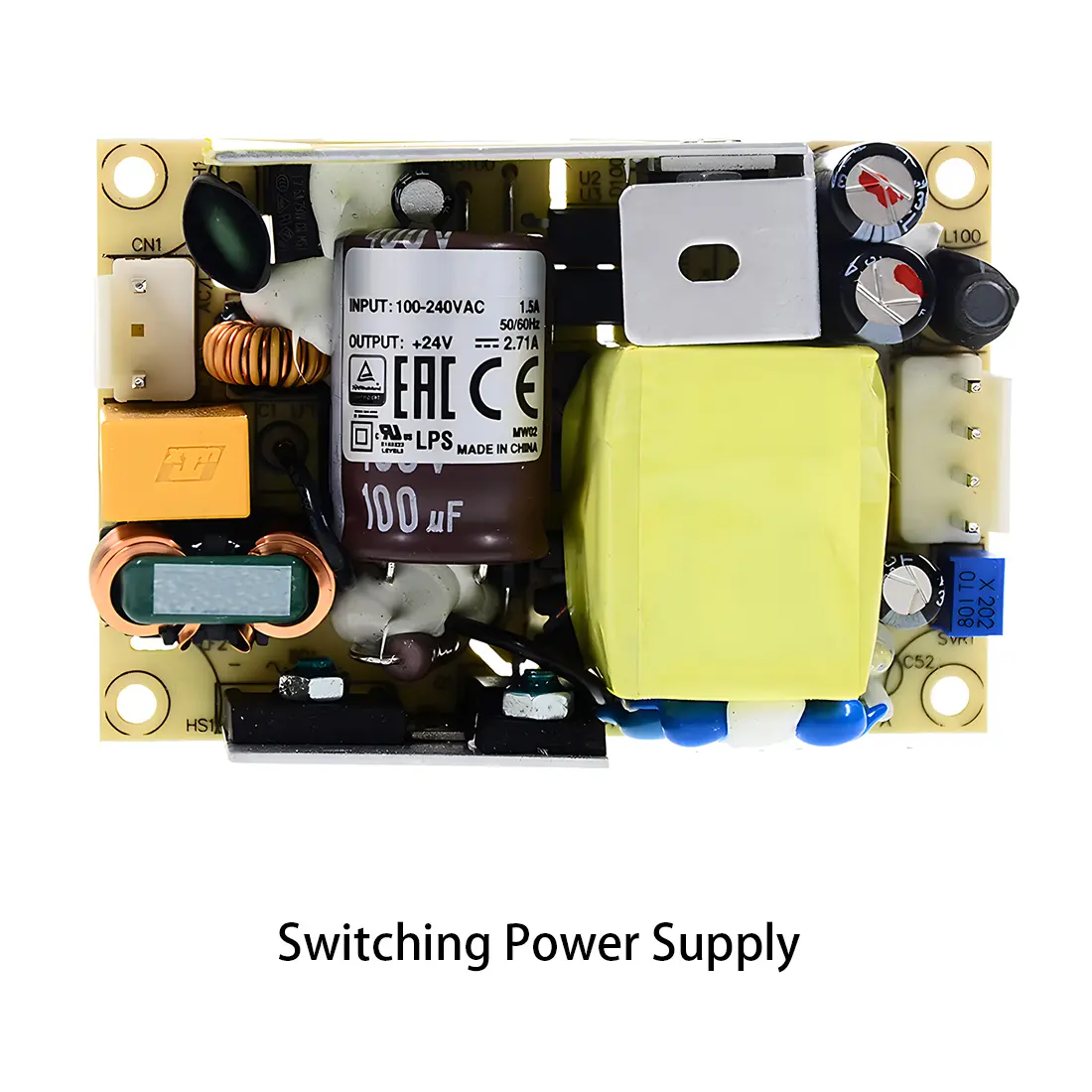 Power Supply PCBA
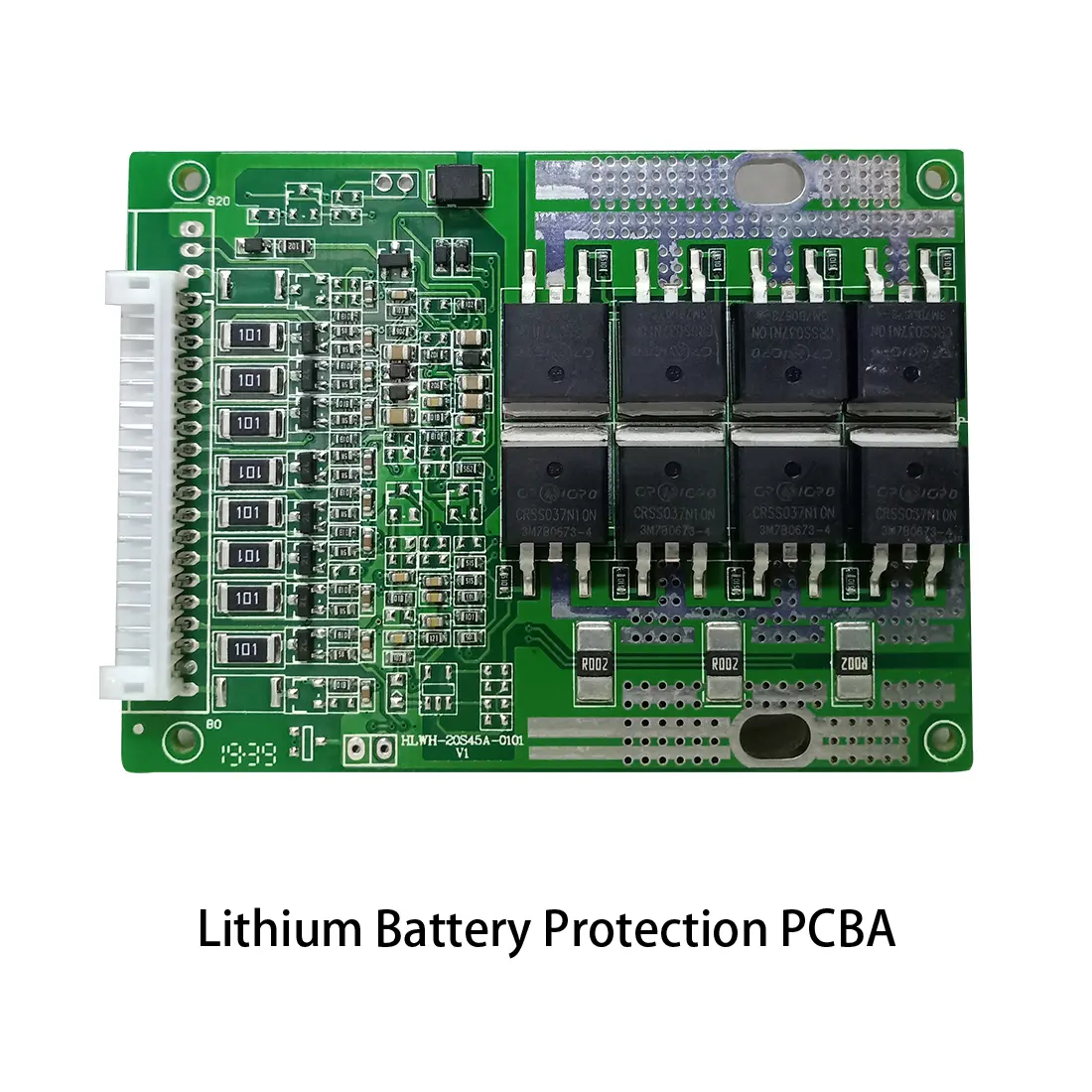 New Energey PCBA
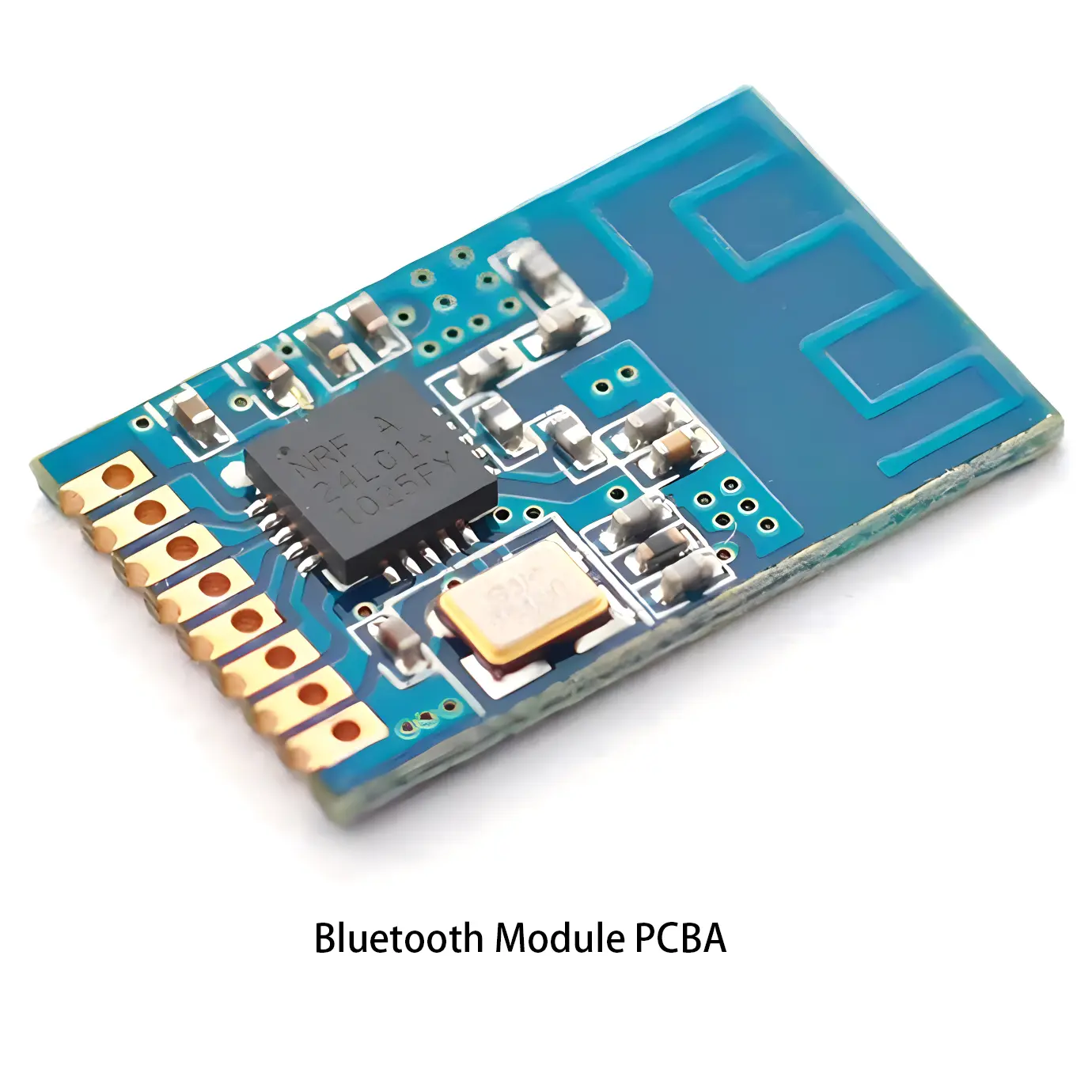 Communication PCBA
 Industrial Control PCBA
 Medical Equipment PCBA
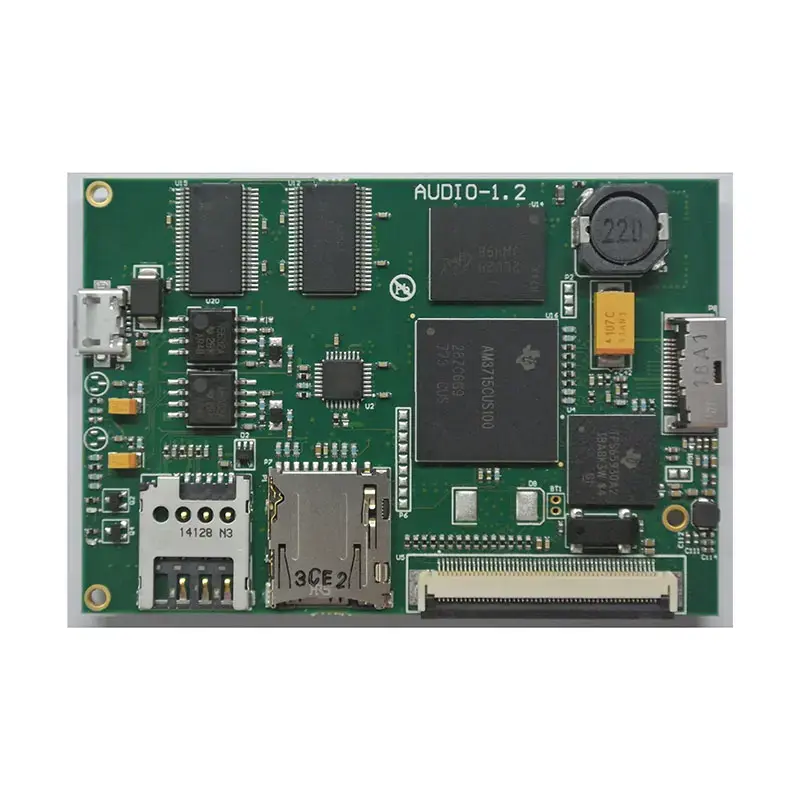 Testing Service
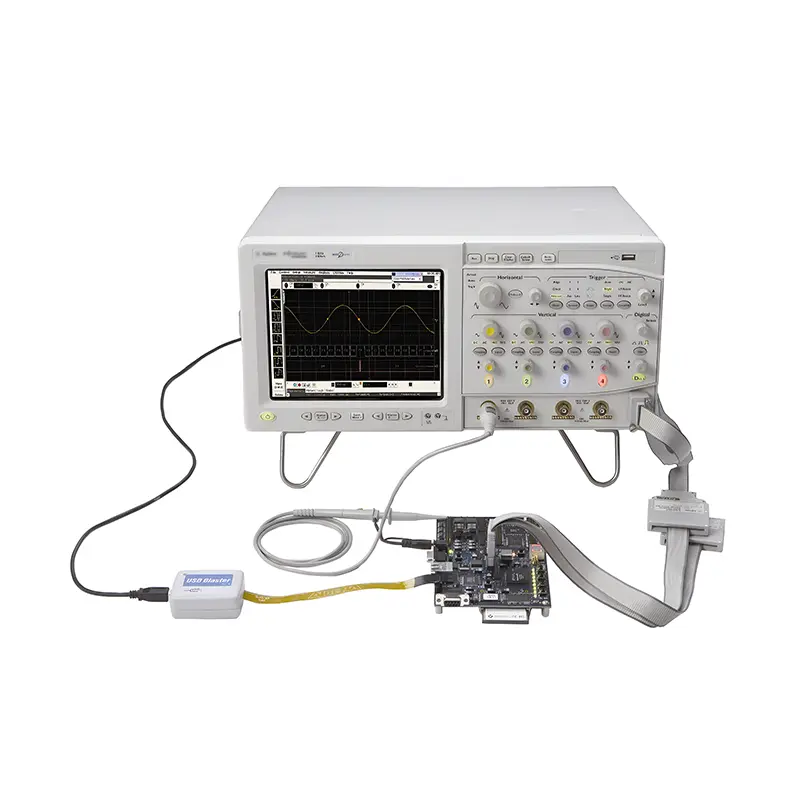 PCBA Testing Service
 Certification Application
 RoHS Certification Application
 REACH Certification Application
 CE Certification Application
 FCC Certification Application
 CQC Certification Application
 UL Certification Application
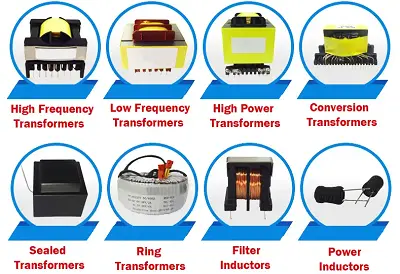 Transformers, Inductors
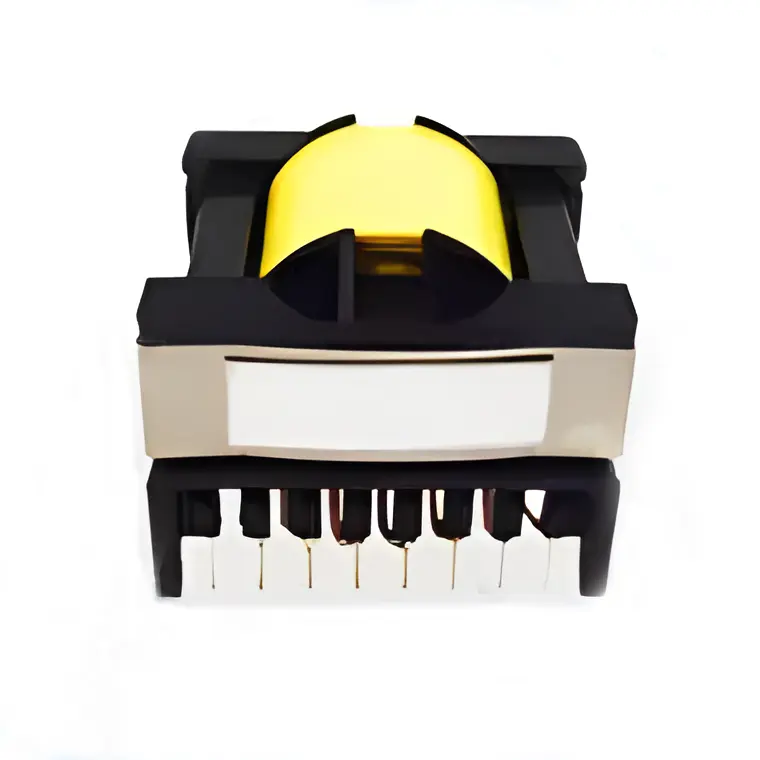 High Frequency Transformers
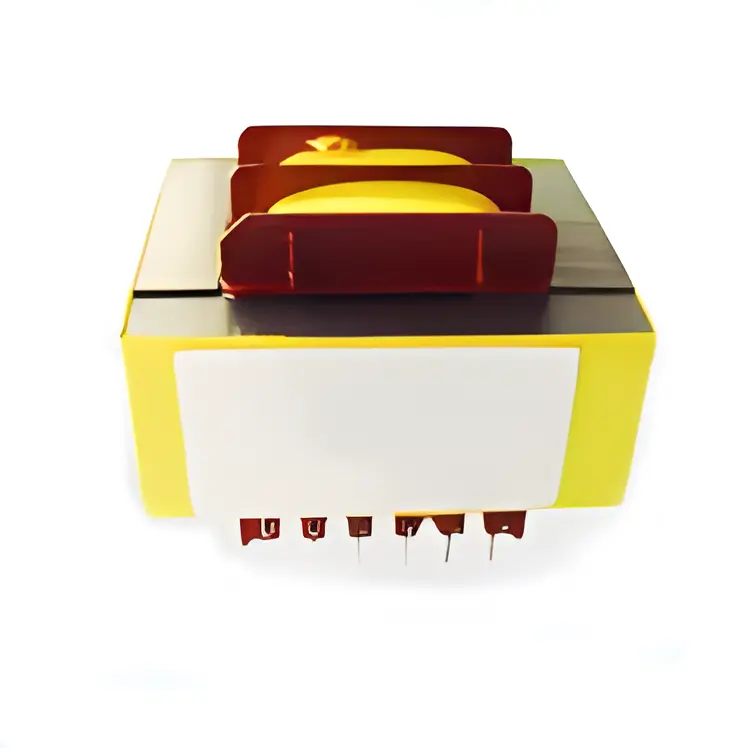 Low Frequency Transformers
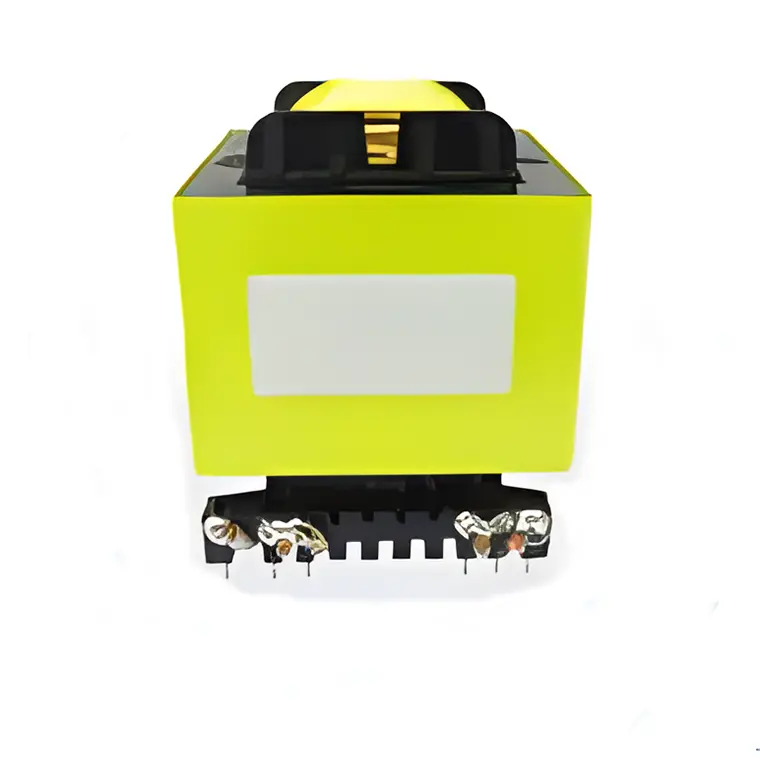 High Power Transformers
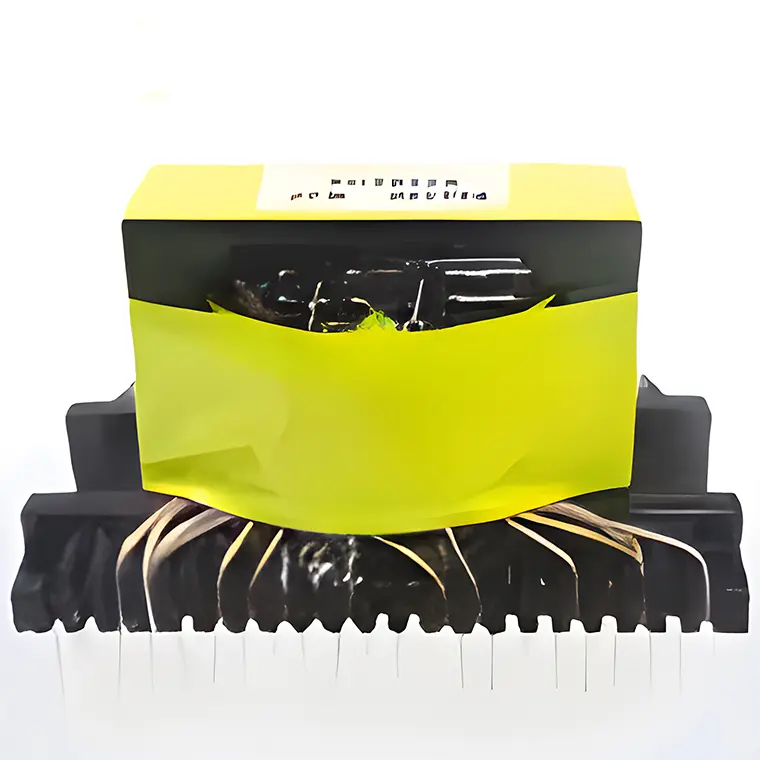 Conversion Transformers
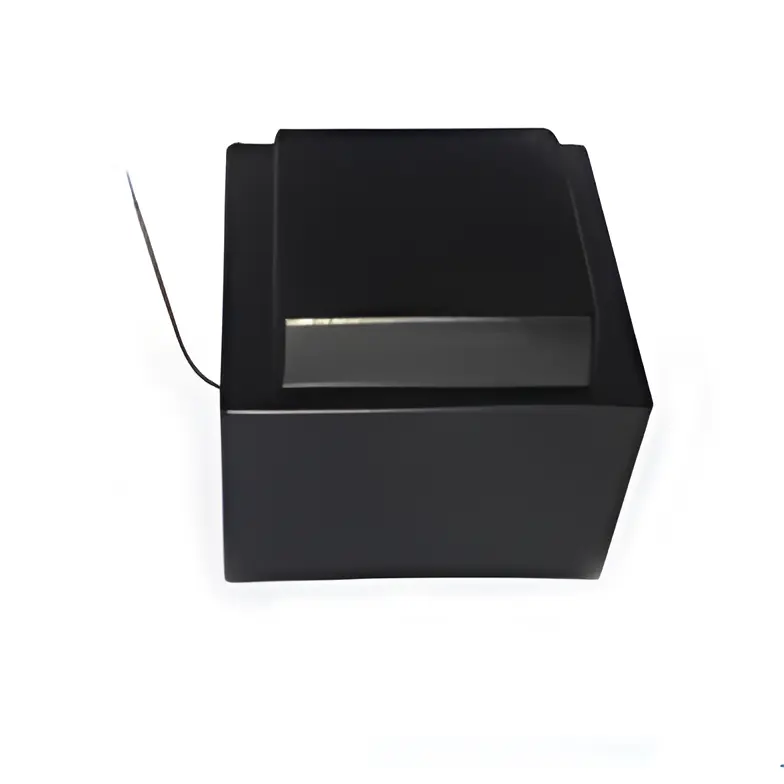 Sealed Transformers
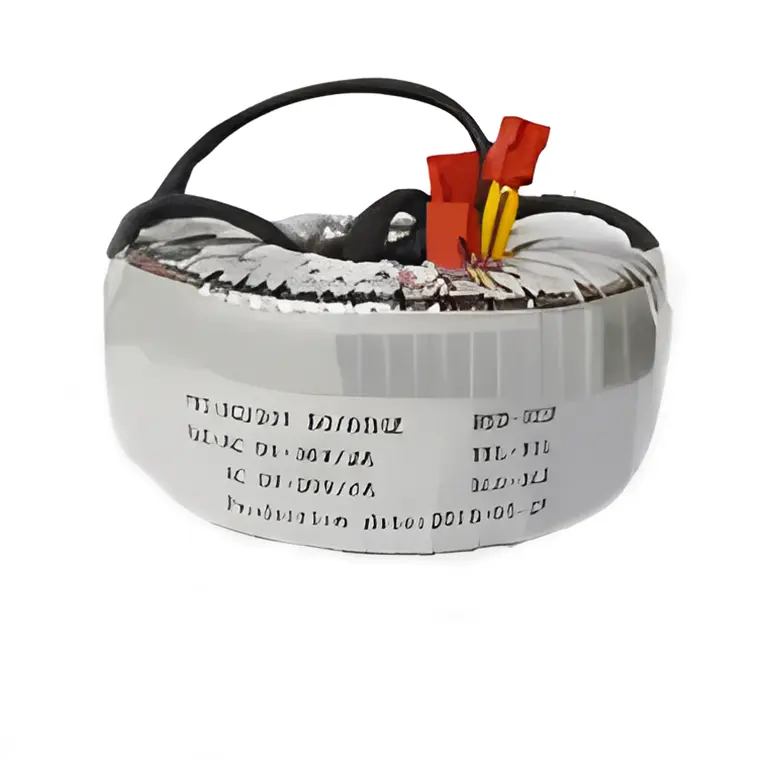 Ring Transformers
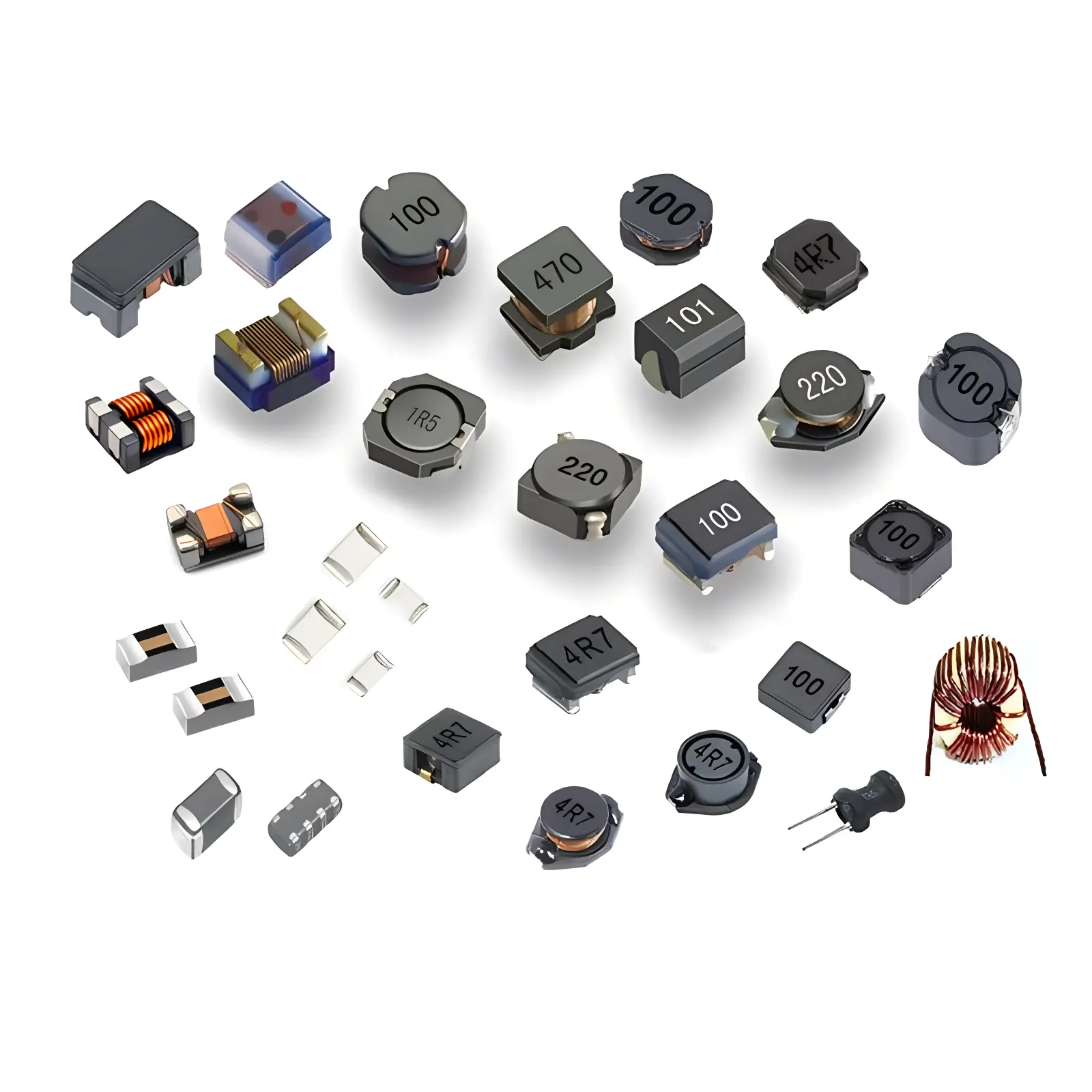 Inductors
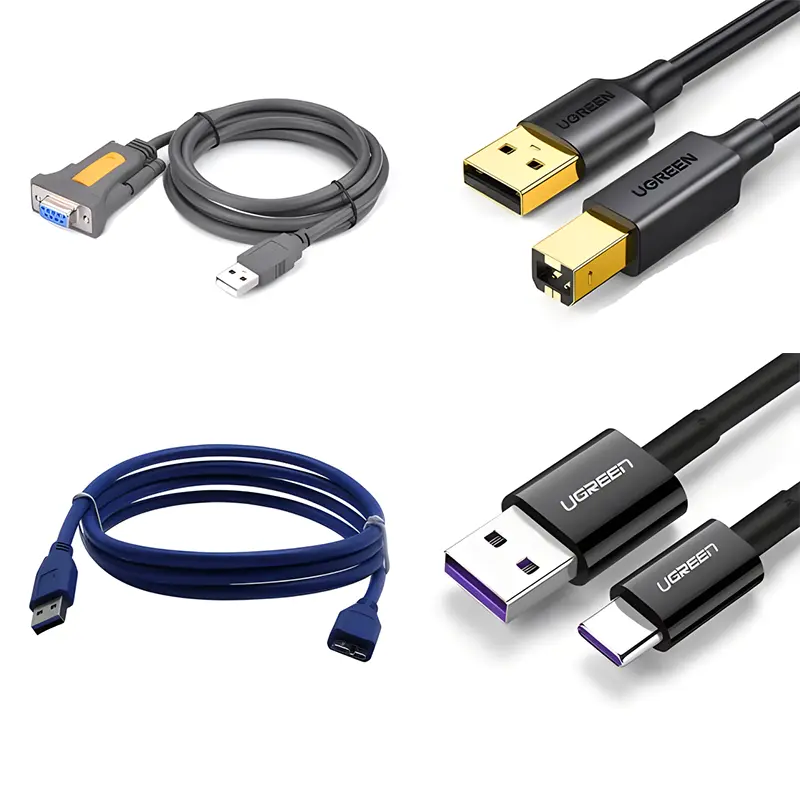 Wires,Cables Customized
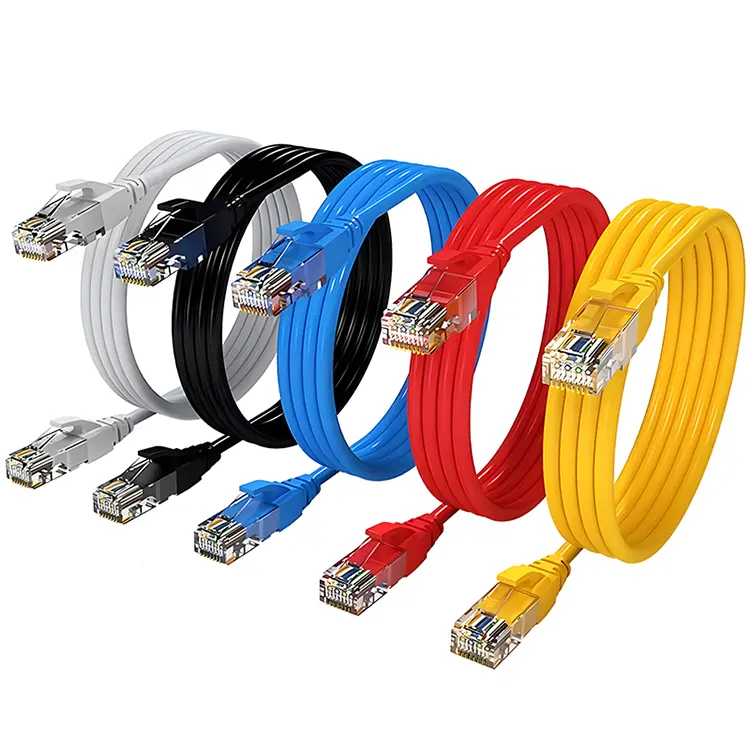 Network Cables
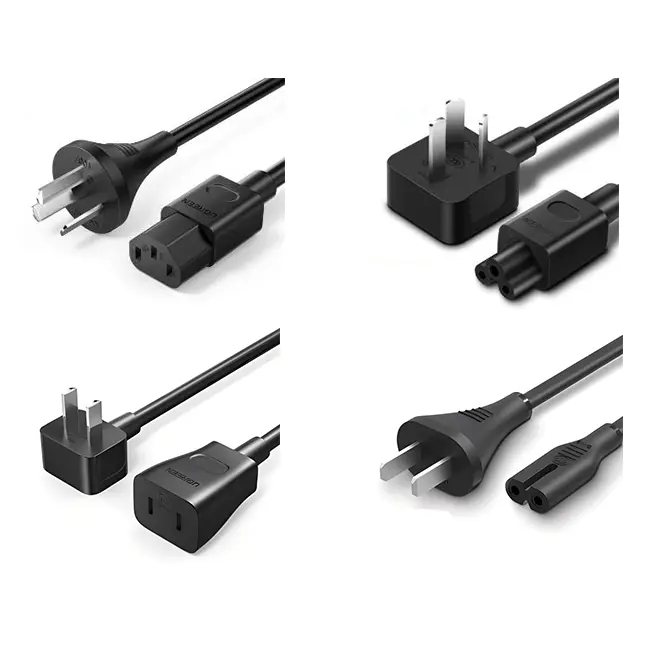 Power Cords
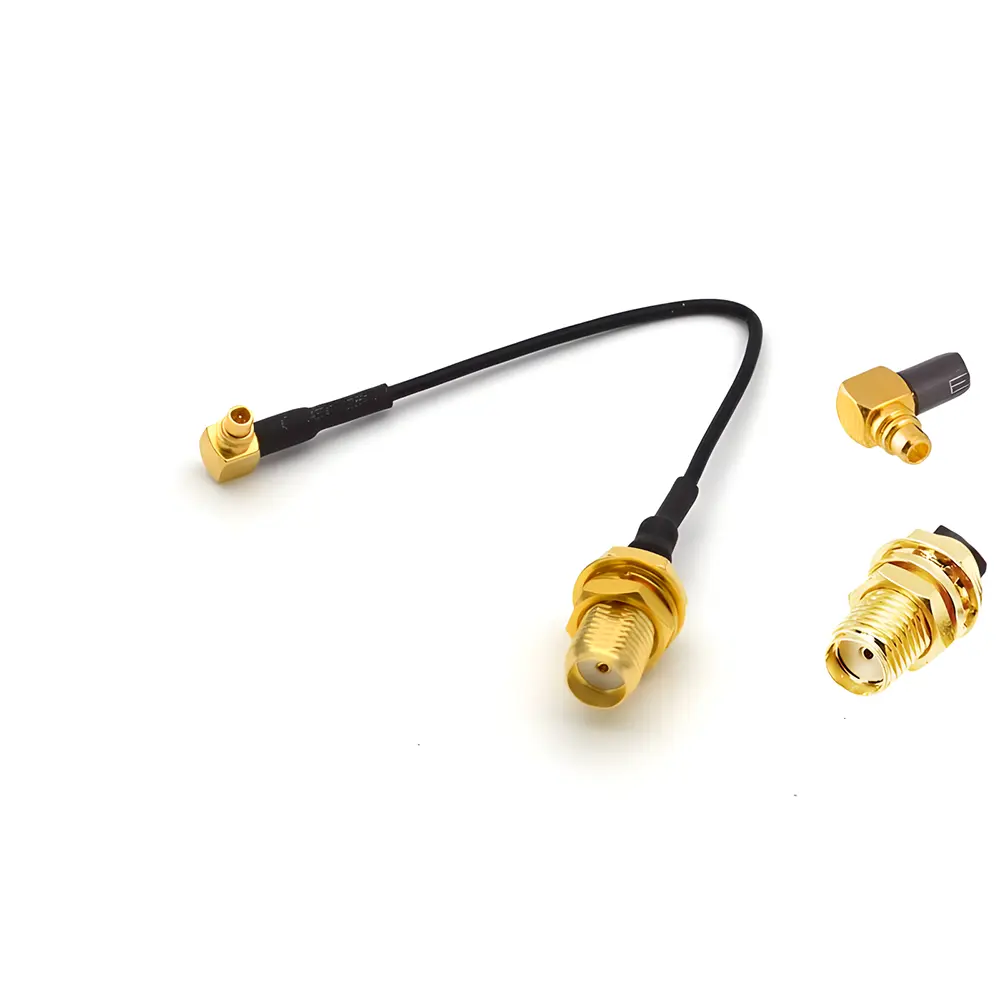 Antenna Cables
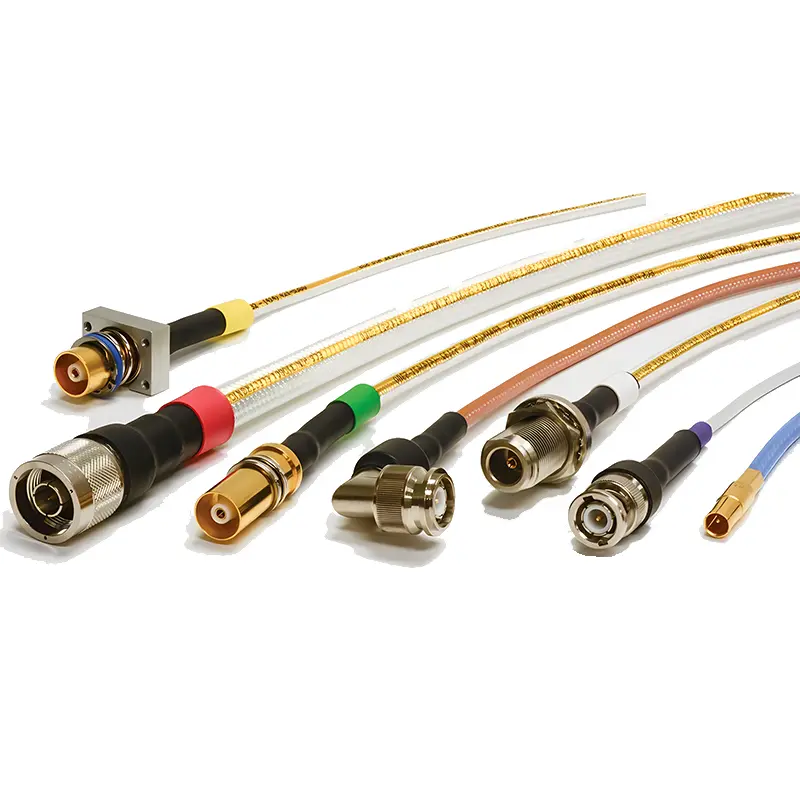 Coaxial Cables
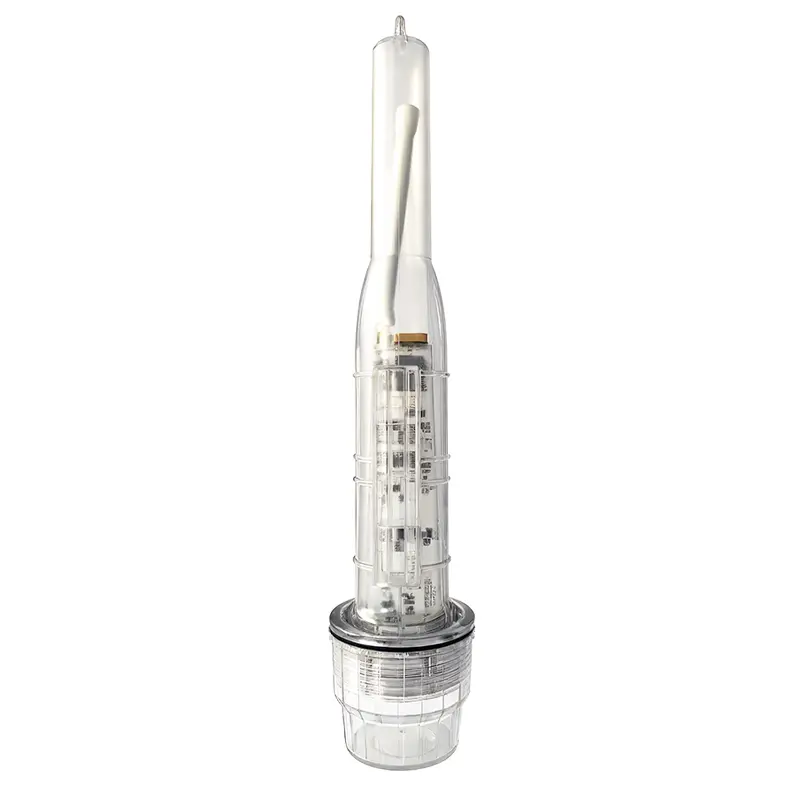 Net Position Indicator
 Solar AIS net position indicator
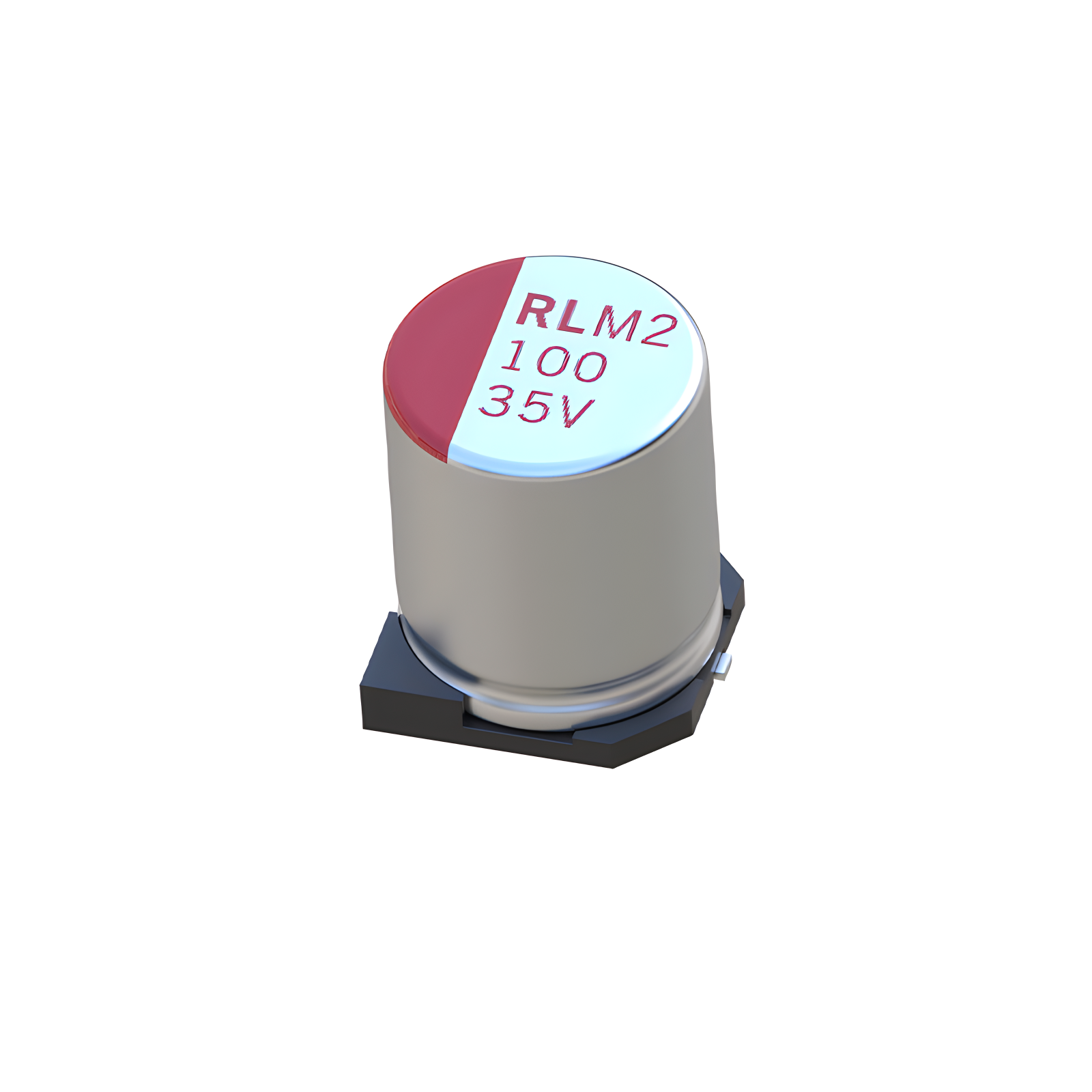 Capacitors
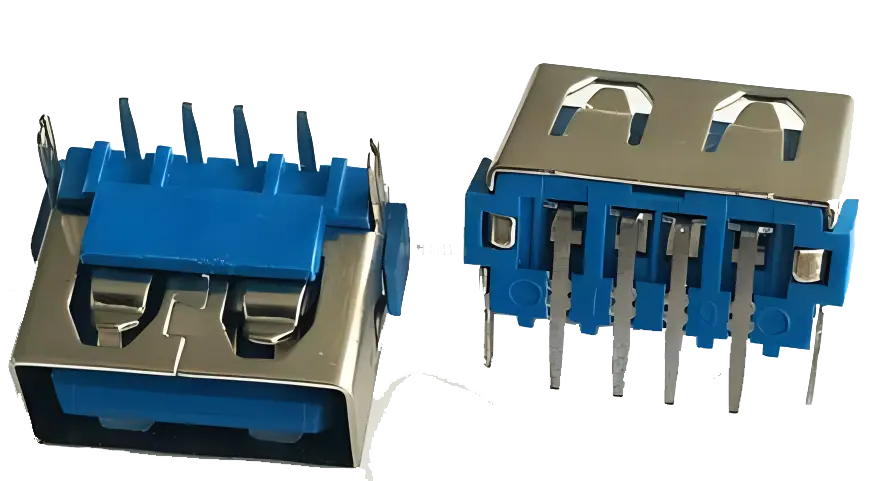 Connectors
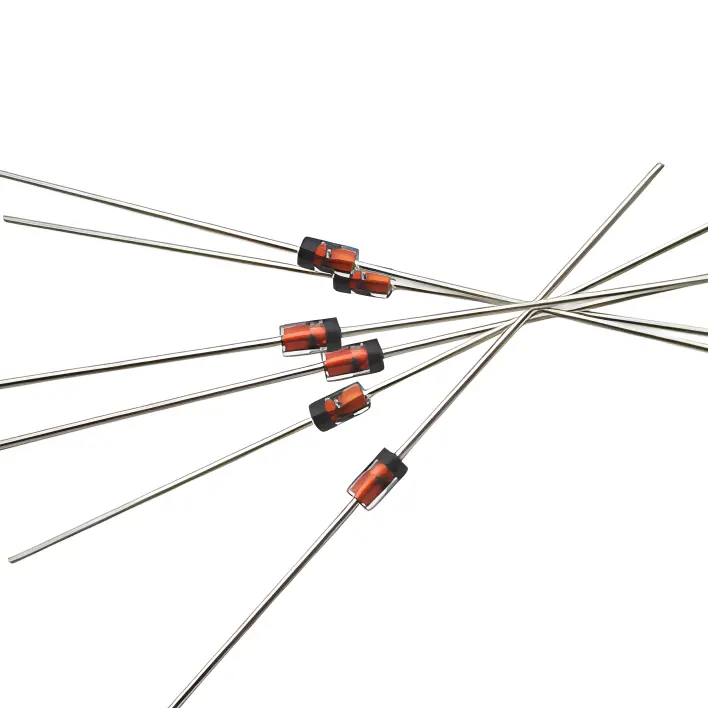 Diodes
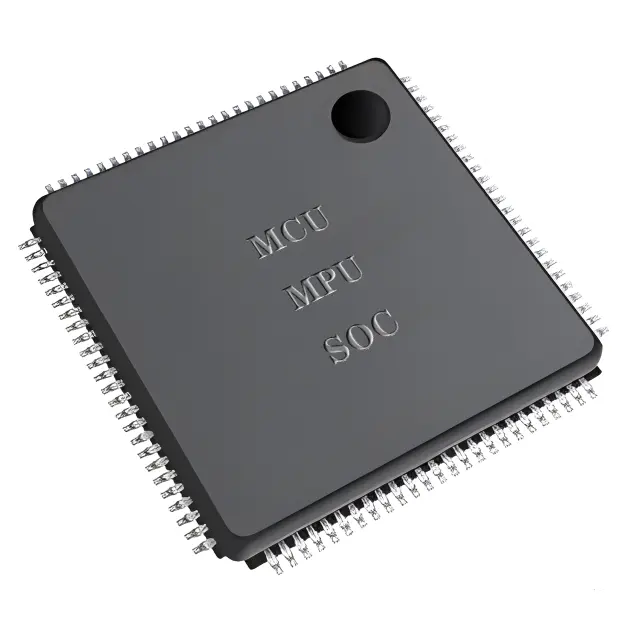 Embedded Processors & Controllers
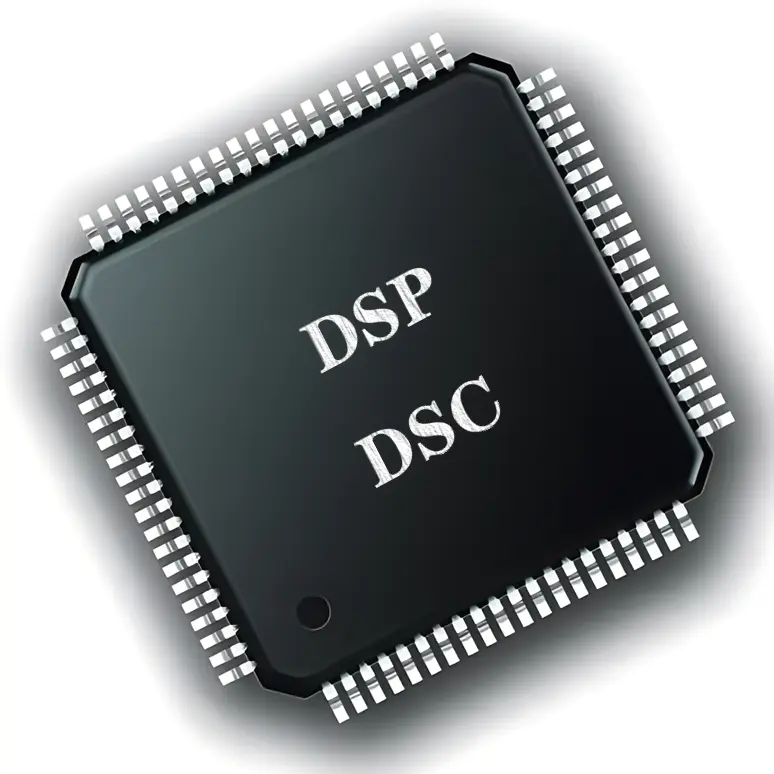 Digital Signal Processors (DSP/DSC)
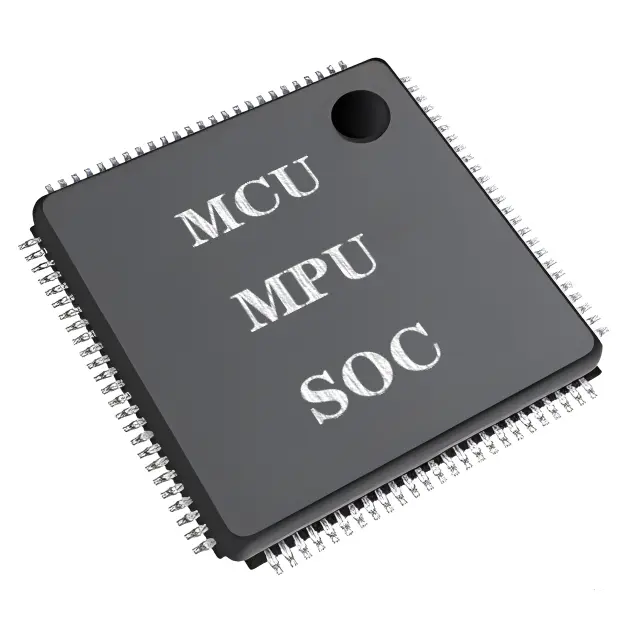 Microcontrollers (MCU/MPU/SOC)
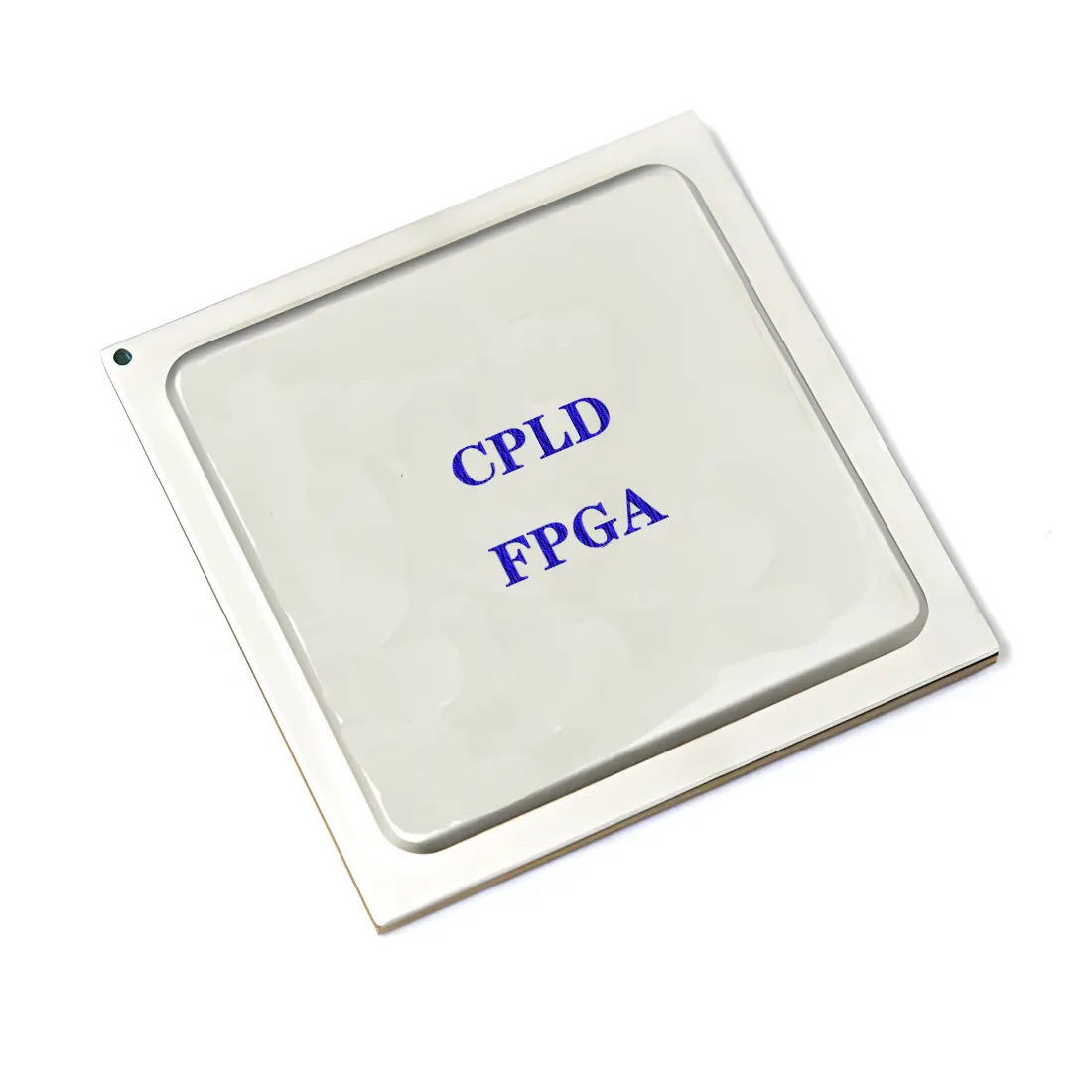 Programmable Logic Device(CPLD/FPGA)
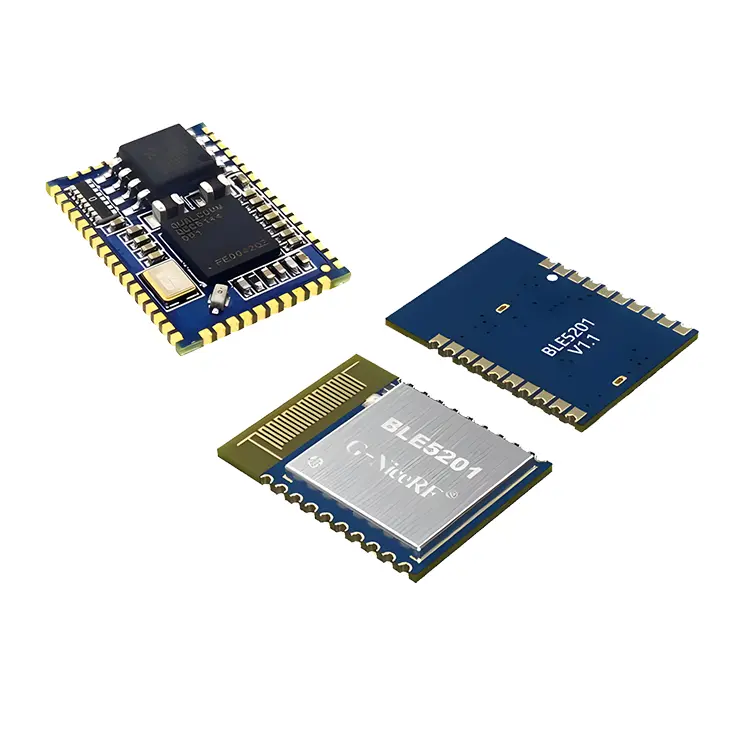 Communication Modules/IoT
 Resistors
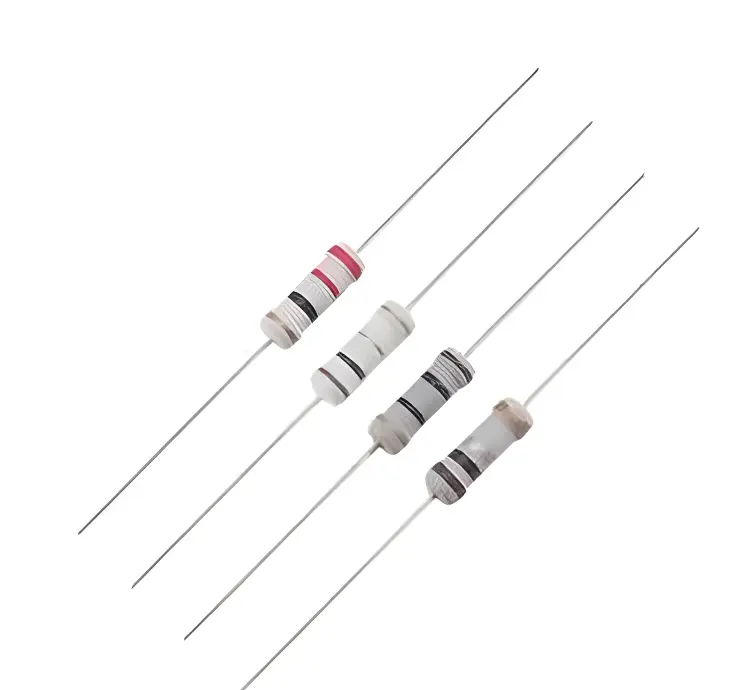 Through Hole Resistors
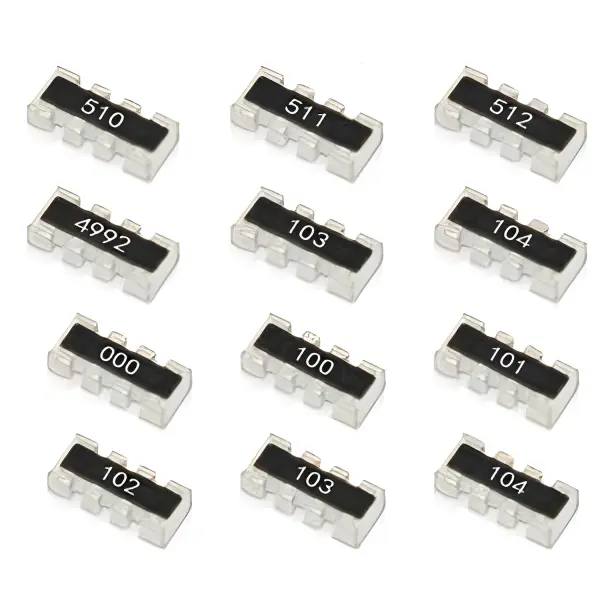 Resistor Networks, Arrays
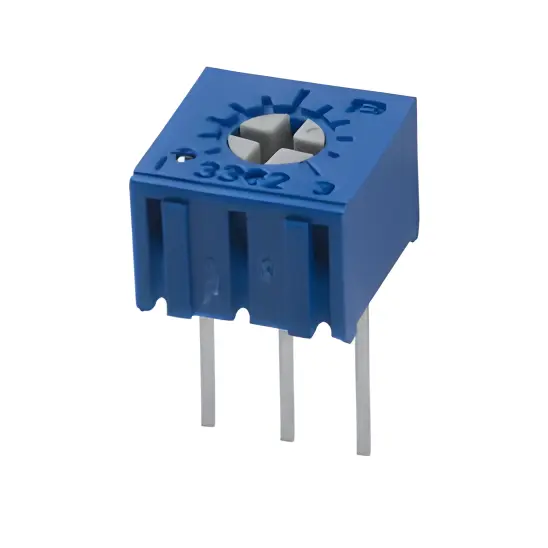 Potentiometers,Variable Resistors
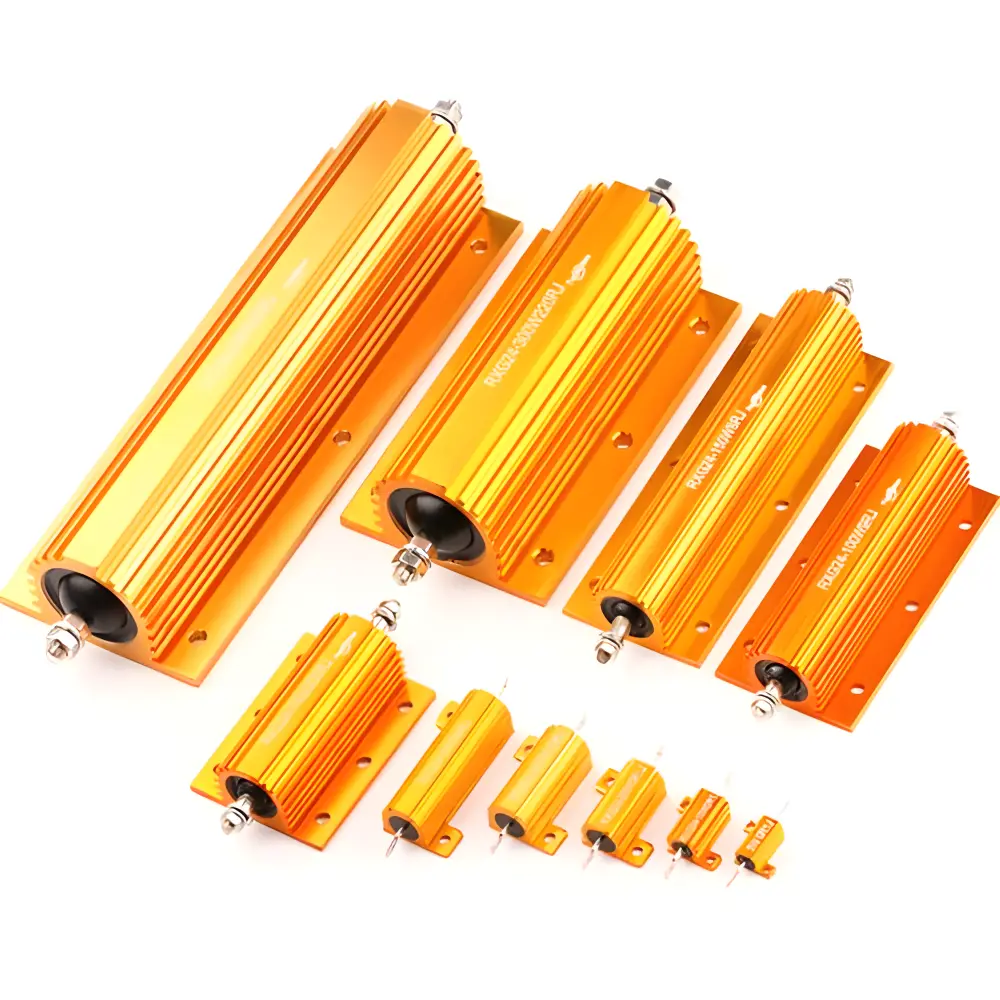 Aluminum Case,Porcelain Tube Resistance
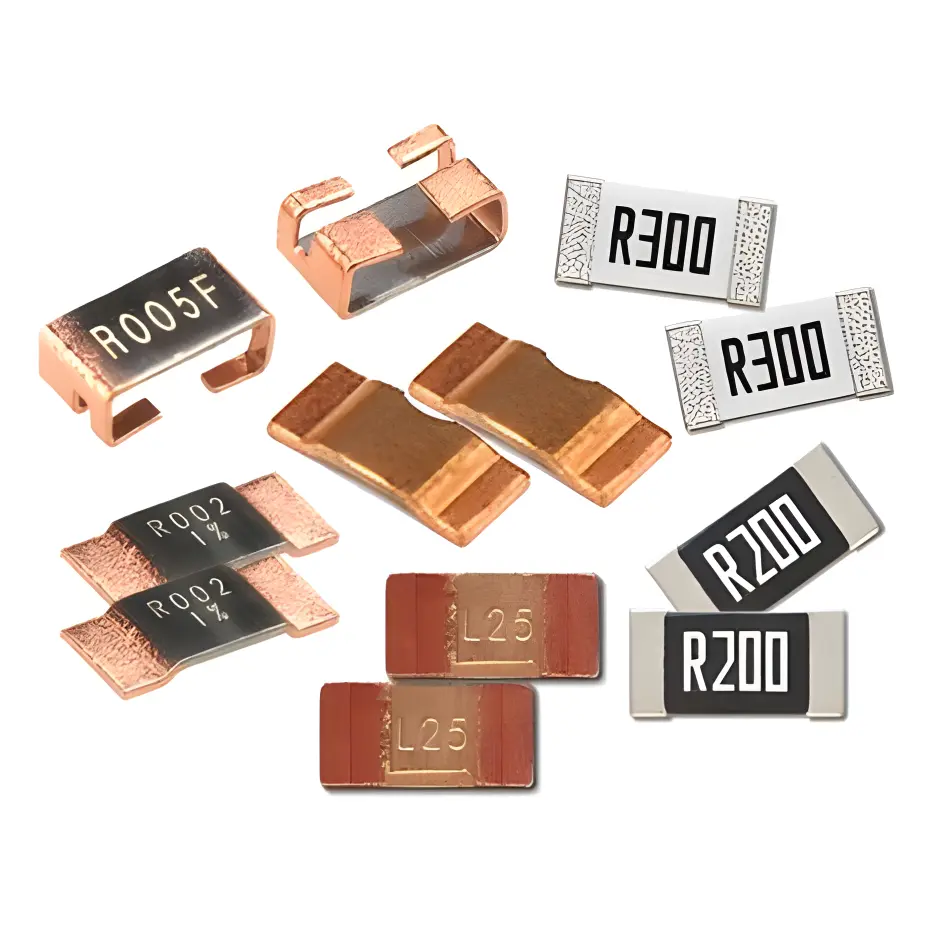 Current Sense Resistors,Shunt Resistors
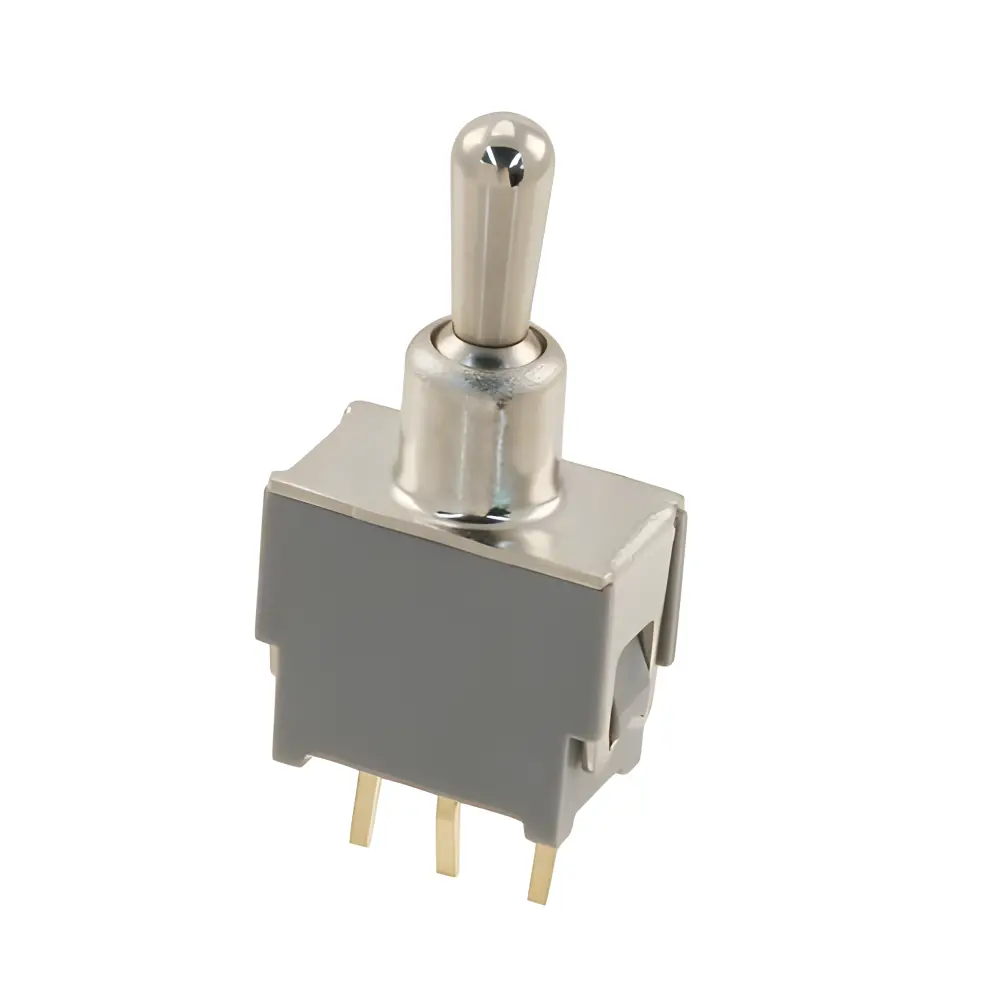 Switches
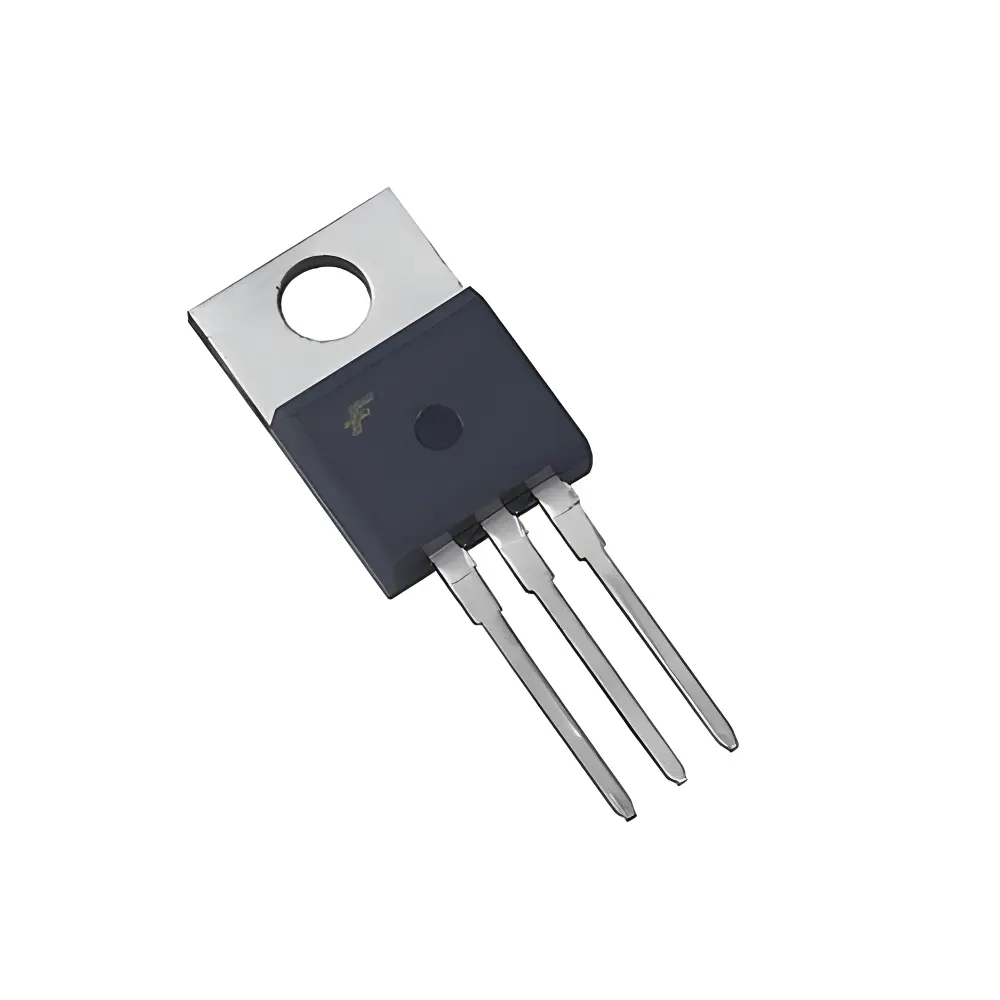 Transistors
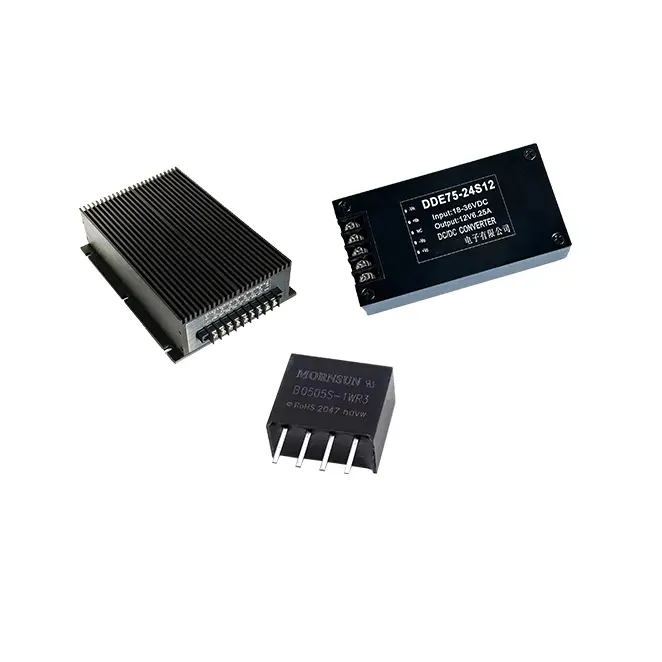 Power Modules
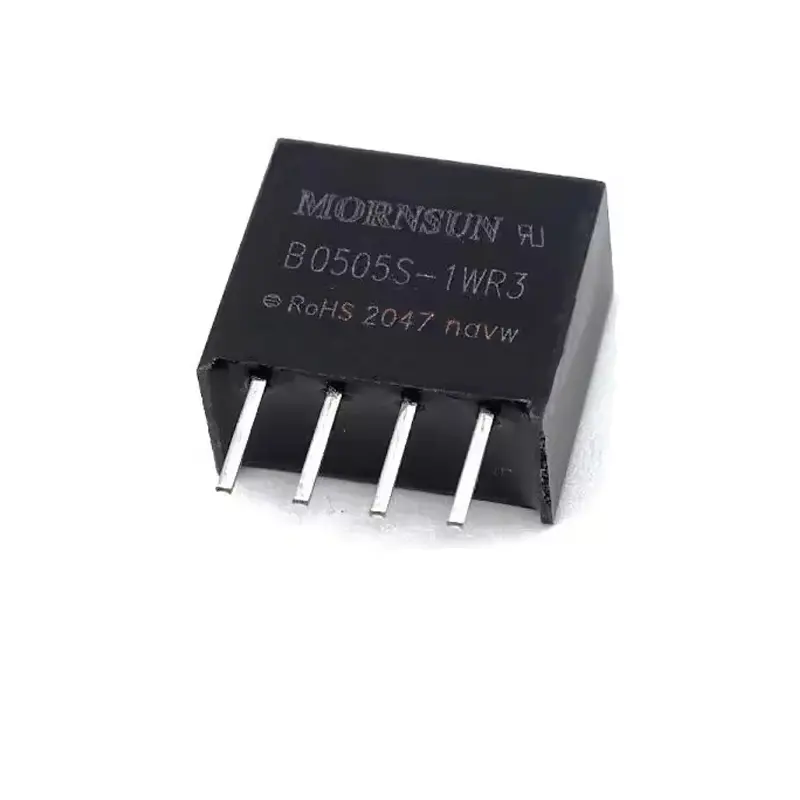 Isolated Power Modules
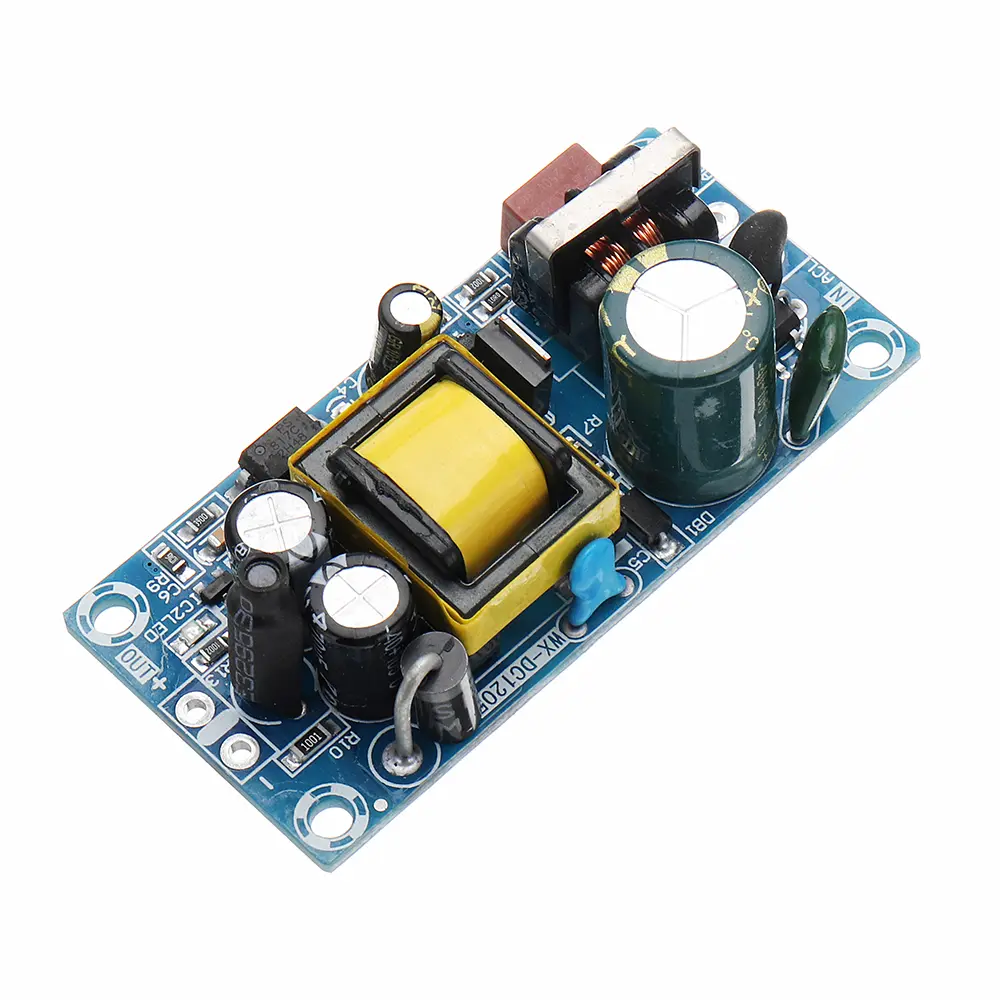 AC-DC Power Modules
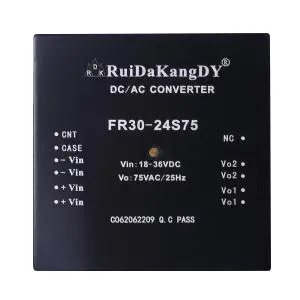 DC-AC Module(Inverter)
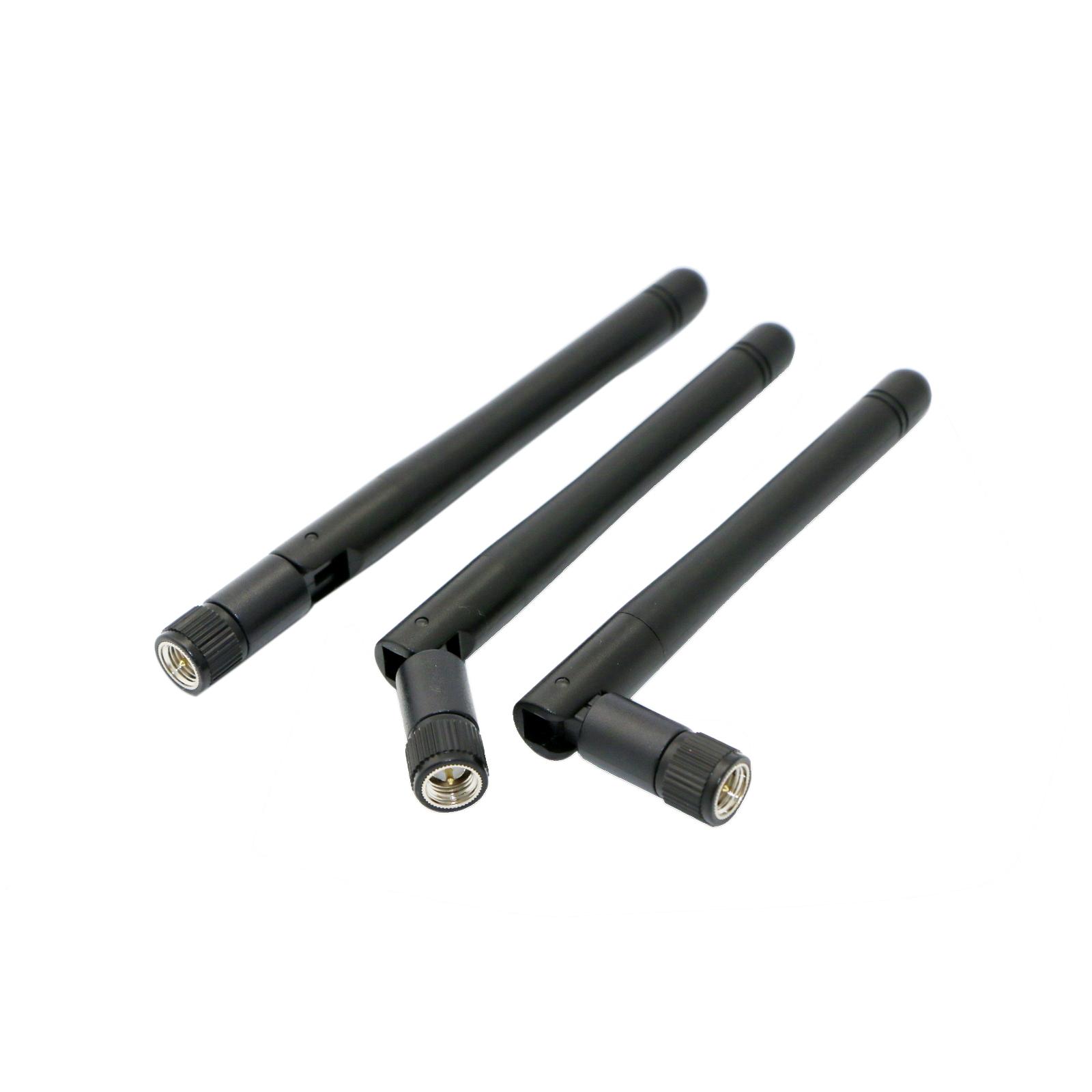 RF and Wireless
Controlling Sintering Shrinkage in Low-Temperature Co-Fired Ceramic (LTCC) Substrates
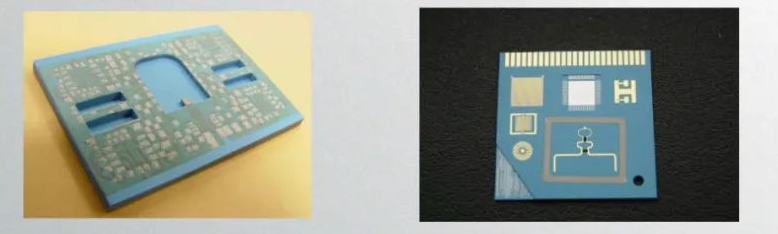
1. Definition and Influencing Factors of Sintering Shrinkage
Sintering shrinkage (ΔL/L₀) refers to the linear dimensional change of LTCC substrates during firing, critical for multilayer alignment and device peRFormance. Key factors include:
-
Material composition: Glass-ceramic ratio (e.g., Al₂O₃ vs. glass), additives (MgO, CaO) for grain boundary suppression;
-
Powder properties: Particle size distribution (D50=1–3 μm), specific surface area (SSA=5–10 m²/g), and agglomeration;
-
Green tape quality: Density (~55% theoretical) and pore uniformity after tape casting;
-
Sintering process: Peak temperature (850–900°C), heating rate (2–5°C/min), dwell time (30–60 min), and pressure.
2. Core Techniques for Shrinkage Control
(1) Material Formulation Optimization
-
Glass phase adjustment:
-
High glass content (>40 wt%) enhances densification but increases shrinkage (~15%);
-
Nano-Al₂O₃ (5–10 wt%) reduces shrinkage to 12±0.5% by restricting glass flow.
-
-
Grain growth inhibitors:
-
0.5–1 wt% Y₂O₃ or La₂O₃ doping limits anisotropic shrinkage.
-
(2) Green Tape Process Control
-
Slurry optimization:
-
Solvent (toluene/ethanol) and dispersant (phosphate ester) ratios adjust viscosity (3000–5000 cP);
-
8–12% PVB binder balances green strength and debinding efficiency.
-
-
Density homogenization:
-
Doctor blade gap precision (±1 μm) and drying temperature gradient (≤2°C) prevent density variations.
-
(3) Sintering Profile Design
-
Temperature curve:
-
Debinding: Slow heating (1°C/min) at 300–500°C to remove organics;
-
Sintering: 850°C dwell (30 min) for 0.5–1 μm grains;
-
Two-step sintering (900°C → 800°C dwell) suppresses grain boundary migration.
-
-
Pressure-assisted sintering:
-
Hot isostatic pressing (20–50 MPa) reduces shrinkage variation from ±1.2% to ±0.3%.
-
(4) Shrinkage Compensation Design
-
Geometric pre-distortion:
-
FEA-based reverse scaling of green tape patterns (e.g., 5–8% linewidth increase);
-
Mask scaling factor .
-
-
Multilayer alignment:
-
Fiducial marks with coMPUter vision (CV) algorithms correct layer-to-layer misalignment.
-
3. Inspection and Feedback Control
-
In-situ shrinkage monitoring:
-
Laser scanners (±0.1 μm) measure real-time dimensional changes;
-
TMA data feedback to PLC for dynamic temperature adjustments.
-
-
Statistical Process Control (SPC):
-
Maintain Cp/Cpk ≥1.33; trigger process reviews for outliers beyond ±3σ.
-
4. Challenges and Solutions
-
Challenge 1: Multilayer CTE mismatch:
-
Solution: CTE-gradient layers (e.g., Si₃N₄-doped transition layers);
-
-
Challenge 2: Edge effects in large substrates:
-
Solution: Edge doping with ZrO₂ (2–3 wt%) to compensate thermal gradients;
-
-
Challenge 3: Dielectric constant uniformity:
-
Solution: Surface-modified TiO₂ fillers for dispersion homogeneity (dielectric deviation <±0.2).
-