
 PCB
PCB FPC
FPC Rigid-Flex
 FR-4
FR-4 HDI PCB
 Rogers High-Frequency Board
 PTFE Teflon High-Frequency Board
 Aluminum
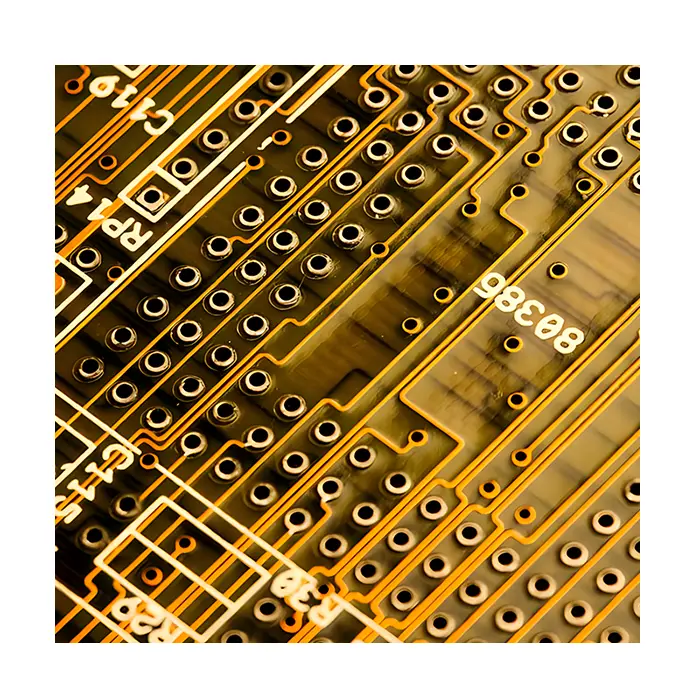 Copper Core
 PCB Assembly
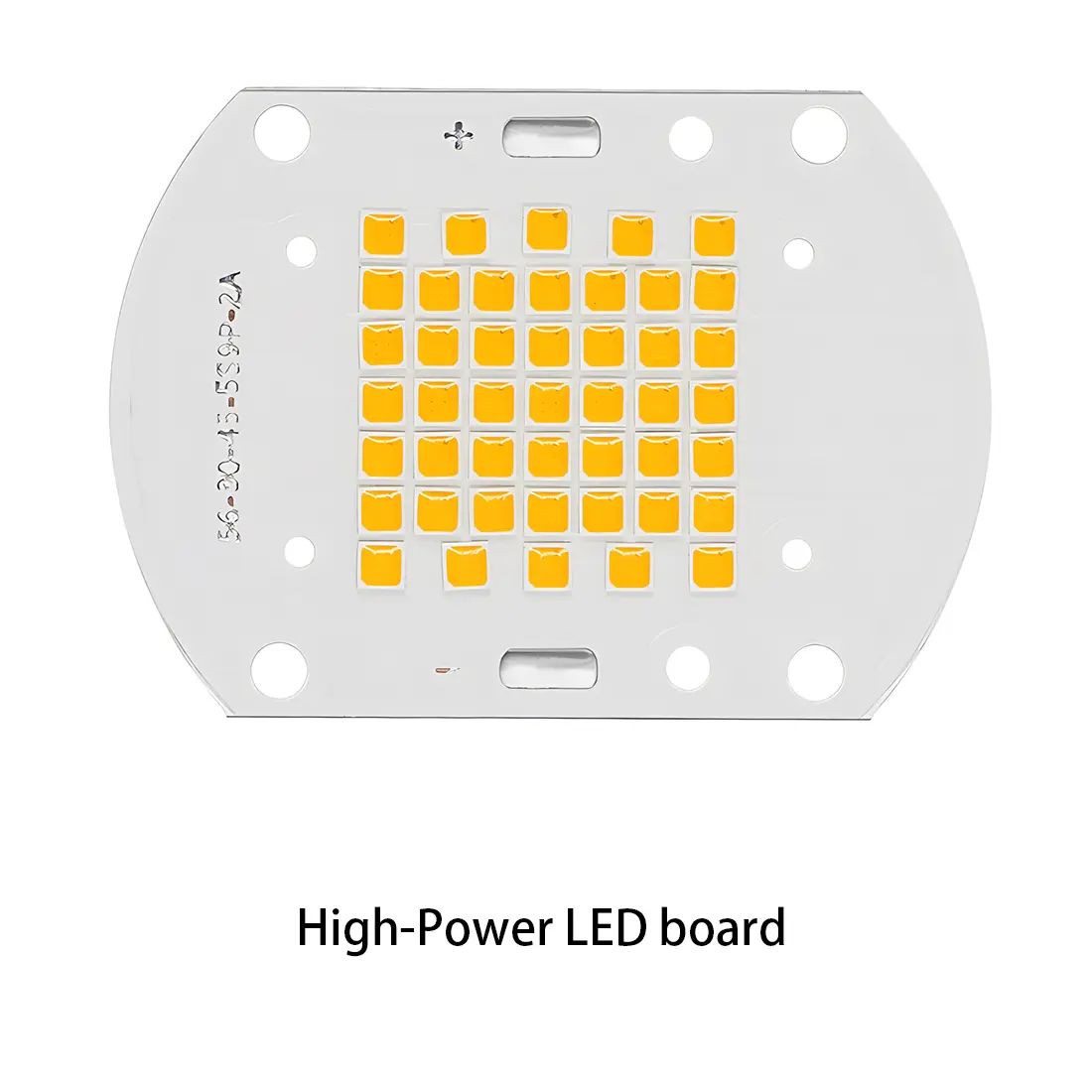 LED light PCBA
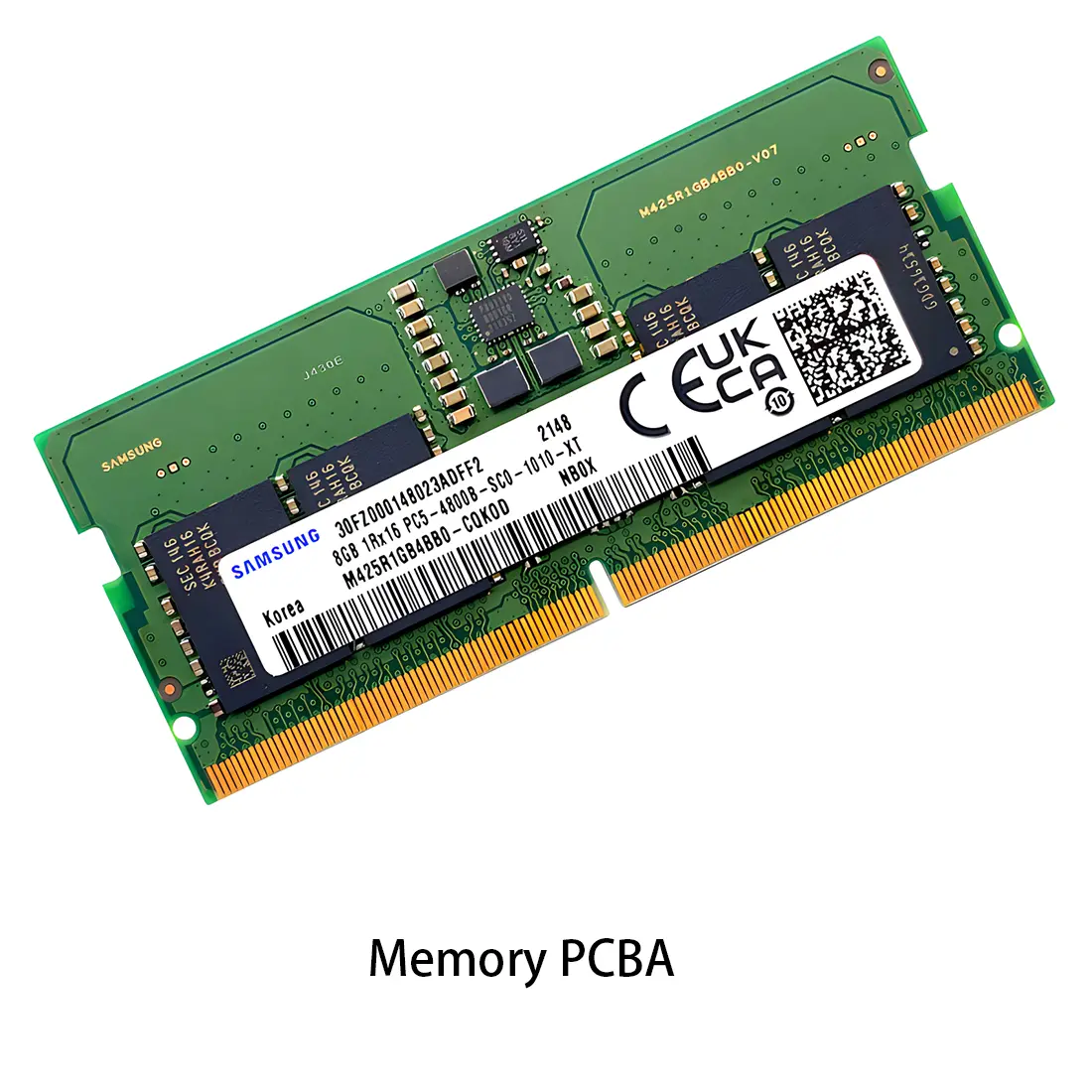 Memory PCBA
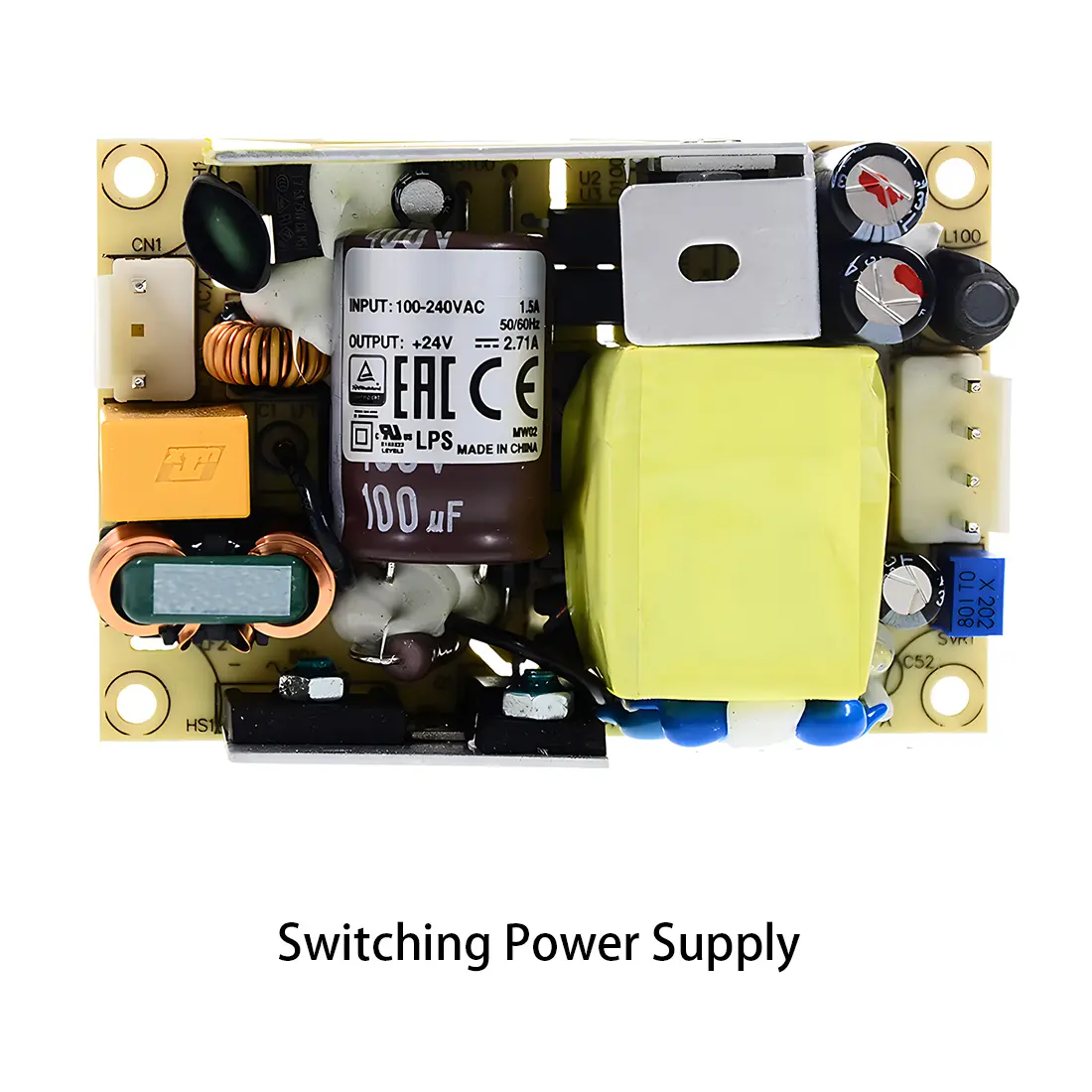 Power Supply PCBA
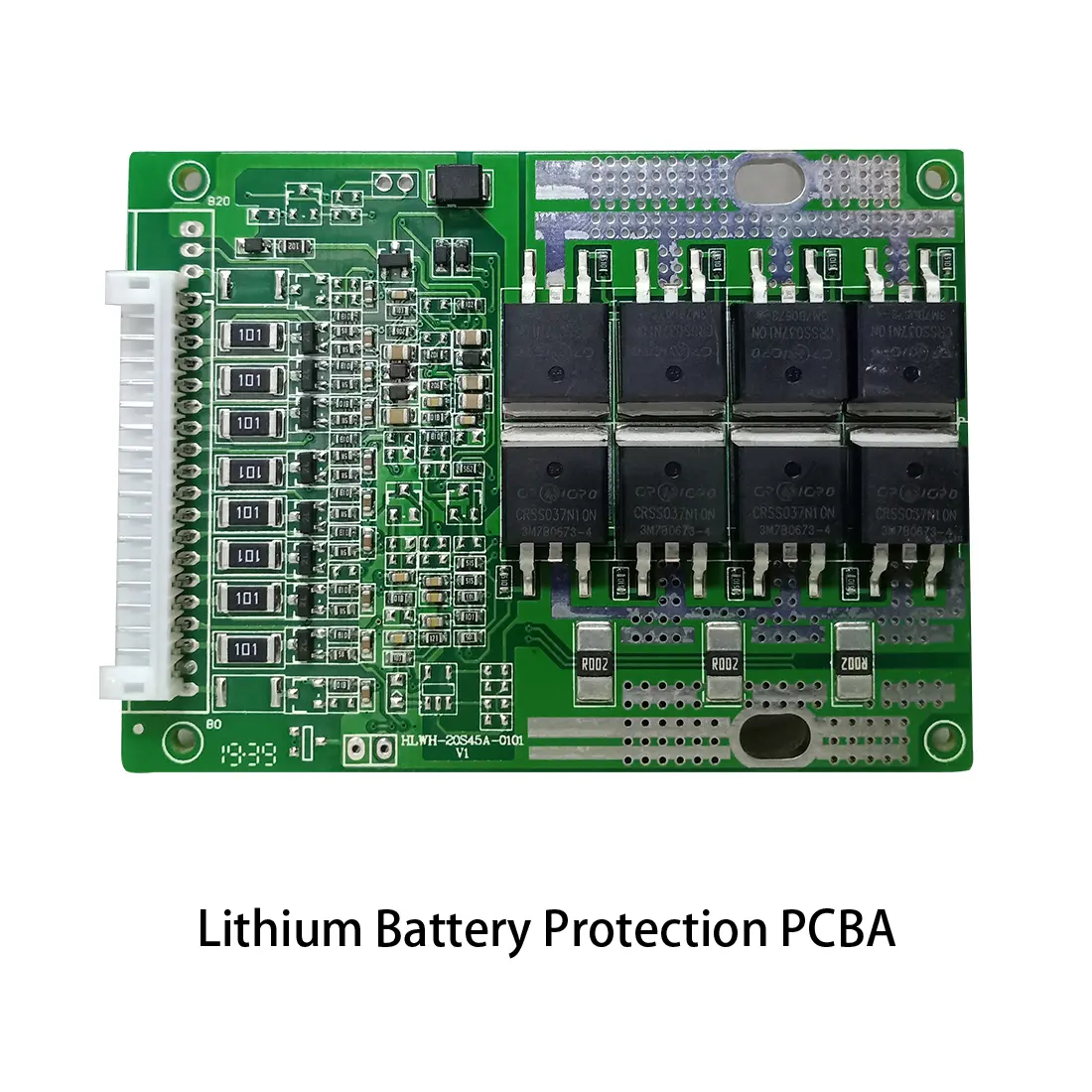 New Energey PCBA
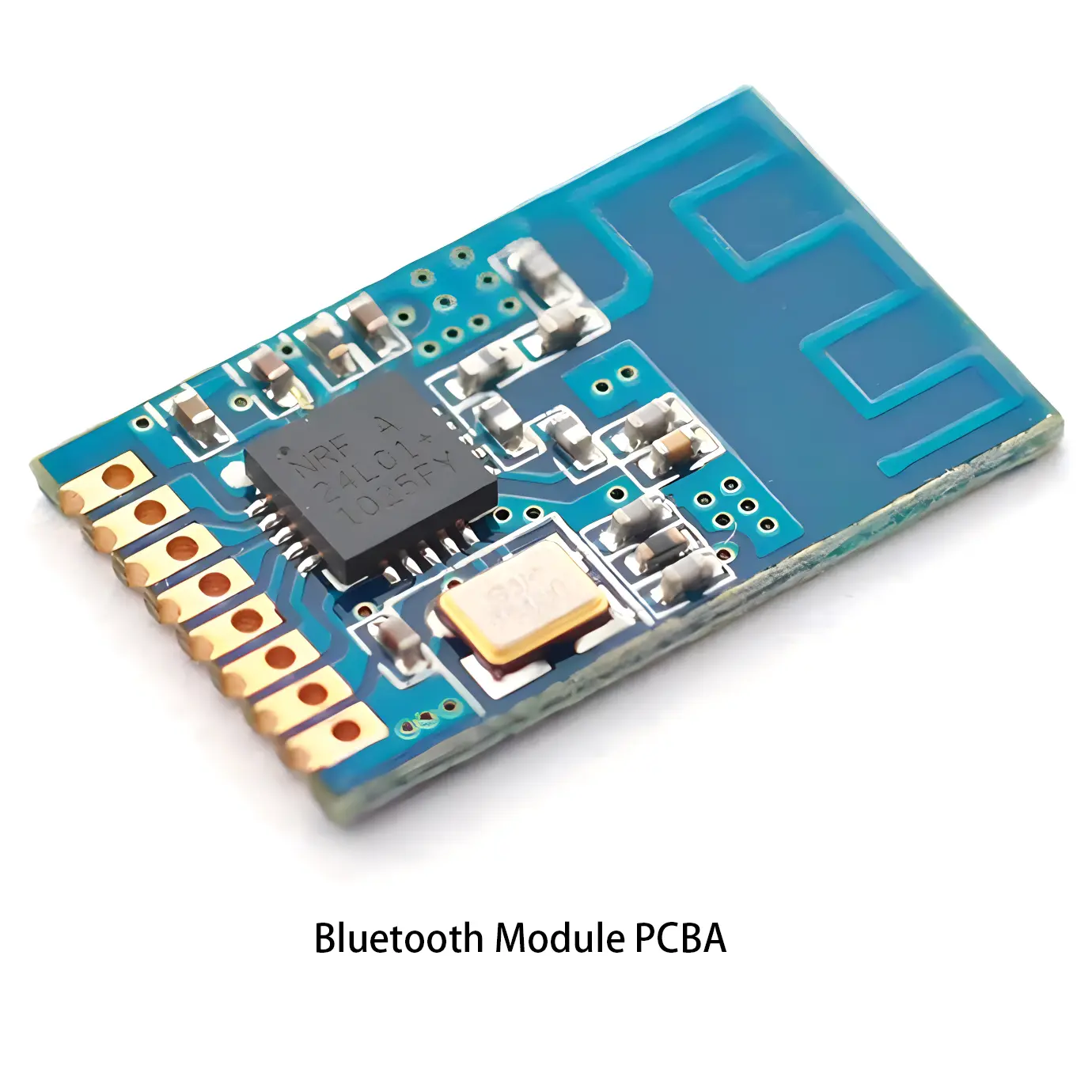 Communication PCBA
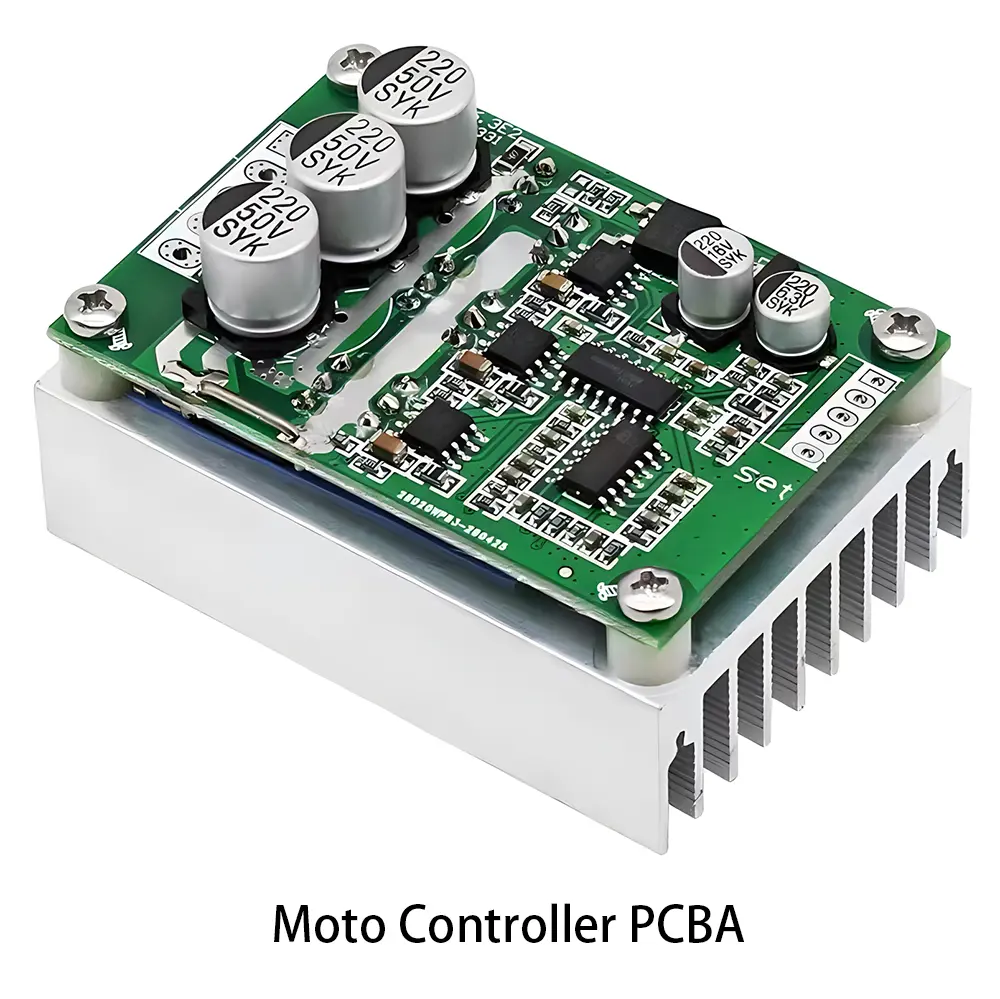 Industrial Control PCBA
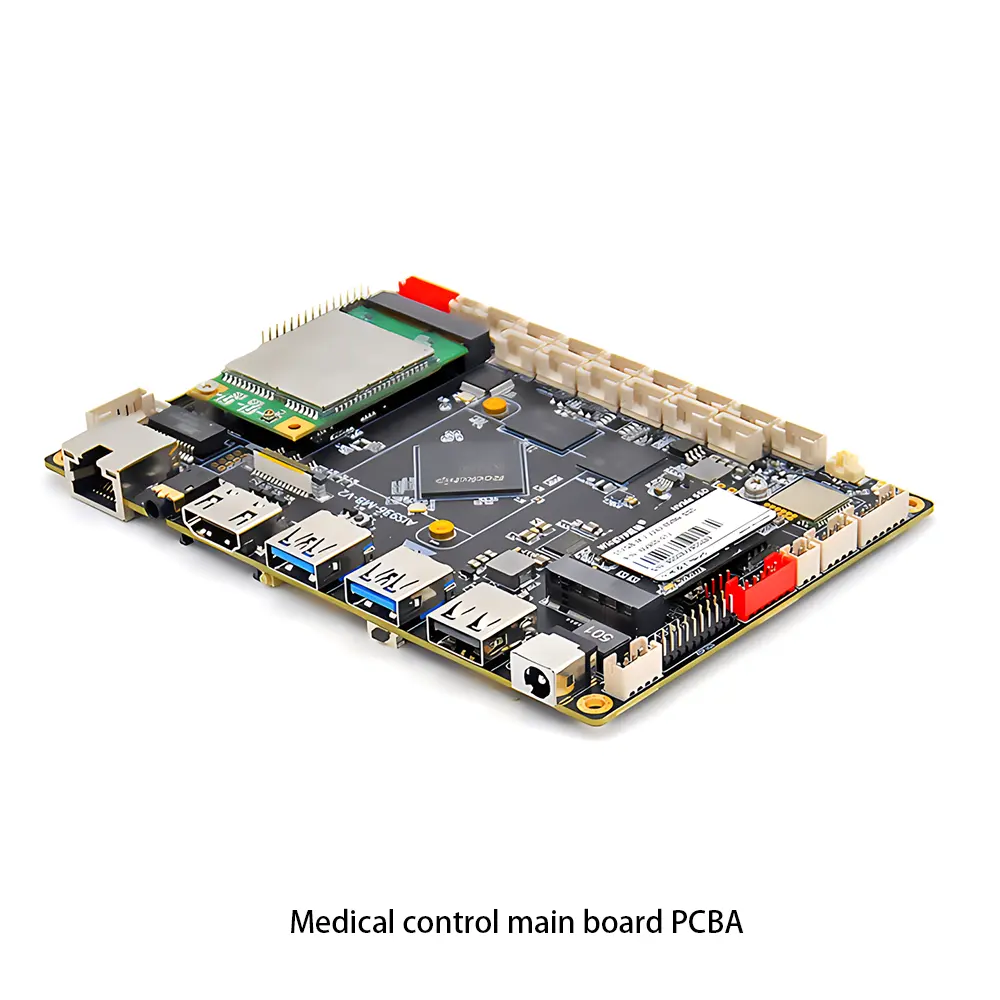 Medical Equipment PCBA
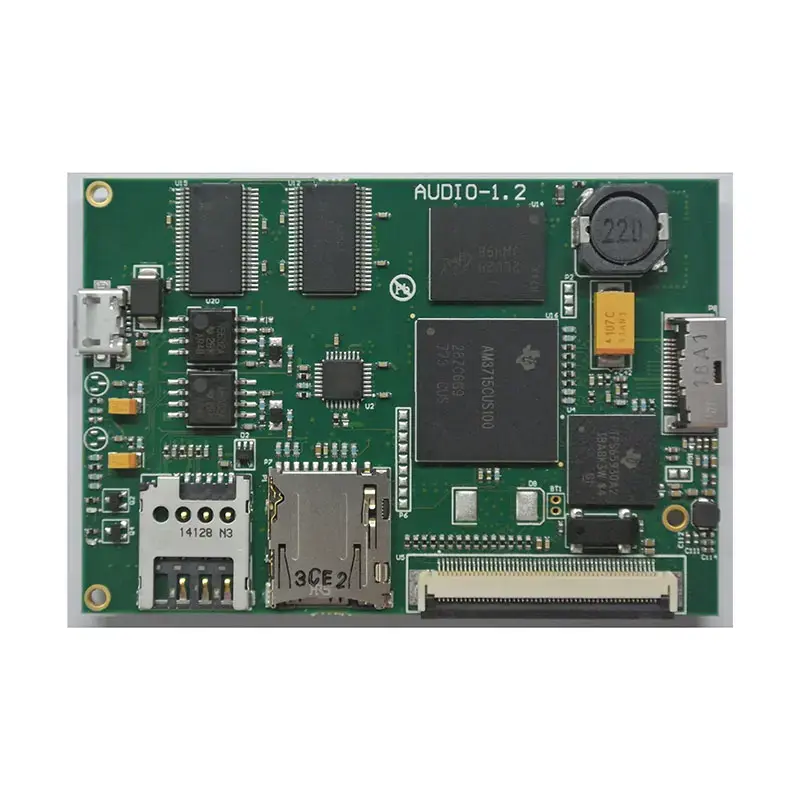 Testing Service
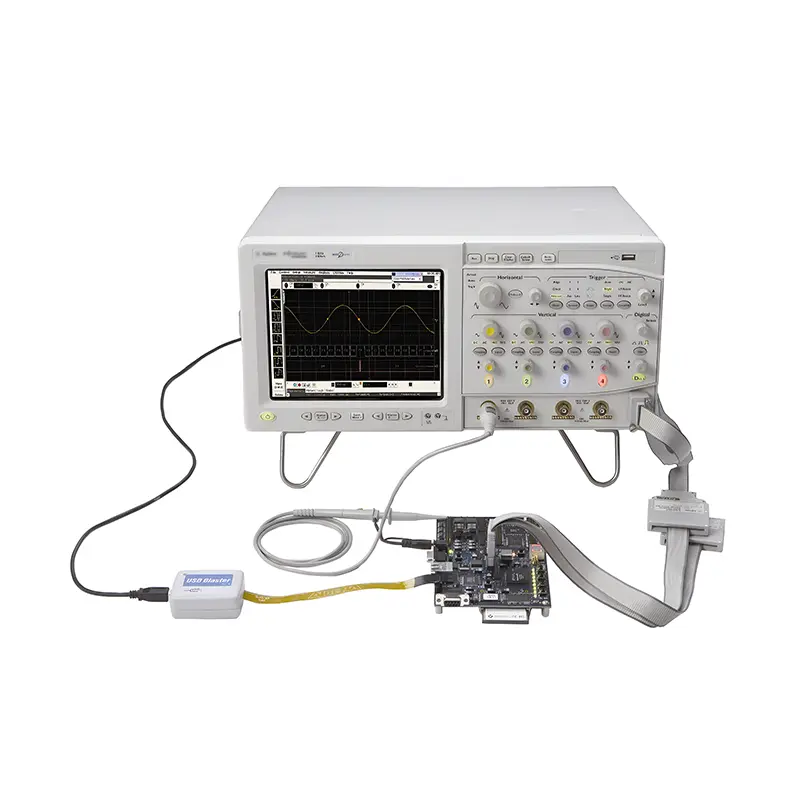 PCBA Testing Service
 Certification Application
 RoHS Certification Application
 REACH Certification Application
 CE Certification Application
 FCC Certification Application
 CQC Certification Application
 UL Certification Application
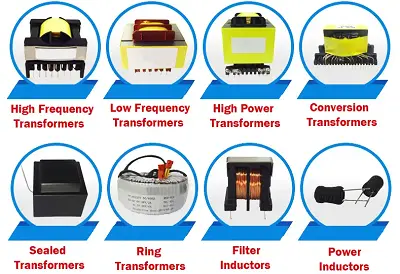 Transformers, Inductors
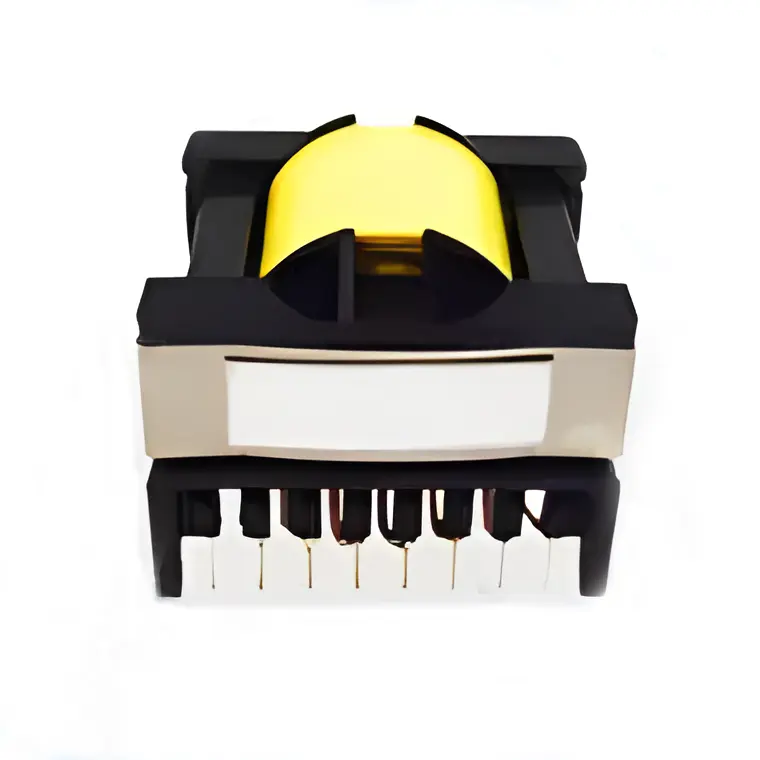 High Frequency Transformers
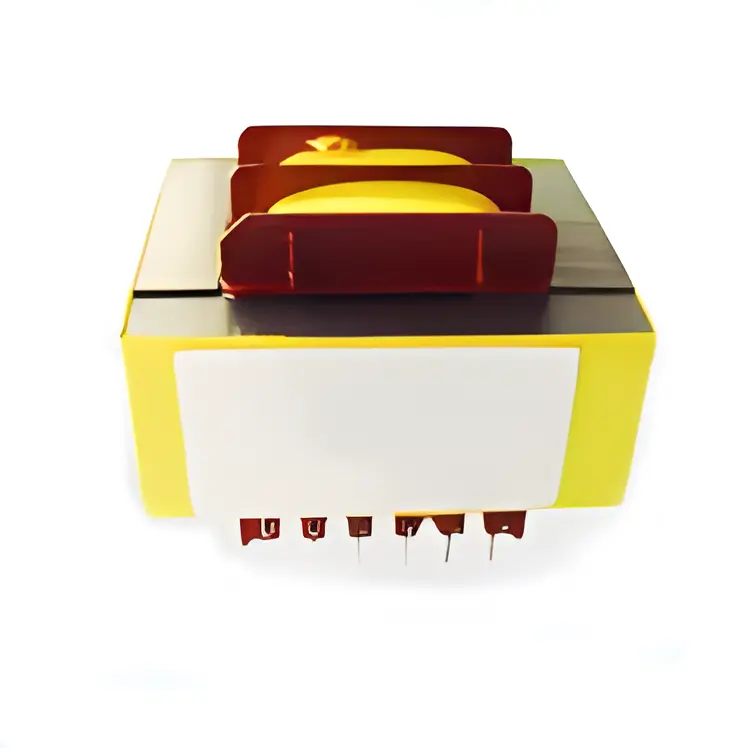 Low Frequency Transformers
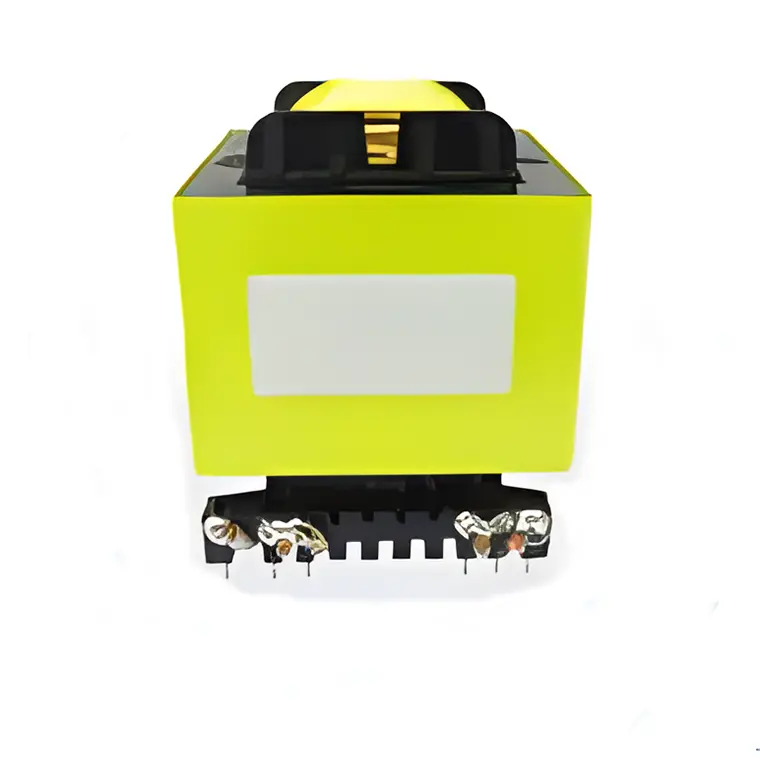 High Power Transformers
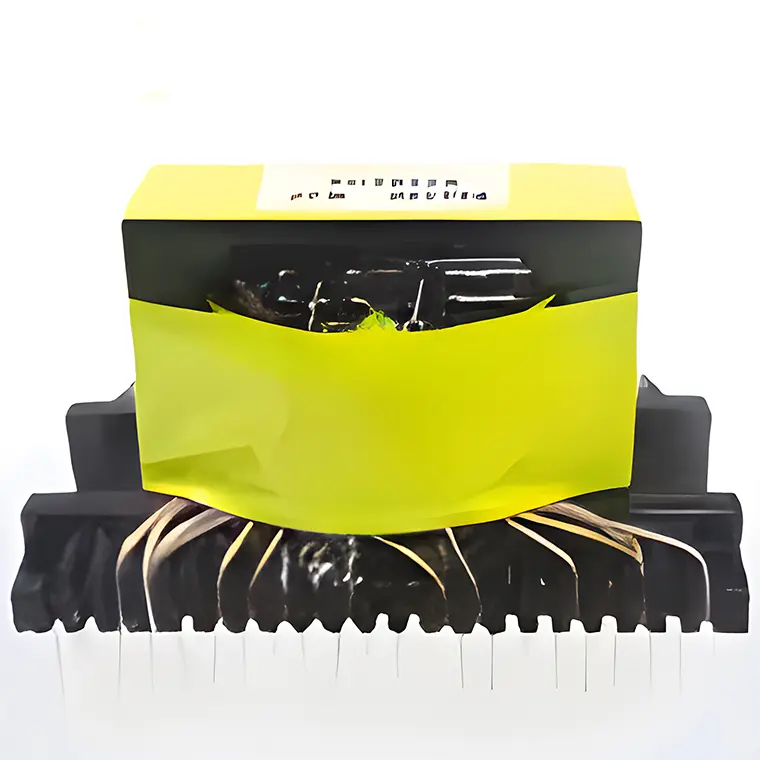 Conversion Transformers
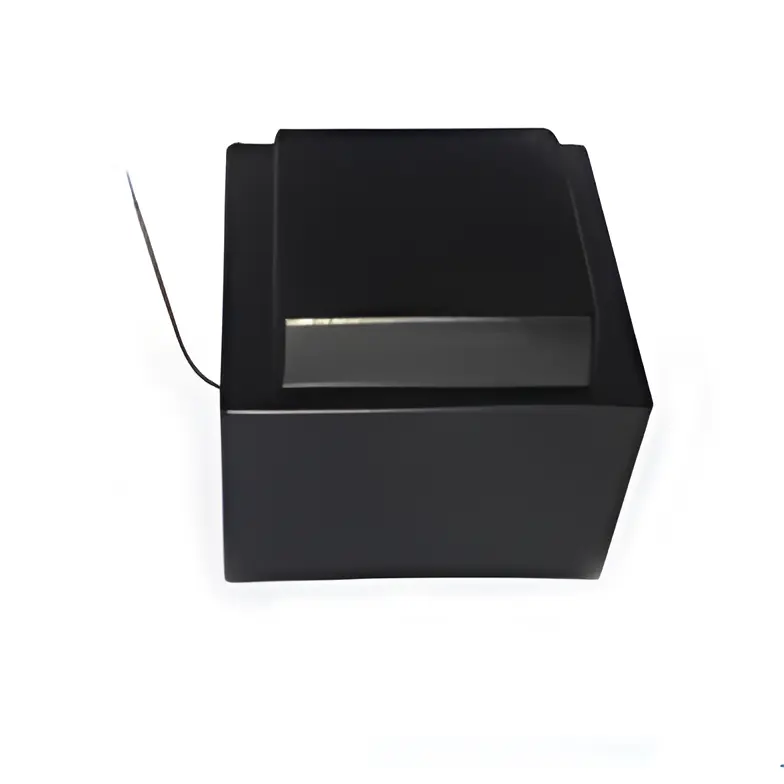 Sealed Transformers
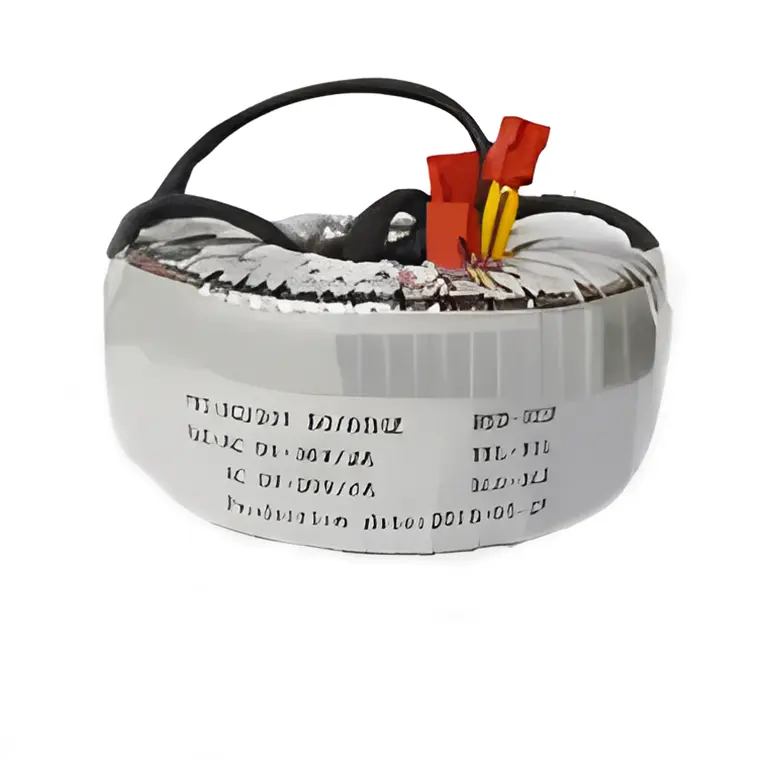 Ring Transformers
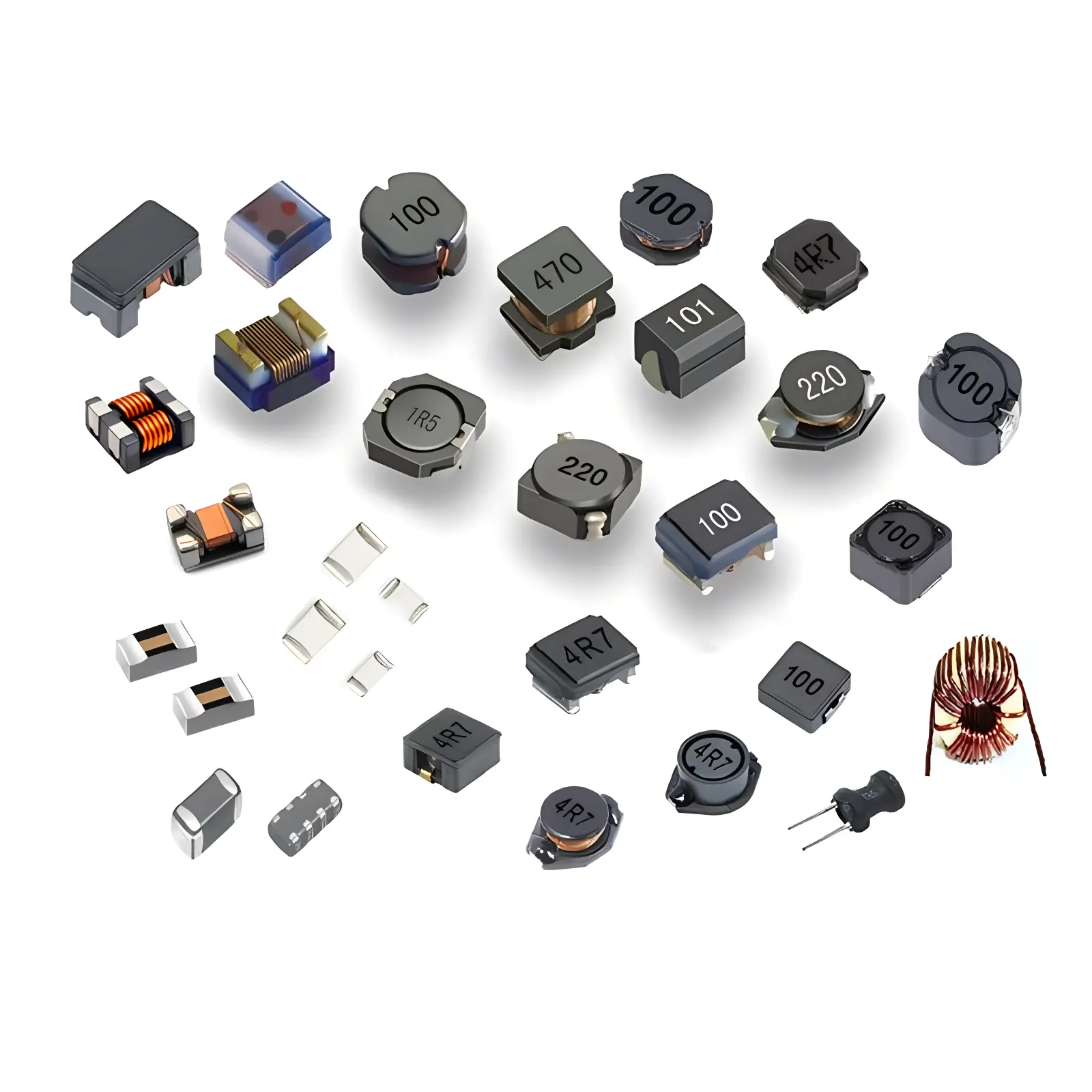 Inductors
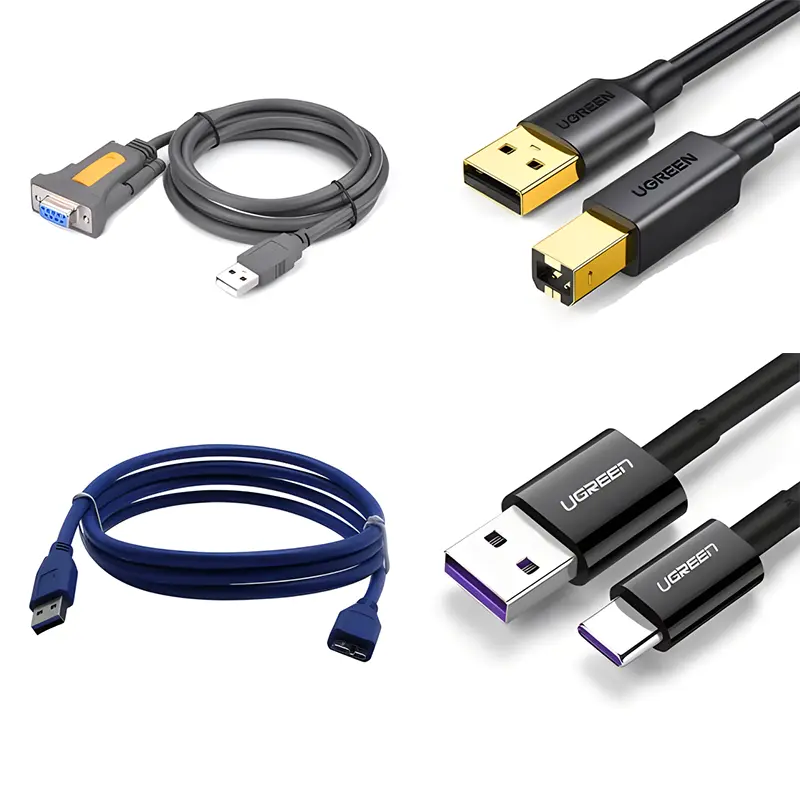 Wires,Cables Customized
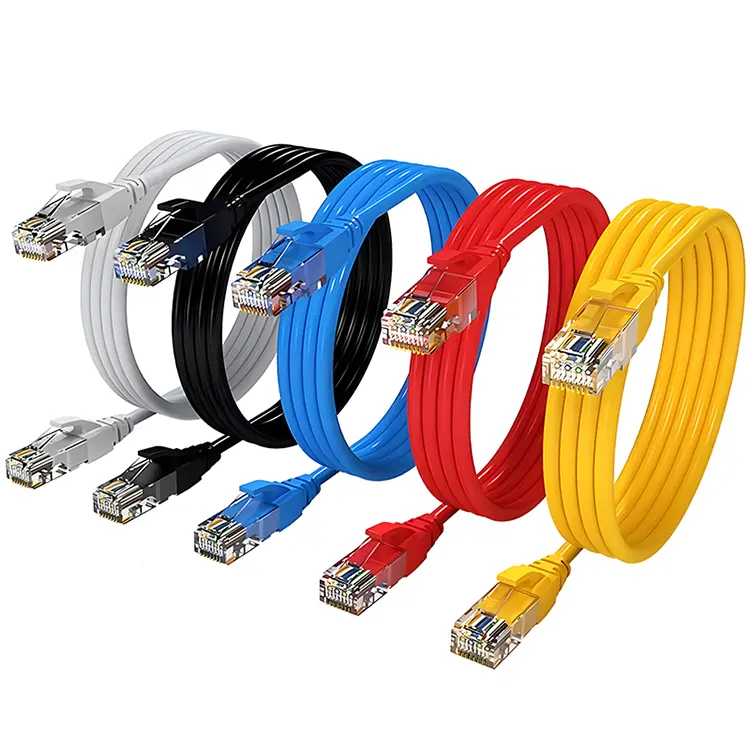 Network Cables
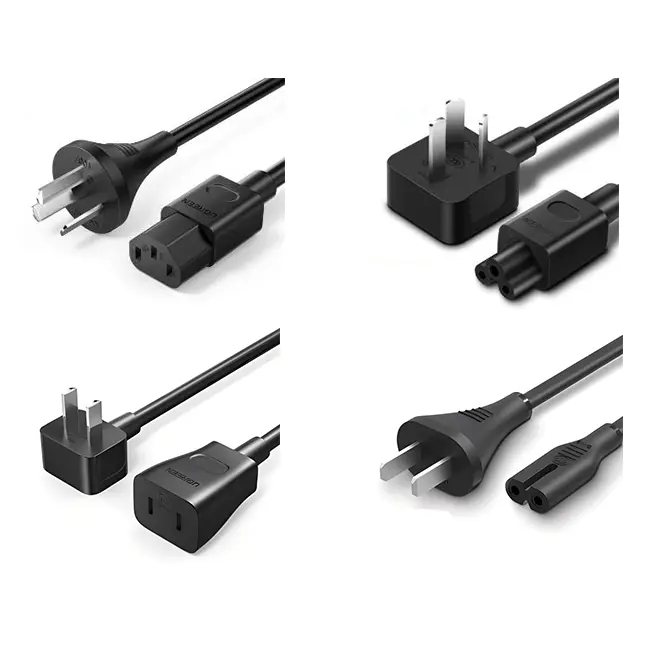 Power Cords
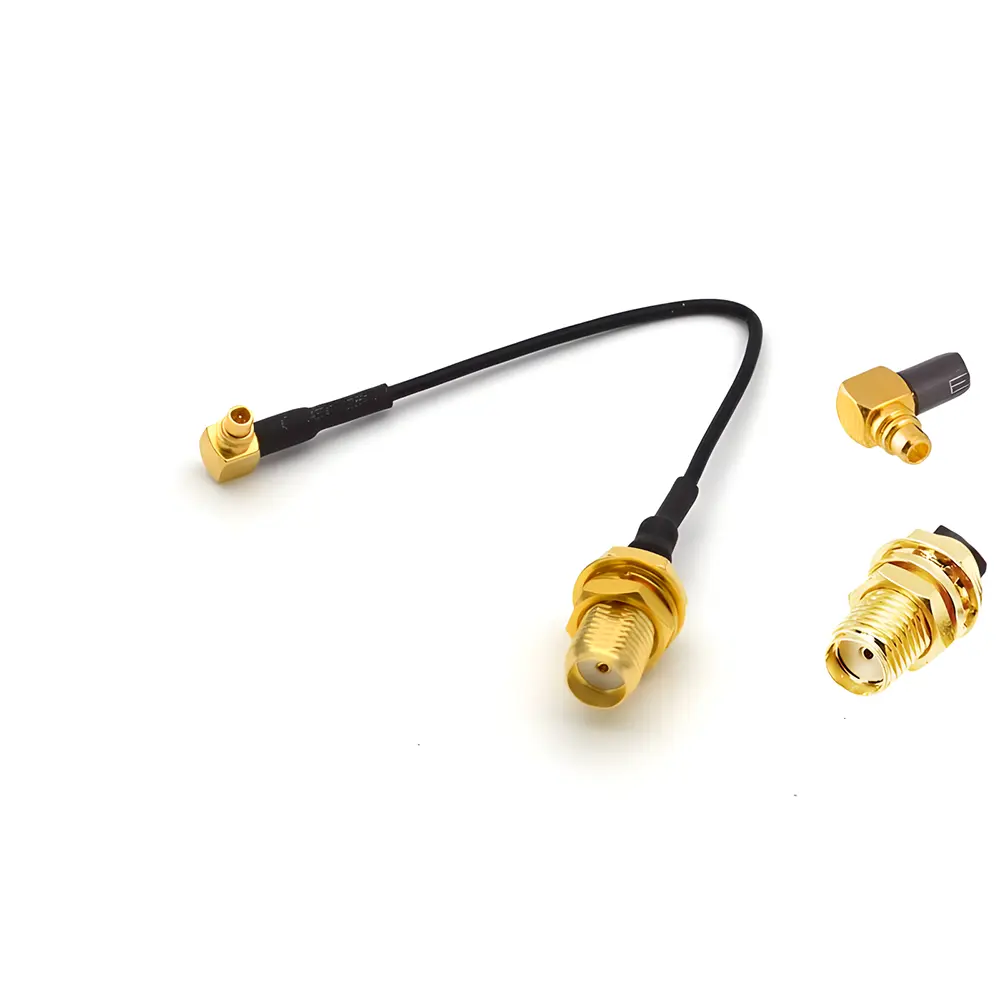 Antenna Cables
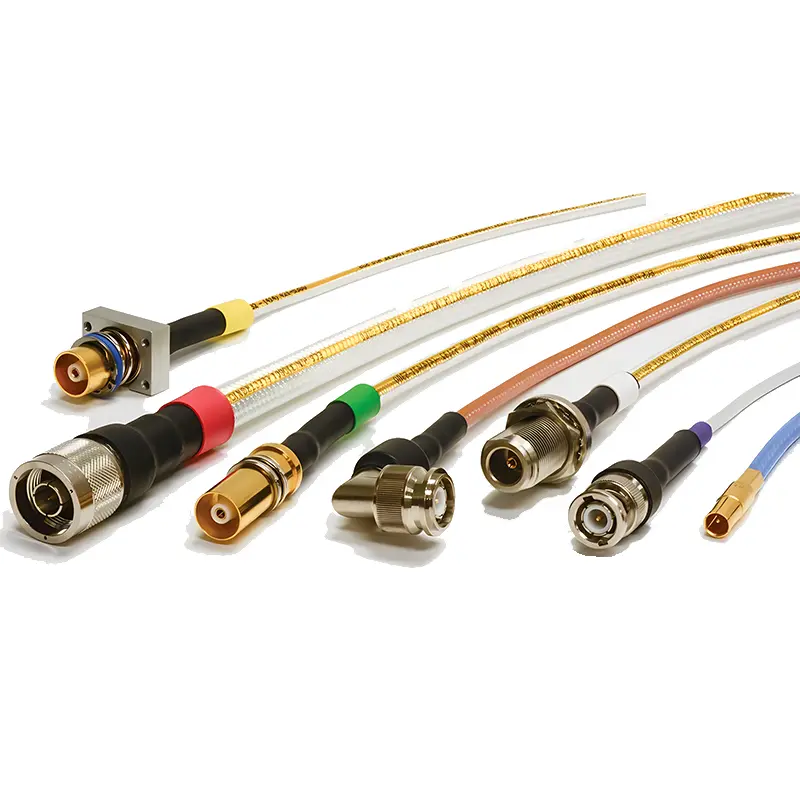 Coaxial Cables
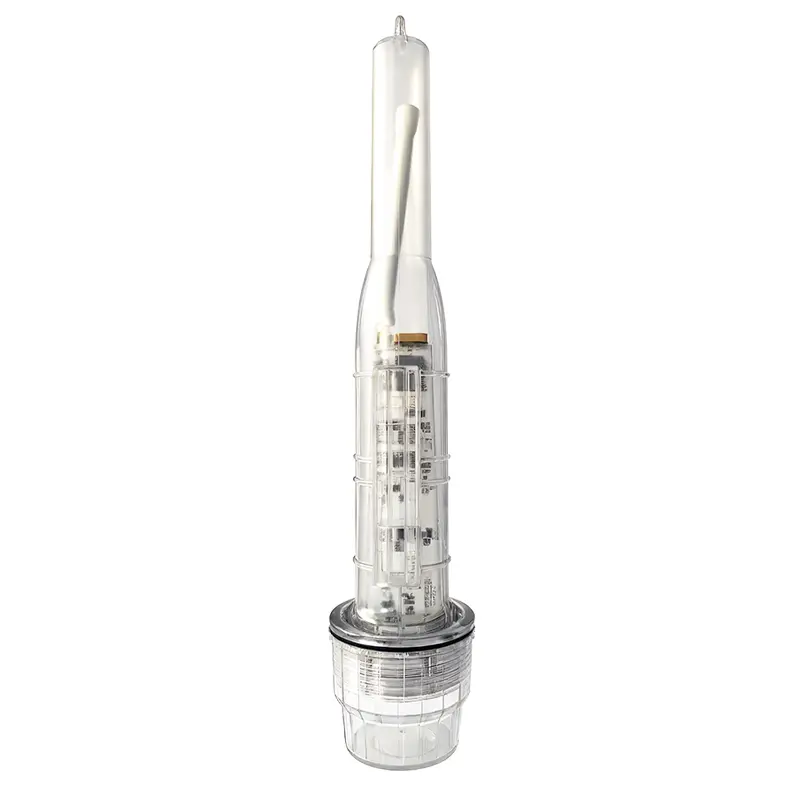 Net Position Indicator
 Solar AIS net position indicator
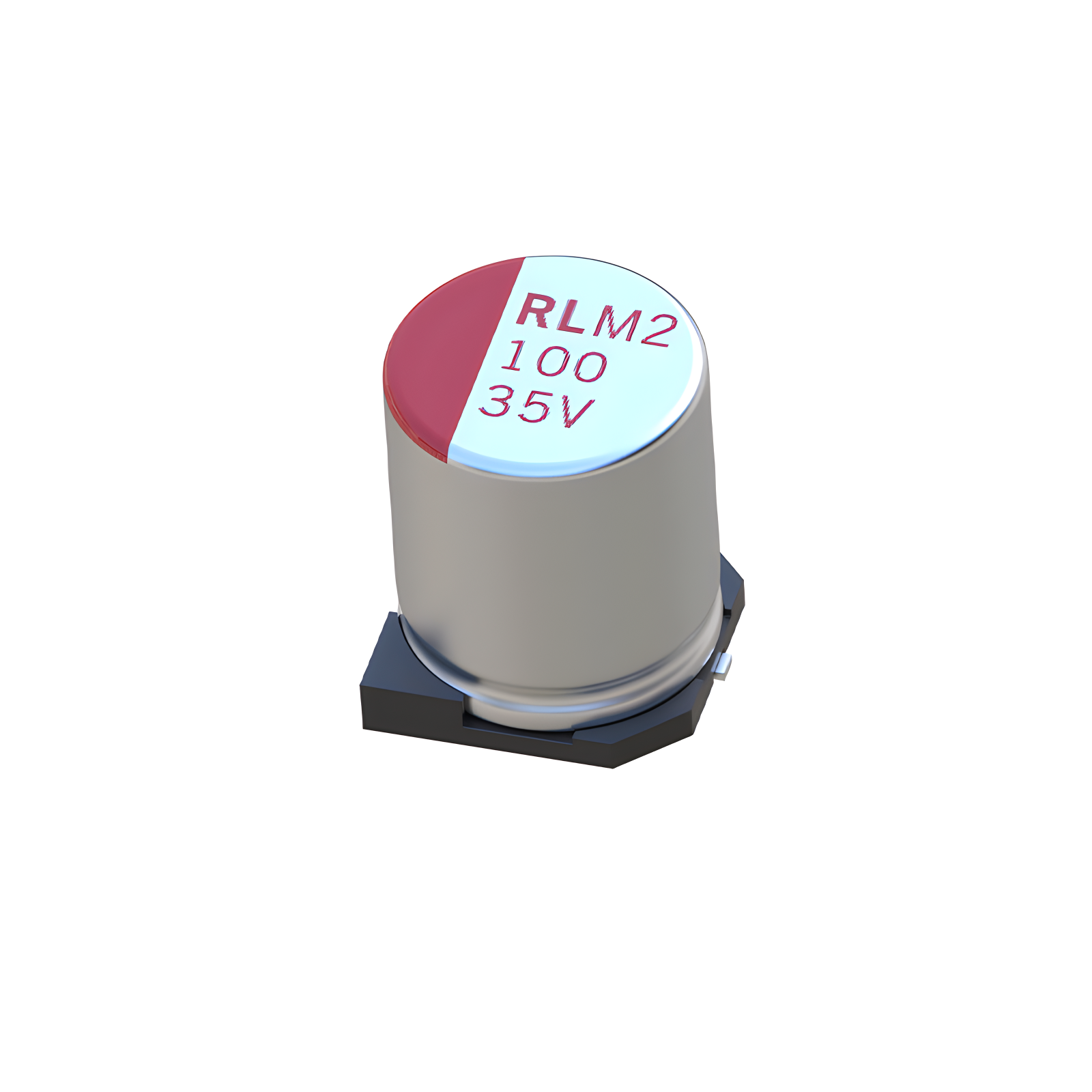 Capacitors
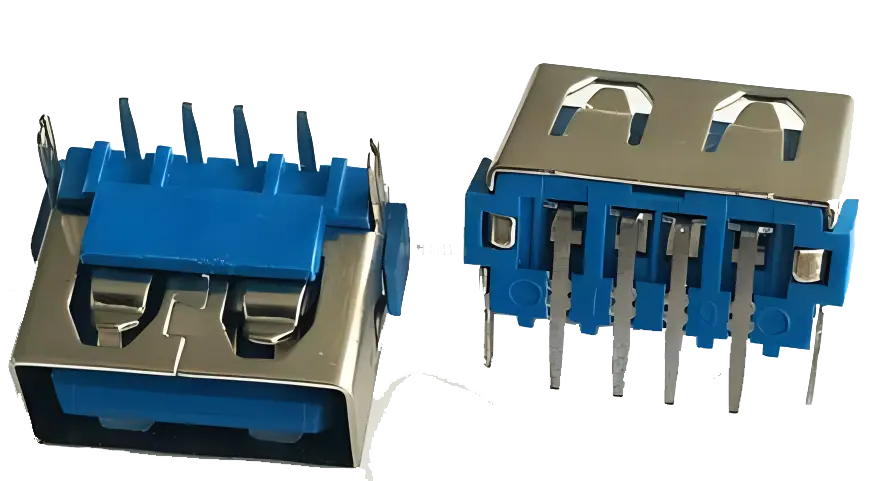 Connectors
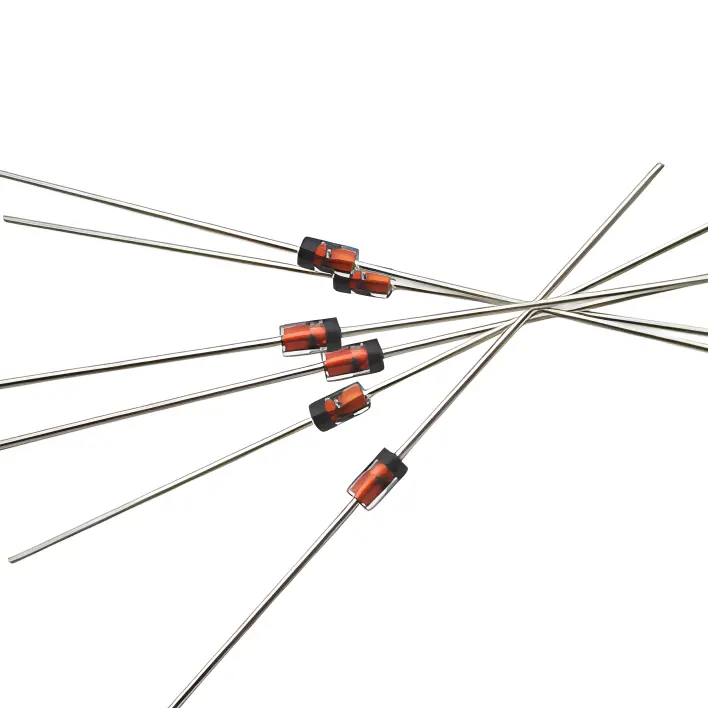 Diodes
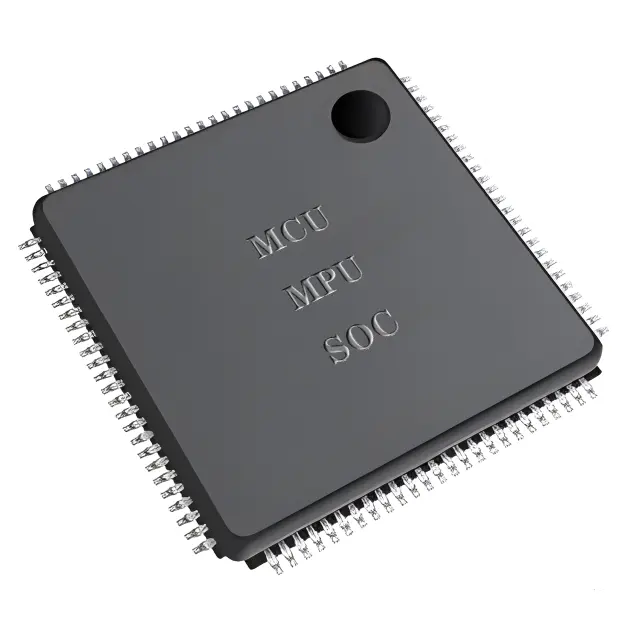 Embedded Processors & Controllers
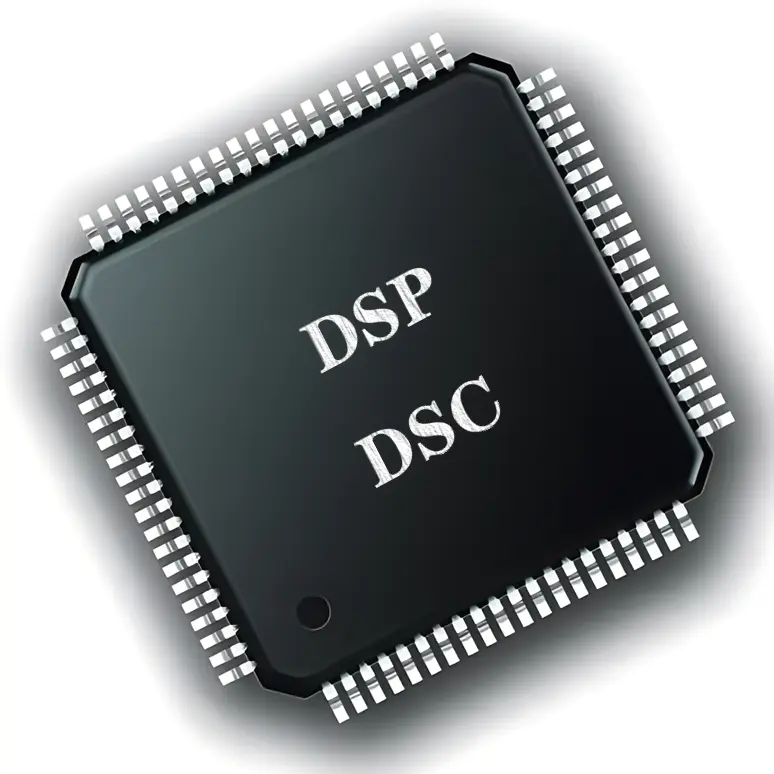 Digital Signal Processors (DSP/DSC)
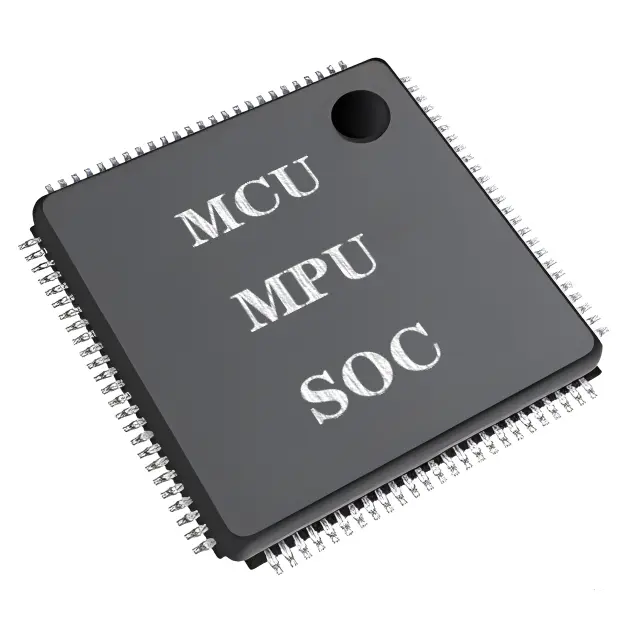 Microcontrollers (MCU/MPU/SOC)
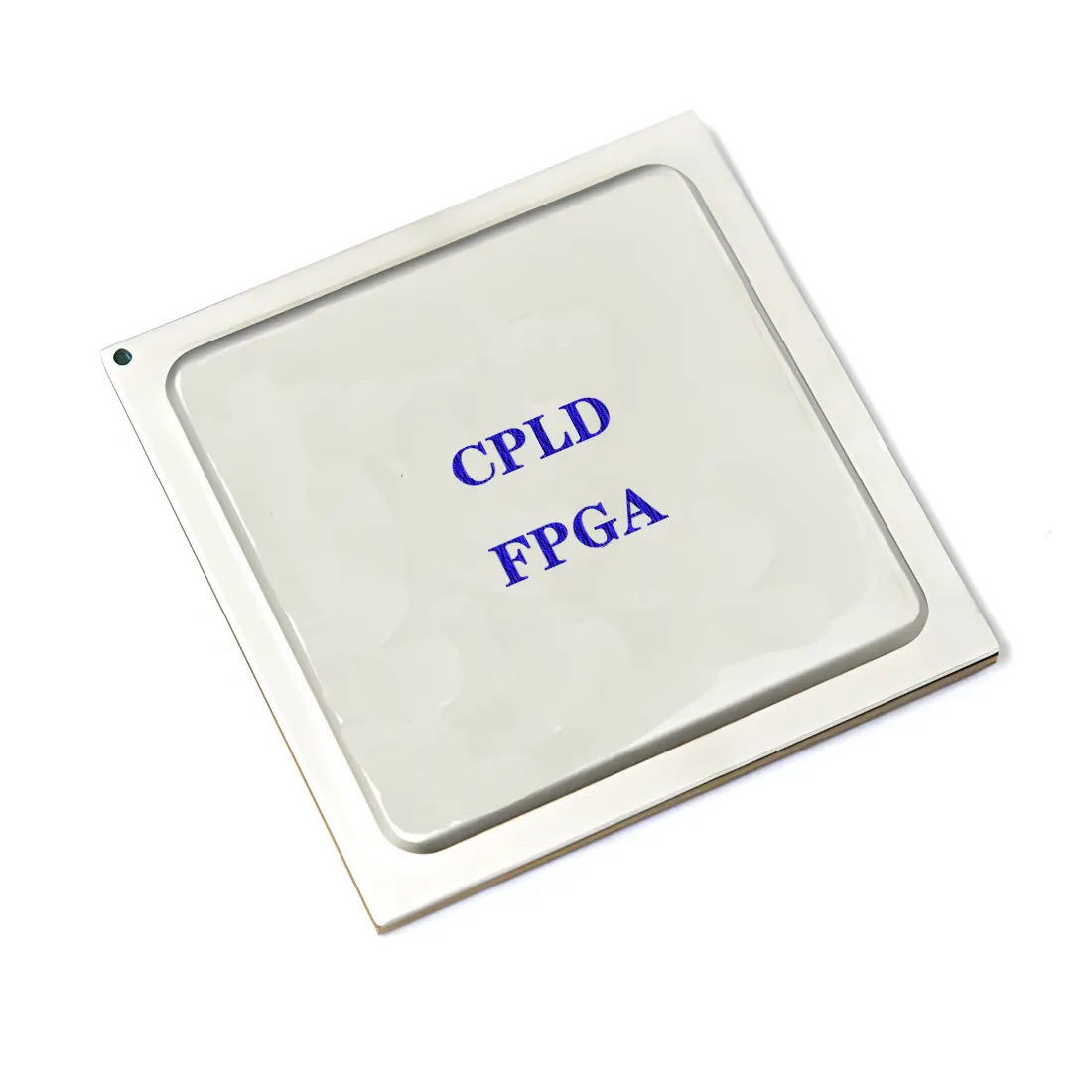 Programmable Logic Device(CPLD/FPGA)
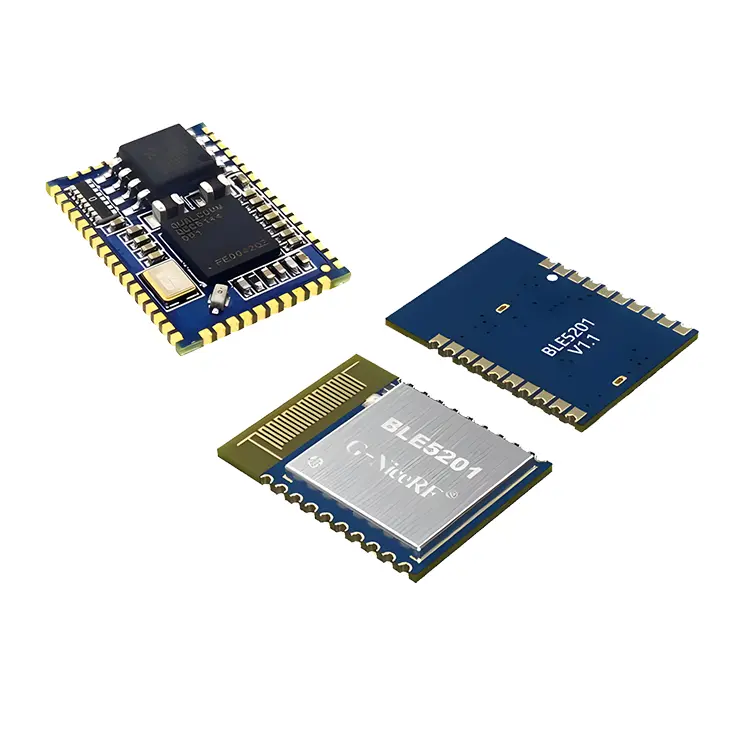 Communication Modules/IoT
 Resistors
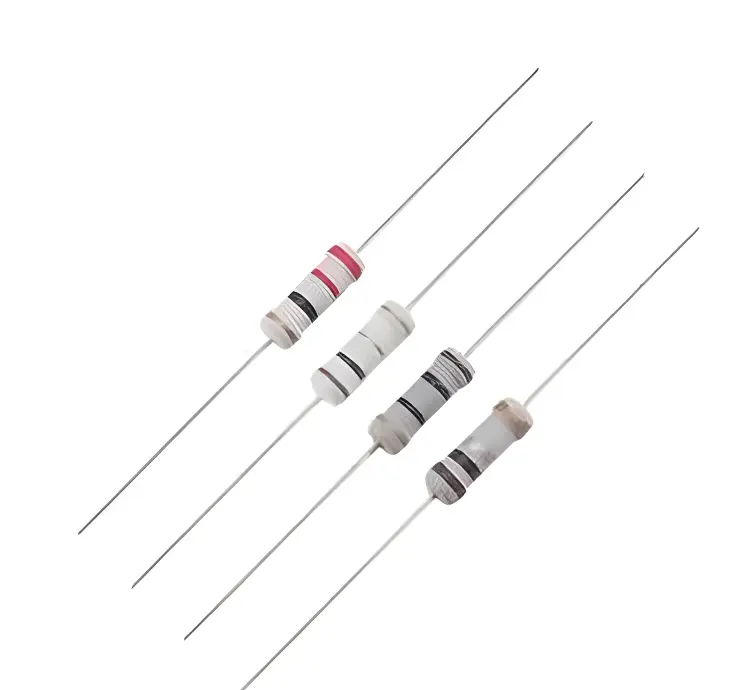 Through Hole Resistors
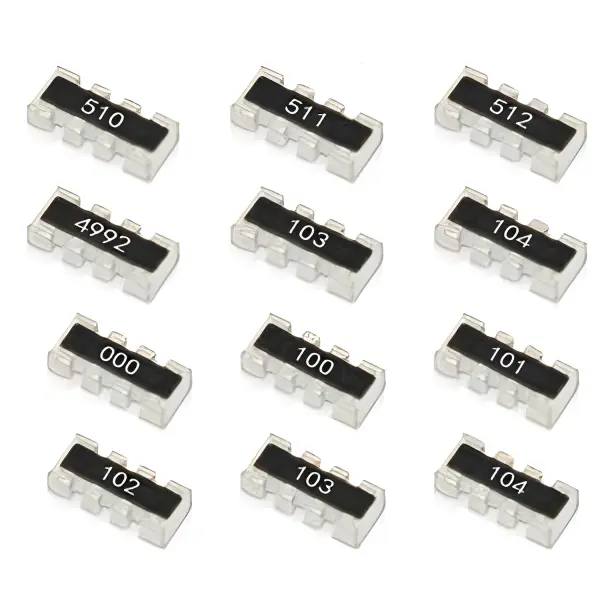 Resistor Networks, Arrays
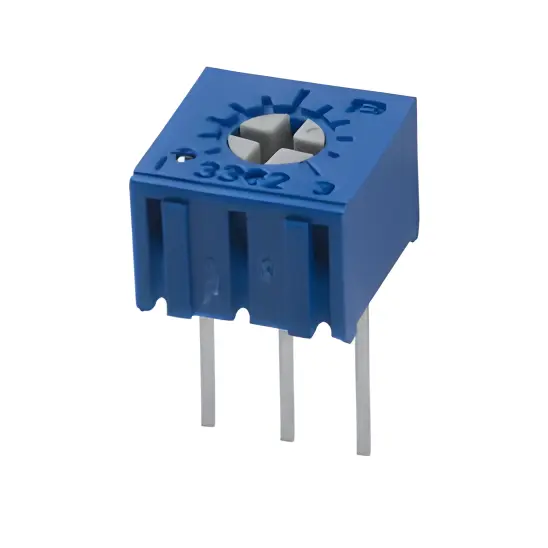 Potentiometers,Variable Resistors
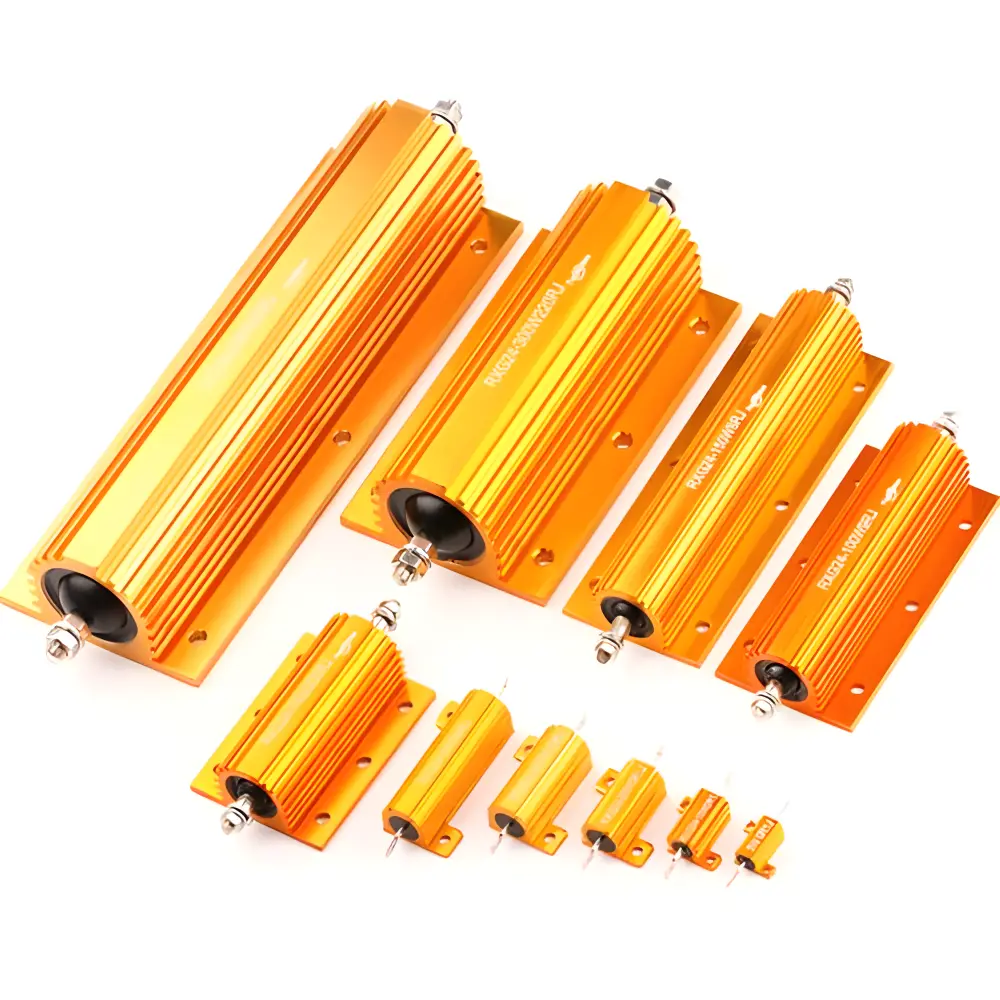 Aluminum Case,Porcelain Tube Resistance
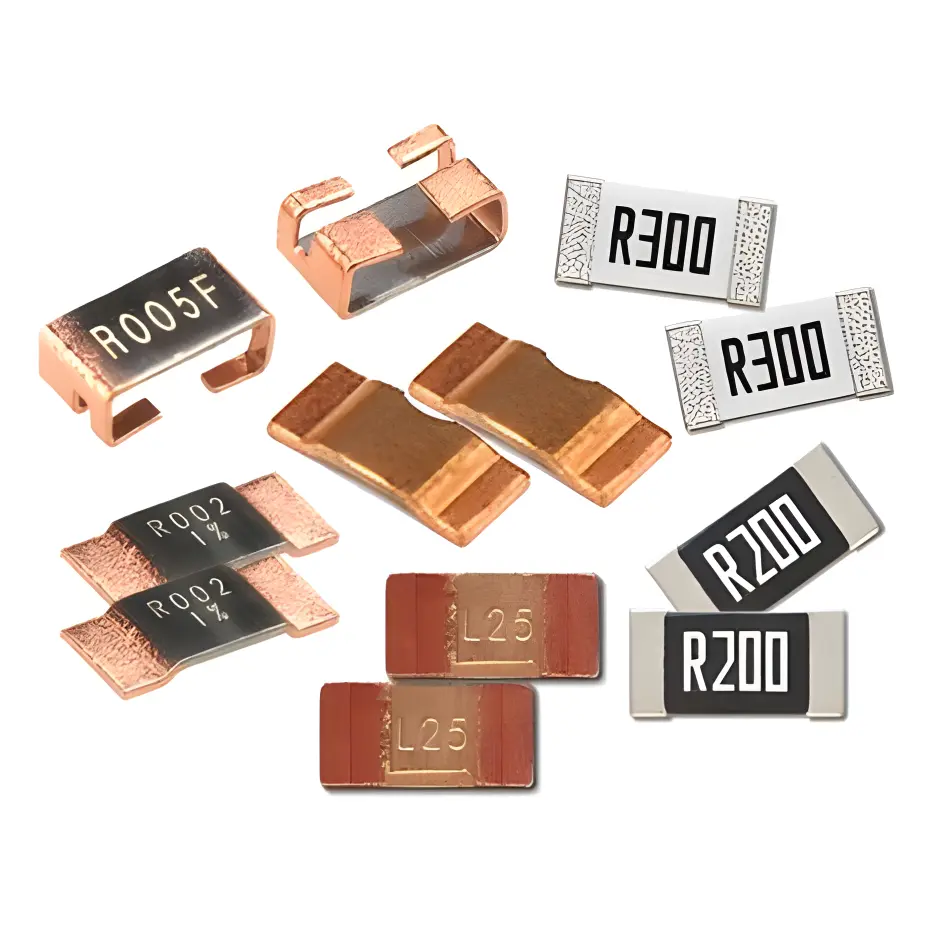 Current Sense Resistors,Shunt Resistors
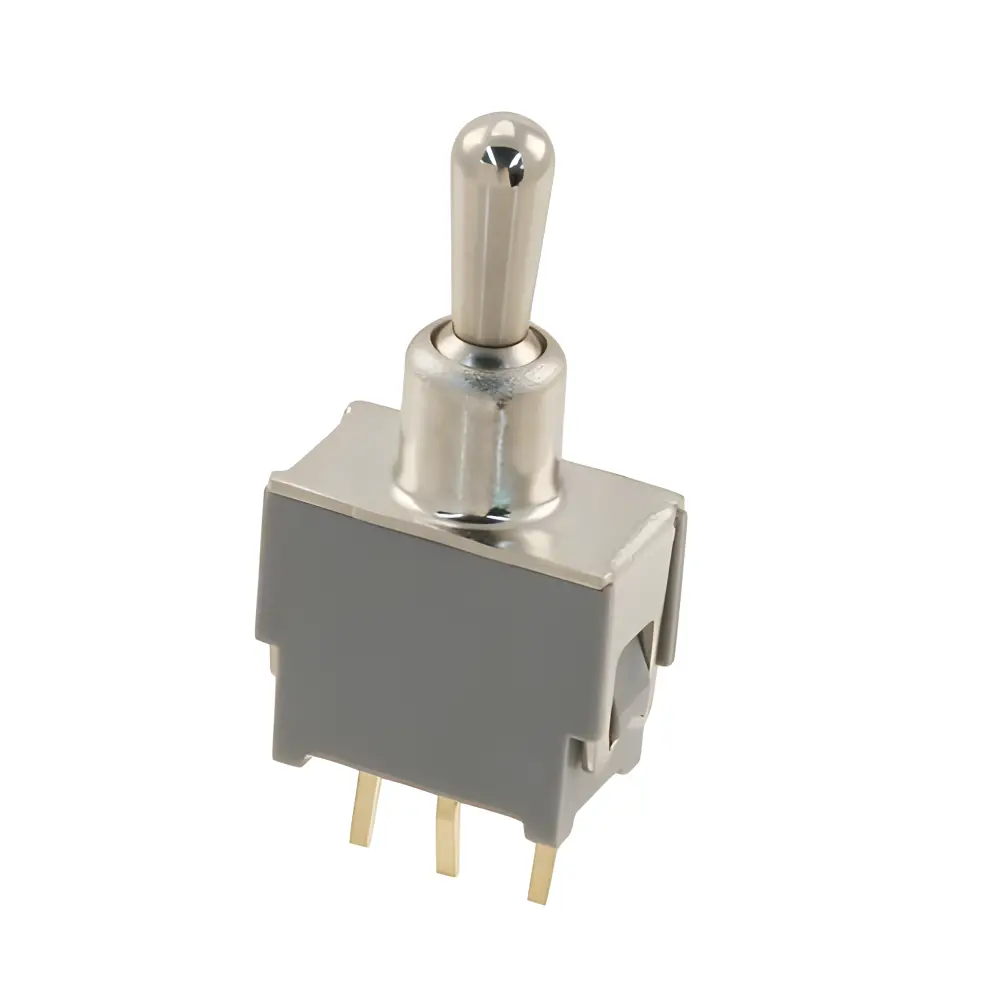 Switches
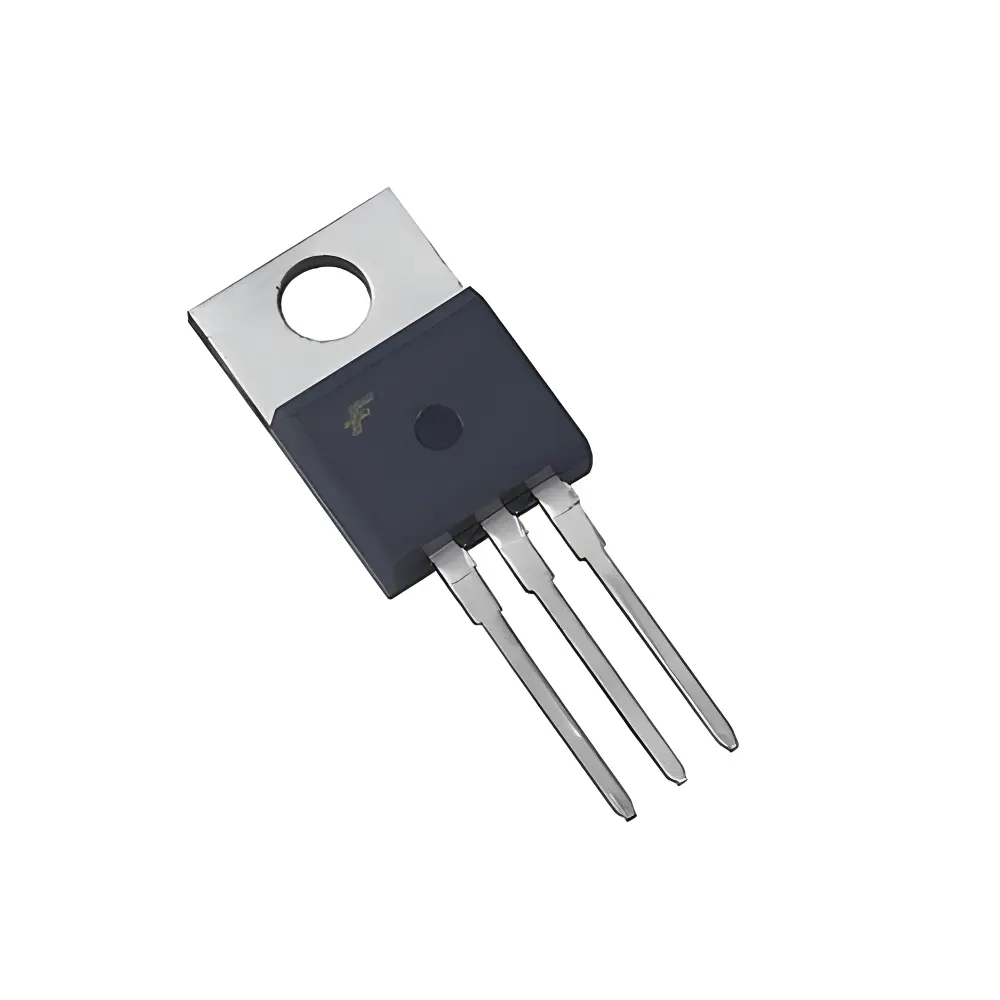 Transistors
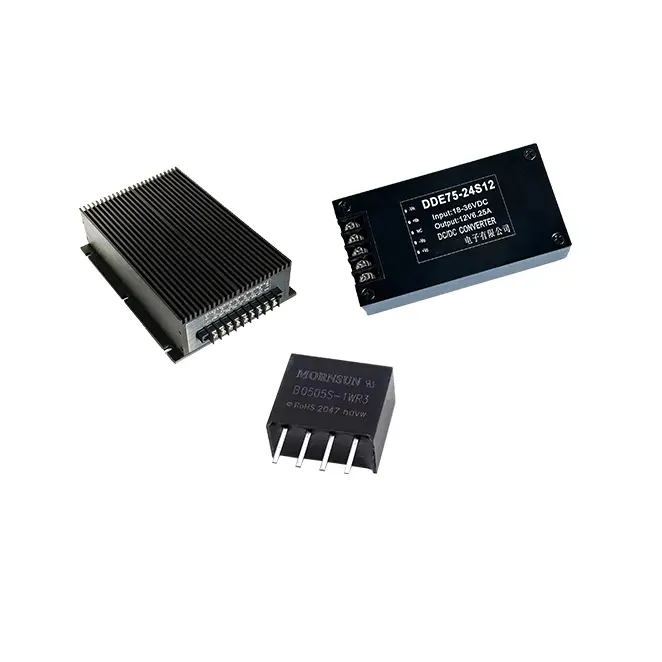 Power Modules
 Isolated Power Modules
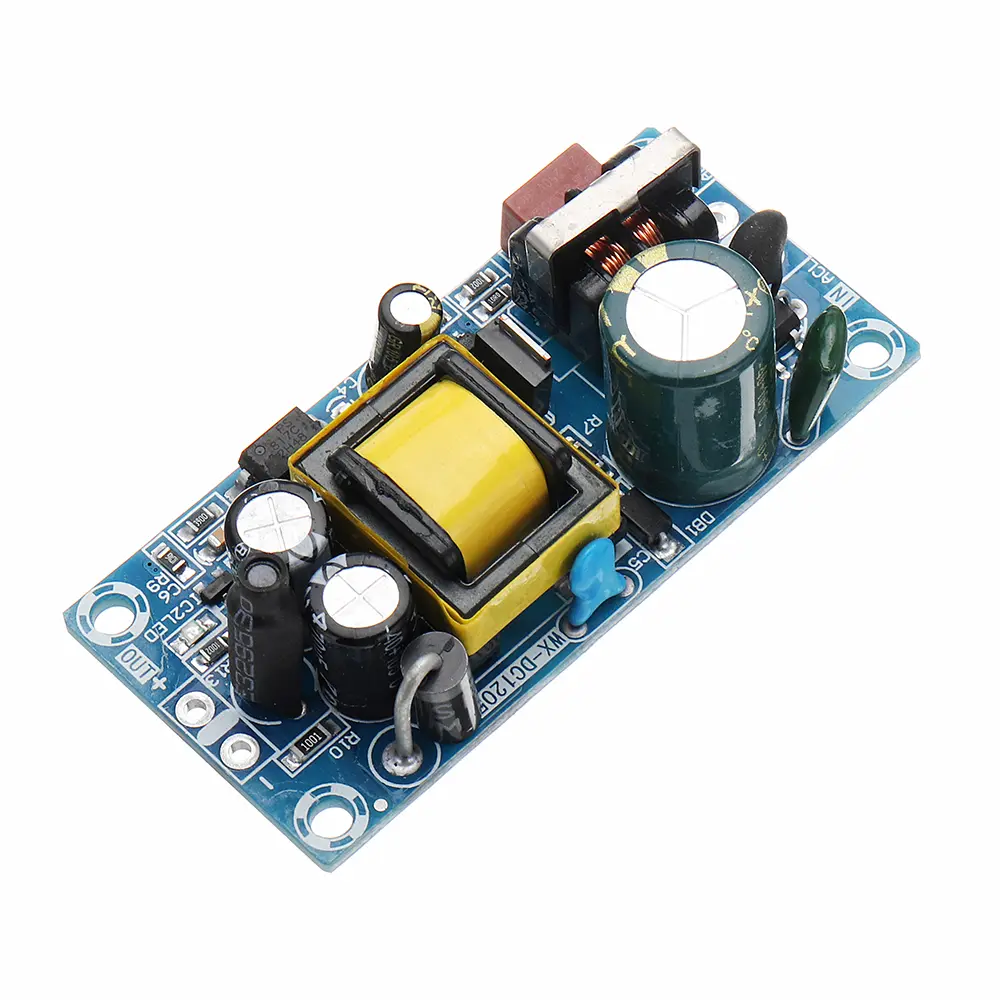 AC-DC Power Modules
 DC-AC Module(Inverter)
 RF and Wireless
Locating Micro-Short Circuits in PCBA Using Lock-in Thermography (LIT)
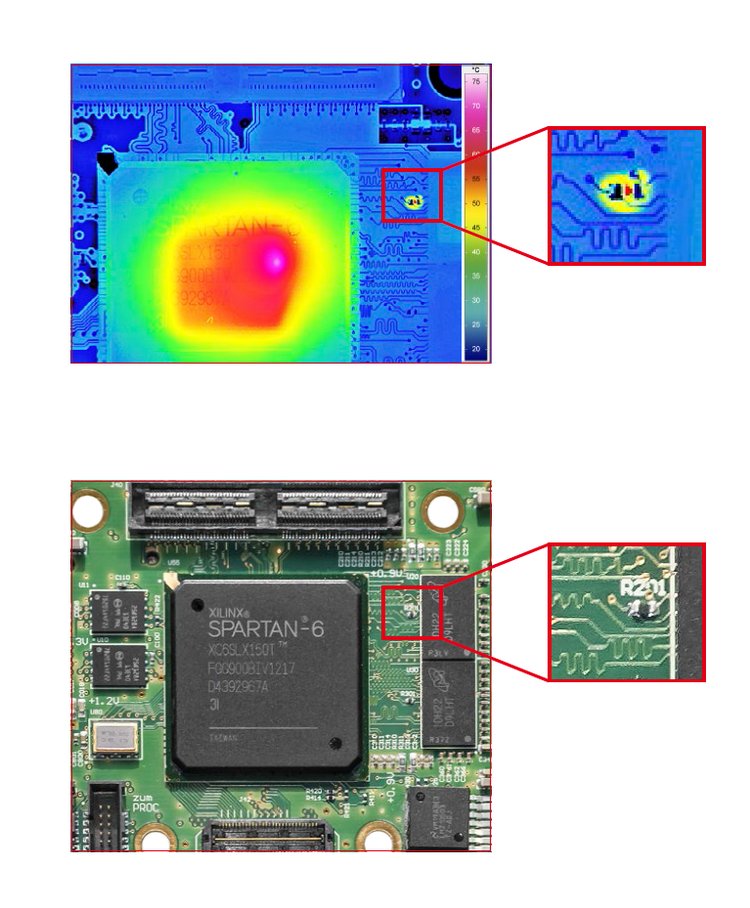
MICro-shorts (<10Ω) are hidden defects in PCBAs that challenge traditional electrical testing or X-ray inspection. Lock-in Thermography (LIT) detects μW-level heat anomalies via synchronized thermal excitation and phase analysis, achieving micron-scale resolution. This guide details LIT implementation through thermal excitation modes, signal processing, and case studies.
1. LIT Principles and System Setup
1.1 Thermal Excitation and Modulation
-
Current excitation: Apply AC current (0.1-10Hz, 50-200mA) to induce Joule heating at shorts (ΔT≈0.01-0.1℃);
-
External heating: Use IR laser (980nm) to exploit thermal conductivity variations.
1.2 Lock-in Detection (Figure 1)
Thermal images are cross-correlated with reference signals to extract amplitude (A) and phase (φ) maps:
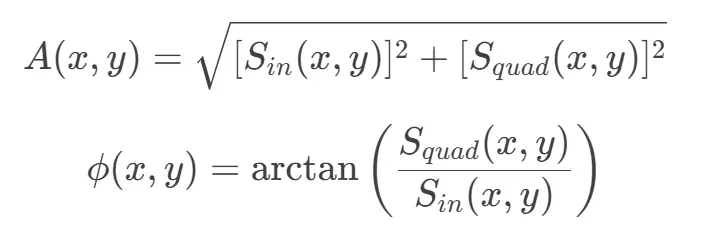
Phase images suppress noise, achieving SNR>20dB.
2. Key Procedures and Parameter Optimization
2.1 Workflow
-
Prescan: Low resolution (640×480) to locate hotspots;
-
Lock-in acquisition: High resolution (1024×768) over 100-200 cycles;
-
Phase demodulation: FFT extracts target frequency components.
2.2 Parameter Tuning
-
Frequency selection: Based on thermal diffusion time (
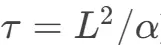 ), typically 1-5Hz;
 -
Integration: ≥10ms/frame, ≥10s total to reduce noise;
-
Filtering: Bandpass (±0.1Hz) to eliminate environmental noise.
3. Feature Extraction and Localization
3.1 Thermal Signatures
-
Amplitude threshold: Target A ≥3× background std. dev.;
-
Phase lag: Shorts show 10°-30° phase delay vs. normal areas .
3.2 Multi-Physics Correlation
-
Electro-thermal analysis: Validate with IV curve slope (dI/dV);
-
3D tomography: Reconstruct defect depth (±50μm) via multi-angle imaging.
4. Case Studies
4.1 Smartphone Motherboard Micro-Short
-
Defect: Tin whisker causing 5.2Ω short between BGA balls;
-
LIT setup:
-
Excitation: 100mA@2Hz sine wave;
-
Imaging: FLIR X8580sc (NETD<20mK), 5min integration;
-
-
Result: SNR=28dB in phase map, <20μm localization error.
4.2 Automotive ECU Board Short
-
Challenge: Inner-layer short at 0.8mm depth;
-
Solution: Laser excitation (2W, 0.5Hz), 0.3mm² phase anomaly;
-
Verification: Cross-section confirmed Cu residue between L3-L4.
5. Limitations and Future Work
-
Depth limit: ~2mm max; combine with terahertz waves;
-
Material impacts: Use pulse-compression encoding for high-thermal-conductivity substrates;
-
Automation: Integrate AI (e.g., U-Net) for real-time defect classification.
Conclusion
LIT enables high-sensitivity, non-destructive micro-short localization in PCBAs through time-frequency analysis and multi-physics correlation, revolutionizing fault diagnosis efficiency.