
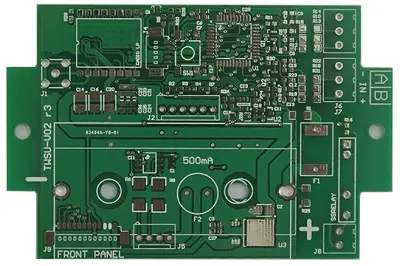
 PCB
PCB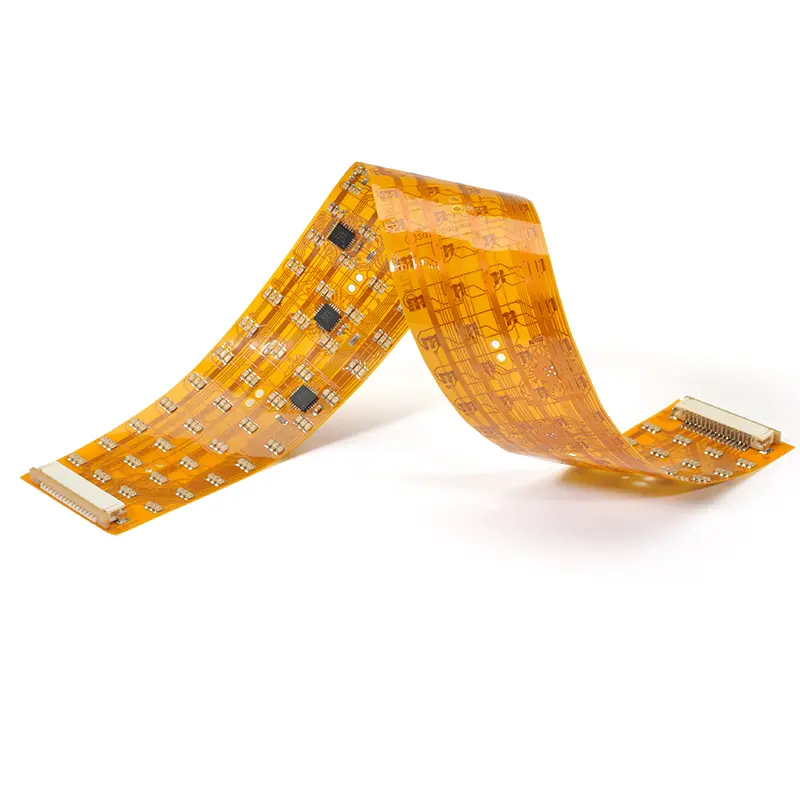 FPC
FPC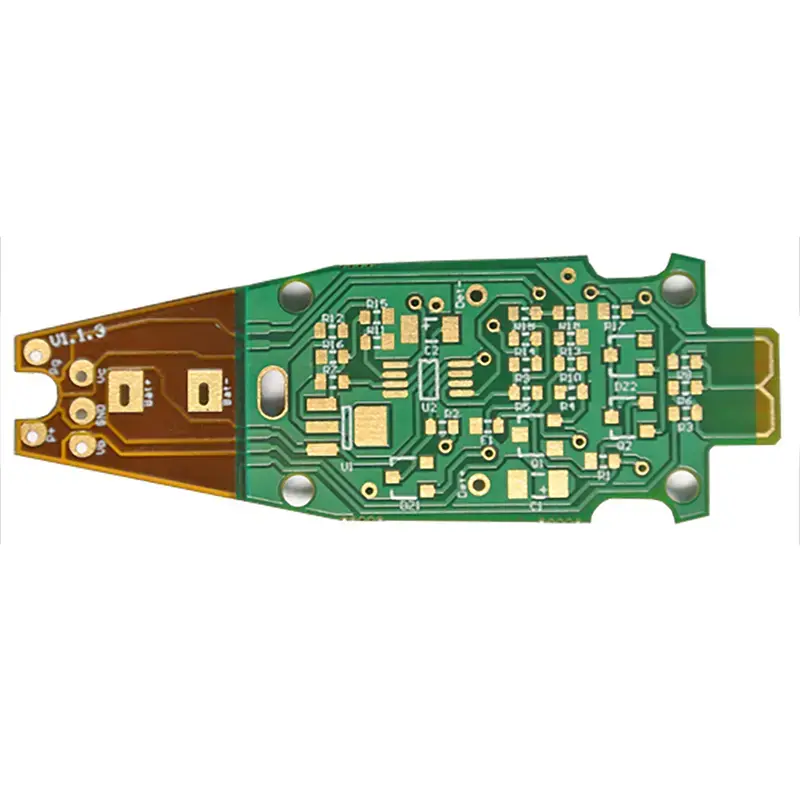 Rigid-Flex
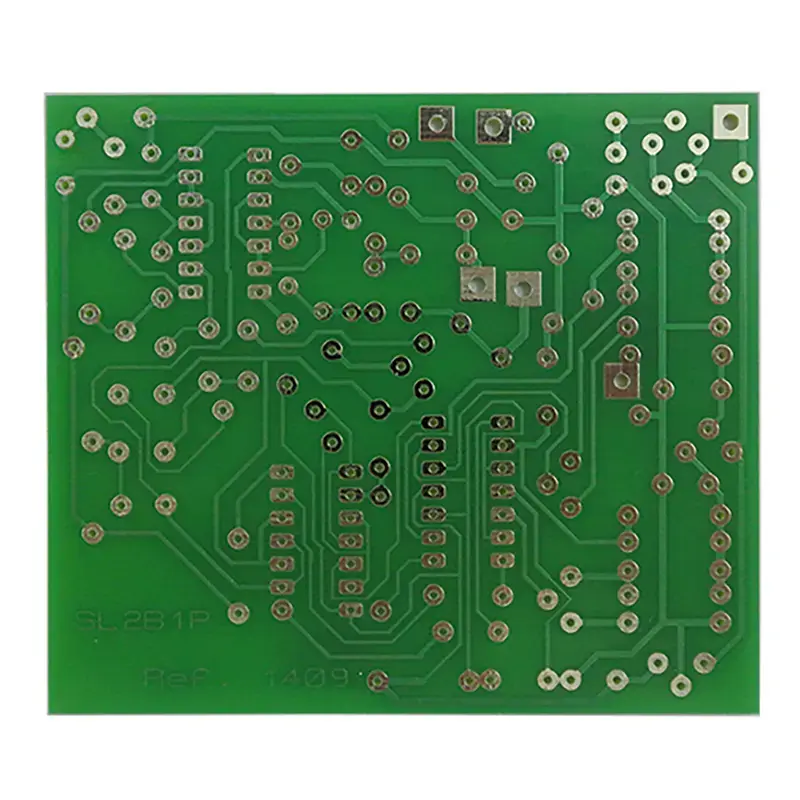 FR-4
FR-4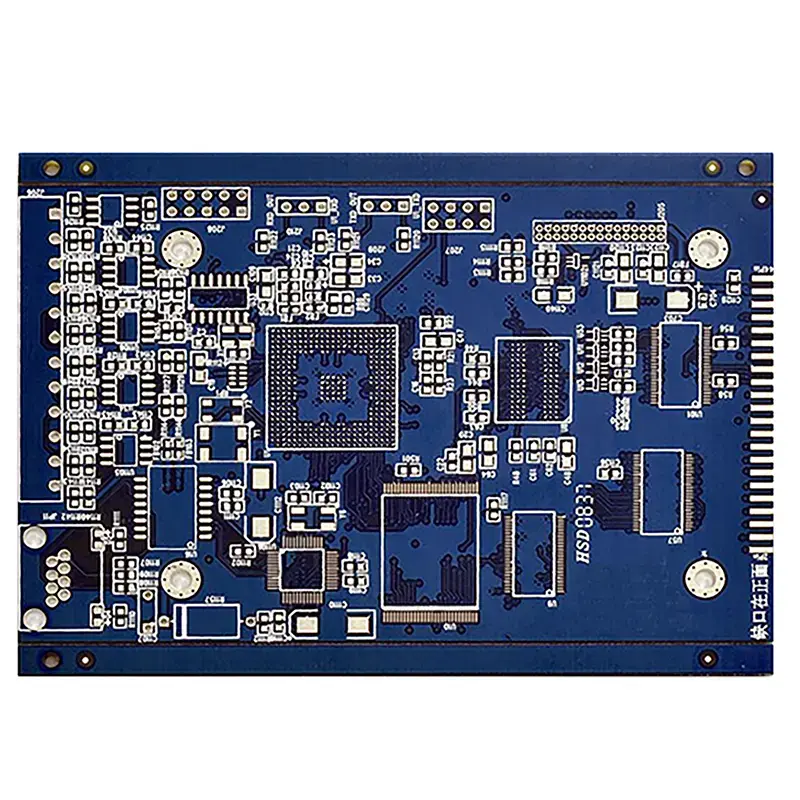 HDI PCB
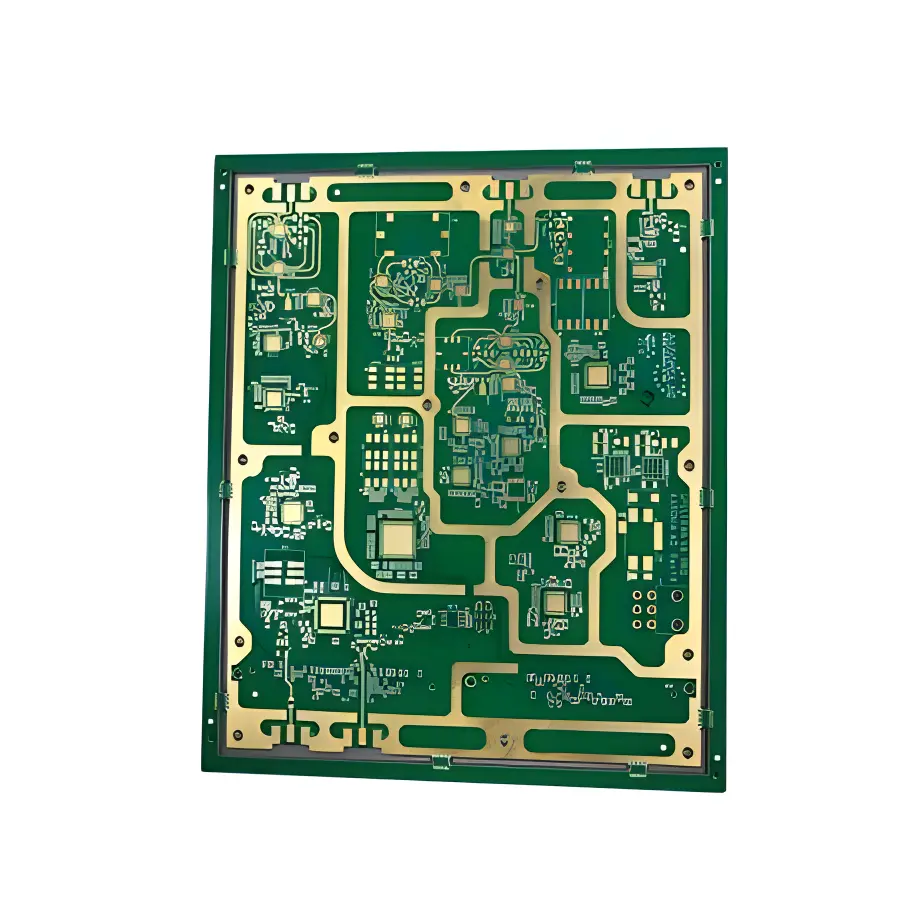 Rogers High-Frequency Board
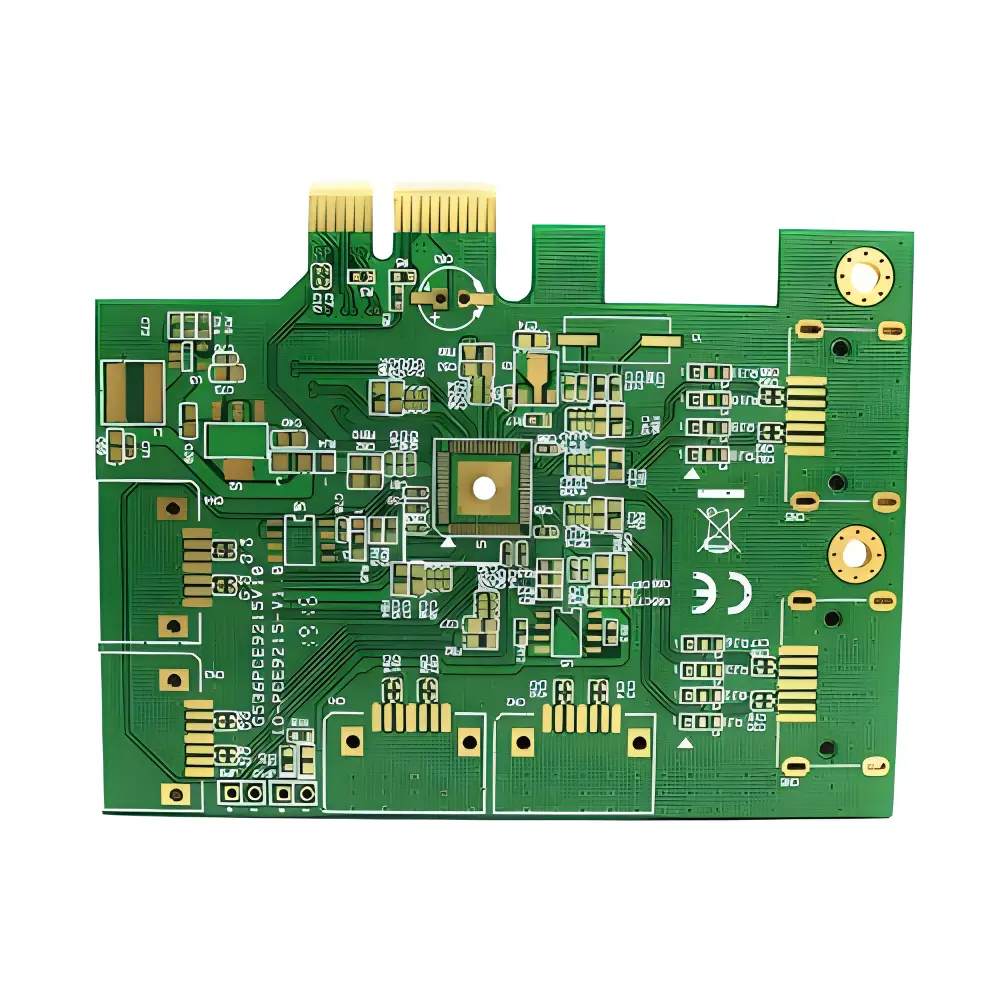 PTFE Teflon High-Frequency Board
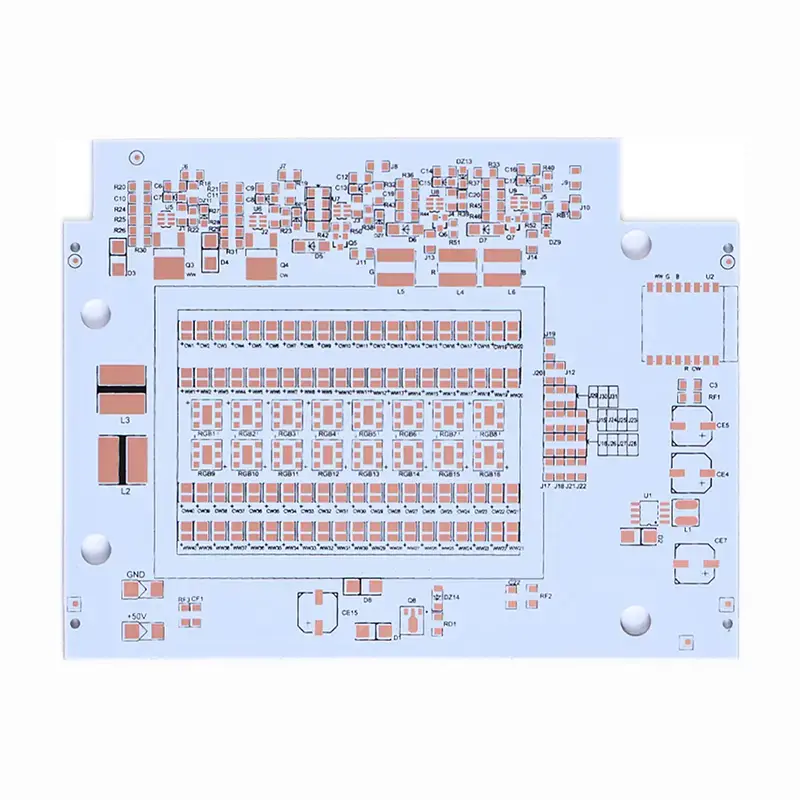 Aluminum
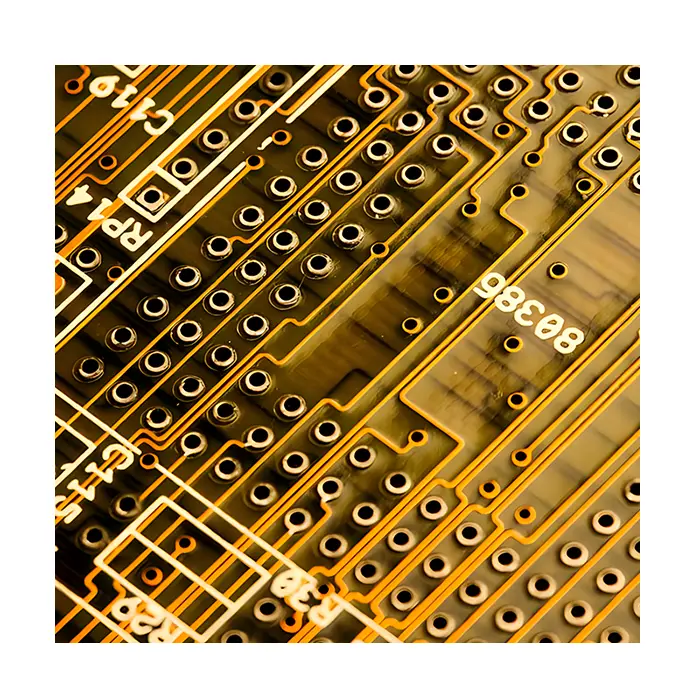 Copper Core
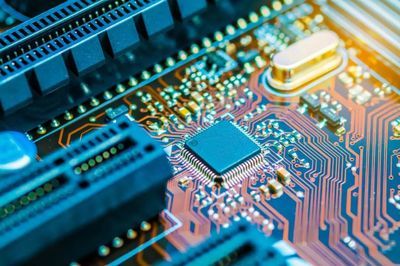 PCB Assembly
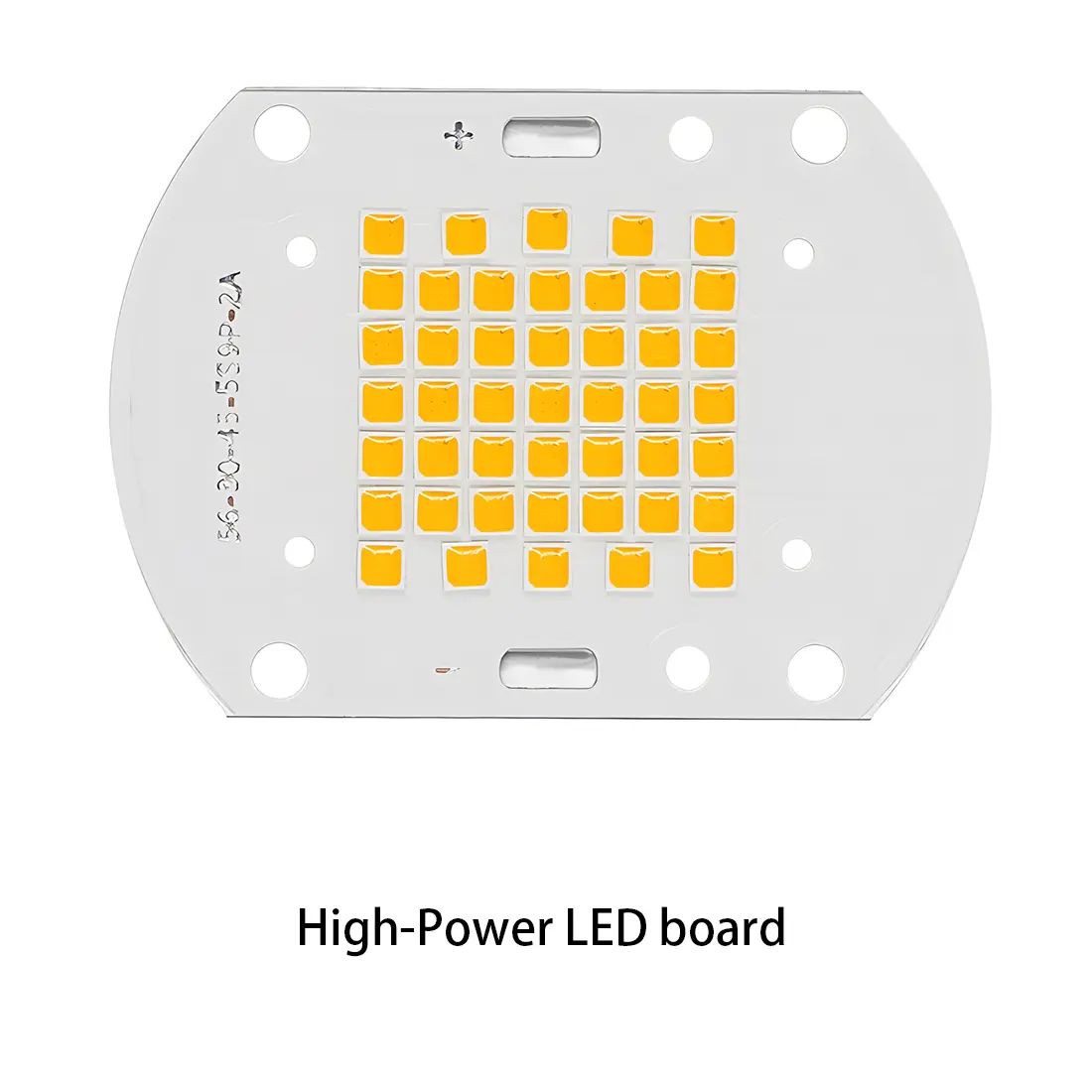 LED light PCBA
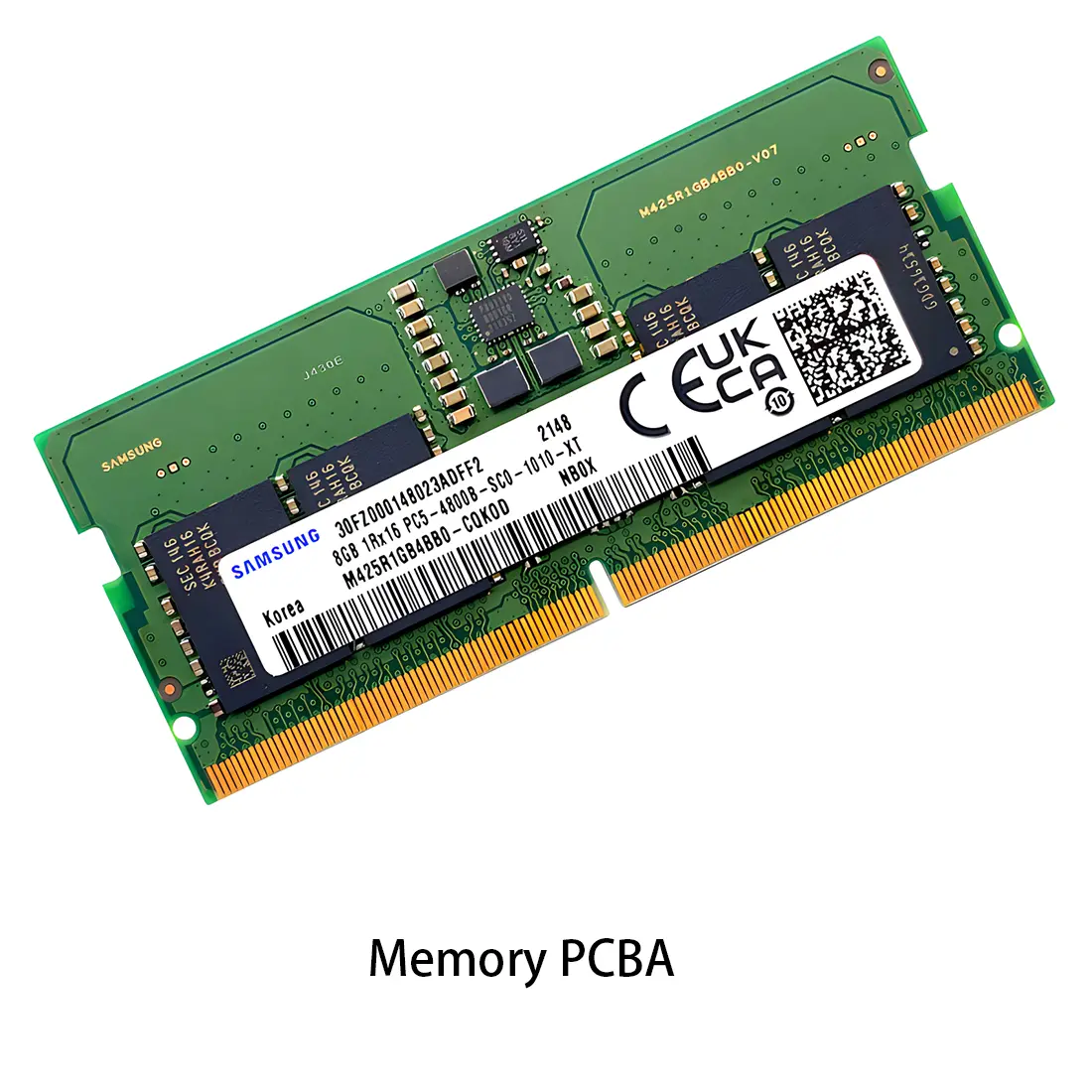 Memory PCBA
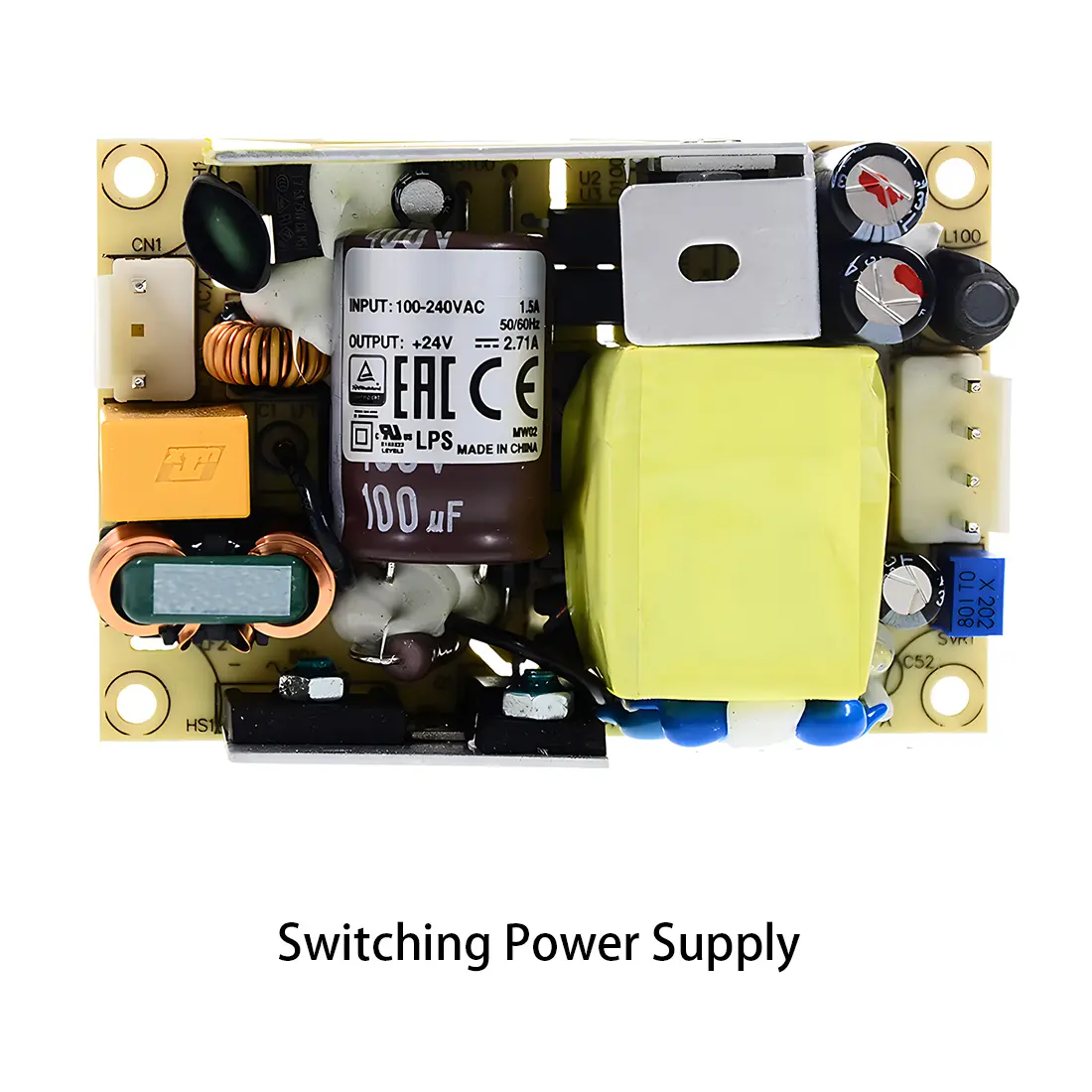 Power Supply PCBA
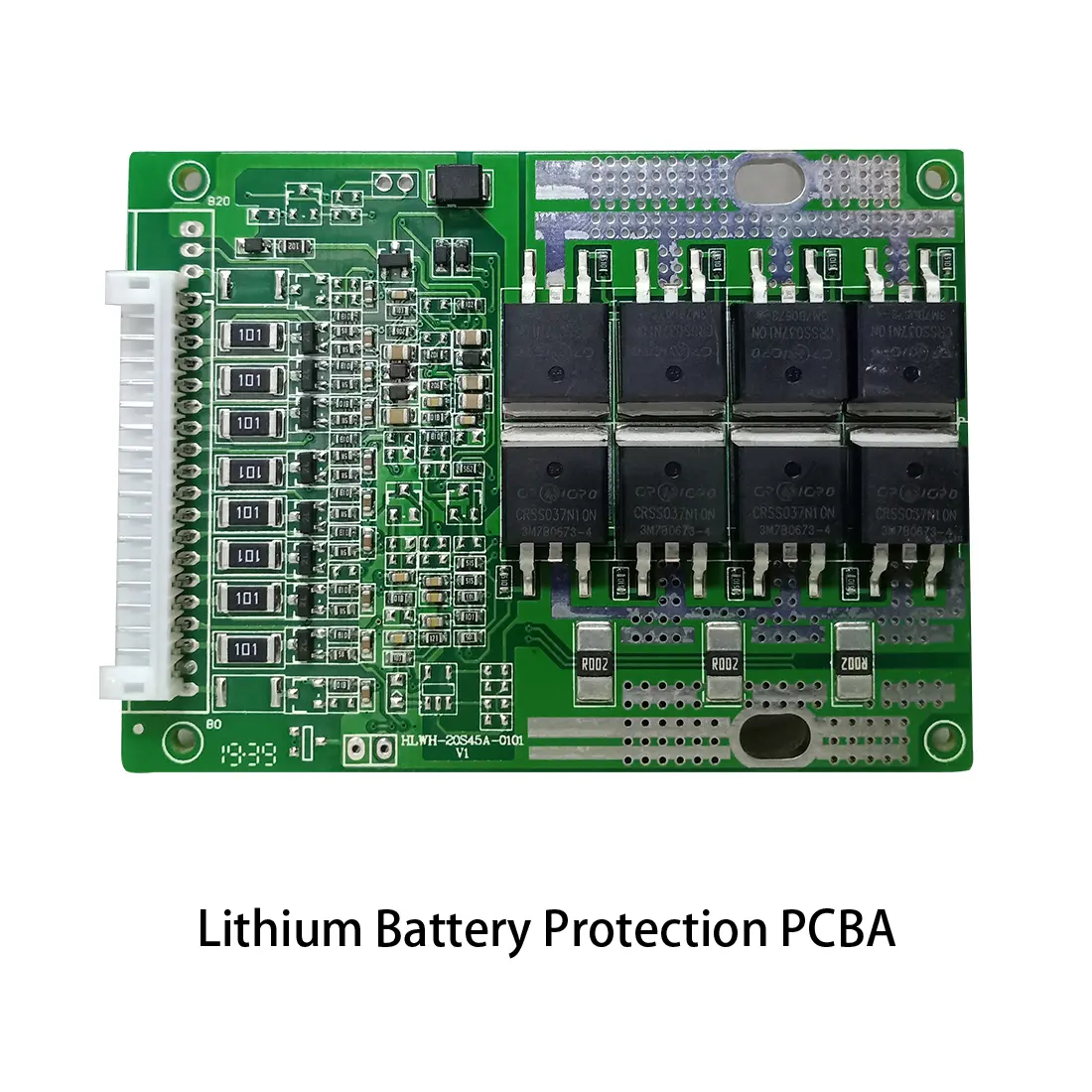 New Energey PCBA
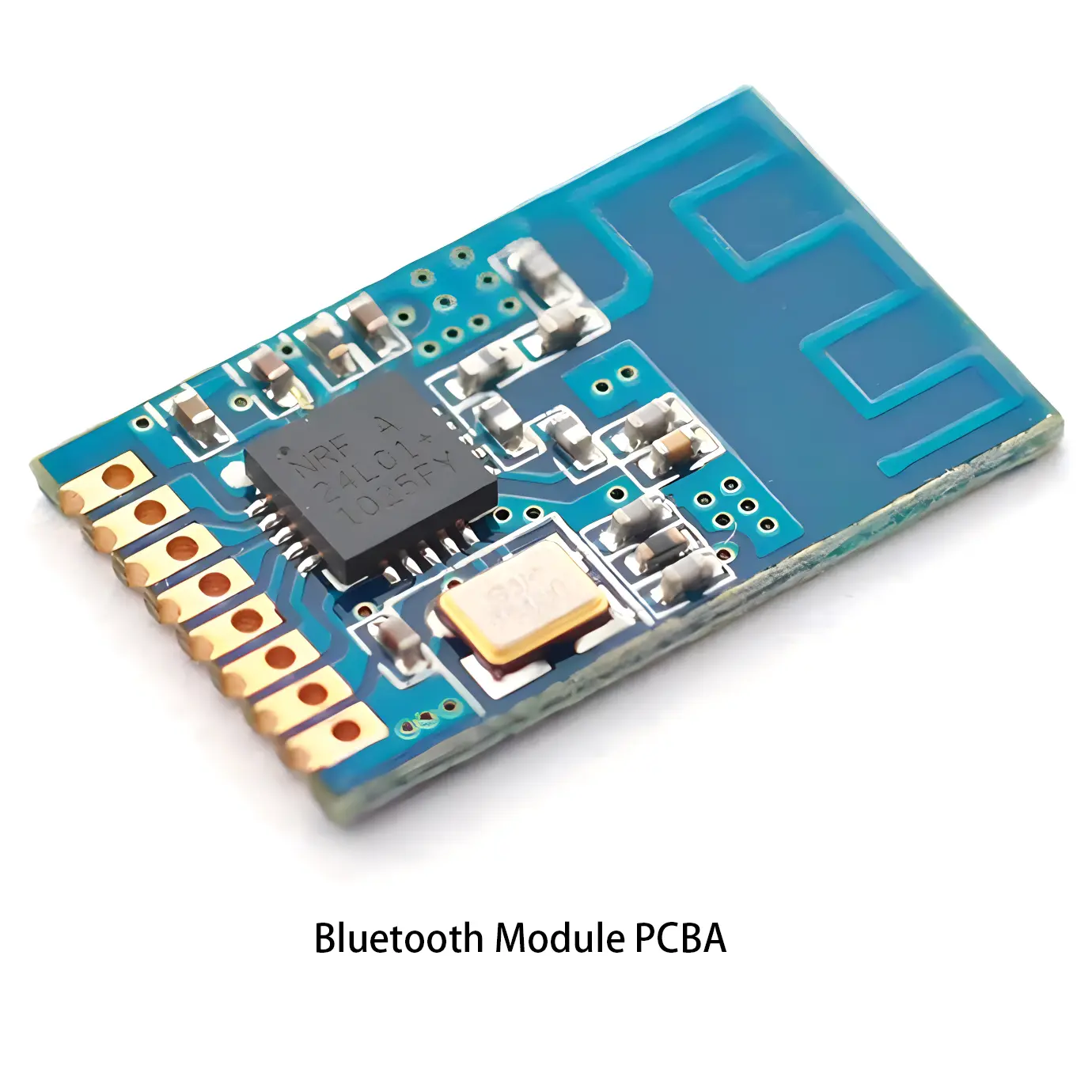 Communication PCBA
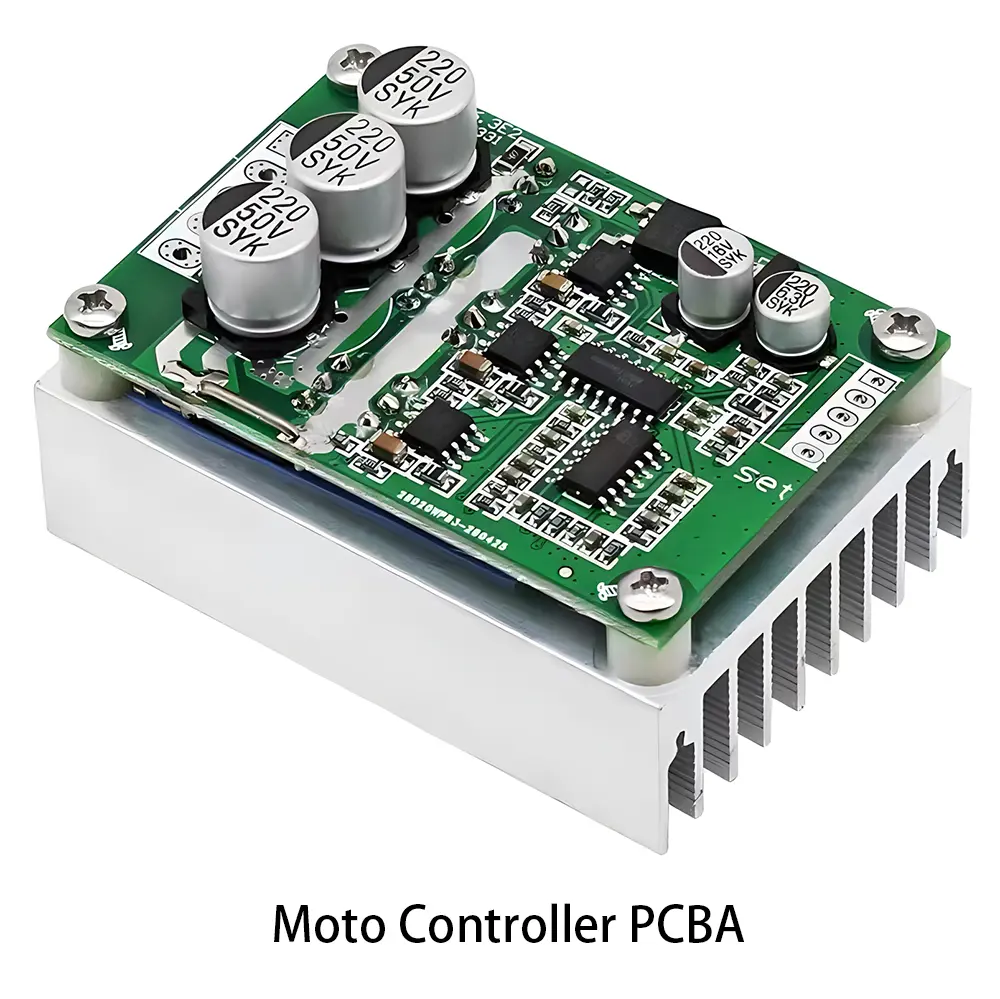 Industrial Control PCBA
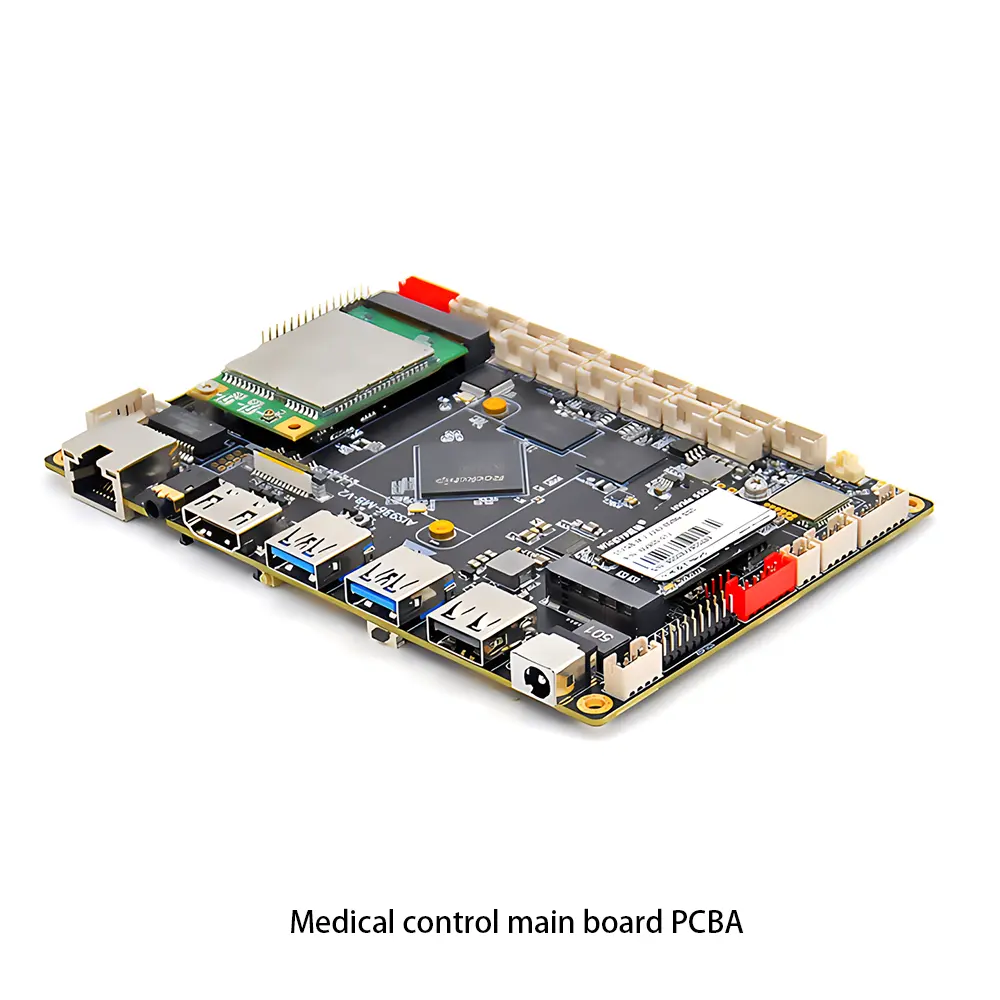 Medical Equipment PCBA
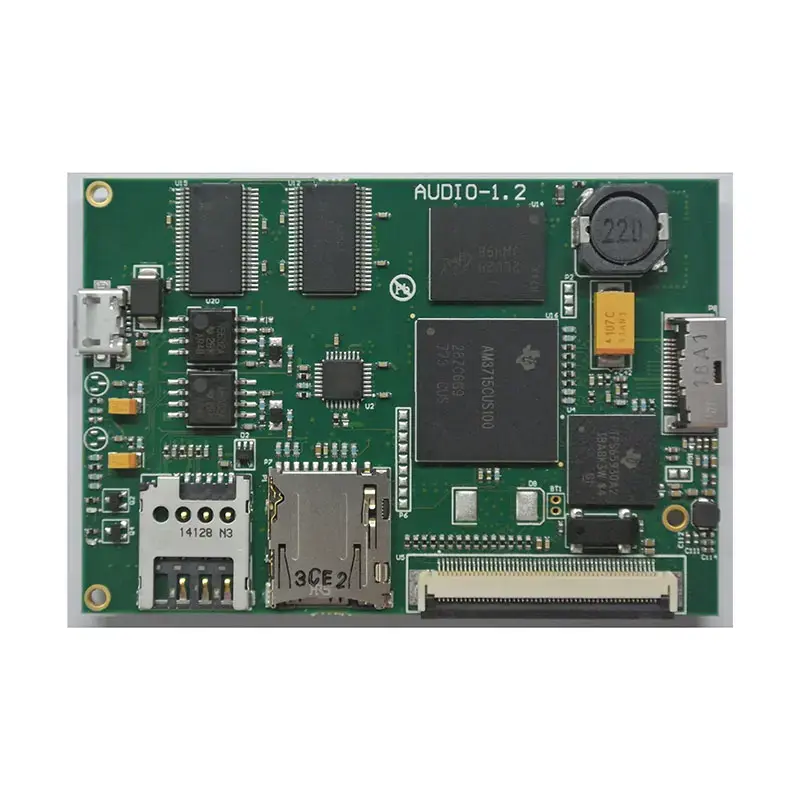 Testing Service
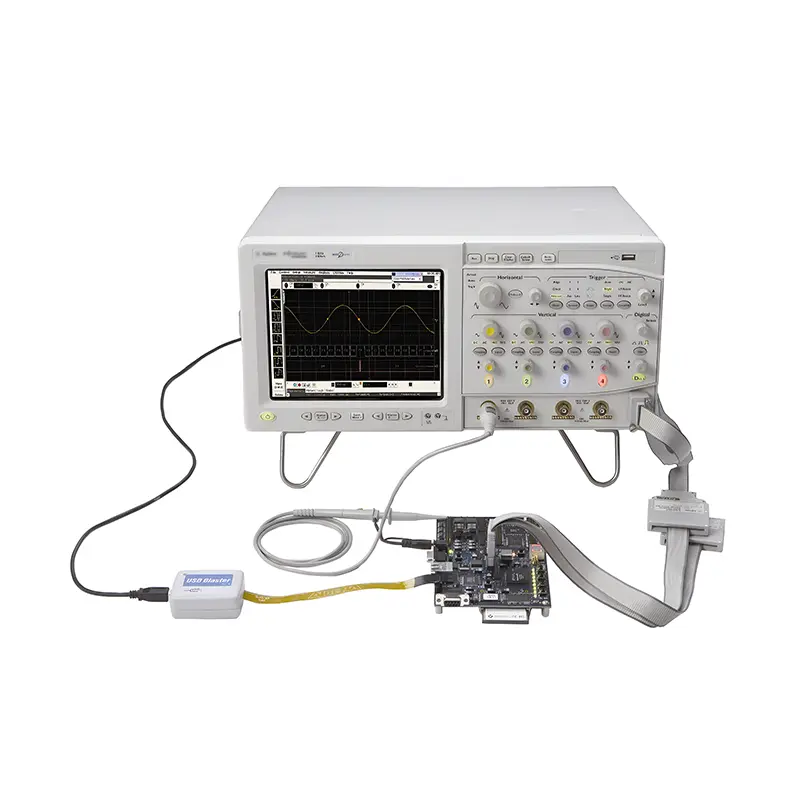 PCBA Testing Service
 Certification Application
 RoHS Certification Application
 REACH Certification Application
 CE Certification Application
 FCC Certification Application
 CQC Certification Application
 UL Certification Application
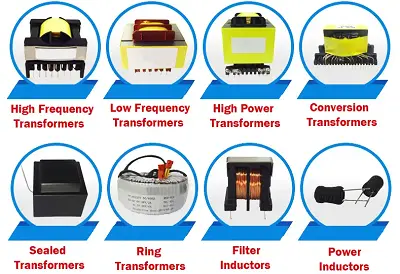 Transformers, Inductors
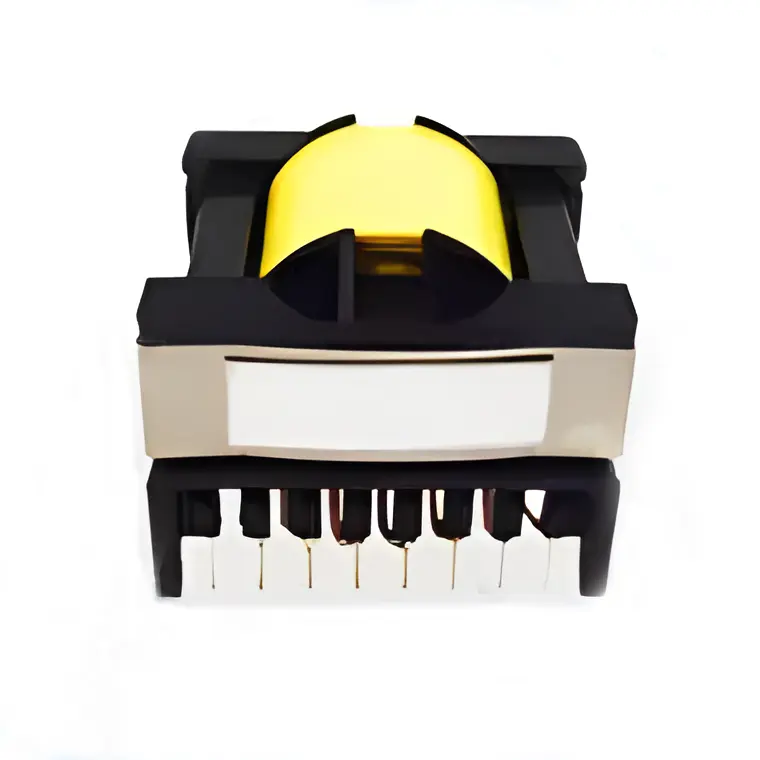 High Frequency Transformers
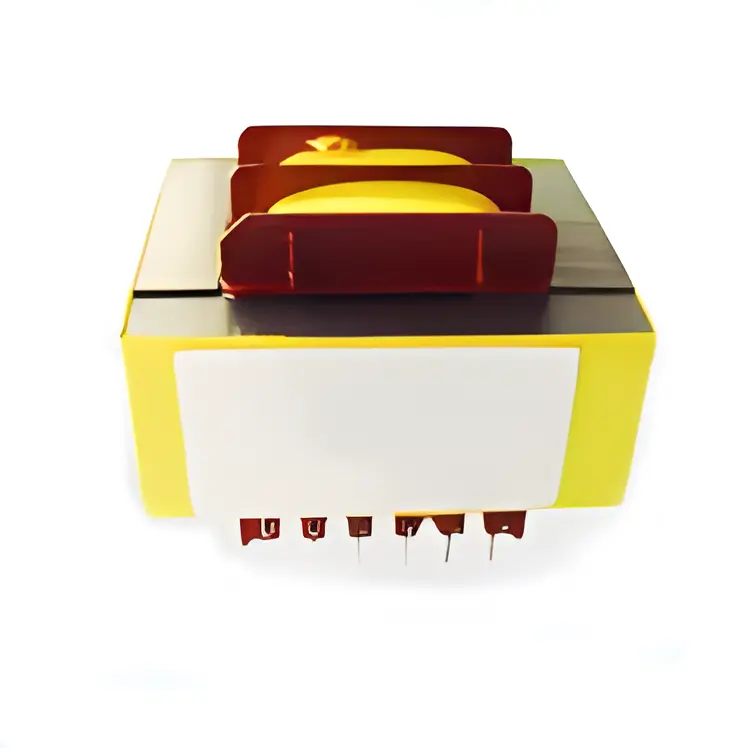 Low Frequency Transformers
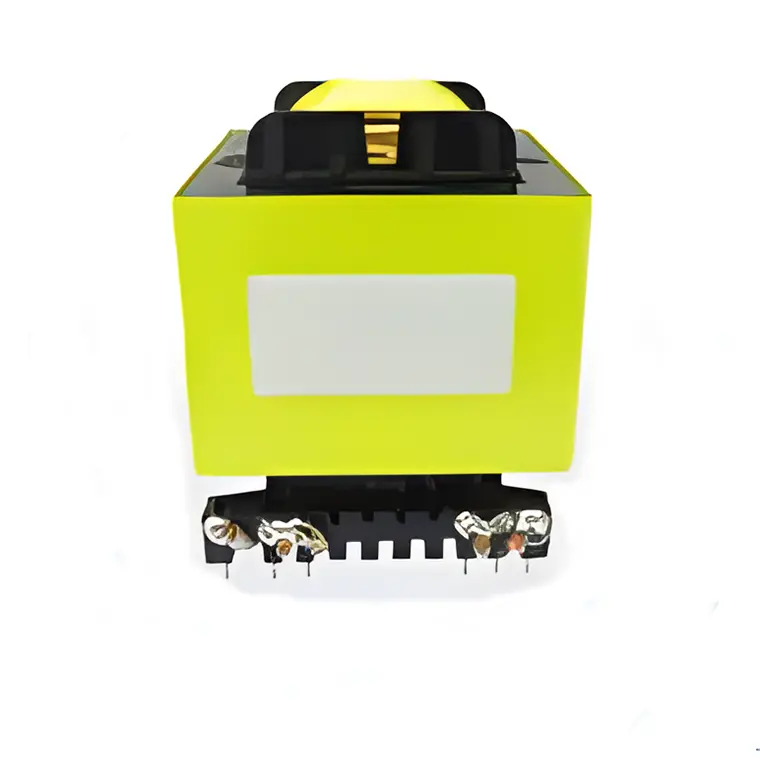 High Power Transformers
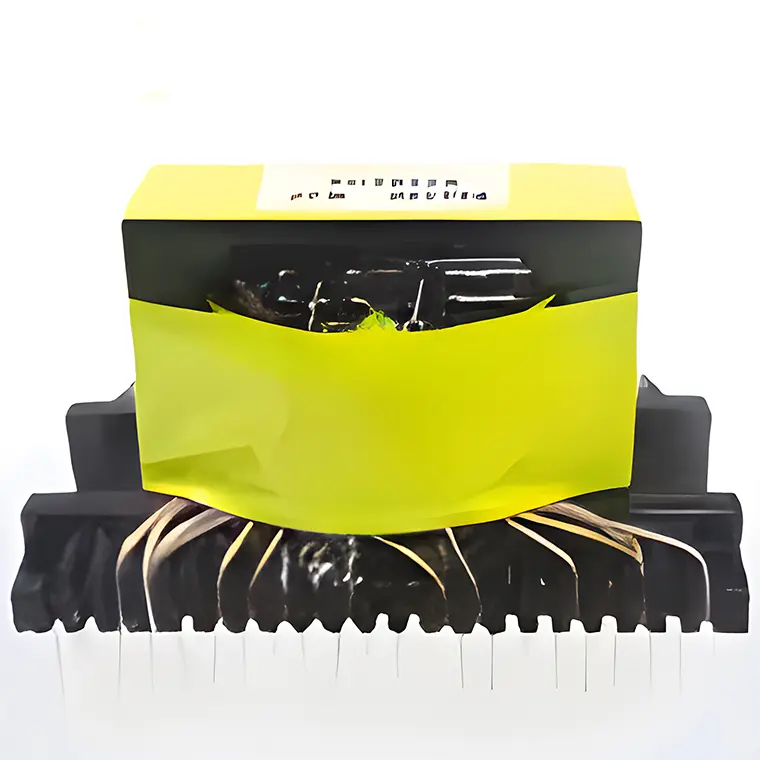 Conversion Transformers
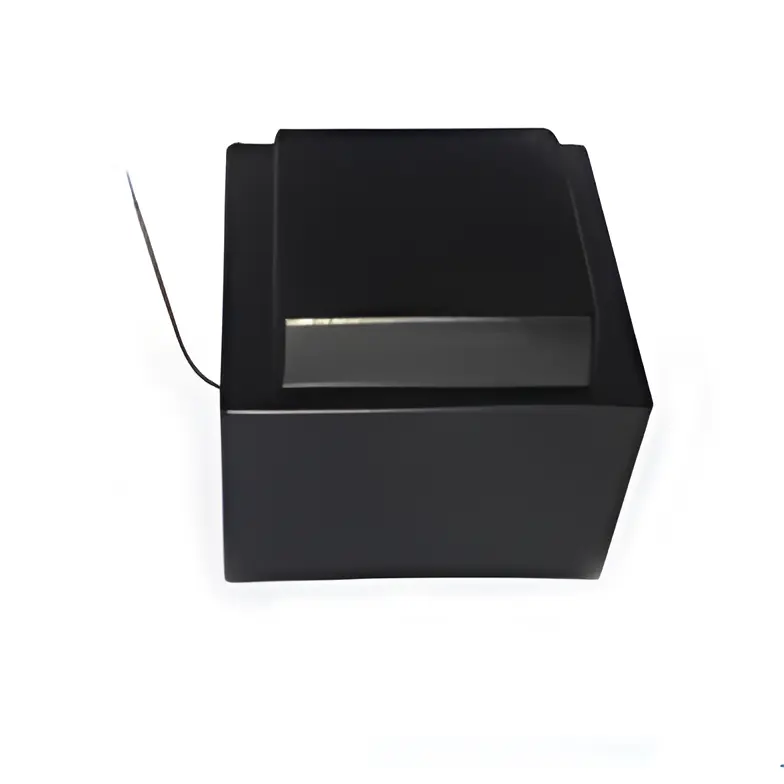 Sealed Transformers
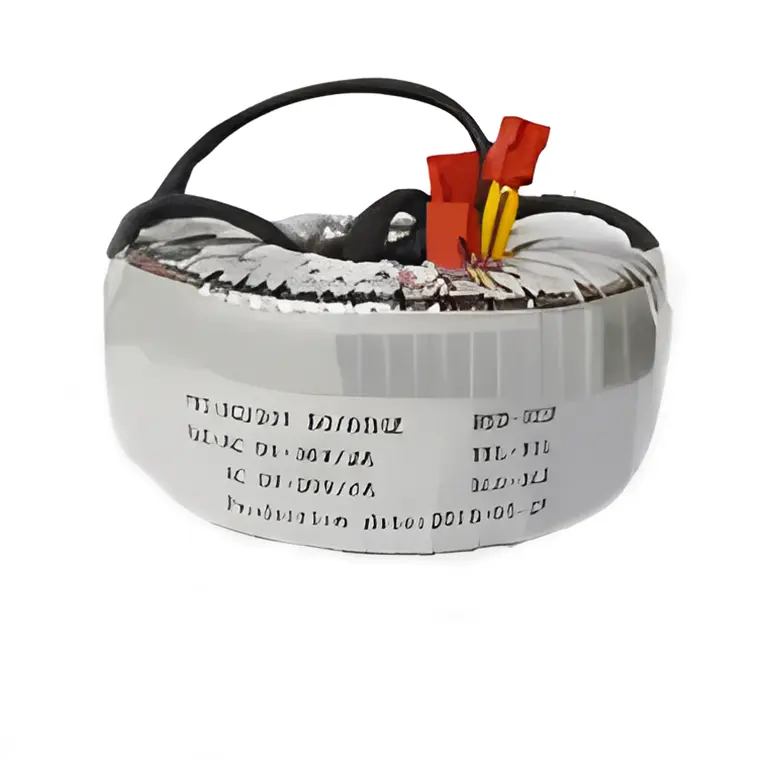 Ring Transformers
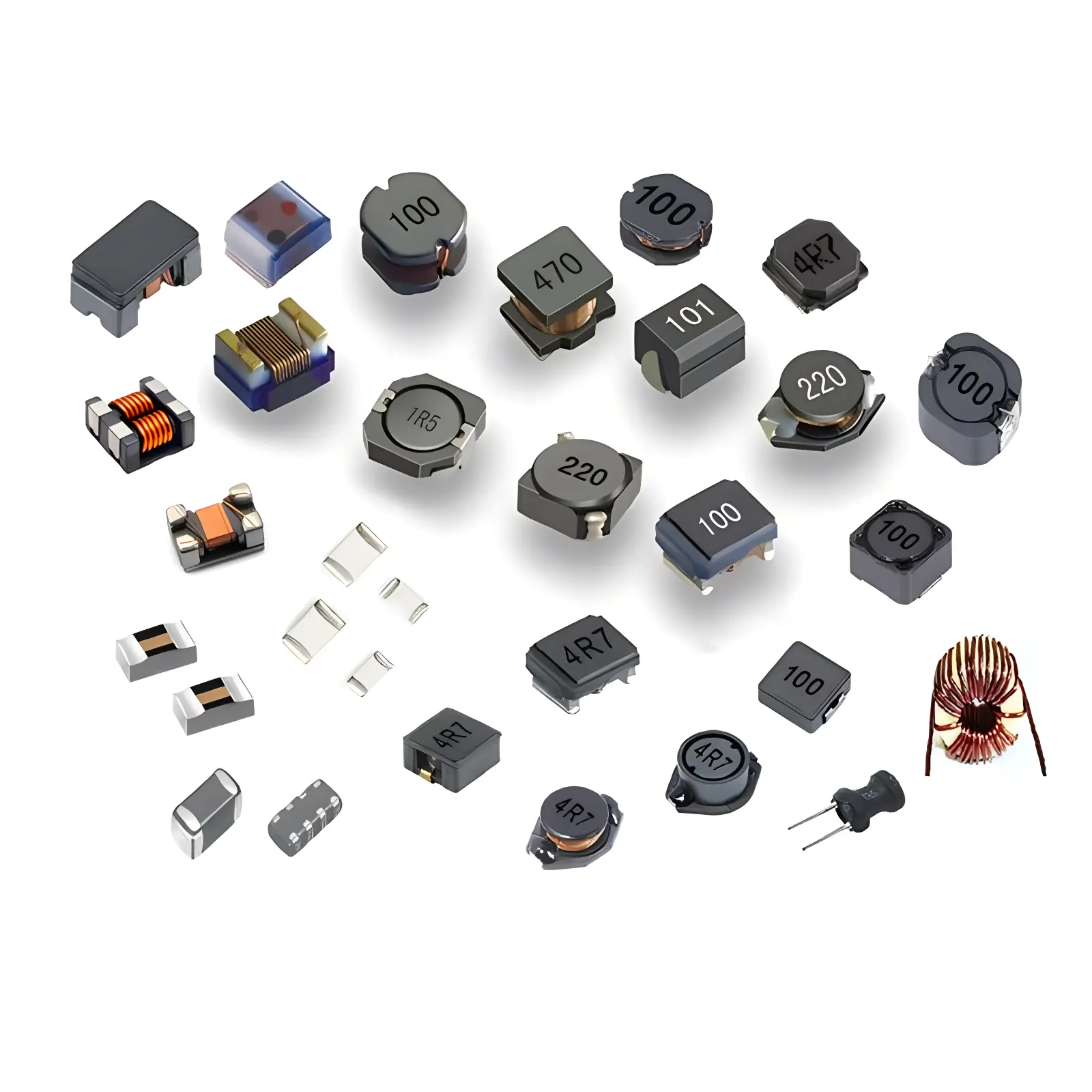 Inductors
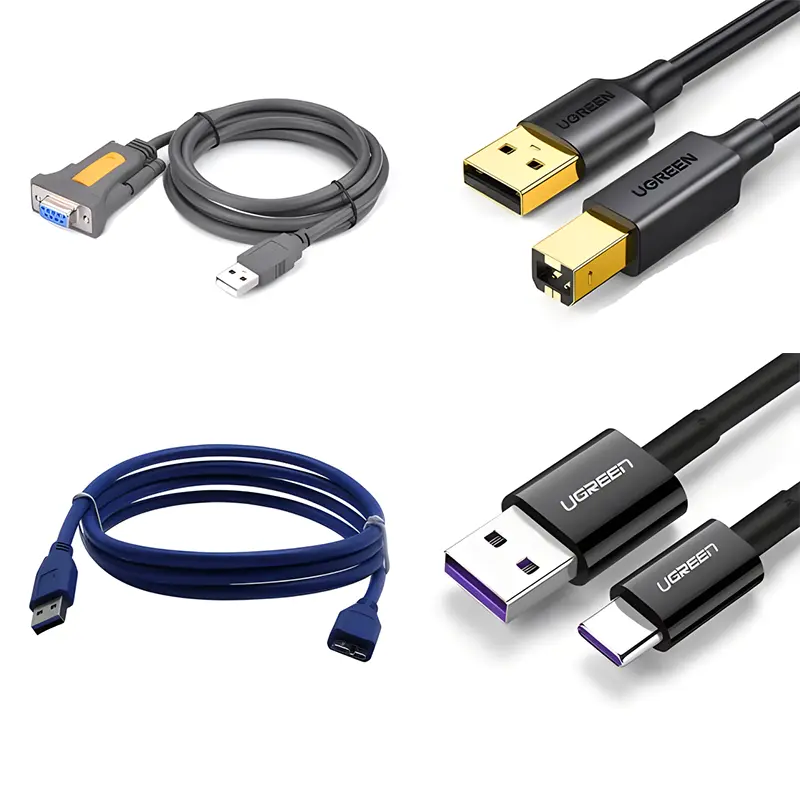 Wires,Cables Customized
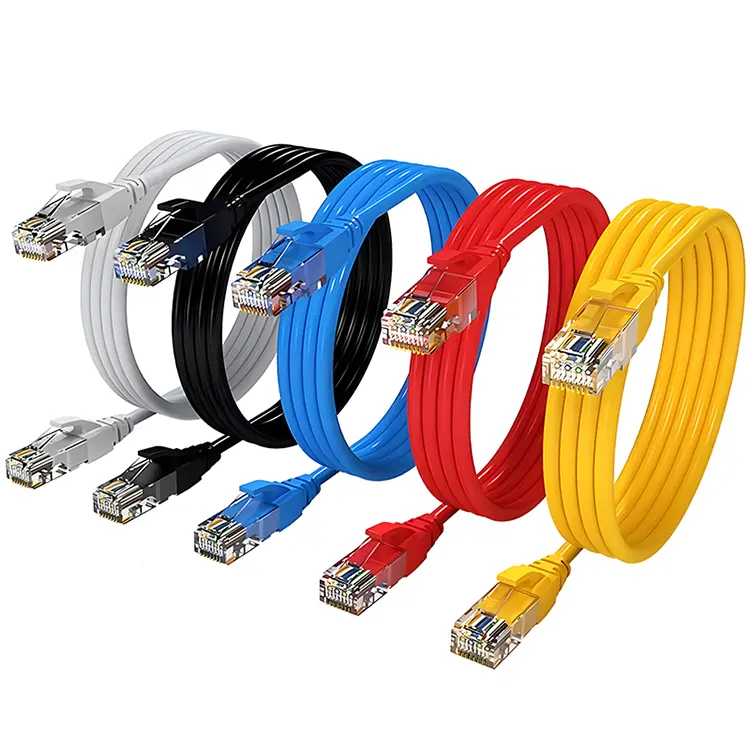 Network Cables
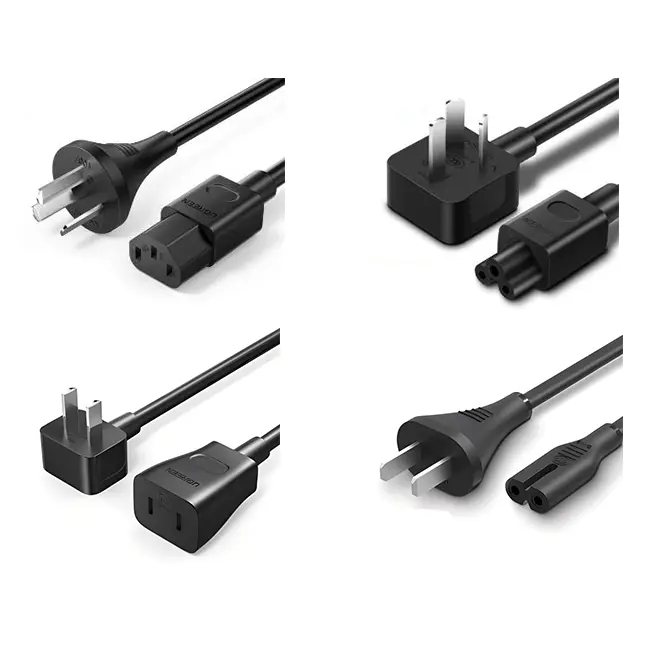 Power Cords
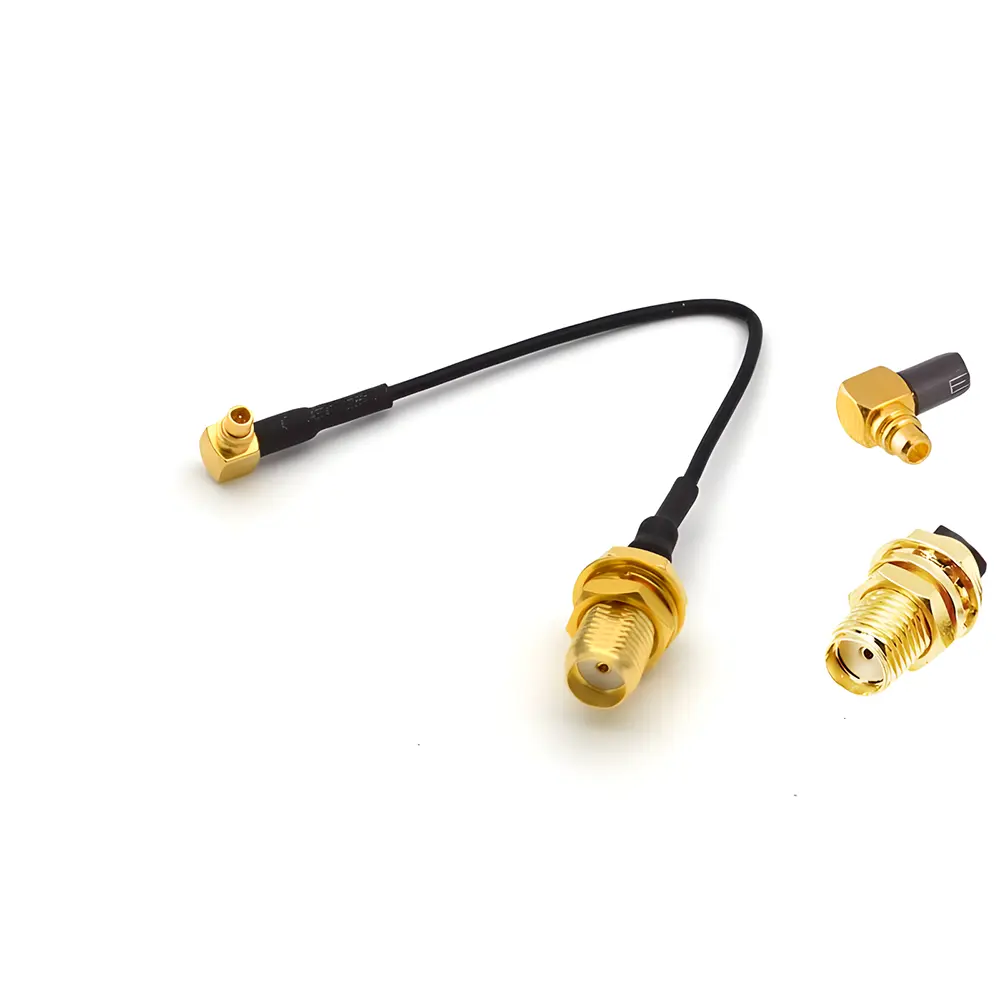 Antenna Cables
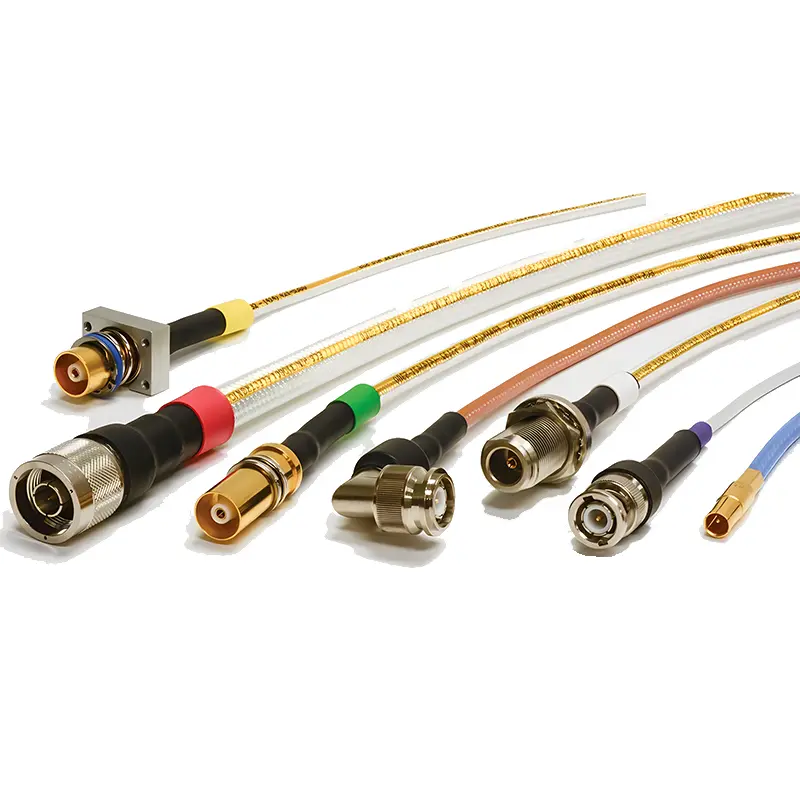 Coaxial Cables
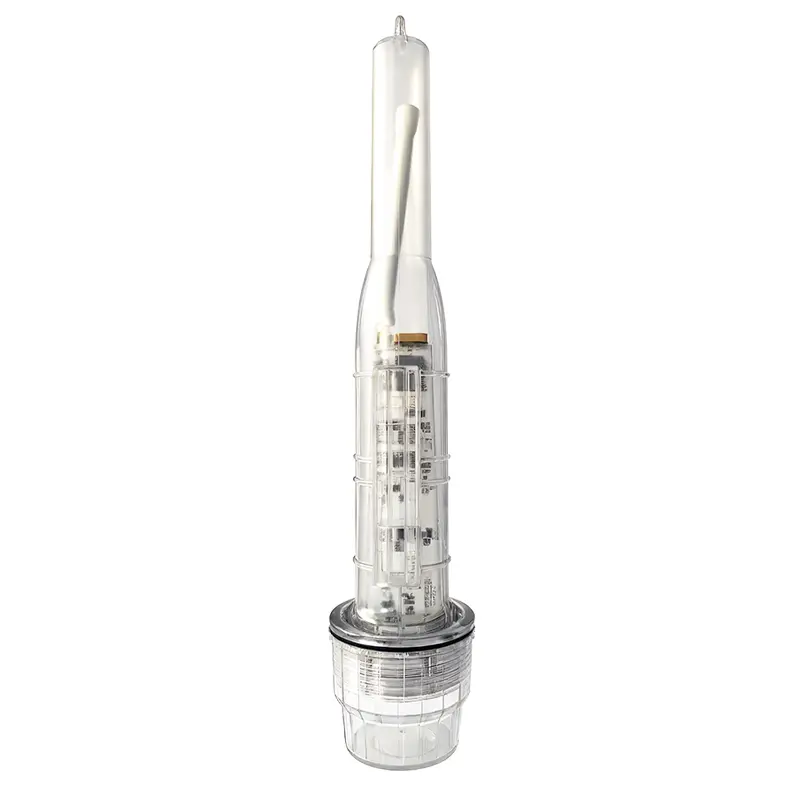 Net Position Indicator
 Solar AIS net position indicator
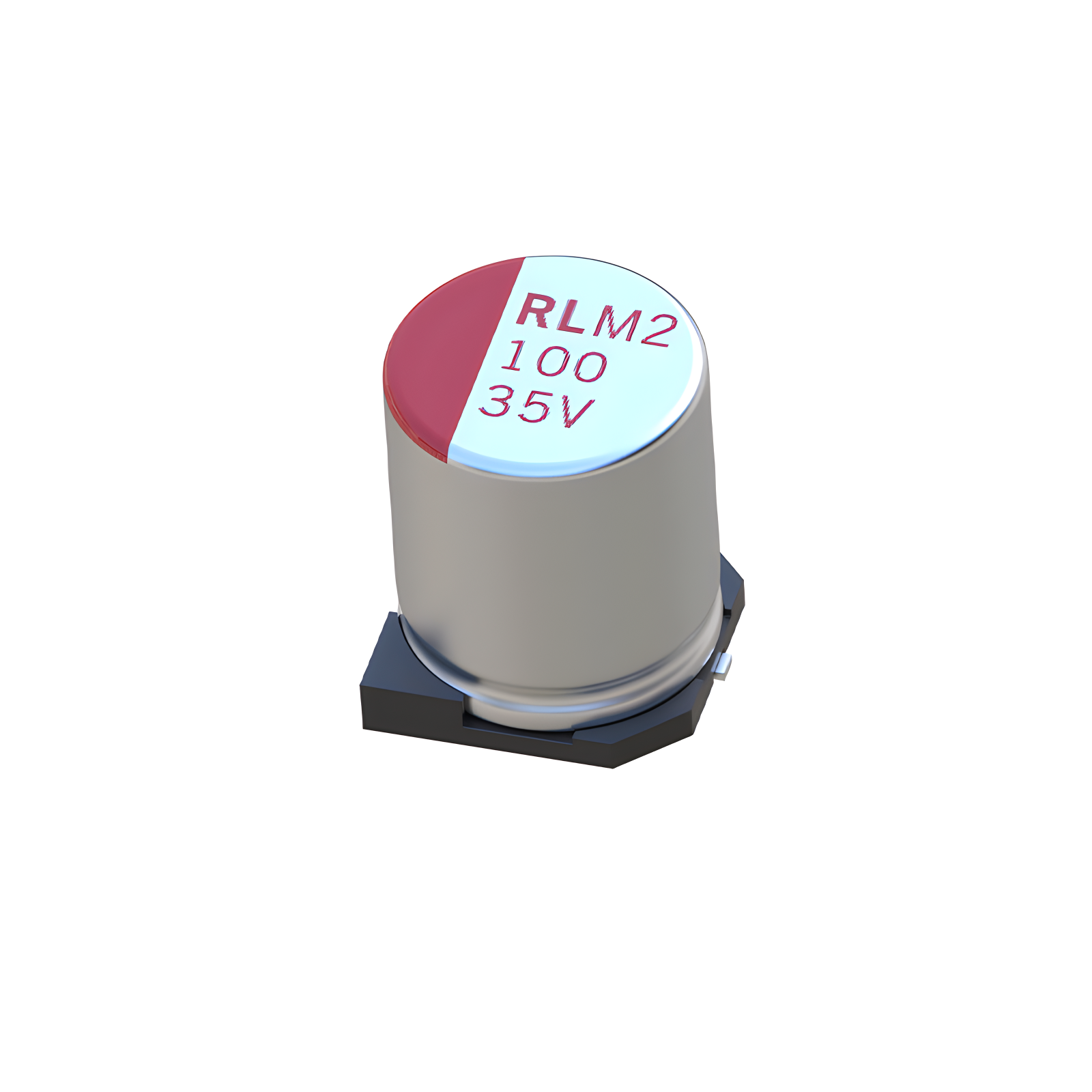 Capacitors
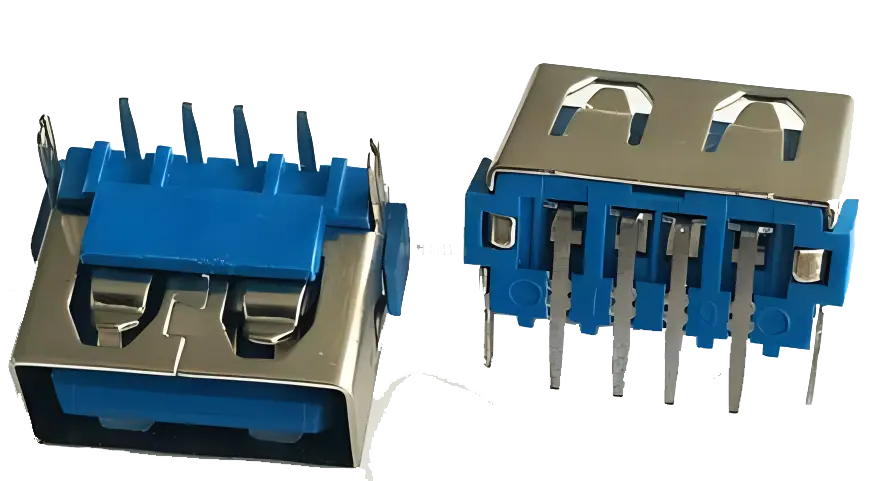 Connectors
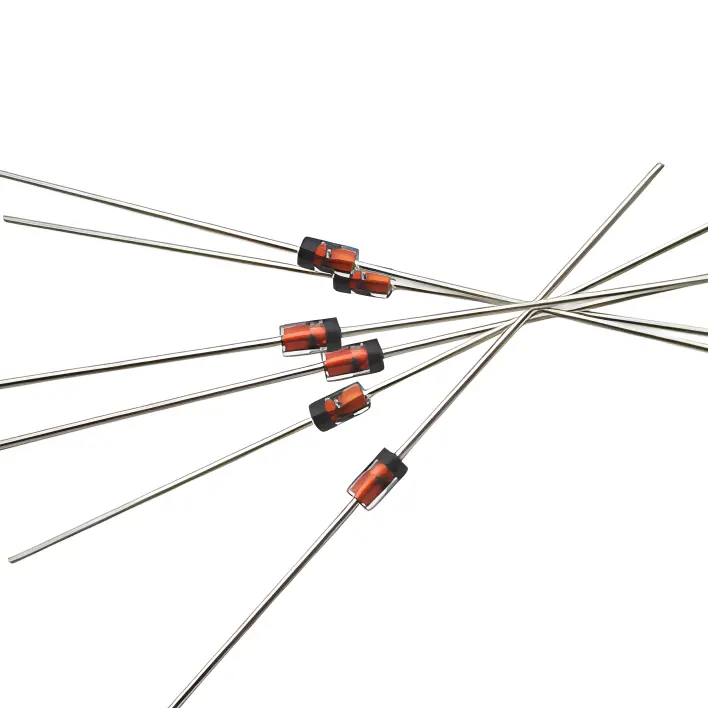 Diodes
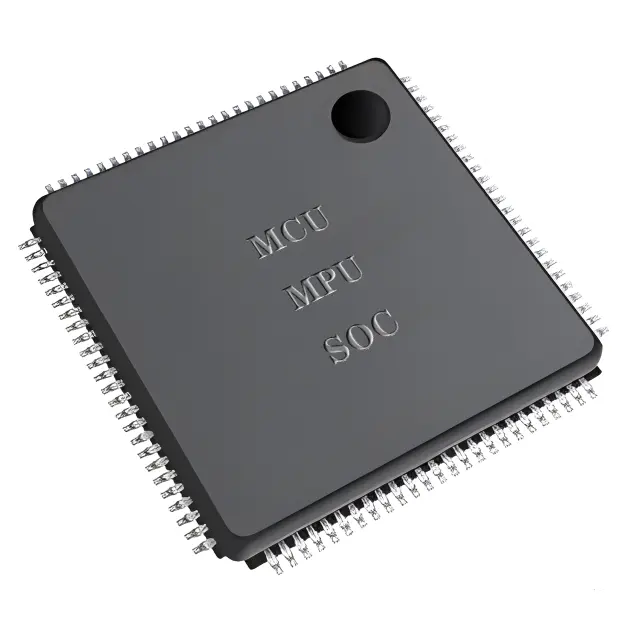 Embedded Processors & Controllers
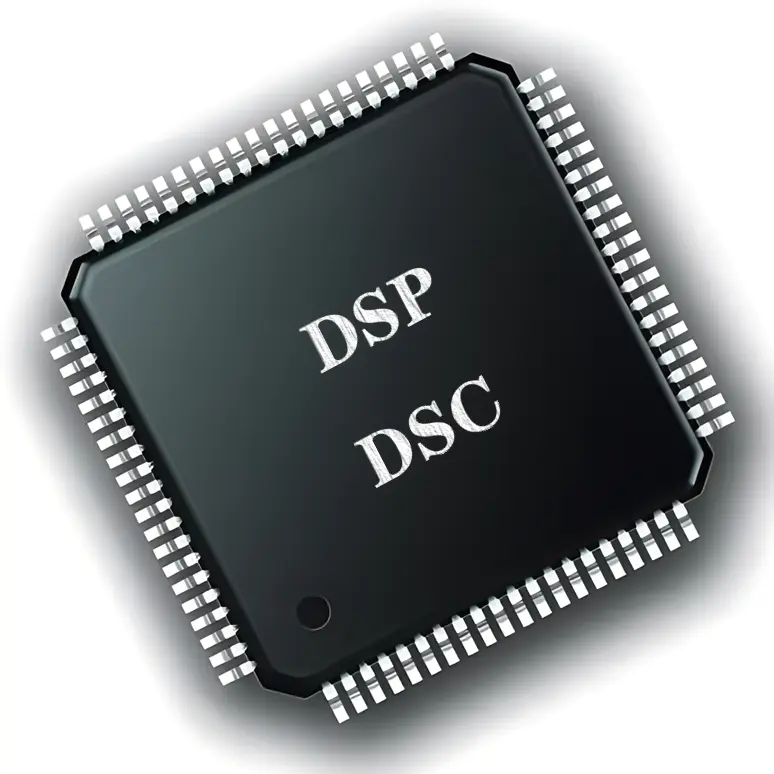 Digital Signal Processors (DSP/DSC)
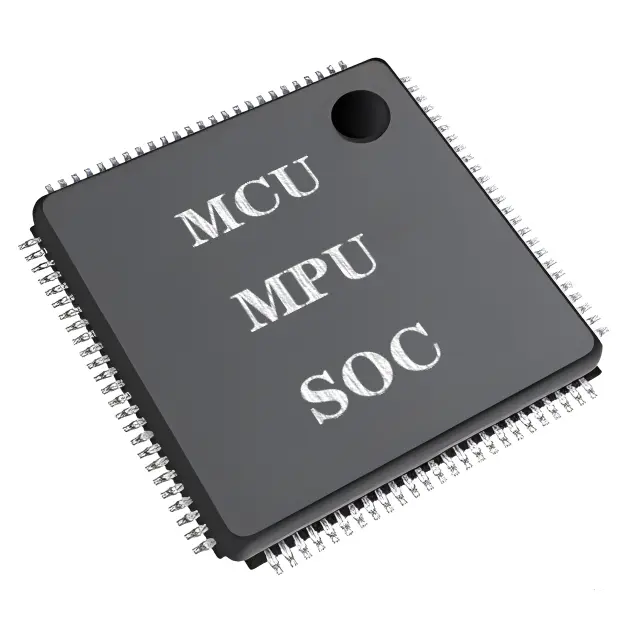 Microcontrollers (MCU/MPU/SOC)
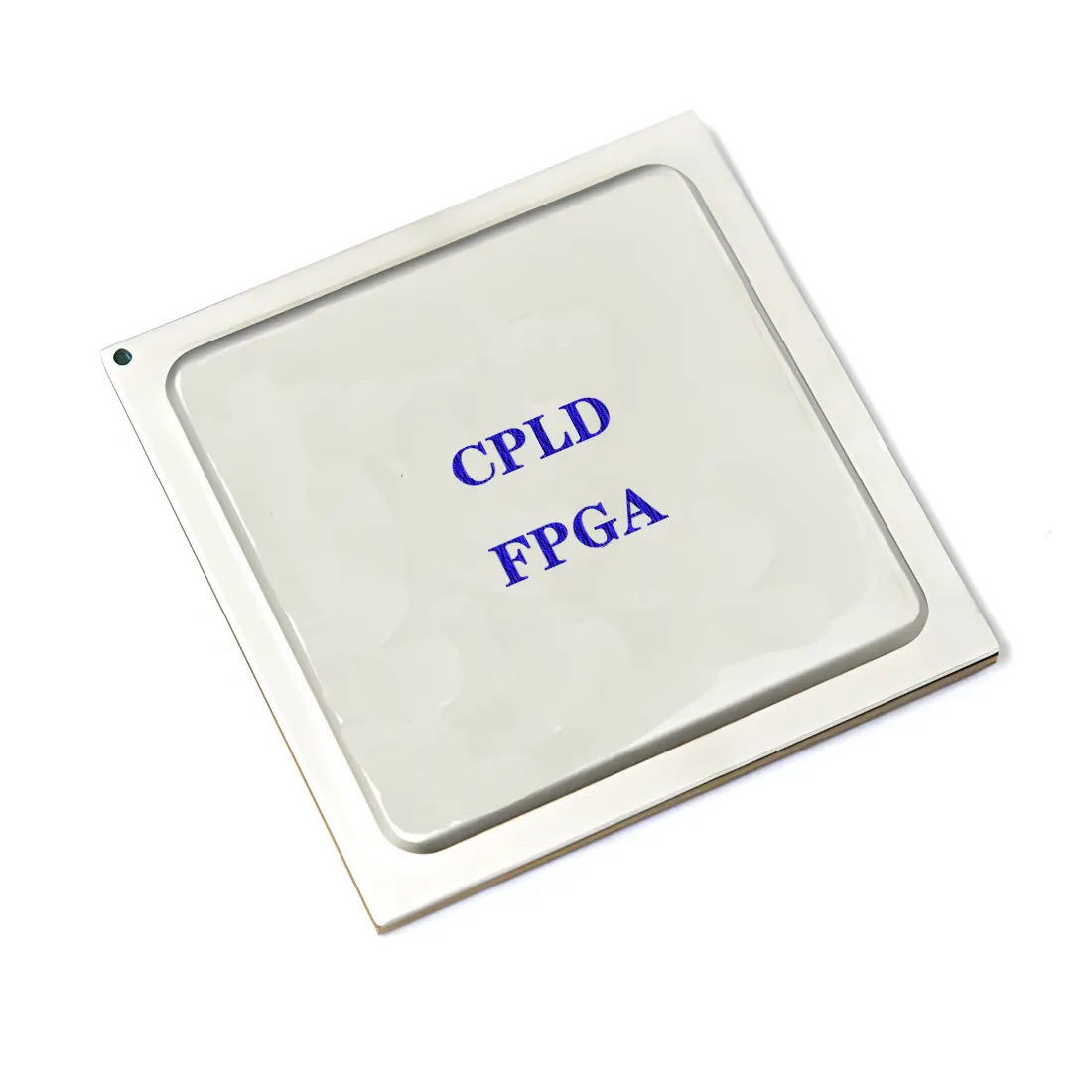 Programmable Logic Device(CPLD/FPGA)
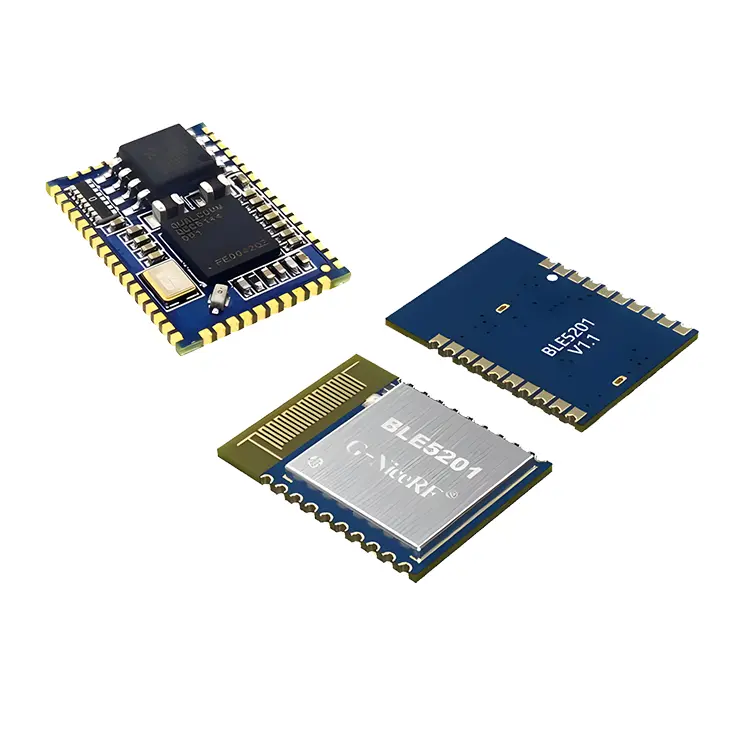 Communication Modules/IoT
 Resistors
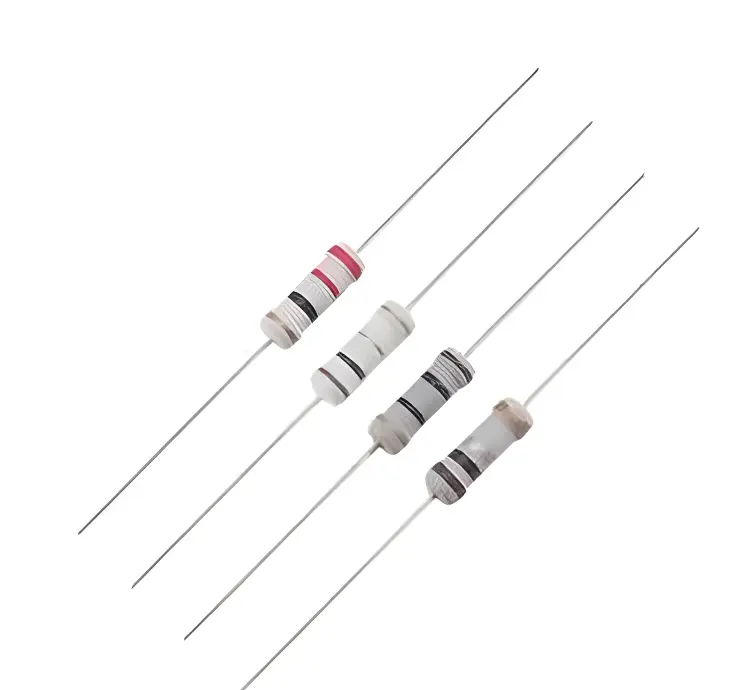 Through Hole Resistors
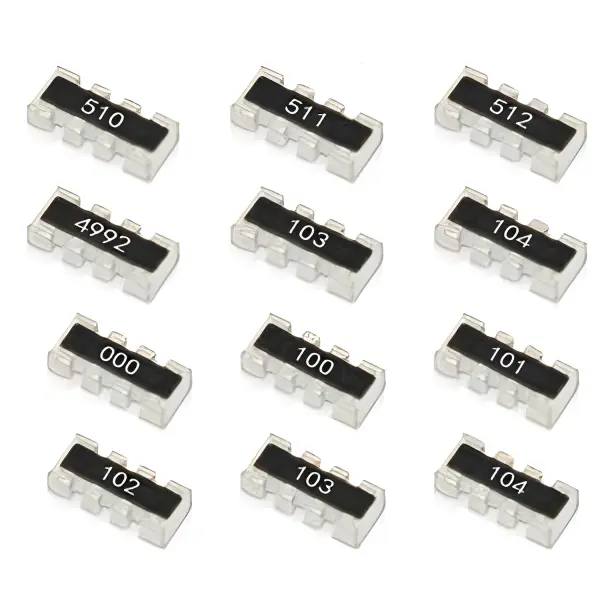 Resistor Networks, Arrays
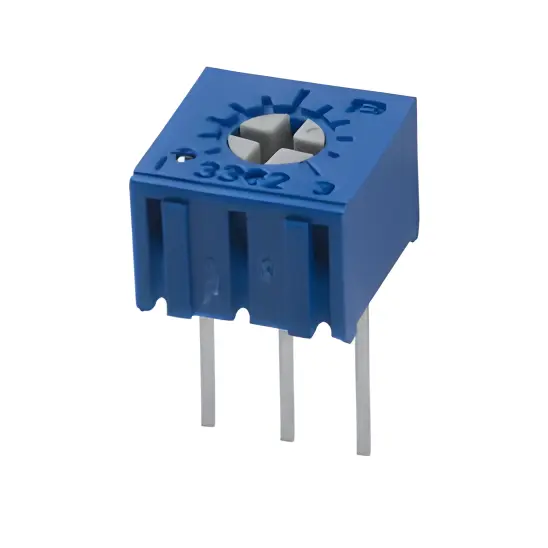 Potentiometers,Variable Resistors
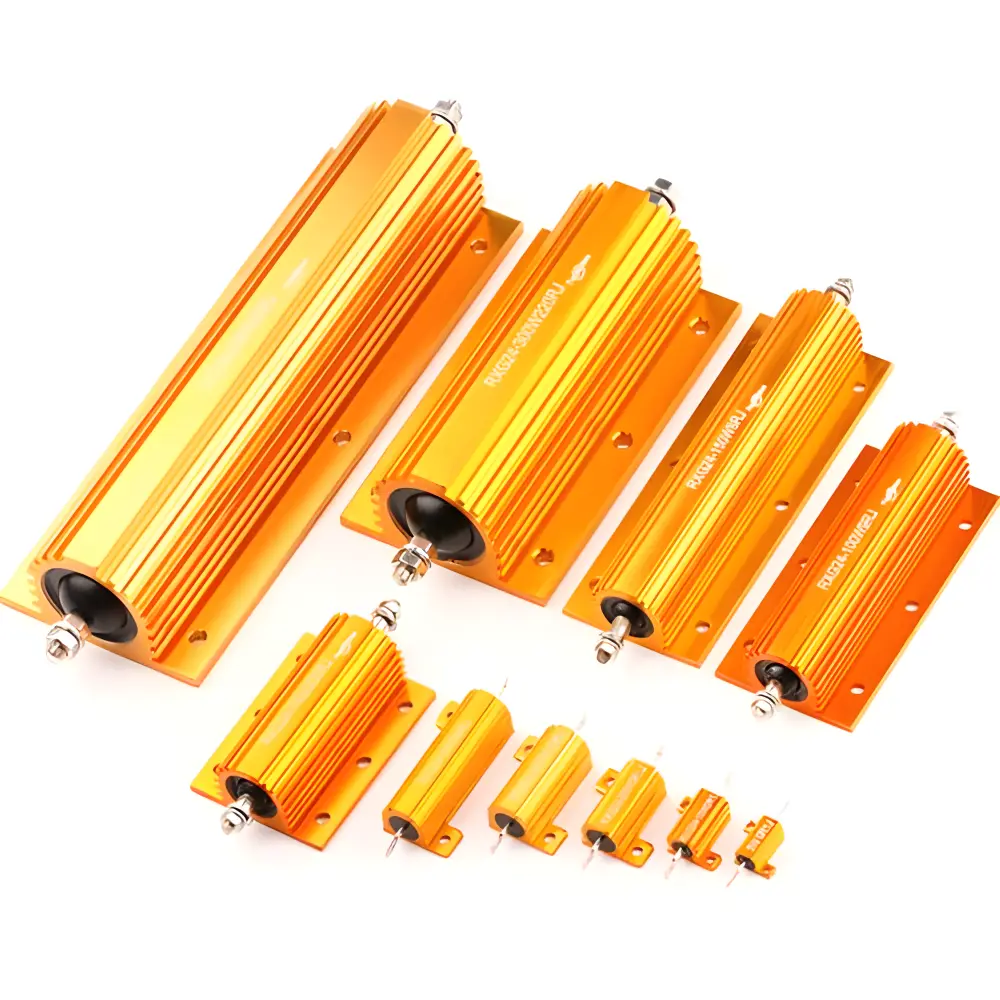 Aluminum Case,Porcelain Tube Resistance
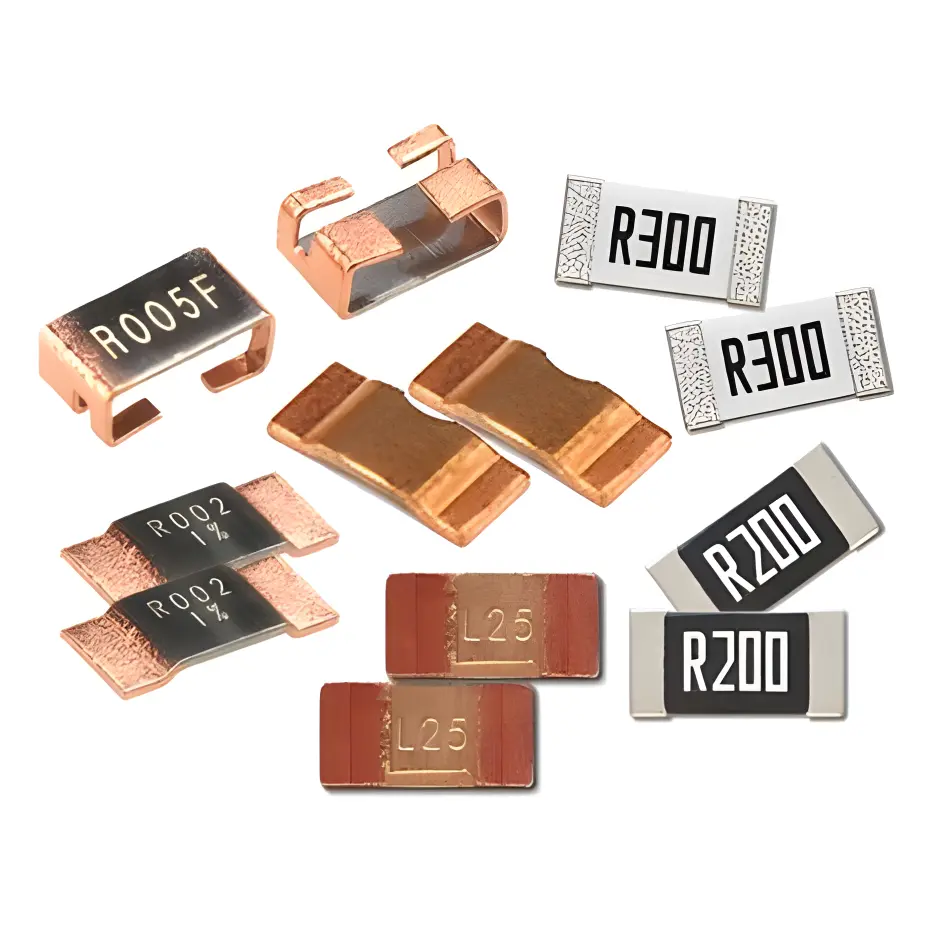 Current Sense Resistors,Shunt Resistors
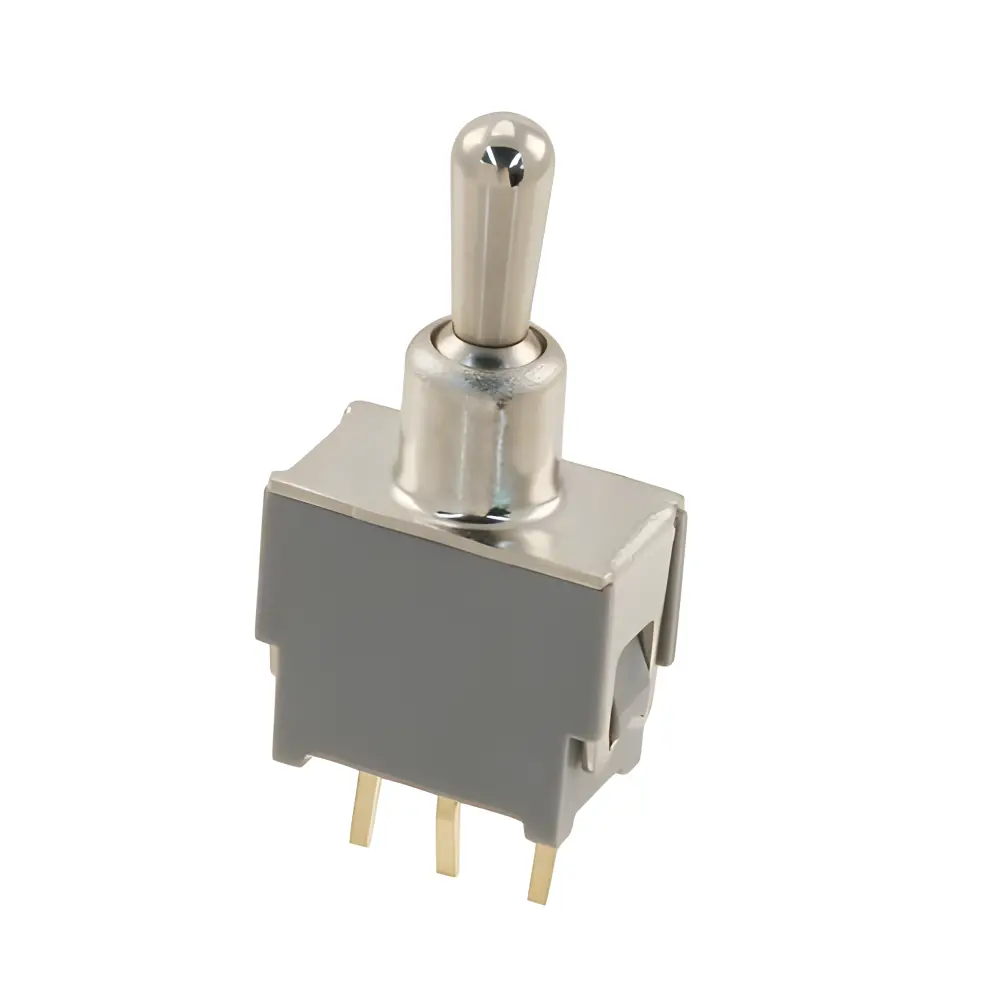 Switches
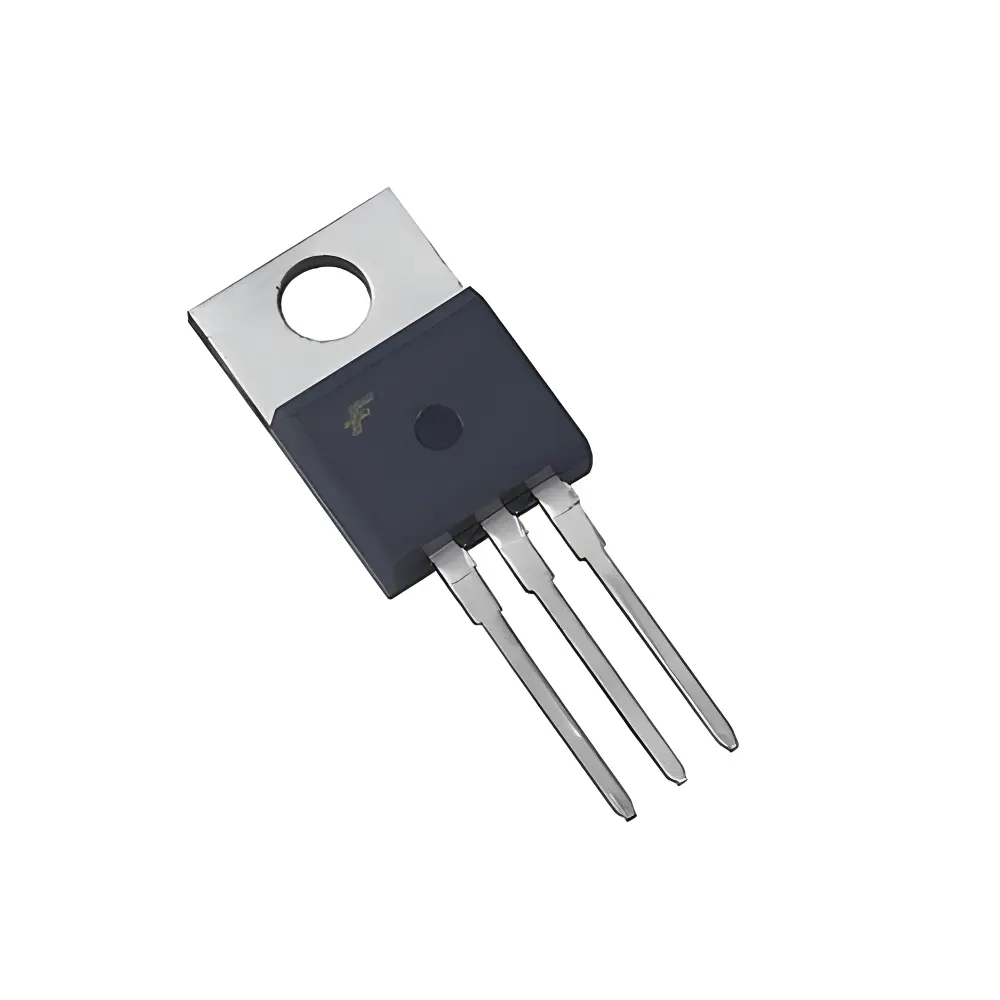 Transistors
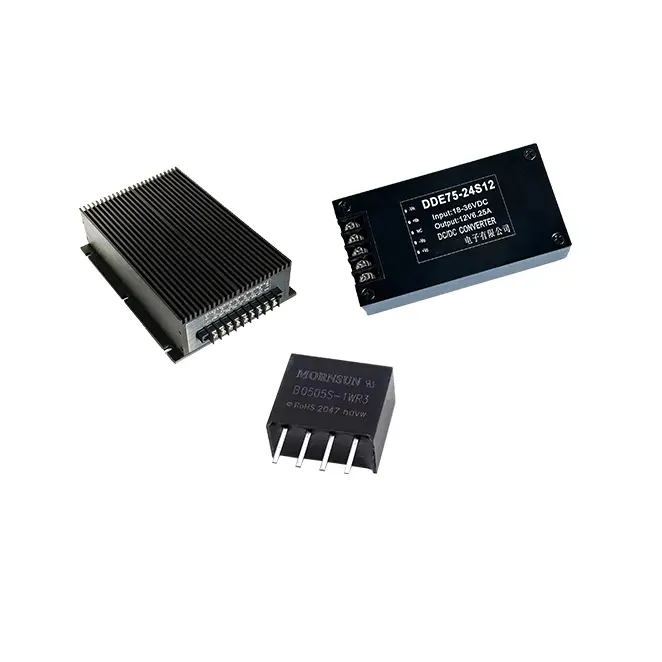 Power Modules
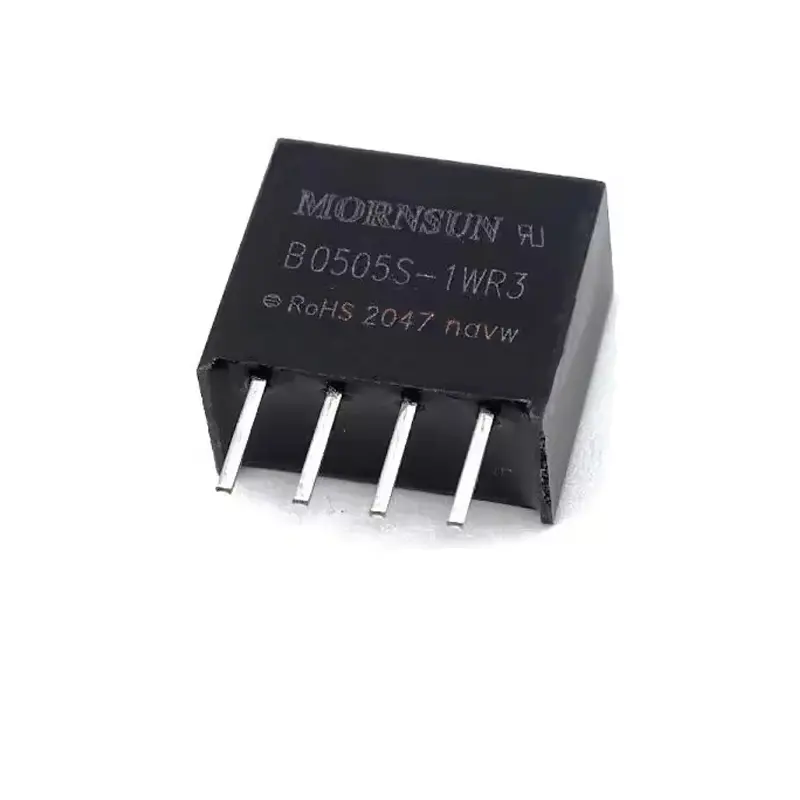 Isolated Power Modules
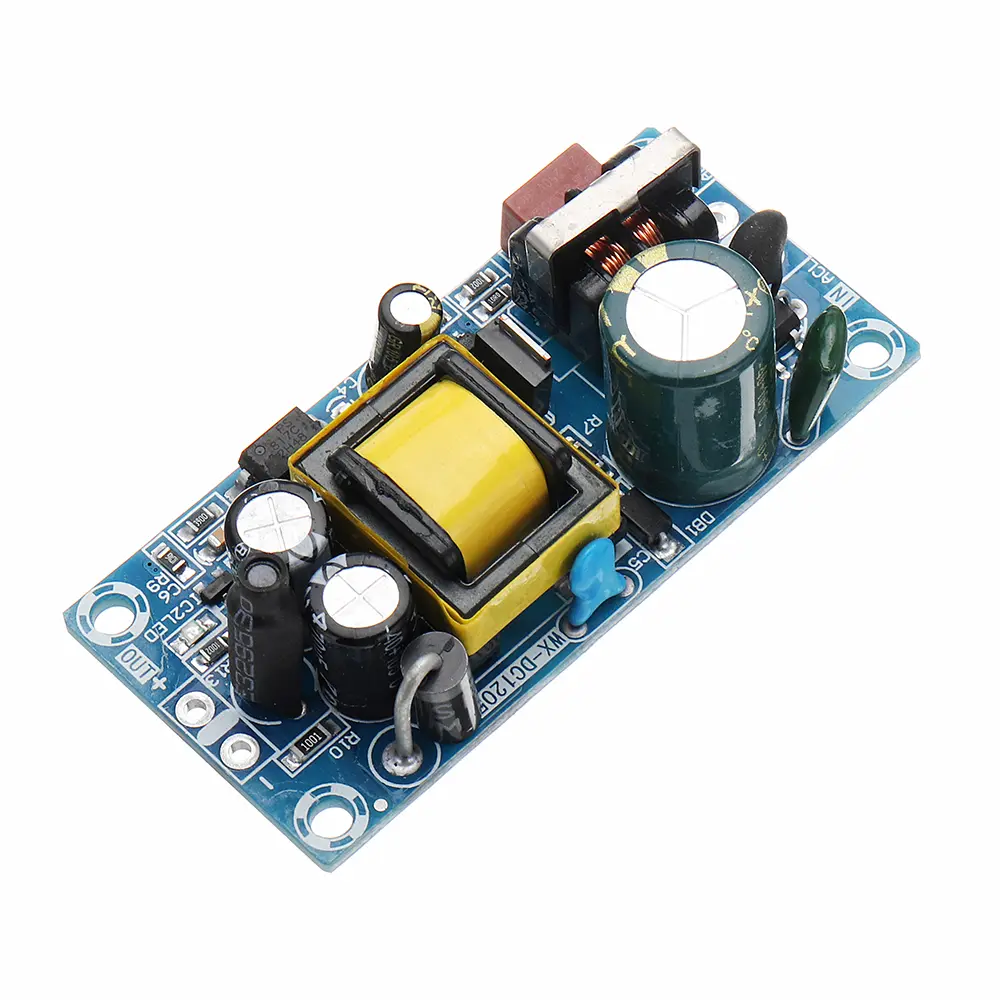 AC-DC Power Modules
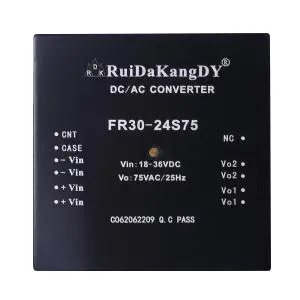 DC-AC Module(Inverter)
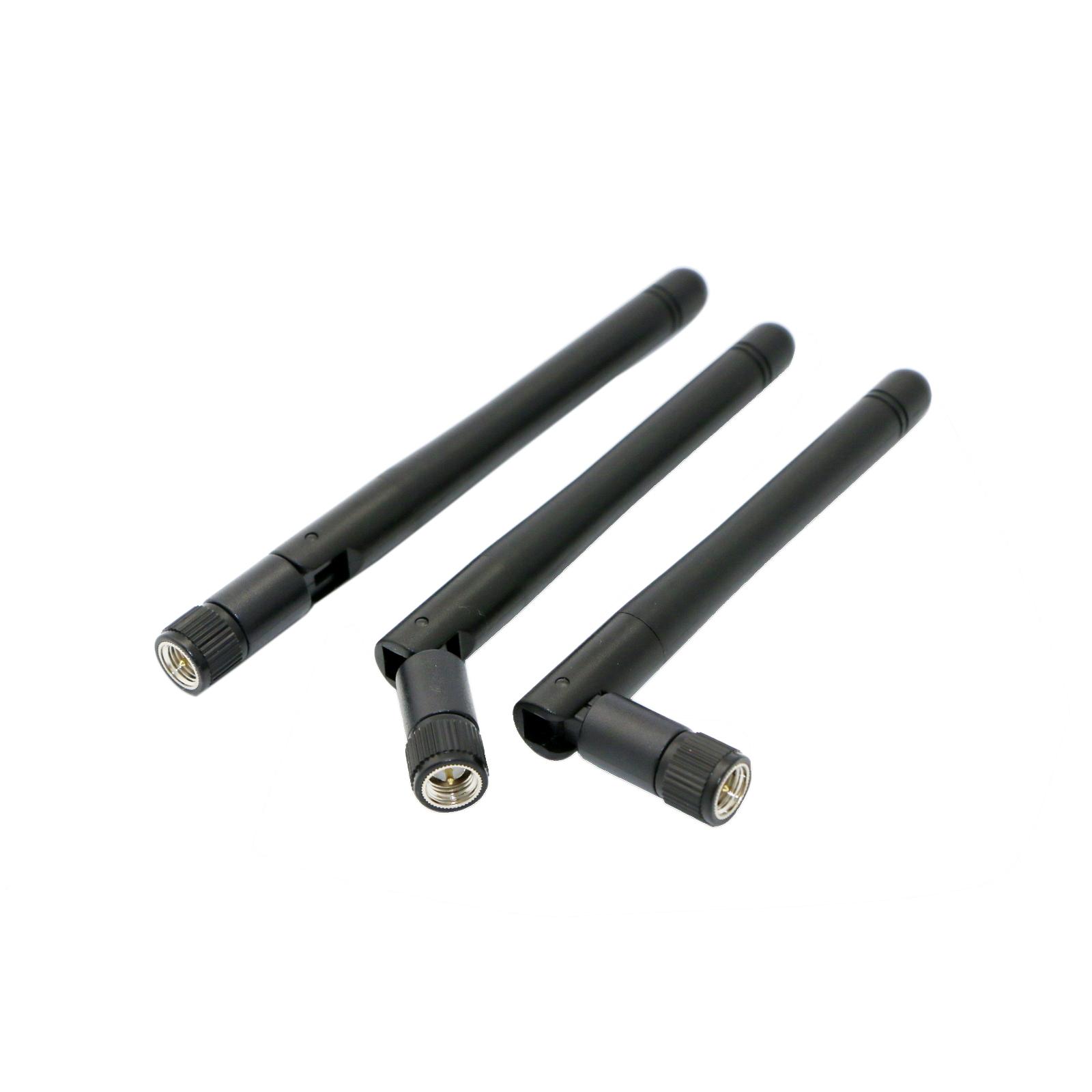 RF and Wireless
Lithium Ion Capacitor
Lithium Ion Capacitor,also known as LIC, is a new type of energy storage device that falls between superCapacitors and secondary batteries. Below is a detailed introduction to Lithium Ion Capacitors:

I. Working Principle
The working principle of Lithium Ion Capacitors combines the characteristics of lithium-ion batteries and supercapacitors. During charging, lithium ions in the electrolyte are absorbed into the graphite (carbon material) of the negative electrode, while anions (such as BF4- or PF6-) in the electrolyte are doped into the activated carbon of the positive electrode. On the suRFace of the activated carbon in the positive electrode, anions and cations together form a double electric layer, creating a storage structure. During discharging, lithium ions are released from the graphite of the negative electrode into the electrolyte, while anions are released from the positive electrode, forming a current.
II. Structure and Manufacturing
The structure of Lithium Ion Capacitors typically includes a positive electrode, a negative electrode, a separator, and an electrolyte. The positive electrode is generally made by mixing activated carbon with a binder, while the negative electrode uses carbon materials such as graphite. The separator is used to isolate the positive and negative electrodes to prevent short circuits. The electrolyte is filled inside the cell and provides a medium for lithium ion transport.
In the manufacturing process, activated carbon and a binder are first mixed into a paste, wrapped in aluminum foil, and dried to complete the positive electrode sheet. The negative electrode sheet is made by mixing graphite or other carbon materials with a binder, wrapped in copper foil, and dried. Then, the positive electrode sheet, negative electrode sheet, and separator are rolled together to complete the cell. Finally, the cell is inserted into an aluminum foil container or metal can, filled with electrolyte, and the opening is sealed to complete the energy storage device.
III. Performance Characteristics
High Energy Density: Lithium Ion Capacitors inherit the high energy density of lithium-ion batteries while possessing the long lifespan and low internal resistance of supercapacitors. This allows them to store more energy in the same volume or weight.
Fast Charging and Discharging: Lithium Ion Capacitors have excellent charging and discharging performance, completing the charging and discharging processes in a short time. This makes them suitable for applications requiring rapid response and high power output.
Wide Temperature Range: Lithium Ion Capacitors maintain stable performance in both high and low temperature environments, allowing them to operate normally in various harsh conditions.
High Safety: Due to the use of oxygen-free activated carbon as the positive electrode material, even if an abnormality occurs and the temperature of the individual cell rises, the positive electrode does not produce oxygen, thus reducing the likelihood of a chain heating reaction.
Environmentally Friendly: Lithium Ion Capacitors do not contain heavy metals that can pollute the environment, making them an environmentally friendly energy storage device.
Minintel can provide customized components according to specific customer requirements. We specialize in providing PCB prototypes and bulk assembly. Our turnkey services include PCB manufacturing, component procurement, PCB assembly prototyping, and PCB testing. At Minintel, a variety of first-class equipment and strict quality control system help us provide you with high-quality products!