
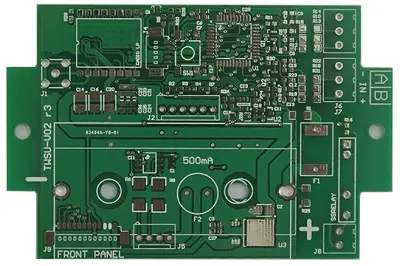
 PCB
PCB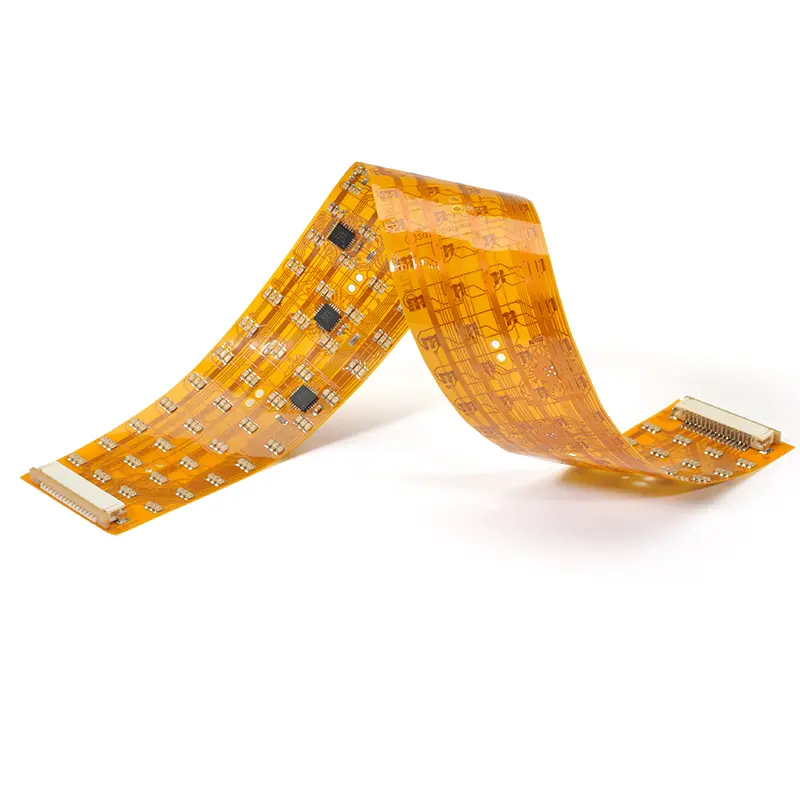 FPC
FPC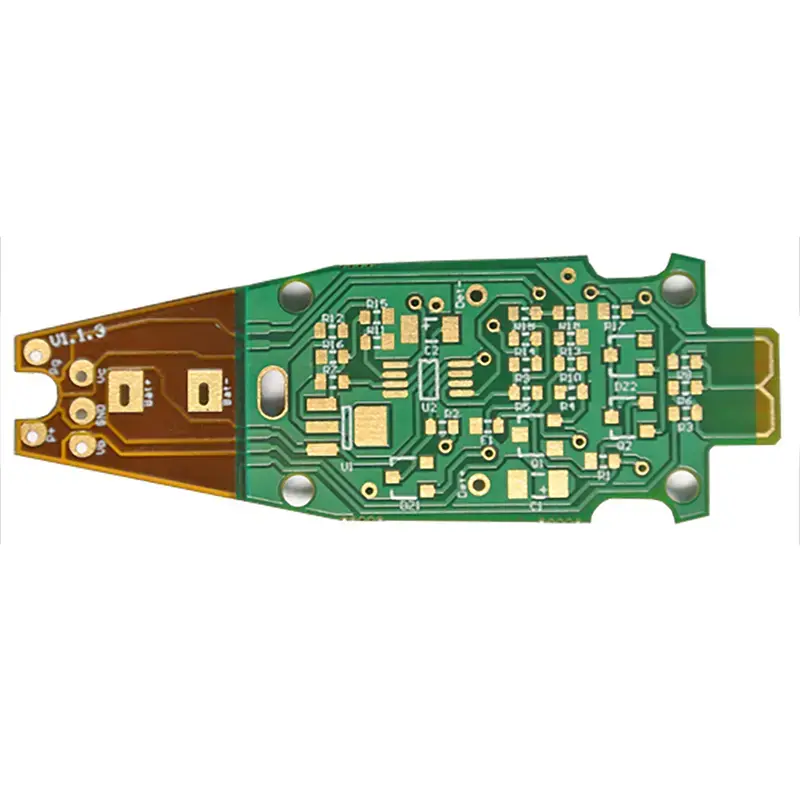 Rigid-Flex
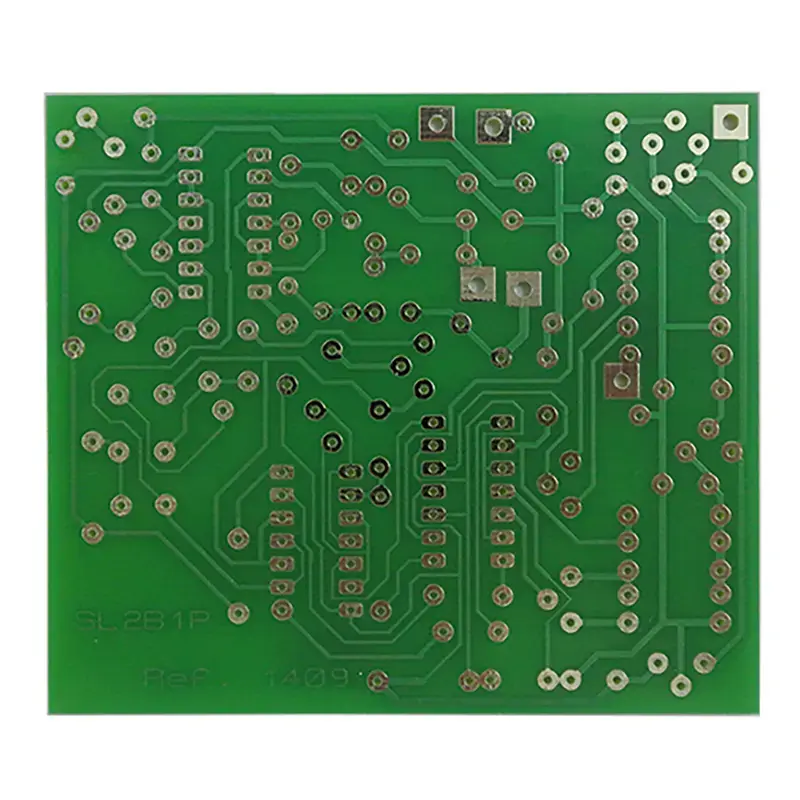 FR-4
FR-4 HDI PCB
 Rogers High-Frequency Board
 PTFE Teflon High-Frequency Board
 Aluminum
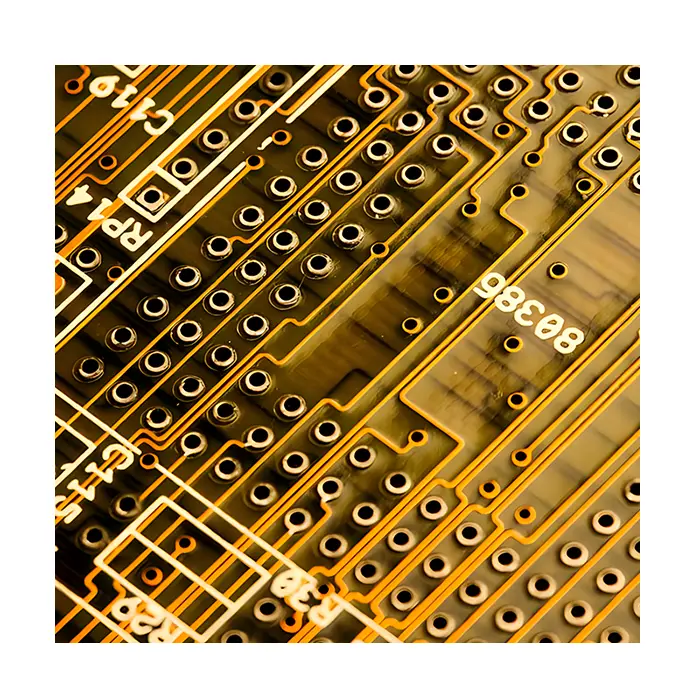 Copper Core
 PCB Assembly
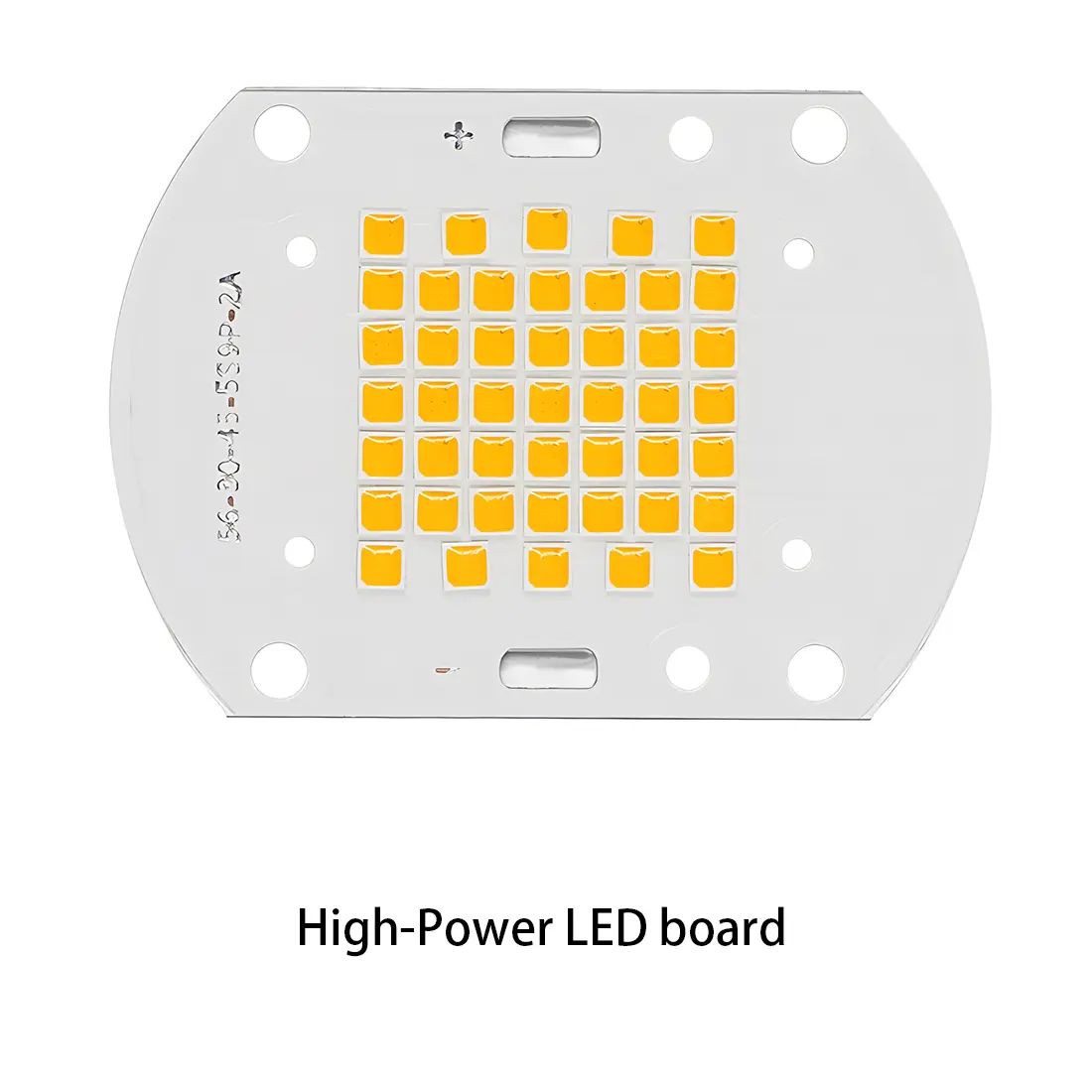 LED light PCBA
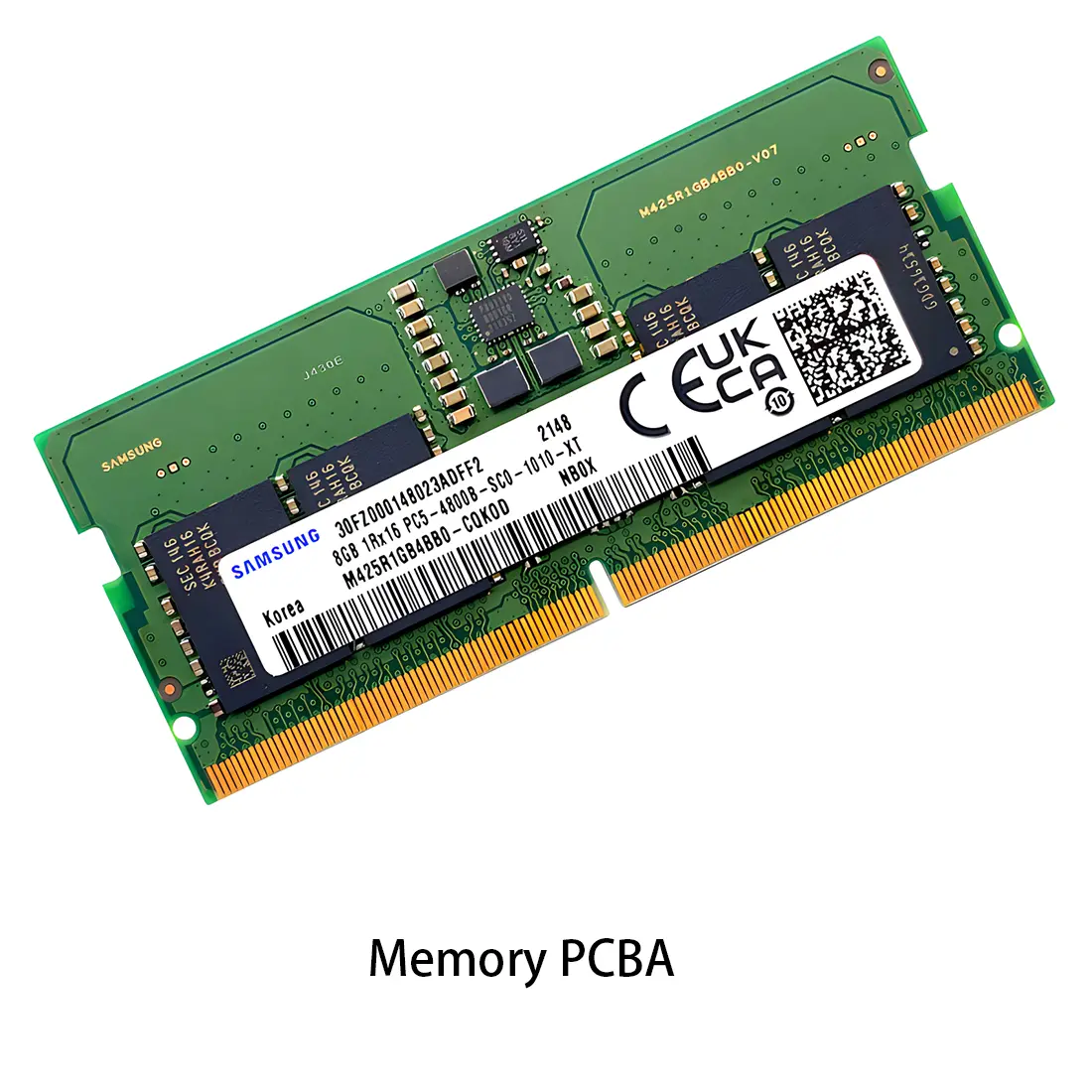 Memory PCBA
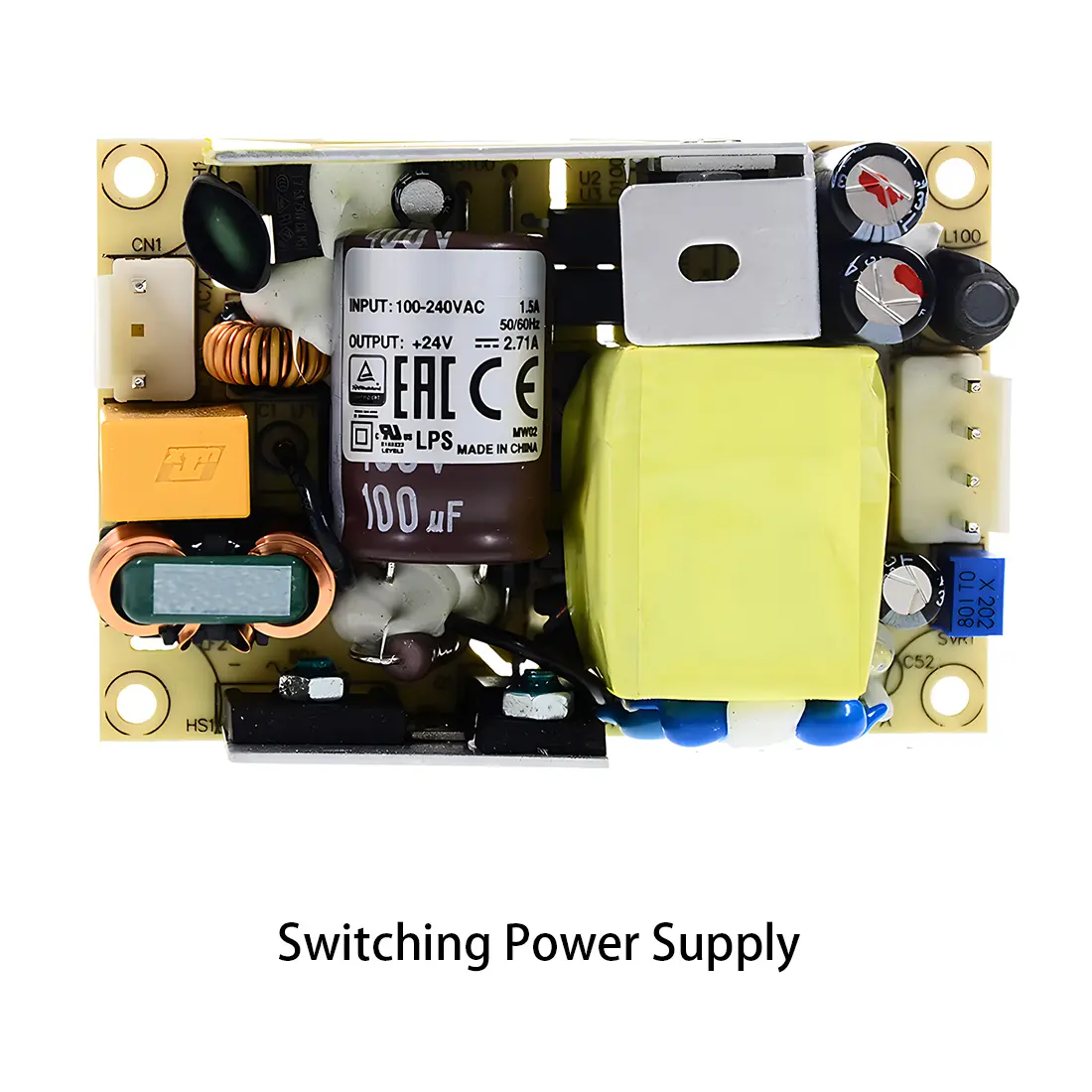 Power Supply PCBA
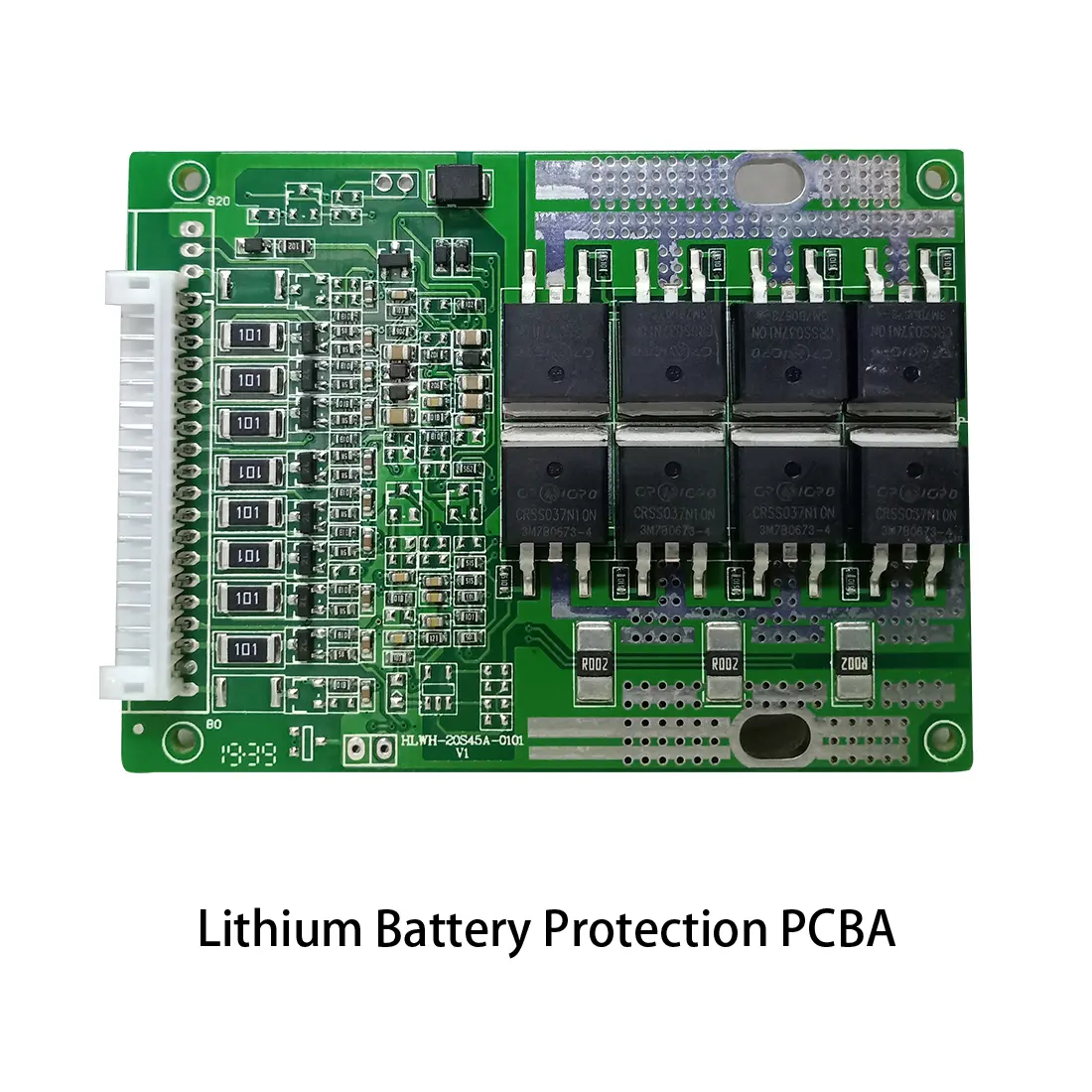 New Energey PCBA
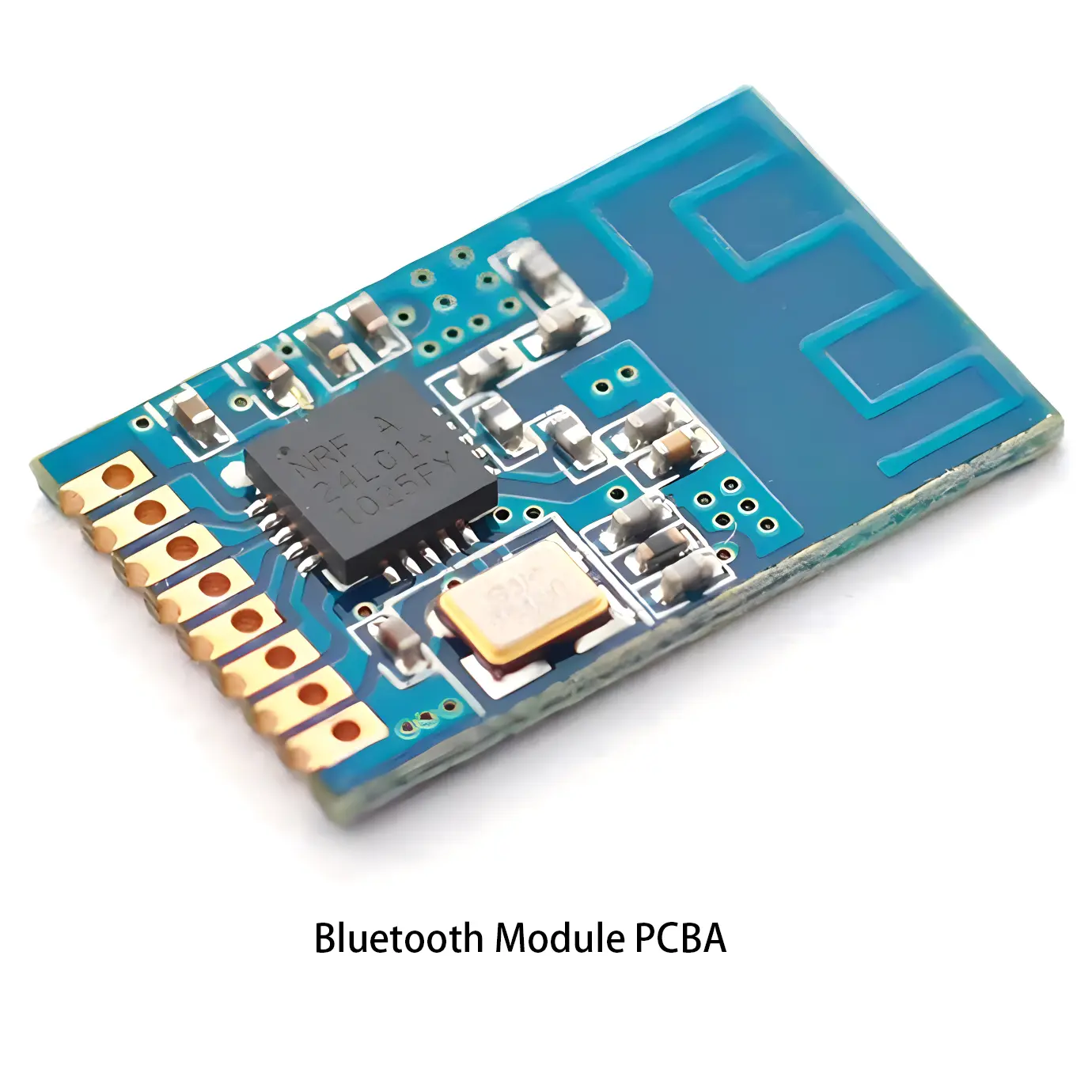 Communication PCBA
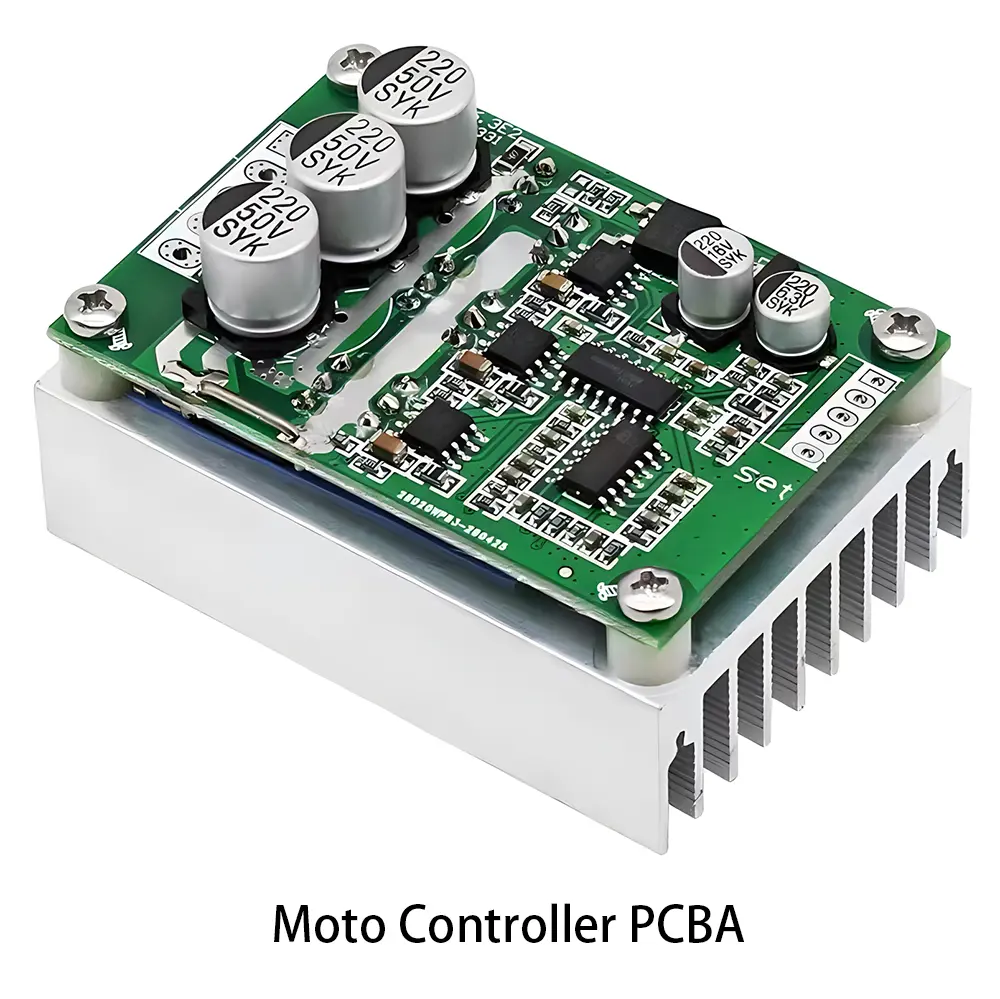 Industrial Control PCBA
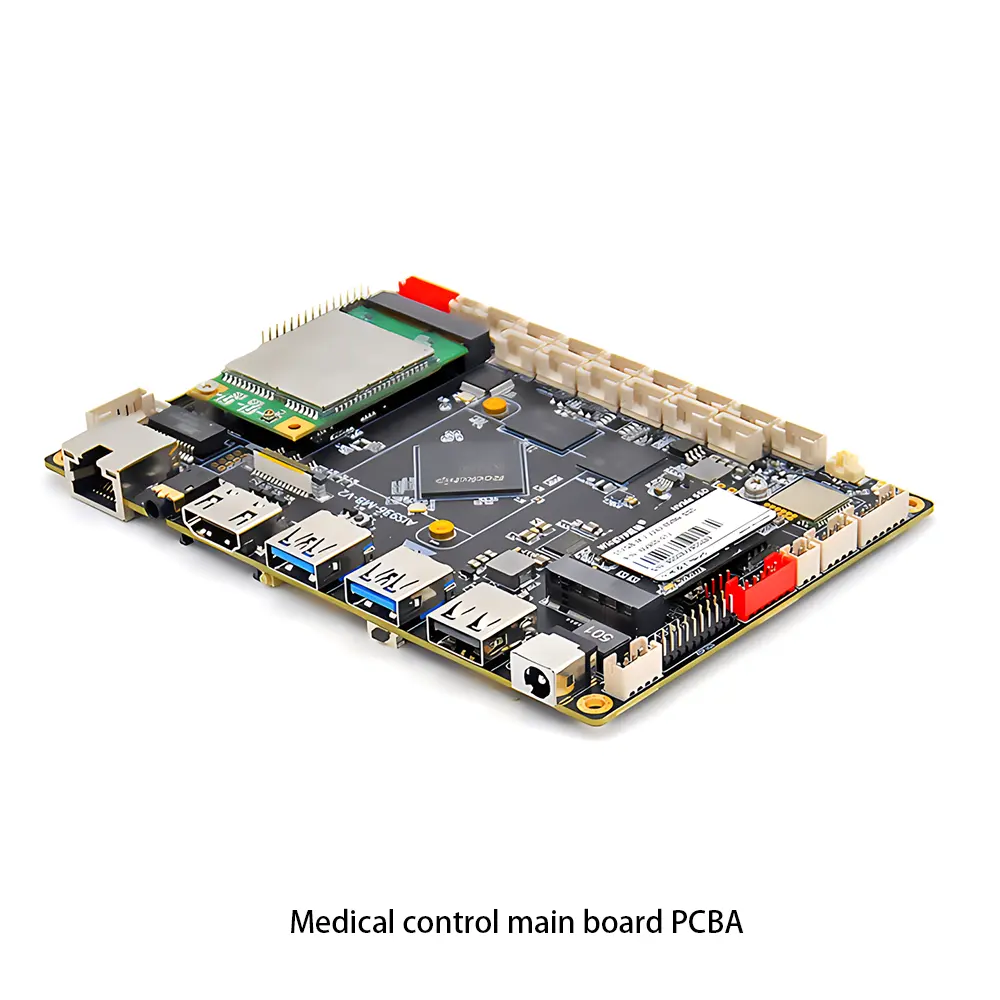 Medical Equipment PCBA
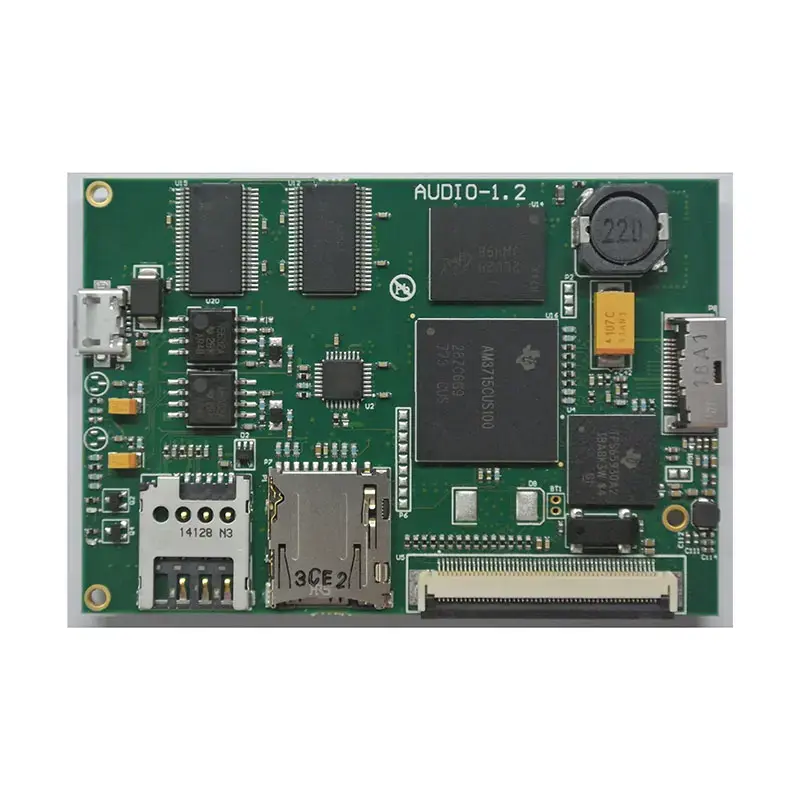 Testing Service
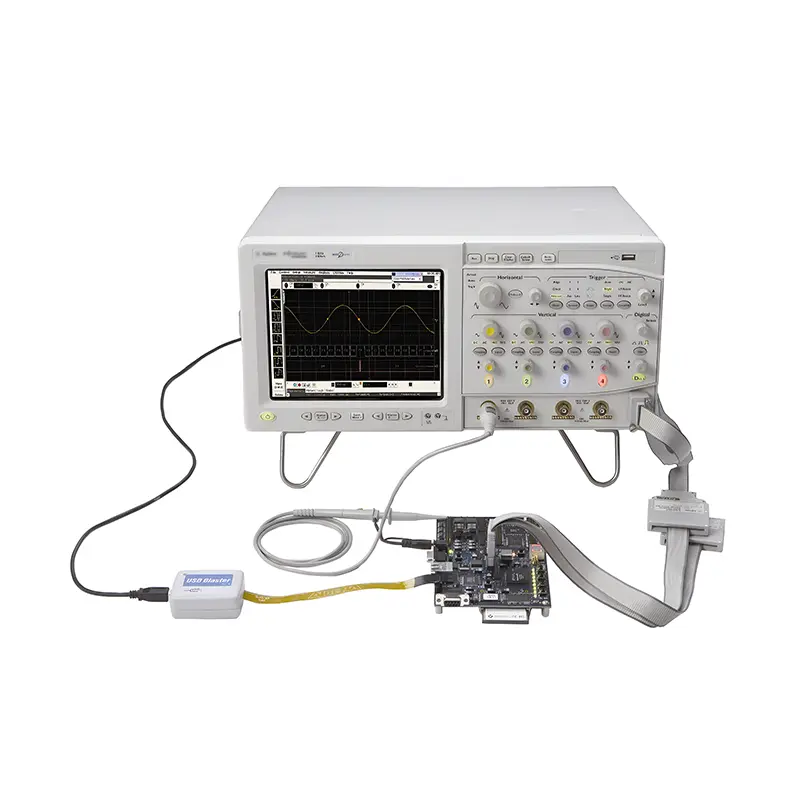 PCBA Testing Service
 Certification Application
 RoHS Certification Application
 REACH Certification Application
 CE Certification Application
 FCC Certification Application
 CQC Certification Application
 UL Certification Application
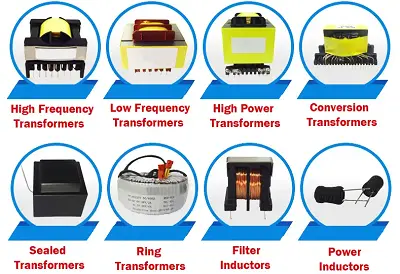 Transformers, Inductors
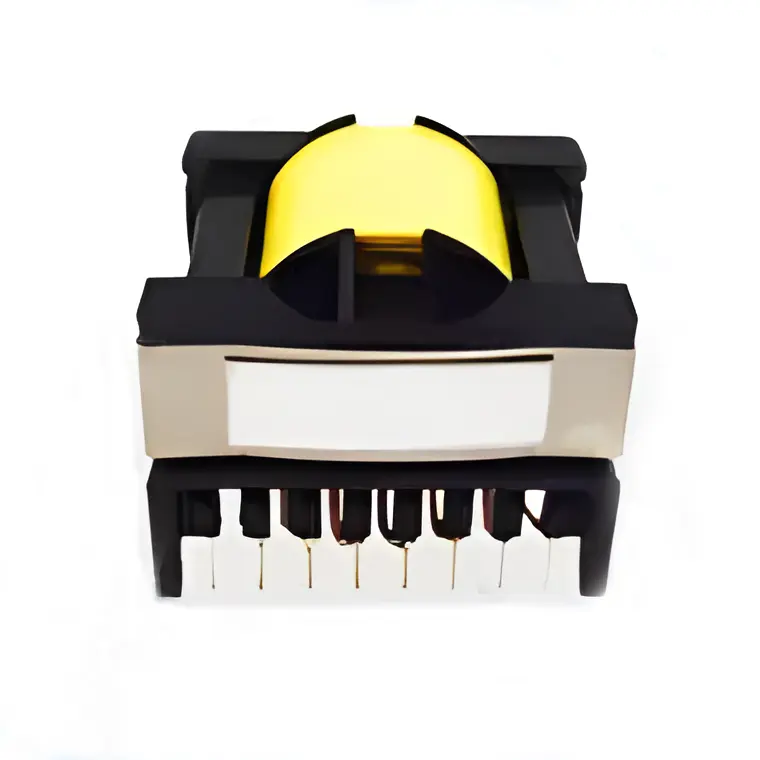 High Frequency Transformers
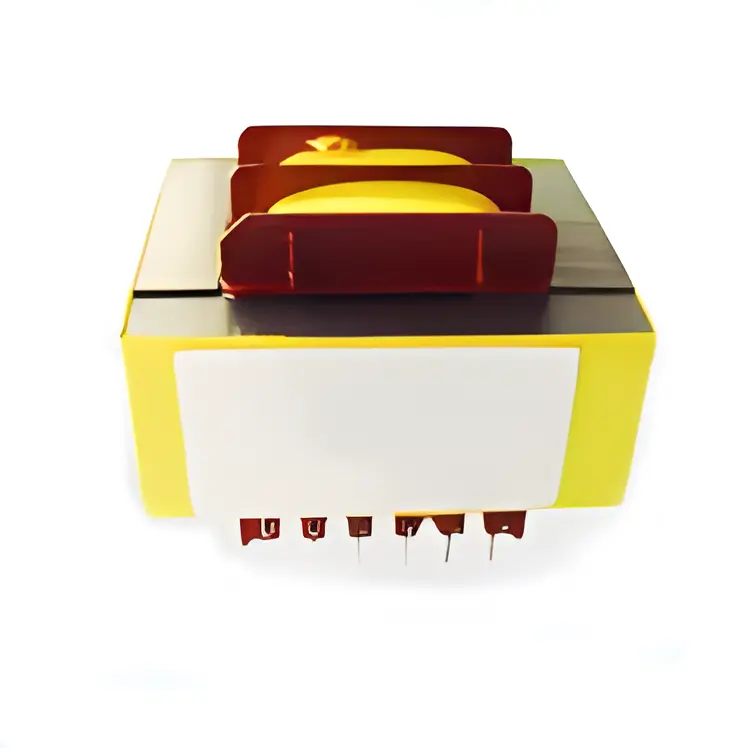 Low Frequency Transformers
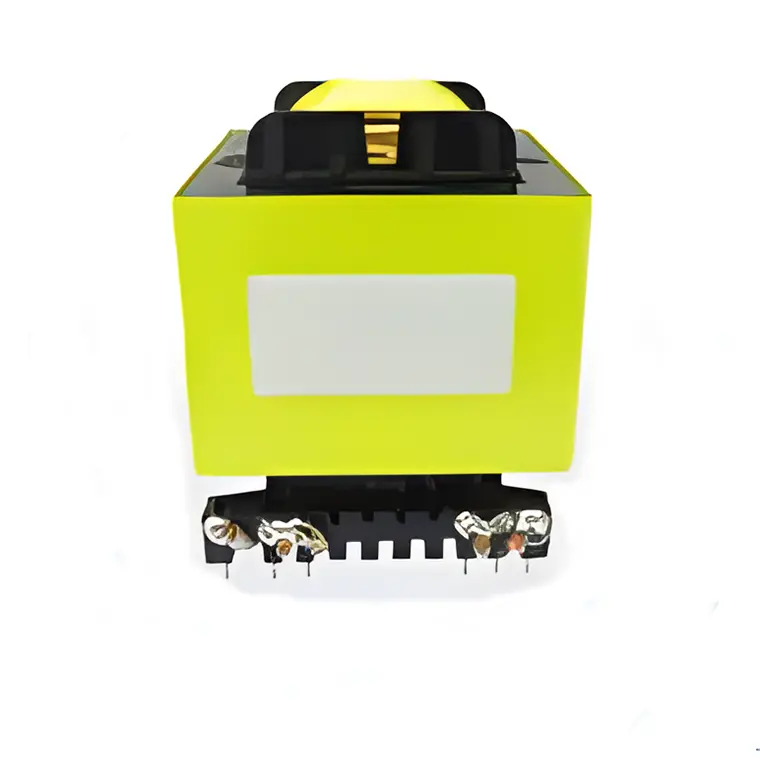 High Power Transformers
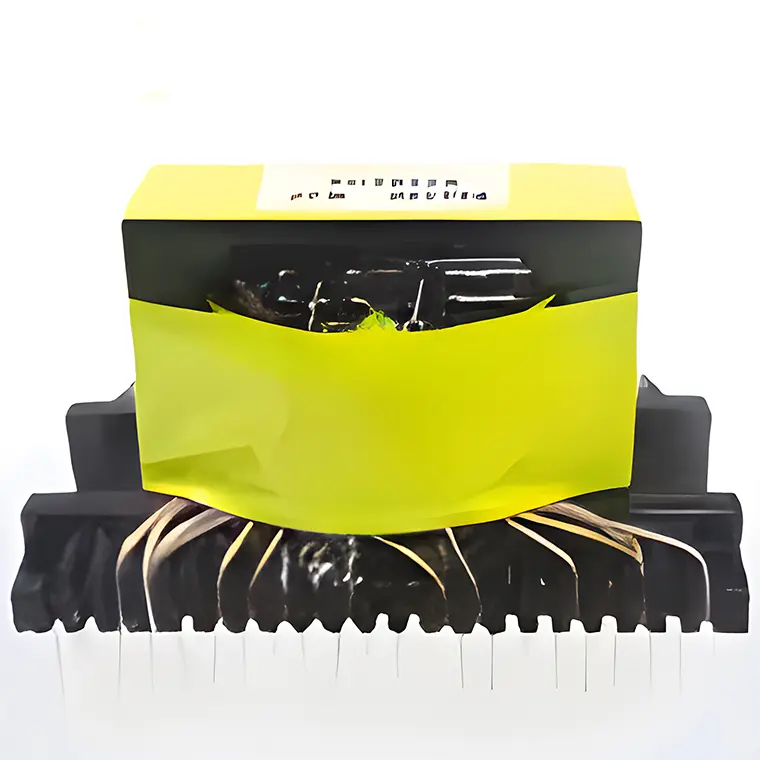 Conversion Transformers
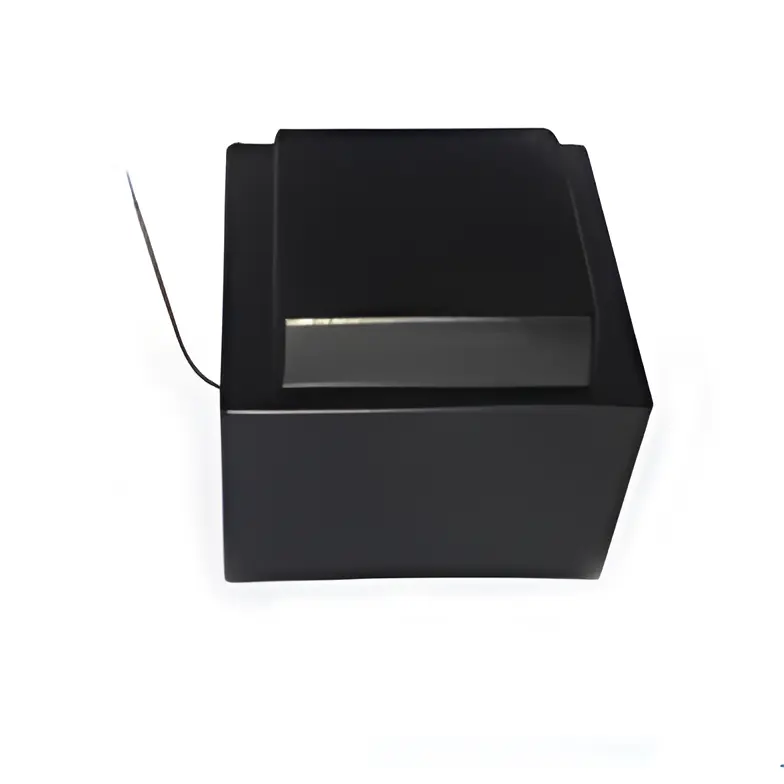 Sealed Transformers
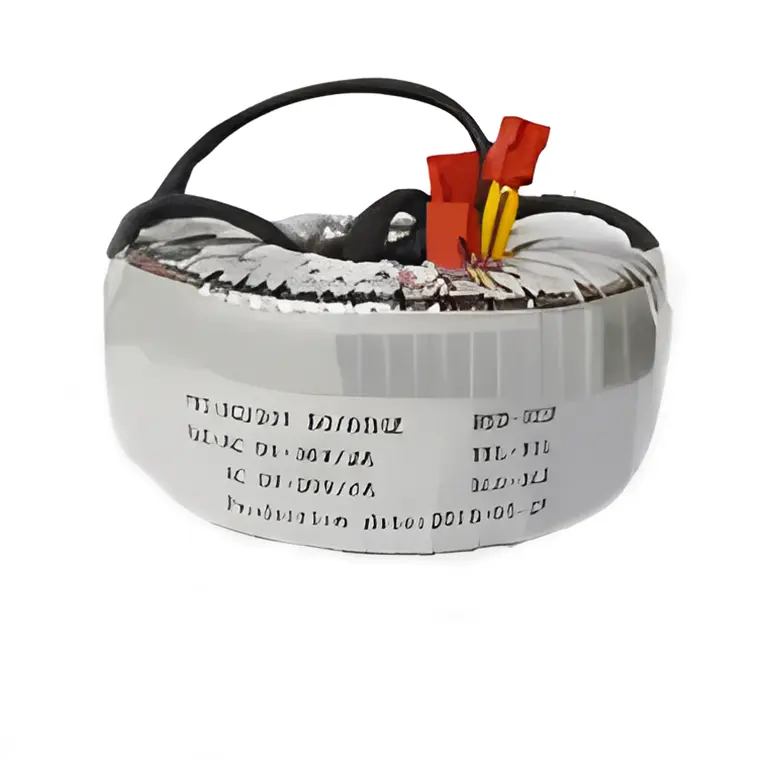 Ring Transformers
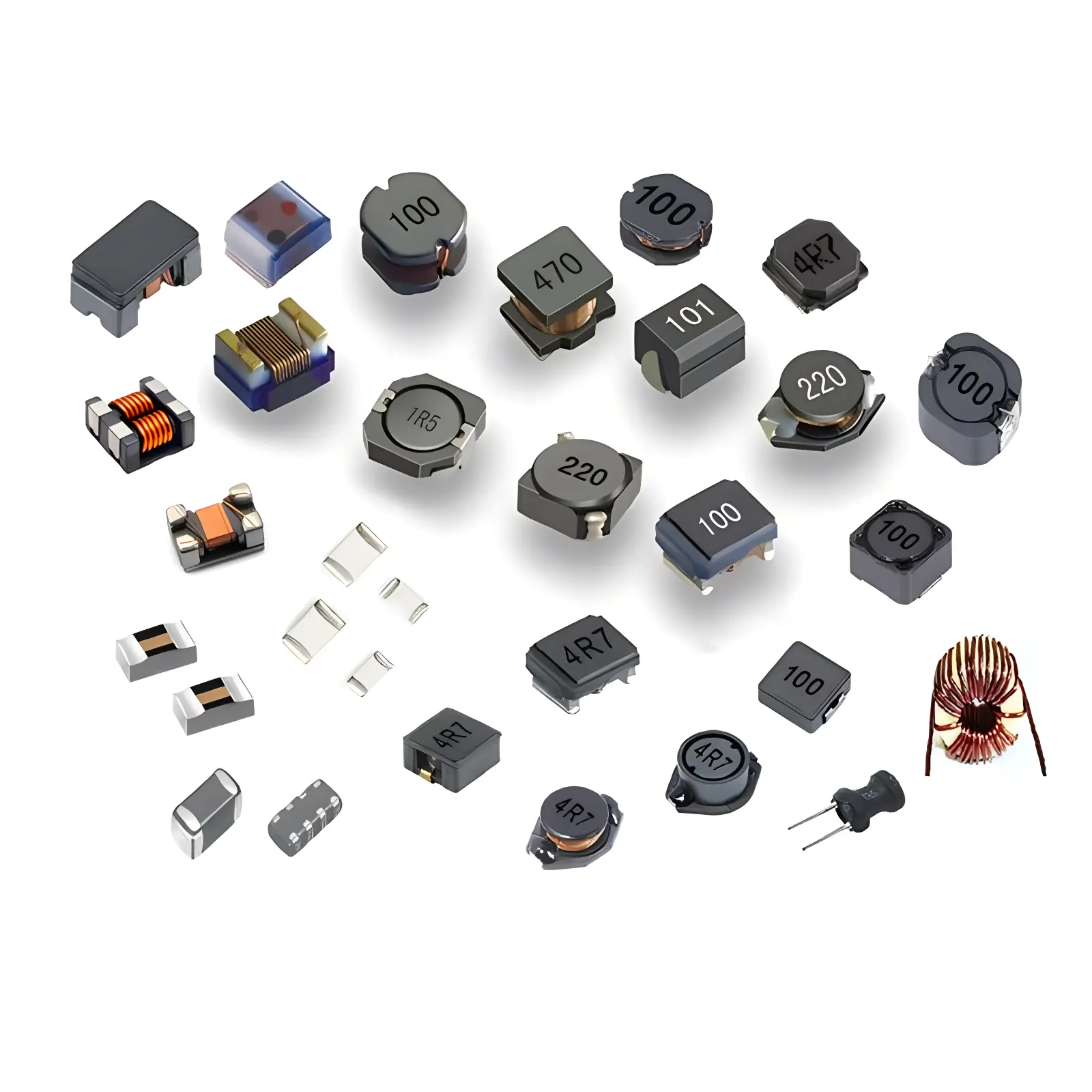 Inductors
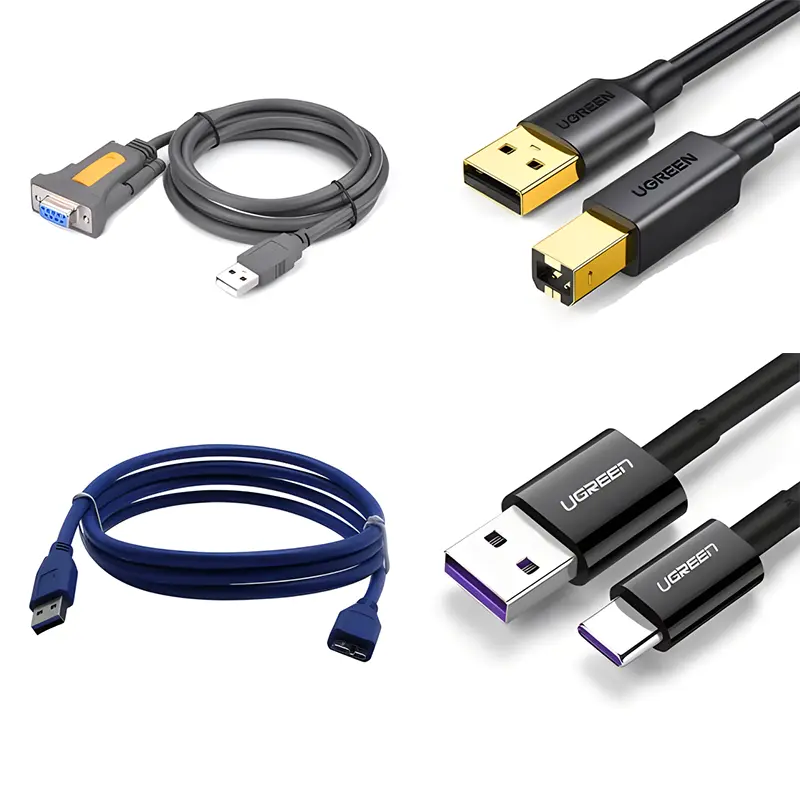 Wires,Cables Customized
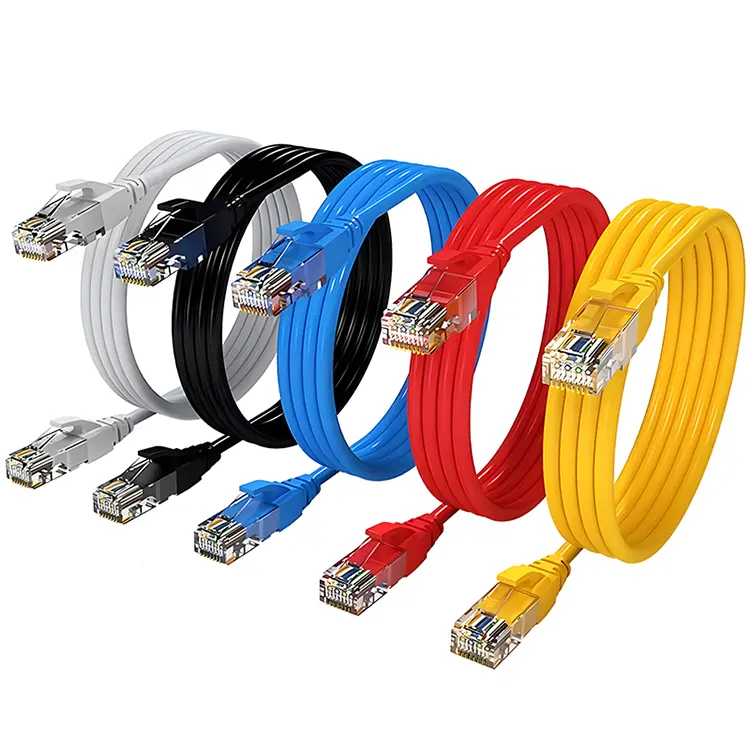 Network Cables
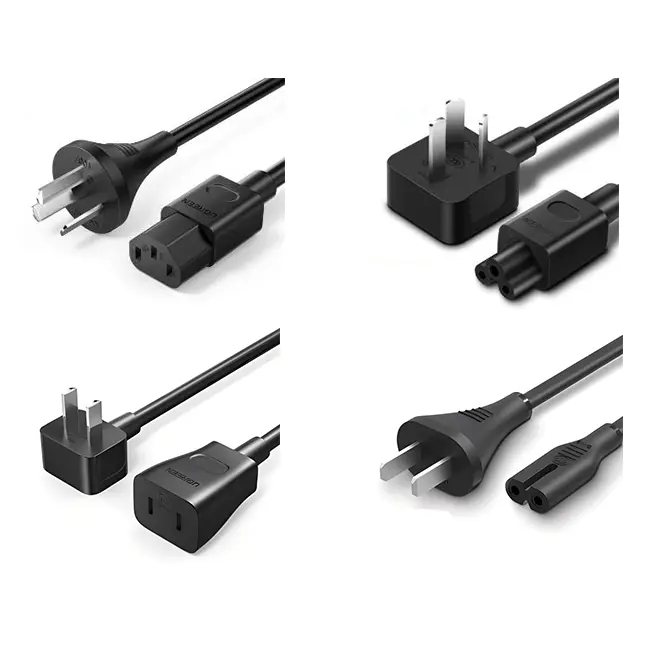 Power Cords
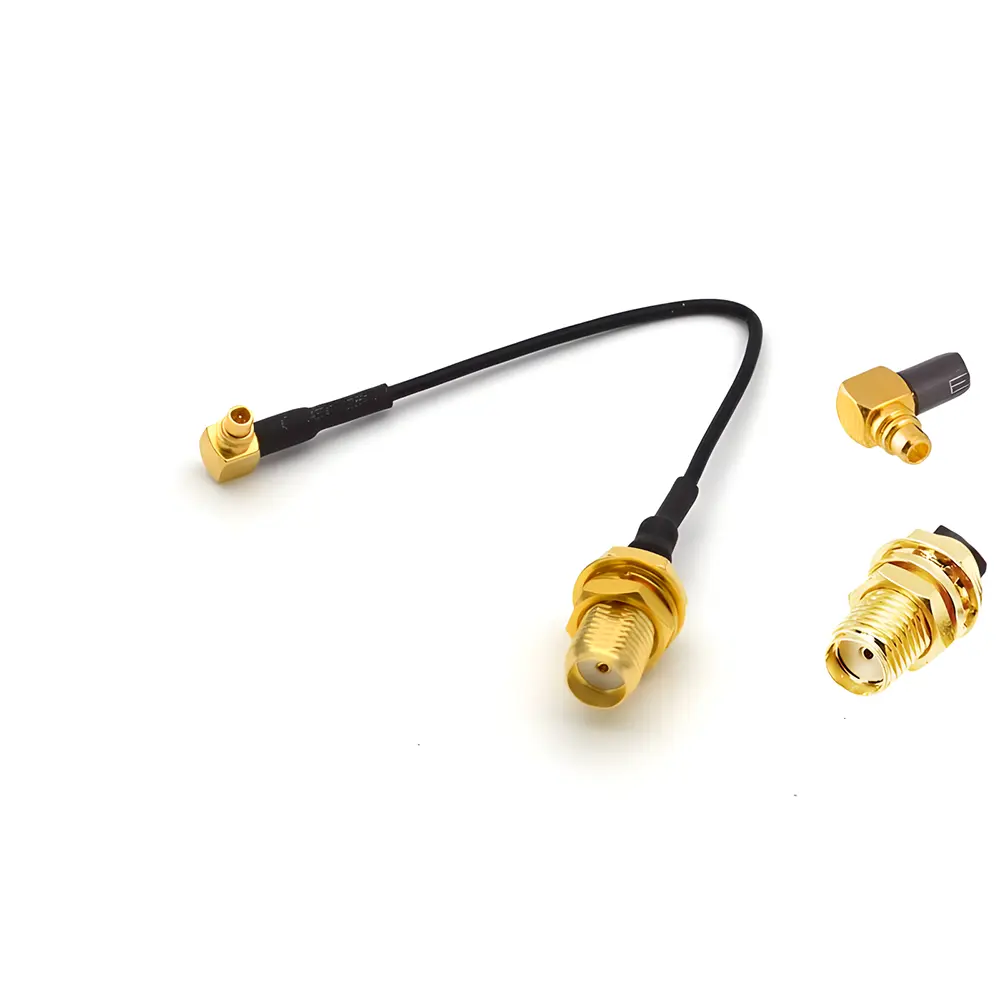 Antenna Cables
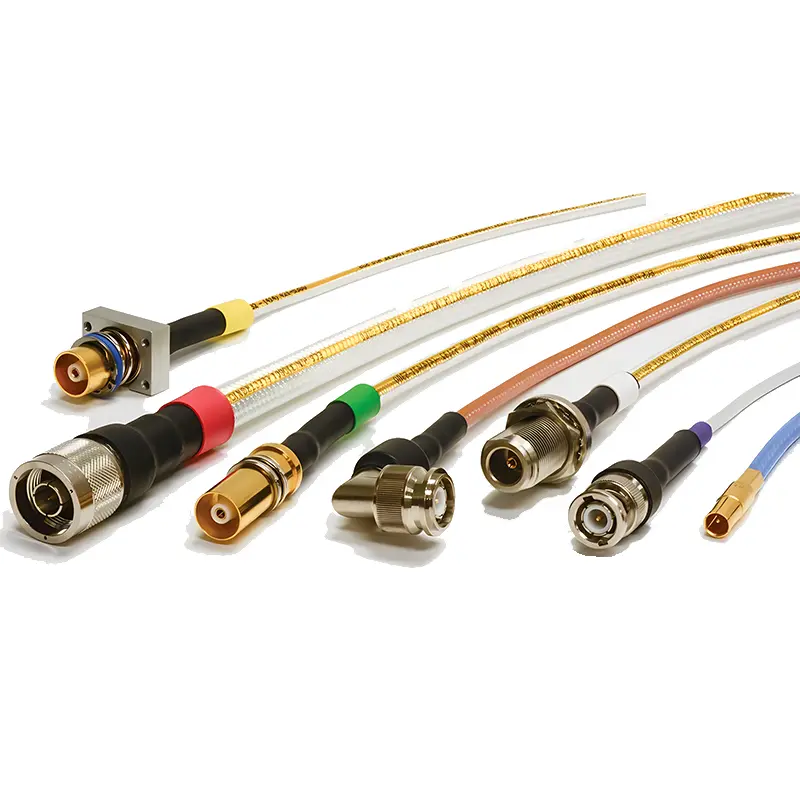 Coaxial Cables
 Net Position Indicator
 Solar AIS net position indicator
 Capacitors
 Connectors
 Diodes
 Embedded Processors & Controllers
 Digital Signal Processors (DSP/DSC)
 Microcontrollers (MCU/MPU/SOC)
 Programmable Logic Device(CPLD/FPGA)
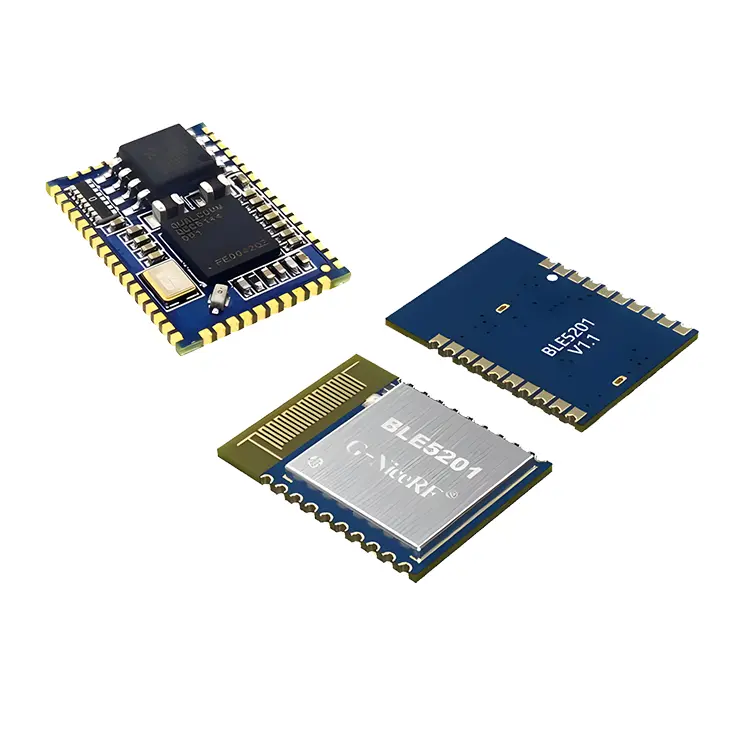 Communication Modules/IoT
 Resistors
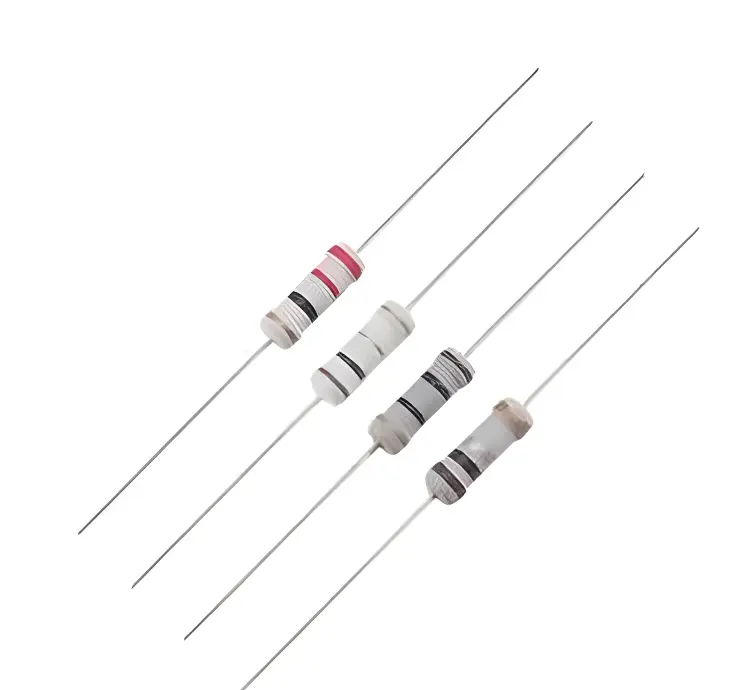 Through Hole Resistors
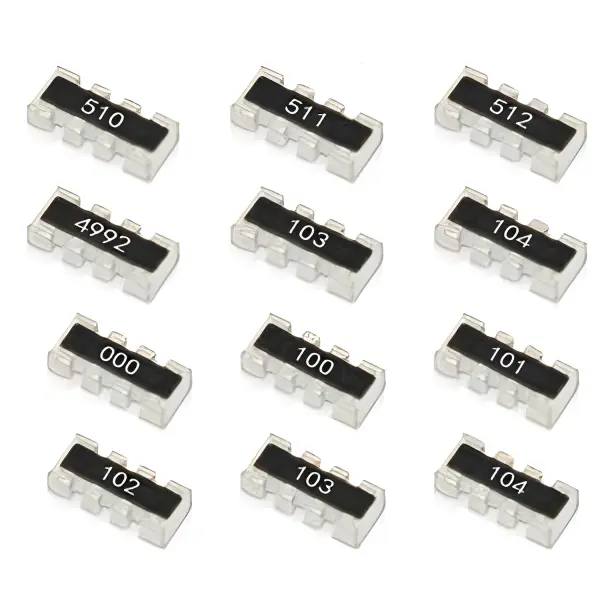 Resistor Networks, Arrays
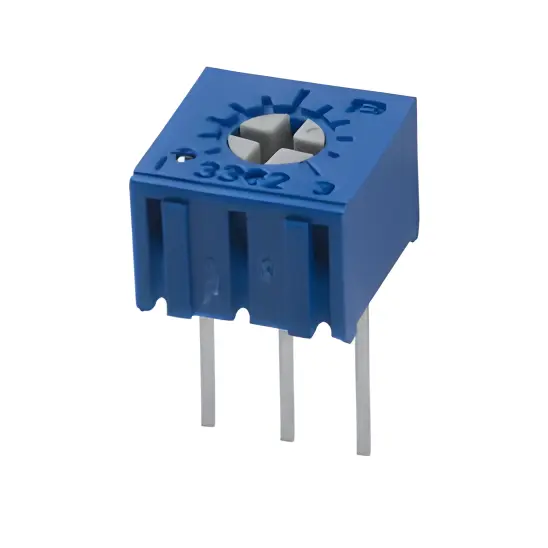 Potentiometers,Variable Resistors
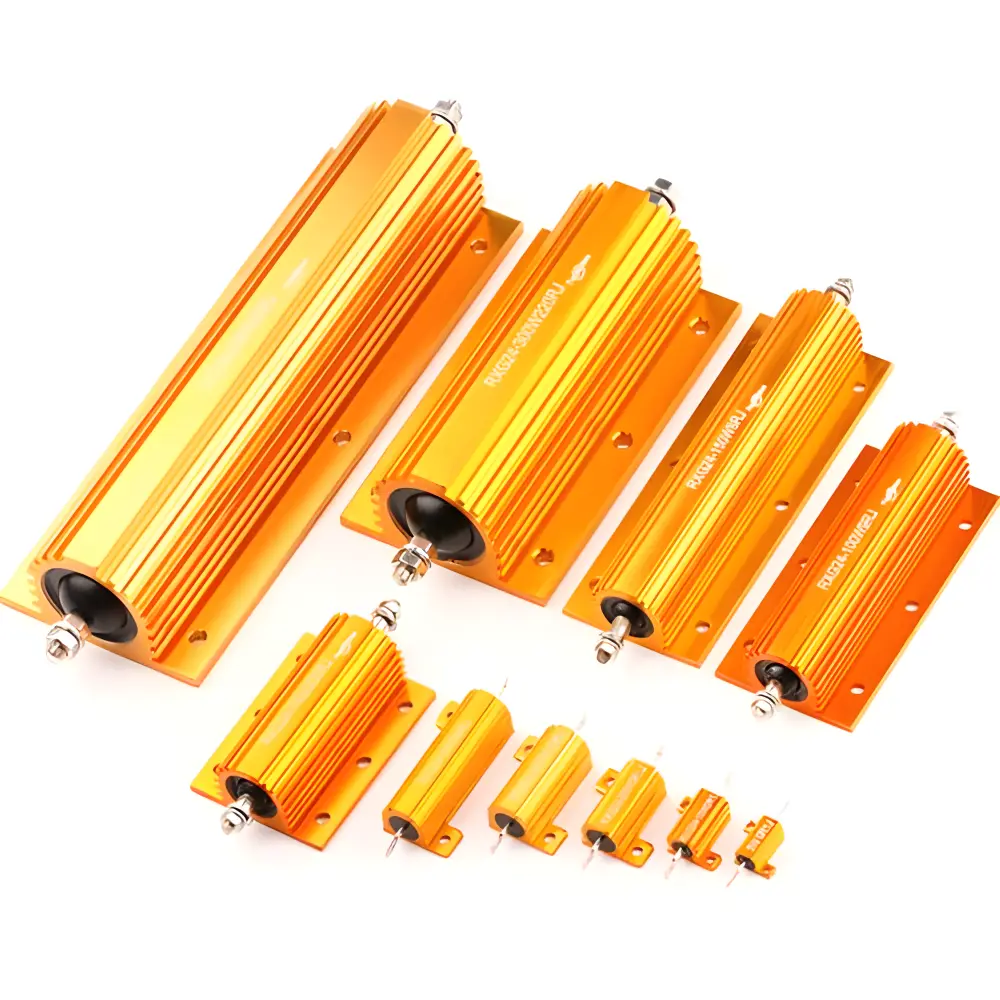 Aluminum Case,Porcelain Tube Resistance
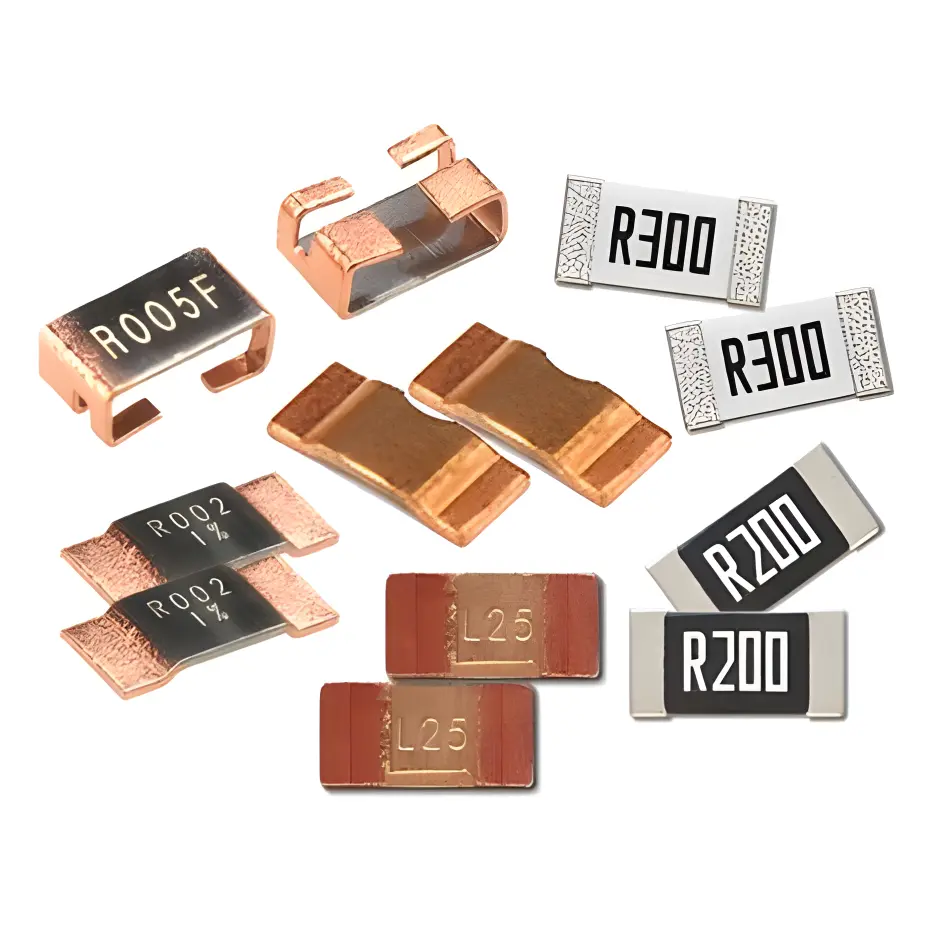 Current Sense Resistors,Shunt Resistors
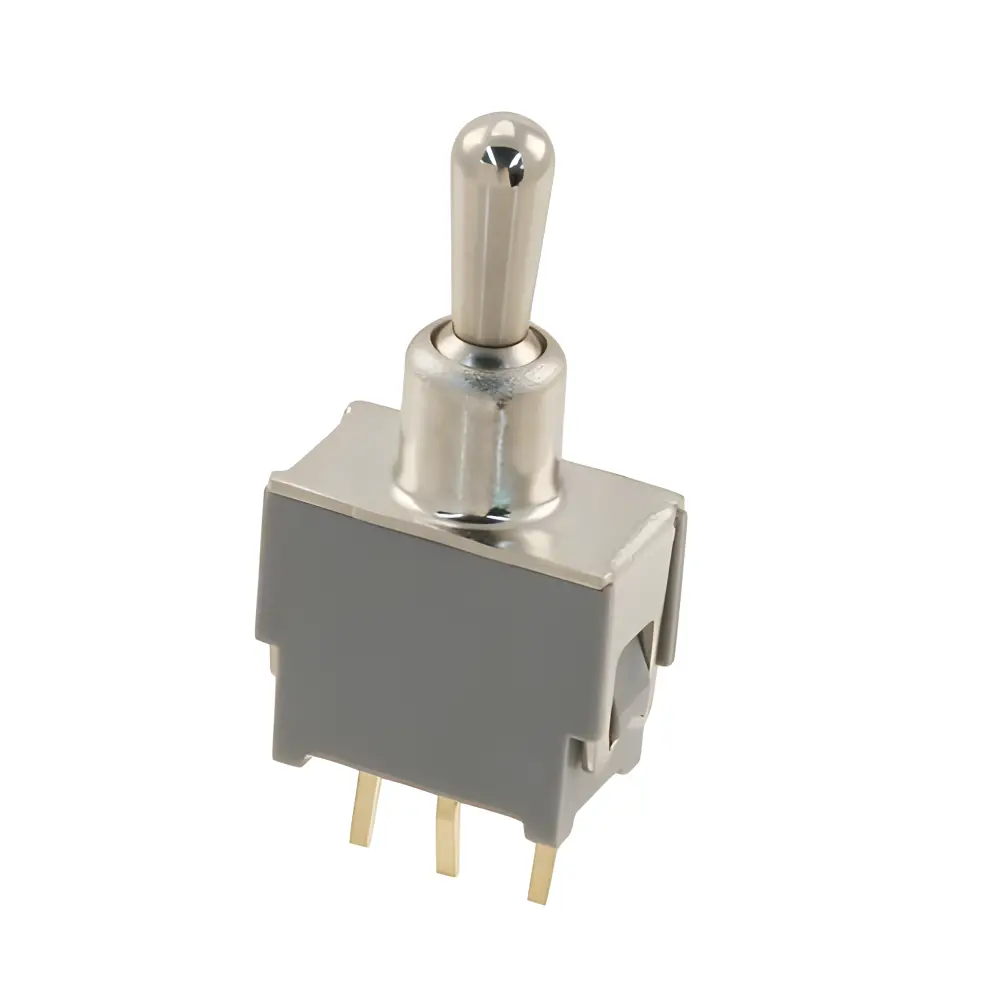 Switches
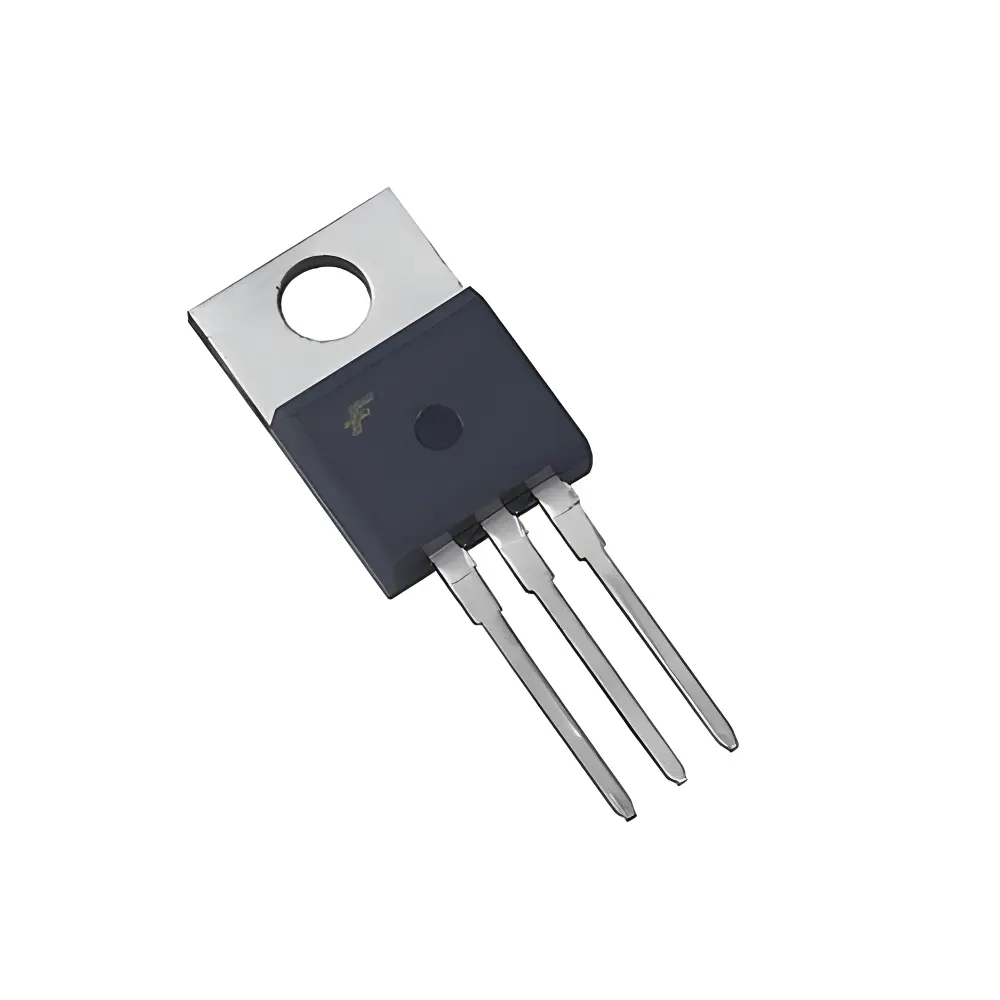 Transistors
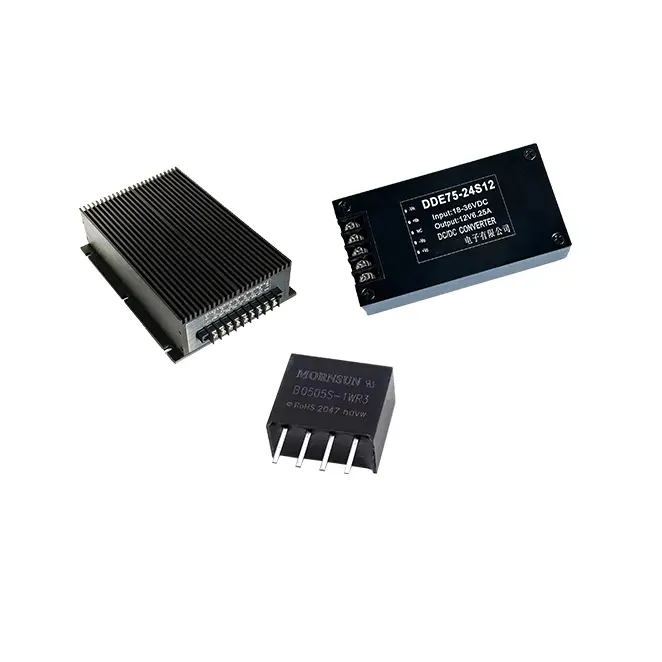 Power Modules
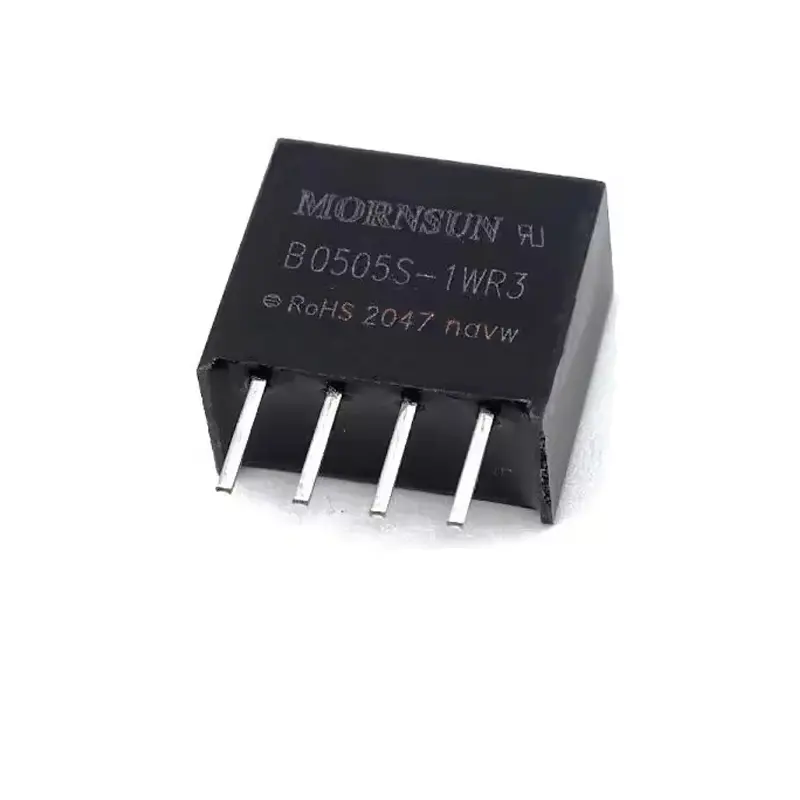 Isolated Power Modules
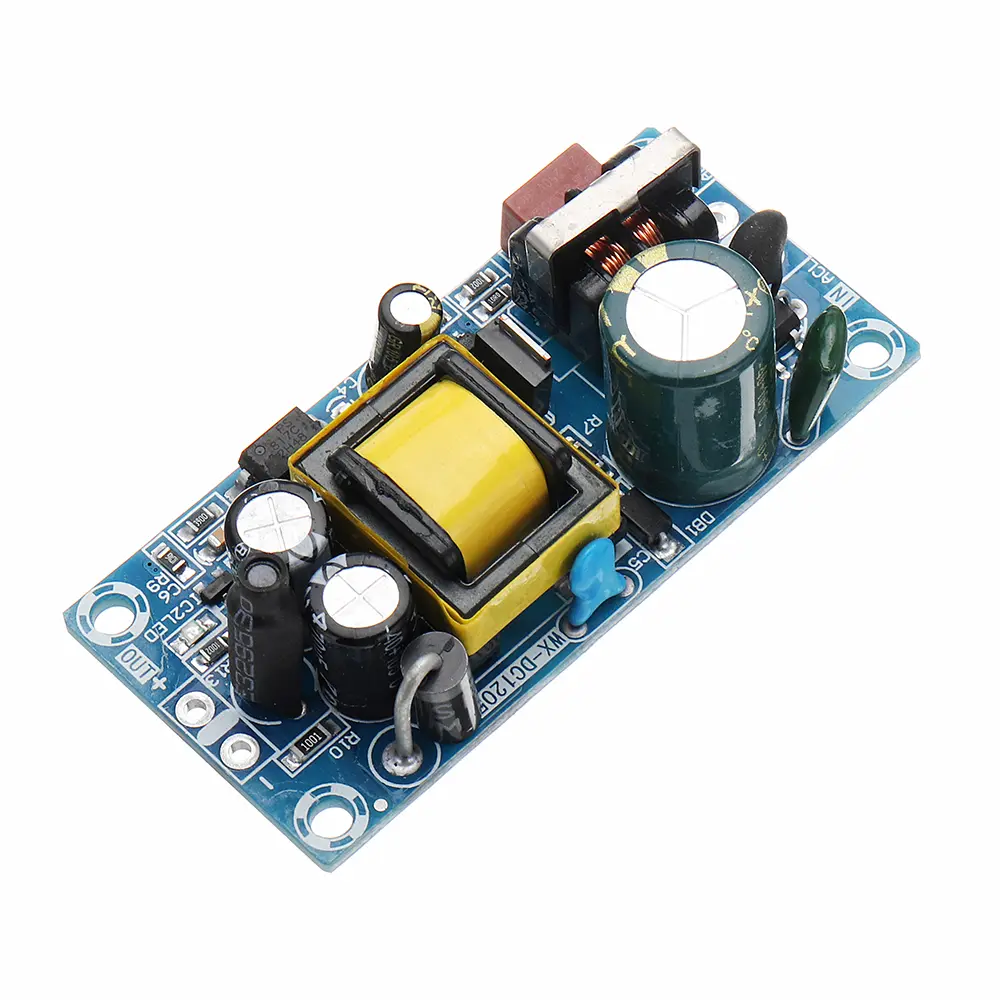 AC-DC Power Modules
 DC-AC Module(Inverter)
 RF and Wireless
Limit switch
2025-01-02
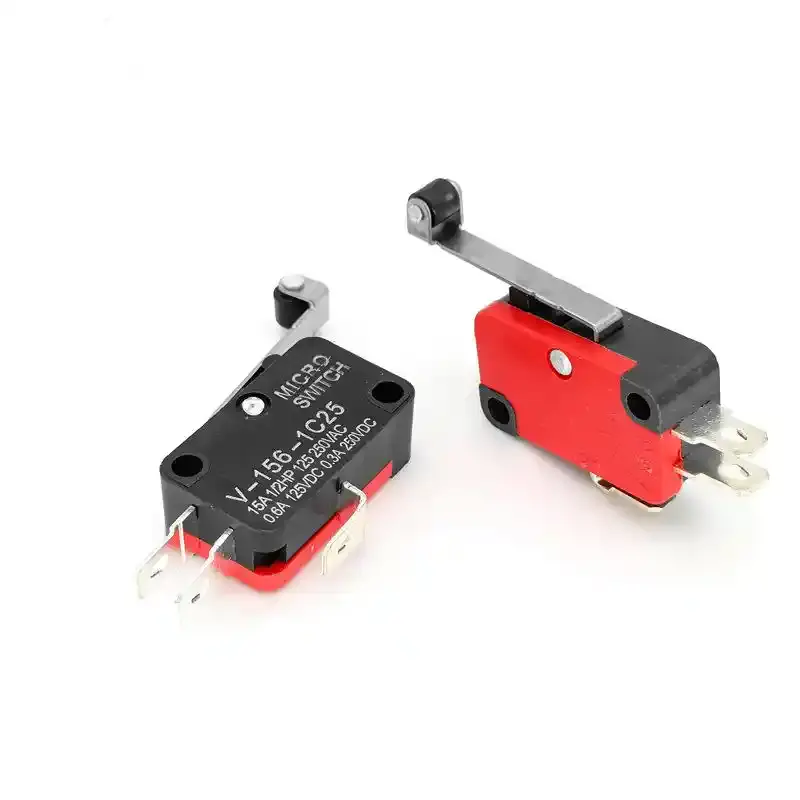
Limit switchis a commonly used electromechanICal device:
Basic Principle
It mainly changes the electrical state based on the physical contact of mechanical components. It usually consists of an operating head, a contact system, a housing and other parts. When the operating head is touched, pushed or subjected to other mechanical actions by external objects, it will drive the internal mechanical structure, and then change the state of the contact system. For example, the originally open contacts will be closed, or the originally closed contacts will be opened, so as to control the on-off of the circuit and achieve purposes such as detecting the position of an object and limiting the range of motion.
Common Types
- Mechanical Limit Switch
This type is the most common. It has a movable contact part inside and an operating part such as a trigger lever on the outside. When the trigger lever is pushed by an external force to a certain position, it will drive the internal contact to act and change the open and closed state of the contacts. For example, mechanical limit switches are installed at both ends of the moving track of the worktable of some machine tools. When the worktable moves to the limit position and touches the trigger lever, the switch can be triggered to prevent the worktable from continuing to move beyond the safe range, thus playing a role in protecting the equipment.
- Photoelectric Limit Switch
It works based on the principle of photoelectric induction. Generally, it consists of a light emitter and a light receiver. When an object blocks the light, the light signal received by the light receiver changes, thus triggering the internal circuit to change the output state. It is often used to detect whether a product has reached a specific position on the automated production line. For example, on the packaging assembly line, the photoelectric limit switch is used to detect whether the product is in place so that the subsequent packaging operations can be carried out accurately.
- Inductive Limit Switch
It relies on the inductive principle to detect metal objects. When a metal object approaches, it will cause the magnetic field change of the inductive coil, and then trigger the switch to act. It is often used to detect the position of metal workpieces in metal processing equipment. For example, on a metal stamping machine, it can be used to confirm whether the metal sheet to be stamped has been accurately placed on the stamping station.
Main Uses
- Position Detection
In many scenarios such as automated production systems and logistics conveyor systems, it is used to accurately detect the position of an object so that the subsequent processes can be executed accurately. For example, in the automatic stacker of a warehouse, the limit switch is used to determine whether the loading platform has risen or fallen to the specified layer position.
- Stroke Limitation
It is a key component to ensure the safe operation of mechanical equipment. It can limit the travel of mechanical parts and avoid excessive movement of them, which may cause damage to the equipment. For example, the upper and lower limit positions of the elevator car are strictly controlled by the limit switch to prevent the car from hitting the top or bottom.
- Counting Function
In some occasions where it is necessary to count the number of objects, every time an object triggers a limit switch, it can be recorded once through the corresponding counting circuit to achieve the counting operation. For example, on the production line of bottled beverages, the passing bottles are counted and statistically analyzed by using the limit switch.
Advantages
- High Reliability
The mechanical structure is relatively SIMple and solid. As long as the type is selected properly and installed correctly, it can work stably and reliably for a long time and is not prone to malfunction.
- Low Cost
Especially for traditional mechanical limit switches, the manufacturing process is relatively mature. Compared with some high-precision non-contact sensors, it has an obvious cost advantage and is widely used in many industrial scenarios where the precision requirement is not extremely high.
- Strong Applicability
It can adapt to relatively harsh industrial environments, such as those with a lot of dust, certain vibrations, and a wide range of temperature changes. Different types of limit switches can also play a role in detecting different objects (such as metal and non-metal objects).