
 PCB
PCB FPC
FPC Rigid-Flex
 FR-4
FR-4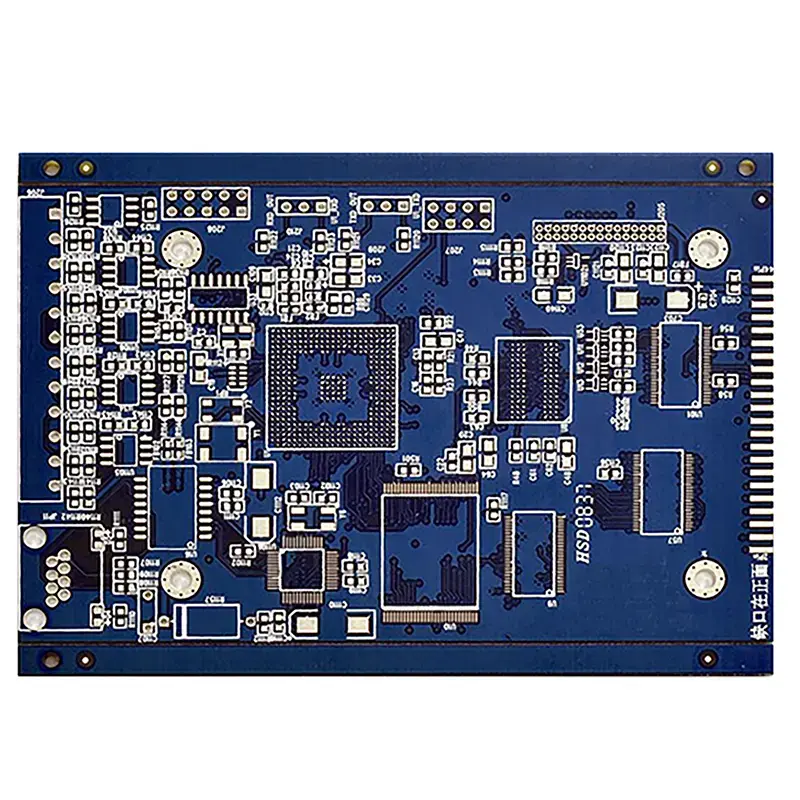 HDI PCB
 Rogers High-Frequency Board
 PTFE Teflon High-Frequency Board
 Aluminum
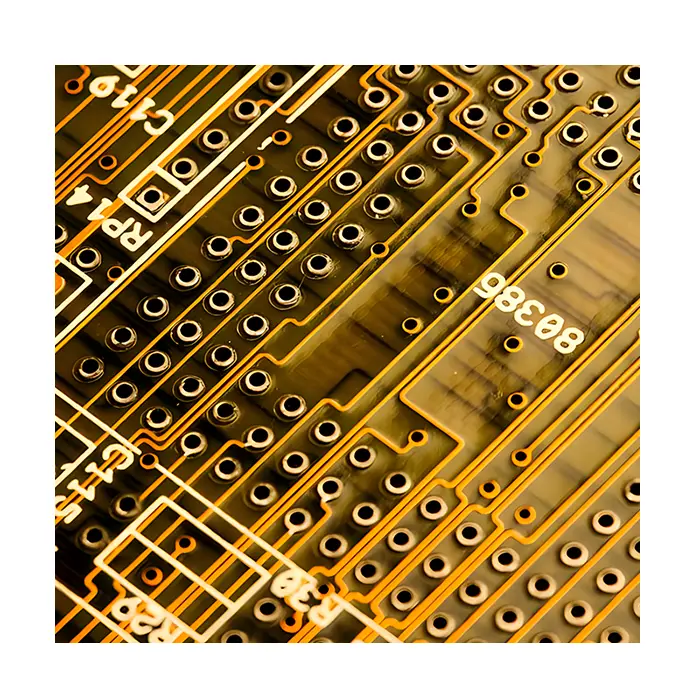 Copper Core
 PCB Assembly
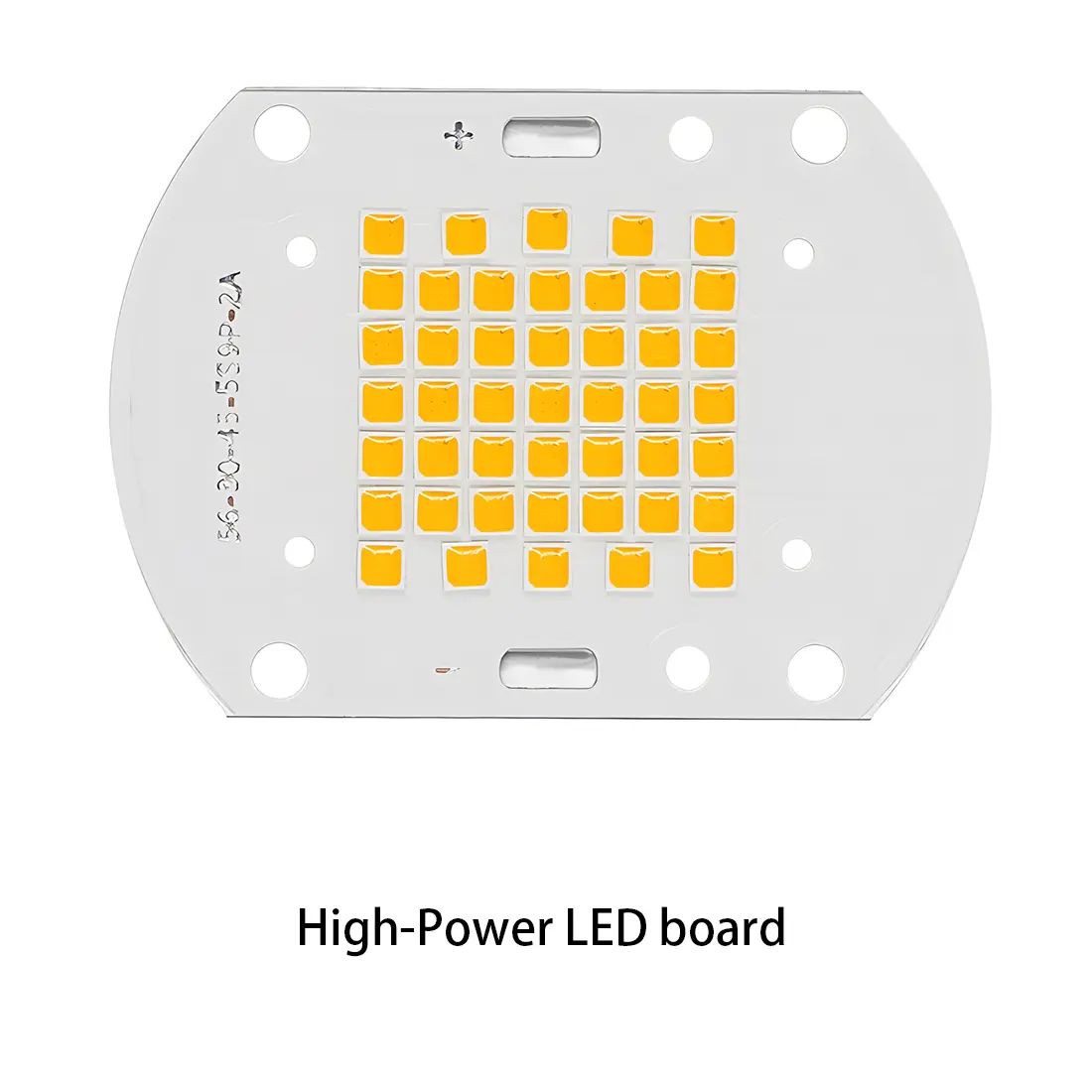 LED light PCBA
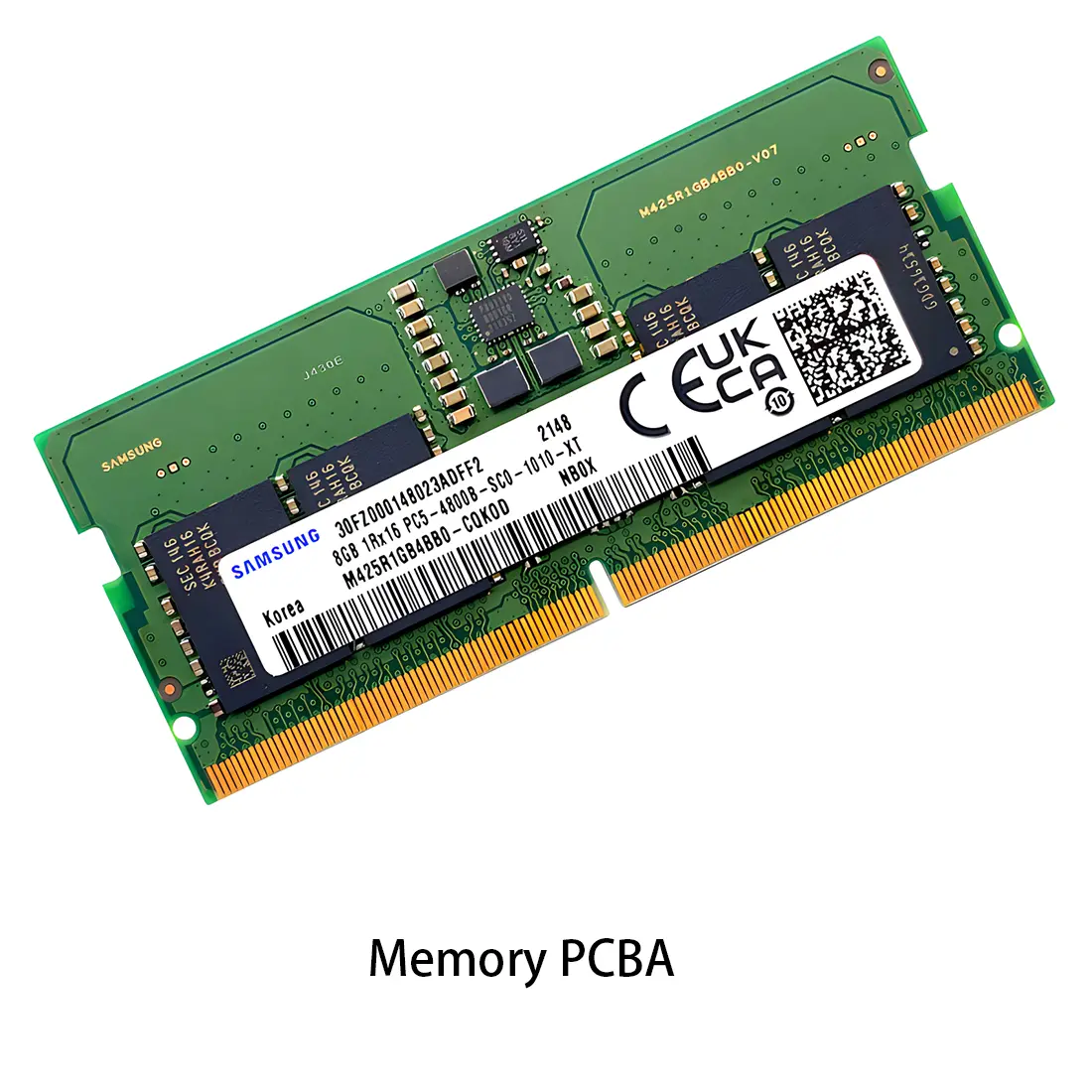 Memory PCBA
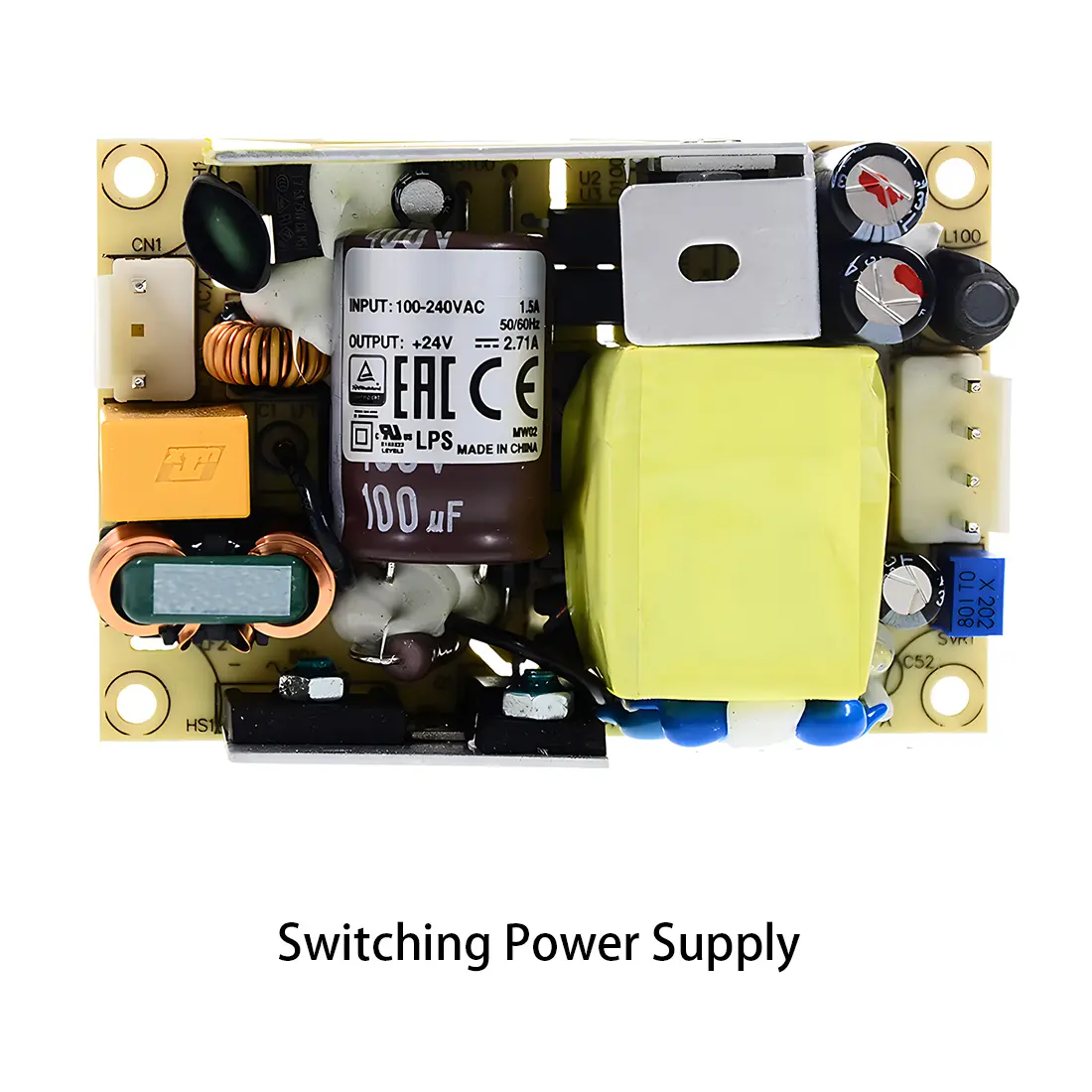 Power Supply PCBA
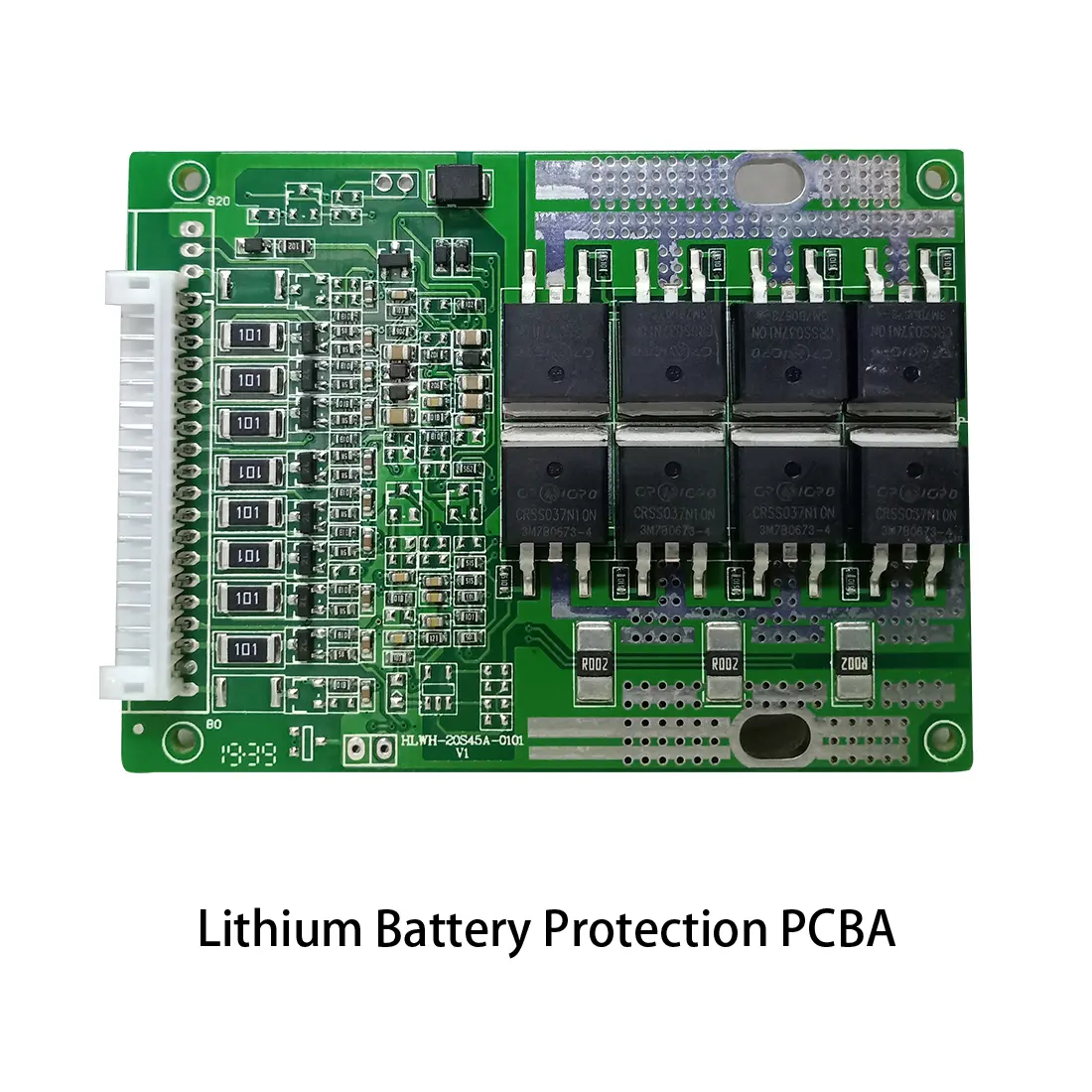 New Energey PCBA
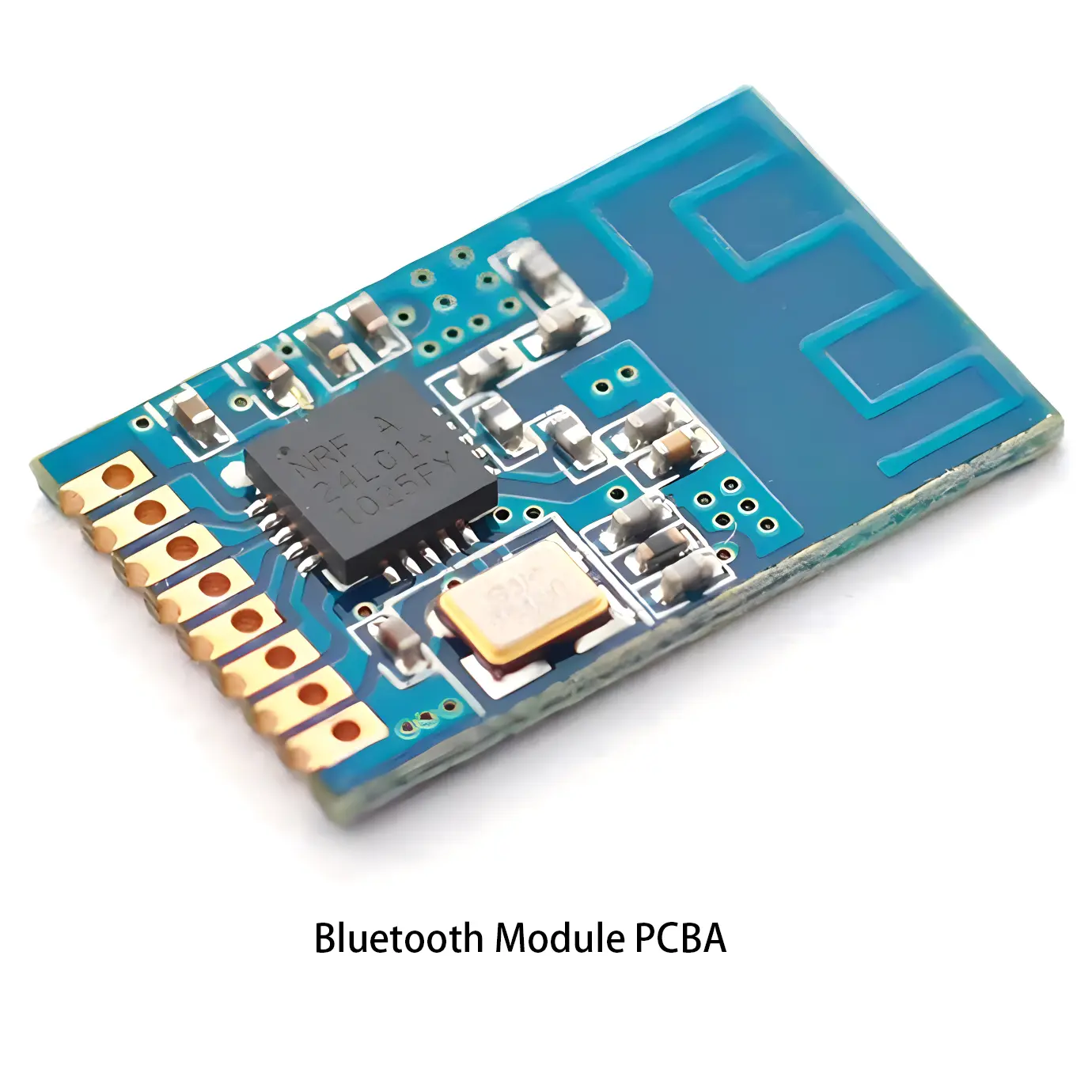 Communication PCBA
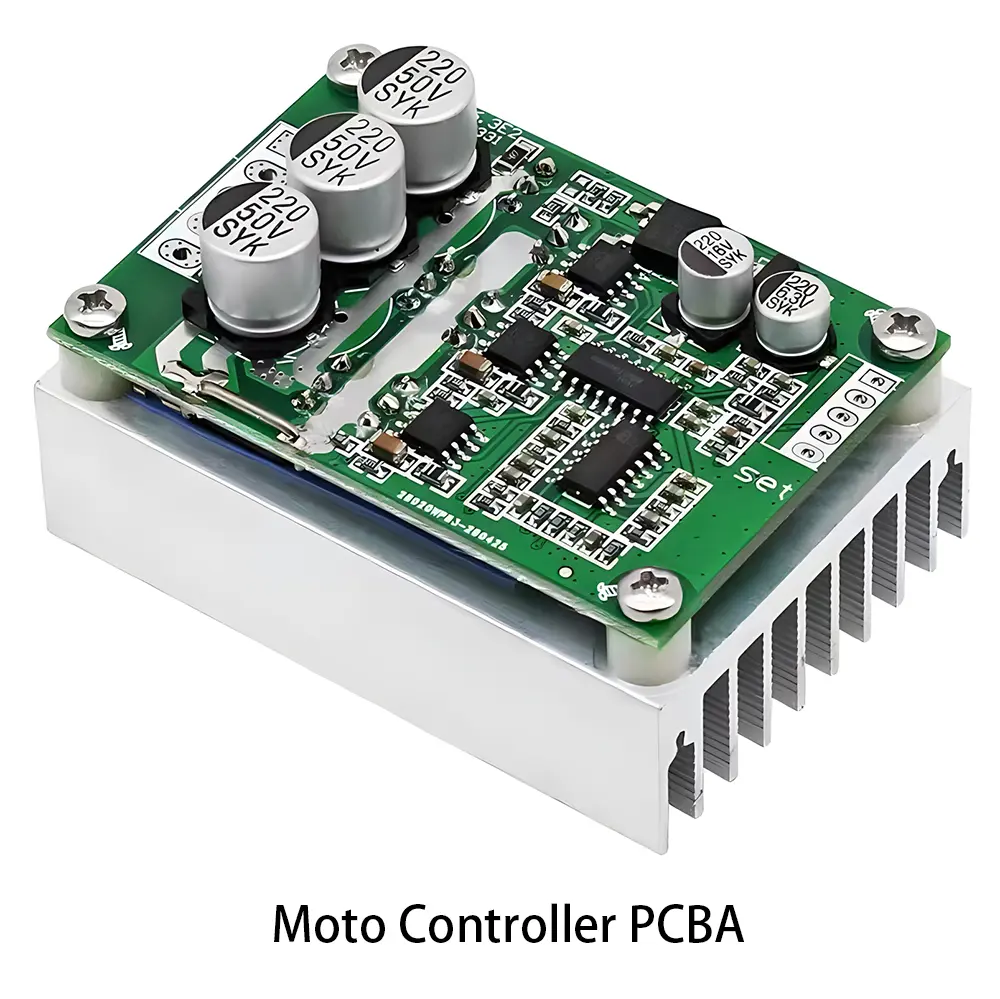 Industrial Control PCBA
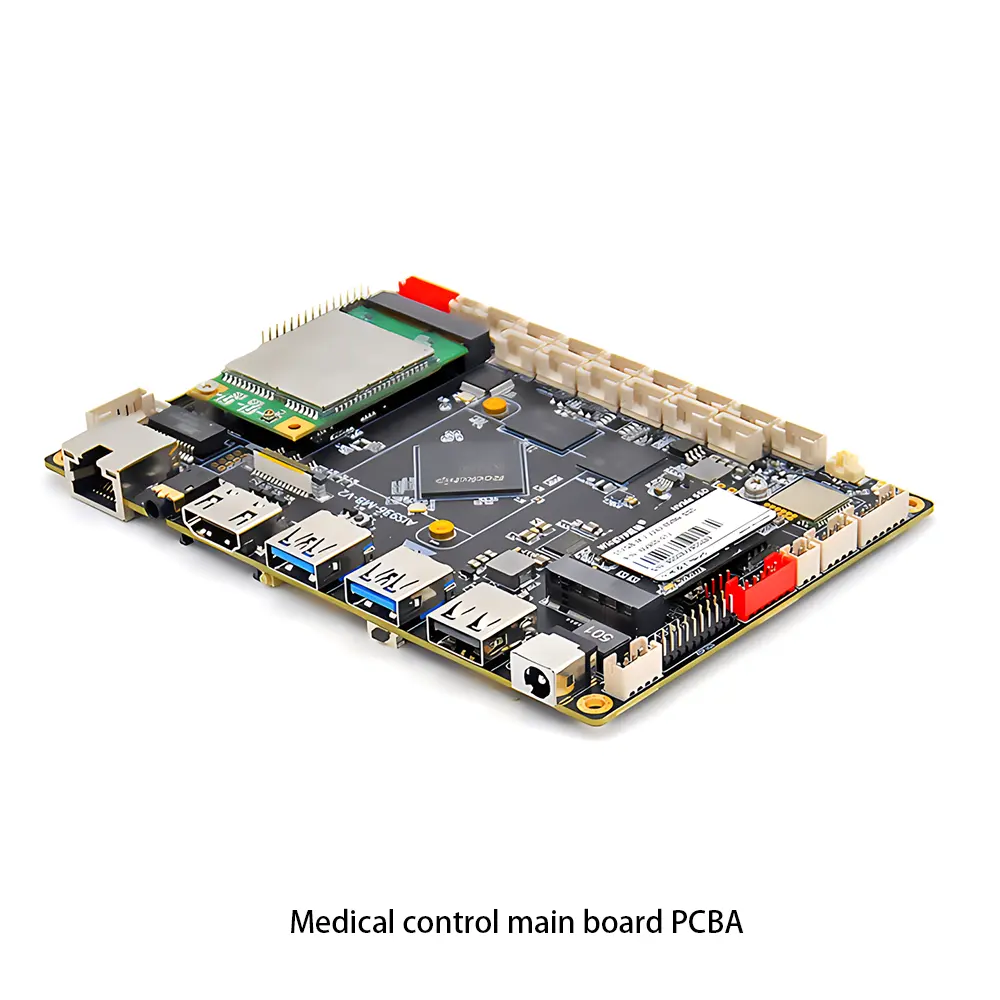 Medical Equipment PCBA
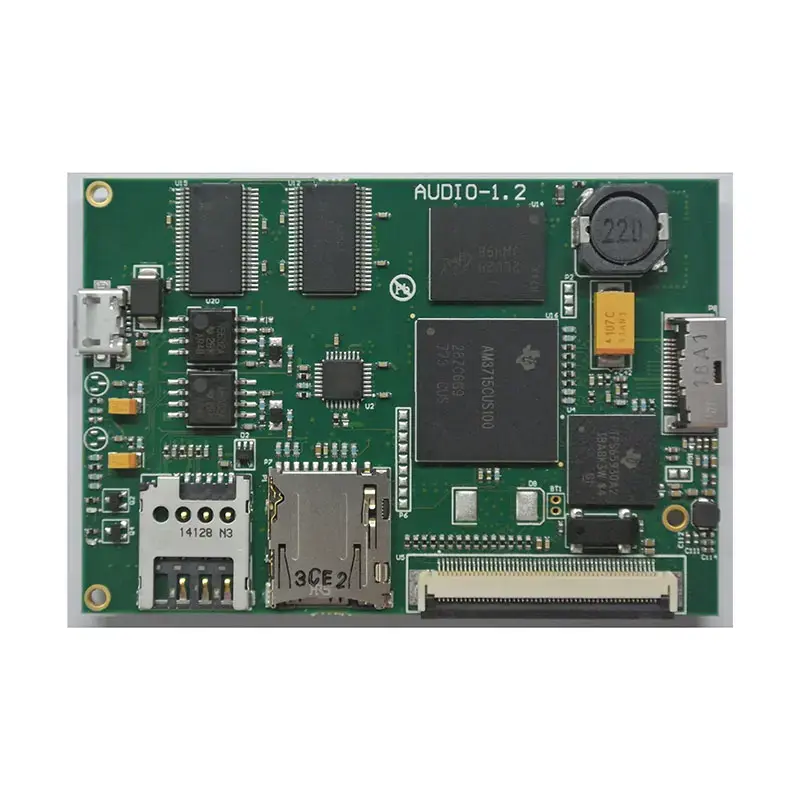 Testing Service
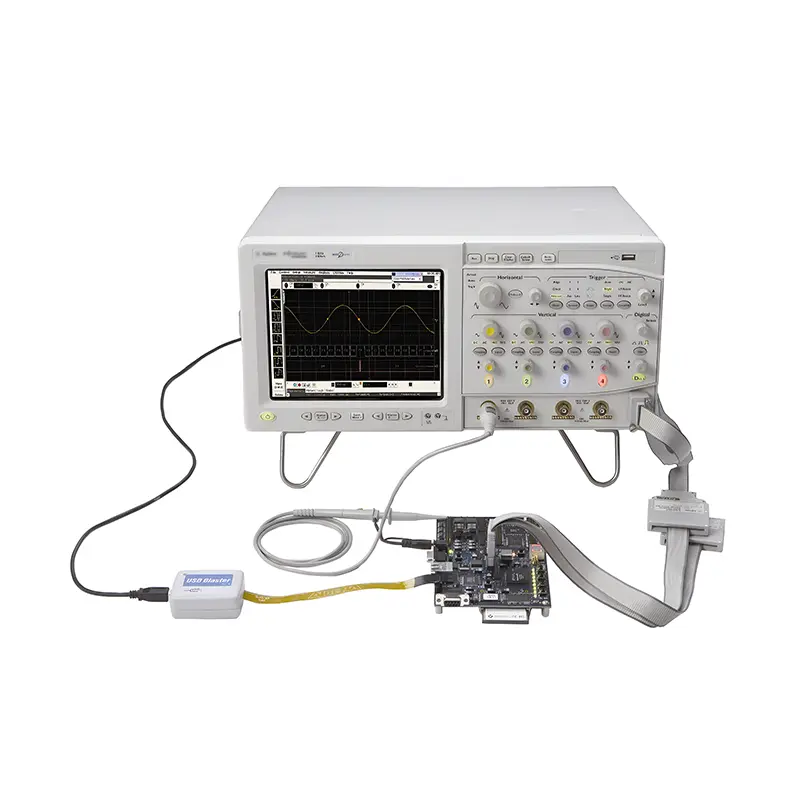 PCBA Testing Service
 Certification Application
 RoHS Certification Application
 REACH Certification Application
 CE Certification Application
 FCC Certification Application
 CQC Certification Application
 UL Certification Application
 Transformers, Inductors
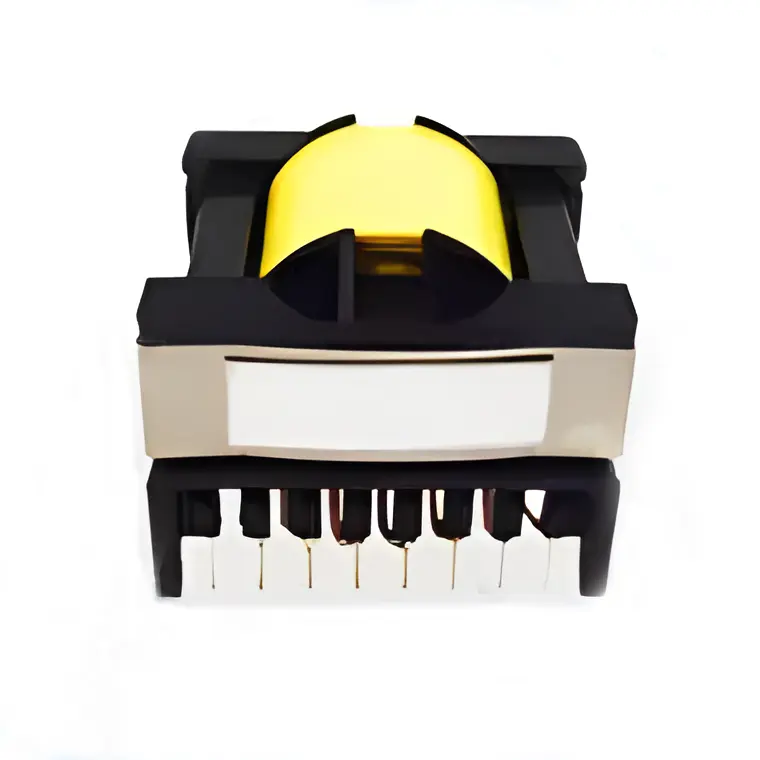 High Frequency Transformers
 Low Frequency Transformers
 High Power Transformers
 Conversion Transformers
 Sealed Transformers
 Ring Transformers
 Inductors
 Wires,Cables Customized
 Network Cables
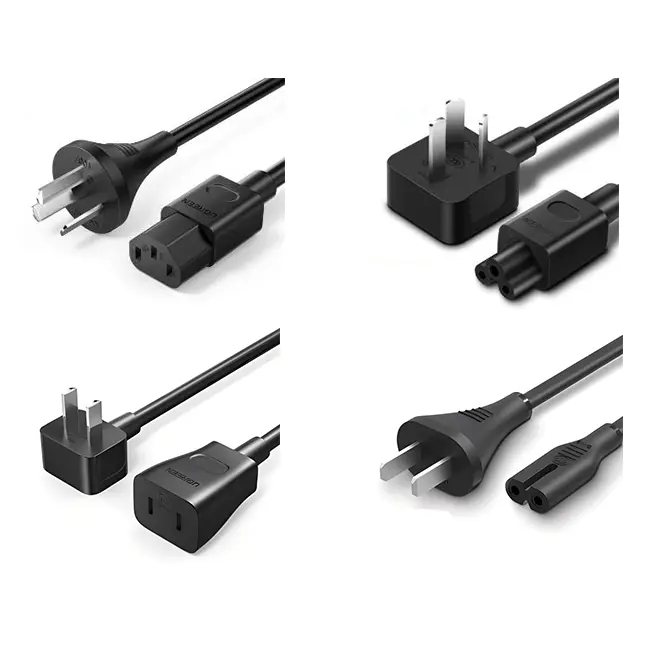 Power Cords
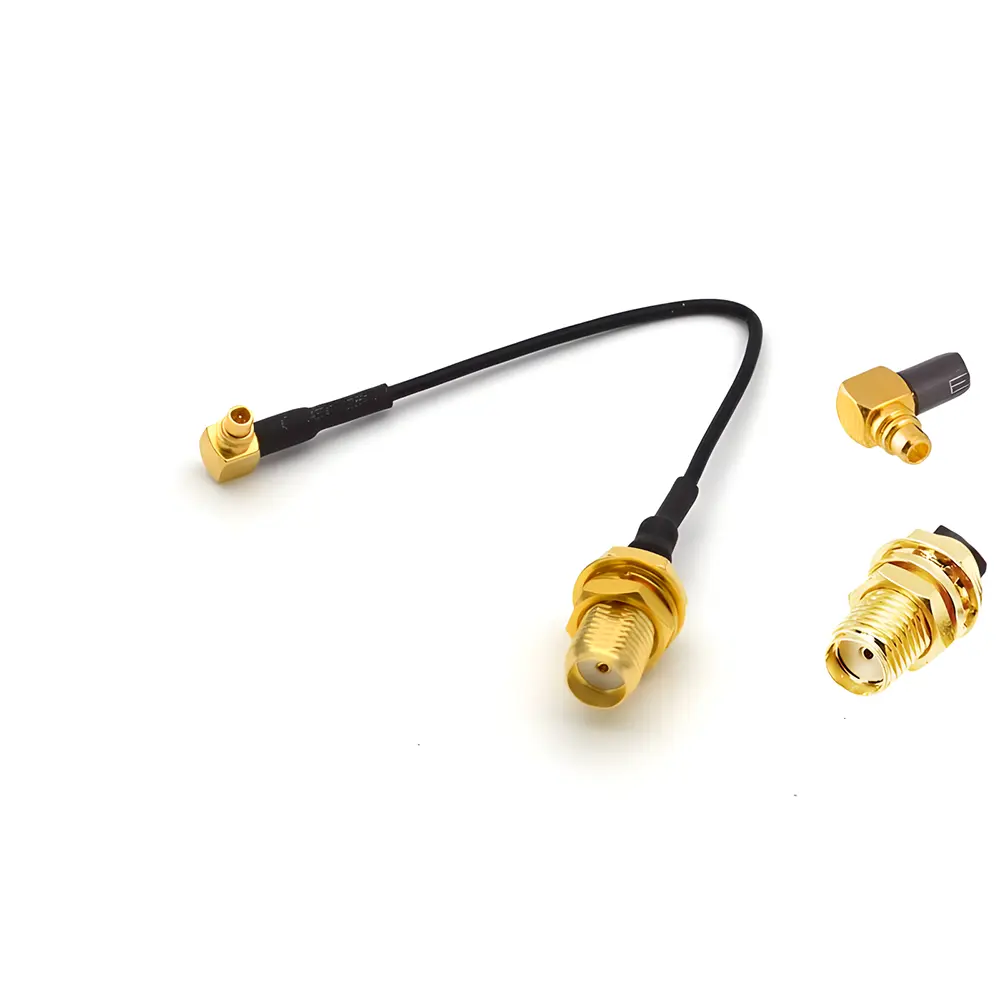 Antenna Cables
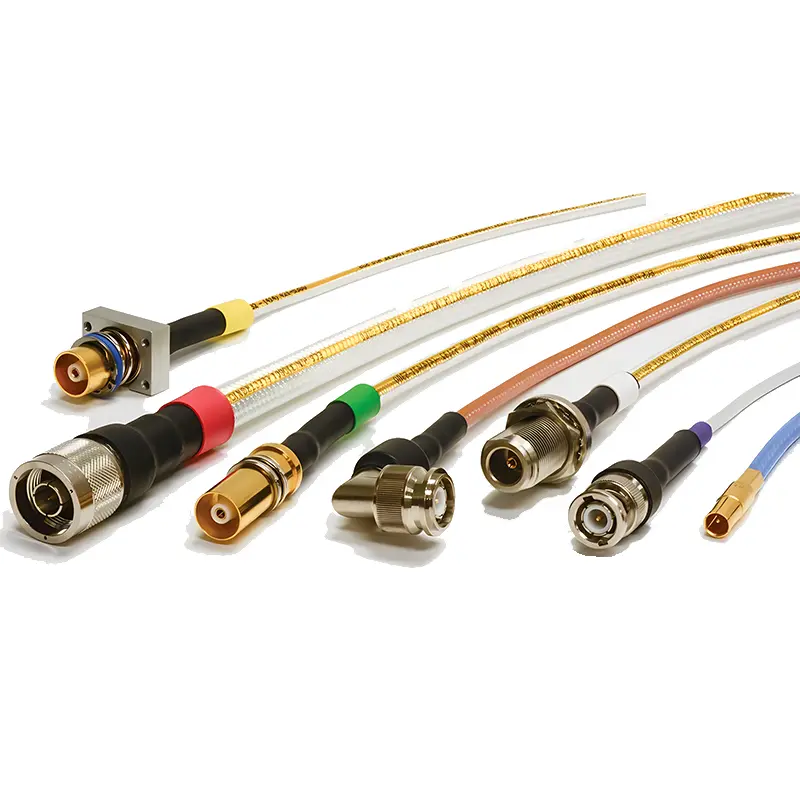 Coaxial Cables
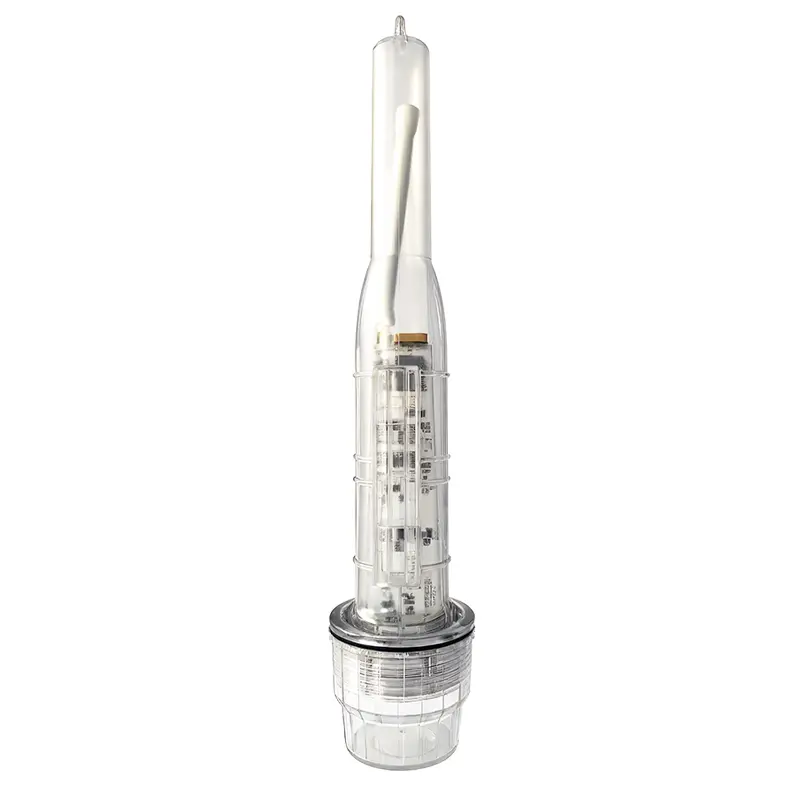 Net Position Indicator
 Solar AIS net position indicator
 Capacitors
 Connectors
 Diodes
 Embedded Processors & Controllers
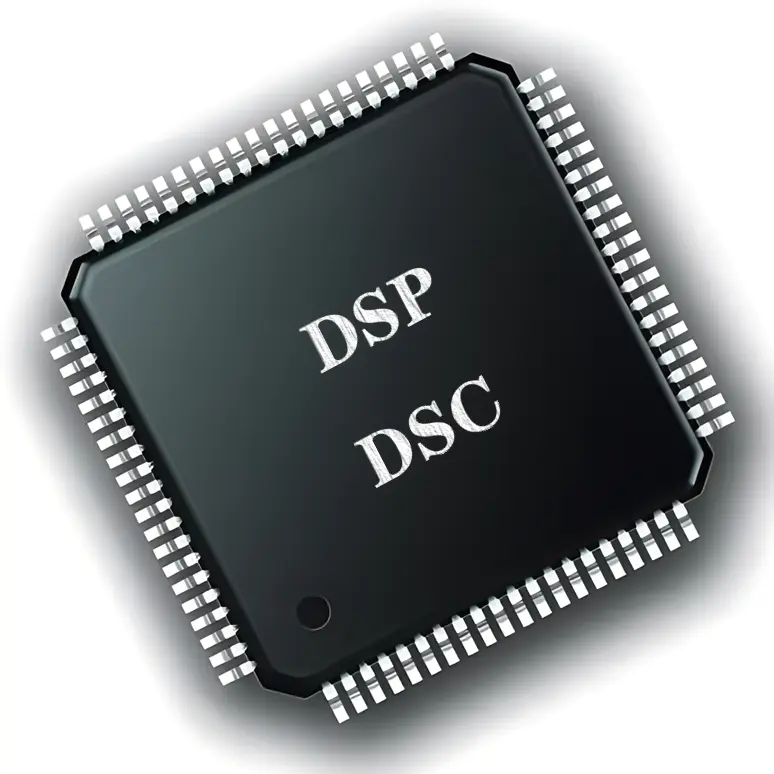 Digital Signal Processors (DSP/DSC)
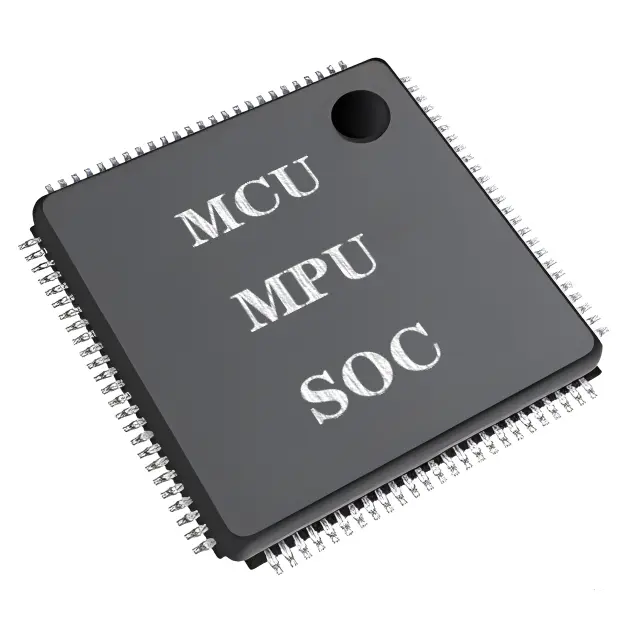 Microcontrollers (MCU/MPU/SOC)
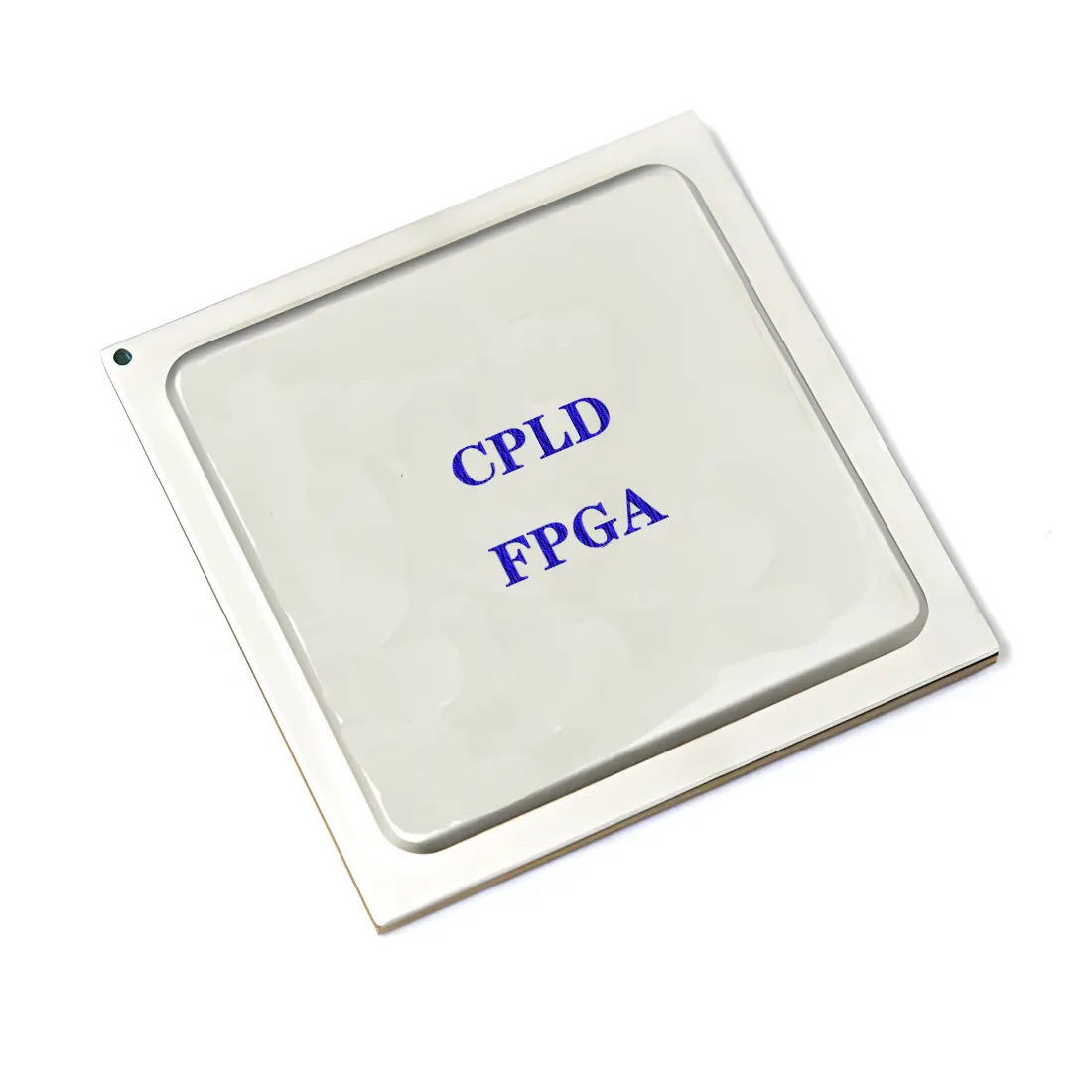 Programmable Logic Device(CPLD/FPGA)
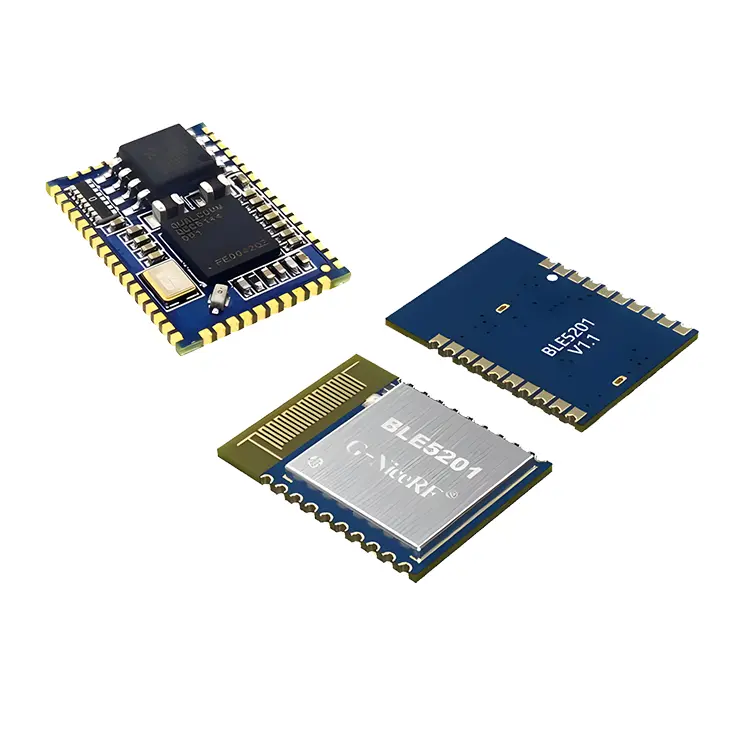 Communication Modules/IoT
 Resistors
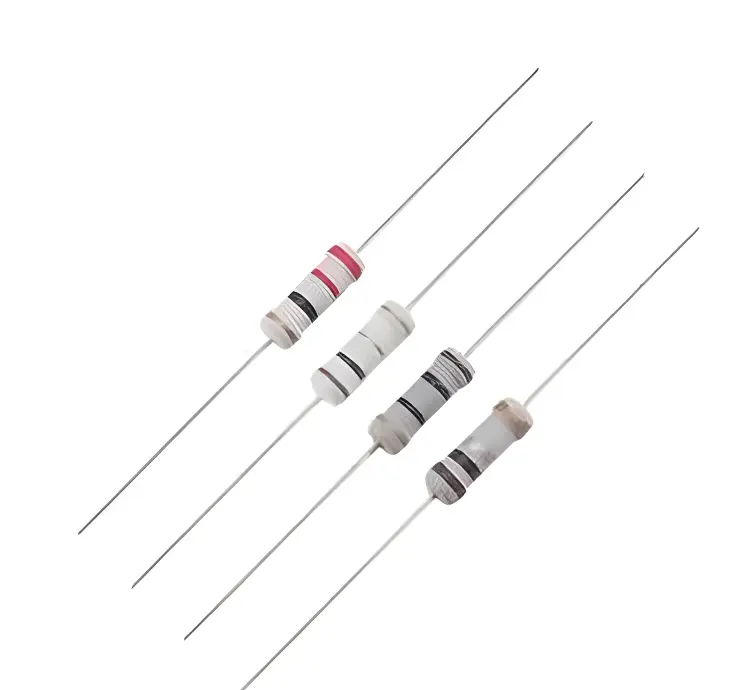 Through Hole Resistors
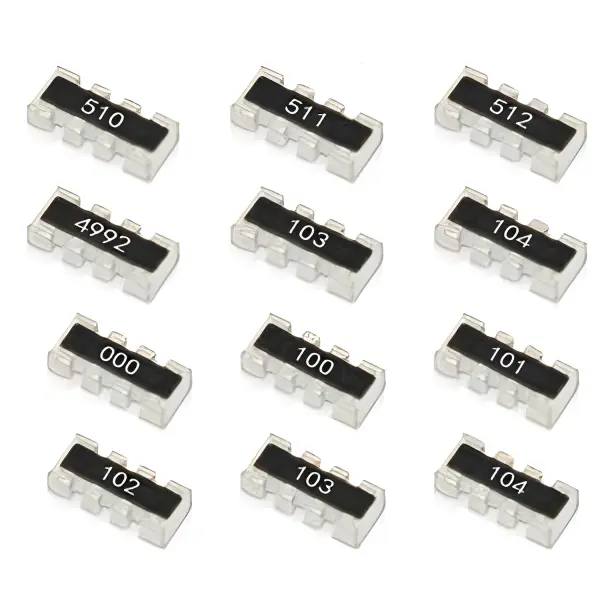 Resistor Networks, Arrays
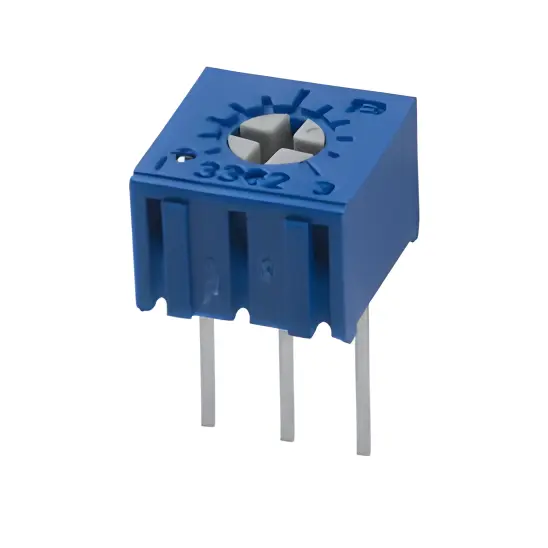 Potentiometers,Variable Resistors
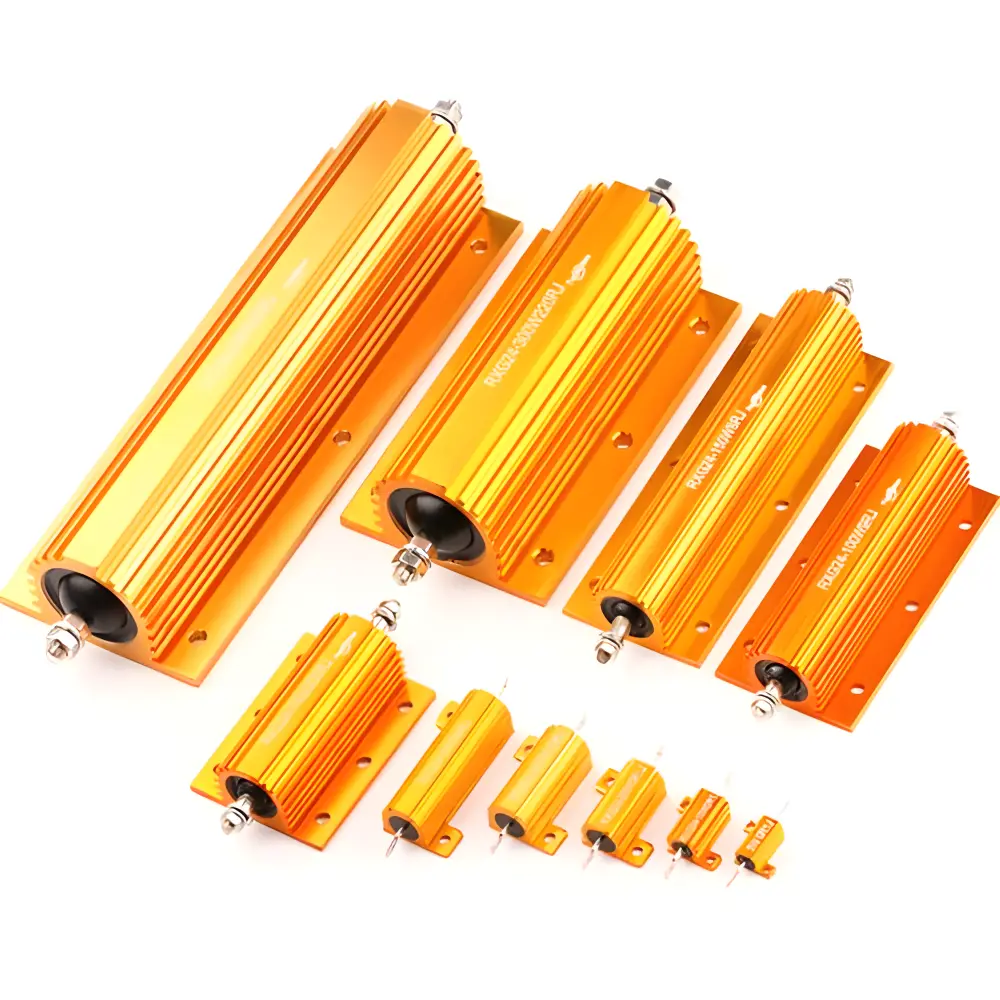 Aluminum Case,Porcelain Tube Resistance
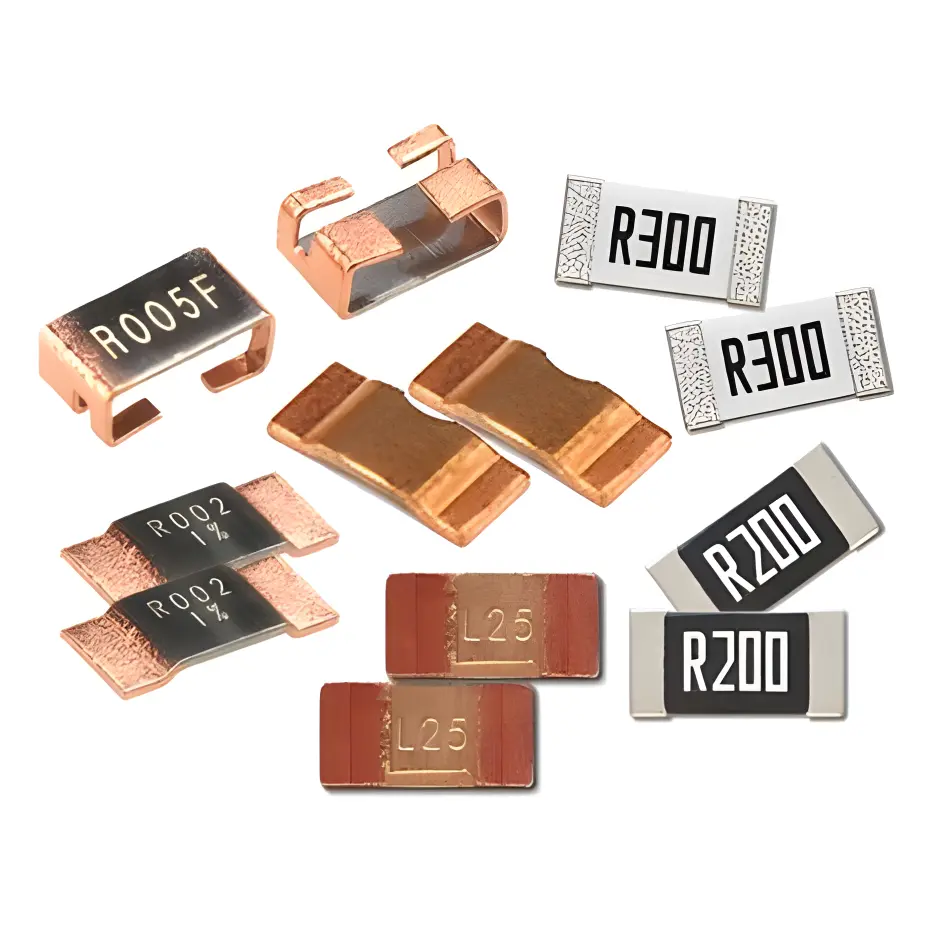 Current Sense Resistors,Shunt Resistors
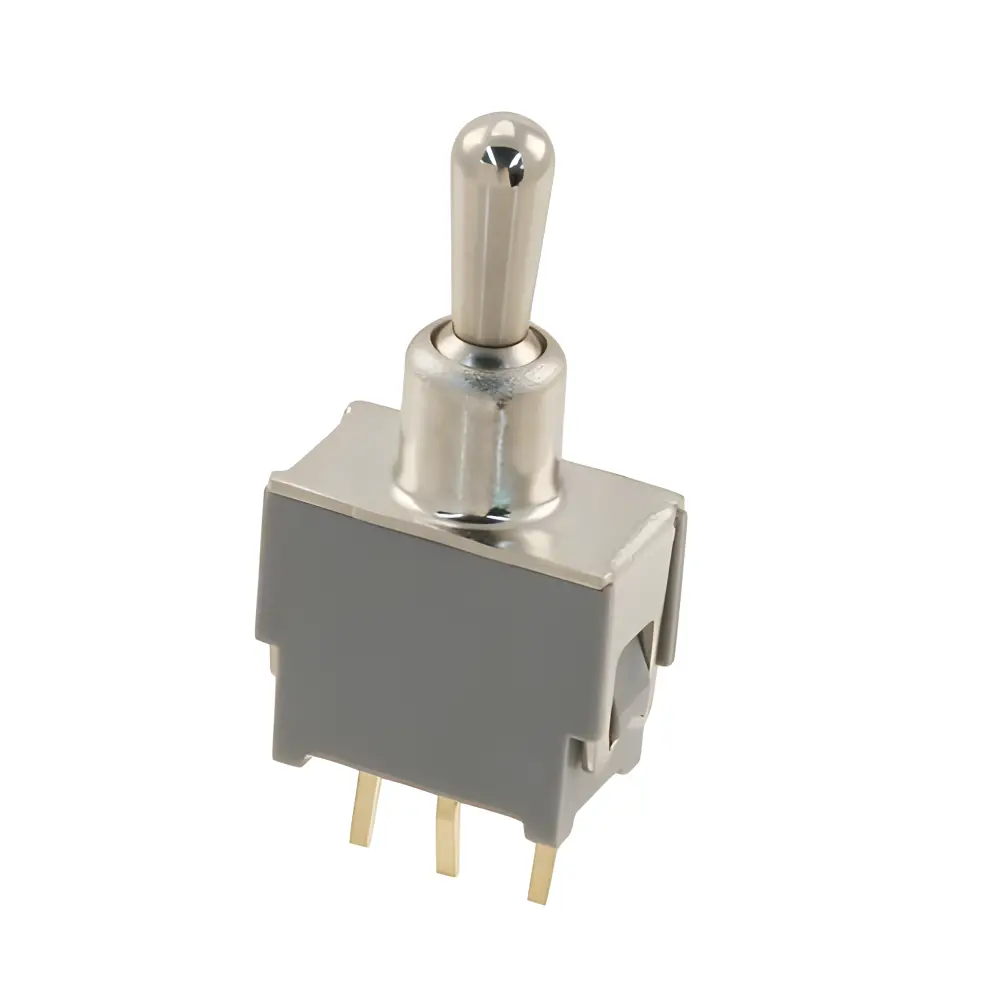 Switches
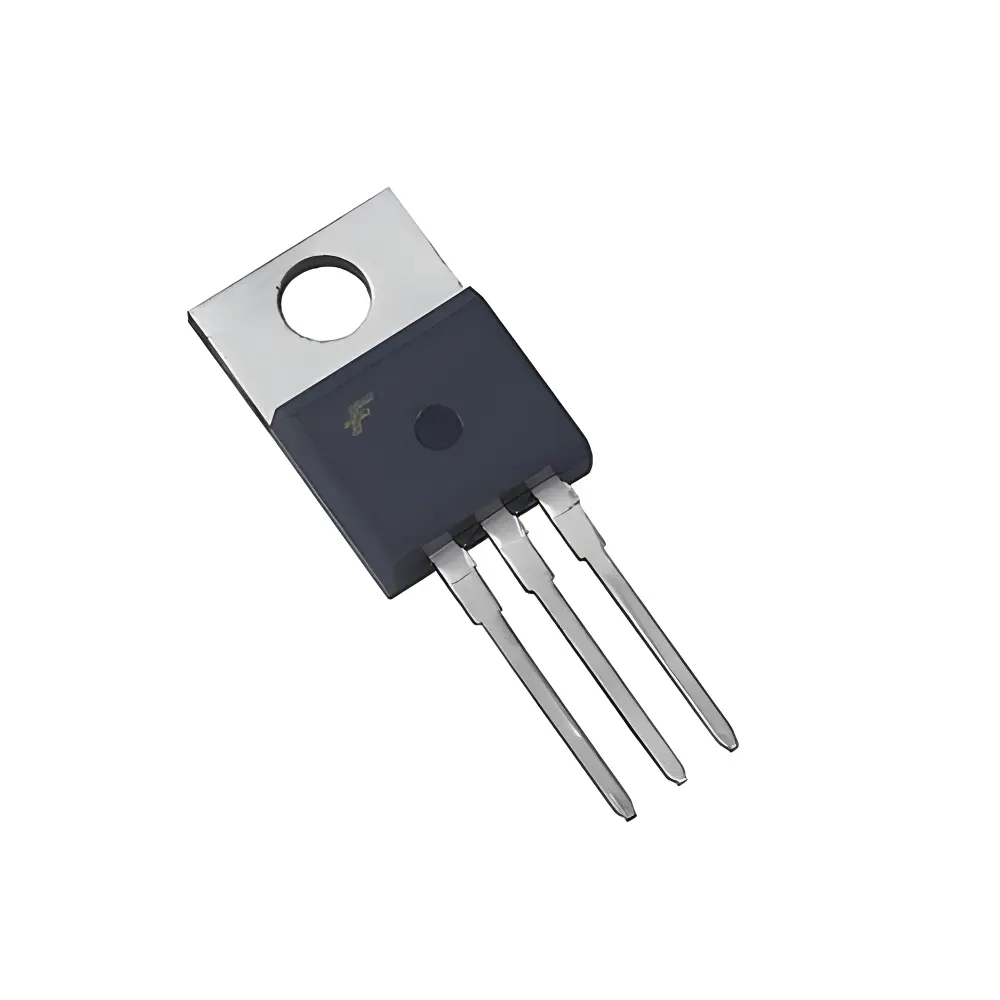 Transistors
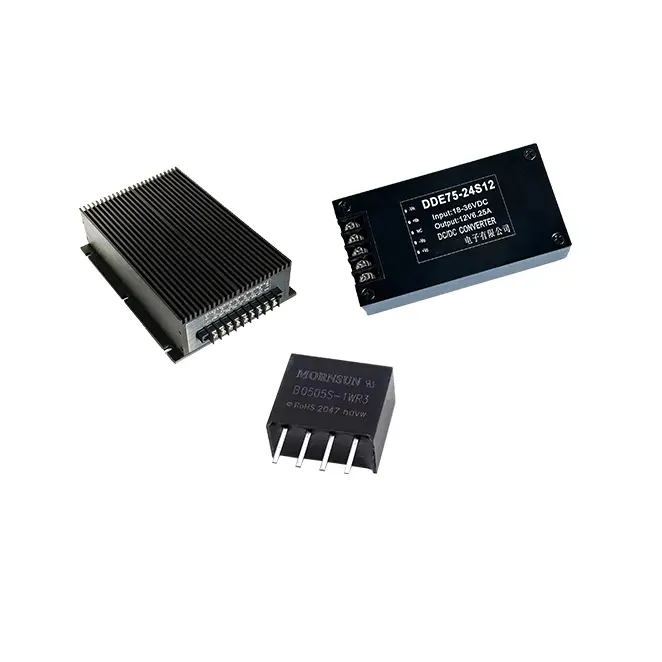 Power Modules
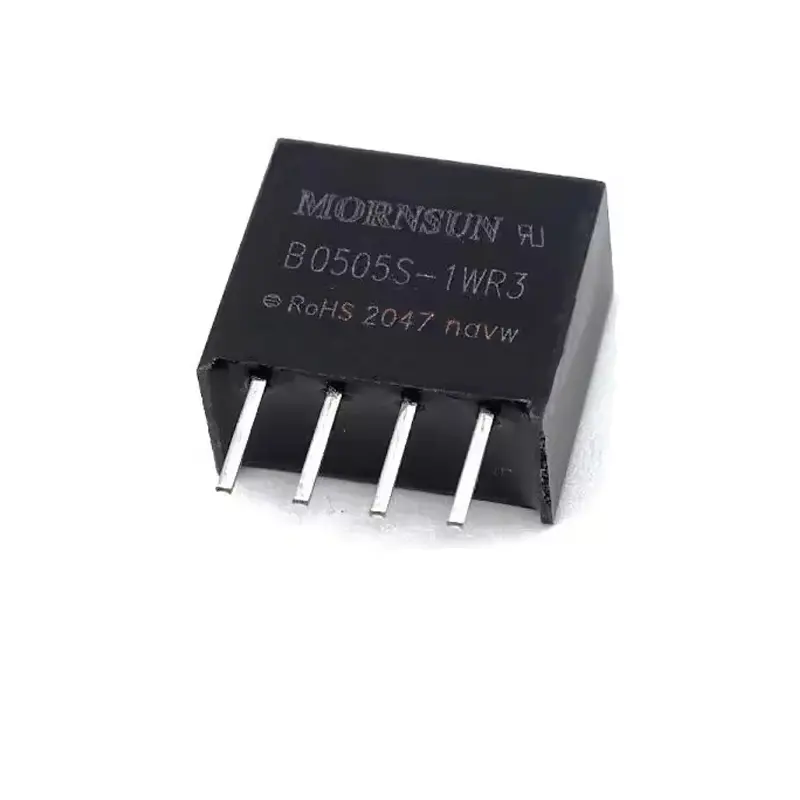 Isolated Power Modules
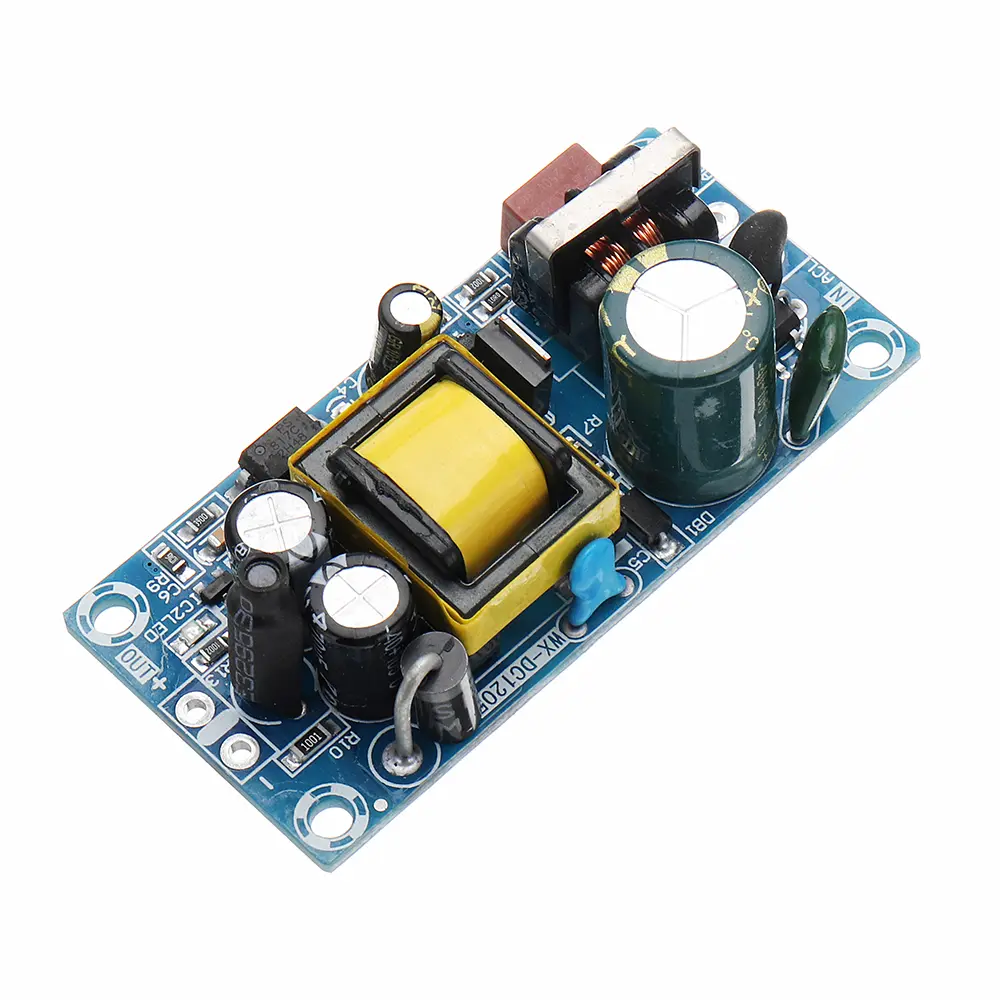 AC-DC Power Modules
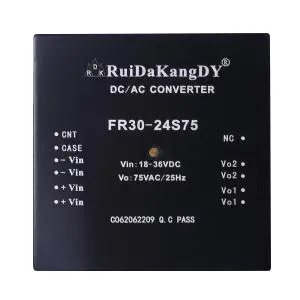 DC-AC Module(Inverter)
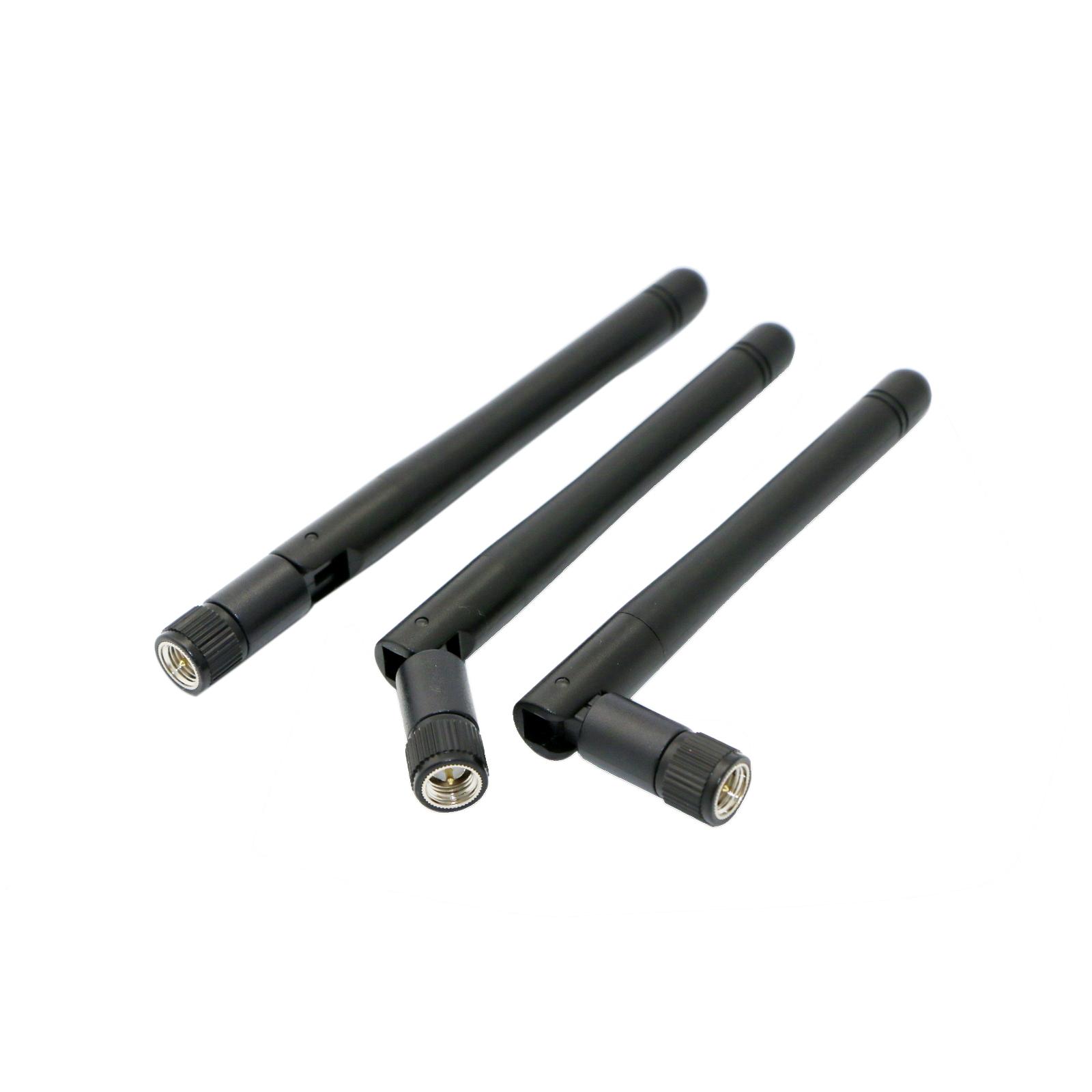 RF and Wireless
Legend Printing on Dark Solder Mask: A Guide to Ink Color and Stencil Parameter Selection
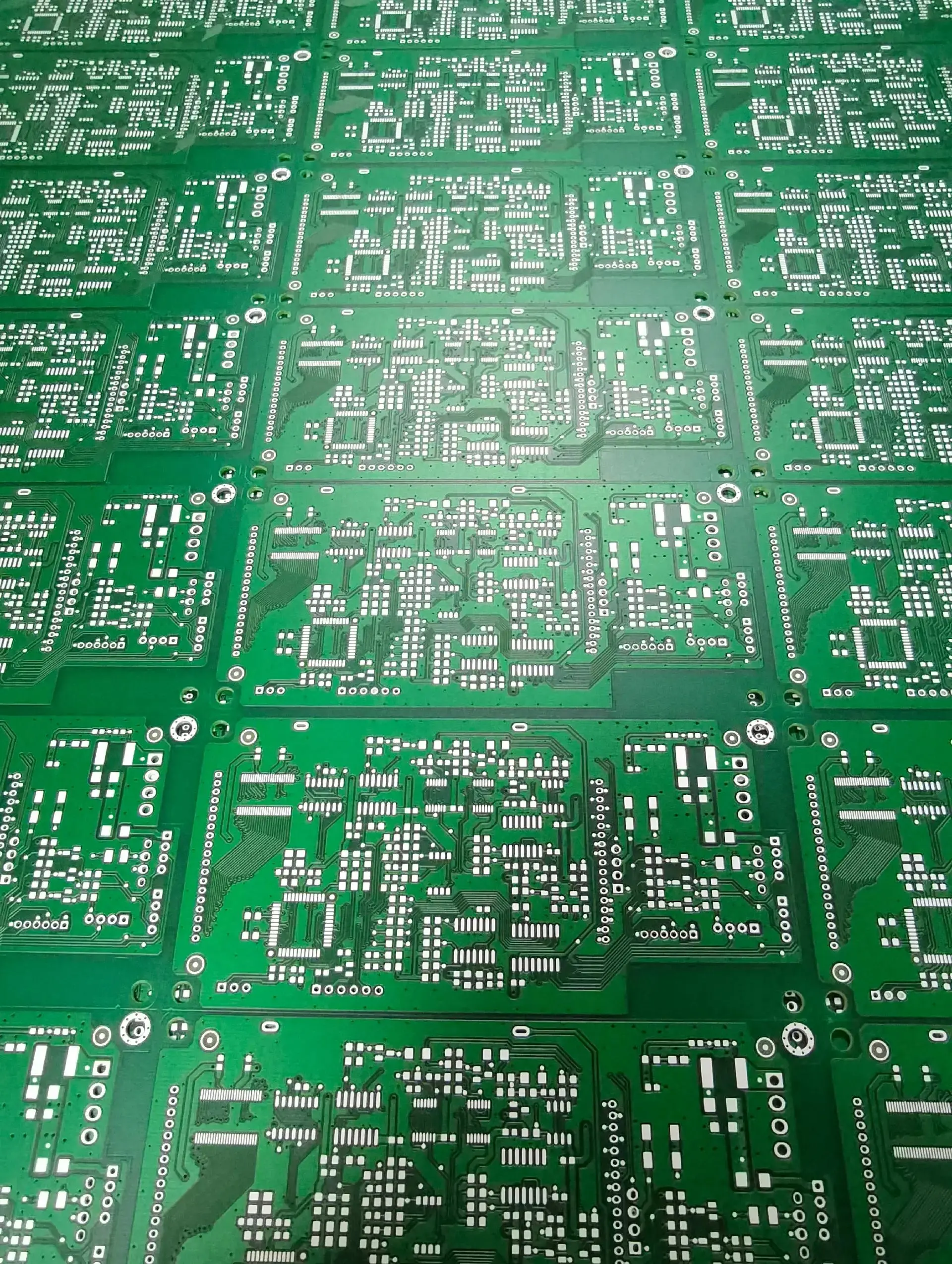
In printed Circuit Board manufacturing, printing legends on dark solder masks presents unique challenges. The legibility and readability of the characters are paramount, affecting not only assembly and inspection effICiency on the production line but also product branding and future maintenance ease. Ensuring clarity requires a systematic approach to ink color selection and stencil parameter configuration.
I. Ink Color Selection Strategy: Pursuing Maximum Contrast
The core principle for choosing ink color is to maximize contrast against the dark solder mask.
-
Primary Choice: White
-
Reason: White provides the highest contrast, making it clearly visible against almost any dark background. It is the most common and reliable choice for industrial and consumer electronics.
-
Technical Requirement: Must use white ink with high hiding power and high opacity. This type of ink typically contains a high proportion of titanium dioxide, effectively covering the underlying color and preventing the solder mask color from showing through.
-
-
Secondary Choice: Bright Yellow
-
Reason: Bright yellow also offers high visibility on dark backgrounds and is sometimes a standard requirement in specific applications.
-
Applicable Scenarios: Bright yellow is an excellent alternative when white is unsuitable due to color matching or branding reasons. It works particularly well on black and dark blue solder masks.
-
-
Other Colors and Considerations
-
Avoid using colors similar in hue to the solder mask.
-
If the design allows, consider reserving a light-colored "base layer" in the legend area before printing the dark characters. However, this adds an extra step and cost.
-
II. Key Stencil Parameter Configuration: Ensuring Precise Ink Deposition
After selecting the correct ink color, precise stencil parameters are crucial for achieving sharp character edges and full ink coverage.
-
Stencil Mesh Count
-
Recommended Range: 110 - 160 Mesh.
-
Principle:
-
Too low a mesh count: Large openings allow excessive ink deposition, leading to rough, spread edges and blurred fine details.
-
Too high a mesh count: Small openings restrict ink flow, resulting in faint, thin characters with reduced opacity, potentially allowing the background to show through.
-
-
Balance Point: For most legends, a 120 or 140 mesh stencil provides a good balance between sufficient ink deposition and good graphic resolution.
-
-
Emulsion Thickness
-
Recommended Range: 25μm - 40μm.
-
Principle: A thicker emulsion allows more ink to be transferred to the PCB.
-
Sufficient ink thickness is a prerequisite for high hiding power. For white ink, an emulsion thickness of at least 30μm is recommended to ensure characters are opaque and white enough.
-
However, excessively thick emulsion increases the risk of solder mask bleeding, potentially blurring character edges.
-
-
-
Stencil Aperture Design
-
Aperture Size: Typically, the stencil aperture should be slightly narrower than the designed character stroke. This compensates for the inevitable lateral spreading of ink after printing, resulting in characters closer to the designed width.
-
Aperture Shape: Use laser-cut and electropolished stencils to obtain smooth, near-vertical aperture walls, which facilitate clean ink release and sharp character edges.
-
III. Synergistic Optimization of Printing and Curing Processes
-
Printing Parameters
-
Squeegee: Use polyurethane squeegees with a hardness of 60-80 Shore A. The appropriate hardness ensures effective ink scraping while reducing stencil wear.
-
Squeegee Angle and Pressure: A typical squeegee angle is 60°-75°. Adjust the pressure to just cleanly scrape the ink from the stencil surface. Excessive pressure deforms characters; insufficient pressure leads to poor transfer.
-
Snap-off Speed: Set an appropriate snap-off speed to ensure the stencil separates cleanly from the PCB, preventing "stringing".
-
-
Curing Process
-
Strictly follow the ink manufacturer's recommended curing conditions.
-
Undercuring results in poor ink adhesion and low hardness, making legends easy to rub off.
-
Overcuring can make the ink brittle or cause yellowing, affecting appearance and performance.
-
IV. Summary: Best Practices Table
| Key Element | Recommended Solution/Parameter | Core Purpose |
|---|---|---|
| Ink Color | High Hiding Power White > Bright Yellow | Maximize contrast, ensure readability |
| Mesh Count | 120 - 140 Mesh | Balance ink deposition and resolution |
| Emulsion Thickness | 30μm - 40μm | Provide sufficient ink, ensure opacity |
| Aperture Design | 10%-15% narrower than design stroke | Compensate for ink spread, control width |
| Squeegee Hardness | 60-80 Shore A | Effective transfer & stencil protection |
| Process Control | Optimize squeegee params & snap-off | Achieve clear, defect-free legends |
Conclusion:
Achieving highly legible legend printing on dark solder masks is a systematic task requiring the synergy of ink, stencil, and process. Start with high-hiding-power white ink for a clear visual foundation. Then, use a medium mesh count (120-140) and appropriately thickened emulsion (≥30μm) to precisely control the amount and shape of ink deposited. Finally, supplement this with optimized printing parameters to consistently produce product markings that are high-contrast, sharp-edged, and durable.