
 PCB
PCB FPC
FPC Rigid-Flex
 FR-4
FR-4 HDI PCB
 Rogers High-Frequency Board
 PTFE Teflon High-Frequency Board
 Aluminum
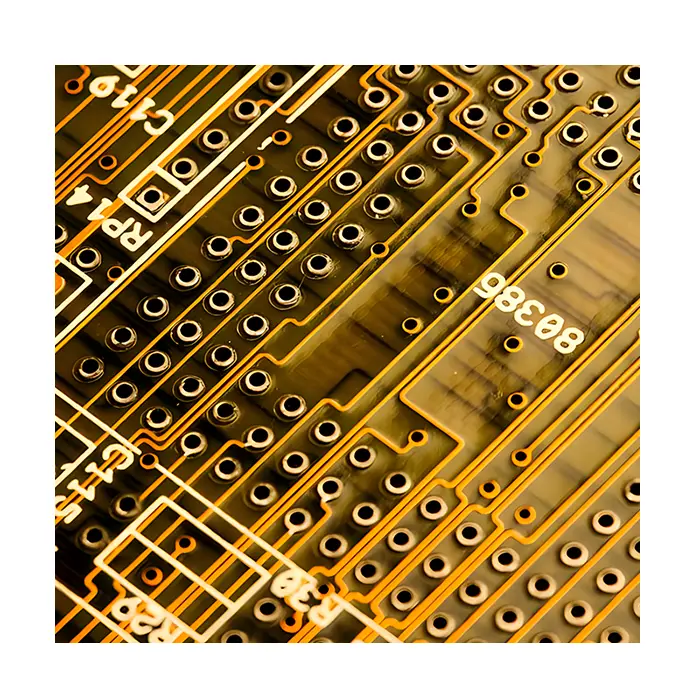 Copper Core
 PCB Assembly
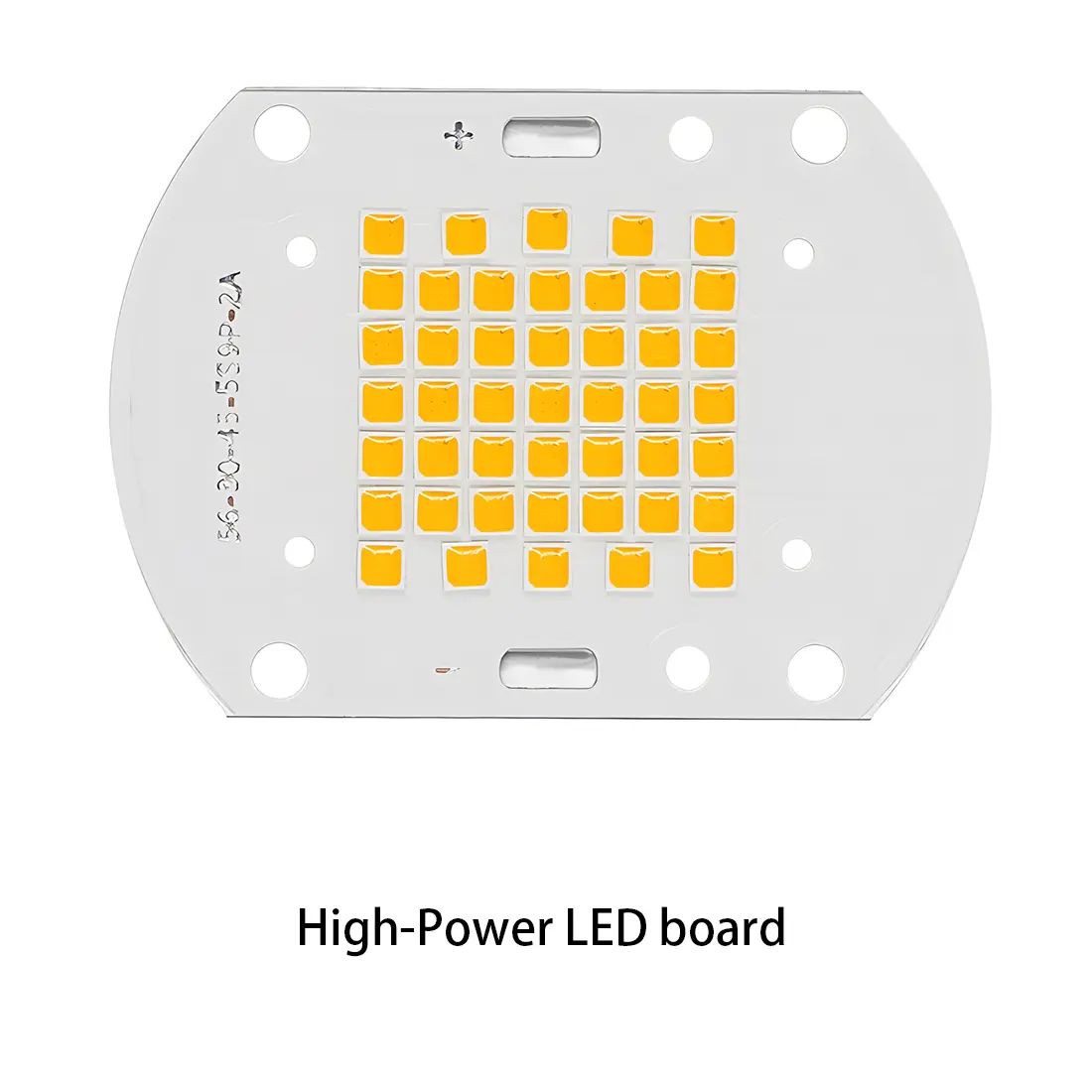 LED light PCBA
 Memory PCBA
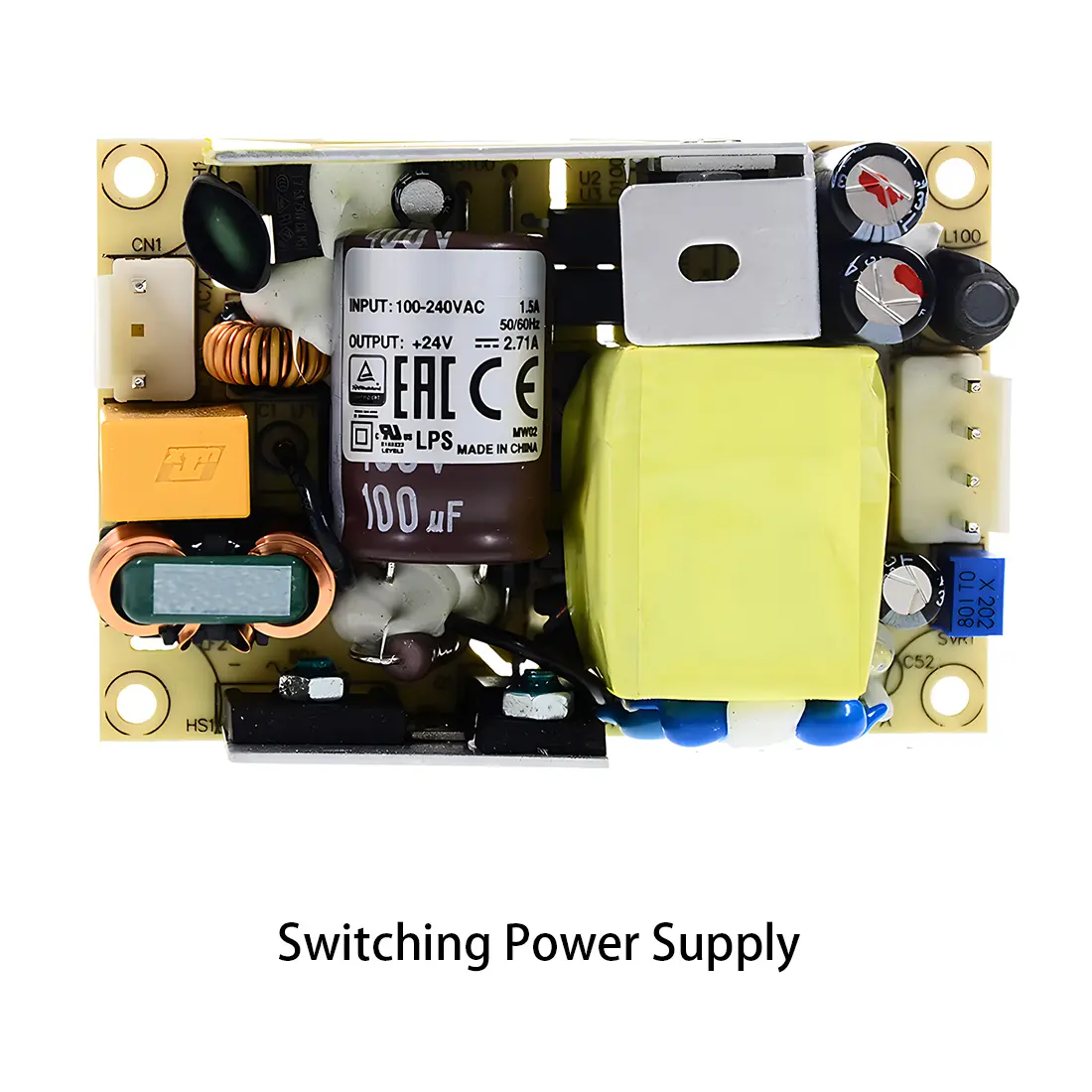 Power Supply PCBA
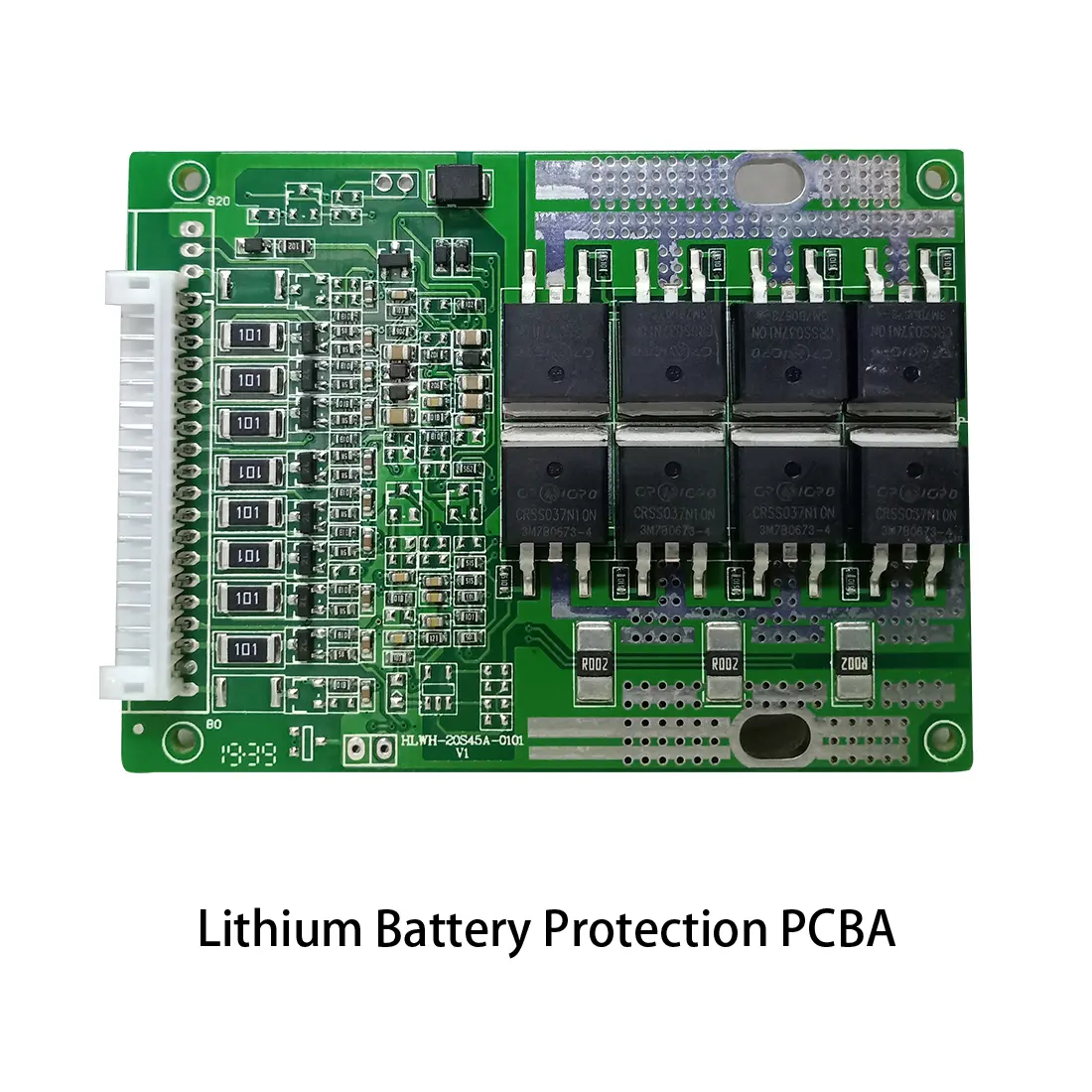 New Energey PCBA
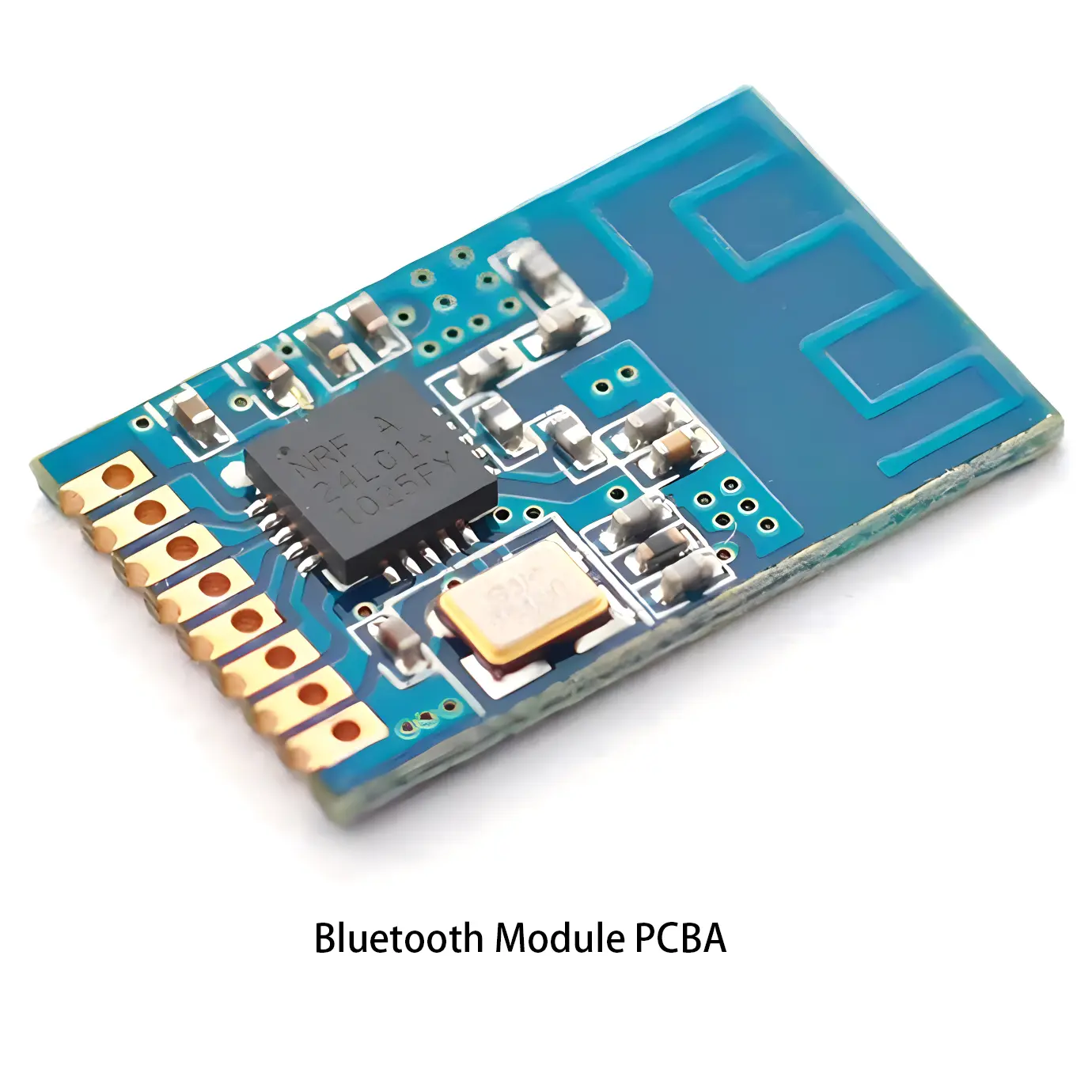 Communication PCBA
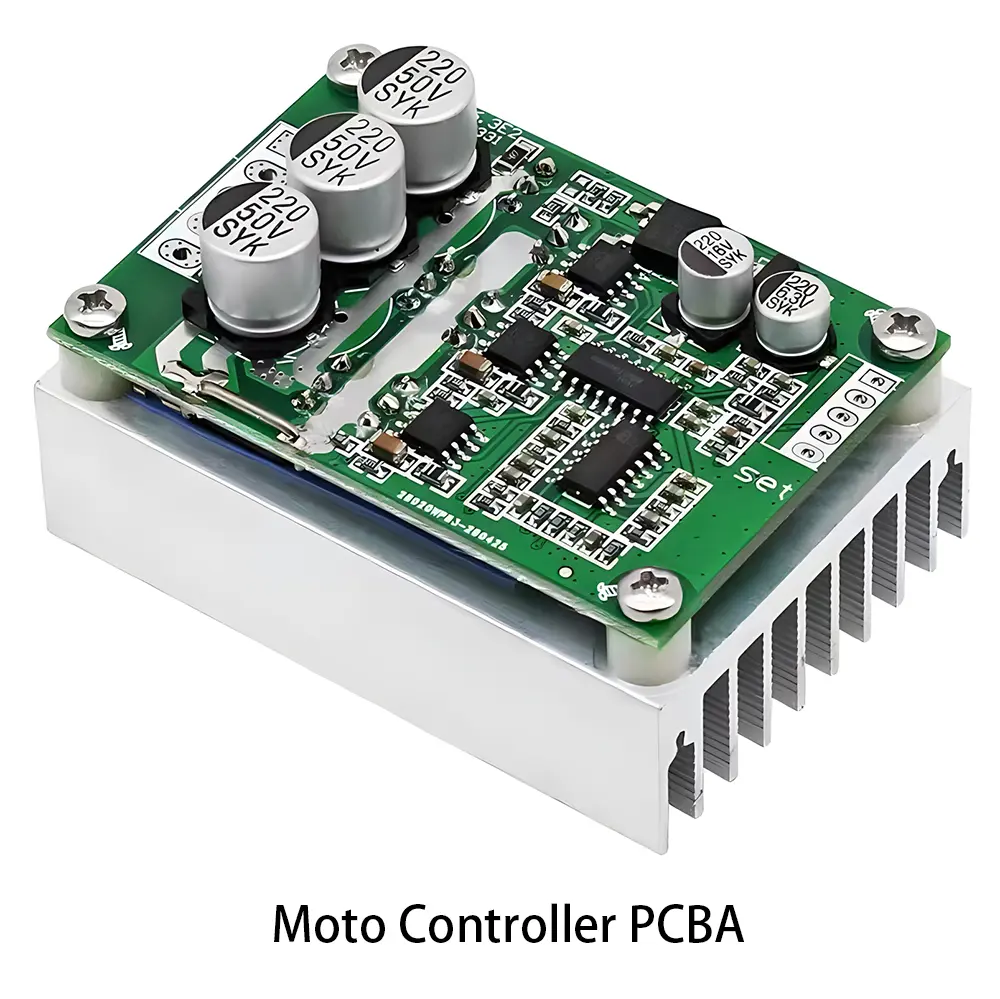 Industrial Control PCBA
 Medical Equipment PCBA
 Testing Service
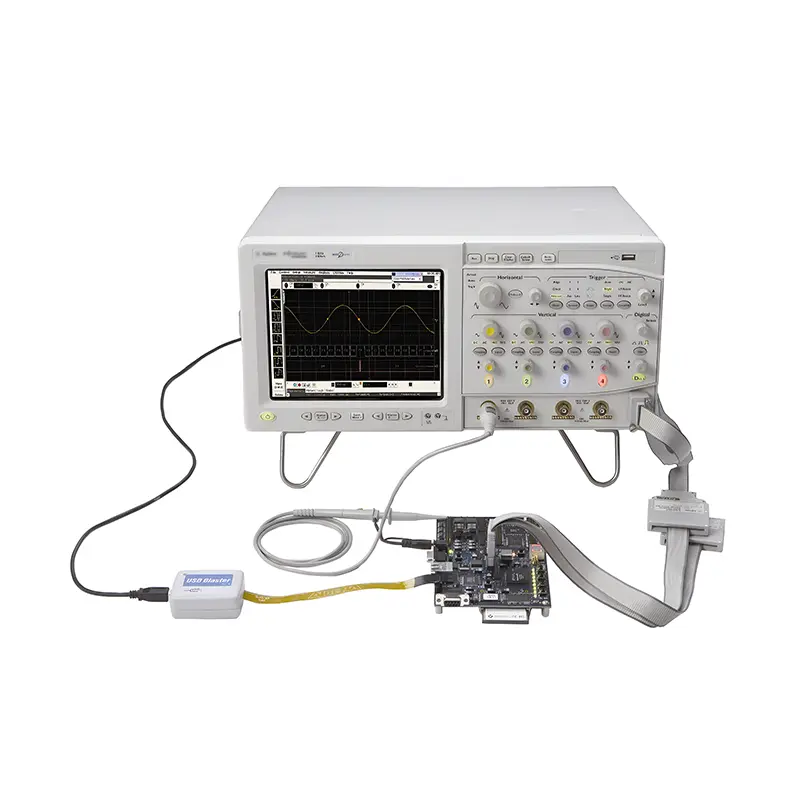 PCBA Testing Service
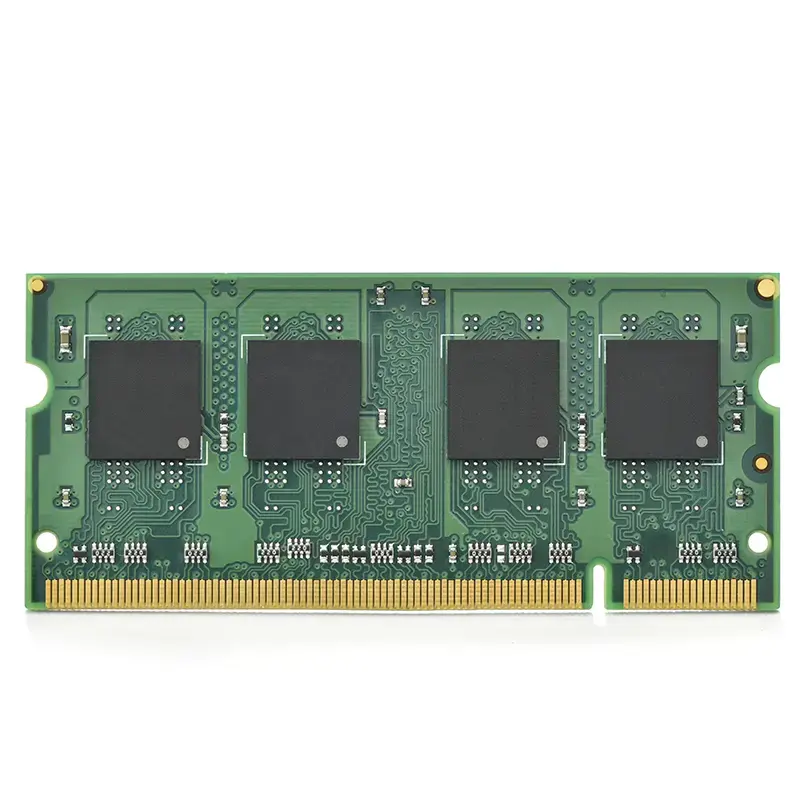 Certification Application
 RoHS Certification Application
 REACH Certification Application
 CE Certification Application
 FCC Certification Application
 CQC Certification Application
 UL Certification Application
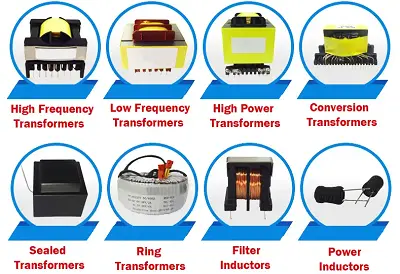 Transformers, Inductors
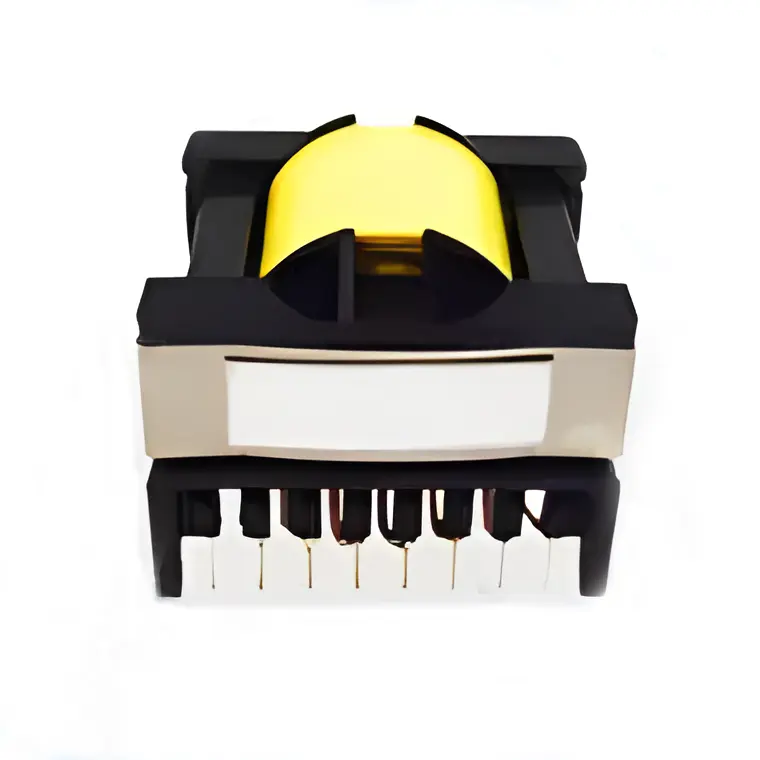 High Frequency Transformers
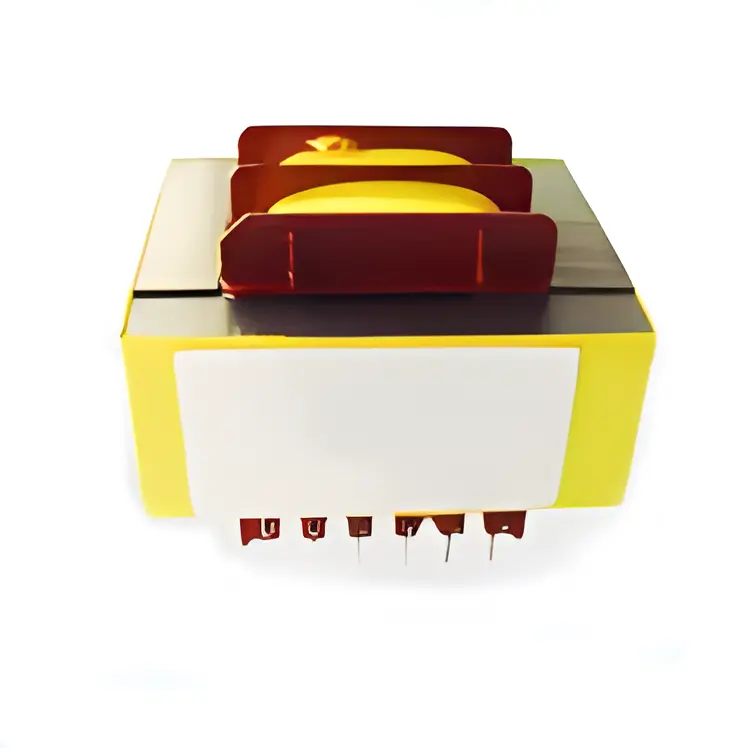 Low Frequency Transformers
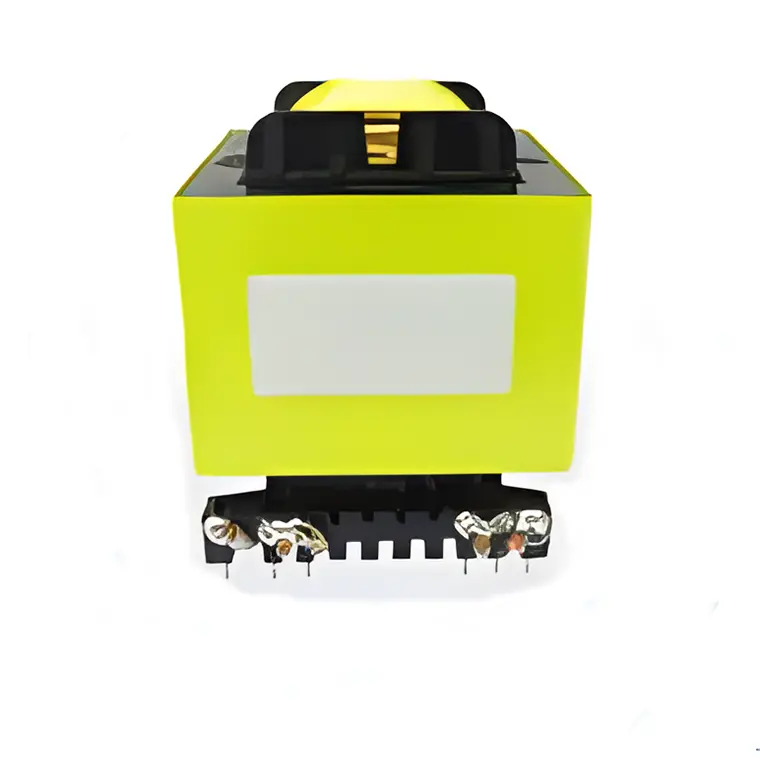 High Power Transformers
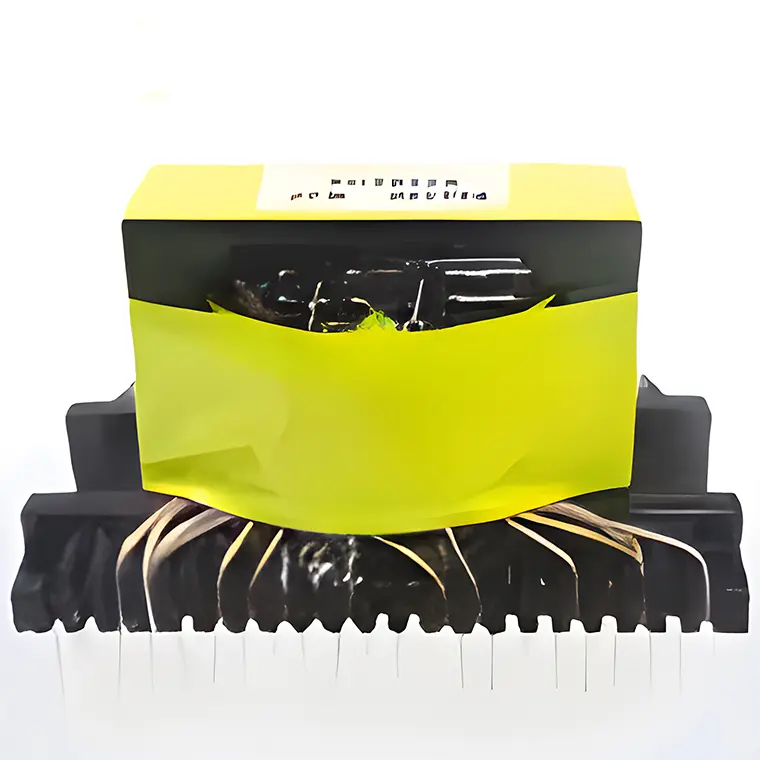 Conversion Transformers
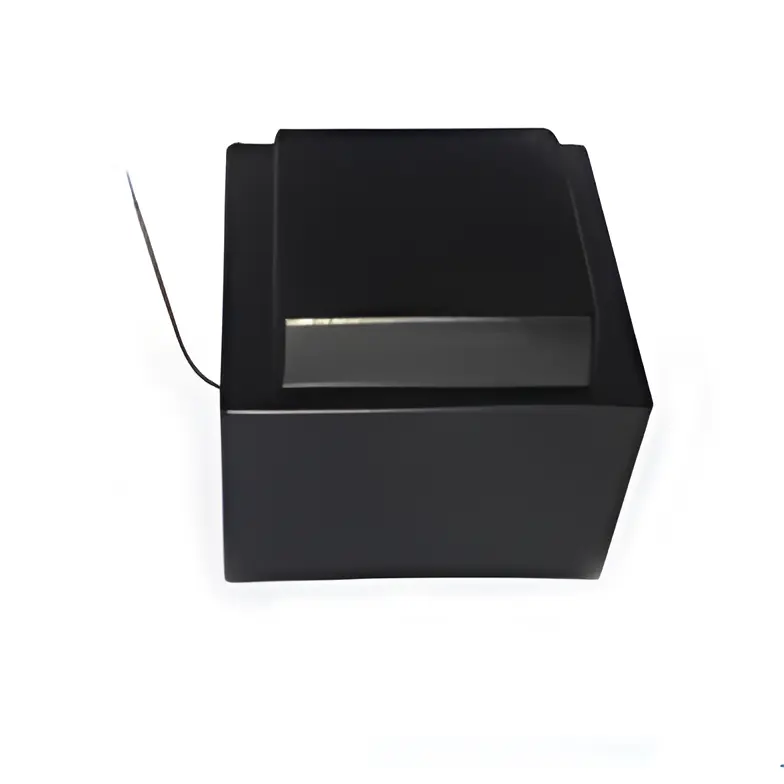 Sealed Transformers
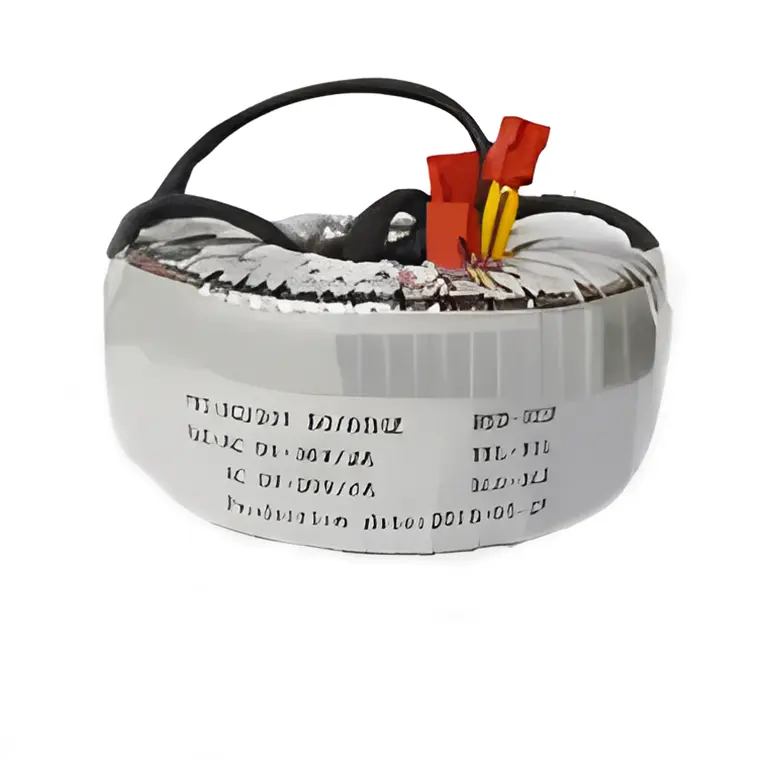 Ring Transformers
 Inductors
 Wires,Cables Customized
 Network Cables
 Power Cords
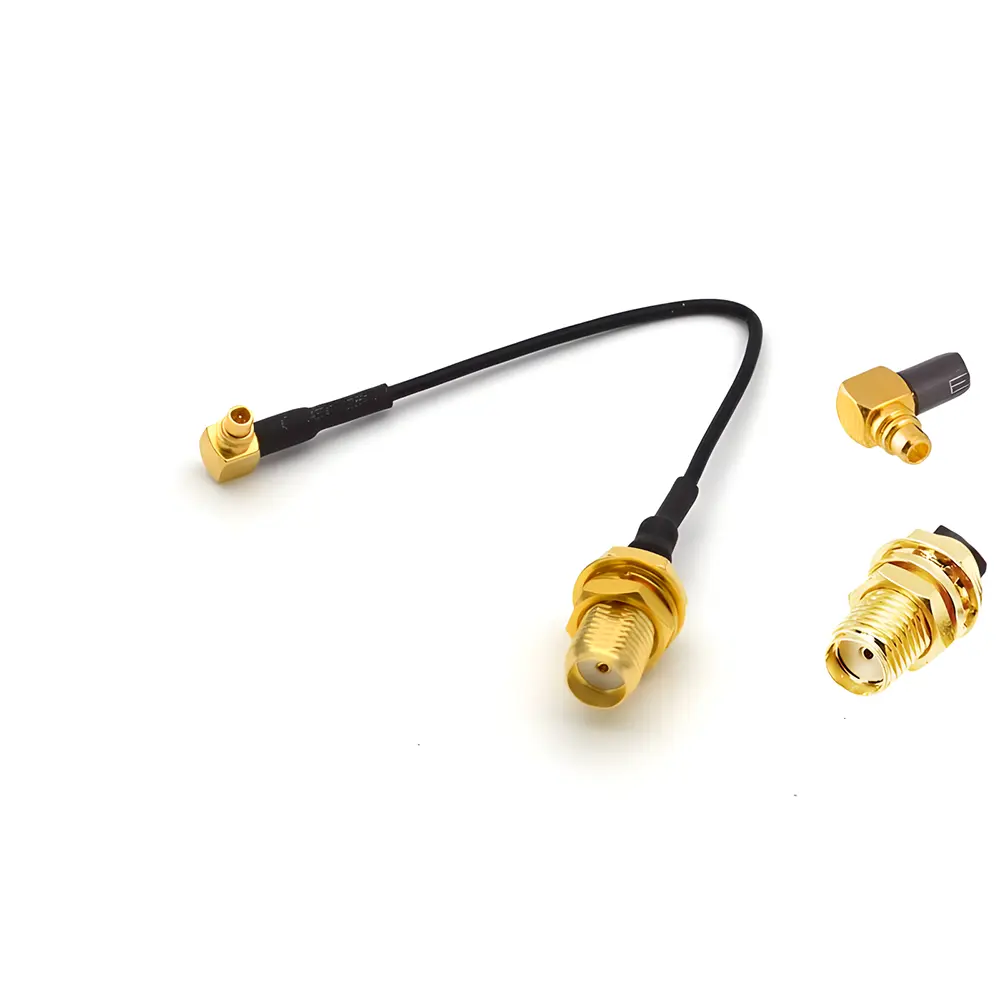 Antenna Cables
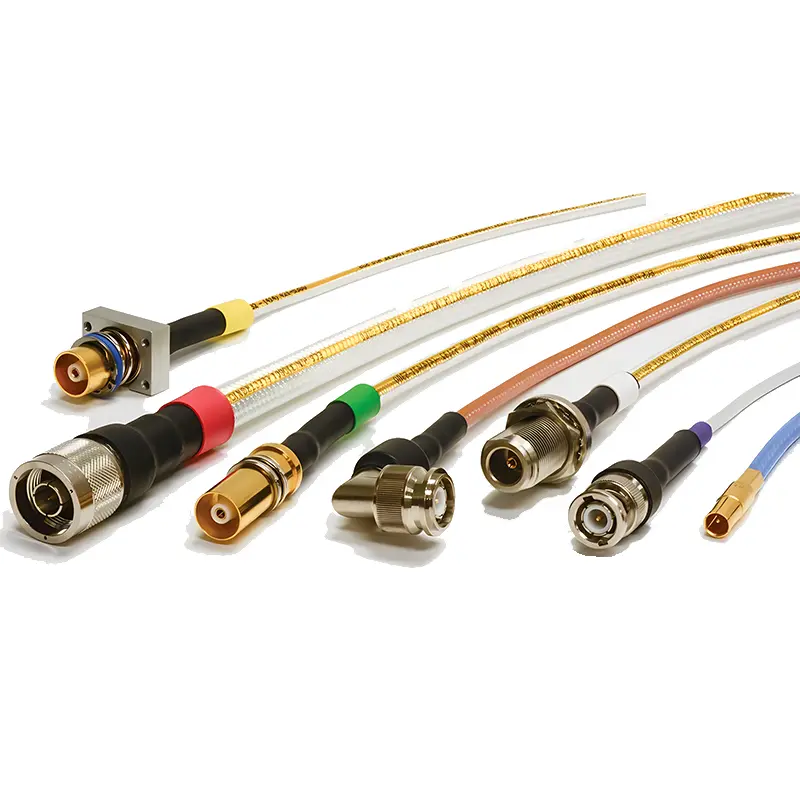 Coaxial Cables
 Net Position Indicator
 Solar AIS net position indicator
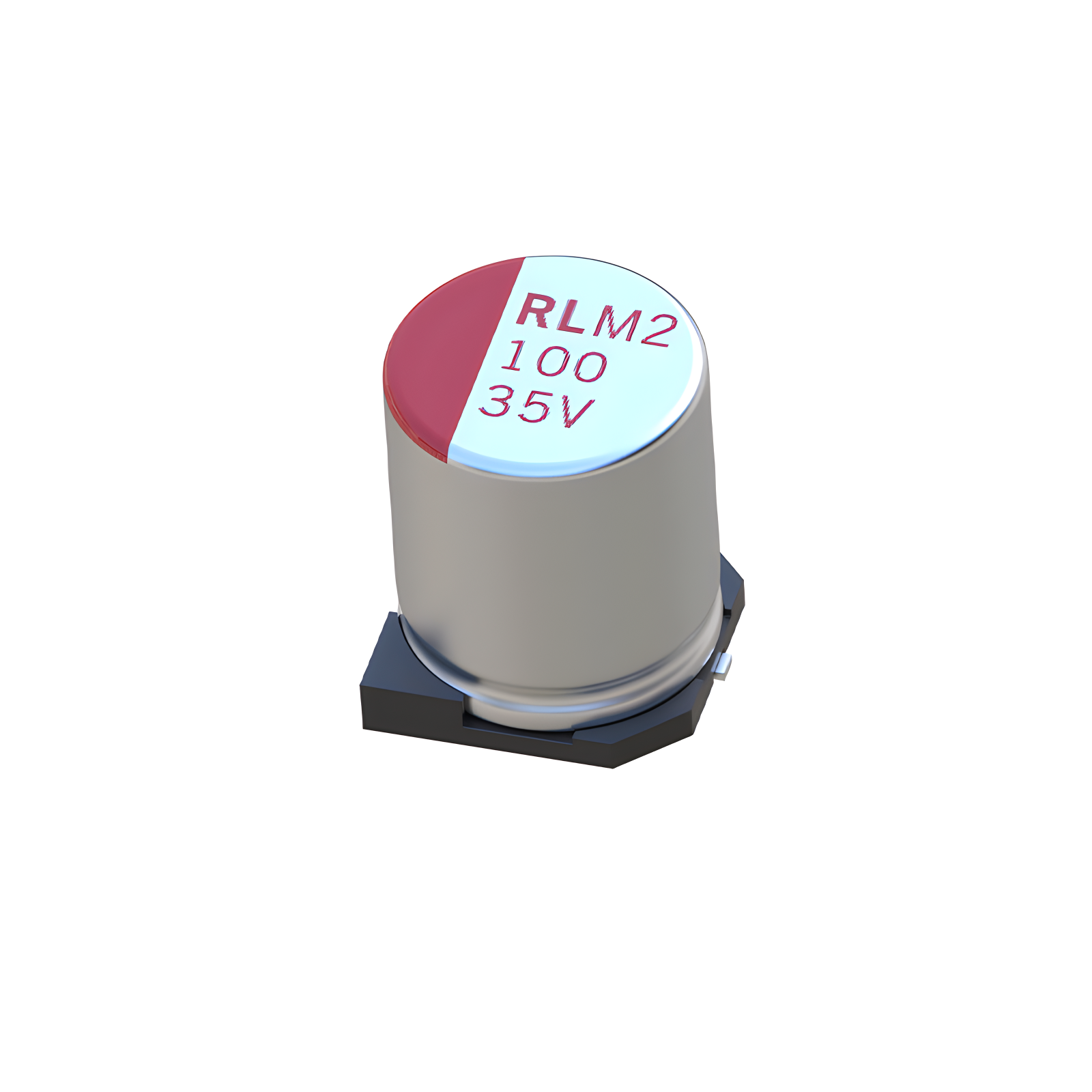 Capacitors
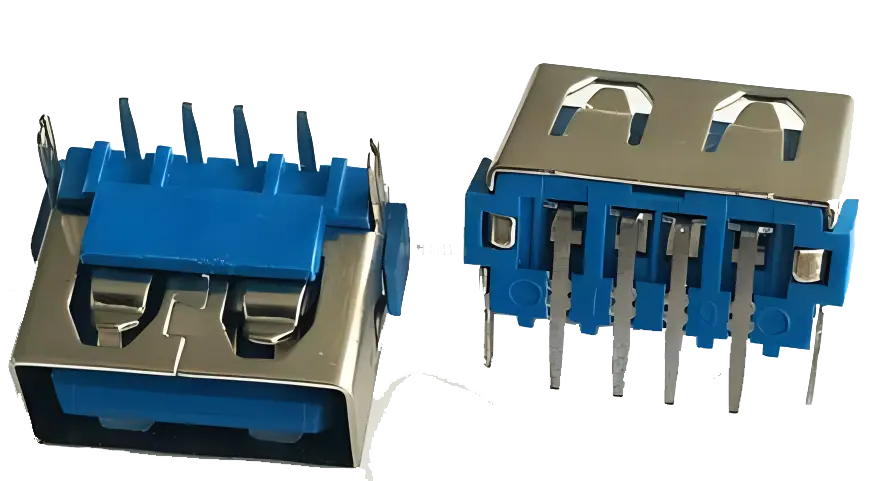 Connectors
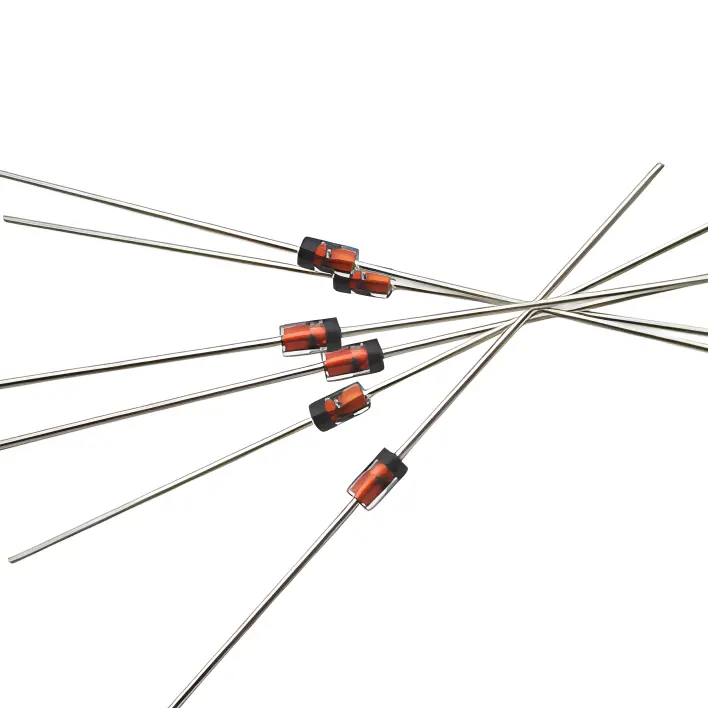 Diodes
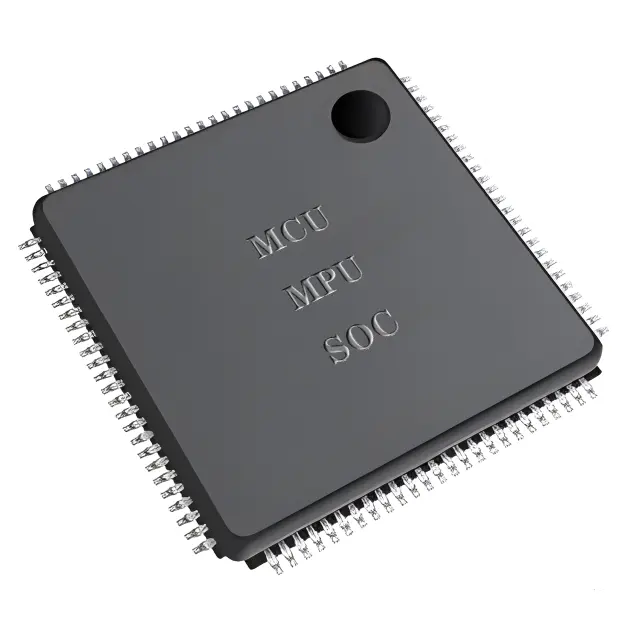 Embedded Processors & Controllers
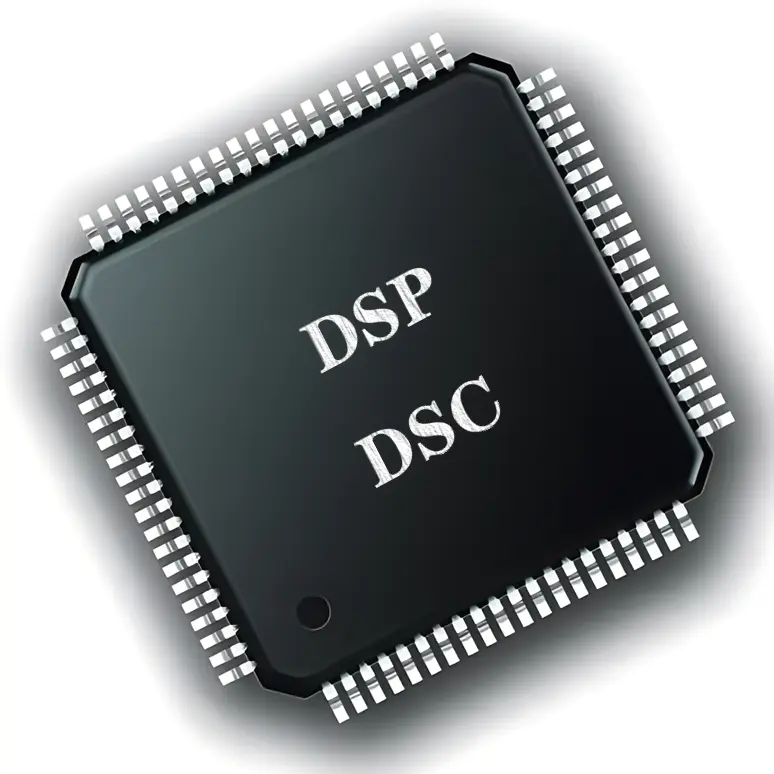 Digital Signal Processors (DSP/DSC)
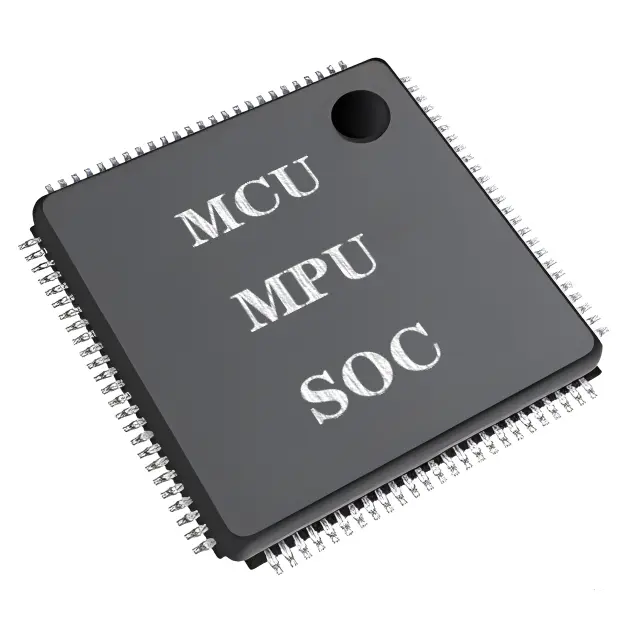 Microcontrollers (MCU/MPU/SOC)
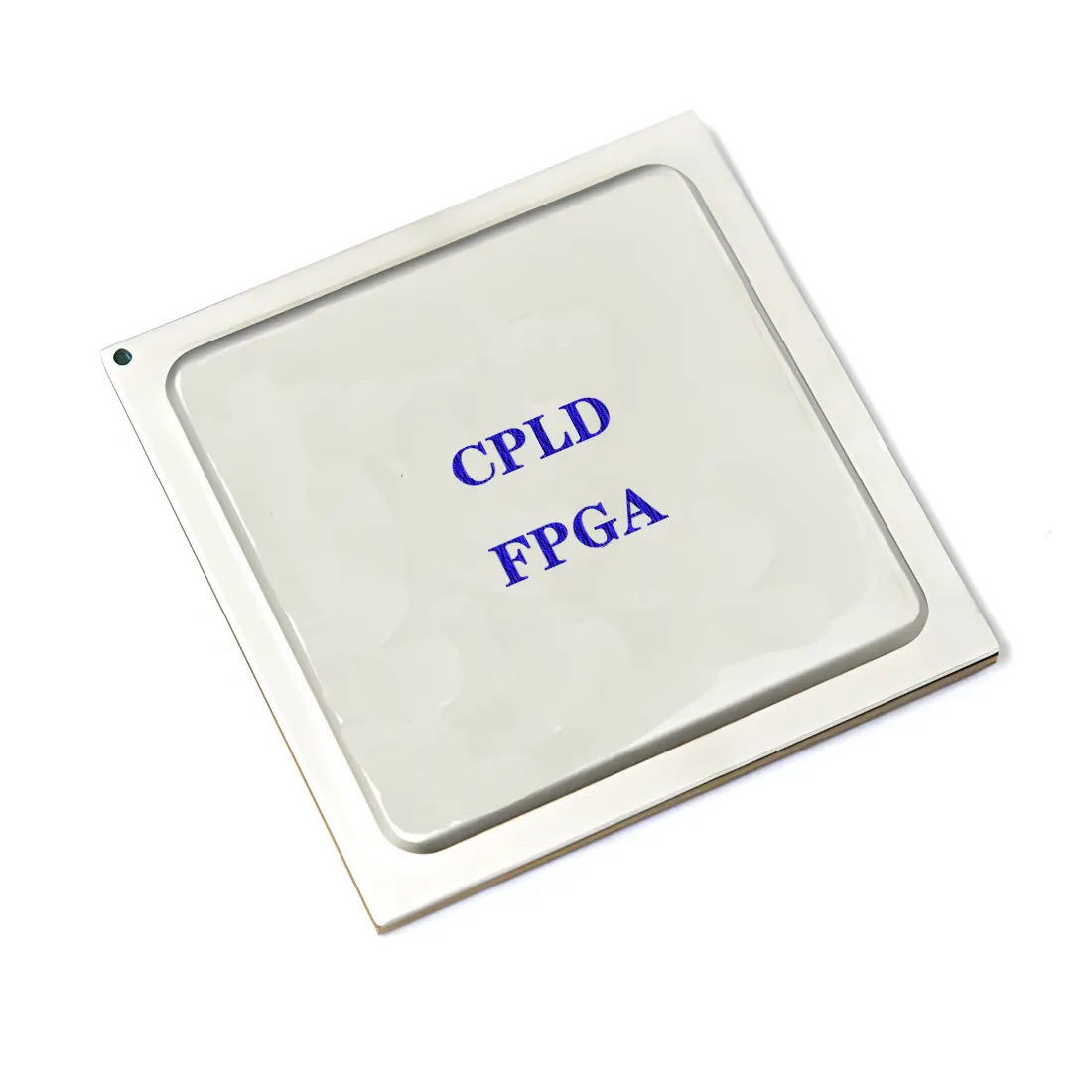 Programmable Logic Device(CPLD/FPGA)
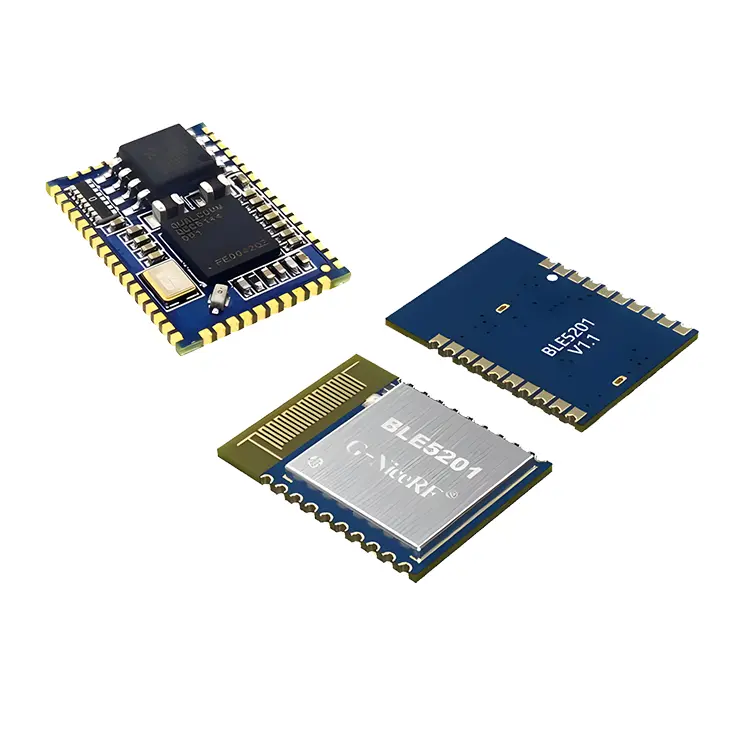 Communication Modules/IoT
 Resistors
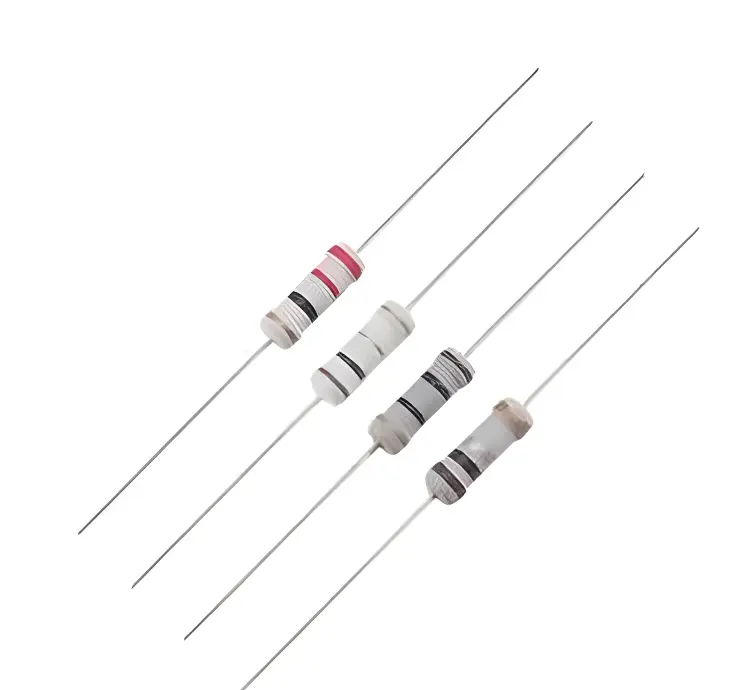 Through Hole Resistors
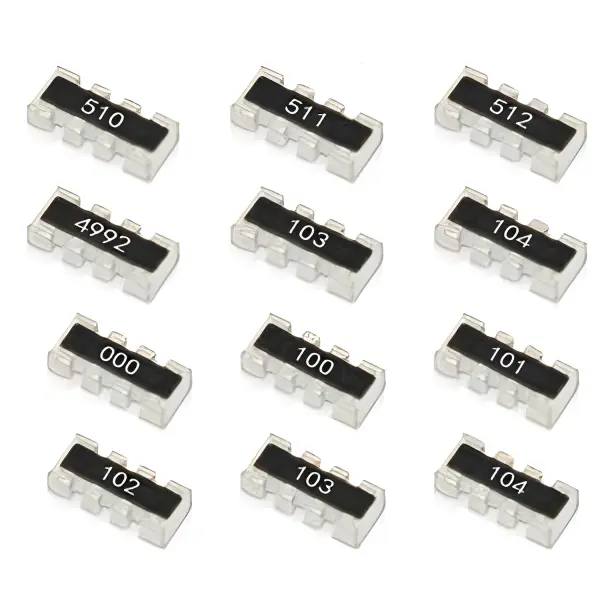 Resistor Networks, Arrays
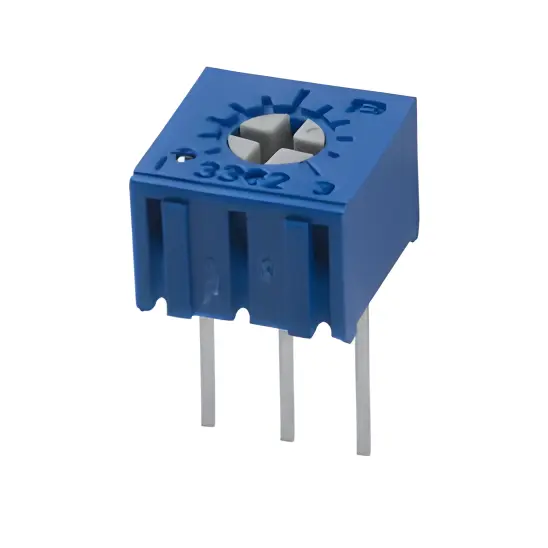 Potentiometers,Variable Resistors
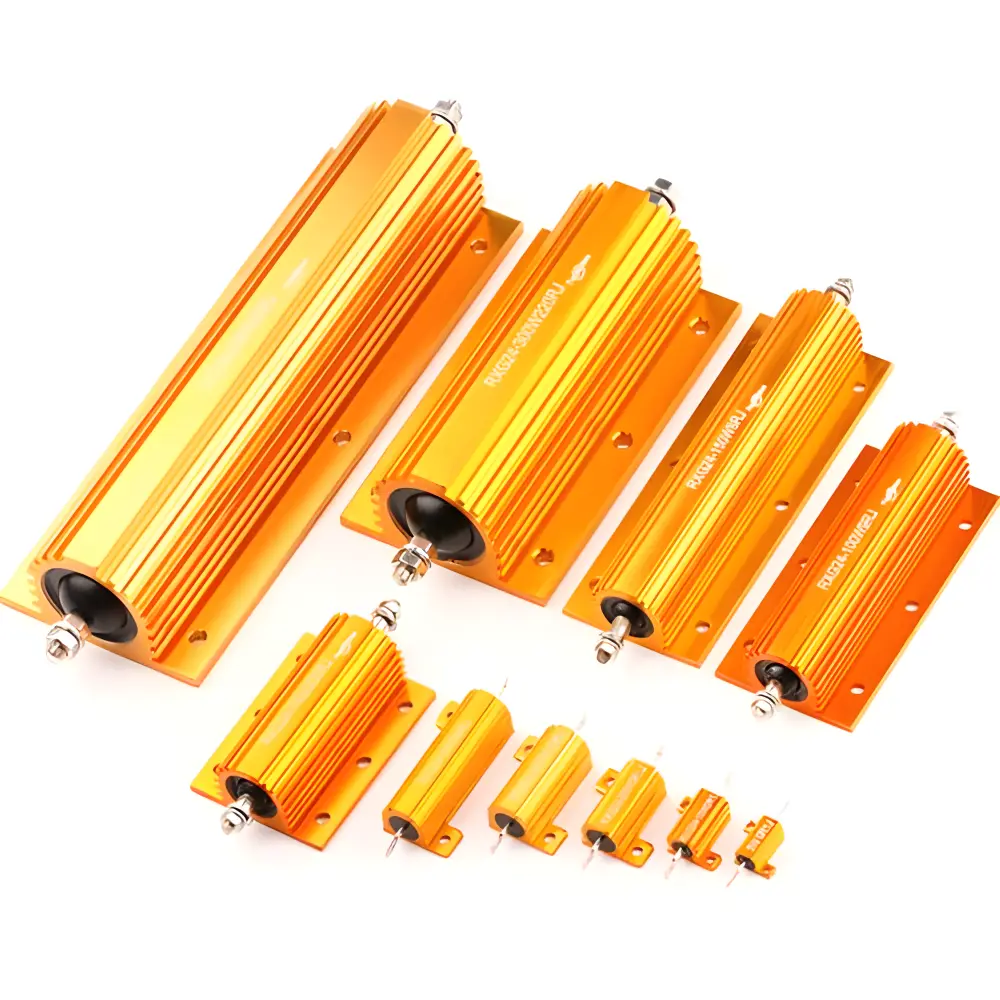 Aluminum Case,Porcelain Tube Resistance
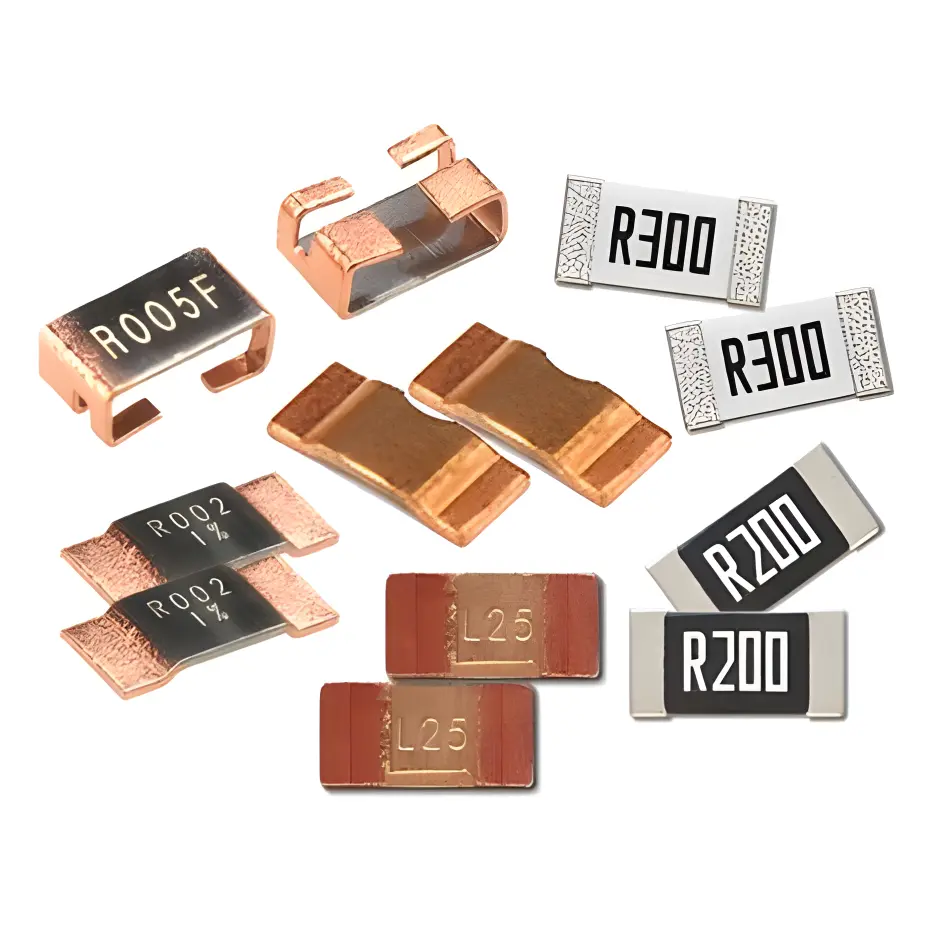 Current Sense Resistors,Shunt Resistors
 Switches
 Transistors
 Power Modules
 Isolated Power Modules
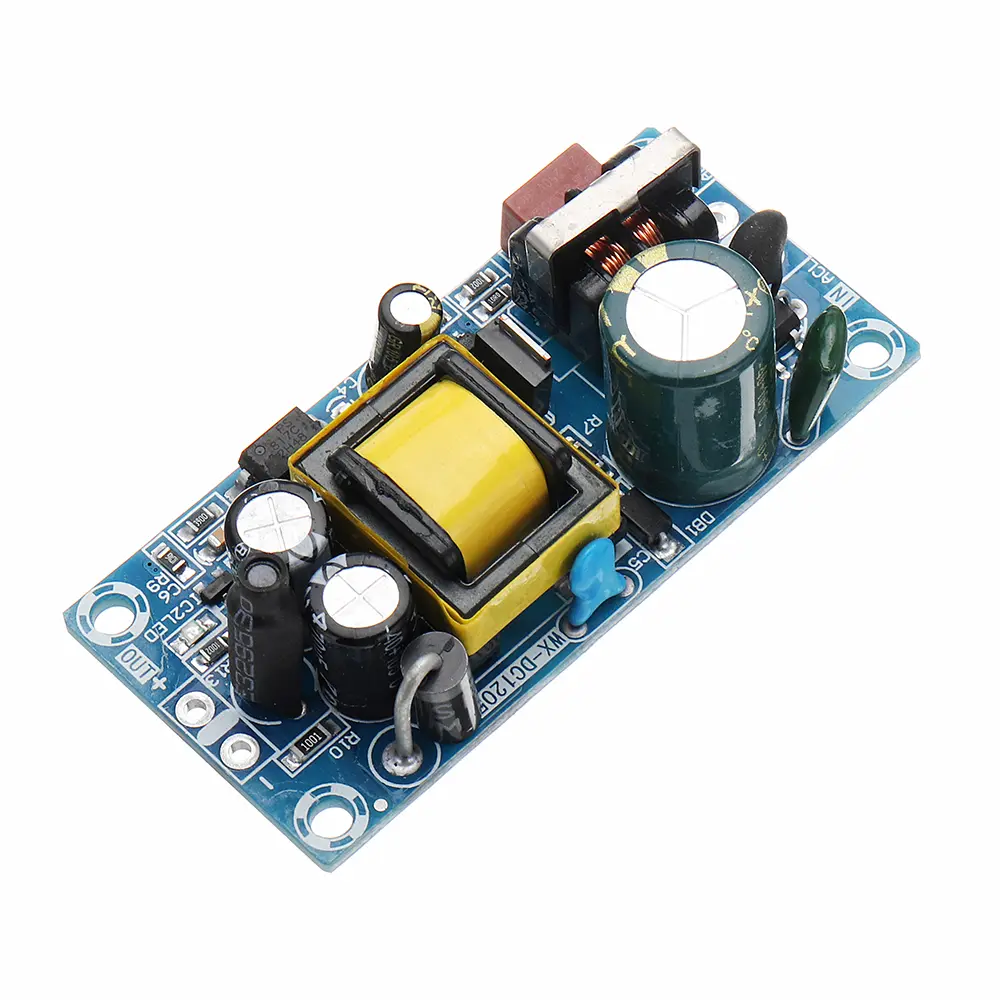 AC-DC Power Modules
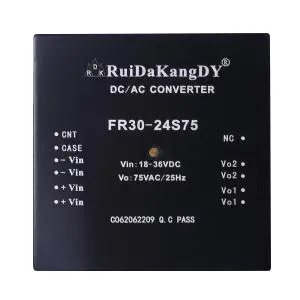 DC-AC Module(Inverter)
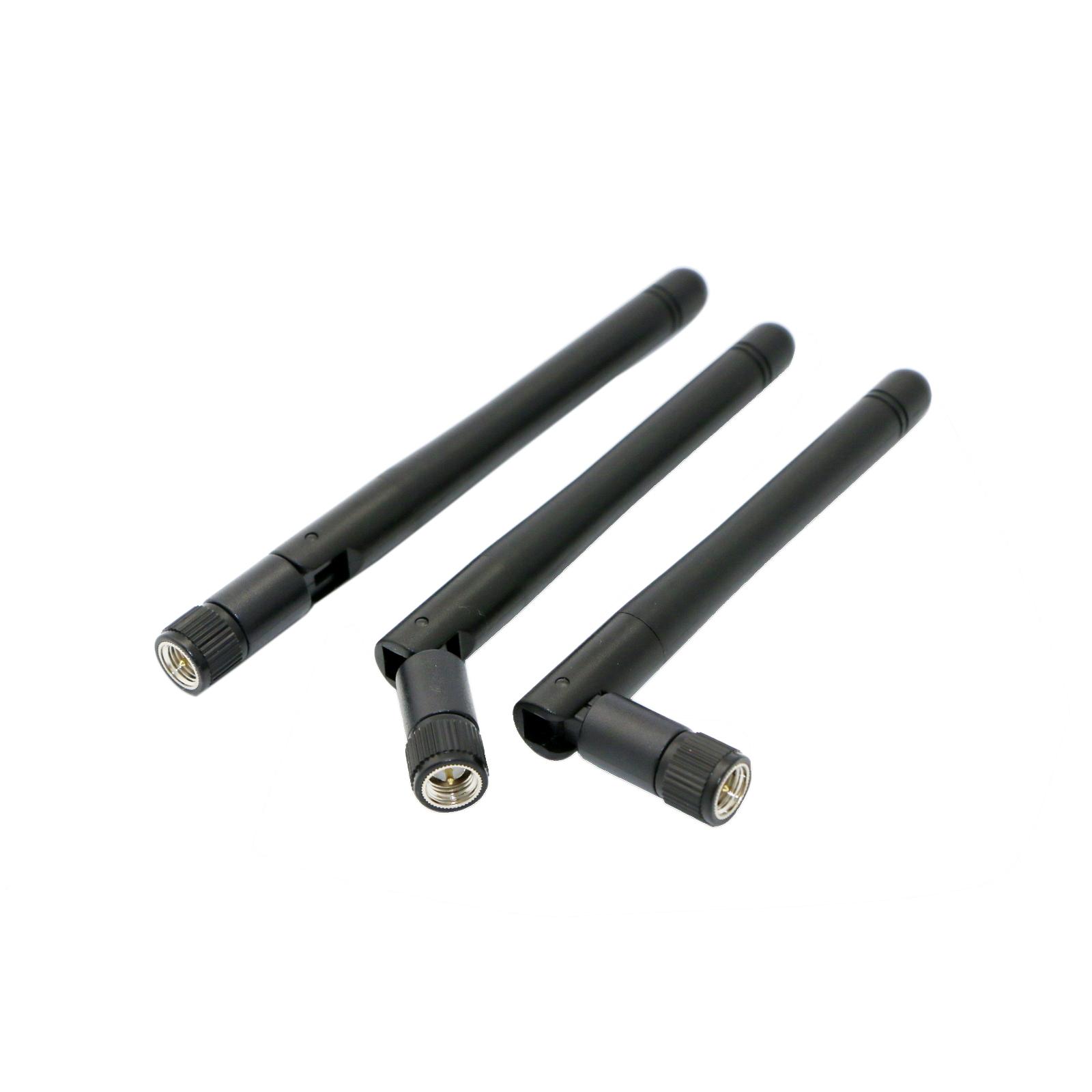 RF and Wireless
Lead Trimming Length Standards for Through-Hole Components: Ensuring 1.0–1.5mm Exposed Pad Requirements and Beyond
2025-12-06

Through-hole (TH) components remain indispensable in electronIC manufacturing, valued for their mechanical robustness, high current-carrying capacity, and reliability in harsh environments—from industrial control systems to automotive electronics. A critical yet often overlooked step in TH assembly islead trimming: the process of cutting excess component leads after insertion into PCB holes and before or after soldering. The length of the exposed lead beyond the PCB pad—typically specified as 1.0–1.5mm—is not arbitrary. It is a carefully defined standard that balances solder joint integrity, mechanical stability, thermal peRFormance, and compliance with industry regulations such as IPC-A-610 (Acceptability of Electronic Assemblies) and IEC 61196. This article comprehensively analyzes the 1.0–1.5mm exposed pad standard, explores variations for different component types and applications, and outlines best practices for consistent, high-quality lead trimming.
1. The Rationale Behind Lead Trimming Standards: Why 1.0–1.5mm Matters
Lead trimming is far more than a cosmetic step. Improper lead length—whether too short or too long—directly impacts the performance and reliability of electronic assemblies. The 1.0–1.5mm exposed pad guideline emerges from the need to address four core requirements:
1.1 Solder Joint Integrity
Adequate exposed lead length ensures sufficient solder volume and wetting. When leads are trimmed to 1.0–1.5mm above the pad:
- Solder fillet formation: Molten solder flows around the lead and forms a concave fillet (per IPC-A-610 Class 2/3 requirements) that maximizes the contact area between the lead, pad, and PCB. A fillet with a height of 50–75% of the lead diameter is achievable with 1.0–1.5mm exposed length, providing mechanical strength and electrical conductivity.
- Prevention of cold joints: Too-short leads (<1.0mm) limit solder contact, leading to insufficient wetting and cold joints—high-resistance connections prone to failure under vibration or thermal cycling. A study by the Electronics Manufacturing Services (EMS) Industry AsSOCiation found that cold joints account for 22% of field failures in TH assemblies, with 60% traced to lead lengths <0.8mm.
- Avoidance of solder bridging: Overly long leads (>1.5mm) create excess surface area for solder, increasing the risk of bridging between adjacent pins (critical for dense components like DIP ICs with 2.54mm pin spacing).
1.2 Mechanical Stability
TH components rely on their leads for mechanical anchoring to the PCB. The 1.0–1.5mm exposed length, combined with the solder fillet, creates a "mechanical lock" that resists:
- Vibration: In automotive (ISO 16750) or industrial (IEC 60068-2-6) environments, components with leads trimmed to 1.0–1.5mm withstand 2–3x more vibration cycles (10–2000Hz) than those with leads <0.8mm, which tend to pull free from the pad.
- Mechanical stress: During subsequent assembly steps (e.g., connector mating, heat sink attachment), the exposed lead acts as a buffer, distributing stress across the solder joint rather than concentrating it on the PCB hole.
1.3 Thermal Performance
For power components (e.g., diodes, transistors, voltage regulators), the lead serves as a heat dissipation path. The 1.0–1.5mm exposed length optimizes thermal transfer by:
- Maintaining a short, direct path from the component body to the solder joint and PCB ground plane.
- Avoiding excessive lead length, which increases thermal resistance (R). Testing shows that a 2N3904 transistor with 1.5mm exposed leads has an R of 150°C/W, compared to 180°C/W with 3mm leads (a 20% increase in thermal resistance).
1.4 Regulatory and Manufacturing Compliance
IPC-A-610, the global standard for electronic assembly acceptability, explicitly references lead trimming in Section 7.2.2: "For through-hole components, the lead shall extend a minimum of 0.8mm and a maximum of 2.0mm above the solder fillet on the solder side of the PCB." The 1.0–1.5mm range falls within this window and is widely adopted as the "sweet spot" for most applications. Additionally, standards like IEC 61196 (coaxial cables and connectors) and UL 60950 (safety for information technology equipment) mandate specific lead lengths to prevent electrical shock and ensure flame retardancy.
2. Standard Lead Trimming Lengths by Component Type
While 1.0–1.5mm is the general rule, variations exist based on component size, function, and PCB design. Below is a breakdown of tailored standards for common TH components:
2.1 Passive Components (Resistors, Capacitors, Inductors)
Axial and radial passive components (e.g., 1/4W resistors, 100µF capacitors) have thin leads (0.4–0.8mm diameter) and benefit from the 1.0–1.5mm exposed length. Key considerations:
- Axial components: Leads are trimmed symmetrically to ensure the component sits centered on the PCB. Uneven trimming (>0.3mm difference between leads) causes the component to tilt, creating stress on one solder joint.
- Radial components: For capacitors with multiple leads (e.g., electrolytic capacitors with two radial leads), maintain consistent 1.0–1.5mm length to prevent uneven solder distribution.
- High-power resistors (>2W): Increase exposed length to 1.5–2.0mm to enhance heat dissipation, but ensure spacing between leads to avoid bridging.
2.2 Active Components (Diodes, Transistors, ICs)
Active components have varying lead configurations and current requirements, demanding adjusted trimming lengths:
- Diodes (e.g., 1N4007): 1.0–1.5mm exposed length is standard. For power diodes (e.g., 1N5408), extend to 1.5–2.0mm to accommodate higher current and heat.
- Transistors (e.g., 2N3904, TO-92 package): The three leads (base, emitter, collector) should be trimmed to 1.0–1.2mm to maintain symmetry and prevent short circuits between adjacent pins.
- Integrated Circuits (ICs, e.g., DIP-8, DIP-16): DIP ICs with 2.54mm pin spacing require 1.0–1.2mm exposed length. This balances solder joint strength and avoids bridging between pins. For ICs with finer spacing (e.g., 1.778mm), reduce to 0.8–1.0mm to minimize bridging risk.
2.3 Connectors and Terminals
Connectors (e.g., DB-9, terminal blocks) and terminals have thicker leads (1.0–2.0mm diameter) and require longer exposed lengths for mechanical stability:
- Terminal blocks: 1.5–2.0mm exposed length ensures secure soldering and resistance to wire-pulling forces. IEC 60947-7-1 mandates a minimum of 1.5mm for terminals rated >10A.
- Circular connectors (e.g., M12): 2.0–2.5mm exposed length provides additional anchoring, as these connectors are often subject to mating/unmating cycles that exert axial force on the leads.
- Pin headers: 1.0–1.5mm is standard for low-current pin headers (<5A). For high-current headers (>10A), extend to 1.5–2.0mm to increase solder volume and current-carrying capacity.
2.4 Power Components (Transformers, Relays, Heat Sinks)
Power components have large leads and generate significant heat, requiring specialized trimming:
- Transformers and inductors: 2.0–3.0mm exposed length to support their weight (often >10g) and distribute stress. The longer lead acts as a "support leg," preventing the component from tilting and cracking the PCB.
- Relays (e.g., SPST, DPDT): 1.5–2.0mm exposed length, with additional strain relief (e.g., hot glue or cable ties) for leads connected to external wiring.
- Heat-sinked components: The exposed lead length should be coordinated with the heat sink design. If the heat sink is attached to the component body, keep leads at 1.0–1.5mm to avoid interfering with the heat sink mounting.
3. Factors Influencing Lead Trimming Length: Beyond the Basic Standard
The 1.0–1.5mm guideline is not universal—it must be adjusted based on PCB design, manufacturing processes, and application requirements. Key influencing factors include:
3.1 PCB Thickness
PCB thickness (t) directly affects the length of lead that passes through the board. The total lead length before trimming is: Lead length = PCB thickness + exposed length + insertion depth into the component body. For example:
- Thin PCBs (t=0.8–1.0mm): The lead passes through a shorter distance, so trim to 1.0–1.2mm to avoid excess length. A 1.0mm PCB with a 1.5mm exposed lead may result in the lead protruding too far, increasing bridging risk.
- Thick PCBs (t=2.0–3.0mm): The lead requires more length to pass through the board. Increase exposed length to 1.5–2.0mm to ensure sufficient solder contact. A 3.0mm PCB with a 1.0mm exposed lead may result in a weak solder joint due to insufficient lead protrusion.
3.2 Soldering Process
The soldering method (wave soldering, hand soldering, reflow soldering for TH components) impacts lead trimming requirements:
- Wave soldering: Components are soldered in bulk, and the solder wave flows over the exposed leads. A 1.0–1.5mm length ensures the wave wets the lead fully without creating excess solder. Too-long leads (>1.5mm) cause "solder icicles"—drips of solder that can short adjacent components.
- Hand soldering: Skilled operators can adjust to slightly longer leads, but 1.0–1.5mm remains optimal to avoid overheating the component. Overly short leads (<1.0mm) make it difficult to apply sufficient solder without burning the PCB.
- Reflow soldering (THR: Through-Hole Reflow): Components are soldered using solder paste in the PCB holes. Exposed length should be 0.8–1.2mm to ensure the solder paste melts and forms a fillet without overflowing.
3.3 Environmental Conditions
Applications in harsh environments (temperature extremes, humidity, corrosion) require adjusted lead lengths to enhance reliability:
- High-temperature environments (>85°C, e.g., automotive engine bays): Increase exposed length to 1.5–2.0mm to create a larger solder fillet, which resists thermal fatigue. Thermal cycling (e.g., -40°C to 125°C) causes solder joints to expand and contract; a larger fillet distributes this stress more evenly.
- Corrosive environments (e.g., marine, industrial chemicals): Keep exposed length at 1.0–1.2mm and apply conformal coating to the solder joint. Longer leads provide more surface area for corrosion, increasing the risk of joint failure.
3.4 Component Orientation
Vertical vs. horizontal component orientation affects lead stress and requires length adjustments:
- Vertical orientation (e.g., axial resistors standing upright): Extend exposed length to 1.5–2.0mm to provide additional stability against tipping. The longer lead acts as a support, preventing the component from falling over during handling.
- Horizontal orientation (e.g., resistors lying flat): Maintain 1.0–1.5mm length, as the component’s body is supported by the PCB, reducing stress on the leads.
4. Best Practices for Consistent Lead Trimming
Achieving the 1.0–1.5mm standard (or tailored variations) requires standardized processes, proper tools, and quality control. Below are actionable best practices:
4.1 Tool Selection
Use precision tools designed for lead trimming to ensure consistent length:
- Automatic lead trimmers: For high-volume production, use machine-driven trimmers (e.g., Ersa Lead Trimmer, Juki LT-100) with adjustable depth settings. These tools trim leads to ±0.1mm accuracy, far exceeding manual methods.
- Manual trimmers: For low-volume or prototype work, use precision flush cutters (e.g., Xuron 170-II) with a depth stop to limit lead length. Avoid diagonal cutters, which crush leads and create uneven edges.
- Lead length gauges: Use a gauge (e.g., IPC-compliant lead length ruler) to verify trimmed length before soldering. Gauges should have notches for common lengths (1.0mm, 1.5mm, 2.0mm) for quick checks.
4.2 Process Standardization
Document and enforce trimming procedures to eliminate variability:
- Work instructions (WIs): Create WIs with component-specific trimming lengths, tool settings, and visual aids (e.g., photos of acceptable vs. unacceptable leads). For example: "Trim DIP-8 IC leads to 1.0mm ±0.1mm using Ersa LT-100 with depth setting 3."
- Operator training: Train operators on tool calibration, length verification, and defect recognition (e.g., bent leads, uneven trimming). Conduct quarterly refresher training to maintain skills.
- Batch testing: For each component type, trim 10 samples and measure lead length with a caliper. If >2 samples are outside the tolerance range, adjust the tool and retest.
4.3 Quality Control and Inspection
Implement in-line and post-soldering inspection to catch non-compliant leads:
- In-line inspection: Use automated optical inspection (AOI) systems with lead length measurement capabilities. AOI can detect leads outside the 1.0–1.5mm range at speeds of up to 1000 components per minute.
- Post-soldering inspection: Conduct visual inspection per IPC-A-610 criteria. Check for: Exposed lead length within specification.
- Proper solder fillet formation (concave shape, 50–75% lead diameter height).
- No bridging, cold joints, or solder icicles.
Root cause analysis (RCA): When non-compliant leads are found, use the 5-Why method to identify the cause (e.g., "Why was the lead too short? → Tool depth setting was incorrect. → Why? → Operator forgot to recalibrate after component change. → Solution: Implement tool calibration checklists before each batch.").
4.4 Troubleshooting Common Lead Trimming Issues
Address typical problems with targeted solutions:
| Issue | Root Cause | Solution |
|---|---|---|
| Lead length <1.0mm (too short) | Tool depth setting too low; operator error; component lead insertion too deep. | Recalibrate tool to target length; train operators on proper insertion depth; use insertion guides to control lead depth. |
| Lead length >1.5mm (too long) | Tool depth setting too high; component lead insertion too shallow. | Adjust tool depth; ensure components are fully seated in PCB holes before trimming. |
| Uneven lead length (difference >0.3mm) | Component not centered in PCB holes; tool misalignment. | Use component centering jigs; inspect and realign trimming tool. |
| Bent or crushed leads | Dull trimmer blades; excessive trimming force. | Replace trimmer blades monthly; adjust tool force to minimum required for clean cuts. |
The 1.0–1.5mm exposed pad lead length standard for through-hole components is a cornerstone of reliable electronic assembly, balancing solder joint integrity, mechanical stability, thermal performance, and regulatory compliance. While this range is universal for most passive and active components, variations exist for power devices, connectors, and harsh-environment applications—requiring tailored lengths of 1.5–3.0mm. Achieving consistent results demands precision tools, standardized processes, and rigorous quality control, from operator training to AOI inspection.
In an industry where even minor defects can lead to costly field failures, adherence to lead trimming standards is not just a best practice—it is a critical investment in product reliability. By following the guidelines outlined in this article, manufacturers can reduce defect rates, improve assembly yields, and ensure their through-hole components perform reliably in even the most demanding applications.