
 PCB
PCB FPC
FPC Rigid-Flex
 FR-4
FR-4 HDI PCB
 Rogers High-Frequency Board
 PTFE Teflon High-Frequency Board
 Aluminum
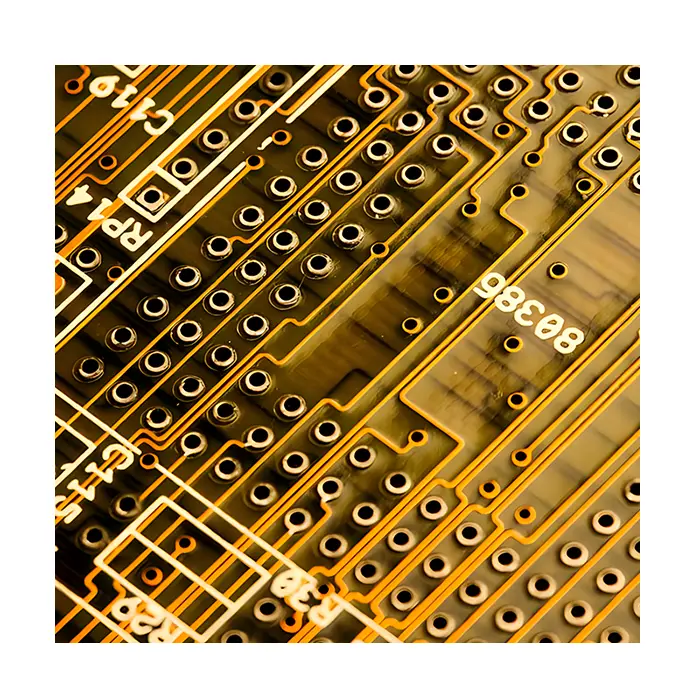 Copper Core
 PCB Assembly
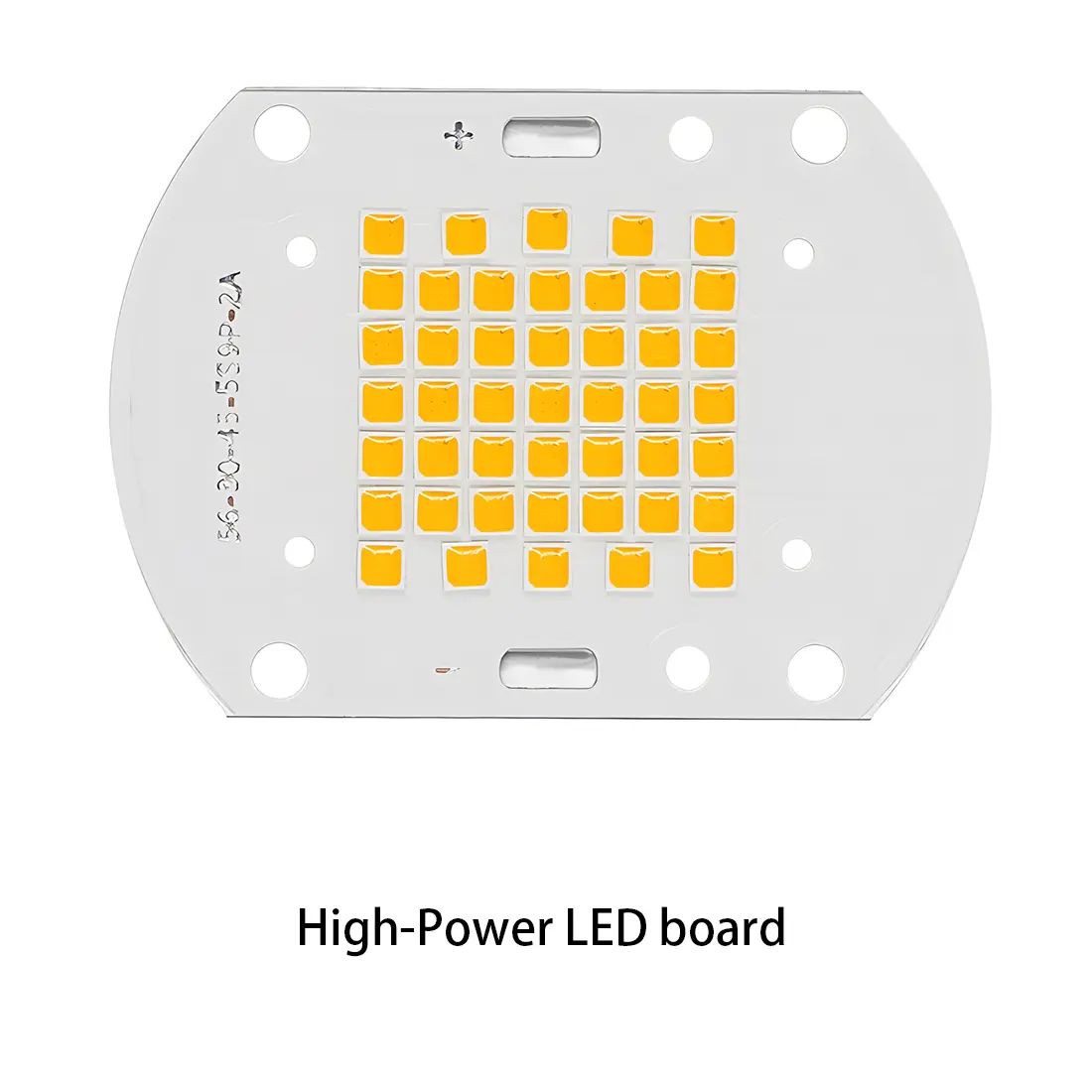 LED light PCBA
 Memory PCBA
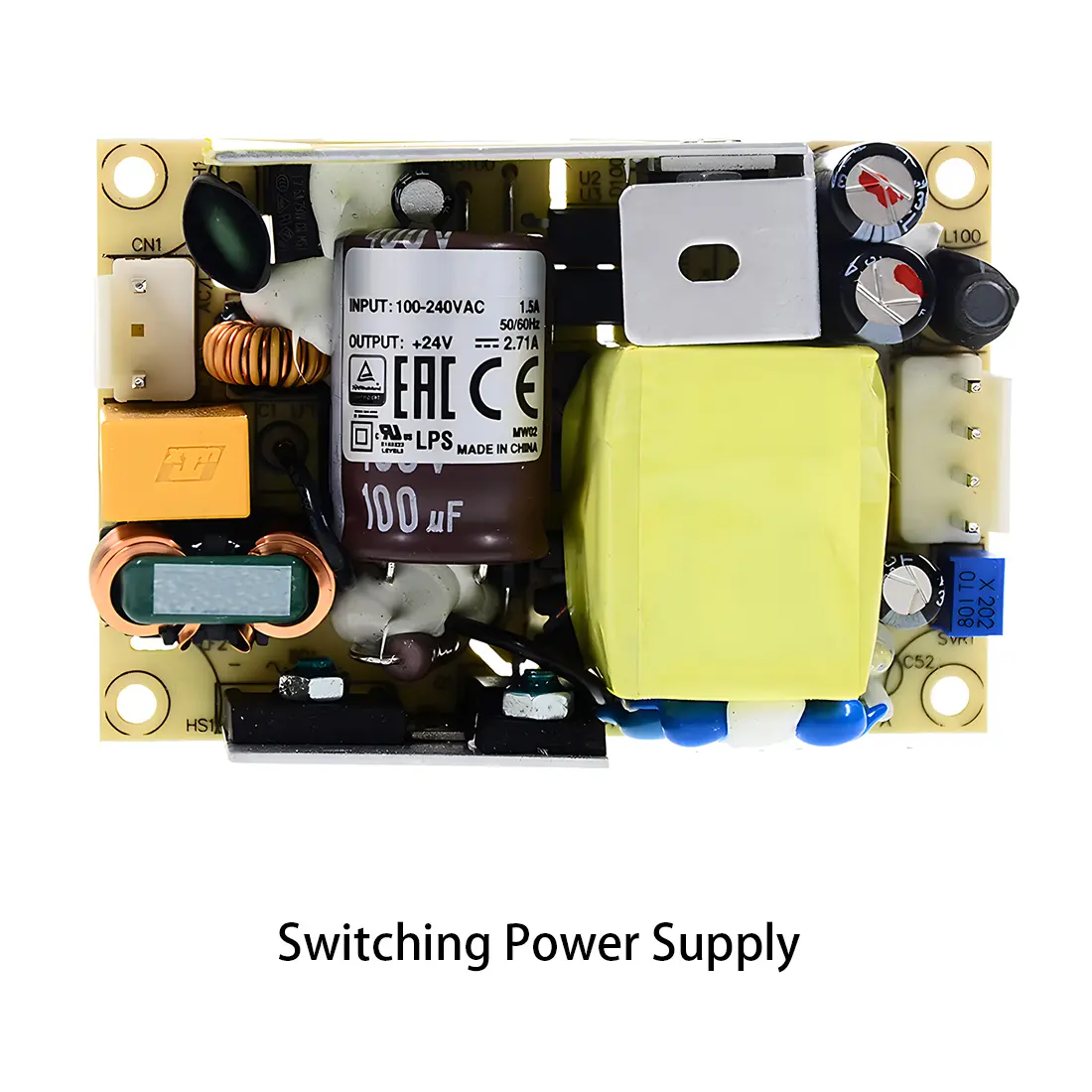 Power Supply PCBA
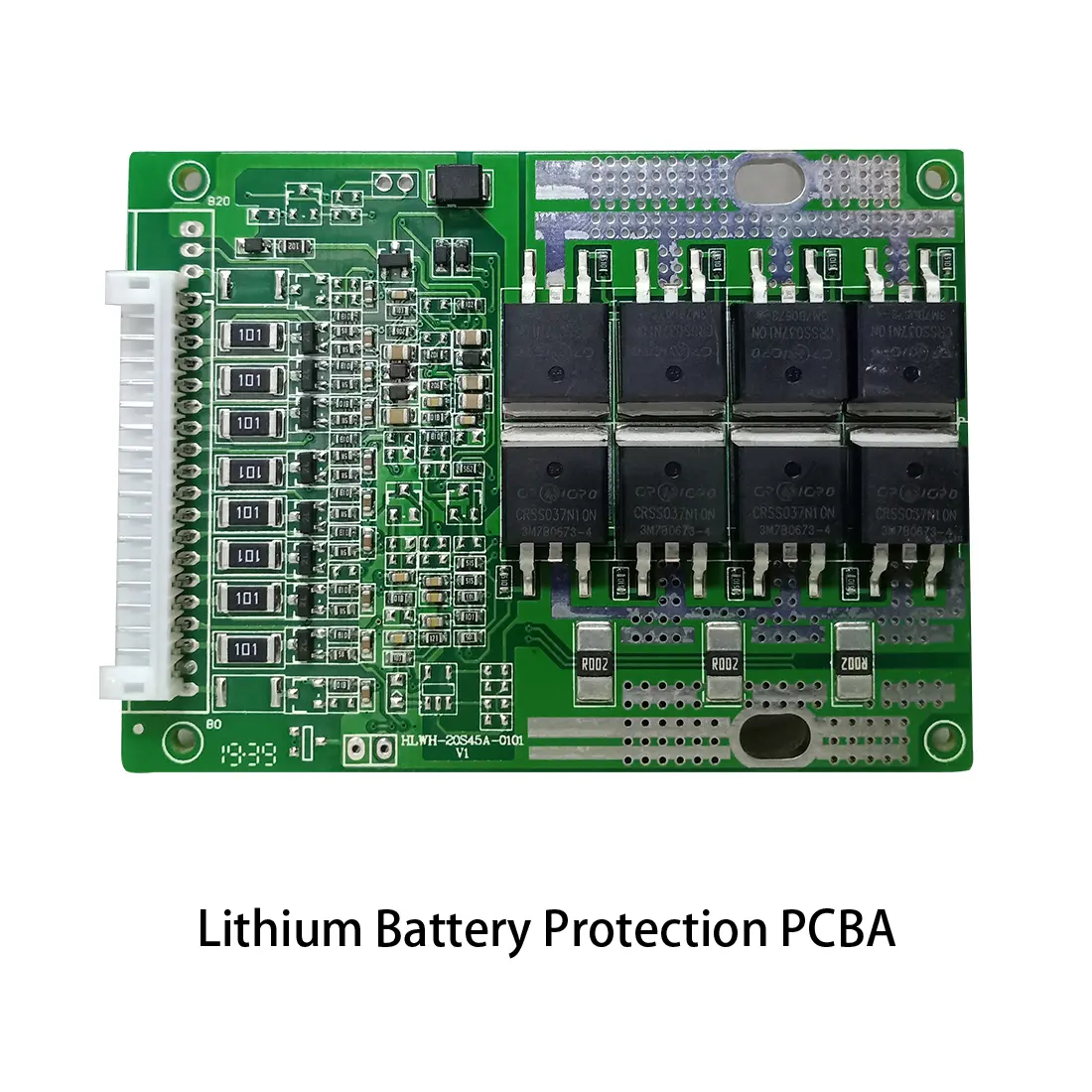 New Energey PCBA
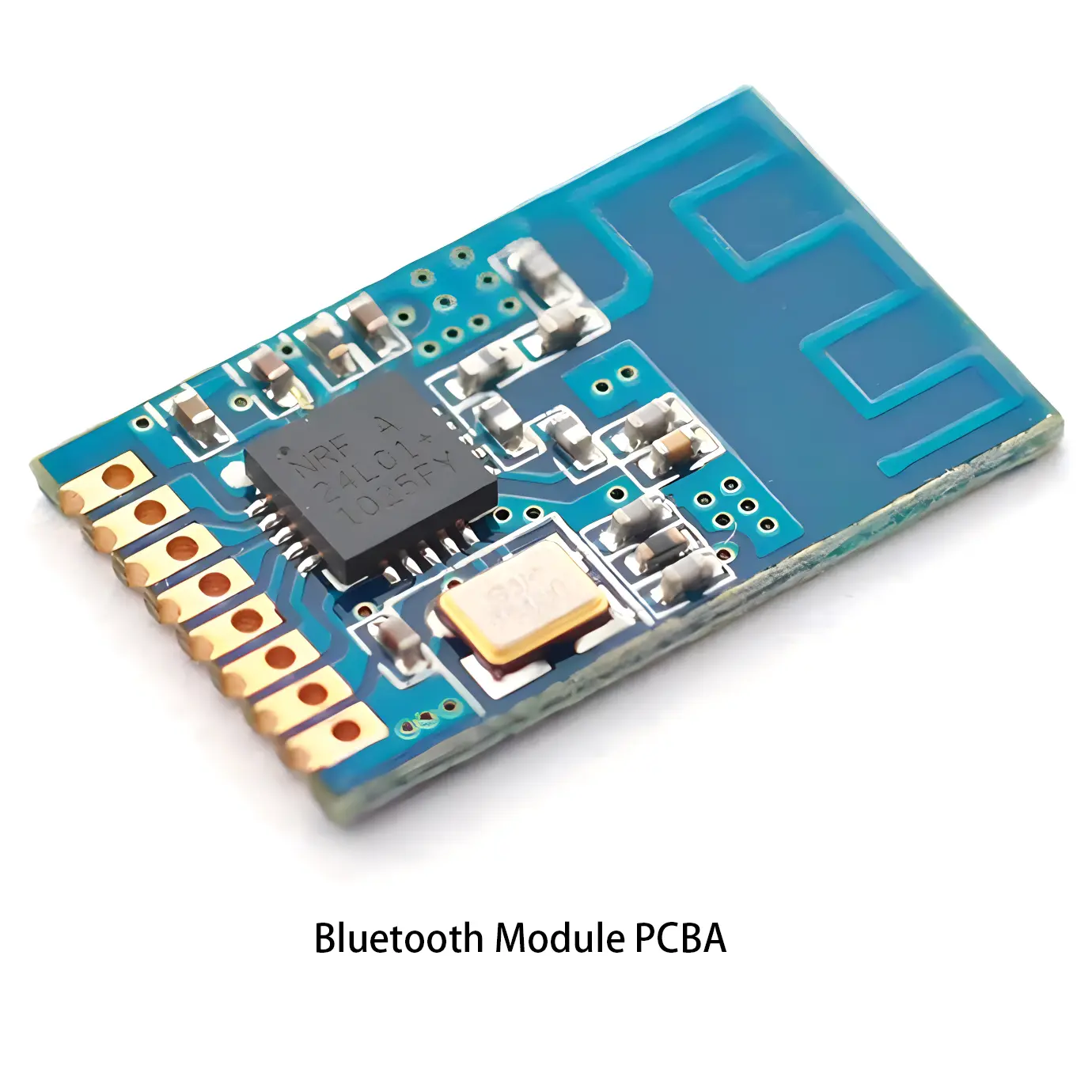 Communication PCBA
 Industrial Control PCBA
 Medical Equipment PCBA
 Testing Service
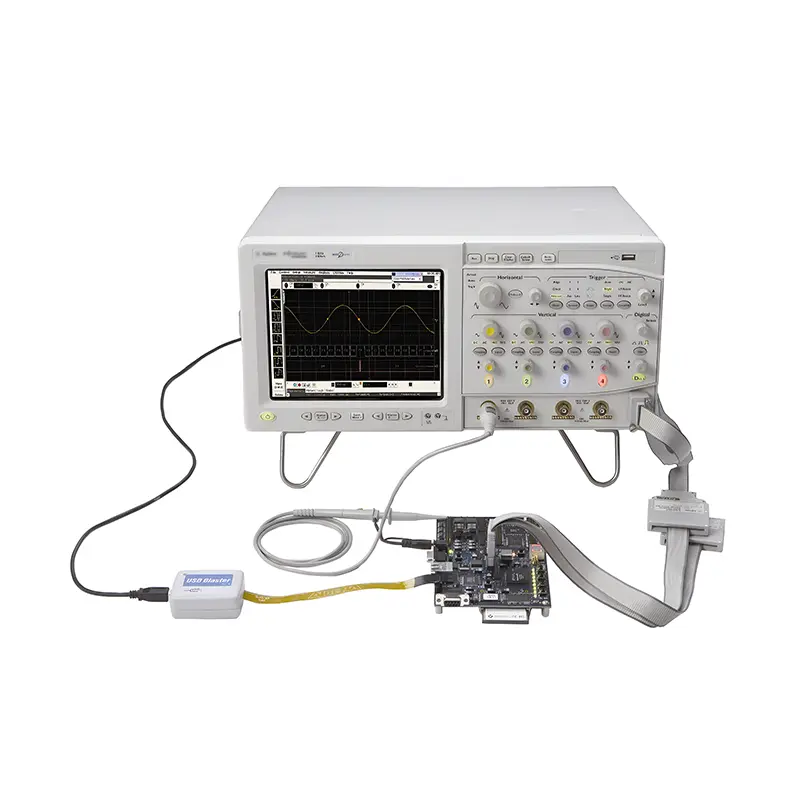 PCBA Testing Service
 Certification Application
 RoHS Certification Application
 REACH Certification Application
 CE Certification Application
 FCC Certification Application
 CQC Certification Application
 UL Certification Application
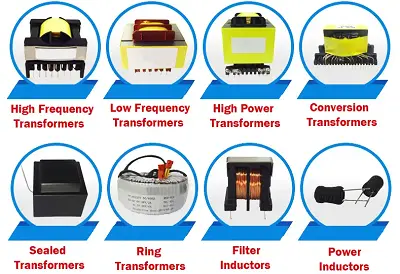 Transformers, Inductors
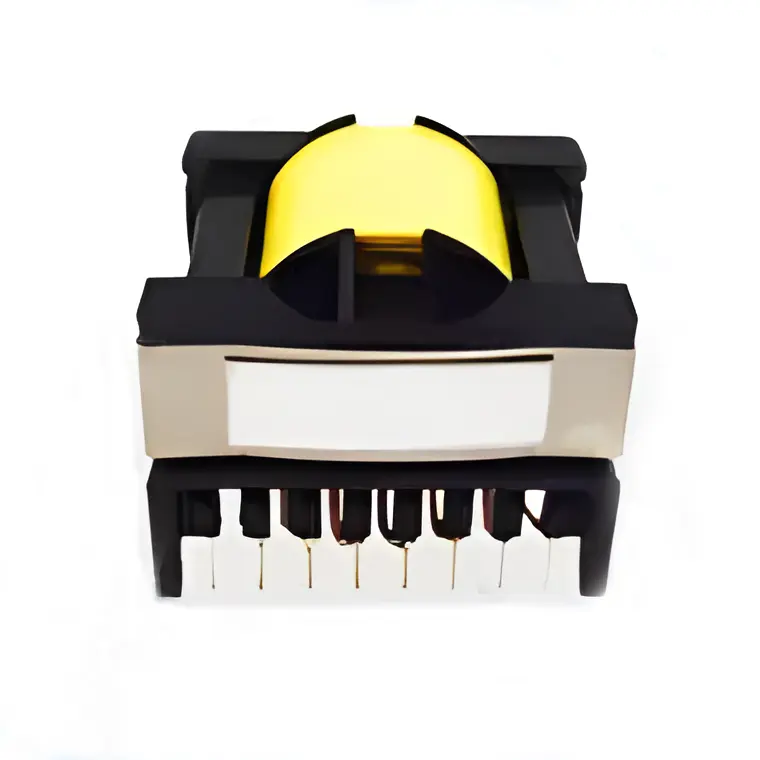 High Frequency Transformers
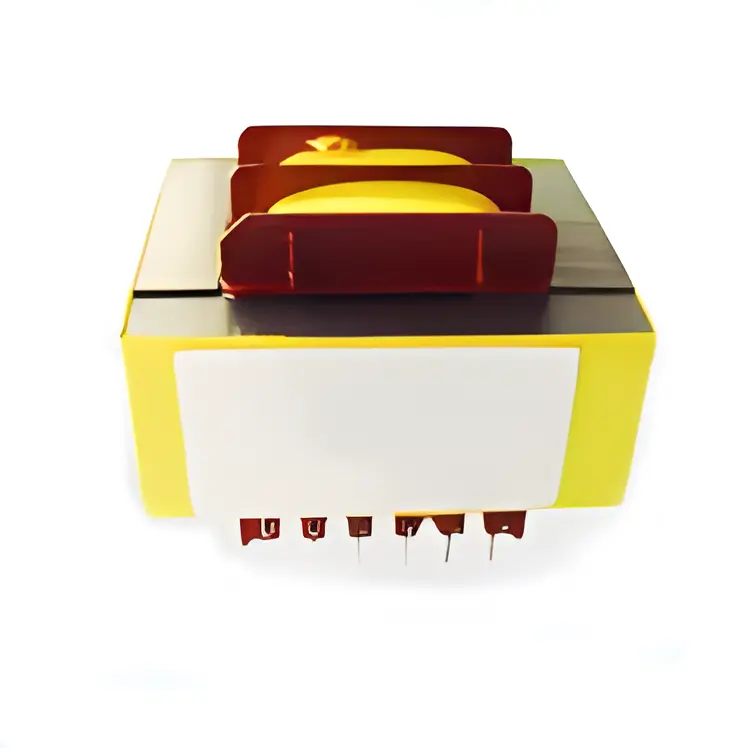 Low Frequency Transformers
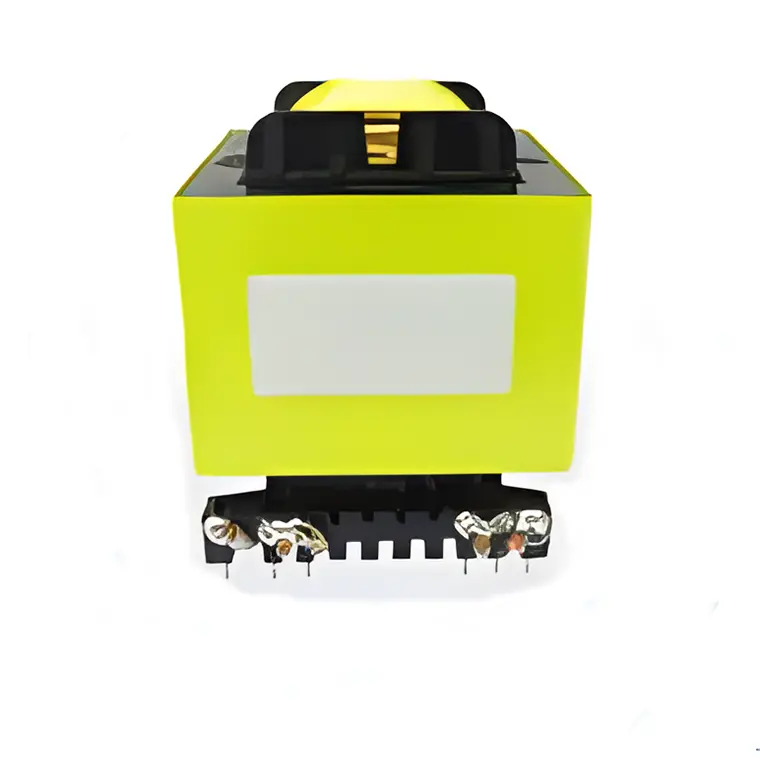 High Power Transformers
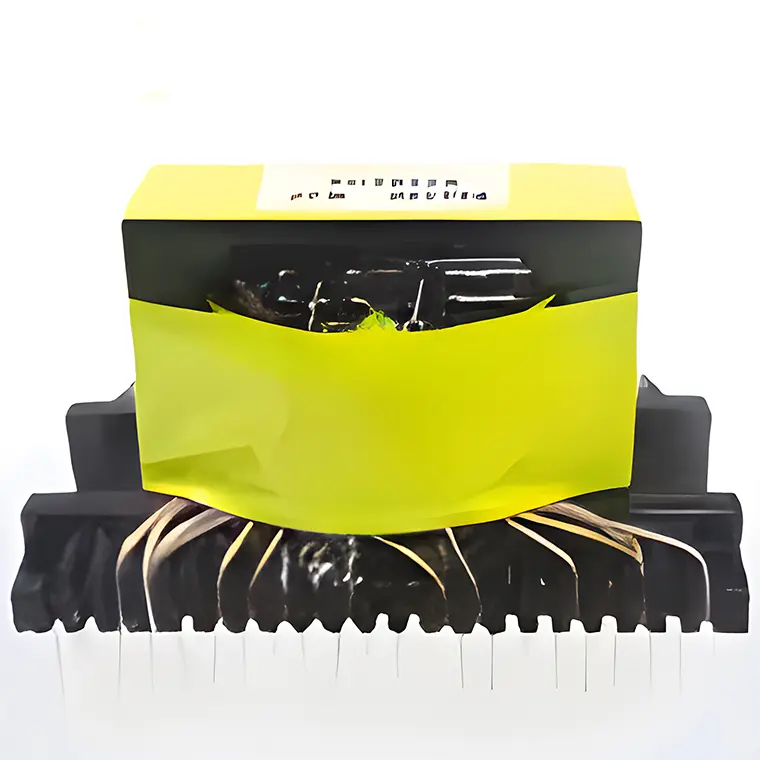 Conversion Transformers
 Sealed Transformers
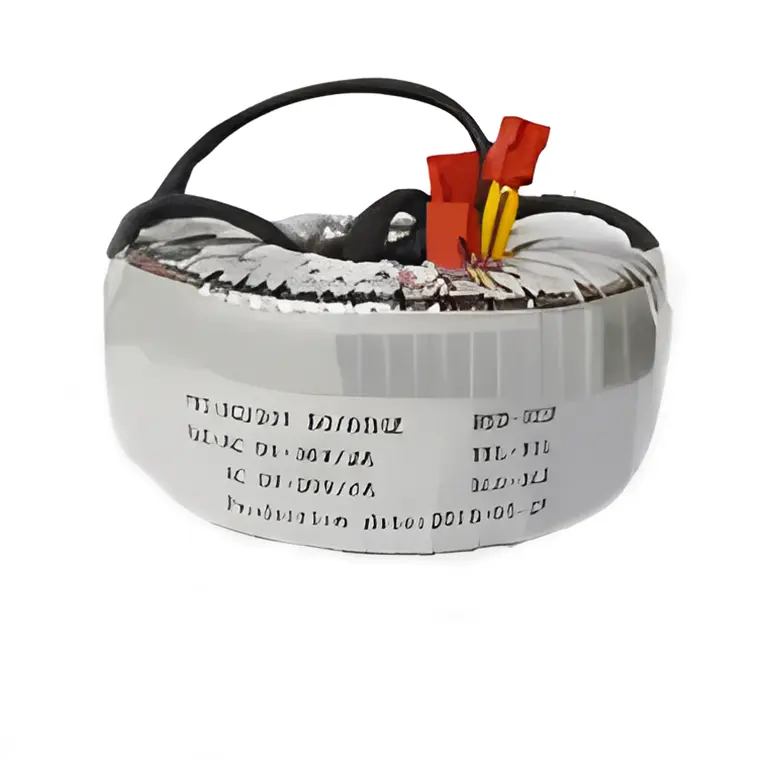 Ring Transformers
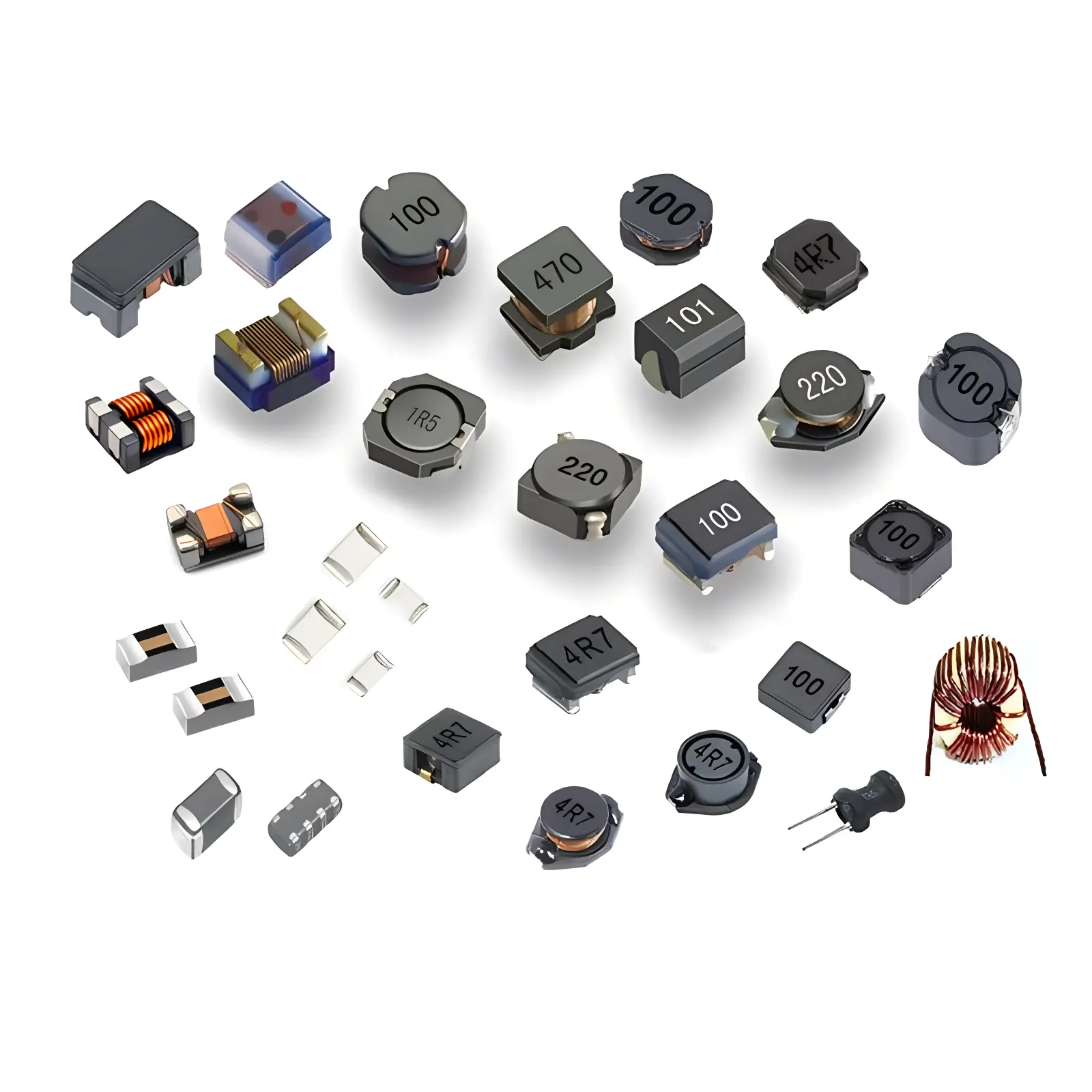 Inductors
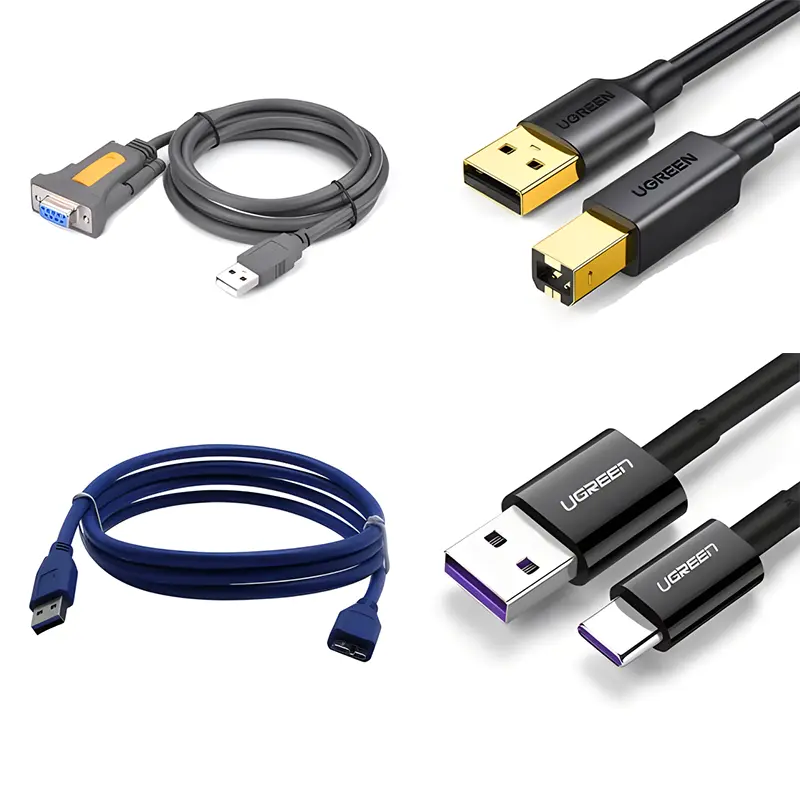 Wires,Cables Customized
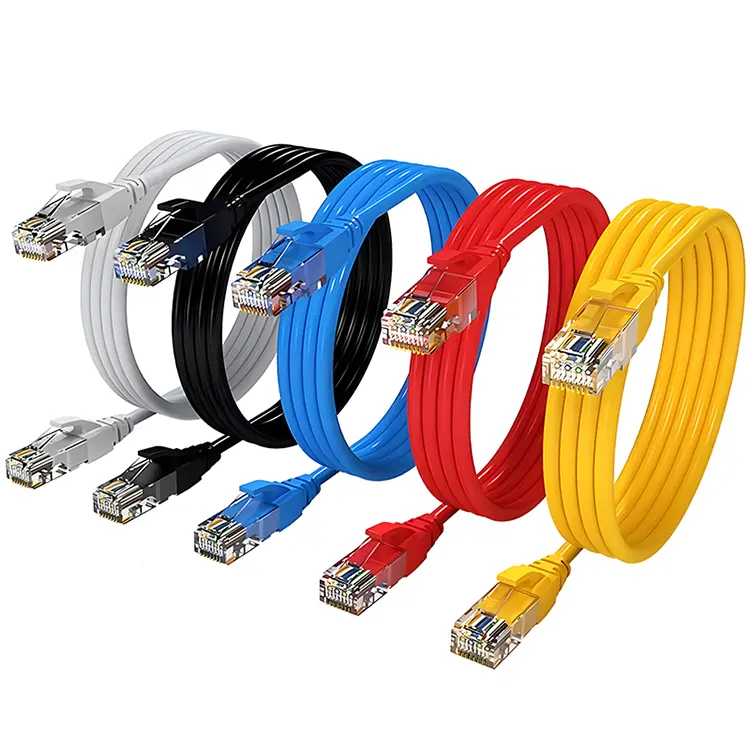 Network Cables
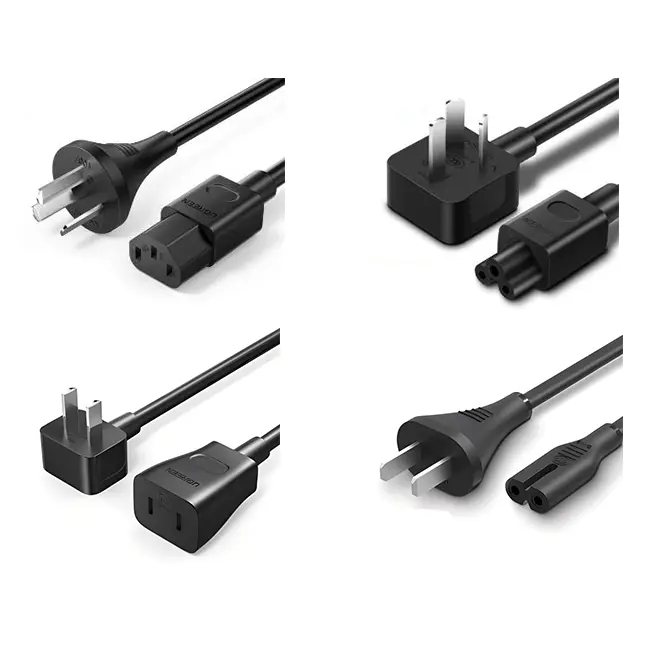 Power Cords
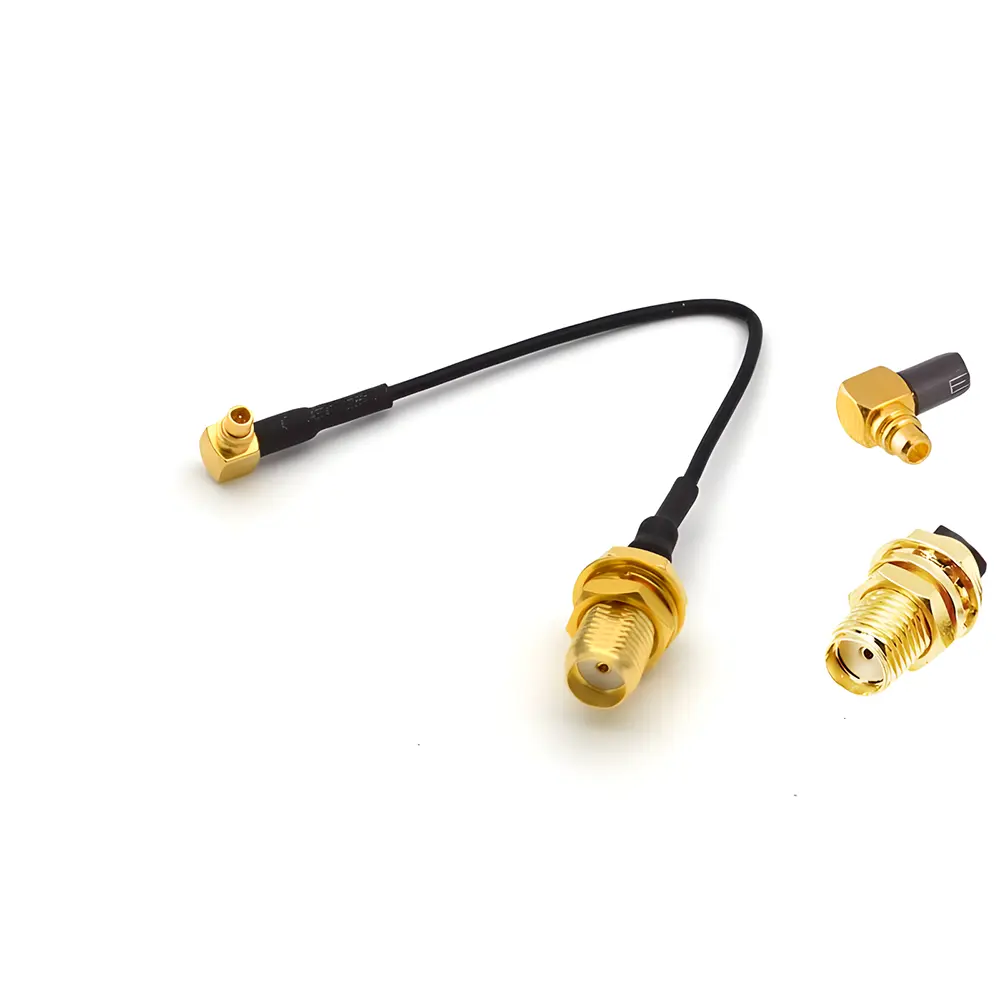 Antenna Cables
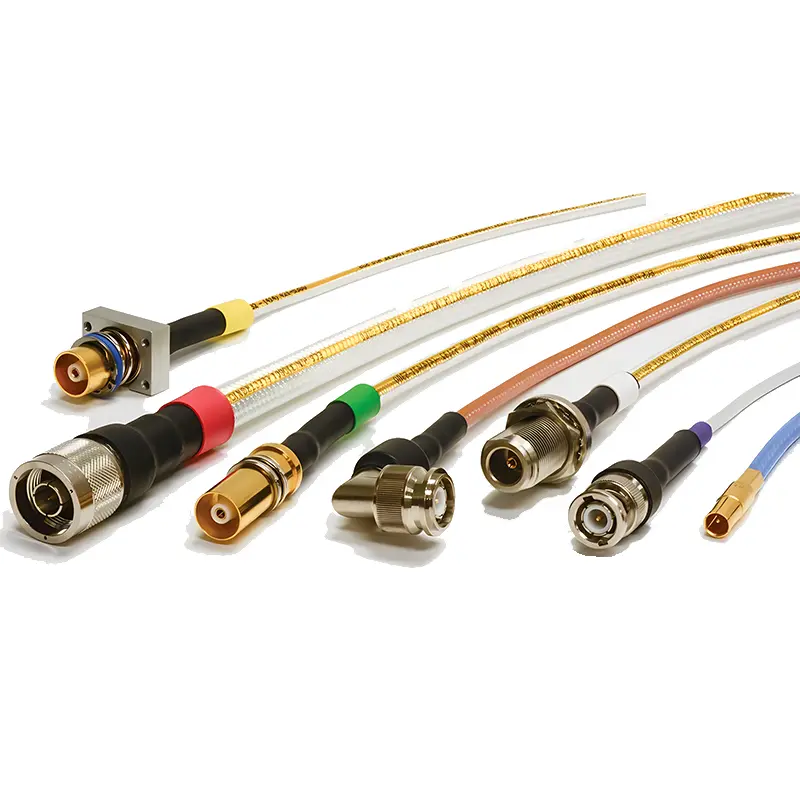 Coaxial Cables
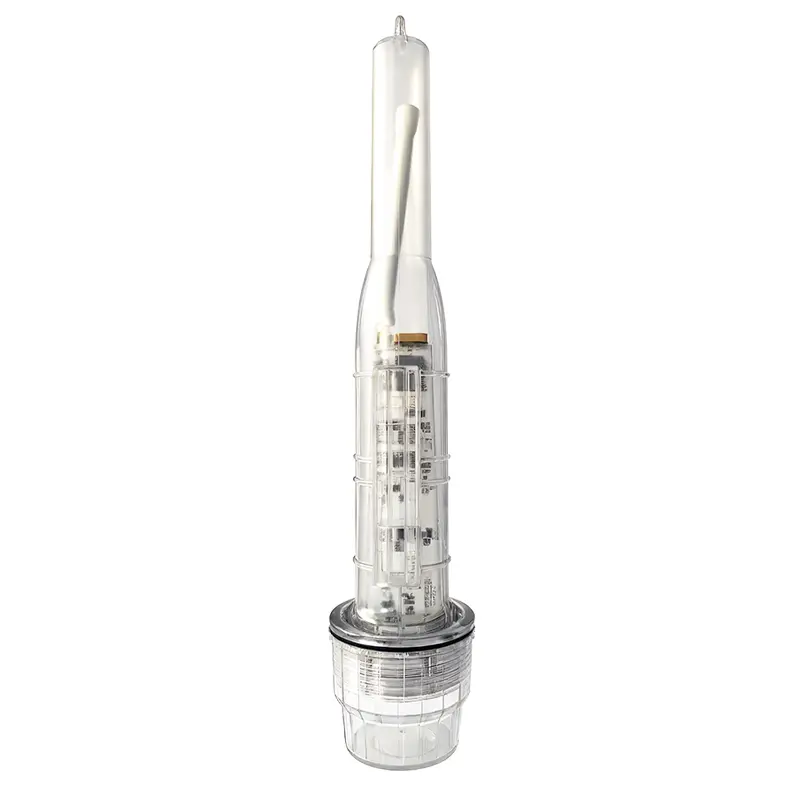 Net Position Indicator
 Solar AIS net position indicator
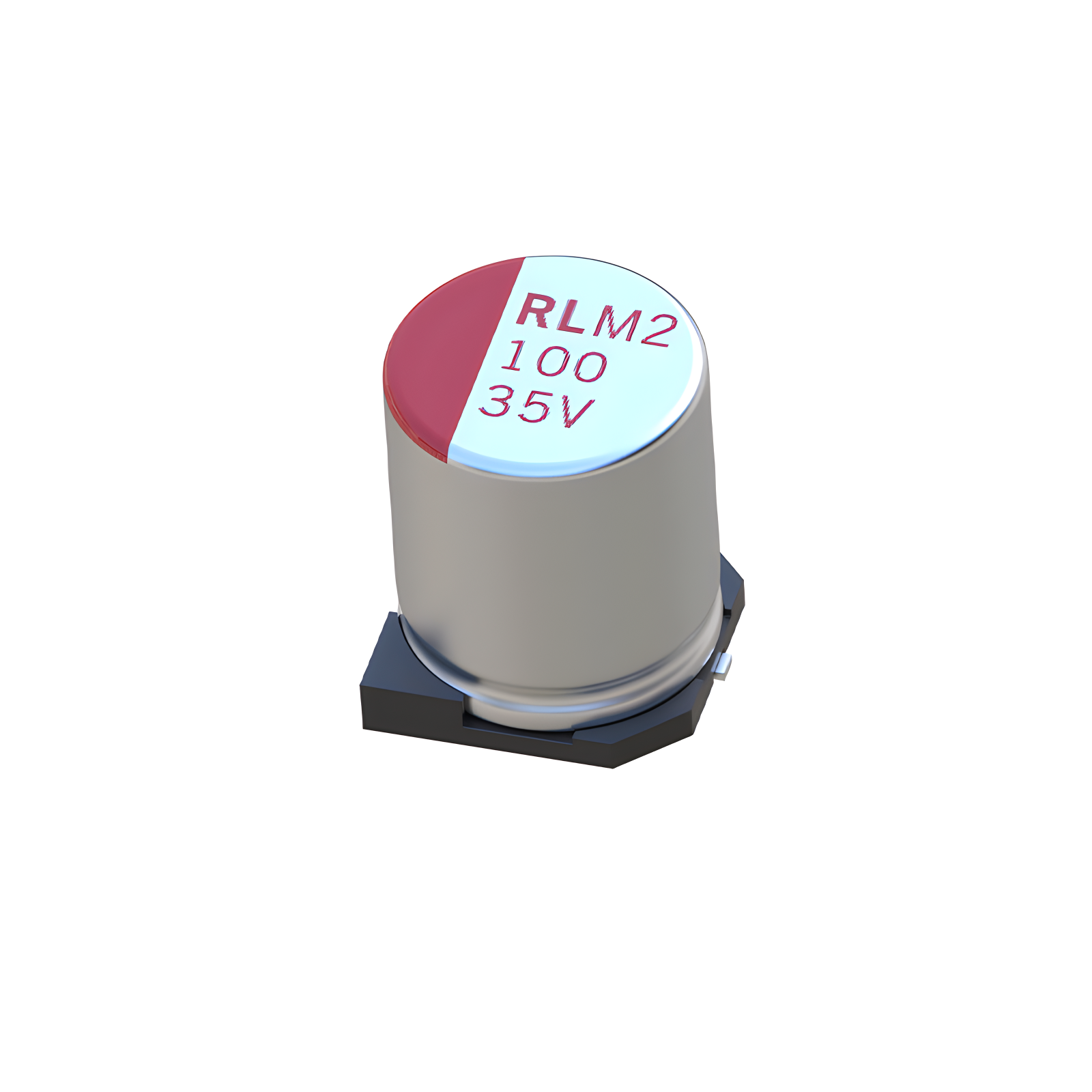 Capacitors
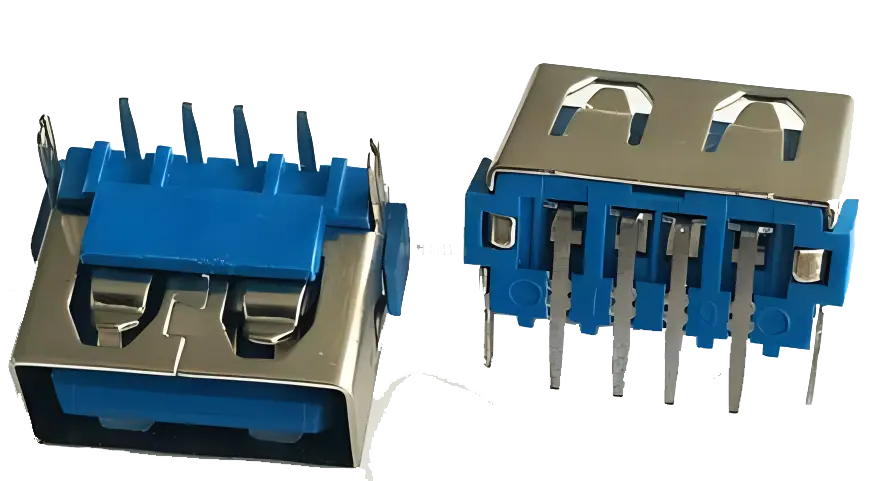 Connectors
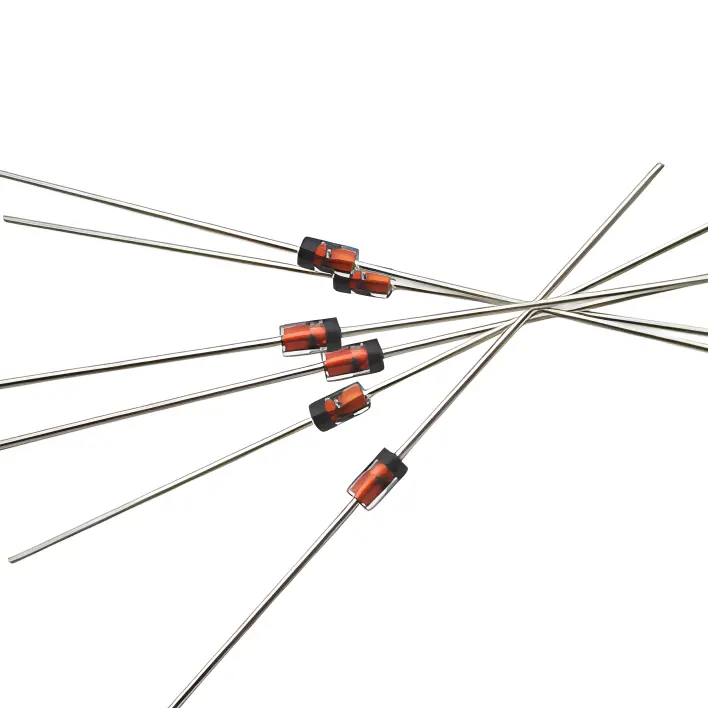 Diodes
 Embedded Processors & Controllers
 Digital Signal Processors (DSP/DSC)
 Microcontrollers (MCU/MPU/SOC)
 Programmable Logic Device(CPLD/FPGA)
 Communication Modules/IoT
 Resistors
 Through Hole Resistors
 Resistor Networks, Arrays
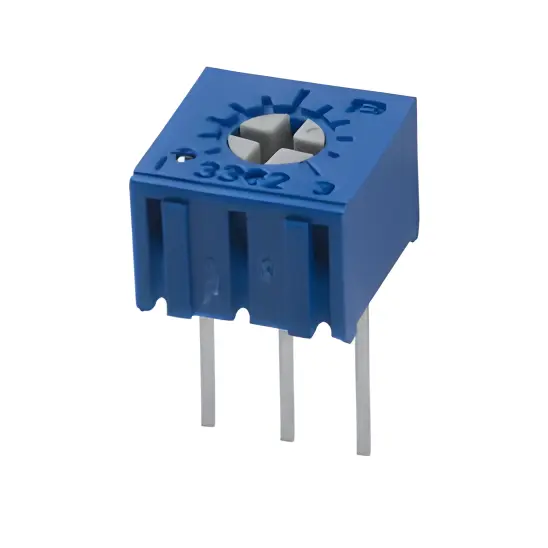 Potentiometers,Variable Resistors
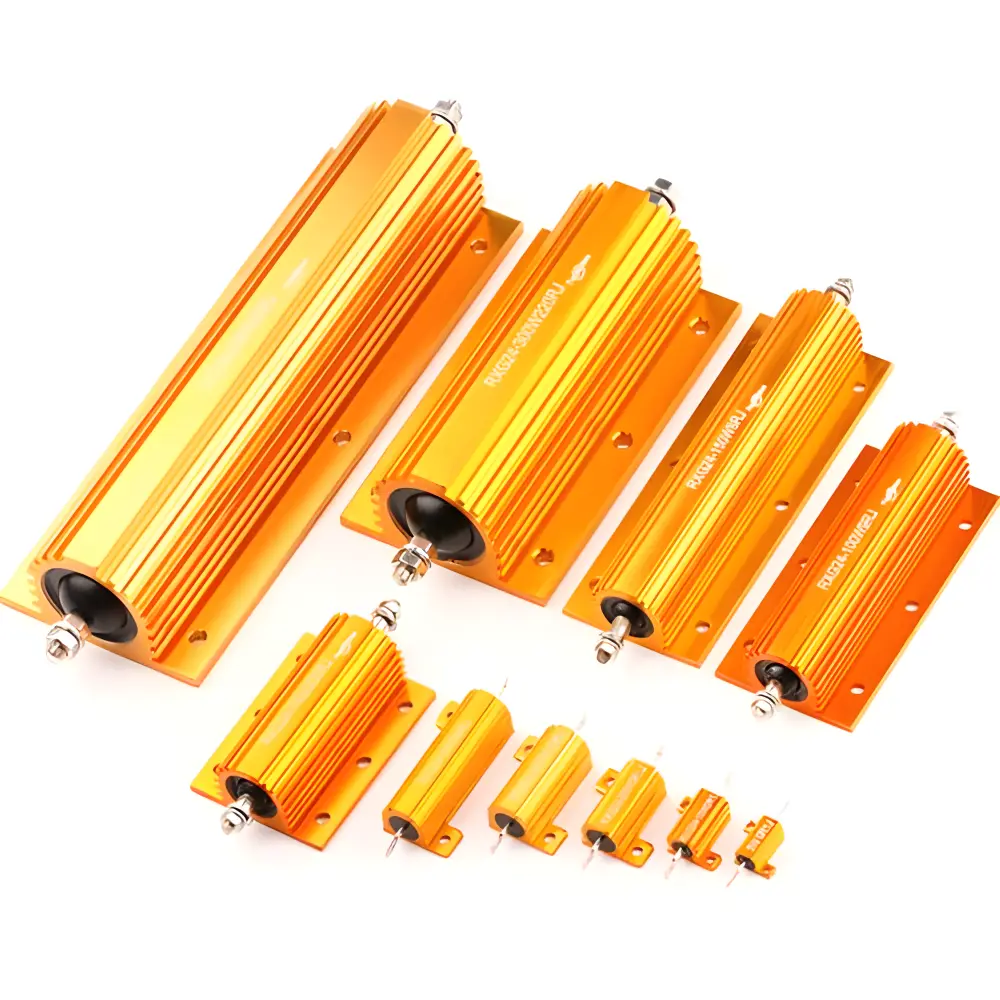 Aluminum Case,Porcelain Tube Resistance
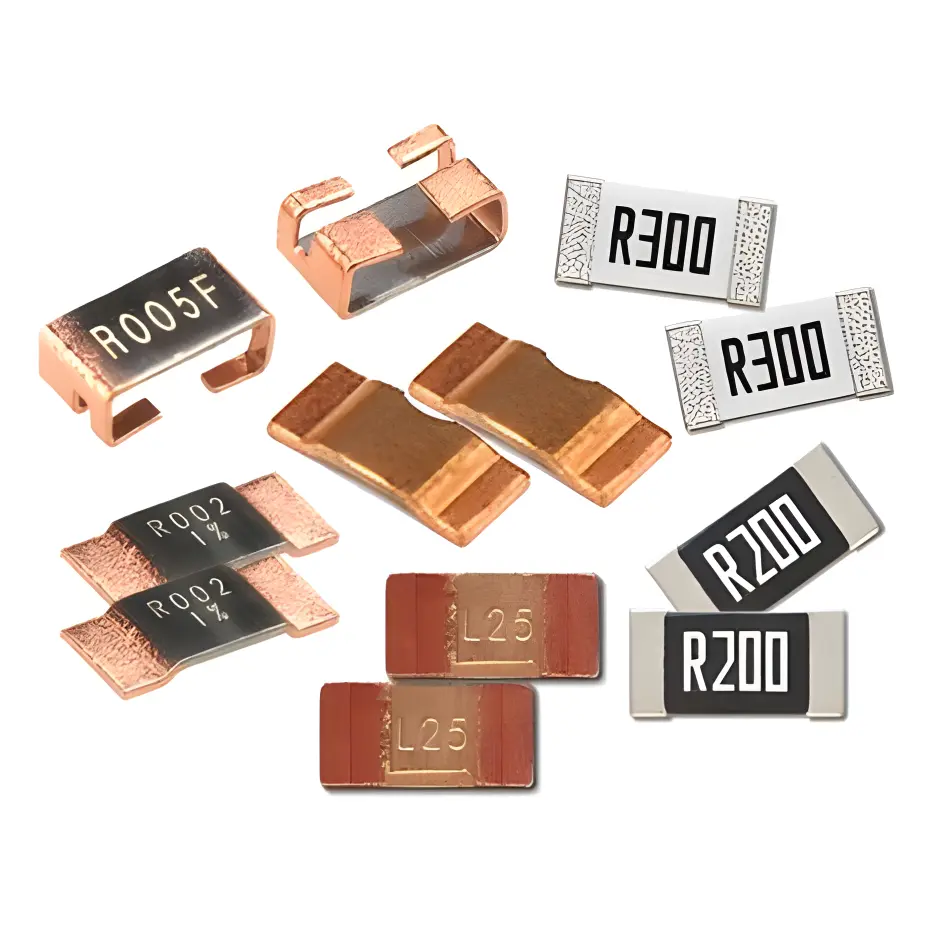 Current Sense Resistors,Shunt Resistors
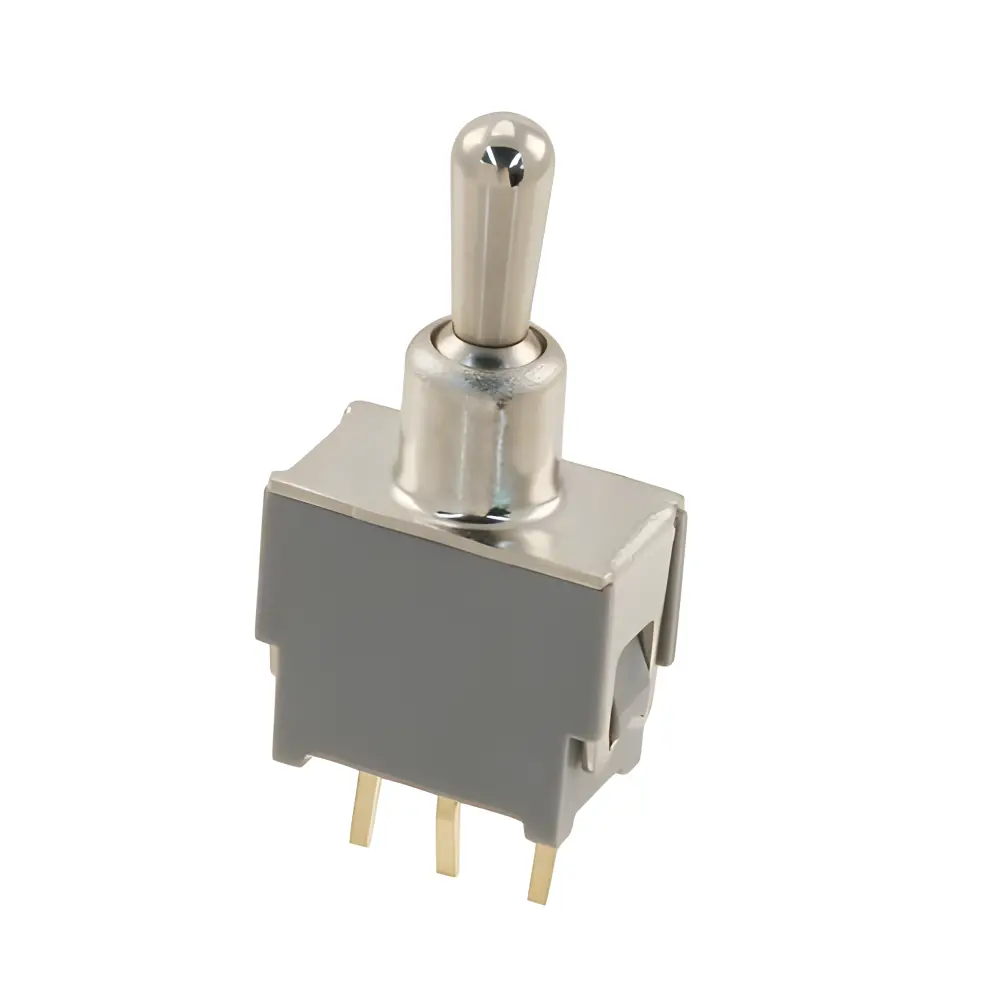 Switches
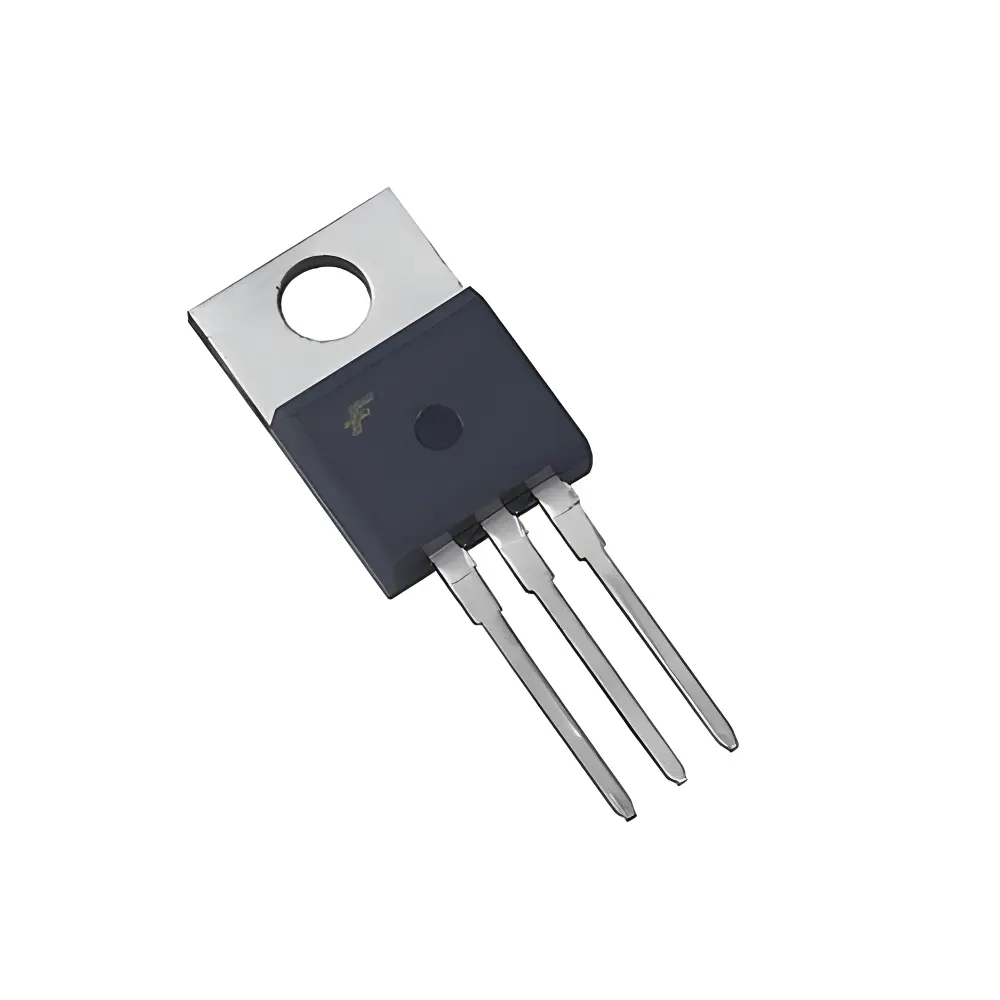 Transistors
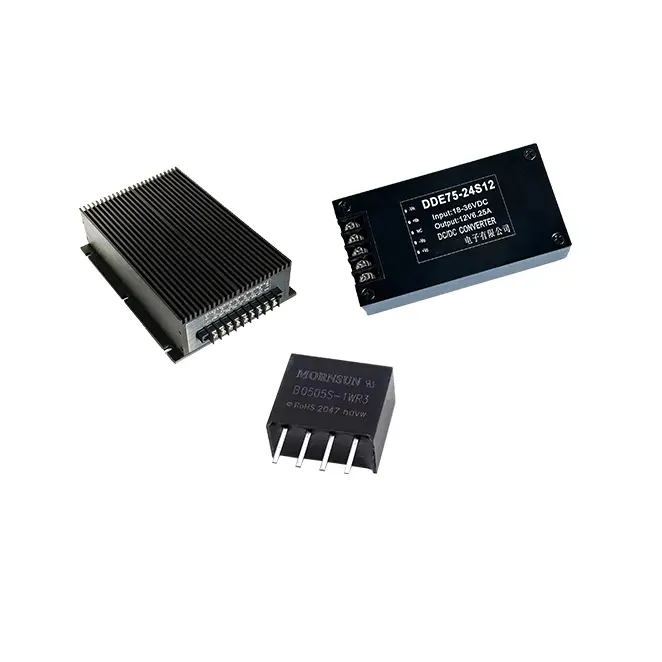 Power Modules
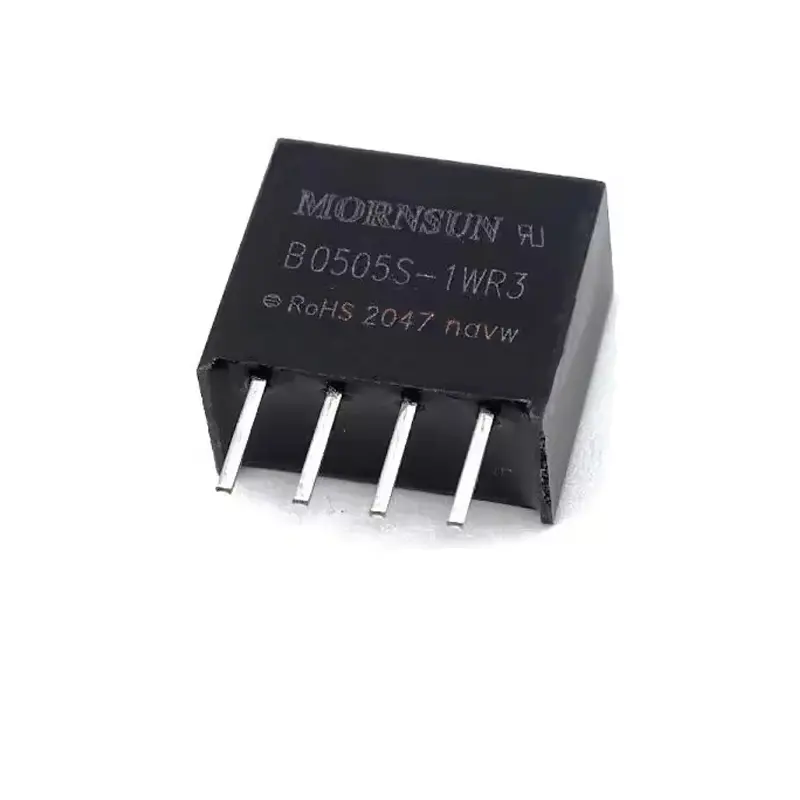 Isolated Power Modules
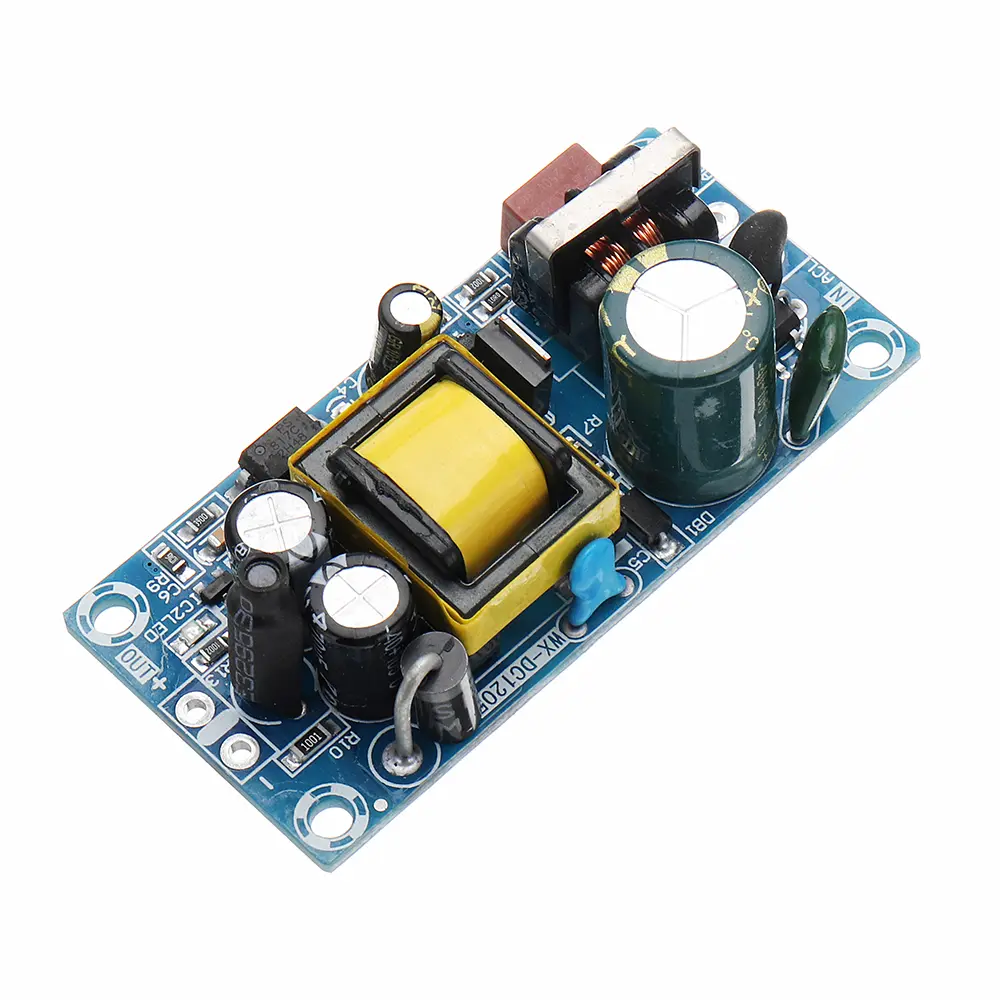 AC-DC Power Modules
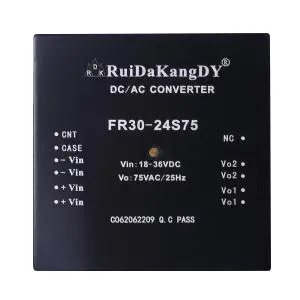 DC-AC Module(Inverter)
 RF and Wireless
Lead-Free Solder (e.g., SAC305) Exhibits Poor Wettability Compared to Lead-Based Solder: How to Compensate via Flux Optimization and Process Control
2026-01-21
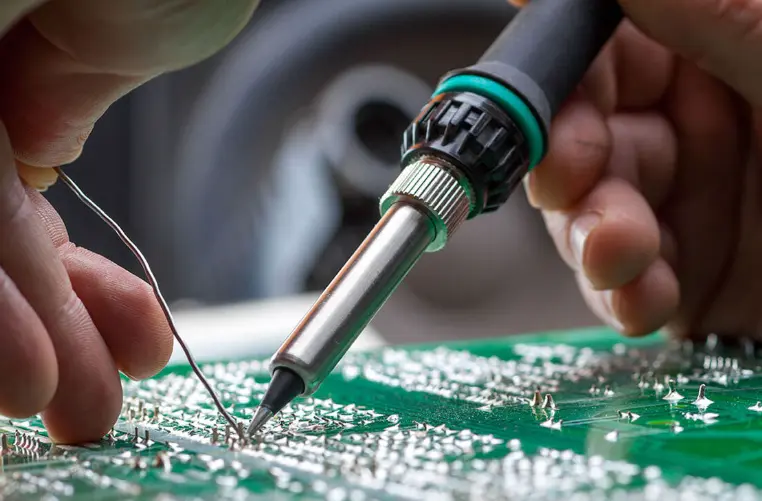
Against the backdrop of the electronIC manufacturing industry's shift toward green and eco-friendly practices, lead-free soldering has become a global mandatory standard (e.g., the EURoHSDirective and China's GB/T 26125 standard). As one of the most widely used lead-free solders, SAC305 (Sn96.5-Ag3.0-Cu0.5) is extensively applied in PCBA assembly across consumer electronics, automotive electronics, industrial control, and other fields, owing to its excellent mechanical strength, thermal cycle resistance, and reliability. However, compared with traditional lead-based solders (e.g., Sn63-Pb37), SAC305 exhibits significantly poorer wettability—it spreads slowly on metal substrate suRFaces, features a small spreading area, and a large contact angle, which easily induces defects such as cold solder joints, bridging, solder ball residues, and solder joint voids. These defects directly compromise the electrical conduction reliability and service life of PCBA products.
Industry test data indicates that the initial contact angle of SAC305 solder on copper (Cu) substrates typically ranges from 45° to 60°, while that of Sn63-Pb37 lead-based solder is only 25° to 35°. Under the same soldering parameters, the spreading area of SAC305 is 15% to 20% smaller than that of lead-based solder, making the issue of insufficient wettability particularly prominent. The core causes of this discrepancy lie in the alloy composition characteristics, melting point variations, and surface energy differences of lead-free solders. The compatibility of flux activity, component ratio, and soldering process parameters directly determines whether wettability defects can be effectively compensated. Starting from the fundamental causes of SAC305 wettability degradation, this article systematically elaborates on the core schemes for flux optimization design and soldering process parameter adjustment, verifies the optimization effect through actual production cases, and provides a feasible technical pathway for PCBA enterprises to address the wettability challenge in lead-free soldering.
I. Core Causes of SAC305 Lead-Free Solder's Inferior Wettability Compared to Lead-Based Solder
Wettability refers to the ability of solder to spread, wet, and form a metallurgical bond on a substrate surface (e.g., Cu or Ni/Au plating) after melting. Its performance is mainly evaluated by three indicators: contact angle, spreading area, and wetting time. The inferior wettability of SAC305 compared to Sn63-Pb37 lead-based solder is the result of the combined effects of multiple factors, including alloy composition, physical properties, and oxidation behavior. It is essential to clarify these causes in essence to provide theoretical support for subsequent optimization schemes.
(I) Differences in Alloy Composition and Physical Properties
1. Changes in Surface Tension and Melting Point: The eutectic melting point of Sn63-Pb37 lead-based solder is 183℃, while that of SAC305 is 217℃—a 34℃ increase. During the soldering process, the elevated solder melting point leads to a significant rise in the surface tension of liquid solder: the surface tension of liquid SAC305 is approximately 520-550 mN/m, compared to only 480-500 mN/m for Sn63-Pb37. A higher surface tension makes it more difficult for the solder to spread on the substrate surface, and the solder is more prone to shrinking into a spherical shape, resulting in an increased contact angle and a reduced spreading area. Meanwhile, the enhanced activity of substrate surface atoms at high temperatures readily forms an excessively thick intermetallic compound (IMC) with the solder, further hindering solder wetting.
2. Influence of Alloy Elements: Although silver (Ag) and copper (Cu) in SAC305 can enhance the mechanical strength and heat resistance of solder joints, they alter the surface energy and wetting kinetics of the solder. Ag increases the viscosity of liquid solder, slowing down its flow rate on the substrate surface; Cu accelerates the reaction between the solder and Cu substrate, forming a Cu₆Sn₅ intermetallic compound layer. If the thickness of this layer exceeds 1μm, the bonding force between the solder and substrate will decrease, manifesting as poor wettability. In contrast, the lead (Pb) in Sn63-Pb37 can reduce the surface tension of the solder, promote spreading, and inhibit the excessive growth of intermetallic compounds, resulting in superior wettability.
(II) Oxidation Behavior and Surface Contamination
1. Solder Oxidation Sensitivity: Tin (Sn) is the main component of both SAC305 and lead-based solders, but the Sn content in SAC305 (96.5%) is much higher than that in Sn63-Pb37 (63%). Sn exhibits extremely high chemical activity and readily reacts with oxygen (O₂) in the air to form SnO and SnO₂ oxide films in high-temperature soldering environments (230-260℃). The oxidation rate of SAC305 is 2-3 times faster than that of lead-based solder, and the generated oxide film is dense and strongly adhesive. It covers the surface of liquid solder, preventing direct contact between the solder and substrate and leading to wetting failure. In contrast, Pb can form a dense PbO film on the solder surface, inhibiting further oxidation of Sn and mitigating the impact of oxidation on wettability.
2. Substrate Surface Contamination and Oxidation: During storage and pretreatment, the surfaces of PCBA soldering substrates (e.g., Cu pads) are prone to forming oxide layers (CuO, Cu₂O) and organic contaminants (grease, dust, flux residues). SAC305 has much stricter requirements for substrate surface cleanliness than lead-based solders—the Pb in lead-based solders can partially dissolve the substrate oxide layer, while SAC305 has weak oxide layer dissolution capacity. If the thickness of the oxide layer on the substrate surface exceeds 0.05μm, it will directly prevent the solder from wetting, resulting in cold solder joints.
(III) Kinetic Barriers During the Soldering Process
1. Differences in Wetting Kinetics: The solder wetting process is divided into three stages: "spreading-wetting-metallurgical bonding". The wetting kinetic rate of SAC305 is significantly lower than that of lead-based solder. In the spreading stage, SAC305 exhibits poor liquid fluidity and slow spreading speed, requiring a longer time to cover the pads; in the wetting stage, the interface reaction rate between SAC305 and the substrate is fast, easily forming an excessively thick intermetallic compound in a short time, which hinders further wetting of the solder. In contrast, the interface reaction of lead-based solder is mild, and its wetting kinetics are more stable, leading to better wettability performance.
2. Influence of Solder Paste Fluidity: The viscosity of SAC305 solder paste is usually higher than that of lead-based solder paste, resulting in poor fluidity. It is difficult to uniformly cover the pads during printing and reflow soldering. Especially for fine-pitch pads (e.g., pin pitches below 0.4mm), uneven solder paste distribution will further exacerbate the problem of insufficient wettability, causing bridging or cold solder joints.
II. Core Schemes for Compensating SAC305 Wettability via Flux Optimization
Flux is a key auxiliary material in the soldering process. Its core functions are to remove oxide films from the surfaces of solder and substrates, reduce the surface tension of liquid solder, promote solder spreading, and protect solder joints from reoxidation. To address the pain point of poor SAC305 wettability, it is necessary to optimize the flux from three dimensions: component design, type selection, and performance matching, so as to achieve wettability compensation.
(I) Optimal Design of Core Flux Components
Flux is mainly composed of four components: active ingredients, solvents, film-forming agents, and surfactants. The ratio and performance of each component directly affect the soldering effect, which needs to be adjusted targetedly to match the characteristics of SAC305.
1. Optimization of Active Ingredients: Active ingredients are the core for removing oxide films. It is necessary to enhance their activity to cope with the strong oxidation characteristics of SAC305 and substrates, while avoiding excessive corrosion. Weakly active fluxes commonly used in traditional lead-based solders (e.g., rosin-based Type R) cannot effectively remove the SnO₂ oxide film on the SAC305 surface. Thus, moderately active (Type RA) or highly active (Type RMA) fluxes should be selected, and the ratio of active ingredients should be optimized.
Specifically, a composite active system of "organic acids + halogen compounds" can be adopted: organic acids (e.g., glutamic acid, succinic acid, adipic acid) have mild activity, can remove mild oxide films on the substrate surface at medium and low temperatures (150-200℃), and exhibit low corrosiveness; halogen compounds (e.g., ammonium chloride, ammonium bromide, organic bromides) have extremely strong activity, can quickly dissolve the dense SnO₂ oxide film on the SAC305 surface at high temperatures (217-260℃), and promote the reduction of liquid solder surface tension. The ratio of the composite system must be precisely controlled: the halogen content is recommended to be 0.5%-1.5%—excessive halogen content will increase the risk of solder joint corrosion and electromigration, while insufficient content cannot effectively remove oxide films; the organic acid content is controlled at 5%-8%, which cooperates with halogen components to achieve the effect of "low-temperature pretreatment and high-temperature strong activity".
In addition, trace amounts of Ag⁺ and Cu⁺ ion compounds (e.g., silver nitrate, copper sulfate) can be added as activity enhancers. These ions can accelerate the interface reaction between the solder and substrate, promote the uniform growth (rather than excessive growth) of intermetallic compounds, enhance the bonding force between the solder and substrate, and indirectly improve wettability.
2. Optimization of Solvent System: The function of solvents is to dissolve various components, adjust flux viscosity and volatilization rate, which needs to adapt to the high melting point soldering requirements of SAC305. The solvent volatilization rate of traditional fluxes for lead-based solders is relatively fast, which cannot meet the long-term activity requirements of SAC305 in high-temperature soldering. The optimization scheme is to adopt a composite system of "high-boiling solvent + low-boiling solvent". High-boiling solvents (e.g., diethylene glycol butyl ether, triethylene glycol methyl ether, boiling point 230-250℃) can maintain the fluidity and activity of the flux at high temperatures, avoiding premature drying and failure of the flux; low-boiling solvents (e.g., ethanol, isopropanol, boiling point 70-80℃) can adjust the flux viscosity, improve solder paste printing performance, and volatilize quickly during the preheating stage to reduce solder joint residues. The mass ratio of composite solvents is recommended to be 6:4-7:3 (high-boiling : low-boiling) to ensure that the flux maintains effective activity throughout the reflow soldering process.
3. Optimization of Surfactants and Film-Forming Agents: Surfactants can directly reduce the interfacial tension between liquid solder and the substrate surface, which is key to improving the spreadability of SAC305. Non-ionic surfactants (e.g., polyoxyethylene ethers, fatty acid esters) should be selected, as they have good compatibility and no corrosiveness, and can effectively reduce the surface tension of liquid SAC305 to 450-480 mN/m—close to the level of lead-based solders. The surfactant content is controlled at 0.3%-0.8%: excessive content will cause flux foaming and pinholes in solder joints, while insufficient content cannot achieve the effect of reducing surface tension.
Film-forming agents should use high-temperature resistant and strongly adhesive resins (e.g., hydrogenated rosin, polymerized rosin) instead of traditional ordinary rosin. Such resins can form a dense protective film on the solder joint surface after high-temperature soldering, preventing reoxidation, and at the same time improving the viscosity stability of the flux, avoiding collapse and overflow of the solder paste after printing. The film-forming agent content is controlled at 10%-15%, ensuring that the thickness of the protective film is 0.01-0.02μm—this neither affects the conductivity of the solder joint nor impairs its protective effect.
(II) Flux Type Selection and Adaptive Scenarios
According to the soldering requirements of different PCBA products (e.g., pad type, pitch, reliability requirements), the corresponding flux type should be selected to ensure that the wettability compensation effect matches the product performance.
1. Solder Paste Flux for Reflow Soldering: For SAC305 reflow soldering processes, moderately active (Type RA) or highly active (Type RMA) rosin-based fluxes are preferred, which are suitable for fine-pitch pads (below 0.4mm) and high-density PCBA. Among them, Type RMA flux is recommended for fine-pitch products, as it has low halogen content (≤0.8%) and low residue, can avoid bridging, and has sufficient activity to remove oxide films; Type RA flux can be used for ordinary density products, featuring lower cost and more significant wettability compensation effect. In addition, the flux content in the solder paste should be controlled at 10%-12%, and the viscosity at 100-150 Pa·s (25℃) to ensure printing uniformity and fluidity.
2. Flux for Wave Soldering: In SAC305 wave soldering processes, the flux needs to have stronger oxidation resistance and spreadability. Water-soluble flux or no-clean high-activity flux is recommended. Water-soluble flux has extremely strong activity, can quickly remove oxide films on solder and substrates, achieves the best wettability compensation effect, and can be completely removed by water washing after soldering—suitable for products with high reliability requirements such as automotive electronics and medical equipment; no-clean high-activity flux is suitable for ordinary consumer electronics, with low residue (≤0.05mg/cm²), no need for water washing, which can improve production efficiency and meet RoHS environmental requirements. The solid content of wave soldering flux is recommended to be 15%-20%, and the spray volume is 0.5-1.0ml/dm² to ensure uniform coverage of the PCB surface.
3. Flux for Manual Soldering: When manually soldering SAC305, the flux needs to have fast activity and be easy to operate. Moderately active paste or wire flux is recommended. Paste flux can be directly applied to pads or pins, with a long active duration, suitable for soldering complex solder joints; wire flux (matched with SAC305 solder wire) is suitable for SIMple solder joints, easy to operate, and can effectively prevent solder oxidation during soldering. The active ingredients of manual soldering flux are recommended to be mainly organic acids, with halogen content ≤0.5% to avoid corrosion of solder joints.
(III) Key Points for Performance Matching Between Flux and SAC305 Solder
Flux optimization must be accurately matched with the characteristics of SAC305 solder to avoid poor wettability improvement or new defects due to incompatibility. The core matching points are as follows:
1. Matching of Active Temperature Range: The melting point of SAC305 is 217℃, and the active temperature range of the flux needs to cover the entire process of "preheating-soldering-cooling", with a recommended active temperature range of 180-250℃. Among them, in the preheating stage (180-200℃), the flux begins to exert its activity to remove mild oxide films; in the soldering stage (217-250℃), the activity reaches its peak to dissolve dense oxide films and promote solder spreading; in the cooling stage (200-150℃), the activity gradually weakens, and the film-forming agent forms a protective film. If the active temperature range is too narrow (e.g., only covering the soldering stage), the oxide film cannot be completely removed during the preheating stage, affecting wettability.
2. Matching of Residue Characteristics: SAC305 solder joints are more sensitive to residues than lead-based solder joints. Flux residues are likely to cause solder joint corrosion and electromigration, especially for high-density and high-voltage PCBA products. Therefore, the flux must have low residue and non-corrosive characteristics, with a post-soldering residue of ≤0.03mg/cm², and the residual substances must be non-hygroscopic and non-conductive to avoid affecting the long-term reliability of the product. For products that cannot be water-washed, no-clean flux should be selected, and its residues form a stable protective film after high-temperature curing without adverse effects.
3. Matching of Environmental Friendliness: The flux must comply with environmental standards such as RoHS and REACH, prohibiting harmful substances such as lead, cadmium, and mercury. The halogen content must be strictly controlled (≤1.5%) to avoid harm to the environment and human body. At the same time, the volatile substances of the flux must comply with VOC emission standards to reduce environmental pollution during production.
III. Key Measures for Compensating SAC305 Wettability via Process Optimization
Flux optimization provides a material basis for wettability compensation, while the precise regulation of soldering process parameters can maximize the effect of the flux and further improve the wettability of SAC305. For the three mainstream processes of reflow soldering, wave soldering, and manual soldering, parameters need to be optimized in combination with the characteristics of SAC305, and process control should be strengthened to reduce wettability defects.
(I) Reflow Soldering Process Optimization
Reflow soldering is the most commonly used soldering process for SAC305 solder, especially suitable for surface mount technology (SMT) components. The core of process parameter optimization lies in reflow profile design, printing parameter regulation, and environmental control.
1. Reflow Profile Optimization: The reflow profile is divided into four stages: preheating zone, soaking zone, reflow zone, and cooling zone. Parameters of each stage need to be adjusted targetedly to adapt to the high melting point of SAC305 and the activity characteristics of the flux.
Preheating Zone (Room Temperature - 180℃): The heating rate is controlled at 1.5-2.5℃/s to avoid solder paste splashing and premature flux volatilization due to excessive heating rate. This stage must ensure uniform temperature on the PCB surface (temperature difference ≤5℃), the flux gradually volatilizes low-boiling solvents, and starts to remove mild oxide films on the solder and substrate surfaces. The preheating time is controlled at 60-90s to ensure sufficient preheating of the solder paste for subsequent soldering.
Soaking Zone (180-210℃): The temperature is kept stable, and the soaking time is controlled at 40-60s. In this stage, the organic acid components of the flux fully exert their activity to completely remove oxide films, and the flux in the solder paste is evenly distributed on the pad surface, creating conditions for solder melting and spreading. Excessively long soaking time will cause the flux to dry out and lose activity; excessively short time will result in incomplete oxide film removal, affecting wettability.
Reflow Zone (210-260℃): The heating rate is controlled at 0.5-1.0℃/s, the peak temperature is controlled at 245-255℃ (28-38℃ higher than the melting point of SAC305), and the peak time is controlled at 10-20s. The peak temperature and time must be precisely controlled—excessively high temperature will cause excessive solder oxidation, substrate deformation, and excessively thick intermetallic compounds; excessively low temperature will result in insufficient solder melting and poor wettability. In this stage, the halogen components of the flux exert strong activity to dissolve dense oxide films, and surfactants reduce the surface tension of the solder to promote spreading.
Cooling Zone (260℃ - Room Temperature): The cooling rate is controlled at 2.0-3.0℃/s, and the temperature is quickly cooled below 150℃ to avoid coarse grains and reduced mechanical strength of solder joints caused by slow cooling. During the cooling process, the film-forming agent of the flux forms a protective film to prevent reoxidation of the solder joints.
2. Printing Parameter Optimization: Printing parameters directly affect the uniformity of solder paste distribution on the pads, thereby affecting wettability. The solder paste viscosity is controlled at 100-150 Pa·s (25℃), the squeegee pressure at 0.15-0.25MPa, and the printing speed at 20-40mm/s to ensure uniform coverage of the pads with no missing printing, insufficient printing, or bridging. For fine-pitch pads (below 0.4mm), high-precision stencils (thickness 0.12-0.15mm, opening size 90%-95% of the pad size) should be selected to avoid excessive or insufficient solder paste. Reflow soldering must be completed within 2 hours after printing to prevent solder paste moisture absorption and oxidation, which affect wettability.
3. Environmental Control: Nitrogen protection should be introduced into the reflow oven, and the oxygen concentration should be controlled below 500ppm. Nitrogen can effectively inhibit the oxidation of SAC305 solder and substrates at high temperatures, reduce oxide film formation, and significantly improve wettability—test data shows that the contact angle of SAC305 can be reduced to 35°-40° under nitrogen protection, and the spreading area can be increased by more than 15%. At the same time, residual flux in the reflow oven must be cleaned regularly to avoid contamination of PCBs and solder, which affects soldering quality.
(II) Wave Soldering Process Optimization
Wave soldering is suitable for through-hole technology (THT) components and mixed-assembly PCBA. The core of process optimization lies in wave parameters, flux spraying, and PCB pretreatment to ensure sufficient wetting of SAC305 solder on through-holes and pad surfaces.
1. Wave Parameter Optimization: The wave temperature is controlled at 250-260℃ to ensure sufficient melting of SAC305 solder, while avoiding solder oxidation and substrate damage due to excessive temperature. The wave height is controlled at 1/2-2/3 of the PCB thickness to ensure that the solder can fully wrap the through-hole pins and achieve good wetting. The conveyor speed is controlled at 0.8-1.2m/min, adjusted according to the component density on the PCB—reduce the speed for dense components to ensure sufficient wetting time for solder joints; appropriately increase the speed for sparse components to avoid solder joint overheating. In addition, the wave shape should be adjusted to adopt a "double wave" process (the first wave is a turbulent wave, and the second wave is a laminar wave). The turbulent wave can break the oxide film on the solder surface and promote wetting; the laminar wave can trim the solder joints and reduce defects such as bridging and solder ball residues.
2. Flux Spraying Optimization: Atomized spraying is adopted to ensure uniform coverage of the PCB surface (including the inner wall of through-holes) with the flux, and the spray volume is controlled at 0.5-1.0ml/dm². After spraying, preheating is performed (120-150℃, time 30-40s) to volatilize part of the solvent in the flux and improve activity. Avoid excessive spray volume, which leads to excessive solder joint residues and foaming; insufficient spray volume cannot effectively remove oxide films, affecting wettability.
3. PCB Preprocessing: Before wave soldering, the PCB should be dried (80-100℃, time 30 minutes) to remove surface moisture and humidity, avoiding pinholes and bubbles in solder joints caused by moisture volatilization during soldering. For through-hole components, the pins should be tin-plated (Sn plating thickness 0.02-0.05μm) to improve the compatibility and wettability between the pins and SAC305 solder. At the same time, ensure that the PCB pad surface is clean, free of oxidation, oil, and other contaminants.
(III) Manual Soldering Process Optimization
Manual soldering is suitable for small-batch production, rework, and complex component soldering. The core of process optimization lies in soldering iron parameters, soldering techniques, and solder dosage to compensate for the instability of manual operation and improve SAC305 wettability.
1. Soldering Iron Parameter Optimization: The soldering iron temperature is controlled at 350-380℃, 133-163℃ higher than the melting point of SAC305, to ensure rapid melting of the solder. A constant-temperature soldering iron is selected to avoid solder oxidation or substrate damage due to temperature fluctuations. The soldering iron tip is horseshoe-shaped or pointed, selected according to the solder joint size—horseshoe-shaped for large solder joints to increase heat transfer area; pointed for small solder joints for precise positioning. The soldering iron tip must be tinned regularly and kept clean to avoid oxidation affecting heat transfer efficiency and solder joint wetting.
2. Soldering Technique Optimization: During soldering, first contact the soldering iron tip with both the pad and the pin (simultaneous contact to ensure uniform heat transfer), preheat for 1-2 seconds, then feed SAC305 solder. The solder dosage should be sufficient to uniformly cover the pad and fill the through-hole, avoiding excessive or insufficient dosage. The soldering time is controlled at 3-5 seconds; excessively long time will cause solder joint oxidation and excessively thick intermetallic compounds; excessively short time will result in insufficient solder melting and poor wettability. After soldering is completed, remove the solder first, then the soldering iron, to ensure good solder joint formation.
3. Coordination Between Solder and Flux: Select flux-cored solder wire matched with SAC305, and the wire diameter is selected according to the solder joint size (0.5-1.0mm). During the soldering process, the flux in the solder wire can exert its effect synchronously to remove oxide films and promote wetting, avoiding insufficient wettability caused by using solder alone.
(IV) Process Control and Defect Prevention
1. Raw Material Control: SAC305 solder should be stored in sealed packaging (vacuum packaging, storage temperature 15-25℃, humidity ≤60%) to avoid oxidation; before use, check whether there are oxidation spots on the solder surface, and perform pretreatment (e.g., micro-etching) if oxidation exists. Flux should be stored in a cool and dry place to avoid moisture absorption and deterioration, and shaken well before use to ensure uniform mixing of all components.
2. Inspection and Feedback: Establish a soldering quality inspection system, and use automatic optical inspection (AOI) equipment to detect the contact angle, spreading area, and appearance defects (cold solder joints, bridging, solder balls) of solder joints. Randomly inspect 5%-10% of products in each batch, focusing on detecting solder joints in fine-pitch and high-density areas. For detected wettability defects, analyze the causes (e.g., insufficient flux activity, process parameter deviation, substrate oxidation), adjust the optimization scheme in a timely manner, and form a closed-loop control.
3. Equipment Maintenance: Regularly maintain reflow ovens, wave soldering machines, soldering irons, and other equipment, calibrate parameters such as temperature, pressure, and conveyor speed to ensure stable equipment performance. Clean residual flux and oxide impurities in the equipment to avoid contamination of raw materials and products.
IV. Landing Case and Effect Evaluation of Optimization Schemes
To verify the compensation effect of flux and process optimization schemes on SAC305 wettability, a high-density PCBA product from a consumer electronics enterprise (adopting 0.4mm fine-pitch quad flat package (QFP) components and SAC305 solder paste soldering) was taken as an example. The optimization scheme was implemented, and the soldering quality before and after optimization was compared.
(I) Problems Before Optimization
Before optimization, ordinary rosin-based weakly active flux was used, the reflow profile was a traditional lead-based solder profile (peak temperature 230℃, preheating time 40s), and there was no nitrogen protection. The main problems after soldering were: the contact angle of SAC305 solder was 55°-60°, the spreading area was insufficient, the cold solder joint rate of fine-pitch QFP components reached 3.2%, the bridging rate was 1.8%, and the solder joint void rate was 2.5%, which failed to meet the product reliability requirements.
(II) Implementation of Optimization Scheme
1. Flux Optimization: Type RMA composite active flux was selected, with active ingredients of glutamic acid + organic bromide (halogen content 1.0%, organic acid content 6.5%), solvent system of diethylene glycol butyl ether + isopropanol (mass ratio 7:3), and 0.5% polyoxyethylene ether surfactant and 12% hydrogenated rosin film-forming agent added.
2. Reflow Soldering Process Optimization: The reflow profile was adjusted—preheating zone heating rate 2.0℃/s, preheating time 80s; soaking zone 190℃, soaking time 50s; reflow zone peak temperature 250℃, peak time 15s; cooling zone cooling rate 2.5℃/s. Nitrogen protection was introduced, and the oxygen concentration was controlled below 300ppm. The printing parameters were optimized to squeegee pressure 0.2MPa, printing speed 30mm/s, stencil thickness 0.12mm, and opening size 92% of the pad size.
(III) Evaluation of Optimization Effect
1. Improvement of Wettability Indicators: The contact angle of SAC305 solder was reduced to 38°-42°, close to the level of lead-based solder; the spreading area was increased by 18%, which could fully cover 0.4mm fine-pitch pads; the wetting time was shortened to 2.5s, a reduction of 1.5s compared with before optimization.
2. Reduction of Defect Rates: The cold solder joint rate decreased from 3.2% to 0.3%, the bridging rate from 1.8% to 0.1%, and the solder joint void rate from 2.5% to 0.4%, all meeting the product quality standards.
3. Improvement of Reliability: After high-low temperature cycle testing (-40℃~125℃, 1000 cycles) and damp-heat testing (85℃, 85%RH, 1000 hours), there was no solder joint detachment or cracking, the thickness of the intermetallic compound layer was controlled at 0.5-0.8μm, and the electrical conduction reliability was stable.
This case shows that through the optimal design of flux components and precise regulation of process parameters, the problem of insufficient wettability of SAC305 lead-free solder can be effectively compensated, the soldering defect rate can be significantly reduced, the product reliability can be improved, and the production requirements of high-density PCBA can be met.
V. Summary and Outlook
The inferior wettability of SAC305 lead-free solder compared to lead-based solder is essentially the result of the combined effects of increased surface tension, enhanced oxidation sensitivity, and prominent kinetic barriers caused by its alloy composition. The core path to solving this problem is "flux optimization + process adaptation"—flux needs to improve oxide film removal capacity and reduce solder surface tension through the collaborative design of composite active systems, solvent systems, and surfactants; soldering processes need to optimize temperature profiles, environmental atmosphere, and operating parameters according to the high melting point characteristics of SAC305 to maximize the effect of flux, while strengthening process control to prevent wettability defects.