
 PCB
PCB FPC
FPC Rigid-Flex
 FR-4
FR-4 HDI PCB
 Rogers High-Frequency Board
 PTFE Teflon High-Frequency Board
 Aluminum
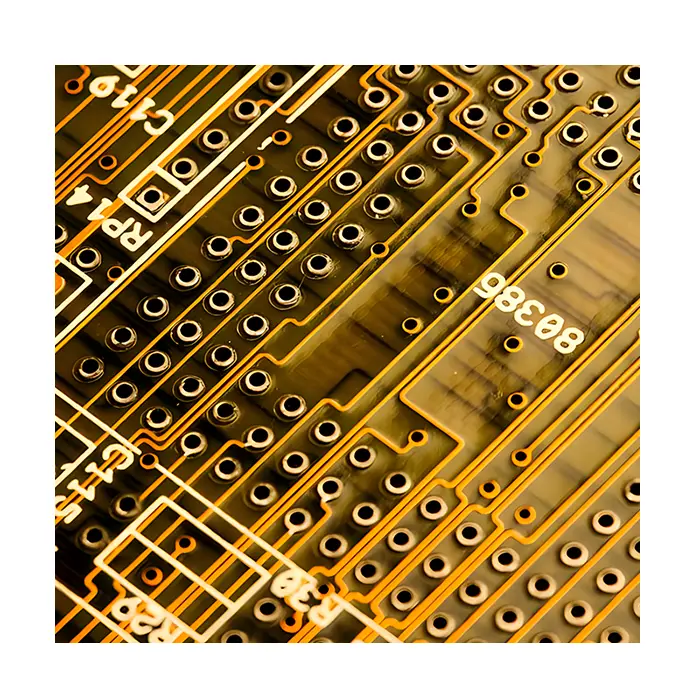 Copper Core
 PCB Assembly
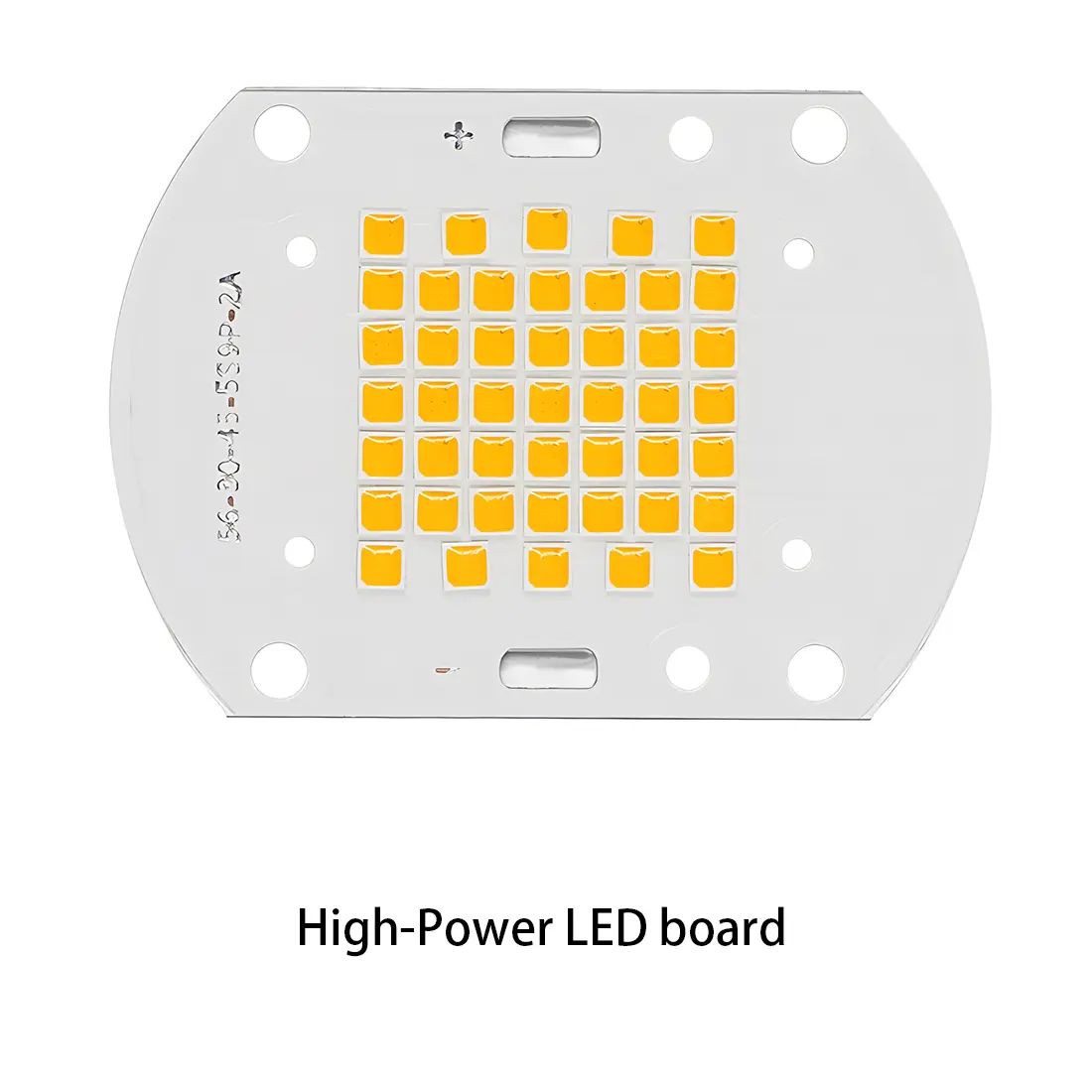 LED light PCBA
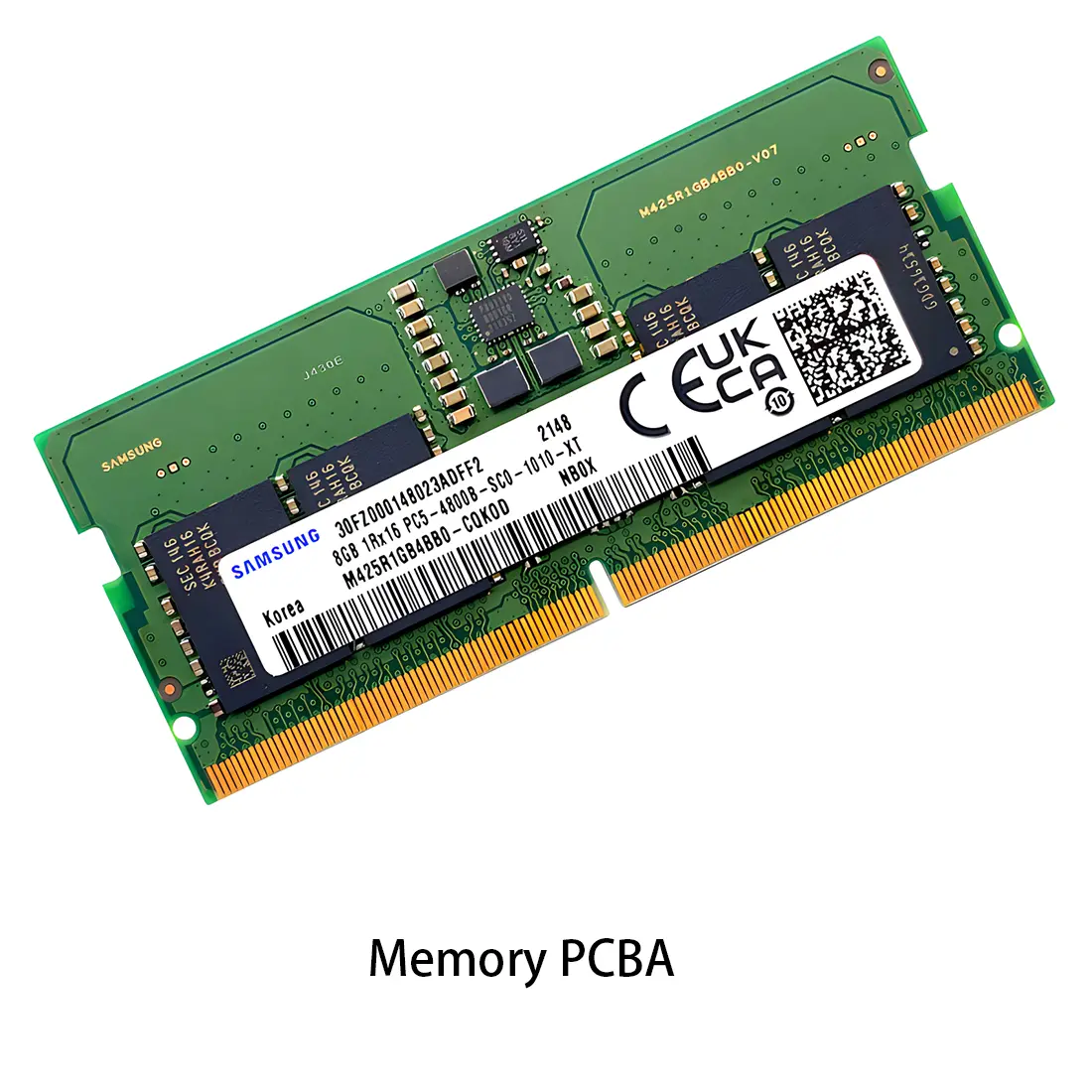 Memory PCBA
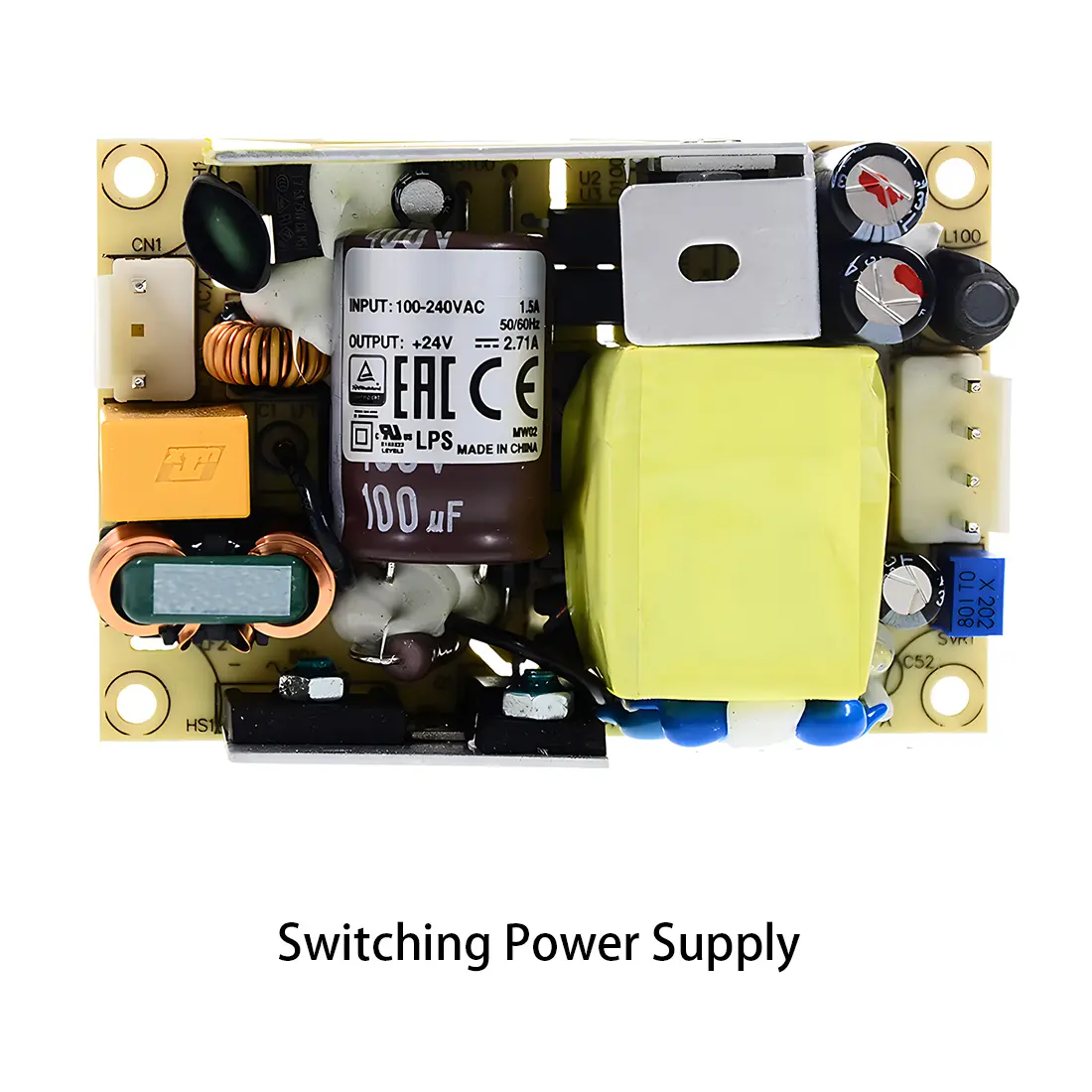 Power Supply PCBA
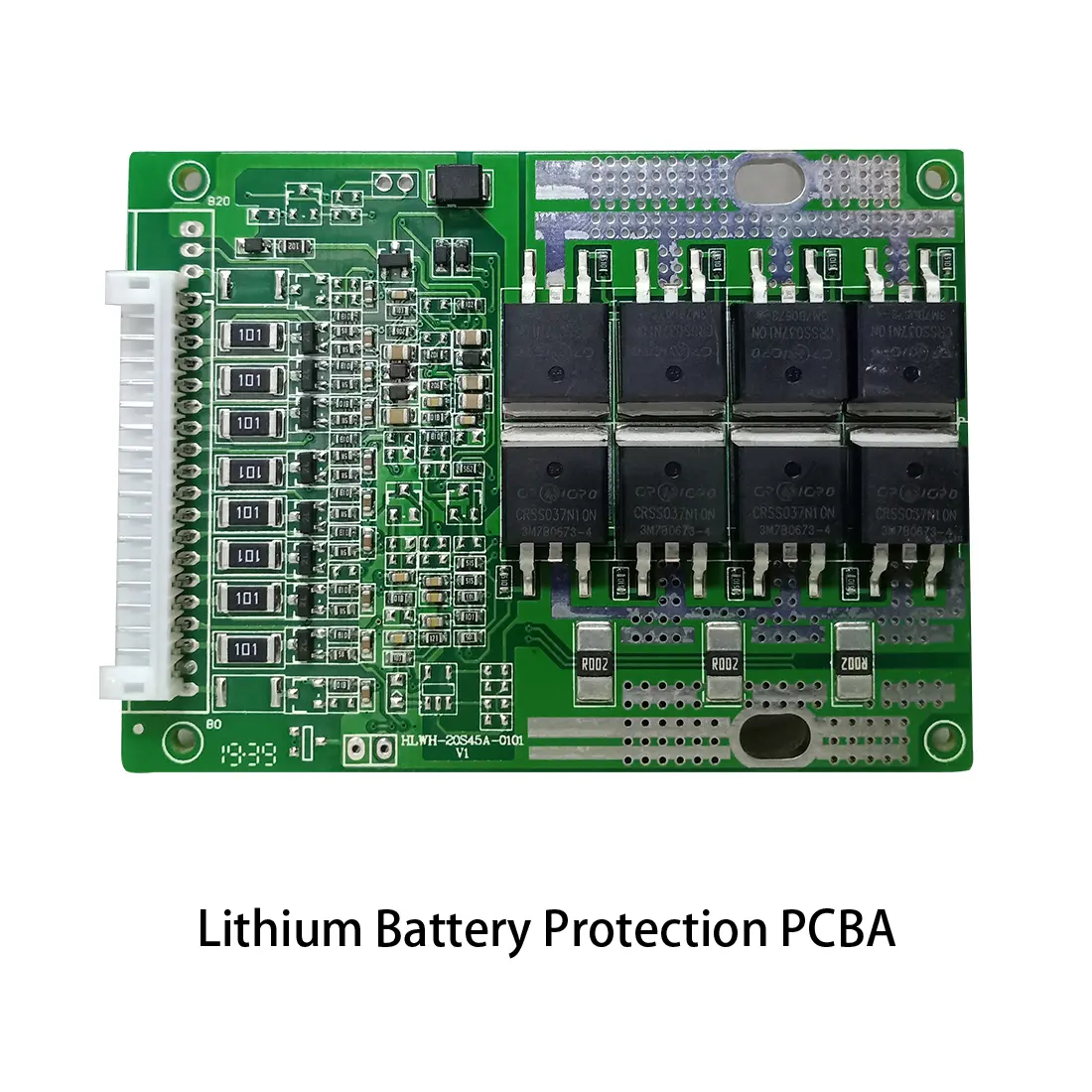 New Energey PCBA
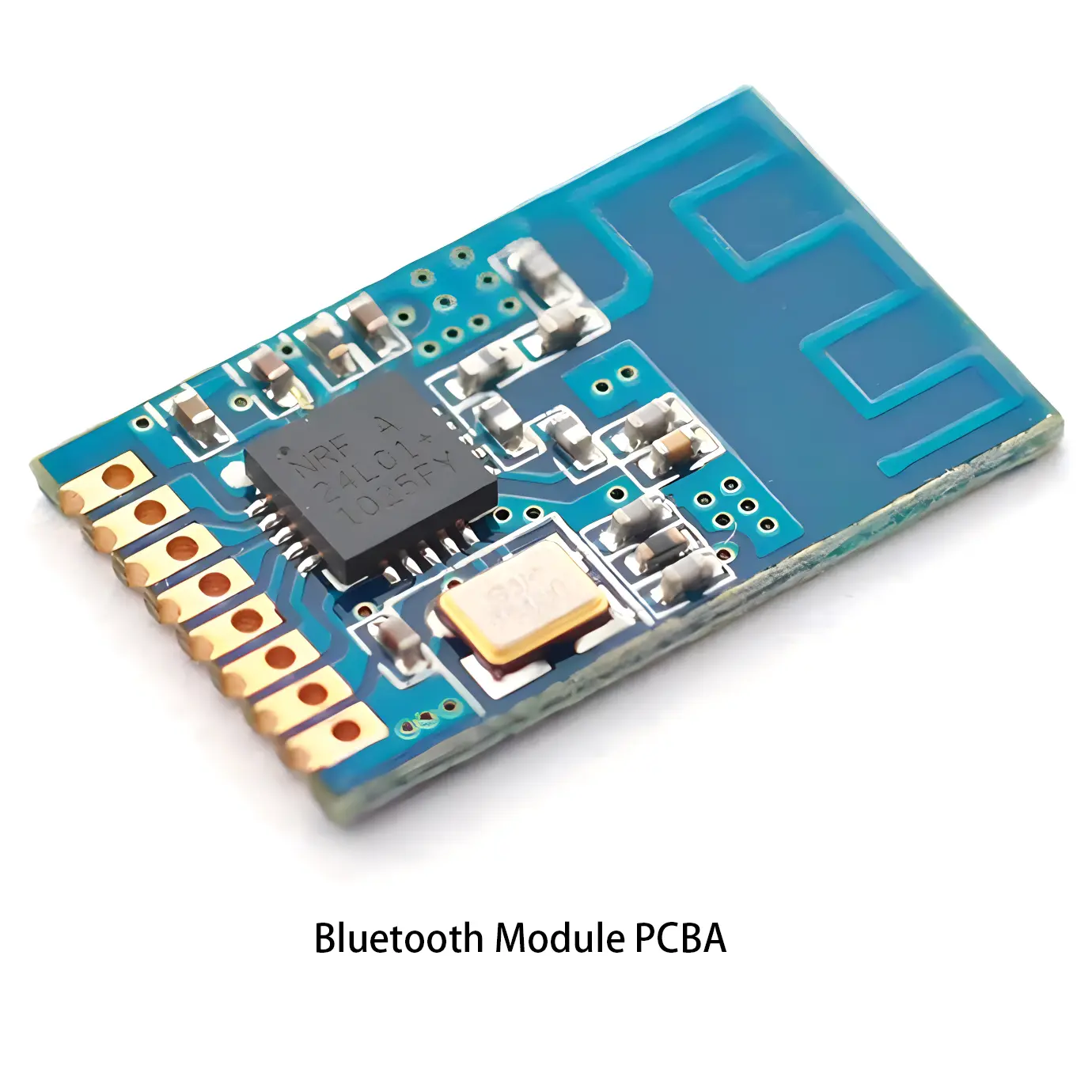 Communication PCBA
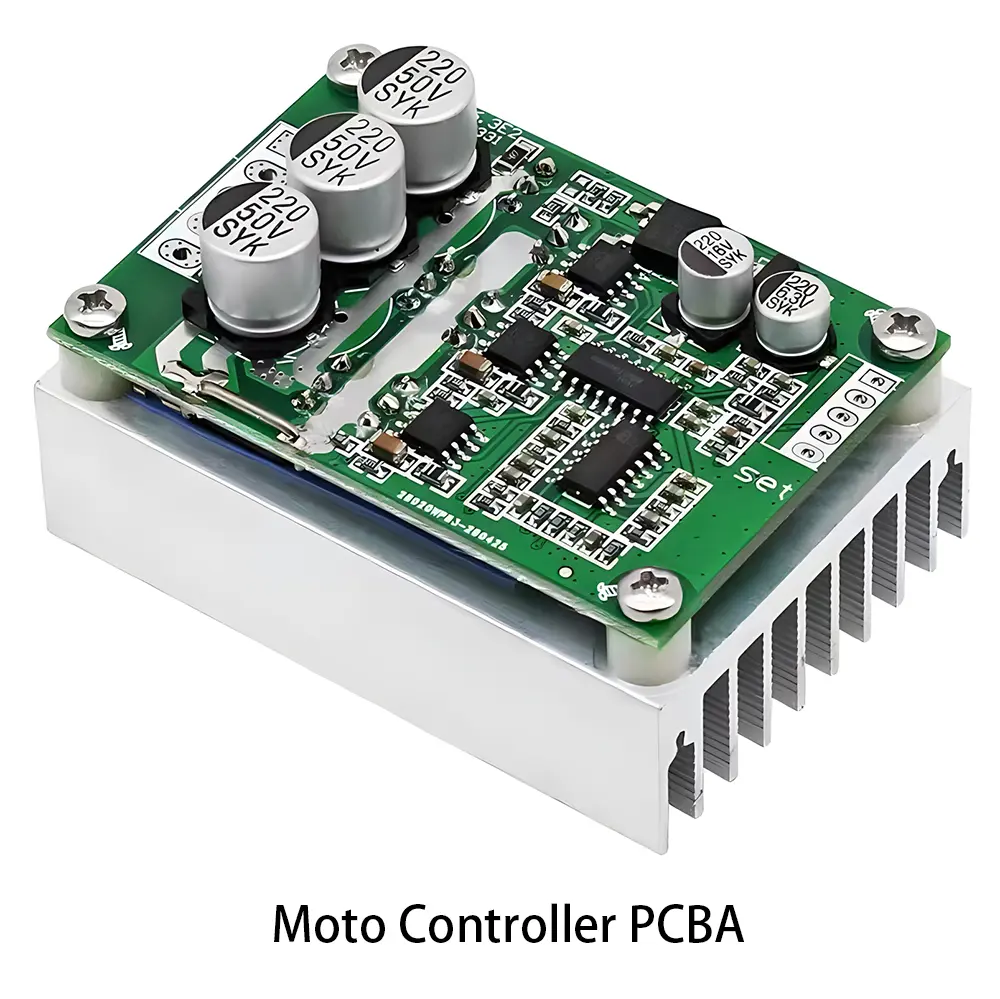 Industrial Control PCBA
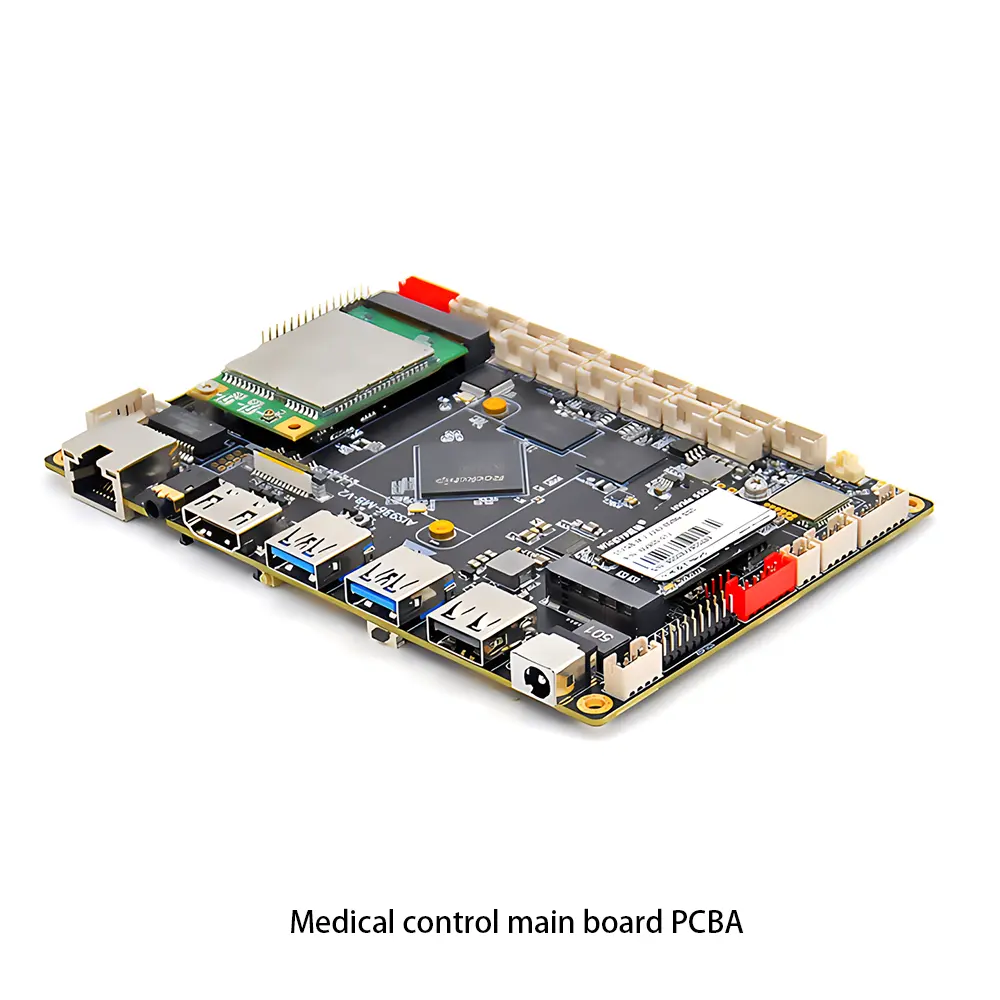 Medical Equipment PCBA
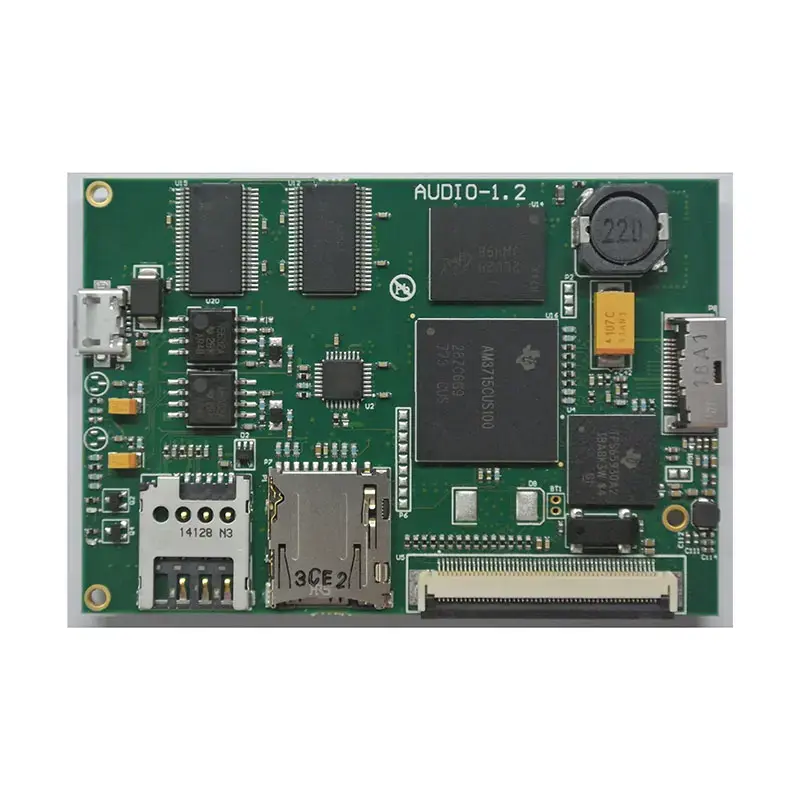 Testing Service
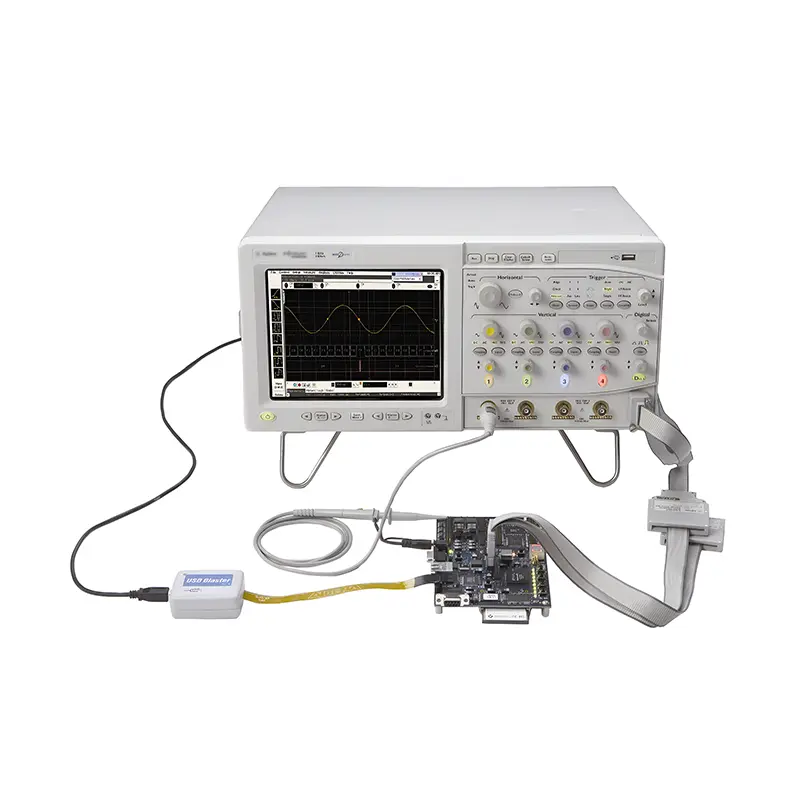 PCBA Testing Service
 Certification Application
 RoHS Certification Application
 REACH Certification Application
 CE Certification Application
 FCC Certification Application
 CQC Certification Application
 UL Certification Application
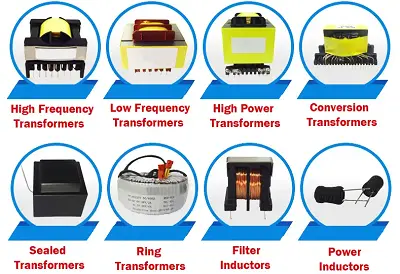 Transformers, Inductors
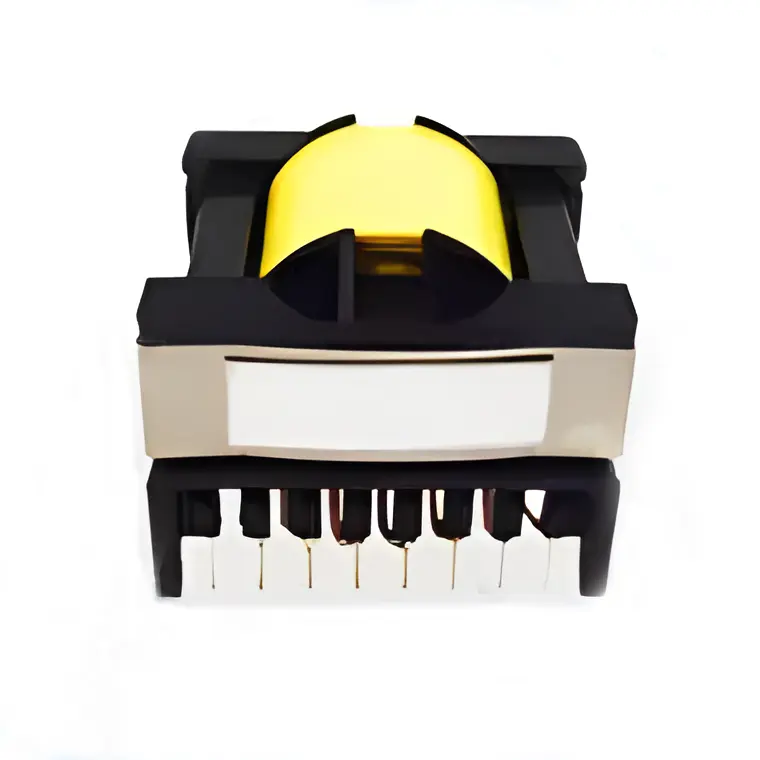 High Frequency Transformers
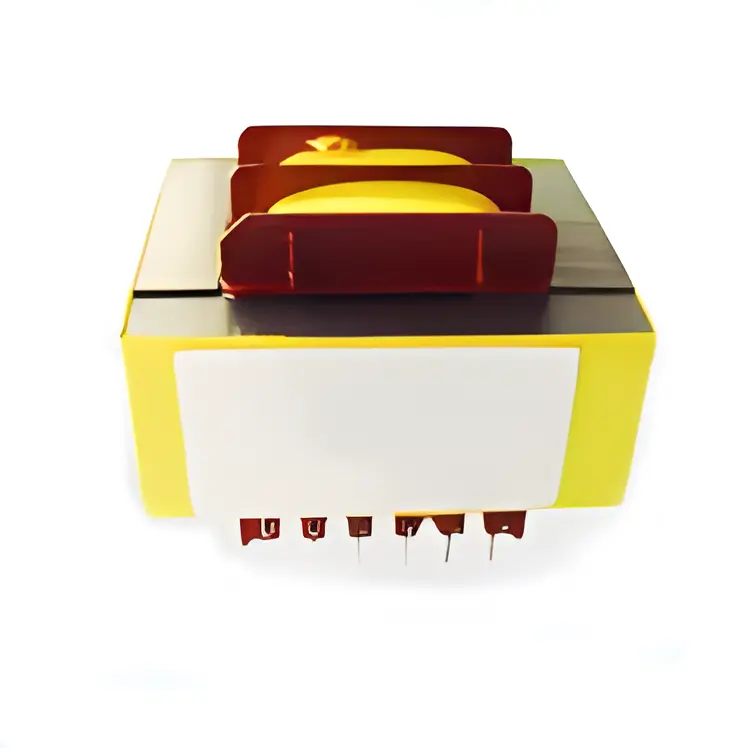 Low Frequency Transformers
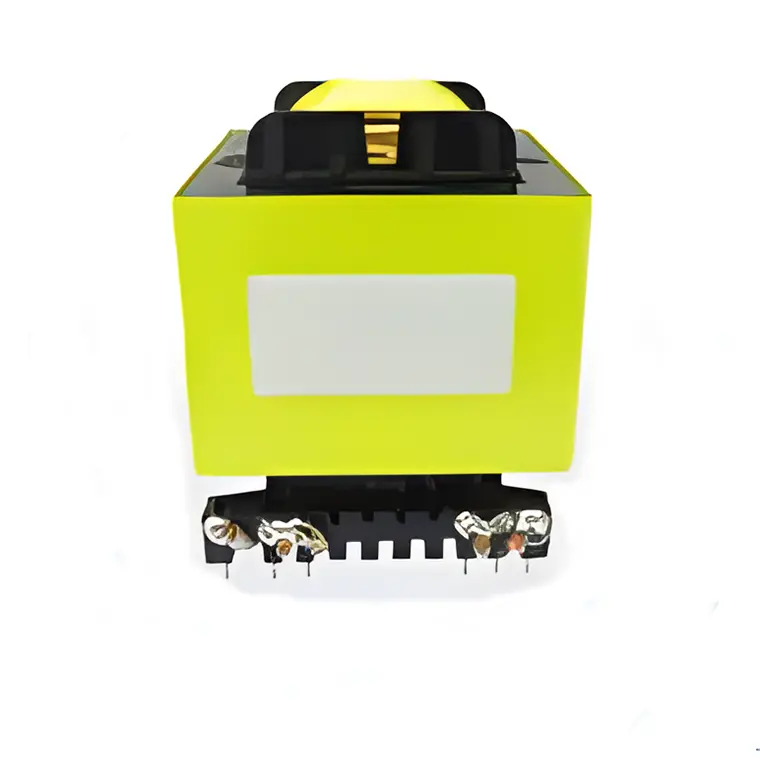 High Power Transformers
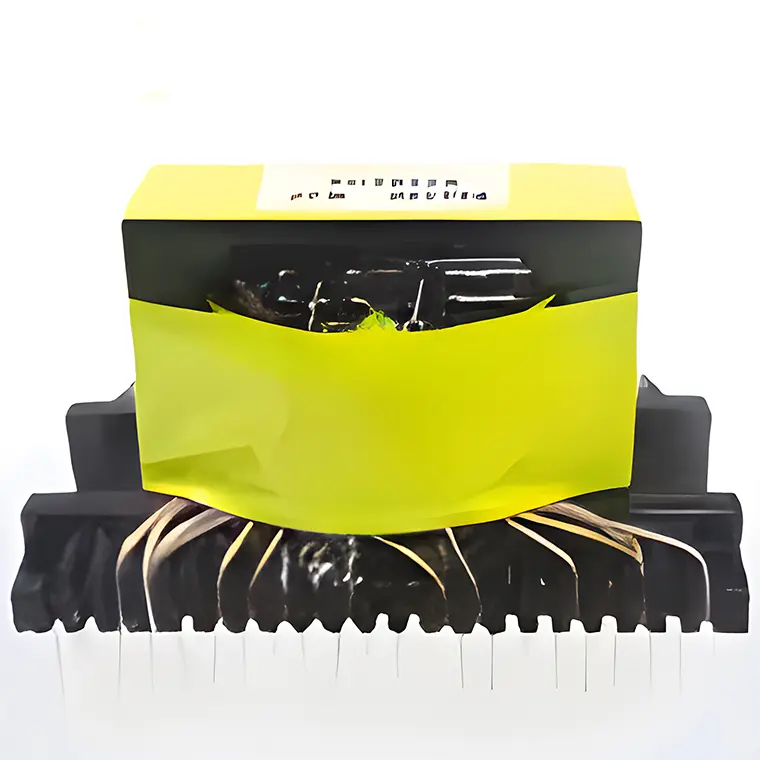 Conversion Transformers
 Sealed Transformers
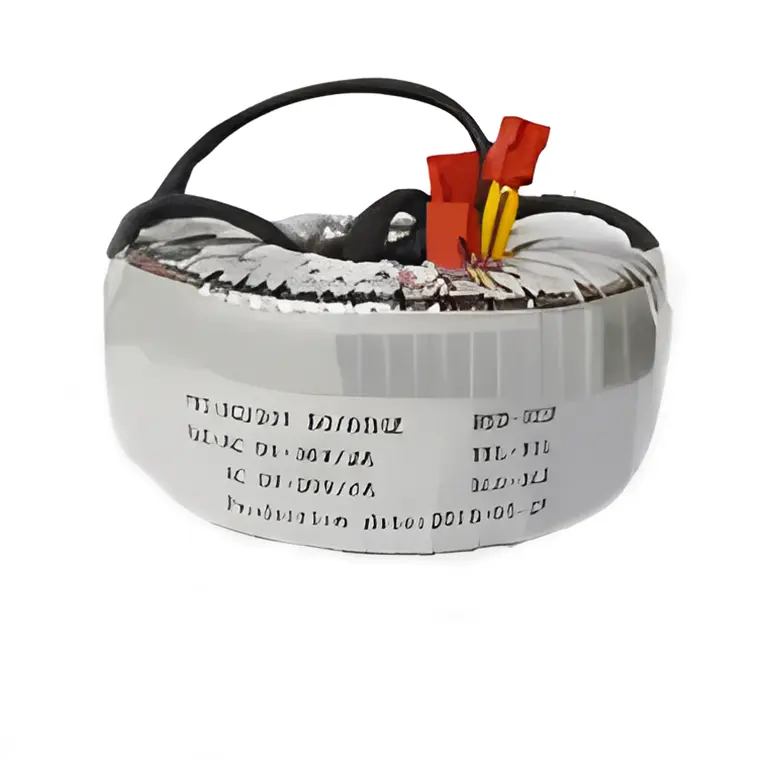 Ring Transformers
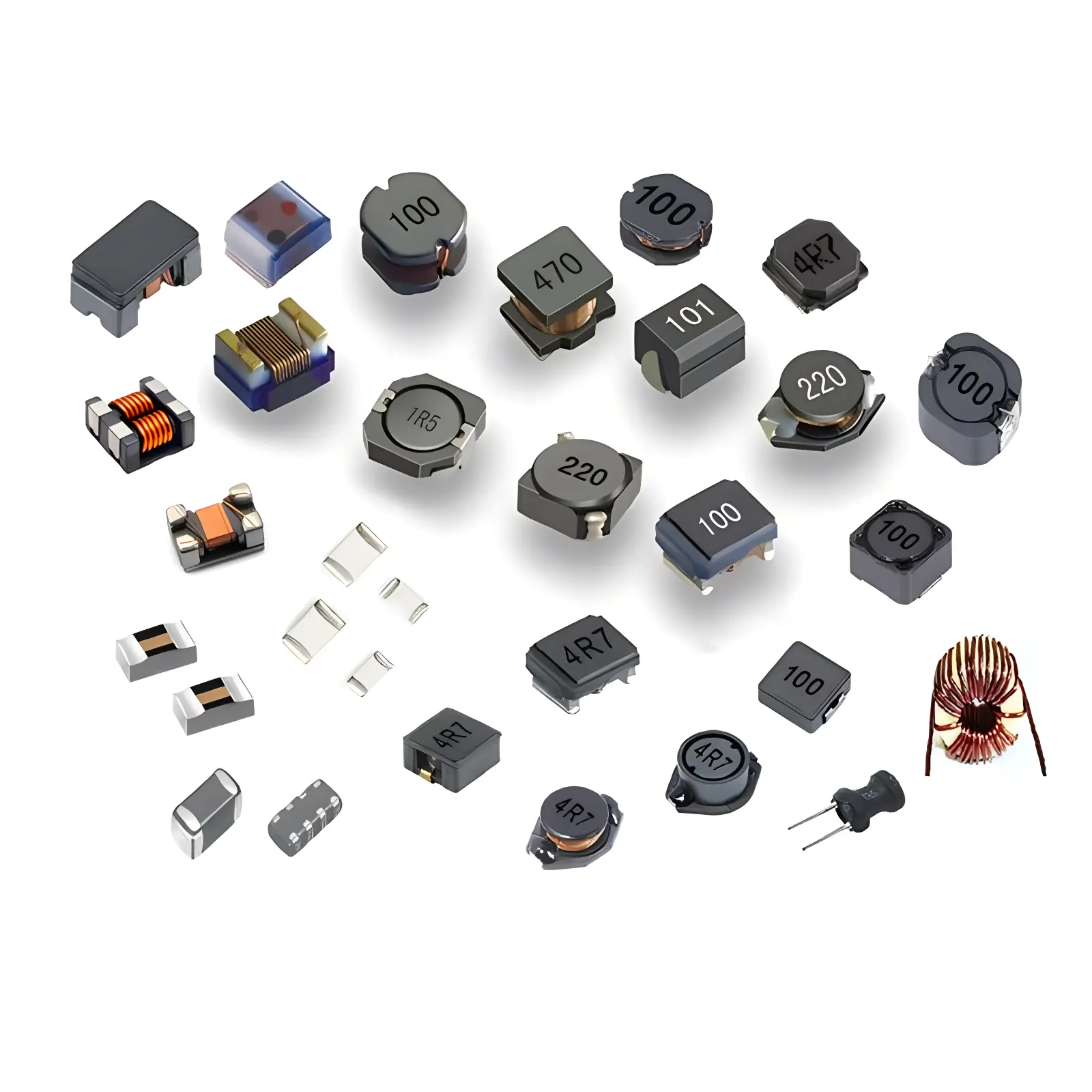 Inductors
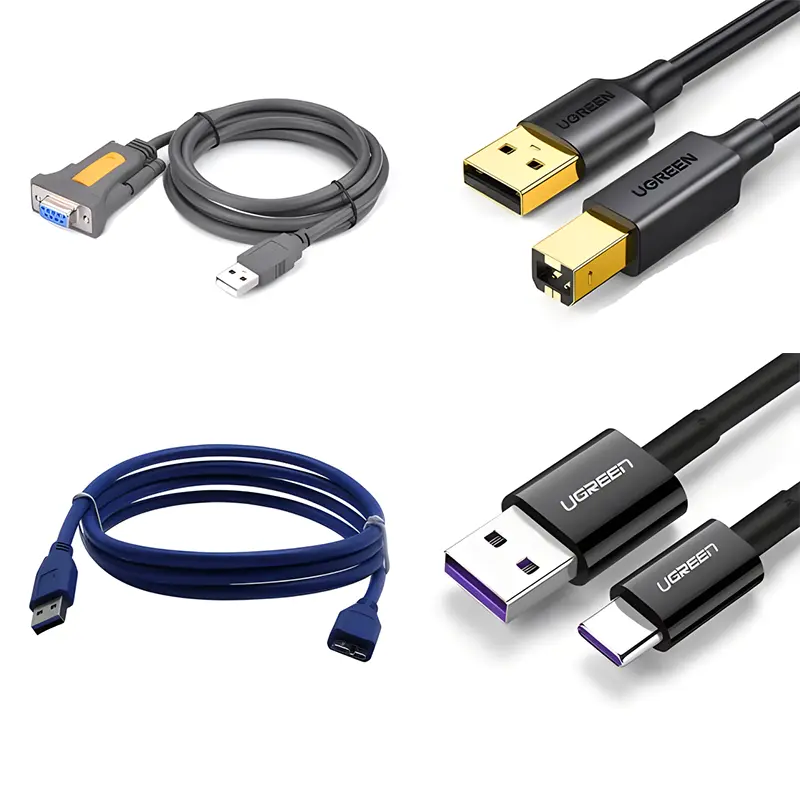 Wires,Cables Customized
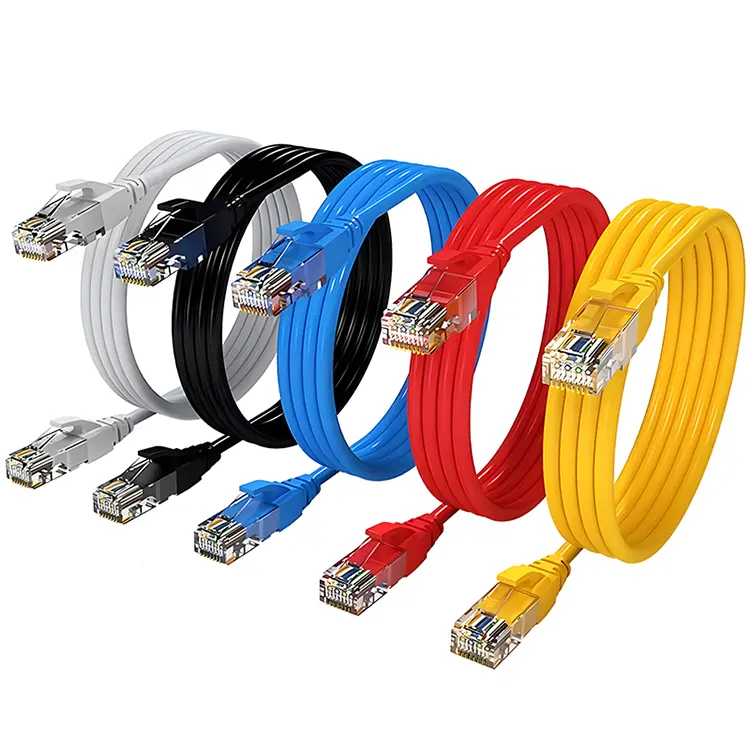 Network Cables
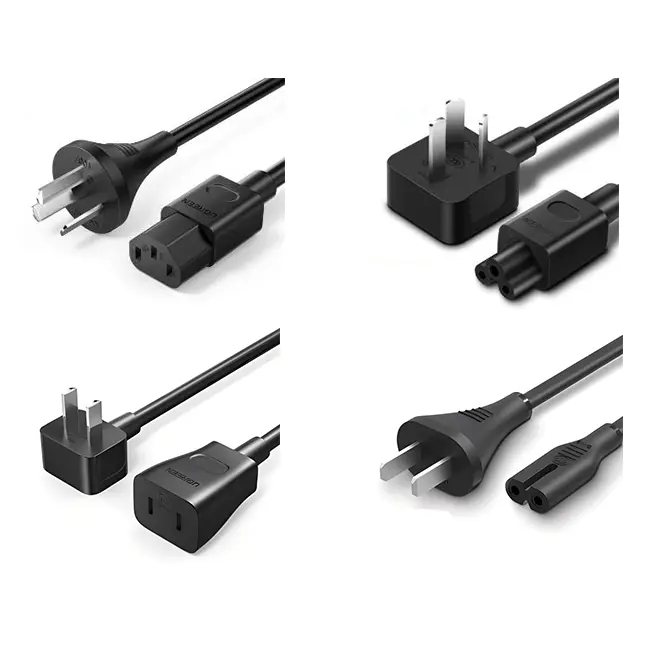 Power Cords
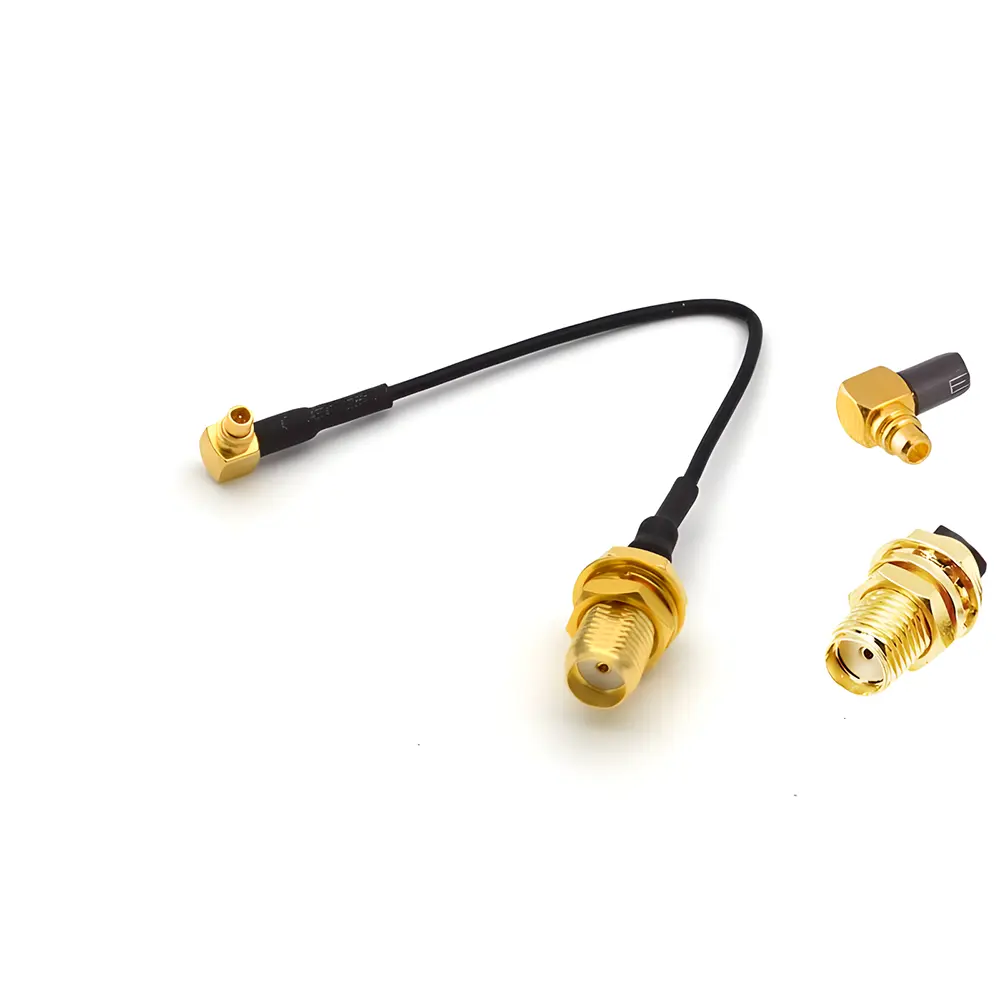 Antenna Cables
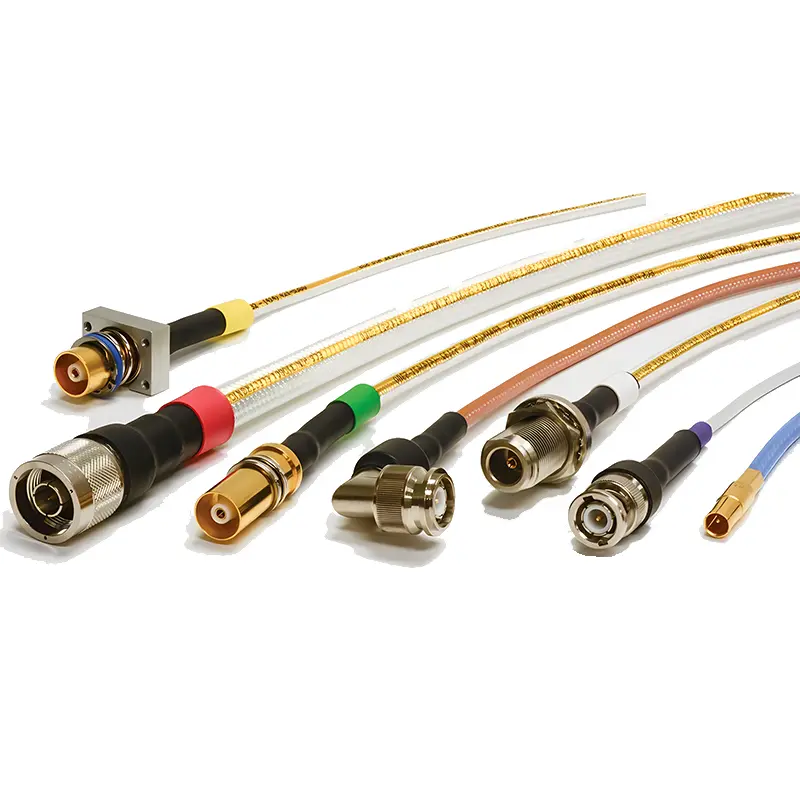 Coaxial Cables
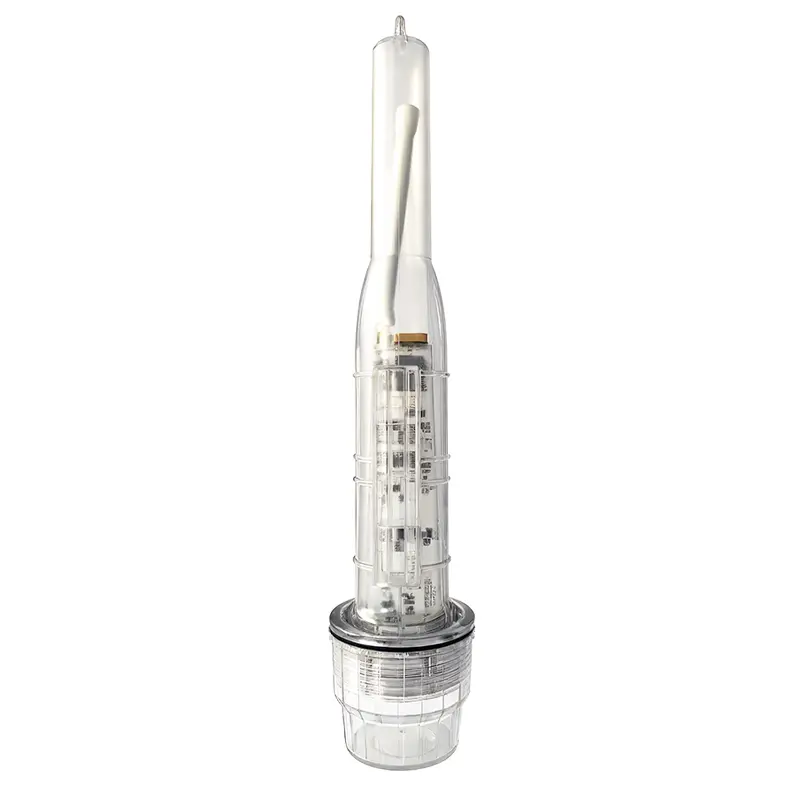 Net Position Indicator
 Solar AIS net position indicator
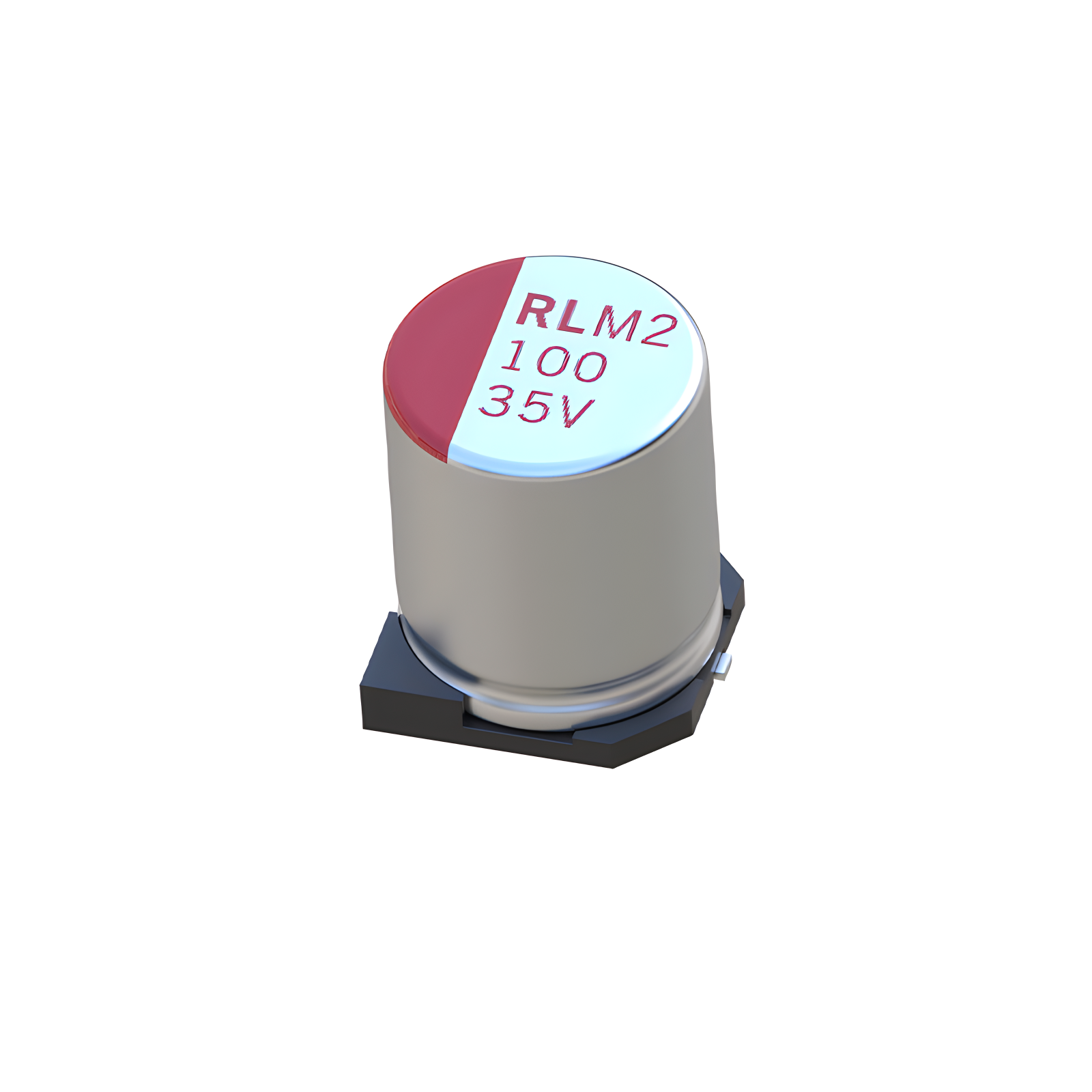 Capacitors
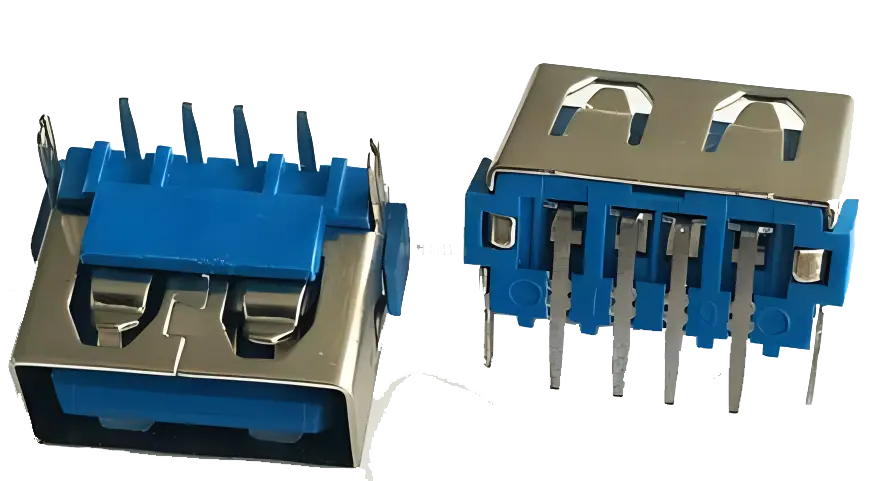 Connectors
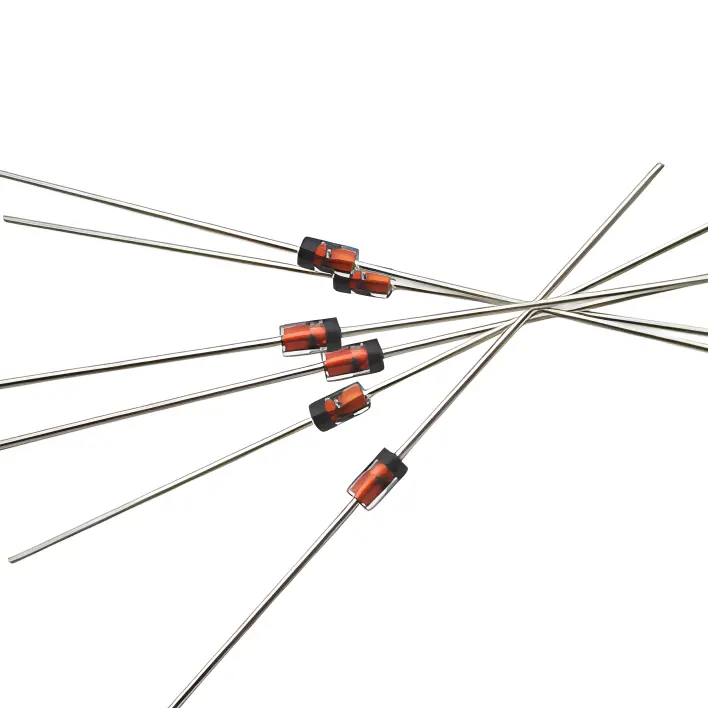 Diodes
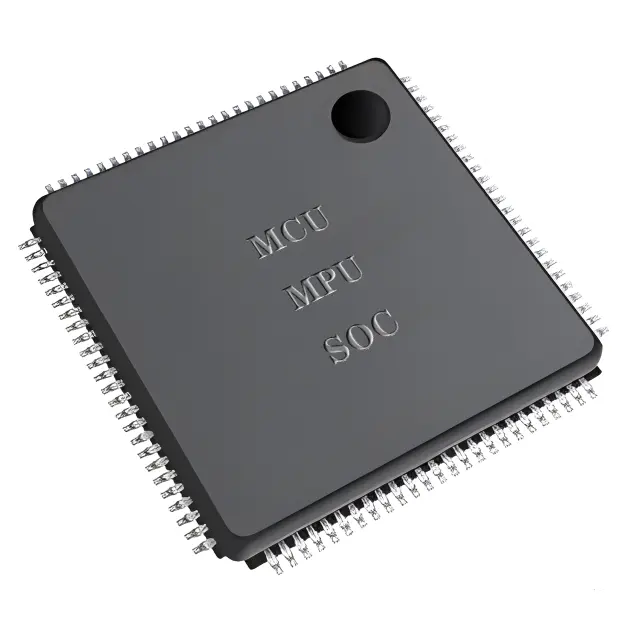 Embedded Processors & Controllers
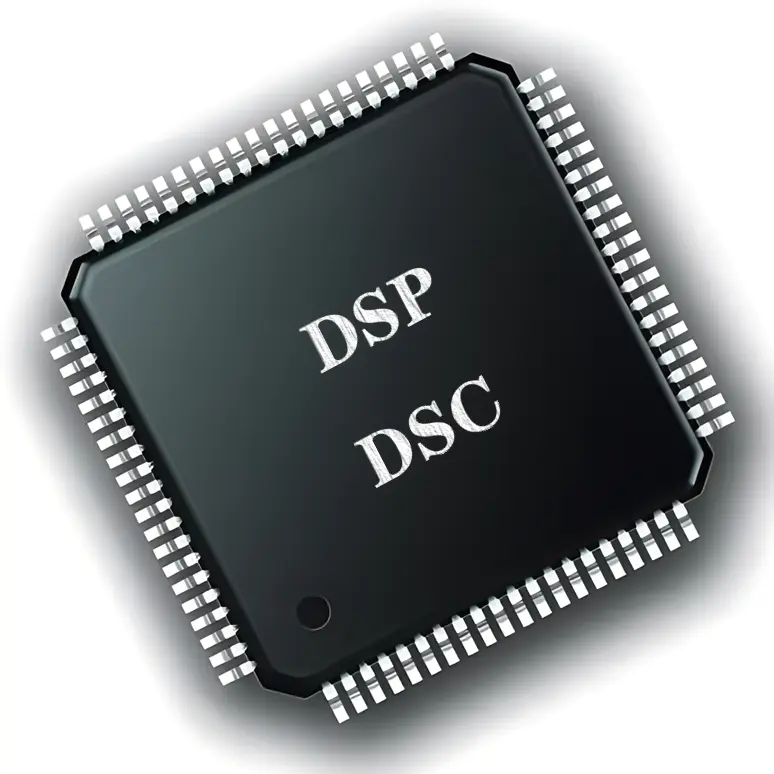 Digital Signal Processors (DSP/DSC)
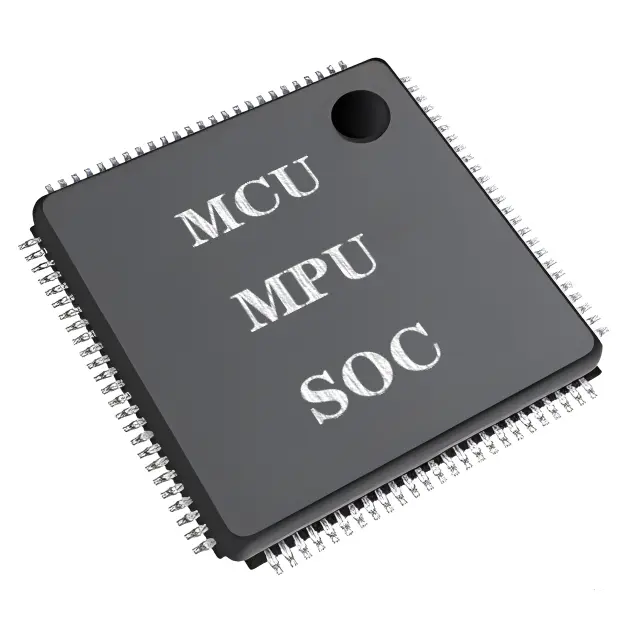 Microcontrollers (MCU/MPU/SOC)
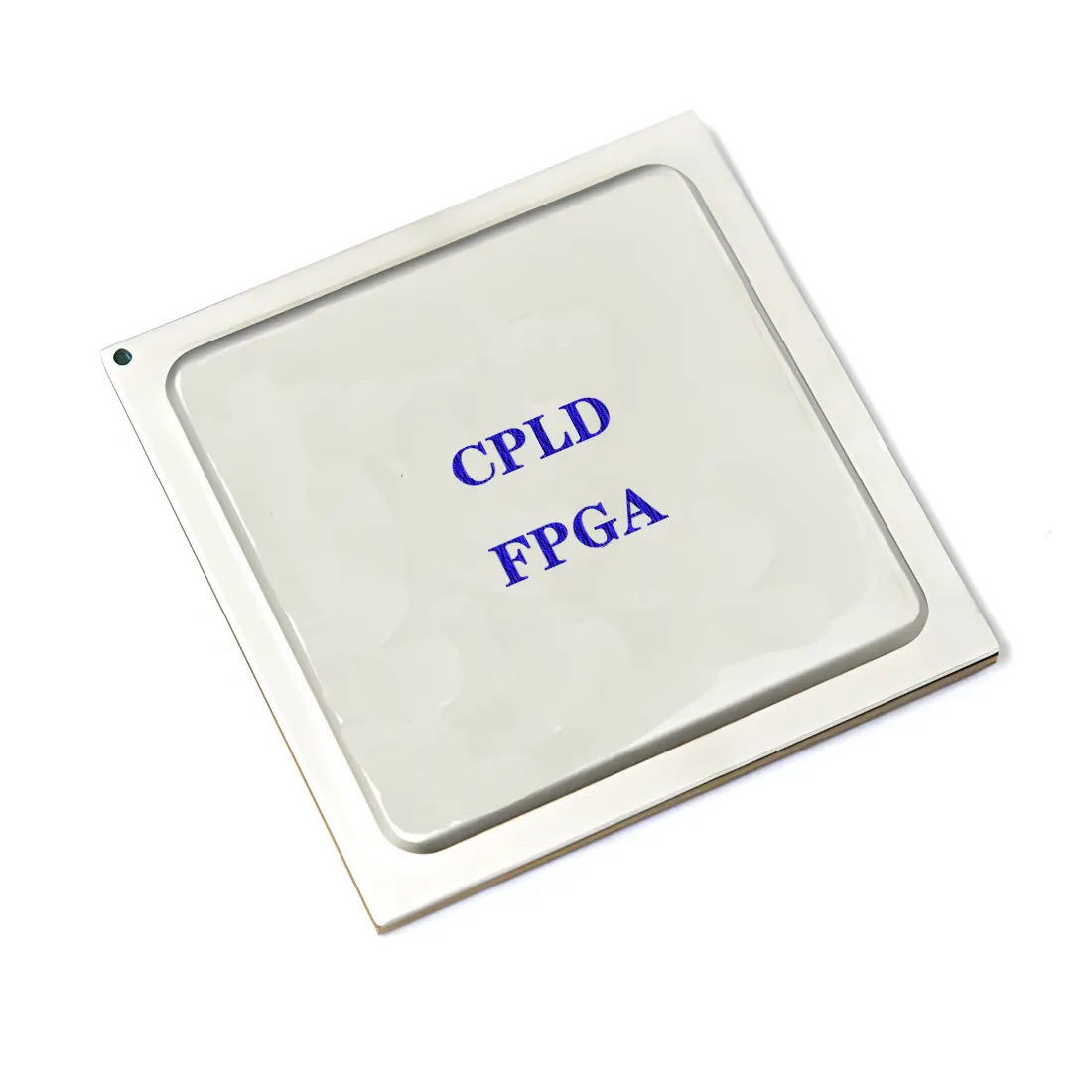 Programmable Logic Device(CPLD/FPGA)
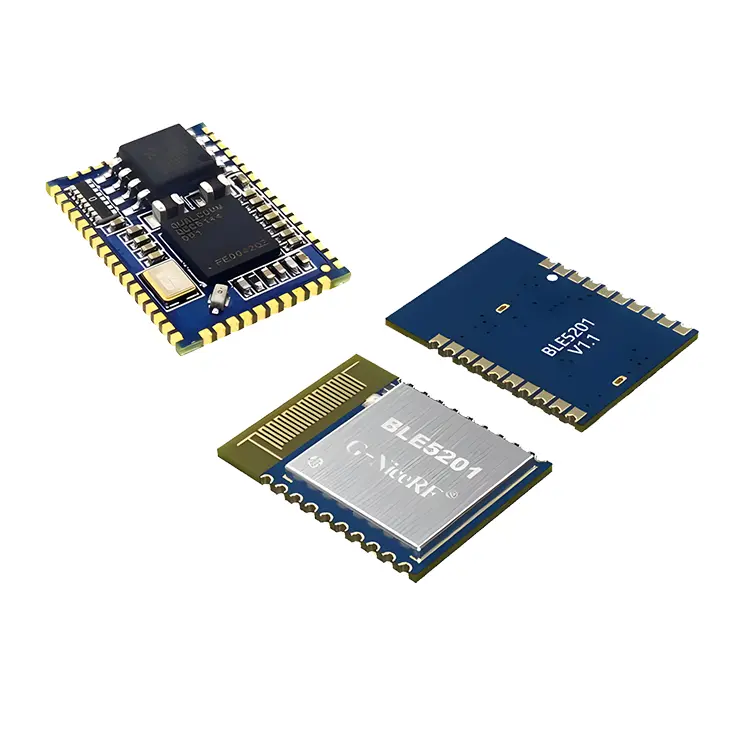 Communication Modules/IoT
 Resistors
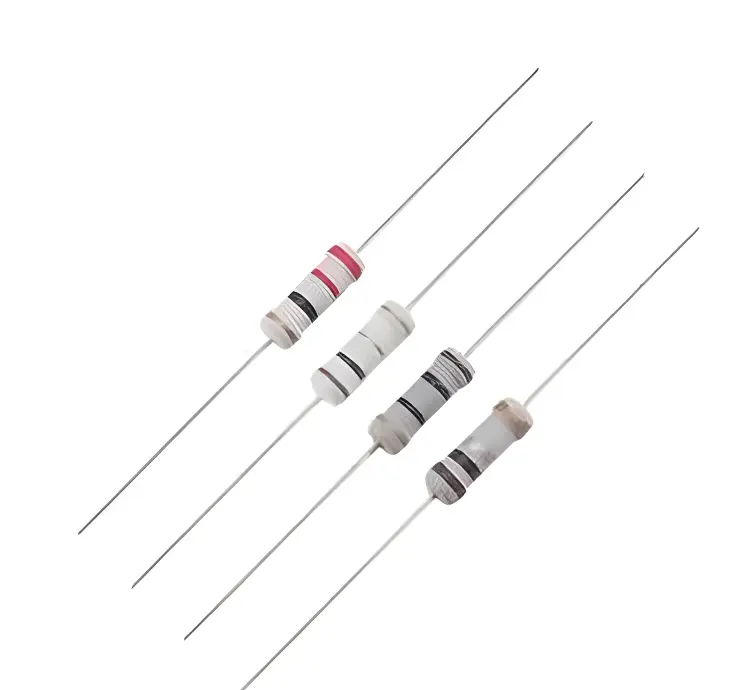 Through Hole Resistors
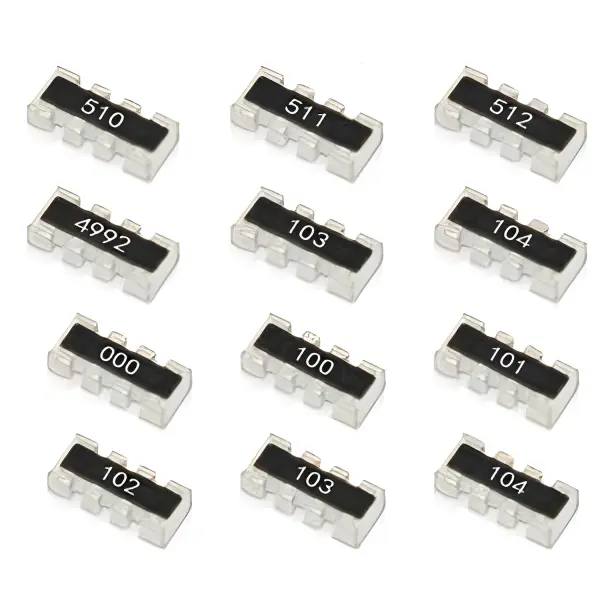 Resistor Networks, Arrays
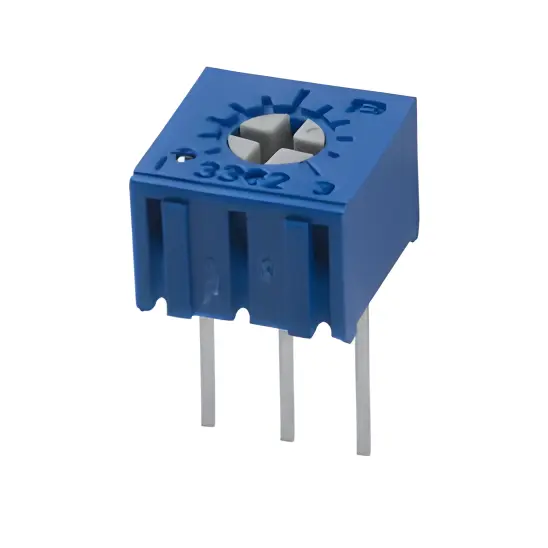 Potentiometers,Variable Resistors
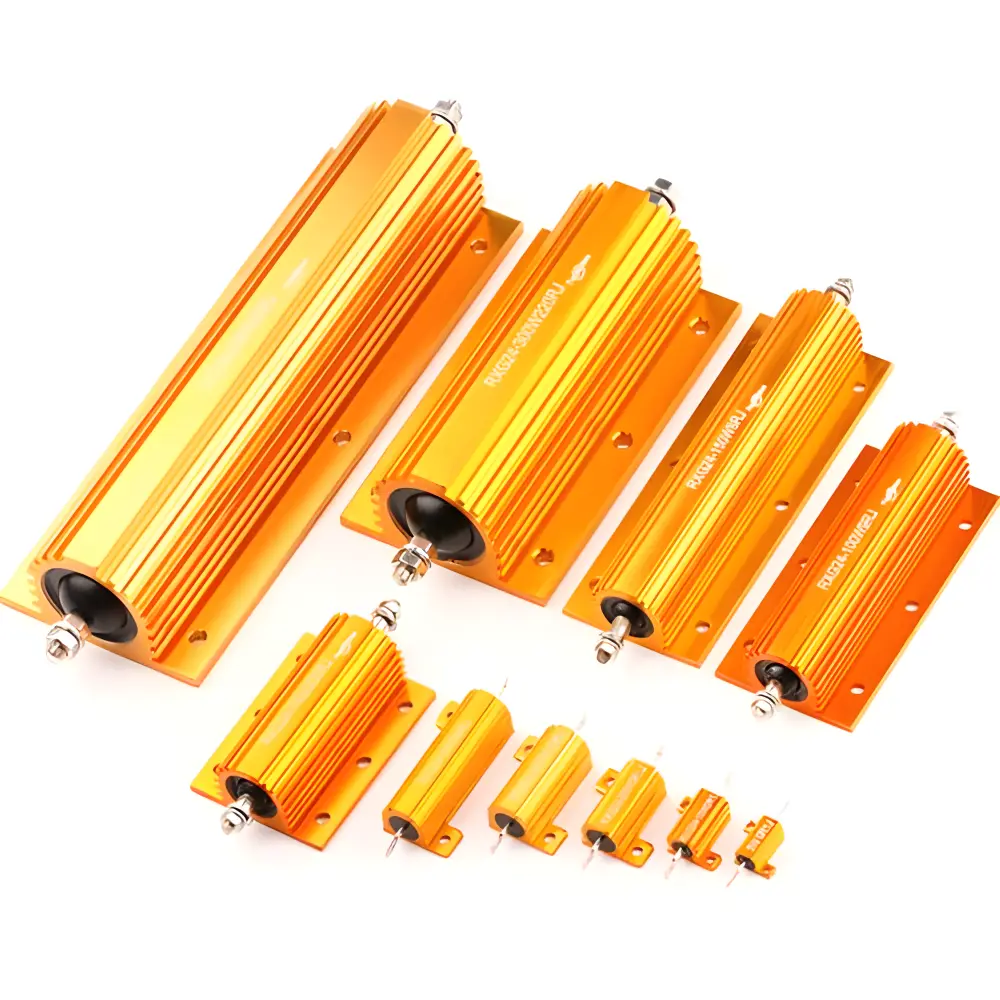 Aluminum Case,Porcelain Tube Resistance
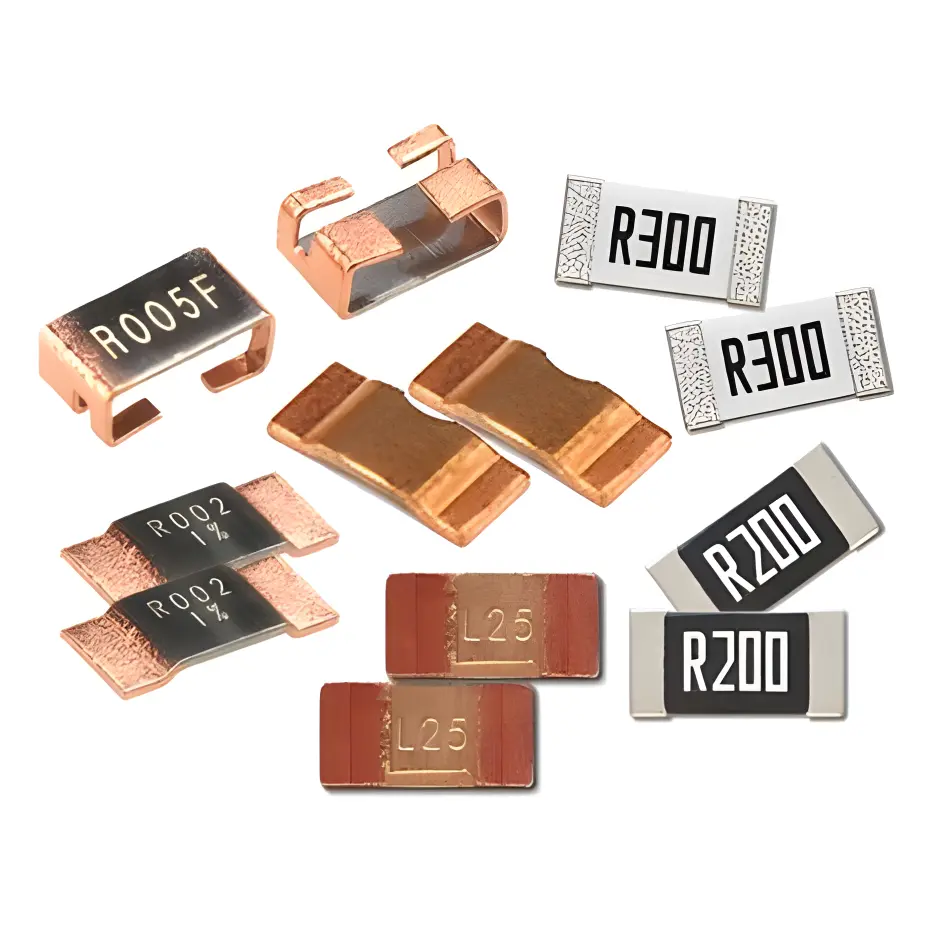 Current Sense Resistors,Shunt Resistors
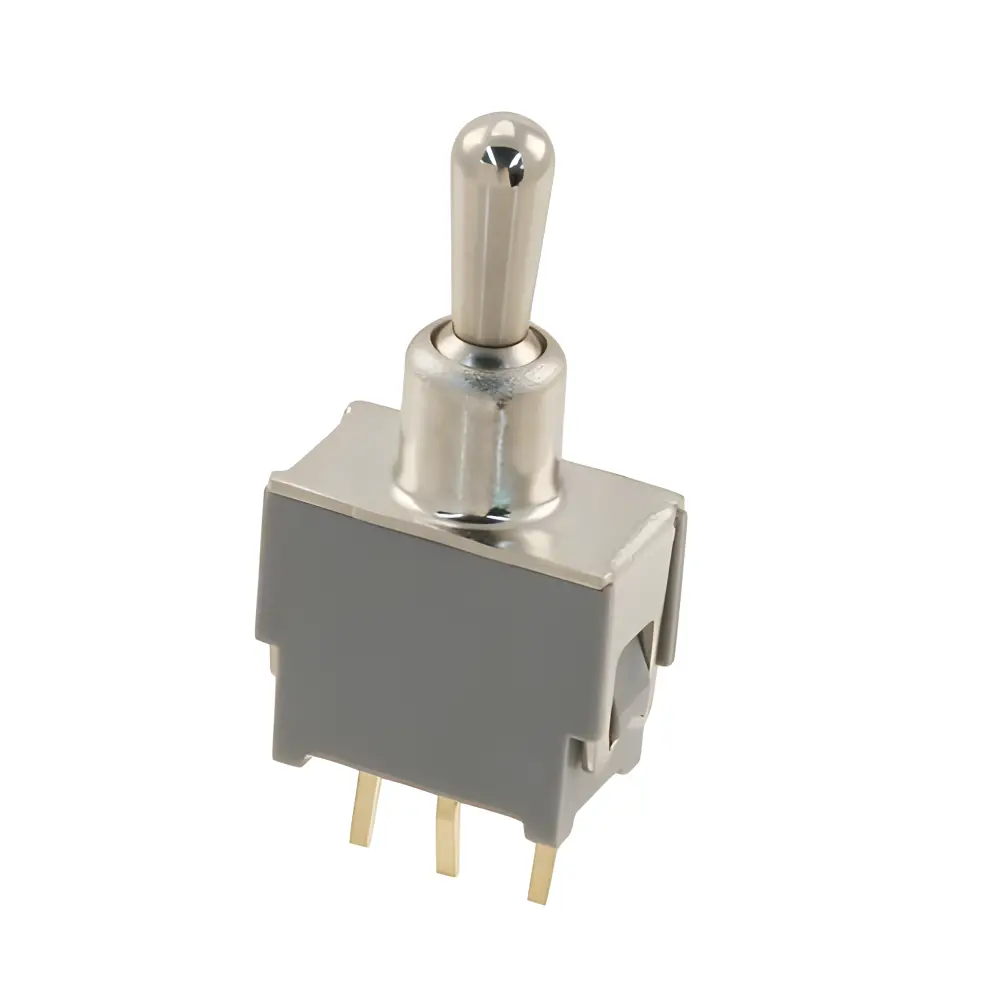 Switches
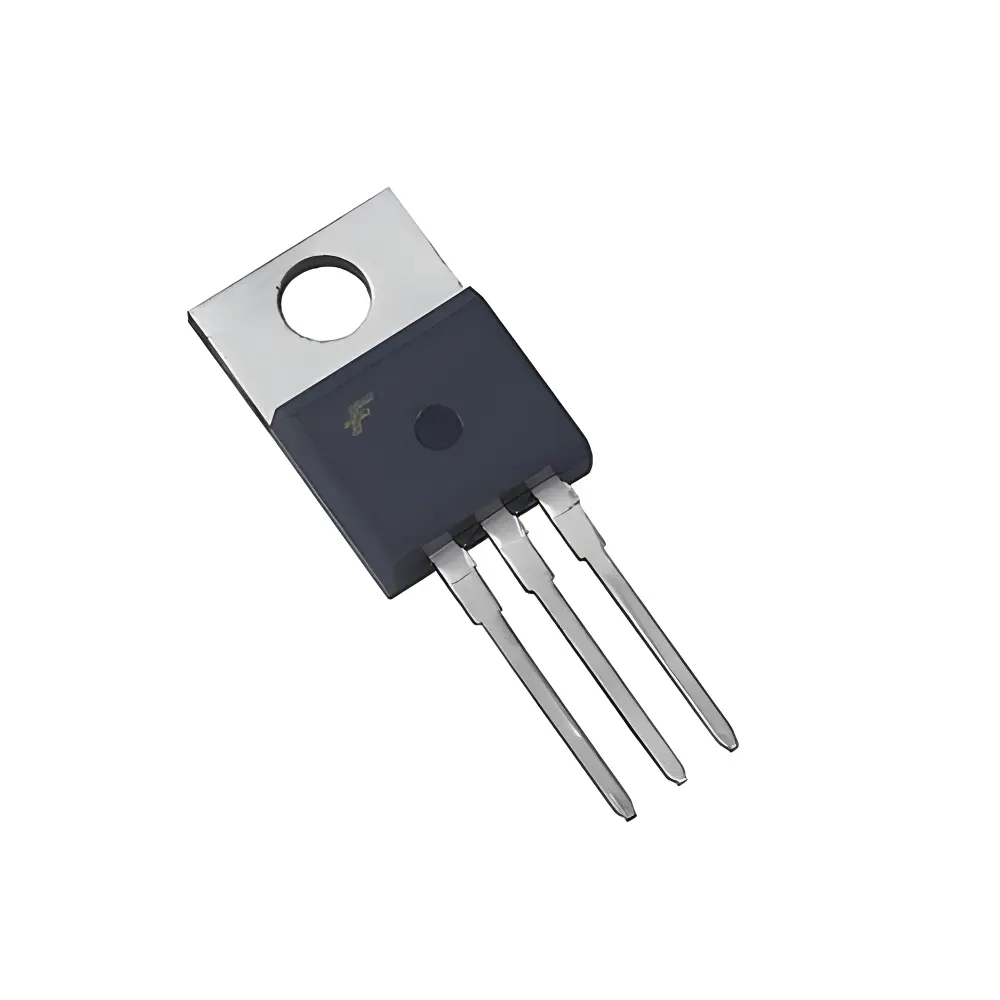 Transistors
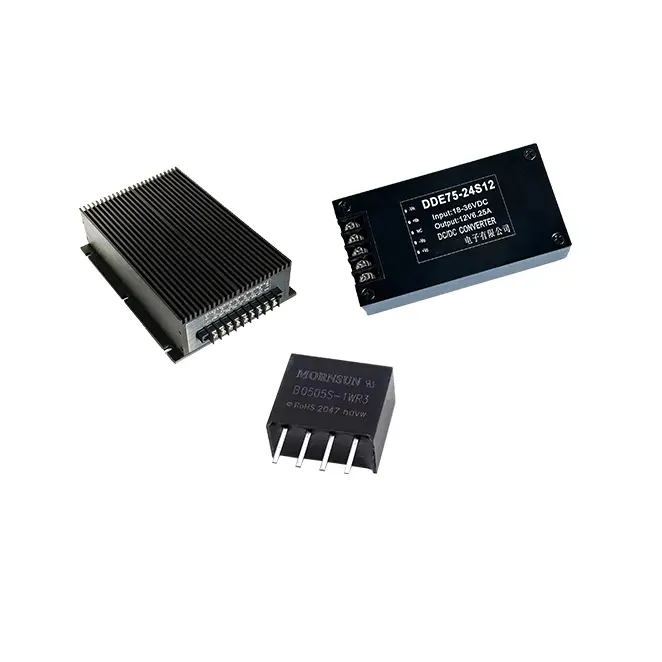 Power Modules
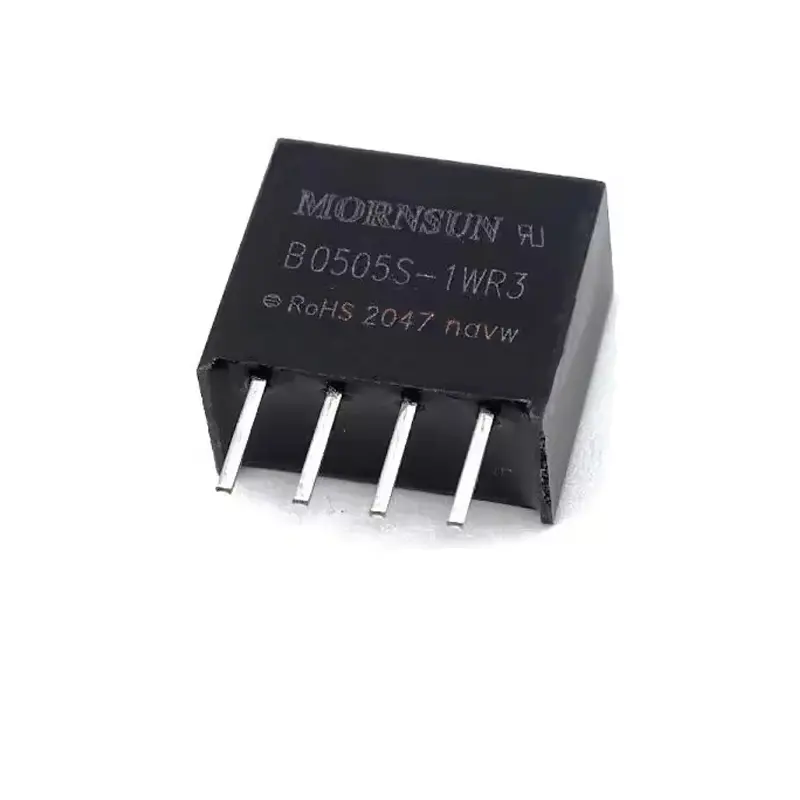 Isolated Power Modules
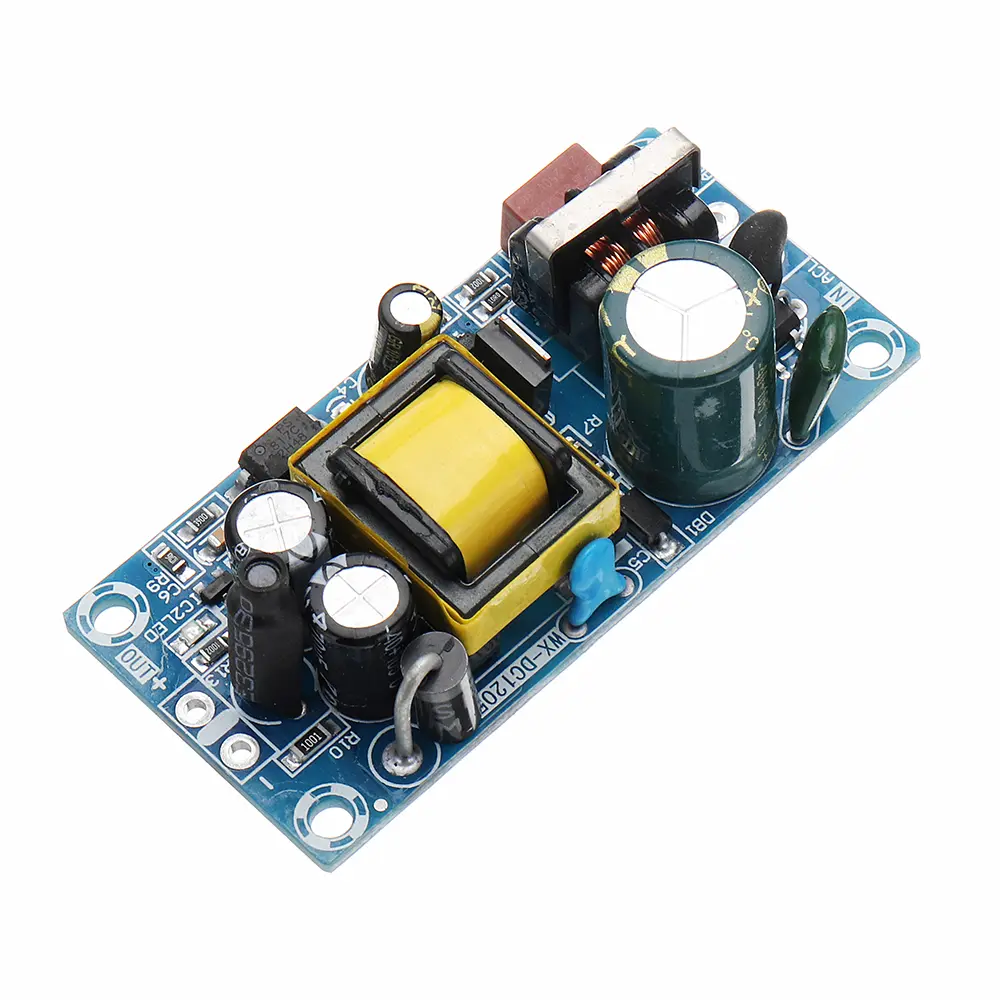 AC-DC Power Modules
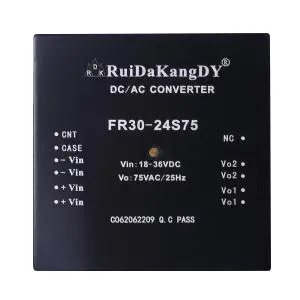 DC-AC Module(Inverter)
 RF and Wireless
Layout Distance Guidelines for Decoupling Capacitors Relative to IC Power Pins
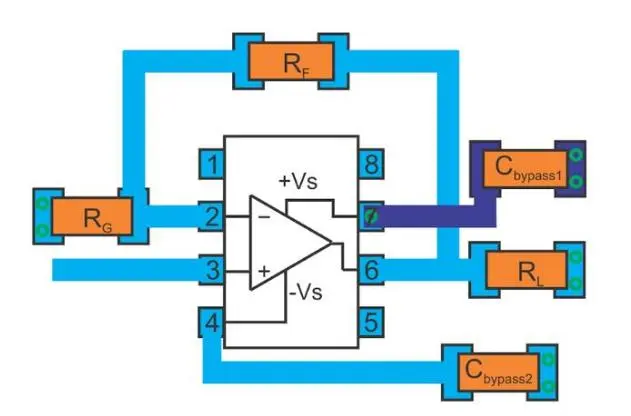
Abstract: The placement distance of decoupling Capacitors critically impacts power integrity (PI) and signal integrity (SI). For high-frequency capacitors like 0.1μF, the optimal distance to IC power pins should be 1–3mm to minimize loop inductance. This article analyzes distance constraints and optimization strategies based on IPC-2221, IEEE PDN Standards, and empirical data.
1. Core Impact of Distance on Power Integrity
-
Parasitic Inductance Effect:
-
Each 1mm increase adds ≈1nH loop inductance (Formula:
L=5×ln(D)×h, D: distance, h: layer thickness). -
Excessive inductance (>2nH) nullifies decoupling: At >100MHz, 0.1μF capacitor impedance spikes from 0.5Ω to 5Ω when distance=3mm.
-
-
Critical Distance Calculation:
-
Minimum: ≥1mm (prevents IC damage from soldering thermal shock)
-
Maximum: ≤3mm (ensures low impedance in 10–100MHz target band)
-
2. Tiered Layout Standards
| IC Type | Capacitor Distance | Quantity per Pin | Key Constraints |
|---|---|---|---|
| Low-Speed MCU (≤50MHz) | ≤5mm | 1–2/pin | Place near power plane entry |
| High-Speed CPU/FPGA | ≤1.5mm | 1/pin | Direct pin-cap-GND via connection |
| RF ICs (>1GHz) | ≤1mm | 2–4/pin (multi-value) | No crossing plane splits |
Note: For BGAs, follow the "3C Rule": Capacitor→Via→Contact path length < 2.5mm.
3. Failure Modes vs. Distance
-
Consequences of Excessive Distance (>3mm):
-
Power noise ↑300mV (vs. spec <±50mV), causing IC reset failures;
-
Signal edge ringing ↑40%, eye closure rate >30%.
-
-
Common Layout Errors:
-
Capacitor at power path end → ↓90% high-frequency noise suppression;
-
Vias between cap and pin → +0.5nH inductance per via.
-
4. Optimization Techniques
Topology Selection:
-
Star Configuration: Single capacitor for multi-pin ICs (≤1.5mm to center pin);
-
Distributed Layout: Dedicated capacitor per 1–2 power pins (for BGAs).
[IC Pin]---(≤1mm)---[Cap]---(≤0.5mm)---[GND Via] -
Via Design Rules:
-
Direct dual vias (≥0.2mm dia.) from capacitor pads to shorten current loops;
-
Via spacing ≤0.3mm reduces equivalent inductance (single via≈0.3nH, dual≈0.15nH).
-
-
Stackup Strategy:
-
Capacitors must be on the same side as IC, no cross-layer routing (+0.8nH inductance);
-
Power/GND plane spacing ≤0.2mm (4-layer stack: L2-GND, L3-PWR).
-
5. Verification & Simulation
-
PDN Impedance Simulation:
-
Target impedance:
Z_target = (V×Ripple%) / I_max(e.g., 1.8V/5% ripple/2A load → Z≤36mΩ); -
Capacitor placement must flatten impedance curve in 10–100MHz band (<±10% fluctuation).
-
-
Validation Tests:
-
VNA (Vector Network Analyzer): Measure S21 insertion loss (<-40dB@100MHz);
-
Oscilloscope with Ground Spring: Probe power noise (BW≥500MHz), Vpp<50mV.
-
Conclusion
The core principles for 0.1μF decoupling capacitor placement are "minimize distance + minimize loop inductance":
-
General Standard: 1–3mm from IC power pins; ≤1.5mm for high-speed designs.
-
Critical Measures:
-
Direct pin-to-cap connection without intermediate vias,
-
GND via ≤0.5mm from capacitor pad.
-