
 PCB
PCB FPC
FPC Rigid-Flex
 FR-4
FR-4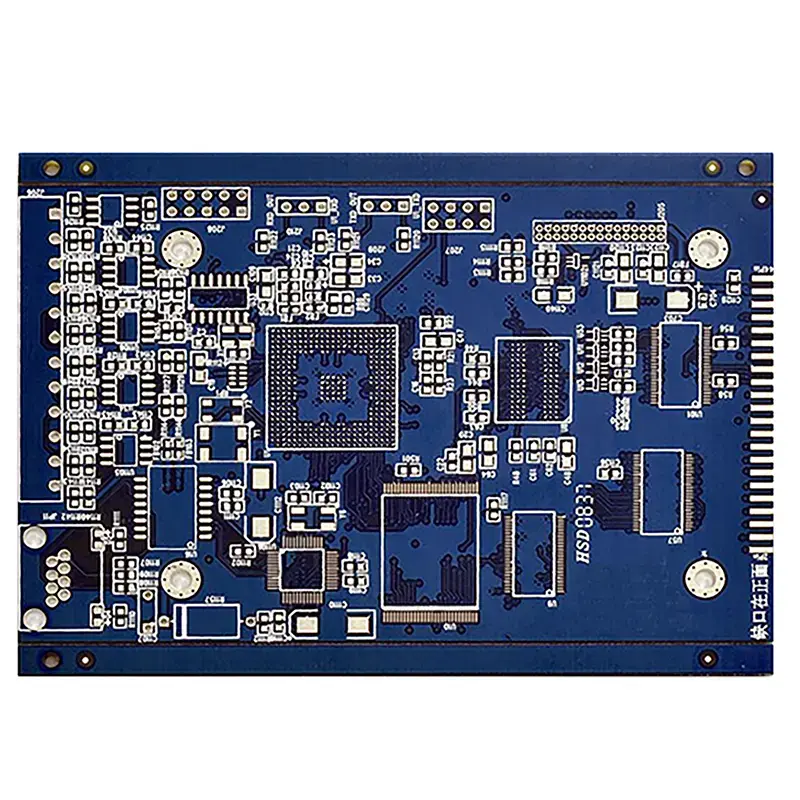 HDI PCB
 Rogers High-Frequency Board
 PTFE Teflon High-Frequency Board
 Aluminum
 Copper Core
 PCB Assembly
 LED light PCBA
 Memory PCBA
 Power Supply PCBA
 New Energey PCBA
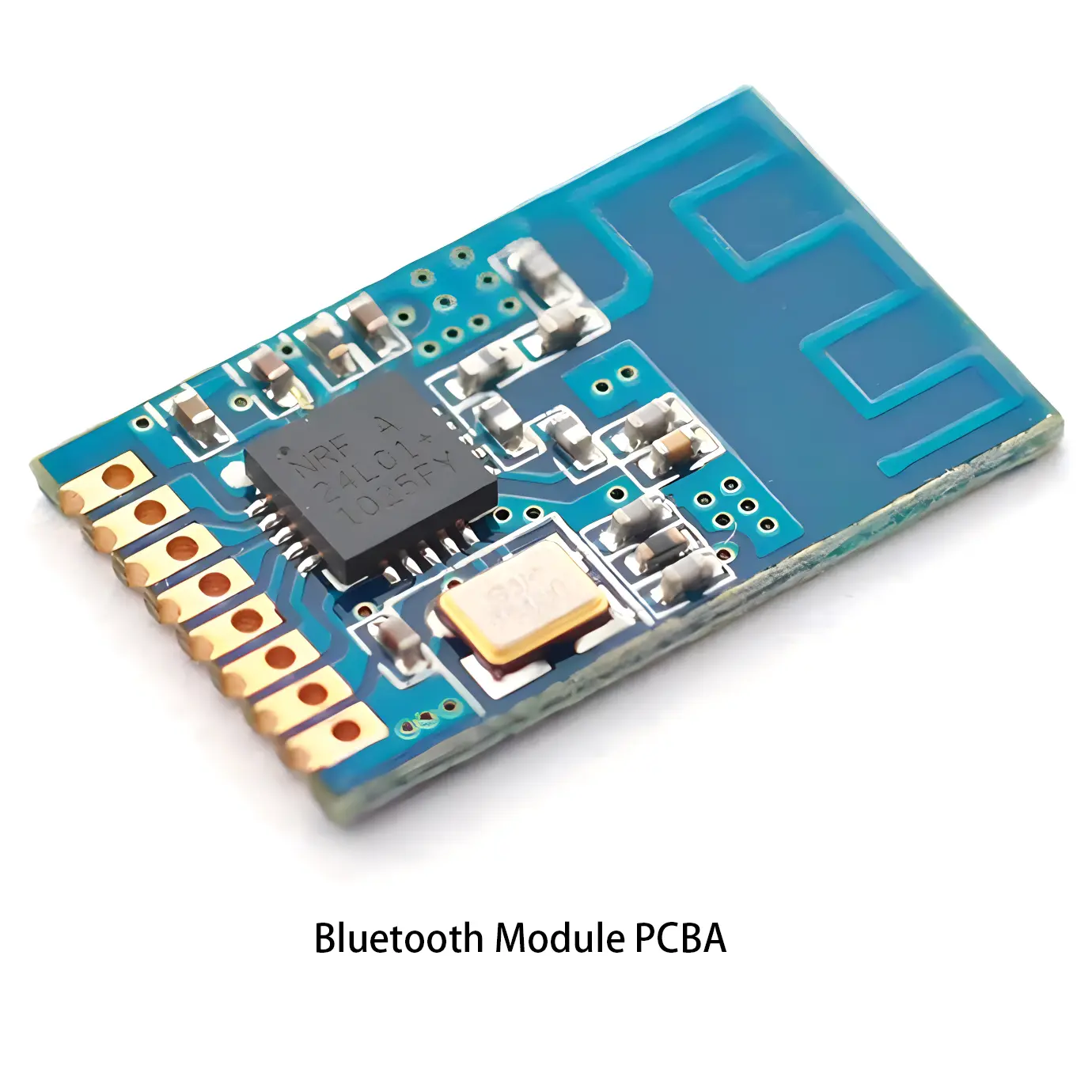 Communication PCBA
 Industrial Control PCBA
 Medical Equipment PCBA
 Testing Service
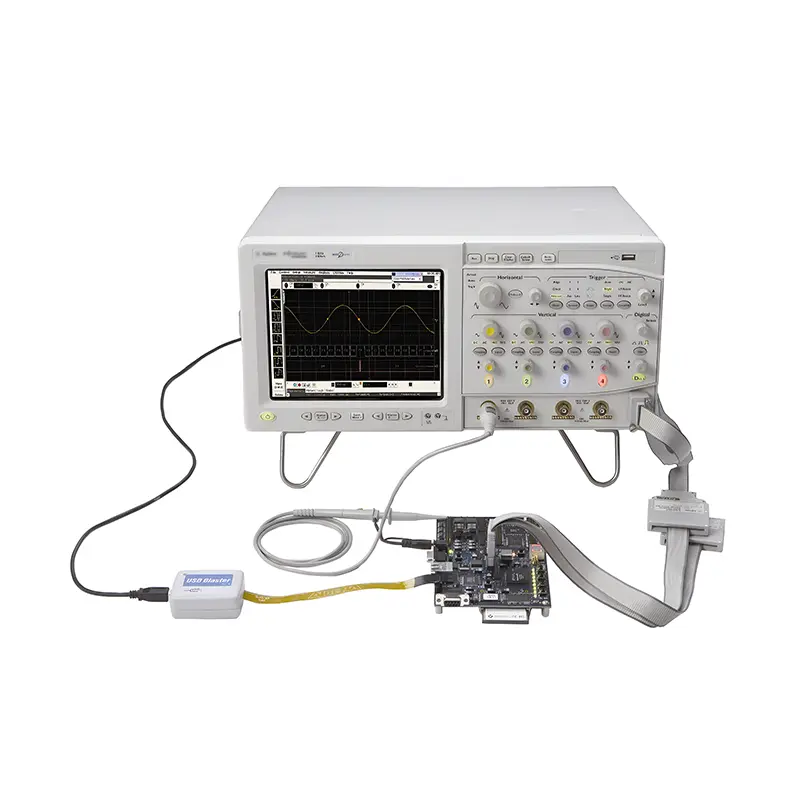 PCBA Testing Service
 Certification Application
 RoHS Certification Application
 REACH Certification Application
 CE Certification Application
 FCC Certification Application
 CQC Certification Application
 UL Certification Application
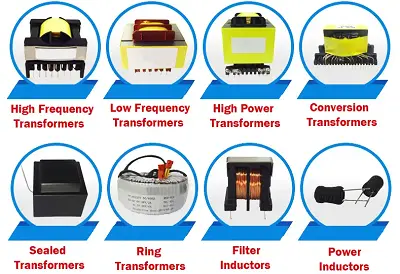 Transformers, Inductors
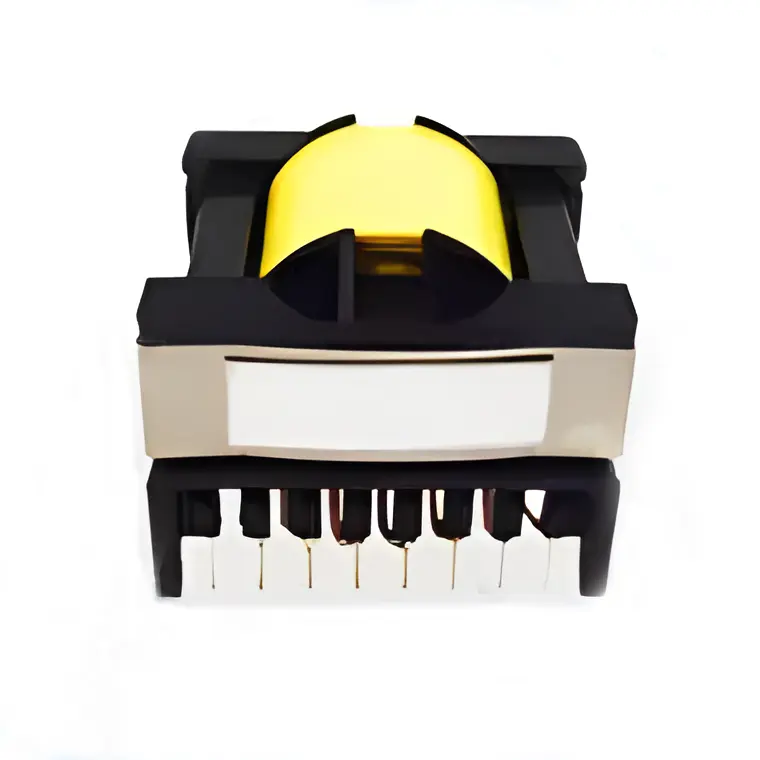 High Frequency Transformers
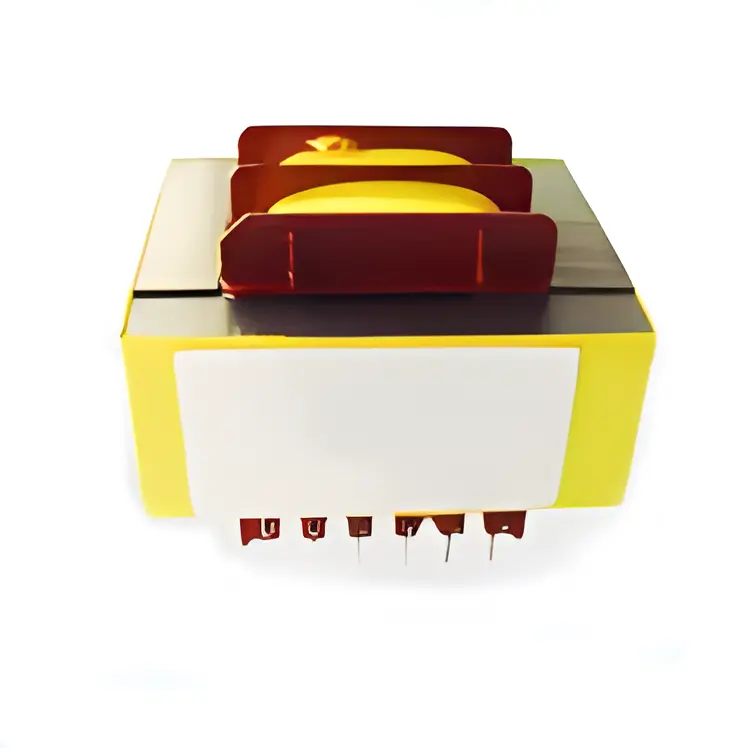 Low Frequency Transformers
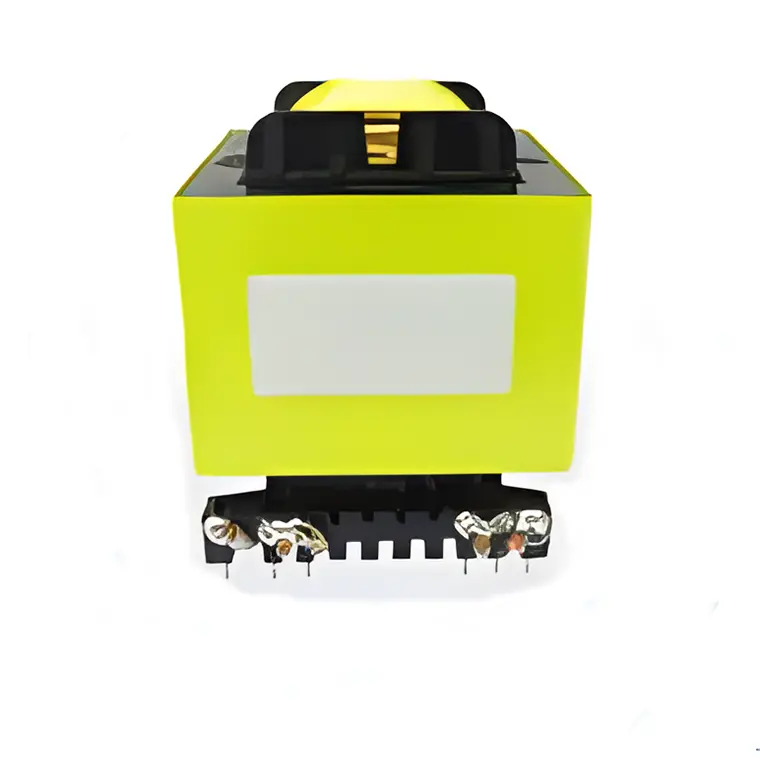 High Power Transformers
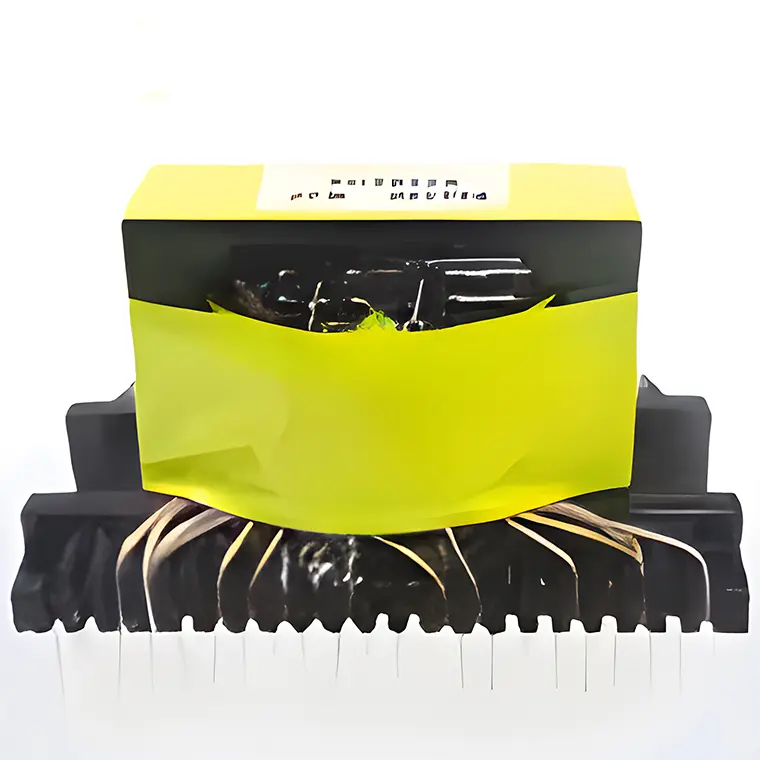 Conversion Transformers
 Sealed Transformers
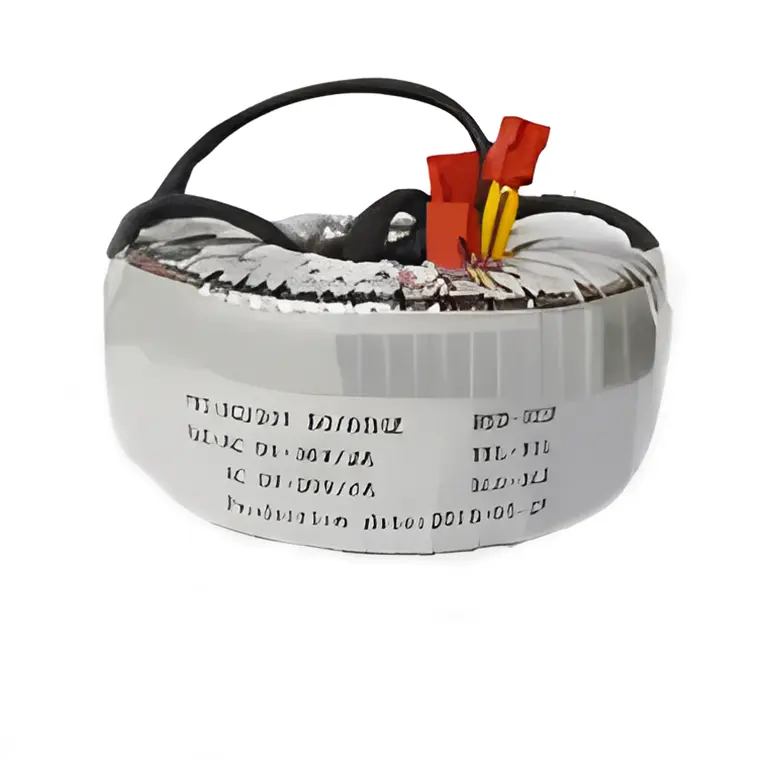 Ring Transformers
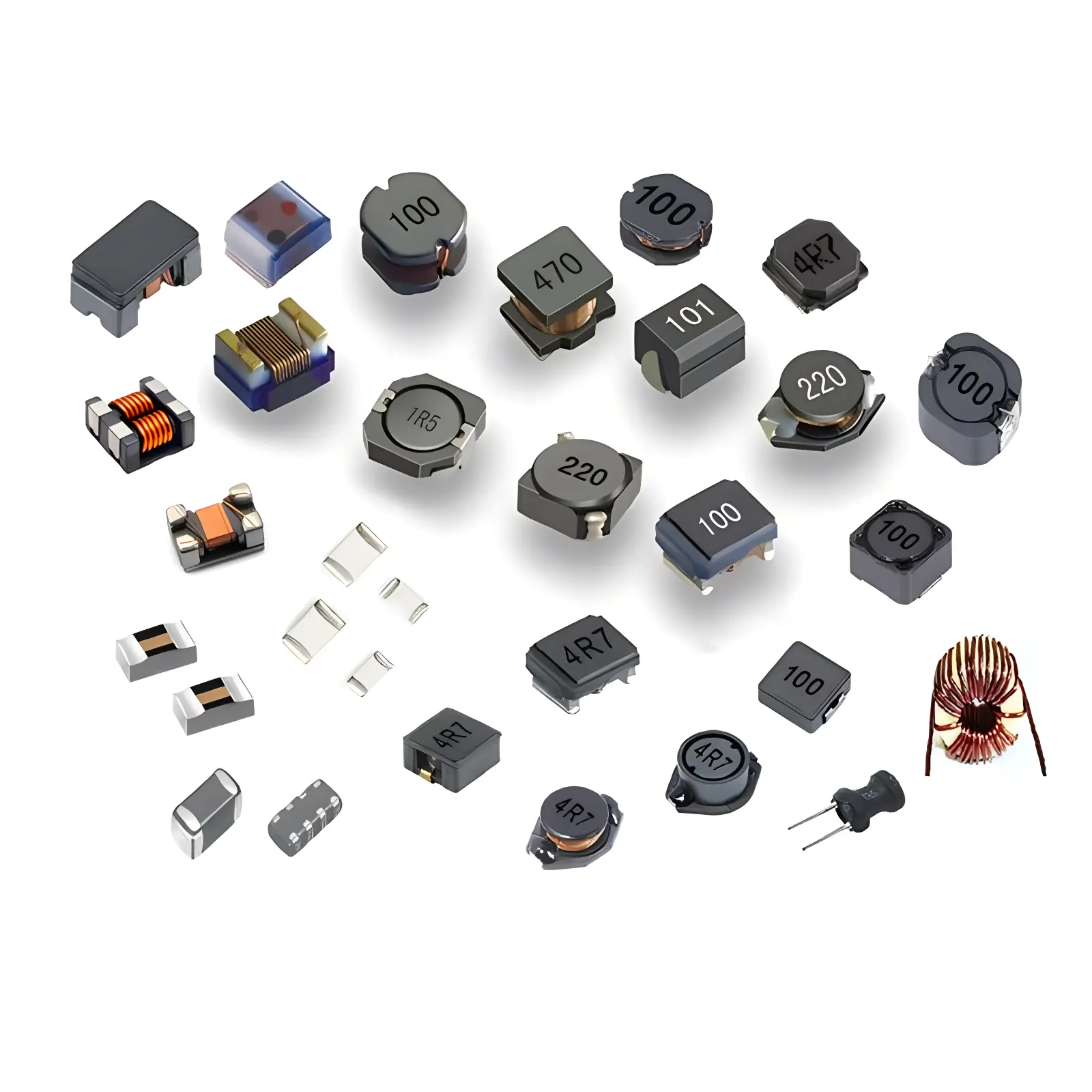 Inductors
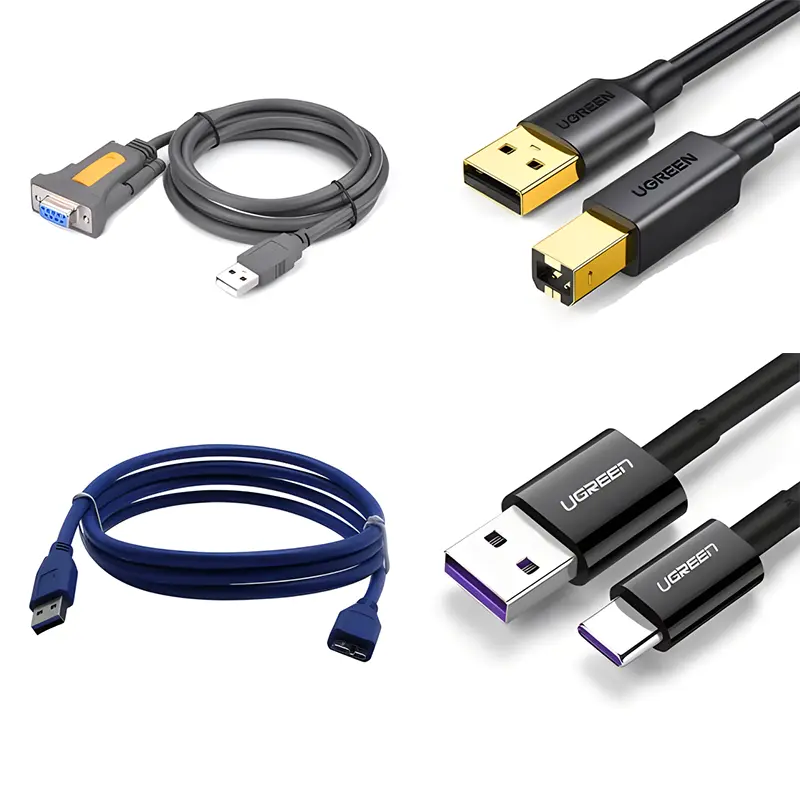 Wires,Cables Customized
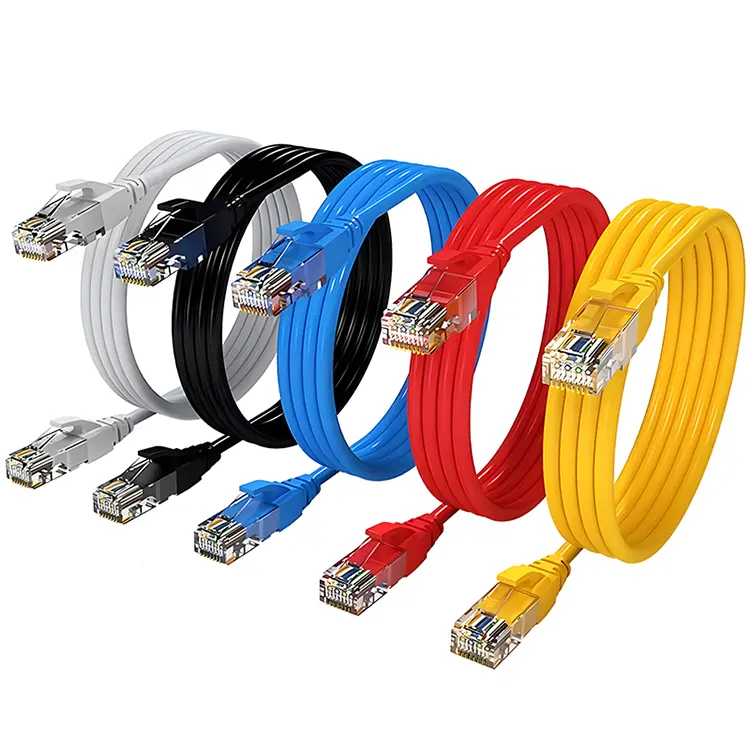 Network Cables
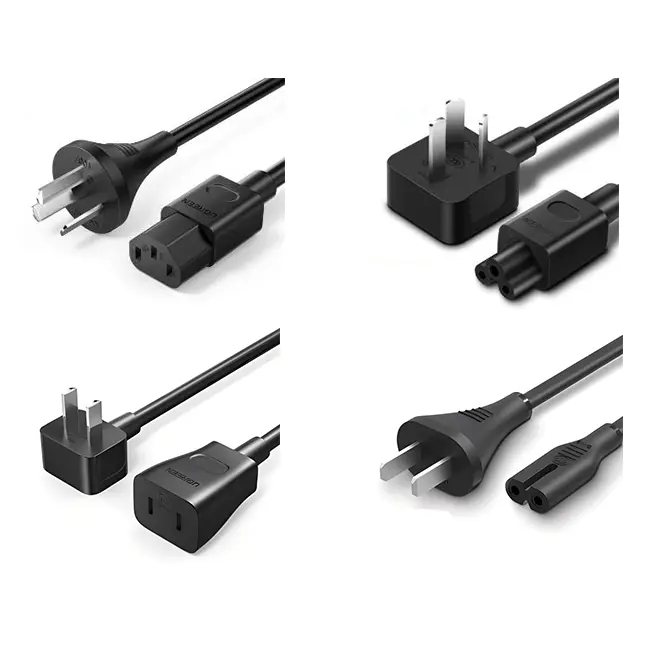 Power Cords
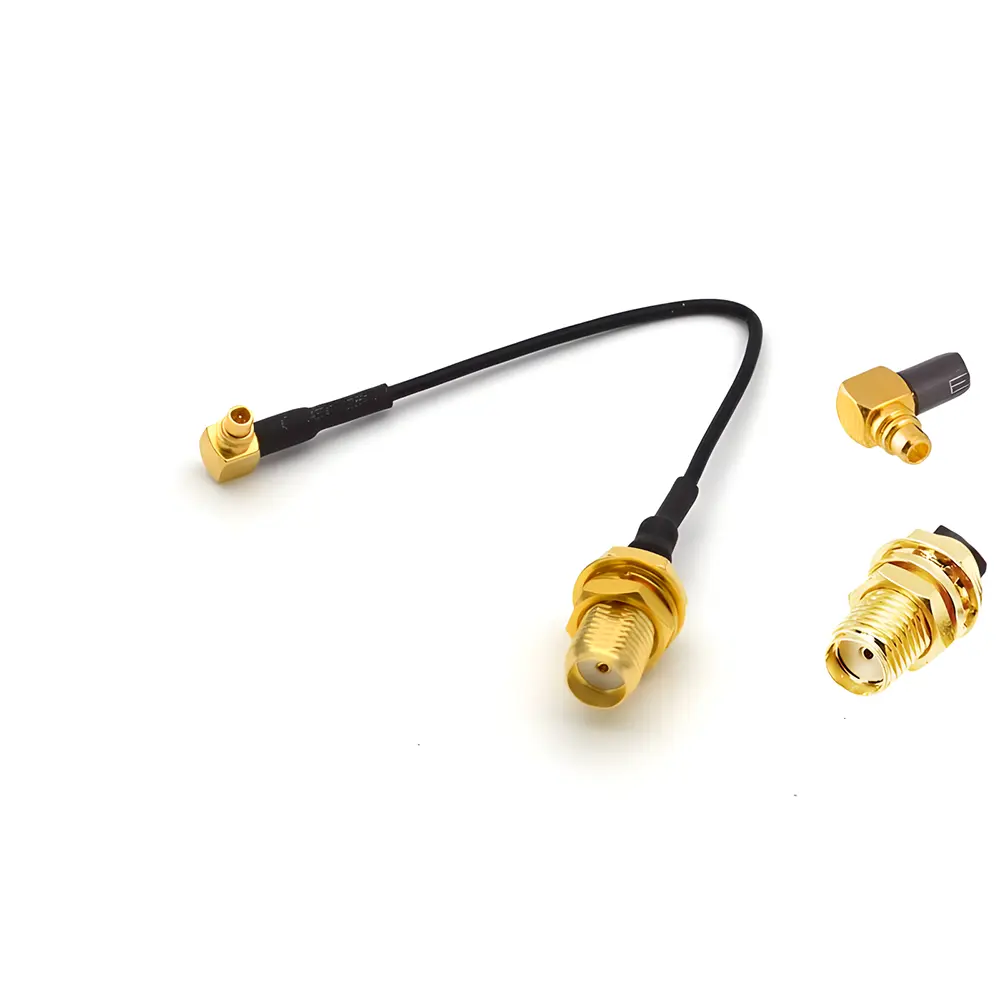 Antenna Cables
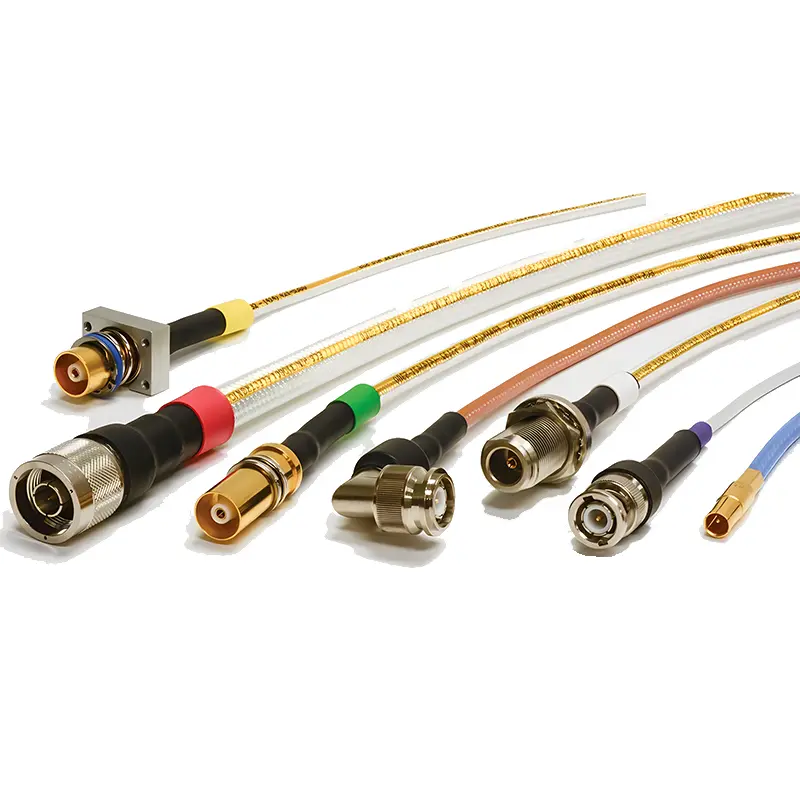 Coaxial Cables
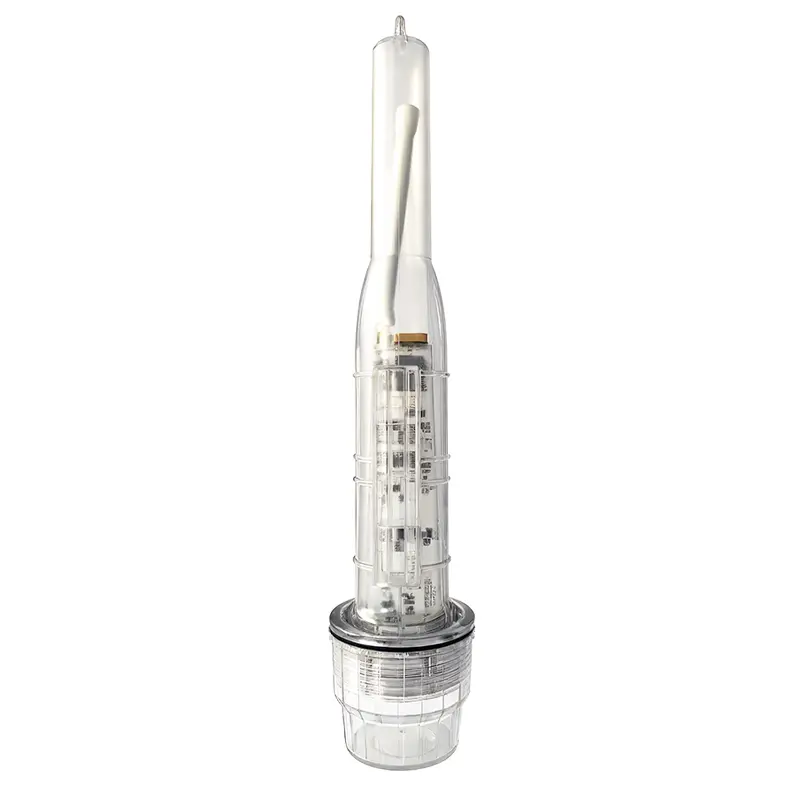 Net Position Indicator
 Solar AIS net position indicator
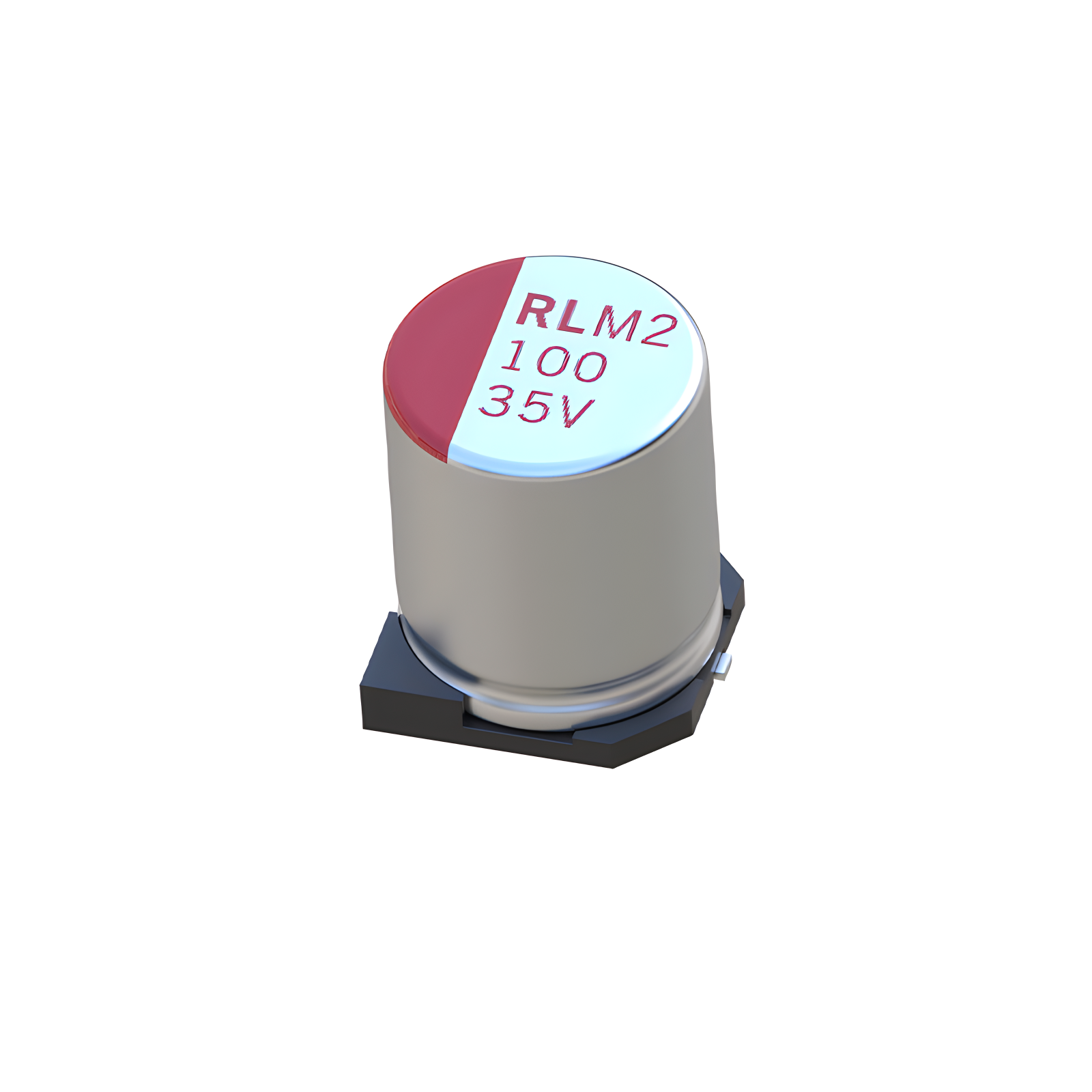 Capacitors
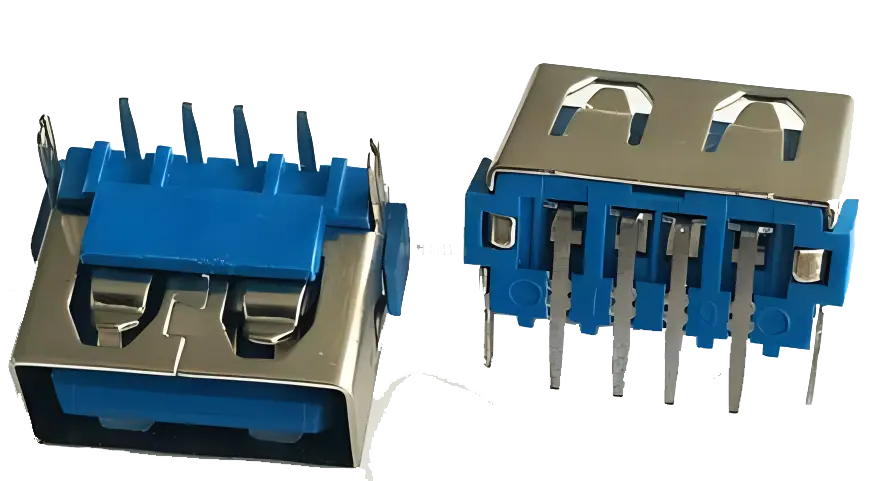 Connectors
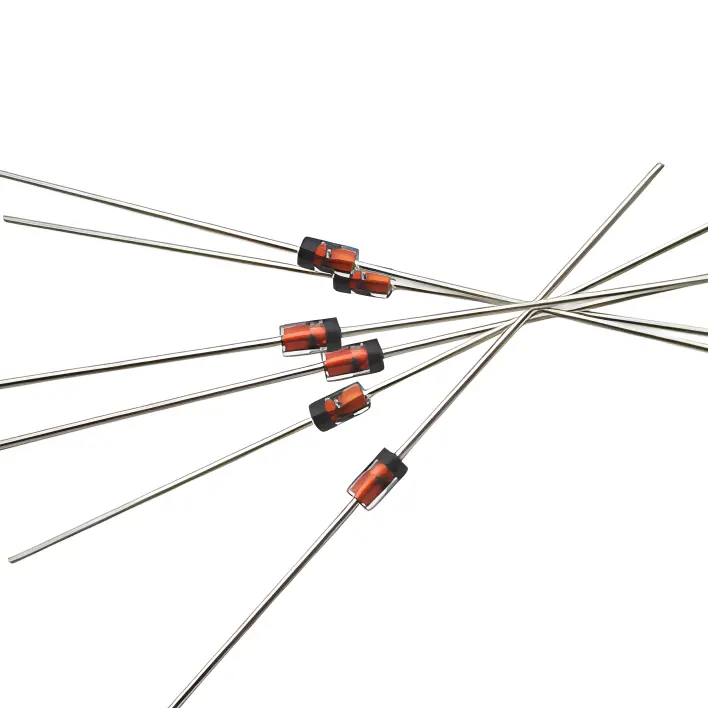 Diodes
 Embedded Processors & Controllers
 Digital Signal Processors (DSP/DSC)
 Microcontrollers (MCU/MPU/SOC)
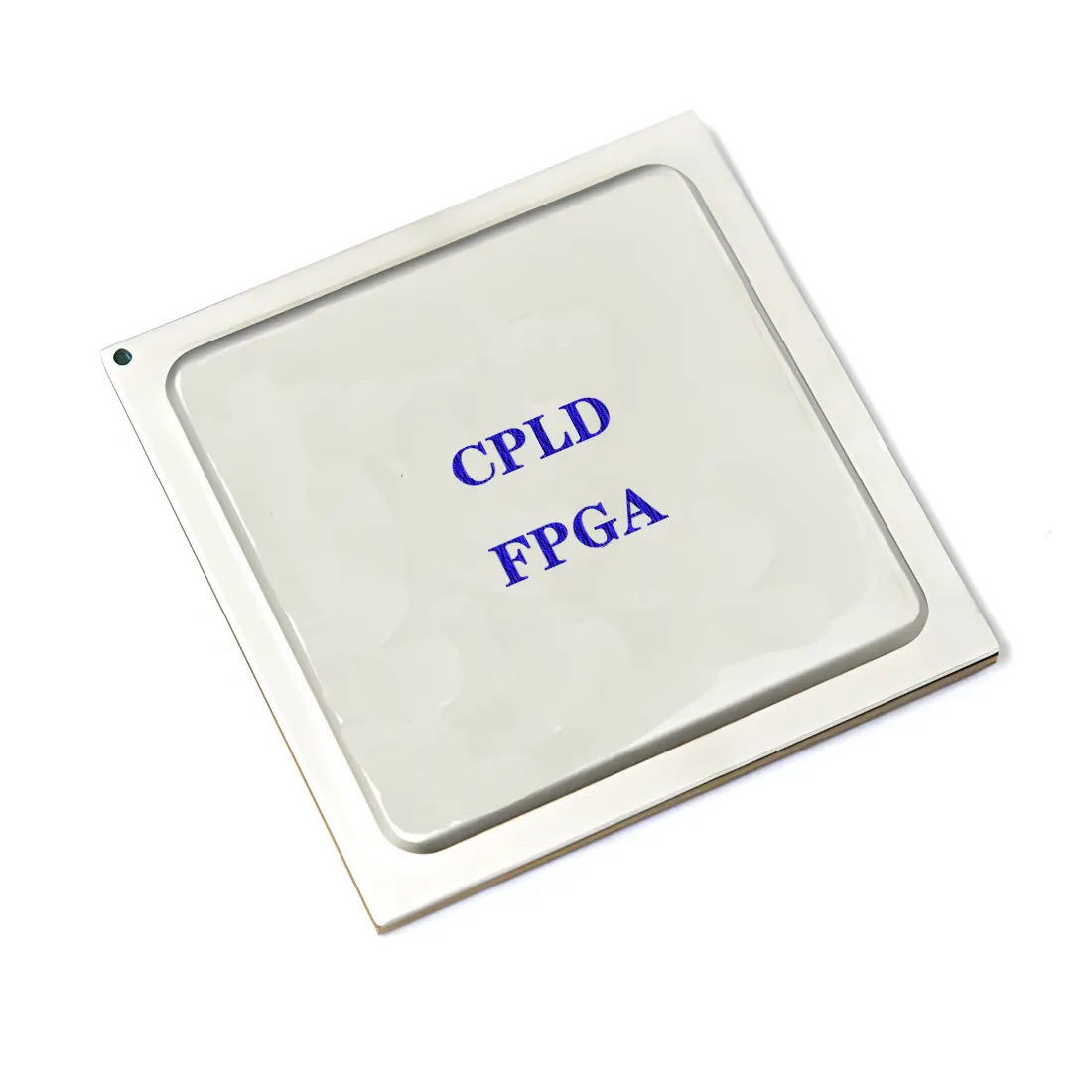 Programmable Logic Device(CPLD/FPGA)
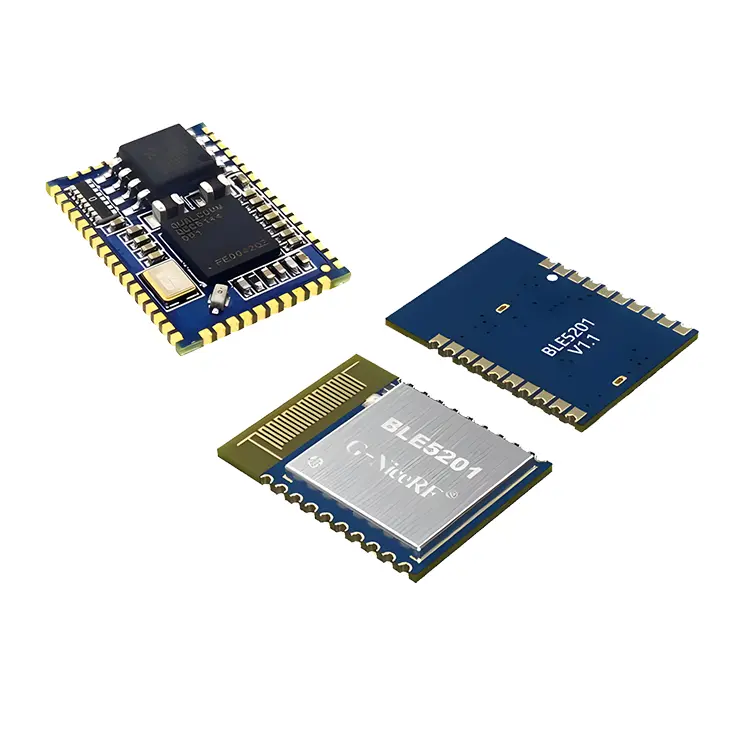 Communication Modules/IoT
 Resistors
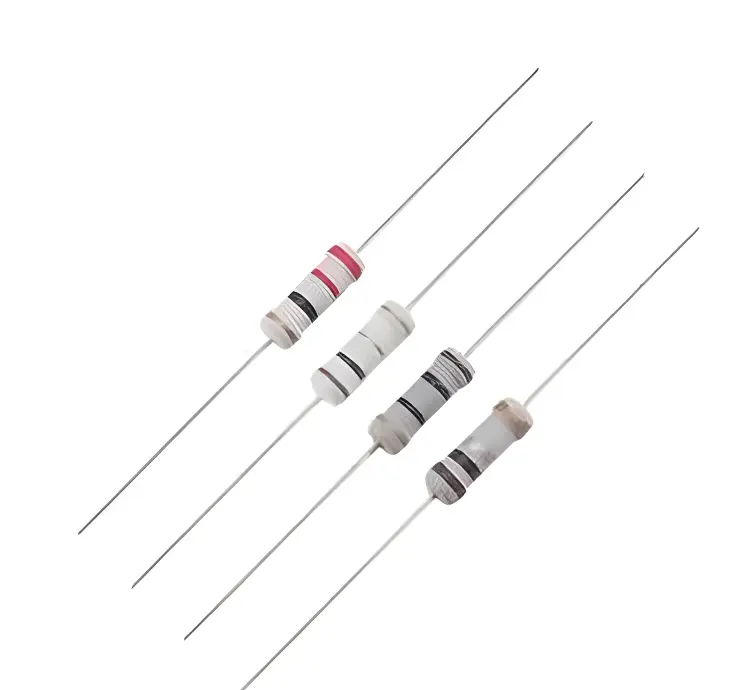 Through Hole Resistors
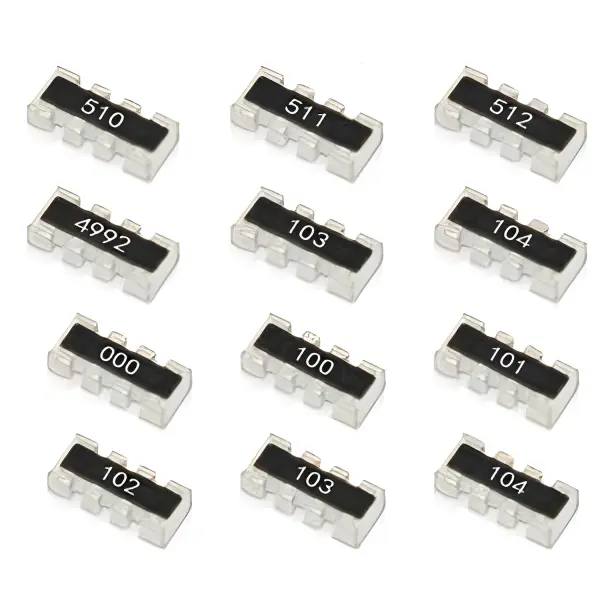 Resistor Networks, Arrays
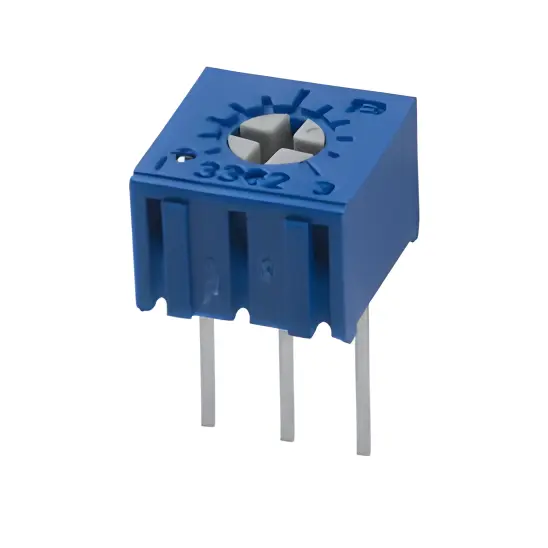 Potentiometers,Variable Resistors
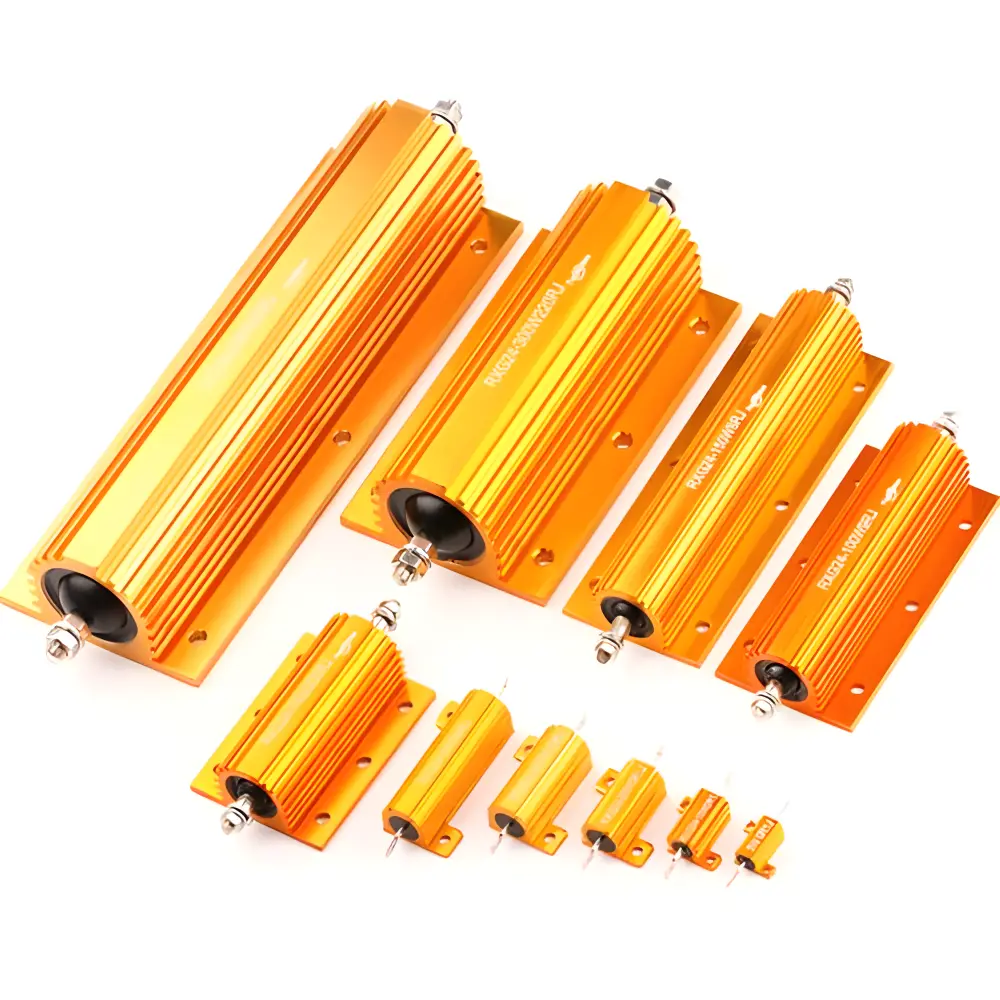 Aluminum Case,Porcelain Tube Resistance
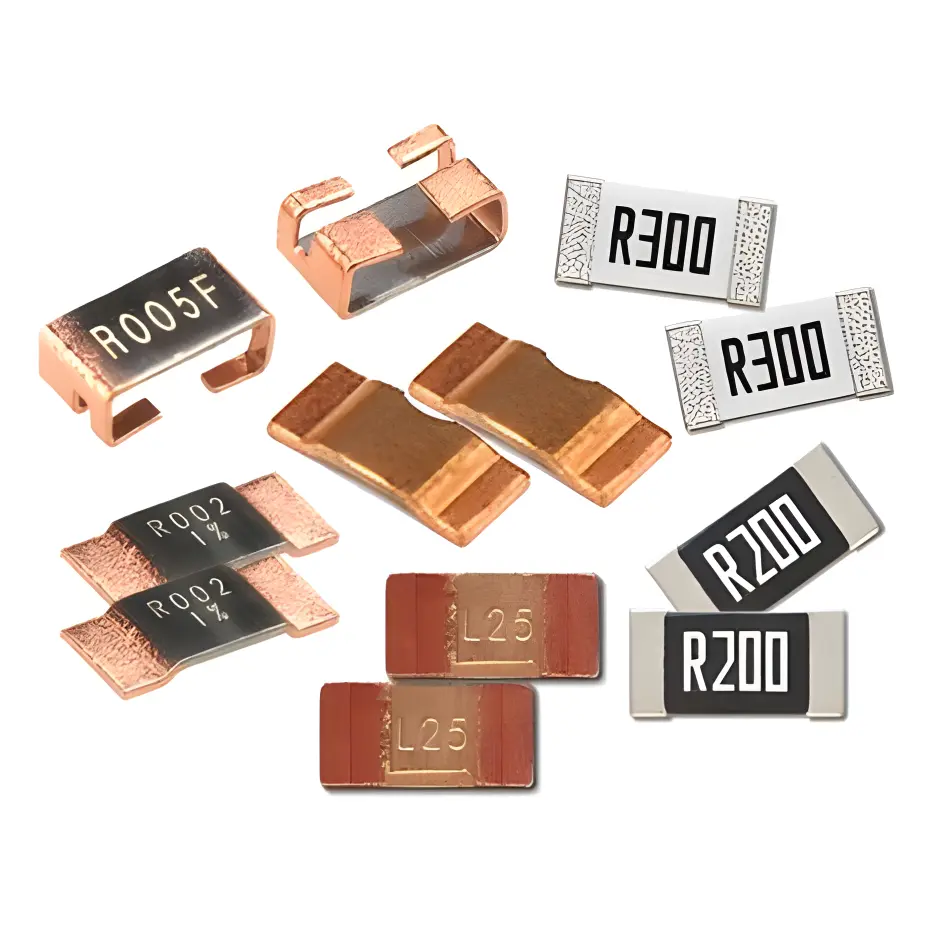 Current Sense Resistors,Shunt Resistors
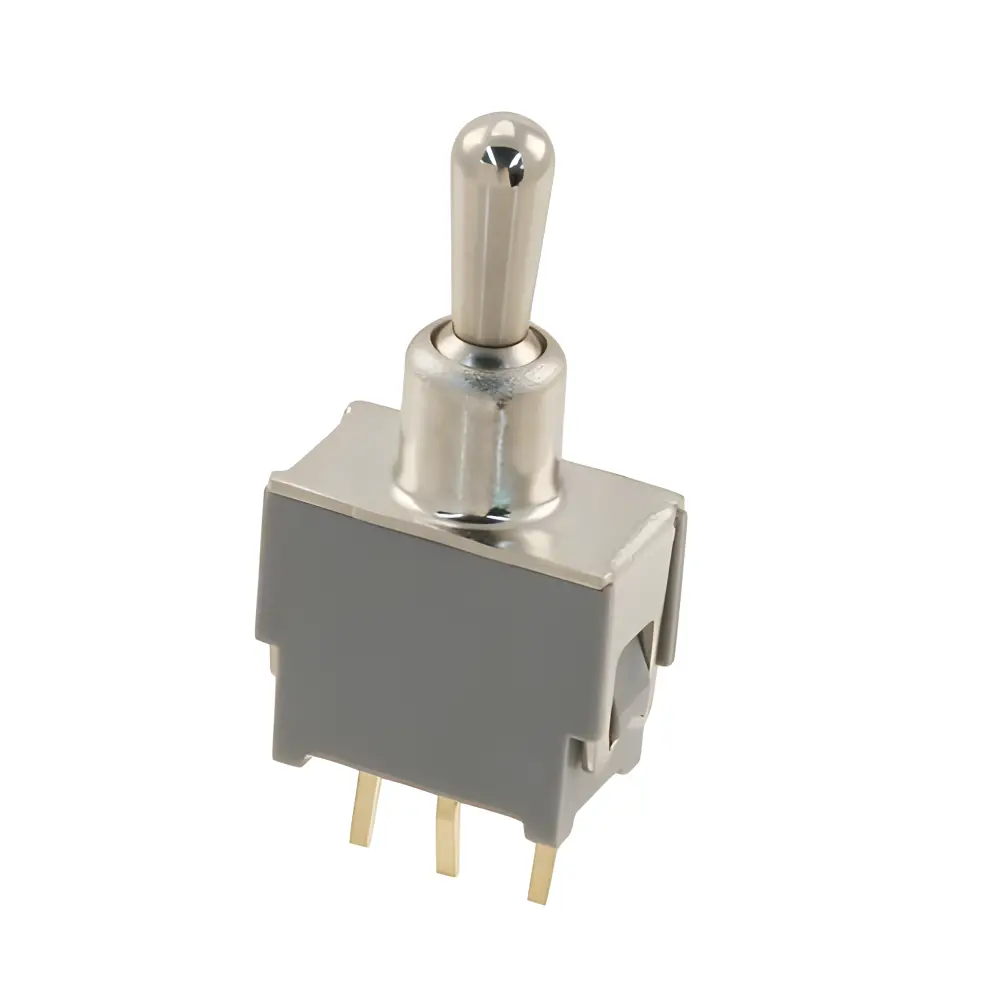 Switches
 Transistors
 Power Modules
 Isolated Power Modules
 AC-DC Power Modules
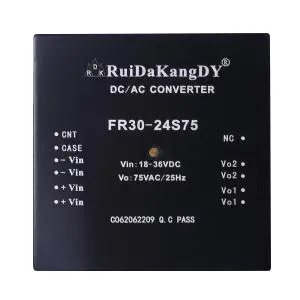 DC-AC Module(Inverter)
 RF and Wireless
Optimizing Vacuum Reflow Soldering Profile to Eliminate Pillow Effect in Large-Size BGA
2025-09-21
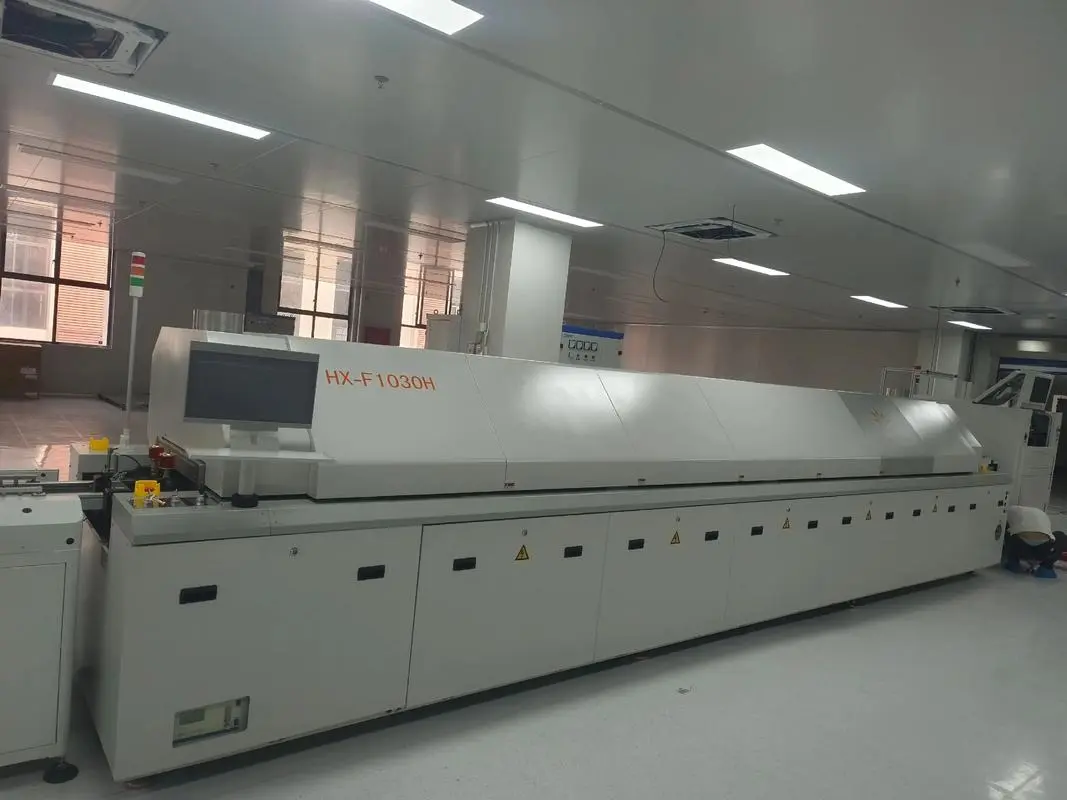
Hazards and Control SignifICance of Pillow Effect in Large-Size BGA
Large-size BGA (Ball Grid Array package, usually referring to package size ≥20mm×20mm and ball diameter ≥0.76mm) is widely used in high-end electronic equipment such as server CPUs, FPGAs, and communication chips due to its high pin density and good heat dissipation peRFormance. However, thepillow effect is prone to occur during its soldering process — the solder balls at the bottom of the BGA are not completely melted or fully wetted to the pads after melting, resulting in a "hollow" between the chip bottom and the PCB, with only a few solder balls at the edge achieving effective connection.
The pillow effect will lead to insufficient BGA soldering strength (pull-off force decreased by 30%-50%) and poor electrical connection reliability (increased contact resistance). Long-term use may easily cause solder joint failure due to thermal cycles or vibration. Vacuum reflow soldering can effectively discharge the air and flux volatiles between the solder balls and pads by evacuating during the reflow stage, which is the core process to solve the pillow effect of large-size BGA. Precise optimization of the reflow soldering profile is the key to ensuring the vacuum environment plays its role and completely eliminating the pillow effect.
2. Generation Mechanism of Pillow Effect in Large-Size BGA
The essence of the pillow effect is that gas is not discharged in time during the solder ball melting process, forming gas resistance to hinder the wetting and spreading of the solder balls. The specific incentives include:
- Gas Residue: The air between the BGA bottom and the PCB, and the organic gas generated by flux volatilization cannot be discharged quickly in conventional reflow soldering. They expand when heated and lift the BGA, causing the solder balls to fail to fully contact the pads.
- Uneven Melting of Solder Balls: Large-size BGA has a large heat capacity, and there is a temperature gradient (up to 10-15℃) between the central area and the edge area. The edge solder balls melt first, and the central solder balls melt later. After the edge solder balls solidify, they restrict the wetting of the central solder balls, forming a pillow structure of "edge support and central suspension".
- Insufficient Flux Activity: The flux is not fully activated during the preheating stage, which cannot effectively remove the oxide layer on the surface of the pads and solder balls, resulting in poor wettability of the solder balls and difficulty in spreading after melting.
- Improper Vacuum Intervention Timing: Turning on the vacuum too early (solder balls not melted) easily leads to premature volatilization of the flux; turning it on too late (solder balls have solidified) cannot discharge the gas, both of which will aggravate the pillow effect.
3. Optimization Methods of Vacuum Reflow Soldering Profile
The vacuum reflow soldering profile is divided into preheating stage, soaking stage, reflow stage (including vacuum), and cooling stage. The parameters of each stage need to be optimized collaboratively, with the core goals of "uniform heating, sufficient exhaust, complete melting, and slow cooling". The following are the key points of profile optimization for large-size BGA:
3.1 Preheating Stage: Gentle Heating to Activate Flux
The purpose of the preheating stage is to gradually increase the temperature, activate the flux and discharge volatile gases, avoiding gas boiling due to too fast heating:
- Heating Rate Control: Adopt "stepwise preheating", and strictly control the heating rate at 0.5-1℃/s. For example, heat from room temperature (25℃) to 120℃ at a rate of 0.8℃/s; then reduce the rate to 0.5℃/s when heating from 120℃ to 150℃ to avoid warping of the large-size BGA due to thermal stress.
- Preheating Temperature and Time: The final preheating temperature is set to 150-170℃ (flux activity temperature range), and the holding time is 60-90 seconds. At this stage, it is necessary to ensure that the flux flows fully, removes the oxide layer on the pad surface (oxide layer thickness ≤0.5μm), and discharges 70%-80% of volatile gases at the same time.
- Temperature Uniformity Guarantee: Optimize the hot air circulation system (air speed 1.5-2m/s, air nozzle spacing 50mm) to ensure that the temperature uniformity on the BGA surface is ≤±3℃, reducing the temperature difference between the edge and the center.
3.2 Soaking Stage: Stable Temperature for Deep Exhaust
The soaking stage is the transition between preheating and reflow. It is necessary to maintain a stable temperature to further discharge residual gas and avoid gas expansion during reflow:
- Soaking Temperature: Set to 170-180℃ (slightly higher than the flux activity temperature and lower than the solder melting point of 183℃) to avoid premature melting of the solder balls.
- Soaking Time: Adjust according to the BGA size. For 20mm×20mm BGA, keep it for 40-60 seconds; for 30mm×30mm BGA, extend it to 60-80 seconds. At this stage, an infrared thermometer can be used to monitor the temperature at the bottom of the BGA to ensure that the temperature in the central area reaches above 175℃, ensuring sufficient gas discharge.
3.3 Reflow Stage: Precise Temperature Control + Vacuum Coordination to Ensure Complete Melting
The reflow stage is the core stage to eliminate the pillow effect. It is necessary to precisely control the heating rate, peak temperature, vacuum intervention timing and vacuum degree:
- Heating to Peak Temperature: The rate of heating from the soaking stage to the peak temperature (T_peak) is controlled at 1-1.2℃/s to ensure that the solder balls melt gradually from the edge to the center, avoiding local overheating. T_peak is set to 220-235℃ (Sn63Pb37 solder melting point is 183℃, over-temperature 40-50℃). For lead-free solder (such as SAC305 with melting point 217℃), T_peak is set to 245-255℃.
- Vacuum Intervention Timing and Parameters: Turn on the vacuum when the BGA surface temperature reaches "solder melting point +10℃" (such as 193℃ for Sn63Pb37). At this time, the solder balls start to melt, and the gas is easy to discharge. The vacuum degree is set to 50-100Pa (absolute pressure), and the holding time is 30-45 seconds to ensure that the gas at the bottom of the BGA is completely extracted. During the vacuum holding period, the peak temperature must be maintained stably to avoid premature solidification of the solder balls due to temperature drop.
- Peak Temperature Holding Time: After the vacuum is turned off, continue to hold at T_peak for 20-30 seconds to ensure that the solder balls are fully wetted and spread, and the wetting rate must reach more than 95% (through X-Ray detection, the solder ball spreading diameter ≥1.2 times the original diameter).
The vacuum degree should not be too low (<50Pa), otherwise it will easily lead to excessive volatilization of the flux and decrease the wettability of the solder balls; the vacuum holding time should not be too long (>60 seconds), which will cause solder oxidation or BGA warping.
3.4 Cooling Stage: Slow Cooling to Reduce Internal Stress
In the cooling stage, the cooling rate must be controlled to avoid internal stress caused by rapid solidification of the solder, leading to solder joint cracking or BGA warping:
- Cooling Rate: The rate of cooling from T_peak to 150℃ is controlled at 1-1.5℃/s, and natural cooling can be used below 150℃. For large-size BGA (≥30mm×30mm), the cooling rate needs to be reduced to 0.8-1℃/s to reduce BGA deformation caused by thermal stress.
- Cooling Method: Adopt "nitrogen cooling + hot air circulation" with a nitrogen flow rate of 5-10L/min to ensure uniform cooling. Avoid using forced air cooling (air speed >3m/s) to prevent local rapid cooling.
4. Auxiliary Process Measures and Quality Verification
It is difficult to completely eliminate the pillow effect only by profile optimization, and it is necessary to combine auxiliary processes and strict detection:
4.1 Auxiliary Process Measures
- BGA and PCB Pretreatment: The thickness of the oxide layer on the BGA solder ball surface should be ≤0.3μm, which can be removed by plasma cleaning (power 400W, time 60 seconds); the PCB pads should be coated with solder paste (no-clean type, particle size 20-45μm), and the solder paste printing thickness is controlled at 80-120μm to ensure uniform solder paste amount.
- Mounting Accuracy Control: When mounting BGA, the center alignment accuracy should be ≤±0.1mm to avoid the edge solder balls contacting the pads first due to mounting deviation, which aggravates the pillow effect. The mounting pressure is controlled at 50-100g to ensure initial contact between the solder balls and the solder paste.
- Vacuum Reflow Equipment Calibration: Calibrate the temperature uniformity (required ≤±2℃) and vacuum degree (deviation ≤10Pa) of the equipment regularly (every two weeks) to ensure stable process parameters.
4.2 Quality Verification Methods
- X-Ray Detection: After soldering, use an X-Ray detector (resolution ≥5μm) to observe the wetting of the solder balls at the bottom of the BGA. The incidence of pillow effect should be ≤1%, and the number of suspended solder balls in a single BGA should be ≤3 (and not concentrated in the central area).
- Tensile Test: Randomly select samples for BGA pull-off test. The pull-off force should be ≥50N (for 20mm×20mm BGA), and the fracture position should be in the solder ball body, not the bonding surface between the solder ball and the pad.
- Thermal Cycle Test: Conduct a -40℃~125℃ thermal cycle test (1000 times). After the test, perform X-Ray detection again, and there should be no new pillow effect or solder joint cracking.
5. Common Problems and Profile Adjustment Schemes
| Common Problems | Causes | Profile Adjustment Schemes |
|---|---|---|
| Central Solder Balls Suspended (Pillow Effect) | Vacuum intervention too late; insufficient preheating time, gas not exhausted; heating rate too fast | Advance vacuum intervention temperature to "melting point +5℃"; extend preheating time to 90 seconds; reduce heating rate to 0.8℃/s |
| Poor Wettability of Solder Balls, Insufficient Spreading | Peak temperature too low; short peak holding time; insufficient flux activity | Increase peak temperature to 235℃; extend peak holding time to 30 seconds; increase soaking stage temperature to 175℃ |
| Edge Solder Balls Cracked Due to BGA Warping | Cooling rate too fast; large temperature gradient in preheating stage | Reduce cooling rate to 0.8℃/s; optimize hot air circulation to reduce temperature gradient to ±2℃ |