
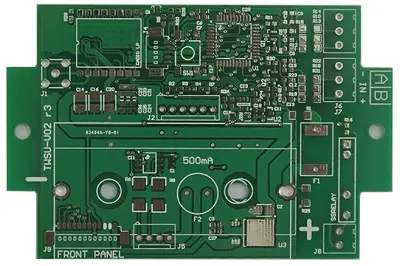
 PCB
PCB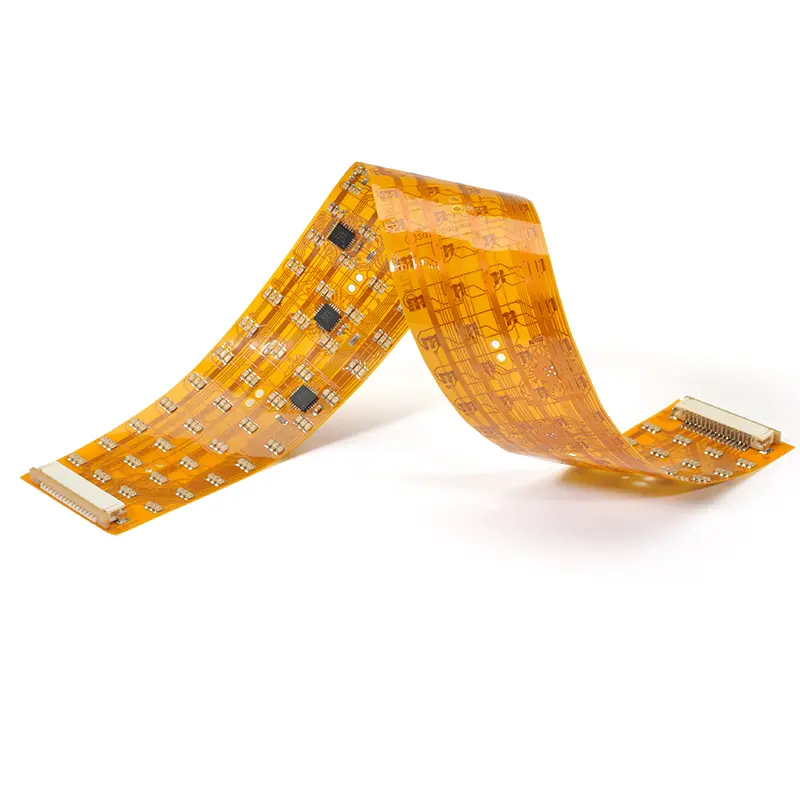 FPC
FPC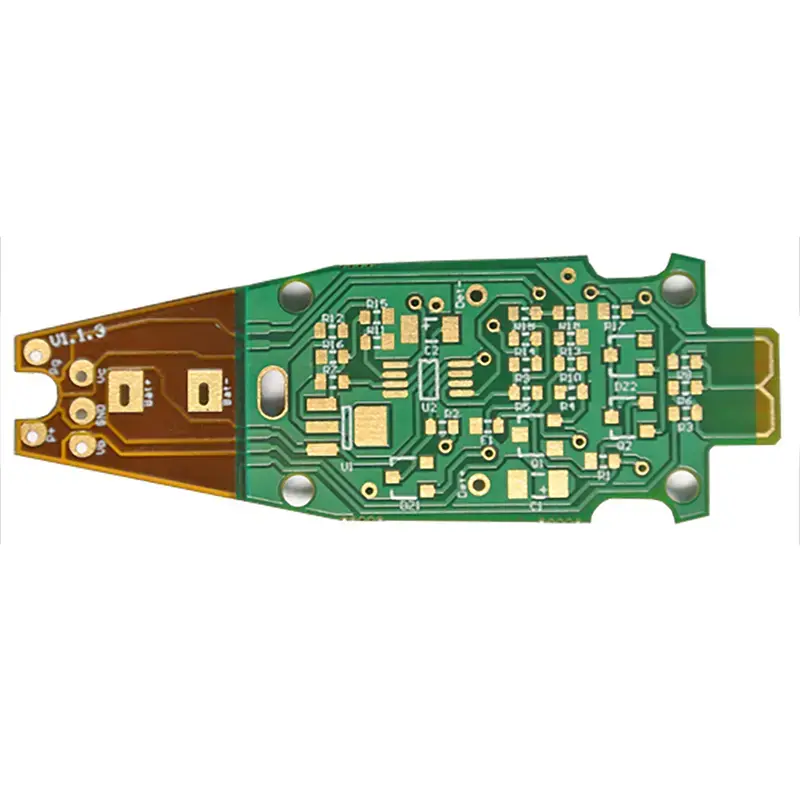 Rigid-Flex
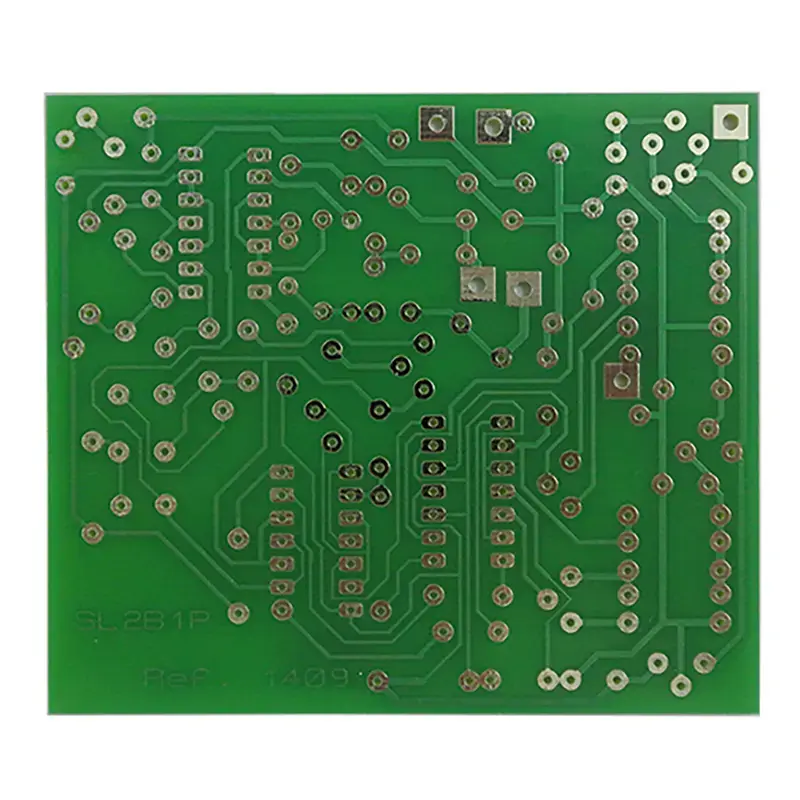 FR-4
FR-4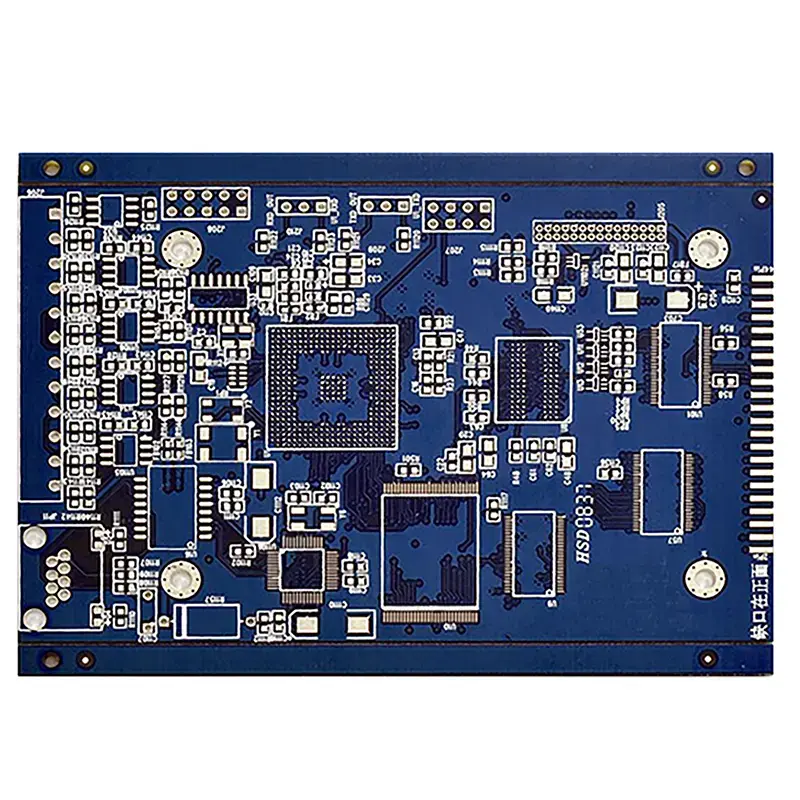 HDI PCB
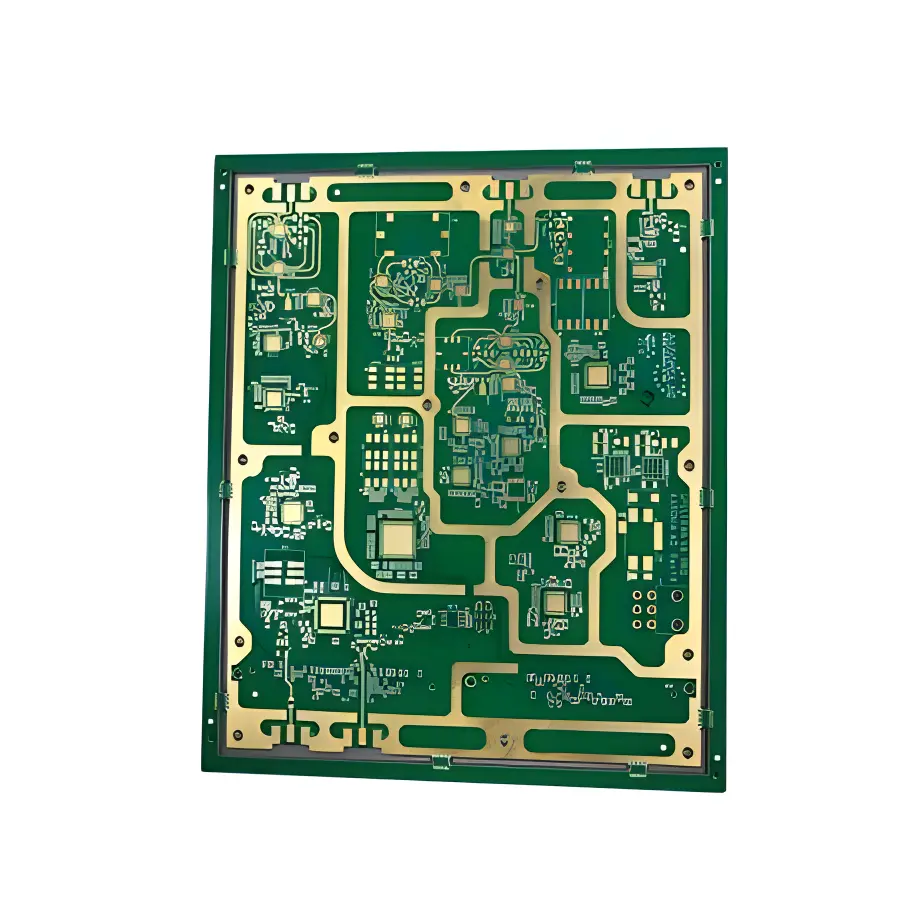 Rogers High-Frequency Board
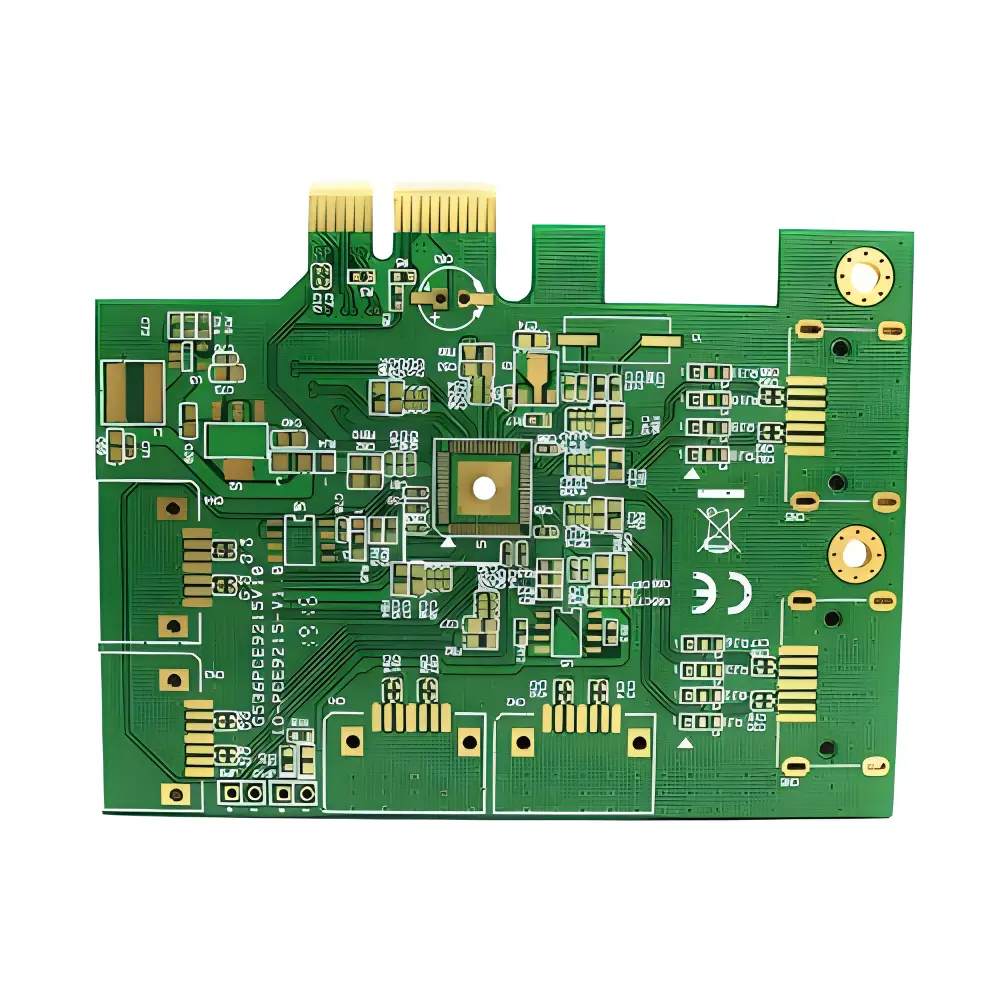 PTFE Teflon High-Frequency Board
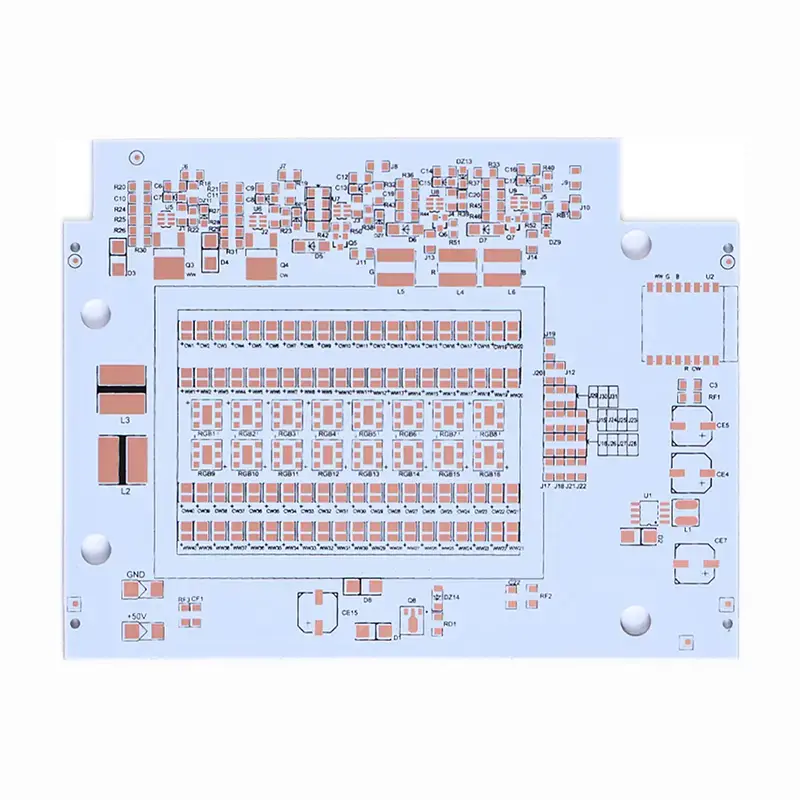 Aluminum
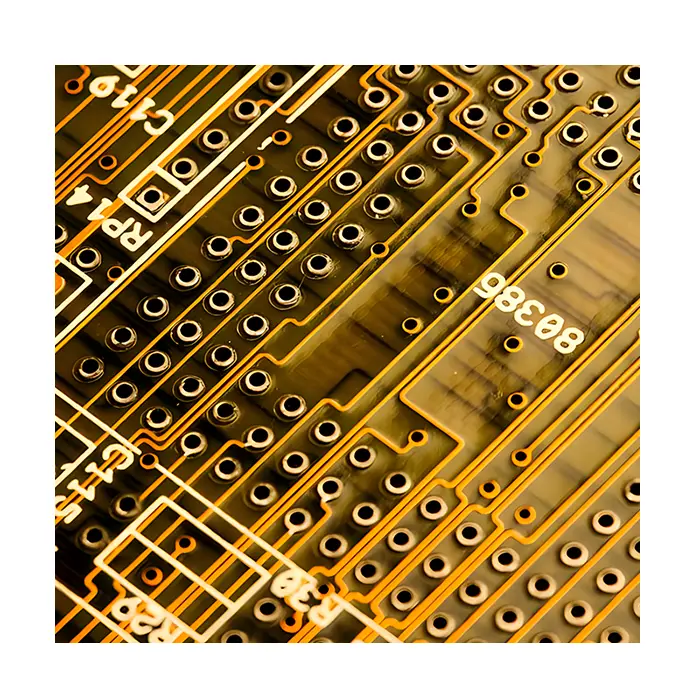 Copper Core
 PCB Assembly
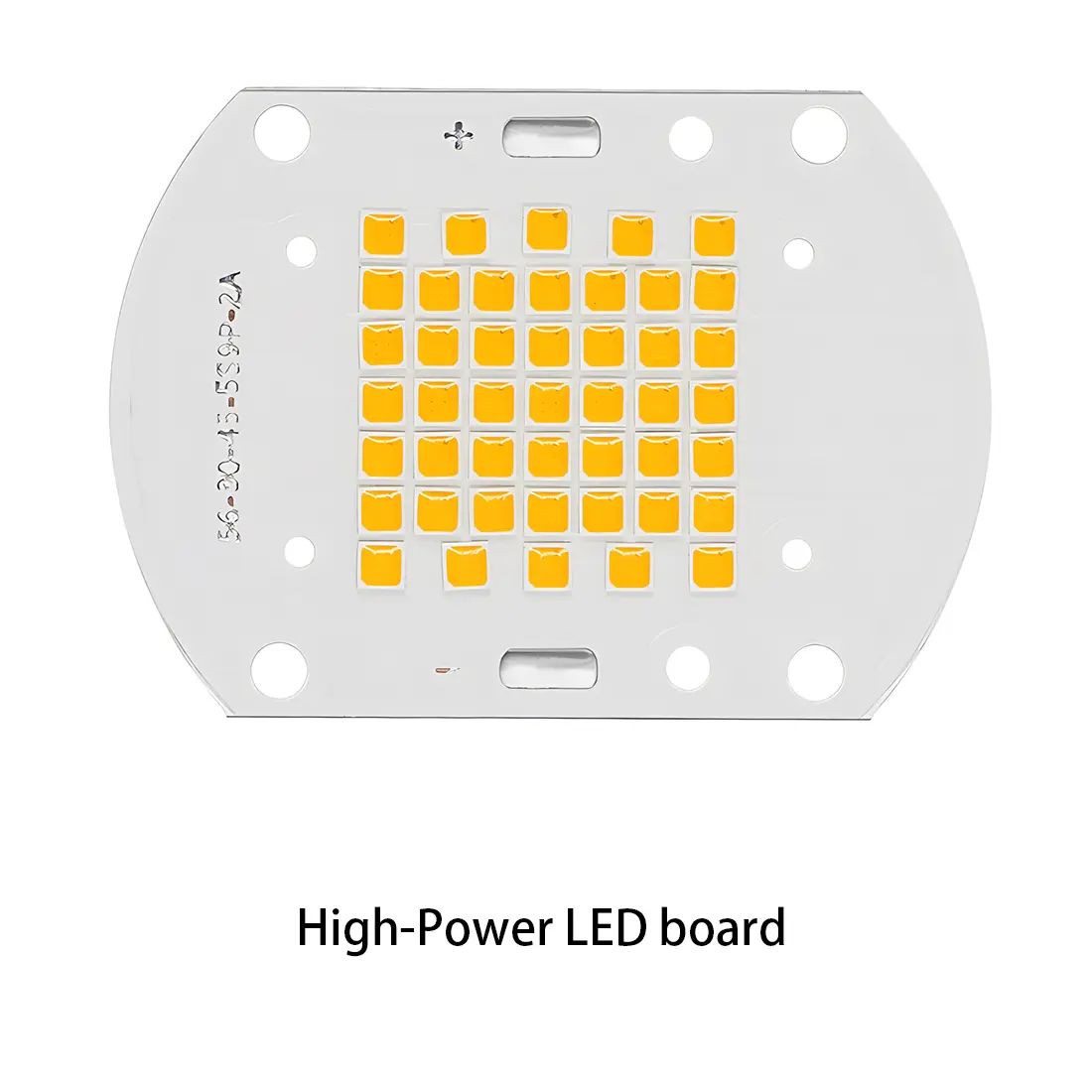 LED light PCBA
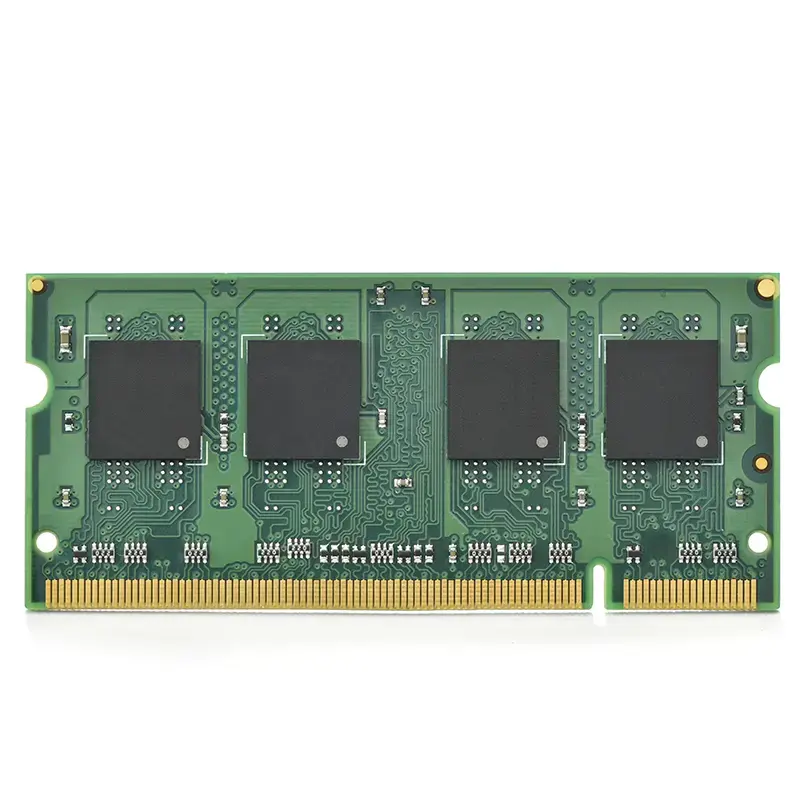
 Memory PCBA
 Power Supply PCBA
 New Energey PCBA
 Communication PCBA
 Industrial Control PCBA
 Medical Equipment PCBA
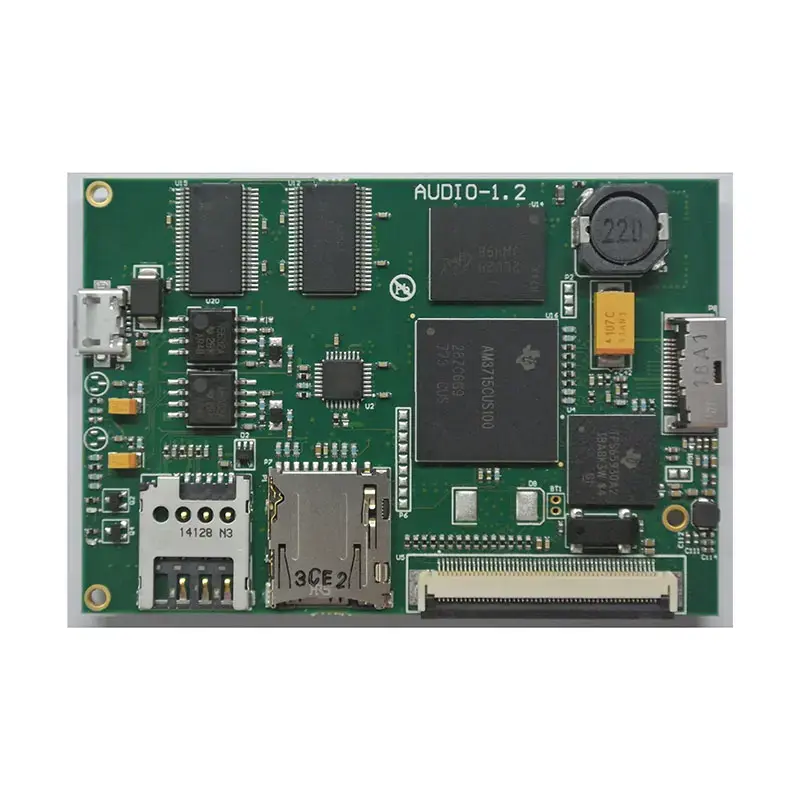 Testing Service
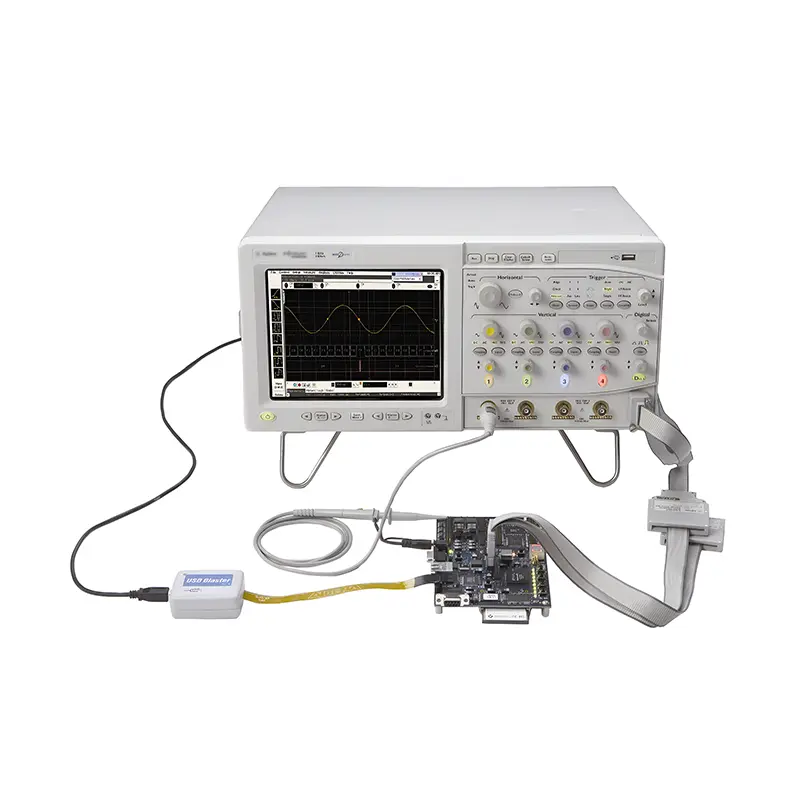 PCBA Testing Service
 Certification Application
 RoHS Certification Application
 REACH Certification Application
 CE Certification Application
 FCC Certification Application
 CQC Certification Application
 UL Certification Application
 Transformers, Inductors
 High Frequency Transformers
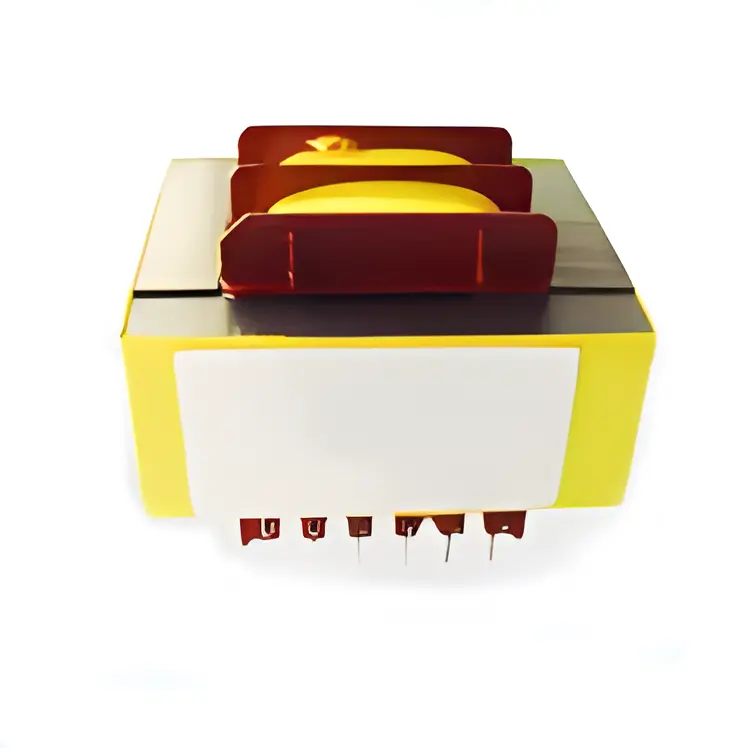 Low Frequency Transformers
 High Power Transformers
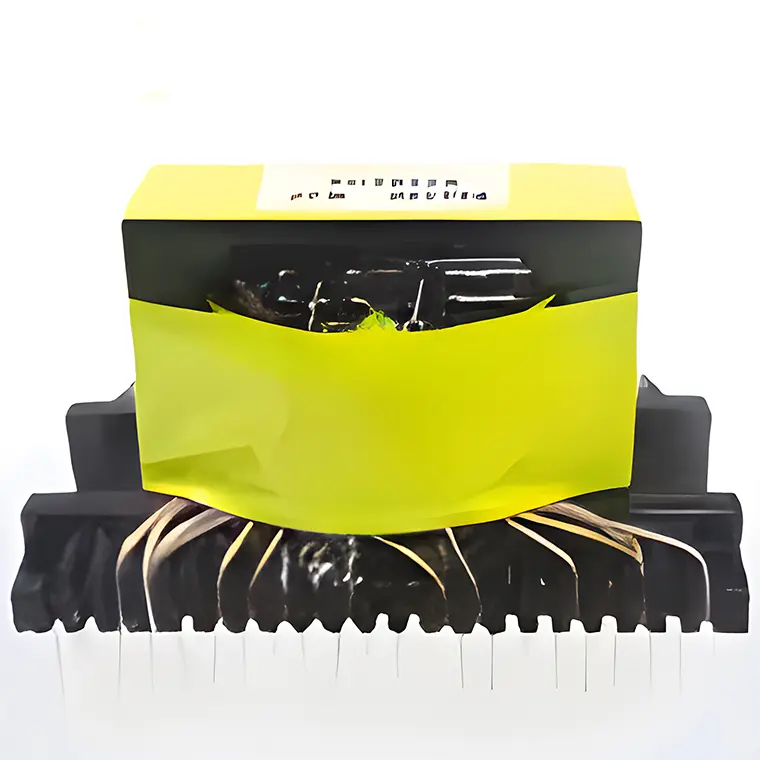 Conversion Transformers
 Sealed Transformers
 Ring Transformers
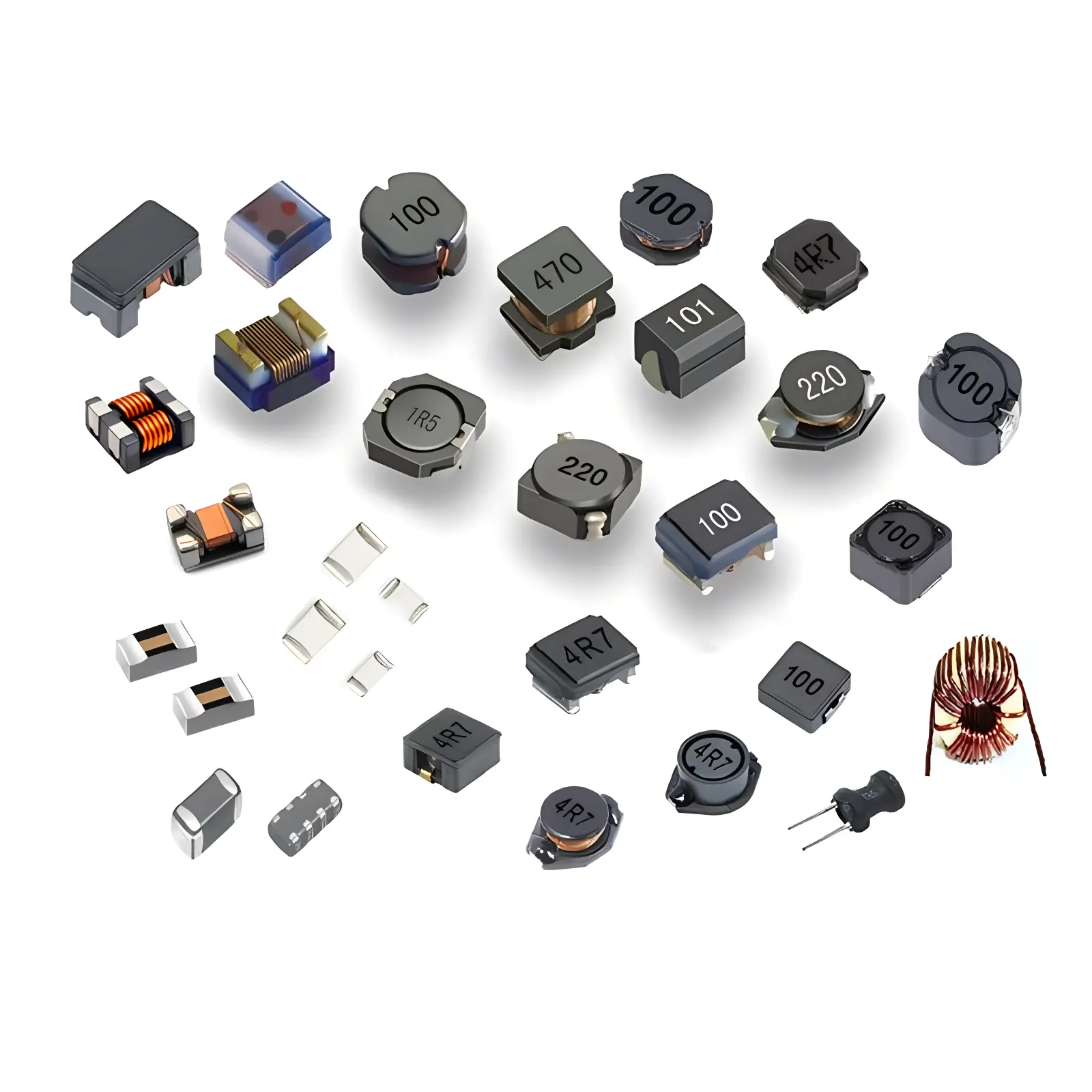 Inductors
 Wires,Cables Customized
 Network Cables
 Power Cords
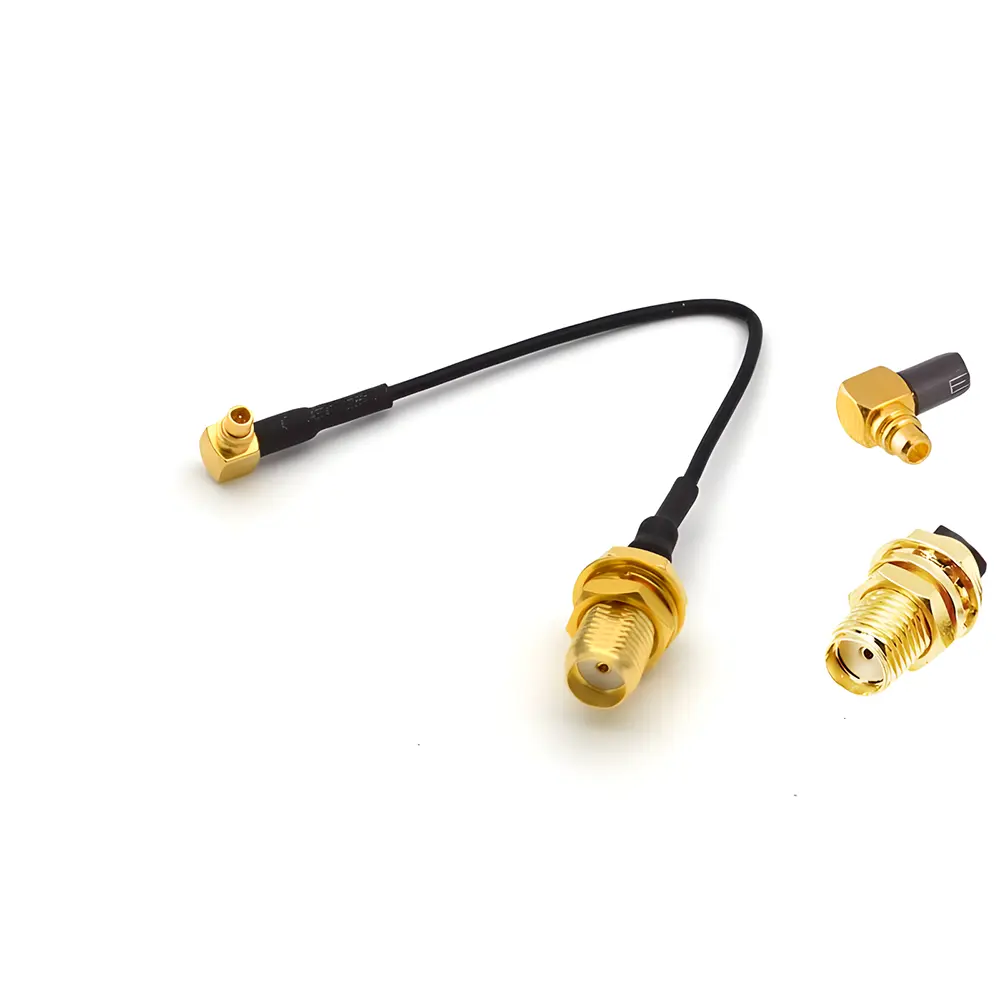 Antenna Cables
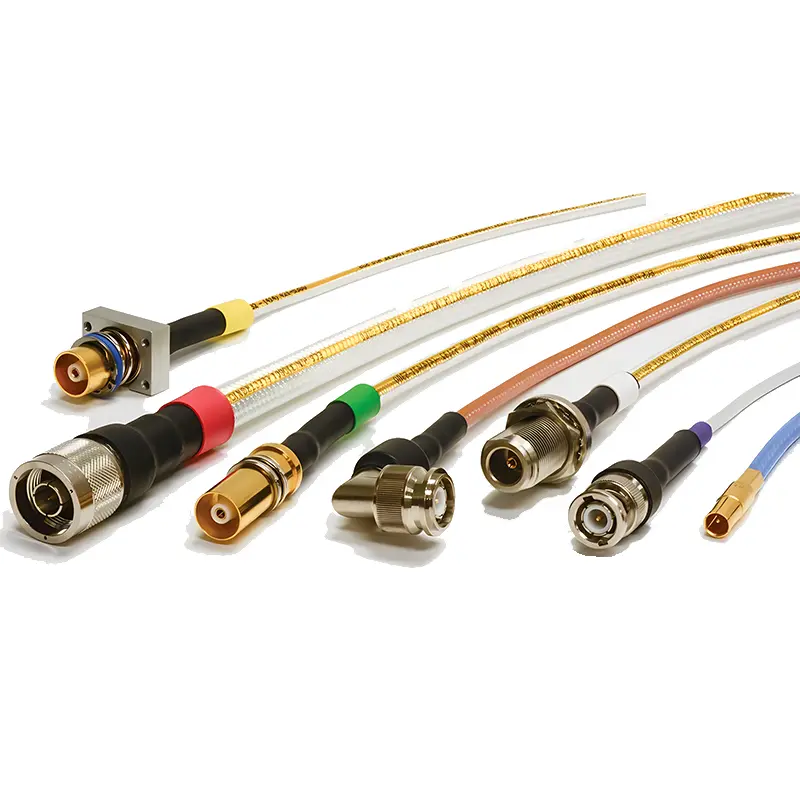 Coaxial Cables
 Net Position Indicator
 Solar AIS net position indicator
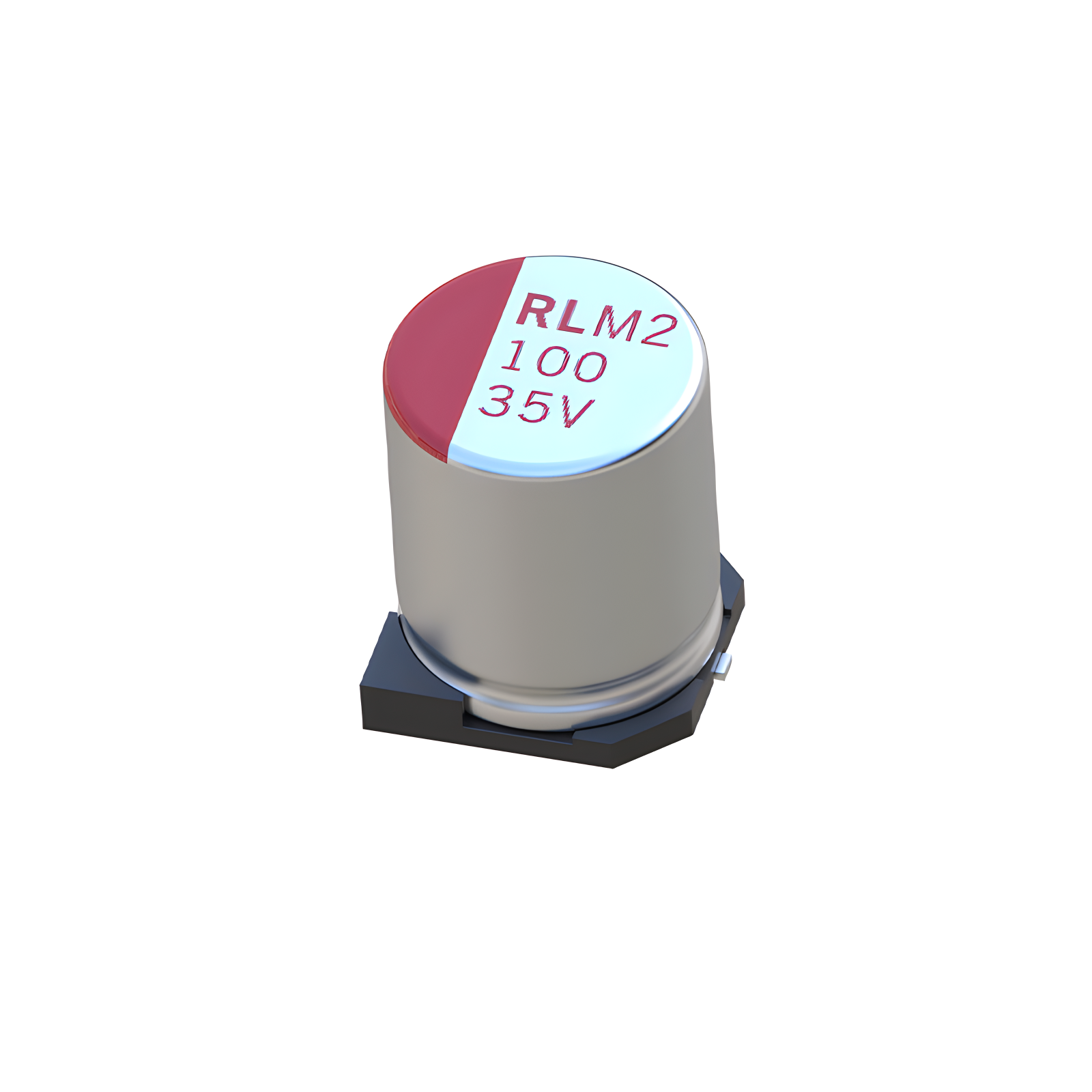 Capacitors
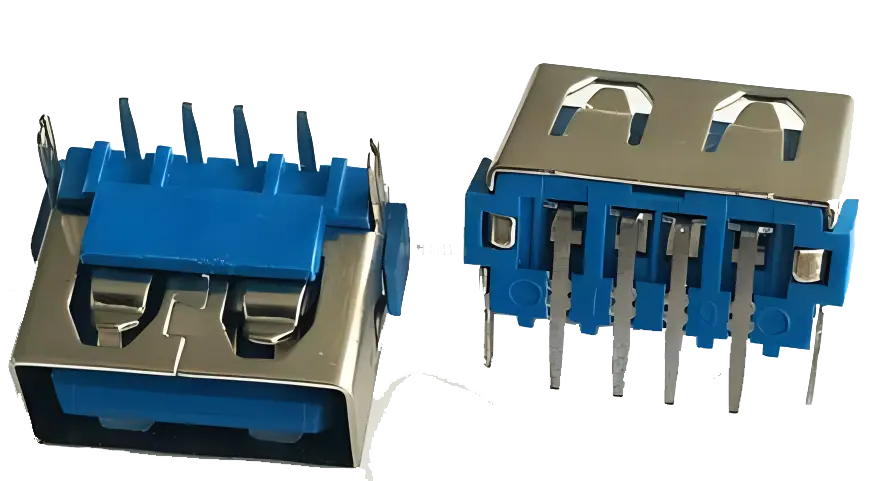 Connectors
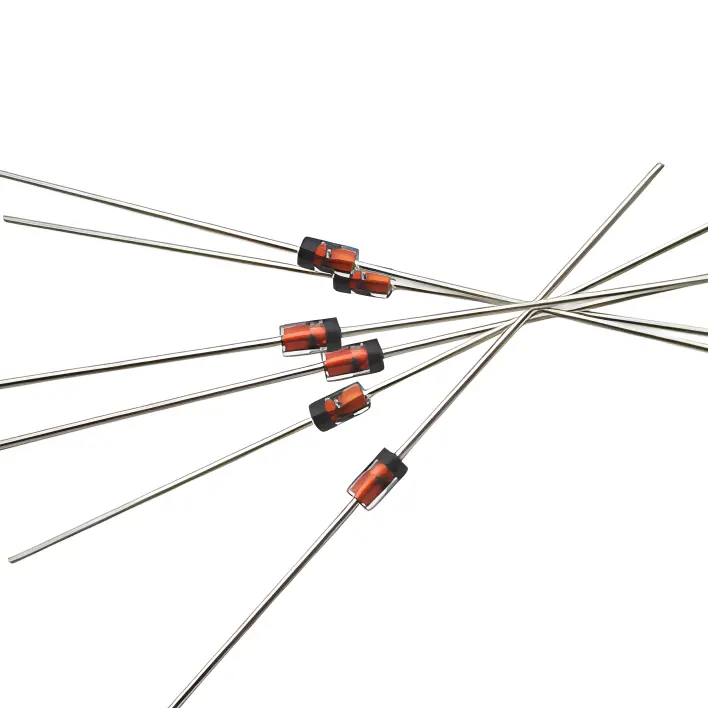 Diodes
 Embedded Processors & Controllers
 Digital Signal Processors (DSP/DSC)
 Microcontrollers (MCU/MPU/SOC)
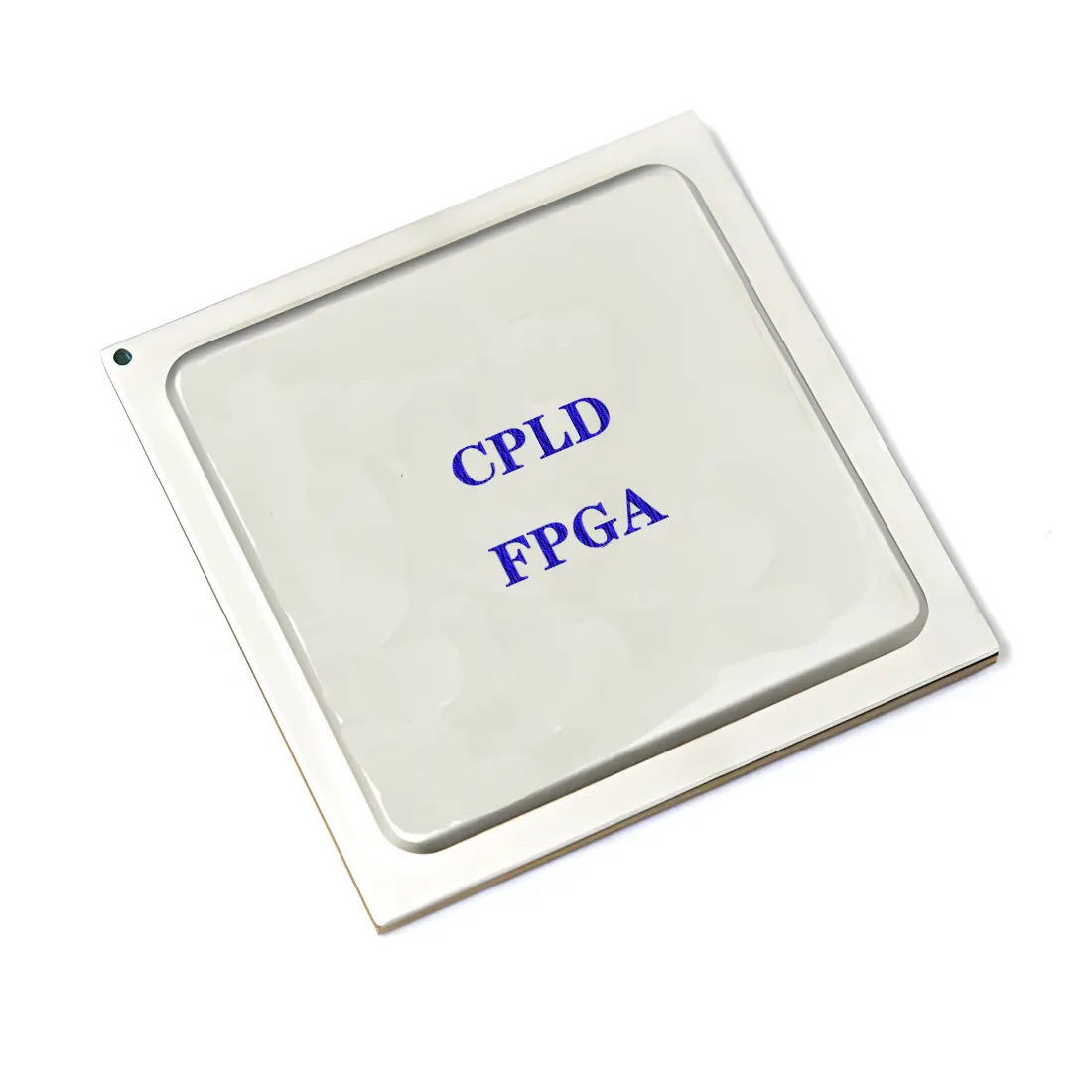 Programmable Logic Device(CPLD/FPGA)
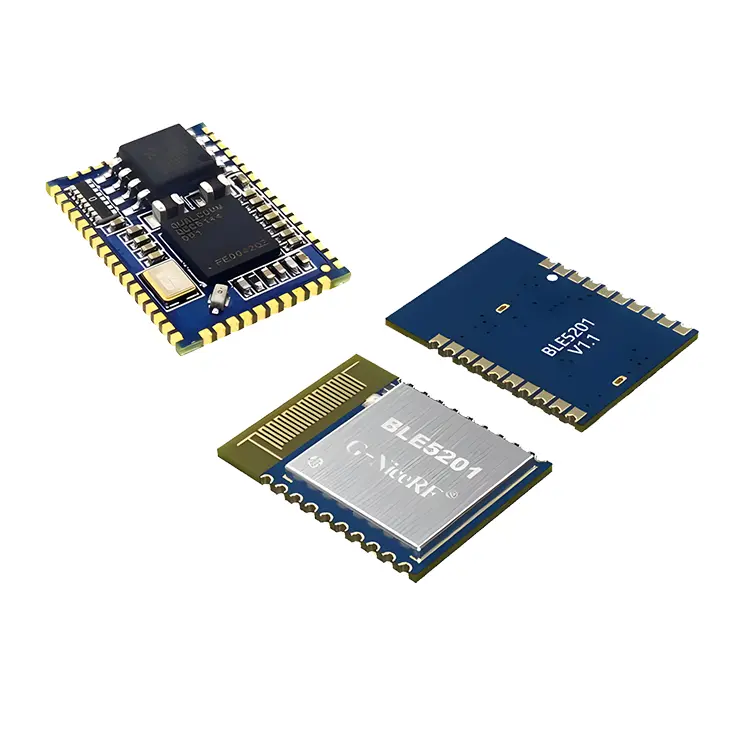 Communication Modules/IoT
 Resistors
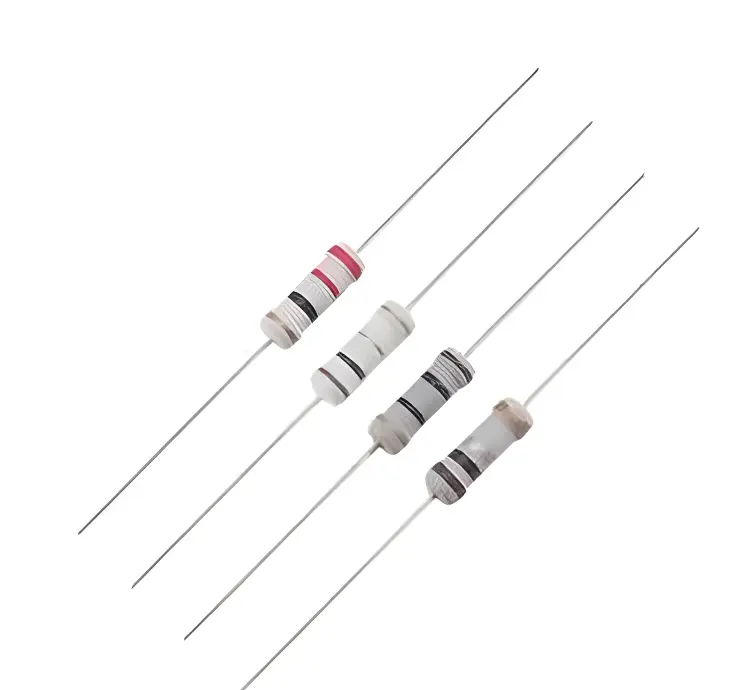 Through Hole Resistors
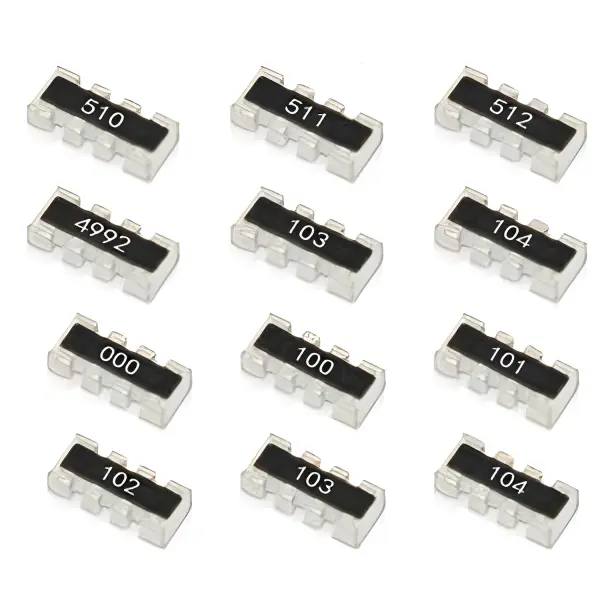 Resistor Networks, Arrays
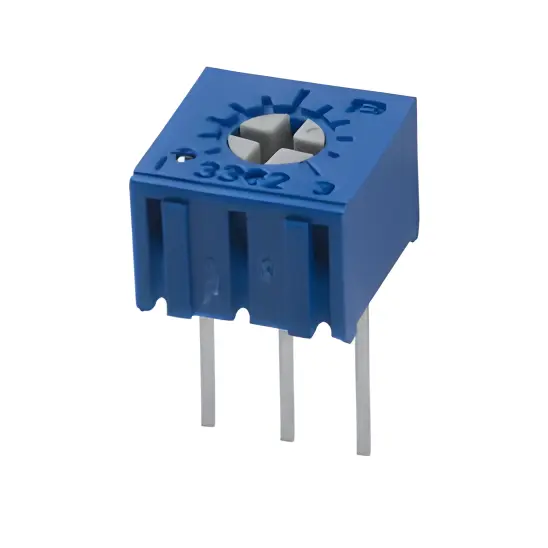 Potentiometers,Variable Resistors
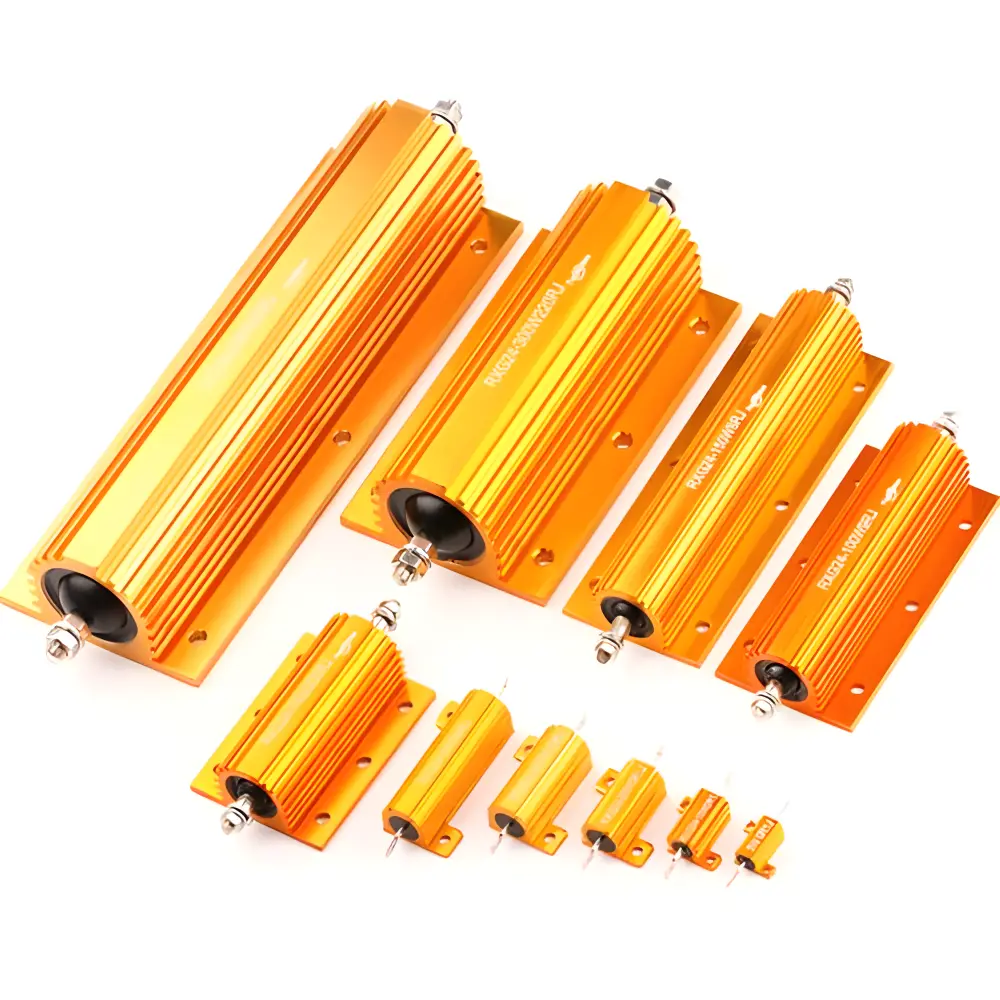 Aluminum Case,Porcelain Tube Resistance
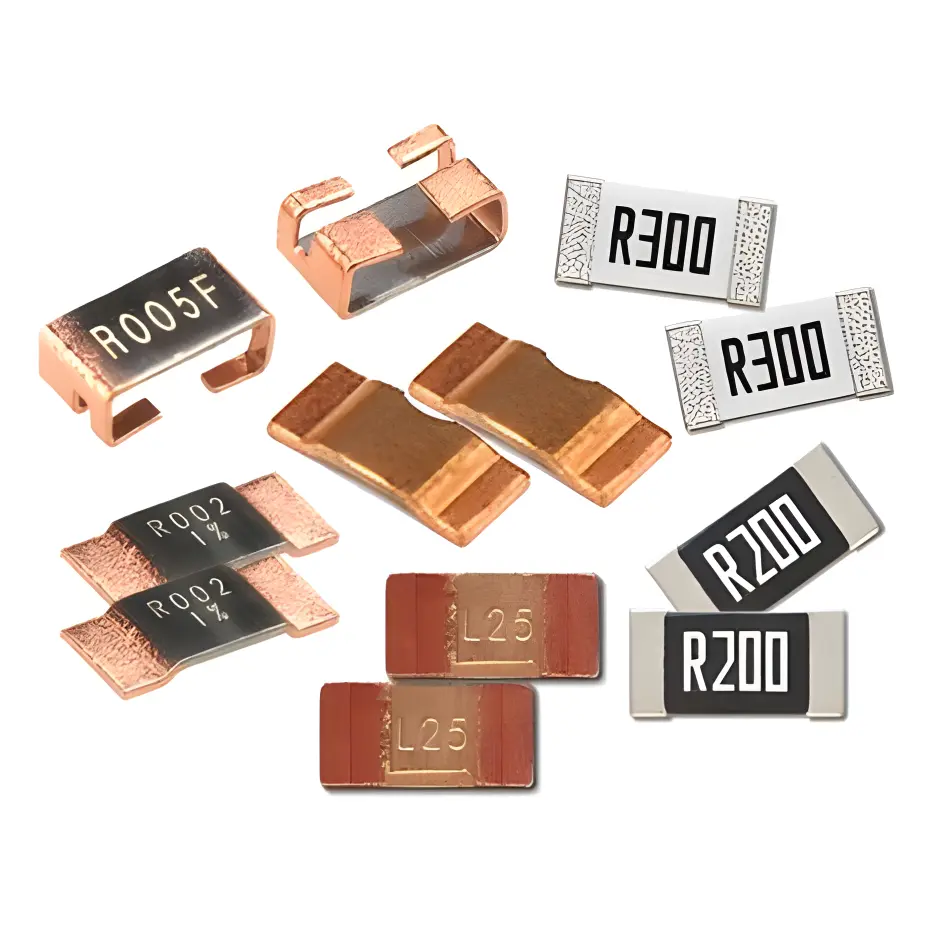 Current Sense Resistors,Shunt Resistors
 Switches
 Transistors
 Power Modules
 Isolated Power Modules
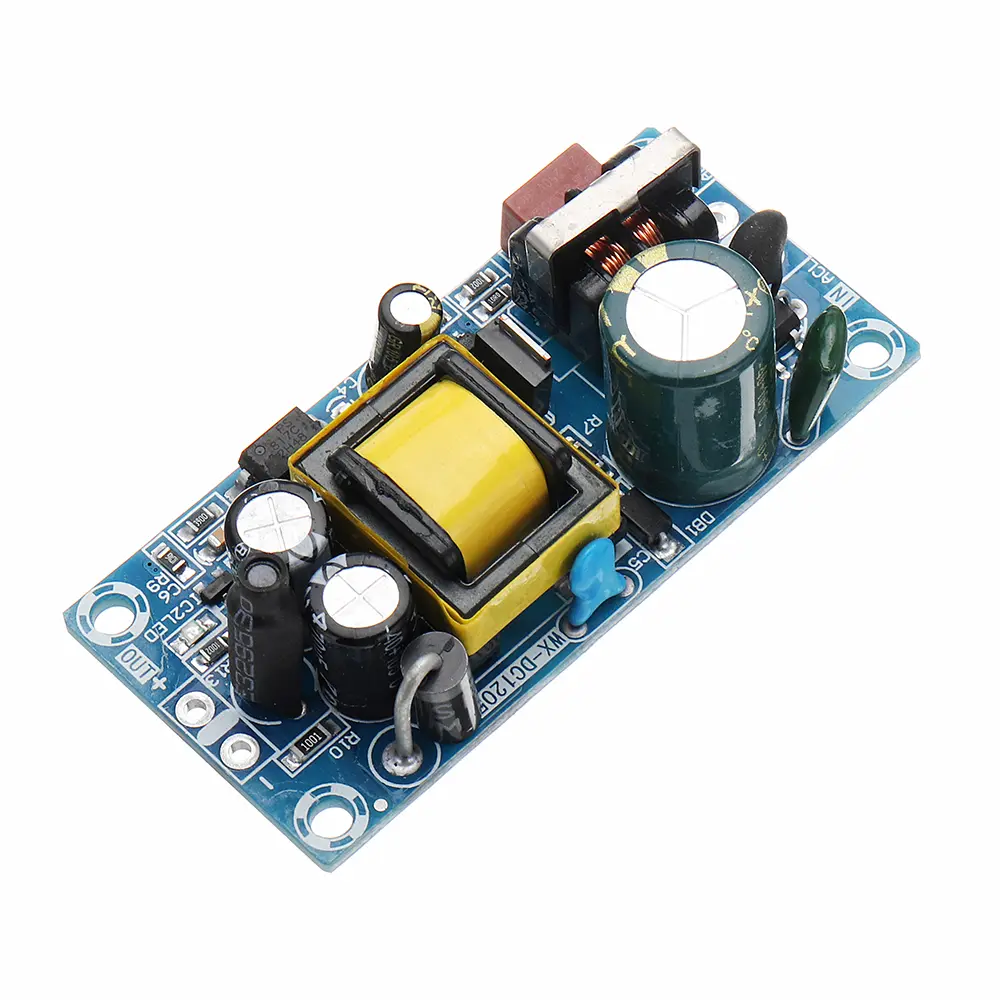 AC-DC Power Modules
 DC-AC Module(Inverter)
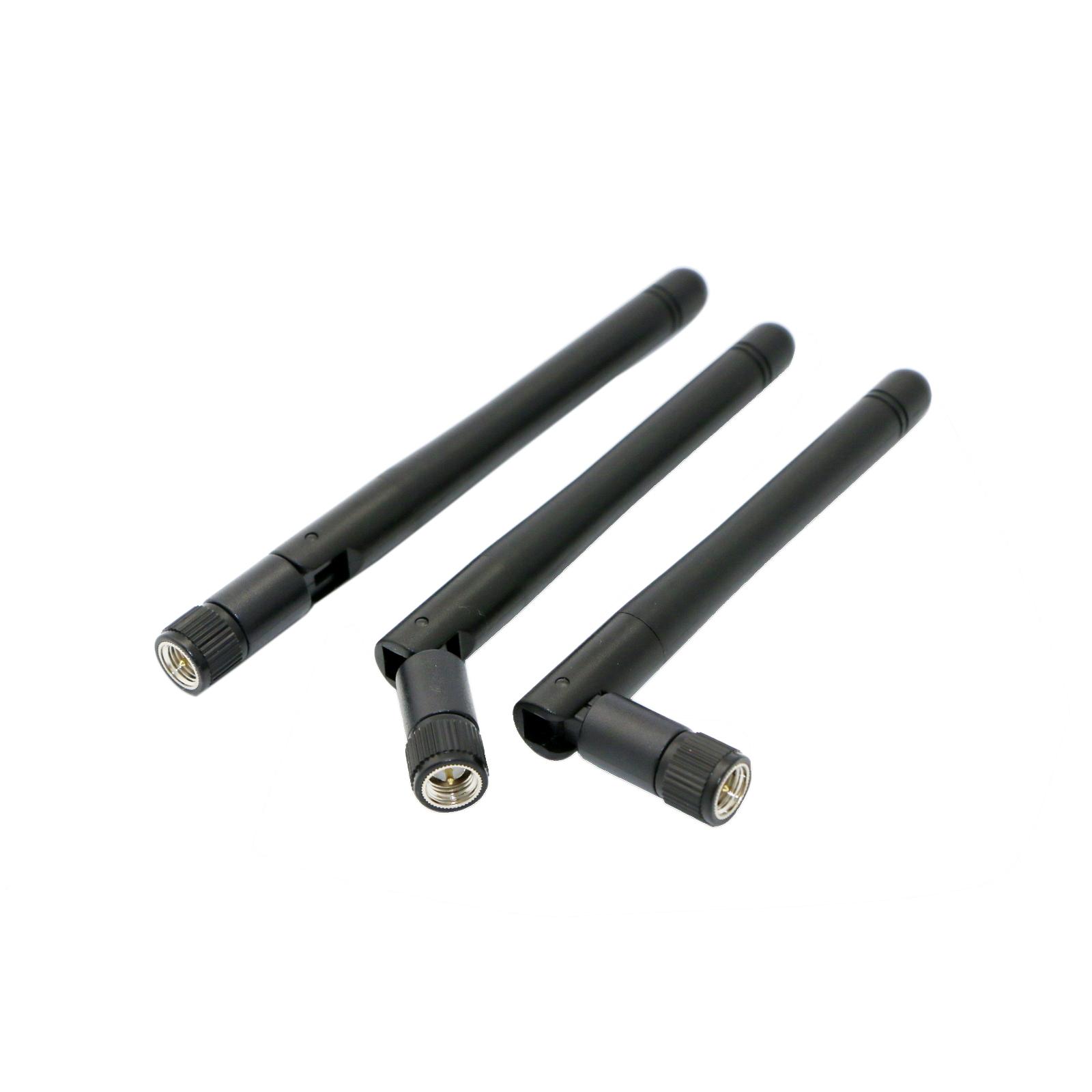 RF and Wireless
Controlling Thickness Uniformity (Within-Board Variation) of Laminated PCBs
2025-11-18

Laminated PCB thickness uniformity—defined as the within-board variation (WBV) of the final stacked structure—is a critical quality metric for high-reliability electronic applications. Poor uniformity (WBV > ±10% of nominal thickness or >0.1mm for standard 1.6mm PCBs) leads to issues such as uneven solder joint formation, component misalignment, drilling accuracy errors, and compromised signal integrity. For applications like aerospace, automotive electronics, and high-density interconnects (HDIs), WBV must be tightly controlled to ≤±5% (or ≤0.08mm for 1.6mm boards) to ensure consistent peRFormance. This article details the core factors influencing thickness uniformity, industry-standard control targets, and practical strategies to achieve precise within-board thickness control during lamination.
1. Core Concepts: Thickness Uniformity Definition and Acceptable Limits
Before diving into control strategies, it is essential to clarify key definitions and industry benchmarks:
- Within-Board Variation (WBV): The difference between the maximum and minimum thickness measurements taken at multiple evenly distributed points across a Single Pcb. For example, a 1.6mm nominal thickness PCB with measurements ranging from 1.55mm to 1.63mm has a WBV of 0.08mm (5% of nominal).
- Industry Acceptance Criteria:
- Class 1 (Consumer Electronics): WBV ≤±10% of nominal thickness (e.g., ±0.16mm for 1.6mm PCBs).
- Class 2 (Industrial Electronics): WBV ≤±7% (±0.11mm for 1.6mm PCBs).
- Class 3 (Aerospace, Medical, Automotive): WBV ≤±5% (±0.08mm for 1.6mm PCBs), with some critical applications requiring ≤±3% (±0.05mm).
- Measurement Method: Per IPC-6012, thickness must be measured at a minimum of 9 points (3×3 grid) using a micrometer with ±0.001mm accuracy, excluding board edges (≥5mm from all sides) to avoid edge effects.
2. Key Factors Influencing Thickness Uniformity
Thickness variation in laminated PCBs stems from four interrelated categories of factors, spanning material, process, and equipment:
2.1 Raw Material Uniformity
- Core and Prepreg Thickness Tolerance: Prepreg (resin-impregnated glass fiber) and core materials must have a raw thickness tolerance of ≤±3% (e.g., 0.1mm prepreg with ±0.003mm variation). Poorly controlled raw material thickness (tolerance >±5%) directly translates to laminated WBV, as lamination cannot fully compensate for initial variations.
- Prepreg Resin Content and Flow: Resin content variation (±2% of nominal) causes uneven resin flow during lamination. Excess resin in localized areas leads to thicker board sections, while insufficient resin results in thinner areas.
- Copper Foil Thickness: Copper foil (1oz/35μm, 2oz/70μm) with ≤±5% thickness tolerance is critical. Thicker copper in specific regions increases the overall board thickness, as copper does not flow during lamination.
2.2 Lamination Process Parameters
- Pressure Uniformity: The lamination press must apply consistent pressure (±5% of setpoint, typically 20–30kg/cm²) across the entire panel. Pressure variations cause uneven resin squeeze-out: high-pressure areas have thinner boards (excess resin flow), while low-pressure areas remain thicker.
- Temperature Distribution: The heating plate temperature must be uniform within ±2°C. Hot spots accelerate resin flow, leading to localized thinning, while cold spots reduce resin flow, resulting in thicker sections.
- Lamination Cycle Profile: A slow, gradual heating rate (1–2°C/min) ensures uniform resin melting and flow. Rapid heating causes uneven resin viscosity, leading to inconsistent squeeze-out. The hold time at peak temperature (60–90 minutes for FR-4) must be sufficient to ensure complete resin curing without over-flow.
2.3 Panel Stackup and Tooling
- Stackup Symmetry: Asymmetric stackups (e.g., different prepreg layers on top vs. bottom) cause uneven stress during lamination and cooling, leading to warpage and thickness variation. Symmetric stackups (mirror-image layer configuration) distribute stress evenly, minimizing WBV.
- Tooling Quality: Lamination plates (steel or aluminum) must have flatness tolerance ≤0.02mm/m. Warped or uneven plates transfer their irregularities to the PCB stack, causing thickness variations. Pressure distribution mats (e.g., silicone or PTFE) can compensate for minor plate irregularities but cannot fix severe warpage.
- Panel Clamping: Improper clamping (too tight or uneven) causes edge compression, leading to thinner board edges or localized thickness variations. Clamping force should be uniform across all edges of the panel.
2.4 PCB Design and Panel Layout
- Copper Distribution: Uneven copper coverage (e.g., large copper planes on one side, sparse traces on the other) causes uneven heat absorption during lamination. Copper-rich areas retain heat longer, increasing resin flow and thinning the board, while copper-sparse areas cool faster, reducing resin flow and thickening the board.
- Panel Size and Aspect Ratio: Large panels (>500mm×600mm) or panels with high aspect ratios (>2:1) are more prone to thickness variation due to increased difficulty in maintaining uniform pressure and temperature. For large panels, additional pressure distribution mats or center-to-edge pressure adjustments are required.
- Edge Reinforcement: Unreinforced panel edges are prone to resin squeeze-out, leading to thinner edges. Adding edge rails or dummy copper strips along panel edges reduces excessive resin flow, improving edge thickness uniformity.
3. Practical Control Strategies for Thickness Uniformity
To achieve WBV ≤±5% (Class 3) or tighter, implement the following layered strategies:
3.1 Raw Material Quality Control
- Incoming Inspection: Verify prepreg/core thickness at 5–8 points per sheet using a laser thickness gauge (±0.001mm accuracy). Reject materials with thickness tolerance >±3% or resin content variation >±2%.
- Prepreg Storage: Store prepreg in a controlled environment (20–25°C, 40–60% RH) to prevent moisture absorption, which causes uneven resin flow. Moisture content should be ≤0.15% before lamination.
- Copper Foil Selection: Use high-quality electrolytic copper foil with ≤±5% thickness tolerance. Avoid using rolled copper foil for high-uniformity applications, as it has higher thickness variation.
3.2 Lamination Process Optimization
- Pressure Calibration: Calibrate the lamination press monthly to ensure pressure uniformity. Use pressure-sensitive film (e.g., Fuji Prescale) to map pressure distribution across the plate; adjust press settings to eliminate low-pressure or high-pressure zones.
- Temperature Profiling: Use a thermal profiler with multiple sensors (5–9 points) to measure temperature distribution during lamination. Adjust heating plate settings or add insulation to hot spots until temperature variation is ≤±2°C.
- Cycle Parameter Tuning:
- Heating rate: 1–2°C/min (slower for thick panels or high resin content prepreg).
- Peak temperature: 140–180°C (FR-4), held for 60–90 minutes (longer for thick stacks >4mm).
- Cooling rate: ≤3°C/min to avoid thermal shock and uneven contraction.
3.3 Stackup and Tooling Optimization
- Symmetric Stackup Design: Ensure the stackup is symmetric around the center layer. For example, a 4-layer PCB should have prepreg layers of equal thickness on top (between layer 1 and 2) and bottom (between layer 3 and 4).
- Tooling Preparation:
- Grind lamination plates to flatness ≤0.02mm/m annually.
- Use two layers of pressure distribution mats (silicone + PTFE) between the plate and PCB stack to improve pressure uniformity.
- For large panels, use edge clamps with adjustable force to ensure uniform clamping without over-compression.
3.4 Design and Layout Adjustments
- Uniform Copper Distribution: Balance copper coverage across all layers. For example, if one side has a large ground plane, add dummy copper pads (≥0.5mm diameter, spaced ≥1mm) on the opposite side to equalize heat absorption. Copper coverage variation across the board should be ≤10%.
- Panel Size Limitation: For high-uniformity requirements, limit panel size to ≤500mm×500mm and aspect ratio to ≤1.5:1. If larger panels are necessary, use a "center-weighted" pressure setting to compensate for edge effects.
- Dummy Edges: Add a 5–10mm wide dummy copper strip along the panel edges to reduce resin squeeze-out. The dummy strip should have the same copper thickness as the functional area of the PCB.
3.5 Post-Lamination Inspection and Feedback
- Thickness Mapping: Measure thickness at 9–16 points per panel (3×3 or 4×4 grid) using a micrometer. Record WBV for each panel and track trends over production batches.
- Root Cause Analysis: If WBV exceeds the target, investigate:
- Raw material thickness variation (check incoming inspection records).
- Pressure/temperature distribution (review press calibration and thermal profiles).
- Copper distribution (analyze PCB layout for uneven coverage).
- Continuous Improvement: Adjust process parameters or material specifications based on inspection data. For example, if edge thickness is consistently thinner, increase edge clamping force or add thicker dummy strips.
4. Consequences of Poor Thickness Uniformity
Failing to control within-board thickness variation leads to critical manufacturing and performance issues:
- Drilling Errors: Thicker board sections cause drill bits to over-penetrate, while thinner sections lead to shallow holes. Aperture deviation can exceed ±0.05mm, resulting in poor component fit and solder joint defects.
- Solder Joint Issues: Uneven board thickness causes uneven solder paste application, leading to insufficient or excessive solder joints. This increases the risk of cold solder joints, bridging, or component lifting.
- Signal Integrity Degradation: For high-frequency signals (>1GHz), thickness variation changes the characteristic impedance of transmission lines (±5% thickness variation causes ±3–4% impedance deviation), leading to signal reflection and crosstalk.
- Warpage: Uneven thickness often accompanies warpage (>0.75mm/m), making PCB assembly difficult and reducing long-term reliability under thermal cycling.
5. Advanced Control Technologies for High-Precision Applications
For ultra-tight uniformity requirements (WBV ≤±3%), consider these advanced technologies:
- Vacuum Lamination: Vacuum presses eliminate air bubbles and ensure uniform pressure distribution, reducing WBV by 30–40% compared to standard hydraulic presses.
- Automated Stackup Systems: Robotic stackup machines place prepreg and core layers with ±0.1mm alignment accuracy, minimizing manual errors that cause thickness variation.
- In-Situ Thickness Monitoring: Use ultrasonic sensors to measure thickness during lamination, allowing real-time adjustment of pressure or temperature to correct deviations.