
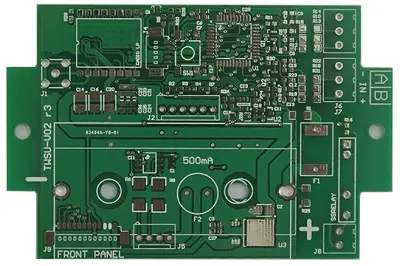
 PCB
PCB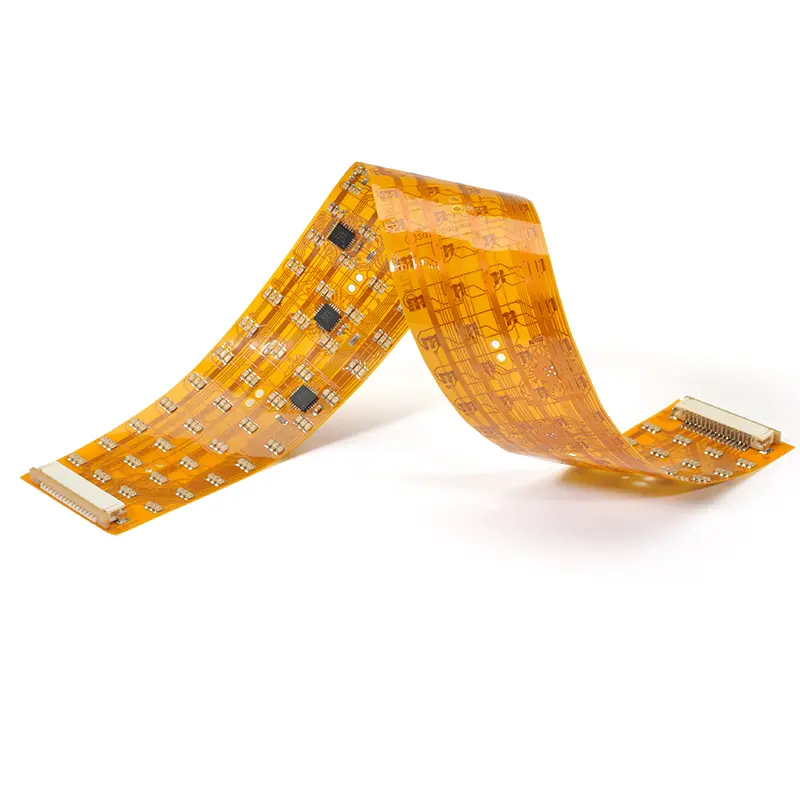 FPC
FPC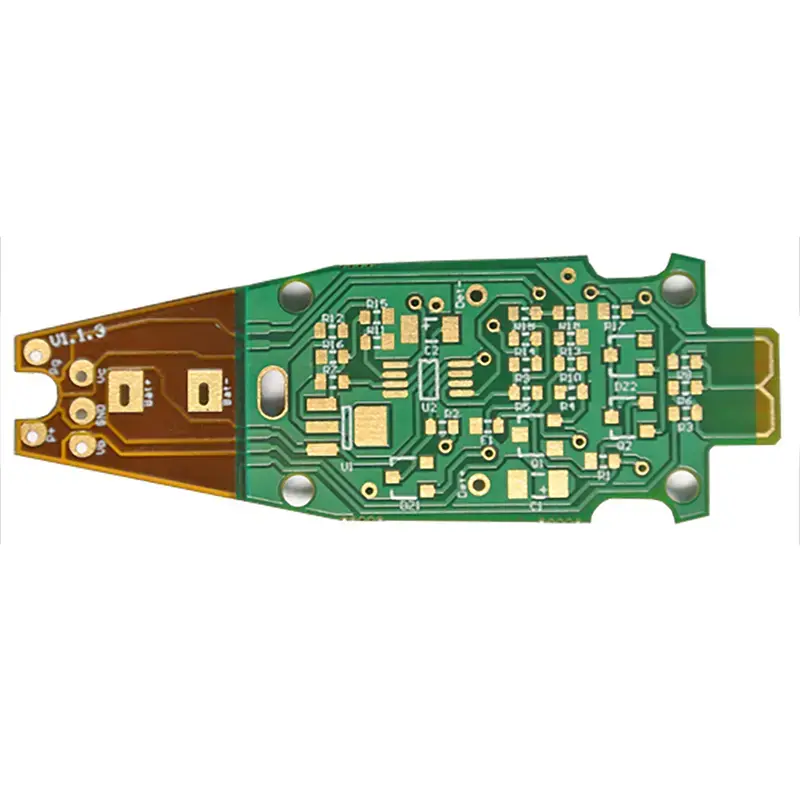 Rigid-Flex
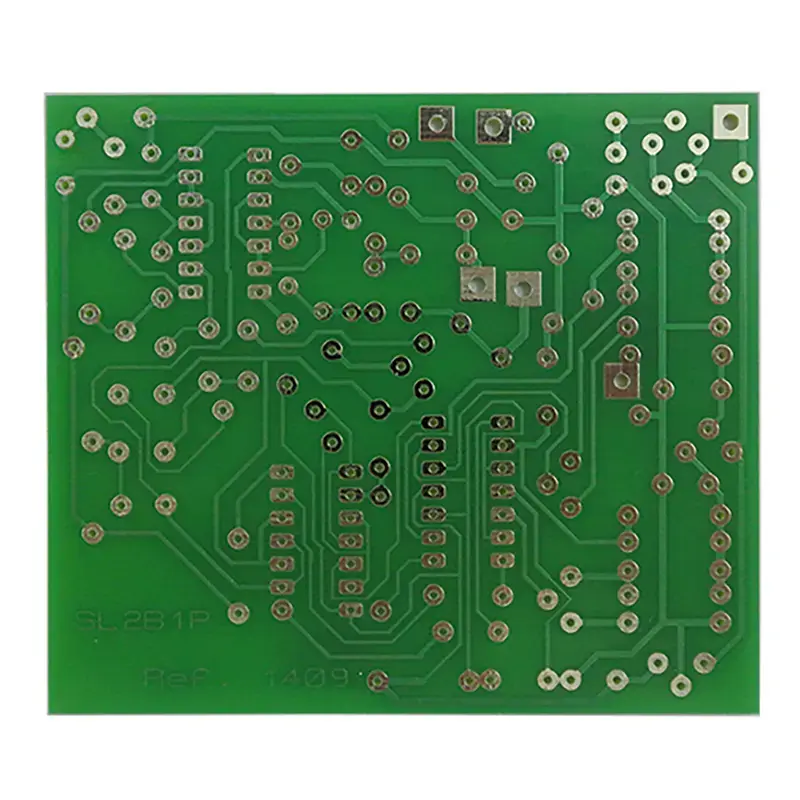 FR-4
FR-4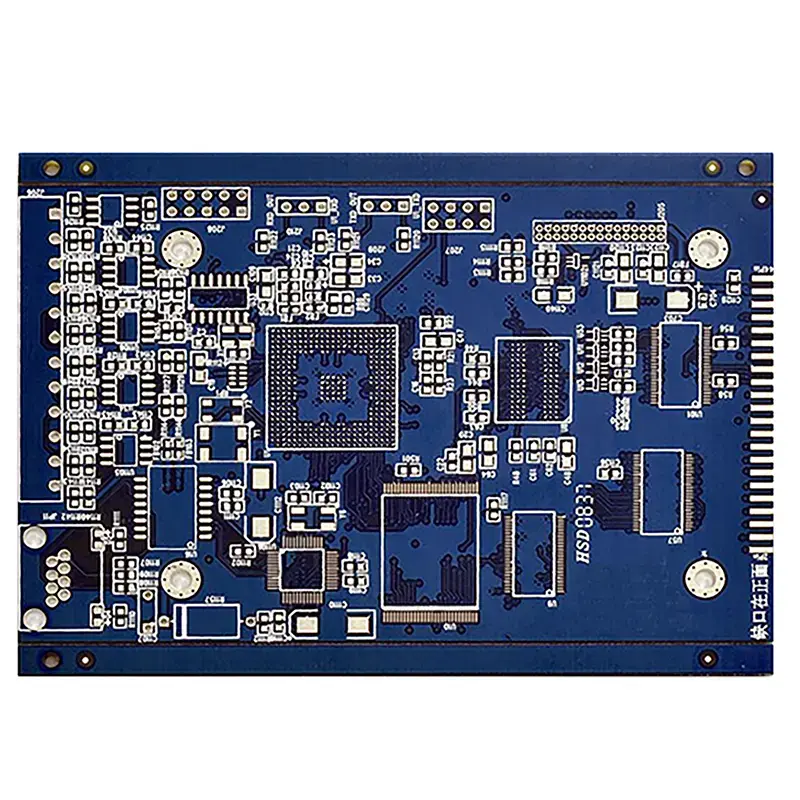 HDI PCB
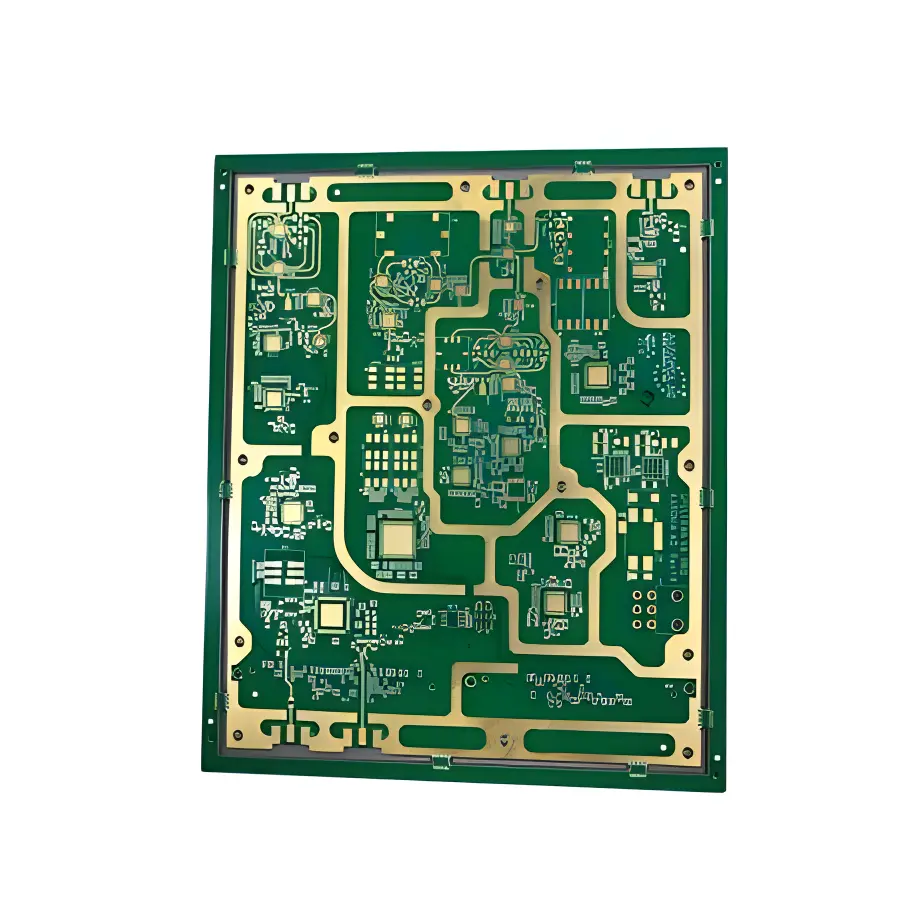 Rogers High-Frequency Board
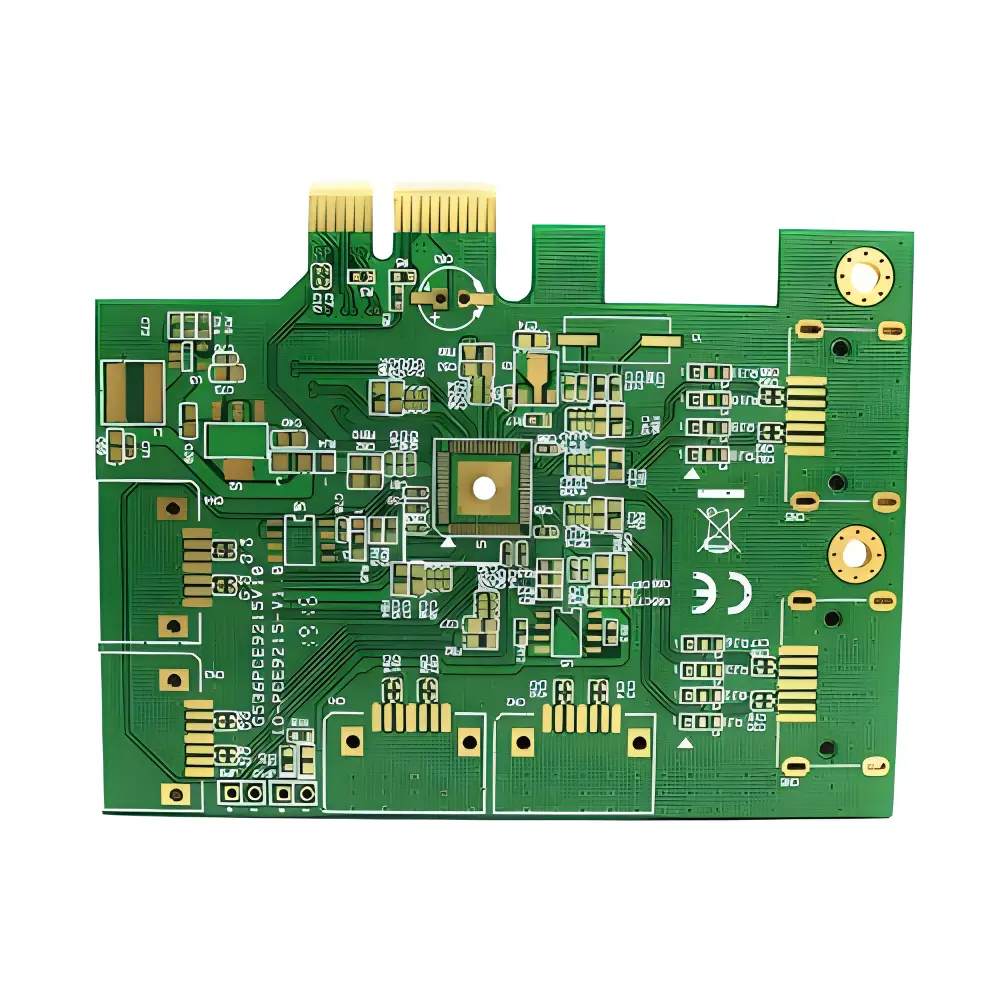 PTFE Teflon High-Frequency Board
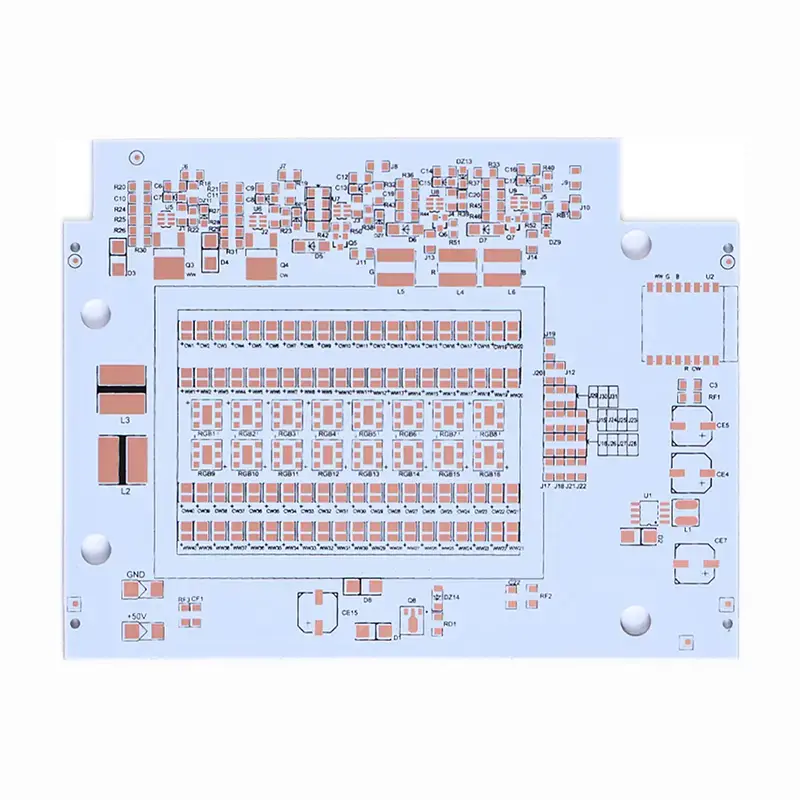 Aluminum
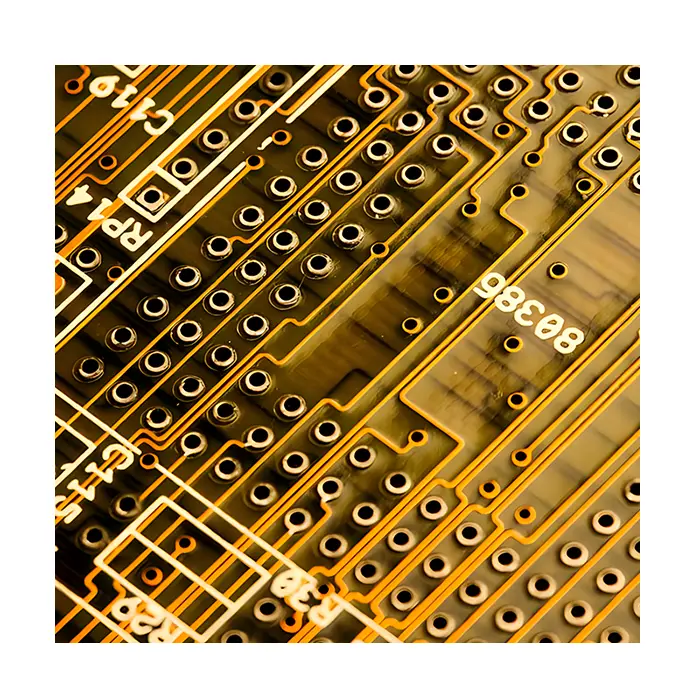 Copper Core
 PCB Assembly
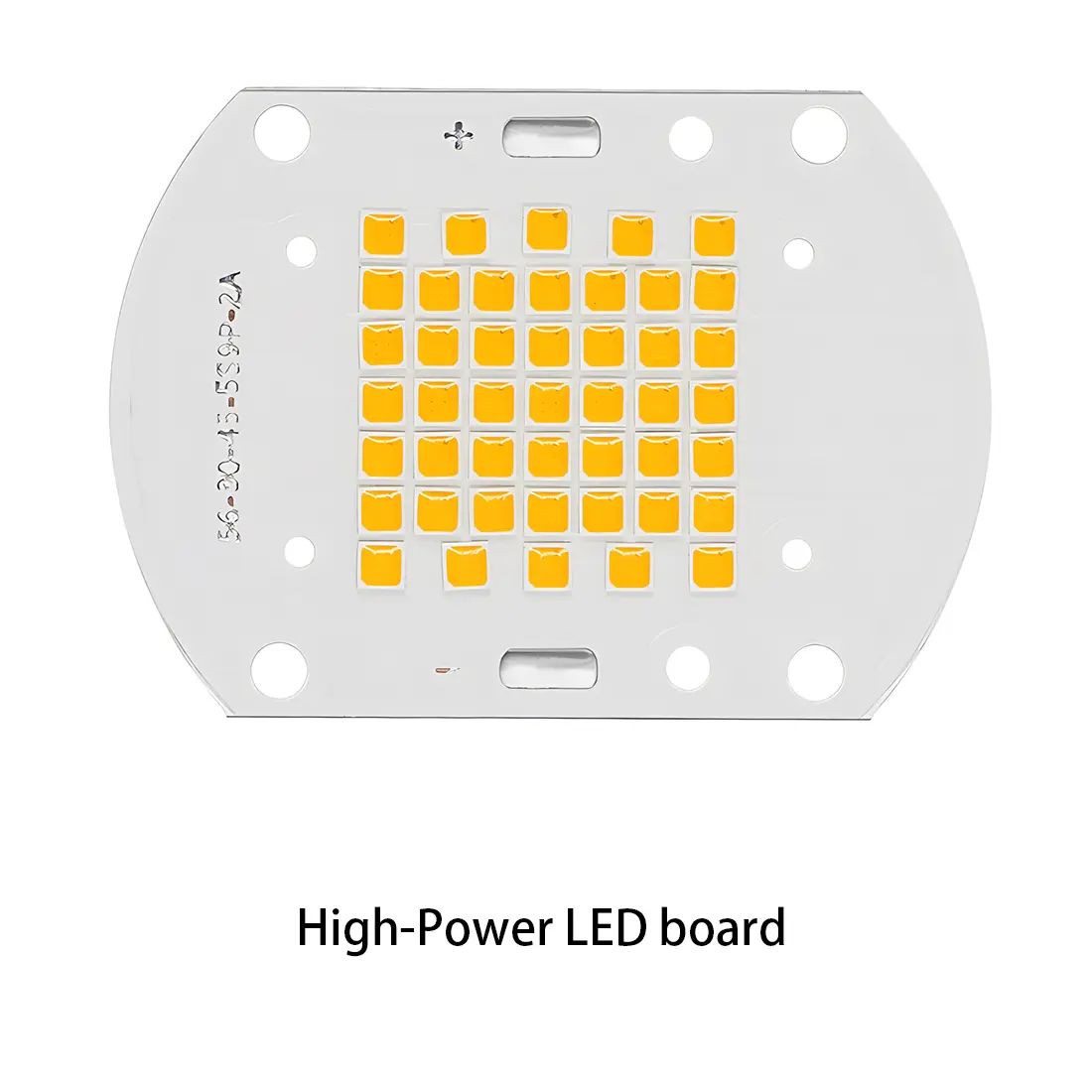 LED light PCBA
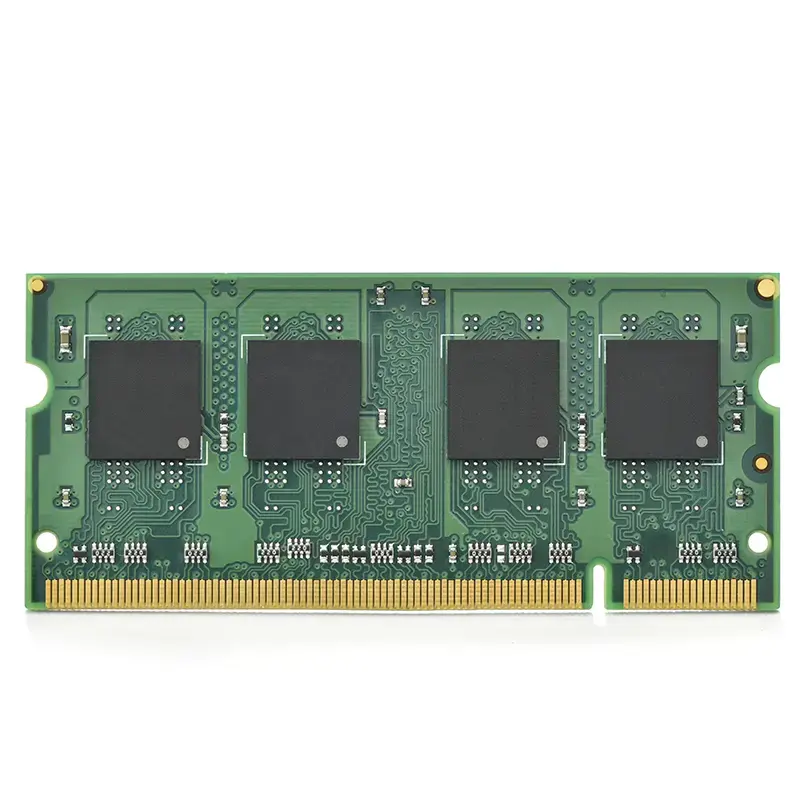
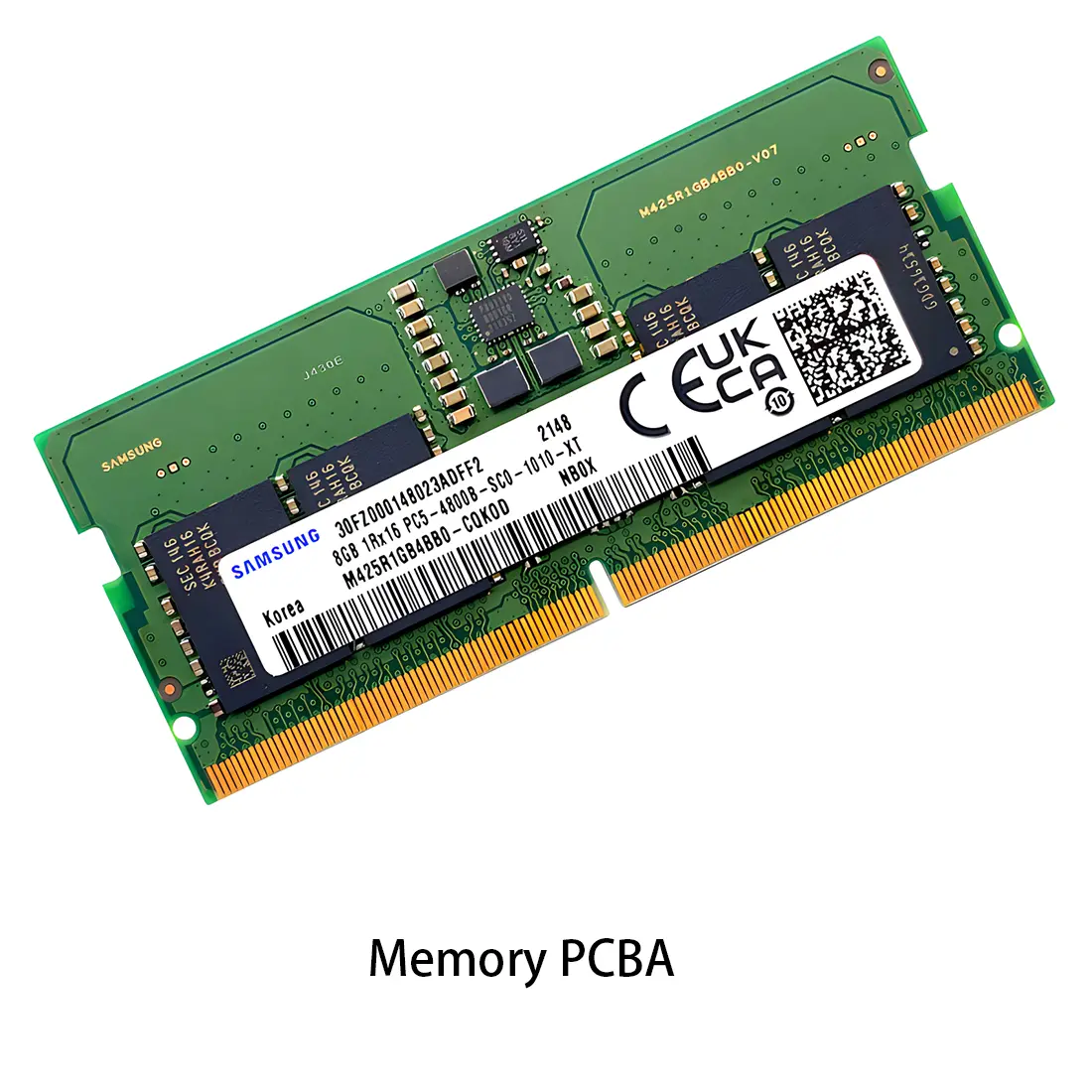 Memory PCBA
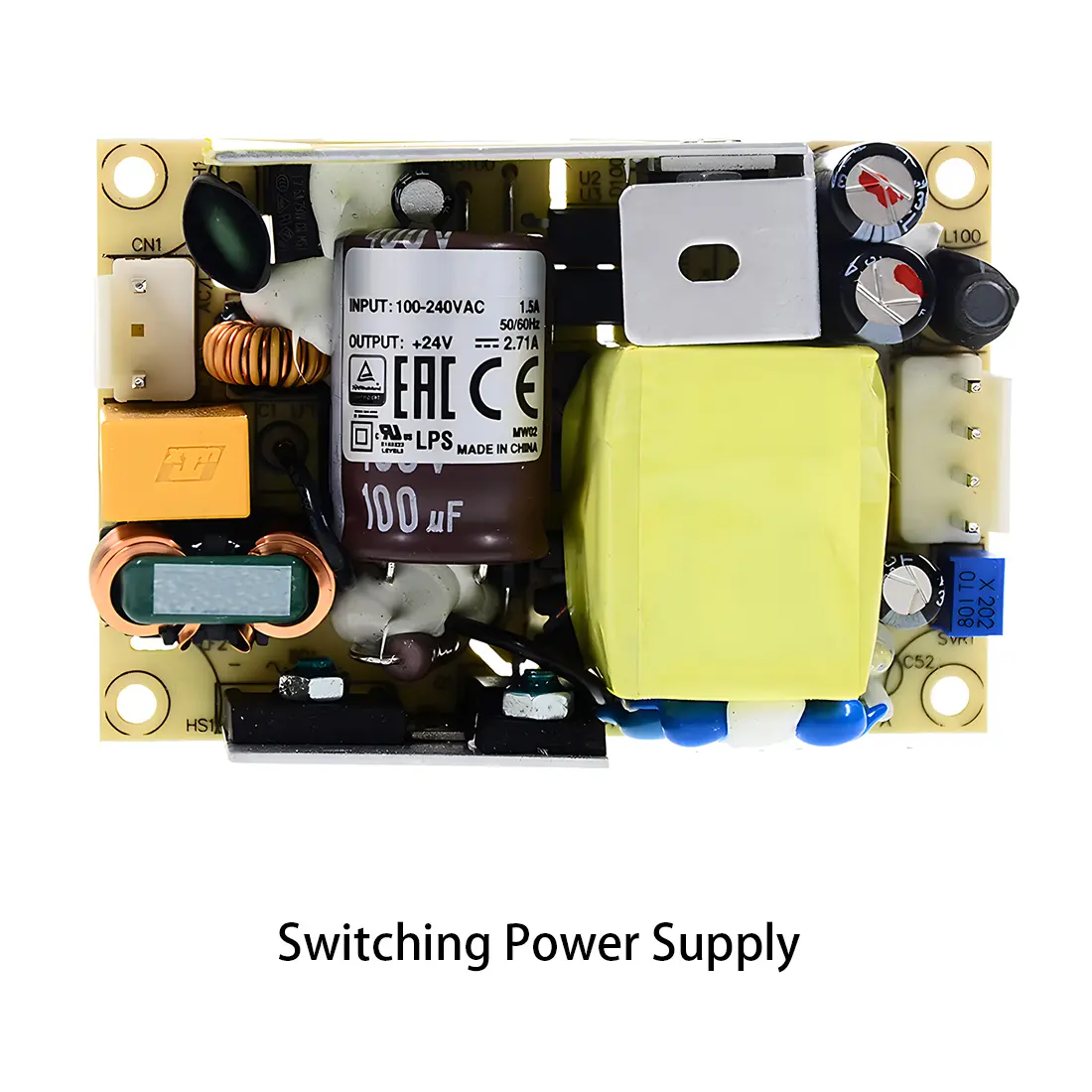 Power Supply PCBA
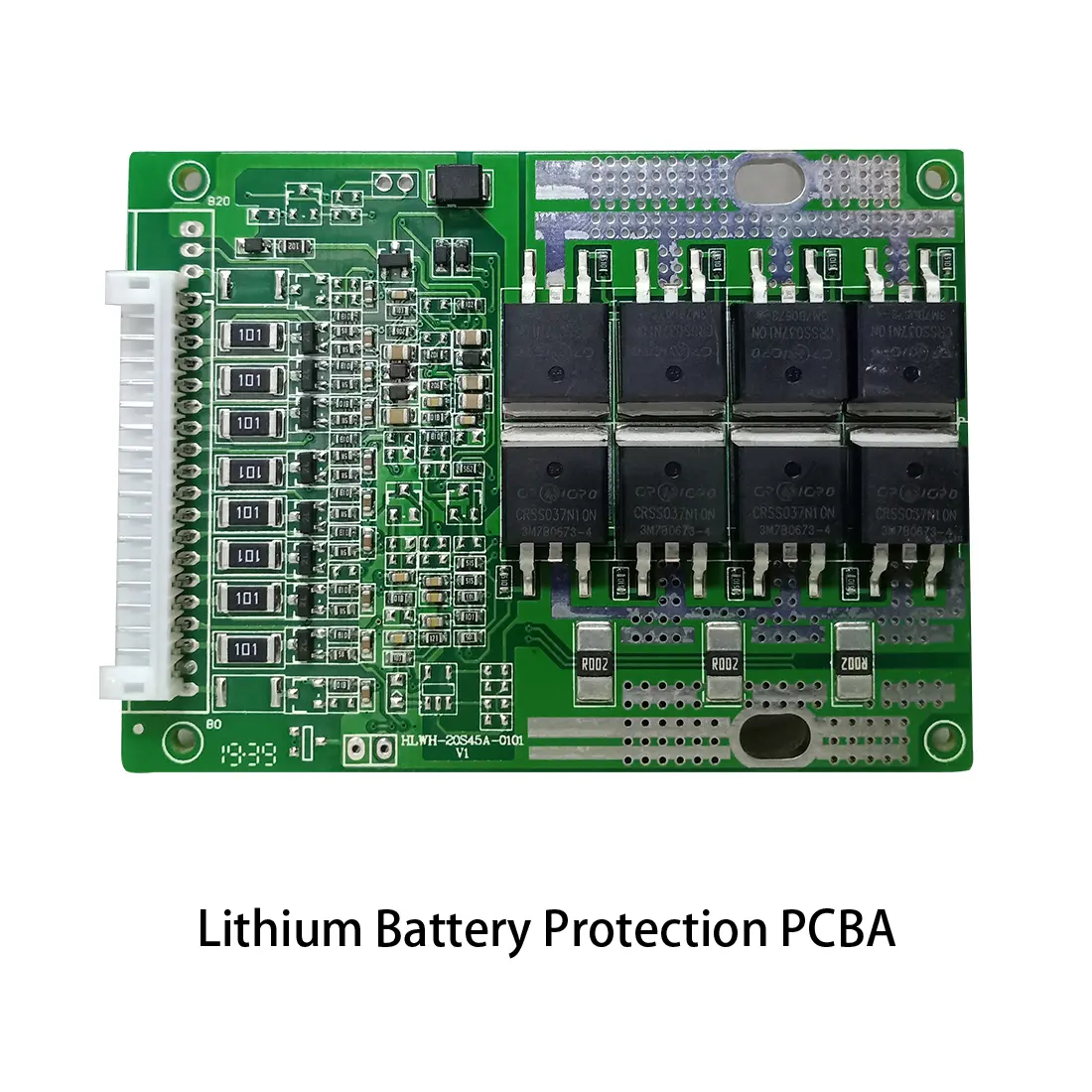 New Energey PCBA
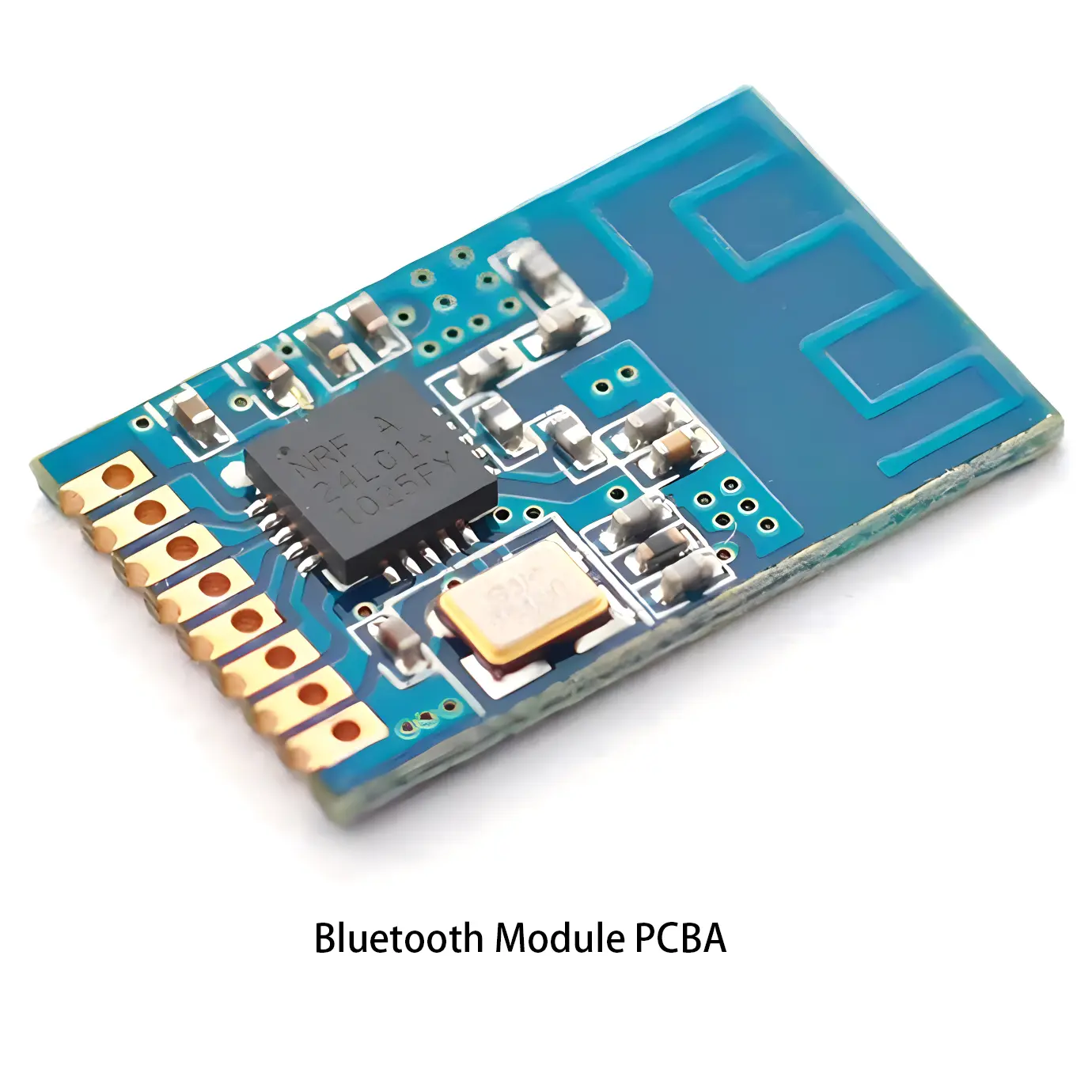 Communication PCBA
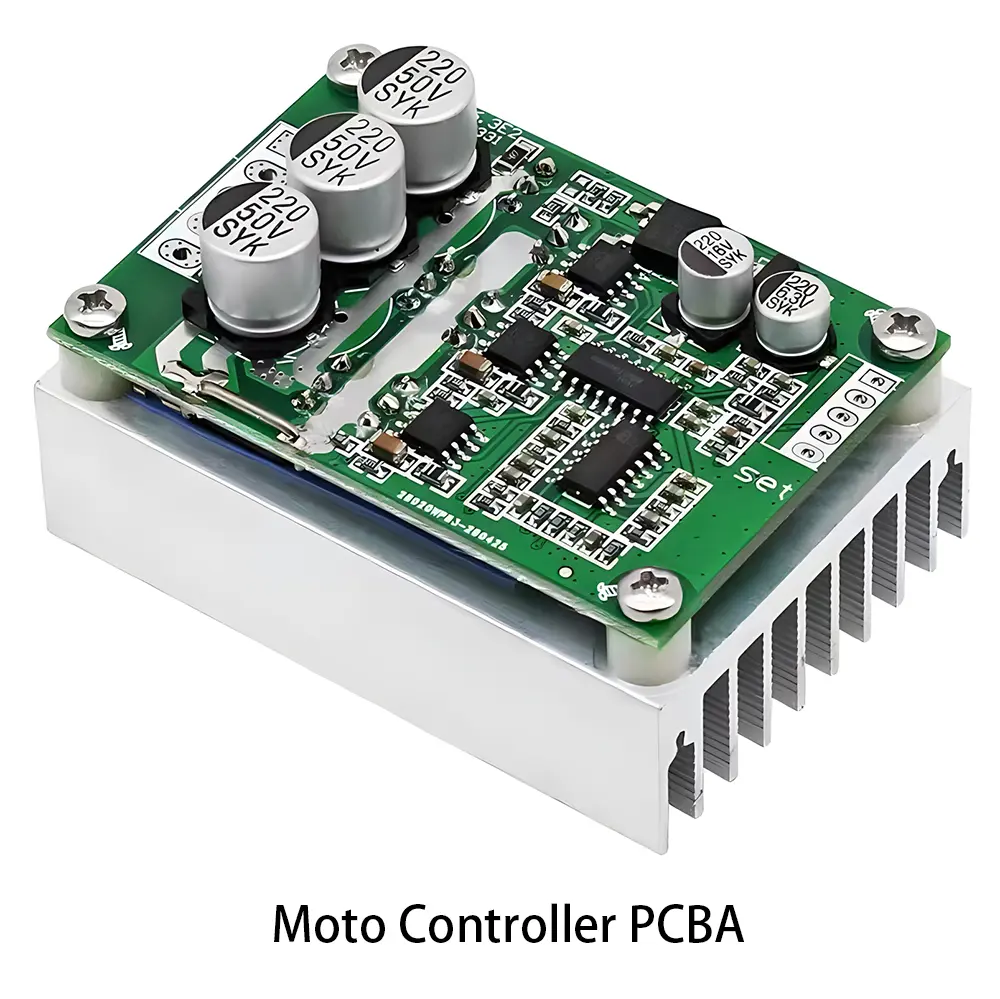 Industrial Control PCBA
 Medical Equipment PCBA
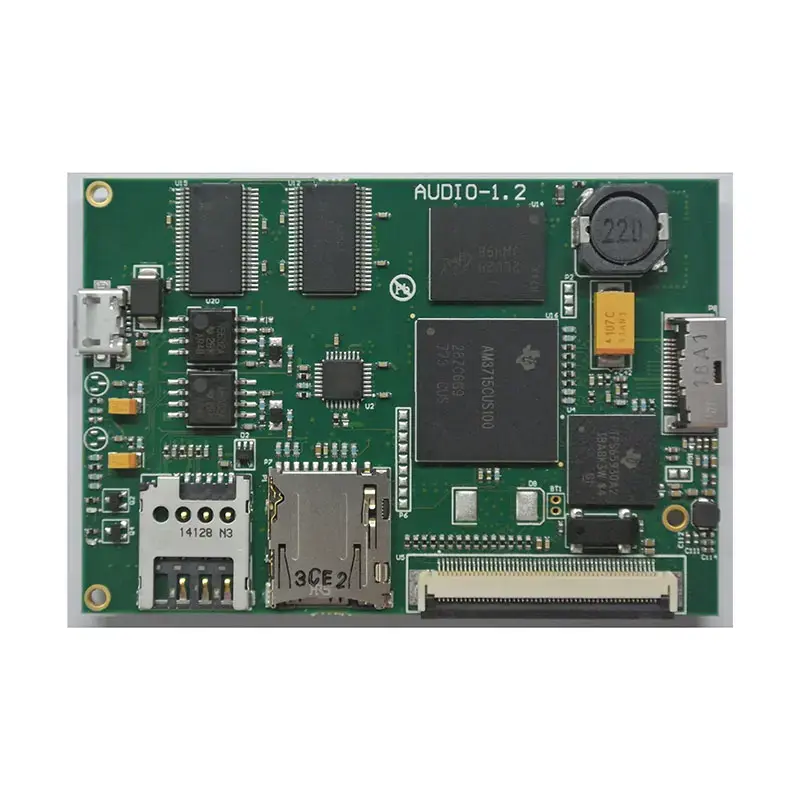 Testing Service
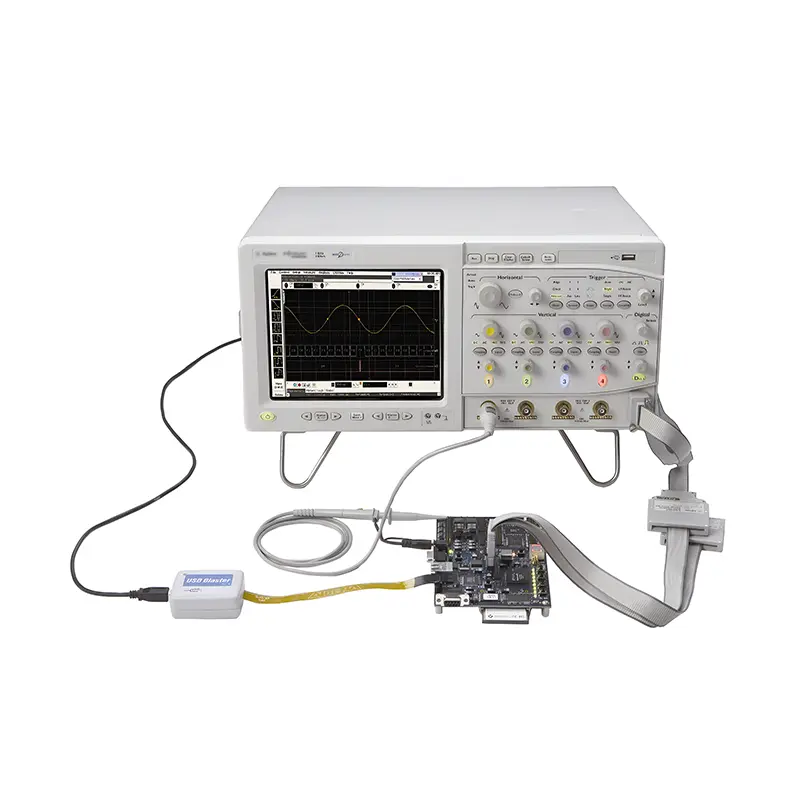 PCBA Testing Service
 Certification Application
 RoHS Certification Application
 REACH Certification Application
 CE Certification Application
 FCC Certification Application
 CQC Certification Application
 UL Certification Application
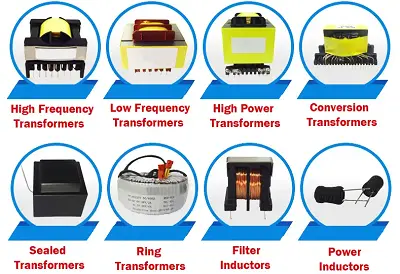 Transformers, Inductors
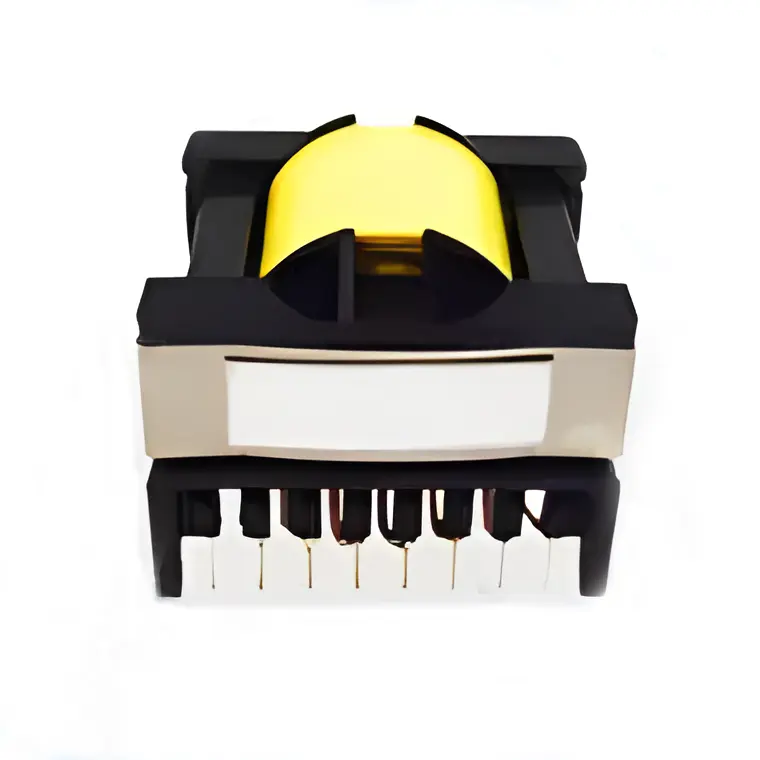 High Frequency Transformers
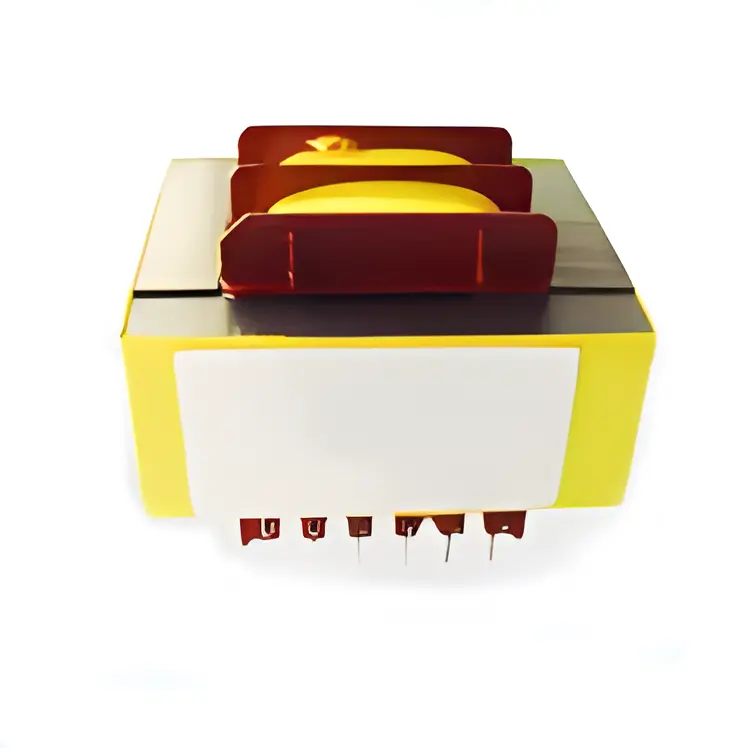 Low Frequency Transformers
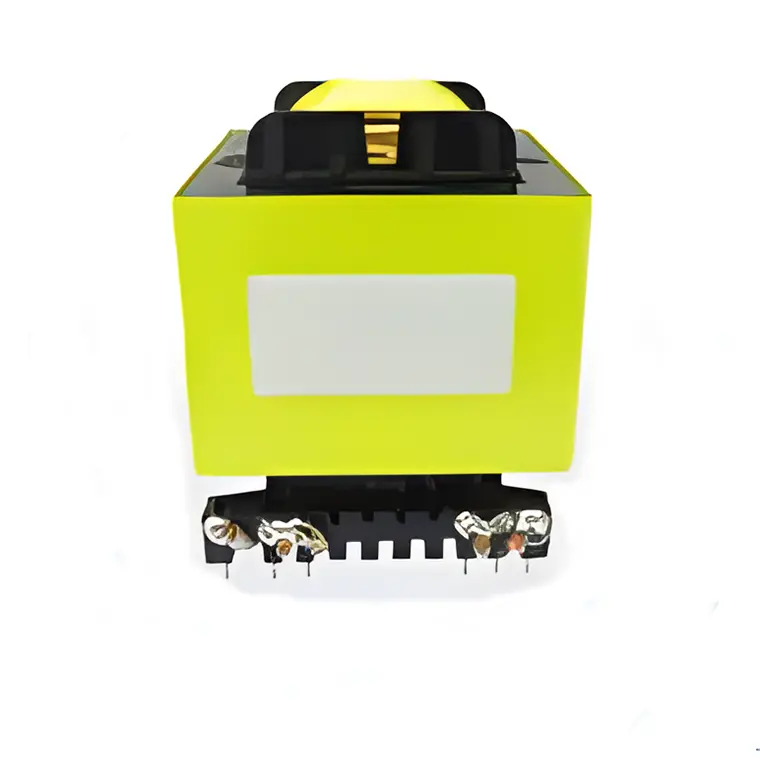 High Power Transformers
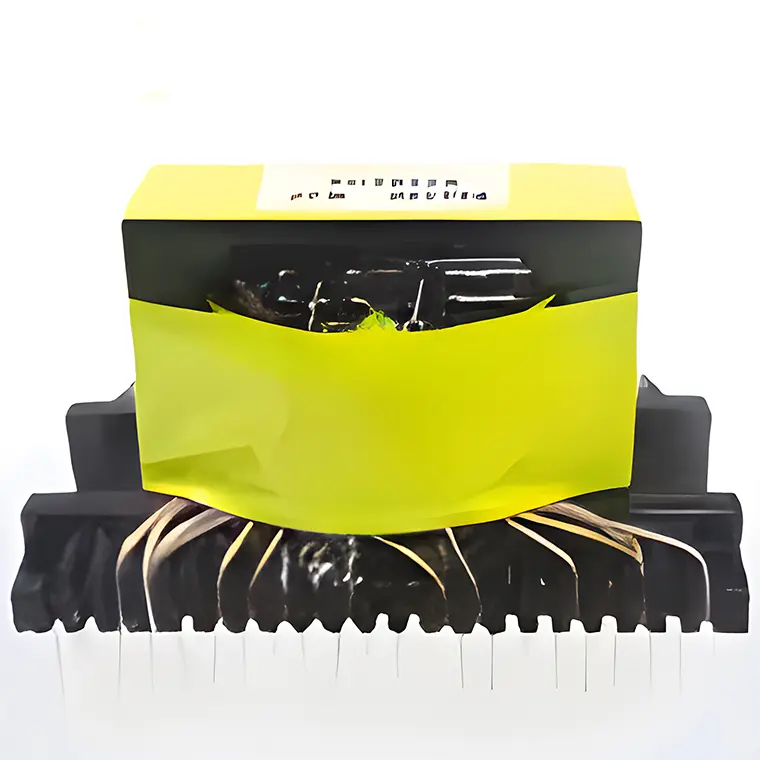 Conversion Transformers
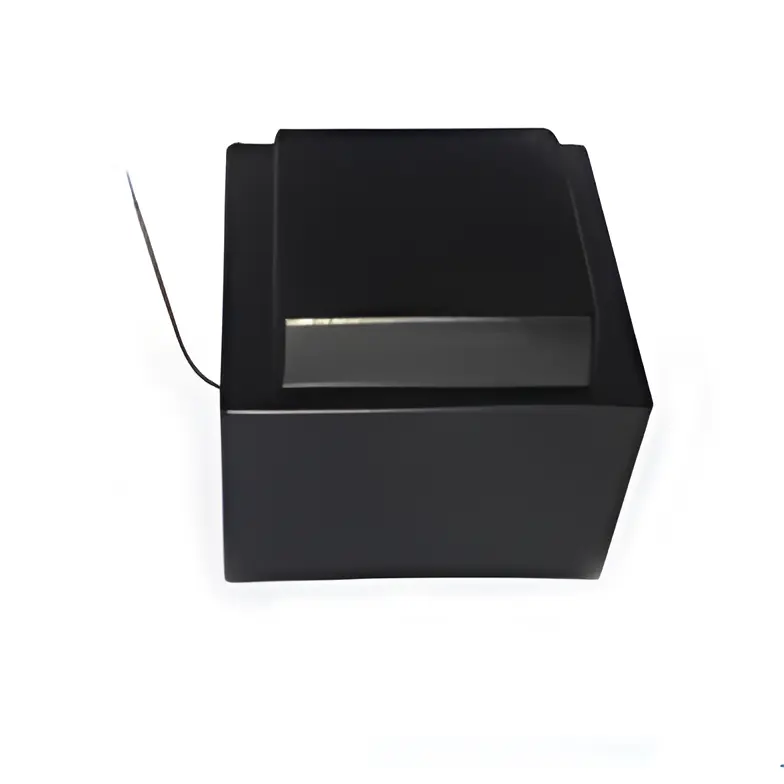 Sealed Transformers
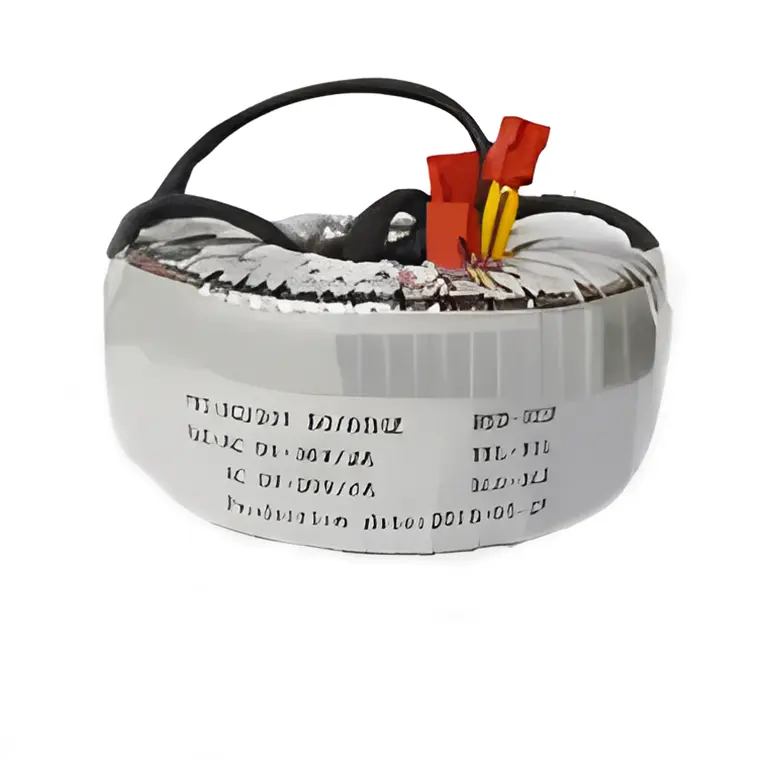 Ring Transformers
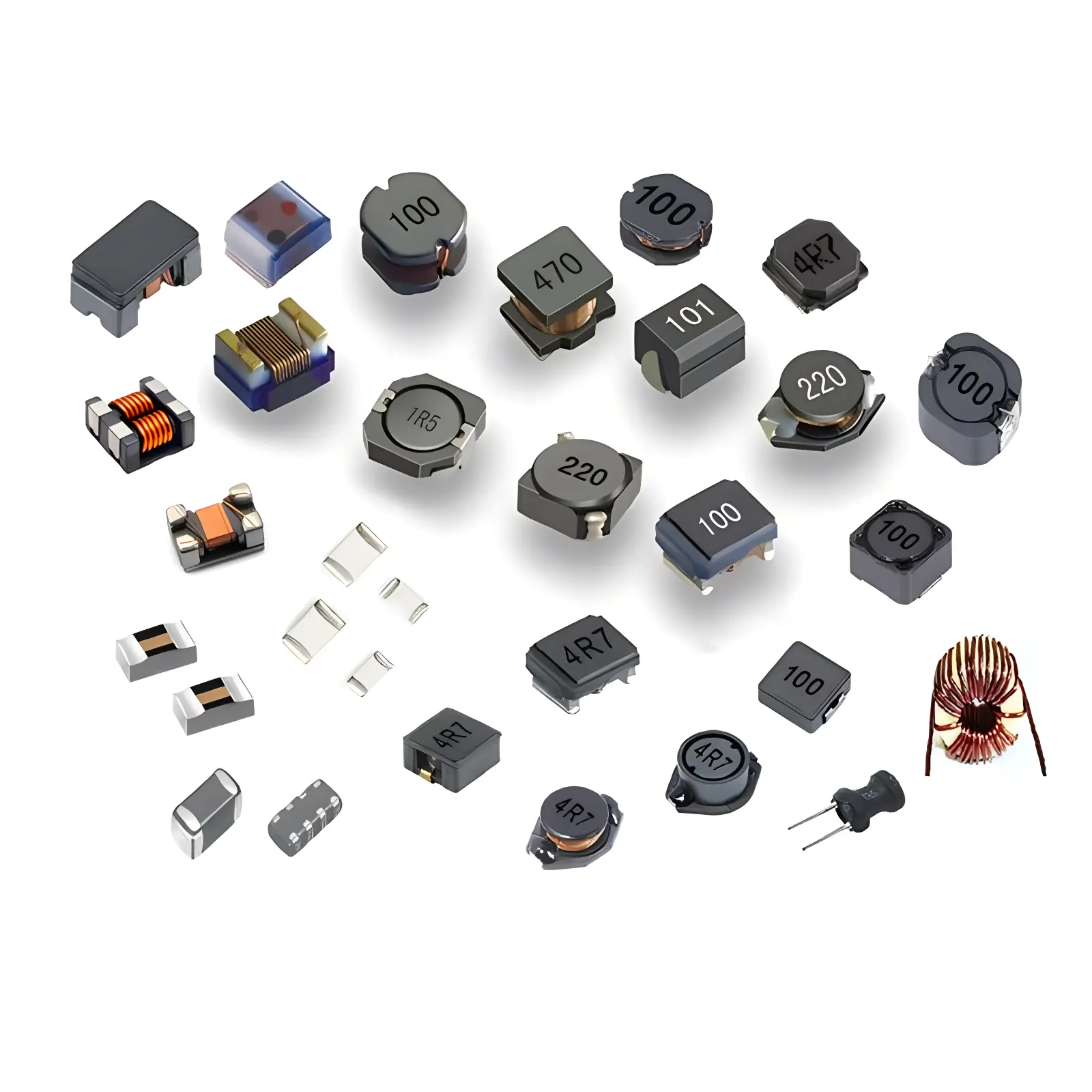 Inductors
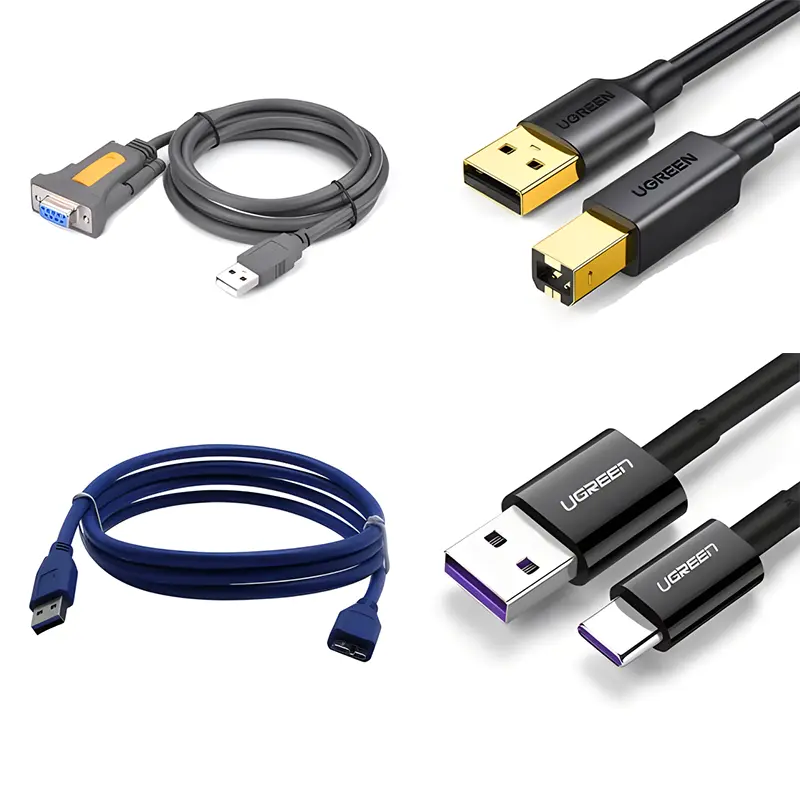 Wires,Cables Customized
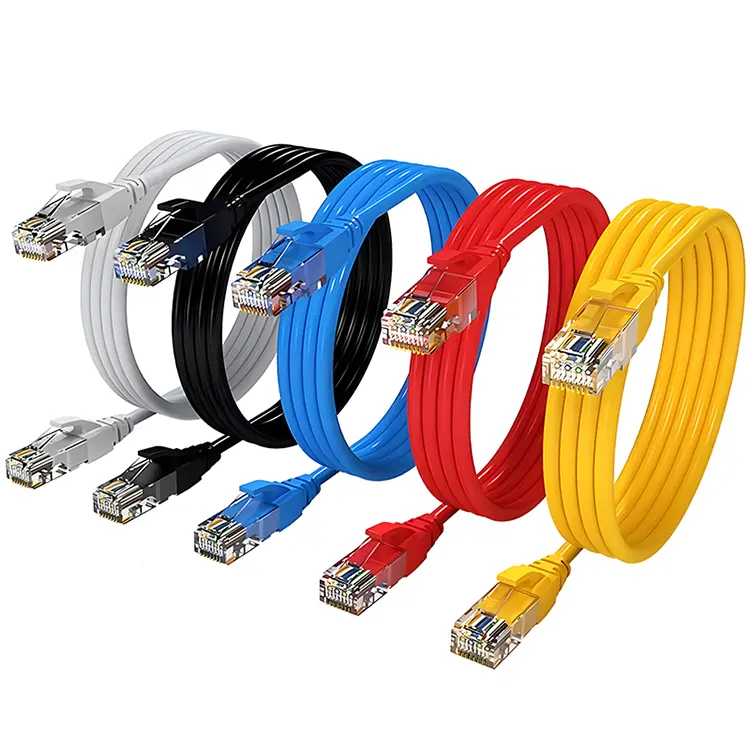 Network Cables
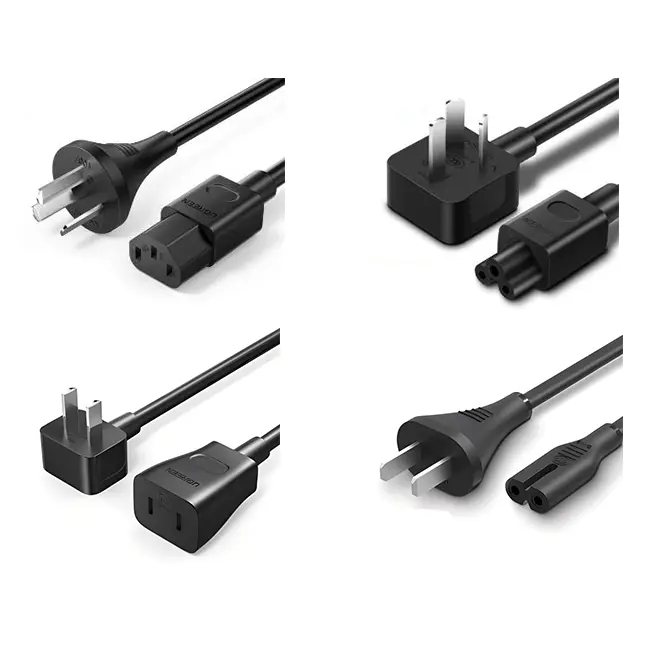 Power Cords
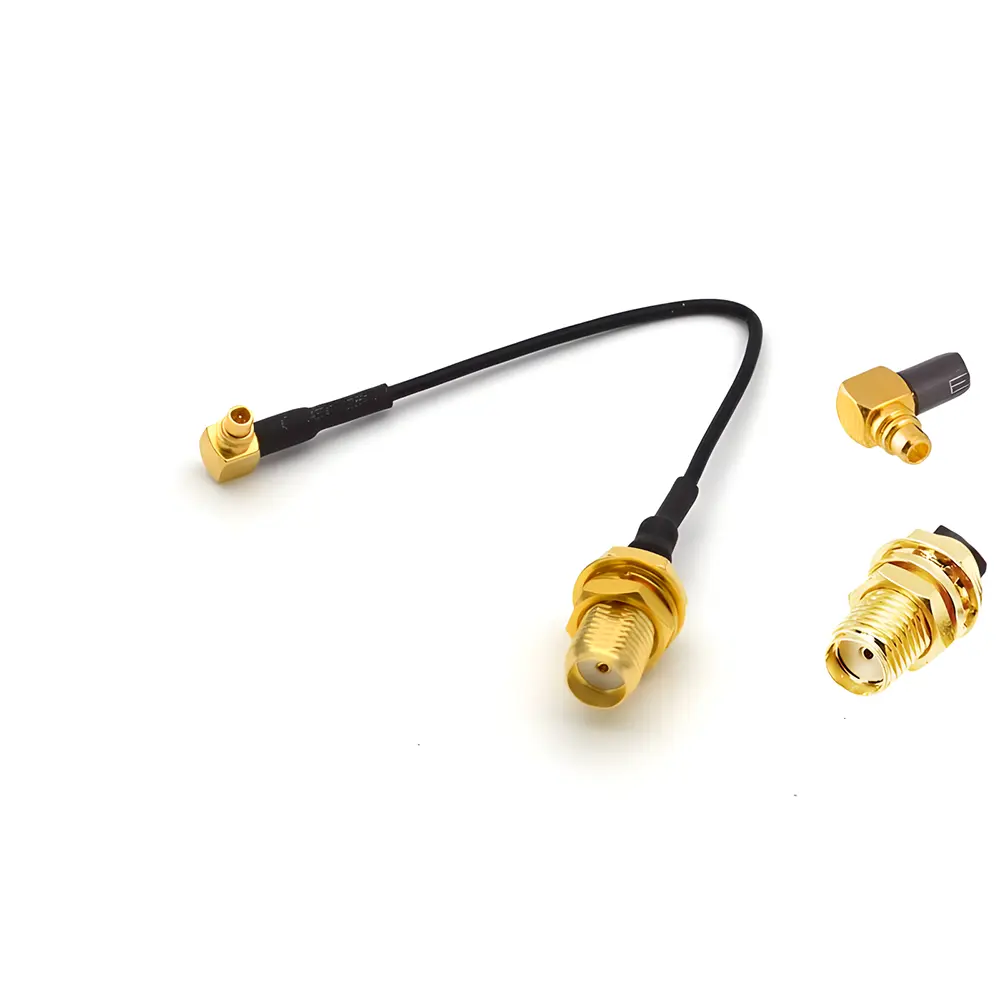 Antenna Cables
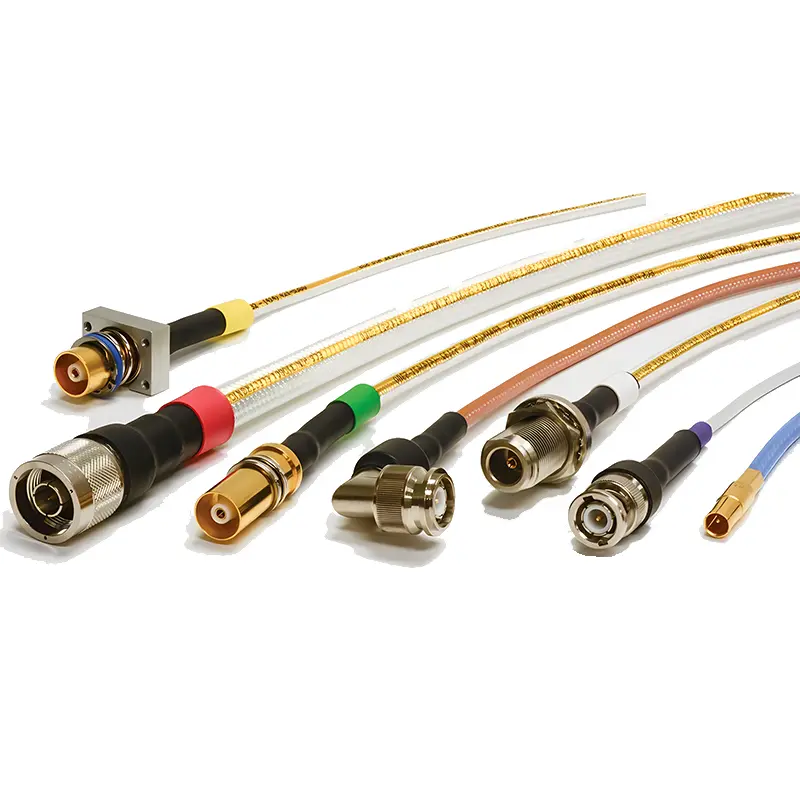 Coaxial Cables
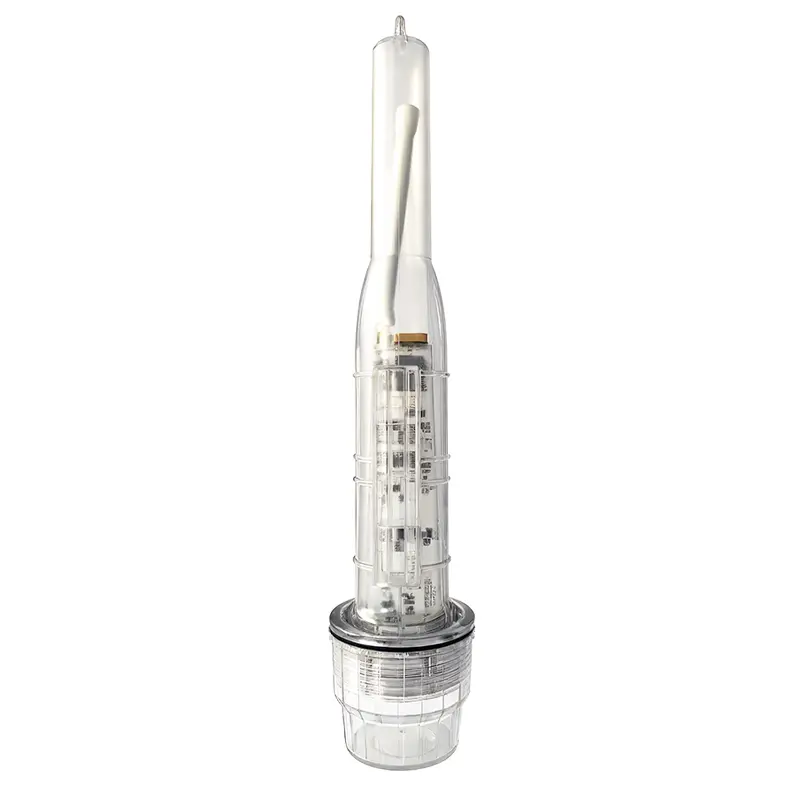 Net Position Indicator
 Solar AIS net position indicator
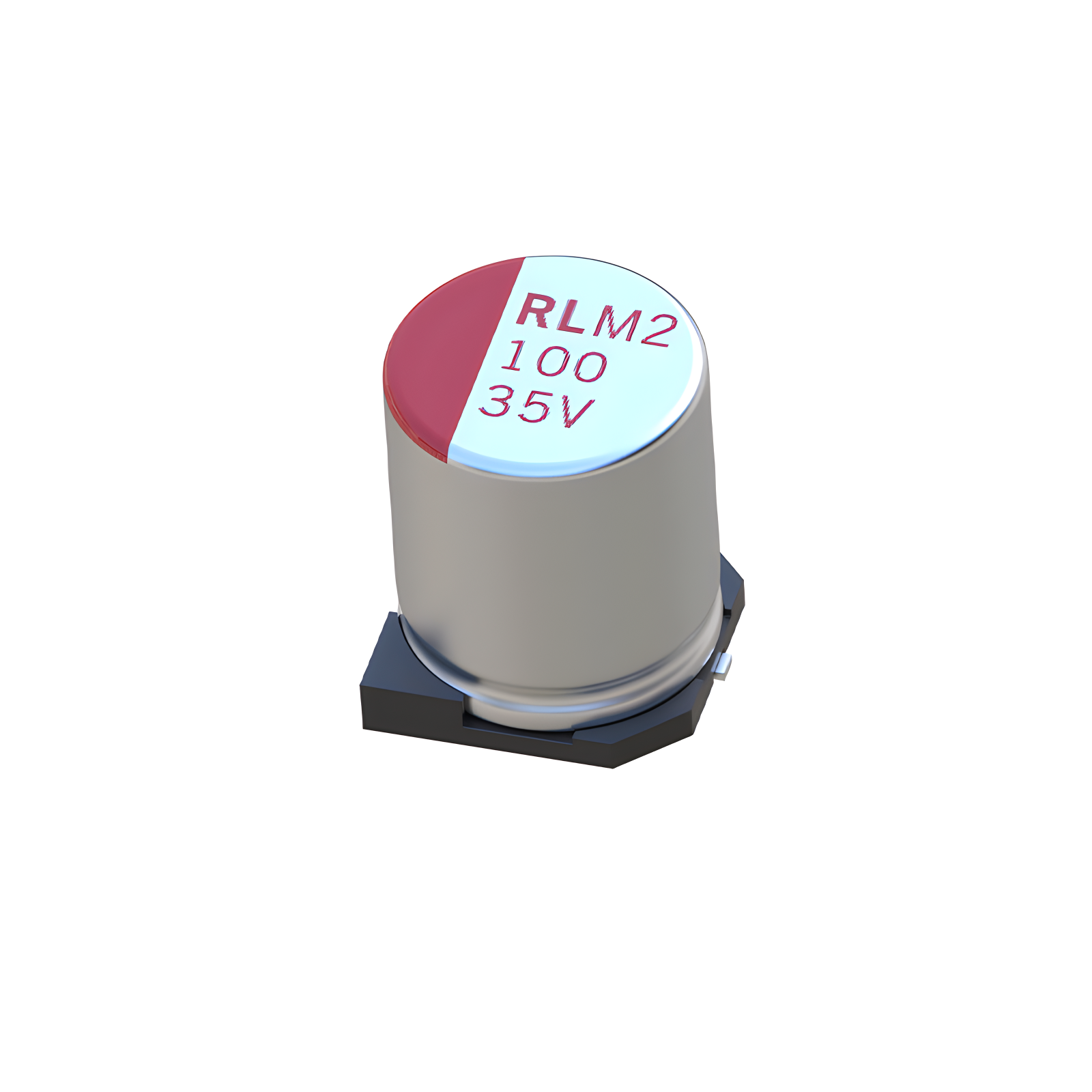 Capacitors
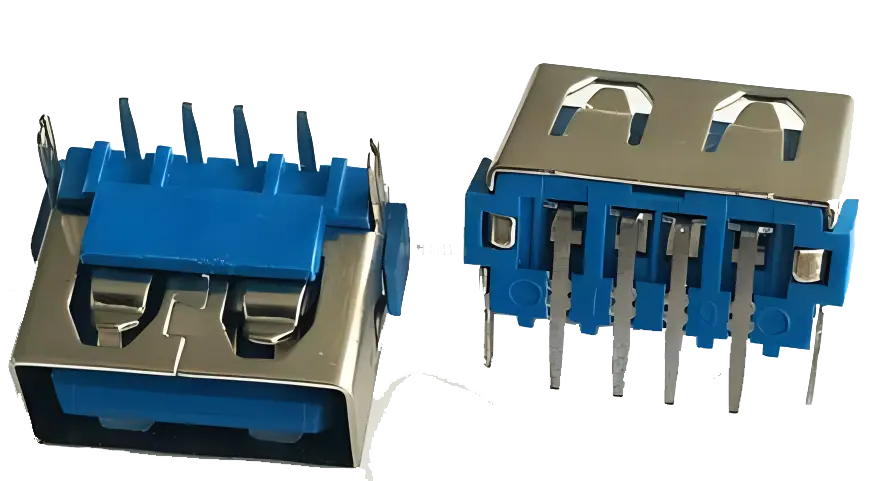 Connectors
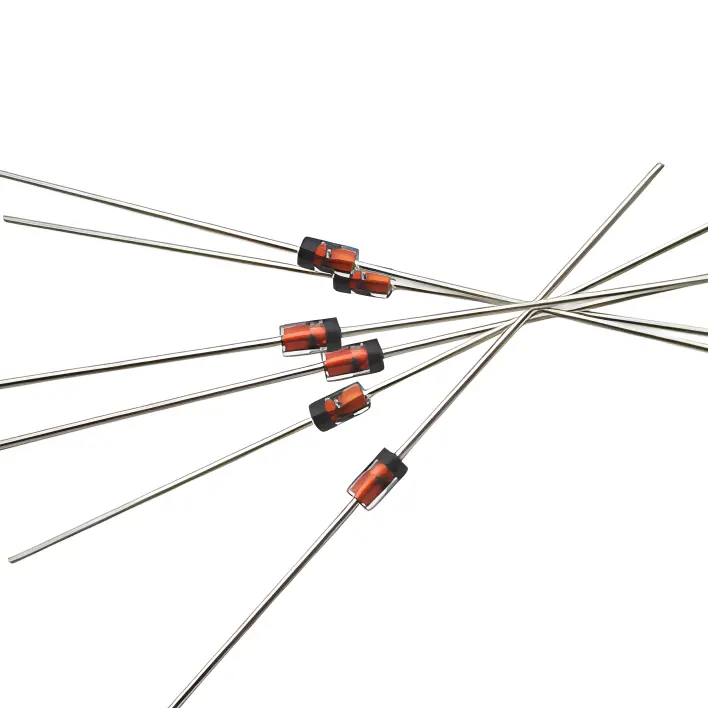 Diodes
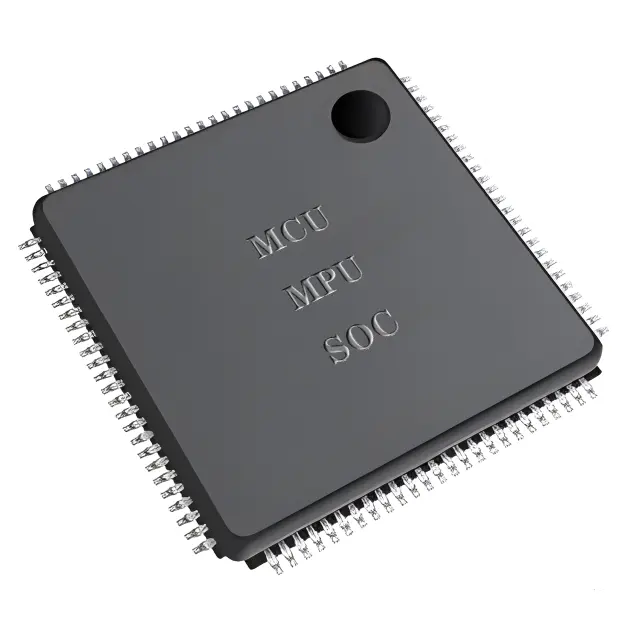 Embedded Processors & Controllers
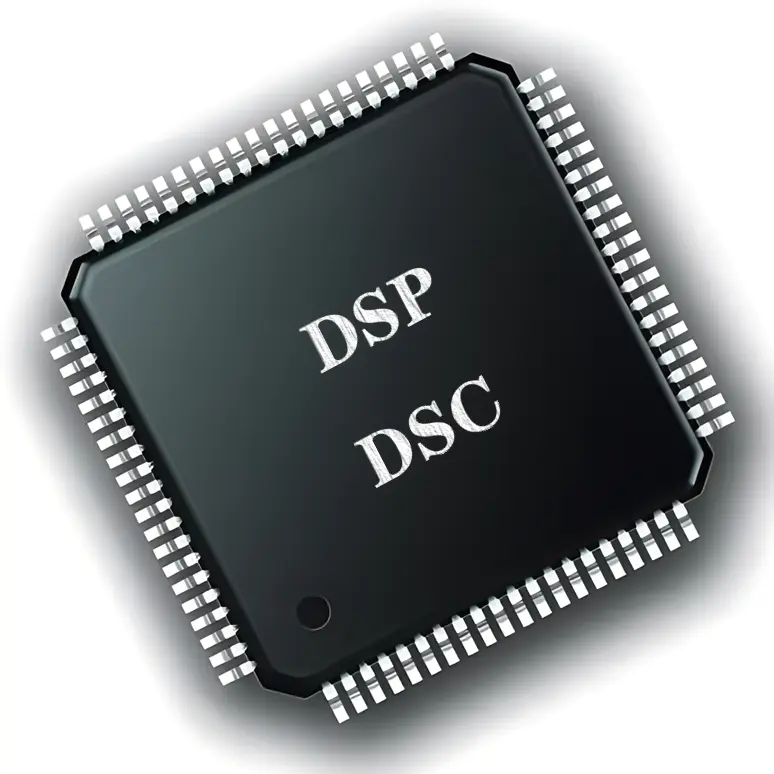 Digital Signal Processors (DSP/DSC)
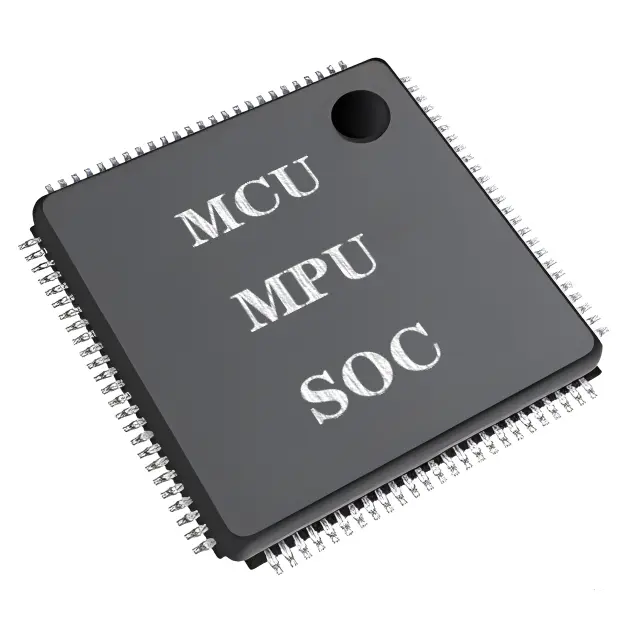 Microcontrollers (MCU/MPU/SOC)
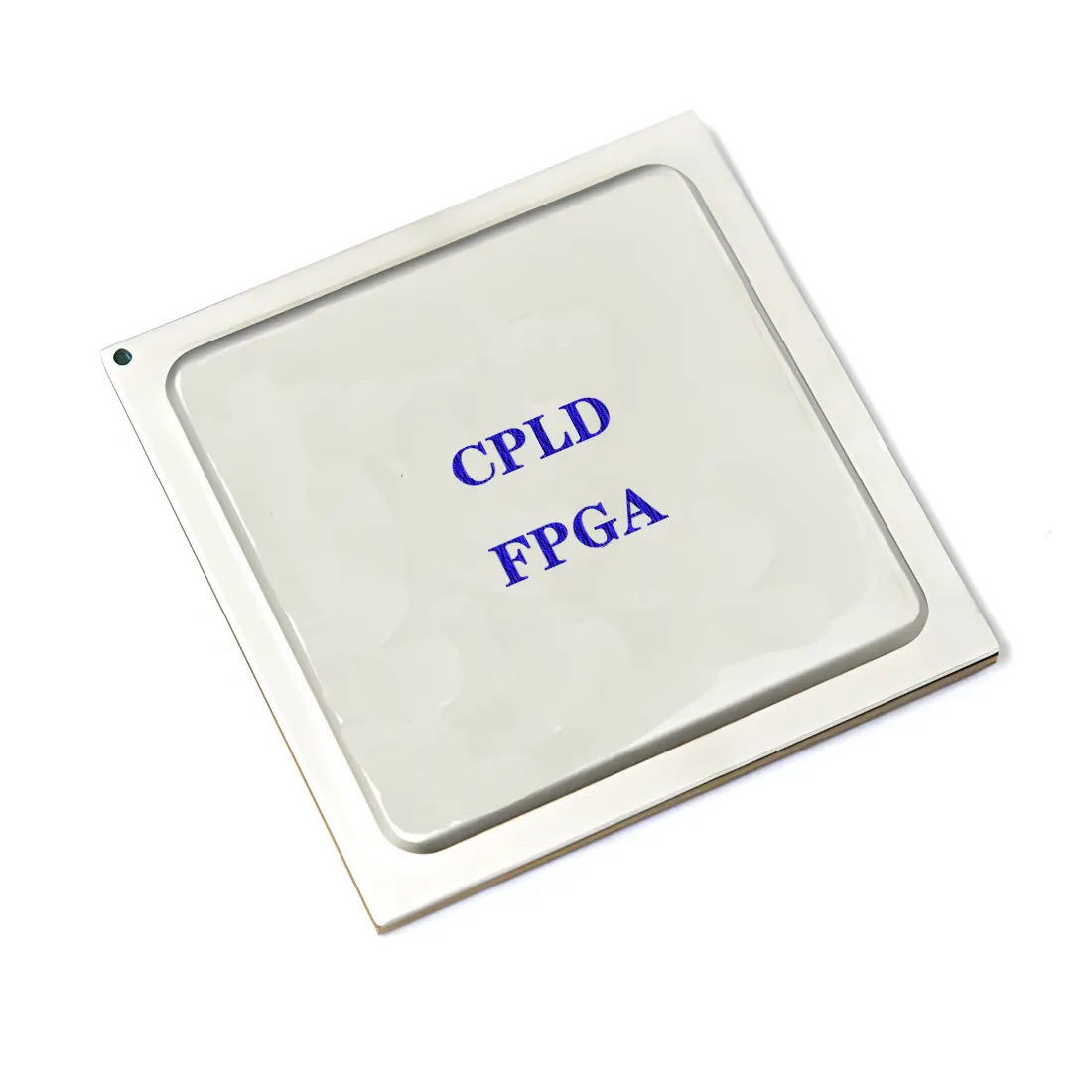 Programmable Logic Device(CPLD/FPGA)
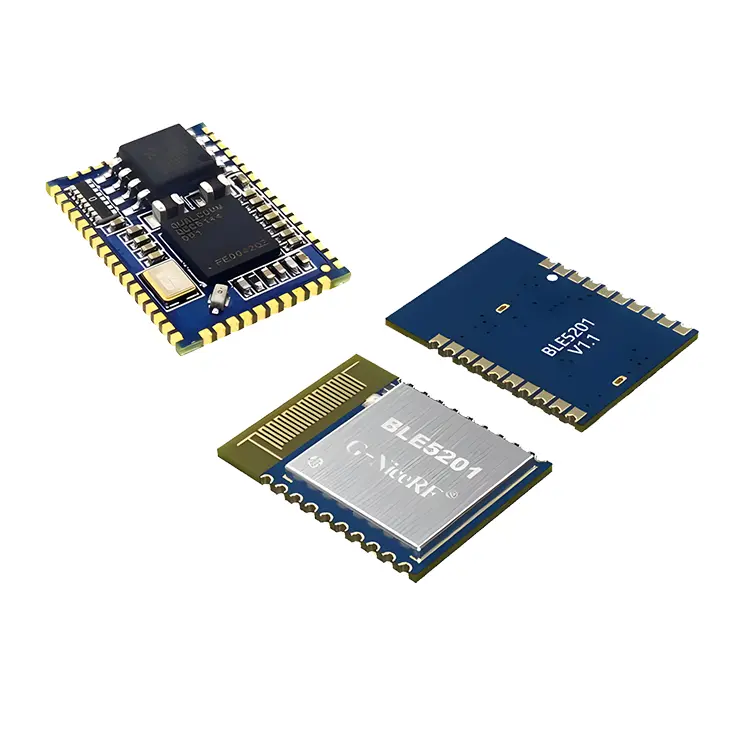 Communication Modules/IoT
 Resistors
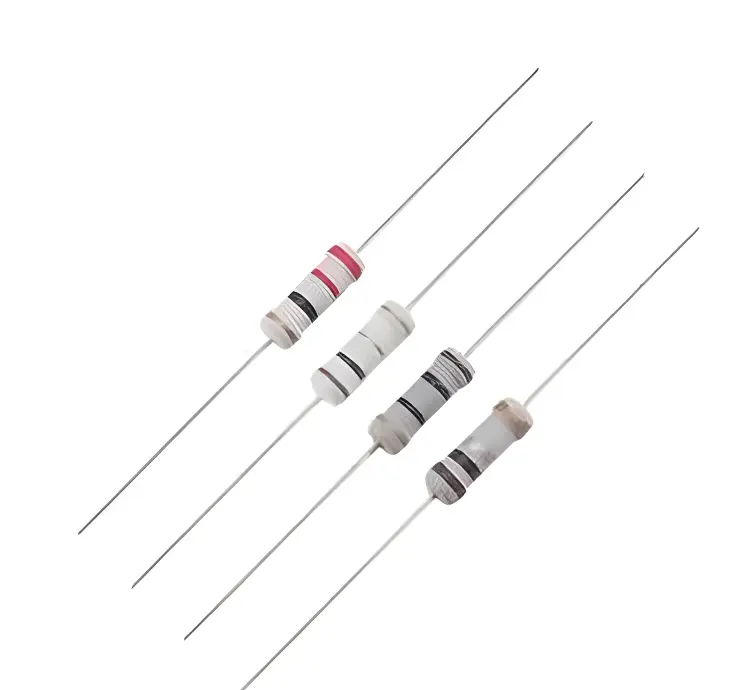 Through Hole Resistors
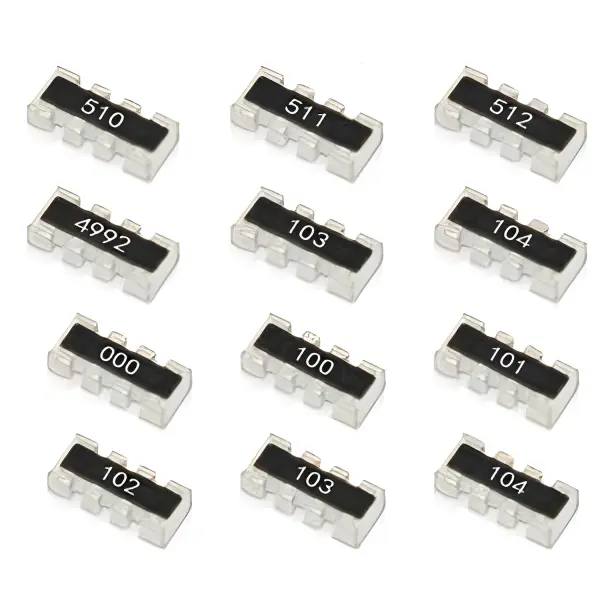 Resistor Networks, Arrays
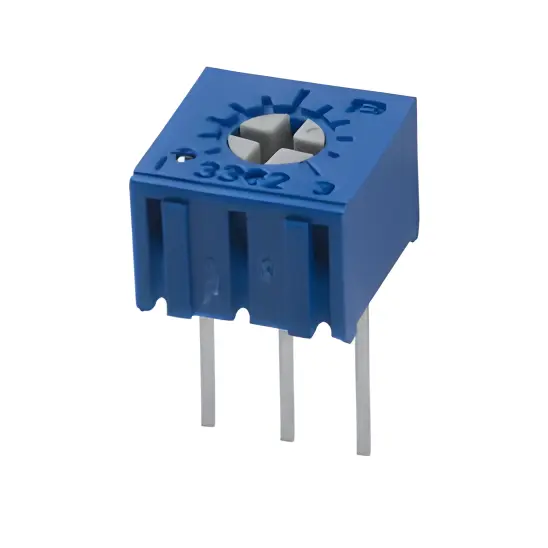 Potentiometers,Variable Resistors
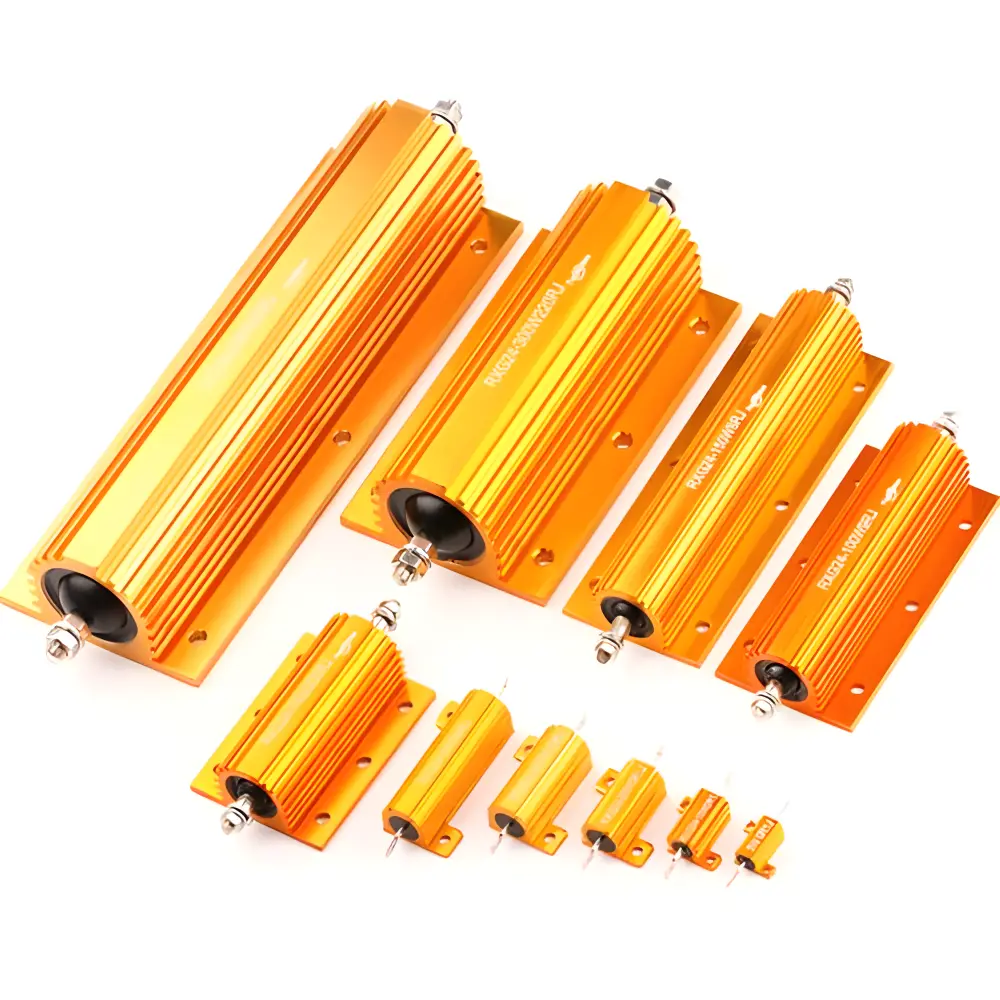 Aluminum Case,Porcelain Tube Resistance
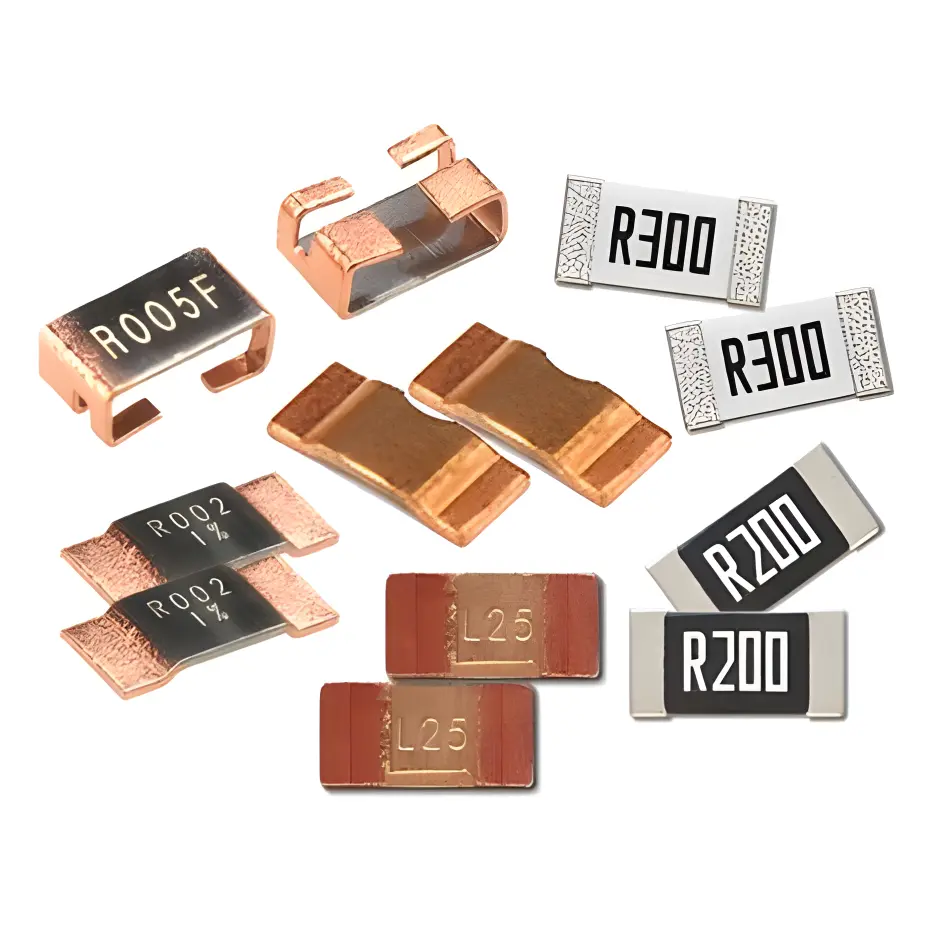 Current Sense Resistors,Shunt Resistors
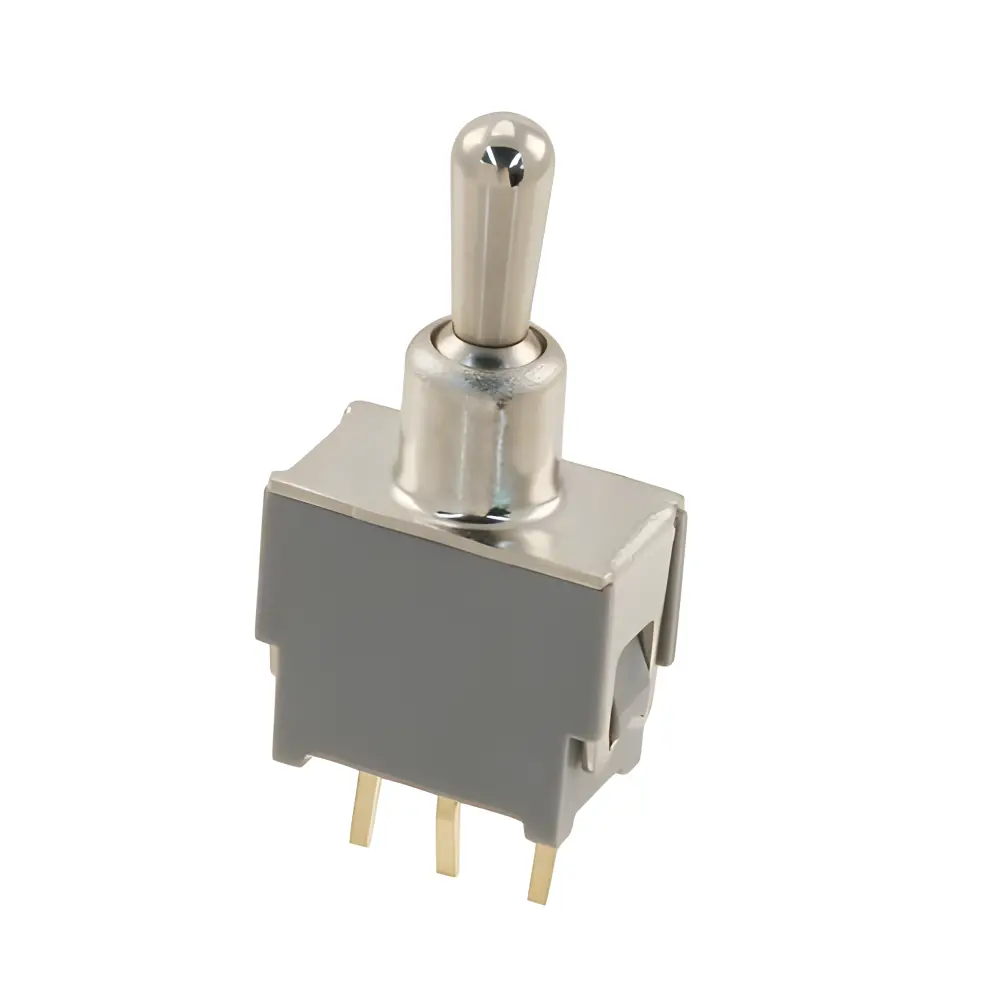 Switches
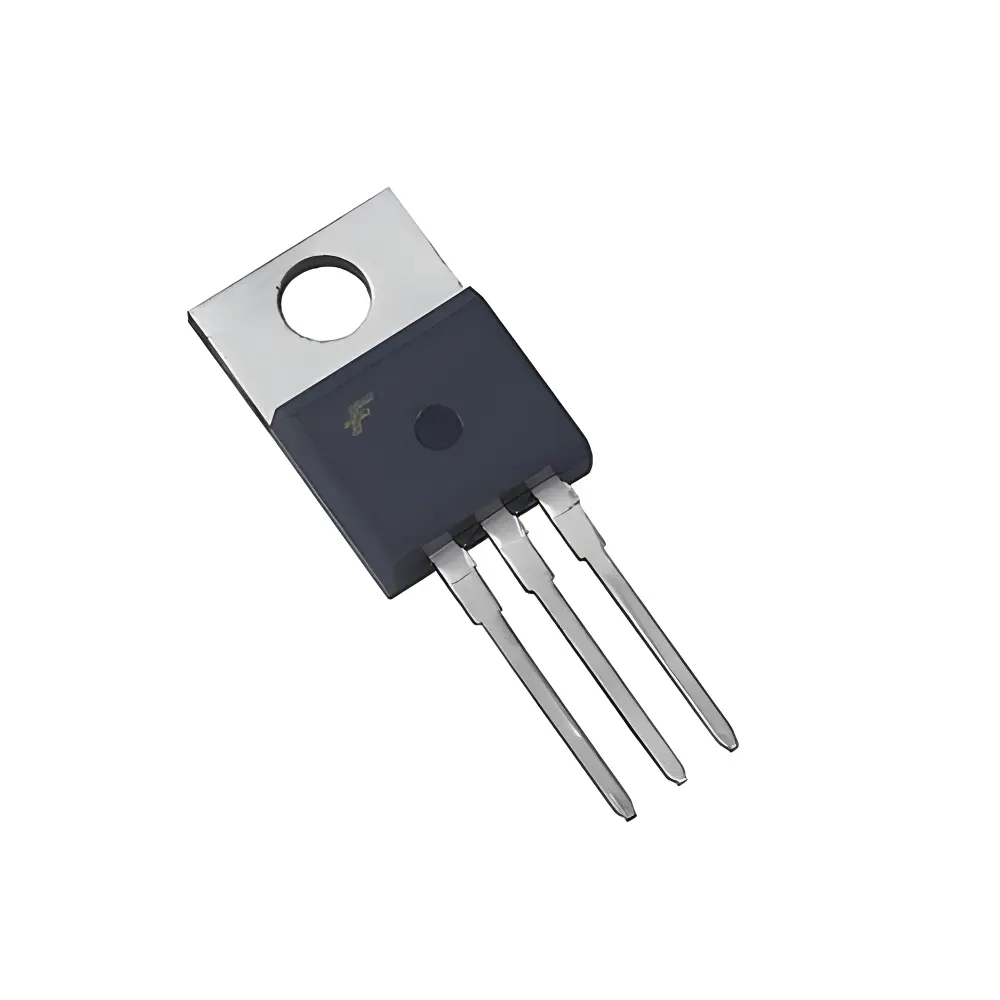 Transistors
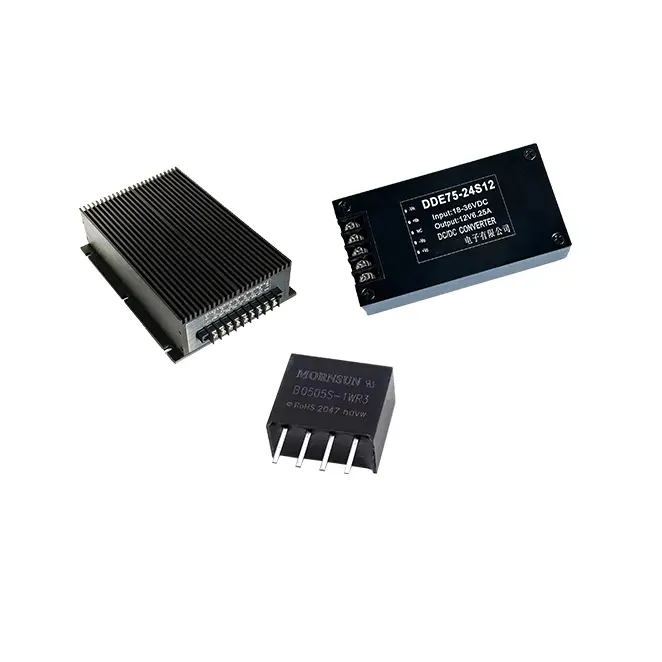 Power Modules
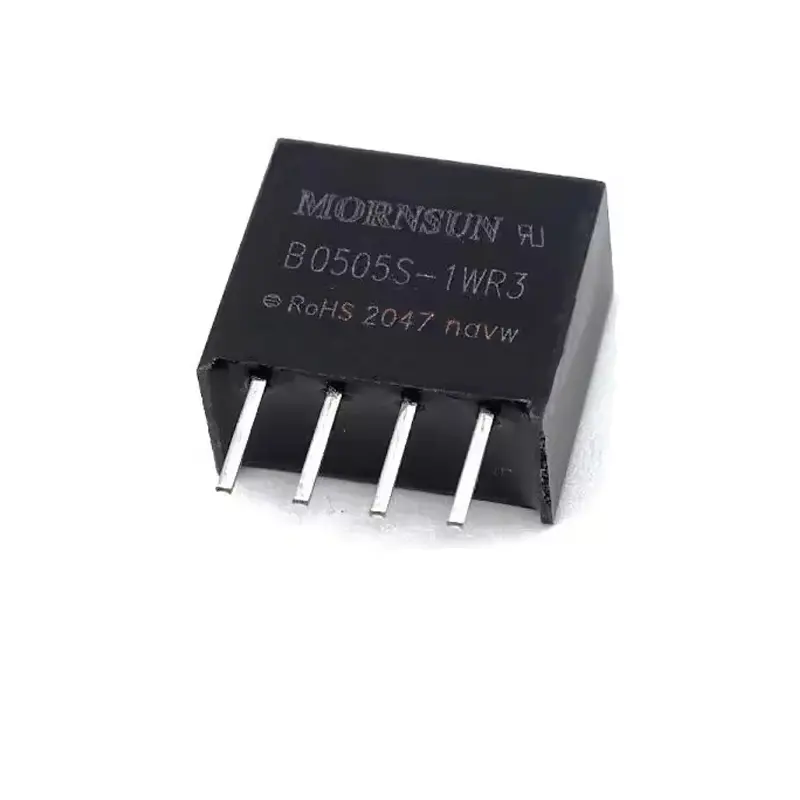 Isolated Power Modules
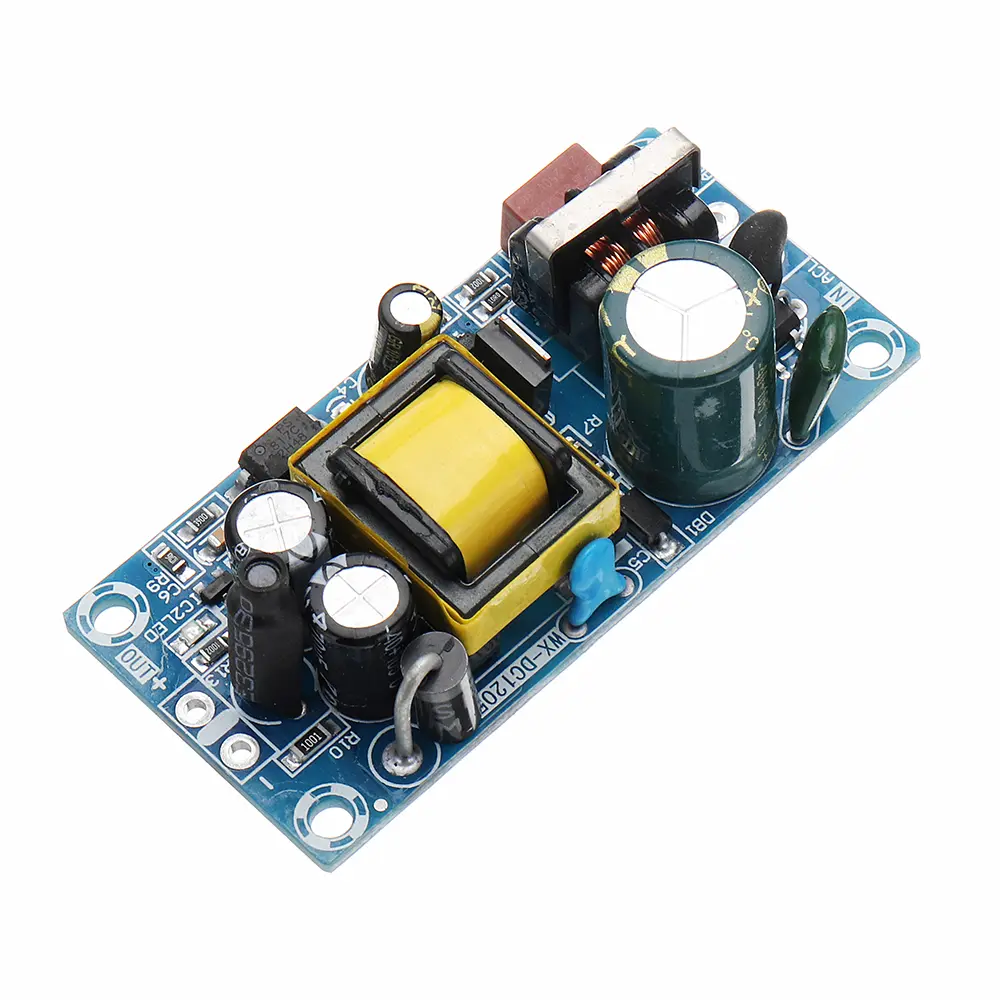 AC-DC Power Modules
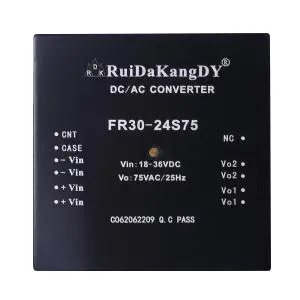 DC-AC Module(Inverter)
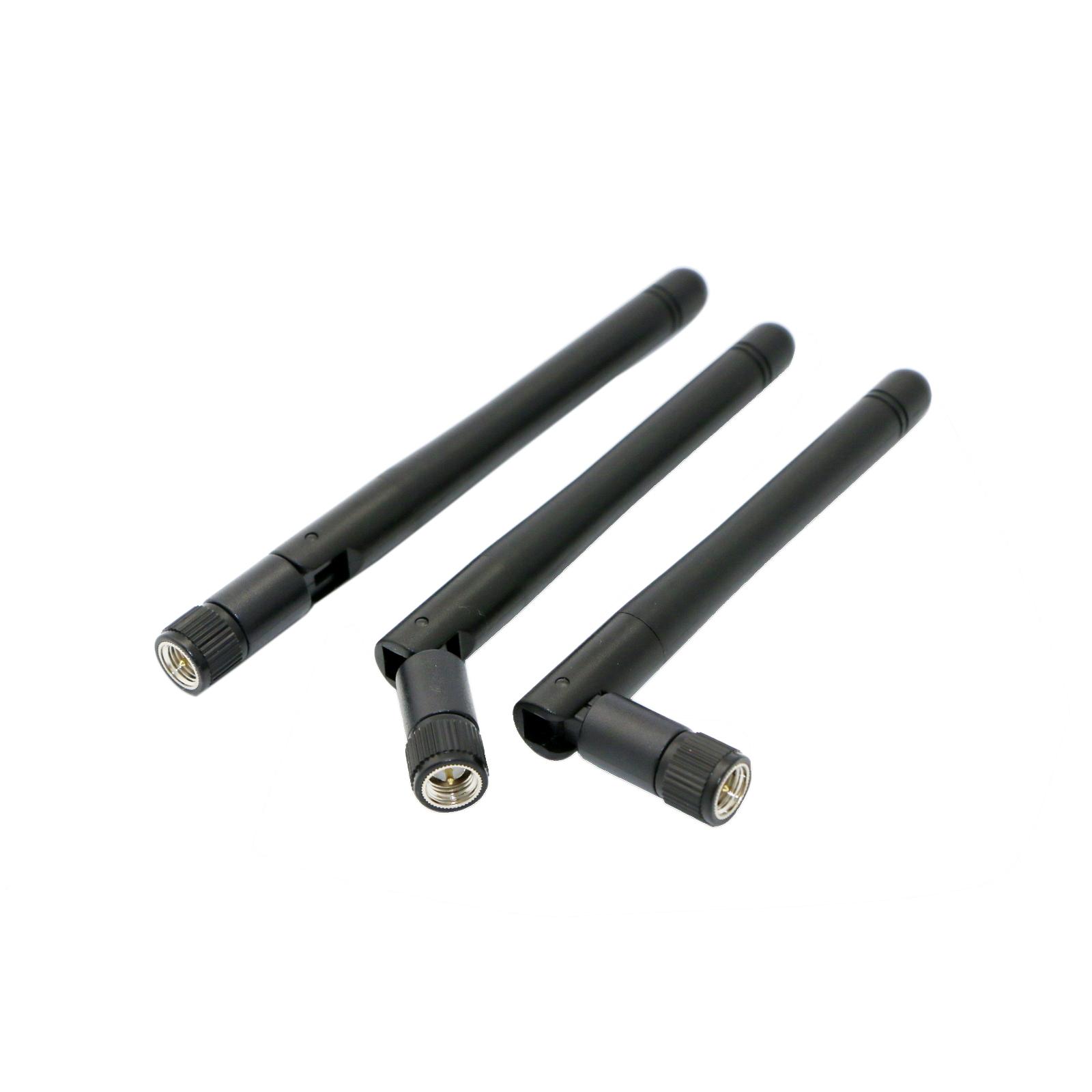 RF and Wireless
Detailed Analysis of Key Parameters of Rogers RO4350B High-Frequency Laminate
Detailed Analysis of Key Parameters of Rogers RO4350B High-Frequency Laminate
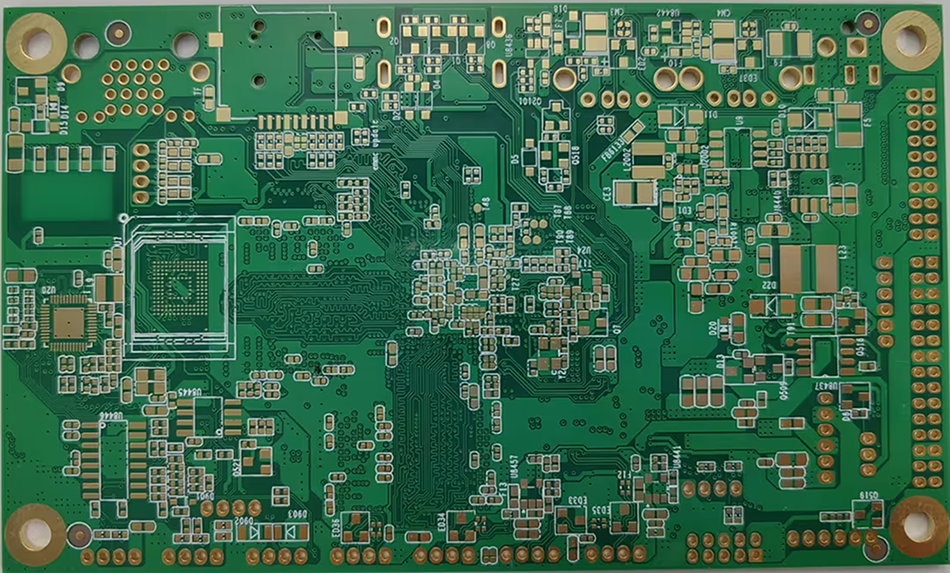
Rogers RO4350B is a high-peRFormance circuit material designed for high-frequency and microwave applications. Its key parameters span electromagnetic properties, thermal stability, mechanical strength, and process compatibility. Below is a detailed breakdown of its core characteristics:
1. Electromagnetic Properties
-
Dielectric Constant (Dk):
RO4350B has a Dk of 3.48±0.05 (at 10 GHz) with tight tolerance, ensuring stable signal transmission and impedance consistency25. -
Dissipation Factor (Df):
At 10 GHz, Df is as low as 0.0037, minimizing high-frequency signal loss for mmWave and high-speed digital circuits210. -
Frequency Stability:
Dk and Df remain stable across a wide frequency range (1 MHz–10 GHz), supporting 5G and radar applications37.
2. Thermal Performance
-
Coefficient of Thermal Expansion (CTE):
Z-axis CTE is 32 ppm/℃, close to copper foil (17 ppm/℃), reducing interlayer stress during thermal cycling26. -
Temperature Stability:
Dk temperature coefficient is +40 ppm/℃, with <2% fluctuation from -40℃ to +125℃36. -
High-Temperature Resistance:
Glass transition temperature (Tg) >280℃ and decomposition temperature (Td) up to 425℃, suitable for high-power RF designs57.
3. Material Structure & Processability
-
Composite Composition:
Woven glass-reinforced hydrocarbon/ceramic structure combines PTFE-like electrical performance with epoxy-like processability, supporting standard PCB fabrication27. -
FR-4 Compatibility:
No plasma pretreatment required (unlike PTFE), enabling cost-effective hybrid stacking with FR-438. -
Dimensional Stability:
Low in-plane CTE and superior dimensional control for high-density multilayer designs211.
4. Mechanical & Reliability Parameters
-
Mechanical Strength:
High flexural strength and impact resistance for automotive radar and vibration-sensitive applications111. -
Flame Retardancy:
UL 94V-0 certified for high-power equipment57. -
CAF Resistance:
Inhibits conductive anodic filament formation, enhancing long-term reliability27.
5. Key Applications
-
Wireless Communications: Cellular base station antennas, microwave P2P links713.
-
Automotive Electronics: 77 GHz radar, sensors513.
-
Aerospace: Satellite LNBs, radar systems713.
-
Consumer Electronics: RFID tags, high-speed digital circuits58.
Parameter Comparison & Advantages
| Parameter | RO4350B | Conventional PTFE |
|---|---|---|
| Dk Tolerance | ±0.05 (tight) | ≥±0.1 |
| Fabrication Cost | FR-4 compatible, low | Specialized, high |
| Z-axis CTE | 32 ppm/℃ | 50–70 ppm/℃ |
| Frequency Range | DC–77 GHz | Primarily <30 GHz |