
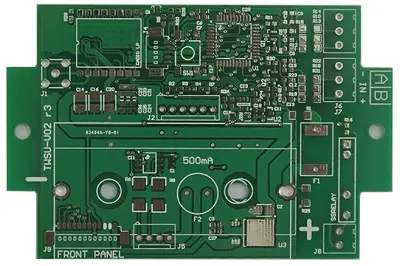
 PCB
PCB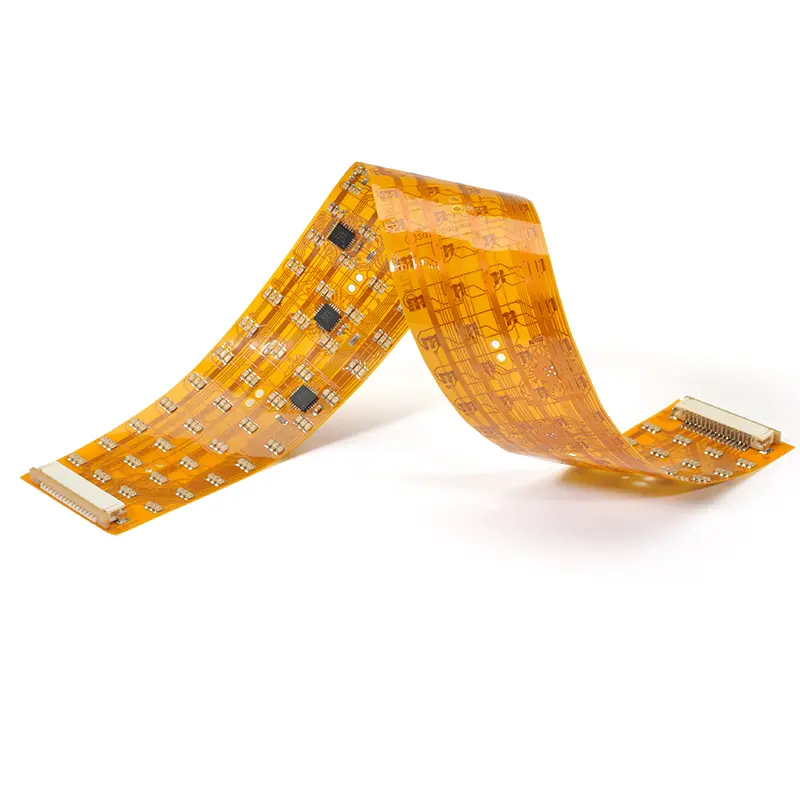 FPC
FPC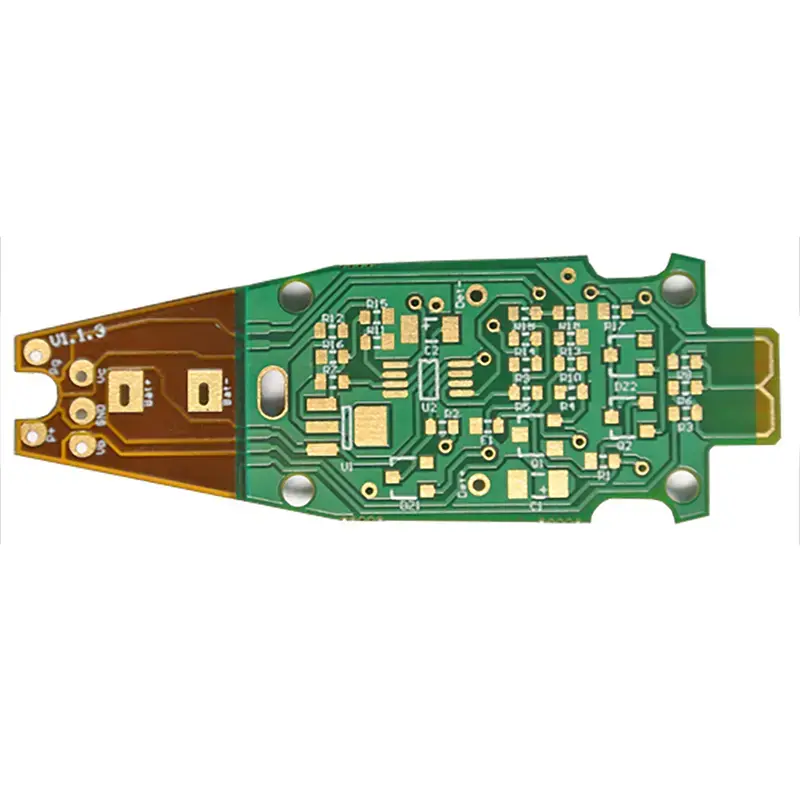 Rigid-Flex
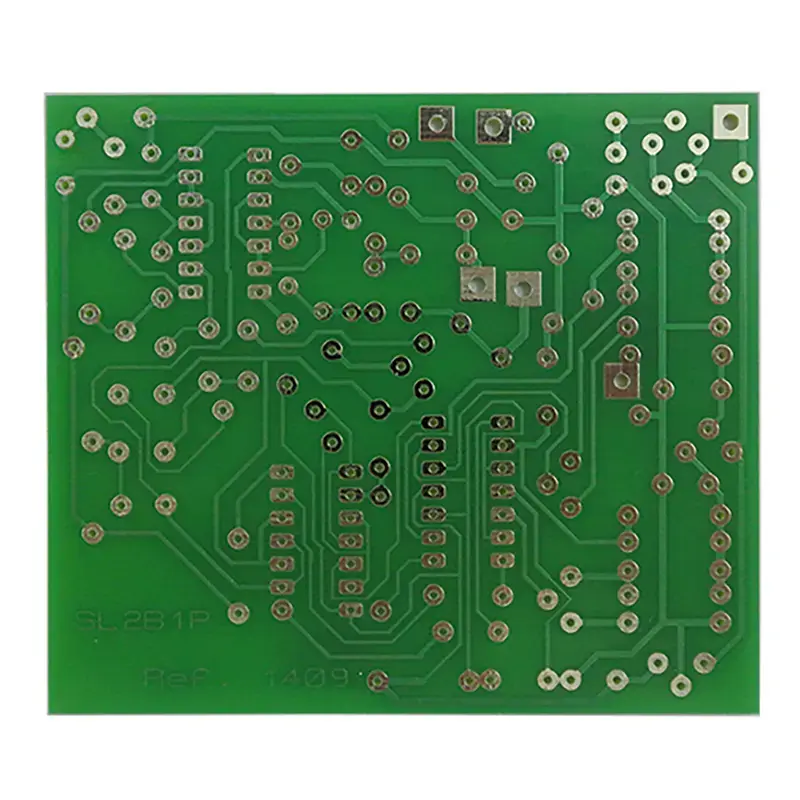 FR-4
FR-4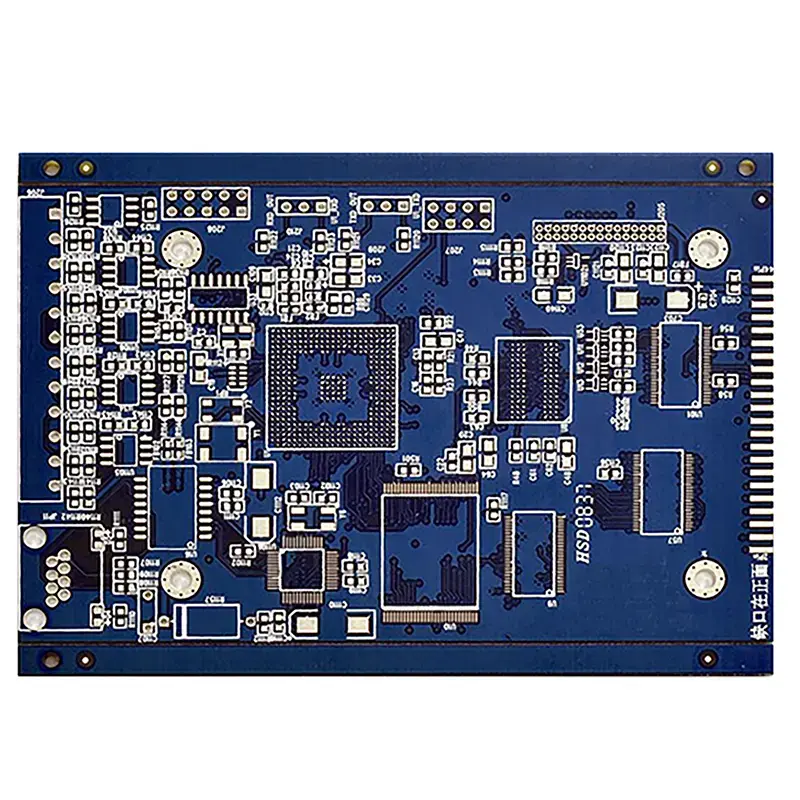 HDI PCB
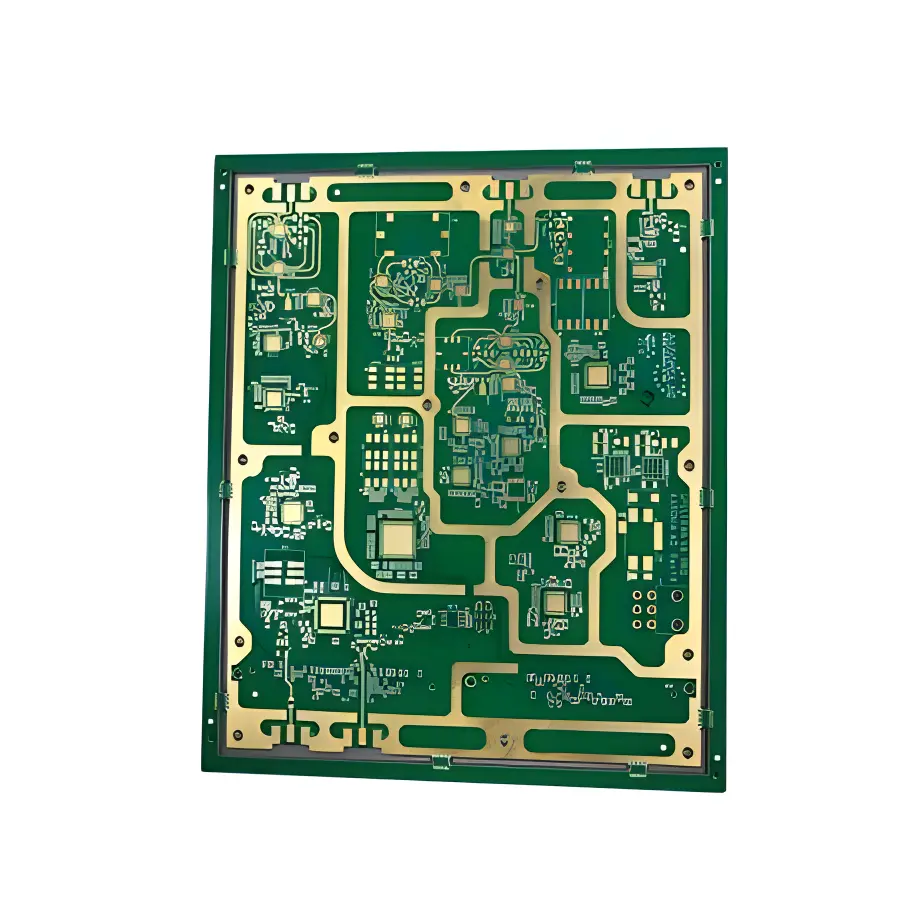 Rogers High-Frequency Board
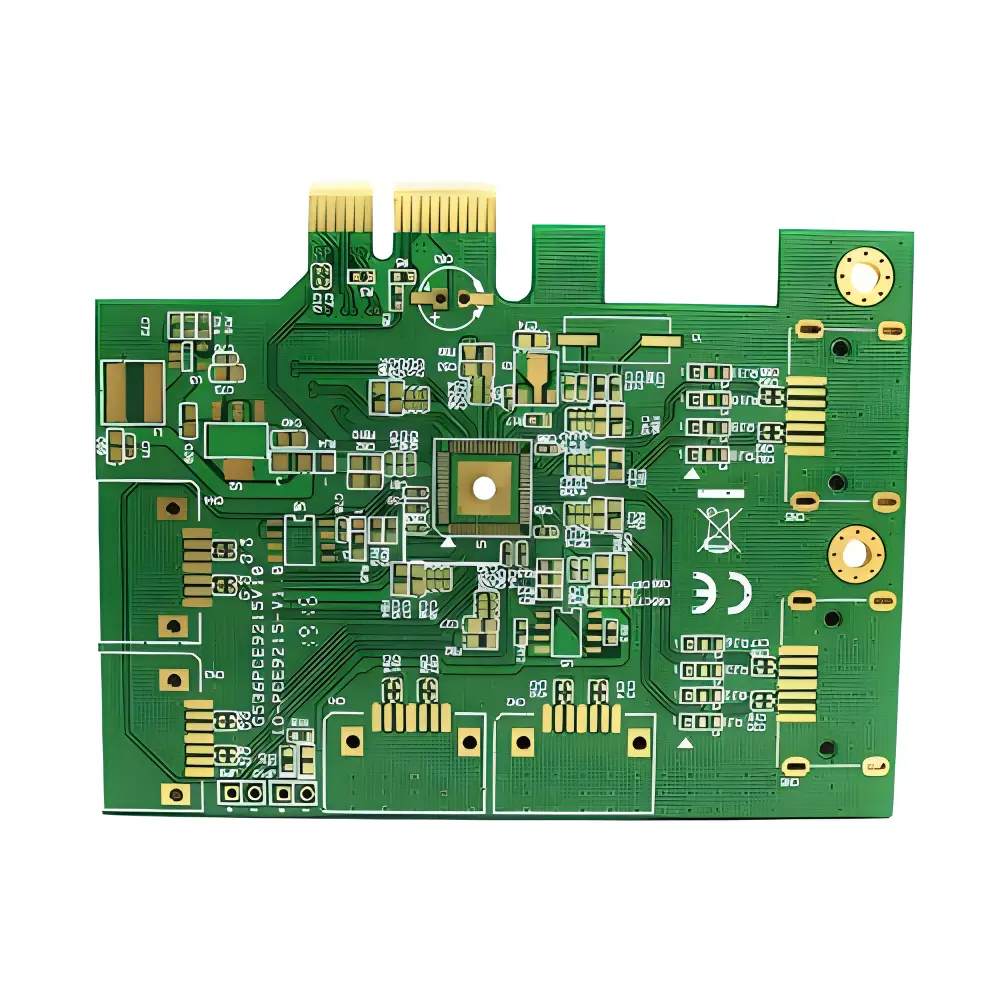 PTFE Teflon High-Frequency Board
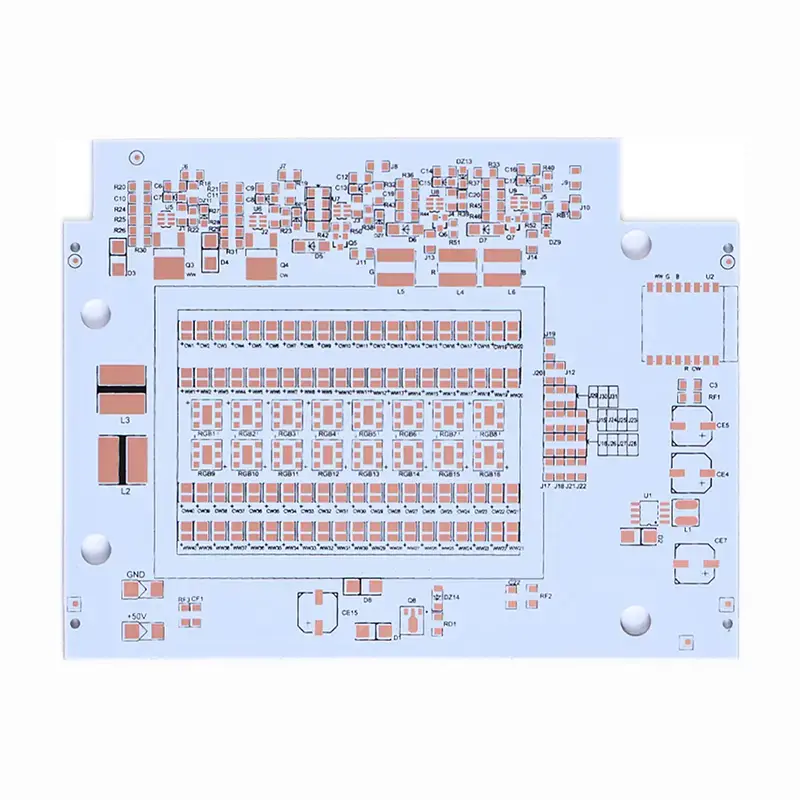 Aluminum
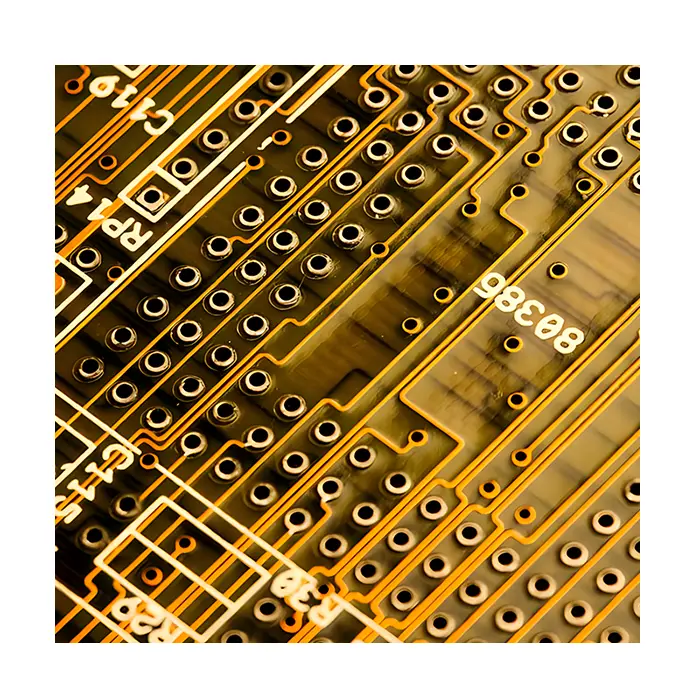 Copper Core
 PCB Assembly
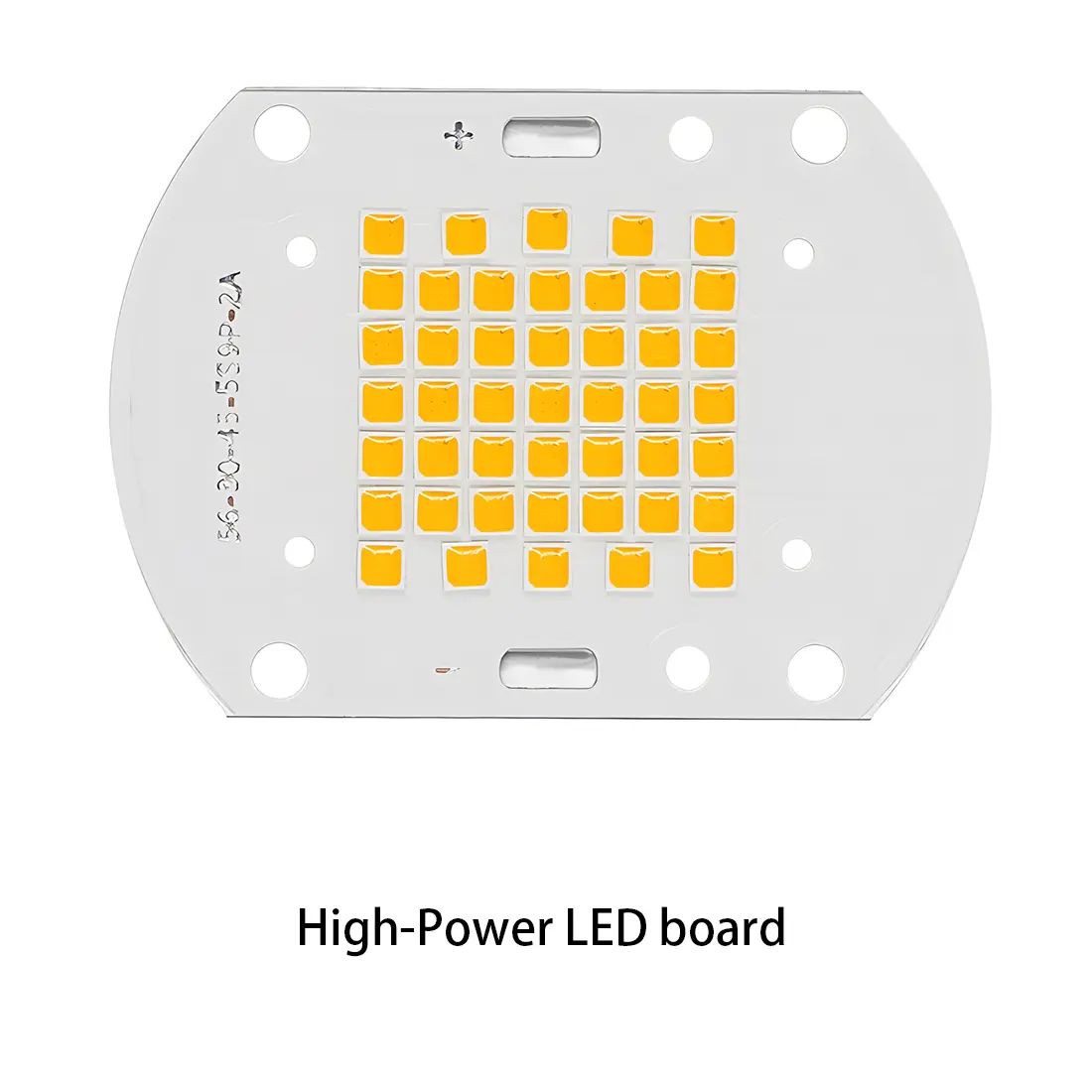 LED light PCBA
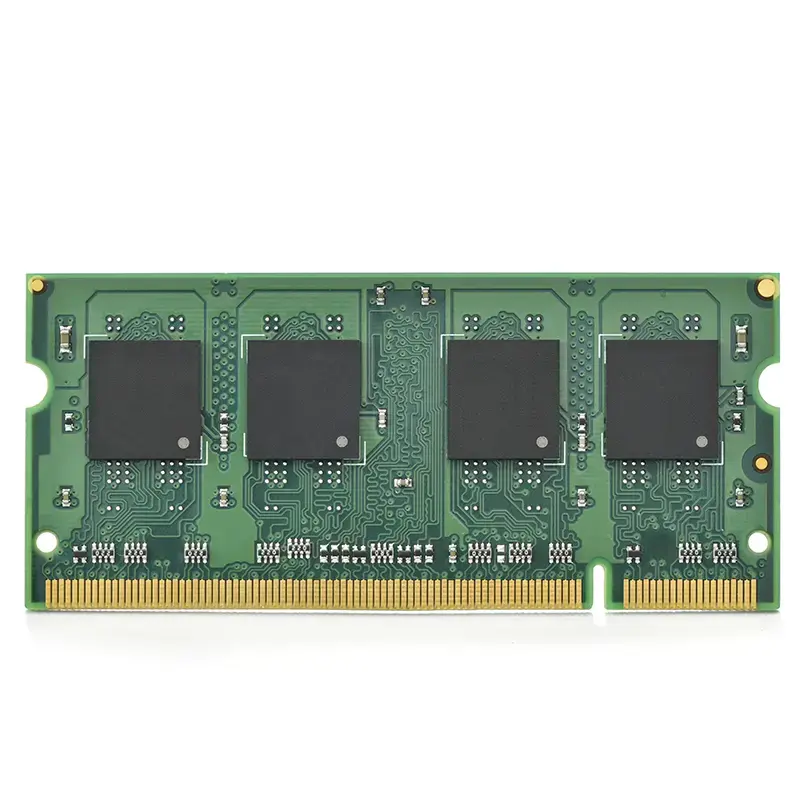
 Memory PCBA
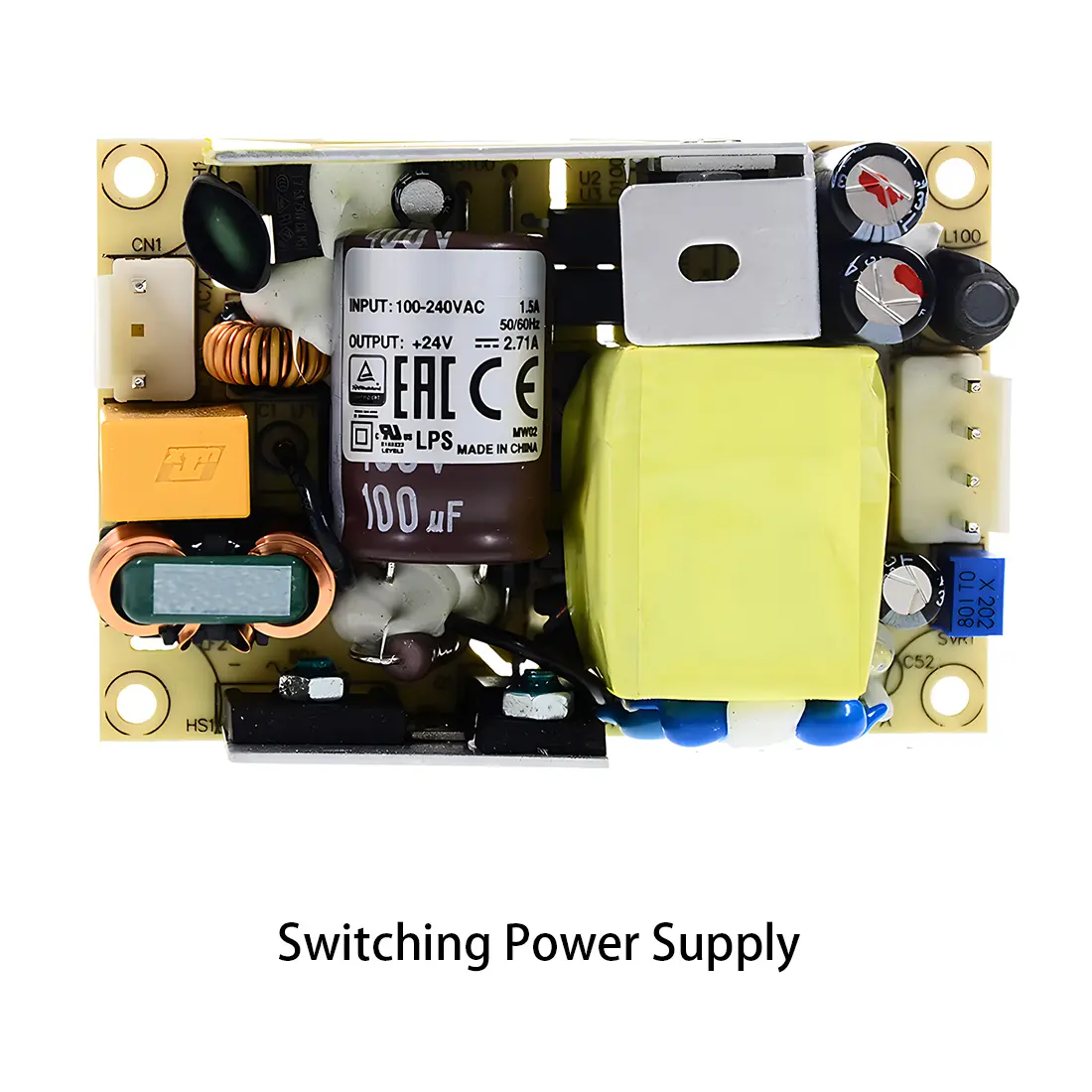 Power Supply PCBA
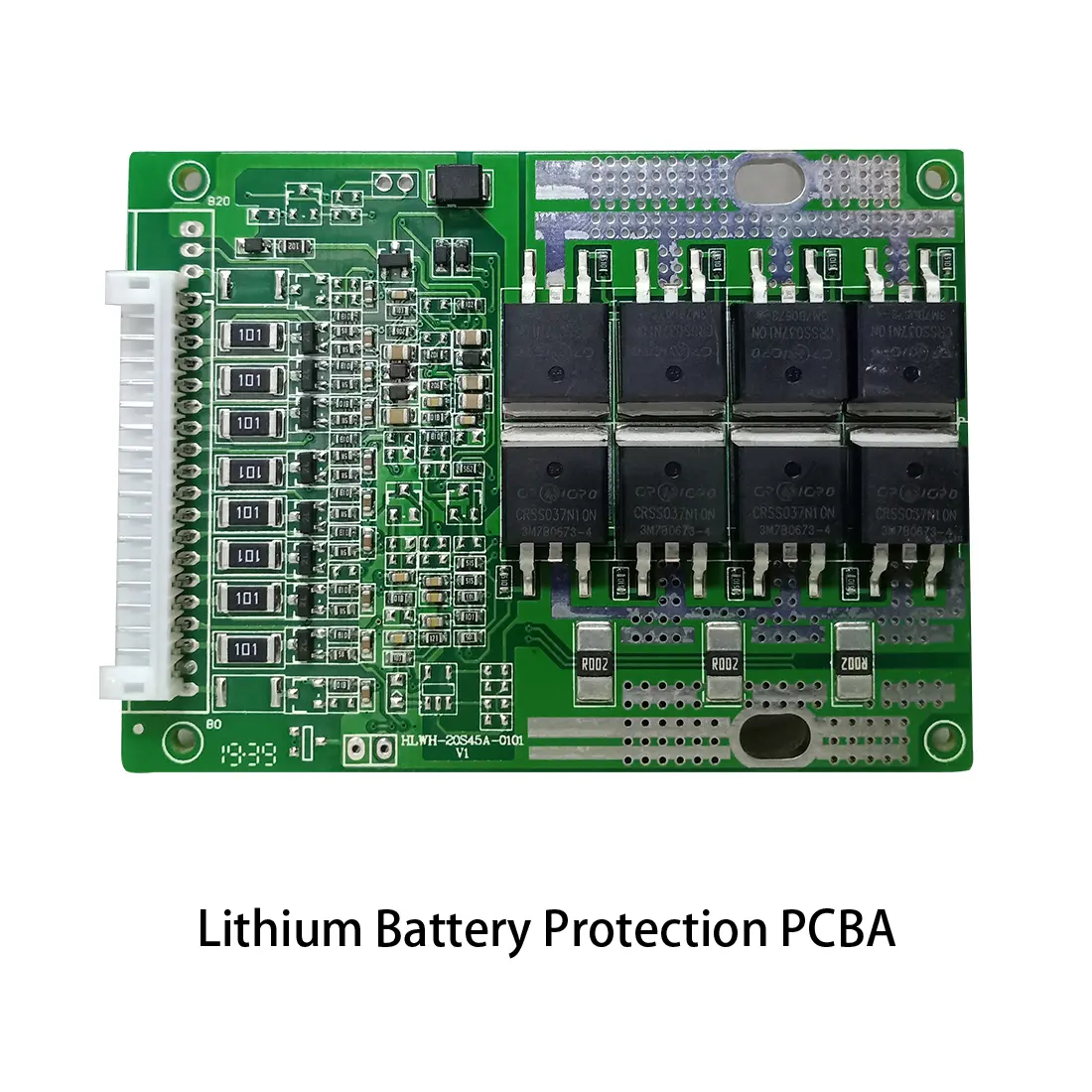 New Energey PCBA
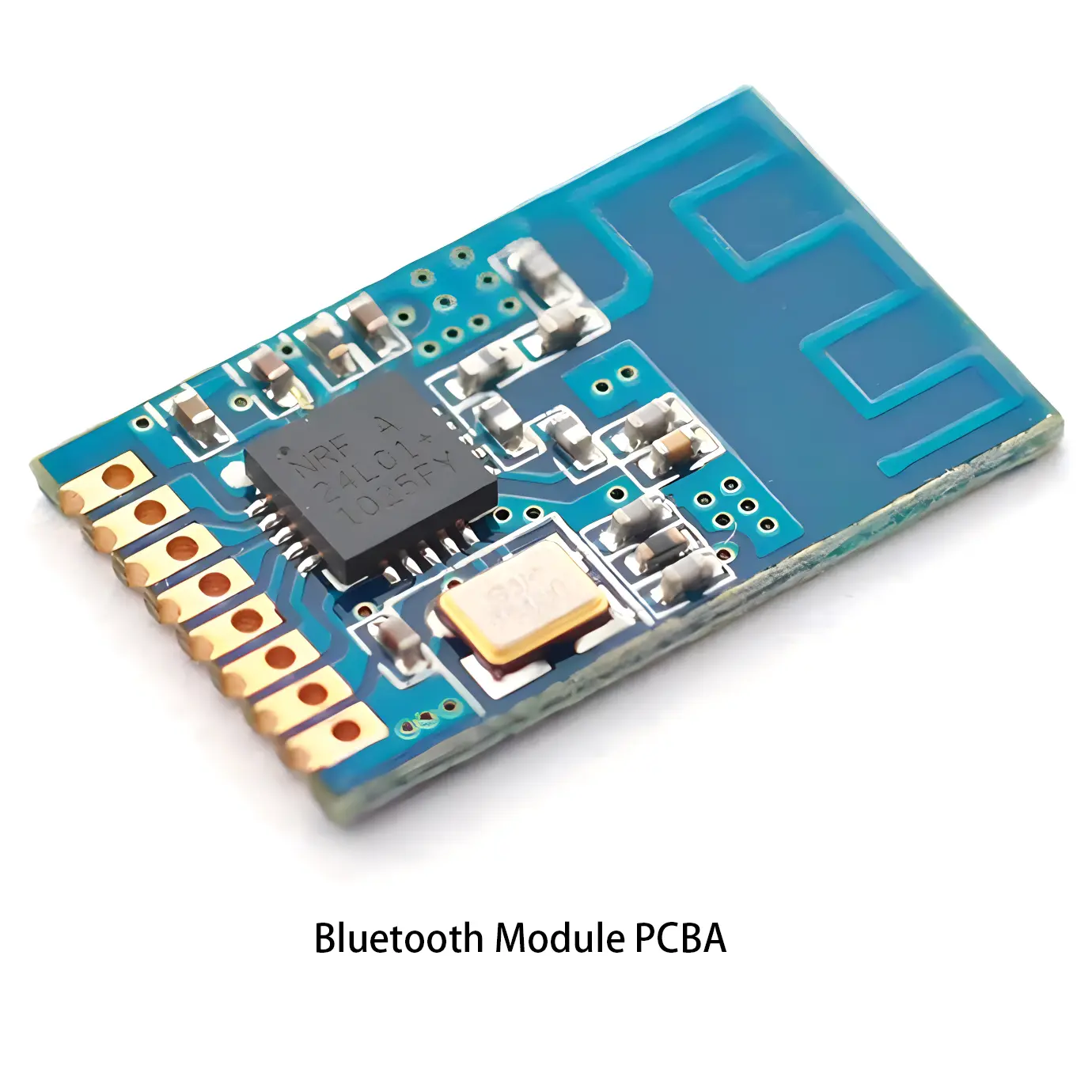 Communication PCBA
 Industrial Control PCBA
 Medical Equipment PCBA
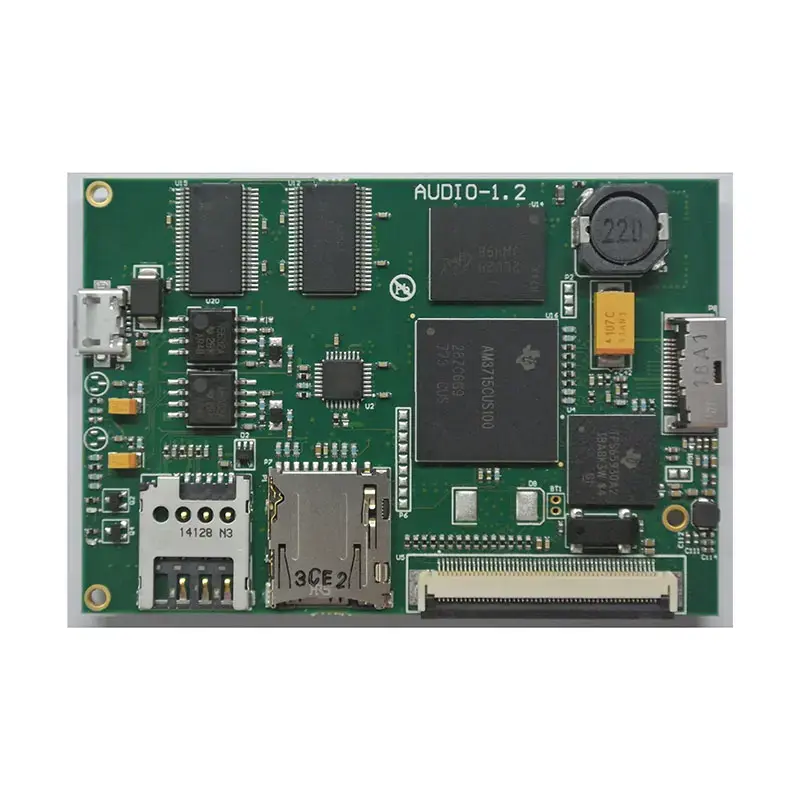 Testing Service
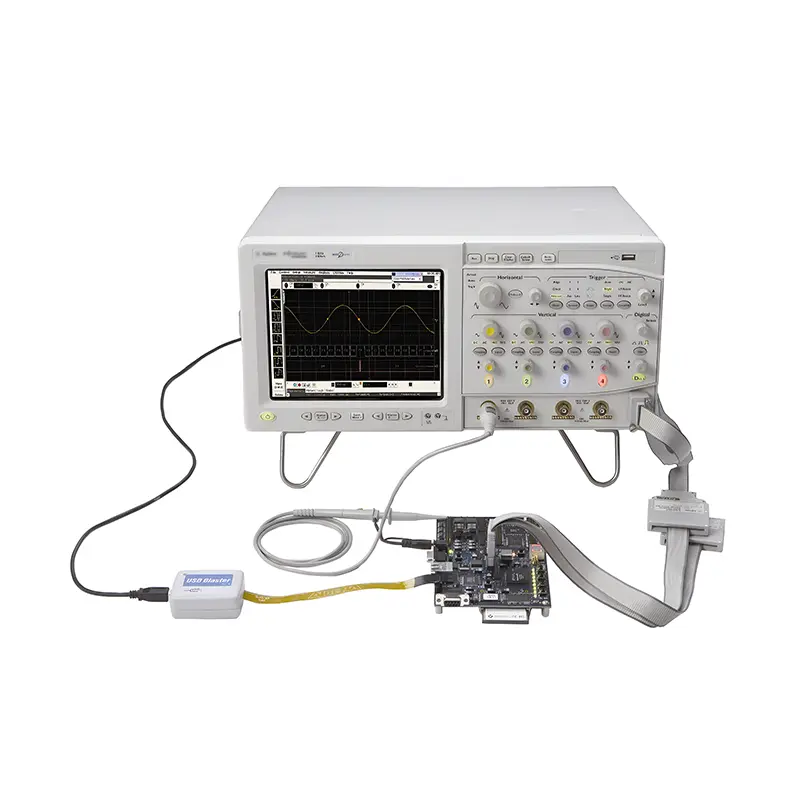 PCBA Testing Service
 Certification Application
 RoHS Certification Application
 REACH Certification Application
 CE Certification Application
 FCC Certification Application
 CQC Certification Application
 UL Certification Application
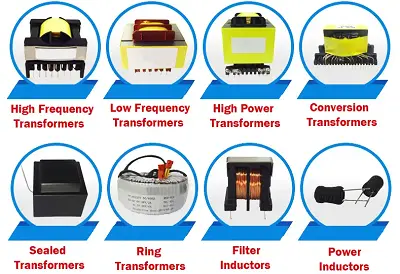 Transformers, Inductors
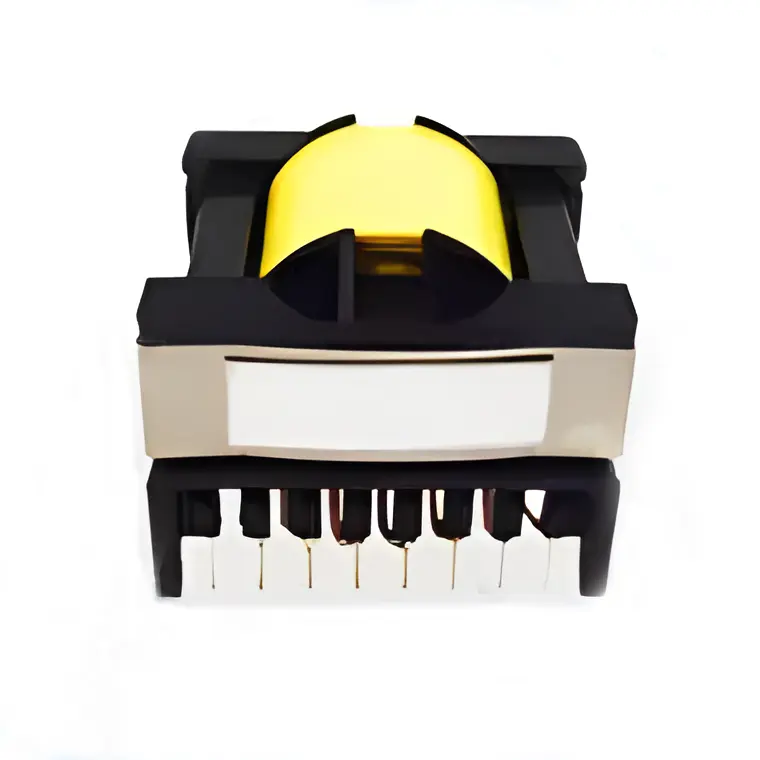 High Frequency Transformers
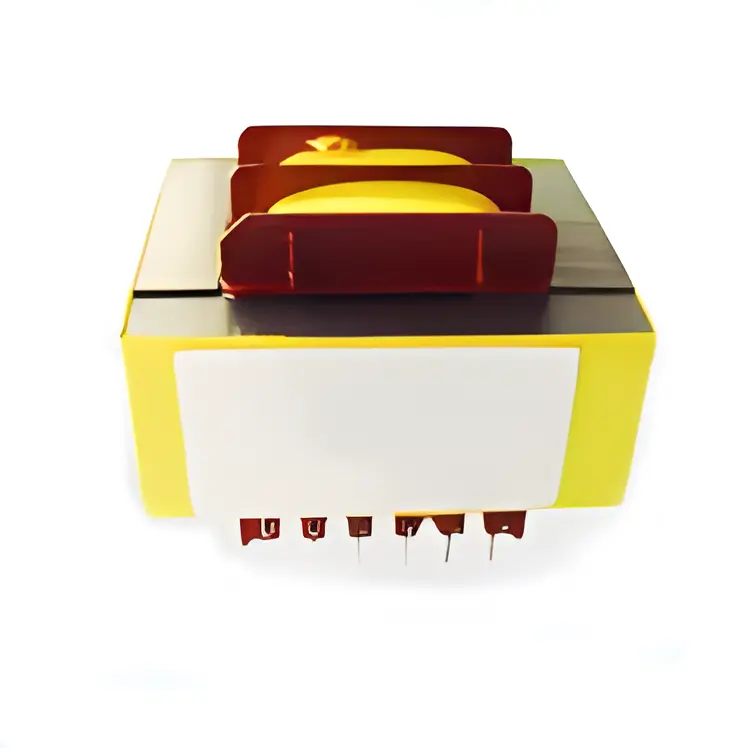 Low Frequency Transformers
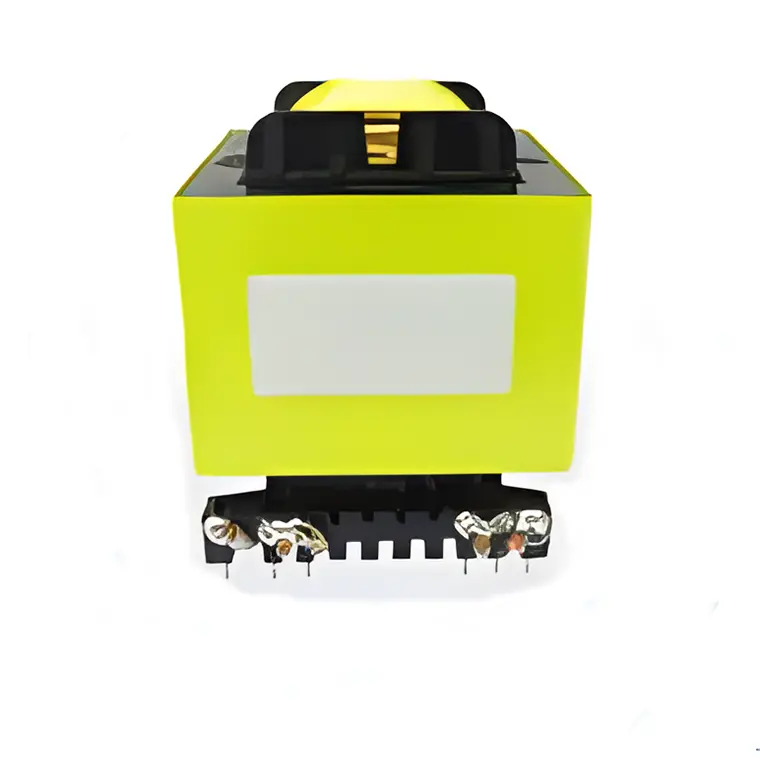 High Power Transformers
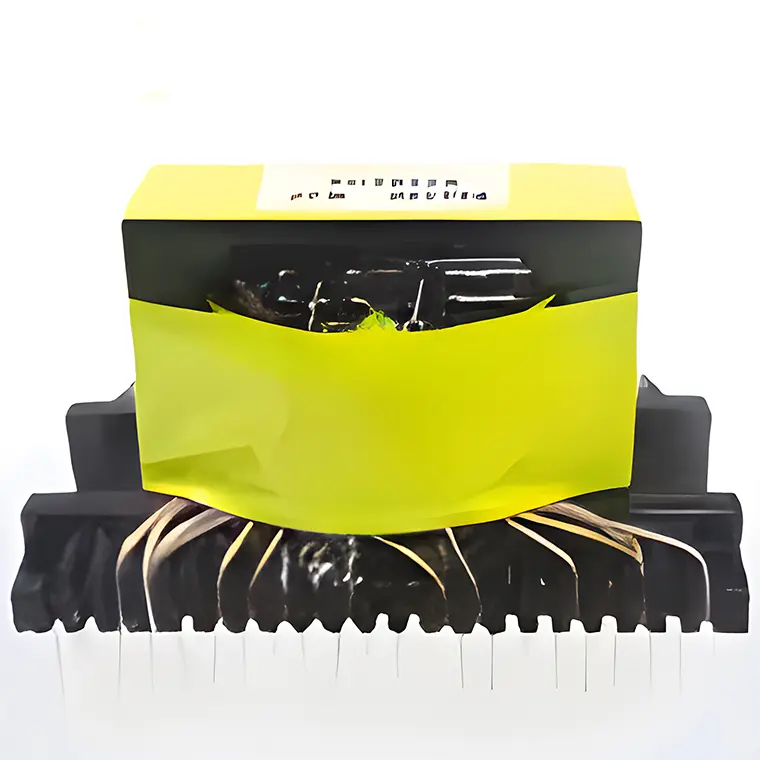 Conversion Transformers
 Sealed Transformers
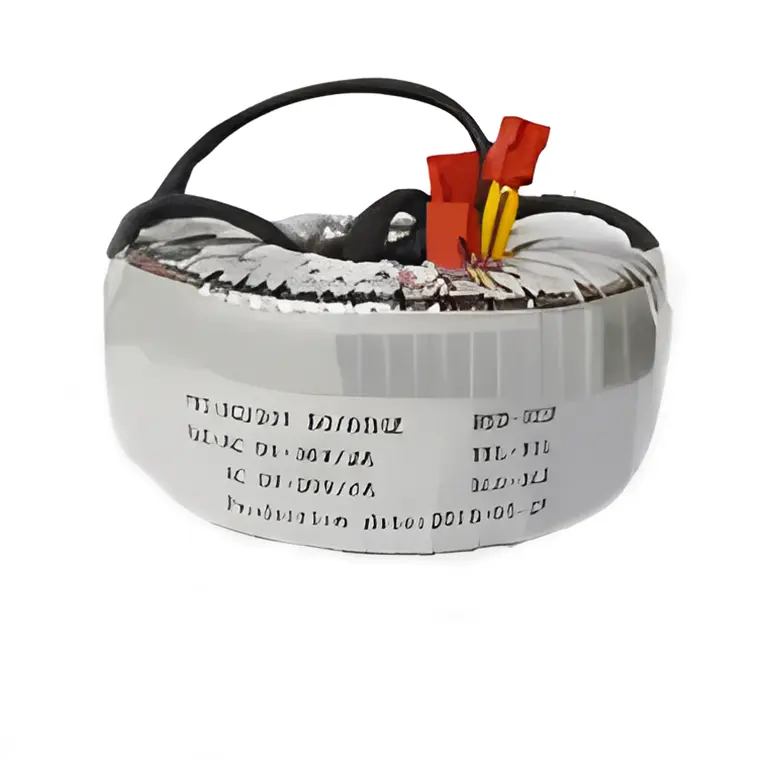 Ring Transformers
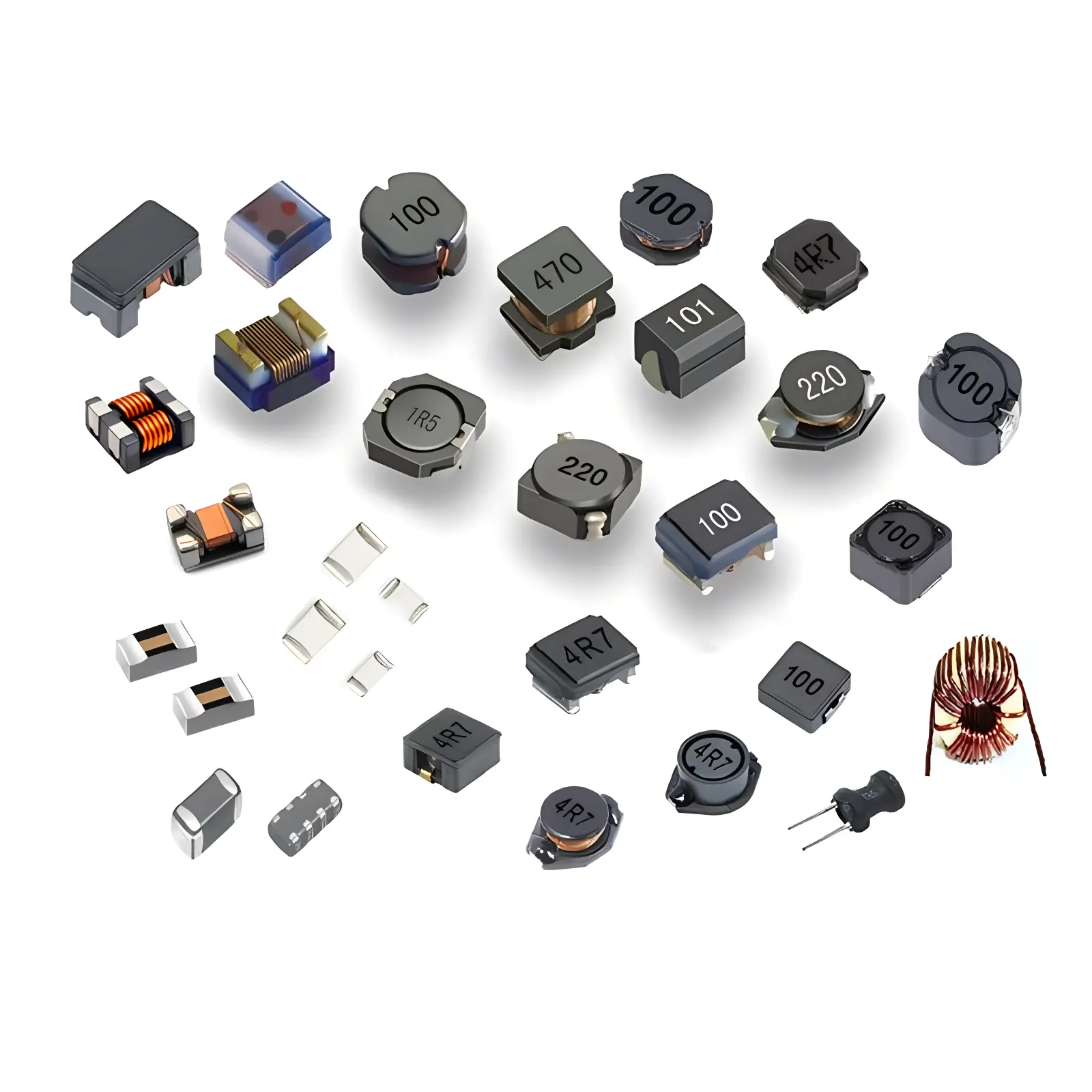 Inductors
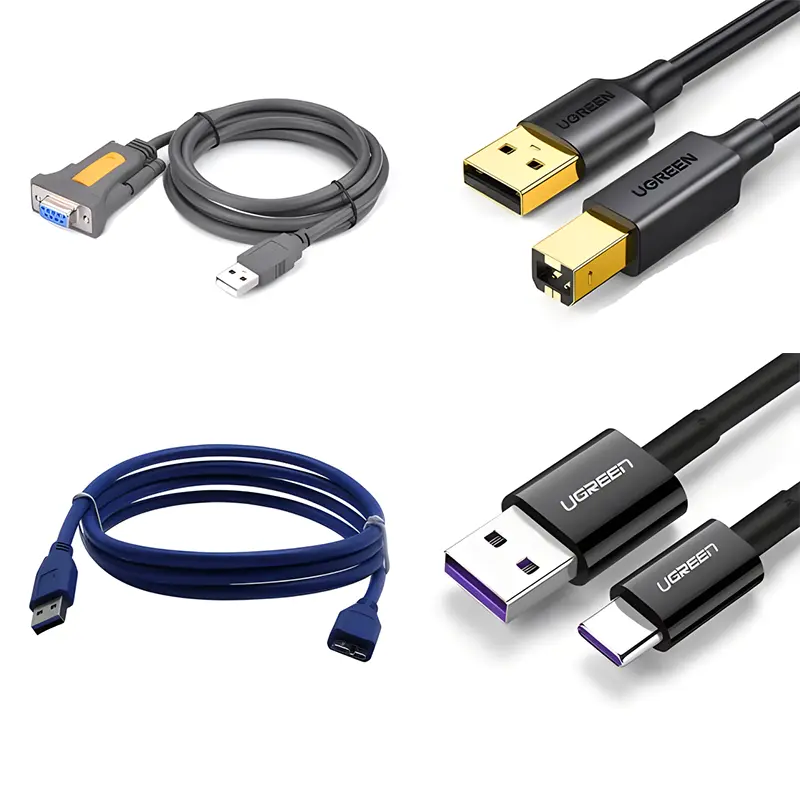 Wires,Cables Customized
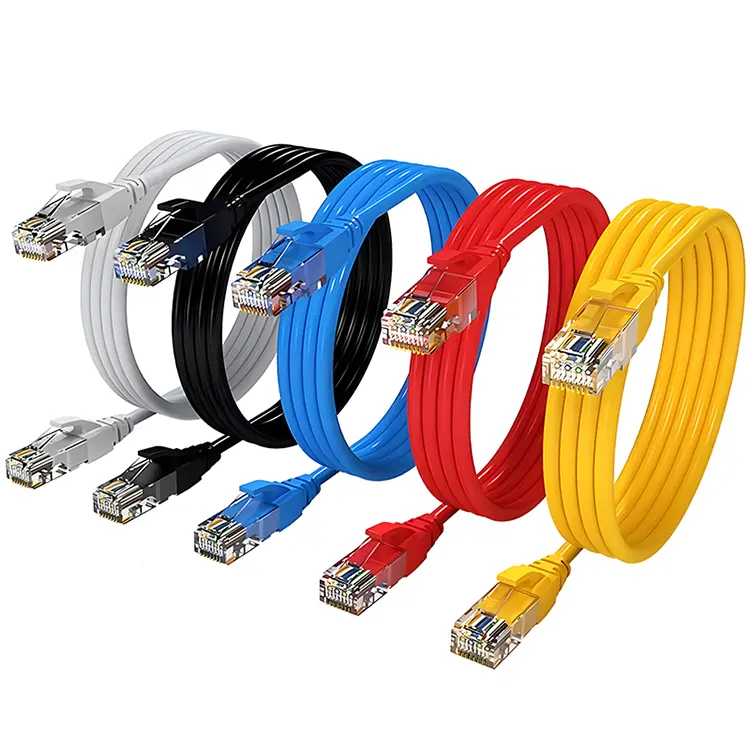 Network Cables
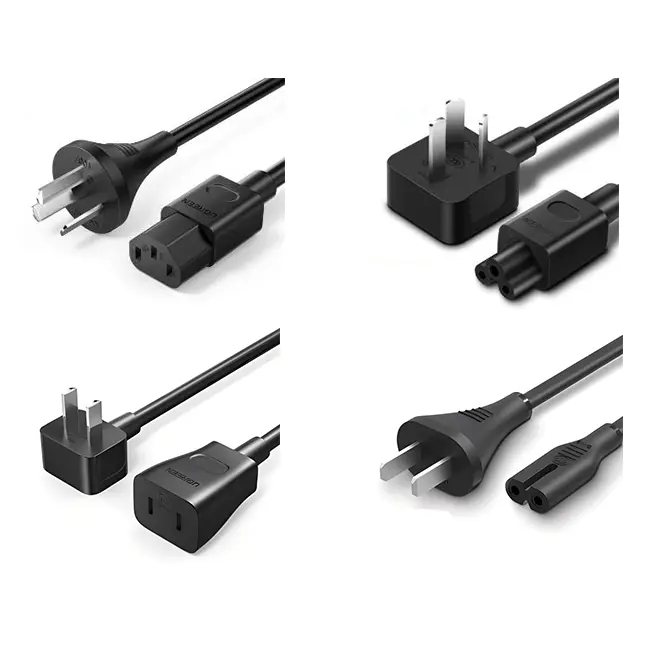 Power Cords
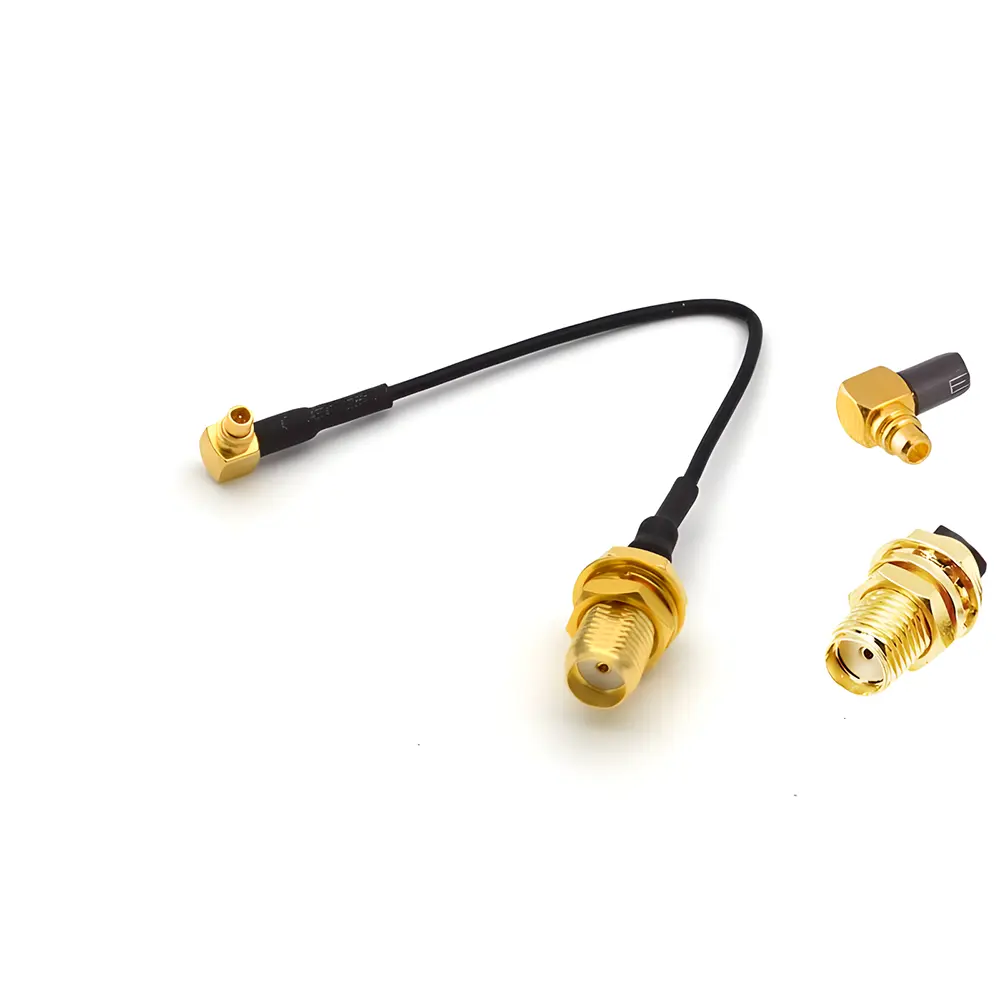 Antenna Cables
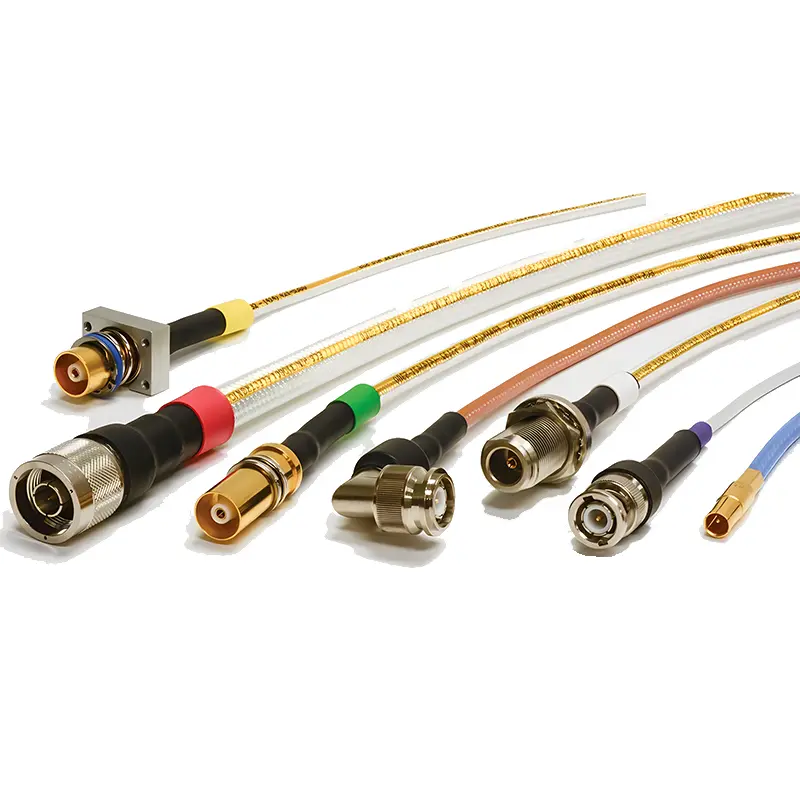 Coaxial Cables
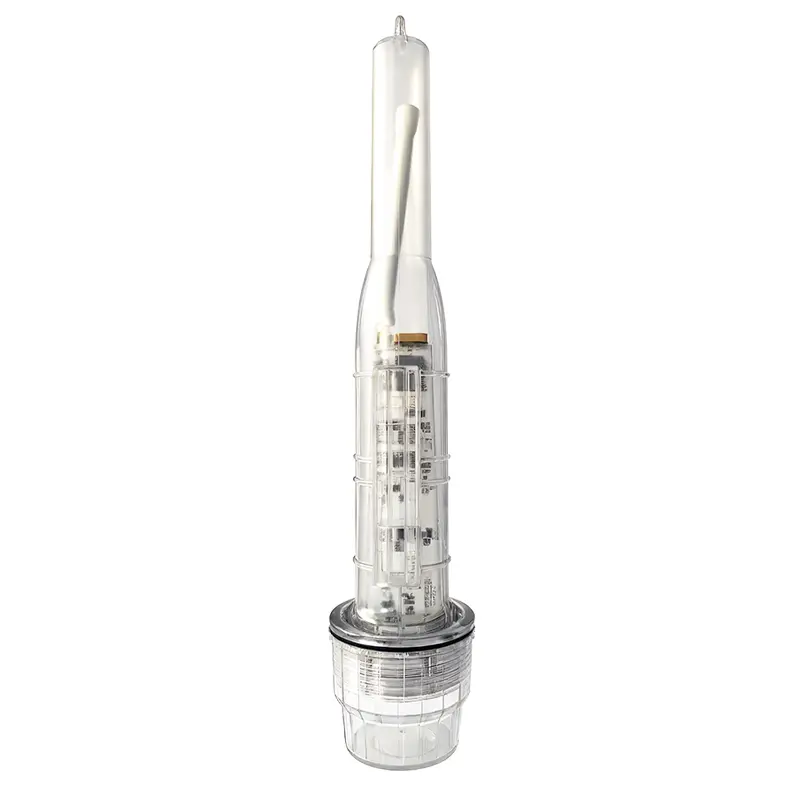 Net Position Indicator
 Solar AIS net position indicator
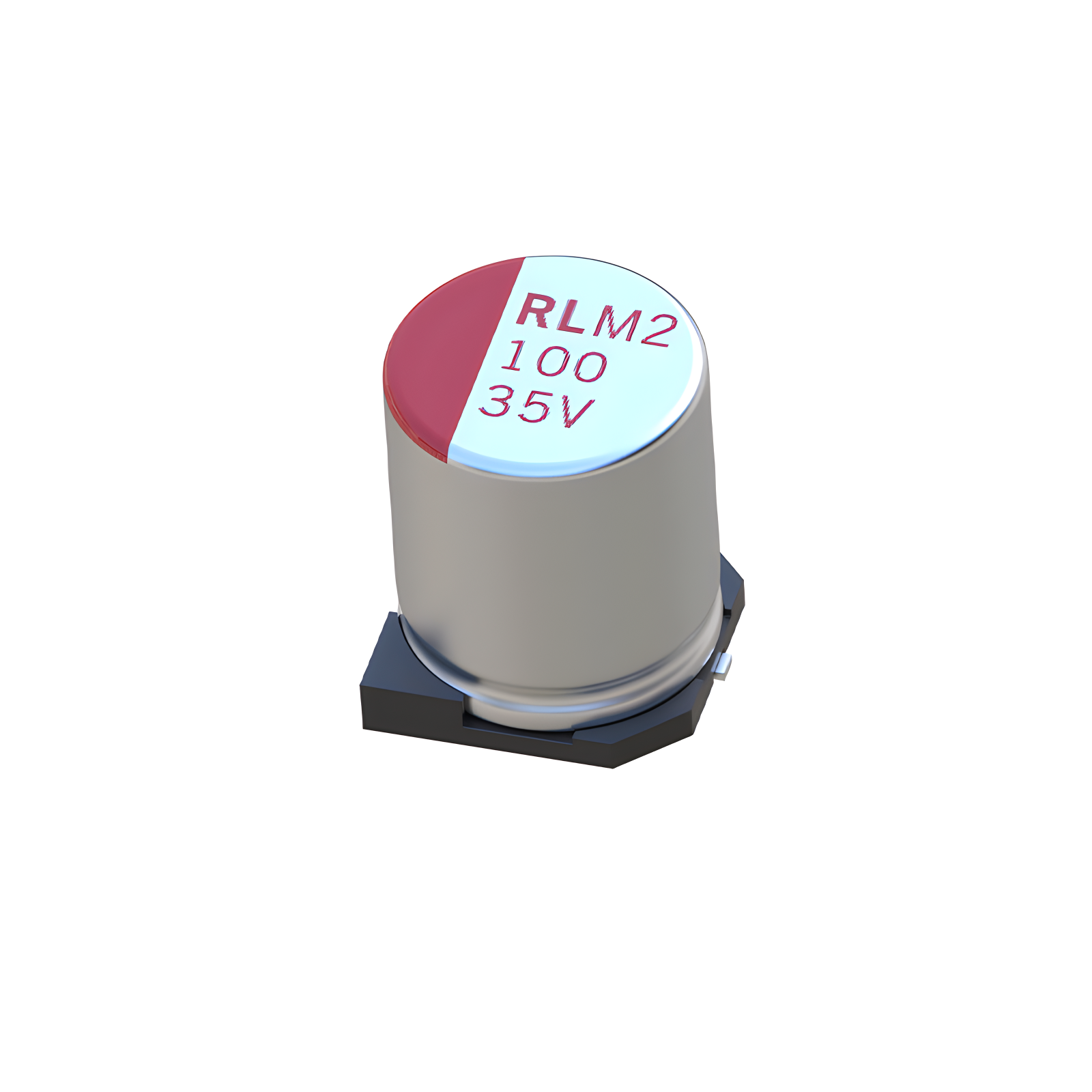 Capacitors
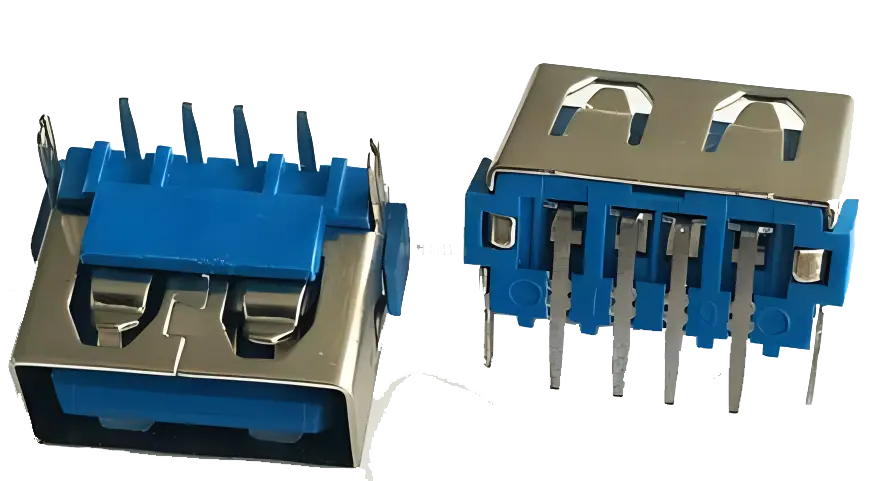 Connectors
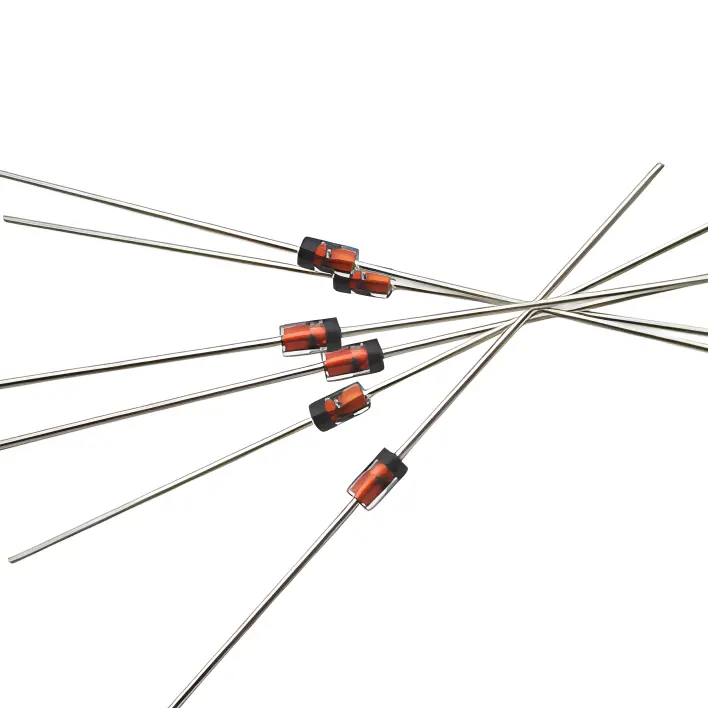 Diodes
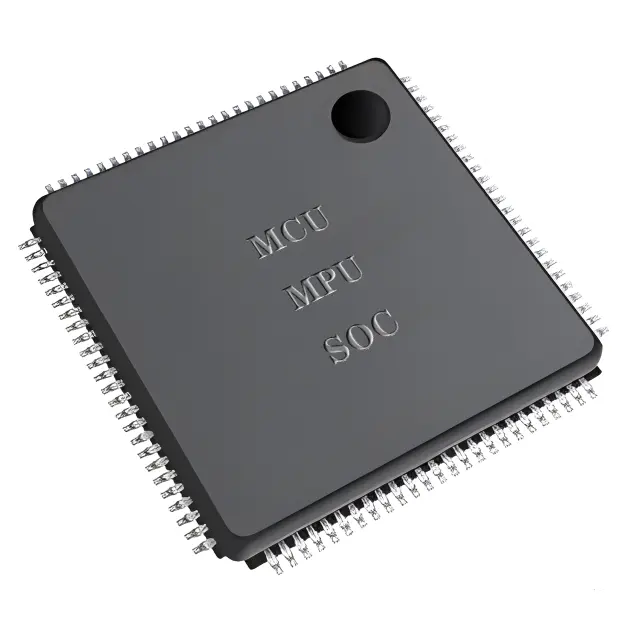 Embedded Processors & Controllers
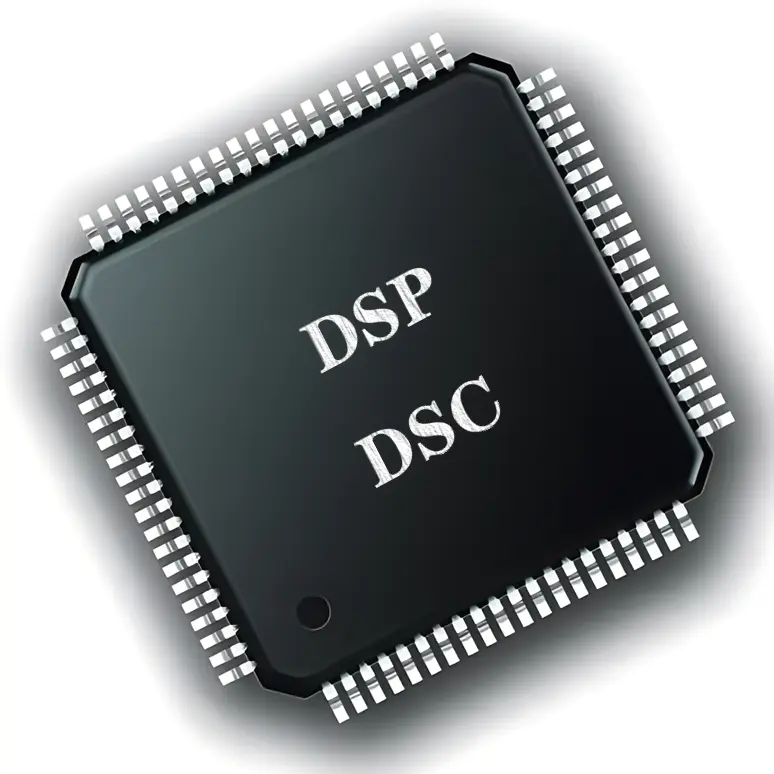 Digital Signal Processors (DSP/DSC)
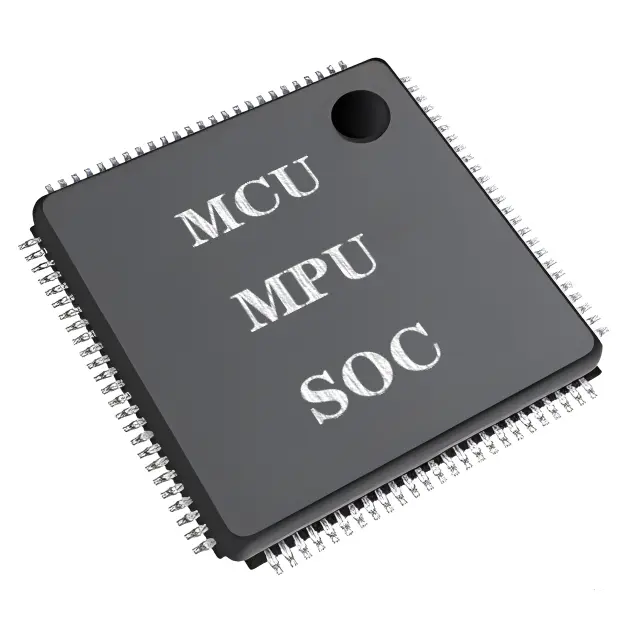 Microcontrollers (MCU/MPU/SOC)
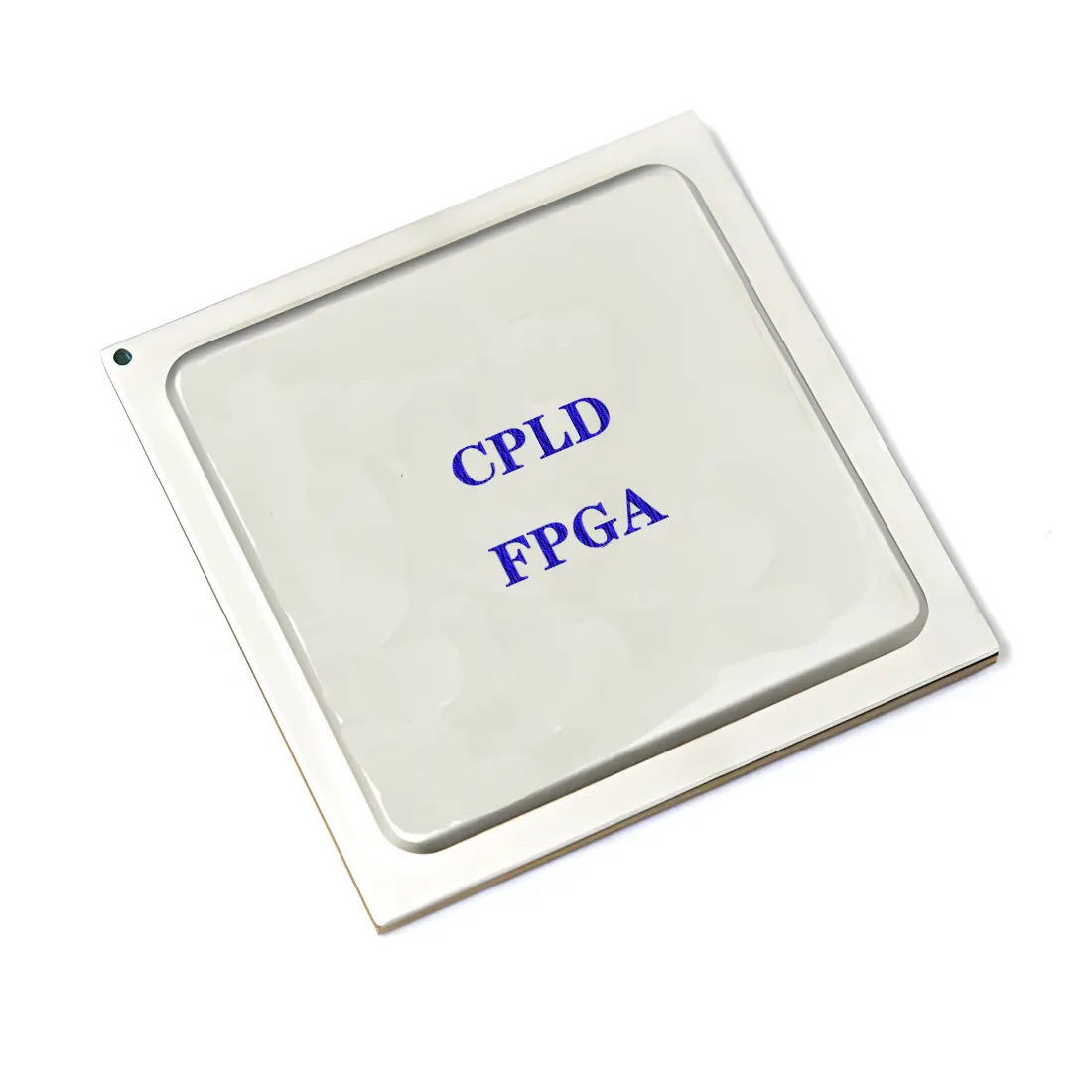 Programmable Logic Device(CPLD/FPGA)
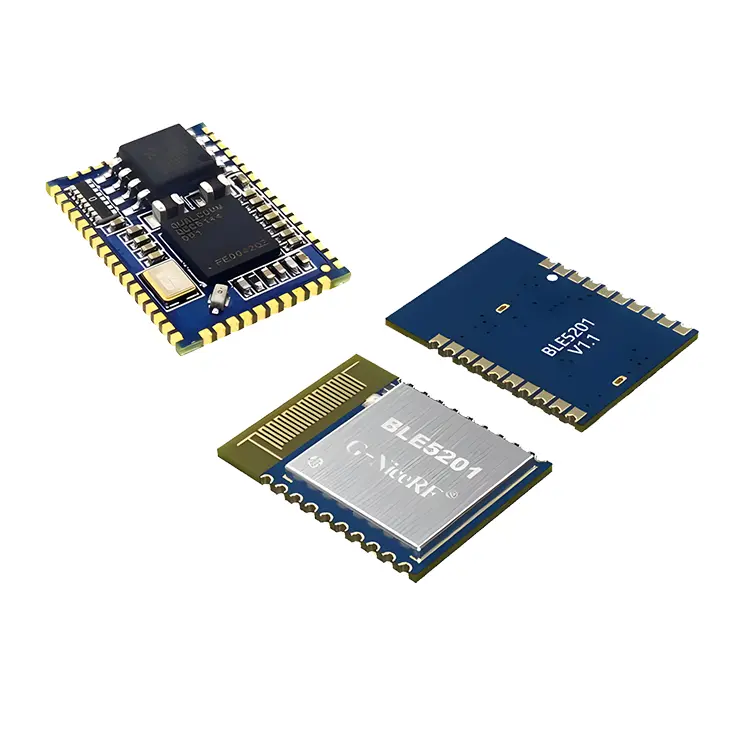 Communication Modules/IoT
 Resistors
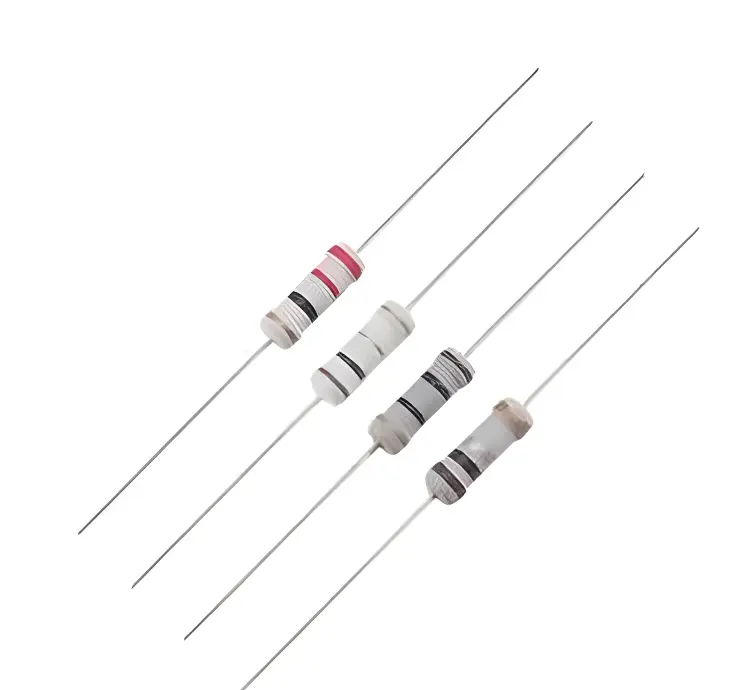 Through Hole Resistors
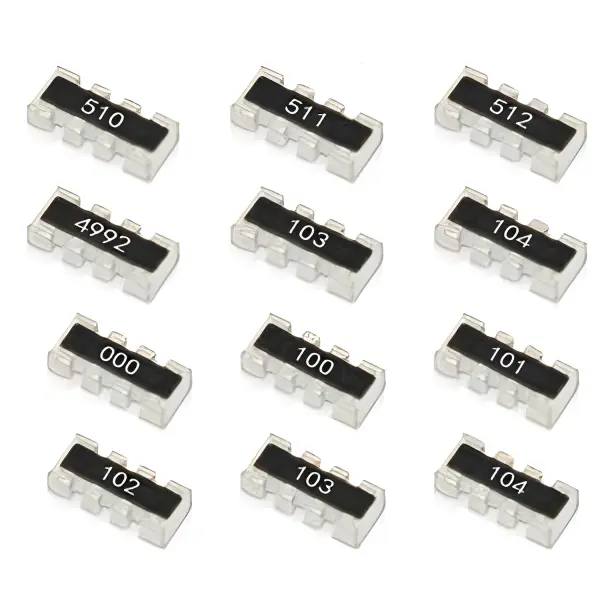 Resistor Networks, Arrays
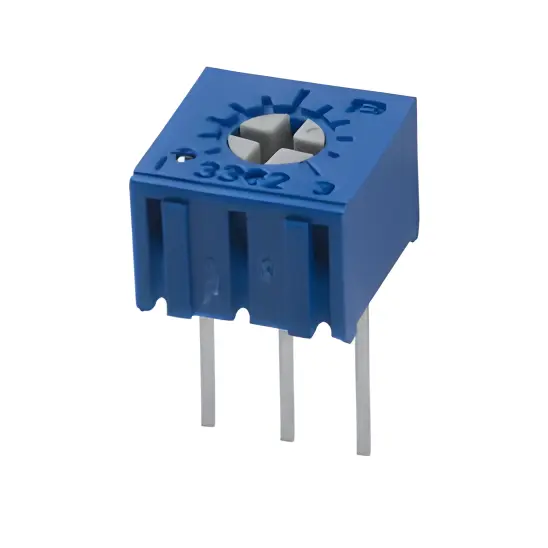 Potentiometers,Variable Resistors
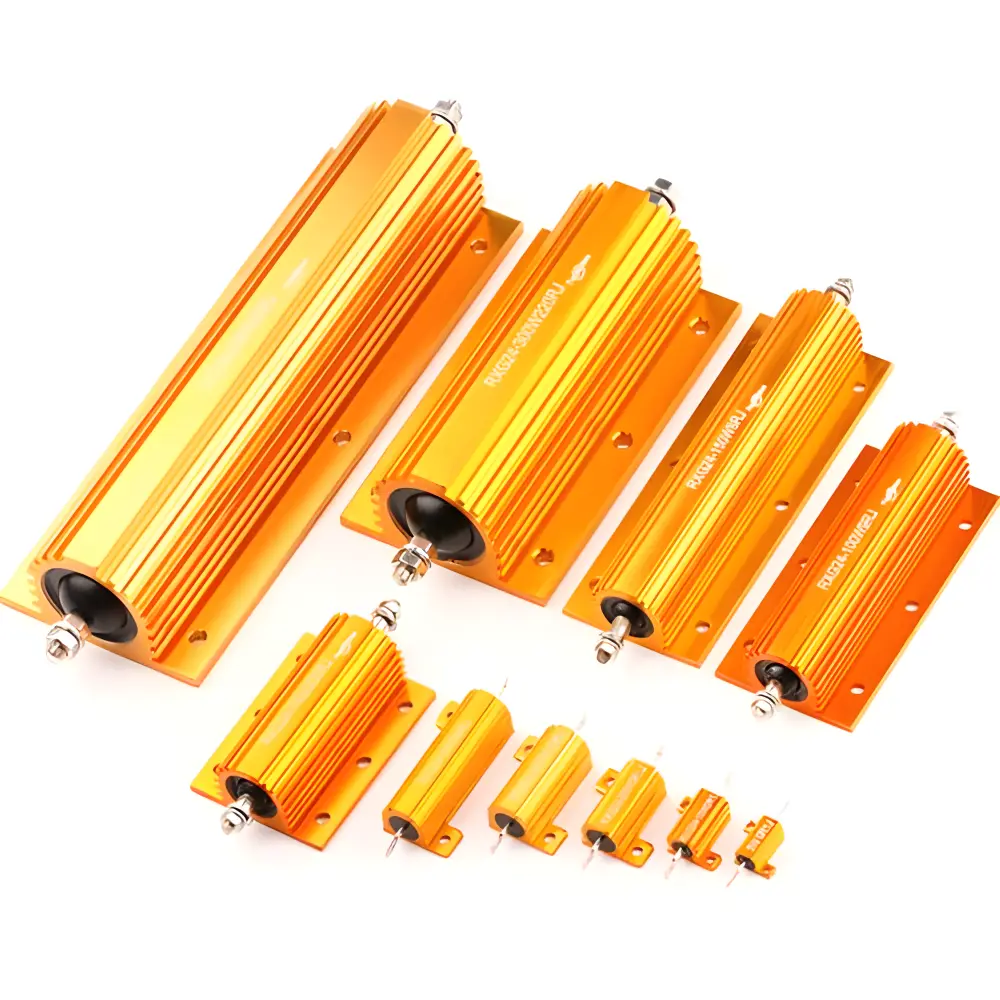 Aluminum Case,Porcelain Tube Resistance
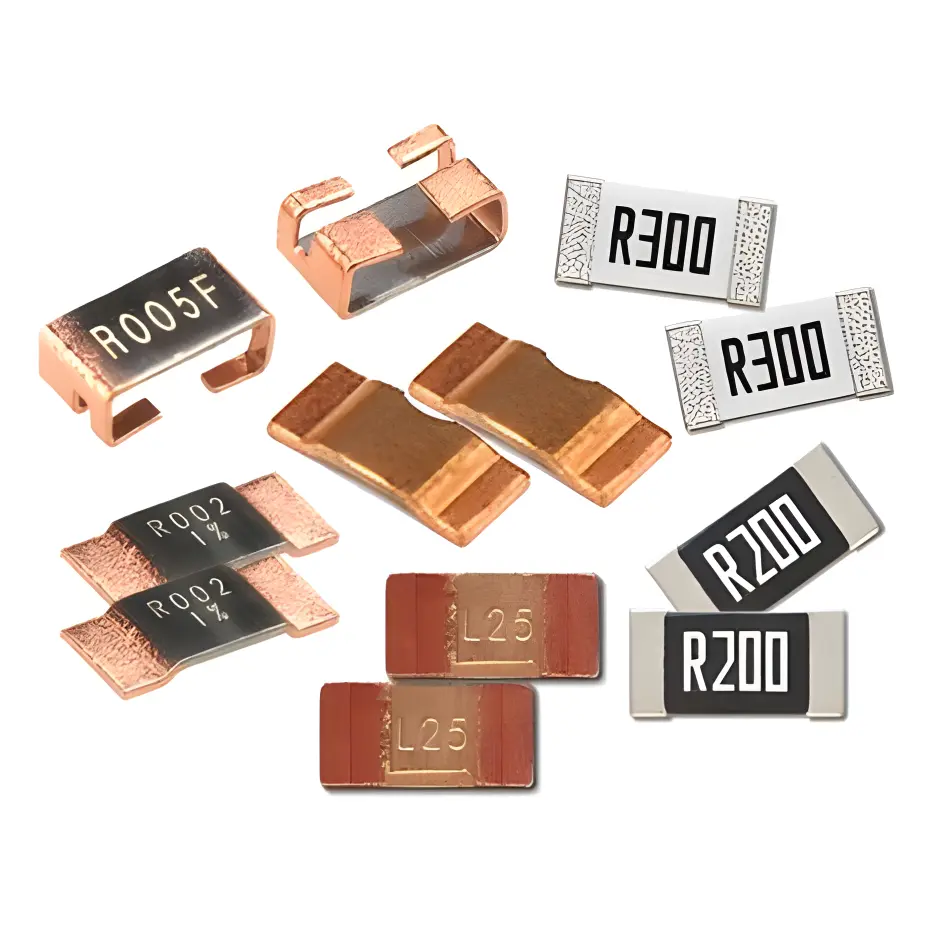 Current Sense Resistors,Shunt Resistors
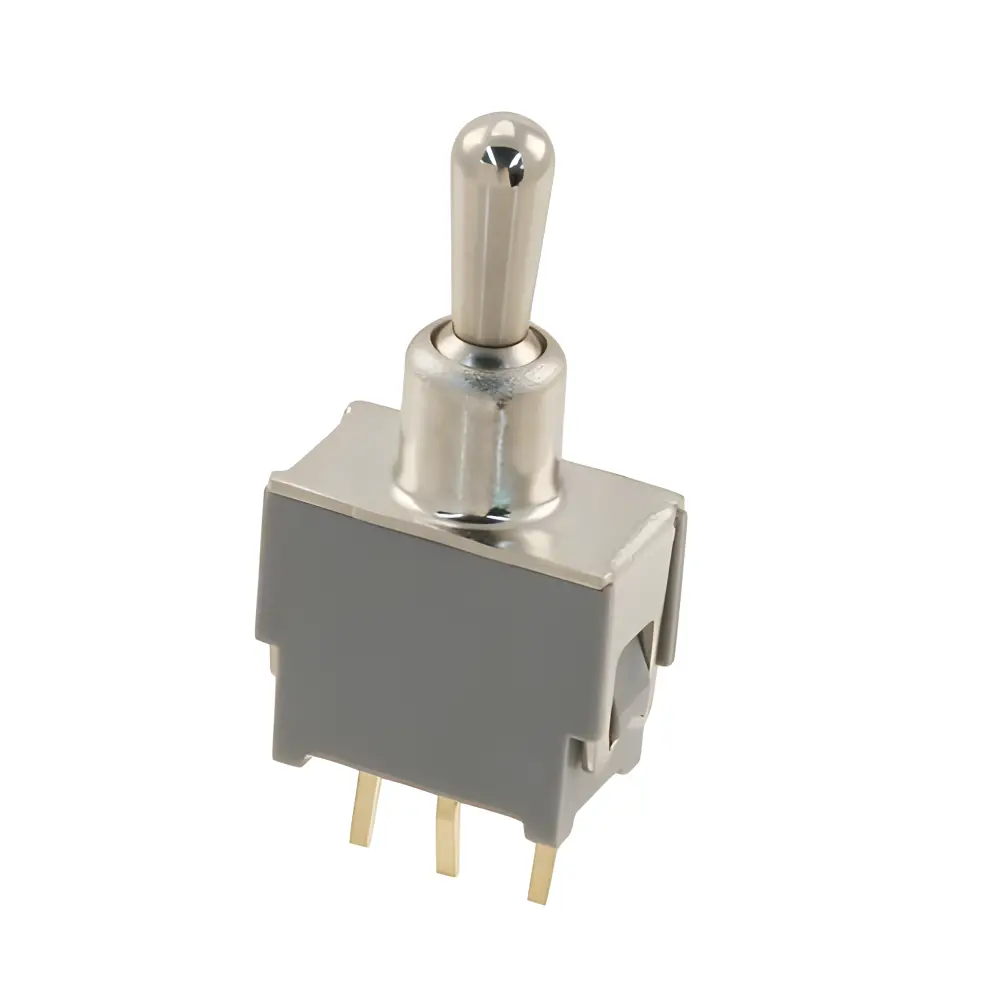 Switches
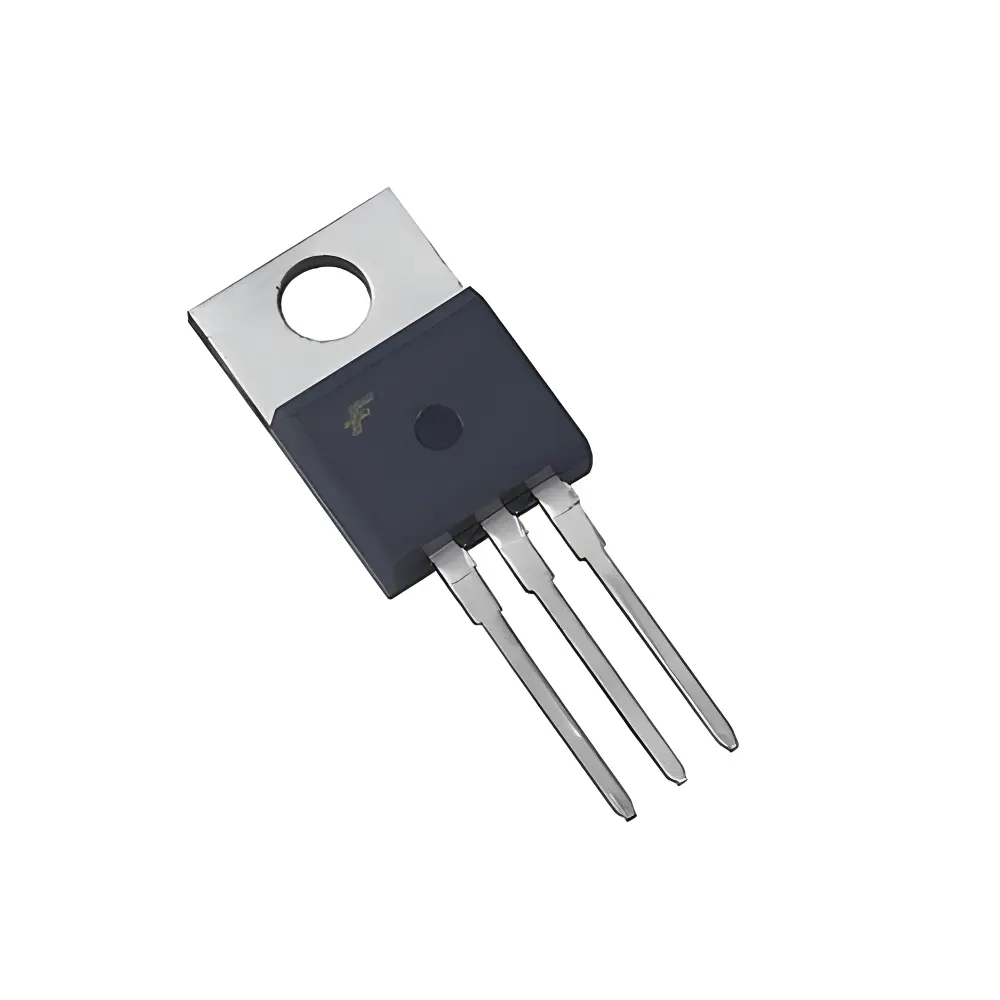 Transistors
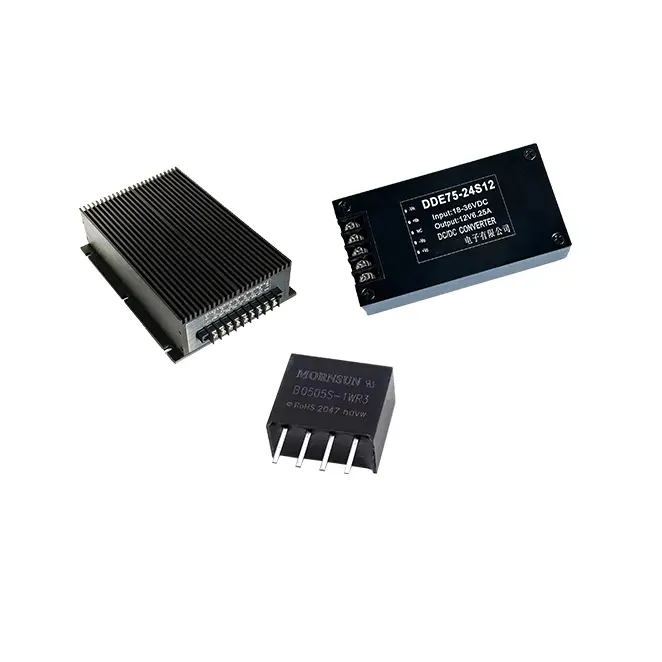 Power Modules
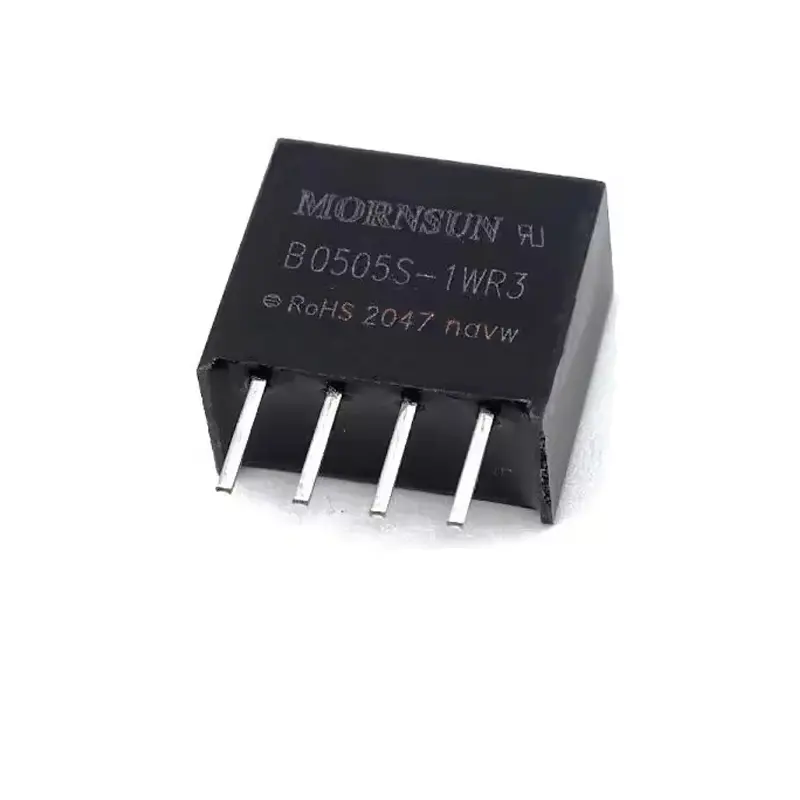 Isolated Power Modules
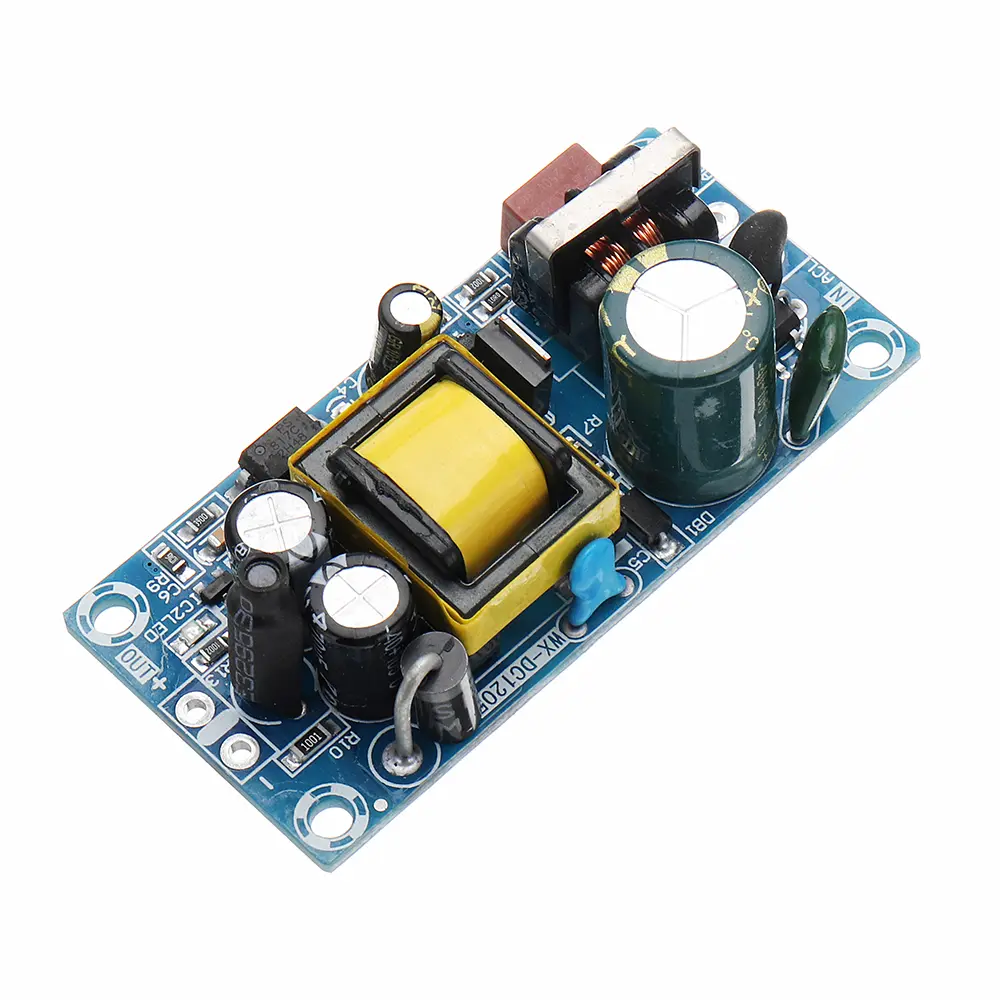 AC-DC Power Modules
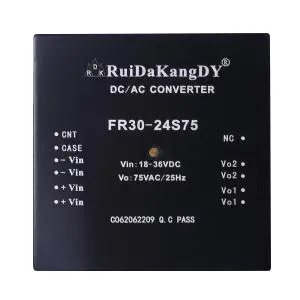 DC-AC Module(Inverter)
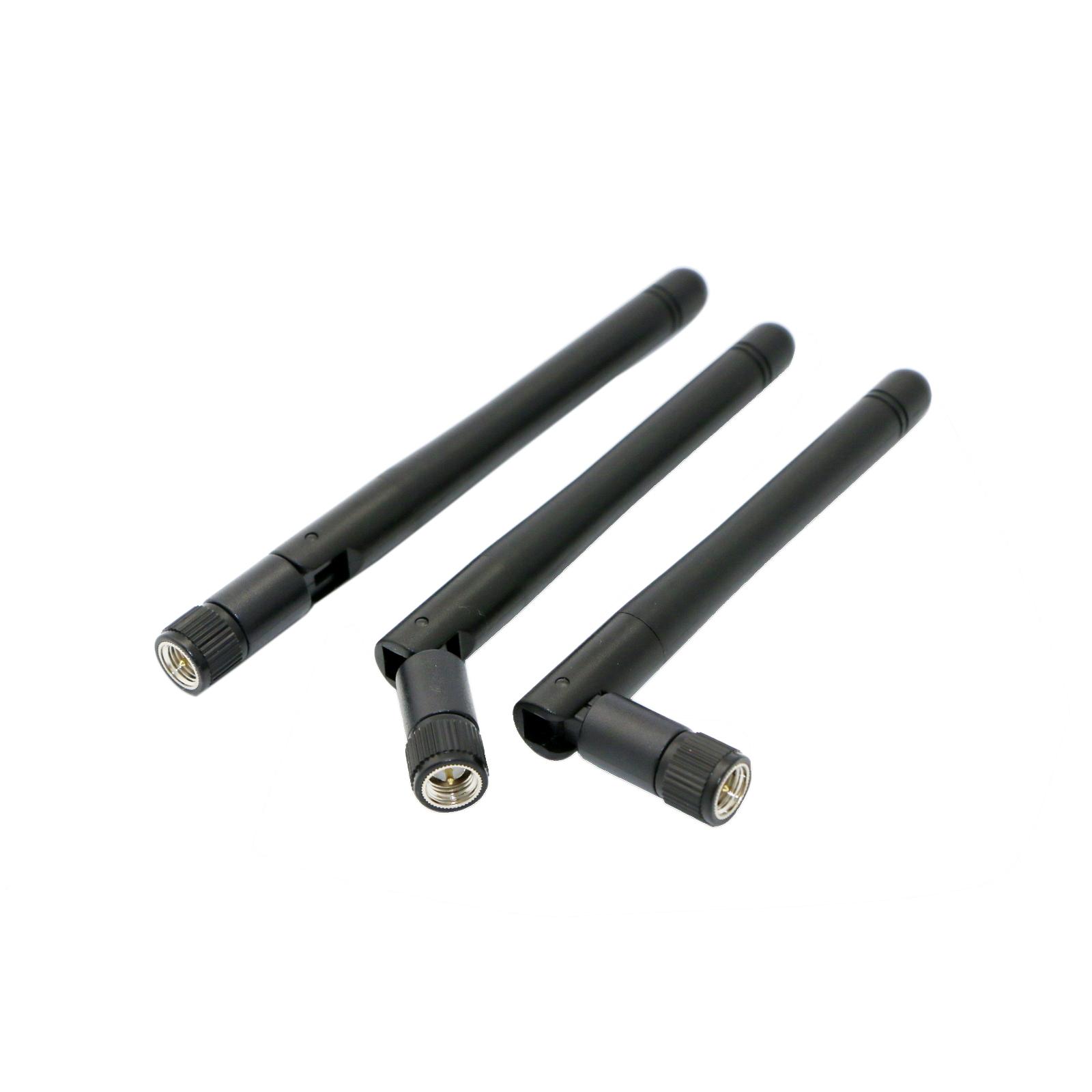 RF and Wireless
Key Control Parameters in Vacuum Lamination Process
2025-09-19

Core Value of Vacuum Lamination Process and SignifICance of Parameter Control
Vacuum lamination process is a key manufacturing technology that bonds multiple layers of substrates (such as PCB core boards, prepregs, copper foils, or composite fiber cloth and resin) into a single unit under vacuum environment through heating and pressurization. Its core advantages lie in eliminating interlayer bubbles, improving inteRFace bonding strength, and ensuring product thickness uniformity, which is widely used in high-density PCB manufacturing, flexible electronics, aerospace composite components and other fields.
Parameter control is the core of the vacuum lamination process — any parameter deviating from the reasonable range may lead to defects such as interlayer delamination, residual bubbles, resin loss, and substrate deformation. For example, insufficient vacuum degree will result in interlayer bubble rate exceeding 0.1%; uneven pressure will Make Pcb thickness tolerance exceed ±0.05mm. Therefore, precise control of each key parameter is the prerequisite for ensuring the quality stability of vacuum laminated products.
2. Key Control Parameters and Action Mechanisms of Vacuum Lamination Process
2.1 Vacuum Degree
Vacuum degree refers to the degree to which the air pressure in the lamination chamber is lower than atmospheric pressure, which is the core parameter for eliminating interlayer bubbles:
- Action Mechanism: The vacuum environment can discharge air and volatile substances (such as solvents in resin) in the gaps of substrates, avoiding the expansion of these substances to form bubbles during heating and pressurization. The higher the vacuum degree, the more thoroughly bubbles are discharged, and the tighter the interlayer bonding.
- Reasonable Range: Adjust according to product type. The vacuum degree for conventional PCB lamination should be ≤50Pa (absolute pressure); for high-precision PCBs (such as HDI boards) ≤20Pa; for composite lamination (such as carbon fiber/epoxy resin) ≤10Pa. For resin systems with more volatile components, the vacuum degree needs to be further reduced to ≤5Pa to prevent volatile residues from forming microbubbles.
- Control Points: Sufficient vacuum holding time is required, usually maintaining vacuum state for 10-30 minutes before pressurization (take the upper limit for thick substrates); the pumping speed of the vacuum system should match the chamber volume to ensure that the vacuum degree can be reduced to the target value within 30 minutes; seals should be checked regularly to avoid vacuum leakage due to poor sealing (leakage rate ≤0.5Pa/min).
2.2 Lamination Pressure
Lamination pressure is the key parameter to promote close bonding of various substrate layers and control product thickness:
- Action Mechanism: Pressure can make prepregs (PCB) or resin (composite materials) flow, fill the gaps of substrates, suppress bubble generation, and ensure the product thickness meets the design requirements. Insufficient pressure will lead to insufficient interlayer bonding strength; excessive pressure will cause excessive resin loss or substrate damage.
- Reasonable Range: Adopt the "segmented pressurization" mode, with specific parameters as follows: Pre-pressurization Stage: Pressure 1-3kg/cm², maintained for 5-10 minutes, aiming to initially fix each substrate layer and prevent displacement.
- Main Pressurization Stage: PCB lamination pressure 3-5kg/cm²; composite lamination pressure 5-10kg/cm² (take the upper limit for carbon fiber composites), maintained for 20-40 minutes to ensure sufficient resin flow and interface bonding.
- Pressure Holding Stage: Reduce pressure to 2-3kg/cm², and cool down to below 100℃ with temperature to prevent internal stress during product cooling and shrinkage.
Control Points: Pressure uniformity should be ≤±5%, and multi-point pressure sensors can be used to monitor the pressure in different areas of the chamber; for special-shaped products or substrates with large thickness differences, "flexible pressurization" (such as airbag pressurization) should be adopted to ensure uniform pressure transmission.
2.3 Lamination Temperature and Heating Curve
Temperature determines the curing reaction rate and fluidity of resin, and the heating curve directly affects the lamination quality:
- Action Mechanism: Increasing temperature softens and flows the resin to fill the gaps of substrates; when reaching the curing temperature, the resin undergoes a cross-linking reaction to firmly bond the various substrate layers. Too fast heating rate easily causes local resin overheating and decomposition, while too slow heating rate prolongs the production cycle.
- Typical Heating Curve (taking PCB prepreg as an example): Heating Stage: Rate 1-2℃/min, from room temperature to 120-140℃ (resin softening point), maintained for 5-10 minutes to fully flow the resin.
- Curing Stage: Rate 0.5-1℃/min, raised to 170-180℃ (resin curing temperature), maintained for 30-40 minutes to ensure complete resin curing (curing degree ≥95%).
- Cooling Stage: Rate 1-1.5℃/min, cooled to below 100℃ to avoid product warping due to sudden temperature drop.
- Control Points: Chamber temperature uniformity should be ≤±3℃, and infrared thermometers can be used to monitor the substrate surface temperature; adjust curing temperature and time according to resin system (such as epoxy resin curing temperature 175℃, phenolic resin 180℃); avoid temperature exceeding the heat resistance limit of substrates (such as PI substrate long-term heat resistance ≤260℃).
2.4 Lamination Time
Lamination time is the total duration of each stage (vacuum, heating, curing, cooling), which needs to be controlled in coordination with temperature and pressure:
- Action Mechanism: Sufficient time can ensure full resin flow, complete bubble discharge, and thorough curing reaction; insufficient time will lead to incomplete curing (interlayer bonding strength <1.5kN/m), while excessive time will cause resin aging and increased energy consumption.
- Reasonable Range: Total time for conventional PCB lamination is 60-90 minutes; thick boards (thickness >3mm) or multi-layer boards (≥12 layers) need to be extended to 90-120 minutes; composite lamination (thickness 5-10mm) needs 120-180 minutes. Among them, curing time accounts for 40%-50% of the total time.
- Control Points: Adjust the time of each stage according to substrate thickness and number of layers — the thicker the substrate, the slower the heat conduction, and the heating time needs to be extended by 20%-30%; the more the number of layers, the more difficult the bubble discharge, and the vacuum holding time needs to be increased by 10-15 minutes.
2.5 Substrate Positioning and Thickness Control
Although not direct process parameters, they are crucial to the precision of laminated products:
- Substrate Positioning: Use positioning pins or CCD visual positioning to ensure the alignment accuracy of each substrate layer ≤±0.05mm, avoiding interlayer misalignment leading to circuit short circuits or signal shifts. The diameter tolerance of positioning pins should be ≤±0.01mm, and the spacing tolerance ≤±0.02mm.
- Thickness Control: Place a thickness gauge (accuracy ±0.01mm) in the lamination chamber, or use pressure feedback to control thickness. PCB lamination thickness tolerance should be controlled within ±0.05mm; composite component thickness tolerance ≤±0.1mm/m. For products with strict requirements, rigid cover plates (such as stainless steel plates) can be placed above and below the substrate to improve thickness uniformity.
3. Synergistic Relationship and Optimization Strategy Among Parameters
The parameters of vacuum lamination are not independent and need to be optimized synergistically to achieve the best effect:
- Synergy between Vacuum Degree and Temperature: Increasing temperature will expand the gas in the substrate gaps, so the vacuum degree must be reduced to the target value before heating to avoid difficulty in discharging expanded gas. For example, before heating to 100℃, the vacuum degree should reach ≤20Pa.
- Synergy between Pressure and Resin Fluidity: When resin fluidity is good (such as low-viscosity epoxy resin), pressure can be appropriately reduced (3-4kg/cm²) to prevent resin loss; when resin fluidity is poor, pressure needs to be increased (5-6kg/cm²), and the heating stage time should be extended to ensure sufficient resin filling.
- Synergy between Time and Temperature: When reducing the curing temperature, the curing time should be extended accordingly to ensure the curing degree meets the standard. For example, if the curing temperature is reduced from 180℃ to 170℃, the curing time needs to be extended from 30 minutes to 40 minutes.
4. Common Problems and Parameter Adjustment Schemes
| Common Problems | Main Parameter Causes | Adjustment Schemes |
|---|---|---|
| Residual Interlayer Bubbles | Insufficient vacuum degree; short vacuum holding time; too fast heating rate | Reduce vacuum degree to ≤20Pa; extend vacuum holding time to 20 minutes; reduce heating rate to 1℃/min |
| Low Interlayer Bonding Strength | Low curing temperature; short curing time; insufficient main pressurization pressure | Increase curing temperature to 180℃; extend curing time to 40 minutes; increase main pressurization pressure to 5kg/cm² |
| Uneven Product Thickness | Poor pressure uniformity; inaccurate substrate positioning; invalid thickness gauge | Calibrate pressure sensors to ensure pressure uniformity ≤±3%; optimize positioning pin spacing tolerance to ±0.01mm; replace thickness gauge with accuracy ±0.005mm |
| Excessive Resin Loss | Excessive main pressurization pressure; too long heating stage time | Reduce main pressurization pressure to 3-4kg/cm²; shorten heating stage time to 10 minutes |