
 PCB
PCB FPC
FPC Rigid-Flex
 FR-4
FR-4 HDI PCB
 Rogers High-Frequency Board
 PTFE Teflon High-Frequency Board
 Aluminum
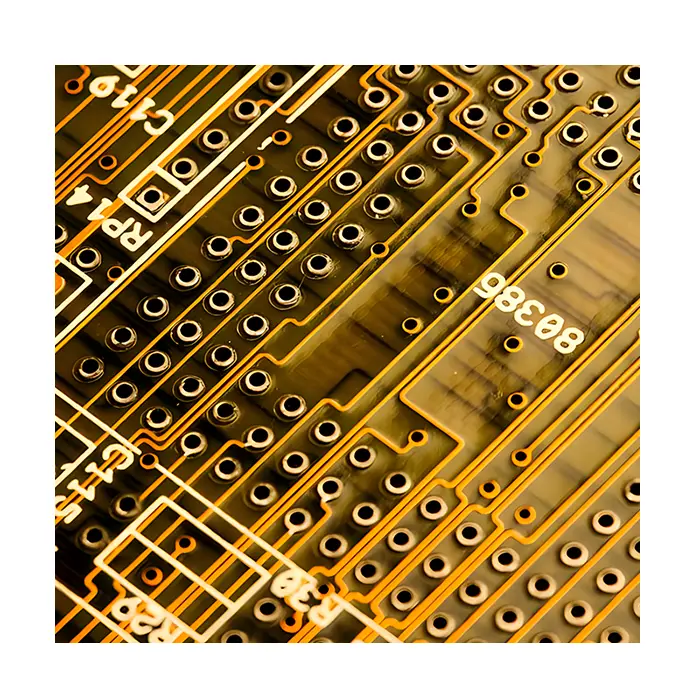 Copper Core
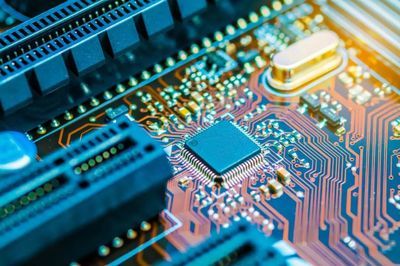 PCB Assembly
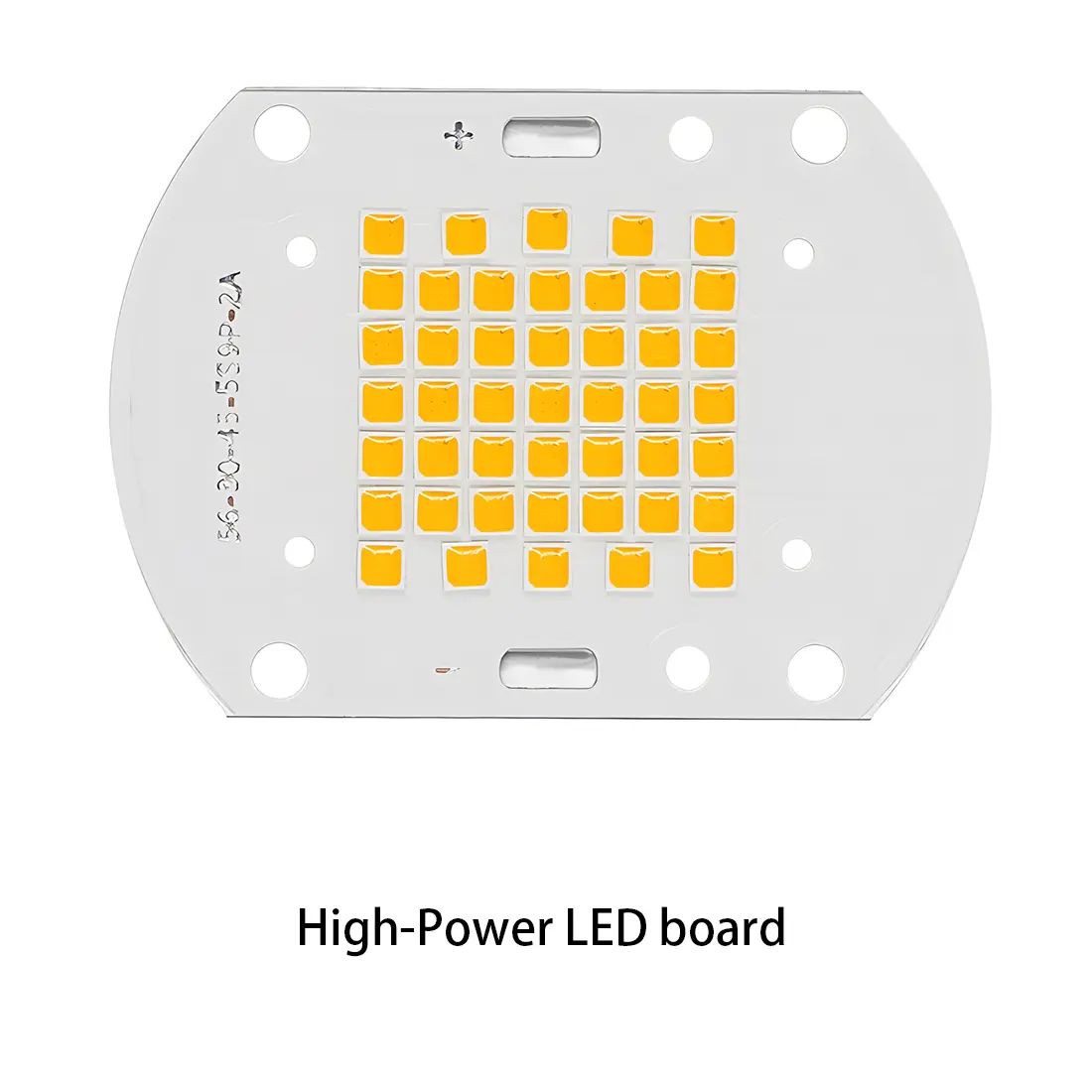 LED light PCBA
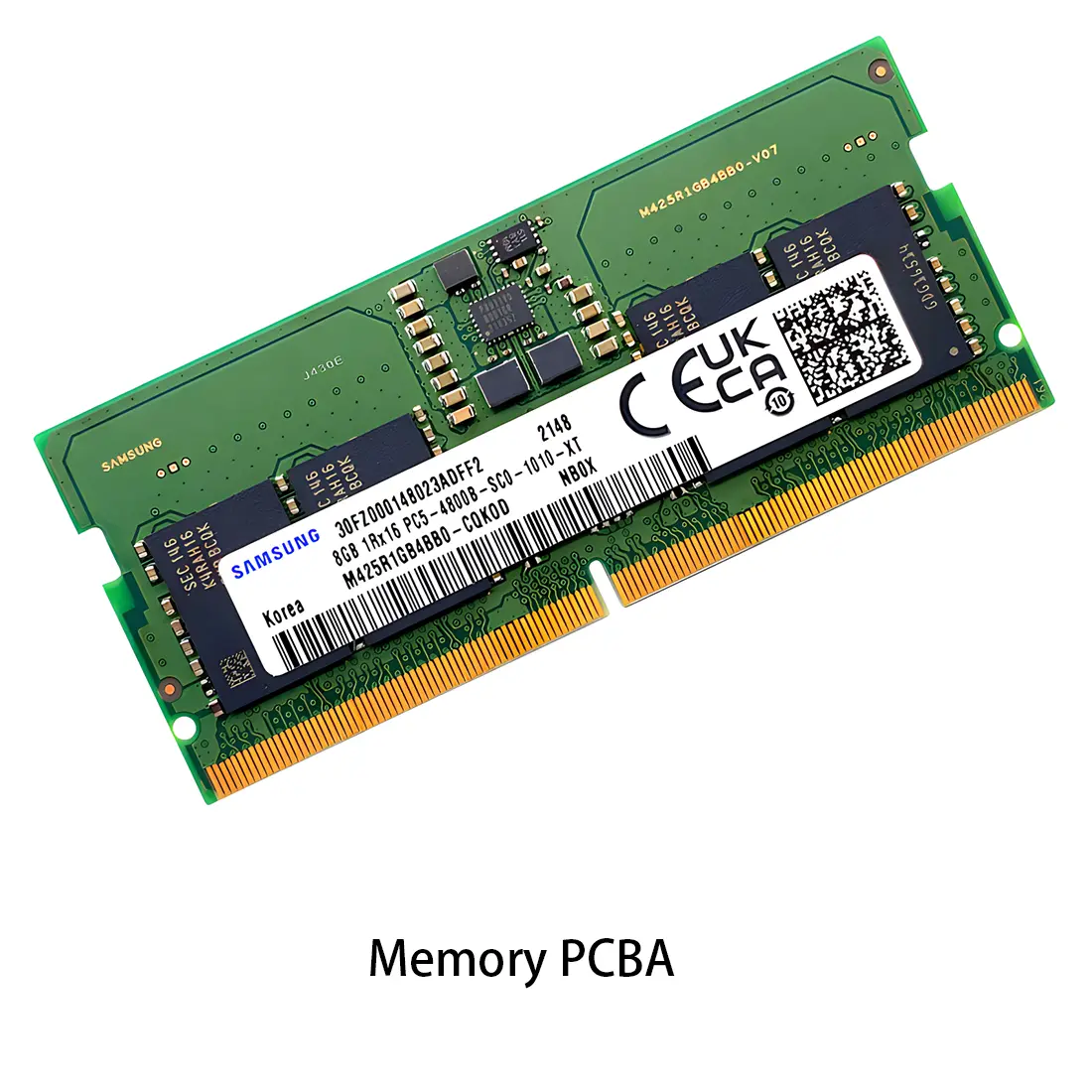 Memory PCBA
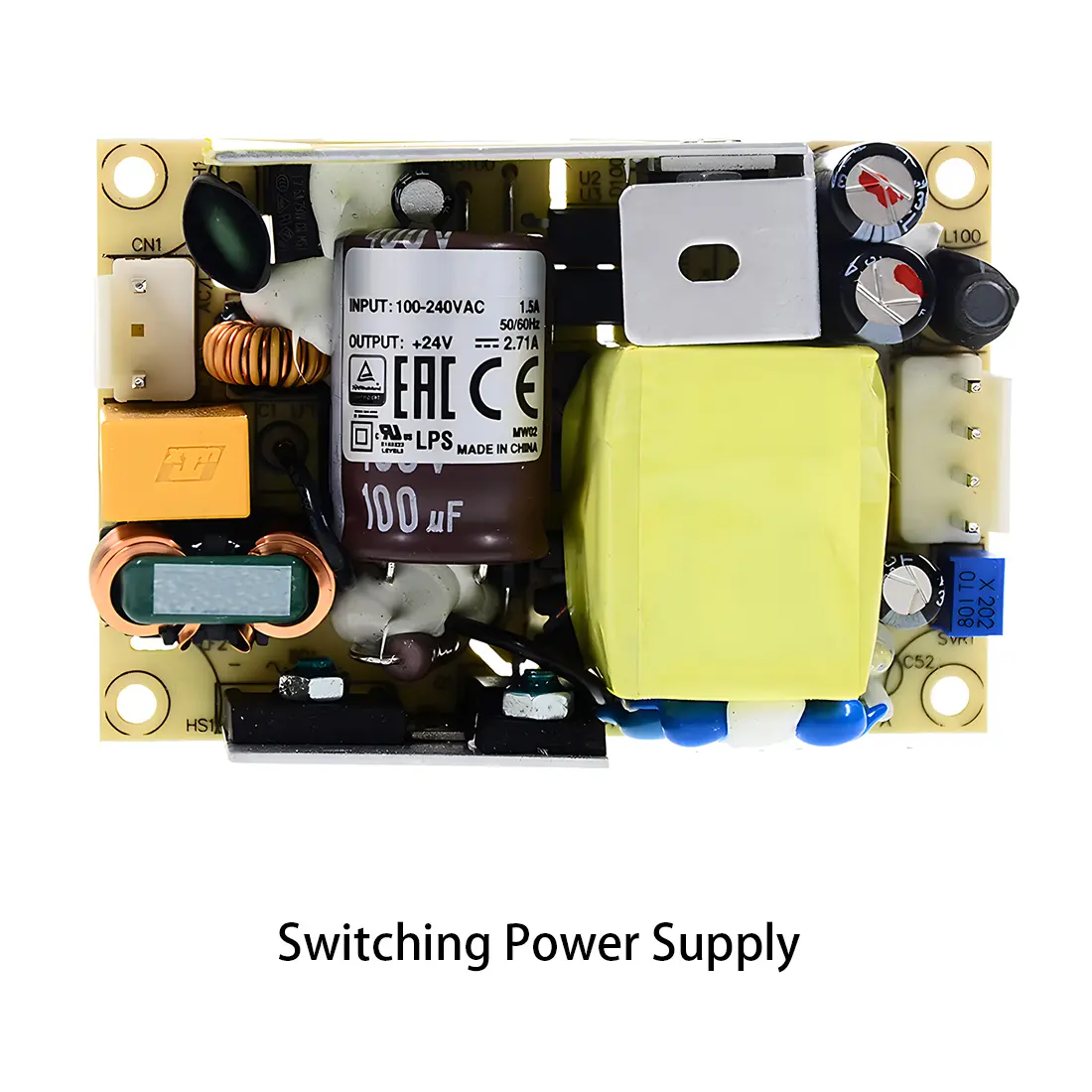 Power Supply PCBA
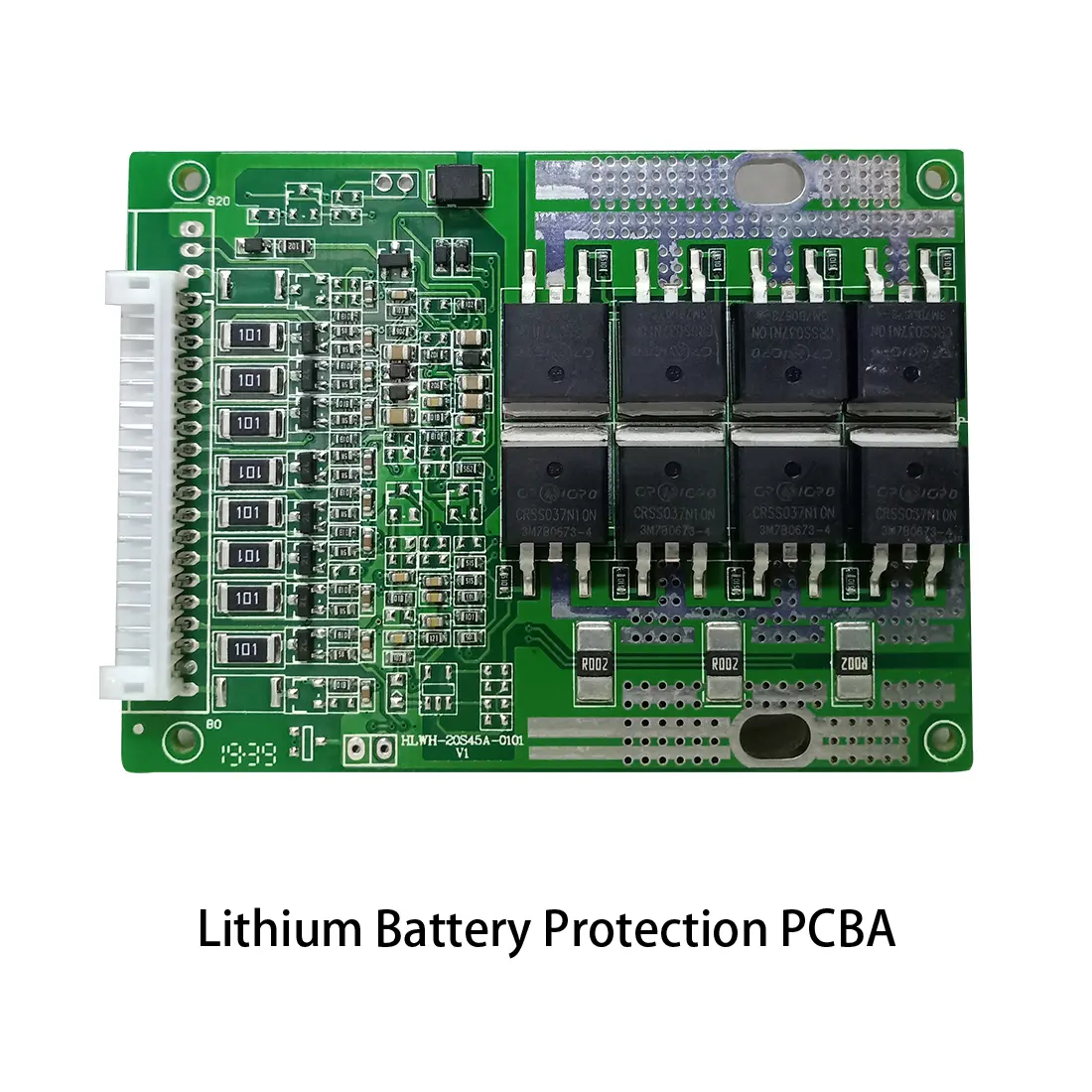 New Energey PCBA
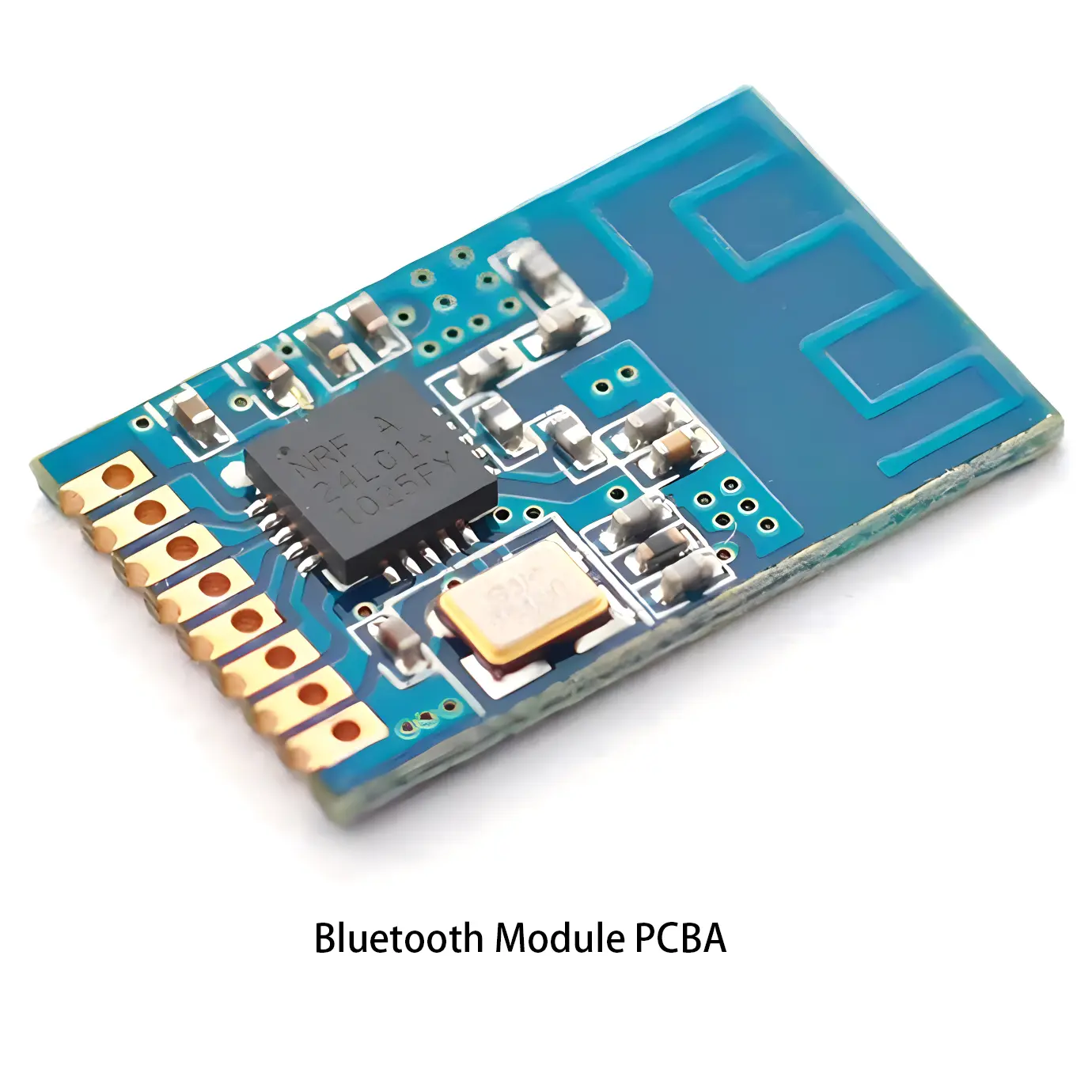 Communication PCBA
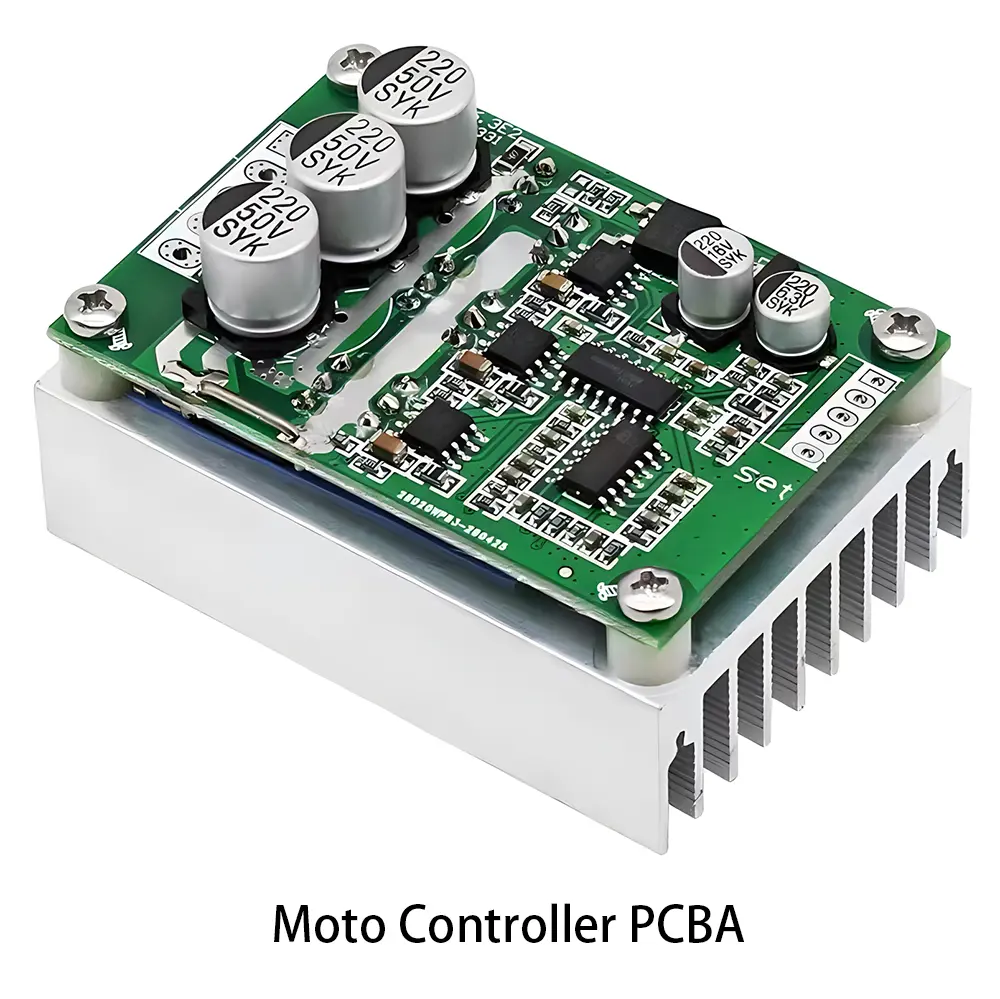 Industrial Control PCBA
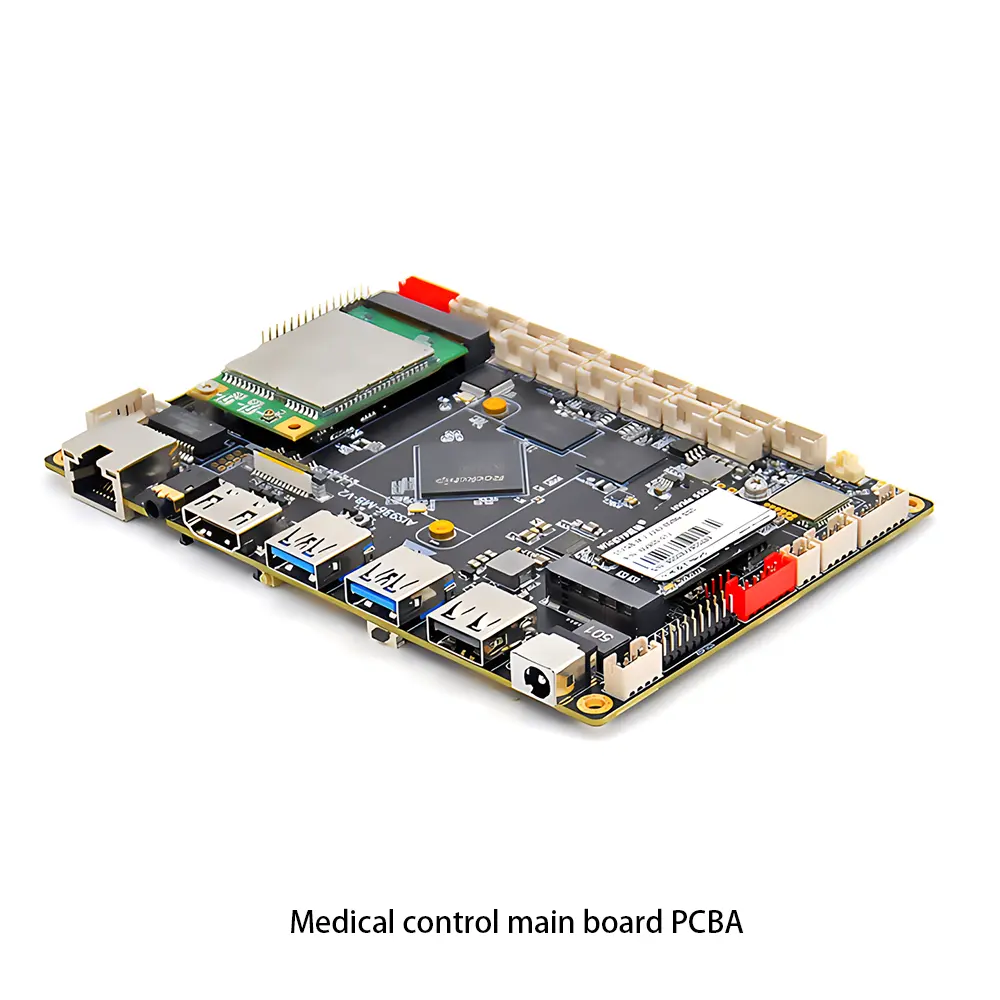 Medical Equipment PCBA
 Testing Service
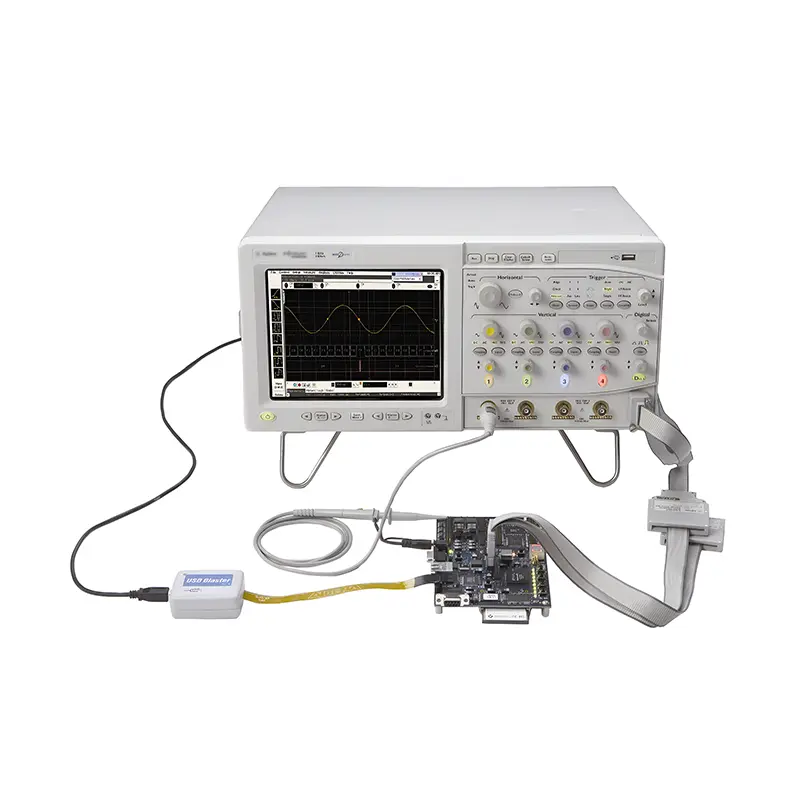 PCBA Testing Service
 Certification Application
 RoHS Certification Application
 REACH Certification Application
 CE Certification Application
 FCC Certification Application
 CQC Certification Application
 UL Certification Application
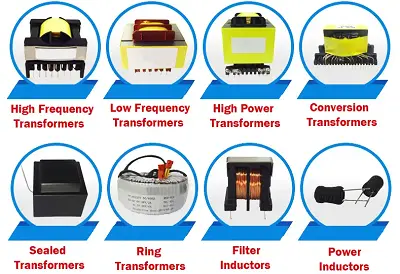 Transformers, Inductors
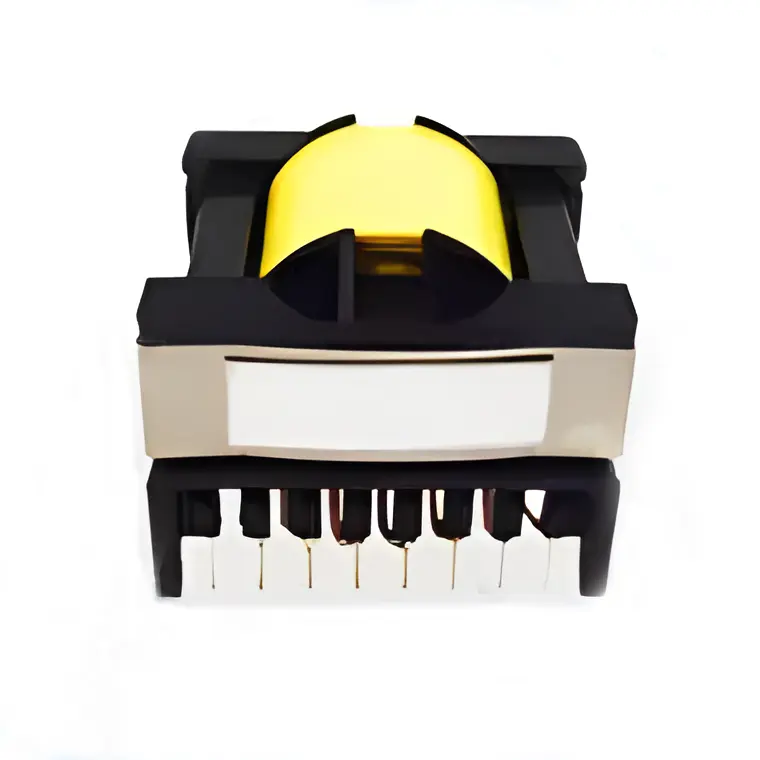 High Frequency Transformers
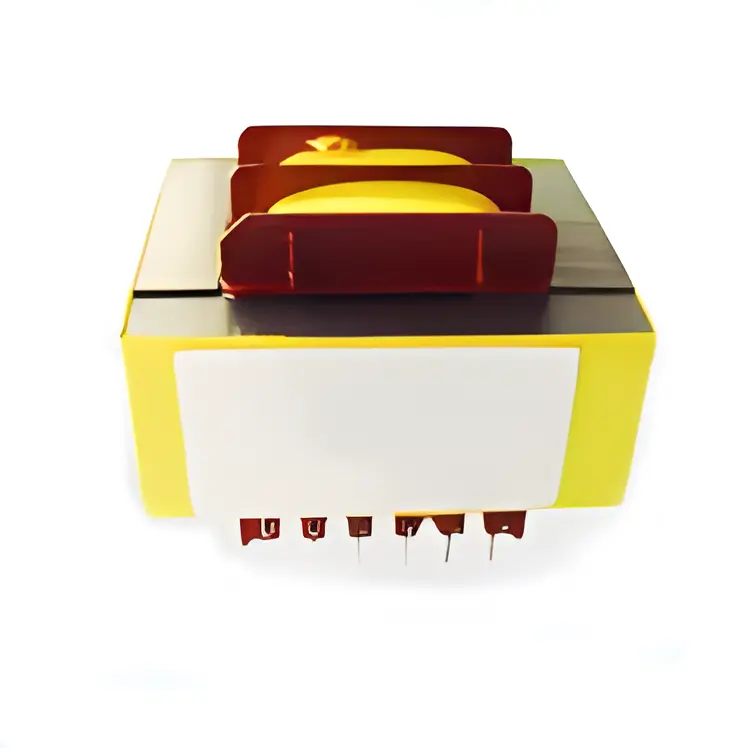 Low Frequency Transformers
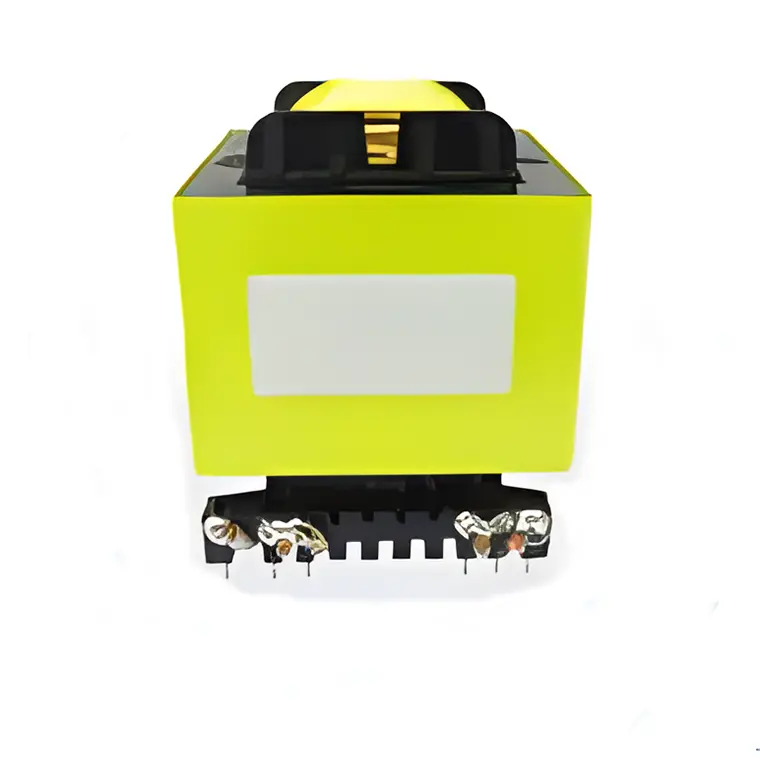 High Power Transformers
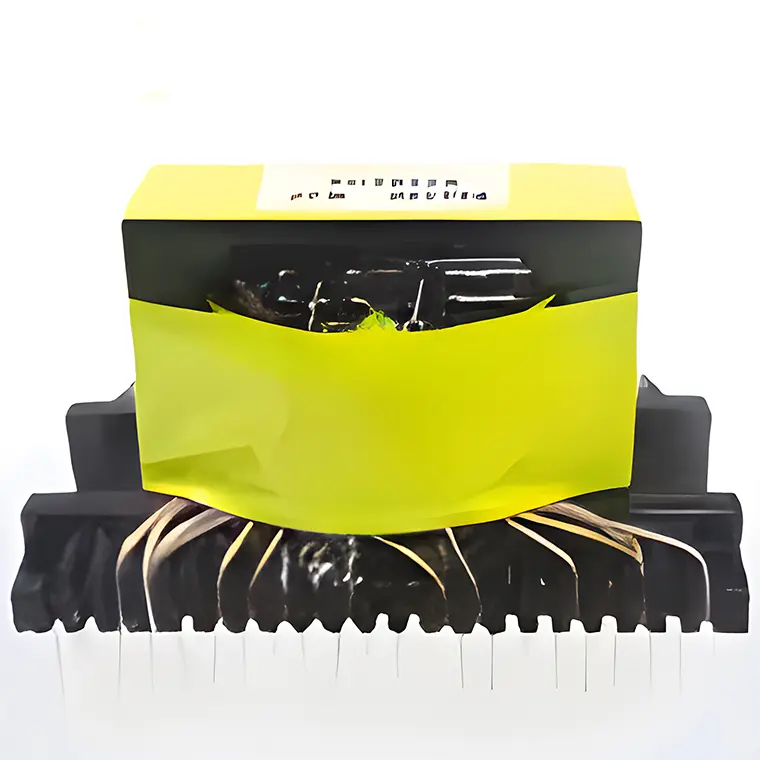 Conversion Transformers
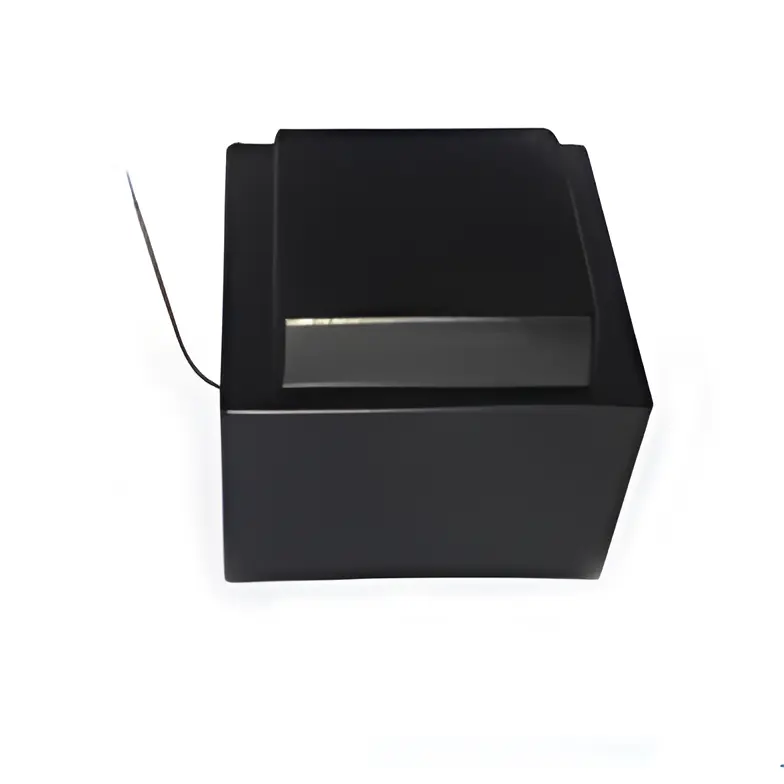 Sealed Transformers
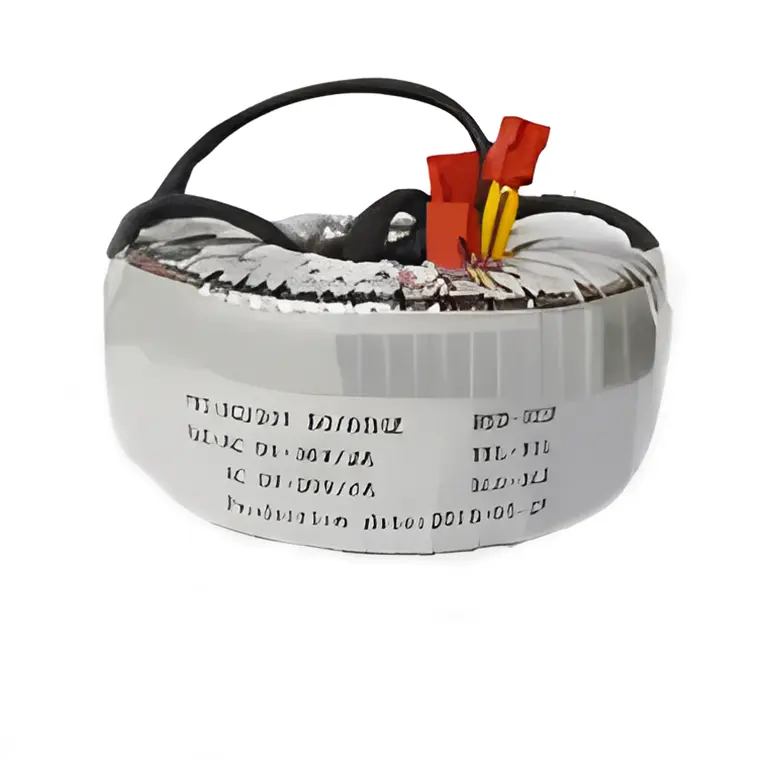 Ring Transformers
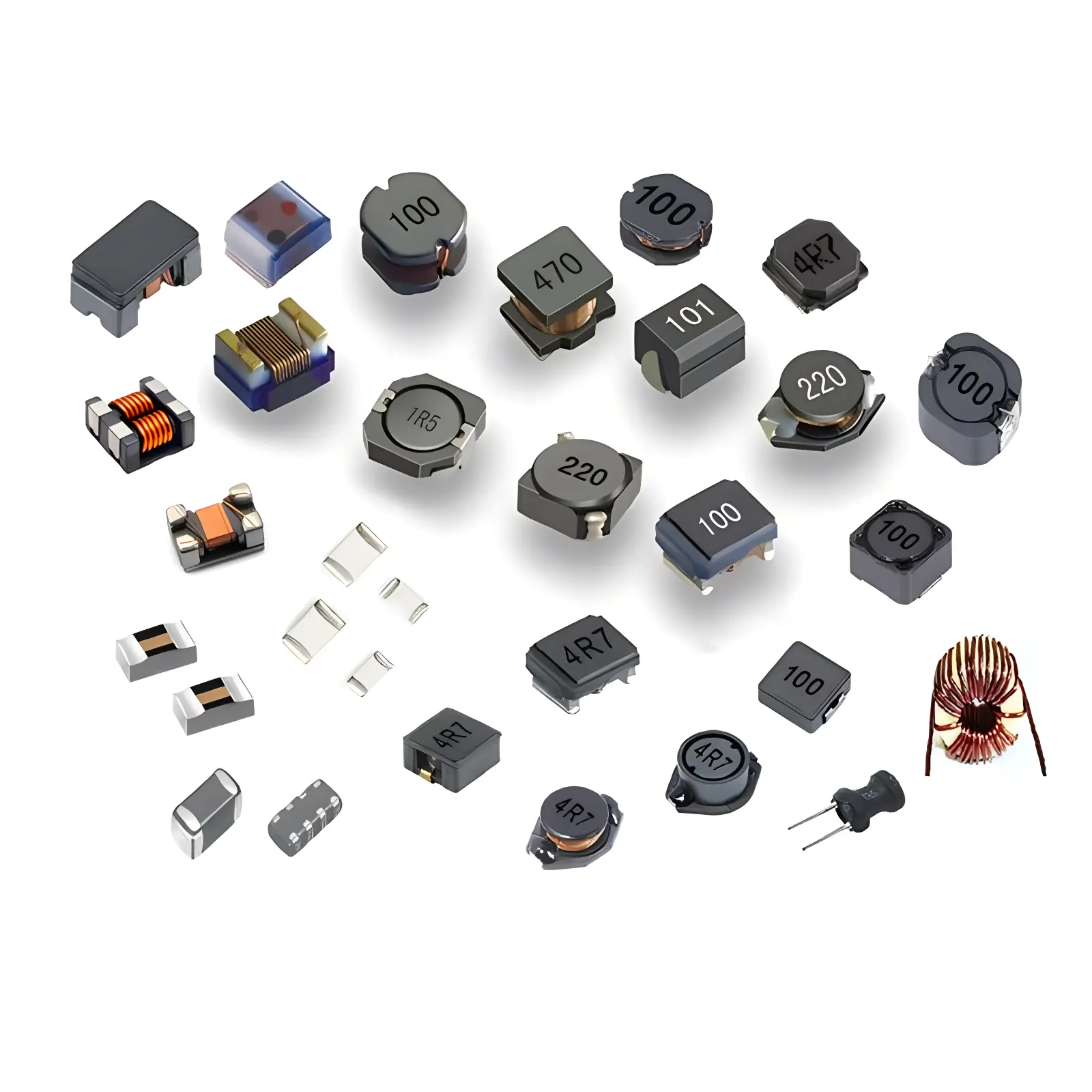 Inductors
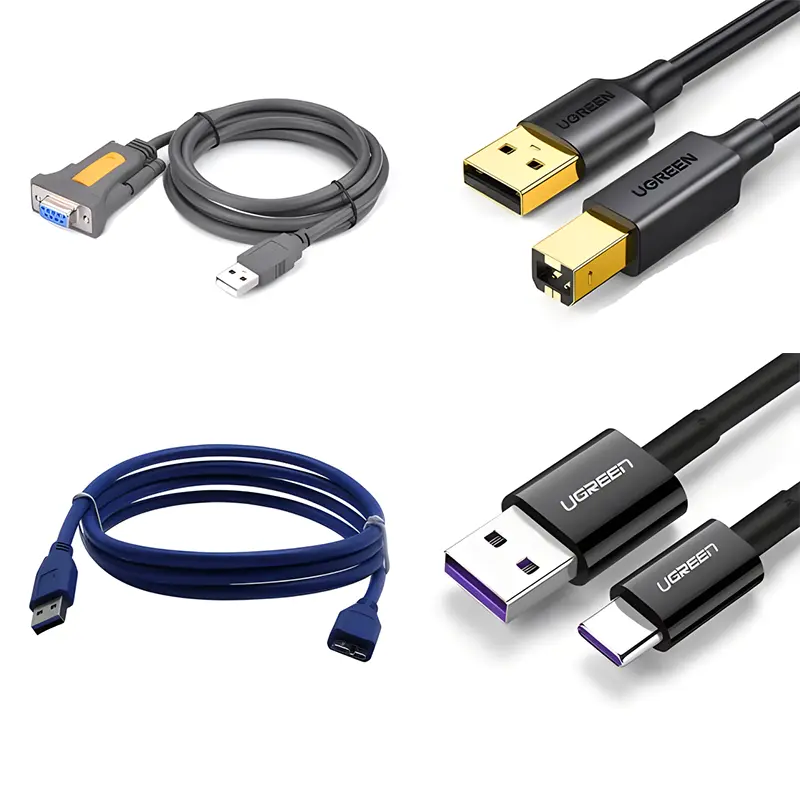 Wires,Cables Customized
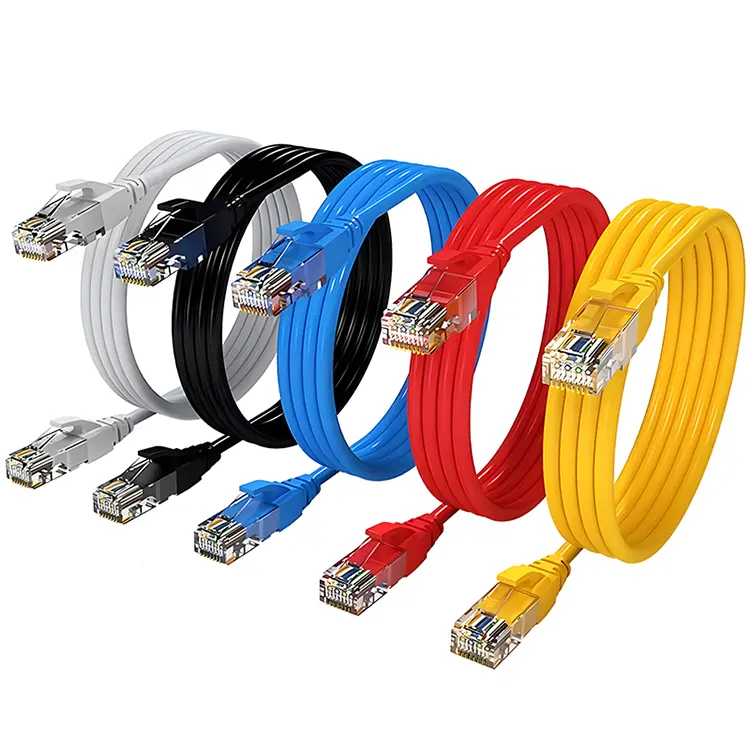 Network Cables
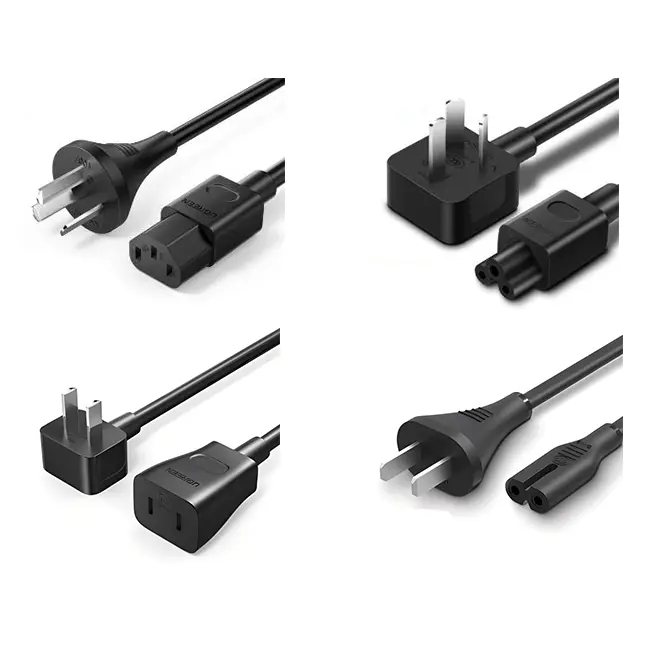 Power Cords
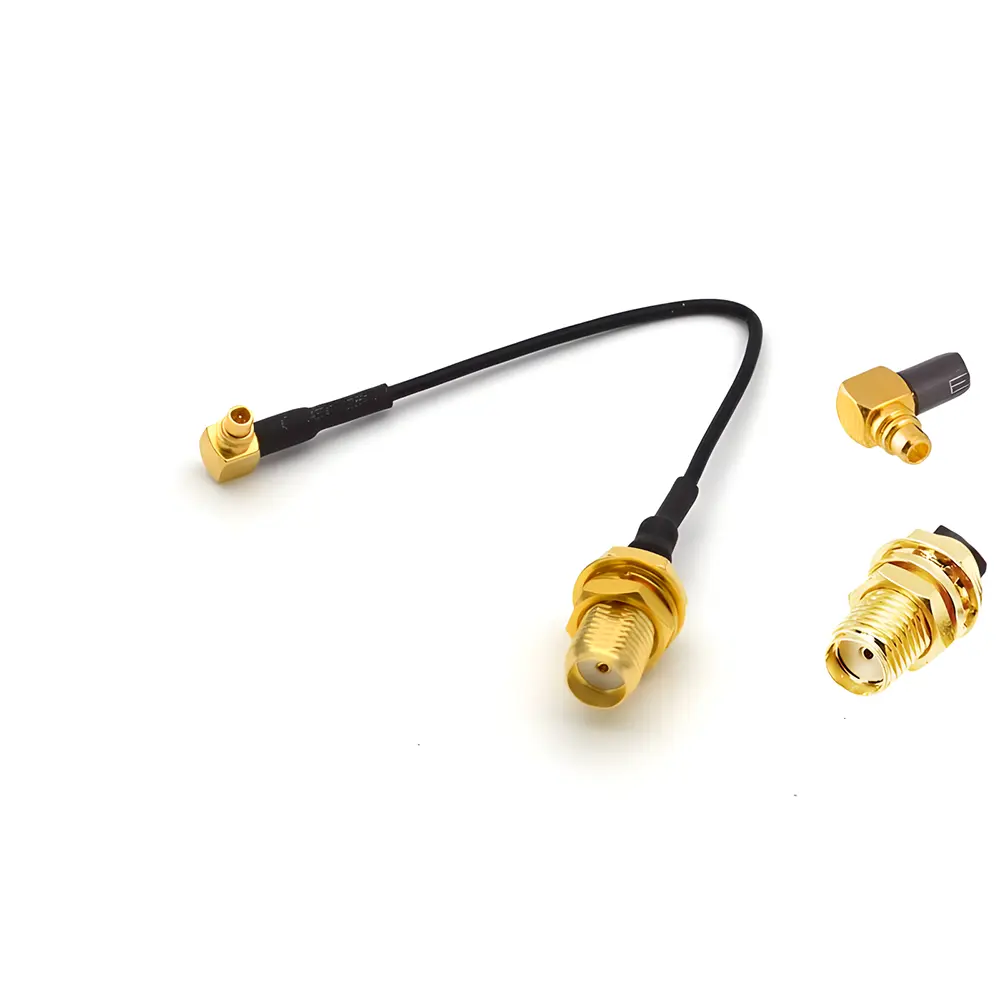 Antenna Cables
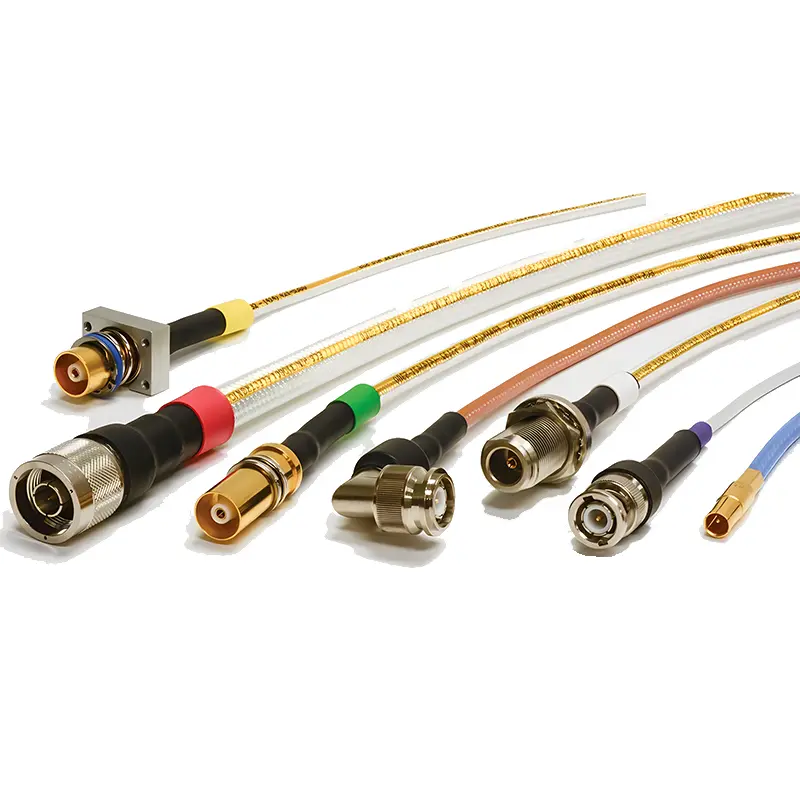 Coaxial Cables
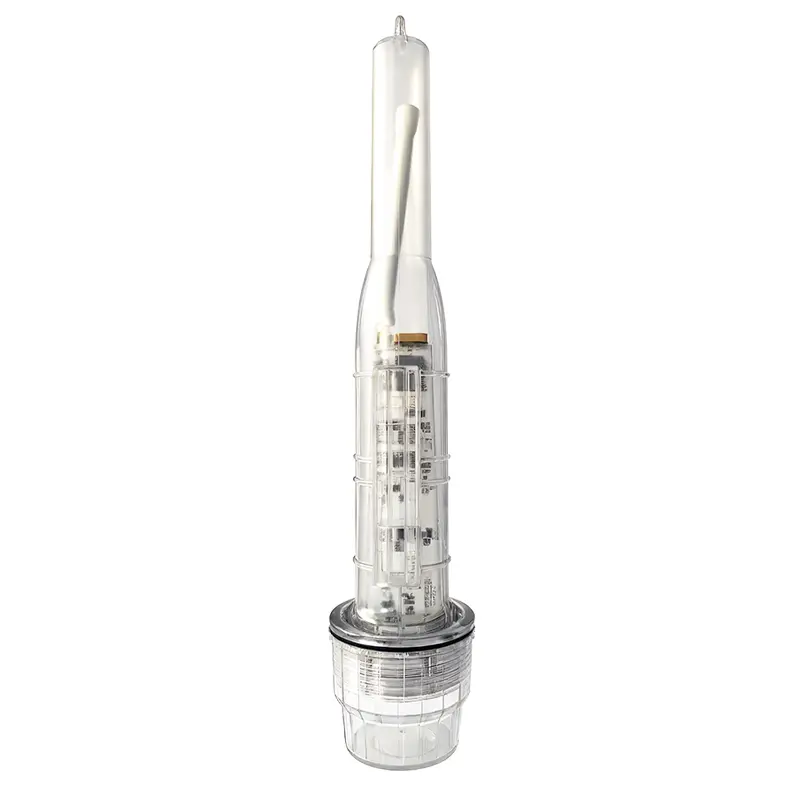 Net Position Indicator
 Solar AIS net position indicator
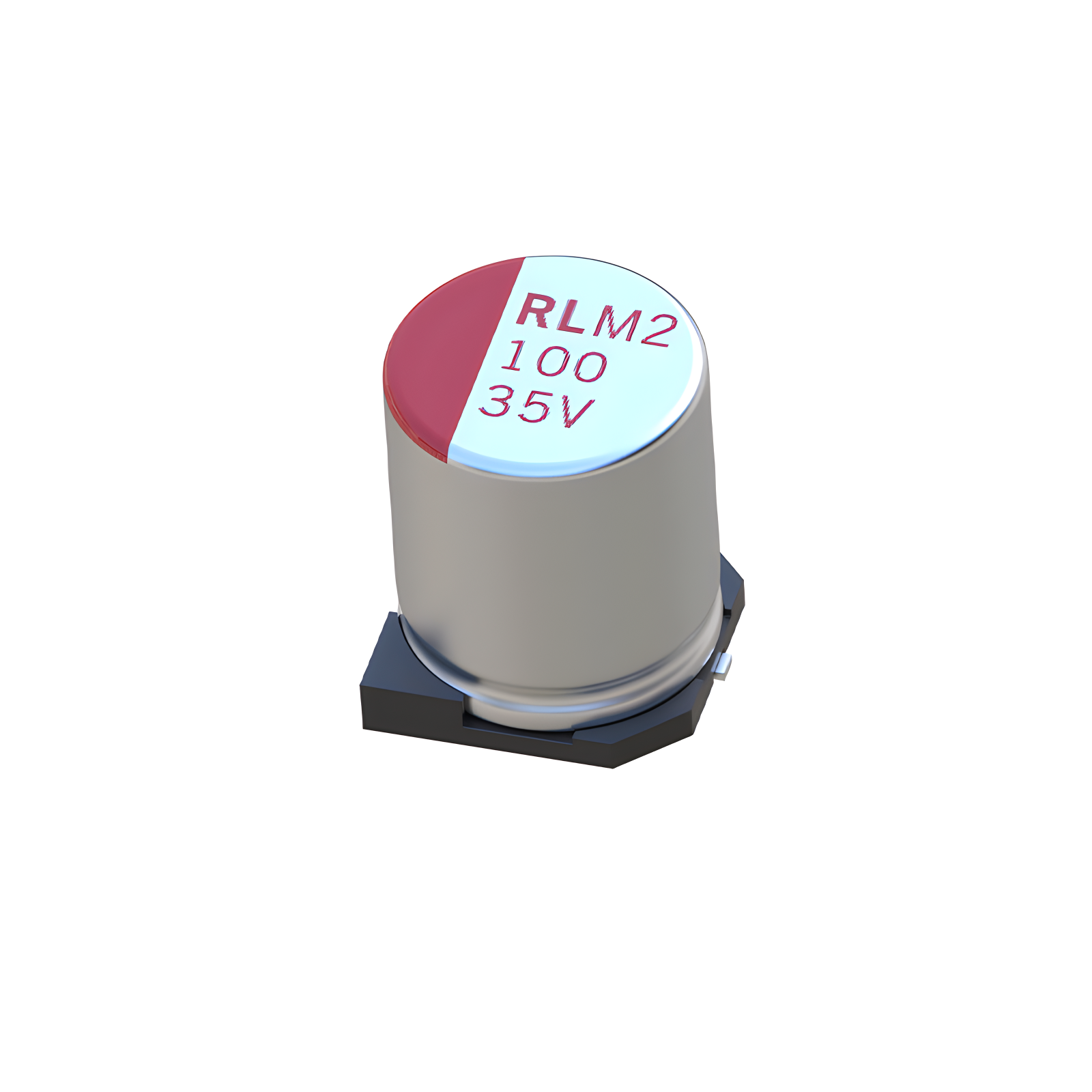 Capacitors
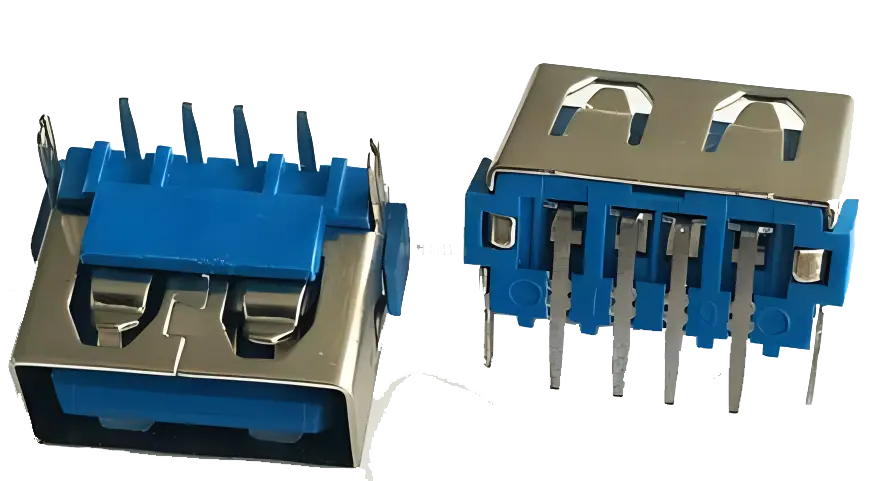 Connectors
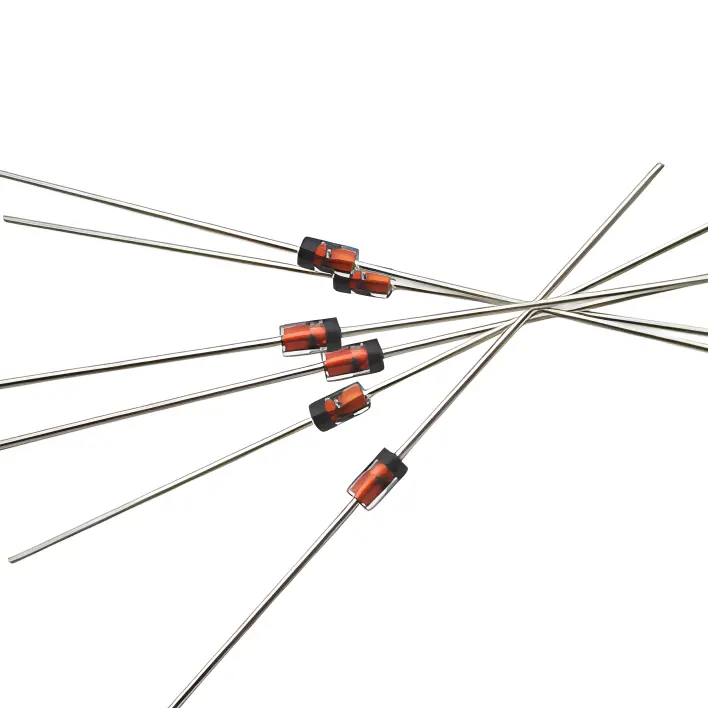 Diodes
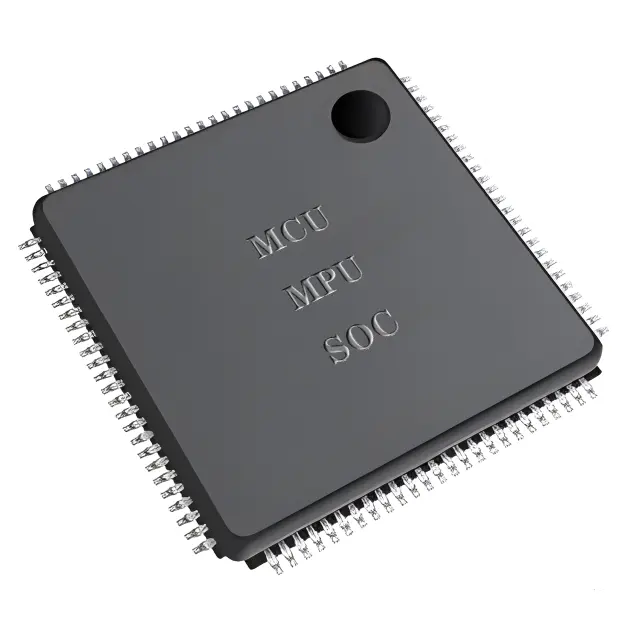 Embedded Processors & Controllers
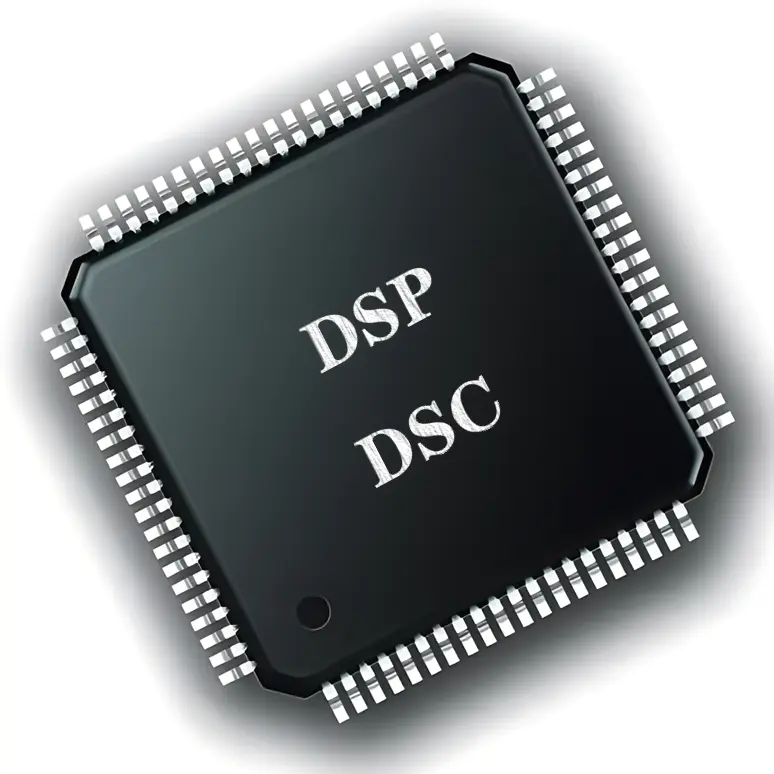 Digital Signal Processors (DSP/DSC)
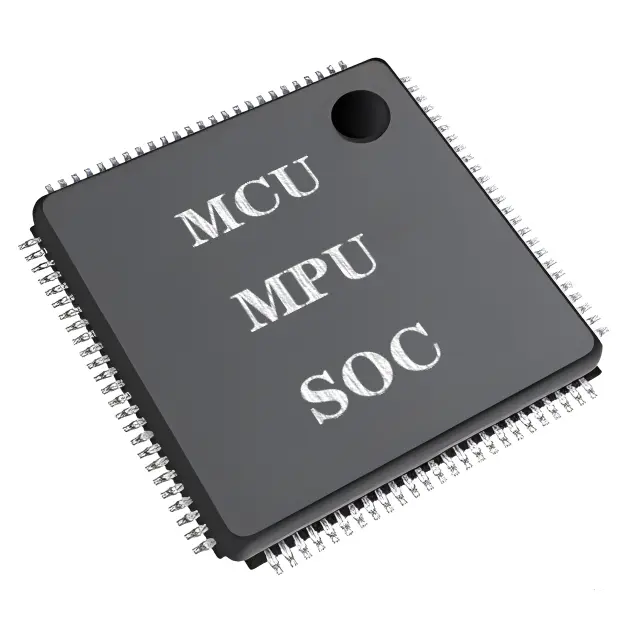 Microcontrollers (MCU/MPU/SOC)
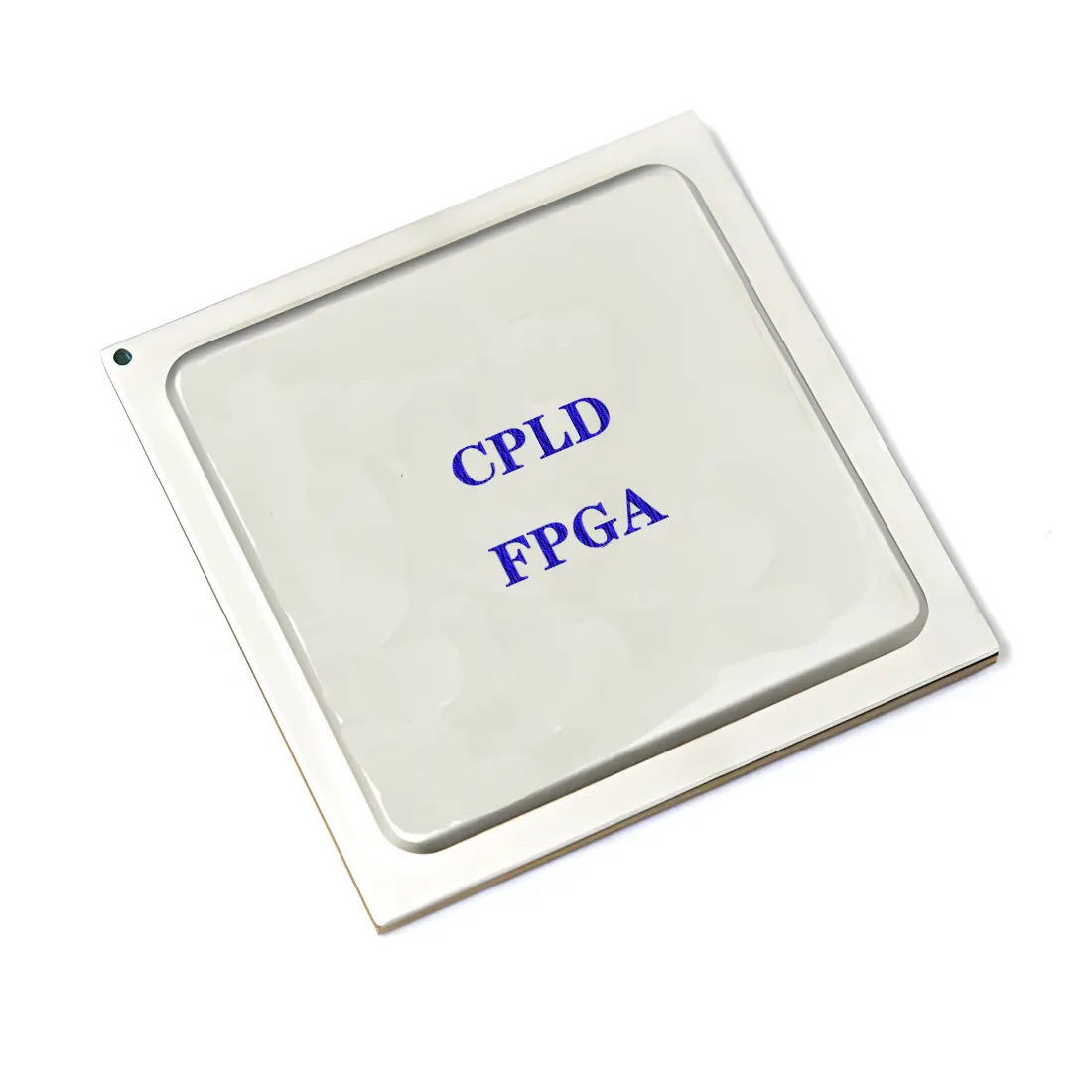 Programmable Logic Device(CPLD/FPGA)
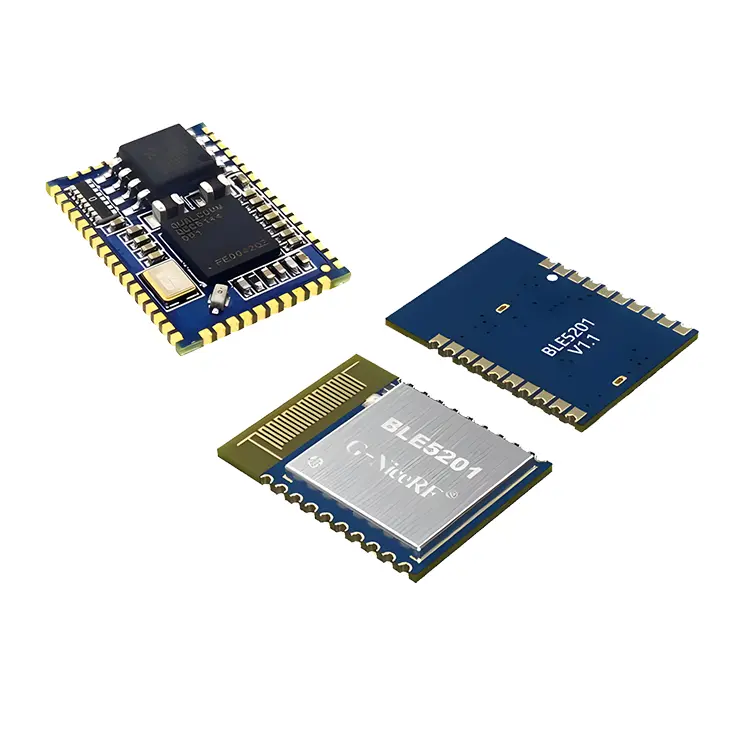 Communication Modules/IoT
 Resistors
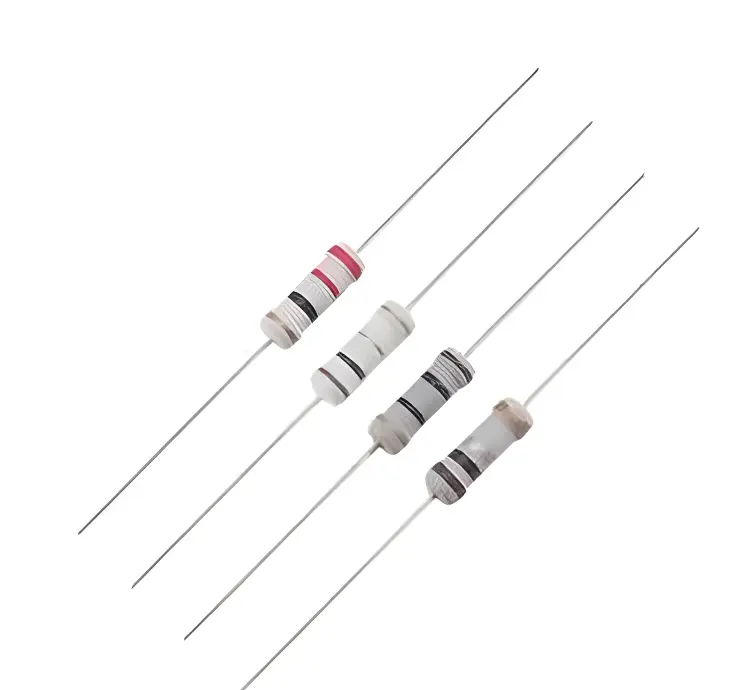 Through Hole Resistors
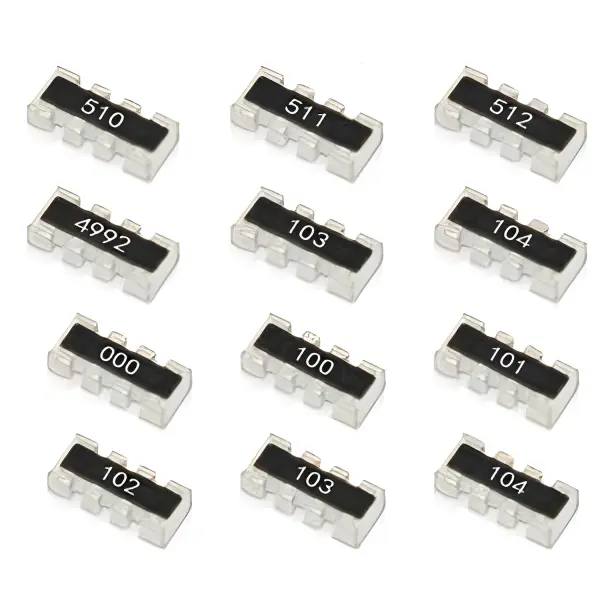 Resistor Networks, Arrays
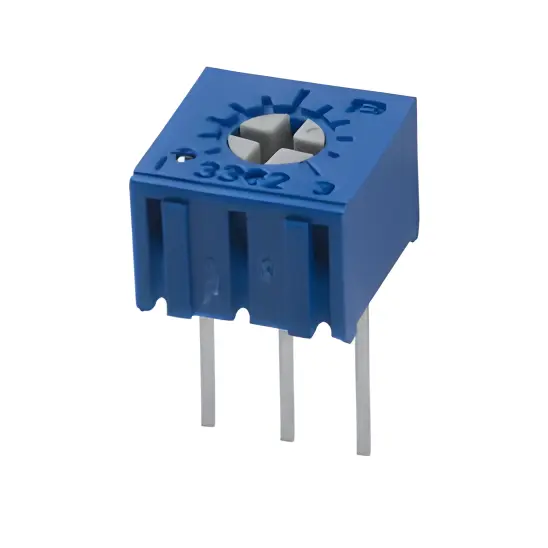 Potentiometers,Variable Resistors
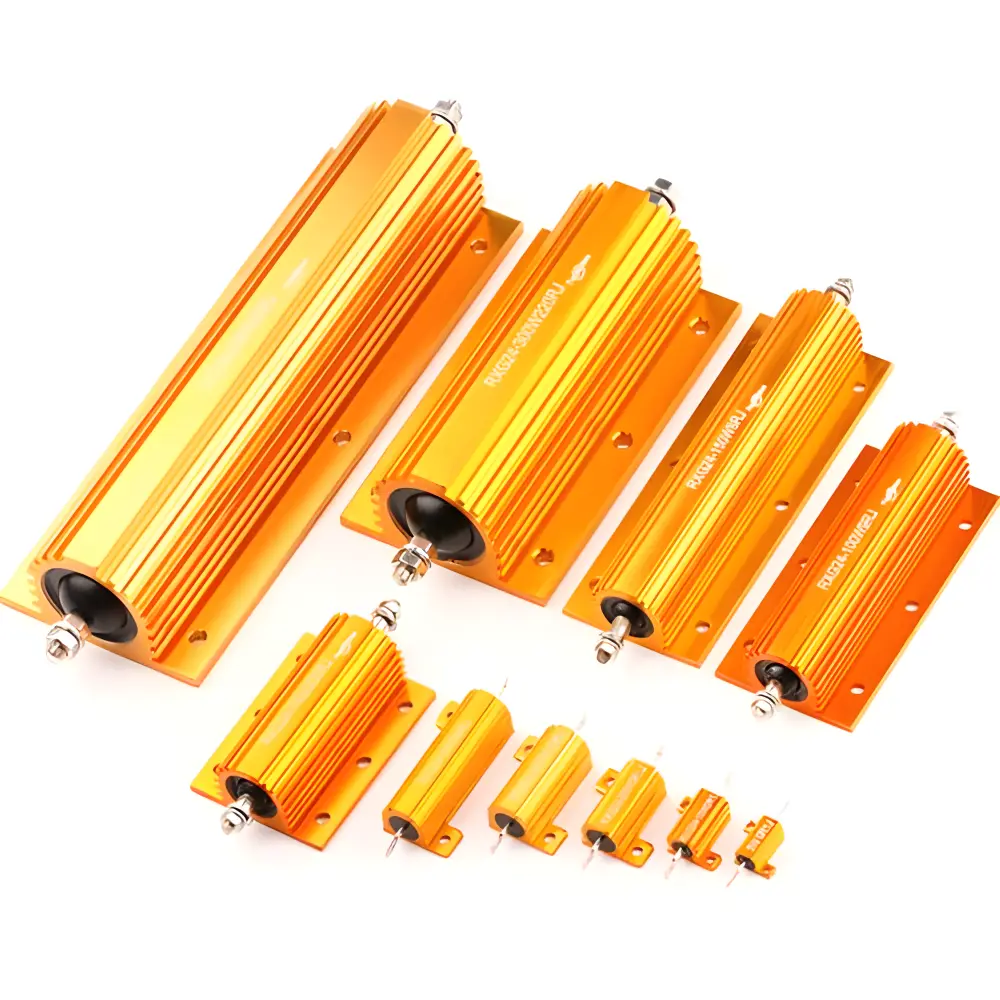 Aluminum Case,Porcelain Tube Resistance
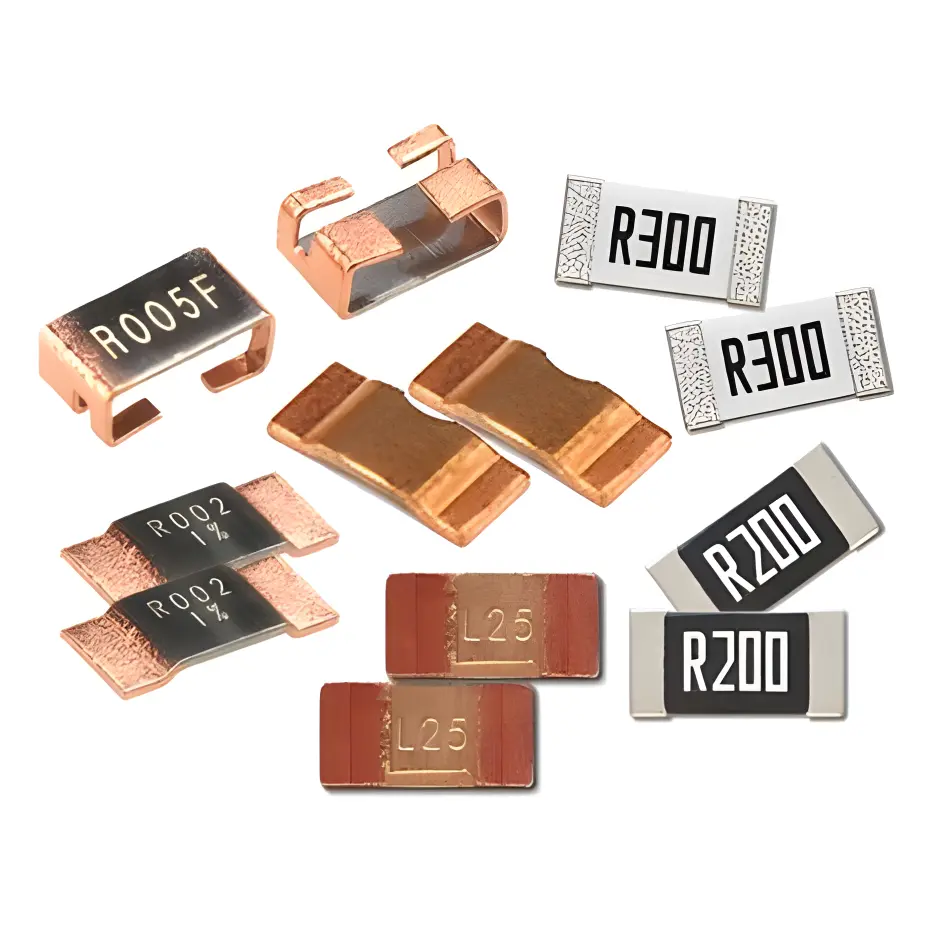 Current Sense Resistors,Shunt Resistors
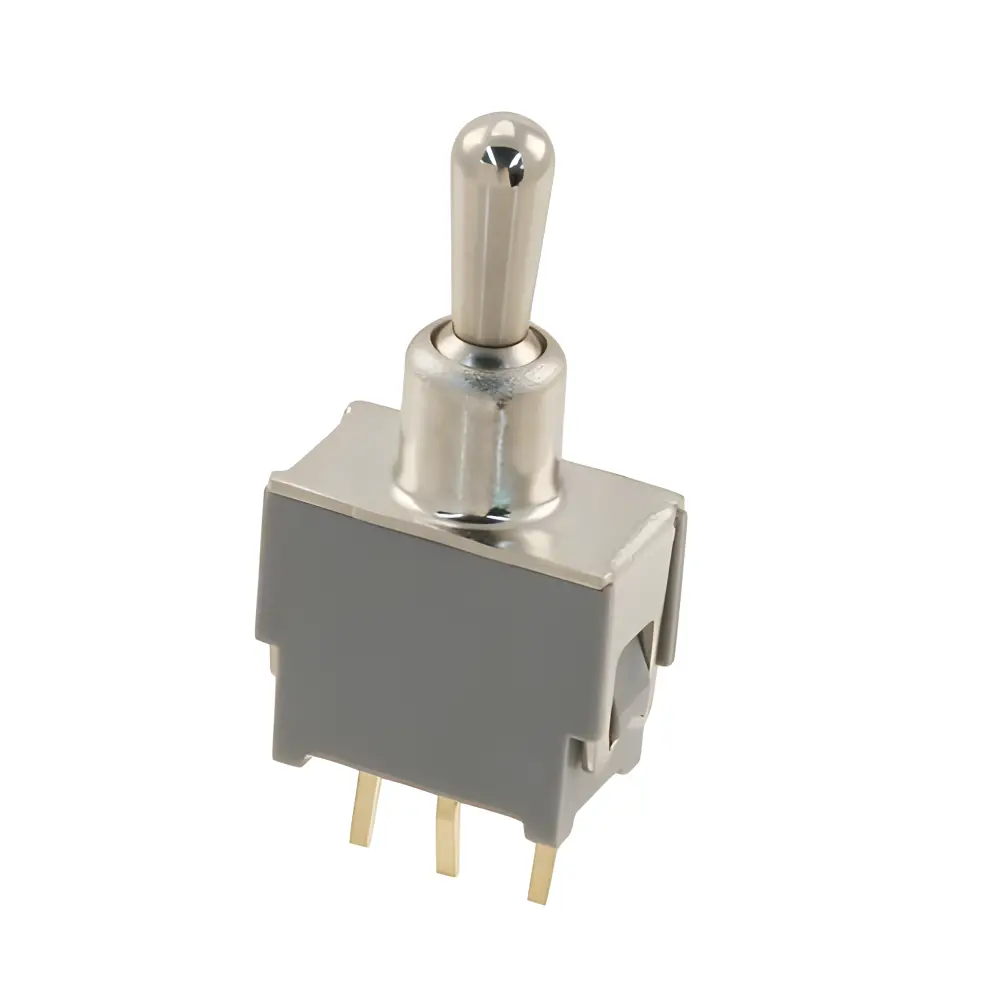 Switches
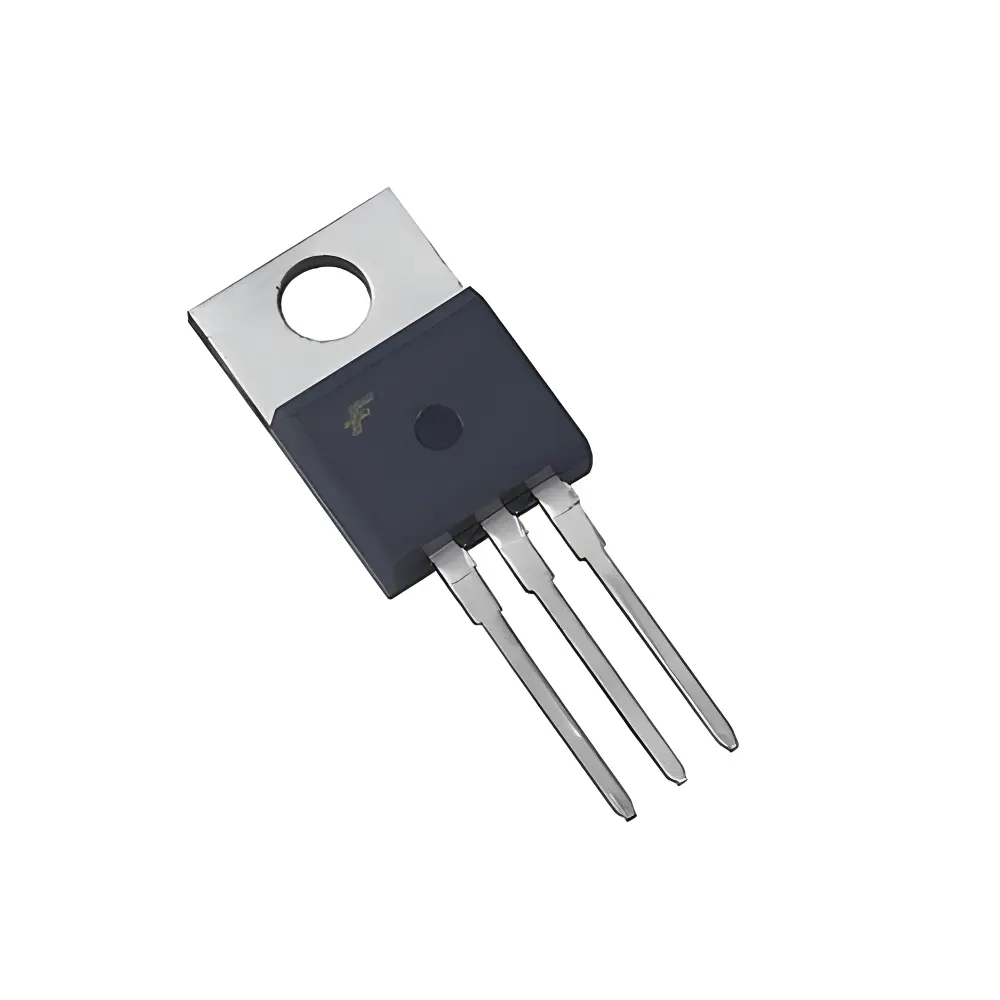 Transistors
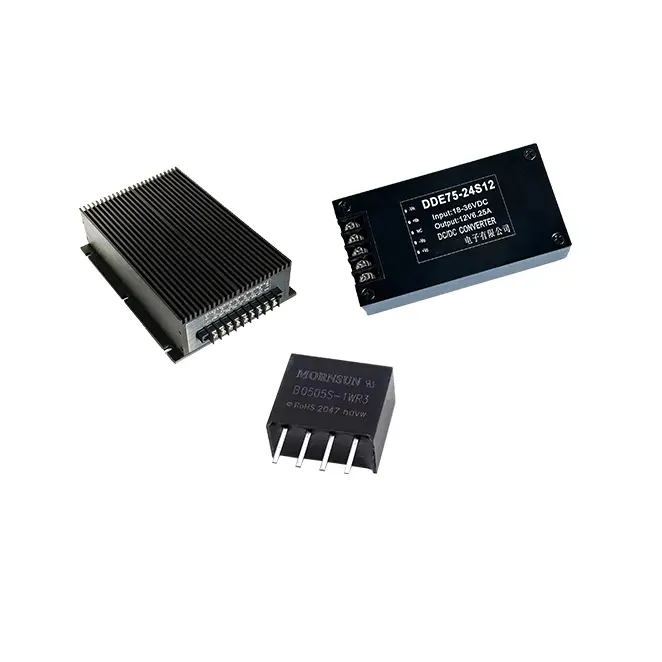 Power Modules
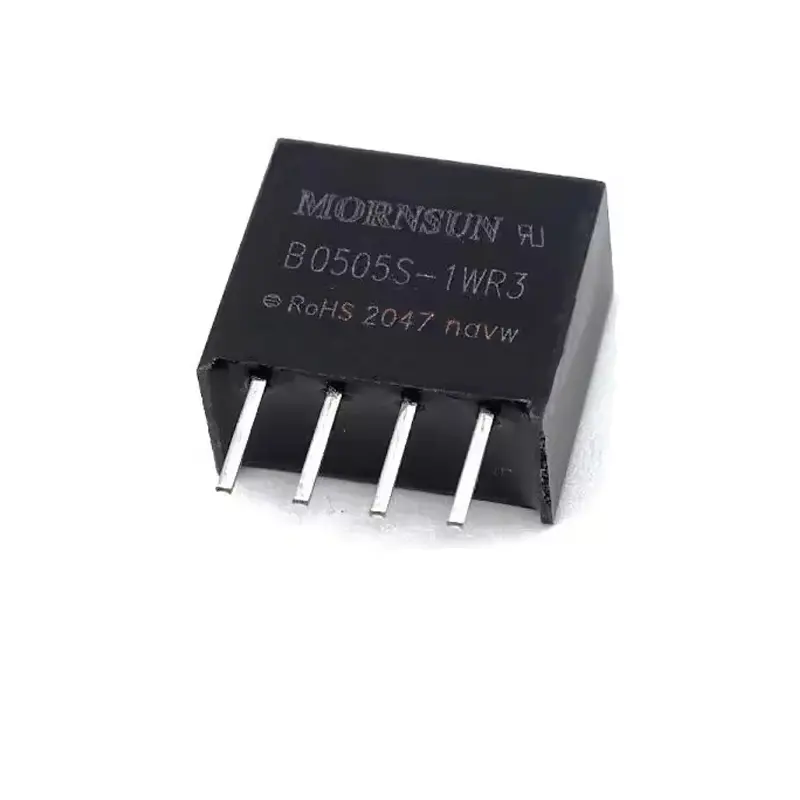 Isolated Power Modules
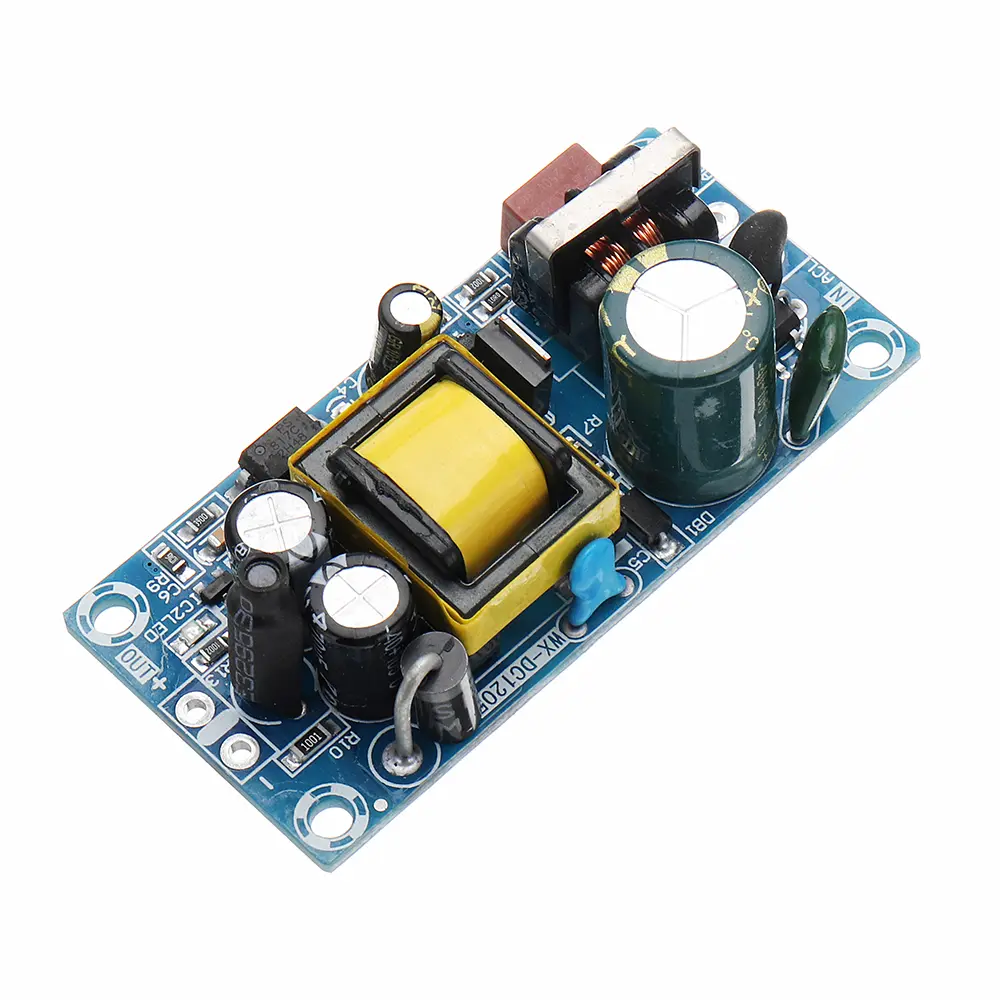 AC-DC Power Modules
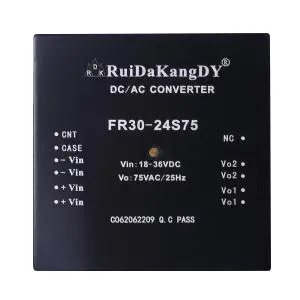 DC-AC Module(Inverter)
 RF and Wireless
Inventory of 4 Key Factors Affecting the Stability of PCBA
Inventory of 4 Key Factors Affecting the Stability of PCBA Cleaning Process
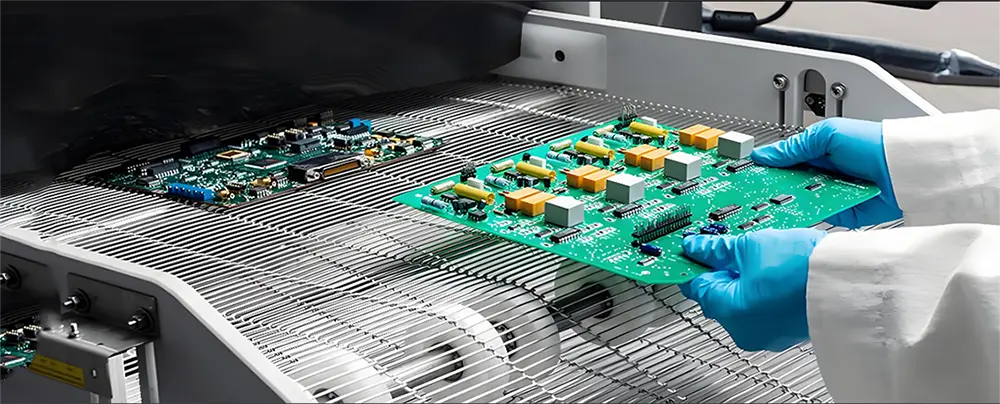
In the precision production processes of the electronics manufacturing and semiconductor processing industries, the stability of the PCBA (Printed Circuit Board Assembly) cleaning process is a core link in ensuring product quality and long - term reliability. The cleaning process is a complex process that combines the static dissolution and decomposition capabilities of cleaning agents with the dynamic physical effects of cleaning equipment to efficiently remove various pollutants. PCBA cleaning is mainly divided into two key stages: suRFace mount technology (SMT) and through - hole technology (THT). Its purpose is to thoroughly remove various pollutants accumulated on the surface during the product processing, effectively reducing the risks of product performance degradation and reliability caused by surface contamination.
The factors affecting the stability of the PCBA cleaning process mainly cover the following four key dimensions: the characteristics of the cleaning object, the adaptability of the cleaning agent, the performance of the cleaning equipment, and the precision of process control.
Cleaning Object: Complex Characteristics and Key Influences
The main objects of PCBA cleaning are usually solder paste and flux residues. If these substances are not thoroughly removed, they can easily cause serious problems such as electrochemical migration, corrosion, and short - circuits, posing a huge threat to the long - term reliability of products. In addition, the circuit board surface may also be attached with large - particle pollutants, oil stains, and sweat stains. Different PCBA have significant differences in material properties, surface coatings, and component layouts, which makes the cleaning difficulty and requirements vary. For example, some customers' products have extremely high waterproof requirements, so the immersion cleaning process is obviously not applicable; some components made of sensitive metal materials are physically fragile and cannot withstand the impact force generated by the instantaneous rupture of bubbles during ultrasonic cleaning, otherwise the components are easily damaged; some components sensitive to the chemical environment must be gently cleaned with a pH - neutral cleaning solution. At the same time, with the miniaturization and integration development of electronic devices, the geometric structure of the circuit board surface is becoming more and more complex, and the integration density is continuously increasing. When the gap between the device and the substrate is extremely small, the conventional deionized water cleaning method is difficult to penetrate, and at this time, the special dissolution and penetration capabilities of chemical cleaning agents are needed to achieve effective cleaning.
Cleaning Agent: Adaptability First, Safety Parallel
Selecting an adaptable cleaning agent is one of the key elements to ensure the success of the cleaning process. Among them, material compatibility is a crucial factor that is often overlooked. Taking the power module package as an example, it usually contains multiple metal materials such as copper, nickel, and aluminum. If the cleaning agent is not selected properly or the cleaning process parameters are set unreasonably, it is very likely to cause corrosion and oxidation on the surfaces of aluminum chips and copper, and even problems such as character peeling, seriously affecting product quality. In addition, if the material compatibility between the cleaning agent and the cleaning object, and between the cleaning agent and the cleaning equipment does not match, it may not only lead to the direct scrapping of products, but also trigger a series of equipment failures such as blockage of the cleaning equipment pipeline and damage to the seals. It is worth noting that as a chemical frequently used on the production line and likely to come into direct contact with operators, if the cleaning solution is improperly stored and used, there are potential risks of causing personal injury and economic losses. Therefore, when selecting a cleaning agent, in addition to considering its cleaning effect, its safety and material compatibility must also be fully evaluated.
Cleaning Equipment: Coherent Processes and Diverse Types
A complete PCBA cleaning process usually includes three closely linked processes: cleaning, rinsing, and drying. In the cleaning stage, the cleaning agent comes into full contact with the pollutants and peels off the pollutants from the PCBA surface through physical and chemical actions; the rinsing process further removes the remaining pollutants and cleaning agents to ensure the thoroughness of the cleaning effect; the purpose of the drying process is to remove the moisture and residual solvents on the PCBA surface to prevent problems such as corrosion and short - circuits caused by moisture residues. There is a wide variety of cleaning equipment available on the market. Customers can choose offline batch cleaning equipment according to their own product characteristics, production scale, and process requirements, such as ultrasonic cleaning equipment, immersion cleaning equipment, centrifugal cleaning equipment, etc., or they can also choose online spray cleaning equipment. Each type of equipment has its unique working principle and applicable scenarios. For example, ultrasonic cleaning equipment uses the cavitation effect of ultrasonic waves to enhance the cleaning effect and is suitable for the cleaning of tiny pollutants; immersion cleaning equipment achieves comprehensive cleaning by completely immersing the PCBA in the cleaning solution; centrifugal cleaning equipment uses centrifugal force to accelerate the separation of pollutants and is suitable for scenarios with high requirements for cleaning efficiency; online spray cleaning equipment is more suitable for large - scale and continuous production needs.
Cleaning Process Control: Data - Driven and Precise Regulation
As the cleaning process continues, pollutants will continuously accumulate in the cleaning solution, and these pollutants will gradually reduce the cleaning ability of the cleaning solution, having a negative impact on the cleaning efficiency and effect. Therefore, how to accurately grasp the solution - changing time, determine the latest solution - changing time, and how to adjust the cleaning parameters in a timely manner when the production environment or product characteristics change have become key issues in ensuring the stability of the cleaning process and cost control. The core of solving these problems lies in establishing a complete data collection and analysis system to monitor key parameters in the cleaning process in real - time, such as cleaning time, equipment action frequency, cleaning solution concentration, and cleaning temperature. During the use of the cleaning solution, its concentration will be affected by various factors, such as the dissolution of pollutants, the natural evaporation of the liquid, and the addition of deionized water, resulting in large fluctuations in concentration. Therefore, the real - time monitoring and precise regulation of the cleaning solution concentration is an important means to ensure the consistency and stability of the cleaning effect. By establishing a data - driven cleaning process control model, enterprises can achieve fine - grained management of the cleaning process, effectively reduce production costs, and improve product quality and production efficiency.