
 PCB
PCB FPC
FPC Rigid-Flex
 FR-4
FR-4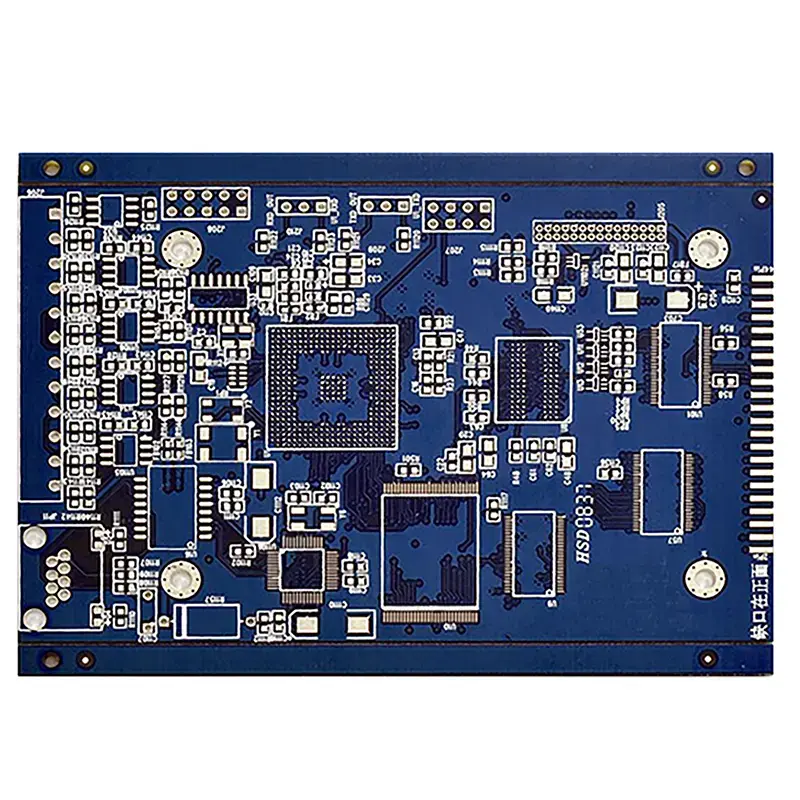 HDI PCB
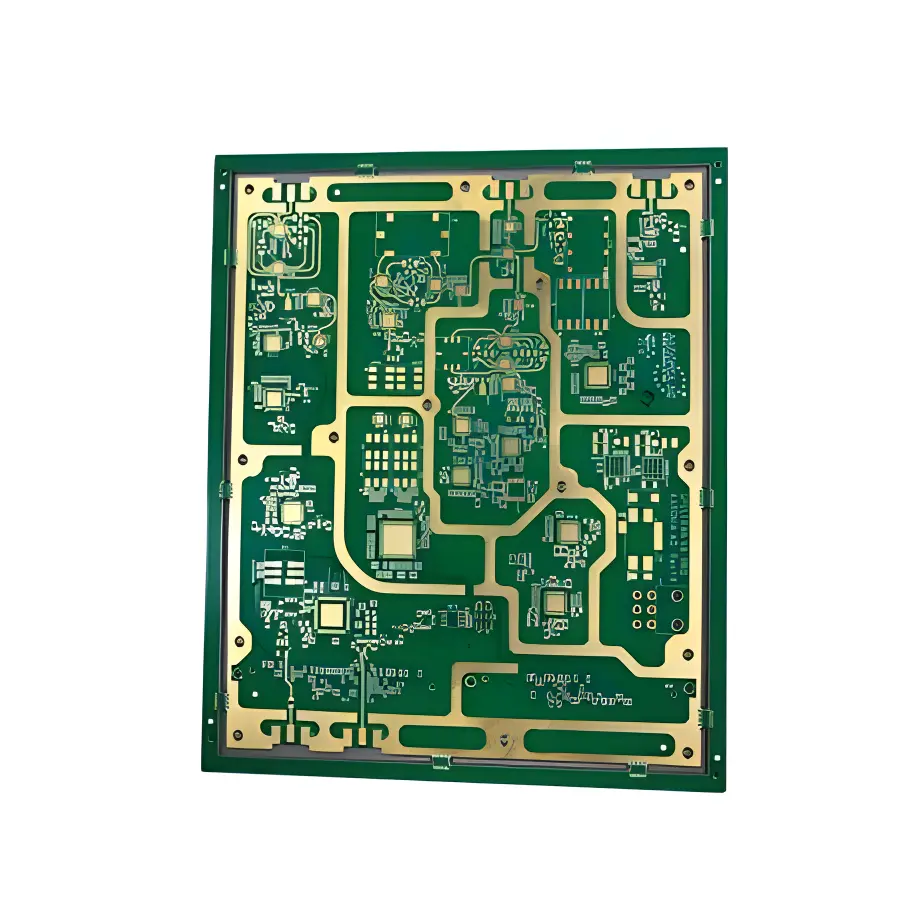 Rogers High-Frequency Board
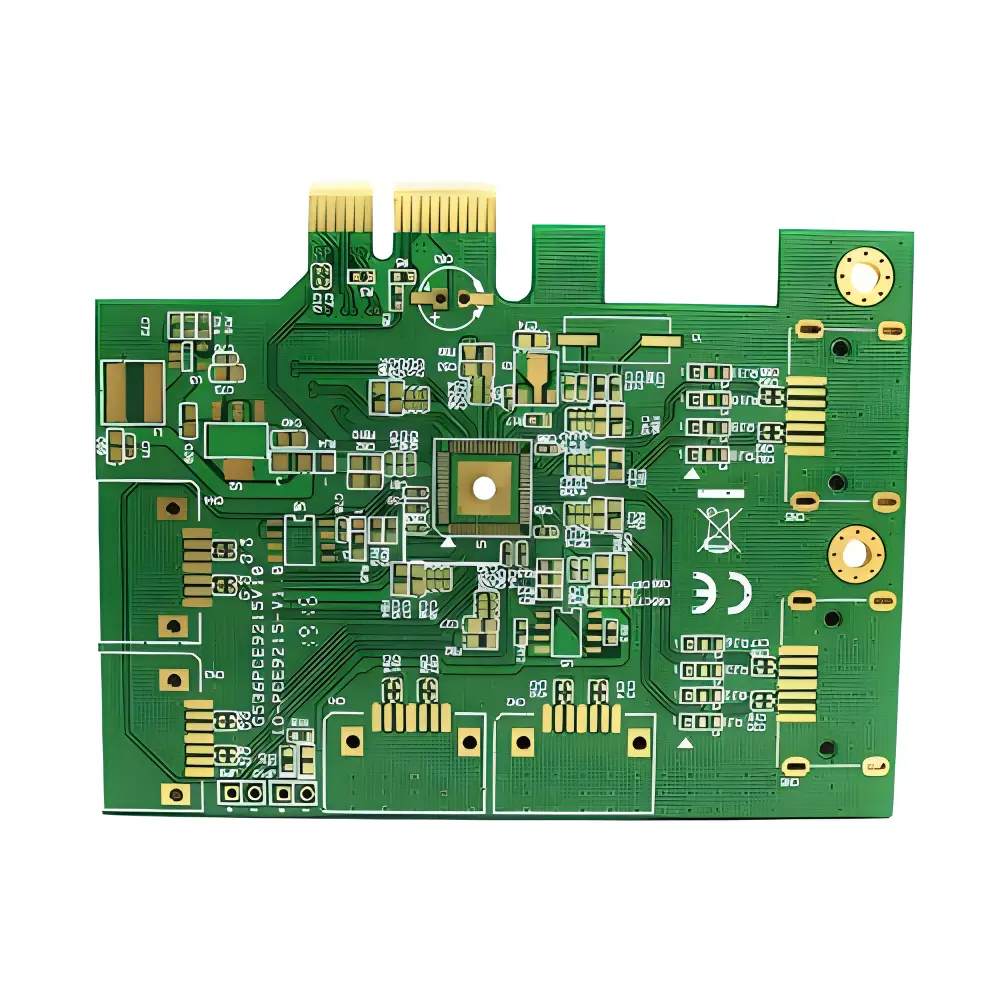 PTFE Teflon High-Frequency Board
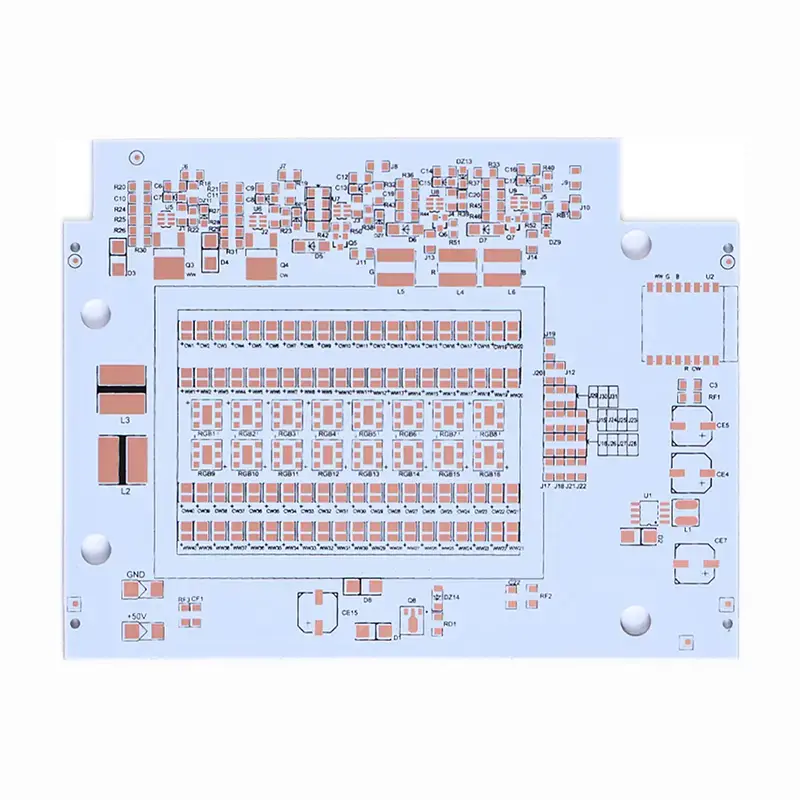 Aluminum
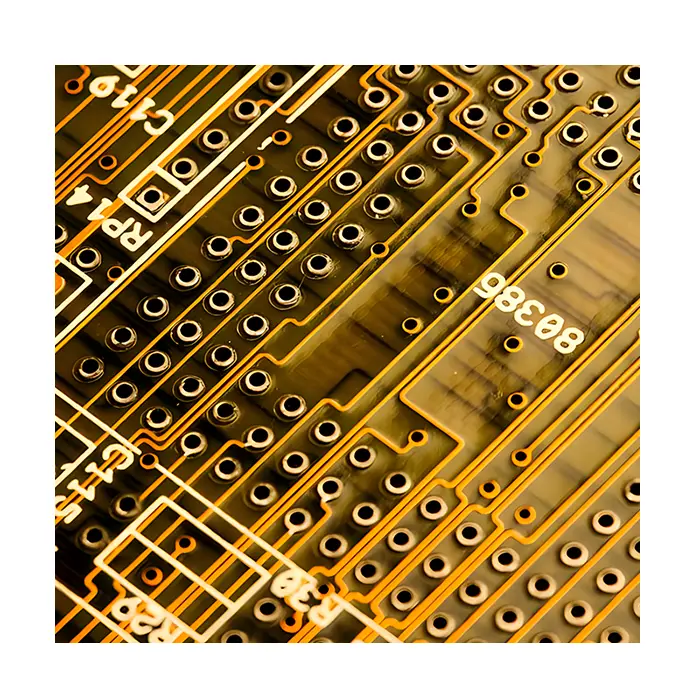 Copper Core
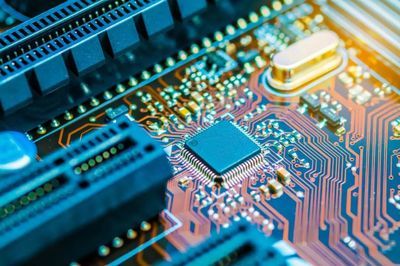 PCB Assembly
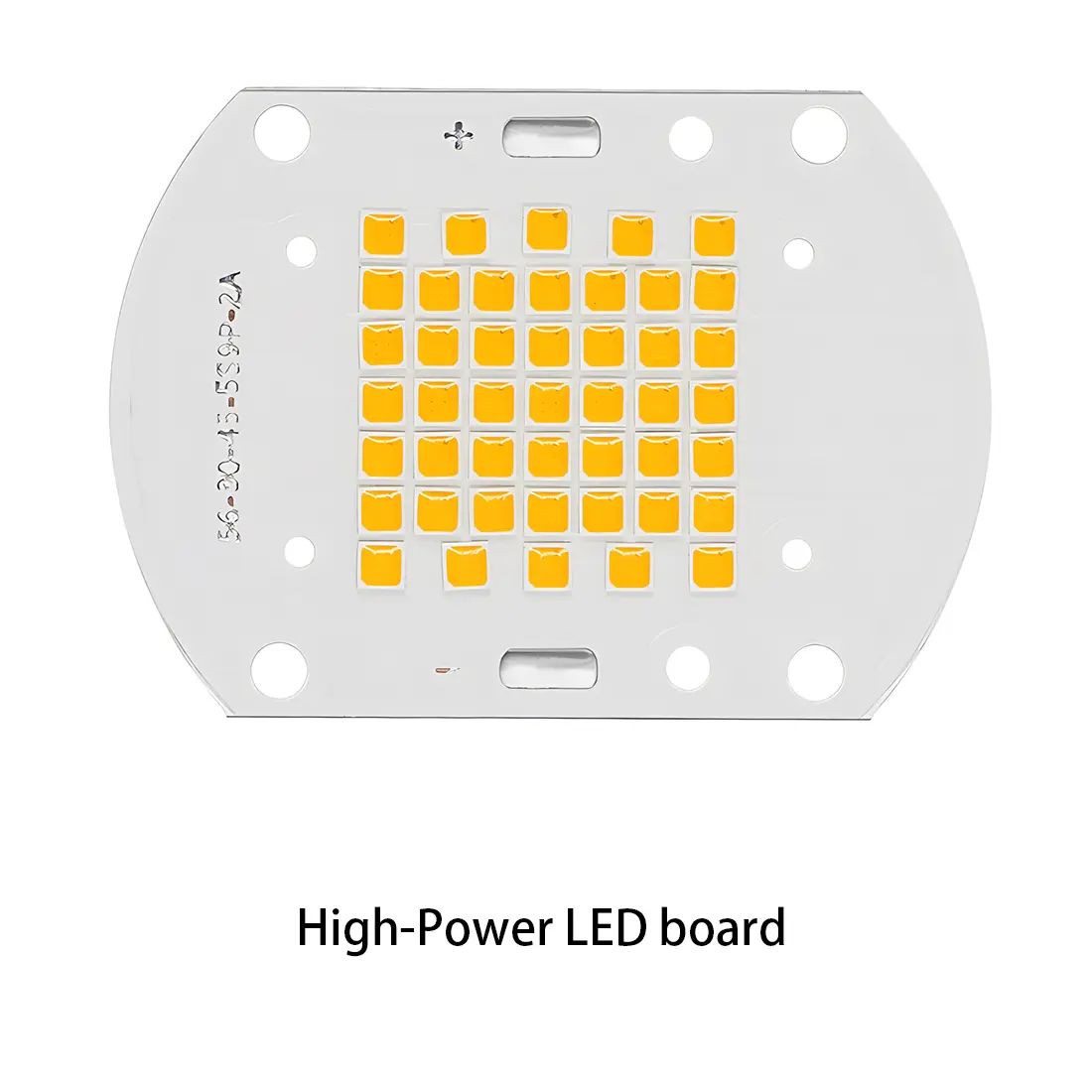 LED light PCBA
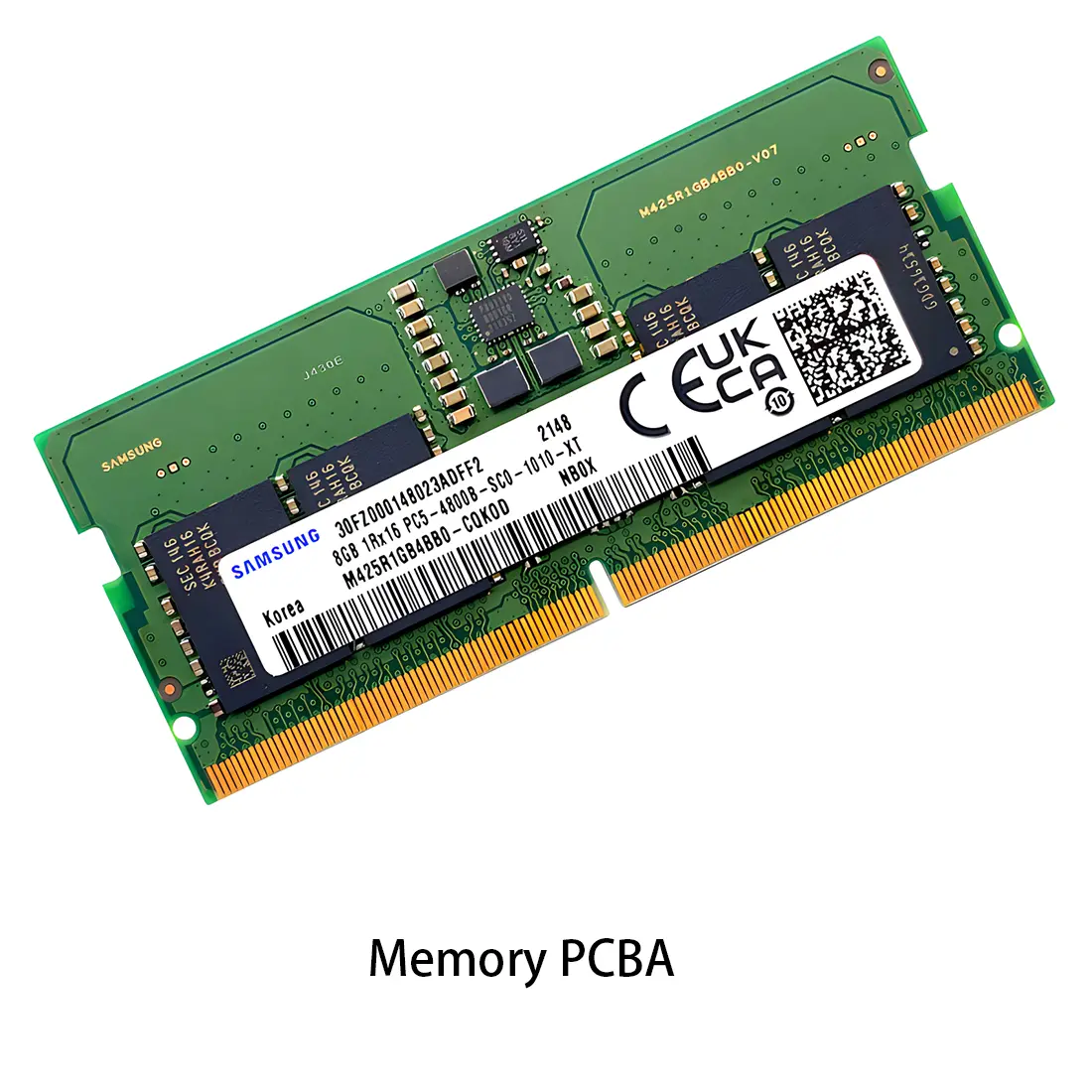 Memory PCBA
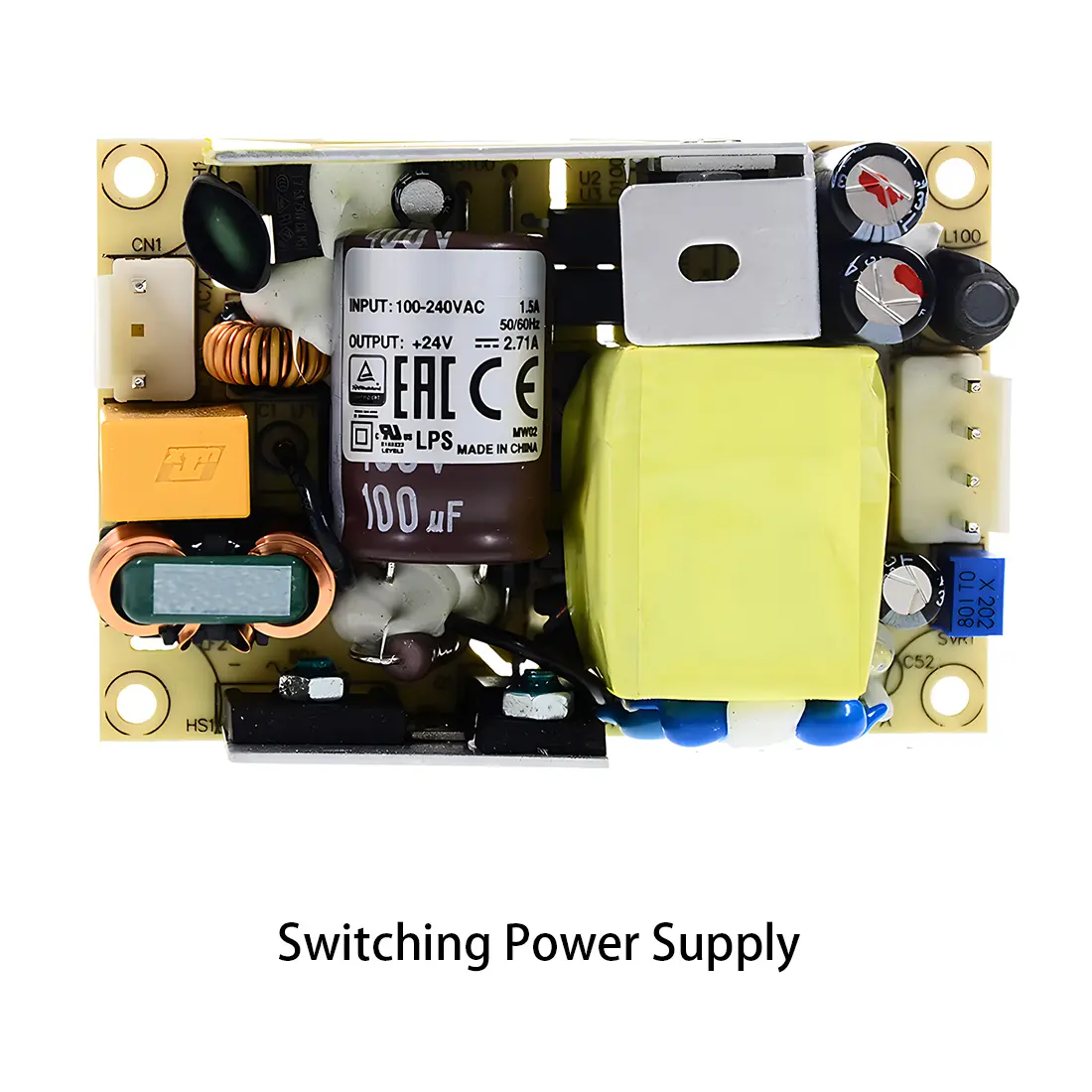 Power Supply PCBA
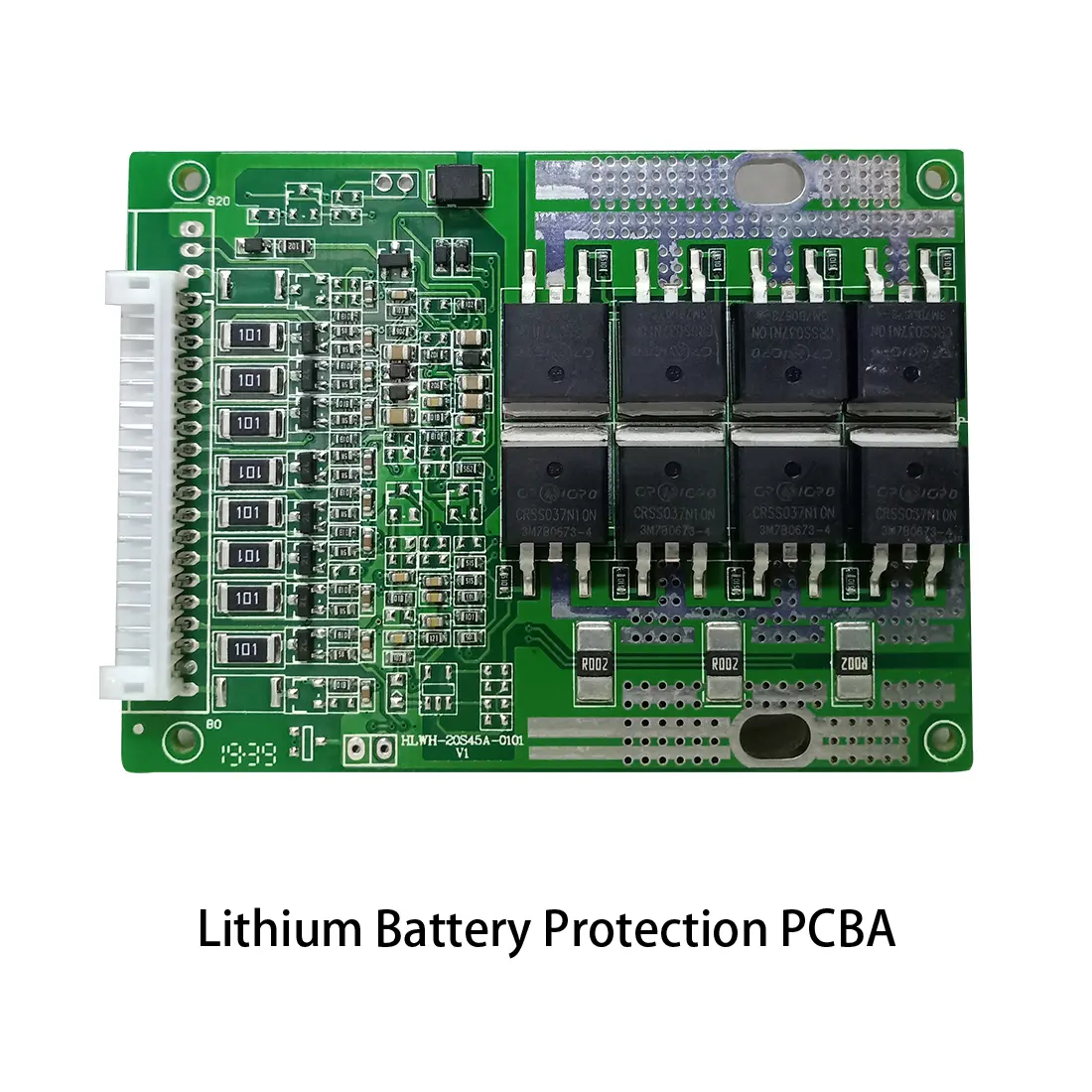 New Energey PCBA
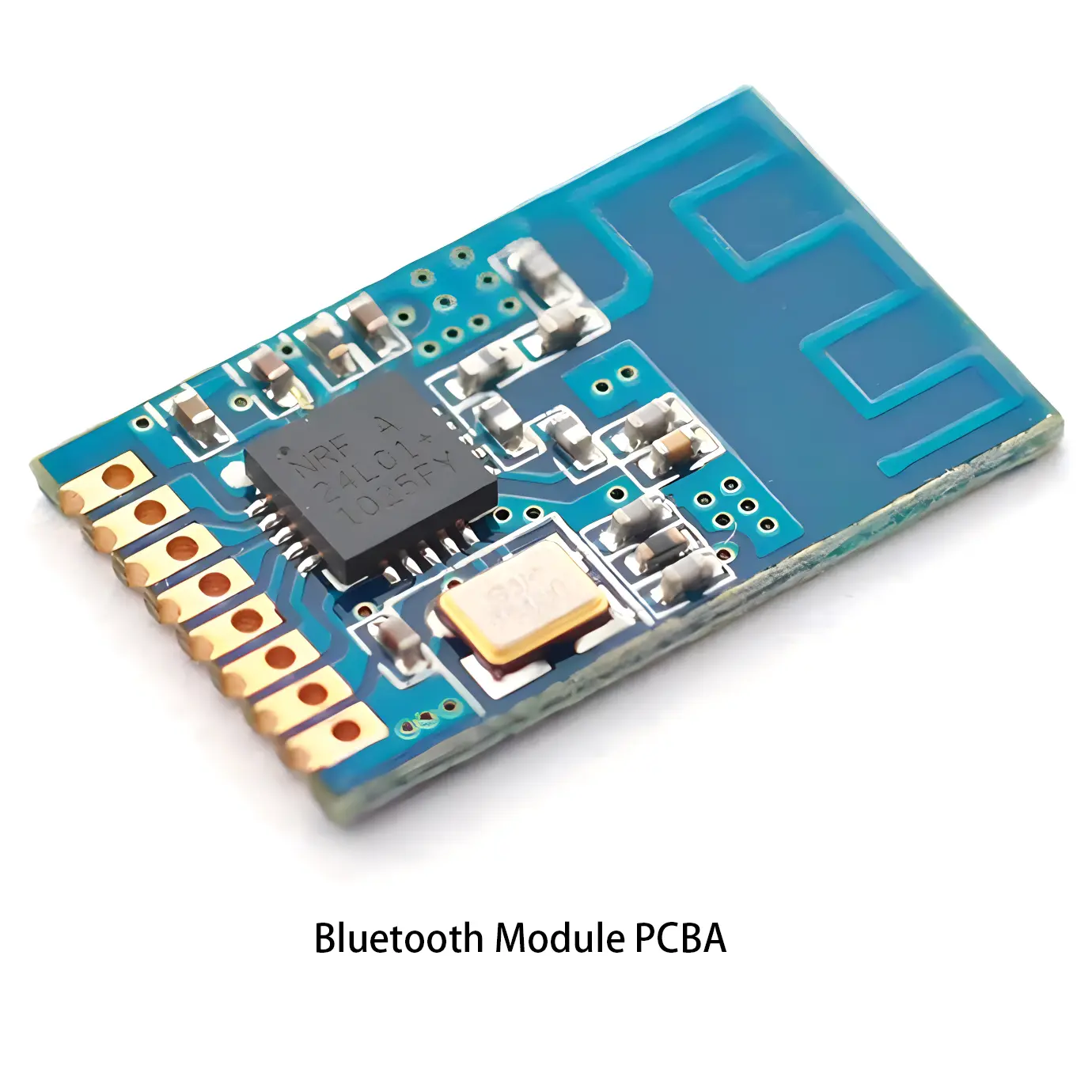 Communication PCBA
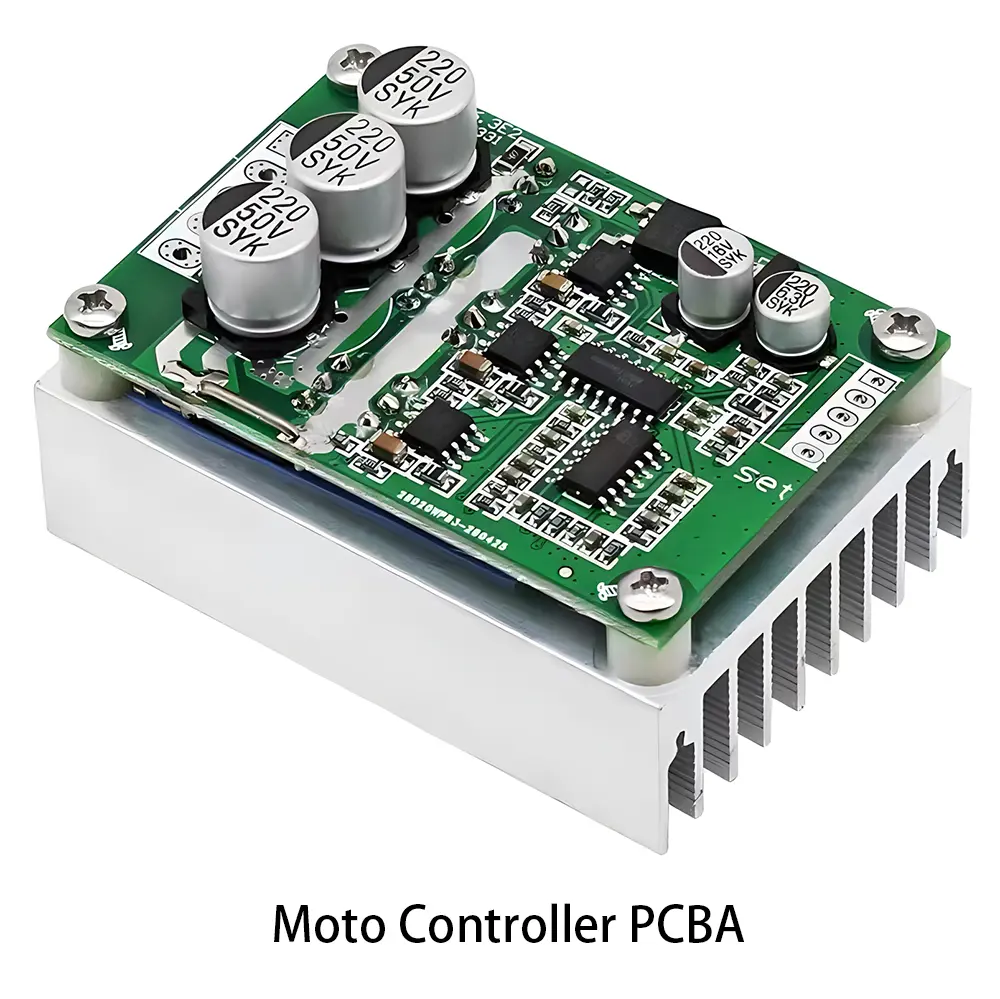 Industrial Control PCBA
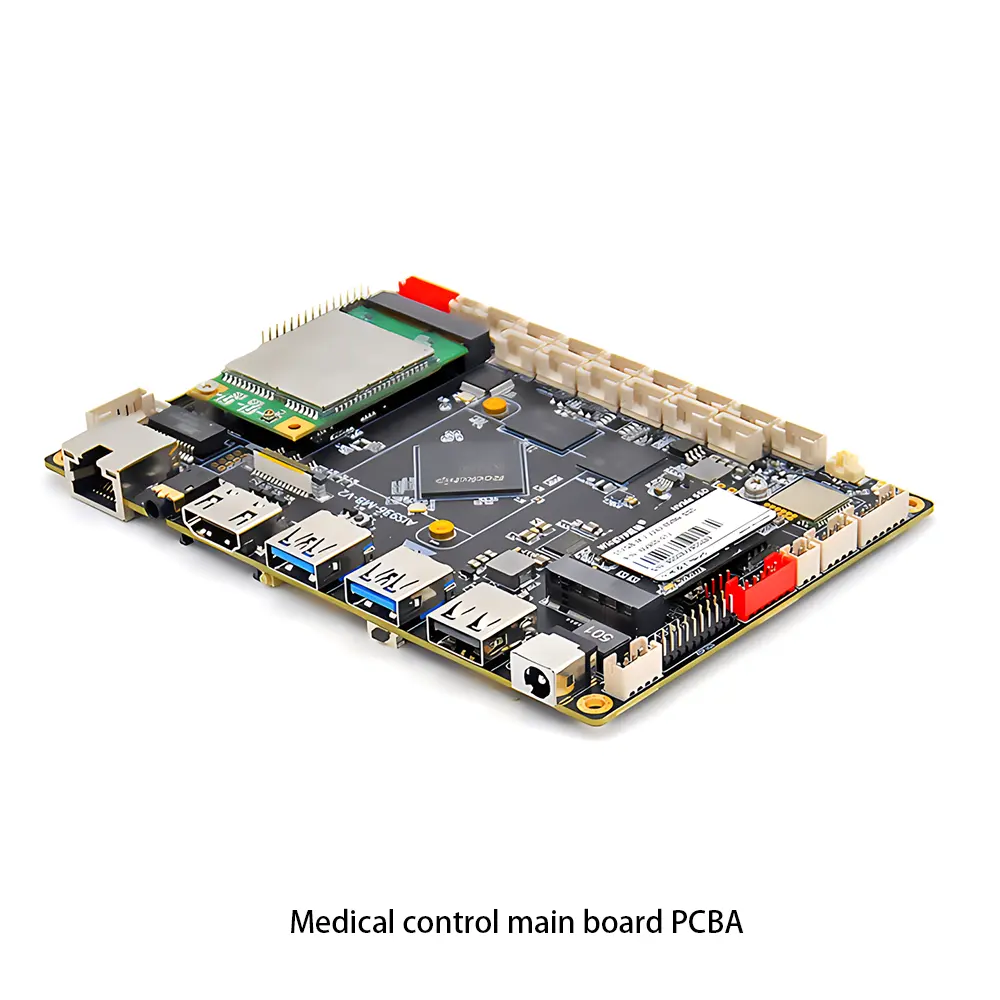 Medical Equipment PCBA
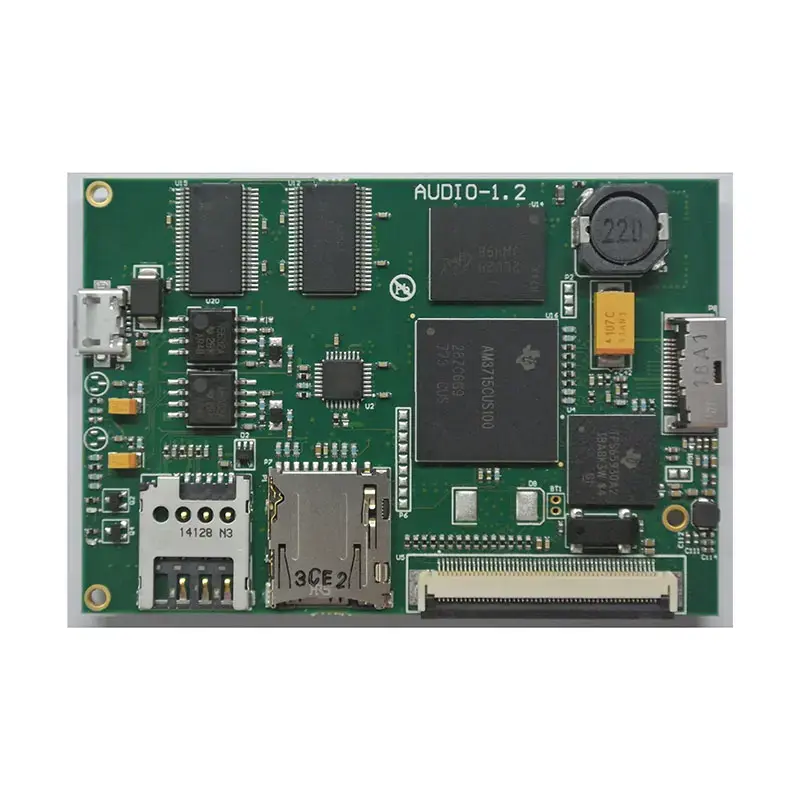 Testing Service
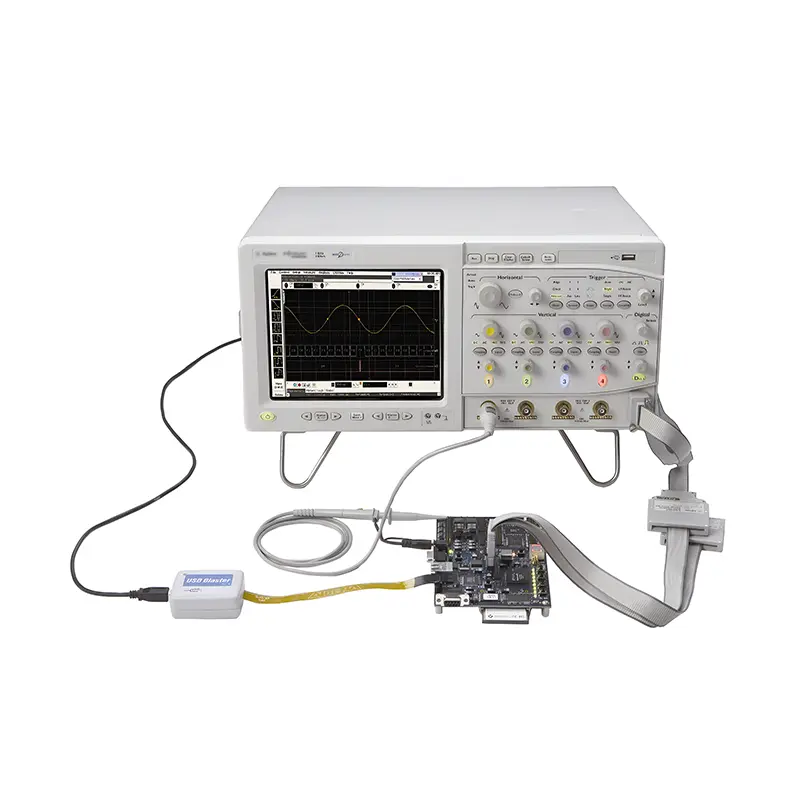 PCBA Testing Service
 Certification Application
 RoHS Certification Application
 REACH Certification Application
 CE Certification Application
 FCC Certification Application
 CQC Certification Application
 UL Certification Application
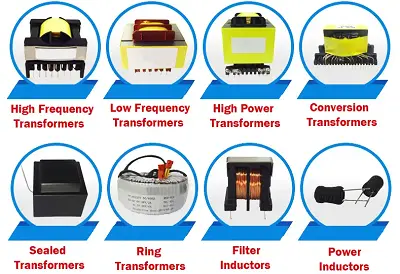 Transformers, Inductors
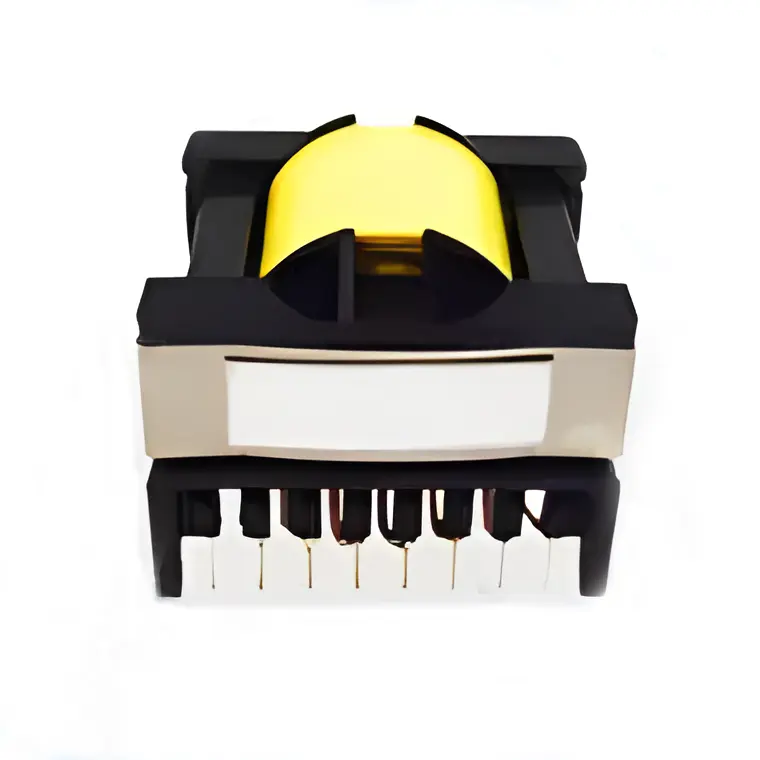 High Frequency Transformers
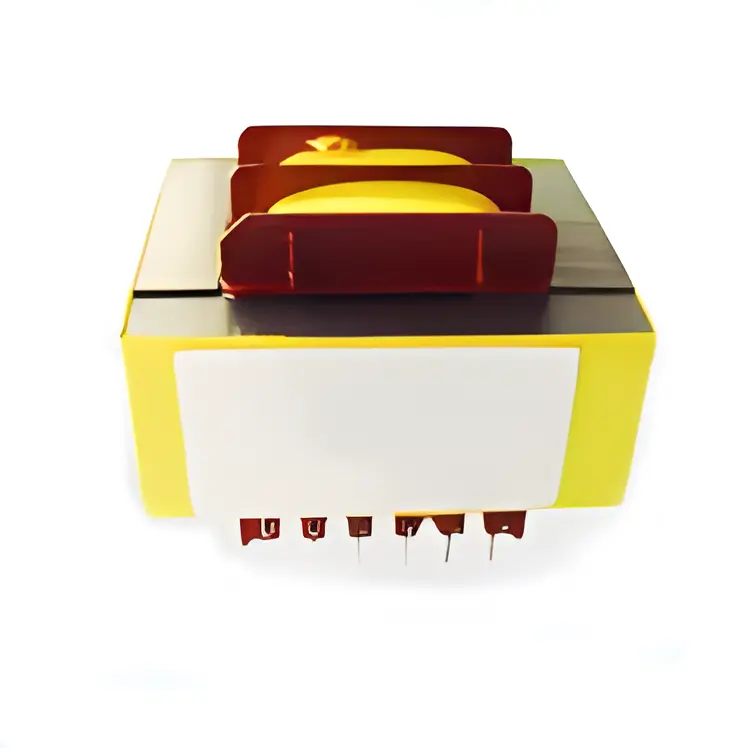 Low Frequency Transformers
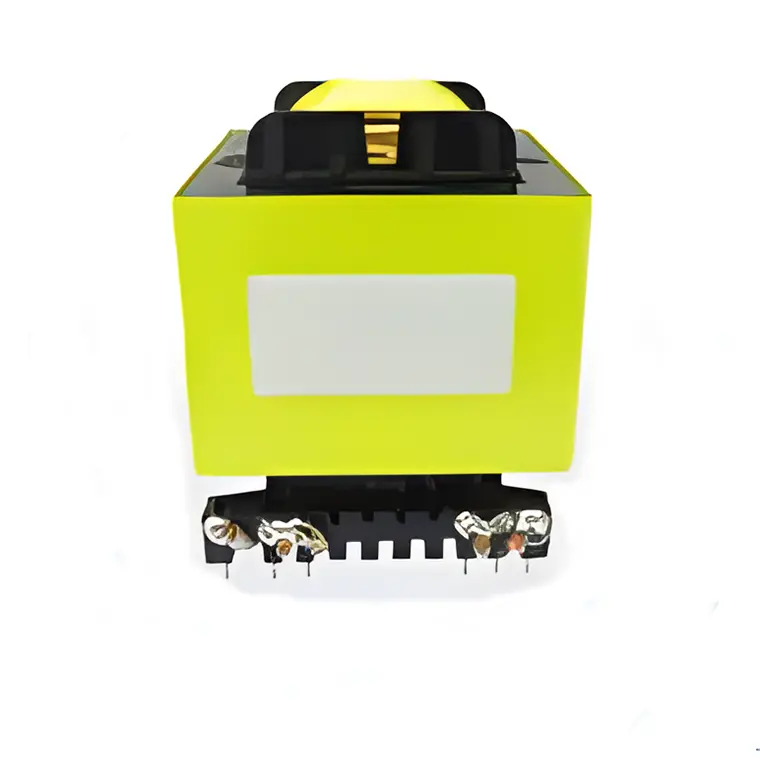 High Power Transformers
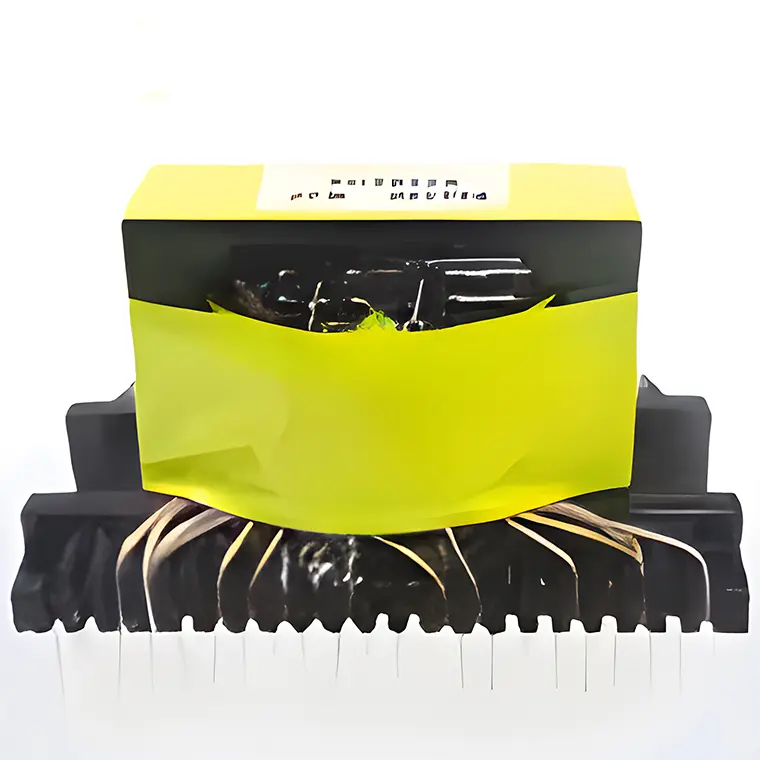 Conversion Transformers
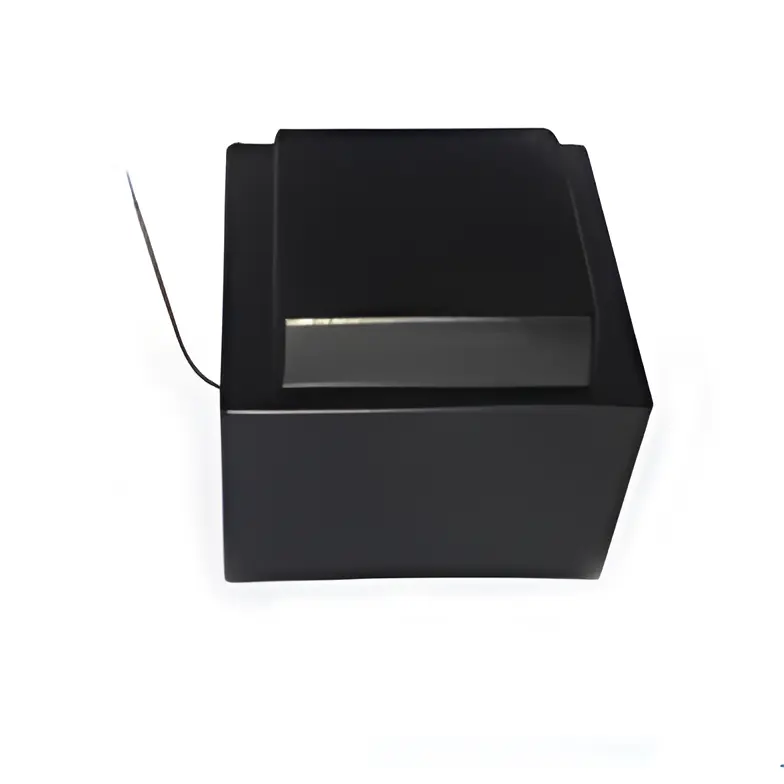 Sealed Transformers
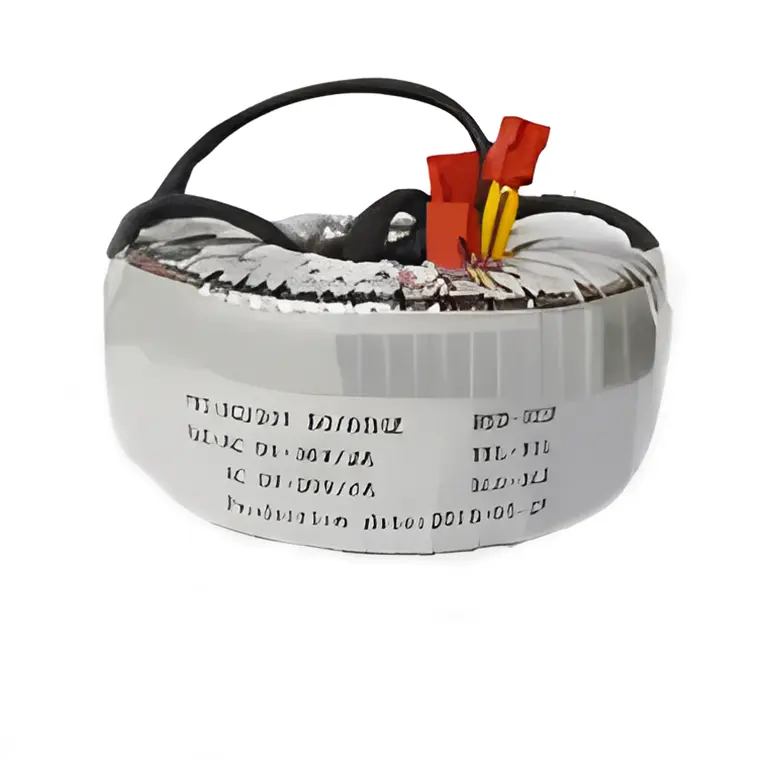 Ring Transformers
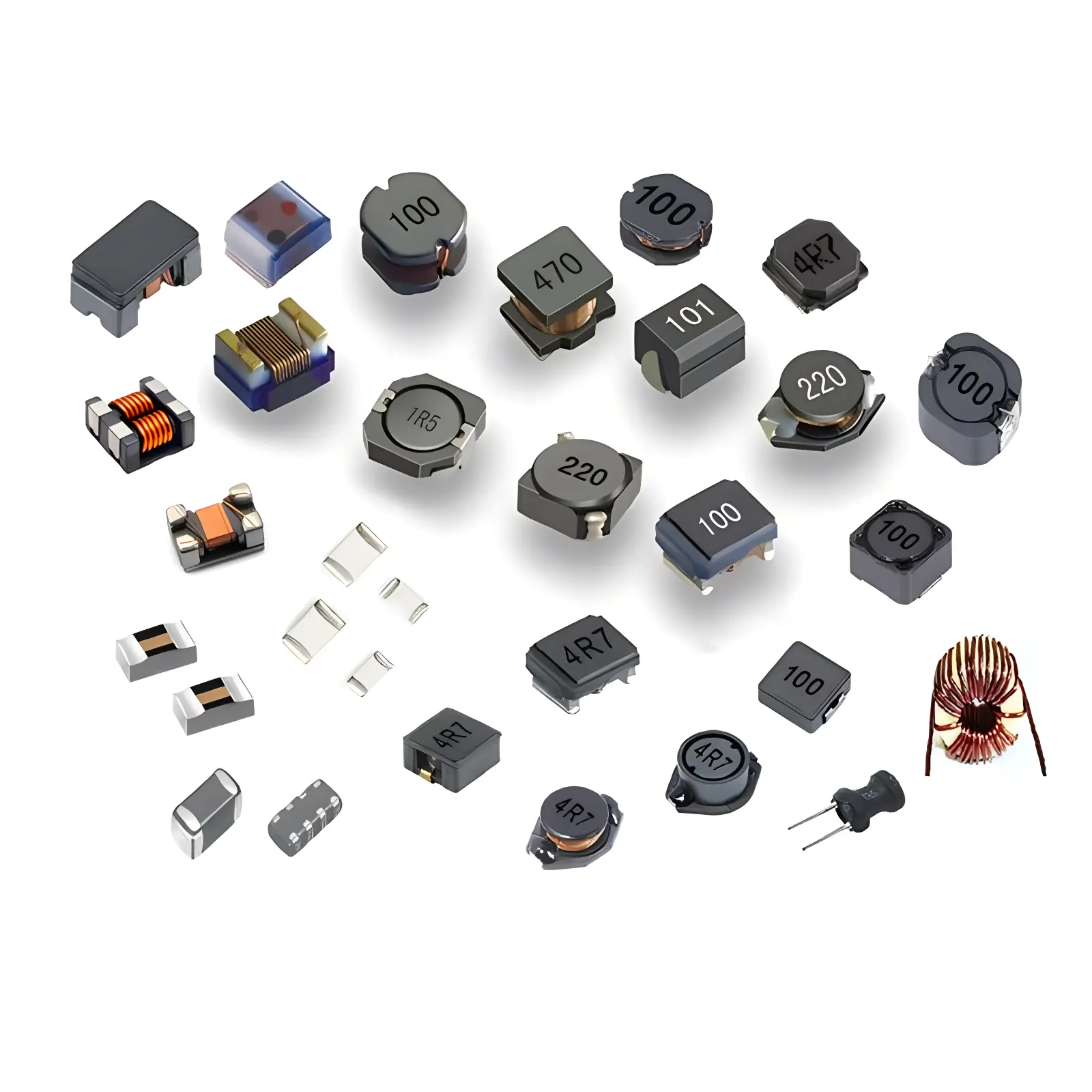 Inductors
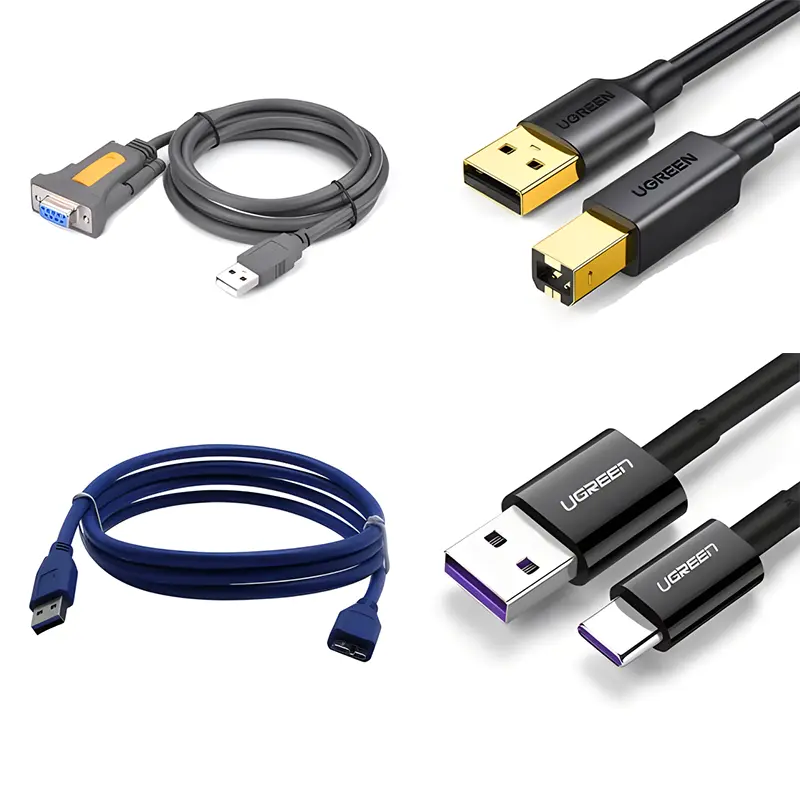 Wires,Cables Customized
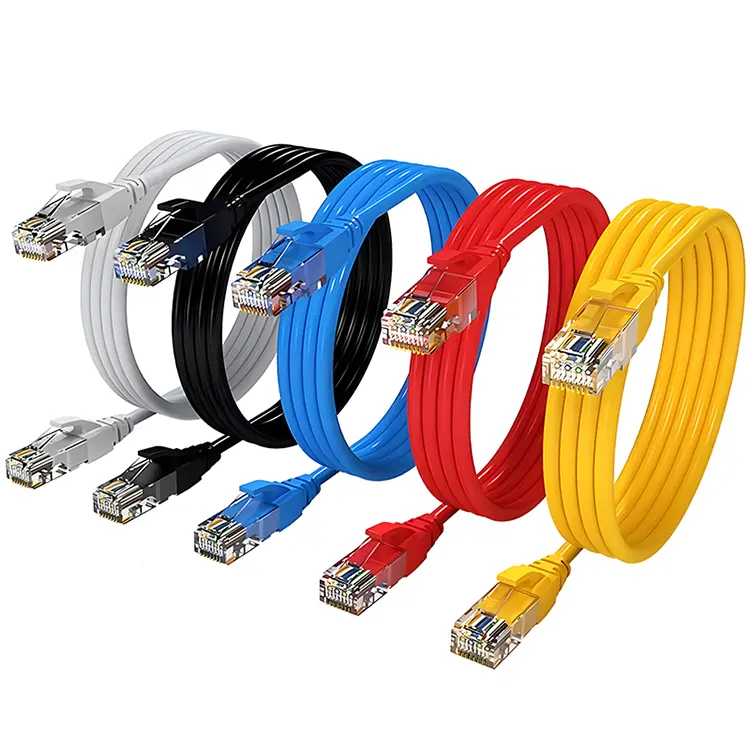 Network Cables
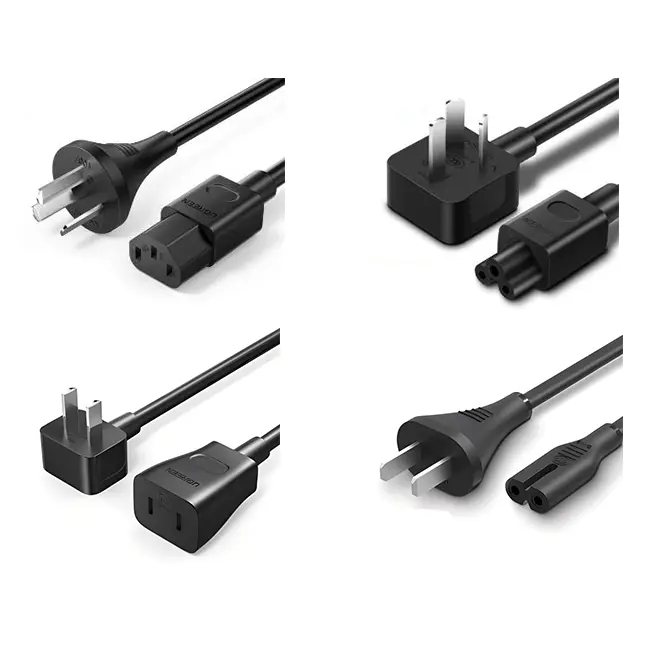 Power Cords
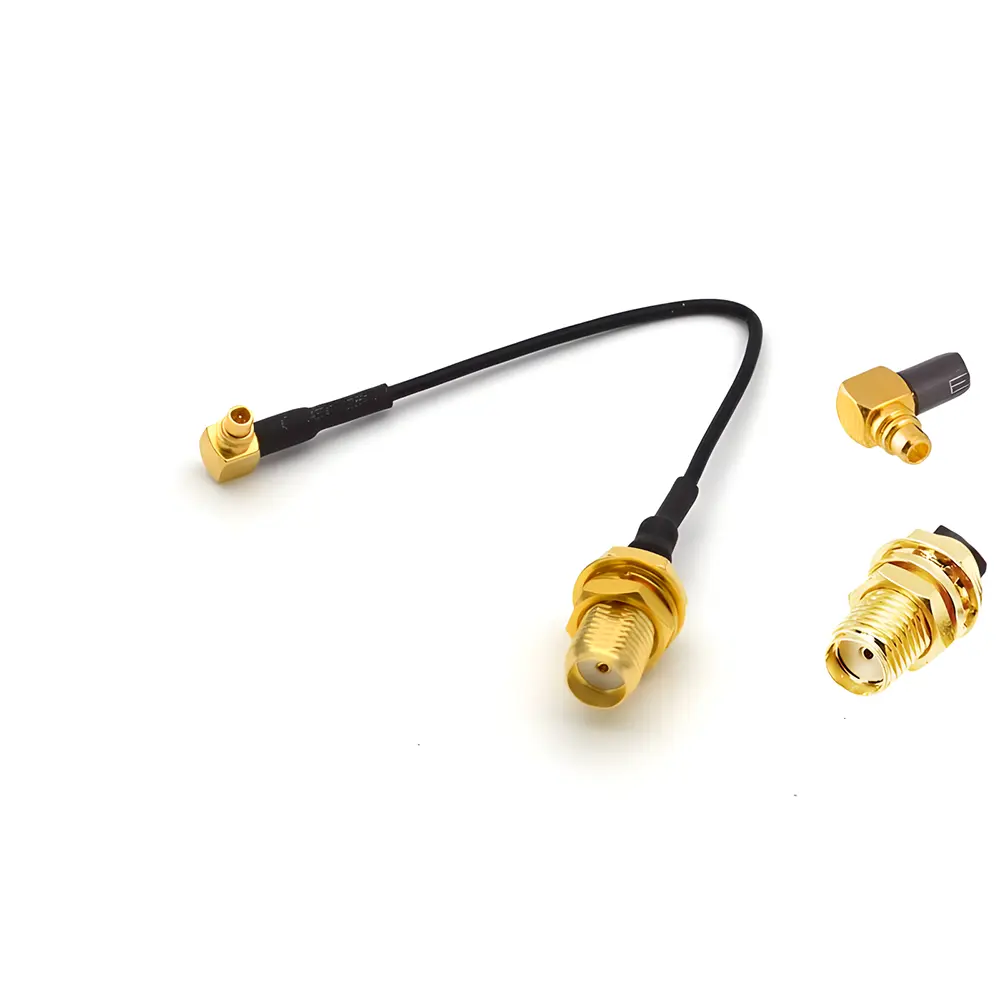 Antenna Cables
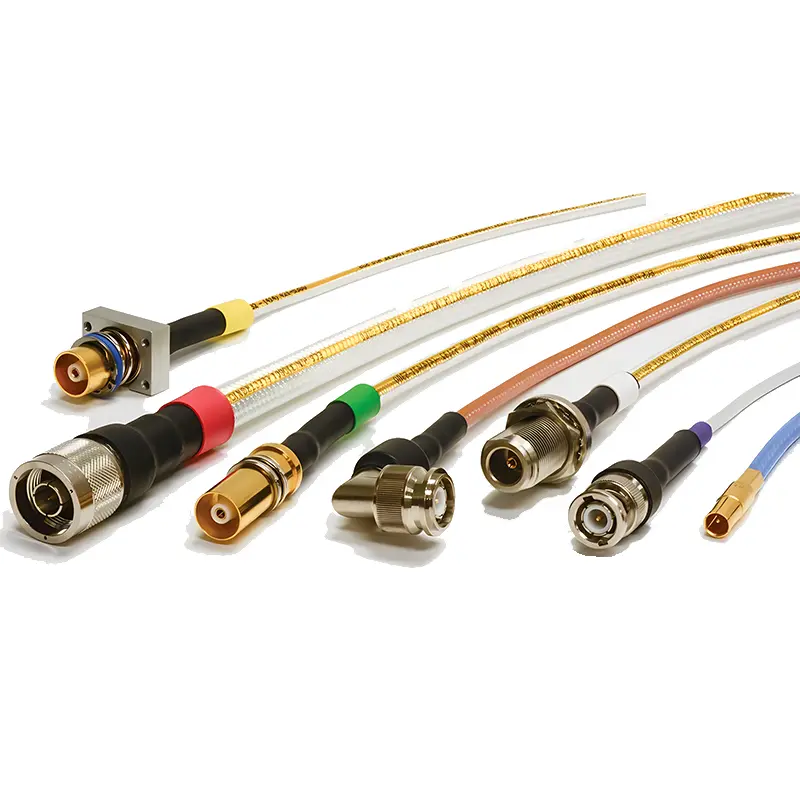 Coaxial Cables
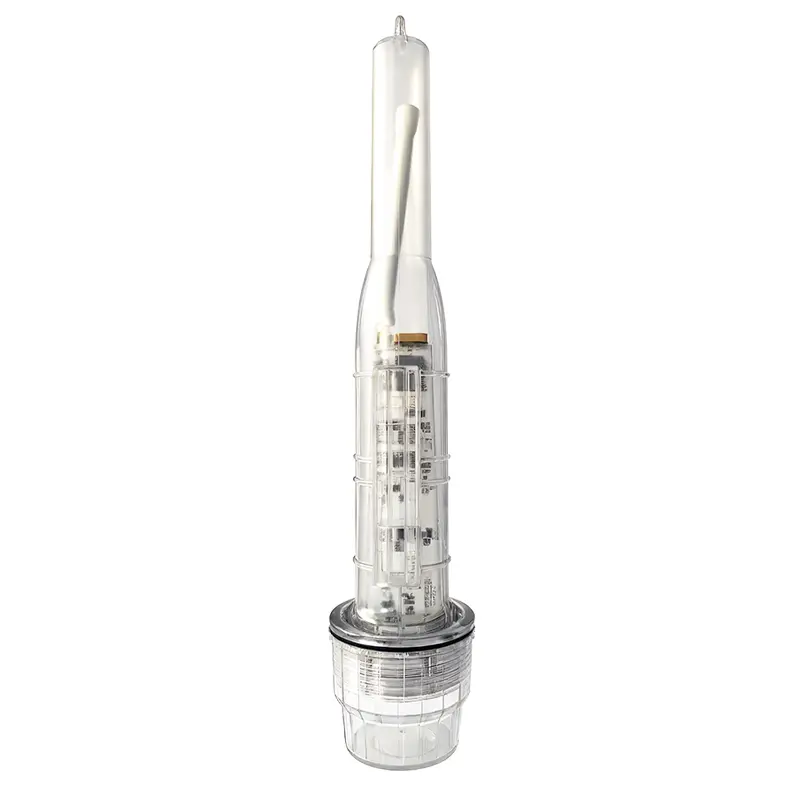 Net Position Indicator
 Solar AIS net position indicator
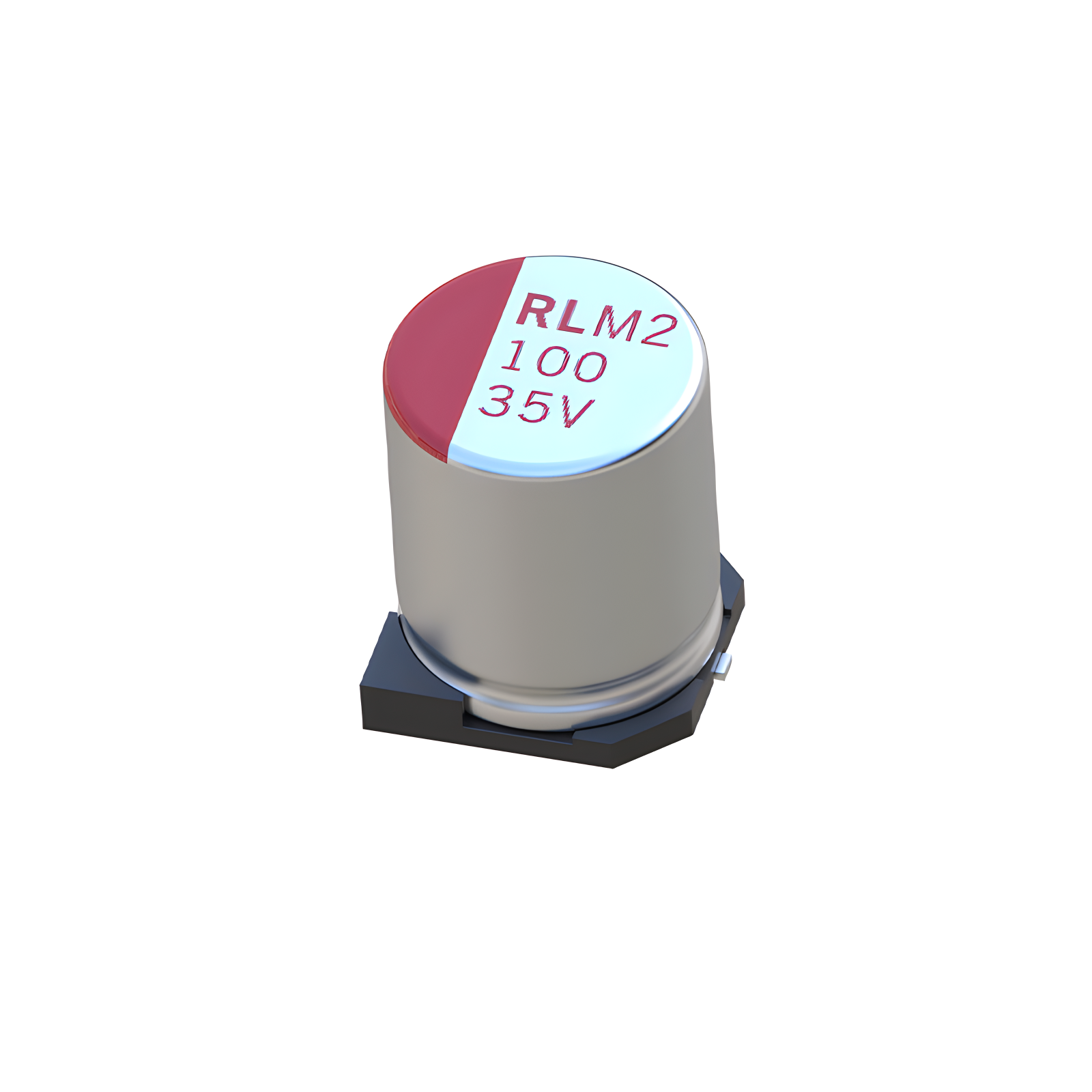 Capacitors
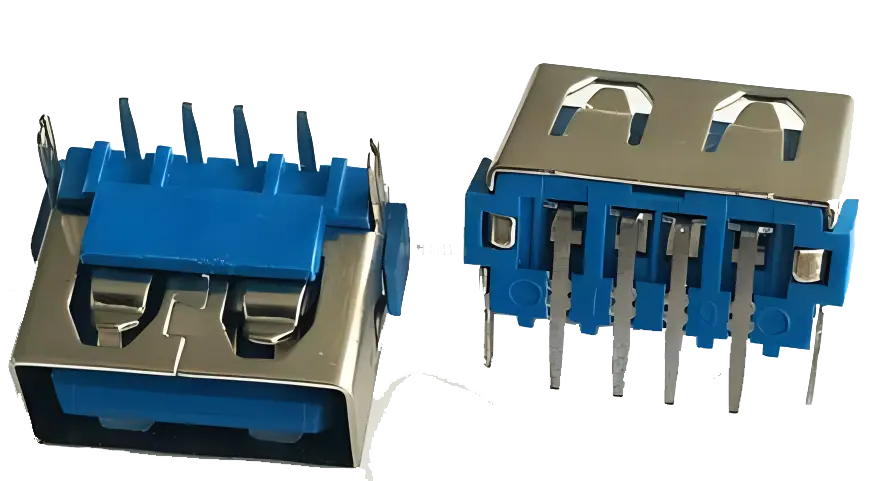 Connectors
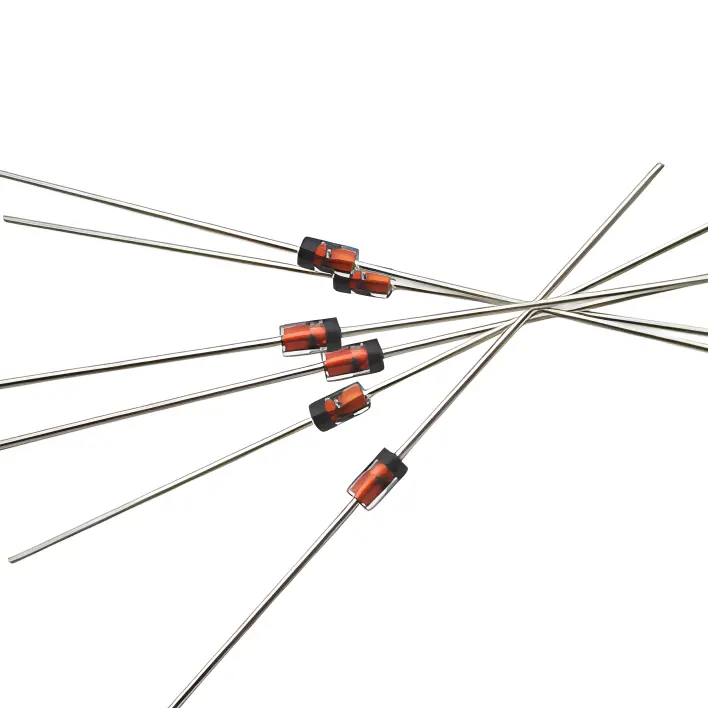 Diodes
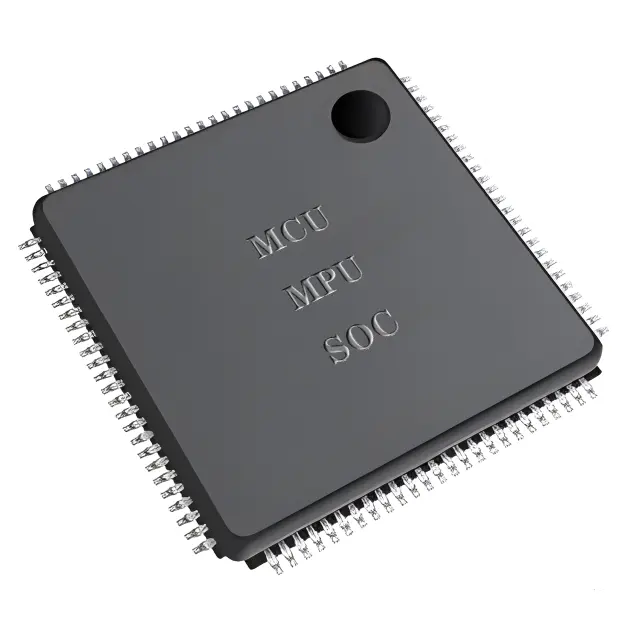 Embedded Processors & Controllers
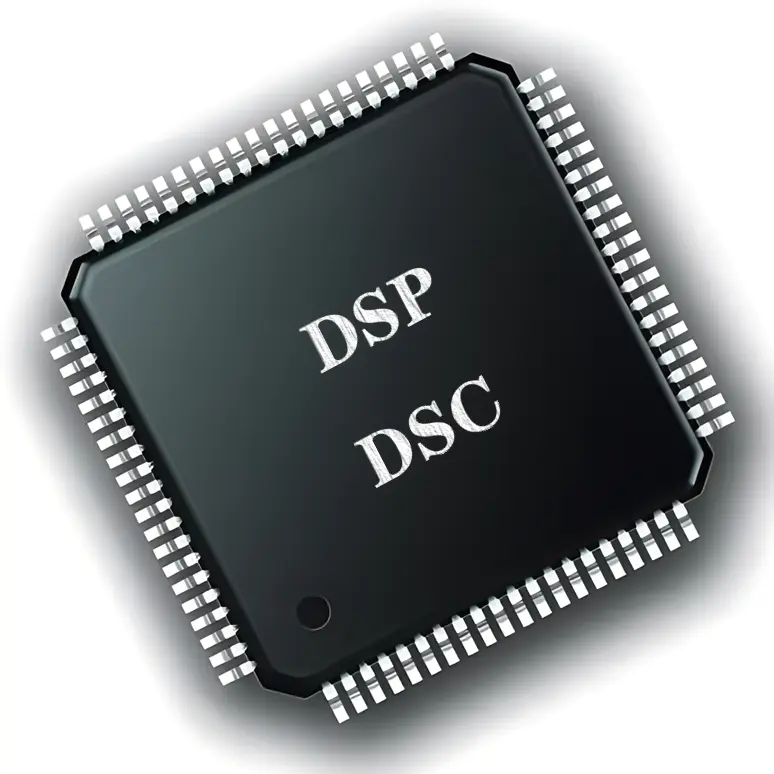 Digital Signal Processors (DSP/DSC)
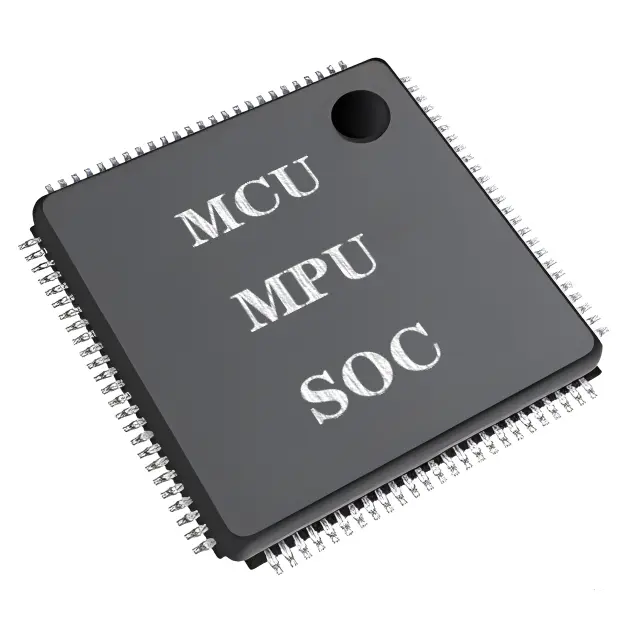 Microcontrollers (MCU/MPU/SOC)
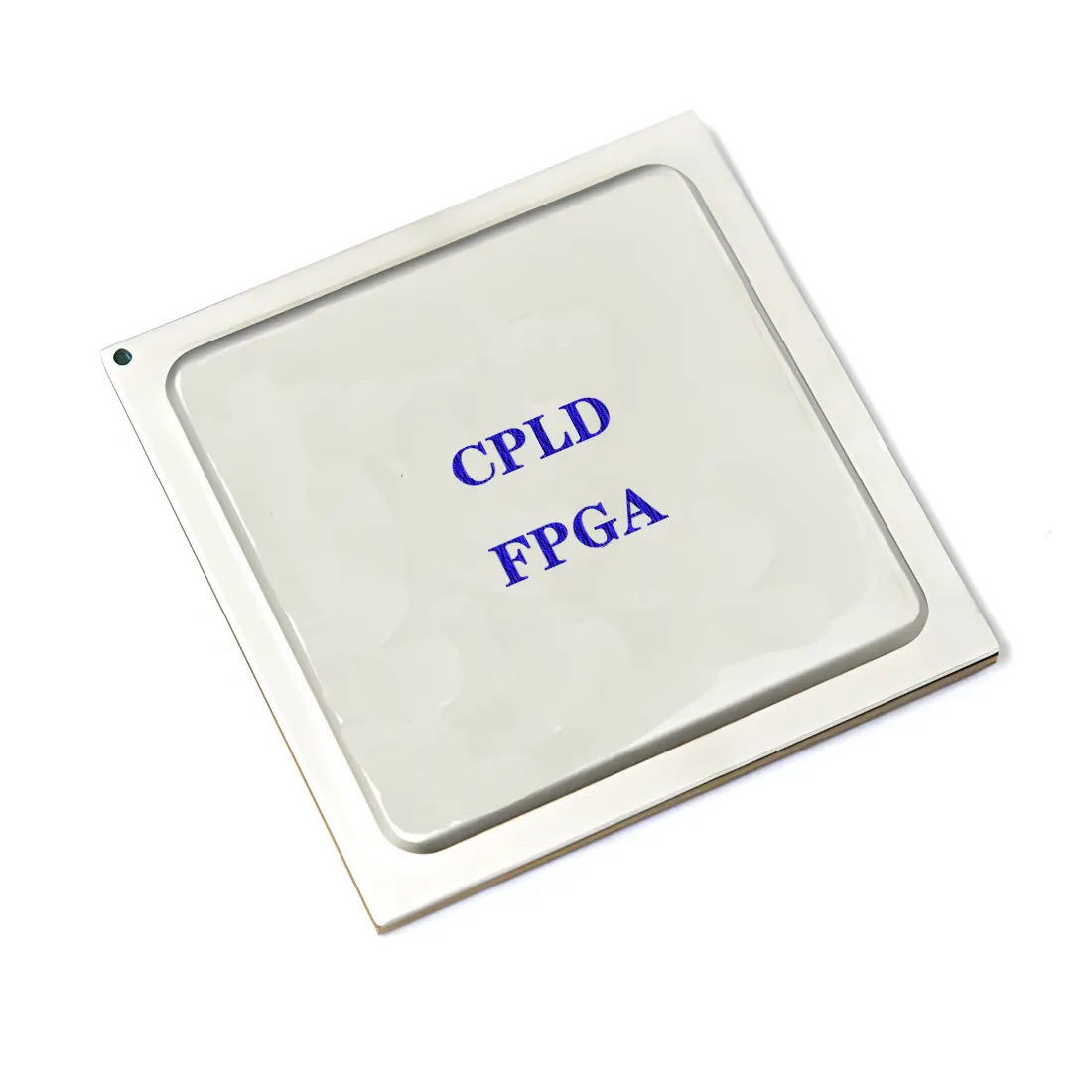 Programmable Logic Device(CPLD/FPGA)
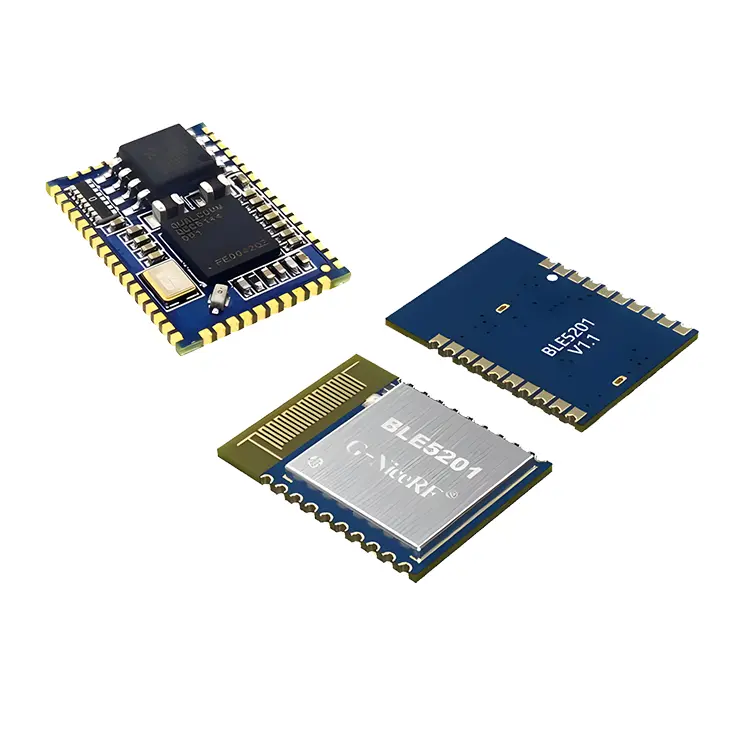 Communication Modules/IoT
 Resistors
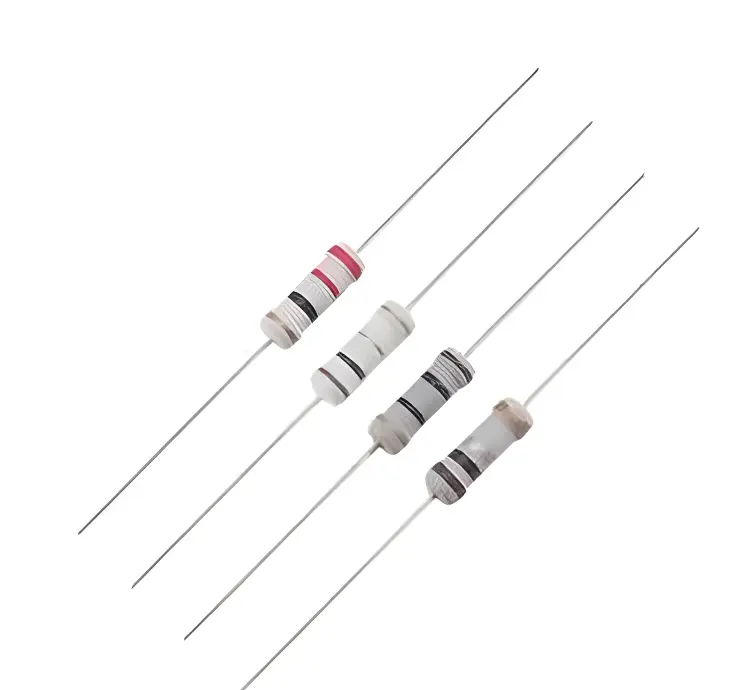 Through Hole Resistors
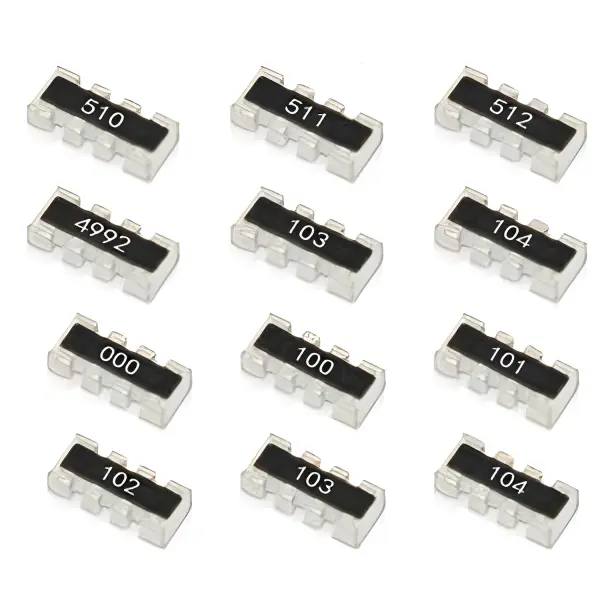 Resistor Networks, Arrays
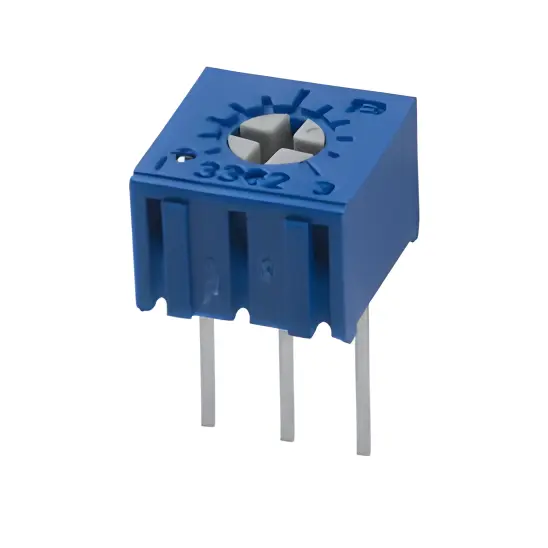 Potentiometers,Variable Resistors
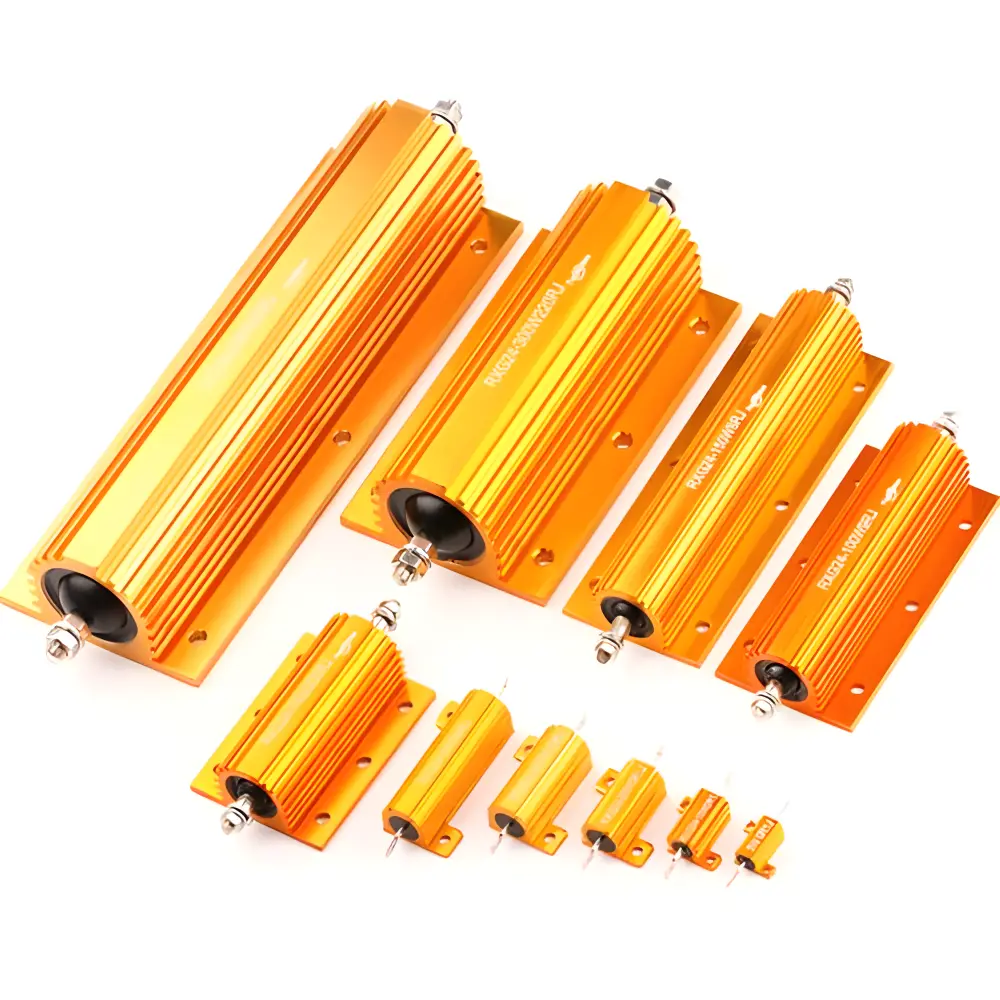 Aluminum Case,Porcelain Tube Resistance
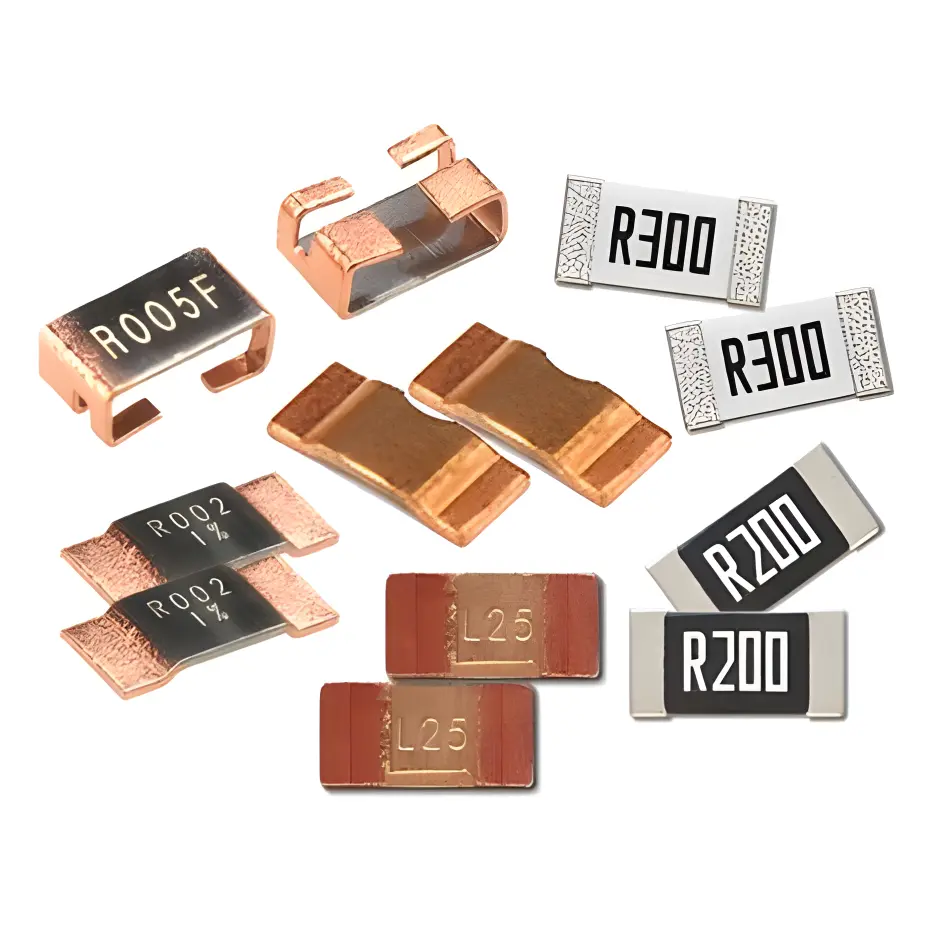 Current Sense Resistors,Shunt Resistors
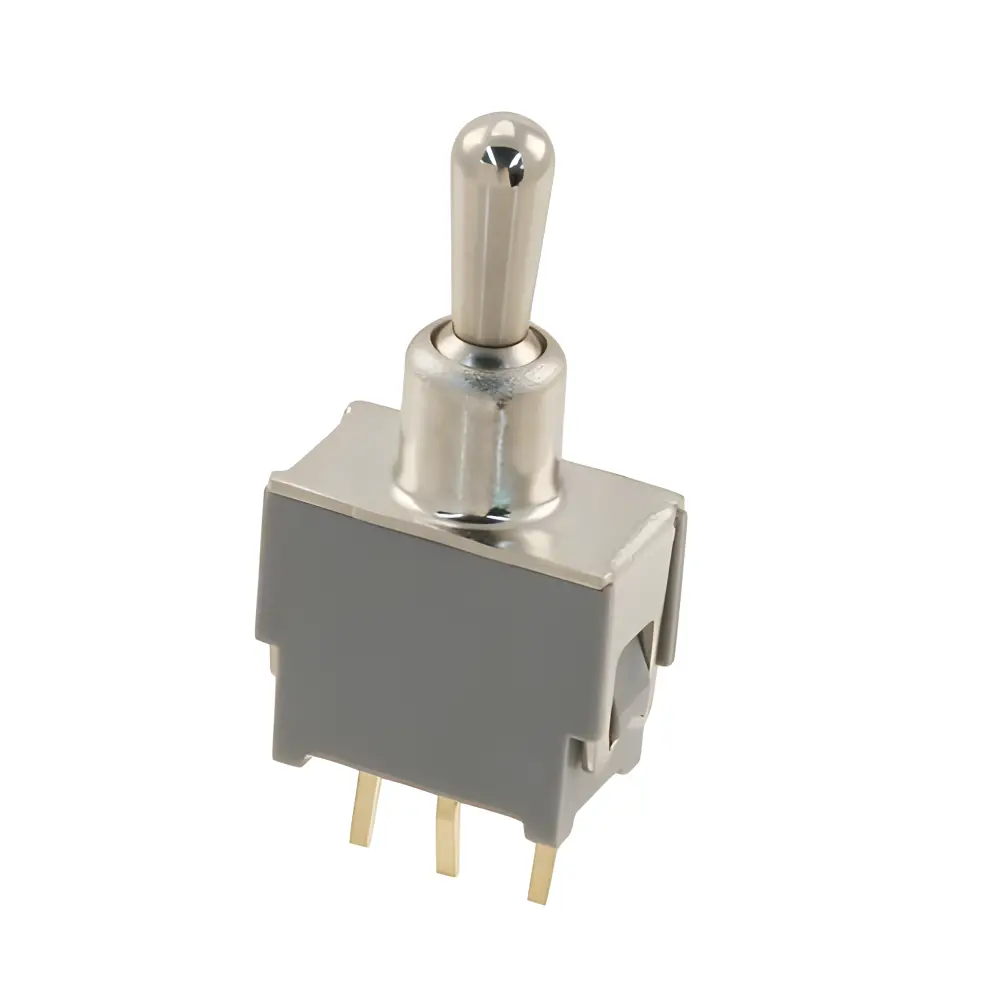 Switches
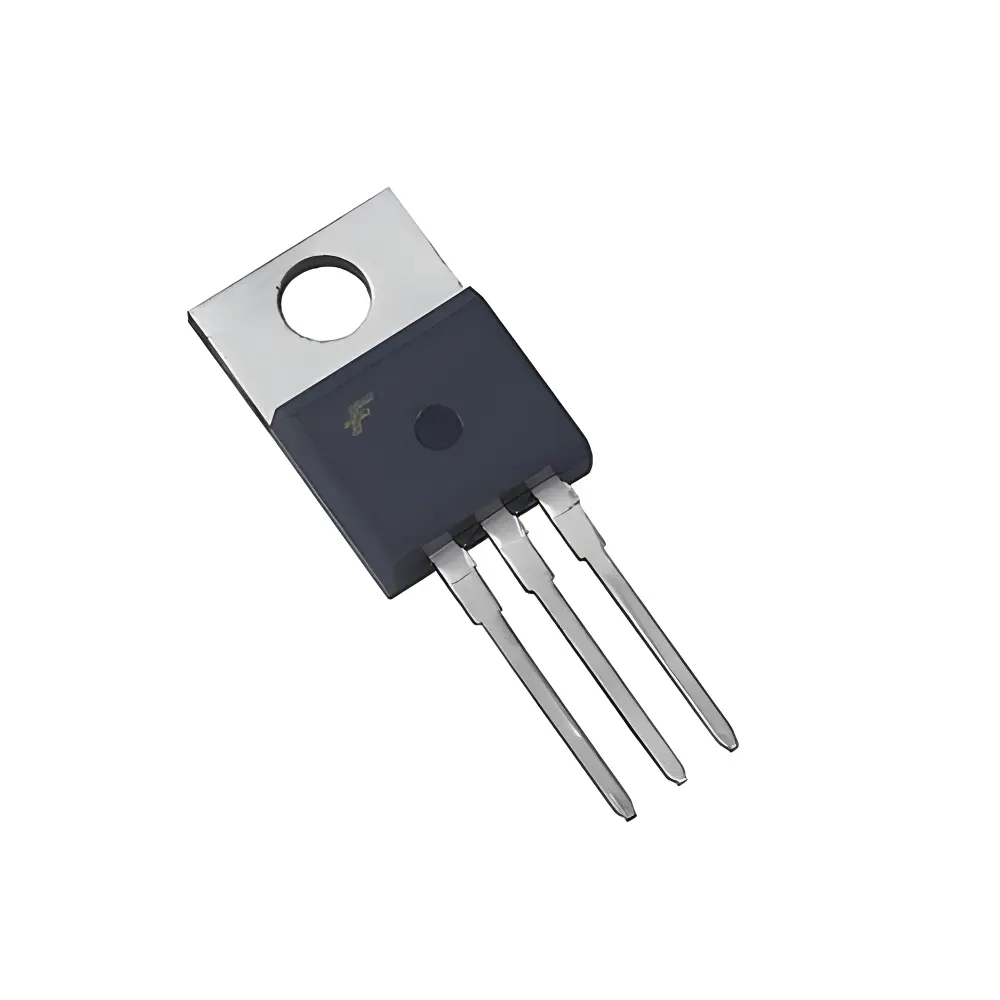 Transistors
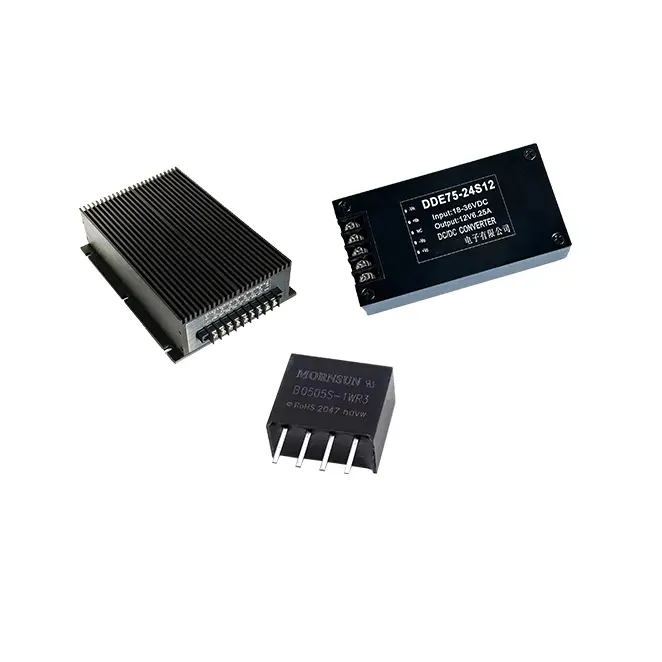 Power Modules
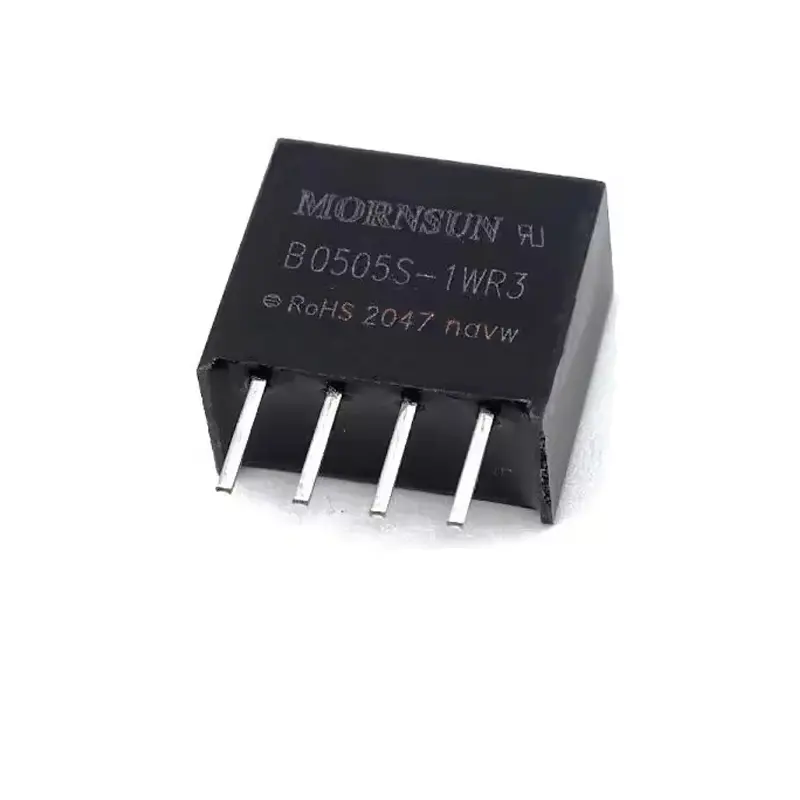 Isolated Power Modules
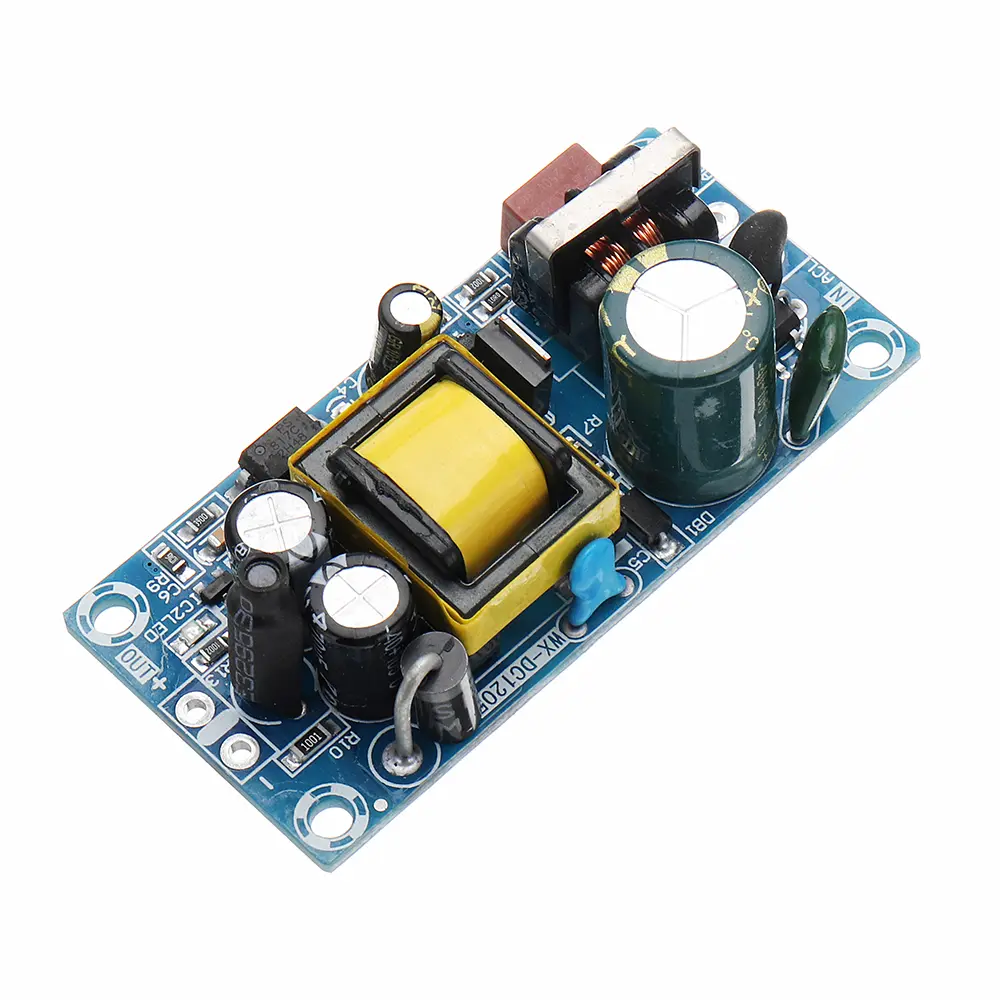 AC-DC Power Modules
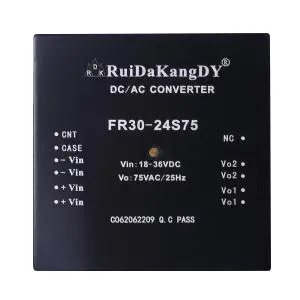 DC-AC Module(Inverter)
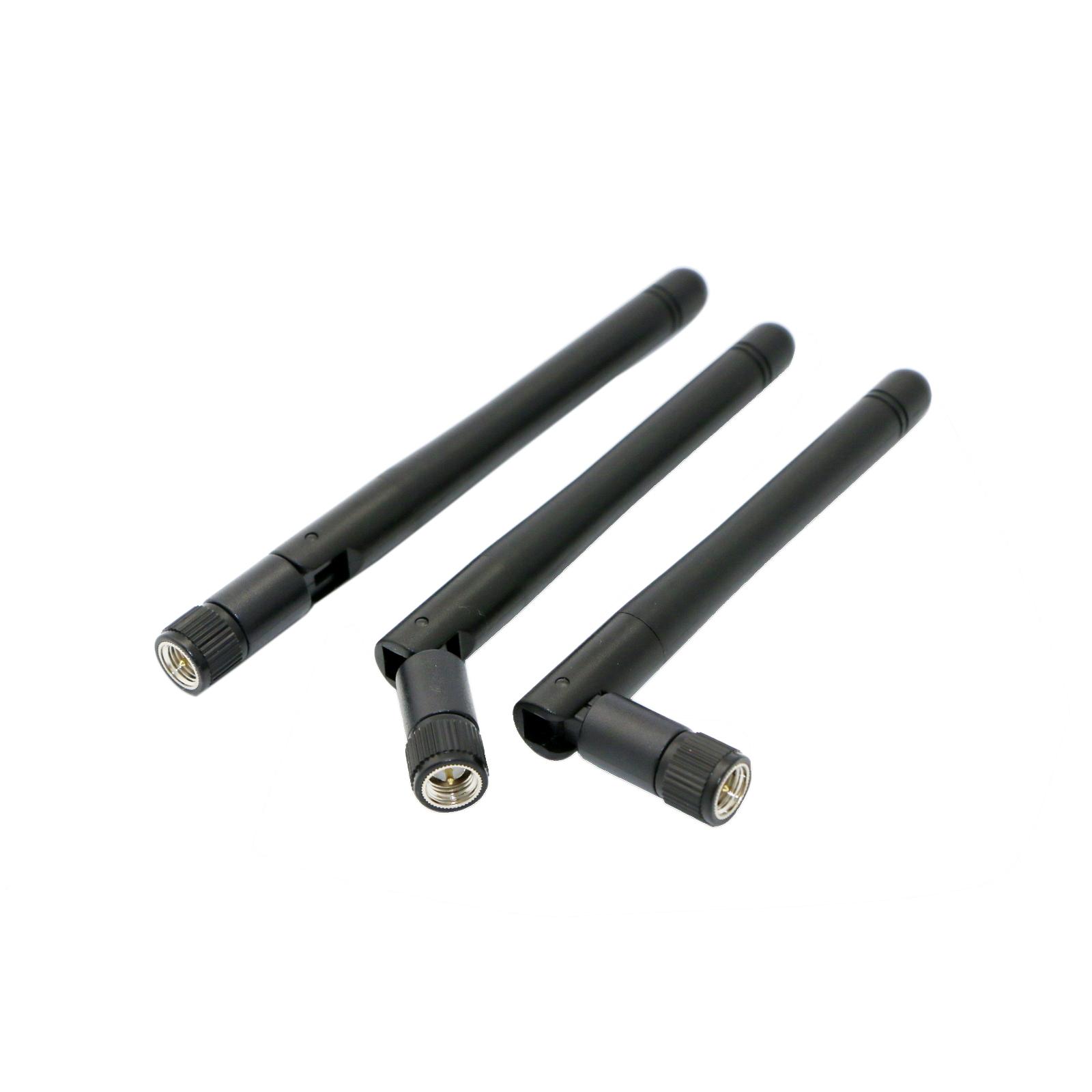 RF and Wireless
Implementing NASA-Compliant Cleanliness Control in Aerospace Assembly
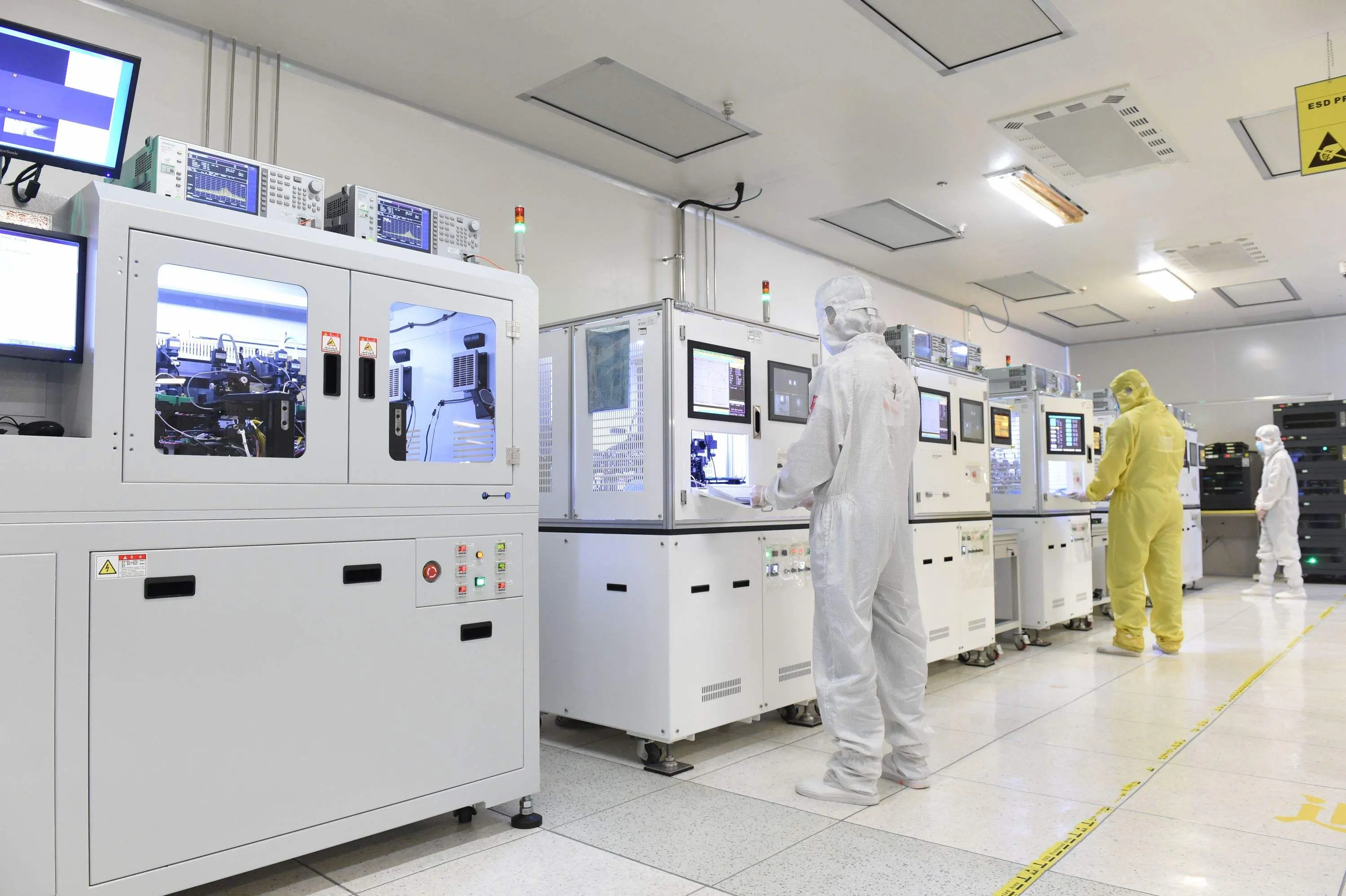
Aerospace electronICs must operate reliably in extreme environments (vacuum, radiation, -180℃~+150℃). NASA standards like NASA-STD-8719.27 mandate stringent cleanliness: ≤100 particles/ft³ (≥0.5μm), non-volatile residue (NVR) ≤1μg/cm². This guide details cleanliness control through environmental management, process protocols, and verification methods.
1. Cleanroom Standards
1.1 Classification & Parameters
| Parameter | NASA Class 100 Requirements | Implementation |
|---|---|---|
| Particulate Count | ≤100 particles/ft³ (≥0.5μm) | HEPA/ULPA 3-stage filtration |
| Temperature Stability | ±0.5℃/hour | Laminar flow + PID control |
| Humidity | 45%±3% RH | Desiccant wheels + humidifiers |
| Pressure Gradient | ≥5Pa between zones | Adaptive aiRFlow control |
1.2 ESD & Molecular Control
-
ESD mitigation: Surface resistivity 10⁶-10⁹Ω, carbon nanotube-coated flooring;
-
Low outgassing materials: NASA ASTM E595 compliant, TML<1%, CVCM<0.1%.
2. Personnel & Material Control
2.1 Personnel Protocols
-
Garments: IEST-RP-CC003.4 cleanroom suits, <3000 particles/minute;
-
Training: NASA 3112-INF-0001 certified sterile handling.
2.2 Material Standards
| Material Type | Pre-treatment | Testing Method |
|---|---|---|
| Components | Ar/O₂ plasma cleaning (300W×5min) | SEM/EDS surface analysis |
| Solder Paste | Vacuum degassing (10⁻³Pa×24h) | Ion chromatography (Cl⁻<0.1μg/g) |
| Flux | Low-residue (J-STD-004B) | FTIR organic analysis |
3. Specialized Assembly Processes
3.1 Contamination-Free Soldering
-
Laser welding: Fiber laser (1070nm) minimizes flux emissions;
-
Vacuum reflow: 10⁻²Pa environment, peak 245℃±3℃, O₂<5ppm.
3.2 Sealing & Potting
-
Metal-glass sealing: Kovar alloy laser welding, He leak rate <1×10⁻⁸ atm·cc/sec;
-
Space-grade epoxy: Hysol EA9396, outgassing <5×10⁻⁶ Torr·L/sec.
4. Cleanliness Verification
4.1 Particulate Monitoring
-
Real-time counters: Lighthouse SOLAIR 3100 (1CFM), integrated with MES;
-
Surface wipe test: MIL-STD-1246C compliant, analyzed via ICP-MS.
4.2 Molecular Contamination
-
QCM: 0.1ng/cm² sensitivity for NVR;
-
GC-MS: Identifies VOCs species/concentration.
5. Case Study: Mars Rover Pcb Assembly
5.1 Cleanliness Data
| Metric | Result | Limit |
|---|---|---|
| 0.5μm particles | 82/ft³ | ≤100/ft³ |
| NVR | 0.8μg/cm² | ≤1μg/cm² |
| Ionic contamination | 0.05μg/cm² (NaCl eq) | ≤0.1μg/cm² |
5.2 Reliability Tests
-
Thermal vacuum: 10⁻⁶ Torr, -150℃~+125℃×50 cycles, functional;
-
Radiation: 50krad(Si) total dose, <2% parametric drift.
6. Contamination Incident Response
-
Lockdown: Activate FFU boost mode;
-
Root cause: 5Why analysis;
-
Decontamination: Ozone (5ppm×2h) + plasma cleaning.