
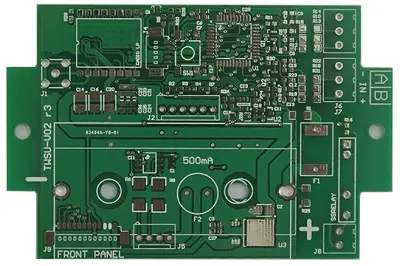
 PCB
PCB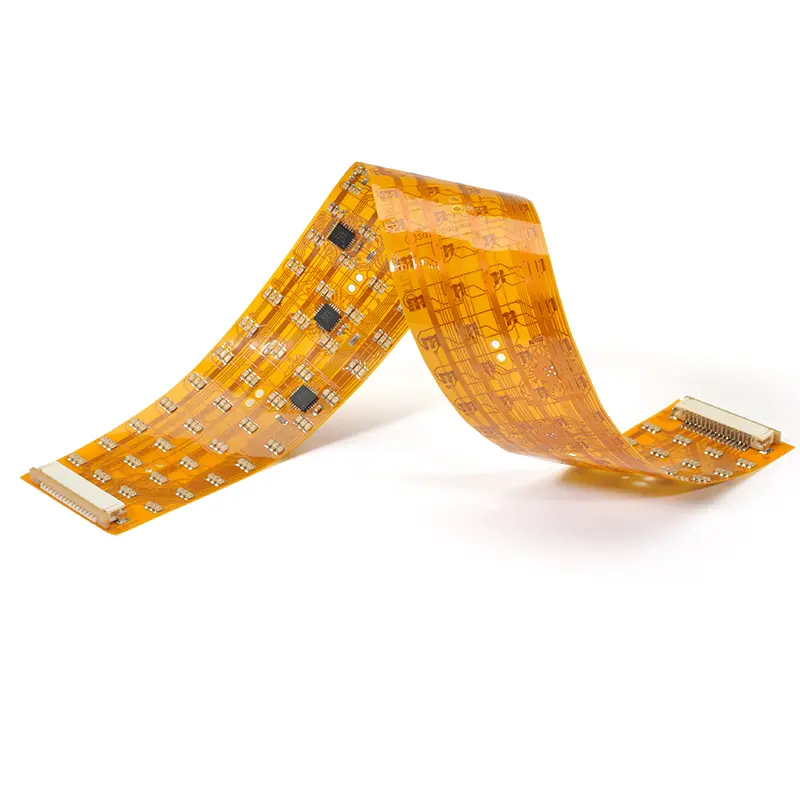 FPC
FPC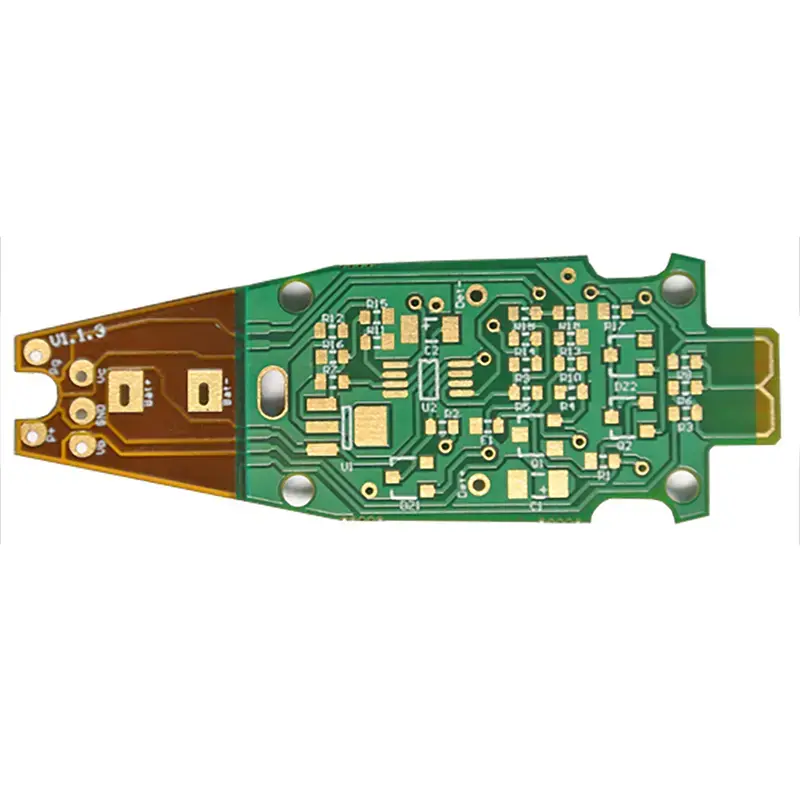 Rigid-Flex
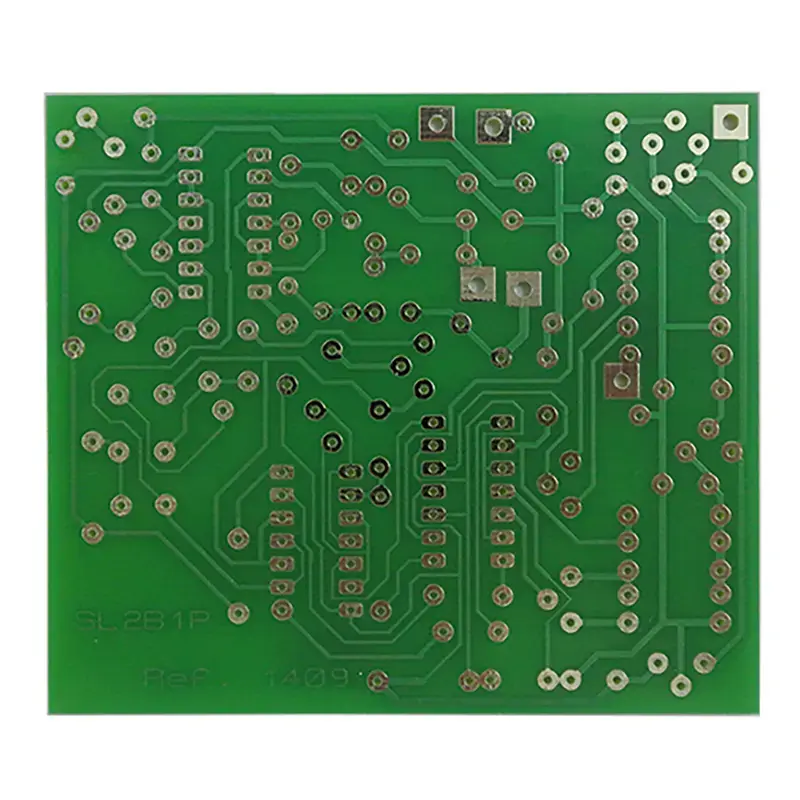 FR-4
FR-4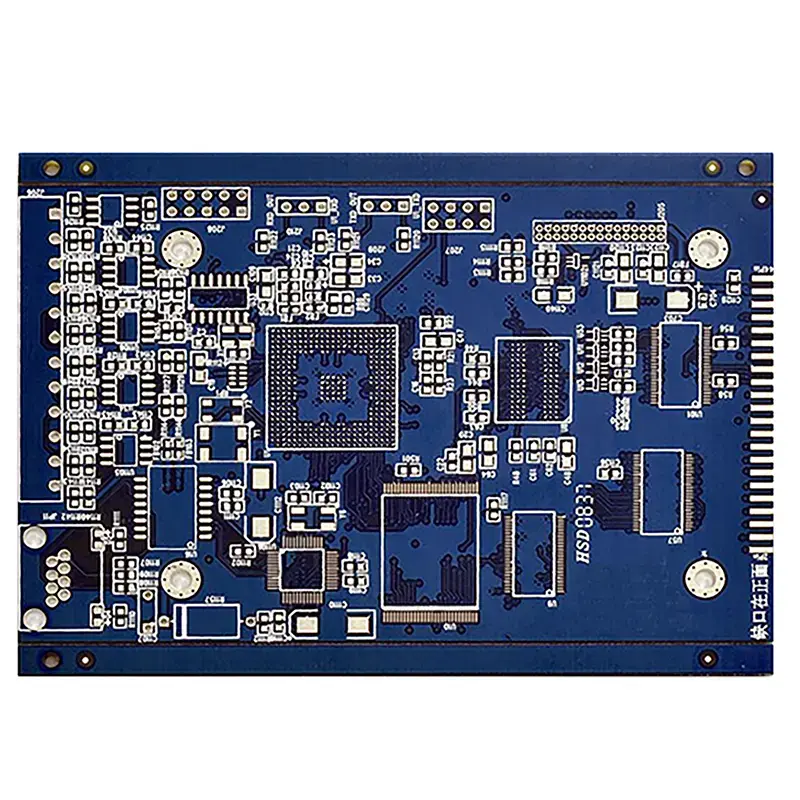 HDI PCB
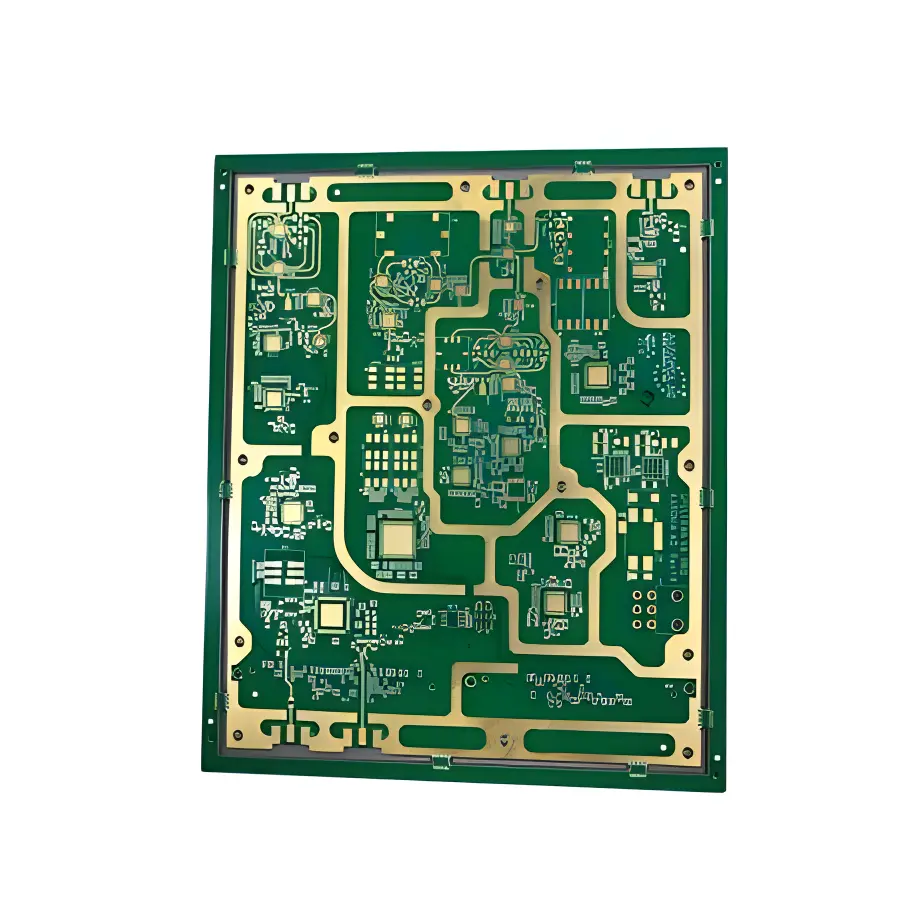 Rogers High-Frequency Board
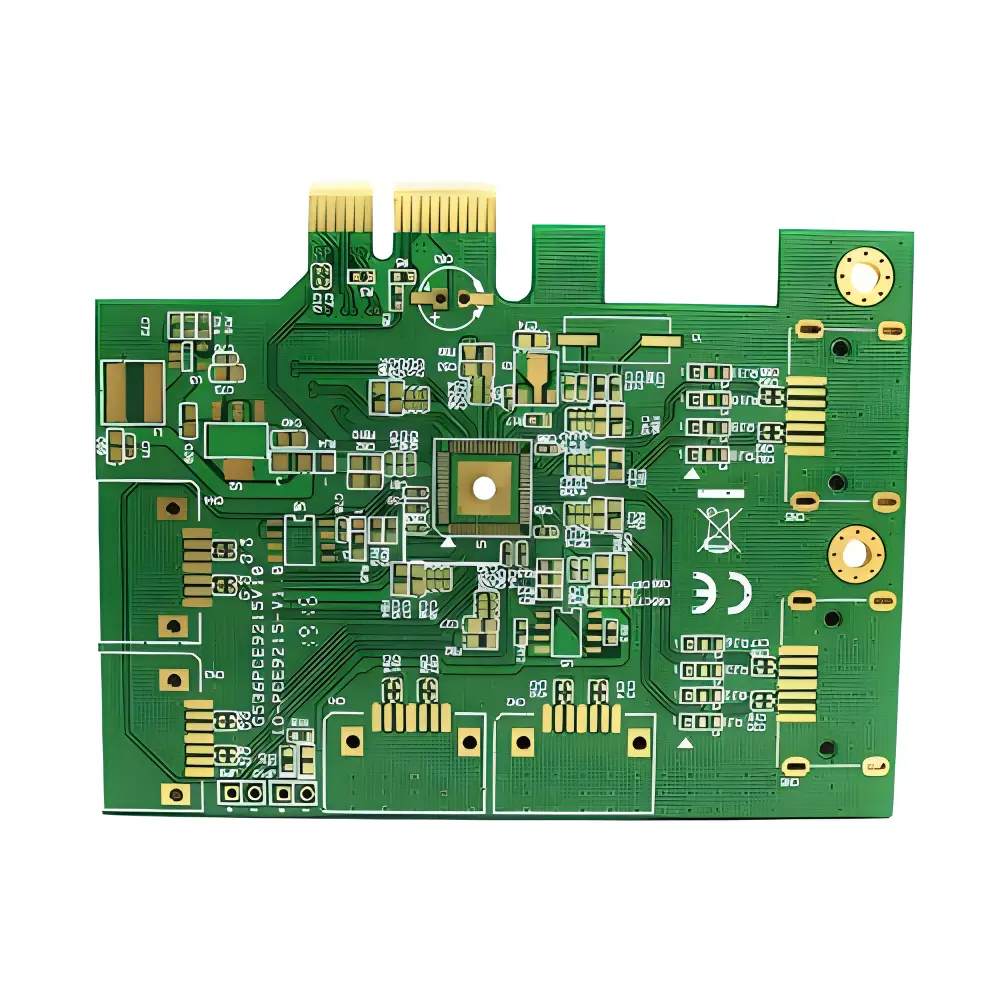 PTFE Teflon High-Frequency Board
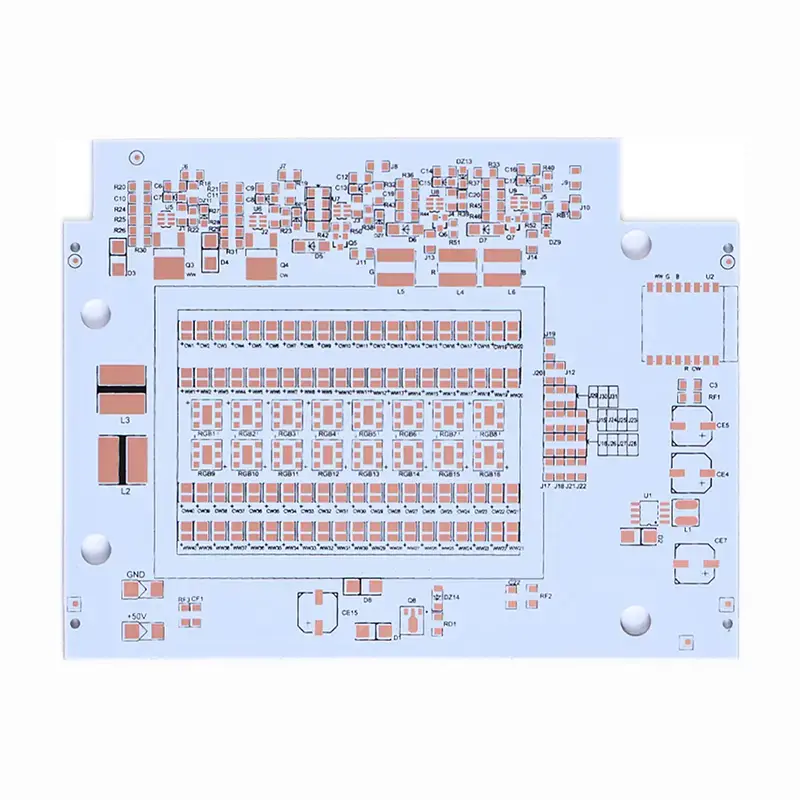 Aluminum
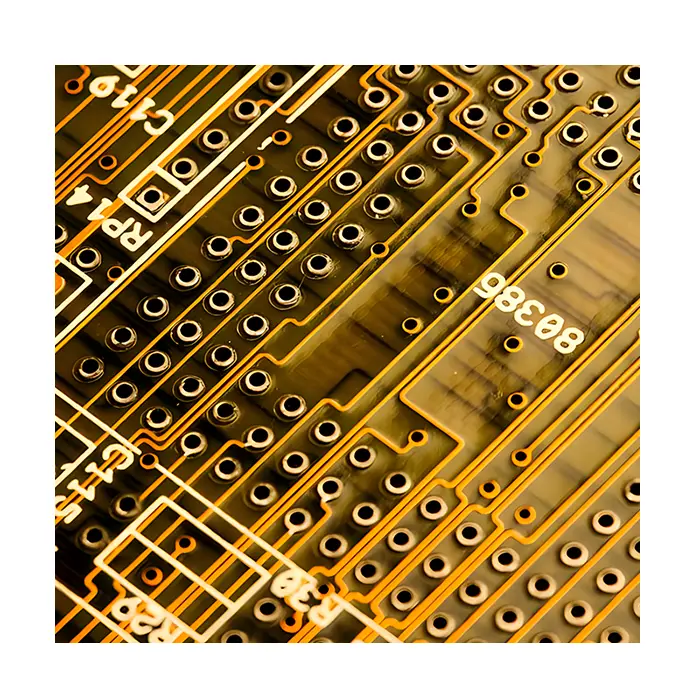 Copper Core
 PCB Assembly
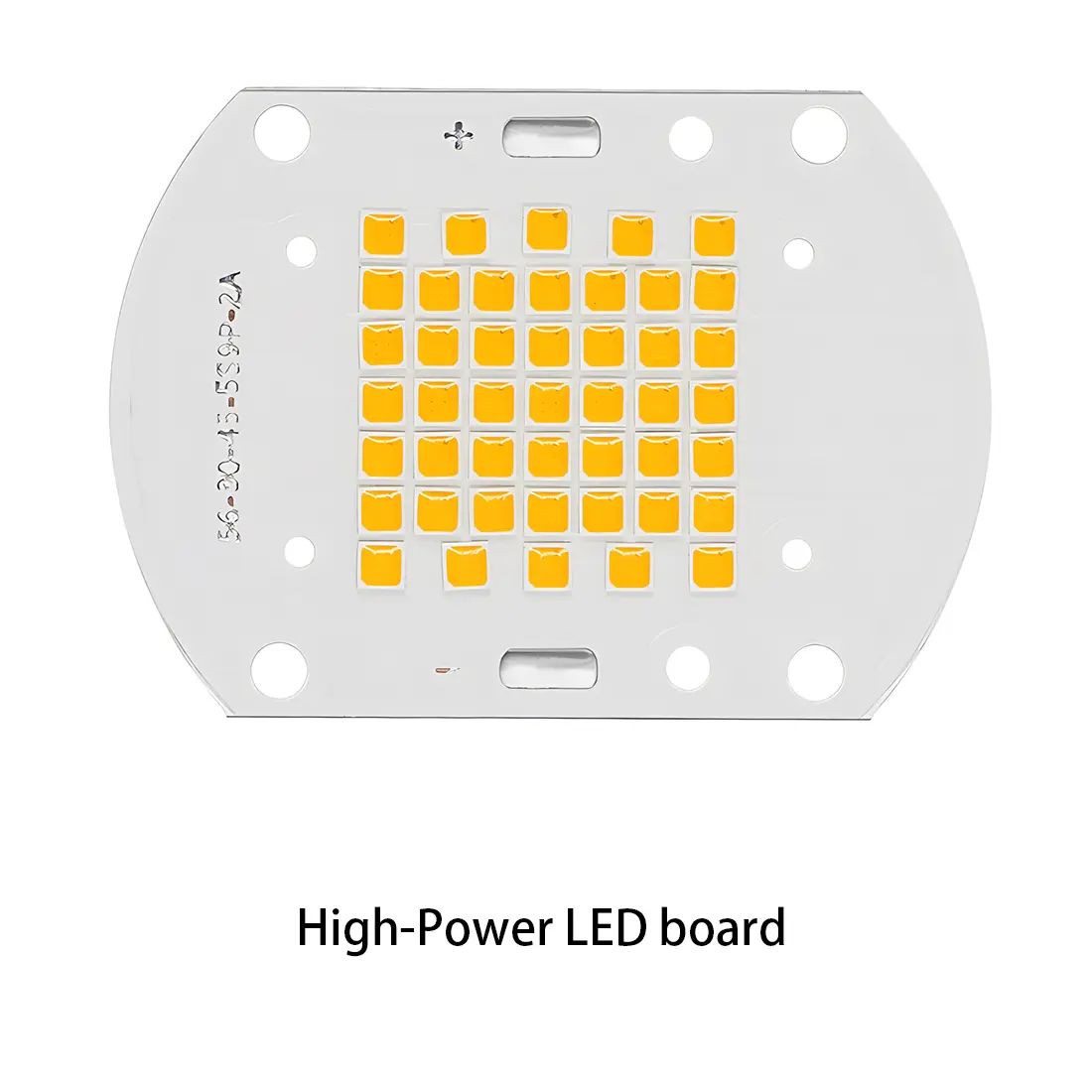 LED light PCBA
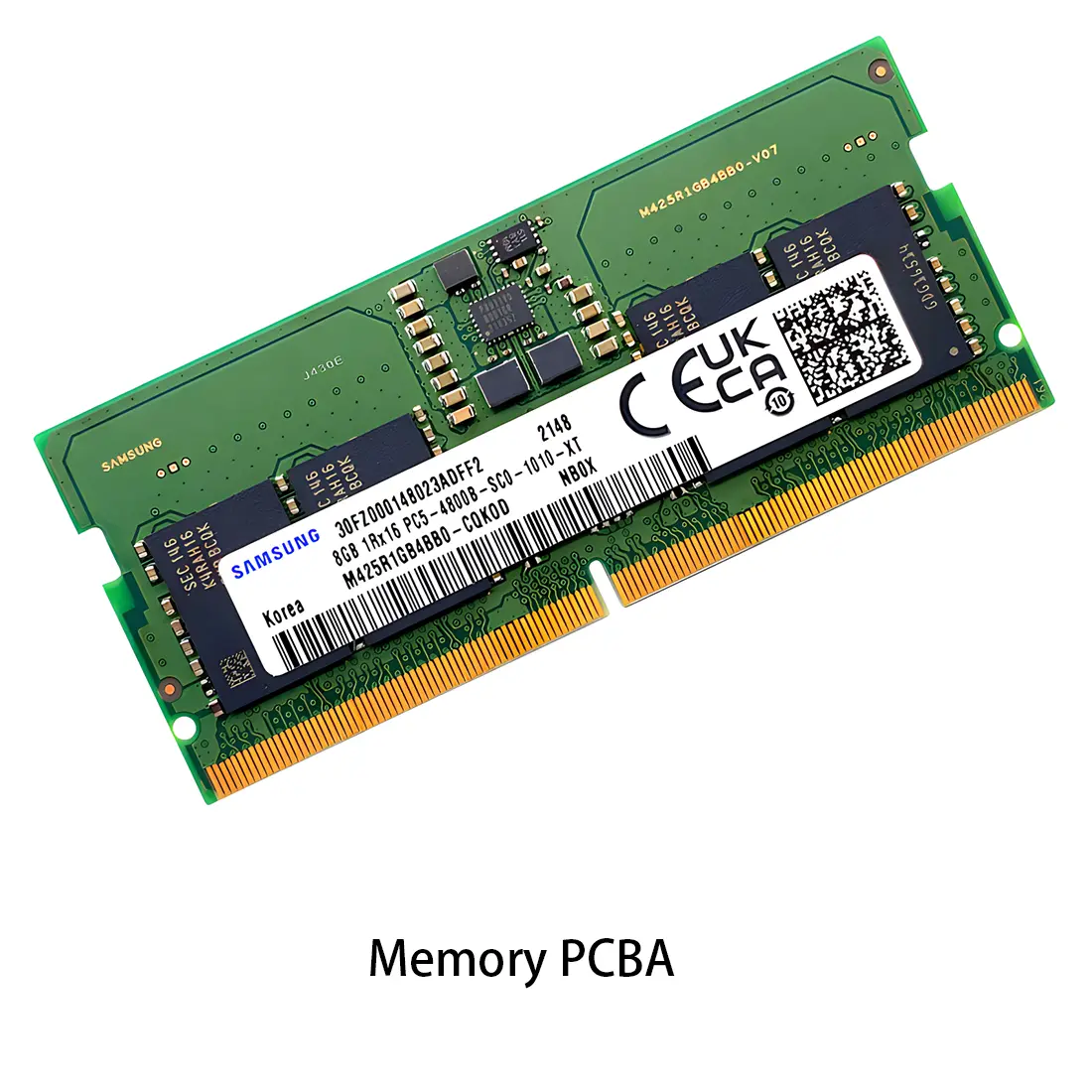 Memory PCBA
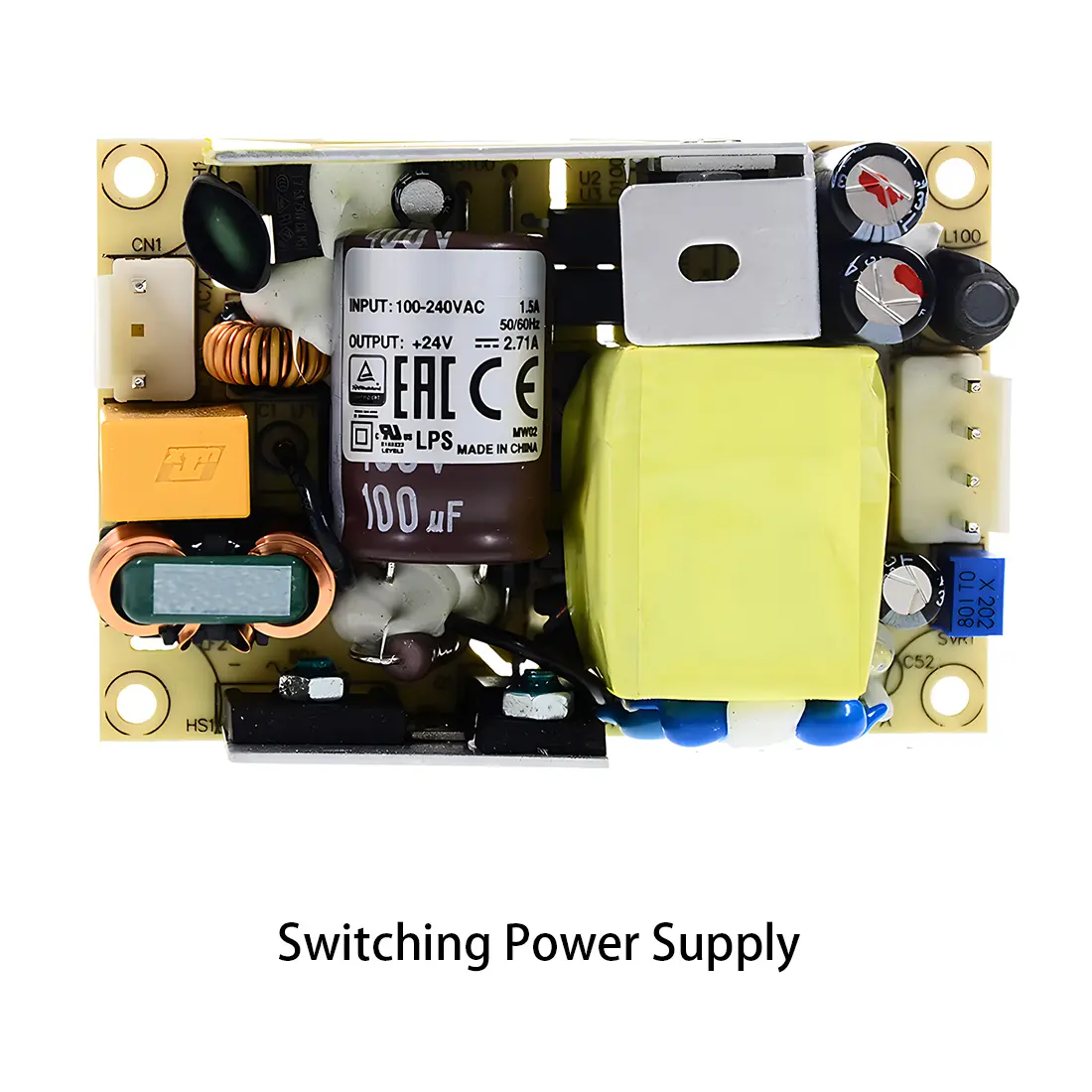 Power Supply PCBA
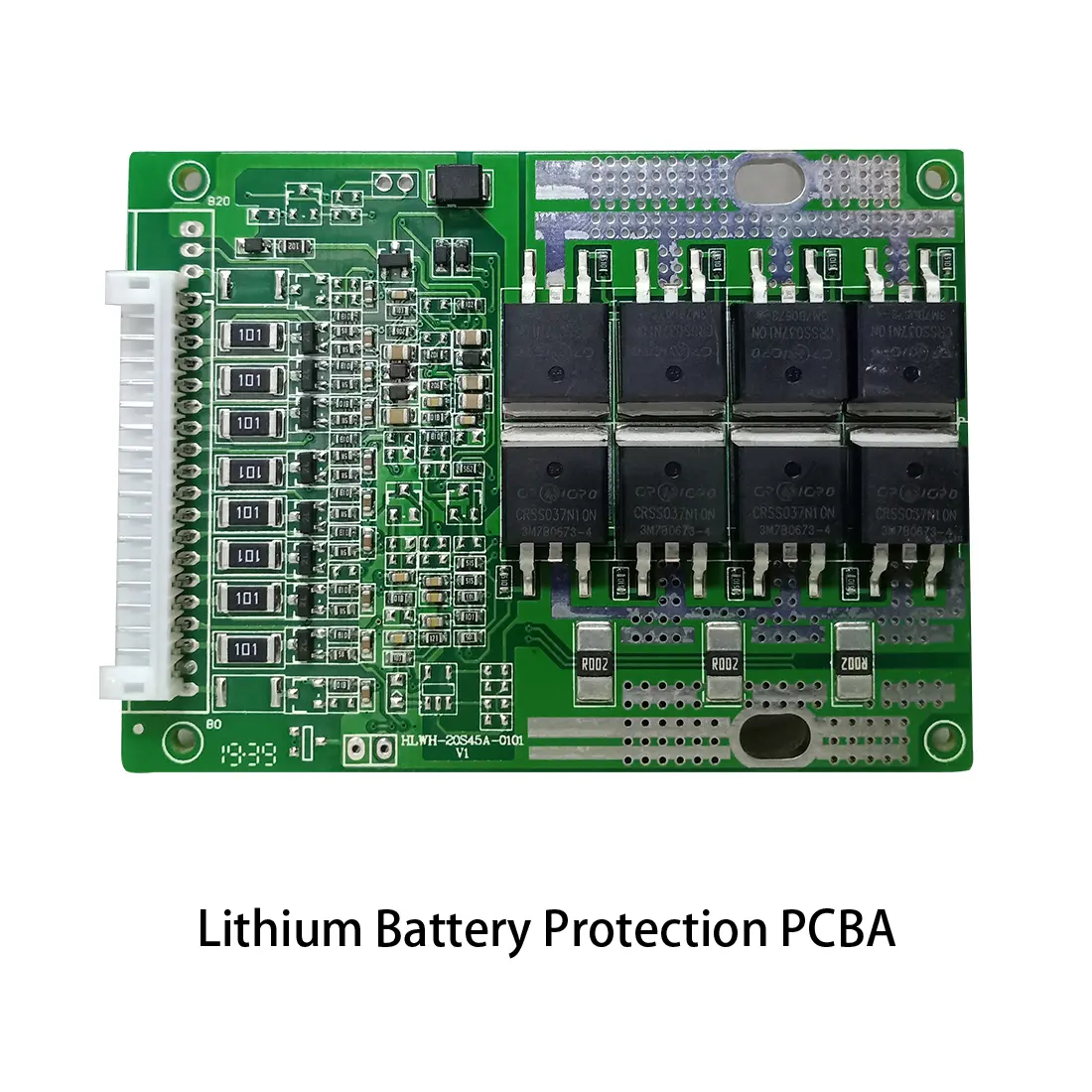 New Energey PCBA
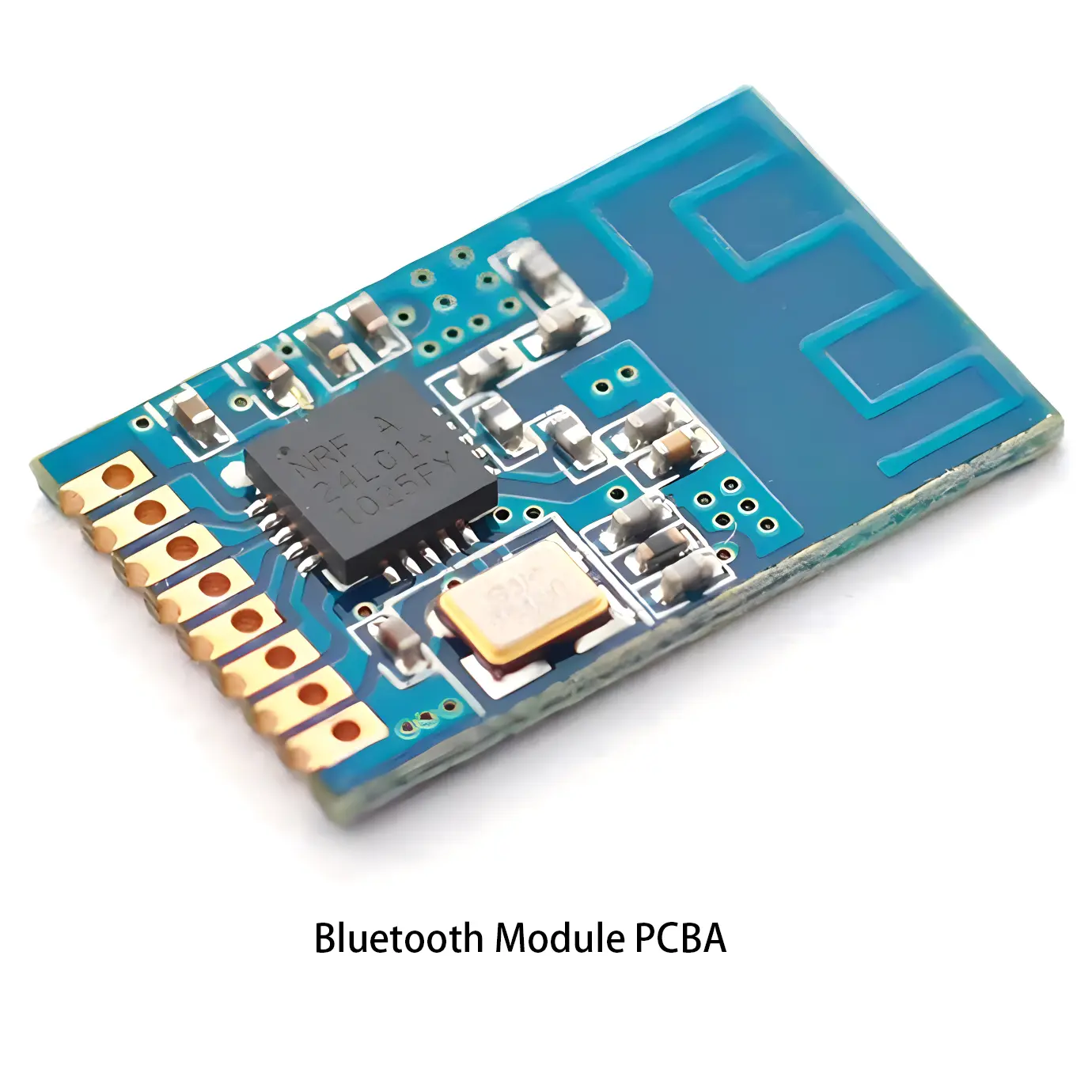 Communication PCBA
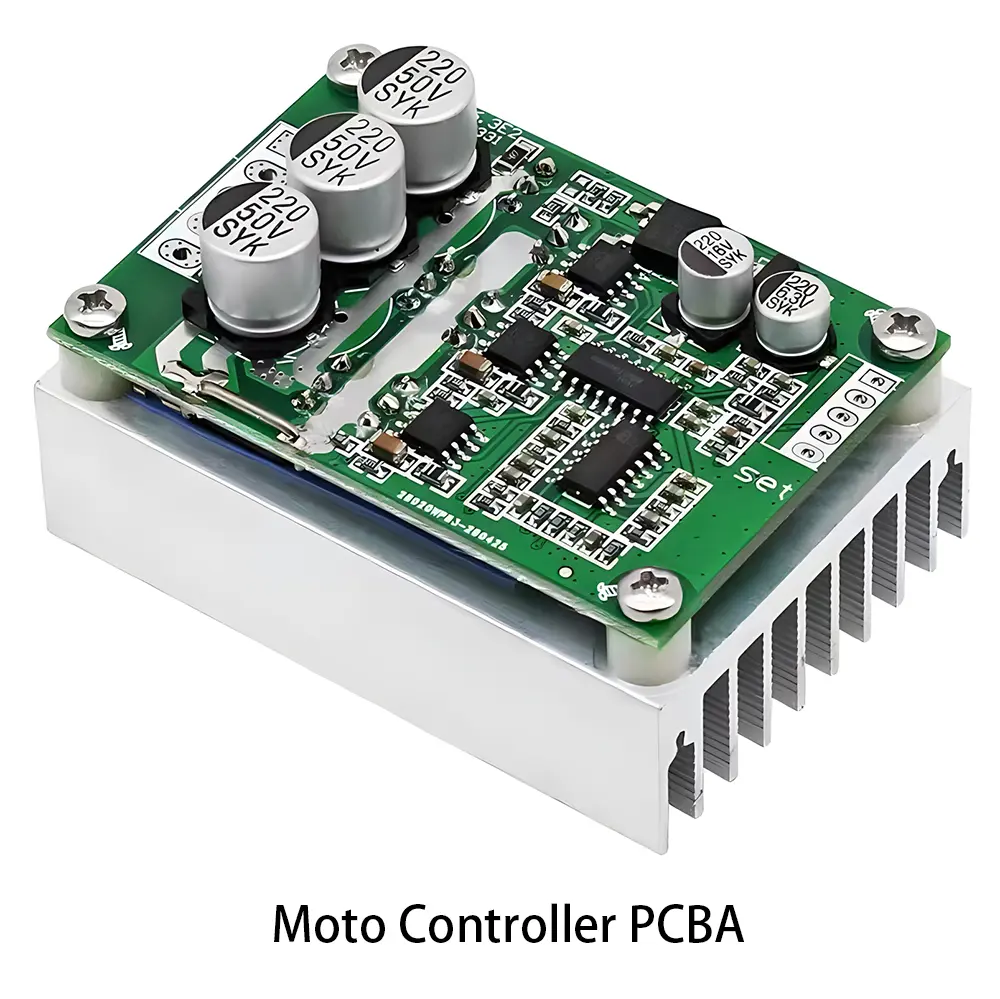 Industrial Control PCBA
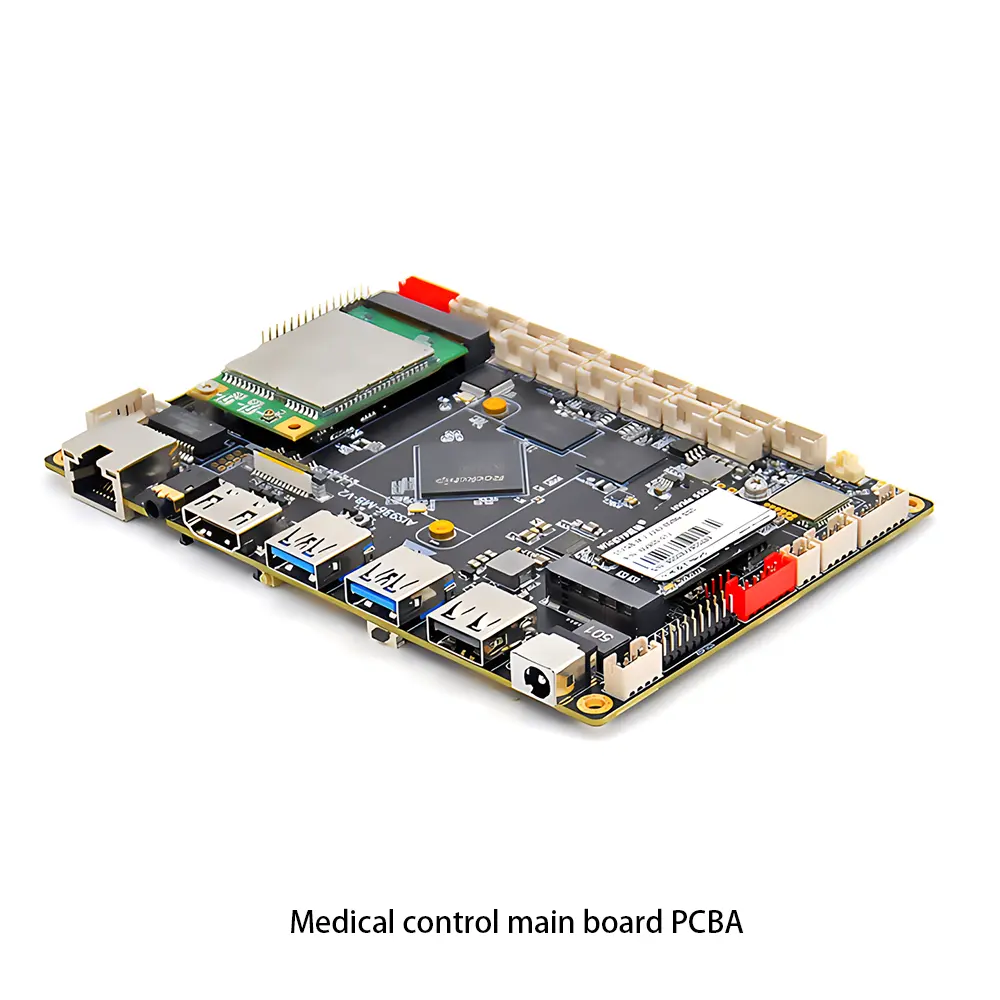 Medical Equipment PCBA
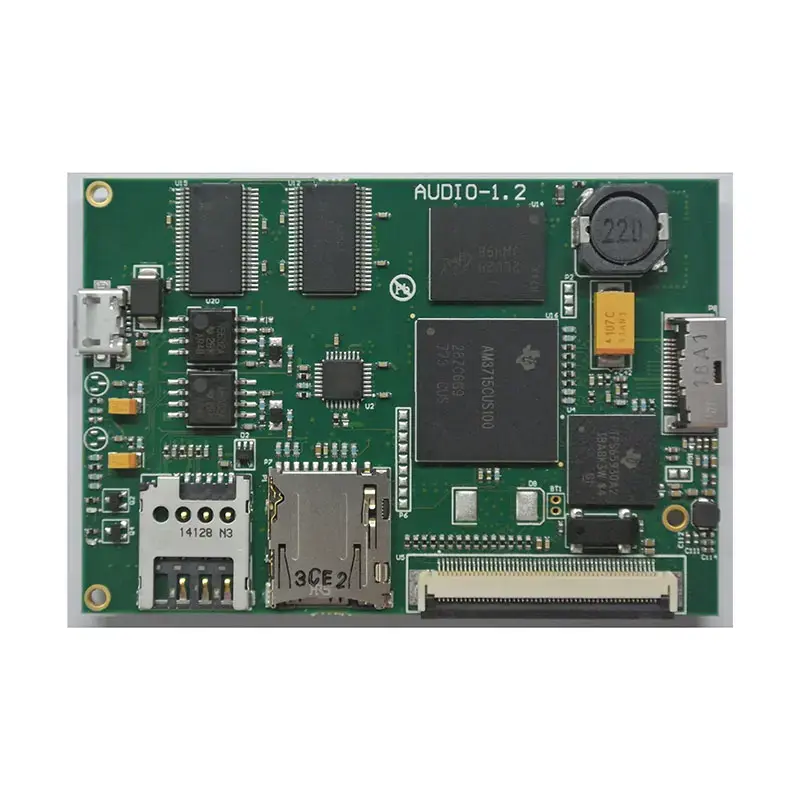 Testing Service
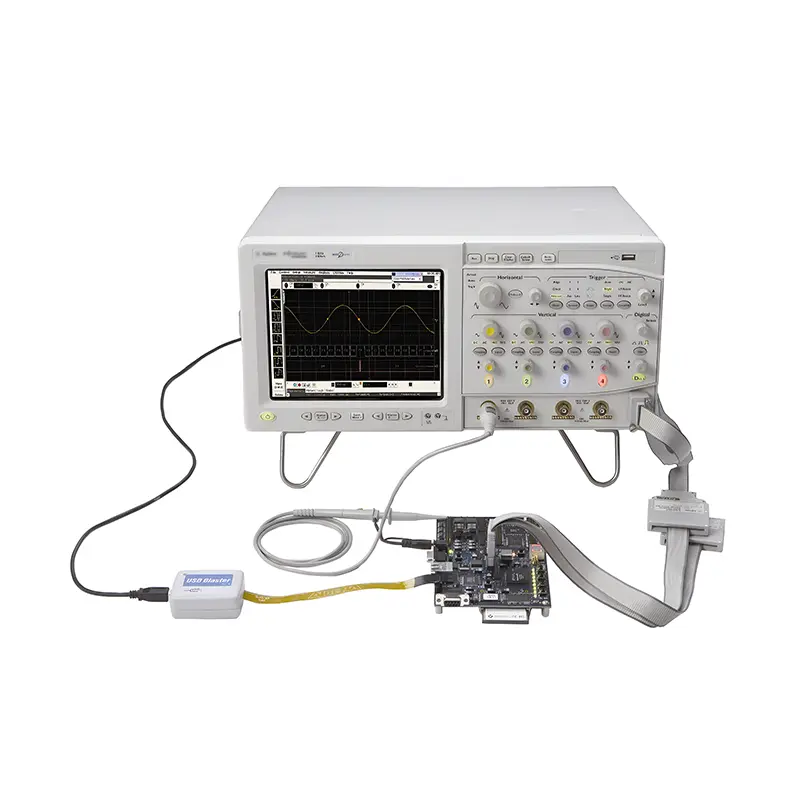 PCBA Testing Service
 Certification Application
 RoHS Certification Application
 REACH Certification Application
 CE Certification Application
 FCC Certification Application
 CQC Certification Application
 UL Certification Application
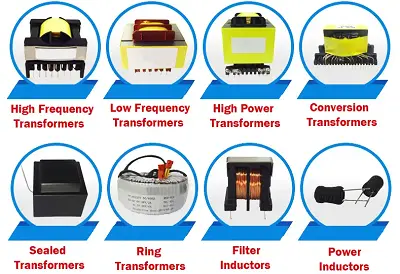 Transformers, Inductors
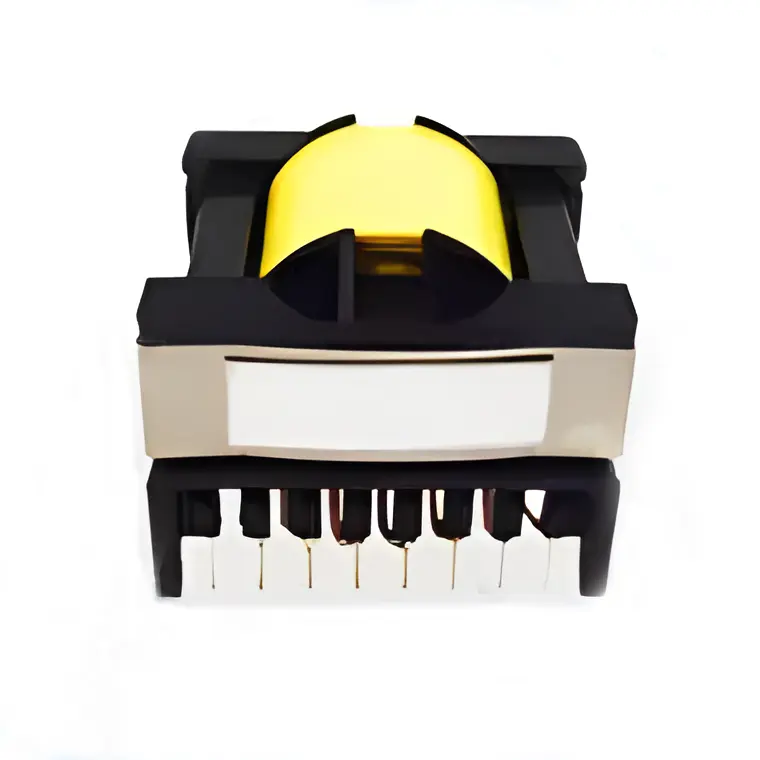 High Frequency Transformers
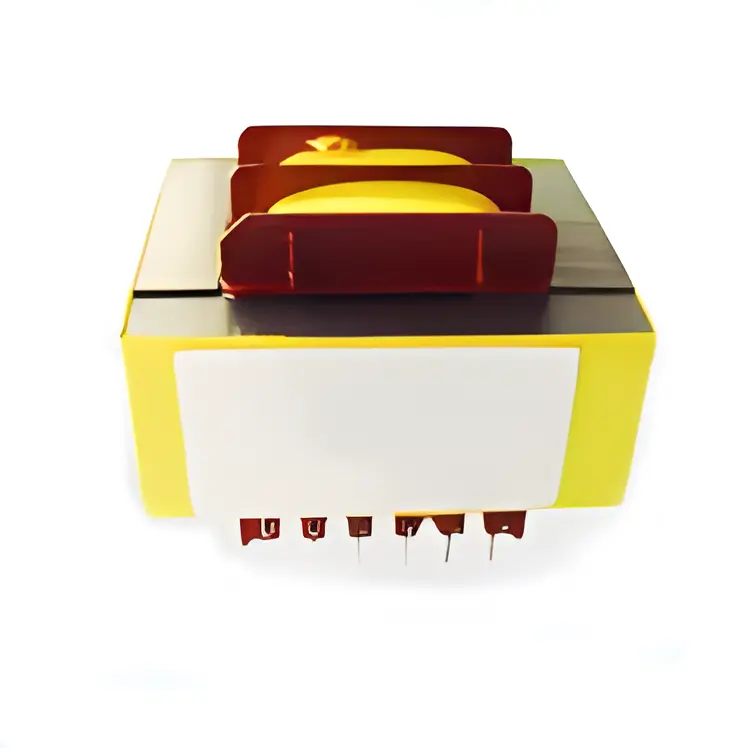 Low Frequency Transformers
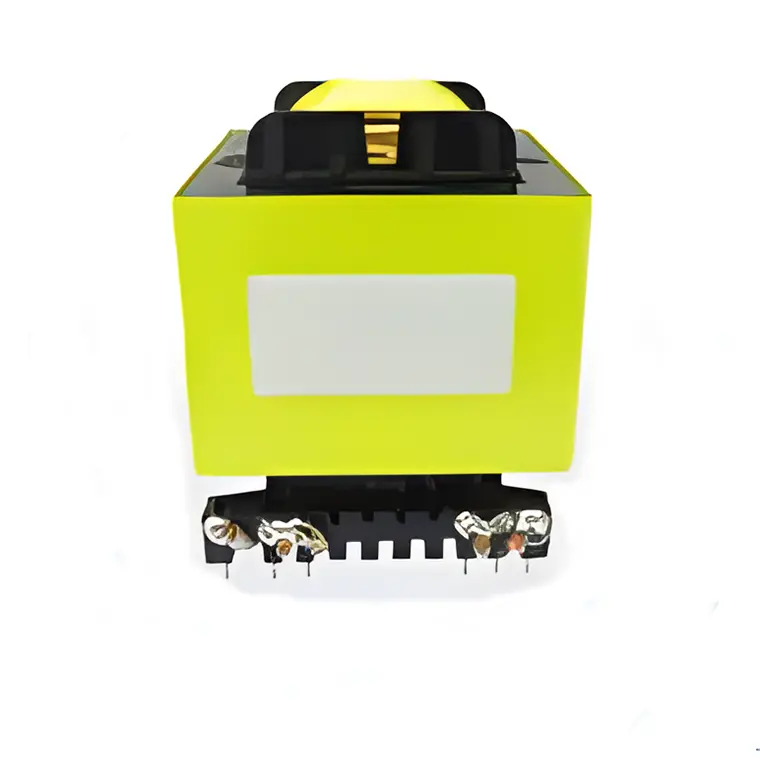 High Power Transformers
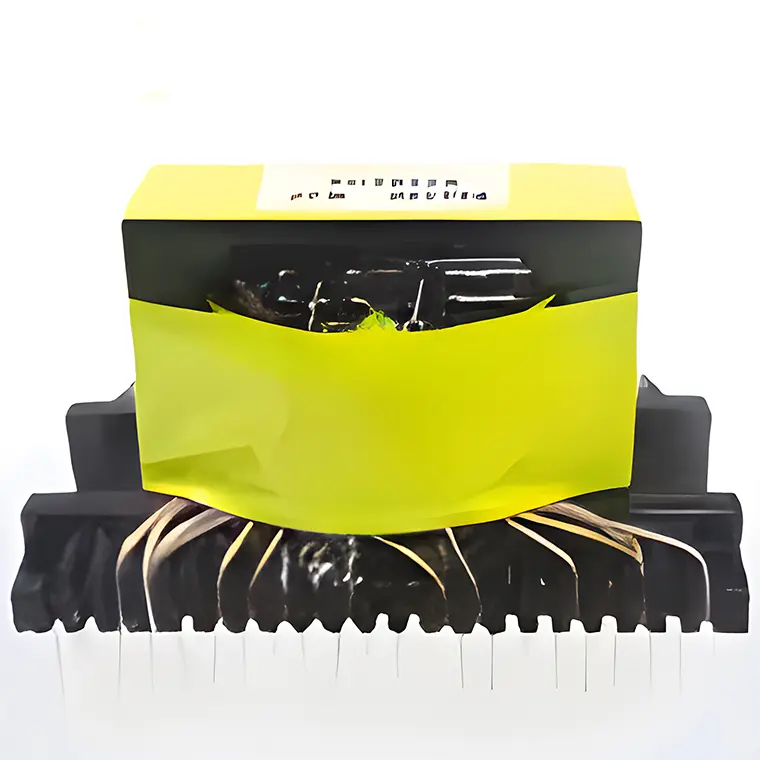 Conversion Transformers
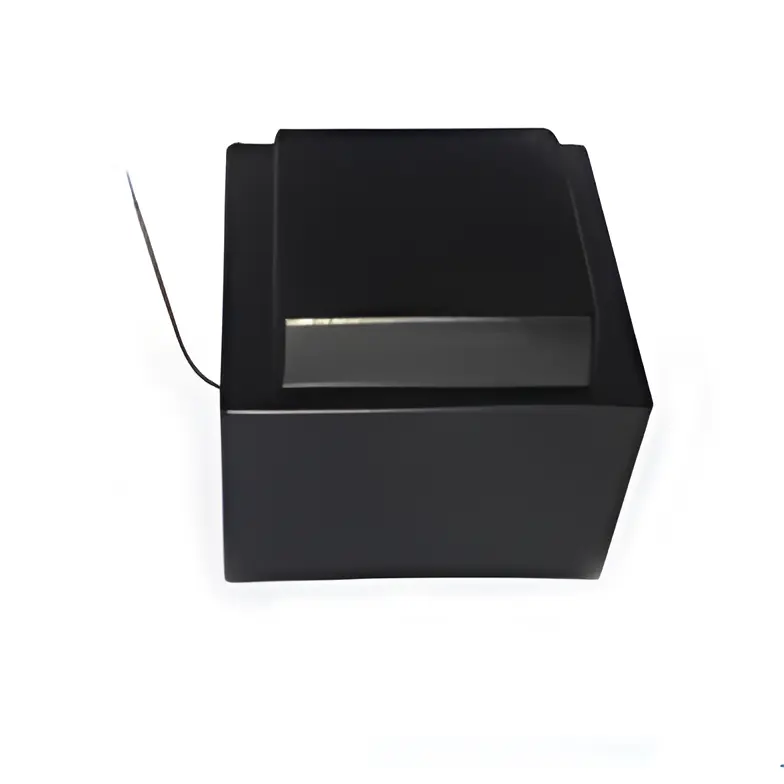 Sealed Transformers
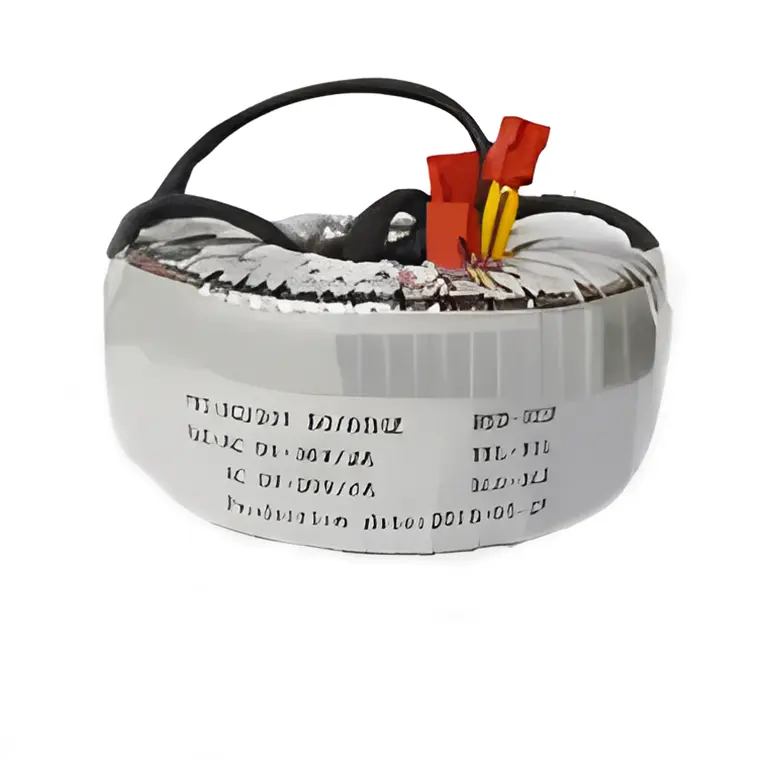 Ring Transformers
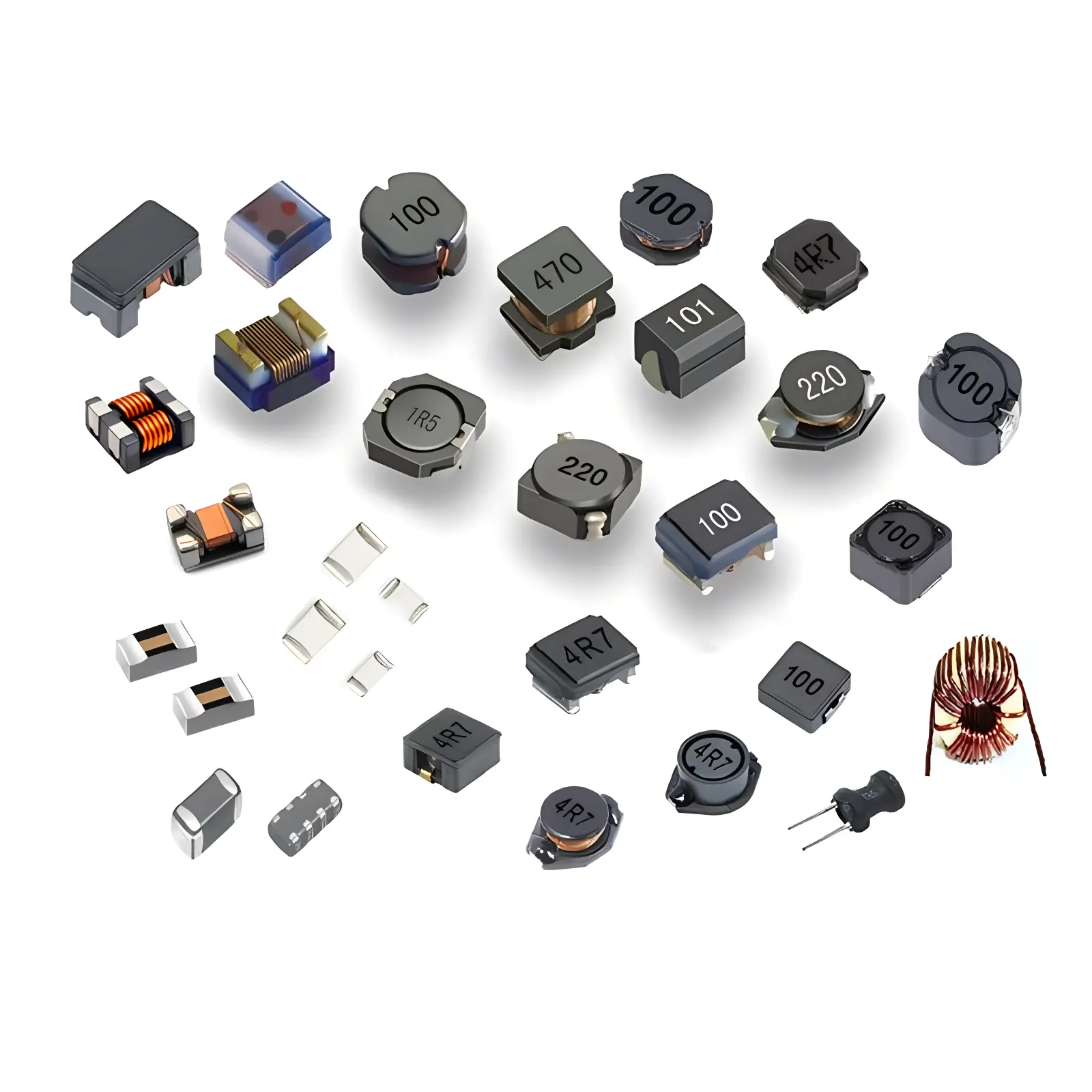 Inductors
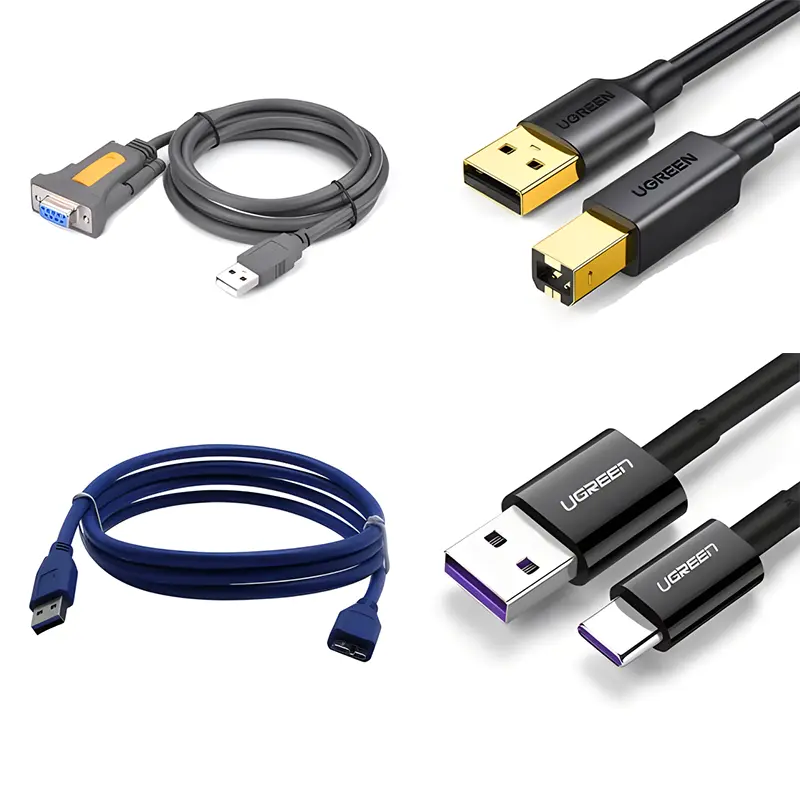 Wires,Cables Customized
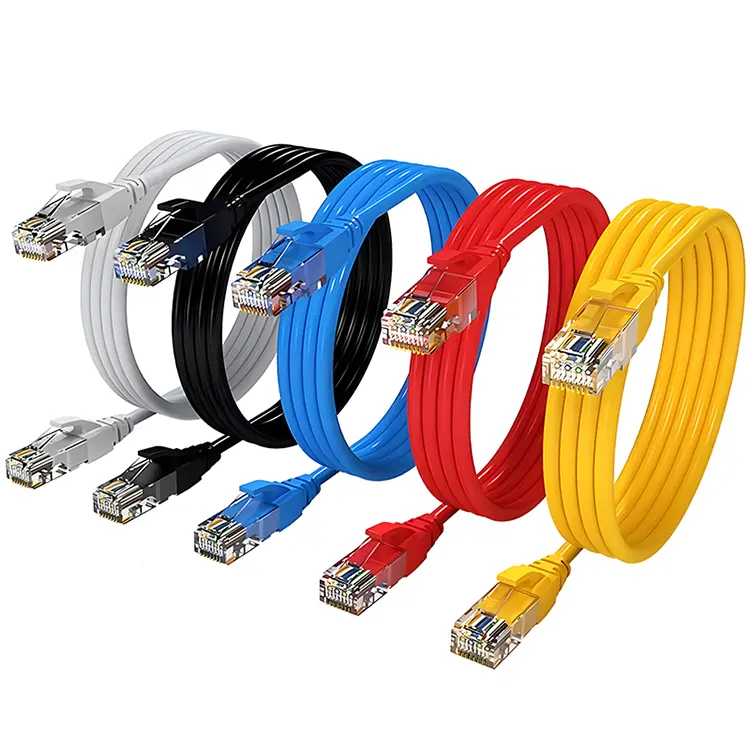 Network Cables
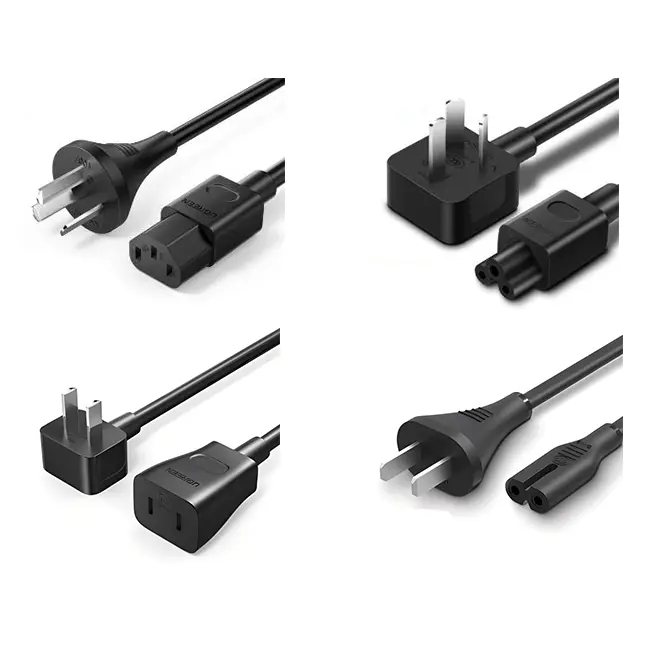 Power Cords
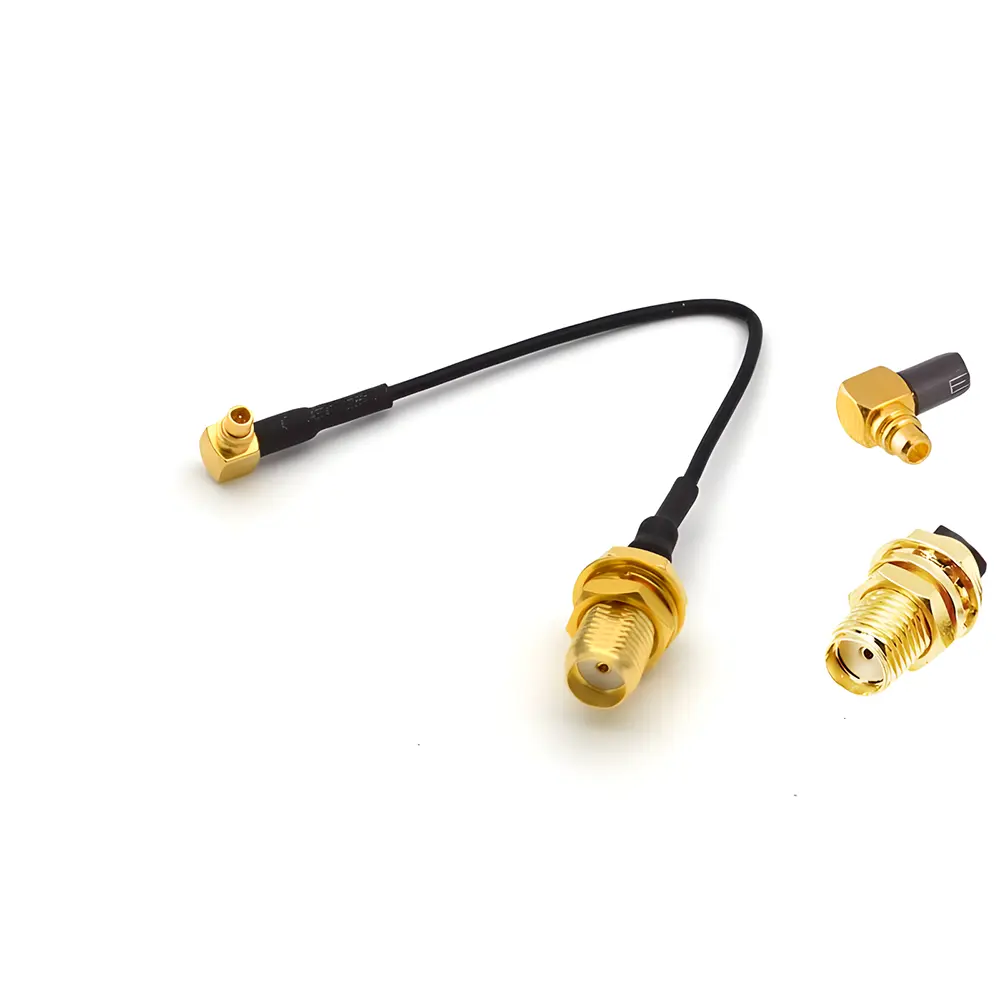 Antenna Cables
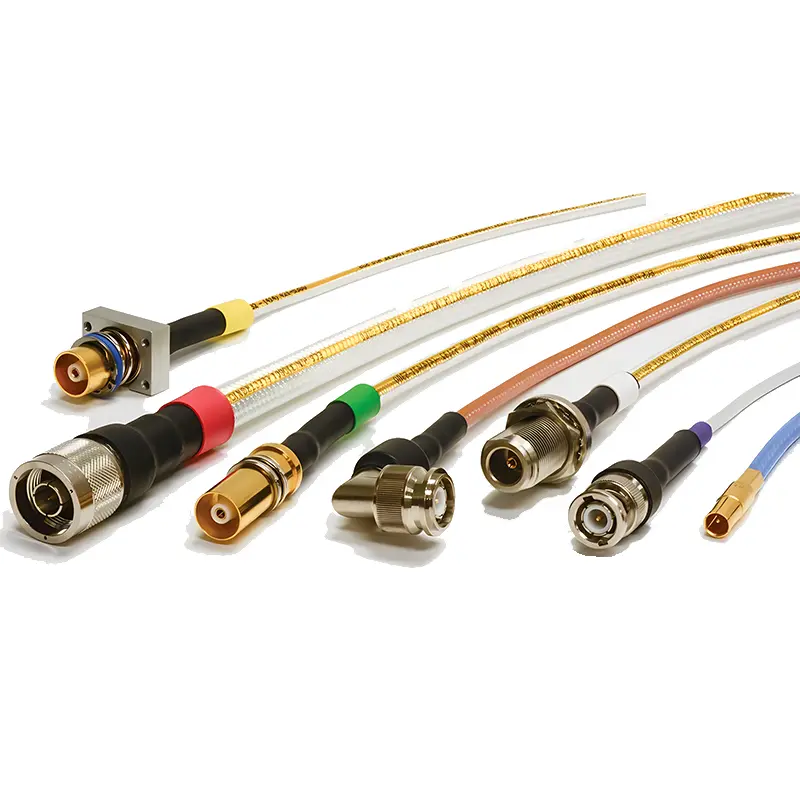 Coaxial Cables
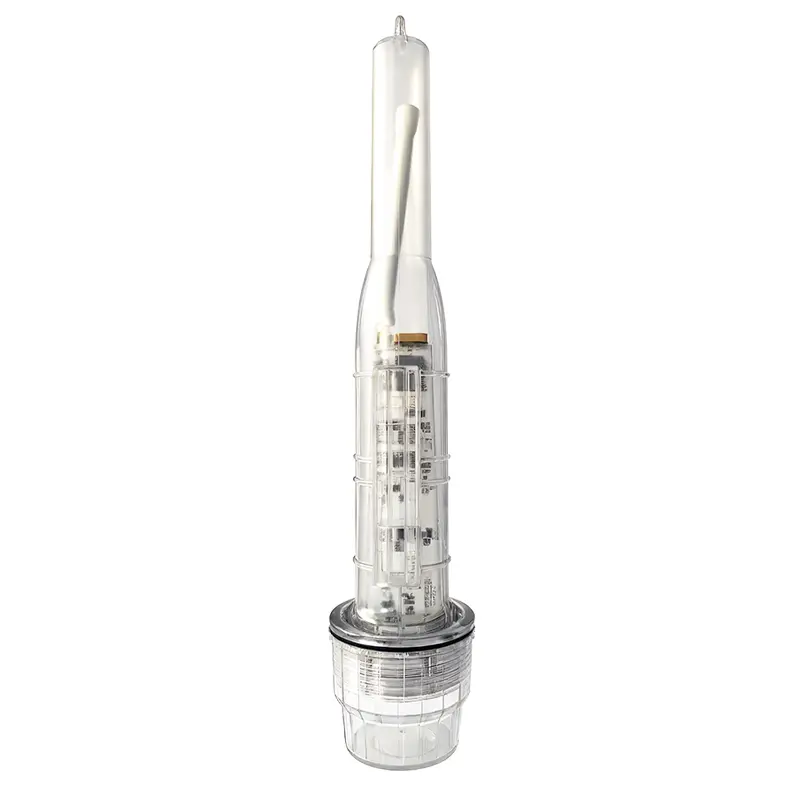 Net Position Indicator
 Solar AIS net position indicator
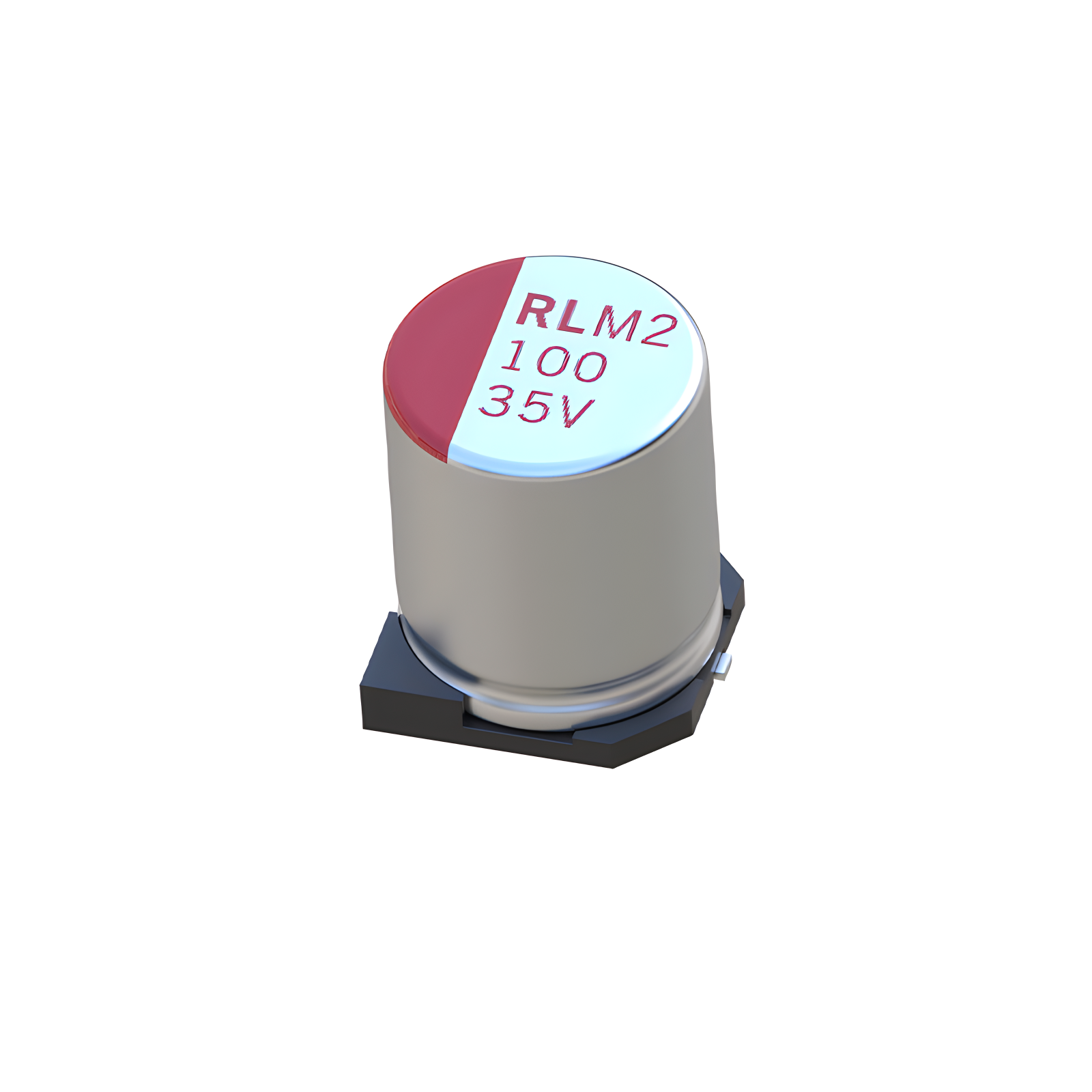 Capacitors
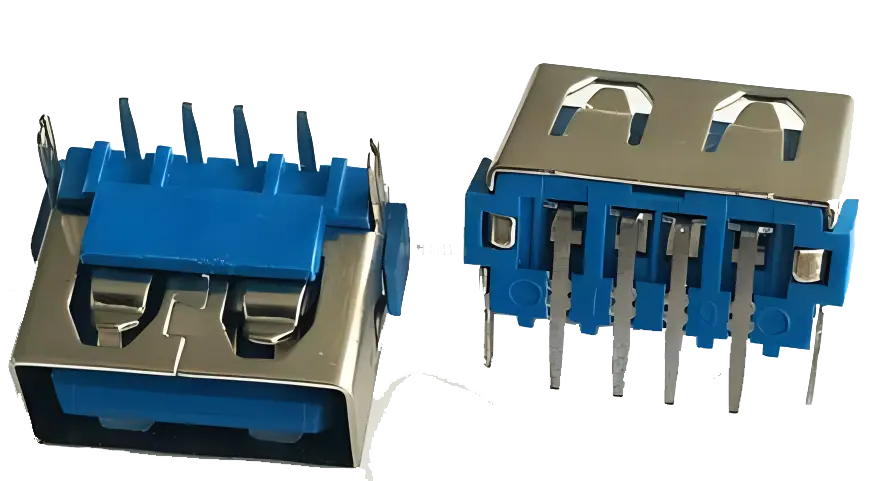 Connectors
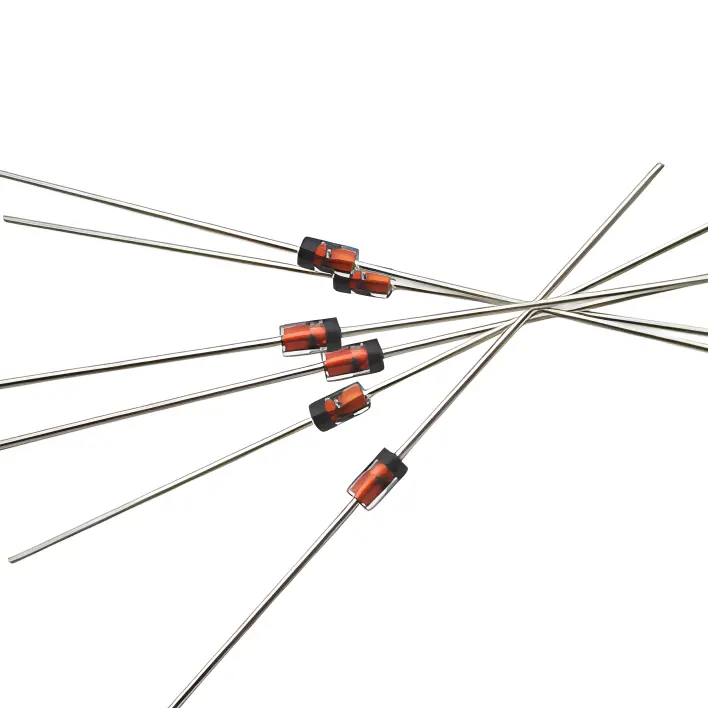 Diodes
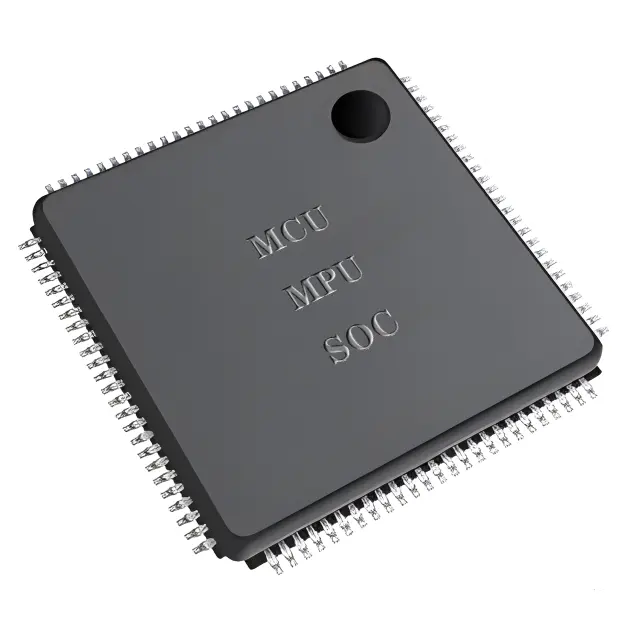 Embedded Processors & Controllers
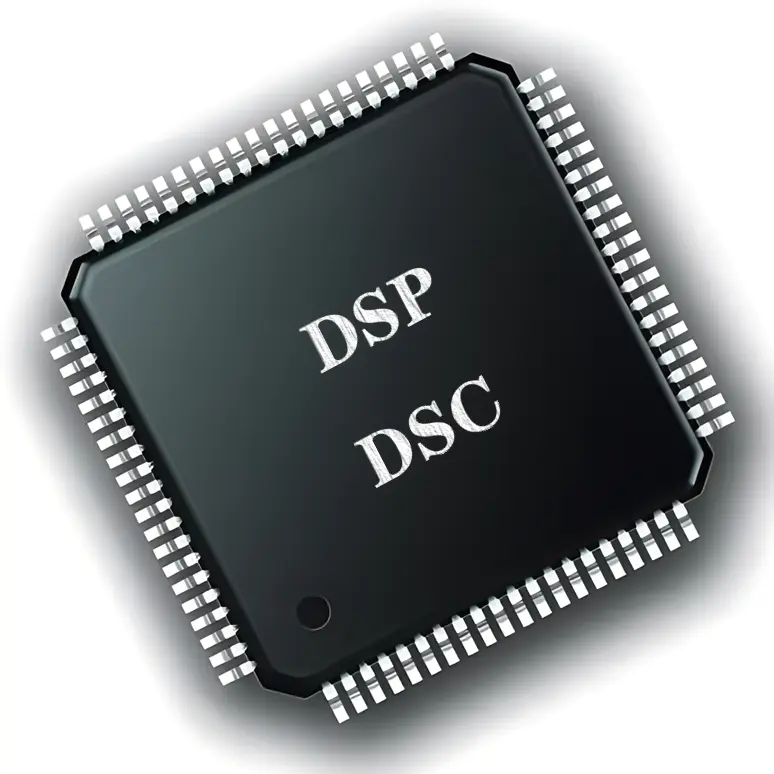 Digital Signal Processors (DSP/DSC)
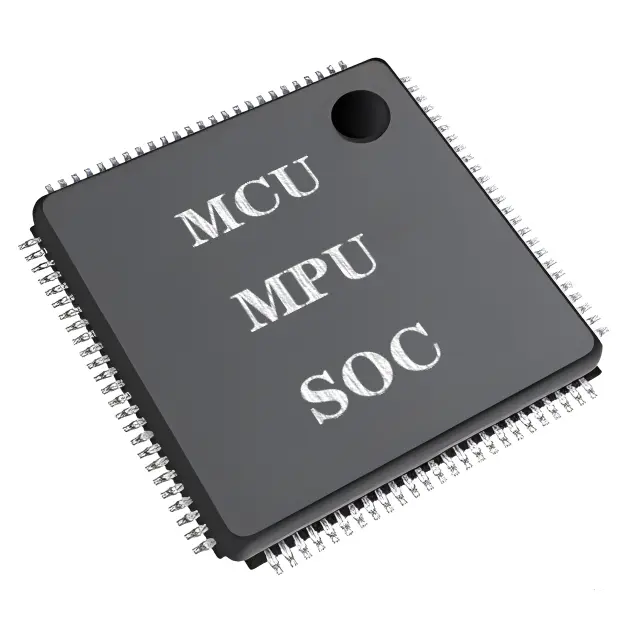 Microcontrollers (MCU/MPU/SOC)
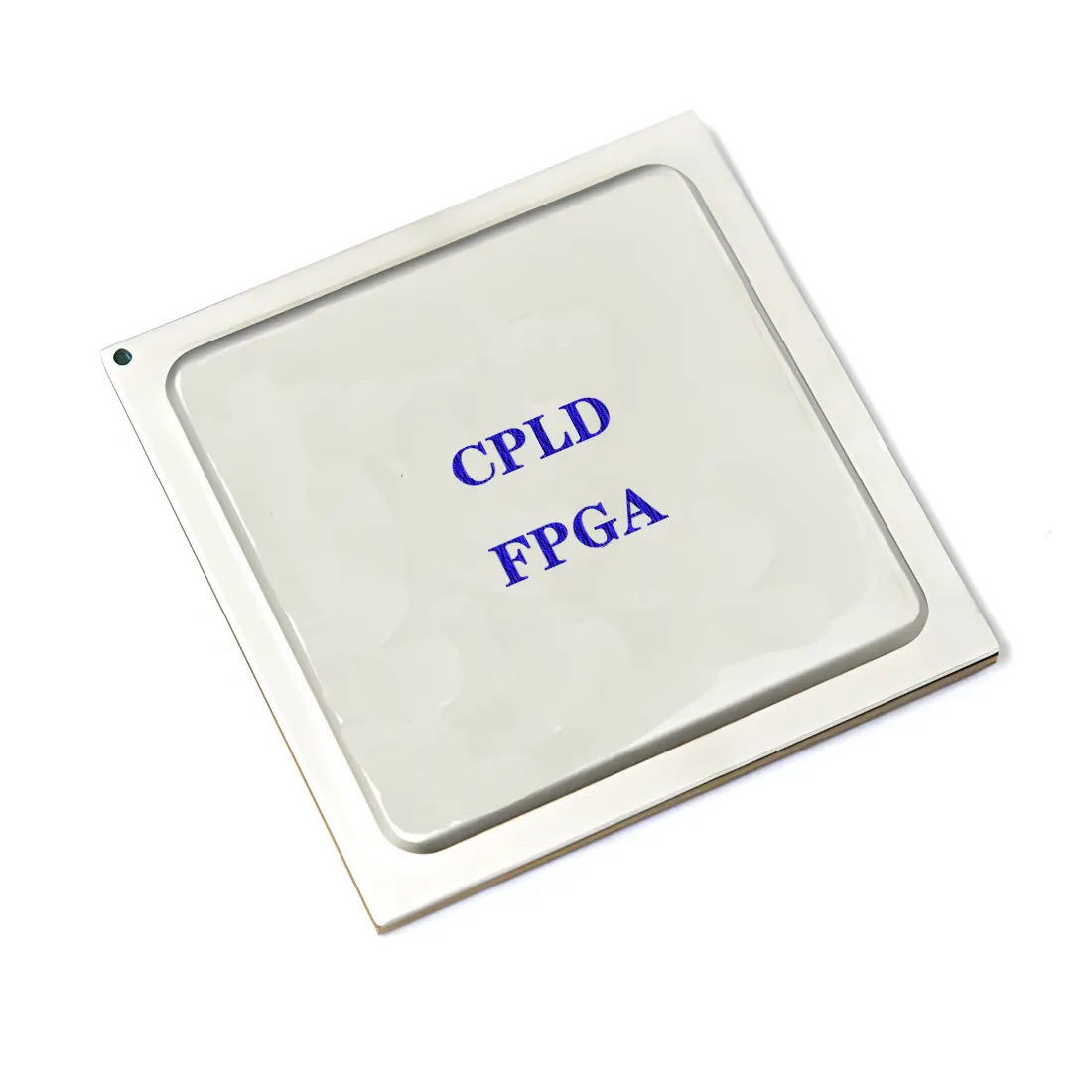 Programmable Logic Device(CPLD/FPGA)
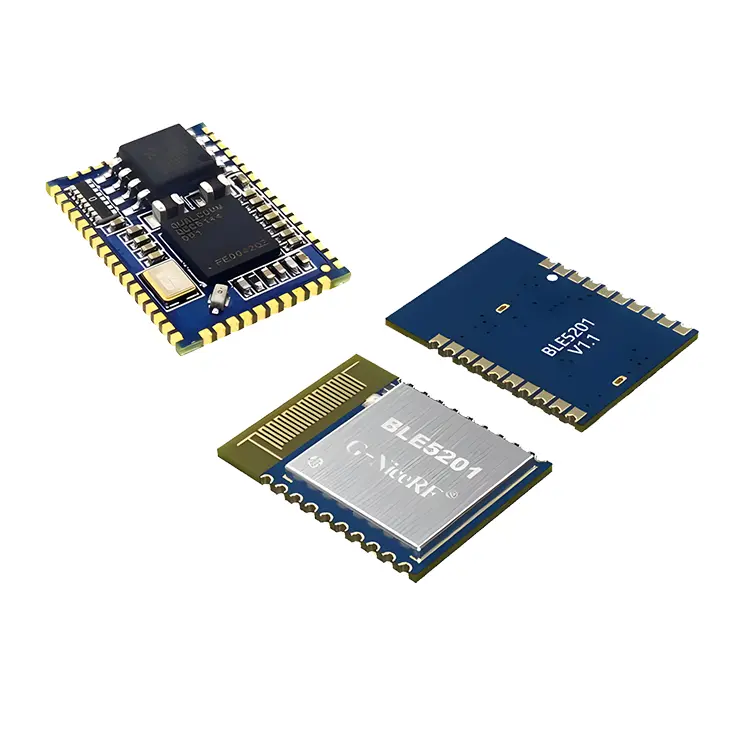 Communication Modules/IoT
 Resistors
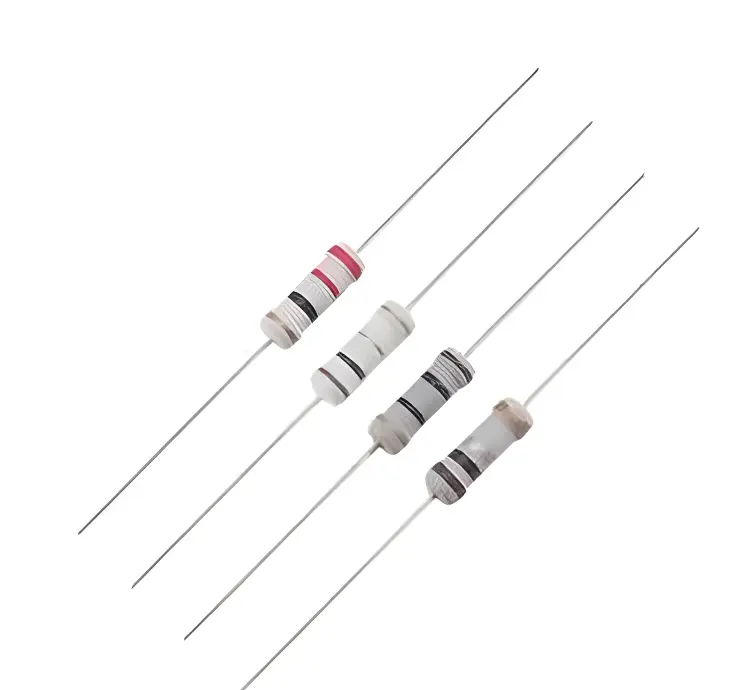 Through Hole Resistors
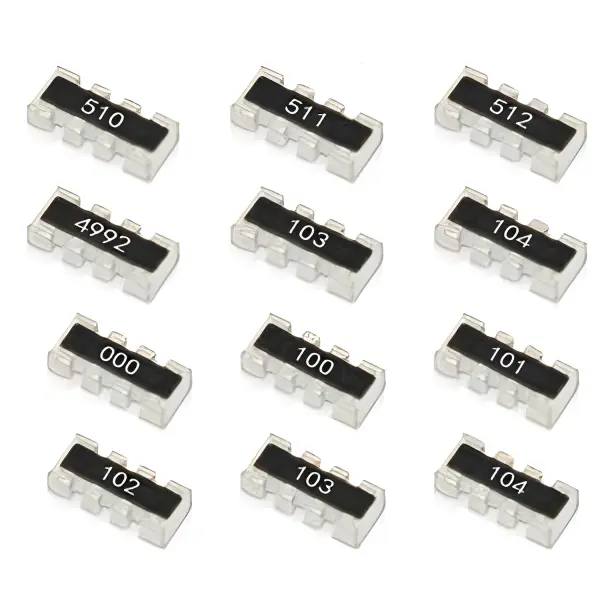 Resistor Networks, Arrays
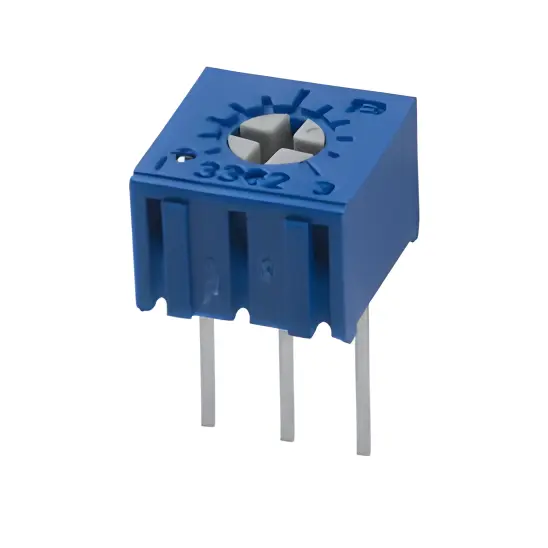 Potentiometers,Variable Resistors
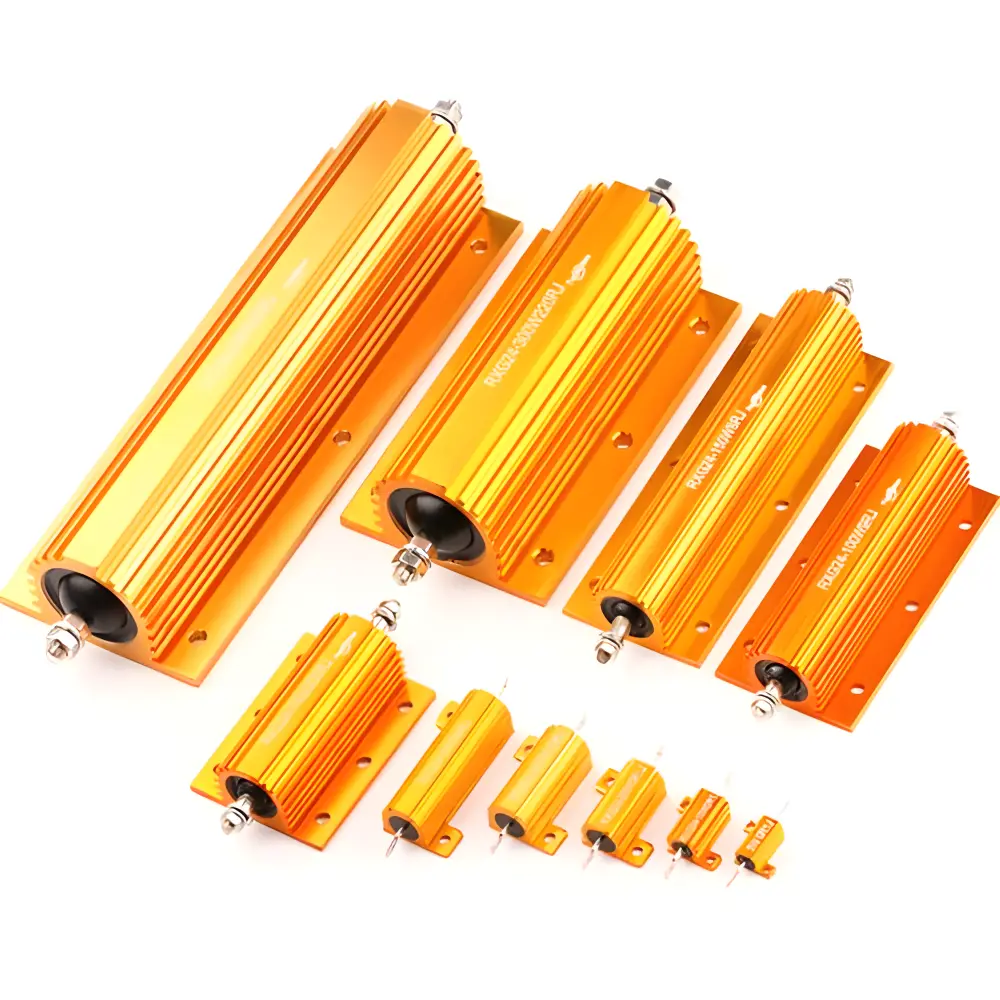 Aluminum Case,Porcelain Tube Resistance
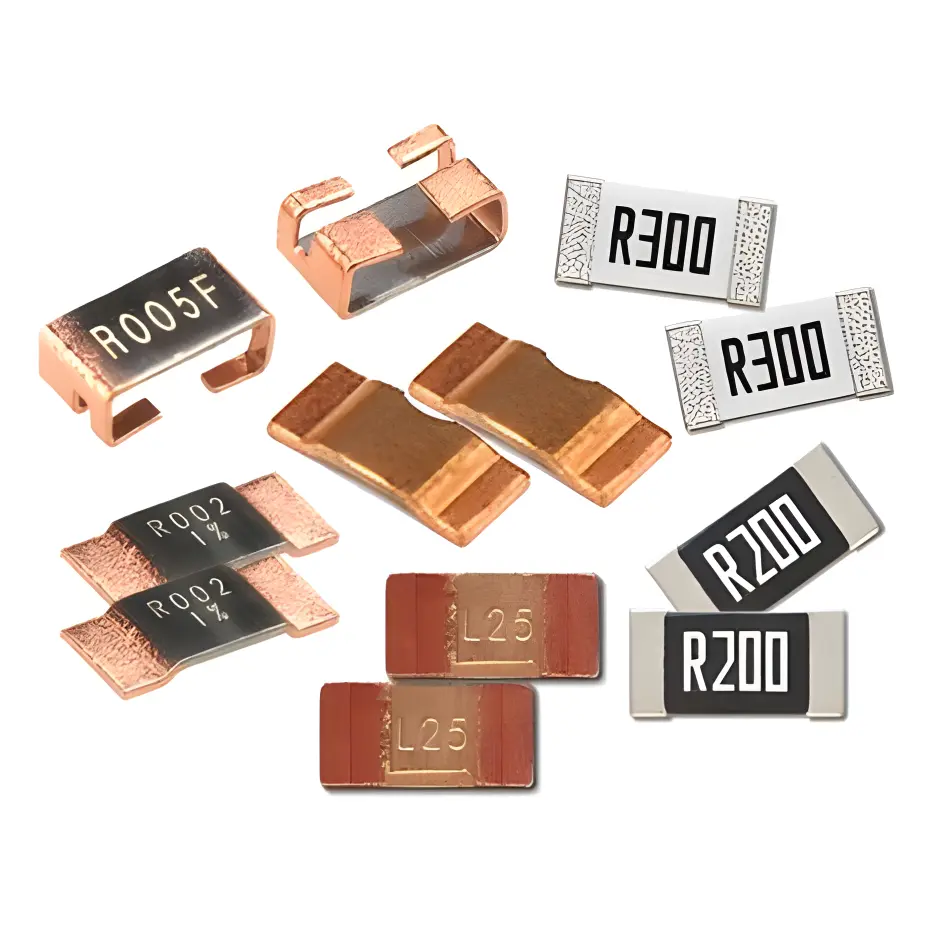 Current Sense Resistors,Shunt Resistors
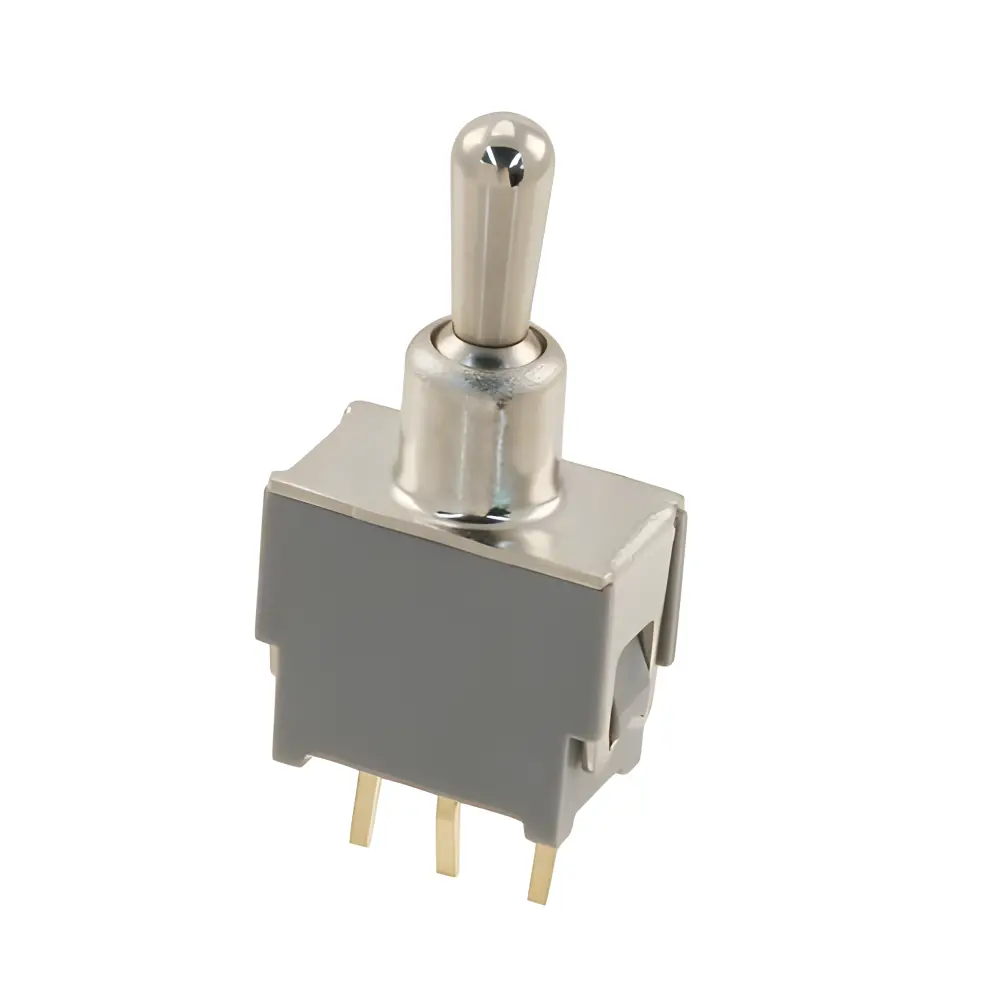 Switches
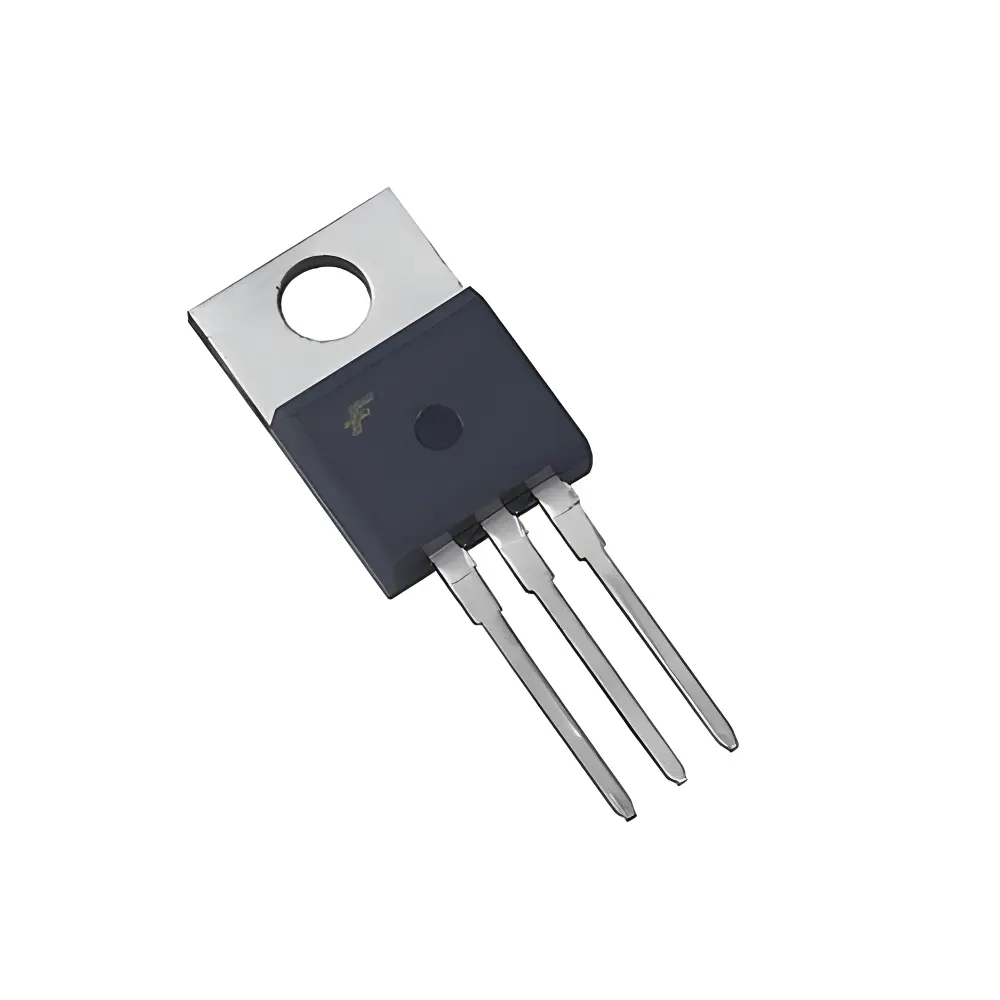 Transistors
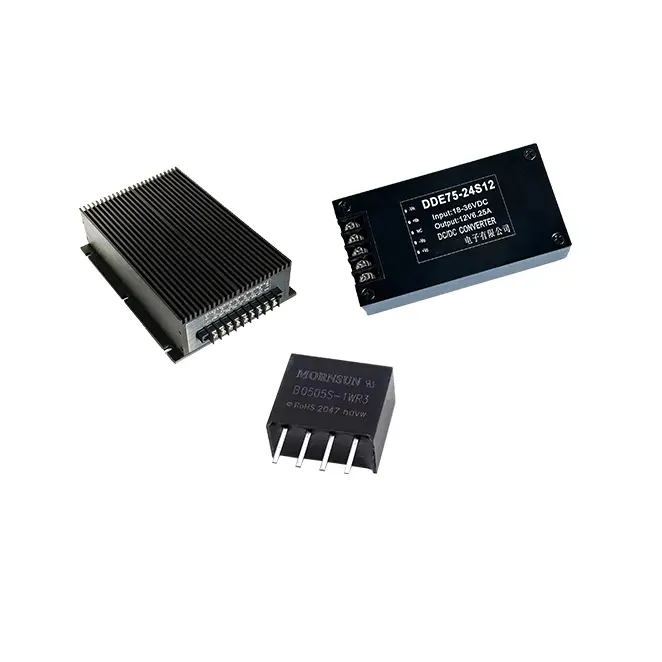 Power Modules
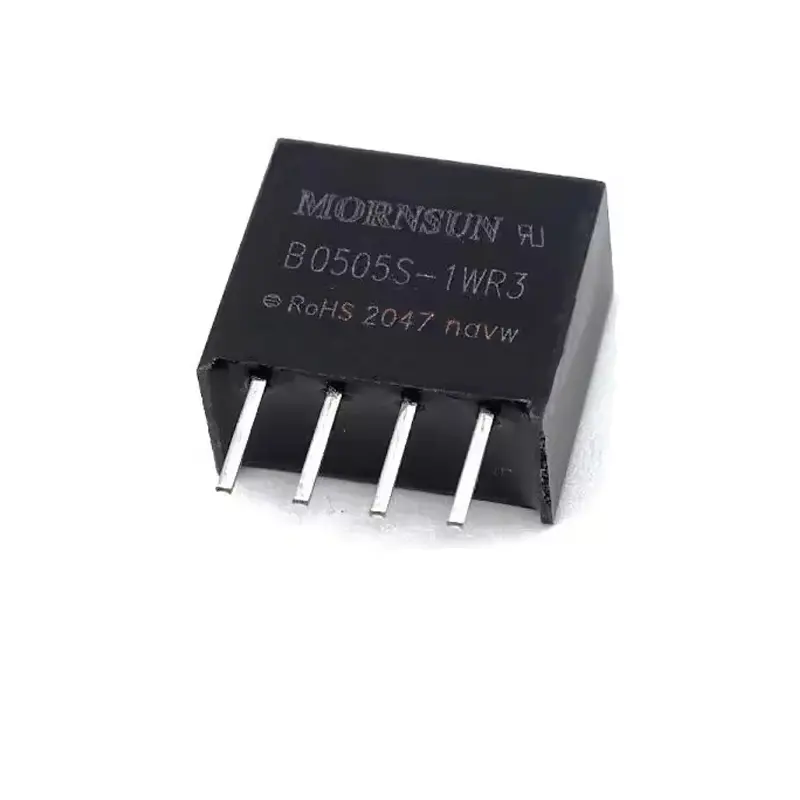 Isolated Power Modules
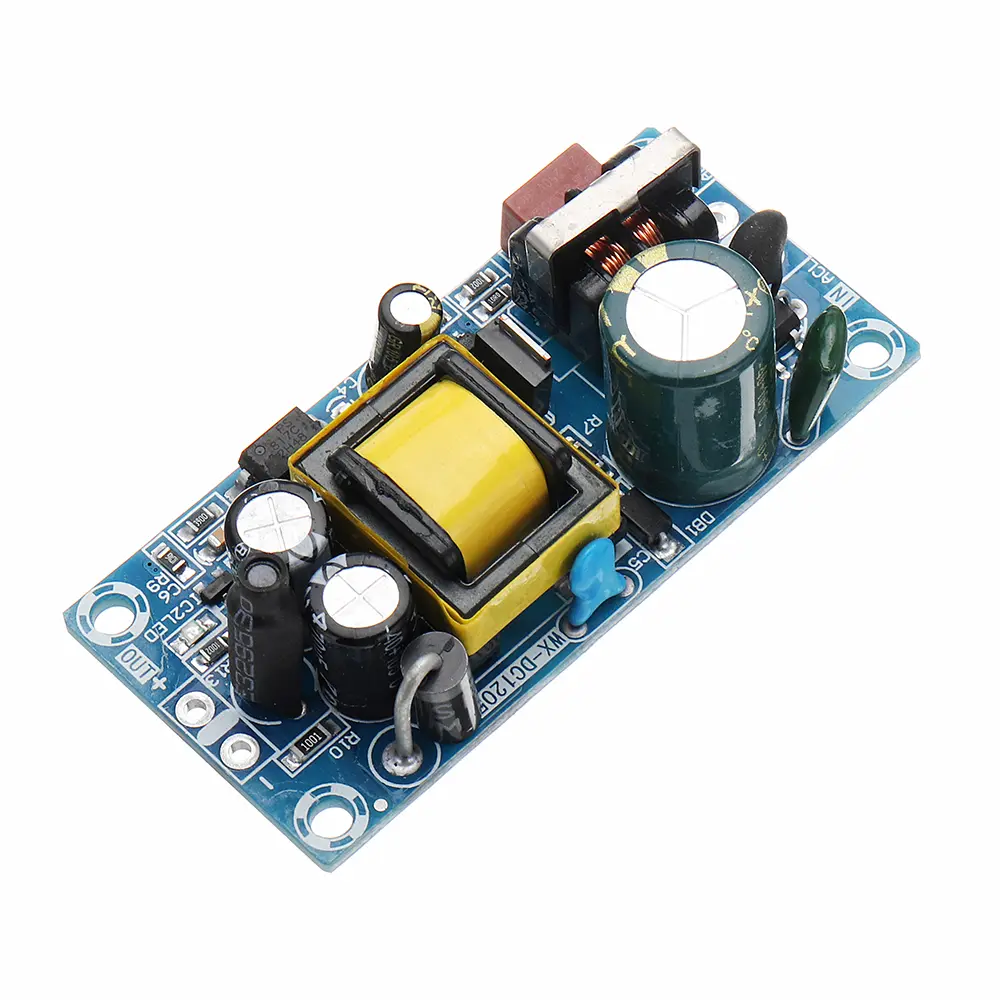 AC-DC Power Modules
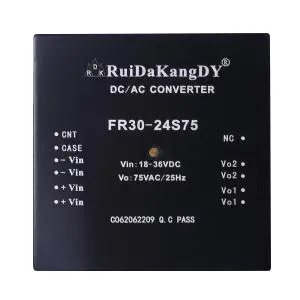 DC-AC Module(Inverter)
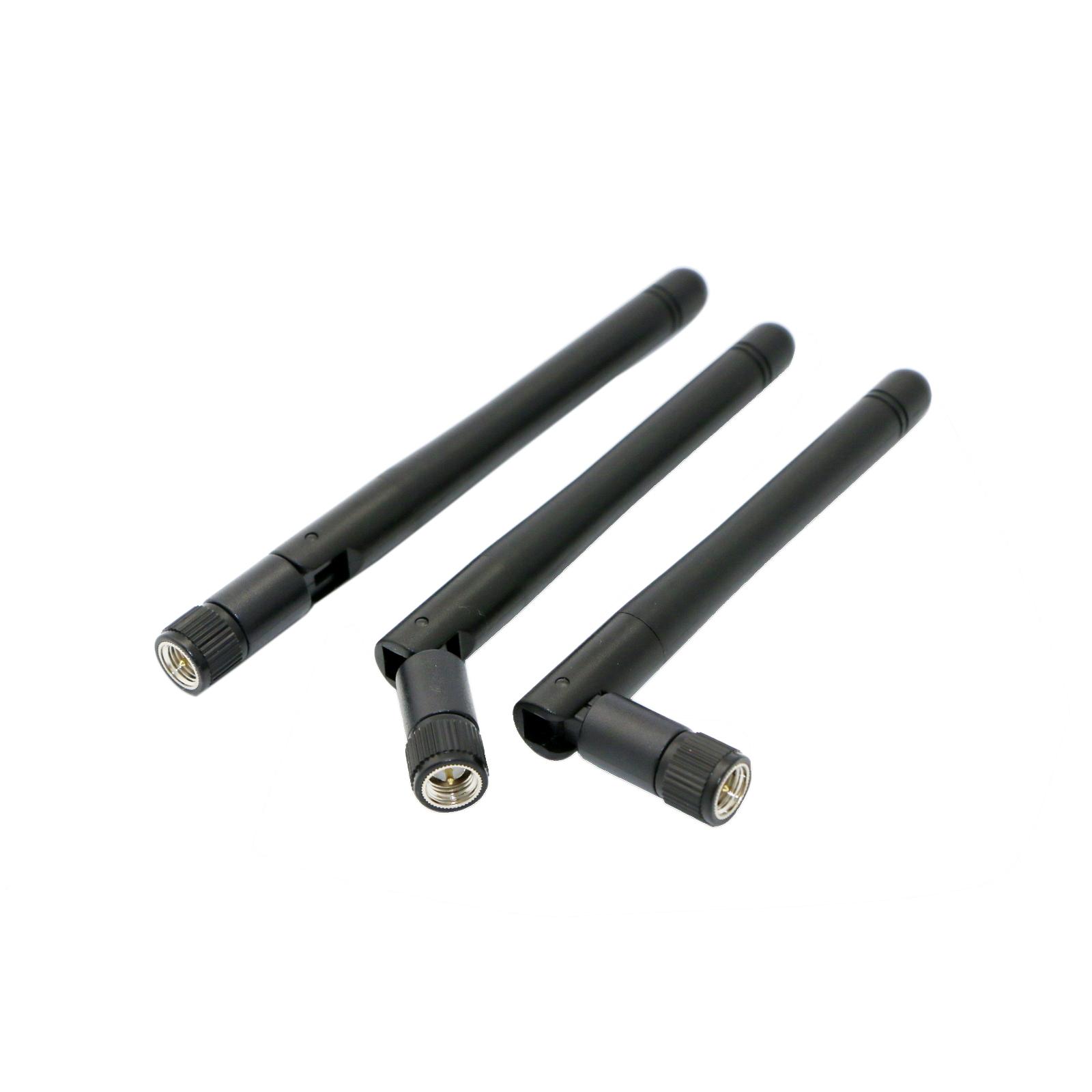 RF and Wireless
Implementation Methods and Detection Methods of Buried Resistor and Capacitor Technology
Detailed Analysis of Embedded Capacitor/Resistor Process Implementation and Detection Methods
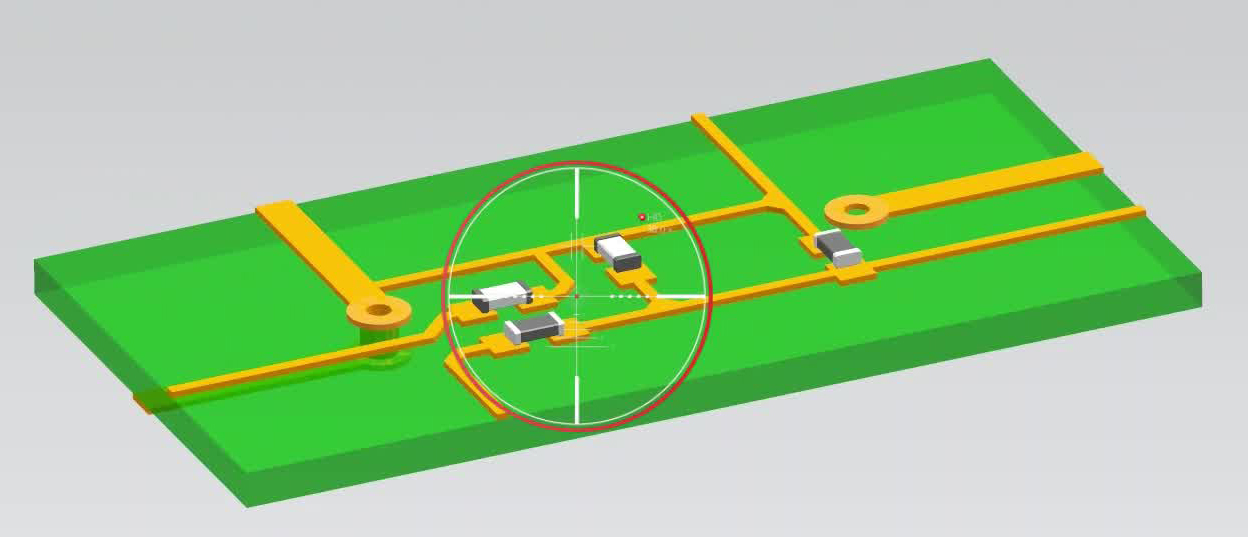
I. Implementation of Embedded Capacitor/Resistor Technology
Embedded capacitors and resistors integrate passive components within the PCB substrate, replacing surface-mounted devICes to achieve high-density interconnects, improved signal integrity, and reliability. Key implementation approaches include:
1. Embedded Capacitor Process
Material Selection:
High dielectric constant (High-Dk) materials (e.g., DuPont’s Interra® HK04, Dk=14) or thin electrolytic copper foils for planar capacitance structures.
Process Steps:
Capacitance Layer Preparation: Deposit dielectric materials (e.g., ceramic-filled resin) or laminate High-Dk films (e.g., FR4 composites).
Electrode Formation: Pattern copper foils on both sides of the dielectric layer to form electrodes. Capacitance is determined by

Lamination Integration: Alternate capacitance layers with signal layers, followed by high-temperature/pressure lamination.
2. Embedded Resistor Process
Material Selection:
Resistive alloys (e.g., Ni-P, Cr-Si thin films) or carbon-based composites applied via sputtering, screen printing, or electroplating.
Process Steps:
Resistive Layer Preparation: Coat resistive materials (e.g., Ohmega-Ply®, 3-10μm thick) on core boards, then define patterns via lithography and etching.
Resistance Adjustment: Use laser trimming to achieve ±1% precision.
Protective Layer: Cover resistors with insulating layers (e.g., coverlay or prepreg) to prevent oxidation.
3. Key Process Challenges
Layer Alignment: Embedded components require precise alignment (<25μm) with vias and traces, using X-ray positioning systems.
Thermal Compatibility: CTE matching between resistor/capacitor materials and substrates (e.g., FR4) to prevent delamination.
Signal Integrity: Embedded capacitors require low dielectric loss (Df<0.01); resistors need low TCR (<±100ppm/℃).
II. Detection Methods for Embedded Capacitors/Resistors
1. Non-Destructive Testing
X-ray Inspection:
Layer-by-layer scanning (e.g., CT scans) to detect misalignment, shorts, or voids.
Thermal Imaging:
Monitor temperature distribution of powered resistors to identify anomalies.
2. Electrical Performance Testing
TDR (Time Domain Reflectometry):
Measure ESR and capacitance accuracy (e.g., ±5% tolerance at 1GHz).
4-Wire Resistance Measurement:
Eliminate contact resistance for precise resistance measurement (±0.1% accuracy).
3. Reliability Validation
Thermal Cycling (-55℃~125℃, 1000 cycles):
Evaluate interfacial adhesion and resistance/capacitance drift.
CAF (Conductive Anodic Filament) Test:
Apply high humidity/temperature bias (85℃/85%RH, 50V) to verify dielectric insulation.
4. Process Monitoring
In-line Impedance Testing:
Insert test structures post-lamination to monitor dielectric constant consistency.
Laser Trimming Verification:
Use AOI to compare pre- and post-trimming resistor patterns.
III. Applications and Trends
Applications:
5G RF modules (decoupling capacitors), automotive electronics (sensor circuits), high-density packaging (e.g., SiP).
Technological Advances:
3D-Printed Resistors: Direct printing of nano-silver pastes for complex structures.
Nanocomposites: Develop polymer-ceramic hybrid dielectrics (Dk>20) to enhance capacitance density.