
 PCB
PCB FPC
FPC Rigid-Flex
 FR-4
FR-4 HDI PCB
 Rogers High-Frequency Board
 PTFE Teflon High-Frequency Board
 Aluminum
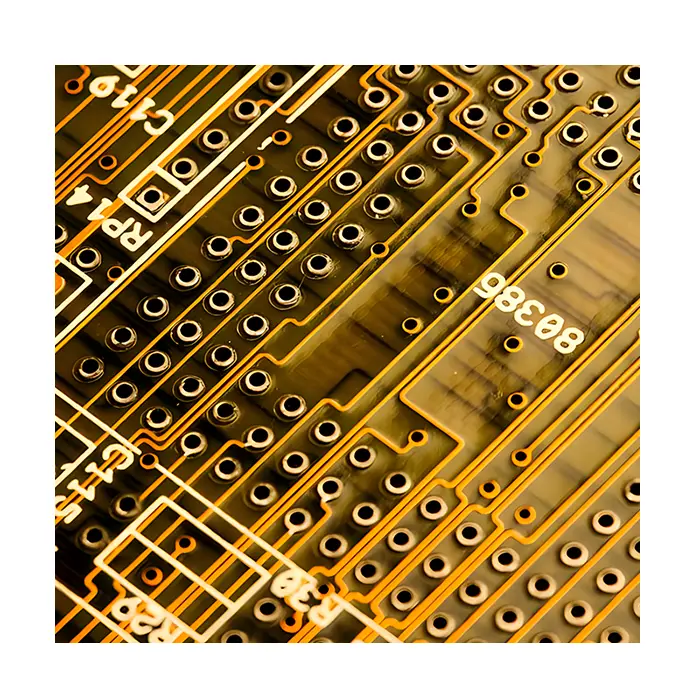 Copper Core
 PCB Assembly
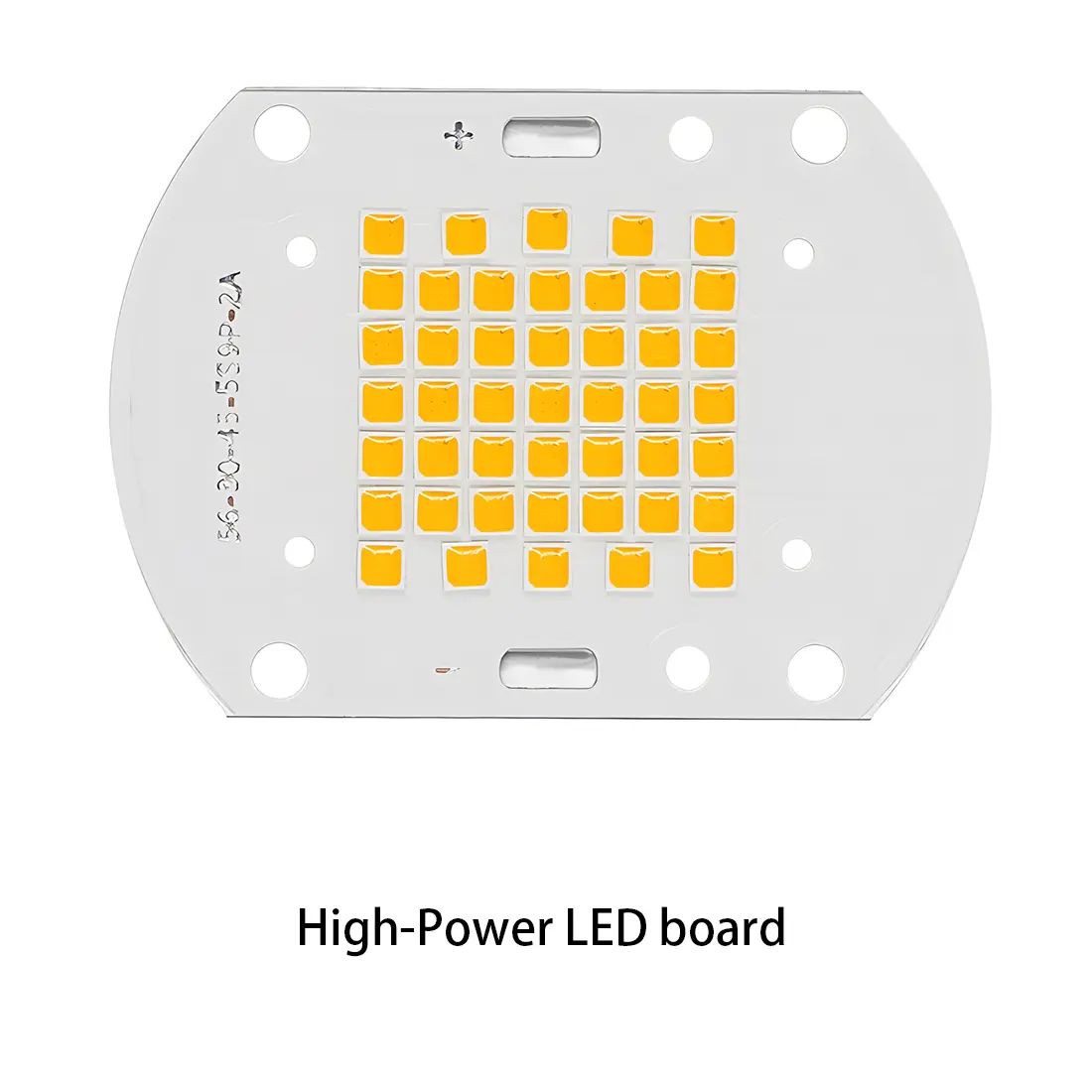 LED light PCBA
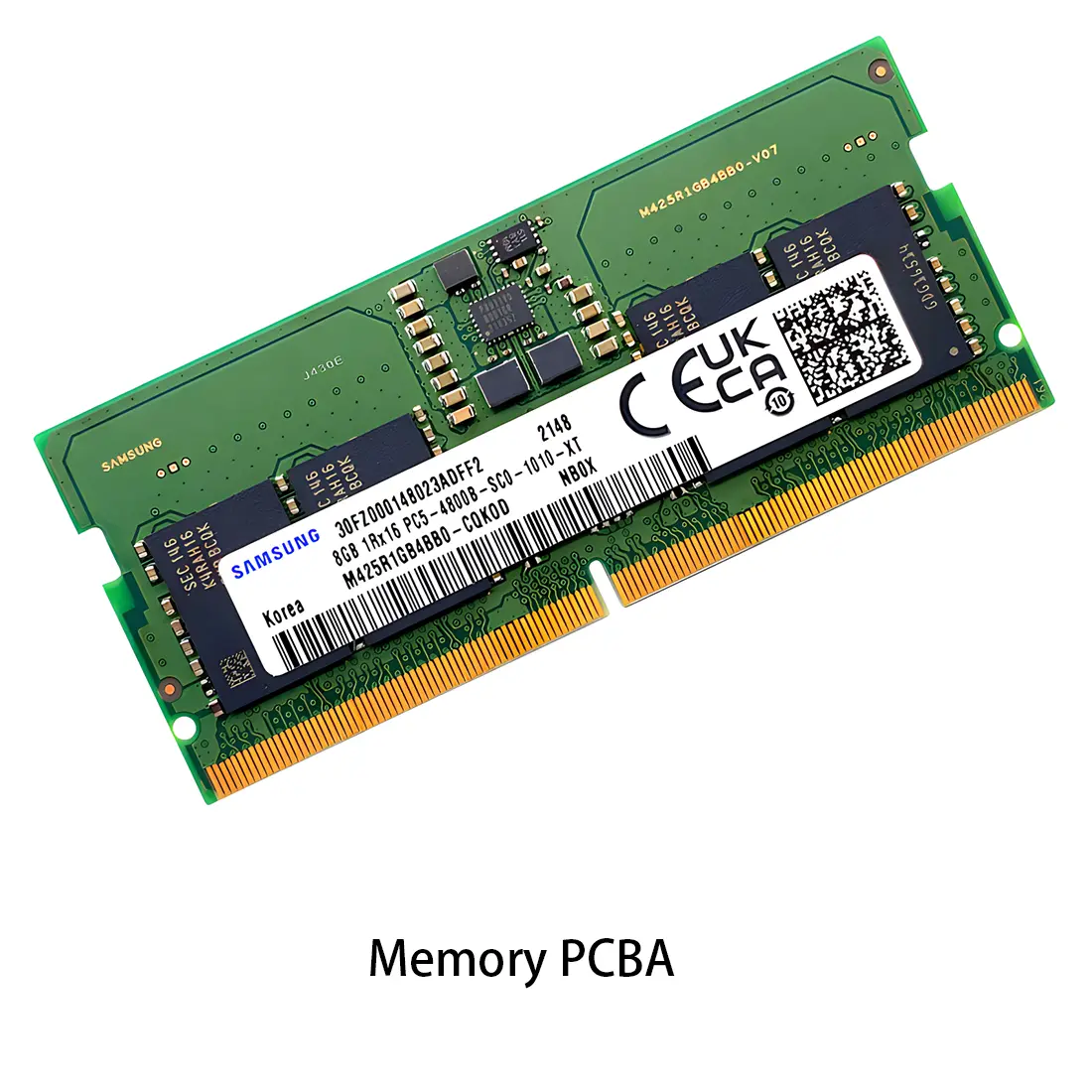 Memory PCBA
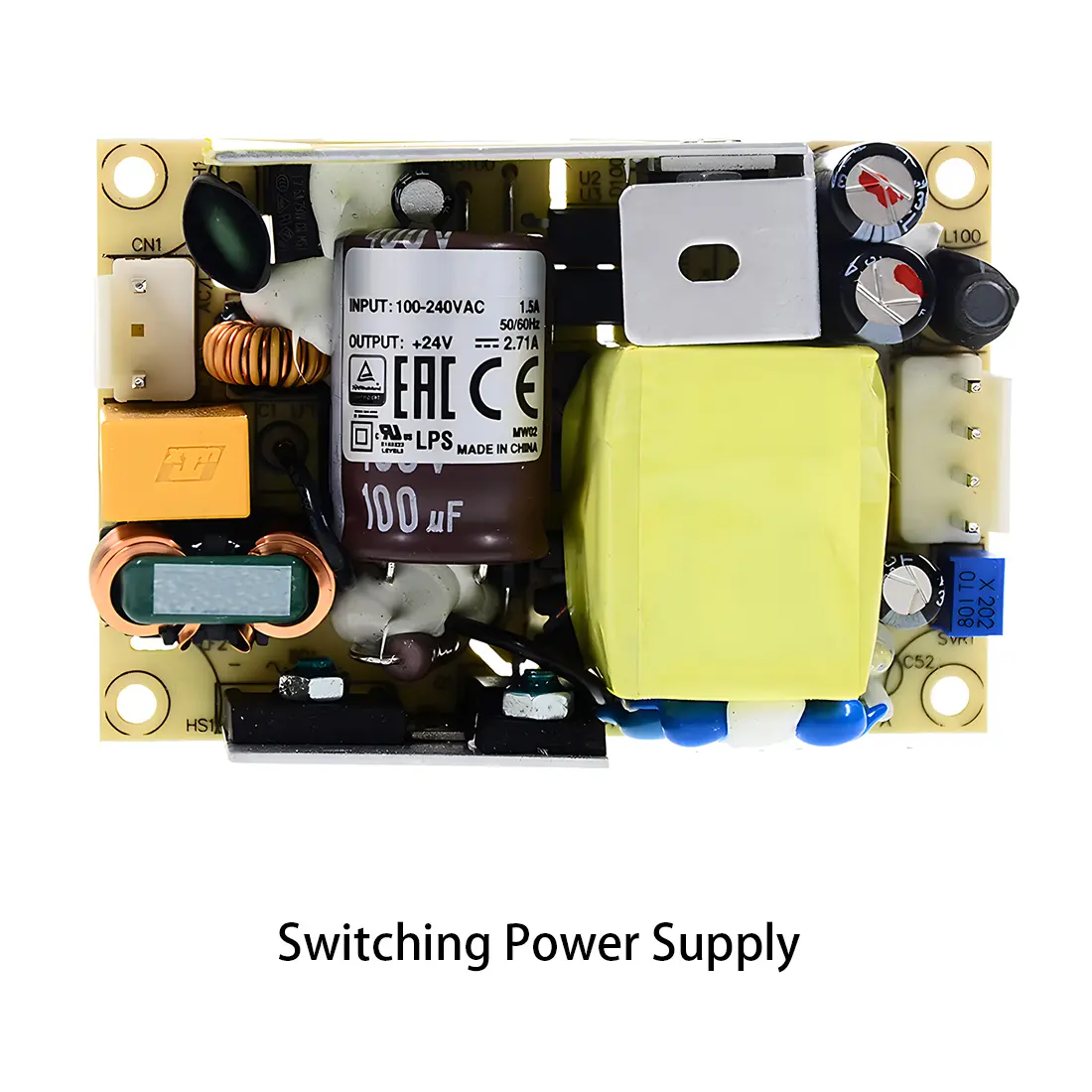 Power Supply PCBA
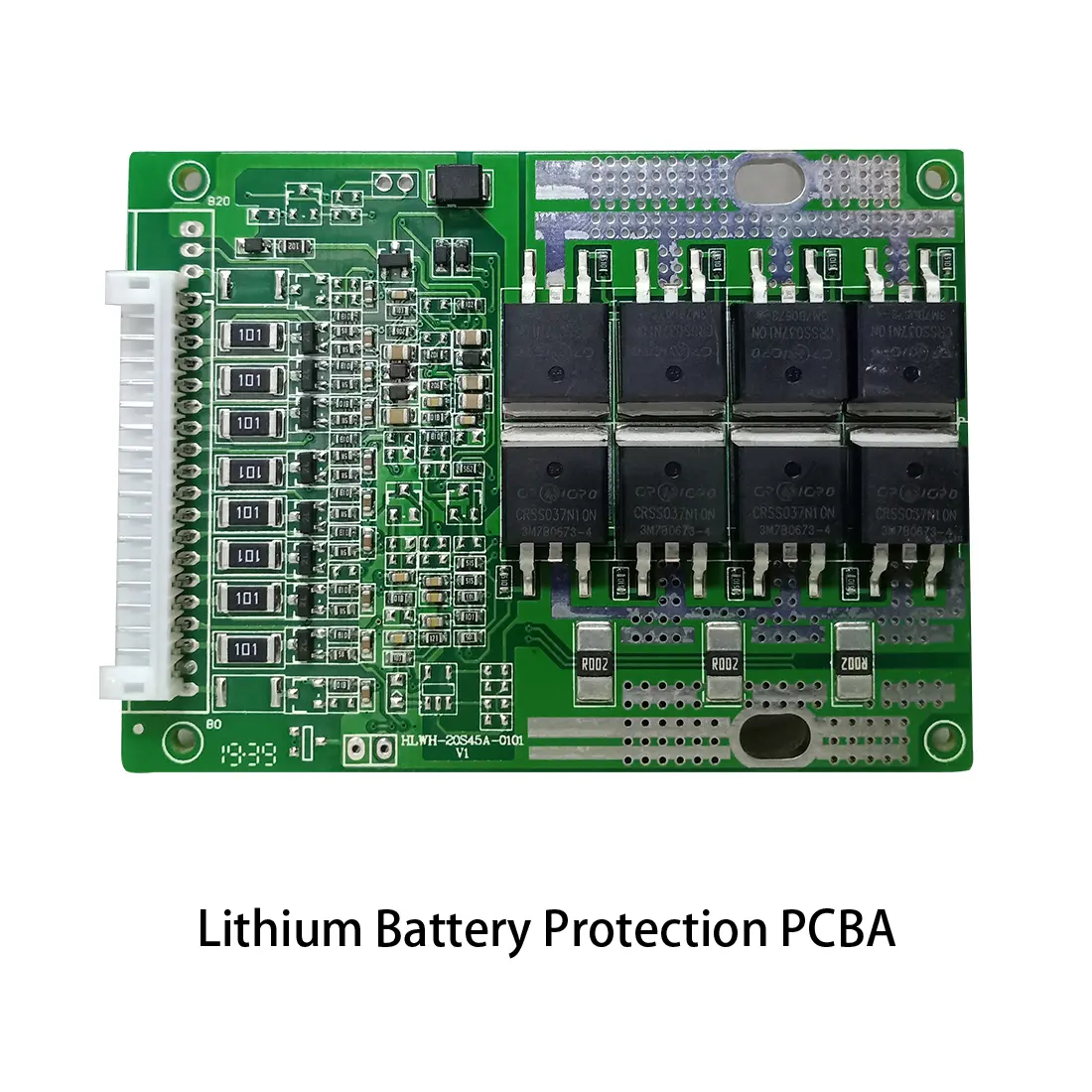 New Energey PCBA
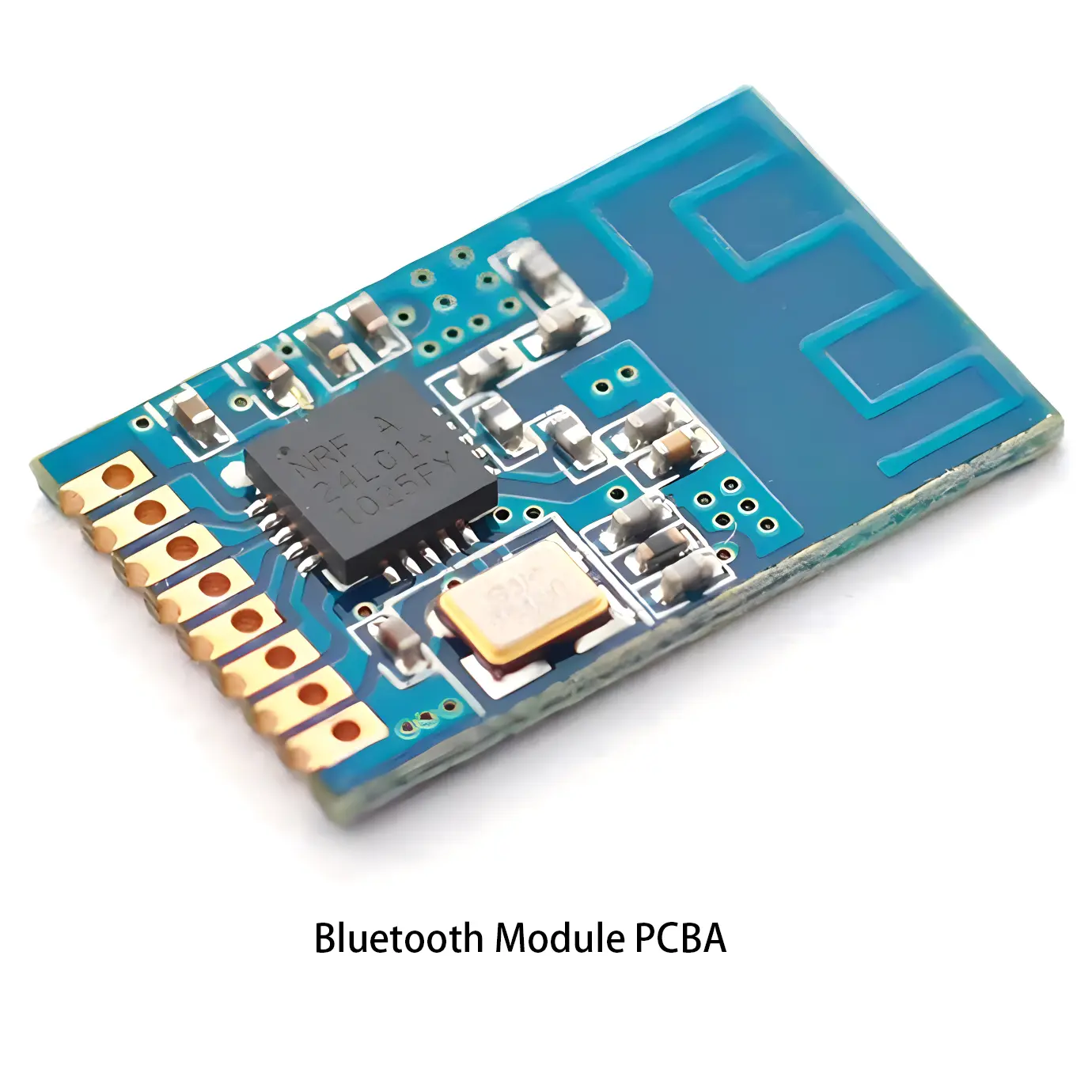 Communication PCBA
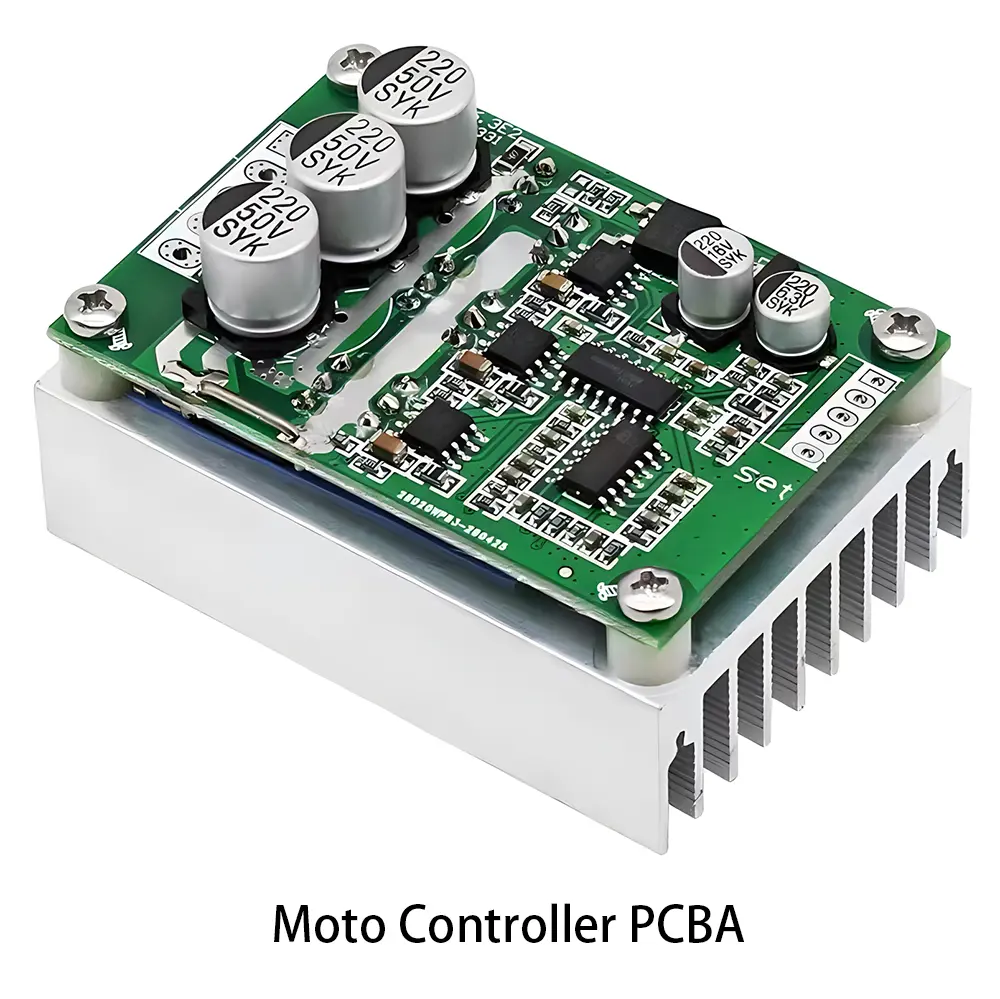 Industrial Control PCBA
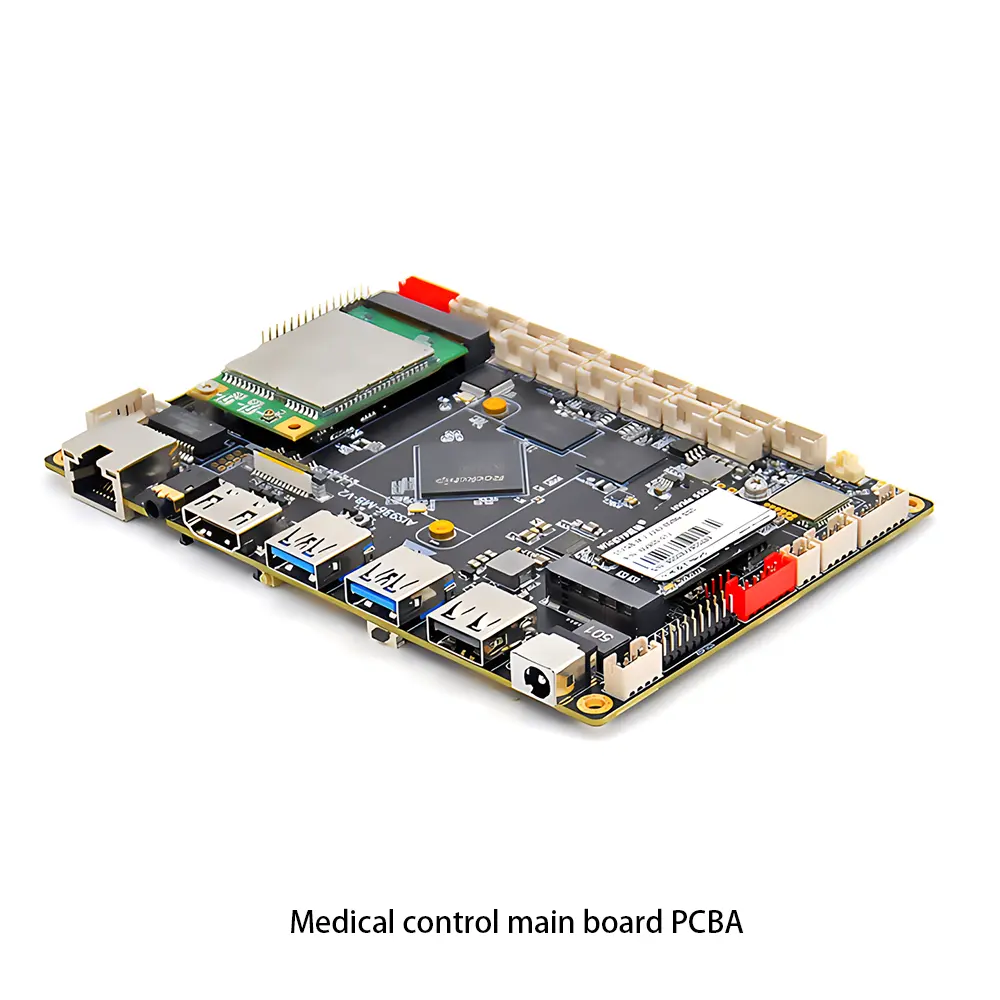 Medical Equipment PCBA
 Testing Service
 PCBA Testing Service
 Certification Application
 RoHS Certification Application
 REACH Certification Application
 CE Certification Application
 FCC Certification Application
 CQC Certification Application
 UL Certification Application
 Transformers, Inductors
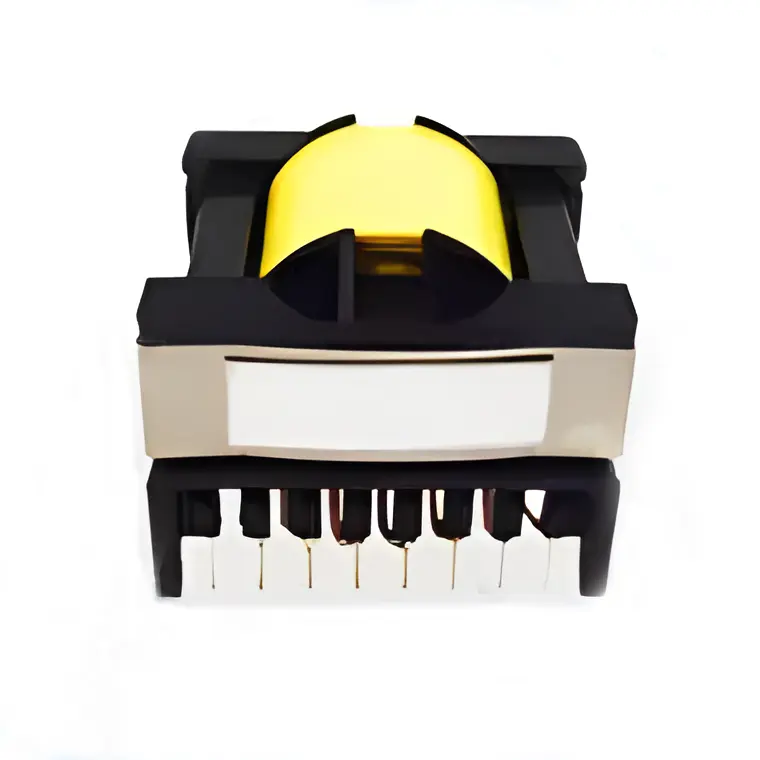 High Frequency Transformers
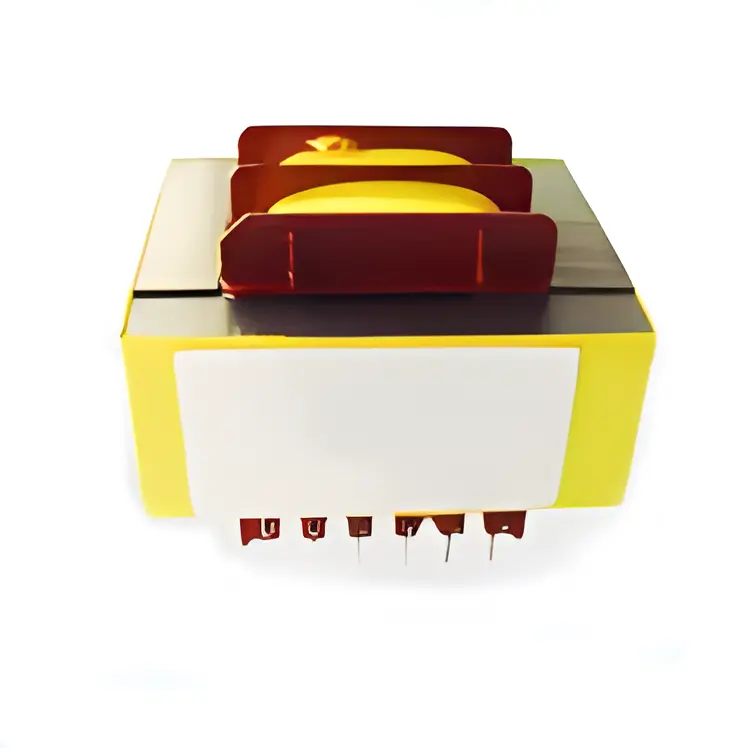 Low Frequency Transformers
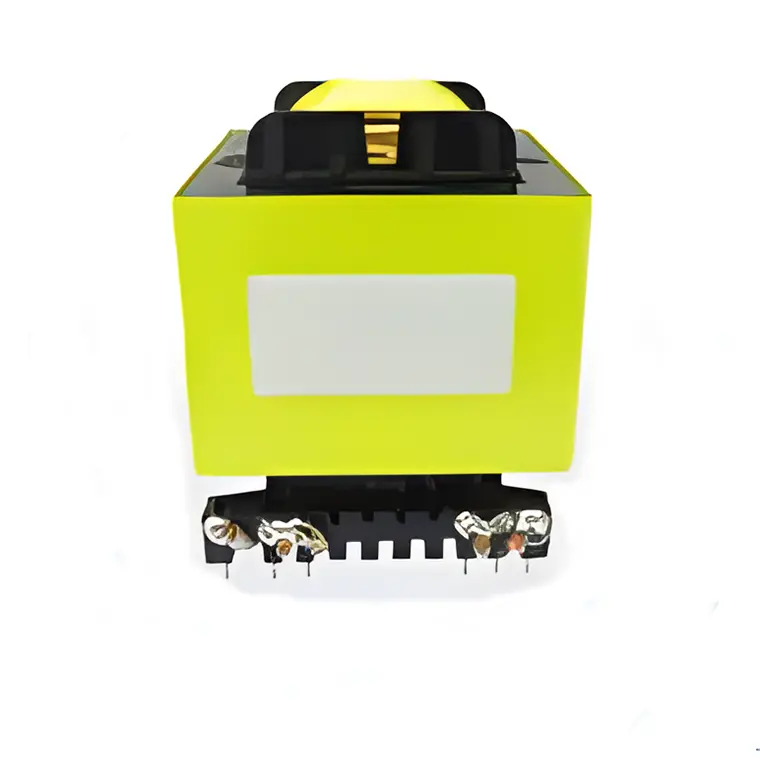 High Power Transformers
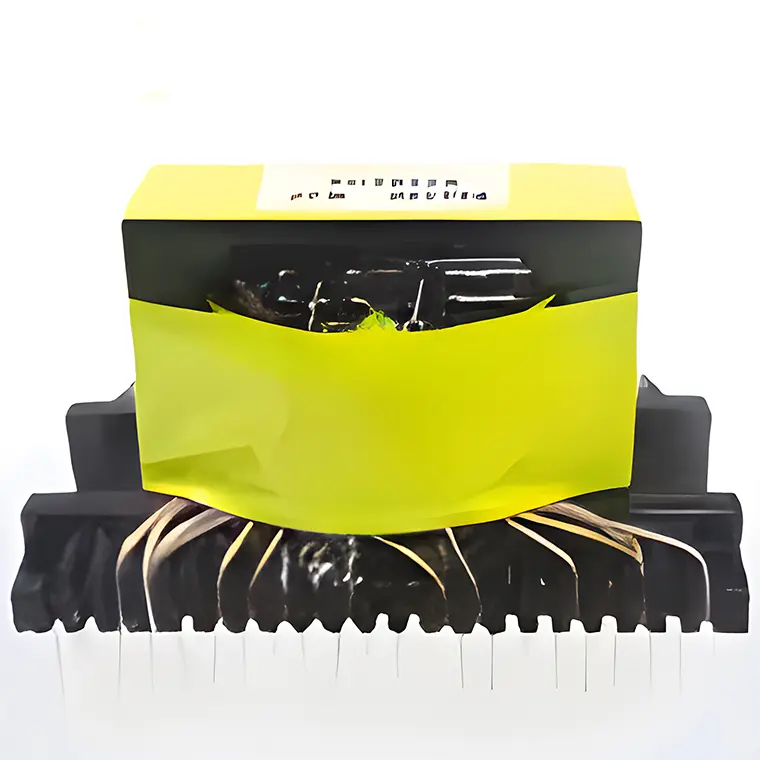 Conversion Transformers
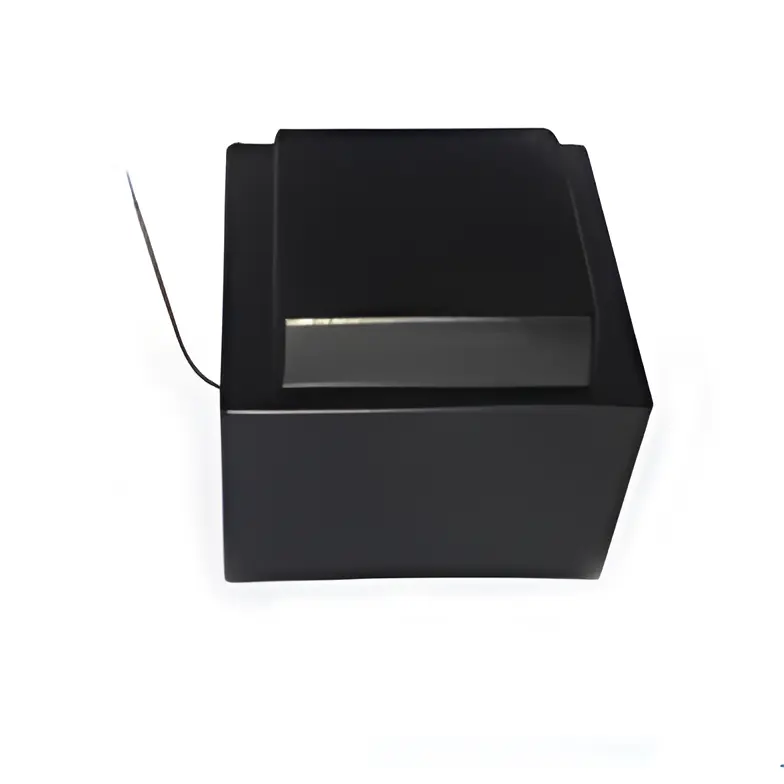 Sealed Transformers
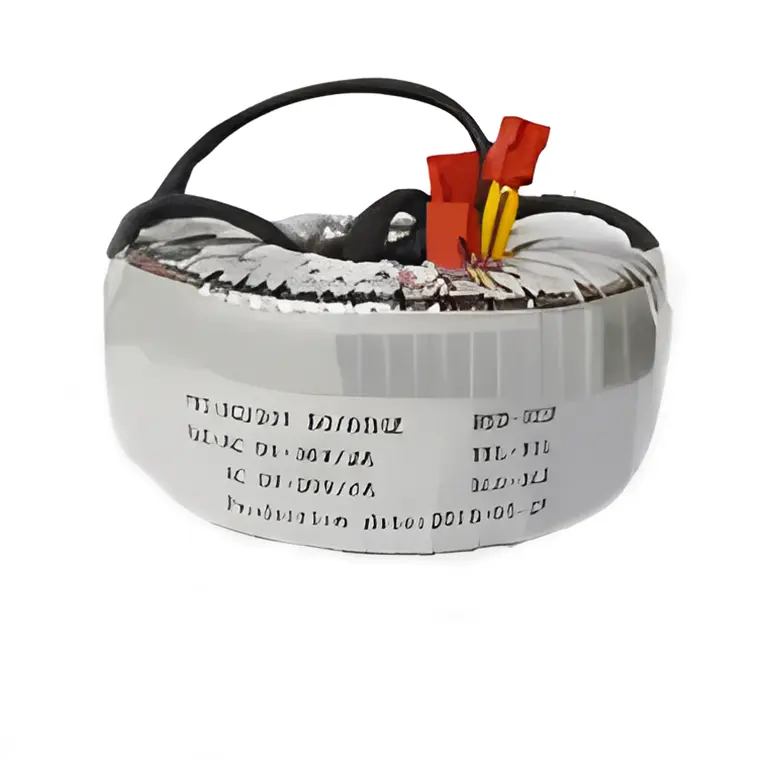 Ring Transformers
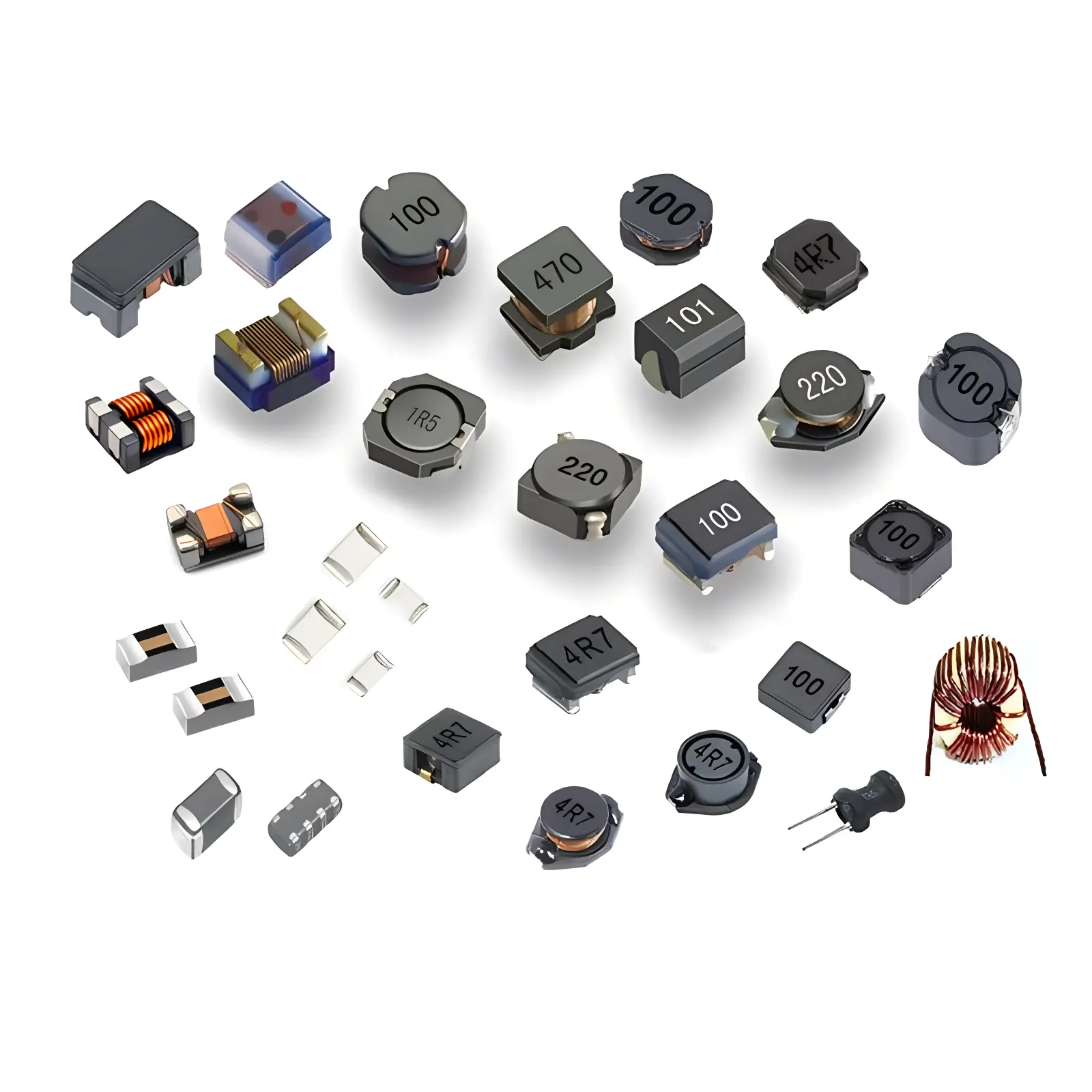 Inductors
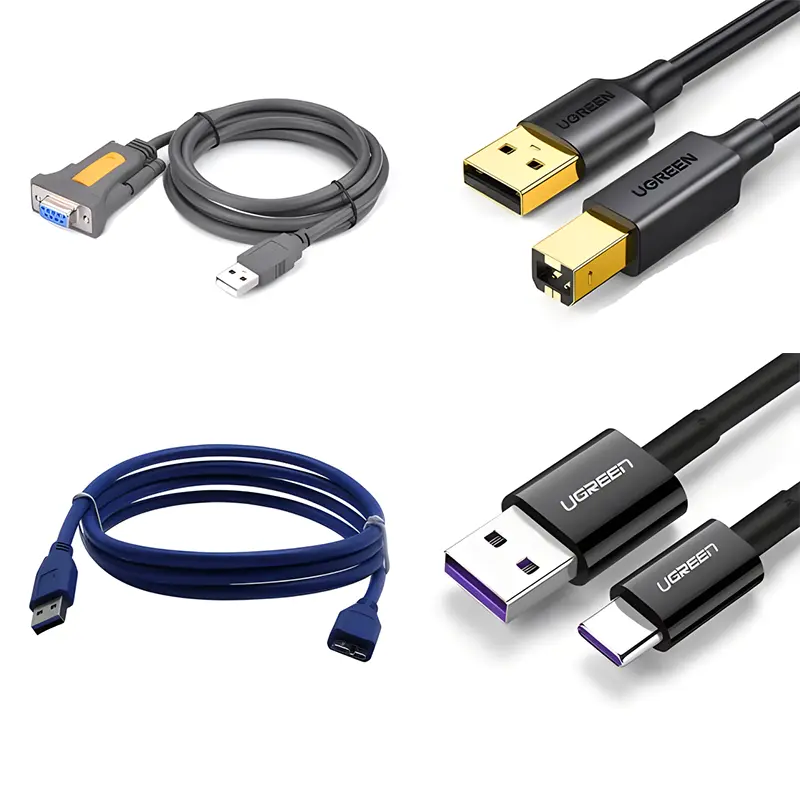 Wires,Cables Customized
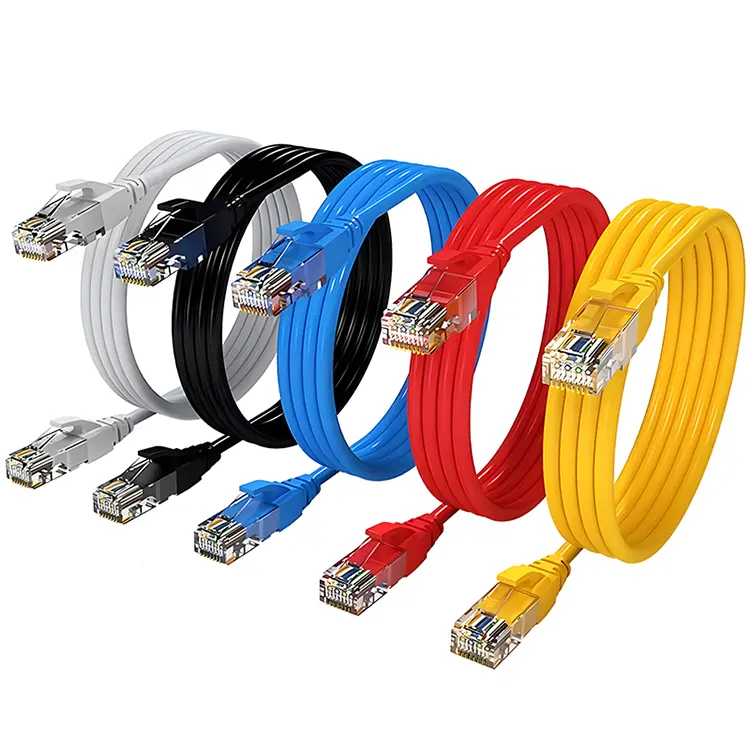 Network Cables
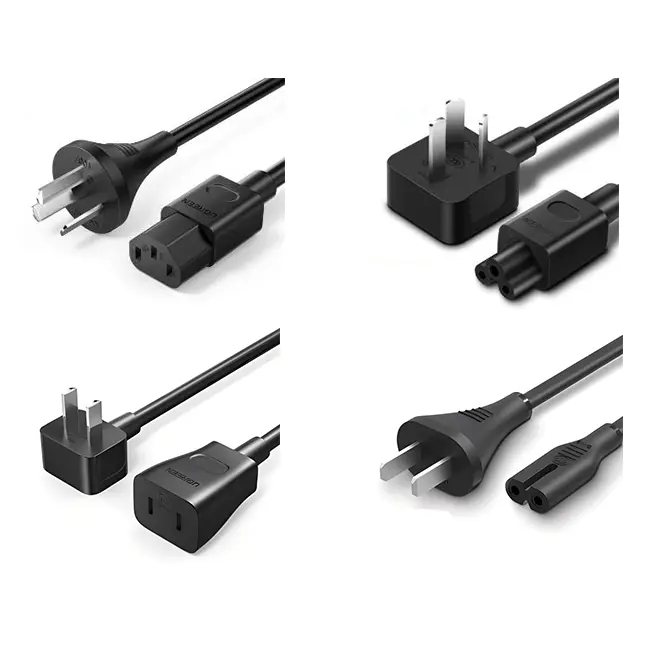 Power Cords
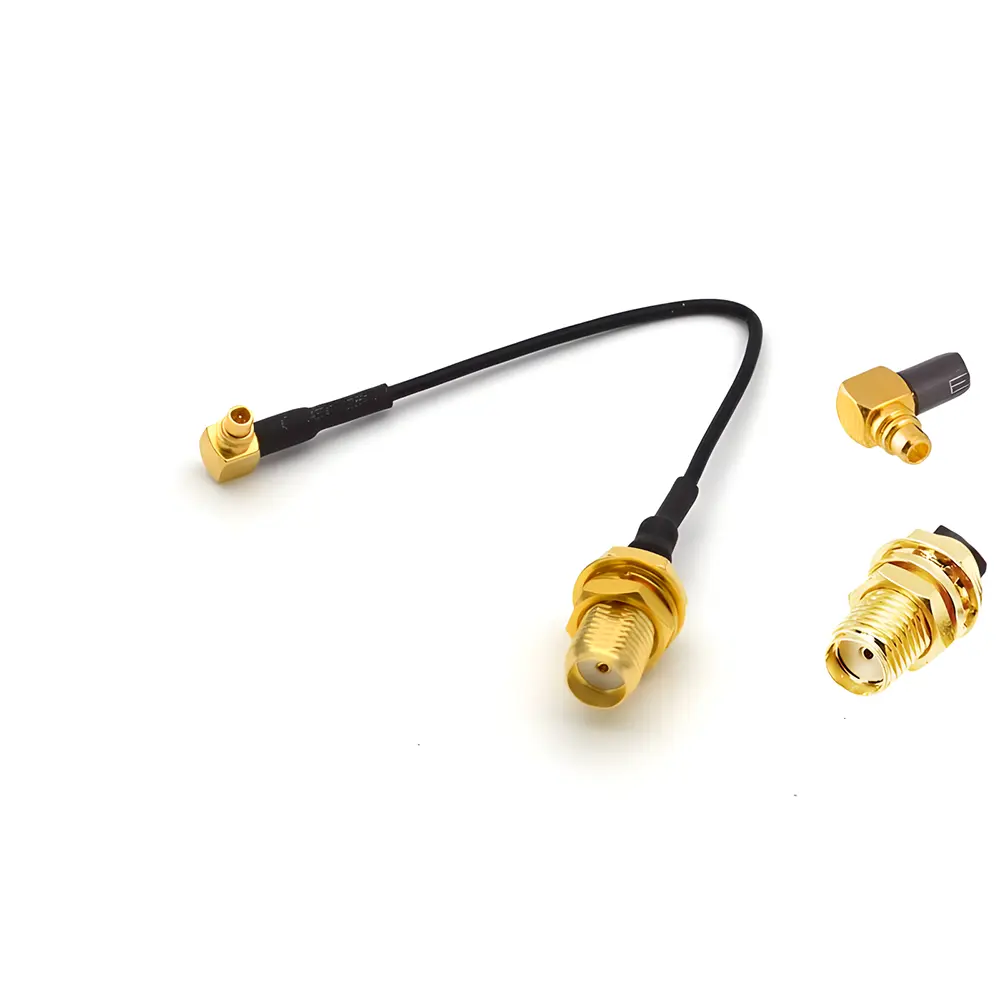 Antenna Cables
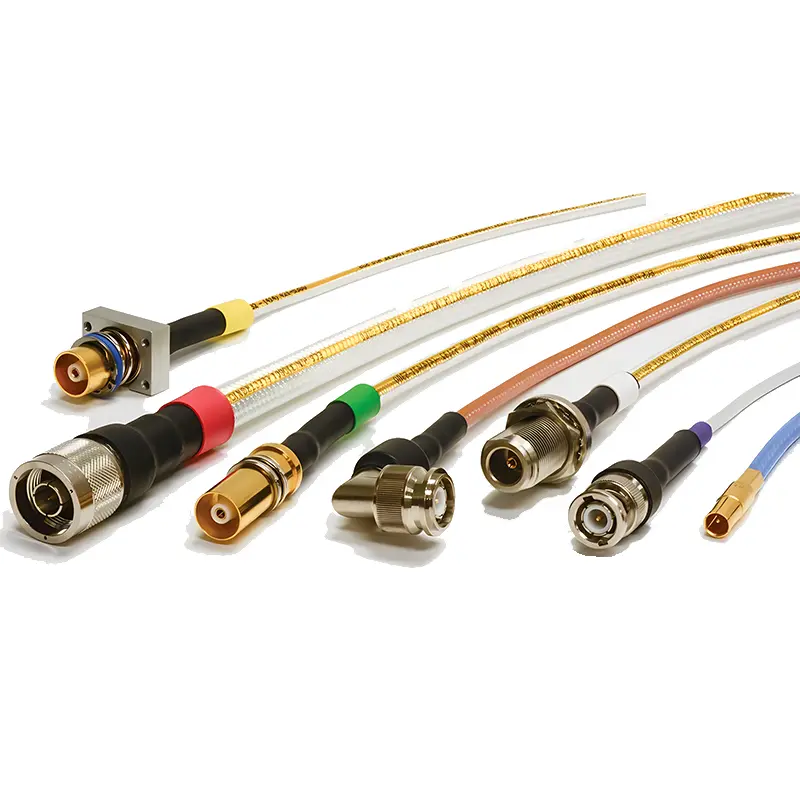 Coaxial Cables
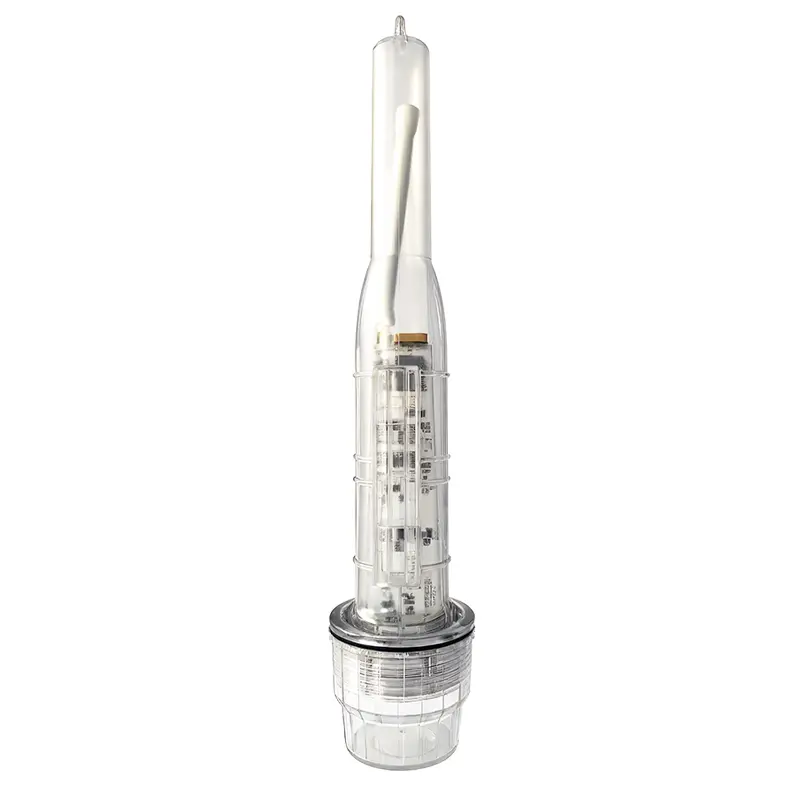 Net Position Indicator
 Solar AIS net position indicator
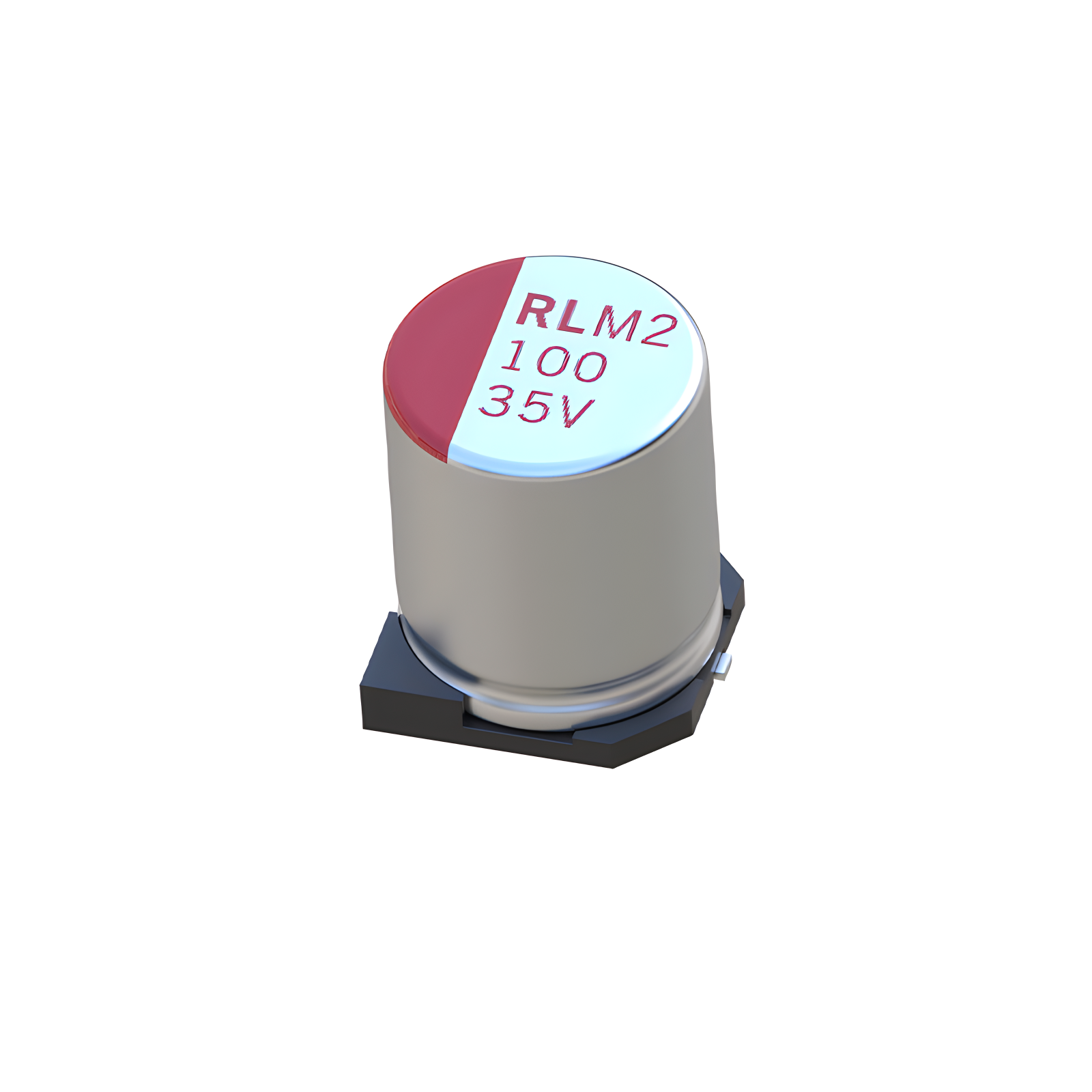 Capacitors
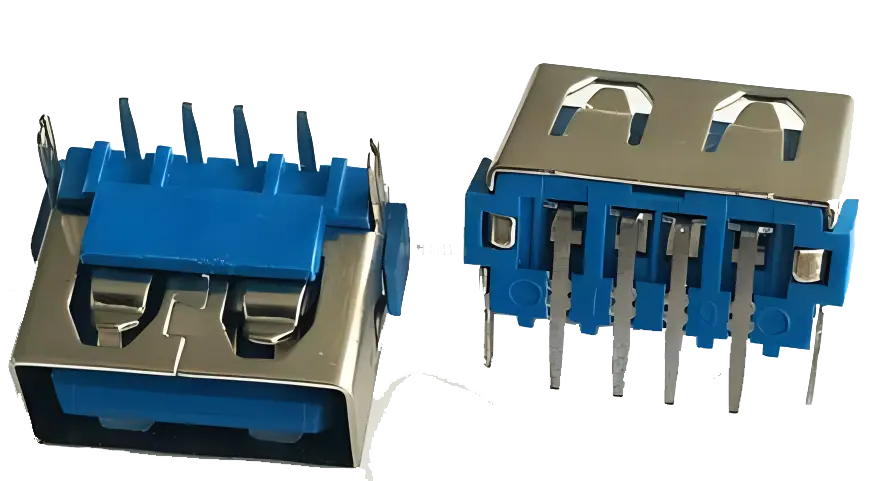 Connectors
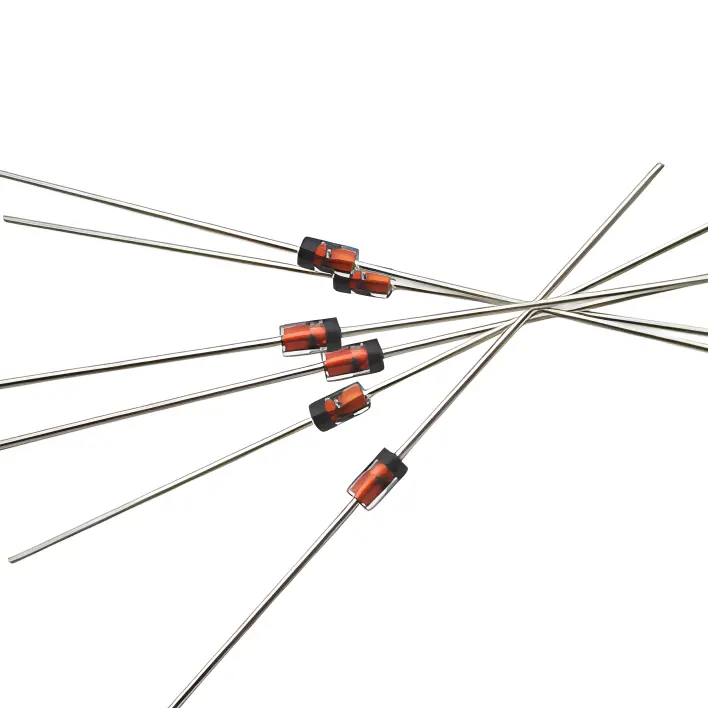 Diodes
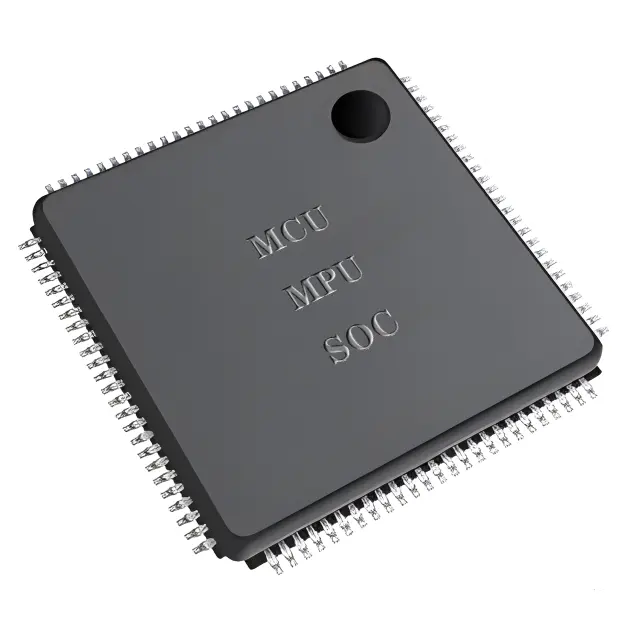 Embedded Processors & Controllers
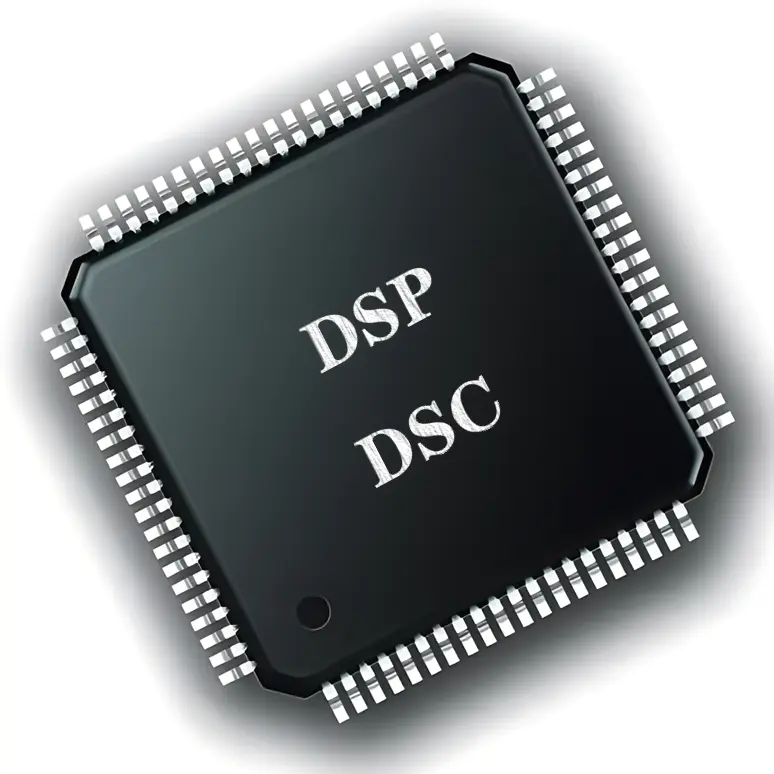 Digital Signal Processors (DSP/DSC)
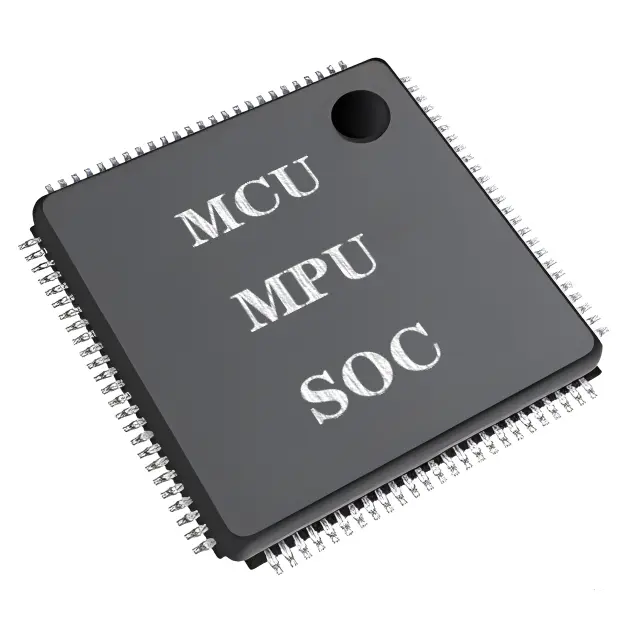 Microcontrollers (MCU/MPU/SOC)
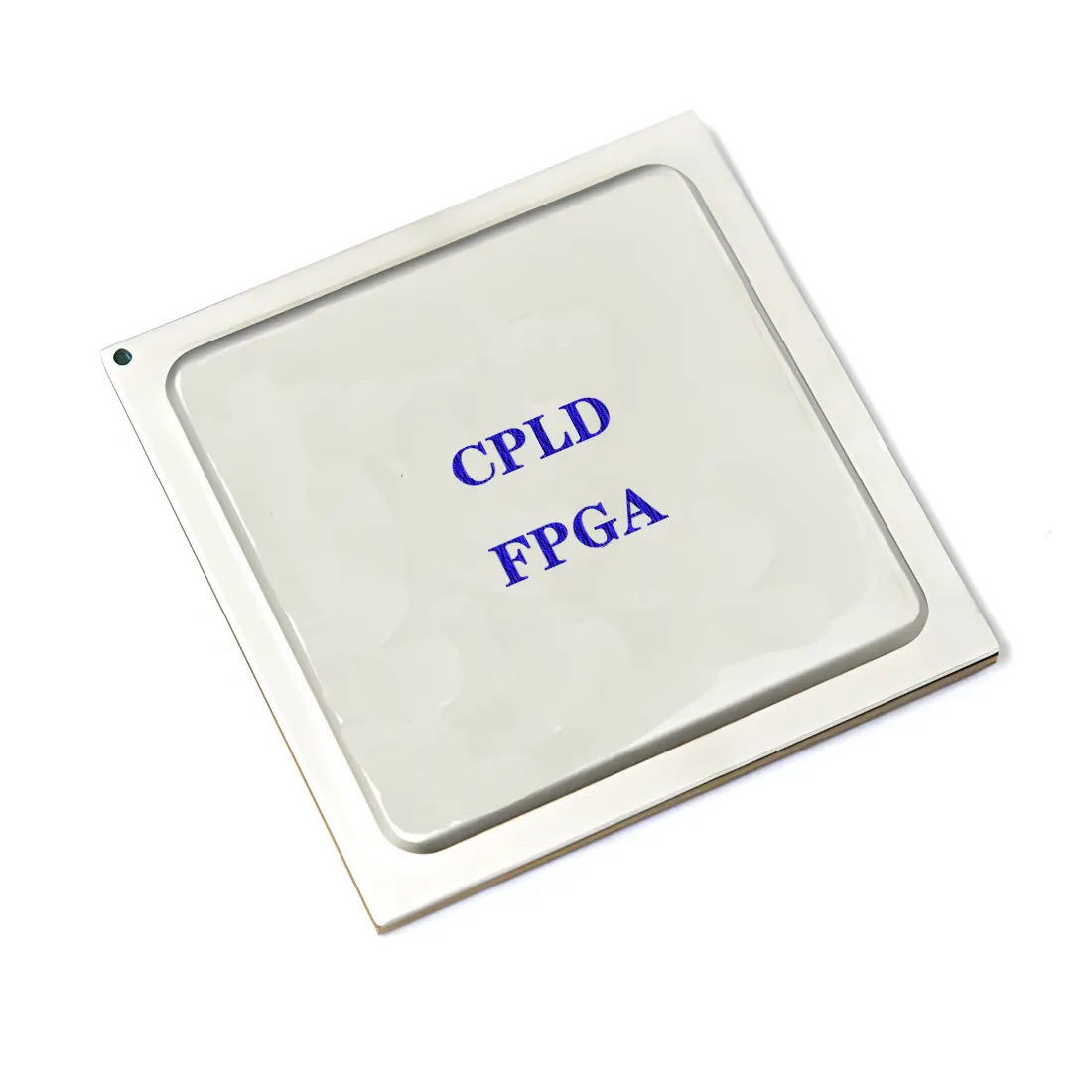 Programmable Logic Device(CPLD/FPGA)
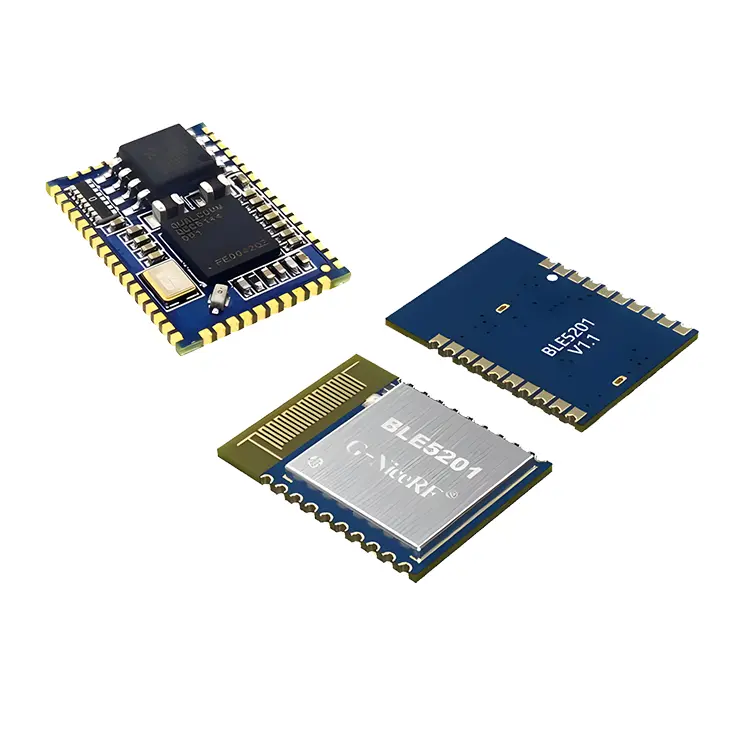 Communication Modules/IoT
 Resistors
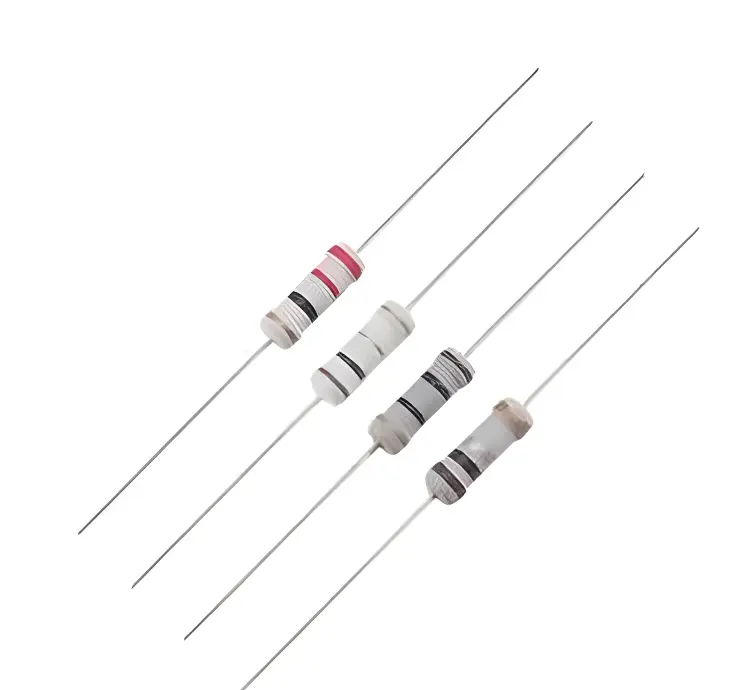 Through Hole Resistors
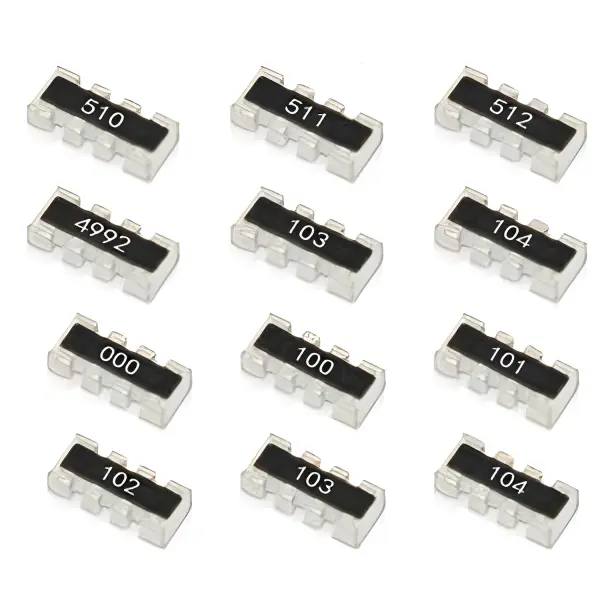 Resistor Networks, Arrays
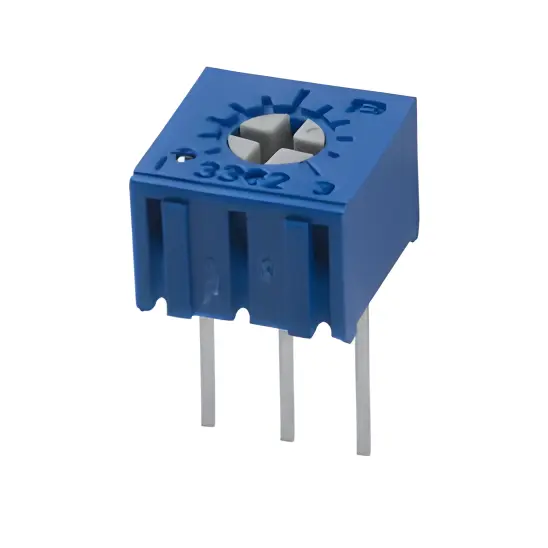 Potentiometers,Variable Resistors
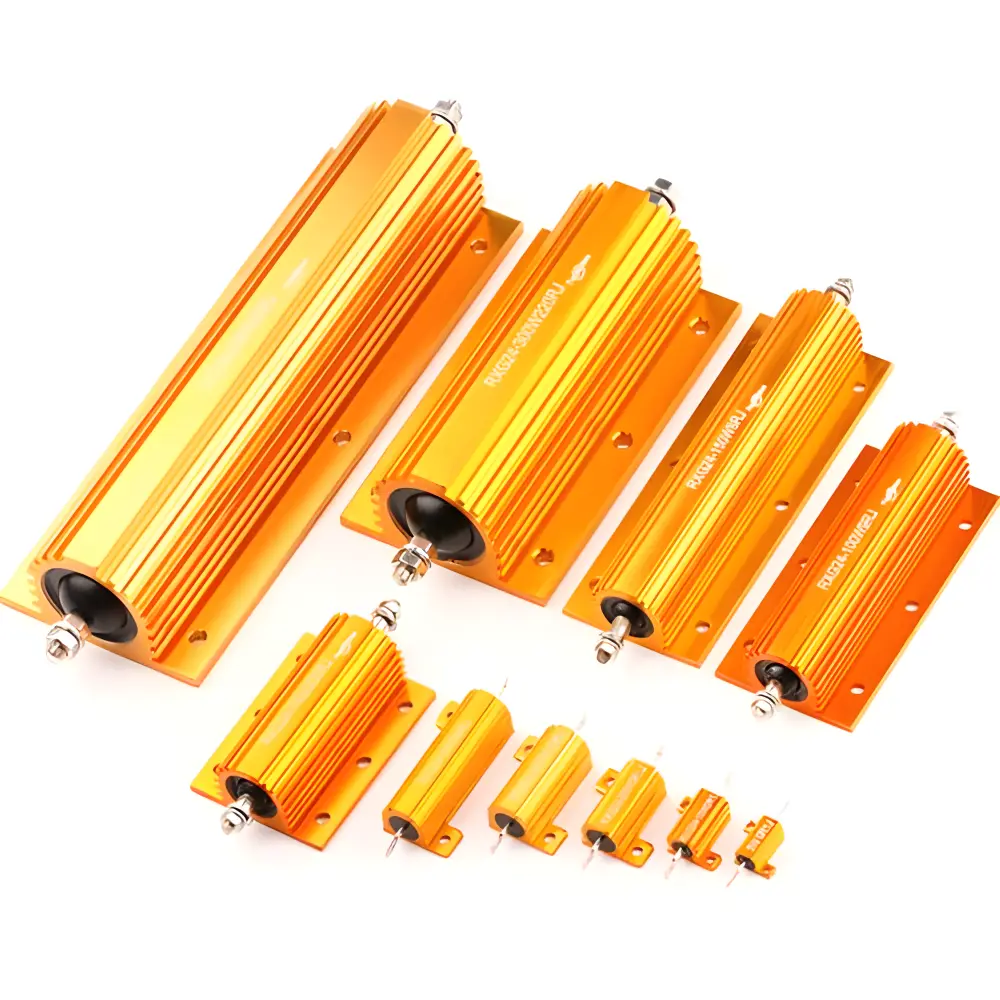 Aluminum Case,Porcelain Tube Resistance
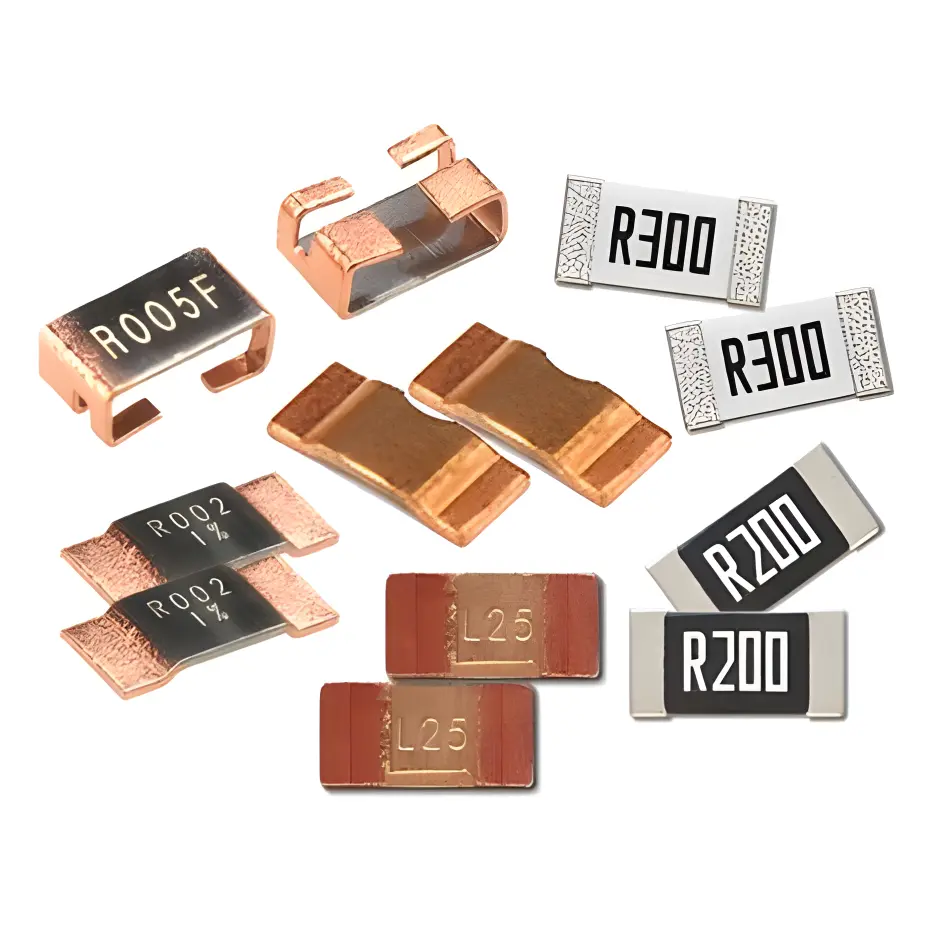 Current Sense Resistors,Shunt Resistors
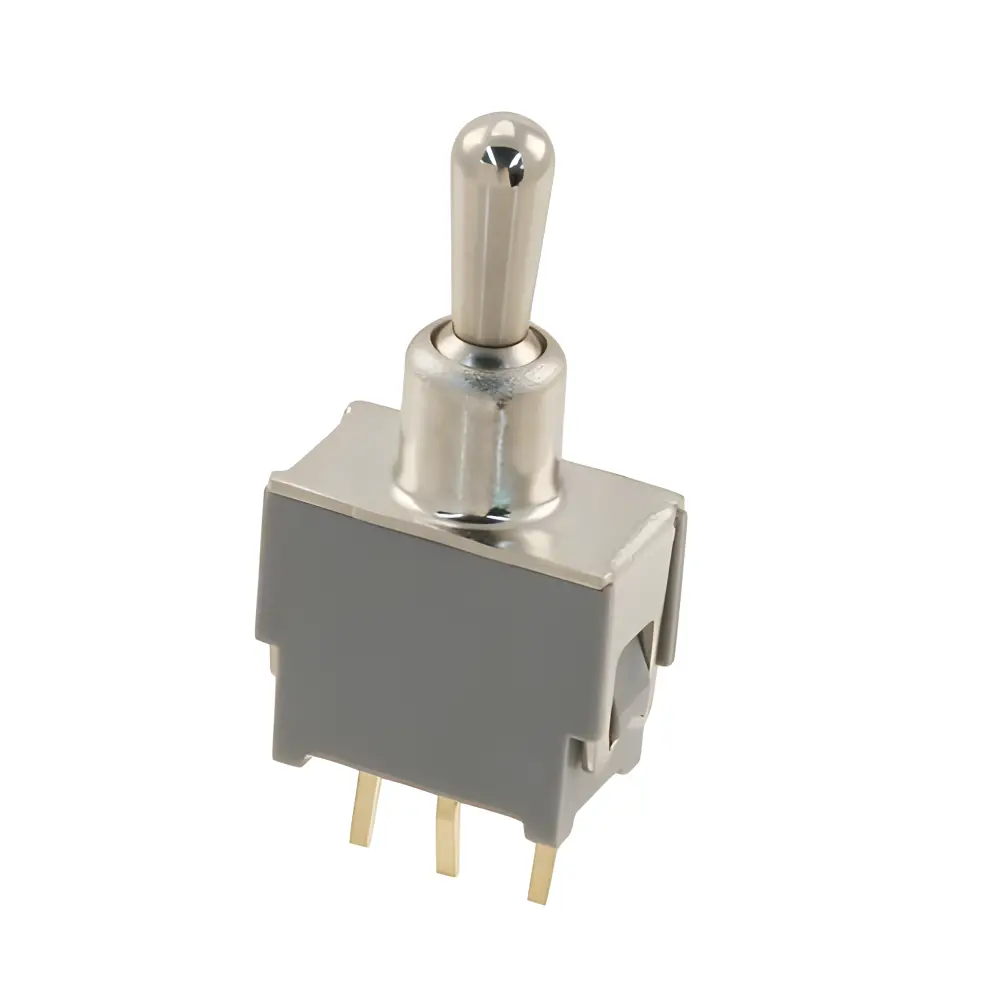 Switches
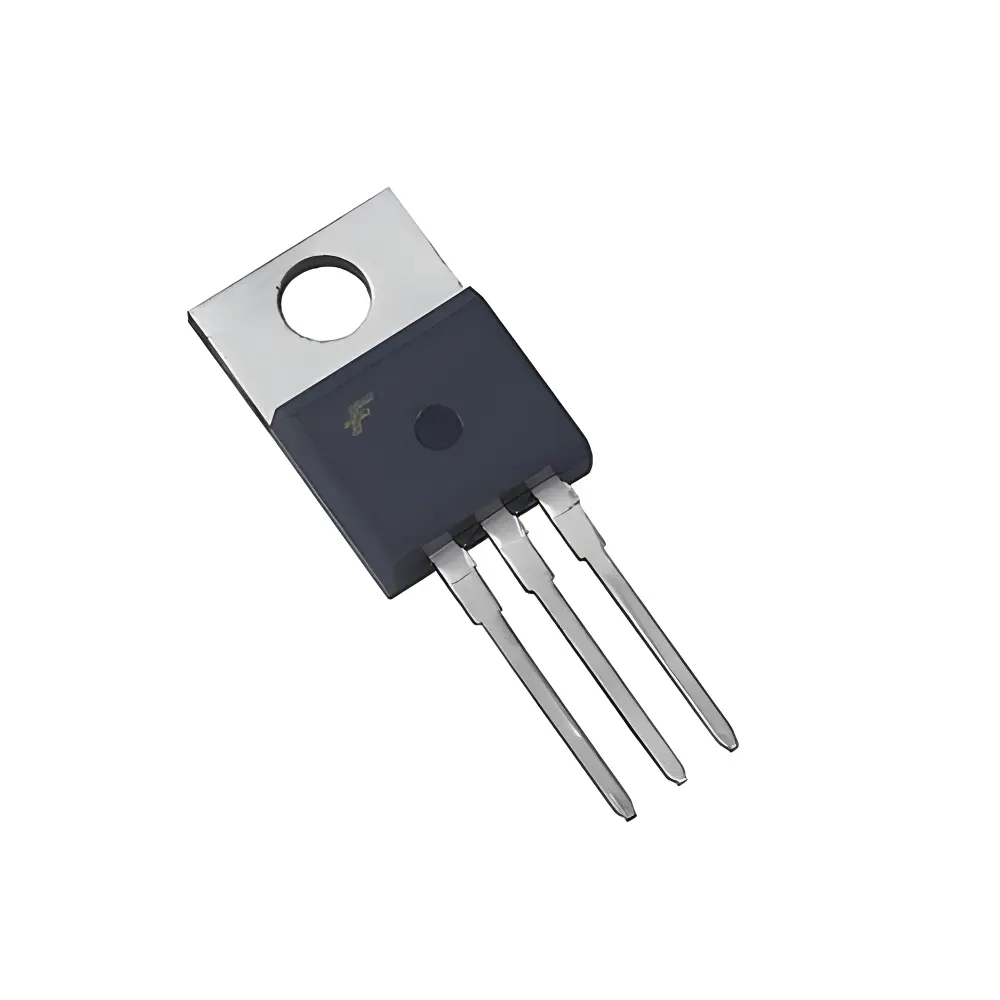 Transistors
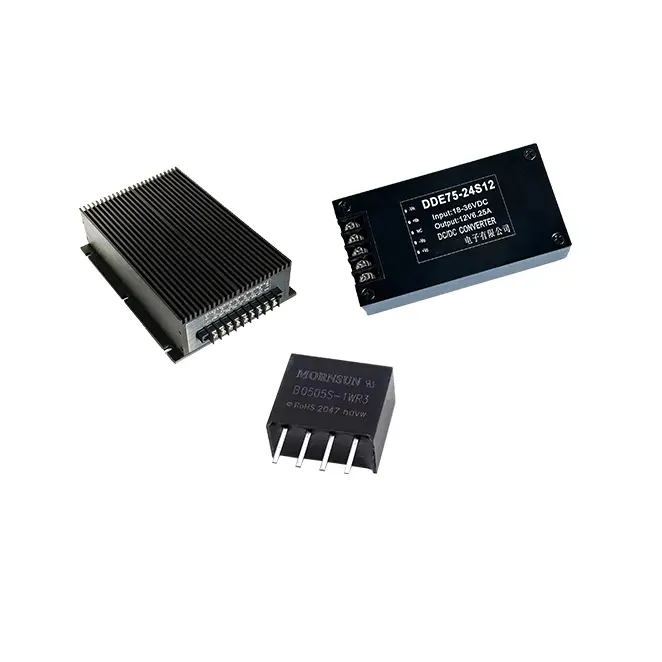 Power Modules
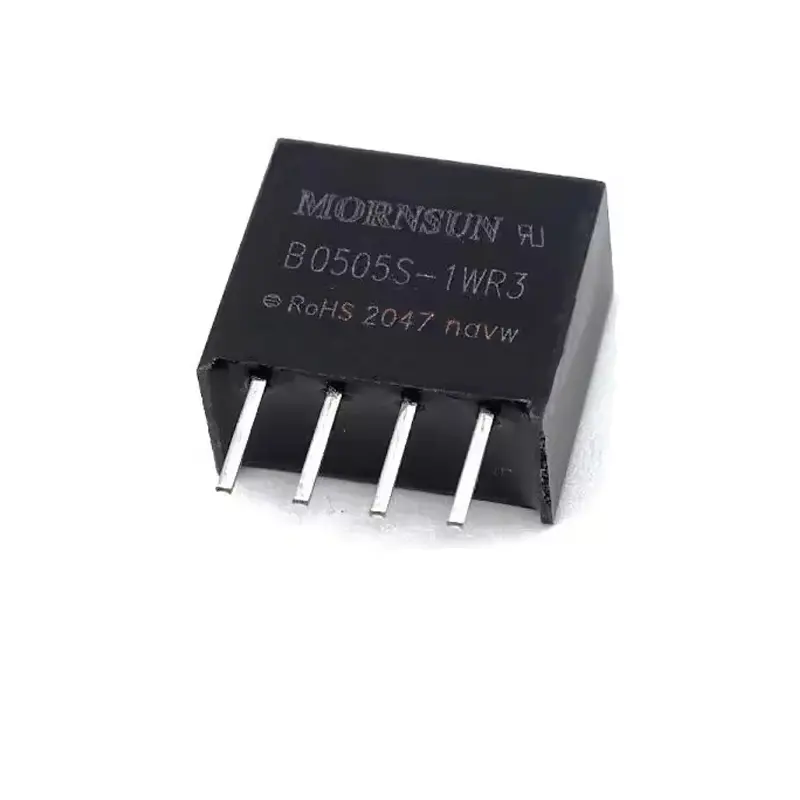 Isolated Power Modules
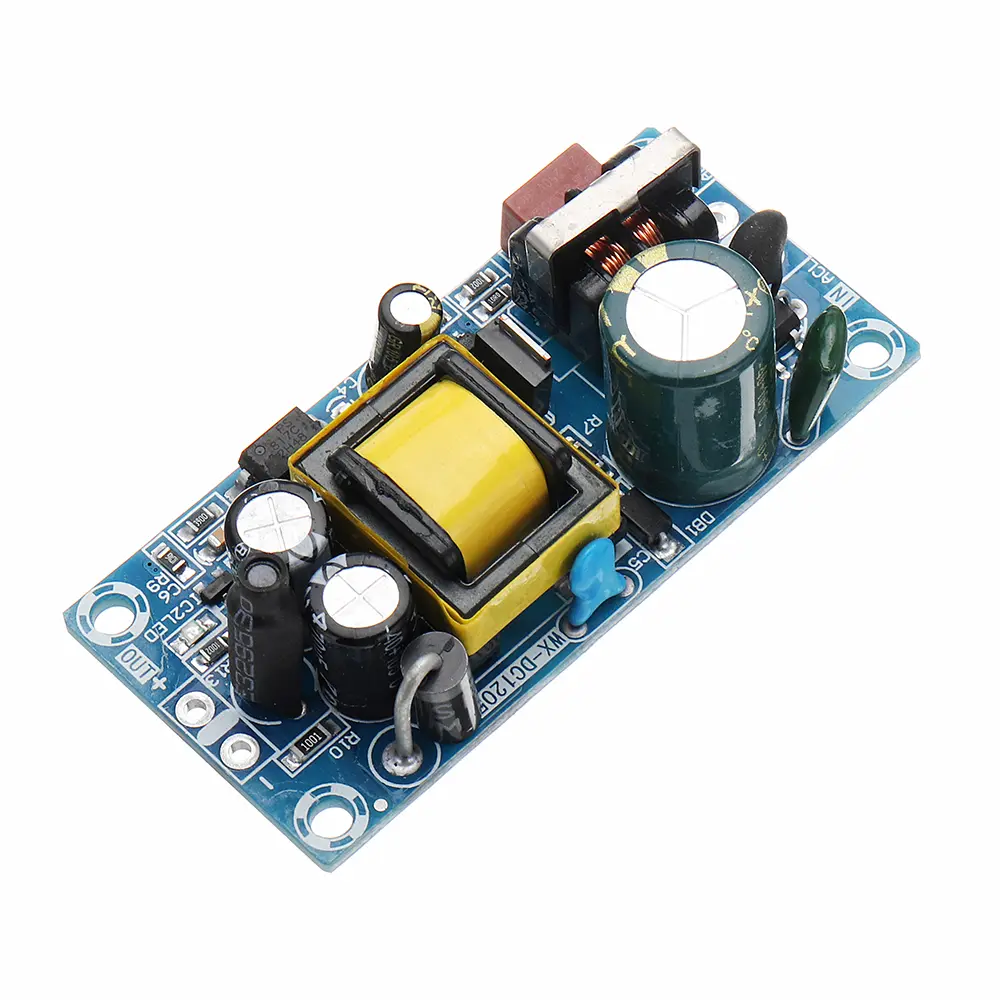 AC-DC Power Modules
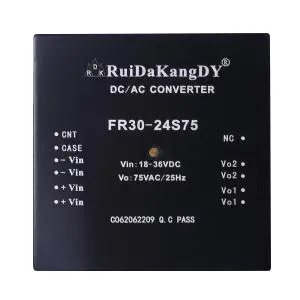 DC-AC Module(Inverter)
 RF and Wireless
How to Improve Storage Conditions to Prevent Discoloration or Migration on Board Surface Within Days After Immersion Silver Plating
2026-02-04
Immersion silver (ImAg) plating is a widely applied suRFace finishing technology in printed circuit board (PCB) manufacturing. It is favored for its excellent solderability, good electrical conductivity, compatibility with fine-pitch circuits, and cost advantage over other noble metal finishes such as electroless nickel immersion gold (ENIG). Through a spontaneous chemical replacement reaction, ImAg forms a thin, uniform silver layer (typically 0.1–0.5 μm) on copper pads, which protects the underlying copper from oxidation and ensures reliable interconnection during surface mount technology (SMT) assembly. However, a common and troublesome quality issue in practical production is that the ImAg-coated PCB surface often suffers fromdiscoLoRation (e.g., yellowing, browning, blackening, or tarnishing) or silver migration (formation of dendritic or filiform silver deposits) within a few days after plating, especially under improper storage conditions. These defects not only impair the cosmetic appearance of PCBs but also severely degrade solderability, increase contact resistance, and even cause electrical short circuits, ultimately leading to reduced product reliability, higher rejection rates, and significant economic losses for manufacturers. Effectively optimizing storage conditions is the key to mitigating discoloration and silver migration in ImAg-plated PCBs.
The root cause of post-plating discoloration and silver migration is closely associated with the intrinsic properties of the ImAg layer and external environmental factors during storage. The thin silver layer is thermodynamically unstable and highly susceptible to chemical reactions with oxygen, moisture, sulfur-containing compounds, halide ions, and other contaminants in the storage environment, resulting in oxidation, sulfidation, or ionic migration. Among all influencing factors, storage conditions—including temperature, relative humidity (RH), atmospheric contaminants, packaging materials, and storage duration—are the most controllable and critical links to prevent or alleviate these defects. Therefore, addressing the core question “How to improve storage conditions to prevent discoloration or migration on board surface within days after immersion silver plating?” is of great practical significance for optimizing the ImAg process chain, ensuring PCB quality stability, and enhancing product competitiveness. Rational storage condition management can effectively extend the service life of the ImAg layer and avoid premature discoloration or silver migration.
This article systematically elaborates on the formation mechanisms of discoloration and silver migration after immersion silver plating, analyzes the key storage factors affecting these defects, proposes targeted storage condition improvement strategies, establishes standardized storage operation guidelines, and provides practical industrial application cases. All technical content adheres to PCB industry standards (such as IPC-A-600G, IPC-6012D, and IPC-4552), ensures precise technical expression, and maintains smooth logical connection between chapters. It aims to provide practical technical guidance for PCB manufacturing engineers, process technicians, and quality control personnel to effectively control discoloration and silver migration by optimizing storage conditions for ImAg-plated PCBs.
1. Overview of Immersion Silver Plating and Post-Plating Defects
A clear understanding of the immersion silver plating principle, characteristics of the silver layer, and the formation mechanisms of discoloration and silver migration is the theoretical basis for formulating effective storage improvement measures. Post-plating discoloration and silver migration are the main quality hazards of ImAg-plated PCBs, and their occurrence is closely related to storage conditions. This chapter focuses on the core characteristics of ImAg and the nature of post-plating defects, laying a solid foundation for subsequent analysis of storage factors and improvement strategies for mitigating discoloration and silver migration.
1.1 Basic Principle and Characteristics of Immersion Silver Plating
Immersion silver plating (ImAg) is a chemical replacement process without external current, which relies on the difference in redox potentials between silver ions (Ag⁺) and copper atoms (Cu) to drive the reaction. The core chemical reactions of the ImAg process are as follows:
Anodic reaction (copper dissolution): Cu → Cu²⁺ + 2e⁻ (E⁰ = +0.34 V vs. standard hydrogen electrode, SHE)
Cathodic reaction (silver deposition): 2Ag⁺ + 2e⁻ → 2Ag (E⁰ = +0.80 V vs. SHE)
Overall reaction: Cu + 2Ag⁺ → Cu²⁺ + 2Ag
Due to the higher standard electrode potential of Ag⁺/Ag than Cu²⁺/Cu, the reaction proceeds spontaneously. Copper atoms on the pad surface are replaced by silver ions in the plating solution, forming a dense silver layer. The thickness of the ImAg layer is typically controlled at 0.1–0.5 μm: a layer thinner than 0.1 μm cannot effectively protect the underlying copper, while a layer thicker than 0.5 μm is prone to silver migration and poor solder joint reliability. The intrinsic characteristics of the ImAg layer directly determine its susceptibility to discoloration and silver migration under improper storage conditions.
The ImAg layer has the following key characteristics that are closely related to post-plating discoloration and silver migration, which also put forward higher requirements for storage conditions:
1. Thermodynamic Instability: Silver is a noble metal but still prone to oxidation and sulfidation in the presence of oxygen, moisture, and sulfur-containing contaminants, forming unstable silver compounds (e.g., Ag₂O, Ag₂S) that trigger discoloration. This instability makes ImAg layers highly dependent on proper storage conditions to avoid premature degradation.
2. Thin and Porous Structure: The ImAg layer is thin and has micro-pores (even with post-plating passivation), which allow small molecules (e.g., O₂, H₂O, SO₂) and ions (e.g., Cl⁻, Br⁻) in the storage environment to penetrate, reacting with the silver layer or the underlying copper-silver interface and accelerating discoloration or silver migration.
3. High Ionic Mobility: Silver ions (Ag⁺) have high mobility, and under the action of moisture, temperature, and electric field (even weak residual electric fields on PCBs), they can migrate along the dielectric surface (solder mask) to form dendritic deposits, i.e., silver migration. Proper storage conditions can effectively inhibit the mobility of Ag⁺ ions and reduce migration risks.
4. Sensitivity to Contaminants: The ImAg layer is highly sensitive to sulfur-containing compounds, halide ions, and organic contaminants. Even trace amounts of these substances in the storage environment can trigger rapid discoloration or silver migration, highlighting the importance of controlling atmospheric contaminants in storage conditions.
1.2 Types and Morphological Characteristics of Post-Plating Discoloration
Discoloration after immersion silver plating refers to the visible color change of the silver layer from its original bright silver to yellow, brown, black, or gray within days of storage, which is one of the most common post-plating defects of ImAg-plated PCBs. Improper storage conditions are the main trigger for this defect. According to the color change and formation mechanism, post-plating discoloration can be divided into three main types, each closely related to specific storage environmental factors:
1. Yellowing/Tarnishing: The most common type, usually appearing as a uniform yellow or off-white tarnish on the silver surface. It is mainly caused by the formation of a thin silver oxide (Ag₂O) layer or silver hydroxide (AgOH) due to the reaction between silver and moisture/oxygen in the air under improper storage humidity and temperature. This type of discoloration is relatively mild and can sometimes be restored through cleaning, but it indicates the start of silver layer degradation and a warning of improper storage conditions.
2. Browning: Appears as irregular brown spots or patches on the pad surface, often related to the penetration of contaminants (e.g., organic residues from the plating process, fingerprint oils) in the storage environment and subsequent oxidation. Browning is more severe than yellowing and may be accompanied by slight corrosion of the silver layer, affecting solderability. This defect is often caused by poor cleanliness of storage conditions or packaging materials.
3. Blackening: The most severe type of discoloration, characterized by uniform or localized blackening of the silver layer. It is mainly caused by the reaction between silver and sulfur-containing compounds (e.g., H₂S, SO₂ in the air, sulfur-containing additives in packaging materials) in the storage environment to form silver sulfide (Ag₂S), which is black, stable, and insoluble in most common cleaners. Blackening completely destroys the solderability of the silver layer and may lead to pad failure, which is mostly caused by sulfur-containing contaminants in storage conditions.
Metallographic analysis shows that discolored silver layers have obvious structural changes: the original dense silver grains become loose, and new phases (Ag₂O, Ag₂S) are formed on the surface or in the micro-pores. The severity of discoloration is positively correlated with storage time, humidity, temperature, and contaminant concentration in storage conditions, further confirming that optimizing storage conditions is the key to preventing discoloration of ImAg-plated PCBs.
1.3 Formation Mechanism and Hazards of Silver Migration
Silver migration (also known as silver dendrite growth) is another major post-plating defect of ImAg-plated PCBs, referring to the phenomenon in which silver ions migrate from the ImAg pad along the solder mask surface or through micro-pores under specific storage conditions, forming dendritic, filiform, or granular silver deposits on the dielectric surface. Unlike discoloration, silver migration is often invisible to the naked eye in its early stages but can cause serious electrical defects. Storage conditions such as humidity, temperature, and contaminants directly affect the occurrence and development of silver migration.
The formation of silver migration requires three key conditions: silver ion source (ImAg layer), migration medium (moisture adsorbed on the dielectric surface, which is closely related to storage humidity), and driving force (residual electric field on the PCB, temperature gradient, or concentration gradient, which is affected by storage temperature). The specific mechanism can be divided into four steps, all of which are closely associated with storage conditions:
1. Silver Ion Dissolution: In the presence of moisture (from storage humidity) and trace acids/bases (from storage contaminants), the silver layer dissolves to form Ag⁺ ions: Ag + H₂O + O₂ → Ag⁺ + OH⁻. Higher storage humidity will significantly accelerate this dissolution process.
2. Ion Migration: Ag⁺ ions migrate along the moisture film on the solder mask surface under the action of driving forces (affected by storage temperature), moving from the anode (higher potential pad) to the cathode (lower potential pad) or to areas with lower silver ion concentration. Stable storage temperature and low humidity can effectively inhibit this migration.
3. Silver Deposition: When Ag⁺ ions reach the cathode or a suitable nucleation site, they gain electrons and are reduced to metallic silver, forming initial silver nuclei. The presence of contaminants in storage conditions can promote the formation of nucleation sites, accelerating silver deposition.
4. Dendrite Growth: Silver nuclei continue to grow into dendritic structures as more Ag⁺ ions migrate and deposit, eventually bridging adjacent pads or traces to cause short circuits. Improper storage conditions (high humidity, high temperature, and high contaminants) will significantly shorten the time required for dendrite growth.
The hazards of silver migration are far more serious than discoloration: it can cause electrical short circuits during PCB testing or in-service use, leading to product functional failure; even if no short circuit occurs, the migrated silver dendrites can reduce surface insulation resistance (SIR), degrade signal integrity, and shorten the service life of electronic products. Silver migration is particularly prominent in high-density interconnect (HDI) PCBs with fine line width/spacing (≤0.15 mm), as the shorter distance between adjacent circuits reduces the migration path of Ag⁺ ions. Optimizing storage conditions is the most effective way to prevent silver migration in ImAg-plated PCBs.
1.4 Key Factors Leading to Discoloration and Migration
The occurrence of discoloration and silver migration after immersion silver plating is the result of the combined action of internal factors (ImAg layer properties, PCB material characteristics) and external factors (storage conditions, post-plating processing). Among these factors, storage conditions are the most controllable and have the greatest impact on the occurrence time and severity of defects—internal factors lay the foundation for defect formation, while improper storage conditions accelerate the reaction process, leading to discoloration and silver migration appearing within days of plating.
Internal factors mainly include: thin and porous ImAg layer, incomplete post-plating passivation, residual contaminants on the board surface (e.g., plating solution residues, cleaning agent residues), and poor solder mask adhesion. External factors (storage conditions) mainly include: temperature, relative humidity, atmospheric contaminants, packaging materials, storage duration, and stacking method—these are the core factors that can be optimized to prevent discoloration and silver migration. The following chapters will focus on analyzing these storage factors and proposing targeted improvement strategies to effectively control post-plating defects of ImAg-plated PCBs.
2. Key Storage Factors Affecting Post-Plating Discoloration and Silver Migration
To formulate scientific and effective storage improvement strategies for ImAg-plated PCBs, it is necessary to first clarify the influence mechanism of each storage factor on discoloration and silver migration. Storage conditions directly determine the occurrence and severity of post-plating defects, and different storage factors play different roles in the formation of discoloration and silver migration. This chapter systematically analyzes the key storage factors (temperature, relative humidity, atmospheric contaminants, packaging materials, etc.), quantifies their influence degree, and identifies the critical control points, providing a solid basis for the subsequent design of optimized storage schemes to prevent discoloration and silver migration.
2.1 Temperature
Temperature is a key storage factor affecting the reaction rate of silver oxidation, sulfidation, and ion migration in ImAg-plated PCBs. According to the Arrhenius equation, the reaction rate increases exponentially with the increase of temperature: for every 10 °C increase in temperature, the reaction rate increases by 2–3 times. This means that higher storage temperatures will significantly accelerate the occurrence of discoloration and silver migration, making temperature control a core part of storage condition optimization.
Experimental data show that when ImAg PCBs are stored at 25 °C (room temperature), discoloration (yellowing) usually occurs after 7–14 days; when stored at 35 °C, discoloration can occur within 2–3 days; when stored at 45 °C or higher, discoloration (browning or blackening) and even slight silver migration can occur within 1 day. These data fully illustrate the significant impact of storage temperature on post-plating defects. The specific influence mechanism of temperature on discoloration and silver migration is as follows:
1. Accelerating Oxidation and Sulfidation: Higher storage temperatures increase the activity of silver atoms and oxygen/sulfur-containing molecules in the air, accelerating the formation of Ag₂O and Ag₂S, which directly leads to rapid discoloration of the ImAg layer. Stable and low storage temperature can effectively inhibit these chemical reactions.
2. Promoting Silver Ion Migration: Higher storage temperatures increase the mobility of Ag⁺ ions and reduce the viscosity of the moisture film on the solder mask surface (formed by storage humidity), making it easier for Ag⁺ ions to migrate and form dendrites, thus accelerating silver migration. Controlling storage temperature within a reasonable range can significantly reduce ion mobility.
3. Aggravating Contaminant Diffusion: Higher storage temperatures accelerate the diffusion of contaminants (e.g., sulfur-containing compounds, halide ions) in the air or packaging materials, increasing their contact probability with the silver layer and further promoting discoloration and silver migration. Low-temperature storage can slow down the diffusion rate of contaminants.
In addition, temperature fluctuations (e.g., day-night temperature difference, seasonal temperature change) in storage conditions are also harmful: repeated heating and cooling will cause thermal expansion and contraction of the silver layer and solder mask, increasing the number of micro-pores, and allowing more contaminants and moisture to penetrate, accelerating defect formation. Therefore, stable and low-temperature storage is crucial to prevent post-plating discoloration and silver migration in ImAg-plated PCBs.
2.2 Relative Humidity (RH)
Relative humidity (RH) is the most critical storage factor affecting silver migration and one of the main factors causing discoloration in ImAg-plated PCBs. Silver oxidation, sulfidation, and ion migration all require the participation of moisture: without moisture in storage conditions, the reaction rate will be extremely slow, and defects will not occur within a short period (weeks or months). Controlling storage humidity is the key to inhibiting post-plating defects.
The influence of relative humidity on discoloration and silver migration is nonlinear: when RH < 40%, the moisture on the PCB surface is insufficient to form a continuous moisture film, and the reaction rate is very slow, which is conducive to the storage of ImAg-plated PCBs; when 40% ≤ RH ≤ 60%, the moisture film on the surface is thin, and discoloration may occur after 5–10 days, but silver migration is rare; when RH > 60%, the surface forms a continuous and thick moisture film, which provides an ideal medium for silver ion migration and contaminant dissolution, leading to rapid discoloration and silver migration. This shows that controlling storage RH below 40% is an effective way to prevent post-plating defects.
Experimental studies have shown that when ImAg PCBs are stored at 25 °C and RH = 70%, blackening (Ag₂S formation) and silver migration can occur within 3–5 days; when RH = 80% or higher, blackening and obvious silver dendrite growth can occur within 1–2 days. These results confirm the decisive role of storage humidity in post-plating defects. The specific influence mechanism of relative humidity is as follows:
1. Providing Reaction Medium: Moisture adsorbed on the silver layer surface (from storage humidity) forms a thin water film, which dissolves trace contaminants (e.g., SO₂, H₂S, Cl⁻) in the storage environment to form an acidic or alkaline solution, accelerating the dissolution of silver and the formation of silver compounds (Ag₂O, Ag₂S), thus causing discoloration.
2. Facilitating Silver Ion Migration: The moisture film serves as a conductive medium for Ag⁺ ions, reducing the migration resistance and enabling Ag⁺ ions to migrate rapidly along the solder mask surface. Higher storage humidity leads to a thicker moisture film, which further promotes silver migration.
3. Weakening Silver Layer Adhesion: Moisture from storage conditions penetrates into the interface between the silver layer and the underlying copper, weakening the bonding force, leading to local silver layer peeling and further accelerating oxidation and discoloration. Low storage humidity can effectively reduce moisture penetration.
In addition, high humidity in storage conditions can also promote the growth of mold on the PCB surface, and mold metabolites (organic acids, sulfur-containing compounds) can further aggravate discoloration and corrosion of the silver layer. Therefore, strict control of storage relative humidity is essential for preventing post-plating defects of ImAg-plated PCBs.
2.3 Atmospheric Contaminants
Atmospheric contaminants in the storage environment are important triggers for post-plating discoloration and silver migration in ImAg-plated PCBs. Even trace amounts of contaminants (ppm level) can significantly accelerate defect formation. As one of the core storage conditions, controlling atmospheric contaminants is crucial to protecting the ImAg layer. The main harmful contaminants include sulfur-containing compounds, halide ions, organic contaminants, and heavy metal ions, among which sulfur-containing compounds are the most harmful to the ImAg layer.
2.3.1 Sulfur-Containing Compounds
Sulfur-containing compounds are the primary cause of silver layer blackening in ImAg-plated PCBs, including hydrogen sulfide (H₂S), sulfur dioxide (SO₂), methyl mercaptan (CH₃SH), and sulfur-containing dust. These compounds are widely present in the air and are important contaminants in storage conditions: H₂S is emitted from industrial exhaust, sewage treatment, and organic matter decomposition; SO₂ is emitted from coal combustion and industrial processes; sulfur-containing dust comes from rubber products, sulfur-containing coatings, and packaging materials used in storage.
Silver reacts with sulfur-containing compounds in storage conditions rapidly even at room temperature and low concentration: 2Ag + H₂S → Ag₂S + H₂↑. Silver sulfide (Ag₂S) is black, dense, and insoluble in water and most common cleaners, and once formed, it cannot be removed without aggressive chemical treatment, which will completely destroy the solderability of the silver layer. Experimental data show that when the concentration of H₂S in the storage environment reaches 0.1 ppm, ImAg PCBs can turn black within 24 hours. Therefore, removing sulfur-containing compounds from storage conditions is the key to preventing silver layer blackening.
2.3.2 Halide Ions
Halide ions (mainly Cl⁻, Br⁻) are another important type of atmospheric contaminant in storage conditions, coming from salt spray (in coastal areas), cleaning agents, packaging materials, and human sweat. Halide ions can dissolve the silver layer of ImAg-plated PCBs to form soluble silver halide (e.g., AgCl, AgBr), which is unstable and easily decomposes to form silver particles, leading to discoloration (gray or white spots) and silver migration.
In addition, halide ions in storage conditions can accelerate the electrochemical corrosion of the silver-copper interface, leading to local corrosion and peeling of the silver layer. In coastal areas, the Cl⁻ concentration in the air is relatively high, and ImAg PCBs are more prone to discoloration and migration if stored without proper protection against halide ions. Controlling halide ion concentration in storage conditions is an important part of optimizing storage environment.
2.3.3 Other Contaminants
Organic contaminants in storage conditions (e.g., oil, grease, fingerprint residues, volatile organic compounds from packaging materials) can adhere to the silver layer surface of ImAg-plated PCBs, blocking the contact between silver and air, but they can also absorb moisture and other contaminants, leading to localized discoloration (brown spots). Heavy metal ions (e.g., Cu²⁺, Fe³⁺) from the plating process or storage environment can act as catalysts, accelerating the oxidation of silver and promoting discoloration. Therefore, keeping the storage environment clean and free of various contaminants is essential for preventing post-plating defects.
2.4 Packaging Materials
Packaging materials are an integral part of storage conditions for ImAg-plated PCBs, as they are in direct contact with ImAg PCBs during storage and transportation, and their quality directly affects the occurrence of discoloration and silver migration. Improper packaging materials can not only fail to protect the PCBs but also release contaminants into the storage environment, accelerating defect formation. The key factors affecting packaging materials (as part of storage conditions) are material type, cleanliness, and moisture absorption, all of which need to be strictly controlled.
1. Material Type: Common packaging materials for PCBs include polyethylene (PE), polypropylene (PP), polyester (PET), and anti-static shielding bags. PE and PP are inert and suitable for ImAg PCB packaging, as they will not release harmful contaminants; PET has good barrier properties but may contain trace plasticizers that can migrate to the silver layer and cause discoloration. Anti-static shielding bags with sulfur-containing anti-static agents are harmful to ImAg PCBs, as they can release sulfur-containing compounds to cause silver layer blackening. Vacuum packaging with aluminum foil composite bags has the best barrier properties, as it can effectively isolate air, moisture, and contaminants in the storage environment, which is the optimal choice for long-term storage of ImAg PCBs.
2. Cleanliness: Packaging materials contaminated with oil, grease, sulfur-containing compounds, or halide ions will directly contaminate the ImAg surface, leading to localized discoloration. Therefore, packaging materials must be cleaned and dried before use to ensure they do not introduce contaminants into the storage environment of ImAg PCBs.
3. Moisture Absorption: Packaging materials with high moisture absorption (e.g., uncoated paper, low-quality plastic bags) will absorb moisture from the air and transfer it to the PCBs, increasing the surface humidity and accelerating discoloration and migration. Desiccants are often placed in the packaging to absorb moisture, but the type and amount of desiccants must be selected appropriately to ensure they effectively control the humidity inside the packaging, which is an important supplement to storage humidity control.
2.5 Other Storage Factors
In addition to the above key factors, storage duration, stacking method, and post-plating processing also belong to important storage-related factors that affect the occurrence of discoloration and silver migration in ImAg-plated PCBs. These factors are often overlooked but can significantly affect the stability of the ImAg layer during storage:
1. Storage Duration: The longer the storage time, the higher the probability of discoloration and migration, even under relatively good storage conditions. ImAg PCBs should be used as soon as possible after plating; the recommended maximum storage duration under optimized storage conditions is 30 days, and beyond 60 days, even under good storage conditions, discoloration may occur. Reasonably controlling storage duration is an important part of storage condition management.
2. Stacking Method: Improper stacking (e.g., excessive stacking pressure, direct contact between PCB surfaces) is an unfavorable storage factor that will cause friction between the silver layers, leading to localized silver layer damage and oxidation. In addition, excessive pressure will cause the solder mask to deform, increasing the number of micro-pores and accelerating contaminant penetration. Standardizing the stacking method is essential for protecting the ImAg layer during storage.
3. Post-Plating Processing: Incomplete cleaning after immersion silver plating (residual plating solution or cleaning agent) will leave contaminants on the board surface, which will react with the silver layer during storage, leading to rapid discoloration. Inadequate passivation treatment (e.g., incomplete passivation film, uneven passivation layer) will fail to protect the silver layer effectively, accelerating oxidation and migration. Although post-plating processing is not a direct storage condition, it is closely related to the storage stability of the ImAg layer and should be coordinated with storage condition optimization.
3. Improvement Strategies for Storage Conditions to Prevent Discoloration and Migration
Based on the analysis of key storage factors and their influence mechanisms on discoloration and silver migration in ImAg-plated PCBs, this chapter proposes targeted storage condition improvement strategies. These strategies cover temperature and humidity control, atmospheric contaminant control, packaging optimization, storage management, and post-plating auxiliary measures, aiming to comprehensively optimize storage conditions. All strategies are practical, operable, and compatible with mass production, ensuring that ImAg PCBs do not experience discoloration or silver migration within the recommended storage period (30 days) by improving storage conditions.
3.1 Strict Control of Storage Temperature and Humidity
Temperature and humidity are the most critical storage factors affecting discoloration and silver migration, so their control should be prioritized in storage condition improvement. The core goal is to maintain a stable, low-temperature, and low-humidity storage environment, which can significantly reduce the reaction rate of silver oxidation, sulfidation, and ion migration, thereby effectively preventing post-plating defects in ImAg-plated PCBs.
3.1.1 Temperature Control Standards and Measures
According to industry experience and experimental data, the optimal storage temperature for ImAg PCBs is 18–22 °C, with a temperature fluctuation range of ≤±2 °C. Temperature should not exceed 25 °C at any time, and should never be higher than 30 °C (prolonged storage at 30 °C will cause rapid discoloration). This standard is formulated based on the influence mechanism of temperature on discoloration and silver migration, which can effectively inhibit the chemical reactions and ion mobility related to defects. Specific temperature control measures for improving storage conditions are as follows:
1. Special Storage Room: Set up a dedicated storage room for ImAg PCBs to isolate them from the external environment and avoid temperature interference. Equip the storage room with air conditioning systems (central air conditioning or precision air conditioning) to maintain stable temperature. The storage room should be isolated from production areas with high temperature (e.g., reflow soldering, plating workshops) to ensure the stability of storage temperature.
2. Temperature Monitoring: Install temperature sensors in multiple locations (e.g., top, middle, bottom of the storage rack) to monitor temperature in real time, ensuring that the entire storage space maintains a uniform temperature. Set up an alarm system: if the temperature exceeds 25 °C, the system will sound an alarm to remind personnel to adjust, ensuring timely correction of abnormal storage temperature.
3. Avoid Temperature Fluctuations: Minimize the frequency of opening and closing the storage room door (each opening time should not exceed 5 minutes) to avoid sudden temperature changes caused by external air influx. In seasonal temperature changes (e.g., summer to autumn), adjust the air conditioning parameters in advance to maintain temperature stability, preventing defects caused by temperature fluctuations in storage conditions.
3.1.2 Relative Humidity Control Standards and Measures
The optimal relative humidity for ImAg PCB storage is 30–40%, and RH should never exceed 50% (RH > 50% will significantly increase the risk of silver migration). For coastal areas or areas with high ambient humidity, stricter humidity control is required (RH ≤ 35%) to compensate for the high external humidity. This standard is designed to avoid the formation of a continuous moisture film on the ImAg layer surface, thereby inhibiting silver ion dissolution and migration. Specific humidity control measures for improving storage conditions are as follows:
1. Dehumidification Equipment: Install industrial dehumidifiers in the storage room to reduce air humidity. The dehumidifier capacity should be matched with the storage room area: for a 50 m² storage room, a dehumidifier with a dehumidification capacity of 10–15 L/day is recommended. Use precision dehumidifiers for areas with high humidity requirements to ensure stable and accurate control of storage humidity.
2. Humidity Monitoring: Install humidity sensors synchronized with temperature sensors to monitor relative humidity in real time. Set up automatic control: if RH exceeds 45%, the dehumidifier will automatically start; if RH is lower than 30%, the dehumidifier will stop to avoid excessive dryness (excessive dryness may cause static electricity, which is harmful to PCBs). Regularly calibrate the humidity sensors to ensure monitoring accuracy.
3. Moisture Isolation: The storage room floor should be paved with moisture-proof materials (e.g., moisture-proof ceramic tiles, epoxy resin floor) to prevent moisture from seeping from the ground into the storage environment. The storage racks should be placed 10–15 cm above the ground to avoid contact with ground moisture, further ensuring that the storage humidity meets the standard.
3.2 Effective Control of Atmospheric Contaminants
The core of atmospheric contaminant control in storage conditions is to isolate the ImAg PCBs from harmful contaminants (especially sulfur-containing compounds and halide ions) through air purification, isolation measures, and environmental management. This is an important part of improving storage conditions, which can effectively reduce the trigger factors of discoloration and silver migration, protecting the ImAg layer from chemical corrosion.
3.2.1 Air Purification System
Install a high-efficiency air purification system in the dedicated storage room to filter harmful contaminants in the air, which is a key measure to improve the cleanliness of storage conditions. The purification system should include the following modules to target different types of contaminants:
1. HEPA Filter: Used to filter solid particles (e.g., sulfur-containing dust, metal dust) with a filtration efficiency of ≥99.97% for particles ≥0.3 μm, reducing solid contaminant pollution in storage conditions.
2. Activated Carbon Filter: Used to adsorb gaseous contaminants (e.g., H₂S, SO₂, organic compounds), which are the main causes of silver layer blackening and discoloration. The activated carbon should be replaced regularly (every 3–6 months) to ensure adsorption efficiency, maintaining the purity of the storage air.
3. Ion Exchange Filter: Used to remove halide ions (Cl⁻, Br⁻) and heavy metal ions in the air, further improving air quality in storage conditions and reducing the risk of silver layer corrosion and migration.
The air purification system should operate continuously, with an air exchange rate of 4–6 times per hour, ensuring that the concentration of H₂S in the air is ≤0.01 ppm, SO₂ ≤0.05 ppm, and Cl⁻ ≤0.01 ppm. This concentration standard can effectively prevent contaminants from triggering discoloration and silver migration in ImAg-plated PCBs.
3.2.2 Isolation Measures
1. Sealed Storage: Use sealed storage cabinets or containers for ImAg PCBs, even in a dedicated storage room. Sealed cabinets should be made of inert materials (e.g., stainless steel, PP) and equipped with rubber gaskets to ensure airtightness, isolating the PCBs from the external contaminated air in storage conditions.
2. Avoid Contaminant Sources: The storage room should be far away from contaminant sources, such as sulfur-containing chemical storage areas, rubber processing workshops, sewage treatment facilities, and coal-fired boilers, to avoid contaminants entering the storage environment. Do not store other chemicals (e.g., cleaning agents, sulfur-containing anti-static agents) in the ImAg PCB storage room to prevent cross-contamination.
3. Personnel Access Control: Personnel entering the storage room must wear clean anti-static clothing, gloves, and shoe covers to avoid bringing in contaminants (e.g., sweat, dust, oil) from outside. Do not touch the ImAg pads directly with bare hands, as fingerprint oils contain sulfur and halide ions that can contaminate the silver layer. This measure ensures that personnel do not become a source of contamination in storage conditions.
3.3 Optimization of Packaging Materials and Methods
Optimized packaging is an important barrier to isolate air, moisture, and contaminants in storage conditions, and it is crucial to prevent discoloration and silver migration in ImAg-plated PCBs. As an integral part of storage conditions, packaging materials and methods directly affect the storage stability of the ImAg layer. The packaging scheme should be selected according to the storage duration, transportation conditions, and product requirements to maximize the protection effect.
3.3.1 Selection of Packaging Materials
1. Inner Packaging Materials: Use clean, inert, and low-moisture-absorption materials as inner packaging, such as food-grade PE bags or PP bags. These materials are inert and will not release harmful contaminants, and their low moisture absorption can prevent moisture absorption from affecting the ImAg layer. Avoid using packaging materials containing sulfur-containing anti-static agents, plasticizers, or other harmful additives that may cause discoloration or migration. The inner packaging should be transparent to facilitate visual inspection of the PCB surface for early detection of discoloration.
2. Outer Packaging Materials: For short-term storage (≤15 days), use anti-static PE bags as outer packaging to provide basic protection against static electricity and minor contamination; for long-term storage (15–30 days), use aluminum foil composite vacuum bags, which have excellent barrier properties against air, moisture, and contaminants in storage conditions, providing the best protection for ImAg PCBs. The aluminum foil composite bags should be thick enough (≥0.1 mm) to avoid damage during stacking and transportation, ensuring the integrity of the packaging barrier.
3. Desiccants: Place desiccants in the packaging to absorb moisture, supplementing the humidity control of the storage environment. The recommended desiccant type is molecular sieve (3A or 4A), which has strong moisture absorption capacity and does not release harmful substances, ensuring it does not contaminate the ImAg layer. The amount of desiccant should be determined according to the packaging volume: for a 50 cm × 30 cm × 10 cm packaging bag, 5–10 g of desiccant is recommended. Do not use silica gel desiccants containing cobalt chloride (blue silica gel), as they are toxic and may contaminate the PCBs.
4. Humidity Indicators: Place a humidity indicator card in the packaging to monitor the humidity inside the packaging in real time. The humidity indicator card should have a range of 10–60% RH, and if the indicator shows that RH exceeds 40%, the packaging should be opened and the desiccant replaced to ensure that the internal humidity of the packaging meets the storage requirements for ImAg PCBs.
3.3.2 Packaging Methods
1. Pre-Packaging Preparation: Before packaging, ensure that the ImAg PCBs are completely cleaned and dried (surface moisture content ≤0.1%), as residual moisture or contaminants will accelerate defects during storage. Clean the packaging materials with pure water and dry them thoroughly to avoid contamination, ensuring that the packaging itself does not introduce harmful factors into the storage environment of the PCBs.
2. Single-Layer or Separate Packaging: For high-precision ImAg PCBs (e.g., HDI boards), package each PCB individually or separate them with clean PE sheets to avoid friction between the silver layers, which may cause damage and oxidation. For ordinary PCBs, stack them in layers with PE sheets between each layer, and the number of stacked layers should not exceed 10 to avoid excessive pressure, which may deform the solder mask and damage the ImAg layer.
3. Vacuum Packaging: For long-term storage or transportation, use vacuum packaging with aluminum foil composite bags. The vacuum degree should be controlled at ≤-0.08 MPa to ensure that all air and moisture are removed from the packaging, isolating the PCBs from the external storage environment. After vacuum packaging, check for air leakage: if the packaging bag expands, it indicates air leakage, and it should be repackaged to ensure the effectiveness of the packaging.
4. Labeling: Label each packaging bag with the plating date, storage expiration date (30 days after plating), product model, and batch number to facilitate management and use in sequence. This helps implement the first-in-first-out principle in storage management and avoid prolonged storage, which is an important auxiliary measure for optimizing storage conditions.
3.4 Standardization of Storage Management
Standardized storage management ensures the effective implementation of storage condition improvement measures and maintains the stability of storage conditions for a long time. It is an important guarantee for preventing discoloration and silver migration in ImAg-plated PCBs. Key management measures cover storage duration, stacking, and regular inspection, ensuring that all storage conditions are kept within the optimal range.
3.4.1 Storage Duration Management
1. First-In-First-Out (FIFO) Principle: Store ImAg PCBs in accordance with the FIFO principle, i.e., PCBs plated first are used first. This avoids prolonged storage of PCBs and reduces the risk of discoloration and silver migration, even under optimized storage conditions. Strict implementation of this principle can effectively control the storage duration and ensure the quality of ImAg PCBs.
2. Storage Expiration Reminder: Set up a storage expiration reminder system. When the storage duration of PCBs is about to reach 30 days, the system will remind personnel to prioritize their use. PCBs that exceed the 30-day storage period should be inspected for discoloration and silver migration before use; if defects are found, they should be reworked or scrapped to avoid affecting product quality. This measure ensures that storage duration does not exceed the safe range.
3.4.2 Stacking Management
1. Stacking Height Control: The stacking height of packaged ImAg PCBs should not exceed 1.5 meters to avoid excessive pressure on the lower PCBs, which may cause packaging damage and silver layer friction. Excessive pressure can also deform the solder mask, increasing the number of micro-pores and accelerating contaminant penetration, so strict control of stacking height is an important part of optimizing storage conditions.
2. Stacking Location: Place the packaged PCBs on dedicated storage racks, away from the walls (≥10 cm) and ground (≥15 cm), to avoid moisture and contaminant absorption from the walls and ground. Do not stack heavy objects on the packaged PCBs to prevent packaging damage and silver layer damage, ensuring that the storage environment around the PCBs meets the requirements.
3.4.3 Regular Inspection and Maintenance
1. Daily Inspection: Inspect the storage room temperature and humidity twice a day (morning and afternoon) and record the data to ensure they are within the optimal range. Check the operation status of air conditioning, dehumidifier, and air purification system to ensure they work normally. Inspect the packaging bags for damage, air leakage, and moisture absorption, and handle abnormal situations in a timely manner to maintain stable storage conditions.
2. Weekly Inspection: Randomly sample 5–10% of the stored ImAg PCBs, open the packaging, and inspect the surface for discoloration (yellowing, browning, blackening) and silver migration. If defects are found, expand the sampling range and investigate the cause (e.g., storage conditions, packaging materials), and take corrective measures immediately to prevent further spread of defects.
3. Monthly Maintenance: Maintain the air conditioning, dehumidifier, and air purification system, including cleaning filters, replacing activated carbon, and calibrating temperature and humidity sensors. Check and replace desiccants in the packaging if necessary. Regular maintenance ensures the long-term effectiveness of storage condition improvement measures, providing a stable storage environment for ImAg PCBs.
3.5 Post-Plating Auxiliary Measures
In addition to optimizing storage conditions, post-plating processing can also be improved to enhance the anti-discoloration and anti-migration performance of the ImAg layer, reducing the dependence on storage conditions. These auxiliary measures coordinate with storage condition optimization to form a comprehensive protection system, further ensuring that ImAg PCBs do not experience defects within the storage period.
1. Enhanced Passivation Treatment: After immersion silver plating, perform enhanced passivation treatment using a high-quality passivation agent (e.g., organic amine-based passivation agent). The passivation agent forms a thin, dense passivation film on the silver layer surface, isolating silver from air, moisture, and contaminants in storage conditions. Ensure that the passivation film is uniform and complete, with no missing or uneven areas, to maximize its protective effect.
2. Thorough Cleaning: Optimize the post-plating cleaning process to remove all residual plating solution, passivation agent, and other contaminants. Use deionized water (resistivity ≥15 MΩ·cm) for final rinsing, and dry the PCBs thoroughly (surface moisture content ≤0.1%) before packaging. Residual contaminants will react with the silver layer during storage, leading to rapid discoloration, so thorough cleaning is an important auxiliary measure for storage condition optimization.
3. Anti-Tarnish Coating (Optional): For PCBs that need to be stored for a long time (>30 days) or transported to areas with harsh environments (e.g., coastal areas, industrial areas), apply a thin anti-tarnish coating on the ImAg surface. The anti-tarnish coating is transparent, does not affect solderability, and can effectively prevent discoloration and migration by isolating the silver layer from harmful factors in storage conditions. Common anti-tarnish coatings include organic silicon-based and fluorine-based coatings.
4. Industrial Application Case Analysis
To verify the effectiveness of the proposed storage condition improvement strategies for preventing discoloration and silver migration in ImAg-plated PCBs, this chapter introduces a practical application case of an automotive PCB manufacturer. It details the problems encountered (discoloration and migration caused by improper storage conditions), the implemented storage condition improvement measures, and the application effect, providing practical reference for other manufacturers to optimize storage conditions.
4.1 Case Background
A manufacturer specializing in automotive PCBs adopted immersion silver plating for its double-layer FR-4 PCBs (1.6 mm thickness, line width/space = 0.15 mm, ImAg layer thickness = 0.3 μm). After plating, the PCBs were stored in a common warehouse with improper storage conditions (temperature 25–30 °C, RH 60–70%) without special protection, packaged in ordinary anti-static PE bags without desiccants. The manufacturer encountered serious quality problems: the PCB surface appeared yellowing or blackening within 3–5 days after plating, and silver migration was found in some high-density areas. These defects led to an electrical short circuit rate of 3.5% during ICT testing and a rejection rate of 8.2%, which seriously affected production efficiency and product delivery. The root cause of these problems was identified as improper storage conditions, including unstable temperature, high humidity, and lack of effective contaminant control.
4.2 Implemented Improvement Measures
Based on the analysis of the problems and the storage condition improvement strategies proposed in this article, the manufacturer focused on optimizing storage conditions and implemented the following targeted measures:
1. Temperature and Humidity Control (Core Storage Condition Optimization): Transformed a 50 m² warehouse into a dedicated ImAg PCB storage room, installed precision air conditioning and industrial dehumidifiers, strictly controlling the temperature at 18–22 °C (fluctuation ≤±2 °C) and RH at 30–40%. Installed real-time temperature and humidity monitoring and alarm systems to ensure timely correction of abnormal storage conditions.
2. Atmospheric Contaminant Control: Installed a high-efficiency air purification system with HEPA filter, activated carbon filter, and ion exchange filter in the dedicated storage room, operating continuously with an air exchange rate of 5 times per hour. Moved the storage room away from the rubber processing workshop (a sulfur-containing contaminant source) and implemented strict personnel access control to ensure the cleanliness of storage conditions.
3. Packaging Optimization: Replaced the ordinary anti-static PE bags with food-grade PE inner bags and aluminum foil composite vacuum bags (outer packaging) to optimize the packaging part of storage conditions. Placed 8 g of 3A molecular sieve desiccant and humidity indicator cards in each packaging bag. Adopted single-layer separation packaging for high-density PCBs and vacuum packaging for long-term storage to enhance the barrier effect of packaging.
4. Storage Management Standardization: Implemented the FIFO principle in storage management, set up a storage expiration reminder system (30-day maximum storage period). Standardized stacking management (stacking height ≤1.5 meters, storage racks 15 cm above the ground). Conducted daily temperature and humidity inspection, weekly PCB sampling inspection, and monthly equipment maintenance to ensure the stability of storage conditions.
5. Post-Plating Auxiliary Measures: Optimized the passivation process, adopted an organic amine-based passivation agent to form a dense passivation film, enhancing the anti-defect performance of the ImAg layer. Enhanced post-plating cleaning, using deionized water for final rinsing and extending the drying time to ensure surface moisture content ≤0.1% before packaging, coordinating with storage condition optimization to improve protection effect.
4.3 Application Effect
After the implementation of the storage condition improvement measures and auxiliary measures, the storage environment of ImAg PCBs was significantly optimized, and the post-plating defect problem (discoloration and silver migration) was effectively solved, achieving remarkable results:
1. Discoloration and Migration Prevention: 99.8% of ImAg PCBs did not show any discoloration or silver migration within 30 days of storage; only 0.2% of PCBs showed slight yellowing (which could be restored by cleaning) after 25–30 days. This fully verifies that optimizing storage conditions can effectively prevent post-plating defects.
2. Quality Improvement: The ICT short circuit rate caused by silver migration decreased from 3.5% to 0.1%, and the overall rejection rate decreased from 8.2% to 0.5%. The quality stability of ImAg-plated PCBs was significantly improved, and the pass rate of subsequent SMT assembly increased by 9.3%, effectively reducing the rework cost and economic loss caused by discoloration and silver migration defects.
3. Production Efficiency Enhancement: The elimination of frequent discoloration and silver migration defects reduced the time spent on re-inspection, rework, and scrapping of PCBs, shortening the production cycle by an average of 1.2 days per batch. The standardized storage management also simplified the operation process, reducing the workload of quality control and storage personnel, and further improving the overall production efficiency of the enterprise.
4. Cost Reduction: By optimizing storage conditions and reducing defect rates, the manufacturer saved approximately 120,000 US dollars in annual costs, including raw material loss, rework labor, and scrap disposal. The investment in storage equipment (precision air conditioning, dehumidifiers, air purification systems) was fully recovered within 3 months, achieving significant economic benefits.
This case fully verifies that the storage condition improvement strategies proposed in this article are scientific, practical, and operable. By strictly controlling storage temperature and humidity, effectively managing atmospheric contaminants, optimizing packaging materials and methods, and standardizing storage management, combined with appropriate post-plating auxiliary measures, ImAg-plated PCBs can be effectively prevented from discoloration and silver migration within the recommended 30-day storage period, ensuring product quality stability and enhancing enterprise competitiveness.
5. Conclusion and Outlook
Immersion silver (ImAg) plating is an important surface finishing technology in PCB manufacturing, but post-plating discoloration and silver migration within days of storage have long been key quality problems plaguing manufacturers. This article systematically analyzes the formation mechanisms of discoloration and silver migration, identifies the key storage factors affecting these defects (temperature, relative humidity, atmospheric contaminants, packaging materials, storage duration, etc.), and proposes targeted storage condition improvement strategies, which are verified to be effective through industrial application cases.
The core conclusion of this article is that optimizing storage conditions is the most cost-effective and controllable key measure to prevent discoloration and silver migration in ImAg-plated PCBs. Maintaining a stable storage environment with temperature 18–22 °C, relative humidity 30–40%, and low atmospheric contaminants, matching with suitable packaging materials and standardized storage management, can effectively inhibit the chemical reactions and ion migration related to defects, ensuring the integrity and performance of the ImAg layer.
In terms of future outlook, with the continuous development of PCB technology towards higher density, finer line width/spacing, and lighter weight, the requirements for the anti-discoloration and anti-migration performance of ImAg-plated PCBs will be further improved. On the one hand, the research on storage condition optimization can be combined with intelligent monitoring technology, such as using IoT sensors to realize real-time monitoring and automatic adjustment of storage environment parameters, further improving the stability and intelligence of storage management. On the other hand, the combination of storage condition optimization and new ImAg passivation technology, anti-tarnish coating technology, and plating solution formula improvement can form a more comprehensive protection system, extending the safe storage period of ImAg-plated PCBs beyond 30 days, to meet the needs of long-distance transportation and long-term storage in the global supply chain.
In addition, further research can be carried out on the interaction mechanism between storage conditions and different types of ImAg layers (e.g., different thicknesses, different passivation treatments) to formulate more targeted storage schemes for different product types. It is also necessary to establish a more refined storage condition evaluation system, quantifying the influence of each storage factor on discoloration and silver migration, to provide more accurate technical guidance for PCB manufacturers and promote the healthy development of the ImAg plating industry.