
 PCB
PCB FPC
FPC Rigid-Flex
 FR-4
FR-4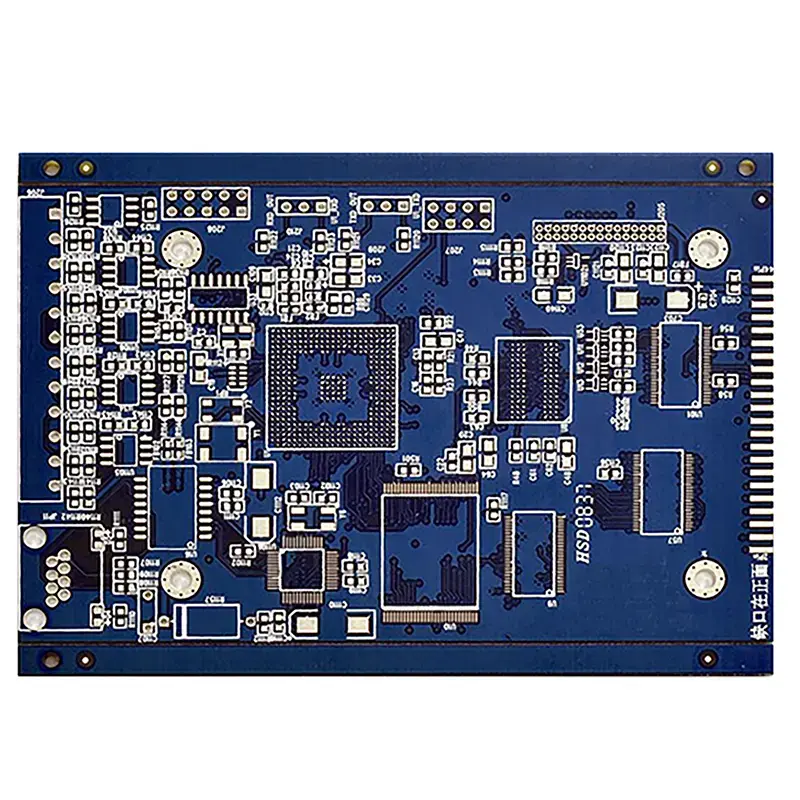 HDI PCB
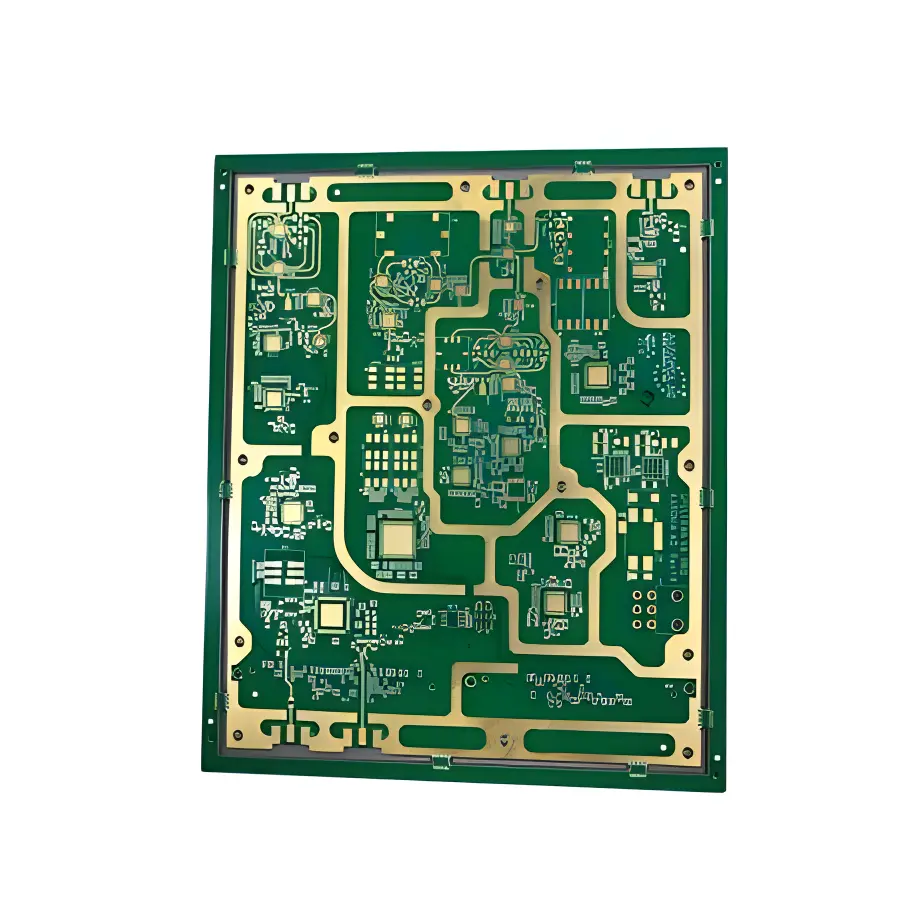 Rogers High-Frequency Board
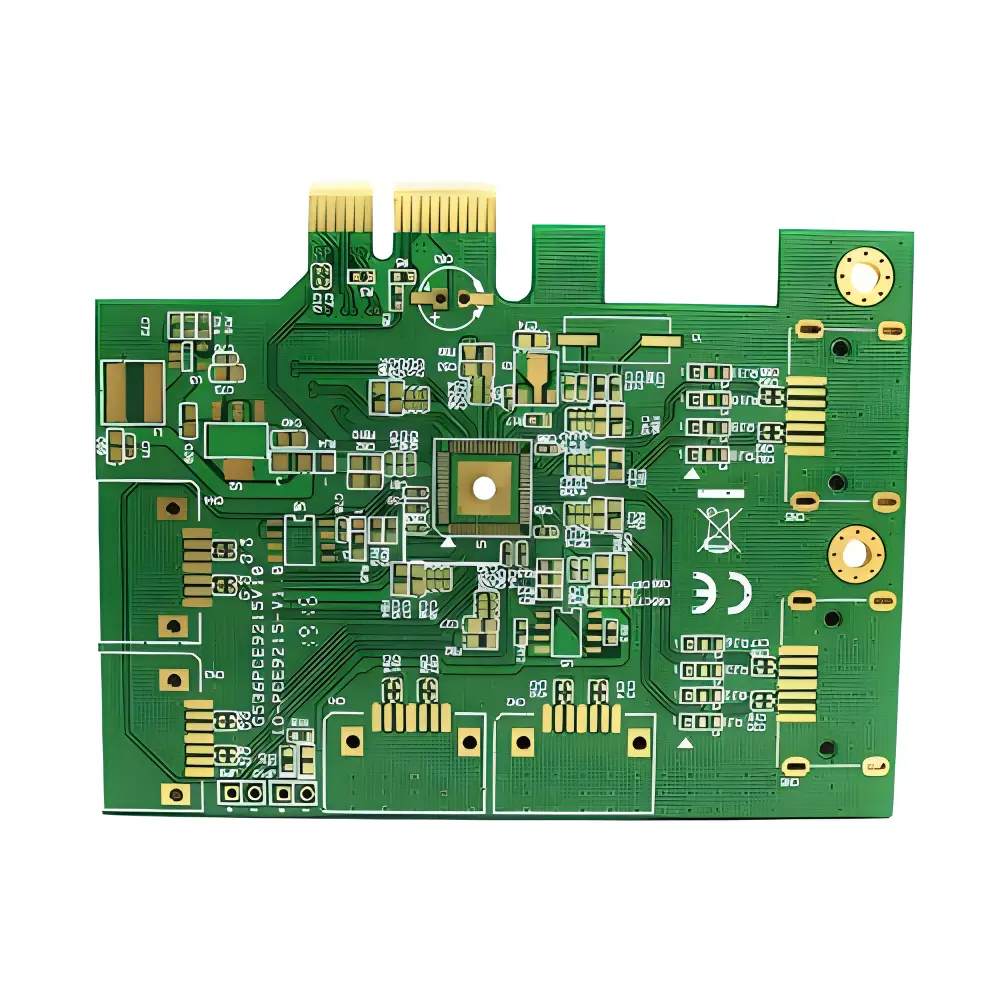 PTFE Teflon High-Frequency Board
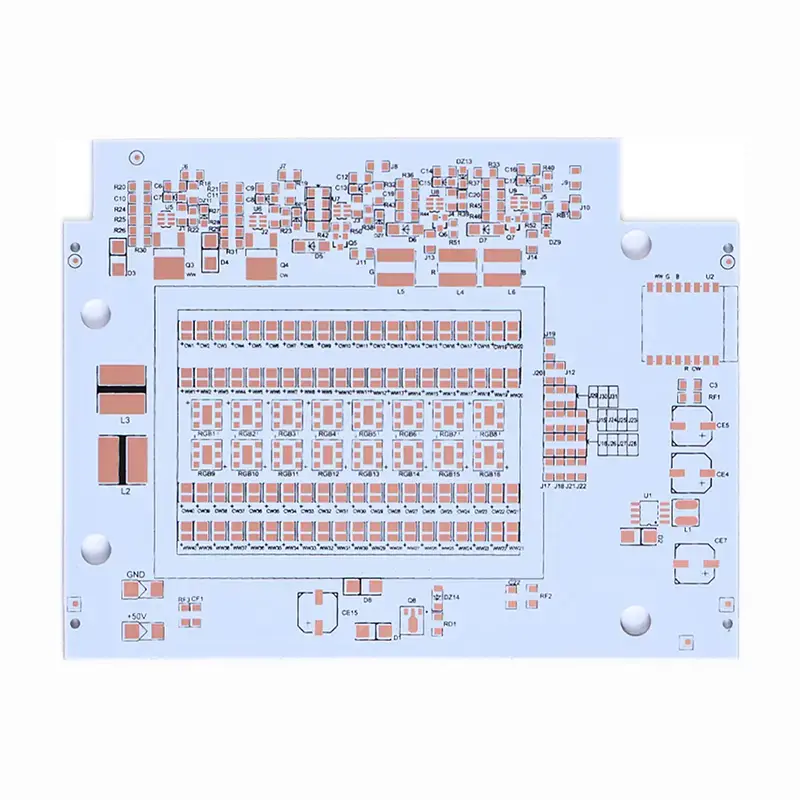 Aluminum
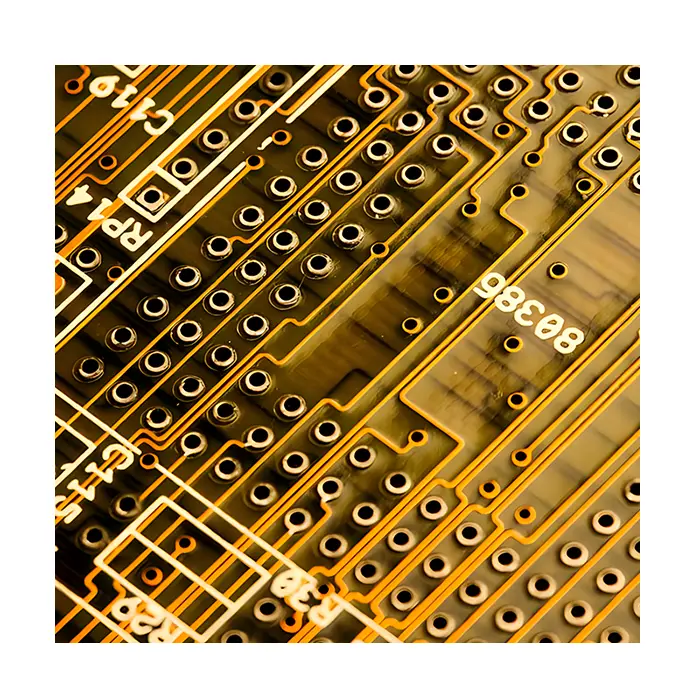 Copper Core
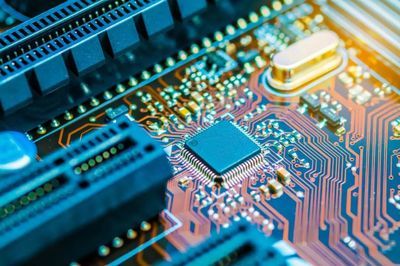 PCB Assembly
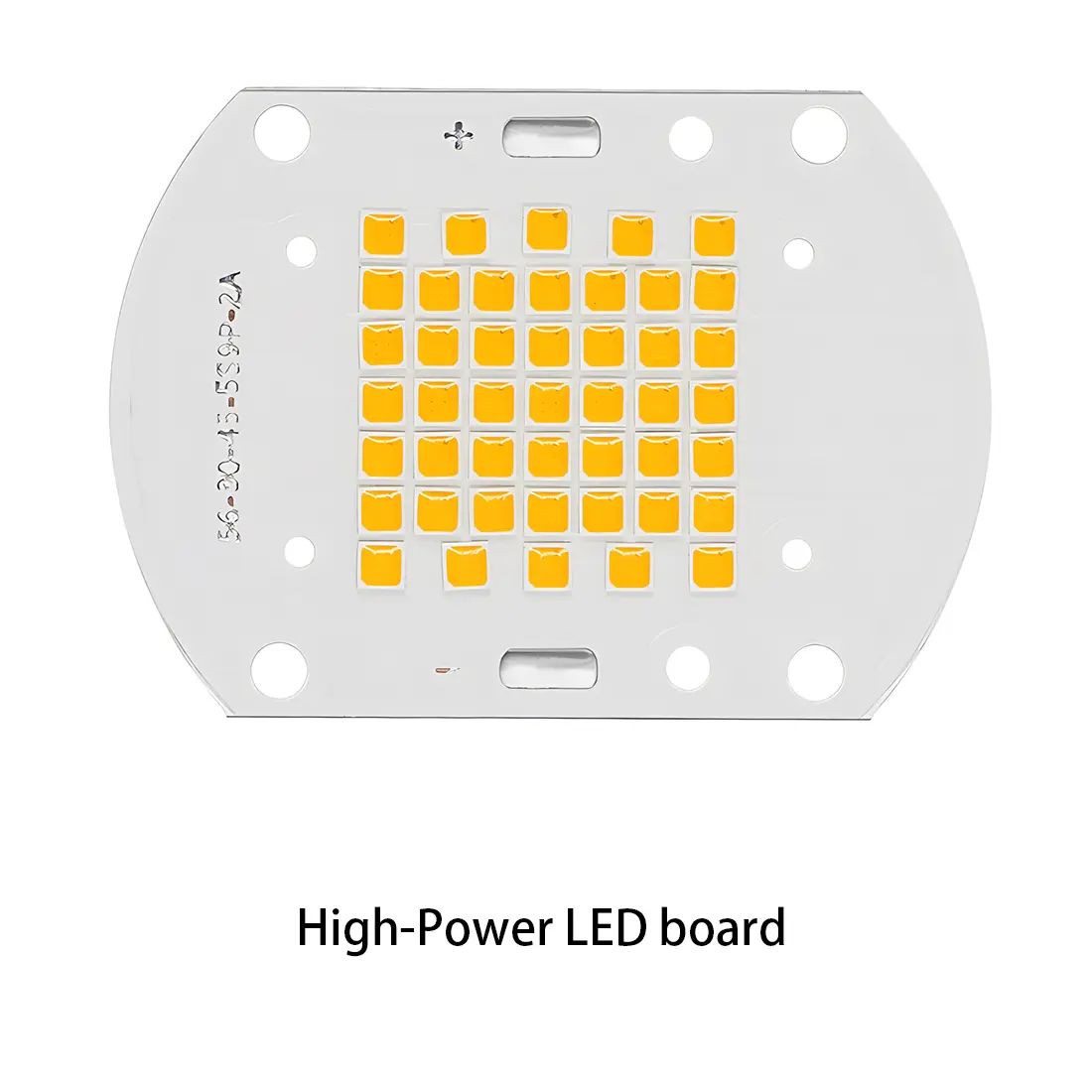 LED light PCBA
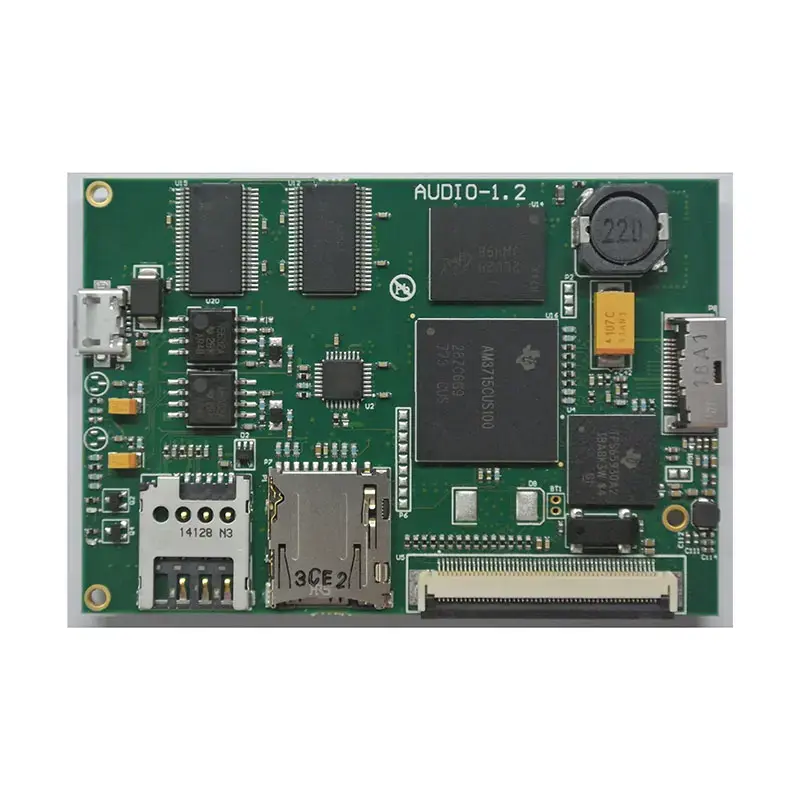
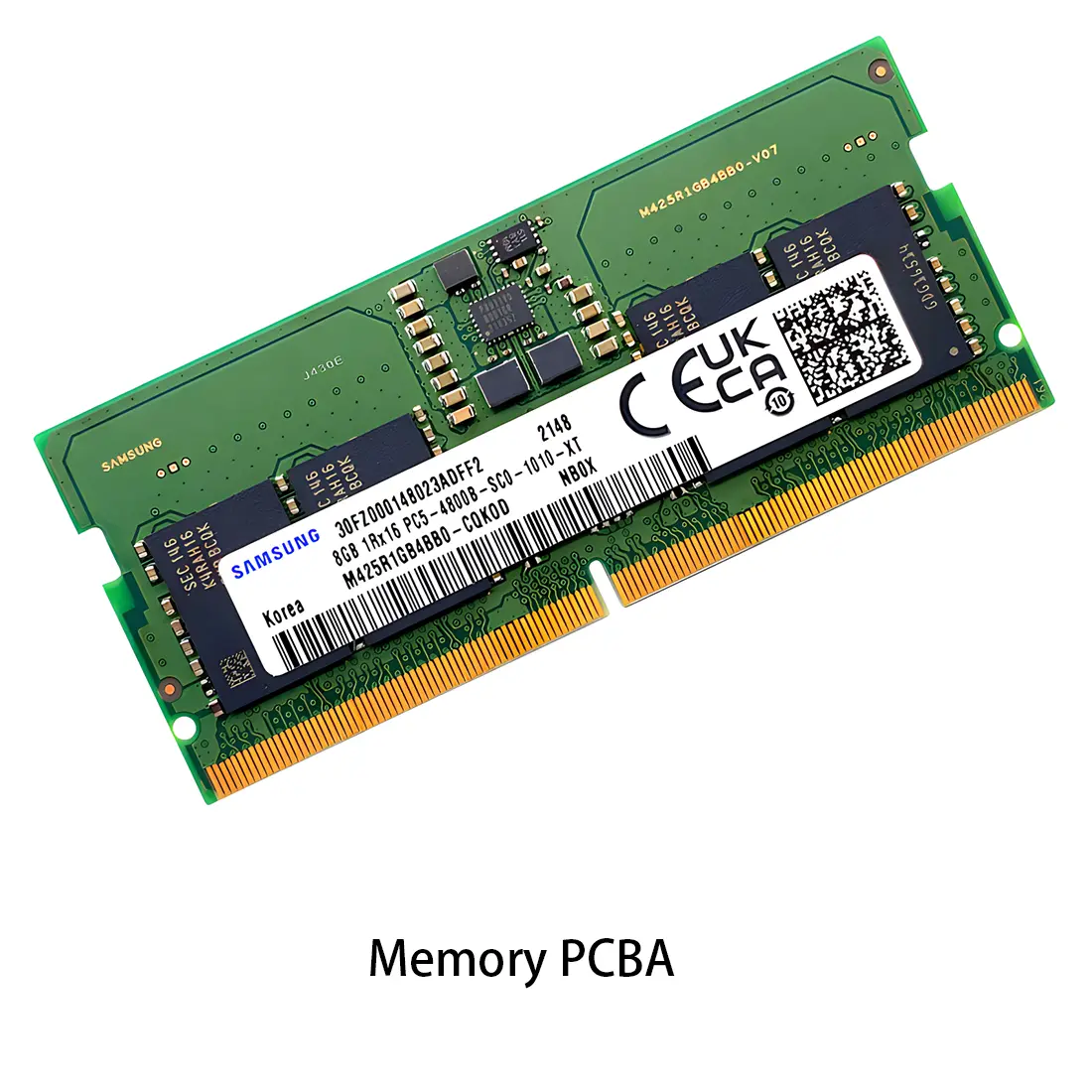 Memory PCBA
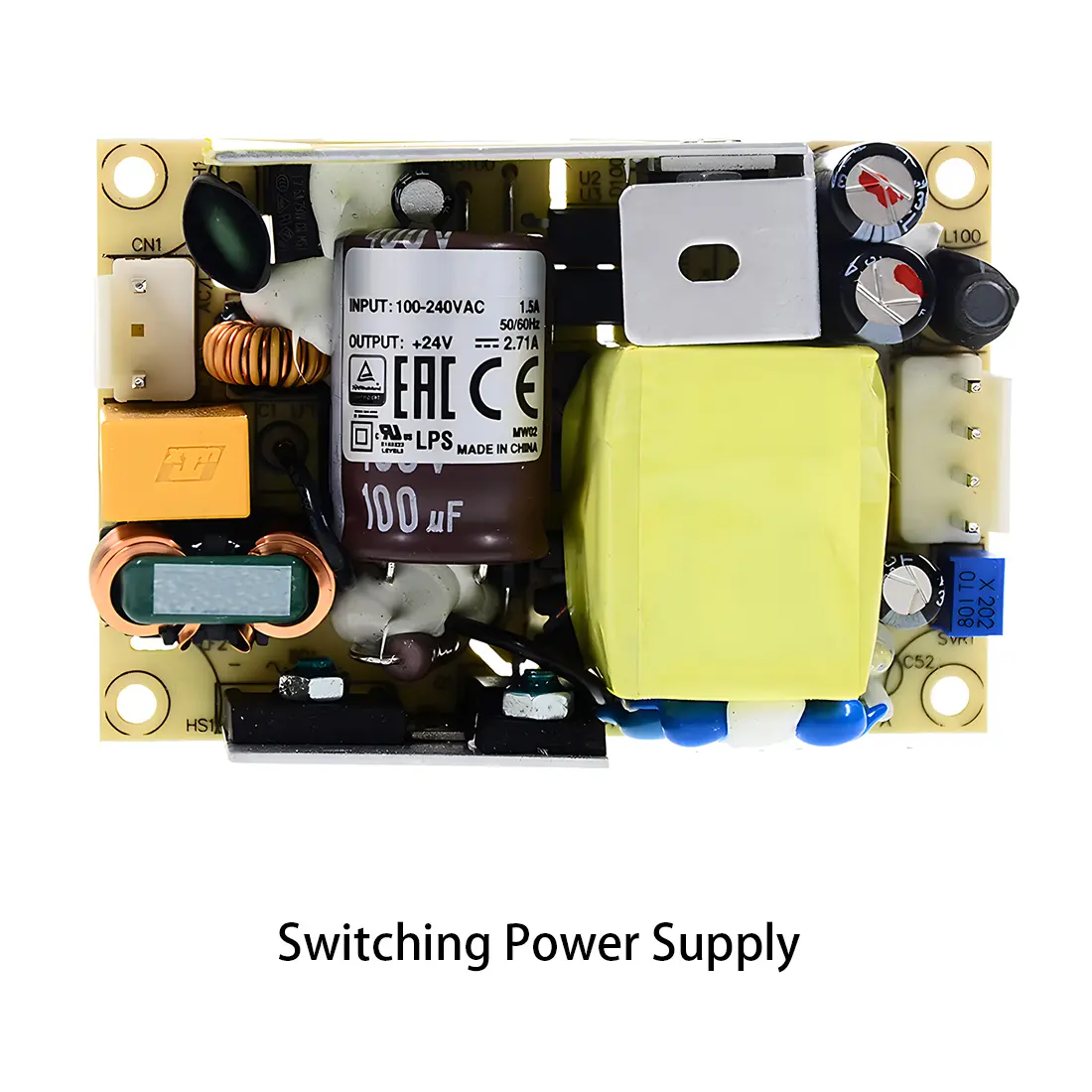 Power Supply PCBA
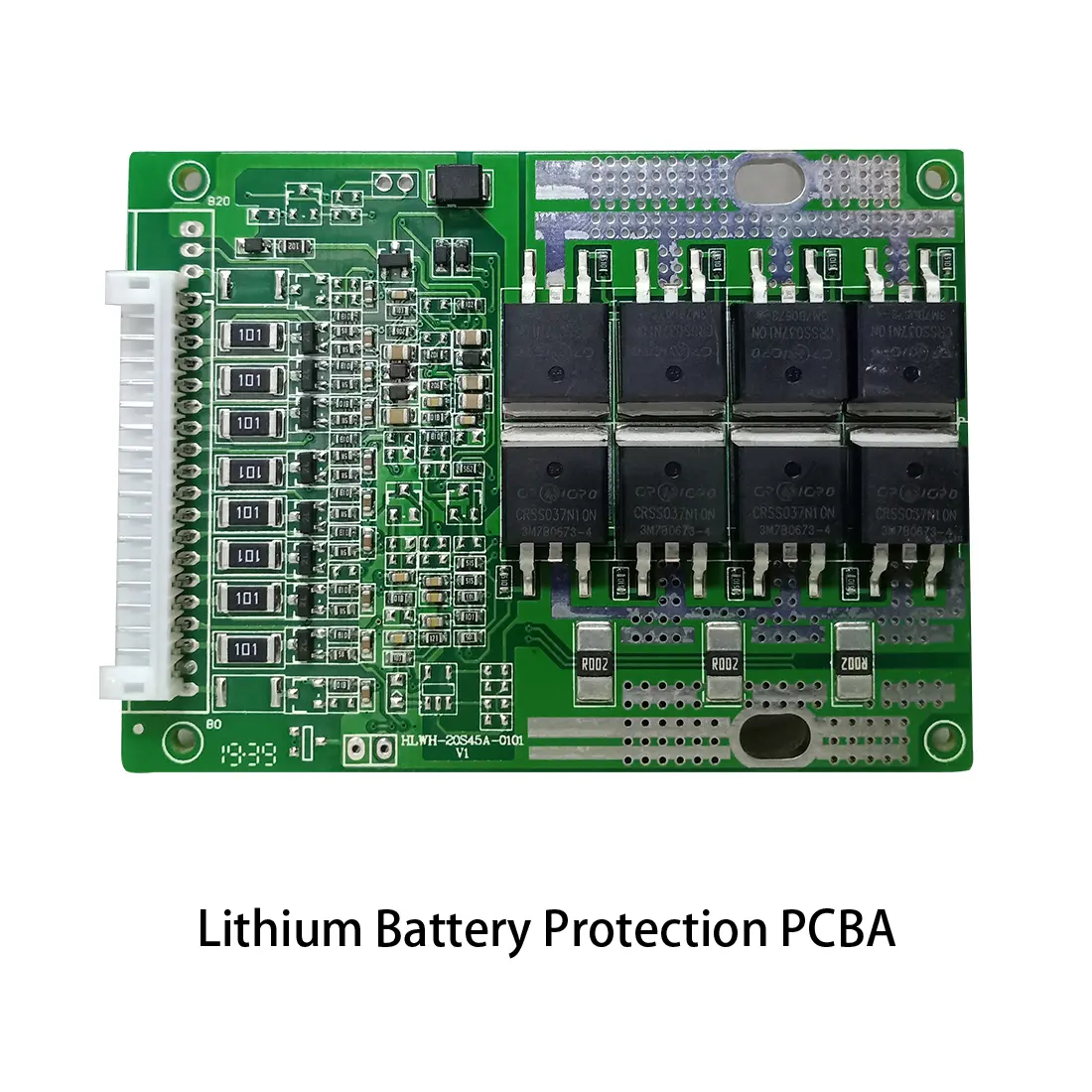 New Energey PCBA
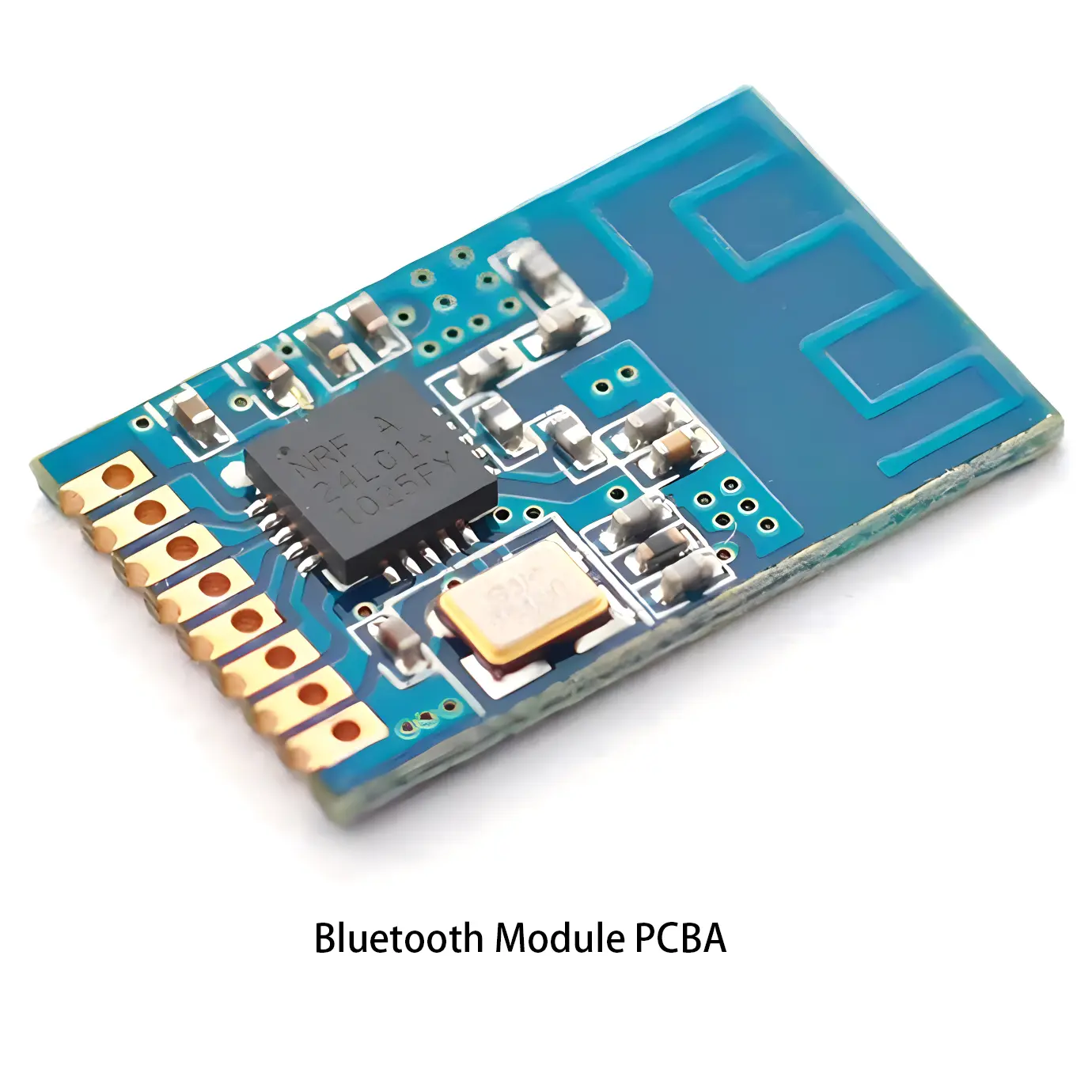 Communication PCBA
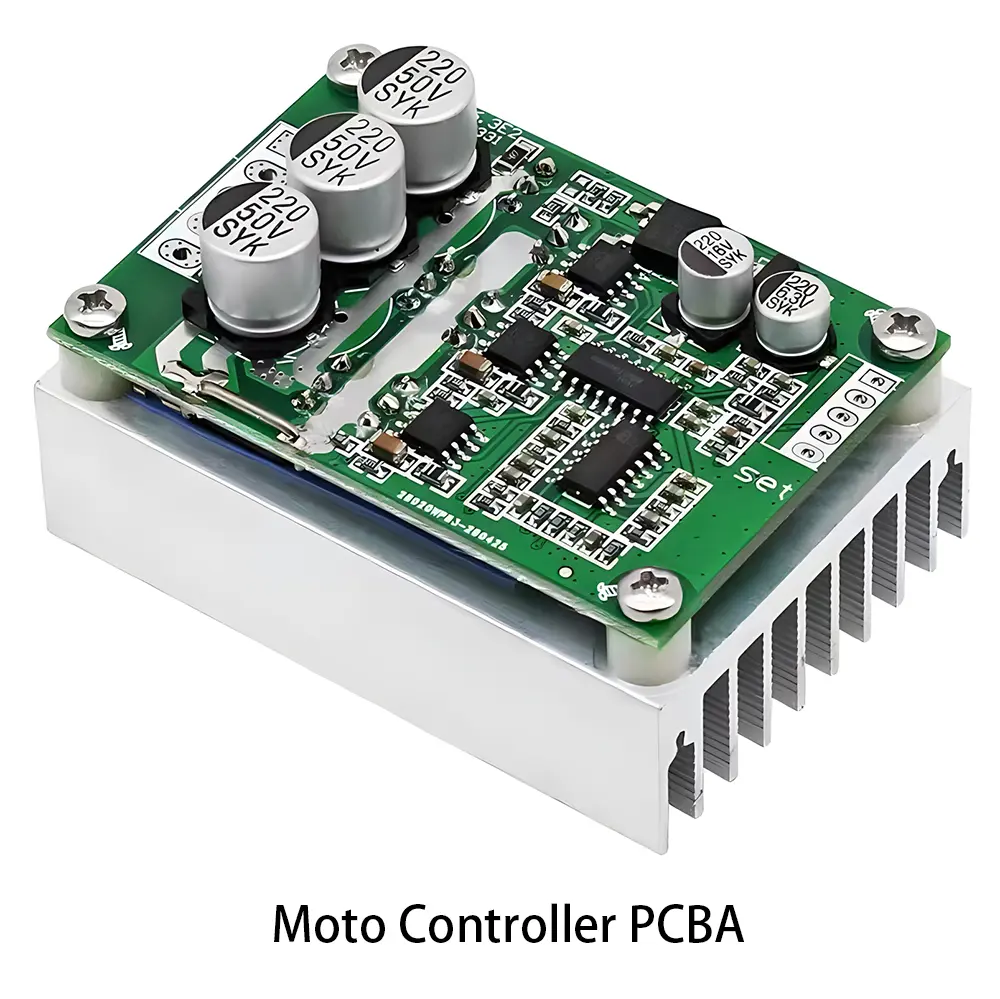 Industrial Control PCBA
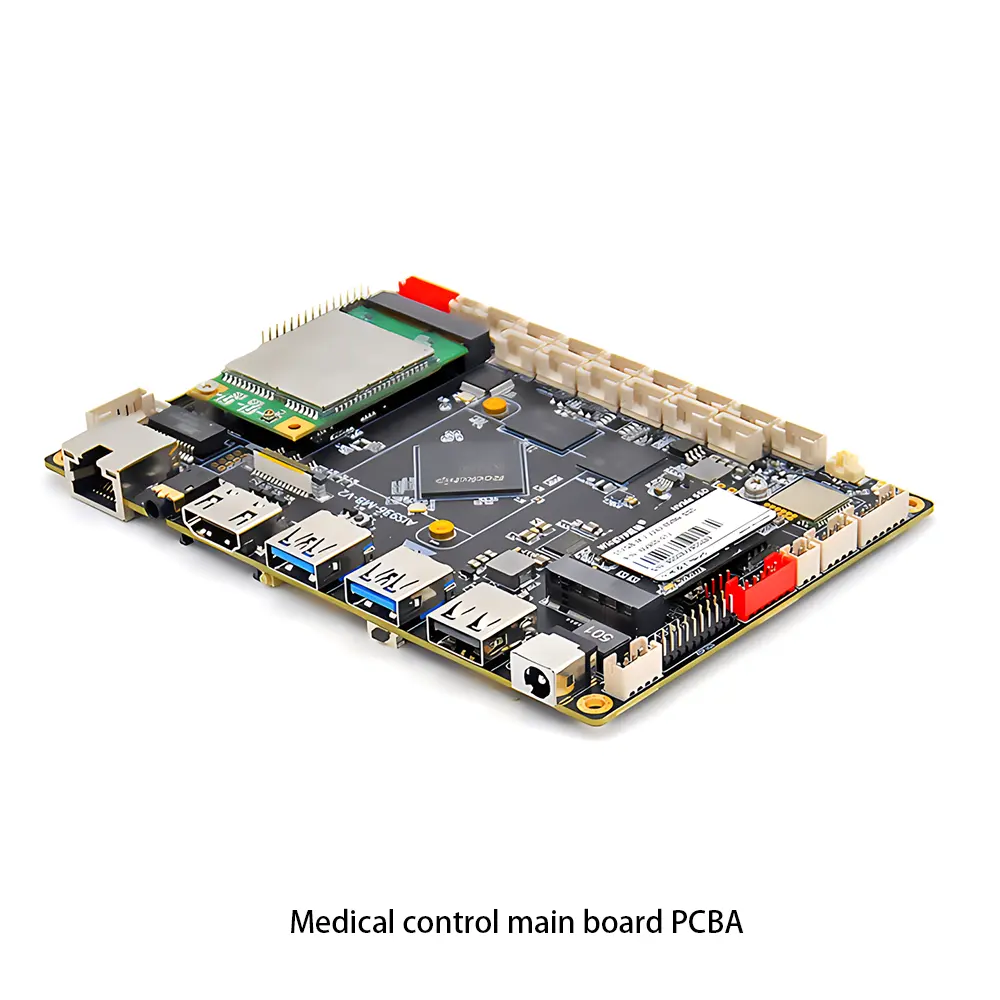 Medical Equipment PCBA
 Testing Service
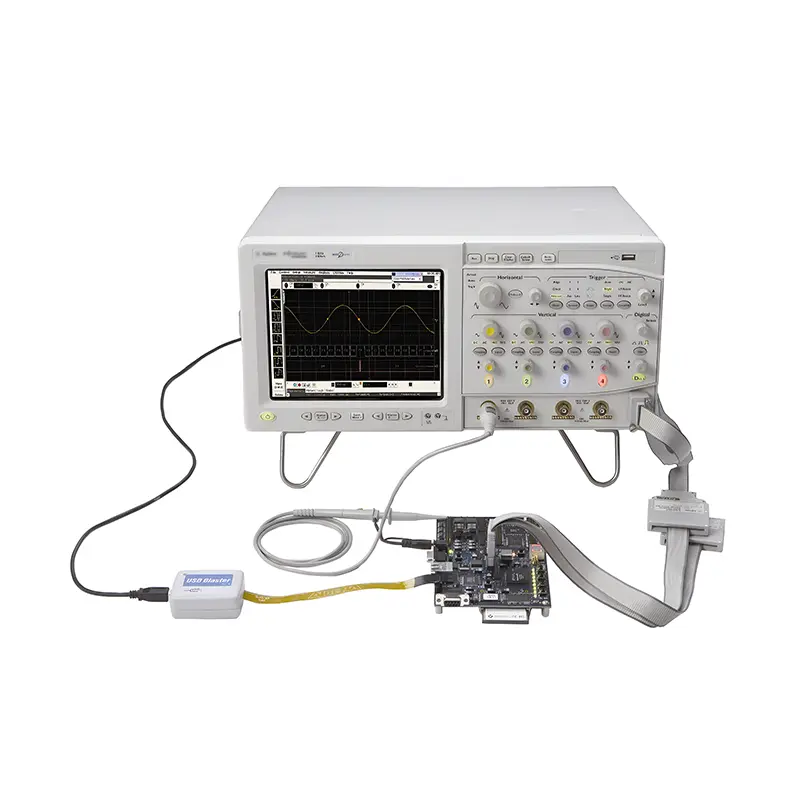 PCBA Testing Service
 Certification Application
 RoHS Certification Application
 REACH Certification Application
 CE Certification Application
 FCC Certification Application
 CQC Certification Application
 UL Certification Application
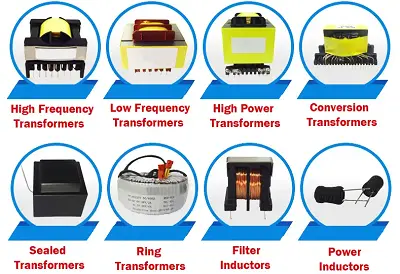 Transformers, Inductors
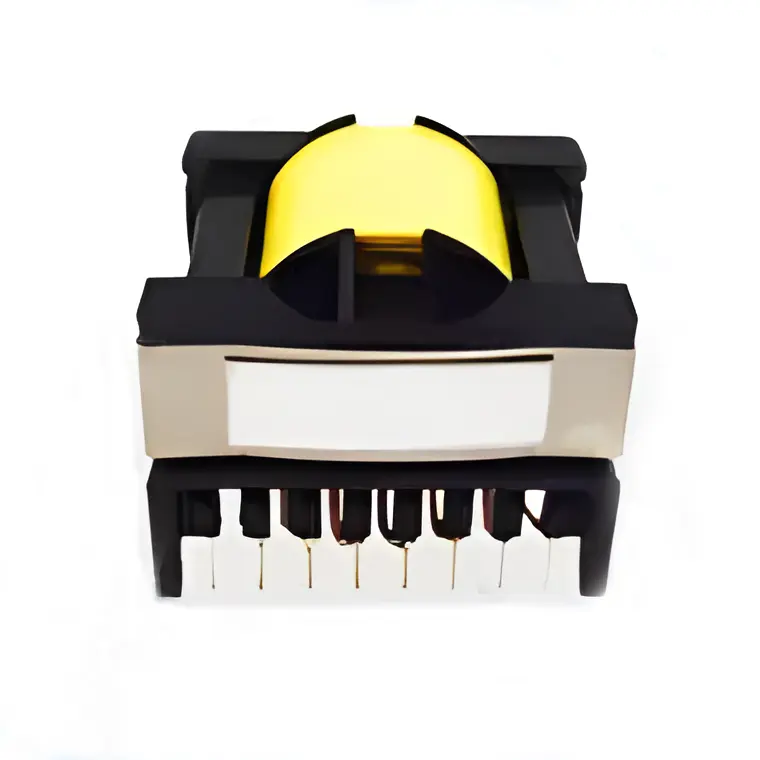 High Frequency Transformers
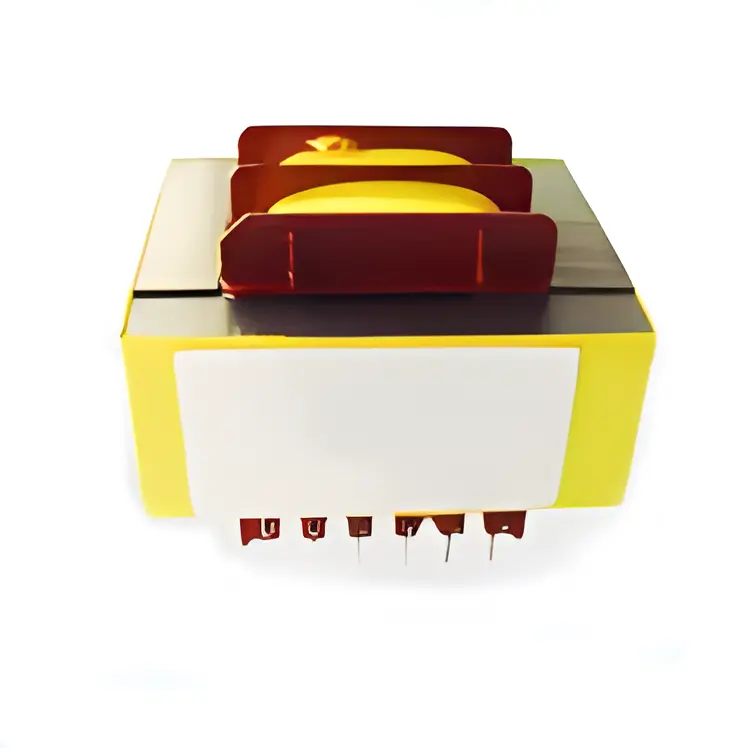 Low Frequency Transformers
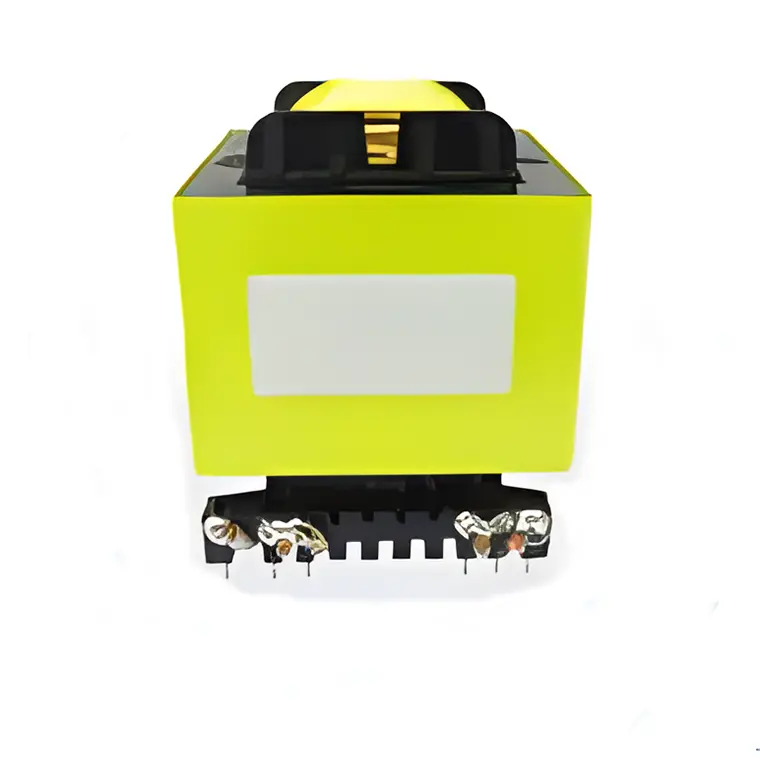 High Power Transformers
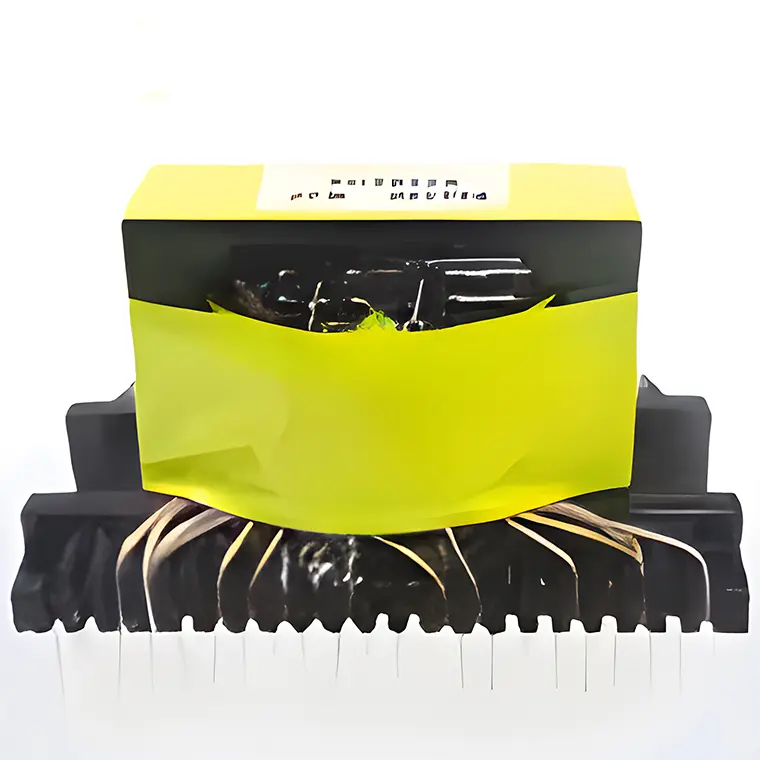 Conversion Transformers
 Sealed Transformers
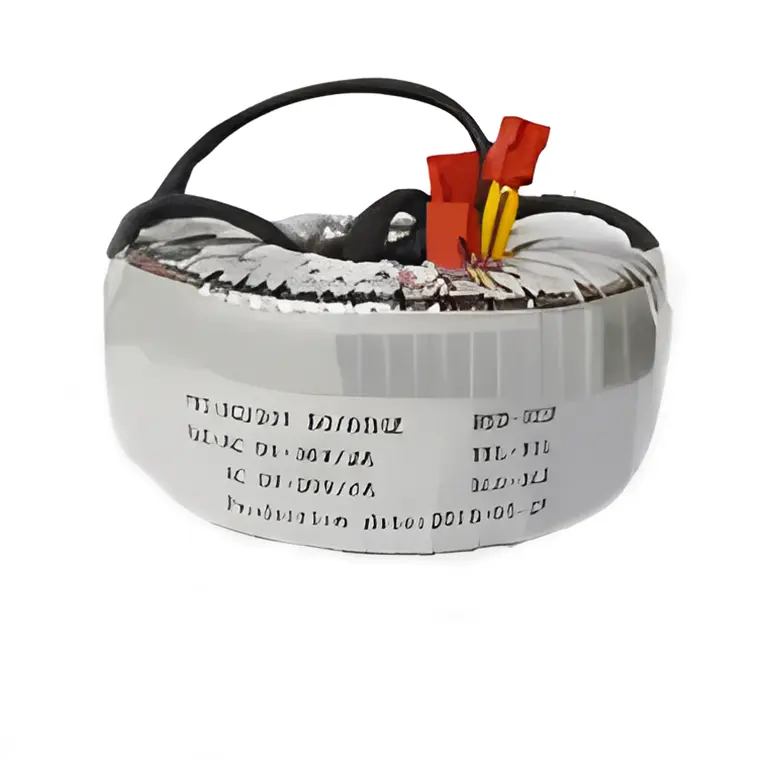 Ring Transformers
 Inductors
 Wires,Cables Customized
 Network Cables
 Power Cords
 Antenna Cables
 Coaxial Cables
 Net Position Indicator
 Solar AIS net position indicator
 Capacitors
 Connectors
 Diodes
 Embedded Processors & Controllers
 Digital Signal Processors (DSP/DSC)
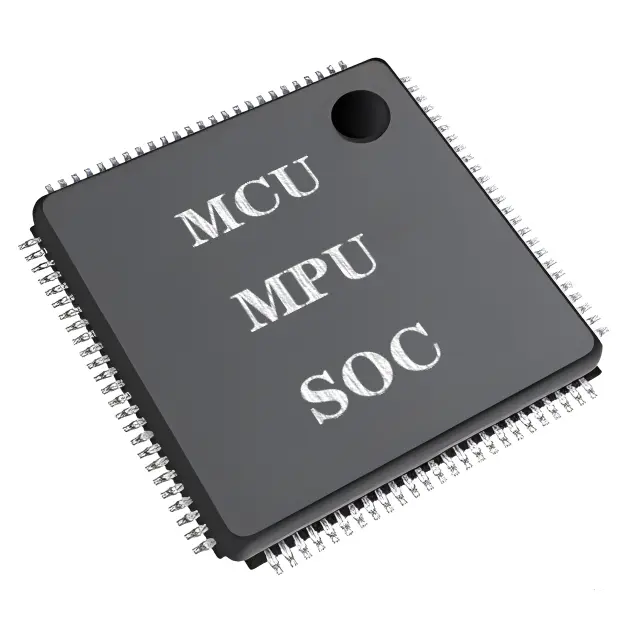 Microcontrollers (MCU/MPU/SOC)
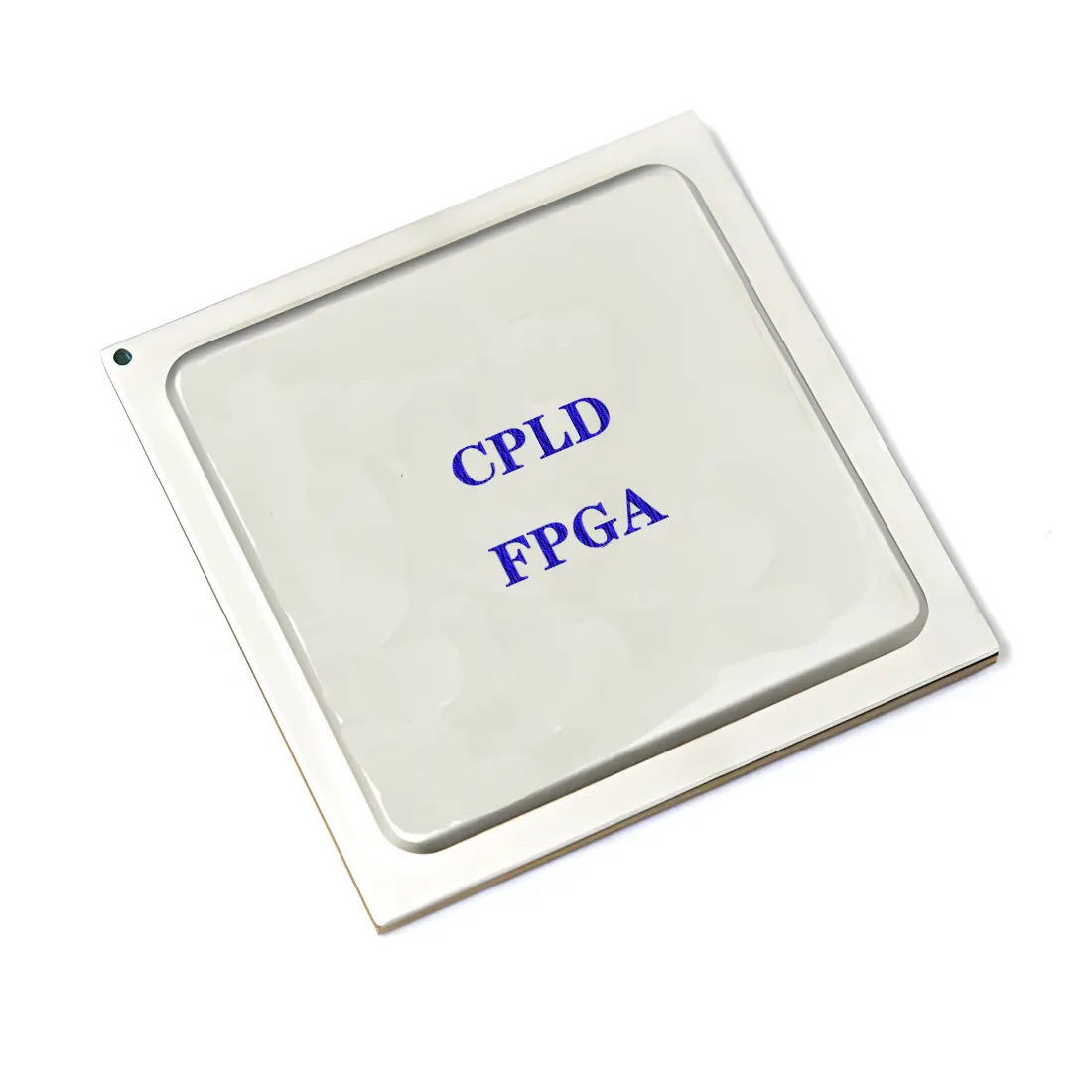 Programmable Logic Device(CPLD/FPGA)
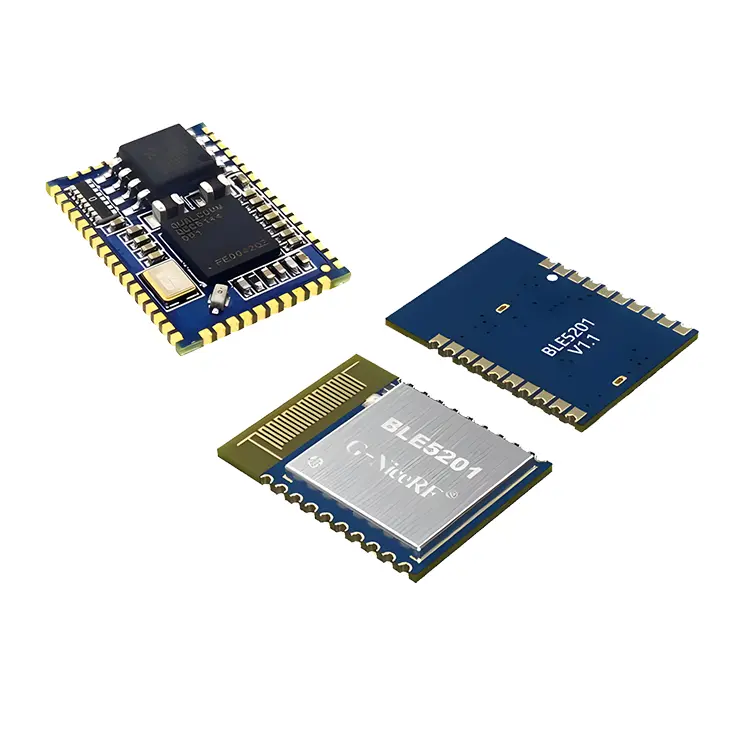 Communication Modules/IoT
 Resistors
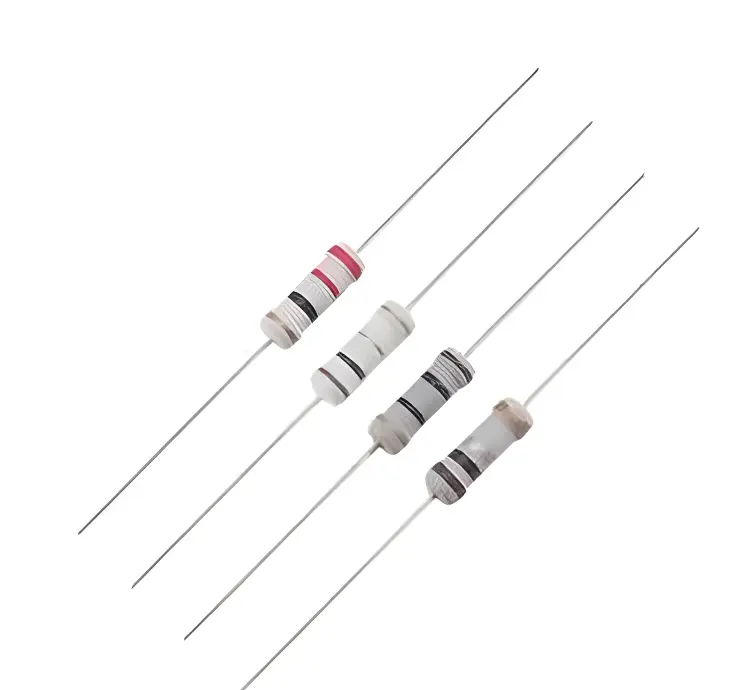 Through Hole Resistors
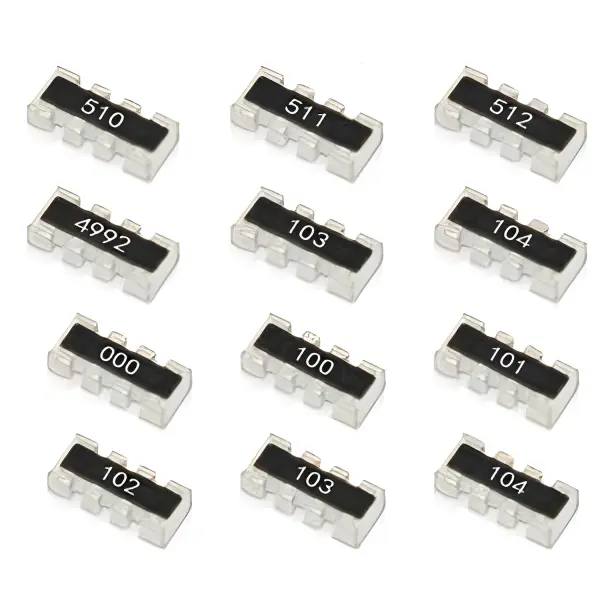 Resistor Networks, Arrays
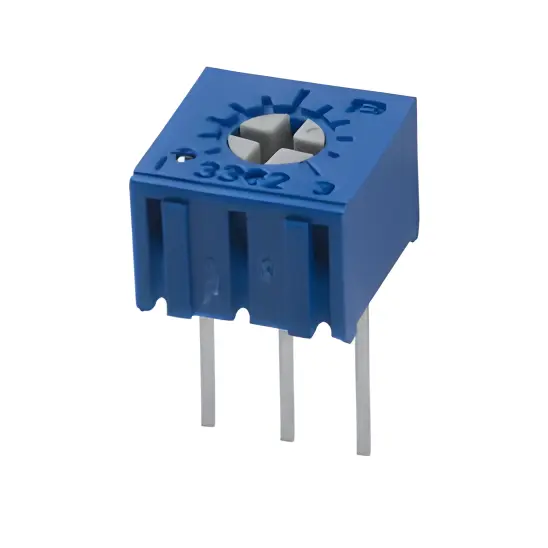 Potentiometers,Variable Resistors
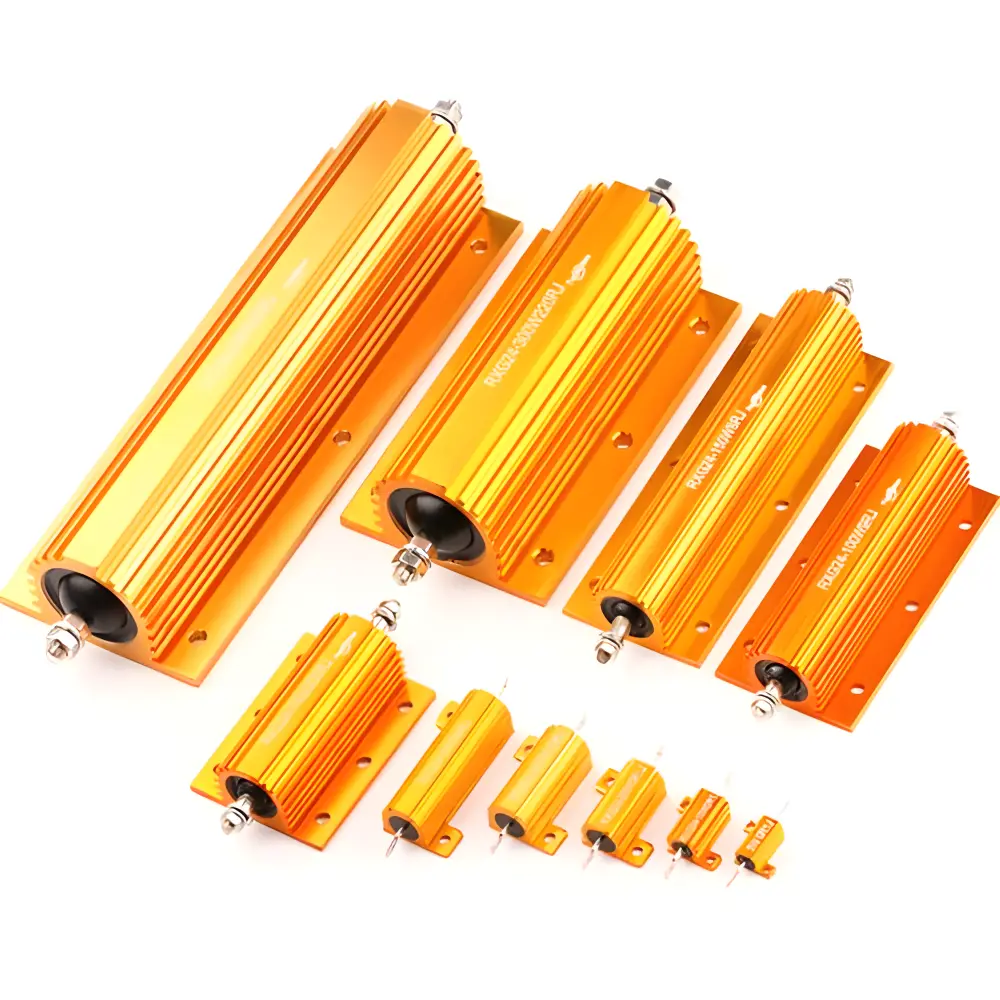 Aluminum Case,Porcelain Tube Resistance
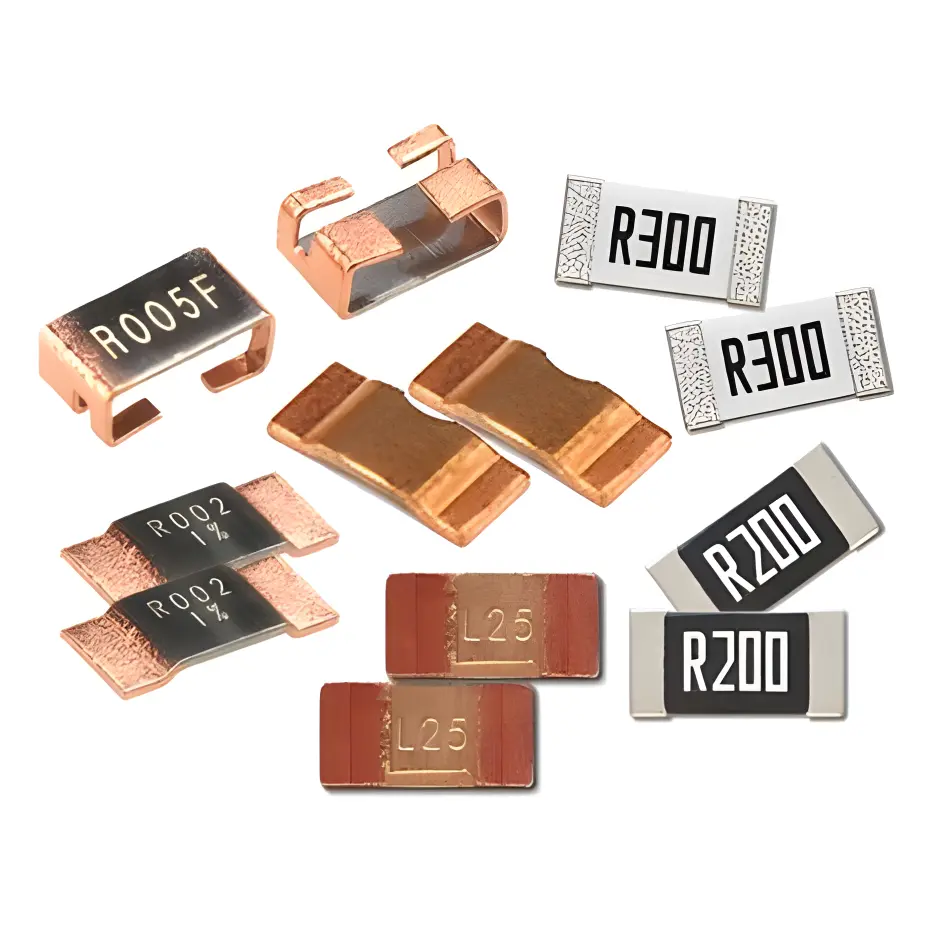 Current Sense Resistors,Shunt Resistors
 Switches
 Transistors
 Power Modules
 Isolated Power Modules
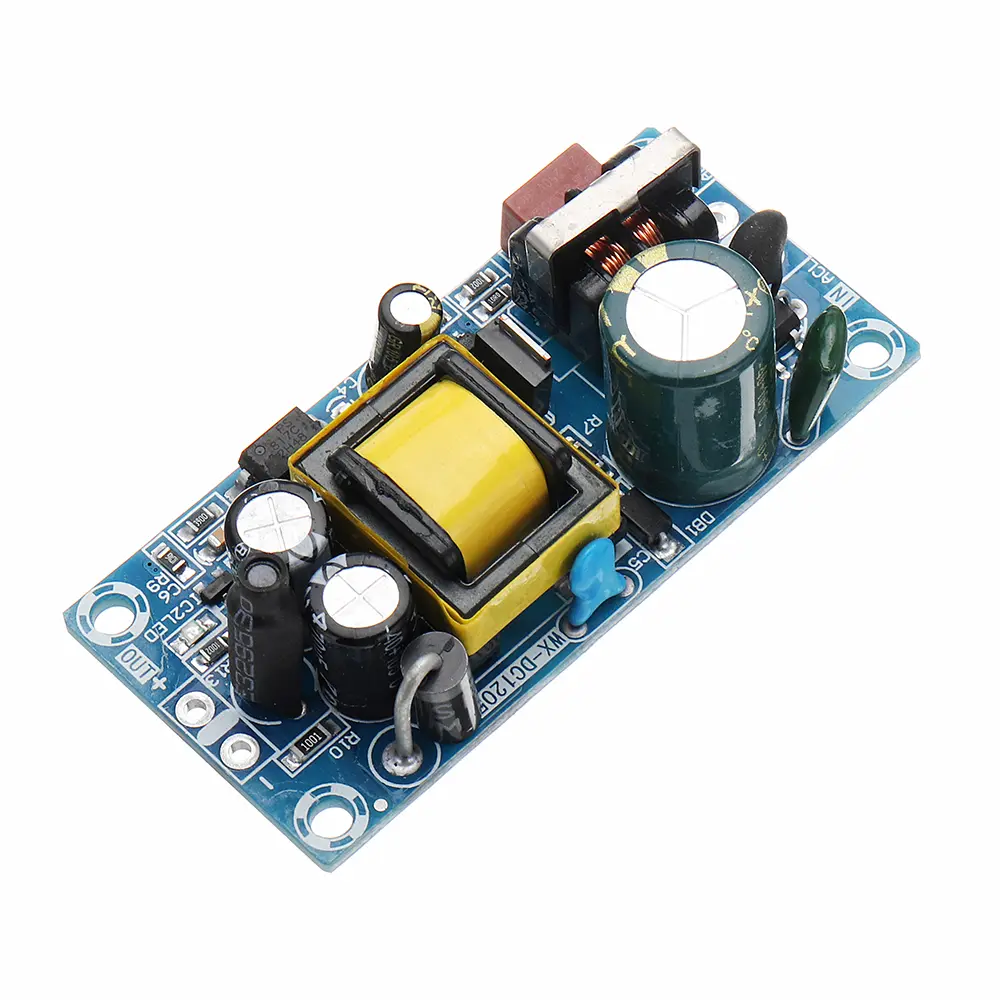 AC-DC Power Modules
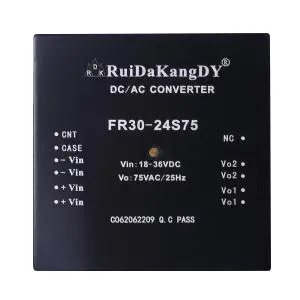 DC-AC Module(Inverter)
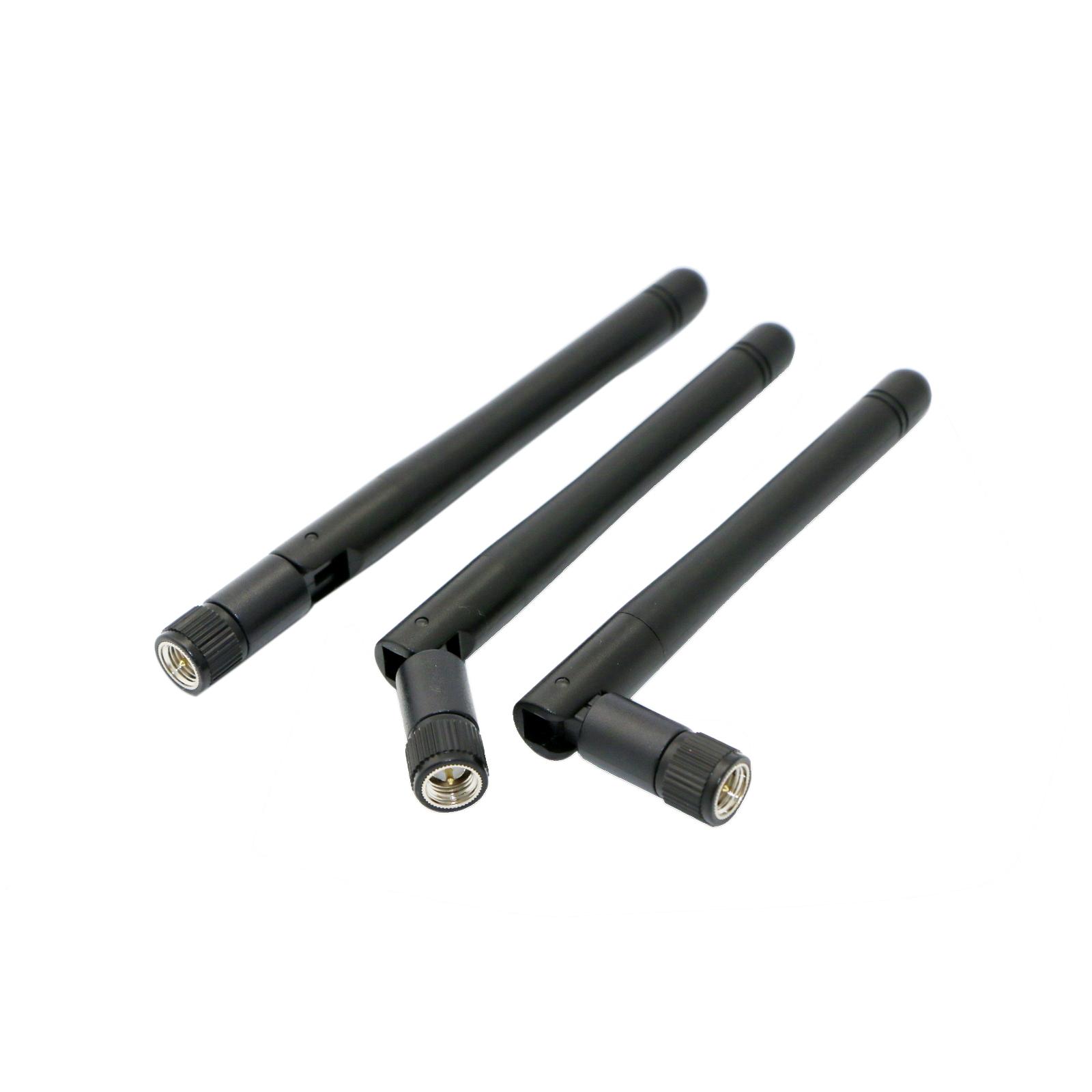 RF and Wireless
Core Differences Between Immersion Gold and Electroplated Gold Processes in Surface Treatment
2025-09-07
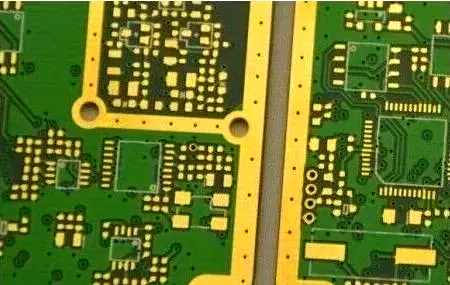
1. Introduction: The Importance of Gold Processes in SuRFace Treatment
In fields such as electronIC manufacturing, precision hardware, and jewelry, gold has become an important material for surface treatment due to its excellent conductivity, chemical stability, and oxidation resistance. Immersion Gold (referred to as immersion gold) and Electroplated Gold (also known as gold plating) are two mainstream gold surface treatment processes. Although both can eventually form a gold layer on the substrate surface, they differ significantly in process principles, performance, and application scenarios. Clarifying these core differences is of great significance for product design selection, cost control, and quality assurance.
2. Core Difference 1: Process Principle and Implementation Method
2.1 Immersion Gold Process (Chemical Deposition Method)
Immersion gold is an electroless process that achieves gold layer deposition through chemical displacement reaction. Its principle is to immerse the workpiece to be treated in a chemical solution containing gold ions (such as K[Au(CN)₂]). The metal on the substrate surface (usually a nickel layer as an intermediate layer) acts as a reducing agent, undergoing a redox reaction with the gold ions in the solution: nickel atoms lose electrons and are oxidized to nickel ions entering the solution, while gold ions gain electrons and are reduced to gold atoms, which deposit on the substrate surface to form a continuous gold layer.
The immersion gold process does not require an external power supply. The growth of the gold layer depends on the chemical reaction rate between the metal on the substrate surface and gold ions. The reaction gradually slows down as the nickel layer on the substrate surface is consumed, so the gold layer thickness has a natural upper limit (usually no more than 0.2μm).
2.2 Electroplated Gold Process (Electrochemical Deposition Method)
Gold plating is a process that realizes gold layer preparation through the electrochemical deposition principle. The workpiece to be treated is used as the cathode, and a pure gold or gold-plated anode plate is used as the anode, which are immersed together in an electroplating solution containing gold cyanide (such as KAu(CN)₂). When the external DC power supply is turned on, the gold ions in the electroplating solution move to the cathode (workpiece) under the action of an electric field, gain electrons, are reduced to gold atoms, and deposit on the workpiece surface; at the same time, the gold on the anode dissolves into gold ions and enters the solution, maintaining the stability of the gold ion concentration in the electroplating solution.
The thickness of the gold layer in the gold plating process can be precisely controlled by adjusting parameters such as current density and electroplating time. The thickness range is extremely wide, from a thin coating of 0.1μm to a thick coating of tens of micrometers, which is much more flexible than immersion gold.
3. Core Difference 2: Coating Performance and Structural Characteristics
| Performance Indicator | Immersion Gold Process | Electroplated Gold Process |
|---|---|---|
| Thickness Uniformity | Excellent uniformity. Regardless of whether the workpiece surface is complex (such as grooves and small holes), the gold layer thickness difference is minimal, suitable for processing irregularly shaped parts. | Affected by the electric field distribution, the edges and tips of complex workpieces are prone to the "tip effect" with thicker coatings; areas such as grooves and holes have thinner coatings, and the uniformity is relatively poor. |
| Adhesion | The gold layer is combined with the nickel layer through chemical displacement, and the adhesion is strong, but the adhesion of the thick coating is prone to decrease due to the influence of the reaction interface flatness. | The gold layer forms a metallurgical bond with the substrate (or intermediate layer) through electrochemical action, and the adhesion is generally better than that of immersion gold, and the adhesion of the thick coating is more stable. |
| Density and Purity | The gold layer has a slightly lower density and may have trace pores; the purity is usually about 99.5%, which is easily affected by plating solution iMPUrities. | The gold layer is dense and pore-free with high density; the purity can be controlled by the composition of the electroplating solution, up to 99.99%, suitable for scenarios requiring high purity. |
| Wear Resistance | The gold layer is thin (≤0.2μm), with poor wear resistance, not suitable for scenarios with frequent insertion/extraction or friction. | Thick gold layers (such as more than 5μm) can be prepared, and the wear resistance significantly improves with the increase of thickness, which can meet high wear resistance requirements. |
4. Core Difference 3: Cost Composition and Application Scenarios
4.1 Cost Difference
- Immersion Gold: No power supply equipment is needed, and the process flow is relatively simple. However, the gold ion concentration in the chemical plating solution is high, and the gold ion utilization rate during the reaction is low (about 60%-70%). The unit area cost is greatly affected by fluctuations in gold prices, suitable for thin coating scenarios.
- Electroplated Gold: Special electroplating equipment (power supply, plating tank, anode, etc.) is required, with high initial equipment investment. However, the gold ion utilization rate in the electroplating solution is high (up to 90% or more), and the cost can be flexibly adjusted by controlling the thickness. The unit area cost is more advantageous in thick coating scenarios.
4.2 Application Scenarios
Typical Applications of Immersion Gold: PCB surface treatment (especially high-density, fine-pitch PCBs, such as mobile phone motherboards), connector contacts (non-frequent insertion/extraction type), precision electronic component pins, etc. Its advantage lies in the uniform coating, which can meet the welding needs of tiny solder joints, and the flat surface is conducive to subsequent mounting.
Typical Applications of Electroplated Gold: Connectors (frequently inserted/extracted USB, HDMI interfaces), relay contacts, aerospace electronic components, jewelry, etc. Its advantage is that thick gold layers can be prepared, with excellent wear resistance and conductivity, which can withstand long-term friction and harsh environment tests.
5. Core Difference 4: Environmental Protection and Process Control Requirements
5.1 Environmental Friendliness
Both processes use cyanide-containing plating solutions, which are toxic to a certain extent, and strict control of wastewater treatment is required. However, the chemical plating solution in the immersion gold process is replaced more frequently, and the amount of waste liquid discharged is relatively large; the gold plating process can recover gold ions from the electroplating solution through a recovery device, so the pressure of waste liquid treatment is relatively small, and the investment in environmental protection equipment can offset part of the cost through high gold utilization rate.
5.2 Difficulty of Process Control
The control focus of the immersion gold process is on the plating solution temperature (usually 60-80℃), pH value, and gold ion concentration. The reaction process is easily affected by impurities, and the plating solution needs to be purified regularly; the gold plating process needs to precisely control parameters such as current density, electroplating time, and plating solution stirring speed, which has higher requirements for equipment automation, but the process stability is stronger, and the coating quality controllability is better.
6. Common Error and Omission Checks and Clarifications
Error 1: Thinking that "immersion gold is cyanide-free gold plating". In fact, most immersion gold uses cyanide plating solutions. Although cyanide-free immersion gold processes exist, their technical maturity and coating performance are still inferior to cyanide immersion gold, and the two cannot be confused.
Error 2: Taking "gold layer thickness" as the only judgment standard. In actual selection, comprehensive considerations such as adhesion, wear resistance, and uniformity are required. For example, although the immersion gold layer of PCB is thin, the uniformity advantage is more important; connectors need the wear resistance of the gold plating layer.
Error 3: Ignoring the role of the intermediate layer. Both processes need to first plate a nickel layer on the substrate (such as copper) surface. The nickel layer can not only improve the adhesion of the gold layer but also prevent copper from diffusing into the gold layer. Omitting the intermediate layer will lead to coating failure, which is a process premise that is easily overlooked.
7. Conclusion
Immersion gold and electroplated gold processes are not "good or bad" but "applicable differences". Immersion gold, with its excellent uniformity and simple process, has become the first choice for precision electronic thin coating scenarios; gold plating, with its controllable thickness, strong adhesion, and wear resistance, is irreplaceable in high-reliability and high-friction scenarios. In practical applications, it is necessary to scientifically select the appropriate gold surface treatment process according to the product's performance requirements, service environment, and cost budget to achieve a balance between product quality and economic benefits.