
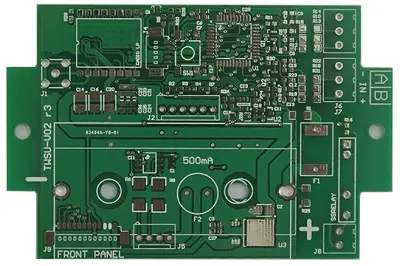
 PCB
PCB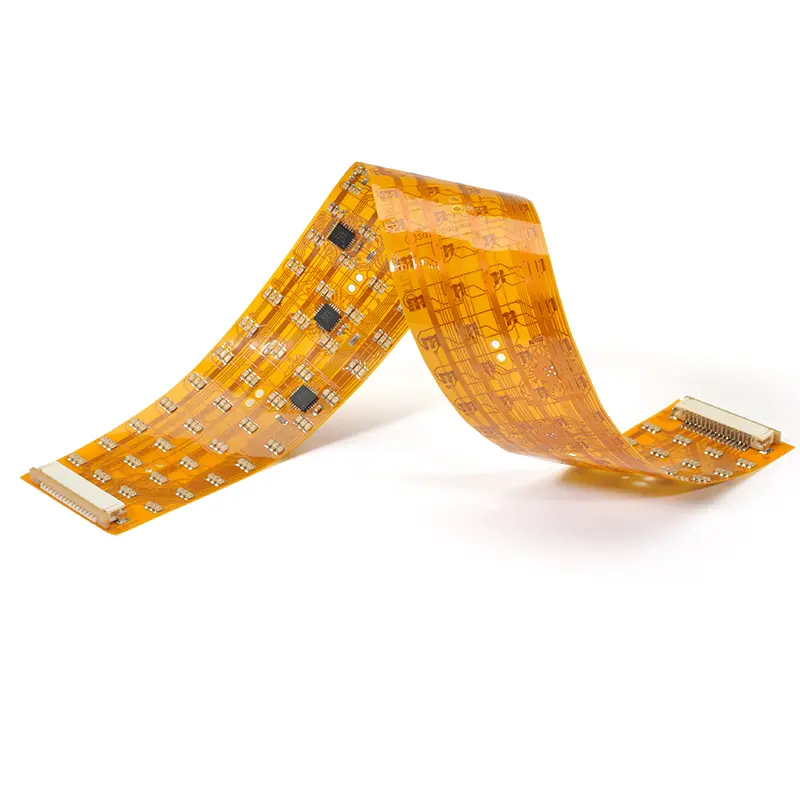 FPC
FPC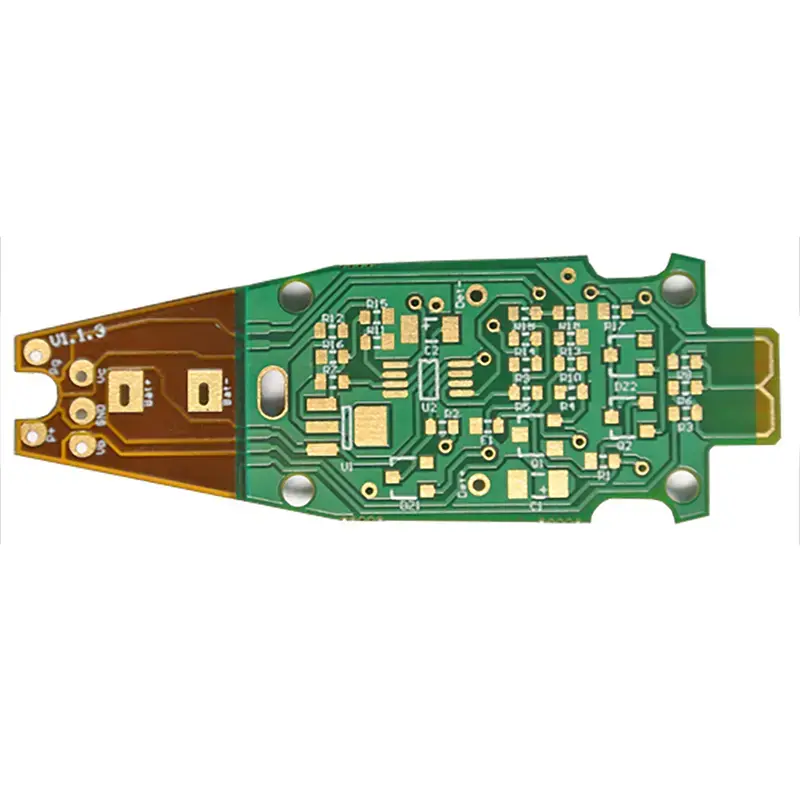 Rigid-Flex
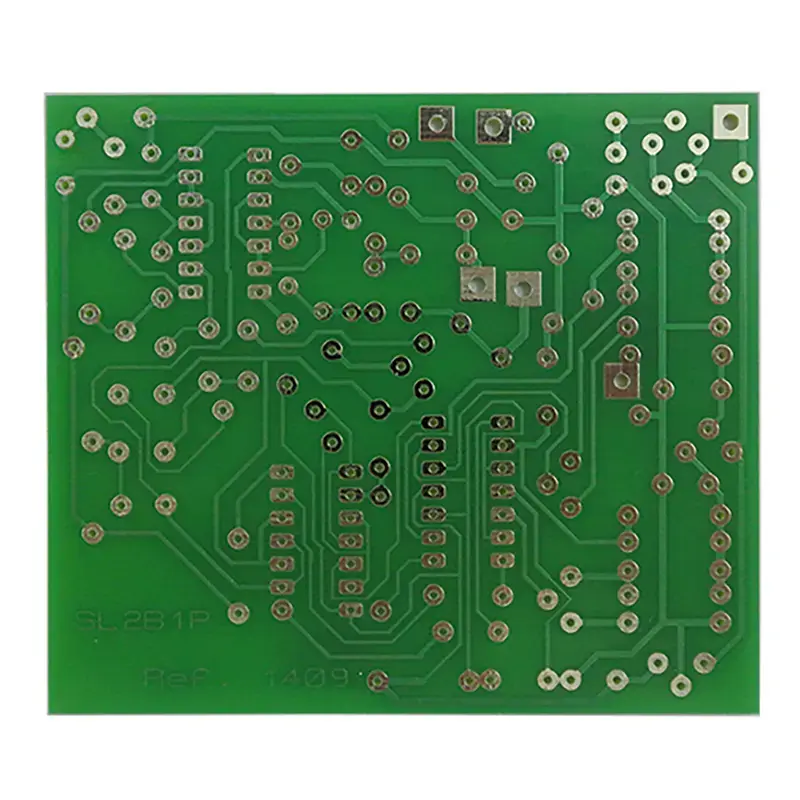 FR-4
FR-4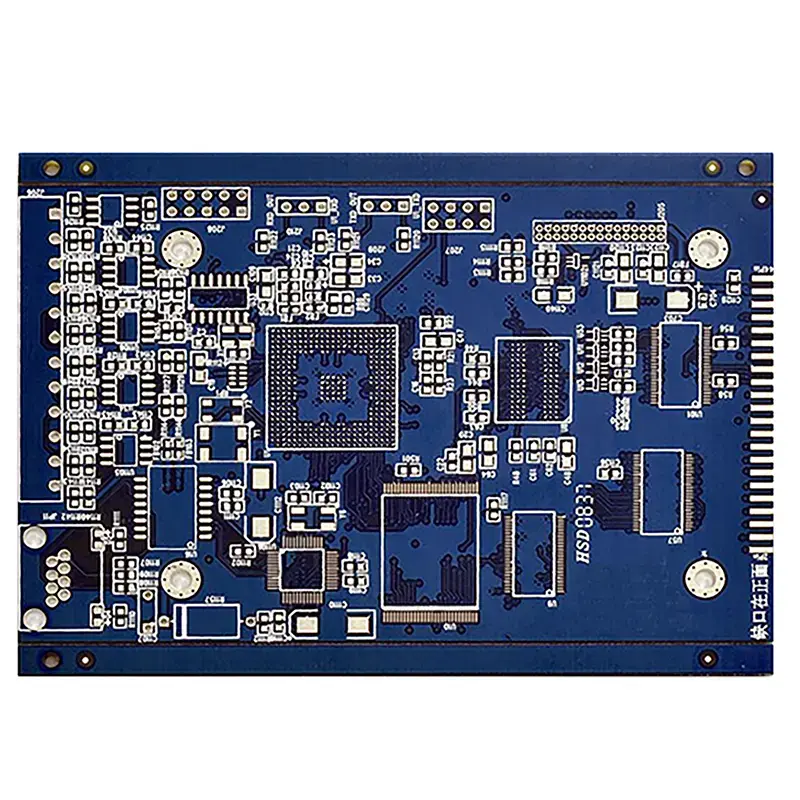 HDI PCB
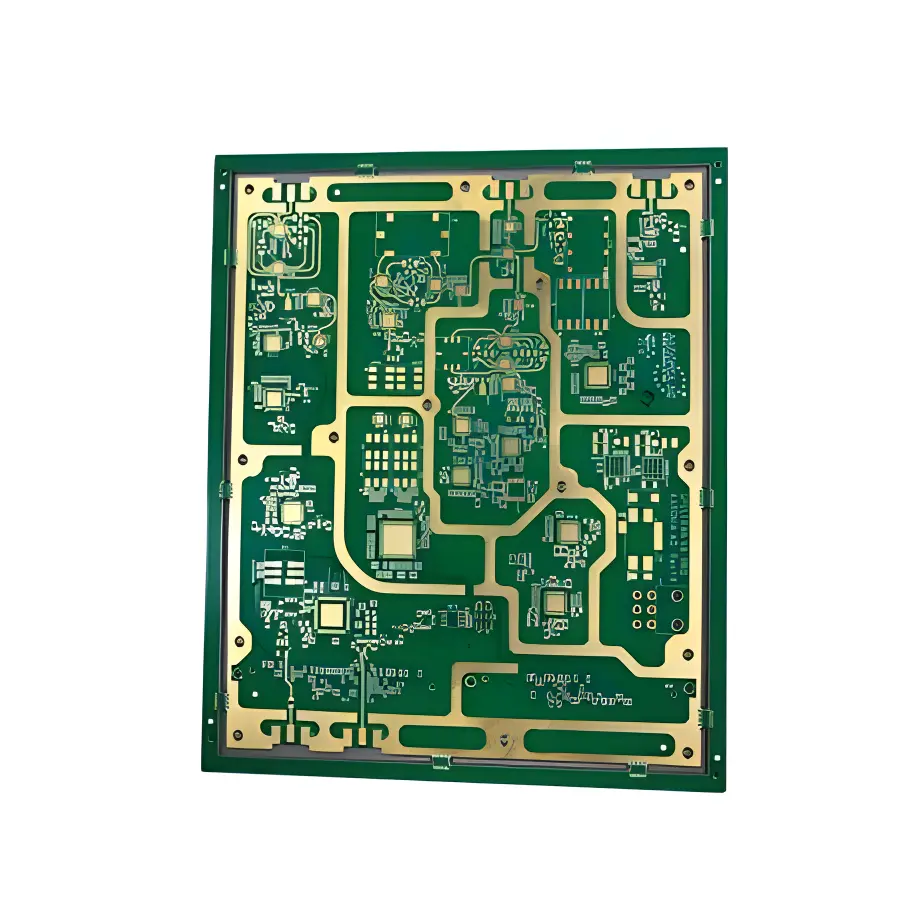 Rogers High-Frequency Board
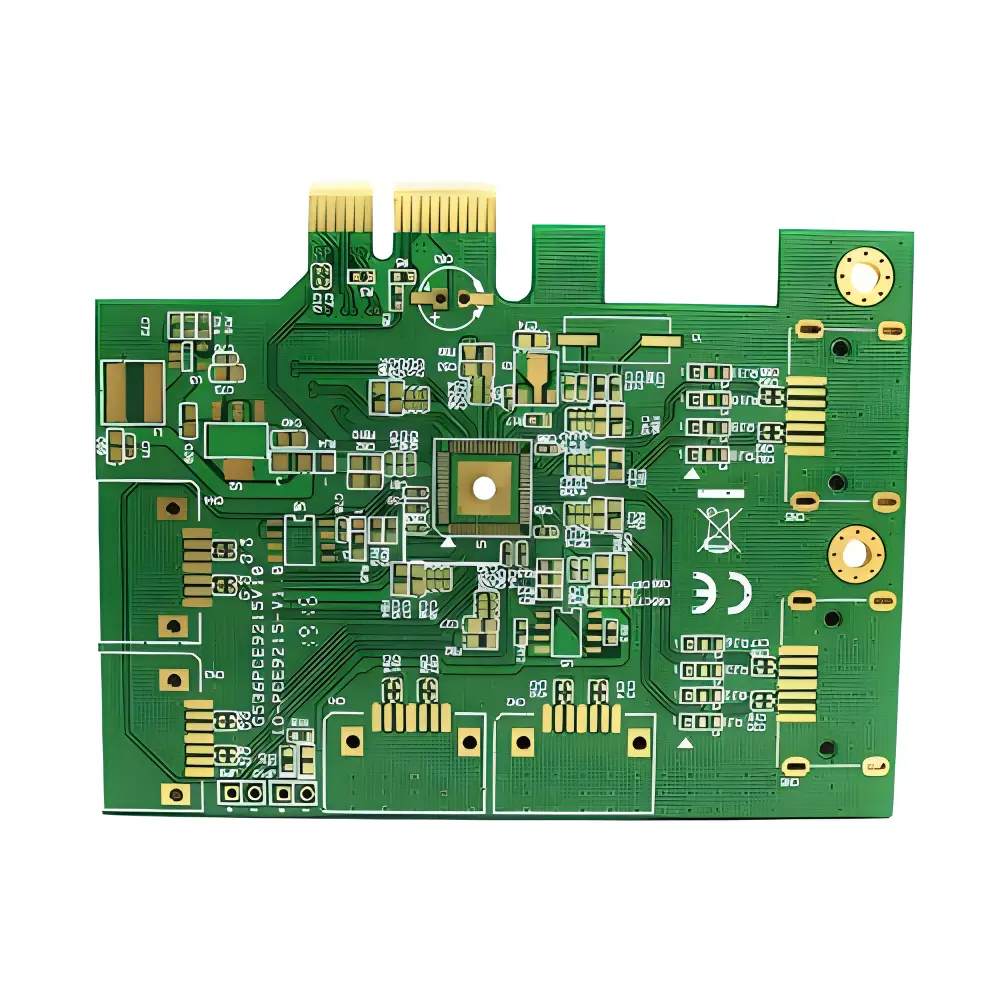 PTFE Teflon High-Frequency Board
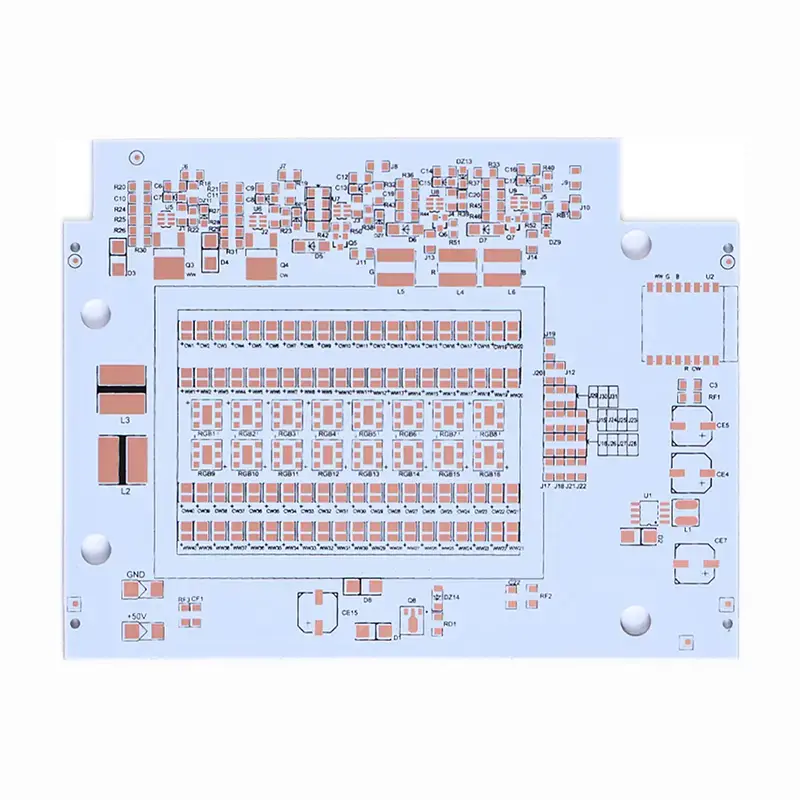 Aluminum
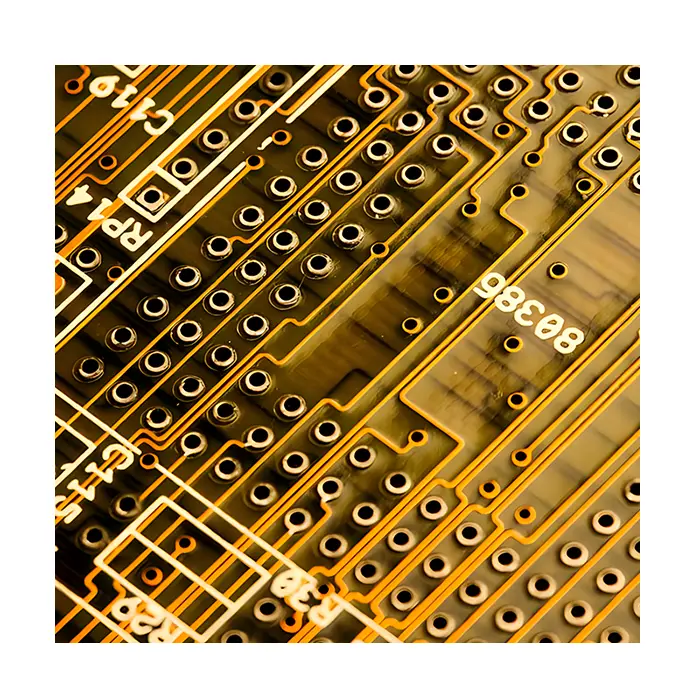 Copper Core
 PCB Assembly
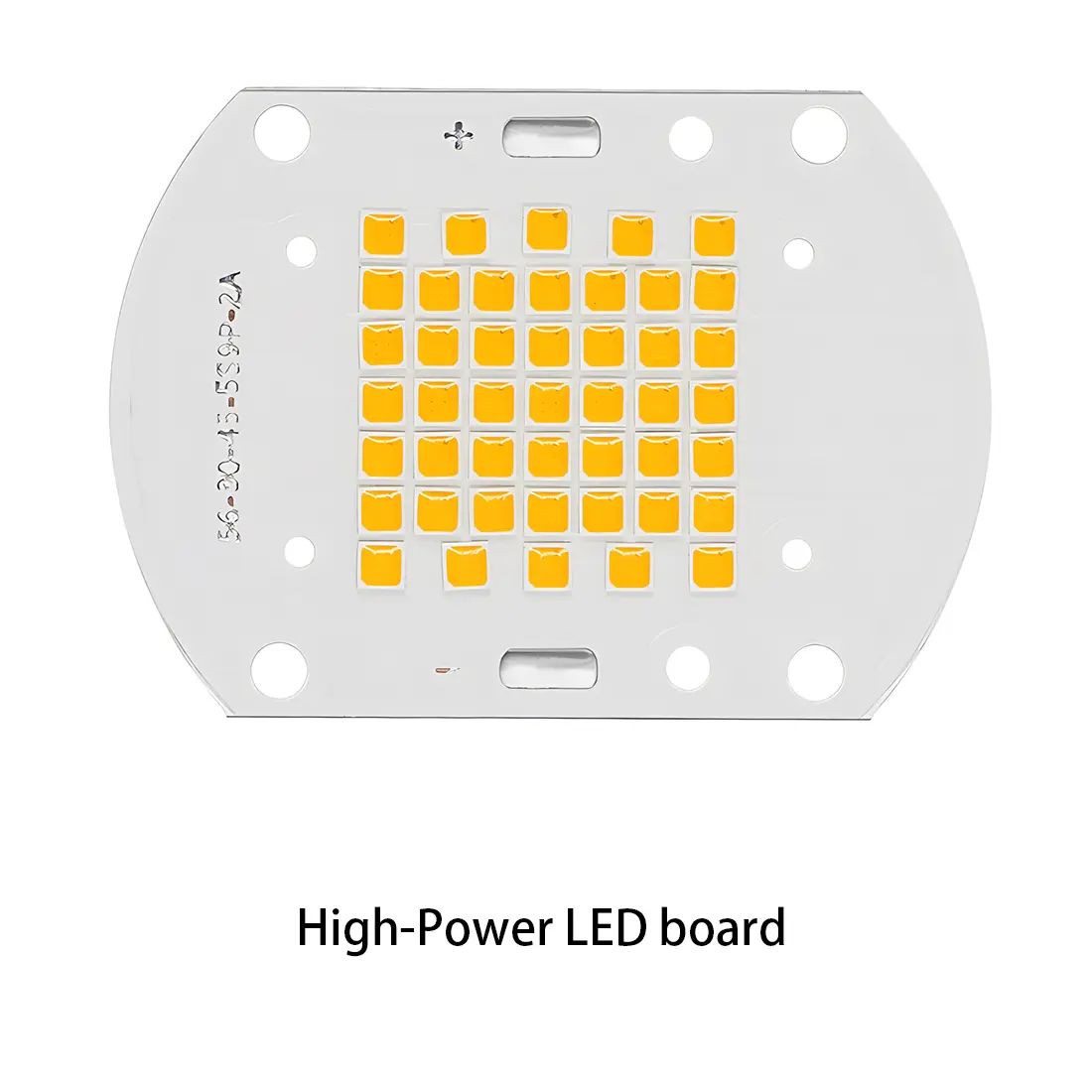 LED light PCBA
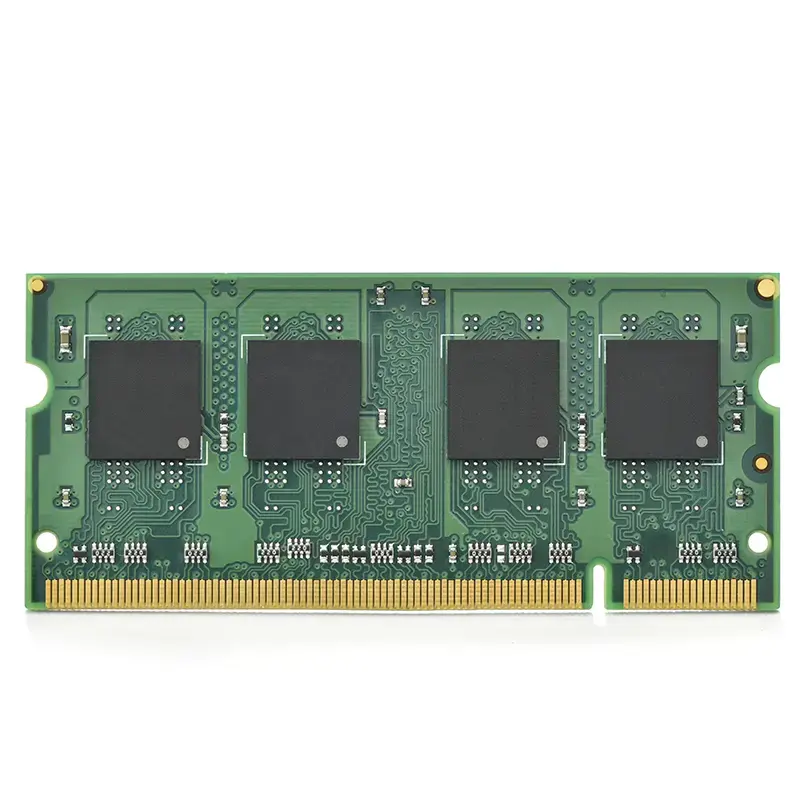
 Memory PCBA
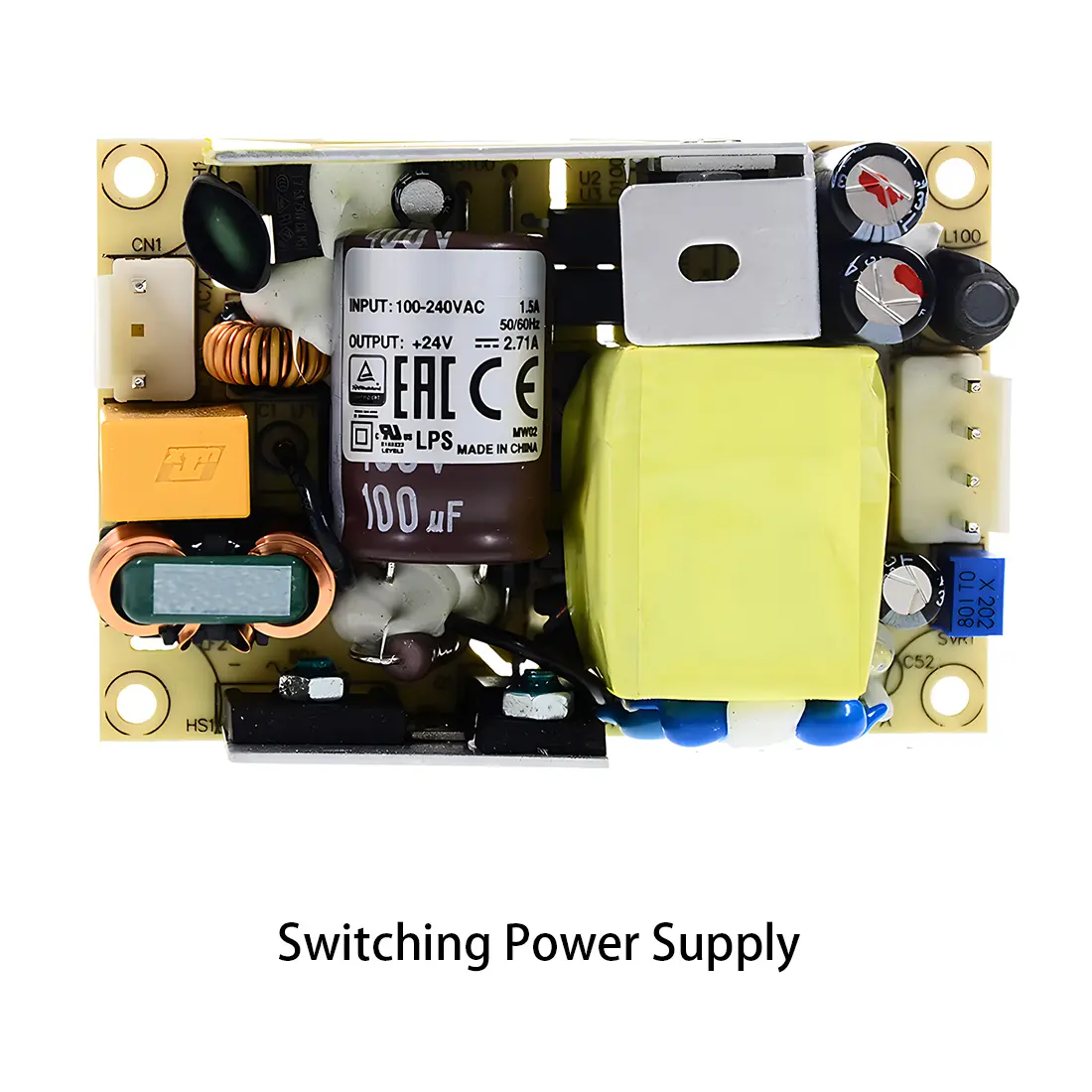 Power Supply PCBA
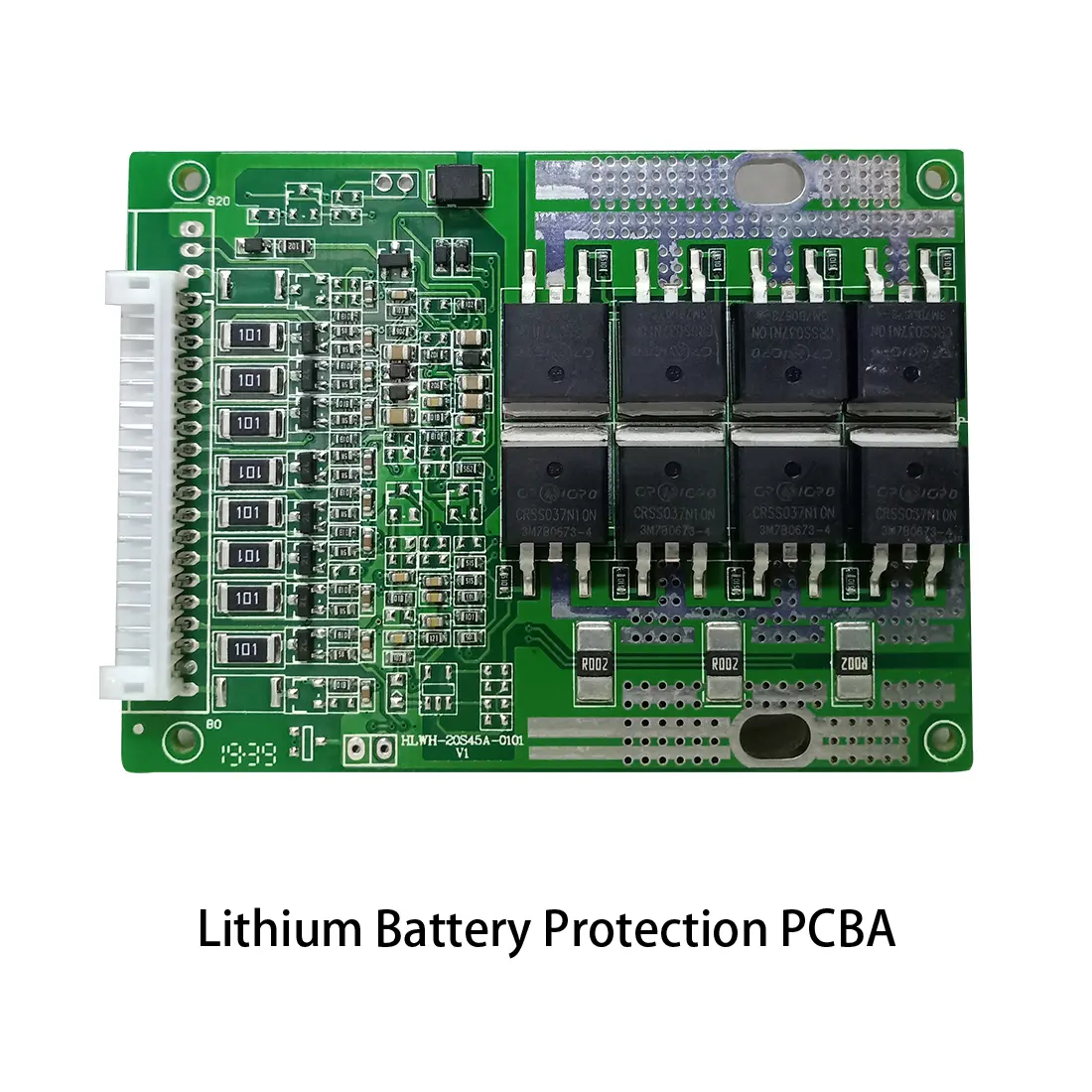 New Energey PCBA
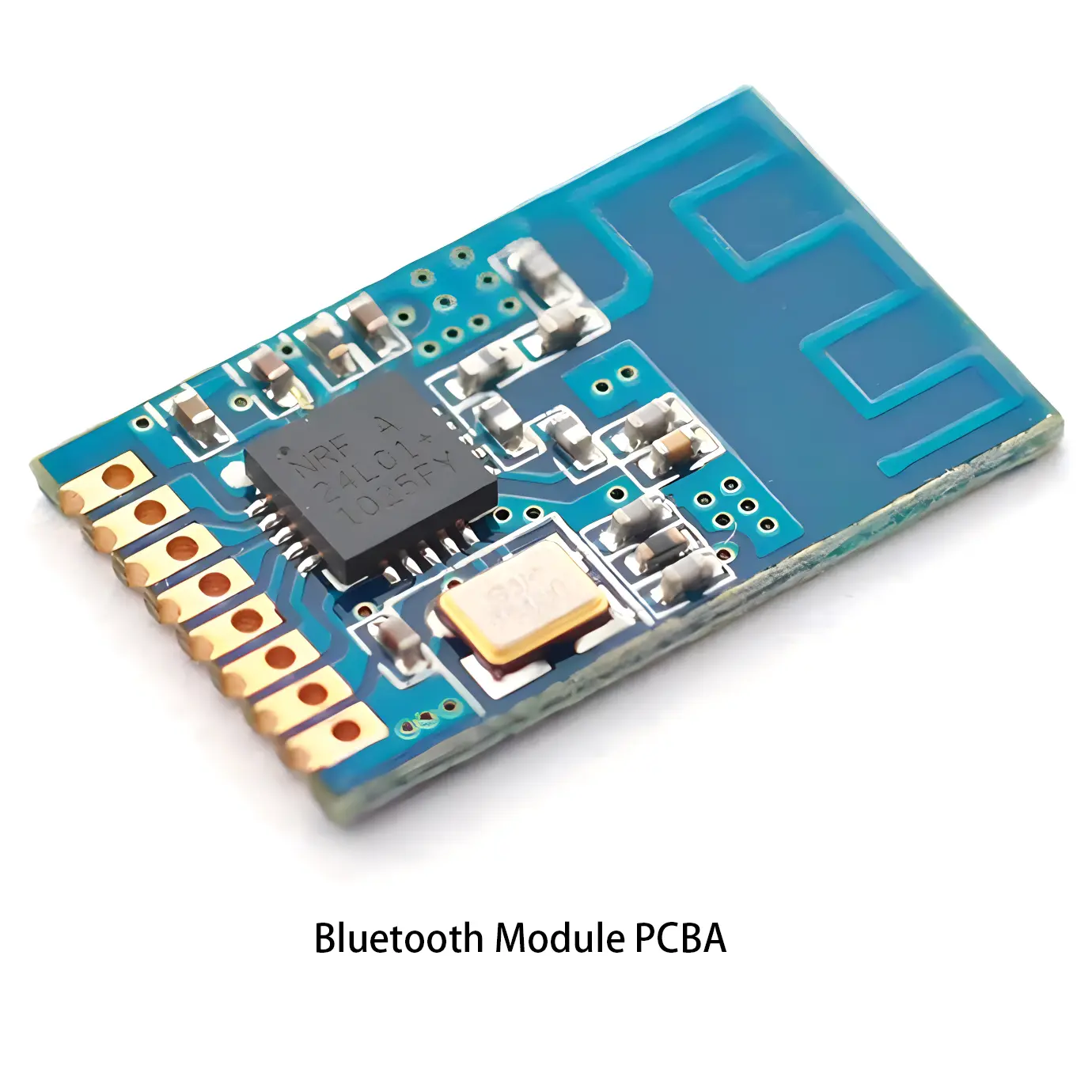 Communication PCBA
 Industrial Control PCBA
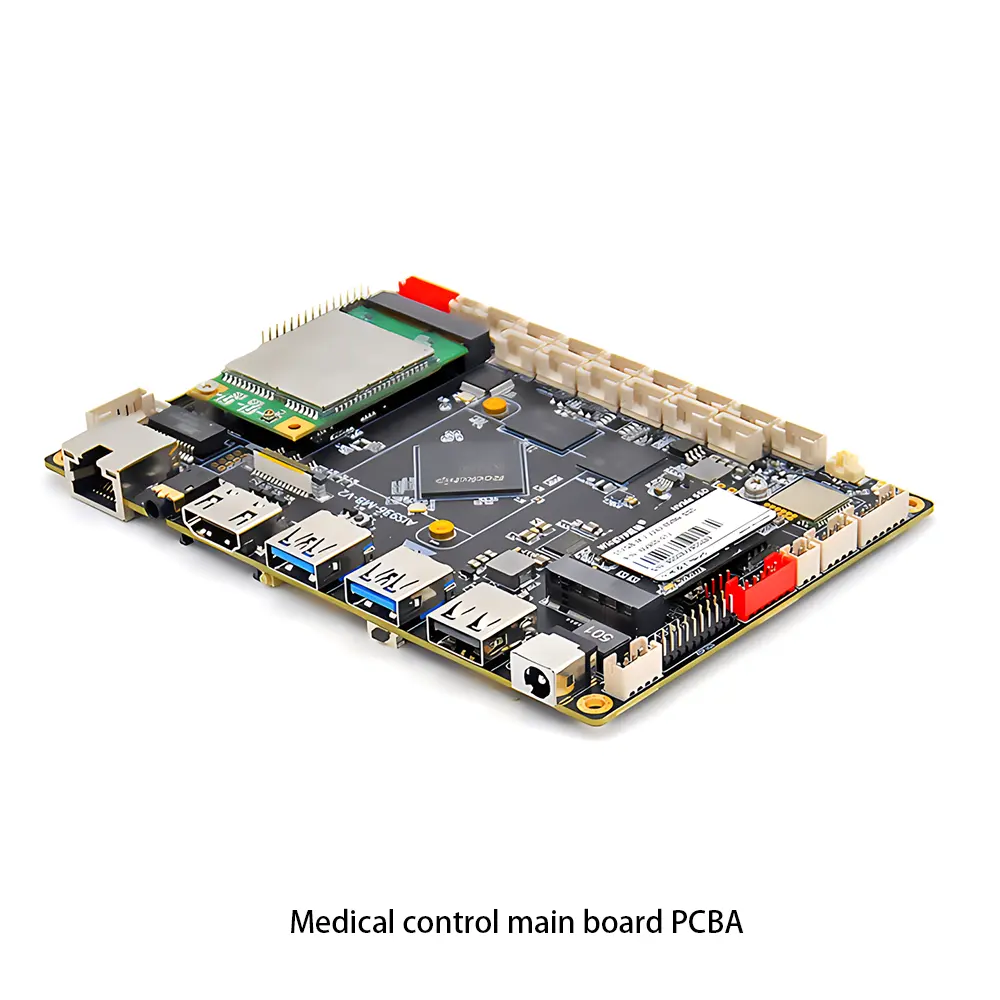 Medical Equipment PCBA
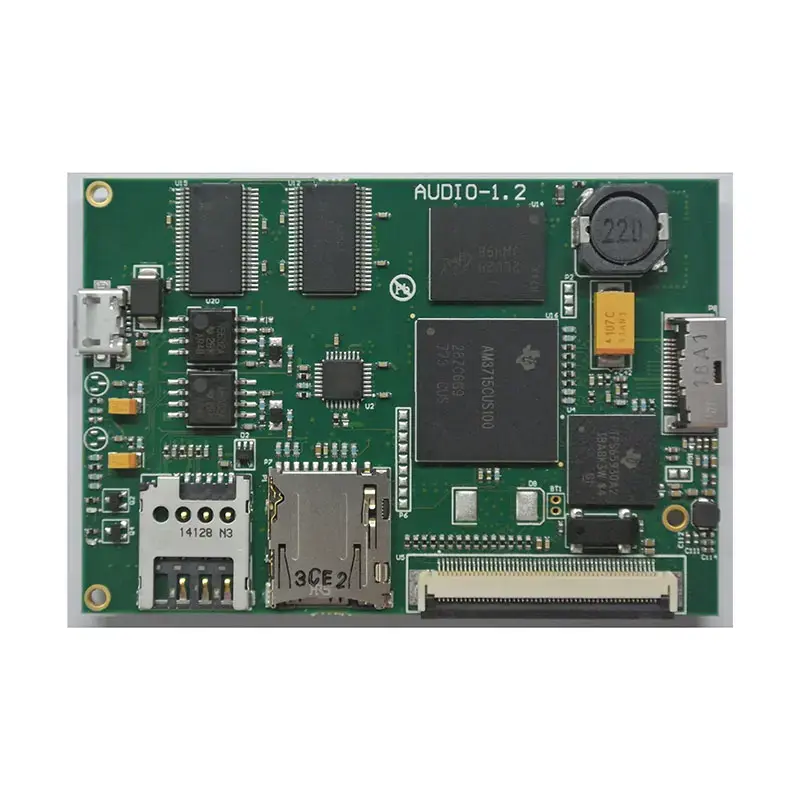 Testing Service
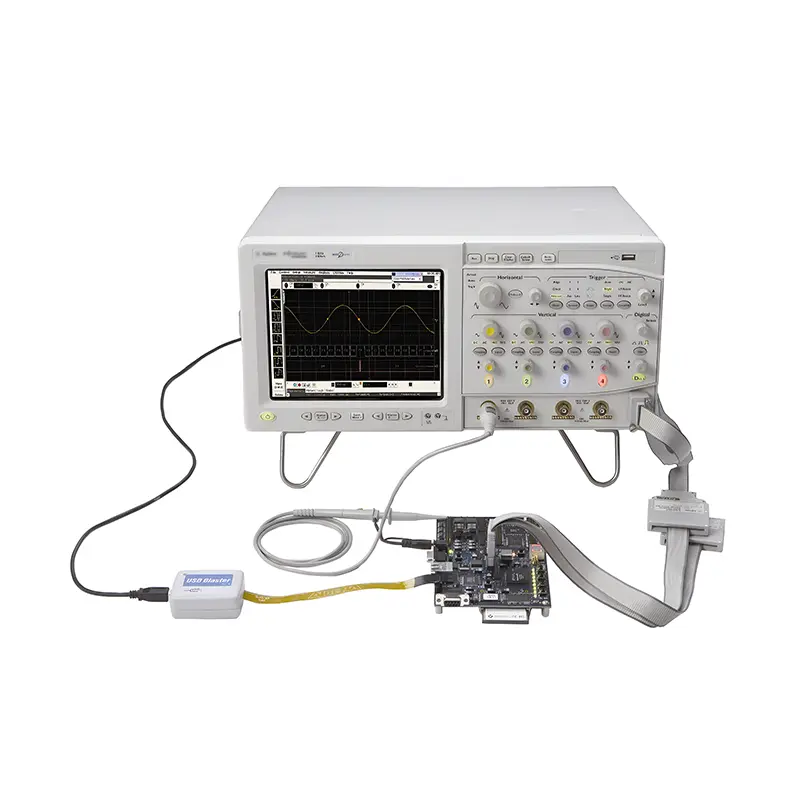 PCBA Testing Service
 Certification Application
 RoHS Certification Application
 REACH Certification Application
 CE Certification Application
 FCC Certification Application
 CQC Certification Application
 UL Certification Application
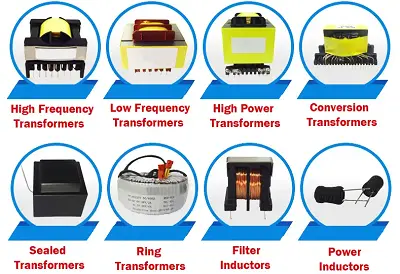 Transformers, Inductors
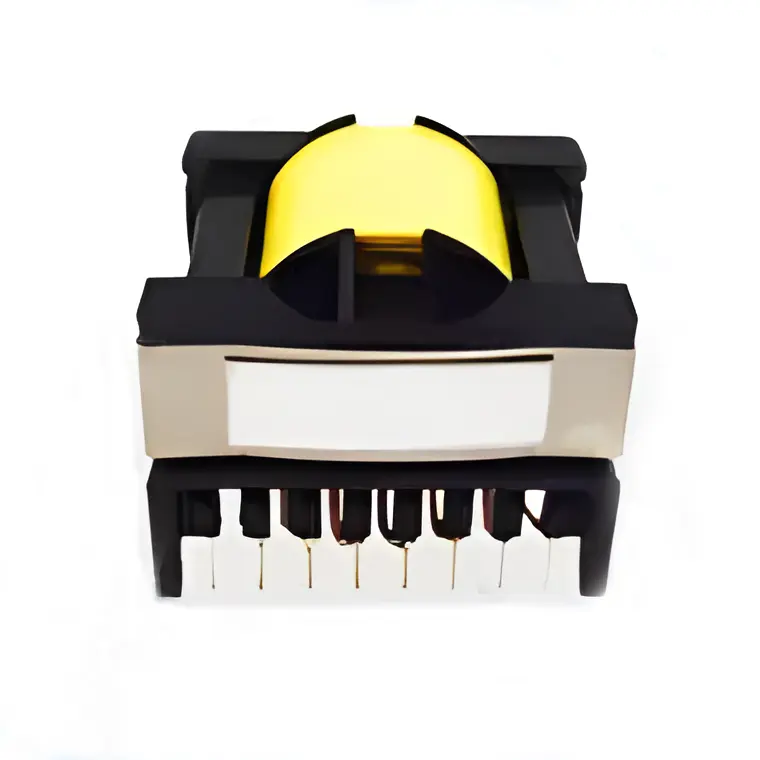 High Frequency Transformers
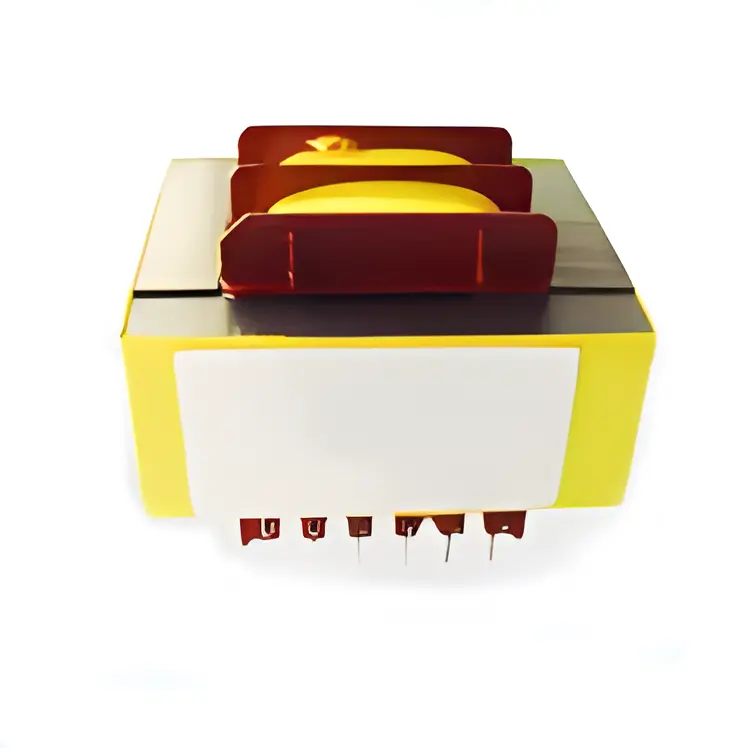 Low Frequency Transformers
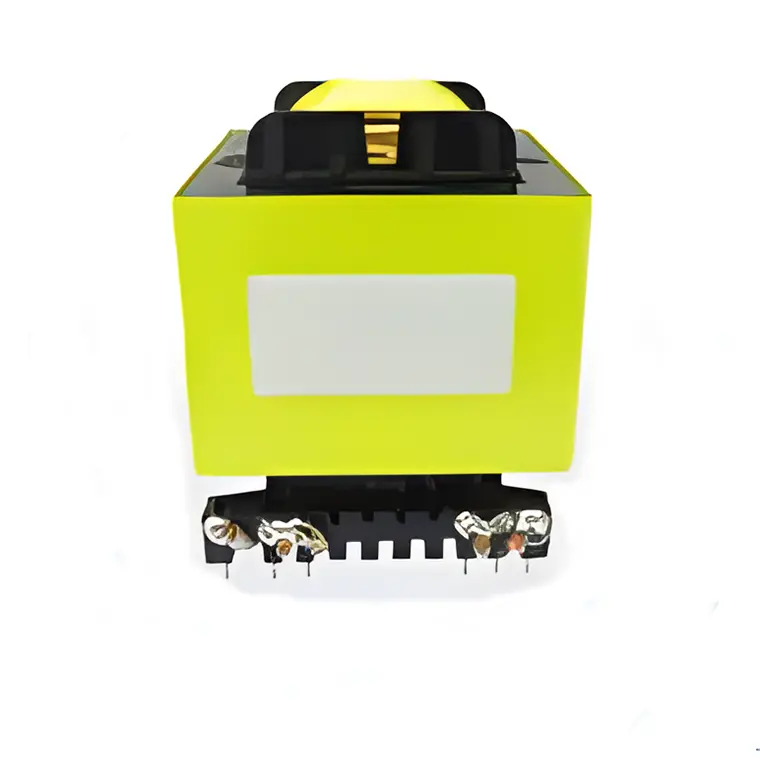 High Power Transformers
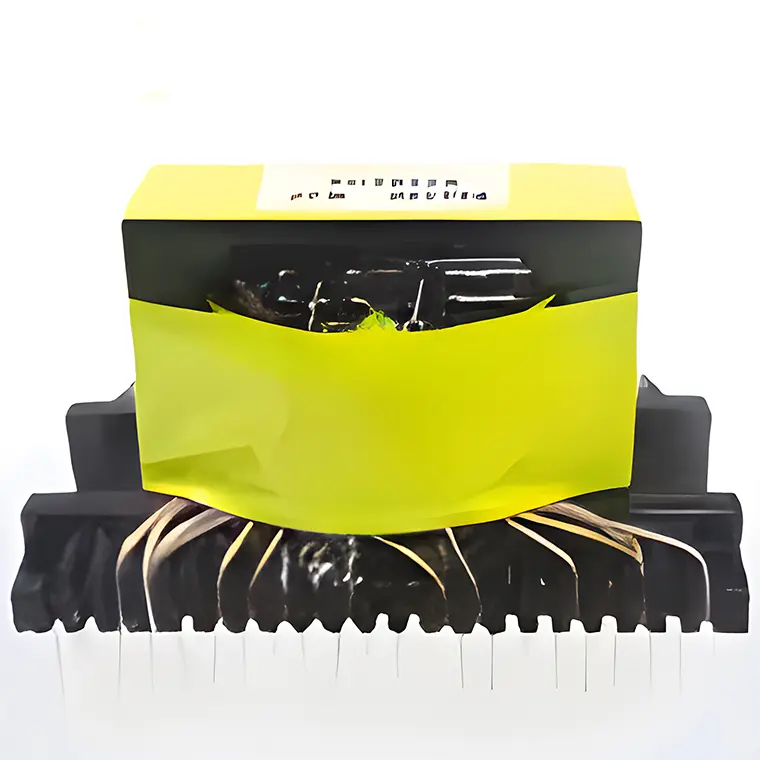 Conversion Transformers
 Sealed Transformers
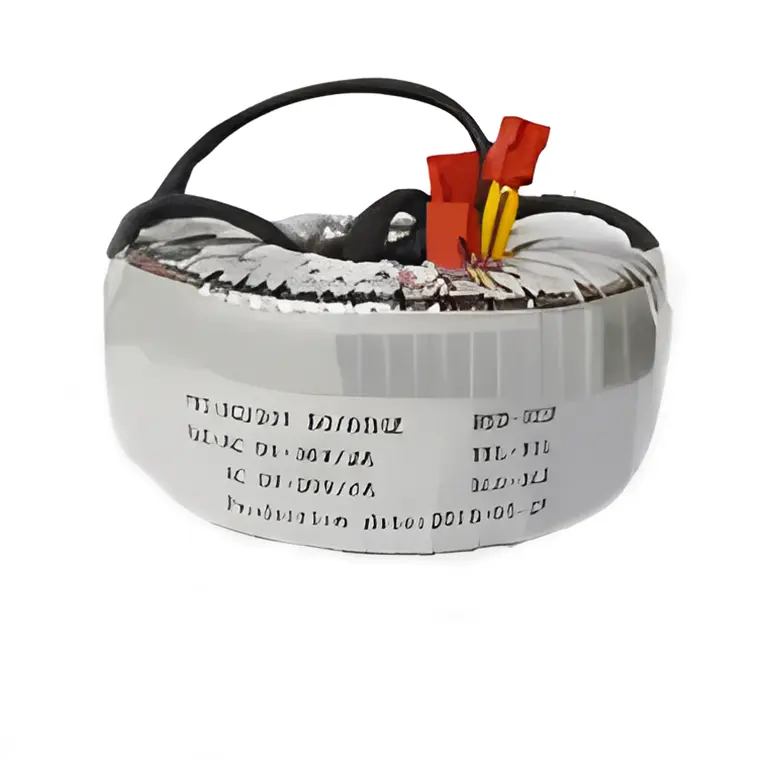 Ring Transformers
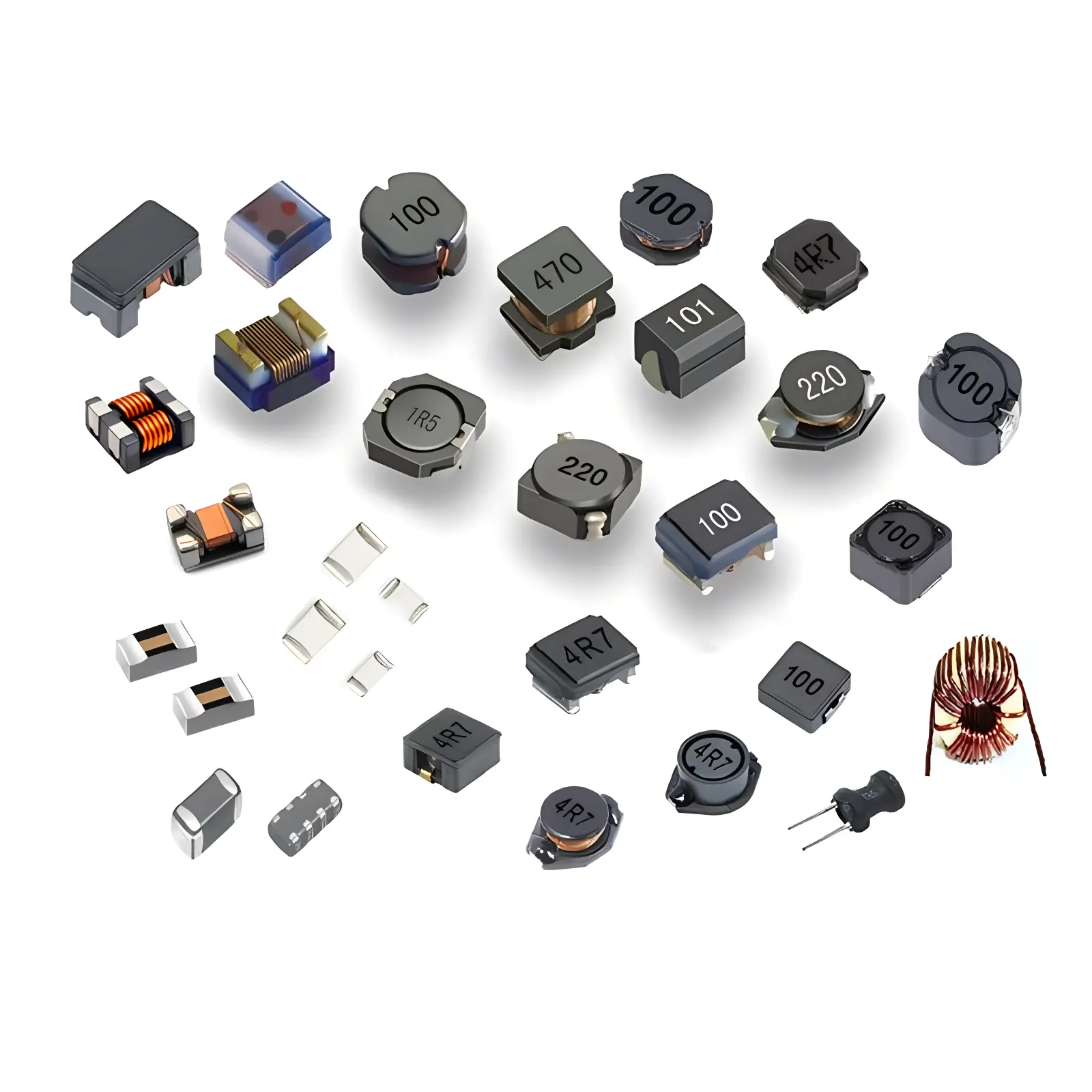 Inductors
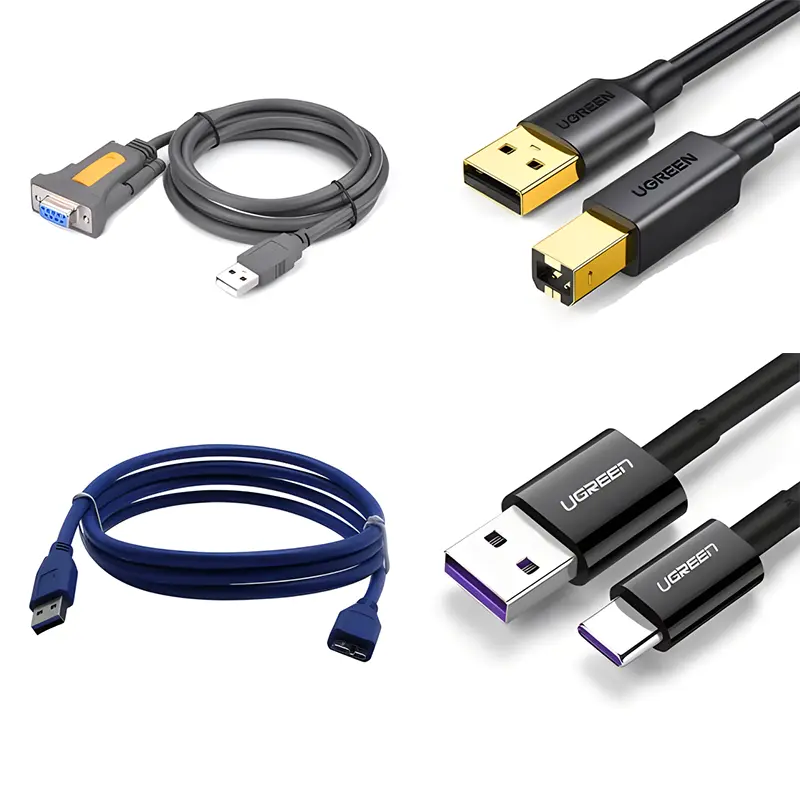 Wires,Cables Customized
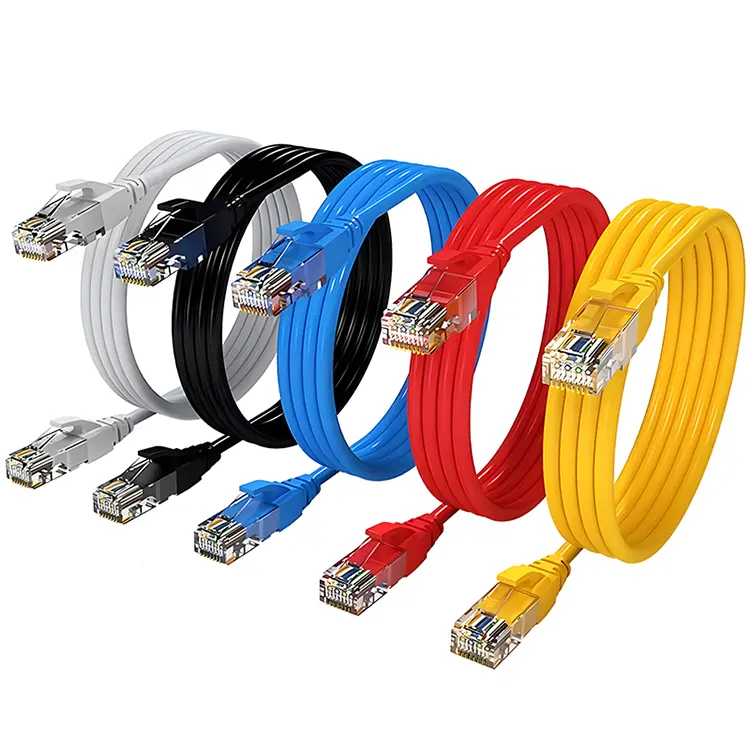 Network Cables
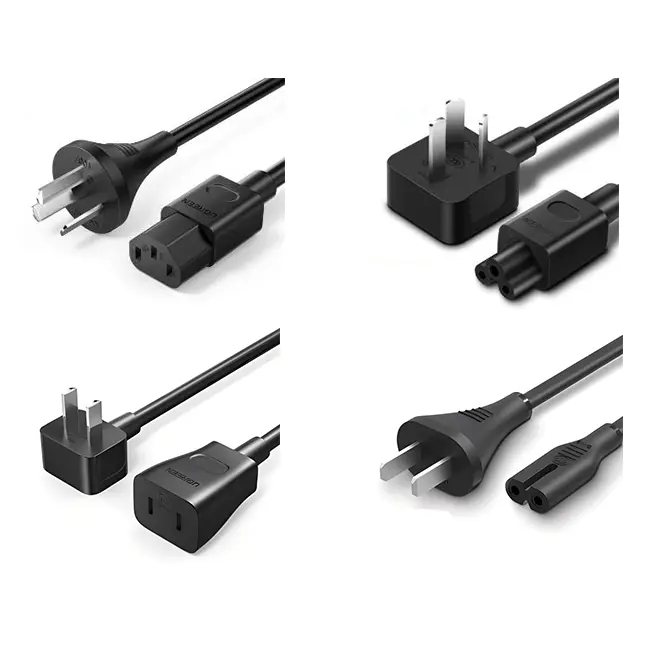 Power Cords
 Antenna Cables
 Coaxial Cables
 Net Position Indicator
 Solar AIS net position indicator
 Capacitors
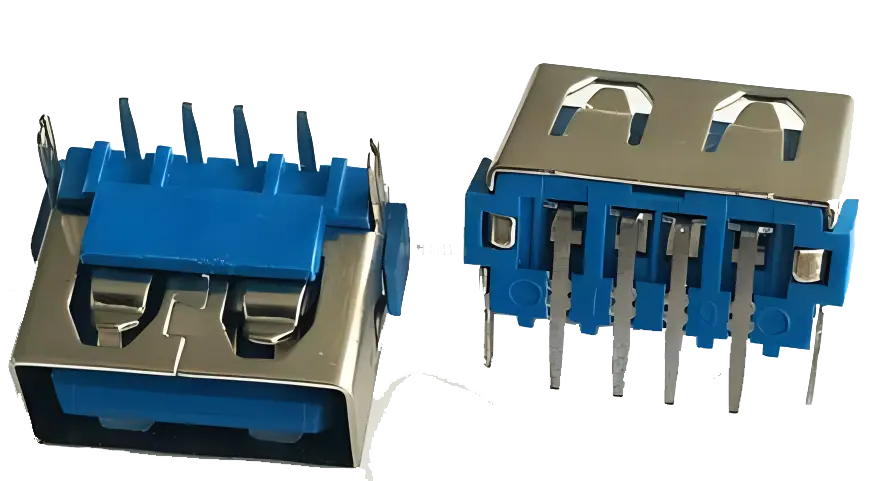 Connectors
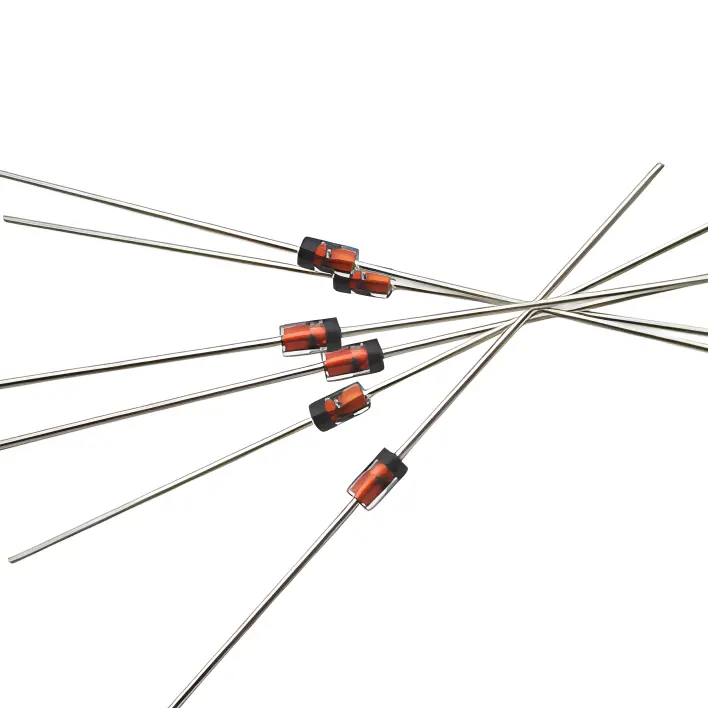 Diodes
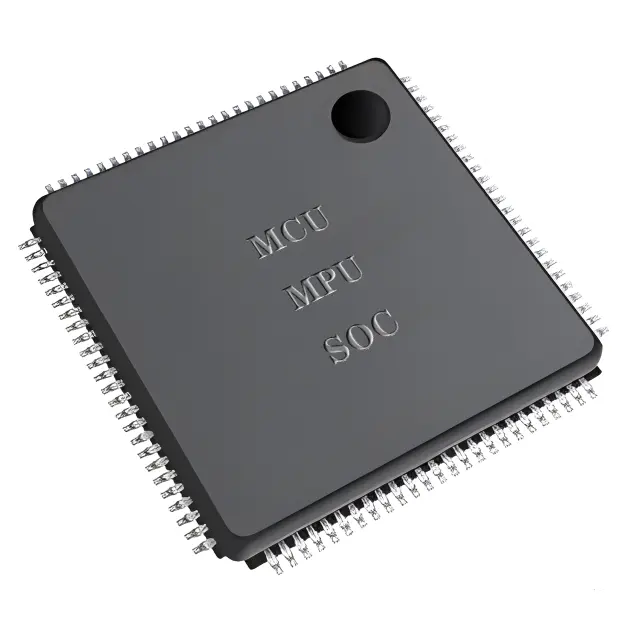 Embedded Processors & Controllers
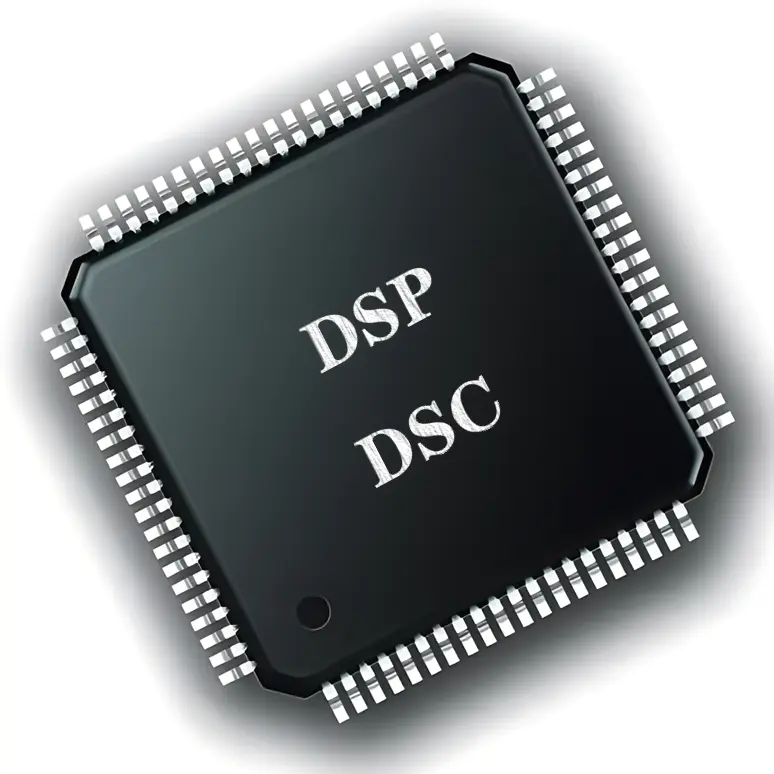 Digital Signal Processors (DSP/DSC)
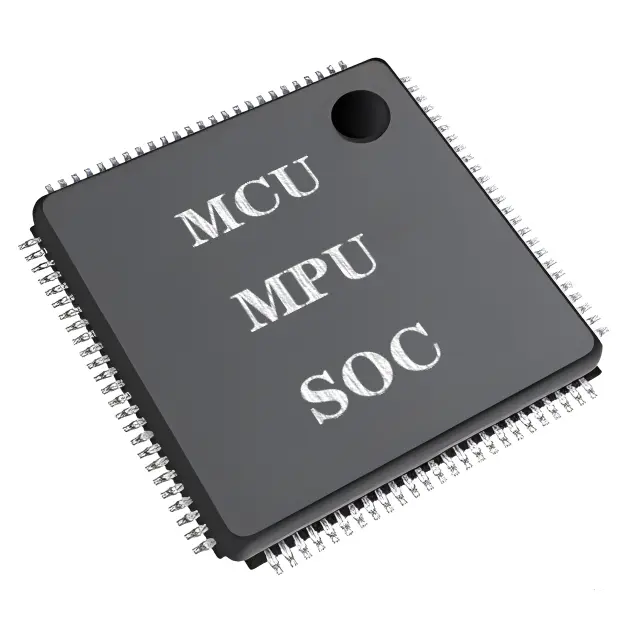 Microcontrollers (MCU/MPU/SOC)
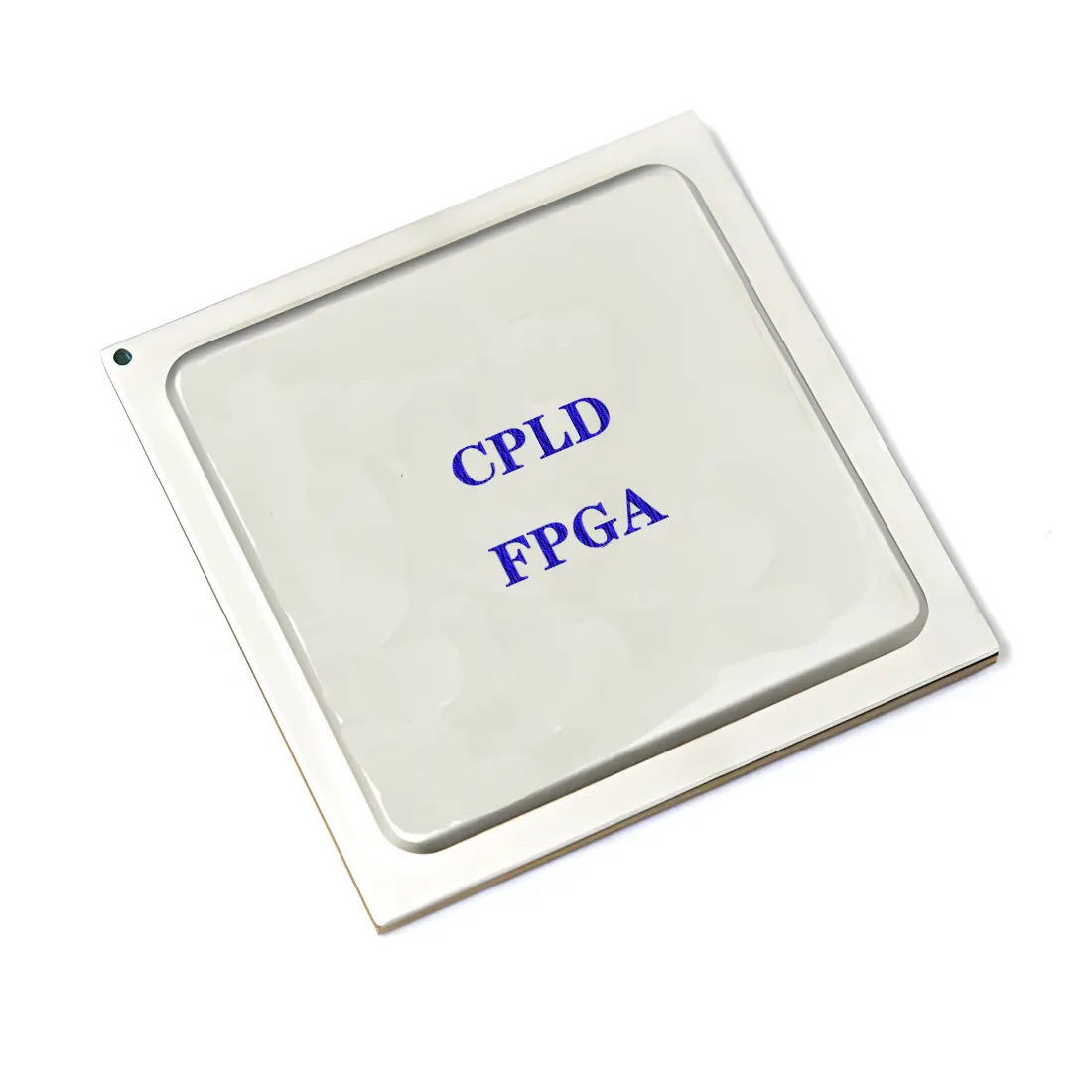 Programmable Logic Device(CPLD/FPGA)
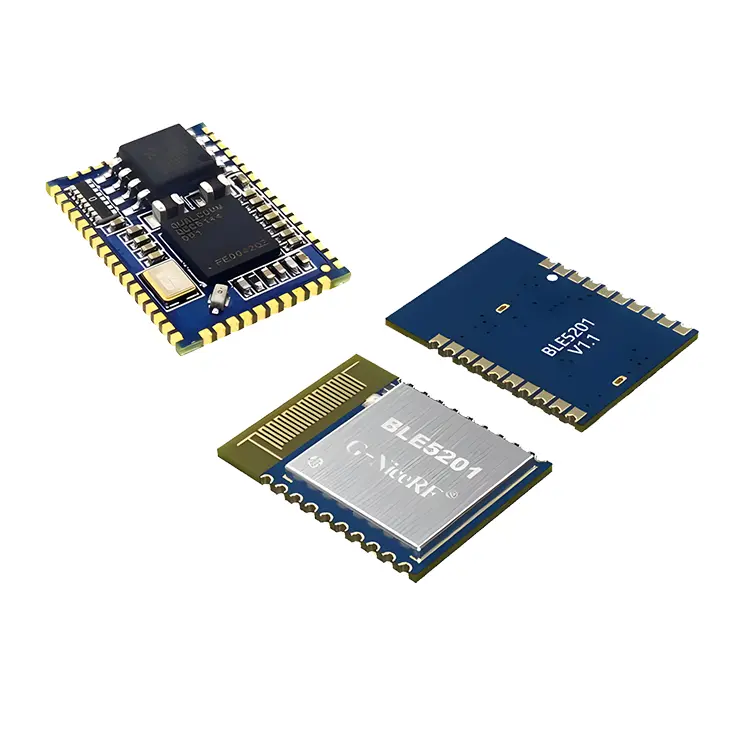 Communication Modules/IoT
 Resistors
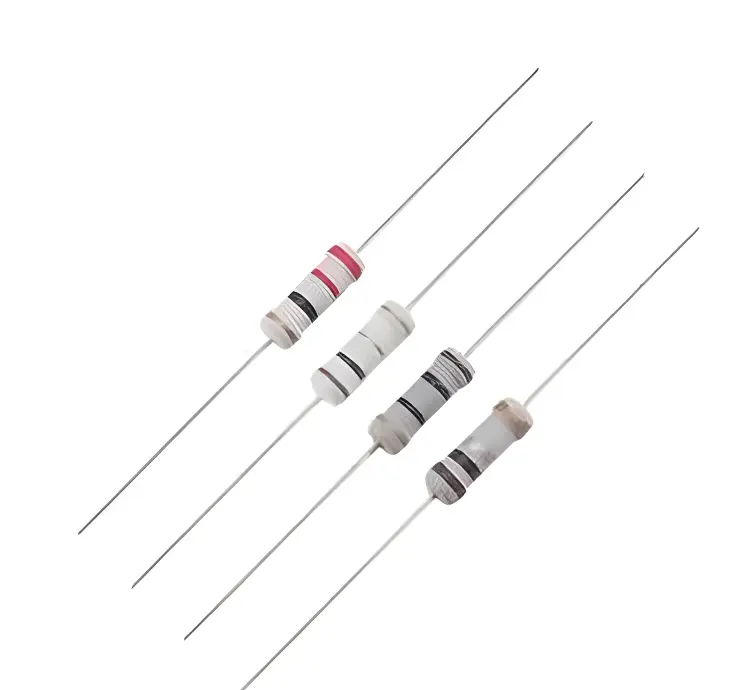 Through Hole Resistors
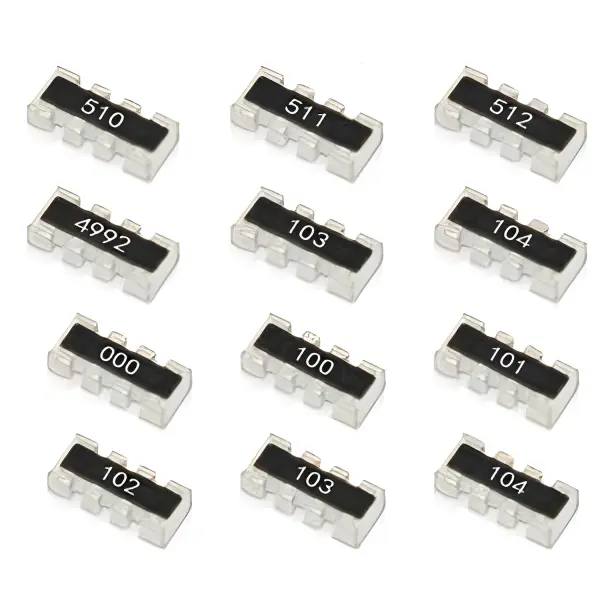 Resistor Networks, Arrays
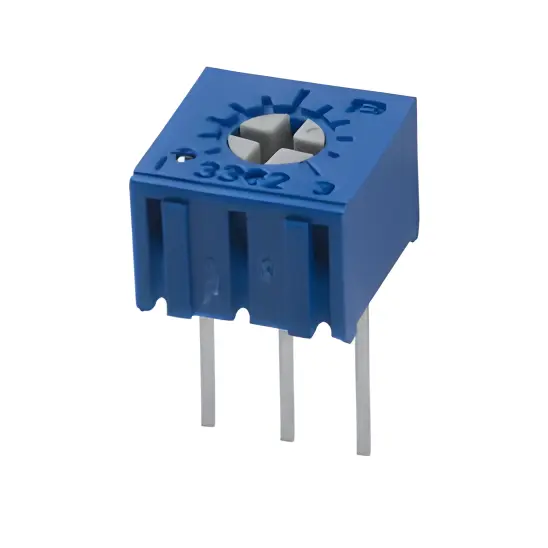 Potentiometers,Variable Resistors
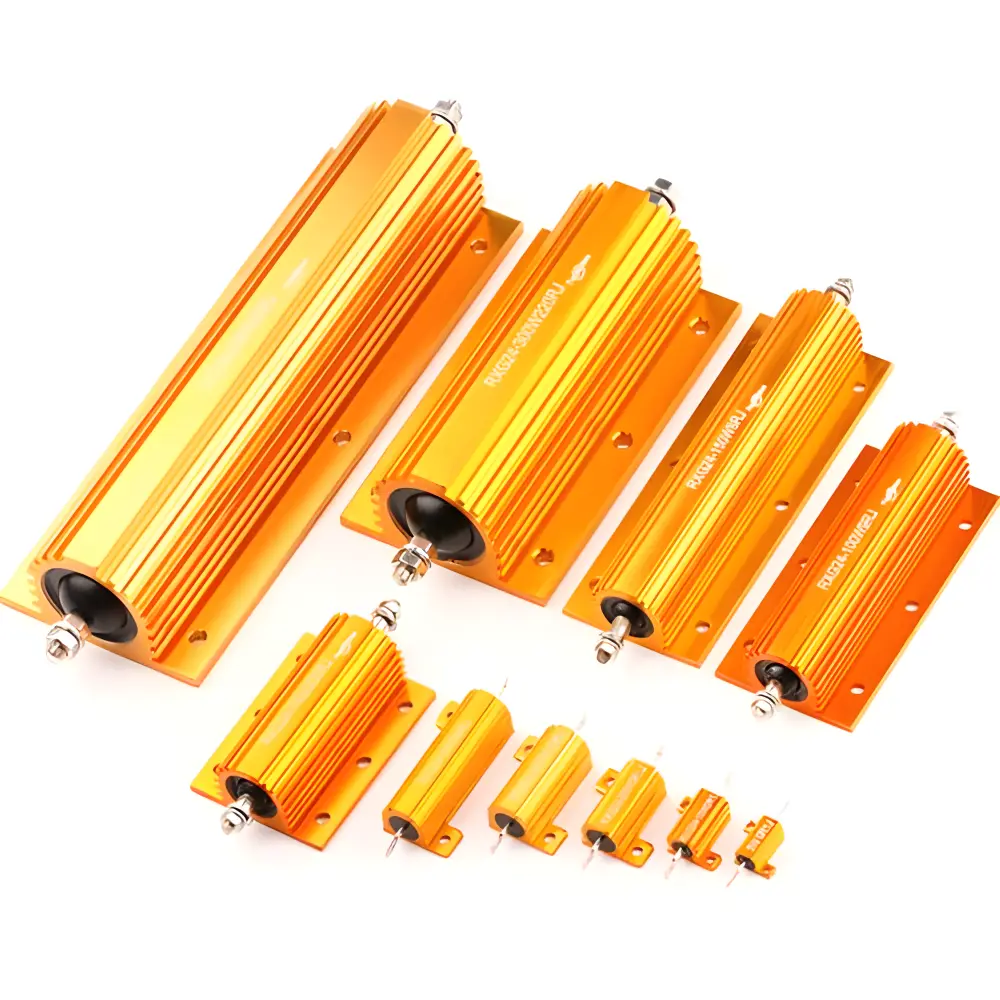 Aluminum Case,Porcelain Tube Resistance
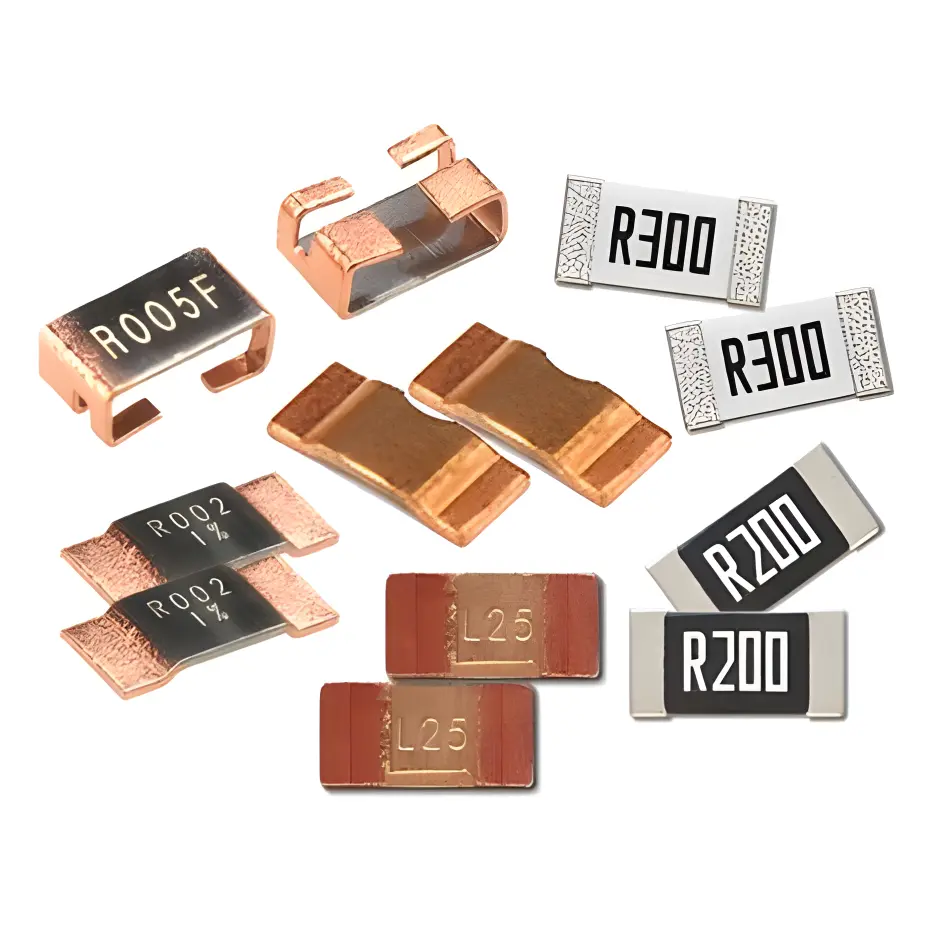 Current Sense Resistors,Shunt Resistors
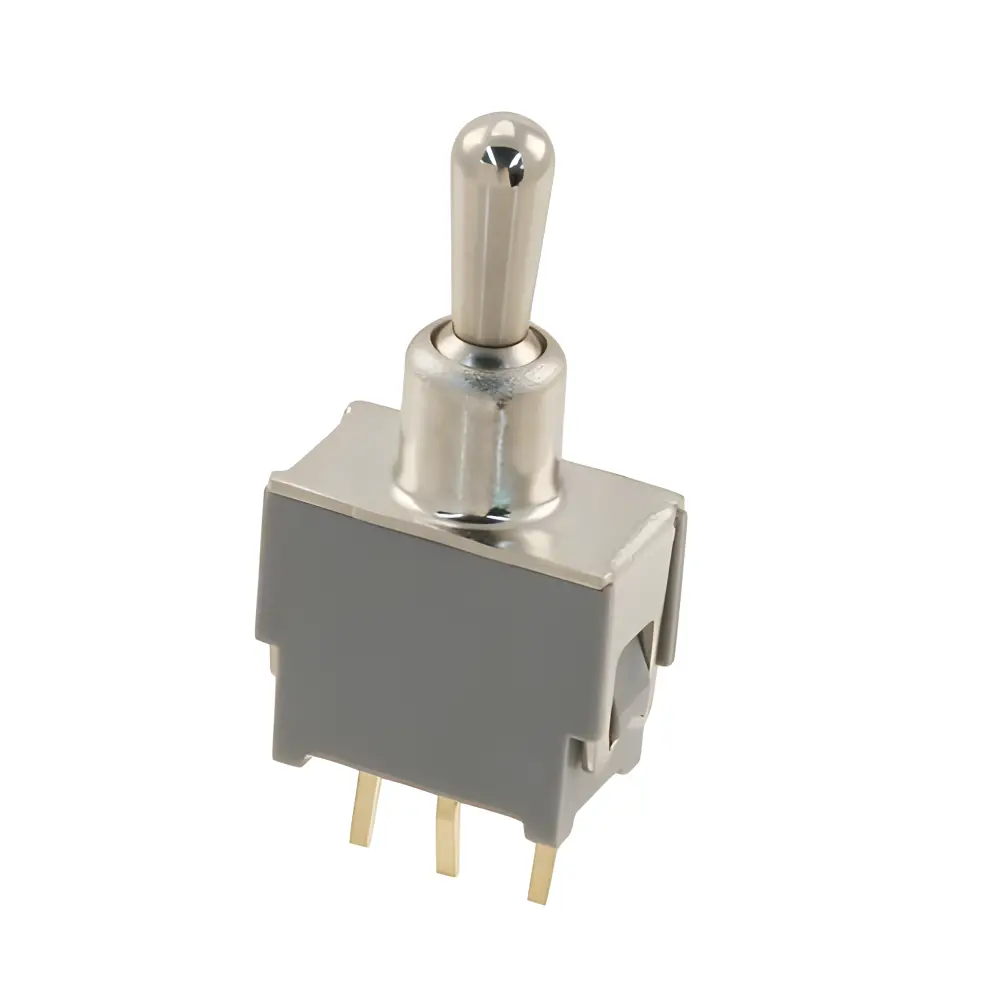 Switches
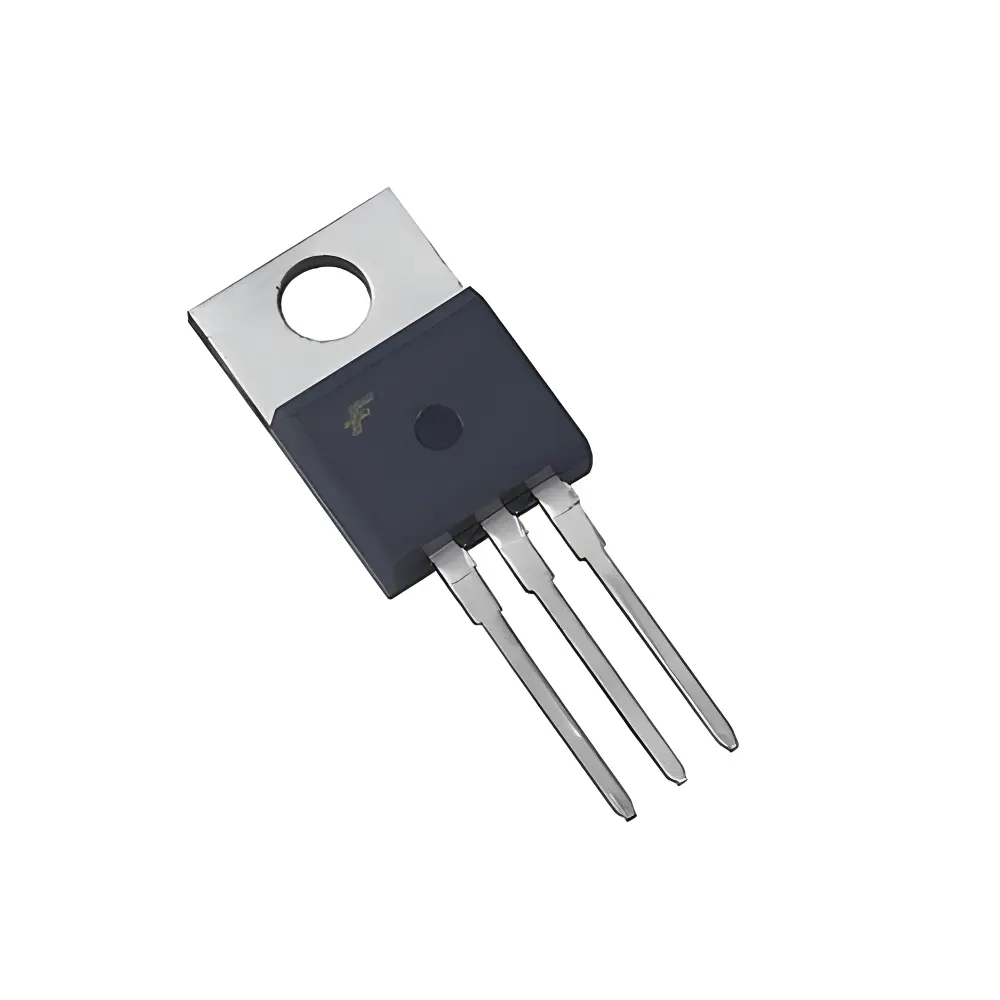 Transistors
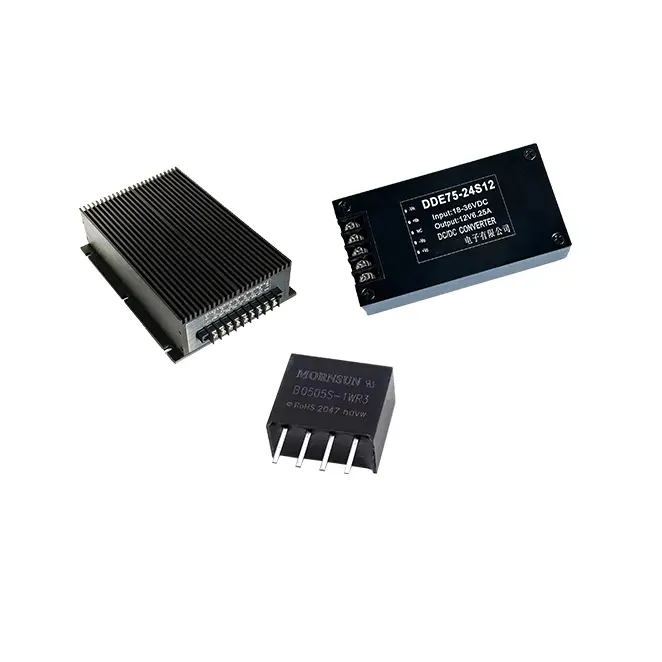 Power Modules
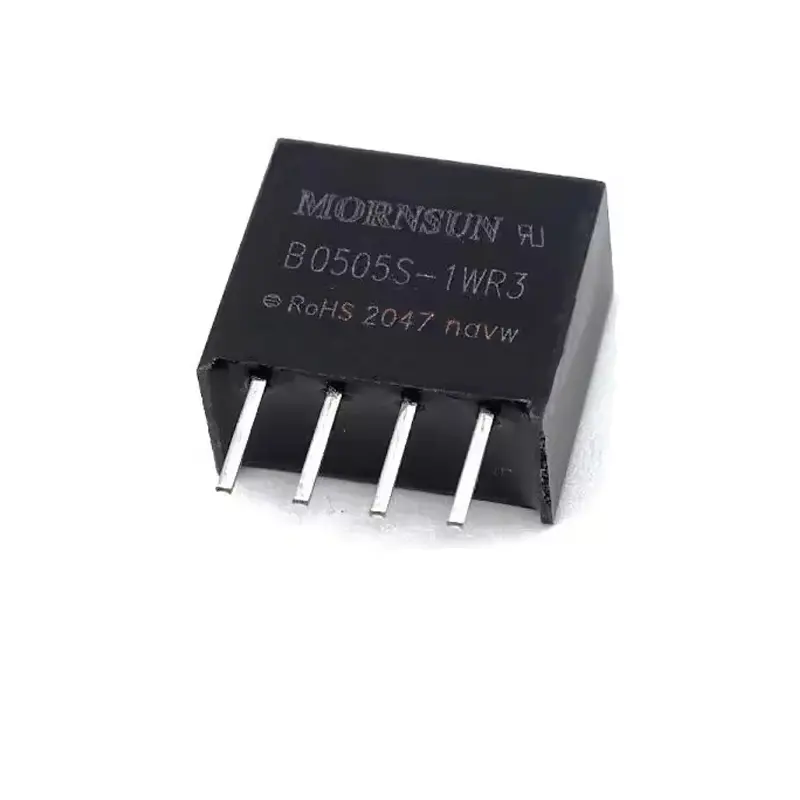 Isolated Power Modules
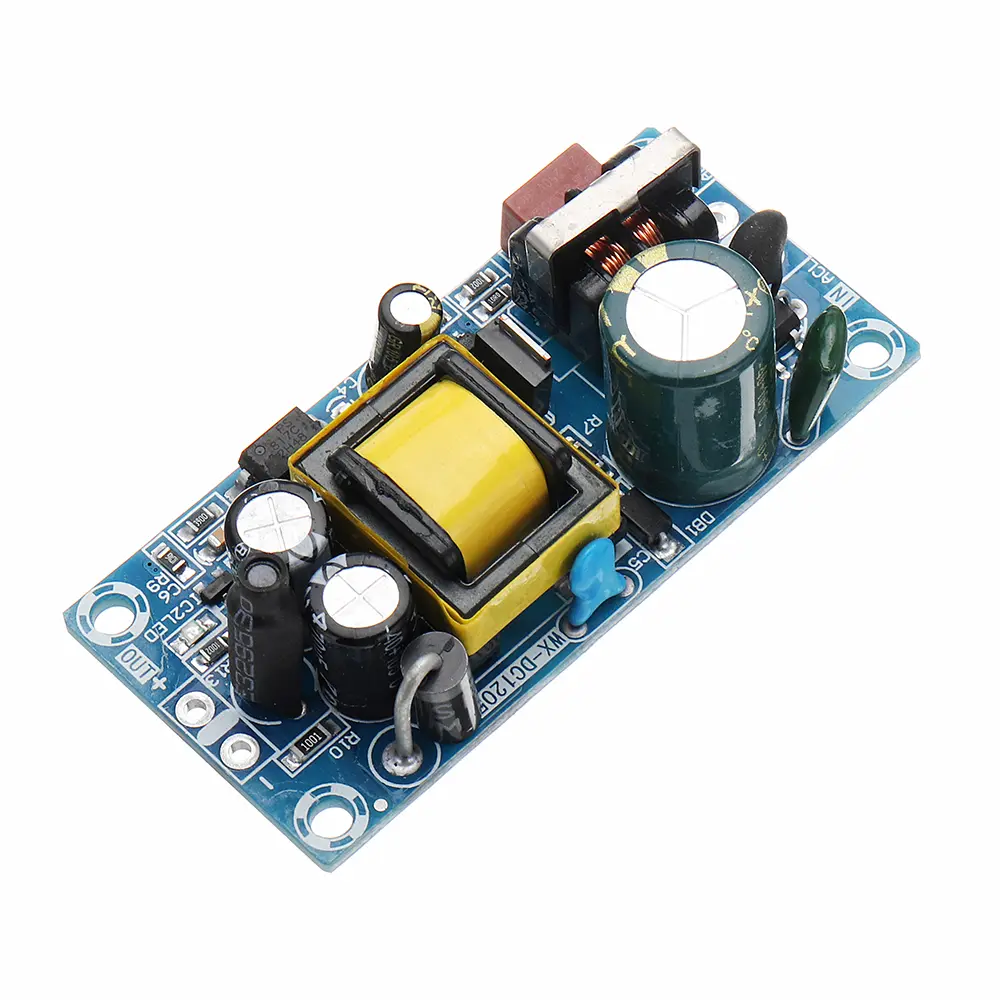 AC-DC Power Modules
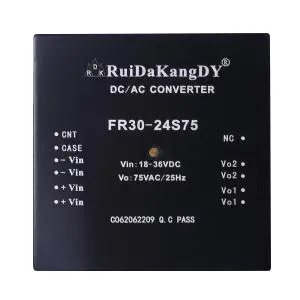 DC-AC Module(Inverter)
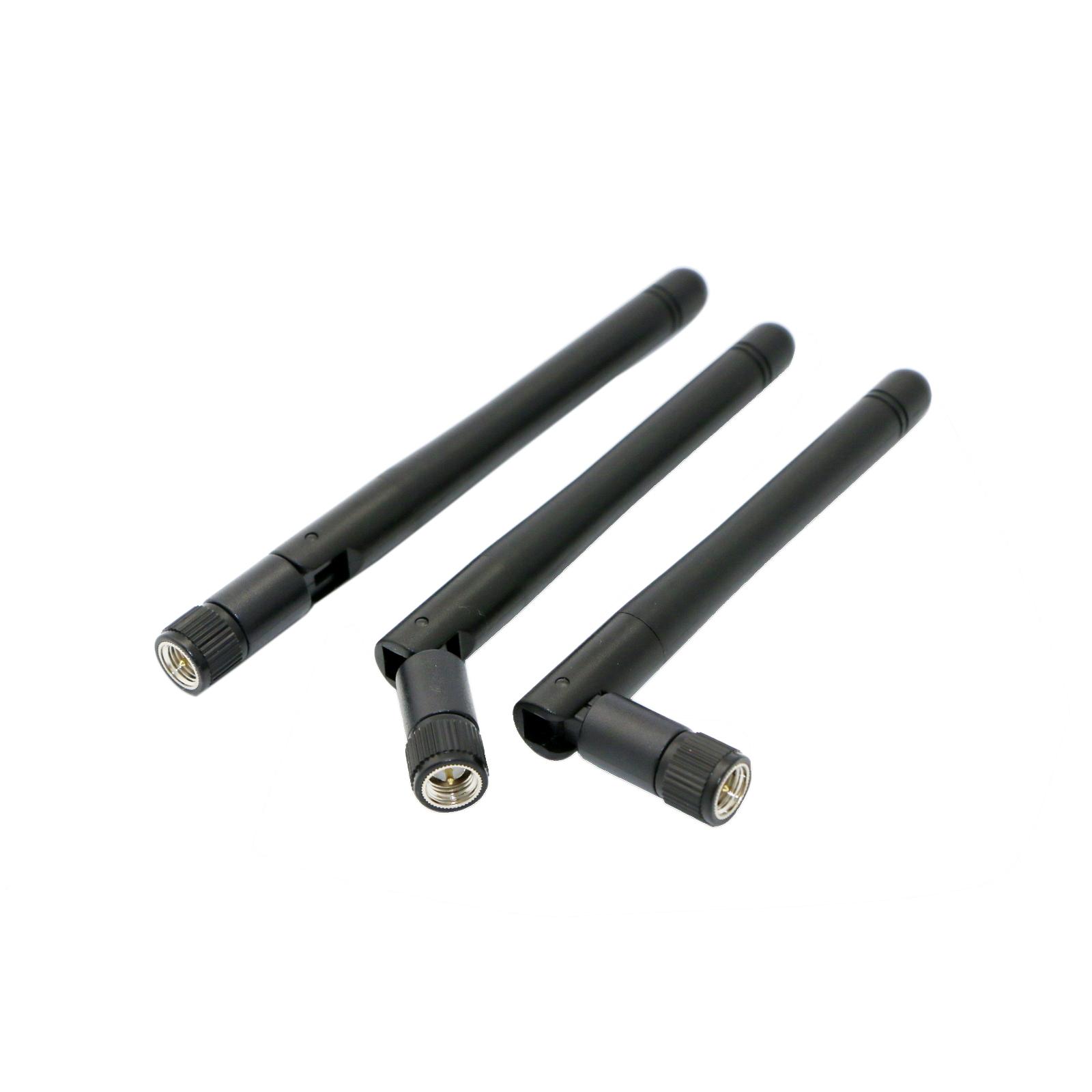 RF and Wireless
Designing Stepped Lamination Process to Minimize Interlayer Slip in Hybrid High-Frequency Boards

1. Causes of Interlayer Slip
Interlayer slip in hybrid boards (e.g., FR-4/PTFE) arises from:
-
CTE mismatch: PTFE (~100 ppm/°C) vs. FR-4 (~14 ppm/°C) thermal expansion;
-
Resin flow disparity: PTFE’s low viscosity (~1000 cP) vs. epoxy’s high viscosity (~10,000 cP);
-
Pressure gradients: Single-stage high pressure (>3 MPa) causes edge resin bleed-out.
2. Stepped Lamination Design Principles
2.1 Temperature Profiling
-
Preheating: Heat at 5°C/min to 80–100°C (below resin gel point) for stress relief.
-
Flow control: Ramp to resin’s minimum viscosity (PTFE:170–190°C; epoxy:120–140°C), hold 10–15 min/step.
-
Curing: Heat above Tg (PTFE:250°C; FR-4:180°C) for 30–60 min.
2.2 Pressure Ramping
-
Pre-pressure: 0.5–1.0 MPa to fill mICrogaps.
-
Main pressure: Stepwise increase to 2.5–3.5 MPa (≤0.5 MPa/step).
-
Cooling under pressure: Maintain pressure until cooling below Tg (rate ≤2°C/min).
2.3 TTP (Time-Temperature-Pressure) Profile
| Stage | Temp (°C) | Pressure (MPa) | Time (min) | Objective |
|---|---|---|---|---|
| Preheat | 80–100 | 0.1–0.3 | 20–30 | Homogenize stress & temperature |
| Flow control | PTFE:170–190 FR-4:120–140 | 0.5–1.0 | 30–45 | Resin wetting & gap filling |
| Curing | PTFE:250 FR-4:180 | 2.5–3.5 | 60–90 | Full resin cure & inteRFace stabilization |
| Cooling | Cool to Tg-20 | 2.5–3.5 | 60–120 | Residual stress mitigation |
3. Key Optimization Technologies
3.1 Material Pretreatment
-
Plasma activation: Ar/O₂ plasma (500 W, 120s) raises PTFE surface energy to 50 mN/m.
-
CTE gradient layers: Insert modified PI (CTE=30–40 ppm/°C) between PTFE and FR-4.
3.2 Equipment & Tooling
-
Multi-zone presses: ±2°C temperature control across zones.
-
Elastic cushions: Silicone pads (Shore A 40–50) limit pressure variation to ±5%.
3.3 Real-Time Monitoring
-
Dielectric analysis (DEA): Track resin cure degree (α=0.5–0.9).
-
Fiber Bragg grating (FBG): Measure interlayer strain (±1 με).
4. Validation Metrics
-
Slip measurement: X-ray imaging (±10 μm accuracy), target <50 μm.
-
Bond strength: 90° peel test >0.8 N/mm (IPC-TM-650 2.4.8).
-
High-frequency performance: Dk variation <0.05 @10 GHz.
5. Case Studies
| Material Stack | Temp Steps (°C) | Pressure Steps (MPa) | Total Time (min) |
|---|---|---|---|
| PTFE+FR-4 | 100→190→250→cool | 0.3→1.0→3.0→hold | 240 |
| RO4003+Epoxy | 90→150→180→cool | 0.5→1.5→3.5→hold | 210 |
6. Challenges & Solutions
-
Challenge 1: Delamination at hybrid interfaces
Solution: Plasma texturing (Ra>1 μm) for mechanical interlocking. -
Challenge 2: Resin bleed-out
Solution: Low-flow resin with 30% silica filler. -
Challenge 3: Production consistency
Solution: AI-driven TTP optimization based on historical data.