
 PCB
PCB FPC
FPC Rigid-Flex
 FR-4
FR-4 HDI PCB
 Rogers High-Frequency Board
 PTFE Teflon High-Frequency Board
 Aluminum
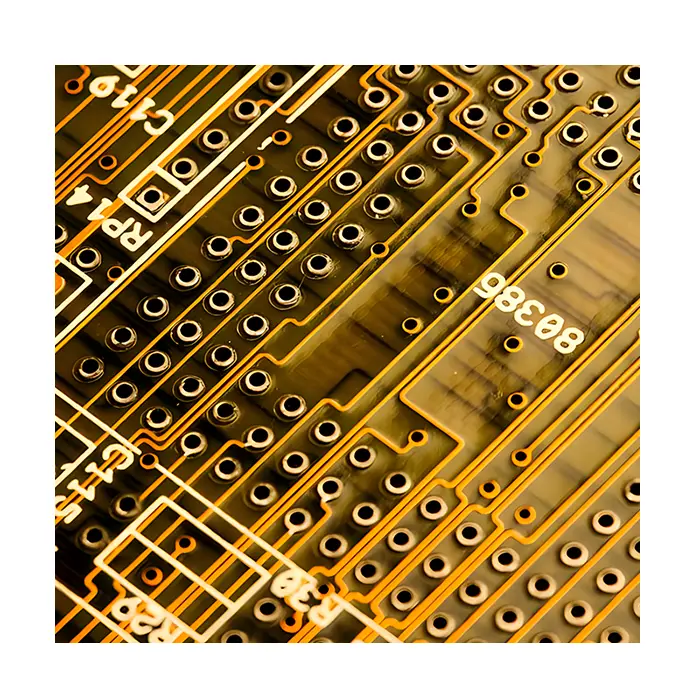 Copper Core
 PCB Assembly
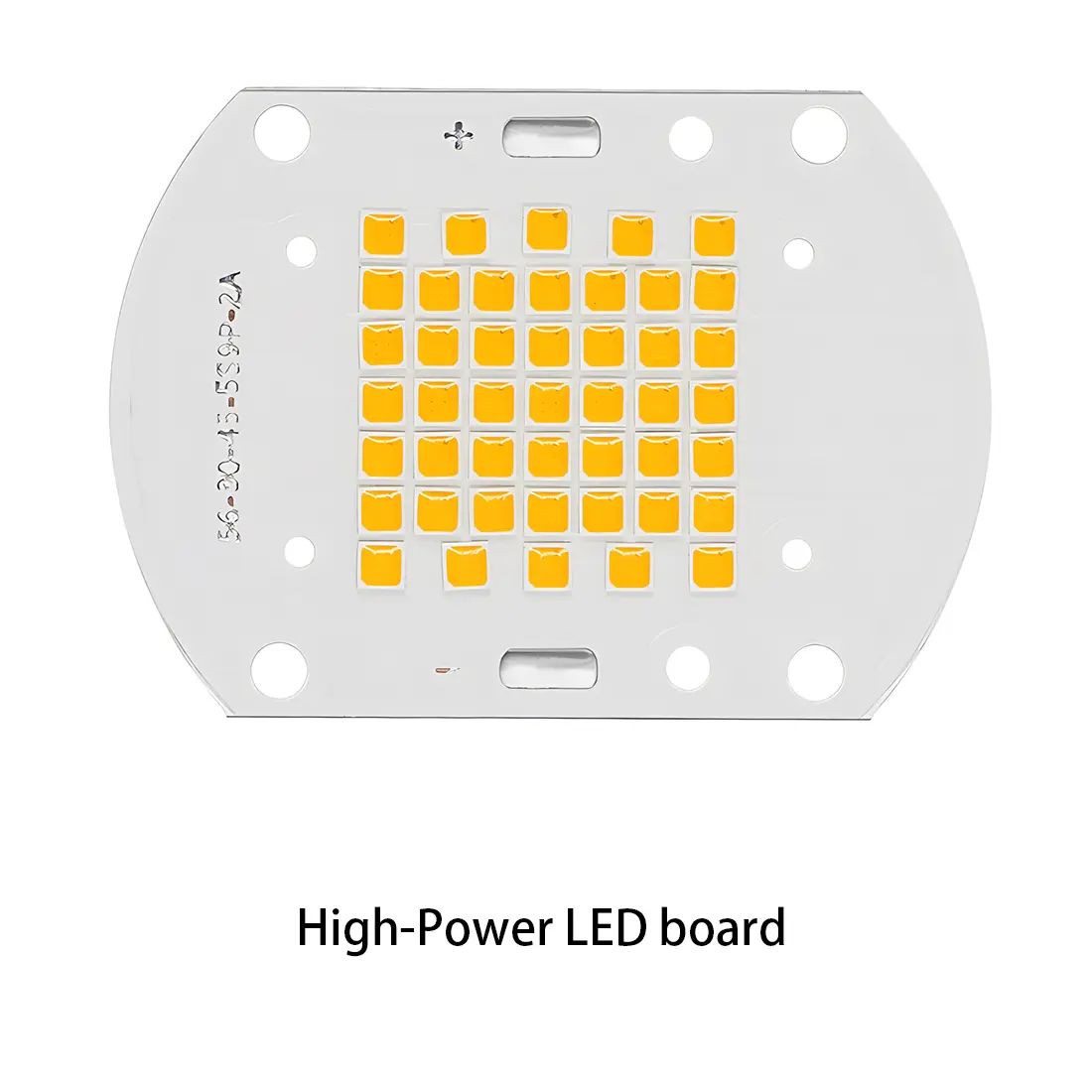 LED light PCBA
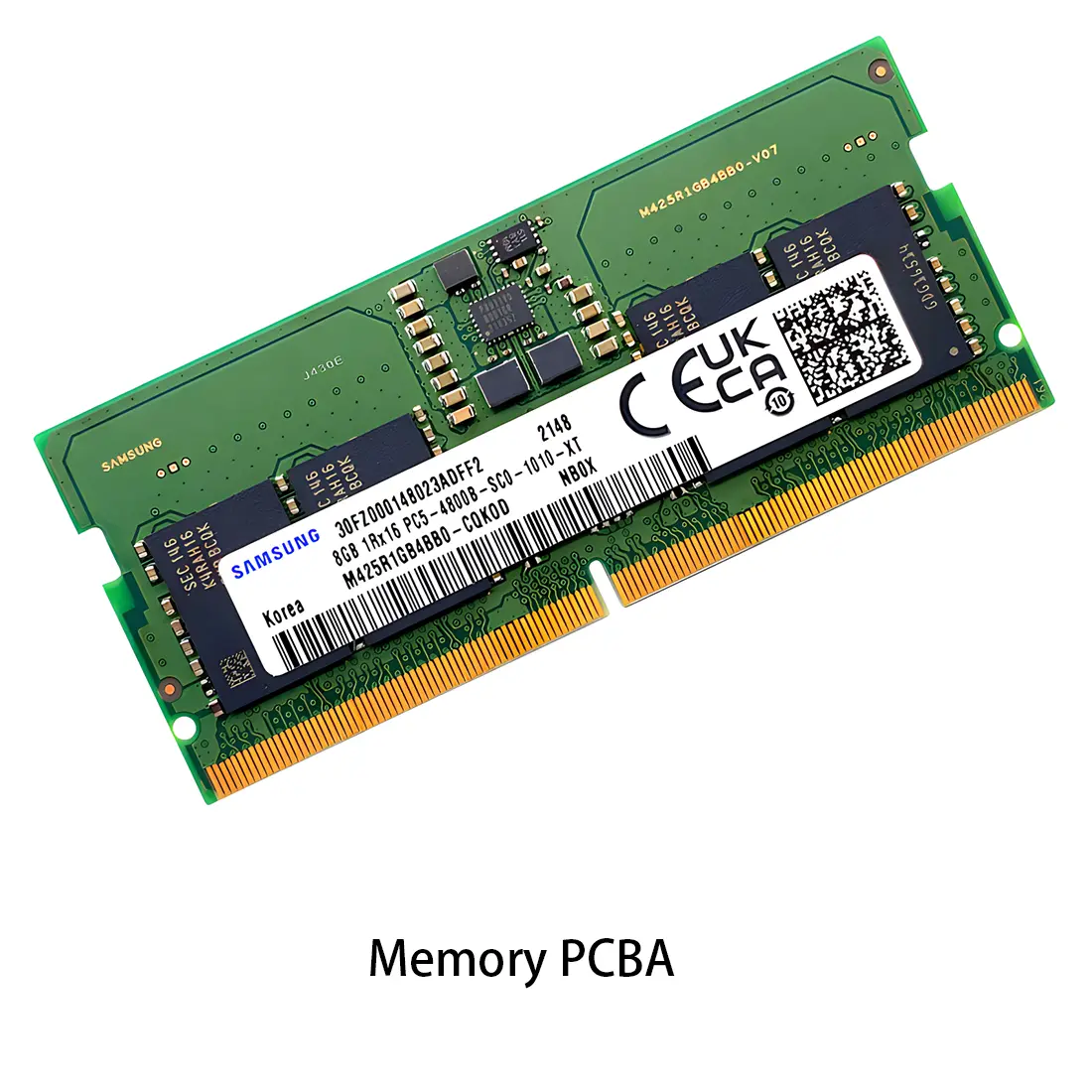 Memory PCBA
 Power Supply PCBA
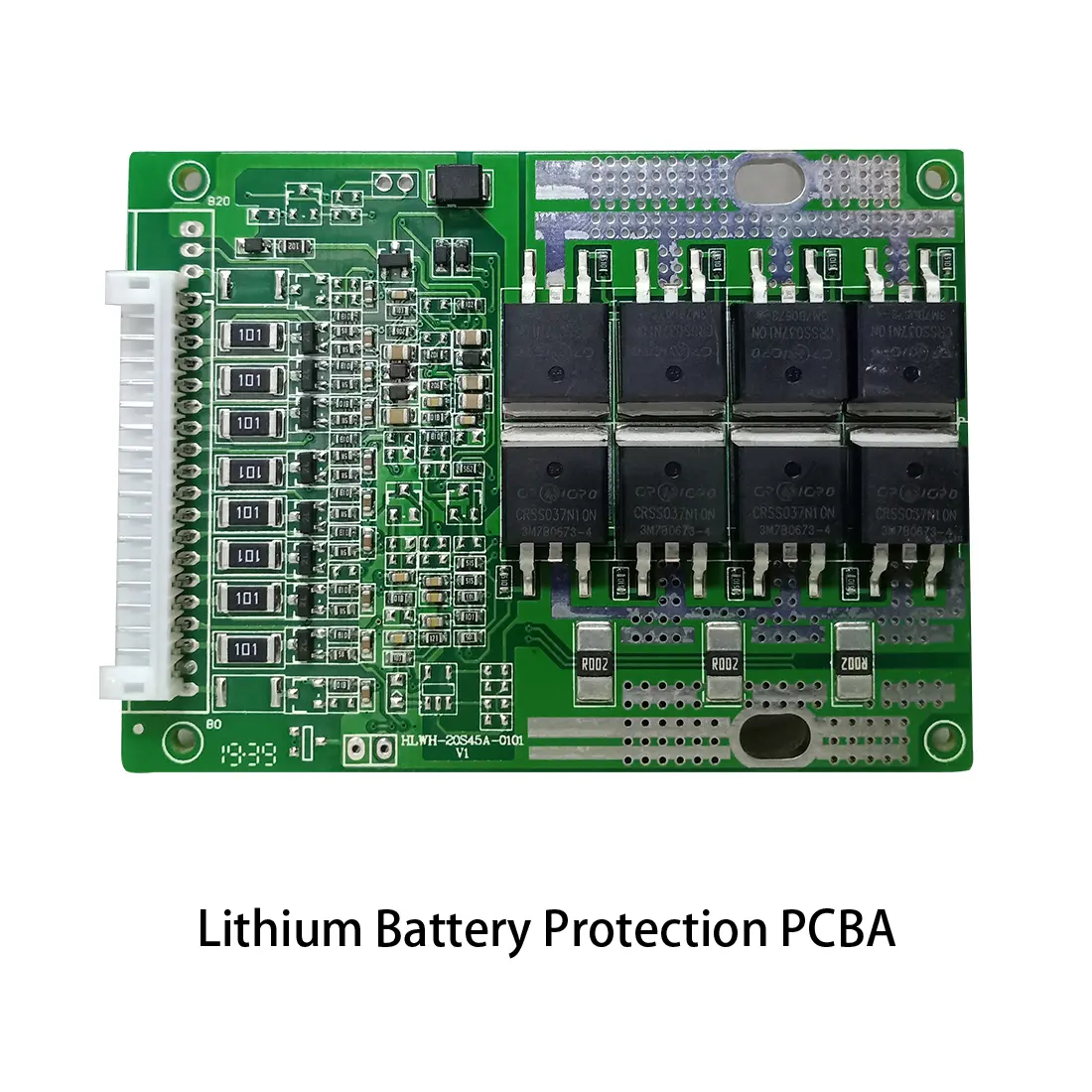 New Energey PCBA
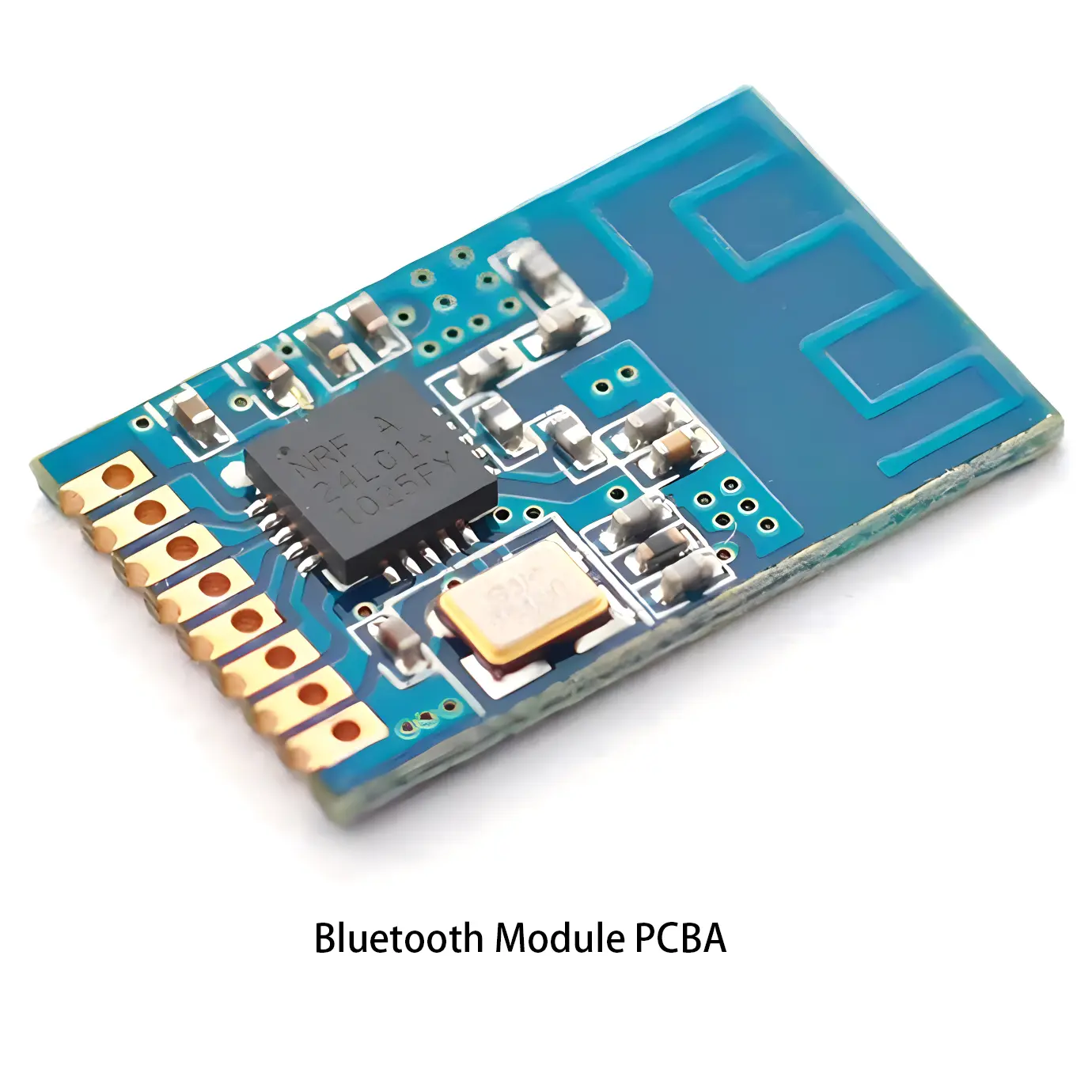 Communication PCBA
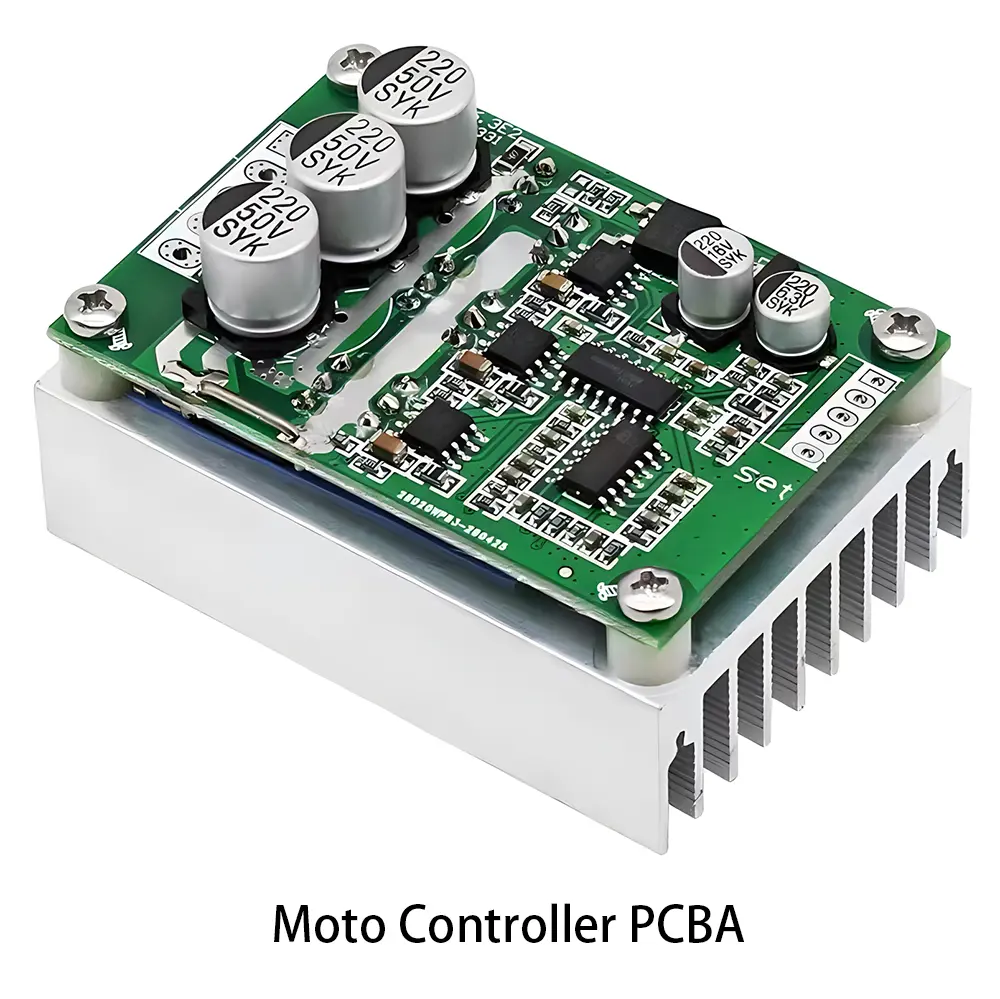 Industrial Control PCBA
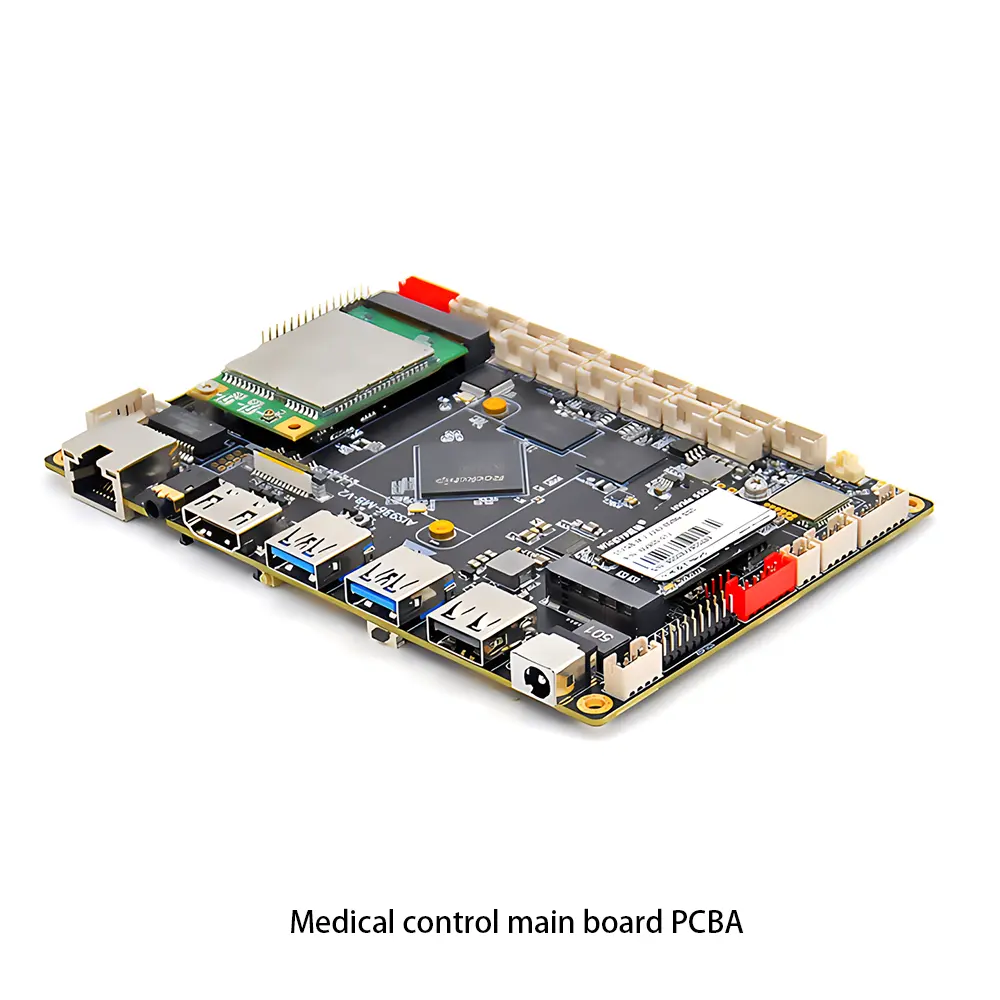 Medical Equipment PCBA
 Testing Service
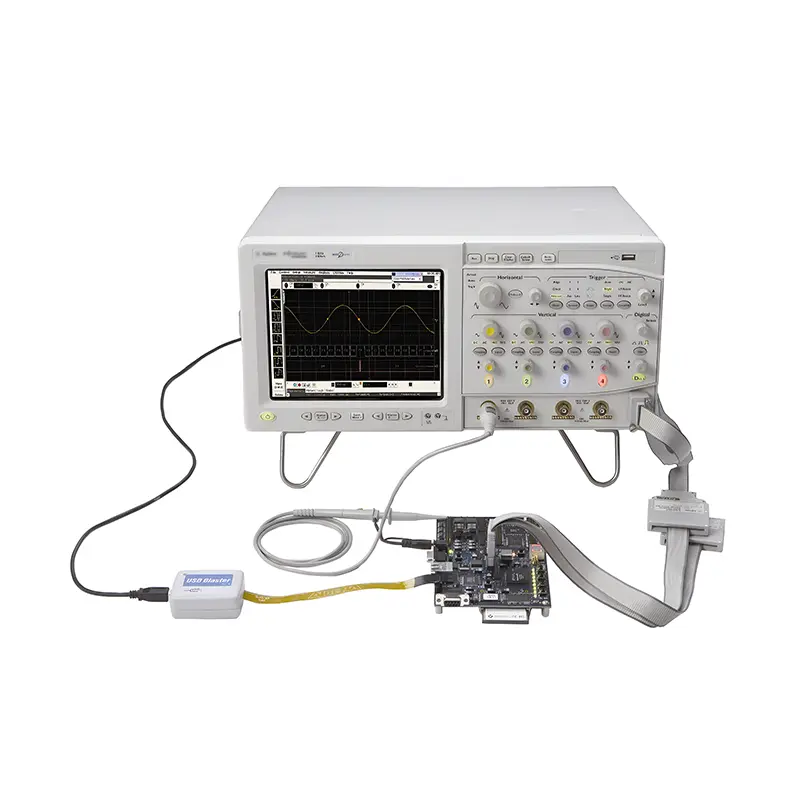 PCBA Testing Service
 Certification Application
 RoHS Certification Application
 REACH Certification Application
 CE Certification Application
 FCC Certification Application
 CQC Certification Application
 UL Certification Application
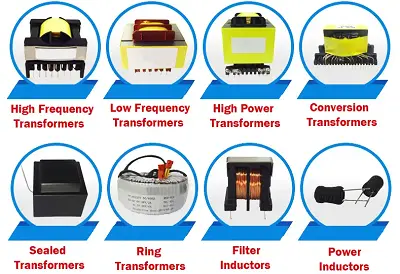 Transformers, Inductors
 High Frequency Transformers
 Low Frequency Transformers
 High Power Transformers
 Conversion Transformers
 Sealed Transformers
 Ring Transformers
 Inductors
 Wires,Cables Customized
 Network Cables
 Power Cords
 Antenna Cables
 Coaxial Cables
 Net Position Indicator
 Solar AIS net position indicator
 Capacitors
 Connectors
 Diodes
 Embedded Processors & Controllers
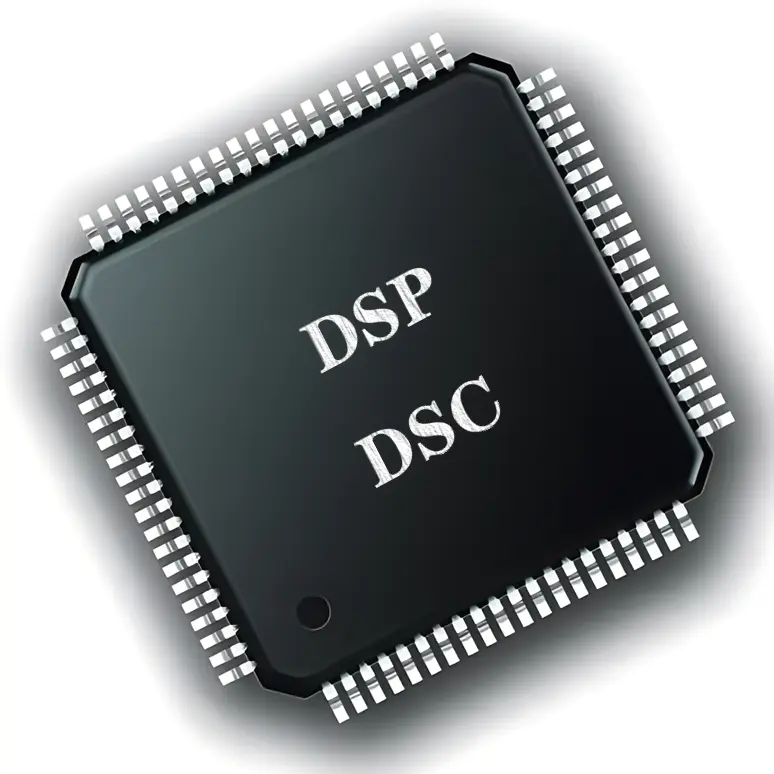 Digital Signal Processors (DSP/DSC)
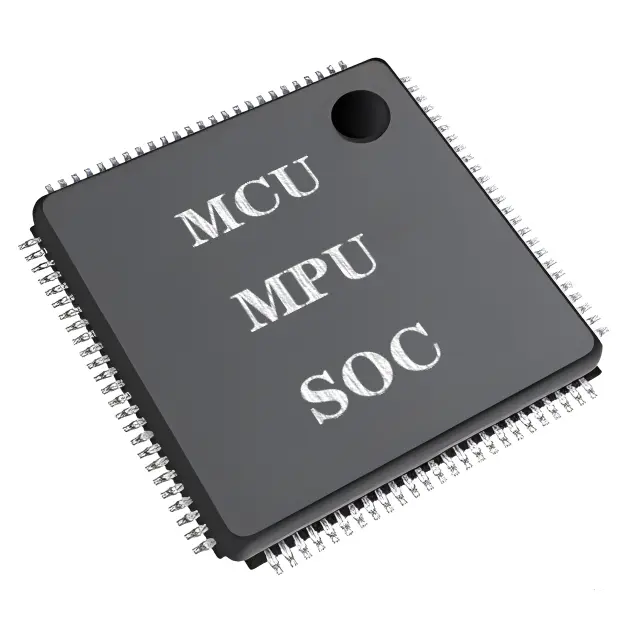 Microcontrollers (MCU/MPU/SOC)
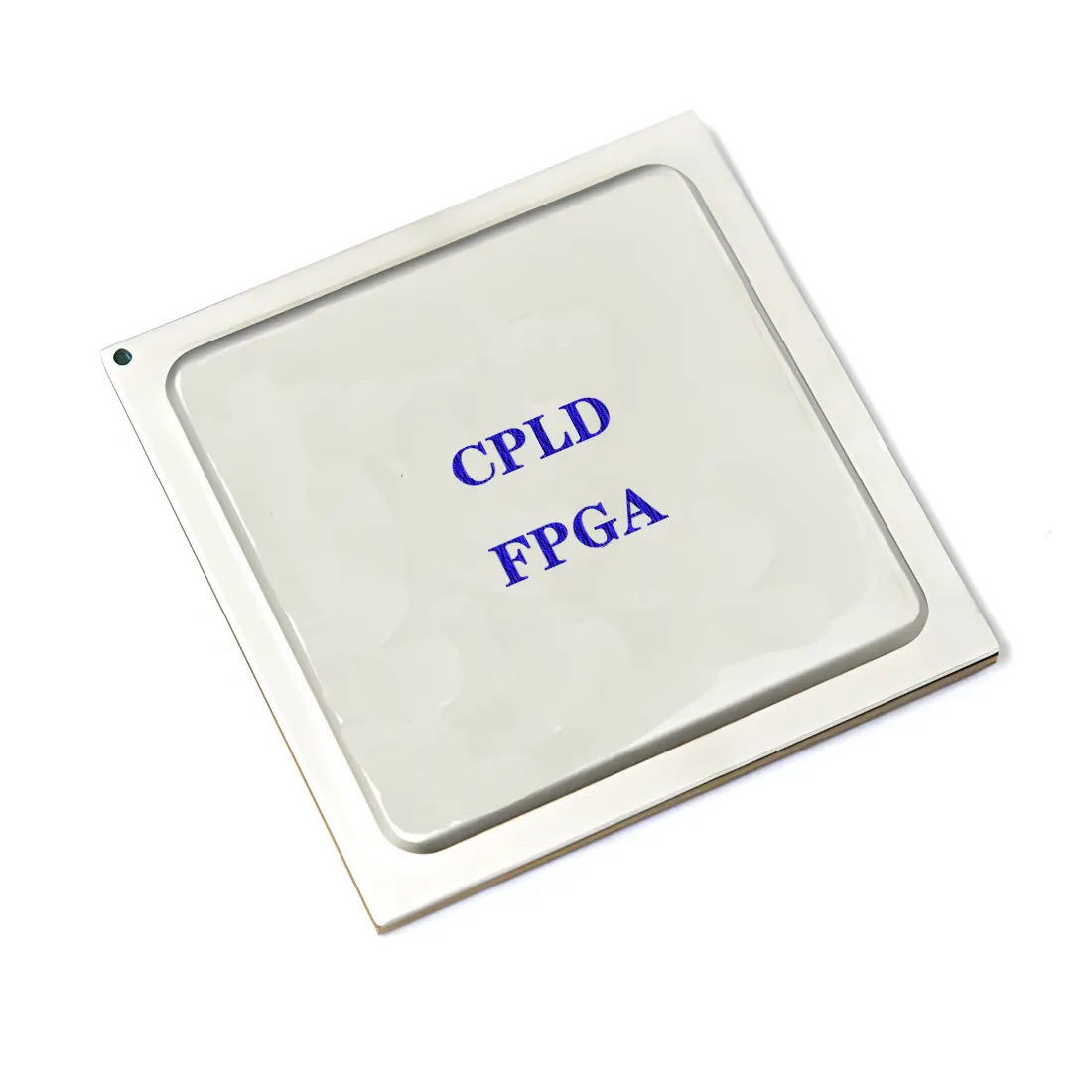 Programmable Logic Device(CPLD/FPGA)
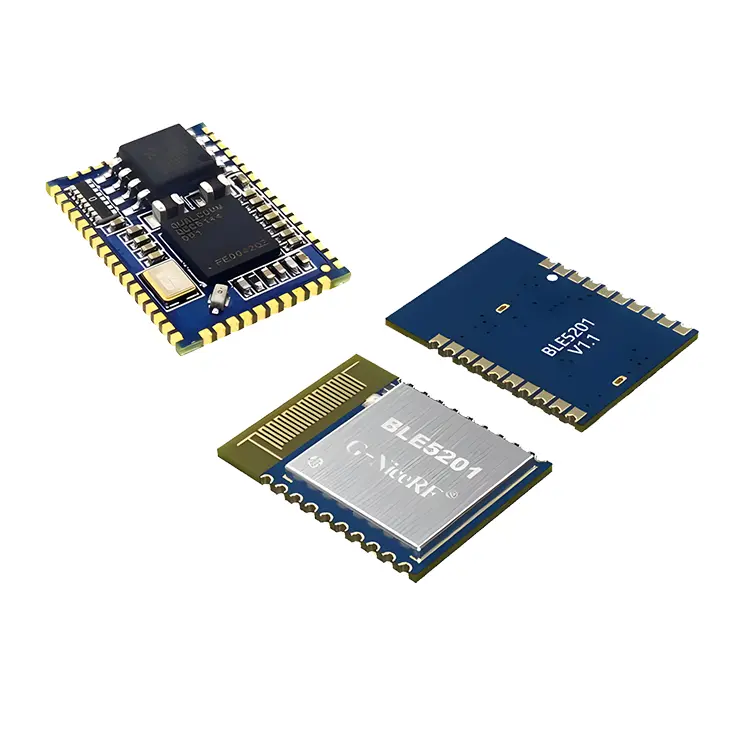 Communication Modules/IoT
 Resistors
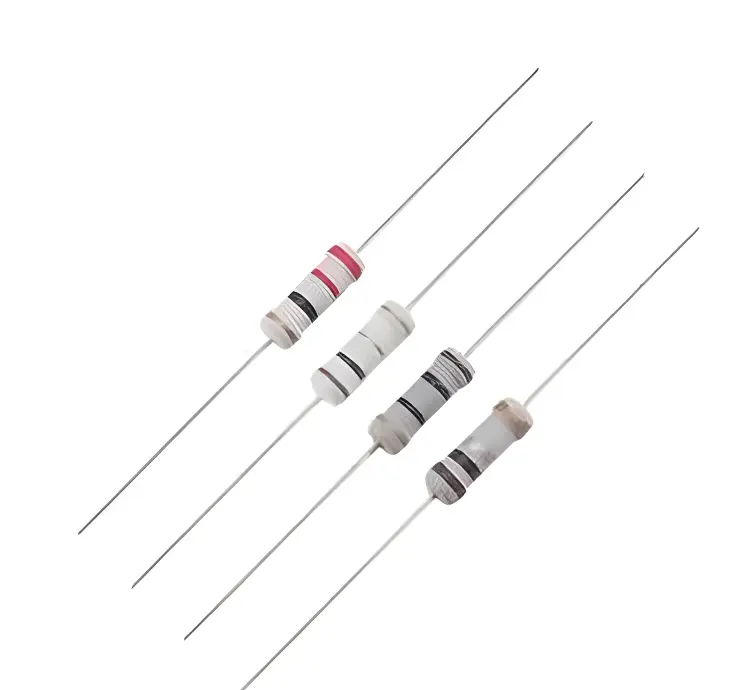 Through Hole Resistors
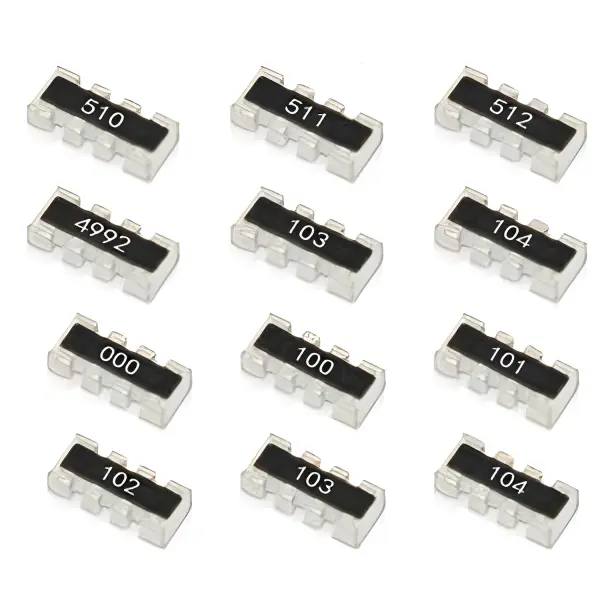 Resistor Networks, Arrays
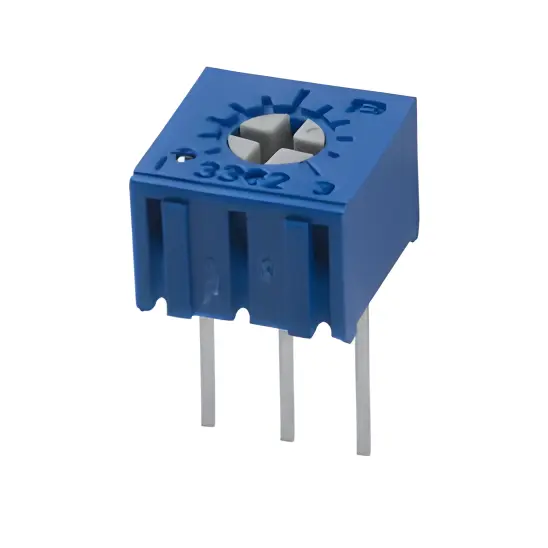 Potentiometers,Variable Resistors
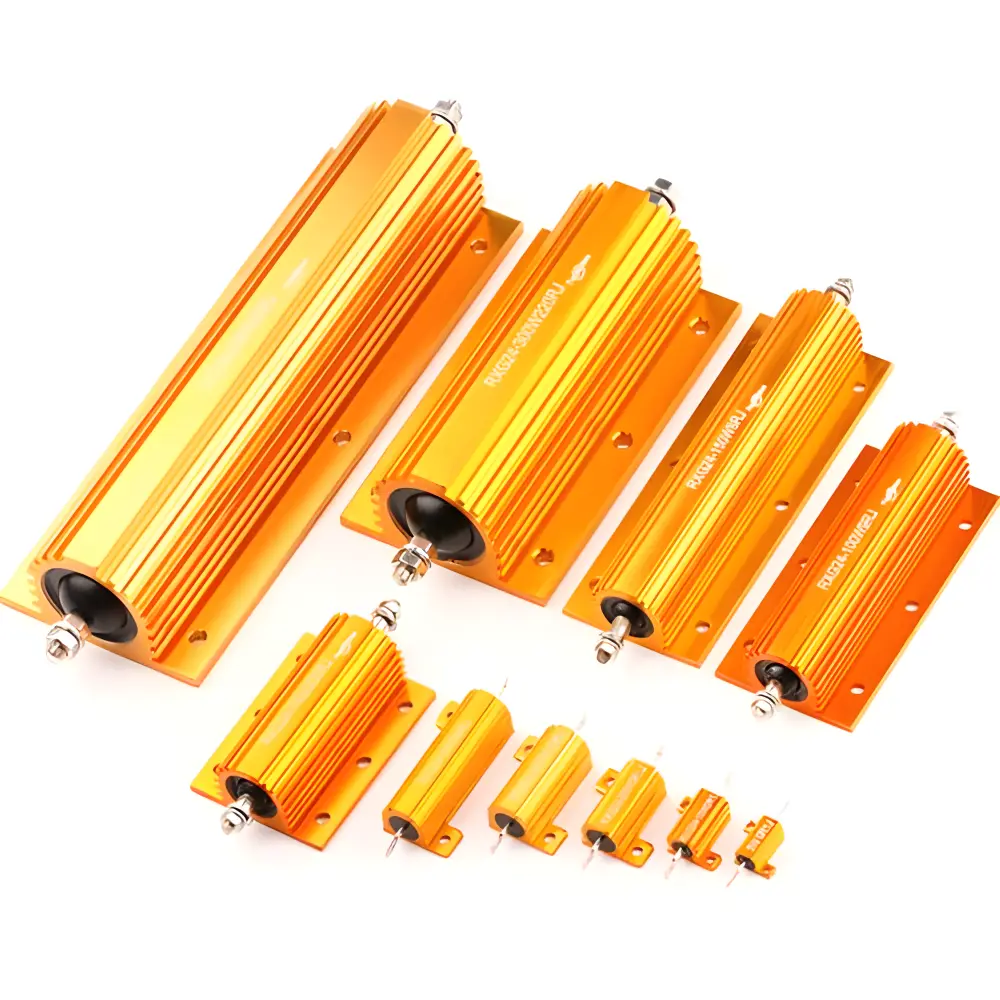 Aluminum Case,Porcelain Tube Resistance
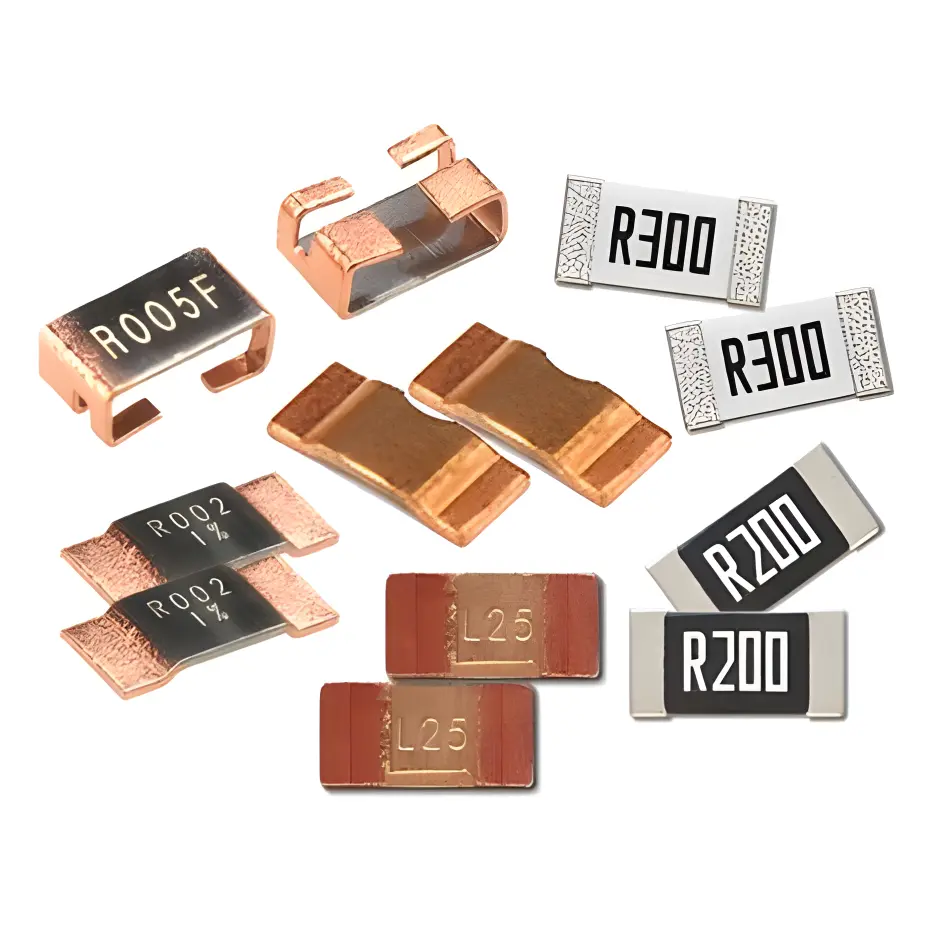 Current Sense Resistors,Shunt Resistors
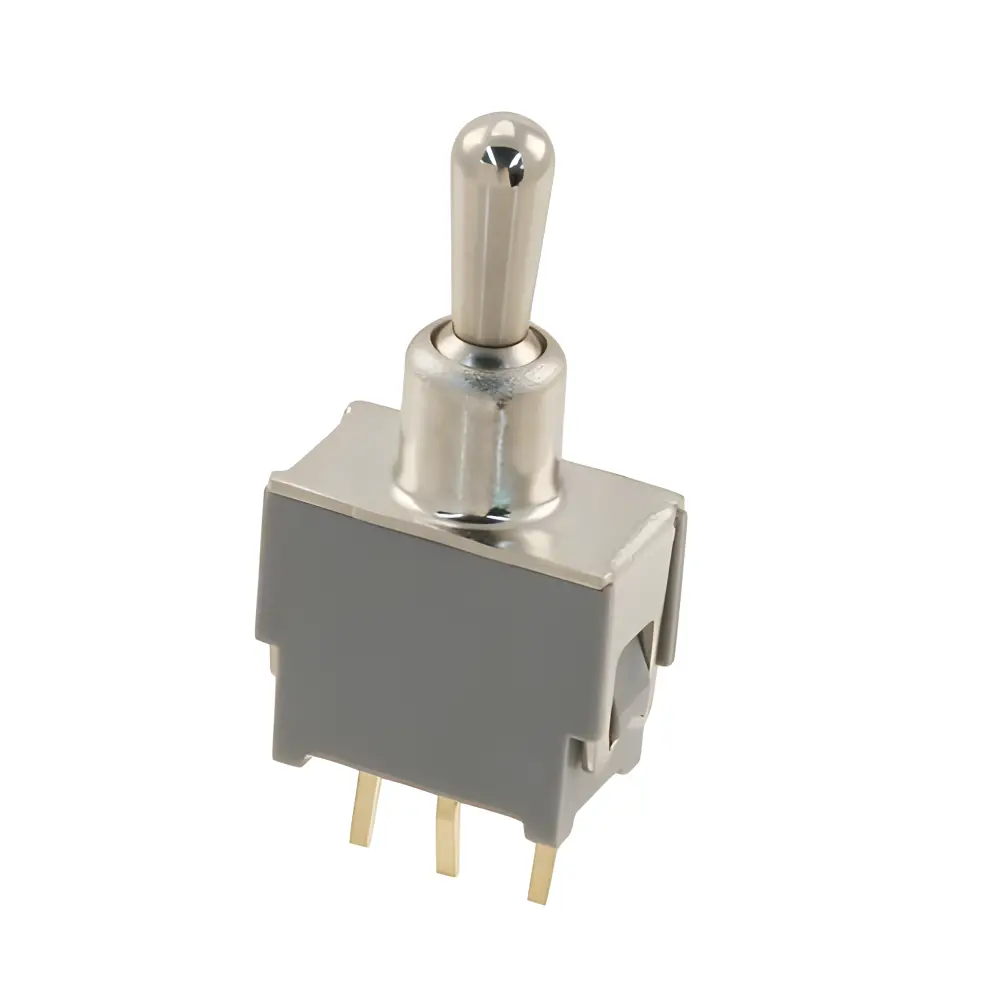 Switches
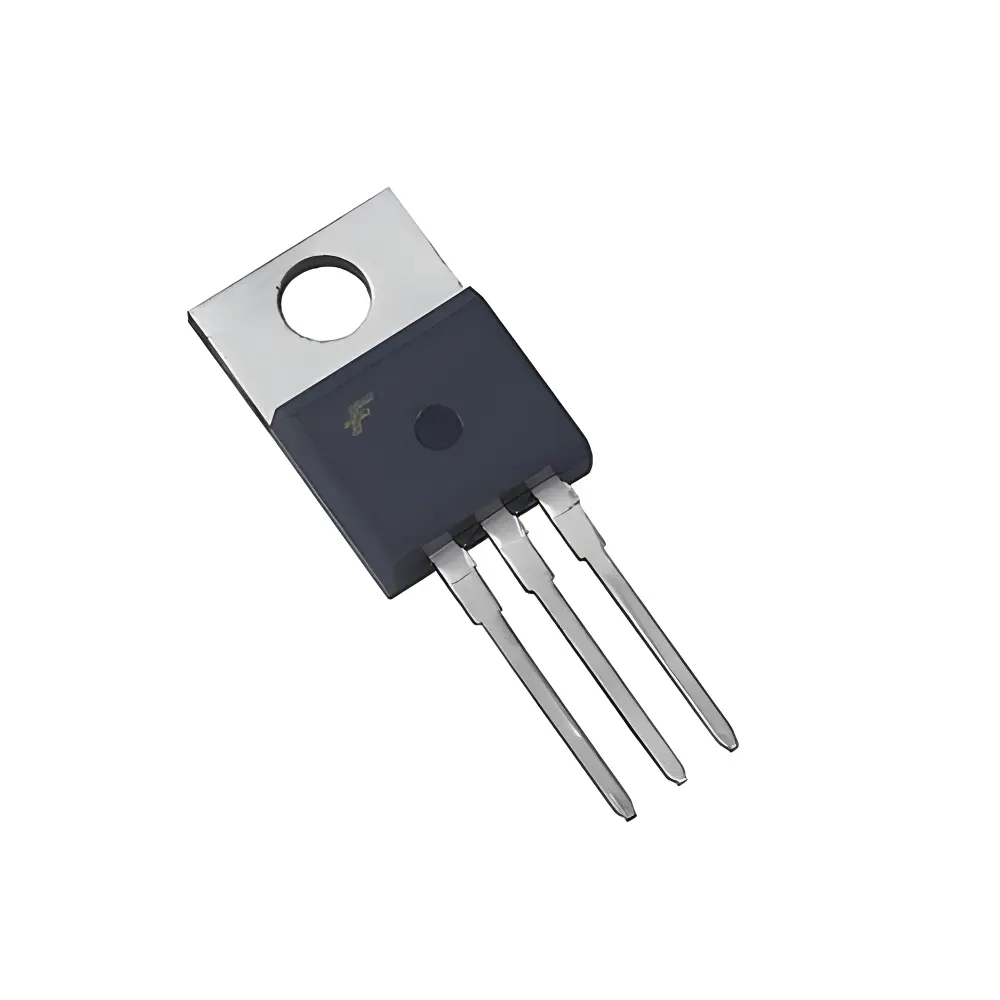 Transistors
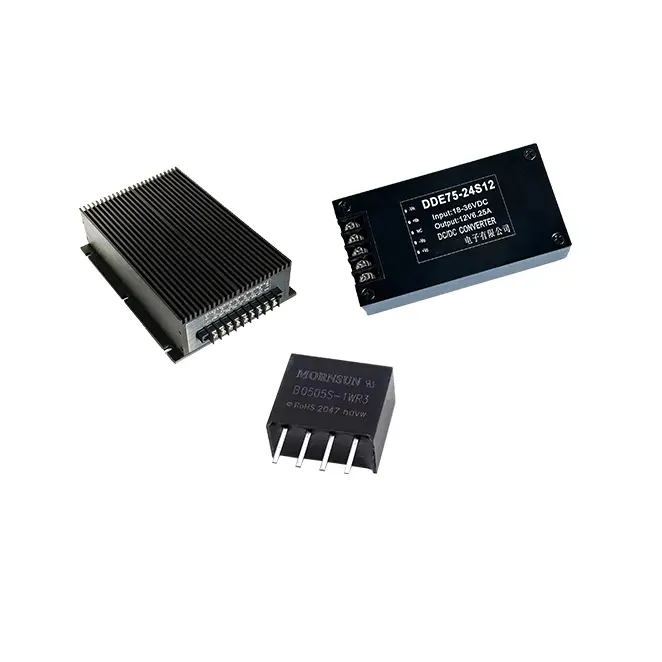 Power Modules
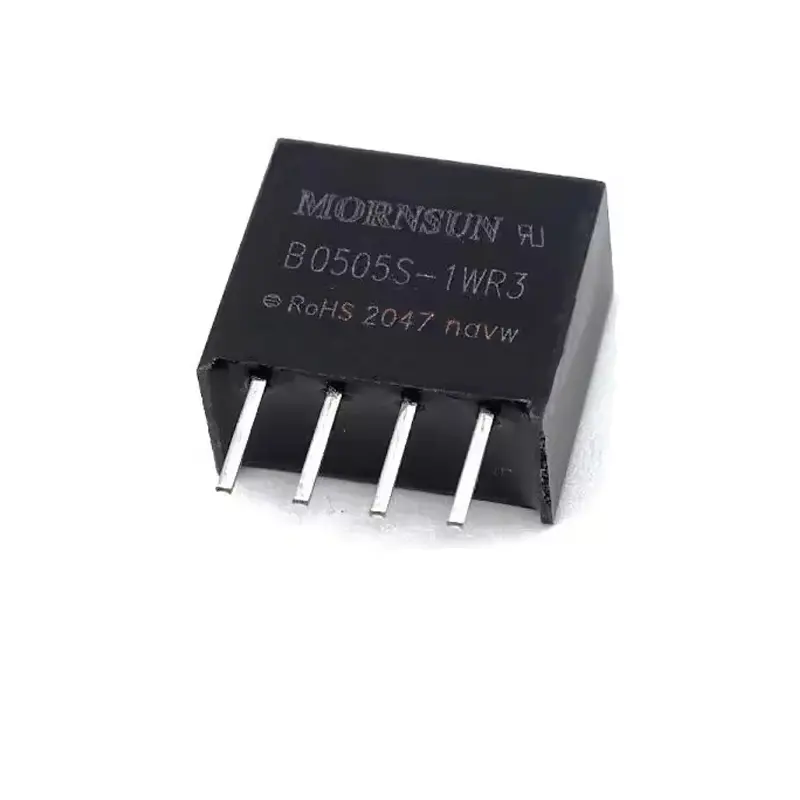 Isolated Power Modules
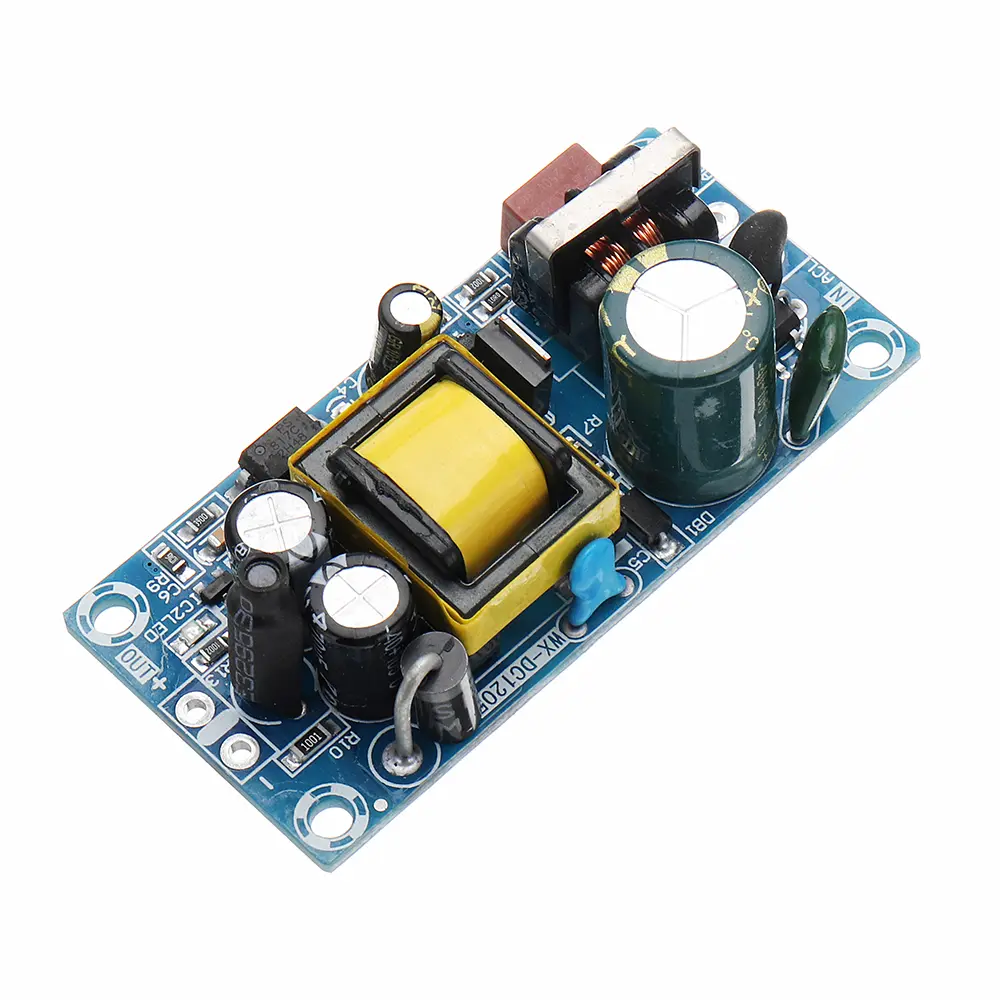 AC-DC Power Modules
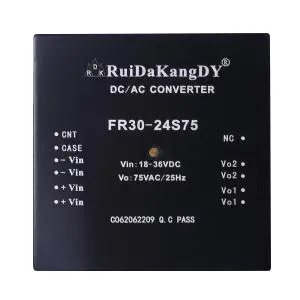 DC-AC Module(Inverter)
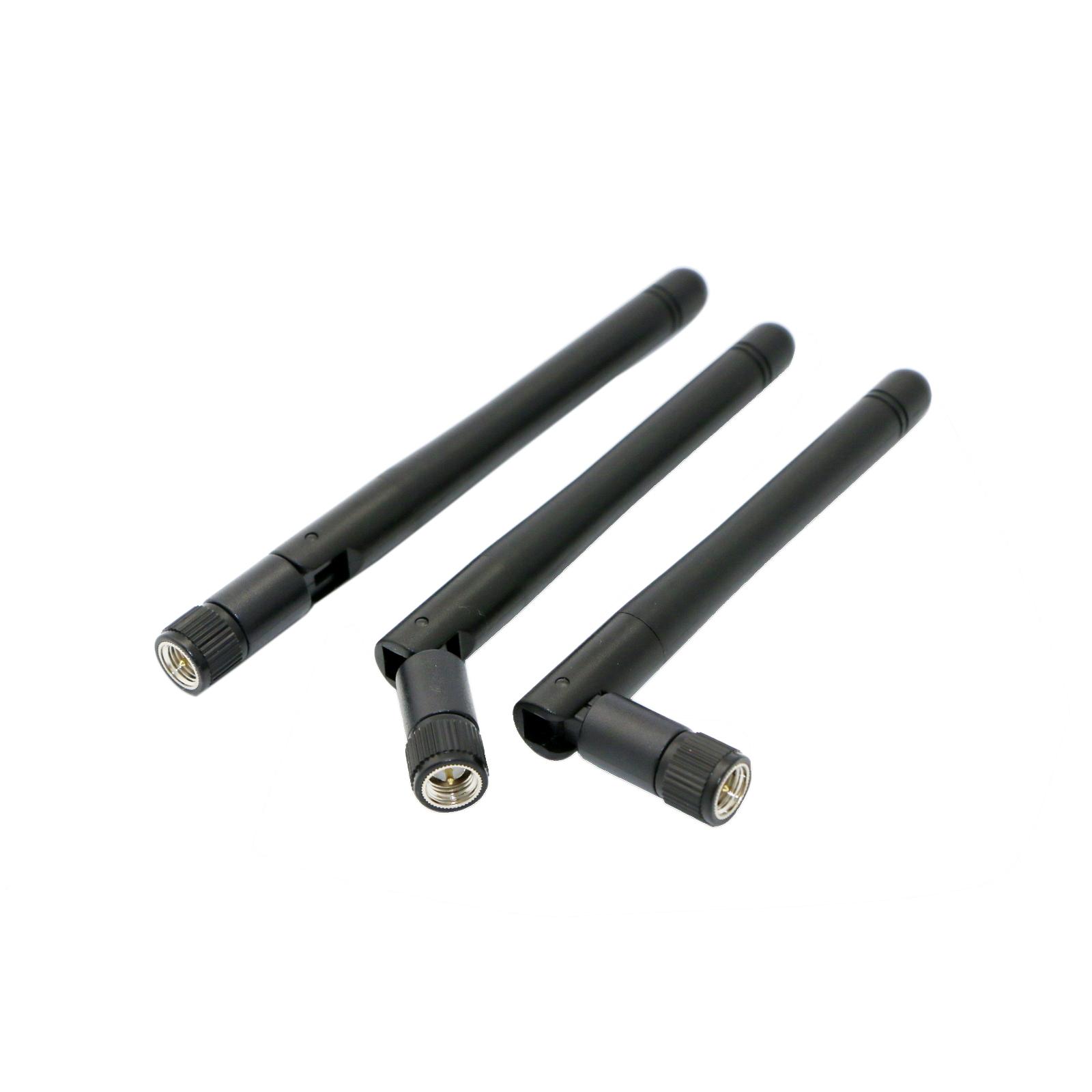 RF and Wireless
How to Verify PCB Impedance Control through Impedance Test Coupon Design
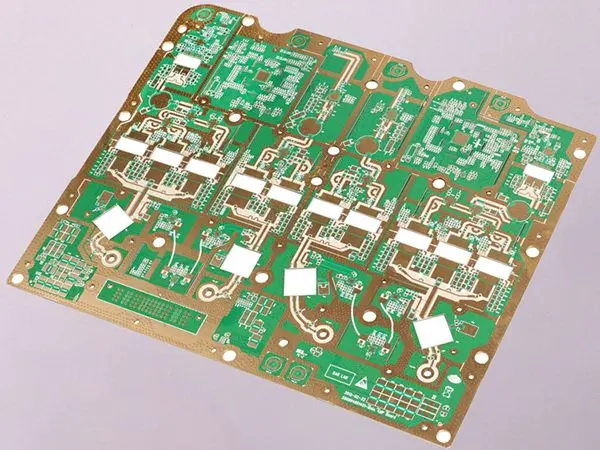
In high-speed digital and RF circuit design, impedance control is crucial for ensuring signal integrity. An Impedance Test Coupon is a cost-effective tool for verifying whether PCB manufacturing meets the target impedance values. It provides a standardized measurement structure for test equipment by SIMulating the characteristics of actual signal lines. This article details how to accurately verify PCB impedance control through the careful design of impedance test coupons.
I. Core Role and Design Objectives of Impedance Test Coupons
An impedance test coupon is not part of the PCB's main functional circuit but is a dedicated test pattern placed on the board edge or in the waste area for Process Verification (PV). Its main functions include:
-
Process Capability Assessment: Verifying the PCB fabricator's ability to consistently produce traces that meet impedance requirements.
-
First Article Inspection (FAI): Confirming if the current production batch meets the design impedance before mass production.
-
Process Monitoring: Sampling and testing during mass production to monitor the impact of process variations on impedance.
-
Cost Reduction: Avoiding the high costs associated with destructive testing (e.g., cross-sectioning) on functional boards.
Its core design objective is: The test coupon must truthfully and accurately reflect the impedance characteristics of the actual high-speed signal lines on the PCB.
II. Types of Impedance Test Coupons and Selection
Based on the structure of the transmission line under test, coupons are mainly categorized as follows:
| Coupon Type | Structure Description | Applicable Transmission Line Type | Key Design Parameters |
|---|---|---|---|
| Microstrip | Located on the outer layer of the PCB, with a reference plane on only one side. | Outer layer single-ended/differential lines | Trace Width (W), Dielectric Thickness (H), Copper Thickness (T), Solder Mask Thickness (C) |
| Stripline | Located on an inner layer of the PCB, with reference planes above and below. | Inner layer single-ended/differential lines | Trace Width (W), Dielectric Thickness (H), Copper Thickness (T) |
| Coplanar Waveguide (CPW) | The signal line and adjacent copper (GND) are on the same layer. | High-frequency/RF signal lines | Trace Width (W), Signal-to-Ground Spacing (S), Dielectric Thickness (H) |
| Differential Pair | A pair of tightly coupled microstrip or stripline traces. | Differential pairs | Trace Width (W), Trace Spacing (S), Dielectric Thickness (H) |
Selection Principle: The type of test coupon should exactly replicate the type of signal line on the PCB that requires control. For example, if the DDR data lines on the mainboard are inner layer striplines, the test coupon should also be designed as a stripline structure.
III. Detailed Design Points for Test Coupons
-
Accurately Replicate Target Trace Width and Spacing
-
The trace width (W) and, for differential pairs, the trace spacing (S) of the coupon must be identical to the parameters of the target signal lines in the Gerber files. Any slight deviation will render the impedance measurement meaningless.
-
Considering the etching factor, the actual produced trace width will be slightly less than the design value. The design should involve communication with the PCB manufacturer to confirm their etch compensation scheme, ensuring the final trace width is close to the theoretical value.
-
-
Strictly Simulate the Stack-up Structure
-
The test coupon must be located in the exact same dielectric layer as the actual signal line it simulates. For example, to simulate a stripline on layer L3, the dielectric thicknesses above and below (H1, H2) for the coupon must match the actual stack-up of layer L3.
-
Provide a complete stack-up table to the PCB manufacturer and ensure the stack-up in the coupon area is identical to the main functional area.
-
-
Integrity of Reference Planes
-
For microstrip and stripline, the reference planes (GND or Power) must be solid and unbroken. Gaps or splits in the reference plane beneath the coupon will severely affect impedance accuracy and consistency.
-
The coupon length should be sufficient for Time Domain Reflectometer (TDR) measurement needs, typically 4-6 inches (approx. 100-150mm), to ensure test signal stability.
-
-
Calibration and Compensation Test Structures
-
Open/Short Calibration Standards: Design open and short structures at the end of the coupon for Vector Network Analyzer (VNA) calibration, improving measurement accuracy.
-
Back Drill Verification: If the PCB requires back drilling, the coupon should include through-hole structures to verify the impact of back drill depth on impedance continuity.
-
Return Path ("Loopback"): For differential coupons, designing a path that connects the ends of the differential pair facilitates the measurement of odd-mode impedance.
-
-
Layout and Test Point Design
-
Coupons are typically placed on the board edge or routing tabs for easy access during production and testing.
-
Test points are usually designed as Ground-Signal-Ground (GSG) or Ground-Signal-Signal-Ground (GSSG) pads or coaxial connector interfaces.
-
GSG: Used for single-ended or single differential pair testing. Pad pitch is typically 1.85mm or 2.92mm to match probe types.
-
GSSG: Used for testing two differential pairs simultaneously or measuring crosstalk between differential pairs.
-
-
Test point pad sizes should be standardized to ensure reliable contact with test probes or connectors.
-
IV. Impedance Test Methods and Procedures
-
Test Equipment
-
Time Domain Reflectometer (TDR): The most common tool. A TDR sends a fast step signal into the coupon and calculates the impedance by analyzing the amplitude and timing of the reflected wave. It visually displays impedance variations along the transmission line.
-
Vector Network Analyzer (VNA): Measures S-parameters by frequency sweeping and converts them to impedance. VNAs are more suitable for high-frequency and RF applications and can provide richer phase information.
-
-
Test Procedure
a. Calibration: Calibrate the TDR or VNA using a calibration substrate to eliminate errors introduced by test cables and fixtures.
b. Connection: Precisely align and press the GSG probes onto the test points, ensuring good contact.
c. Measurement: Perform a TDR or VNA scan. For TDR, read the stable value in the flat middle region of the impedance curve as the characteristic impedance.
d. Analysis: Compare the measurement results with the design target values (e.g., 50Ω single-ended, 100Ω differential). A tolerance of ±10% is commonly allowed.
V. Design Verification and Data Analysis
-
Compare Simulation vs. Measurement: Use electromagnetic field simulation software (e.g., ADS, Si9000) to model impedance based on the actual PCB stack-up and material parameters. Compare simulation results with measured data. Significant deviations require investigation into whether the design model is inaccurate or if there is a manufacturing process issue.
-
Statistical Analysis: Place multiple identical test coupons at different locations on the board, measure their impedance values, and perform statistical analysis (e.g., calculate Cp/Cpk) to evaluate the uniformity and consistency of the PCB manufacturer's impedance control.
VI. Common Design Errors and How to Avoid Them
-
Ignoring Solder Mask Effects: The solder mask on outer layer microstrip lines reduces impedance by approximately 1-3Ω. The solder mask thickness and coverage must be specified in the design and included in the simulation model.
-
Poor Test Point Design: Excessively large test pads introduce parasitic capacitance, causing measurement errors. Keep test points compact and compliant with probe specifications.
-
Incomplete Reference Planes: Routing or clearances in the reference plane underneath the coupon severely disrupt impedance continuity, leading to distorted measurement results.
-
Insufficient Communication with the Manufacturer: During the early design phase, it is essential to communicate with the PCB manufacturer to confirm their material library (e.g., PP type, Core type), final line width control capability, layer-to-layer registration capability, etc., and incorporate these process capabilities into the simulation model.