
 PCB
PCB FPC
FPC Rigid-Flex
 FR-4
FR-4 HDI PCB
 Rogers High-Frequency Board
 PTFE Teflon High-Frequency Board
 Aluminum
 Copper Core
 PCB Assembly
 LED light PCBA
 Memory PCBA
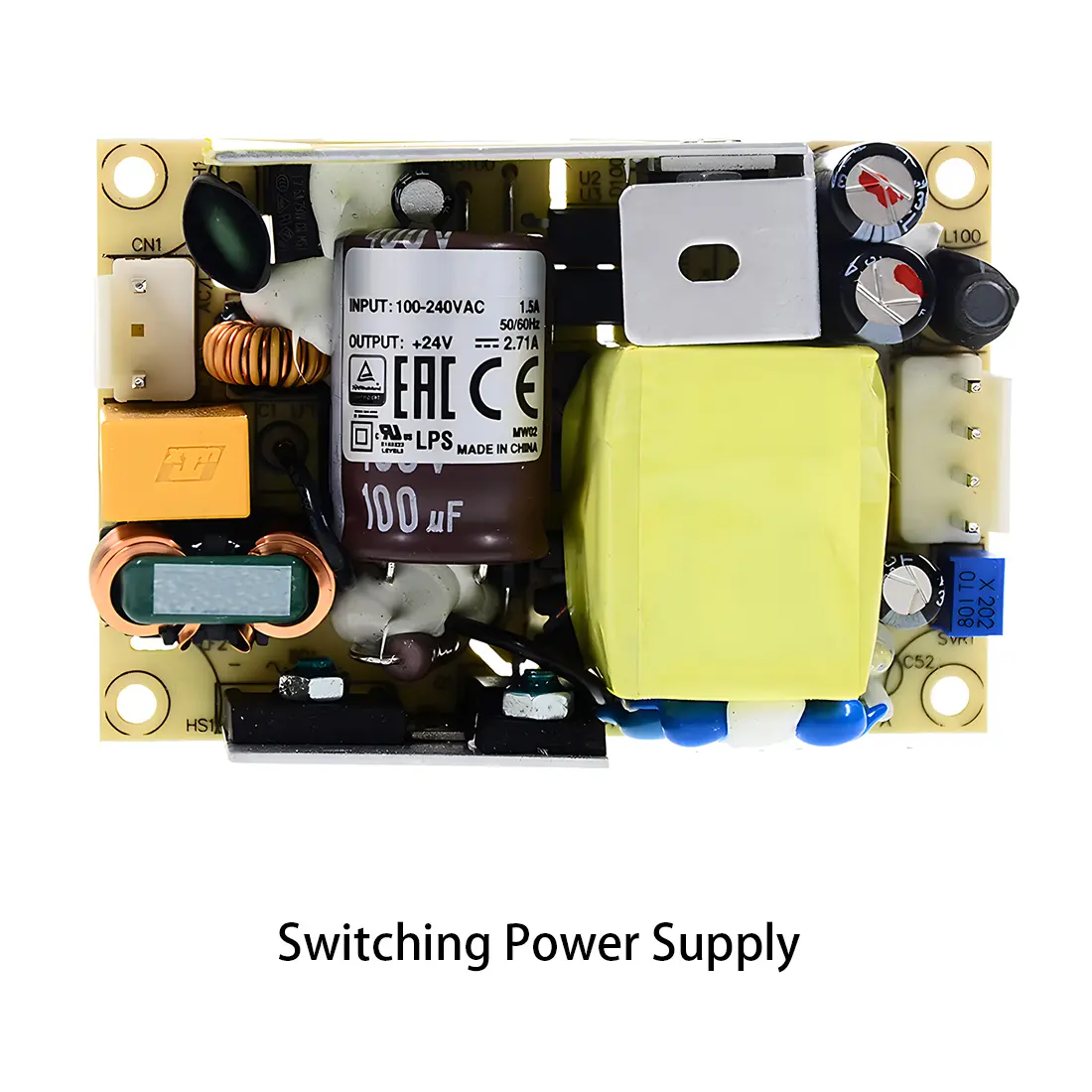 Power Supply PCBA
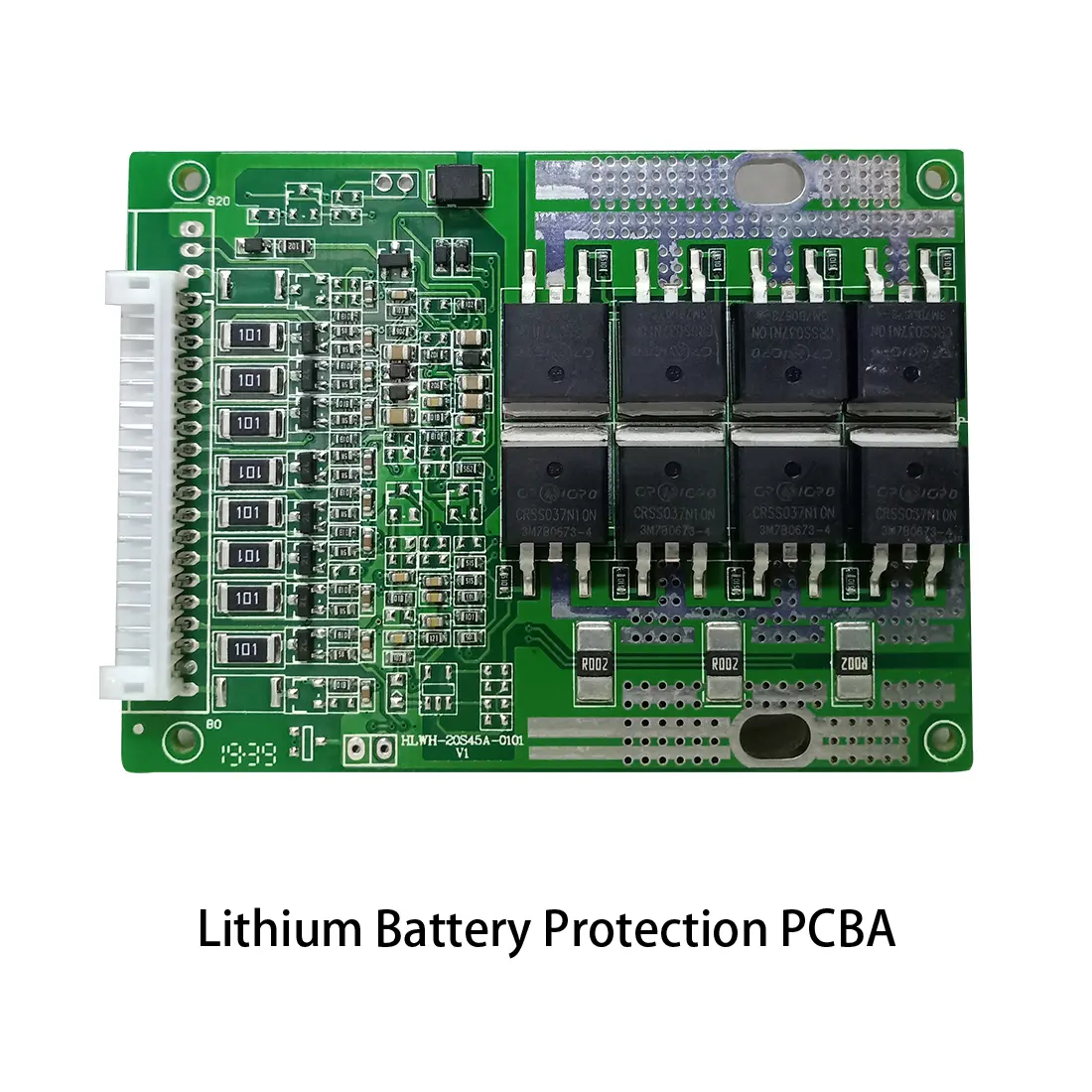 New Energey PCBA
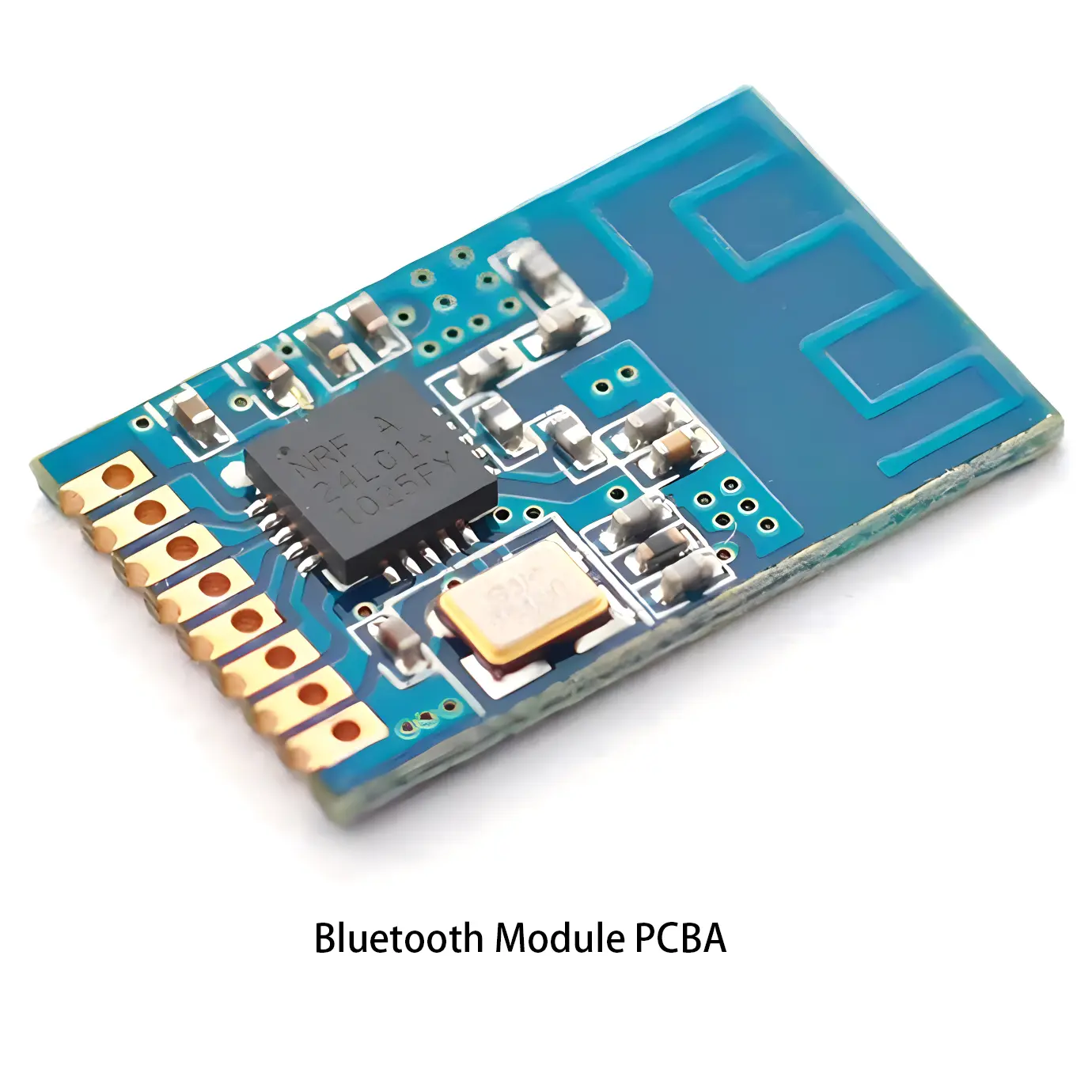 Communication PCBA
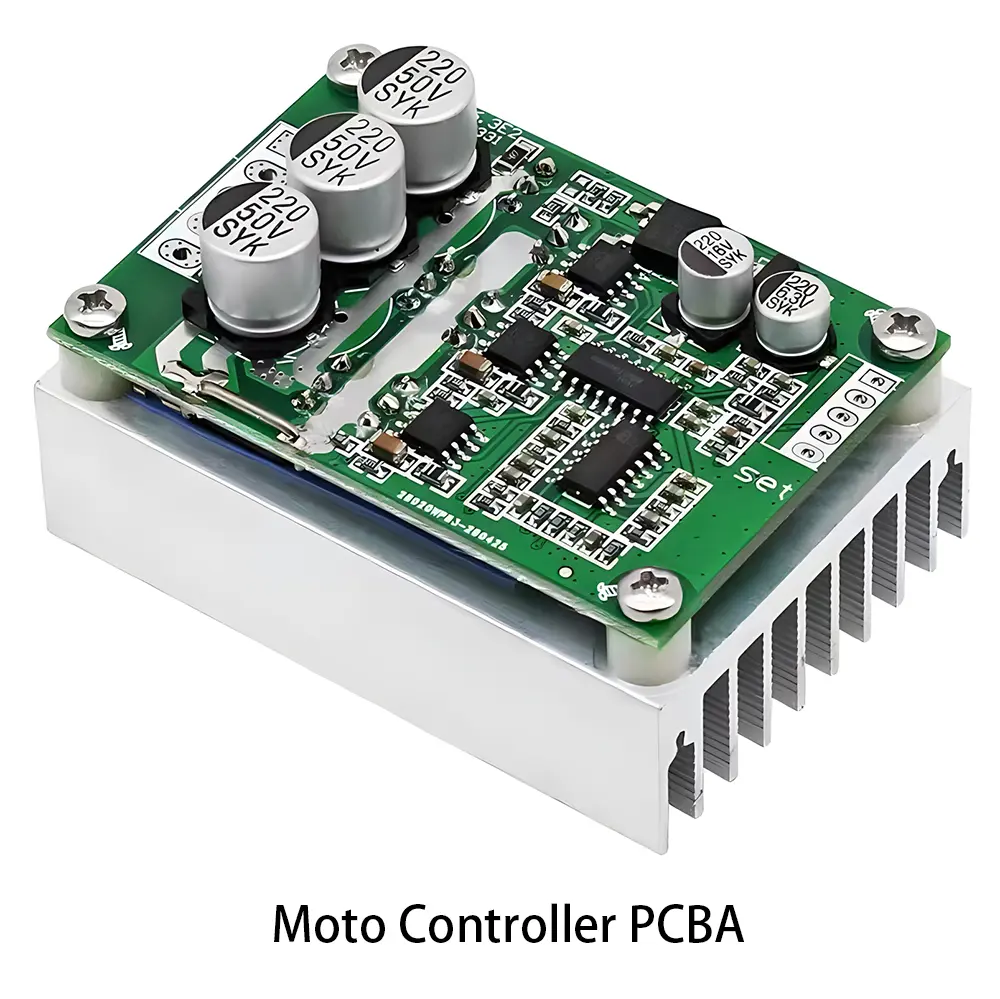 Industrial Control PCBA
 Medical Equipment PCBA
 Testing Service
 PCBA Testing Service
 Certification Application
 RoHS Certification Application
 REACH Certification Application
 CE Certification Application
 FCC Certification Application
 CQC Certification Application
 UL Certification Application
 Transformers, Inductors
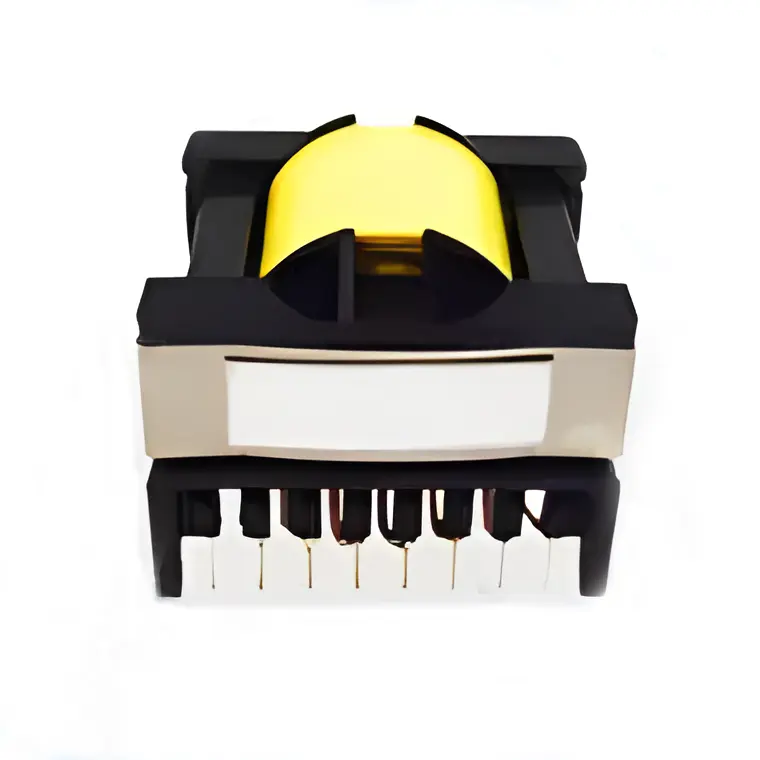 High Frequency Transformers
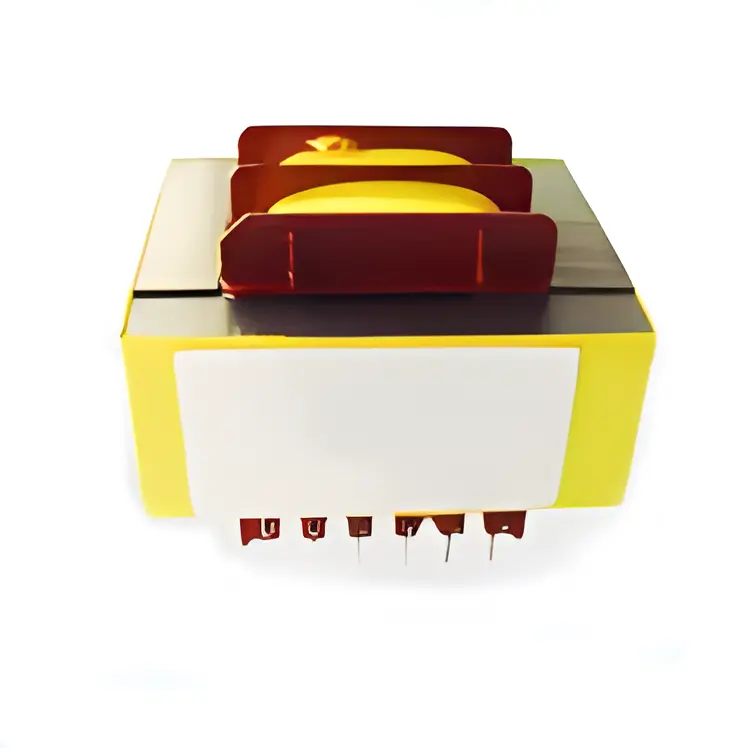 Low Frequency Transformers
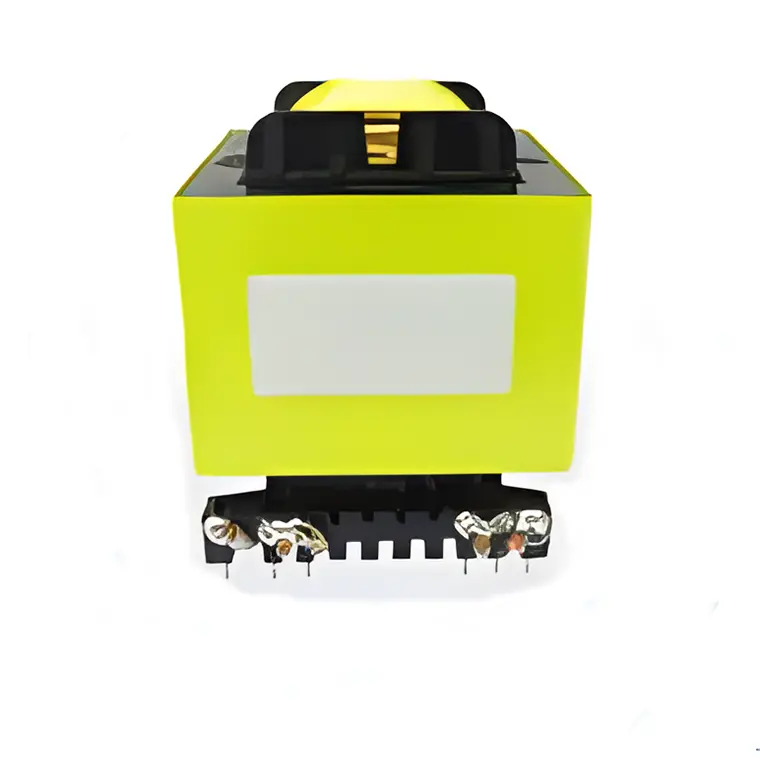 High Power Transformers
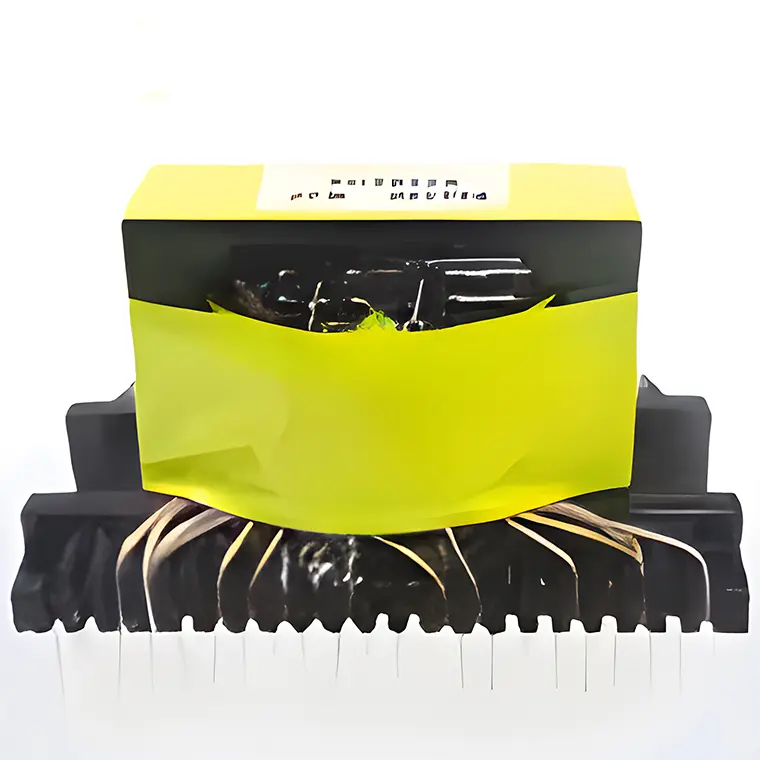 Conversion Transformers
 Sealed Transformers
 Ring Transformers
 Inductors
 Wires,Cables Customized
 Network Cables
 Power Cords
 Antenna Cables
 Coaxial Cables
 Net Position Indicator
 Solar AIS net position indicator
 Capacitors
 Connectors
 Diodes
 Embedded Processors & Controllers
 Digital Signal Processors (DSP/DSC)
 Microcontrollers (MCU/MPU/SOC)
 Programmable Logic Device(CPLD/FPGA)
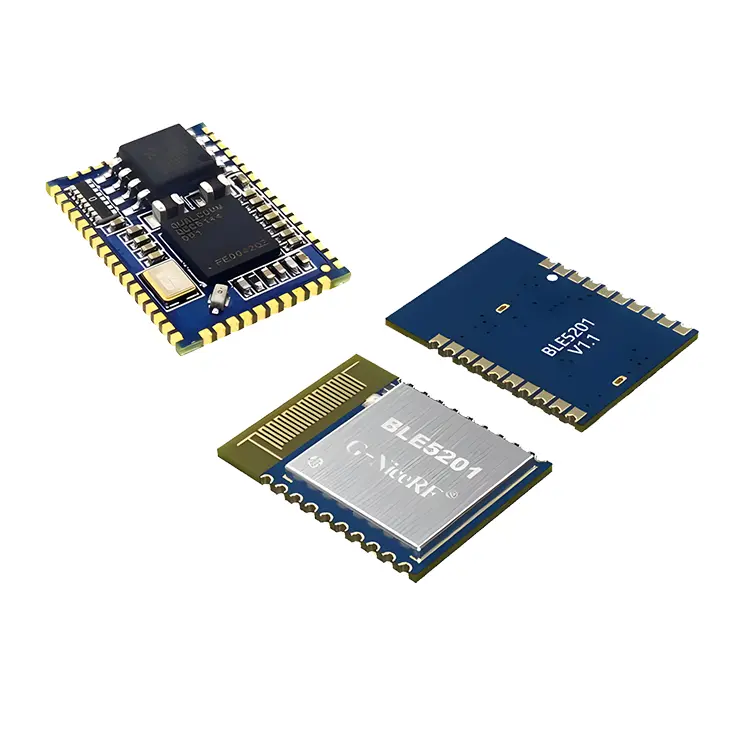 Communication Modules/IoT
 Resistors
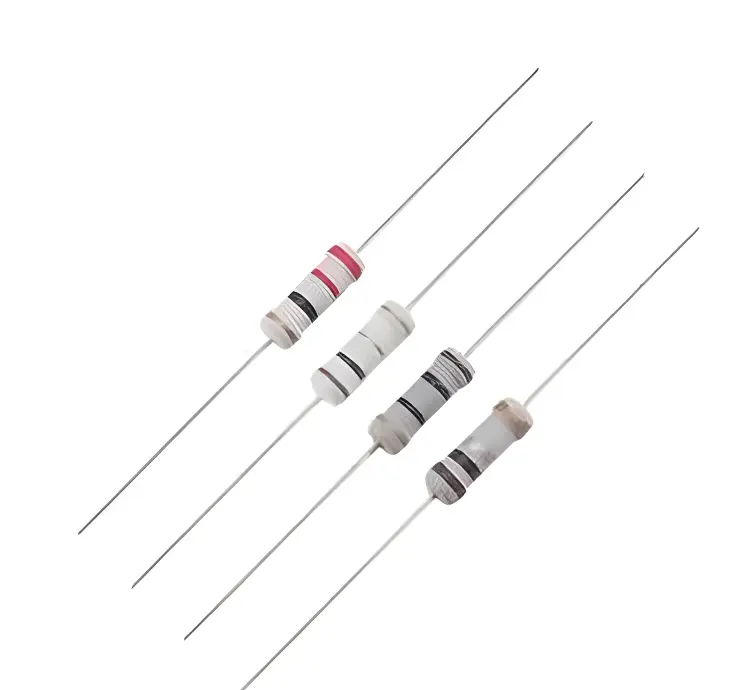 Through Hole Resistors
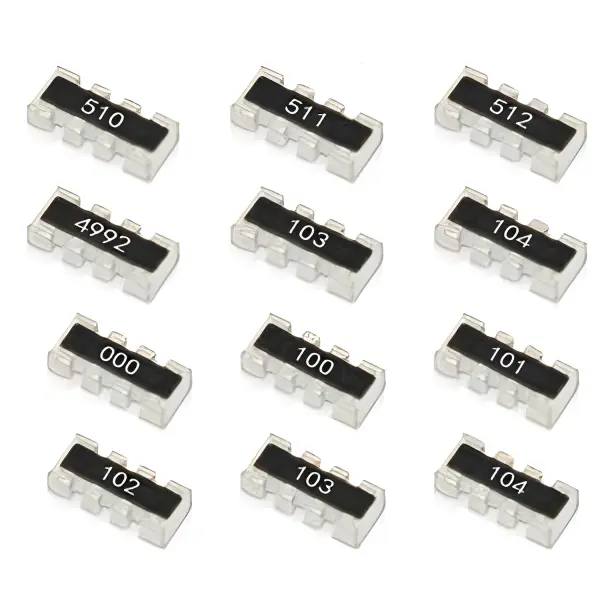 Resistor Networks, Arrays
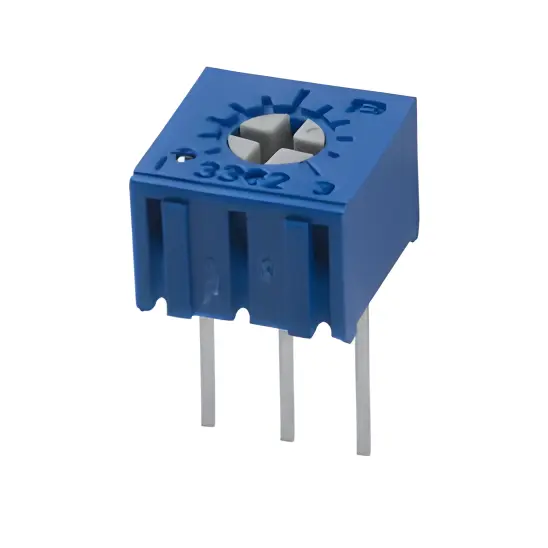 Potentiometers,Variable Resistors
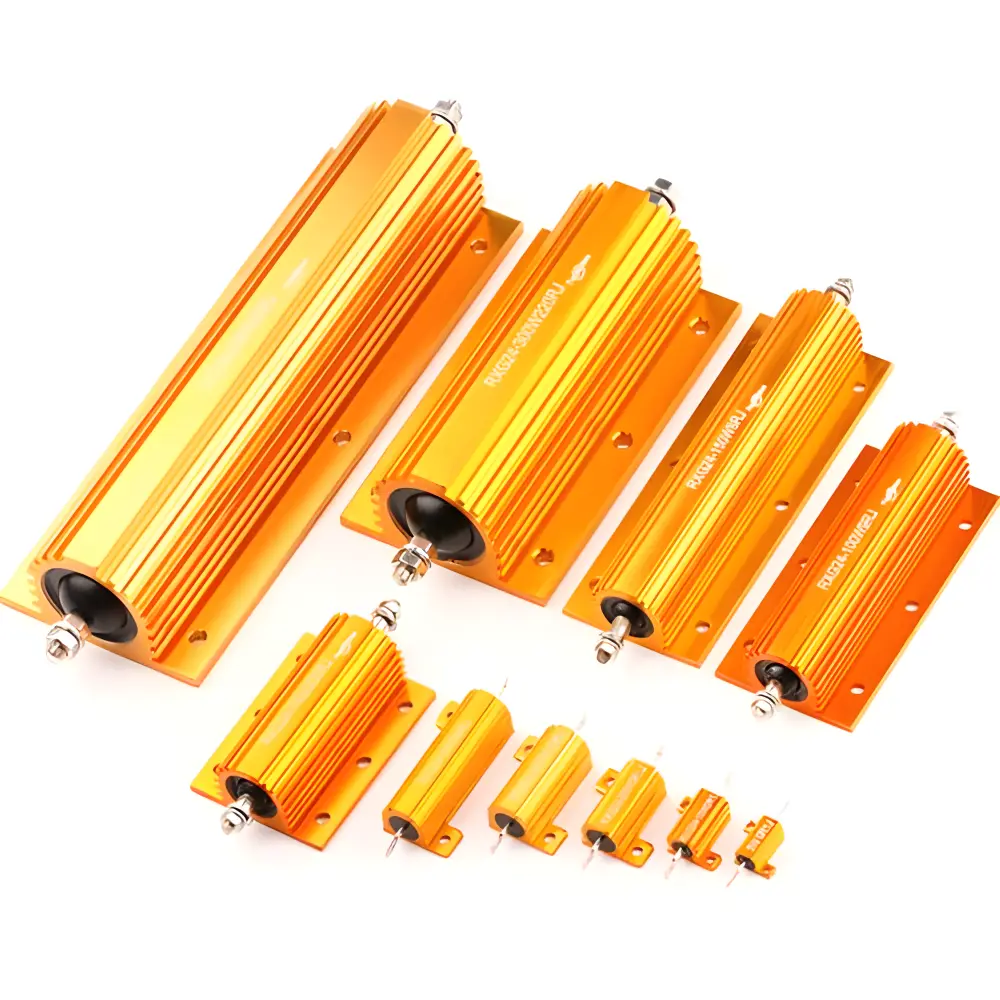 Aluminum Case,Porcelain Tube Resistance
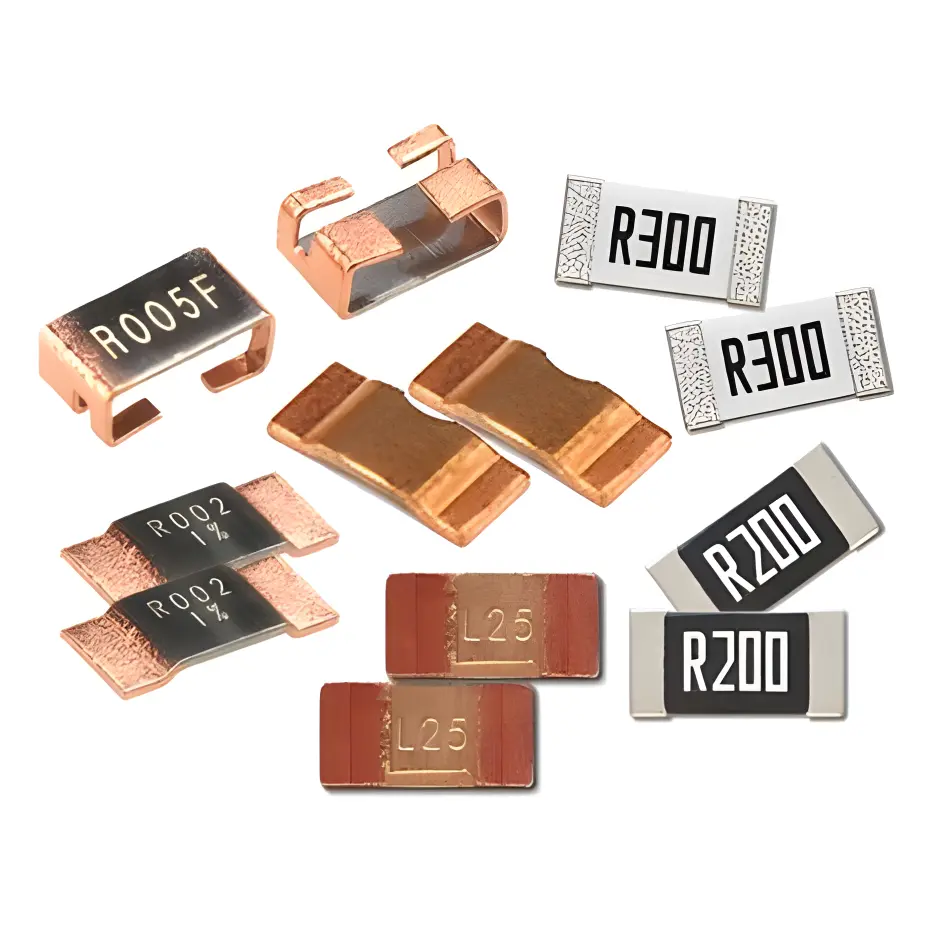 Current Sense Resistors,Shunt Resistors
 Switches
 Transistors
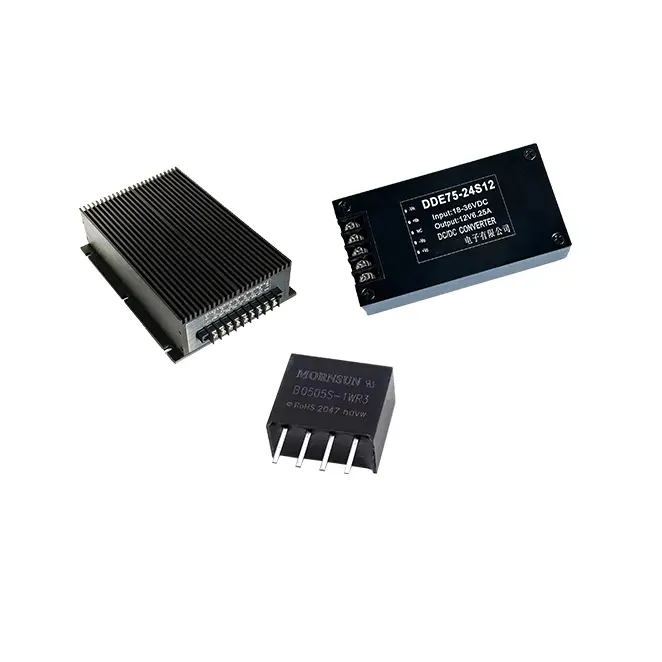 Power Modules
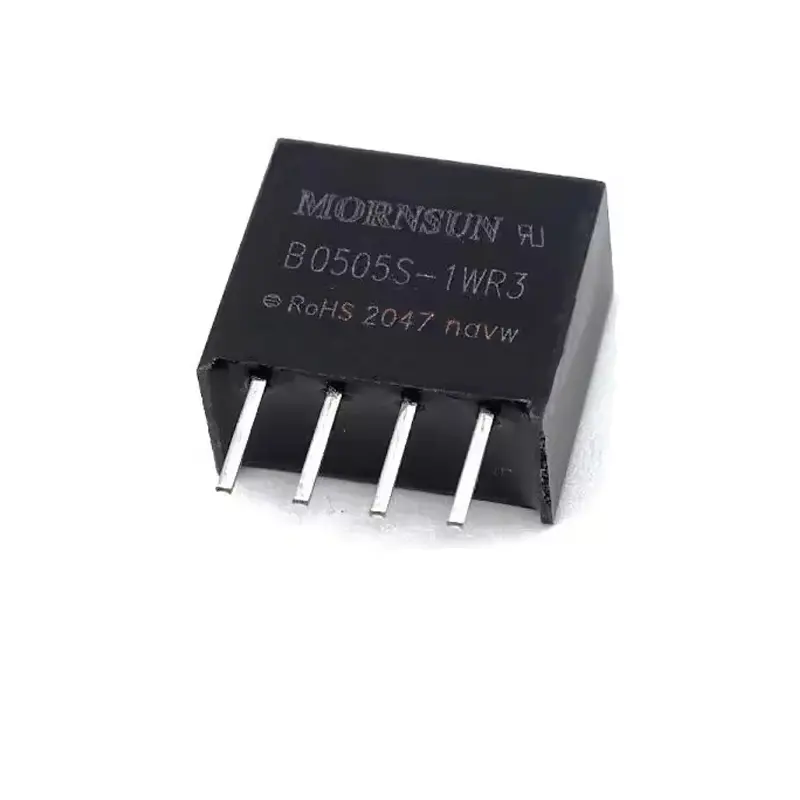 Isolated Power Modules
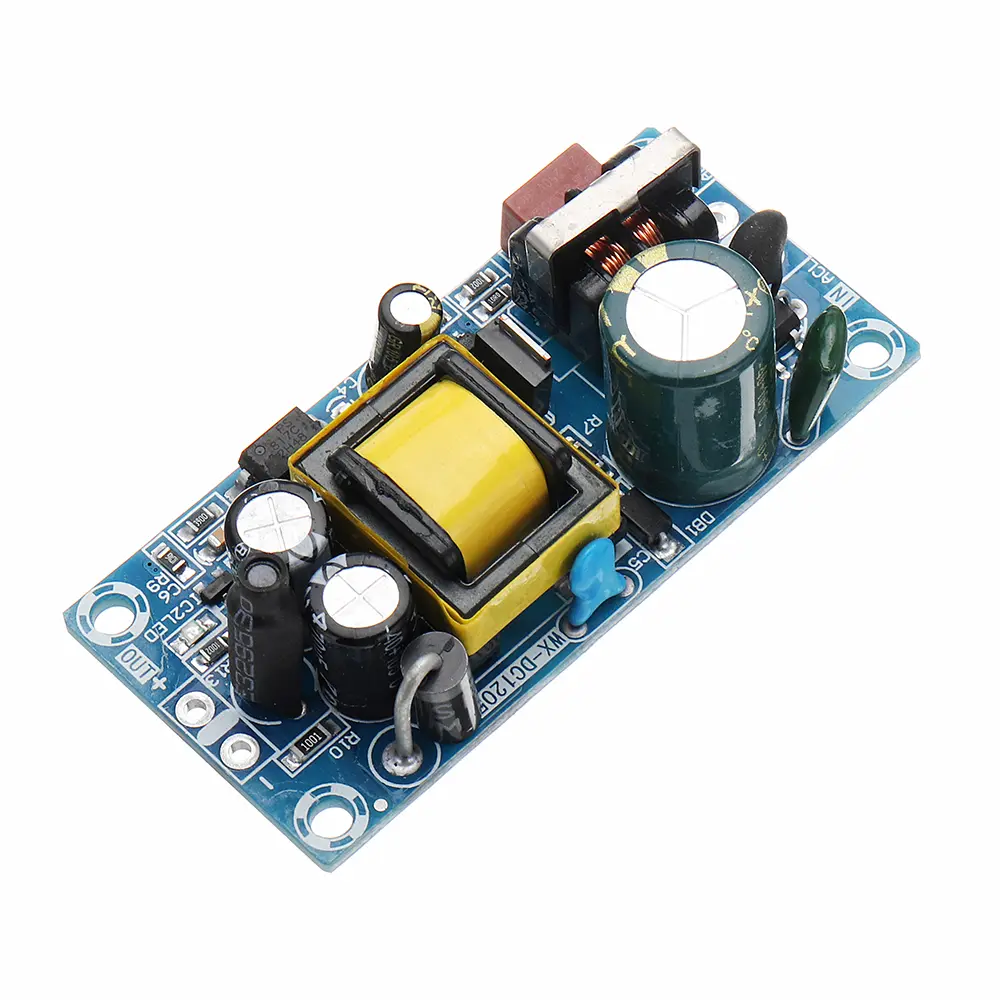 AC-DC Power Modules
 DC-AC Module(Inverter)
 RF and Wireless
How to Judge PCBA Cleaning Cleanliness: Beyond Visual Inspection, Rapid Detection Methods and Standards
2025-12-30
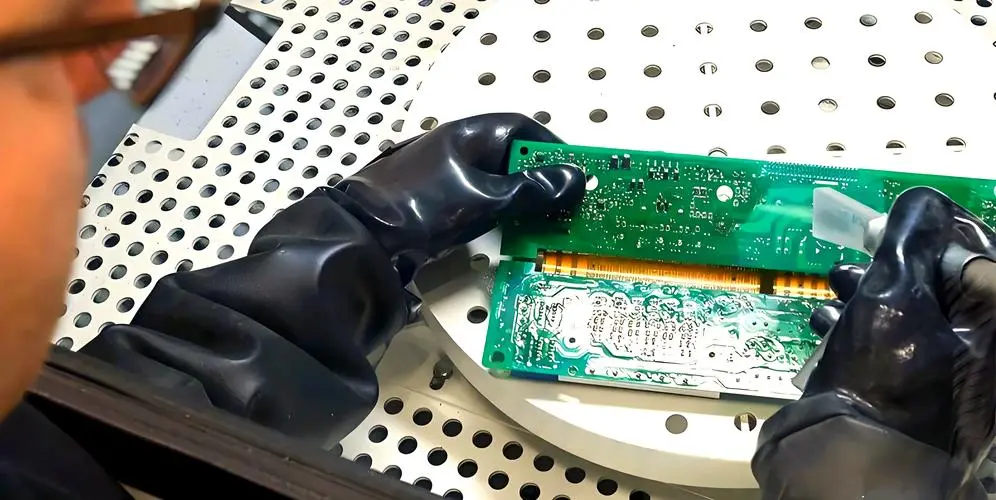
Printed Circuit Board Assembly (PCBA) cleaning is a critical post-soldering process that removes residual contaminants (e.g., flux residues, solder balls, ionic contaminants, dust) to ensure product reliability, electrical peRFormance, and long-term stability. Contaminants left on PCBA surfaces can cause a range of issues, including electrical shorts, corrosion, dendrite growth, and reduced thermal conductivity—all of which lead to premature product failure, especially in high-reliability applications such as aerospace, medical devices, and automotive electronics. Judging whether a PCBA is clean enough requires more than just visual inspection; it demands a combination of standardized criteria, rapid detection methods, and quantitative analysis to accurately assess both visible and invisible contaminants.
Visual inspection, while intuitive and low-cost, is limited to detecting large, visible contaminants and cannot identify microscopic residues (e.g., ionic flux residues) that pose significant reliability risks. To address this gap, the electronics manufacturing industry has developed a suite of rapid detection methods that enable quantitative or qualitative assessment of PCBA cleanliness in minutes, without the need for complex laboratory equipment. This article provides a comprehensive guide to judging PCBA cleaning cleanliness, first defining key cleanliness standards and contaminant types, then detailing visual inspection best practices, and finally focusing on advanced rapid detection methods (including ionic contamination testing, solvent extraction testing, surface insulation resistance testing, and more). It integrates industry standards such as IPC-A-610, IPC-J-STD-001, and IPC-TM-650 to ensure compliance and practical applicability, helping manufacturers establish robust cleanliness verification processes.
1. Fundamentals of PCBA Cleanliness: Contaminant Types and Cleanliness Standards
Before discussing detection methods, it is essential to understand the types of contaminants commonly found on PCBs and the industry-recognized cleanliness standards that define "clean enough." This foundation ensures that detection efforts are targeted and aligned with application requirements.
1.1 Common PCBA Contaminant Types
Contaminants on PCBA surfaces can be categorized into four main types, each with distinct characteristics and risks:
- Ionic Contaminants: These are charged particles (e.g., halides, sulfates, chlorides) derived from flux residues (especially rosin-based fluxes), solder paste additives, or cleaning agent residues. Ionic contaminants are highly problematic because they absorb moisture from the air, forming conductive solutions that cause electrical leakage, corrosion, or dendrite growth between adjacent pads. Even trace amounts (ppm level) can compromise reliability in high-humidity environments.
- Non-Ionic Contaminants: These include non-charged residues such as rosin, wax, and organic solvents. While less conductive than ionic contaminants, non-ionic residues can trap dust and moisture, leading to poor thermal dissipation and reduced solder joint reliability. They may also interfere with subsequent processes such as conformal coating.
- Particulate Contaminants: Visible or microscopic particles (e.g., solder balls, dust, metal shavings, fiber debris) that can cause short circuits between closely spaced pads (especially in fine-pitch components) or mechanical interference with connectors and switches.
- Metallic Contaminants: Trace amounts of metals (e.g., lead, tin, copper) from soldering or handling processes. These can accelerate corrosion or form conductive paths, particularly in high-voltage applications.
The most insidious contaminants are ionic residues and microscopic particulates, as they are invisible to the naked eye but pose the greatest long-term reliability risks. This is why rapid detection methods beyond visual inspection are essential.
1.2 Industry Cleanliness Standards and Acceptance Criteria
Cleanliness requirements vary by application: consumer electronics may tolerate low levels of non-ionic residues, while aerospace or medical devices require near-absolute cleanliness. The following industry standards define key acceptance criteria for PCBA cleanliness:
1.2.1 IPC-A-610 (Acceptability of Electronic Assemblies)
IPC-A-610 is the most widely used standard for PCBA acceptability. It classifies cleanliness into three classes based on product application:
- Class 1 (General Electronic Products): Minimal cleanliness requirements. Non-ionic residues are acceptable if they do not obscure component identifiers or interfere with functionality. Ionic residues should be below 1.5 μg/in² (measured as NaCl equivalent).
- Class 2 (Dedicated Service Electronic Products): Moderate cleanliness requirements. Residues must not be visible under 10x magnification, and ionic residues should be below 1.0 μg/in² (NaCl equivalent).
- Class 3 (High-Reliability Electronic Products): Strict cleanliness requirements. No visible residues under 20x magnification, and ionic residues should be below 0.5 μg/in² (NaCl equivalent). Additional testing (e.g., surface insulation resistance) is required for critical applications.
1.2.2 IPC-TM-650 (Test Methods Manual)
IPC-TM-650 provides standardized test methods for measuring PCBA cleanliness, including ionic contamination testing (Method 2.3.25), solvent extraction testing (Method 2.3.26), and surface insulation resistance testing (Method 2.6.3.3). These methods are the basis for most rapid detection techniques used in manufacturing.
1.2.3 IPC-J-STD-001 (Requirements for Soldered Electrical and Electronic Assemblies)
IPC-J-STD-001 specifies soldering requirements and includes cleanliness criteria to ensure solder joint reliability. It requires that flux residues be removed or rendered non-corrosive, with ionic contamination levels below 1.0 μg/in² (NaCl equivalent) for Class 2 and 3 products.
1.2.4 MIL-STD-2000 (Printed Wiring Assemblies)
Used primarily in aerospace and defense applications, MIL-STD-2000 mandates extremely strict cleanliness standards. Ionic contamination levels must be below 0.1 μg/in² (NaCl equivalent), and no visible residues are allowed under 40x magnification.
These standards provide quantitative and qualitative benchmarks for judging PCBA cleanliness, ensuring that detection methods are aligned with application-specific requirements.
2. Visual Inspection: Best Practices and Limitations
Visual inspection is the first and most common step in PCBA cleanliness verification. When performed correctly, it can detect large particulate contaminants and visible residue buildup. However, its limitations make it insufficient as the sole detection method.
2.1 Visual Inspection Equipment and Procedures
Effective visual inspection requires the right equipment and standardized procedures to minimize human error:
- Equipment:
- Stereo microscopes (10-40x magnification) with adjustable lighting (oblique and overhead lighting to highlight residues).
- Magnifying glasses (5-10x) for quick spot checks.
- UV lamps (365 nm wavelength) to detect fluorescent flux residues that are invisible under normal light.
- Cleanroom lighting (500-1000 lux) to ensure uniform illumination.
-
- Procedures:
- Inspect the PCBA in a clean, dust-free environment (ISO 8 or better) to avoid cross-contamination.
- Examine critical areas first: fine-pitch components (QFPs, BGAs), Connectors, high-voltage pads, and areas with tight spacing (≤0.5 mm).
- Use oblique lighting to detect thin residue films or small particulates (these cast subtle shadows that are visible under oblique light).
- Use UV lamps to inspect for fluorescent flux residues (common in no-clean fluxes). Residues will appear as bright spots under UV light.
- Document findings with high-resolution photos for traceability, especially for non-conforming PCBs.
-
2.2 What Visual Inspection Can (and Cannot) Detect
Detectable Contaminants: Large particulate contaminants (solder balls ≥0.1 mm, dust, fiber debris).Visible residue buildup (thick rosin films, flux splatters).Metallic contaminants (copper shavings, lead droplets).Fluorescent flux residues (under UV light).
Undetectable Contaminants: Microscopic ionic residues (ppm level).Thin non-ionic residue films (≤1 μm thickness).Microscopic particulates (≤0.1 mm).Trace metallic contaminants (≤1 μg).
2.3 Limitations of Visual Inspection
Visual inspection has three major limitations that make it insufficient as the sole cleanliness verification method:
- Subjectivity: Human inspectors may have varying standards for "visible residues," leading to inconsistent results. For example, one inspector may consider a thin rosin film acceptable, while another may classify it as non-conforming.
- Inability to Detect Invisible Contaminants: Ionic residues and thin non-ionic films are invisible to the naked eye (even under magnification) but pose significant reliability risks.
- Lack of Quantification: Visual inspection provides only qualitative results (e.g., "residues present" or "no residues visible") and cannot measure contaminant levels (e.g., μg/in² of ionic residues), making it impossible to comply with quantitative standards like IPC-A-610.
For these reasons, visual inspection should be used as a preliminary screening tool, complemented by rapid quantitative detection methods to ensure comprehensive cleanliness verification.
3. Rapid Detection Methods Beyond Visual Inspection
Rapid detection methods enable quantitative or semi-quantitative assessment of PCBA cleanliness in 5-30 minutes, making them suitable for in-line or off-line quality control. These methods focus on detecting ionic contaminants, non-ionic residues, and microscopic particulates— the most problematic contaminants missed by visual inspection. Below is a detailed analysis of each method, including原理 (principle), operation, advantages, limitations, and compliance with industry standards.
3.1 Ionic Contamination Testing (Resistivity of Solvent Extract Test, ROSE)
Ionic contamination testing, commonly known as the ROSE test (Resistivity of Solvent Extract), is the most widely used rapid method for quantifying ionic residues on PCBs. It measures the resistivity of a solvent extract (typically isopropyl alcohol (IPA) and deionized (DI) water) that has been in contact with the PCBA surface. Ionic residues dissolve in the solvent, reducing its resistivity— the lower the resistivity, the higher the ionic contamination level.
3.1.1 Principle
Ionic contaminants (e.g., chlorides, sulfates) are soluble in a 75:25 mixture of IPA and DI water. When the PCBA is immersed in this solvent or the solvent is sprayed onto the surface, ionic residues dissolve, increasing the solvent’s conductivity (and decreasing its resistivity). The resistivity value is inversely proportional to the ionic contamination level, which is then converted to a NaCl equivalent (μg/in²) using a calibration curve.
3.1.2 Equipment and Operation
Equipment: ROSE tester (portable or benchtop models, e.g., Kester Clean-Trace, Speedline Electroclean).Extraction solvent (75% IPA + 25% DI water, resistivity ≥18 MΩ-cm).Extraction vessel (for immersion testing) or spray bottle (for spray testing).Calibration standards (NaCl solutions of known concentrations).
Operation Steps: Calibrate the ROSE tester using NaCl standards to ensure accuracy.Prepare the extraction solvent and measure its initial resistivity (blank reading).For immersion testing: Immerse the PCBA in the solvent for 1-2 minutes, agitating gently to dislodge residues. For spray testing: Spray the solvent onto the PCBA surface and collect the runoff in a vessel.Measure the resistivity of the contaminated solvent extract.The tester automatically calculates the ionic contamination level (μg/in² NaCl equivalent) using the resistivity difference between the blank and contaminated solvent.
3.1.3 Advantages and Limitations
Advantages: Rapid: Results in 5-10 minutes, suitable for in-line testing.Quantitative: Provides numerical results (μg/in² NaCl equivalent) that comply with IPC standards.Easy to operate: Minimal training required for operators.Portable: Benchtop and handheld models available for on-site testing.
Limitations: Only detects ionic contaminants: Does not measure non-ionic residues or particulates.Solvent-dependent: Some ionic residues (e.g., certain flux additives) may not dissolve fully in IPA/DI water, leading to undercounting.Surface-dependent: Contaminants trapped under components (e.g., BGAs) may not be extracted, leading to false negatives.
3.1.4 Compliance with Standards
ROSE testing is specified in IPC-TM-650 Method 2.3.25 and is widely accepted for verifying ionic contamination levels per IPC-A-610 and MIL-STD-2000. It is the de facto standard for rapid ionic contamination testing in high-volume manufacturing.
3.2 Solvent Extraction Gravimetric Testing
Solvent extraction gravimetric testing is a semi-quantitative method for measuring total non-ionic and ionic residues on a PCBA. It involves extracting residues with a solvent, evaporating the solvent, and weighing the remaining residue to determine the total contamination mass per unit area.
3.2.1 Principle
A PCBA is immersed in a volatile solvent (e.g., IPA, acetone) that dissolves both ionic and non-ionic residues. The solvent is then evaporated, leaving behind the extracted residues. The mass of the residues is measured using a precision balance, and the contamination level is calculated as μg/in² (total residues per unit area).
3.2.2 Equipment and Operation
Equipment: Precision balance (accuracy ≥0.01 mg).Extraction solvent (IPA or acetone, high-purity grade).Extraction vessel (glass, pre-weighed).Evaporation chamber (fume hood with controlled temperature).Desiccator (to prevent moisture absorption during weighing).
Operation Steps: Weigh the empty extraction vessel and record the mass (m₁).Immerse the PCBA in the solvent-filled vessel for 5-10 minutes, agitating periodically.Remove the PCBA and transfer the solvent extract to the pre-weighed vessel.Evaporate the solvent in a fume hood at 50-60°C until dry.Place the vessel in a desiccator for 30 minutes to cool and remove moisture.Weigh the vessel with the extracted residues and record the mass (m₂).Calculate total contamination level: (m₂ - m₁) / PCBA surface area (μg/in²).
3.2.3 Advantages and Limitations
Advantages: Measures total residues: Detects both ionic and non-ionic contaminants, providing a comprehensive cleanliness assessment.Semi-quantitative: Provides numerical results that comply with IPC-A-610.Simple equipment: Uses standard laboratory tools, no specialized testers required.
Limitations: Slower than ROSE testing: Takes 30-60 minutes due to evaporation time.Cannot distinguish between ionic and non-ionic residues: Only provides total residue mass.Sensitive to moisture and dust: Requires a clean environment to avoid cross-contamination during weighing.Low sensitivity: Cannot detect residues below ~0.1 μg/in², making it unsuitable for high-reliability applications.
3.2.4 Compliance with Standards
Solvent extraction gravimetric testing is specified in IPC-TM-650 Method 2.3.26 and is used to verify total residue levels per IPC-A-610 Class 1 and 2 requirements. It is often used as a complementary method to ROSE testing for a more comprehensive assessment.
3.3 Surface Insulation Resistance (SIR) Testing
Surface Insulation Resistance (SIR) testing is a dynamic method for evaluating the long-term reliability of PCBA surfaces by measuring the insulation resistance between adjacent pads under accelerated environmental conditions (high temperature and humidity). It detects the presence of contaminants that can cause electrical leakage or dendrite growth over time.
3.3.1 Principle
Contaminants (especially ionic residues) absorb moisture under high humidity, forming a conductive film between adjacent pads. This film reduces the insulation resistance between the pads. SIR testing exposes the PCBA to a controlled environment (e.g., 85°C, 85% relative humidity) and measures the insulation resistance between test pads over time. A stable or high resistance value indicates good cleanliness, while a significant drop in resistance indicates contaminant presence.
3.3.2 Equipment and Operation
Equipment: SIR tester (e.g., Keithley 2400 SourceMeter, Thermotron SE-1000 Environmental Chamber).Environmental chamber (capable of maintaining 85°C/85% RH or custom conditions).Test coupons or PCBs with dedicated test pads (spacing ≤0.5 mm to simulate critical areas).Voltage source (100-500 V DC, depending on application).
Operation Steps: Prepare test coupons or PCBs with test pads spaced to match critical areas (e.g., 0.3 mm pitch).Measure the initial insulation resistance between test pads (R₀) at room temperature.Place the PCBA in the environmental chamber and stabilize at 85°C/85% RH for 1 hour.Apply a DC voltage (e.g., 250 V) between the test pads and measure the insulation resistance (Rₜ) at regular intervals (1, 24, 48, 100 hours).Evaluate results: A resistance value ≥10⁶ Ω indicates acceptable cleanliness; a drop below 10⁶ Ω indicates contaminant-induced leakage.
3.3.3 Advantages and Limitations
Advantages: Predicts long-term reliability: Simulates real-world environmental conditions to detect latent contamination issues.Detects both ionic and conductive residues: Identifies contaminants that cause electrical leakage.Quantitative: Provides resistance values that can be trended over time.Suitable for high-reliability applications: Mandated by MIL-STD-2000 and aerospace standards.
Limitations: Time-consuming: Requires 24-100 hours for complete testing, not suitable for in-line rapid verification.Complex equipment: Expensive environmental chambers and SIR testers are required.Requires test coupons: May not reflect the actual cleanliness of critical areas on production PCBs.
3.3.4 Compliance with Standards
SIR testing is specified in IPC-TM-650 Method 2.6.3.3 and is required for high-reliability applications (IPC-A-610 Class 3, MIL-STD-2000). It is used to validate the long-term cleanliness of PCBs in aerospace, medical, and automotive electronics.
3.4 Ion Chromatography (IC) Testing
Ion Chromatography (IC) testing is a highly sensitive analytical method for identifying and quantifying individual ionic contaminants (e.g., chlorides, sulfates, bromides) on a PCBA. It separates ionic species using a chromatographic column and detects them with a conductivity detector, providing detailed information about contaminant composition.
3.4.1 Principle
Ionic contaminants are extracted from the PCBA surface using DI water or IPA/DI water. The extract is injected into an ion chromatograph, which uses a charged column to separate different ionic species based on their charge and affinity for the column. A conductivity detector measures the concentration of each ion, and the results are compared to calibration standards to quantify the amount of each contaminant.
3.4.2 Equipment and Operation
Equipment: Ion chromatograph (e.g., Dionex ICS-600, Shimadzu IC-10A).Extraction solvent (DI water, resistivity ≥18 MΩ-cm).Extraction vessel (glass or PTFE).Calibration standards (individual ionic solutions of known concentrations).Sample vials and syringe filters (0.2 μm) to remove particulates from the extract.
Operation Steps: Extract ionic contaminants from the PCBA by immersing it in DI water for 10-15 minutes, sonicating gently to enhance extraction.Filter the extract through a 0.2 μm syringe filter to remove particulates.Calibrate the ion chromatograph using standard solutions of target ions (e.g., Cl⁻, SO₄²⁻).Inject the filtered extract into the ion chromatograph and run the analysis (typically 10-20 minutes per sample).The chromatograph generates a peak for each ionic species, with peak area proportional to concentration. Quantify each contaminant and calculate the total ionic contamination level.
3.4.3 Advantages and Limitations
Advantages: High sensitivity: Detects ionic contaminants at ppb levels (10⁻⁹ g), suitable for high-reliability applications.Identifies individual contaminants: Provides detailed composition data, helping to trace the source of contamination (e.g., flux, cleaning agent).Quantitative: Provides accurate numerical results for each ionic species.
Limitations: Expensive: Ion chromatographs cost $50,000-$100,000, making them unsuitable for small manufacturers.Time-consuming: Each sample takes 20-30 minutes to analyze, not suitable for in-line testing.Requires skilled operators: Requires training in chromatographic analysis and calibration.Only detects ionic contaminants: Does not measure non-ionic residues or particulates.
3.4.4 Compliance with Standards
IC testing is specified in IPC-TM-650 Method 2.3.28 and is used for detailed contaminant analysis in high-reliability applications (e.g., aerospace, medical devices). It is often used to investigate contamination root causes or validate extreme cleanliness requirements.
3.5 Particle Counting Testing
Particle counting testing is a rapid method for quantifying microscopic particulate contaminants (≤0.1 mm) on PCBA surfaces. It uses optical or laser-based tools to count and size particles, ensuring compliance with standards for fine-pitch component applications.
3.5.1 Principle
Particulate contaminants scatter light when illuminated by a laser or LED. Particle counters detect this scattered light to count particles and measure their size. The PCBA surface is scanned, and particles are classified by size (e.g., 0.05 μm, 0.1 μm, 0.5 μm) and quantity, providing a quantitative assessment of particulate cleanliness.
3.5.2 Equipment and Operation
Equipment: Particle counter (optical or laser-based, e.g., TSI 9306, Keyence VK-X200).Cleanroom environment (ISO 7 or better) to avoid cross-contamination.Sample stage (motorized for automated scanning).Calibration standards (polystyrene latex spheres of known size).
Operation Steps: Calibrate the particle counter using standard spheres to ensure accurate size measurement.Place the PCBA on the sample stage in a cleanroom.Scan the PCBA surface (automated or manual) using the particle counter, setting size thresholds (e.g., ≥0.1 μm).The counter records the number of particles per size category and generates a report (particles/in² for each size).Compare results to IPC-A-610 requirements (e.g., ≤10 particles/in² of ≥0.1 μm for Class 3).
3.5.3 Advantages and Limitations
Advantages: Rapid: Automated scanning takes 5-10 minutes per PCBA.Quantitative: Provides particle count and size distribution data.Detects microscopic particles: Identifies particulates missed by visual inspection.Automated: Reduces human error compared to visual inspection.
Limitations: Expensive: Laser particle counters cost $20,000-$50,000.Cannot detect non-particulate contaminants: Only measures particulates, not ionic or non-ionic residues.Surface-dependent: Particles trapped under components may not be detected.
3.5.4 Compliance with Standards
Particle counting testing is specified in IPC-TM-650 Method 2.3.30 and is required for PCBs with fine-pitch components (≤0.4 mm pitch) or high-reliability applications (IPC-A-610 Class 3). It ensures that particulates do not cause short circuits or mechanical issues.
3.6 Fourier Transform Infrared (FTIR) Spectroscopy
Fourier Transform Infrared (FTIR) Spectroscopy is a qualitative method for identifying non-ionic residues (e.g., rosin, wax, cleaning agent residues) on PCBA surfaces. It uses infrared light to analyze the chemical composition of residues, helping to trace their source.
3.6.1 Principle
Different chemical compounds absorb infrared light at specific wavelengths, creating a unique "fingerprint" spectrum. FTIR spectroscopy measures the infrared absorption spectrum of residues on a PCBA surface and compares it to a library of reference spectra to identify the residue type (e.g., rosin-based flux, IPA, conformal coating).
3.6.2 Equipment and Operation
Equipment: FTIR spectrometer (e.g., Thermo Scientific Nicolet iS50, PerkinElmer Spectrum Two).Attenuated Total Reflectance (ATR) accessory (for surface analysis).Reference spectrum library (flux, solvent, and residue spectra).Clean sampling tool (e.g., PTFE spatula) to collect residue samples.
Operation Steps: Prepare the FTIR spectrometer and ATR accessory, cleaning the ATR crystal to avoid cross-contamination.Place the PCBA on the sample stage, positioning the residue-covered area on the ATR crystal.Scan the surface (typically 1-2 minutes) to collect the infrared absorption spectrum.Compare the sample spectrum to the reference library to identify the residue type.Document the results to trace the source of contamination (e.g., flux type, cleaning agent).
3.6.3 Advantages and Limitations
Advantages: Qualitative identification: Identifies the type of non-ionic residue, helping to trace contamination sources.Non-destructive: Does not damage the PCBA or residues during analysis.Rapid: Scans take 1-2 minutes per sample.
Limitations: Not quantitative: Cannot measure residue concentration, only identify type.Expensive: FTIR spectrometers cost $30,000-$80,000.Requires skilled operators: Requires training in spectrum analysis and reference matching.Low sensitivity: Cannot detect residues below ~1 μg, making it unsuitable for trace contamination.
3.6.4 Compliance with Standards
FTIR spectroscopy is specified in IPC-TM-650 Method 2.3.29 and is used for residue identification in root cause analysis. It is particularly useful for investigating unexpected residues or verifying that cleaning agents are fully removed.
4. Practical Application: Selecting the Right Detection Methods for Different Scenarios
The choice of rapid detection methods depends on application requirements, production volume, and budget. Below are recommended method combinations for common scenarios:
4.1 High-Volume Consumer Electronics (IPC-A-610 Class 1-2)
Requirements: Rapid testing, low cost, focus on ionic and particulate contaminants. Recommended Methods: Primary: ROSE testing (ionic contamination, 5-10 minutes per sample).Secondary: Visual inspection with UV lamp (visible and fluorescent residues).Tertiary: Particle counting (for fine-pitch components, 0.4 mm pitch or smaller).This combination provides rapid, cost-effective verification that meets Class 1-2 requirements, with a focus on the most critical contaminants.
4.2 High-Reliability Automotive Electronics (IPC-A-610 Class 3)
Requirements: Quantitative testing, long-term reliability, comprehensive contaminant detection. Recommended Methods: Primary: ROSE testing (ionic contamination) + SIR testing (long-term reliability).Secondary: Particle counting (particulate contaminants) + solvent extraction gravimetric testing (total residues).Tertiary: FTIR spectroscopy (residue identification for root cause analysis).This combination ensures compliance with Class 3 requirements and validates long-term reliability, critical for automotive applications.
4.3 Aerospace/Medical Devices (MIL-STD-2000)
Requirements: Extreme cleanliness, detailed contaminant analysis, traceability. Recommended Methods: Primary: Ion Chromatography (detailed ionic analysis) + SIR testing (long-term reliability).Secondary: Particle counting (≤0.1 μm particles) + FTIR spectroscopy (residue identification).Tertiary: Solvent extraction gravimetric testing (total residues).This combination provides the highest level of cleanliness verification, with detailed analysis to meet MIL-STD-2000 requirements.
4.4 Root Cause Analysis (Contamination Investigations)
Requirements: Identify contaminant type and source. Recommended Methods: FTIR spectroscopy (identify non-ionic residue type).Ion Chromatography (identify ionic residue composition).Particle counting (quantify particulate contaminants).This combination helps trace contamination sources (e.g., flux, cleaning agent, handling) to implement corrective actions.
5. Case Study: Improving PCBA Cleanliness Through Rapid Detection
A medical device manufacturer was experiencing intermittent electrical failures in their implantable sensor PCBs (IPC-A-610 Class 3). Visual inspection and ROSE testing showed no obvious contaminants, but SIR testing revealed a significant drop in insulation resistance after 24 hours at 85°C/85% RH. The following steps were taken to identify and resolve the issue:
5.1 Contamination Detection
- IC testing was performed on failed PCBs, revealing high levels of bromide ions (1.2 μg/in²) and sulfate ions (0.8 μg/in²)—well above Class 3 limits (0.5 μg/in² total ionic residues).
- FTIR spectroscopy identified rosin-based flux residues on the PCB surfaces, indicating incomplete cleaning.
- Particle counting detected 15 particles/in² of ≥0.1 μm, suggesting dust contamination during cleaning.
5.2 Root Cause and Corrective Actions
- Root Cause 1: Inadequate cleaning process—cleaning time was too short (1 minute) to remove flux residues.
- Corrective Action: Extend cleaning time to 3 minutes and increase cleaning agent concentration by 10%.
- Root Cause 2: Cleaning equipment was contaminated with dust, leading to particulate recontamination.
- Corrective Action: Implement daily cleaning of the cleaning equipment and use HEPA filters in the cleaning room.
- Root Cause 3: ROSE testing was not performed on critical areas (under BGAs), leading to false negatives.
- Corrective Action: Add IC testing for critical PCBs and increase SIR testing frequency from monthly to weekly.
5.3 Improvement Results
After implementing corrective actions, the manufacturer achieved the following results: Ionic contamination levels reduced from 2.0 μg/in² to 0.3 μg/in² (85% reduction).Particulate contamination reduced from 15 particles/in² to 2 particles/in² (87% reduction).SIR resistance remained stable at ≥10⁷ Ω for 100 hours (meets Class 3 requirements).Electrical failure rate reduced from 5% to 0.1% (98% reduction).
This case study demonstrates how a combination of rapid detection methods can identify hidden contaminants, trace root causes, and improve PCBA cleanliness and reliability.
Judging PCBA cleaning cleanliness requires more than just visual inspection—it demands a systematic approach that combines standardized criteria, rapid detection methods, and application-specific testing. Visual inspection serves as a preliminary screening tool but is limited to detecting visible contaminants; rapid detection methods (e.g., ROSE testing, SIR testing, particle counting) fill this gap by quantifying or identifying invisible contaminants (ionic residues, microscopic particulates) that pose the greatest reliability risks.
The choice of detection methods depends on application requirements: consumer electronics may only require ROSE testing and visual inspection, while aerospace or medical devices need comprehensive testing (IC, SIR, particle counting) to meet strict standards. By selecting the right combination of methods, manufacturers can ensure that PCBs are clean enough for their intended application, reducing failure rates, improving reliability, and complying with industry standards.