
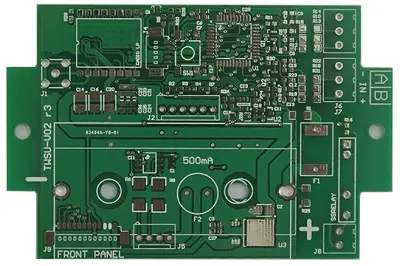
 PCB
PCB FPC
FPC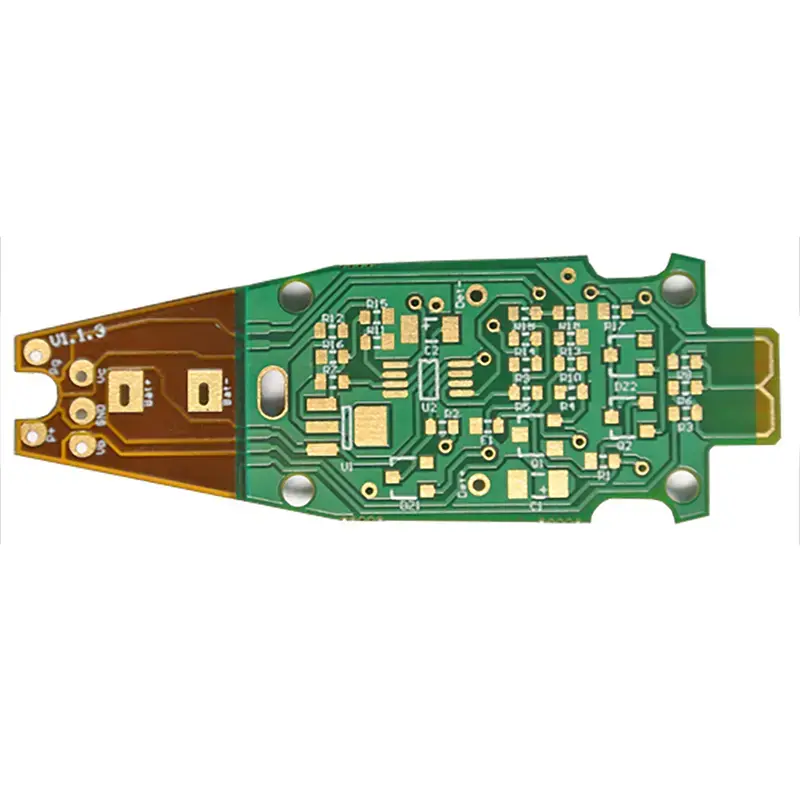 Rigid-Flex
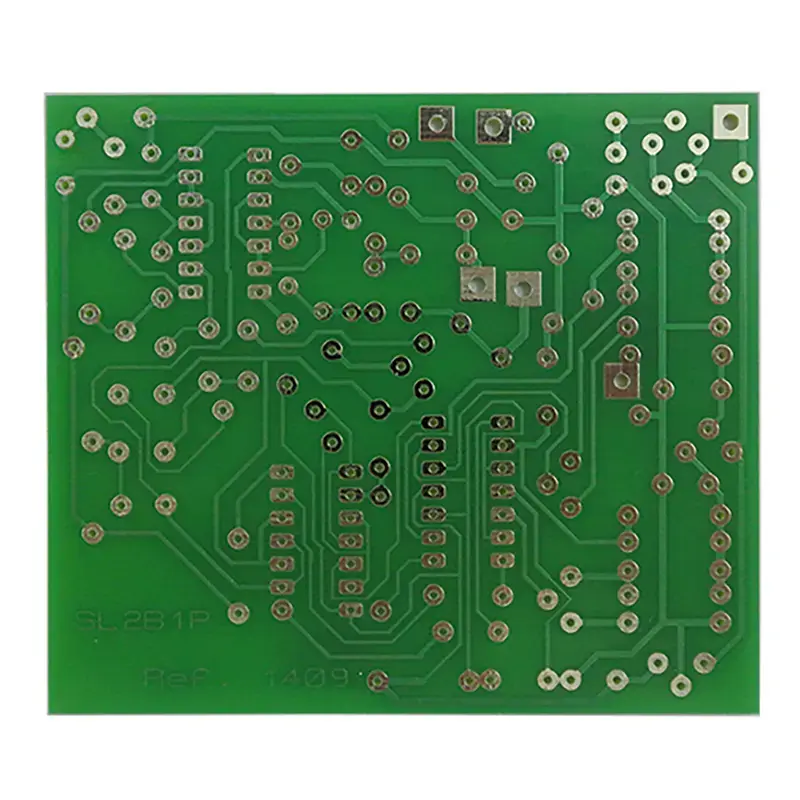 FR-4
FR-4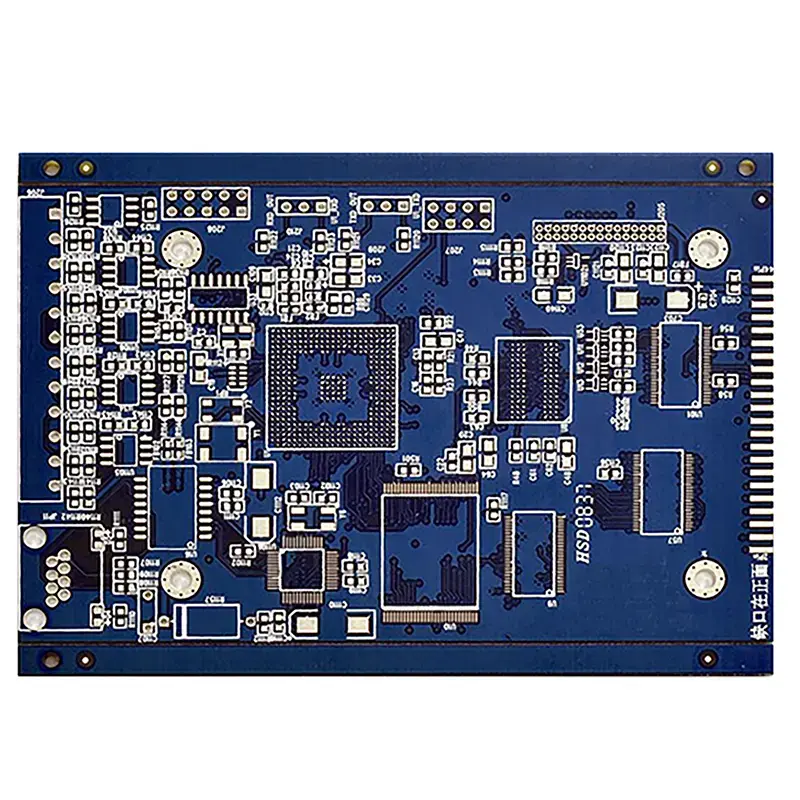 HDI PCB
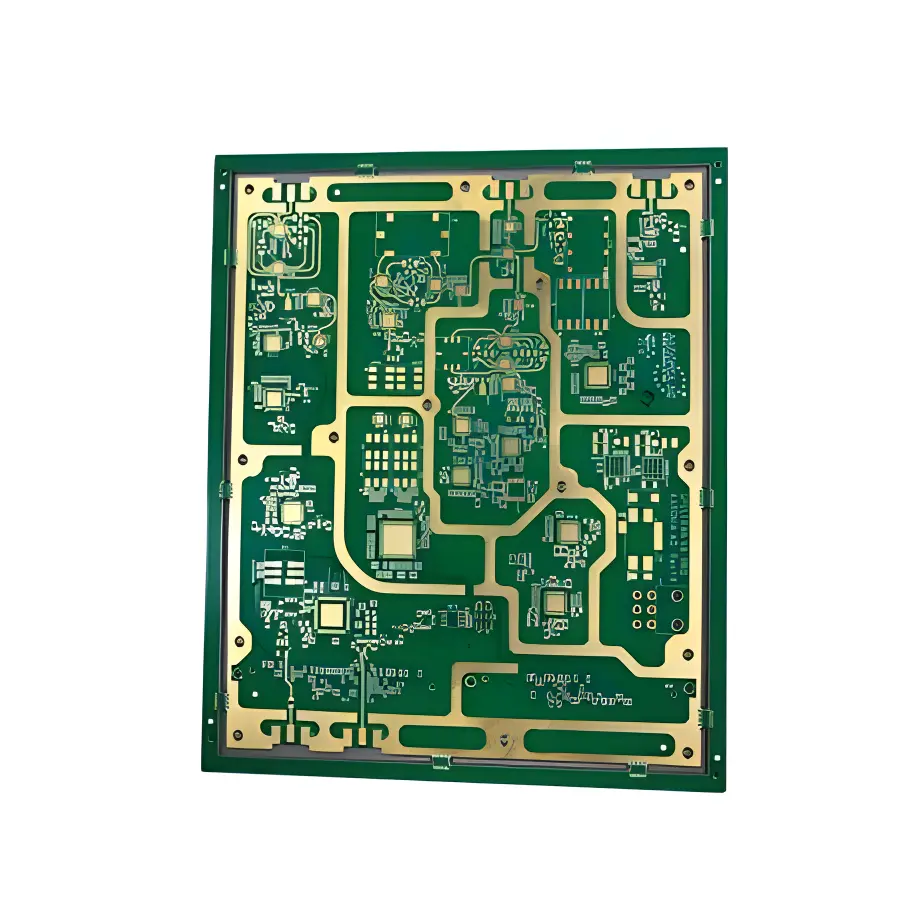 Rogers High-Frequency Board
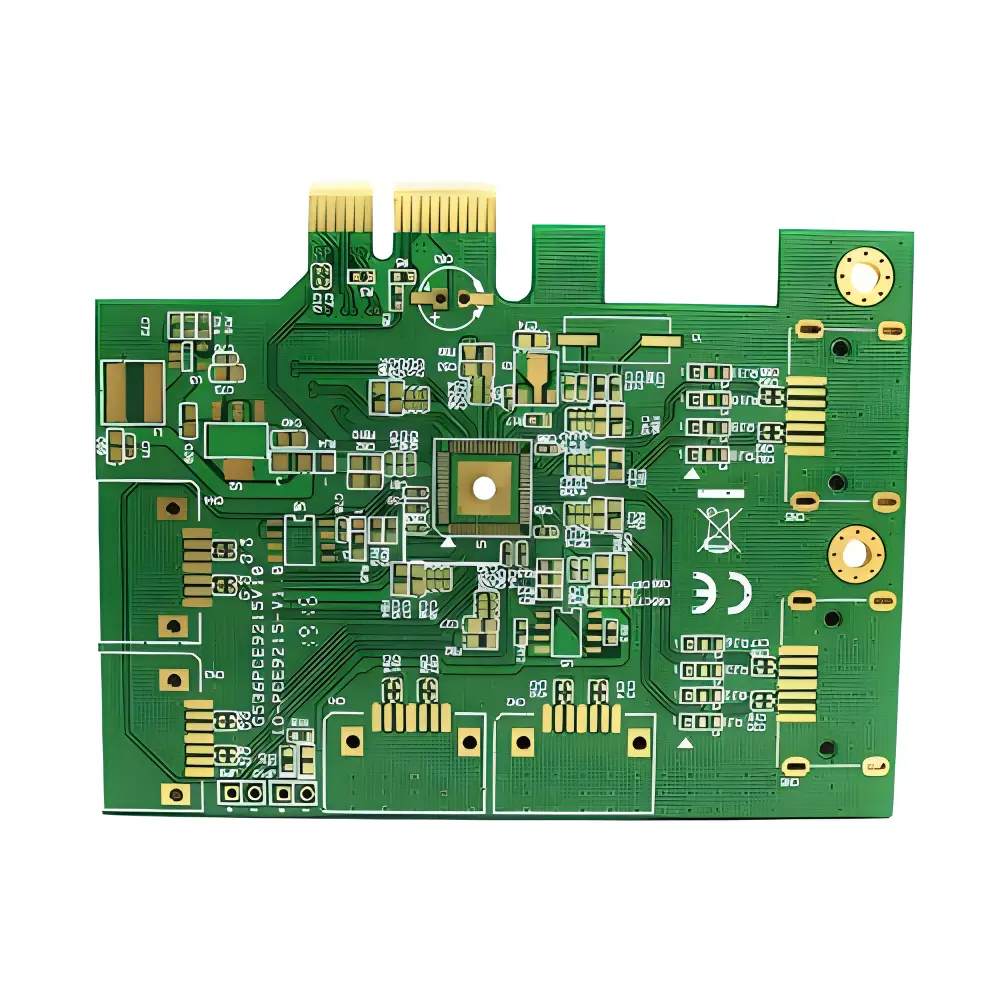 PTFE Teflon High-Frequency Board
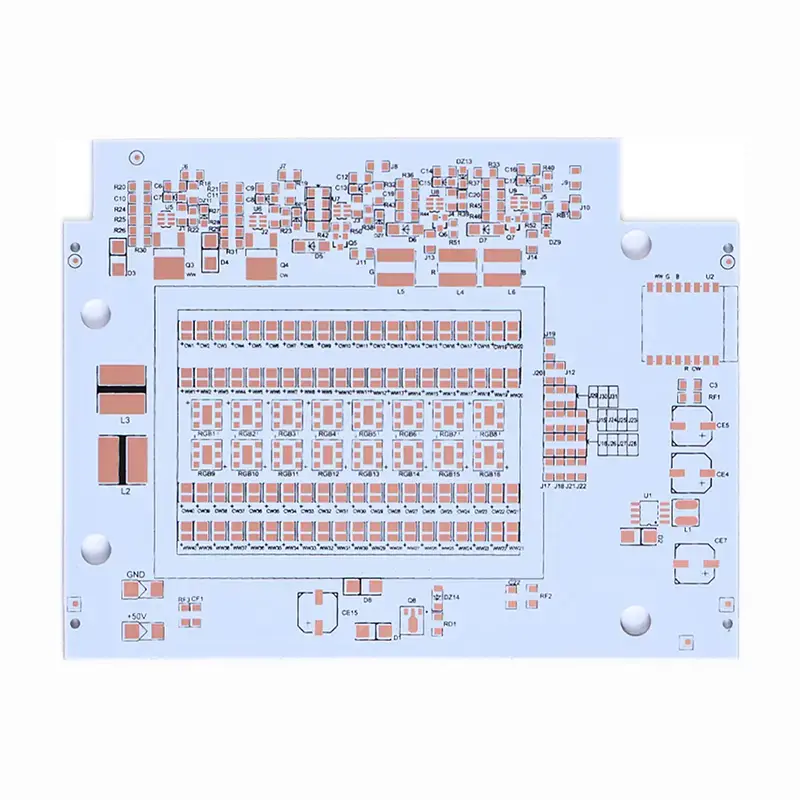 Aluminum
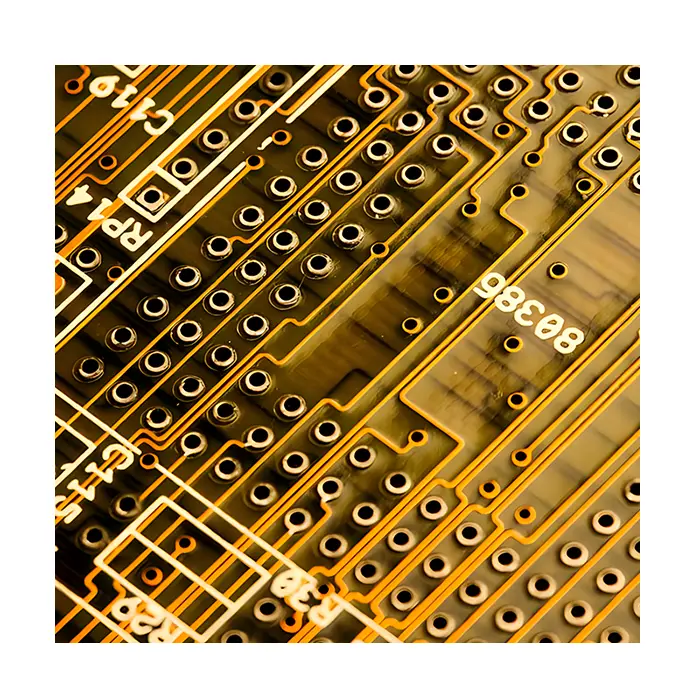 Copper Core
 PCB Assembly
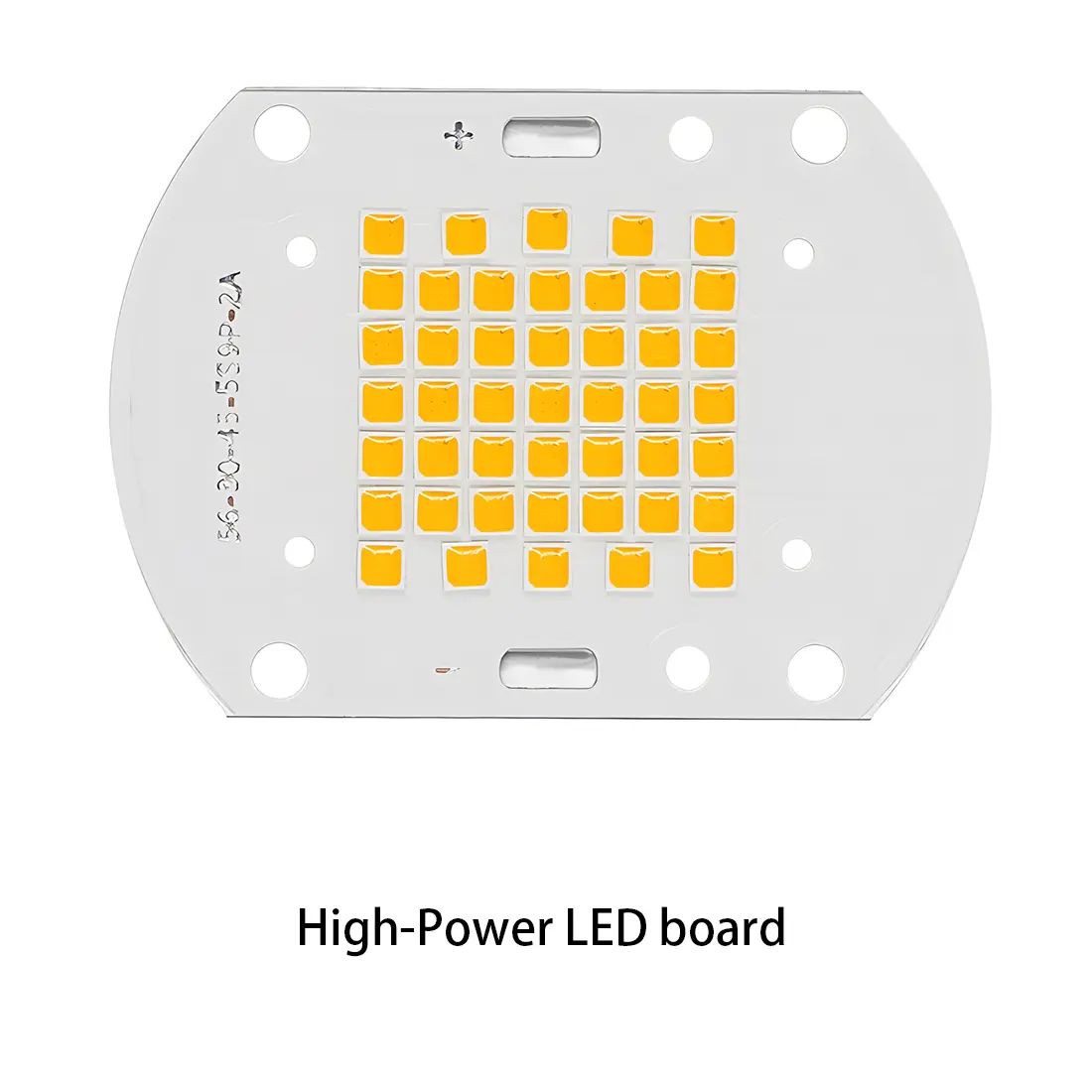 LED light PCBA
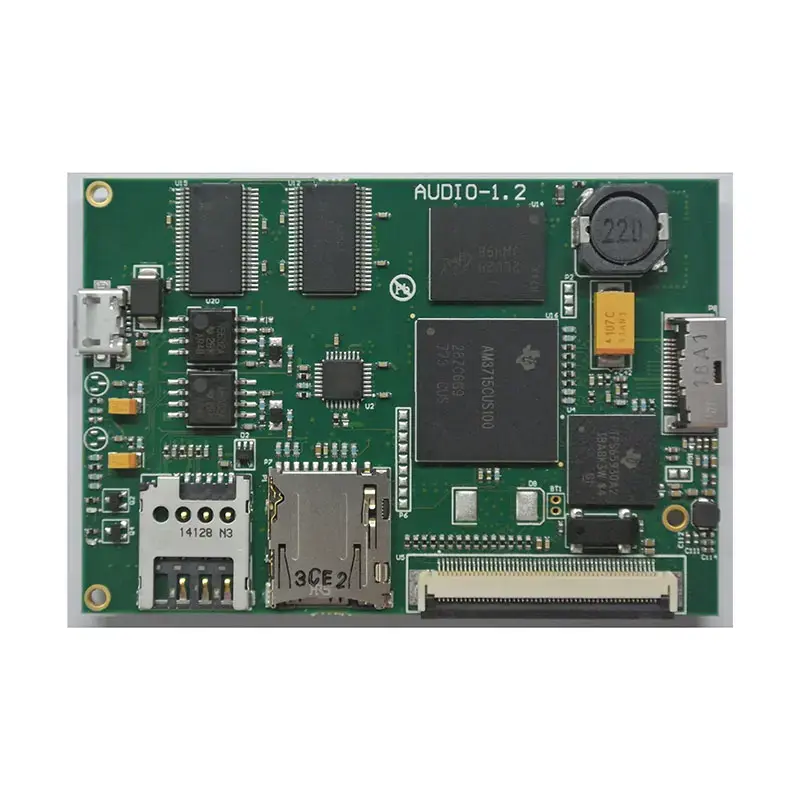
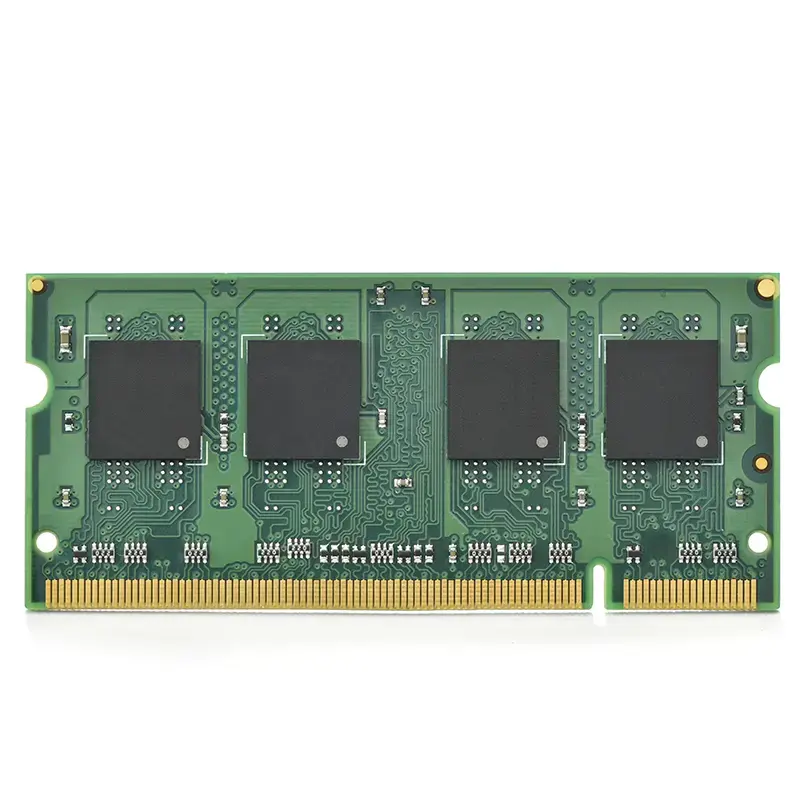
 Memory PCBA
 Power Supply PCBA
 New Energey PCBA
 Communication PCBA
 Industrial Control PCBA
 Medical Equipment PCBA
 Testing Service
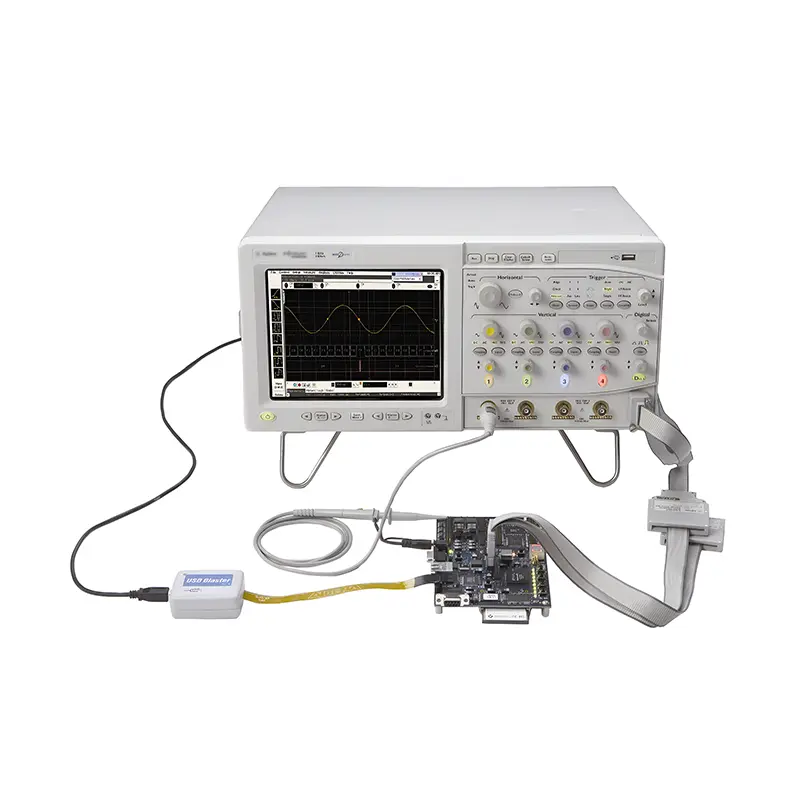 PCBA Testing Service
 Certification Application
 RoHS Certification Application
 REACH Certification Application
 CE Certification Application
 FCC Certification Application
 CQC Certification Application
 UL Certification Application
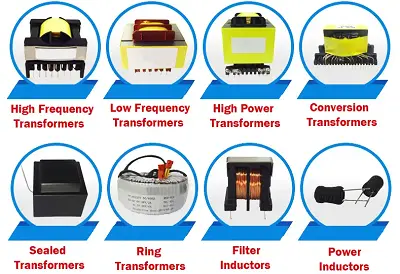 Transformers, Inductors
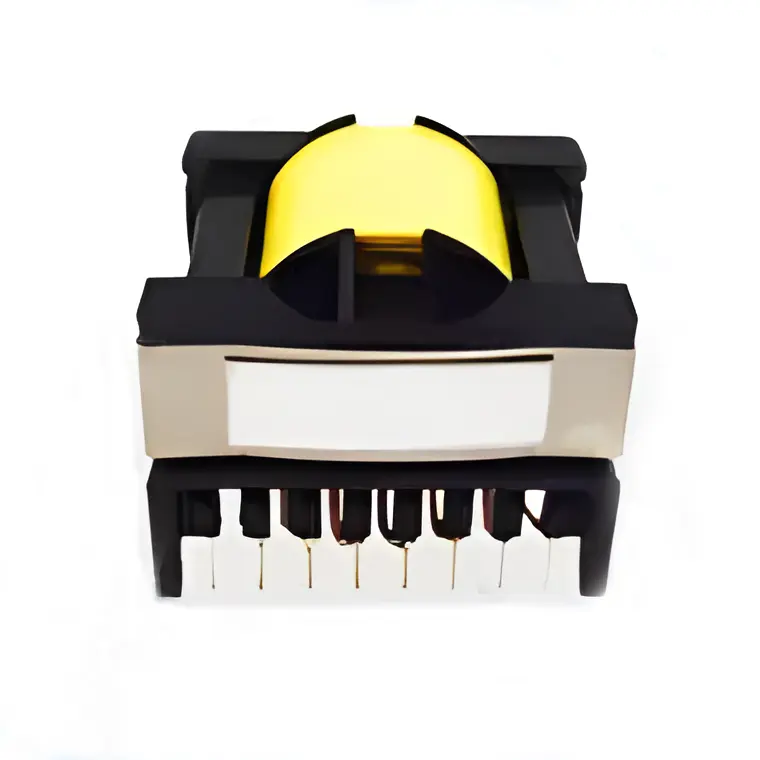 High Frequency Transformers
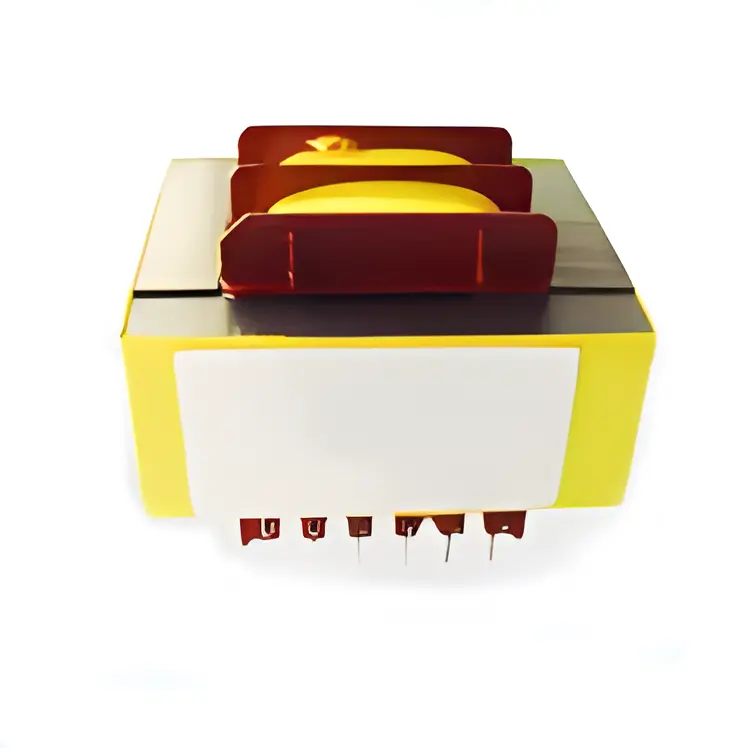 Low Frequency Transformers
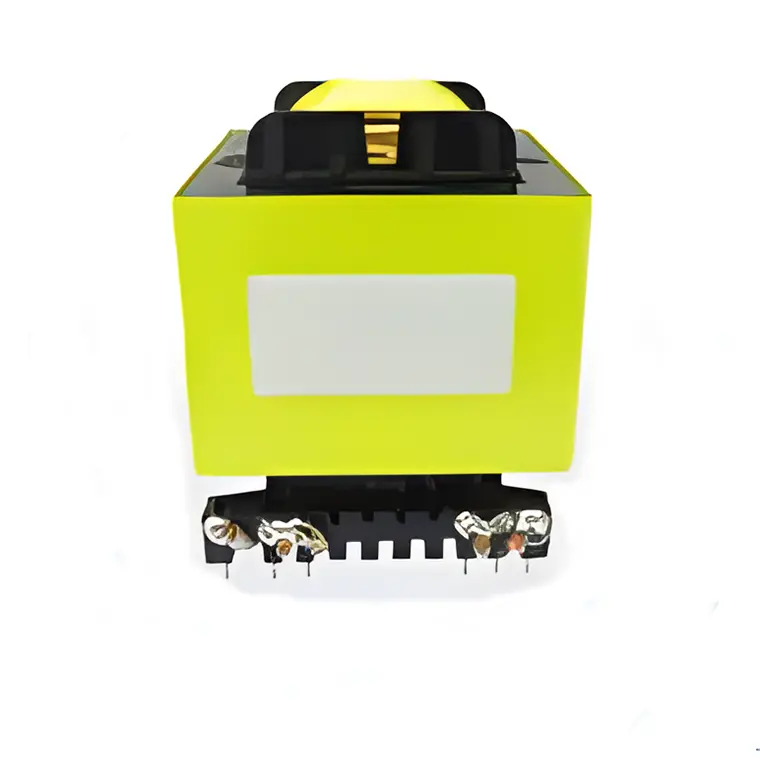 High Power Transformers
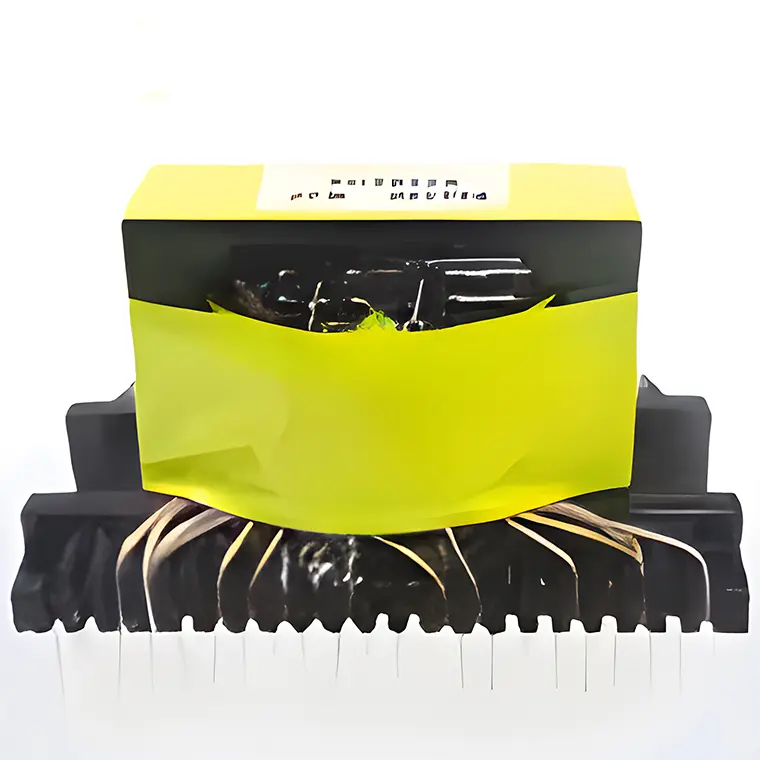 Conversion Transformers
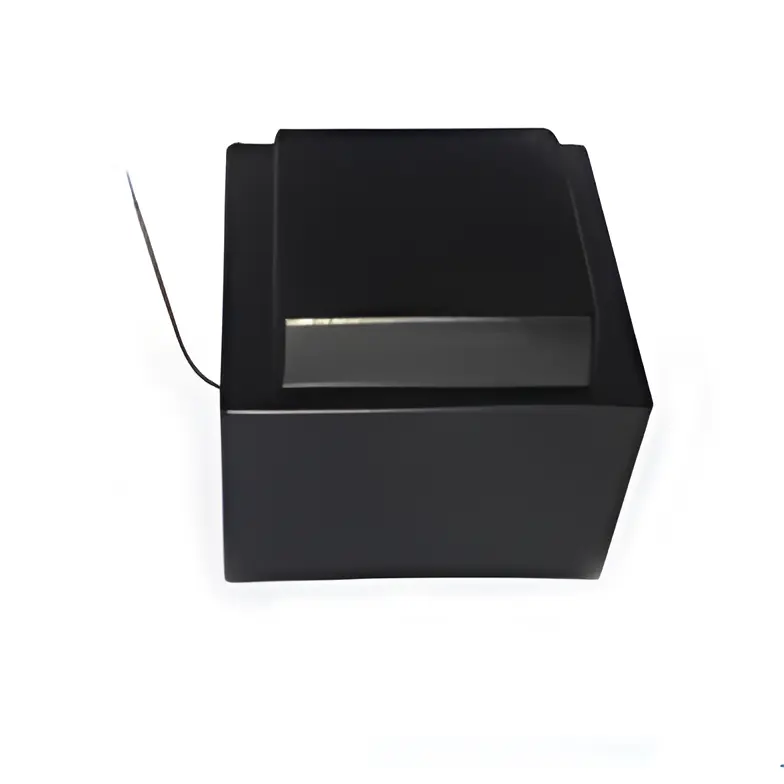 Sealed Transformers
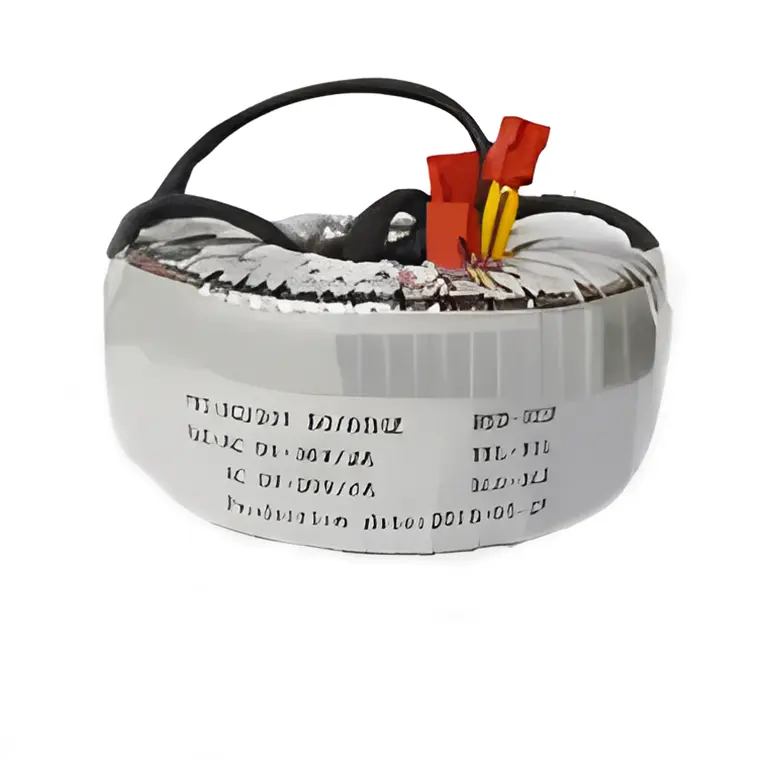 Ring Transformers
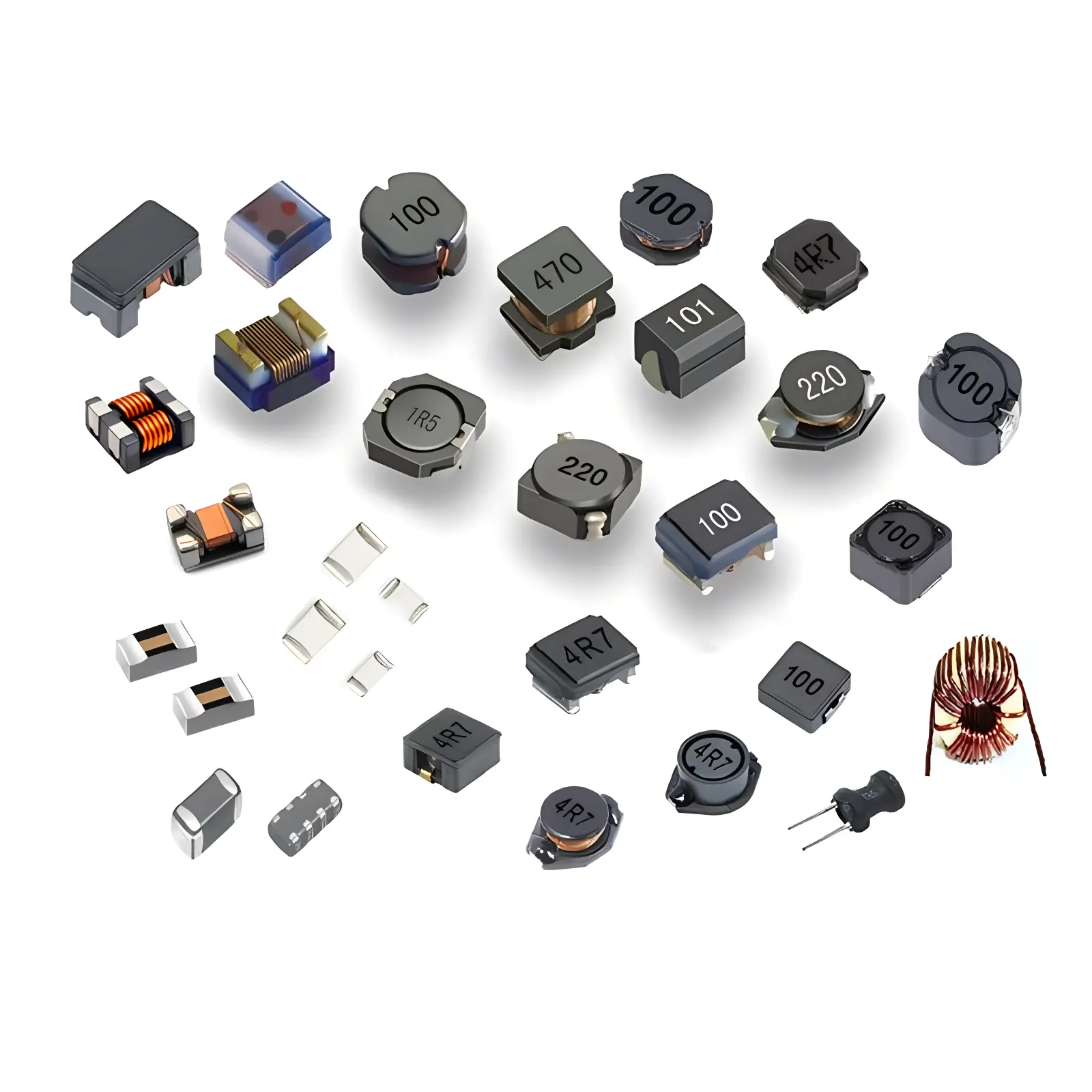 Inductors
 Wires,Cables Customized
 Network Cables
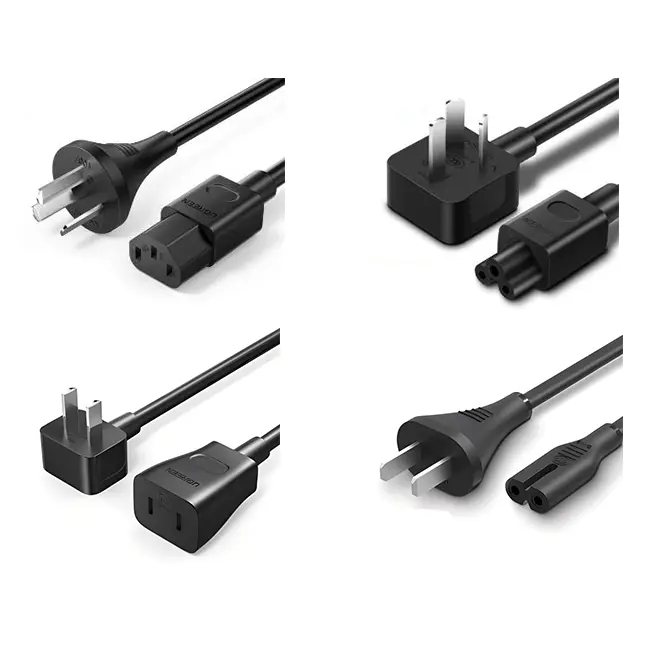 Power Cords
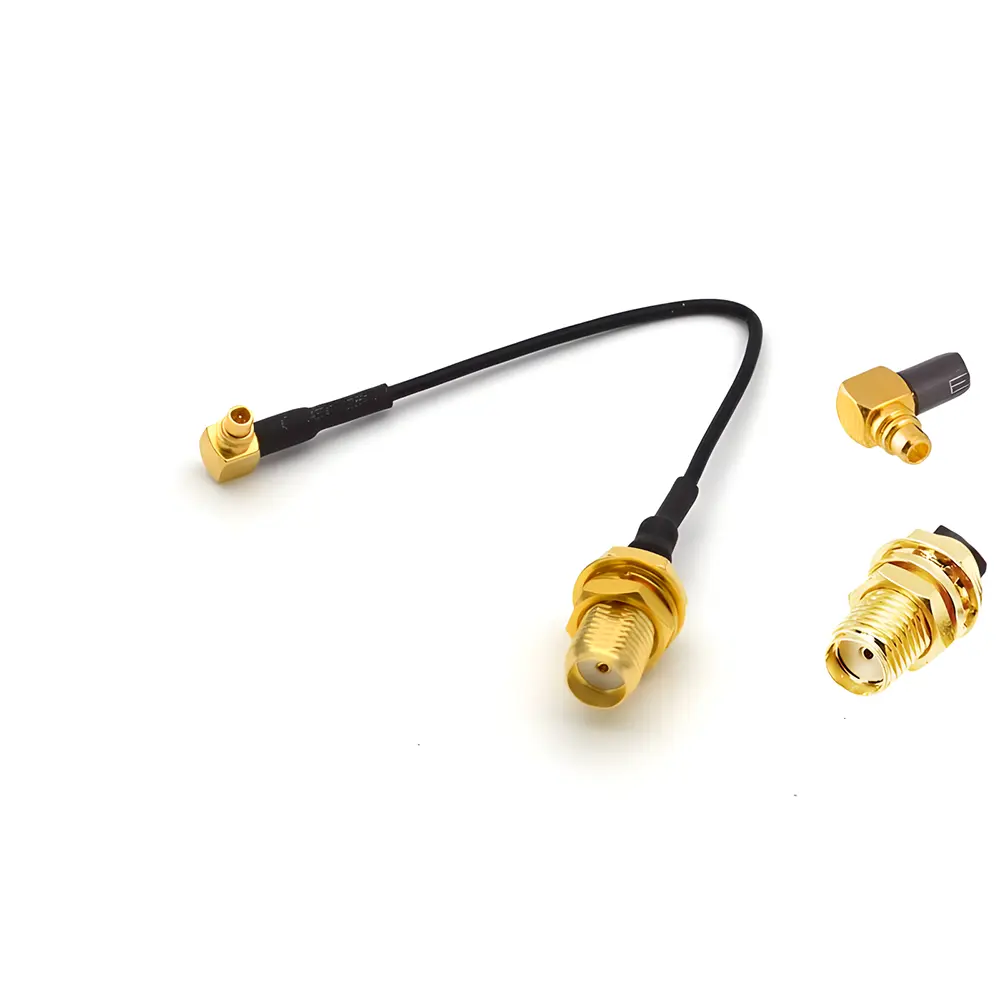 Antenna Cables
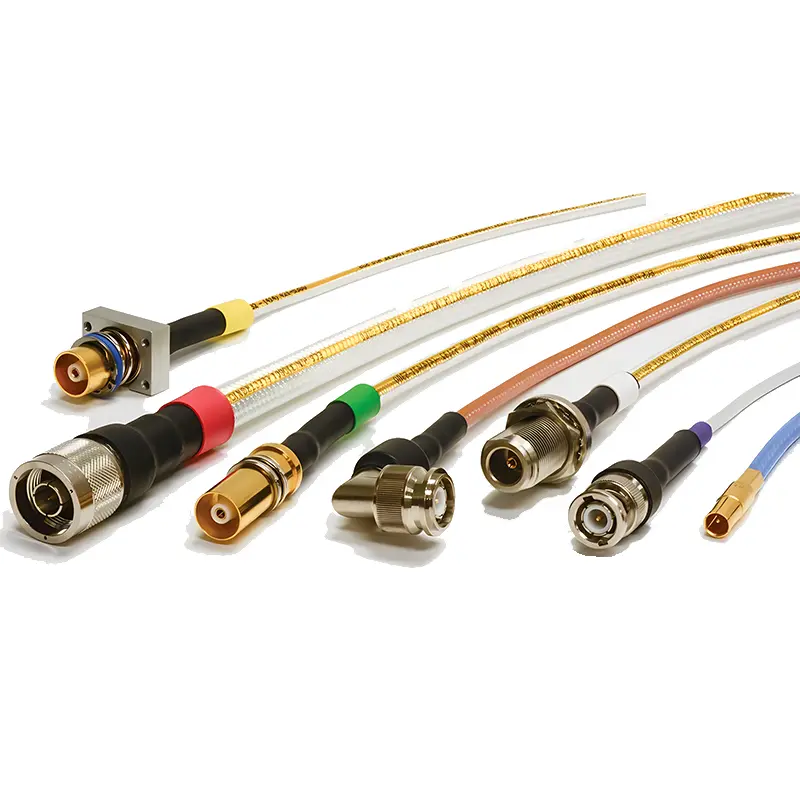 Coaxial Cables
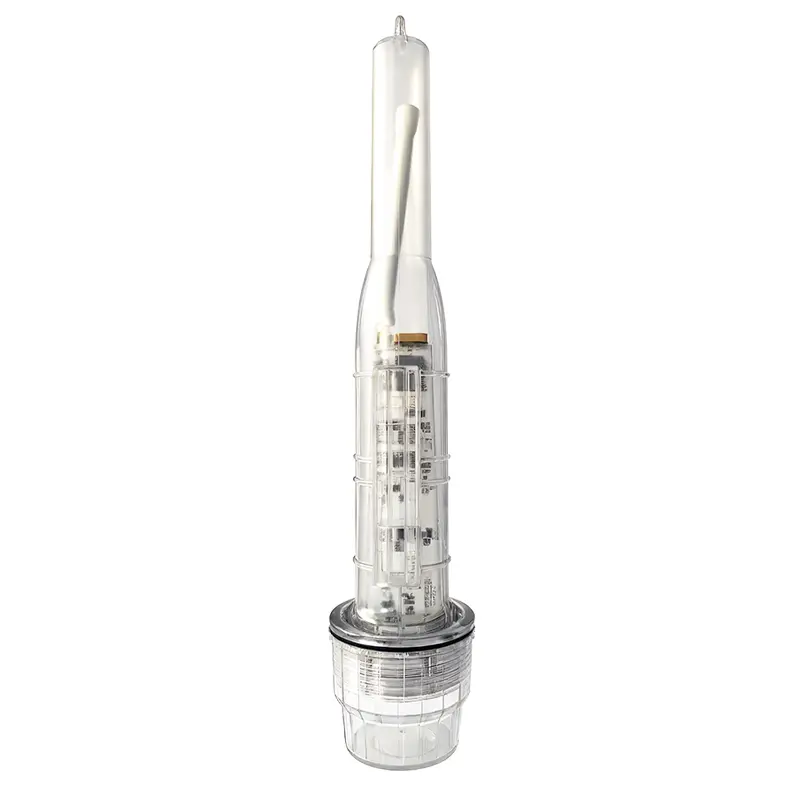 Net Position Indicator
 Solar AIS net position indicator
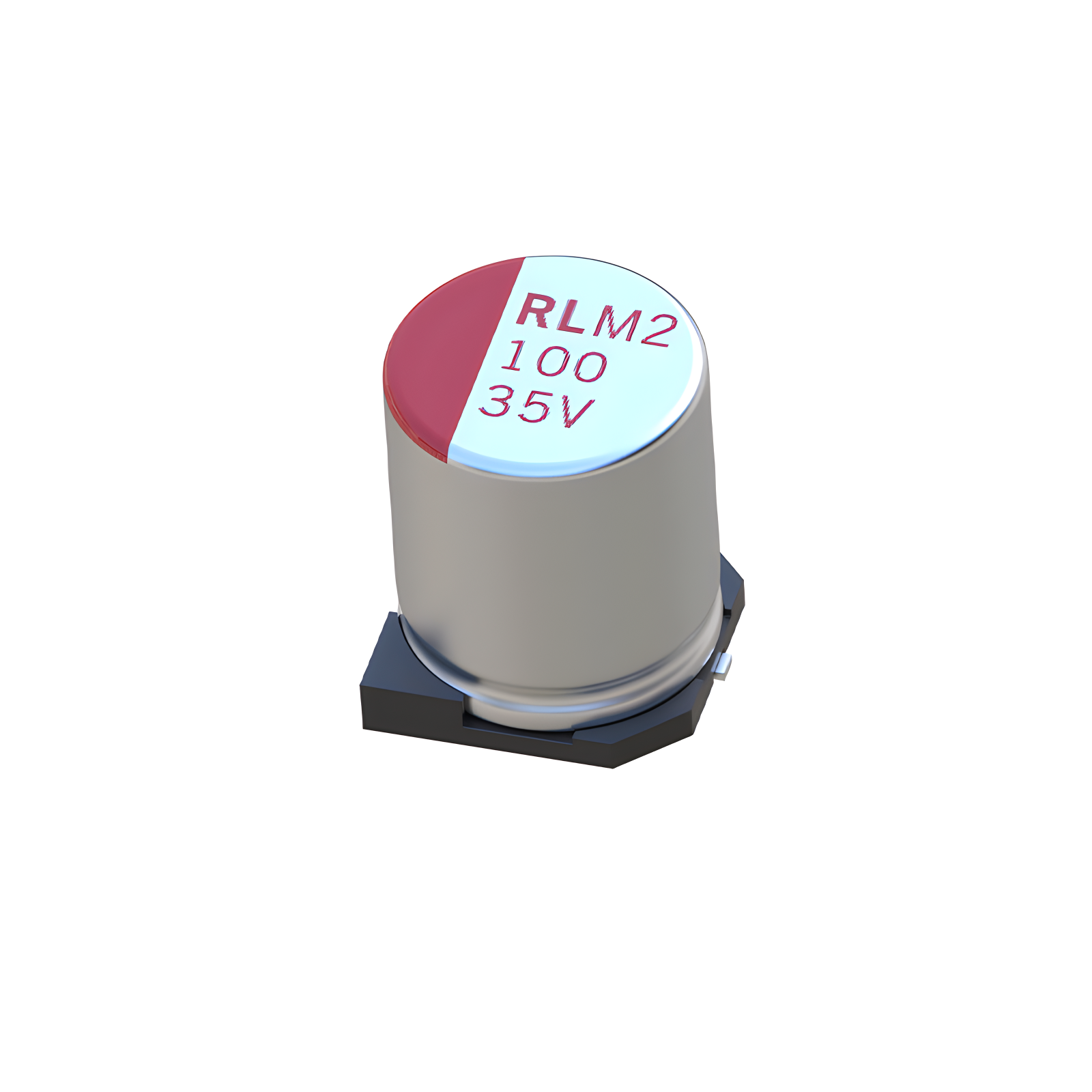 Capacitors
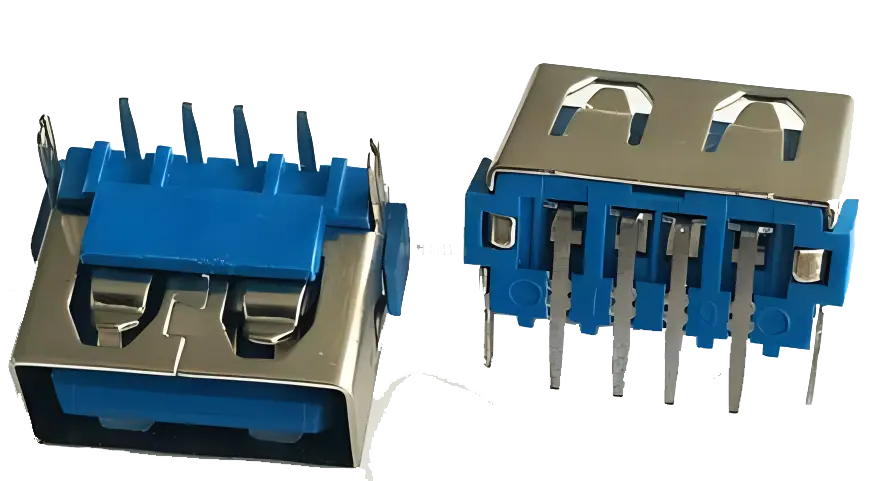 Connectors
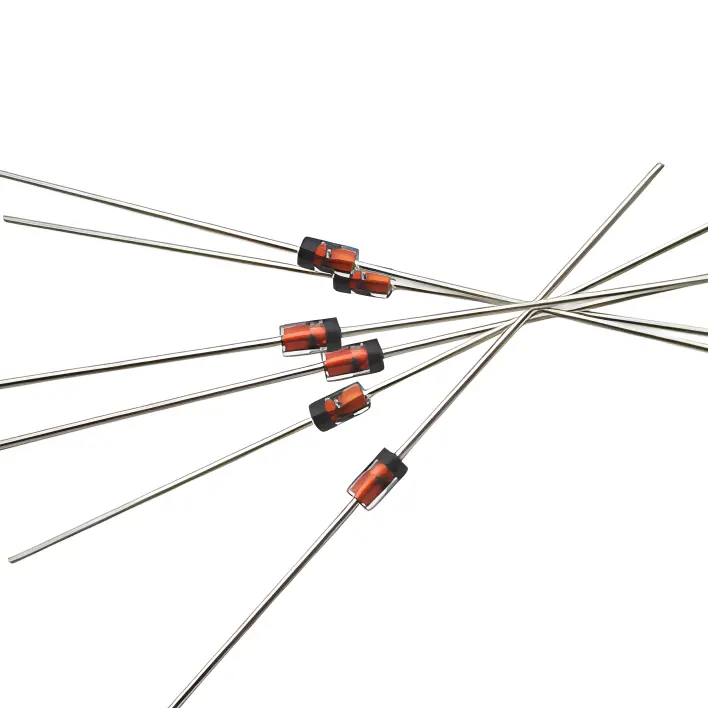 Diodes
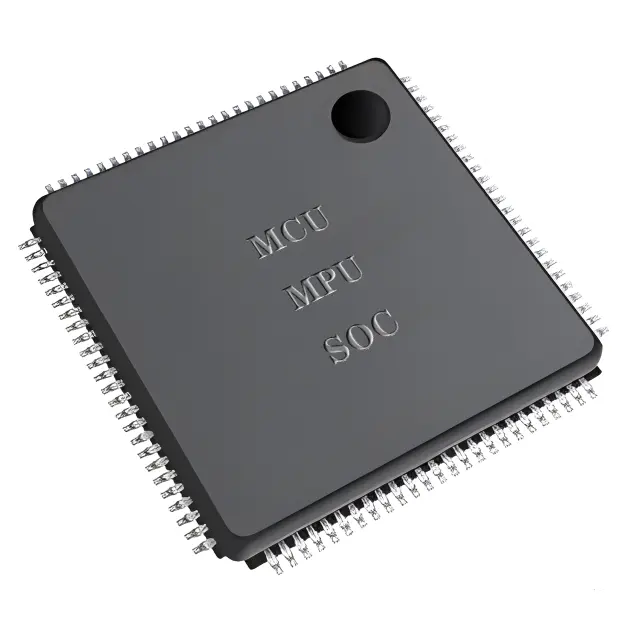 Embedded Processors & Controllers
 Digital Signal Processors (DSP/DSC)
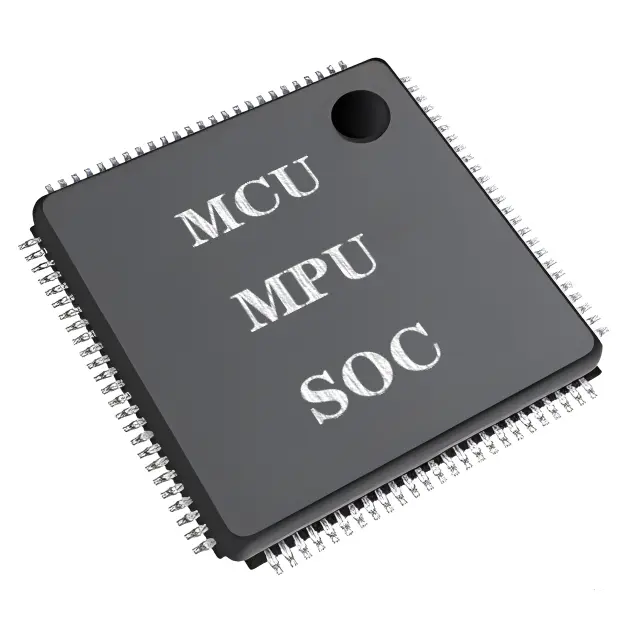 Microcontrollers (MCU/MPU/SOC)
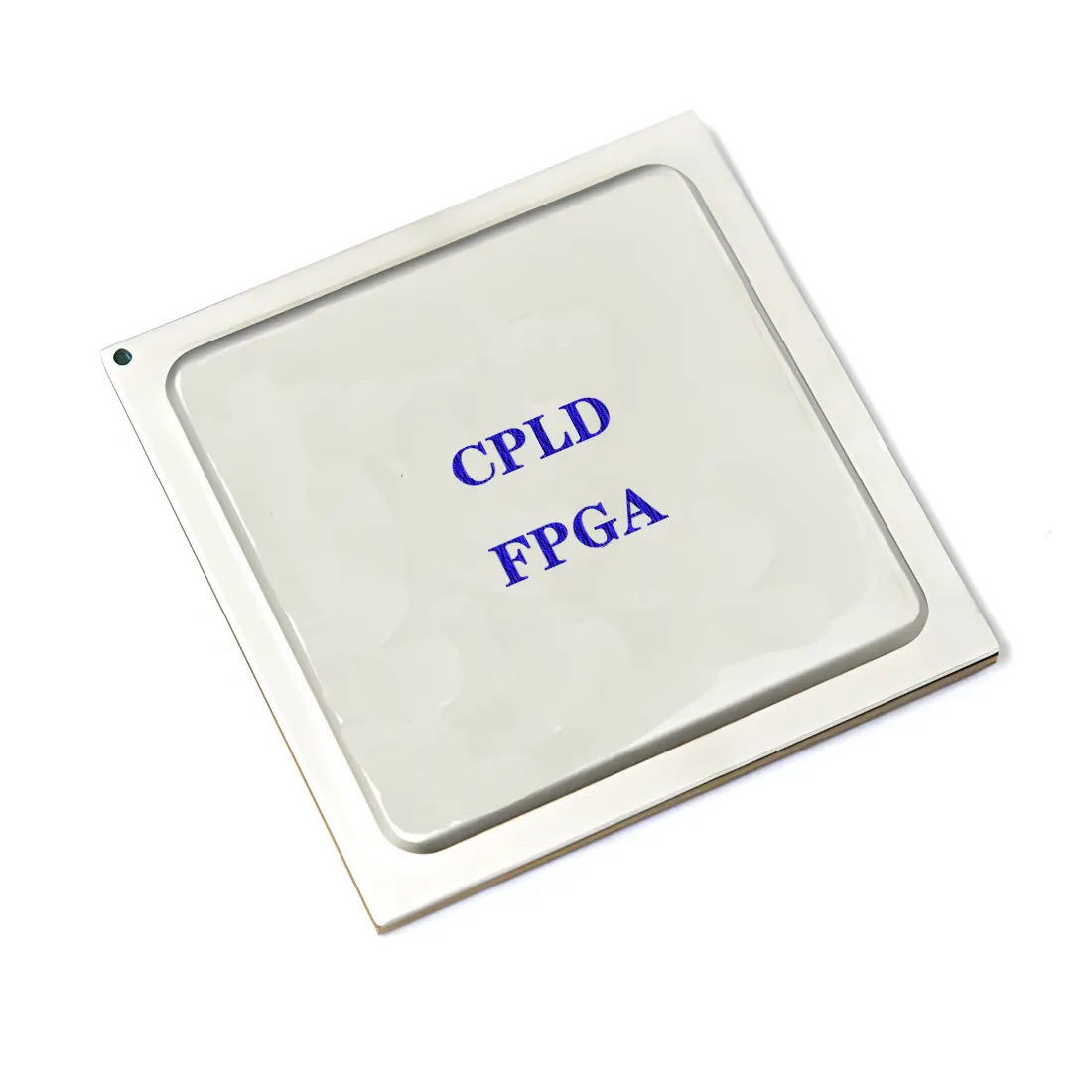 Programmable Logic Device(CPLD/FPGA)
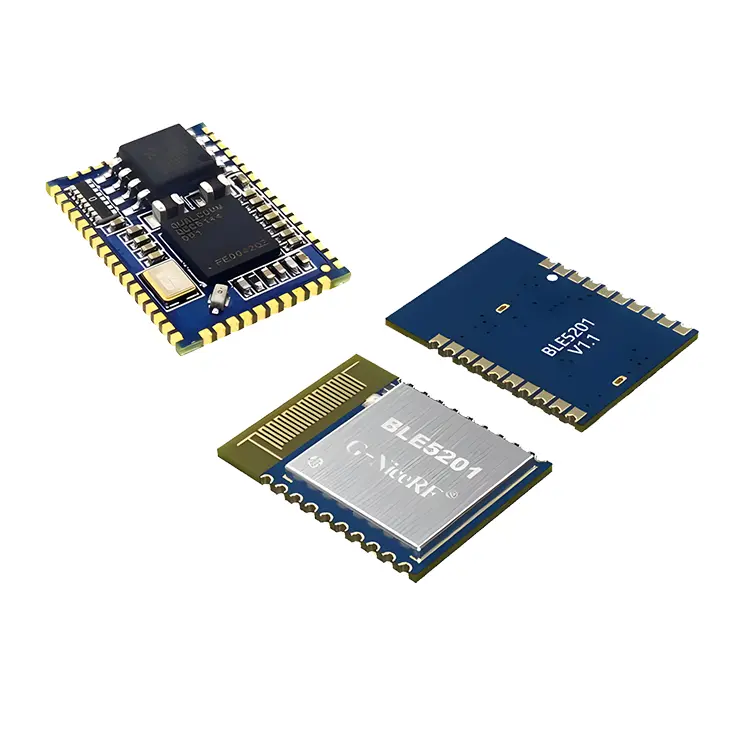 Communication Modules/IoT
 Resistors
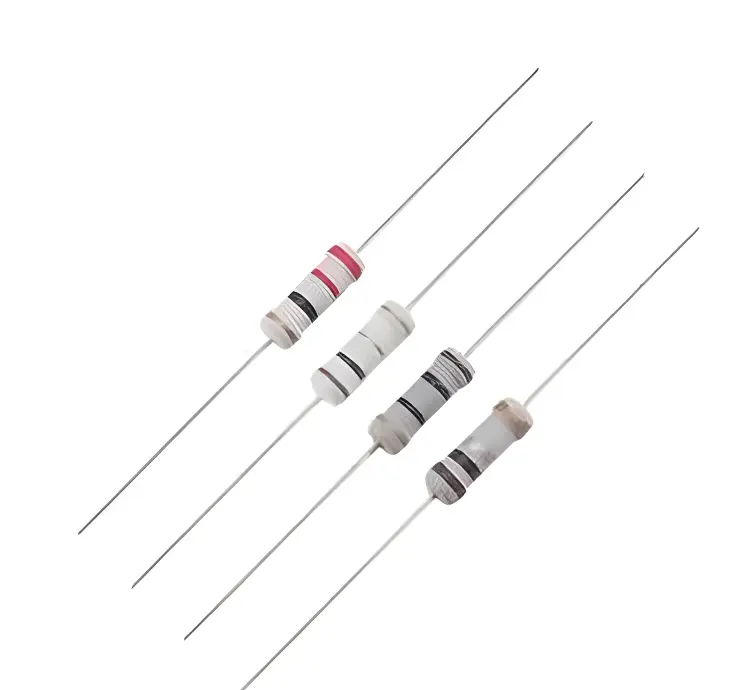 Through Hole Resistors
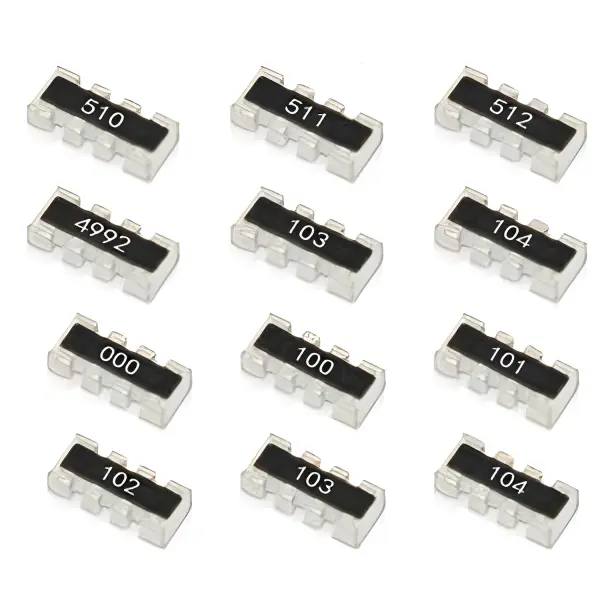 Resistor Networks, Arrays
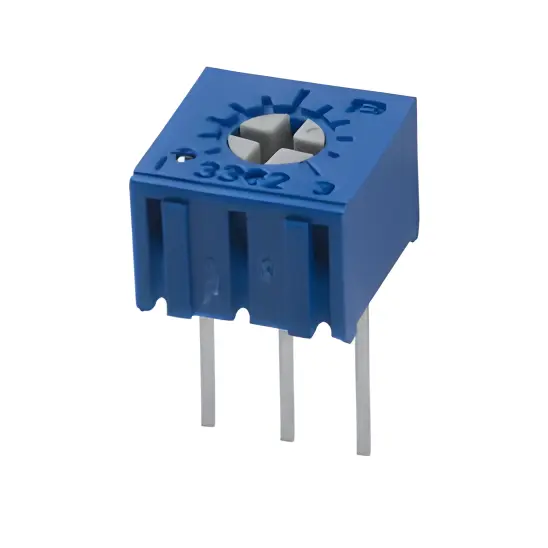 Potentiometers,Variable Resistors
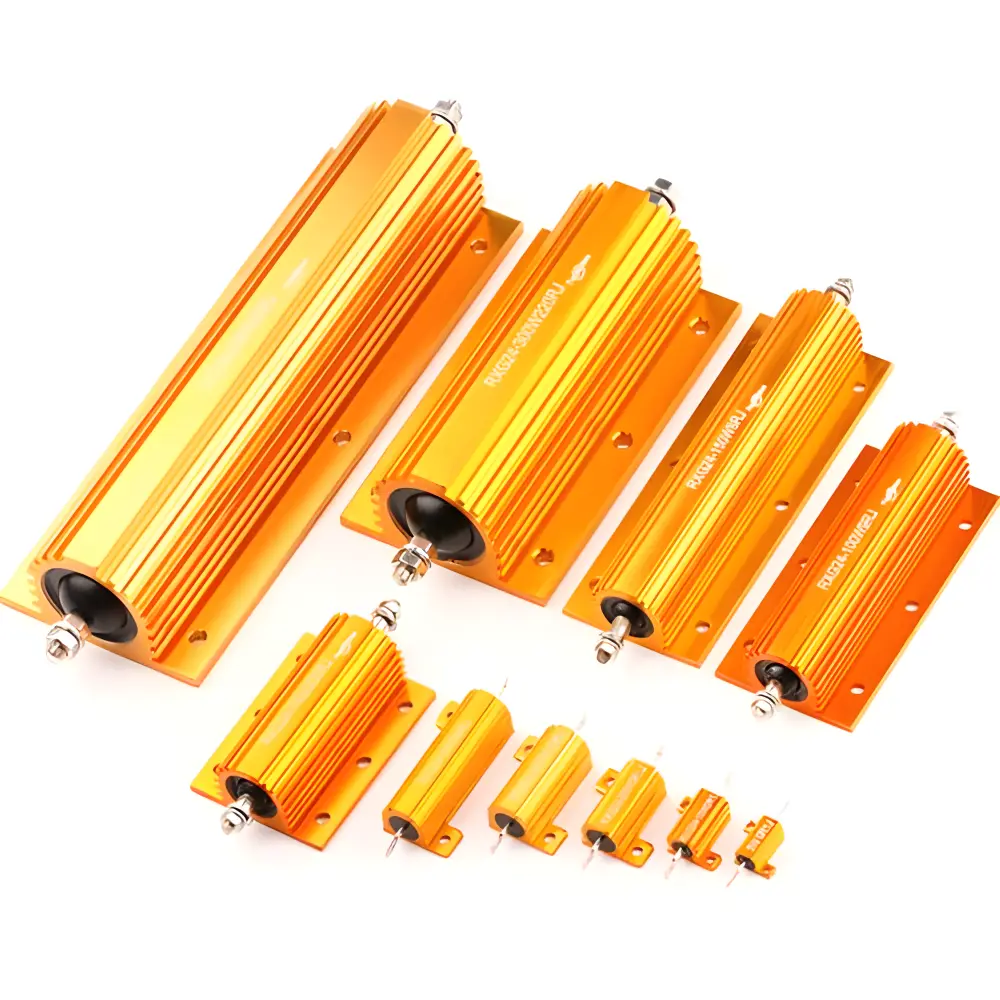 Aluminum Case,Porcelain Tube Resistance
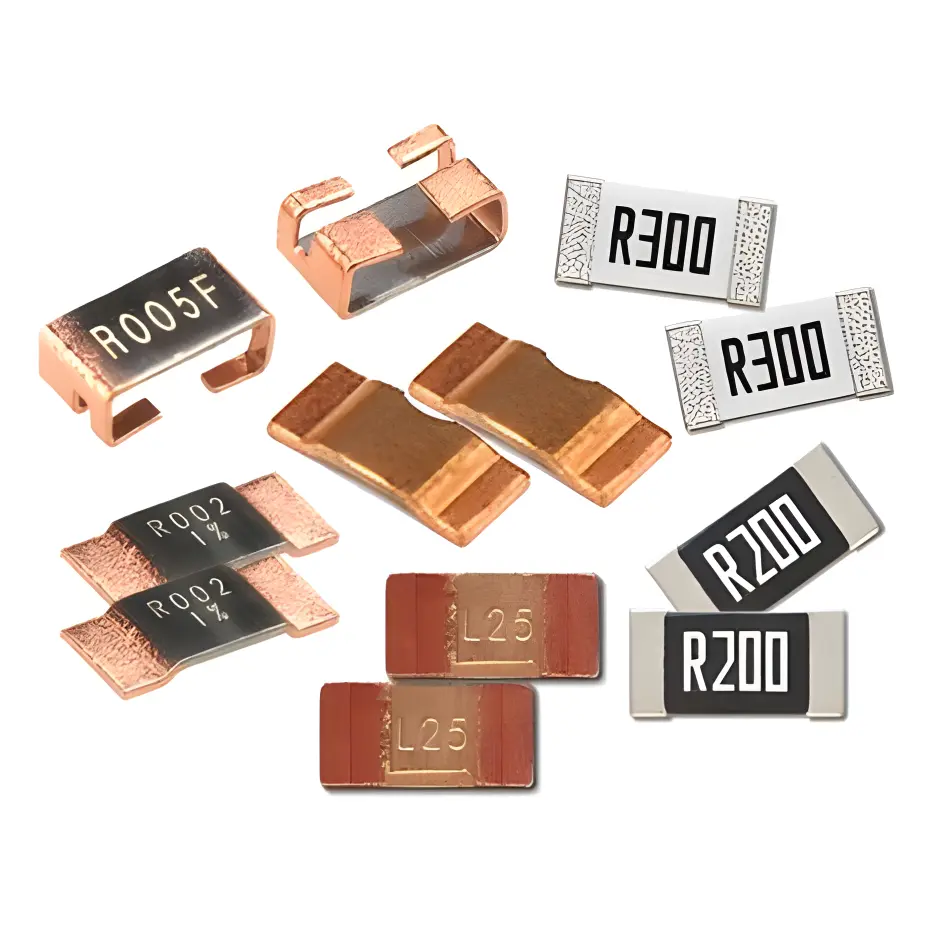 Current Sense Resistors,Shunt Resistors
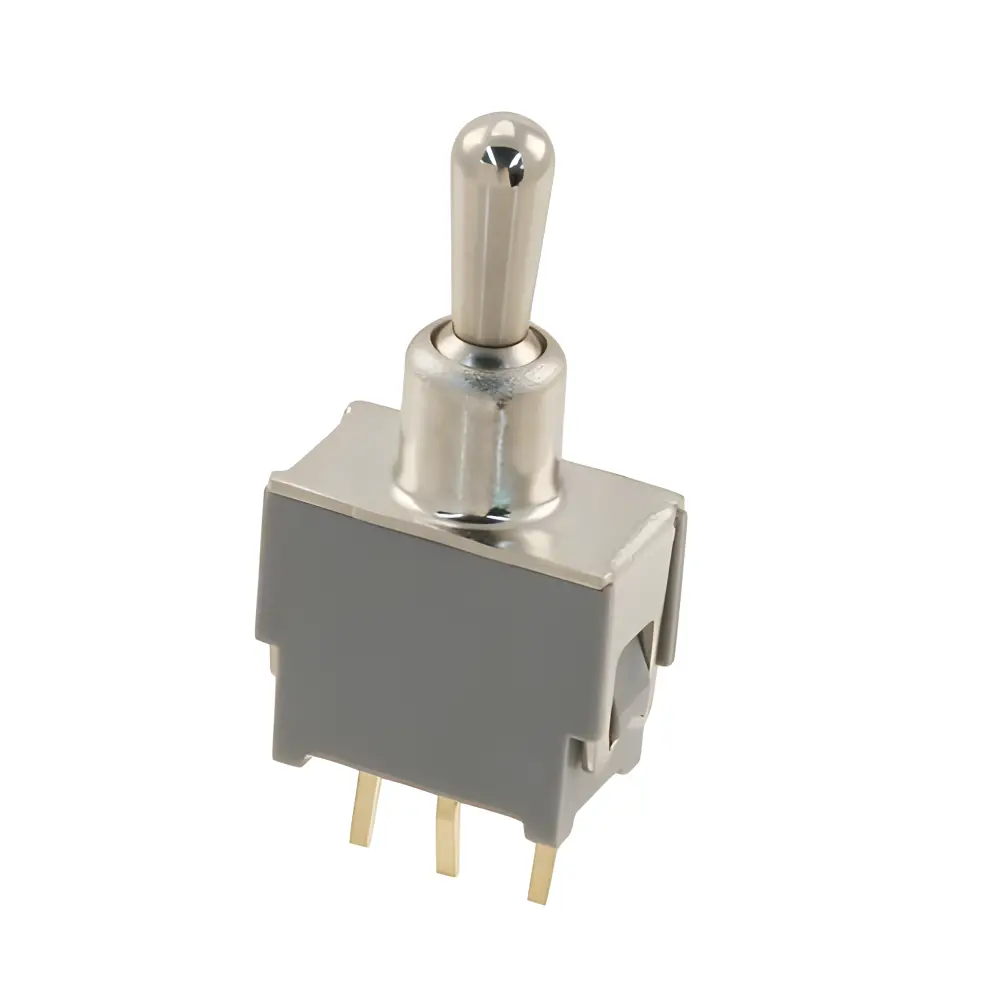 Switches
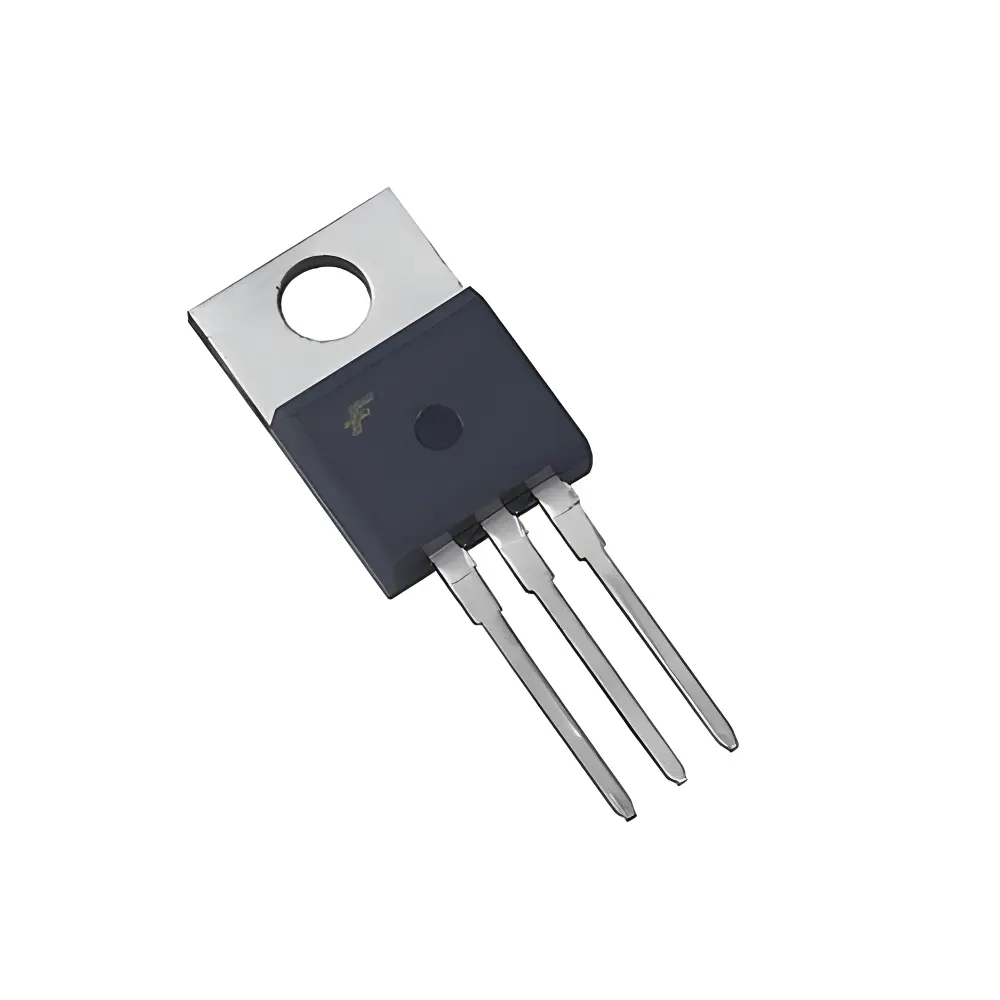 Transistors
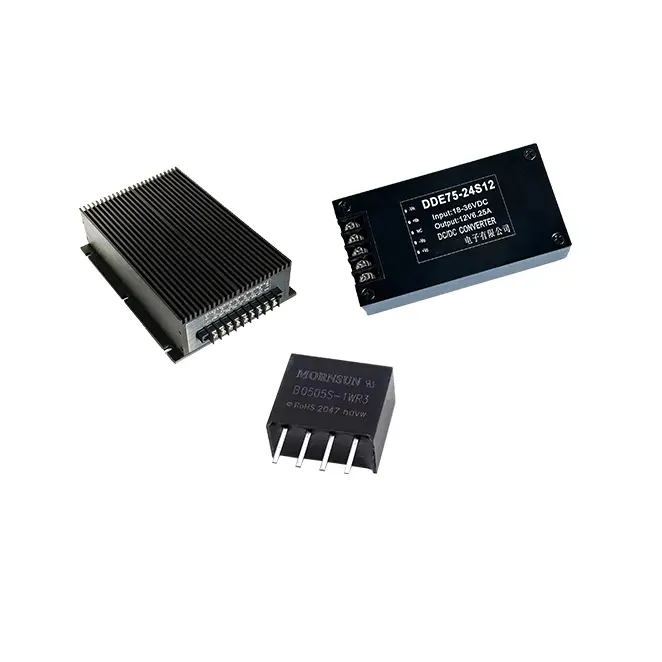 Power Modules
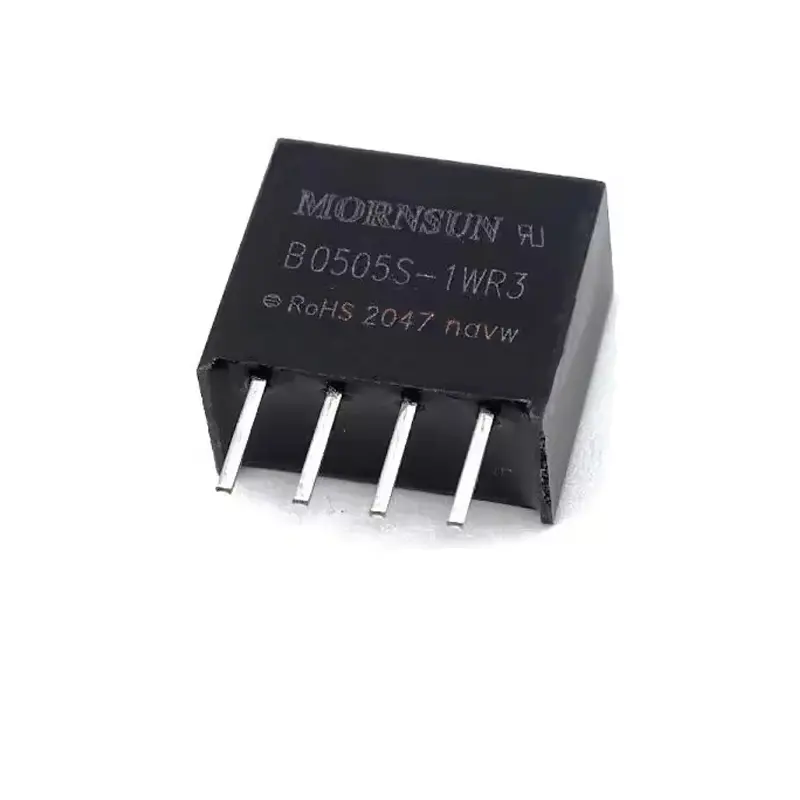 Isolated Power Modules
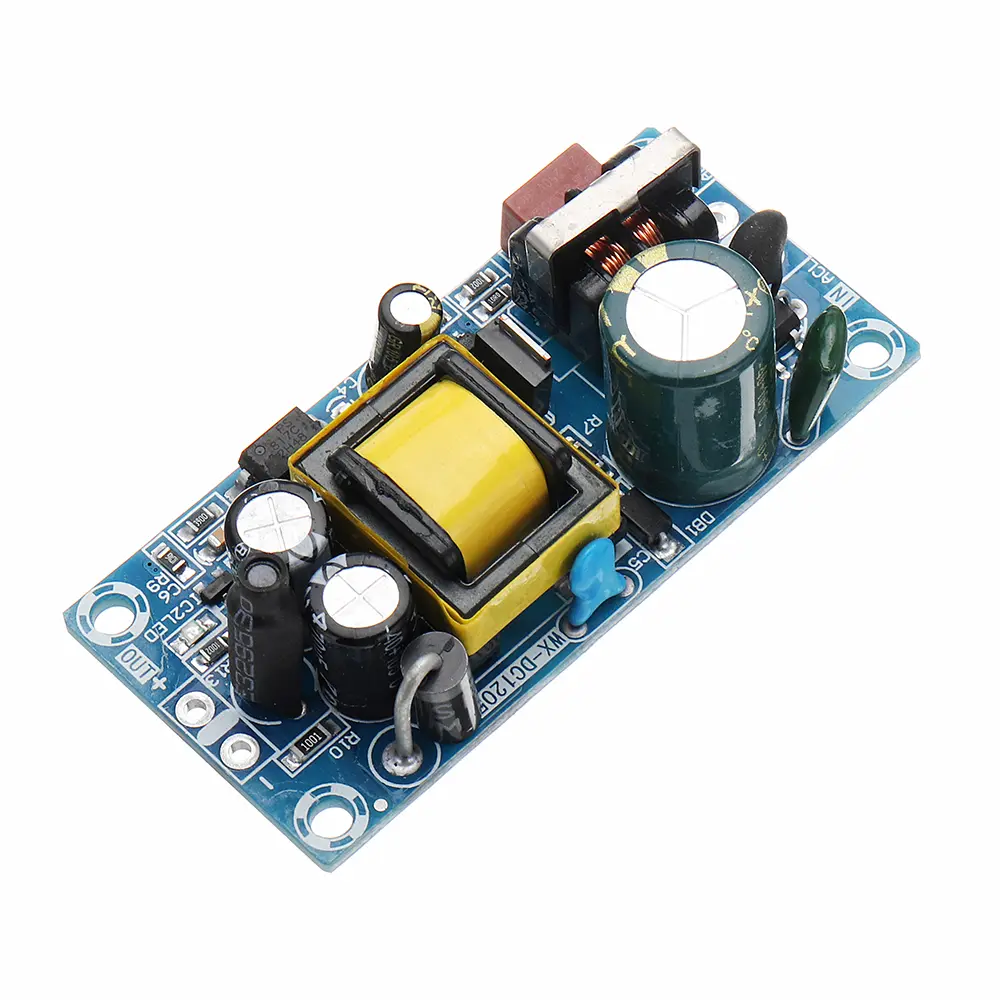 AC-DC Power Modules
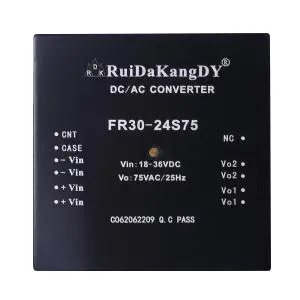 DC-AC Module(Inverter)
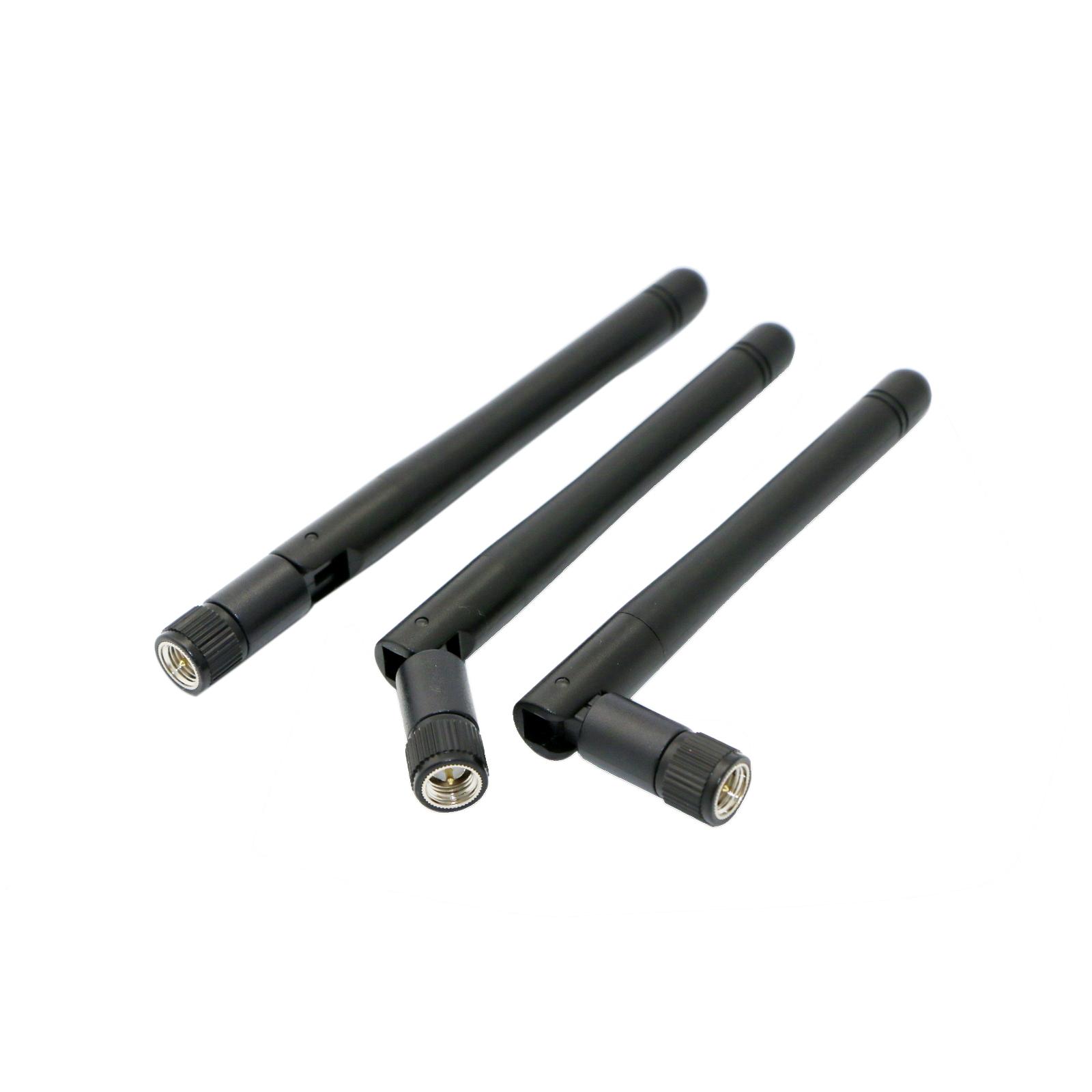 RF and Wireless
How to Design Nesting Schemes to Improve Material Utilization
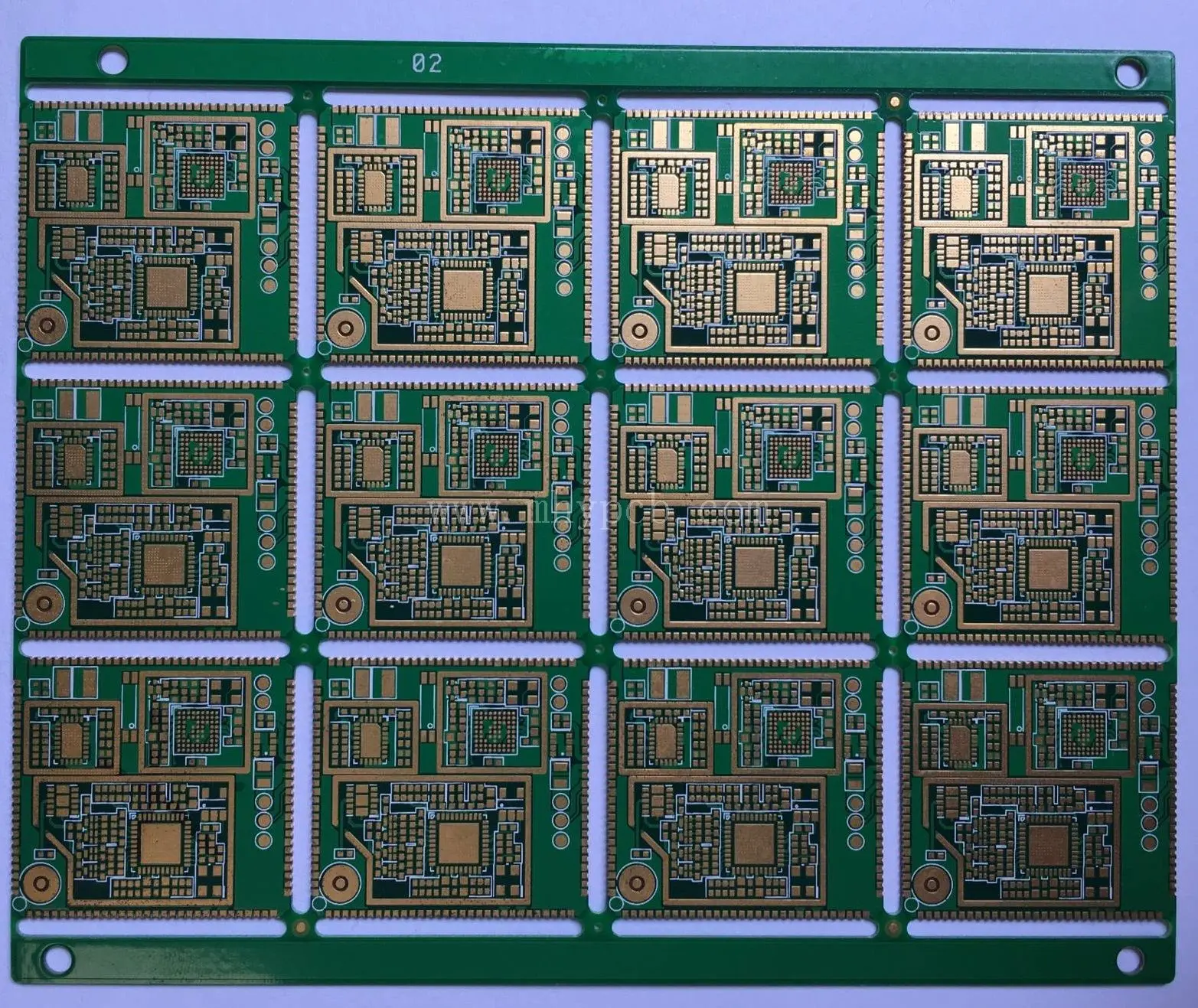
I. Core Principles
-
GeometrIC Nesting Optimization
-
Shape Complementarity: Interlock curved parts with straight-edged parts (e.g., gear embedded in rectangular slot).
-
Rotation Matching: Allow part rotation (0°/90°/180°) (Example: L-shaped part rotation reduces gaps by 12%).
-
-
Dynamic Boundary Control
-
Set sheet edge margins (standard: 5mm), internal part spacing ≥ 2×keRF width (typically 3-5mm).
-
II. Key Technical Steps
-
Data Preprocessing
# Python example: Part sorting algorithm parts = sorted(part_list, key=lambda x: max(x.length, x.width), reverse=True) -
Intelligent Nesting Algorithms
-
Greedy Strategy: Prioritize largest 10% parts by area, boosting utilization by 8-15%.
-
Genetic Algorithm: 200+ iterations improve global utilization by 5-8%.
-
-
Embedding Process Constraints
Constraint Type Parameter Range Utilization Impact Grain Direction 0° or 90° ±3% Min. Hole Spacing ≥5mm -1.2%
III. Case Study Comparison
Automotive Sheet Metal Production Data:
| Scheme | Original Utilization | Optimized | Improvement |
|---|---|---|---|
| Rectangular Parts | 72.4% | 86.1% | +13.7% |
| Curved Parts | 68.3% | 81.9% | +13.6% |
| Note: Dynamic kerf compensation via AutoNEST® software |
IV. Common Pitfalls & Solutions
-
Misconception: Ignoring material grain direction
-
Solution: Add weighting function to algorithm:
cost = α*(area loss) + β*(grain deviation)
-
-
Hidden Losses:
-
Laser cutting thermal compensation: +0.1mm allowance for stainless steel
-
V. Recommended Efficiency Tools
-
Professional Software
-
Sheet Metal: Radan (common-edge cutting saves 7% material)
-
Apparel: Lectra (AI-driven wrinkle avoidance)
-
-
Self-Developed Toolchain
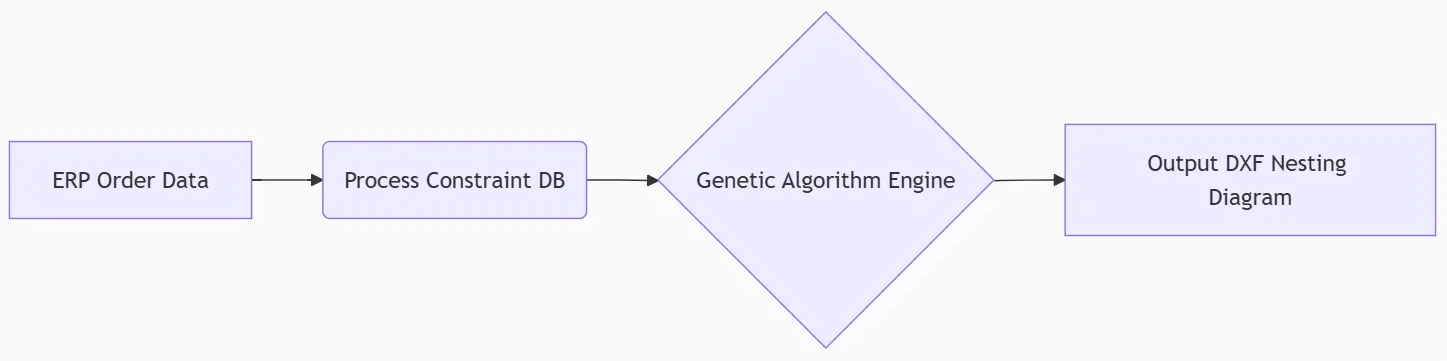
Material Utilization Formula:
Where:
-
Si = Net area of single part
-
S0 = Raw sheet area
-
n = Total nested parts