
 PCB
PCB FPC
FPC Rigid-Flex
 FR-4
FR-4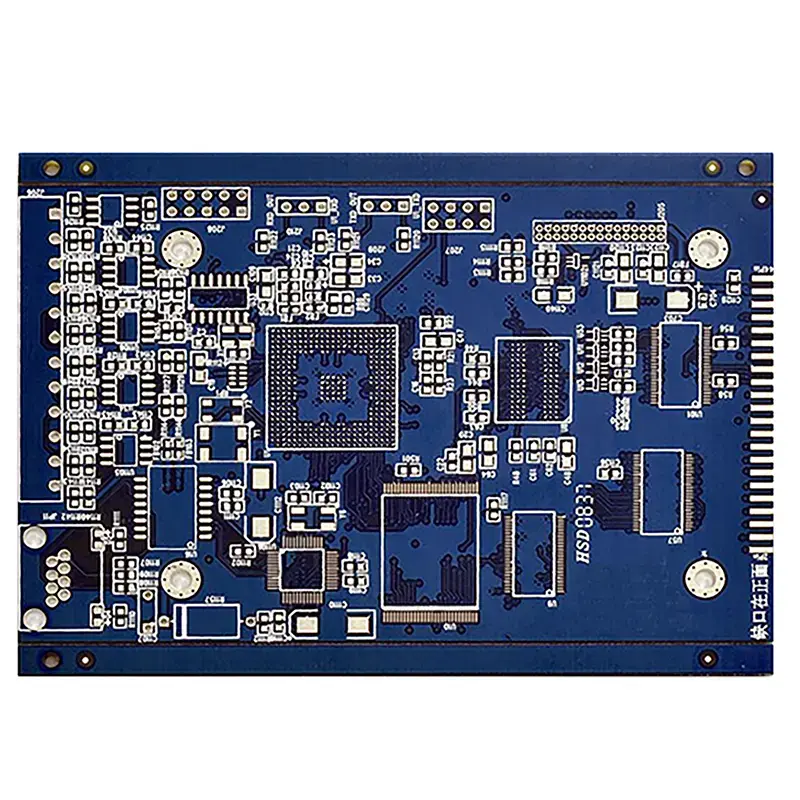 HDI PCB
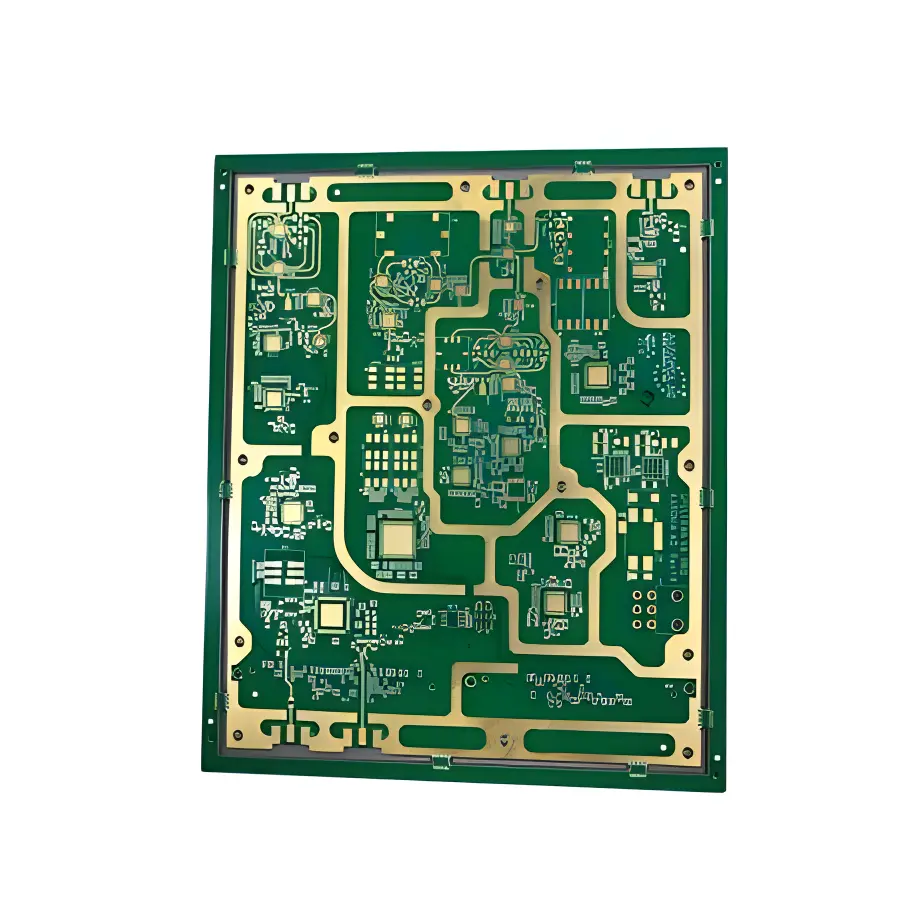 Rogers High-Frequency Board
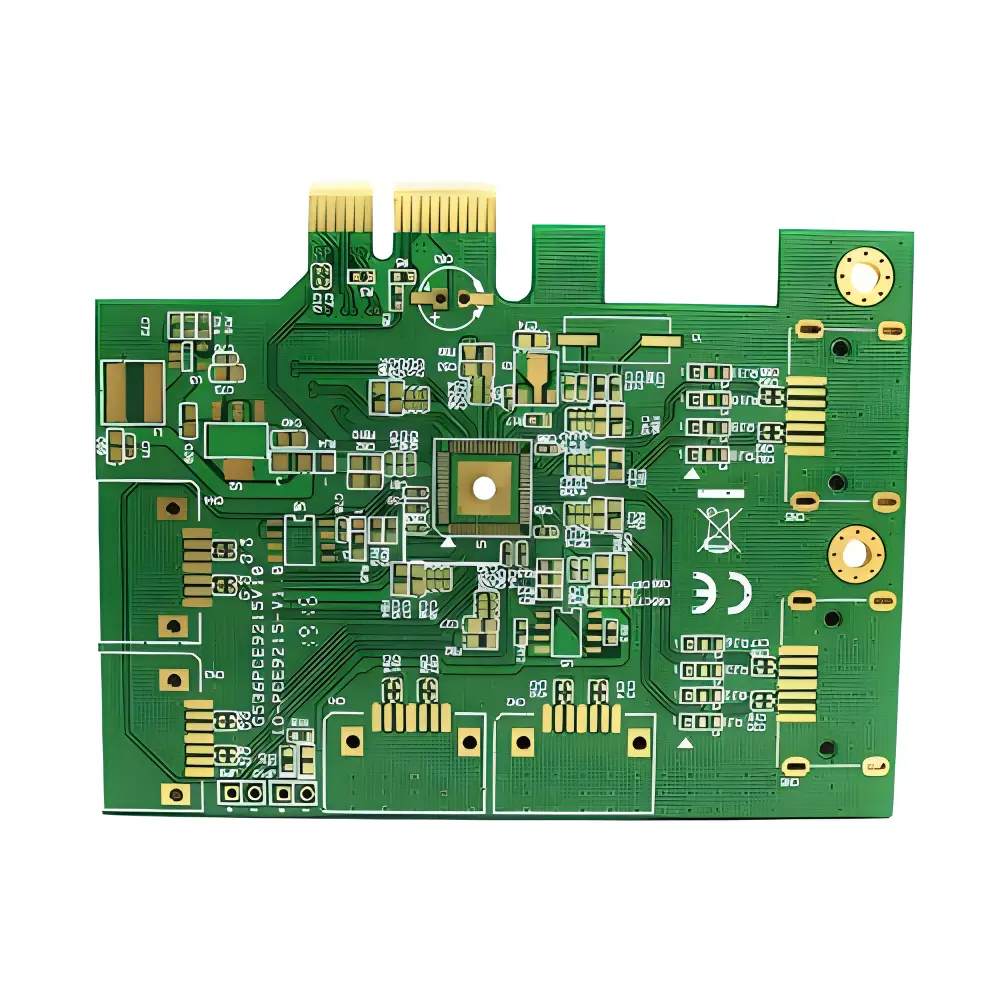 PTFE Teflon High-Frequency Board
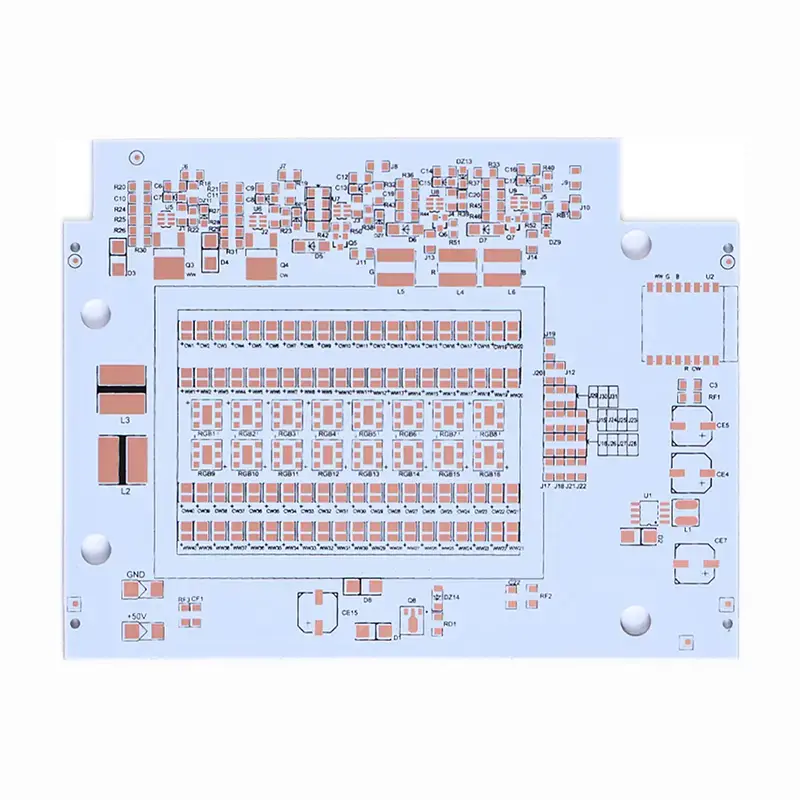 Aluminum
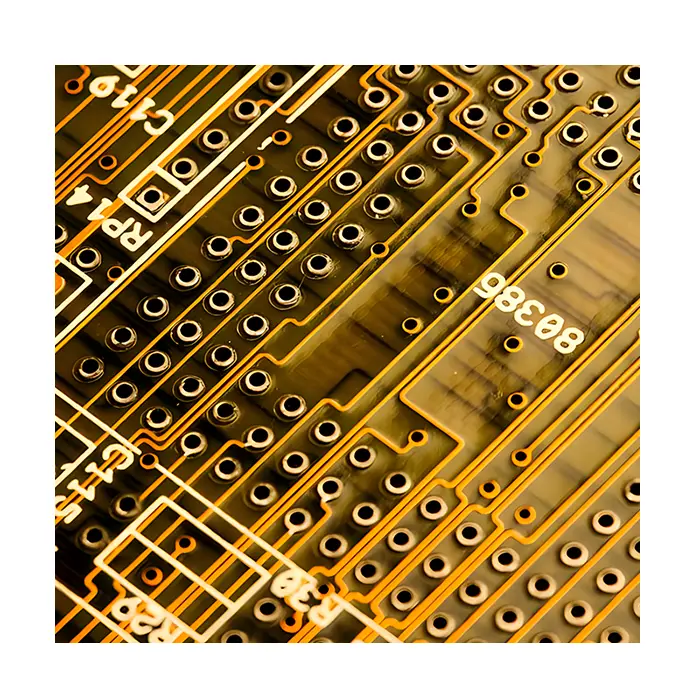 Copper Core
 PCB Assembly
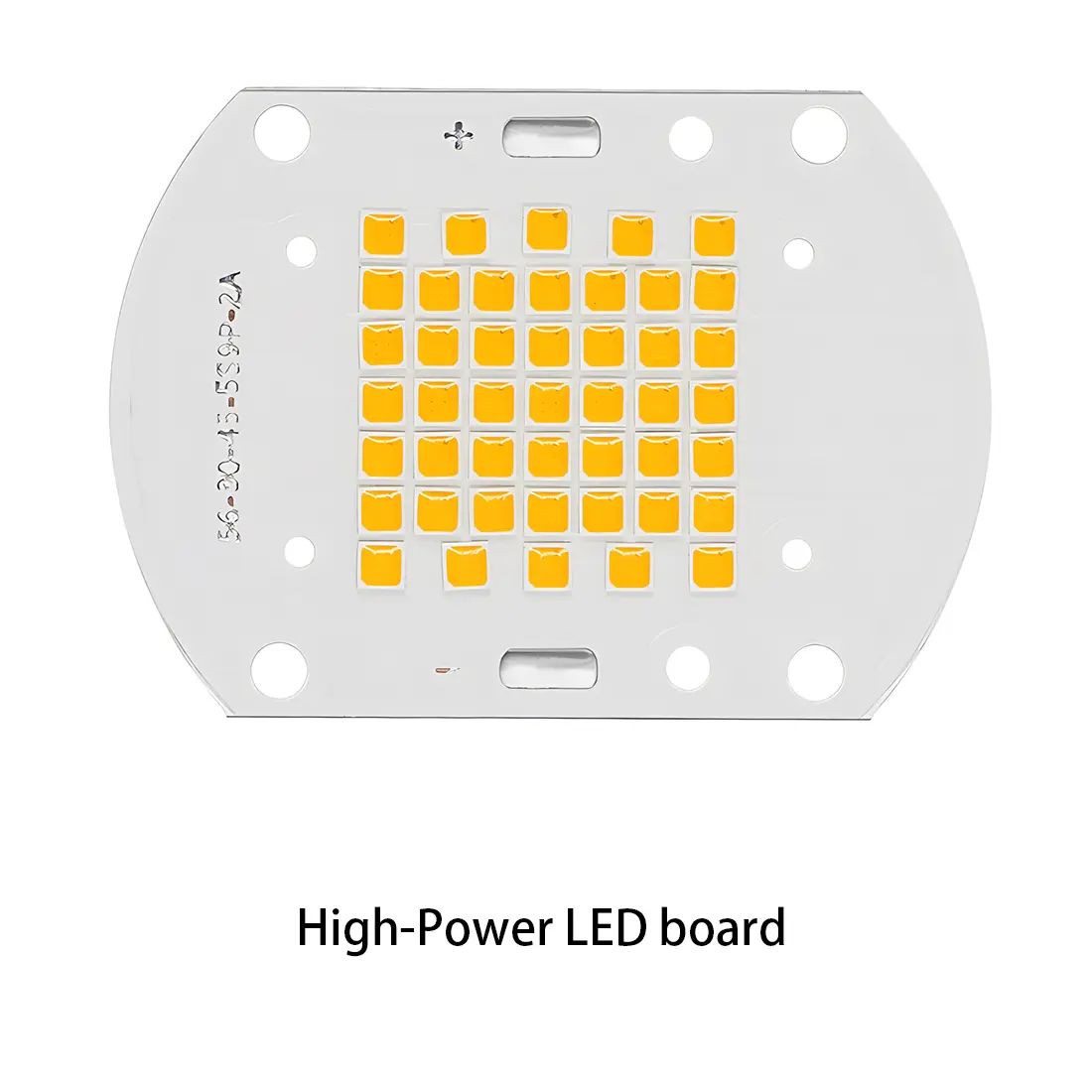 LED light PCBA
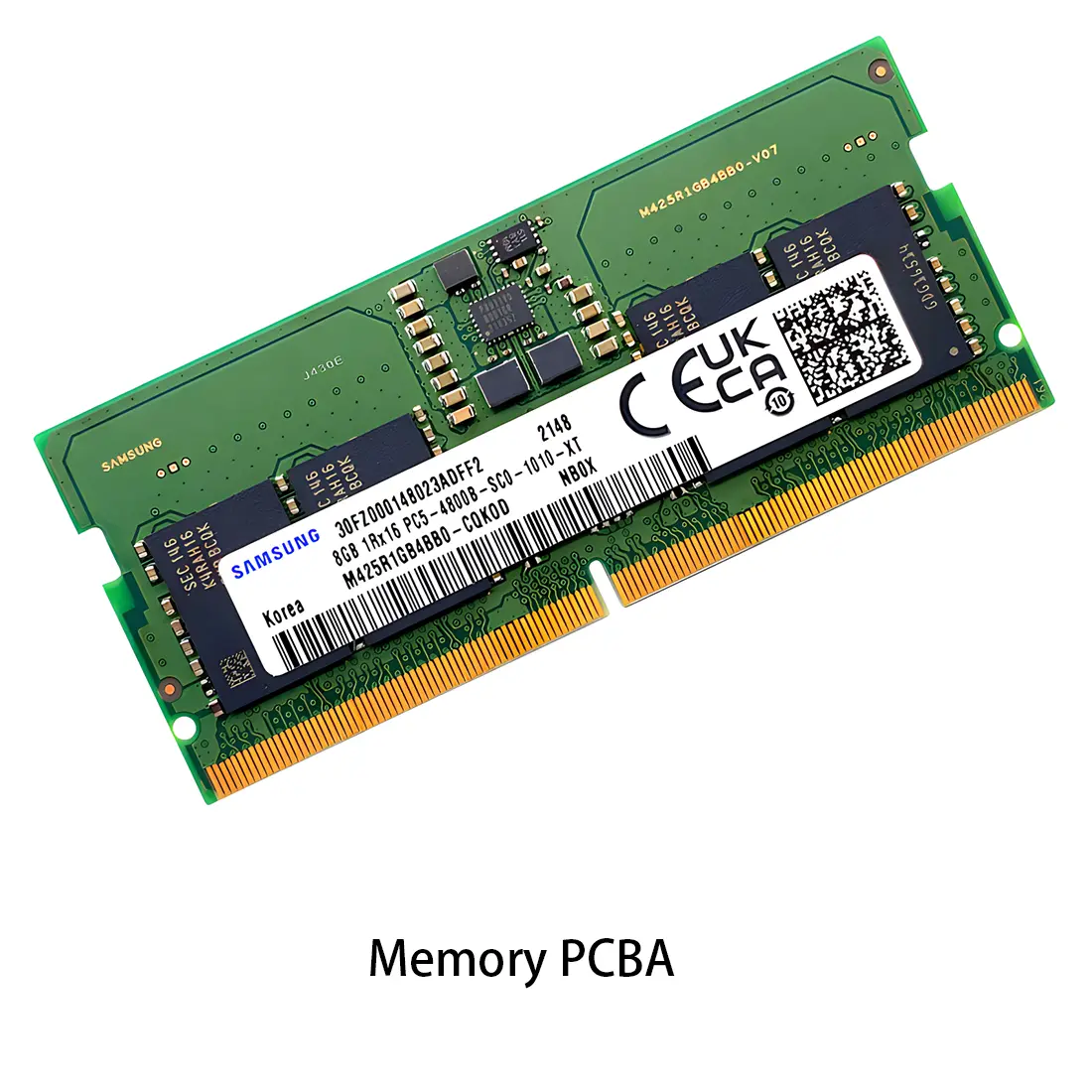 Memory PCBA
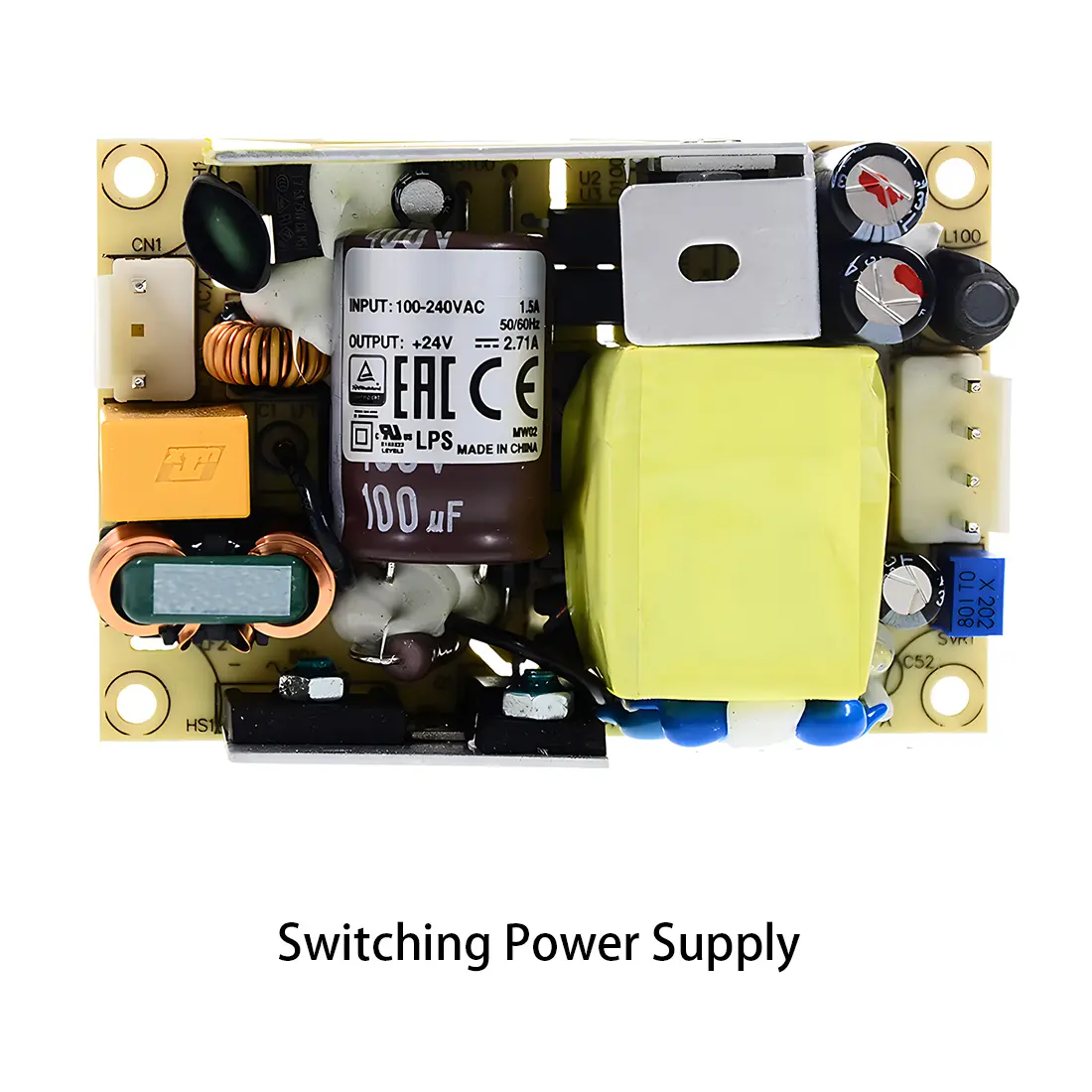 Power Supply PCBA
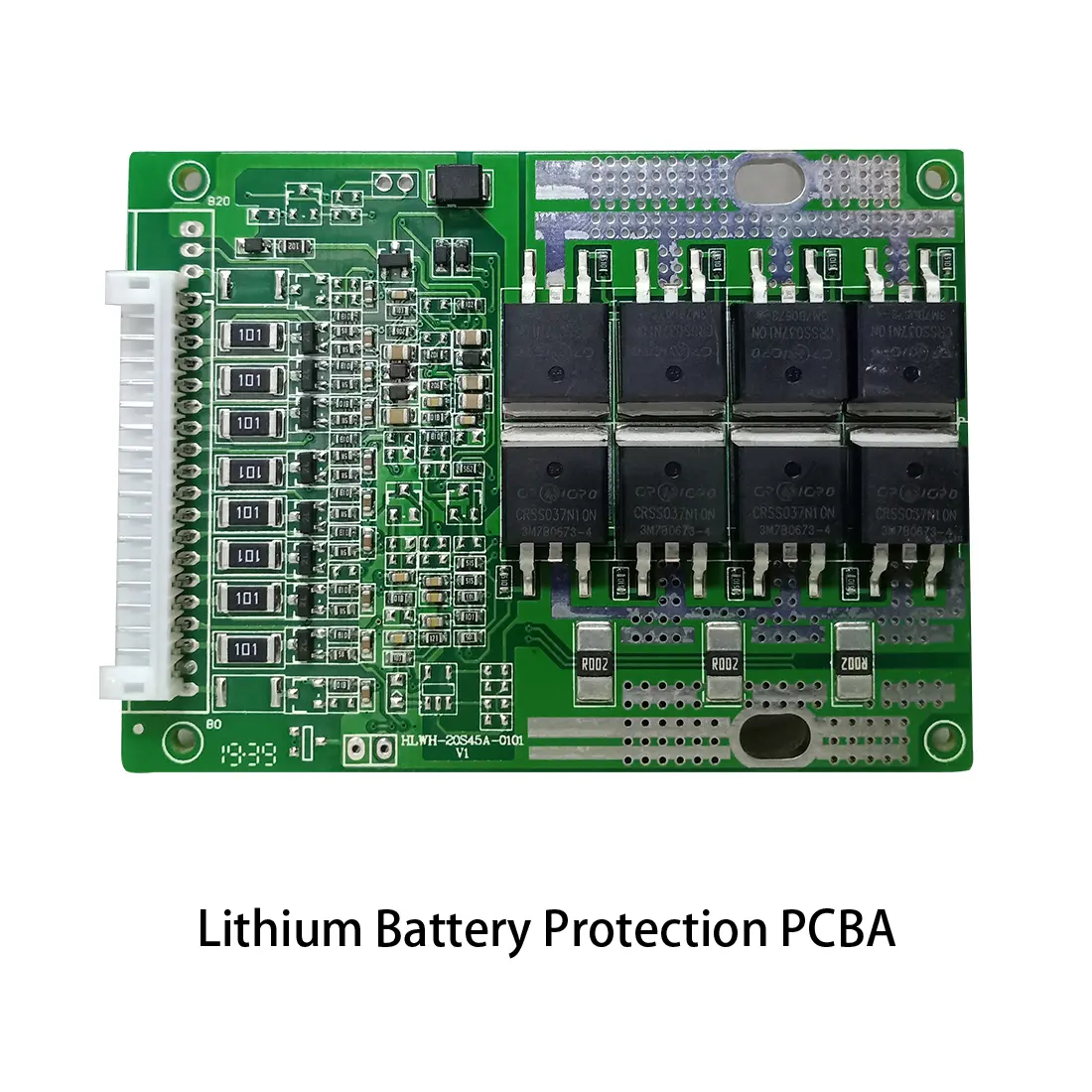 New Energey PCBA
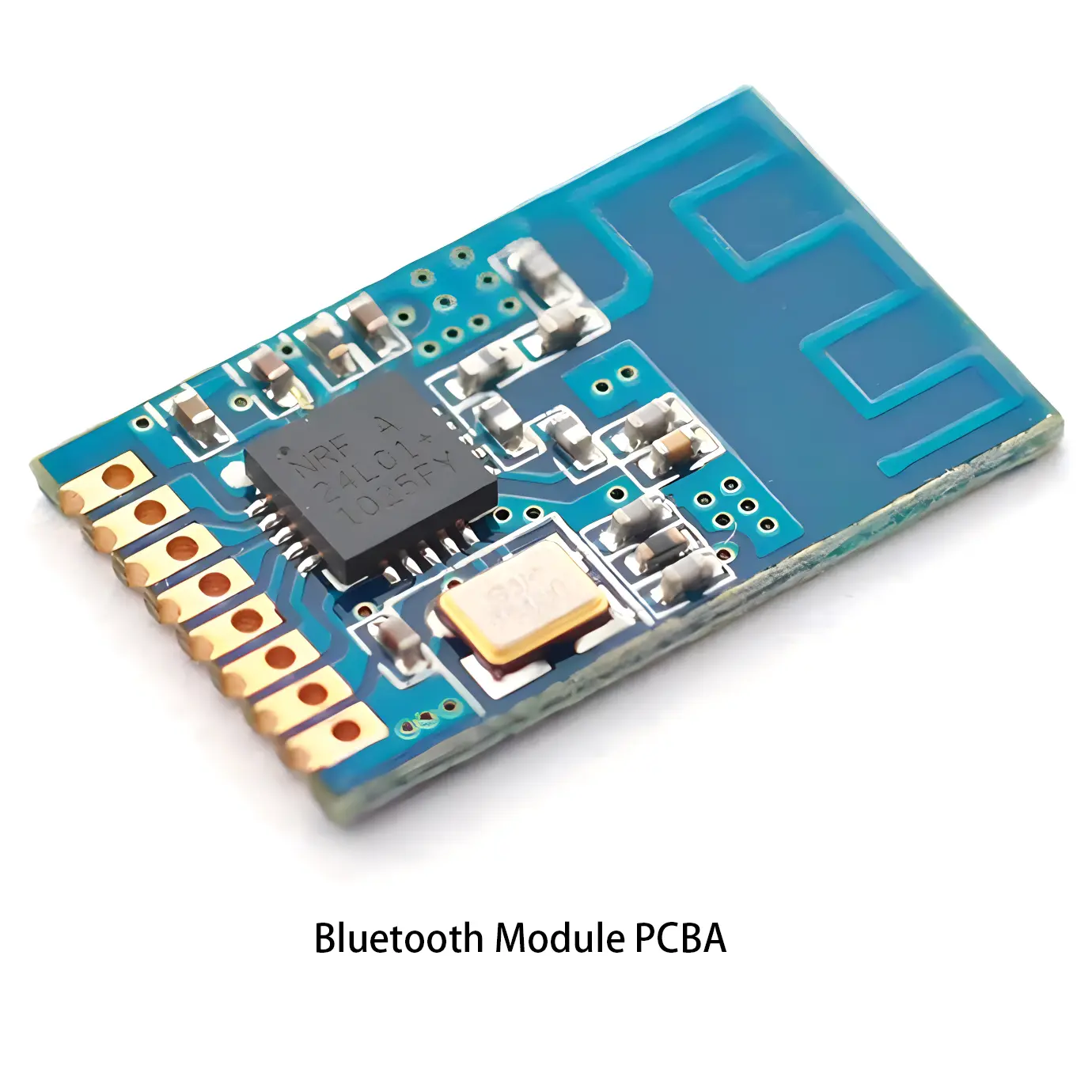 Communication PCBA
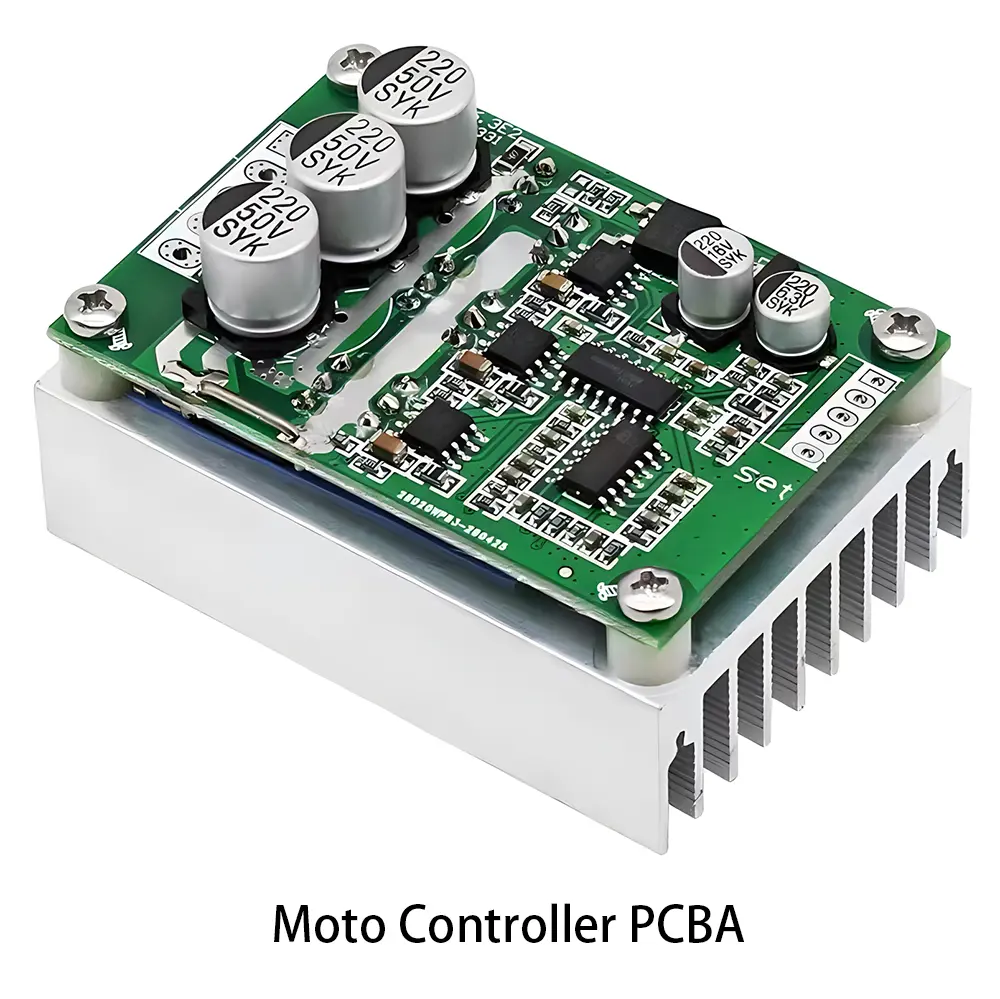 Industrial Control PCBA
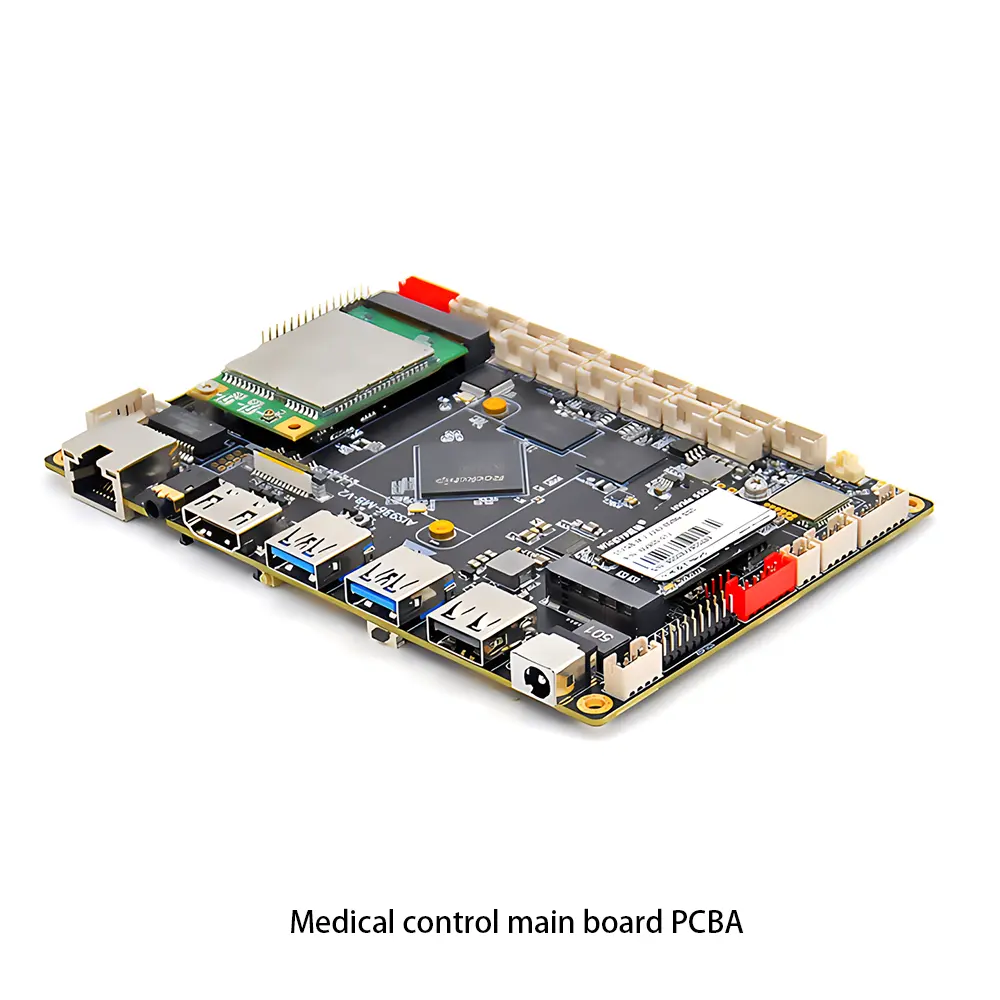 Medical Equipment PCBA
 Testing Service
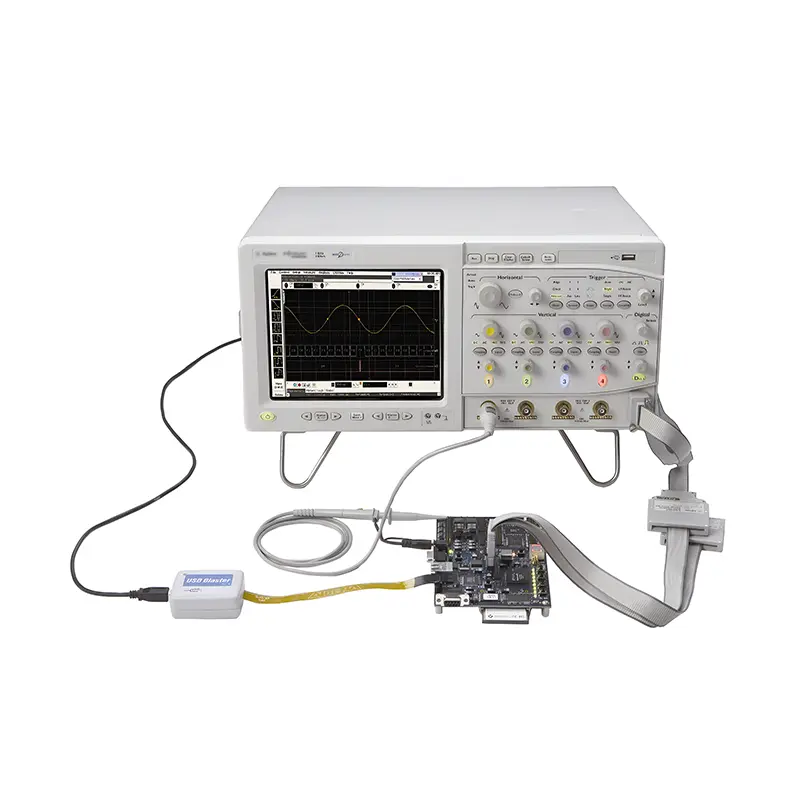 PCBA Testing Service
 Certification Application
 RoHS Certification Application
 REACH Certification Application
 CE Certification Application
 FCC Certification Application
 CQC Certification Application
 UL Certification Application
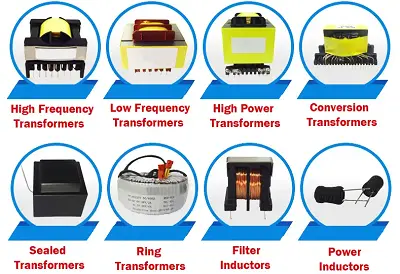 Transformers, Inductors
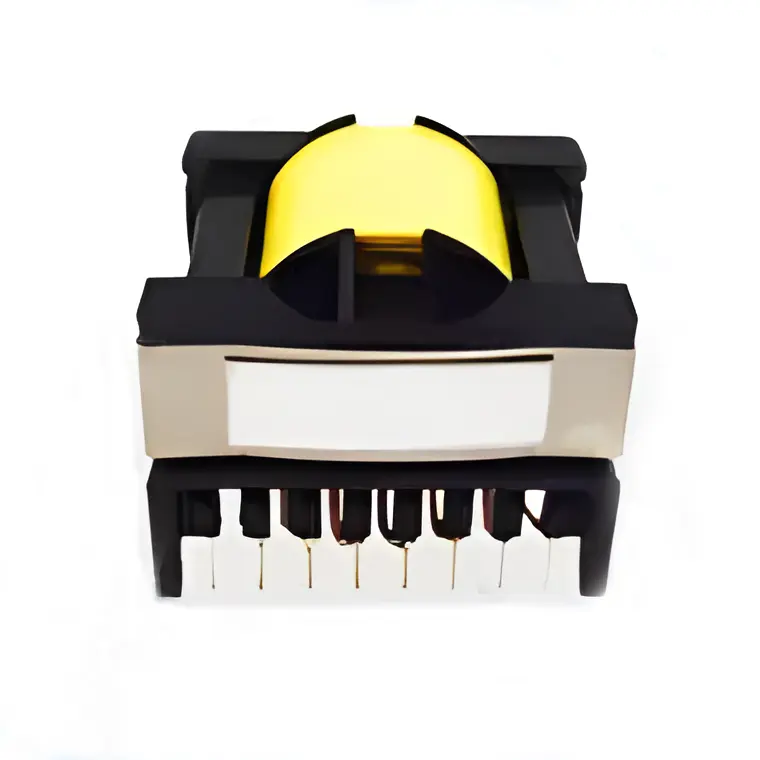 High Frequency Transformers
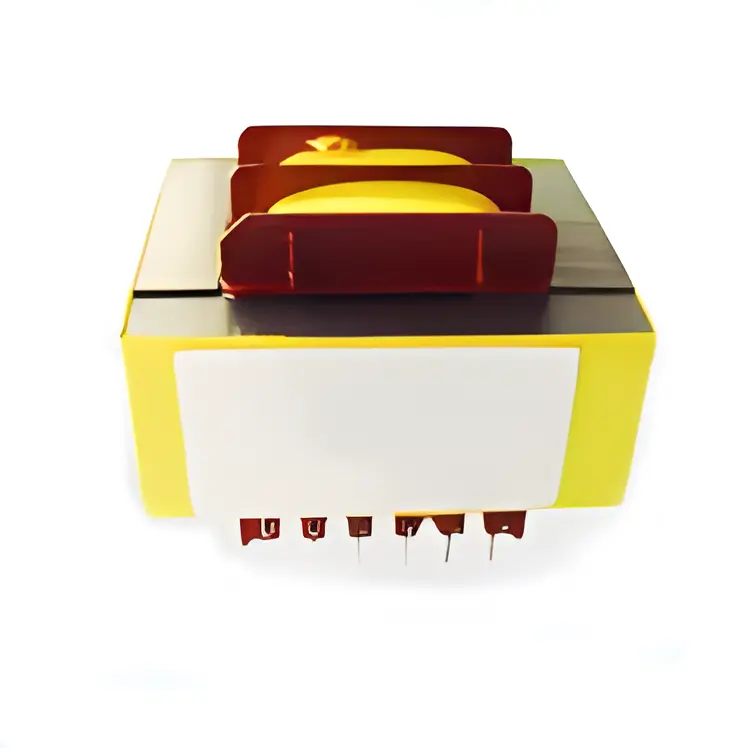 Low Frequency Transformers
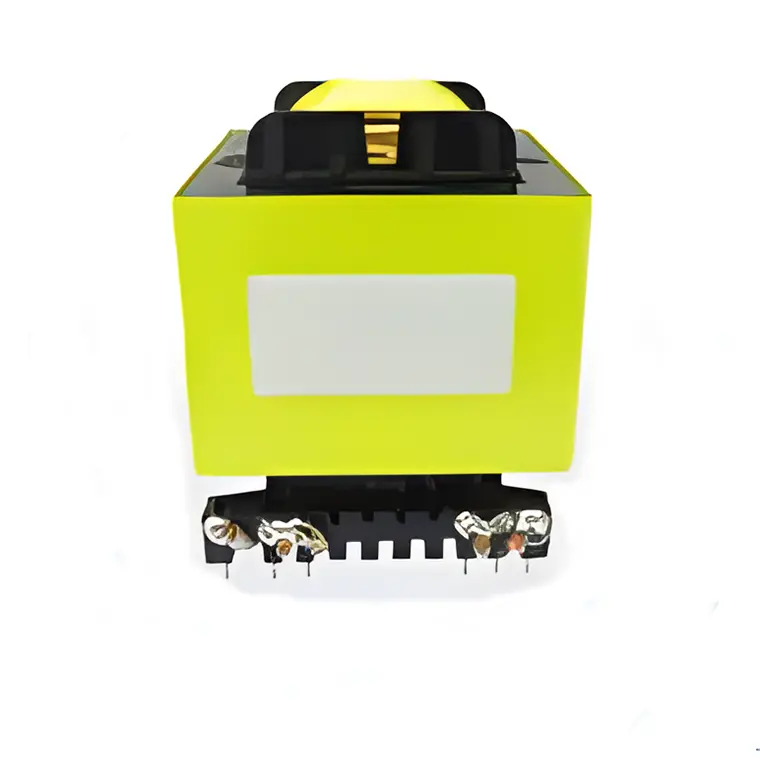 High Power Transformers
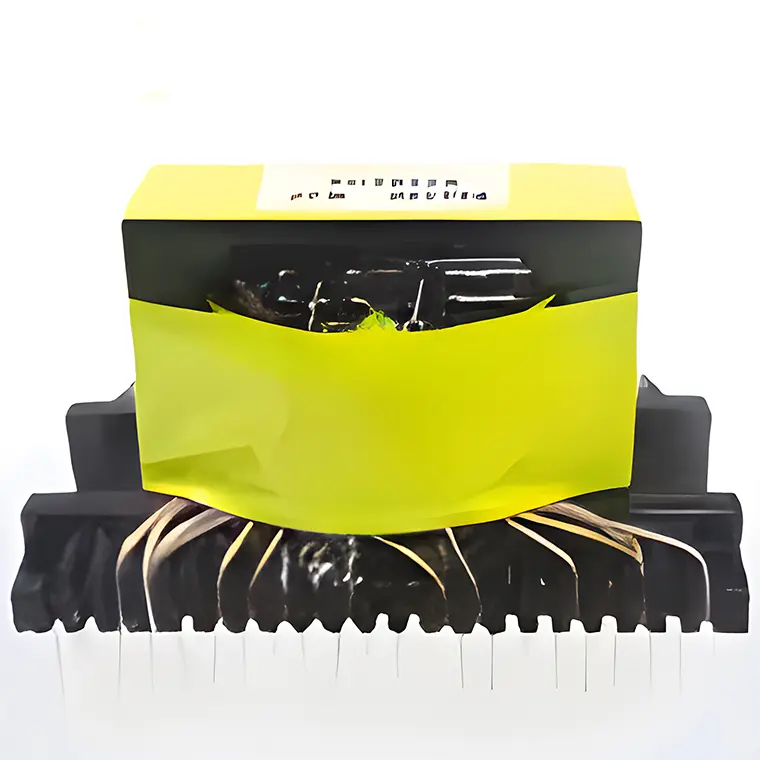 Conversion Transformers
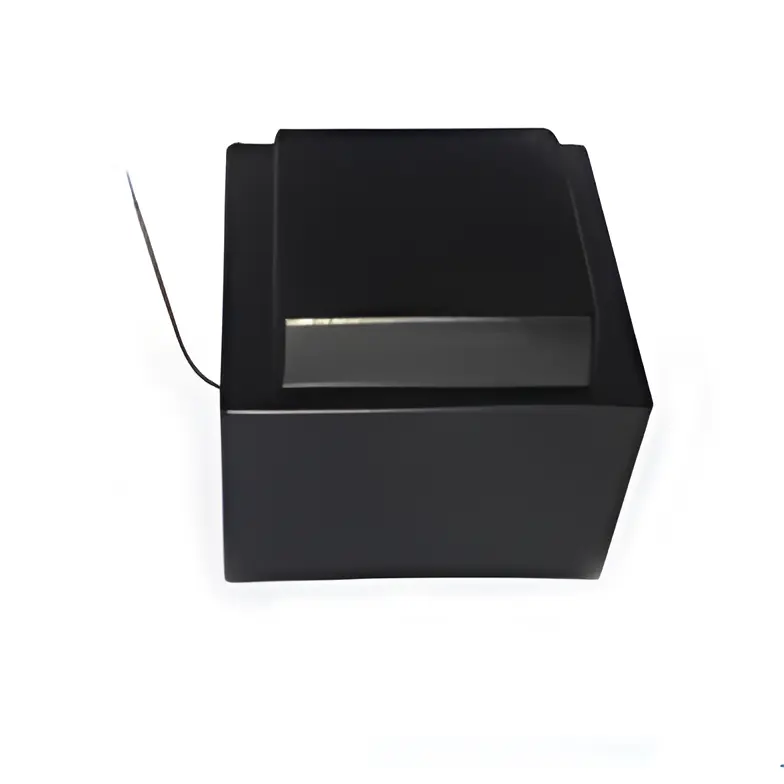 Sealed Transformers
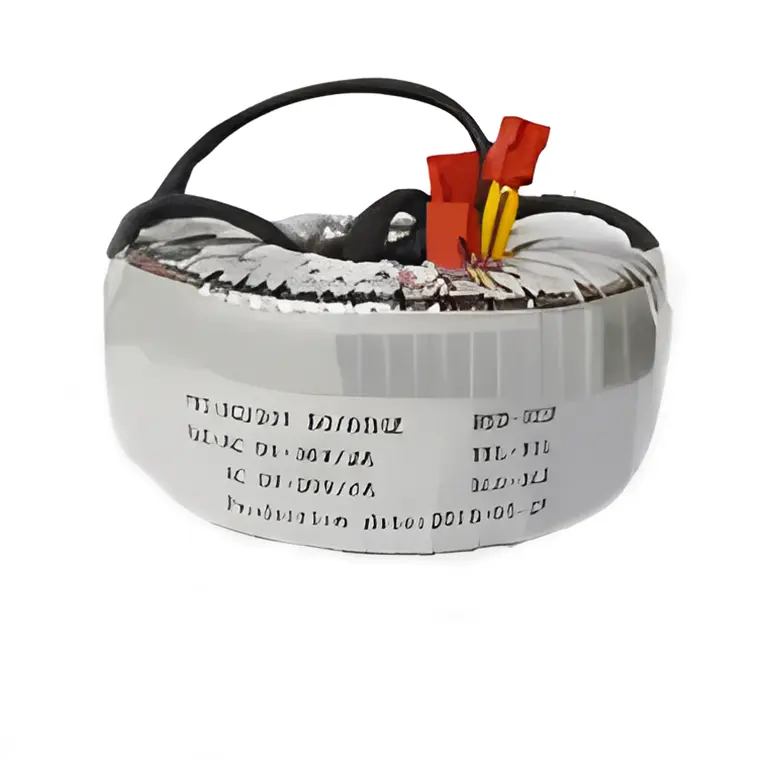 Ring Transformers
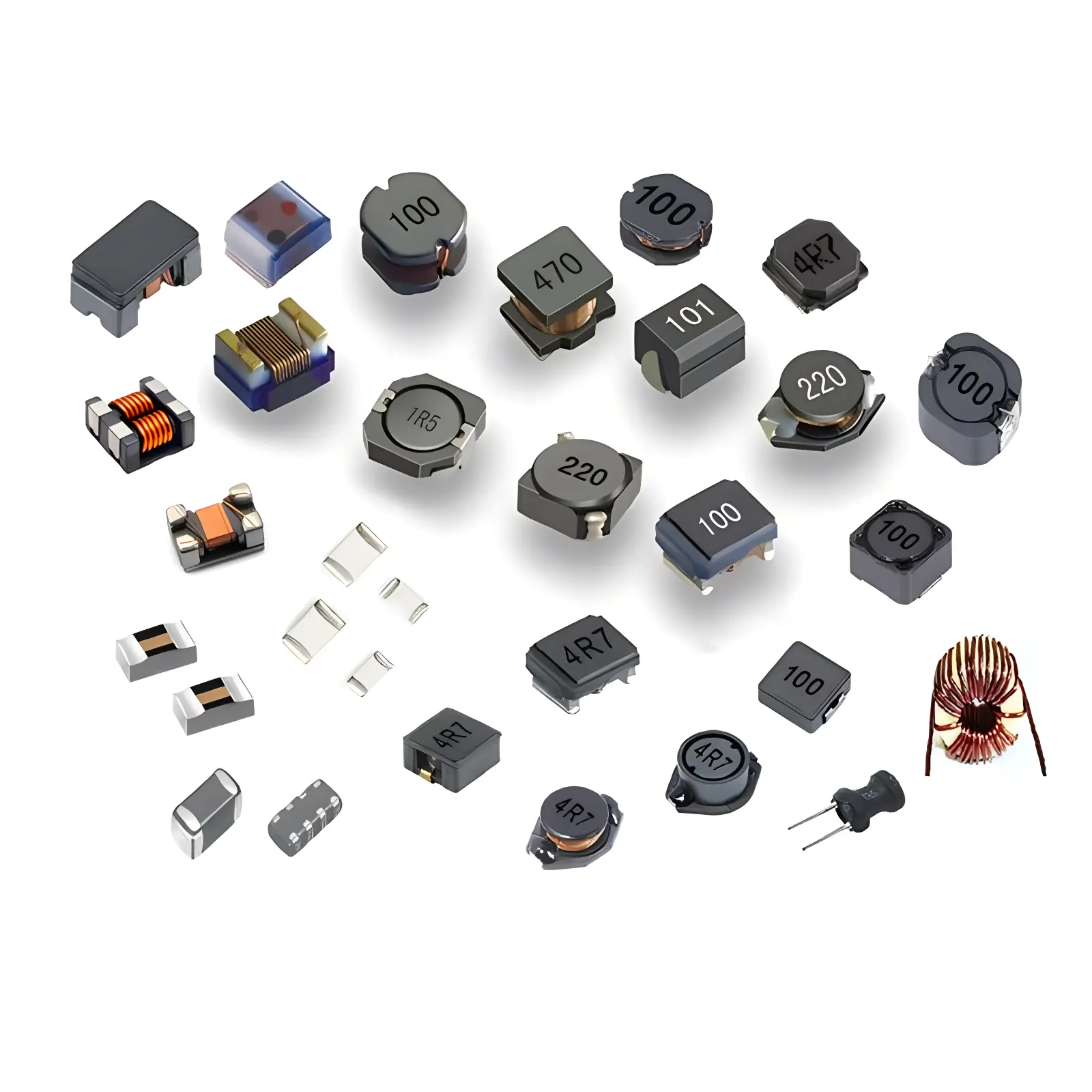 Inductors
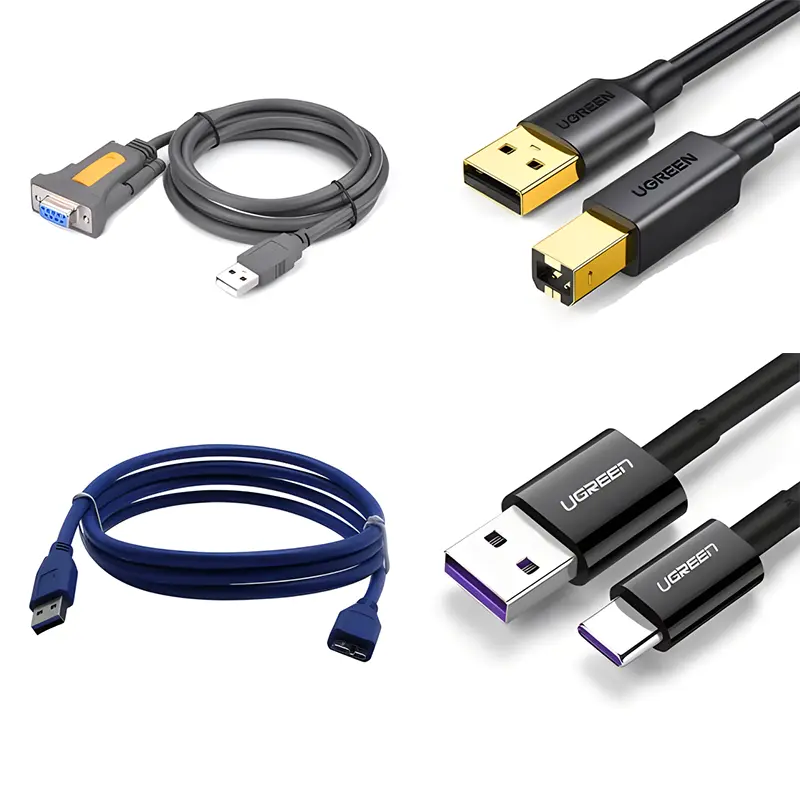 Wires,Cables Customized
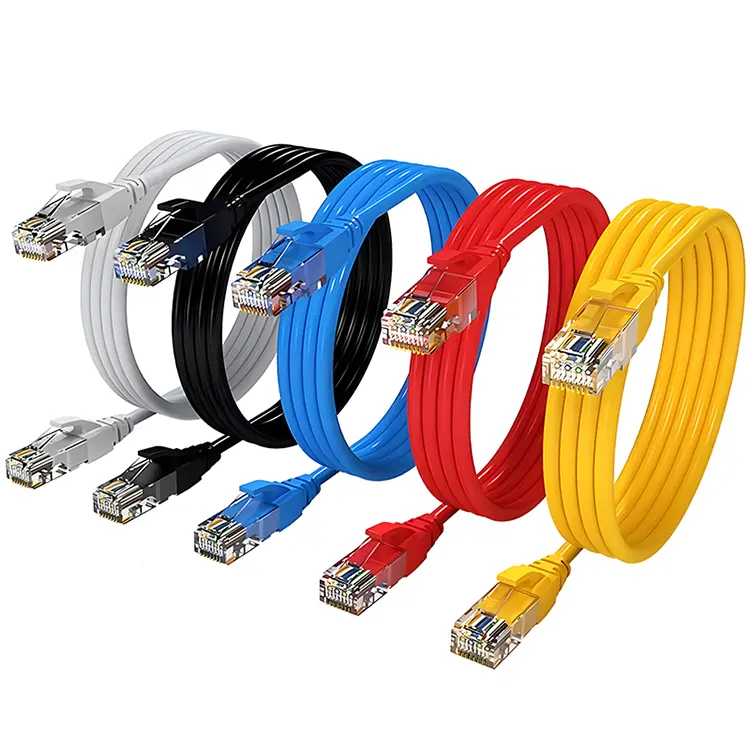 Network Cables
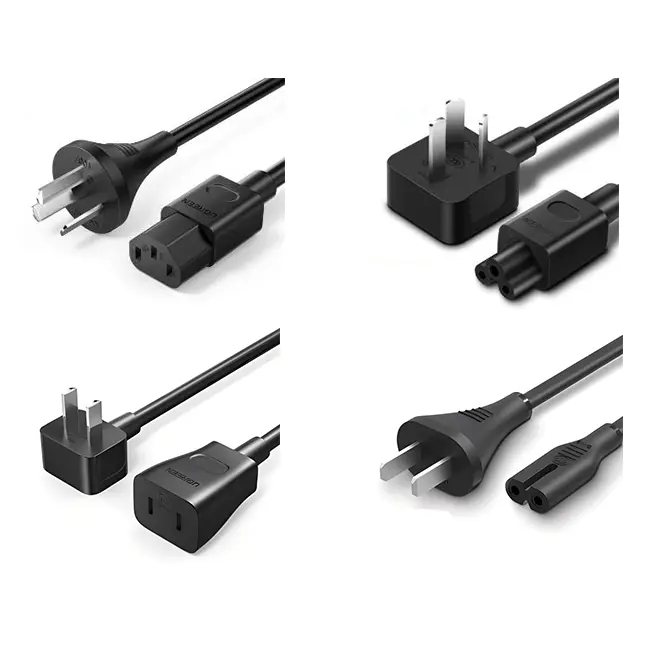 Power Cords
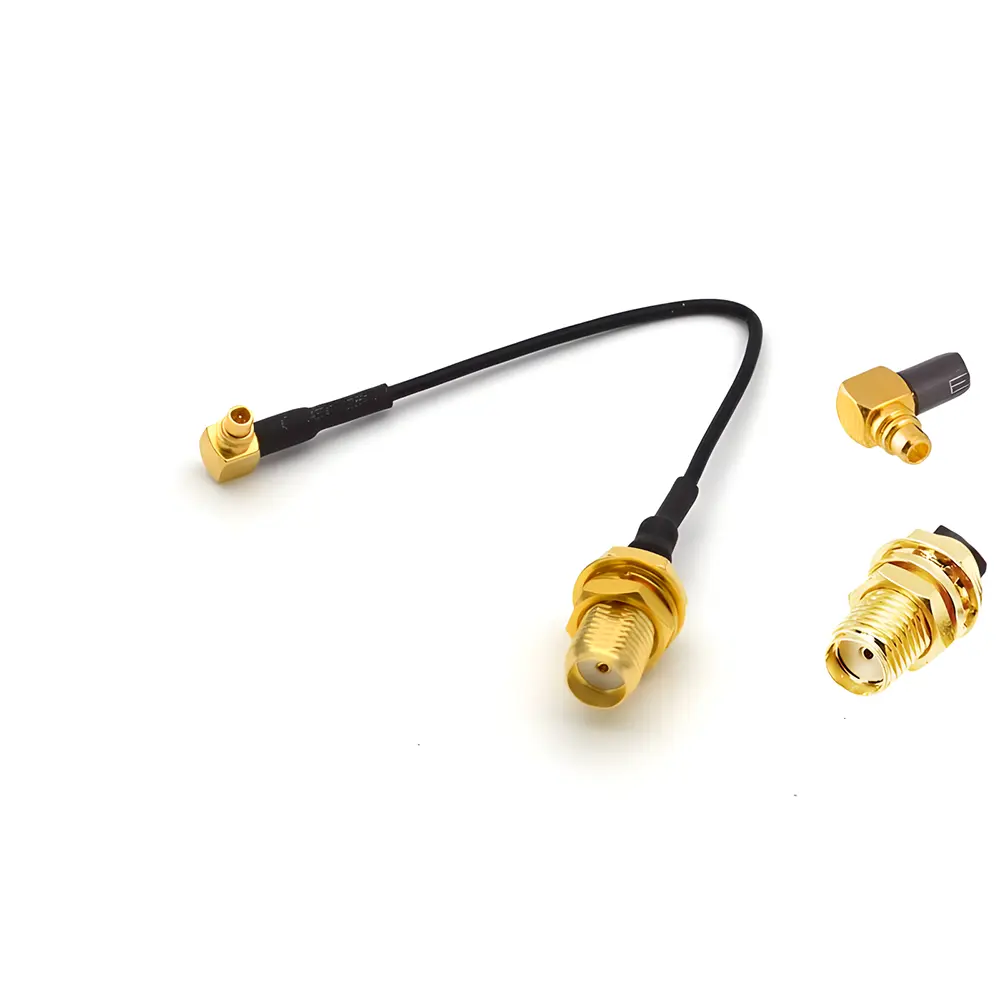 Antenna Cables
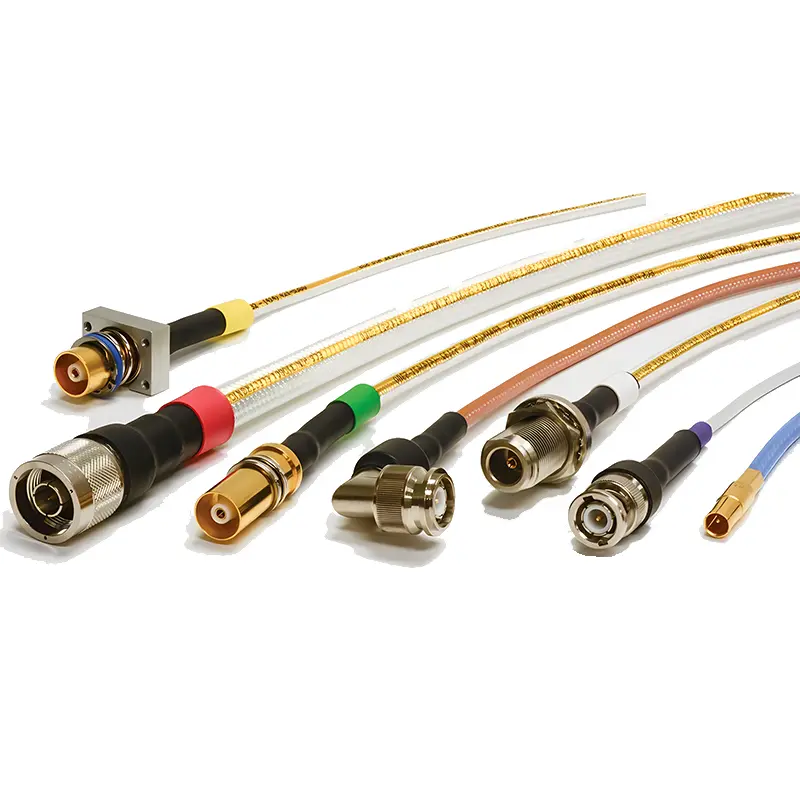 Coaxial Cables
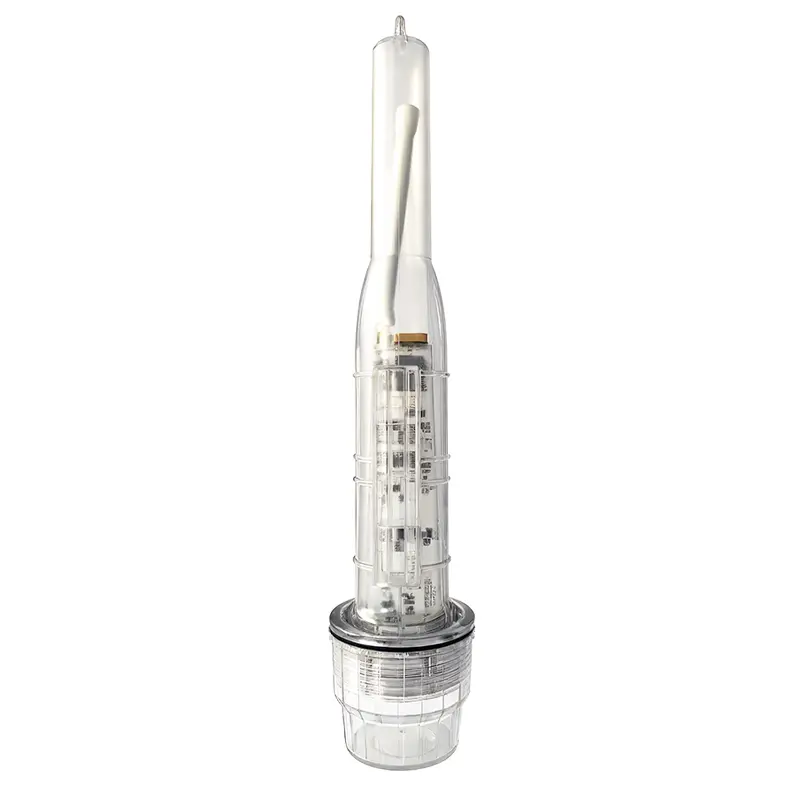 Net Position Indicator
 Solar AIS net position indicator
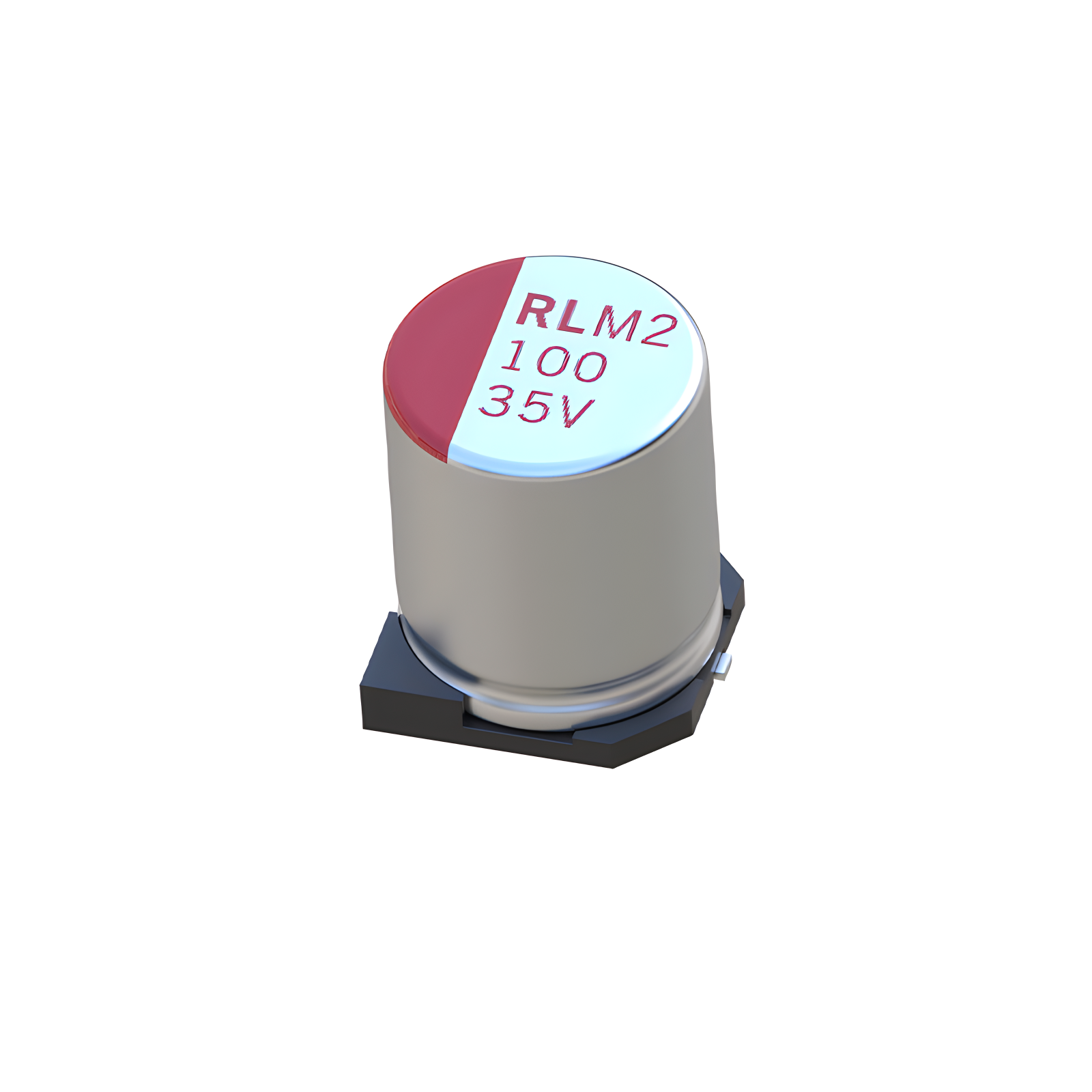 Capacitors
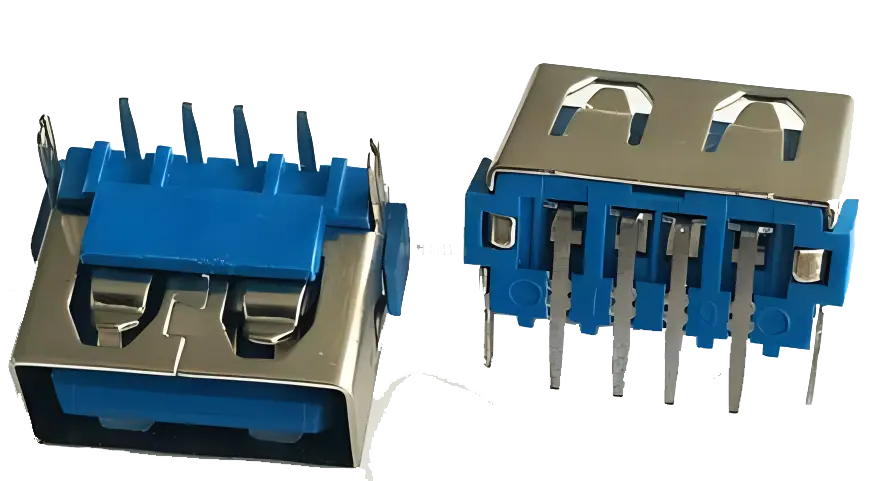 Connectors
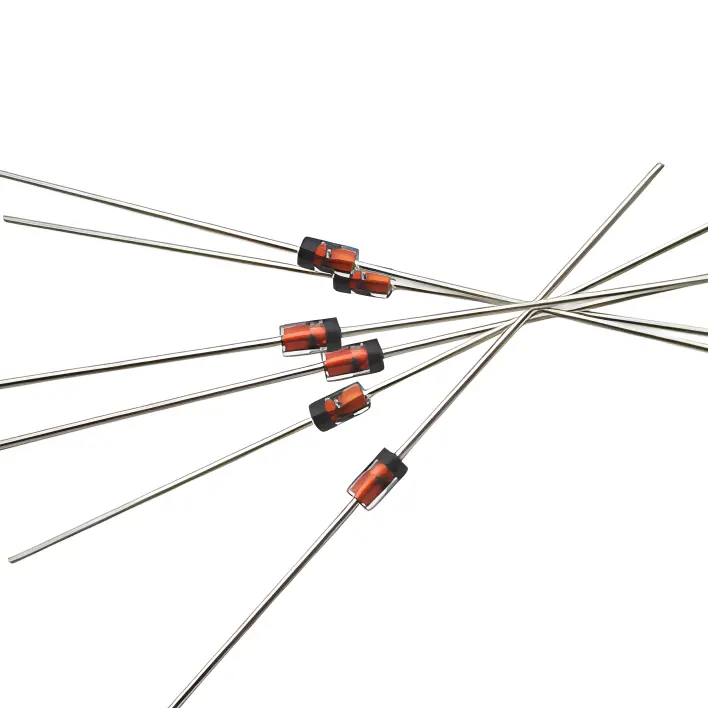 Diodes
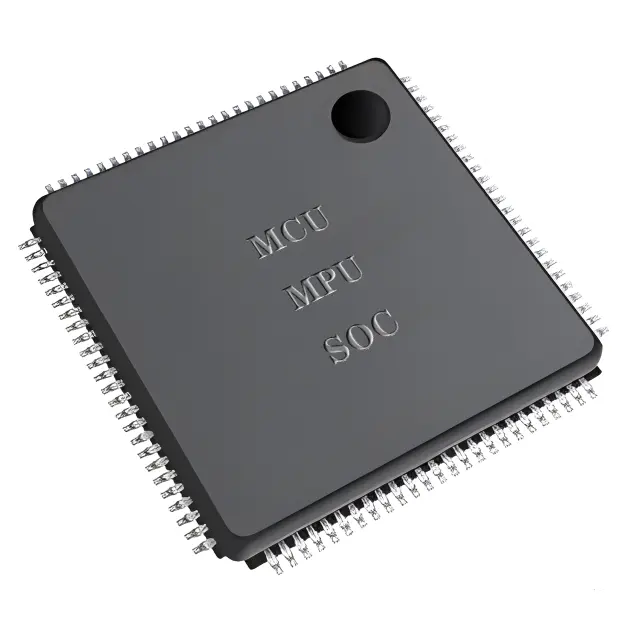 Embedded Processors & Controllers
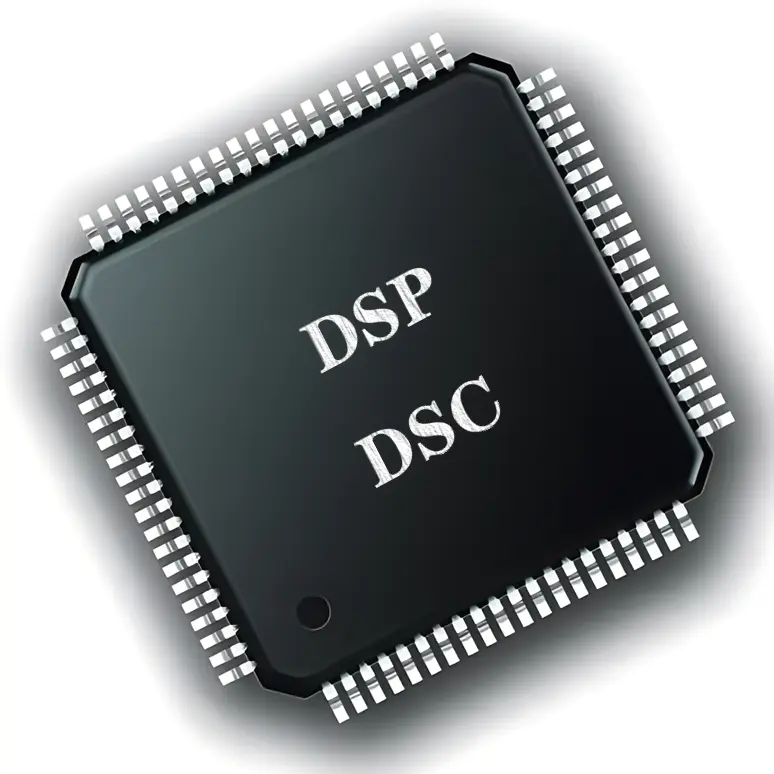 Digital Signal Processors (DSP/DSC)
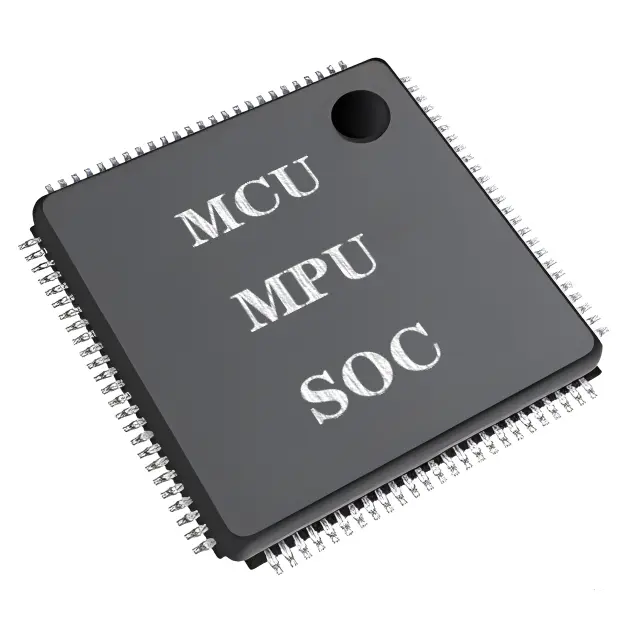 Microcontrollers (MCU/MPU/SOC)
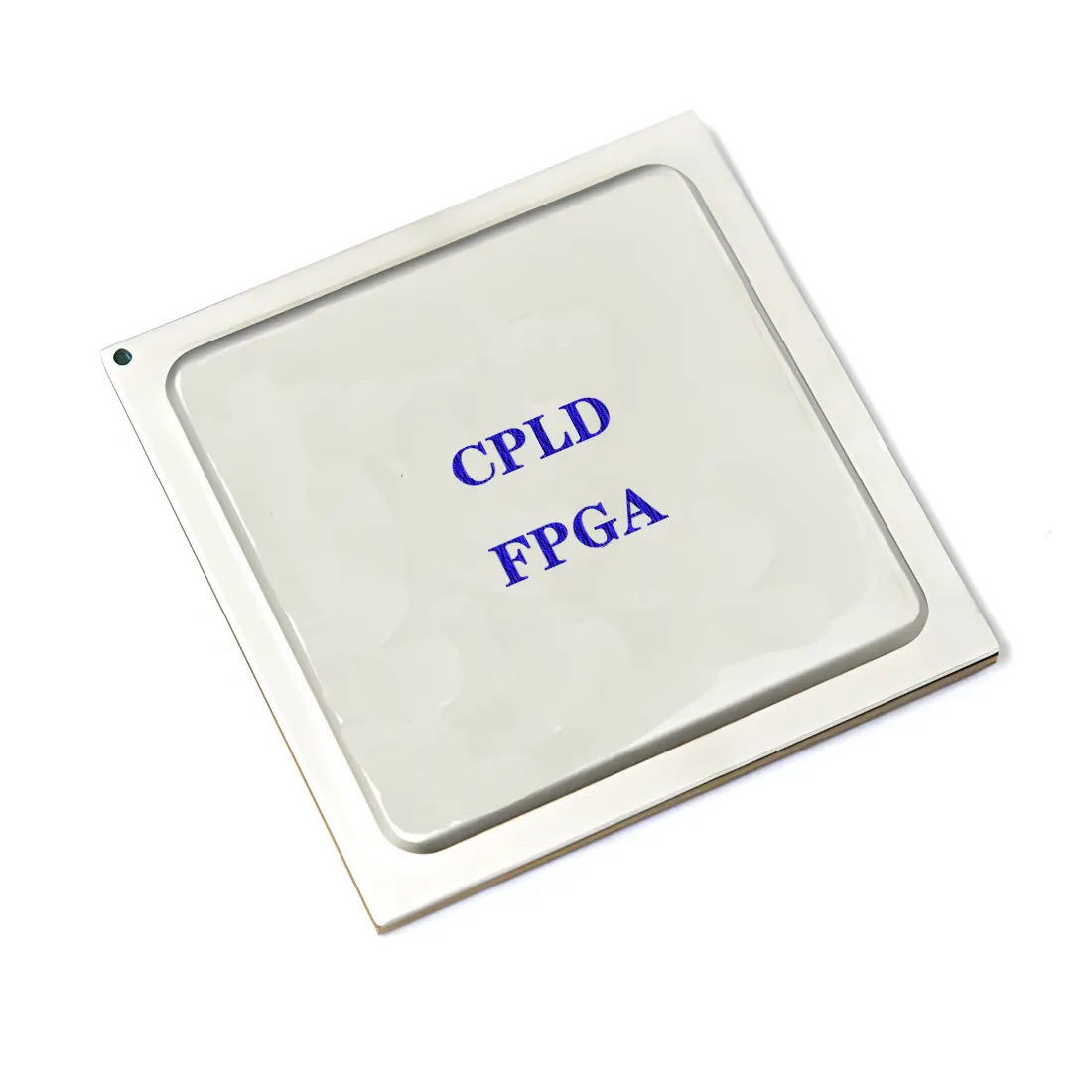 Programmable Logic Device(CPLD/FPGA)
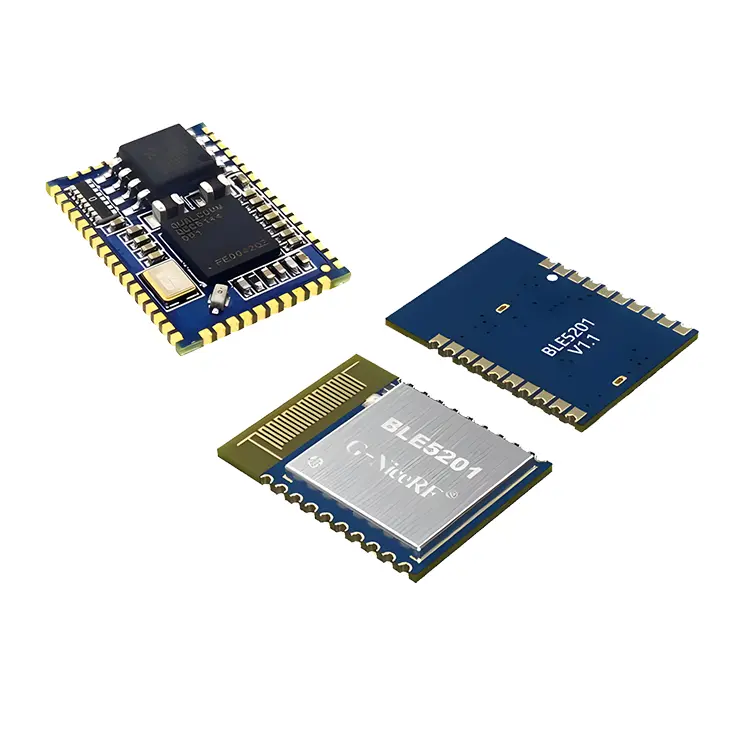 Communication Modules/IoT
 Resistors
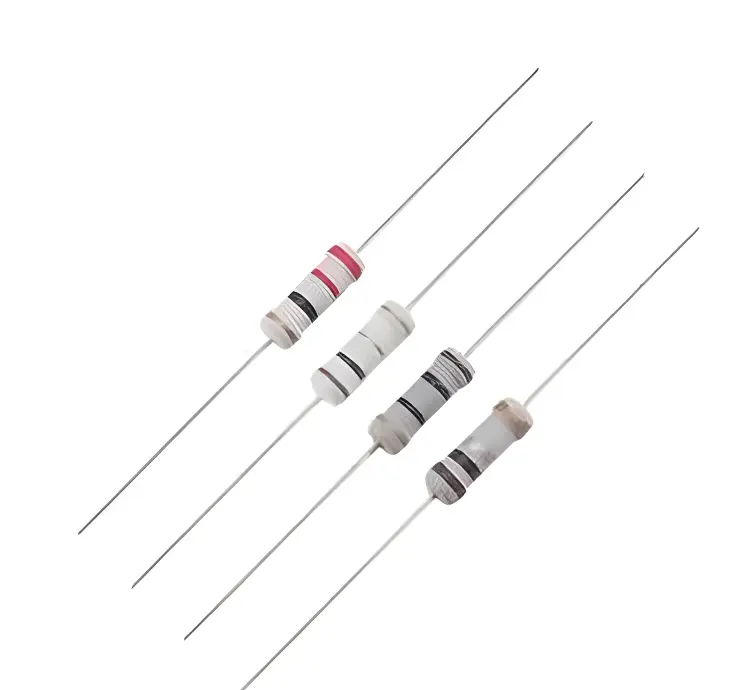 Through Hole Resistors
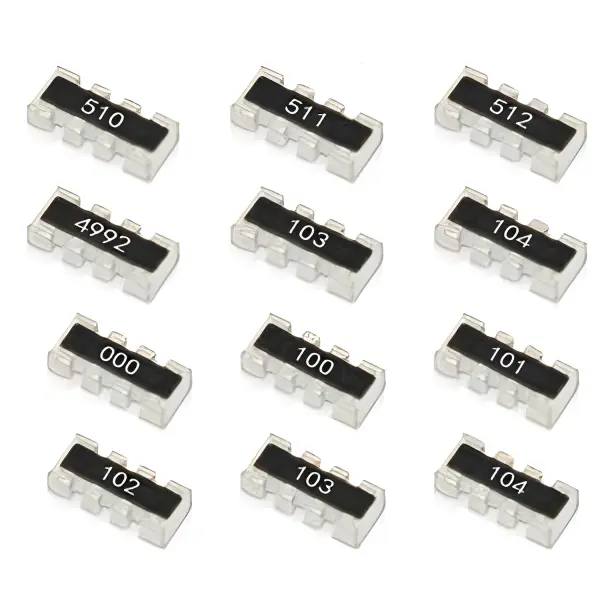 Resistor Networks, Arrays
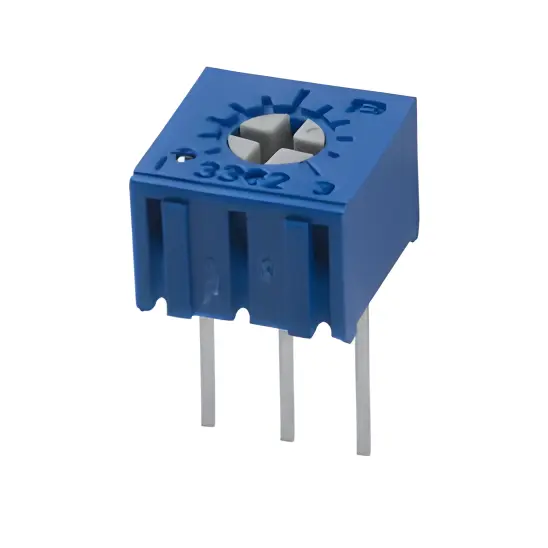 Potentiometers,Variable Resistors
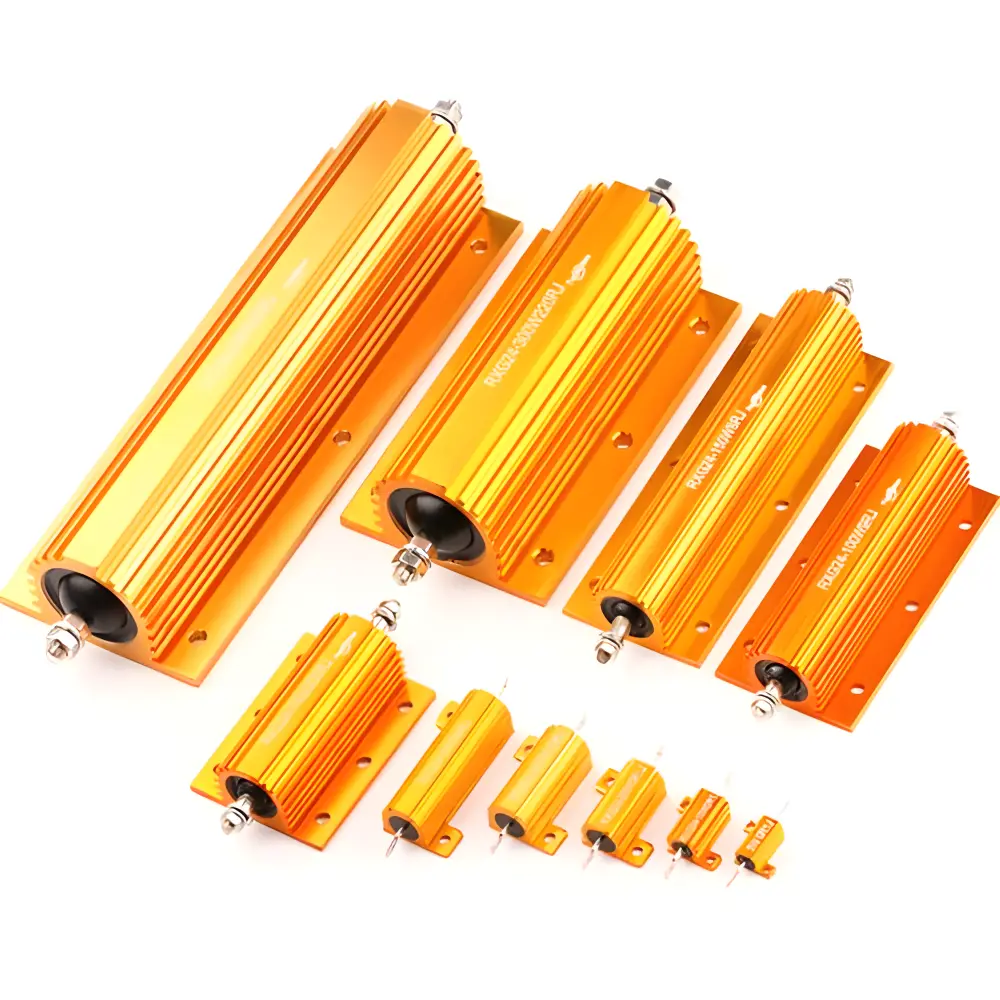 Aluminum Case,Porcelain Tube Resistance
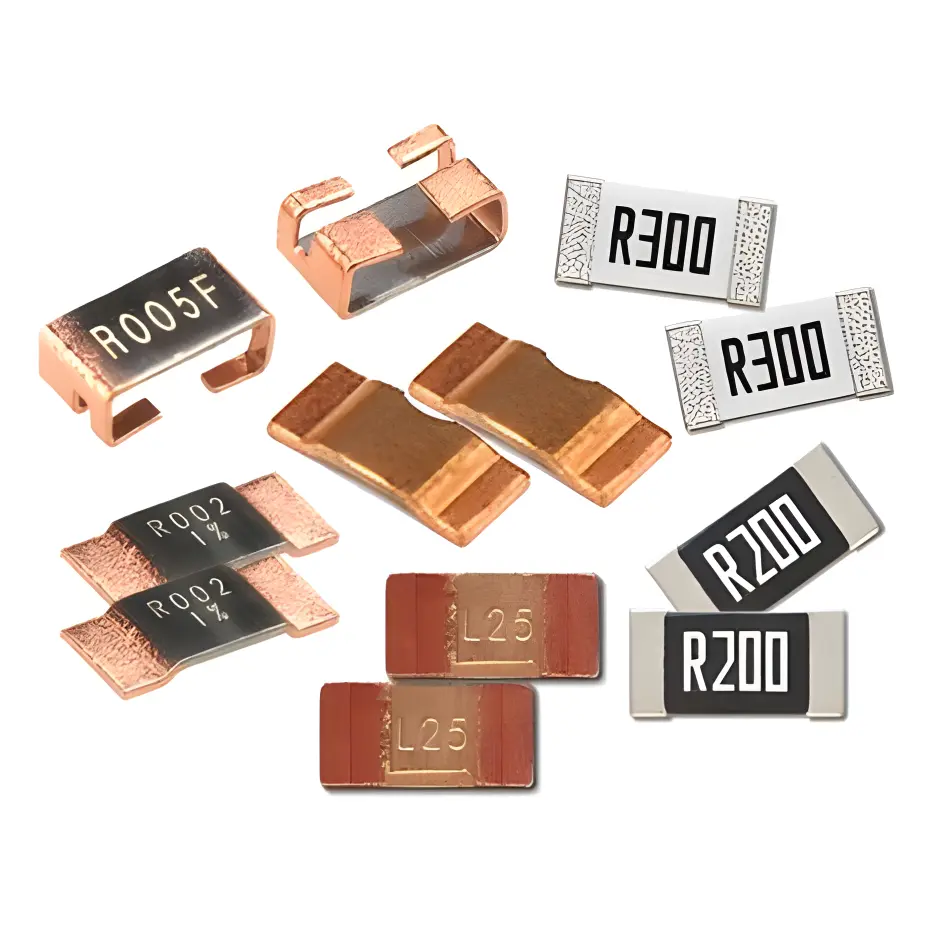 Current Sense Resistors,Shunt Resistors
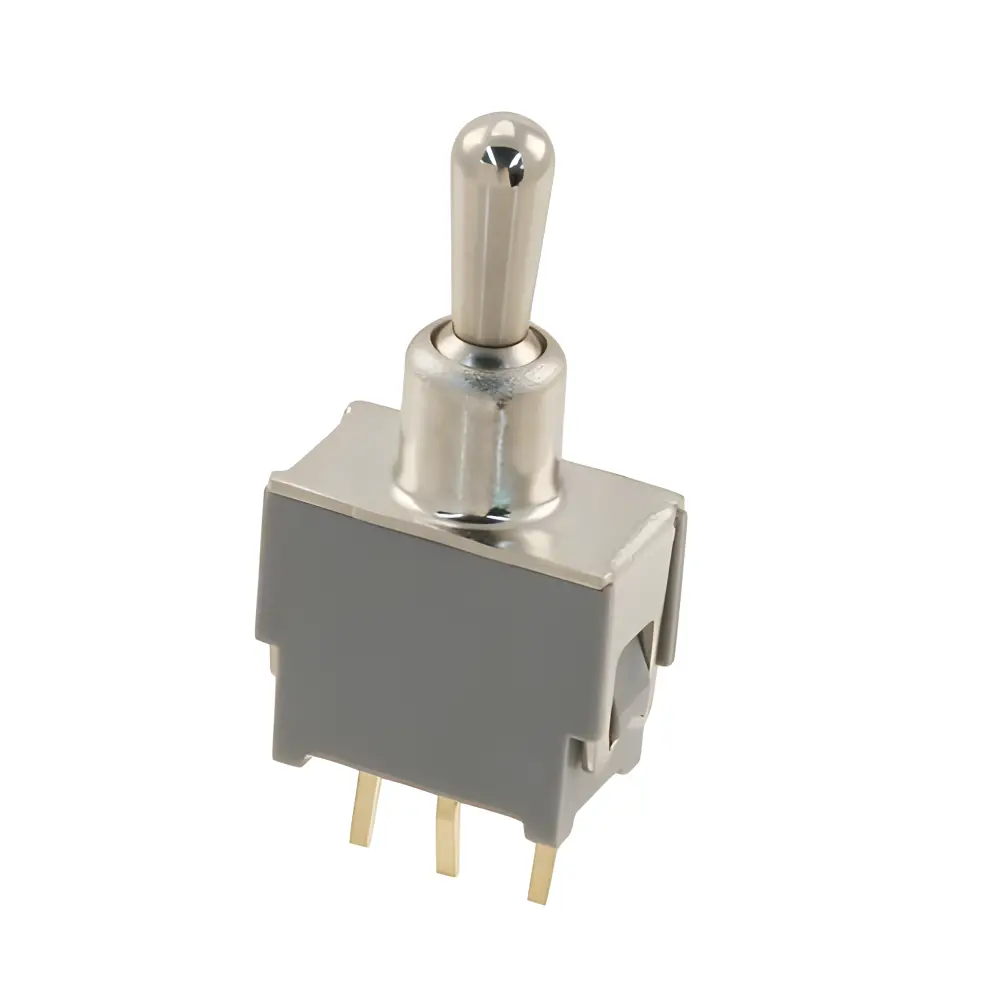 Switches
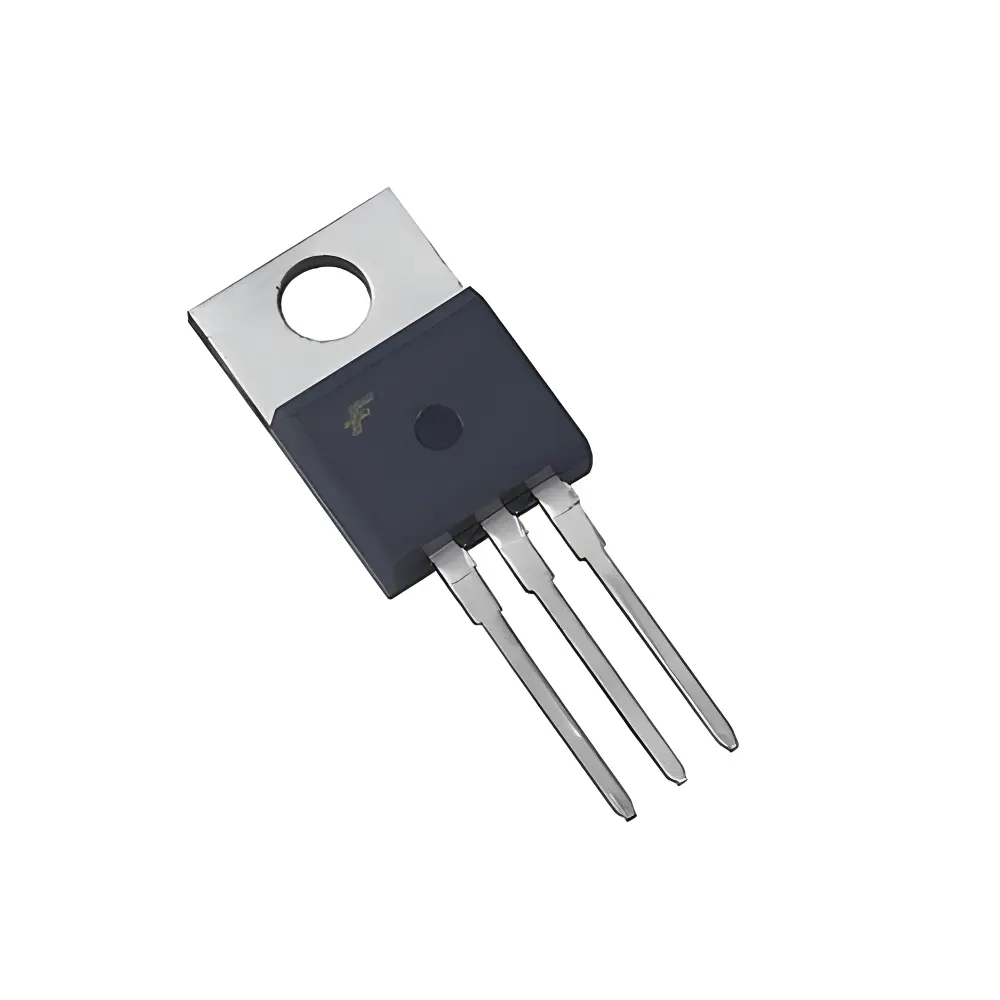 Transistors
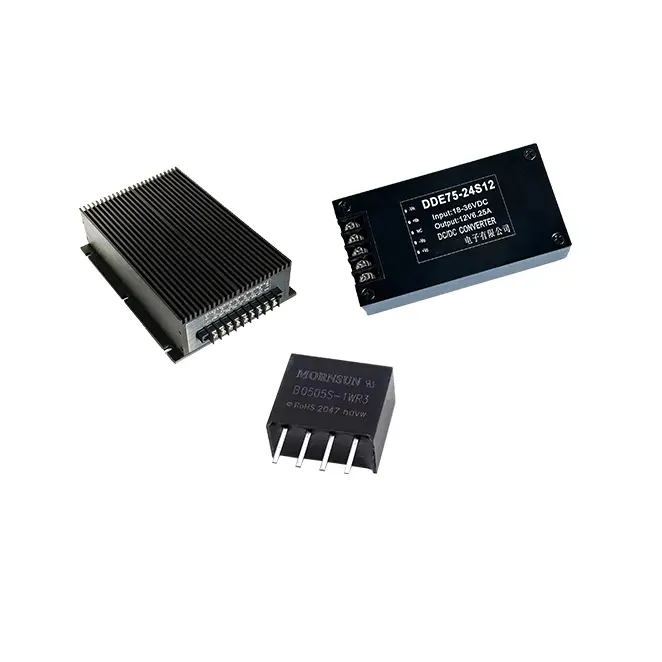 Power Modules
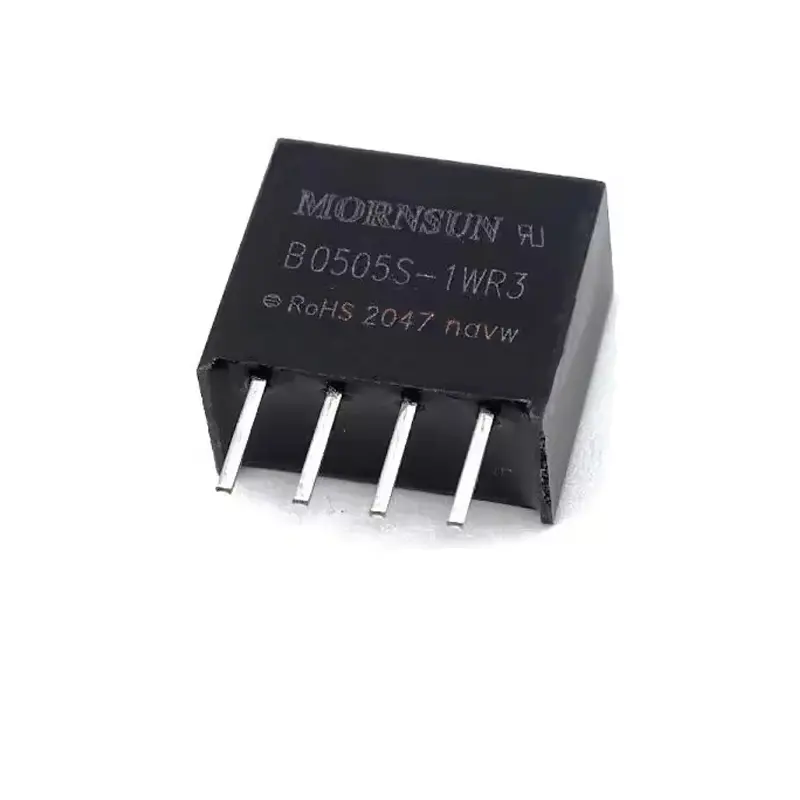 Isolated Power Modules
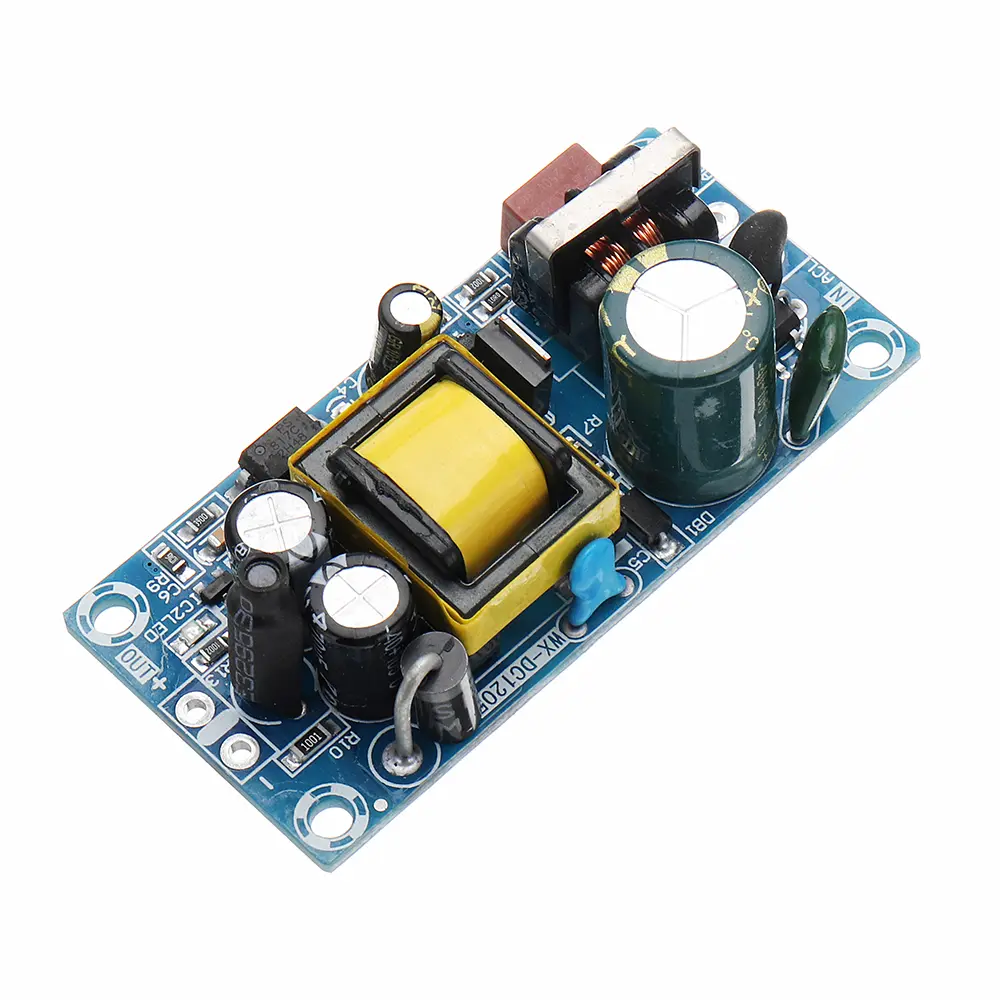 AC-DC Power Modules
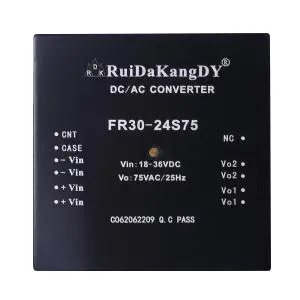 DC-AC Module(Inverter)
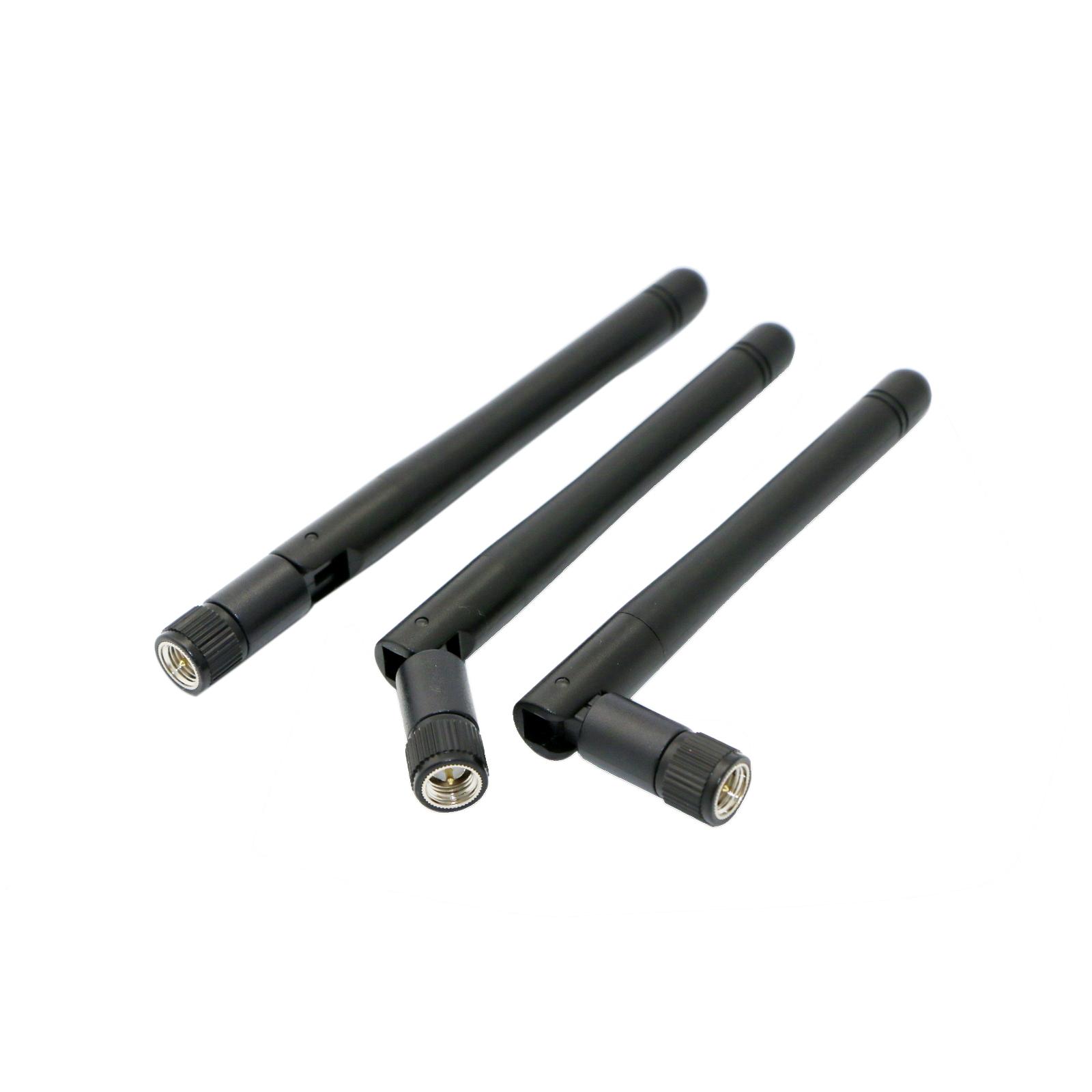 RF and Wireless
How to balance flame retardancy with dielectric properties in halogen-free PCB manufacturing?
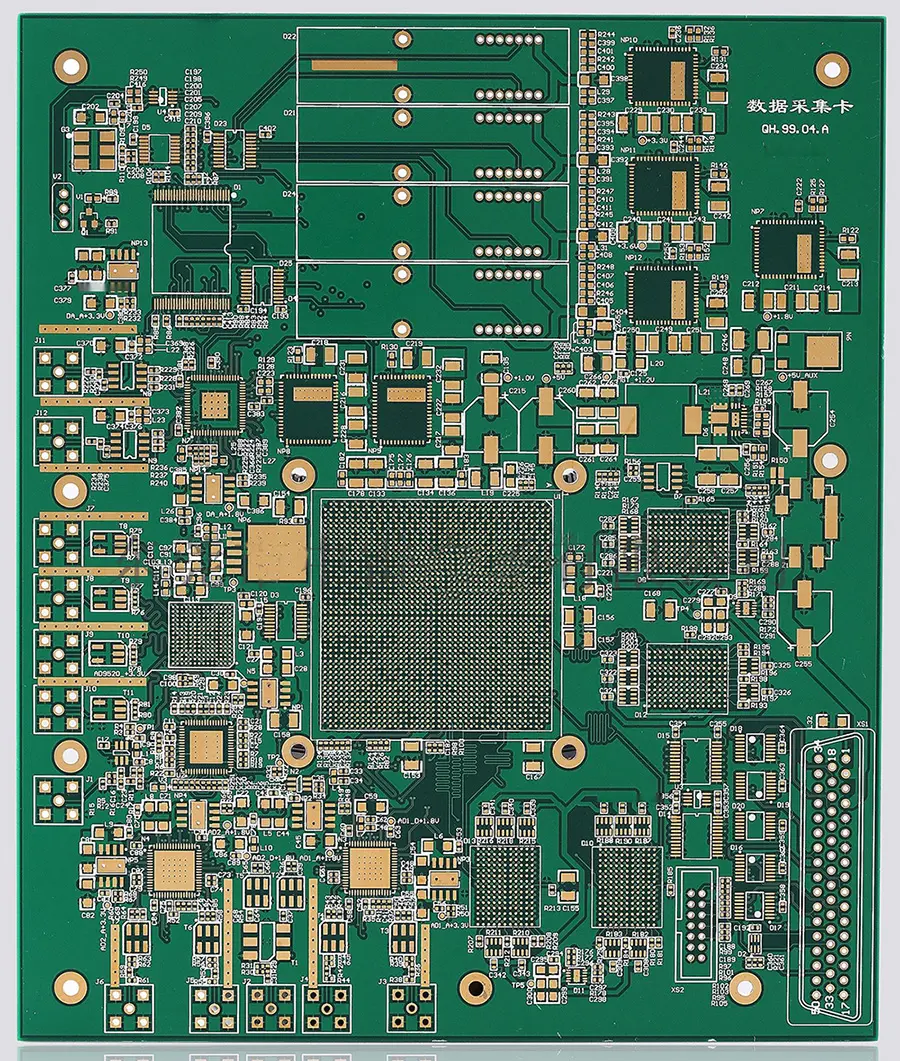
In non-halogen PCB manufacturing, balancing flame retardancy and dielectric peRFormance is a complex challenge, primarily involving material selection, process optimization, and performance testing. The following is a detailed analysis:
-
Selection of Non-Halogen Flame Retardant Materials:
- Use non-halogen flame retardants such as phosphorus-based, silicon-based, aluminum-based, or ether-based flame retardants. These materials can achieve flame retardancy through molecular structure design without using halogen elements.
- Choose environmentally friendly, biodegradable flame retardants to reduce environmental impact.
-
Optimization of Dielectric Performance:
- Select resin systems with high dielectric constant and low dielectric loss to ensure good dielectric performance.
- Add nanoscale fillers (e.g., SiO₂, Al₂O₃) to enhance dielectric strength and thermal stability.
- The interface treatment between resin and copper foil is crucial to ensure low dielectric loss and high signal integrity.
-
Balancing Strategy Between Flame Retardancy and Dielectric Performance:
- Find the optimal balance point between the added amount of flame retardants and dielectric performance. Excessive flame retardants may degrade dielectric performance.
- Adjust the molecular structure and dispersion state of flame retardants to achieve a balance between flame retardancy and dielectric performance.
-
Optimization of Manufacturing Processes: -Strictly control temperature, time, and pressure during manufacturing to prevent material decomposition or performance degradation.
- Use vacuum-assisted molding processes to reduce bubbles and defects, improving dielectric performance.
- Maintain reasonable humidity control during processing to avoid degradation of dielectric performance.
-
Design of Material Interfaces and Composite Structures:
- Optimize the composite structure between layers when designing multilayer PCBs, ensuring uniform distribution of flame retardants and resins.
- Use high-strength, low-shrinkage materials to reduce stress and deformation during manufacturing, maintaining stable dielectric performance.
-
Inspection and Verification:
- Conduct regular inspections during manufacturing, including flame retardancy tests (e.g., UL-94 level) and dielectric strength tests.
- Use scanning electron microscopy (SEM) and energy dispersive spectroscopy (EDS) to analyze the microstructure and elemental distribution of materials.
- Validate dielectric performance stability and signal integrity through high-speed signal transmission tests.
-
Environmental and Compliance Considerations:
- Ensure that the selected materials comply with IPC, IEC, and other relevant environmental standards.
- Reduce emissions of harmful substances during manufacturing and choose environmentally friendly cleaning agents and processes.
Through the above strategies, non-halogen PCB manufacturing can achieve a good balance between flame retardancy and dielectric performance, meeting the requirements of modern electronic devices for environmental protection, high performance, and reliability.