
 PCB
PCB FPC
FPC Rigid-Flex
 FR-4
FR-4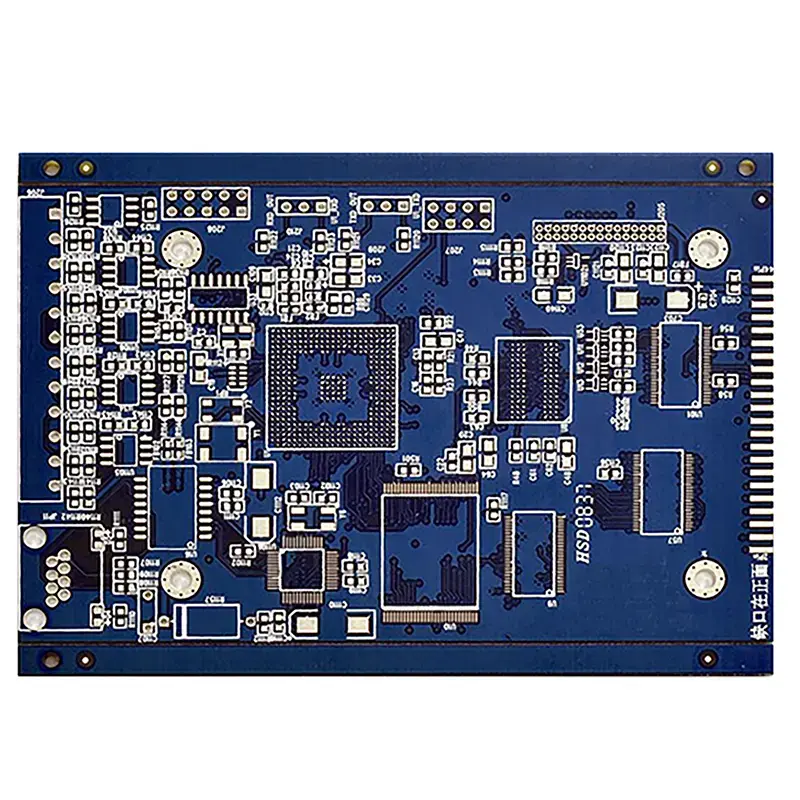 HDI PCB
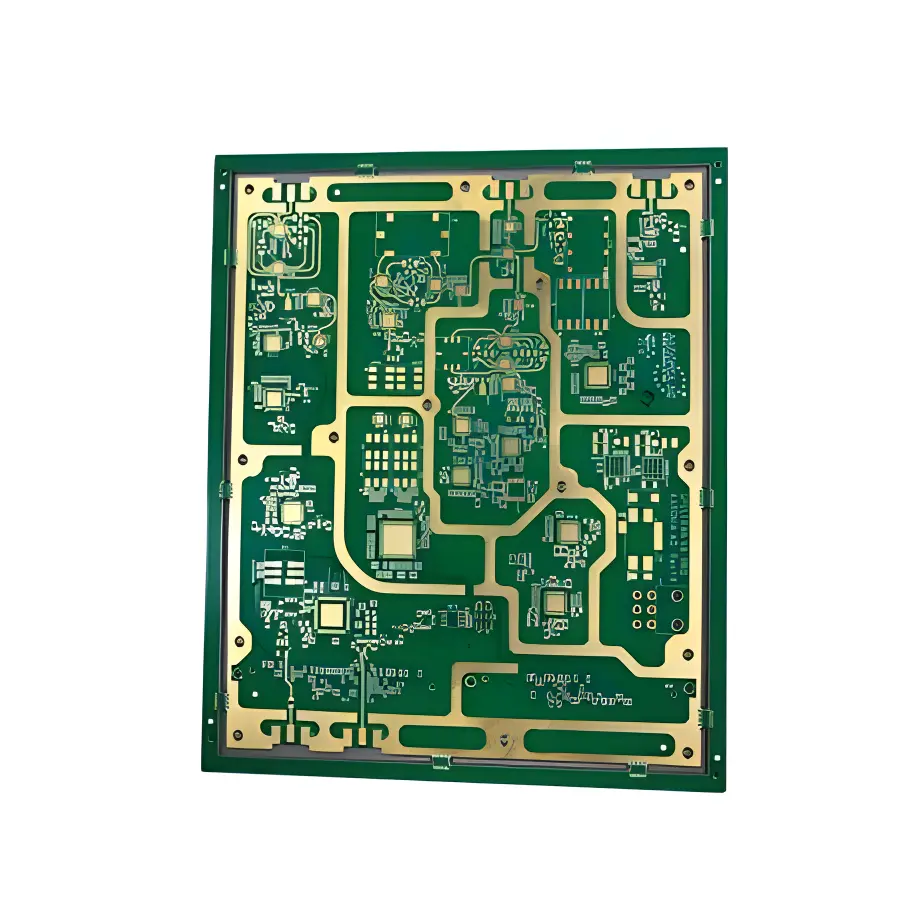 Rogers High-Frequency Board
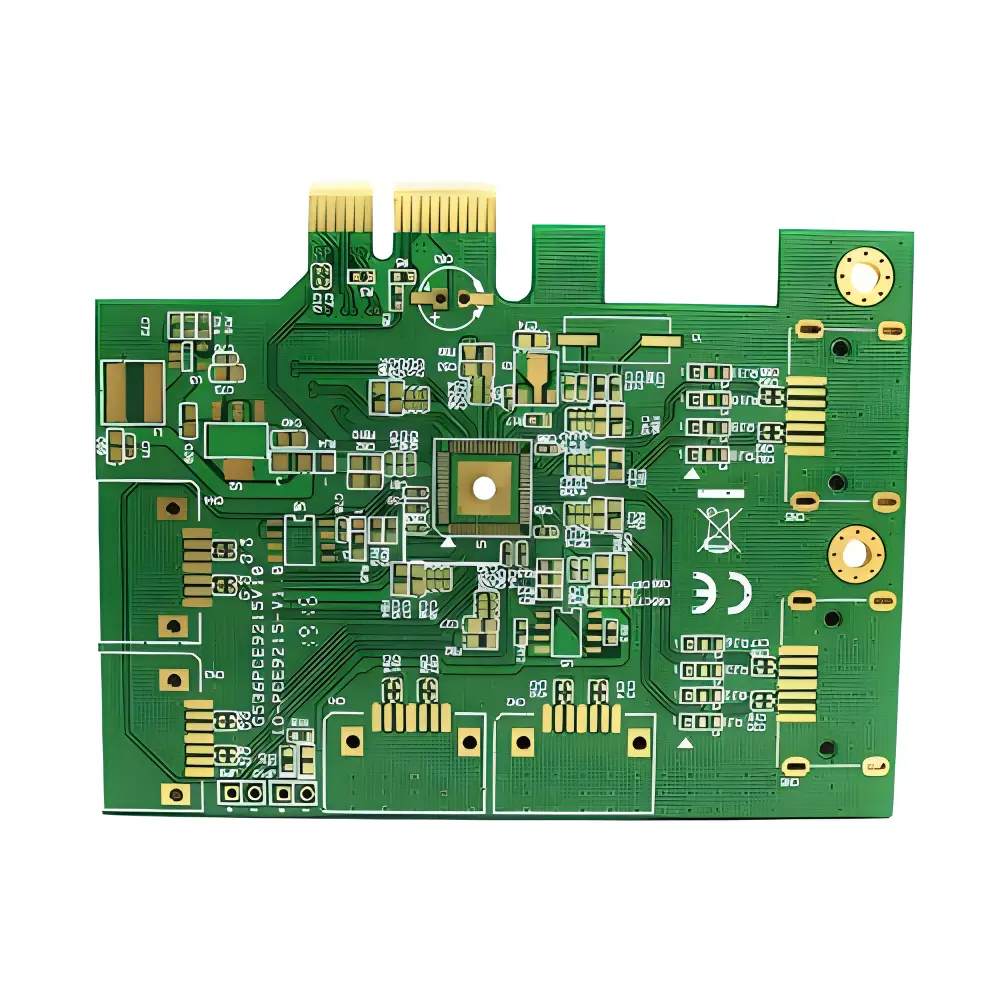 PTFE Teflon High-Frequency Board
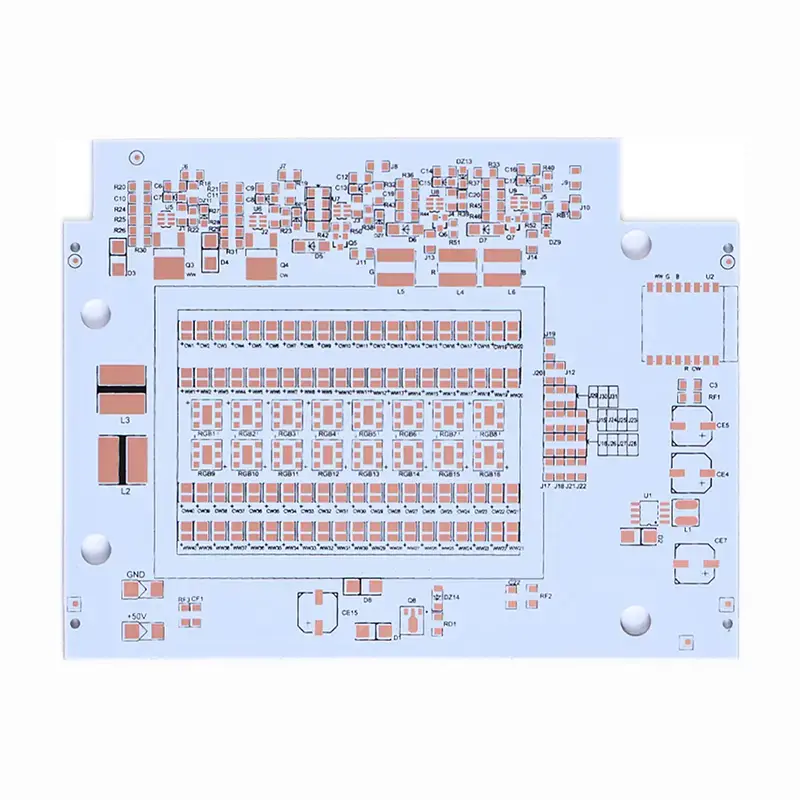 Aluminum
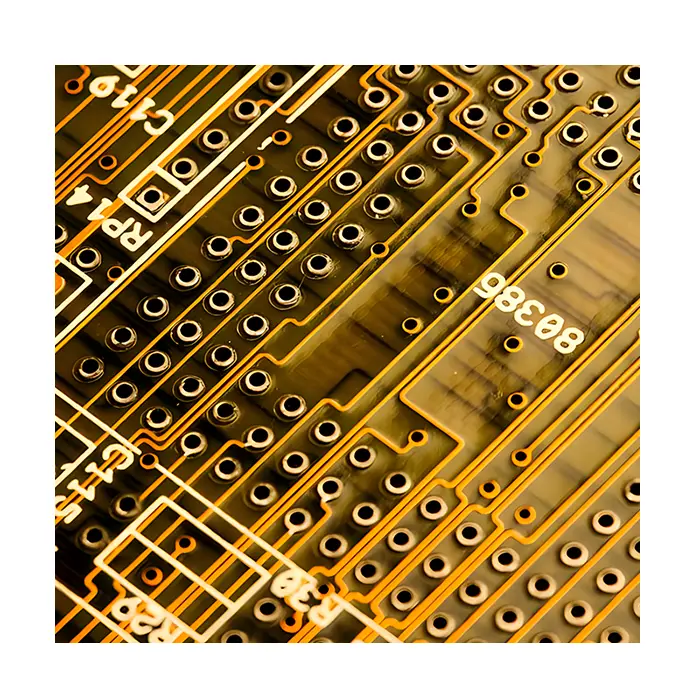 Copper Core
 PCB Assembly
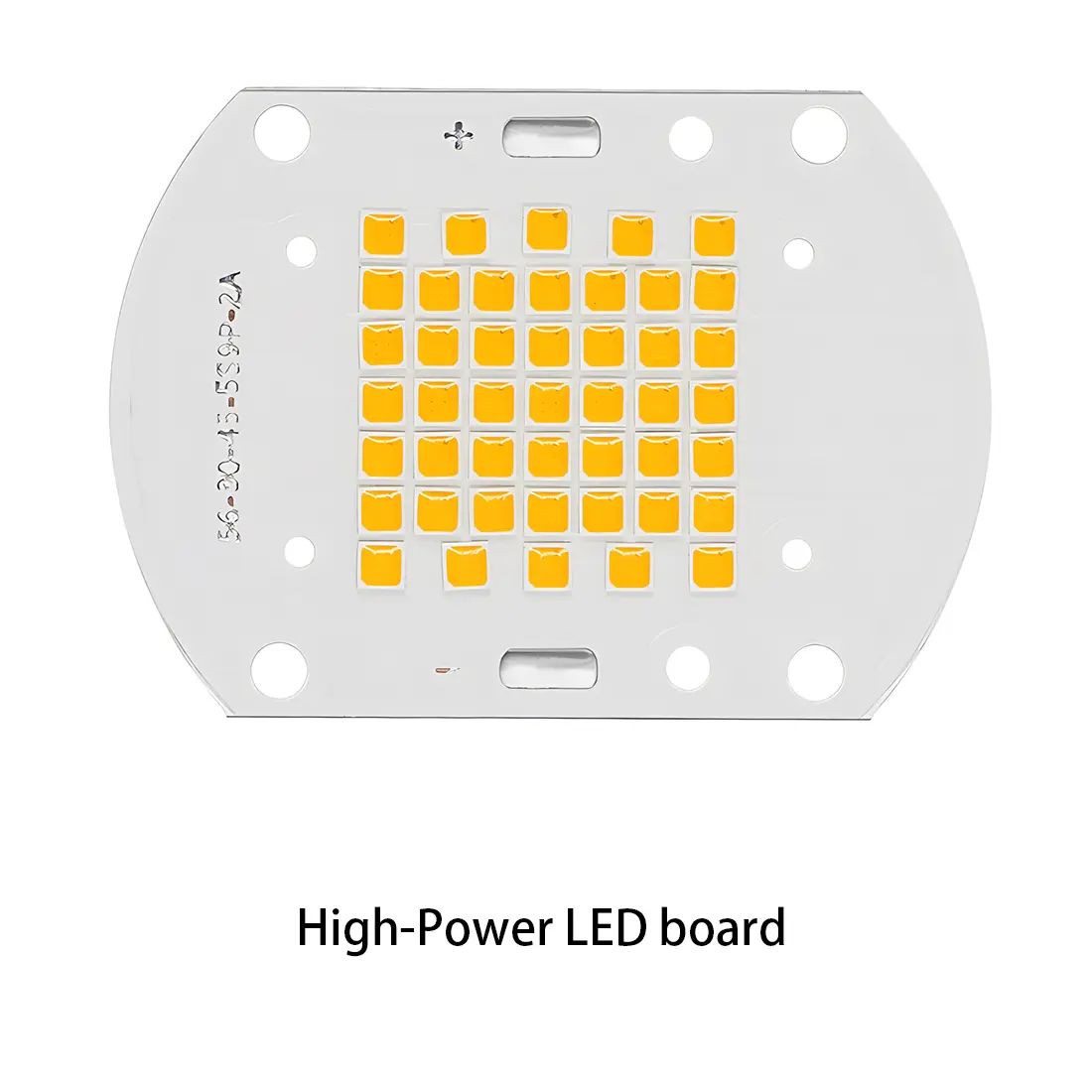 LED light PCBA
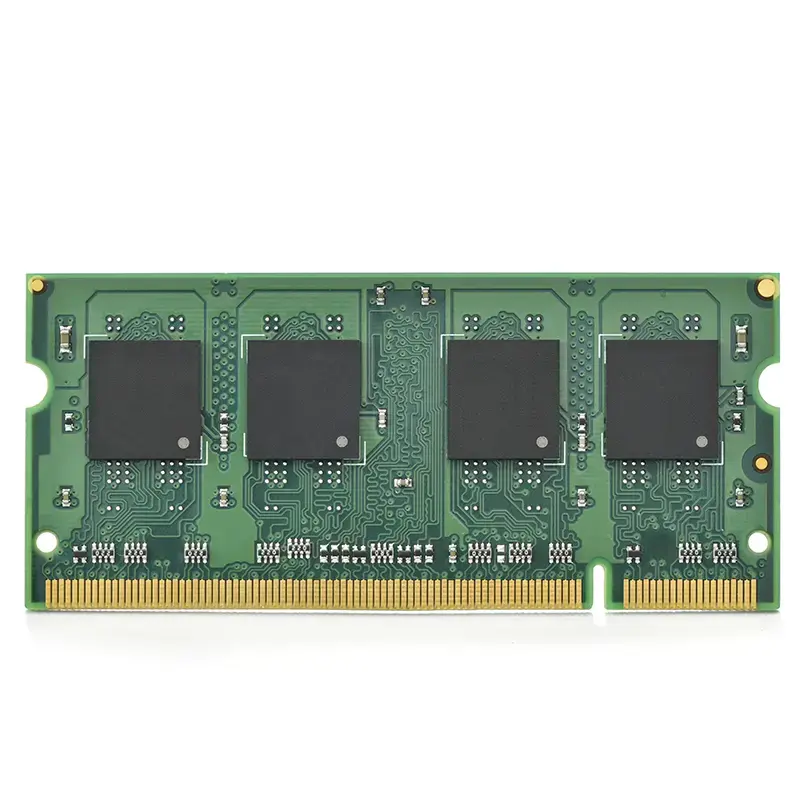
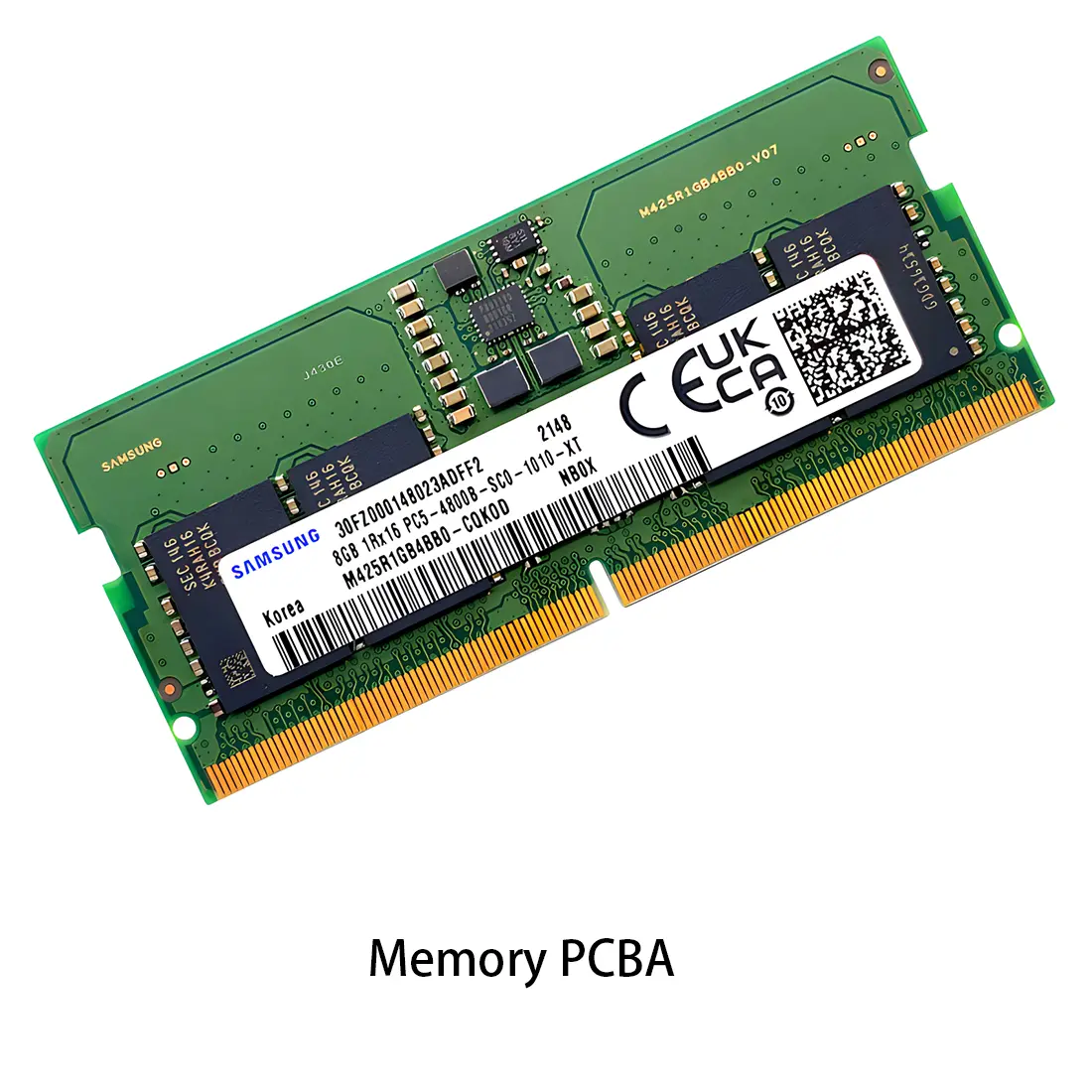 Memory PCBA
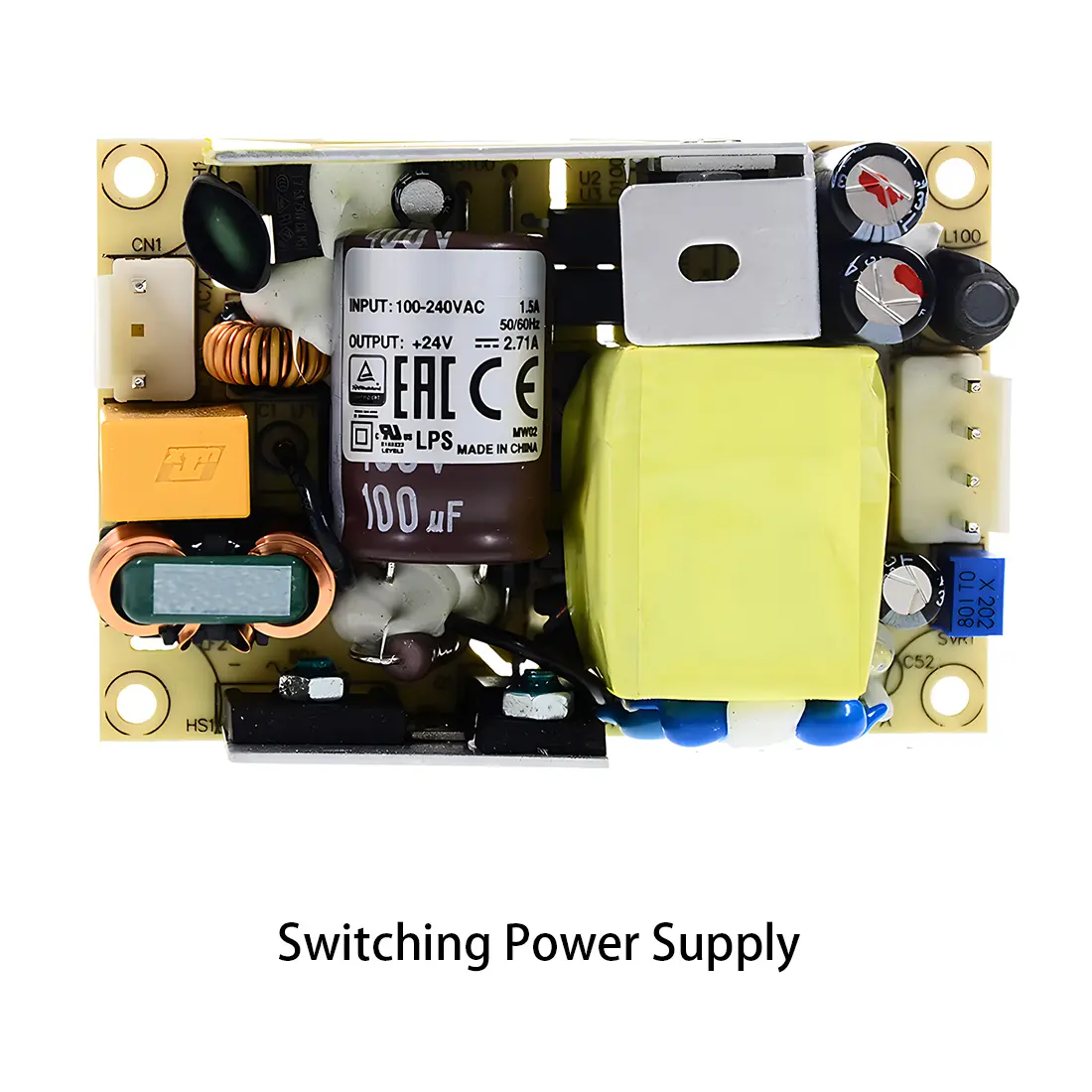 Power Supply PCBA
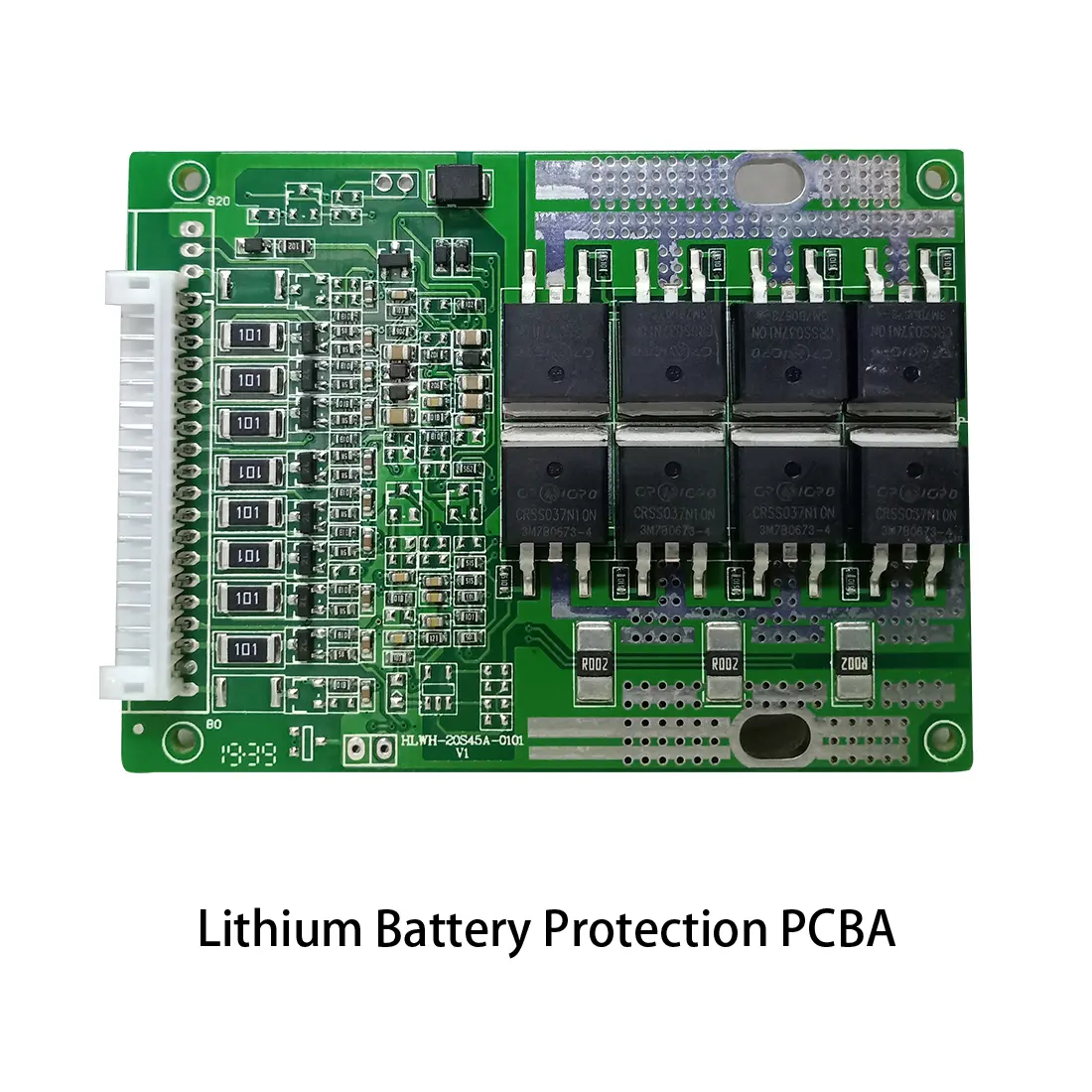 New Energey PCBA
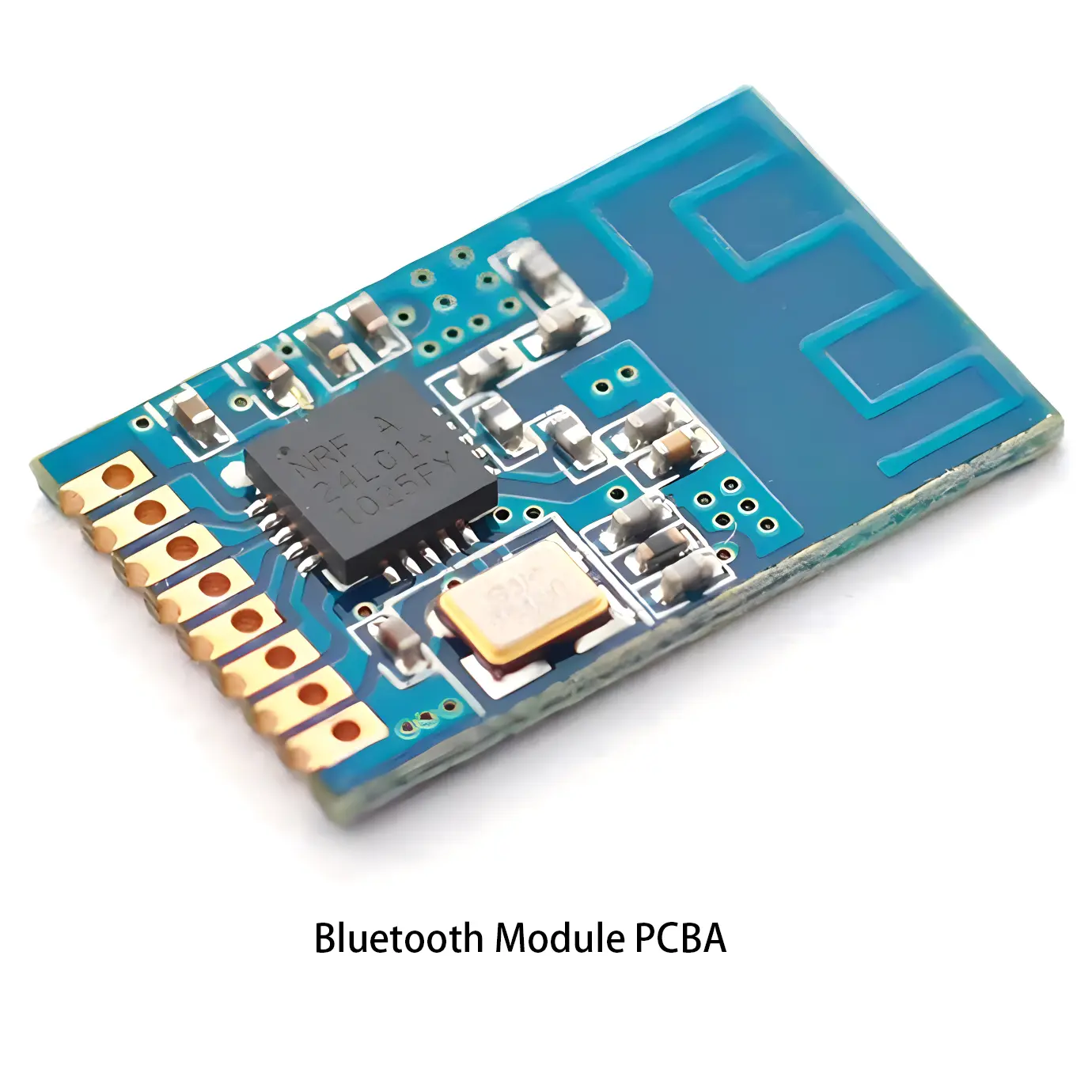 Communication PCBA
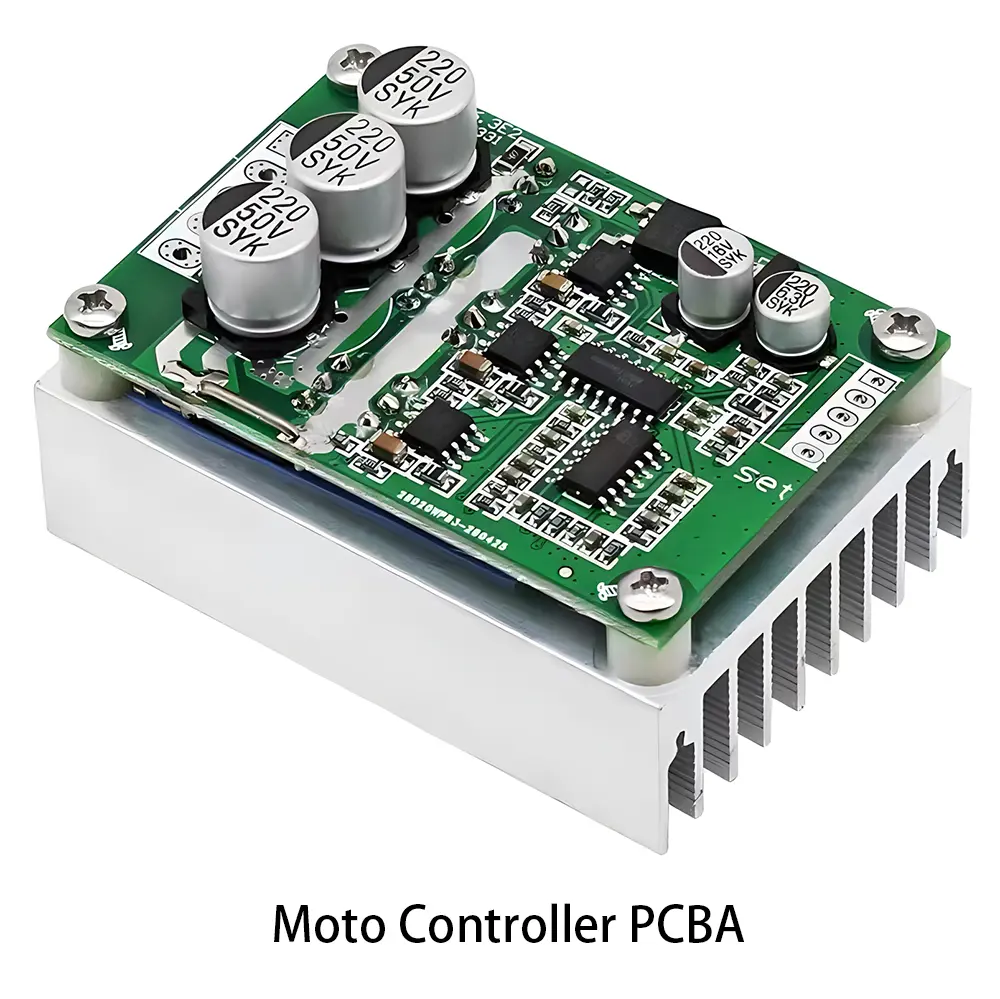 Industrial Control PCBA
 Medical Equipment PCBA
 Testing Service
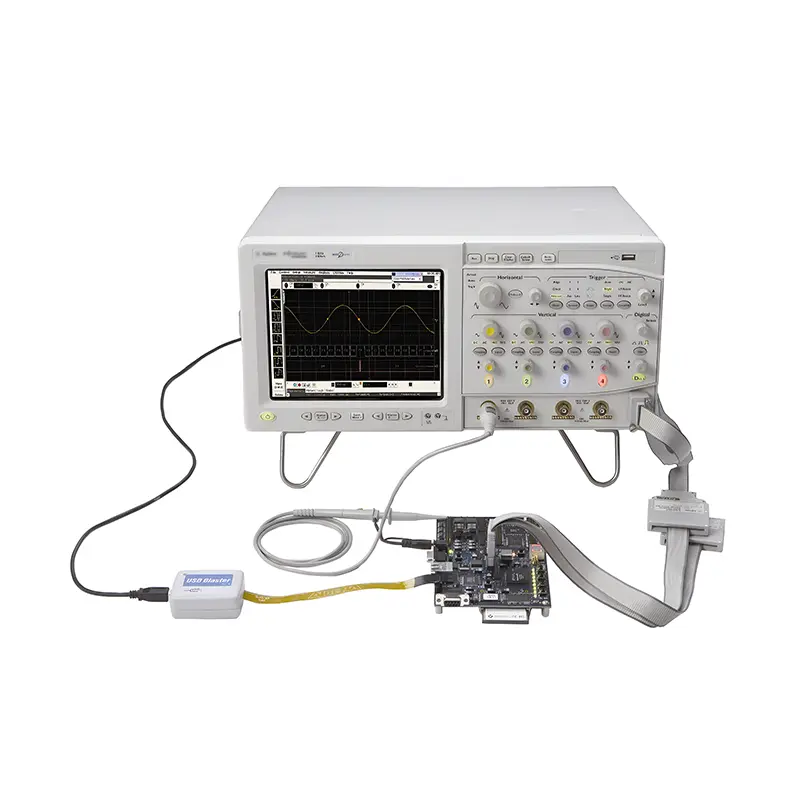 PCBA Testing Service
 Certification Application
 RoHS Certification Application
 REACH Certification Application
 CE Certification Application
 FCC Certification Application
 CQC Certification Application
 UL Certification Application
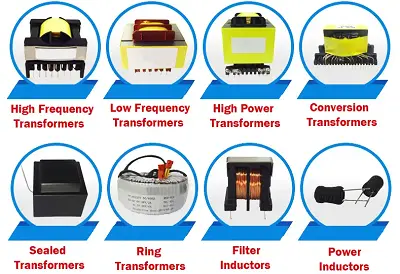 Transformers, Inductors
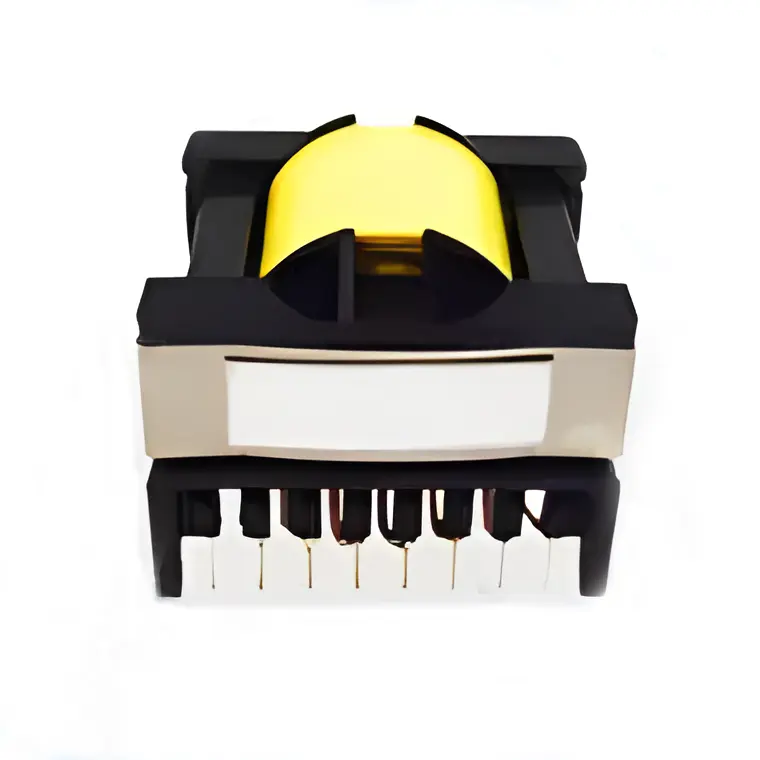 High Frequency Transformers
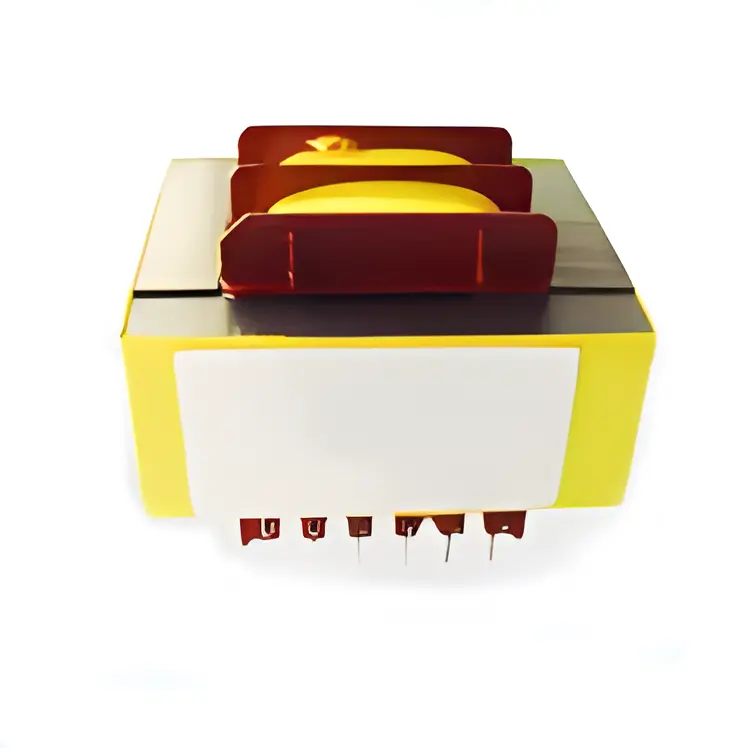 Low Frequency Transformers
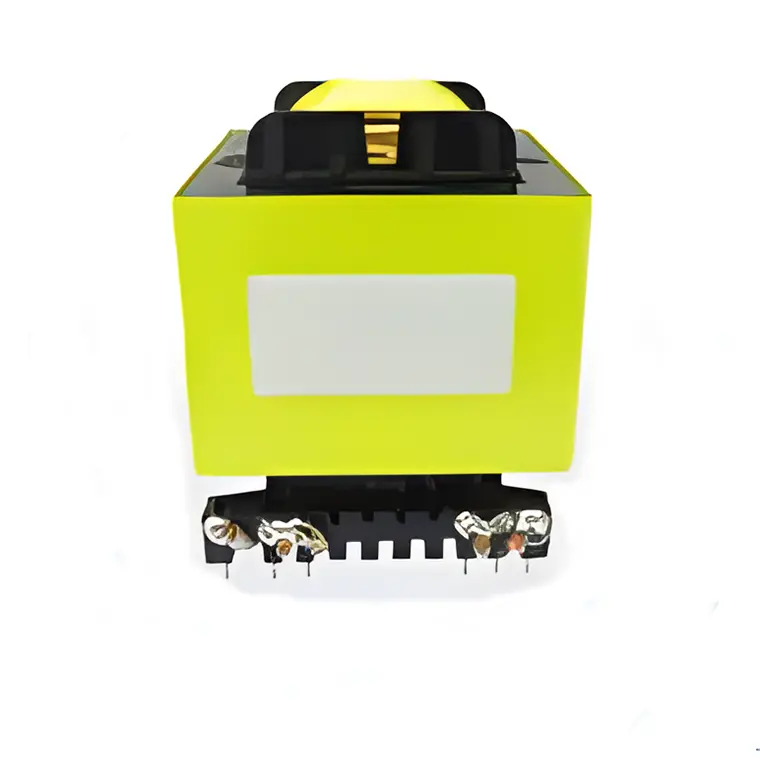 High Power Transformers
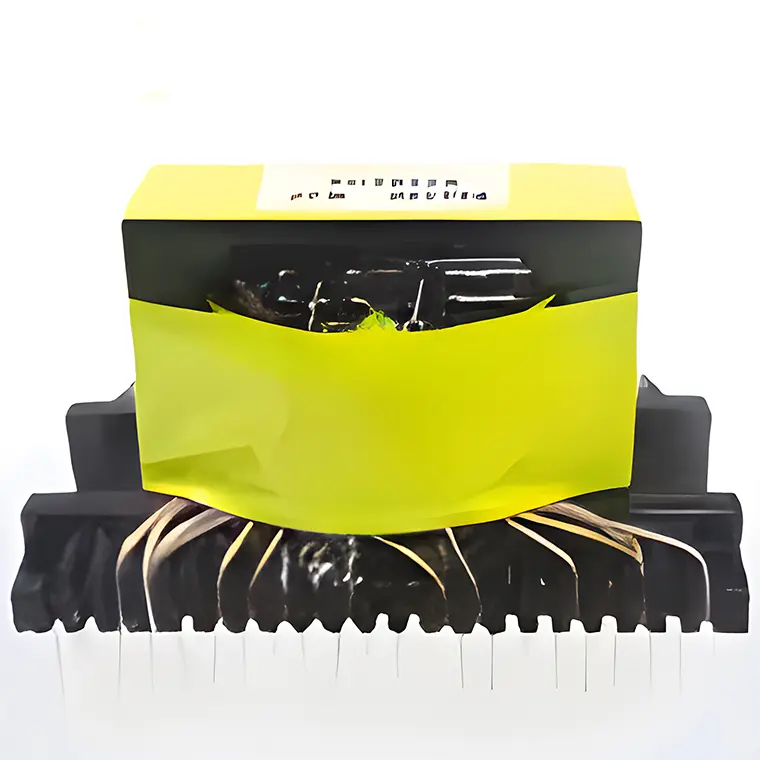 Conversion Transformers
 Sealed Transformers
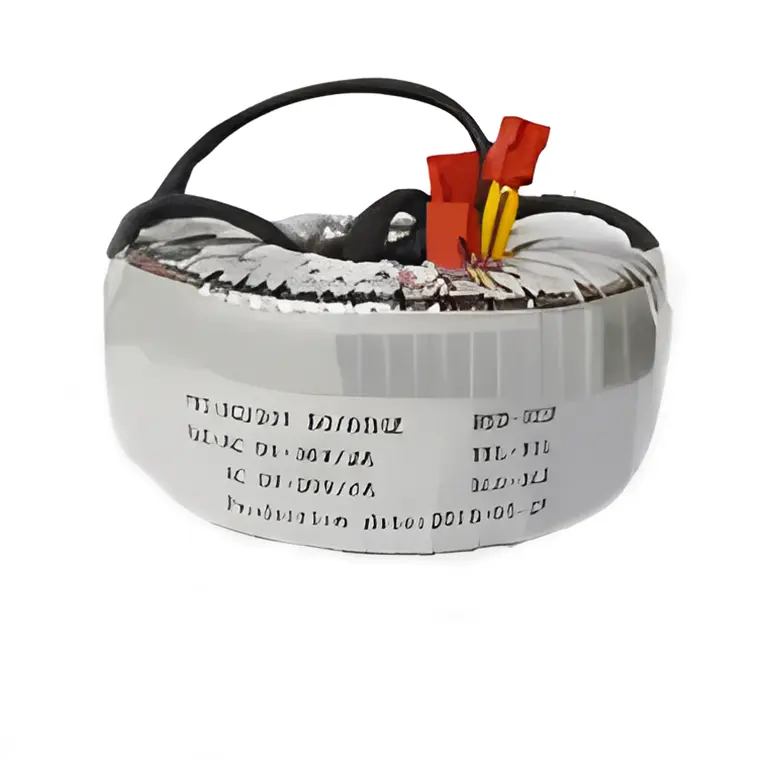 Ring Transformers
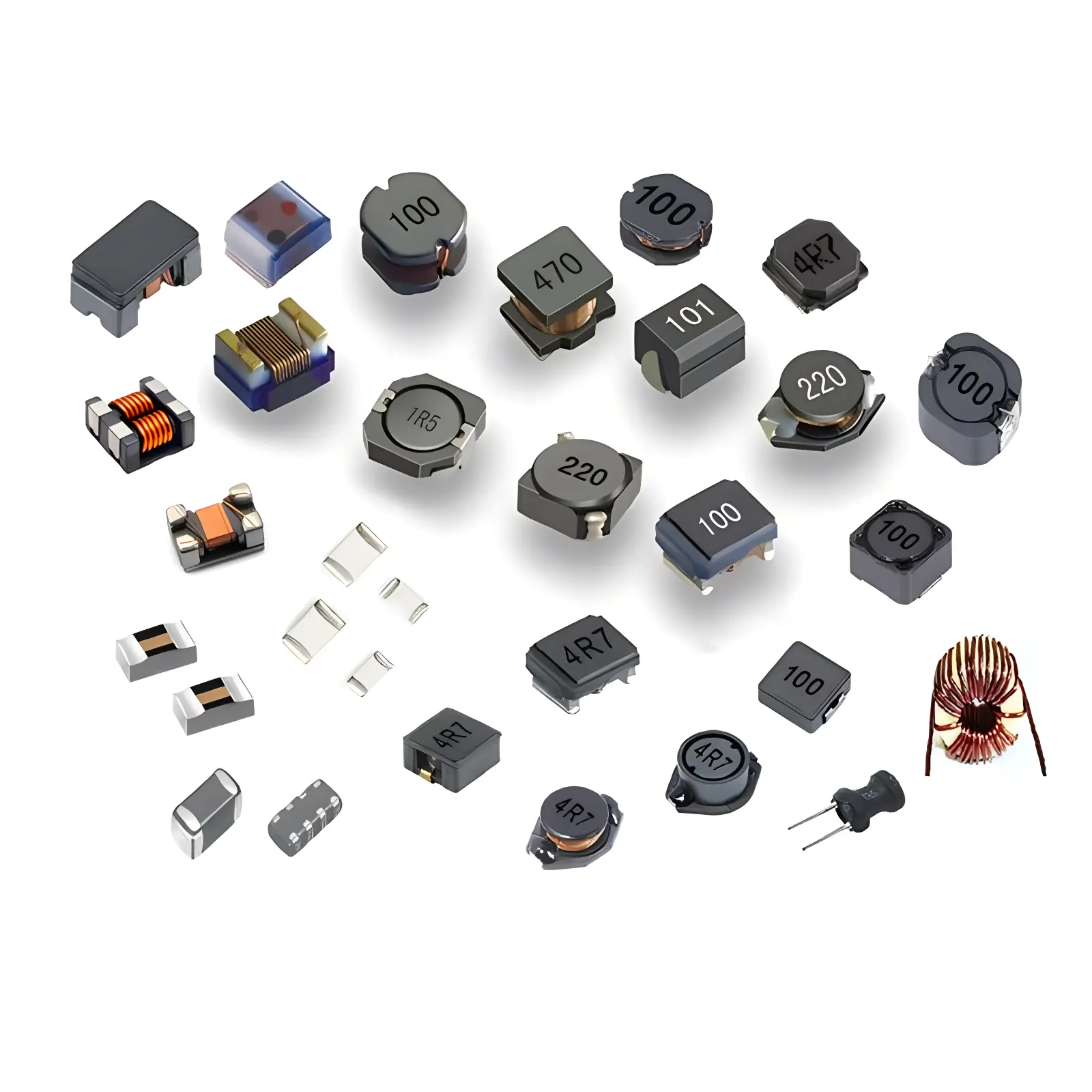 Inductors
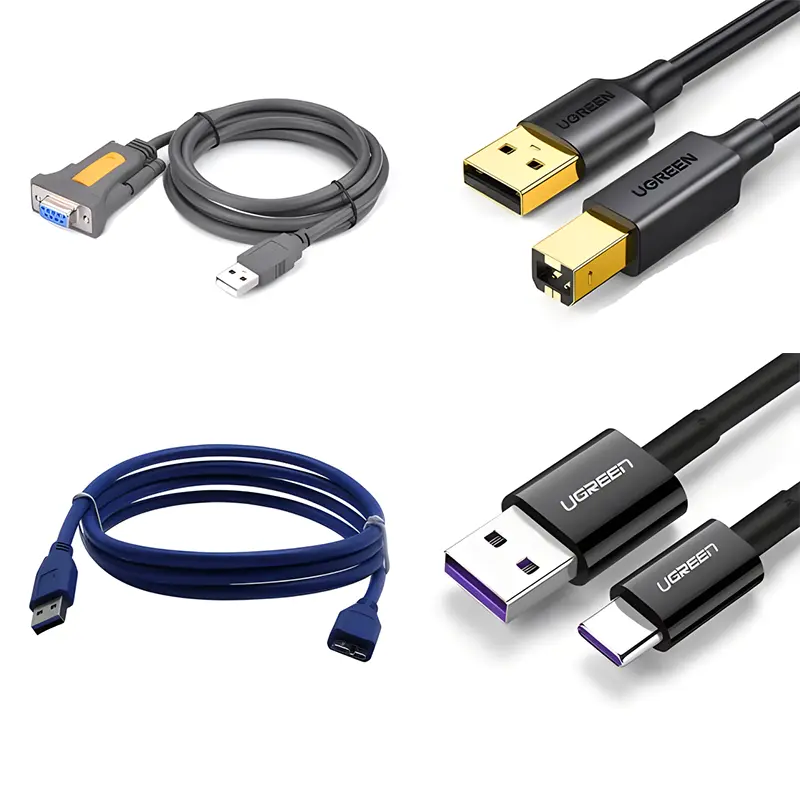 Wires,Cables Customized
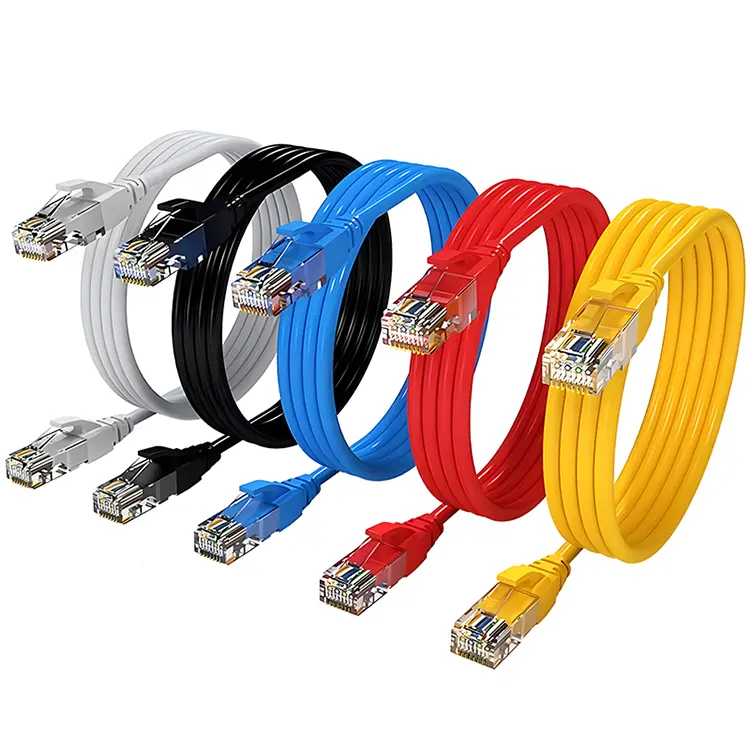 Network Cables
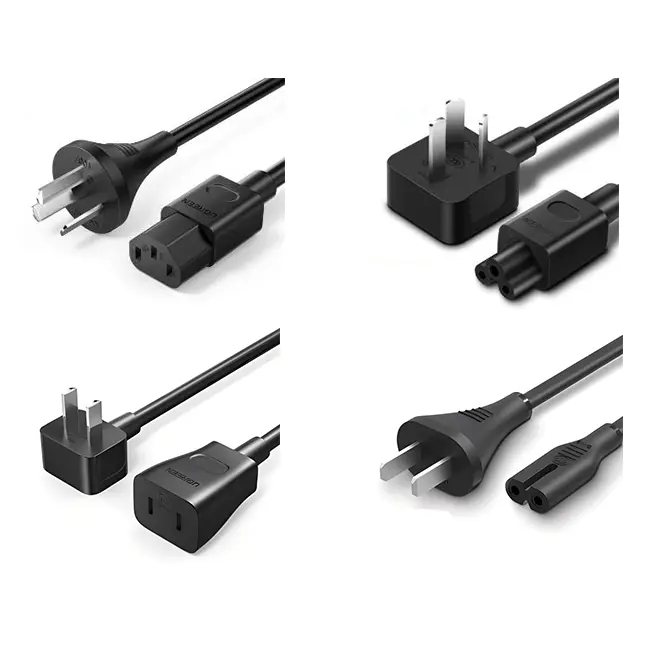 Power Cords
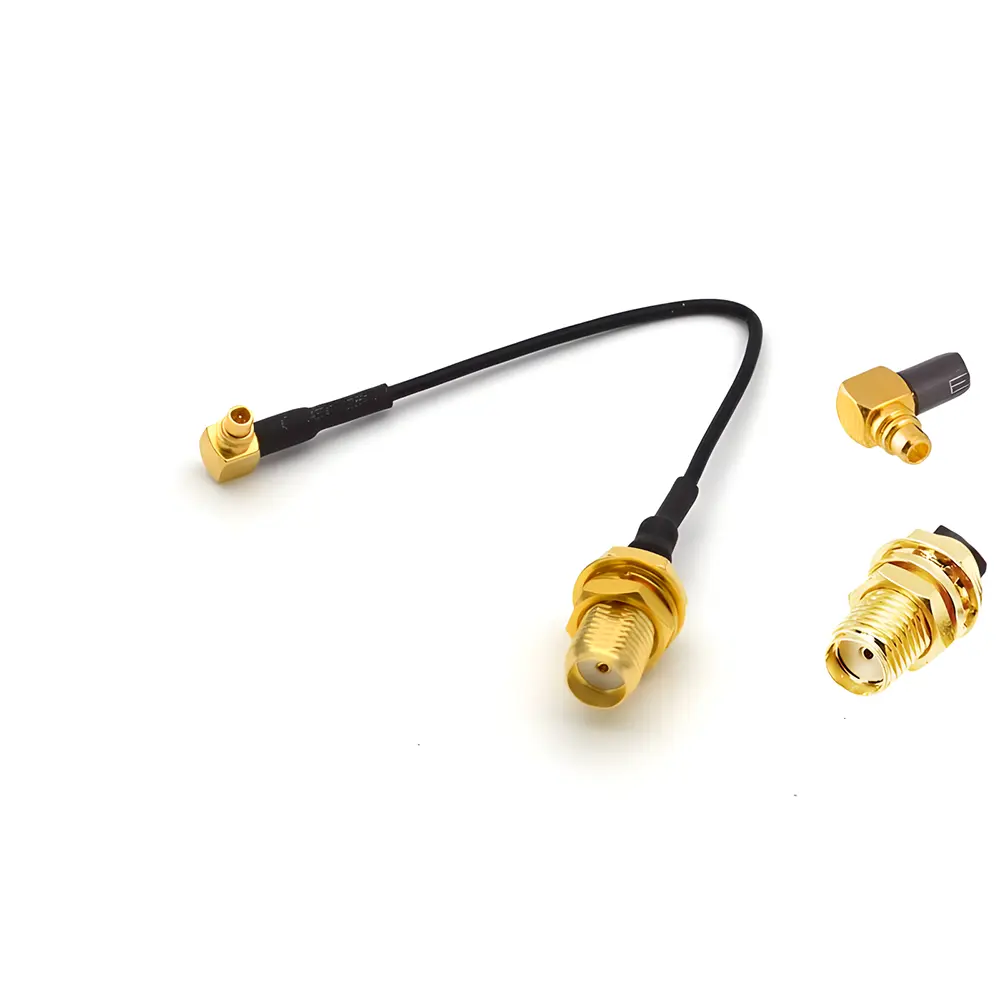 Antenna Cables
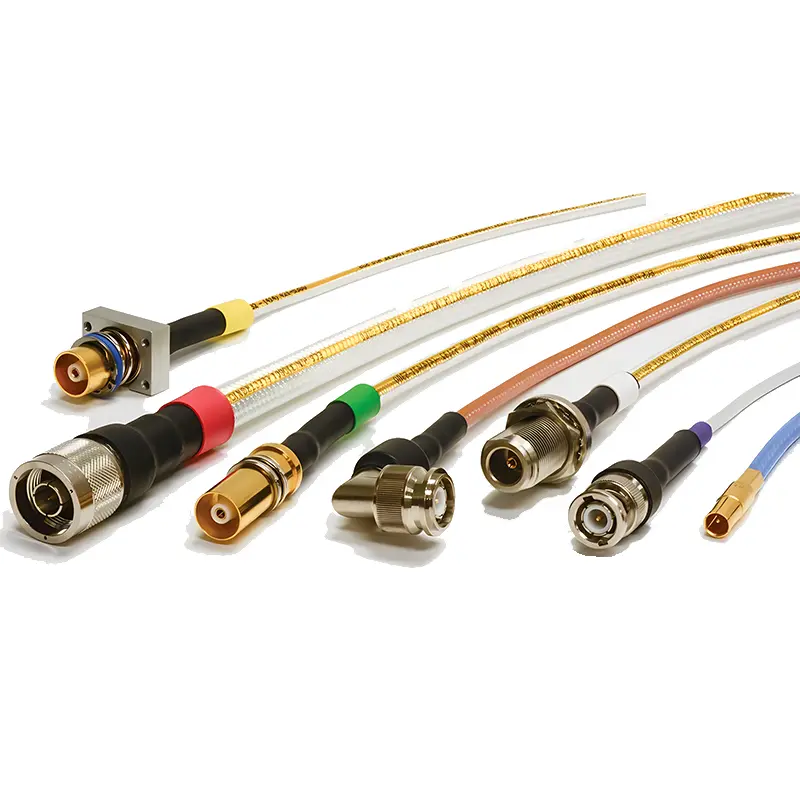 Coaxial Cables
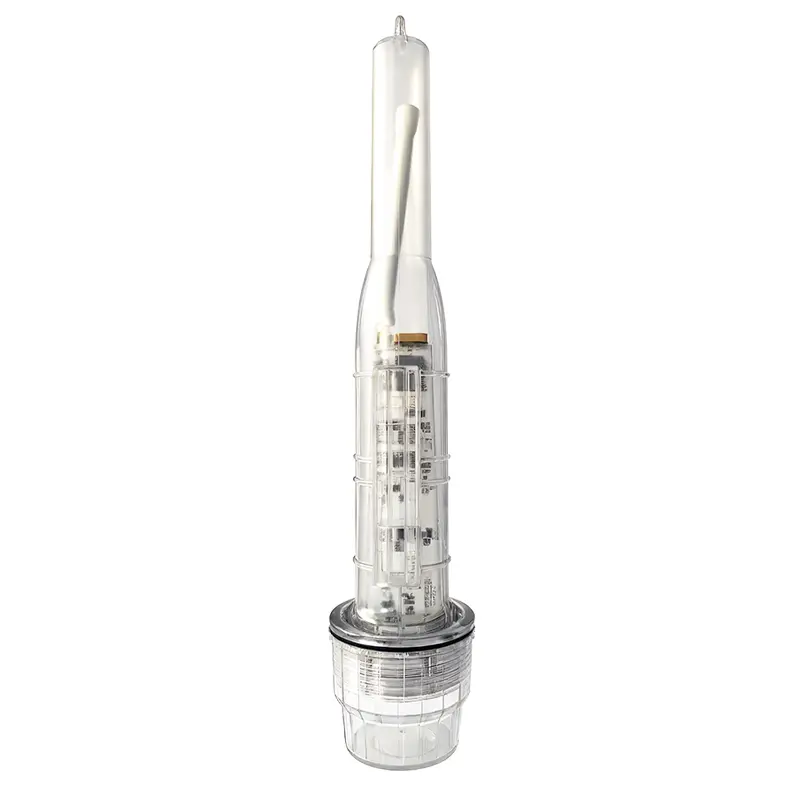 Net Position Indicator
 Solar AIS net position indicator
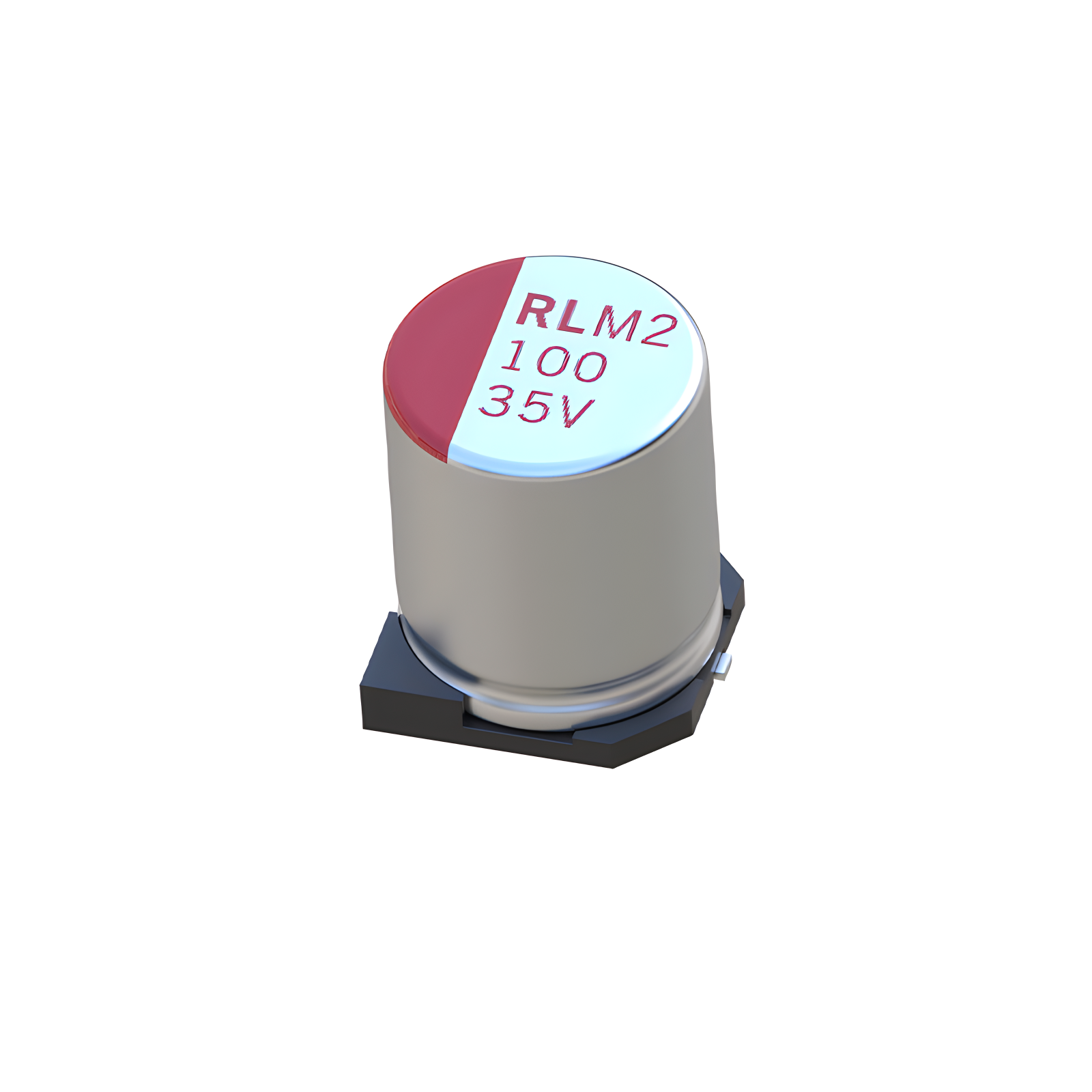 Capacitors
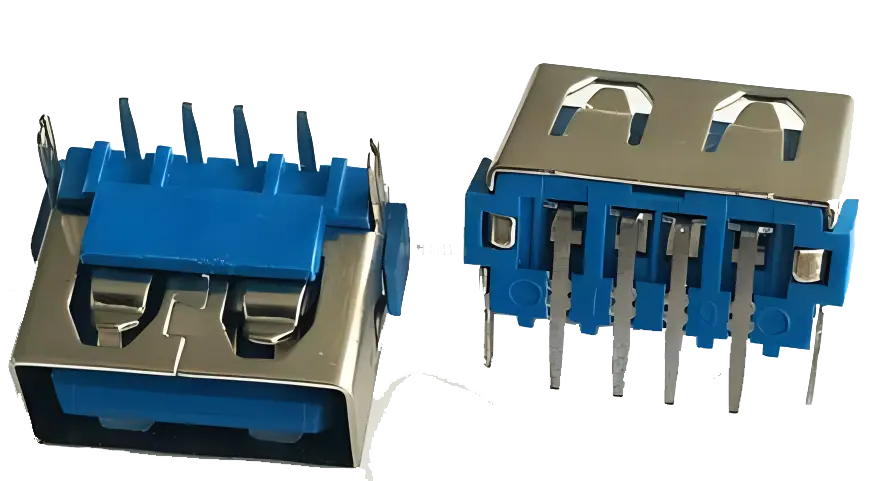 Connectors
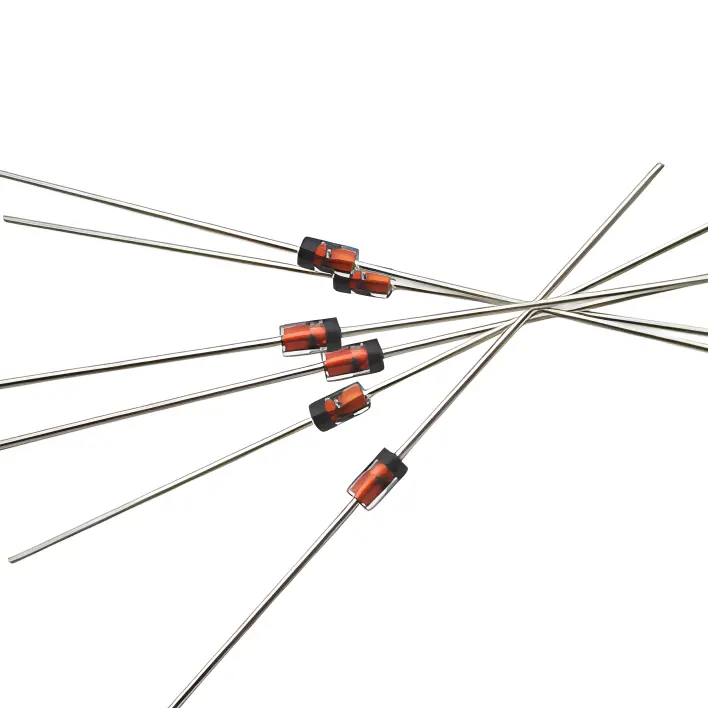 Diodes
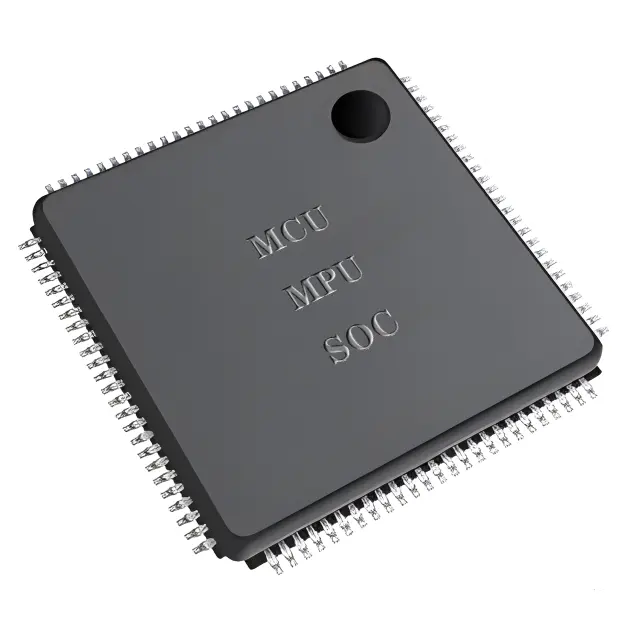 Embedded Processors & Controllers
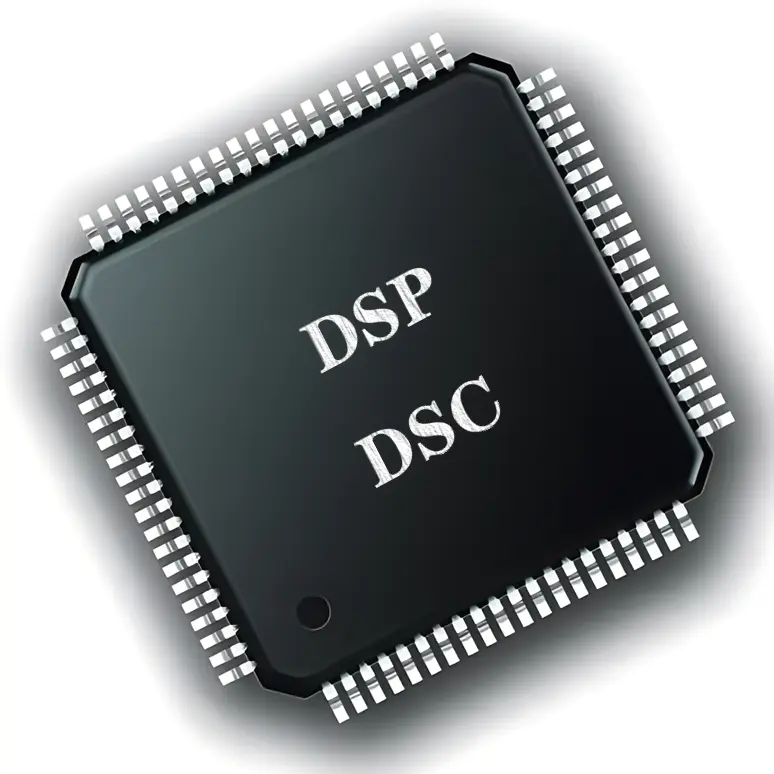 Digital Signal Processors (DSP/DSC)
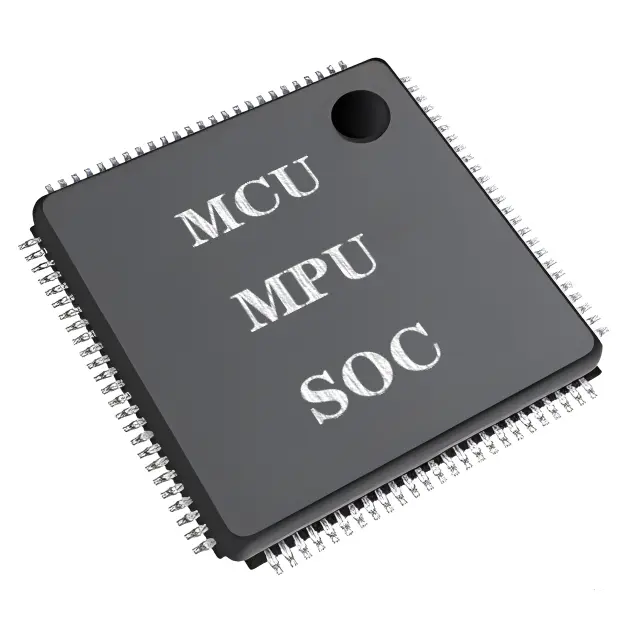 Microcontrollers (MCU/MPU/SOC)
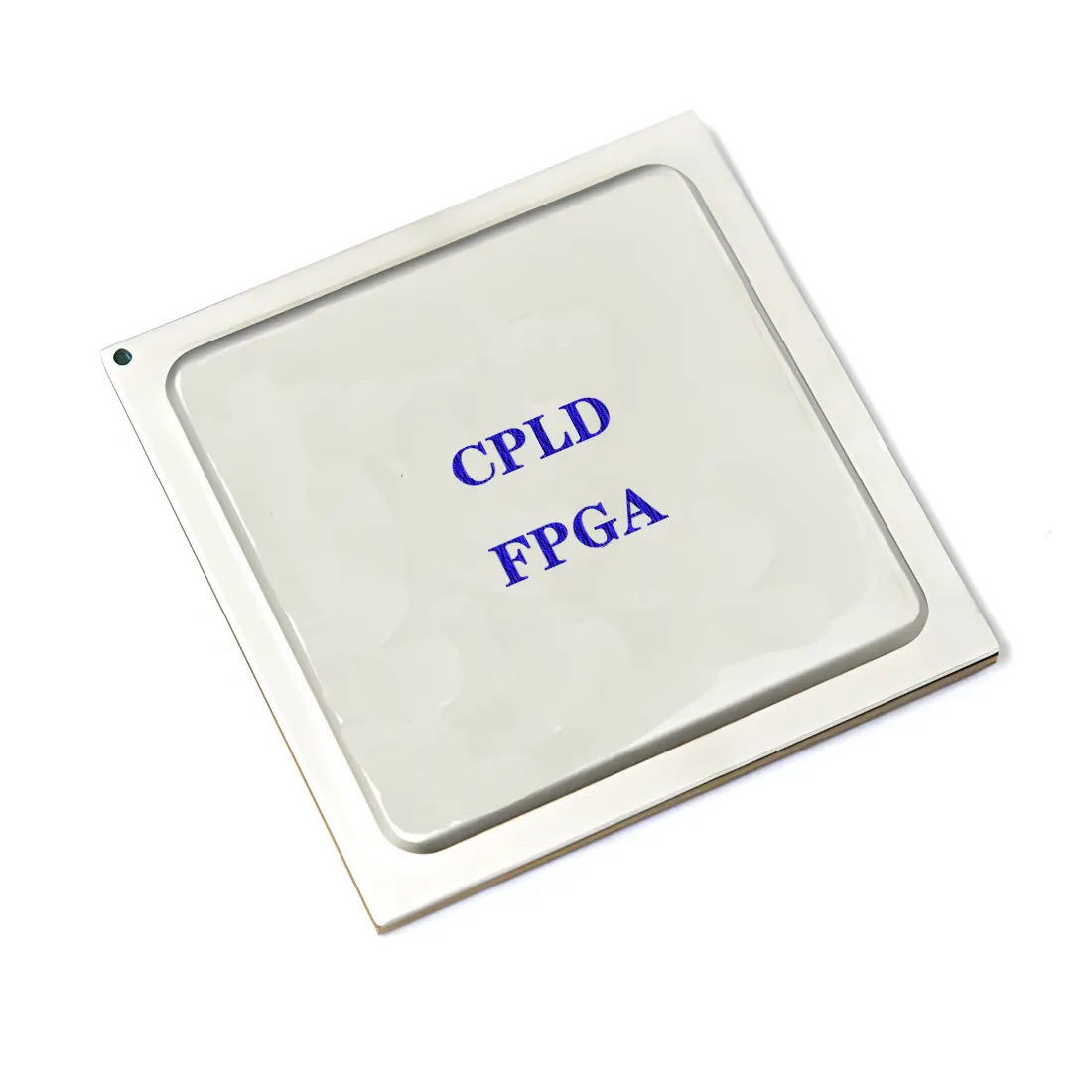 Programmable Logic Device(CPLD/FPGA)
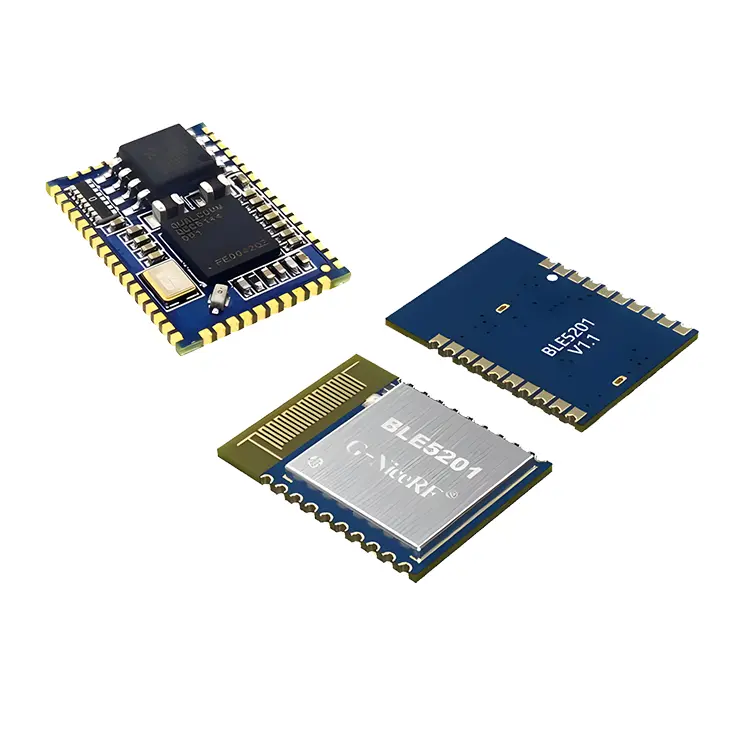 Communication Modules/IoT
 Resistors
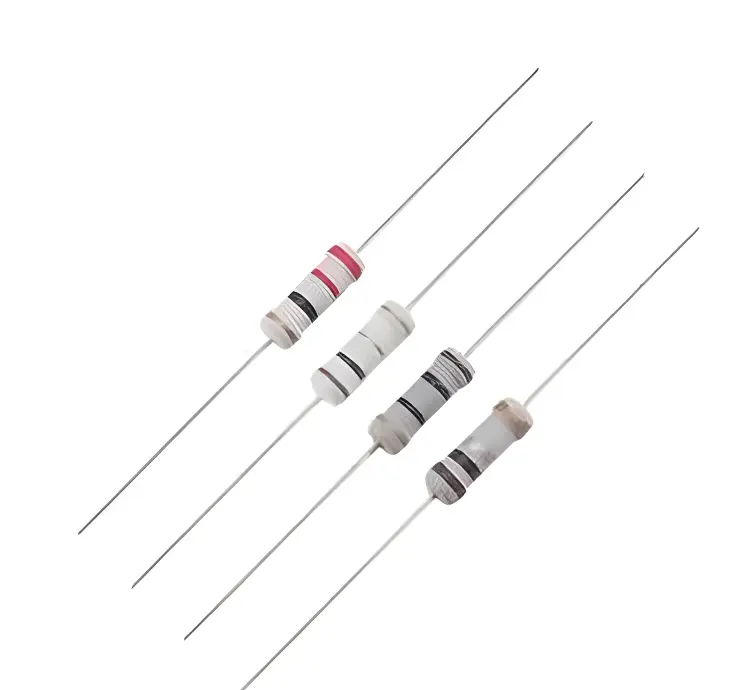 Through Hole Resistors
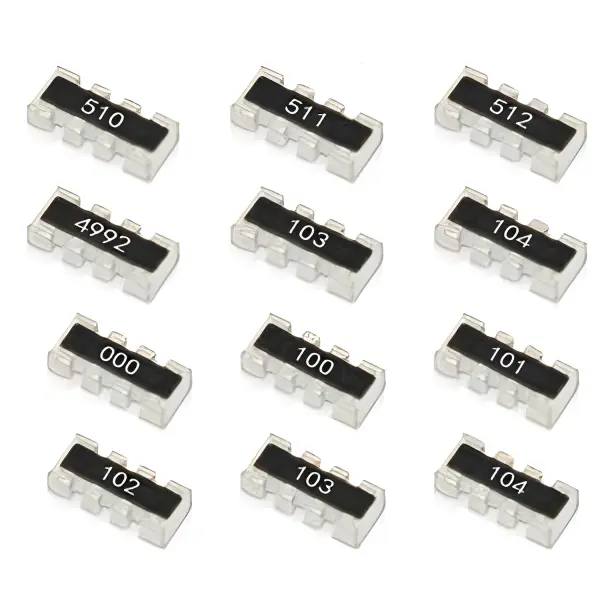 Resistor Networks, Arrays
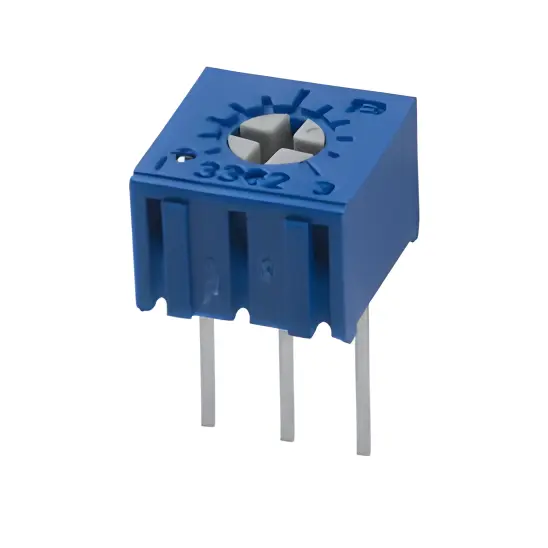 Potentiometers,Variable Resistors
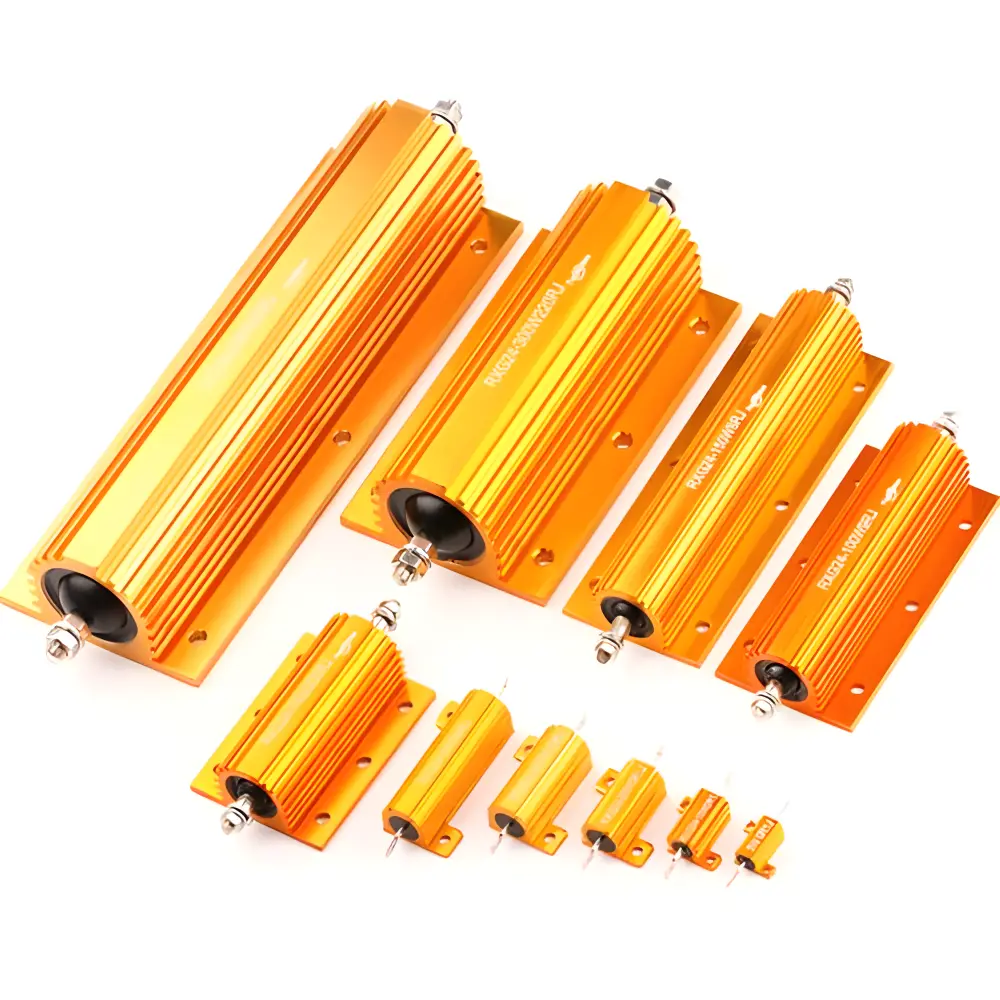 Aluminum Case,Porcelain Tube Resistance
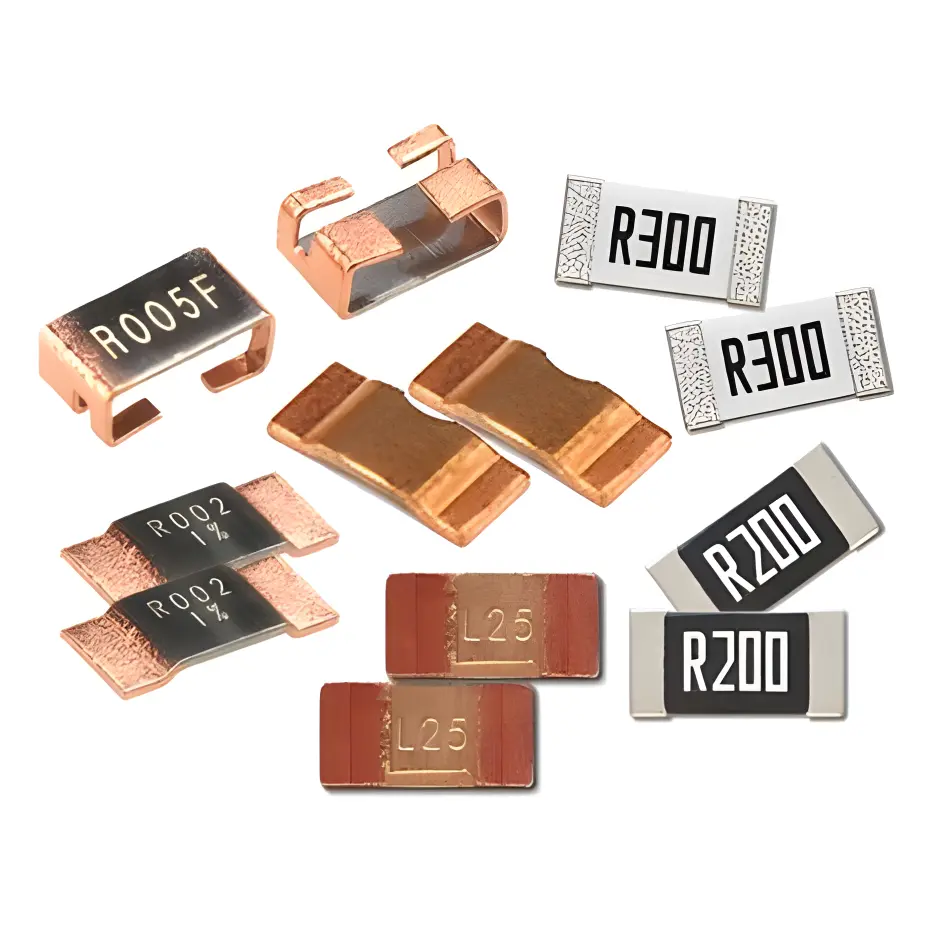 Current Sense Resistors,Shunt Resistors
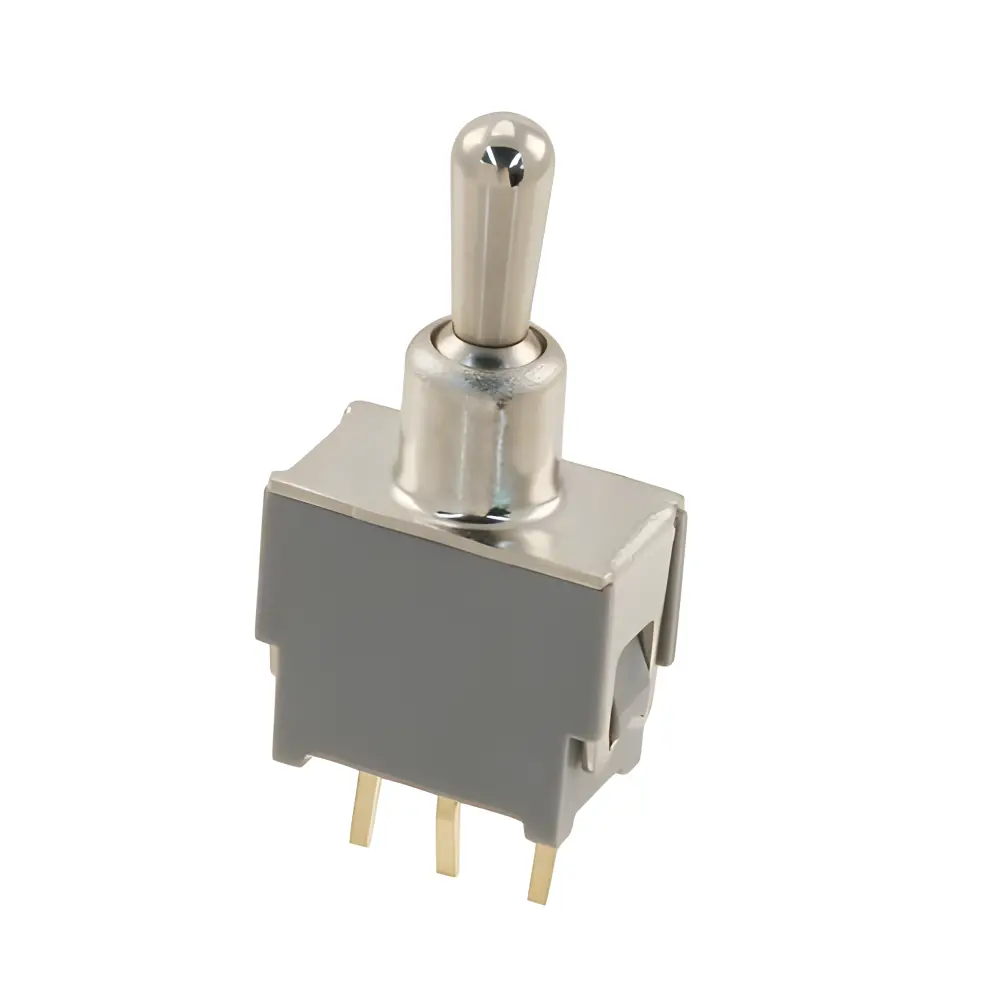 Switches
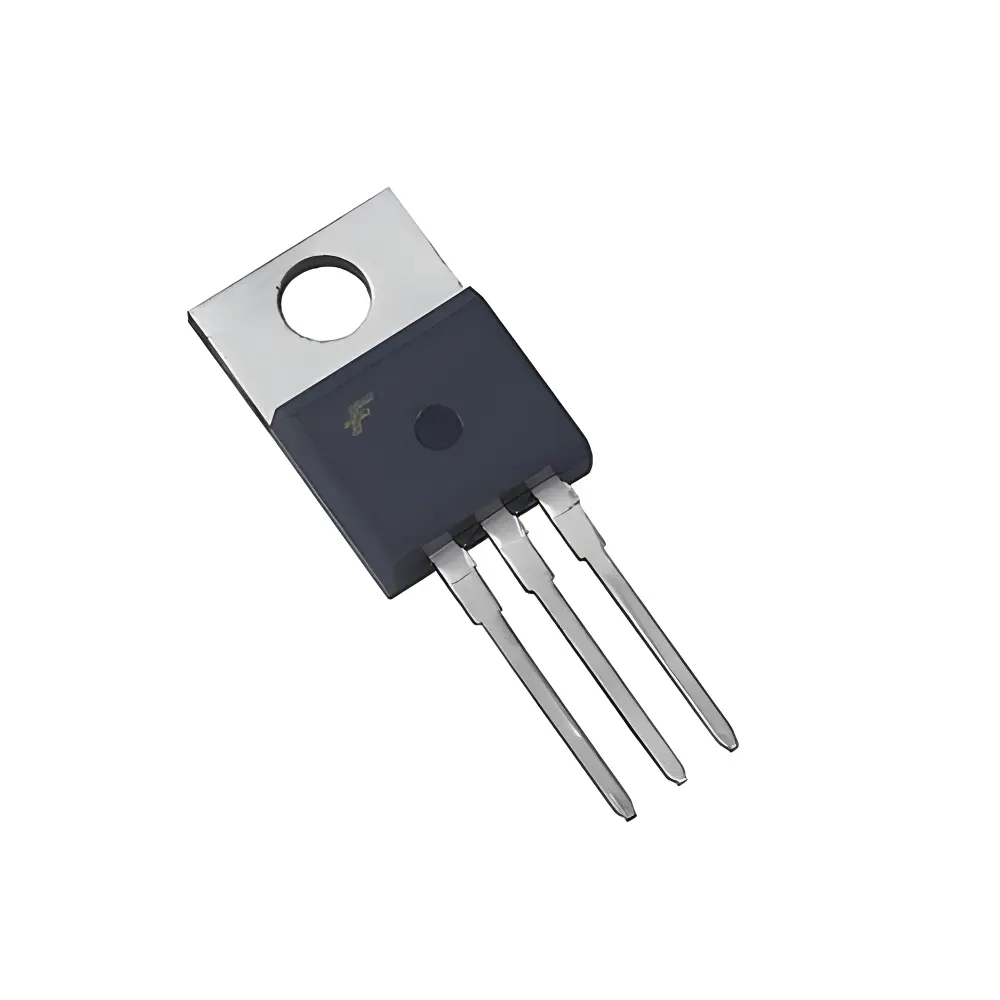 Transistors
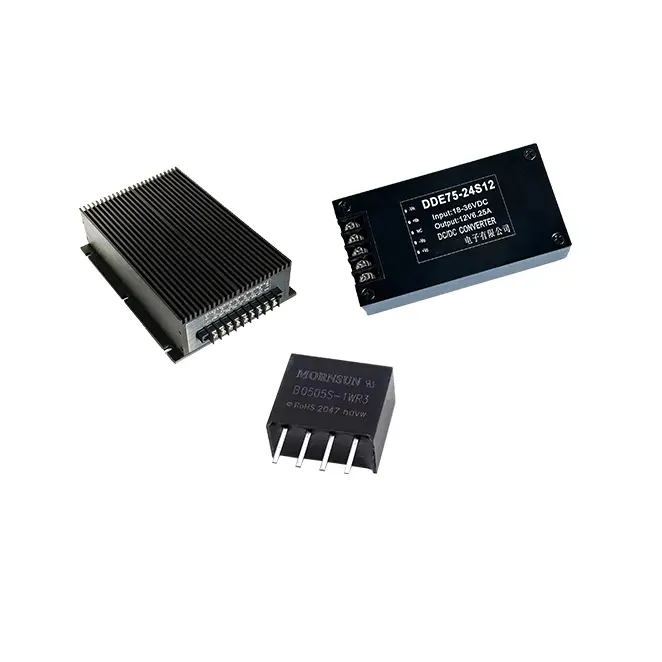 Power Modules
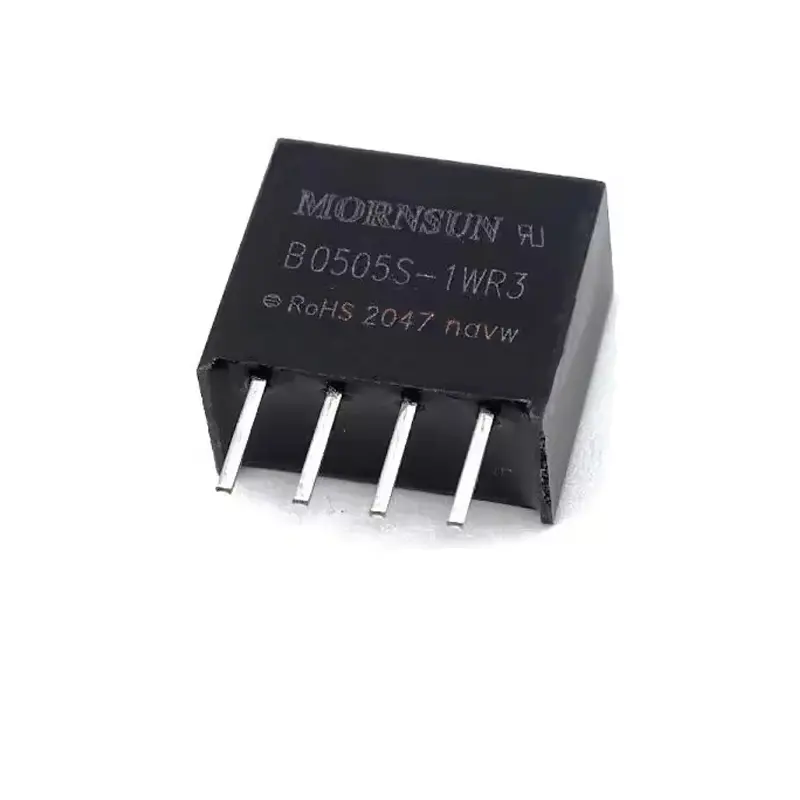 Isolated Power Modules
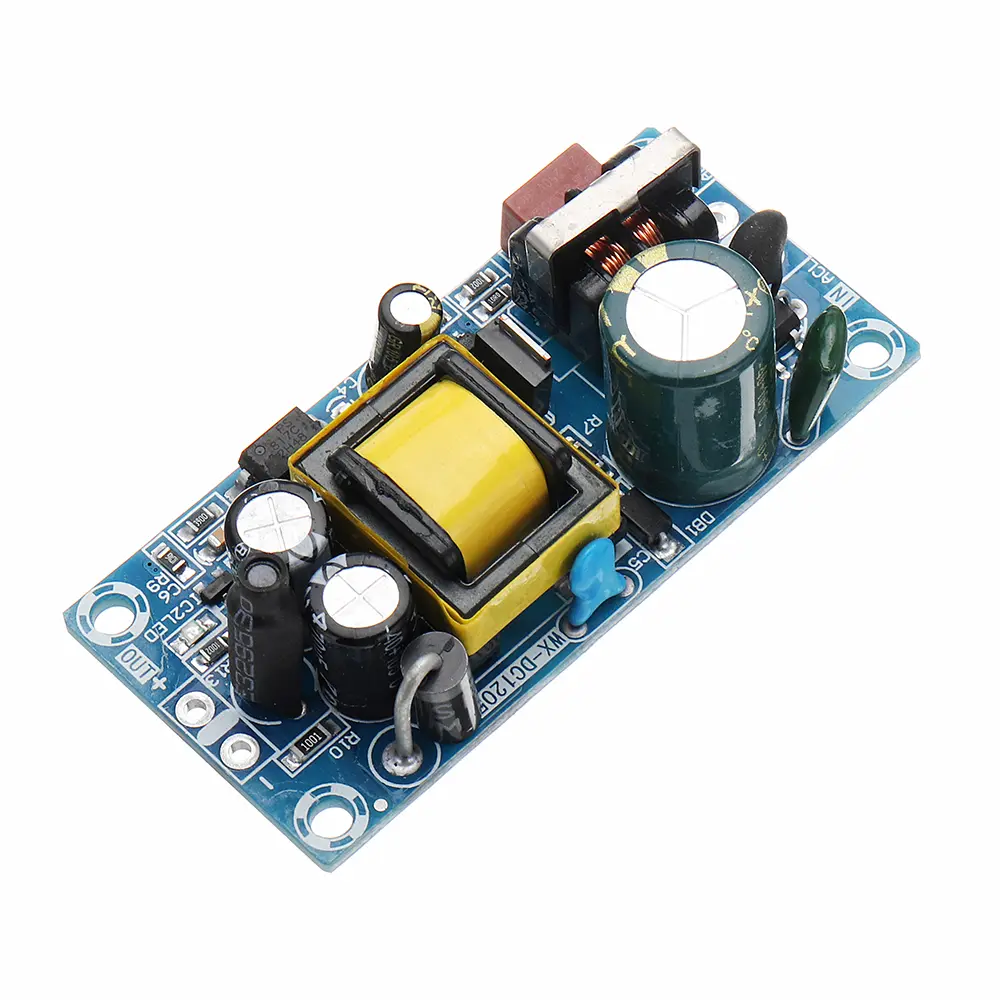 AC-DC Power Modules
 DC-AC Module(Inverter)
 RF and Wireless
Key Factors for Component Spacing in High-Power PCB Layout Beyond Thermal Management
2025-10-31
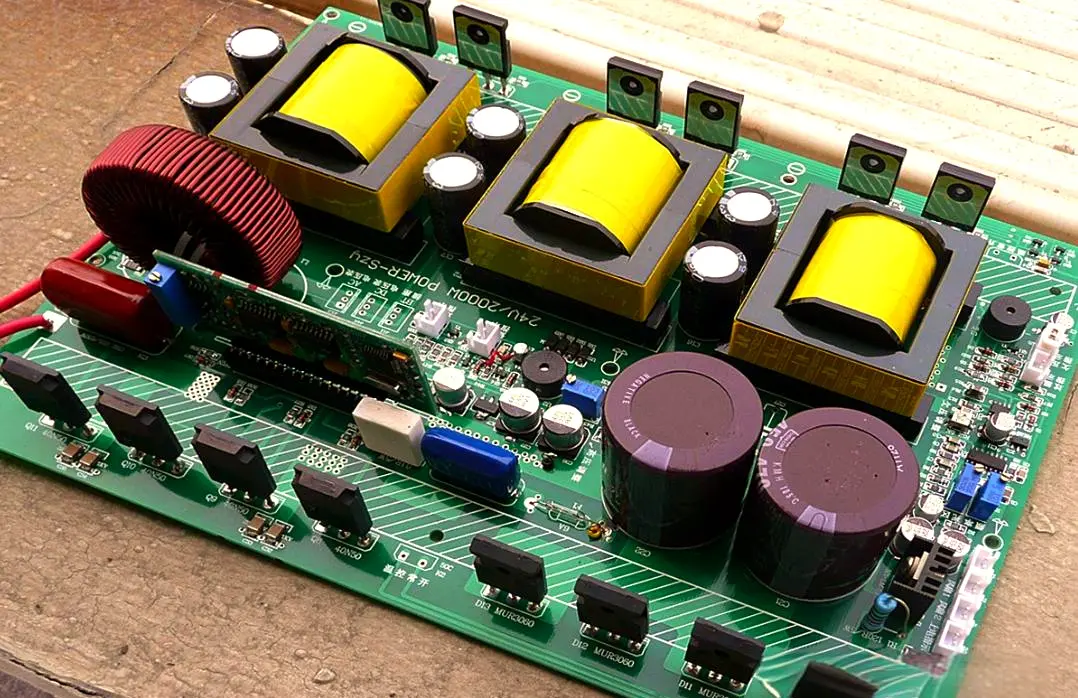
In PCB layouts containing multiple high-power devices (>5W), component spacing design is a multidimensional challenge that extends far beyond thermal dissipation. While heat management remains critical, several other factors significantly impact the reliability, safety, and peRFormance of the entire system. This article explores these essential considerations, drawing on industry standards and practical design principles.
1. Electrical Safety Clearance
Electrical safety is paramount in high-power circuits, where inadequate spacing can lead to arc breakdown, leakage currents, or catastrophic failures. The IPC-2221 standard and IEC 60950-1 safety regulations provide clear guidelines based on voltage levels:
- Low-voltage circuits (0-30V): Minimum conductor spacing of 0.1mm (4mil) is typically sufficient, though high-power density environments may require larger margins.
- Medium-voltage circuits (30-150V): Follow the formula: Spacing (mm) = 0.1 + Vpeak × 0.01. For example, a 48V industrial power board requires a minimum spacing of 0.58mm.
- High-voltage circuits (>150V):AC line-to-line spacing on the primary side demands at least 2.5mm, while primary-to-secondary isolation (e.g., in Switch-mode power supplies) requires ≥6.4mm, often with isolation slots beneath optocouplers.
Extreme environments further complicate safety spacing. At altitudes above 2000 meters, spacing must be increased by 48% to compensate for reduced air insulation. Salt-fog conditions require triple the standard creepage distance, typically achieved through conformal coating.
2. Component Physical and Mechanical Constraints
High-power devices often have larger form factors and generate mechanical stress during operation, necessitating careful spacing considerations:
2.1 Package-Specific Spacing Rules
- SMD devices: For similar components, 0201 resistors/capacitors need ≥0.3mm spacing to prevent solder bridging. For dissimilar heights, use the formula: Spacing = 0.13×ΔH + 0.3mm (where ΔH is height difference). A 3mm electrolytic capacitor adjacent to a 2mm inductor thus requires 0.43mm clearance.
- BGA packages: Perimeter keep-out zones of 3-5mm are mandatory, with an 8mm no-component zone beneath to avoid X-ray inspection blind spots during manufacturing.
- Heat sinks: Maintain >2mm spacing between MOSFETs and heat sinks, with teardrop-shaped copper traces to reduce thermal stress cracks (tapering ratio ≤2.5:1).
2.2 Mechanical Stress Protection
Vibrational loads and board flexing demand additional spacing buffers. In automotive electronics subjected to 15Grms vibration, QFN packages require epoxy anchors at corners, with adjacent components spaced to avoid contact during dynamic stress. Components must also be placed >2×board thickness from edges (≥3.2mm for 1.6mm thick PCBs) to prevent pad tearing during V-CUT depaneling.
3. Signal Integrity and Stackup Optimization
High-power switching generates noise that can degrade sensitive signals, making spacing critical for signal integrity:
- Layer stackup: 4-layer boards follow the "signal-ground-power-signal" structure, reducing crosstalk to 1/10 that of dual-layer designs. 6-layer stacks (signal-ground-signal-power-ground-signal) control impedance variation within ±5% for high-speed signals like DDR4.
- Power-ground coupling: Power and ground planes should be separated by ≤0.127mm (5mil) to achieve GHz-level resonance frequencies, suppressing power supply noise.
- Differential pairs: When routing USB 3.0 or similar high-speed signals across layers, return-path vias must be placed every λ/10 (λ = signal wavelength) to prevent impedance discontinuities.
4. Manufacturing and Maintenance Compatibility
Practical manufacturing constraints dictate minimum spacing to ensure yield and serviceability:
- Soldering processes: Wave soldering requires 3mm board-edge keep-out zones for SMD components to avoid solder. Reflow-soldered ceramic capacitors (0805+) should be oriented parallel to the conveyor direction to minimize thermal stress cracking.
- Repair accessibility: Connectors need clearance greater than their height on the lead side. BGA requires 5mm surrounding space for rework stations, while test points must be spaced to accommodate probe access.