
 PCB
PCB FPC
FPC Rigid-Flex
 FR-4
FR-4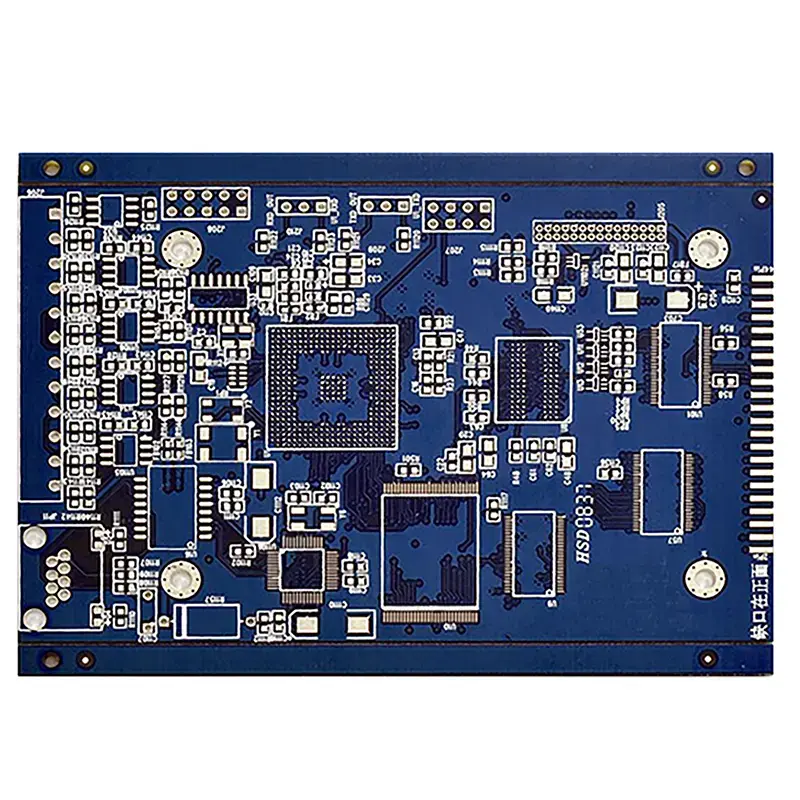 HDI PCB
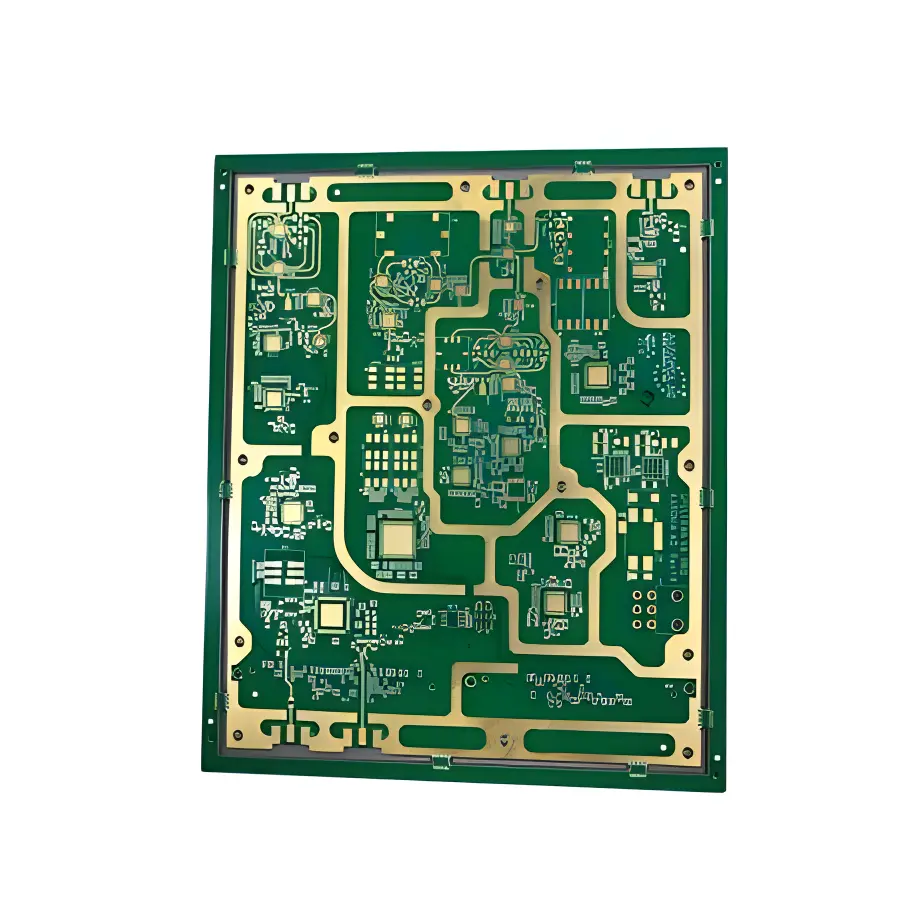 Rogers High-Frequency Board
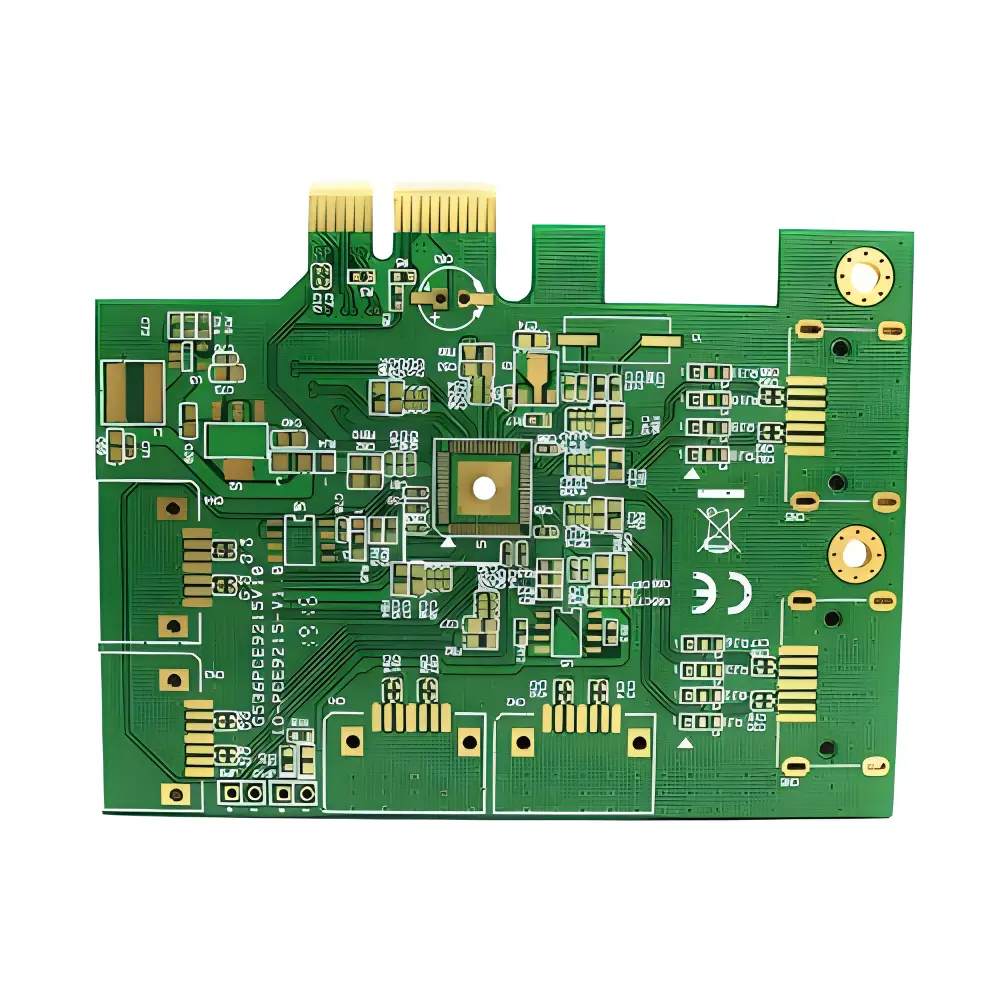 PTFE Teflon High-Frequency Board
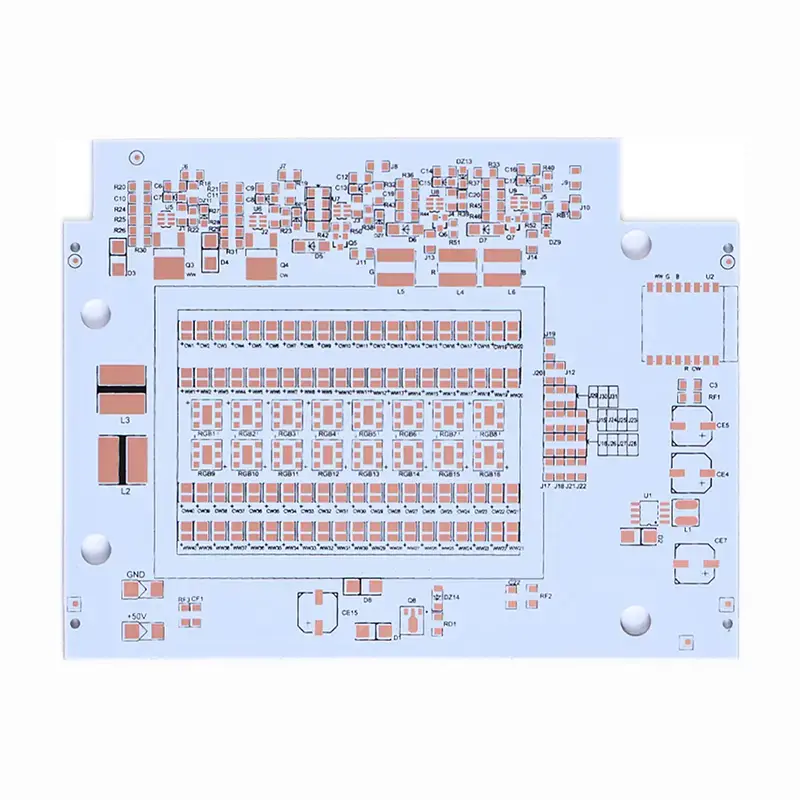 Aluminum
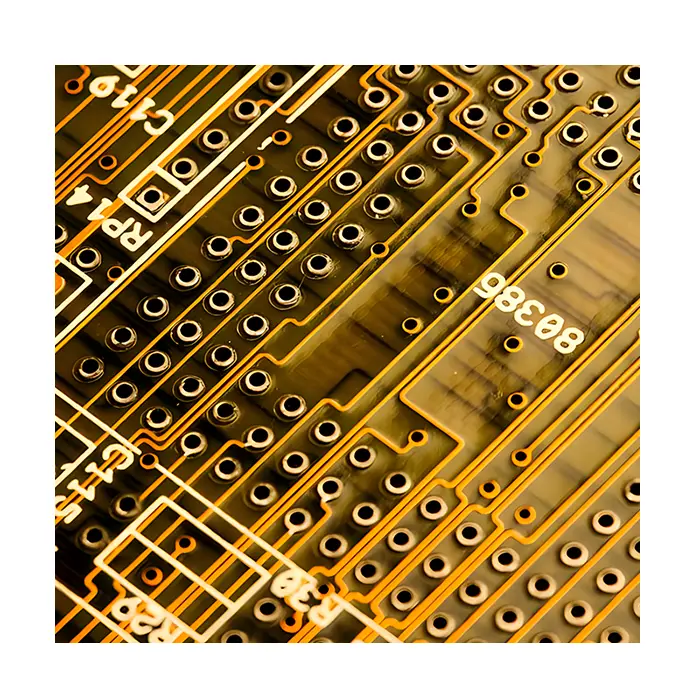 Copper Core
 PCB Assembly
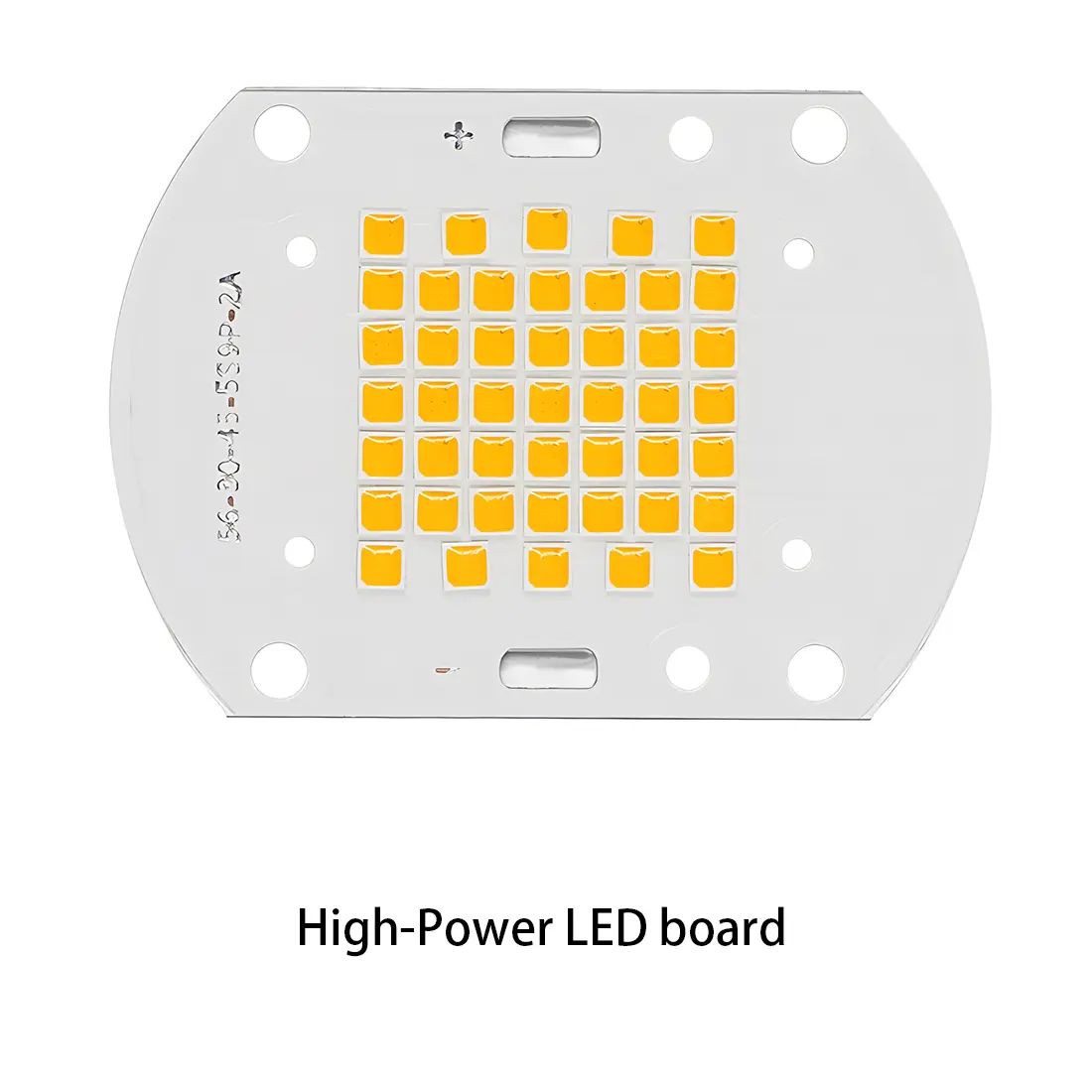 LED light PCBA
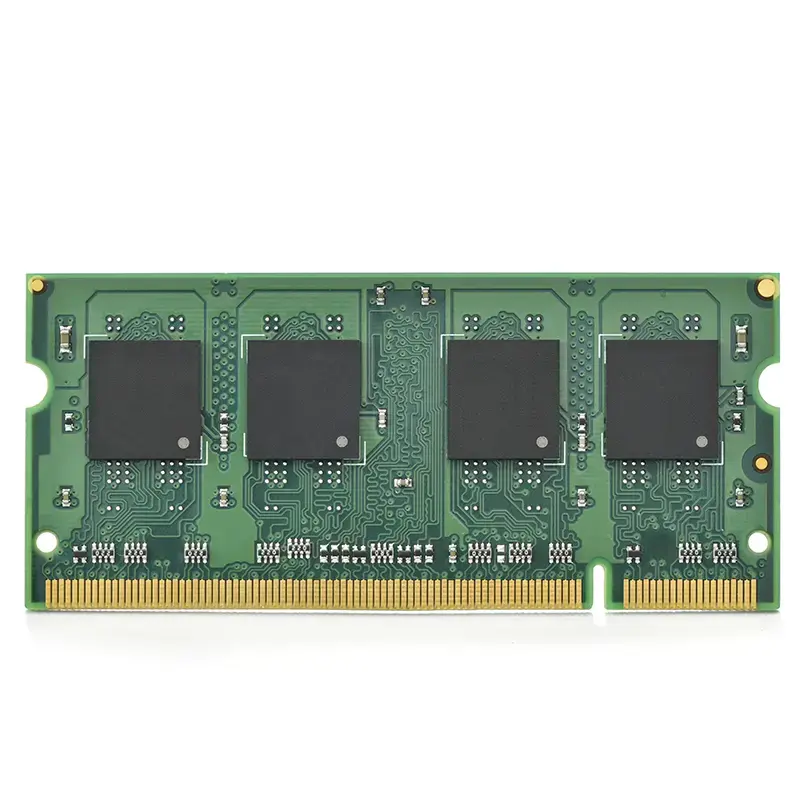
 Memory PCBA
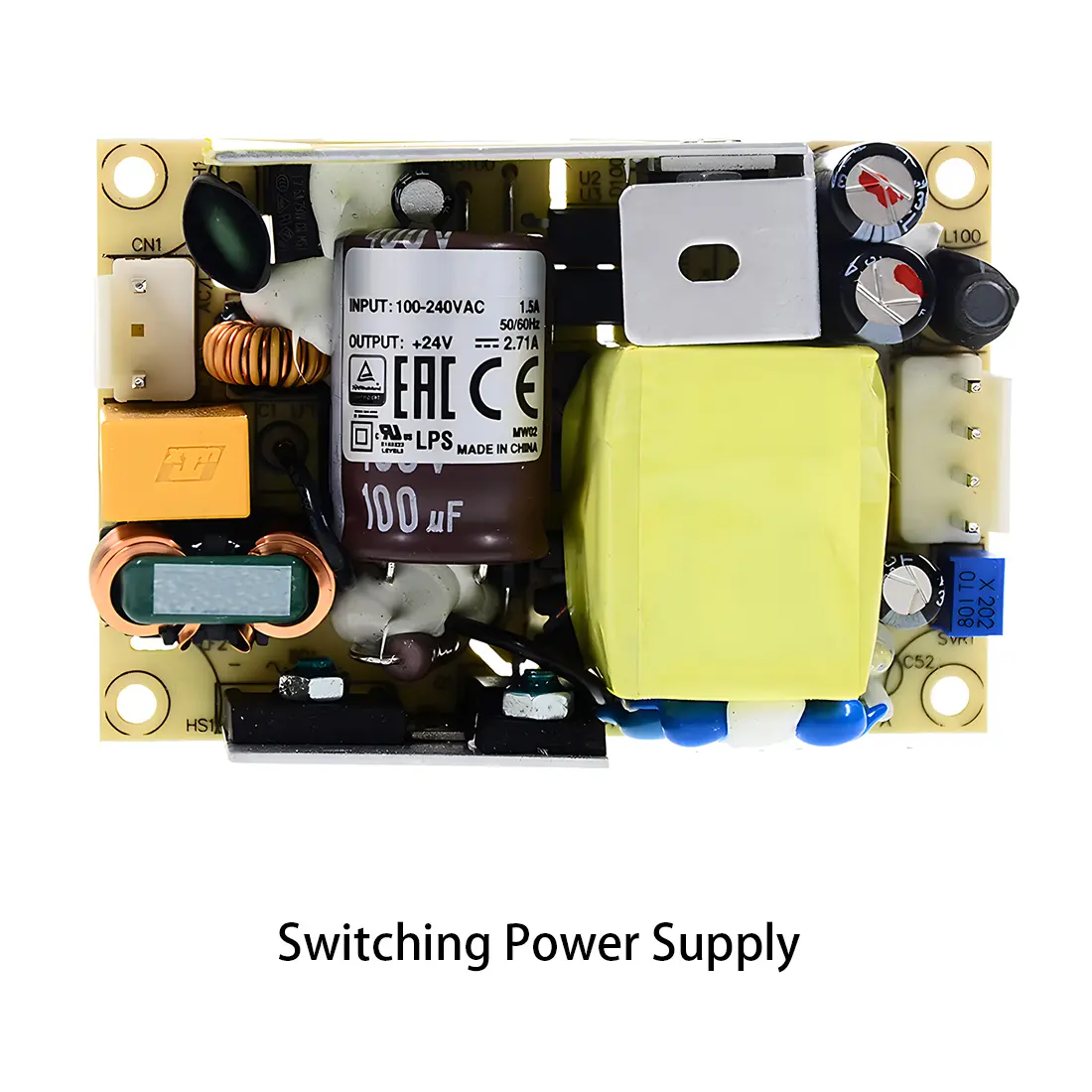 Power Supply PCBA
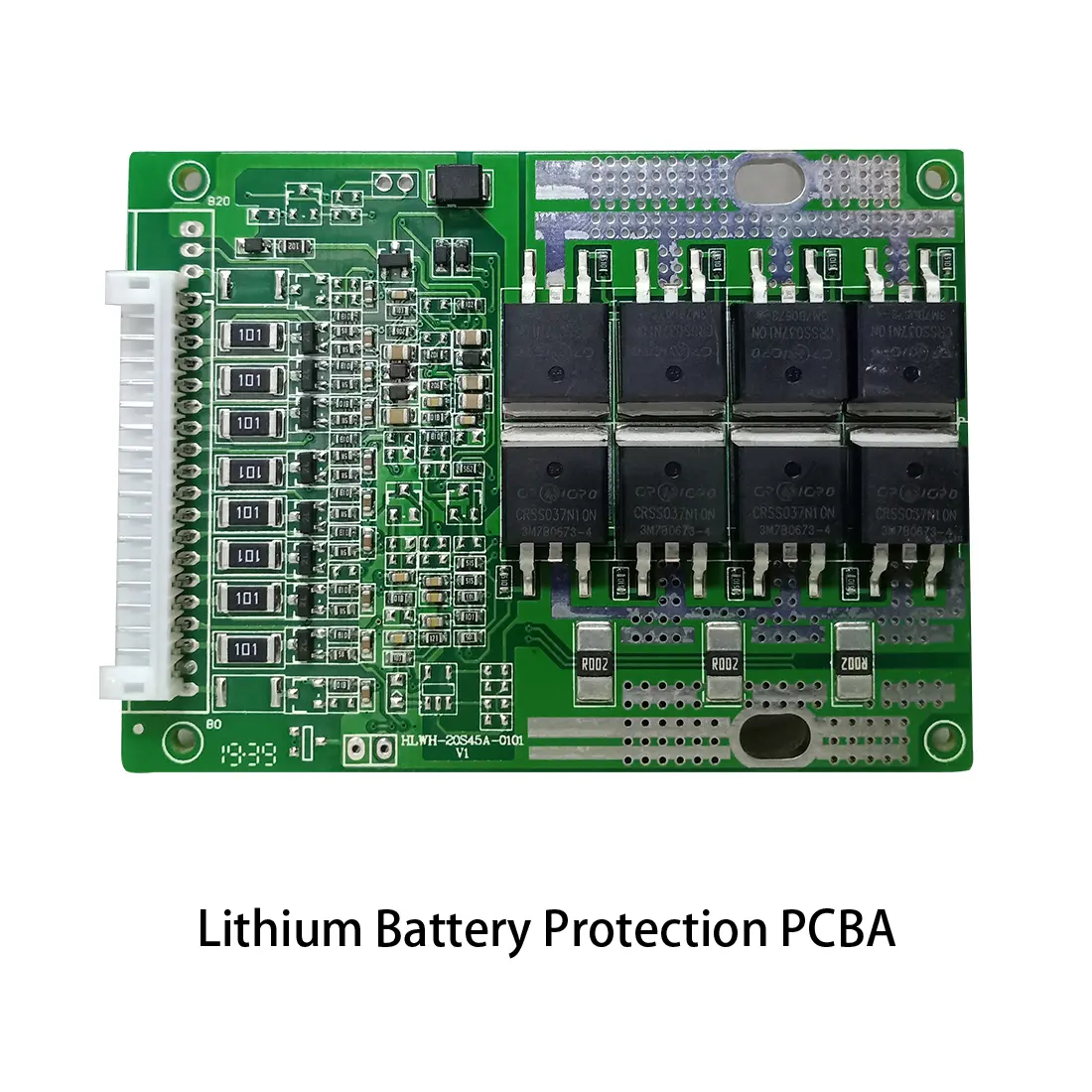 New Energey PCBA
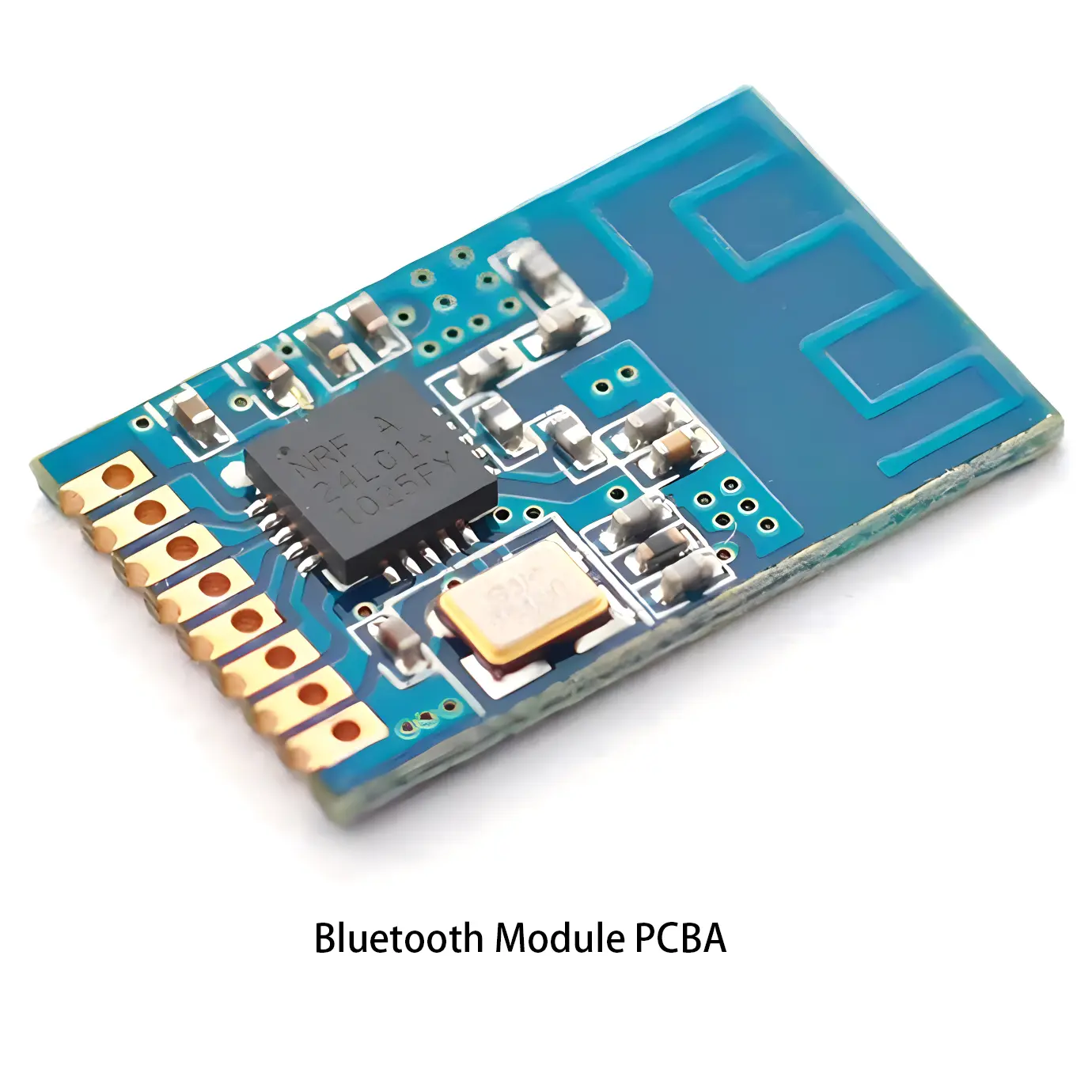 Communication PCBA
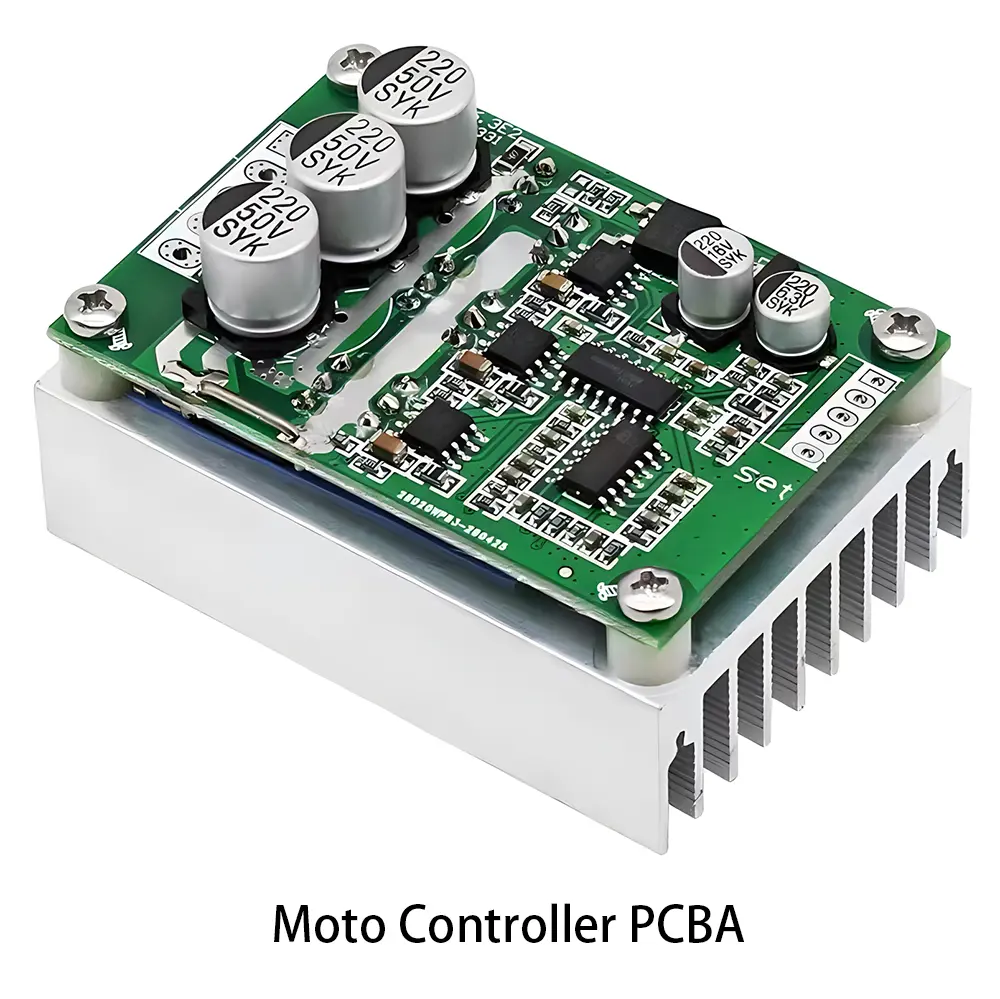 Industrial Control PCBA
 Medical Equipment PCBA
 Testing Service
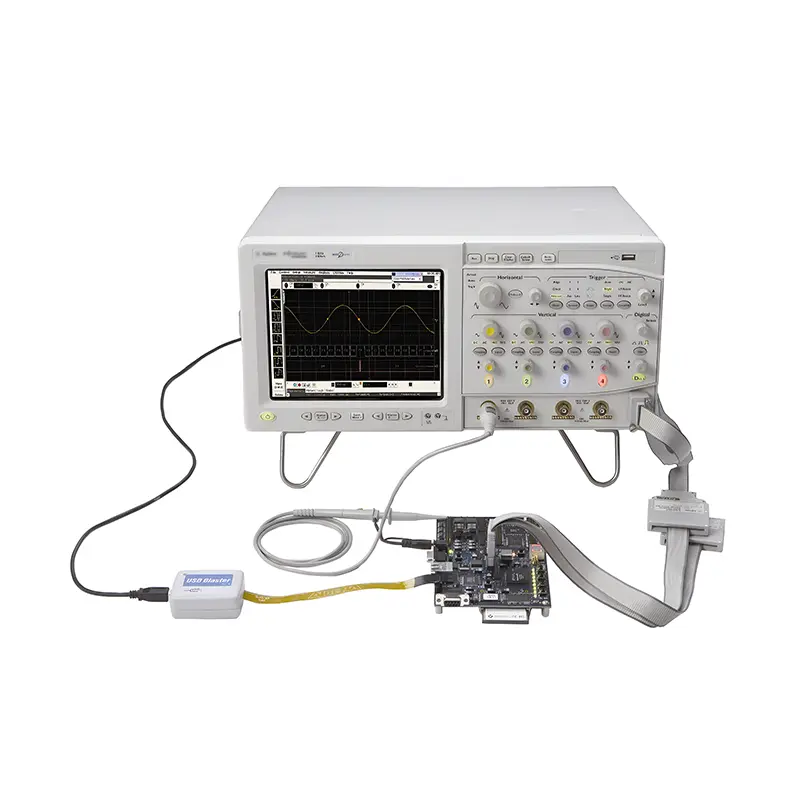 PCBA Testing Service
 Certification Application
 RoHS Certification Application
 REACH Certification Application
 CE Certification Application
 FCC Certification Application
 CQC Certification Application
 UL Certification Application
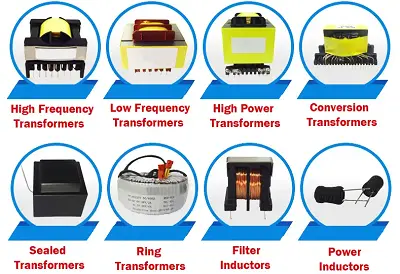 Transformers, Inductors
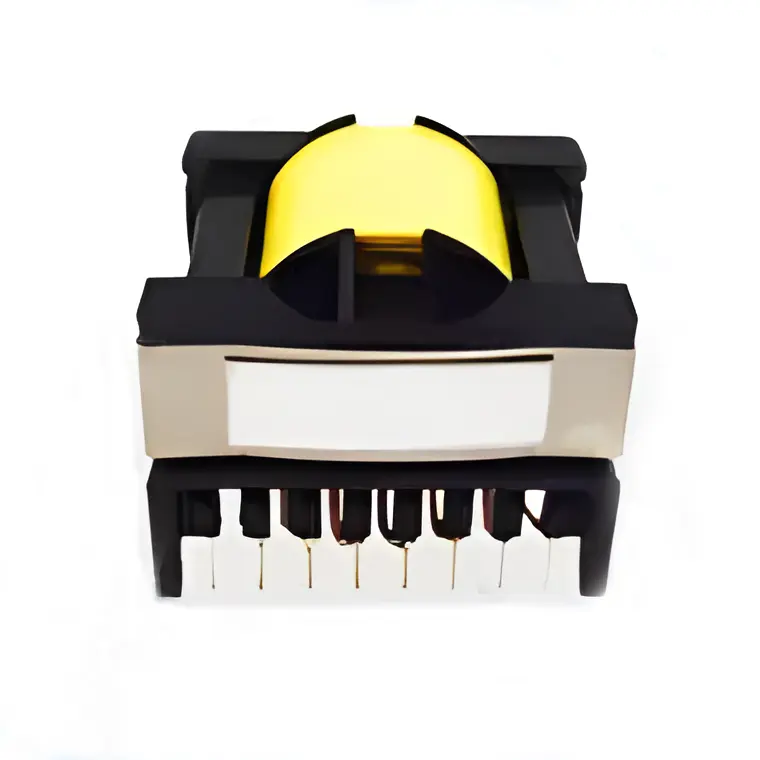 High Frequency Transformers
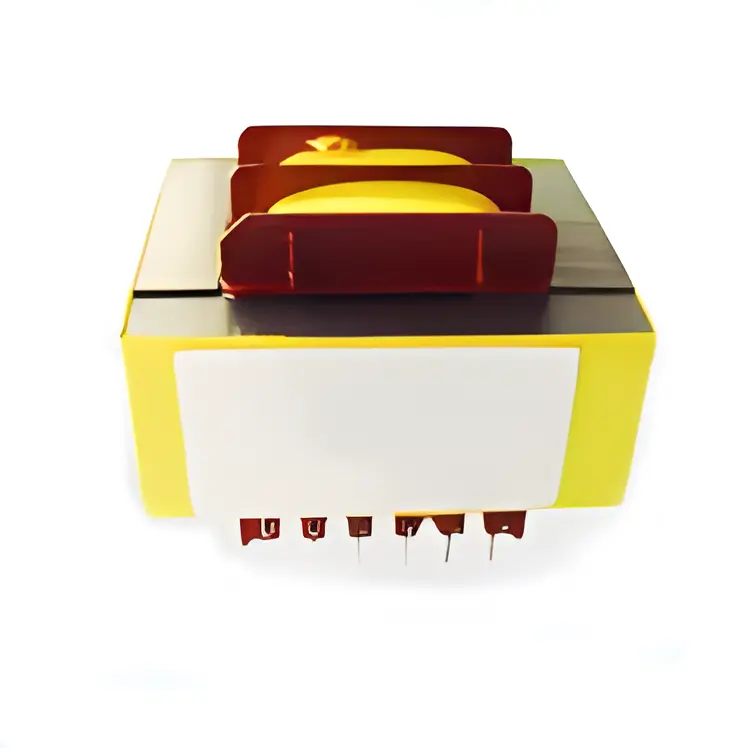 Low Frequency Transformers
 High Power Transformers
 Conversion Transformers
 Sealed Transformers
 Ring Transformers
 Inductors
 Wires,Cables Customized
 Network Cables
 Power Cords
 Antenna Cables
 Coaxial Cables
 Net Position Indicator
 Solar AIS net position indicator
 Capacitors
 Connectors
 Diodes
 Embedded Processors & Controllers
 Digital Signal Processors (DSP/DSC)
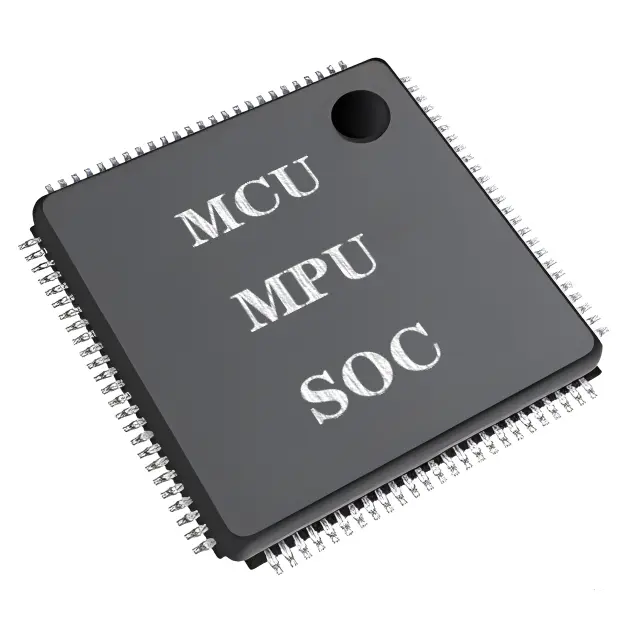 Microcontrollers (MCU/MPU/SOC)
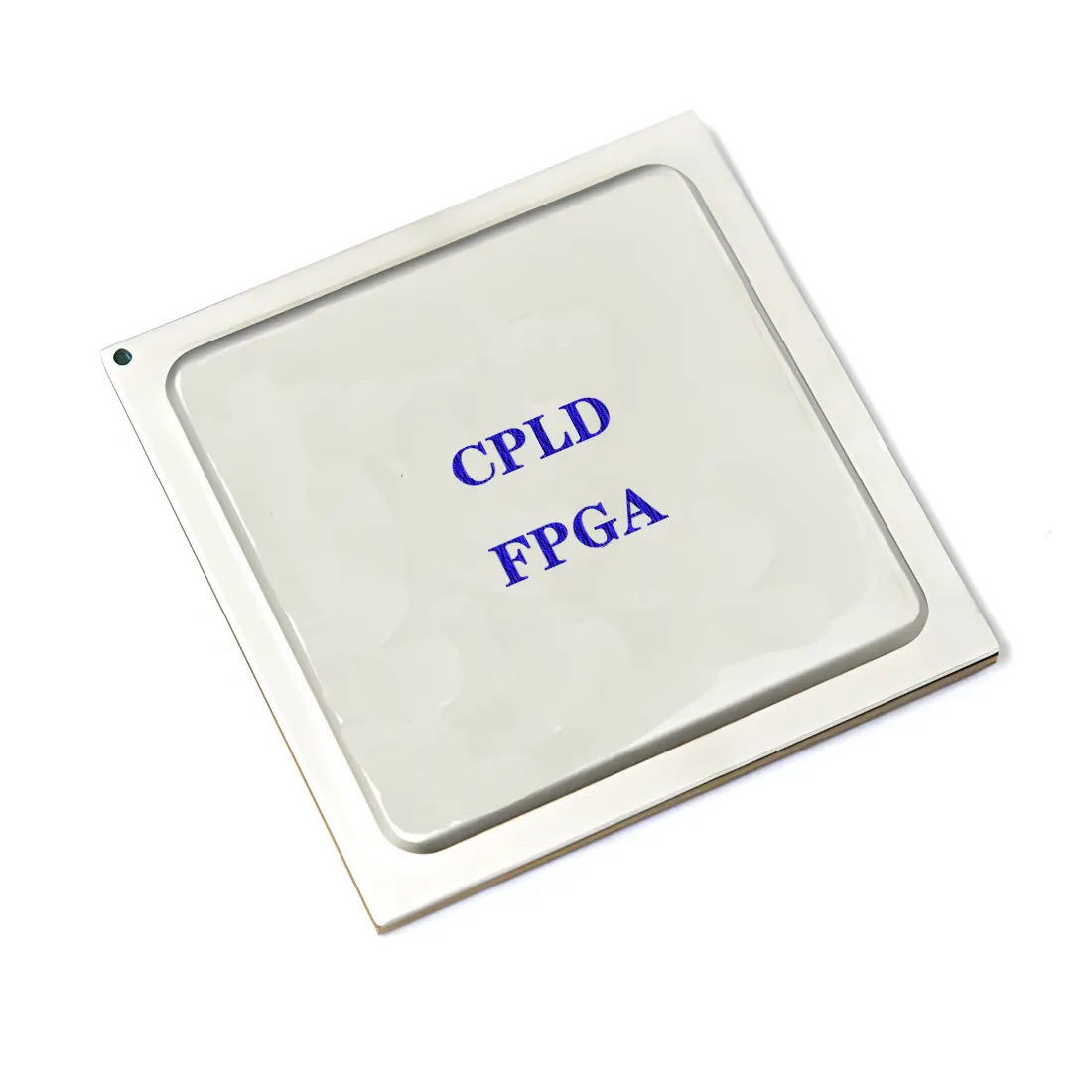 Programmable Logic Device(CPLD/FPGA)
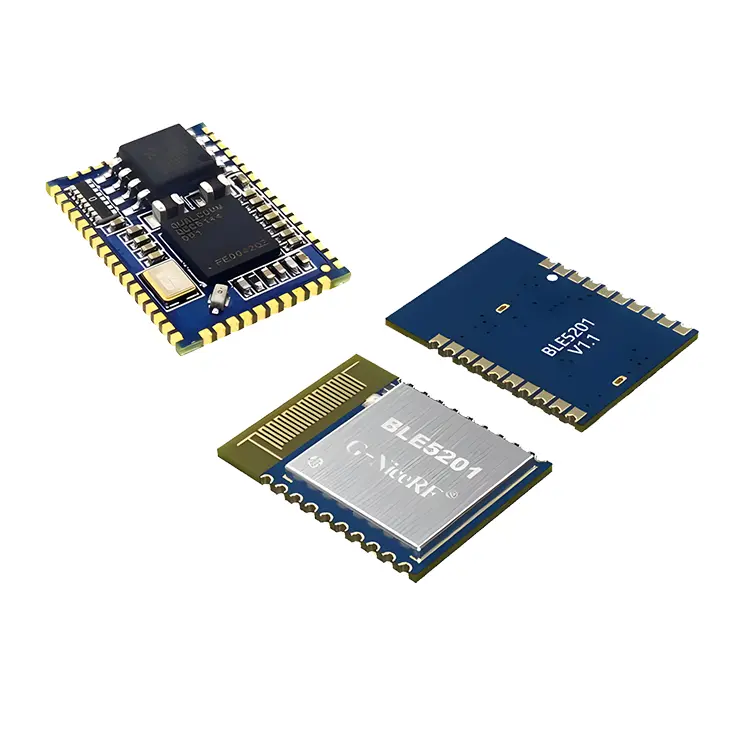 Communication Modules/IoT
 Resistors
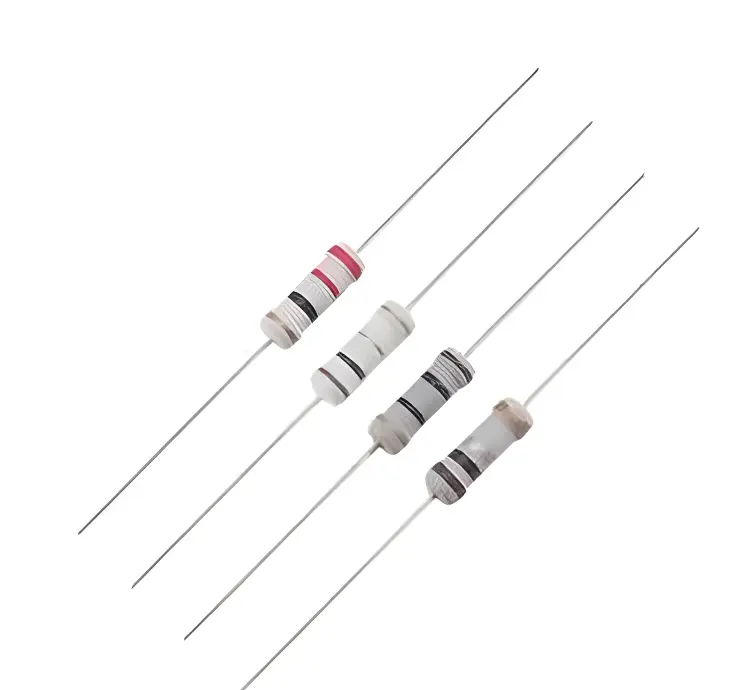 Through Hole Resistors
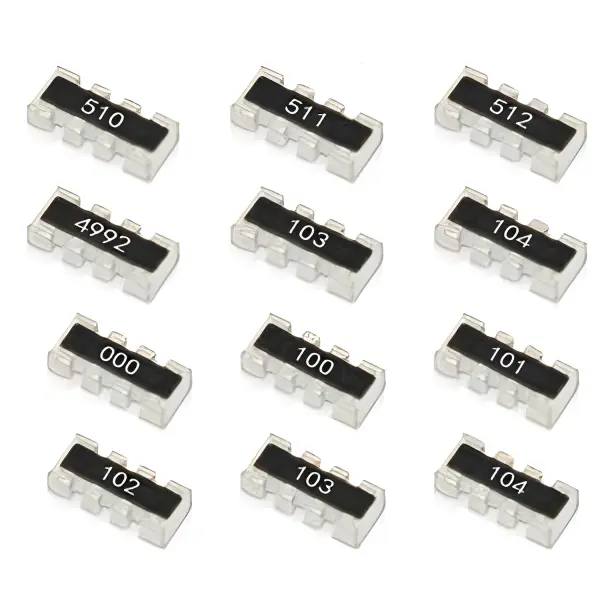 Resistor Networks, Arrays
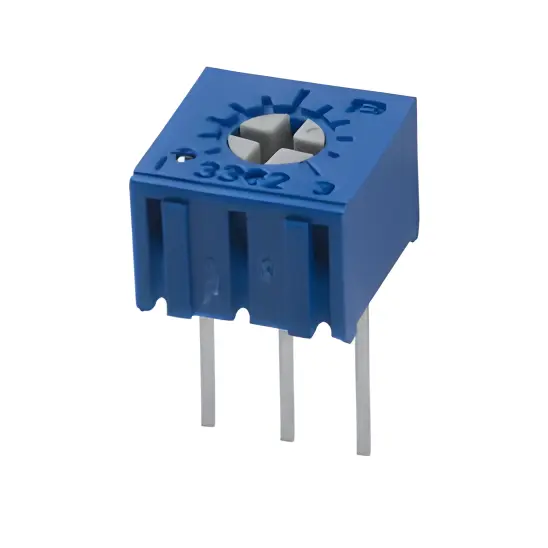 Potentiometers,Variable Resistors
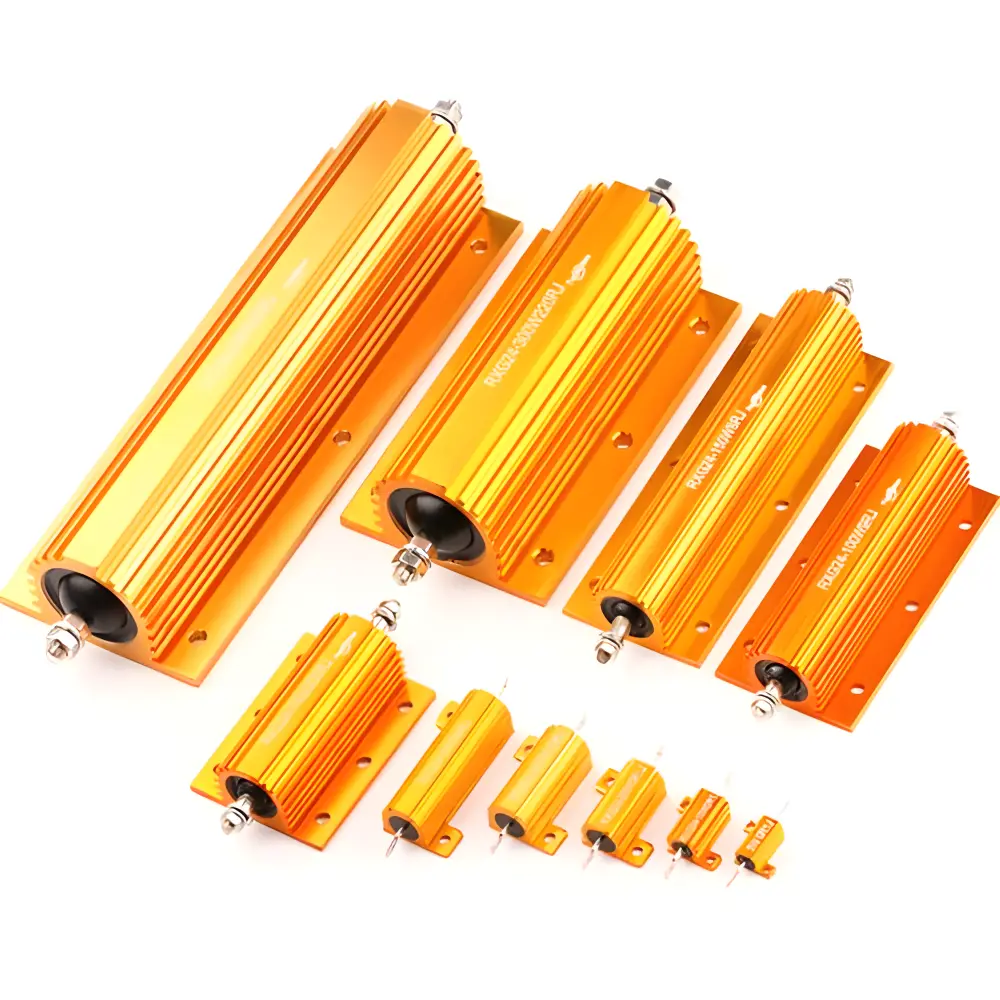 Aluminum Case,Porcelain Tube Resistance
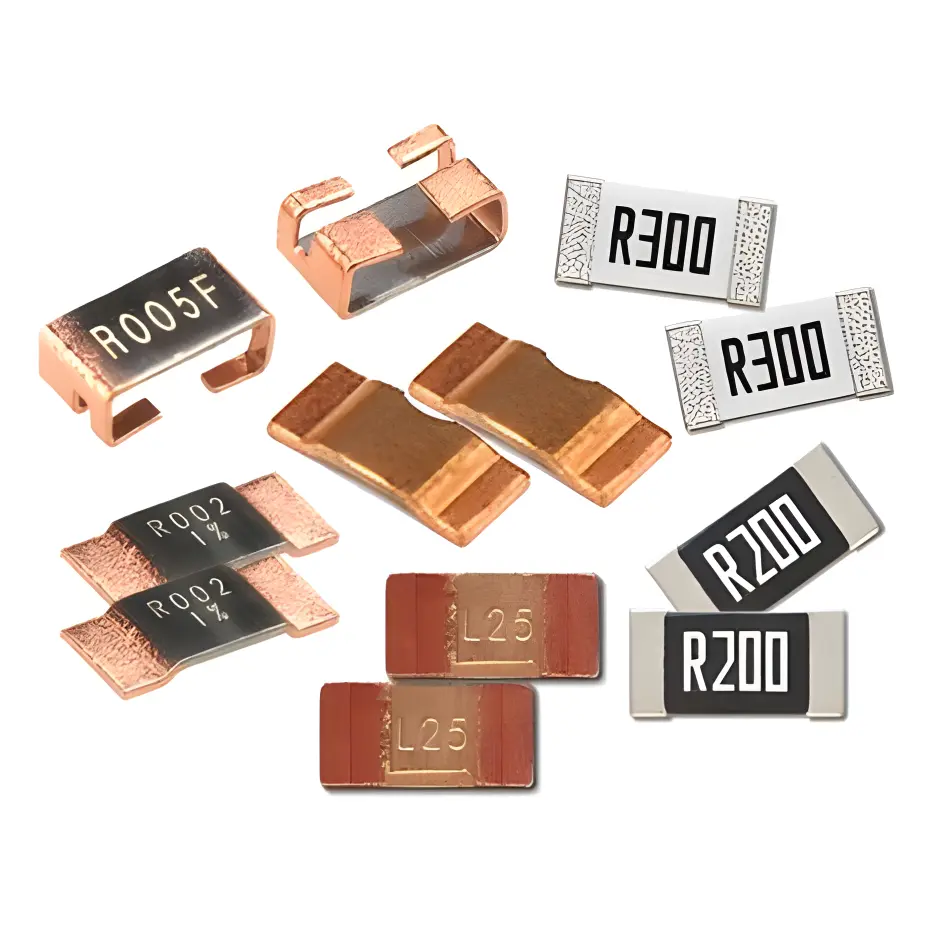 Current Sense Resistors,Shunt Resistors
 Switches
 Transistors
 Power Modules
 Isolated Power Modules
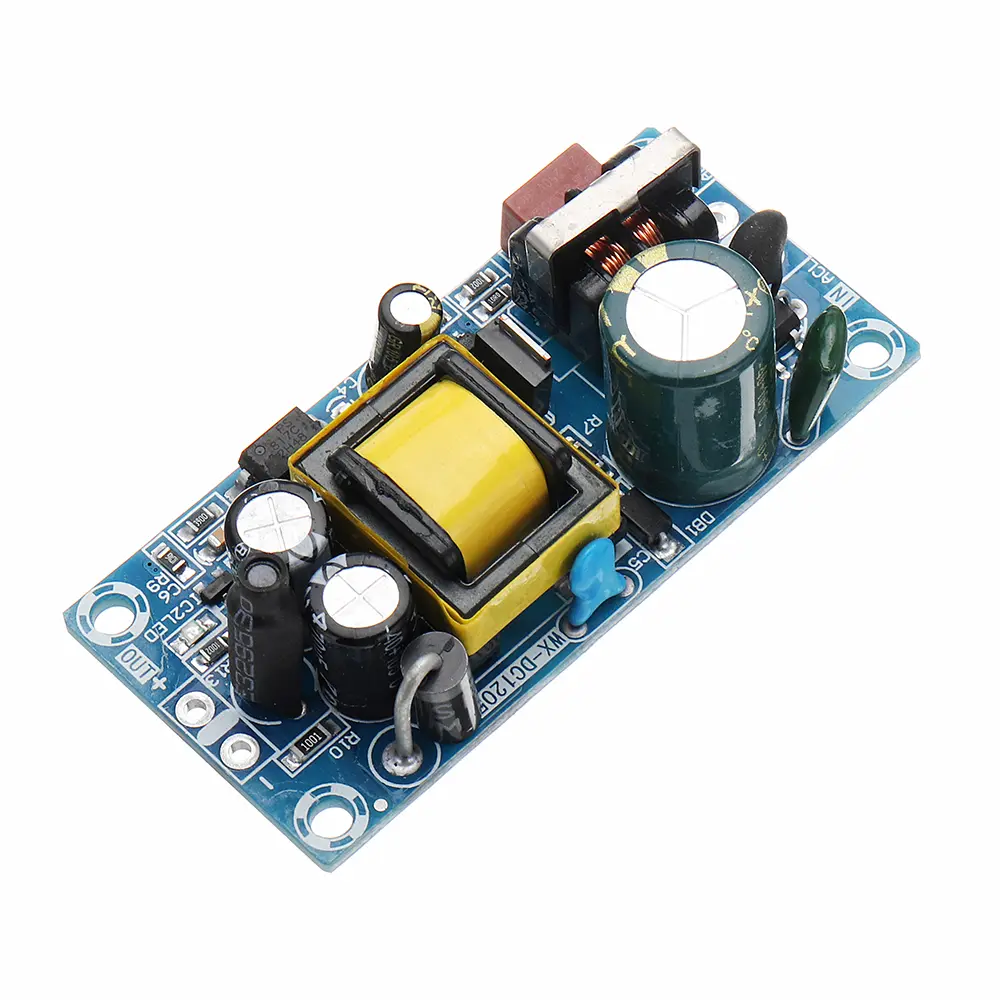 AC-DC Power Modules
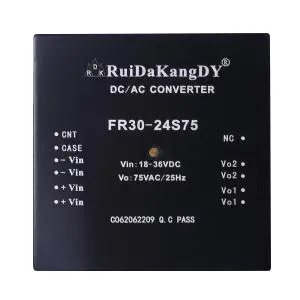 DC-AC Module(Inverter)
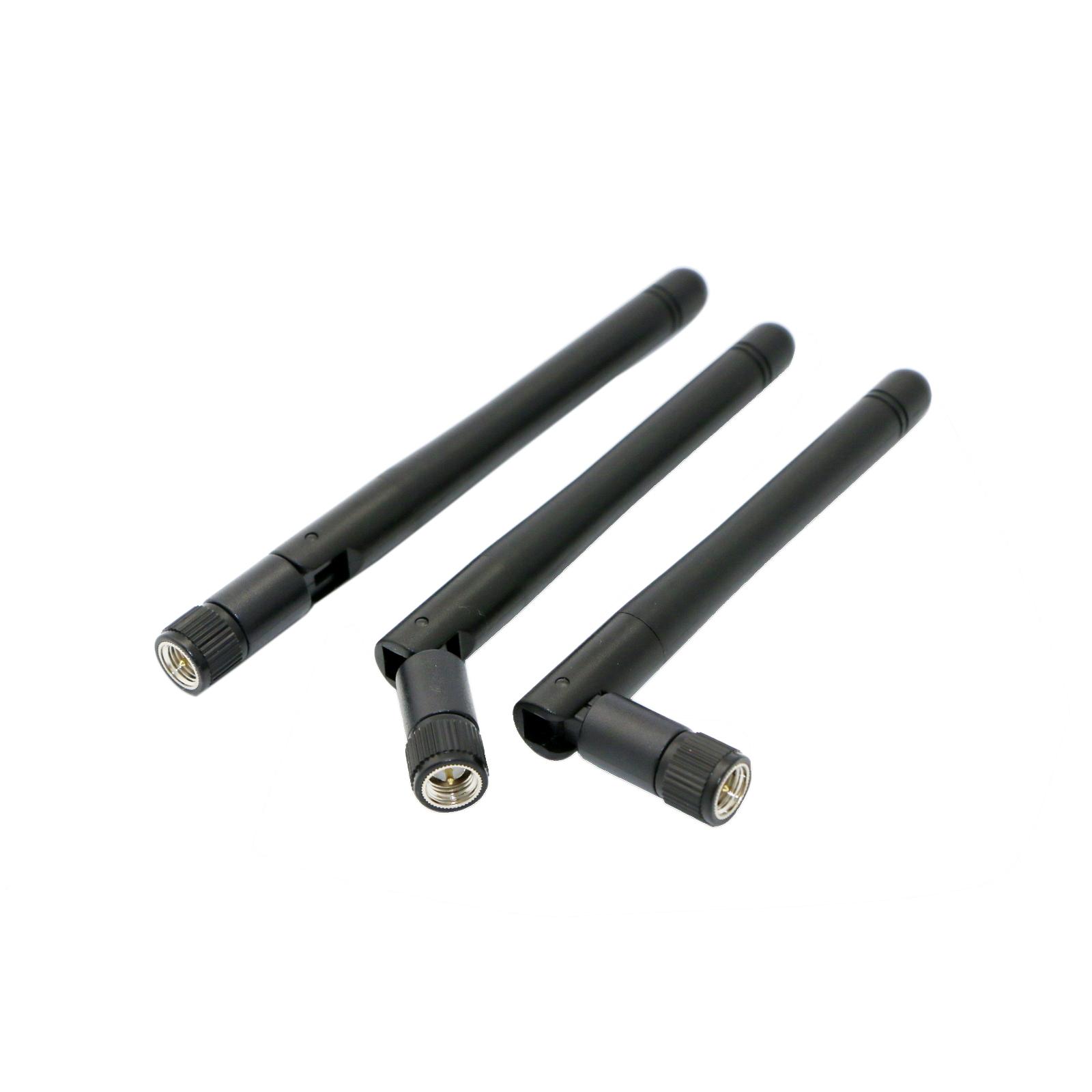 RF and Wireless
Copper Layer Count and Thickness Matching for Current-Carrying Requirements in High-Current PCBs
2025-12-02

High-current PCBs—utilized in power supplies, electrIC vehicles (EVs), industrial motor drives, and renewable energy systems—demand meticulous stackup design to safely handle currents exceeding 10A. Unlike low-current signal PCBs, where trace width primarily dictates peRFormance, high-current designs rely on copper layer count and thickness matching to balance current-carrying capacity (ampacity), thermal management, and mechanical reliability. Inadequate copper stacking leads to excessive temperature rise, trace burnout, or PCB warpage, posing fire hazards and system failures. This article comprehensively analyzes IPC-2221 and IPC-9592 standards for high-current design, quantifies how copper layers and thicknesses influence ampacity, and outlines actionable stackup matching strategies to meet 10A+ requirements while ensuring thermal and structural integrity.
1. Fundamentals of Current-Carrying Capacity in High-Current PCBs
Before exploring stackup design, it is critical to establish the core principles governing ampacity and thermal behavior in copper traces:
1.1 Current-Carrying Capacity (Ampacity) Definition
Ampacity refers to the maximum current a copper trace can carry without exceeding a safe temperature rise (typically 10–40°C above ambient, per IPC-2221). For high-current PCBs (>10A), ampacity depends on four key factors:
- Copper cross-sectional area: Thickness (oz/μm) × width (mm) of the trace or copper pour.
- Number of copper layers: Parallel layers increase total cross-sectional area and heat dissipation.
- Thermal conductivity: Copper’s thermal conductivity (401 W/m·K) is critical for transferring heat to the environment or heat sinks.
- Ambient temperature: Higher ambient temperatures (e.g., 50°C in industrial settings) reduce ampacity, as the allowable temperature rise margin shrinks.
1.2 Temperature Rise: The Critical Limiting Factor
For high-current designs, temperature rise (ΔT) is the primary constraint. IPC-9592 specifies that copper traces must not exceed 105°C (for Class 3 applications) to avoid resin degradation (FR-4 Tg ≈ 120–170°C). The relationship between current, copper area, and ΔT follows the empirical formula (SIMplified for FR-4 PCBs): I = k × A^0.725 × ΔT^0.447 Where:
- I = Current (A),
- k = Constant (≈0.04 for internal layers, ≈0.05 for external layers, due to better heat dissipation),
- A = Copper cross-sectional area (mm²),
- ΔT = Temperature rise (°C).
This formula confirms that doubling the copper area increases ampacity by ~60%, while increasing ΔT from 20°C to 40°C boosts ampacity by ~30%. For 10A+ currents, relying solely on single-layer copper is impractical (e.g., a 10A trace on a 1oz external layer requires ~3mm width), making multi-layer copper stacking essential.
2. Copper Thickness Standards and Ampacity per Layer
Copper thickness in PCBs is typically specified in ounces per square foot (oz), where 1oz = 35μm, 2oz = 70μm, and 3oz = 105μm. Thicker copper (up to 6oz = 210μm) is used for ultra-high-current applications (>50A). Below is the ampacity of single copper layers (external and internal) for common thicknesses, based on IPC-2221 and thermal simulation data (ΔT = 30°C, ambient = 25°C):
| Copper Thickness | External Layer Ampacity (A) | Internal Layer Ampacity (A) | Cross-Sectional Area per 1mm Width (mm²) |
|---|---|---|---|
| 1oz (35μm) | 8–10 | 6–8 | 0.035 |
| 2oz (70μm) | 12–15 | 9–12 | 0.070 |
| 3oz (105μm) | 16–20 | 12–16 | 0.105 |
| 4oz (140μm) | 20–24 | 15–19 | 0.140 |
| 6oz (210μm) | 26–32 | 20–25 | 0.210 |
Key Observations:
- External vs. internal layers: External layers (exposed to air) dissipate heat 25–30% better than internal layers (sandwiched between dielectric), so their ampacity is higher for the same thickness.
- Diminishing returns: Thicker copper increases ampacity but at a decreasing rate. For example, going from 1oz to 2oz (doubling thickness) increases external layer ampacity by ~50%, while 2oz to 3oz adds only ~30%.
- Trace width impact: The table assumes a 1mm wide trace. Widening the trace increases ampacity linearly (e.g., a 2mm wide 2oz external layer carries ~24–30A). However, wide single-layer traces waste PCB space and cause warpage due to uneven copper distribution.
3. Multi-Layer Copper Stacking: Principles and Ampacity Calculation
Multi-layer stacking involves using parallel copper layers (connected via vias) to increase total cross-sectional area and ampacity. For high-current PCBs, this is far more efficient than single-layer wide traces.
3.1 Stacking Principles
- Parallel layer connection: All stacked layers must be electrically connected with low-impedance vias (e.g., 0.5mm diameter, spaced every 2–3mm) to ensure current distributes evenly across layers. Poor via placement causes current crowding in one layer, leading to localized overheating.
- Symmetric stacking: For mechanical stability, stack copper layers symmetrically around the PCB core. For example, a 4-layer stack with 2oz copper should have layers arranged as: Top (2oz) → Dielectric → Inner1 (2oz) → Core → Inner2 (2oz) → Dielectric → Bottom (2oz) (symmetric top-bottom and inner1-inner2).
- Thermal coupling: Stacked layers enhance thermal conductivity, as heat from one layer transfers to adjacent layers and the PCB edges. This reduces ΔT for a given current compared to single-layer designs.
3.2 Ampacity of Multi-Layer Stacks
The total ampacity of a multi-layer stack is not simply the sum of individual layer ampacities—due to current distribution inefficiencies and thermal coupling. Instead, it follows the formula: Total I = I_single × (n^0.85) Where:
- I_single = Ampacity of one layer (A),
- n = Number of parallel layers.
This accounts for ~15% inefficiency per additional layer (due to via resistance and current imbalance). Below is the total ampacity for common multi-layer stacks (2oz copper per layer, ΔT = 30°C, external layers included):
| Number of Parallel Layers | External Layer Stack Ampacity (A) | Internal Layer Stack Ampacity (A) | Total Cross-Sectional Area (mm² per 1mm width) |
|---|---|---|---|
| 2 | 20–25 | 15–20 | 0.140 |
| 3 | 28–35 | 21–28 | 0.210 |
| 4 | 35–45 | 26–35 | 0.280 |
| 6 | 48–60 | 36–48 | 0.420 |
Example Calculation:
A 4-layer stack with 2oz external layers and 2oz internal layers (total 4 parallel layers) for a 40A current:
- I_single (external) = 12–15A,
- Total I = 15 × (4^0.85) ≈ 15 × 3.2 ≈ 48A (meets 40A requirement with margin).
4. Layer Count and Thickness Matching for Specific Current Ranges
Different high-current requirements (10A–100A+) demand tailored layer count and thickness matching. Below are industry-proven configurations aligned with IPC standards:
4.1 10–20A Range: Low-to-Medium High Current
Common applications: Industrial sensors, LED drivers, small power supplies. Optimal stackup: 2–4 layers with 1–2oz copper.
- 2-layer stackup (1oz external layers): 16–20A total ampacity. Suitable for 10–15A currents. Trace width = 1–1.5mm per layer.
- 4-layer stackup (1oz external + 1oz internal): 25–30A total ampacity. Ideal for 15–20A currents. Advantages: Better thermal management than 2-layer, and space for signal traces on inner layers.
Design considerations:
- Use copper pours instead of narrow traces to maximize cross-sectional area.
- Add 0.3mm diameter vias every 2mm to connect layers.
4.2 20–50A Range: Medium High Current
Applications: Motor controllers, battery chargers, 12V/24V power distribution. Optimal stackup: 4–6 layers with 2–3oz copper.
- 4-layer stackup (2oz external + 2oz internal): 35–45A total ampacity. Suitable for 20–40A.
- 6-layer stackup (2oz external + 2oz internal × 2): 48–60A total ampacity. For 40–50A currents.
Design considerations:
- Dedicated power layers (top/bottom) and ground layers (inner) to separate high-current and signal paths.
- Use 3oz copper for critical 50A paths to reduce ΔT (from 30°C to 20°C).
4.3 50–100A Range: High Current
Applications: Electric vehicle auxiliary systems, large inverters, server power supplies. Optimal stackup: 6–8 layers with 3–4oz copper.
- 6-layer stackup (3oz external + 3oz internal × 2): 65–80A total ampacity. For 50–70A.
- 8-layer stackup (3oz external × 2 + 3oz internal × 3): 80–100A total ampacity. Suitable for 70–90A.
Design considerations:
- Symmetric stacking to prevent warpage (e.g., 3oz top → dielectric → 3oz inner1 → core → 3oz inner2 → core → 3oz inner3 → dielectric → 3oz bottom).
- Integrate thermal vias (0.5mm diameter, spaced 1mm apart) under high-current components to transfer heat to internal layers.
4.4 >100A Range: Ultra-High Current
Applications: EV main power distribution, industrial welding equipment, solar inverters. Optimal stackup: 8–12 layers with 4–6oz copper, plus optional bus bars.
- 10-layer stackup (4oz external × 2 + 4oz internal × 4): 120–150A total ampacity.
- 12-layer stackup (6oz external × 2 + 6oz internal × 5): 150–200A total ampacity. For currents >150A, combine with copper bus bars (attached via screws) for additional ampacity.
Design considerations:
- Use thick dielectric layers (0.2mm) between copper layers to prevent breakdown (high voltage may accompany high current).
- Perform thermal simulation (e.g., ANSYS Icepak) to verify ΔT < 30°C.
5. Critical Design Considerations for High-Current Stacked Layers
Beyond layer count and thickness, these factors ensure stacked copper layers perform reliably:
5.1 Via Design for Layer Connection
- Via size and spacing: Use large-diameter vias (0.4–0.6mm) with solder mask defined (SMD) pads to minimize resistance. Space vias every 1.5–3mm along the current path—closer spacing for higher currents (>50A) to ensure even current distribution.
- Via filling: Fill vias with solder or epoxy to improve thermal conductivity and mechanical strength. Unfilled vias create air gaps that reduce heat transfer and increase resistance.
- Thermal vias vs. current-carrying vias: Dedicated thermal vias (smaller diameter, higher density) transfer heat from components to copper layers, while larger current-carrying vias connect parallel layers. Do not use thermal vias for current distribution—they cannot handle high current without overheating.
5.2 Copper Pour and Trace Geometry
- Maximize copper pour area: For high-current paths, use solid copper pours instead of narrow traces. Pours increase cross-sectional area and heat dissipation. For example, a 20mm×2mm 2oz pour (4 layers) carries ~80A, while a 2mm wide trace carries only ~30A.
- Avoid current constrictions: Eliminate narrow necks in copper pours (e.g., <1mm width) that cause current crowding. A 1mm neck in a 20A path increases resistance by 50%, leading to localized ΔT > 50°C.
- Chamfered corners: Use 45° chamfers on copper pour corners to reduce electric field concentration (critical for high-voltage/high-current designs).
5.3 Thermal Management Integration
- Heat sinks and thermal pads: Attach heat sinks to external copper layers using thermal paste (thermal resistance <0.5°C/W). For internal layers, use thermal vias to transfer heat to external heat sinks.
- PCB edge cooling: Design the PCB with exposed copper edges (plated or bare) to contact cooling fans or heat rails. This increases heat dissipation by 20–30% for multi-layer stacks.
- Dielectric selection: Use high-Tg FR-4 (Tg > 150°C) or polyimide substrates for ultra-high-current designs (>100A) to withstand higher temperatures.
5.4 Mechanical Reliability
- Copper balance: Ensure copper area on each layer is balanced (<15% difference) to prevent PCB warpage during manufacturing. For example, a 4-layer stack with 2oz copper should have 30% copper area on each layer.
- Thickness matching: Use consistent copper thickness across parallel layers. Mixing 1oz and 2oz layers in a stack causes uneven current distribution—2oz layers carry 50% more current than 1oz layers, leading to overheating in thinner layers.
- Reinforcement: For heavy components (e.g., bus bars), add stiffeners or thicker dielectric layers (0.3mm) to prevent PCB bending.
6. Validation and Compliance with Standards
High-current PCB designs must be validated to meet IPC and industry standards:
6.1 Ampacity and Thermal Testing
- Current sweep test: Apply incremental current (from 0A to target +20%) while monitoring trace temperature with a thermal camera. Verify ΔT < 30°C at target current.
- Thermal simulation: Use software like Altium Designer or Cadence Allegro to simulate temperature distribution. Ensure no hotspots exceed 105°C.
6.2 Compliance with IPC Standards
- IPC-2221: Defines minimum copper thickness and width for current-carrying traces.
- IPC-9592: Provides detailed guidelines for power electronics PCB design, including multi-layer copper stacking.
- UL 94: Ensures the PCB meets flammability requirements (V-0 rating) for high-temperature operation.
High-current PCBs (>10A) require strategic copper layer count and thickness matching to meet ampacity, thermal, and mechanical requirements. The optimal stackup depends on the target current: 2–4 layers of 1–2oz copper for 10–20A, 4–6 layers of 2–3oz for 20–50A, 6–8 layers of 3–4oz for 50–100A, and 8–12 layers of 4–6oz for >100A. Key principles include parallel layer connection with low-impedance vias, symmetric stacking for stability, and copper pours to maximize cross-sectional area.