
 PCB
PCB FPC
FPC Rigid-Flex
 FR-4
FR-4 HDI PCB
 Rogers High-Frequency Board
 PTFE Teflon High-Frequency Board
 Aluminum
 Copper Core
 PCB Assembly
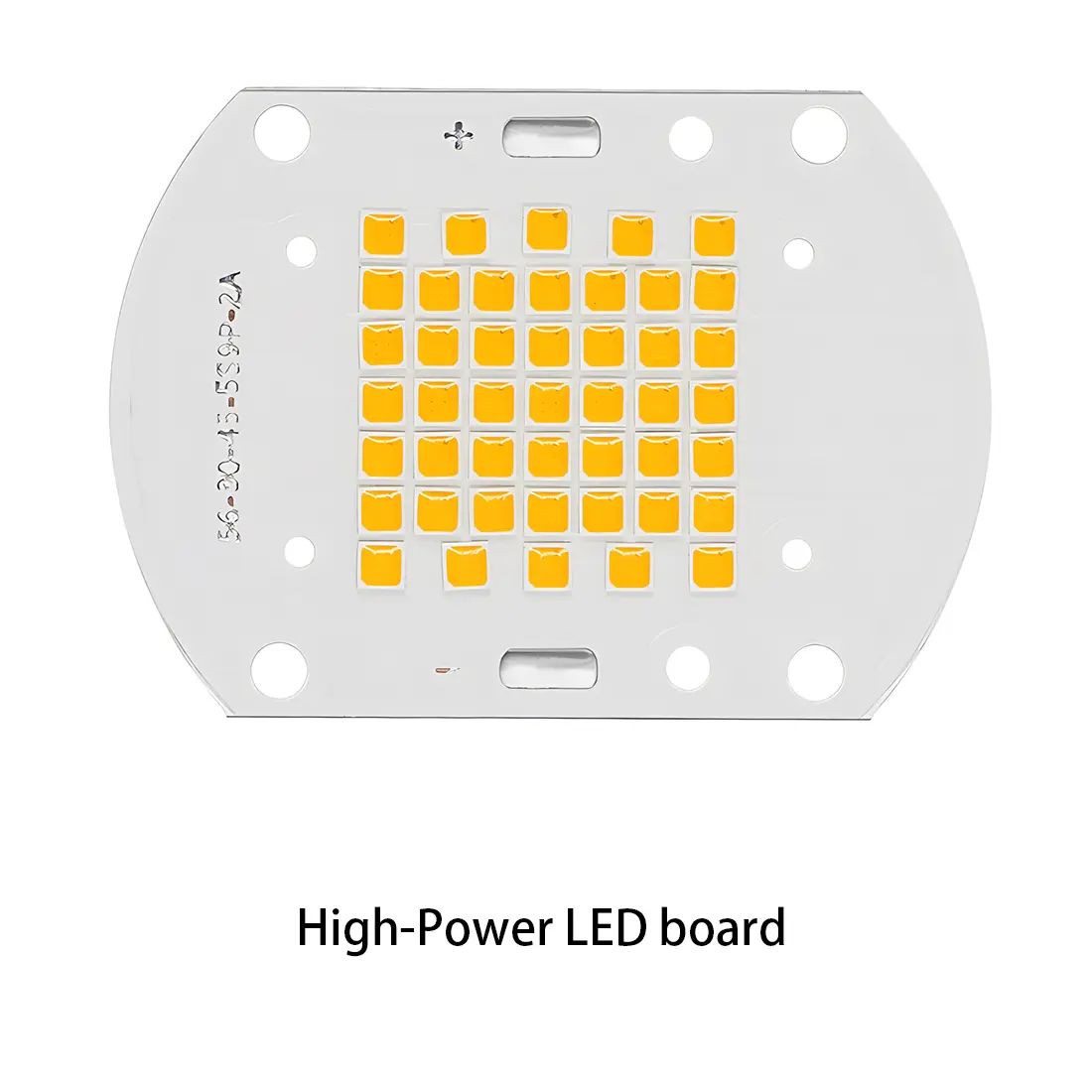 LED light PCBA
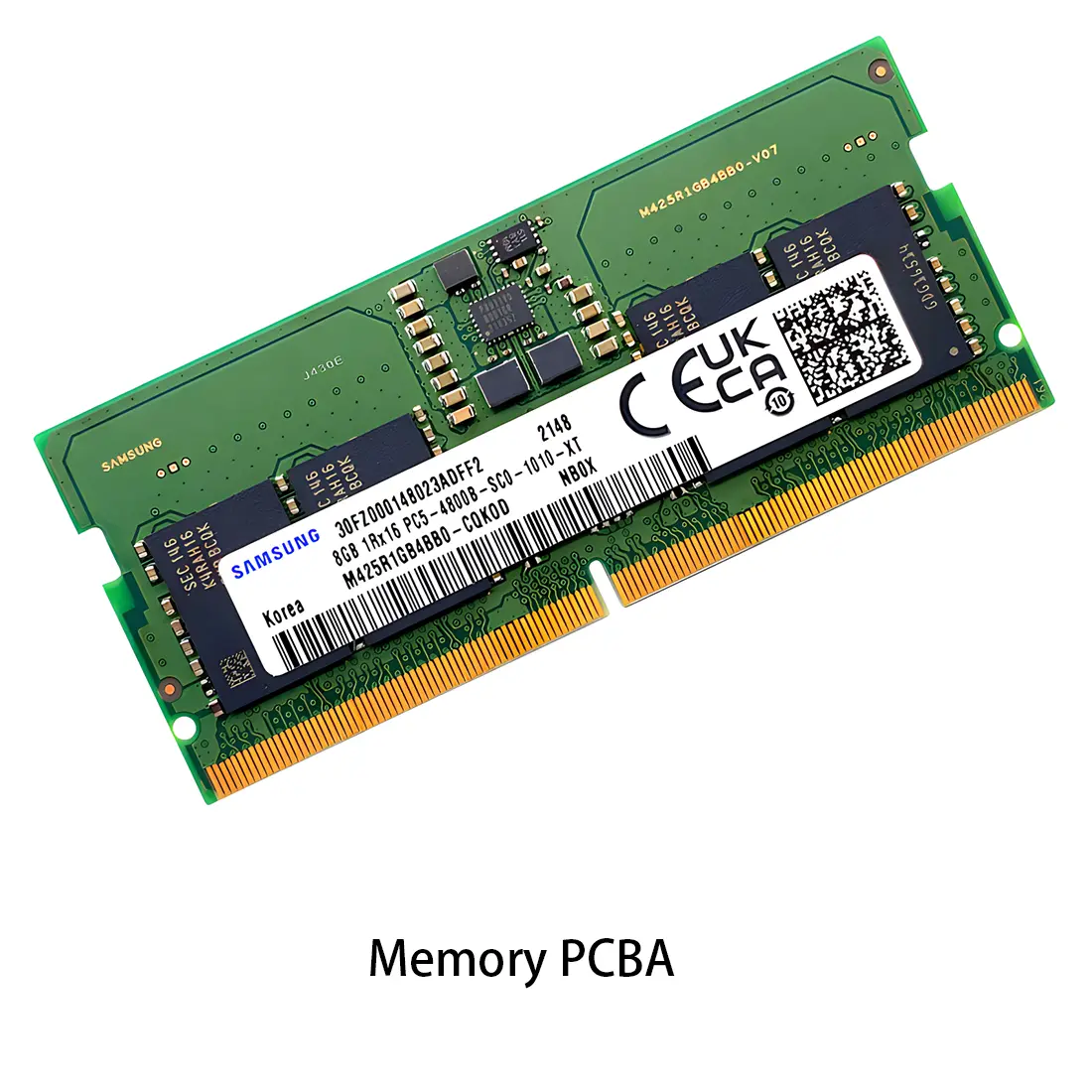 Memory PCBA
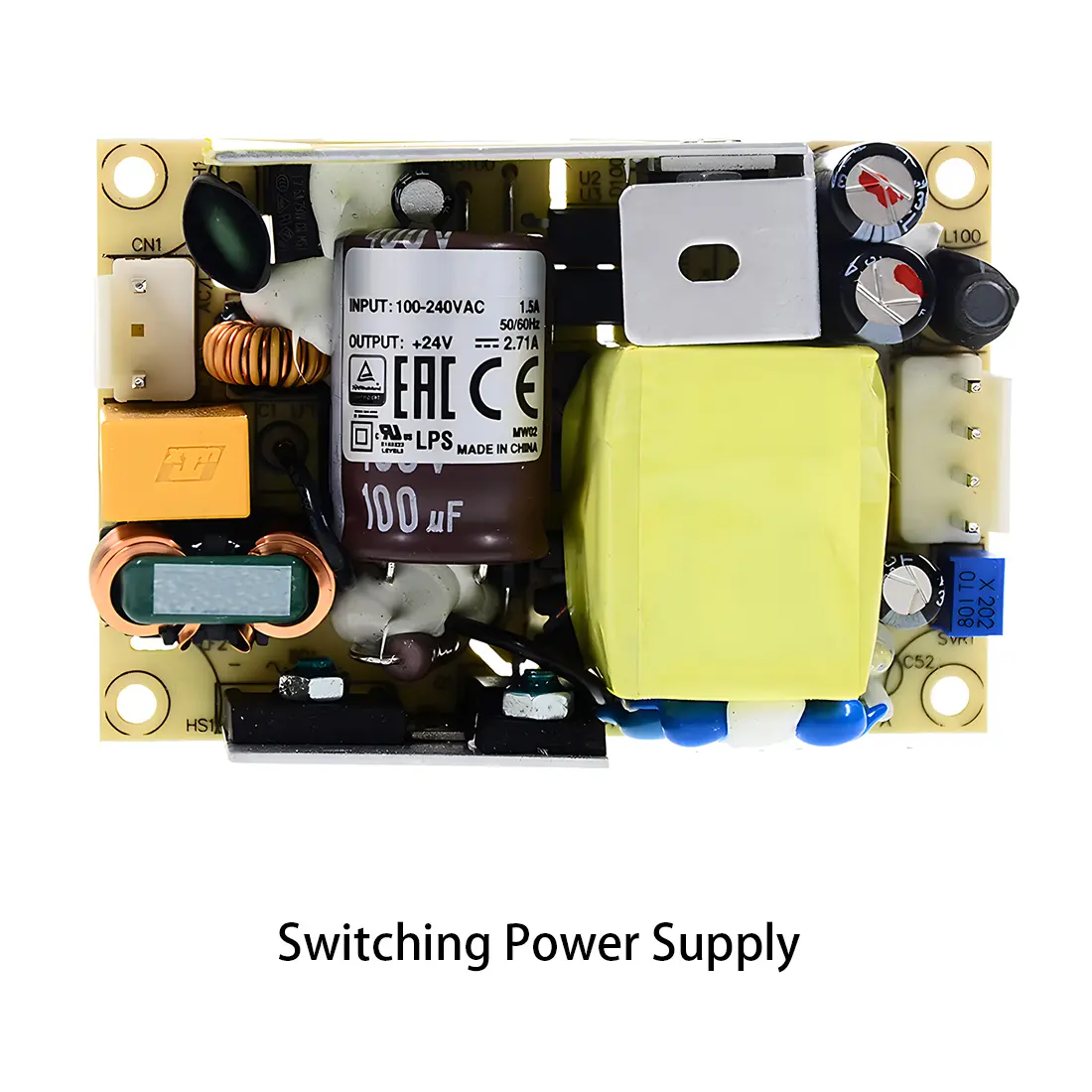 Power Supply PCBA
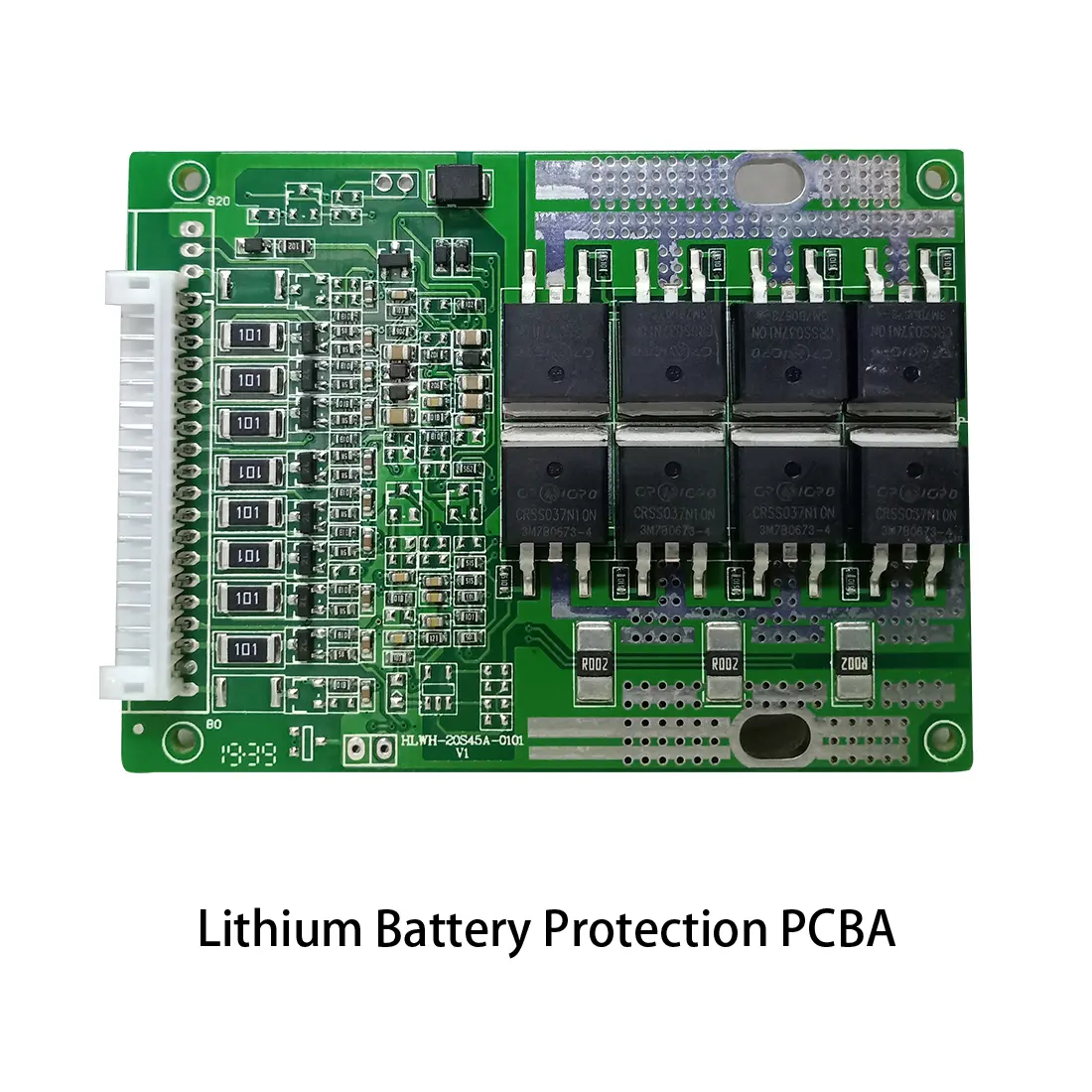 New Energey PCBA
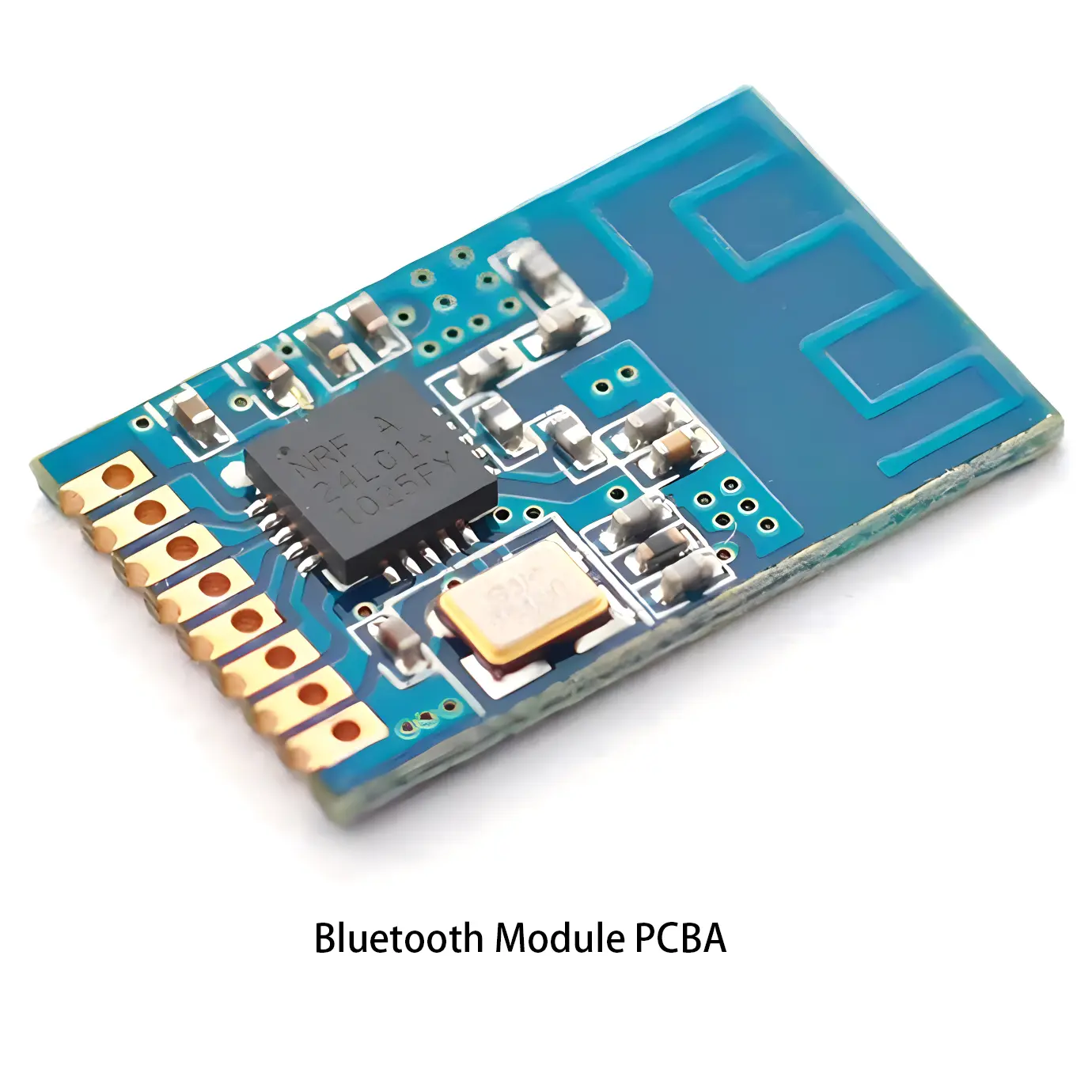 Communication PCBA
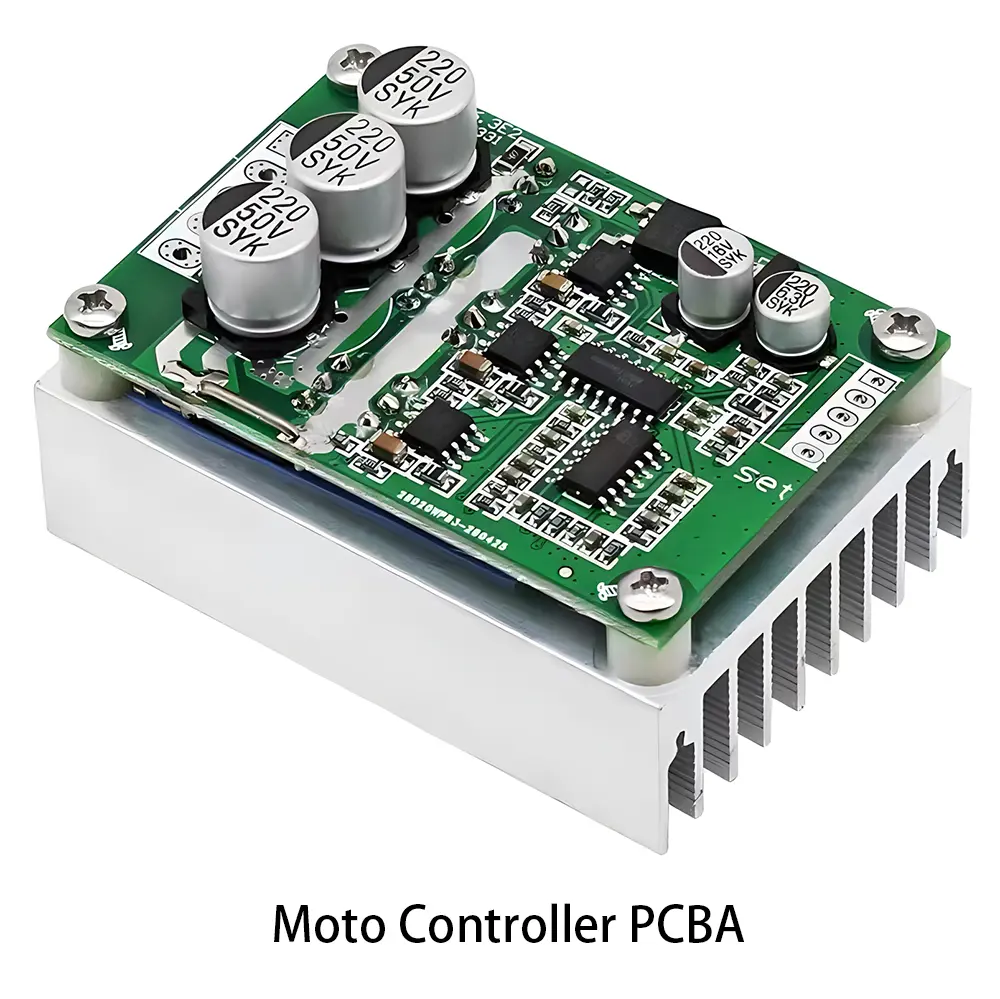 Industrial Control PCBA
 Medical Equipment PCBA
 Testing Service
 PCBA Testing Service
 Certification Application
 RoHS Certification Application
 REACH Certification Application
 CE Certification Application
 FCC Certification Application
 CQC Certification Application
 UL Certification Application
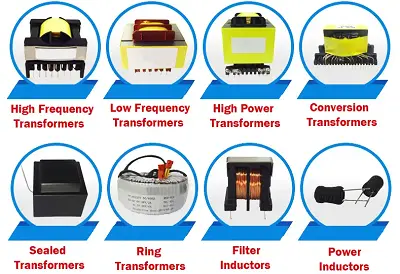 Transformers, Inductors
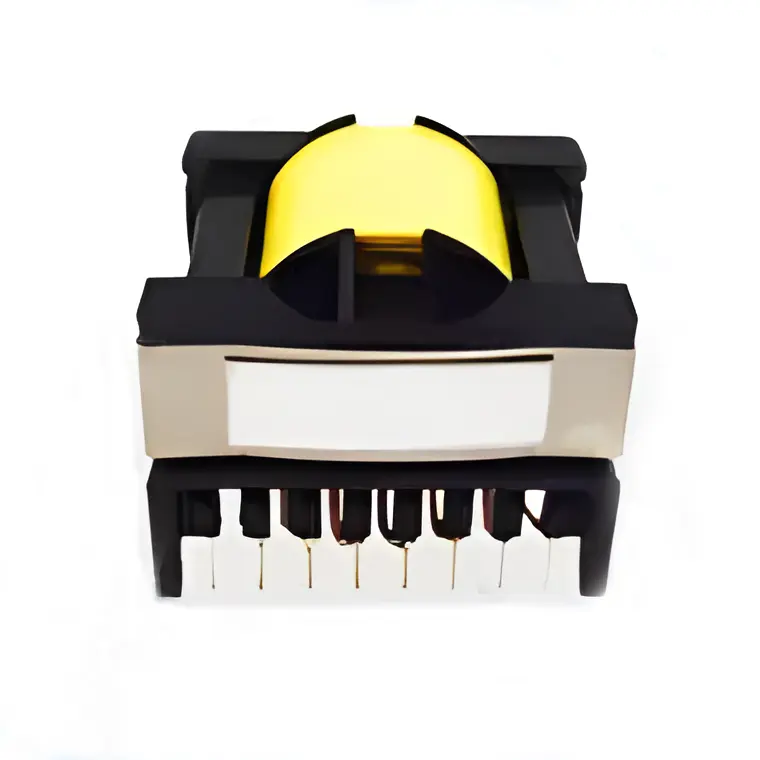 High Frequency Transformers
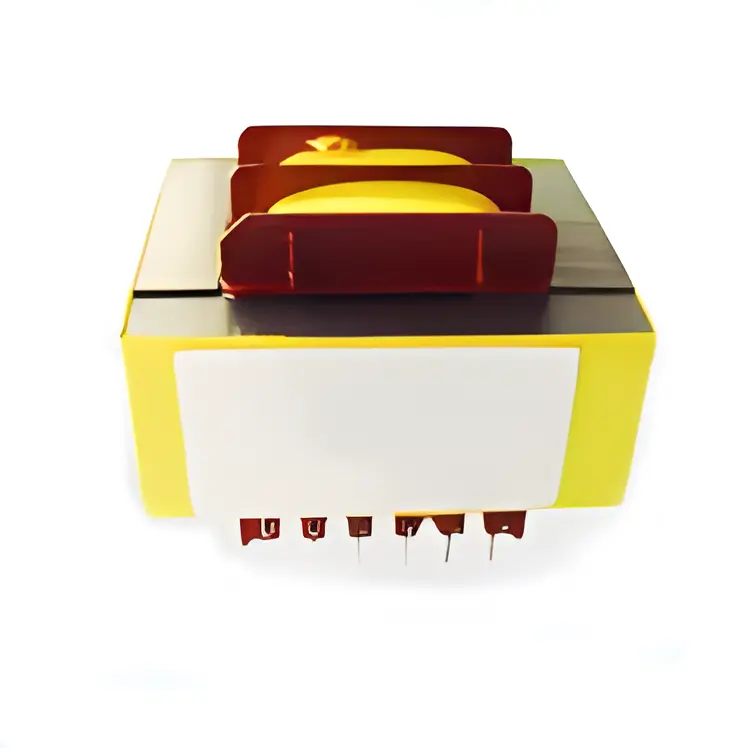 Low Frequency Transformers
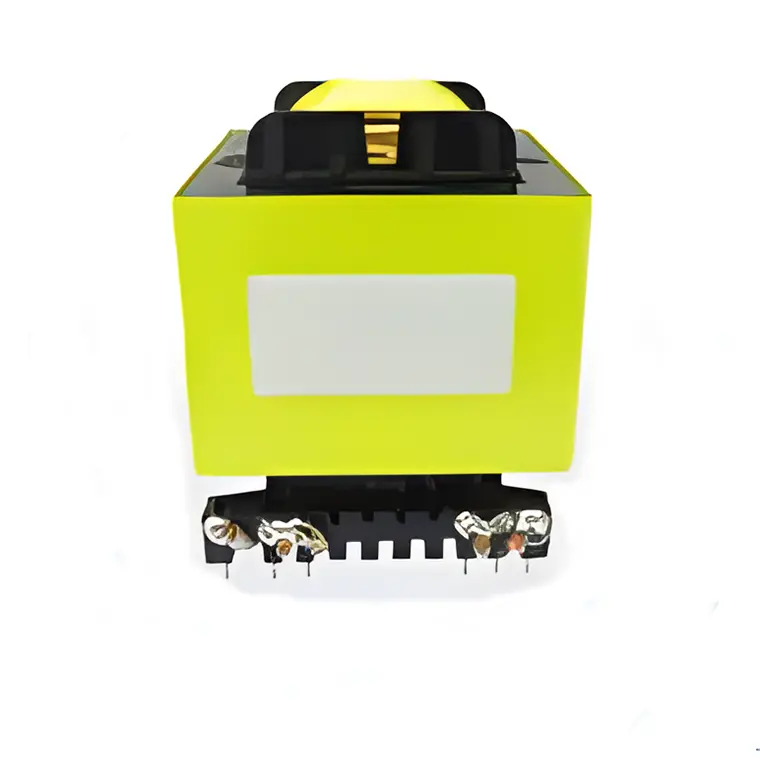 High Power Transformers
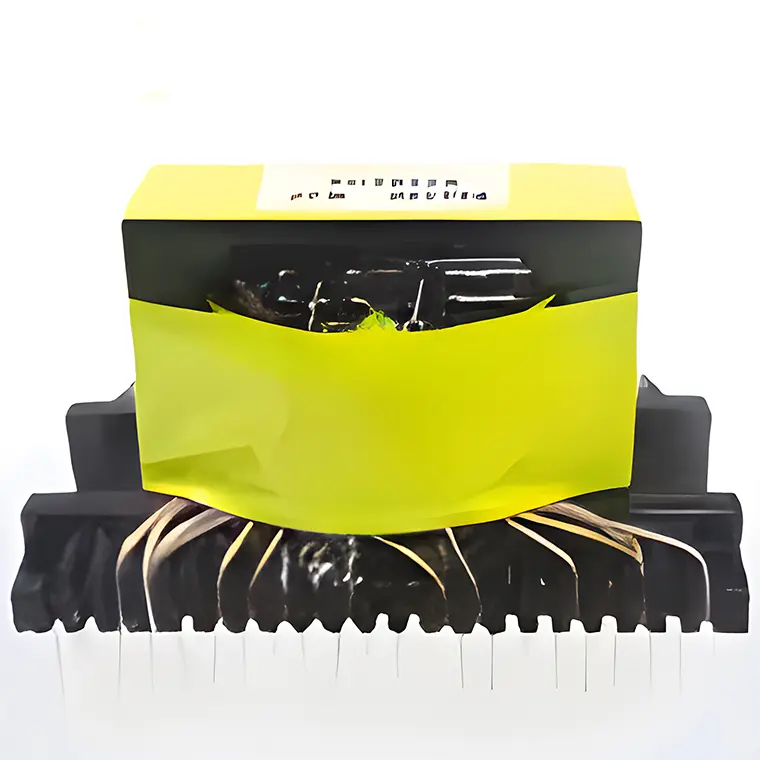 Conversion Transformers
 Sealed Transformers
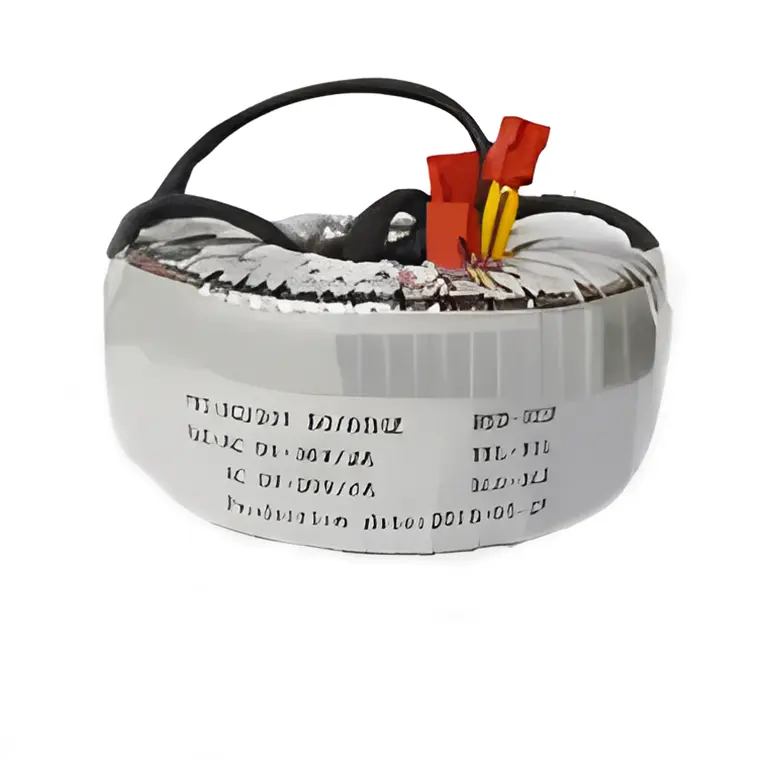 Ring Transformers
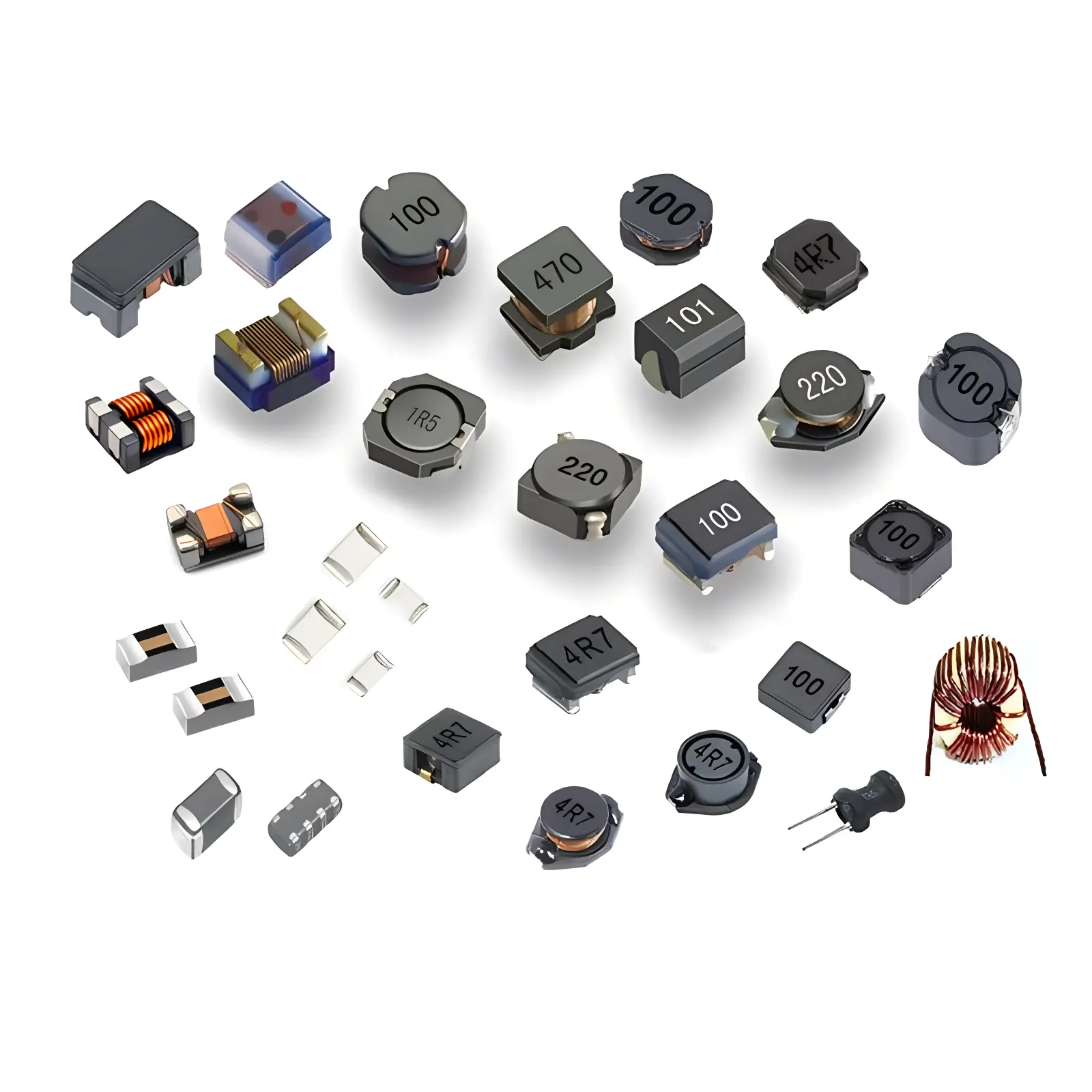 Inductors
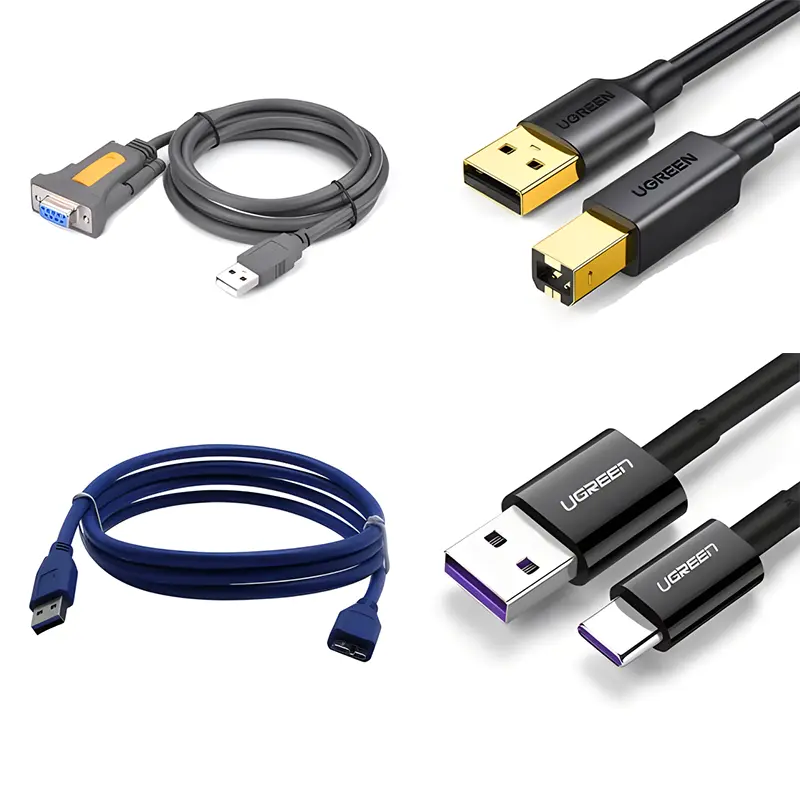 Wires,Cables Customized
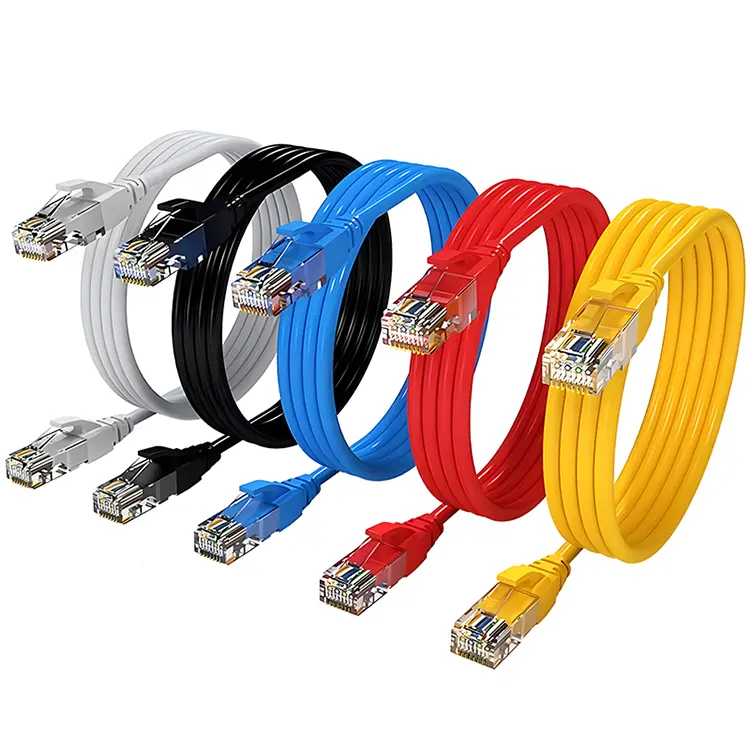 Network Cables
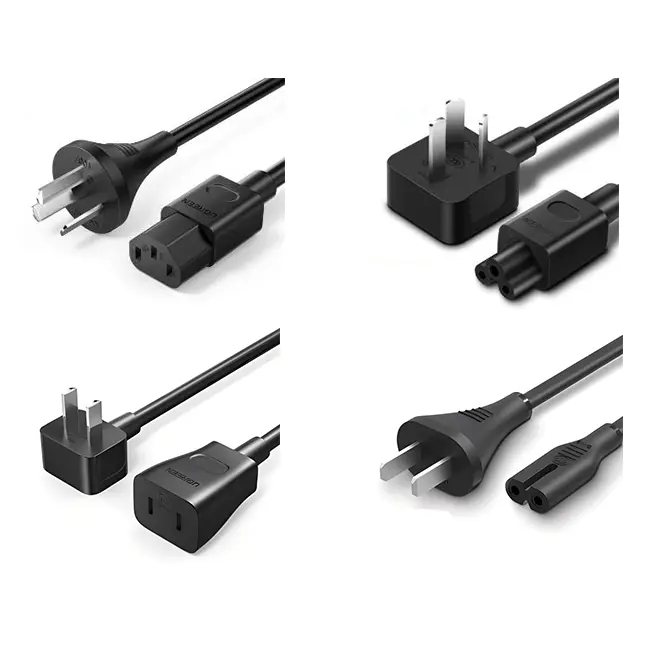 Power Cords
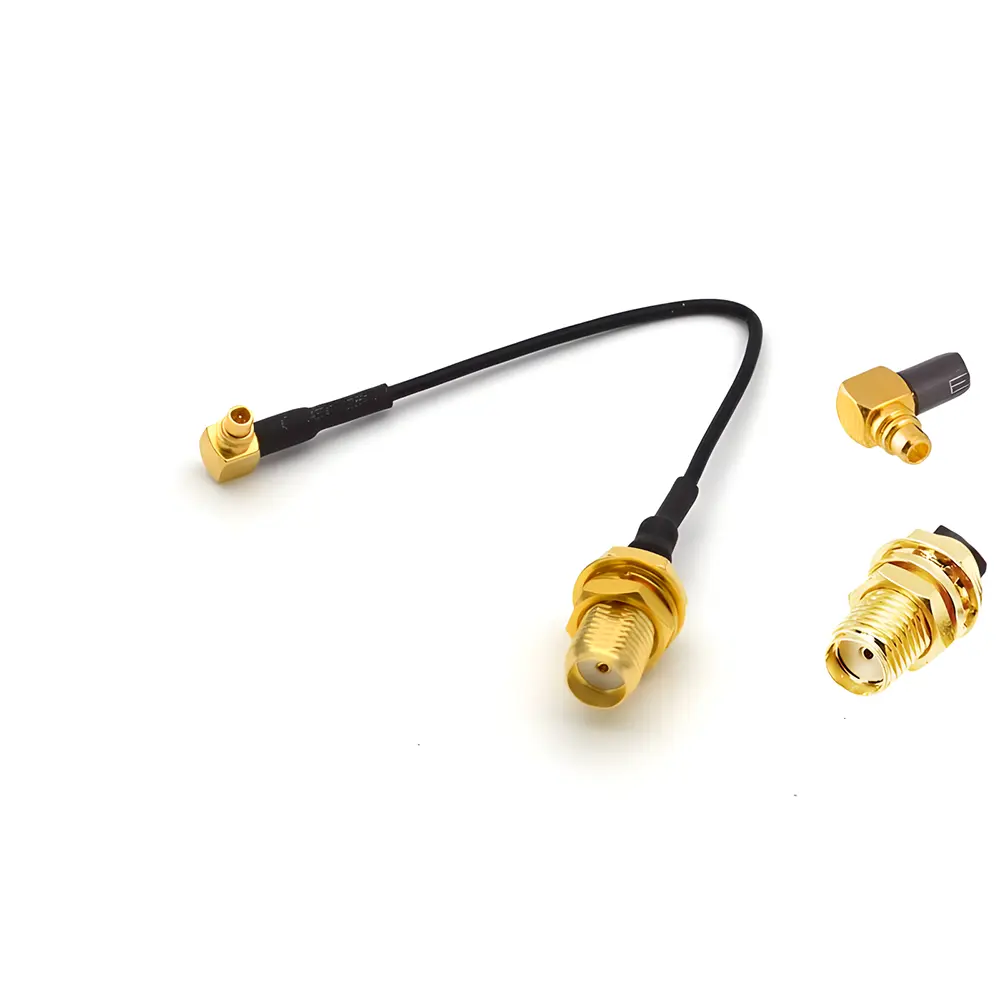 Antenna Cables
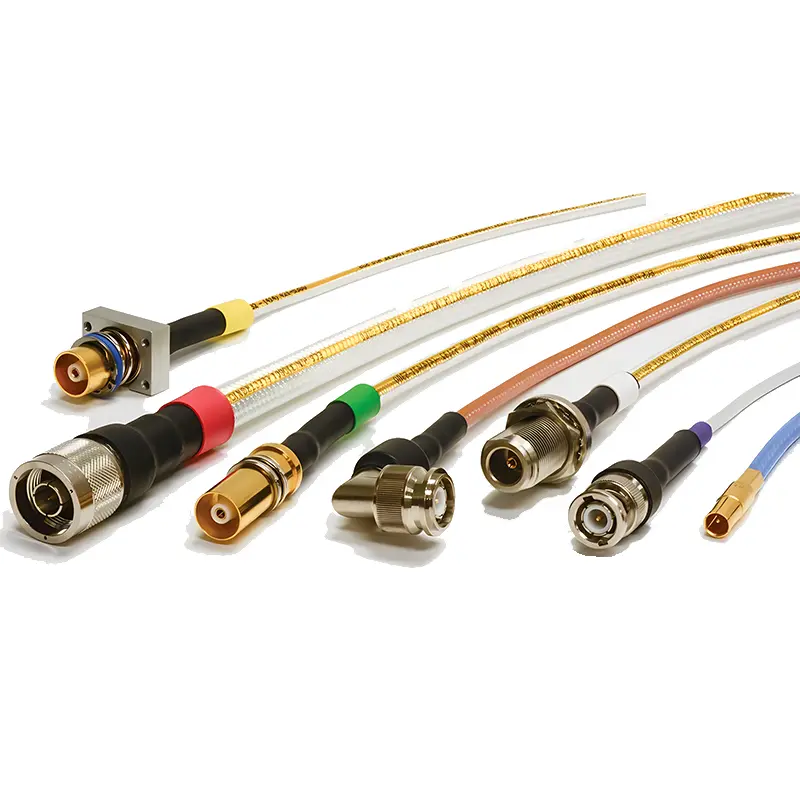 Coaxial Cables
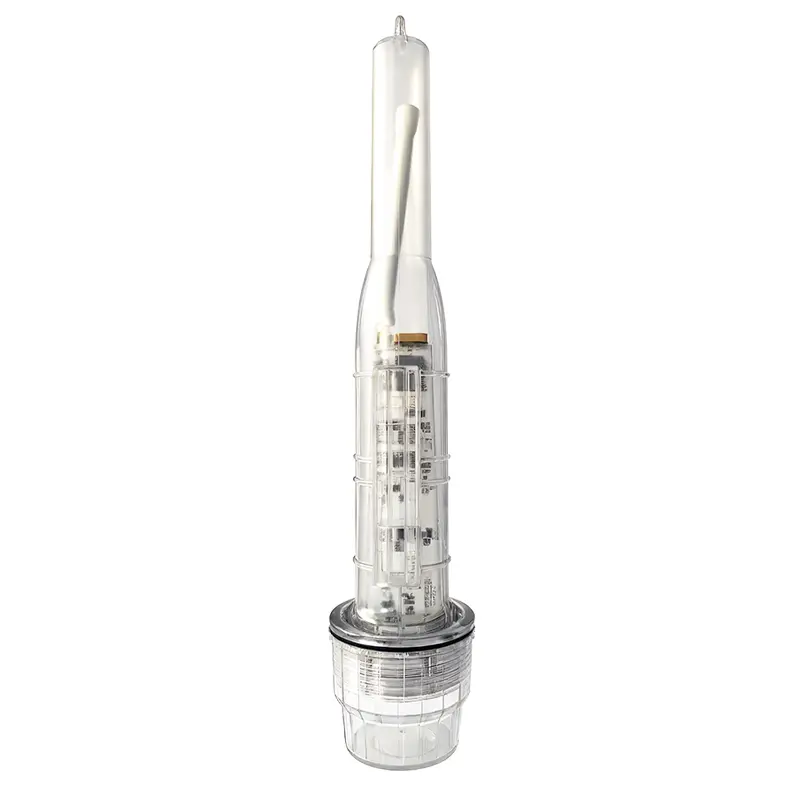 Net Position Indicator
 Solar AIS net position indicator
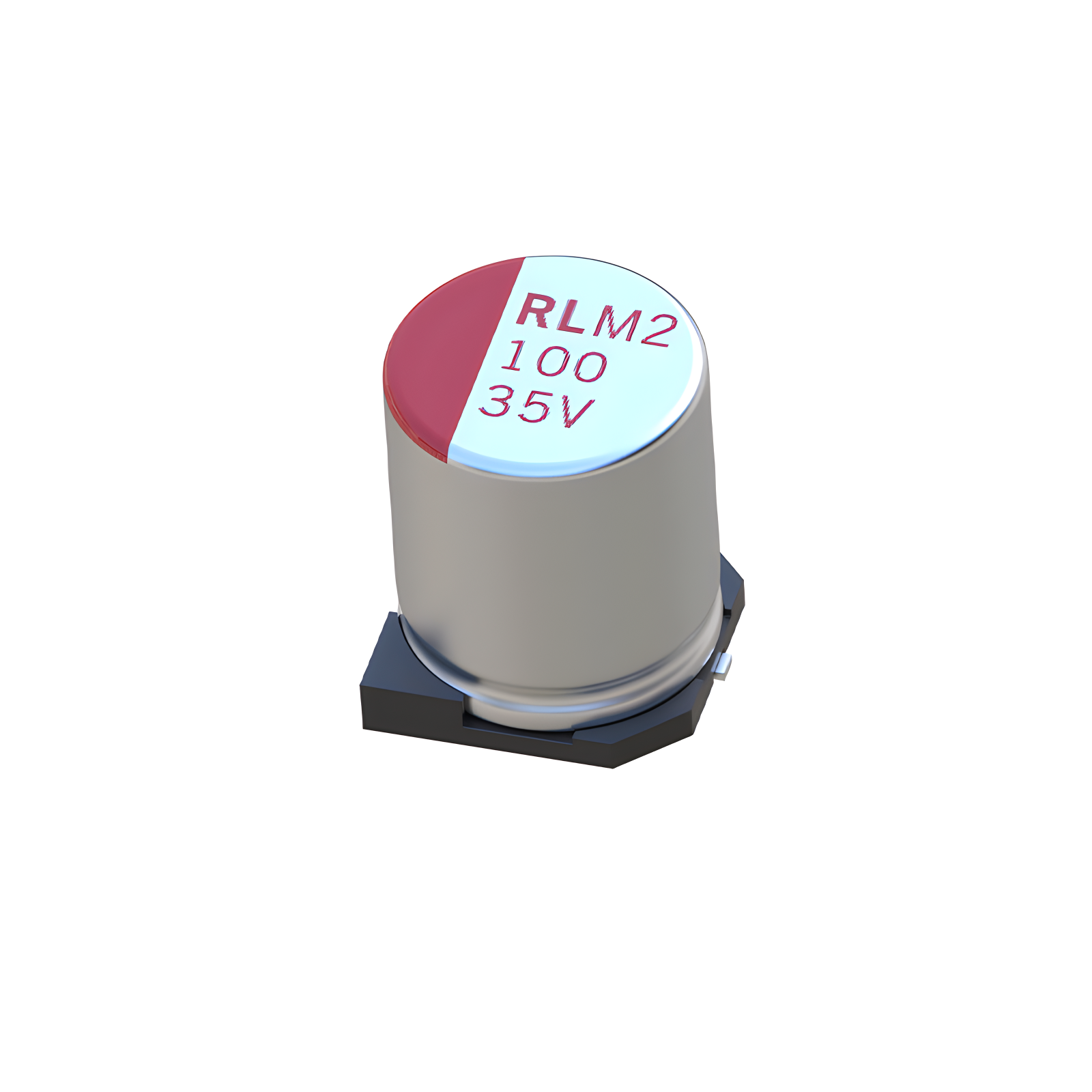 Capacitors
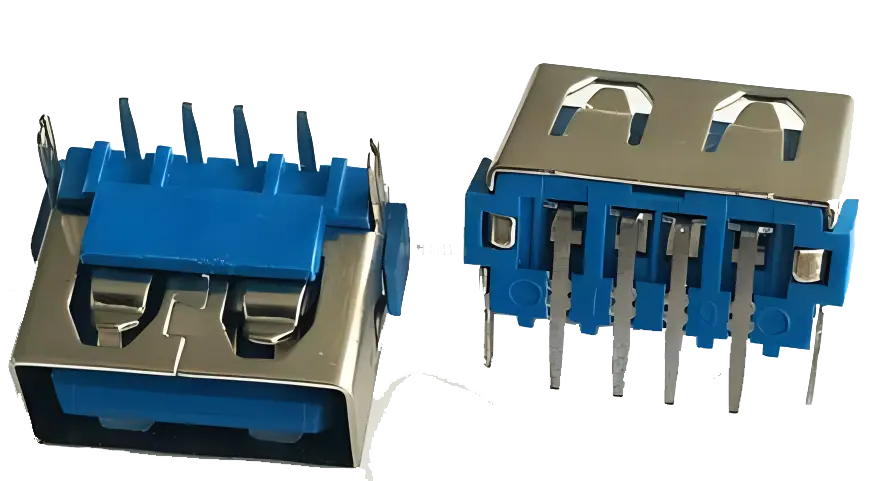 Connectors
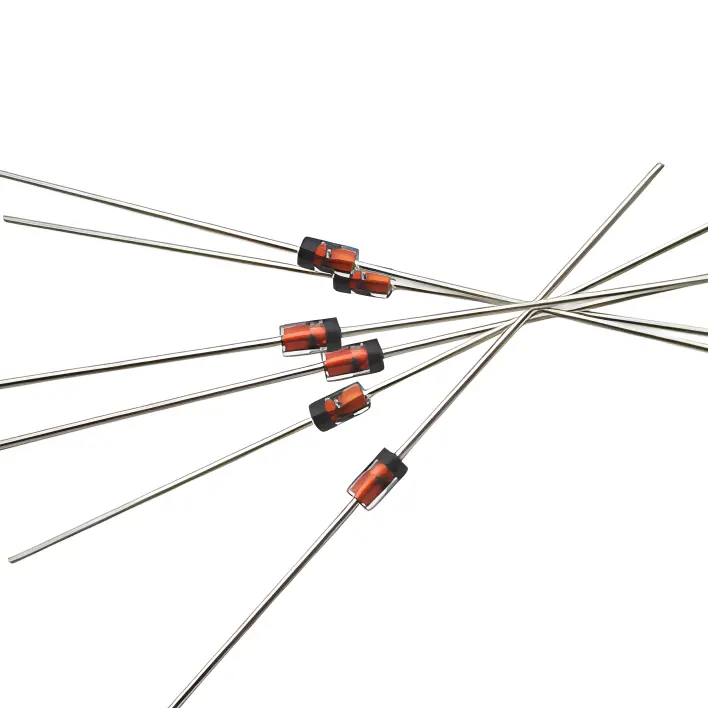 Diodes
 Embedded Processors & Controllers
 Digital Signal Processors (DSP/DSC)
 Microcontrollers (MCU/MPU/SOC)
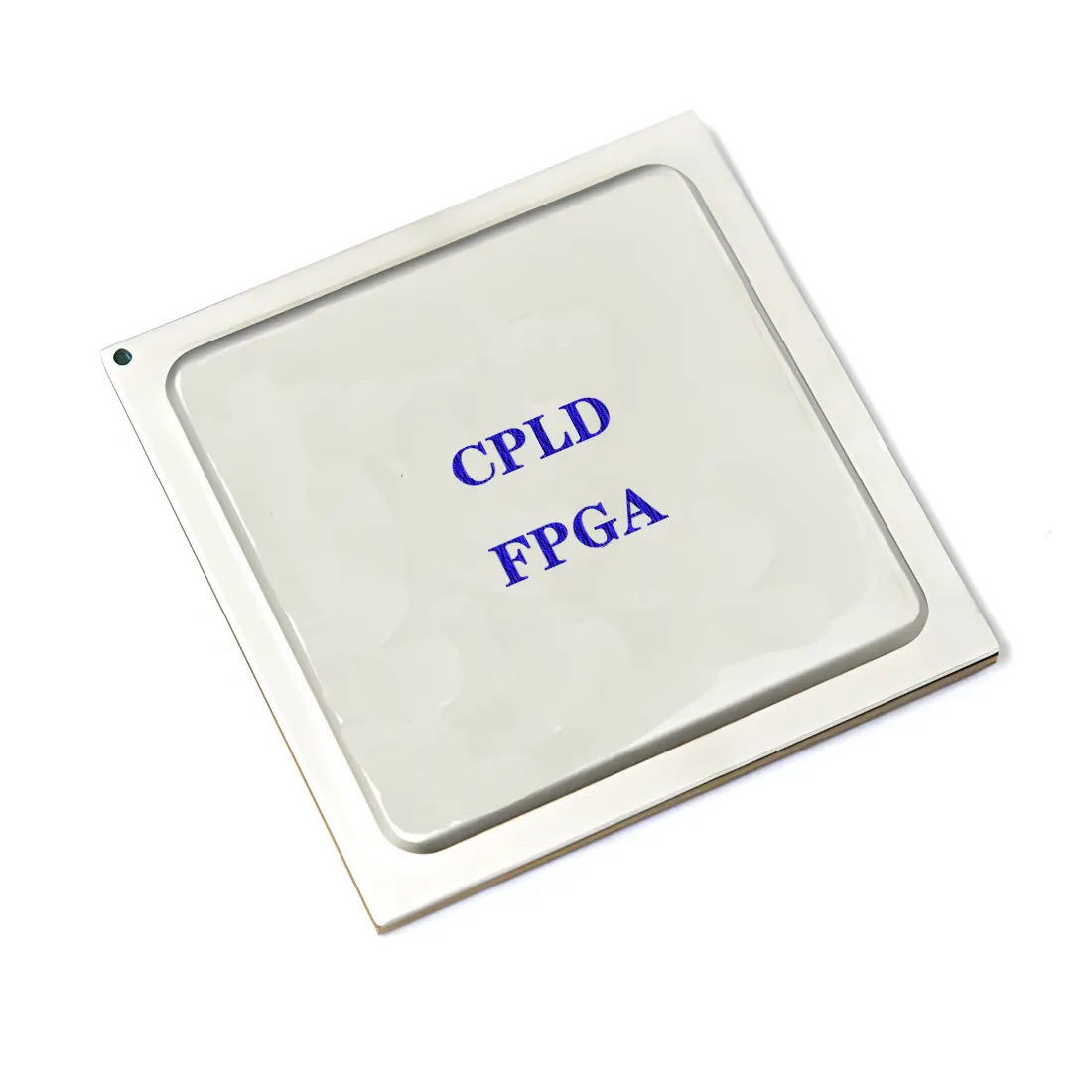 Programmable Logic Device(CPLD/FPGA)
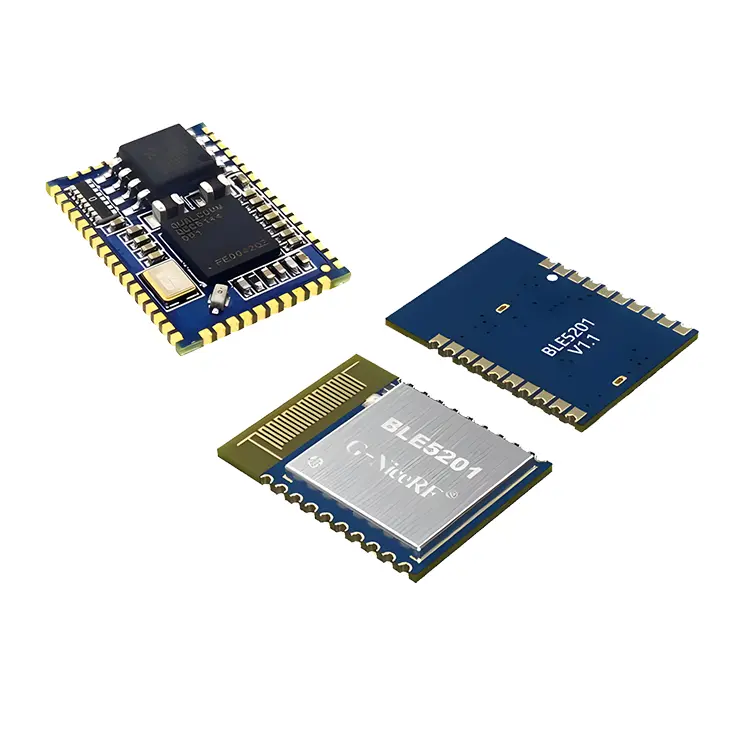 Communication Modules/IoT
 Resistors
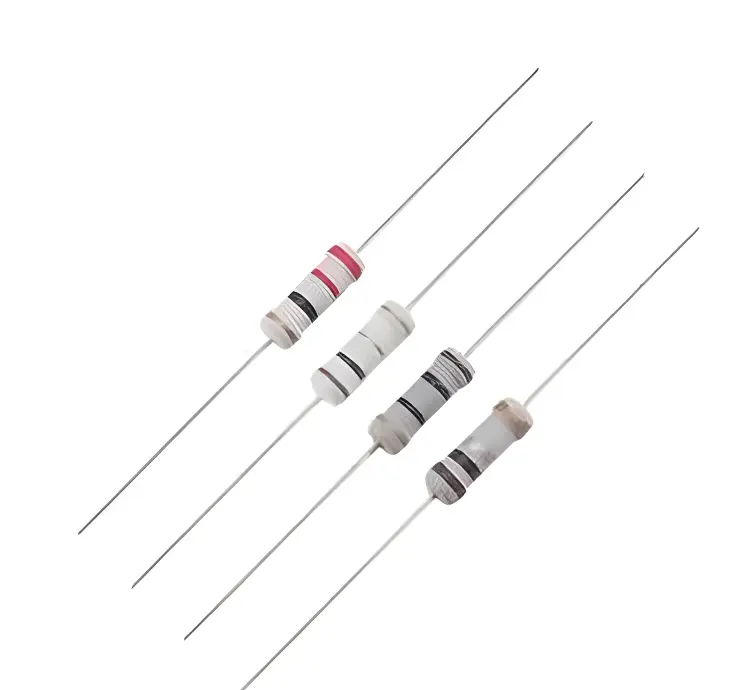 Through Hole Resistors
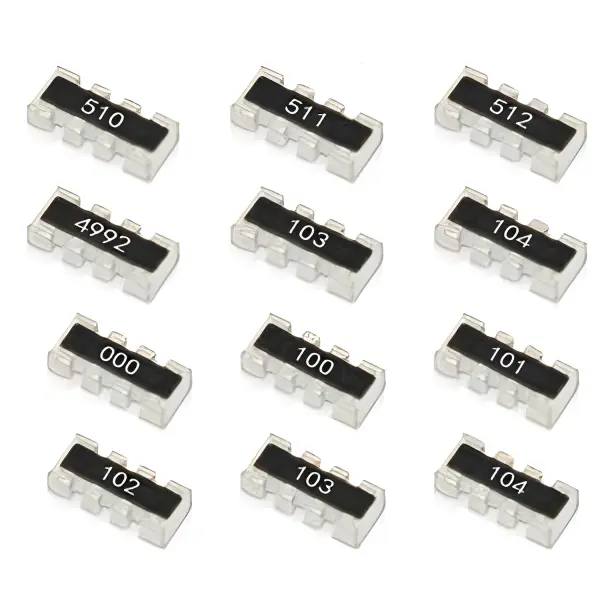 Resistor Networks, Arrays
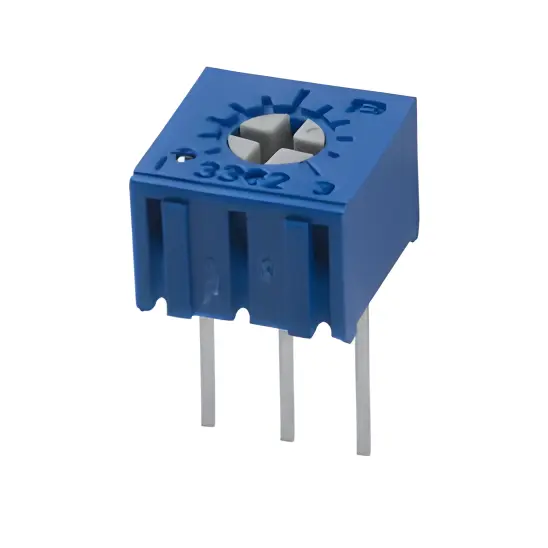 Potentiometers,Variable Resistors
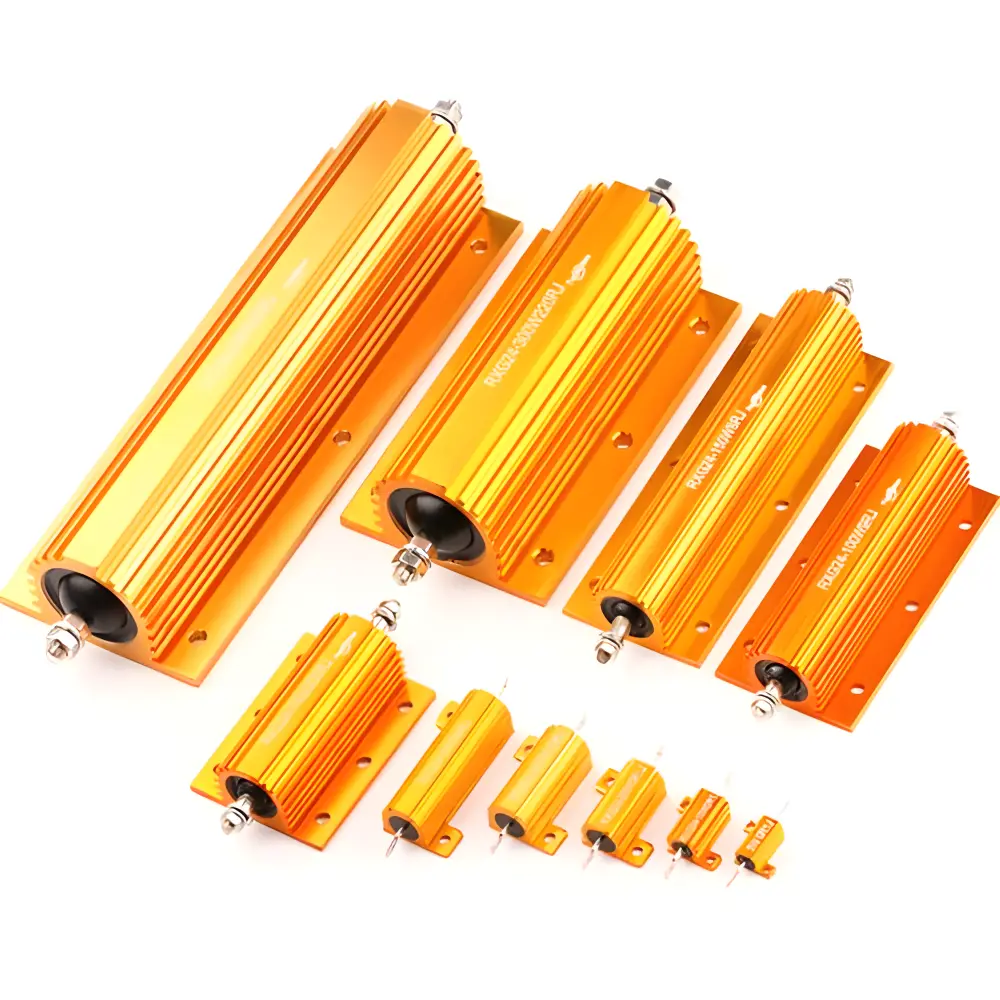 Aluminum Case,Porcelain Tube Resistance
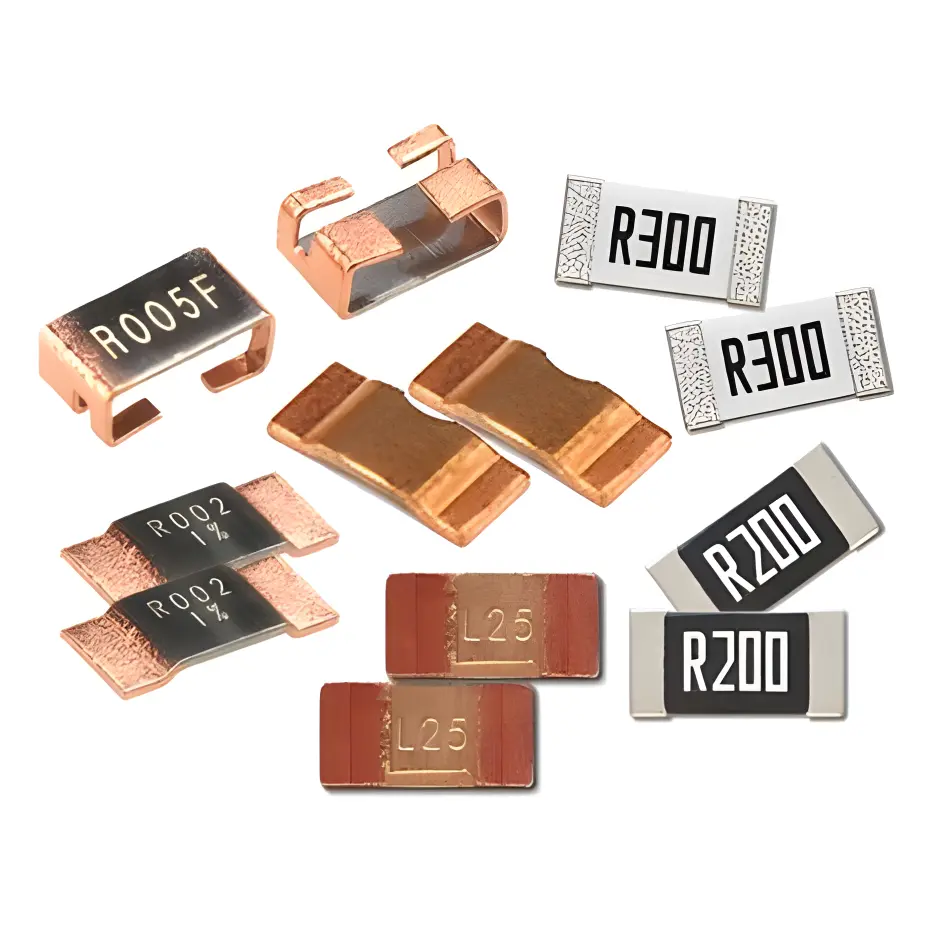 Current Sense Resistors,Shunt Resistors
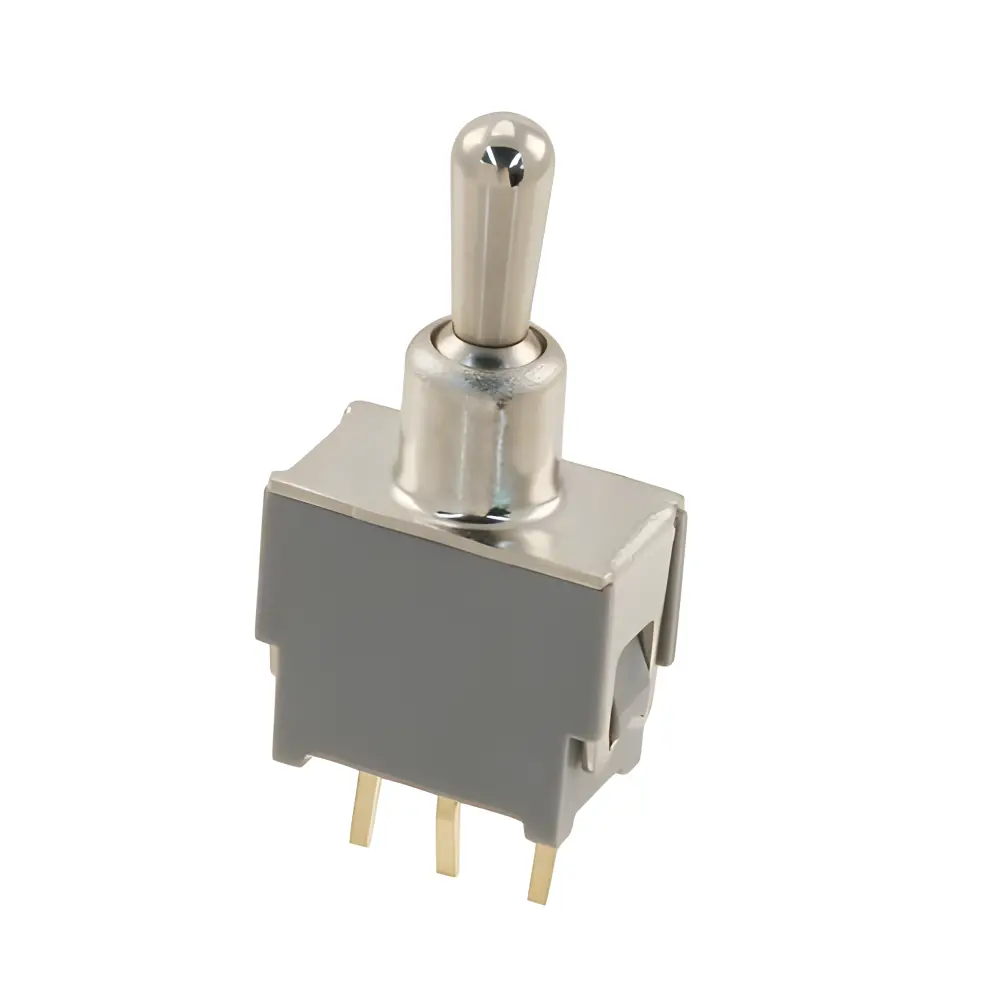 Switches
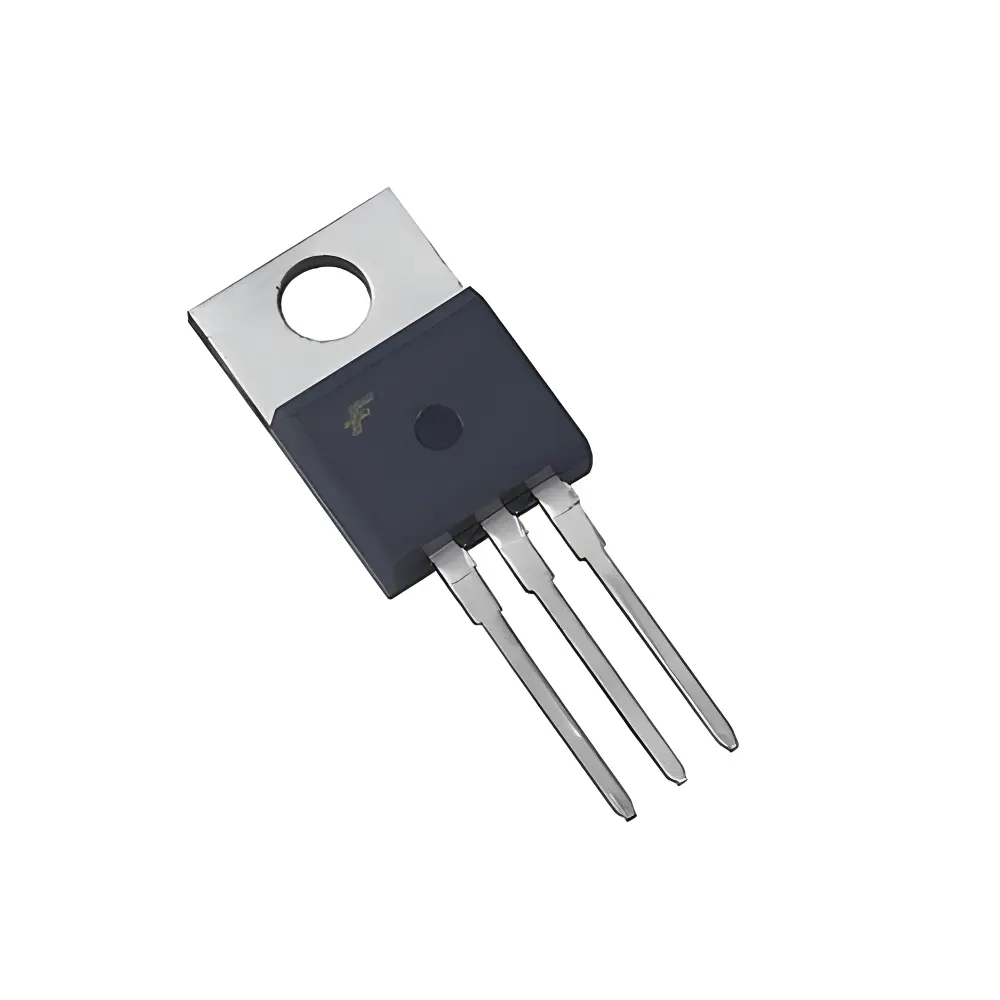 Transistors
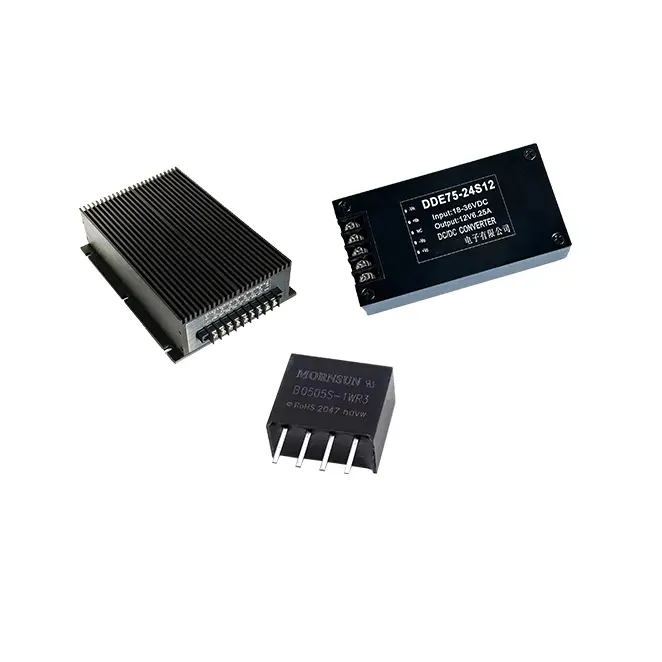 Power Modules
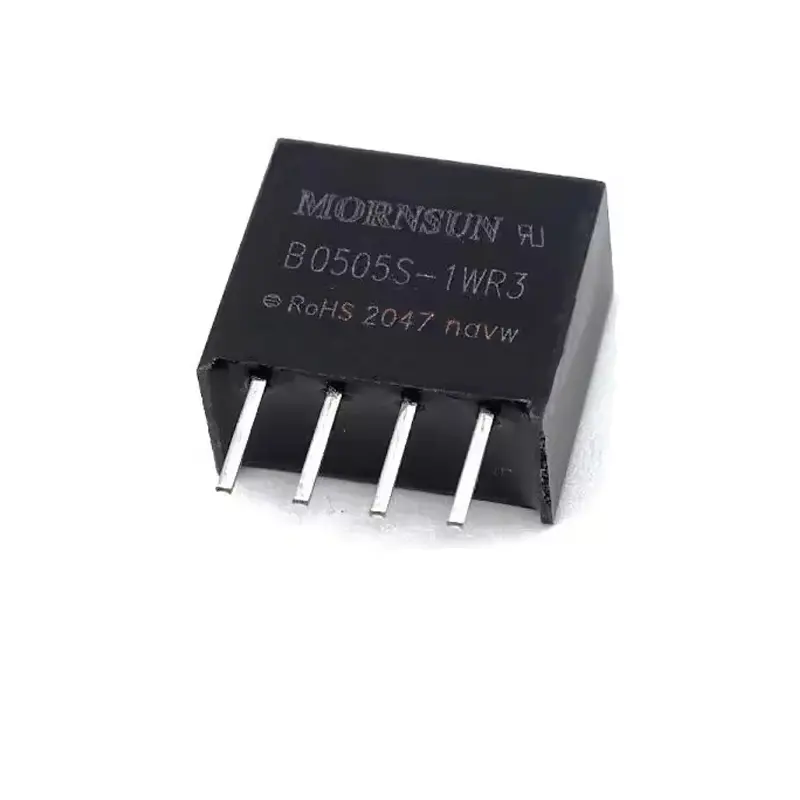 Isolated Power Modules
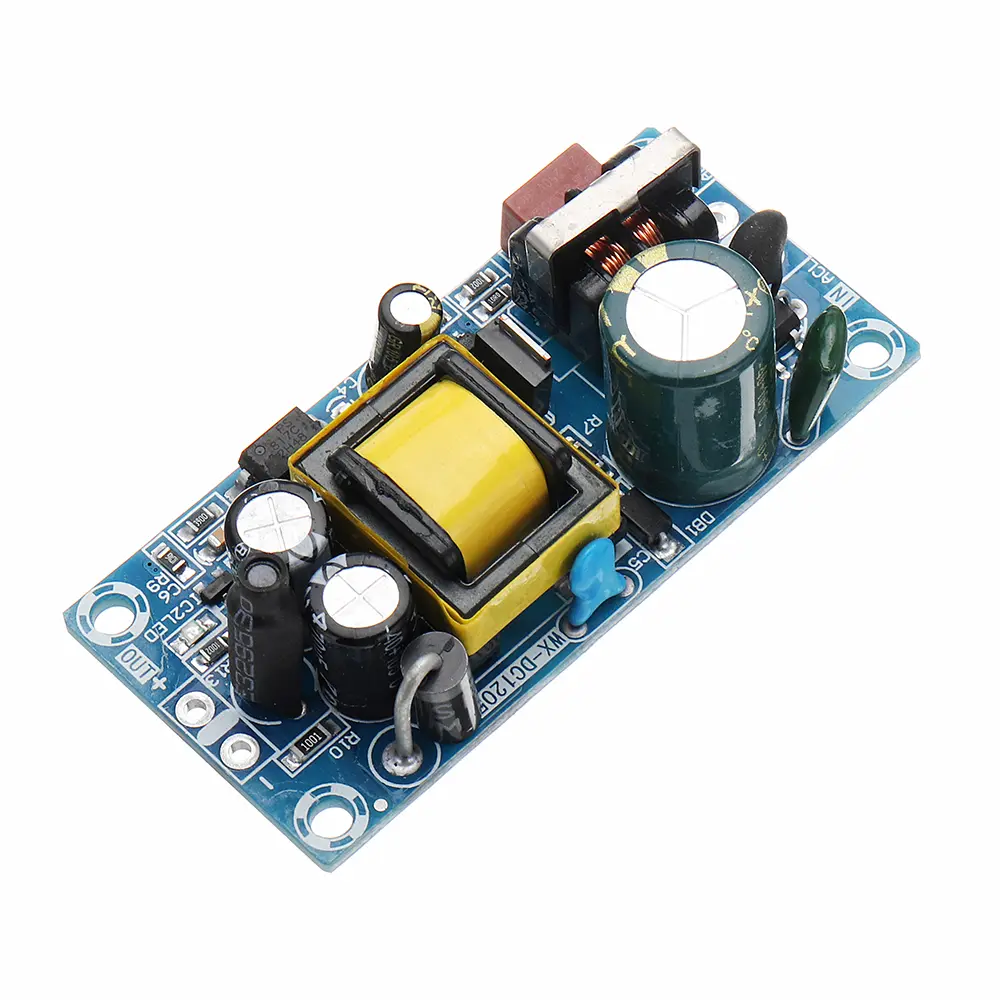 AC-DC Power Modules
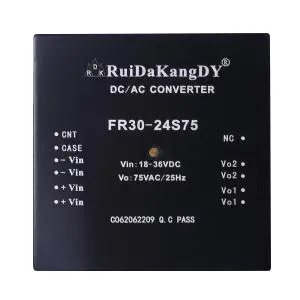 DC-AC Module(Inverter)
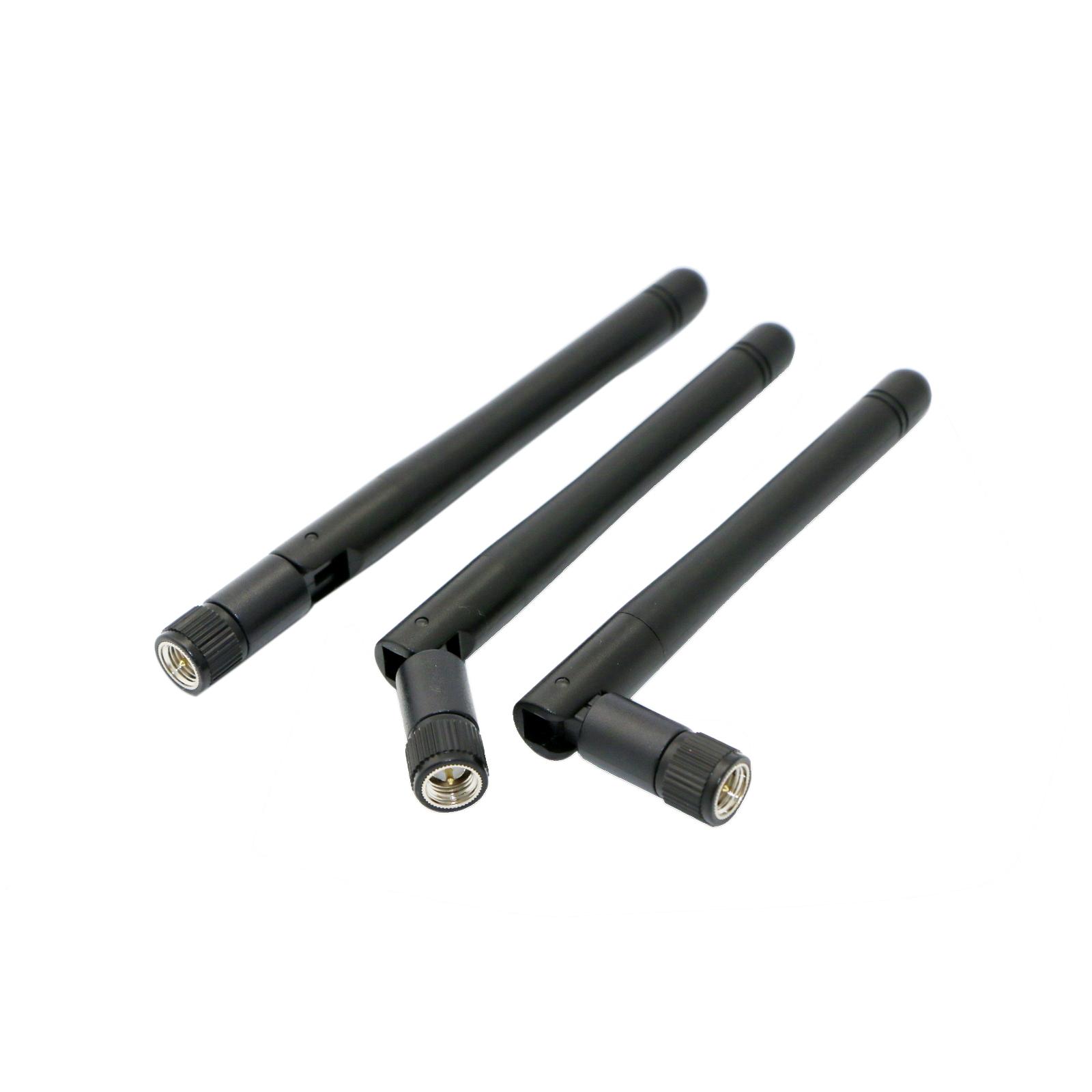 RF and Wireless
Detailed Post-Processing Techniques to Eliminate Edge Curling in Flexible PI Substrates After Cutting
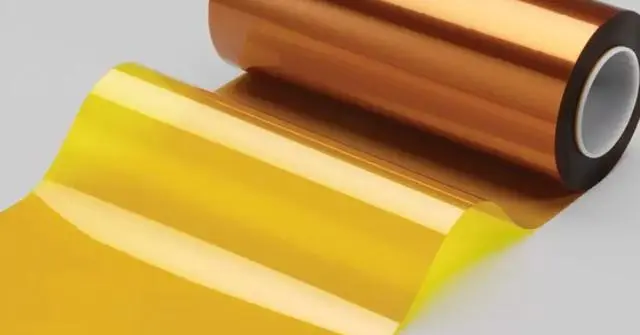
Edge curling in flexible polyimide (PI) substrates after cutting is a common challenge in FPC manufacturing. This defect not only affects the product's appearance but also leads to alignment deviations, poor adhesion, and even conductive circuit fractures during dynamIC bending, severely impacting product reliability and lifespan. This article systematically introduces five effective post-processing techniques to eliminate or mitigate the edge curling issue in PI substrates.
1 Causes and Impacts of Edge Curling
The curling phenomenon essentially results from an imbalance of internal stress within the PI material during the cutting process. Its main causes include:
-
PI Material Characteristics: Polyimide films typically exhibit high hygroscopicity and coefficient of thermal expansion. Localized high temperatures and mechanical stress during cutting alter the internal stress distribution, causing the edges to shrink and curl.
-
Cutting Process Influence:
-
Mechanical Die Cutting: Traditional flat-bed or rotary die cutting generates significant mechanical stress concentration, causing changes in the orientation of PI molecular chains and leading to edge retraction.
-
Laser Cutting: While laser cutting (e.g., using UV nanosecond or infrared picosecond lasers) offers higher precision, the heat-affected zone (HAZ) can still cause degeneration and shrinkage of the edge material.
-
-
Residual Stress Release: Internal stresses accumulated during substrate manufacturing, coating, and heat treatment rebalance after the cutting boundary constraints are removed, triggering curling.
Edge curling has significant negative effects on FPC products: it causes poor adhesion between the coverlay and stiffeners, leading to misalignment in subsequent assembly processes and reducing product yield; in dynamic bending applications, the curled edge becomes a stress concentration point, accelerating fatigue fracture of conductive circuits; for high-density interconnect designs, curling disrupts trace flatness, affecting impedance control accuracy.
2 Plasma Cleaning Treatment
Plasma treatment is a dry physico-chemical process that effectively improves the flatness of the cut edges of PI substrates.
-
Working Principle: A high-frequency electric field ionizes process gases (e.g., argon, oxygen, or nitrogen) into active plasma. These active particles bombard the PI suRFace with a certain energy, achieving dual effects of micro-etching and surface activation. Micro-etching uniformly removes microscopic burrs and molten residue from the cut edges; surface activation increases the surface energy and hydrophilicity of the PI, improving adhesion in subsequent lamination processes.
-
Process Parameters: Typical plasma treatment parameters include power (200-1000W), treatment time (30-120 seconds), gas flow rate (50-200 sccm), and chamber pressure (0.1-1.0 Torr). Parameters need optimization based on the degree of curling and substrate thickness to avoid over-etching and material embrittlement.
-
Treatment Effects: After plasma treatment, the roughness of the PI edges can be reduced by 30%-50%, and surface energy is significantly increased, enhancing the peel strength after coverlay lamination by over 20%. Simultaneously, this treatment cleans the edges, removing organic contaminants and improving product reliability.
3 Laser Remelting Trimming
For curling caused by laser cutting, laser remelting trimming offers a high-precision solution.
-
Trimming Principle: A low-energy-density laser beam scans the cut edge, causing instantaneous melting and reflow of the PI material surface to a micron-level depth. Surface tension allows the molten PI to redistribute evenly, forming a smooth edge upon rapid solidification. This method is particularly suitable for eliminating micro-curling caused by the heat-affected zone.
-
Process Parameters: UV nanosecond lasers (e.g., 10W) or infrared picosecond lasers (e.g., 5W) are used for trimming. By precisely controlling energy density (typically lower than the cutting energy) and scanning speed, controlled remelting is achieved. The focused laser spot diameter is only tens of micrometers, meeting the trimming requirements for high-precision circuit boards.
-
Implementation Points: The trimming process should be conducted under an inert gas atmosphere to prevent material oxidation; a scanning galvanometer system enables high-speed processing of complex contours; real-time vision inspection ensures the trimming path accurately follows the cut edge.
4 Chemical Polishing and Etching
Chemical polishing achieves micro-etching of PI edges through liquid-phase reactions, making it an effective method for handling complex geometries.
-
Mechanism of Action: Specialized chemical solutions (typically containing dimethyl sulfoxide, potassium hydroxide, or specific amine compounds) selectively corrode the imide bonds in PI molecules, preferentially removing protrusions and burrs in the edge area to form a smooth transition edge. Chemical polishing can simultaneously eliminate the affected layers of both mechanical and thermal stress.
-
Solution Formulation: Chemical polishing solutions for PI materials require precise control of component concentration, temperature, and processing time. A typical formulation includes: 20%-30% dimethyl sulfoxide, 5%-10% potassium hydroxide, with the remainder being deionized water. The operating temperature is maintained at 40-60°C, with a processing time of 30-90 seconds.
-
Process Flow: Includes chemical immersion, ultrasonic assistance, rinsing and neutralization, and drying. Ultrasonic assistance improves etching uniformity; subsequent rinsing must be thorough to prevent residual chemicals from corroding the substrate; finally, staged drying (low temperature first, then medium temperature) avoids stress regeneration.
5 Coverlay Lamination Treatment
Coverlay lamination is the most commonly used method for correcting edge curling, permanently fixing the curled edges through hot pressing.
-
Function of Coverlay: The coverlay, typically made of polyimide with a general thickness of 25μm, is bonded to the substrate through a hot lamination process. The adhesive strength and mechanical constraint provided by the coverlay effectively suppress the curling tendency of the cut edges, keeping them flat.
-
Lamination Process: Key parameters include pressure (controlled at 5-8 kgf/cm²), temperature (accurate to ±1°C), and lamination time. Specially designed positioning pins ensure the misalignment between the coverlay and the circuit pattern is less than ±25μm. Slow cooling after pressing is necessary to prevent new curling due to thermal stress.
-
Quality Control: After lamination, the bonding quality between the coverlay and the substrate must be inspected, focusing on the adhesion at the edge areas to ensure no delamination or bubbles. X-ray inspection equipment (with resolution up to 5μm) can be used for 100% inspection to ensure the coverlay completely covers the cut edges.
6 Stiffener Reinforcement Application
In areas with severe curling or stress concentration points, stiffeners provide local reinforcement, mechanically inhibiting curling and dispersing stress.
-
Stiffener Selection: Suitable stiffening materials are selected based on application requirements, such as PI stiffeners, PET stiffeners, metal or resin stiffeners, etc. PI stiffeners have a thermal expansion coefficient similar to the substrate, minimizing thermal stress; metal stiffeners provide higher mechanical strength.
-
Mounting Process: Acrylic adhesive is used to bond the stiffener to the substrate, requiring a peel strength of 0.05 N/mm². The stiffener edges should be chamfered to R0.3mm to prevent stress concentration. During mounting, ensure the stiffener completely covers the curled edge area and provides uniform support pressure.
-
Design Points: Stiffeners should be designed at bending stress concentration areas (e.g., near connectors) and areas with severe curling, with a width generally not less than 1.5mm. For dynamic bending applications, stiffeners should not cross the bending axis to avoid affecting flexibility.
7 Process Selection and Quality Control
7.1 Process Selection Guide
Depending on the application scenario and the degree of curling, the following selection guide can be referred to:
| Degree of Curling | Recommended Process | Applicable Scenarios | Advantages |
|---|---|---|---|
| Slight Curling (<50μm) | Plasma Cleaning | High-frequency signal transmission, fine-line products | Dry process, non-contact, improves adhesion |
| Heat-Affected Zone Curling | Laser Remelting Trimming | Laser-cut products, high-precision contours | High precision, high automation, edge sealing |
| Mechanical Stress Curling | Chemical Polishing | Complex geometries, thick substrate products | Isotropic etching, thorough stress release |
| Moderate to Severe Curling | Coverlay Lamination + Stiffener | Most FPC applications, especially dynamic bending situations | Permanent effect, provides comprehensive protection |
7.2 Quality Inspection and Reliability Testing
After processing, strict quality inspection and reliability assessment are necessary:
-
2D/3D Topography Analysis: Use laser confocal microscopy or white light interferometry to quantify the edge curl height, requiring the post-processed curl height to be less than 10% of the substrate thickness.
-
Adhesion Test: Assess the bond strength between the coverlay and the substrate edge via tape peel tests, requiring no delamination.
-
Environmental Reliability Testing:
-
Temperature Cycling Test: After 1000 cycles from -55°C to +125°C, the edges should show no delamination or cracking.
-
Bending Endurance Test: After 10^6 bending cycles, the resistance change rate should be less than 5%, with no abnormalities at the edges.
-
-
Electrical Performance Verification: For high-frequency applications, test the impedance stability and signal integrity after processing to ensure edge flatness does not affect electrical performance.
The edge curling issue in flexible PI substrates after cutting can be effectively resolved through various post-processing techniques. Plasma cleaning is suitable for slight curling and surface activation; laser remelting targets the heat-affected zone of laser cutting; chemical polishing thoroughly eliminates the stress-affected layer; coverlay lamination is the most versatile method for suppressing curling; and stiffeners provide additional reinforcement in local high-stress areas. In actual production, multiple processes are often combined based on product requirements, such as "plasma cleaning + coverlay lamination" or "chemical polishing + stiffener" strategies, to achieve optimal results. By optimizing the parameters of these post-processing techniques and implementing strict quality control, the reliability and service life of FPC products can be significantly enhanced, meeting the increasing demands for high reliability in flexible electronics used in wearable devices, medical equipment, automotive electronics, and other fields.