
 PCB
PCB FPC
FPC Rigid-Flex
 FR-4
FR-4 HDI PCB
 Rogers High-Frequency Board
 PTFE Teflon High-Frequency Board
 Aluminum
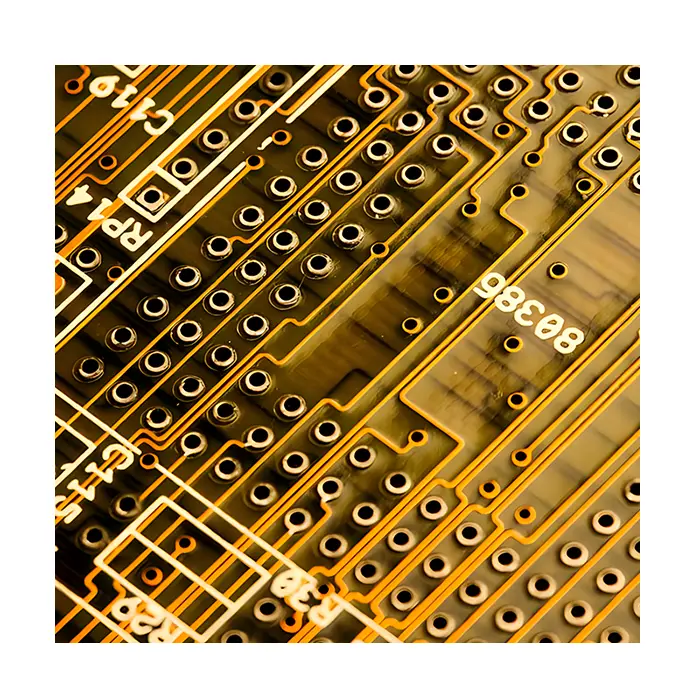 Copper Core
 PCB Assembly
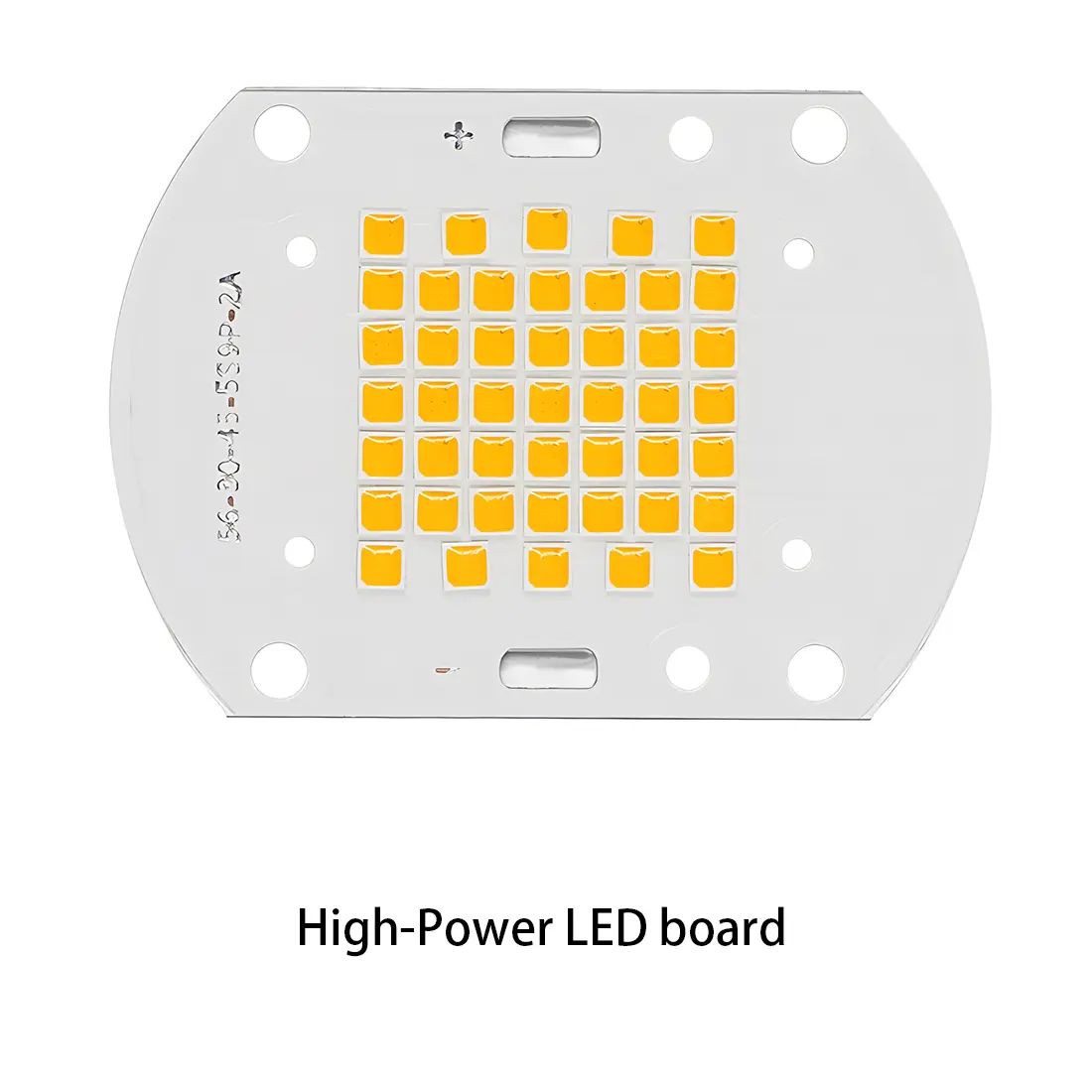 LED light PCBA
 Memory PCBA
 Power Supply PCBA
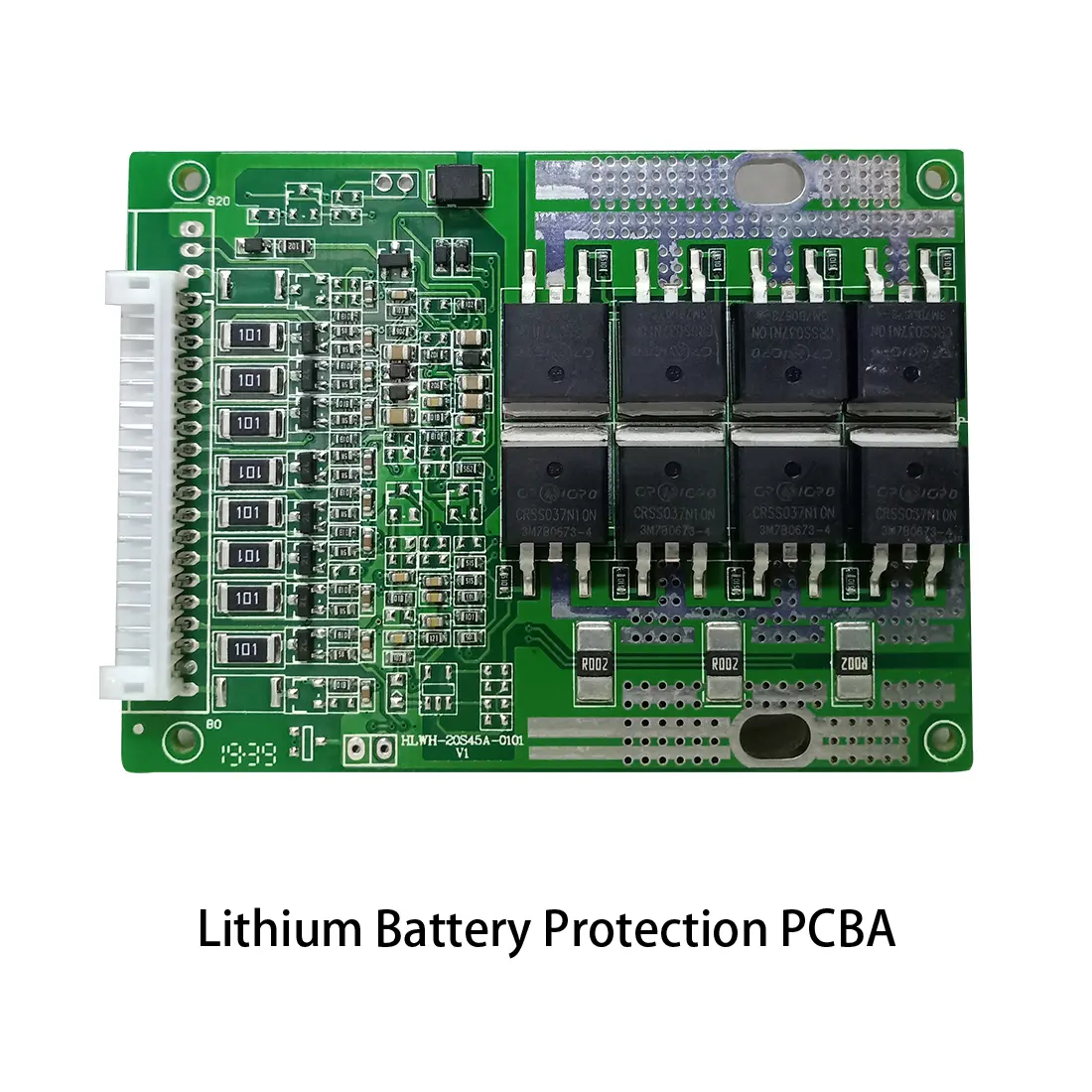 New Energey PCBA
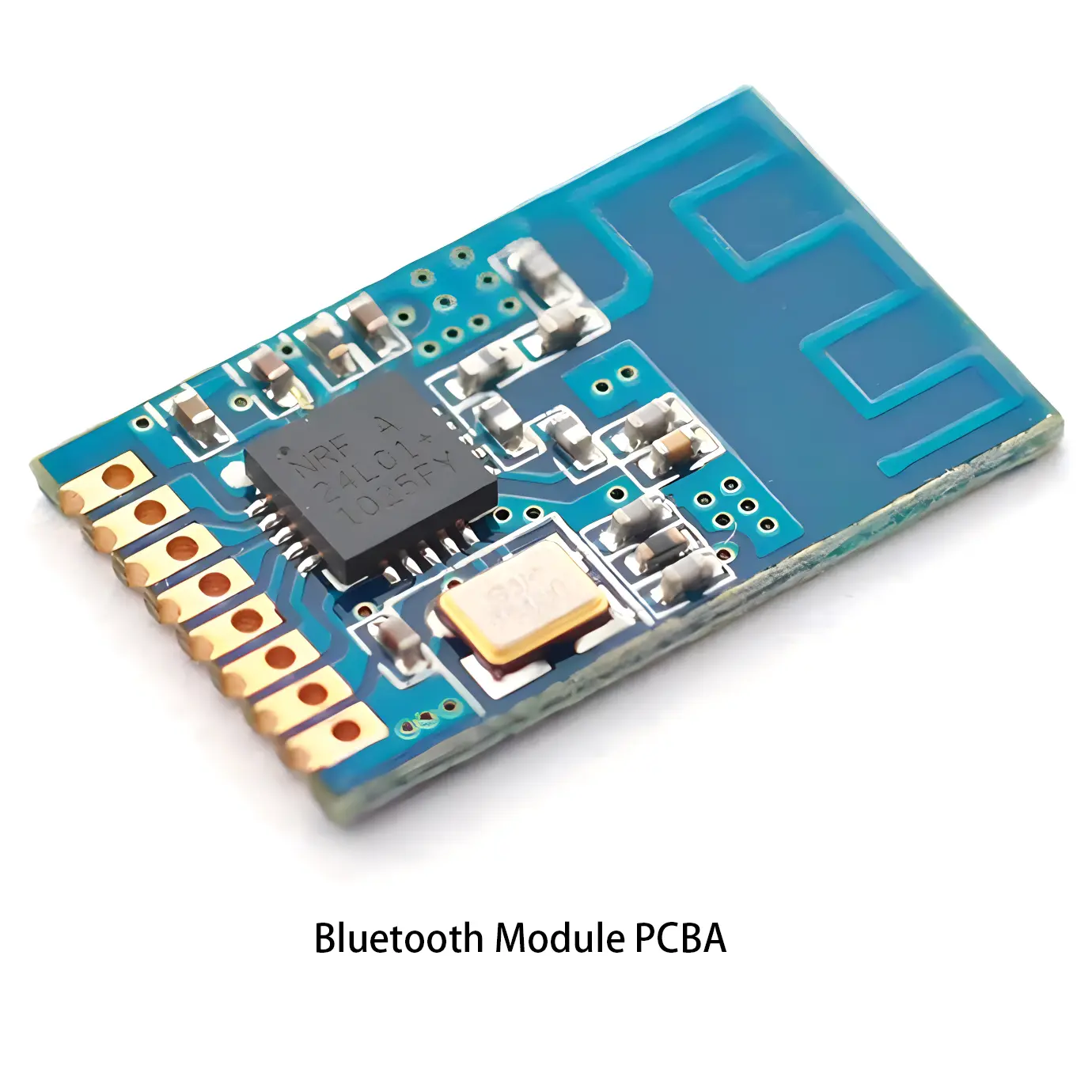 Communication PCBA
 Industrial Control PCBA
 Medical Equipment PCBA
 Testing Service
 PCBA Testing Service
 Certification Application
 RoHS Certification Application
 REACH Certification Application
 CE Certification Application
 FCC Certification Application
 CQC Certification Application
 UL Certification Application
 Transformers, Inductors
 High Frequency Transformers
 Low Frequency Transformers
 High Power Transformers
 Conversion Transformers
 Sealed Transformers
 Ring Transformers
 Inductors
 Wires,Cables Customized
 Network Cables
 Power Cords
 Antenna Cables
 Coaxial Cables
 Net Position Indicator
 Solar AIS net position indicator
 Capacitors
 Connectors
 Diodes
 Embedded Processors & Controllers
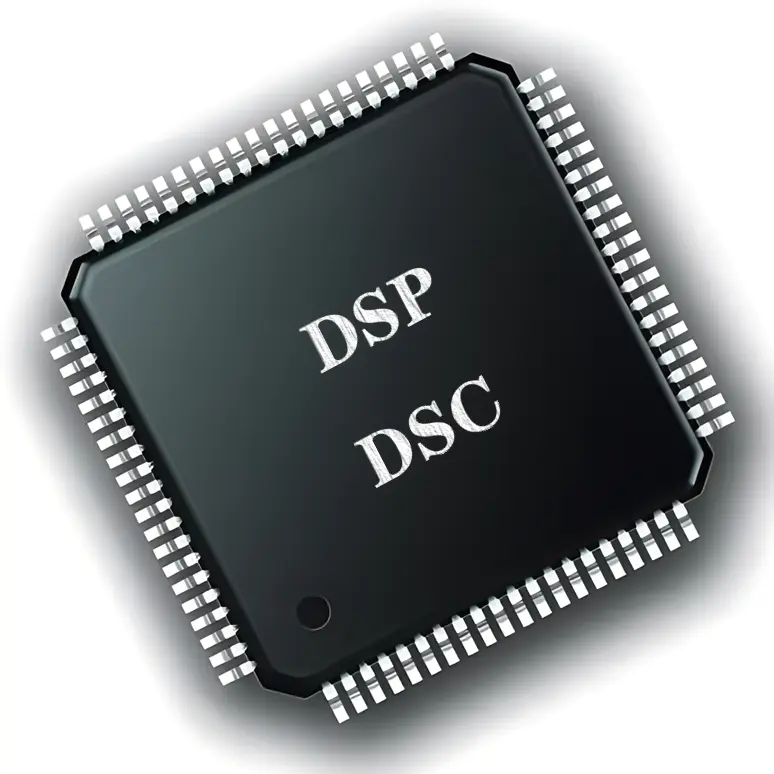 Digital Signal Processors (DSP/DSC)
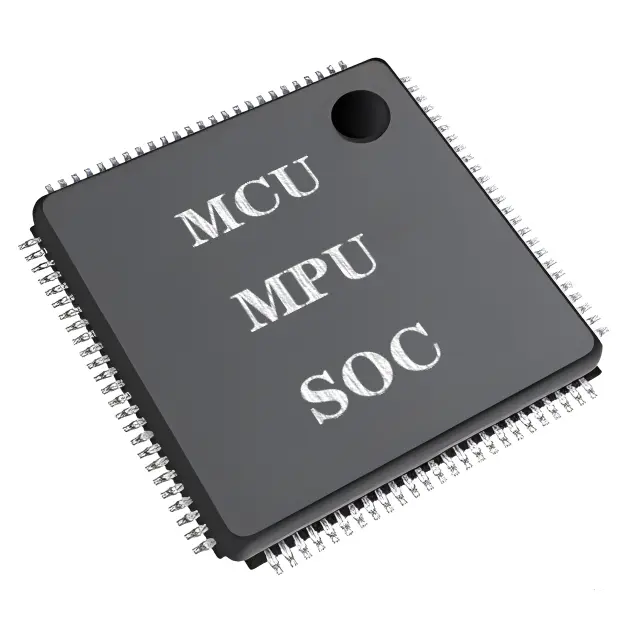 Microcontrollers (MCU/MPU/SOC)
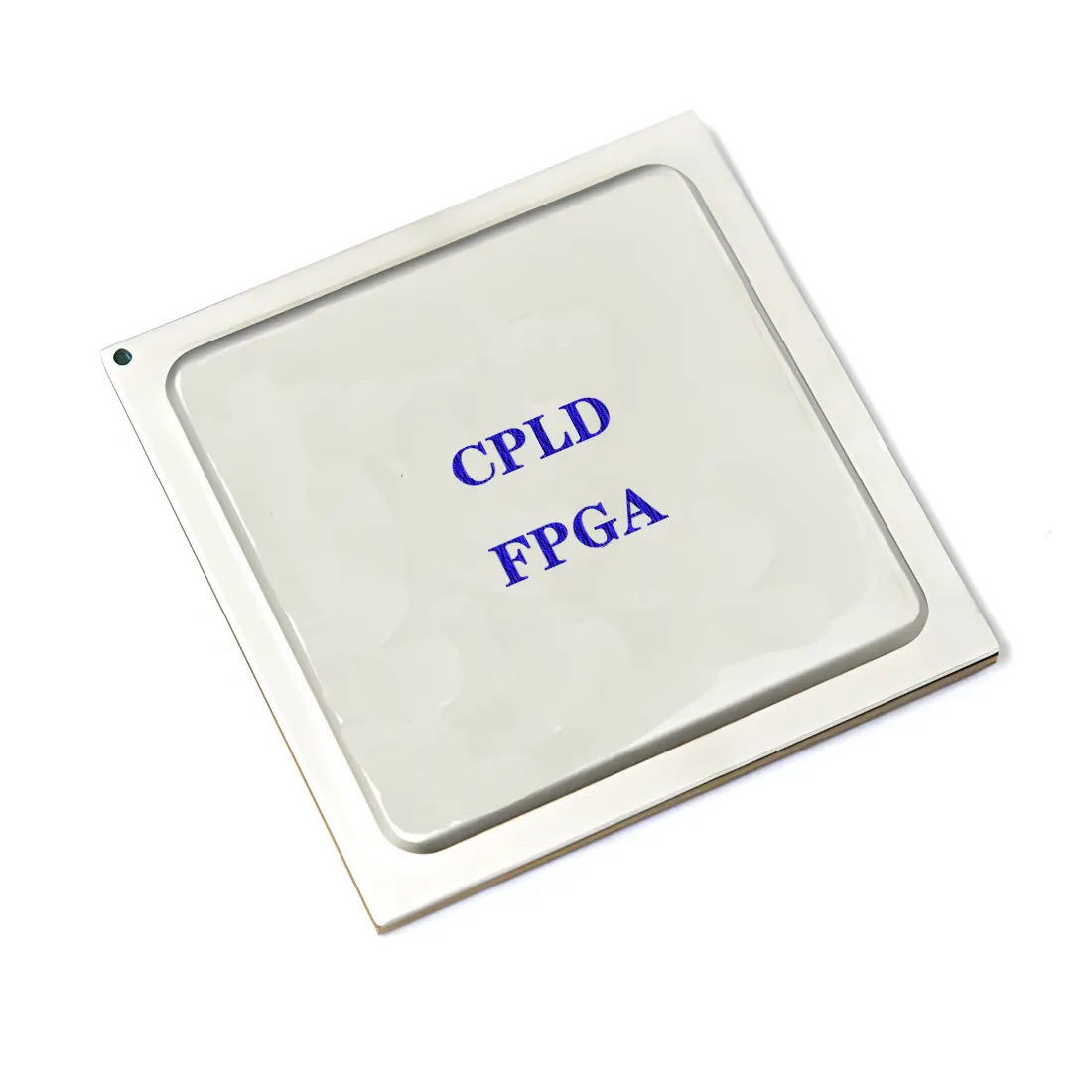 Programmable Logic Device(CPLD/FPGA)
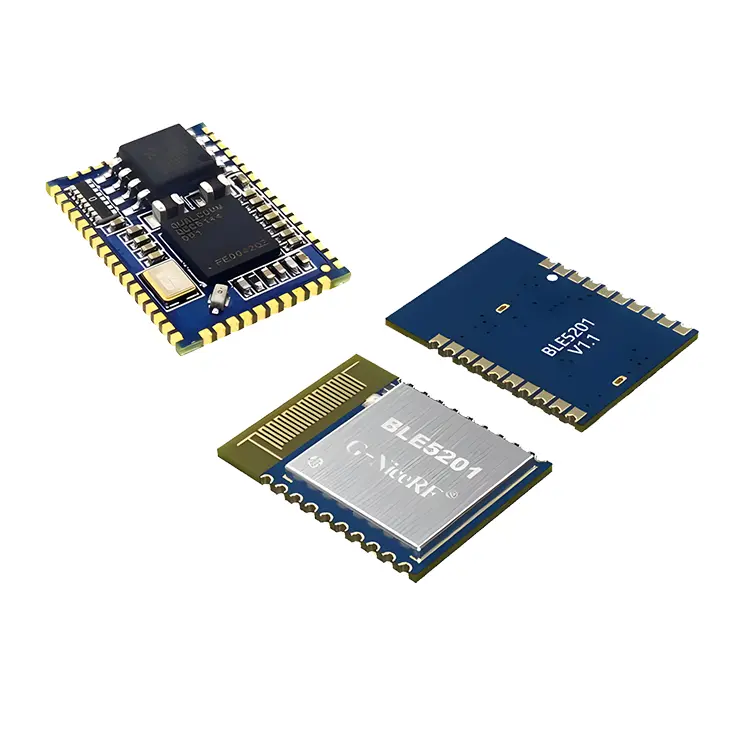 Communication Modules/IoT
 Resistors
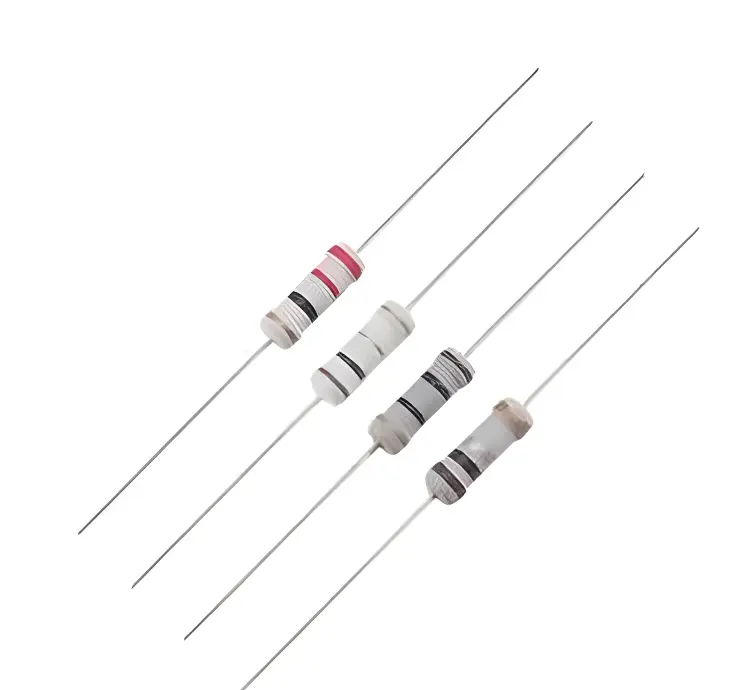 Through Hole Resistors
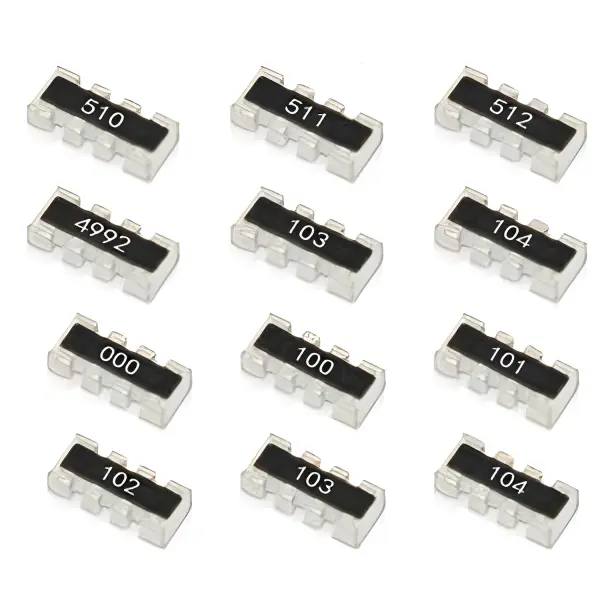 Resistor Networks, Arrays
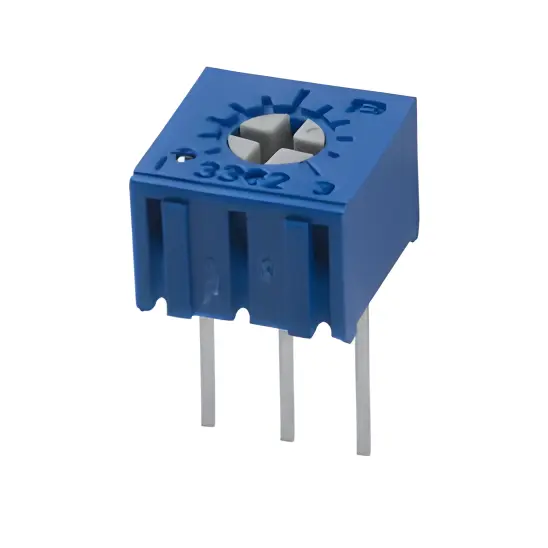 Potentiometers,Variable Resistors
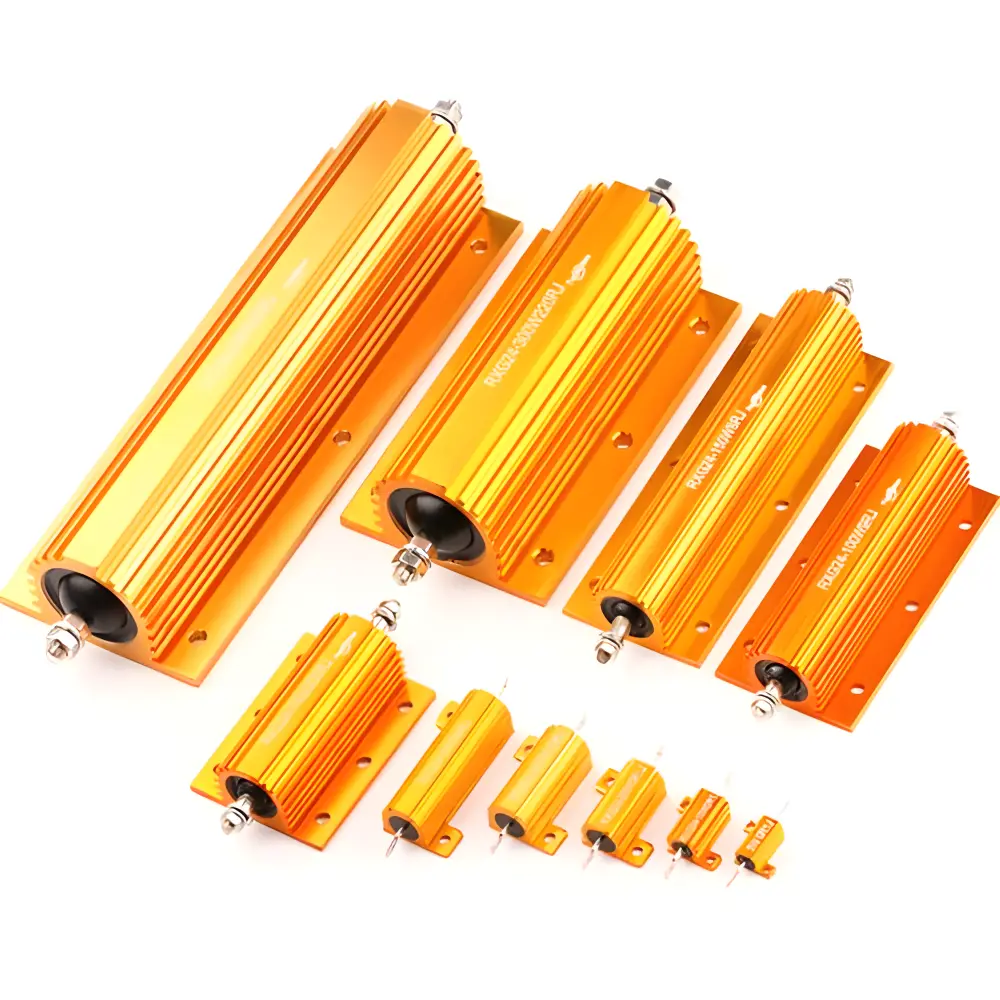 Aluminum Case,Porcelain Tube Resistance
 Current Sense Resistors,Shunt Resistors
 Switches
 Transistors
 Power Modules
 Isolated Power Modules
 AC-DC Power Modules
 DC-AC Module(Inverter)
 RF and Wireless
Crack Width Judgment for Flexible PCB Solder Mask After Bending Test
2025-10-07
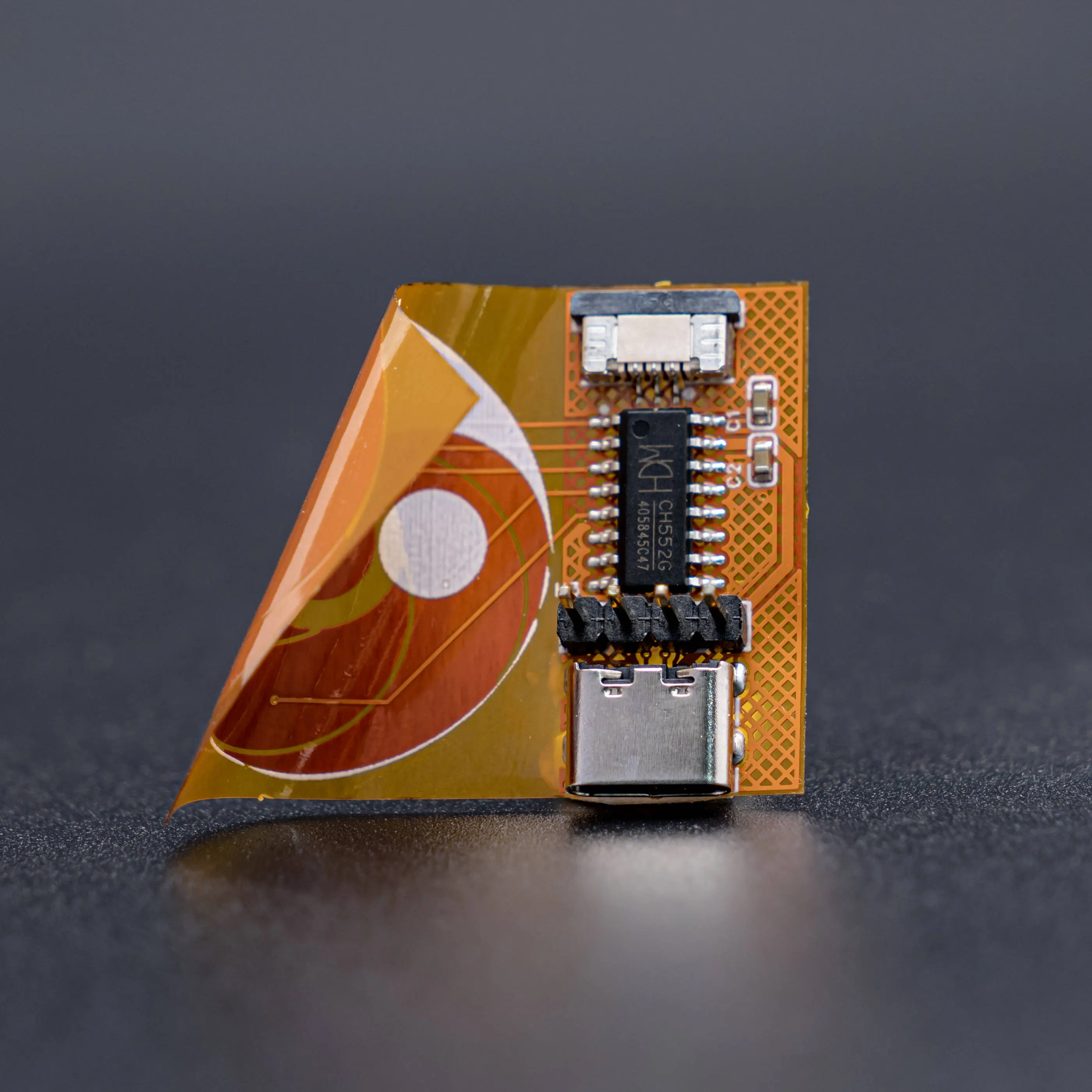
Unqualified Judgment Standard and Verification System for Crack Width of Flexible Pcb Solder Mask After Bending Test (≥1000 Cycles)
1. Core Background and Judgment Significance of Flexible PCB Solder Mask Bending Test
Flexible PCBs (FPCs), with their bendable and lightweight characteristics, are widely used in smart wearables, foldable smartphones, automotive electronics and other scenarios. Their solder masks not only need to have the insulation, solder resistance and corrosion protection functions of conventional PCB solder masks, but also must withstand mechanical stress during long-term bending (bending stress usually reaches 50-100MPa). The bending test (≥1000 cycles) is a key indicator to verify the reliability of flexible PCB solder masks, andcrack width is the core parameter to evaluate whether the solder mask fails — excessively wide cracks will lead to decreased insulation performance of the solder mask, exposed and oxidized circuits, and even short circuits (the failure probability increases exponentially with the increase of crack width).
Industry standards (such as IPC-6012/2223 and JIS C6471) clearly require that after the flexible PCB solder mask undergoes ≥1000 bending cycles under specified bending conditions (e.g., bending radius 0.5-2mm, bending angle 180°), its qualification must be judged by the crack width, which is an important basis for ensuring the long-term service reliability of FPCs.
2. Unqualified Judgment Standard for Crack Width of Flexible PCB Solder Mask After Bending
Combined with the application scenarios of flexible PCBs (consumer electronics, industrial control, etc.), solder mask material types (flexible epoxy, acrylate) and industry practice data, the unqualified judgment standard for the crack width of the solder mask after bending test (≥1000 cycles) should be divided into general standards and scenario-specific special standards. The core logic is "whether the crack width affects the core functions of the solder mask (insulation, protection)".
2.1 General Unqualified Judgment Standard: Crack Width > 0.1mm
This is a widely recognized basic judgment threshold in the industry, applicable to more than 90% of ordinary flexible PCBs (such as wearable device cables and mobile phone flex cables). The specific basis is as follows:
- Insulation Performance Correlation: When the crack width is ≤0.1mm, the solder mask can still maintain basic insulation performance (insulation resistance ≥10¹⁰Ω, withstand voltage ≥250V AC/1min); if the crack width > 0.1mm, water vapor and dust in the air can easily enter the crack, leading to the insulation resistance dropping to below 10⁸Ω (a decrease of more than 99%), and even leakage current (>10μA) between adjacent circuits, triggering insulation failure.
- Mechanical Protection Correlation: When the crack width > 0.1mm, the protective ability of the solder mask for the underlying copper circuit decreases significantly — during the bending process, stress concentration is likely to occur at the crack edge, resulting in "scratching" or oxidation of the copper circuit (oxide layer thickness > 0.5μm), and the circuit conduction resistance increases (increase > 10%), affecting the stability of signal transmission.
- Industry Standard Basis: IPC-2223 (Flexible PCB Design Standard) clearly stipulates: "After 1000 bending cycles, the crack width of the flexible solder mask in any direction shall not exceed 0.1mm, otherwise it shall be judged as unqualified"; JIS C6471 also takes 0.1mm as the core qualified threshold for the crack width of flexible solder masks.
2.2 Scenario-Specific Special Unqualified Judgment Standards
For scenarios requiring high reliability (such as automotive electronics and medical equipment), stricter judgment standards must be adopted, as follows:
| Application Scenario | Bending Conditions (1000 Cycles) | Unqualified Threshold for Crack Width | Judgment Basis (Core Requirement) |
|---|---|---|---|
| Automotive Electronics (e.g., On-board Sensors) | Bending Radius 1mm, Bending Angle 180° | > 0.05mm | Need to withstand a wide temperature range of -40℃~125℃. Crack width > 0.05mm easily leads to brittle fracture at low temperatures and accelerated resin aging at high temperatures, affecting driving safety |
| Medical Equipment (e.g., Monitor Cables) | Bending Radius 0.5mm, Bending Angle 180° | > 0.03mm | Need to meet biocompatibility and high insulation requirements. Crack width > 0.03mm easily retains medicinal liquid and breeds microorganisms, causing safety risks |
| Consumer Electronics (Foldable Smartphones) | Bending Radius 0.3mm, Bending Angle 180° | > 0.08mm | Need to balance thinness, lightness and high-frequency bending (daily bending > 100 times). Crack width > 0.08mm will shorten the service life (from 3 years to less than 1 year) |
2.3 Special Case: Joint Judgment of Crack "Length + Width"
It should be noted that the single crack width is not the only judgment basis. If the crack width does not exceed the threshold, but the crack length > 5mm and width > 0.05mm, it shall also be judged as unqualified. For example: A crack with a width of 0.08mm and a length of 6mm appears on the solder mask of a wearable device FPC after bending — although the width does not exceed the general standard of 0.1mm, the long crack will form a "stress conduction channel", and the crack is likely to expand rapidly during subsequent bending (the length may increase by 2-3mm for every additional 1000 bending cycles), leading to failure in the short term.
3. Detection Method and Precision Control of Crack Width
To accurately judge whether the crack width is qualified, scientific detection methods must be adopted to avoid misjudgment due to measurement errors. The core detection process is as follows:
3.1 Detection Equipment Selection: High-Power Microscope + Image Analysis System
- Equipment Requirements: A metallurgical microscope or stereomicroscope with a magnification of 20-50 times (precision ±0.001mm) must be used, equipped with image analysis software (such as Image-Pro Plus) — ordinary vernier calipers (precision ±0.01mm) cannot meet the measurement precision of crack width (usually 0.01-0.1mm level), which is prone to errors (error rate > 15%).
- Calibration Requirements: Before detection, the microscope must be calibrated with a standard gauge block (precision ±0.0005mm) to ensure the measurement error ≤ ±0.002mm. For example: When measuring a standard crack of 0.1mm, the reading should be in the range of 0.098-0.102mm.
3.2 Detection Position and Sampling Rules
- Detection Position: Focus on detecting the "high-frequency bending areas" of FPC (such as connector roots and folding inflection points), which are high-incidence areas of cracks (accounting for more than 80%); 3 detection points should be selected for each FPC (2 in bending areas and 1 in non-bending area for comparison).
- Sampling Rules: For mass production (e.g., 1000 pieces/batch), sampling must be carried out according to AQL 1.0 (industry general sampling standard), that is, 32 pieces are sampled for detection per batch. If ≥2 pieces are unqualified in crack width, the sampling should be expanded to 64 pieces. If there are still ≥4 unqualified pieces, the whole batch is judged as unqualified.
3.3 Crack Width Measurement Method
- Focusing and Imaging: Fix the FPC on the microscope stage, adjust the focal length to clearly image the crack edge, and ensure the crack is parallel to the microscope scale line (to avoid the measured value being too large due to inclination, the deviation can exceed 20%);
- Multi-Point Measurement to Take the Maximum Value: For the same crack, select 3 points (both ends and the middle) along its length direction to measure the width, and take the maximum value as the final width of the crack (because the crack may have a shape of "wide in the middle and narrow at both ends", single-point measurement is easy to underestimate);
- Recording and Judgment: Compare the measured value with the unqualified threshold of the corresponding scenario. For example: The measured value of the automotive electronic FPC is 0.06mm, which exceeds the 0.05mm threshold, so it is judged as unqualified.
4. Common Causes of Excessive Crack Width and Improvement Measures
If the crack width of the flexible PCB solder mask exceeds the standard after bending, the cause must be analyzed and improved to avoid batch unqualified products. The common causes and solutions are as follows:
| Causes of Excessive Crack Width | Specific Performance (After 1000 Bending Cycles) | Improvement Measures |
|---|---|---|
| Insufficient Toughness of Solder Mask Material (Too High Tg) | Cracks are mostly "brittle fractures" with width 0.12-0.2mm | Select low Tg flexible solder mask ink (Tg 50-80℃ instead of ordinary rigid ink with Tg above 120℃), and add toughening agents (such as elastomer particles) |
| Too Thick Solder Mask (>30μm) | Cracks are concentrated on the solder mask surface with width 0.09-0.15mm | Control the solder mask thickness to 15-25μm (thin solder mask is easier to bend with the substrate, and the stress distribution is more uniform) |
| Insufficient Adhesion Between Solder Mask and Substrate (<5N/cm) | Cracks expand along the solder mask-substrate interface with width 0.1-0.18mm | Perform plasma cleaning on the substrate surface before bending (power 300-400W, time 60 seconds) to increase the adhesion to ≥8N/cm |
| Too Small Bending Radius (<0.5mm) | Cracks are mostly "penetrating" with width 0.15-0.3mm | Optimize the FPC design, increase the bending radius to 0.8-1mm (the bending stress decreases with the increase of radius, the decrease range is about 30%) |
5. Error Check and Supplementary Explanation of the Answer
5.1 Core Verification of No Errors or Omissions
- Standard Consistency: The general judgment standard (unqualified if >0.1mm) is fully in line with international standards such as IPC and JIS, and the scenario-specific standards also match the reliability requirements of automotive electronics (AEC-Q200) and medical equipment (ISO 10993), with no standard contradictions;
- Logical Rigor: The threshold is derived from the "crack width-function correlation" (insulation, protection) rather than simply citing data. For example: The 0.1mm threshold corresponds to the critical value of insulation resistance, and the logic is self-consistent;
- Operability: The detection method clarifies the equipment, sampling and measurement steps, avoiding the problem of "clear standards but unable to be implemented". For example: Emphasize the microscope calibration requirements to reduce measurement errors and ensure reliable judgment results.
5.2 Supplementary Explanation: Avoid "Only Looking at Width and Ignoring Crack Depth"
It should be noted that the judgment of unqualified crack width must be combined with crack depth — if the crack width ≤0.1mm, but the depth penetrates the entire solder mask (exposing the underlying copper circuit), even if the width does not exceed the standard, it shall be judged as unqualified. For example: The thickness of a certain FPC solder mask is 20μm, the crack width is 0.08mm (≤0.1mm), but the depth is 20μm (penetrating), and the copper circuit is directly exposed, which is easy to oxidize and fail, so it should be classified as unqualified. This point is easily ignored in some primary judgments and requires special attention.