
 PCB
PCB FPC
FPC Rigid-Flex
 FR-4
FR-4 HDI PCB
 Rogers High-Frequency Board
 PTFE Teflon High-Frequency Board
 Aluminum
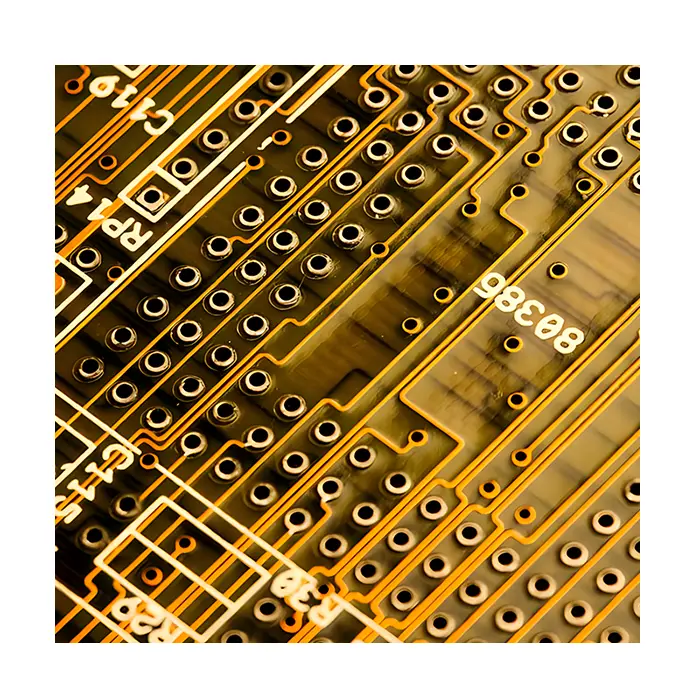 Copper Core
 PCB Assembly
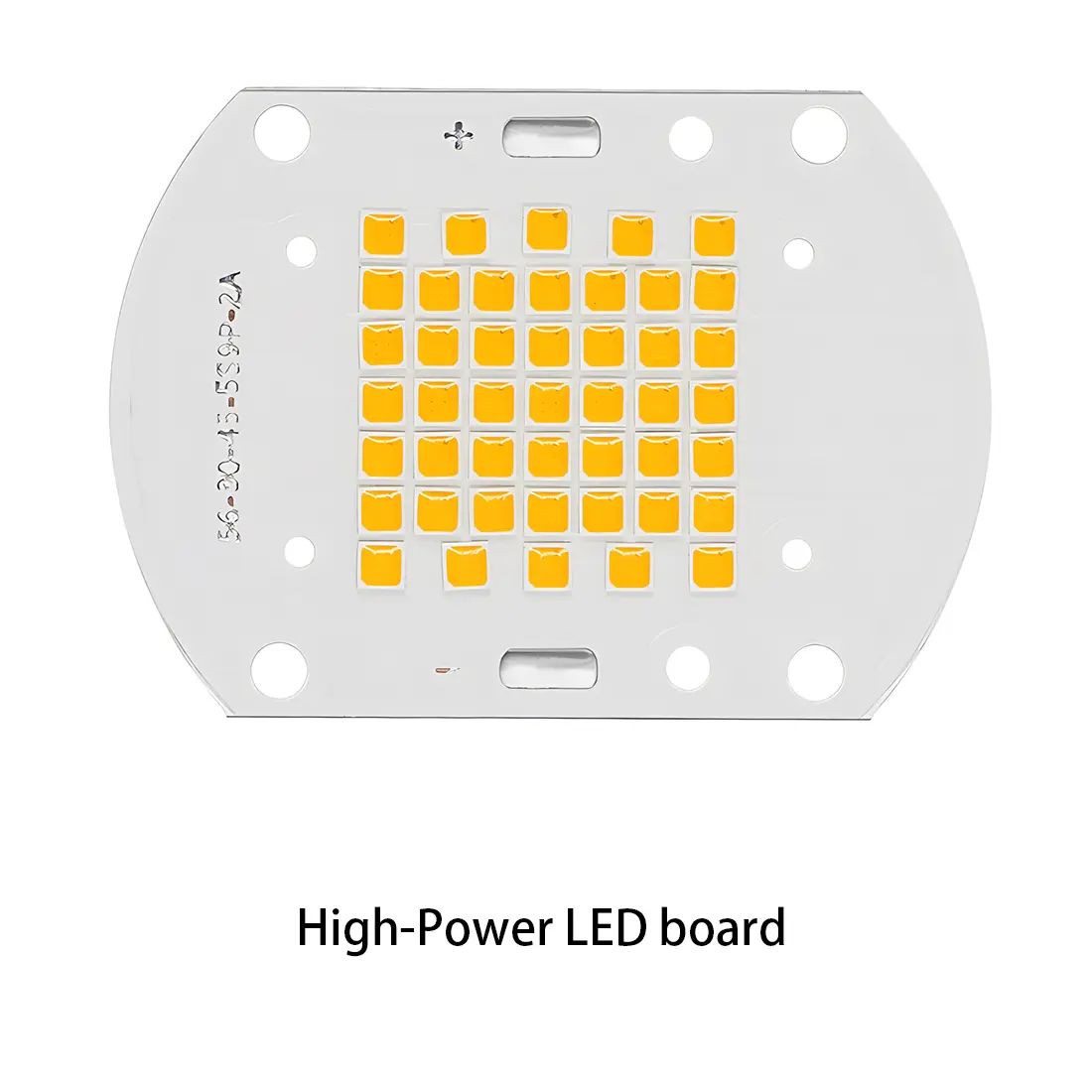 LED light PCBA
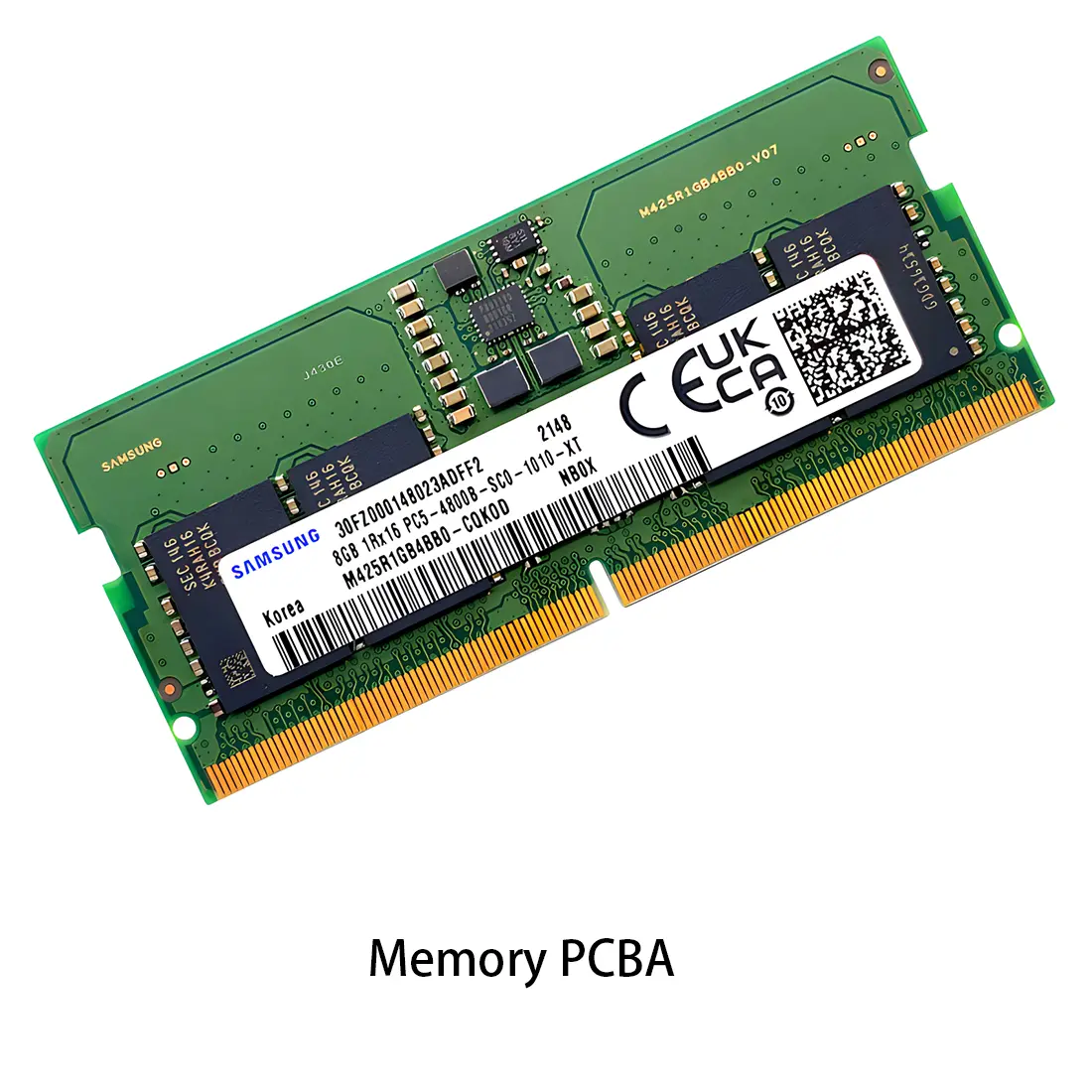 Memory PCBA
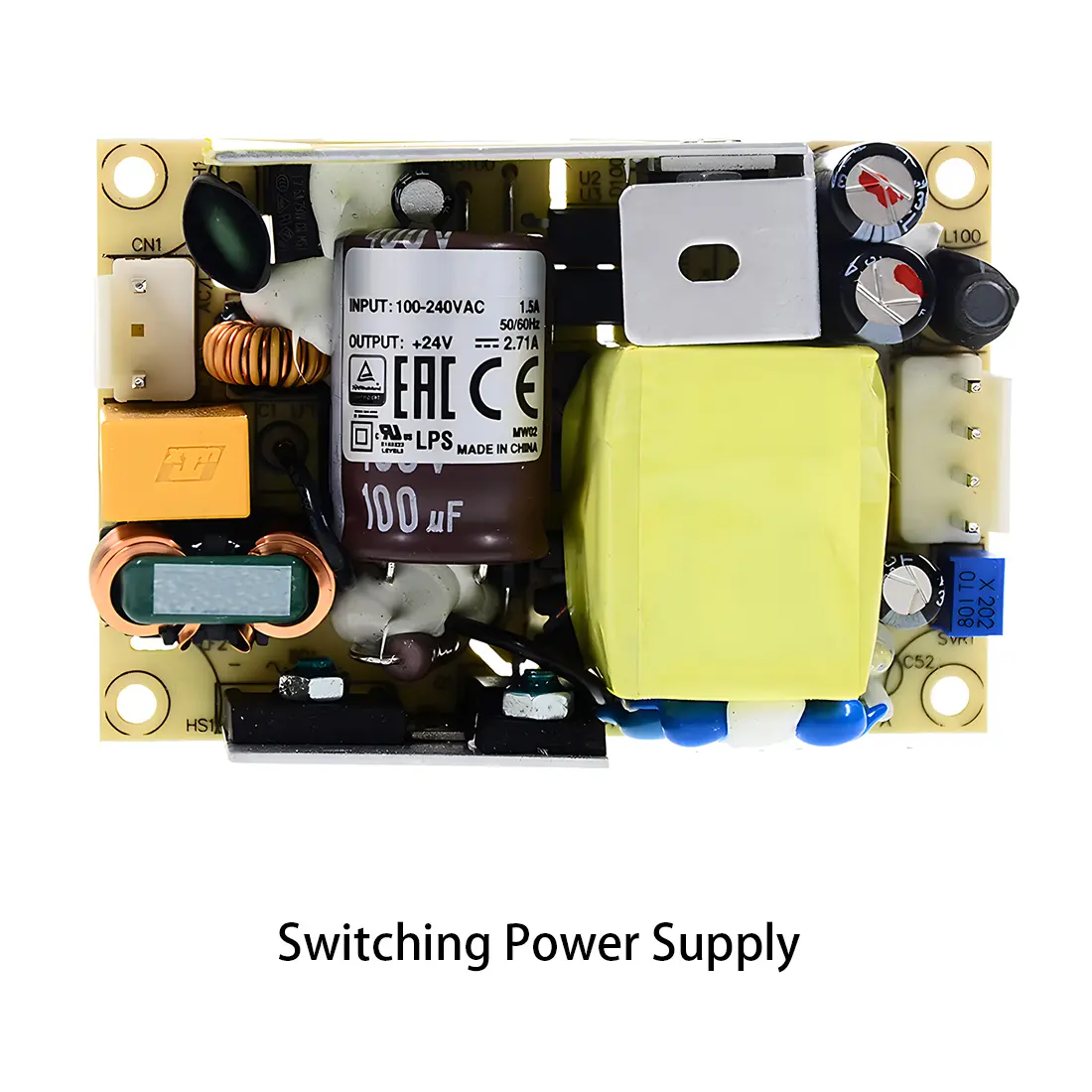 Power Supply PCBA
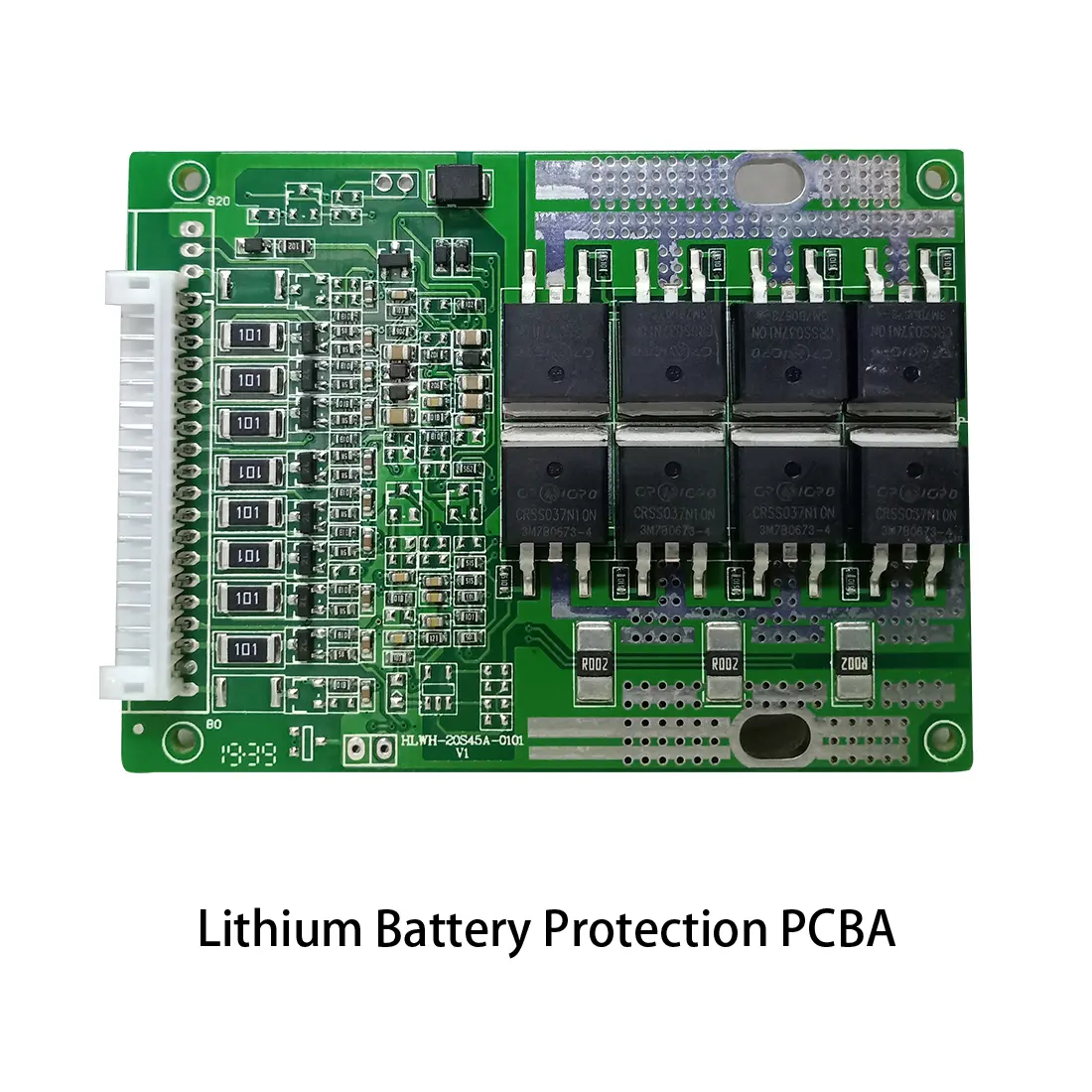 New Energey PCBA
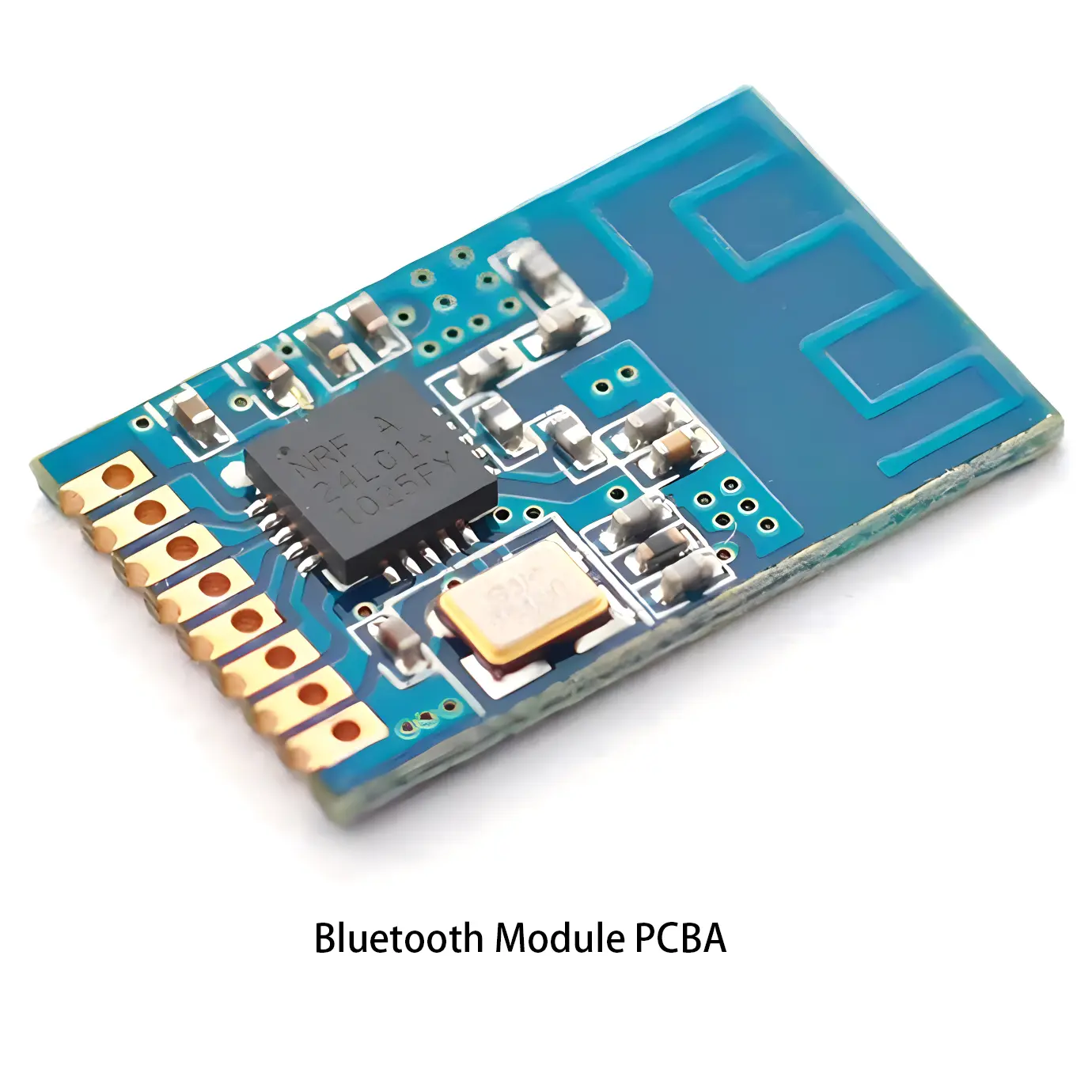 Communication PCBA
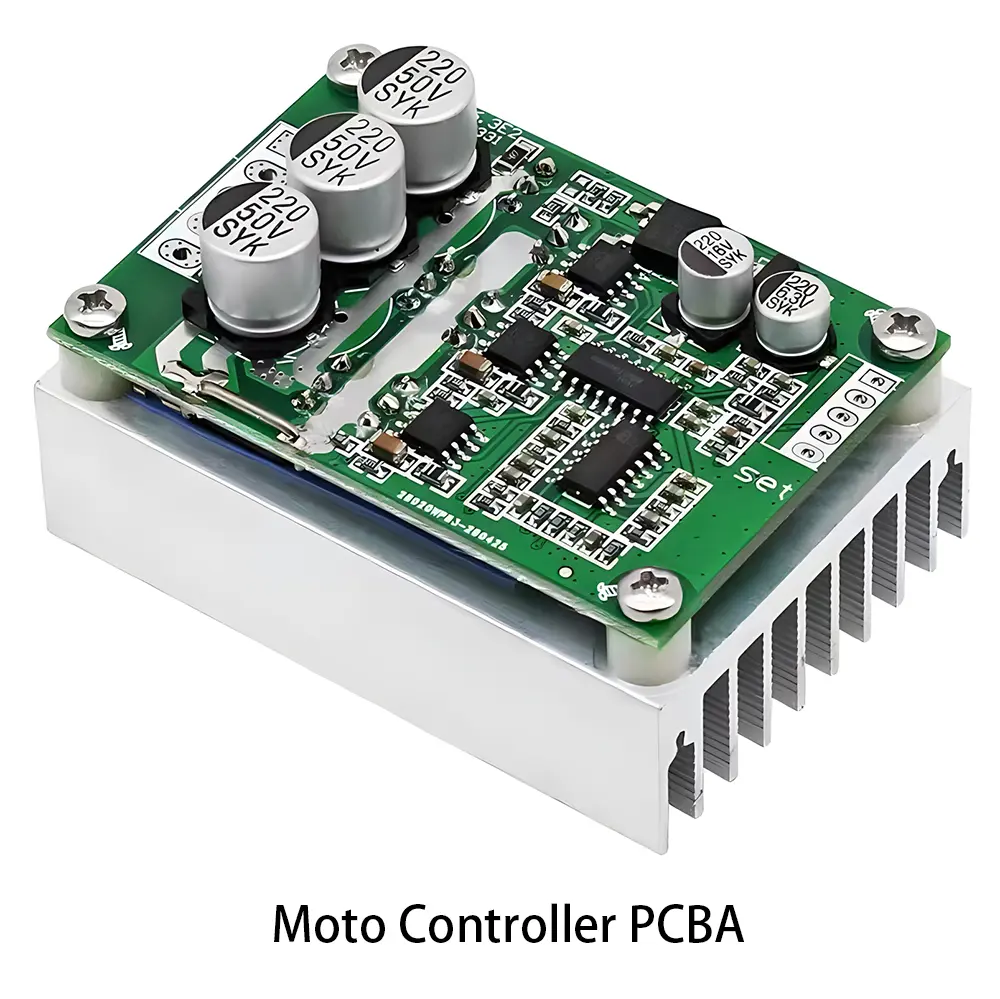 Industrial Control PCBA
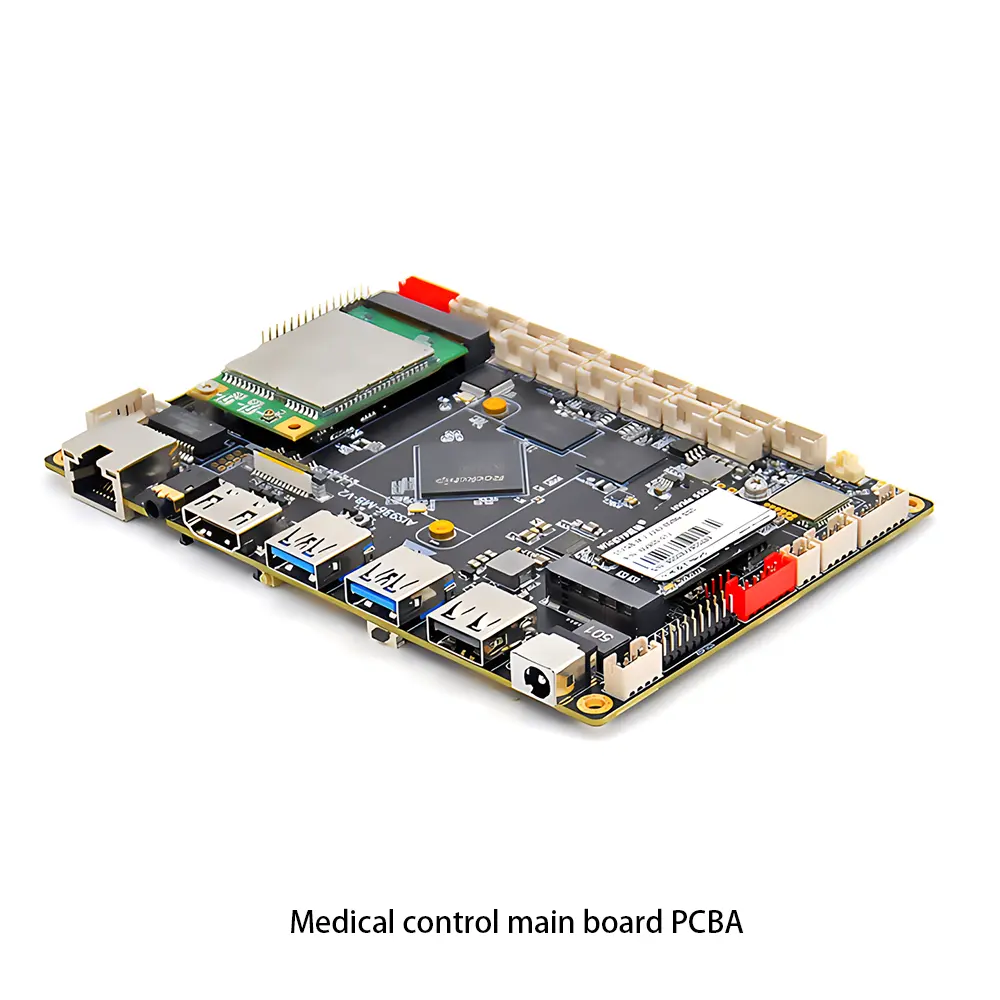 Medical Equipment PCBA
 Testing Service
 PCBA Testing Service
 Certification Application
 RoHS Certification Application
 REACH Certification Application
 CE Certification Application
 FCC Certification Application
 CQC Certification Application
 UL Certification Application
 Transformers, Inductors
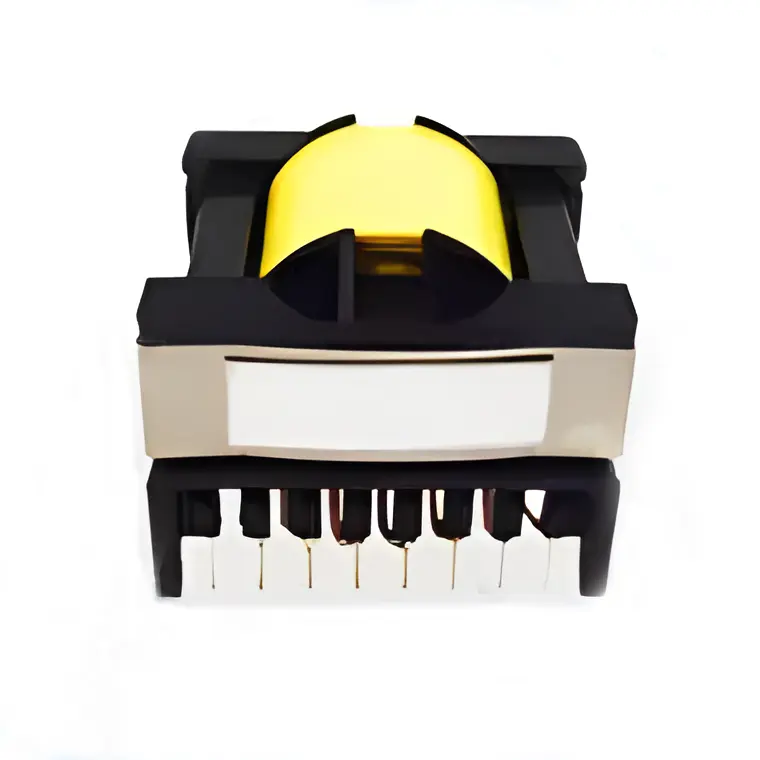 High Frequency Transformers
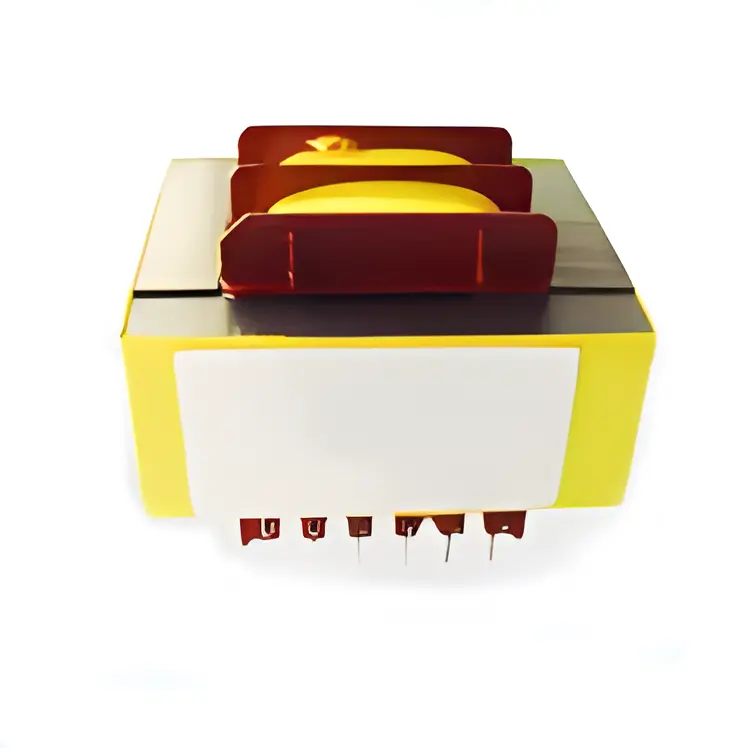 Low Frequency Transformers
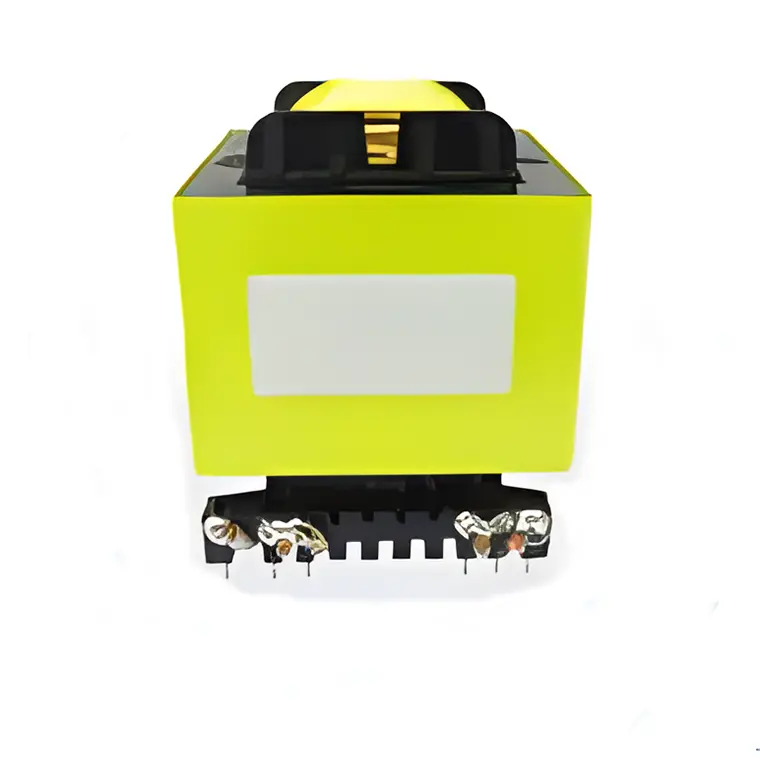 High Power Transformers
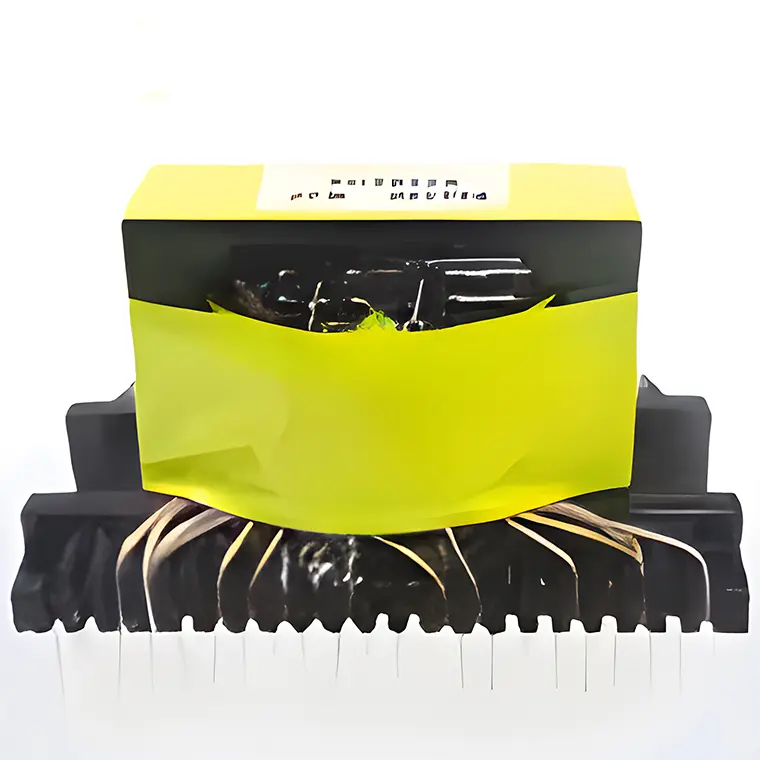 Conversion Transformers
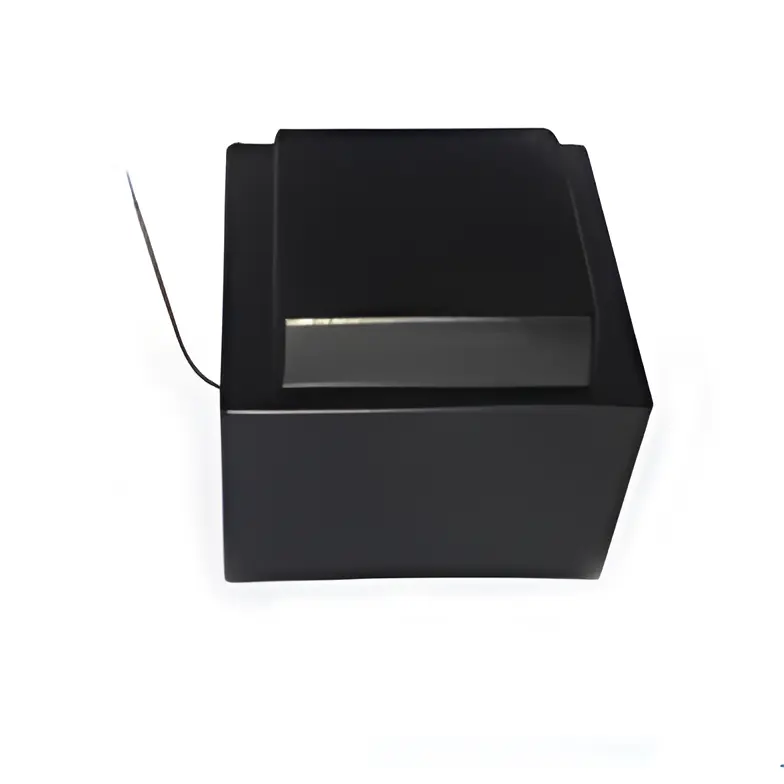 Sealed Transformers
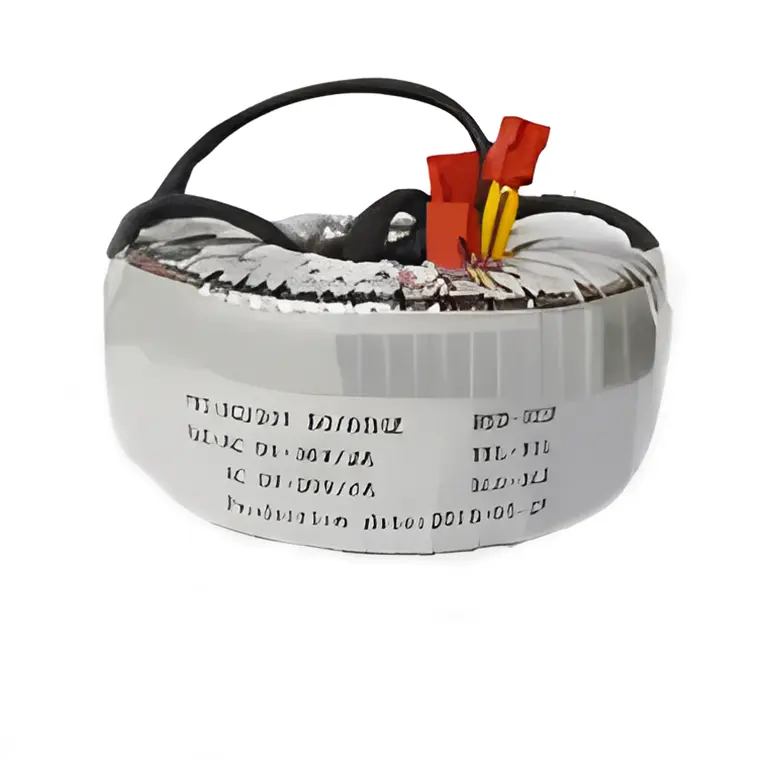 Ring Transformers
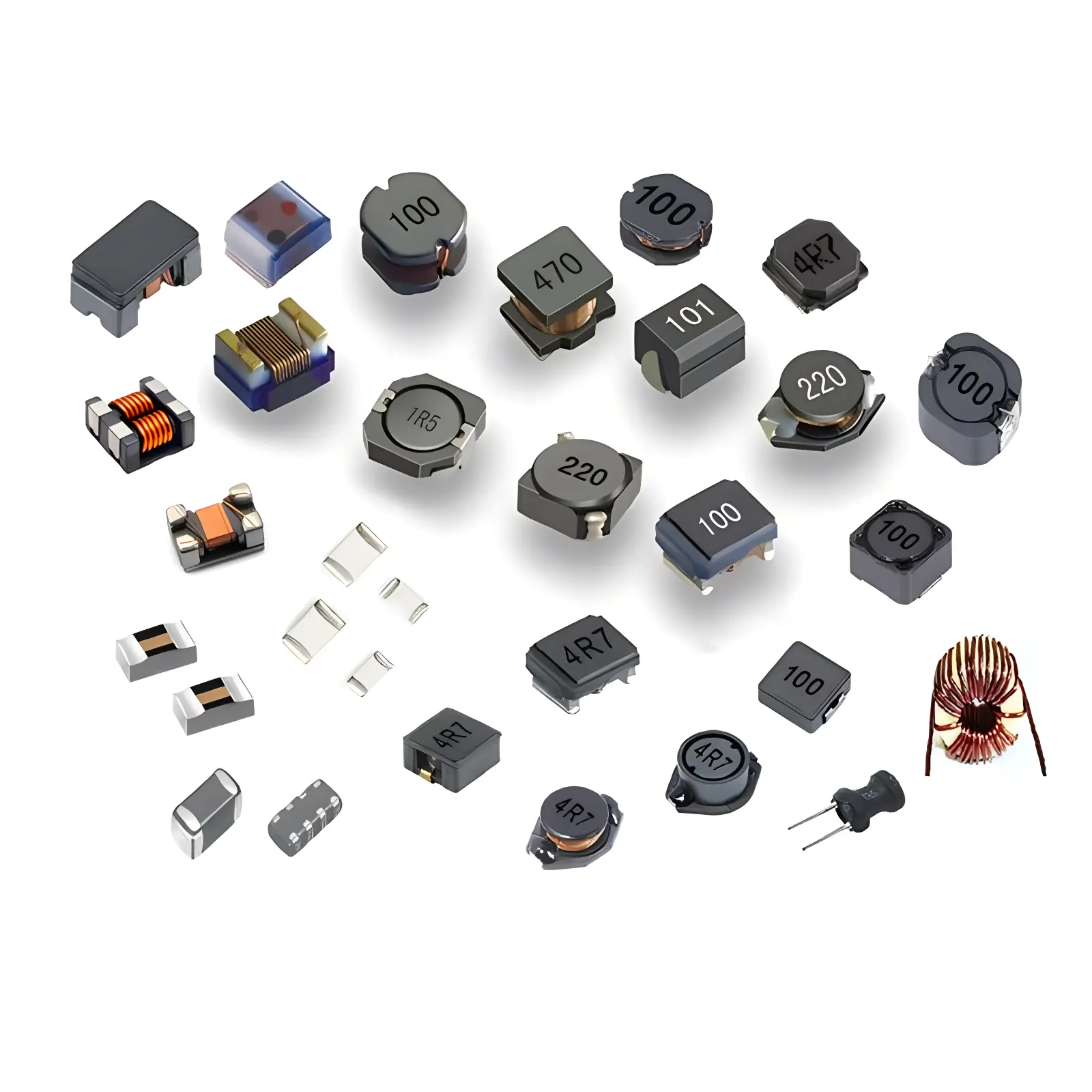 Inductors
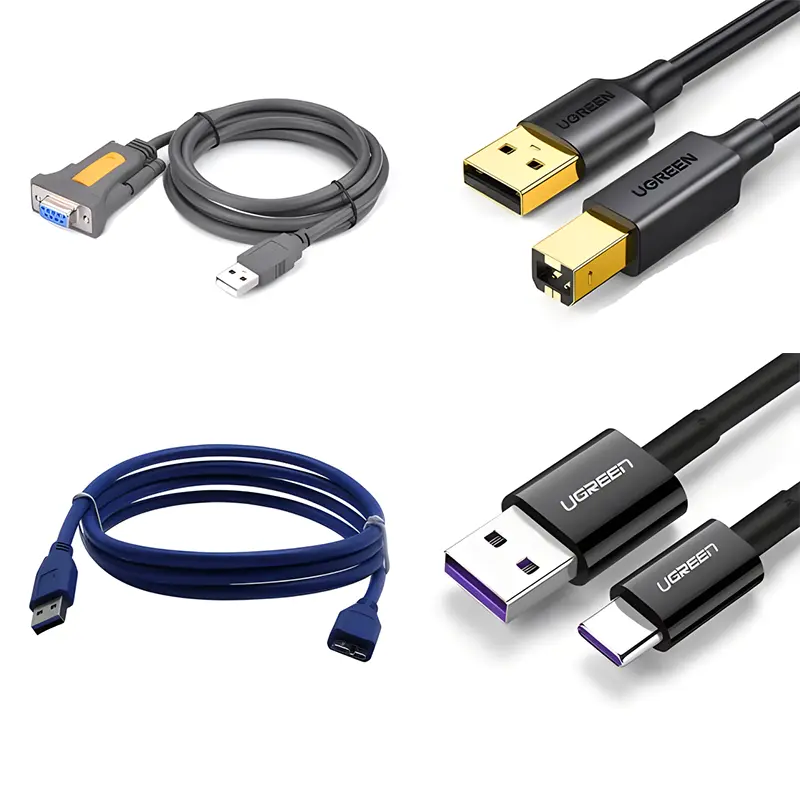 Wires,Cables Customized
 Network Cables
 Power Cords
 Antenna Cables
 Coaxial Cables
 Net Position Indicator
 Solar AIS net position indicator
 Capacitors
 Connectors
 Diodes
 Embedded Processors & Controllers
 Digital Signal Processors (DSP/DSC)
 Microcontrollers (MCU/MPU/SOC)
 Programmable Logic Device(CPLD/FPGA)
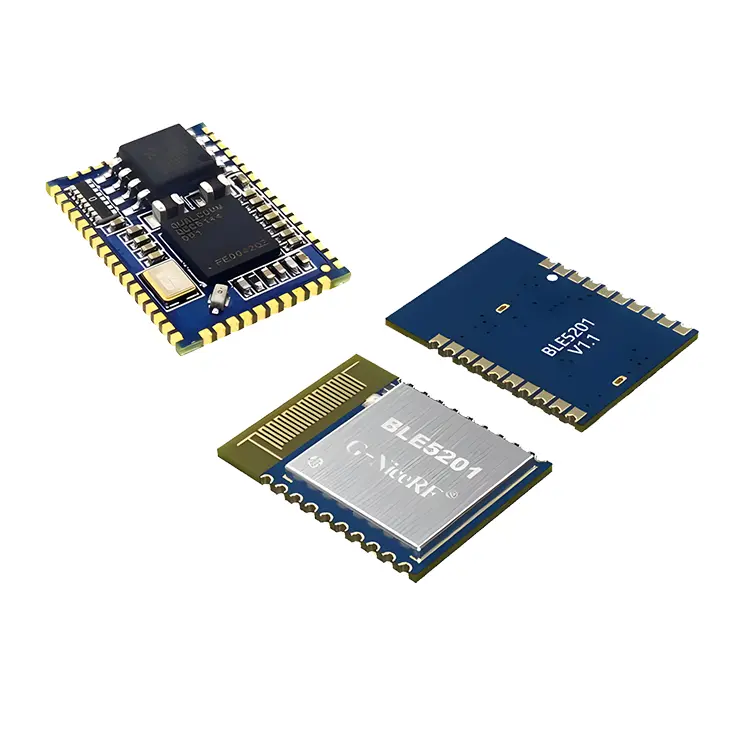 Communication Modules/IoT
 Resistors
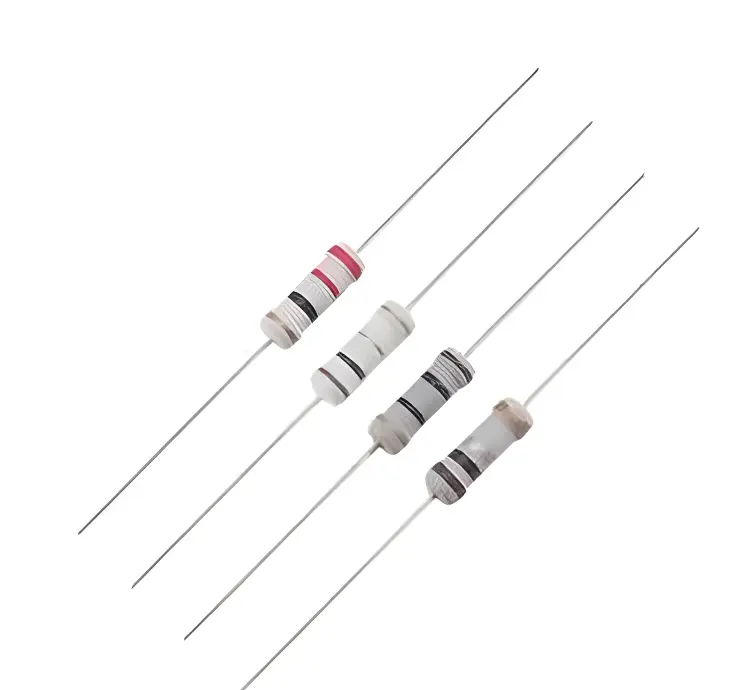 Through Hole Resistors
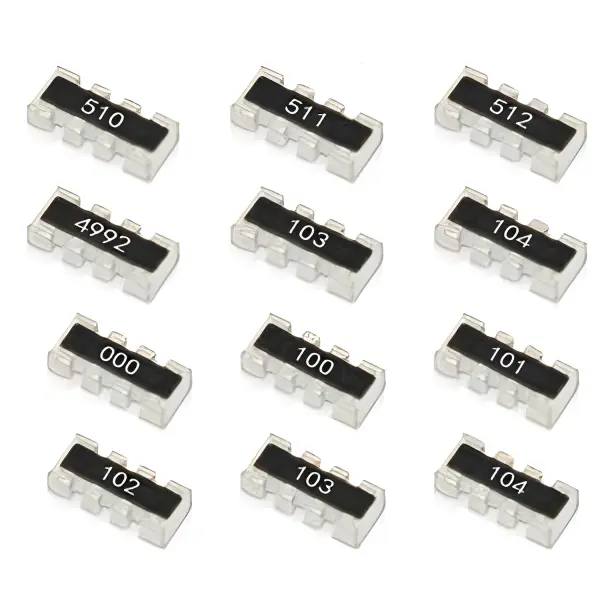 Resistor Networks, Arrays
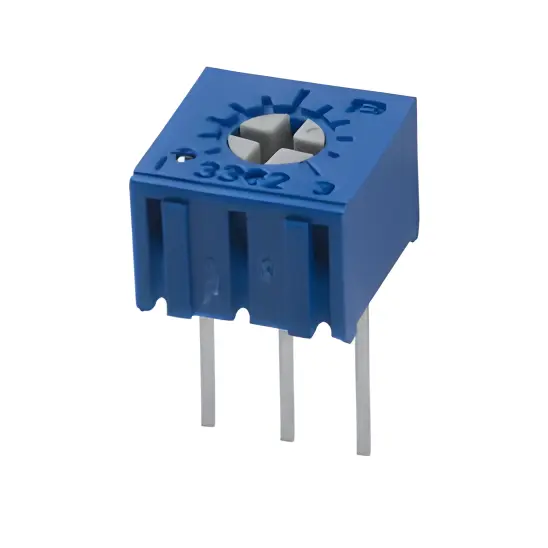 Potentiometers,Variable Resistors
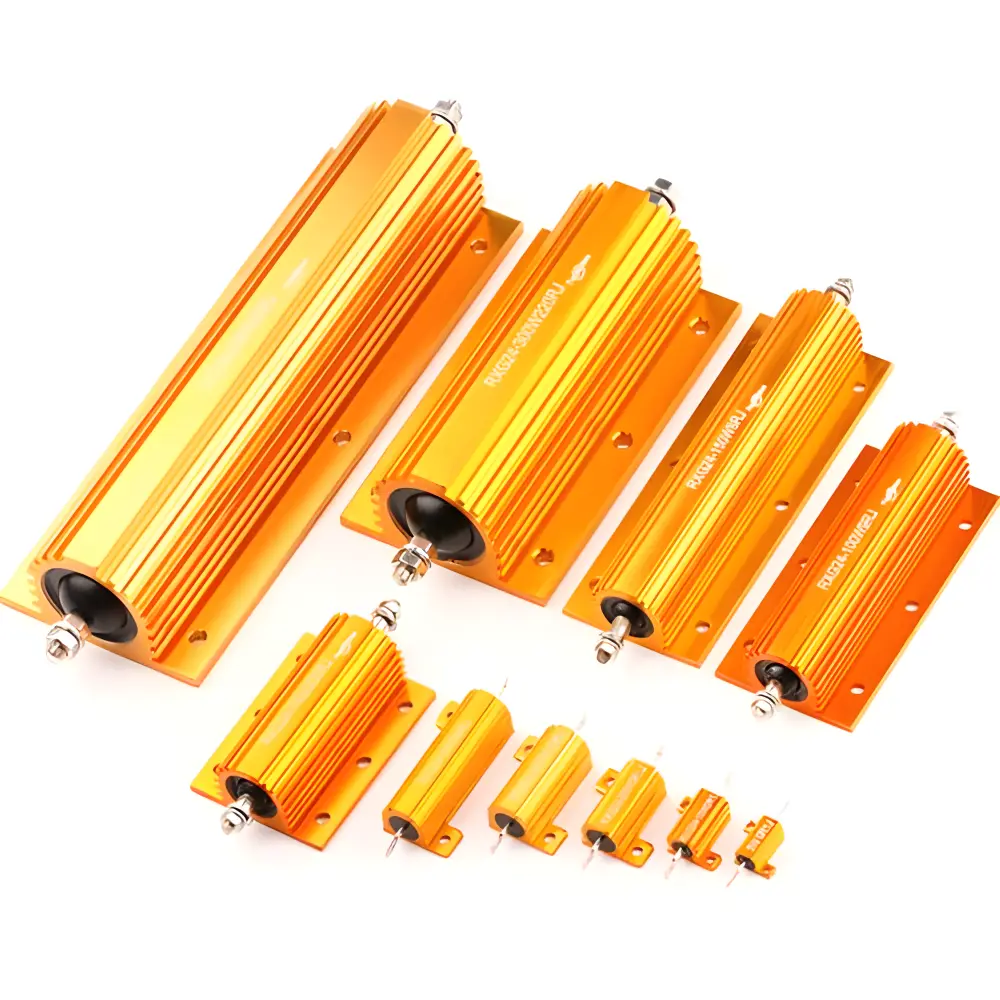 Aluminum Case,Porcelain Tube Resistance
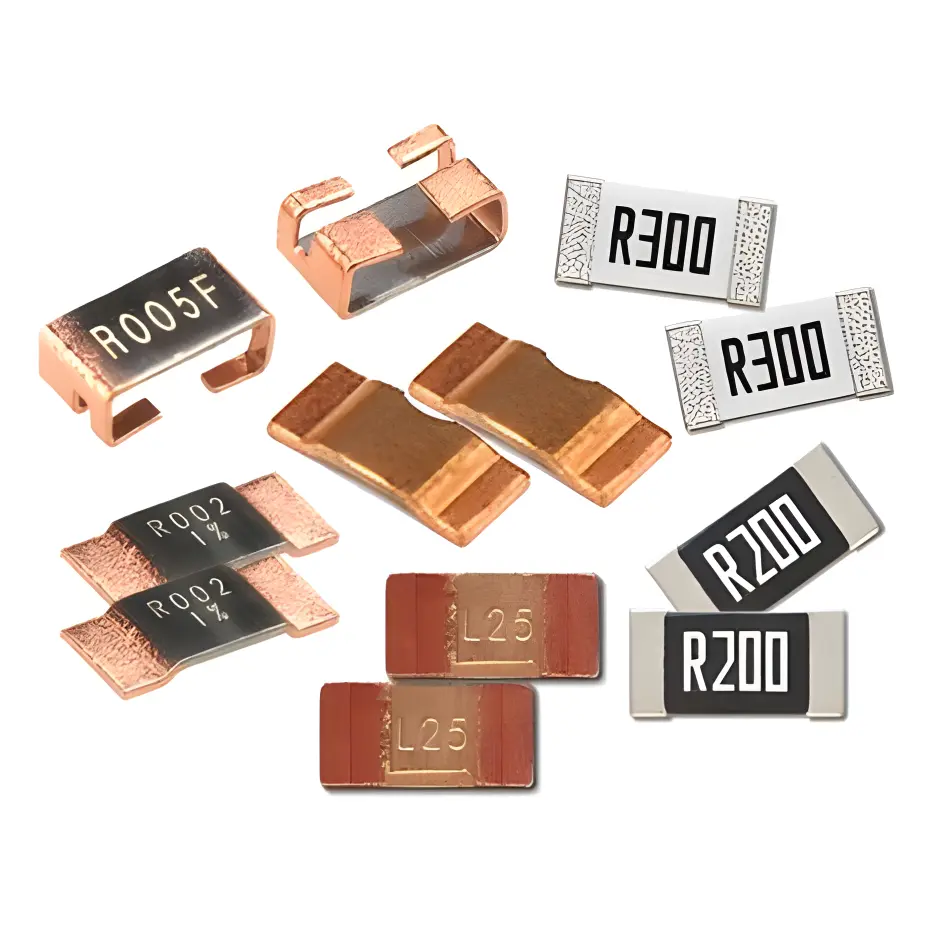 Current Sense Resistors,Shunt Resistors
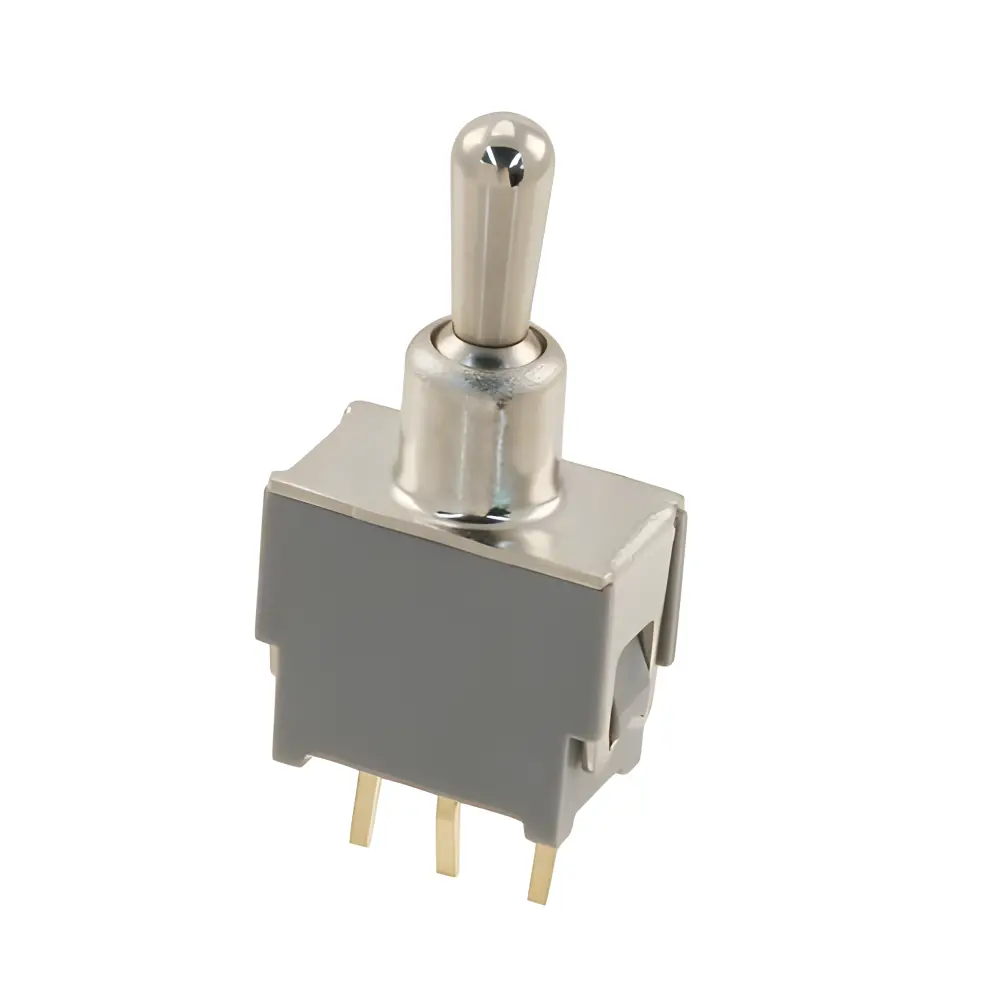 Switches
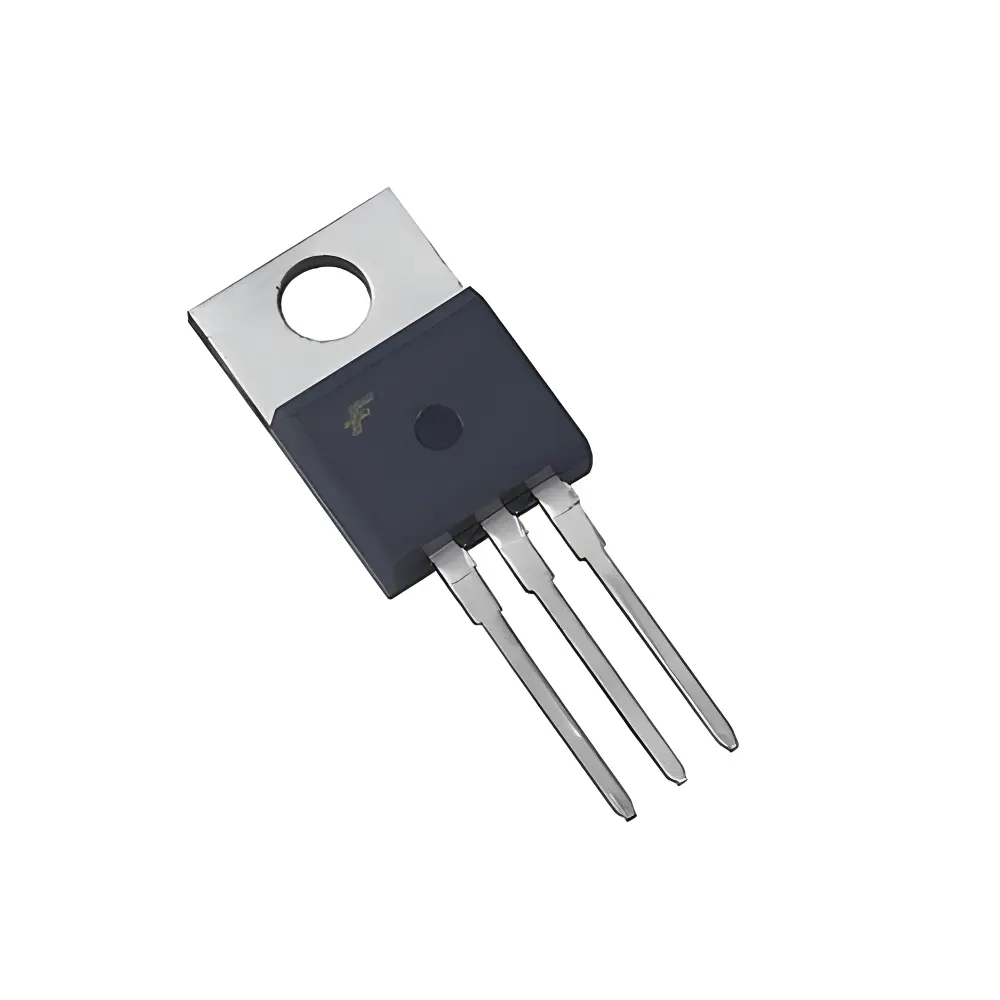 Transistors
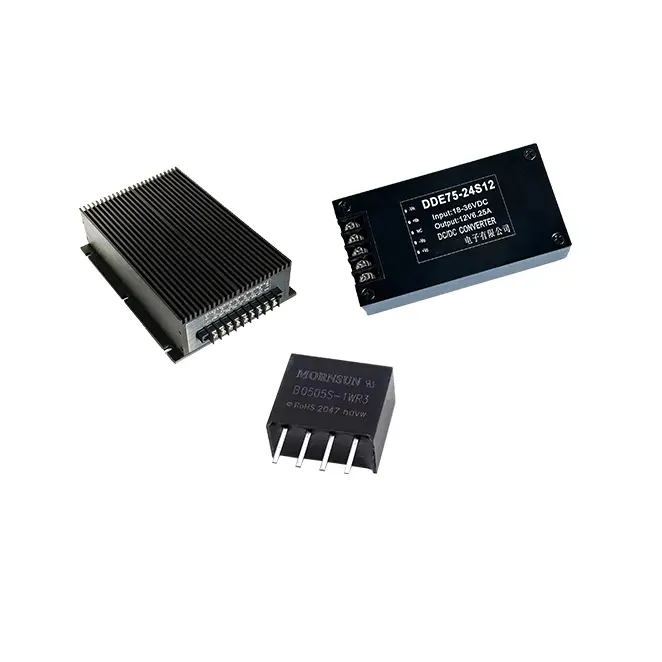 Power Modules
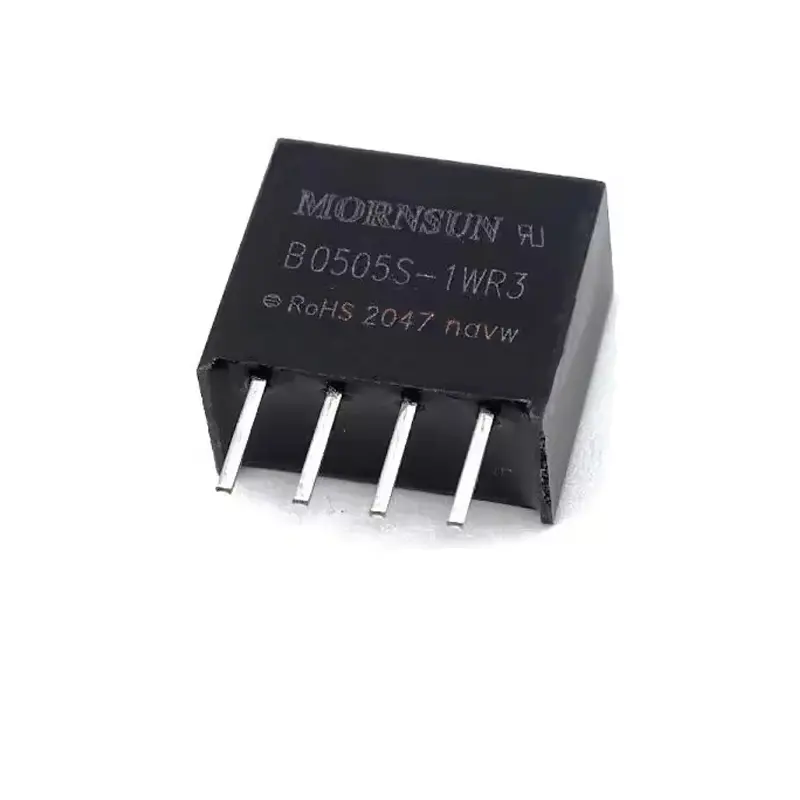 Isolated Power Modules
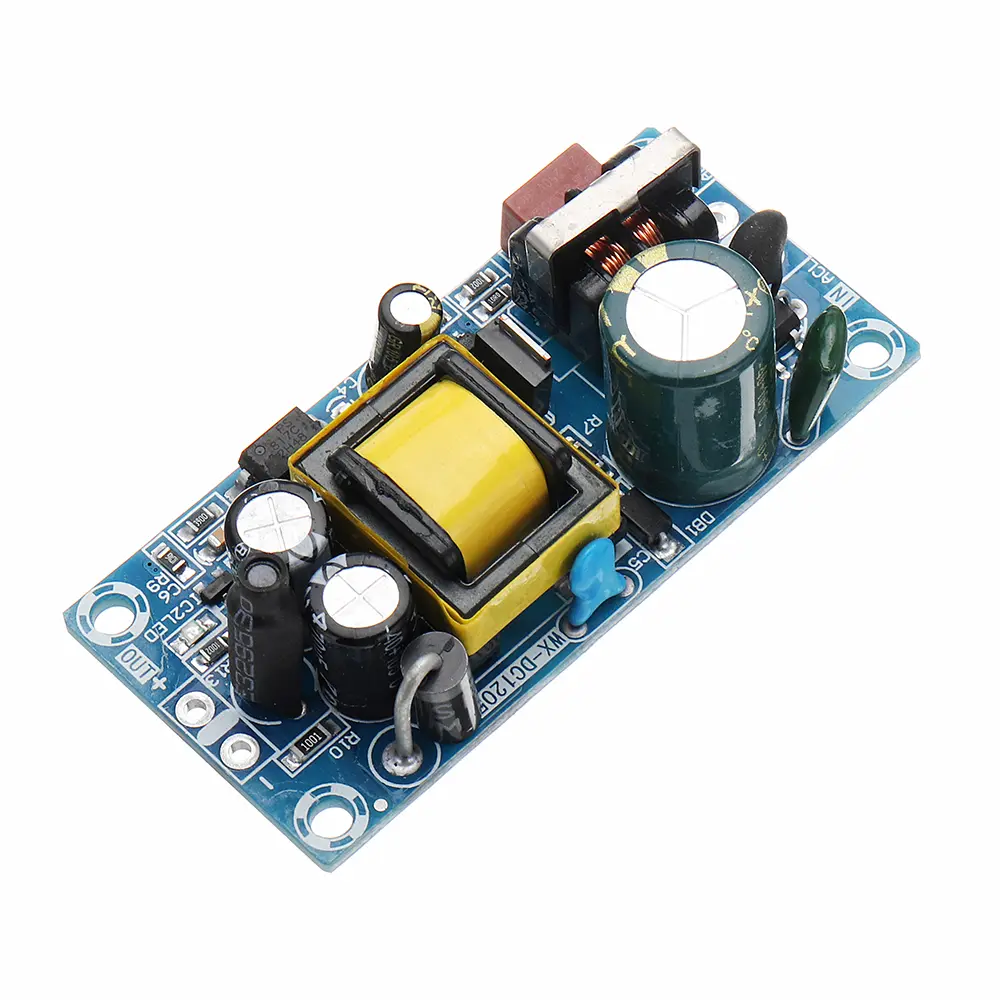 AC-DC Power Modules
 DC-AC Module(Inverter)
 RF and Wireless
A Comprehensive Guide to Establishing an Effective First Five Pieces Confirmation Process for Stable SMT Line Operation
2026-01-23
A Comprehensive Guide to Establishing an Effective First Five Pieces Confirmation Process for Stable SMT Line Operation
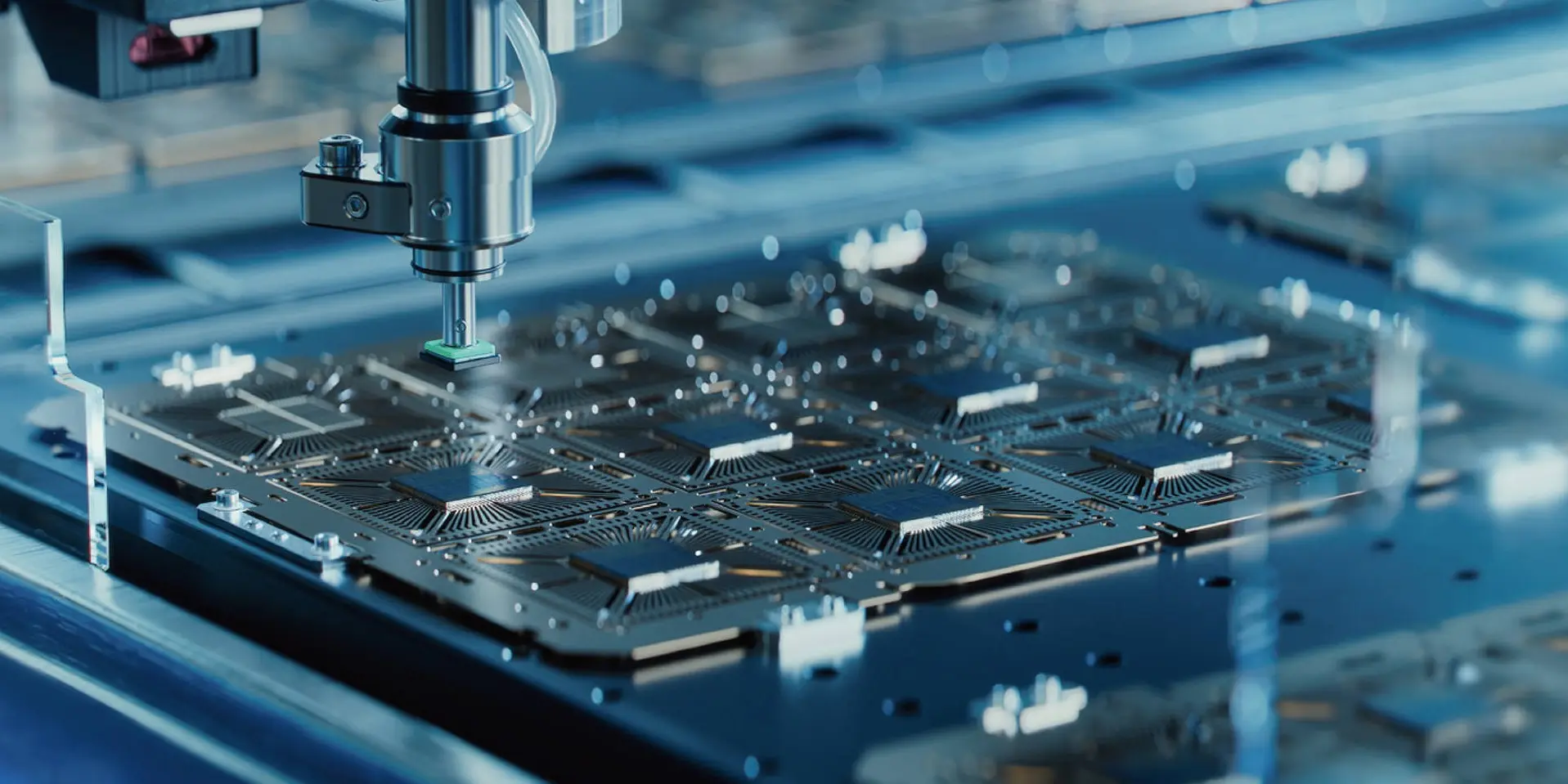
In the SuRFace Mount Technology (SMT) production process, line stability directly determines product yield, production efficiency, and manufacturing costs. The First Five Pieces confirmation process, as a core quality control checkpoint before SMT mass production, serves as a key measure to identify process hazards, standardize operating standards, and prevent batch defects. The so-called First Five Pieces confirmation refers to, in scenarios such as new product mass production, line changeover, material replacement, equipment parameter adjustment, and process anomaly recovery, selecting the first five pieces from the initial production batch. Through multi-dimensional inspection, verification, and validation, it confirms whether production conditions meet design requirements and quality standards, and mass production can only be initiated after all items are qualified. Neglecting the First Five Pieces confirmation or inadequate process implementation is likely to cause batch defects such as placement offset, wrong components, cold soldering, and insufficient solder, which not only results in material waste and increased rework costs but also may delay order delivery and damage the enterprise's market reputation. This article systematically elaborates on how to establish a scientific and effective SMT First Five Pieces confirmation process from aspects such as the core significance of process construction, implementation points of all links, key control tools, common problem solutions, and continuous optimization strategies, laying a solid quality foundation for stable line operation.
I. Core Value and Applicable Scenarios of the SMT First Five Pieces Confirmation Process
The First Five Pieces confirmation is not a simple "sampling inspection" but a process verification system covering all elements of "Man, Machine, Material, Method, Environment, Measurement" (6M). Its core value lies in identifying potential risks in advance before mass production, controlling quality problems at the source, and preventing defect escalation. Compared with the traditional single first-piece confirmation mode, the First Five Pieces confirmation can more accurately eliminate interference from accidental factors through multi-piece parallel verification, reflect the stability and consistency of the process, and provide reliable data support for subsequent mass production.
(I) Core Value Positioning
1. Source Control of Quality Risks: SMT production involves multiple links such as component selection, placement parameters, soldering processes, and testing standards. Deviations in any link may cause batch defects. Through full-item inspection of the first five pieces, the First Five Pieces confirmation can quickly identify problems such as wrong components, insufficient placement accuracy, unreasonable reflow oven parameters, and stencil offset, and rectify them in a timely manner before mass production, preventing the batch outflow of defective products and reducing rework and scrap costs.
2. Standardization of Operational Standard Uniformity: In the First Five Pieces confirmation process, it is necessary to clarify inspection items, judgment standards, responsibility division, and recording requirements, prompting operators, technicians, and quality inspectors to strictly follow standard procedures, thus avoiding process fluctuations caused by differences in manual operations. Meanwhile, the confirmed First Five Pieces can serve as "reference samples" for on-site operations, providing an intuitive basis for self-inspection and mutual inspection in subsequent mass production.
3. Guarantee of Line Operation Stability: Through the First Five Pieces confirmation, the rationality of equipment parameter settings (such as placement machine nozzle model, placement pressure, speed, reflow oven temperature zone curve, etc.) can be verified to ensure the equipment is in optimal operating condition. At the same time, it can also identify problems such as material compatibility and stencil adaptability, reduce downtime events such as equipment failures and material abnormalities during mass production, and improve line productivity.
4. Formation of a Traceable Quality Closed Loop: The First Five Pieces confirmation process requires complete recording of inspection data, problem points, rectification measures, and verification results to form standardized quality files. When quality problems occur in subsequent production, the root cause can be quickly located by tracing the First Five Pieces records (such as whether parameter adjustments were not reconfirmed or material changes were not synchronously verified), providing a basis for problem-solving while meeting customer audit and industry compliance requirements.
(II) Applicable Scenarios for Mandatory First Five Pieces Confirmation
Not all production links require the initiation of First Five Pieces confirmation. Trigger conditions need to be clarified to ensure the effectiveness of control and avoid excessive confirmation affecting production efficiency. Core applicable scenarios include:
1. New Product Mass Production Startup: When a new product enters the SMT line for the first time, the First Five Pieces confirmation is required to verify the feasibility of the production process, including the rationality of the placement path, adaptability of soldering parameters, and compatibility between components and PCB, so as to ensure the maturity and stability of the mass production process.
2. Production Line Changeover Scenarios: When switching between different models or versions of products on the same line, it is necessary to confirm whether the placement machine program, stencil, Bill of Materials (BOM), and testing standards have been updated synchronously, avoiding problems such as wrong components and placement offset caused by omissions during line changeover.
3. Material Change Scenarios: This includes component model replacement, supplier change, batch replacement, and changes in auxiliary materials such as solder paste and flux. The First Five Pieces confirmation is required to verify the adaptability of new materials and identify potential risks such as soldering quality and placement stability.
4. Equipment Parameter Adjustment: After adjusting key parameters of core equipment such as placement machines, reflow ovens, and screen printers (such as placement pressure, nozzle height, reflow oven temperature zone temperature, and conveyor speed), the First Five Pieces confirmation is required to verify the rationality of parameter adjustments, preventing product quality impacts caused by parameter deviations.
5. Process Anomaly Recovery: When abnormal situations such as batch defects, equipment failures, or power outages occur during production, and production is resumed after rectification, the First Five Pieces confirmation must be initiated to verify that the anomaly has been completely resolved and the process has returned to a stable state.
6. Shift Handover and Long-Term Shutdown: During cross-shift production handover, the First Five Pieces confirmation is required to align operational standards; if the line is shut down for more than 4 hours (the specific duration can be adjusted according to the enterprise's production characteristics), the equipment status and material status must be confirmed before restarting production to avoid product quality impacts caused by environmental factors (such as temperature and humidity changes) and equipment performance fluctuations after standing.
II. Implementation Points of All Links in the SMT First Five Pieces Confirmation Process
An effective First Five Pieces confirmation process must follow the closed-loop logic of "Preparatory Work—Sample Extraction—Multi-Dimensional Inspection—Result Judgment—Problem Rectification—Mass Release". Each link needs to clarify operational standards, responsible entities, and time requirements to ensure the process is implementable and results are traceable.
(I) Preparatory Work: Laying the Foundation for Confirmation and Avoiding Deviations Caused by Insufficient Preparation
Preparatory work is the premise for the efficient conduct of First Five Pieces confirmation. It needs to be led by the production department and completed collaboratively by engineering, quality, material, and other departments. Core preparation contents include:
1. Sorting and Confirmation of Technical Documents: Collect and verify a complete set of technical documents, including PCB layout, BOM (indicating component model, specification, package, position number, and supplier information), placement process card, soldering process parameter table, stencil design drawing, and testing standards (IPC-A-610 Acceptability of Electronic Assemblies). Ensure technical documents have a unified version, accurate content, and no omissions or errors; if there is a design change, confirm that the change notice has been synchronized to all relevant departments and old documents have been recycled and invalidated.
2. Preparation and Verification of Materials and Auxiliary Materials: The material department needs to prepare PCBs, components, solder paste, flux, and other materials required for production in advance, ensuring sufficient quantity, qualified batches, and intact packaging. Material clerks and technicians jointly verify material information, focusing on confirming that component models, specifications, and packages are consistent with the BOM, the PCB version is correct and free of damage or deformation, and the solder paste is within the shelf life, stored in compliance with regulations (usually refrigerated at 2-10℃), and fully tempered (tempering time not less than 4 hours to avoid bubbles affecting printing quality). At the same time, check whether the stencil is suitable for the current product, and whether the stencil opening size and position are consistent with the PCB pads, free of blockage, deformation, or damage.
3. Debugging and Confirmation of Equipment Status: Equipment technicians need to debug core equipment such as placement machines, screen printers, and reflow ovens in advance to ensure normal operation and parameter settings in line with process requirements. Specifically, this includes: correct loading of placement machine programs, matching of nozzle models with component packages, clean and unblocked nozzles, and optimized placement paths without collision risks; reasonable setting of screen printer scraper pressure, speed, and printing thickness parameters, and accurate stencil positioning; completion of reflow oven temperature zone curve debugging in line with solder paste soldering requirements (such as temperature and time parameters of the preheating zone, soaking zone, reflow zone, and cooling zone), and verification of temperature zone uniformity through temperature testers.
4. Preparation of Personnel and Tools: Clarify the division of responsibilities for First Five Pieces confirmation. Usually, production technicians are responsible for sample production and process parameter monitoring, quality inspectors for sample testing and result judgment, material clerks for material verification, and team leaders for process coordination and problem resolution. At the same time, prepare required testing tools and recording forms, including microscopes (for observing soldering details), AOI (Automatic Optical Inspection) equipment, X-Ray testing equipment (for soldering quality inspection of BGA, CSP, and other packaged components), multimeters, First Five Pieces confirmation forms, and problem rectification records, ensuring testing tools are calibrated and qualified, and recording forms have complete information.
(II) Sample Extraction: Standardizing Sampling Standards to Ensure Sample Representativeness
The standardization of sample extraction directly affects the accuracy of confirmation results. The principles of "randomness, parallelism, and full coverage" must be strictly followed to avoid misjudgment caused by sampling deviations.
1. Sampling Timing: The First Five Pieces samples must be extracted from the "initial production batch". That is, after equipment debugging and process parameter confirmation, 5 pieces are randomly selected from the first 10 continuously produced products on the line as First Five Pieces confirmation samples. Deliberate selection of visually qualified samples is prohibited to ensure samples can truly reflect the current process status.
2. Sampling Requirements: The 5 extracted samples must maintain production continuity, avoiding interval sampling; samples must be complete and undamaged, with no PCB deformation or component loss, to ensure the normal conduct of testing work. At the same time, number the extracted samples (such as #1-#5) and mark the sampling time, line number, and operator information to establish a sample traceability system.
3. Sample Storage: Extracted samples need to be stored separately with clear labels to avoid confusion with other products. Handle samples with care during testing to prevent artificial damage affecting test results; after confirmation, qualified samples must be retained for at least one production cycle as a basis for subsequent quality traceability and process review, while unqualified samples need to be sealed separately for problem analysis.
Multi-dimensional inspection is the core link of the process. It is necessary to conduct full-item inspection around four dimensions: "appearance, dimension, electrical performance, and soldering quality", combining manual inspection with automated equipment testing to ensure no inspection blind spots. The recommended inspection sequence is from appearance to internal quality, and from non-destructive testing to destructive testing, to avoid secondary damage to samples during the inspection process.
After the completion of First Five Pieces testing, quality inspectors, together with technicians and team leaders, conduct a comprehensive judgment on the test results, clarifying three conclusions: "qualified for release", "rectification and re-inspection", and "production suspension", and completely record relevant information to ensure process traceability.
1. Appearance and Placement Accuracy Inspection: First, conduct visual inspection and use a microscope (magnification ≥20x) to verify the component placement status and appearance quality. Core inspection items include: component position numbers are consistent with the BOM, no wrong components, missing components, reverse placement (such as diode positive and negative poles, capacitor polarity, IC pin direction), or flip-chip issues; accurate placement position without offset or skew (offset must meet process requirements, usually ≤0.1mm for Chip components and ≤0.05mm for precision components such as QFP and BGA); no component damage, cracks, or pin deformation, and no solder residue, flux contamination, scratches, or other defects on the PCB surface. At the same time, use AOI equipment to perform automated inspection of placement accuracy, generate test reports, and cross-verify with manual inspection results to improve inspection accuracy.
2. Soldering Quality Inspection: Soldering quality directly affects product reliability and must be conducted through a combination of visual observation, X-Ray inspection, and pull testing. Visual inspection focuses on checking whether the solder quantity is sufficient and the solder wetting is good, with no cold soldering, false soldering, bridging, solder balls, spiking, or other defects; for components with bottom-side soldering such as BGA and CSP, X-Ray testing equipment is used to observe the internal state of solder joints, confirming no voids (void rate usually ≤15%) or cold soldering. If necessary, conduct destructive pull testing on 1-2 samples to verify whether the solder joint strength meets standards (such as ≥0.5N for Chip component solder joints and ≥0.3N for QFP pin solder joints), avoiding insufficient solder joint strength caused by unreasonable soldering parameters.
3. Electrical Performance Testing: Use multimeters, oscilloscopes, ICT (In-Circuit Tester), and other equipment to test whether the product's electrical performance meets standards. Core inspection items include: continuity of key pins, resistance/capacitance values within the specification range, normal voltage/current parameters, and no short circuits or open circuits. Electrical performance testing must be carried out in strict accordance with the test plan, with specific test data recorded, avoiding qualification judgment based solely on experience.
4. Dimensional and Package Compatibility Inspection: Use calipers, micrometers, image measuring instruments, and other tools to test the compatibility between component packages and PCB pads, and whether the overall dimension of the product after placement meets design requirements. Focus on identifying problems such as solder overflow and component interference with surrounding parts caused by stencil opening deviations and unreasonable placement parameters, ensuring product assembly compatibility.
After the completion of First Five Pieces testing, quality inspectors, together with technicians and team leaders, conduct a comprehensive judgment on the test results, clarifying three conclusions: "Qualified for Release", "Rectification and Re-inspection", and "Production Suspension", and completely record relevant information to ensure process traceability.
After the completion of First Five Pieces testing, quality inspectors, together with technicians and team leaders, conduct a comprehensive judgment on the test results, clarifying three conclusions: "qualified for release", "rectification and re-inspection", and "production suspension", and completely record relevant information to ensure process traceability.
1. Judgment Standards: Formulate clear criteria for qualifying the First Five Pieces, which must comply with IPC-A-610 standards and internal enterprise quality requirements. Core judgment principles include: all 5 samples pass full-item inspection without critical defects (such as short circuits, wrong components, or electrical performance failure caused by cold soldering); zero major defects (such as excessive placement offset or high solder joint void rate); minor defects (such as a small amount of flux residue or minor scratches that do not affect performance) are ≤1 piece and can be eliminated through simple treatment; all test data are within the specification range without abnormal fluctuations. If critical or major defects occur, the product is directly judged unqualified, and production must be suspended immediately to initiate rectification.
2. Recording Requirements: Use a standardized "SMT First Five Pieces Confirmation Form" to completely fill in the following information: basic information (product model, version, line number, production batch, sampling time, and responsible person); material verification results (BOM version, component model, stencil information, etc.); equipment parameters (core parameters of placement machines and reflow ovens); test data (appearance, soldering, electrical performance, and dimensional test results, indicating qualified/unqualified items); result judgment (qualified/unqualified and analysis of unqualified reasons); rectification measures and verification results (rectification plan for unqualified items, responsible person, rectification time, and re-inspection results). The confirmation form must be signed by quality inspectors, technicians, and team leaders to avoid single-person judgment and recording, ensuring traceable responsibility.
3. Conclusion Execution: If judged as "Qualified for Release", mark the First Five Pieces samples as qualified, retain them for filing, and the line can start mass production; if judged as "Rectification and Re-inspection", clarify the responsible person and time limit for rectification, re-produce the First Five Pieces after rectification, and repeat the inspection process until qualified; if judged as "Production Suspension" (such as major problems like batch wrong components, serious equipment parameter deviations, or electrical performance failure), immediately stop line operation, organize an emergency meeting with engineering, quality, and production departments to analyze the root cause, formulate a special rectification plan, and resume production only after the rectification is completed and verified as qualified.
(V) Problem Rectification and Review: Closed-Loop Management to Avoid Recurrence
For unqualified items found in the First Five Pieces confirmation, a closed-loop management mechanism of "problem rectification—verification—review" must be established. This not only solves current problems but also digs deep into the root causes, optimizes processes, and prevents recurrence of similar problems.
1. Root Cause Analysis: For unqualified items, investigate the root cause one by one in combination with the 6M elements. Common problems and root causes include: wrong components (possible root causes: BOM errors, unclear material identification, operator misselection, or placement machine program errors); placement offset (possible root causes: nozzle wear, unreasonable placement parameters, PCB positioning deviation, or stencil offset); cold soldering/bridging (possible root causes: insufficient solder paste tempering, abnormal reflow oven temperature zone curve, flux failure, or stencil opening blockage); electrical performance failure (possible root causes: component quality issues, poor soldering, or PCB design defects). The analysis process must combine test data, equipment logs, and material records to avoid subjective assumptions.
2. Targeted Rectification Measures: Based on the root cause analysis results, formulate implementable rectification measures, clarifying the responsible department, rectification time limit, and verification standards. For example: for wrong component problems, re-verify the BOM and placement machine program, standardize material identification and collection processes, and train operators; for placement offset problems, replace worn nozzles, re-calibrate placement machine parameters and PCB positioning, and adjust the stencil position; for soldering quality problems, replace invalid solder paste, re-debug the reflow oven temperature zone curve, and clean stencil openings. The rectification process must be fully tracked to ensure the effective implementation of measures, avoiding perfunctory rectification.
3. Rectification Verification and Review: After the completion of rectification, re-produce the First Five Pieces and conduct comprehensive inspection in accordance with the original test standards to verify the rectification effect. If the re-inspection is qualified, mass production can be started; if still unqualified, re-analyze the root cause and adjust rectification measures. At the same time, regularly review problems found in the First Five Pieces confirmation, count problem types and root cause distributions, form monthly/quarterly review reports, optimize processes, upgrade equipment, and strengthen personnel training for high-frequency problems (such as repeated placement offset and wrong components), continuously improving process stability.
III. Key Control Tools and System Support for the First Five Pieces Confirmation Process
To ensure the effective implementation and continuous role of the First Five Pieces confirmation process, it is necessary to rely on standardized control tools and sound system support to avoid the process becoming a mere formality.
(I) Core Control Tools
1. Standardized Form Tools: In addition to the "SMT First Five Pieces Confirmation Form", supporting forms such as "Material Verification Checklist", "Equipment Parameter Record Form", "Problem Rectification Tracking Form", and "Test Data Statistics Form" are required to realize a closed-loop record of all links. Forms should be designed to be concise and focused, avoiding redundant information, and a remark column should be reserved to facilitate recording special situations.
2. Automated Testing Equipment: Introduce automated testing equipment such as AOI, X-Ray, and ICT to improve the efficiency and accuracy of First Five Pieces testing and reduce subjective deviations in manual testing. For example, AOI equipment can quickly identify problems such as placement offset, wrong components, and soldering defects, generating visual test reports; X-Ray equipment can penetrate packages to detect internal solder joint quality, solving inspection blind spots that cannot be observed manually.
3. Process Parameter Management System: Establish an SMT process parameter database, input placement parameters, reflow oven temperature zone curves, printing parameters, etc., of different products into the system. Standard parameters can be directly called during line changeover or parameter adjustment, reducing manual setting errors. At the same time, the system can record parameter adjustment history to facilitate traceability and review.
4. Sample Management Tools: Use sample cabinets, identification labels, and other tools to standardize the storage and management of First Five Pieces samples, indicating sample model, batch, confirmation result, retention period, etc., ensuring sample traceability and avoiding sample loss or confusion.
(II) System Support Guarantee
1. Organizational Structure and Responsibility Division: Clarify the responsibilities of production, engineering, quality, and material departments in the First Five Pieces confirmation process, establishing a collaborative mechanism of "team leader coordination, technician execution, quality inspector judgment, and material clerk cooperation". Avoid vague responsibility division leading to mutual buck-passing after problems occur. For example, the production department is responsible for sample production and equipment operation, the engineering department for process parameter debugging and technical support, the quality department for testing and result judgment, and the material department for material preparation and verification.
2. Personnel Training System: Regularly organize SMT operators, technicians, and quality inspectors to conduct training on the First Five Pieces confirmation process, covering process specifications, testing standards, tool use, problem identification, and analysis capabilities. At the same time, conduct practical assessments to ensure that all relevant personnel are proficient in process points, can accurately identify unqualified items, and standardize the filling of recording forms. For new product production or process changes, special training should be carried out in advance to ensure personnel adaptability.
3. Quality Audit and Supervision Mechanism: Establish an internal audit mechanism for the First Five Pieces confirmation process. The quality department regularly spot-checks First Five Pieces recording forms, sample retention, and problem rectification to verify the standardization and effectiveness of process implementation. Formulate assessment measures for failure to implement the process, incomplete records, and inadequate rectification to urge relevant departments to make corrections. At the same time, incorporate the implementation of First Five Pieces confirmation into the line quality KPI assessment, linking it with team performance to enhance the attention of all employees.
4. Continuous Improvement System: Rely on the PDCA (Plan-Do-Check-Act) cycle to continuously optimize the First Five Pieces confirmation process. Regularly collect problems and suggestions during process implementation (such as low testing efficiency, unreasonable form design, and vague judgment standards), and adjust process details in combination with industry technological development and enterprise production needs. For example, optimize the material identification system for frequent material verification errors; upgrade automated testing equipment to shorten the confirmation cycle for insufficient testing efficiency.
IV. Common Problems and Solutions in the First Five Pieces Confirmation Process
In the process of implementing the First Five Pieces confirmation process, problems such as formalistic process execution, incomplete testing, incomplete problem rectification, and excessively long confirmation cycles affecting production efficiency are likely to occur. Targeted solutions need to be formulated to ensure the effective operation of the process.
(I) Common Problems and Root Causes
1. Formalistic Process Execution: Some teams skip the First Five Pieces confirmation or simplify the testing link to catch up with production schedules, judging qualification based solely on experience, leading to batch defects. The root cause lies in insufficient understanding of the importance of First Five Pieces confirmation, imbalance between production efficiency and quality control, and imperfect assessment mechanisms.
2. Incomplete Testing with Blind Spots: Manual testing is prone to missing minor defects (such as slight placement offset, internal BGA voids) or failing to conduct electrical performance testing in accordance with standards, resulting in unqualified products flowing into mass production. The root cause lies in insufficient testing tools, inadequate operator skills, and unclear testing standards.
3. Incomplete Problem Rectification and Recurrence of Similar Problems: Only superficial rectification is carried out for problems found in the First Five Pieces, without digging deep into the root causes, leading to the recurrence of problems in subsequent production. The root cause lies in insufficient root cause analysis capabilities, lack of targeted rectification measures, and no review mechanism.
4. Excessively Long Confirmation Cycle Affecting Production Efficiency: Cumbersome testing links, low automation, or poor inter-departmental collaboration lead to excessively long confirmation cycles and delays in mass production. The root cause lies in unreasonable process design, backward testing tools, and low inter-departmental communication efficiency.
5. Inconsistent Technical Documents Leading to Confirmation Deviations: Inconsistent versions of BOM, process cards, and placement machine programs, or failure to synchronize design changes in a timely manner, lead to incorrect basis for First Five Pieces confirmation and quality problems. The root cause lies in non-standard technical document management and imperfect change control processes.
(II) Targeted Solutions
1. Strengthen Awareness and Optimize Assessment: Enhance the awareness of all employees on the importance of First Five Pieces confirmation through case training (such as loss cases caused by batch defects); adjust the assessment mechanism, incorporate the quality of First Five Pieces confirmation execution into KPI, reward teams that strictly implement the process and timely find problems, and punish those who operate in violation of regulations or perfunctorily implement the process to force process implementation.
2. Improve the Testing System and Enhance Testing Capabilities: Increase investment in automated testing equipment to make up for manual testing blind spots; refine testing standards, formulate the "First Five Pieces Testing Work Instruction" to clarify each testing item, tool, method, and judgment criterion; regularly conduct testing skill training and assessment to improve the professional capabilities of operators and quality inspectors.
3. Deepen Root Cause Analysis and Establish a Review Mechanism: Use tools such as fishbone diagrams and 5Why analysis to dig deep into the root causes of problems and ensure that rectification measures address the core; establish a monthly review meeting system to count the types of problems found in First Five Pieces confirmation and the distribution of root causes, optimize processes and control measures; include high-frequency problems in the focus of employee training to avoid recurrence of similar problems.
4. Optimize Processes and Improve Collaboration Efficiency: Sort out each link of First Five Pieces confirmation, delete redundant steps, and clarify the time node of each link (such as pre-preparation ≤30 minutes, testing ≤60 minutes); establish a cross-departmental rapid communication mechanism (such as WeChat group, kanban) to timely synchronize problems and rectification progress; upgrade testing tools and process parameter management systems to improve confirmation efficiency.
5. Standardize Technical Document Management and Strengthen Change Control: Establish a centralized management mechanism for technical documents, with the engineering department uniformly controlling documents such as BOM, process cards, and programs to ensure unified versions and timely distribution; improve the design change control process, which requires review, notification, training, verification, and other links to ensure that all relevant departments update documents synchronously and old documents are recycled and invalidated in a timely manner.
V. Continuous Optimization Strategies for the First Five Pieces Confirmation Process
SMT production technology and product demand are constantly iterating. The First Five Pieces confirmation process is not static. It needs to be continuously optimized and improved in combination with industry development, technological upgrading, and production practice to ensure that the process always adapts to the needs of stable line operation.
(I) Optimize Process Details According to Product Characteristics
Different types of products (such as precision electronics, automotive electronics, consumer electronics) have differences in quality requirements and process complexity, and the First Five Pieces confirmation process needs to be adjusted accordingly. For example, automotive electronic products have extremely high reliability requirements, requiring additional solder joint pull testing and electrical performance testing under high and low temperature environments; precision electronic products (such as mobile phone motherboards) have high component density and small packages, requiring enhanced placement accuracy testing and X-Ray solder joint testing to strictly control offset and void rate. At the same time, formulate differentiated confirmation standards and testing cycles for new products, mature products, and customized products to avoid over-control or insufficient control.
(II) Upgrade Processes with Digital Technology
With the advancement of Industry 4.0 and intelligent manufacturing, digital tools can be introduced to upgrade the First Five Pieces confirmation process and improve control efficiency and intelligence level. For example, build an SMT Manufacturing Execution System (MES) to realize online management of the First Five Pieces confirmation process, automatically collect equipment parameters and testing data, generate electronic recording forms, avoid manual filling errors, and realize real-time data sharing and traceability; introduce AI visual inspection technology to improve the recognition capability of minor defects and shorten the testing cycle; through big data analysis, explore the correlation between First Five Pieces testing data and mass production yield, predict process risks in advance, and optimize confirmation priorities.
(III) Link the Supply Chain to Optimize Front-End Control
The effectiveness of First Five Pieces confirmation is closely related to supply chain quality. It is necessary to link suppliers to optimize front-end material and technical control. For example, require suppliers to provide component quality testing reports and clarify the consistency requirements of material packages and specifications; carry out new product process verification collaboratively with suppliers to check material compatibility problems in advance; establish a supplier quality evaluation system to rectify or eliminate suppliers with unstable material quality and insufficient technical support, reducing material risks in First Five Pieces confirmation from the source.
(IV) Iterate Standards in Combination with Industry Standards and Customer Needs
Pay close attention to updates of industry standards such as IPC-A-610 and ISO, and timely adjust the judgment standards and testing requirements of First Five Pieces confirmation to ensure process compliance. At the same time, optimize the process in combination with customer needs. For example, some customers have special requirements for First Five Pieces confirmation records (such as providing X-Ray testing reports and rectification verification records), which need to be clarified in the process to meet customer audit requirements. Regularly collect customer feedback, optimize the focus of First Five Pieces confirmation for quality problems raised by customers, and improve customer satisfaction.
The SMT First Five Pieces confirmation process is a core means to ensure line stability and control product quality. Its establishment and implementation cannot be achieved overnight. It is necessary to balance the standardization, operability, and flexibility of the process, and rely on the idea of "full-link control, closed-loop management, and continuous optimization" to achieve the goal of avoiding quality risks from the source and improving production efficiency. Enterprises need to build an adaptive First Five Pieces confirmation process in combination with their own production characteristics, product needs, and technical levels, strengthen organizational collaboration, personnel training, and system support, and continuously optimize process details with the help of digital technology and industry experience, so that the First Five Pieces confirmation process can truly become the "first line of defense" for stable operation of SMT lines, laying a solid foundation for high-quality enterprise production. In the context of increasingly fierce market competition, a sound First Five Pieces confirmation process can not only reduce production costs and improve product competitiveness but also demonstrate the enterprise's quality control capabilities, winning customer trust and market recognition.