
 PCB
PCB FPC
FPC Rigid-Flex
 FR-4
FR-4 HDI PCB
 Rogers High-Frequency Board
 PTFE Teflon High-Frequency Board
 Aluminum
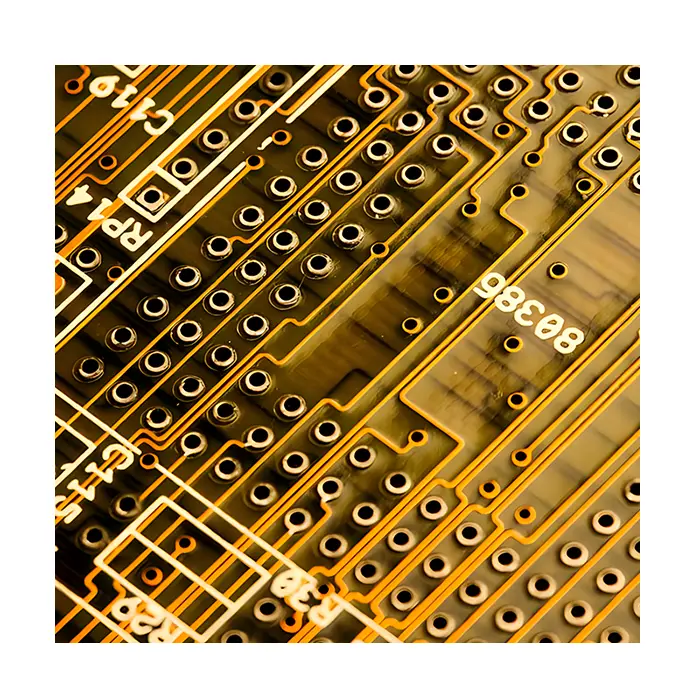 Copper Core
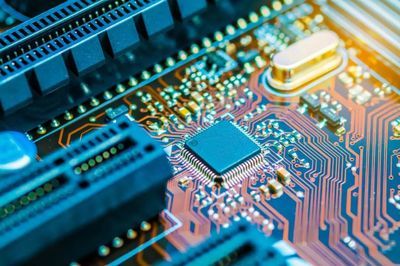 PCB Assembly
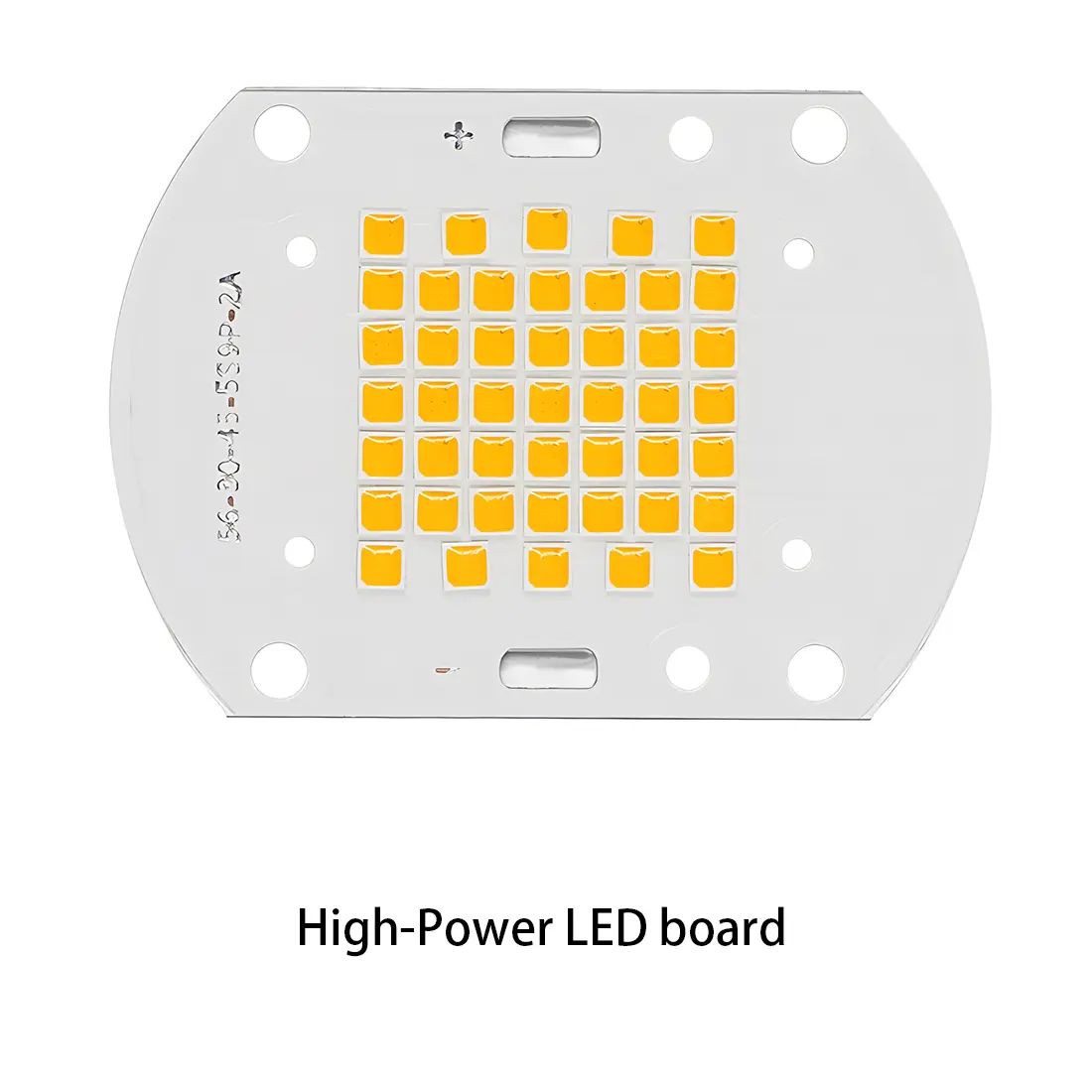 LED light PCBA
 Memory PCBA
 Power Supply PCBA
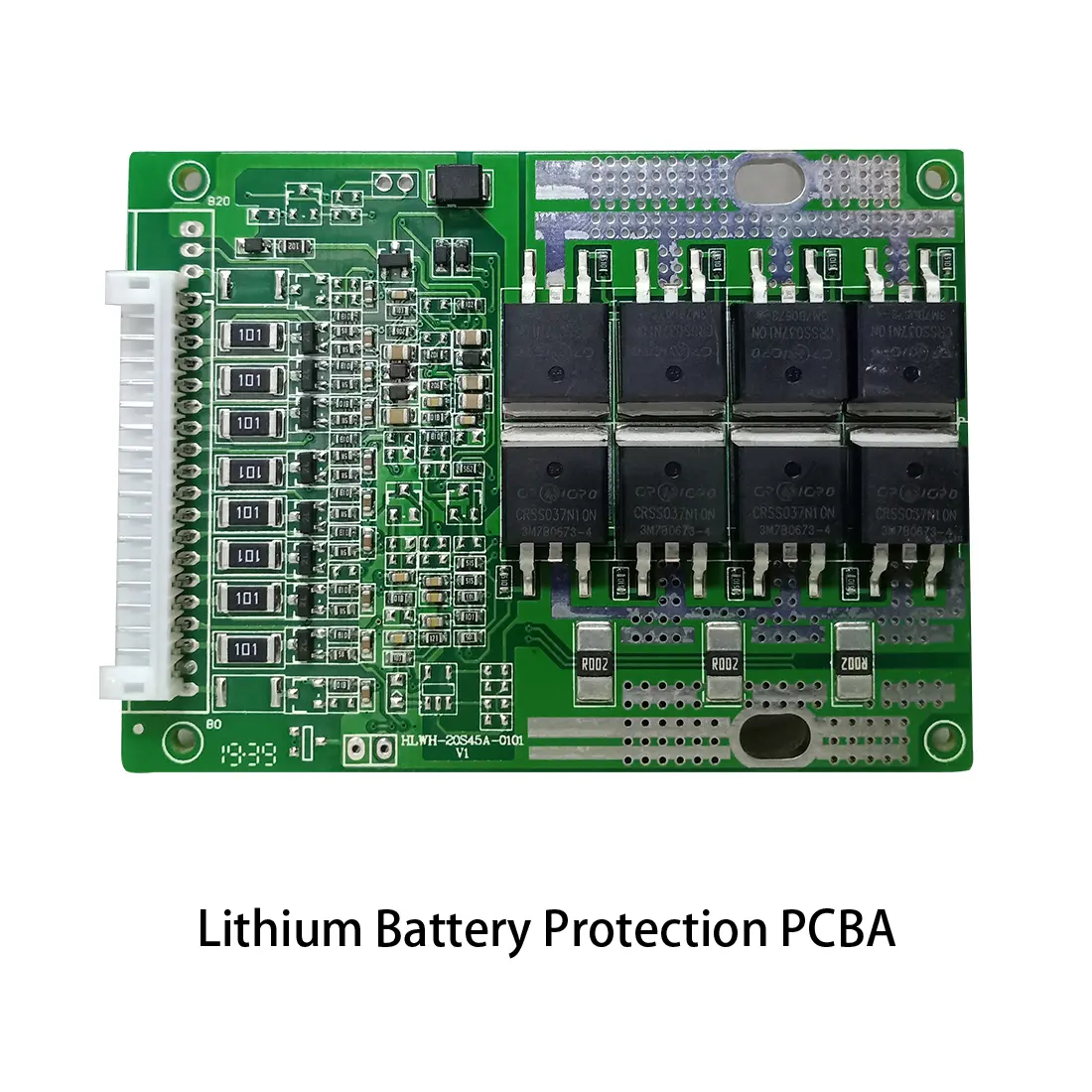 New Energey PCBA
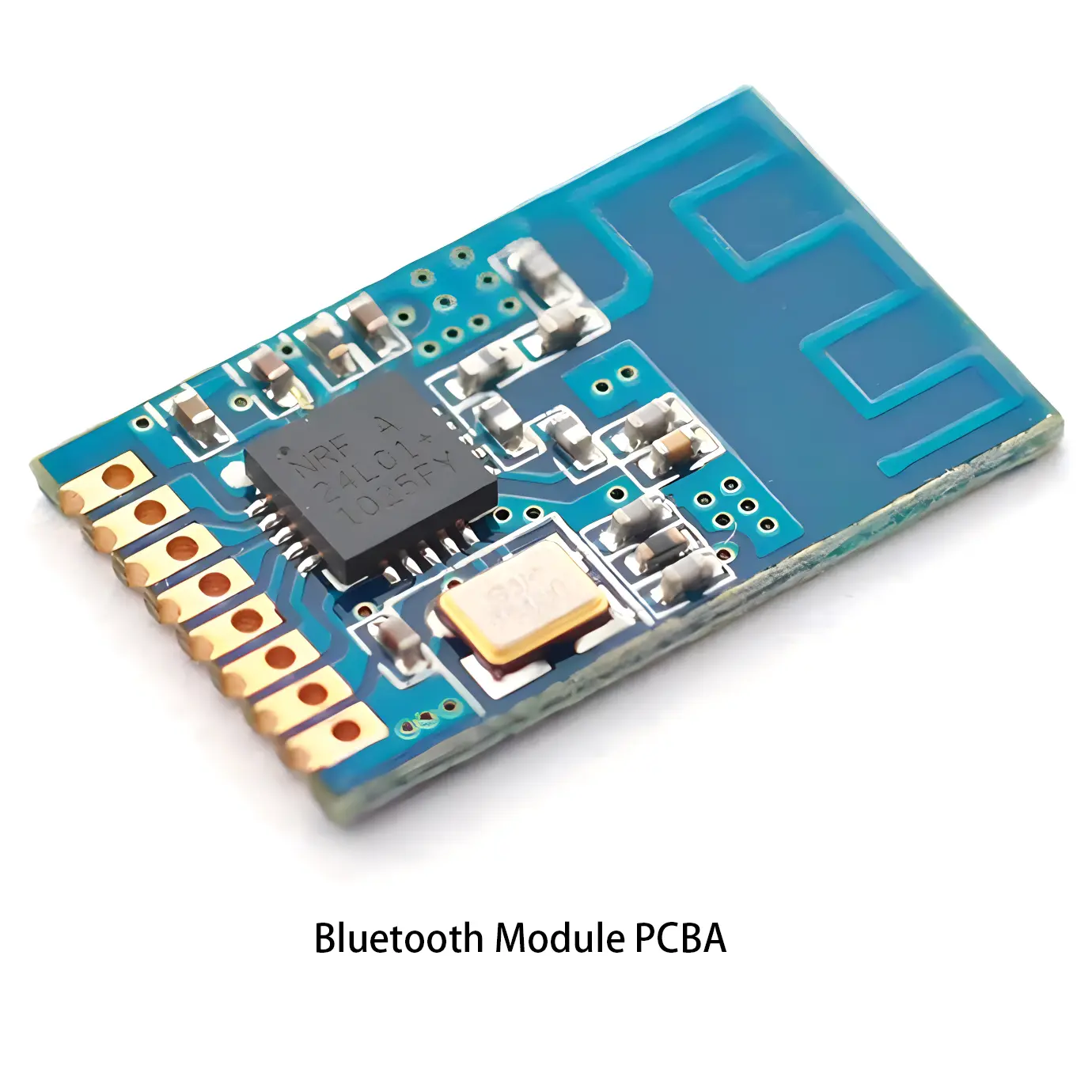 Communication PCBA
 Industrial Control PCBA
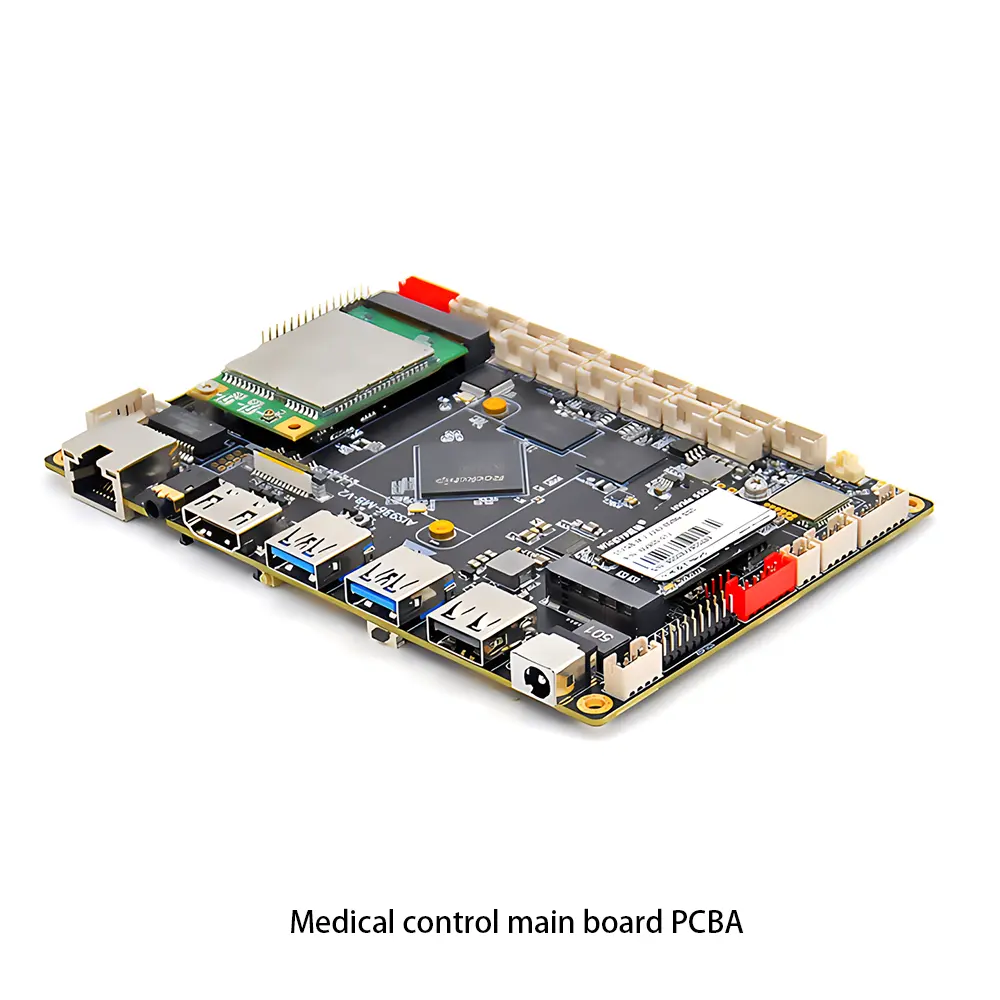 Medical Equipment PCBA
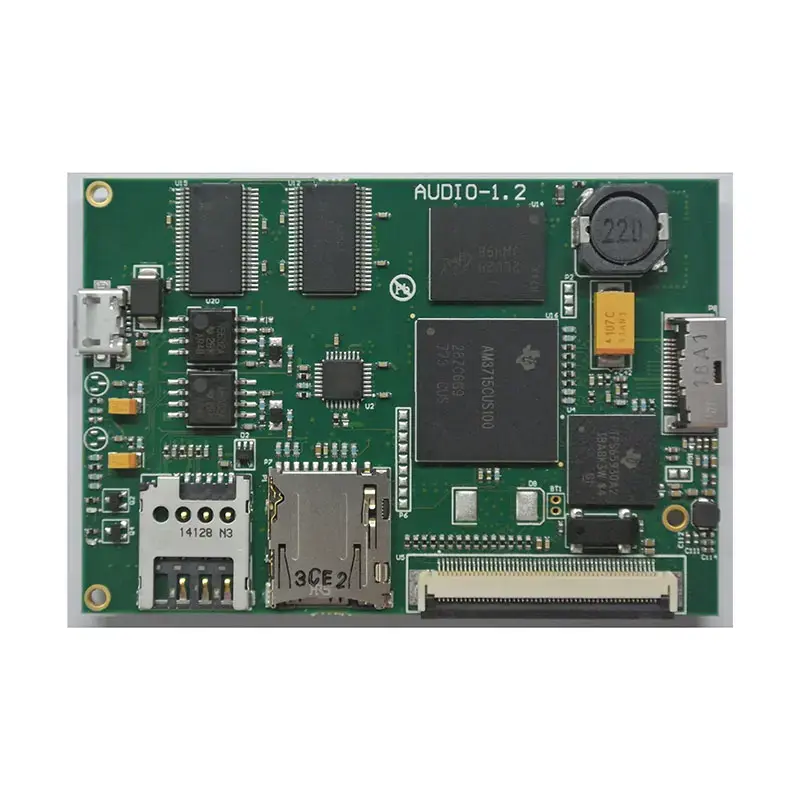 Testing Service
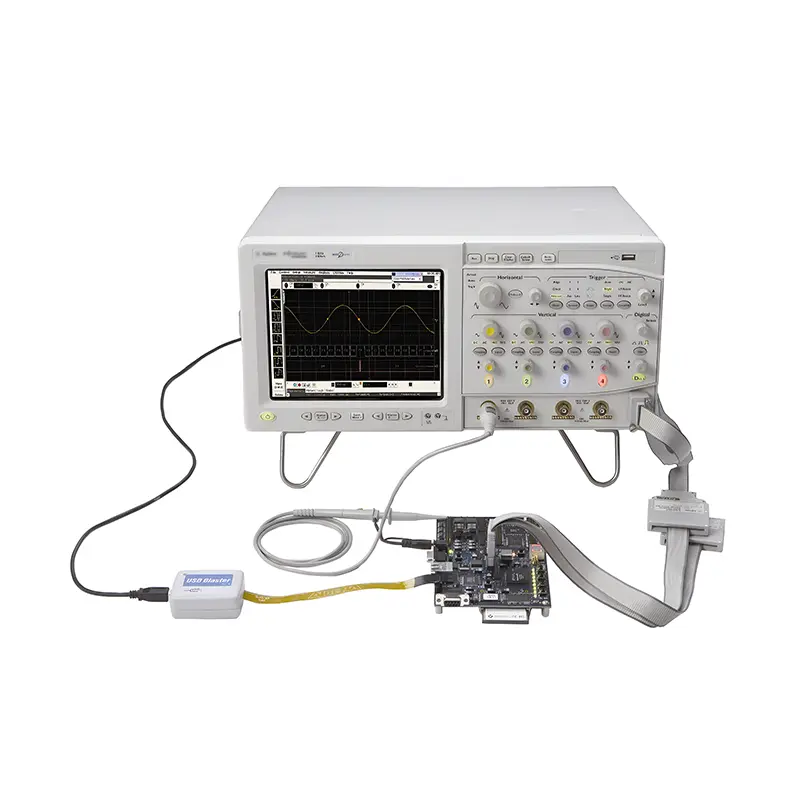 PCBA Testing Service
 Certification Application
 RoHS Certification Application
 REACH Certification Application
 CE Certification Application
 FCC Certification Application
 CQC Certification Application
 UL Certification Application
 Transformers, Inductors
 High Frequency Transformers
 Low Frequency Transformers
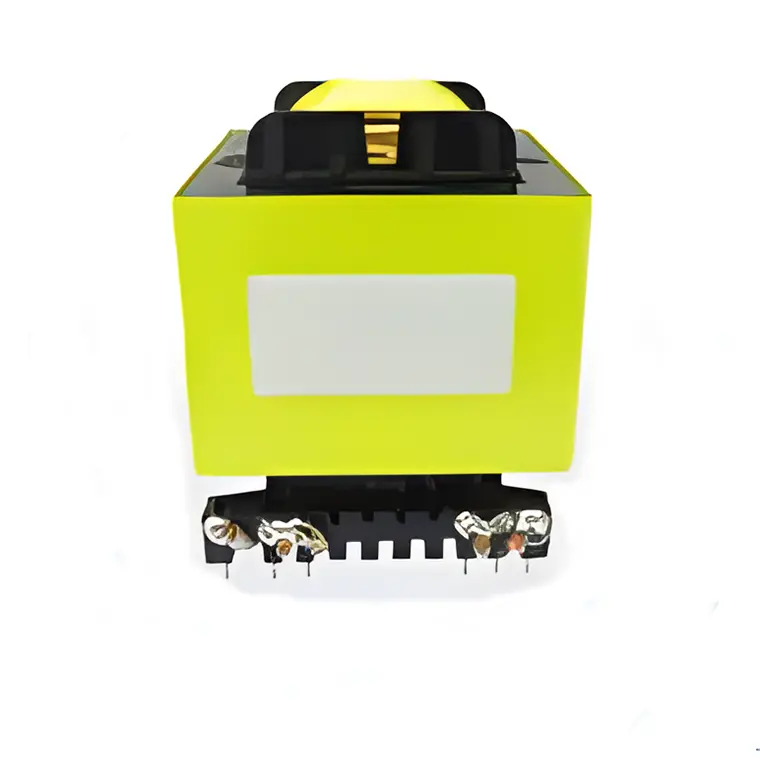 High Power Transformers
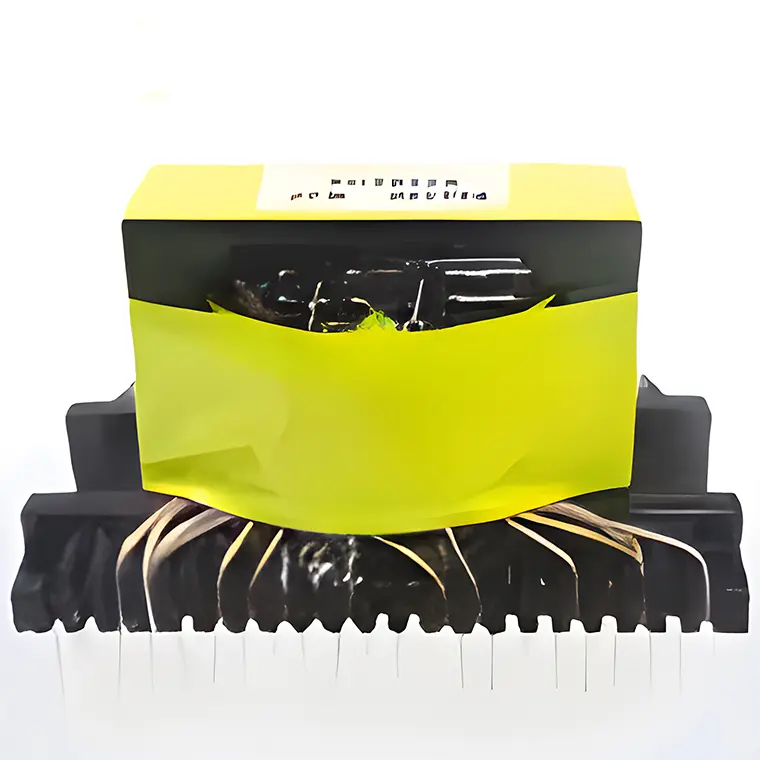 Conversion Transformers
 Sealed Transformers
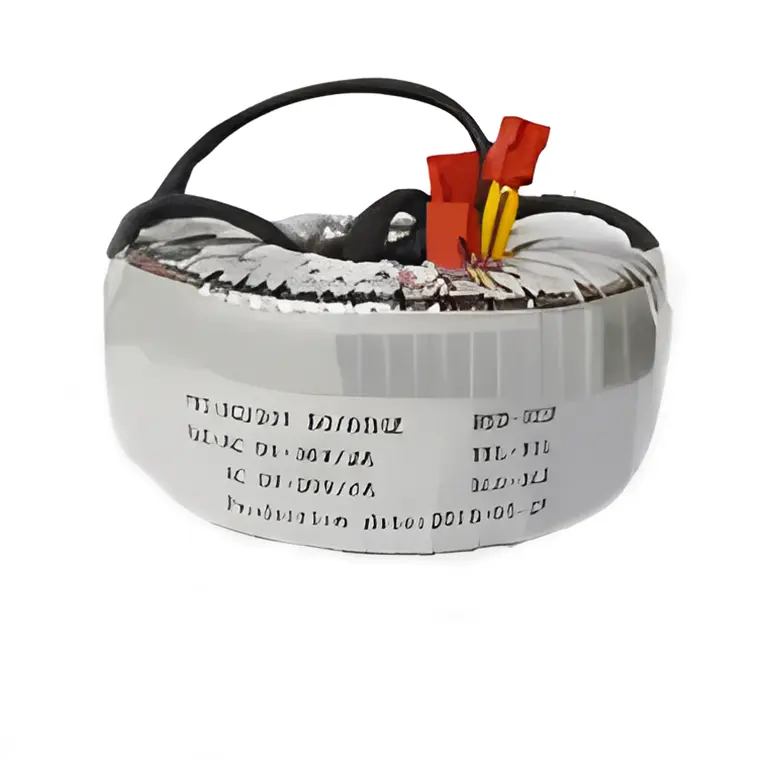 Ring Transformers
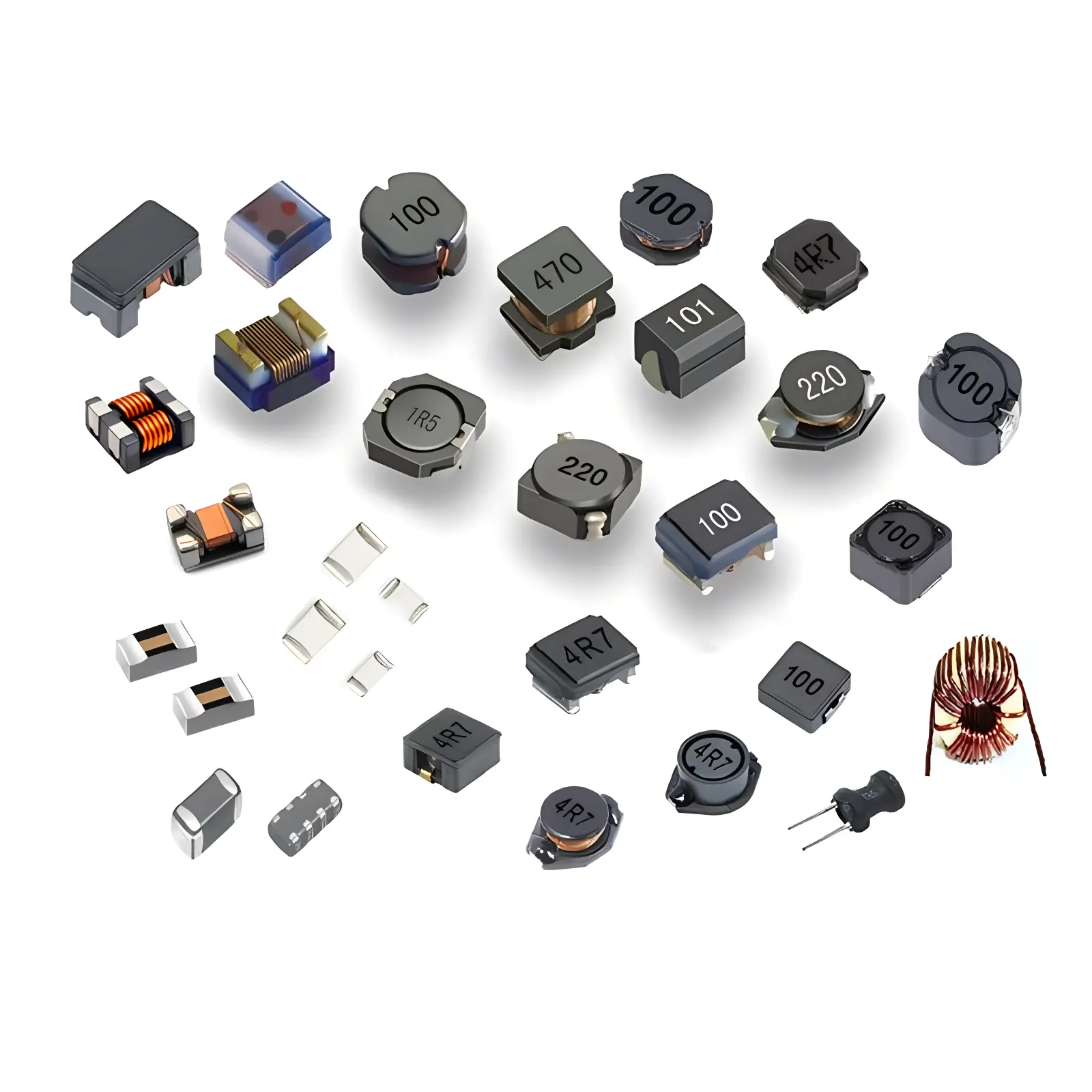 Inductors
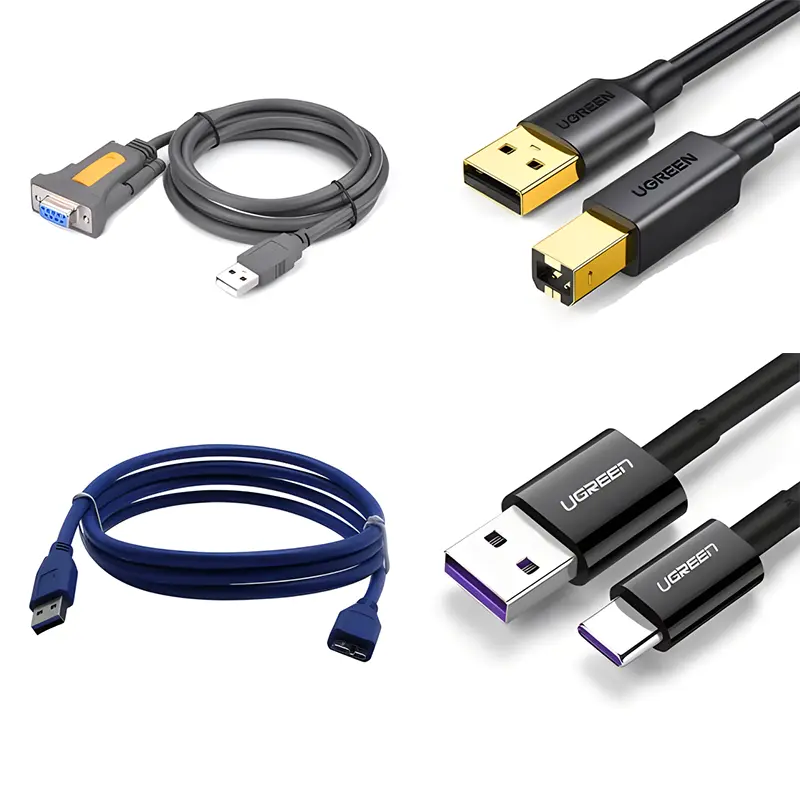 Wires,Cables Customized
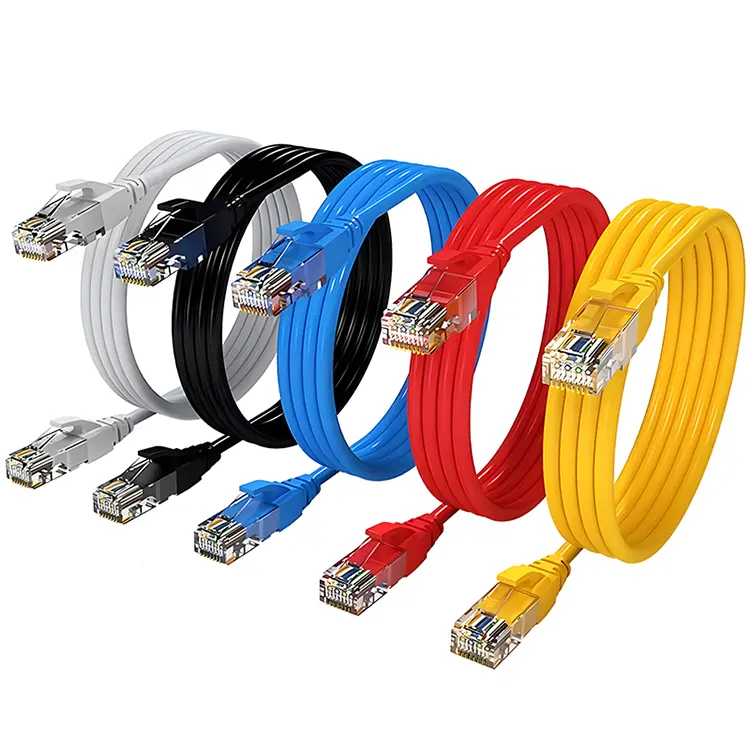 Network Cables
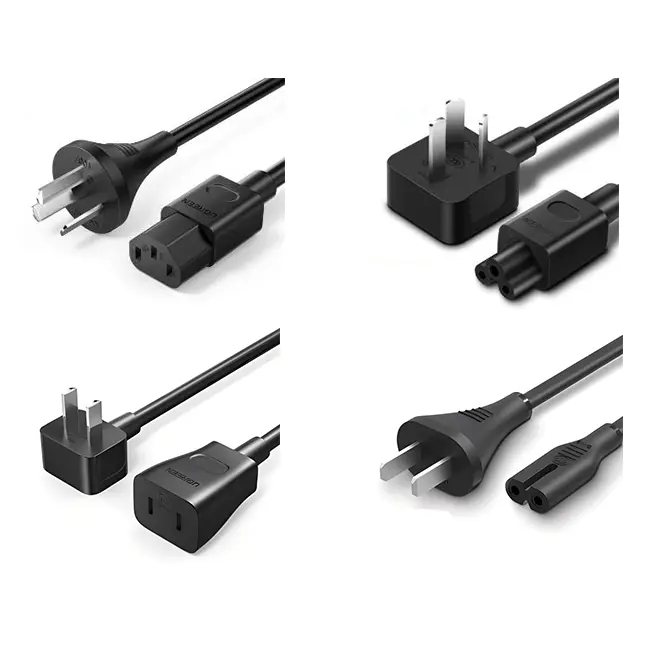 Power Cords
 Antenna Cables
 Coaxial Cables
 Net Position Indicator
 Solar AIS net position indicator
 Capacitors
 Connectors
 Diodes
 Embedded Processors & Controllers
 Digital Signal Processors (DSP/DSC)
 Microcontrollers (MCU/MPU/SOC)
 Programmable Logic Device(CPLD/FPGA)
 Communication Modules/IoT
 Resistors
 Through Hole Resistors
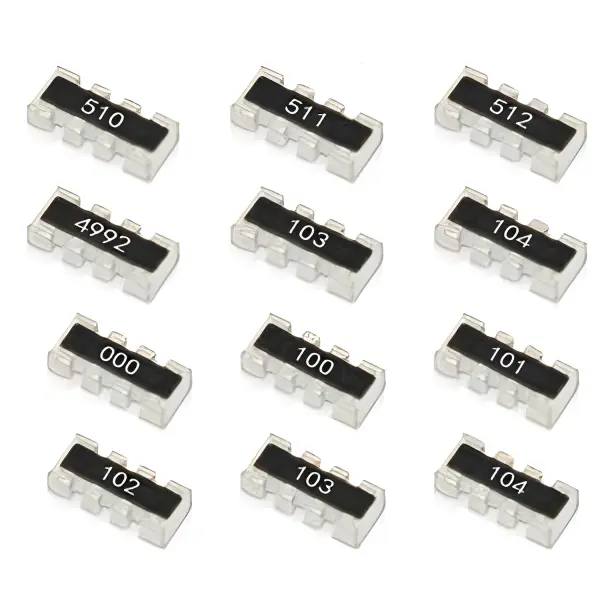 Resistor Networks, Arrays
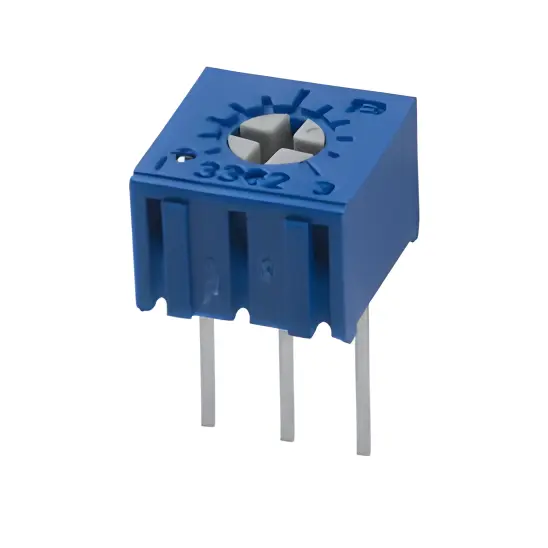 Potentiometers,Variable Resistors
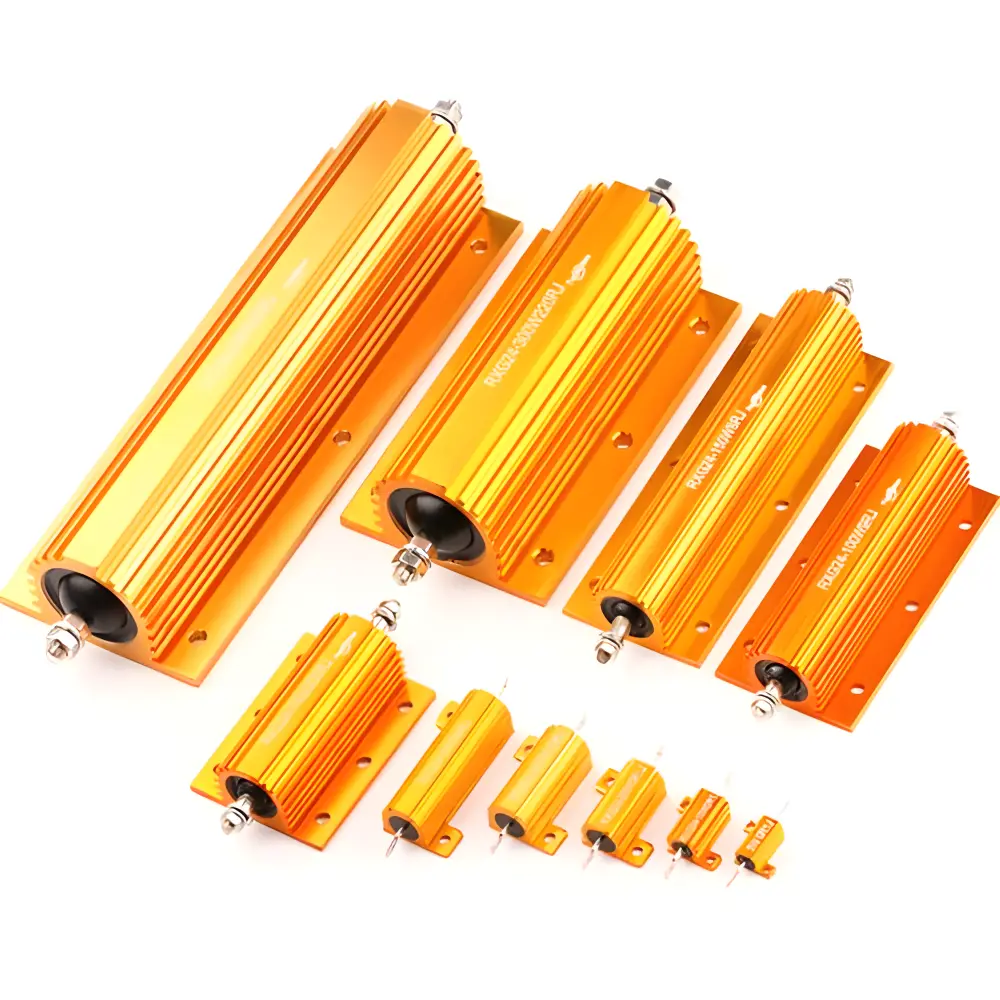 Aluminum Case,Porcelain Tube Resistance
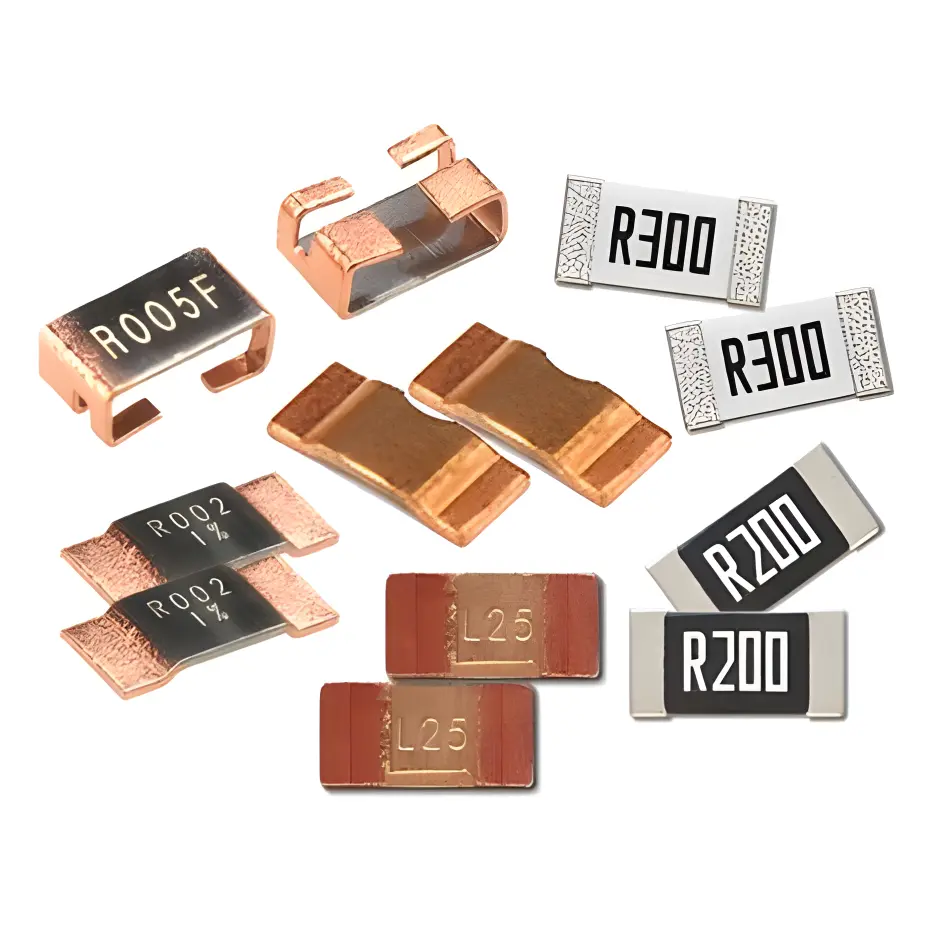 Current Sense Resistors,Shunt Resistors
 Switches
 Transistors
 Power Modules
 Isolated Power Modules
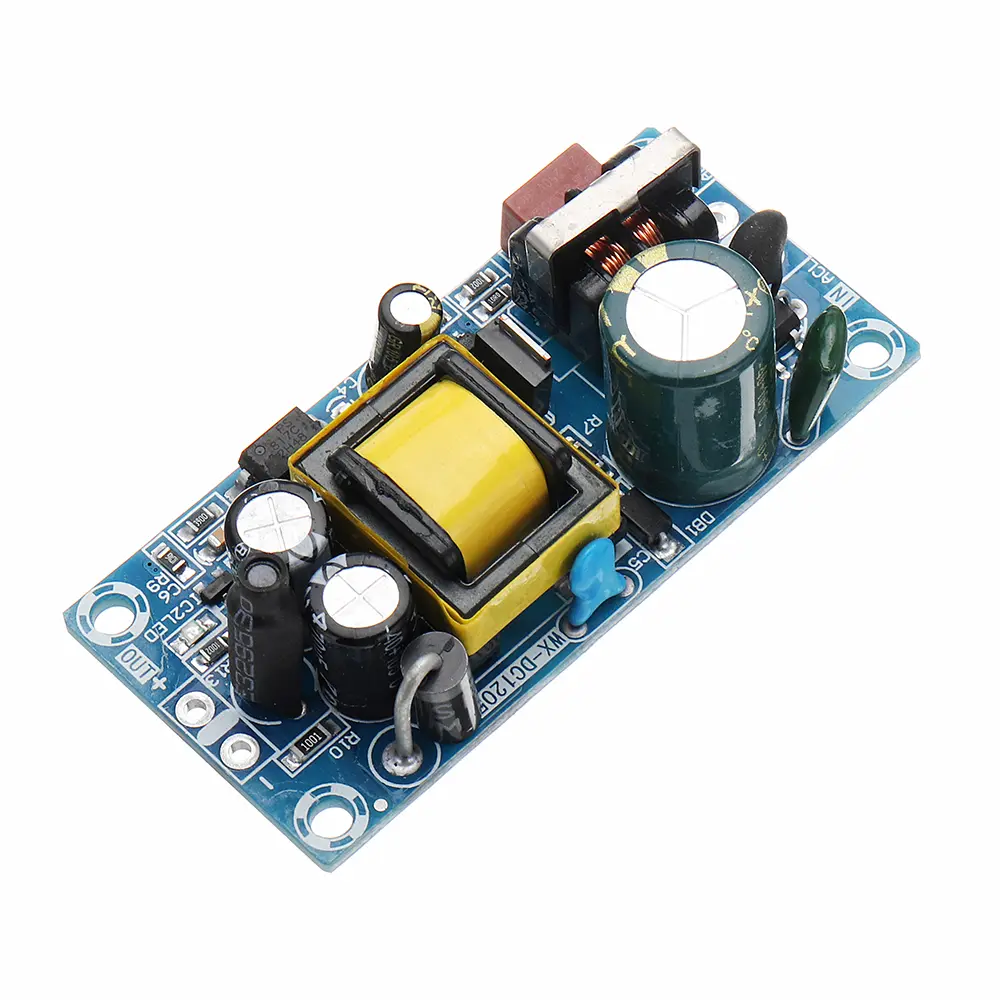 AC-DC Power Modules
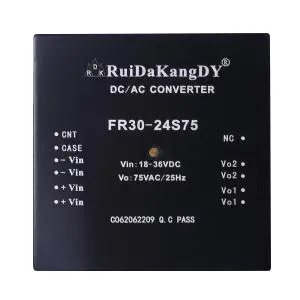 DC-AC Module(Inverter)
 RF and Wireless
Hidden Causes of Excessive PCB Warpage Detected in FQC Despite Normal Process Parameters
2026-01-06
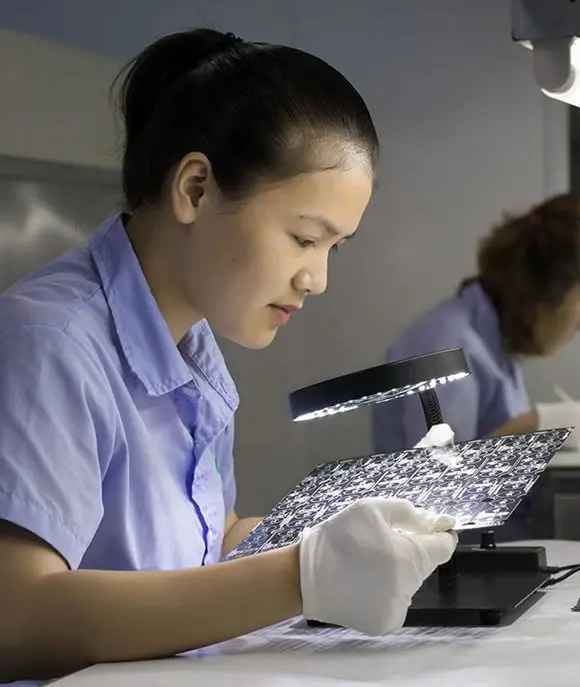
Final Quality Control (FQC) is a critical checkpoint in printed Circuit Board (PCB) and printed circuit board assembly (PCBA) manufacturing, ensuring that finished products meet dimensional, electrical, and functional specifications before shipment. Among the common defects identified in FQC, excessive PCB warpage—defined as a deviation from the flatness requirement beyond the acceptable tolerance (typically ±0.75% of the board length for standard PCBs)—is particularly problematic. Warpage can compromise component placement accuracy, solder joint integrity, and the fit of the PCBA in end products, leading to assembly failures, field reliability issues, or costly rework.
When excessive warpage is detected in FQC but all documented process parameters (e.g., reflow oven temperature profiles, solder paste application, component placement) are within normal limits, manufacturers face a perplexing challenge. This scenario indicates that the root cause lies beyond the obvious process variables, hidden in material properties, subtle process deviations, environmental factors, design flaws, or post-processing effects. Uncovering these hidden causes requires a systematic, cross-functional investigation that combines material analysis, process auditing, environmental monitoring, and design review. This article details the most likely hidden causes of excessive PCB warpage in such cases, along with the analytical methods to identify them and actionable insights to prevent recurrence.
Foundational Understanding: PCB Warpage Mechanisms
To effectively identify hidden causes of warpage, it is first essential to understand the fundamental mechanism of PCB warpage: thermal and mechanical stress imbalance. PCBs are composite structures consisting of multiple layers of copper foil, dielectric materials (e.g., FR-4, polyimide), solder mask, and components. Each of these materials has distinct thermal expansion coefficients (CTE), Young’s modulus (stiffness), and moisture absorption properties. During manufacturing, the PCB is subjected to repeated thermal cycles (e.g., in reflow soldering, wave soldering, or curing processes) and mechanical stresses (e.g., handling, component placement). When the stresses induced by these processes are not uniformly distributed across the PCB, or when the material properties of the Pcb Layers are mismatched, the board bends or twists to relieve the residual stress—resulting in warpage.
When process parameters are normal, the expected stresses are within the PCB’s ability to withstand or recover from, and warpage remains within tolerance. Hidden causes disrupt this balance by introducing unaccounted-for stresses or material mismatches, leading to excessive warpage that only becomes apparent in FQC (often after the PCB has cooled to room temperature or undergone additional handling).
Hidden Cause 1: PCB Material Defects and Mismatched Properties
PCB material quality and consistency are foundational to preventing warpage. Even if process parameters are normal, hidden defects or mismatches in the PCB’s base materials can introduce residual stress that manifests as warpage in FQC. These material-related causes are often overlooked because they are not directly tied to manufacturing processes.
Mismatched Thermal Expansion Coefficients (CTE) in PCB Layers
The CTE of each PCB layer (copper, dielectric, solder mask) must be carefully matched to minimize stress during thermal cycling. A hidden mismatch can occur due to:
• Substandard dielectric material: Low-quality FR-4 or other dielectric materials may have a CTE that deviates from the specified range (typically 13-17 ppm/°C for FR-4 in the x-y direction). If the dielectric’s CTE is significantly higher or lower than the copper foil (16.5 ppm/°C), thermal cycling during reflow will cause unequal expansion and contraction between the layers. This creates residual stress that the PCB releases by warping after cooling.
• Incorrect copper foil thickness or distribution: Copper foil thickness affects both the stiffness and CTE of the PCB layer. A hidden defect such as uneven copper distribution (e.g., thicker copper on one side of the board than the other) or using a copper foil with a non-specified thickness can create an imbalance in thermal expansion. For example, a PCB with 3oz copper on one side and 1oz on the other will expand differently during reflow, leading to one-sided warpage (concave or convex).
• Solder mask material mismatch: Solder mask is applied to the outer layers of the PCB to protect copper traces, but it also contributes to the board’s overall stress balance. If the solder mask material has a CTE significantly different from the dielectric or copper (e.g., some low-cost solder masks have a CTE of 20-25 ppm/°C), thermal cycling will induce stress at the solder mask-dielectric interface. This stress is often not apparent during processing but accumulates and causes warpage after the board cools to room temperature.
Moisture Absorption in PCB Materials
Dielectric materials (especially FR-4) are hygroscopic, meaning they absorb moisture from the environment. While proper PCB storage (in dry, sealed containers with desiccants) is standard practice, hidden moisture absorption can occur due to:
• Extended exposure to ambient air: If PCBs are removed from their moisture barrier bags (MBBs) for longer than the specified time (typically 8-24 hours, depending on humidity), they absorb moisture. During reflow soldering, the absorbed moisture vaporizes rapidly, creating internal pressure that can cause delamination or warpage. Even if the reflow parameters are normal, the internal pressure from moisture evaporation disrupts the PCB’s structural integrity, leading to warpage that becomes visible in FQC.
• Inadequate baking before assembly: PCBs stored in high-humidity environments (e.g., manufacturing facilities in tropical regions) require pre-baking to remove absorbed moisture. A hidden failure to bake the PCBs (or baking at an insufficient temperature/time) leaves moisture trapped in the dielectric layers. During reflow, this moisture vaporizes, causing stress and warpage.
Manufacturing Defects in PCB Lamination
PCB lamination is the process of bonding multiple dielectric and copper layers into a single board. Hidden defects in lamination can introduce residual stress that leads to warpage later in the assembly process:
• Uneven lamination pressure or temperature: Even if the lamination parameters are documented as normal, subtle variations in pressure (e.g., due to a worn press plate) or temperature (e.g., hot spots in the lamination oven) can cause uneven bonding of the layers. This creates internal stress that is not released during lamination but becomes apparent after subsequent thermal cycles (e.g., reflow soldering).
• Contamination in lamination: Foreign particles (e.g., dust, debris, or excess resin) trapped between layers during lamination create localized stress points. These points act as "stress concentrators" during thermal cycling, causing the board to warp around them. Such contamination is often microscopic and not detected during incoming PCB inspection.
Hidden Cause 2: Subtle Process Deviations and Unaccounted-For Thermal Stresses
While documented process parameters (e.g., reflow peak temperature, conveyor speed) may be normal, subtle, unrecorded deviations or unaccounted-for thermal stresses can accumulate and cause warpage. These deviations are often hidden because they fall within the "normal" range of process variation but interact with other factors (e.g., PCB design, material properties) to exceed the warpage tolerance.
Non-Uniform Temperature Distribution in Reflow Ovens
Reflow ovens are designed to maintain uniform temperature across the PCB, but hidden hot or cold spots can create uneven thermal stress:
• Oven zone calibration drift: Even if the oven’s temperature is calibrated regularly, subtle drift in individual heating zones (e.g., a zone that is 3-5°C hotter than set) can cause non-uniform heating. The PCB expands more in the hotter zones and less in the cooler zones, creating residual stress that leads to warpage. This drift is often not detected because routine calibration checks the average temperature, not the uniformity across the oven’s width.
• PCB orientation and spacing: The way PCBs are loaded into the reflow oven (e.g., edge-to-edge vs. spaced apart) can affect temperature distribution. If PCBs are overcrowded or oriented to block airflow, some areas of the board may not receive sufficient heat, leading to uneven expansion. While loading parameters may be documented as normal, subtle variations in operator loading practices (e.g., inconsistent spacing) can introduce hidden thermal stress.
Post-Reflow Cooling Rate Variations
The cooling phase of reflow soldering is critical for minimizing warpage, but it is often overlooked in process documentation. Even if the peak temperature and dwell time are normal, variations in cooling rate can cause excessive stress:
• Rapid cooling: If the PCB cools too quickly (e.g., due to a malfunctioning cooling fan or placing hot PCBs in a cool environment), the outer layers solidify faster than the inner layers. This creates a temperature gradient across the board thickness, leading to differential contraction and warpage. Rapid cooling is often a hidden cause because cooling rate is not always monitored or documented.
• Uneven cooling: Cool air flow in the reflow oven may be non-uniform (e.g., due to a clogged air filter), causing one side of the PCB to cool faster than the other. This uneven cooling creates lateral stress, resulting in twisted or bowed warpage. Again, this variation is often not detected during routine oven maintenance.
Component-Related Thermal Stress Imbalances
Components mounted on the PCB have their own CTE and thermal properties, and hidden imbalances between component and PCB CTE can cause warpage:
• High-CTE components on one side: If a PCB has a high concentration of components with a significantly higher CTE than the PCB (e.g., plastic connectors, ceramic capacitors) on one side only, thermal cycling during reflow will cause that side to expand more than the other. This creates a bending moment that results in one-sided warpage. While component placement parameters are normal, the cumulative CTE mismatch is not accounted for in the design or process.
• Component weight and placement: Heavy components (e.g., transformers, heat sinks) can introduce mechanical stress during cooling if they are placed asymmetrically. As the PCB cools, the weight of the component pulls the board downward, creating warpage. This stress is often hidden because it is not thermal in nature but is exacerbated by thermal cycling (which softens the PCB temporarily, making it more susceptible to mechanical deformation).
Hidden Cause 3: Environmental Factors and Post-Processing Effects
Environmental conditions between processing steps and post-processing handling can introduce hidden stresses that cause warpage, even if all manufacturing parameters are normal. These factors are often overlooked because they occur outside the core assembly process.
Ambient Humidity and Temperature Fluctuations
Ambient environmental conditions in the manufacturing facility can affect PCB moisture content and stress levels:
• High humidity during storage: If PCBs are stored in a high-humidity environment (above 60% RH) between processing steps (e.g., after lamination and before assembly), they absorb moisture. As discussed earlier, this moisture vaporizes during reflow, creating internal pressure and warpage. Even if the reflow parameters are normal, the moisture-induced stress is sufficient to cause excessive warpage.
• Temperature fluctuations in the facility: Rapid changes in ambient temperature (e.g., due to HVAC system cycling, open doors, or seasonal changes) can cause the PCB to expand and contract repeatedly. This cyclic thermal stress accumulates over time, leading to permanent warpage that is only detected in FQC.
Improper Handling and Storage Between Processes
Subtle damage from handling and storage can introduce mechanical stress that leads to warpage:
• Stacking PCBs incorrectly: Stacking PCBs with heavy objects on top (e.g., other PCB stacks, tools) or stacking them unevenly can cause mechanical deformation. The stress from stacking is often not immediately visible but is released during subsequent thermal cycles, leading to warpage.
• Rough handling during transportation: PCBs are often transported between manufacturing stations on conveyors or in bins. Rough handling (e.g., dropping bins, conveyor jams) can cause microscopic cracks or deformation in the PCB layers. These defects act as stress points during thermal cycling, leading to warpage.
• Storage in non-flat containers: Storing PCBs in curved or warped containers can cause them to adopt a permanent bend over time. Even if the containers are labeled as "flat," subtle warping of the container itself (due to repeated use) can introduce stress on the PCBs.
Post-Assembly Processes and Treatments
Post-assembly processes (e.g., conformal coating, testing, or packaging) can introduce hidden stresses that cause warpage:
• Conformal coating curing: Conformal coating is applied to PCBs to protect against moisture and contamination, but the curing process (often thermal or UV-based) can introduce stress. If the coating is applied unevenly or the curing temperature is slightly above the PCB’s recommended limit (even if within the coating’s parameters), the coating shrinks unevenly during curing, causing the PCB to warp.
• Testing fixtures and probes: FQC testing often involves clamping the PCB into fixtures or using probes to test electrical connections. If the fixture is not properly aligned or the clamping force is too high, it can deform the PCB. This deformation may be temporary during testing but can become permanent if the PCB is heated slightly (e.g., by the testing equipment) or subjected to subsequent handling.
Hidden Cause 4: PCB Design Flaws and Dimensional Imbalances
PCB design plays a critical role in determining its susceptibility to warpage. Even with normal process parameters, hidden design flaws can create inherent stress imbalances that manifest as warpage during manufacturing. These flaws are often overlooked because they are not detected during design review or are considered "acceptable" for functionality.
Asymmetric Copper Trace Distribution
Copper traces conduct heat and contribute to the PCB’s stiffness. Asymmetric distribution of copper traces (e.g., dense traces on one side of the board, or a large copper plane on one side only) creates an imbalance in thermal expansion and stiffness:
• One-sided copper planes: A large copper ground plane on one side of the PCB increases the stiffness of that side and affects its thermal expansion. During reflow, the side with the copper plane expands less than the side without, creating a bending moment that causes warpage. This design flaw is often hidden because the copper plane is necessary for electrical performance, and the warpage effect is not anticipated during design.
• Uneven trace density: Dense copper traces on one area of the PCB (e.g., near a connector) create a localized stiffening effect. During thermal cycling, this area expands less than the surrounding areas with sparse traces, leading to localized warpage (e.g., a "bulge" or "dent" in the board).
Non-Uniform Component Placement and Weight Distribution
Component placement design can introduce inherent stress imbalances:
• Asymmetric component layout: Placing most components on one side of the PCB (e.g., all surface-mount components on the top side) creates a weight and thermal stress imbalance. During reflow, the side with more components absorbs more heat (due to the components’ thermal mass), leading to uneven expansion and warpage. This design is often chosen for manufacturing efficiency but can have hidden warpage consequences.
• Concentrated heavy components: Placing multiple heavy components (e.g., batteries, connectors) in a small area of the PCB creates a localized stress point. The weight of these components, combined with thermal cycling, causes the board to warp around this area. This design flaw is often overlooked because the component placement is driven by functional requirements (e.g., connectivity, space constraints).
Inadequate Board Thickness and Stiffness
A PCB that is too thin or lacks sufficient stiffening features is more susceptible to warpage, even with normal process parameters:
• Insufficient board thickness: Thin PCBs (e.g., 0.4mm or less) have lower stiffness and are more prone to bending under thermal and mechanical stress. Even if the process parameters are normal, the inherent lack of stiffness allows the board to warp to relieve residual stress.
• Missing stiffening features: PCBs with large open areas (e.g., cutouts for connectors) or missing stiffening ribs lack structural integrity. These areas are more susceptible to warpage during thermal cycling, as there is less material to resist stress. This design flaw is often hidden because the cutouts are necessary for the PCB’s fit in the end product.
Investigative Methods to Uncover Hidden Warpage Causes
Uncovering the hidden causes of excessive warpage requires a systematic investigation that combines material analysis, process auditing, environmental monitoring, and design review. The following methods are critical for identifying the root cause:
1. PCB Material Analysis
• CTE and material property testing: Test the dielectric, copper, and solder mask materials of the warped PCBs to verify their CTE, Young’s modulus, and moisture absorption rate. Compare the results to the specified values to identify mismatches or substandard materials.
• Lamination defect inspection: Use scanning acoustic microscopy (SAM) or X-ray inspection to detect hidden lamination defects (e.g., delamination, contamination) that may be causing stress.
• Moisture content testing: Measure the moisture content of unused PCBs from the same batch (using a Karl Fischer titrator) to determine if excessive moisture absorption is a factor.
2. Process Auditing and Thermal Profiling
• Detailed reflow oven profiling: Use a thermal profiler with multiple sensors (placed across the PCB’s surface and thickness) to measure temperature distribution and cooling rate. This will identify hidden hot/cold spots or rapid cooling that may be causing uneven stress.
• Oven calibration verification: Verify the reflow oven’s temperature uniformity (using a thermal mapping tool) to detect zone drift or airflow issues.
• Handling and storage audit: Observe and document the handling and storage practices of PCBs between processes (e.g., stacking, transportation, storage conditions) to identify improper practices that may introduce mechanical stress.
3. Environmental Monitoring
• Track ambient humidity and temperature: Install data loggers in PCB storage areas and assembly stations to monitor humidity and temperature fluctuations over time. Look for correlations between high humidity/temperature changes and warpage incidents.
• Moisture barrier bag (MBB) integrity check: Inspect the MBBs of unused PCBs for tears or seals that may have allowed moisture ingress. Verify that the desiccants inside the MBBs are functional.
4. Design Review and Simulation
• Copper trace and component placement analysis: Review the PCB design to identify asymmetric copper distribution, one-sided component placement, or concentrated heavy components. Use thermal stress simulation software (e.g., ANSYS, COMSOL) to model the PCB’s behavior during thermal cycling and identify areas of high stress.
• Stiffness and thickness evaluation: Assess the PCB’s thickness and stiffening features (e.g., cutouts, ribs) to determine if they are sufficient to resist thermal and mechanical stress. Use finite element analysis (FEA) to simulate warpage based on the design.
Case Study: Uncovering Hidden Warpage Causes in a Automotive PCBA
A manufacturer of automotive PCBs detected excessive warpage (0.9% deviation, exceeding the 0.75% tolerance) in FQC for a batch of PCBs used in engine control units. All process parameters (reflow temperature, component placement, solder paste application) were documented as normal, and initial investigations focused on process deviations with no success.
Step 1: Material analysis: Testing the PCB’s FR-4 dielectric material revealed a CTE of 18.5 ppm/°C (above the specified 13-17 ppm/°C), indicating a substandard material. SAM inspection also detected microscopic delamination between the dielectric and copper layers, likely due to moisture absorption.
Step 2: Process auditing: Detailed reflow oven profiling with multiple sensors showed that the cooling rate in the final zone was 5°C/second (faster than the recommended 3°C/second), due to a clogged air filter that disrupted uniform airflow. This rapid cooling created a temperature gradient across the PCB thickness.
Step 3: Environmental monitoring: Data loggers in the PCB storage area showed that humidity had spiked to 75% RH for three days prior to assembly, due to a malfunctioning HVAC humidifier. Unused PCBs from the same batch had a moisture content of 0.25% (above the acceptable 0.15%), confirming excessive moisture absorption.
Step 4: Design review: The PCB design had a large copper ground plane on the top side only, with most components (including a heavy connector) placed on the same side. Thermal stress simulation showed that this asymmetric design created a bending moment during thermal cycling, exacerbated by the substandard dielectric material and rapid cooling.
Conclusion: The excessive warpage was caused by a combination of hidden factors: substandard FR-4 material with a mismatched CTE, excessive moisture absorption due to high humidity storage, rapid cooling in the reflow oven, and an asymmetric PCB design. Corrective actions included: switching to a high-quality FR-4 material with the specified CTE, implementing stricter environmental monitoring of storage areas, replacing the clogged air filter in the reflow oven to ensure uniform cooling, and modifying the PCB design to balance the copper distribution and component placement. After these changes, the warpage defect rate dropped to 0.1%.
Preventive Measures to Mitigate Hidden Warpage Causes
To prevent excessive warpage despite normal process parameters, manufacturers should implement the following preventive measures:
- • Strict PCB material qualification: Test incoming PCB materials (dielectric, copper, solder mask) for CTE, moisture absorption, and lamination quality. Work with reputable suppliers and require certificates of conformity (CoC) for all materials.
- • Controlled storage and handling: Store PCBs in sealed MBBs with desiccants, maintain storage area humidity below 60% RH, and limit exposure to ambient air. Implement proper stacking and handling procedures to avoid mechanical stress.
- • Comprehensive reflow oven maintenance: Regularly verify temperature uniformity (not just average temperature) and cooling rate. Clean air filters and heating elements to prevent hot/cold spots and uneven airflow.
- • Design for manufacturability (DFM) reviews: Incorporate DFM checks into the PCB design process to ensure balanced copper distribution, symmetric component placement, and sufficient stiffness. Use thermal stress simulation to identify potential warpage risks before production.
- • Continuous environmental monitoring: Install data loggers in storage and assembly areas to track humidity and temperature, and set up alerts for deviations from acceptable ranges.
- • Pre-baking for high-humidity environments: Implement mandatory pre-baking of PCBs before assembly if the storage environment exceeds 60% RH, even if the PCBs are within their shelf life.
Excessive PCB warpage detected in FQC despite normal process parameters is a complex issue that stems from hidden causes related to material defects, subtle process deviations, environmental factors, and design flaws. These causes are often overlooked because they do not directly correlate with documented process variables, but their cumulative effect disrupts the PCB’s stress balance, leading to warpage.
Uncovering these hidden causes requires a systematic, cross-functional investigation that combines material analysis, process auditing, environmental monitoring, and design review. By understanding the fundamental mechanisms of warpage and using targeted investigative methods, manufacturers can identify the root cause and implement effective corrective actions.
Preventive measures—such as strict material qualification, controlled storage and handling, comprehensive oven maintenance, DFM reviews, and continuous environmental monitoring—are critical for mitigating hidden warpage risks. By addressing these hidden factors, manufacturers can improve PCB flatness, reduce FQC defects, enhance product reliability, and avoid the cost and delays associated with rework and scrap.