
 PCB
PCB FPC
FPC Rigid-Flex
 FR-4
FR-4 HDI PCB
 Rogers High-Frequency Board
 PTFE Teflon High-Frequency Board
 Aluminum
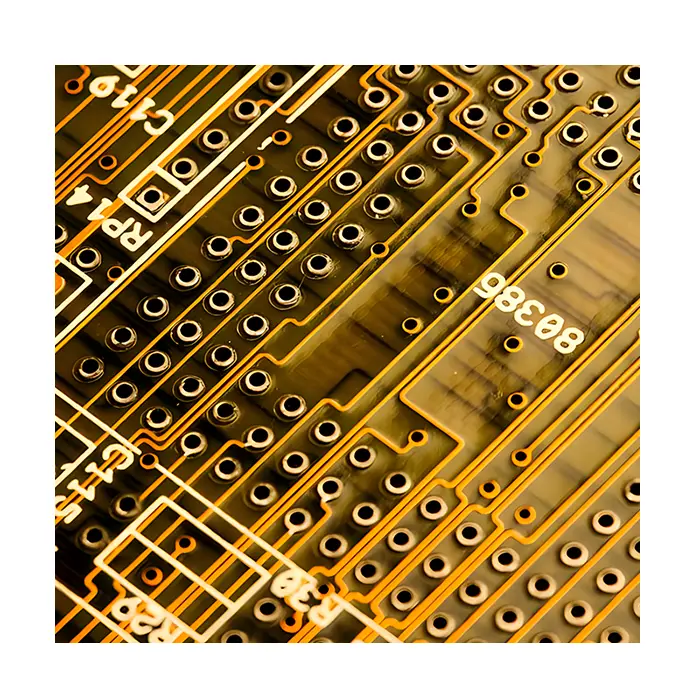 Copper Core
 PCB Assembly
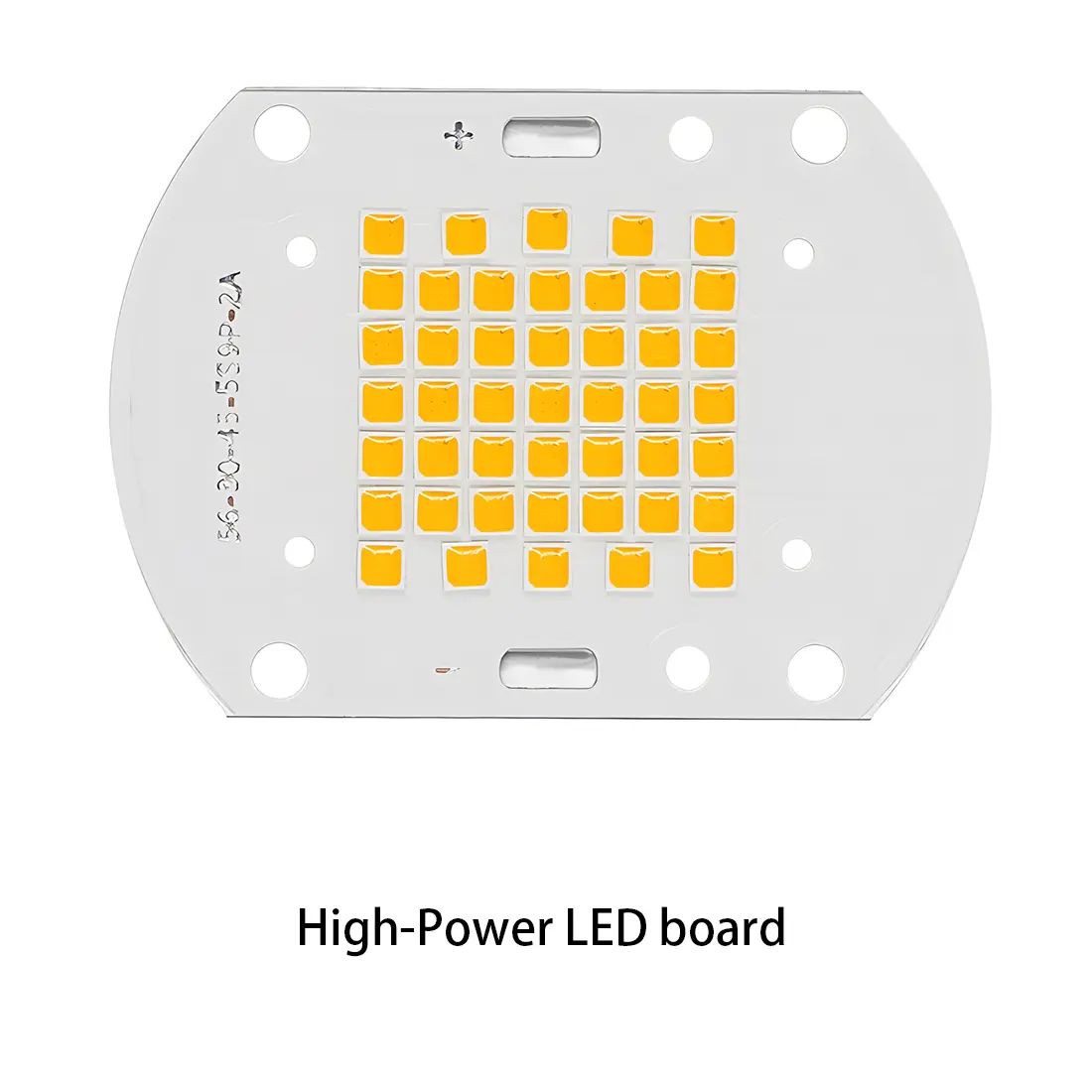 LED light PCBA
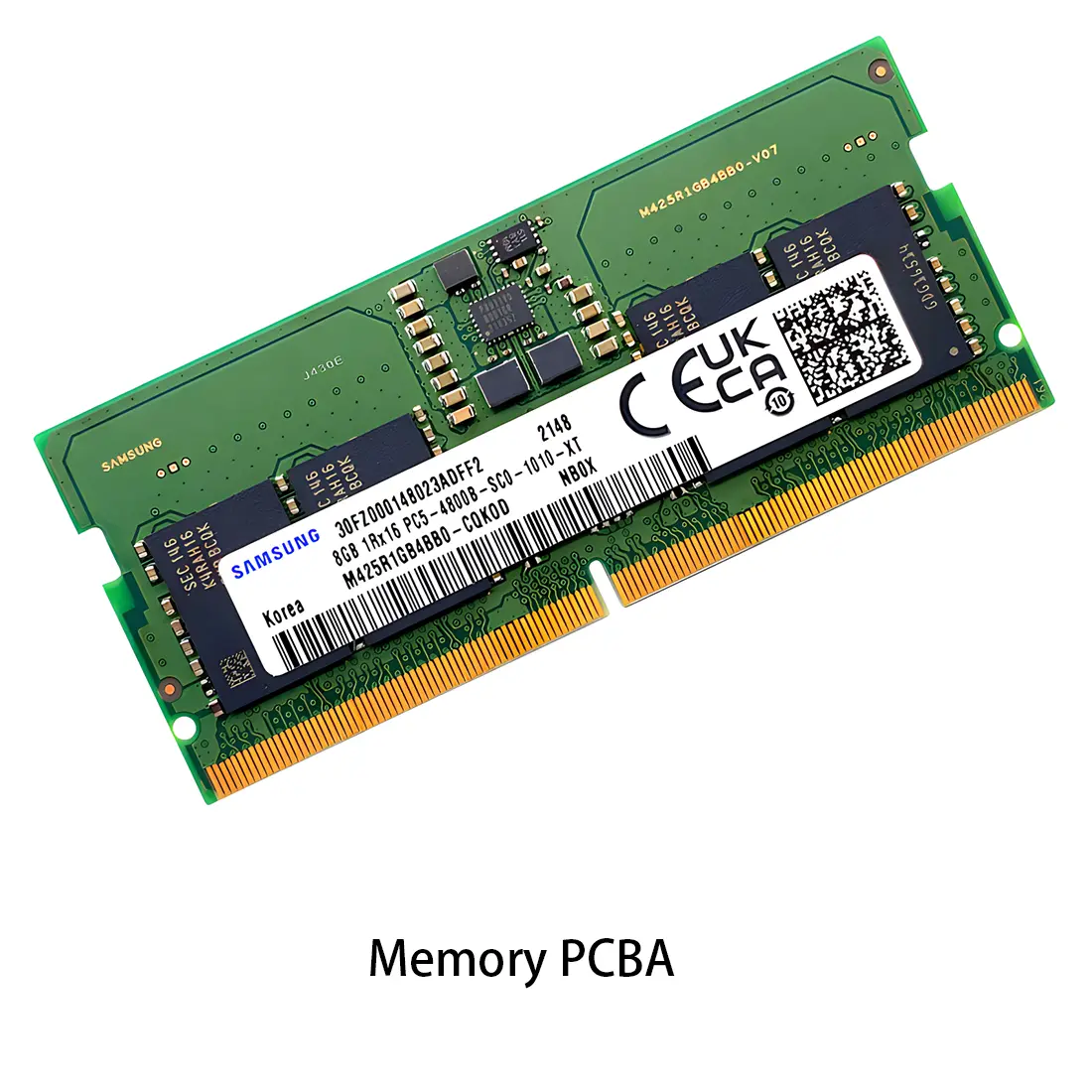 Memory PCBA
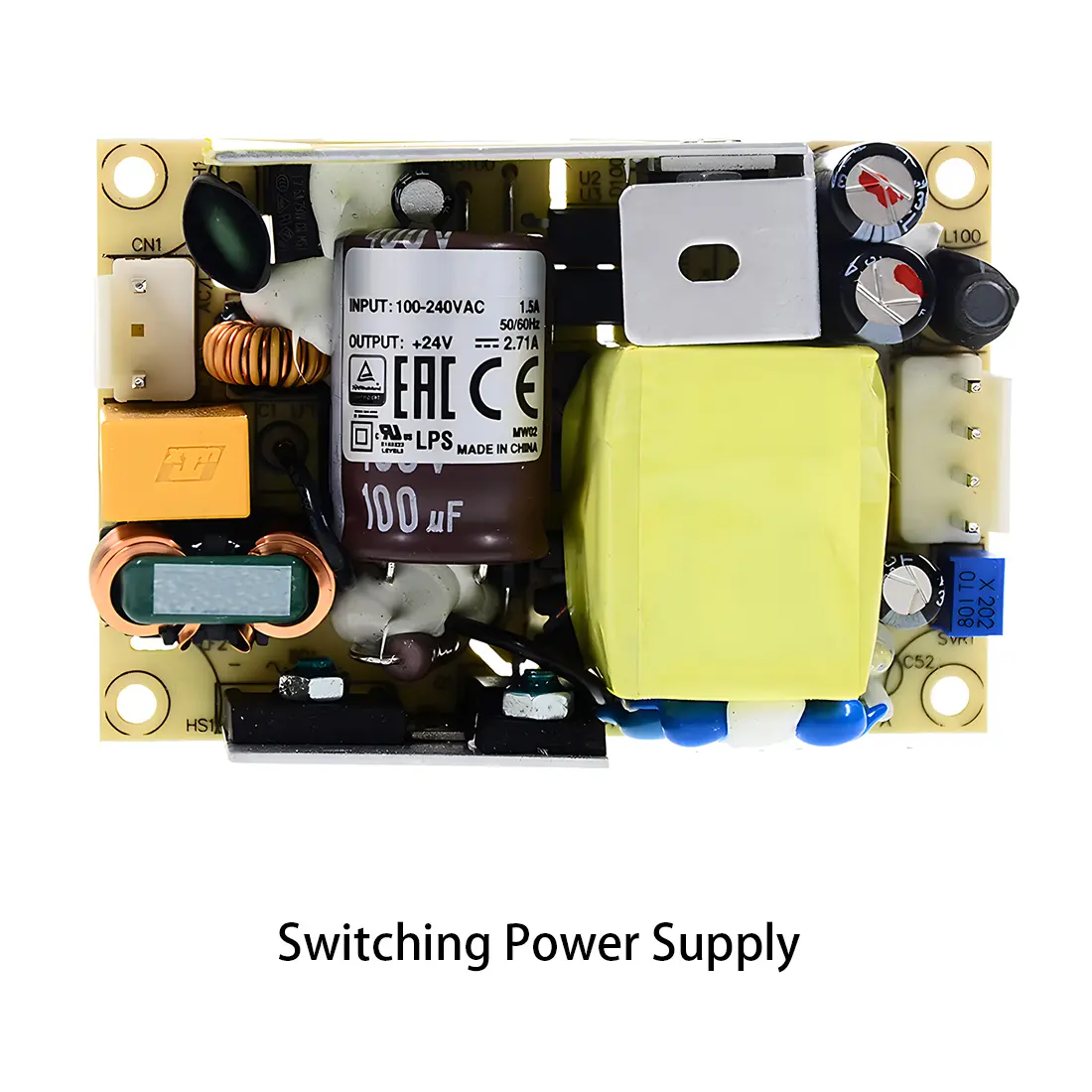 Power Supply PCBA
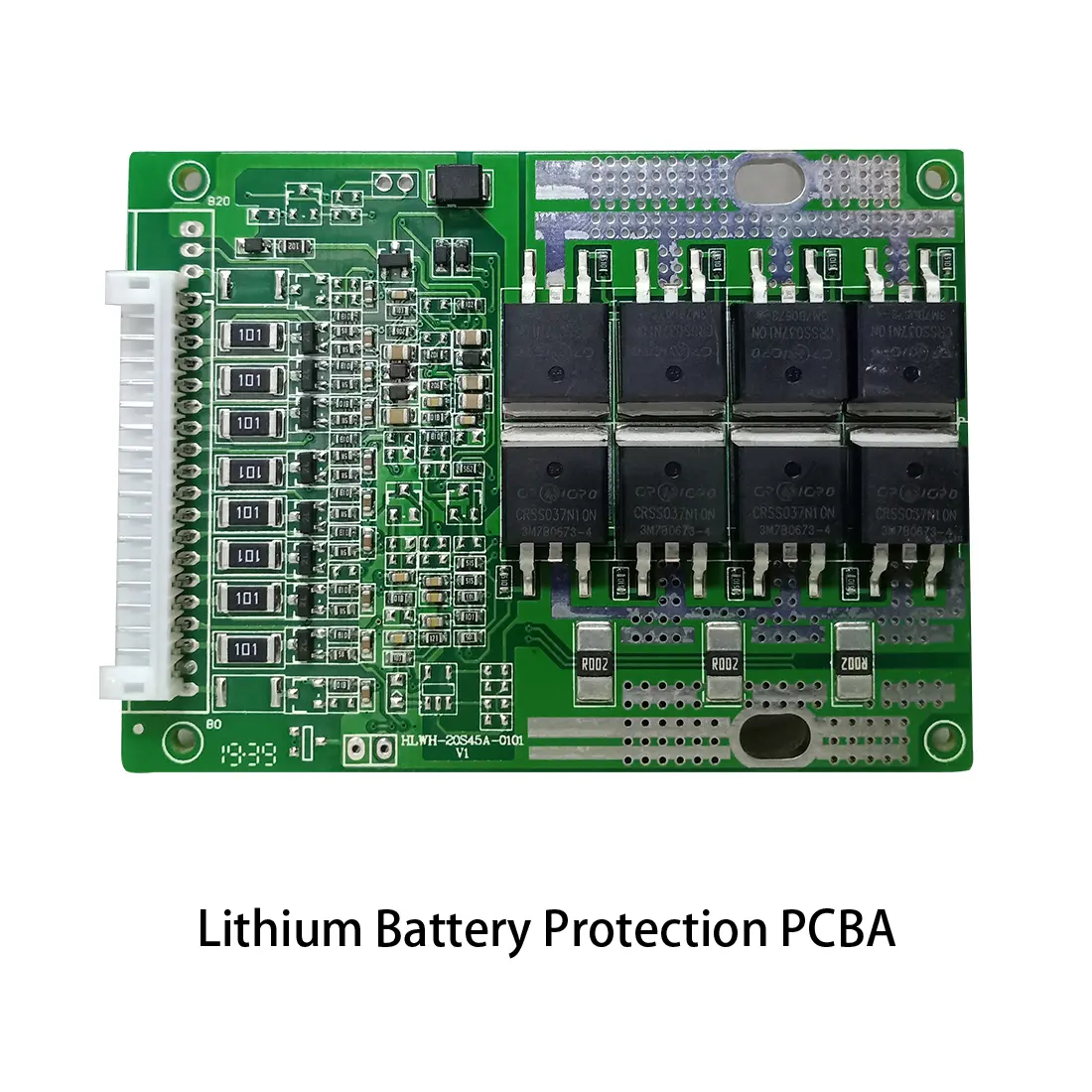 New Energey PCBA
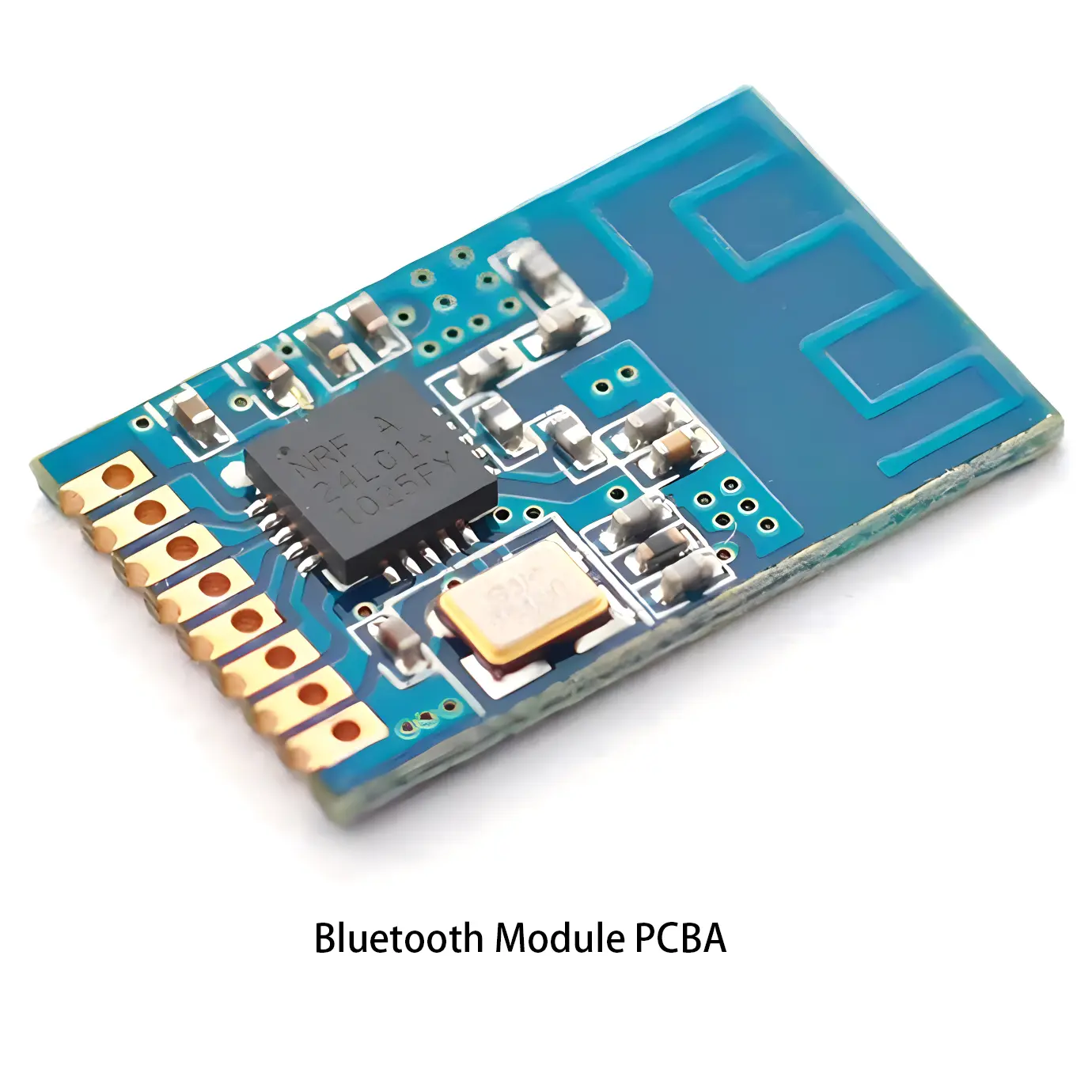 Communication PCBA
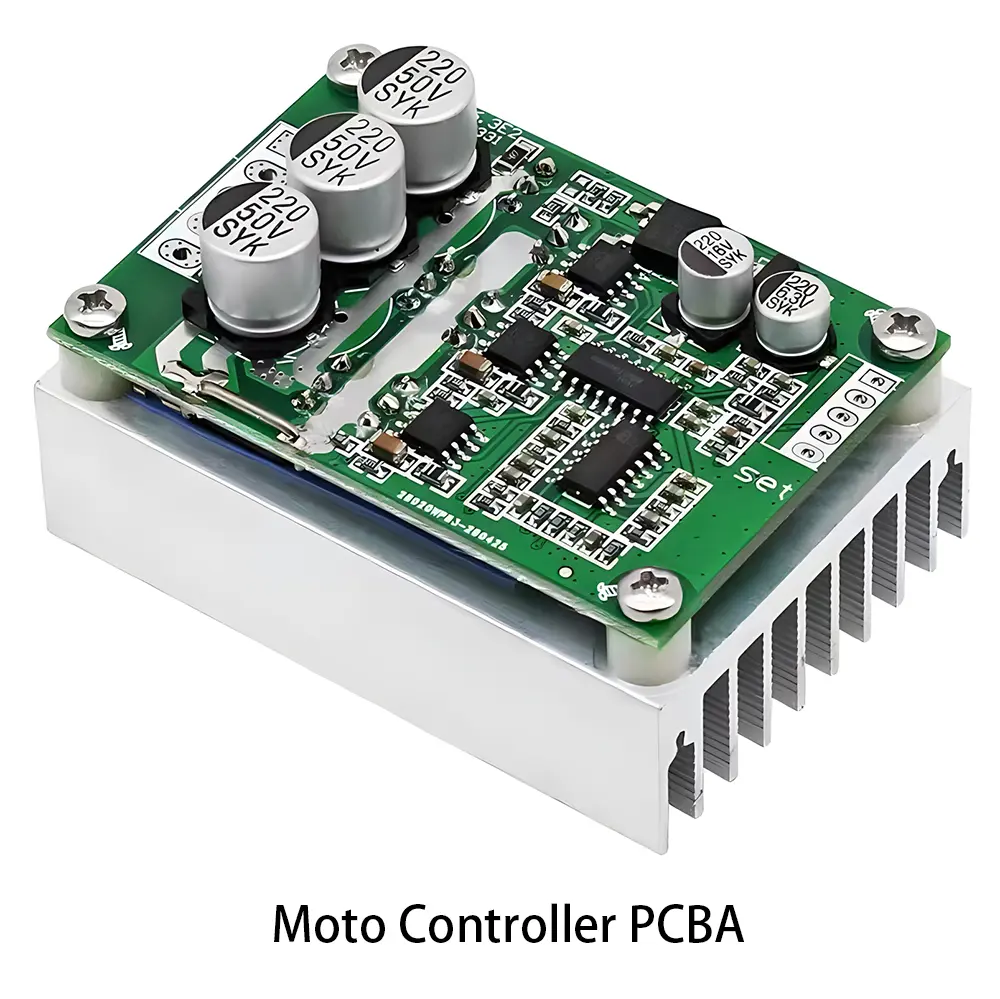 Industrial Control PCBA
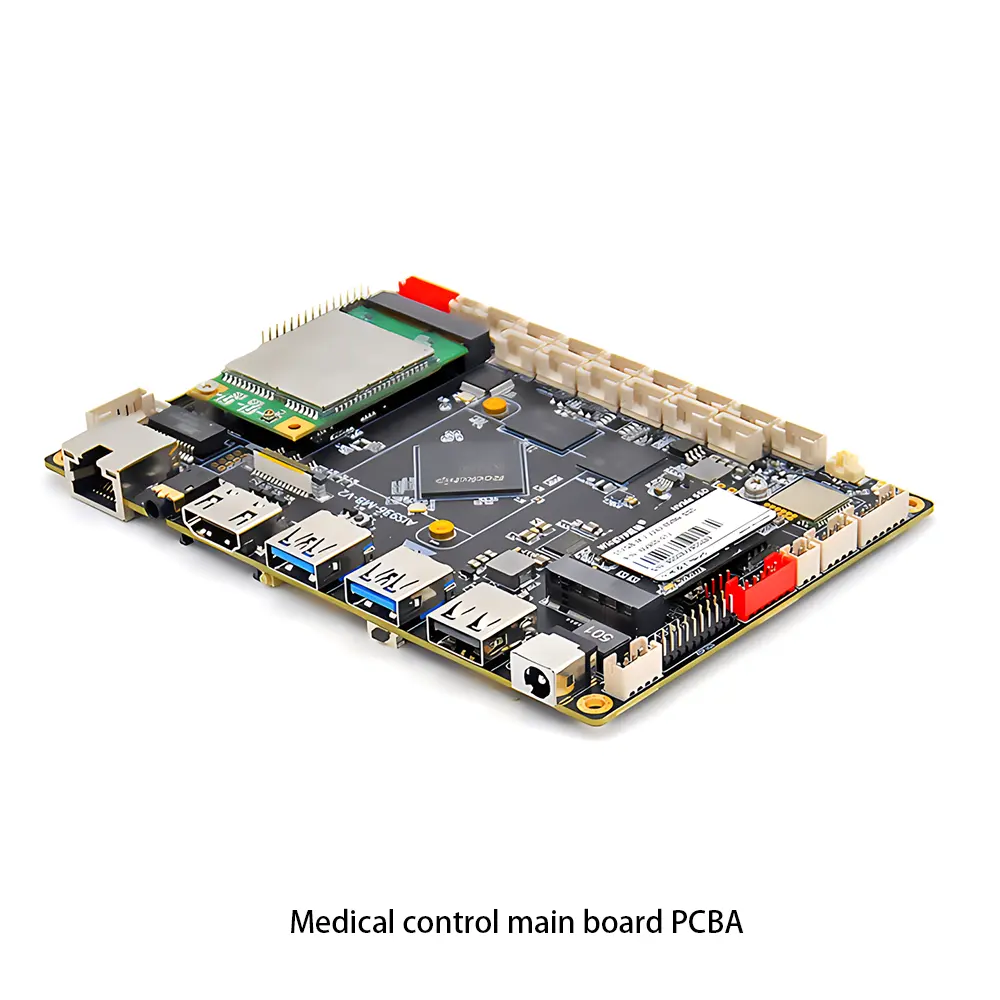 Medical Equipment PCBA
 Testing Service
 PCBA Testing Service
 Certification Application
 RoHS Certification Application
 REACH Certification Application
 CE Certification Application
 FCC Certification Application
 CQC Certification Application
 UL Certification Application
 Transformers, Inductors
 High Frequency Transformers
 Low Frequency Transformers
 High Power Transformers
 Conversion Transformers
 Sealed Transformers
 Ring Transformers
 Inductors
 Wires,Cables Customized
 Network Cables
 Power Cords
 Antenna Cables
 Coaxial Cables
 Net Position Indicator
 Solar AIS net position indicator
 Capacitors
 Connectors
 Diodes
 Embedded Processors & Controllers
 Digital Signal Processors (DSP/DSC)
 Microcontrollers (MCU/MPU/SOC)
 Programmable Logic Device(CPLD/FPGA)
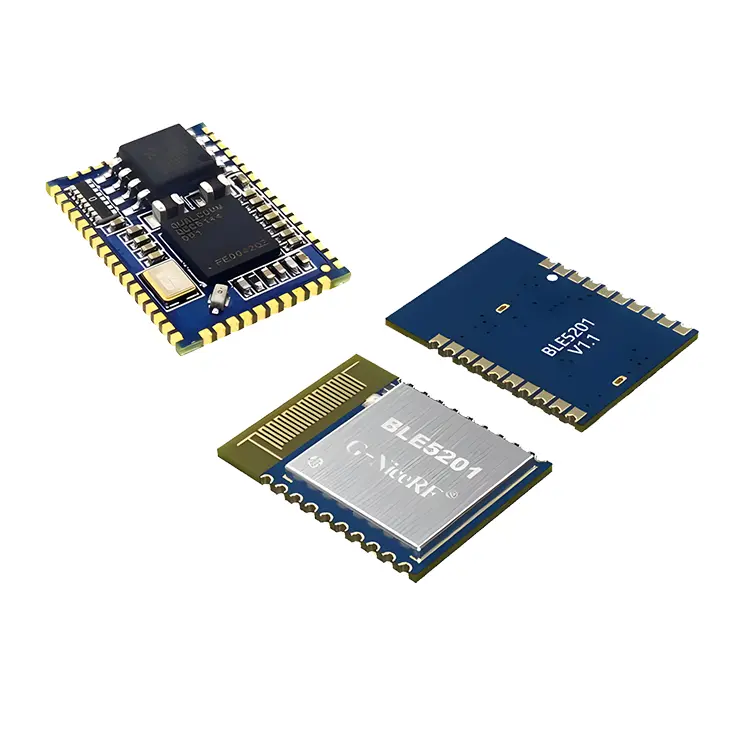 Communication Modules/IoT
 Resistors
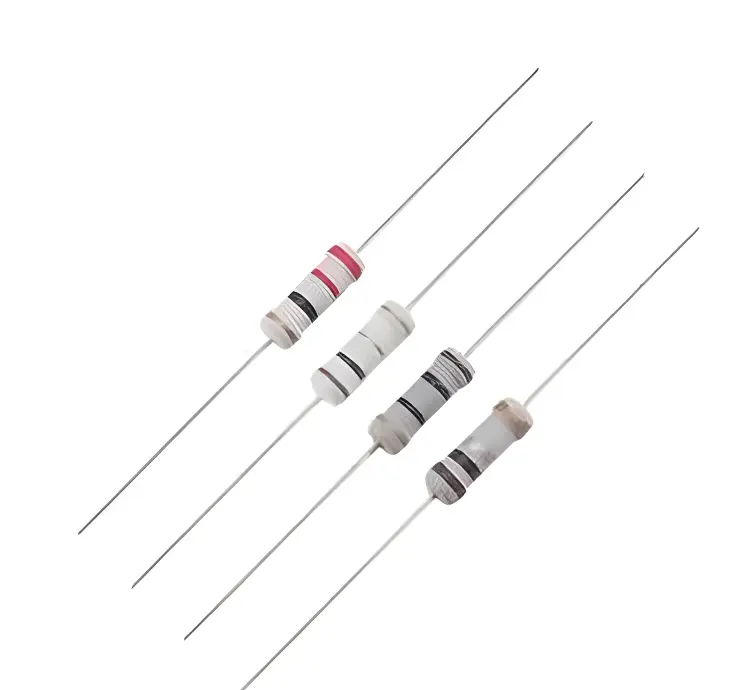 Through Hole Resistors
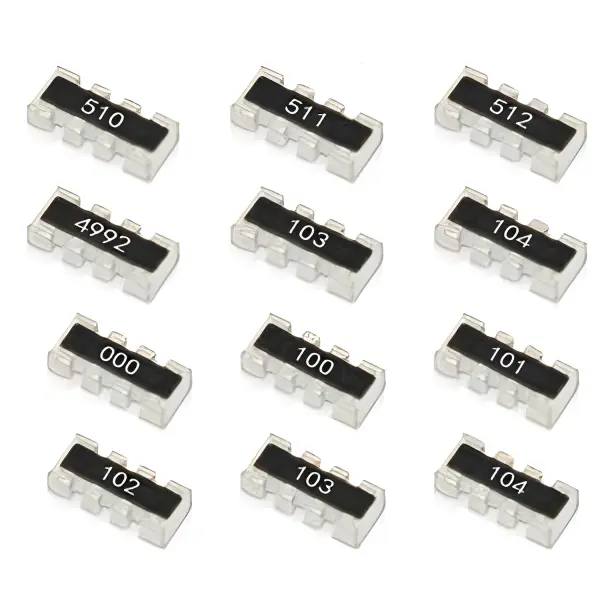 Resistor Networks, Arrays
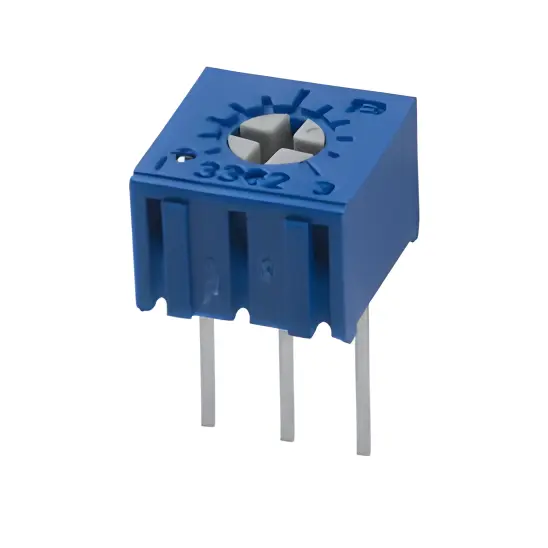 Potentiometers,Variable Resistors
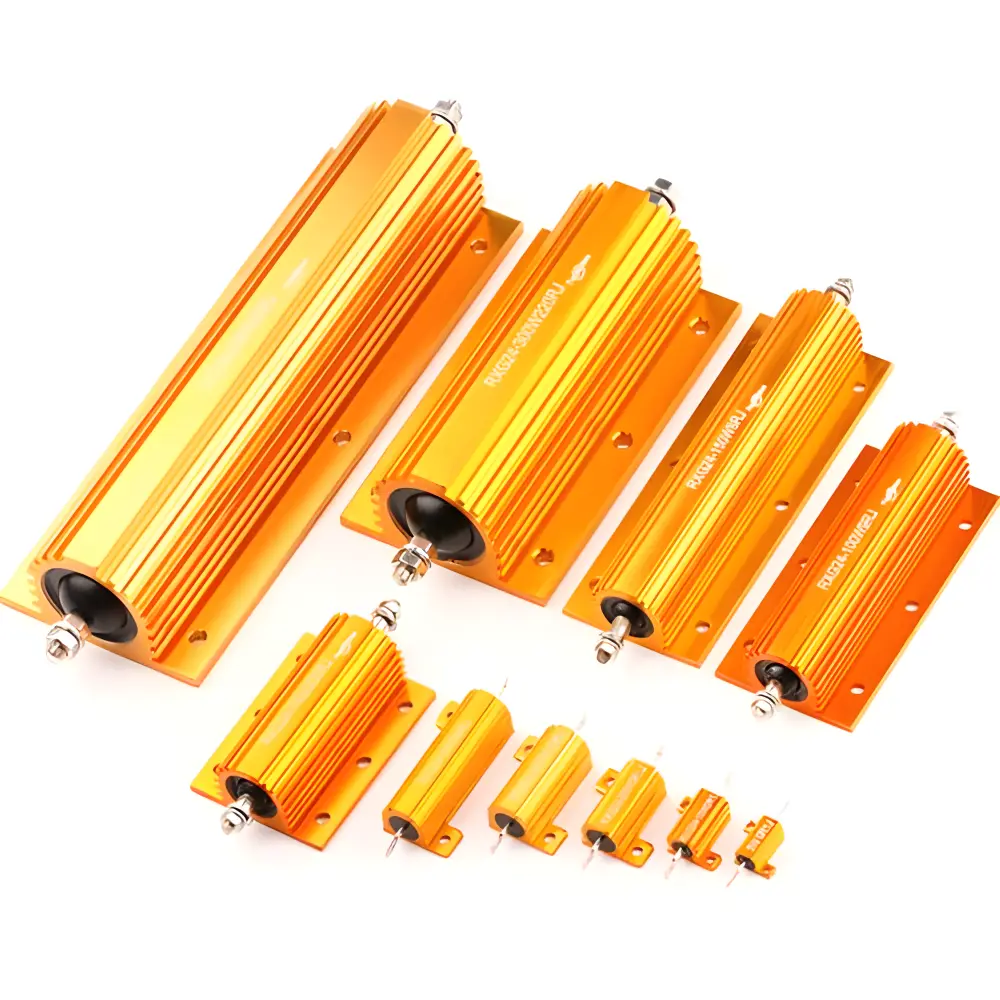 Aluminum Case,Porcelain Tube Resistance
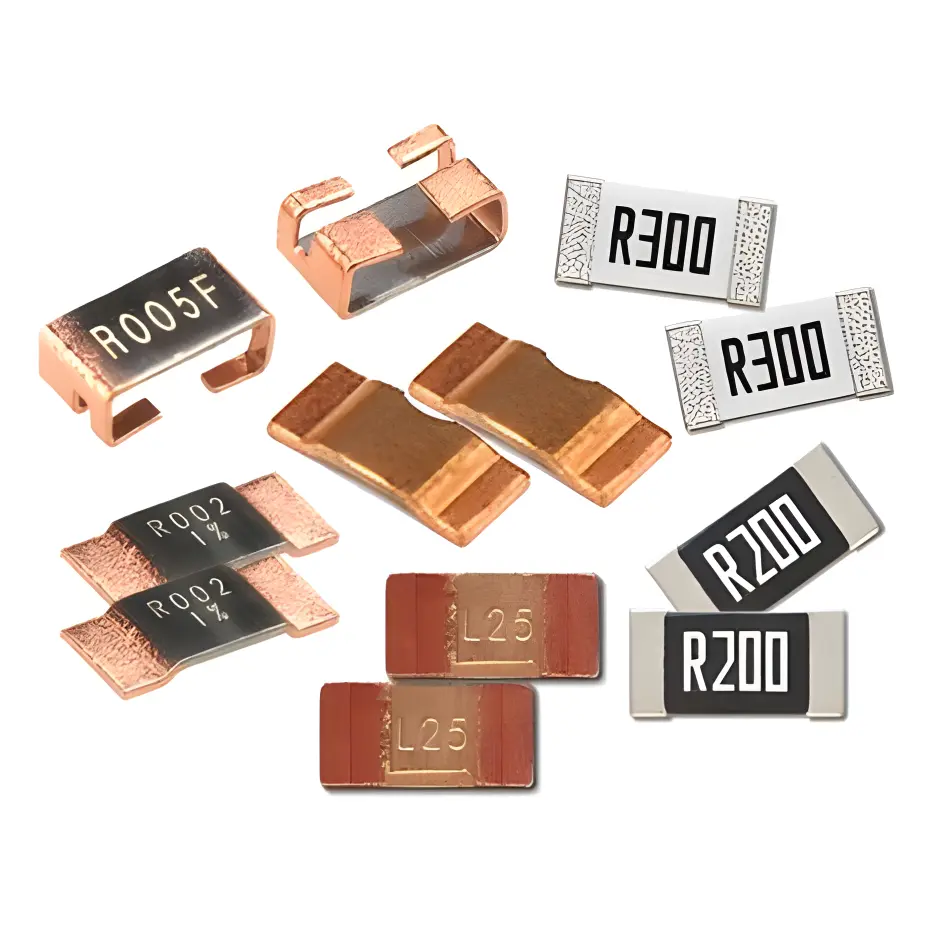 Current Sense Resistors,Shunt Resistors
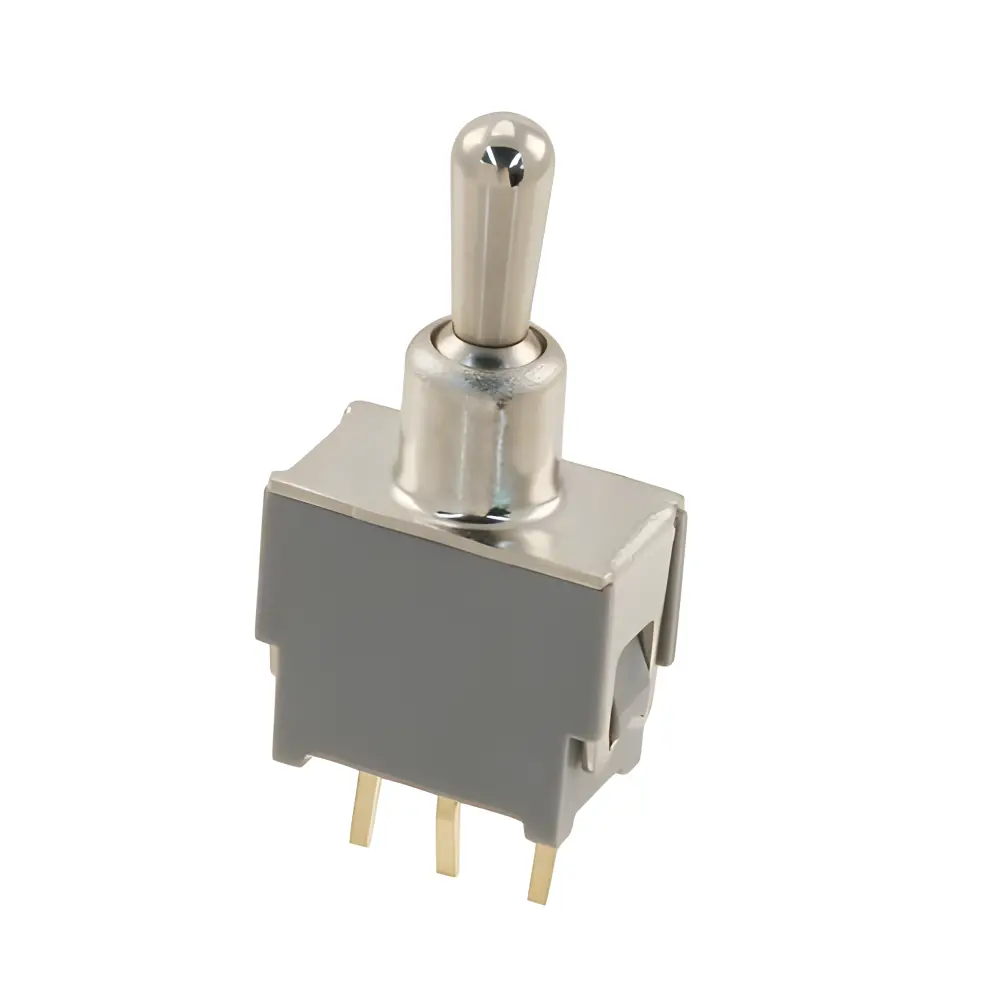 Switches
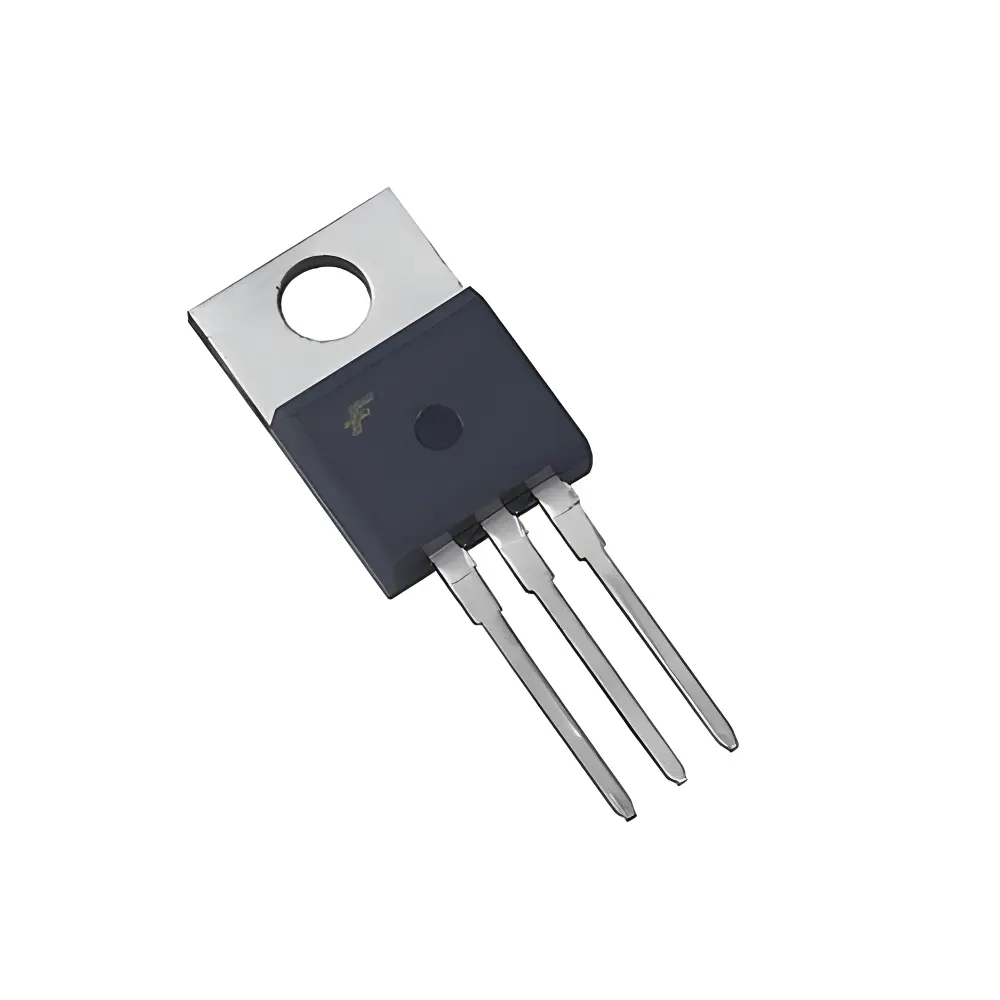 Transistors
 Power Modules
 Isolated Power Modules
 AC-DC Power Modules
 DC-AC Module(Inverter)
 RF and Wireless
How Etchant Temperature Influences Etch Rate and Circuit Side Etching in PCB Manufacturing
2025-11-30
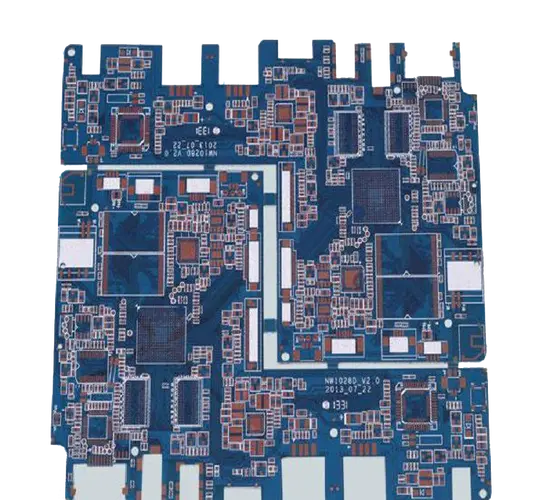
Etching is a pivotal step in Pcb Fabrication, where unwanted copper is selectively removed to form conductive circuits. Two critical metrics define etching quality: etch rate (speed of copper removal) and side etching (lateral copper loss from trace edges). Etchant temperature is a dominant process parameter—small fluctuations can drastically alter both metrics, leading to under-etching (residual copper), over-etching (trace thinning), or irregular trace profiles. This article comprehensively analyzes the relationship between etchant temperature, etch rate, and side etching, quantifies their interdependencies, and outlines temperature control strategies to ensure consistent PCB quality, aligned with IPC-2221 and industry production standards.
1. Fundamentals of PCB Etching and Key Metrics
Before exploring temperature effects, it is essential to establish the etching process mechanism and quality criteria:
1.1 Etching Process Chemistry
The most common etchants for PCB manufacturing are acidic cupric chloride (CuCl₂) and alkaline ammonia-based etchants. Acidic CuCl₂ is preferred for high-volume production due to its high etch rate and recyclability. Its core reaction is: Cu⁰ + CuCl₂ → 2CuCl Cuprous chloride (CuCl) then reacts with hydrochloric acid (HCl) and oxygen to regenerate cupric chloride: 4CuCl + 4HCl + O₂ → 4CuCl₂ + 2H₂O
This reaction is exothermic but requires thermal activation—temperature directly governs reaction kinetics.
1.2 Key Etching Metrics
- Etch Rate: Measured in μm/min, it is the rate at which copper is removed vertically (through the foil thickness). For standard 35μm (1oz) copper, the target etch rate is 2–4 μm/min to balance production efficiency and quality.
- Side Etching (Undercut): Measured in μm, it is the lateral copper loss from the side of the trace, occurring when etchant attacks the copper beneath the photoresist. Acceptable side etching is <10% of the trace width (e.g., <0.04mm for 0.4mm wide traces) to maintain dimensional accuracy.
- Etch Factor: The ratio of vertical etch depth to side etching (etch depth/side etch). A high etch factor (>5:1) indicates minimal side etching and sharp trace profiles—critical for fine-pitch circuits.
2. Temperature Effects on Etch Rate: Kinetics and Quantification
Etch rate follows the Arrhenius equation, which deSCRibes the relationship between reaction rate and temperature: k = A·e^(-Ea/(RT)) Where:
- k = etch rate constant,
- A = pre-exponential factor,
- Ea = activation energy (≈40 kJ/mol for CuCl₂ etching),
- R = gas constant (8.314 J/(mol·K)),
- T = absolute temperature (K).
This equation confirms that etch rate increases exponentially with temperature. Below is a detailed analysis of this relationship:
2.1 Temperature-Dependent Etch Rate Behavior
- Low Temperature (<40°C): At temperatures below 40°C, thermal energy is insufficient to activate the CuCl₂-copper reaction. The etch rate is slow (<1.5 μm/min for 35μm copper), leading to:
- Under-etching: Residual copper remains between traces, causing short circuits. For example, 35μm copper requires >23 minutes to etch completely at 35°C—far exceeding typical production cycle times (5–10 minutes).
- Inconsistent etching: Variations in local temperature (e.g., ±2°C) cause etch rate differences of 10–15%, resulting in uneven copper removal.
- Moderate Temperature (45–55°C): This range provides optimal thermal activation, with etch rates of 2.5–4 μm/min. Key advantages:
- Efficient processing: 35μm copper etches completely in 8–14 minutes, matching production line throughput.
- Stable kinetics: Temperature fluctuations of ±1°C cause etch rate variations <5%, ensuring uniform copper removal.
- Balanced chemistry: The etchant (CuCl₂ + HCl) remains stable, with minimal precipitation of copper salts.
- High Temperature (>60°C): Exceeding 60°C accelerates the reaction exponentially, pushing etch rates to >5 μm/min. However, this leads to:
- Over-etching: Excessive vertical copper removal thins traces, reducing current-carrying capacity. For 35μm copper, etching at 65°C for 10 minutes removes 40μm of copper—damaging the PCB substrate.
- Etchant instability: High temperatures cause HCl volatilization, reducing the etchant’s acidity. This shifts the reaction equilibrium, leading to precipitation of CuCl sludge, which clogs spray nozzles and causes uneven etching.
- Increased energy consumption: Cooling systems must work harder to maintain temperature, raising production costs.
2.2 Quantification of Temperature-Etch Rate Relationship
Industry data for acidic CuCl₂ etchant (Cu²⁺ concentration: 180–220 g/L, HCl concentration: 1.5–2.0 N) confirms the exponential trend:
| Temperature (°C) | Etch Rate (μm/min) | Time to Etch 35μm Copper (min) | Etch Rate Increase vs. 45°C |
|---|---|---|---|
| 35 | 1.2 | 29.2 | -52% |
| 40 | 1.8 | 19.4 | -28% |
| 45 | 2.6 | 13.5 | Baseline |
| 50 | 3.5 | 10.0 | +35% |
| 55 | 4.7 | 7.4 | +81% |
| 60 | 6.2 | 5.6 | +138% |
| 65 | 8.1 | 4.3 | +212% |
This table shows that a 10°C temperature increase (from 45°C to 55°C) more than doubles the etch rate—highlighting the need for precise temperature control.
3. Temperature Effects on Side Etching: Mechanisms and Consequences
Side etching occurs due to lateral diffusion of etchant beneath the photoresist. Temperature influences this diffusion and the reaction rate at the trace edges, directly affecting side etch magnitude and trace profile:
3.1 How Temperature Drives Side Etching
- Diffusion enhancement: Higher temperatures increase the kinetic energy of etchant molecules, accelerating their diffusion beneath the photoresist. For CuCl₂ etchant, diffusion coefficient (D) follows the Stokes-Einstein equation, increasing by ~3% per °C.
- Edge reaction acceleration: The etchant reacts more rapidly with copper at the trace edges (where the photoresist-adhesion is slightly weaker) at higher temperatures, amplifying lateral copper loss.
3.2 Temperature-Side Etching Relationship
- Low Temperature (<40°C): Slow diffusion and reaction rates limit side etching to <3μm for 35μm copper. However, this benefit is offset by under-etching and inconsistent processing. Traces may have "tapered" edges due to uneven etch rate, but dimensional accuracy is preserved.
- Moderate Temperature (45–55°C): Side etching ranges from 5–8μm for 35μm copper, resulting in an etch factor of 4–7:1—ideal for most PCB applications. For example, a 0.4mm wide trace has side etching of 6μm, maintaining a final width of 0.388mm (within IPC-2221’s ±0.05mm tolerance).
- High Temperature (>60°C): Side etching escalates to >12μm for 35μm copper, with etch factors dropping to <3:1. Consequences include:
- Trace width deviation: A 0.4mm trace shrinks to <0.376mm, violating dimensional specs for fine-pitch circuits (e.g., 0.3mm pitch BGA).
- Rounded trace edges: Excessive lateral etching creates rounded edges, reducing the trace’s current-carrying capacity and increasing impedance for high-frequency signals.
- Photoresist lifting: The heat and aggressive etching can weaken photoresist adhesion, leading to severe undercutting (>20μm) and trace breakage.
3.3 Case Study: Side Etching in Fine-Pitch Circuits
A PCB manufacturer producing 0.3mm pitch QFP circuits (trace width: 0.15mm) tested side etching at different temperatures:
- 45°C: Side etching = 5μm, final trace width = 0.14mm (within ±0.02mm tolerance), etch factor = 7:1.
- 55°C: Side etching = 8μm, final trace width = 0.134mm (near tolerance limit), etch factor = 4.4:1.
- 60°C: Side etching = 13μm, final trace width = 0.124mm (out of tolerance), etch factor = 2.7:1.
This study confirms that temperatures above 55°C make fine-pitch circuit fabrication unfeasible due to excessive side etching.
4. Temperature Control Strategies for Balanced Etching
To maintain etch rate at 2.5–4 μm/min and side etching <8μm, implement the following temperature control measures:
4.1 Precision Temperature Monitoring
- Sensor placement: Install Pt100 RTD sensors (accuracy ±0.1°C) at three critical points: etchant tank inlet, spray manifold, and tank outlet. This ensures uniform temperature measurement across the etching chamber.
- Real-time monitoring: Use a PLC-based controller with a digital display to track temperature continuously. Set alarms for deviations >±1°C from the target (45–55°C).
- Calibration: Calibrate sensors monthly using a dry-block calibrator (traceable to NIST standards) to maintain accuracy.
4.2 Efficient Temperature Regulation
- Cooling systems: Use a refrigerated heat exchanger (capacity: 5–10 kW per 100L etchant tank) to remove excess heat from the exothermic reaction. For high-volume lines, employ a dual-loop system: one loop cools the etchant, and another cools the heat exchanger.
- Heating systems: For cold start-up or low ambient temperatures, use immersion heaters (3–5 kW) with thermostatic control to raise the etchant to the target temperature. Heaters should be corrosion-resistant (e.g., titanium) to withstand acidic etchants.
- Uniform mixing: Install a mechanical stirrer (100–150 RPM) or recirculation pump (flow rate: 5–10 tank volumes per hour) to ensure temperature homogeneity. Poor mixing causes temperature gradients of ±3°C, leading to uneven etching.
4.3 Etchant Chemistry Coupling
Temperature control must be paired with etchant concentration management to maintain balance:
- Cu²⁺ concentration: Keep Cu²⁺ at 180–220 g/L. Low Cu²⁺ (<160 g/L) reduces etch rate, requiring higher temperatures to compensate—amplifying side etching.
- HCl concentration: Maintain HCl at 1.5–2.0 N. High HCl (>2.5 N) increases etch rate but also accelerates side etching; low HCl (<1.0 N) causes CuCl precipitation, especially at high temperatures.
- Additive use: Incorporate anti-etching additives (e.g., benzotriazole, 0.1–0.3 g/L) to form a thin protective film on trace edges. This reduces side etching by 20–30% at the target temperature range.
4.4 Process Integration with Other Steps
- Pre-etch temperature matching: Ensure the PCB substrate temperature matches the etchant temperature (±2°C) before etching. Cold PCBs (<25°C) cool the etchant locally, causing uneven etching; hot PCBs (>60°C) accelerate etching in contact areas.
- Post-etch rinsing: Use deionized water at 25–30°C for rinsing to stop the etching reaction immediately. Hot rinse water (>40°C) can continue etching, while cold water (<20°C) causes etchant crystallization on traces.
5. Quality Validation and Troubleshooting
To confirm temperature control effectiveness, implement these validation and troubleshooting steps:
5.1 Etch Rate and Side Etching Measurement
- Etch rate test: Use copper coupons (35μm thickness, 25mm×25mm) weighed before and after etching. Calculate etch rate as: Etch rate (μm/min) = (Initial weight - Final weight) / (Density × Area × Time) (Copper density = 8.96 g/cm³)
- Side etching measurement: Use a 200x microscope to measure lateral copper loss at 5–8 points per trace. Calculate the etch factor to assess profile quality.
5.2 Troubleshooting Temperature-Related Defects
| Defect | Probable Temperature Cause | Solution |
|---|---|---|
| Under-etching | Temperature <45°C or Cu²⁺ <160 g/L | Increase temperature to 48–50°C; replenish CuCl₂ to raise Cu²⁺ to 200 g/L. |
| Over-etching | Temperature >55°C or etching time too long | Reduce temperature to 45–47°C; shorten etching time by 1–2 minutes. |
| Excessive side etching | Temperature >55°C or HCl >2.5 N | Lower temperature to 45°C; add water to dilute HCl to 1.8 N. |
| Uneven etching | Temperature gradients >±2°C | Improve stirrer/pump flow rate; reposition sensors to detect cold/hot spots. |
Etchant temperature is a critical parameter that exponentially influences etch rate and linearly amplifies side etching. The optimal temperature range for acidic CuCl₂ etchant is 45–55°C, balancing an efficient etch rate (2.5–4 μm/min) with minimal side etching (5–8μm) and a high etch factor (>4:1). Temperatures below 40°C cause under-etching and inefficiency, while temperatures above 60°C lead to over-etching, severe side etching, and etchant instability.
To maintain this range, PCB manufacturers must implement precision temperature monitoring (Pt100 sensors, PLC control), efficient cooling/heating systems, and uniform etchant mixing. Coupling temperature control with etchant concentration management and additive use further ensures consistent etching quality. By adhering to these practices, manufacturers can achieve >99% yield for standard PCBs and reliably produce fine-pitch circuits (0.3mm pitch) with tight dimensional tolerances. This is essential for meeting the demands of modern electronics, where PCB miniaturization and performance depend heavily on precise etching outcomes.