
 PCB
PCB FPC
FPC Rigid-Flex
 FR-4
FR-4 HDI PCB
 Rogers High-Frequency Board
 PTFE Teflon High-Frequency Board
 Aluminum
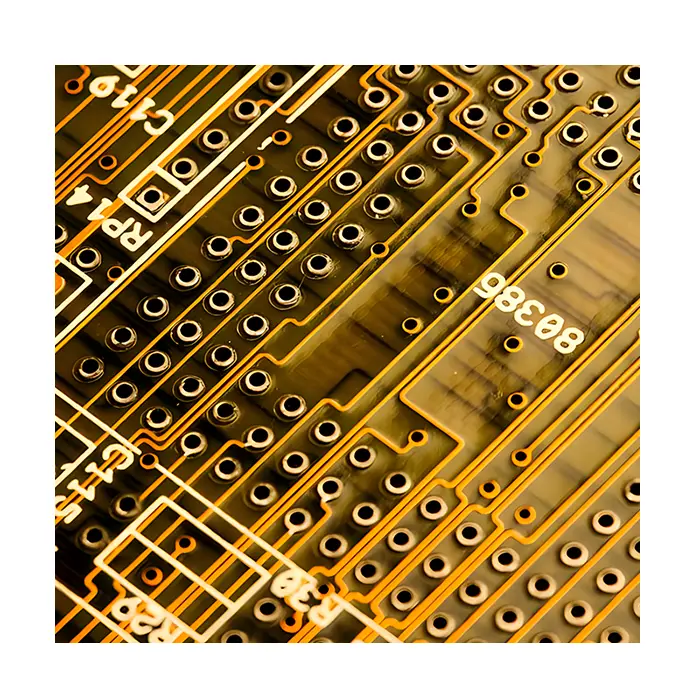 Copper Core
 PCB Assembly
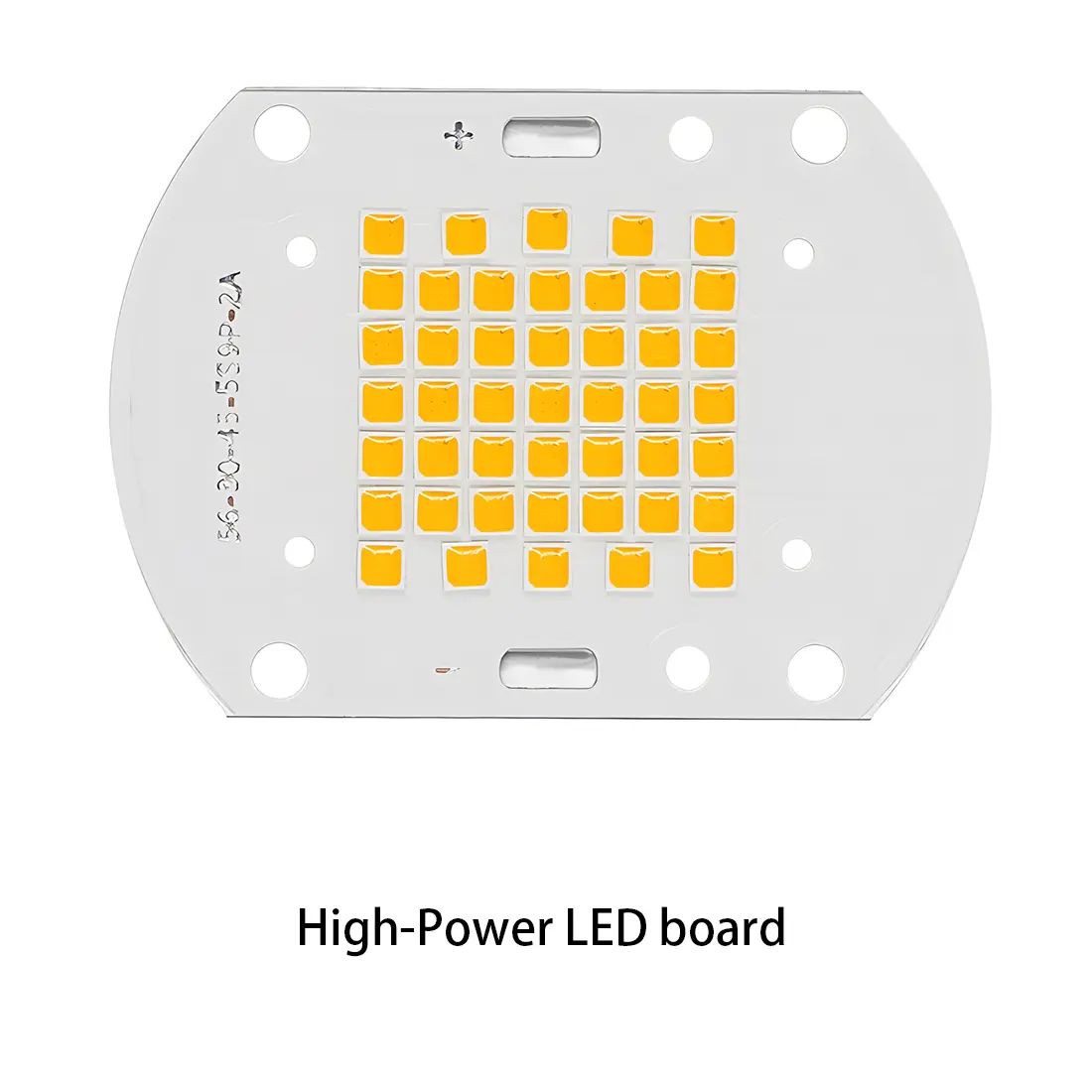 LED light PCBA
 Memory PCBA
 Power Supply PCBA
 New Energey PCBA
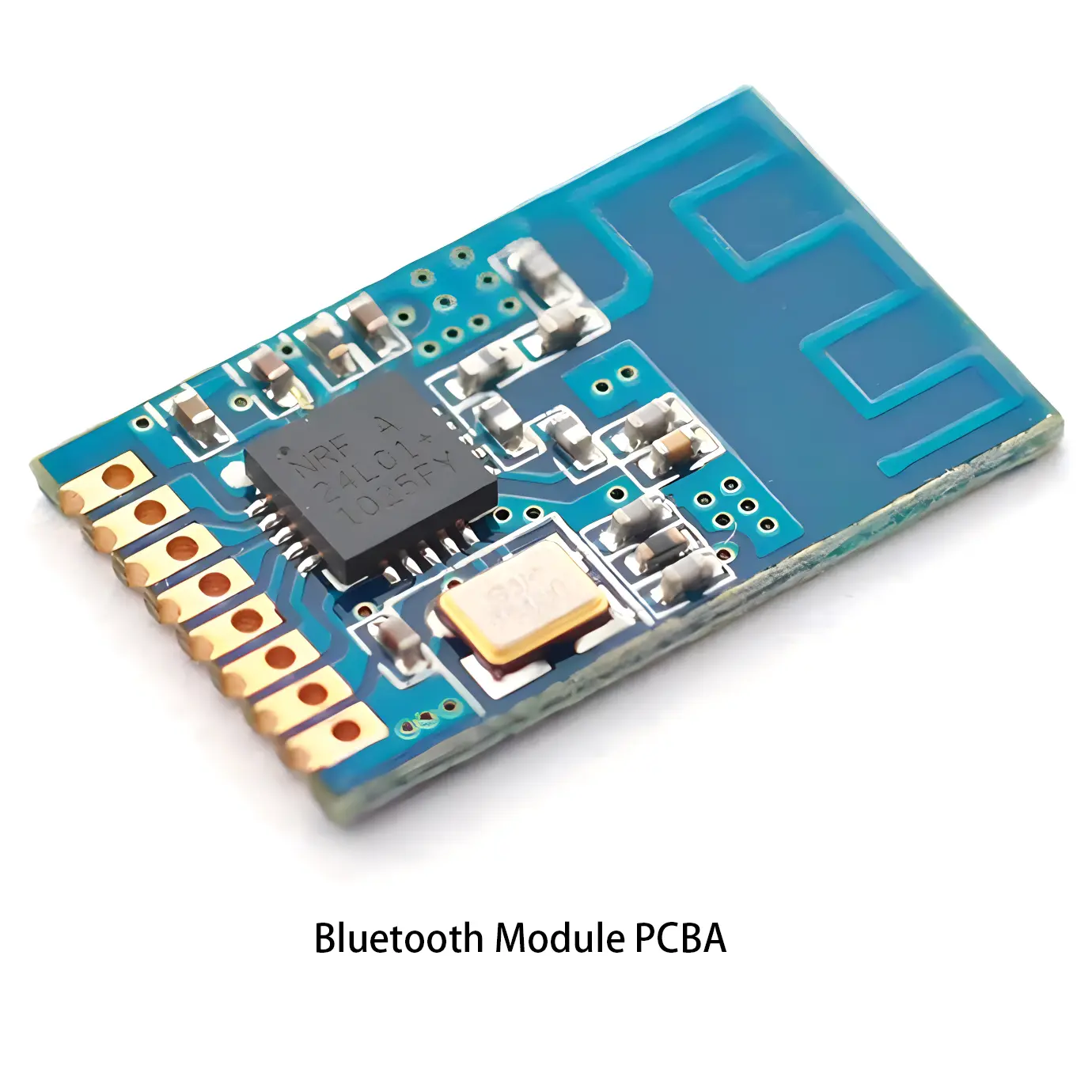 Communication PCBA
 Industrial Control PCBA
 Medical Equipment PCBA
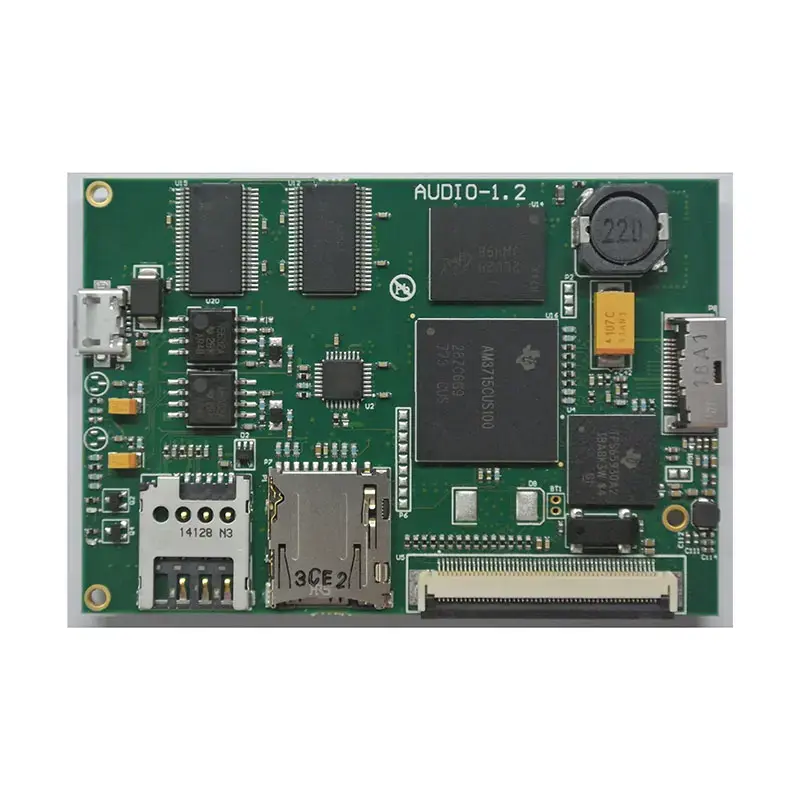 Testing Service
 PCBA Testing Service
 Certification Application
 RoHS Certification Application
 REACH Certification Application
 CE Certification Application
 FCC Certification Application
 CQC Certification Application
 UL Certification Application
 Transformers, Inductors
 High Frequency Transformers
 Low Frequency Transformers
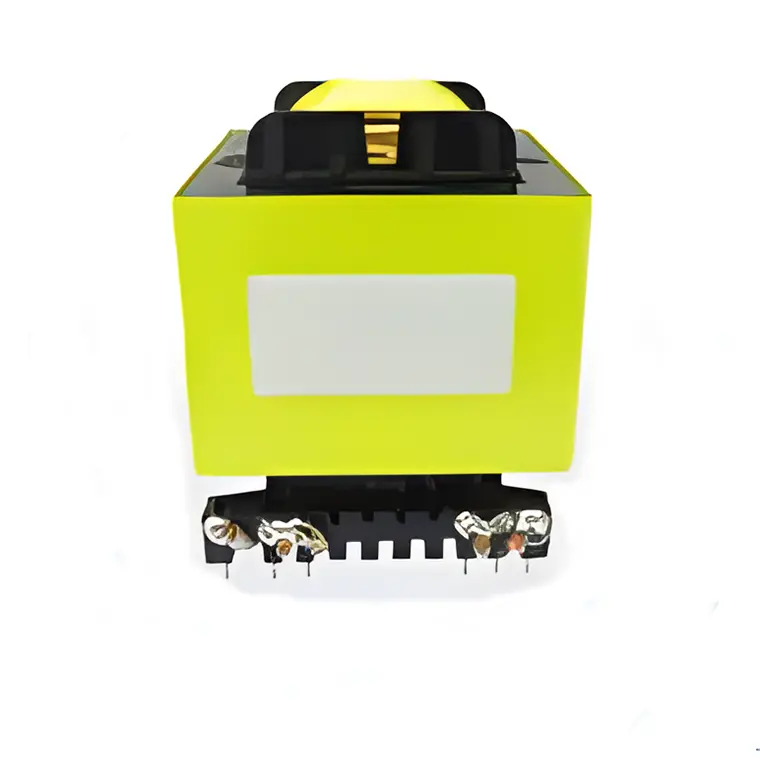 High Power Transformers
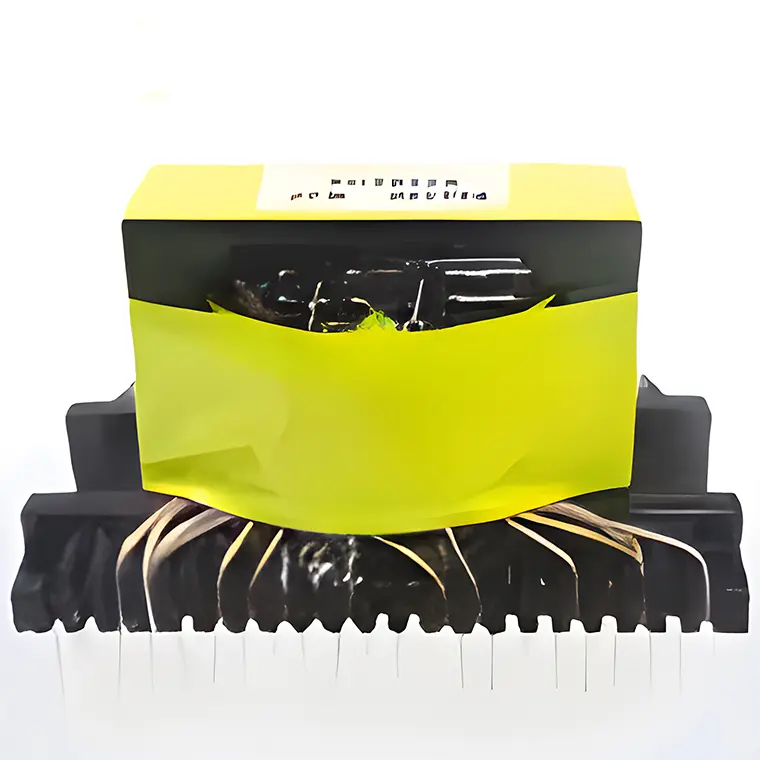 Conversion Transformers
 Sealed Transformers
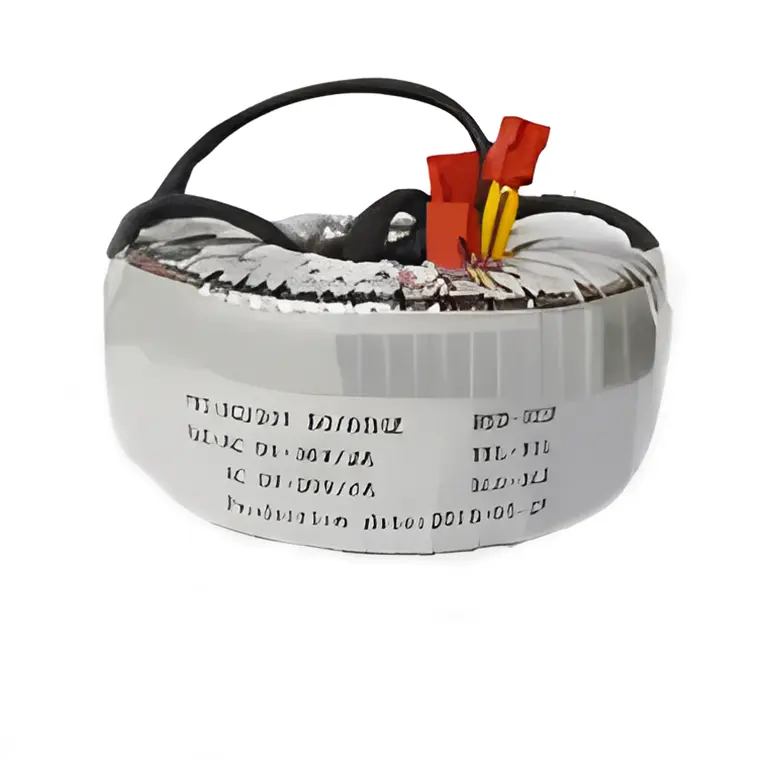 Ring Transformers
 Inductors
 Wires,Cables Customized
 Network Cables
 Power Cords
 Antenna Cables
 Coaxial Cables
 Net Position Indicator
 Solar AIS net position indicator
 Capacitors
 Connectors
 Diodes
 Embedded Processors & Controllers
 Digital Signal Processors (DSP/DSC)
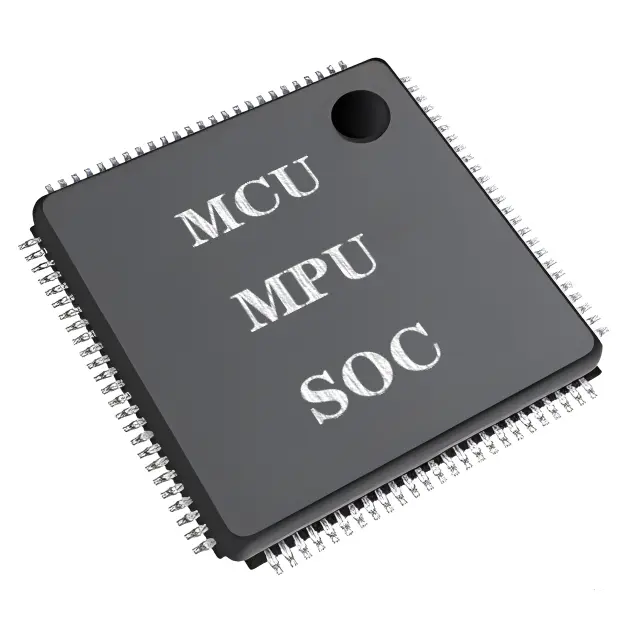 Microcontrollers (MCU/MPU/SOC)
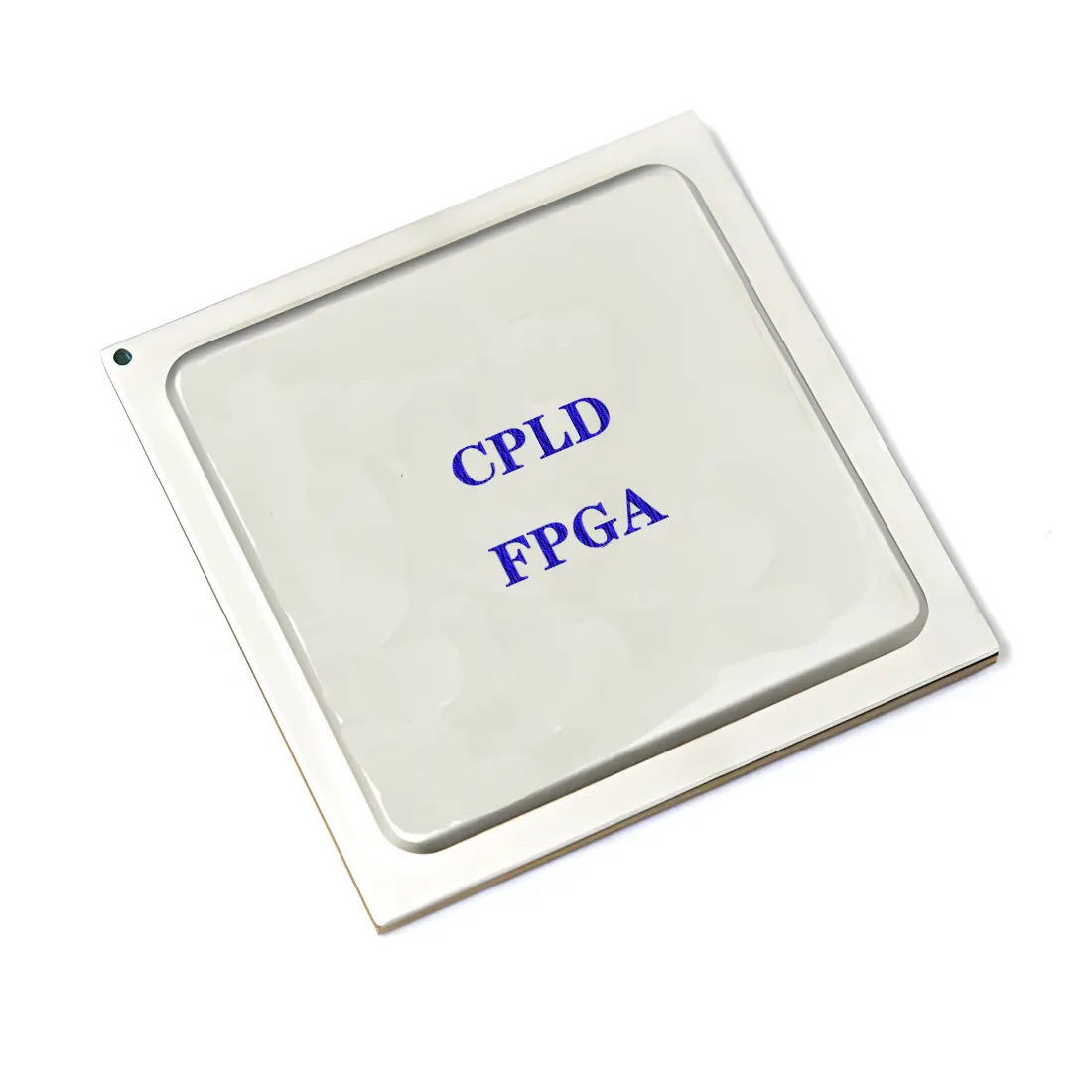 Programmable Logic Device(CPLD/FPGA)
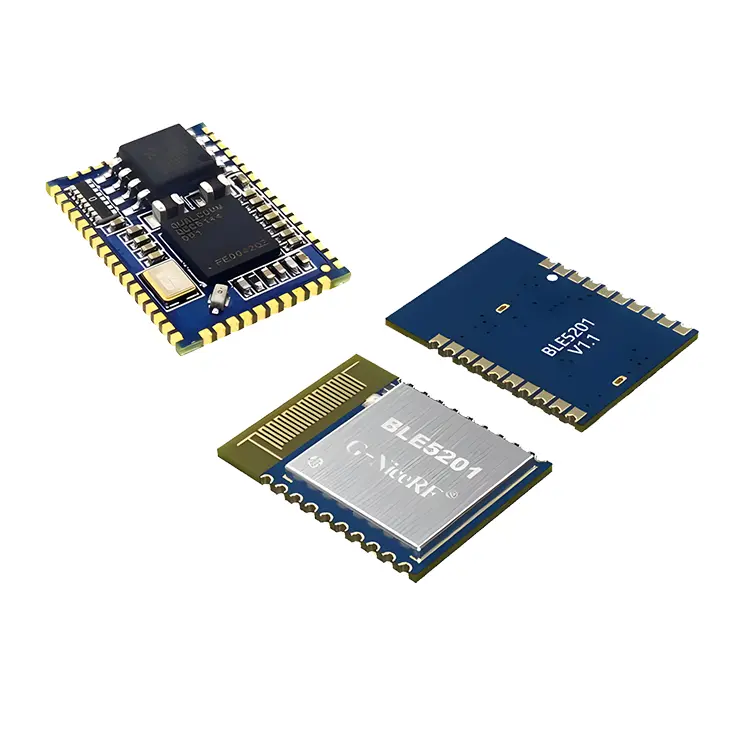 Communication Modules/IoT
 Resistors
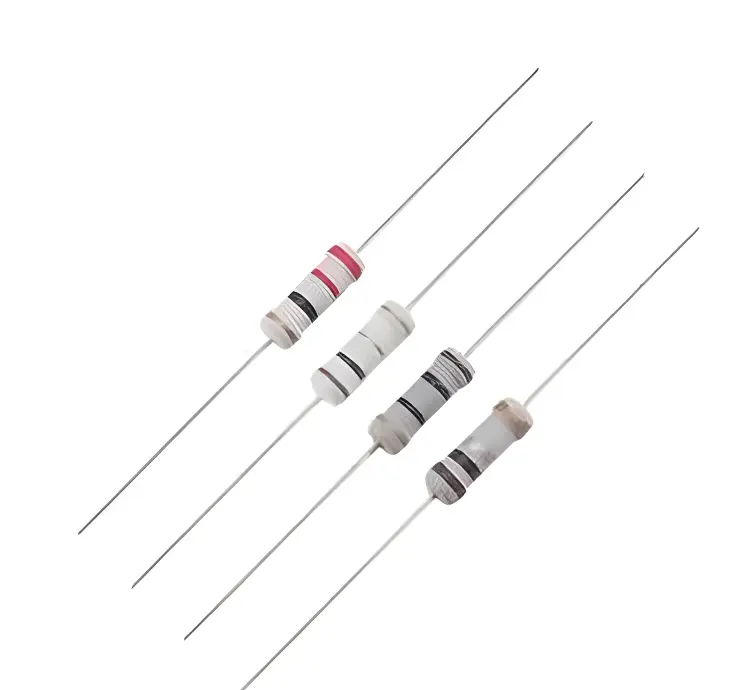 Through Hole Resistors
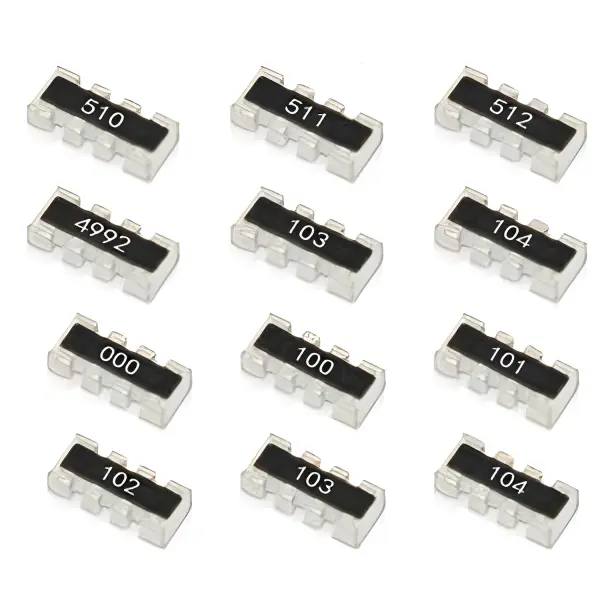 Resistor Networks, Arrays
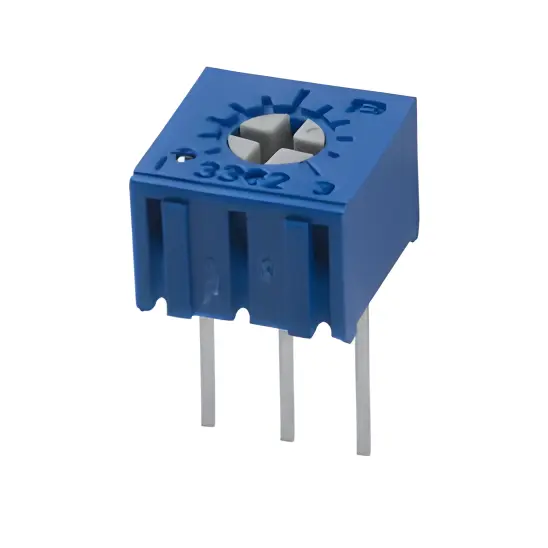 Potentiometers,Variable Resistors
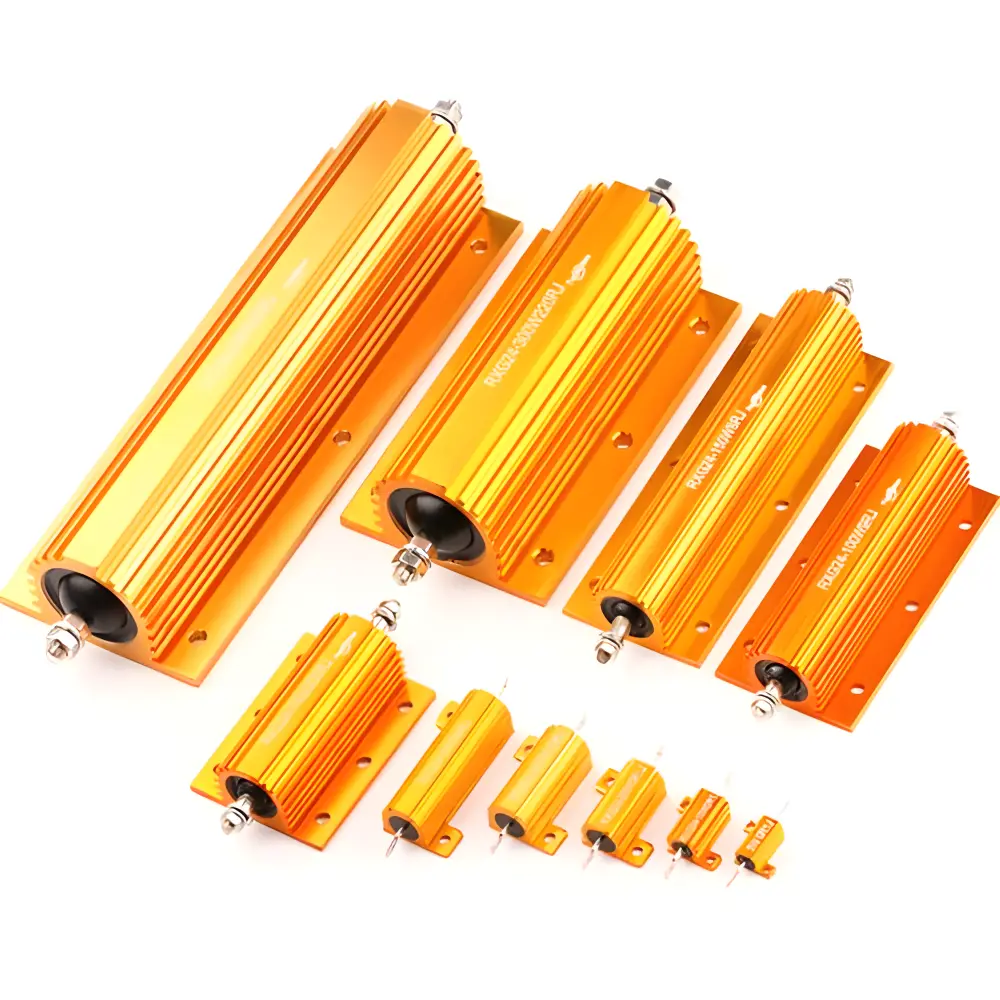 Aluminum Case,Porcelain Tube Resistance
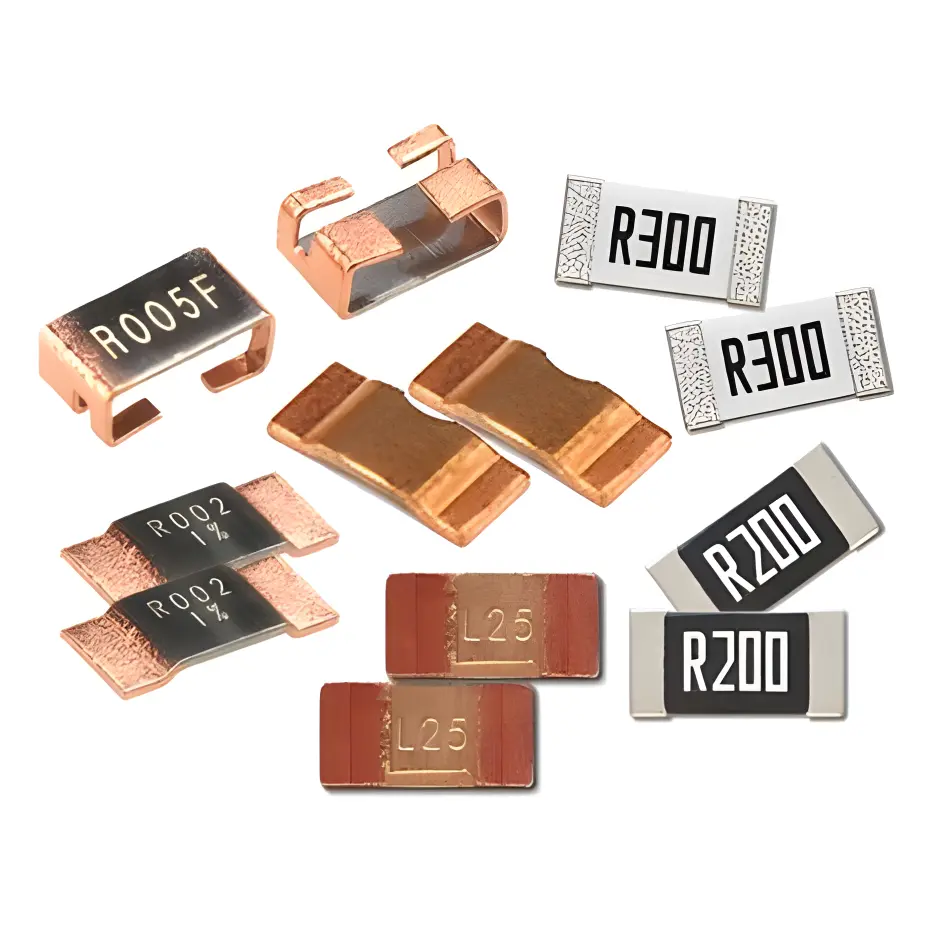 Current Sense Resistors,Shunt Resistors
 Switches
 Transistors
 Power Modules
 Isolated Power Modules
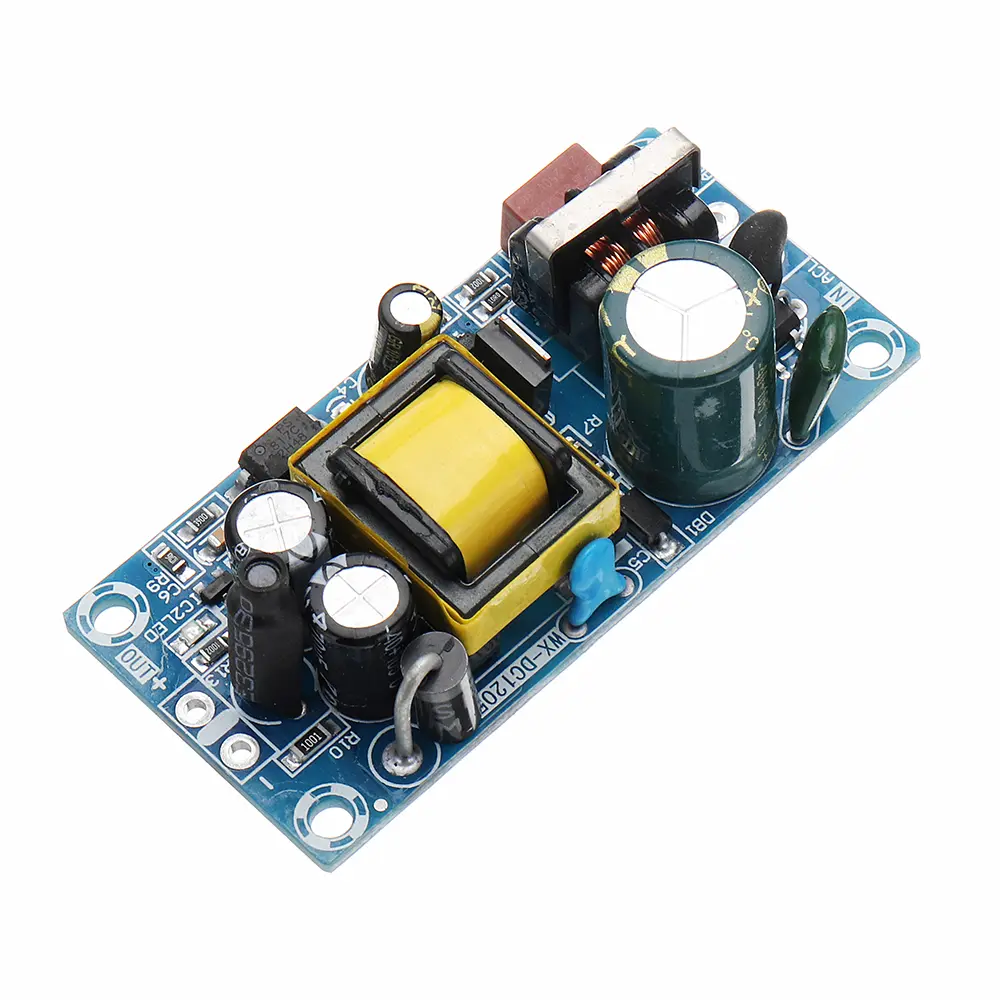 AC-DC Power Modules
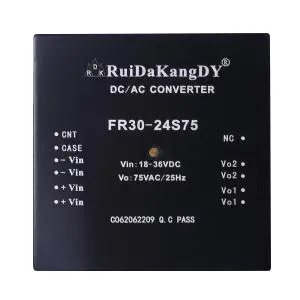 DC-AC Module(Inverter)
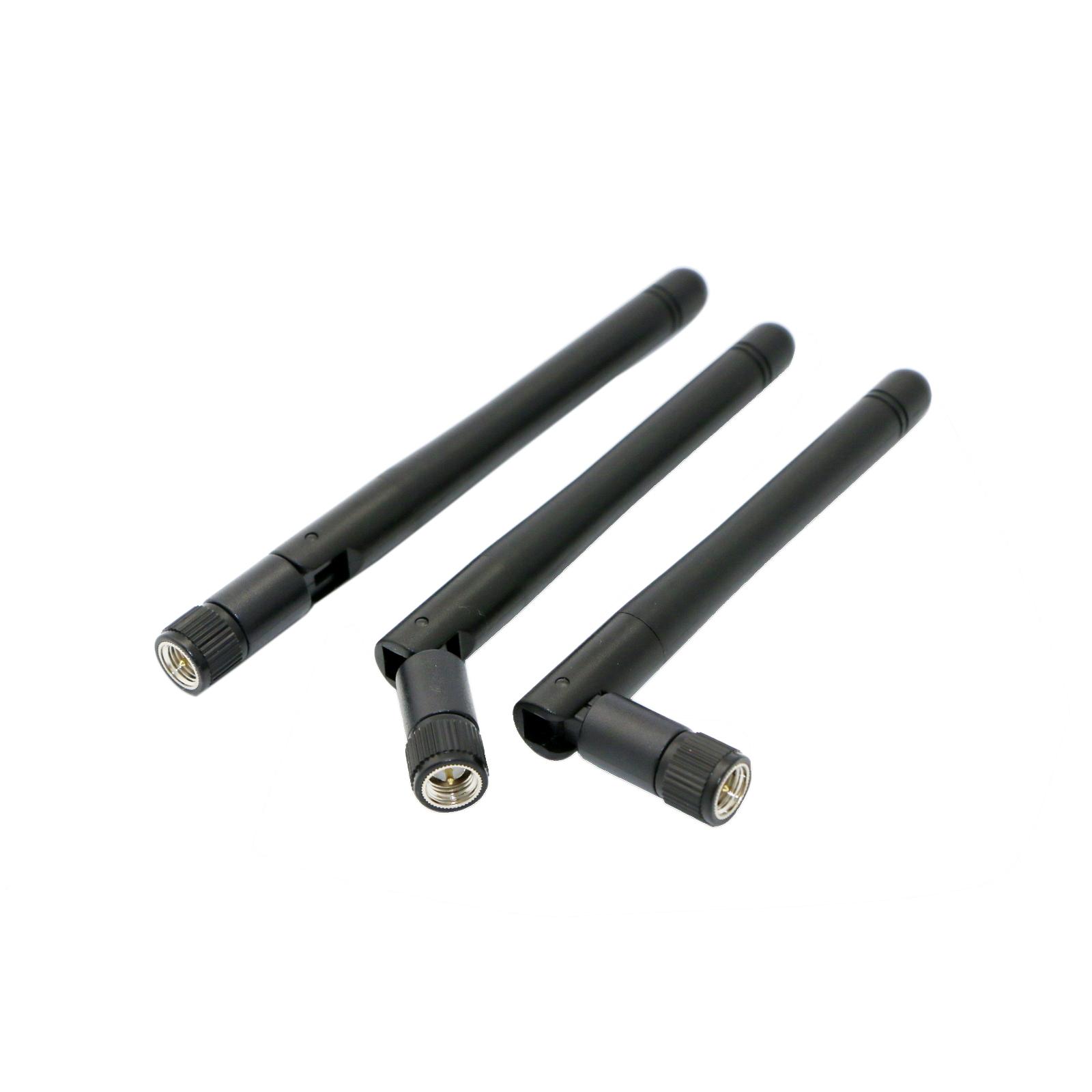 RF and Wireless
Establishing an Effective First Article Inspection (FAI) Process to Ensure Batch Production Correctness
2025-12-28

In modern electronic manufacturing, where products are becoming increasingly miniaturized and complex, even minor deviations in component placement, solder joint quality, or design implementation can lead to catastrophic batch failures. The First Article Inspection (FAI) serves as a critical quality gate between prototype development and mass production, verifying that the first unit (or small sample) produced under mass production conditions fully complies with design specifications, customer requirements, and industry standards. An effective FAI process identifies and resolves defects, design diSCRepancies, and process inadequacies before they propagate to the entire production batch, thereby reducing rework costs, shortening lead times, and ensuring product consistency.
However, many manufacturers struggle with ineffective FAI processes—characterized by vague inspection criteria, inconsistent execution, incomplete documentation, or poor cross-departmental collaboration—that fail to catch critical issues. This article provides a comprehensive guide to establishing a robust FAI process, covering pre-implementation preparation, step-by-step execution, key control points, tool selection, documentation requirements, and continuous improvement strategies. References to industry standards such as IPC-A-610 (Acceptability of Electronic Assemblies), IPC-6012 (Qualification and PeRFormance Specification for Rigid Printed Boards), and AS9102 (First Article Inspection Requirements) are integrated to ensure compliance and best practices. Practical case studies are also included to illustrate the application and benefits of a well-designed FAI process.
1. Understanding the Core Objectives and Scope of FAI
Before establishing an FAI process, it is essential to clarify its objectives and scope to ensure targeted implementation. FAI is not merely a simple visual inspection of the first product; it is a systematic verification of the entire production process, from material preparation to final assembly.
1.1 Core Objectives of FAI
The primary goals of FAI are to: Verify Design Compliance: Confirm that the first article matches the original design documents (e.g., Gerber files, BOM, assembly drawings) in terms of component placement, solder joint geometry, PCB layout, and functional performance.Validate Process Capability: Ensure that production equipment (e.g., SMT mounters, reflow ovens, wave soldering machines) is properly calibrated, and process parameters (e.g., reflow temperature profile, placement accuracy) are optimized for mass production.Identify Defects and Discrepancies: Detect potential issues such as component misalignment, solder bridging, missing components, incorrect component values, or design errors before batch production.Establish Quality Baselines: Set clear quality standards and inspection criteria for subsequent batch production, ensuring consistency across all units.Ensure Customer and Regulatory Compliance: Meet customer-specific FAI requirements (e.g., automotive, aerospace) and regulatory standards (e.g., ISO 9001, RoHS) to avoid non-compliance risks.
1.2 Scope of FAI
FAI should be performed in the following scenarios to maximize its effectiveness: New Product Introduction (NPI): Mandatory for the first production run of a new product, as it verifies the feasibility of the production process and design.Product Design Changes: Required after any design modification (e.g., component replacement, PCB layout adjustment, BOM update) to confirm that the changes are correctly implemented.Process Changes: Necessary when production processes are altered (e.g., new equipment, updated parameters, changed production line) to validate process stability.Material Changes: Performed when key materials (e.g., PCB supplier, component manufacturer, solder paste type) are replaced to ensure material compatibility and quality.Production Resumption After Downtime: Required after extended production breaks (e.g., maintenance, holiday shutdowns) to confirm that equipment and processes remain in optimal condition.Customer Request: Conducted when specified by the customer, especially for high-reliability industries (e.g., aerospace, medical devices) that require strict FAI documentation.
The scope of FAI typically includes visual inspection, dimensional measurement, functional testing, material verification, and process parameter review. For complex products (e.g., BGAs, fine-pitch QFPs), additional inspections such as X-ray imaging and solder joint reliability testing may be required.
2. Pre-Implementation Preparation for FAI Process
A successful FAI process requires thorough pre-implementation preparation, including cross-departmental collaboration, documentation collection, resource allocation, and standardization of inspection criteria. This phase lays the foundation for efficient and consistent FAI execution.
2.1 Establishing an FAI Team and Defining Roles
FAI is a cross-departmental activity that requires collaboration between engineering, production, quality control (QC), and purchasing teams. The establishment of a dedicated FAI team with clear roles and responsibilities is critical: Engineering Team: Provides design documents (Gerber files, BOM, assembly drawings), defines technical requirements, and resolves design-related discrepancies identified during FAI.Production Team: Produces the first article under mass production conditions, provides process parameters (e.g., reflow profile, placement program), and adjusts equipment/processes based on FAI feedback.QC Team: Executes FAI inspections, documents results, verifies compliance with standards, and follows up on defect correction actions.Purchasing Team: Verifies the authenticity and compliance of materials (components, PCB, solder paste) with BOM requirements.FAI Coordinator: Oversees the entire FAI process, coordinates cross-departmental communication, ensures timely completion of FAI, and reports results to management.
The FAI team should undergo regular training on inspection techniques, industry standards, and equipment operation to ensure consistent and accurate inspection.
2.2 Collecting and Standardizing Design and Process Documents
Complete and accurate documentation is the basis for FAI. The FAI team must collect and review the following documents before inspection: Bill of Materials (BOM): Detailed list of components (part number, value, package, manufacturer, quantity) to verify component correctness.PCB Gerber Files and Assembly Drawings: Used to check component placement, pad layout, solder mask, and silkscreen accuracy.Component Datasheets: Specify component dimensions, electrical characteristics, and packaging requirements for verification.Process Specifications: Include SMT placement programs, reflow soldering temperature profiles, wave soldering parameters, and assembly procedures.Quality Standards and Acceptance Criteria: Reference standards such as IPC-A-610, customer-specific requirements, and internal quality specifications.Previous FAI Reports (if applicable): For modified products or processes, review historical FAI data to identify potential recurring issues.
All documents should be version-controlled to ensure that the FAI team uses the latest design and process information. Any discrepancies between documents (e.g., BOM vs. assembly drawing) must be resolved before FAI execution.
2.3 Allocating Resources and Selecting Inspection Tools
Adequate resources and appropriate inspection tools are essential for efficient FAI execution. The required resources include: Inspection Equipment: Visual inspection tools: Stereo microscopes (10-50x magnification), digital cameras for defect documentation.Dimensional measurement tools: Calipers, micrometers, laser measuring devices, coordinate measuring machines (CMM) for precise component placement and PCB dimension verification.Solder joint inspection tools: X-ray inspection machines (for BGA/QFN solder joints), solder paste inspection (SPI) machines, and automated optical inspection (AOI) systems.Functional testing tools: Multimeters, oscilloscopes, power supplies, and custom test fixtures to verify electrical performance.Inspection Workstation: A clean, well-lit workspace equipped with anti-static measures to prevent ESD damage to components.FAI Checklists and Templates: Standardized checklists to ensure all inspection items are covered, and templates for FAI reports to ensure consistent documentation.
Inspection equipment must be regularly calibrated (per ISO 10012) to ensure measurement accuracy. The FAI team should be proficient in the operation of all tools to avoid inspection errors.
2.4 Defining FAI Acceptance Criteria
Clear acceptance criteria are critical to avoid subjective judgments during FAI. The criteria should be based on industry standards, customer requirements, and design specifications, and include: Component Placement Accuracy: Maximum allowable offset (e.g., ±0.1 mm for 0402 components), rotational deviation (e.g., ±3° for most SMDs), and absence of component misalignment or inversion.Solder Joint Quality: Compliance with IPC-A-610 standards, including proper wetting (≥75% pad coverage), no bridging, no cold solder joints, no solder balls, and appropriate solder fillet geometry.Component Correctness: Matching component part number, value, package, and manufacturer with BOM; no missing, wrong, or damaged components.PCB Quality: No PCB warpage, pad damage, solder mask peeling, or silkscreen errors; compliance with PCB dimensional requirements.Functional Performance: Meeting electrical specifications (e.g., voltage, current, signal integrity), no short circuits or open circuits, and correct product functionality.
Acceptance criteria should be documented in the FAI checklist and communicated to all team members to ensure consistent inspection standards.
3. Step-by-Step Execution of the FAI Process
A robust FAI process consists of seven sequential steps, from first article production to FAI closure. Each step is designed to verify a specific aspect of the product and process, ensuring comprehensive quality control.
3.1 Step 1: Production of the First Article
The first article must be produced under the same conditions as mass production, including: Using the same production line, equipment, and tools (SMT mounters, reflow ovens, etc.) that will be used for batch production.Adopting the same process parameters (placement program, reflow profile, solder paste type) as defined in the process specifications.Using production-grade materials (components, PCB, solder paste) from the same lot as batch production.Following the standard assembly procedure (e.g., component kitting, SMT placement, reflow soldering, manual assembly, testing).
The production team should document all process parameters and any issues encountered during first article production (e.g., equipment malfunctions, material shortages) for review during FAI.
3.2 Step 2: Material and Component Verification
Before conducting visual or functional inspections, the QC team verifies the correctness and compliance of materials and components:Component Verification: Cross-check each component on the first article with the BOM to confirm part number, value, package, manufacturer, and quantity. Inspect components for physical damage (e.g., bent leads, cracked packages), counterfeiting (e.g., inconsistent logos, poor packaging), and RoHS compliance (if applicable).PCB Verification: Check the PCB for dimensional accuracy, warpage (maximum allowable warpage ≤0.75% of PCB length), pad quality (no oxidation, damage), solder mask alignment, and silkscreen clarity. Verify PCB part number and revision against design documents.Solder Paste and Adhesive Verification: Confirm solder paste type, alloy composition (e.g., Sn-Ag-Cu), and expiration date. Check adhesive type and application method (if used) for compliance with process specifications.
Any non-compliant materials or components must be immediately quarantined, and the purchasing team should be notified to resolve the issue before proceeding with FAI.
3.3 Step 3: Visual and Dimensional Inspection
Visual and dimensional inspection is the most basic and critical step in FAI, focusing on component placement, solder joint quality, and PCB integrity: Component Placement Inspection: Use a stereo microscope to check component alignment: Ensure components are centered on pads, with no offset exceeding the acceptance criteria. For fine-pitch components (e.g., 0.4 mm pitch QFPs), verify lead alignment with pads to avoid bridging or open circuits.Check component orientation: Ensure polar components (e.g., diodes, capacitors, LEDs) are correctly oriented according to the assembly drawing. Verify pin 1 indicators (e.g., dot, notch) on ICs match the PCB silkscreen.Inspect for missing, extra, or misplaced components: Cross-check the first article against the assembly drawing to ensure all components are present and correctly positioned.Solder Joint Inspection: Visual inspection: Check solder joints for proper wetting, uniform fillet formation, and absence of defects (bridging, cold solder, solder balls, voids). For through-hole components, verify solder fillets on both sides of the PCB.X-ray inspection: For BGAs, QFNs, and other hidden components, use X-ray imaging to check solder joint integrity (no voids, sufficient solder, no ball detachment).Dimensional measurement: Use calipers or micrometers to measure solder fillet height and width, ensuring compliance with IPC-A-610 standards.PCB and Assembly Dimensional Inspection:Measure PCB dimensions (length, width, thickness) using a CMM to confirm compliance with design specifications.Check the position of critical components (e.g., connectors, sensors) relative to PCB edges or other components to ensure compatibility with the product enclosure.Inspect for PCB warpage using a flatness gauge, ensuring the PCB meets the maximum allowable warpage requirement.
All inspection results should be recorded on the FAI checklist, with photos of defects (if any) attached for documentation.
3.4 Step 4: Functional Testing
Functional testing verifies that the first article meets the intended electrical and mechanical performance requirements. The testing process includes:Electrical Testing: Continuity and short circuit testing: Use a multimeter or continuity tester to check for open circuits (missing connections) and short circuits (unintended connections) between pads or components.Parameter testing: Measure key electrical parameters (voltage, current, resistance, capacitance, signal frequency) using oscilloscopes, power supplies, or custom test fixtures. Compare results with design specifications.Functional performance testing: Simulate real-world operating conditions to verify product functionality (e.g., a power supply’s output voltage stability, a sensor’s response to stimuli).Mechanical Testing (if applicable): Check component retention: Ensure connectors, switches, and other mechanical components are securely attached and function properly (e.g., connectors insert and remove smoothly).Verify enclosure fit: If the first article includes an enclosure, test the fit between the PCBA and enclosure to ensure no component interference or assembly issues.
Any functional failures must be thoroughly investigated to determine the root cause (e.g., component defect, design error, process issue) and resolved before proceeding.
3.5 Step 5: Process Parameter Review
FAI is not only about product inspection but also process validation. The FAI team reviews the production process parameters to ensure they are optimized and consistent: SMT Placement Parameters: Verify placement accuracy (X/Y offset, rotation) against the placement program. Check nozzle selection, component pick-up success rate, and placement pressure to ensure no component damage.Reflow Soldering Profile: Review the reflow temperature profile (preheat, soak, reflow, cooling stages) to confirm it matches the solder paste and component requirements. Ensure the peak temperature (e.g., 245-250°C for Sn-Ag-Cu solder) and dwell time (3-5 seconds above 217°C) are within specifications.Wave Soldering Parameters: Check solder temperature (e.g., 250-255°C), conveyor speed, wave height, and flux application to ensure proper solder joint formation for through-hole components.Manual Assembly Procedures: Verify that manual assembly steps (e.g., hand soldering, component insertion) are performed correctly and consistently, with no process-related defects (e.g., over-soldering, cold solder joints).
If process parameters are found to be suboptimal, the production team should adjust them and re-produce the first article for re-inspection.
3.6 Step 6: Defect Analysis and Corrective Actions
If defects or non-compliances are identified during FAI, the FAI team must conduct root cause analysis and implement corrective actions: Root Cause Analysis: Use tools such as 5 Whys, Fishbone Diagram (Ishikawa Diagram), or 8D Problem Solving to identify the root cause of defects. Common root causes include: Design errors (e.g., incorrect component footprint, BOM mistakes).Process issues (e.g., incorrect placement program, improper reflow profile).Material defects (e.g., counterfeit components, PCB pad oxidation).Human error (e.g., incorrect component orientation, manual soldering defects).Corrective Actions: Implement targeted corrective actions based on the root cause: Design errors: Update BOM, assembly drawings, or Gerber files; re-verify after modification.Process issues: Adjust equipment parameters, re-calibrate machines, or optimize assembly procedures.Material defects: Replace non-compliant materials, audit suppliers, or implement stricter incoming material inspection.Human error: Provide additional training to operators, standardize work instructions, or implement error-proofing measures.Re-Inspection: After implementing corrective actions, re-produce the first article and conduct a full FAI re-inspection to confirm that defects have been resolved.
Preventive actions should also be implemented to avoid similar defects in future production (e.g., updating process specifications, enhancing supplier quality control).
3.7 Step 7: FAI Report Compilation and Approval
The final step of FAI is to compile all inspection results into a formal FAI report, which serves as a record of compliance and a reference for batch production. The FAI report should include: Basic Information: Product name, part number, revision, production lot number, FAI date, inspector, and approver.Document Review Summary: List of reviewed documents (BOM, assembly drawings, etc.) and confirmation of their consistency.Inspection Results: Detailed results of material verification, visual/dimensional inspection, functional testing, and process parameter review. Include photos of defects (if any) and corrective actions taken.Conclusion: A clear statement indicating whether the first article complies with design specifications and acceptance criteria (e.g., "FAI Passed" or "FAI Failed, Re-inspection Required").Sign-off: Signatures of the FAI inspector, engineering representative, production representative, and quality manager to confirm approval.
The FAI report should be stored in a centralized document management system for traceability. For customer-required FAI, the report should be submitted to the customer for approval before batch production begins.
4. Key Control Points to Enhance FAI Effectiveness
To ensure the FAI process is effective and consistent, the following key control points must be emphasized, as they address common loopholes that lead to FAI failure or inefficiency.
4.1 Strict Compliance with FAI Triggers
FAI must be performed whenever any of the trigger events (new product, design change, process change, etc.) occur. Skipping FAI to save time or costs can lead to catastrophic batch failures. The FAI coordinator should maintain a centralized FAI trigger log to track all events that require FAI, ensuring no critical changes or scenarios are overlooked. For example, if a PCB supplier is changed for a mass-produced product, FAI must be conducted to verify the new PCB’s compatibility with components and production processes, even if the PCB design remains unchanged. A common mistake is skipping FAI after minor design changes (e.g., component value adjustment), but such changes can still introduce compatibility issues that only FAI can detect.
4.2 Standardization of Inspection Procedures
Inconsistent inspection procedures across different inspectors are a major source of FAI errors. To mitigate this, the FAI team must develop a standardized FAI work instruction (WI) that details every inspection step, tool usage, and acceptance criterion. The WI should include step-by-step guides for visual inspection, dimensional measurement, and functional testing, along with photos or diagrams of acceptable and unacceptable conditions (e.g., correct vs. incorrect component orientation, good vs. bad solder joints). Regular training and audits should be conducted to ensure all inspectors follow the WI strictly. Additionally, cross-inspection (having a second inspector review the first article) can be implemented for critical products to reduce human error.
4.3 Rigorous Documentation Control
Incomplete or outdated documentation is a common cause of FAI discrepancies. All design and process documents used for FAI must be version-controlled and stored in a centralized system accessible to the entire FAI team. The FAI coordinator should verify that the documents used for inspection match the latest revision before FAI begins. Any changes to documents during FAI (e.g., BOM updates) must be recorded, and the FAI must be re-conducted using the updated documents. Furthermore, FAI reports must be completed in real time during inspection to ensure accuracy—delayed documentation can lead to forgotten details or incorrect results.
4.4 Integration of Automated Inspection Tools
Manual inspection is prone to human error, especially for complex components (e.g., BGAs, fine-pitch QFPs) or large PCBs with hundreds of components. Integrating automated inspection tools into the FAI process can significantly improve inspection accuracy and efficiency. For example, AOI systems can quickly detect component misalignment, missing components, and solder bridging with higher precision than manual inspection. X-ray inspection machines can visualize hidden solder joints (e.g., BGA balls) that are impossible to inspect visually. SPI machines can verify solder paste volume and placement before reflow, preventing solder joint defects. While automated tools require initial investment, they reduce FAI time and improve defect detection rates, leading to long-term cost savings.
4.5 Cross-Departmental Collaboration and Communication
FAI failure often stems from poor communication between departments. For example, the engineering team may update a BOM but fail to notify the QC team, leading to incorrect component verification during FAI. To avoid this, regular cross-departmental meetings should be held before FAI to review design changes, process updates, and material information. The FAI coordinator should act as a communication hub, ensuring that all teams are aligned on FAI objectives, timelines, and requirements. Additionally, a centralized communication platform (e.g., project management software) can be used to share FAI progress, defect reports, and corrective actions in real time, enabling quick resolution of issues.
5. Continuous Improvement of the FAI Process
An effective FAI process is not static—it must be continuously improved to adapt to changes in product complexity, production processes, and customer requirements. The following strategies can be implemented to drive continuous improvement:
5.1 Regular FAI Process Audits
Conduct quarterly or semi-annual audits of the FAI process to evaluate its effectiveness, compliance with standards, and adherence to procedures. The audit should include a review of FAI reports, inspection records, corrective action logs, and team training records. The auditor should identify gaps or inefficiencies (e.g., high re-inspection rates, frequent documentation errors, slow FAI completion times) and recommend improvements. For example, if the audit finds that FAI re-inspection rates are high due to unclear acceptance criteria, the FAI team should revise the criteria to make them more specific and visual.
5.2 Analysis of FAI Data and Defect Trends
Collect and analyze FAI data (e.g., defect types, root causes, re-inspection rates) to identify recurring issues and trends. For example, if data shows that component misalignment is the most common defect during FAI, the production team should investigate whether the SMT mounter is properly calibrated or if the placement program has errors. If a specific component supplier consistently provides non-compliant parts, the purchasing team should conduct a supplier audit or switch to a more reliable supplier. Data analysis can be performed using statistical tools (e.g., Pareto charts, control charts) to prioritize the most critical issues for improvement.
5.3 Feedback Collection from Stakeholders
Gather feedback from FAI team members, production operators, engineers, and customers to identify areas for improvement. For example, FAI inspectors may suggest simplifying the FAI checklist to reduce inspection time, while customers may request additional testing items in the FAI report. This feedback should be reviewed regularly, and feasible suggestions should be incorporated into the FAI process. Additionally, conducting post-production reviews to compare FAI results with batch production defects can help identify gaps in the FAI process—if a defect occurs in batch production that was not detected during FAI, the FAI inspection criteria or procedures should be revised.
5.4 Training and Skill Development
As product complexity increases and new inspection tools are introduced, the FAI team must receive ongoing training to maintain their skills and knowledge. Training should cover new industry standards (e.g., updated IPC-A-610 revisions), operation of new inspection equipment, and advanced inspection techniques (e.g., 3D measurement for fine-pitch components). Additionally, cross-training team members to perform multiple FAI tasks can improve flexibility and reduce dependency on individual inspectors. External training courses or certifications (e.g., IPC-A-610 Certified Specialist) can also enhance the team’s professionalism and expertise.
6. Case Study: FAI Process Improvement in an Automotive Electronics Manufacturer
An automotive electronics manufacturer specializing in engine control units (ECUs) was facing frequent batch production defects (e.g., BGA solder joint voids, incorrect component values) that led to rework costs of over $200,000 annually. The root cause was an ineffective FAI process characterized by manual inspection, vague acceptance criteria, and poor cross-departmental communication. The manufacturer implemented the following FAI process improvements:
6.1 Process Improvements Implemented
- Established a Dedicated FAI Team: Appointed an FAI coordinator and trained 5 team members (from engineering, production, and QC) as IPC-A-610 Certified Specialists. Defined clear roles and responsibilities for each team member to avoid confusion.
- Standardized Documentation and Acceptance Criteria: Developed a detailed FAI work instruction with step-by-step inspection guides and visual examples of acceptable/unacceptable conditions. Implemented a version-controlled document management system to ensure all team members used the latest design documents.
- Integrated Automated Inspection Tools: Purchased an AOI system for visual inspection and an X-ray machine for BGA solder joint inspection. These tools reduced inspection time by 40% and improved defect detection rates by 60%.
- Enhanced Cross-Departmental Collaboration: Implemented weekly FAI review meetings with engineering, production, and QC teams. Used a project management platform to share FAI progress and defect reports in real time.
- Implemented Continuous Improvement: Conducted monthly FAI process audits and analyzed defect trends to identify recurring issues. Revised FAI inspection criteria based on feedback from the team and customers.
6.2 Improvement Outcomes
Within 6 months of implementing these improvements, the manufacturer achieved the following results: Batch production defect rate reduced from 5% to 0.3%.FAI re-inspection rate decreased from 25% to 3%.Annual rework costs reduced by $180,000.FAI completion time shortened by 40% (from 8 hours to 4.8 hours per product).Customer satisfaction improved from 85% to 98% due to fewer defective products.
This case study demonstrates that a well-designed and continuously improved FAI process can significantly enhance product quality, reduce costs, and improve customer satisfaction.
7. Conclusion
Establishing an effective First Article Inspection (FAI) process is critical for ensuring batch production correctness in electronic manufacturing. By clarifying FAI objectives and scope, conducting thorough pre-implementation preparation, following a systematic step-by-step execution process, and emphasizing key control points, manufacturers can identify and resolve defects before they propagate to the entire production batch. Continuous improvement strategies, such as regular audits, data analysis, and feedback collection, ensure that the FAI process adapts to changing production needs and maintains its effectiveness over time.
An effective FAI process is not just a quality control tool—it is a strategic investment that reduces rework costs, shortens lead times, enhances product consistency, and improves customer trust. In an increasingly competitive manufacturing landscape, where product complexity is rising and quality requirements are becoming stricter, a robust FAI process is essential for achieving operational excellence and sustaining long-term success.
Manufacturers should prioritize the establishment and continuous improvement of their FAI process, leveraging industry standards, automated tools, and cross-departmental collaboration to ensure that every batch of products meets design specifications and customer expectations. By doing so, they can minimize production risks, maximize efficiency, and position themselves as reliable partners in the global supply chain.