
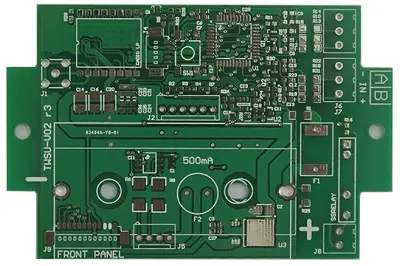
 PCB
PCB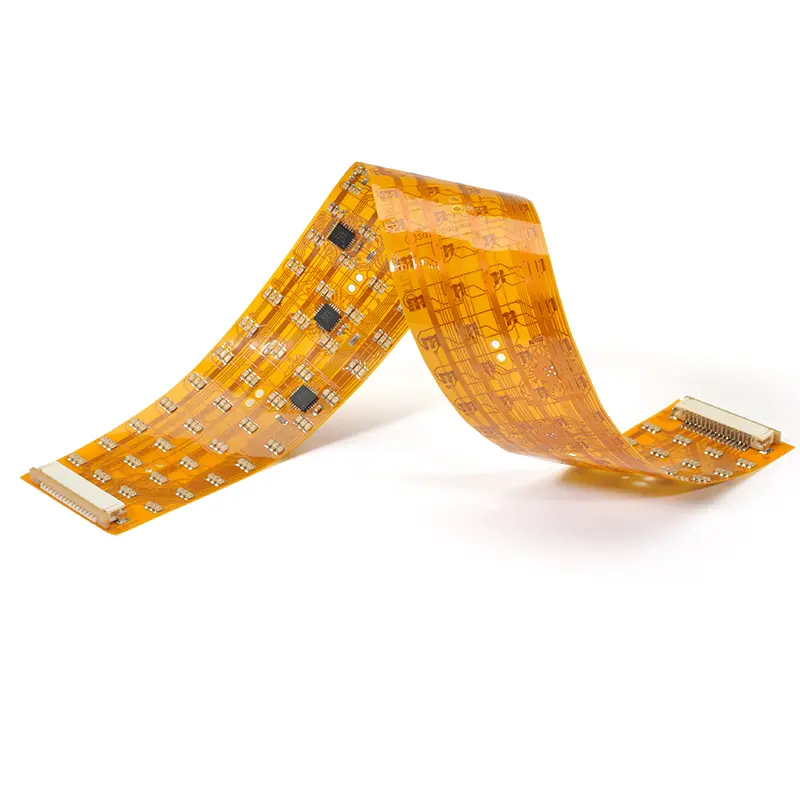 FPC
FPC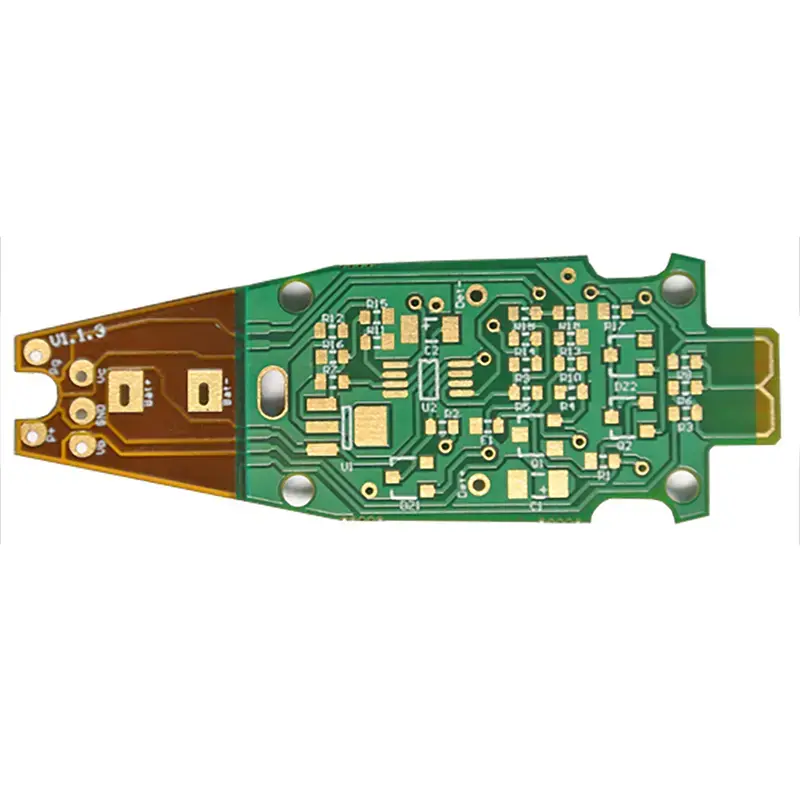 Rigid-Flex
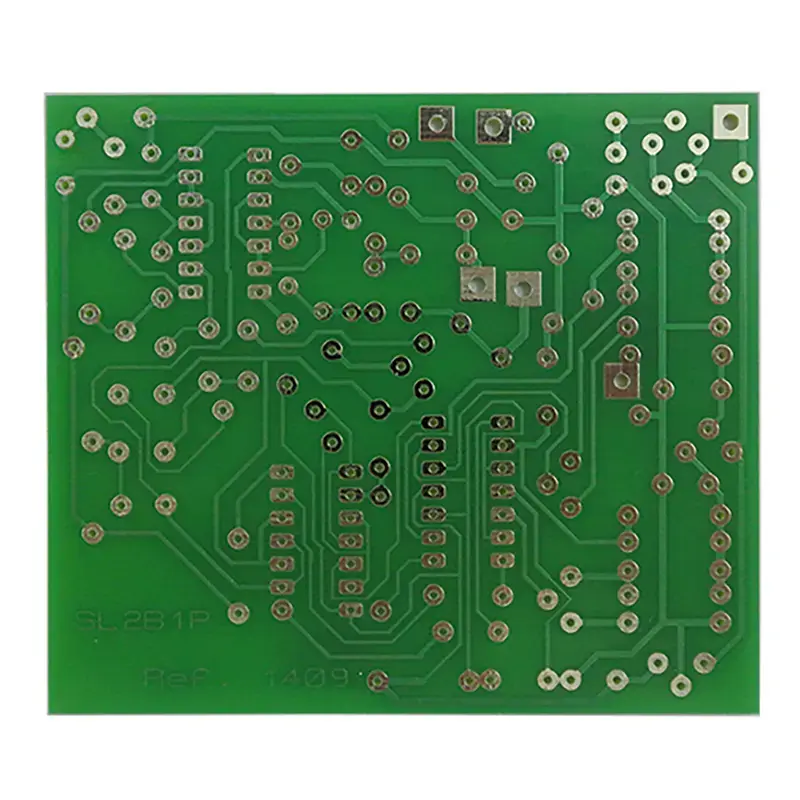 FR-4
FR-4 HDI PCB
 Rogers High-Frequency Board
 PTFE Teflon High-Frequency Board
 Aluminum
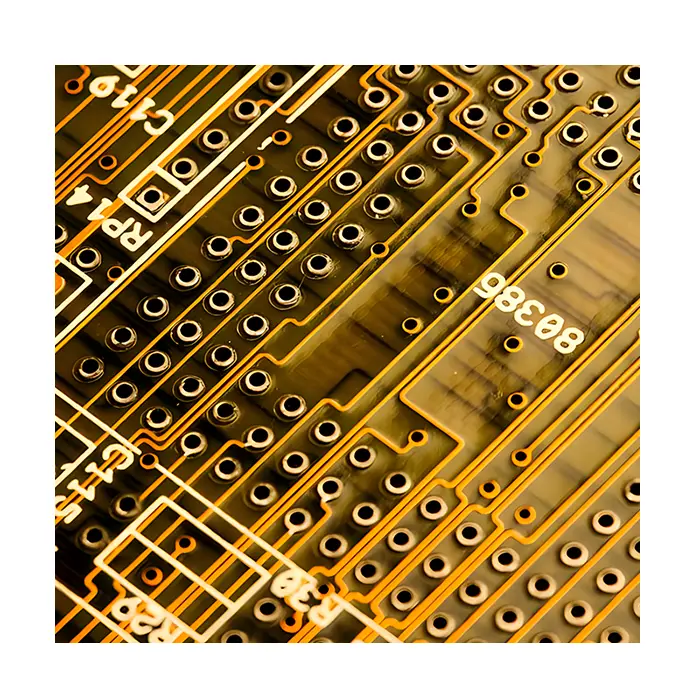 Copper Core
 PCB Assembly
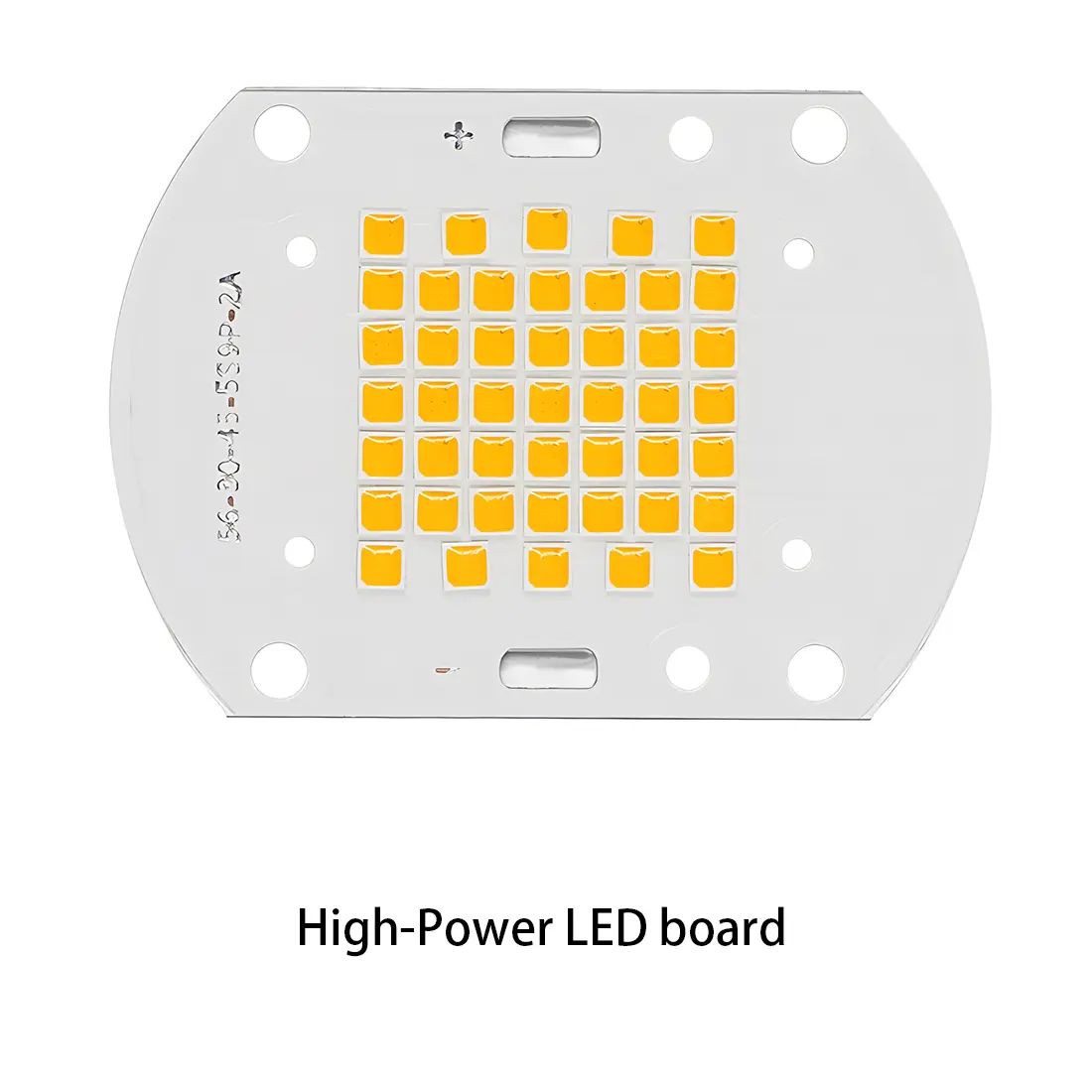 LED light PCBA
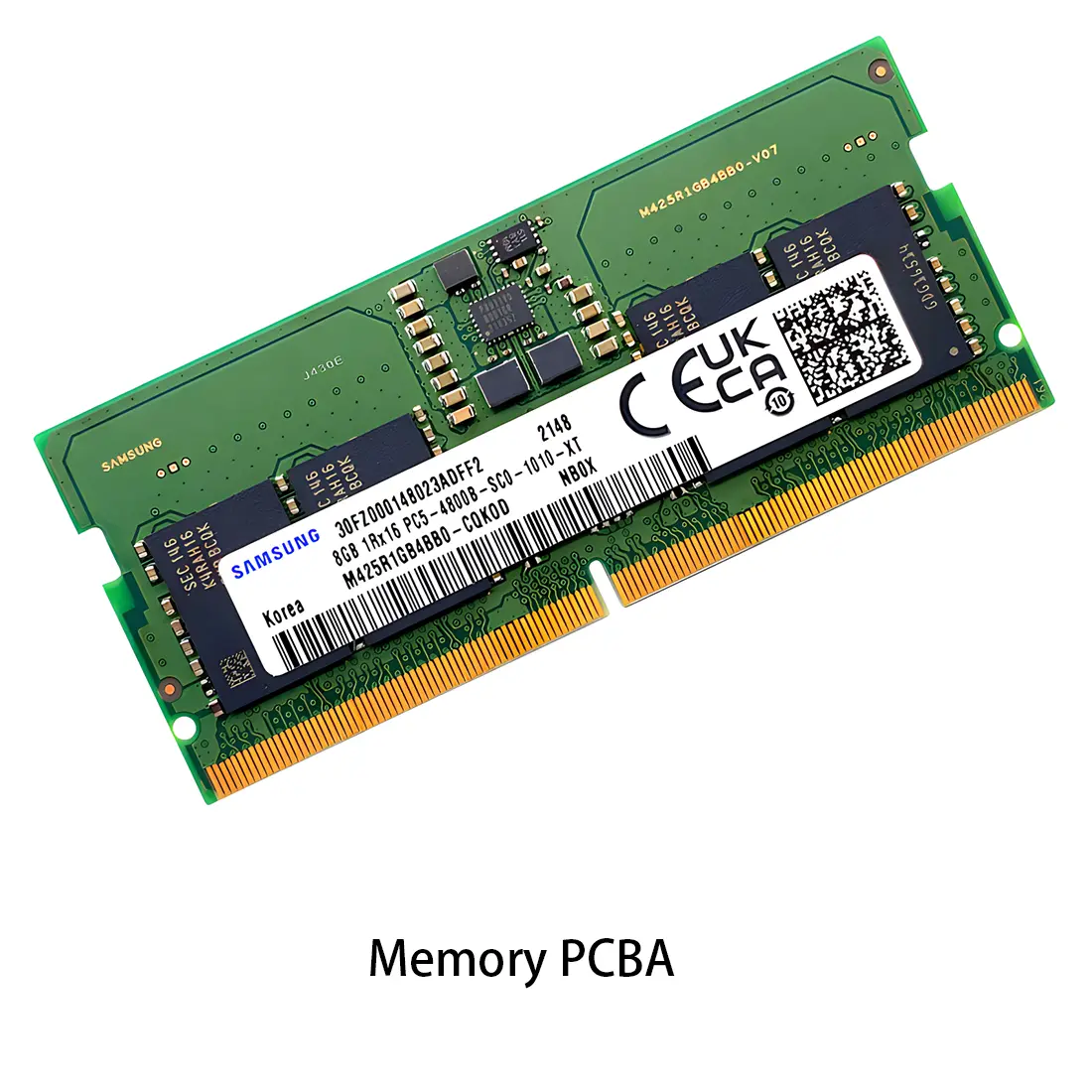 Memory PCBA
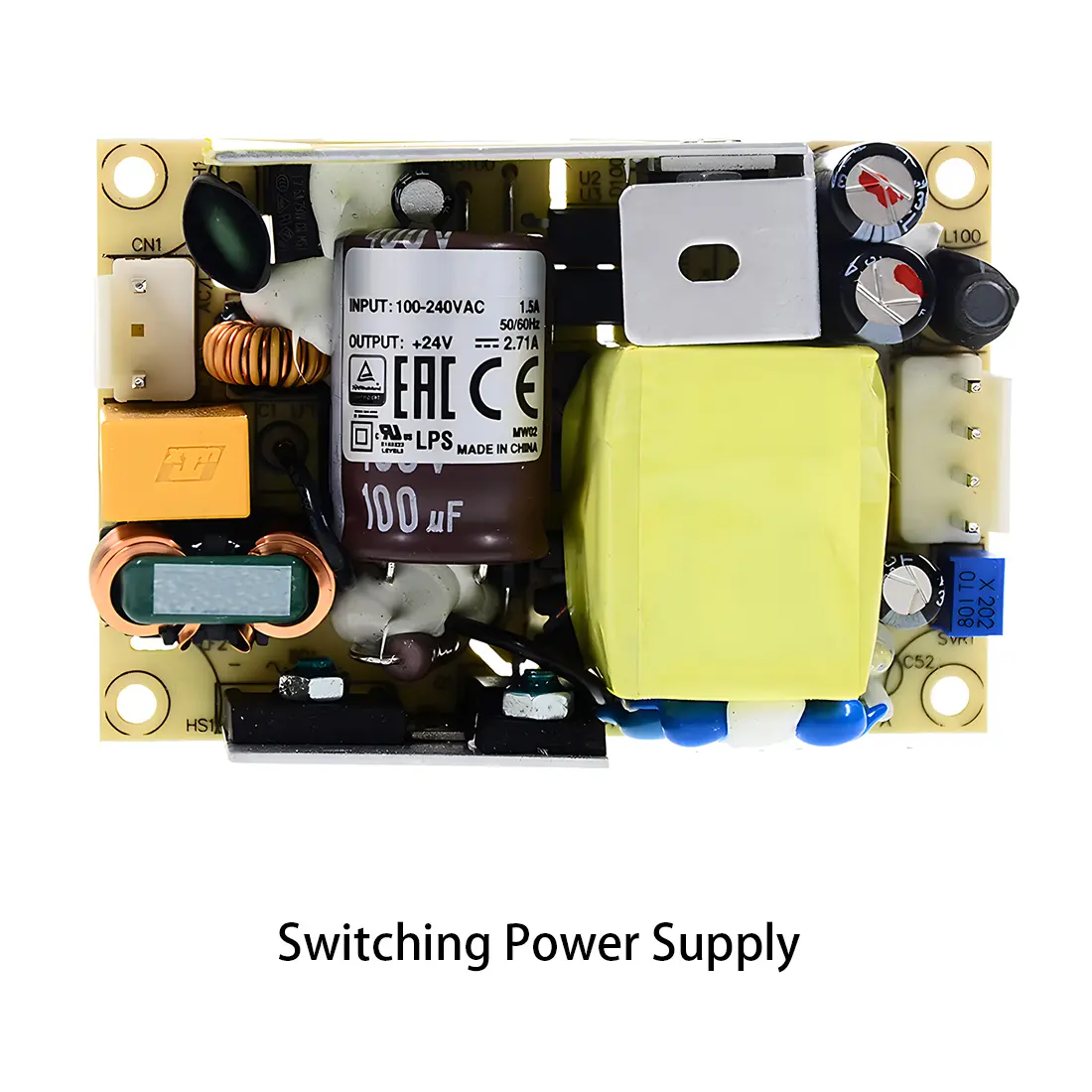 Power Supply PCBA
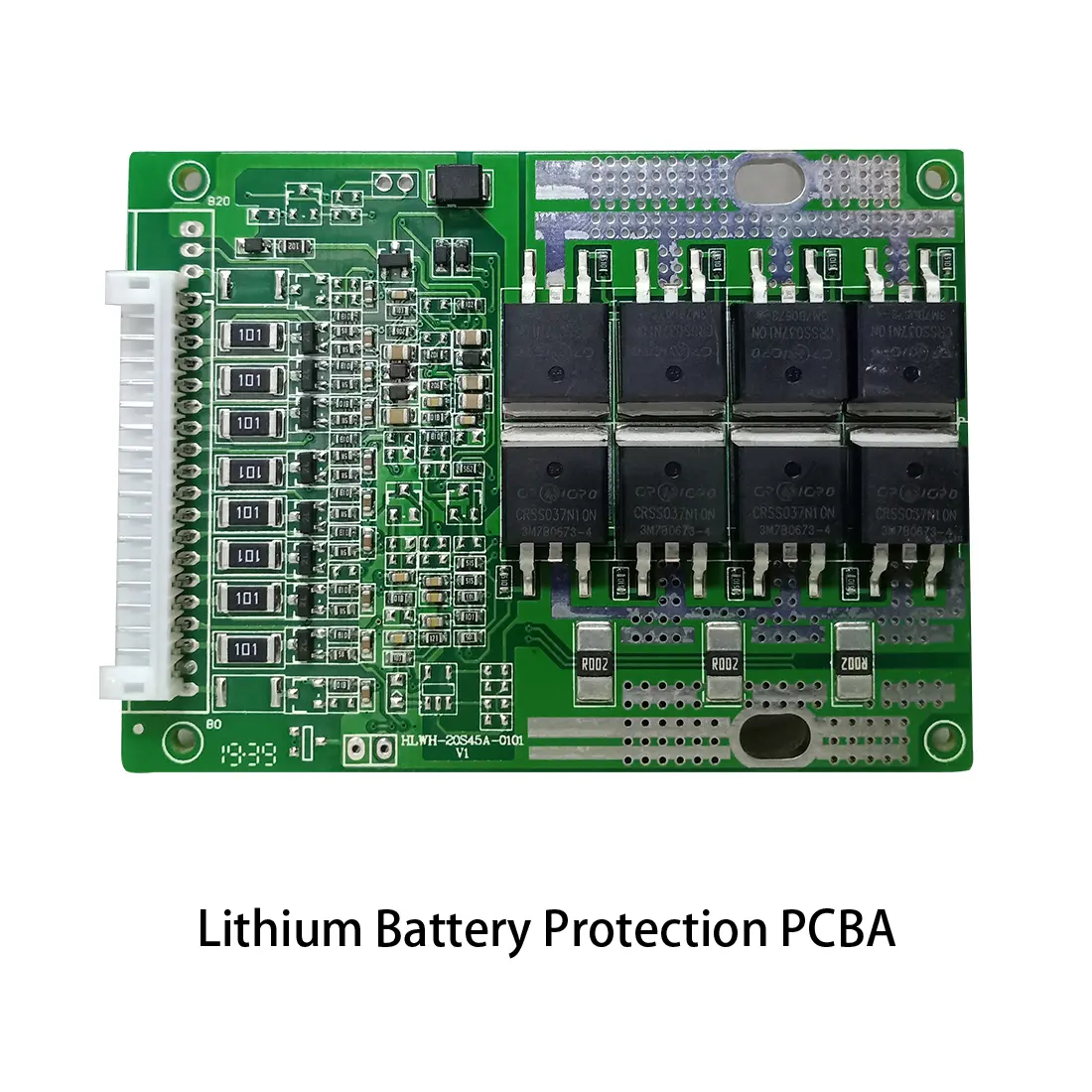 New Energey PCBA
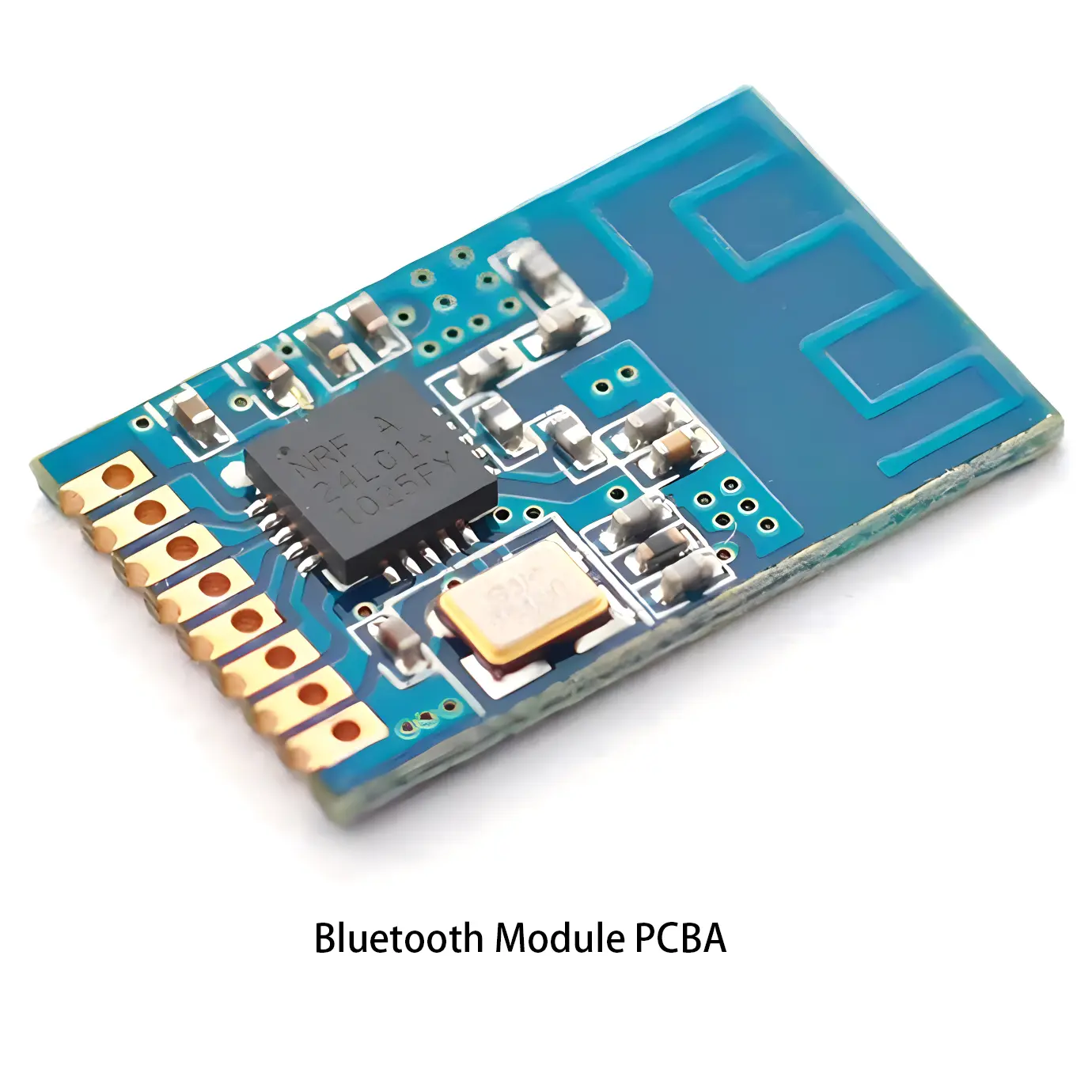 Communication PCBA
 Industrial Control PCBA
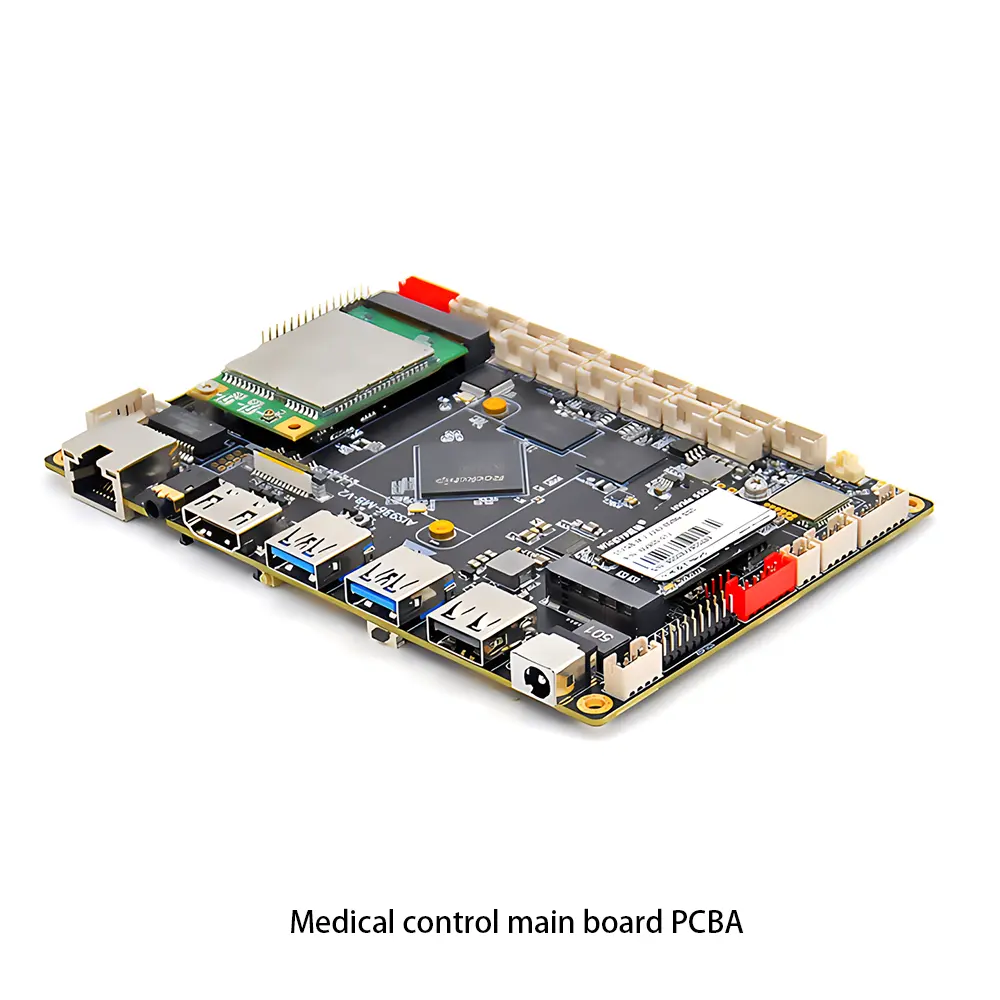 Medical Equipment PCBA
 Testing Service
 PCBA Testing Service
 Certification Application
 RoHS Certification Application
 REACH Certification Application
 CE Certification Application
 FCC Certification Application
 CQC Certification Application
 UL Certification Application
 Transformers, Inductors
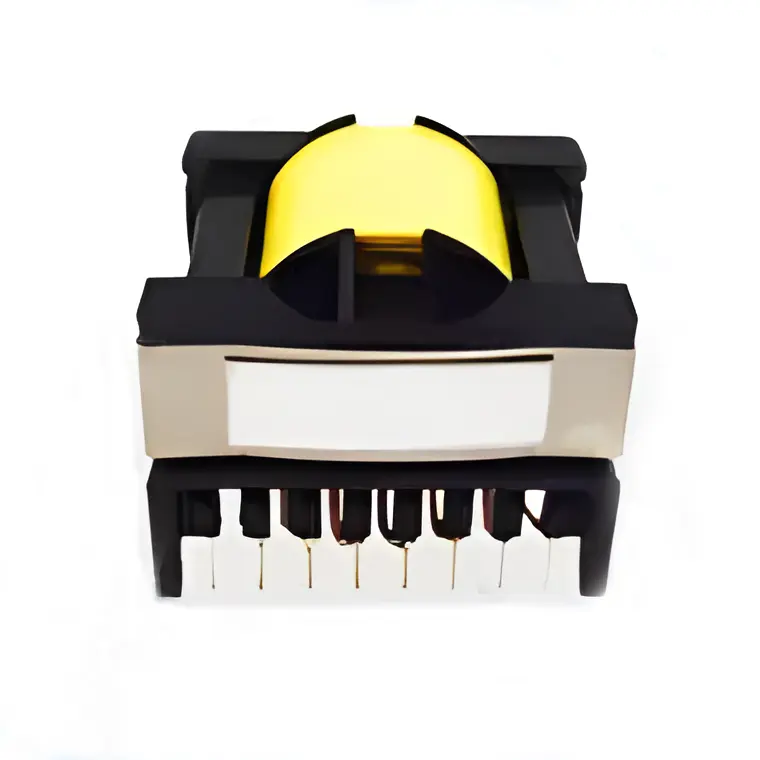 High Frequency Transformers
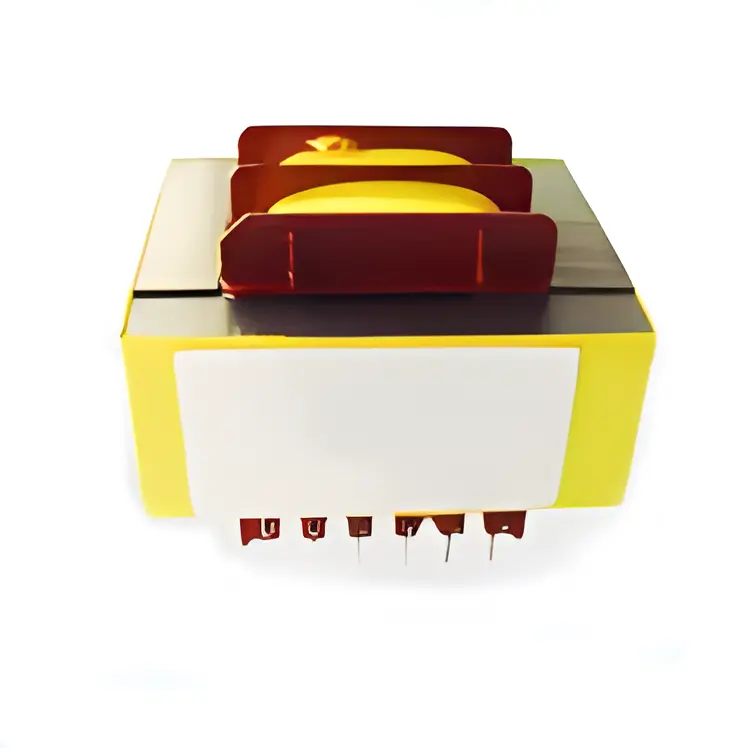 Low Frequency Transformers
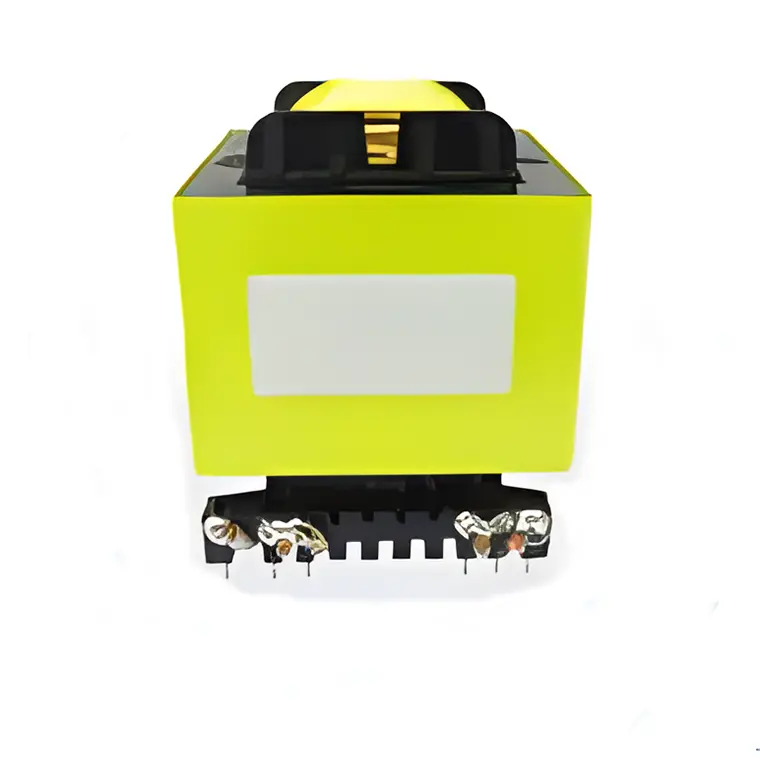 High Power Transformers
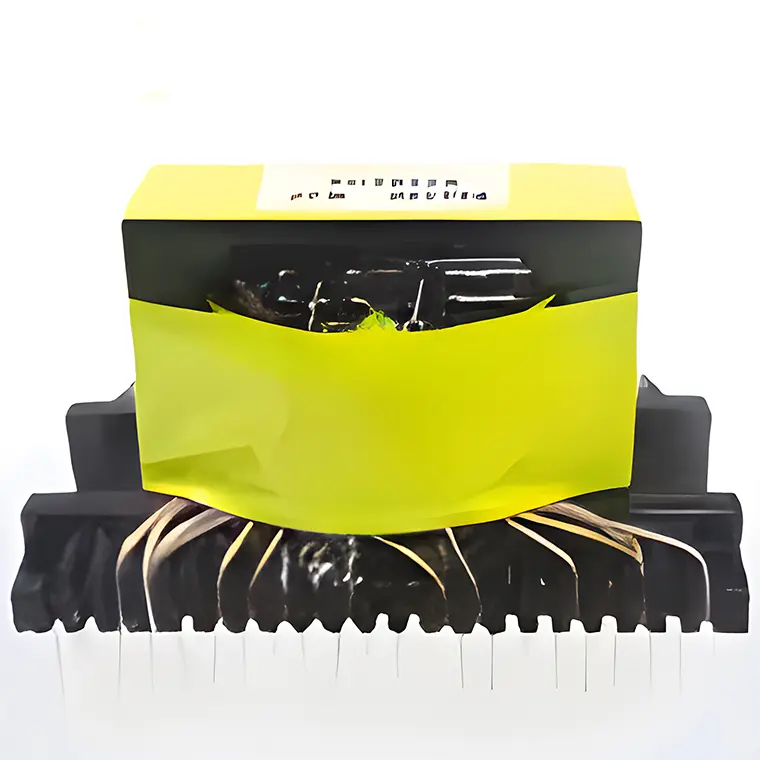 Conversion Transformers
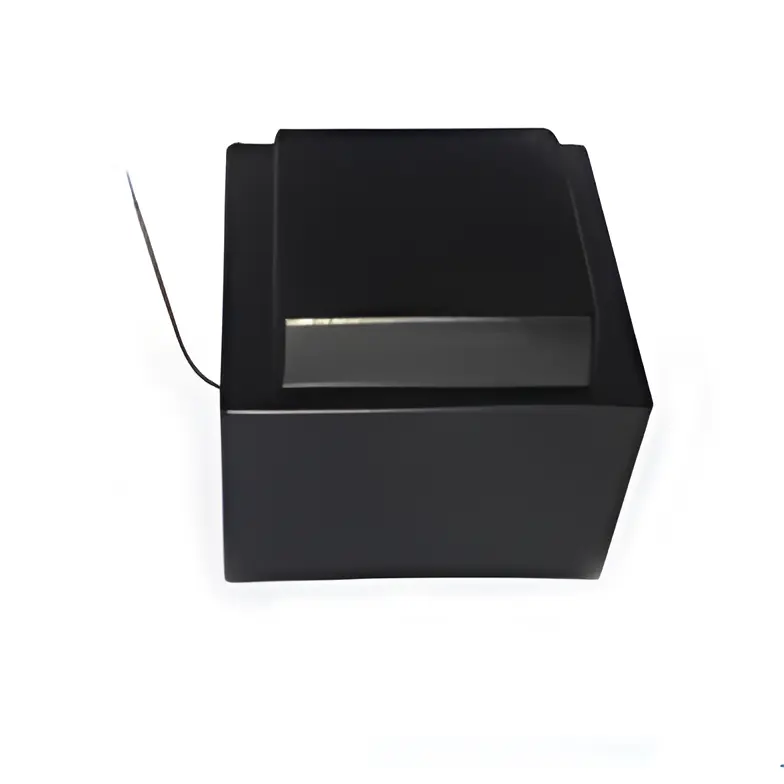 Sealed Transformers
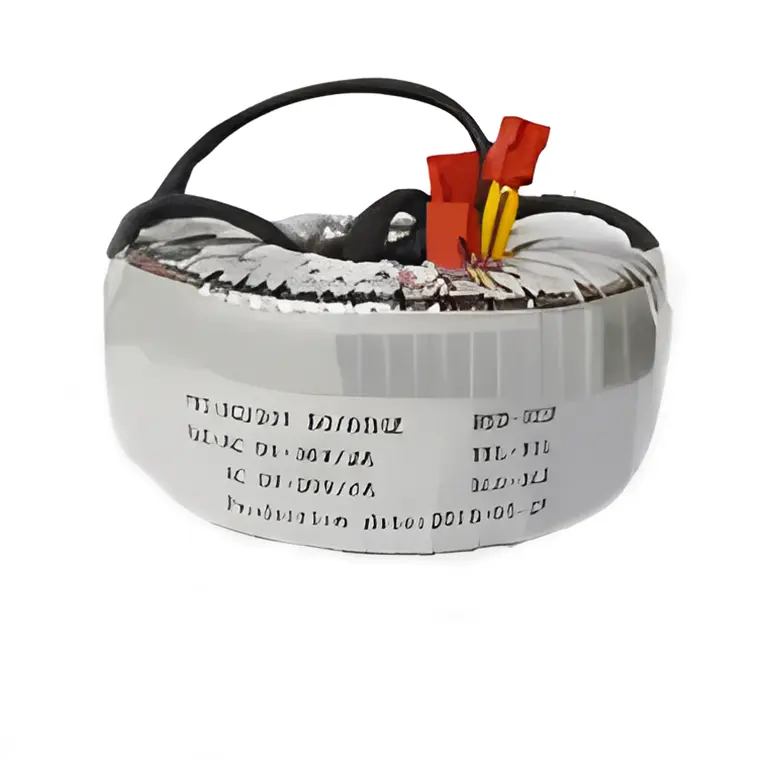 Ring Transformers
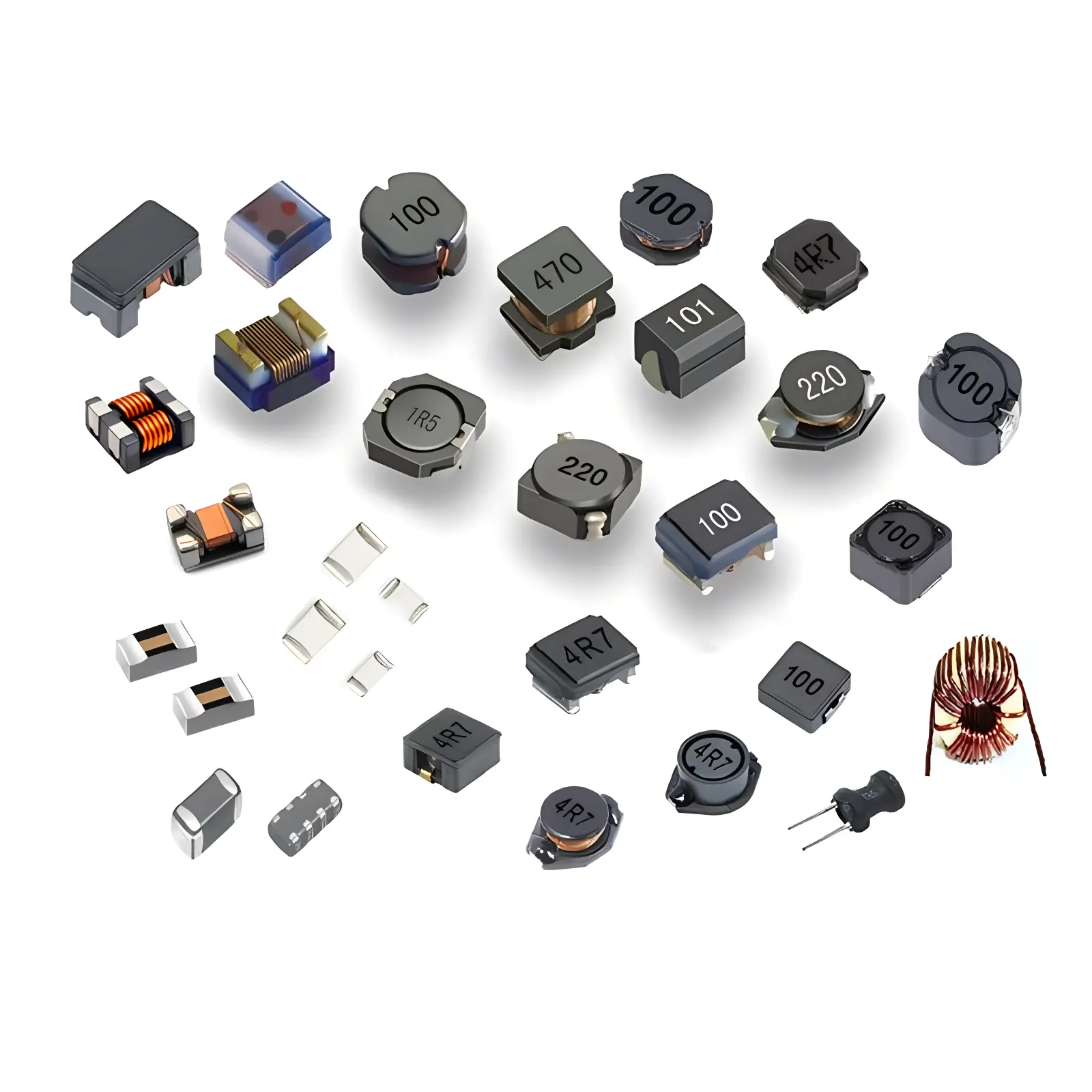 Inductors
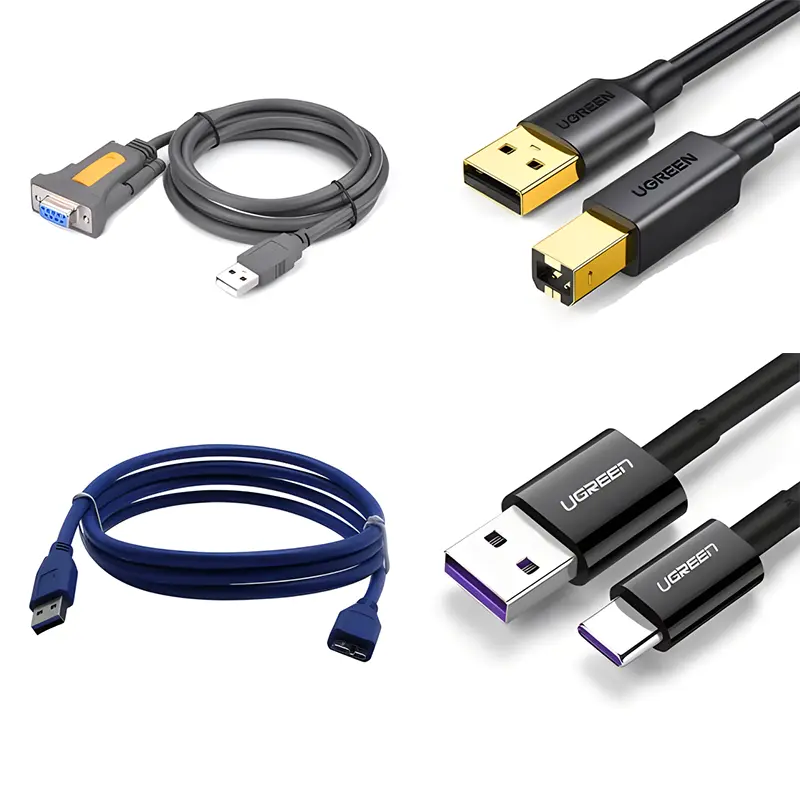 Wires,Cables Customized
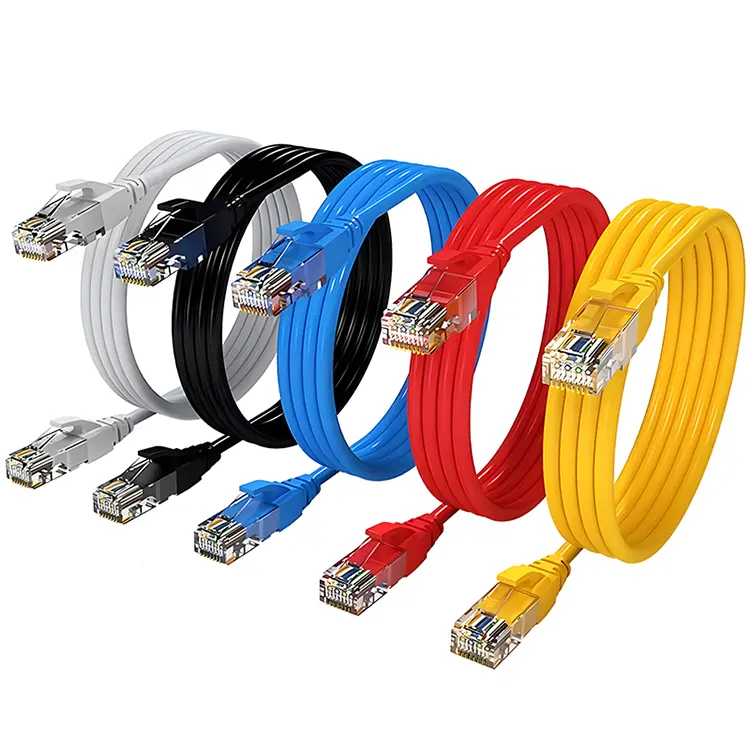 Network Cables
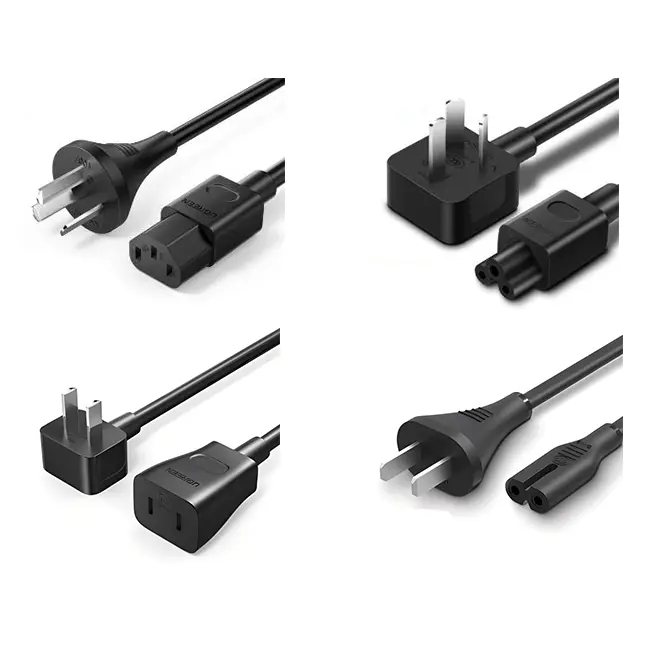 Power Cords
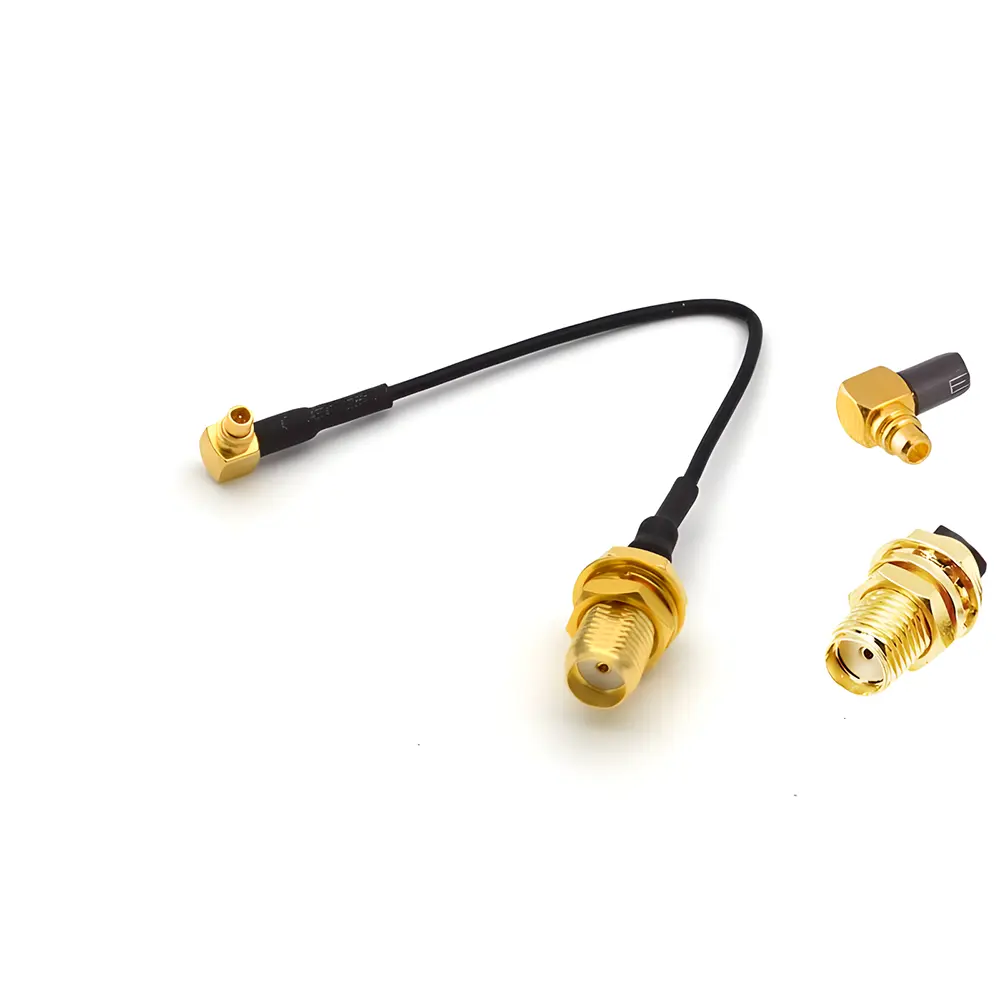 Antenna Cables
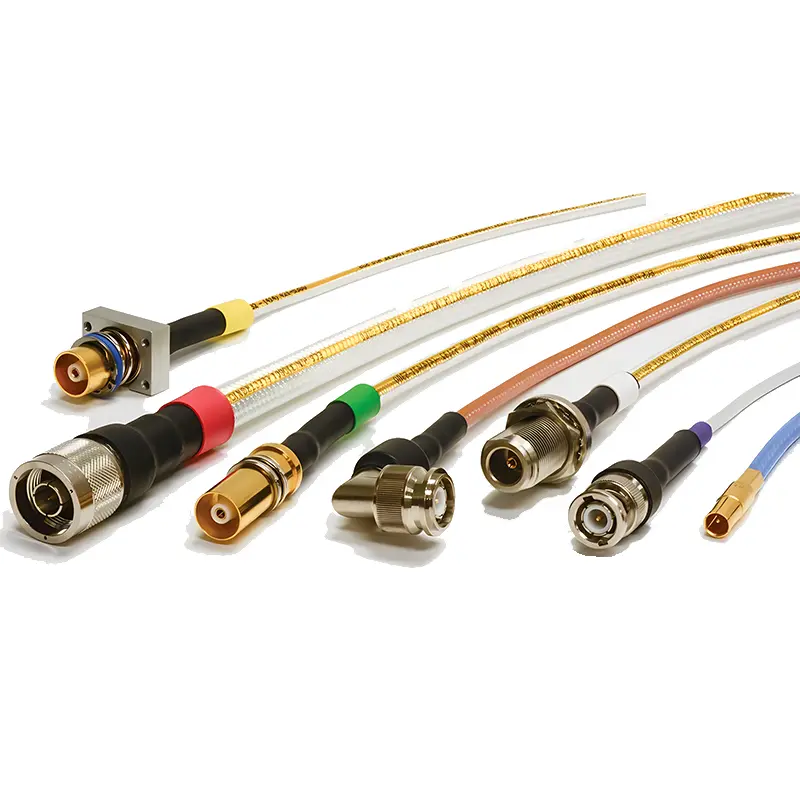 Coaxial Cables
 Net Position Indicator
 Solar AIS net position indicator
 Capacitors
 Connectors
 Diodes
 Embedded Processors & Controllers
 Digital Signal Processors (DSP/DSC)
 Microcontrollers (MCU/MPU/SOC)
 Programmable Logic Device(CPLD/FPGA)
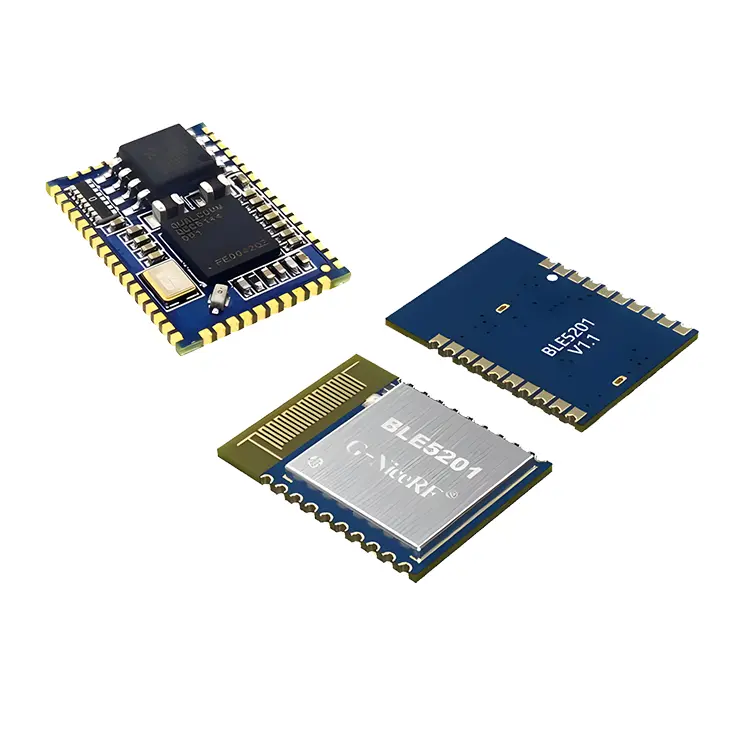 Communication Modules/IoT
 Resistors
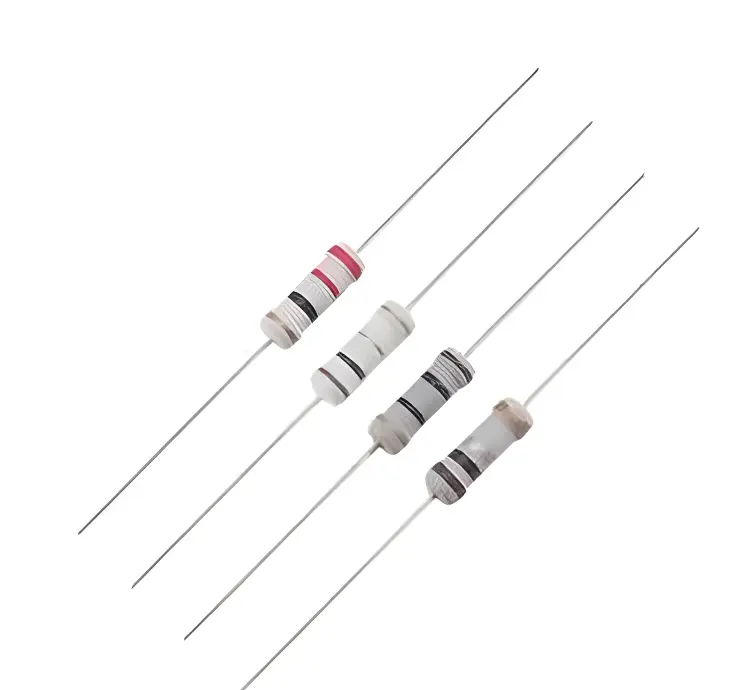 Through Hole Resistors
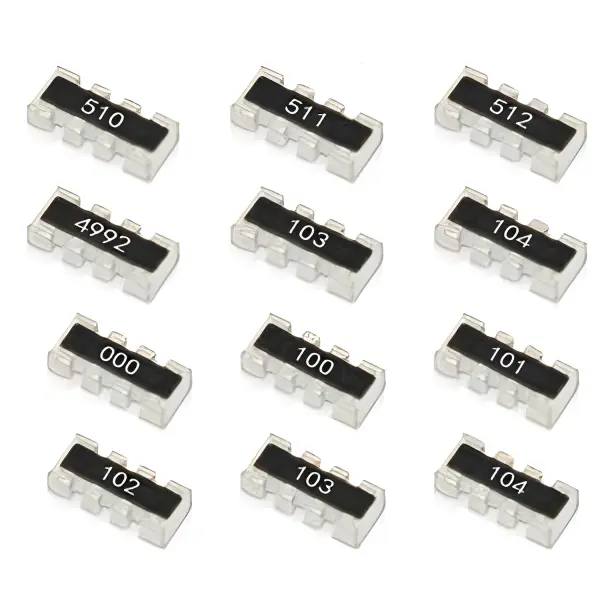 Resistor Networks, Arrays
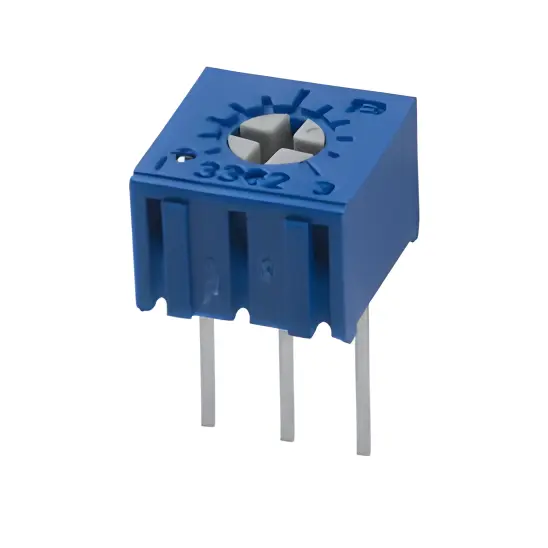 Potentiometers,Variable Resistors
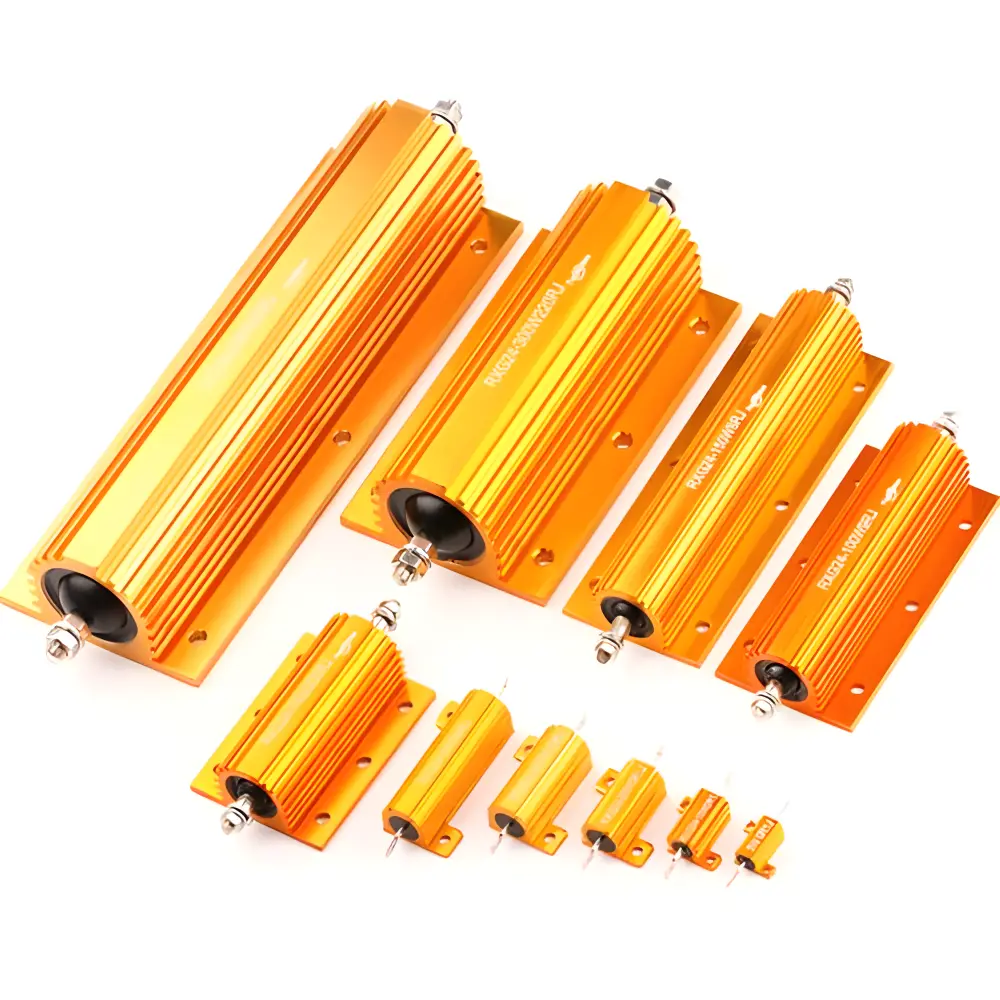 Aluminum Case,Porcelain Tube Resistance
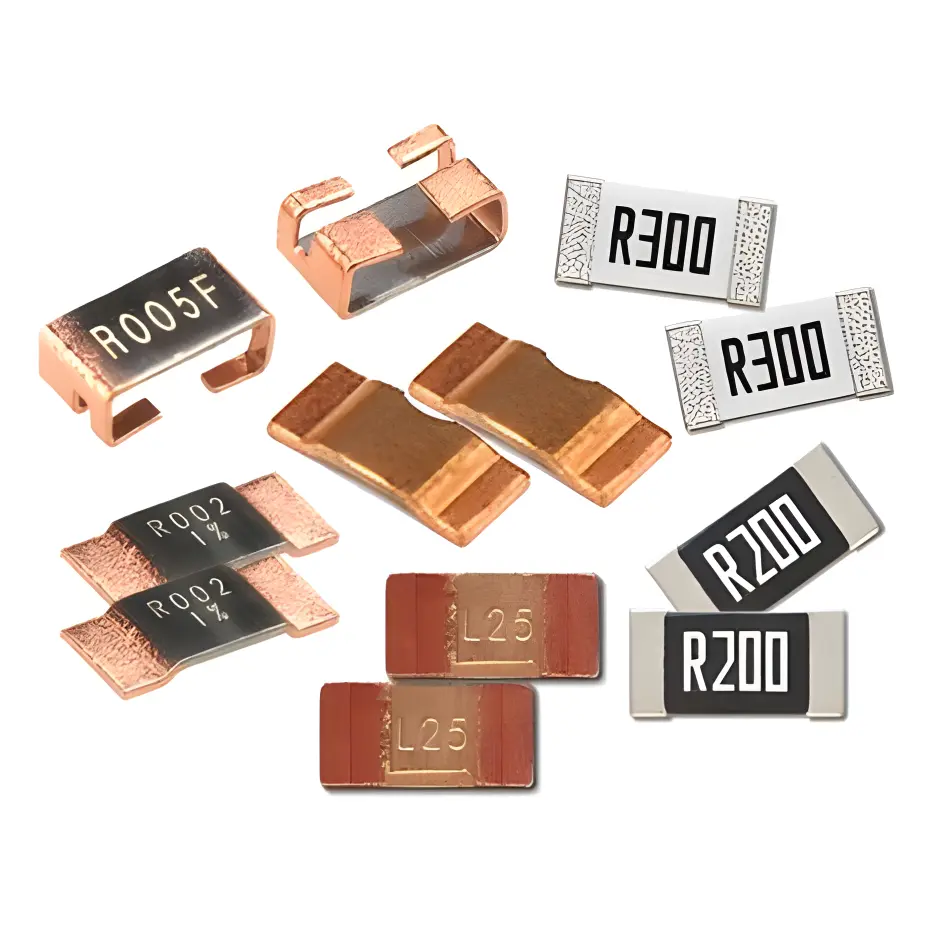 Current Sense Resistors,Shunt Resistors
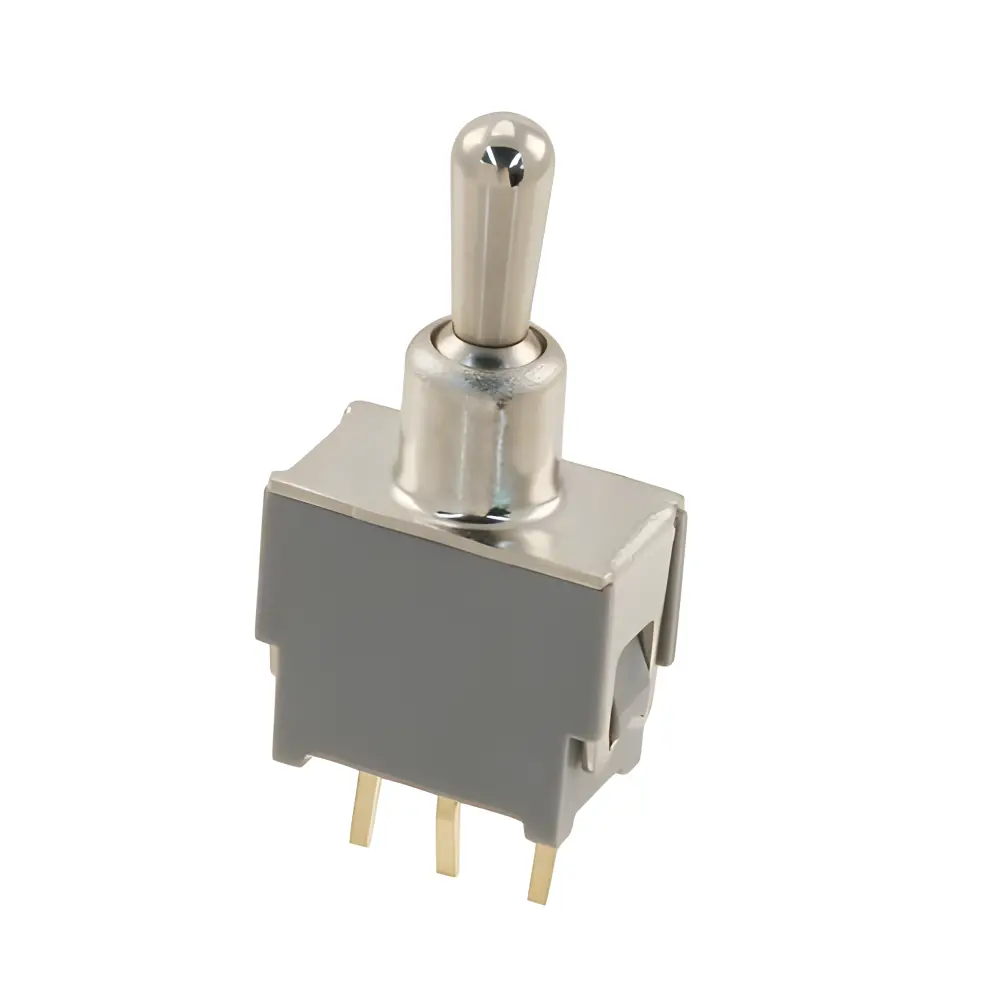 Switches
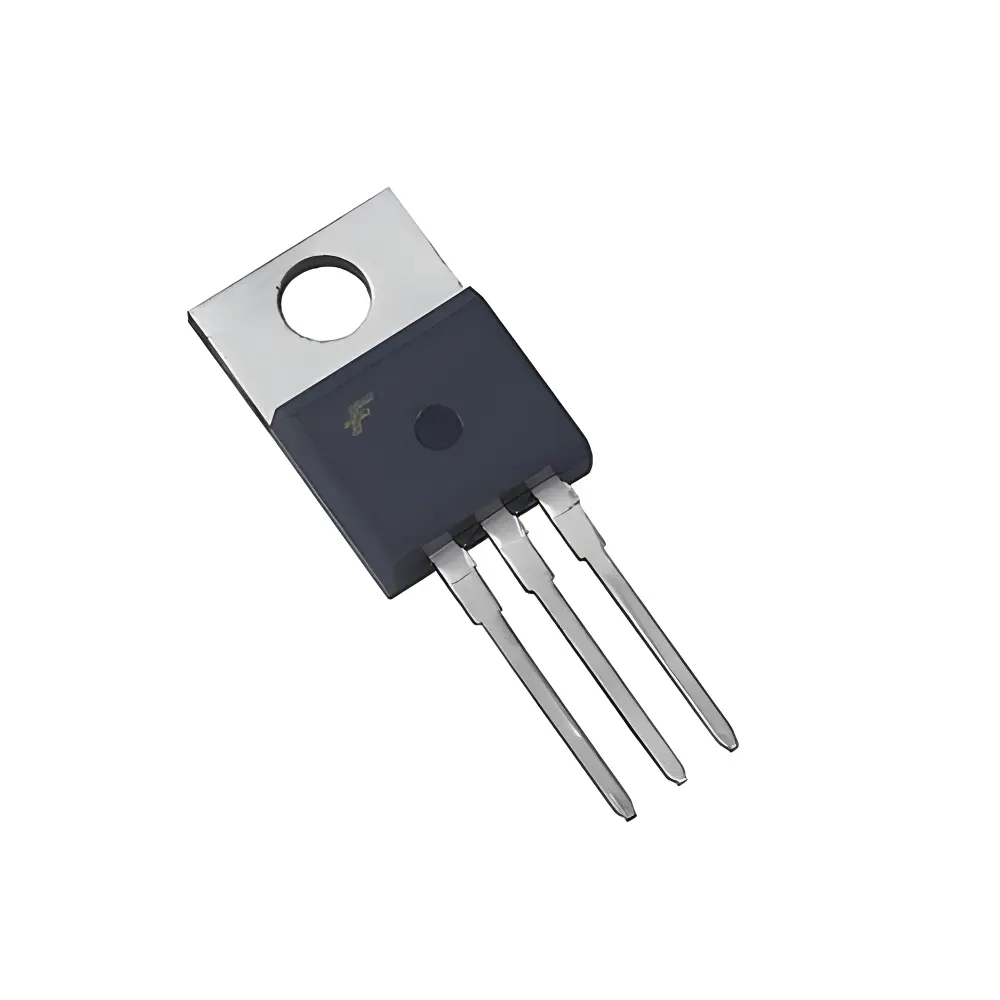 Transistors
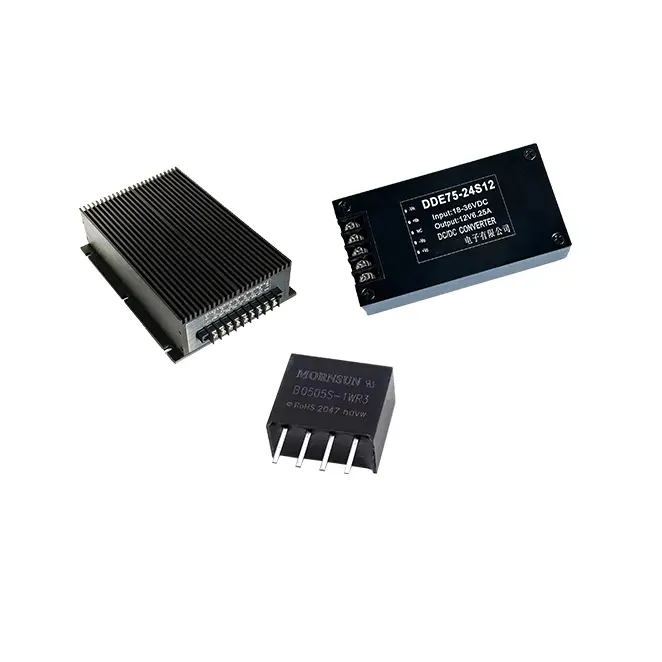 Power Modules
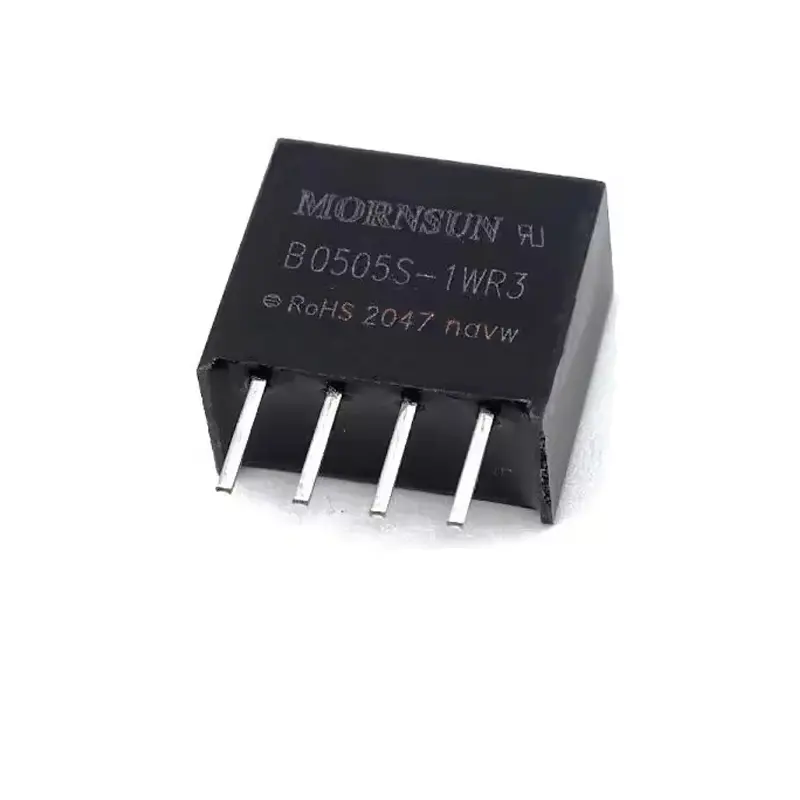 Isolated Power Modules
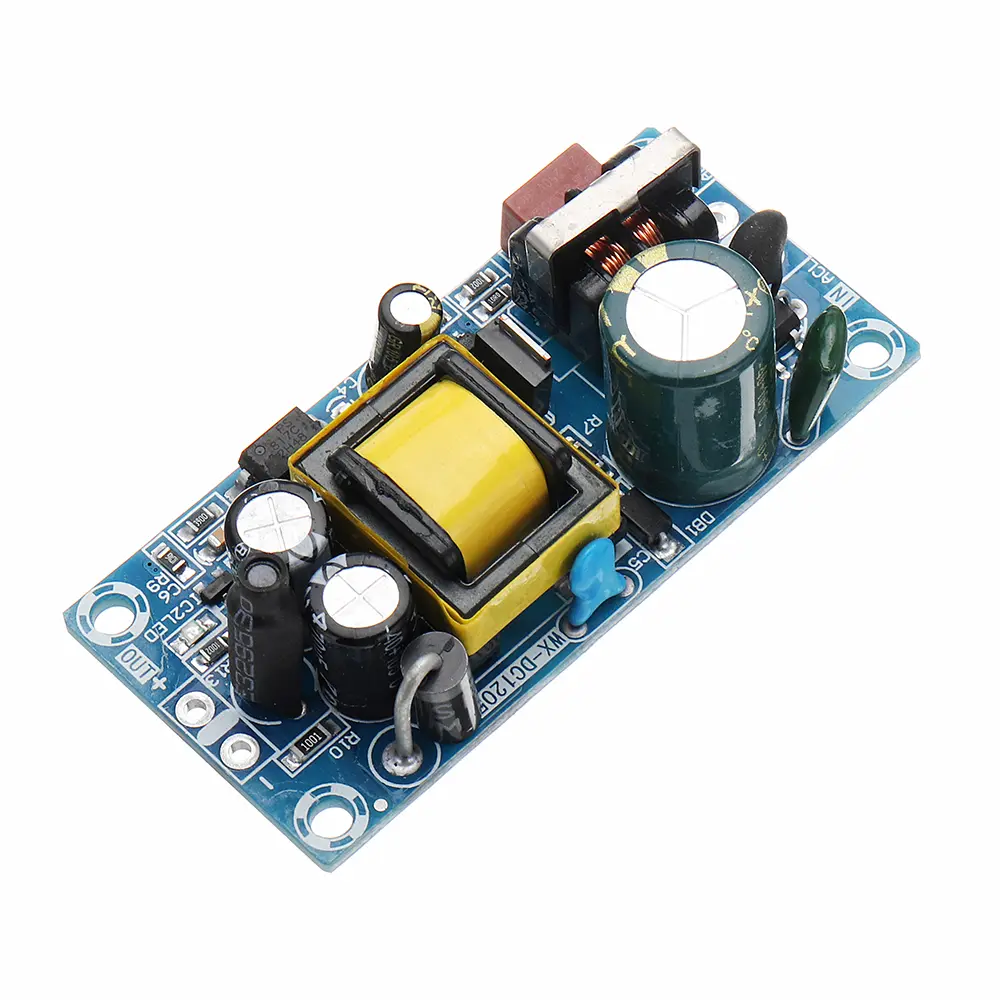 AC-DC Power Modules
 DC-AC Module(Inverter)
 RF and Wireless
Enhancing Thermal Management in Flexible PCBs: Selecting Thermally Conductive Materials That Preserve Flexibility
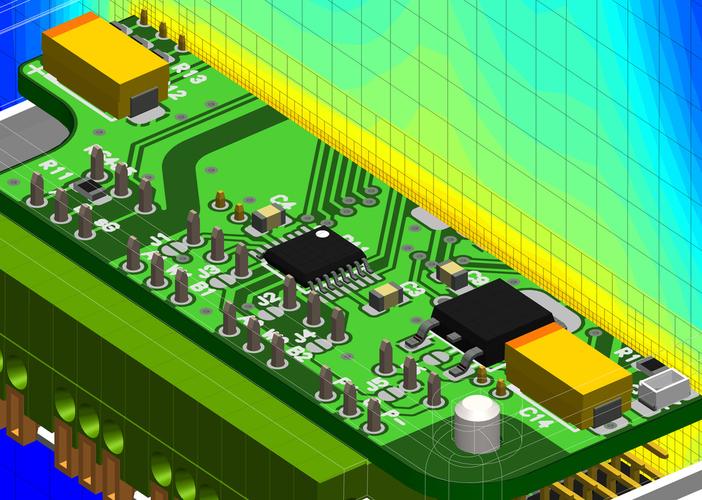
Flexible printed circuit boards (FPCBs) are essential in modern electronics—especially in wearable devices, foldable smartphones, medical implants, and aerospace systems—where space constraints, weight reduction, and mechanical conformability are critical. However, the very features that make FPCBs advantageous—thin substrates, polyimide-based dielectrics, and minimal copper layers—also limit their ability to dissipate heat effectively. As component power densities increase, thermal management becomes a key challenge in flexible PCB design.
This article explores how to improve thermal peRFormance in flexible PCBs without compromising their bendability, with a focus on selecting appropriate thermally conductive materials that maintain mechanical flexibility.
1. Thermal Challenges in Flexible PCBs
Unlike rigid PCBs that often use FR-4 (a glass-reinforced epoxy laminate with moderate thermal conductivity of ~0.3 W/m·K), flexible PCBs typically rely on polyimide (PI) films as the base dielectric. Polyimide offers excellent thermal stability (up to 250–400°C) but has low intrinsic thermal conductivity (~0.1–0.2 W/m·K). This poor heat-spreading capability can lead to localized hot spots under high-power components (e.g., LEDs, RF amplifiers, or microcontrollers), risking:
- Delamination or warpage
- Reduced component lifespan
- Signal integrity issues due to temperature-dependent impedance shifts
Therefore, enhancing thermal dissipation while preserving flexibility is a delicate balancing act.
2. Key Requirements for Thermally Conductive Materials in FPCBs
Any thermal enhancement strategy must satisfy three core criteria:
- High in-plane or through-plane thermal conductivity (depending on heat flow direction)
- Mechanical compliance: Must withstand repeated bending, folding, or rolling without cracking or delaminating
- Compatibility with standard FPCB fabrication processes (e.g., lamination, etching, soldering)
Materials that meet these requirements fall into several categories, each with trade-offs.
3. Promising Thermally Conductive Materials for Flexible PCBs
A. Thermally Conductive Adhesives (TCAs) with Elastomeric Fillers
- Composition: Silicone or acrylic-based polymers filled with ceramic particles (e.g., Al₂O₃, BN, AlN).
- Thermal Conductivity: 1–5 W/m·K (in-plane); lower through-plane.
- Flexibility: Excellent—elastomeric nature allows stretching and bending.
- Application: Used as bonding layers between the FPCB and heat spreaders or metal stiffeners.
- Advantage: Electrically insulating; easy to integrate via screen printing or dispensing.
- Limitation: Limited standalone heat-spreading capability; best used in hybrid thermal paths.
B. Graphene-Based Films or Coatings
- Composition: Single- or few-layer graphene transferred onto polyimide or embedded in polymer matrices.
- Thermal Conductivity: Up to 1500–2000 W/m·K in-plane (theoretical); practical composites achieve 10–50 W/m·K.
- Flexibility: Exceptional—graphene’s atomic thinness and strength enable high bend radii (<1 mm).
- Application: As surface heat spreaders laminated onto FPCB surfaces or integrated as conductive traces.
- Advantage: Ultra-thin (<10 µm), lightweight, and highly anisotropic (excellent lateral heat spreading).
- Limitation: High cost; challenges in large-scale uniform deposition; electrical conductivity may require insulation layers.
C. Boron Nitride (BN) Nanosheet-Reinforced Polyimide Composites
- Composition: Hexagonal boron nitride (h-BN) nanosheets dispersed in polyimide matrix.
- Thermal Conductivity: 5–20 W/m·K (in-plane), depending on filler alignment and loading (typically 20–50 vol%).
- Flexibility: Maintained if nanosheets are well-exfoliated and aligned parallel to the film plane.
- Application: As a replacement for standard polyimide substrate in high-performance FPCBs.
- Advantage: Electrically insulating (bandgap ~6 eV), thermally stable, and compatible with existing PI processing.
- Limitation: Increased material stiffness at high filler loadings; requires precise control of dispersion.
D. Metal-Clad Flexible Laminates with Patterned Thin Foils
- Approach: Use ultra-thin (≤12 µm) copper or aluminum foils selectively patterned as thermal vias or heat spreaders.
- Thermal Conductivity: Copper: ~400 W/m·K; Aluminum: ~200 W/m·K.
- Flexibility: Preserved if metal is patterned (e.g., mesh, serpentine, or island structures) rather than solid.
- Application: Embedded thermal planes or “thermal fingers” extending from hot components.
- Advantage: High conductivity; leverages existing PCB metallization processes.
- Limitation: Adds weight; electrical isolation needed; solid foils crack under repeated flexing.
4. Performance Comparison Summary
| Material Type | Thermal Conductivity (W/m·K) | Flexibility | Electrical Insulation | Process Compatibility |
|---|---|---|---|---|
| Standard Polyimide | 0.1–0.2 | Excellent | Yes | Excellent |
| TCAs (ceramic-filled) | 1–5 | Excellent | Yes | Good |
| Graphene films | 10–50 (practical) | Excellent | No (conductive) | Moderate |
| h-BN/Polyimide composites | 5–20 | Good | Yes | Good (with tuning) |
| Patterned thin metal foils | 100–400 | Good* | No | Excellent |
* Only when properly patterned; solid foils reduce flexibility significantly.
5. Design Recommendations
- For low-to-moderate power density: Use h-BN-enhanced polyimide as the base substrate—it offers the best balance of insulation, flexibility, and thermal improvement.
- For localized hot spots: Integrate graphene heat spreaders over critical components, insulated with a thin dielectric layer (e.g., parylene).
- For system-level cooling: Combine patterned copper thermal vias with thermally conductive adhesives to route heat to external heat sinks or chassis.
- Avoid: Thick thermal interface materials (TIMs) or rigid metal cores—they defeat the purpose of flexibility.
6. Future Outlook
Emerging materials like MXenes, liquid metal composites, and aligned carbon nanotube (CNT) films show promise for next-generation flexible thermal solutions. However, scalability, cost, and long-term reliability under cyclic bending remain hurdles.
In flexible PCB thermal design, boron nitride-polyimide composites and patterned ultra-thin metal structures currently offer the most practical routes to enhanced heat dissipation without sacrificing bendability. For cutting-edge applications, graphene-based films provide superior in-plane thermal spreading but require careful electrical isolation. The optimal choice depends on the specific thermal load, mechanical requirements, and manufacturing constraints—but in all cases, material anisotropy, thickness, and integration method must be engineered holistically to preserve the defining advantage of flexible electronics: conformability.