
 PCB
PCB FPC
FPC Rigid-Flex
 FR-4
FR-4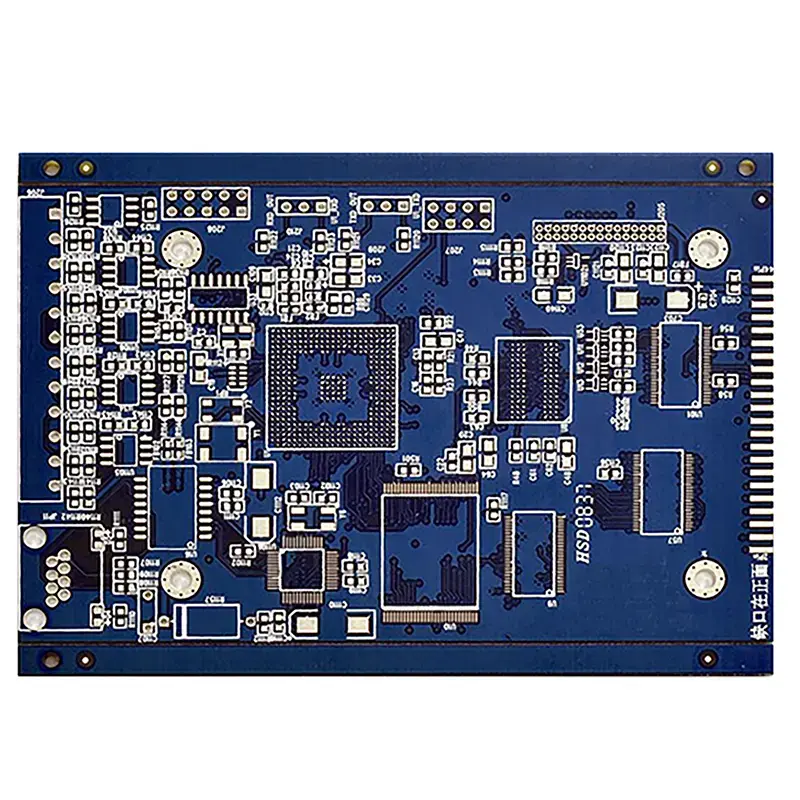 HDI PCB
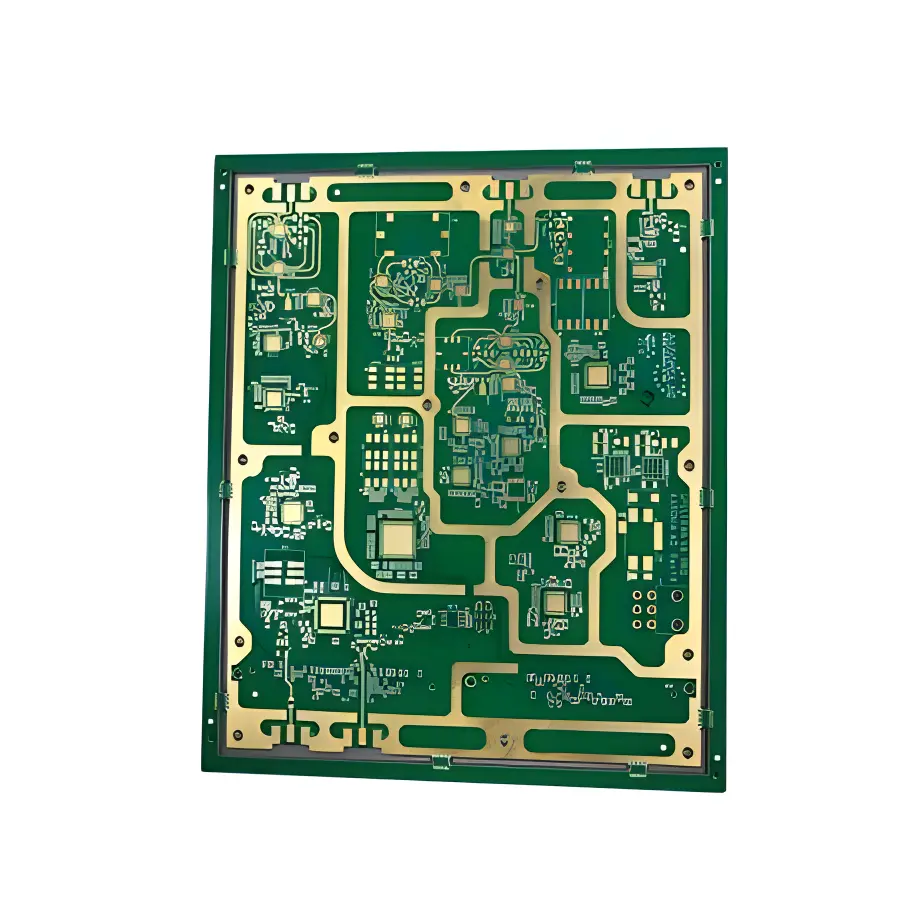 Rogers High-Frequency Board
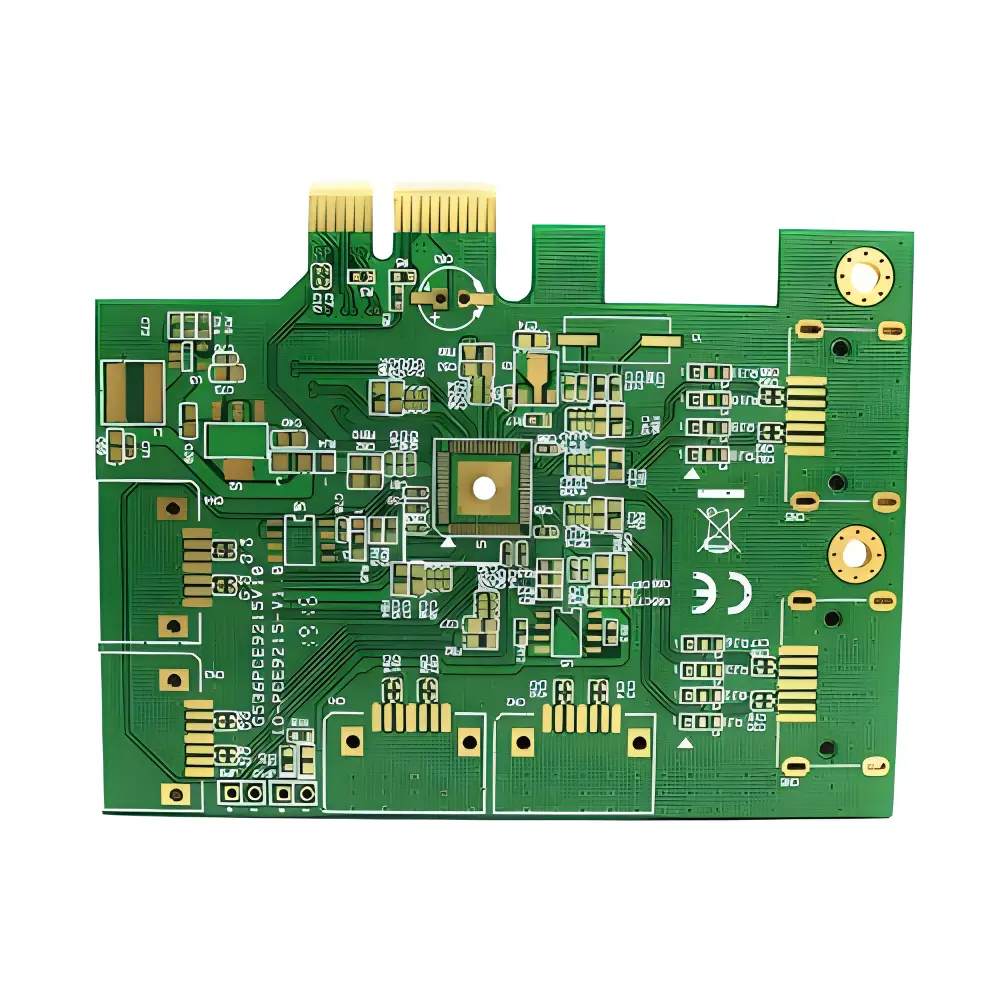 PTFE Teflon High-Frequency Board
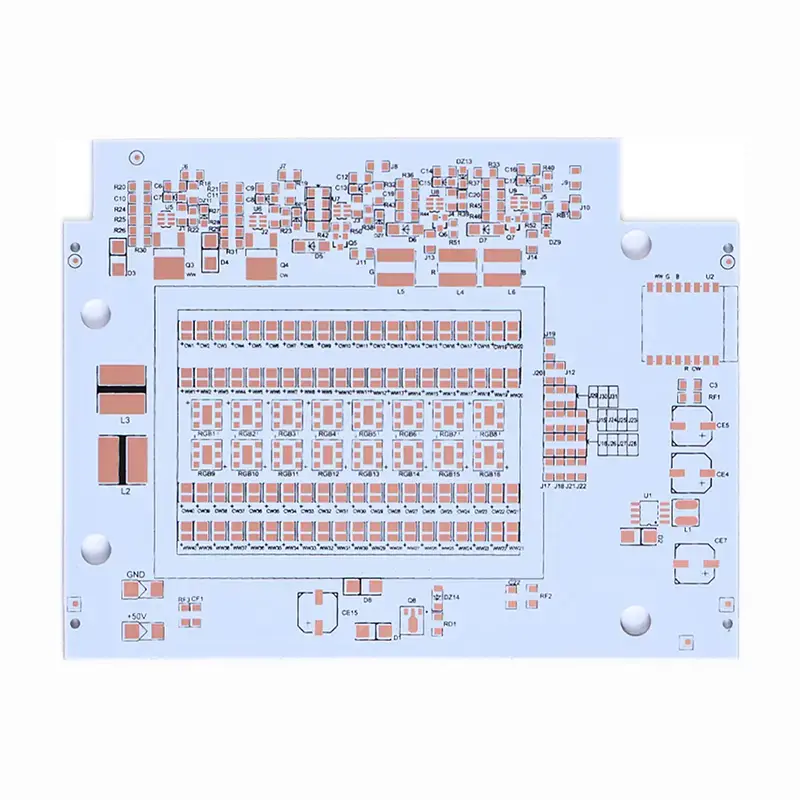 Aluminum
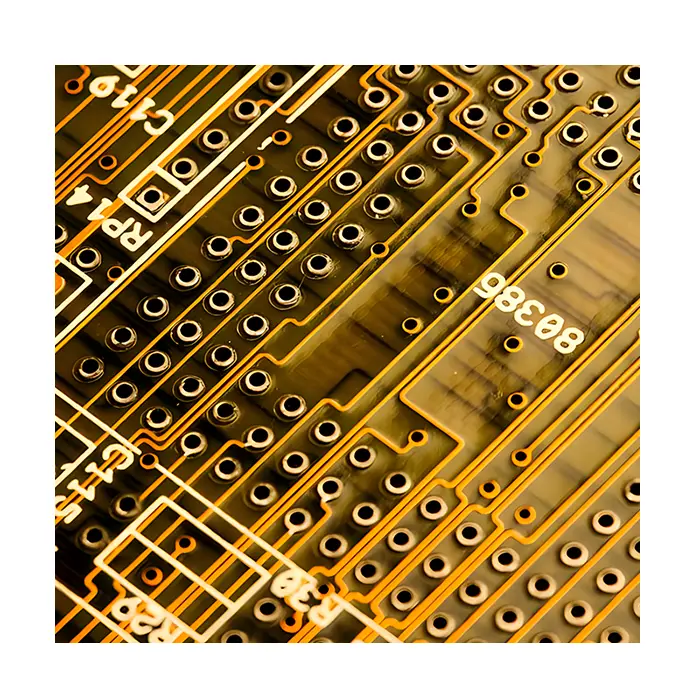 Copper Core
 PCB Assembly
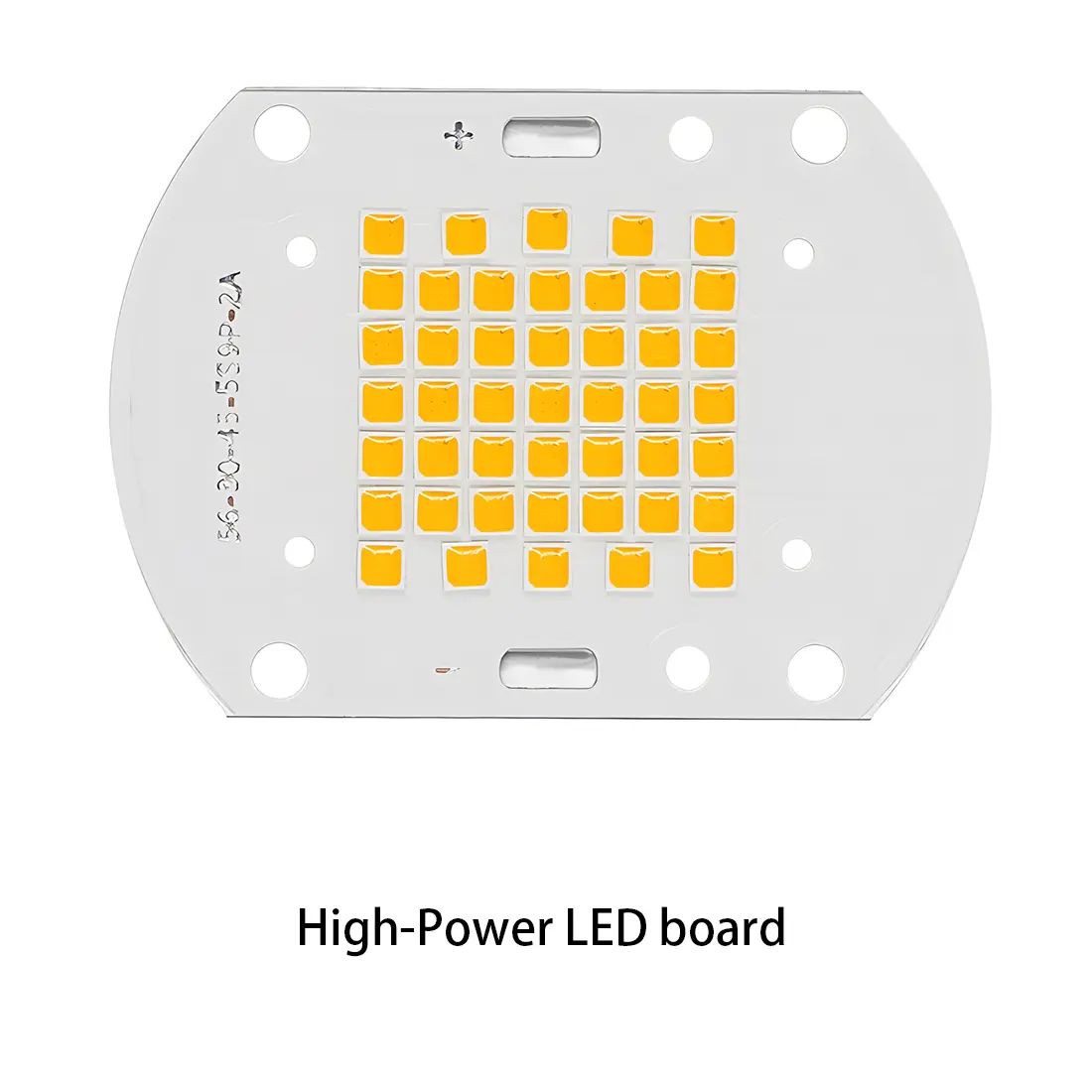 LED light PCBA
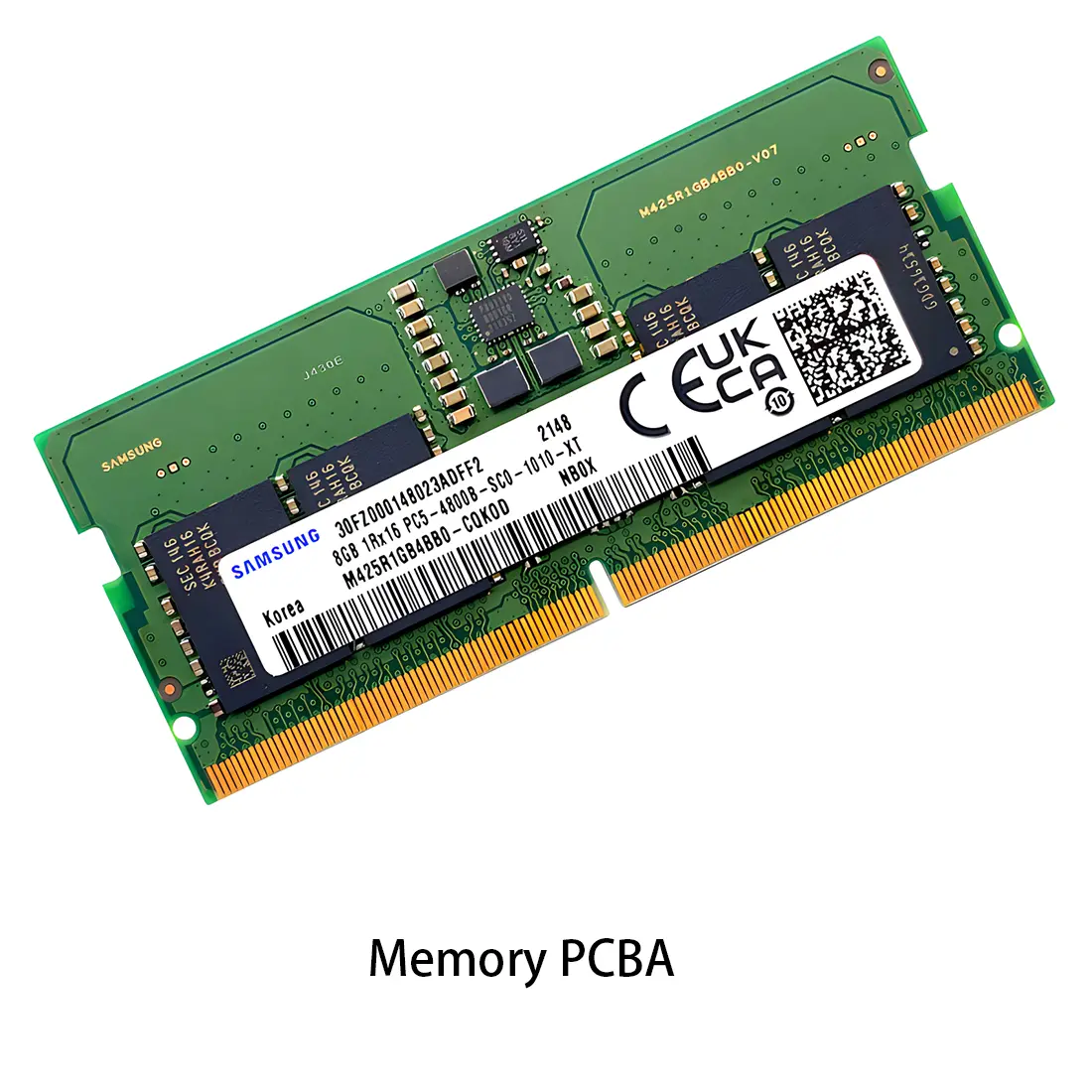 Memory PCBA
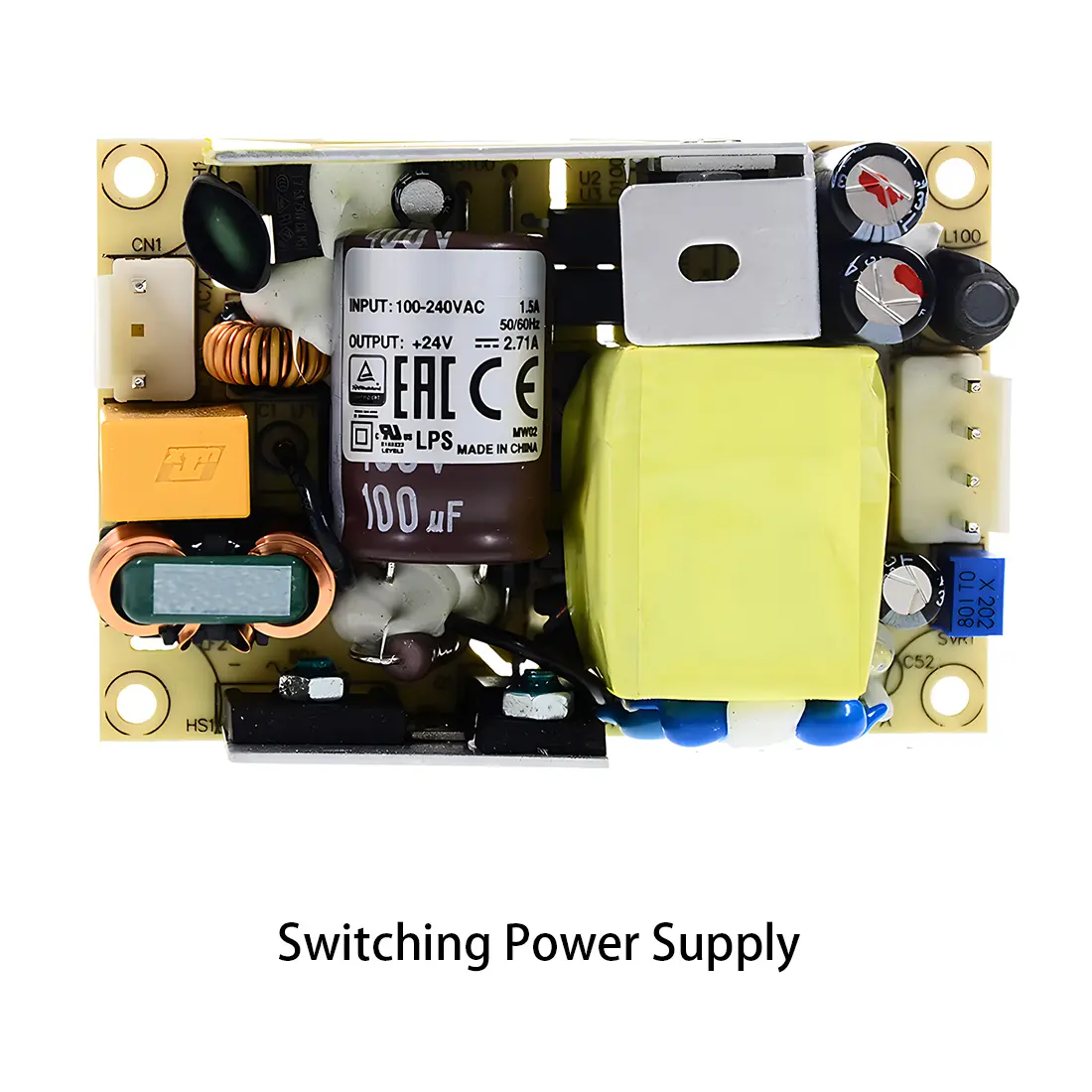 Power Supply PCBA
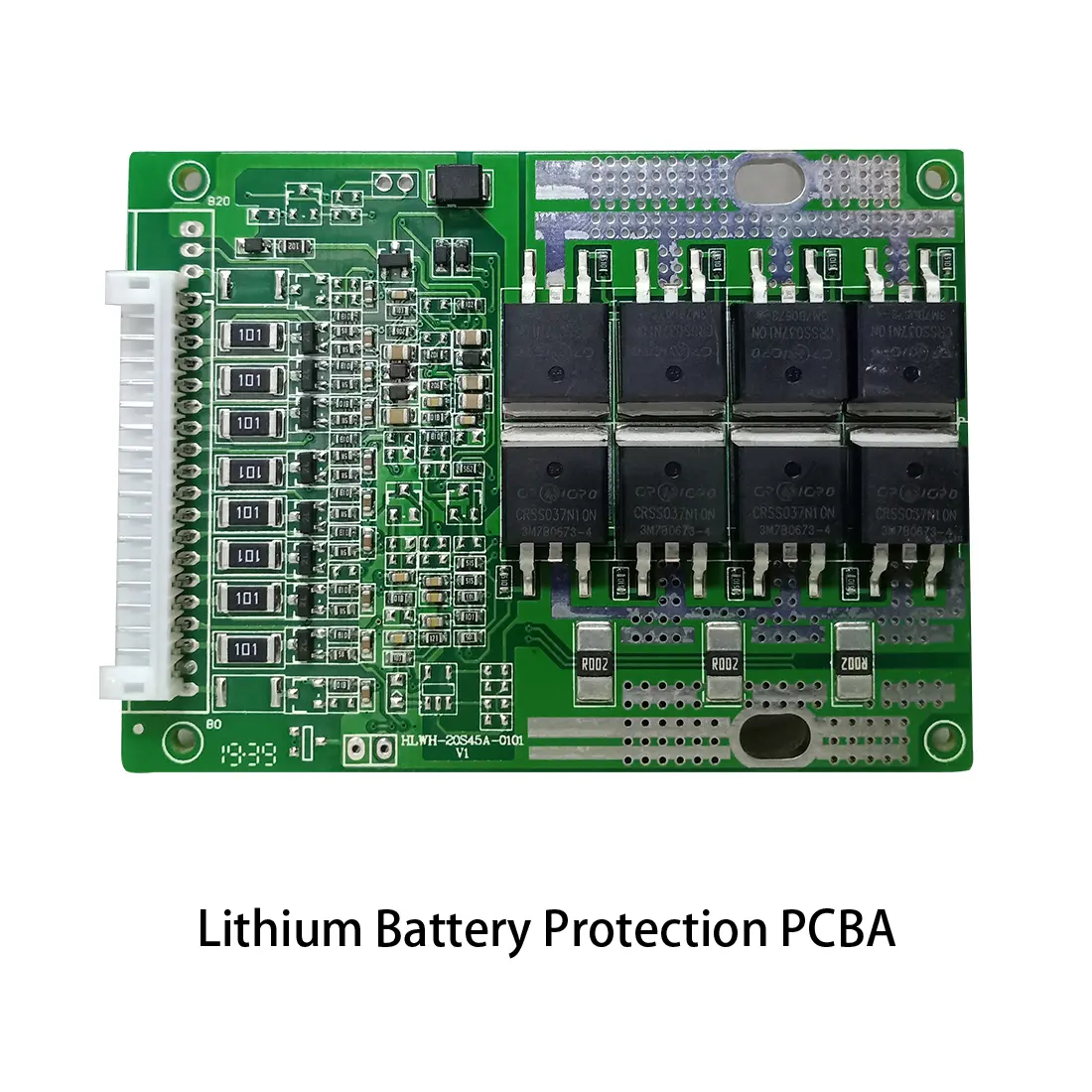 New Energey PCBA
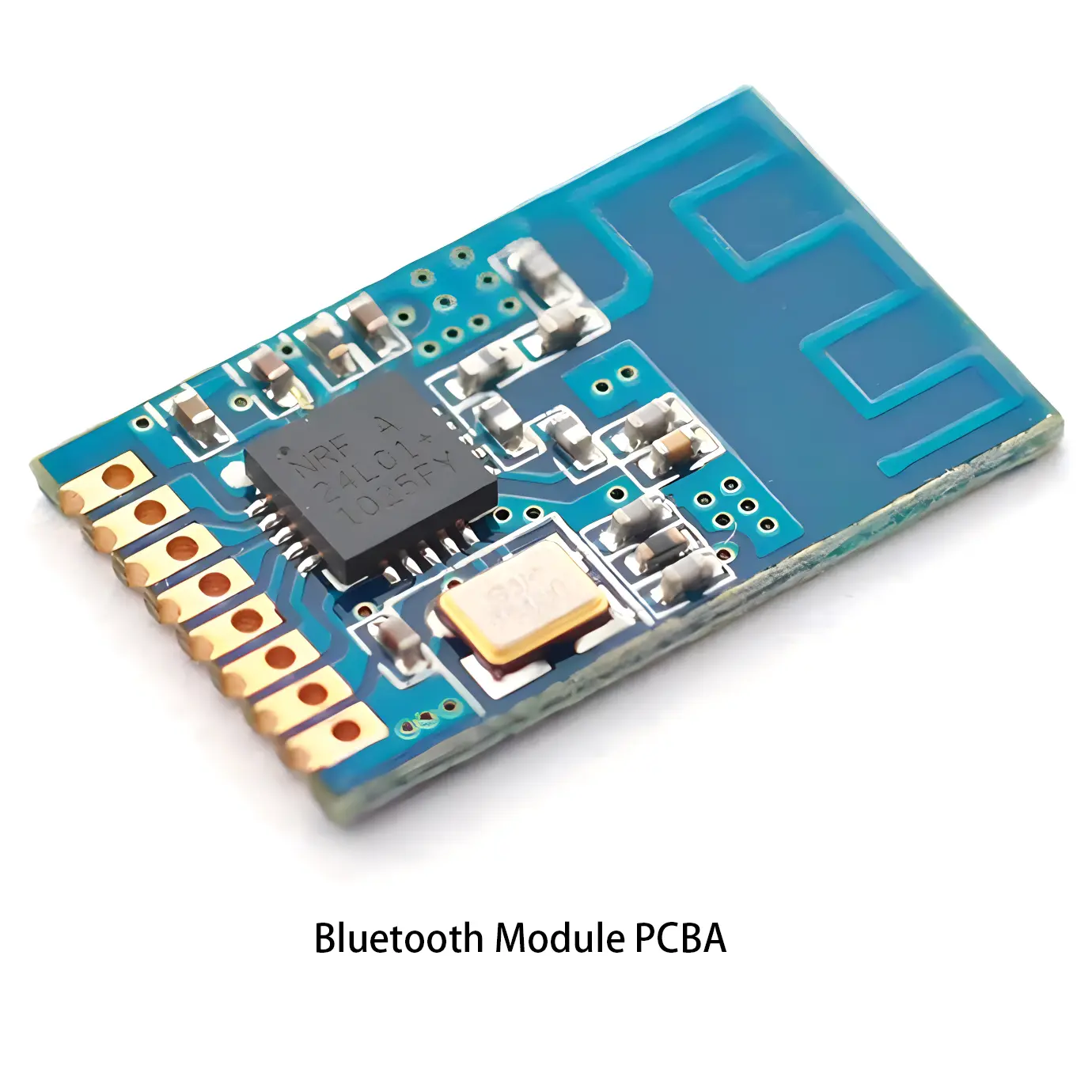 Communication PCBA
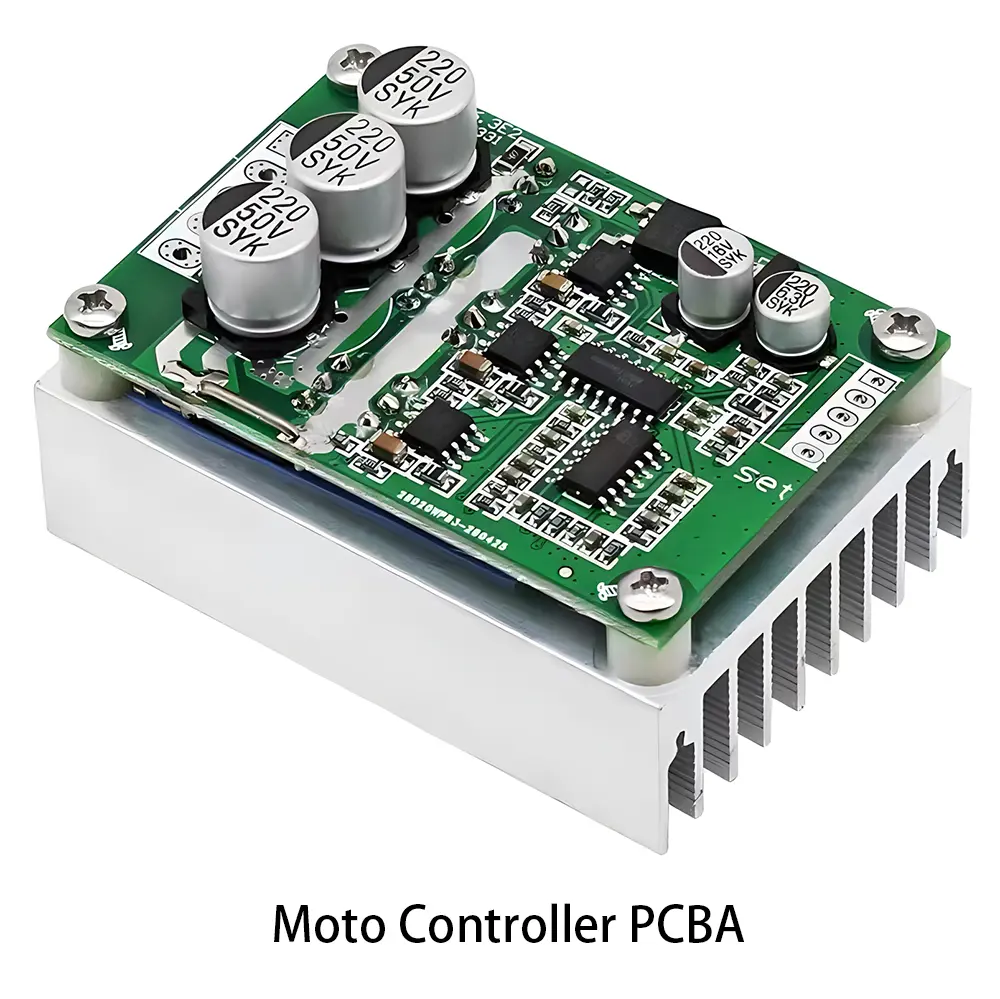 Industrial Control PCBA
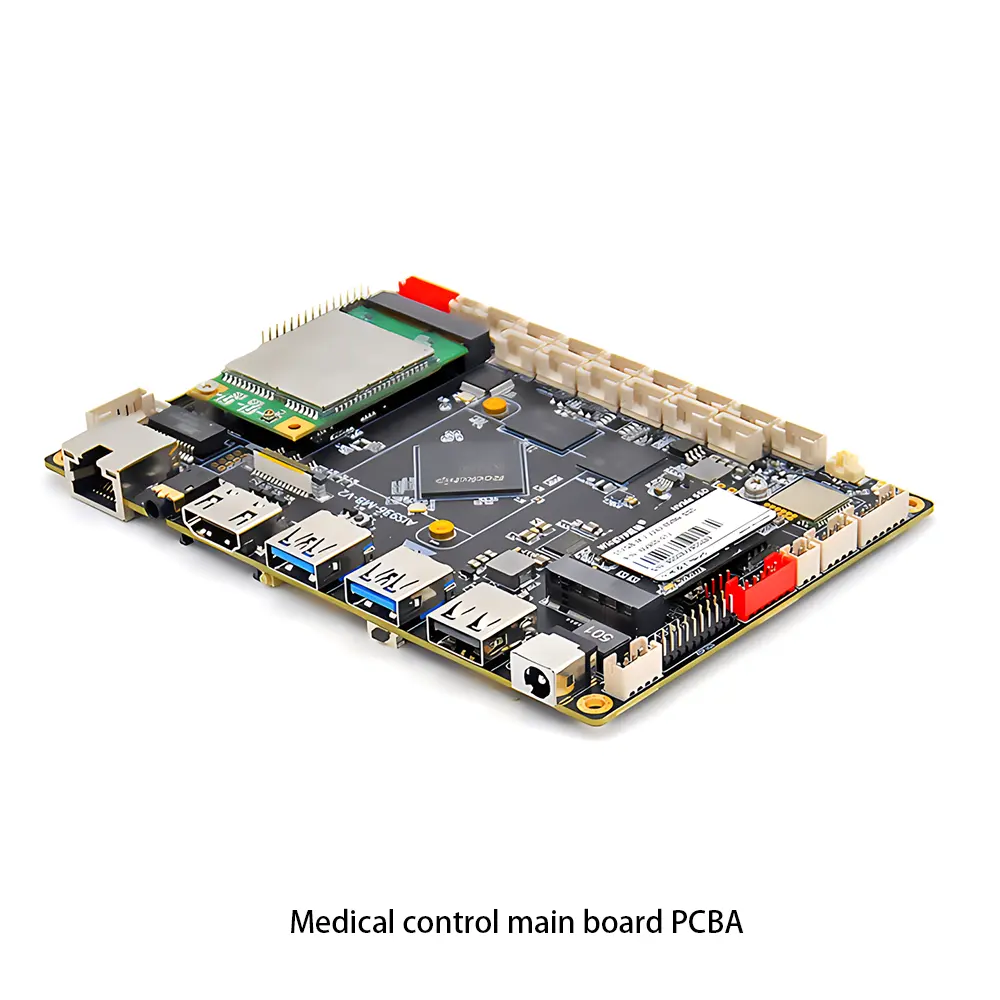 Medical Equipment PCBA
 Testing Service
 PCBA Testing Service
 Certification Application
 RoHS Certification Application
 REACH Certification Application
 CE Certification Application
 FCC Certification Application
 CQC Certification Application
 UL Certification Application
 Transformers, Inductors
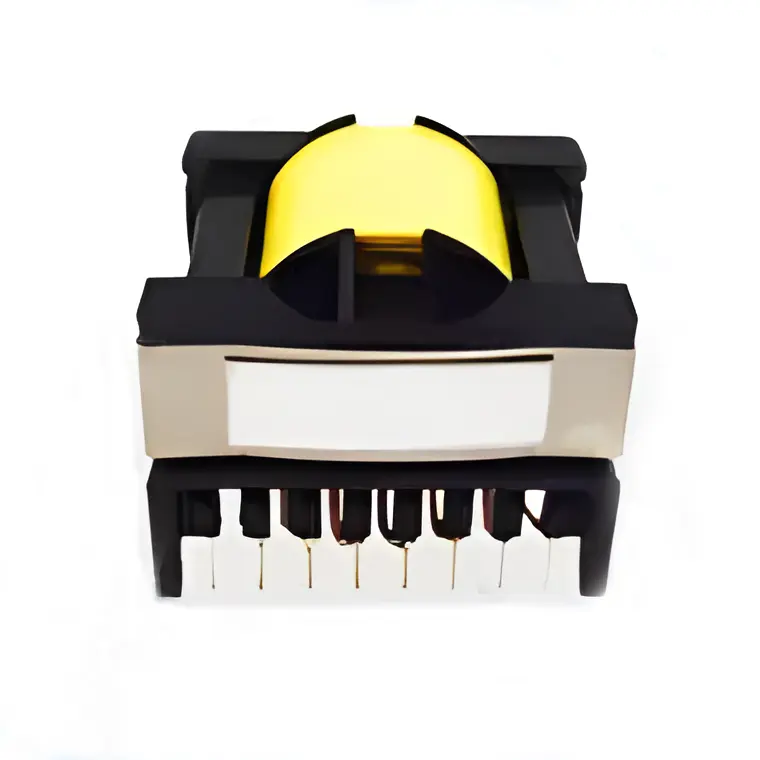 High Frequency Transformers
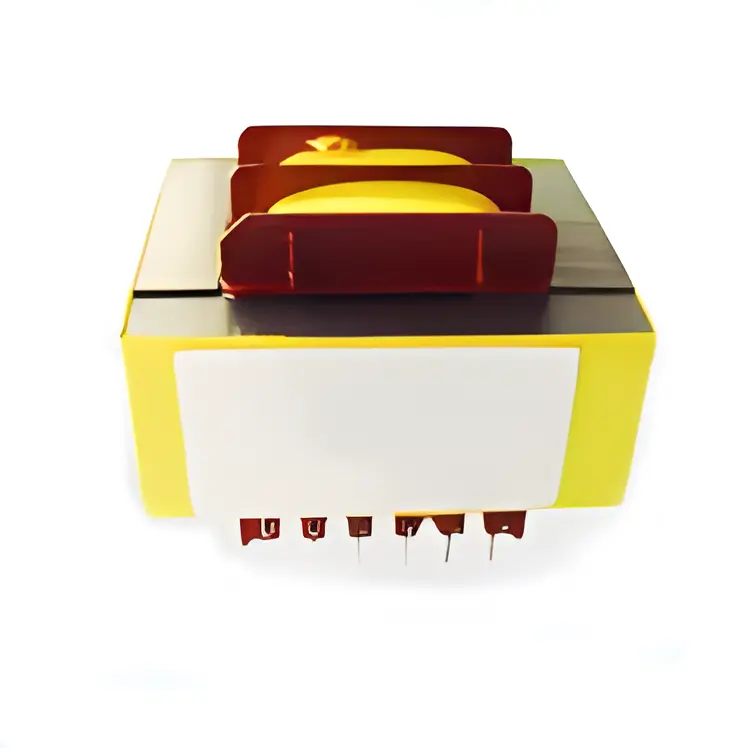 Low Frequency Transformers
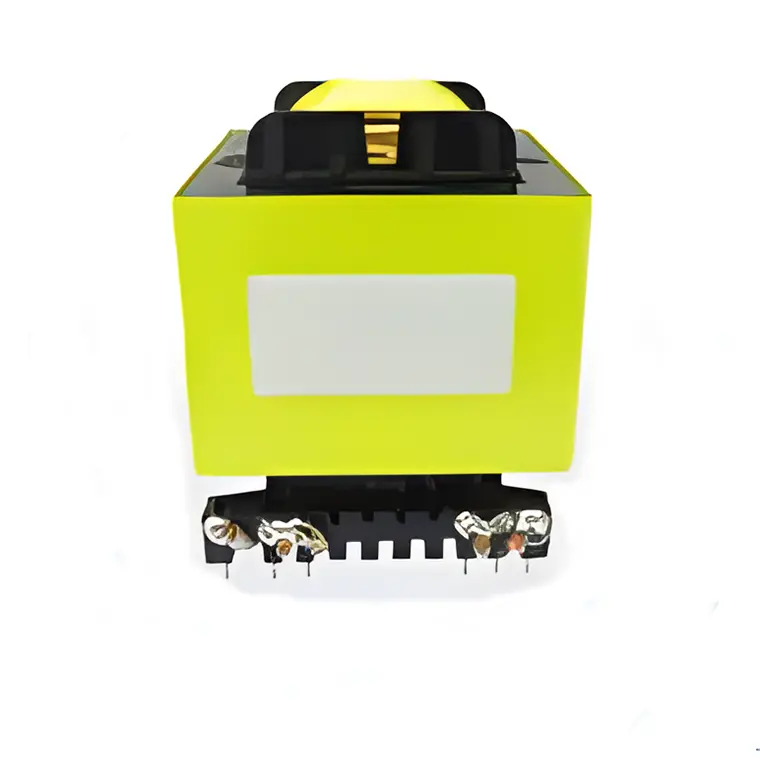 High Power Transformers
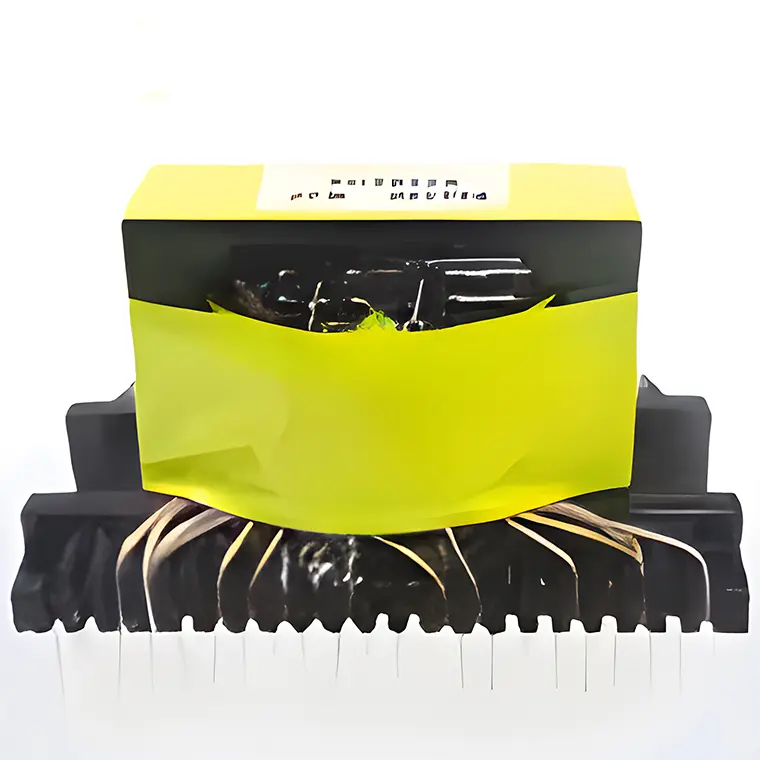 Conversion Transformers
 Sealed Transformers
 Ring Transformers
 Inductors
 Wires,Cables Customized
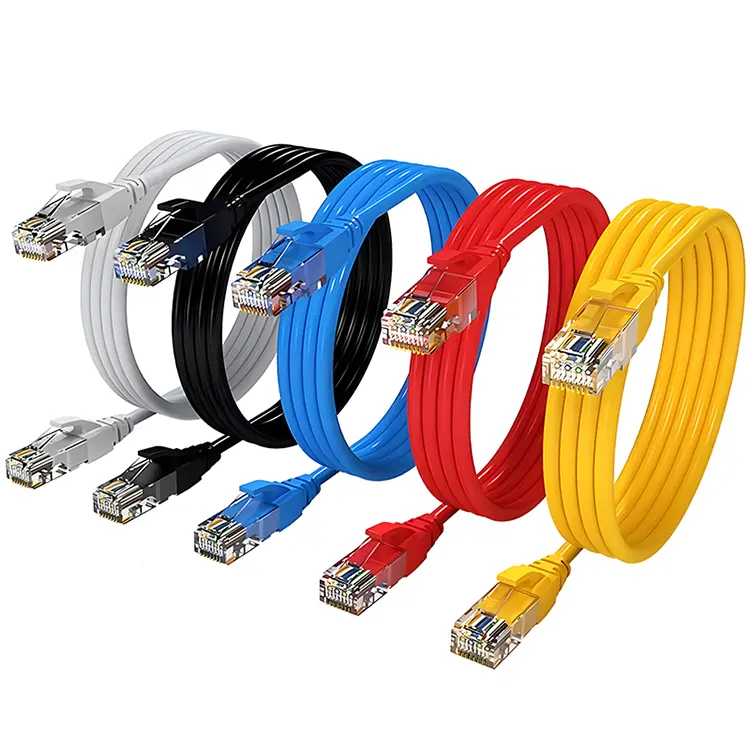 Network Cables
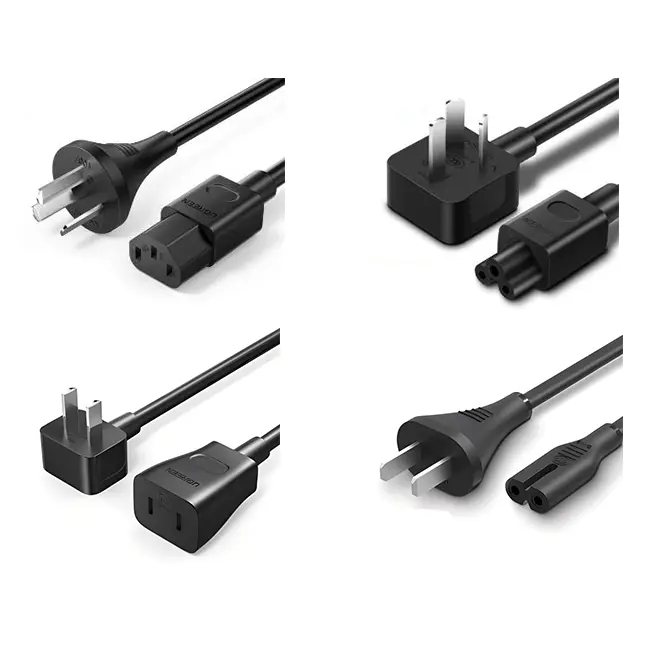 Power Cords
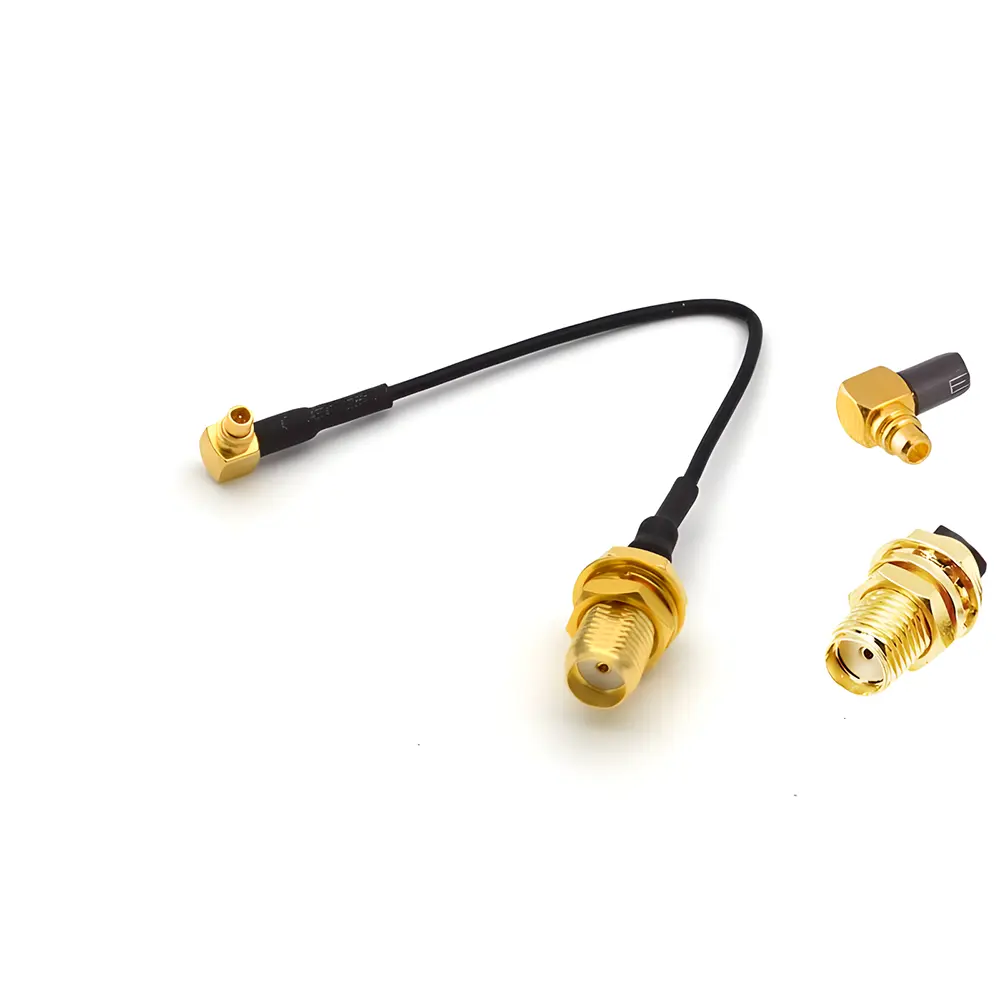 Antenna Cables
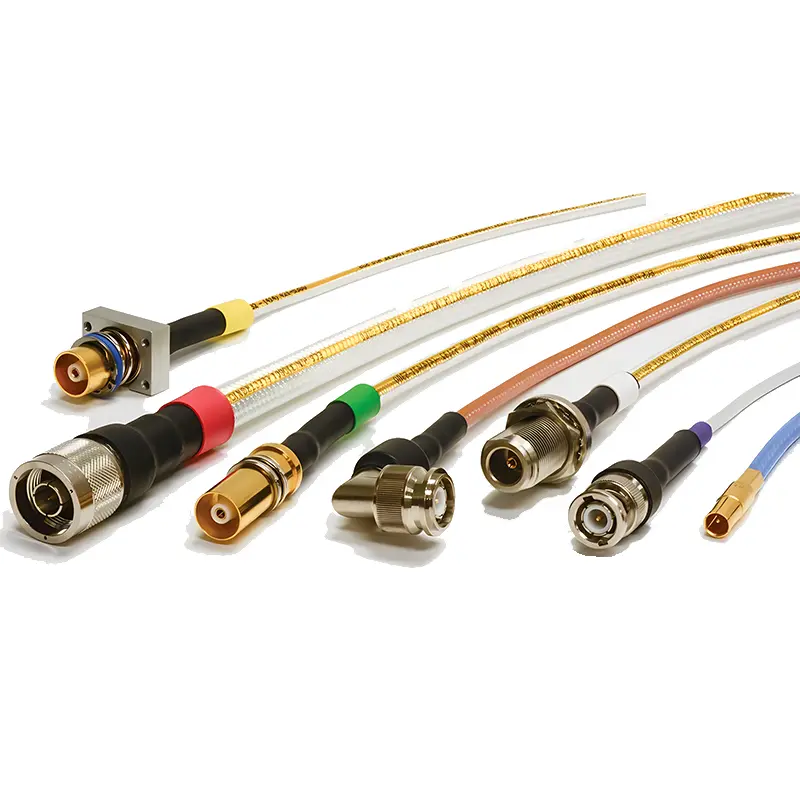 Coaxial Cables
 Net Position Indicator
 Solar AIS net position indicator
 Capacitors
 Connectors
 Diodes
 Embedded Processors & Controllers
 Digital Signal Processors (DSP/DSC)
 Microcontrollers (MCU/MPU/SOC)
 Programmable Logic Device(CPLD/FPGA)
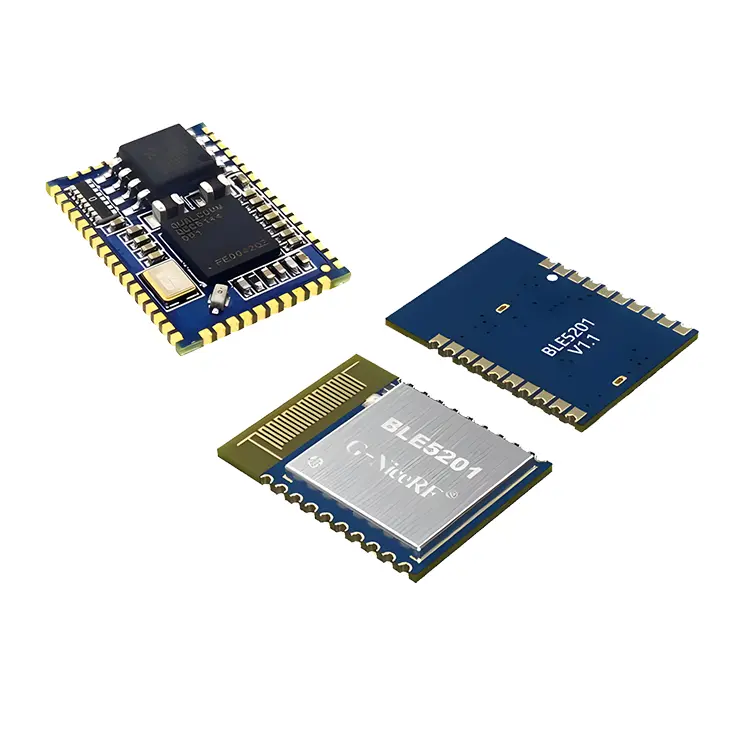 Communication Modules/IoT
 Resistors
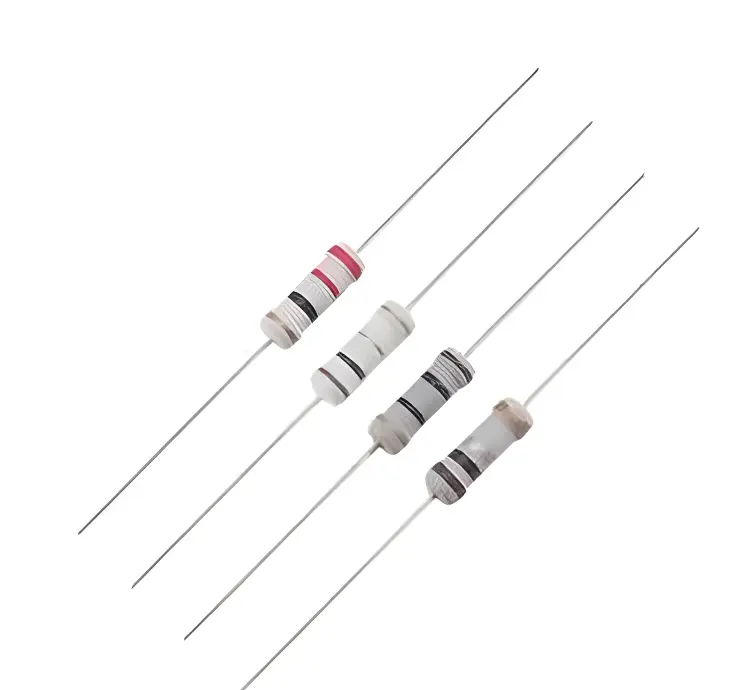 Through Hole Resistors
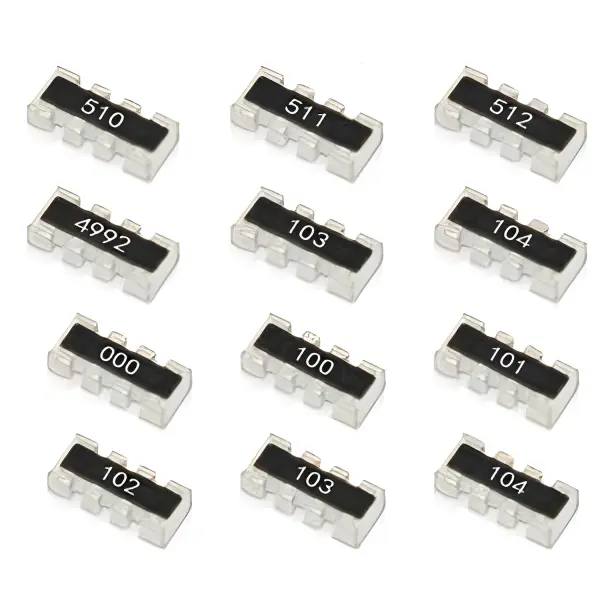 Resistor Networks, Arrays
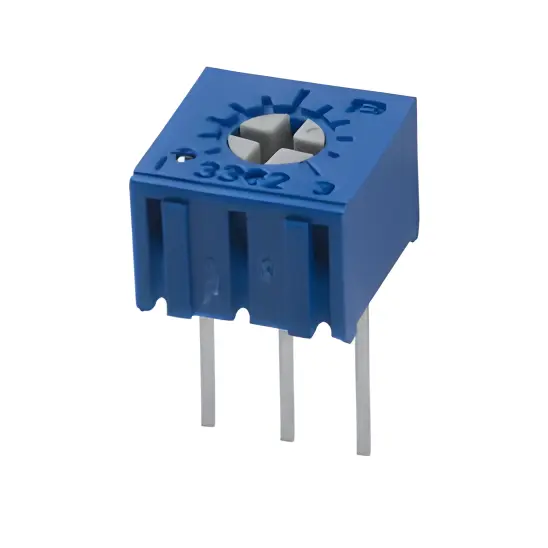 Potentiometers,Variable Resistors
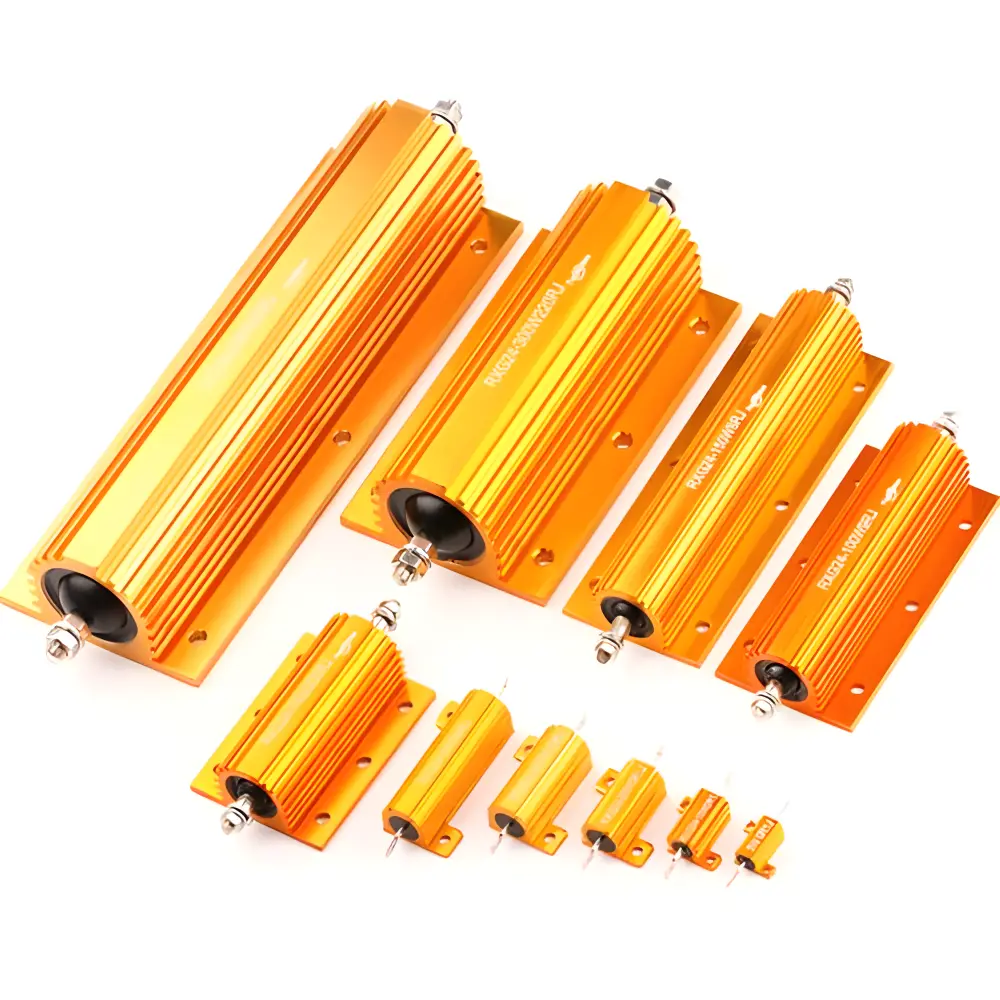 Aluminum Case,Porcelain Tube Resistance
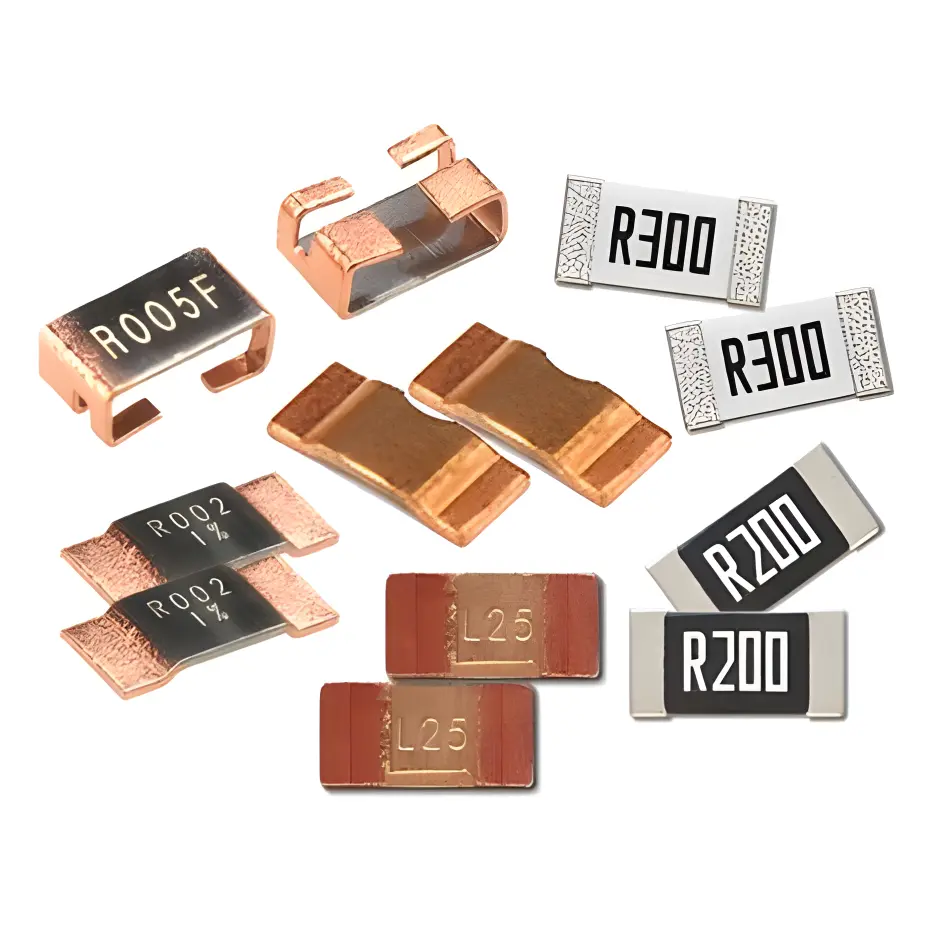 Current Sense Resistors,Shunt Resistors
 Switches
 Transistors
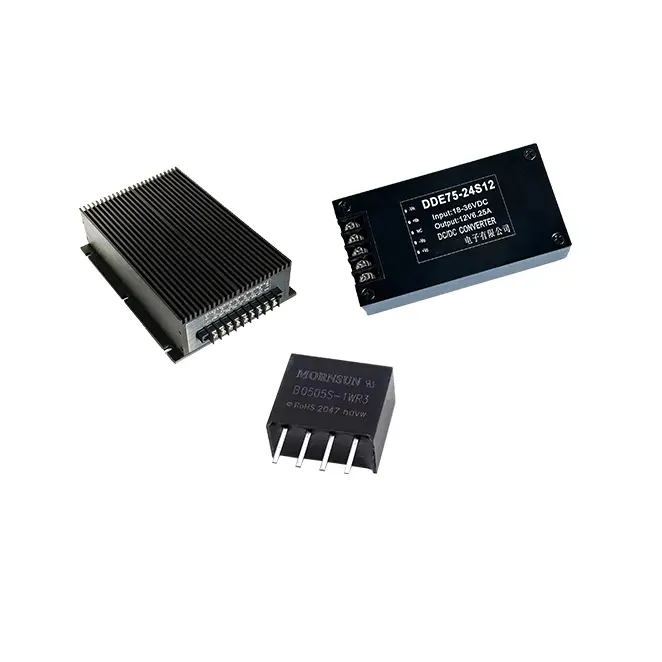 Power Modules
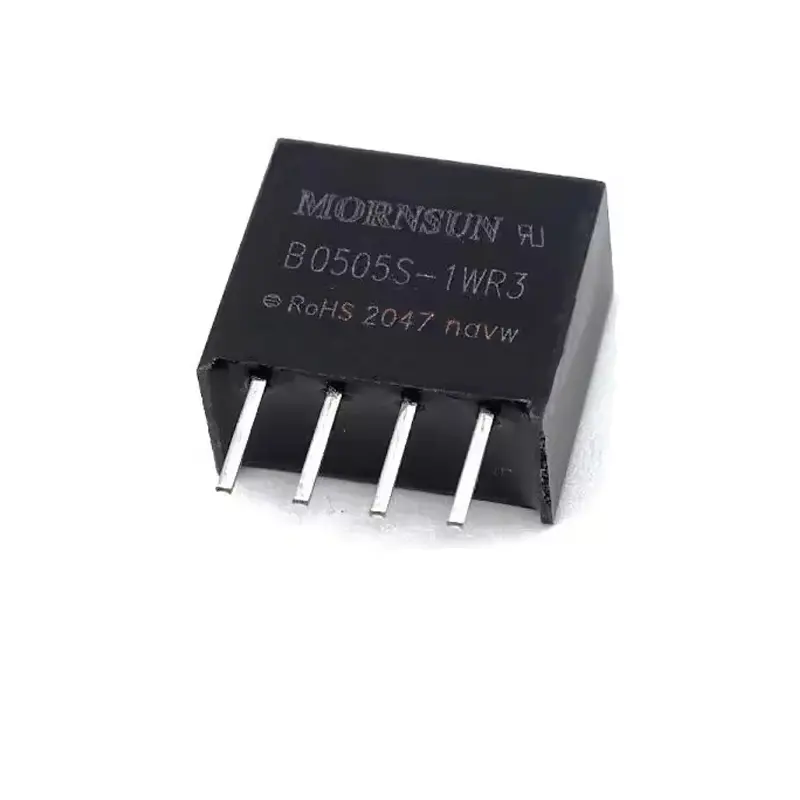 Isolated Power Modules
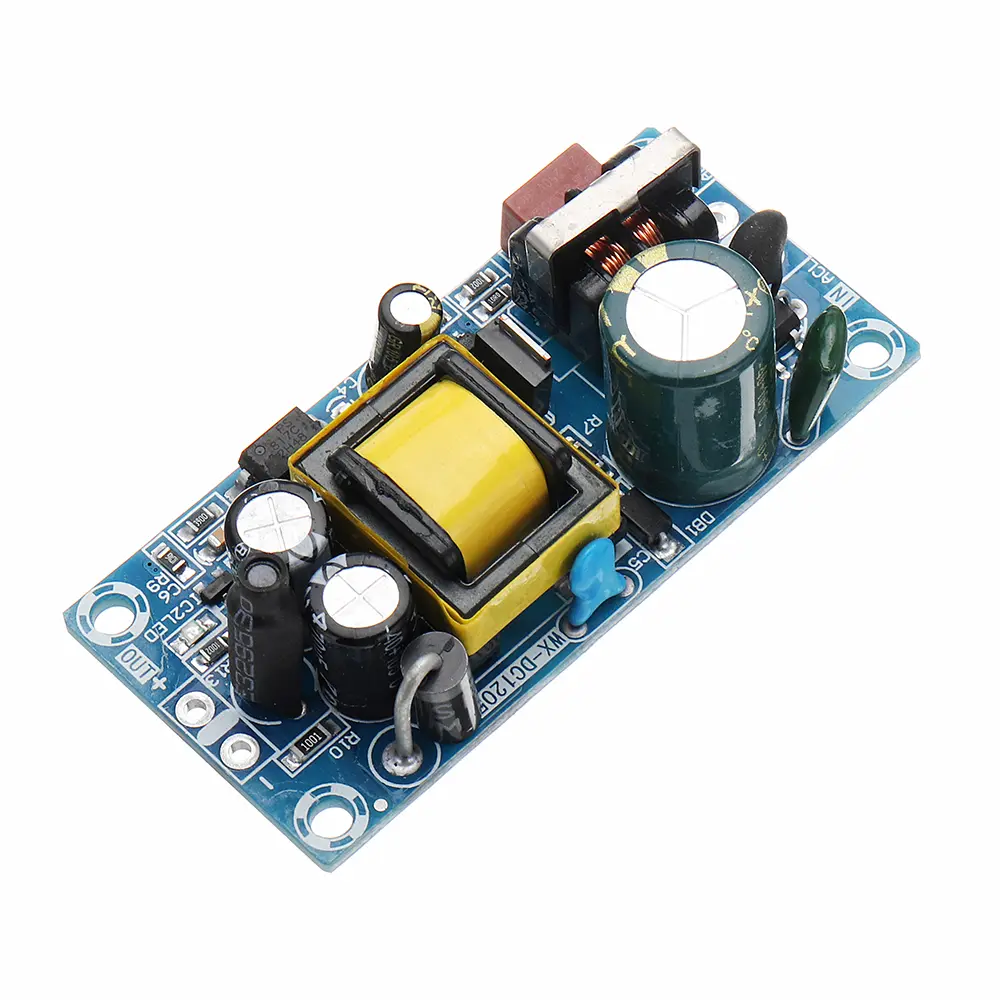 AC-DC Power Modules
 DC-AC Module(Inverter)
 RF and Wireless
Adjusting Drill Speed and Feed Rate to Avoid Embedded Component Damage When Drilling PCBs with Embedded Capacitors and Resistors
2025-10-20
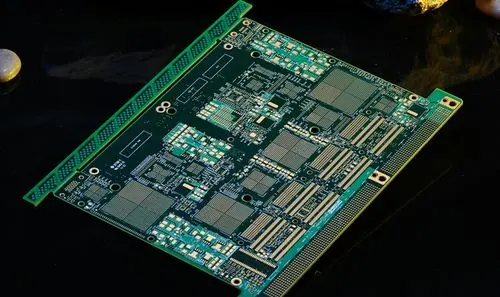
Challenges of Drilling PCBs with Embedded Components
Embedded components—including embedded capacitors (ECs) and embedded resistors (ERs)—are increasingly integrated into high-density PCBs for applications like 5G modules, automotive ADAS, and wearable devices. These components are embedded within the PCB substrate (between copper layers) during lamination, eliminating the need for suRFace-mount components and reducing board size by 20–30%.
Drilling is a critical PCB manufacturing step to create vias (through-holes, blind holes, or buried holes) for interlayer electrical connections. However, drilling near or through areas with embedded capacitors/Resistors poses unique risks:
- Embedded capacitors: Typically ceramic-based (e.g., BST, MLCC) with brittle dielectric materials. Excessive drilling forces or heat can cause cracking, delamination, or capacitance drift (±20% or more).
- Embedded resistors: Common types include thin-film (NiCr, TaN) and thick-film (RuO₂) resistors. Drilling-induced stress can alter their geometric dimensions (thickness, line width) or damage the resistor-substrate interface, leading to resistance value deviation (exceeding ±5% of design specs) or open circuits.
The primary levers to mitigate these risks are drill speed (rotational speed of the drill bit, RPM) and feed rate (linear speed of the bit into the substrate, mm/min). Improper settings can increase embedded component damage rates to 15–20%; optimized parameters reduce this to <1%.
2. Key Properties of Embedded Components Affecting Drilling
To define optimal drill speed and feed rate, it is critical to understand the material and structural characteristics of embedded capacitors and resistors, which differ significantly from standard PCB substrates (FR-4):
| Component Type | Material Composition | Key Mechanical/Electrical Properties | Vulnerability to Drilling Damage |
|---|---|---|---|
| Embedded Capacitor | Ceramic dielectric (e.g., BST) + metal electrodes | Brittle (flexural strength: 80–120MPa), low thermal conductivity (1–3 W/m·K) | Cracking from impact forces; dielectric breakdown from heat. |
| Embedded Resistor | Thin-film (NiCr: 1–5μm thick) or thick-film (RuO₂: 10–20μm thick) | Thin-film: low tensile strength (150MPa); thick-film: porous structure | Thin-film: peeling from substrate; thick-film: chipping or material loss. |
| FR-4 Substrate | Glass fiber + epoxy resin | Ductile (flexural strength: 200–300MPa), thermal conductivity (0.3–0.5 W/m·K) | Delamination, but more resistant to drilling stress than embedded components. |
Embedded components are typically located 0.1–0.3mm below the PCB surface (for surface-adjacent embedding) or between inner layers (for deep embedding). Drilling within 0.5mm of these components requires parameter adjustments to avoid damage.
3. Drill Speed and Feed Rate Adjustment Guidelines
Drill speed and feed rate are interdependent—their ratio (feed per revolution, FPR = feed rate / drill speed) determines the cutting force and heat generation. Below are optimized parameters for drilling near or through embedded capacitors and resistors, based on drill bit size (common range: 0.1–1.0mm) and component type:
3.1 Drilling Near Embedded Capacitors (Within 0.3–0.5mm)
Embedded capacitors are the most brittle embedded components, requiring the gentlest drilling parameters:
- Drill Speed: 15,000–25,000 RPM (lower than standard FR-4 drilling: 30,000–40,000 RPM).
- For small drill bits (0.1–0.3mm): 20,000–25,000 RPM (higher speed reduces per-revolution force).
- For large drill bits (0.6–1.0mm): 15,000–20,000 RPM (lower speed minimizes heat buildup).
- Feed Rate: 20–40 mm/min (FPR = 1–2 μm/rev).
- Example: 0.2mm drill bit at 22,000 RPM → feed rate = 22,000 RPM × 1.5 μm/rev = 33 mm/min.
- Rationale: Lower speed reduces centrifugal force and heat, while low feed rate minimizes axial impact on the brittle ceramic dielectric. This setup reduces capacitor cracking rate to <0.5%.
3.2 Drilling Near Embedded Resistors (Within 0.3–0.5mm)
Embedded resistors are more ductile than capacitors but sensitive to stress-induced dimensional changes:
- Drill Speed: 20,000–30,000 RPM (higher than capacitors, lower than standard FR-4).
- Thin-film resistors (NiCr/TaN): 25,000–30,000 RPM (faster speed creates cleaner cuts, reducing resistor edge chipping).
- Thick-film resistors (RuO₂): 20,000–25,000 RPM (slower speed avoids porous structure damage).
- Feed Rate: 30–50 mm/min (FPR = 1.5–2.5 μm/rev).
- Example: 0.4mm drill bit at 25,000 RPM → feed rate = 25,000 RPM × 2 μm/rev = 50 mm/min.
- Rationale: Balanced speed and feed rate prevent resistor peeling (thin-film) or material loss (thick-film), keeping resistance deviation within ±2% of design.
3.3 Drilling Through Layers Containing Embedded Components (Rare but Necessary)
In some high-density designs, vias must pass through layers with embedded components. This requires extreme parameter caution:
- Drill Speed: Reduce by 30–40% from near-component settings:
- Capacitor layers: 10,000–15,000 RPM.
- Resistor layers: 15,000–20,000 RPM.
- Feed Rate: Reduce by 40–50%:
- Capacitor layers: 10–20 mm/min (FPR = 0.8–1.5 μm/rev).
- Resistor layers: 15–25 mm/min (FPR = 1–1.8 μm/rev).
- Mandatory Step: Use a step-drilling strategy (drilling in 2–3 incremental passes, each 0.1–0.2mm deep) to distribute stress. This reduces component damage rate to <1.5% (vs. 10% with single-pass drilling).
4. Supplementary Drilling Controls to Protect Embedded Components
Beyond speed and feed rate, additional process adjustments further minimize embedded component damage:
4.1 Drill Bit Selection
- Material: Use polycrystalline diamond (PCD) or tungsten carbide with diamond coating drill bits. These materials maintain sharp edges longer (wear rate 50% lower than uncoated carbide), reducing the need for high force as bits dull.
- Point Angle: Opt for a 130–140° point angle (vs. 118° for standard FR-4). A larger angle distributes drilling force over a wider area, reducing localized stress on embedded components.
- Bit Geometry: Choose spiral-flute drill bits with 2–3 flutes. Flutes improve chip evacuation, preventing heat buildup and chip-induced scratching of embedded components.
4.2 Drilling Equipment and Setup
- Rigidity: Use a high-precision CNC drilling machine with spindle runout ≤5μm. Vibration from low-rigidity machines increases stress on embedded components.
- Cooling/Lubrication: Apply mist cooling (compressed air + minimal lubricant, 5–10 mL/hour). Liquid cooling is avoided to prevent moisture absorption by embedded components, but mist reduces heat by 30–40%.
- Depth Control: Use a laser depth sensor to stop drilling precisely at the target layer. Over-drilling by 0.1mm can damage underlying embedded components.
4.3 Substrate Support
- Backing Material: Place a aluminum plate (1–2mm thick) or phenolic resin sheet under the PCB during drilling. This provides rigid support, preventing substrate flexing that could crack embedded capacitors or peel resistors.
- Vacuum Clamping: Use a vacuum chuck with uniform pressure (0.3–0.5 kg/cm²) to hold the PCB flat. Uneven clamping causes substrate warpage, increasing drilling stress on embedded components.
5. Post-Drilling Inspection and Validation
To confirm embedded components remain undamaged, implement these inspection steps:
5.1 Visual Inspection
- Use a high-resolution optical microscope (magnification 50–100x) to check for:
- Embedded capacitors: Cracks (visible as white lines) or delamination (frosty areas around the drill hole).
- Embedded resistors: Edge chipping, peeling, or material loss.
- Reject PCBs with any visible component damage.
5.2 Electrical Testing
- Embedded Capacitors: Measure capacitance and dissipation factor (tanδ) using an LCR meter. Acceptable limits: capacitance deviation ≤±5% of design, tanδ ≤0.02 (at 1MHz).
- Embedded Resistors: Measure resistance using a precision multimeter (accuracy ±0.1%). Acceptable limit: resistance deviation ≤±3% of design.
5.3 Reliability Testing
- For critical applications (e.g., automotive), perform thermal cycling (-40℃~125℃, 1000 cycles) and humidity testing (85℃/85%RH, 1000 hours). Post-test electrical measurements ensure embedded components maintain performance—deviation >±10% indicates latent drilling damage.