
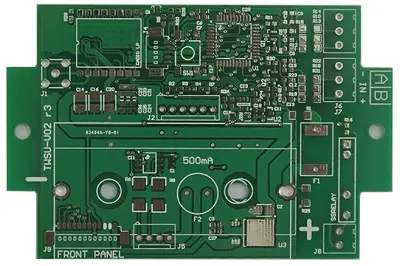
 PCB
PCB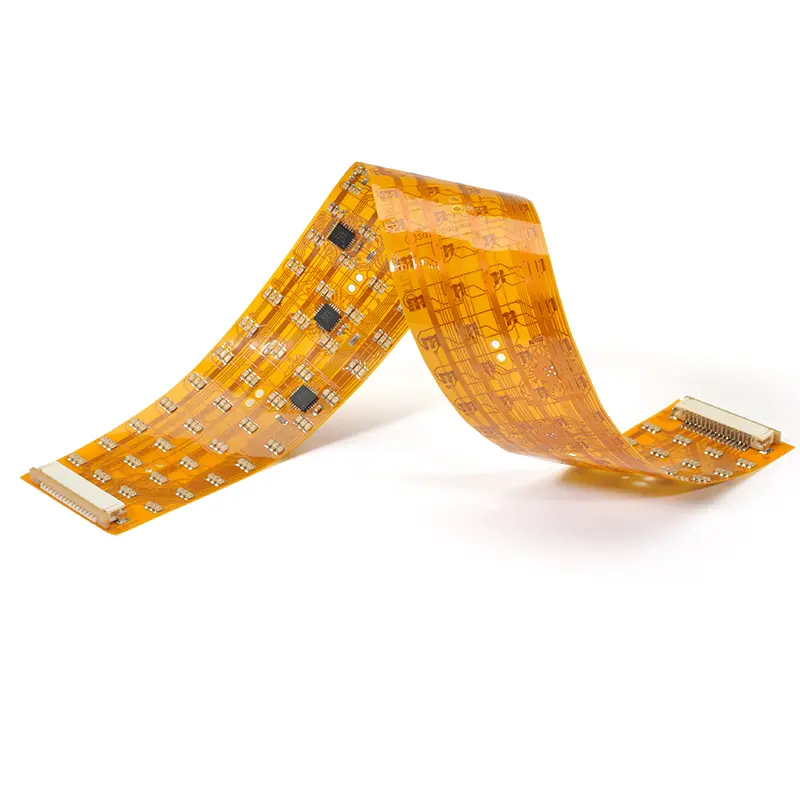 FPC
FPC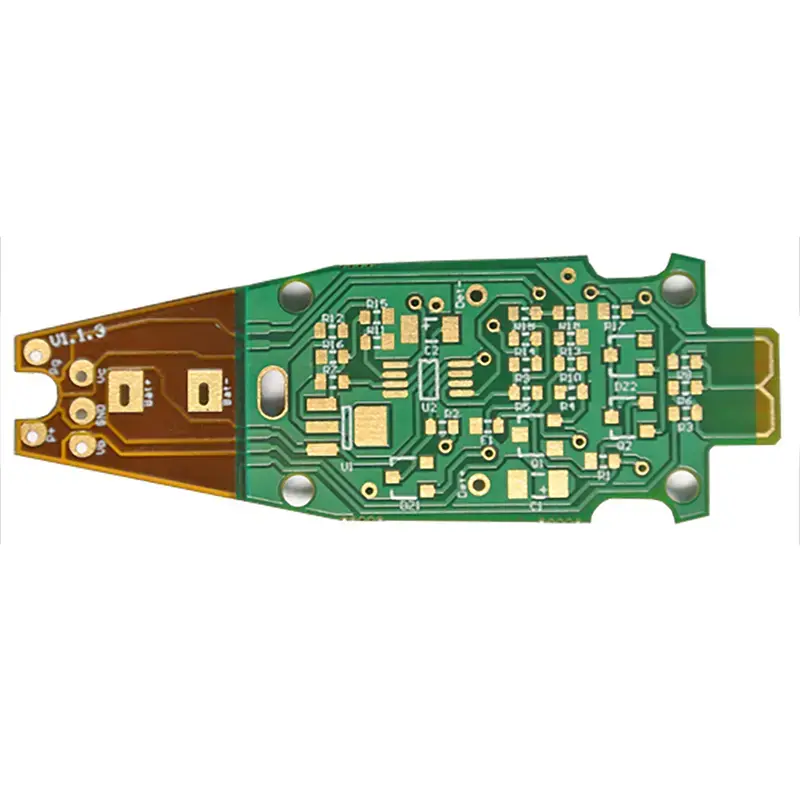 Rigid-Flex
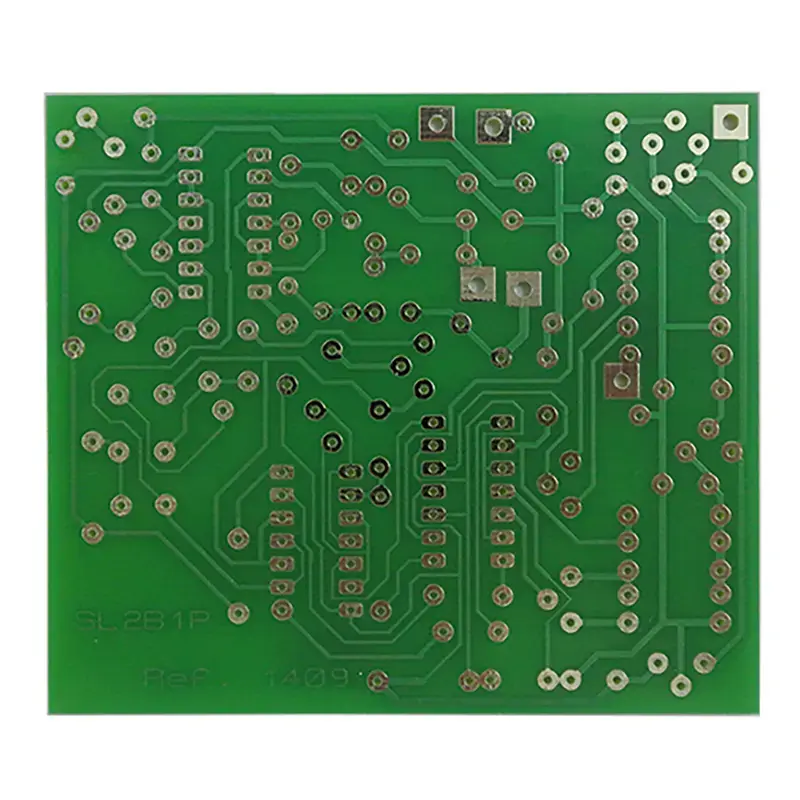 FR-4
FR-4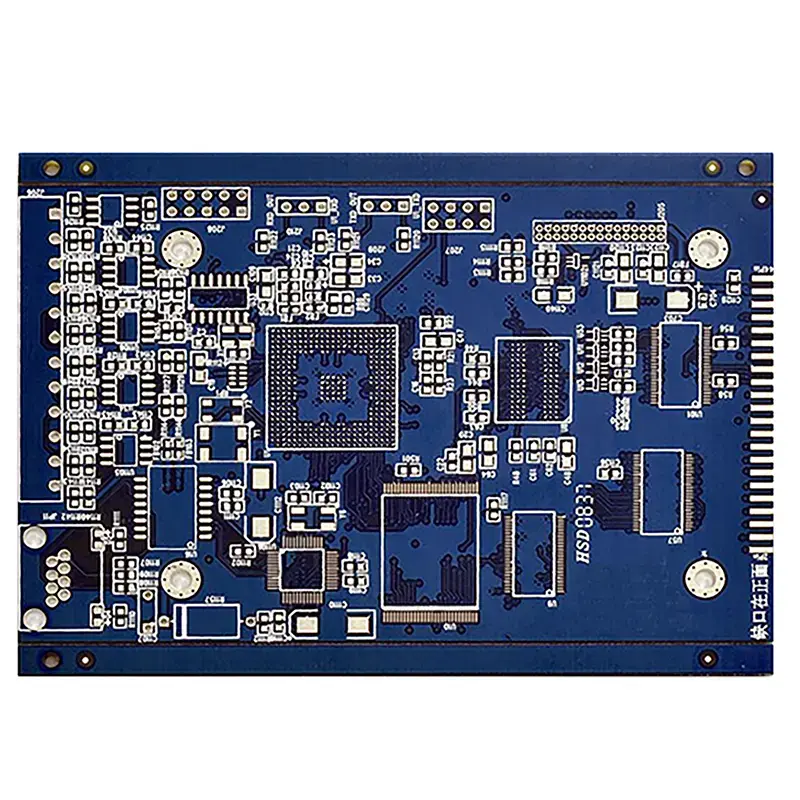 HDI PCB
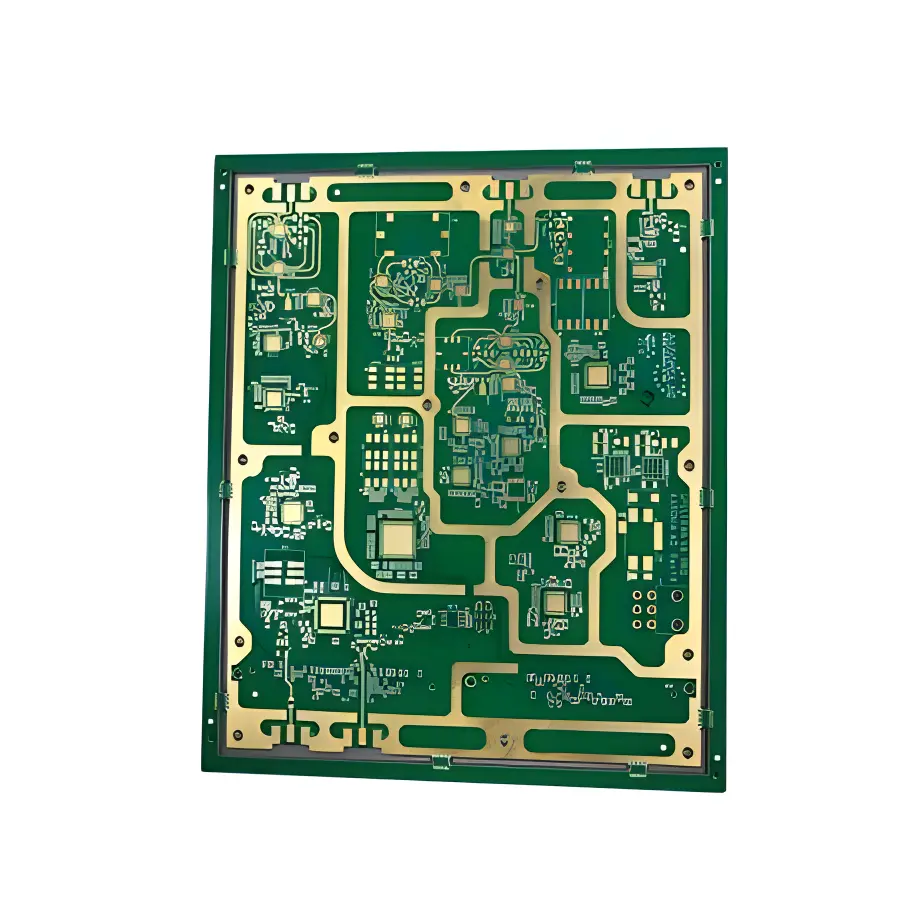 Rogers High-Frequency Board
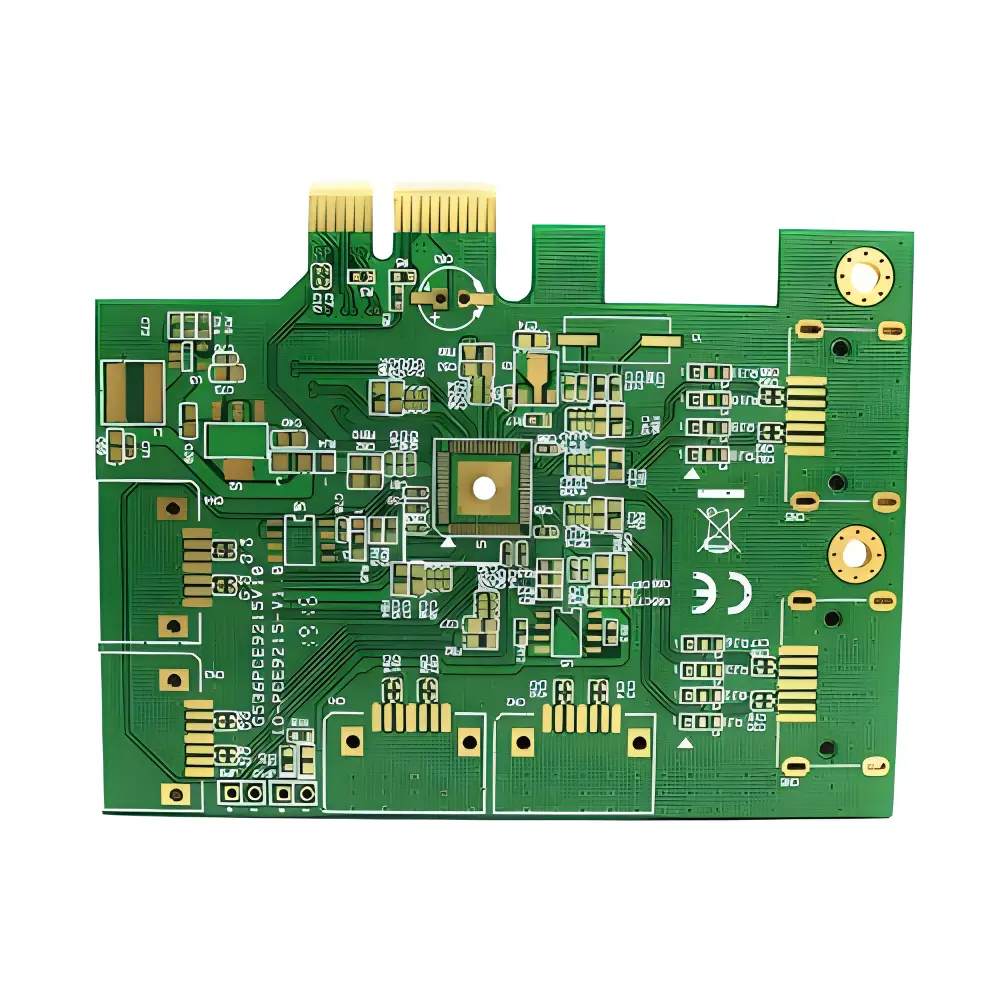 PTFE Teflon High-Frequency Board
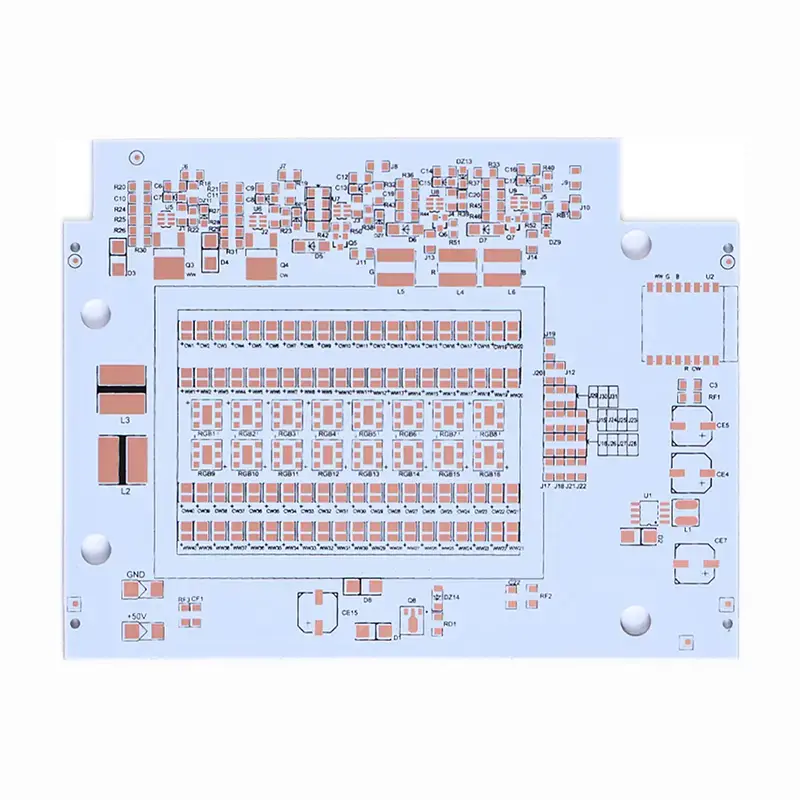 Aluminum
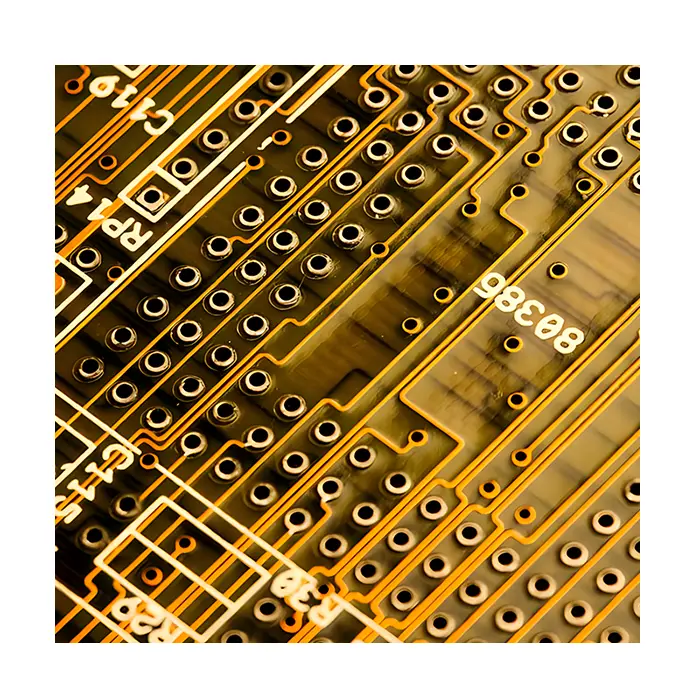 Copper Core
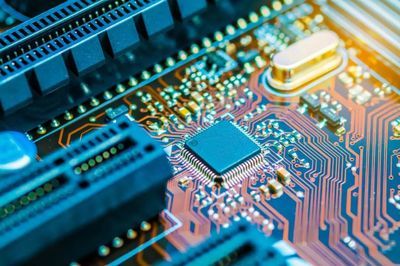 PCB Assembly
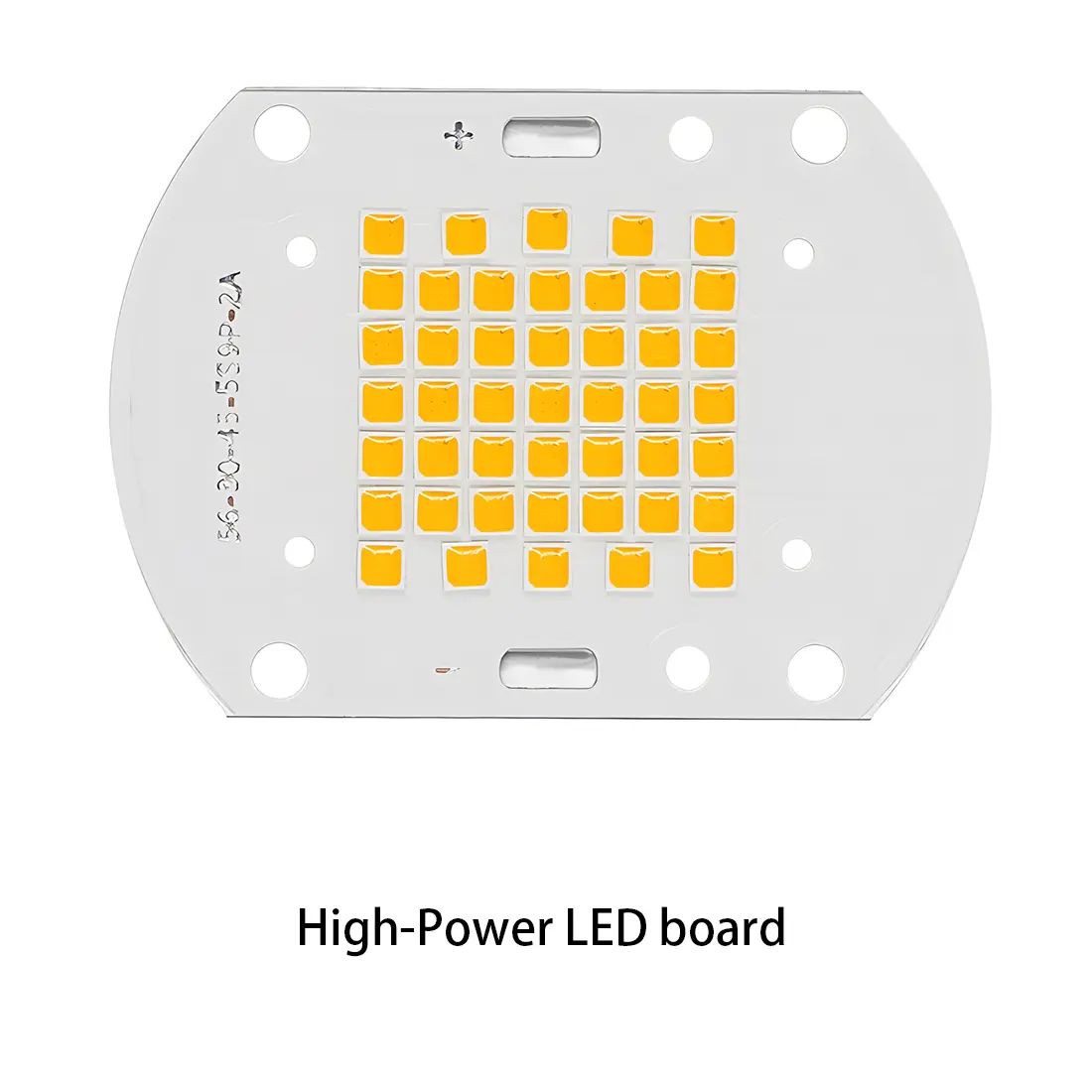 LED light PCBA
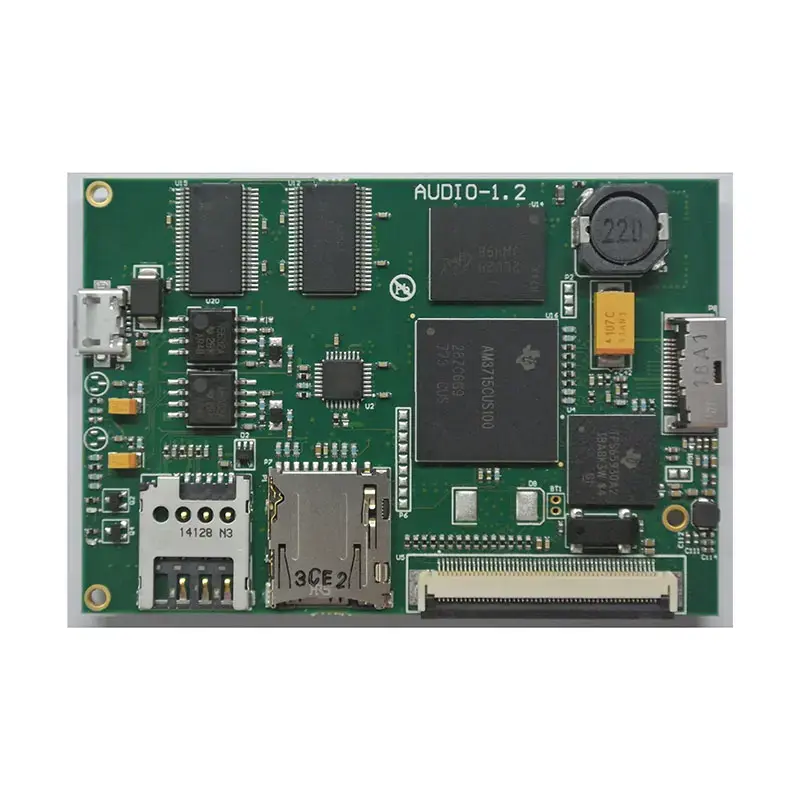
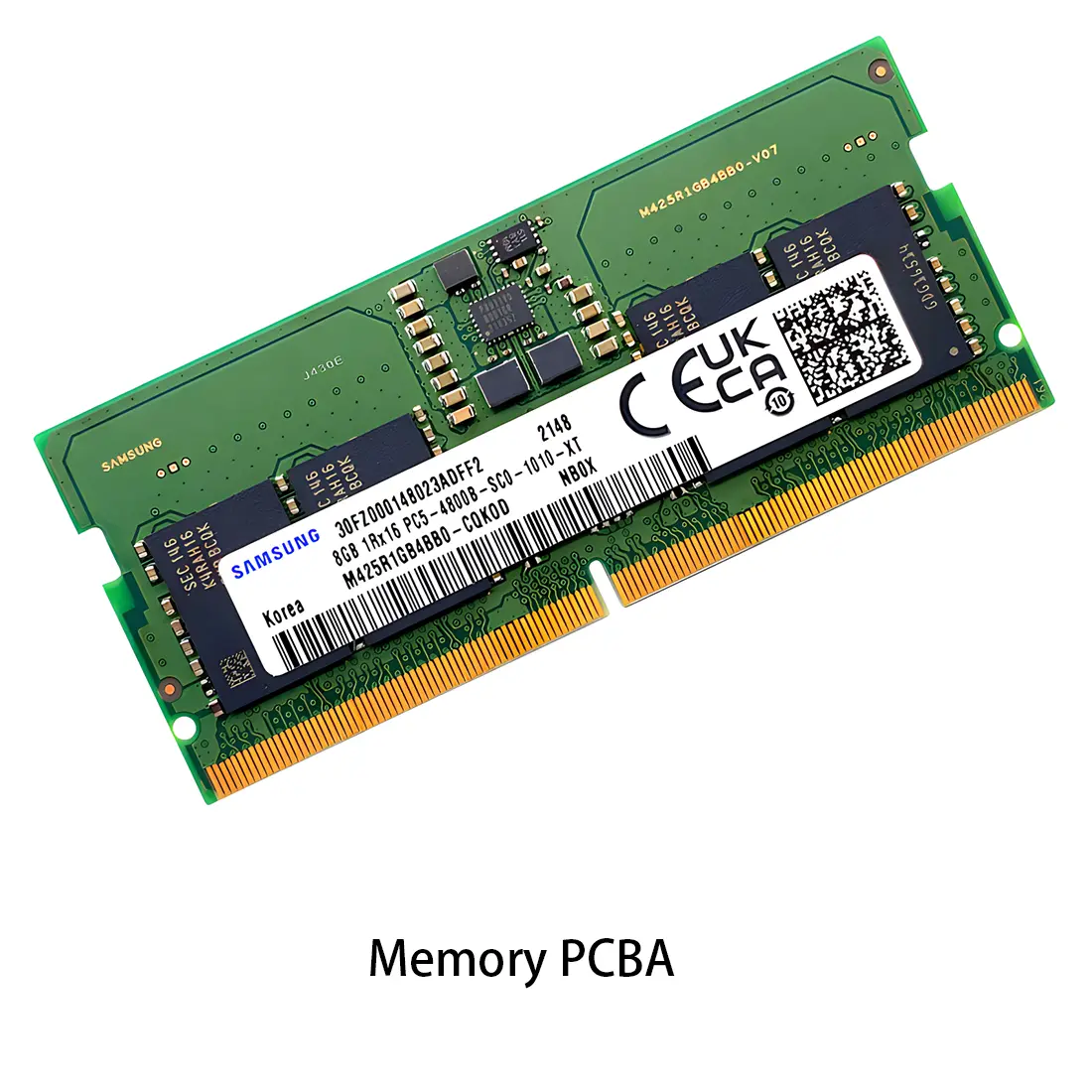 Memory PCBA
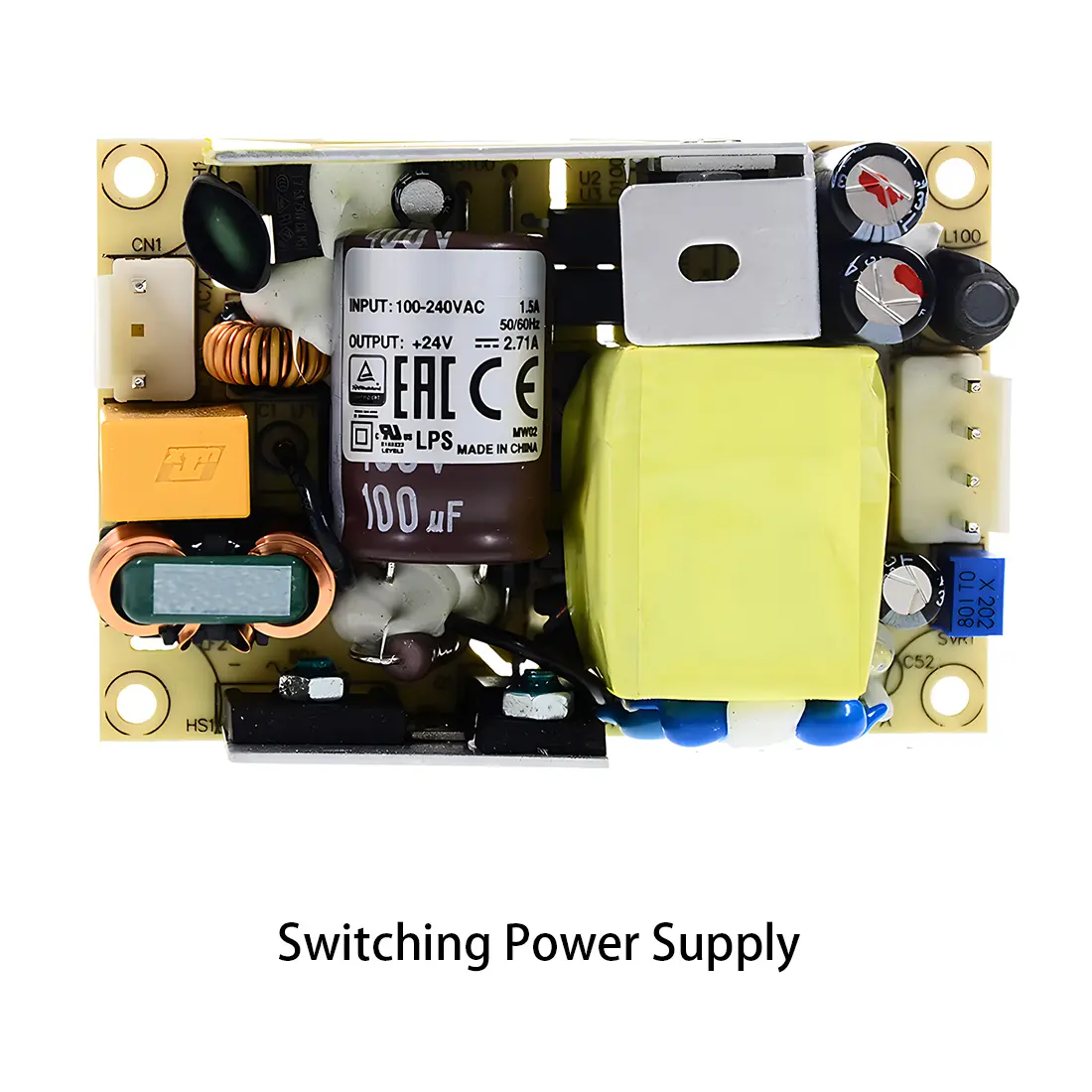 Power Supply PCBA
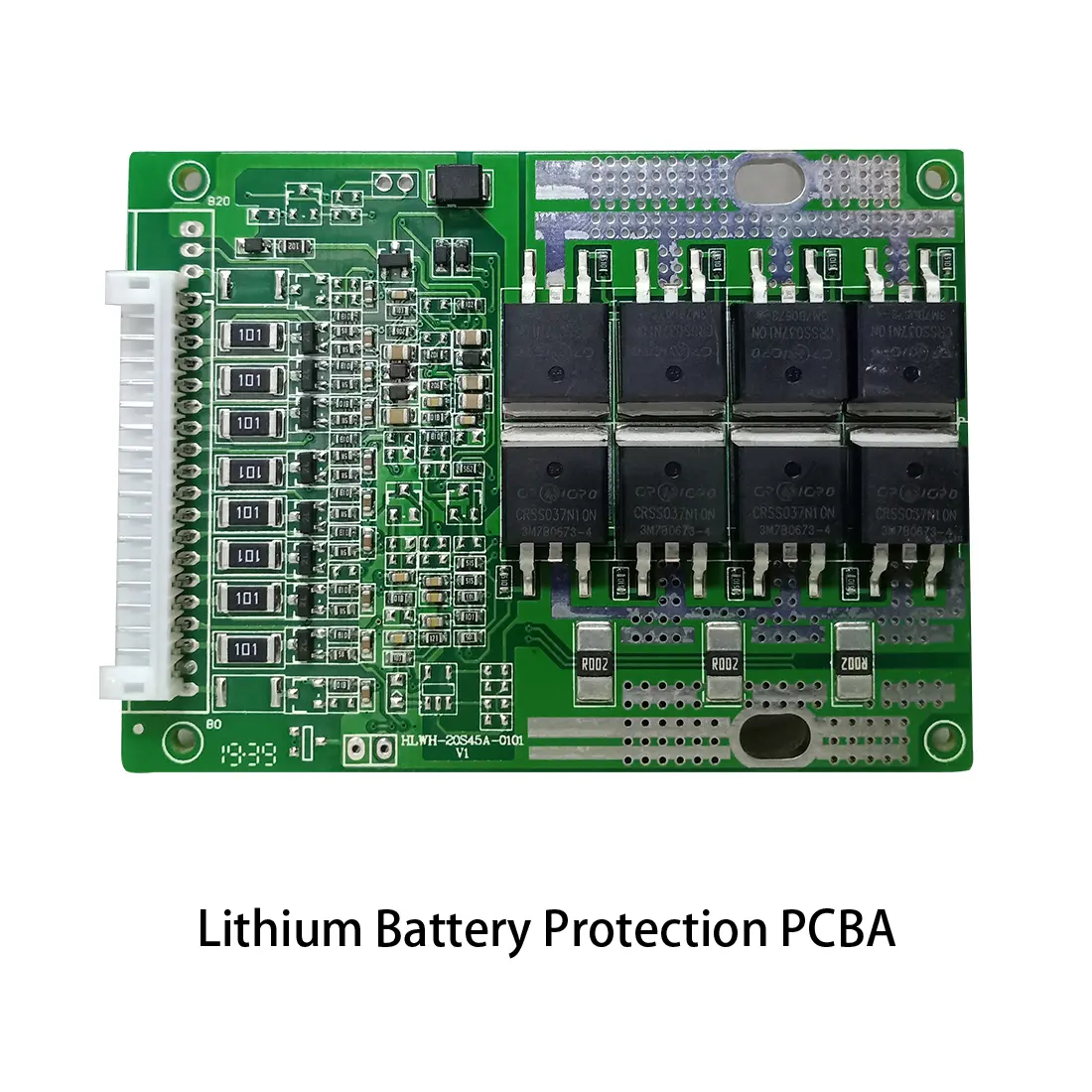 New Energey PCBA
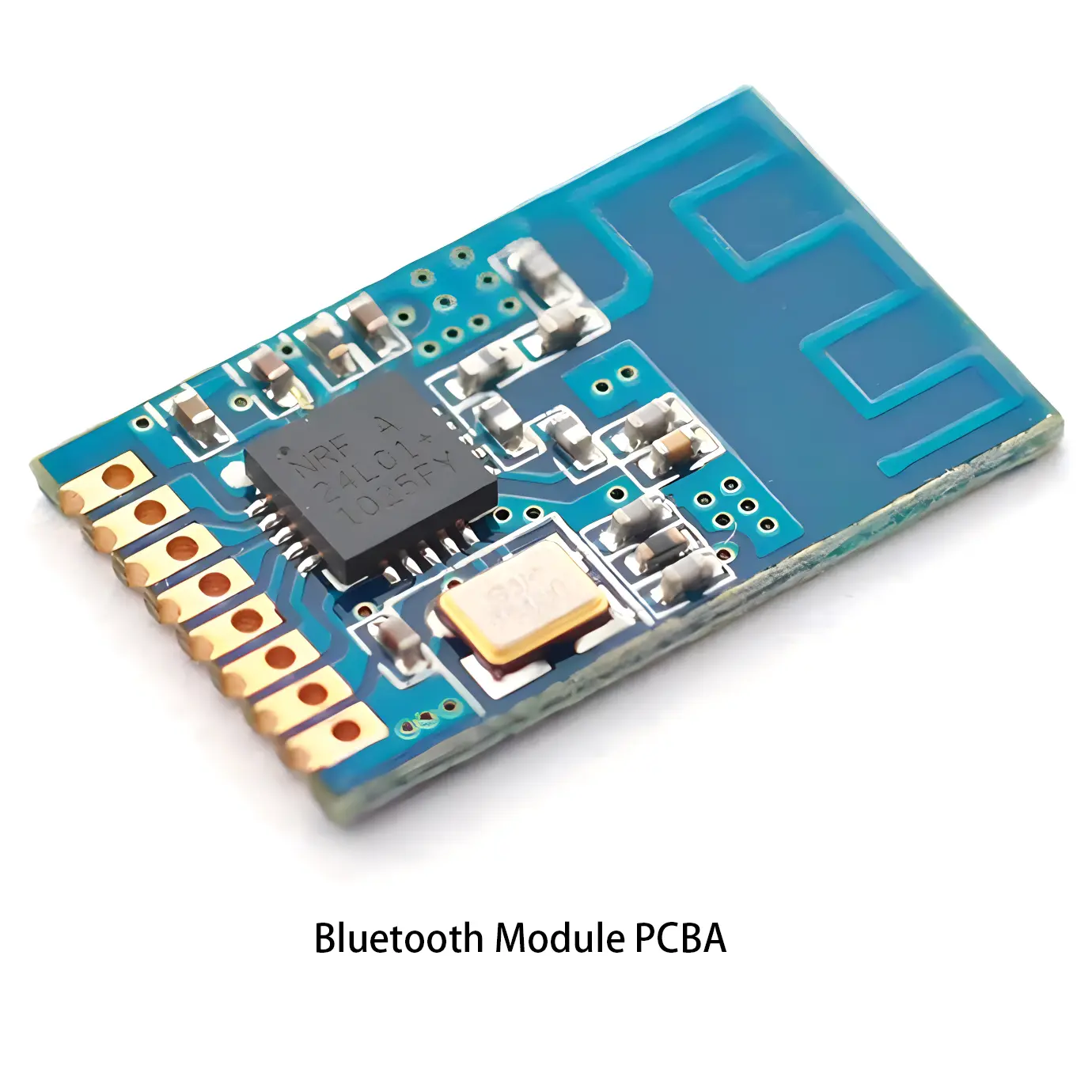 Communication PCBA
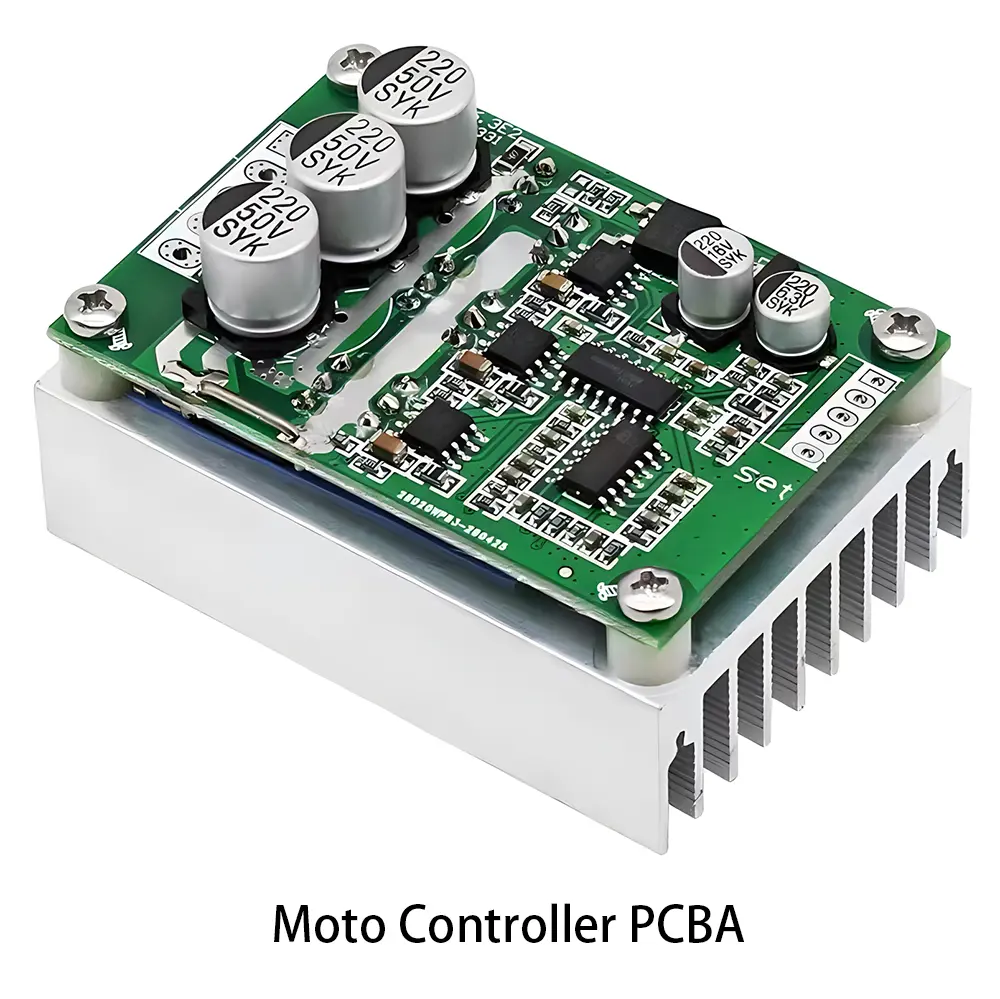 Industrial Control PCBA
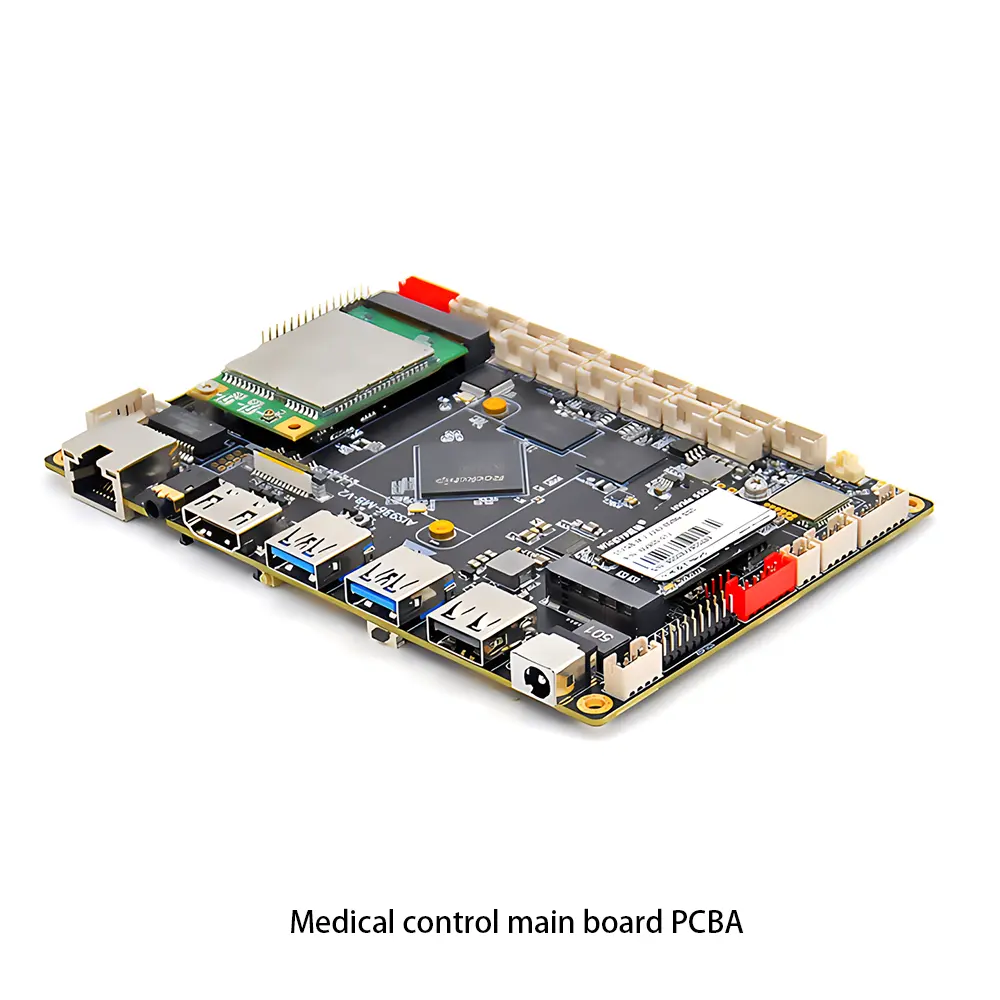 Medical Equipment PCBA
 Testing Service
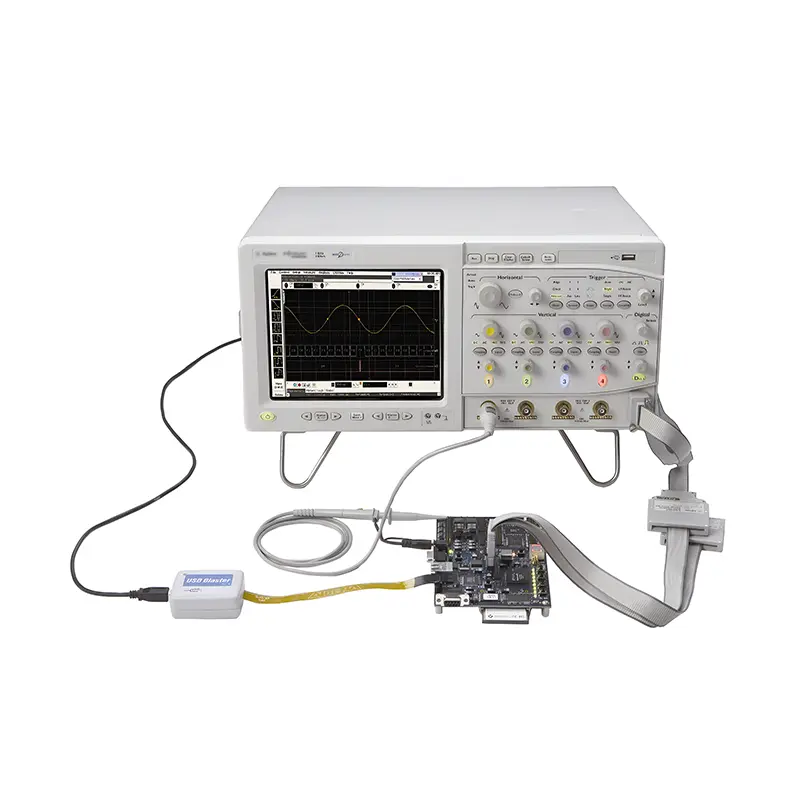 PCBA Testing Service
 Certification Application
 RoHS Certification Application
 REACH Certification Application
 CE Certification Application
 FCC Certification Application
 CQC Certification Application
 UL Certification Application
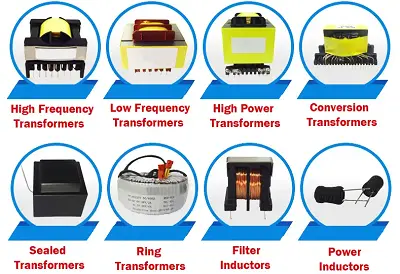 Transformers, Inductors
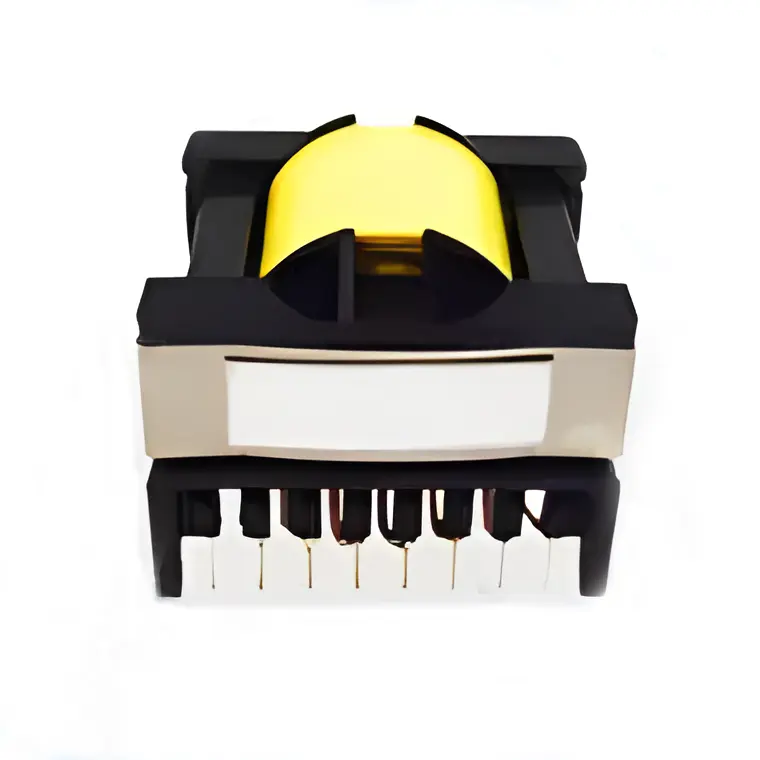 High Frequency Transformers
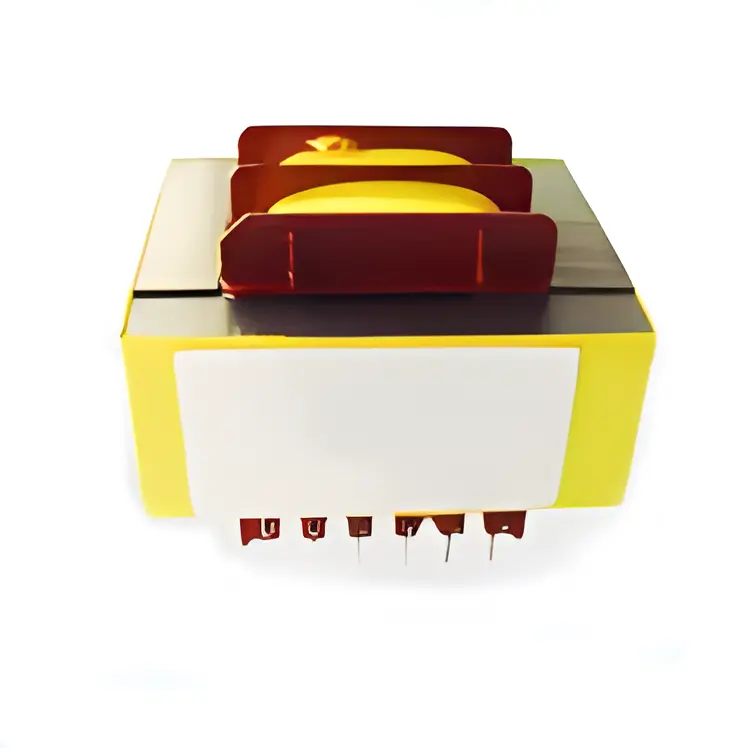 Low Frequency Transformers
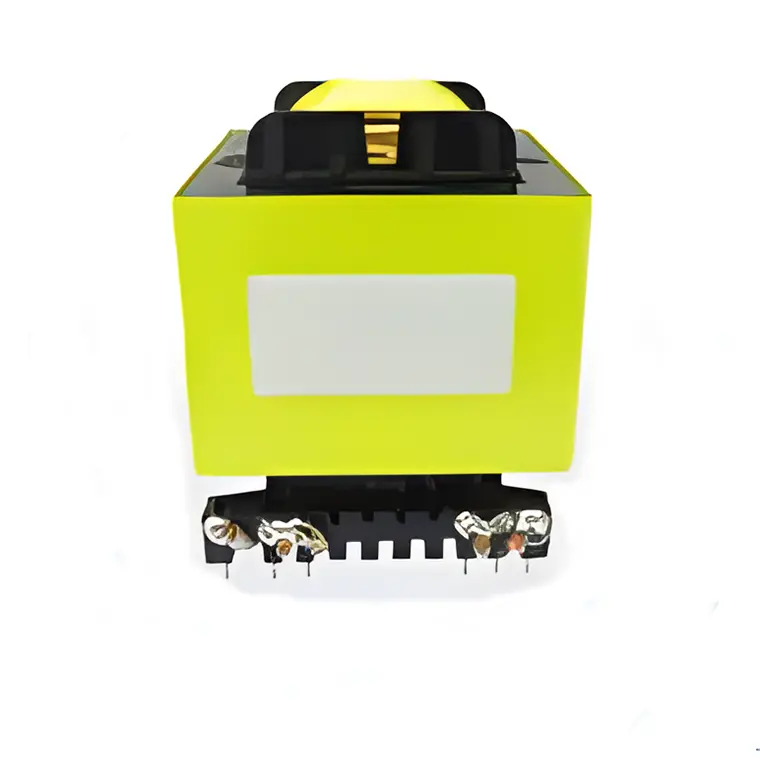 High Power Transformers
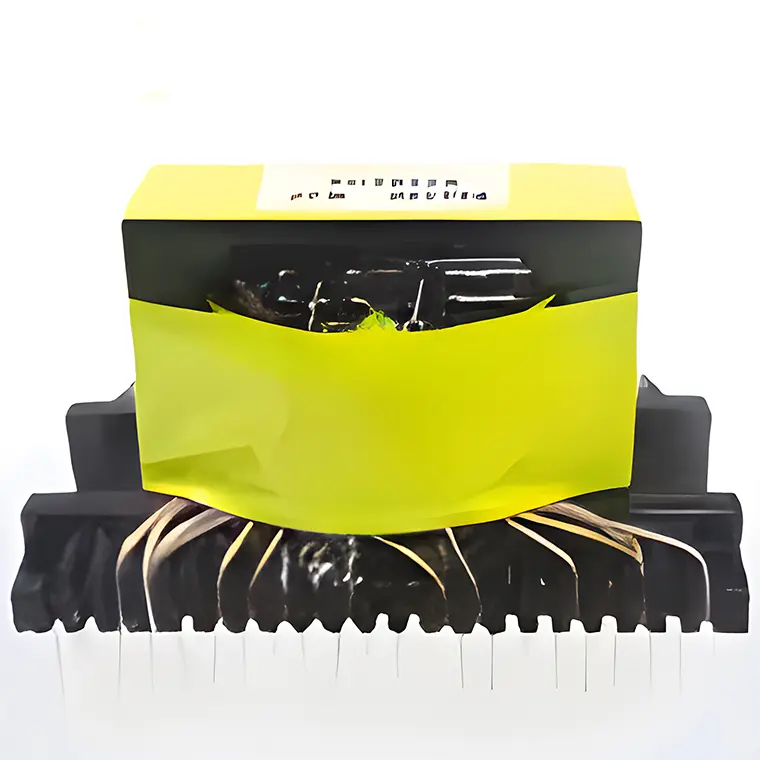 Conversion Transformers
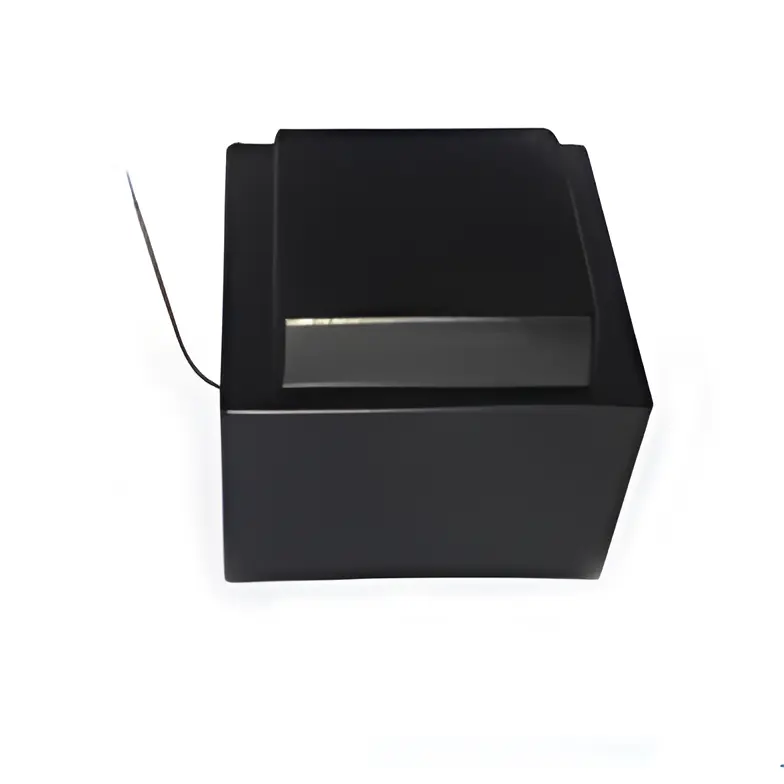 Sealed Transformers
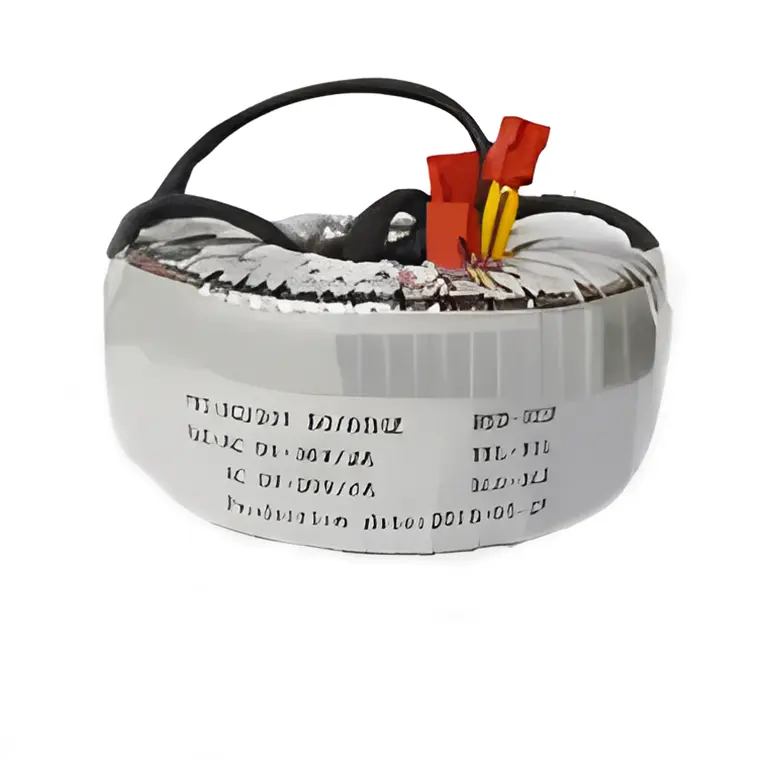 Ring Transformers
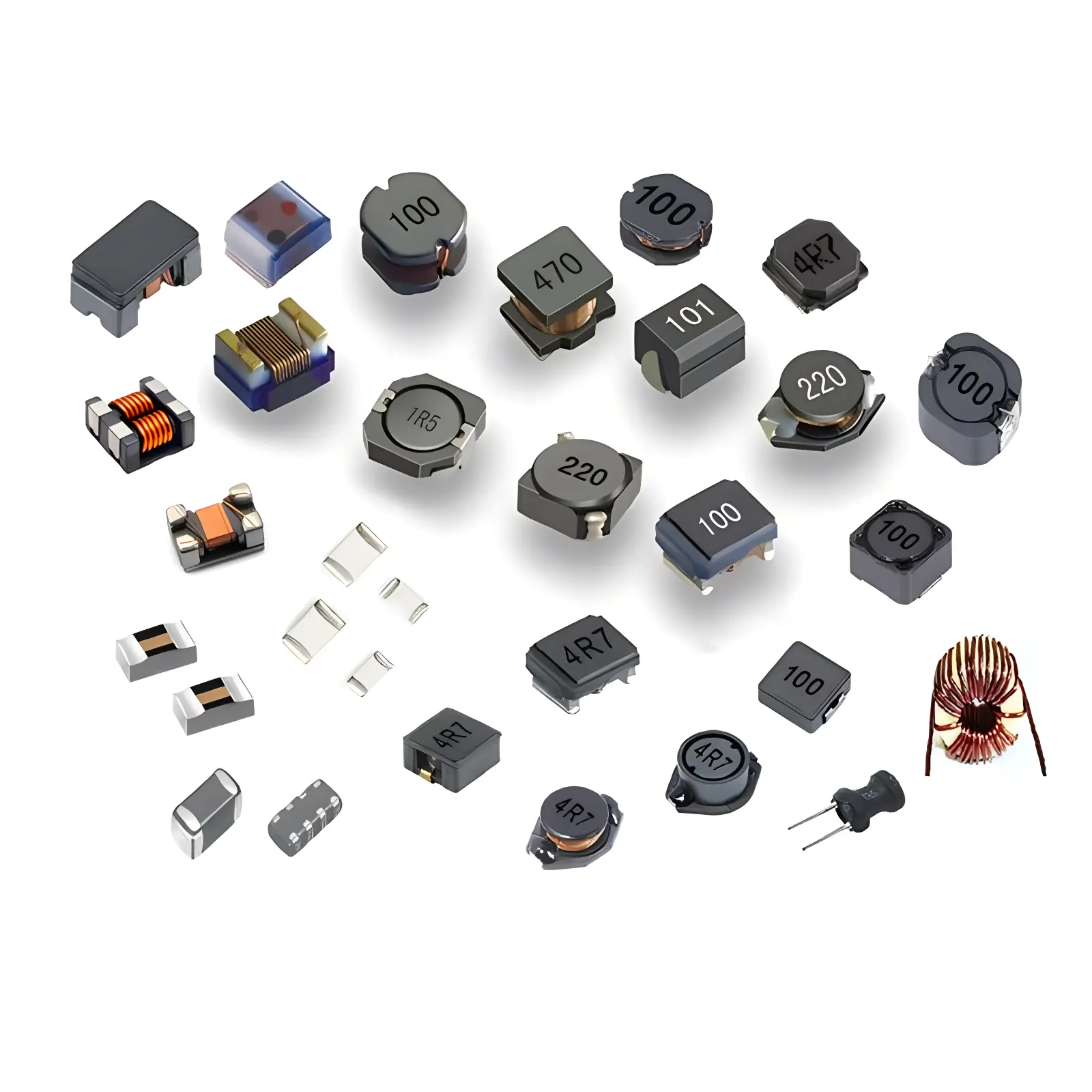 Inductors
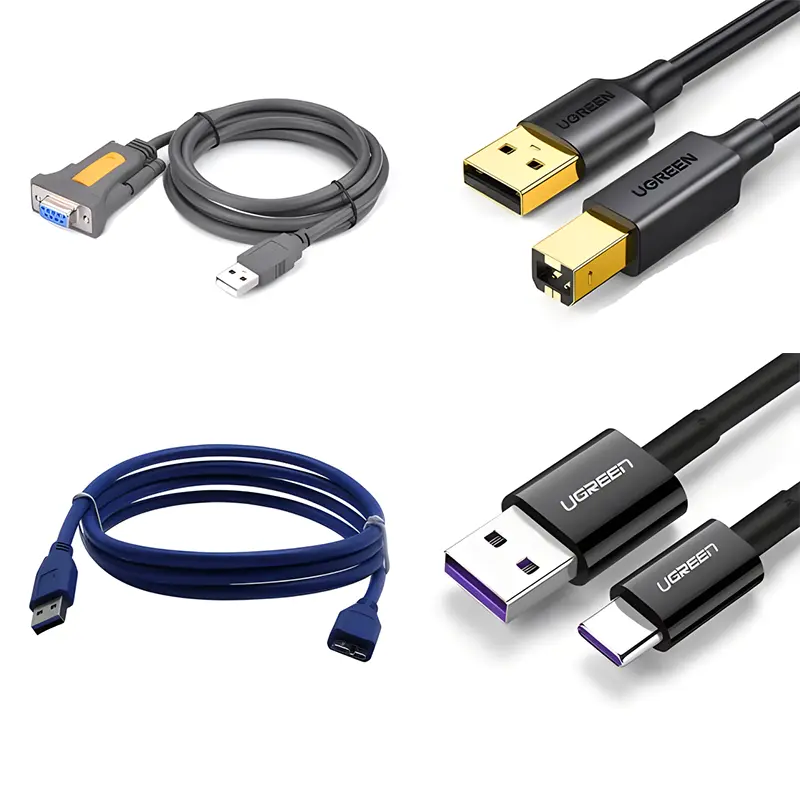 Wires,Cables Customized
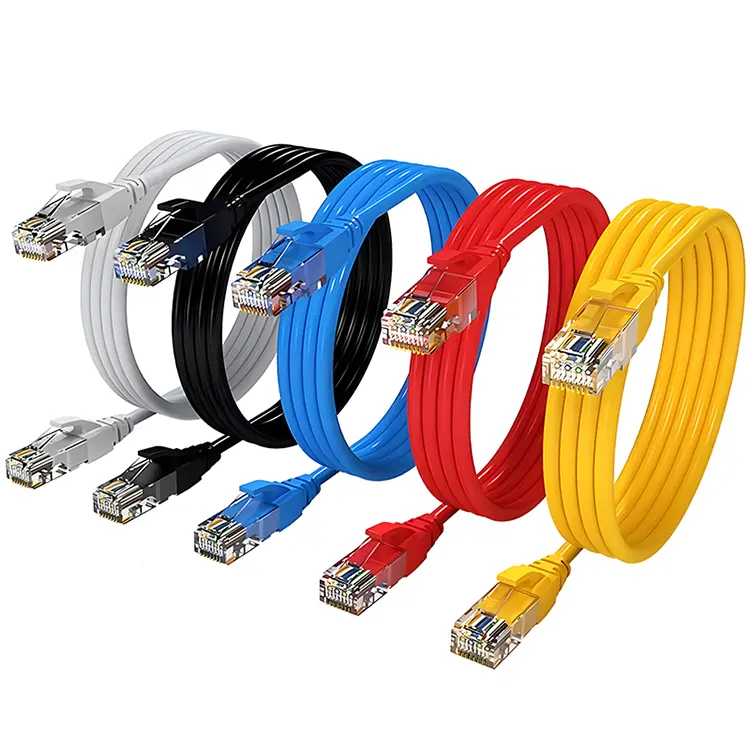 Network Cables
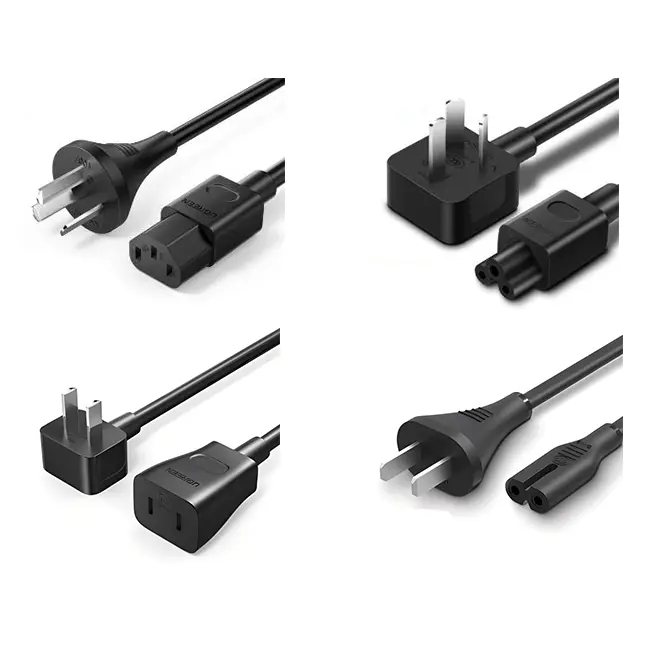 Power Cords
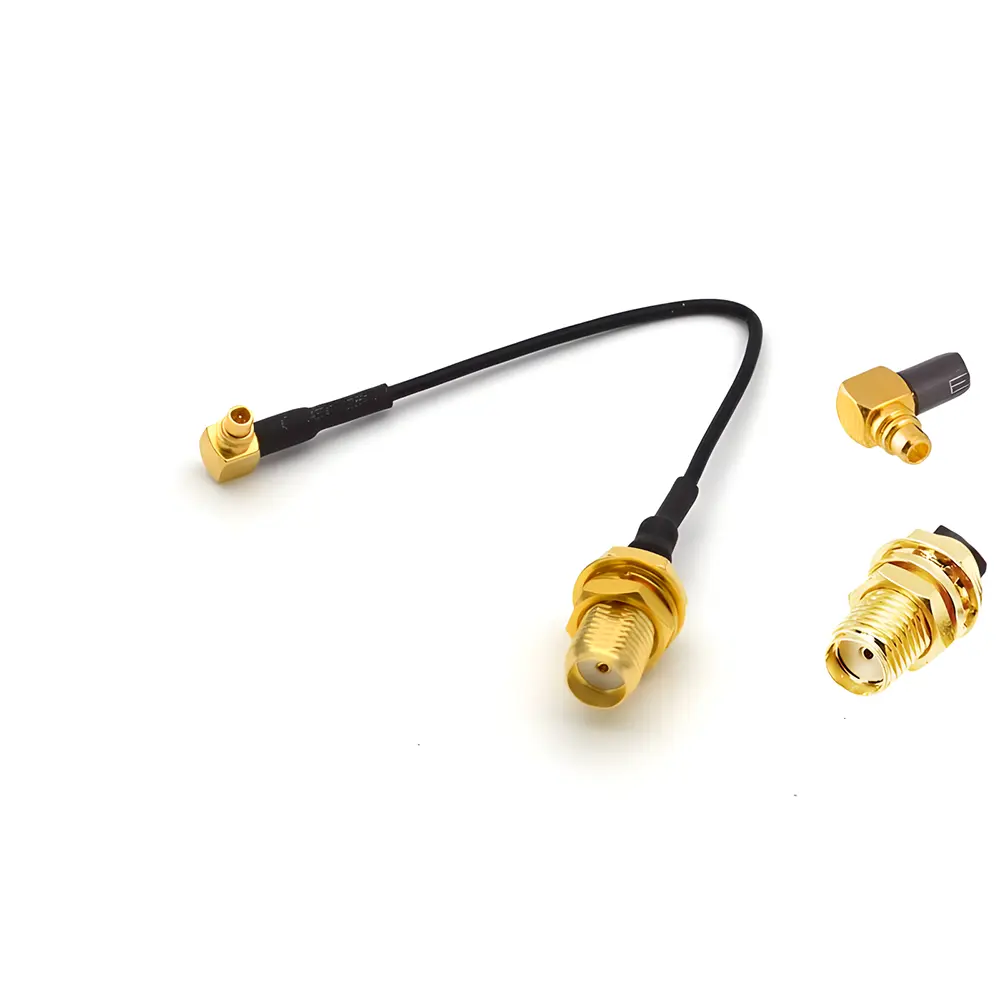 Antenna Cables
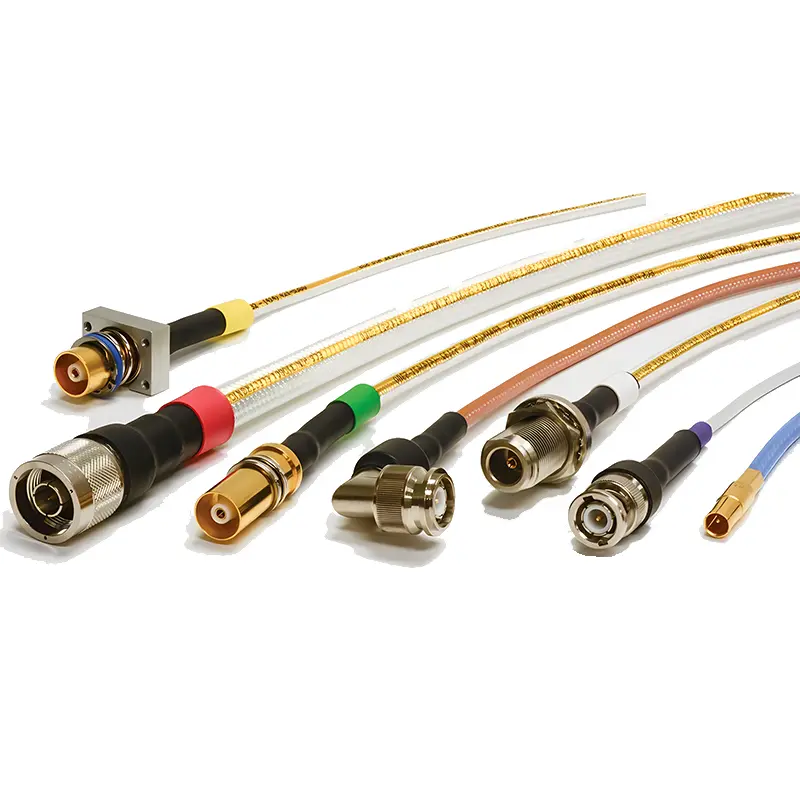 Coaxial Cables
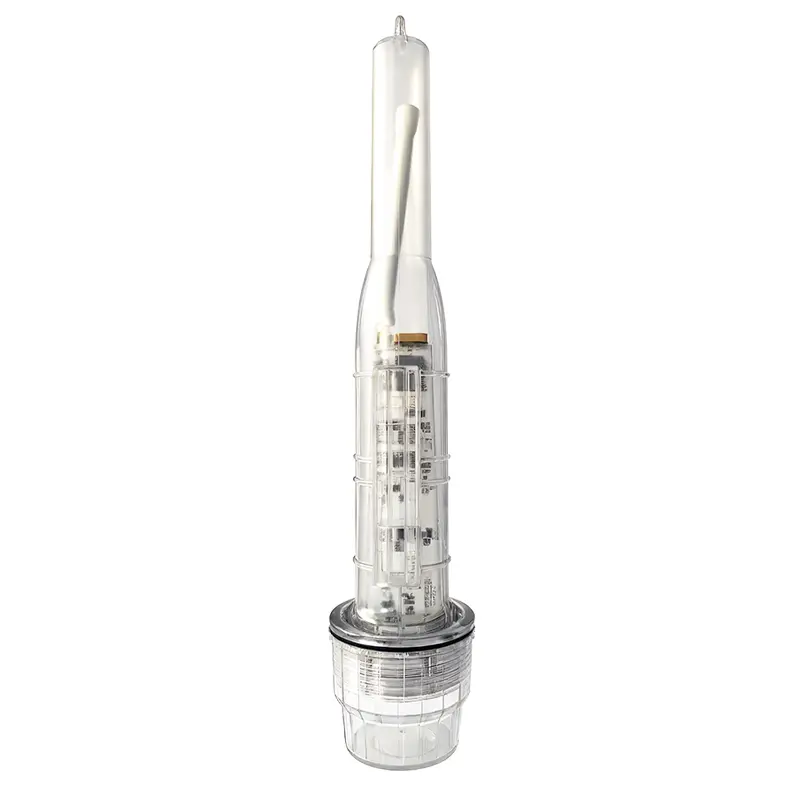 Net Position Indicator
 Solar AIS net position indicator
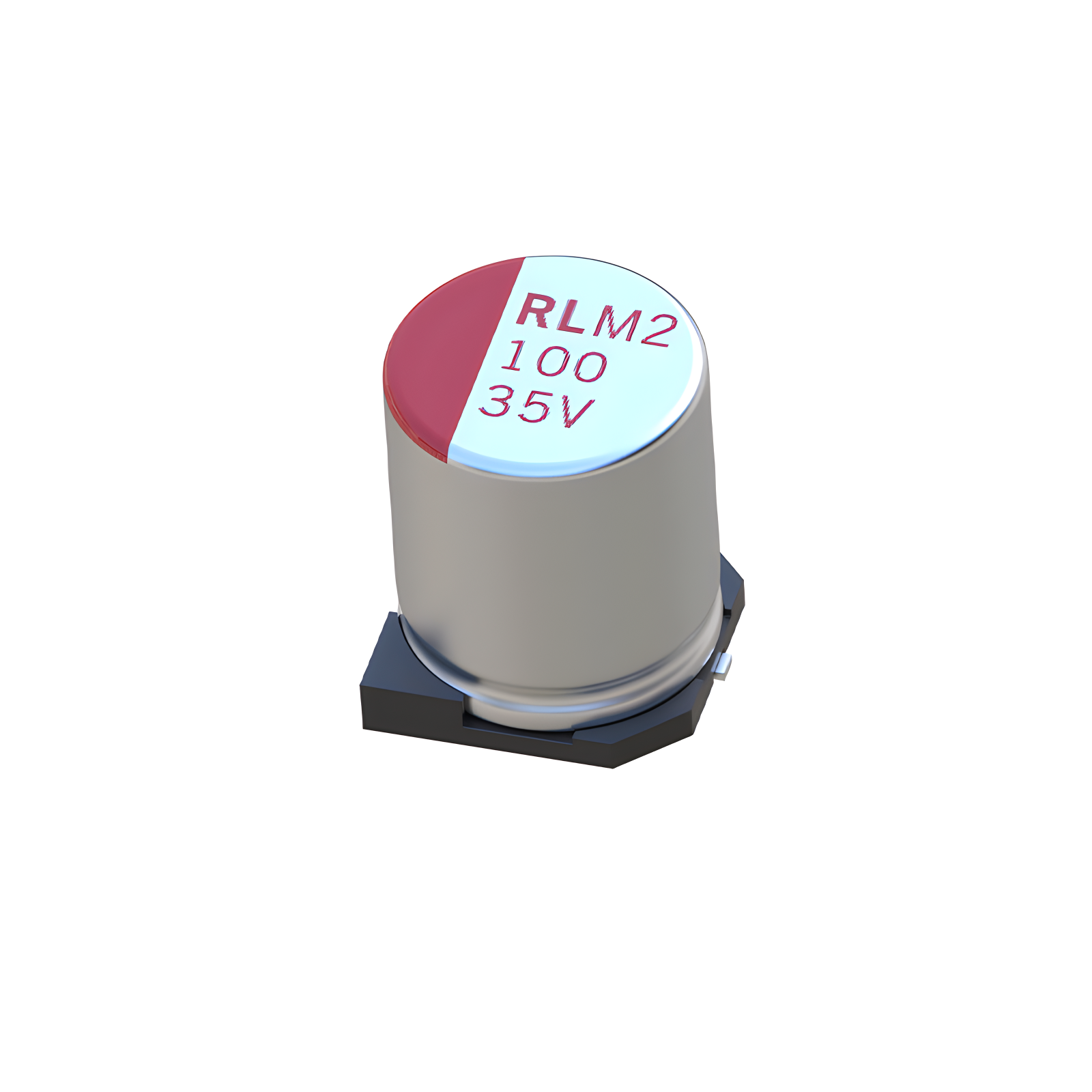 Capacitors
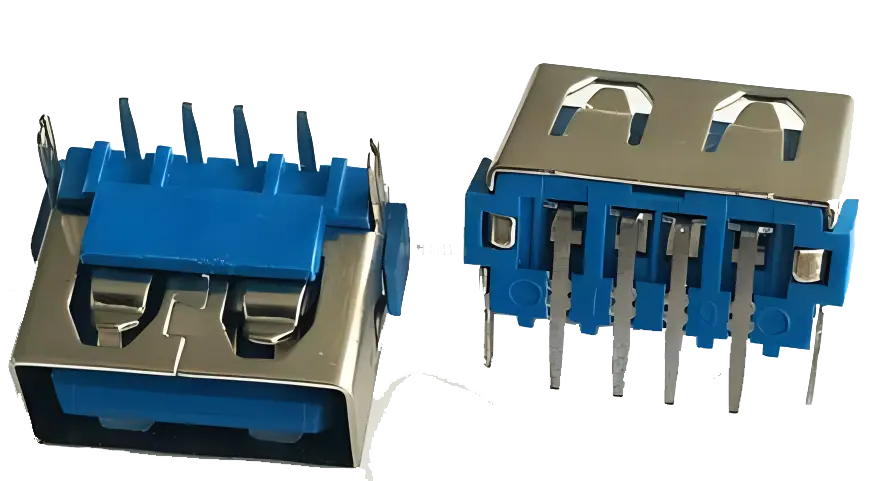 Connectors
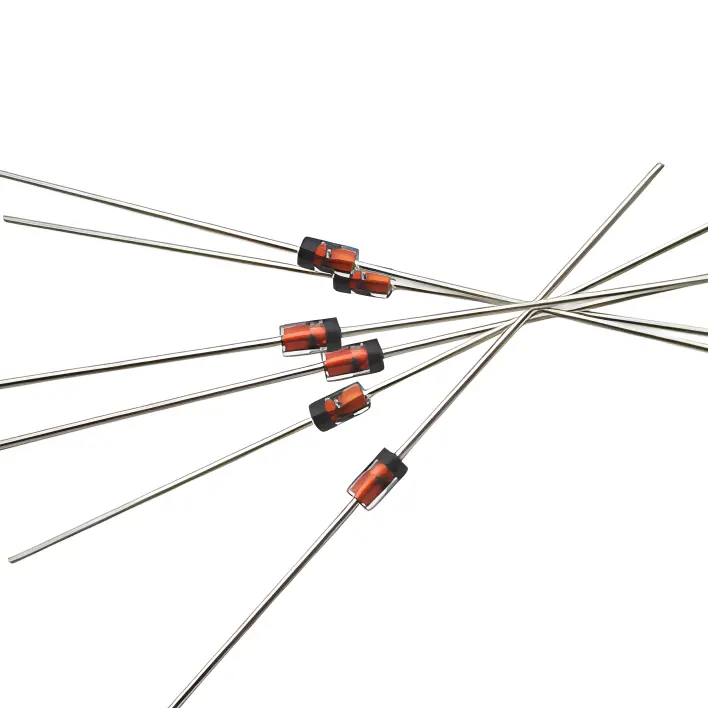 Diodes
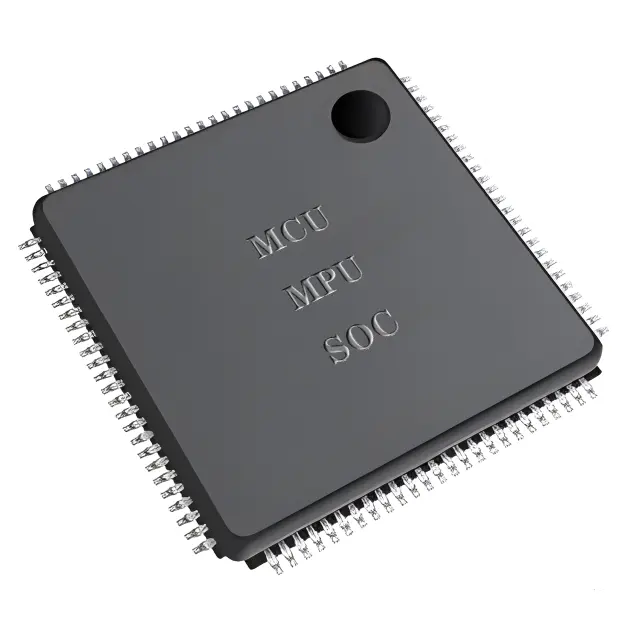 Embedded Processors & Controllers
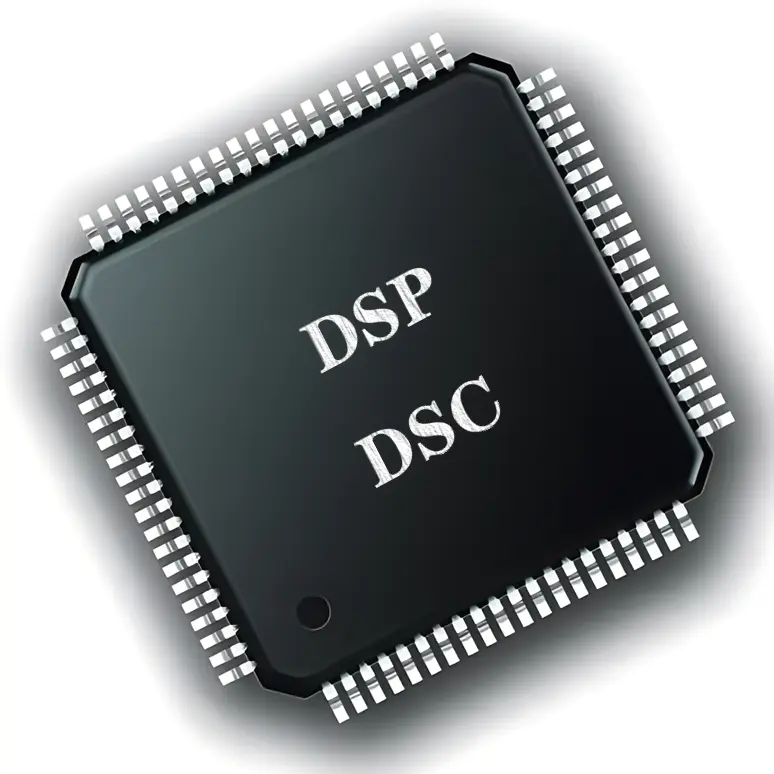 Digital Signal Processors (DSP/DSC)
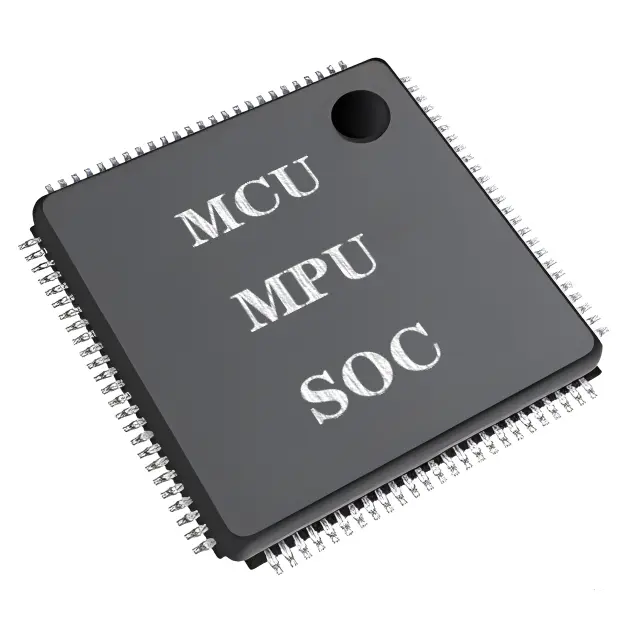 Microcontrollers (MCU/MPU/SOC)
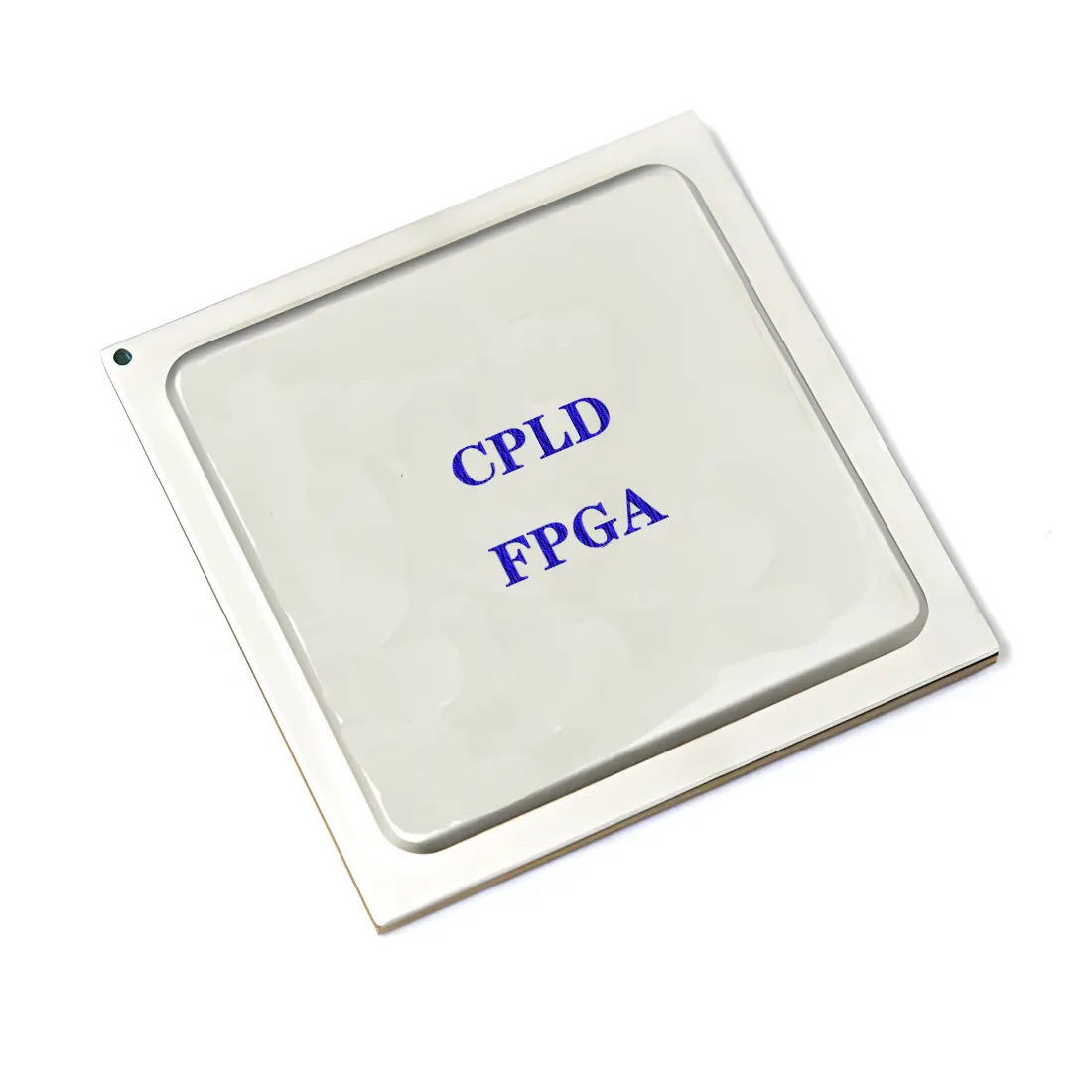 Programmable Logic Device(CPLD/FPGA)
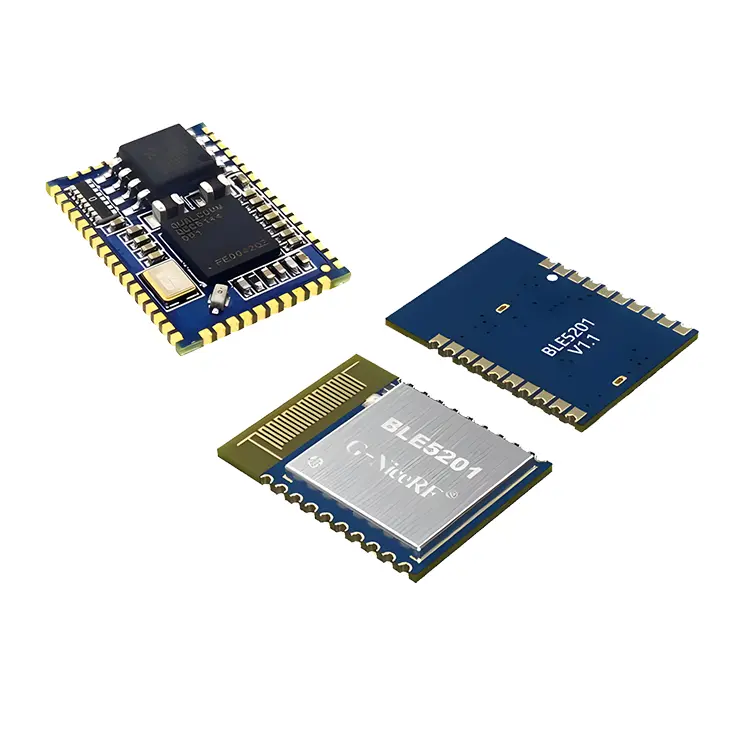 Communication Modules/IoT
 Resistors
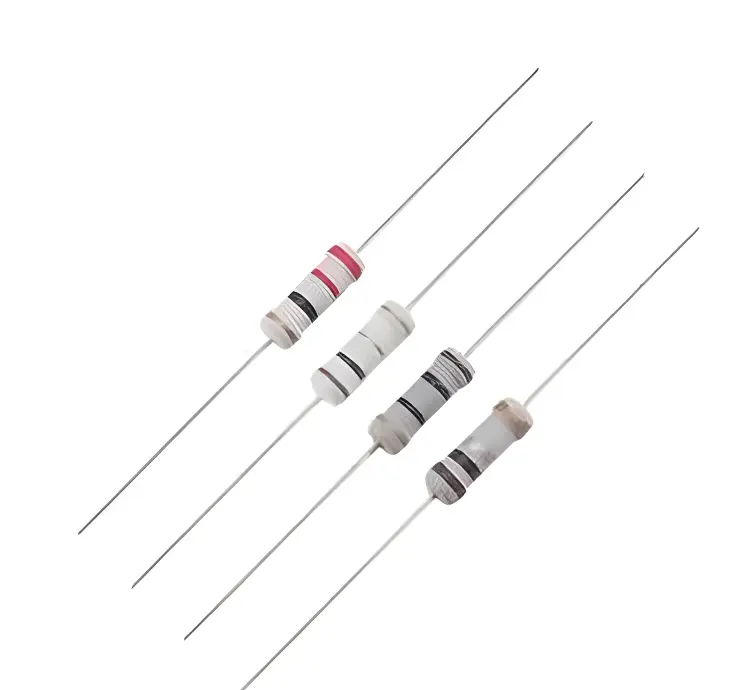 Through Hole Resistors
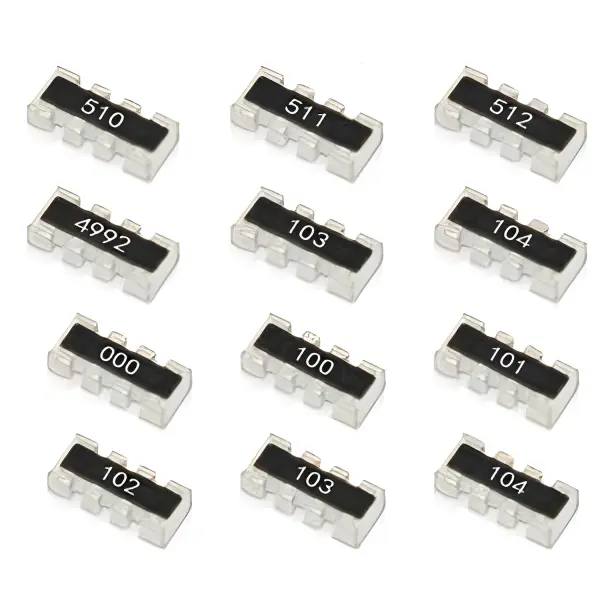 Resistor Networks, Arrays
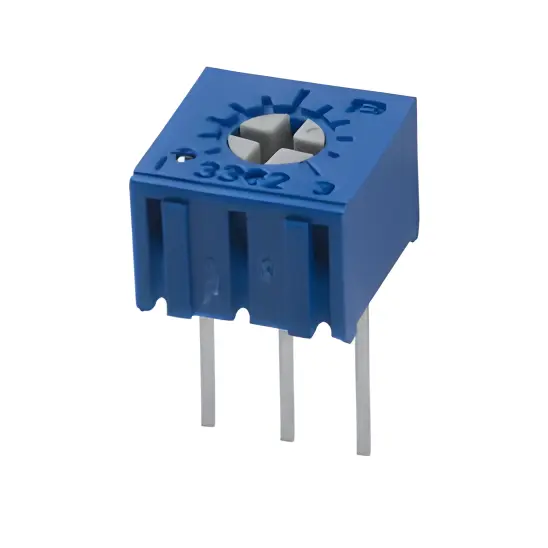 Potentiometers,Variable Resistors
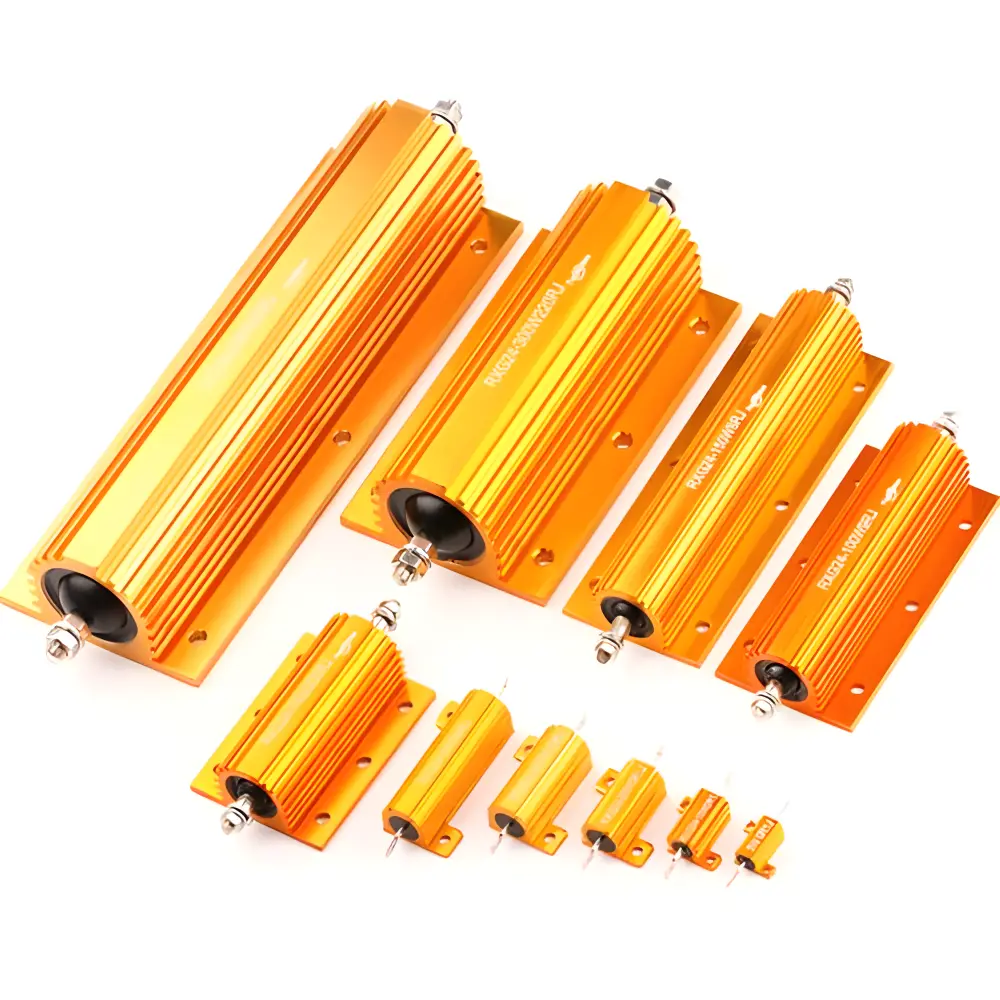 Aluminum Case,Porcelain Tube Resistance
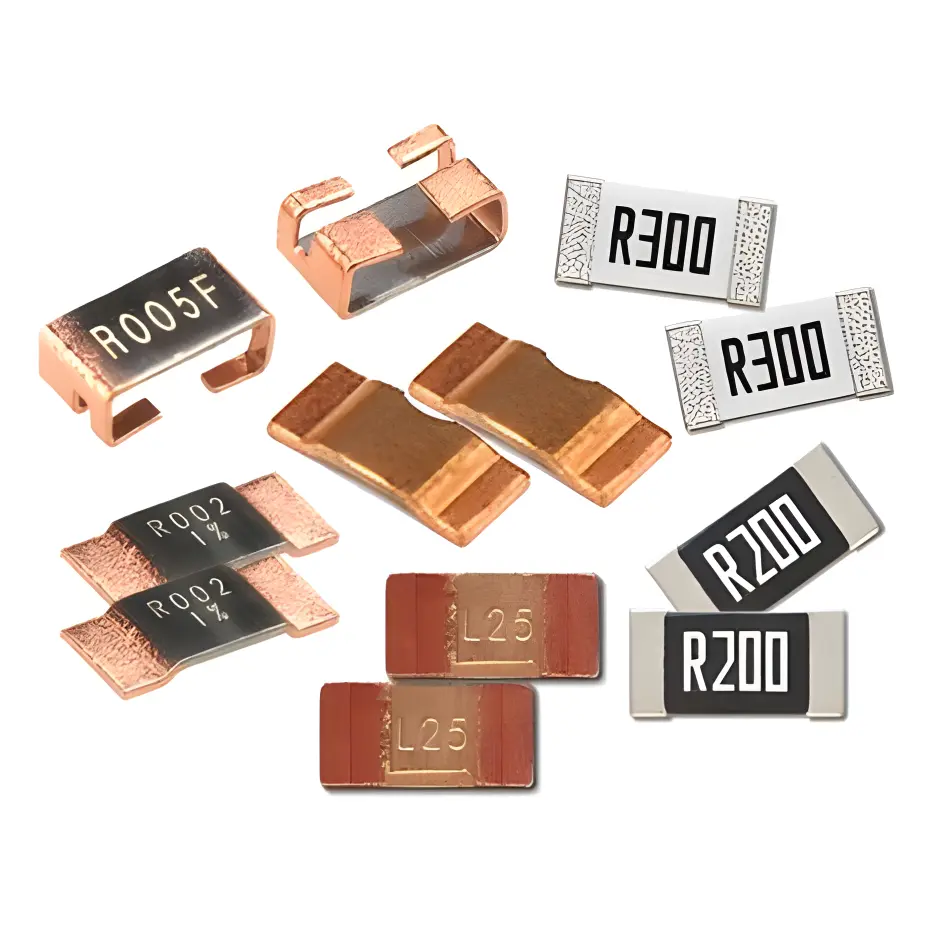 Current Sense Resistors,Shunt Resistors
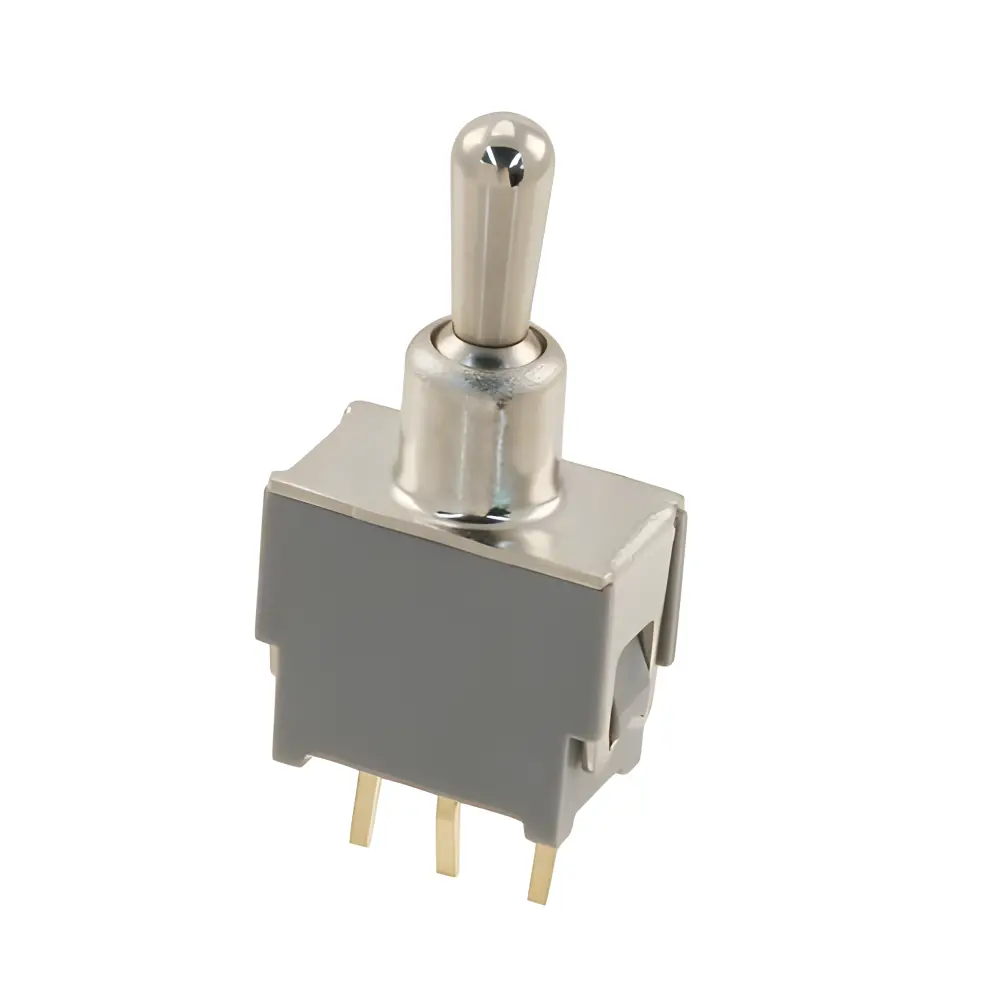 Switches
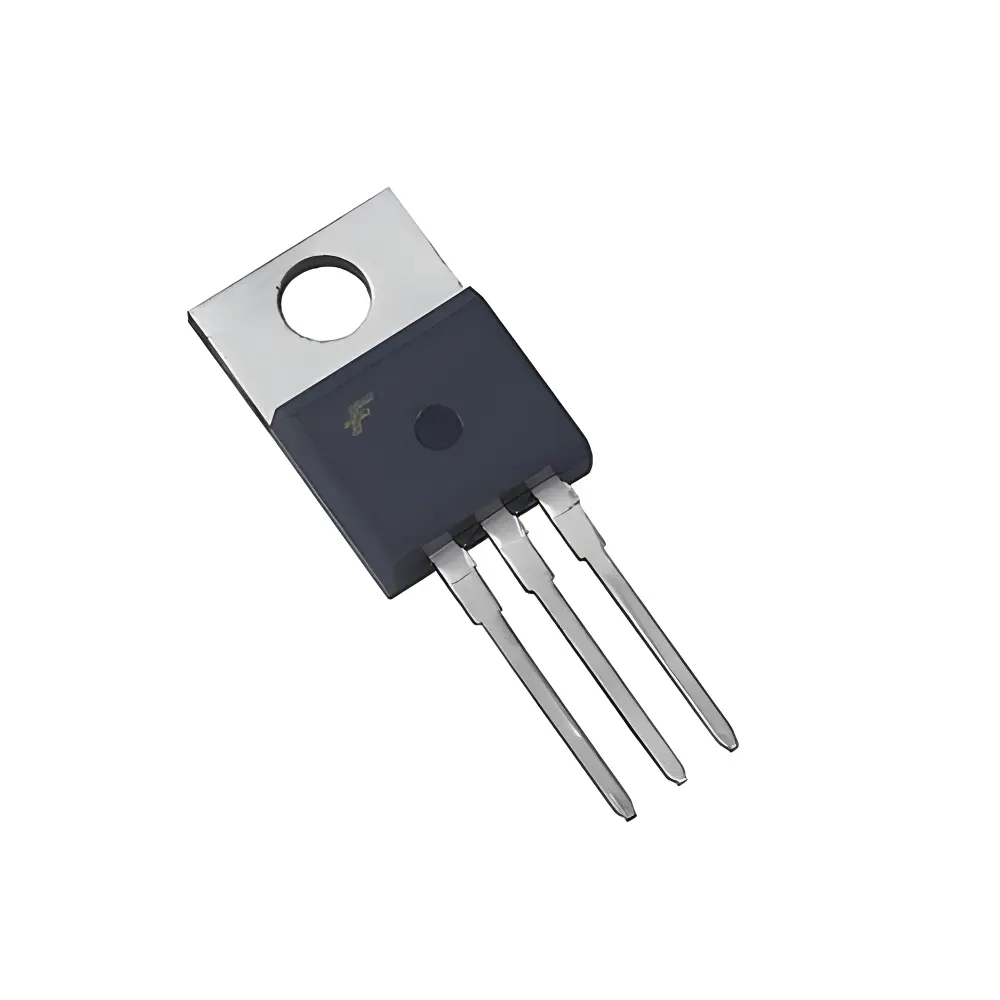 Transistors
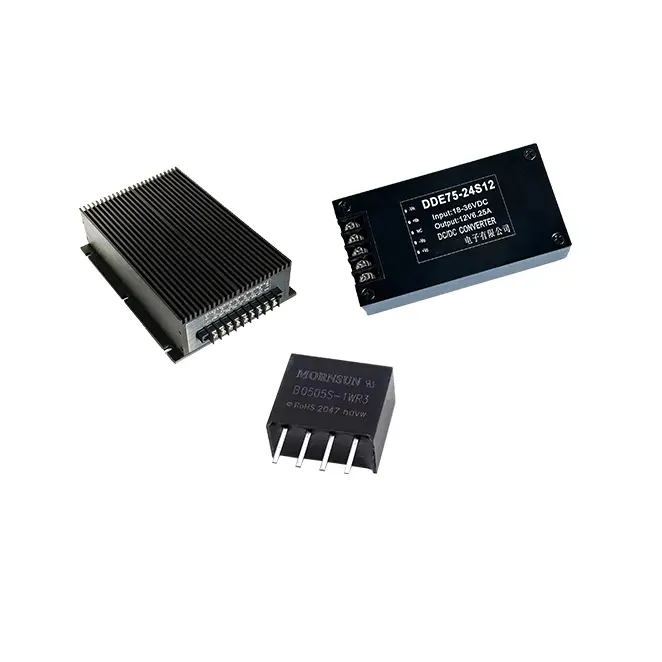 Power Modules
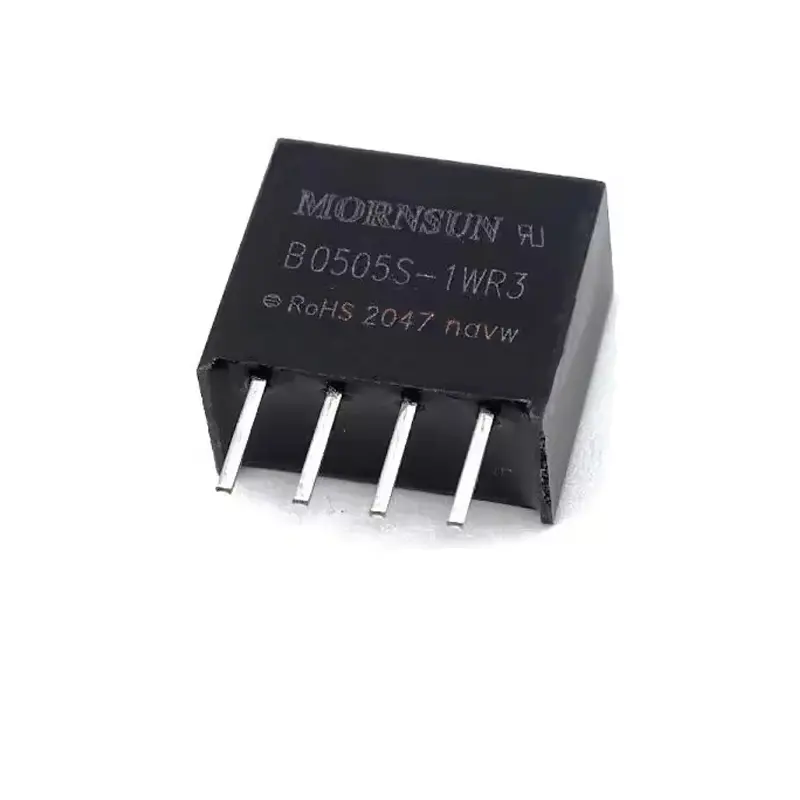 Isolated Power Modules
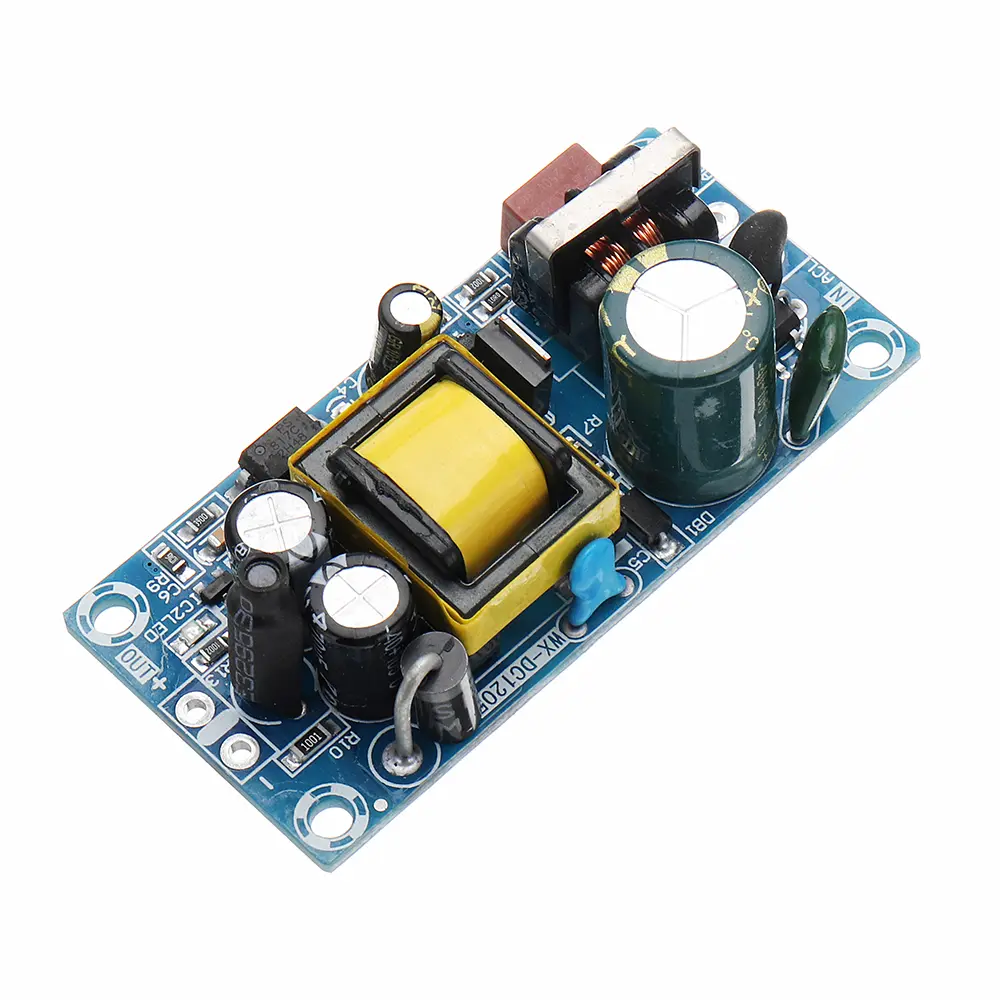 AC-DC Power Modules
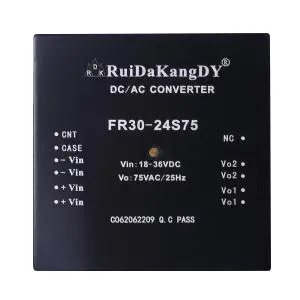 DC-AC Module(Inverter)
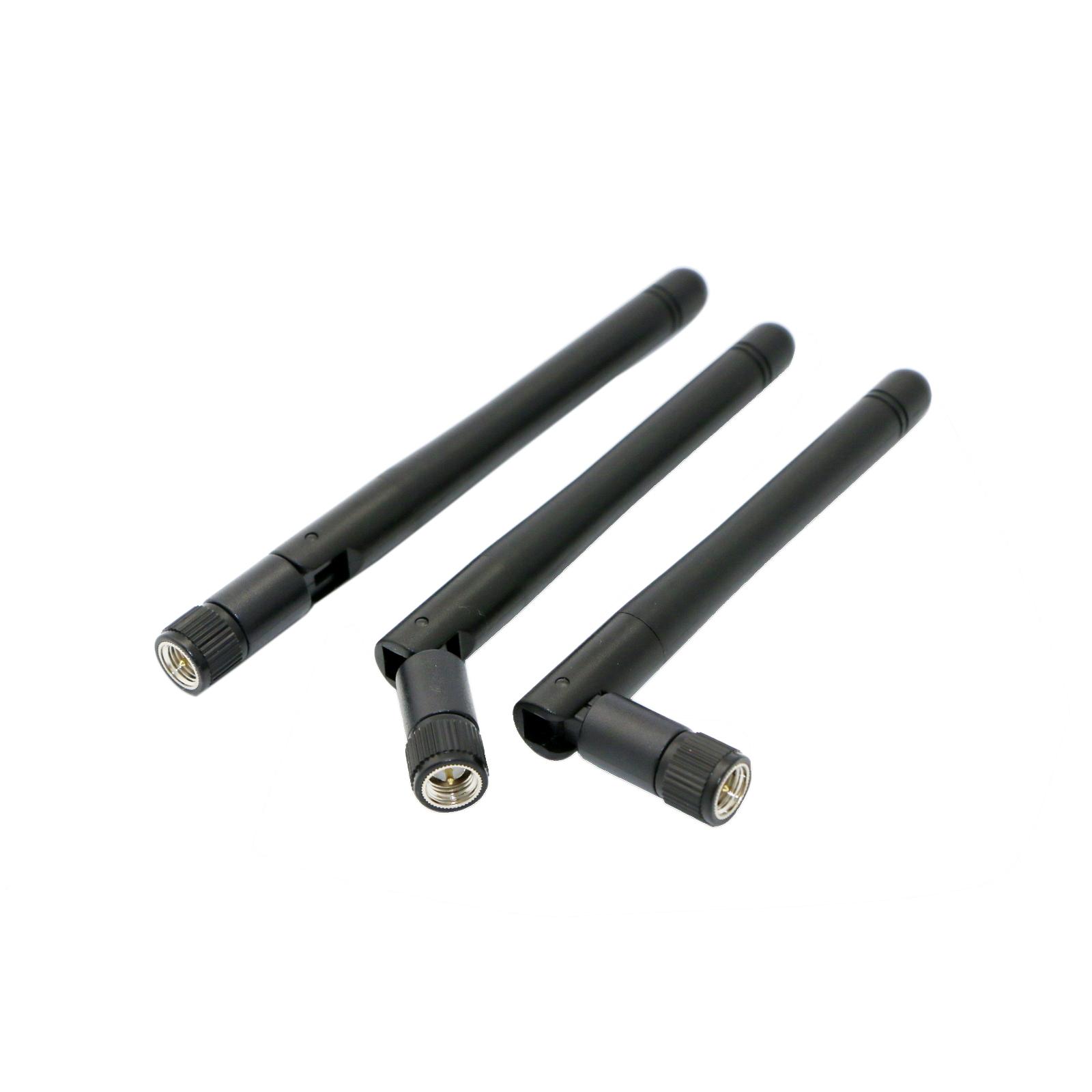 RF and Wireless
Eliminating Microbubble Residues in Multilayer Boards via Vacuum Lamination Process
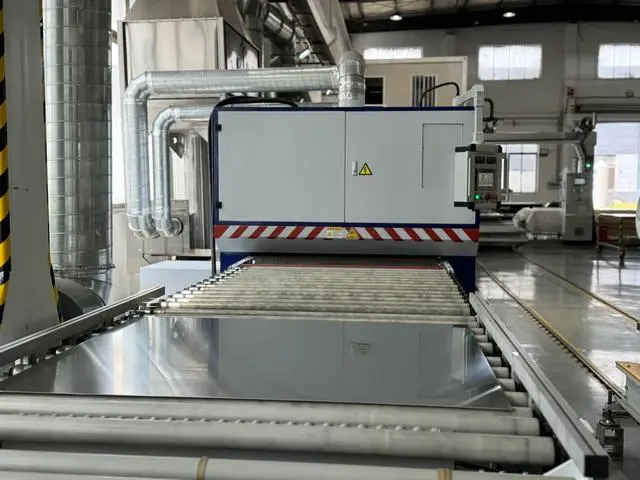
1. Causes and Impacts of MICrobubbles
Microbubbles (1–50 μm voids) formed by trapped gas during lamination degrade:
-
Electrical peRFormance: Increased dielectric loss (e.g., +0.005 tanδ at 10 GHz);
-
Mechanical strength: 30–50% reduced flexural strength;
-
Aesthetics: Surface pits or delamination.
Root Causes:
-
Residual solvents/moisture in prepreg;
-
Insufficient vacuum (<1 mbar target);
-
Poor resin flow due to improper temperature/pressure profiles;
-
Layer misalignment-induced voids.
2. Material Pretreatment
-
Prepreg pre-baking: 120–140°C for 2–4 hours (moisture <0.1 wt%);
-
Copper foil treatment: Micro-etching or plasma activation (Rz=3–5 μm);
-
Low-volatility resins: Epoxy with <0.5% volatile content.
3. Process Optimization
(1) Vacuum Phase
-
Vacuum control:
-
Initial vacuum: 10–100 mbar for 5–10 min;
-
High vacuum: <1 mbar for 15–30 min;
-
Leak rate <5 mbar/min.
-
-
Ramped heating: 1–2°C/min to 80–100°C for gradual outgassing.
(2) Pressure Phase
-
Pressure profiling:
-
Low pressure (0.5–1 MPa) for initial resin flow;
-
High pressure (2–3 MPa) at 170–180°C for full consolidation;
-
Dwell time: 30–60 min.
-
-
Dynamic pressure adjustment: Real-time monitoring via sensors.
(3) Cooling Phase
-
Controlled cooling: ≤2°C/min with vacuum maintained until <50°C.
4. Equipment & Tooling
-
Vacuum chamber: Multi-stage pumps (rotary + roots) for <1 mbar;
-
Caul plates: Silicone pads/graphite plates (Ra<0.1 μm) for pressure uniformity;
-
Alignment systems: Optical/X-ray alignment (±10 μm).
5. In-line Monitoring
-
Dielectric analysis (DEA): Real-time resin flow/cure monitoring;
-
Ultrasonic scanning (SAT): 10–50 MHz for microbubble detection (<0.1% area);
-
Thermal imaging: Temperature uniformity control (±5°C).
6. Material-Process Synergy
-
Low-viscosity resins: Epoxy with <1000 cP melt viscosity;
-
Nano-fillers: 1–3 wt% SiO₂/clay to suppress bubble nucleation;
-
Breathable films: Porous PI membranes for gas venting.