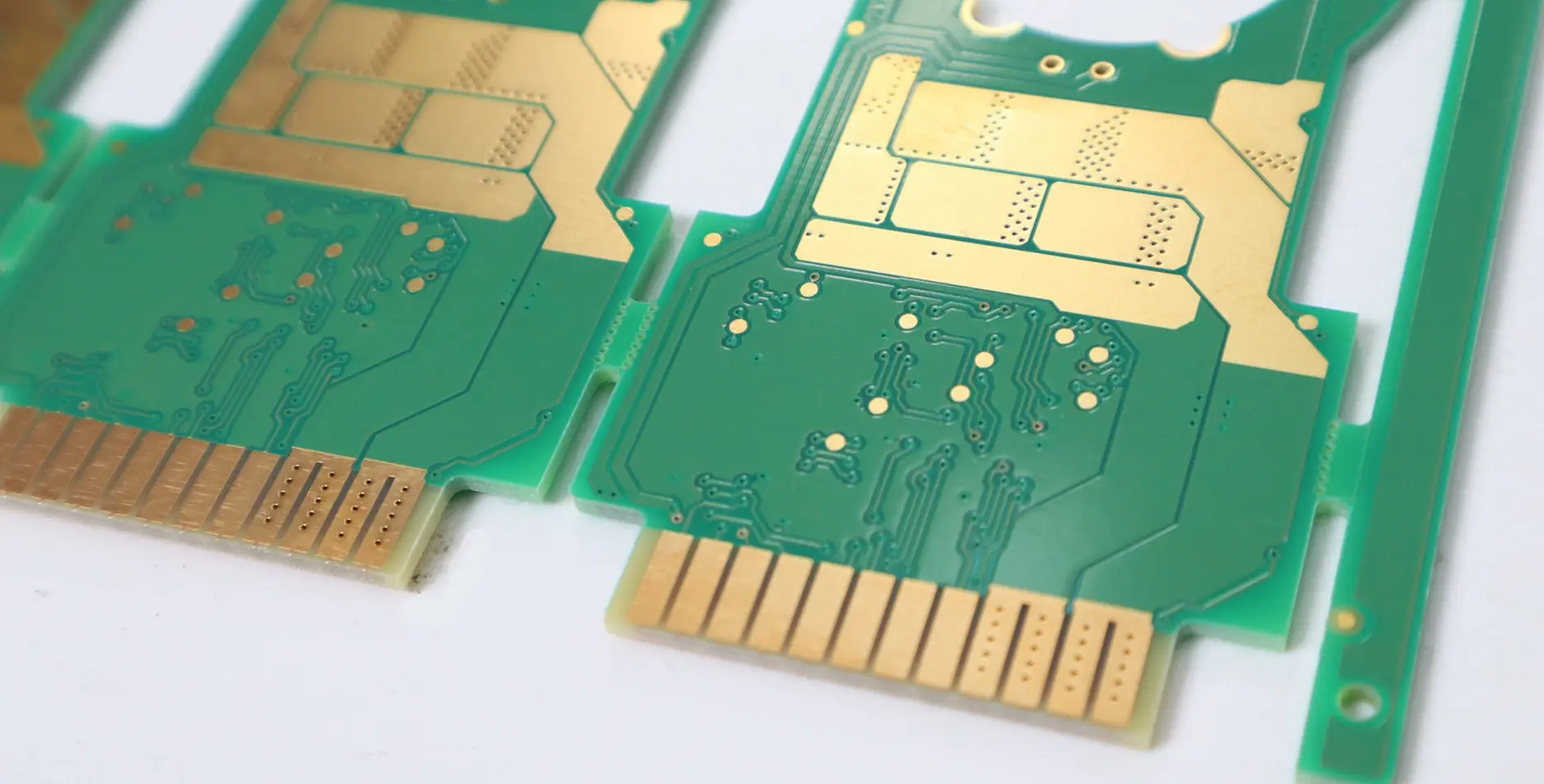
Electroless tin plating (chemical tinning) is a critical suRFace finishing process for PCBs, connectors, and precision electronic components, providing excellent solderability, corrosion resistance, and compatibility with lead-free assembly. A key quality defect in this process is tin layer color variation—manifested as uneven hues ranging from bright silver to dull gray, yellowish, or even rainbow tints. This defect not only impairs the visual appearance of components but also indicates underlying issues with tin layer composition, crystalline structure, and adhesion, which can compromise long-term reliability. Among the numerous process parameters influencing tin layer color, plating bath pH value is the most sensitive and controllable factor. This article comprehensively analyzes how pH fluctuations affect tin layer color, defines the optimal pH control range, and outlines systematic strategies to maintain pH stability, ensuring uniform, consistent tin layer appearance and performance, aligned with IPC-4552 and industry best practices. Before delving into pH control, it is essential to understand the electroless tin plating process and the root causes of color variation.
Electroless tin plating relies on a chemical redox reaction (no external current) where tin ions (Sn²⁺) in the bath are reduced to metallic tin (Sn⁰) and deposited on the substrate surface. The typical bath composition includes:
- Tin source: Stannous sulfate (SnSO₄) or stannous chloride (SnCl₂), providing Sn²⁺ ions (concentration: 20–40 g/L).
- Complexing agent: Citric acid, tartaric acid, or ethylenediaminetetraacetic acid (EDTA), preventing Sn²⁺ from hydrolyzing and precipitating (concentration: 50–80 g/L).
- Reducing agent: Hypophosphite (NaH₂PO₂) or borohydride, driving the reduction reaction (concentration: 15–30 g/L).
- pH adjuster: Sulfuric acid (H₂SO₄) or sodium hydroxide (NaOH), regulating bath acidity/alkalinity.
- Stabilizer: Thiourea or phenol derivatives, inhibiting spontaneous decomposition of the bath (concentration: 0.1–0.5 g/L).
The core reaction is: Sn²⁺ + 2H₂PO₂⁻ + H₂O → Sn⁰↓ + 2HPO₃²⁻ + 4H⁺ This reaction generates H⁺ ions, causing the bath pH to decrease over time—making pH monitoring and adjustment critical.
Tin layer color is determined by its crystalline structure, surface roughness, and oxide content—all directly influenced by pH:
- Bright silver (ideal): Uniform, fine-grained crystalline structure with minimal surface oxide (SnO).
- Dull gray: Coarse-grained crystals or excessive surface oxidation (SnO₂).
- Yellowish tint: Thin oxide layer (SnO) or trace iMPUrities (e.g., copper, iron) in the bath.
- Rainbow hues: Uneven oxide thickness due to non-uniform deposition.
Color variation is not merely a cosmetic issue:
- Solderability degradation: Dull or oxidized tin layers have poor wetting properties, increasing cold solder joint risk.
- Corrosion susceptibility: Uneven oxide layers provide inconsistent barrier protection against moisture and contaminants.
- Adhesion failure: Coarse-grained layers (from pH extremes) may delaminate under thermal cycling or mechanical stress.
The pH value governs the kinetics of the electroless tin plating reaction, including the rate of Sn²⁺ reduction, complexation stability, and crystal growth—all of which impact color. Below is a detailed analysis of pH effects across different ranges:
At extremely low pH, the bath becomes overly acidic, disrupting the plating reaction:
- Complexation breakdown: Citric acid or EDTA loses its ability to complex Sn²⁺, leading to Sn²⁺ hydrolysis and precipitation of stannous hydroxide (Sn(OH)₂). This reduces the available Sn²⁺ concentration, causing uneven deposition.
- Slow reduction rate: High H⁺ concentration inhibits the reducing agent (H₂PO₂⁻) from donating electrons, slowing the deposition rate to <0.5 μm/h. Slow deposition results in coarse-grained tin layers with a dull gray appearance.
- Increased impurity incorporation: Acidic conditions dissolve trace metals (e.g., copper from PCB pads) into the bath, which co-deposit with tin, creating yellowish or mottled hues.
- Bath instability: Overly acidic conditions accelerate the decomposition of hypophosphite, generating phosphine gas (PH₃) and shortening bath life.
While closer to the optimal range, pH 1.5–2.0 still causes subtle color issues:
- Inconsistent crystal growth: The reduction reaction is partially inhibited, leading to mixed fine and coarse grains. This results in a "speckled" appearance with alternating bright and dull patches.
- Moderate oxide formation: The slightly acidic environment promotes limited SnO formation on the surface, giving the layer a faint yellow tint.
- Reduced bath efficiency: Sn²⁺ utilization is <60%, increasing chemical consumption and plating costs.
This range balances reaction kinetics and complexation stability, producing uniform, bright silver tin layers:
- Stable complexation: Citric acid/EDTA effectively complexes Sn²⁺, maintaining a consistent supply of ions for deposition.
- Controlled reduction rate: The reaction proceeds at 1.0–1.5 μm/h, allowing for fine-grained, dense crystal growth—the key to bright silver color.
- Minimal oxidation: The neutral-to-slightly-acidic environment suppresses SnO formation, keeping the surface clean and reflective.
- High bath efficiency: Sn²⁺ utilization exceeds 80%, ensuring cost-effective plating and consistent layer thickness (2–5 μm, typical for PCBs).
As pH rises above 2.5, the bath becomes more alkaline, leading to:
- Accelerated reduction: Higher pH enhances the activity of H₂PO₂⁻, increasing the deposition rate to >2.0 μm/h. Rapid deposition causes poor crystal nucleation, resulting in a porous, rough layer with a matte finish.
- Increased oxide content: Alkaline conditions promote the formation of SnO and SnO₂ on the surface, giving the layer a dull gray or even black appearance.
- Complexation imbalance: Excess OH⁻ ions react with Sn²⁺ to form soluble tin-hydroxy complexes, which deposit unevenly, creating rainbow-colored streaks.
At pH > 3.0, the bath fails to produce usable tin layers:
- Massive precipitation: Sn²⁺ reacts with OH⁻ to form insoluble Sn(OH)₂, which precipitates as a white sludge, clogging filters and contaminating the substrate.
- Spontaneous bath decomposition: Hypophosphite decomposes rapidly, generating large amounts of PH₃ gas and phosphate byproducts, rendering the bath non-functional.
- Severe color defects: Any deposited tin is highly porous, oxidized, and discolored (typically dark gray or black), with no practical solderability or protective value.
Based on the above analysis and extensive industry production data (from PCB manufacturers using electroless tin plating for lead-free assembly), the optimal pH range to avoid tin layer color variation is 2.0–2.5. This range is validated by the following performance metrics:
- Lead-free vs. lead-based substrates: For lead-free PCBs (e.g., ENIG-finished pads), maintain pH at 2.2–2.5 to ensure compatibility with copper surfaces. For lead-based substrates, pH 2.0–2.2 is sufficient.
- Bath age: Freshly prepared baths should start at pH 2.2–2.3. As the bath ages (after 5–10 MTO—metal turnovers), gradually adjust to 2.3–2.5 to compensate for Sn²⁺ depletion.
- Temperature coupling: pH control must be paired with bath temperature stability (65–75°C). Higher temperatures (70–75°C) require pH at the lower end of the range (2.0–2.2) to avoid excessive reaction rates; lower temperatures (65–70°C) allow pH at 2.3–2.5.
Achieving and maintaining pH 2.0–2.5 requires a combination of real-time monitoring, precise adjustment, and preventive maintenance. Below are actionable strategies:
- Sensor selection: Use industrial-grade pH sensors with a glass electrode ( corrosion) and reference electrode (Ag/AgCl with KCl electrolyte). Ensure the sensor is compatible with high-temperature baths (65–75°C) and chemical components (e.g., sulfuric acid, hypophosphite).
- Calibration frequency: Calibrate the pH sensor daily using standard buffers (pH 1.68 and pH 4.01) to ensure accuracy within ±0.05 pH units. Replace sensors every 3–6 months, as chemical exposure degrades electrode performance.
- Continuous monitoring: Integrate the pH sensor with a digital controller that provides real-time readouts and alerts (visual/audible) when pH deviates by >0.1 from the setpoint. For high-volume production, use automated systems with data logging to track pH trends over time.
- Acid addition for pH reduction: When pH exceeds 2.5, add dilute sulfuric acid (H₂SO₄, 10–20% concentration) using a metering pump. Avoid concentrated H₂SO₄, as it causes localized pH spikes and Sn²⁺ precipitation. Add acid slowly (1–2 mL per liter of bath) while stirring to ensure uniform mixing.
- Alkali addition for pH increase: When pH drops below 2.0, add dilute sodium hydroxide (NaOH, 5–10% concentration) or sodium carbonate (Na₂CO₃, 10% concentration). Na₂CO₃ is preferred as it buffers pH more gently than NaOH, reducing the risk of over-adjustment. Add alkali at a rate of 0.5–1 mL per liter of bath.
- Adjustment protocol: Never add acid and alkali consecutively within 10 minutes. After each adjustment, stir the bath for 5 minutes and re-measure pH to confirm stability. Avoid adjusting pH by more than 0.2 units in a single step, as large fluctuations disrupt the plating reaction.
pH fluctuations are often caused by changes in bath chemistry—maintaining stable component concentrations reduces pH drift:
- Sn²⁺ replenishment: Monitor Sn²⁺ concentration weekly using titration (iodometric method). When concentration drops below 20 g/L, add stannous sulfate solution (500 g/L) to restore it to 30–35 g/L. Sn²⁺ depletion accelerates pH decrease, so timely replenishment stabilizes pH.
- Reducing agent maintenance: Hypophosphite concentration should be kept at 20–25 g/L. Low hypophosphite levels slow the reaction and increase pH; excess levels cause bath decomposition. Replenish with 50% NaH₂PO₂ solution as needed.
- Complexing agent adjustment: Citric acid concentration should be 60–70 g/L. Insufficient complexing agent leads to Sn²⁺ precipitation and pH instability; add citric acid (100 g/L solution) if concentration drops below 50 g/L.
- Temperature stability: Maintain bath temperature at 68–72°C (±2°C) using a thermostatically controlled heater. Higher temperatures increase the reaction rate, generating more H⁺ ions and lowering pH; lower temperatures slow the reaction and allow pH to rise. Use a recirculating chiller to prevent overheating.
- Uniform stirring: Use a mechanical stirrer (100–150 RPM) or air agitation to ensure uniform bath mixing. Poor stirring causes localized pH variations (e.g., acidic zones near the heater, alkaline zones near replenishment points), leading to uneven color. Avoid excessive stirring, which introduces air and increases oxidation.
Impurities in the bath cause pH fluctuations and color defects—implement strict contamination control:
- Substrate pre-cleaning: Ensure PCBs or components are thoroughly cleaned (degreased, etched, activated) before plating. Residual oils, oxides, or cleaning agents contaminate the bath, altering pH and co-depositing with tin.
- Filter maintenance: Use a 5–10 μm cartridge filter to remove precipitates and debris from the bath. Replace filters every 2–3 days, or more frequently if pressure drops >0.5 bar. Clogged filters cause poor circulation and localized pH drift.
- Drag-out minimization: After plating, rinse substrates thoroughly with deionized water to reduce drag-out (loss of bath solution). Drag-out depletes bath components and disrupts pH balance—collect rinse water and recycle it back to the bath (after filtration) to reduce waste and stabilize chemistry.
- Partial bath replacement: Every 5–8 MTO (or monthly), replace 20–30% of the bath with fresh solution. This removes accumulated byproducts (e.g., phosphate, sulfate) that cause pH instability and color variation.
- Sludge removal: Drain and clean the bath tank quarterly to remove sludge (Sn(OH)₂, metal impurities) from the bottom. Sludge acts as a pH buffer, absorbing H⁺ ions and causing pH to rise.
- Tank material care: Use polypropylene or PVC tanks, as metal tanks (e.g., stainless steel) corrode in acidic baths, releasing iron and nickel ions that contaminate the bath and cause color defects.
To ensure pH control effectively prevents color variation, implement these validation and troubleshooting steps:
- Inspect tin-plated samples under natural light (D65 standard illuminant) at a 45° angle. The layer should be uniformly bright silver, with no dull spots, yellowing, or rainbow hues.
- Use a colorimeter to quantify color consistency: measure Lab* values (CIE 1976 color space) at 5–8 points per sample. Acceptable variation: ΔE* < 1.5 (ΔE* is the total color difference from a standard sample).
- Use a scanning electron microscope (SEM) to examine the tin layer’s crystal structure. The optimal layer has fine, uniform grains (0.5–1 μm size); coarse or uneven grains indicate pH deviation.
- Perform X-ray diffraction (XRD) to check for oxide phases. The layer should consist primarily of metallic Sn (tetragonal phase); SnO or SnO₂ peaks indicate pH-induced oxidation.
 PCB
PCB FPC
FPC Rigid-Flex
 FR-4
FR-4 HDI PCB
 Rogers High-Frequency Board
 PTFE Teflon High-Frequency Board
 Aluminum
 Copper Core
 PCB Assembly
 LED light PCBA
 Memory PCBA
 Power Supply PCBA
 New Energey PCBA
 Communication PCBA
 Industrial Control PCBA
 Medical Equipment PCBA
 Testing Service
 PCBA Testing Service
 Certification Application
 RoHS Certification Application
 REACH Certification Application
 CE Certification Application
 FCC Certification Application
 CQC Certification Application
 UL Certification Application
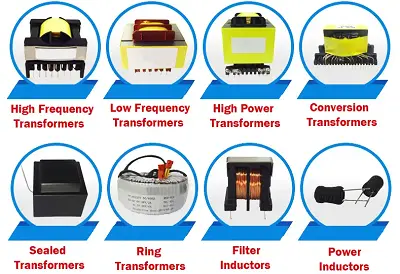 Transformers, Inductors
 High Frequency Transformers
 Low Frequency Transformers
 High Power Transformers
 Conversion Transformers
 Sealed Transformers
 Ring Transformers
 Inductors
 Wires,Cables Customized
 Network Cables
 Power Cords
 Antenna Cables
 Coaxial Cables
 Net Position Indicator
 Solar AIS net position indicator
 Digital Signal Processors (DSP/DSC)
 Microcontrollers (MCU/MPU/SOC)
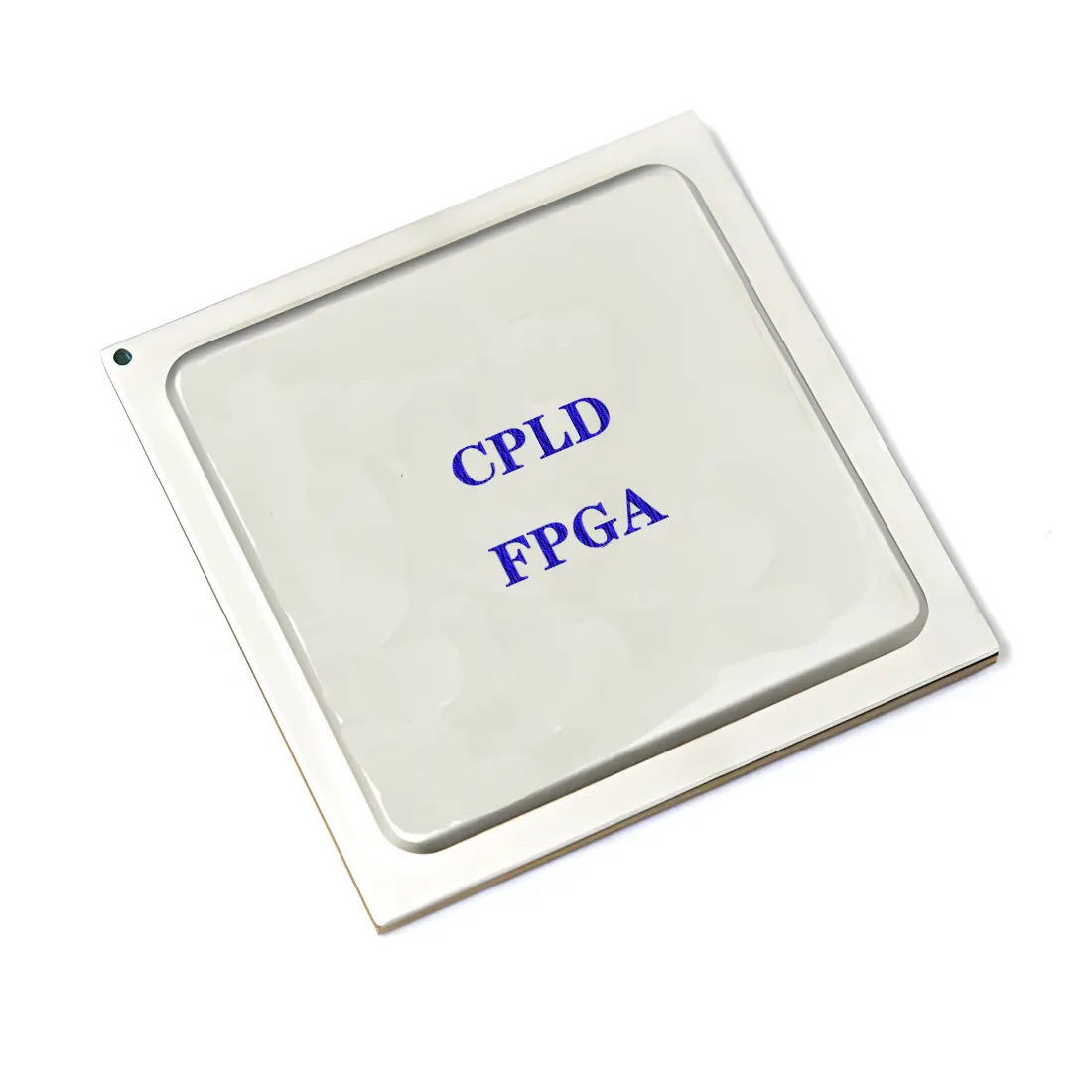 Programmable Logic Device(CPLD/FPGA)
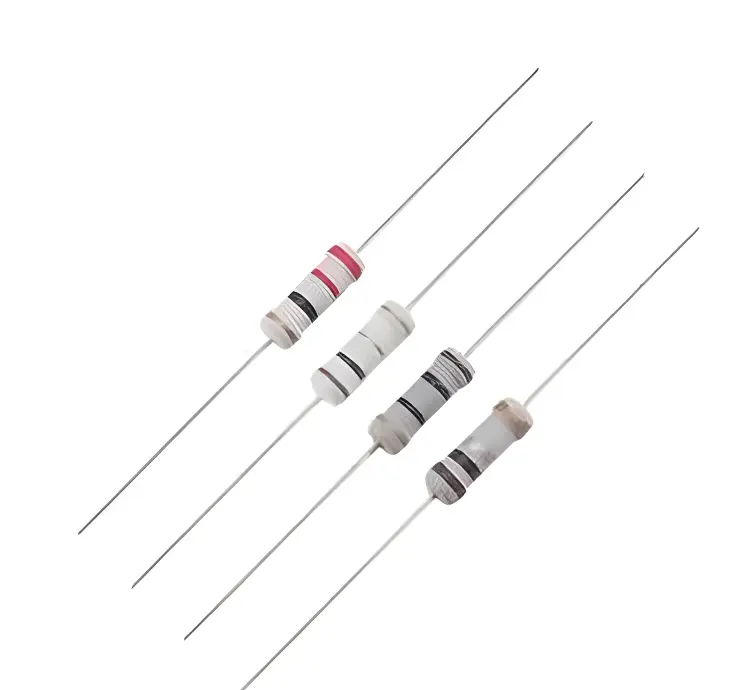 Through Hole Resistors
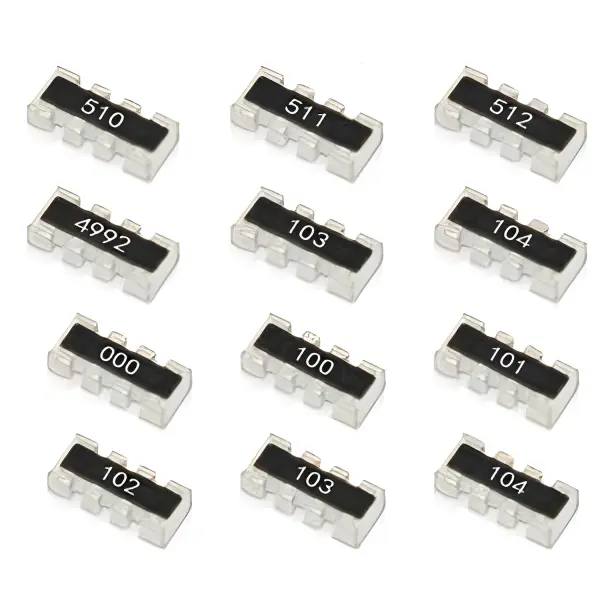 Resistor Networks, Arrays
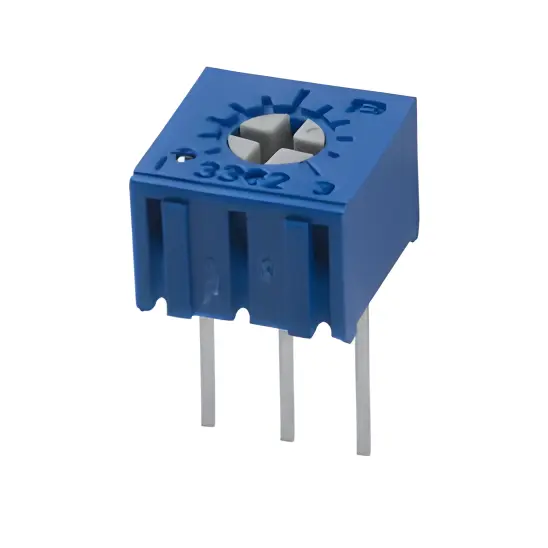 Potentiometers,Variable Resistors
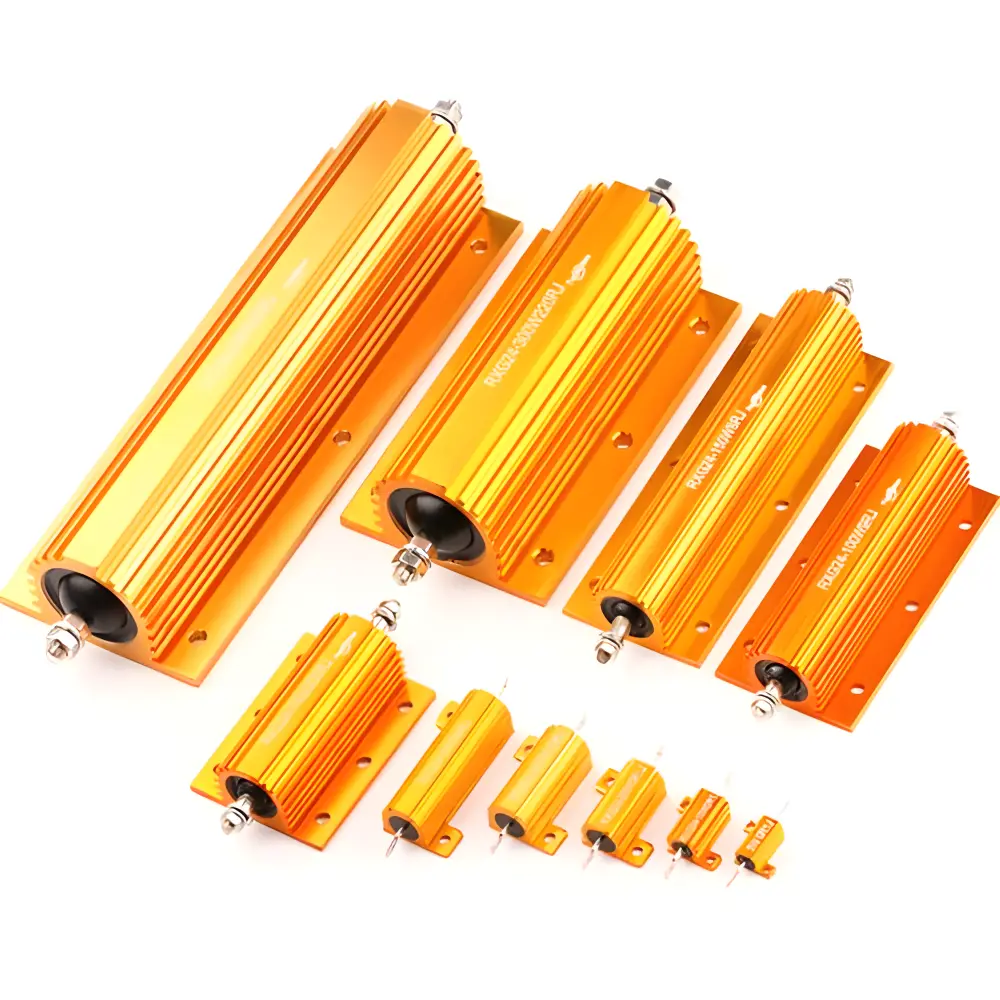 Aluminum Case,Porcelain Tube Resistance
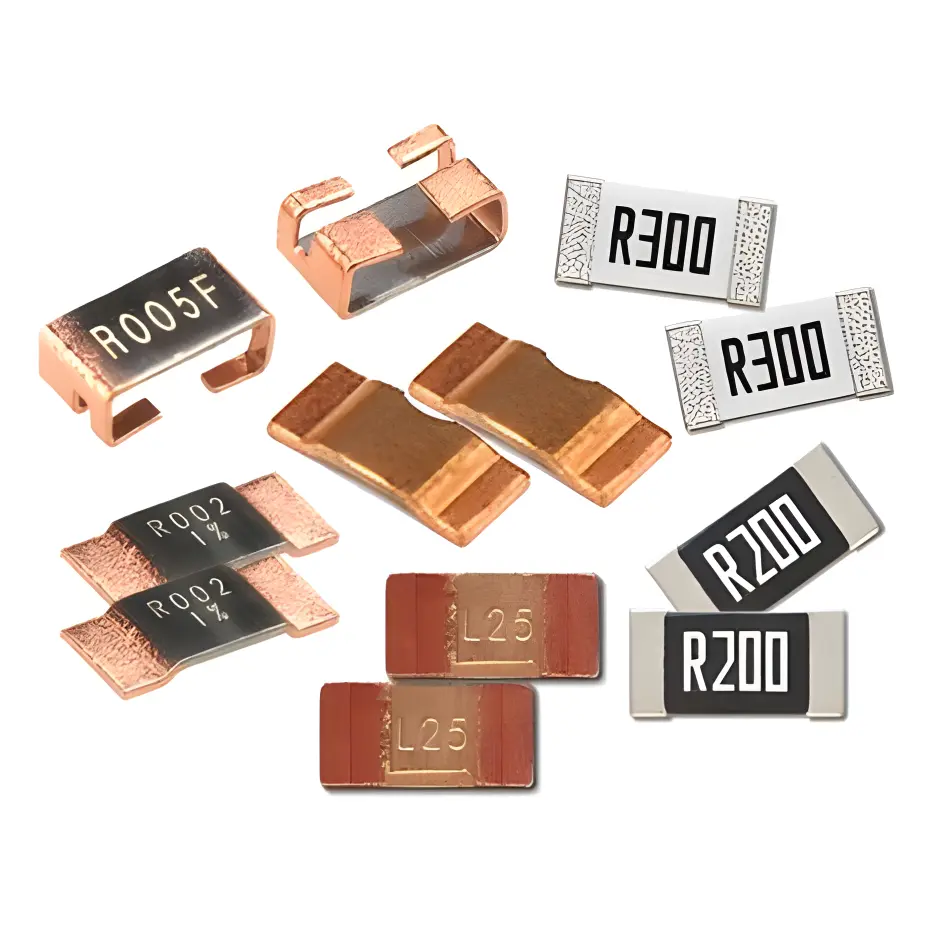 Current Sense Resistors,Shunt Resistors
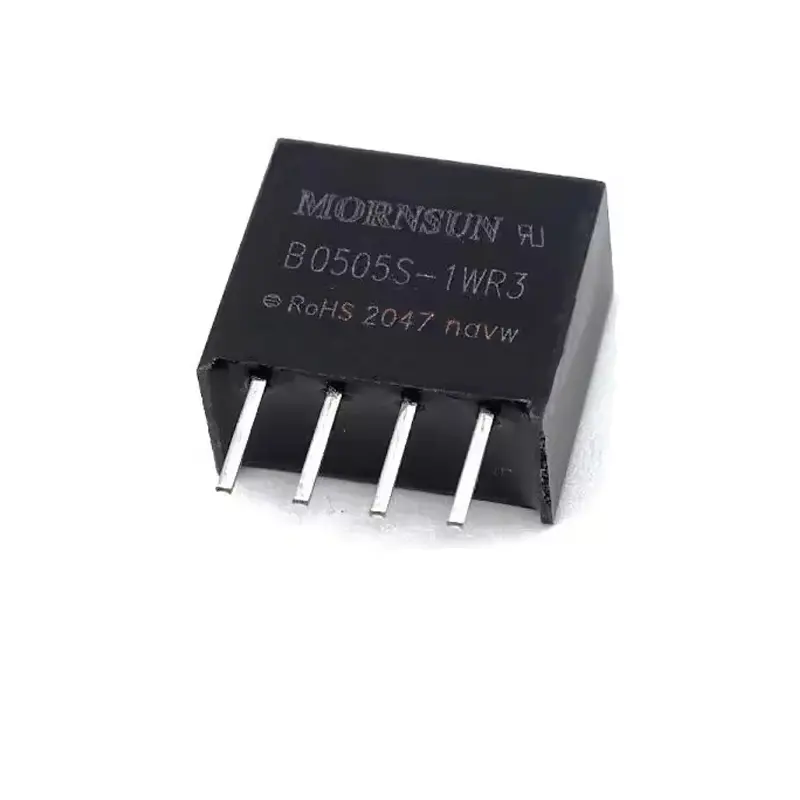 Isolated Power Modules
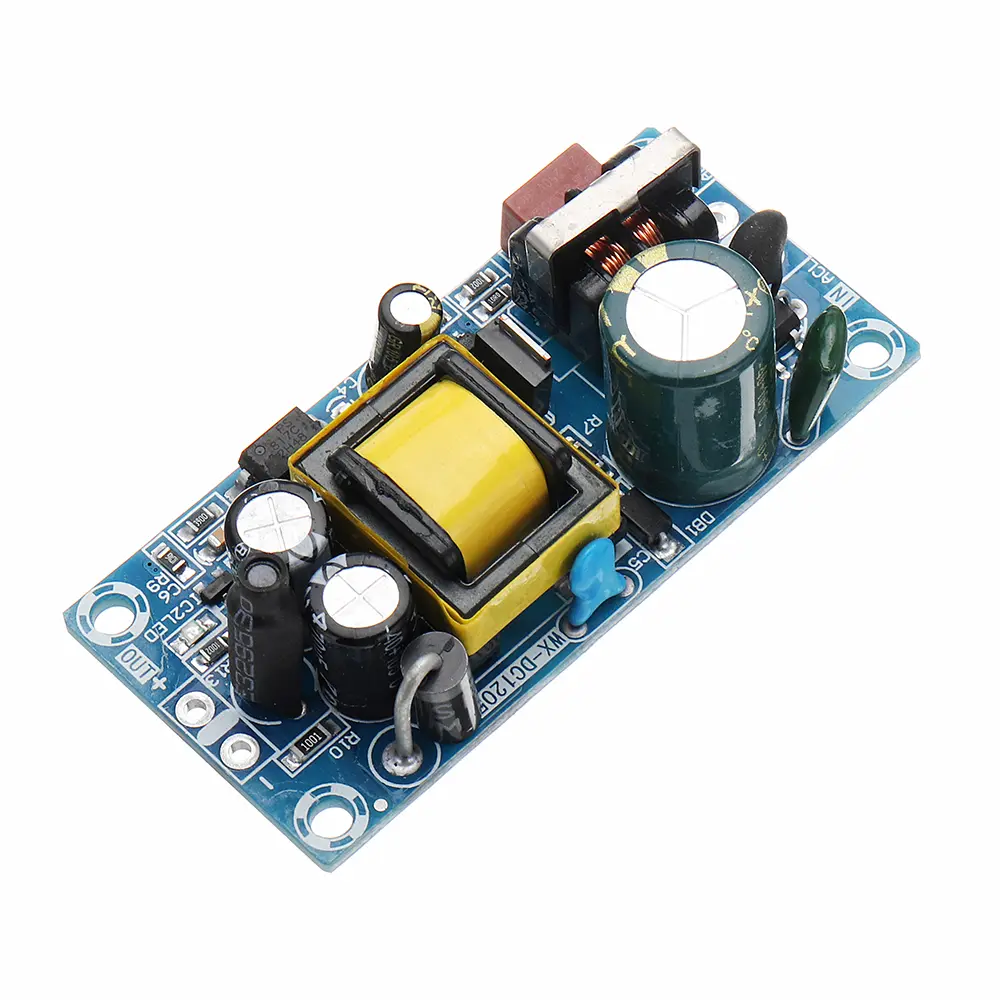 AC-DC Power Modules
 DC-AC Module(Inverter)
 Capacitors
  Connectors
  Diodes
 Embedded Processors & Controllers
 Communication Modules/IoT
 Resistors
 Switches
 Transistors
 Power Modules
 RF and Wireless