
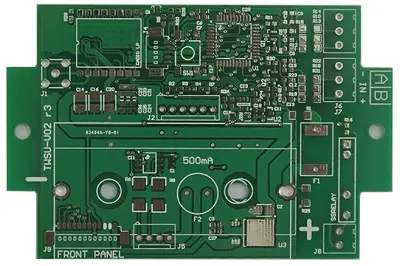
 PCB
PCB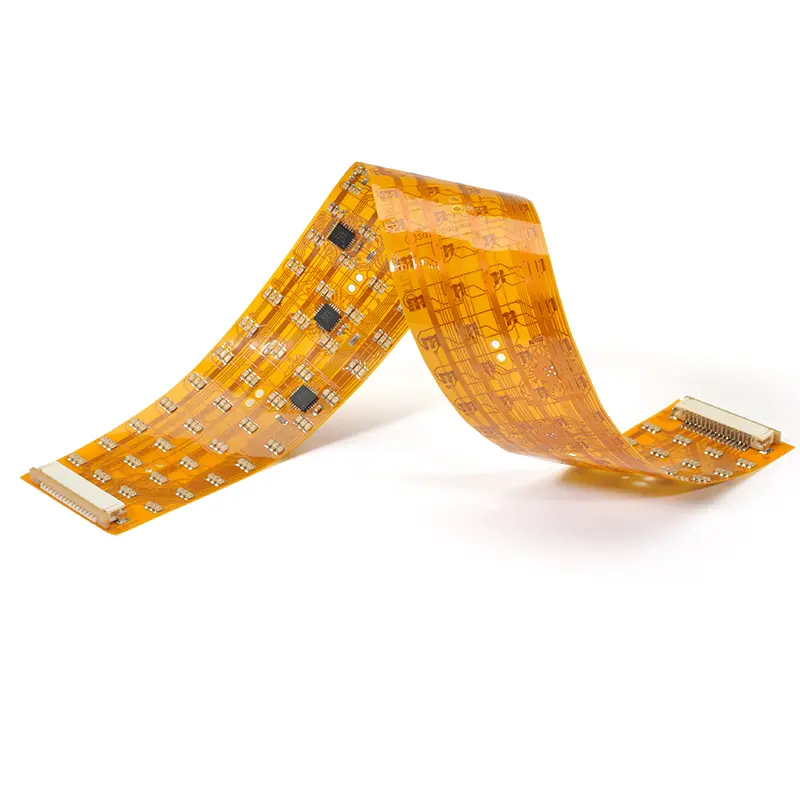 FPC
FPC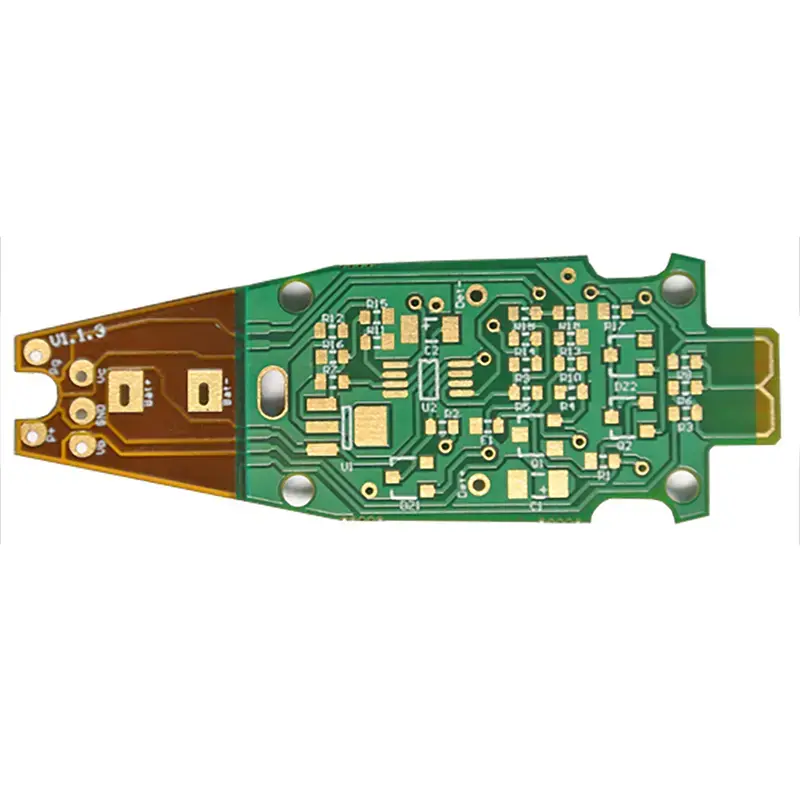 Rigid-Flex
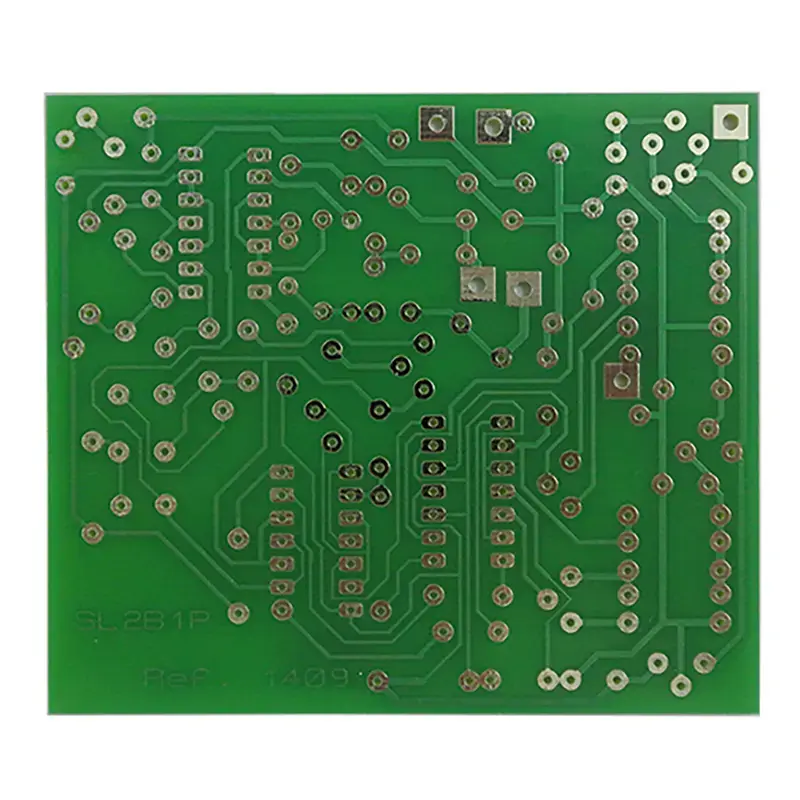 FR-4
FR-4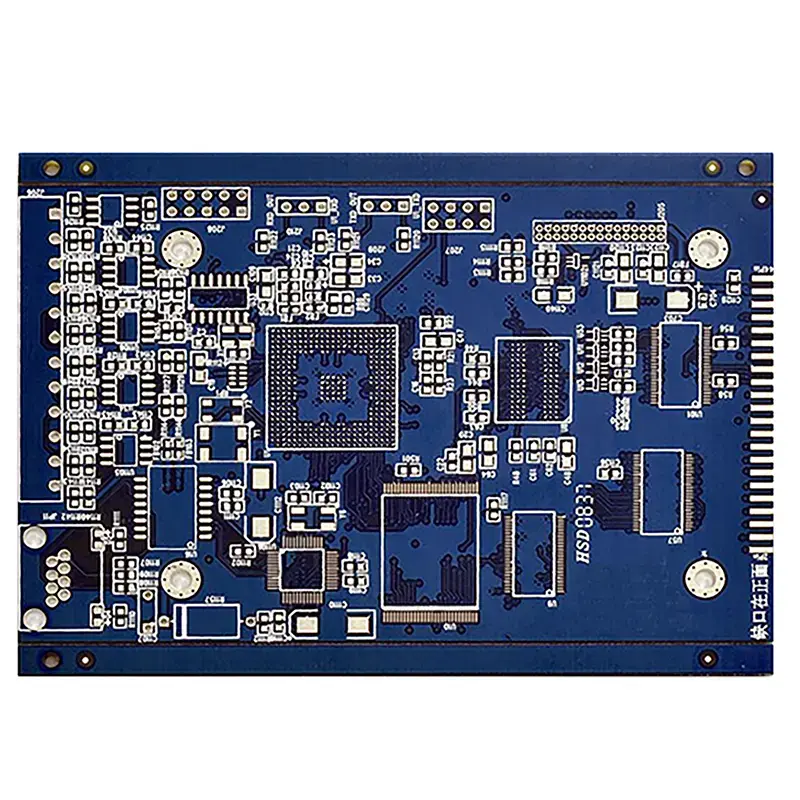 HDI PCB
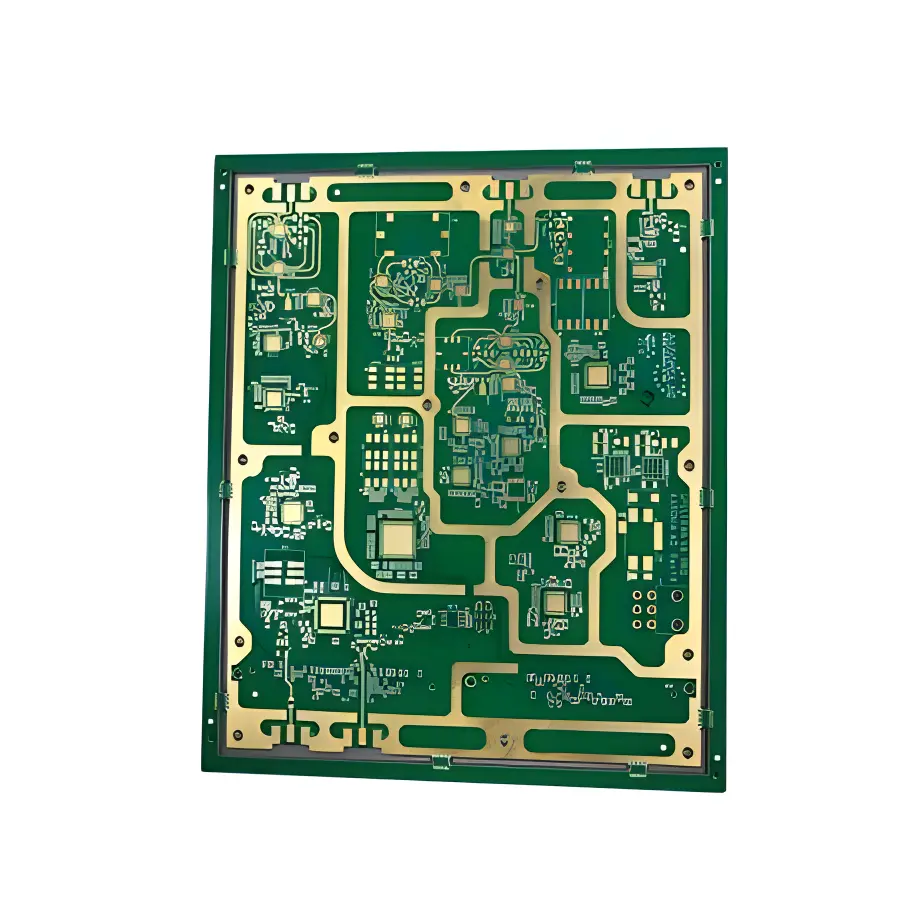 Rogers High-Frequency Board
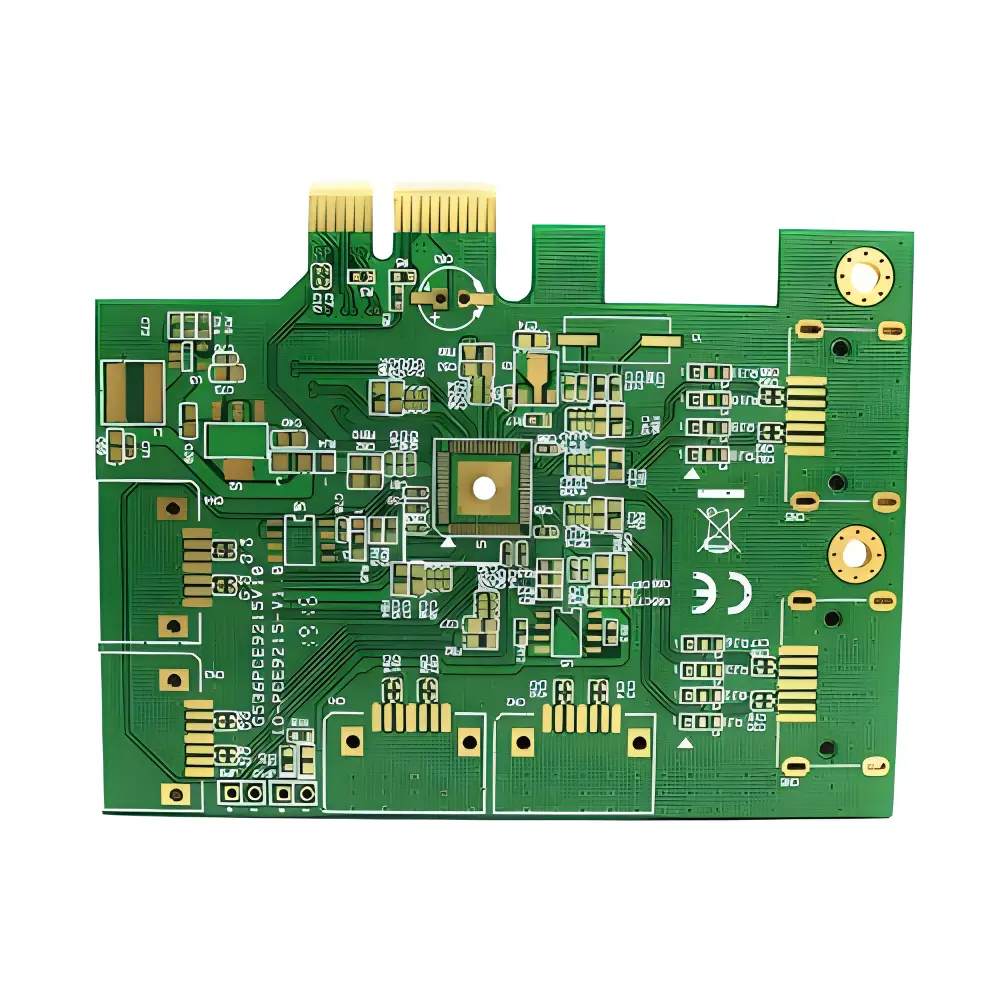 PTFE Teflon High-Frequency Board
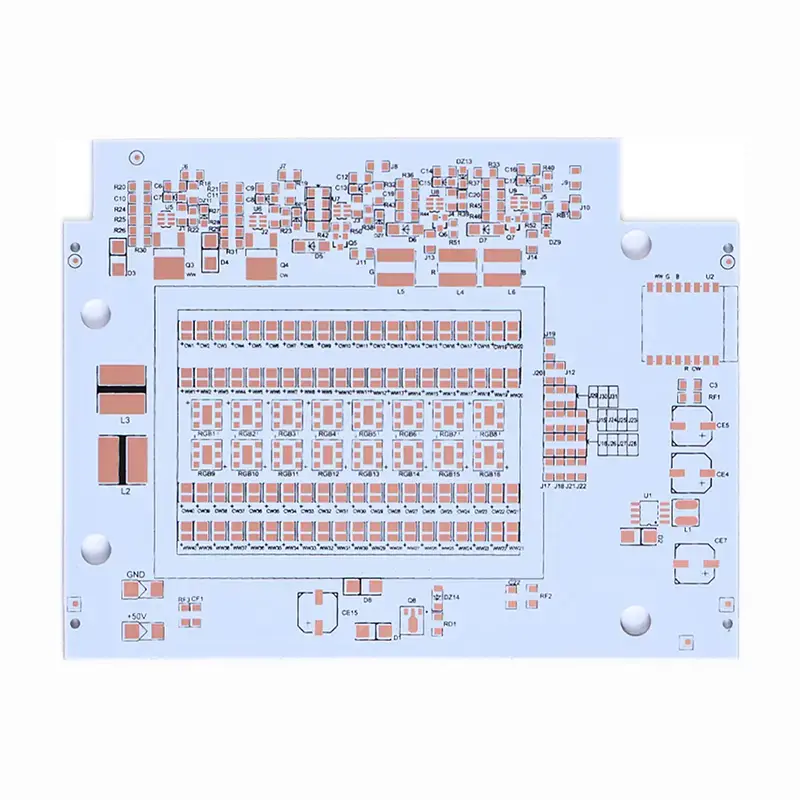 Aluminum
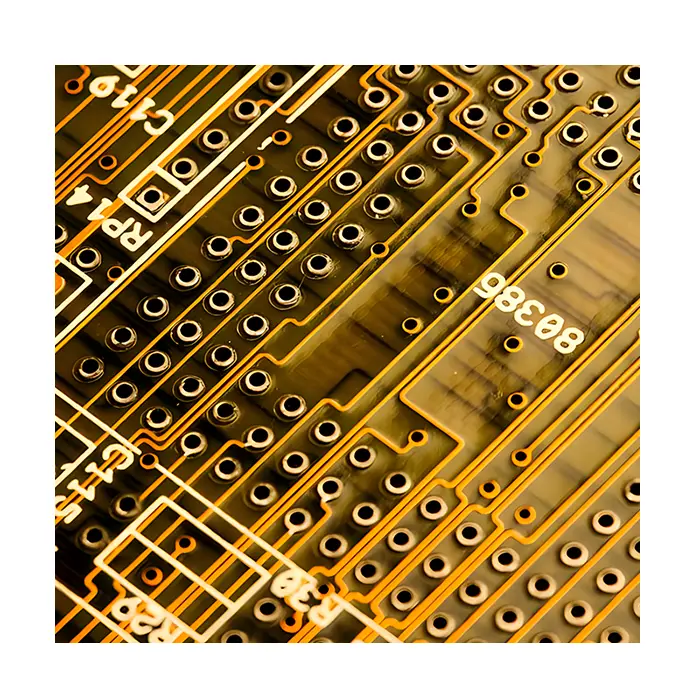 Copper Core
 PCB Assembly
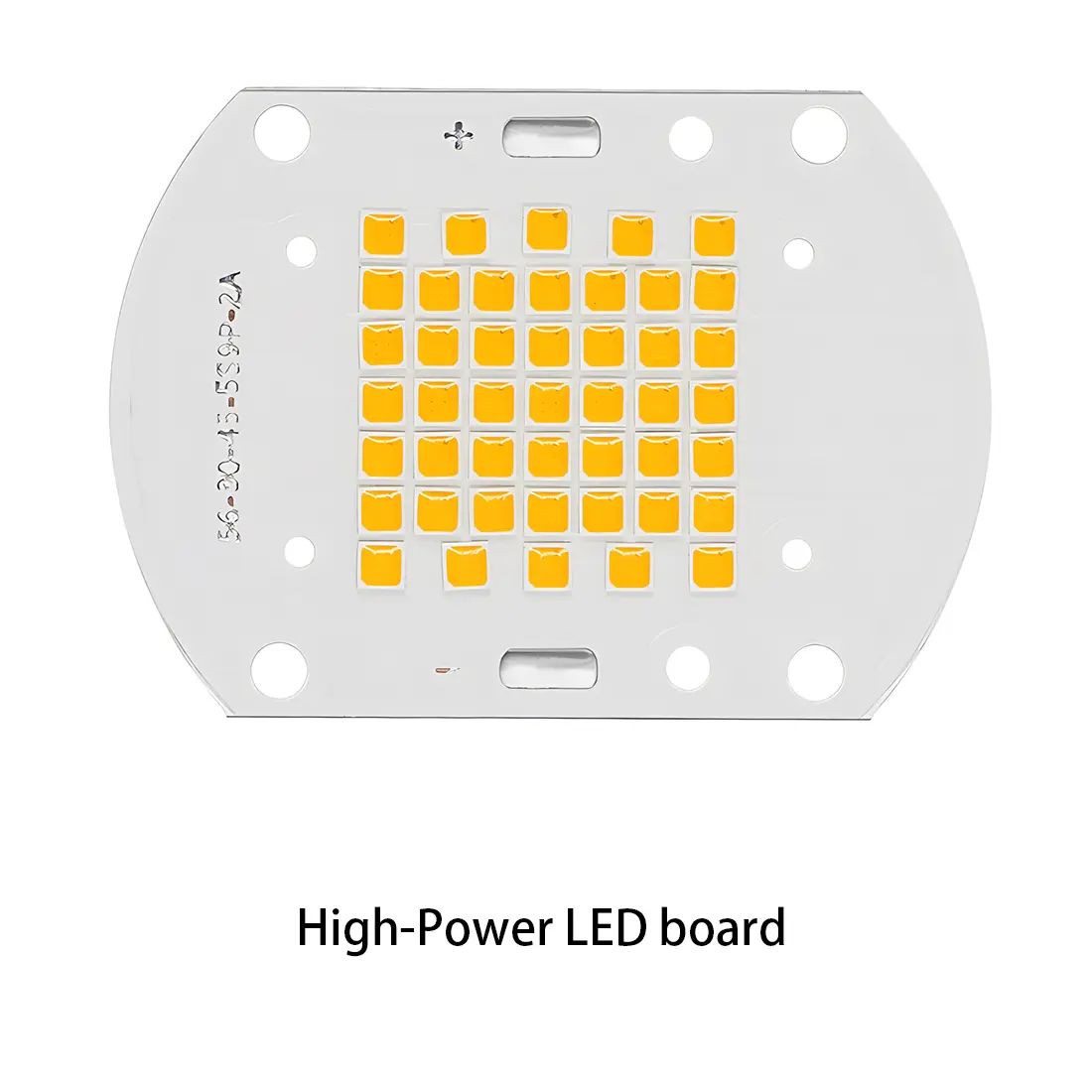 LED light PCBA
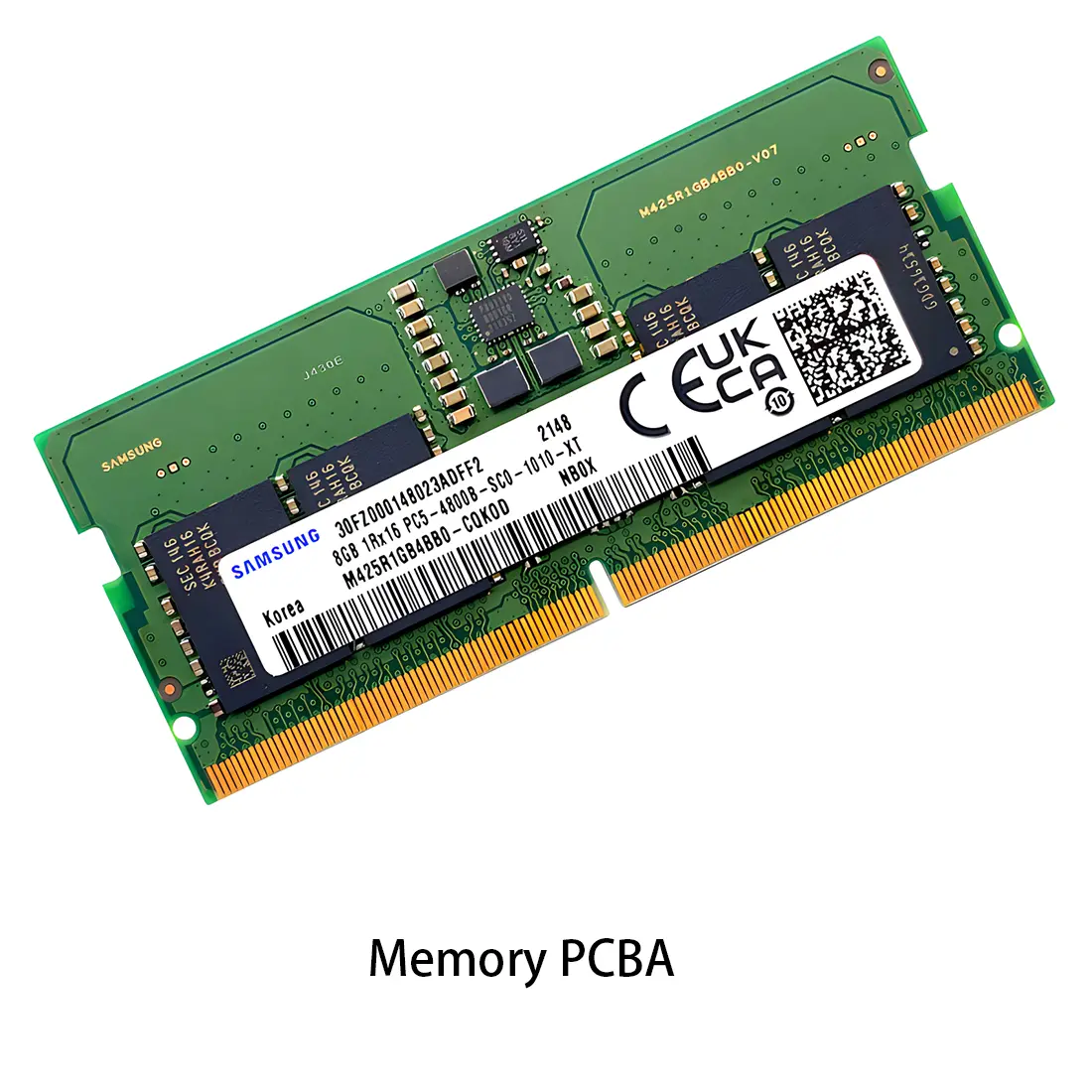 Memory PCBA
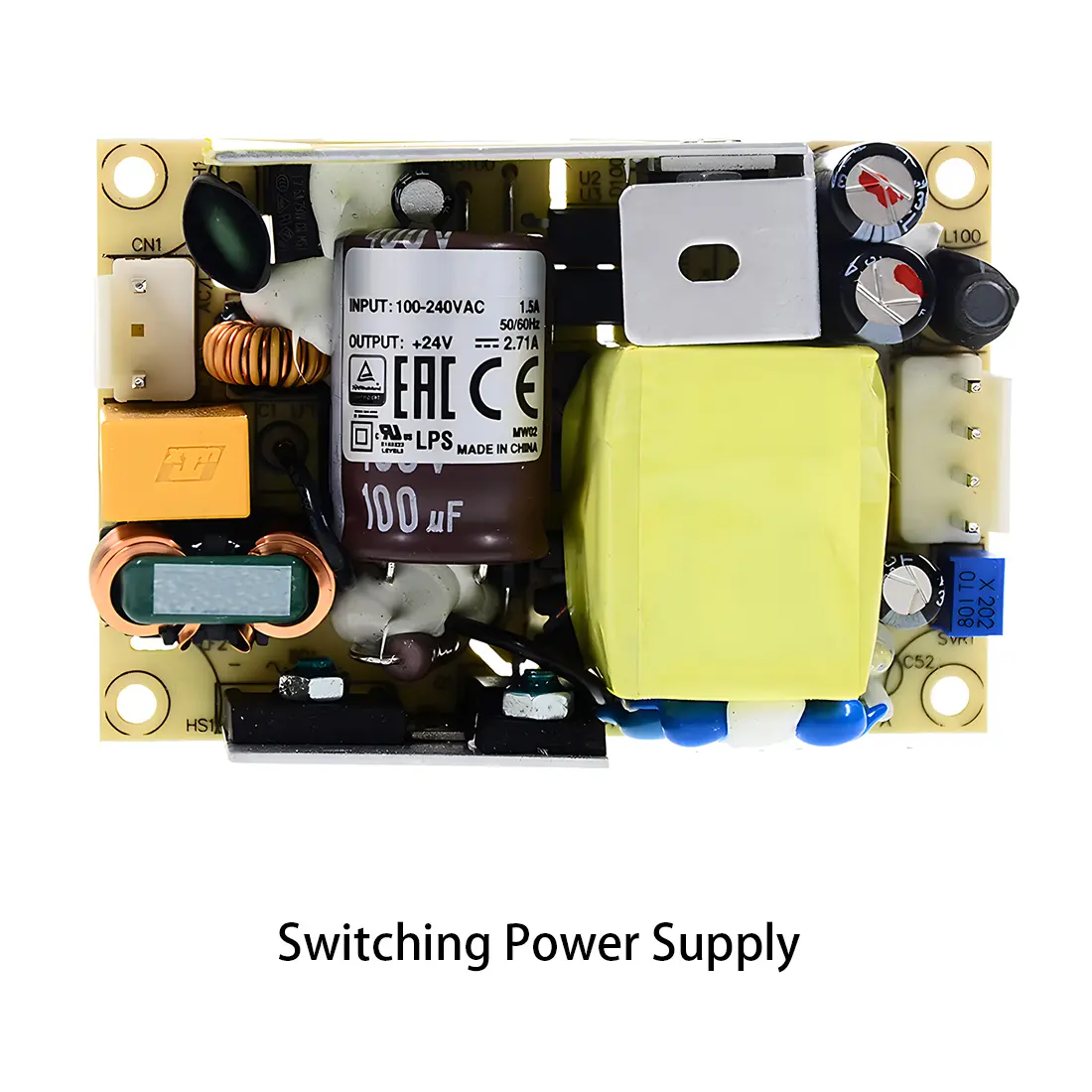 Power Supply PCBA
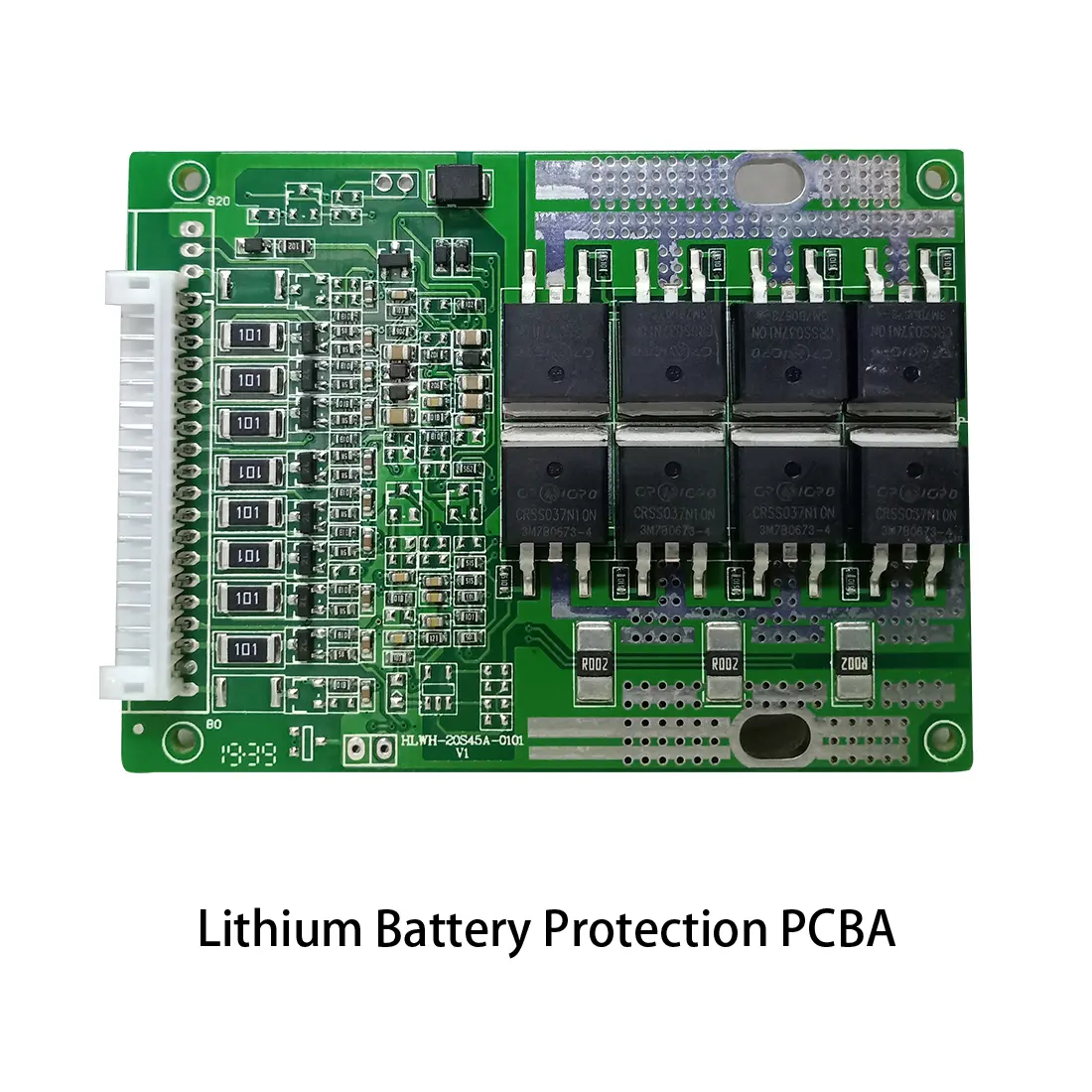 New Energey PCBA
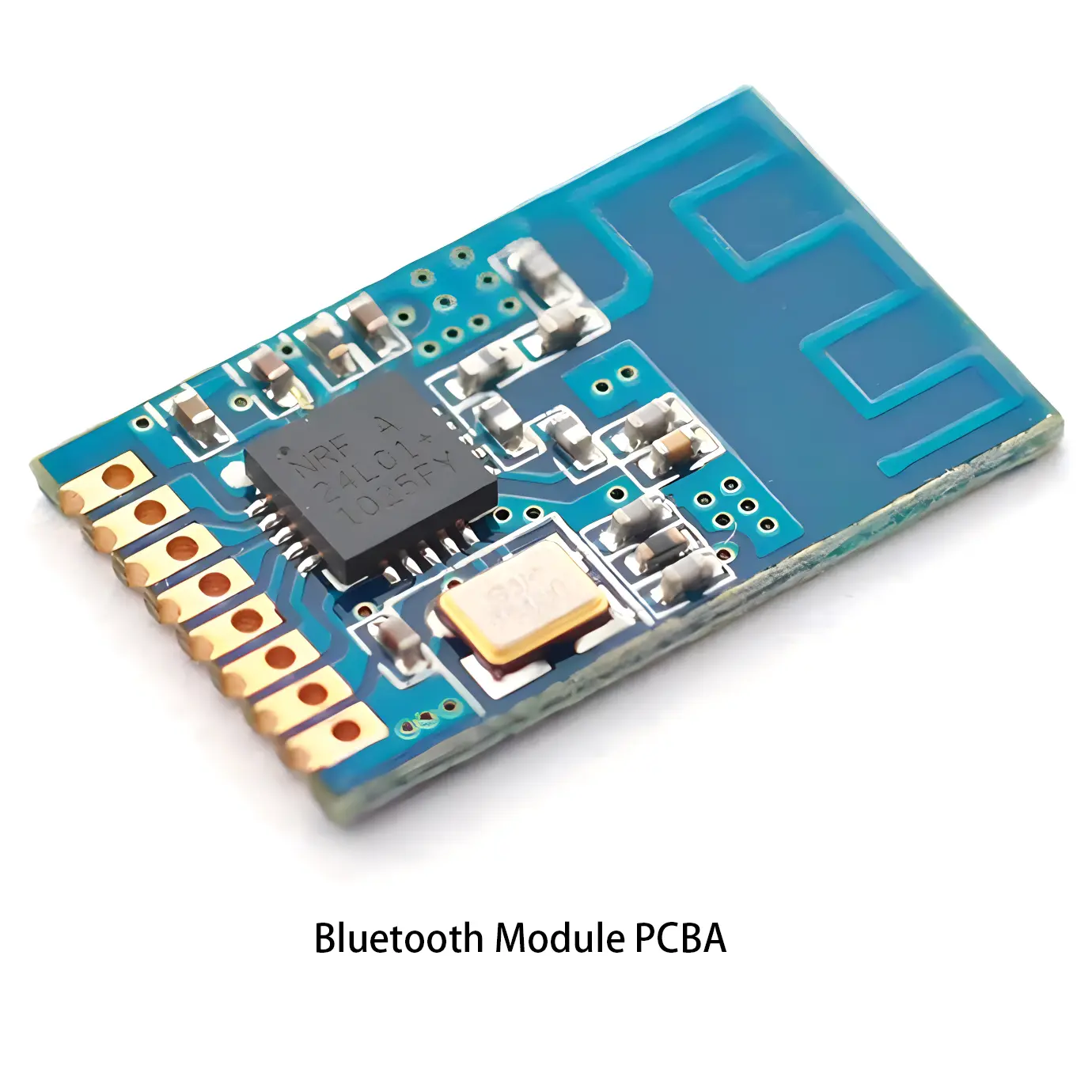 Communication PCBA
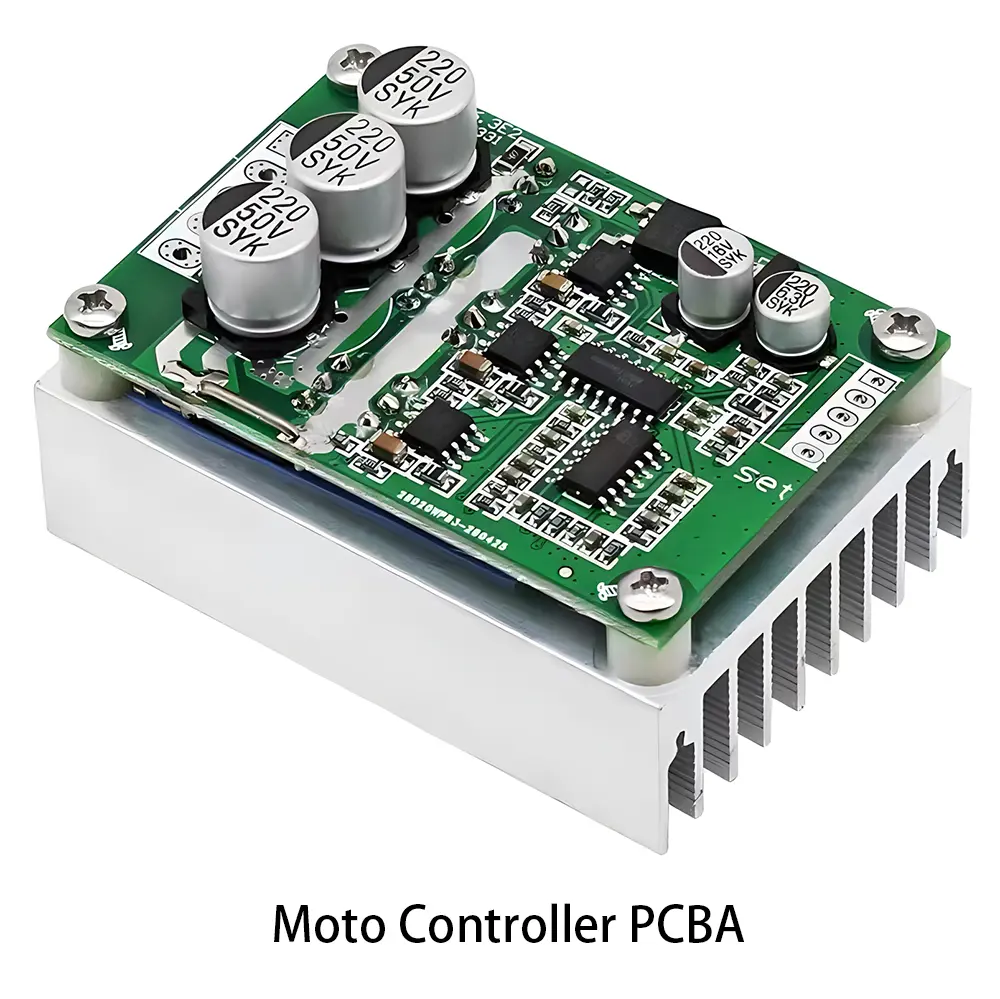 Industrial Control PCBA
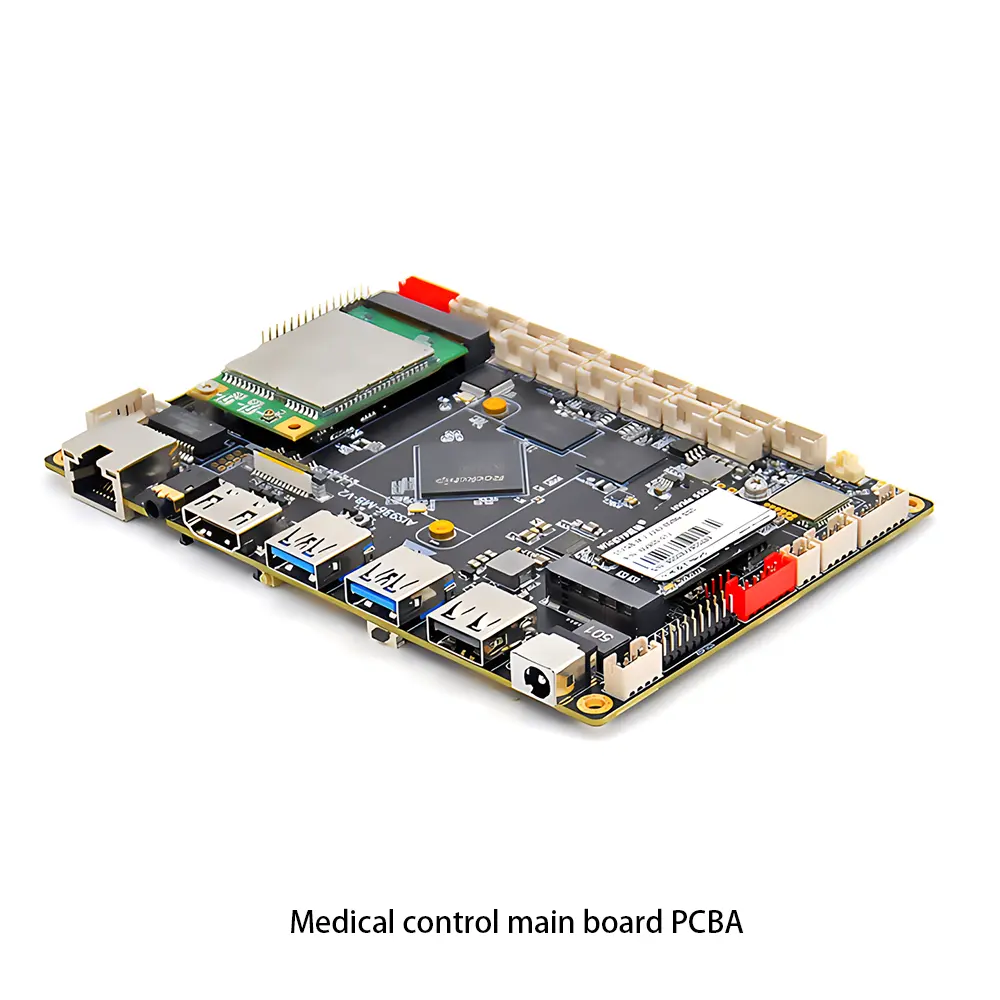 Medical Equipment PCBA
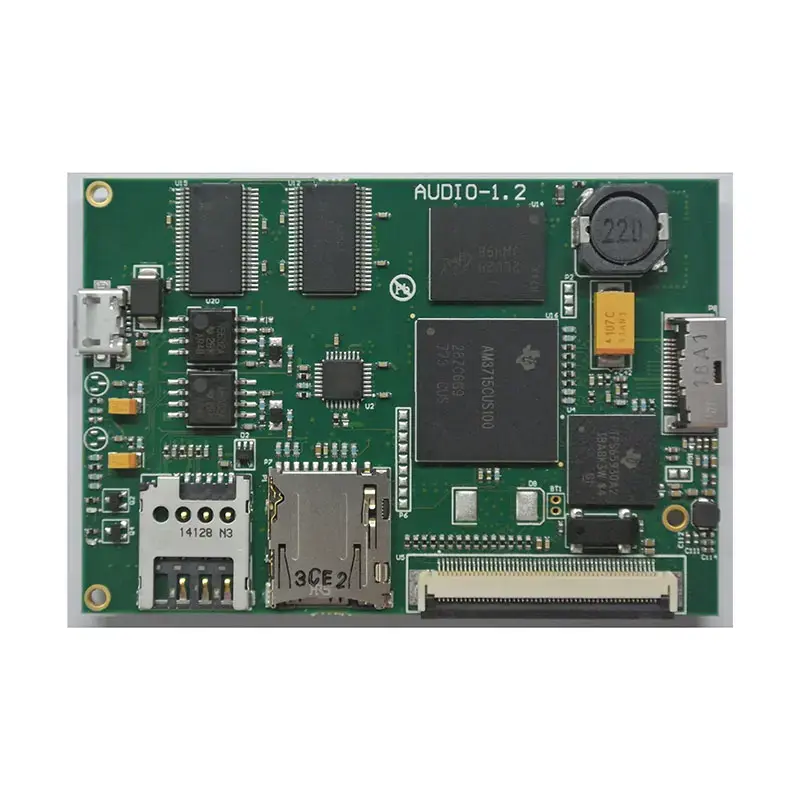 Testing Service
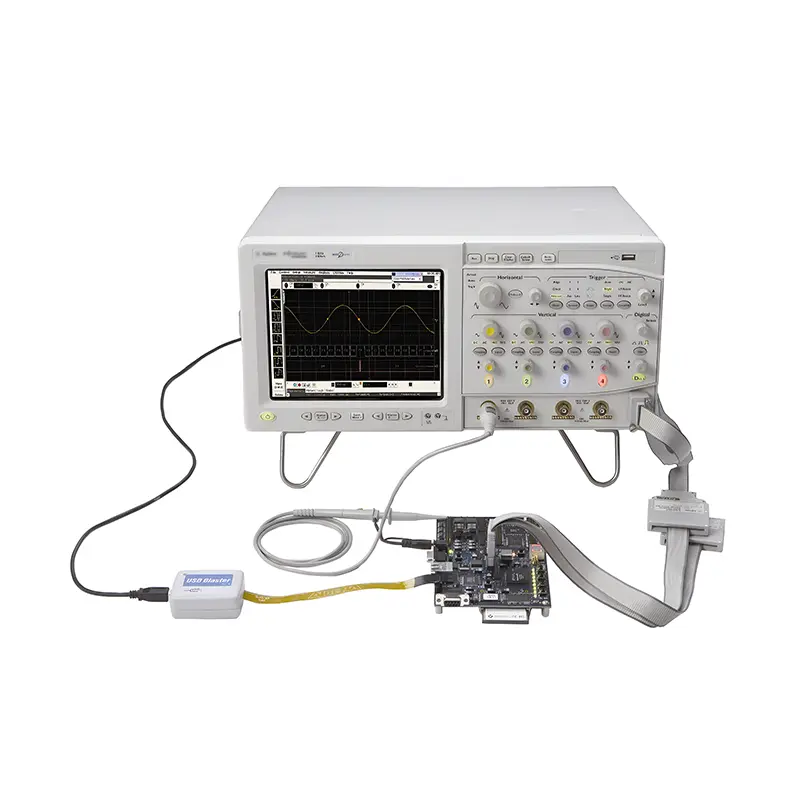 PCBA Testing Service
 Certification Application
 RoHS Certification Application
 REACH Certification Application
 CE Certification Application
 FCC Certification Application
 CQC Certification Application
 UL Certification Application
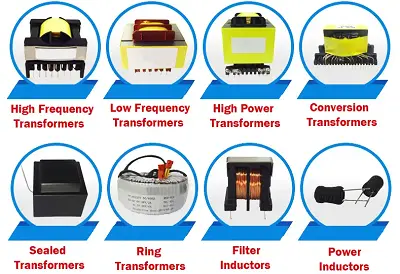 Transformers, Inductors
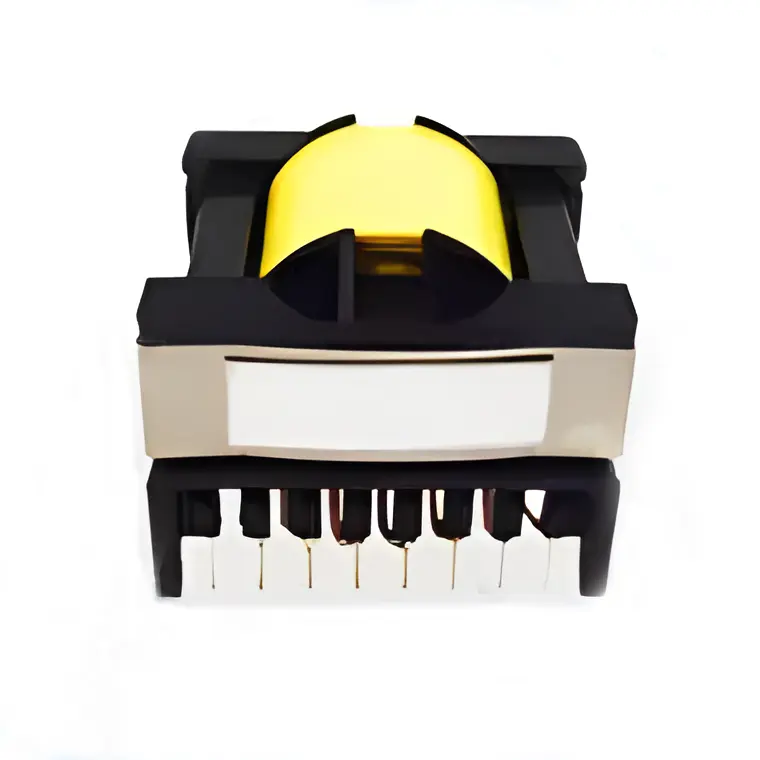 High Frequency Transformers
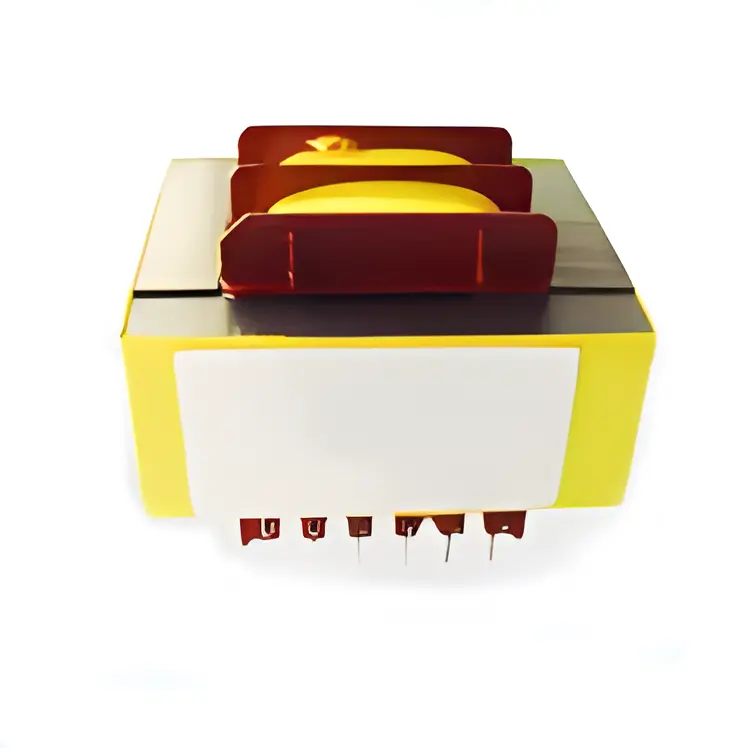 Low Frequency Transformers
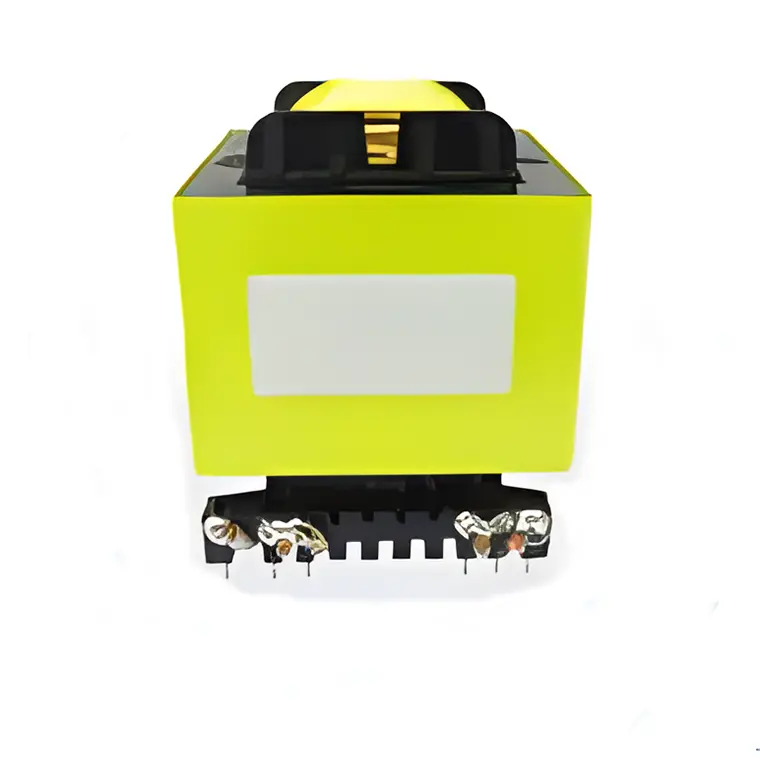 High Power Transformers
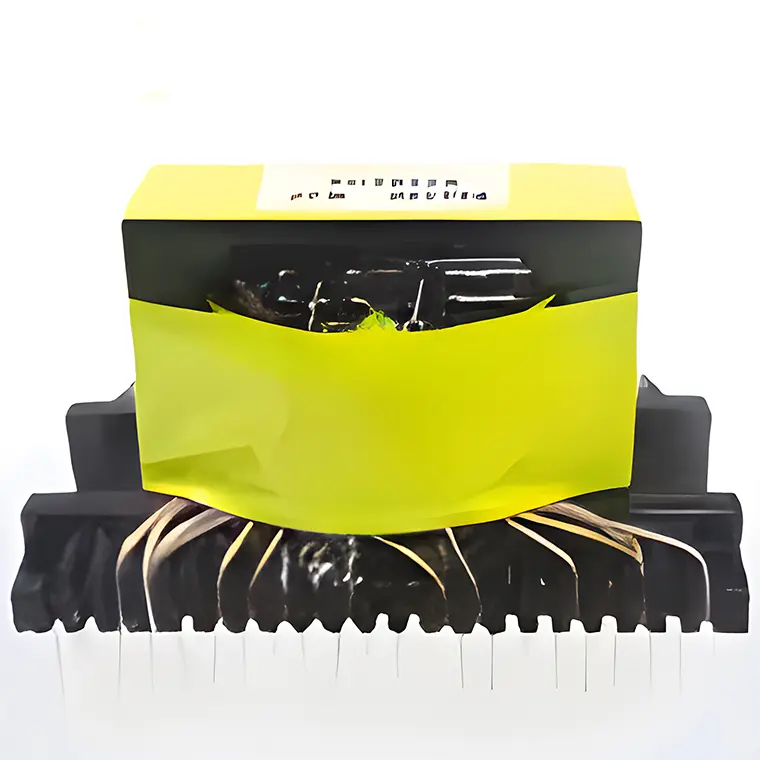 Conversion Transformers
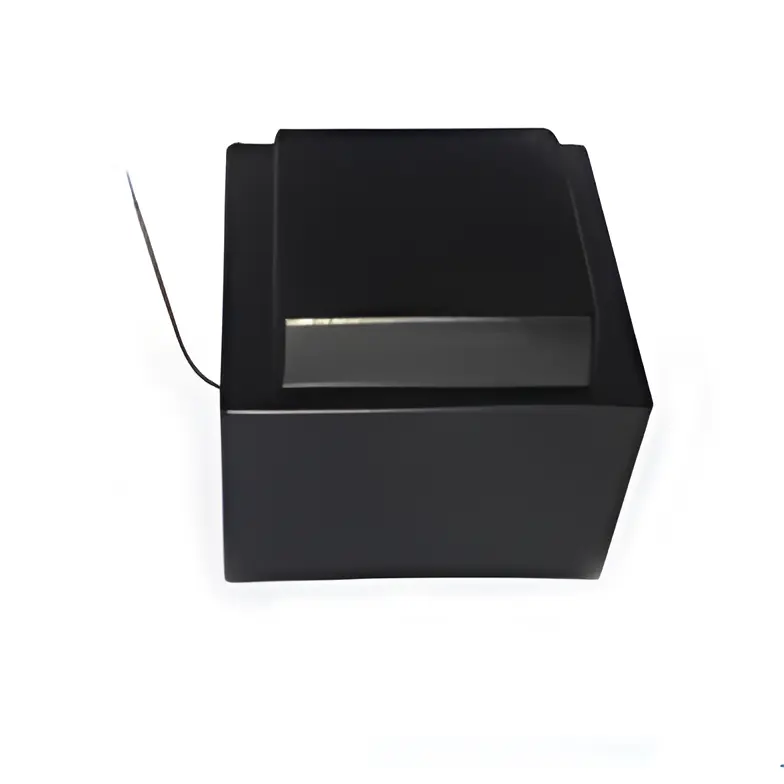 Sealed Transformers
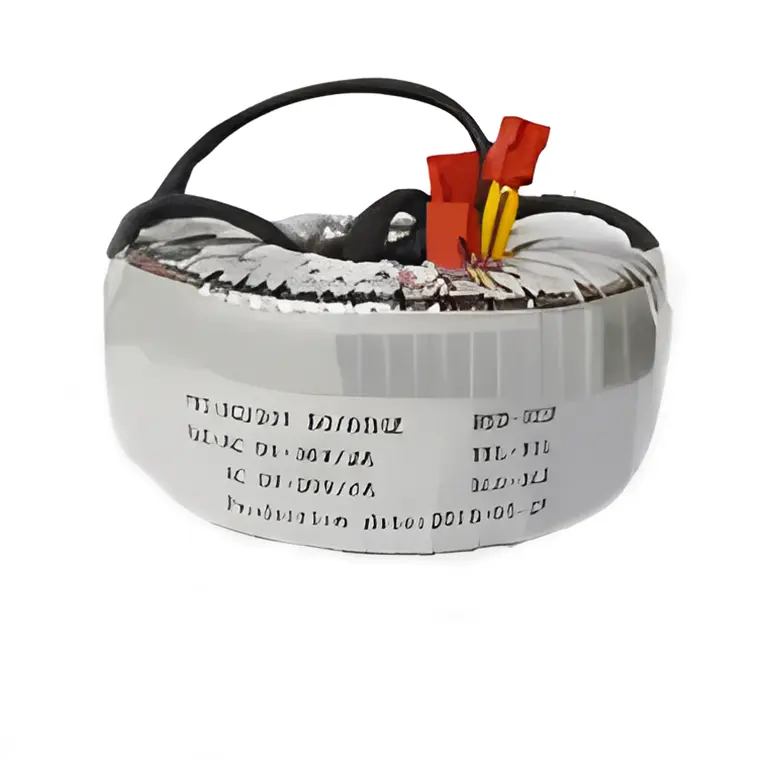 Ring Transformers
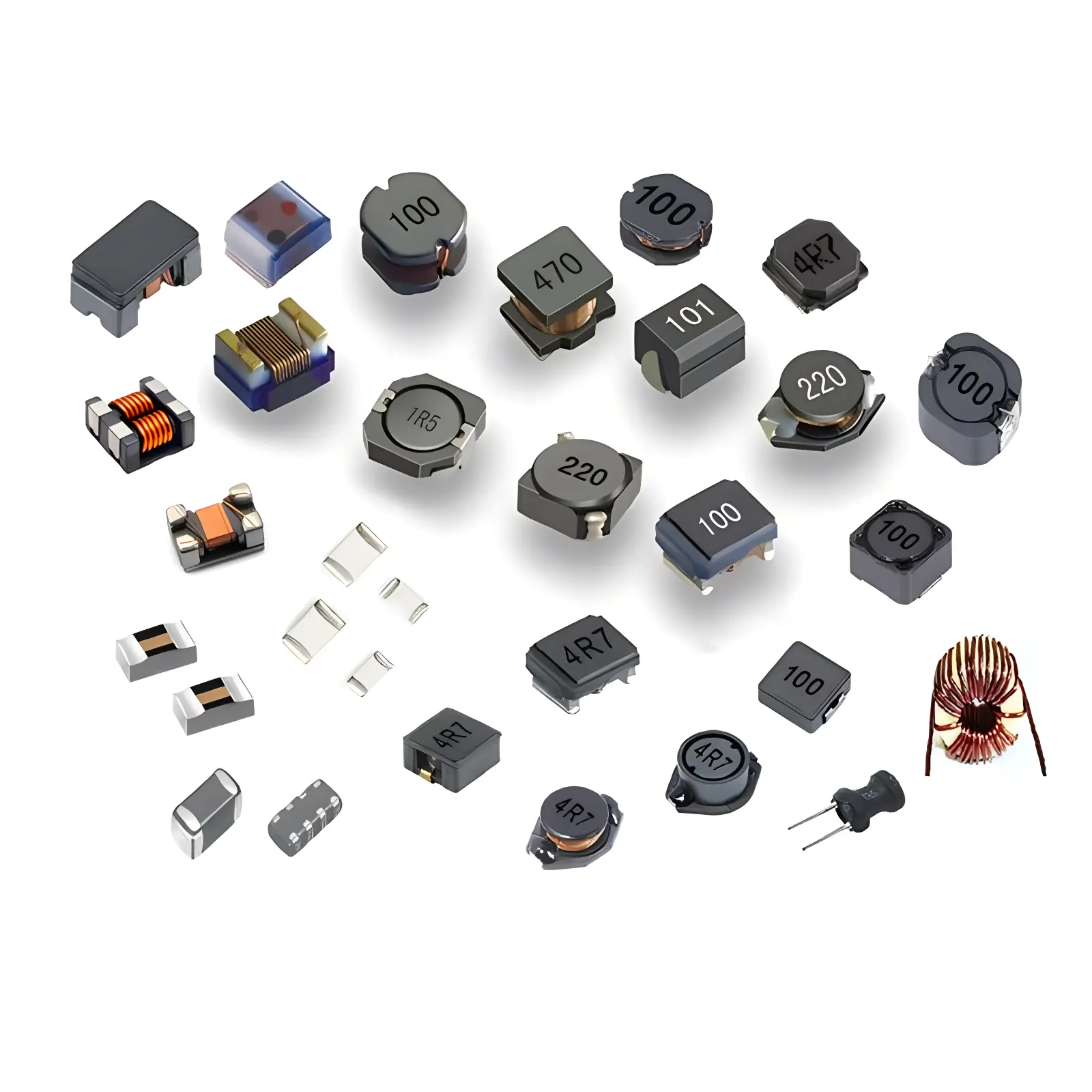 Inductors
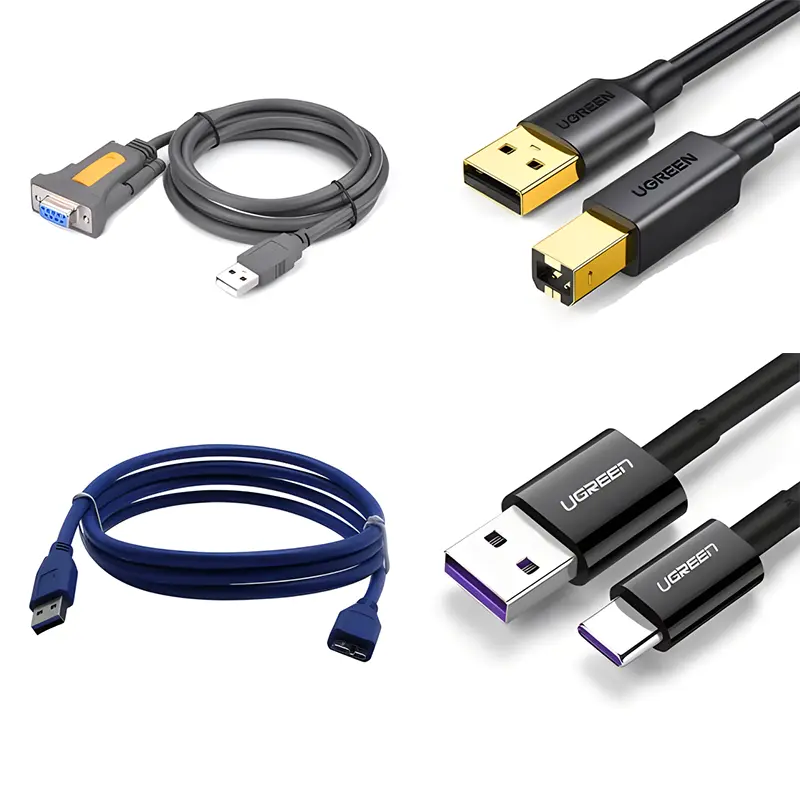 Wires,Cables Customized
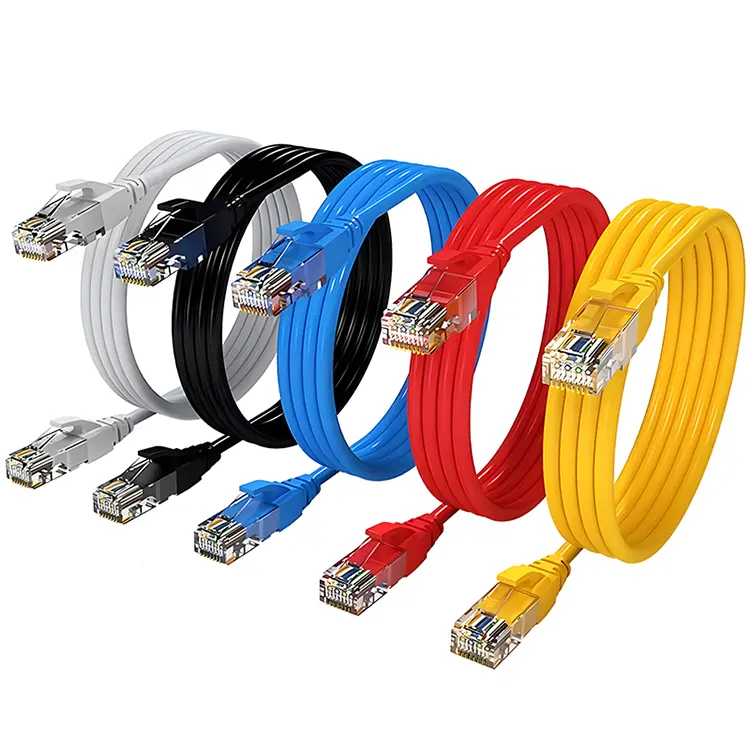 Network Cables
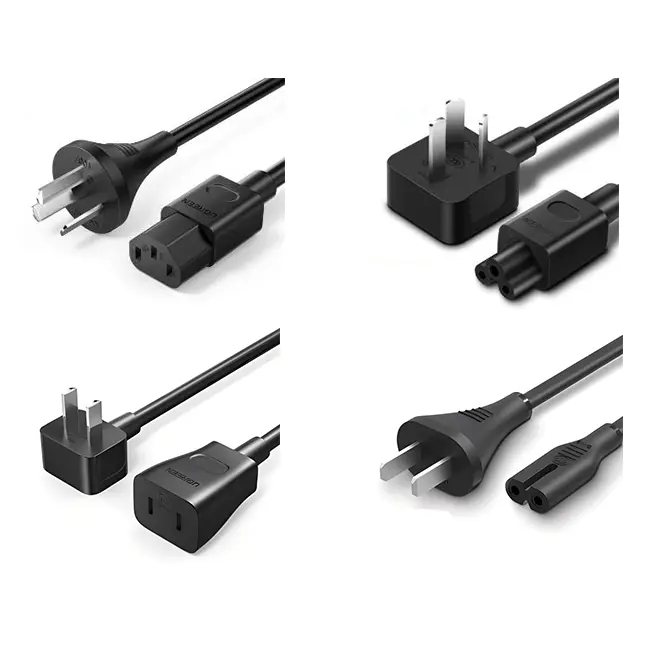 Power Cords
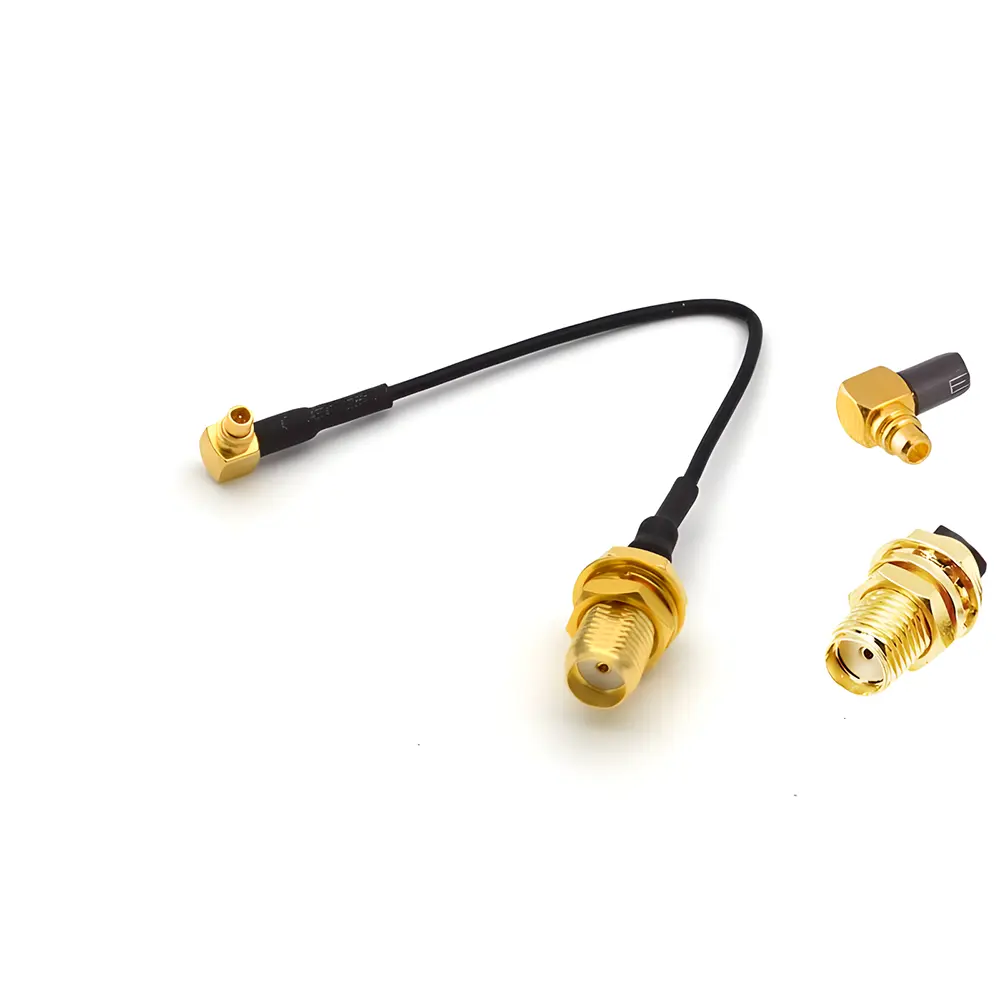 Antenna Cables
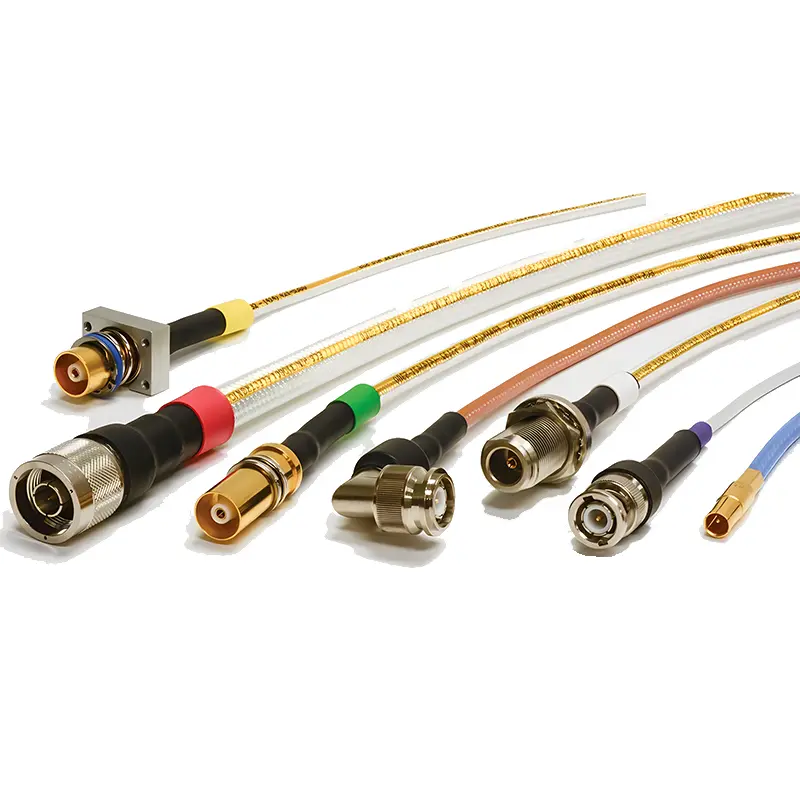 Coaxial Cables
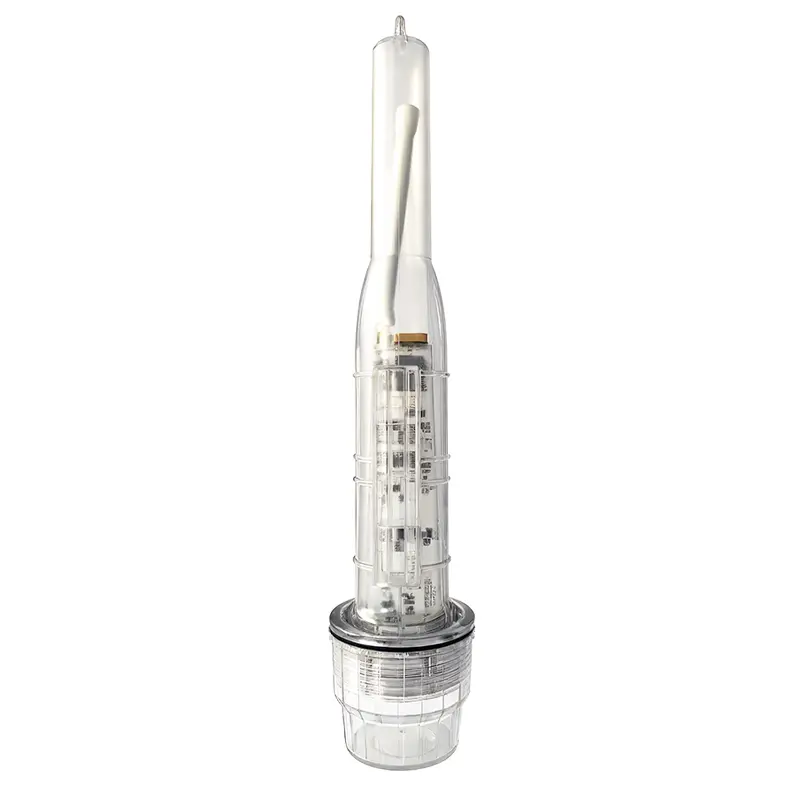 Net Position Indicator
 Solar AIS net position indicator
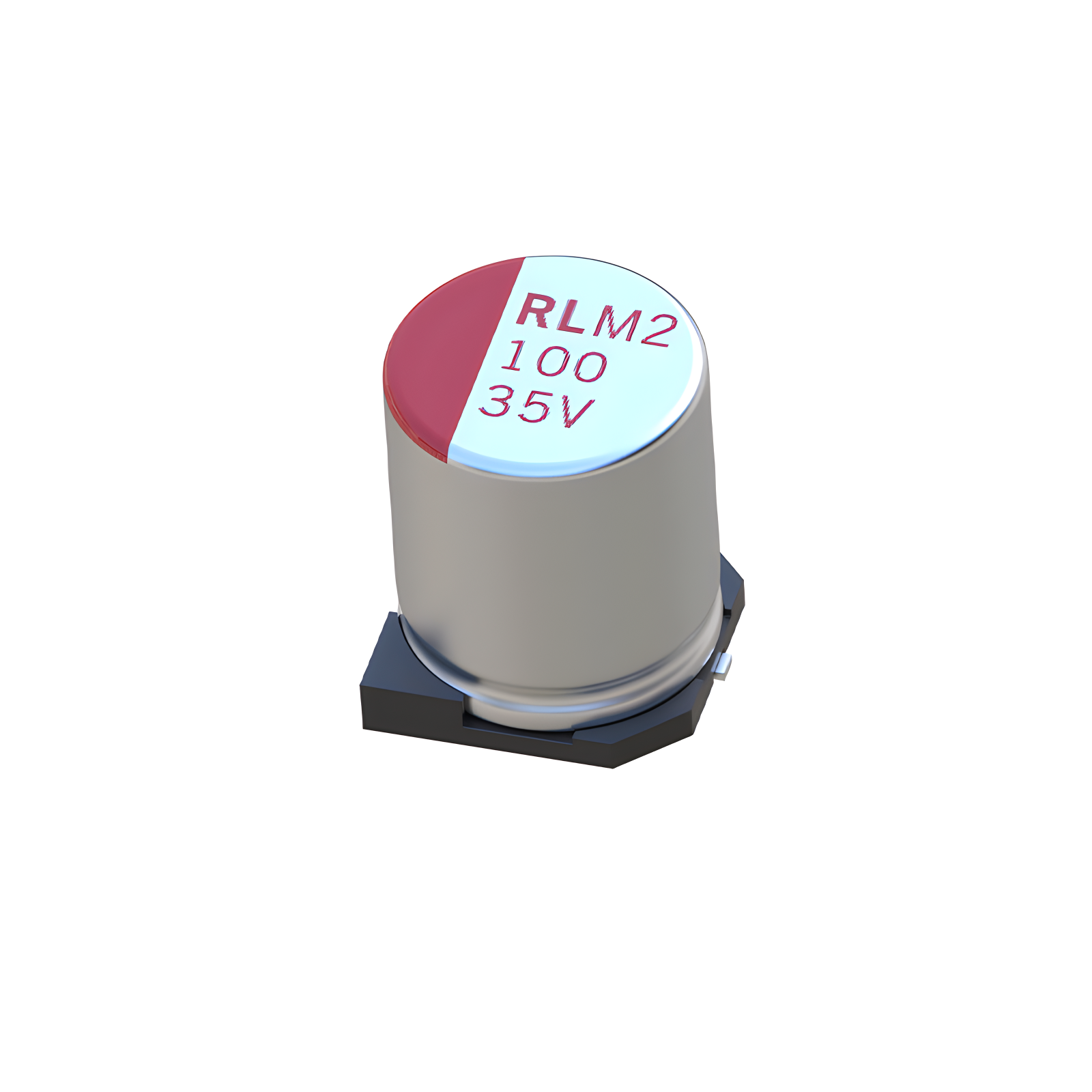 Capacitors
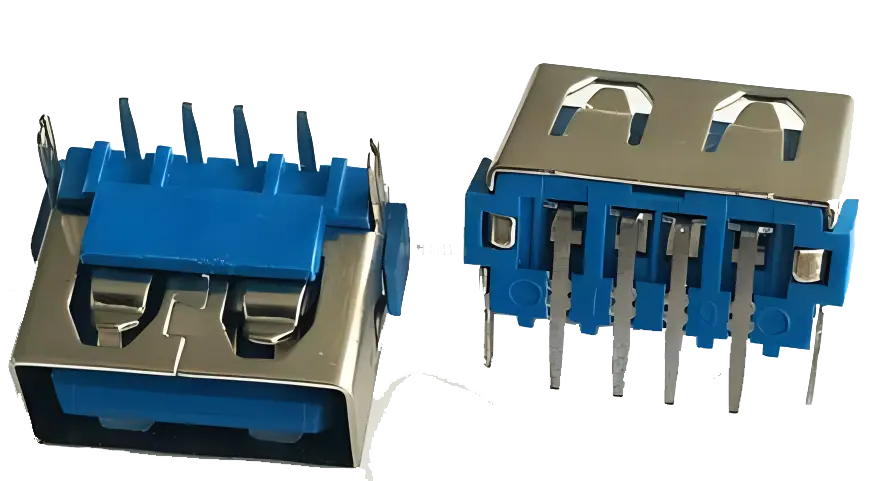 Connectors
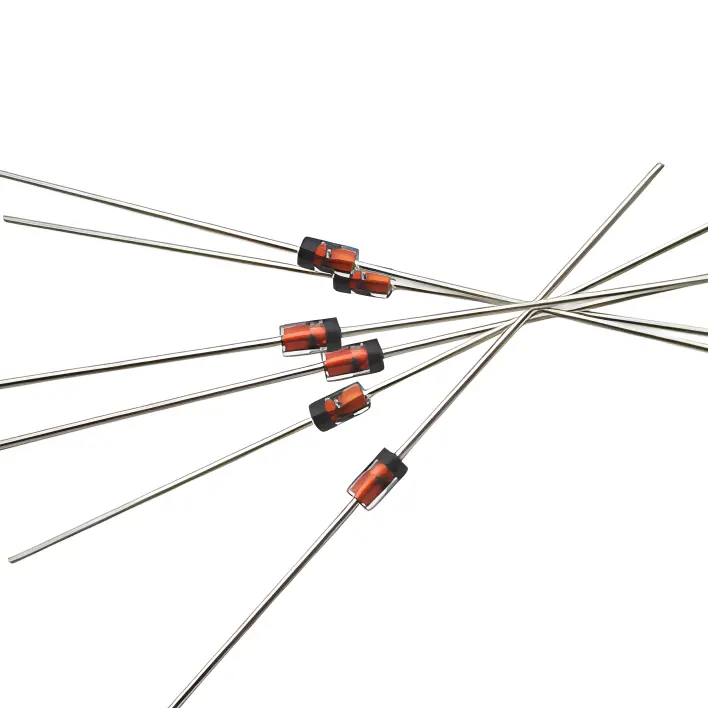 Diodes
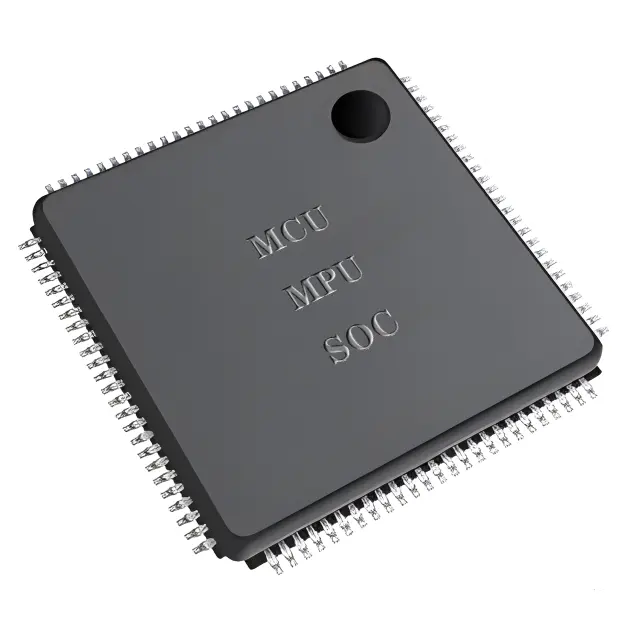 Embedded Processors & Controllers
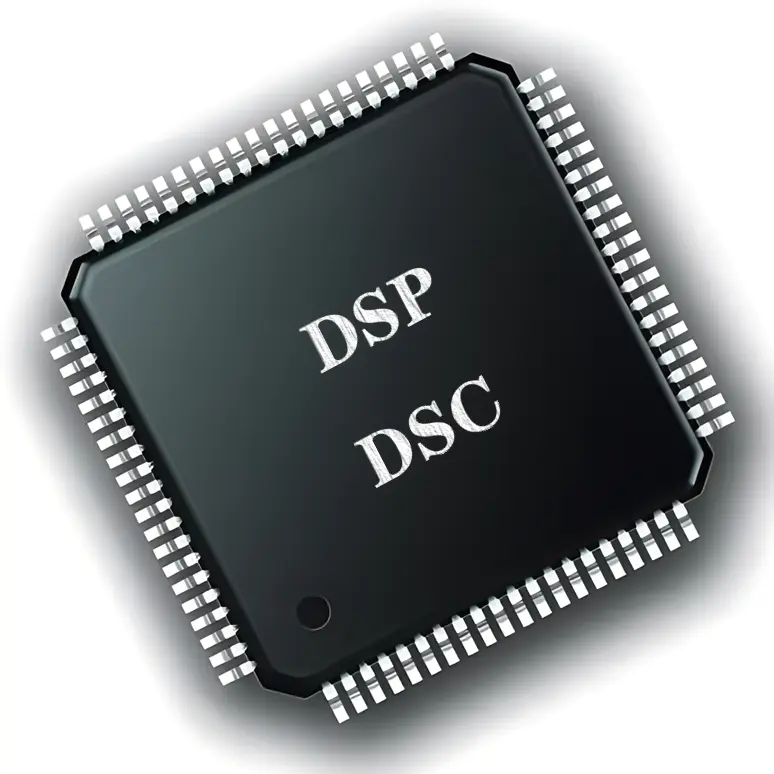 Digital Signal Processors (DSP/DSC)
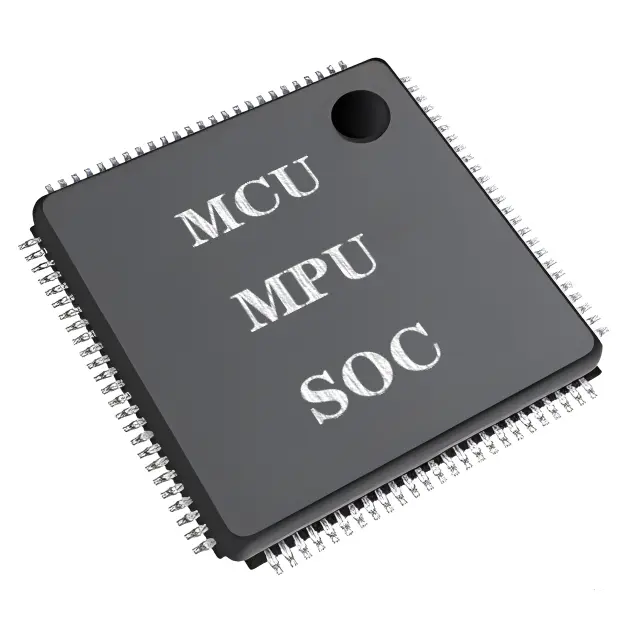 Microcontrollers (MCU/MPU/SOC)
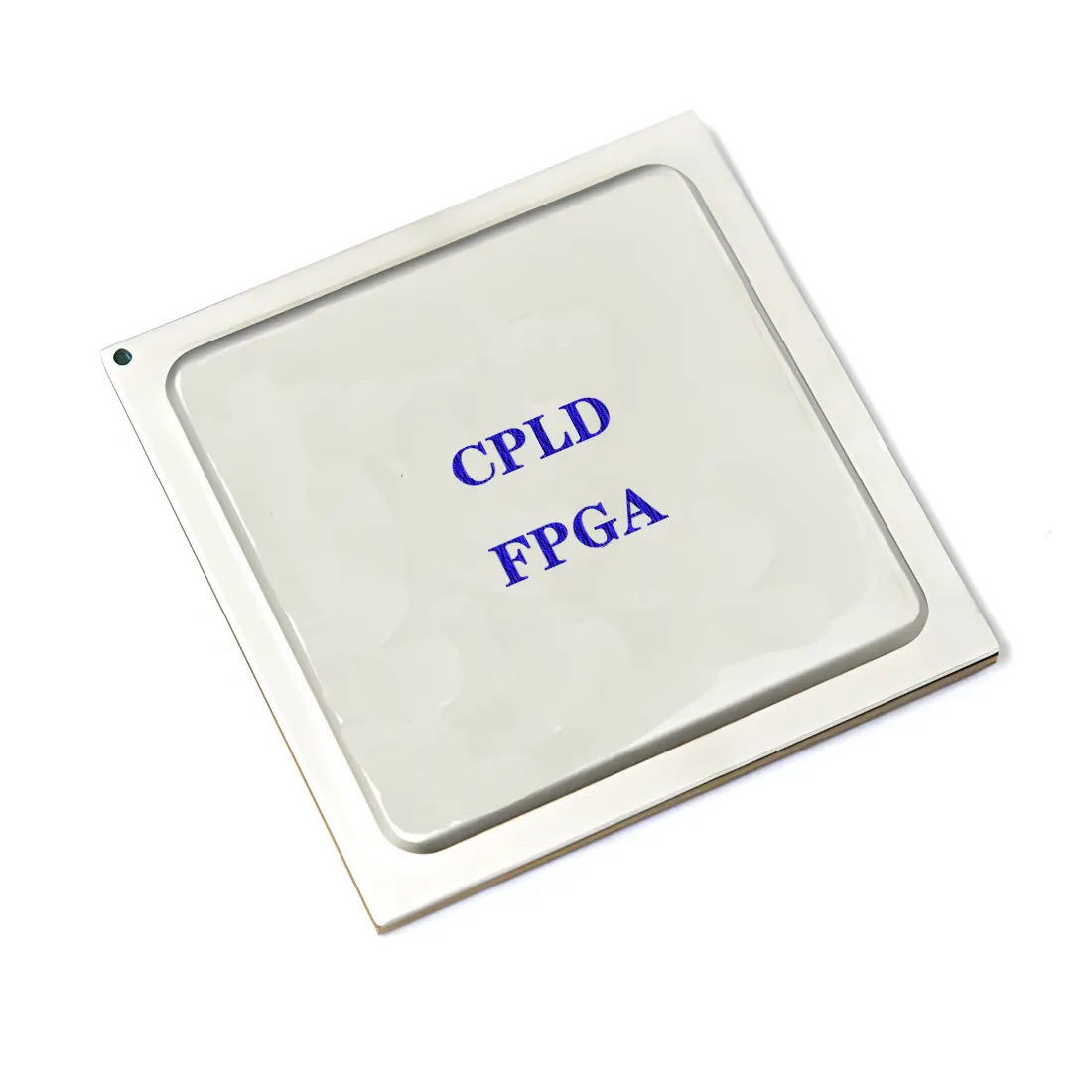 Programmable Logic Device(CPLD/FPGA)
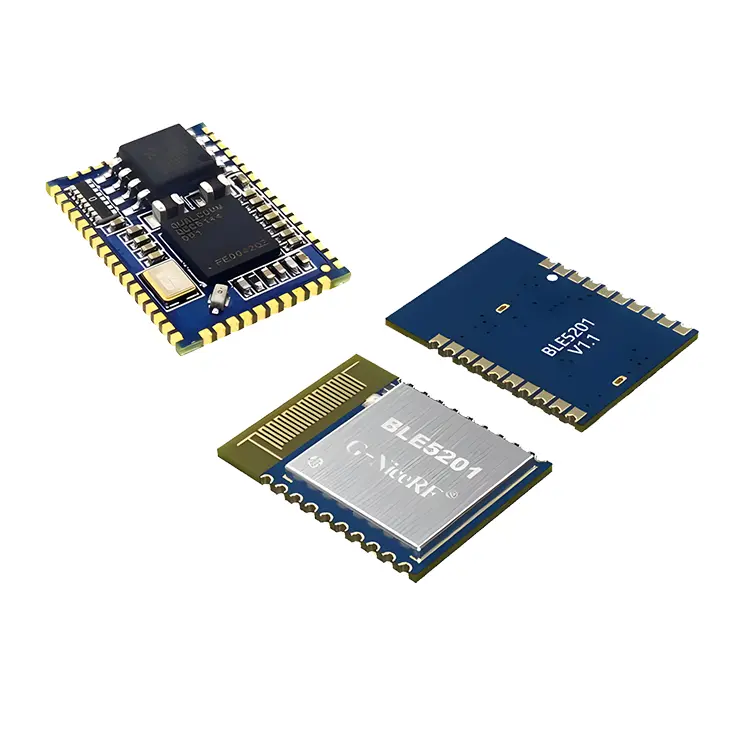 Communication Modules/IoT
 Resistors
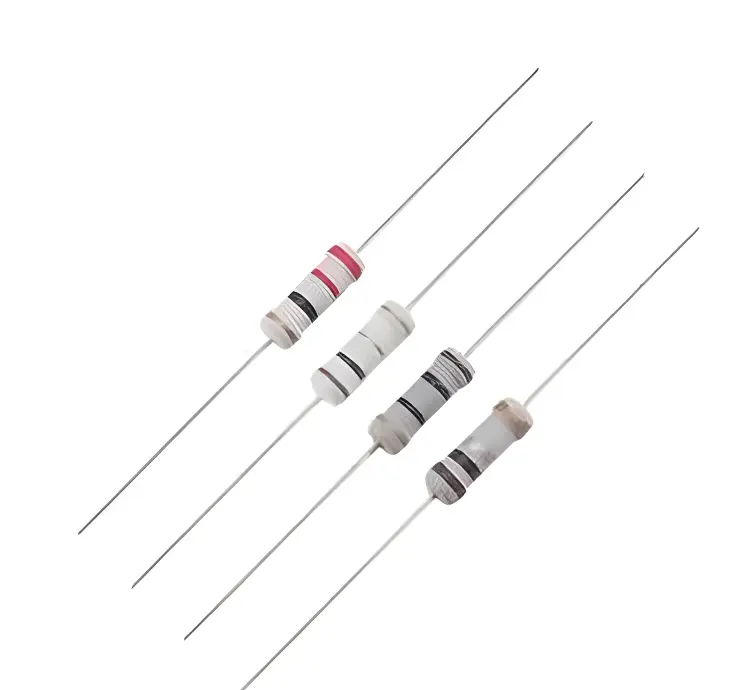 Through Hole Resistors
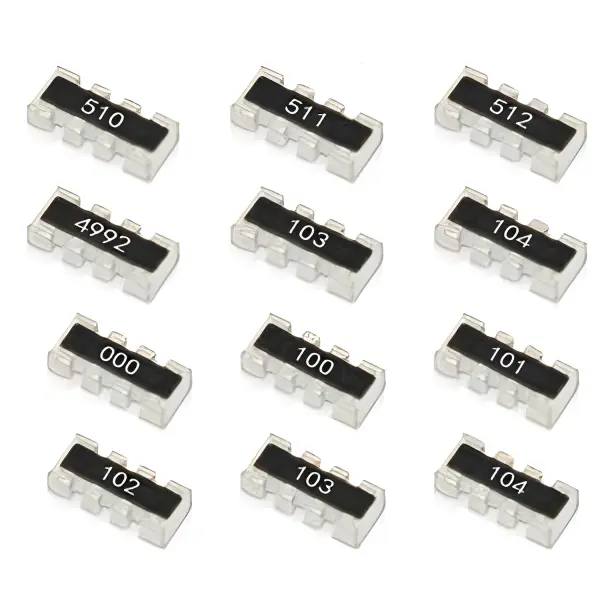 Resistor Networks, Arrays
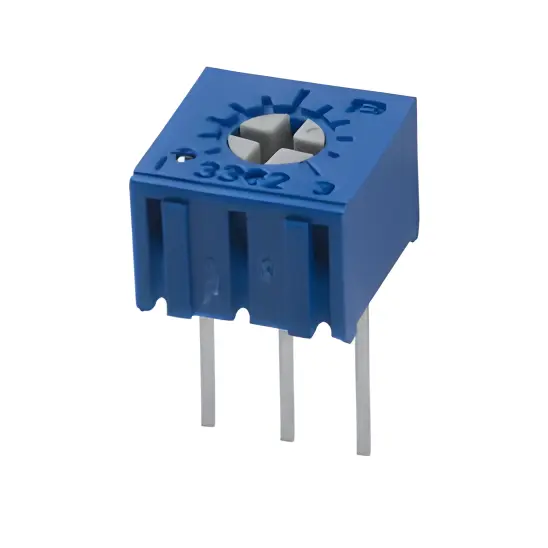 Potentiometers,Variable Resistors
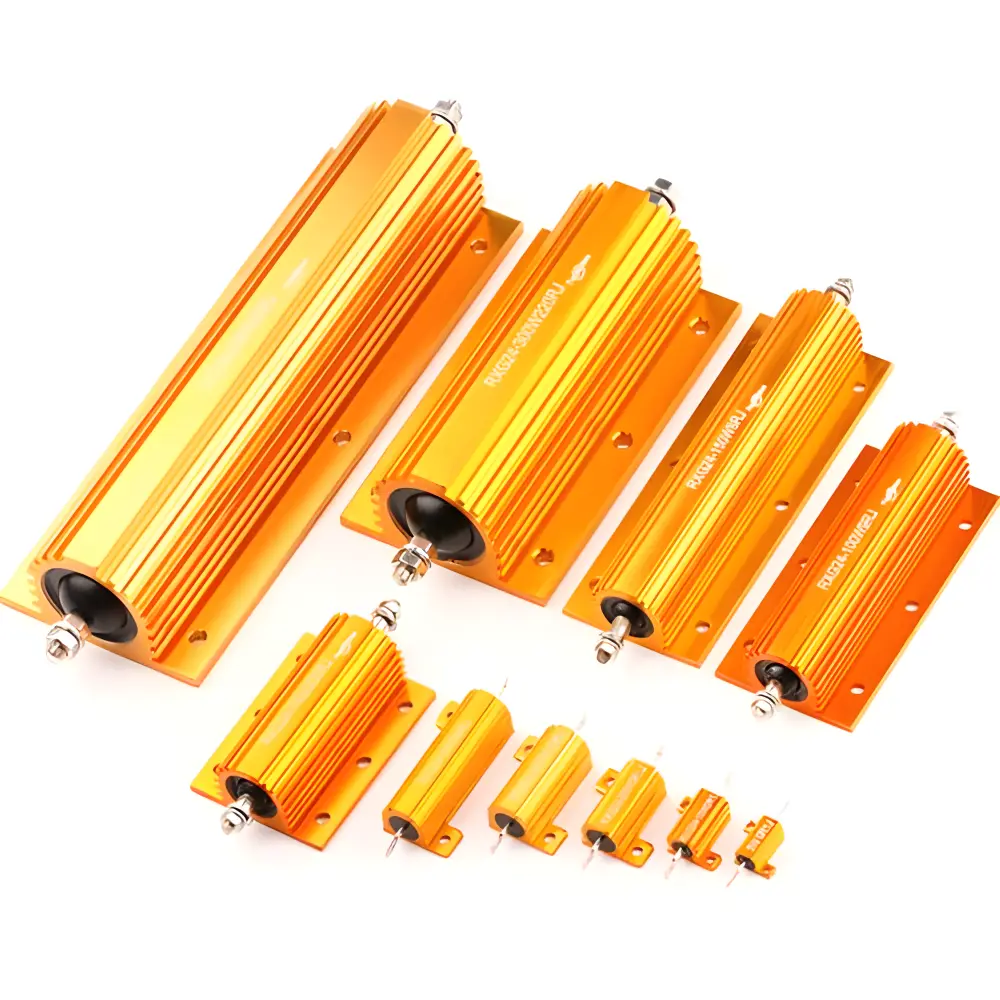 Aluminum Case,Porcelain Tube Resistance
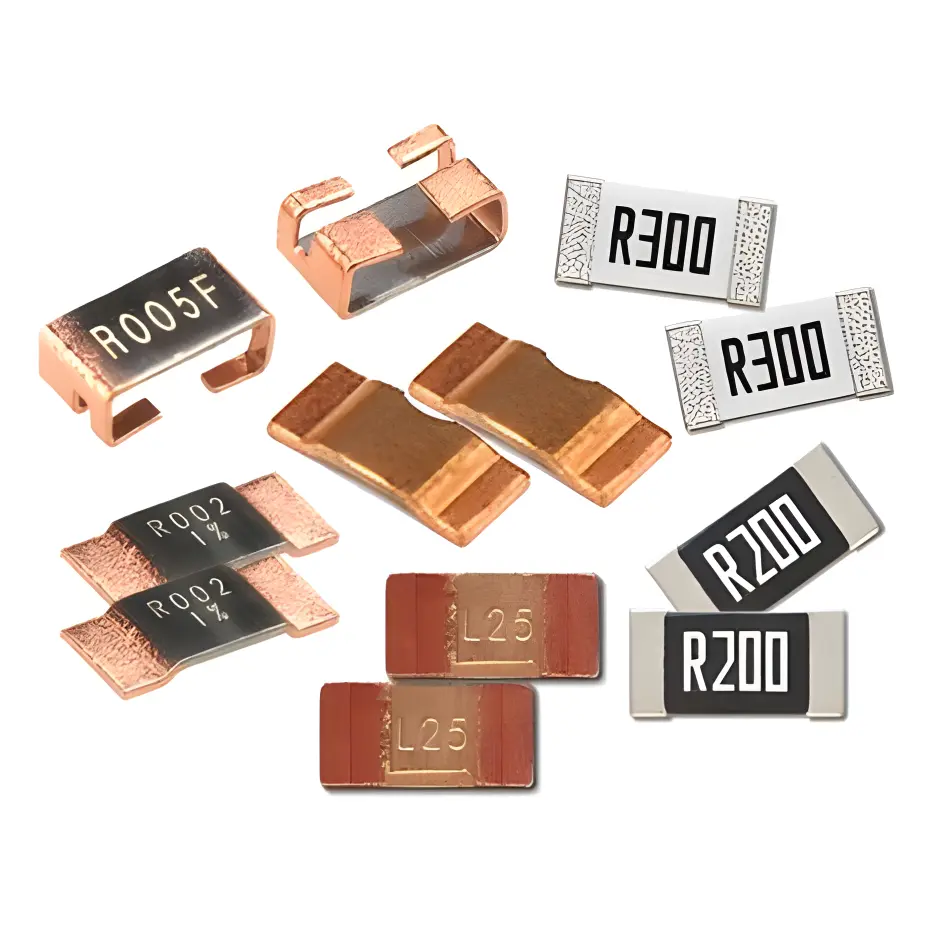 Current Sense Resistors,Shunt Resistors
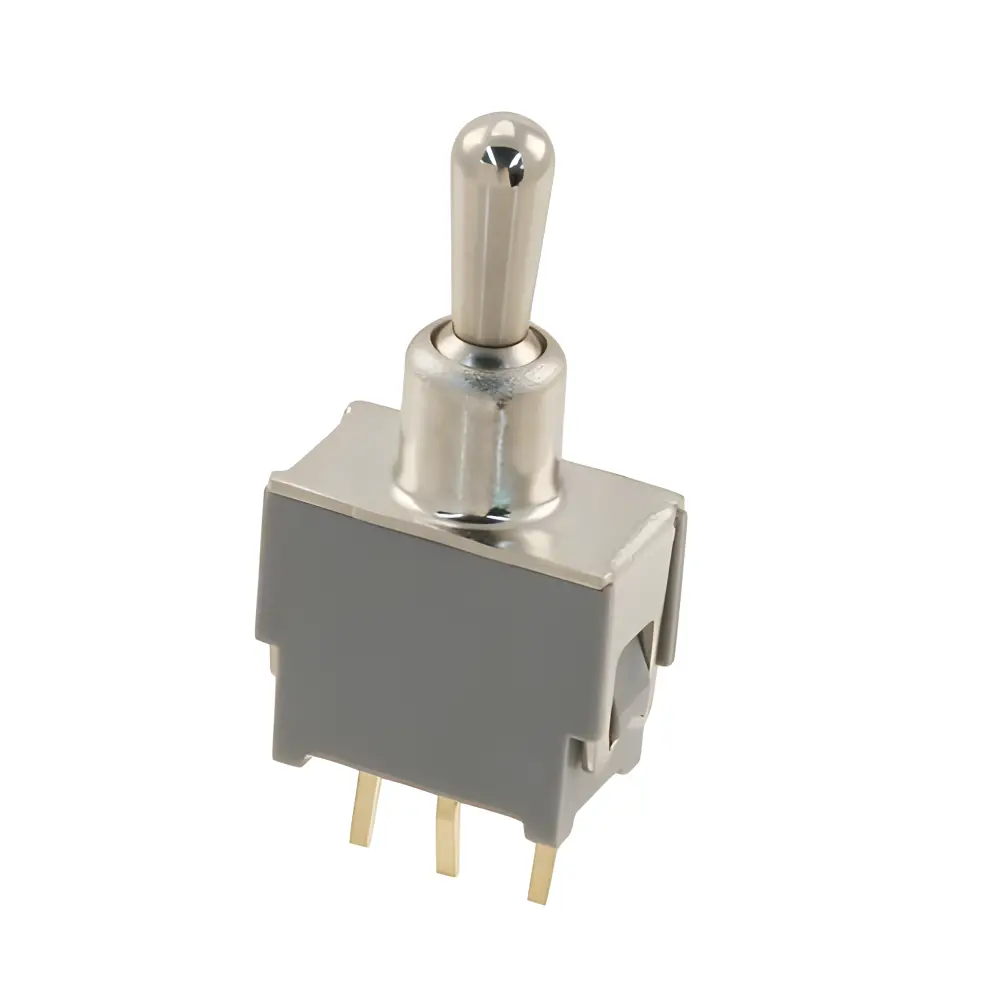 Switches
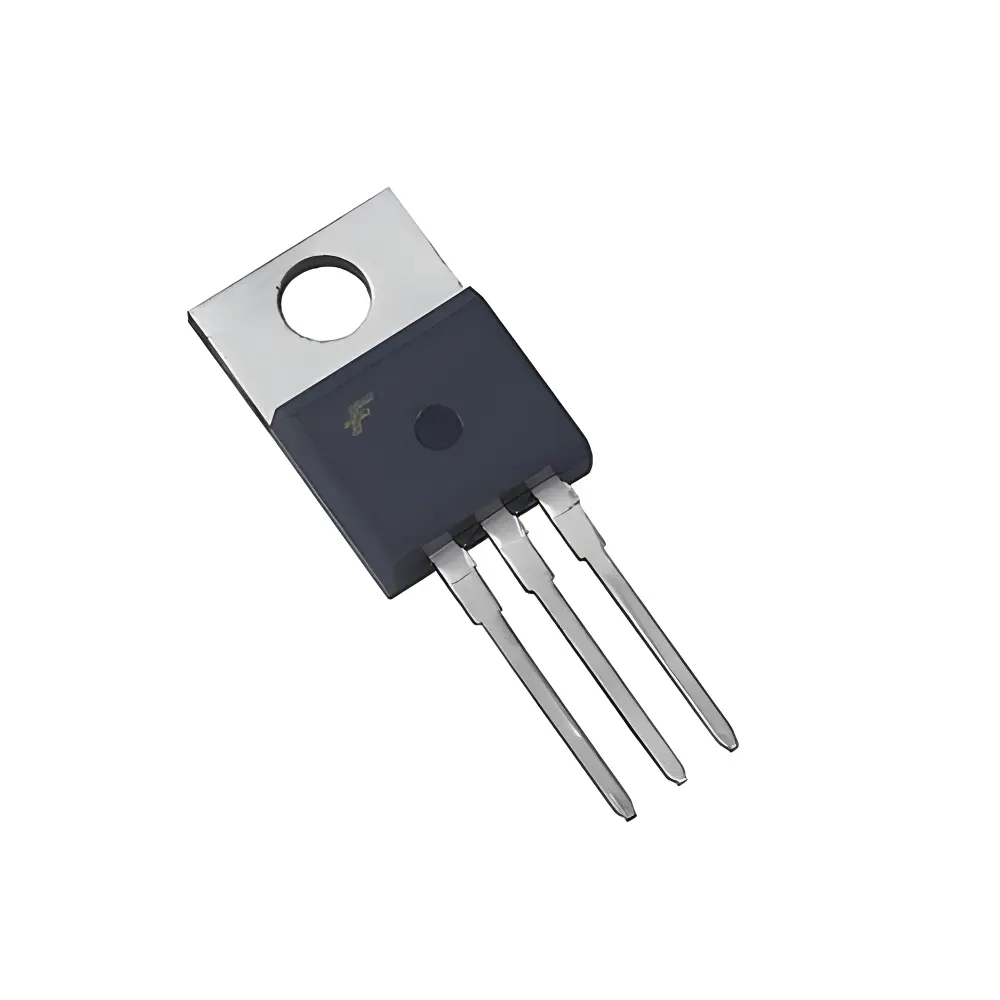 Transistors
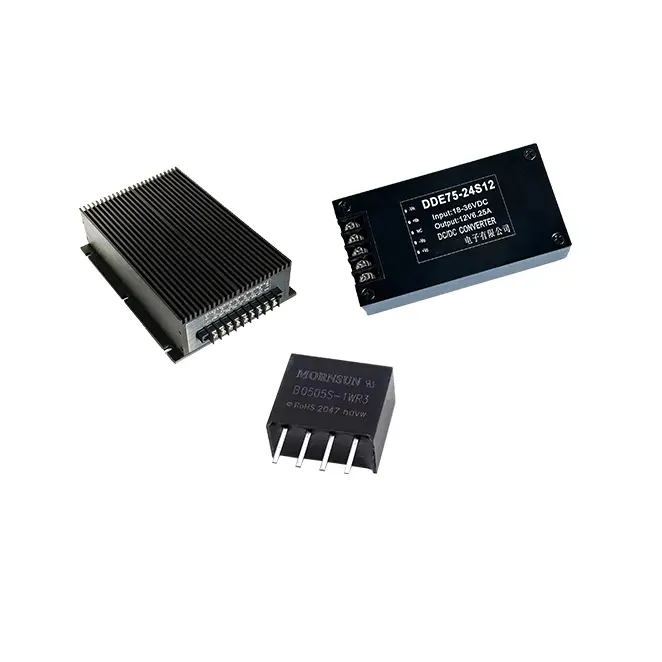 Power Modules
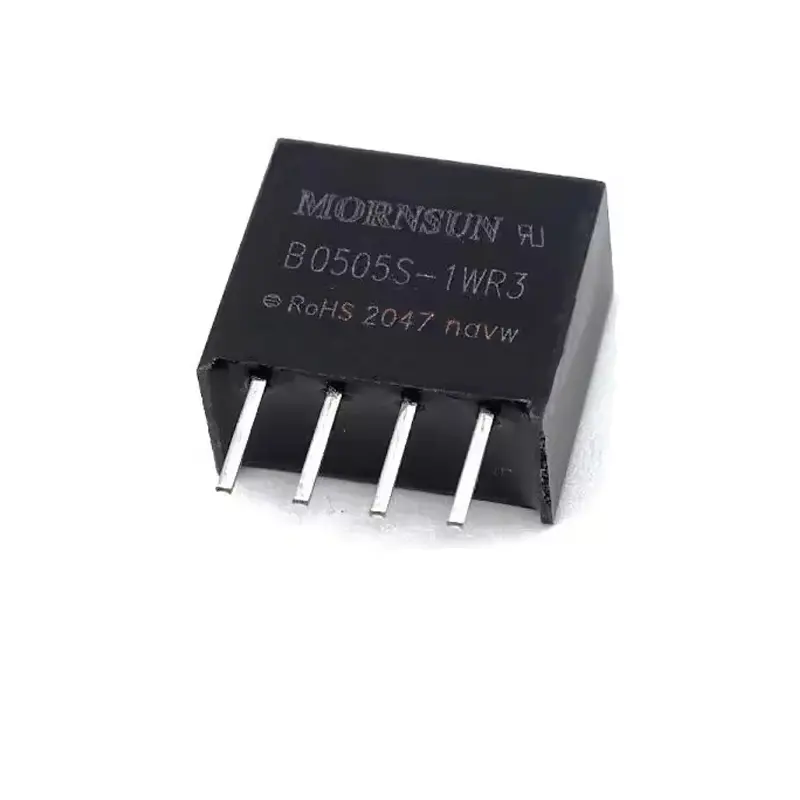 Isolated Power Modules
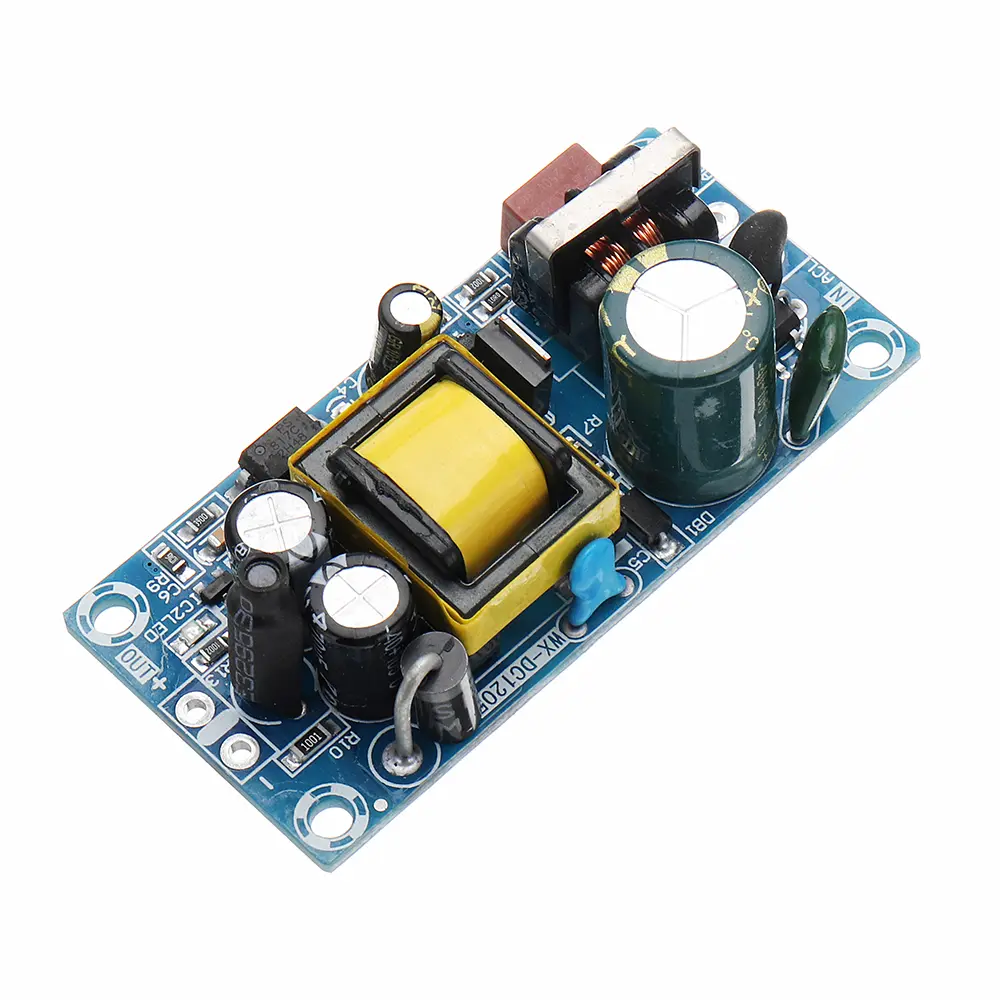 AC-DC Power Modules
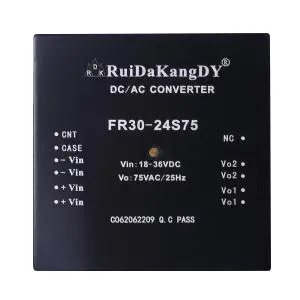 DC-AC Module(Inverter)
 RF and Wireless
Determining Reflow Profiles for Lead-Free Solder Using Thermomechanical Analysis (TMA)
1. TMA Principles & Solder Properties
-
Core Mechanism:
TMA detects phase transitions via dimensional changes (0.1μm resolution):-
Expansion kink → Solidus temperature (Ts)
-
Sharp contraction → Liquidus temperature (Tl)
-
2. Test Procedure
Sample Preparation
-
Geometry:
-
Cylindrical sample (Ø5mm×3mm, suRFace Ra<0.2μm)
-
Pre-cleaned (IPA ultrasonic, 10min)
-
-
Fixture:
-
Ceramic probe (CTE=7ppm/°C) with 0.02N contact force
-
Temperature Program
| Stage | Range | Ramp Rate | Objective |
|---|---|---|---|
| Equilibration | 30°C→100°C | 5°C/min | Eliminate thermal history |
| Main test | 100°C→300°C | 10°C/min | Capture phase transitions |
| Cooling | 300°C→30°C | 20°C/min | Record solidification |
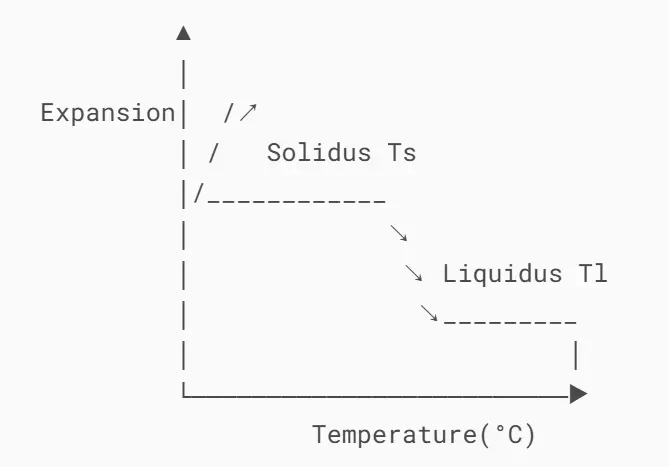
3. Curve Analysis & Critical Temperatures
-
Key Points:
-
Ts (Solidus): Peak of first derivative (dL/dT max)
-
Tl (Liquidus): Inflection point of contraction curve
-
-
Wetting Window:
-
Effective Reflow Range = Tl + 25°C ~ Tl + 40°C (DSC-verified)
-
4. Reflow Profile Design Rules
| Stage | Temperature Basis | Target Parameters |
|---|---|---|
| Preheat | Below Ts-50°C | Slope 1~2°C/s |
| Soak | Ts-30°C → Ts+10°C | Duration 60~120s |
| Reflow | Peak = Tl + (25~35)°C | TAL (Time Above Liquidus) 40~90s |
| Cooling | Based on TMA contraction | Rate 2~4°C/s |
5. Validation Testing
-
DOE Matrix:
Factor Level 1 Level 2 Level 3 Peak Temp Tl+25°C Tl+30°C Tl+35°C TAL Time 40s 65s 90s Cooling Rate 2°C/s 3°C/s 4°C/s -
Metrics:
-
IMC Thickness: Cu₆Sn₅ layer 3~5μm (>8μm embrittlement)
-
Voiding: X-Ray ≤5% (IPC-A-610G Class 3)
-
Shear Strength: ≥35MPa (JIS Z3198)
-
6. Failure Mode Prevention
| TMA Prediction | Reflow Risk | Corrective Action |
|---|---|---|
| Cooling rate>0.4%/s | Micro-cracks | Reduce cooling to 2°C/s |
| Secondary peak | Component floating | Extend soak to 100s |
| Wide transition zone | Cold solder joints | Increase peak to Tl+32°C |
7. Equipment & Standards
-
TMA Specifications:
-
Temp accuracy: ±0.5°C
-
Displacement resolution: 0.05μm
-
Sample holder heat capacity <0.1J/K
-
-
Standards:
-
J-STD-020: Moisture sensitivity
-
IPC-7530: Profile guidelines
-