
 PCB
PCB FPC
FPC Rigid-Flex
 FR-4
FR-4 HDI PCB
 Rogers High-Frequency Board
 PTFE Teflon High-Frequency Board
 Aluminum
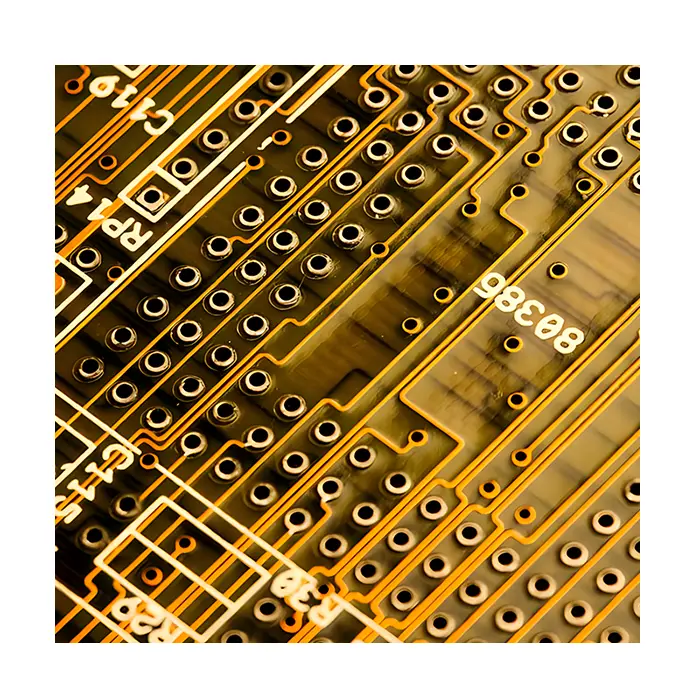 Copper Core
 PCB Assembly
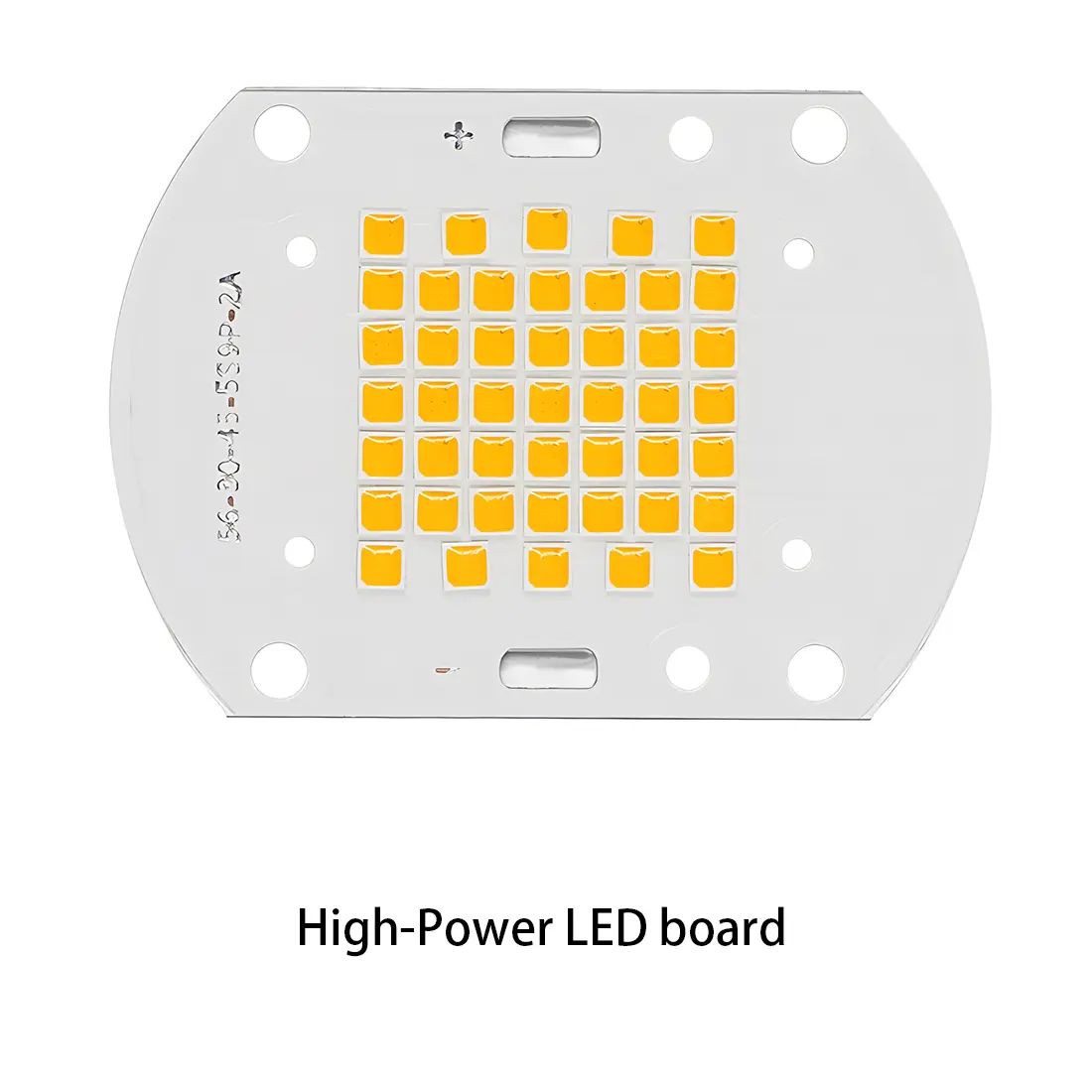 LED light PCBA
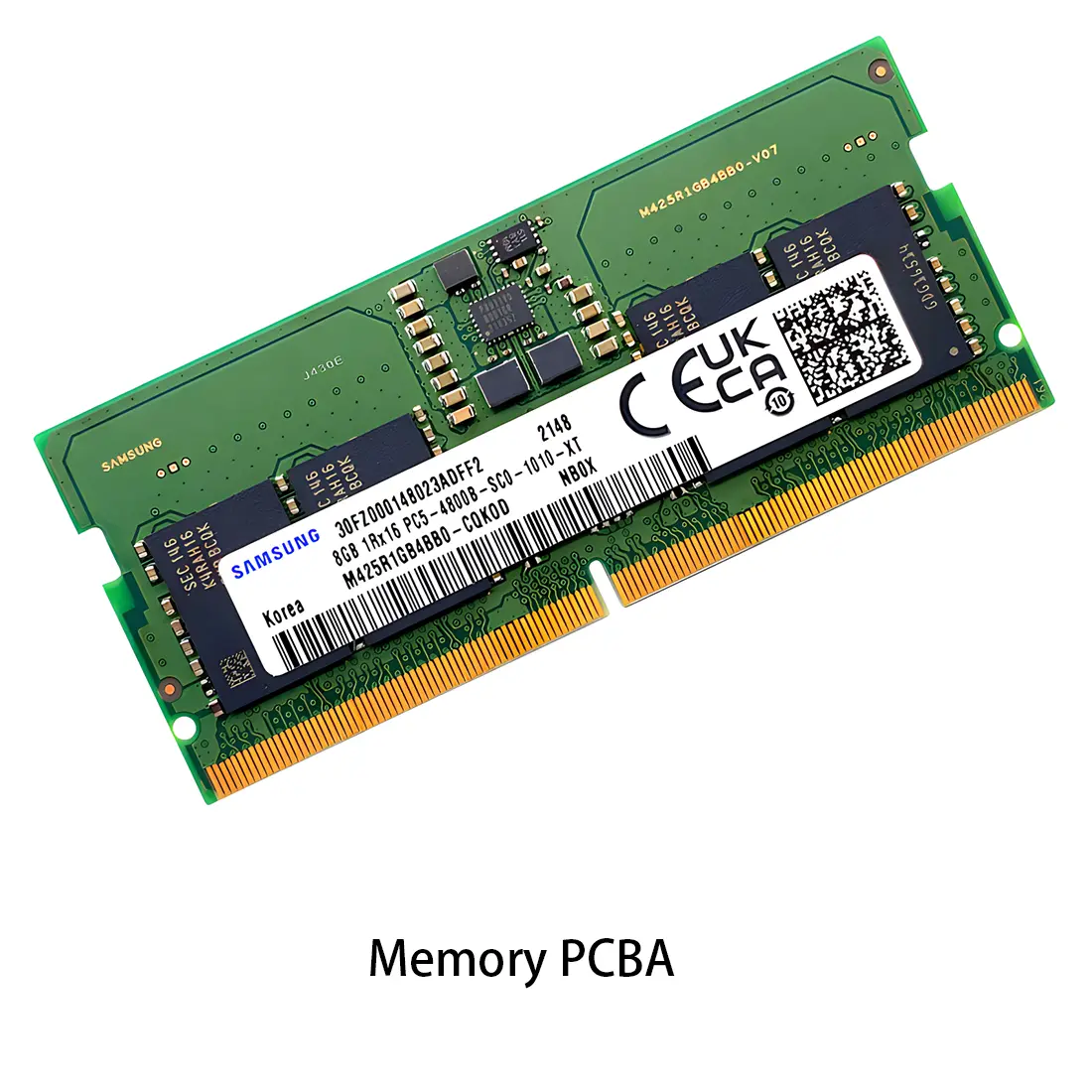 Memory PCBA
 Power Supply PCBA
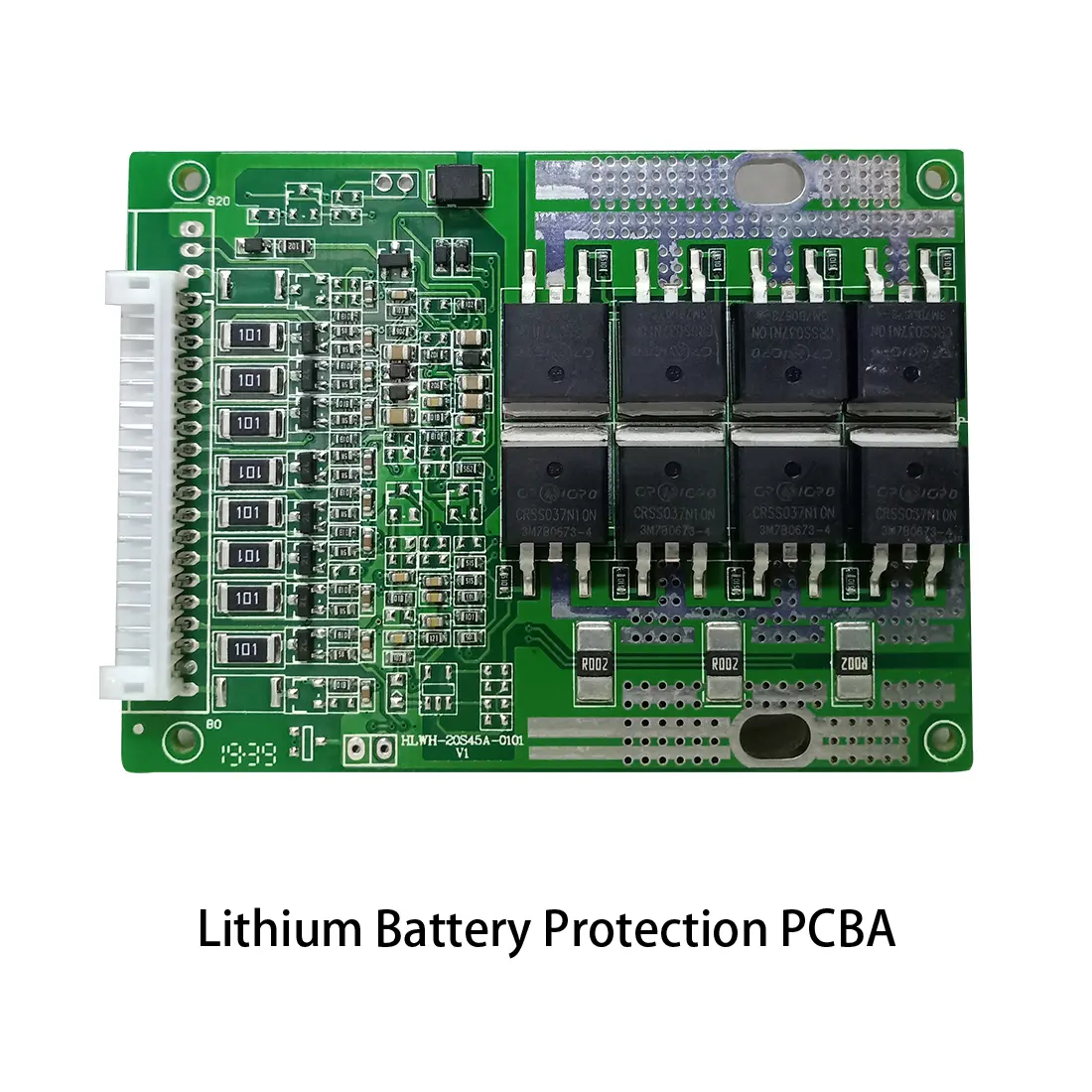 New Energey PCBA
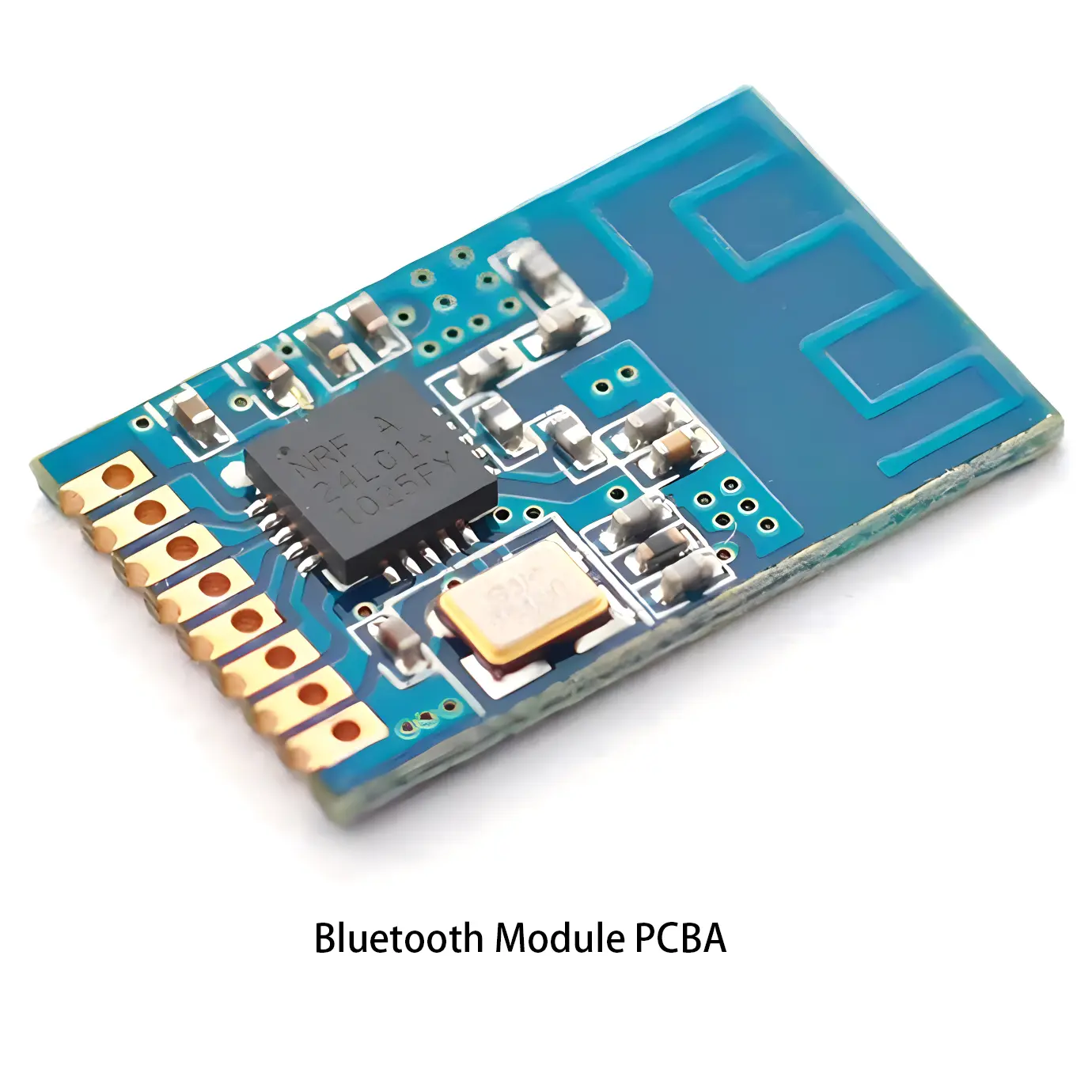 Communication PCBA
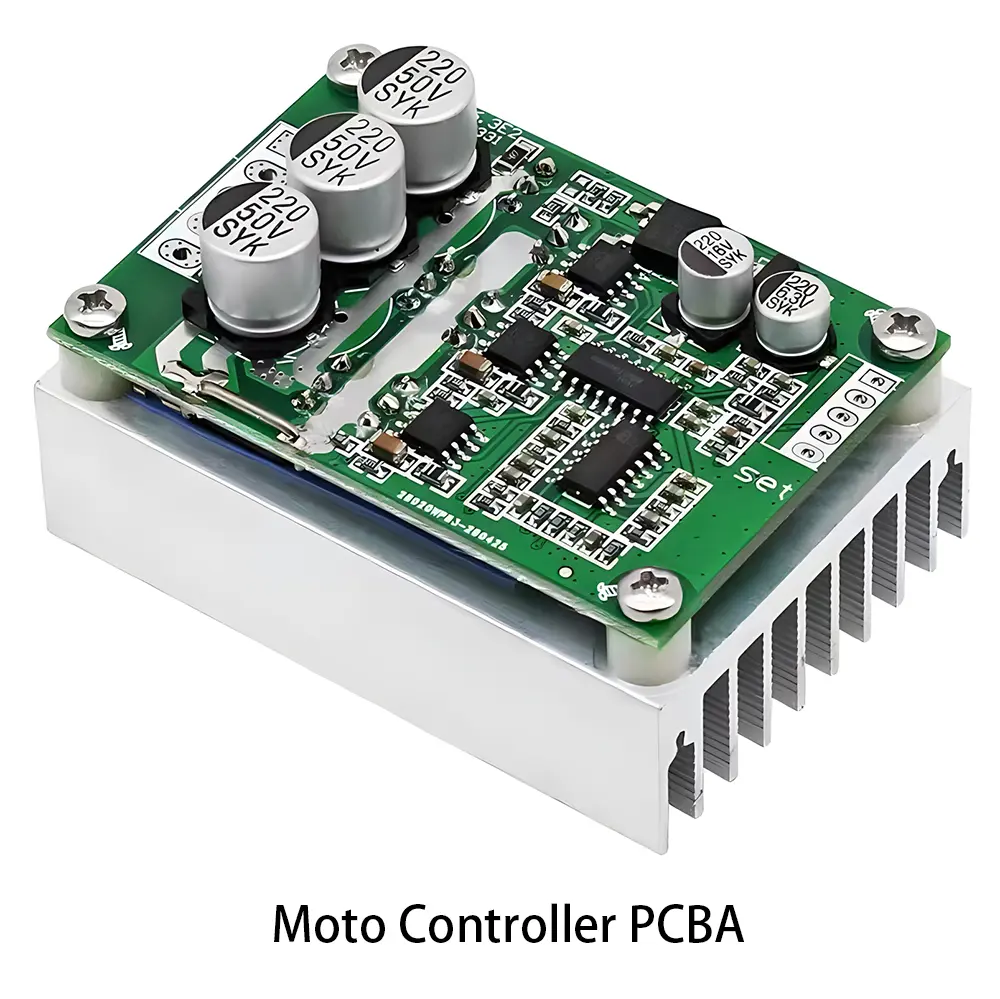 Industrial Control PCBA
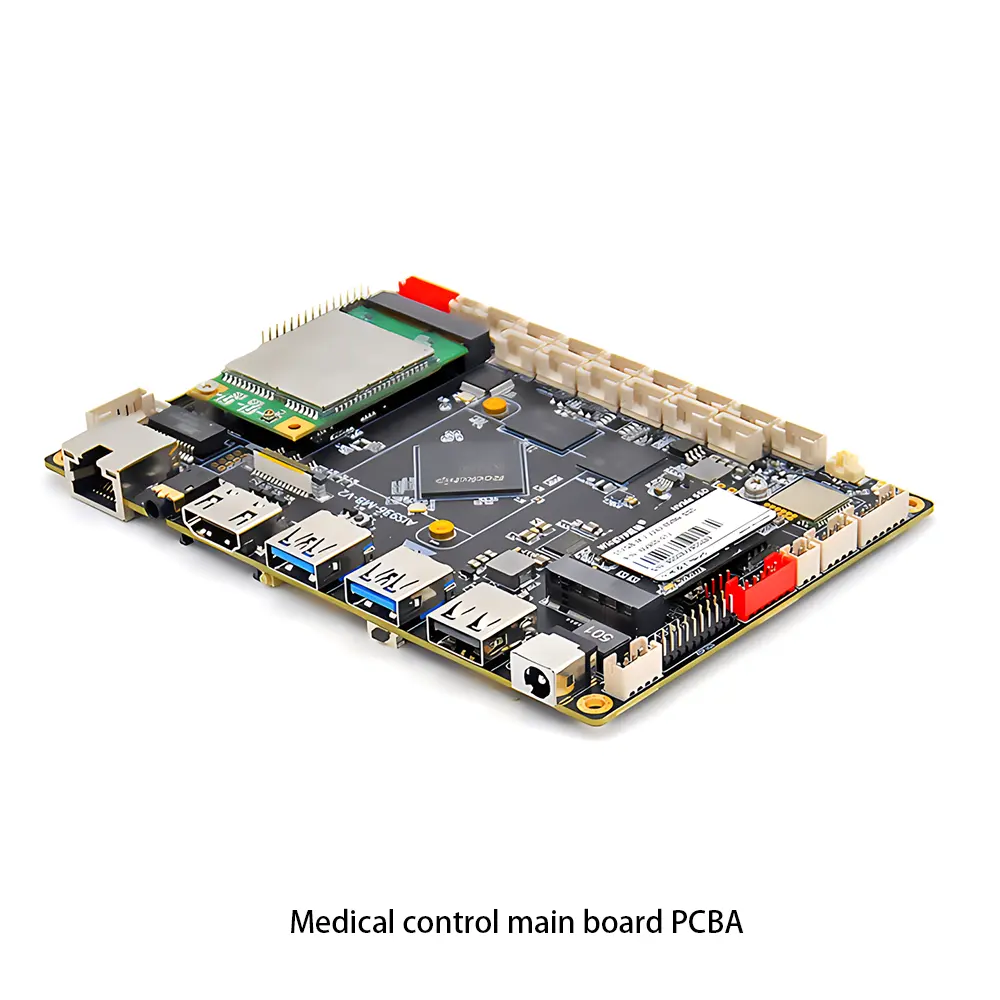 Medical Equipment PCBA
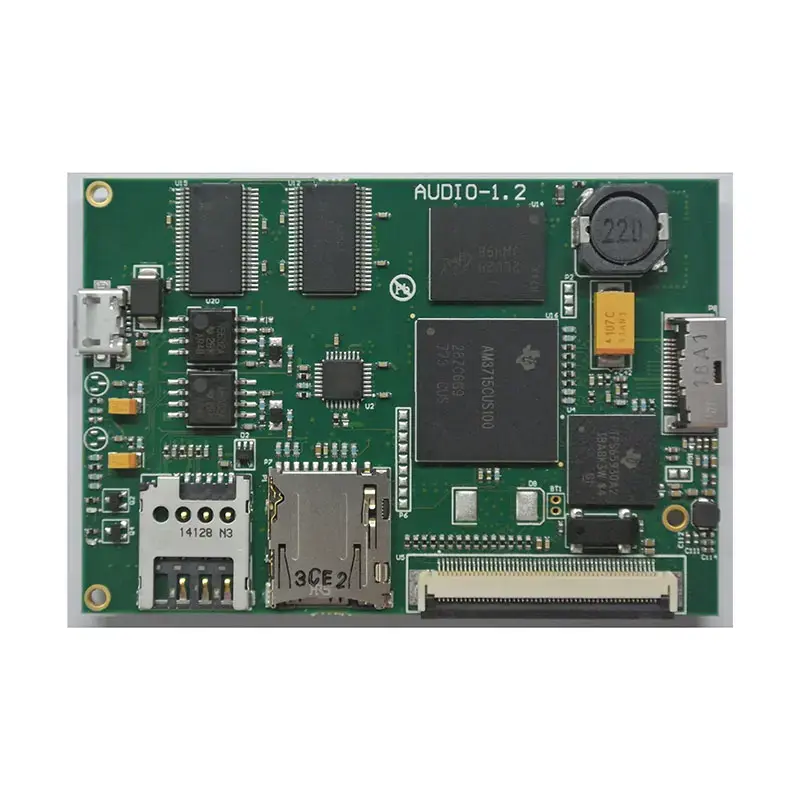 Testing Service
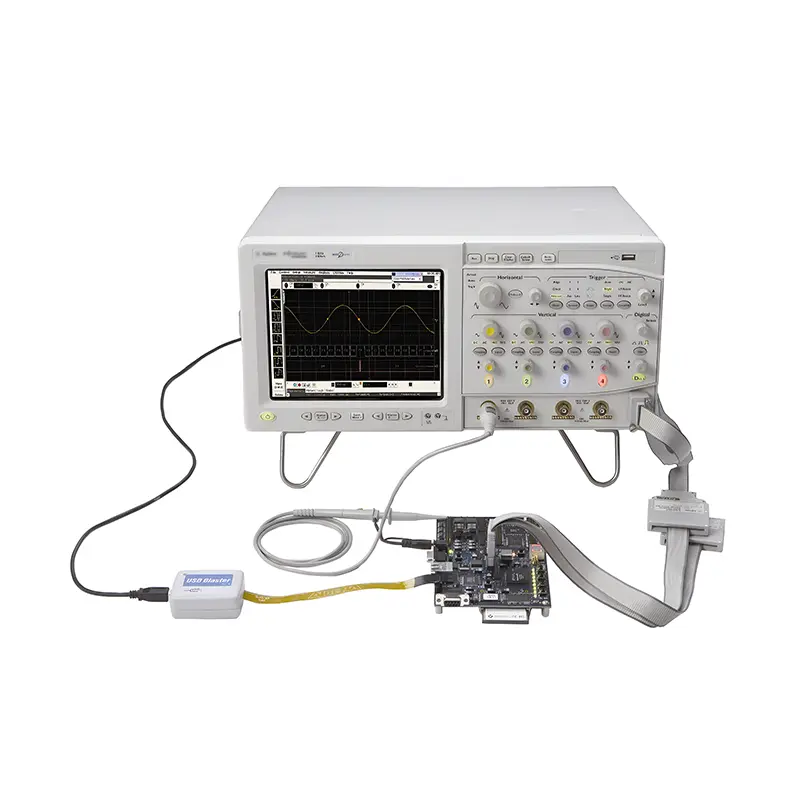 PCBA Testing Service
 Certification Application
 RoHS Certification Application
 REACH Certification Application
 CE Certification Application
 FCC Certification Application
 CQC Certification Application
 UL Certification Application
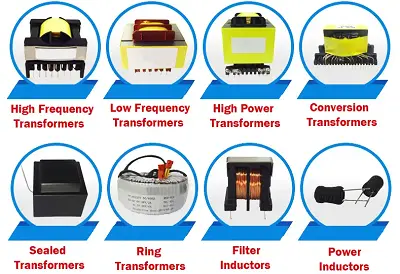 Transformers, Inductors
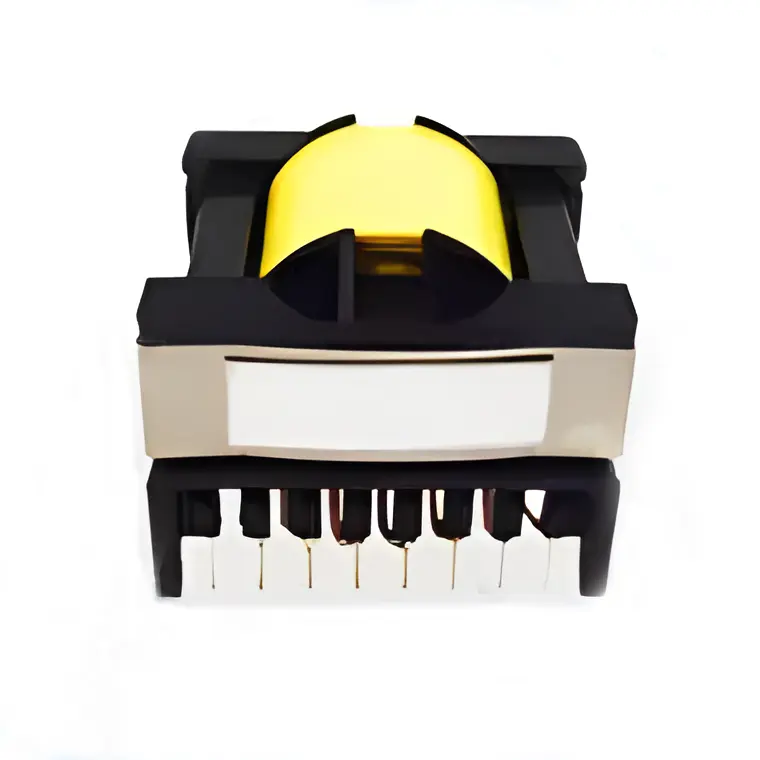 High Frequency Transformers
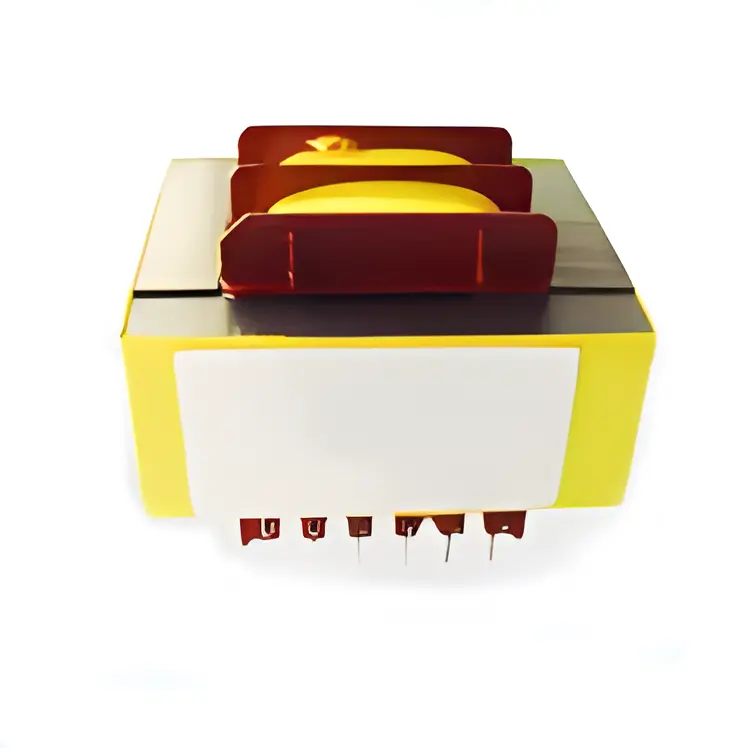 Low Frequency Transformers
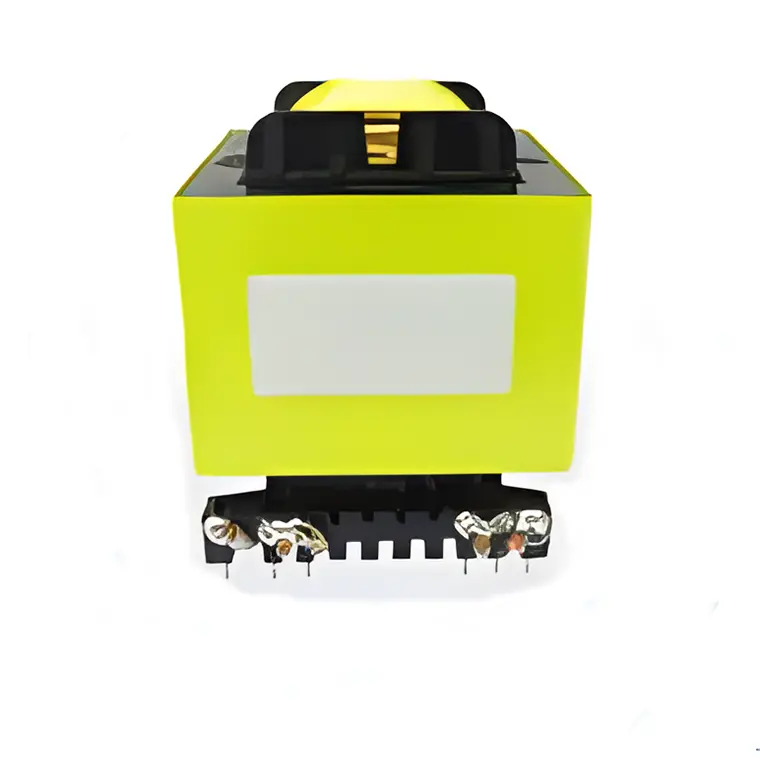 High Power Transformers
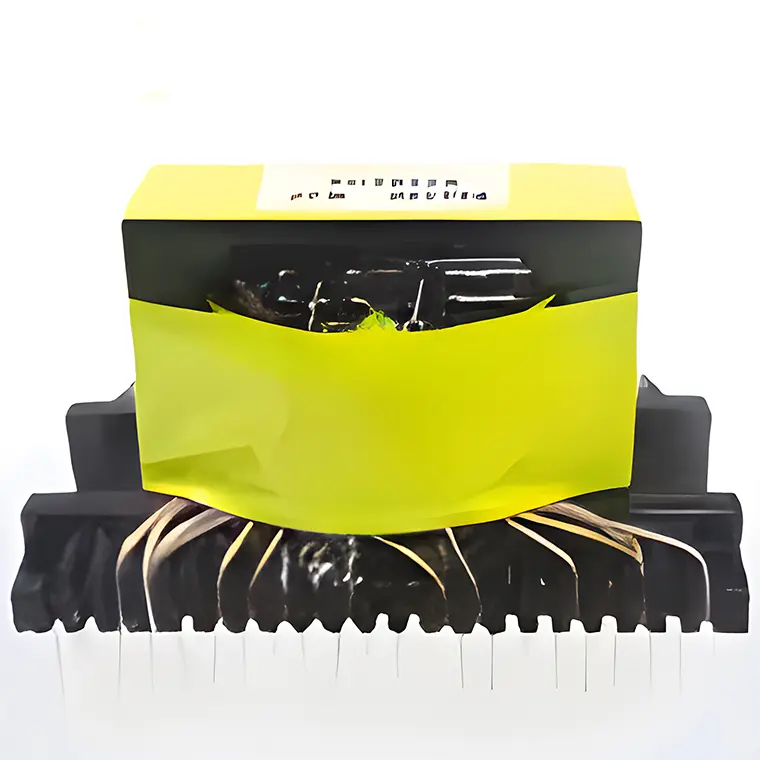 Conversion Transformers
 Sealed Transformers
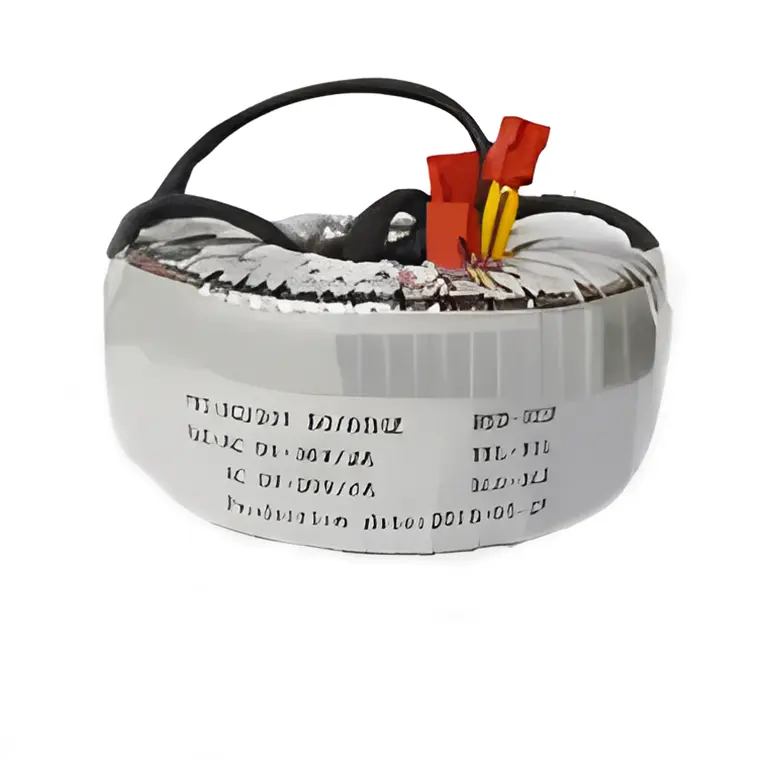 Ring Transformers
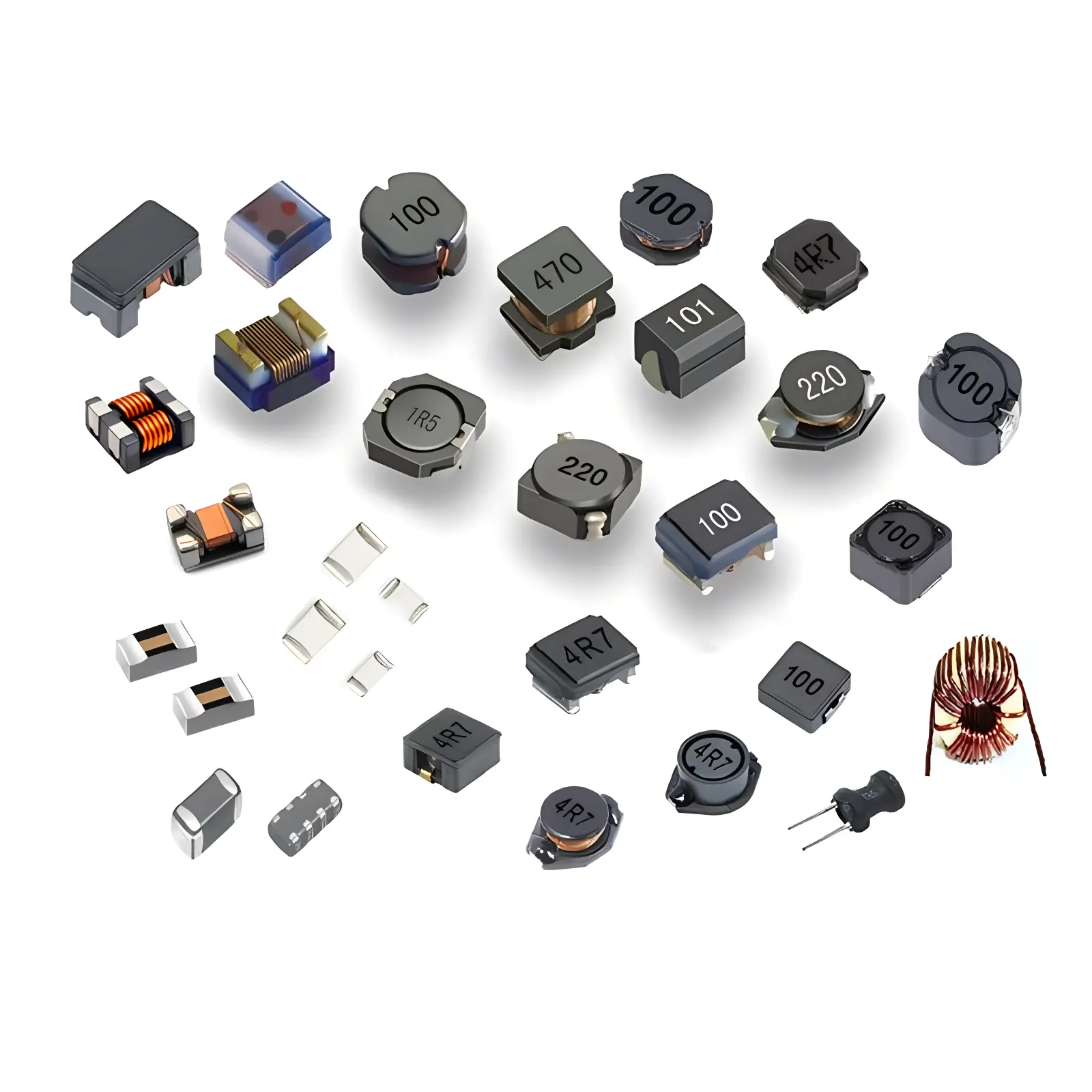 Inductors
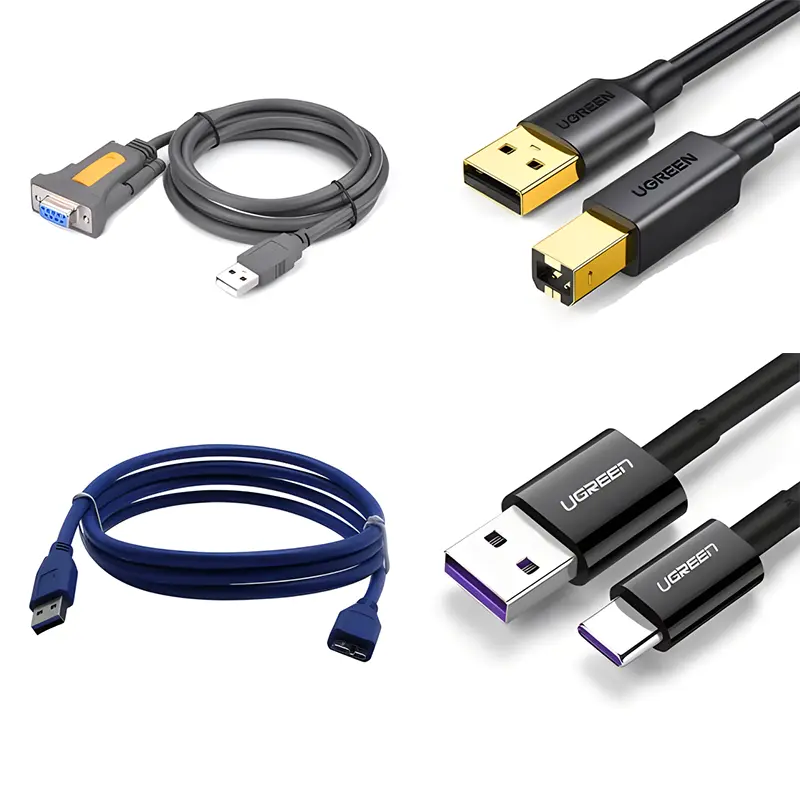 Wires,Cables Customized
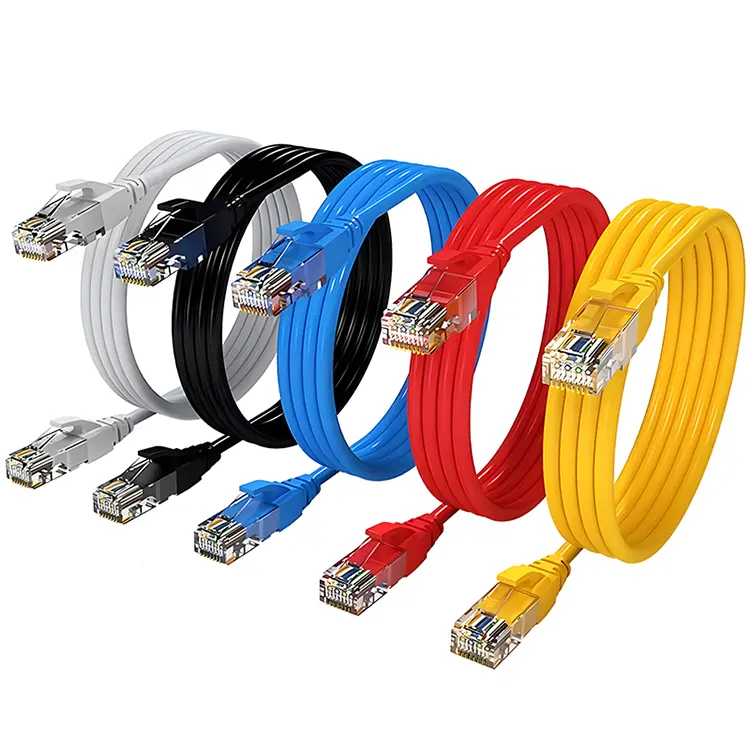 Network Cables
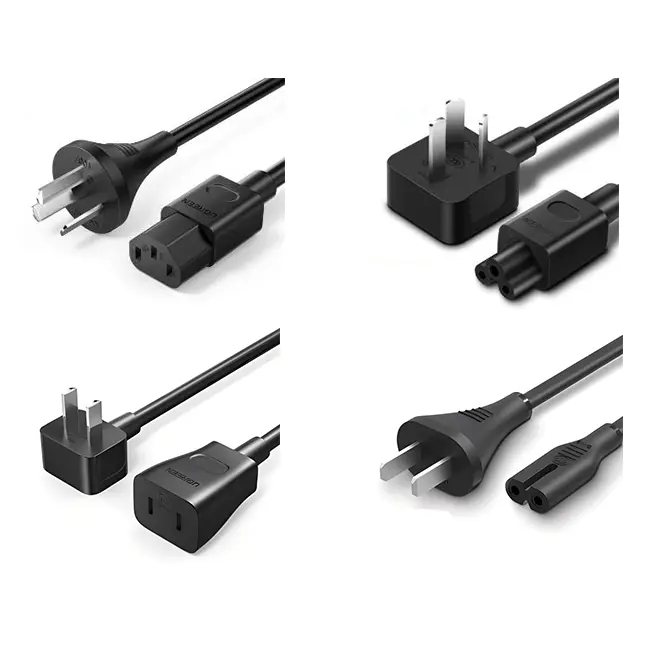 Power Cords
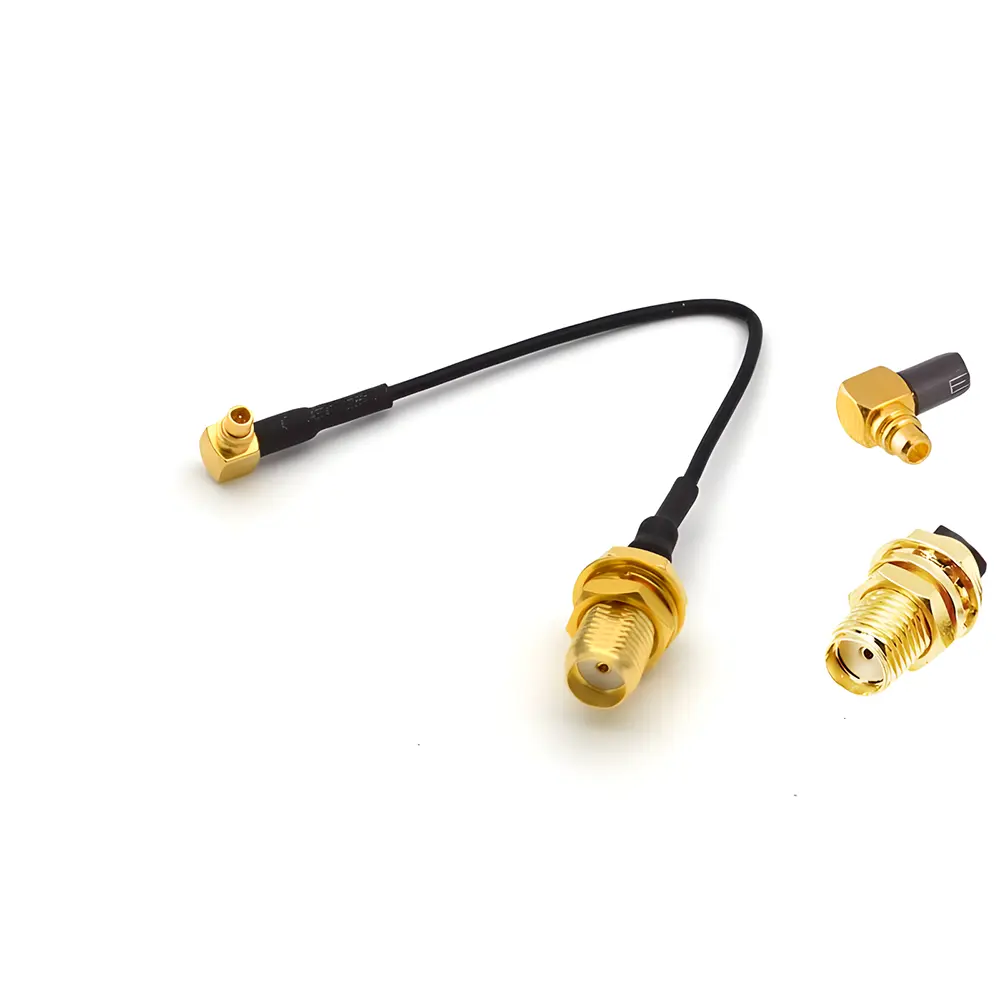 Antenna Cables
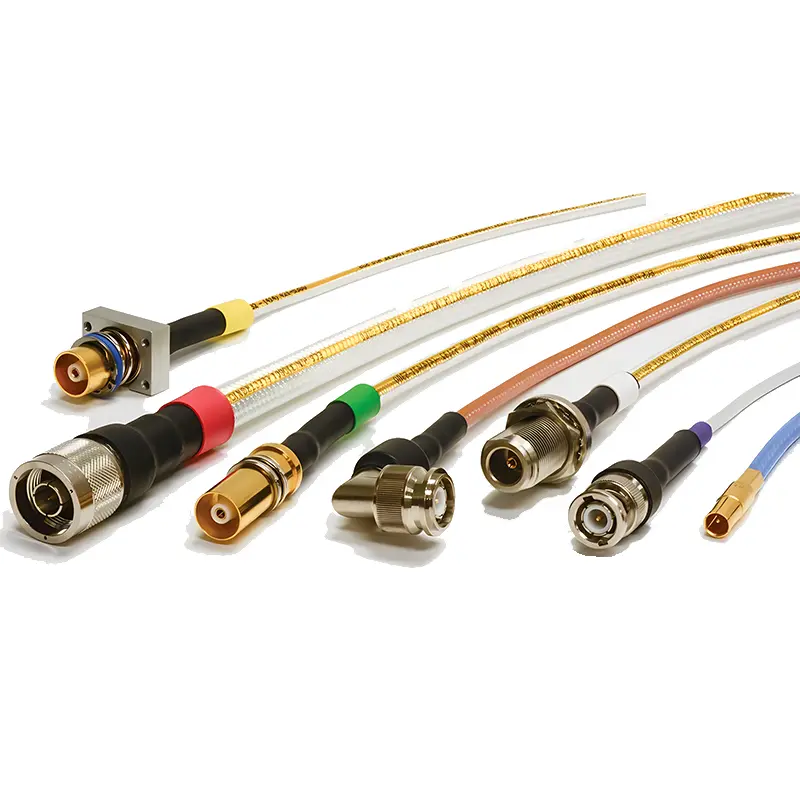 Coaxial Cables
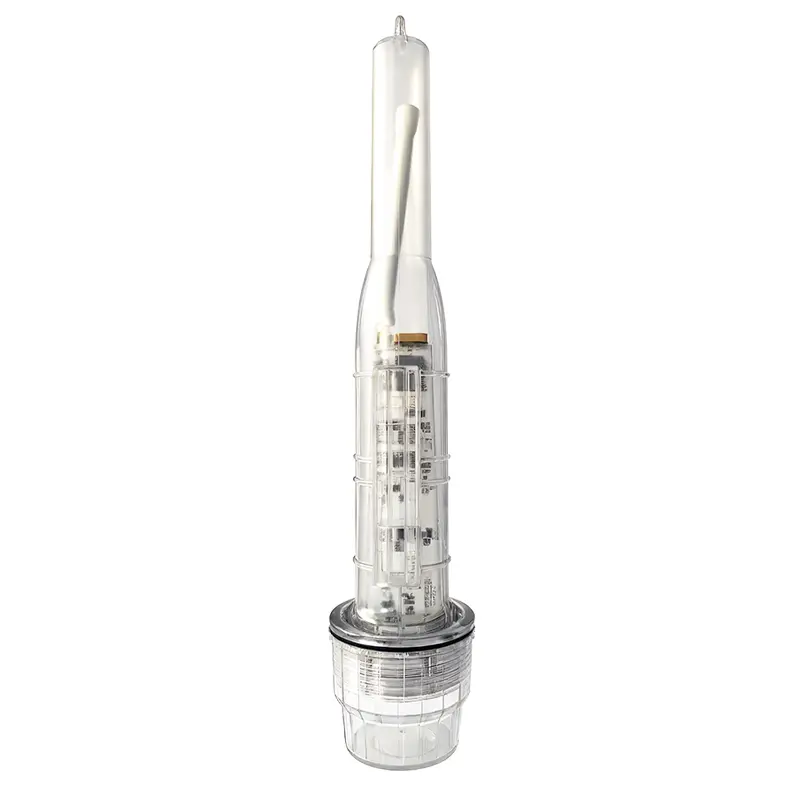 Net Position Indicator
 Solar AIS net position indicator
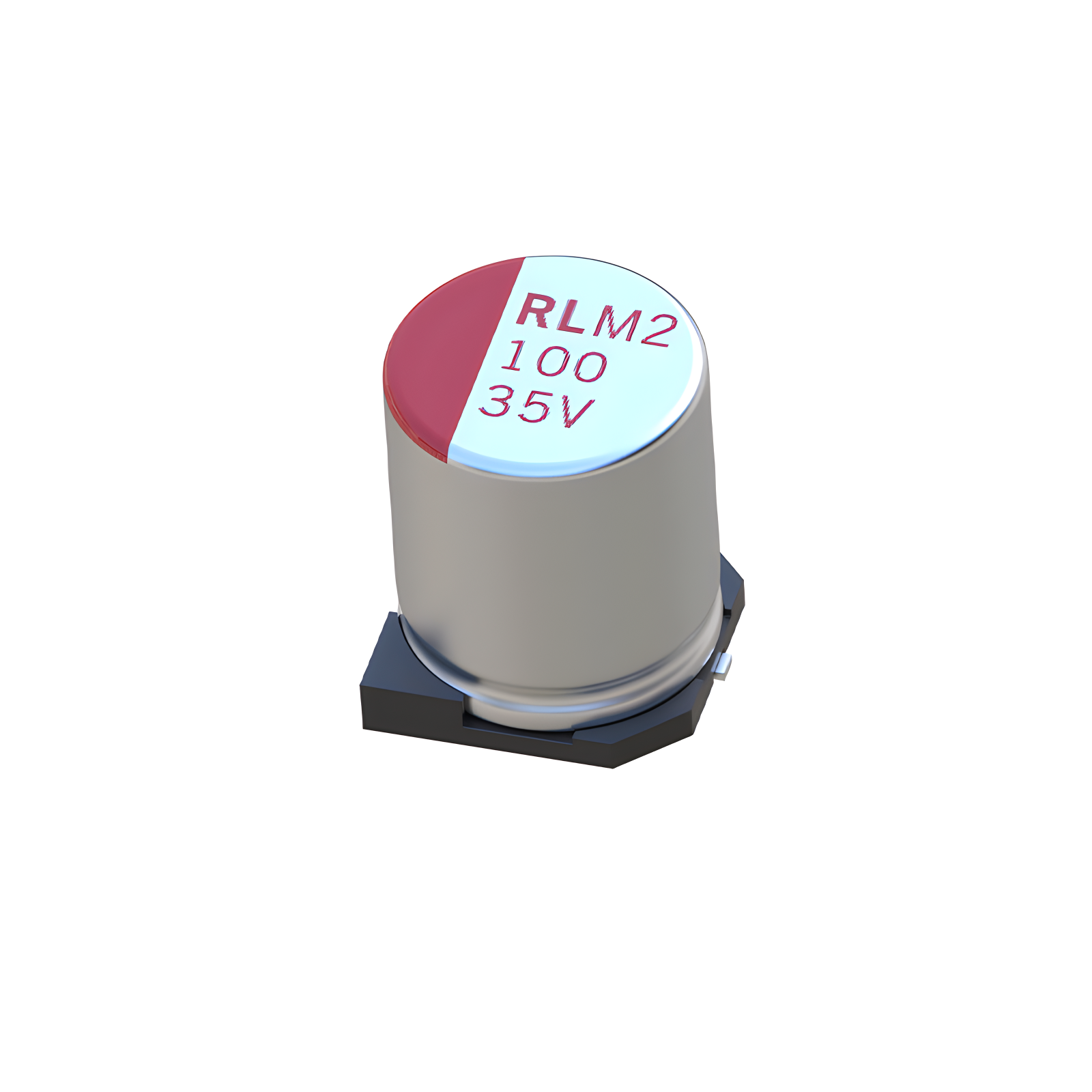 Capacitors
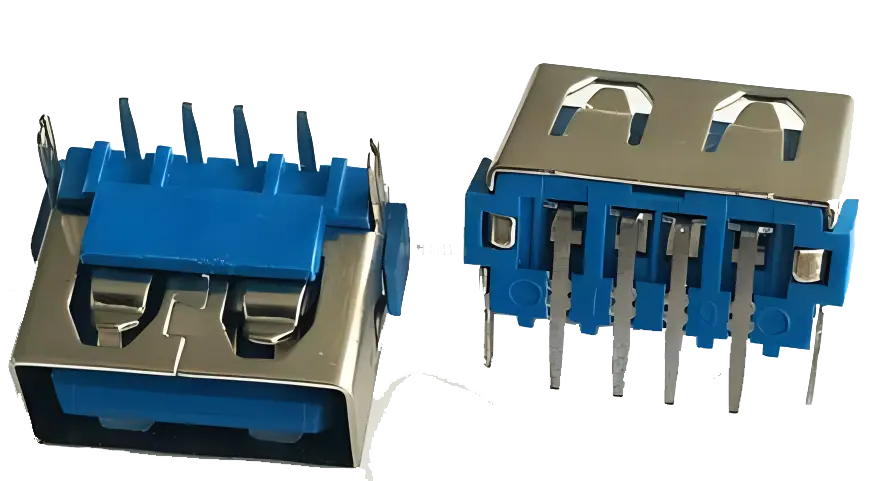 Connectors
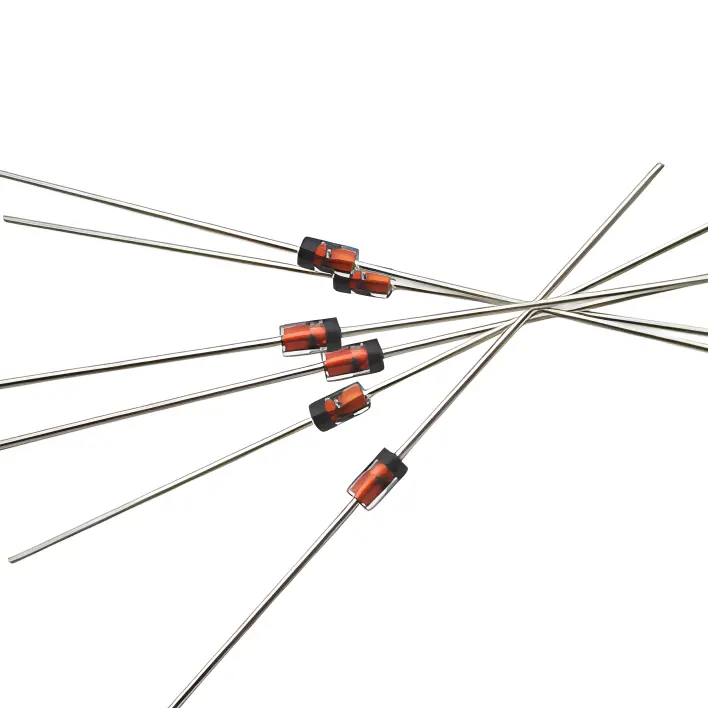 Diodes
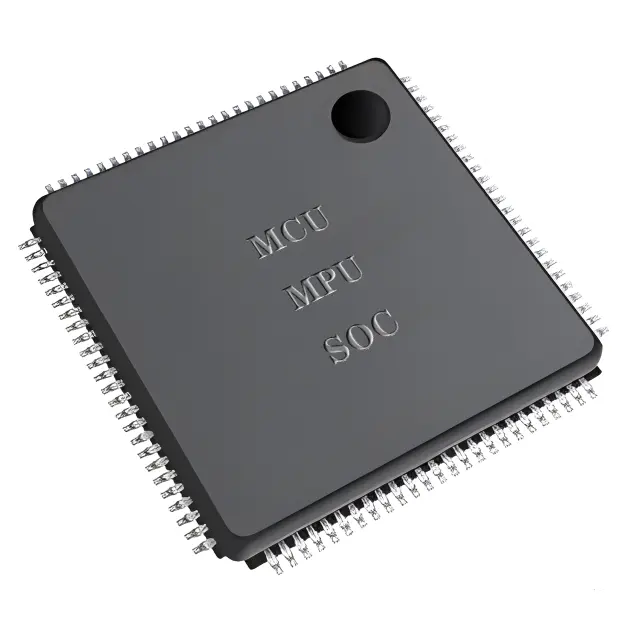 Embedded Processors & Controllers
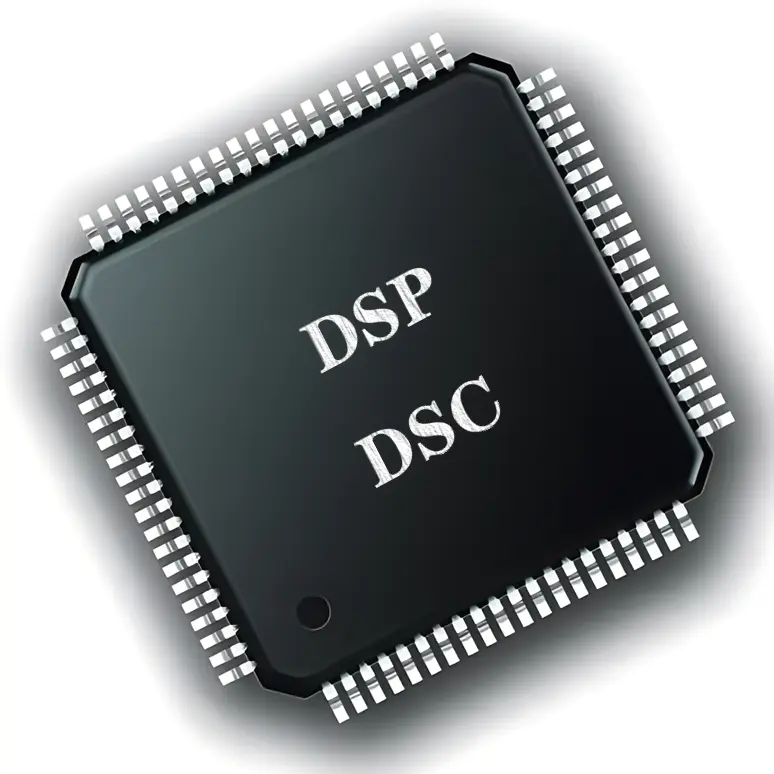 Digital Signal Processors (DSP/DSC)
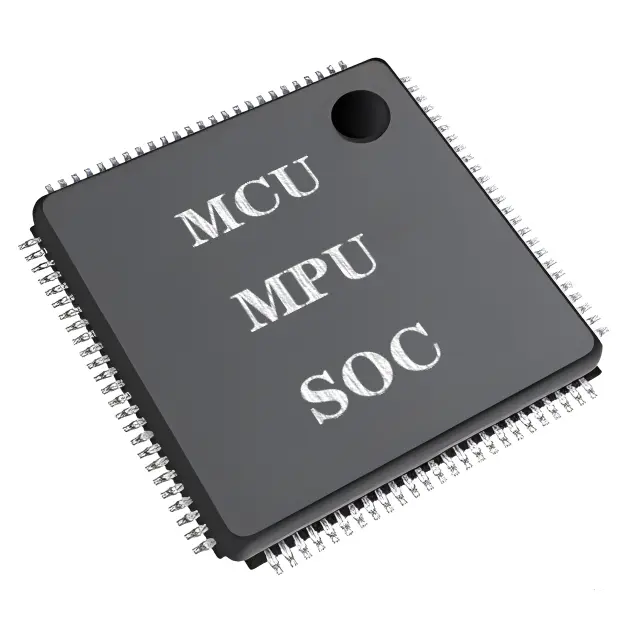 Microcontrollers (MCU/MPU/SOC)
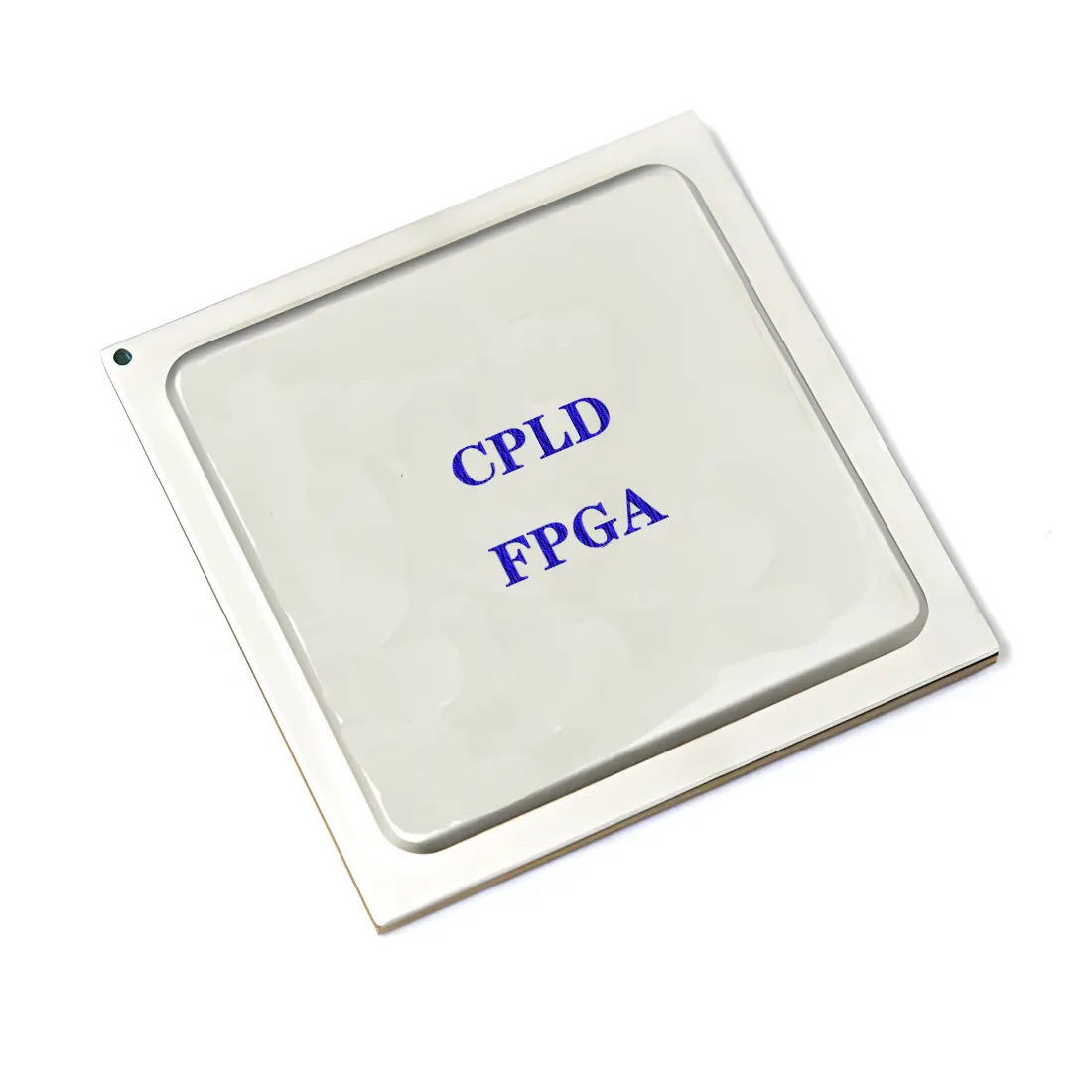 Programmable Logic Device(CPLD/FPGA)
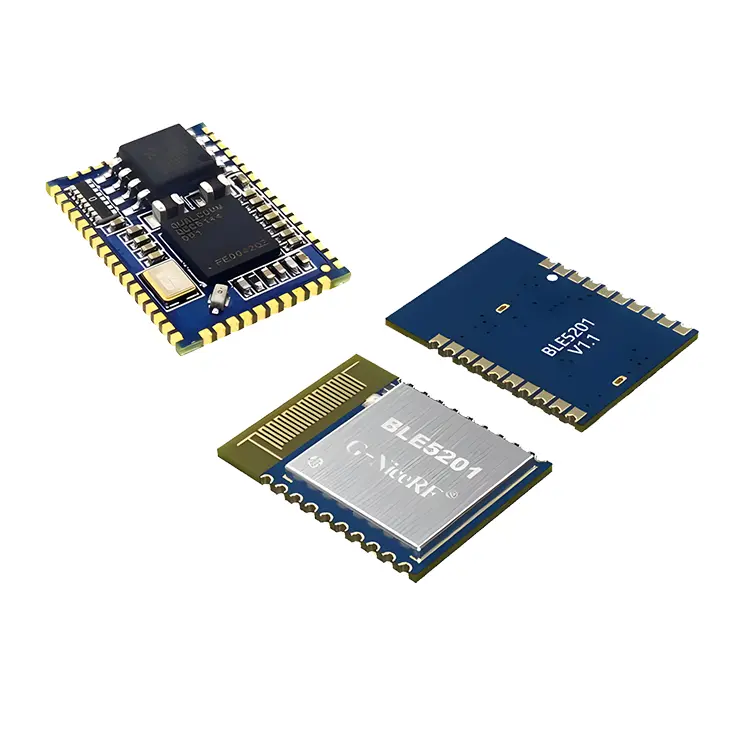 Communication Modules/IoT
 Resistors
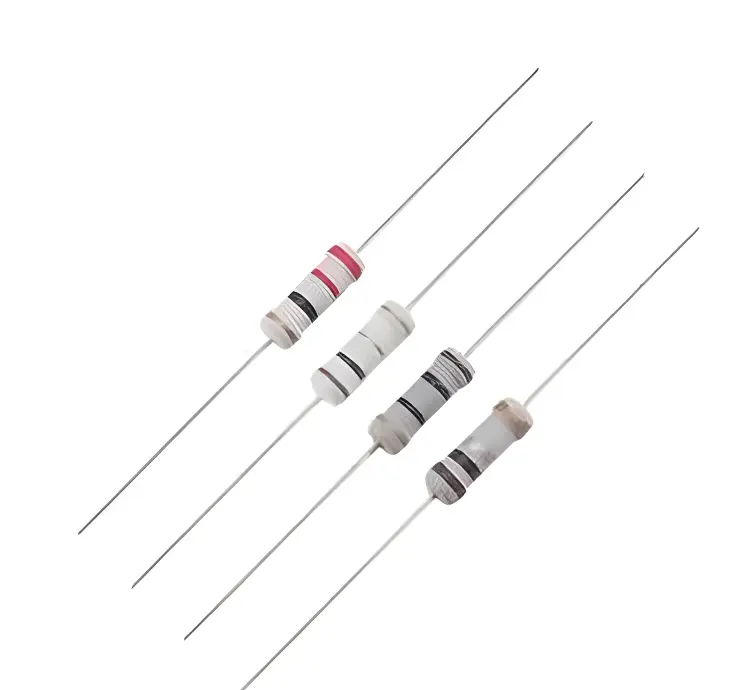 Through Hole Resistors
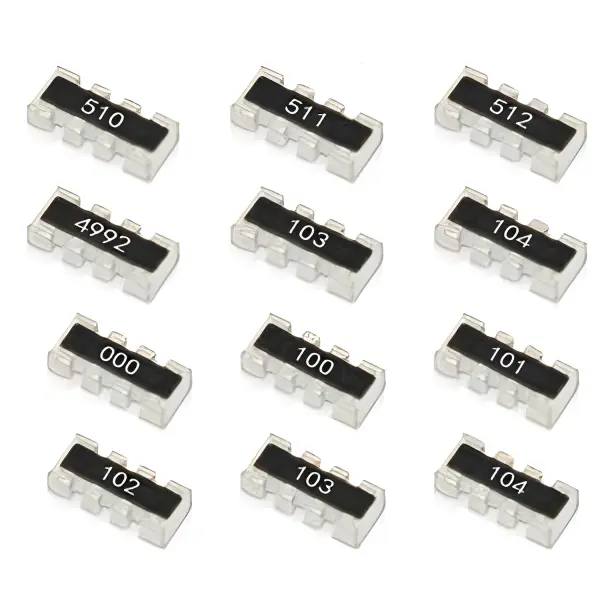 Resistor Networks, Arrays
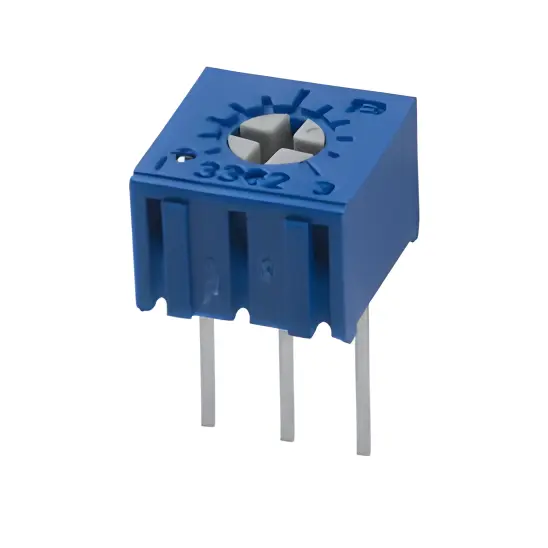 Potentiometers,Variable Resistors
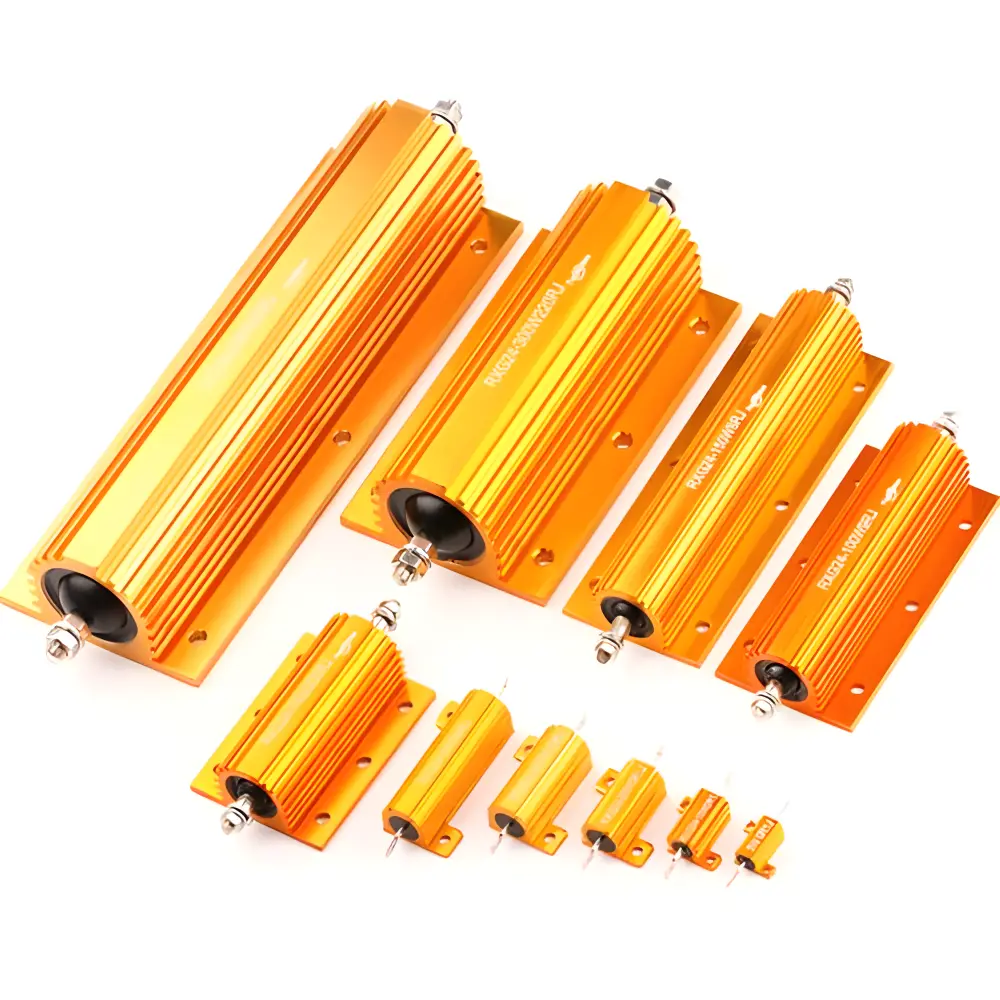 Aluminum Case,Porcelain Tube Resistance
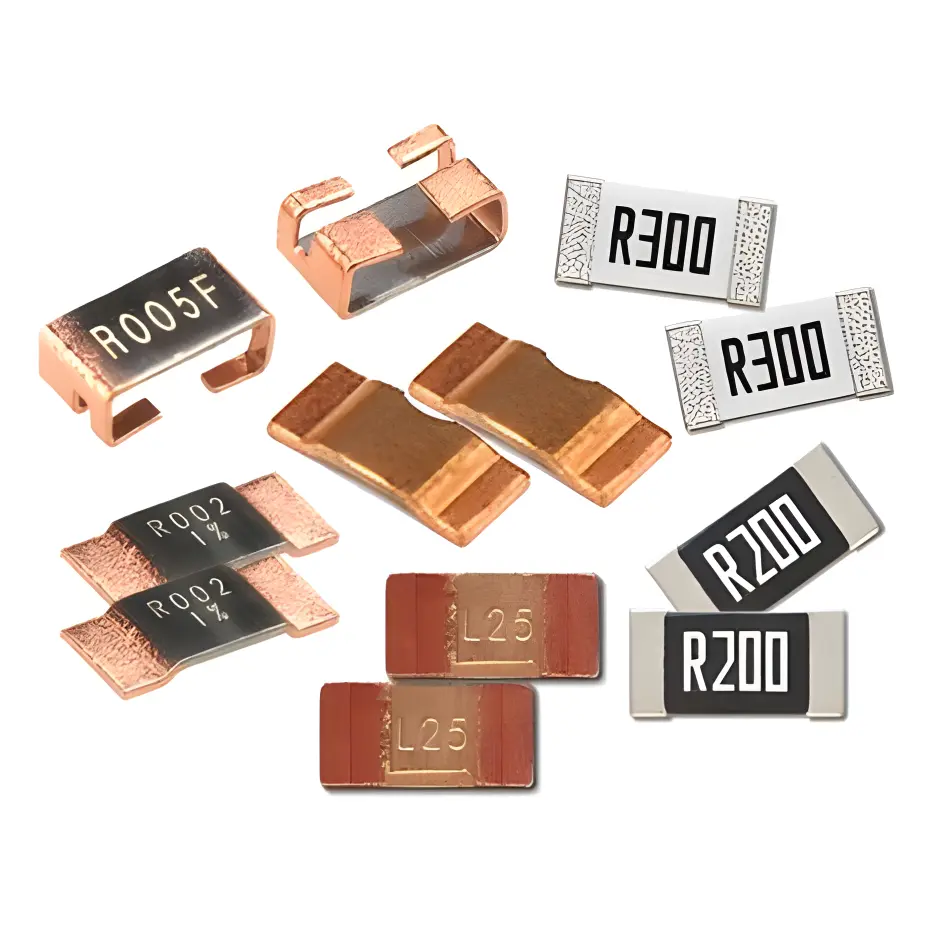 Current Sense Resistors,Shunt Resistors
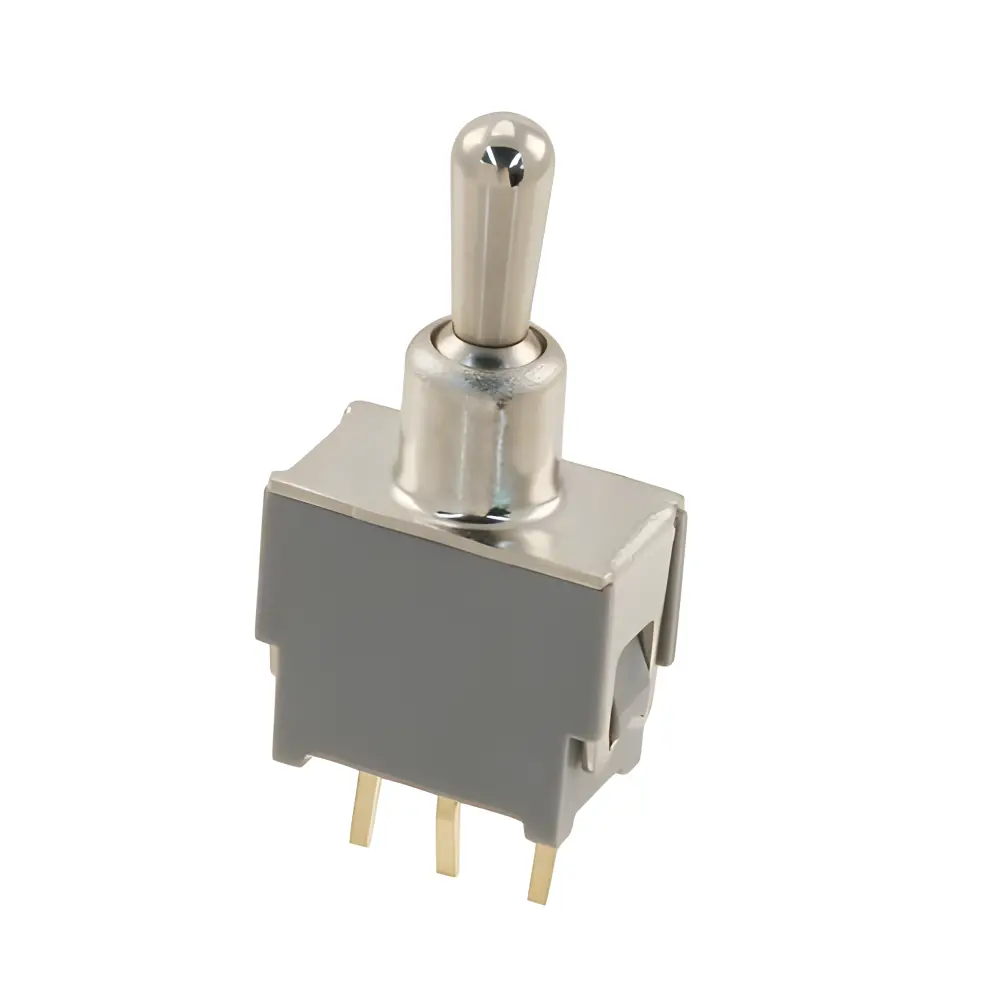 Switches
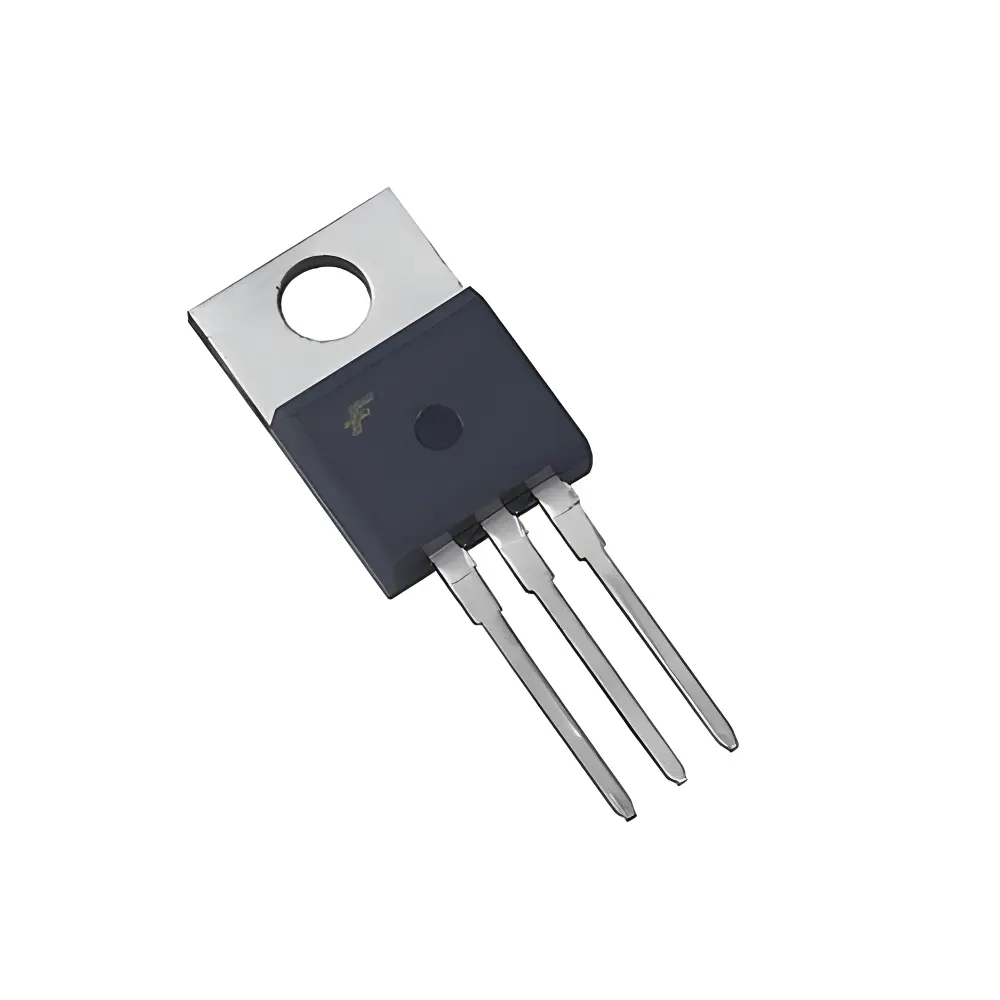 Transistors
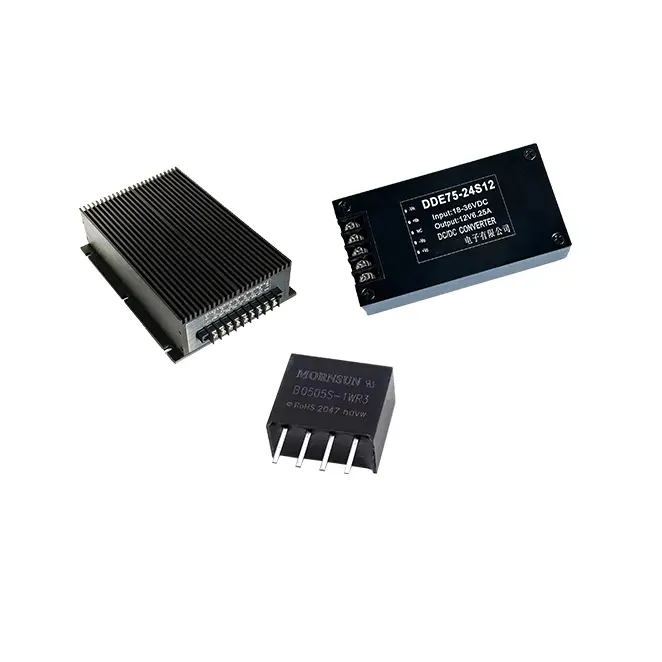 Power Modules
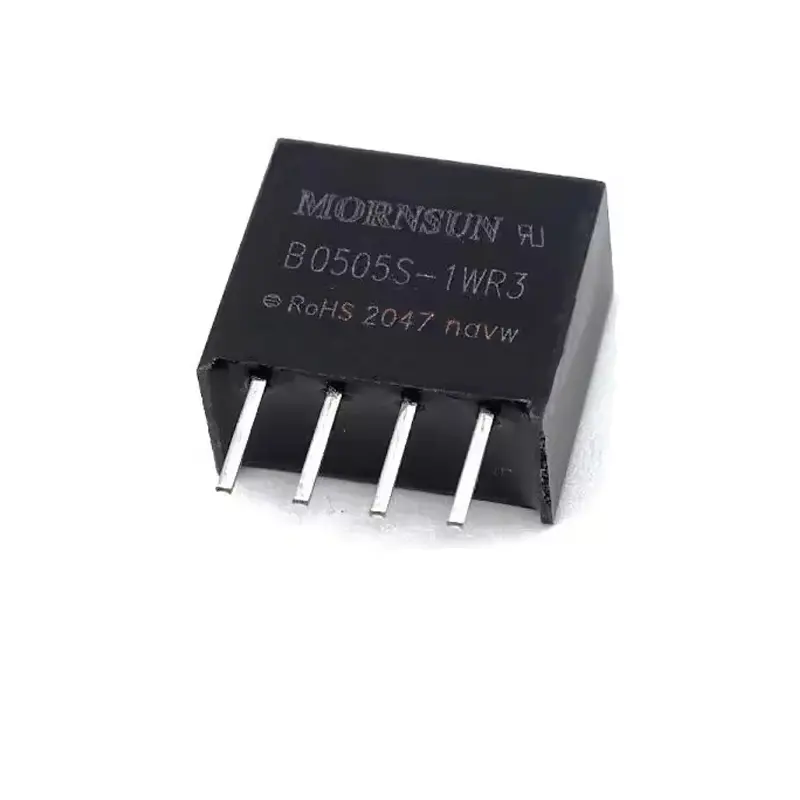 Isolated Power Modules
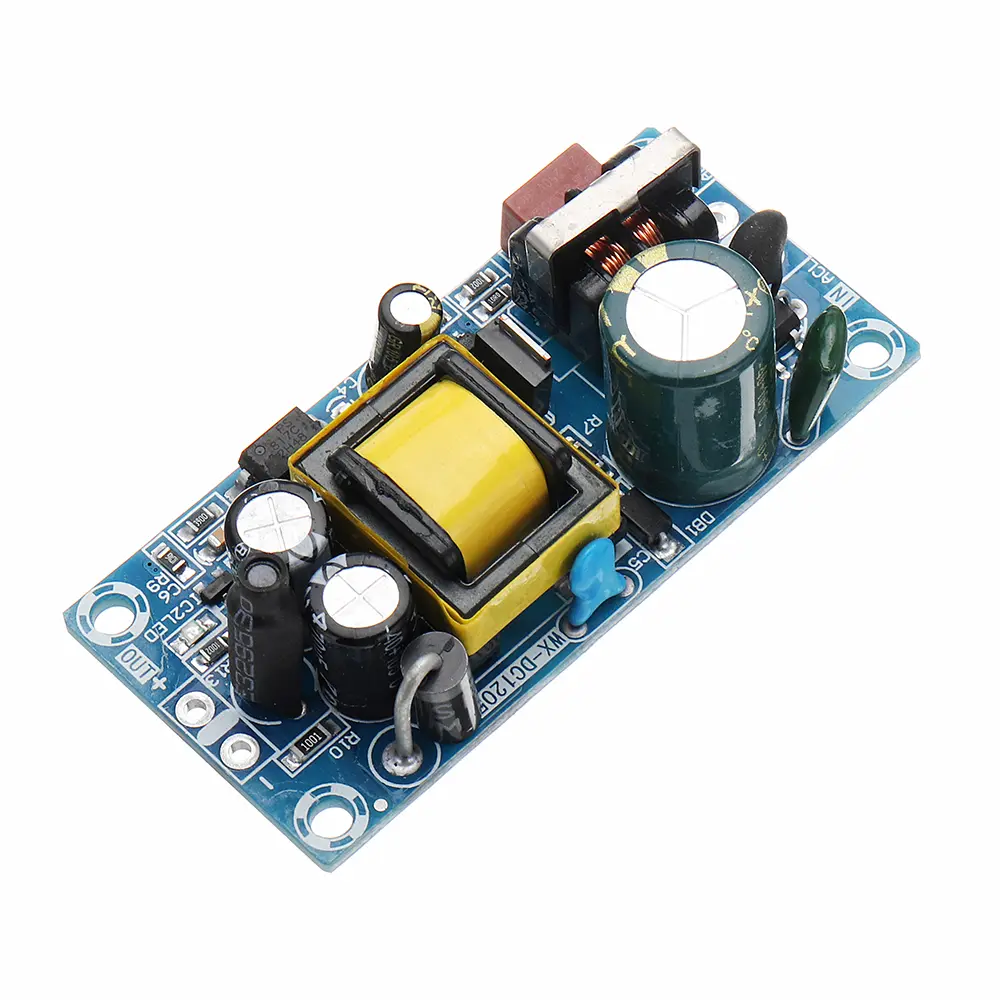 AC-DC Power Modules
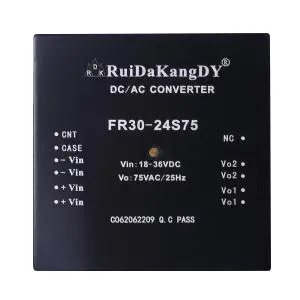 DC-AC Module(Inverter)
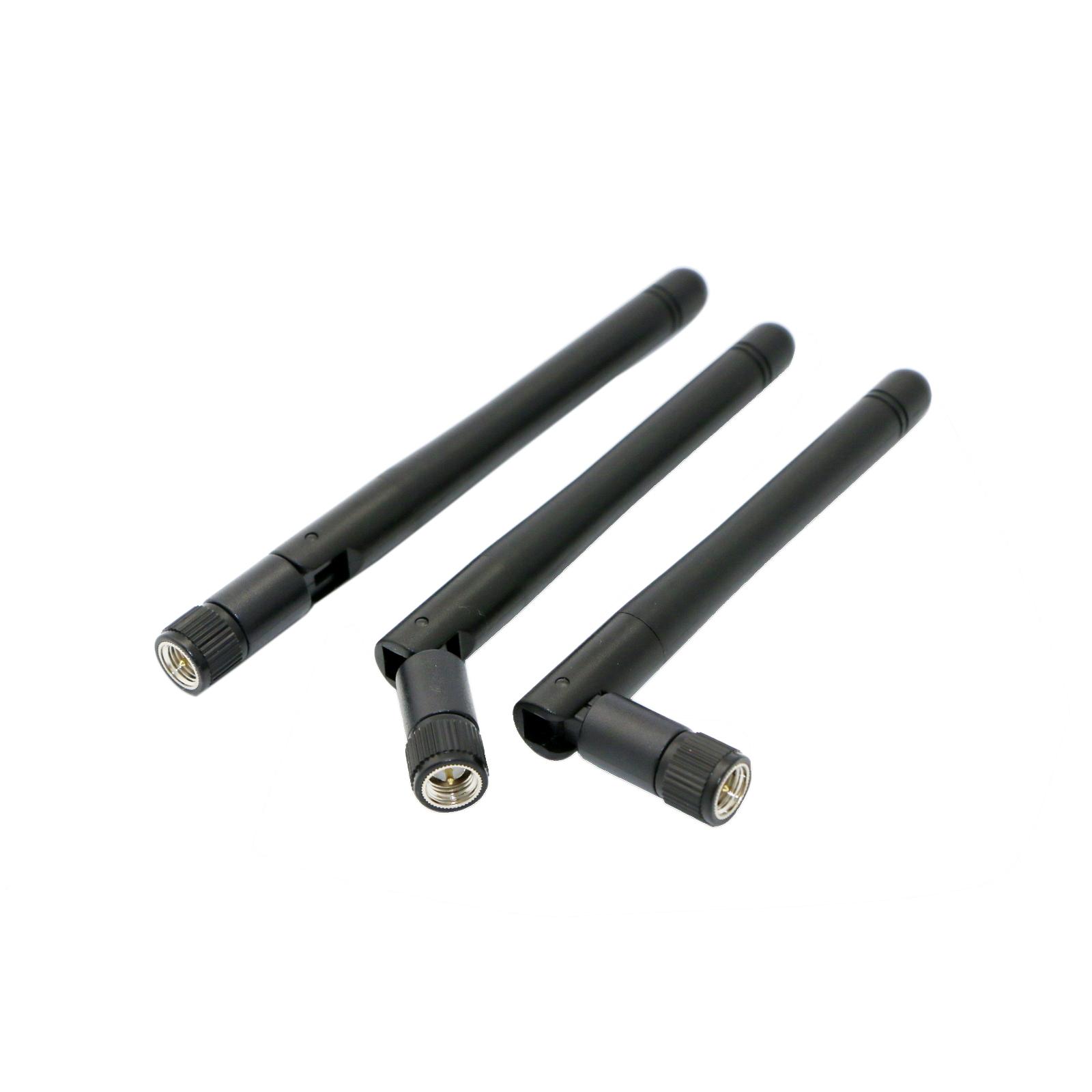 RF and Wireless
Detection Methods for Hole Wall Cleanliness Before Electroless Copper Deposition
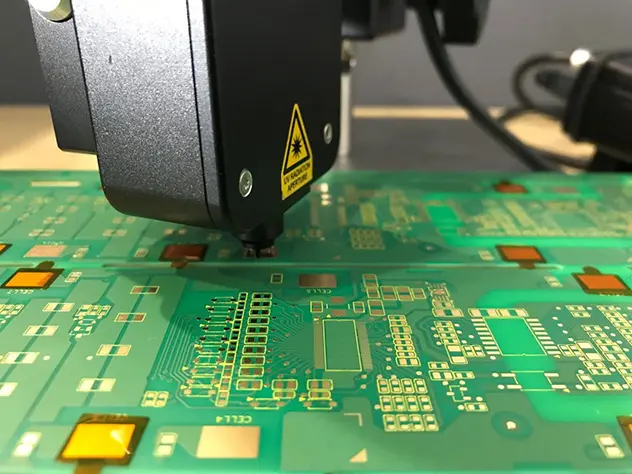
Abstract: Hole wall cleanliness directly determines the adhesion and reliability of electroless copper layers. Prior to deposition, methods including backlight testing, plasma etch testing, SEM/EDX analysis, and contact angle measurement ensure the absence of drill smear, epoxy residues, and partICles. Acceptance criteria require suRFace roughness Ra≥0.5μm and residue coverage <5%.
1. Backlight Testing (Microsection Analysis)
-
Procedure:
-
Prepare cross-section of PCB edge hole → Polish to 1μm finish → Observe under 200× microscope.
-
-
Criteria:
-
Pass: Uniform "jagged" roughness; no continuous resin bands (residue coverage <5%);
-
Fail: White resin streaks (smear) or smooth walls (inadequate etching).
-
-
Limitations:
-
Limited to local areas (<10% of single hole); requires multi-point sampling (IPC-TM-650 2.2.17).
-
2. Plasma Etch Test
-
Principle:
-
Etch hole walls in oxygen plasma for 30 seconds; residue distribution revealed by differential etching rates of resin vs. glass fiber.
-
-
Steps:
-
Conditions: 200W RF power, O₂ 50sccm, 50Pa chamber pressure;
-
Post-etch SEM: Residue areas appear recessed; glass fibers protrude (>0.2μm height difference fails).
-
-
Advantage:
-
Quantifies residue area ratio (±0.5% accuracy); suitable for holes ≥0.15mm.
-
3. SEM/EDX Analysis
-
SEM Surface Morphology:
-
Scan hole walls at 5000×; pass criteria:
-
Roughness Ra≥0.5μm (per IPC-6012E);
-
No particles >1μm (prevents copper voids).
-
-
-
EDX Elemental Analysis:
-
Point scan (beam spot ≤1μm); residue identification:
-
Epoxy: C/O ratio ≈7:3 (wt%);
-
Glass fiber debris: Si peak >5at% requires rework.
-
-
4. Contact Angle Measurement
-
Principle:
-
Deposit 2μL deionized water on hole wall cross-section; measure contact angle to assess surface energy.
-
-
Criteria:
-
Pass: Angle <30° (high surface energy, promotes chemical bonding);
-
Fail: Angle >60° (residues reduce surface activity).
-
-
Equipment:
-
Automated goniometer (e.g., Krüss DSA100), ±0.1° precision.
-
5. Other Rapid Methods
| Method | Target | Application | Limitations |
|---|---|---|---|
| Dye Penetration Test | Resin distribution | Multilayer through-holes | Qualitative only |
| Borehole CCD Endoscope | Large particles | Aspect ratio holes ≥0.5mm | <5mm depth; >20% blind zones |
| Ultrasonic Impedance | Micro-cracks | HF materials (PTFE) | Requires special couplant |
6. Cleaning Process Optimization
-
Desmear Key Parameters:
Process Solution Formula Temp./Time Target Roughness Chemical Swell Butyl glycol ether 80g/L 70°C/3min Ra=0.3–0.5μm KMnO₄ Oxidation KMnO₄ 60g/L, NaOH 40g/L 80°C/6min Ra=0.8–1.2μm Plasma Etching O₂/CF₄=4:1, 300W 15min Ra=1.5–2.0μm -
Rework Standard:
-
Residue coverage >5% → Increase process time by 30%;
-
Ra<0.3μm → Re-drill hole; prohibit copper deposition.
-
Conclusion
Pre-copper hole cleanliness requires multidimensional validation via morphology, composition, and wettability:
-
Key Metrics: Residue coverage <5%, roughness Ra≥0.5μm, contact angle <30°;
-
Method Selection:
-
Mass production: Backlight sampling (1 hole/panel) + full-panel contact angle;
-
High-reliability boards: SEM/EDX + plasma etch test;
-