
 PCB
PCB FPC
FPC Rigid-Flex
 FR-4
FR-4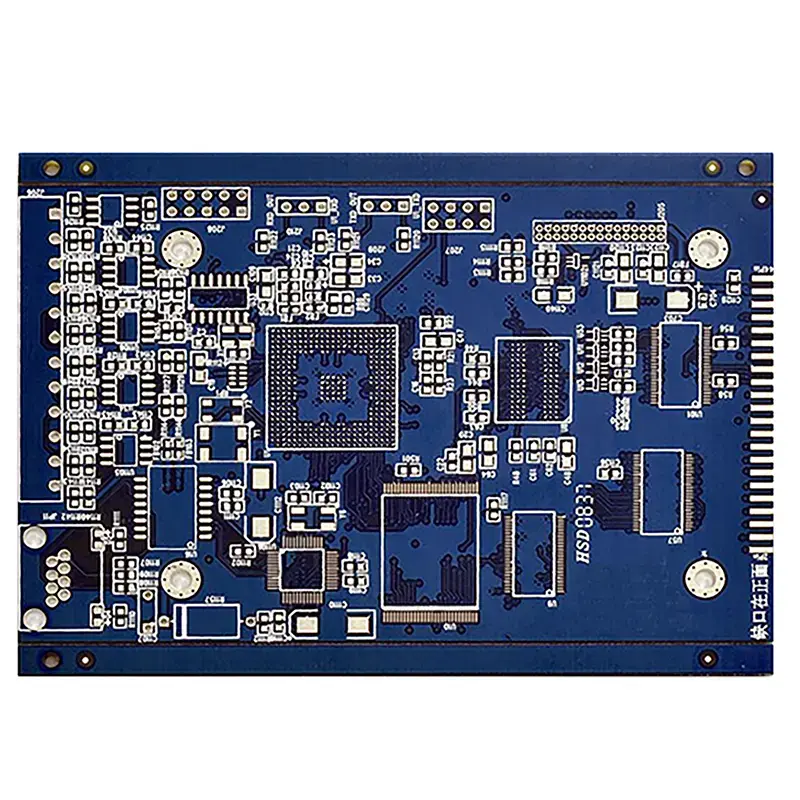 HDI PCB
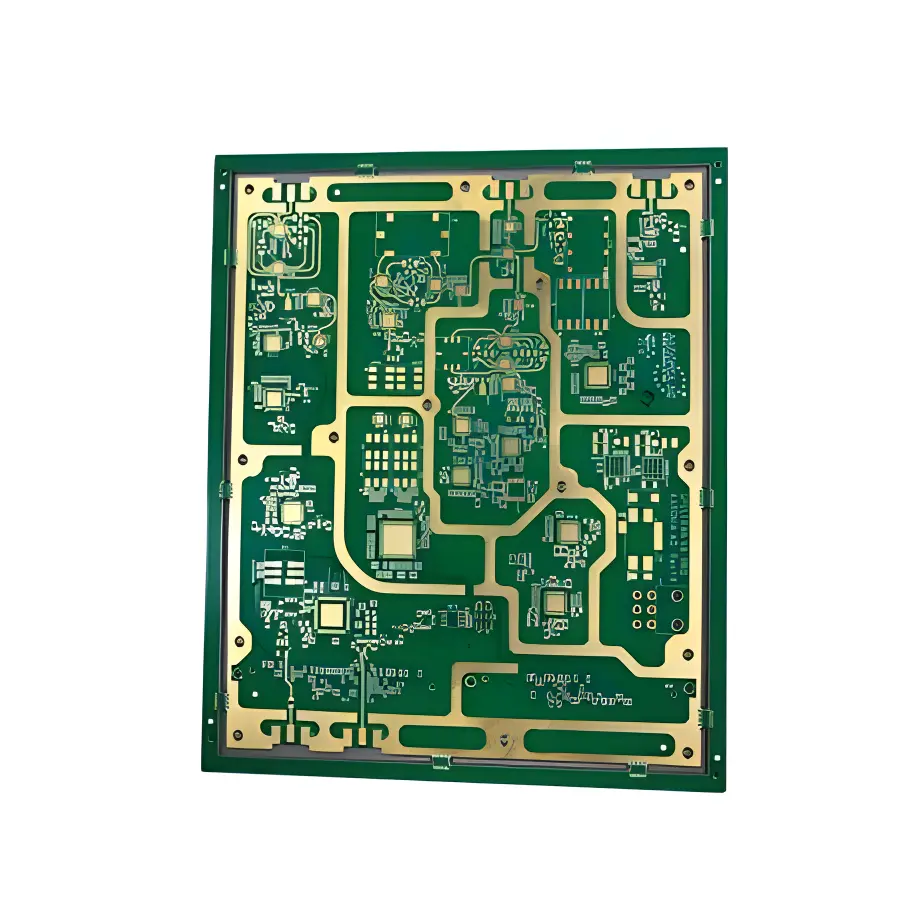 Rogers High-Frequency Board
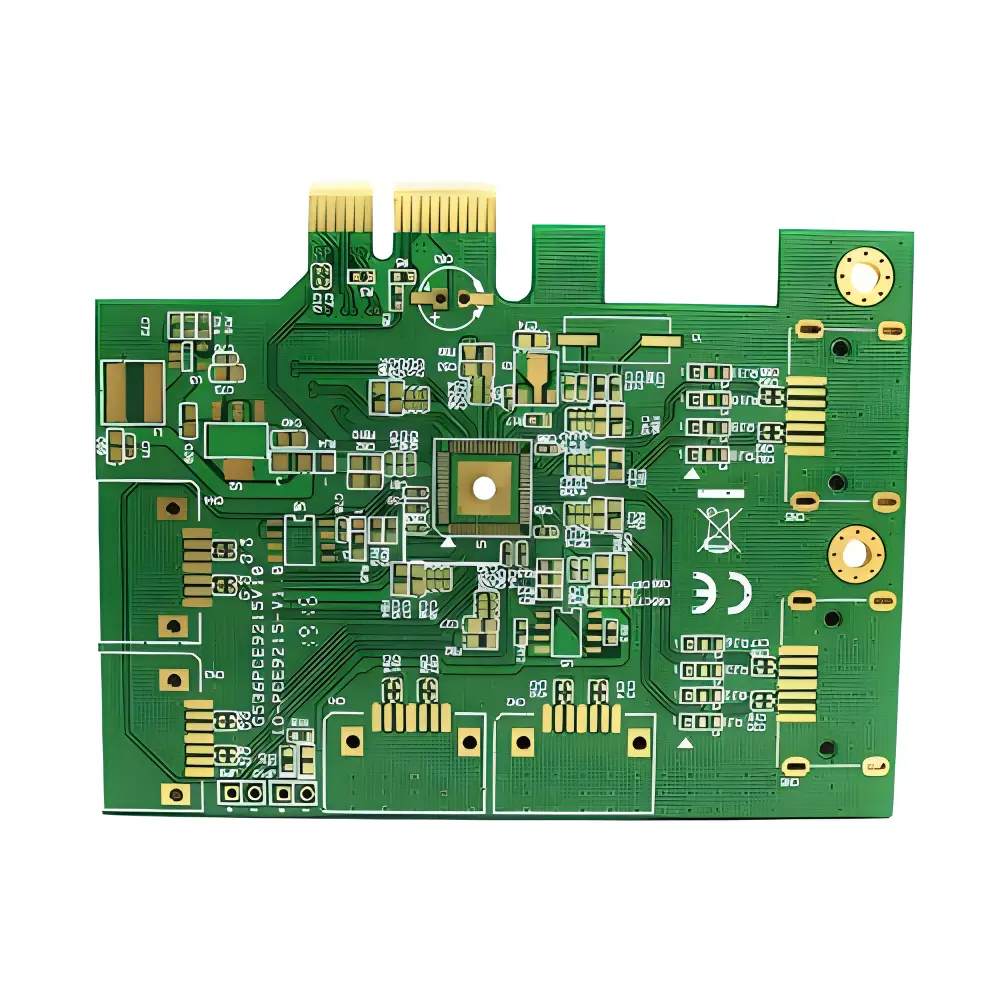 PTFE Teflon High-Frequency Board
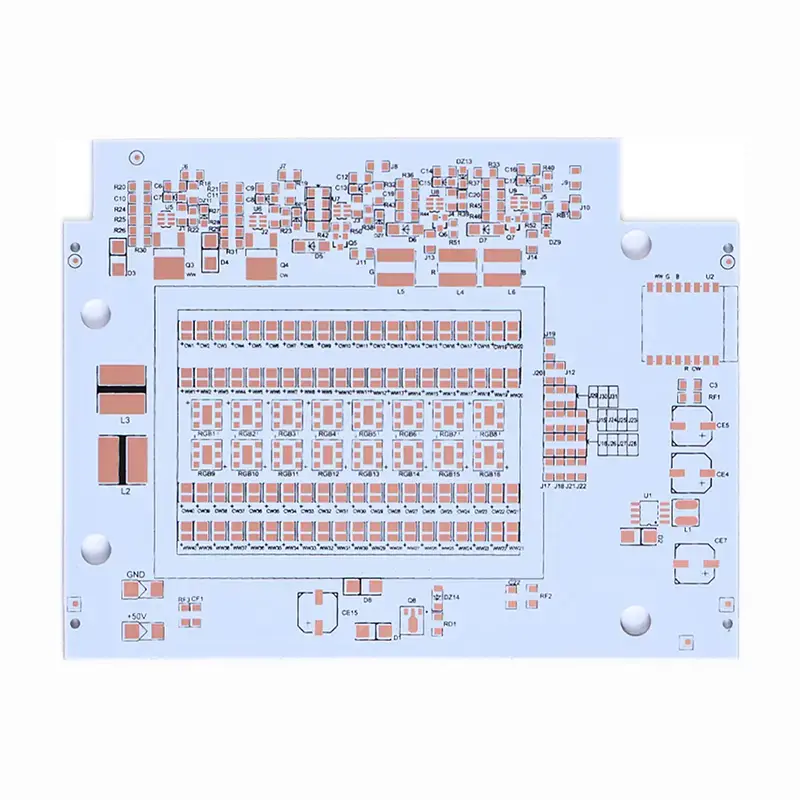 Aluminum
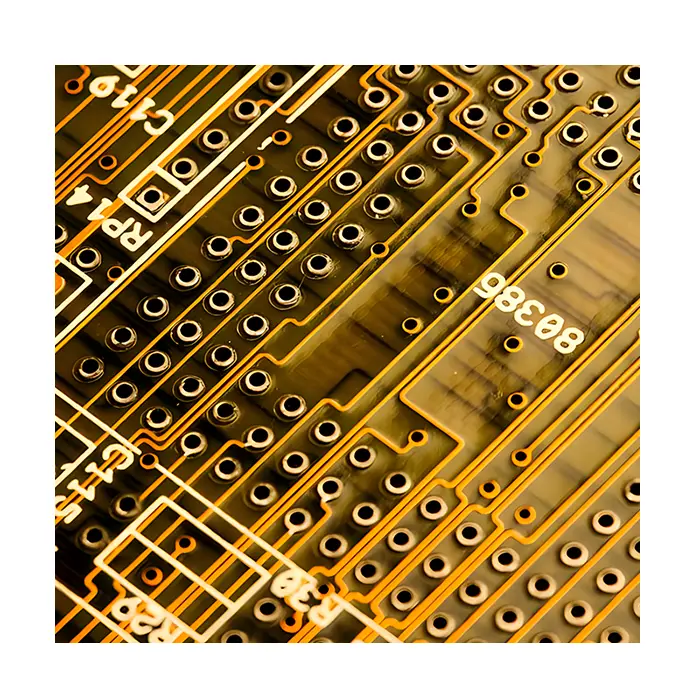 Copper Core
 PCB Assembly
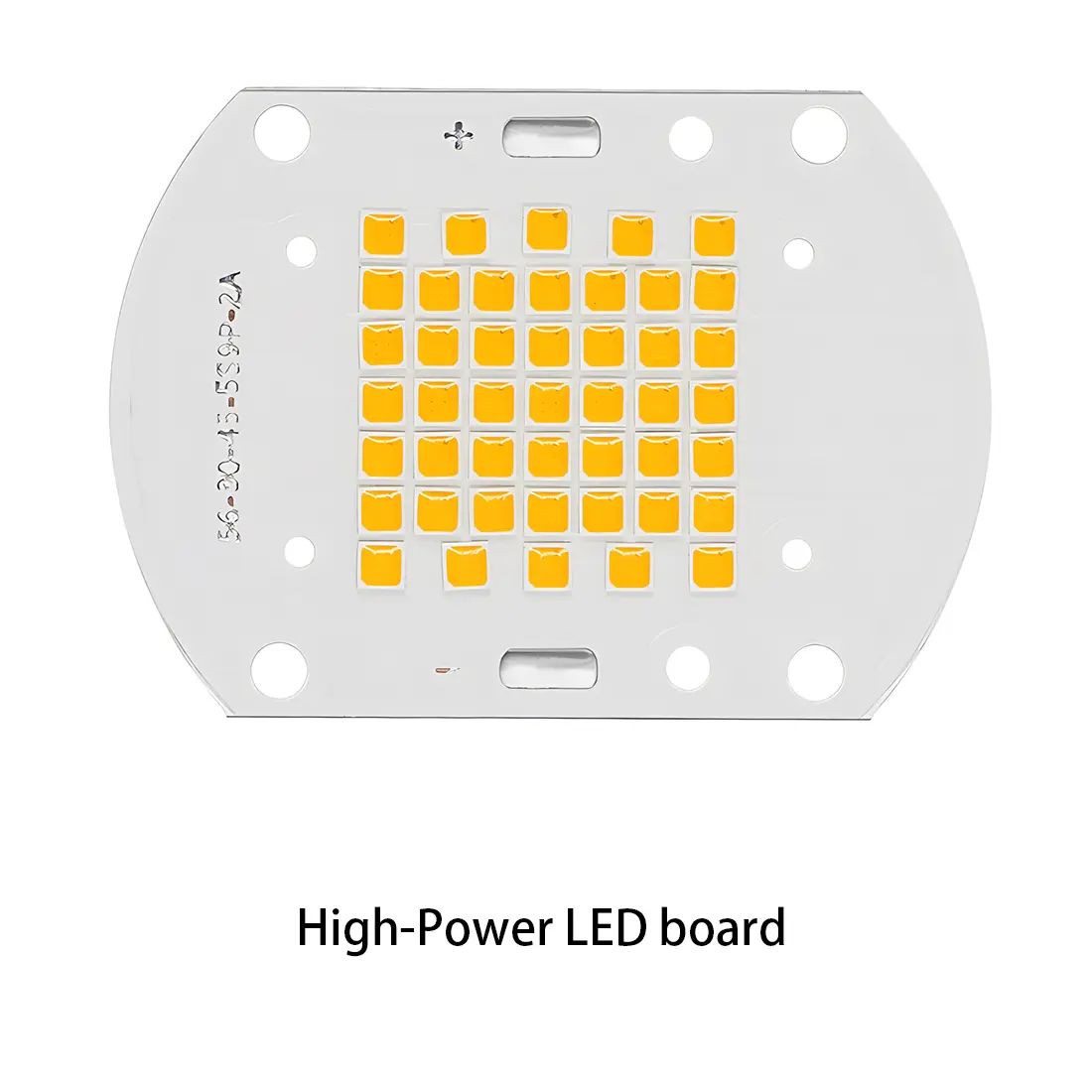 LED light PCBA
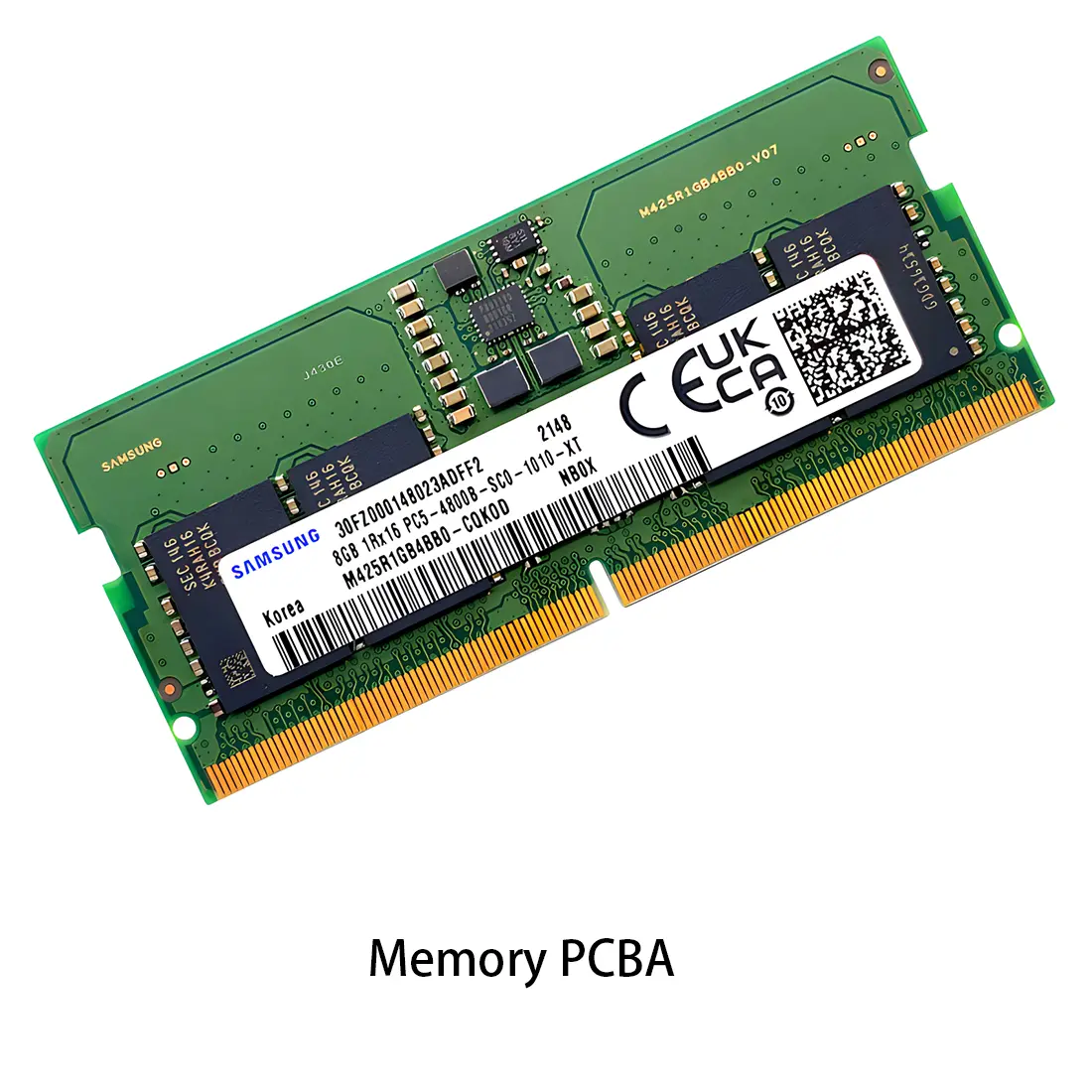 Memory PCBA
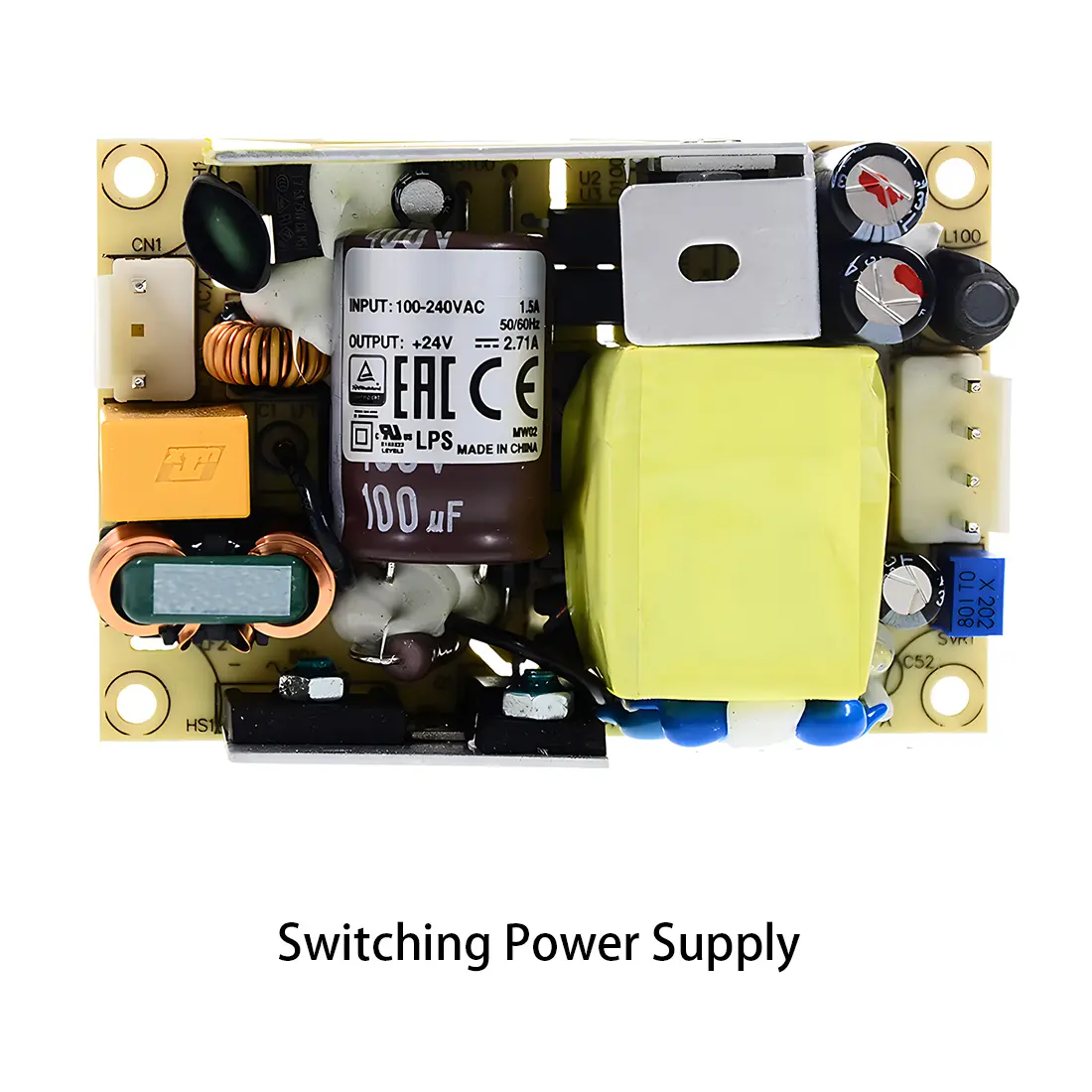 Power Supply PCBA
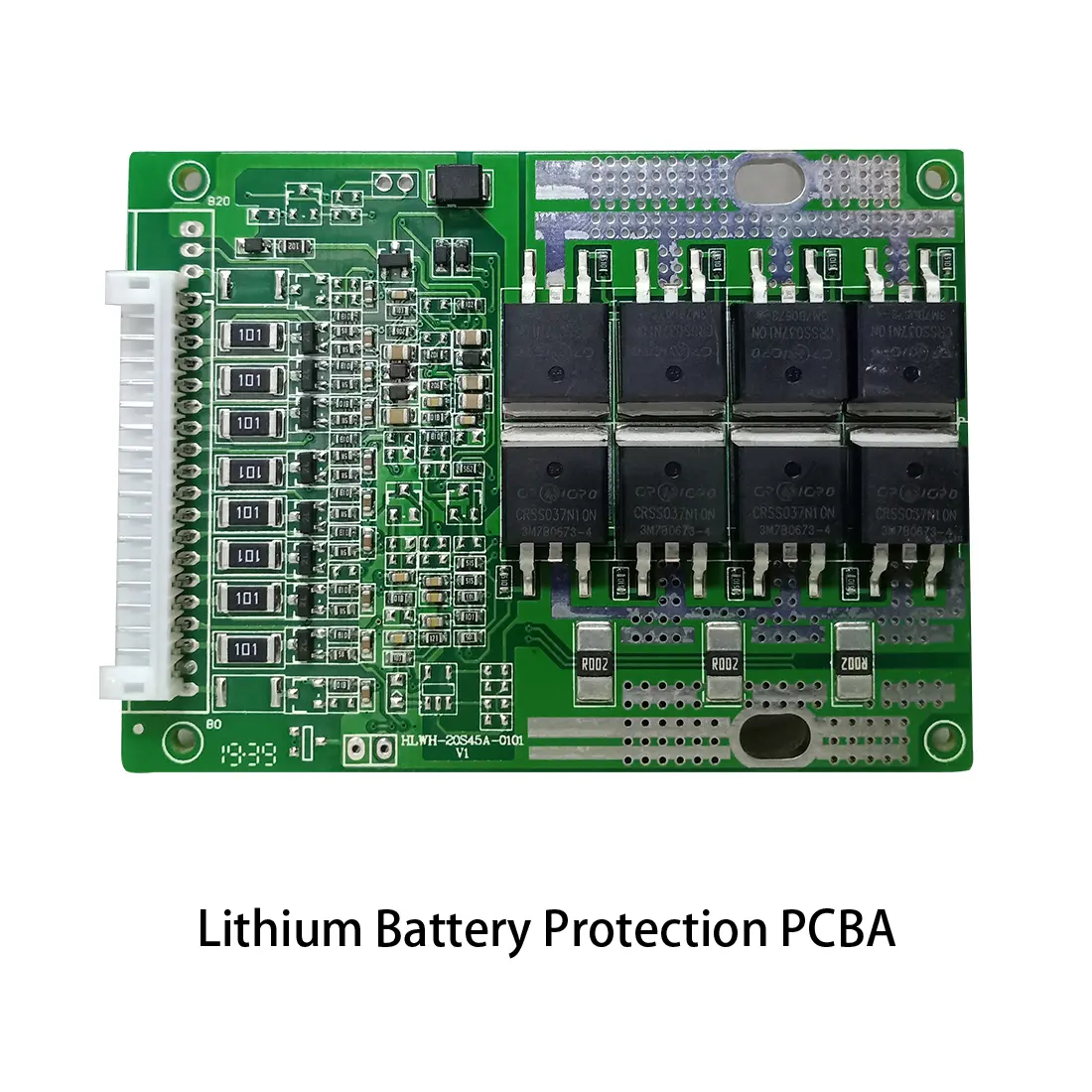 New Energey PCBA
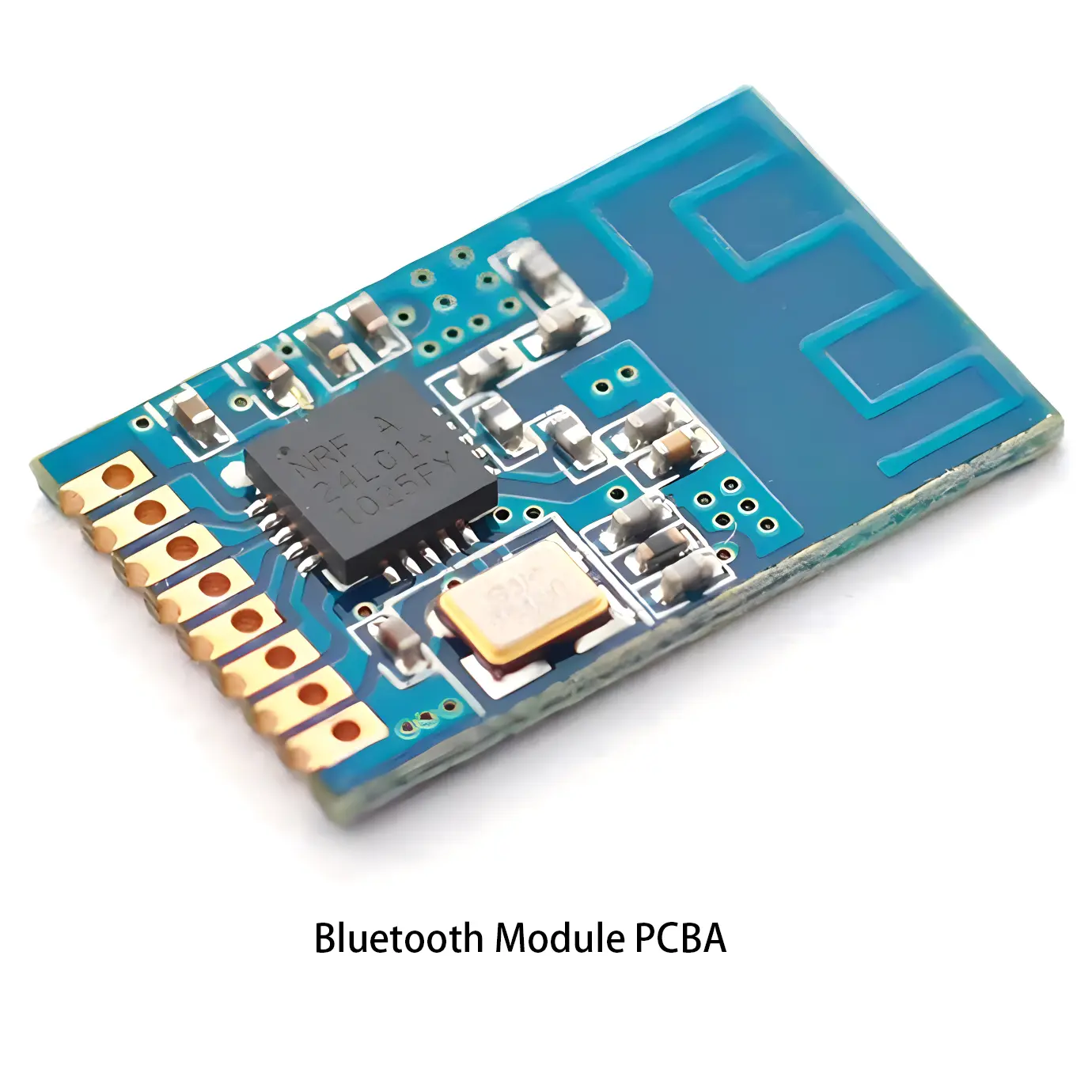 Communication PCBA
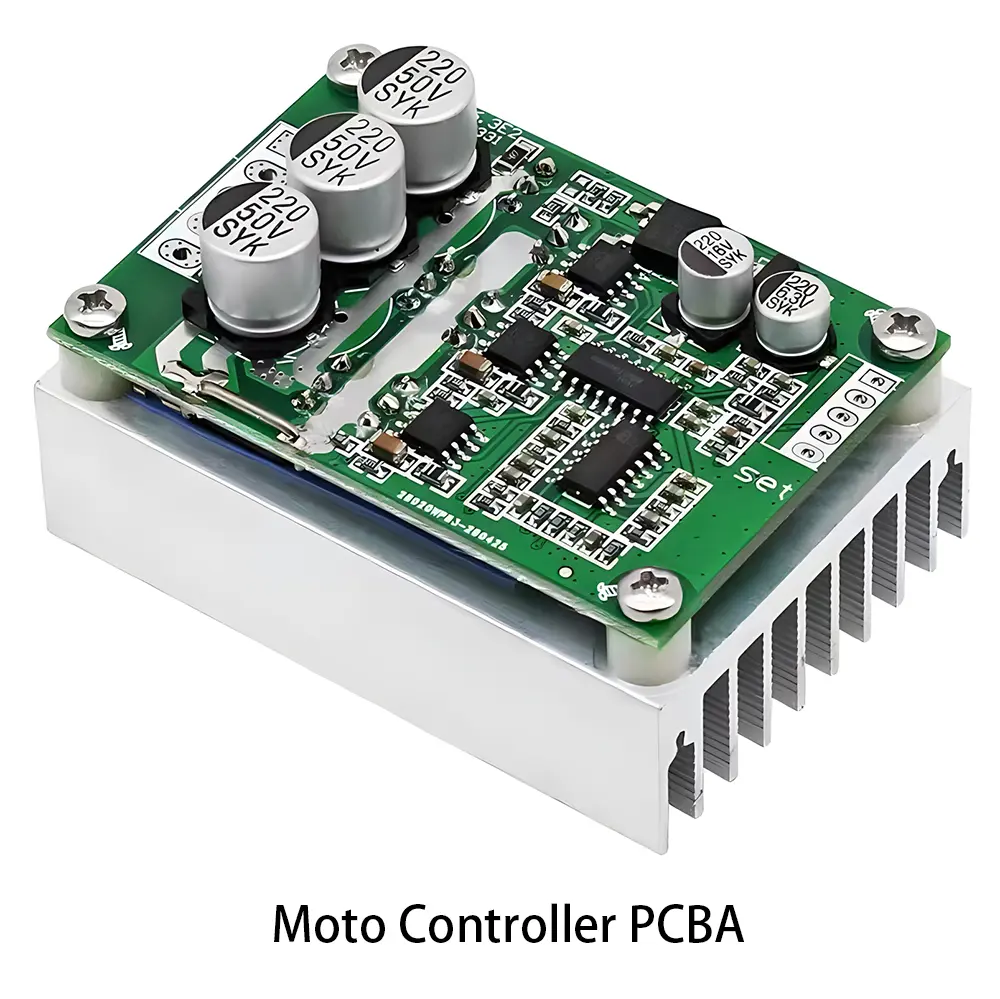 Industrial Control PCBA
 Medical Equipment PCBA
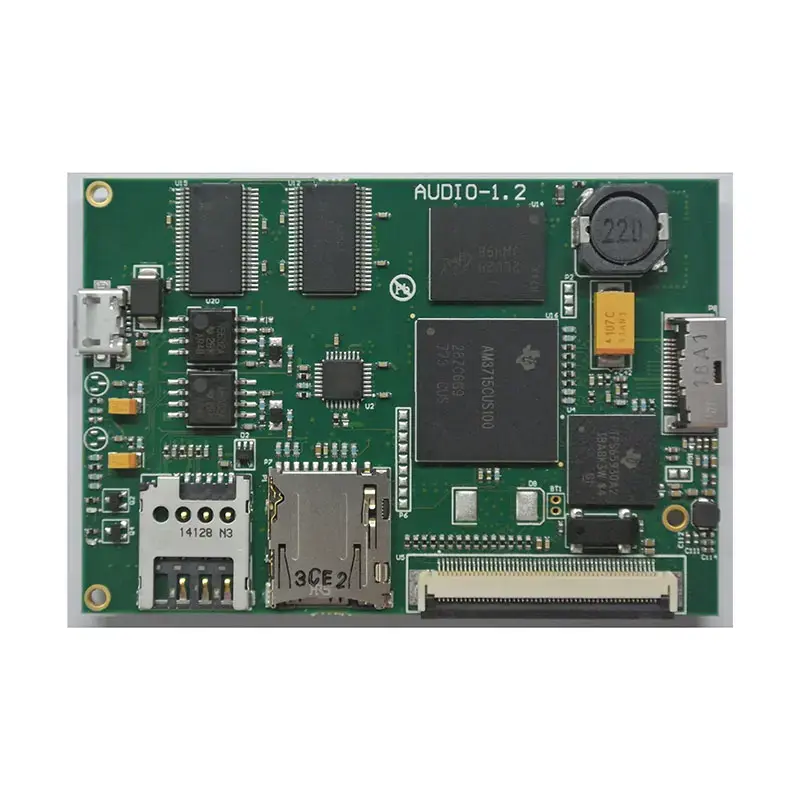 Testing Service
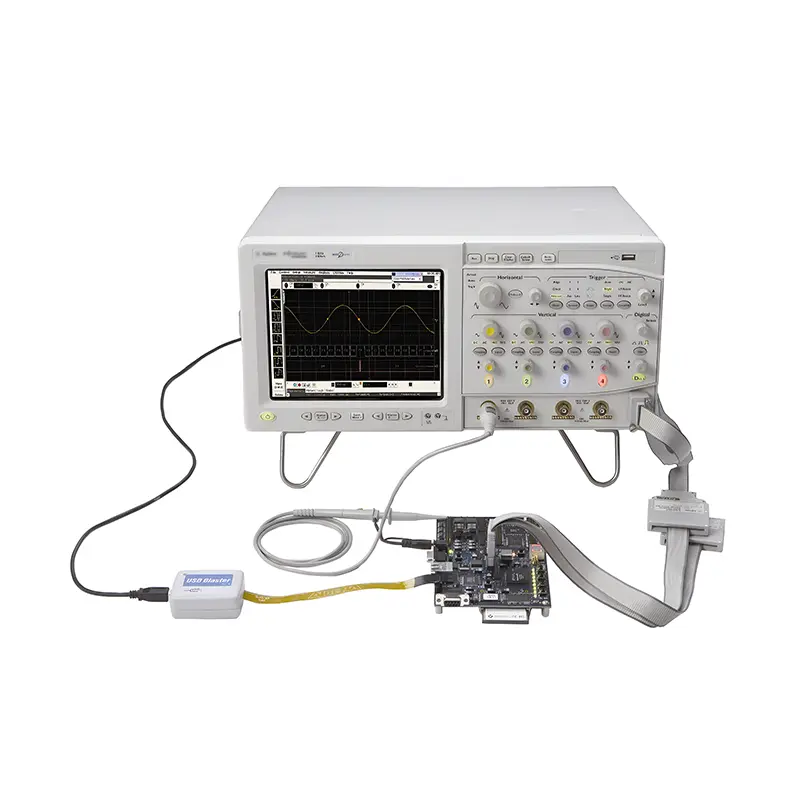 PCBA Testing Service
 Certification Application
 RoHS Certification Application
 REACH Certification Application
 CE Certification Application
 FCC Certification Application
 CQC Certification Application
 UL Certification Application
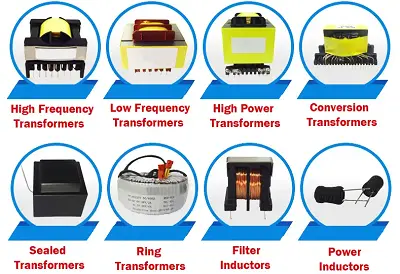 Transformers, Inductors
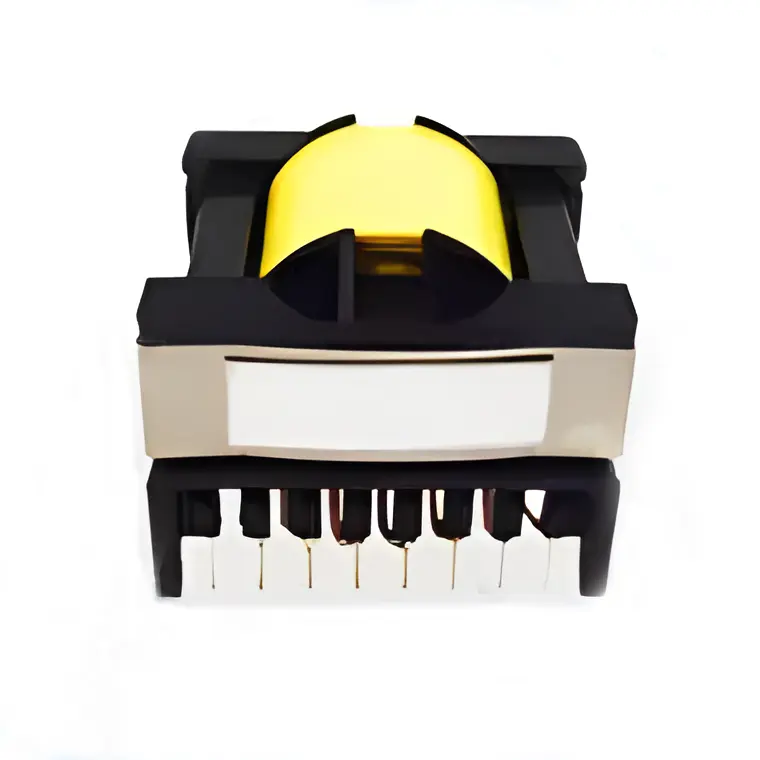 High Frequency Transformers
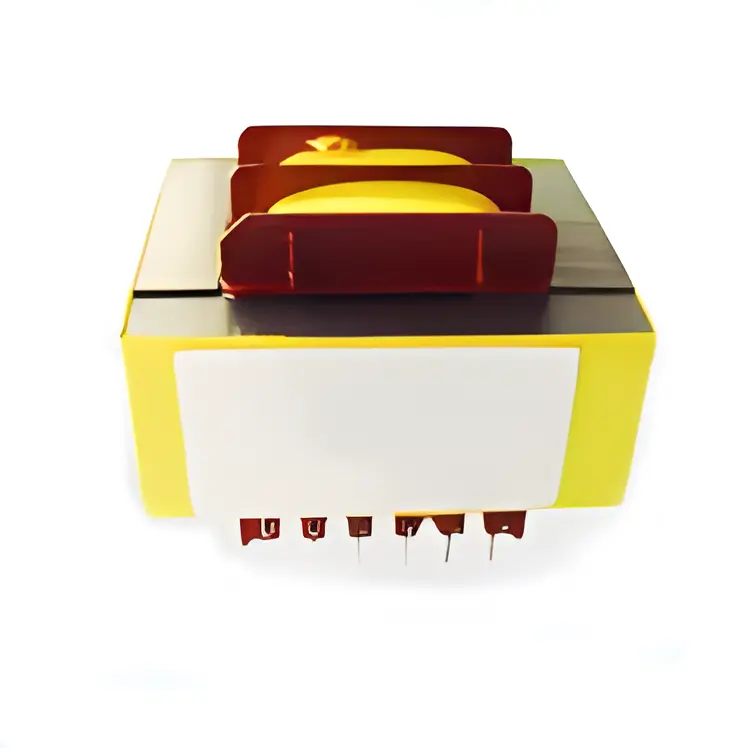 Low Frequency Transformers
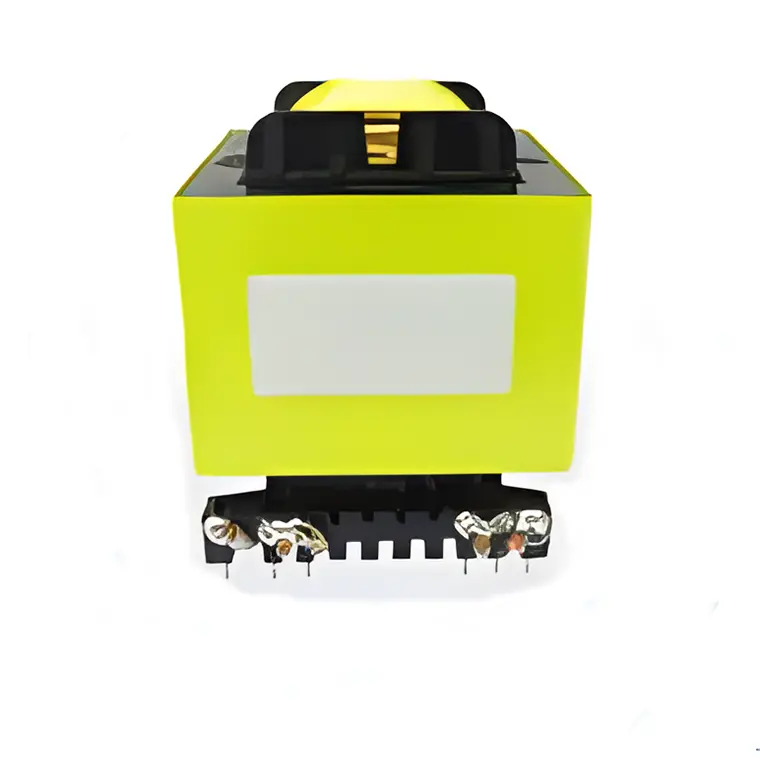 High Power Transformers
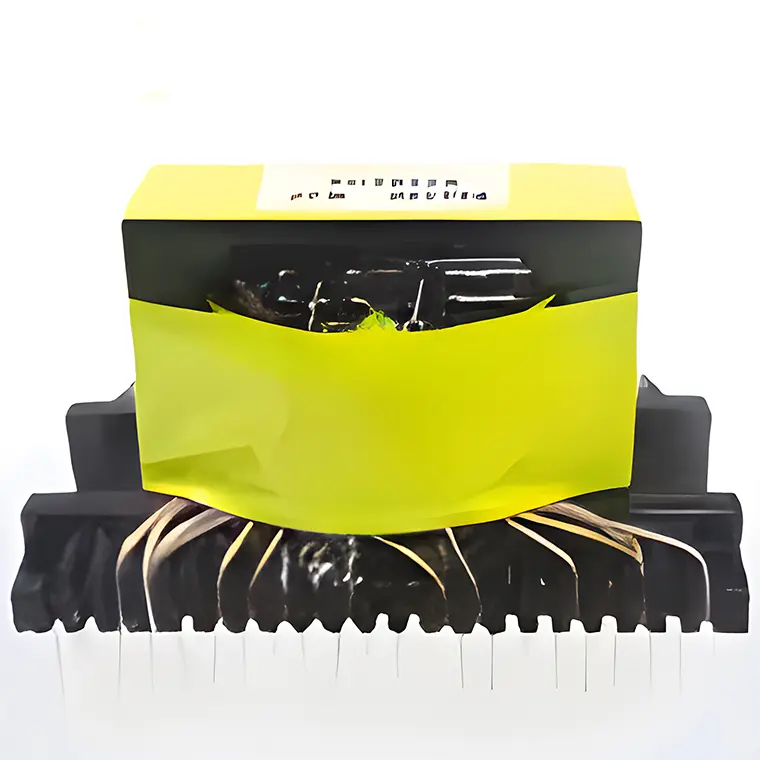 Conversion Transformers
 Sealed Transformers
 Ring Transformers
 Inductors
 Wires,Cables Customized
 Network Cables
 Power Cords
 Antenna Cables
 Coaxial Cables
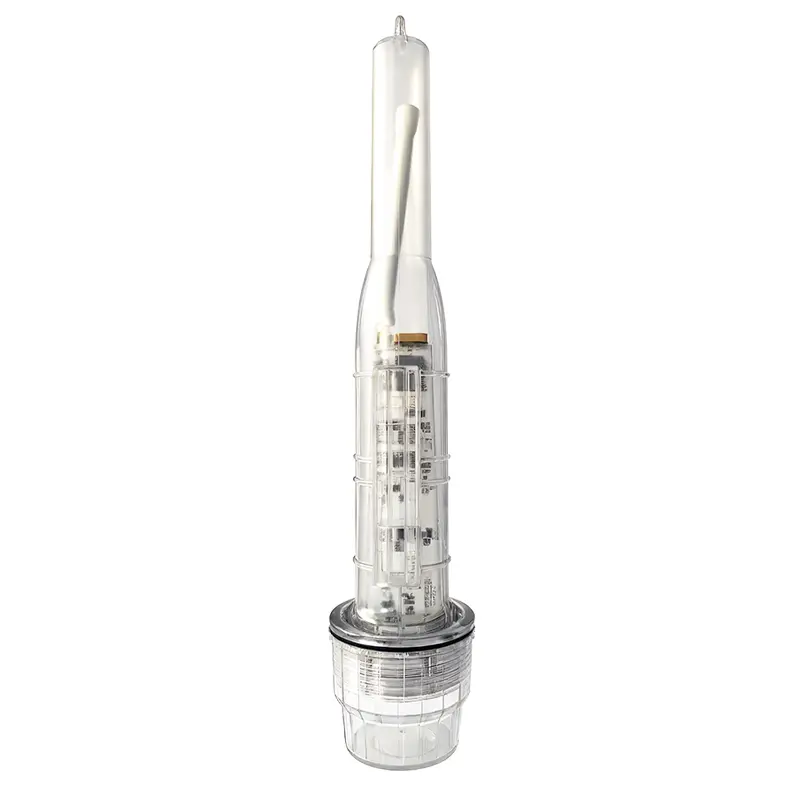 Net Position Indicator
 Solar AIS net position indicator
 Capacitors
 Connectors
 Diodes
 Embedded Processors & Controllers
 Digital Signal Processors (DSP/DSC)
 Microcontrollers (MCU/MPU/SOC)
 Programmable Logic Device(CPLD/FPGA)
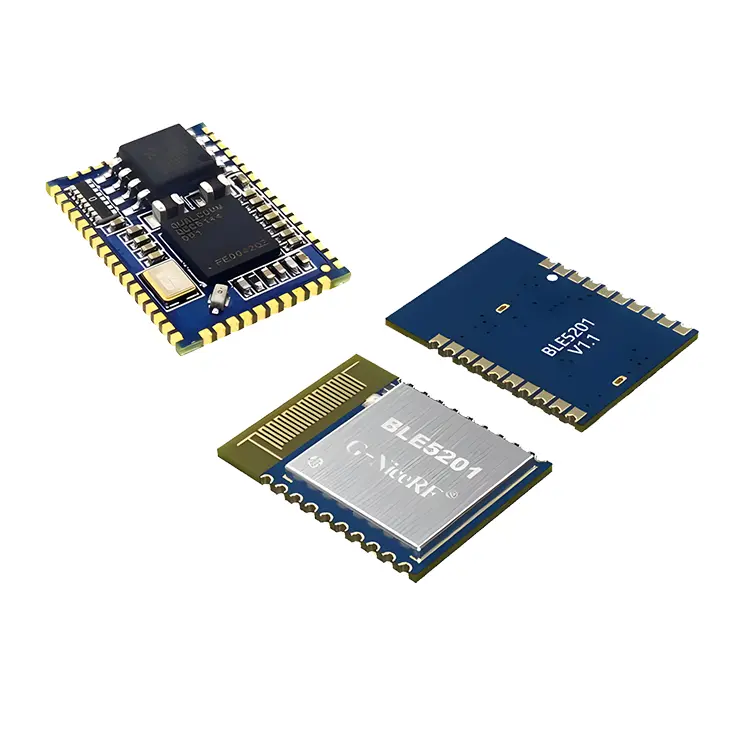 Communication Modules/IoT
 Resistors
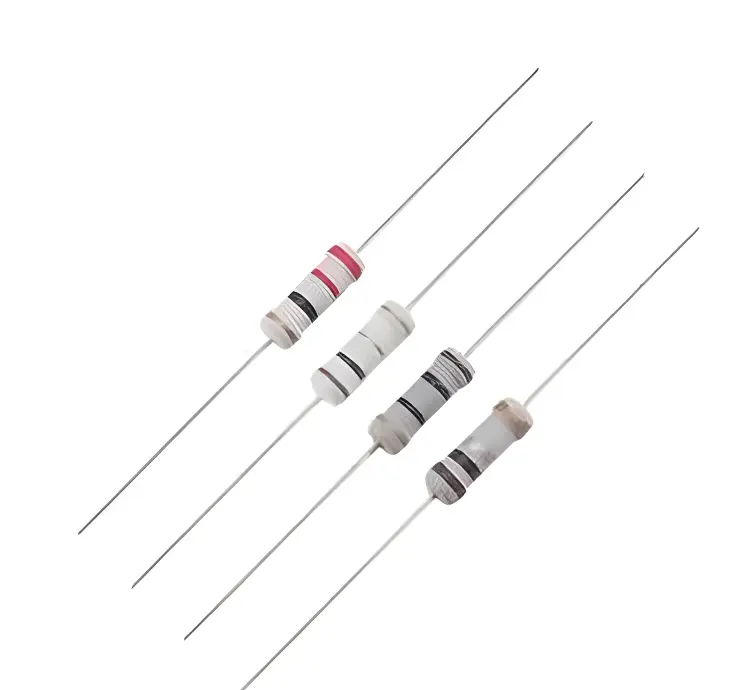 Through Hole Resistors
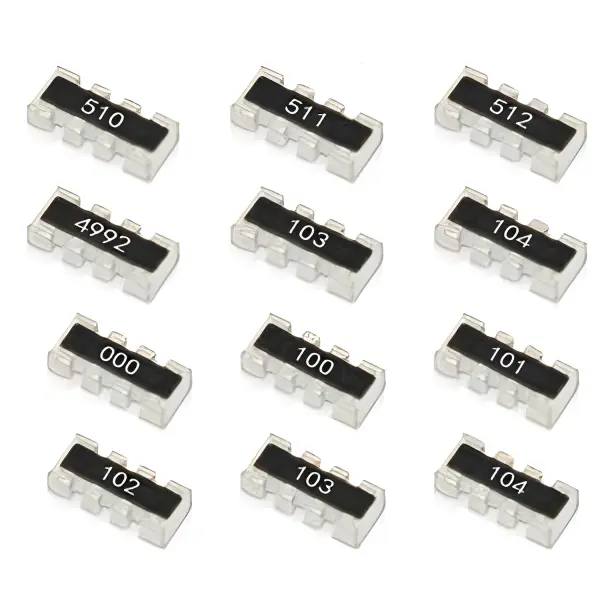 Resistor Networks, Arrays
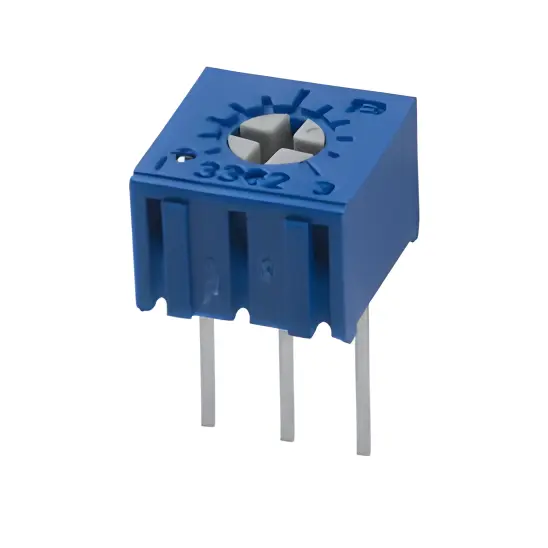 Potentiometers,Variable Resistors
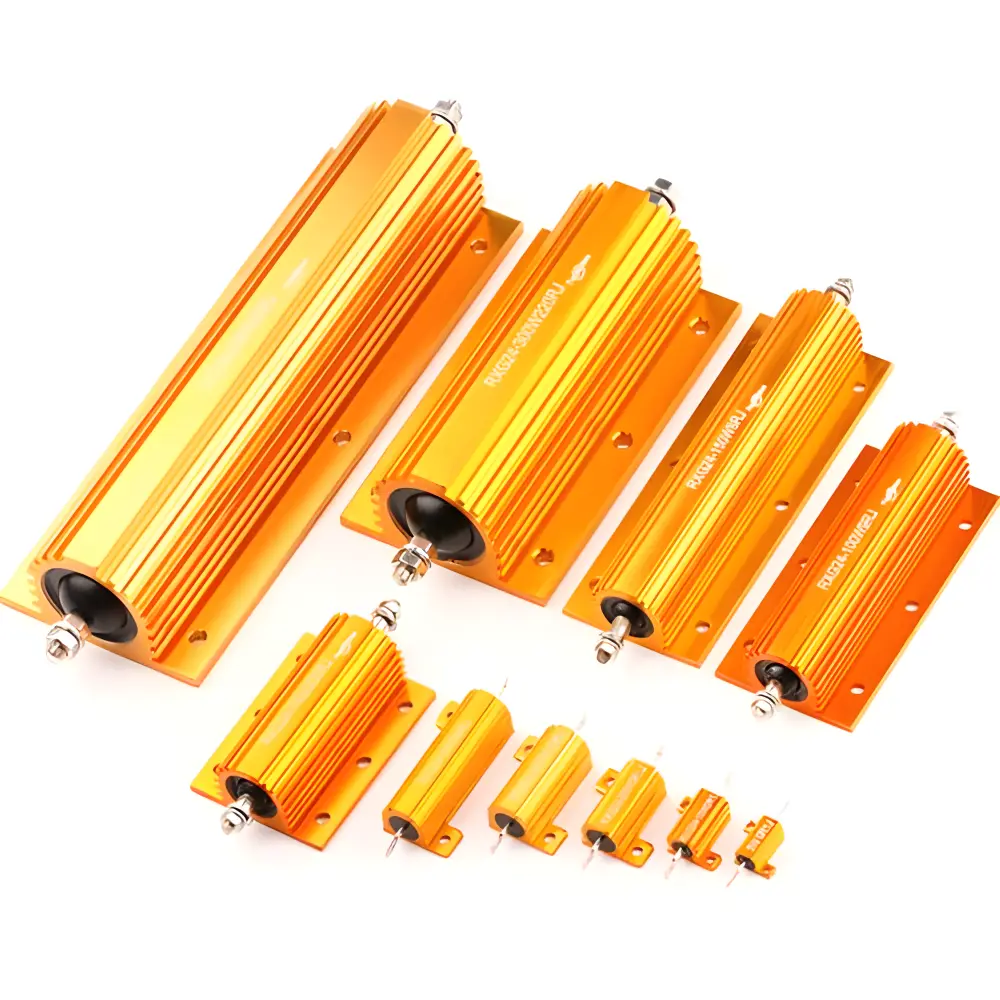 Aluminum Case,Porcelain Tube Resistance
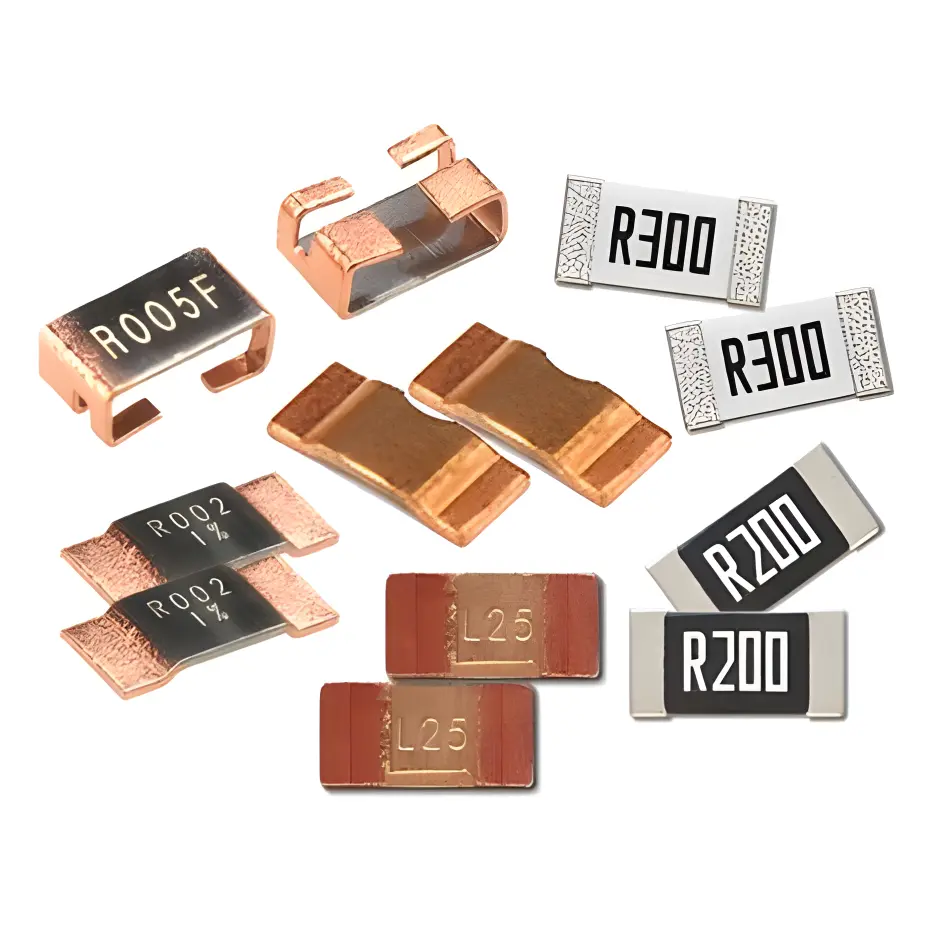 Current Sense Resistors,Shunt Resistors
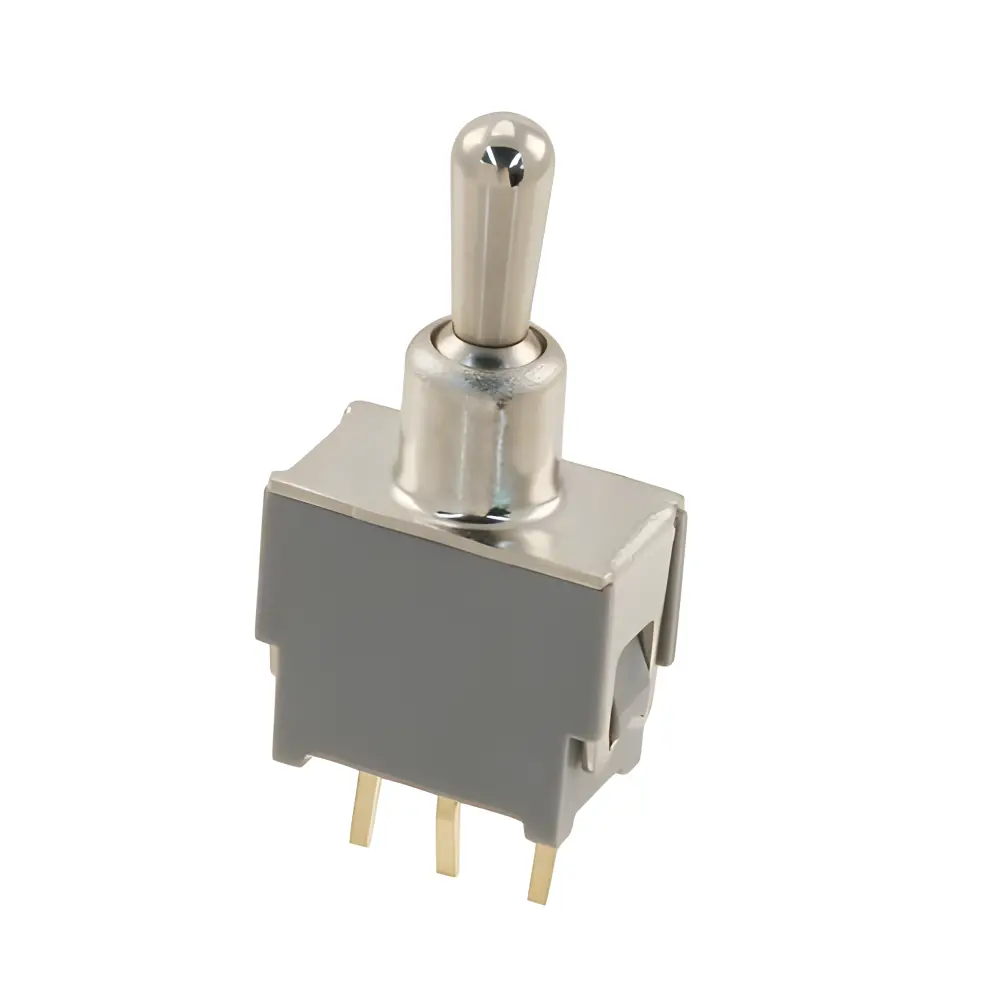 Switches
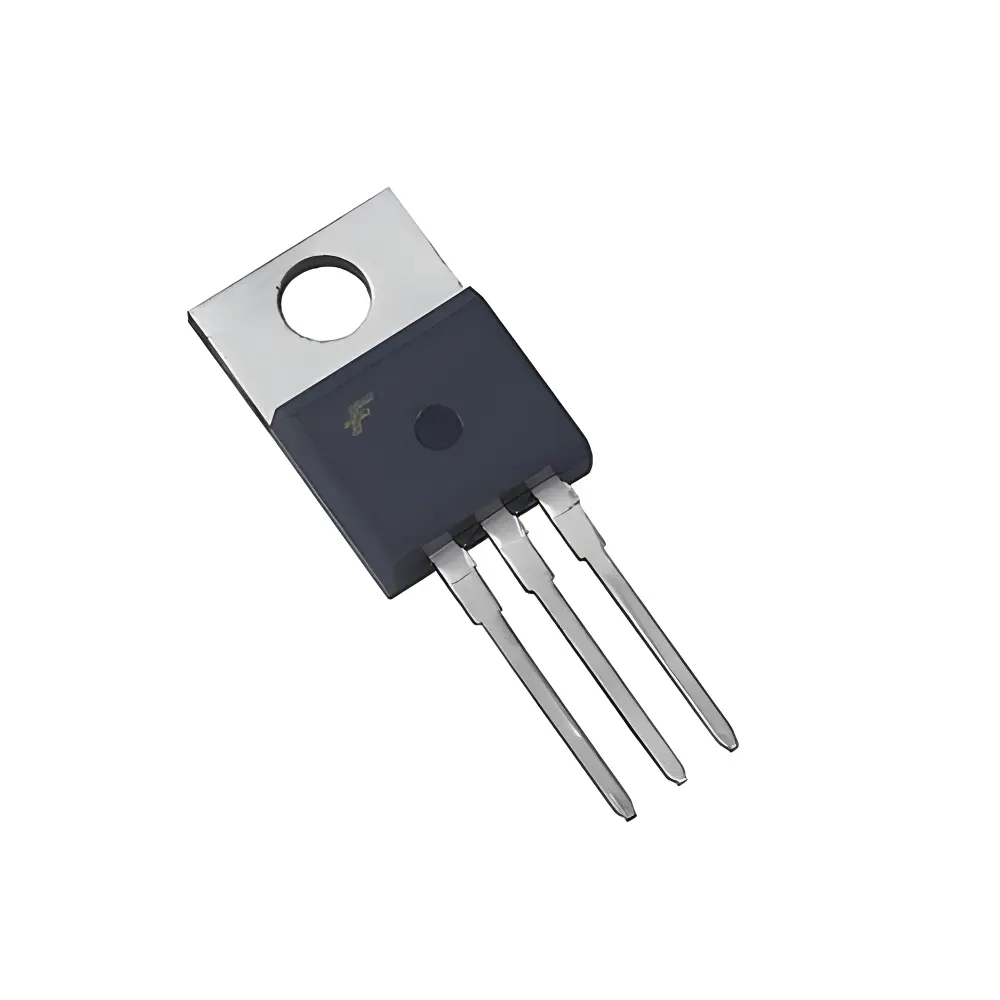 Transistors
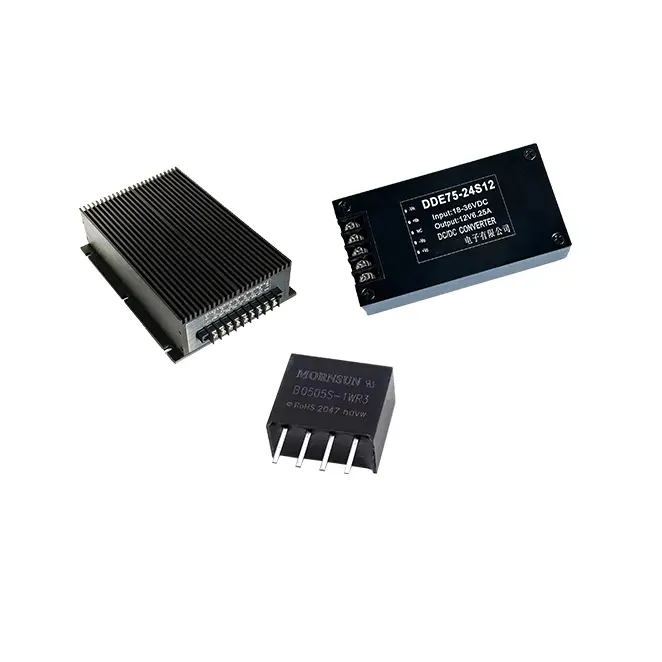 Power Modules
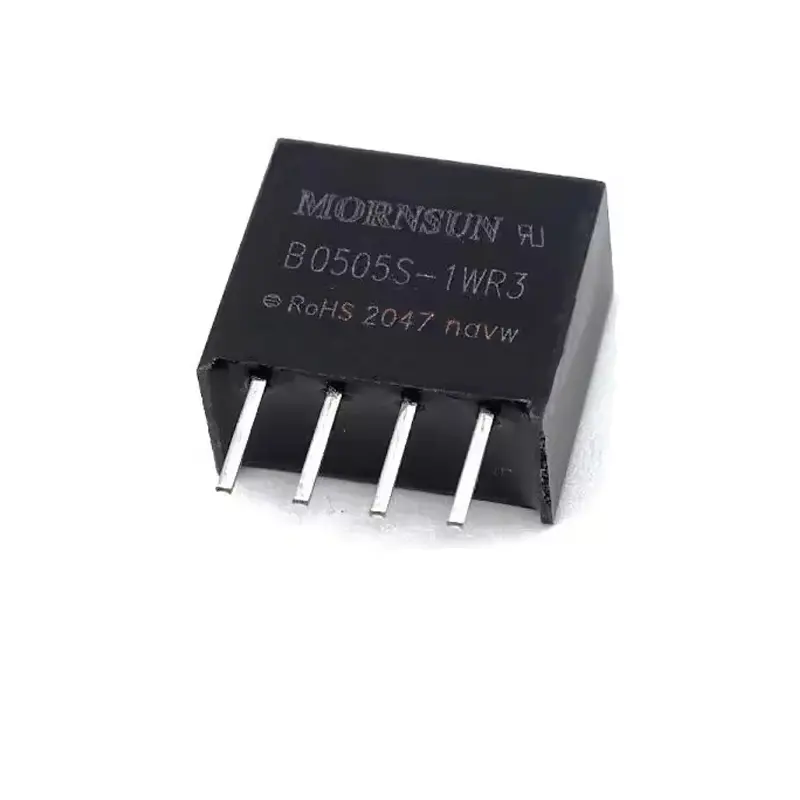 Isolated Power Modules
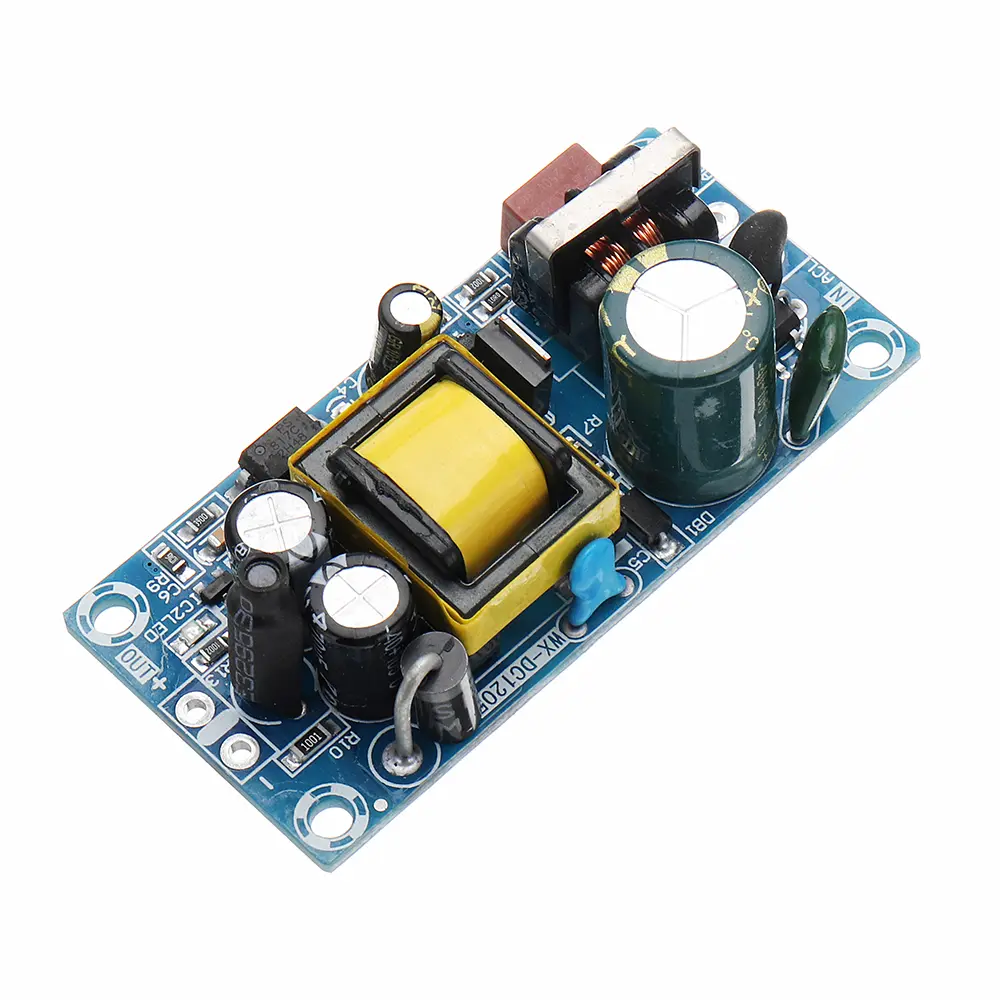 AC-DC Power Modules
 DC-AC Module(Inverter)
 RF and Wireless
Decabromodiphenyl Ether (DecaBDE) Replacement in PCBs Under EU RoHS 3 Directive
2025-09-10
Restrictions on DecaBDE by RoHS 3 Directive and Impact on PCB Industry
Since its implementation in 2006, the EU's "Directive on the Restriction of the Use of Certain Hazardous Substances in Electrical and Electronic Equipment" (RoHS) has undergone multiple revisions. Among them, theRoHS 3 Directive (2015/863/EU)officially took effect on July 22, 2019, adding four restricted substances, with decabromodiphenyl ether (DecaBDE) being one of them. According to the directive, the maximum allowable concentration of DecaBDE in electrical and electronic equipment shall not exceed 0.1% (by weight), which directly affects the selection and production of key materials such as solder masks and substrates for printed Circuit Boards (PCBs).
As a highly effective brominated flame retardant, DecaBDE was previously widely used in the solder mask layer (green oil) and substrates of PCBs. It has high flame retardant efficiency and low cost, which can effectively improve the fire safety performance of PCBs. However, DecaBDE has environmental persistence, bioaccumulation, and potential toxicity, and long-term exposure can pose risks to the ecological environment and human health. The restriction requirements of the RoHS 3 Directive have forced the PCB industry to find safe, compliant, and performance-equivalent alternatives, a process that not only faces technical challenges but also promotes the innovative development of green flame retardant materials.
2. Application Scenarios and Replacement Difficulties of DecaBDE in PCBs
2.1 Main Application Scenarios
In PCB manufacturing, DecaBDE is mainly used in the following two types of materials:
- Solder Mask: As the core flame retardant component in the solder mask, DecaBDE achieves flame retardancy by inhibiting the free radical chain reaction in the combustion process, enabling the solder mask layer to meet the UL94 V-0 flame retardant standard. It is widely used in PCBs for consumer electronics, industrial control, and other fields.
- PCB Base Material: In some FR-4 or high-frequency substrates, DecaBDE is used in combination with other flame retardants to improve the overall flame retardant performance of the substrate, especially in thick copper plates or high-power PCBs.
2.2 Replacement Difficulties
Finding a replacement for DecaBDE is not a simple substitution, and the following technical difficulties need to be overcome:
- Flame Retardant Performance Matching: Alternative flame retardants need to enable PCB materials to reach the same flame retardant grade as DecaBDE (such as UL94 V-0) with a low addition amount, while avoiding the deterioration of other material properties due to excessive addition.
- Compatibility and Process Adaptability: Alternative flame retardants need to be well compatible with the resin systems (such as epoxy resin and acrylic resin) of solder masks and substrates, without affecting the coating, curing, etching and other processing processes of the material, nor reacting adversely with the copper foil and components in the PCB.
- Performance Stability: The replaced material must have excellent heat resistance, moisture resistance, and chemical resistance. During the soldering process (such as reflow soldering at 240-260℃) and long-term use of the PCB, the flame retardant performance does not degrade and no harmful substances are released.
- Cost Control: The raw material cost of some new flame retardants is relatively high. On the premise of ensuring compliance and performance, the overall cost increase of the alternative scheme must be controlled to avoid excessive economic pressure on the PCB industry.
3. Mainstream Replacement Schemes and Technical Details of DecaBDE
3.1 Halogen-Free Brominated Flame Retardant Replacement (Short-Term Transition Scheme)
Although RoHS 3 restricts DecaBDE, some low-toxicity halogen-free brominated flame retardants are still within the compliance range and can be used as short-term transition alternatives:
- Tetrabromobisphenol A (TBBPA) Derivatives: Such as brominated epoxy resin oligomers, with a bromine content of about 50%-60%, flame retardant efficiency close to DecaBDE, and good compatibility with the epoxy resin system of PCB solder masks. When the addition amount is usually 15%-25%, the solder mask can reach the UL94 V-0 grade. However, it is necessary to control its free phenol content (≤0.1%) to avoid affecting material stability. At present, this type of flame retardant accounts for about 30% of the application in consumer electronics PCB solder masks.
- Brominated Polystyrene (BPS): Divided into low molecular weight (Mw=5000-10000) and high molecular weight (Mw=50000-100000). The former has good dispersibility and is suitable for solder masks; the latter has high heat resistance and is suitable for PCB substrates. BPS has a bromine content of about 65%, and an addition amount of 12%-20% can meet the flame retardant requirements. Moreover, it does not produce dioxin-like substances during combustion, and its environmental protection is better than DecaBDE.
Although TBBPA derivatives and BPS currently meet the requirements of RoHS 3, the European Chemicals Agency (ECHA) is still evaluating their long-term environmental impacts, which may face stricter restrictions in the future. Therefore, this scheme is more suitable as a short-term transition, and long-term needs to shift to bromine-free flame retardant systems.
3.2 Bromine-Free Flame Retardant Replacement (Long-Term Mainstream Scheme)
Bromine-free flame retardants have become the long-term mainstream direction for DecaBDE replacement due to their environmental friendliness, mainly including phosphorus-based, nitrogen-based, inorganic flame retardants and synergistic flame retardant systems:
3.2.1 Phosphorus-Based Flame Retardants
Phosphorus-based flame retardants achieve flame retardancy by forming a phosphate ester protective layer during combustion to isolate oxygen and heat. They are currently the most widely used bromine-free flame retardants in PCB materials:
- Red Phosphorus: High flame retardant efficiency, bromine content is 0, and an addition amount of 8%-15% can make FR-4 substrates reach UL94 V-0 grade. However, red phosphorus is easy to absorb moisture and oxidize, so it needs to be microencapsulated (such as coating with epoxy resin and silica) to improve its stability and dispersibility. Microencapsulated red phosphorus accounts for more than 40% of the application in PCB substrates, especially suitable for automotive electronics and medical equipment PCBs.
- Phosphates (such as Resorcinol Bis(Diphenyl Phosphate) RDP, Bisphenol A Bis(Diphenyl Phosphate) BDP): Liquid flame retardants with good compatibility with solder mask resins. When the addition amount is 20%-30%, UL94 V-0 flame retardancy can be achieved, and they can improve the flexibility and impact resistance of the solder mask. However, it should be noted that their volatility is low, and they are not easy to lose during high-temperature curing, so they are suitable for flexible PCB solder masks.
- Phosphazene Compounds (such as Hexachlorocyclotriphosphazene HCCP): New phosphorus-based flame retardants with high flame retardant efficiency and corrosion resistance. An addition amount of 10%-18% can meet the flame retardant requirements, suitable for high-frequency PCB substrates (such as PTFE, Rogers), but currently the cost is high, and the market application accounts for about 5%-8%.
3.2.2 Nitrogen-Based Flame Retardants
Nitrogen-based flame retardants achieve flame retardancy by decomposing and releasing inert gases such as nitrogen and carbon dioxide to dilute combustible gases when heated. They are usually used in combination with phosphorus-based flame retardants to improve efficiency:
- Melamine Cyanurate (MCA): White powder, halogen-free and low-toxic, with good compatibility with epoxy resin. When the addition amount is 25%-35%, UL94 V-0 grade can be achieved. However, its flame retardant efficiency is relatively low, and the addition amount is large when used alone, which is easy to reduce the mechanical properties of the material. Therefore, it is mostly used in a ratio of 3:1-2:1 with red phosphorus, which can reduce the amount of red phosphorus by 30%-40% in PCB substrates.
- Dicyandiamide (DICY): It is not only a curing agent for epoxy resin but also has a certain flame retardant effect. When used in combination with phosphorus-based flame retardants, it can form an intumescent flame retardant system, forming a porous carbon layer during combustion to improve the flame retardant effect. Adding 5%-10% to the solder mask, combined with 15%-20% phosphate, can achieve UL94 V-0 flame retardancy.
3.2.3 Inorganic Flame Retardants
Inorganic flame retardants have the characteristics of environmental protection, low cost, and good stability, and are mainly used as synergists in combination with other flame retardants:
- Aluminum Hydroxide (ATH), Magnesium Hydroxide (MDH): They achieve flame retardancy by decomposing and absorbing heat to cool down and releasing water vapor to dilute oxygen when heated. When the addition amount is 30%-50%, UL94 V-0 grade can be achieved. However, excessive addition is easy to increase the viscosity of the material and reduce flexibility. Therefore, they are mostly mixed with phosphorus-based flame retardants in a ratio of 2:1, which can reduce the amount of phosphorus-based flame retardants by 20%-25% in PCB substrates.
- Antimony Trioxide (Sb₂O₃): A traditional flame retardant synergist. When used in combination with bromine-free flame retardants, it can enhance the flame retardant effect by forming antimony glass. An addition amount of 3%-5% can increase the efficiency of phosphorus-based flame retardants by 15%-20%. However, it should be noted that it is a heavy metal compound, and some customers (such as EU medical equipment manufacturers) will restrict its use. Tin dioxide (SnO₂) can be used as an alternative synergist.
3.3 Process Optimization and Material Modification Auxiliary Schemes
In addition to replacing flame retardants, process optimization and material modification can also help improve the feasibility of alternative schemes:
- Resin System Modification: Introduce flame retardant groups (such as phosphorus-oxygen bonds, cyano groups) into the solder mask or substrate resin to improve the flame retardancy of the resin itself and reduce the amount of flame retardant added. For example, using phosphorus-containing epoxy resin instead of ordinary epoxy resin can reduce the amount of flame retardant added by 10%-15%.
- Curing Process Adjustment: Optimize the curing temperature and time of the solder mask. For example, increasing the curing temperature from 150℃ to 160-170℃ and extending the holding time from 20min to 30min can enhance the crosslinking degree between the flame retardant and the resin, improving the stability of flame retardant performance.
- Surface Treatment Technology: Coating an ultra-thin flame retardant coating (such as polyimide-montmorillonite nanocomposite coating) on the PCB surface, with a thickness of only 5-10μm, which does not affect the electrical performance of the PCB, but can improve the overall flame retardant grade by one level, and can be used as an auxiliary flame retardant method.
4. Compliance Verification and Quality Control of Alternative Schemes
After replacing DecaBDE, PCB products need to pass strict compliance verification and quality testing to ensure compliance with the RoHS 3 Directive and related standards:
4.1 Flame Retardant Performance Testing
- UL94 Vertical Burning Test: This is the core flame retardant performance test. It is necessary to ensure that the PCB material meets the V-0 grade requirements during the test (that is, after two 10-second burns, the flame self-extinguishes within 10 seconds, and no drips ignite the degreased cotton below).
- Limiting Oxygen Index (LOI) Test: Evaluate the flame retardancy by measuring the minimum oxygen concentration required for material combustion. The LOI value of the replaced PCB material should be ≥28 (ordinary material LOI is about 20-22).
- Heat Release Rate Test (Cone Calorimeter): Evaluate the heat release characteristics of materials in fires. The peak heat release rate (PHRR) of the alternative scheme should be 10% lower than that of the DecaBDE scheme, and the total heat release (THR) should be 15% lower.
4.2 Hazardous Substance Content Detection
- RoHS 3 Restricted Substance Detection: In accordance with the IEC 62321 standard, gas chromatography-mass spectrometry (GC-MS) or liquid chromatography-mass spectrometry (LC-MS) is used to detect the content of DecaBDE and other restricted substances (such as lead, cadmium, mercury) in PCBs, ensuring that all are ≤0.1%.
- Volatile Organic Compound (VOC) Detection: Thermal desorption-gas chromatography (TD-GC) is used to detect the VOC content released by alternative materials during curing and use, which must comply with the restrictions on SVHC (Substances of Very High Concern) in the EU REACH regulation.
4.3 Comprehensive Performance Testing
- Mechanical Performance Testing: Including bending strength, tensile strength, and impact strength tests to ensure that the mechanical performance of the alternative scheme is not less than 90% of that of the DecaBDE scheme.
- Electrical Performance Testing: Test parameters such as dielectric constant (Dk), dielectric loss (Df), and volume resistivity. Especially in high-frequency PCBs, it is necessary to ensure that alternative flame retardants have no negative impact on signal transmission performance.