
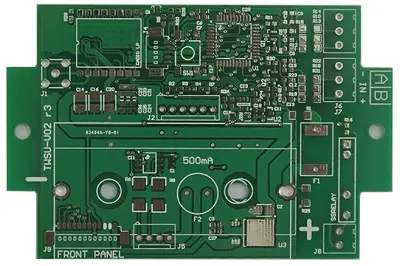
 PCB
PCB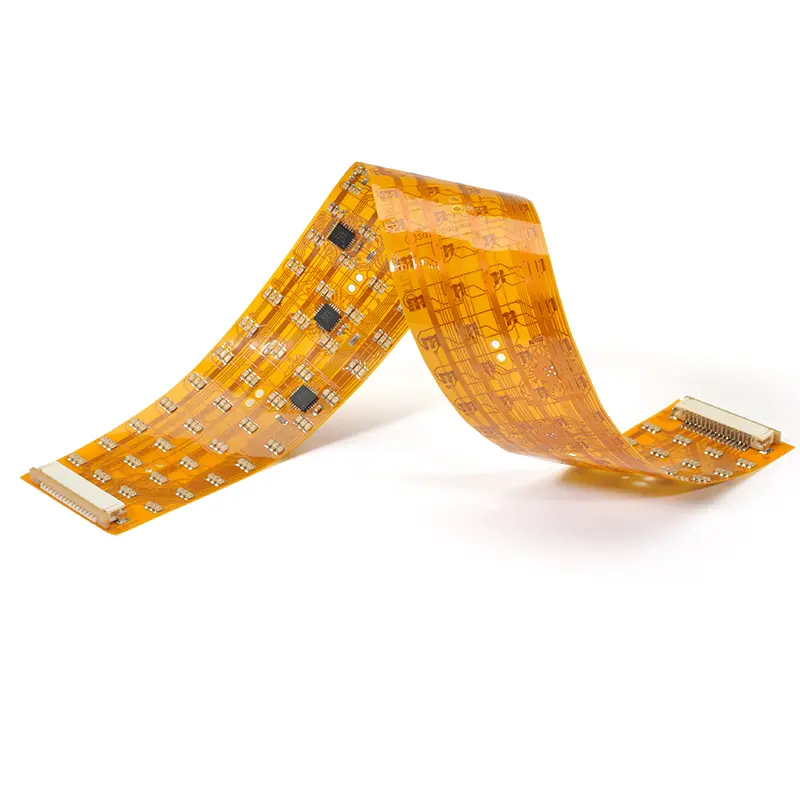 FPC
FPC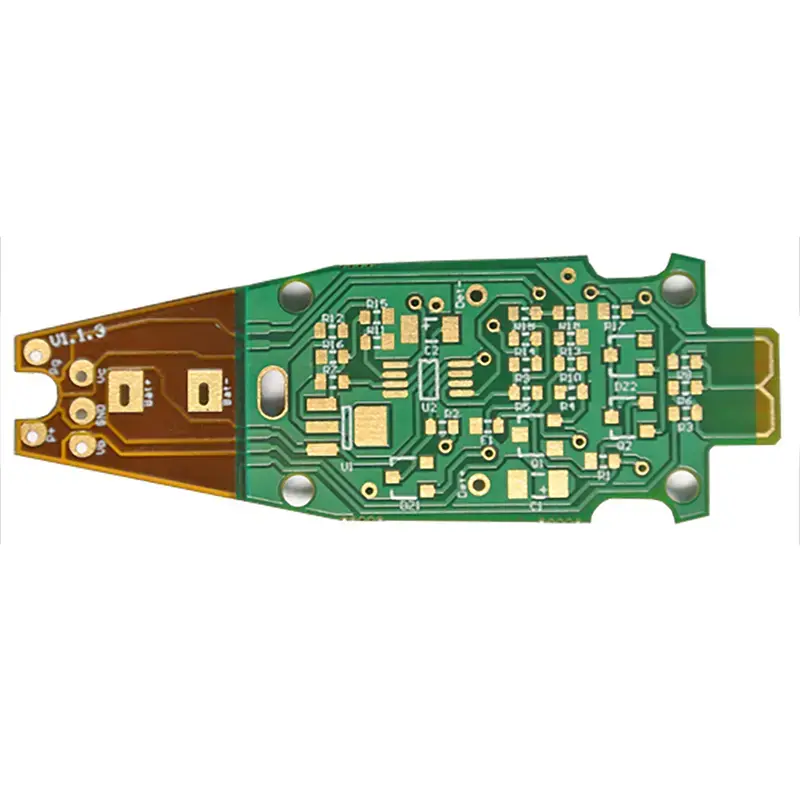 Rigid-Flex
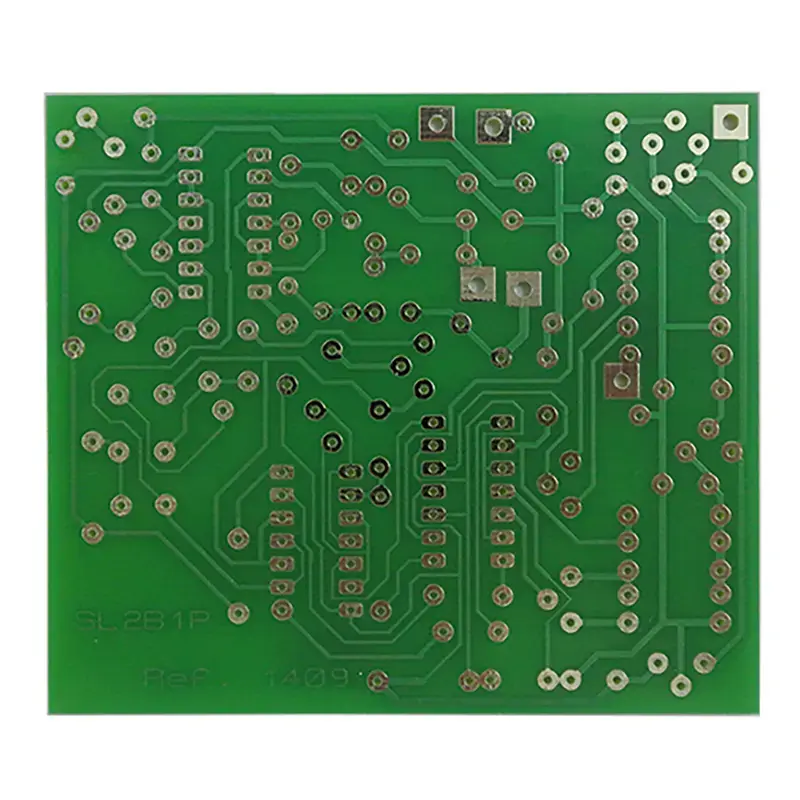 FR-4
FR-4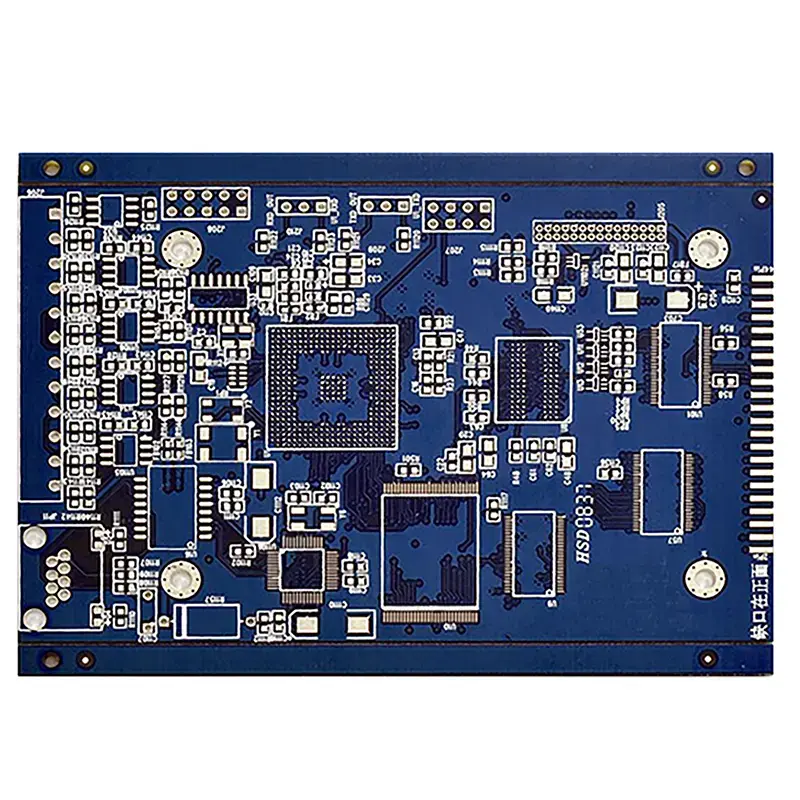 HDI PCB
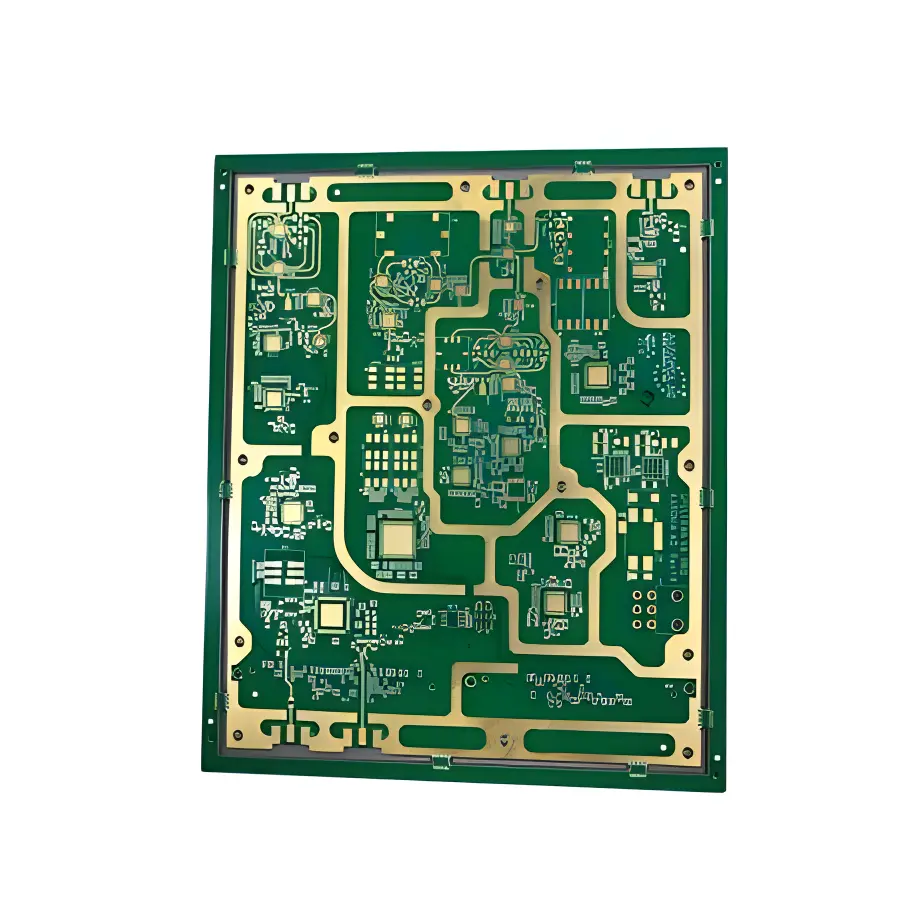 Rogers High-Frequency Board
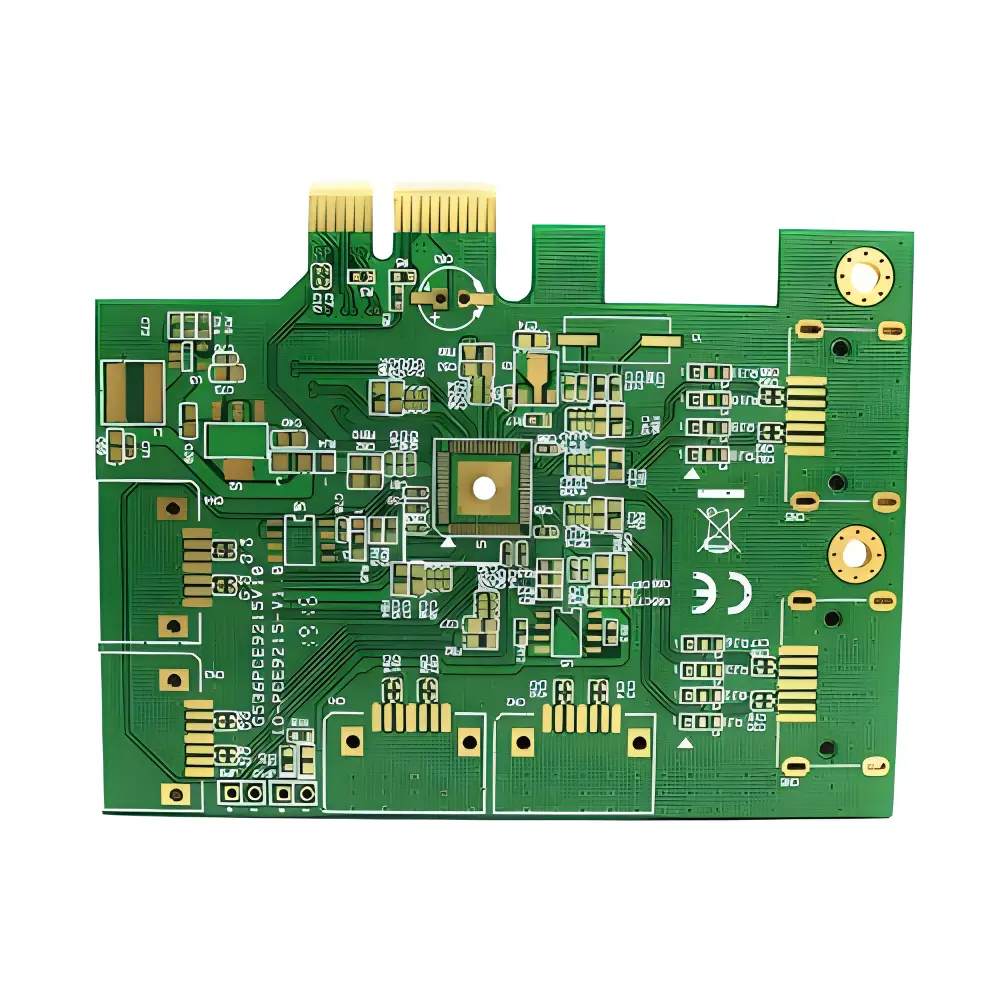 PTFE Teflon High-Frequency Board
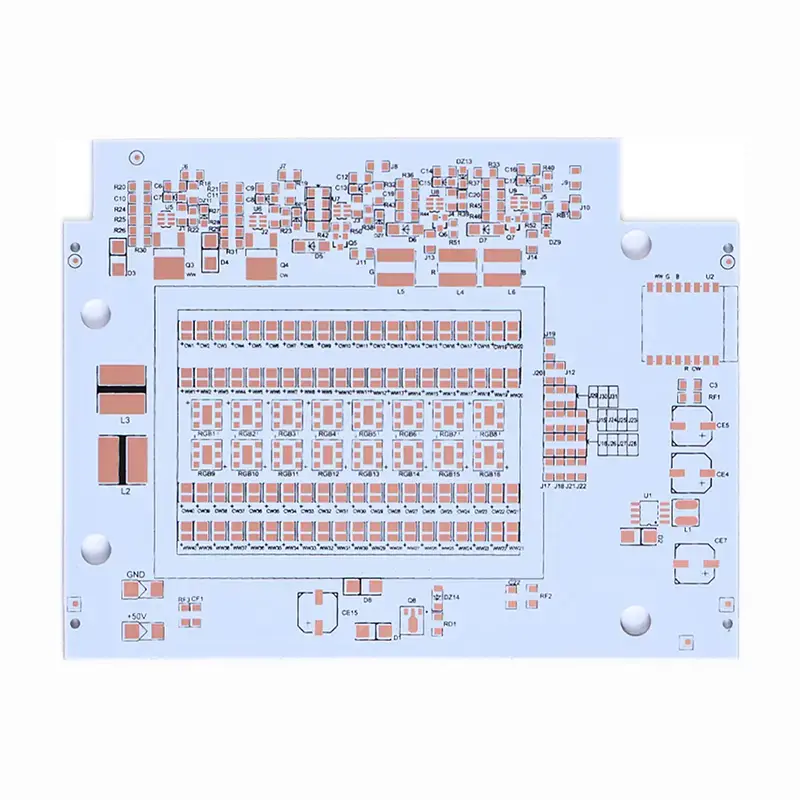 Aluminum
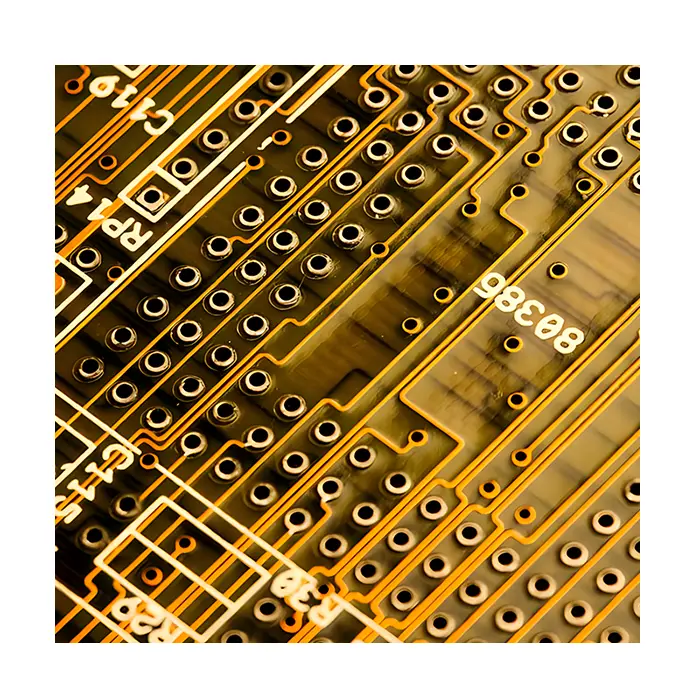 Copper Core
 PCB Assembly
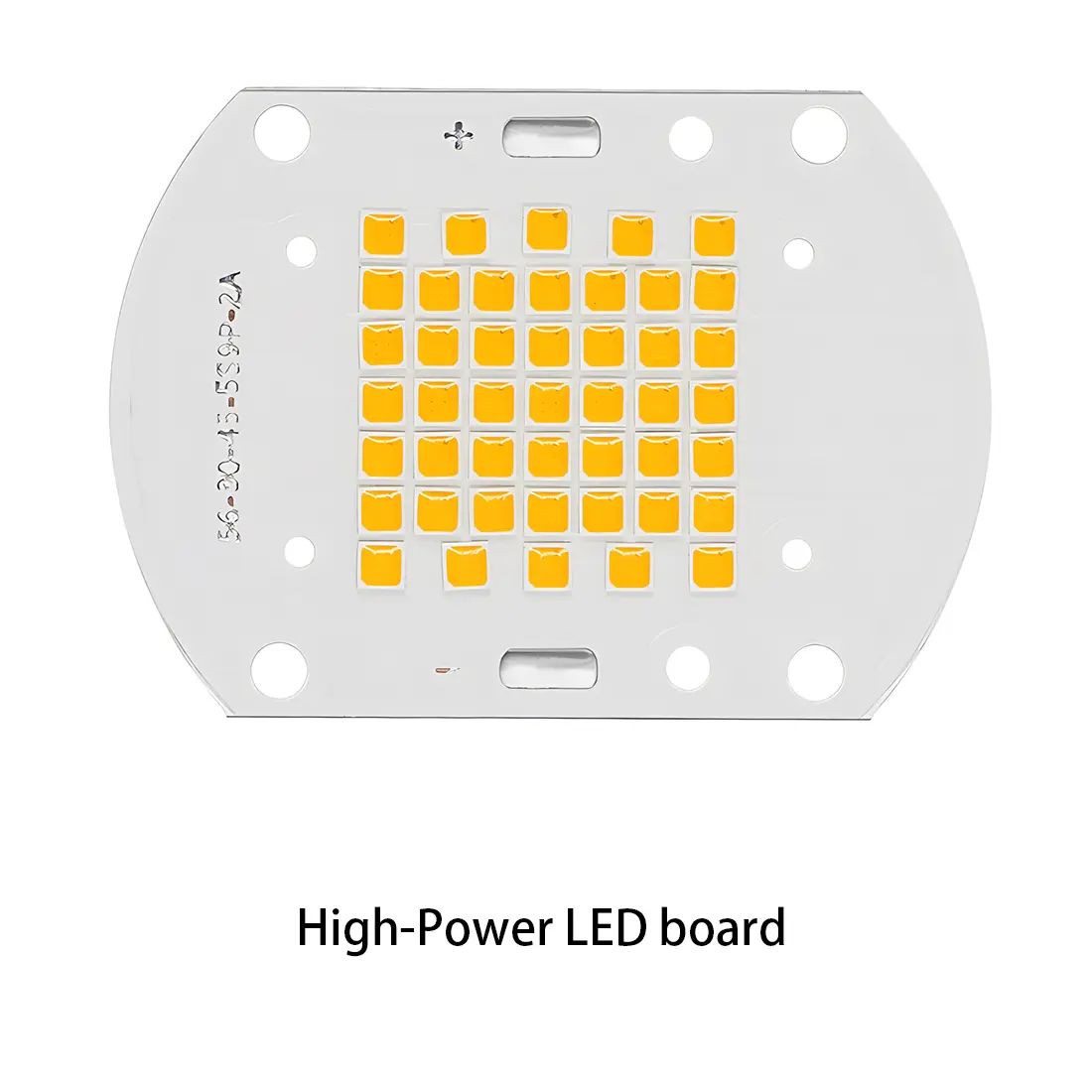 LED light PCBA
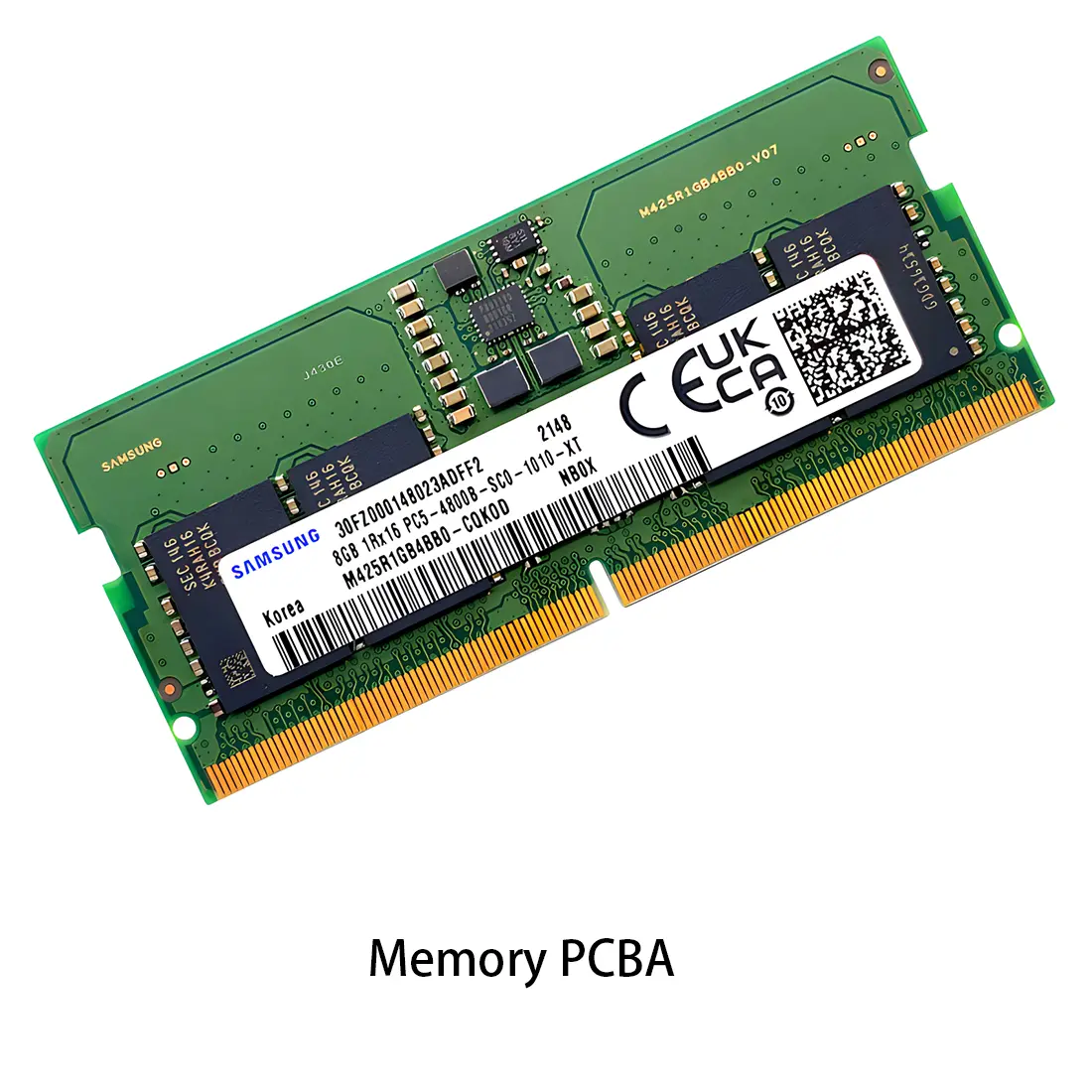 Memory PCBA
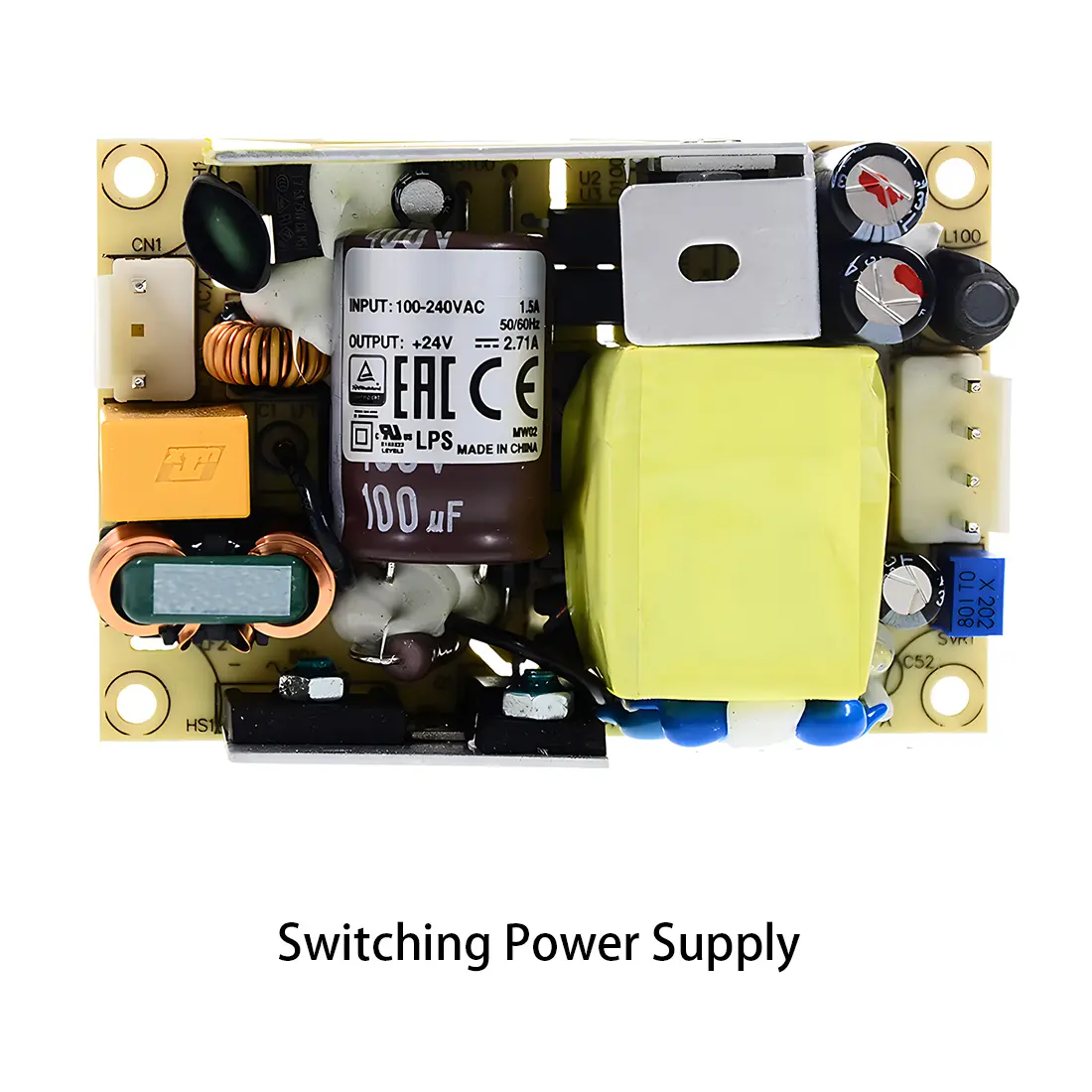 Power Supply PCBA
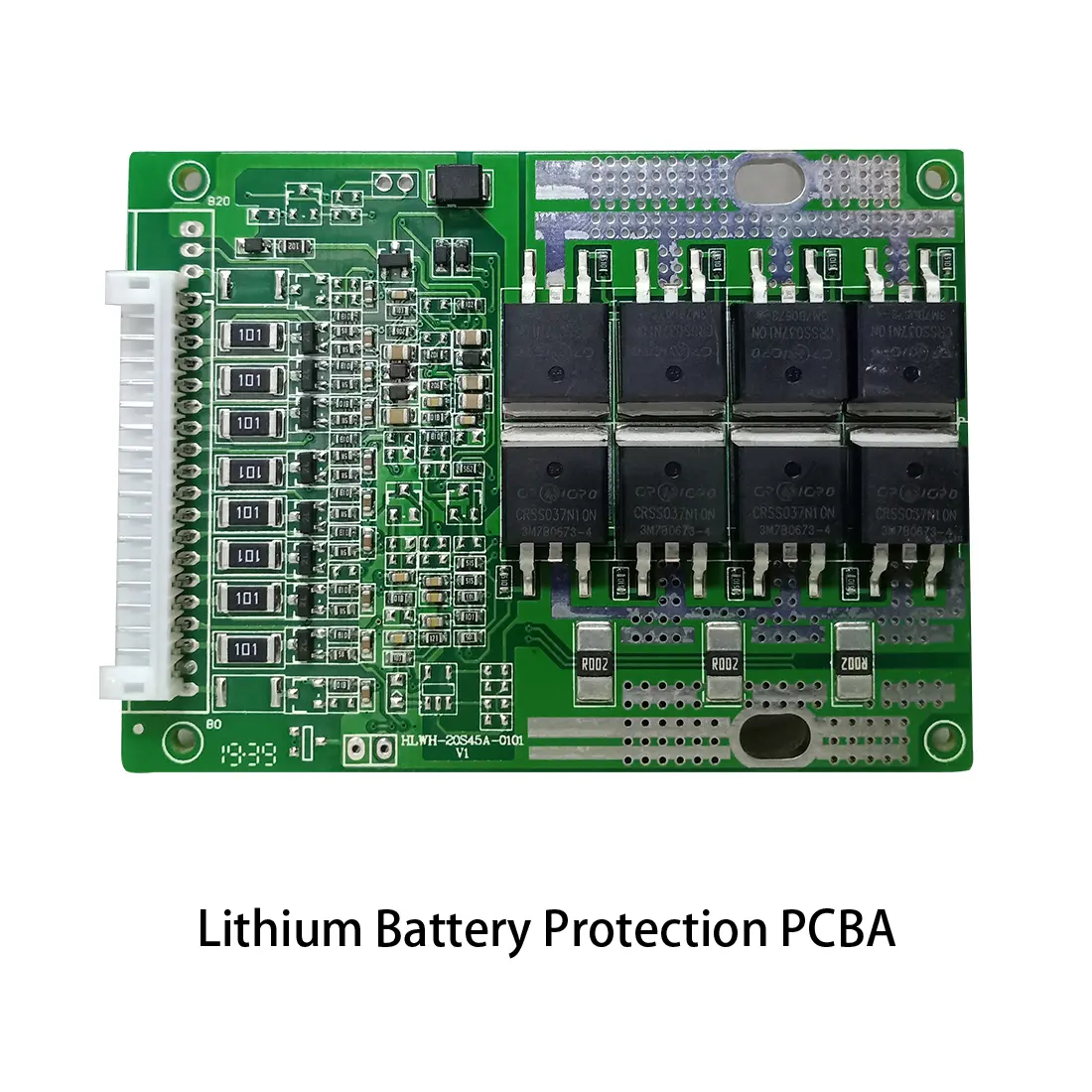 New Energey PCBA
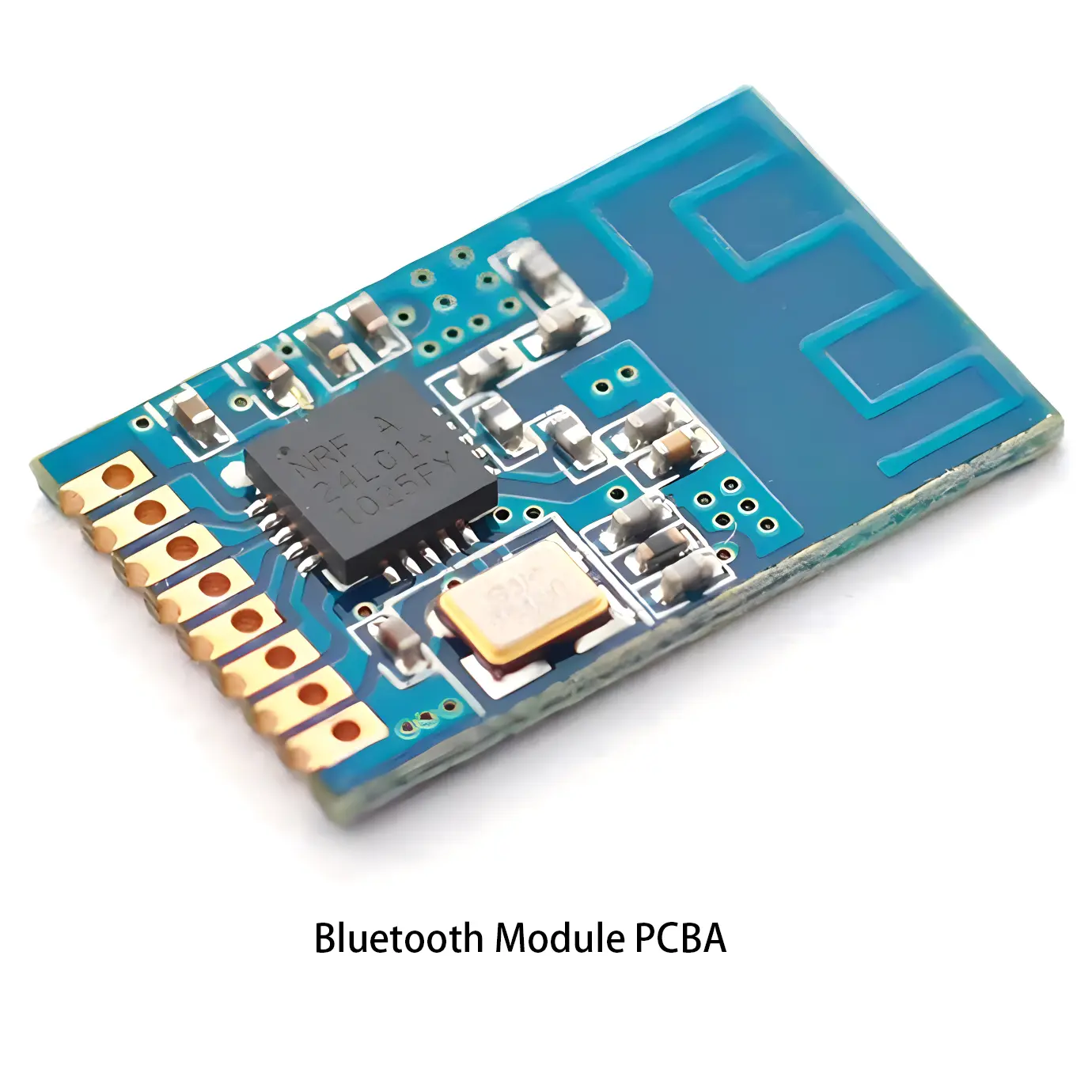 Communication PCBA
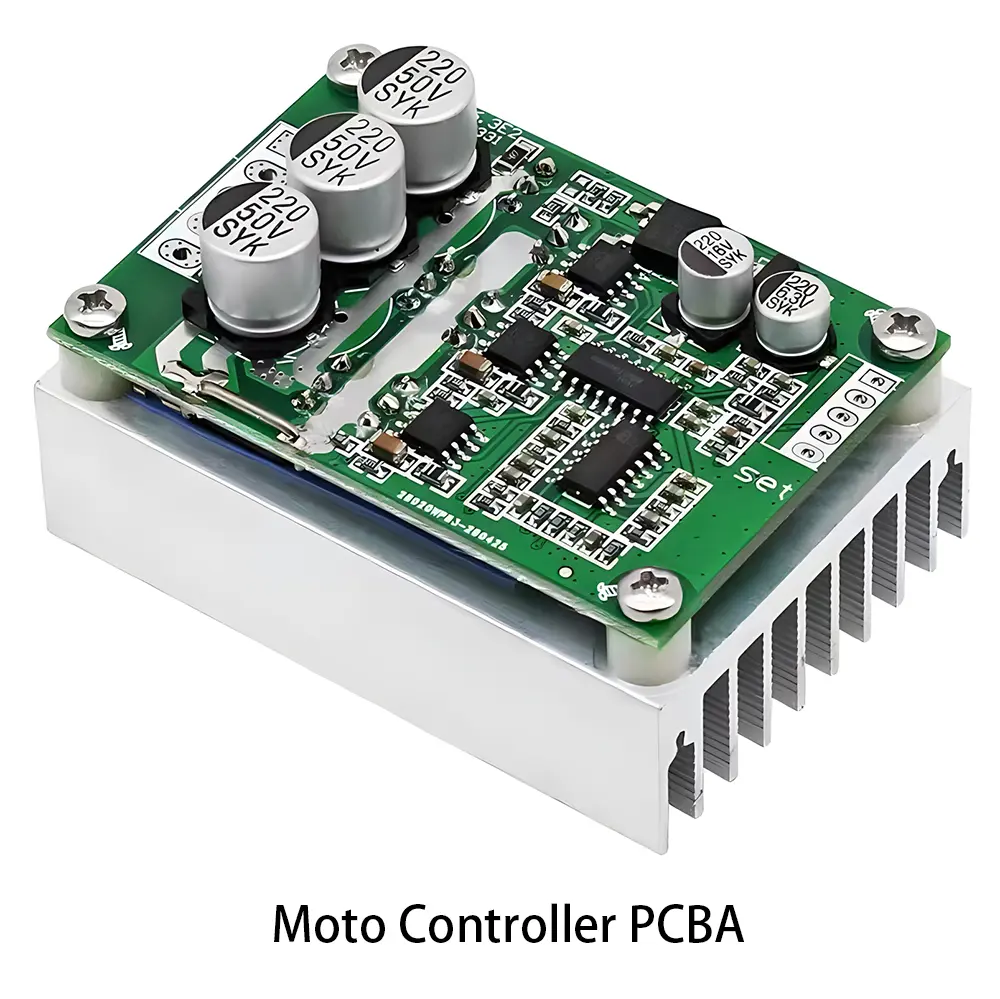 Industrial Control PCBA
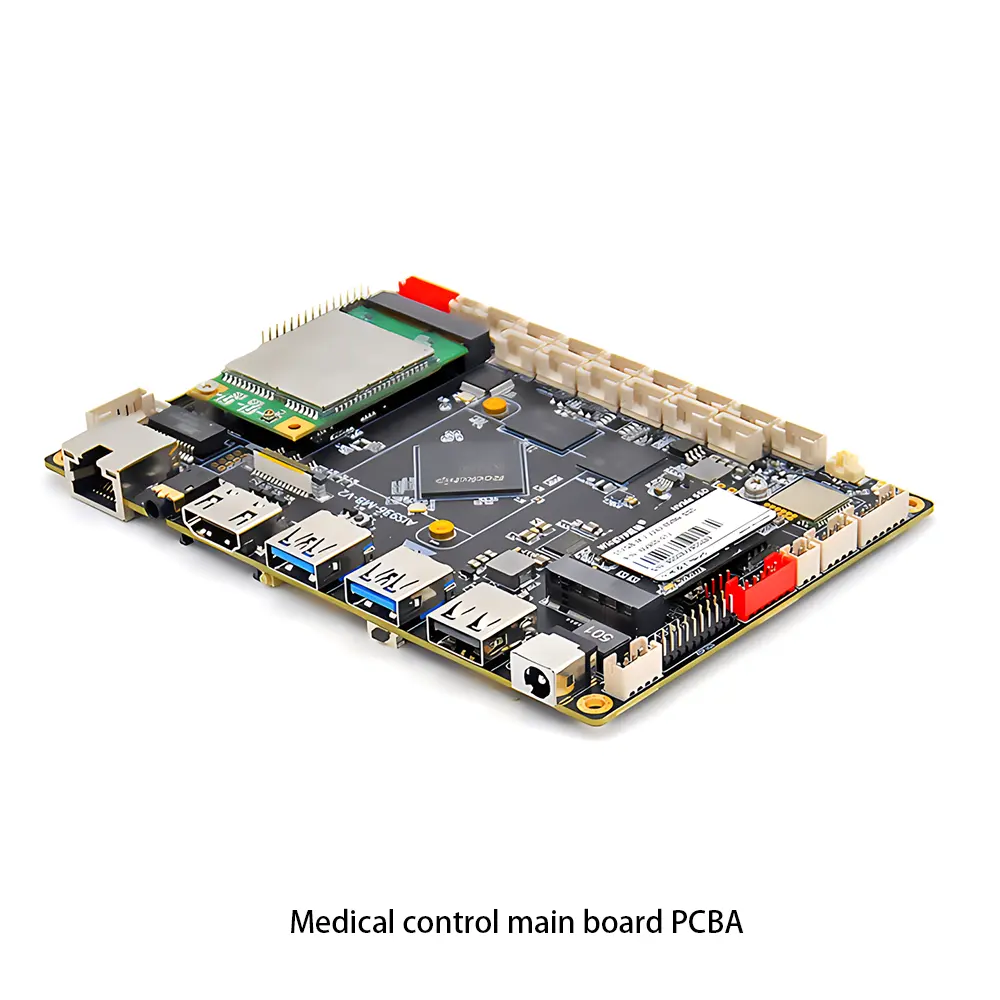 Medical Equipment PCBA
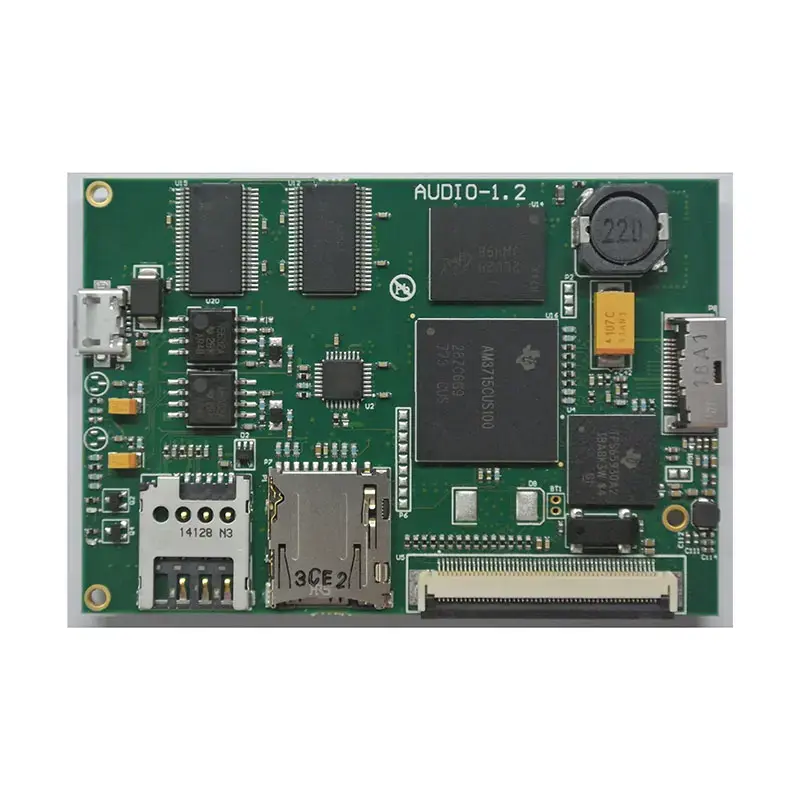 Testing Service
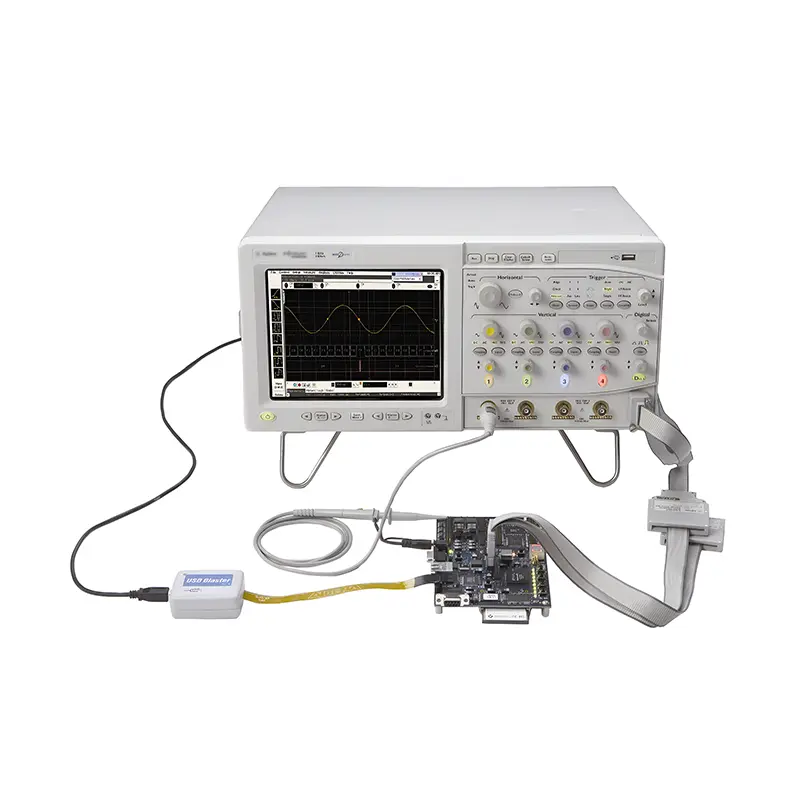 PCBA Testing Service
 Certification Application
 RoHS Certification Application
 REACH Certification Application
 CE Certification Application
 FCC Certification Application
 CQC Certification Application
 UL Certification Application
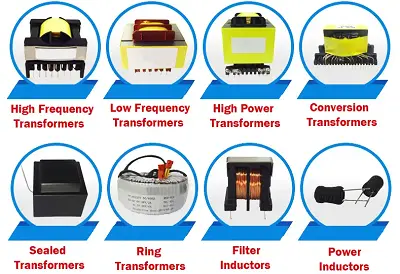 Transformers, Inductors
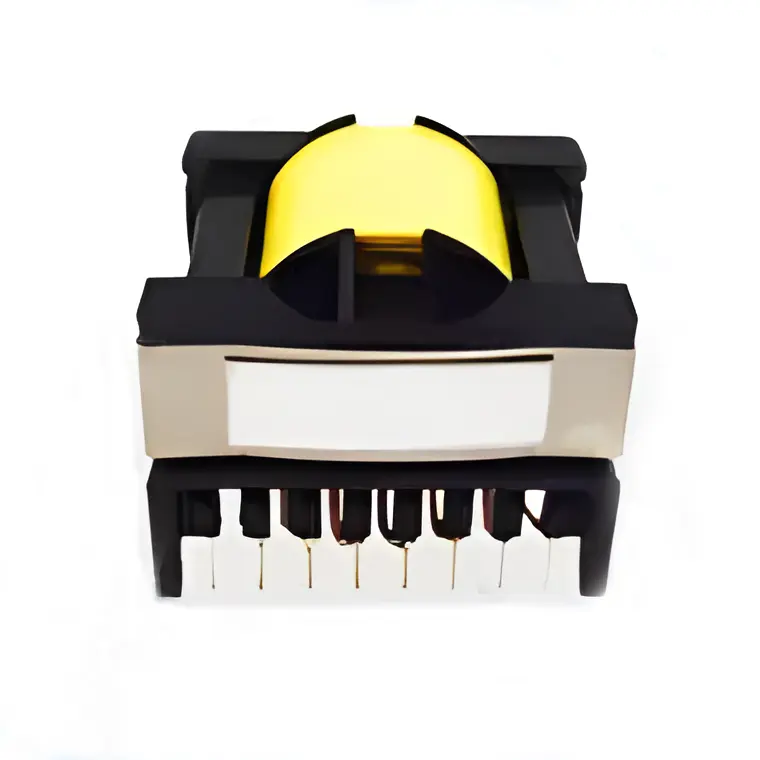 High Frequency Transformers
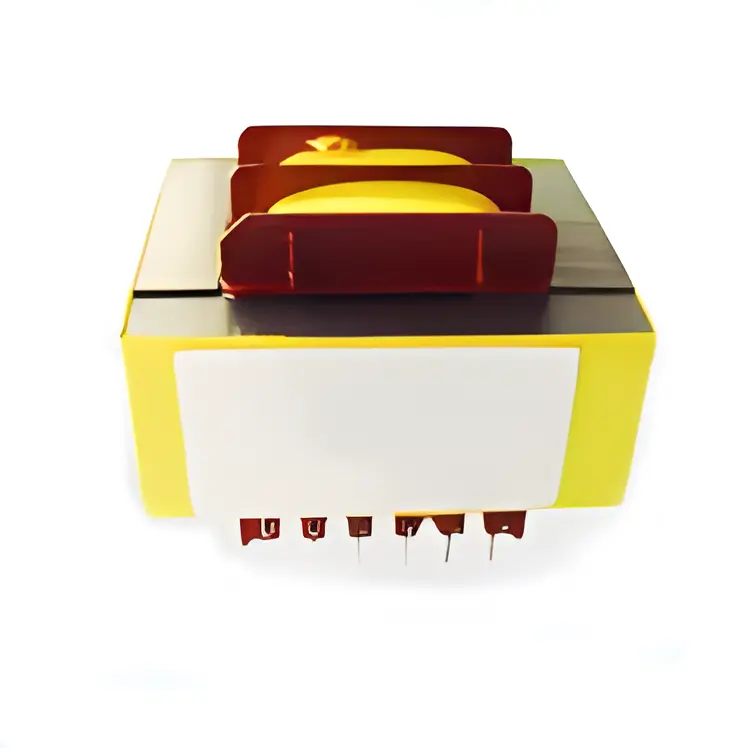 Low Frequency Transformers
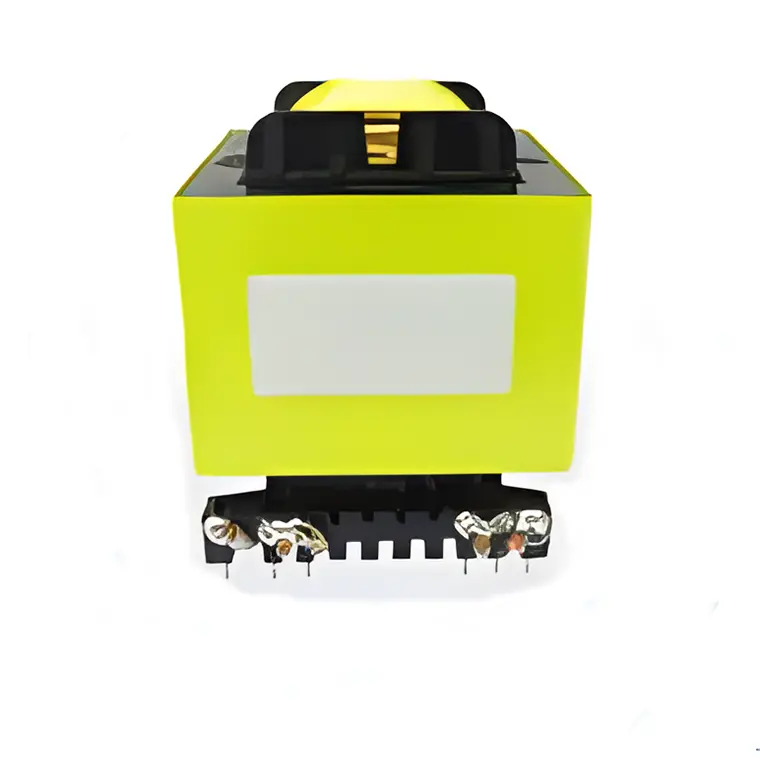 High Power Transformers
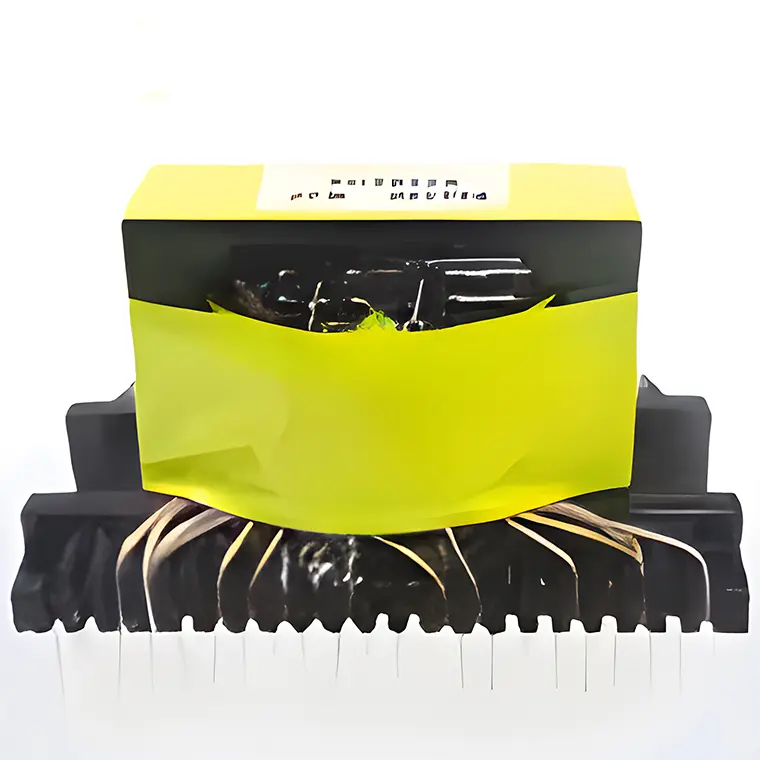 Conversion Transformers
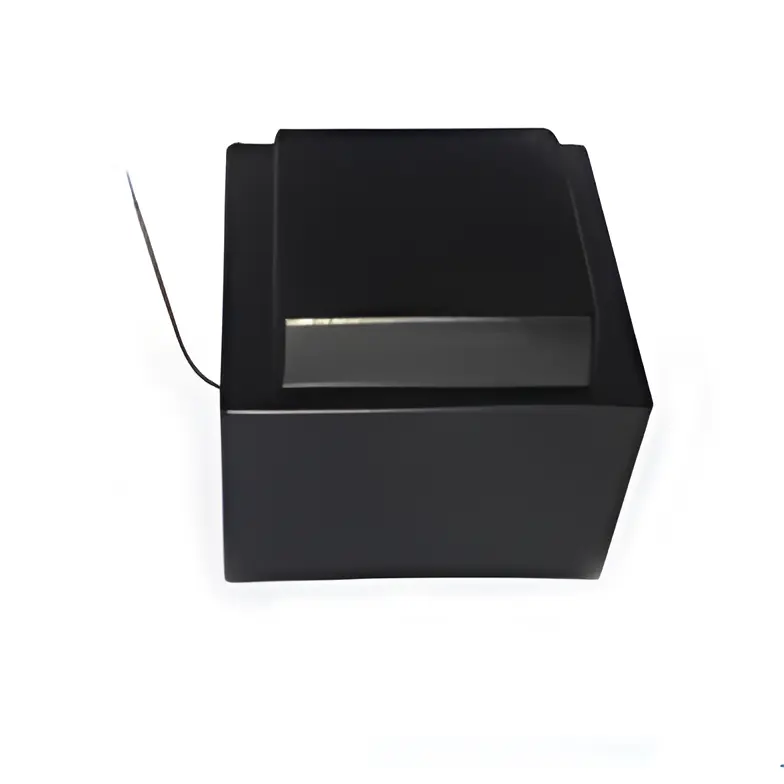 Sealed Transformers
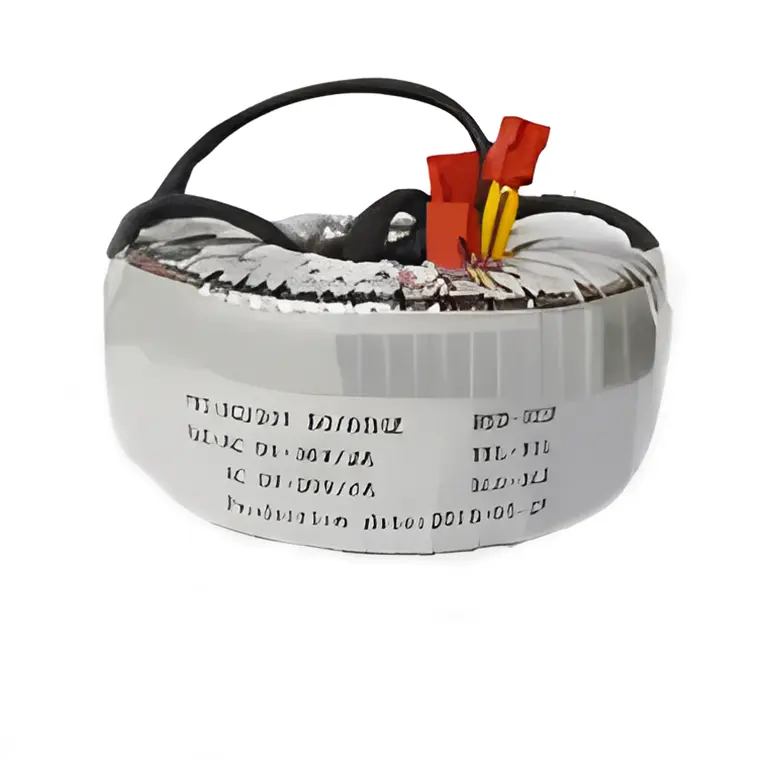 Ring Transformers
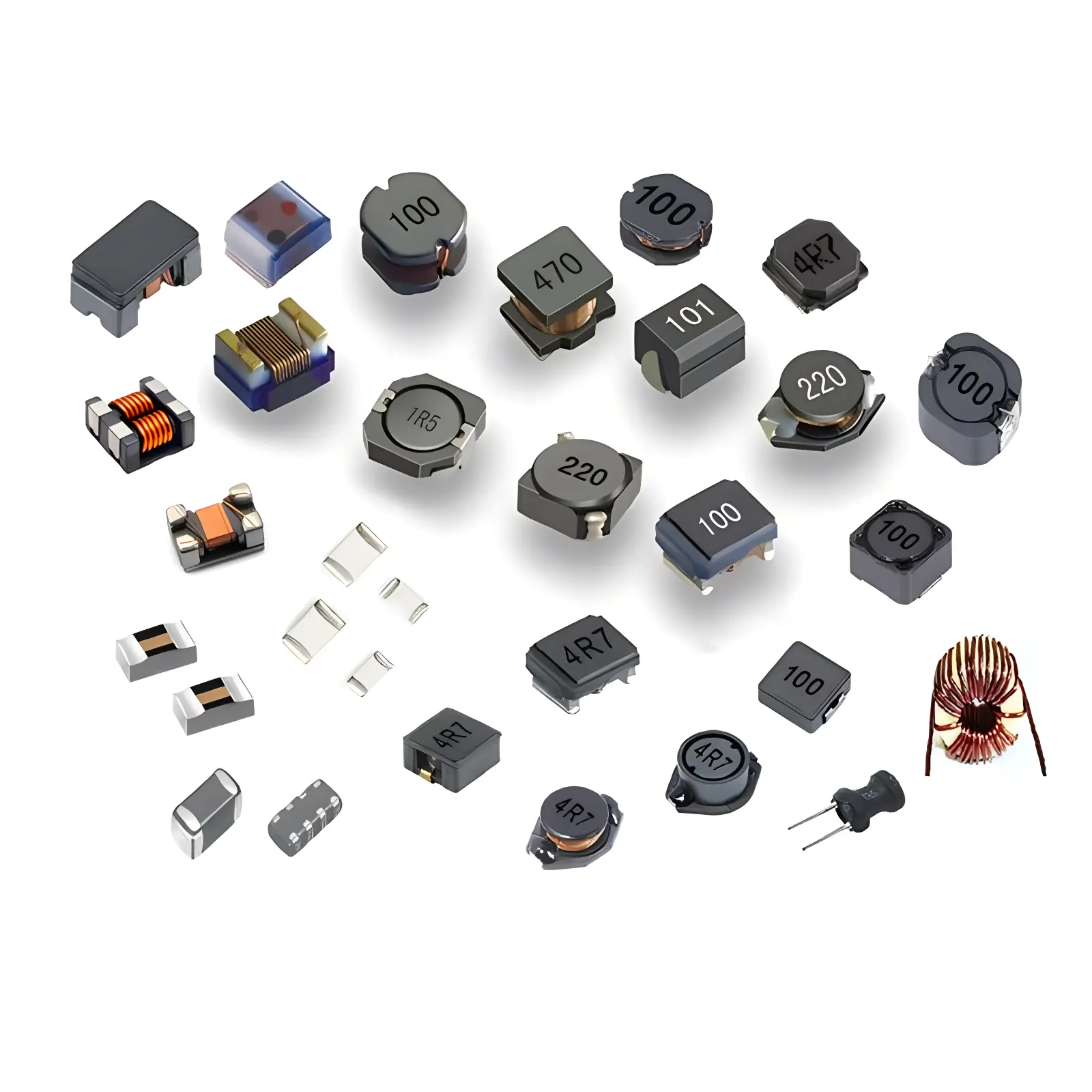 Inductors
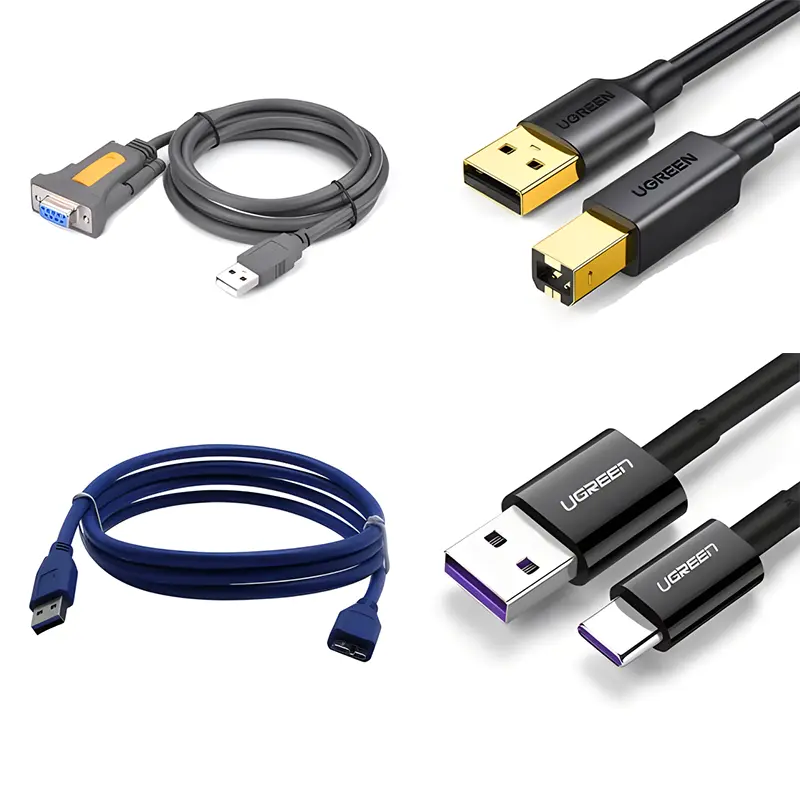 Wires,Cables Customized
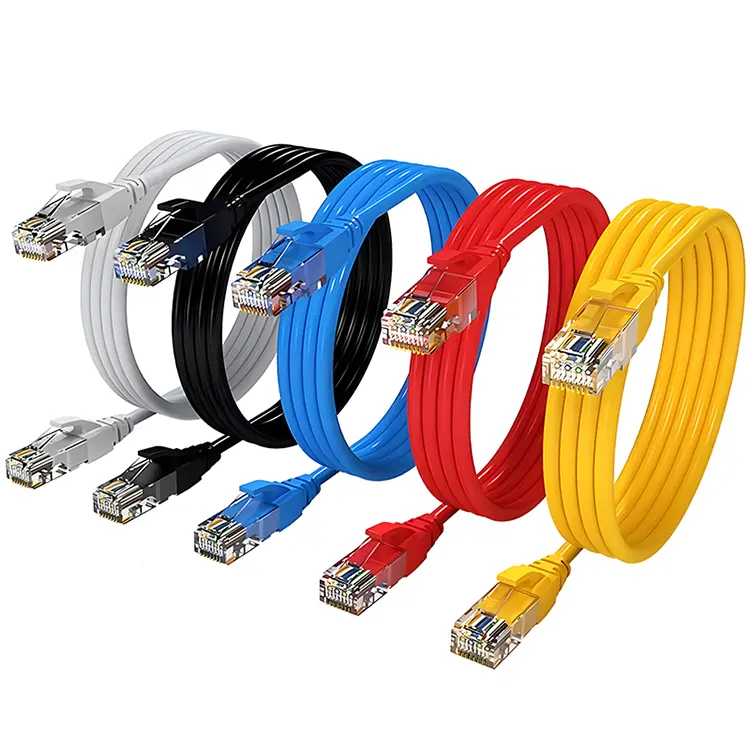 Network Cables
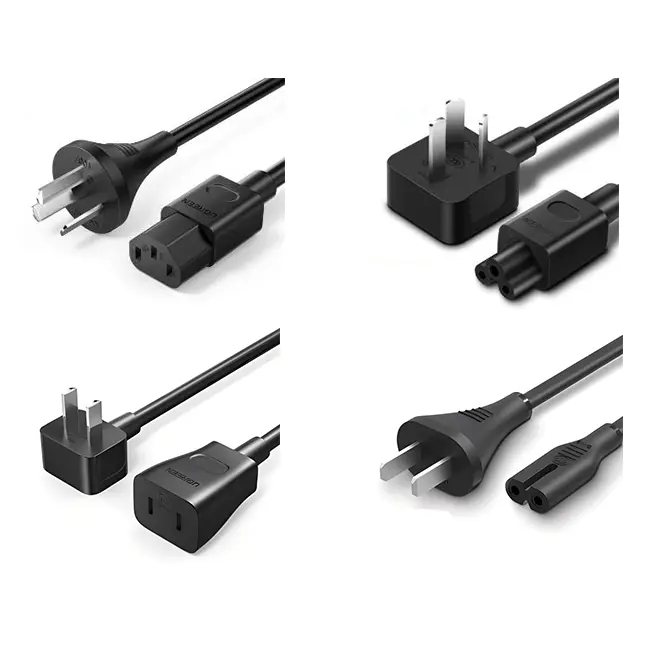 Power Cords
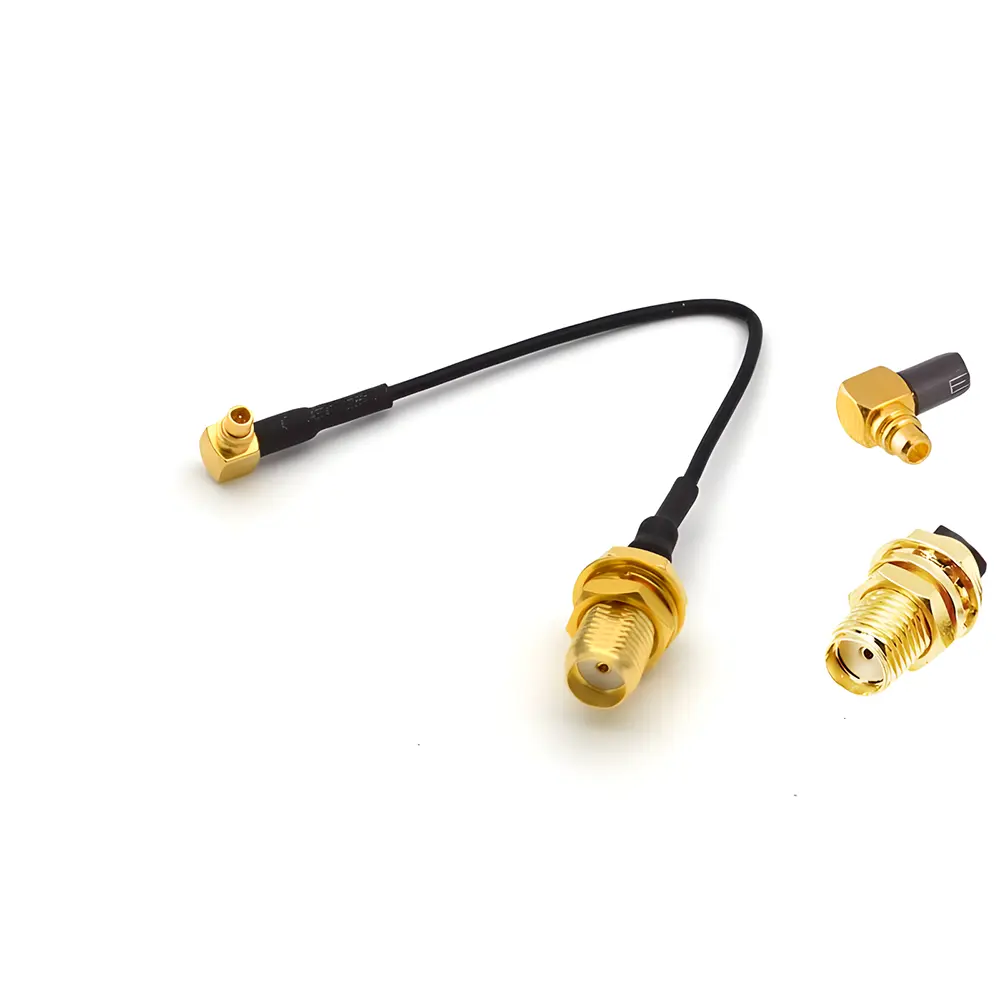 Antenna Cables
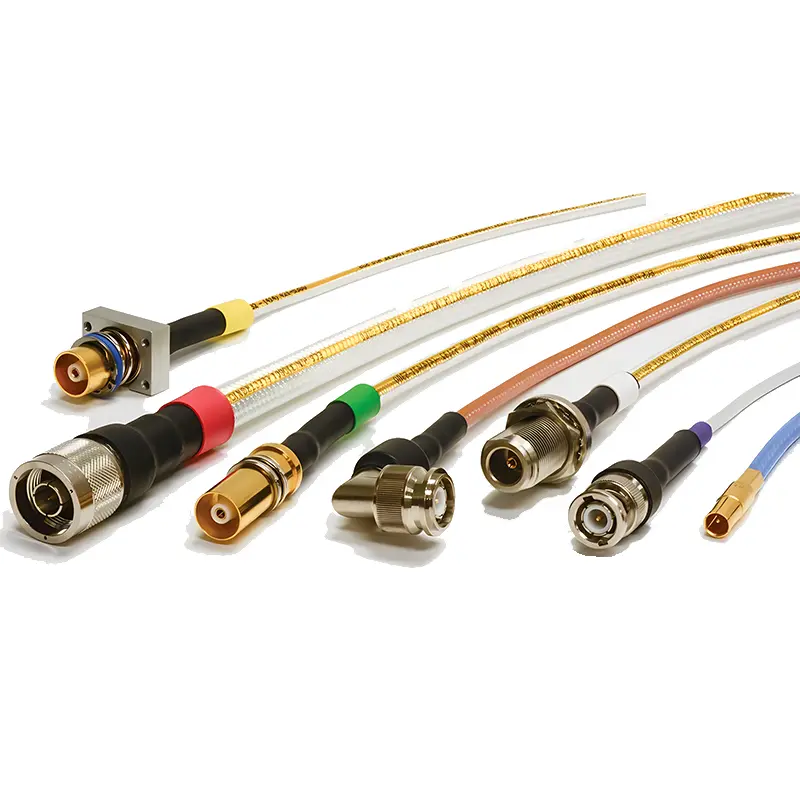 Coaxial Cables
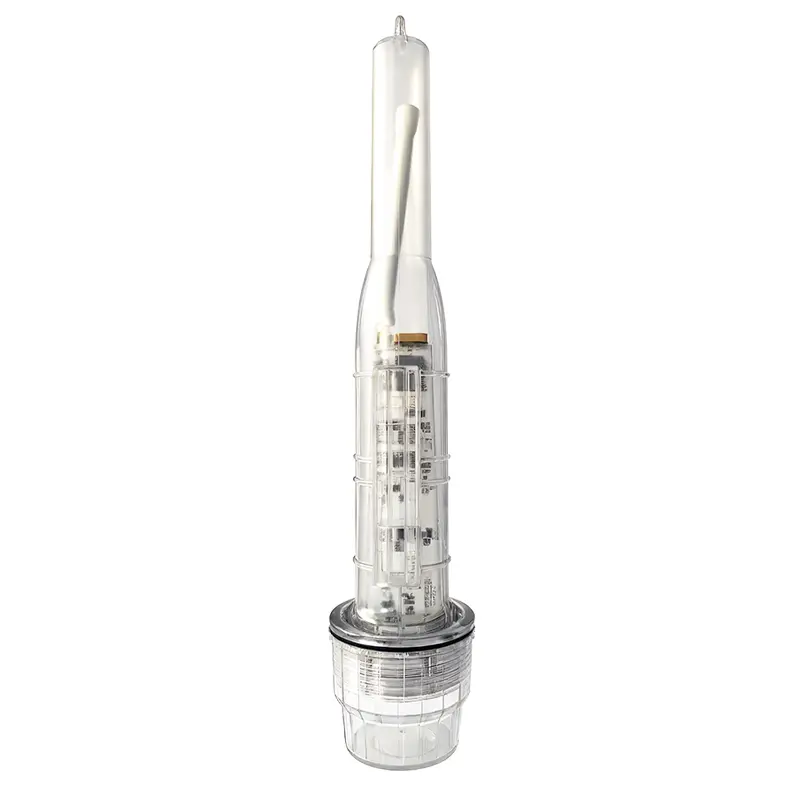 Net Position Indicator
 Solar AIS net position indicator
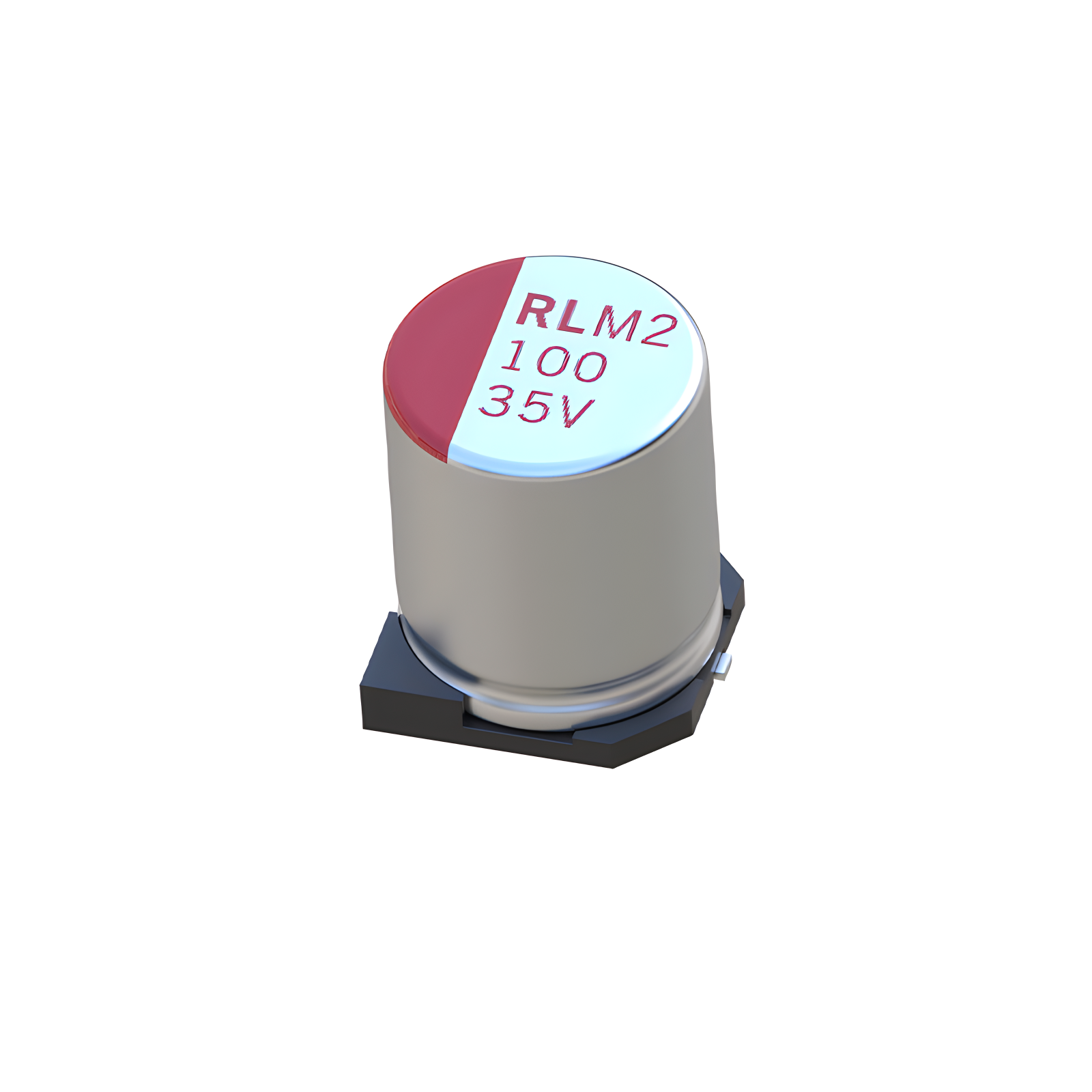 Capacitors
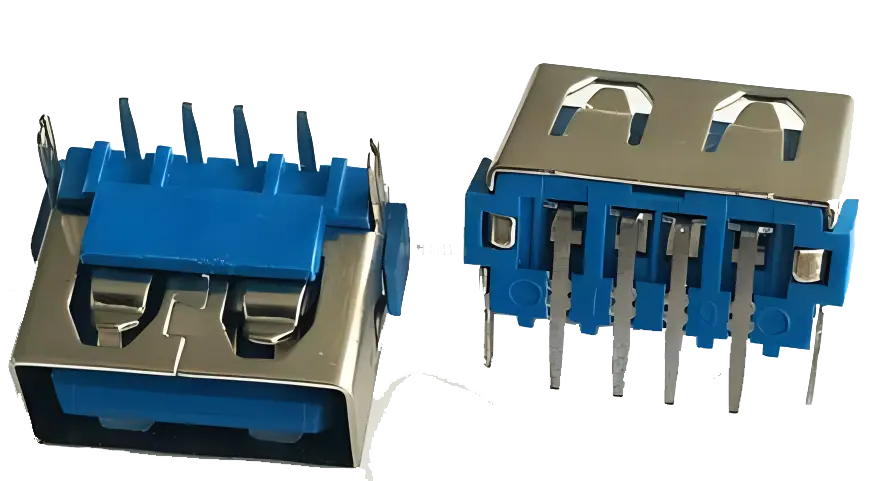 Connectors
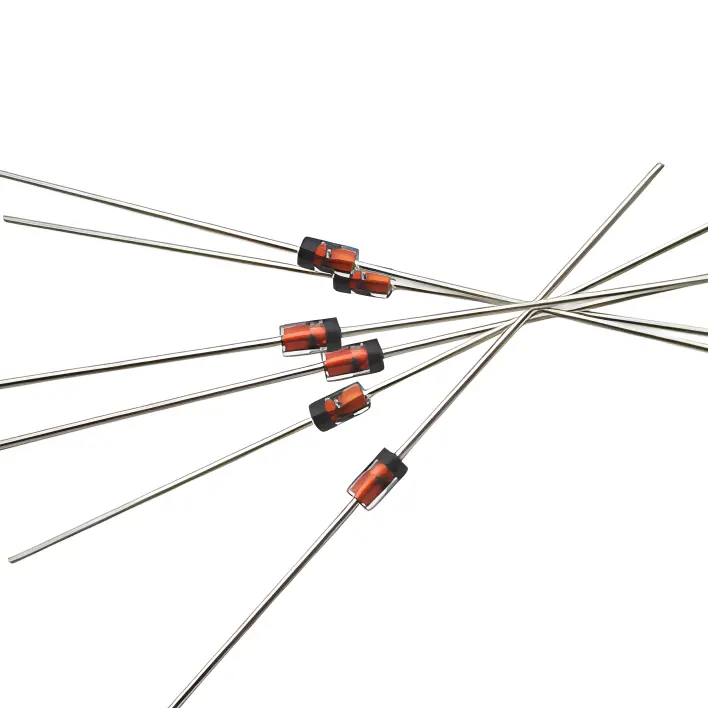 Diodes
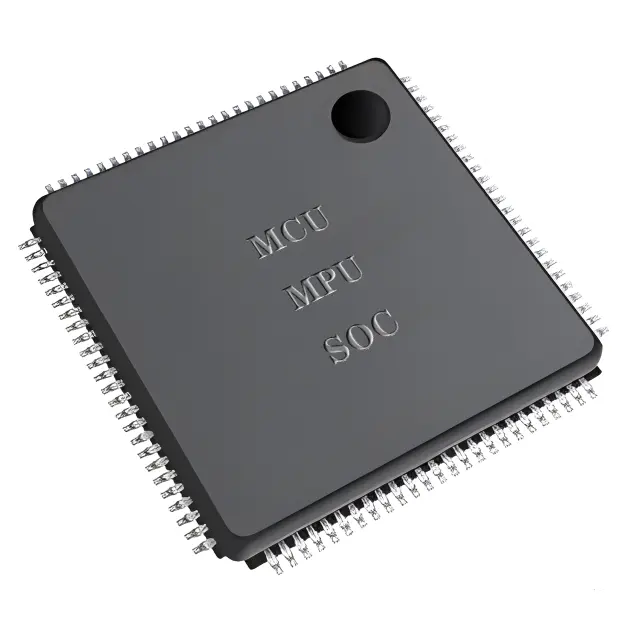 Embedded Processors & Controllers
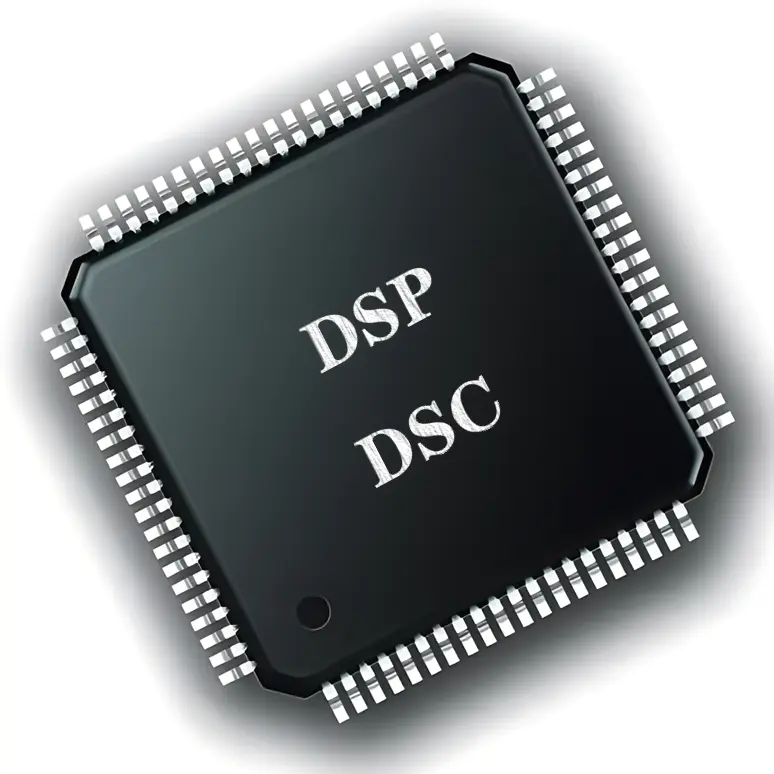 Digital Signal Processors (DSP/DSC)
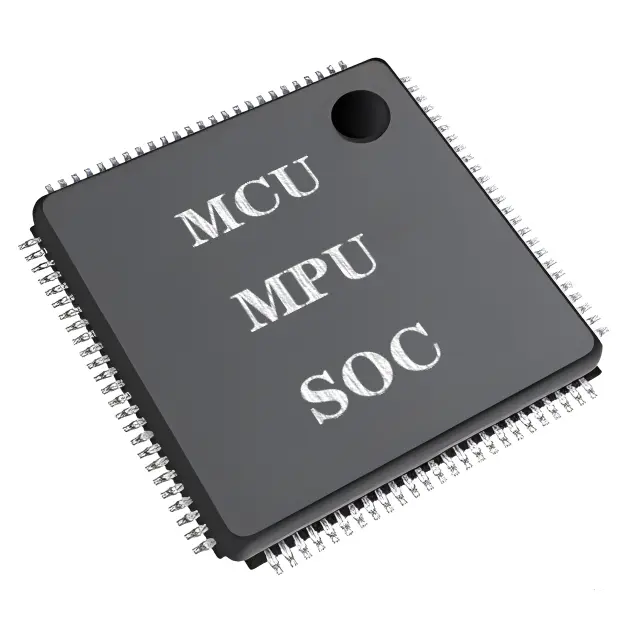 Microcontrollers (MCU/MPU/SOC)
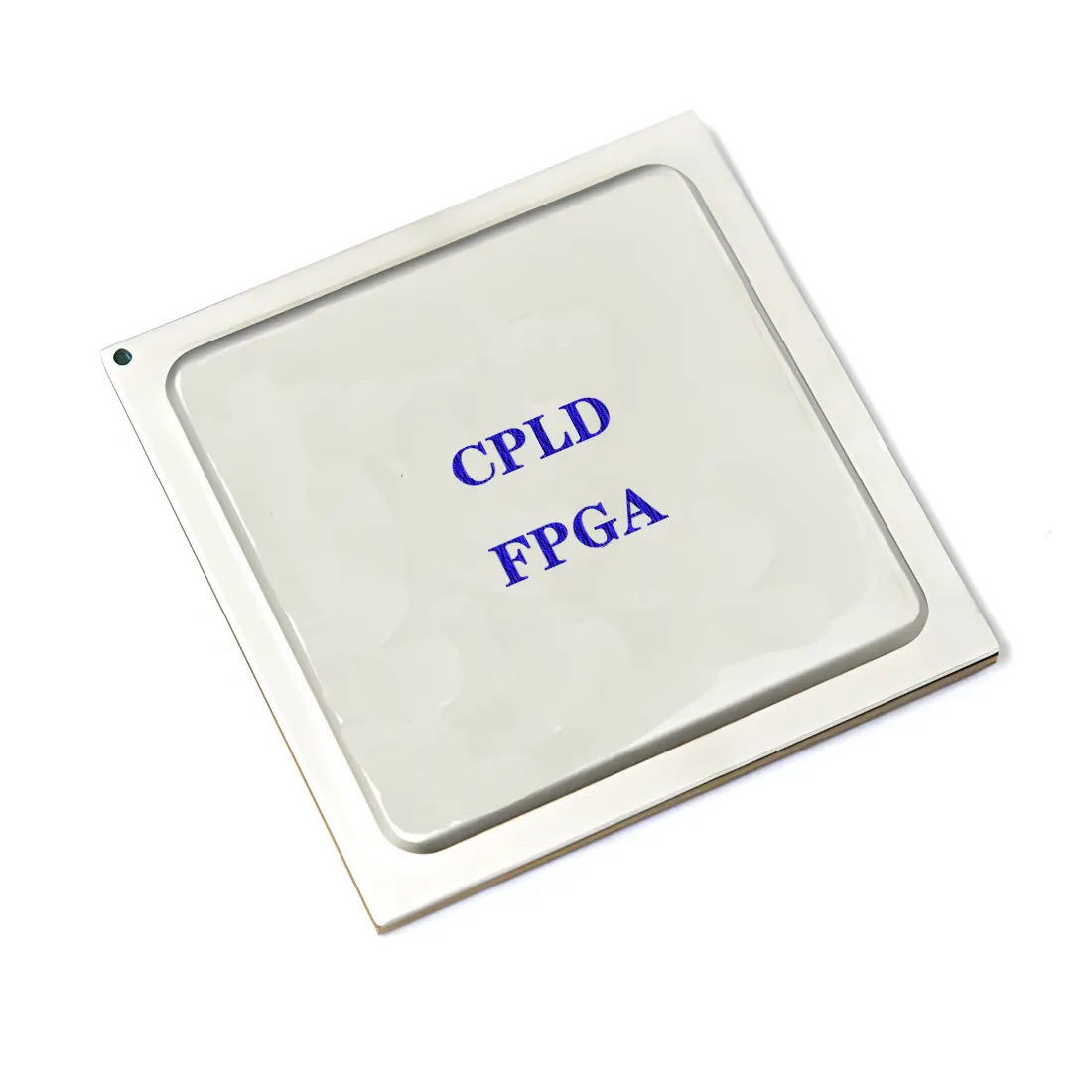 Programmable Logic Device(CPLD/FPGA)
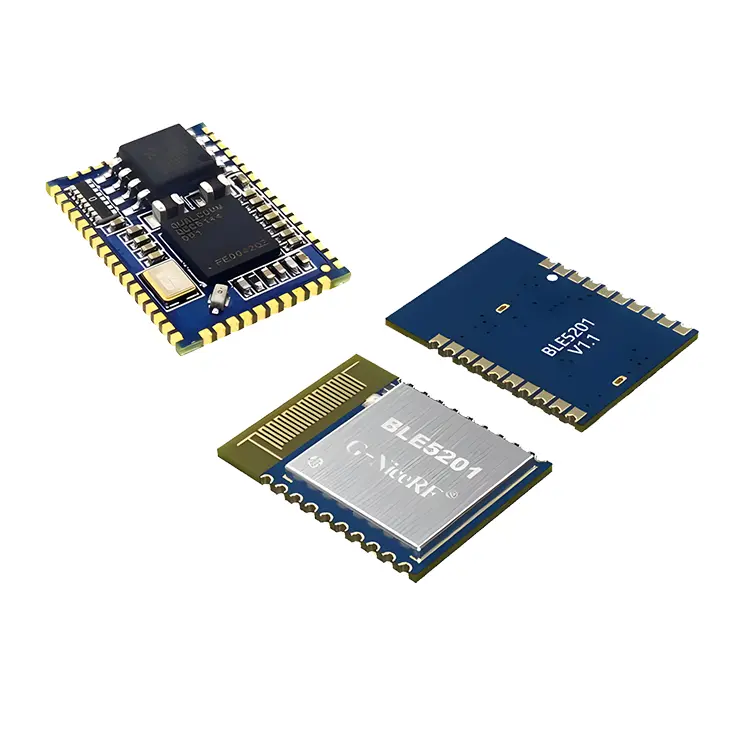 Communication Modules/IoT
 Resistors
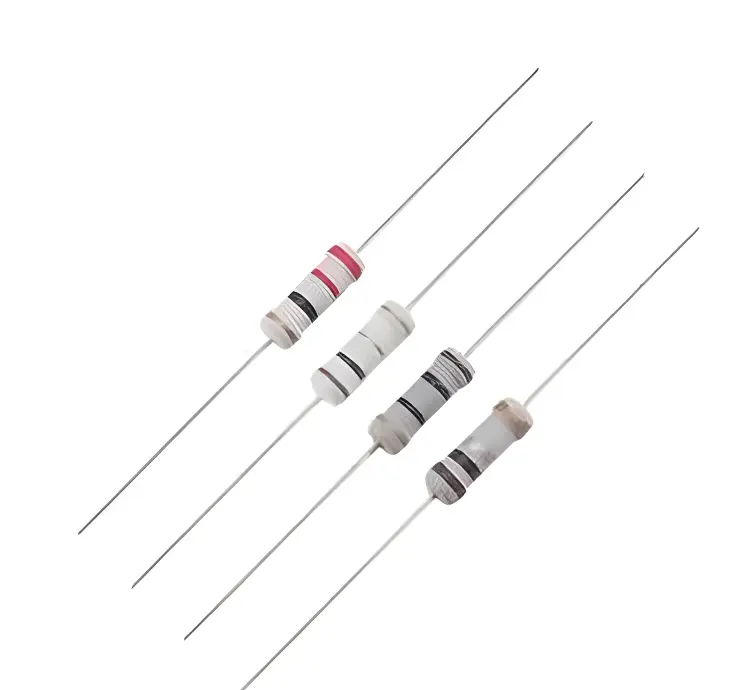 Through Hole Resistors
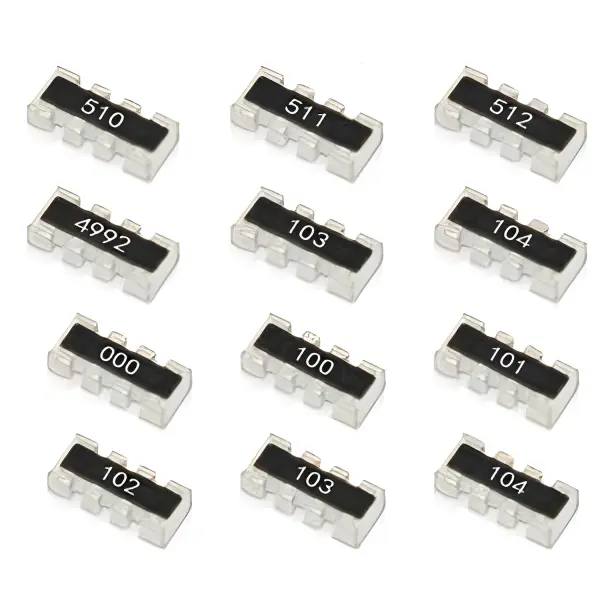 Resistor Networks, Arrays
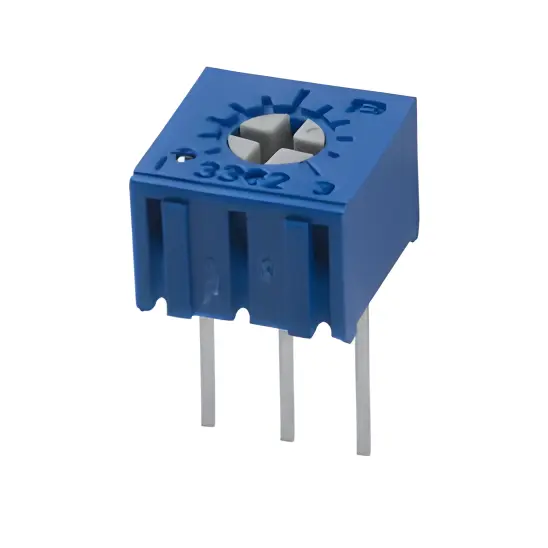 Potentiometers,Variable Resistors
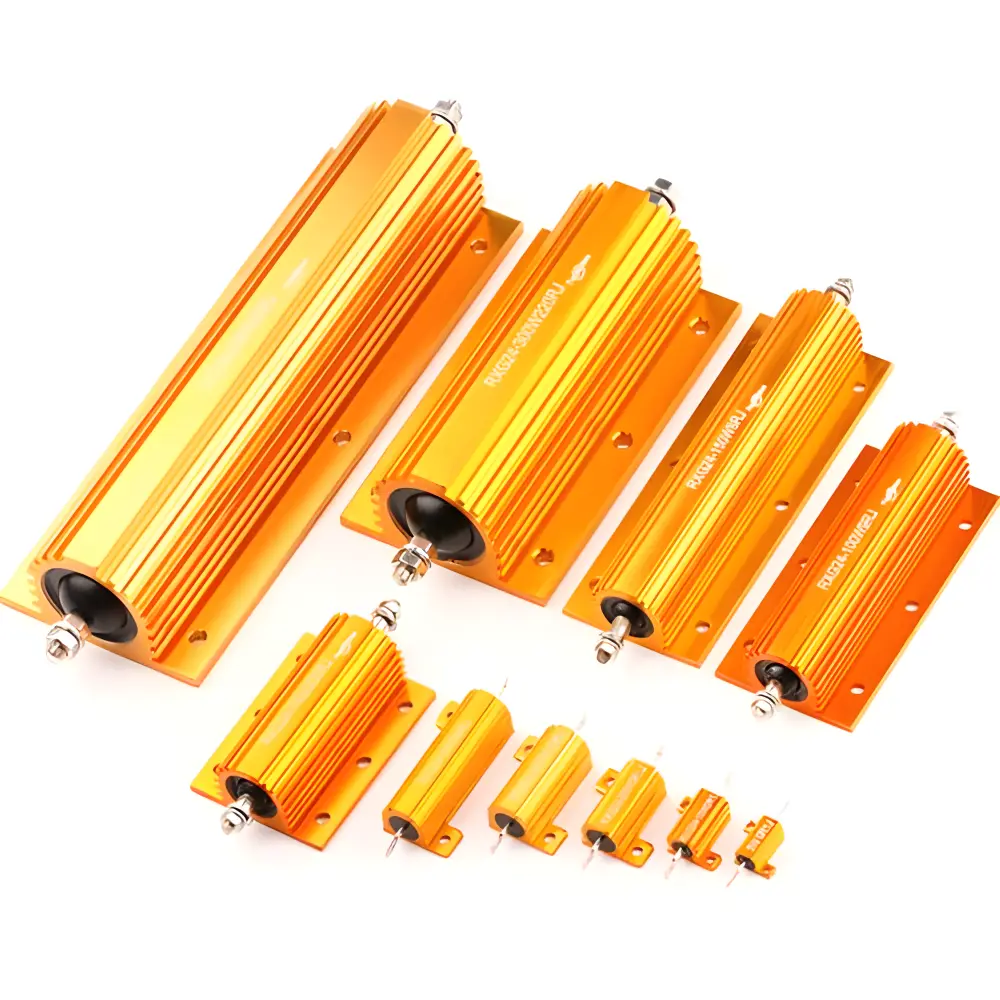 Aluminum Case,Porcelain Tube Resistance
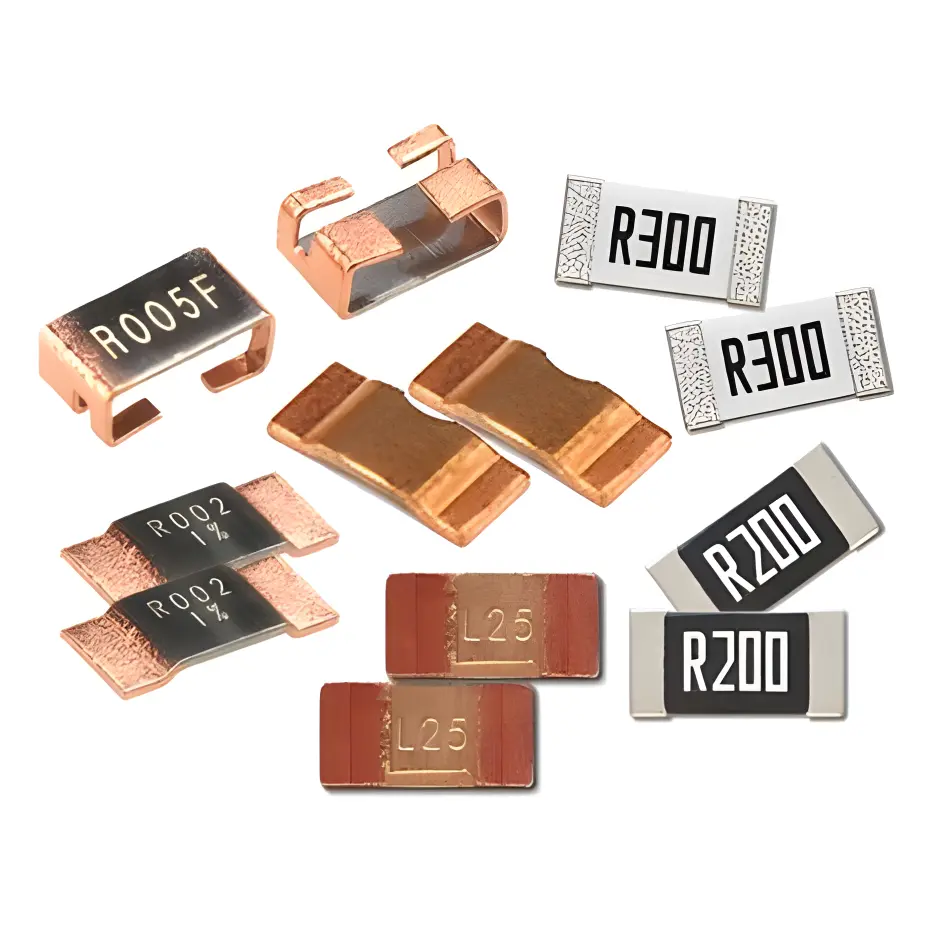 Current Sense Resistors,Shunt Resistors
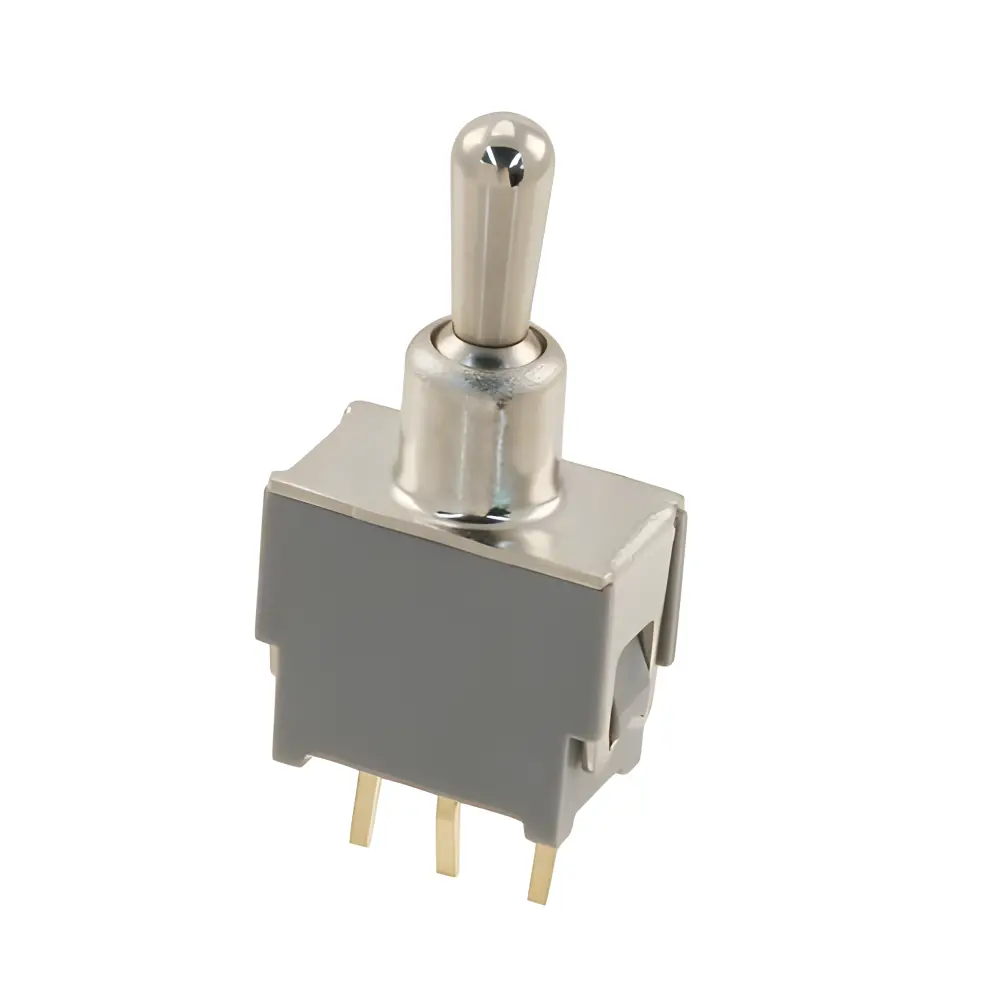 Switches
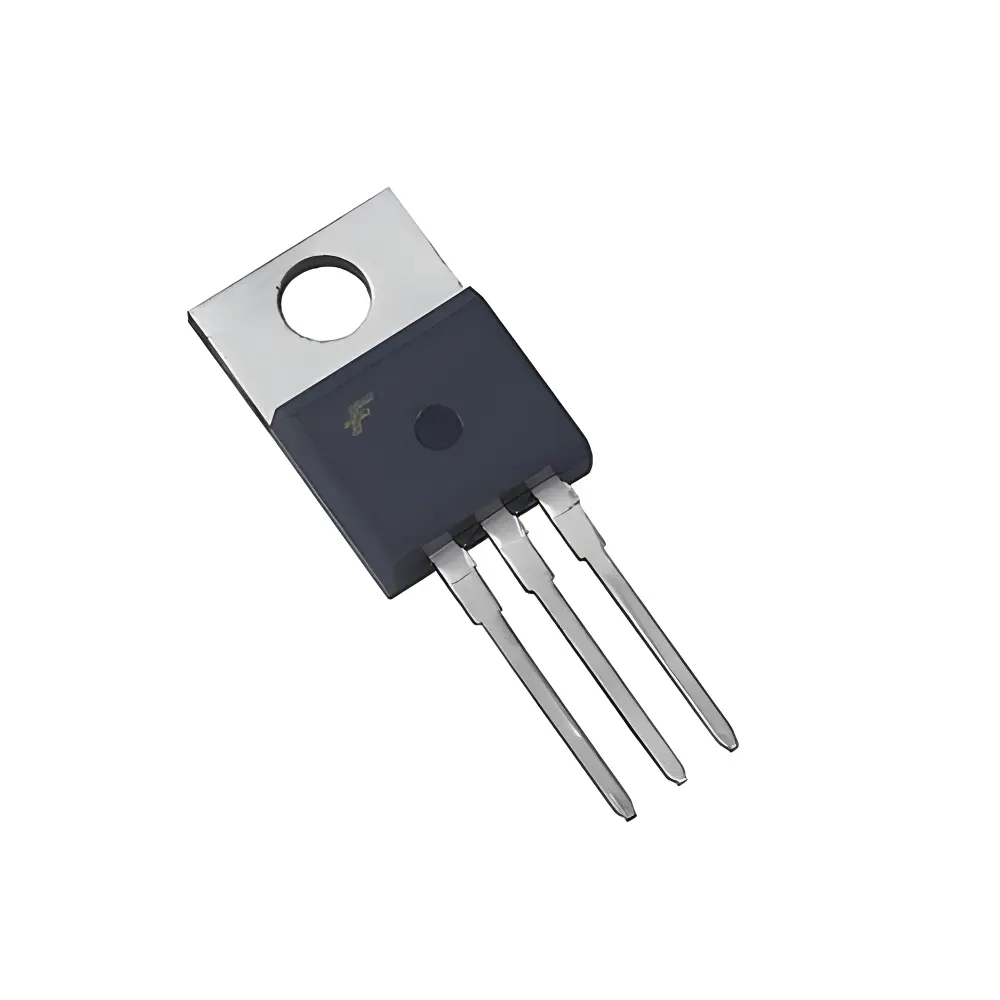 Transistors
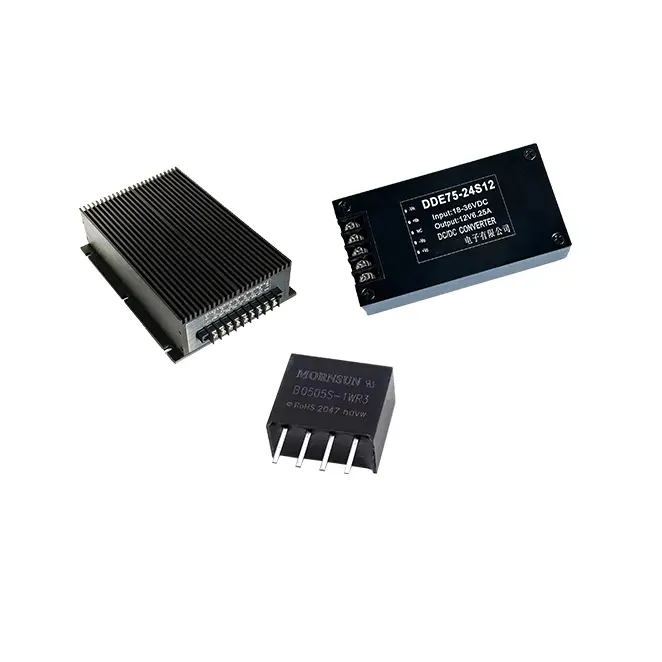 Power Modules
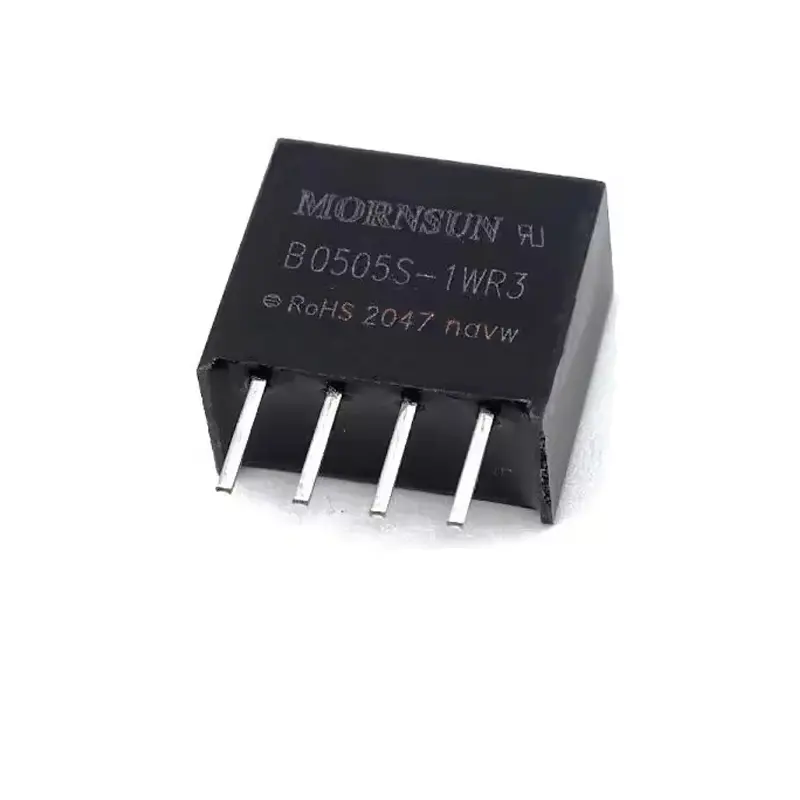 Isolated Power Modules
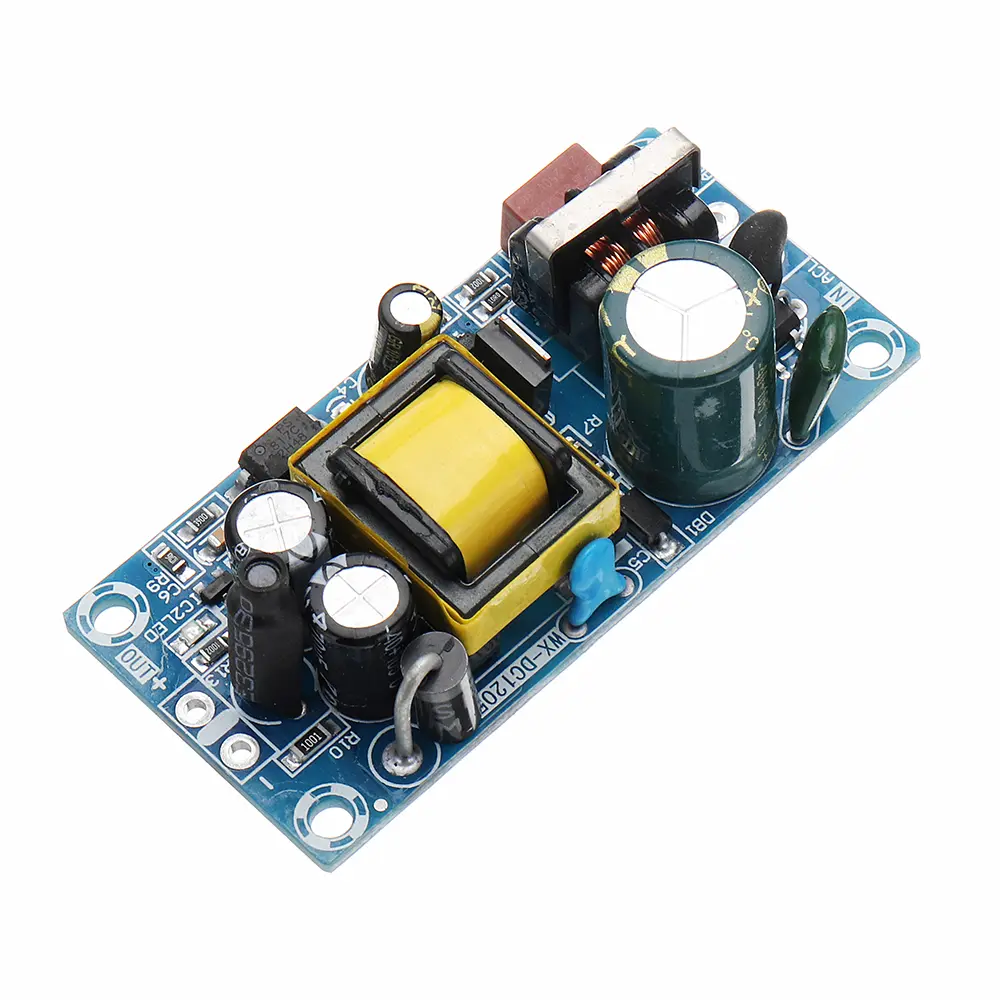 AC-DC Power Modules
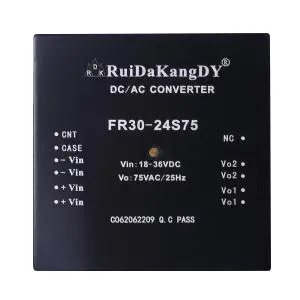 DC-AC Module(Inverter)
 RF and Wireless
DC Power Connector
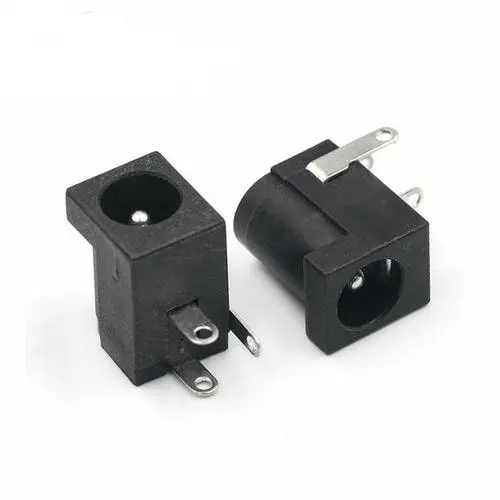
The DC Power Connector, also known as a DC plug or barrel connector, is a commonly used inteRFace for providing direct current (DC) power to small devices. Below is a detailed explanation of this component:
Definition and Purpose
A DC Power Connector is a plug-and-SOCket type connector with various shapes, sizes, and configurations. They are typically used to power electrical equipment or within low-voltage systems, such as subsystems within vehicles. This type of connector ensures that current flows in a single direction between devices or within a device, providing a stable and reliable DC power connection for electronic devices.
Types and Standards
DC Power Connectors come in a variety of types, including barrel connectors, coaxial power connectors, audio connectors (although not recommended for power supply), power jacks, and USB connectors. These connectors follow different standards to cover specific connector types, such as coaxial connectors and USB formats. However, there is no single standard that covers the entire category of DC Power Connectors.
Structure and Characteristics
1、Electrodes: DC connectors usually have two positions (also known as poles or pins), namely positive and negative. Proper connection of positive and negative electrodes ensures that electrical devices receive the expected voltage and current, preventing potential damage to the device.
2、Insulation: DC connectors are typically designed with insulation layers to prevent electrical contact between conductive elements and to prevent accidental contact with live electrical components, thereby reducing the risk of short circuits.
3、Shielding: Shielding requirements depend on the specific application, the nature of the transmitted signal, and environmental conditions. When selecting connectors for applications with potential interference challenges, shielding characteristics should be considered, and connectors that meet the intended use requirements should be selected.
4、Mounting Types: Panel mount, through-hole mount for soldering to a PCB, and surface-mount technology (SMT) for mid-mount are common mounting types. The mounting type of DC power jacks to end-use applications varies depending on the application.
5、Insertion and Removal Cycles: Applications requiring DC power connectors often undergo frequent insertion and removal cycles, so these connectors typically have a rated cycle count of several thousand times.
Selection and Considerations
When selecting DC Power Connectors, the following factors need to be considered:
1、Current and Voltage Requirements: Ensure that the rated current and voltage of the selected connector meet the application requirements.
2、Size and Shape: Choose the appropriate size and shape of the connector based on the space and layout requirements of the device.
3、Mounting Type: Select the appropriate mounting type based on the device's installation method and environmental requirements.
4、Insertion and Removal Cycles: Consider the insertion and removal lifespan of the connector to ensure its reliable operation throughout the product lifecycle.
5、Safety Certifications: Choose connectors that have undergone safety certifications to ensure product safety and reliability.