In the manufacturing of printed Circuit Boards (PCBs), the adhesion strength between electroless/electroplated copper layers and dielectrIC substrates is a critical quality metric that directly impacts the board’s mechanical durability, thermal stability, and long-term reliability. Weak copper-substrate adhesion can lead to catastrophic failures such as copper trace delamination, pad lifting during component assembly, or open circuits under thermal cycling and mechanical stress. To ensure compliance with industry standards (IPC-TM-650, IPC-6012), PCB manufacturers rely on a suite of standardized testing methods to quantify adhesion strength, with the peel test being the most widely used and informative technique. This article provides a detailed analysis of the fundamental principles, standardized procedures, equipment requirements, and data interpretation methods for copper-substrate adhesion testing, with a primary focus on peel test methodologies. It also explores complementary testing techniques and their applications in validating adhesion peRFormance across different PCB manufacturing scenarios.
- Mechanical Interlocking: During the PCB manufacturing process, the substrate surface is intentionally roughened via chemical etching or mechanical abrasion to create micro-scale irregularities. Copper atoms deposit into these micro-cavities during plating, forming a mechanical lock that resists separation forces. This is the dominant adhesion mechanism for rigid PCBs using FR-4 substrates.
- Chemical Bonding: Chemical reactions between copper ions and functional groups on the substrate surface form covalent or ionic bonds. For example, electroless copper plating initiators (e.g., palladium-tin colloids) react with hydroxyl groups on FR-4 surfaces, creating a chemical bridge between the substrate and the copper layer.
- Van der Waals Forces: Weak intermolecular forces between copper atoms and substrate molecules contribute to secondary adhesion, particularly for smooth substrate surfaces or thin copper layers.
- Substrate Surface Preparation: Insufficient roughening (low surface roughness, Ra < 0.8μm) reduces mechanical interlocking, while over-roughening can cause substrate damage. Contamination (e.g., oils, dust, residual etchants) on the substrate surface blocks chemical bonding sites.
- Plating Process Parameters: Improper electroless copper bath chemistry (e.g., incorrect pH, stabilizer concentration) or electroplating current density can lead to porous, weakly bonded copper layers. Rapid plating rates often result in poor adhesion due to insufficient time for chemical bonding.
- Thermal and Mechanical Stress: Post-plating processes such as solder mask curing, reflow soldering, or thermal cycling can induce residual stresses between copper and substrate, weakening the bond interface.
- Environmental Exposure: Humidity, temperature fluctuations, and chemical contaminants (e.g., halides, acids) can degrade adhesion over time by attacking the bond interface or causing substrate swelling.
- 90° Peel Test: The copper layer is peeled away from the substrate at a 90° angle relative to the substrate surface. This configuration is ideal for measuring adhesion of thick copper layers (≥1oz, 35μm) and is commonly used for rigid PCBs.
- 180° Peel Test: The copper layer is folded back and peeled at a 180° angle, parallel to the substrate surface. This configuration is suited for thin copper layers (<1oz) and flexible PCBs, where the copper layer can be bent without fracturing.
- Specimen Dimensions: Standard specimens are rectangular, with dimensions of 25mm (width) × 100mm (length). The copper layer to be tested must cover the entire specimen surface with uniform thickness (±5μm tolerance). For multi-layer PCBs, the test is performed on the outer copper layer or a deliberately exposed inner layer.
- Peel Initiation: A 20–30mm length of the copper layer at one end of the specimen is manually peeled away from the substrate using a sharp blade or tweezers. This pre-peeled section is clamped into the test machine’s upper grip, while the substrate is clamped into the lower grip. To avoid damaging the bond interface during initiation, the blade must be inserted parallel to the substrate surface, not at an angle.
- Surface Contamination Control: Specimens must be cleaned with isopropyl alcohol (IPA) before testing to remove fingerprints, dust, or residual oils. Handling must be done with lint-free gloves to prevent recontamination.
- Conditioning: Specimens are conditioned in a controlled environment (23±2°C, 50±5% relative humidity) for a minimum of 24 hours before testing, in accordance with IPC-TM-650 Method 1.2. This ensures that environmental factors do not skew test results.
- Universal Testing Machine: A UTM with a load capacity of 0–500N is sufficient for most PCB peel tests. The machine must be capable of controlling crosshead speed with high precision (±0.5mm/min tolerance).
- Grips: The upper grip holds the pre-peeled copper tab, while the lower grip secures the substrate. Grips must be non-slip (e.g., serrated stainless steel) to prevent specimen slippage during testing, which can cause inaccurate force readings. For flexible PCBs, pneumatic grips are preferred to avoid damaging the substrate.
- Force Sensor (Load Cell): A load cell with a capacity of 0–100N is used for thin copper layers, while a 0–500N load cell is used for thick layers. The load cell must be calibrated annually to ensure accuracy (±1% of full scale).
- Angle Alignment Fixture: For the 90° peel test, a fixture is used to maintain the exact 90° peel angle throughout the test. Misalignment by as little as 5° can reduce measured peel strength by 10–15%.
- Mount the Specimen: Clamp the pre-peeled copper tab into the upper grip of the UTM, ensuring that the tab is aligned vertically. Clamp the substrate into the lower grip, adjusting the angle alignment fixture to set the desired peel angle (90° or 180°). The initial distance between the grips should be set such that the peel front is located at the edge of the lower grip.
- Set Test Parameters: Program the UTM to a crosshead speed of 50mm/min (the standard speed for PCB peel tests, per IPC). Set the data acquisition rate to 100Hz to capture detailed force fluctuations during peeling.
- Initiate the Test: Start the UTM, causing the upper grip to move upward (for 90° peel) or horizontally (for 180° peel) at the set speed. The copper layer will peel away from the substrate, and the load cell will record the force required to maintain separation.
- Terminate the Test: Stop the test after peeling a length of 50–60mm (excluding the initial pre-peeled section). This ensures that the measured force is representative of the bond interface, not the edge effects at the specimen ends.
- Repeat for Statistical Validity: Test a minimum of 5 specimens per PCB lot to account for manufacturing variability. Calculate the average peel strength and standard deviation to ensure compliance with quality requirements.
- Quantitative Analysis: The peel strength is calculated as the average force during steady-state peeling, divided by the specimen width (Peel Strength = Average Force / Width). IPC-6012 specifies minimum peel strength requirements:
- Class 1 (Consumer Electronics): ≥0.5N/mm (1.4oz/in)
- Class 2 (Industrial Electronics): ≥0.8N/mm (2.2oz/in)
- Class 3 (High-Reliability Electronics): ≥1.0N/mm (2.8oz/in) A peel strength value below these thresholds indicates weak adhesion and non-compliance with standards.
- Qualitative Analysis: The shape of the force vs. displacement curve reveals critical information about the failure mode:
- Steady, Uniform Force Curve: Indicates consistent adhesion across the interface, with failure occurring at the copper-substrate bond (ideal result).
- Fluctuating Force Curve: Indicates uneven adhesion, often caused by substrate surface contamination or inconsistent plating.
- Sudden Force Drop: Indicates catastrophic delamination, typically caused by poor chemical bonding or substrate damage.
- Copper Residue on Substrate: If the peeled substrate surface is covered with copper, the failure occurred within the copper layer (not at the interface), indicating that the adhesion strength exceeds the copper’s tensile strength (a positive result).
- Clean Substrate Surface: If the substrate surface is clean (no copper residue), the failure occurred at the copper-substrate interface, indicating weak adhesion (a negative result).
- Procedure: Apply a pressure-sensitive adhesive tape (e.g., 3M Scotch Tape 610) firmly to the copper surface, ensuring full contact. Peel the tape away rapidly at a 180° angle.
- Interpretation: If copper flakes adhere to the tape, adhesion is weak. If the copper surface remains intact, adhesion is sufficient for further testing.
- Applications: Ideal for high-volume production lines, where rapid screening is required to identify batches with severe adhesion issues.
- Procedure: Subject PCB specimens to thermal cycling (e.g., -40°C to 125°C, 100 cycles, 30 minutes per cycle) before performing a standard peel test.
- Interpretation: Compare the peel strength before and after thermal cycling. A reduction of more than 20% indicates that the adhesion is not thermally stable, which can lead to field failures.
- Applications: Critical for automotive and aerospace PCBs, which operate in extreme temperature environments.
- Procedure: A diamond-tipped stylus is drawn across the copper surface with increasing load. The load at which the copper layer delaminates from the substrate is recorded as the critical scratch load.
- Interpretation: Higher critical scratch loads indicate stronger adhesion. This method is particularly useful for evaluating thin electroless copper layers, where peel testing is not feasible due to copper layer brittleness.
- Applications: Used for testing seed layers in HDI (High-Density Interconnect) PCBs and flexible PCBs with ultra-thin copper.
- Procedure: A specialized shear tool applies a lateral force to a copper pad until it delaminates from the substrate. The maximum shear force is recorded and normalized by the pad area.
- Interpretation: Shear strength values correlate with the resistance to pad lifting during reflow soldering. This method is often used to test the adhesion of surface-mount device (SMD) pads.
- Applications: Critical for evaluating PCB assembly reliability, especially for fine-pitch components.
- Specimen Preparation Variability: Inconsistent pre-peeling or substrate damage during preparation can skew results. Standardizing preparation procedures and training operators are essential.
- Environmental Conditions: Temperature and humidity affect both the copper layer’s mechanical properties and the substrate’s flexibility. All tests must be performed in a conditioned environment per IPC-TM-650.
- Equipment Calibration: Load cells and crosshead speed controllers must be calibrated regularly to maintain accuracy. Misaligned grips or uncalibrated sensors can lead to up to 20% error in measured peel strength.
- Operator Skill: Manual specimen mounting and peel initiation require skill to avoid introducing bias. Automated specimen handling systems can reduce operator variability in high-volume testing environments.

 PCB
PCB FPC
FPC Rigid-Flex
 FR-4
FR-4 HDI PCB
 Rogers High-Frequency Board
 PTFE Teflon High-Frequency Board
 Aluminum
 Copper Core
 PCB Assembly
 LED light PCBA
 Memory PCBA
 Power Supply PCBA
 New Energey PCBA
 Communication PCBA
 Industrial Control PCBA
 Medical Equipment PCBA
 Testing Service
 PCBA Testing Service
 Certification Application
 RoHS Certification Application
 REACH Certification Application
 CE Certification Application
 FCC Certification Application
 CQC Certification Application
 UL Certification Application
 Transformers, Inductors
 High Frequency Transformers
 Low Frequency Transformers
 High Power Transformers
 Conversion Transformers
 Sealed Transformers
 Ring Transformers
 Inductors
 Wires,Cables Customized
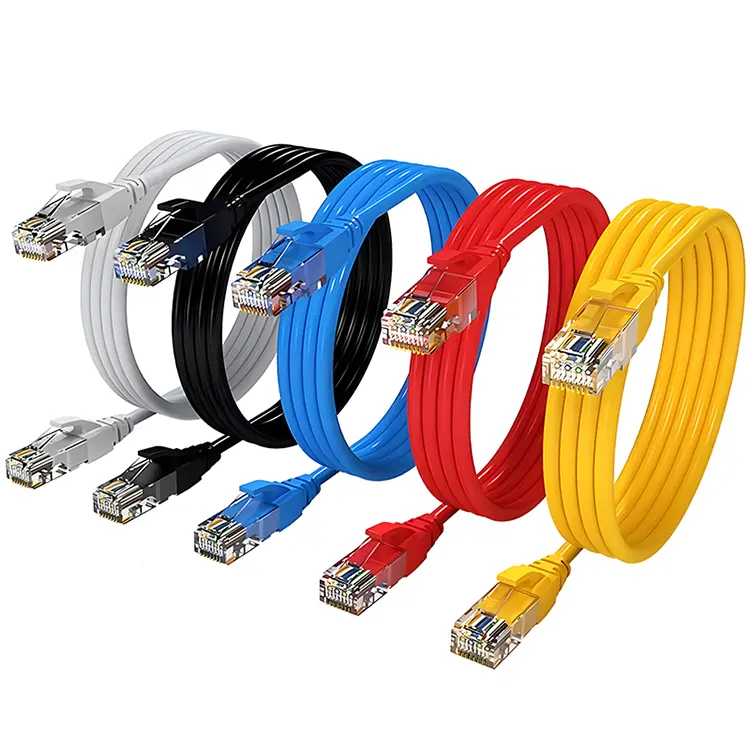 Network Cables
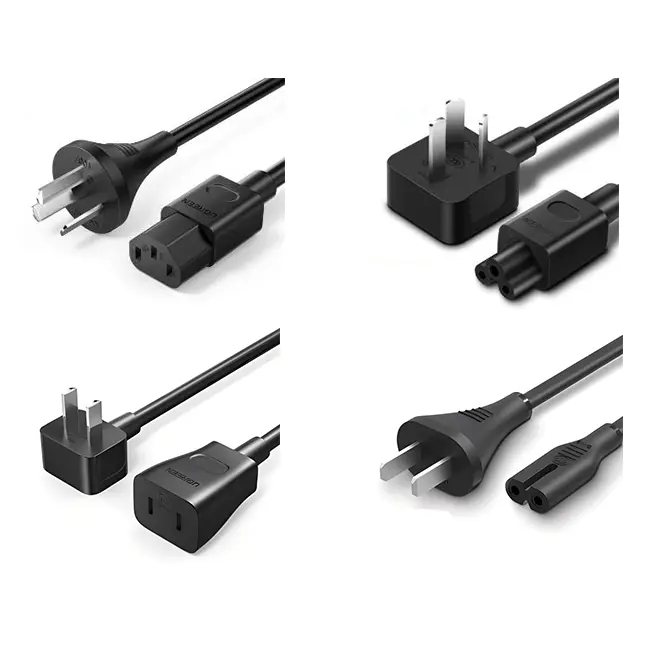 Power Cords
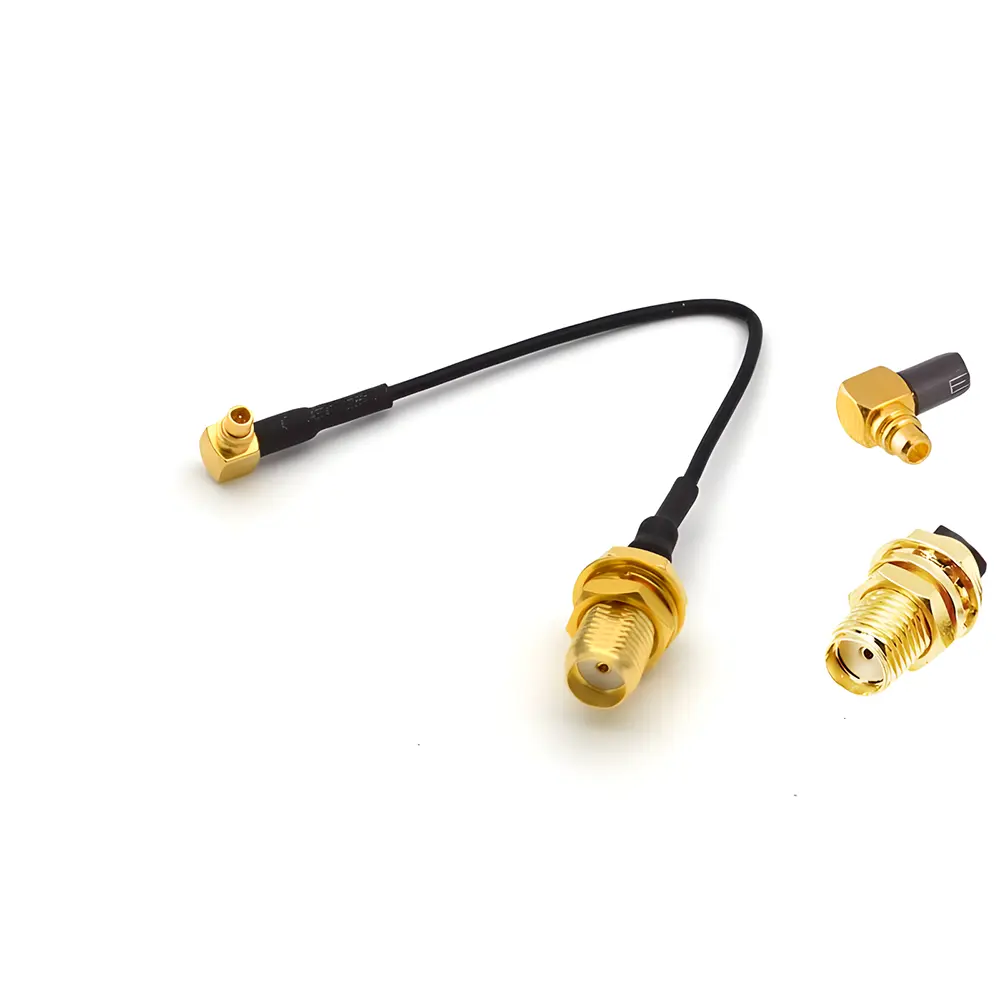 Antenna Cables
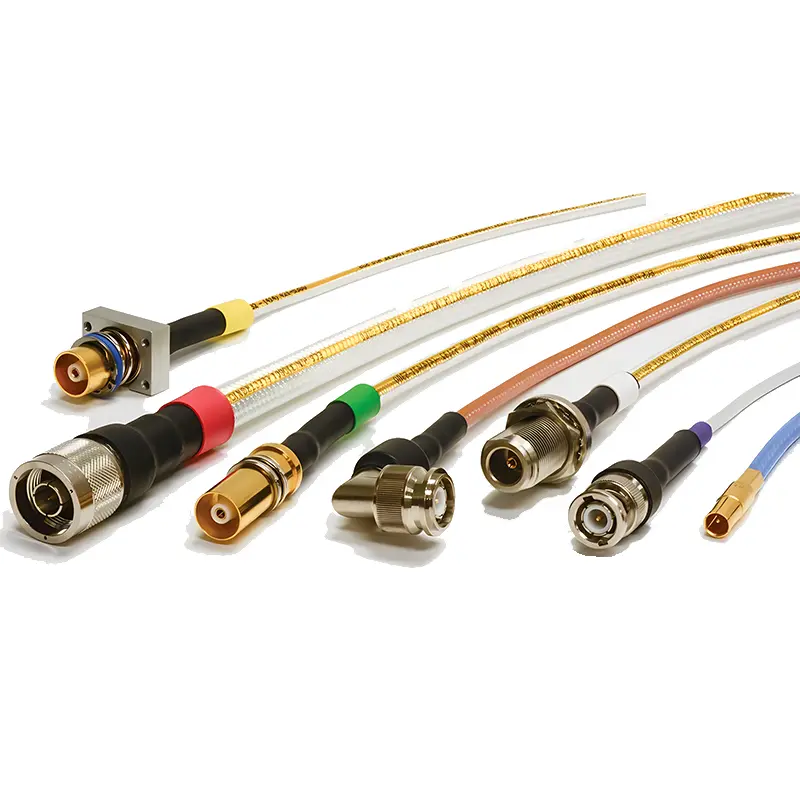 Coaxial Cables
 Net Position Indicator
 Solar AIS net position indicator
 Capacitors
 Connectors
 Diodes
 Embedded Processors & Controllers
 Digital Signal Processors (DSP/DSC)
 Microcontrollers (MCU/MPU/SOC)
 Programmable Logic Device(CPLD/FPGA)
 Communication Modules/IoT
 Resistors
 Through Hole Resistors
 Resistor Networks, Arrays
 Potentiometers,Variable Resistors
 Aluminum Case,Porcelain Tube Resistance
 Current Sense Resistors,Shunt Resistors
 Switches
 Transistors
 Power Modules
 Isolated Power Modules
 AC-DC Power Modules
 DC-AC Module(Inverter)
 RF and Wireless